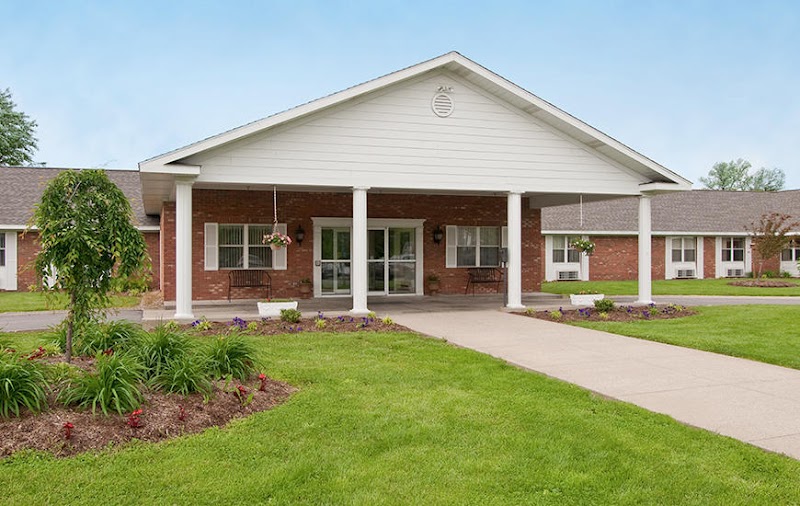

LAKE POINTE VILLAGE

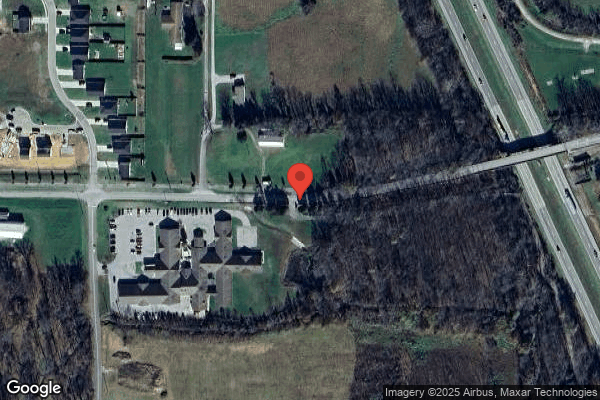
545 W MOONGLO RD, SCOTTSBURG, IN 47170 (812) 752-3499
For profit - Corporation 68 Beds AMERICAN SENIOR COMMUNITIES Data: November 2025
Trust Grade
95/100
#58 of 505 in IN
Last Inspection: August 2025

Inspected within the last 6 months. Data reflects current conditions.

Overview

Lake Pointe Village in Scottsburg, Indiana, has received a Trust Grade of A+, indicating it is an elite facility, well above average in quality. It ranks #58 out of 505 nursing homes in the state, placing it in the top half, and #2 out of 4 in Scott County, meaning only one nearby option is rated higher. The facility appears to be improving, having reduced its issues from three in 2024 to none in 2025. Staffing is rated average with a 3/5 star score and a turnover rate of 20%, which is significantly lower than the state average, suggesting a stable workforce. Although there have been no fines, there are concerning incidents reported, such as staff failing to prevent verbal abuse among residents and issues with expired food and unclean kitchen equipment, which could affect residents' health. Overall, while the facility has strong ratings and a commitment to improvement, families should be aware of the reported incidents and ensure they are addressed.

Trust Score
A+
95/100
In Indiana
#58/505
Top 11%
Safety Record
Low Risk
No red flags
Inspections
Getting Better
3 → 0 violations
Staff Stability
✓ Good
20% annual turnover. Excellent stability, 28 points below Indiana's 48% average. Staff who stay learn residents' needs.
Penalties
✓ Good
No fines on record. Clean compliance history, better than most Indiana facilities.
Skilled Nurses
✓ Good
Each resident gets 47 minutes of Registered Nurse (RN) attention daily — more than average for Indiana. RNs are trained to catch health problems early.
Violations
○ Average
6 deficiencies on record. Average for a facility this size. Mostly minor or procedural issues.
★★★★★
5.0
Overall Rating
★★★☆☆
3.0
Staff Levels
★★★★☆
4.0
Care Quality
★★★★★
5.0
Inspection Score
Stable
2024: 3 issues
2025: 0 issues

The Good

  • 4-Star Quality Measures · Strong clinical quality outcomes
  • Low Staff Turnover (20%) · Staff stability means consistent care
  • Full Sprinkler Coverage · Fire safety systems throughout facility
  • No fines on record
  • Staff turnover is low (20%)

    28 points below Indiana average of 48%

Facility shows strength in quality measures, staff retention, fire safety.

The Bad

Chain: AMERICAN SENIOR COMMUNITIES

Part of a multi-facility chain

Ask about local staffing decisions and management

The Ugly 6 deficiencies on record

Oct 2024 1 deficiency
CONCERN (D) 📢 Someone Reported This

A family member, employee, or ombudsman was alarmed enough to file a formal complaint

Potential for Harm - no one hurt, but risky conditions existed

Deficiency F0744 (Tag F0744)

Could have caused harm · This affected 1 resident

Based on interview, observation and record review, the facility failed to appropriately handle a resident with a diagnosis of dementia and a behavior of figiting for re-positioning for 1 of 3 resident...

Read full inspector narrative →
Based on interview, observation and record review, the facility failed to appropriately handle a resident with a diagnosis of dementia and a behavior of figiting for re-positioning for 1 of 3 residents reviewed for dementia care. (Resident B) Findings include: The review of the Reportable Incident to the Indiana Department of Health (IDOH), dated 9/30/24, indicated a family member reported to the Executive Director (ED) that there was rough handling by an aide on the memory care unit (Cottage) which happened on 9/22/24. The record for Resident B was reviewed on 10/17/24 at 3:30 p.m. The resident was admitted to the facility's dementia unit on 8/13/24 from home and was subsequently sent out to a psychiatric facility shortly after admission for behavioral issues. She returned to the facility dementia unit on 9/18/24. The resident's diagnoses included, but were not limited to, chronic obstructive pulmonary disease; mood disorder due to known physiological condition with manic features; dementia in other diseases of moderate with behavioral disturbances; Bipolar disorder of current episode manic with severe psychotic features, delusional disorders, anxiety disorder, depression, syncope and collapse, abnormalities of gait with motility, impulsiveness; and fracture of second thoracic vertebrate. The admission Minimum Data Set (MDS) assessment, dated 9/25/24, indicated the resident had long and short term memory loss and was severely impaired for cognitive skills for daily decision making. She required two staff for assistance with toileting and ADLs (Activities of Daily Living). A care plan, dated 8/13/24, indicated the resident exhibited cognitive impairment with a BIMS (Brief Interview of Memory) less than 13. The resident's cognition was severely impaired. The long term goal was for the resident to continue to participate in daily decisions as able and will remain alert and oriented at current level. The interventions included, but were not limited to, encourage social interaction; give resident choices throughout the day regarding decisions as able; provide resident with prompts and cues as needed; and provide simple instructions and repeat as needed. A care plan, with a start date of 9/19/24, indicated the resident at times prefered to get onto her hands and knees and crawl on the floor/sleep on the floor. The resident experienced the following behaviors: anxiousness, restlessness, repetitive worries related to a diagnosis of anxiety disorder, severe agitation, delusional behaviors, and intrusive wandering related to diagnosis of Bipolar disorder with manic and severe with psychotic features. During an interview on 10/17/24 at 3:13 p.m., the complaiant indicated he on the day of the incident it was very chaotic and hectic back on the dementia unit. There was a COVID outbreak in the facility and on the unit. Staff were trying to keep the residents with COVID in their rooms and the others out of those rooms. He was visiting his family member in his room and he had to go to the bathroom. He walked out to get the key from the nursing station and went to the bathroom. As he was returning the key, he saw two Certified Nurse Aides (CNAs) were trying to get Resident B to sit down as she kept trying to get up. He then saw a CNA walk by the resident who was sitting in a chair by the nursing station. The CNA used her hand and by the resident's head she shoved her back into the chair. The aide did not speak to the resident, she just pushed her back down into the chair. When she pushed the resident down, the resident screamed, but this resident had a habit of screaming out quite frequently for no reason. He was not sure if she actually hurt her. He did not report it to anyone until a week later. The record indicated, on 9/30/24, CNA 2 recalled the incident between her and Resident B on 9/22/24. The CNA indicated that the only incident she could recall was when she sat with Resident B on the couch in the dining room. Since the resident had been crying so hard, she held her close and took her hand and gently guided the resident's head to her shoulder, which calmed the resident down a little while later. Review of the progress notes, between 9/22/24 and 9/26/24, did not indicate the resident had bruising to her forehead due to allegation of rough treatment by a CNA nor did she appear fearful with staff when helping her. In a second interview with CNA 2, the ED, and Director of Nursing (DON), dated 10/1/24, the CNA was made aware of the allegation by a resident's family. She denied the incident occurring and was not aware of any other staff, including herself, who could have done that. During an interview with Resident C on 10/17/24 at 10:55 a.m., she was asked what she remembered from that day involving CNA 2 and Resident B. She indicated CNA 2 was sitting on different couches with Resident B talking to her.The CNA appeared to be trying to get Resident B to lay her head on the pillow by placing her hand on her forehead and gently pushing her to lay down and rest. She used her open hand and kind of pushed her head back as if trying to get her to lay back on the pillow. During an interview with RN 7 on 10/17/24 at 2:45 p.m., she indicated Resident B may have been leaning forward so much like she does that CNA 2 just put her hand on the resident's forehead to prevent her from falling forward onto the floor and straighten up so she could lay down. She would have used the resident's arms to re-position her or guided her body back. During an interview with the Scheduler on 10/17/24 at 2:53 p.m., she indicated she was also a CNA. Although she believed it was okay for CNA 2 to use her hand on the resident's forehead to guide her back up, she would have used the resident's arms to help guide her into a better position. During an observation of Resident B at 2:55 p.m., the resident was observed sitting in her high back tilt chair (a chair that provides greater upper and lower back support, as well as taking the strain off your neck and shoulders) at a table with other residents and CNA 6. The resident was observed to be fidgety in her chair occasionally leaning forward. During an interview with Licensed Practical Nurse (LPN) 10 on 10/17/24 at 3:00 p.m., she indicated that she felt like the aide was only trying to re-position the resident by placing her hand on the resident's forehead and pushing her back to prevent falling to the floor. She would not have used her hand on the resident's forehead, she would use the resident's arms or another CNA to help re-position her and tilt her back. During an interview with CNA 11 on 10/17/24 at 3:05 p.m., she indicated she was taught to re-position a resident using their arms or body to prevent them from falling forward. This citation relates to Complaint IN00444354. 3.1-37 (a)
Aug 2024 2 deficiencies
CONCERN (D)

Potential for Harm - no one hurt, but risky conditions existed

Incontinence Care (Tag F0690)

Could have caused harm · This affected 1 resident

Based on observation, interview, and record review, the facility failed to follow appropriate infection control guidelines related to catheter bag and tubing touching the floor for a resident with an ...

Read full inspector narrative →
Based on observation, interview, and record review, the facility failed to follow appropriate infection control guidelines related to catheter bag and tubing touching the floor for a resident with an indwelling urinary catheter for 1 of 5 residents reviewed for Urinary Tract Infections. (Resident 35) Findings include: During the Resident Council Meeting observation, on 8/28/24 at 1:45 p.m., the Resident 35's indwelling urinary catheter tubing could be heard dragging the floor as the Activities Director was pushing the wheelchair the resident was in, to the table. One of the wheelchair wheels ran over the indwelling urinary catheter tubing. The record for Resident 35 was reviewed on 8/29/24 at 2:51 p.m. The resident's diagnoses included, but were not limited to, dementia, anemia, obstructive and reflux uropathy, stage 3 chronic kidney disease, anuria and oliguria, and urinary tract infection. The care plan, dated 5/2/23, indicated the resident required an indwelling urinary catheter due to obstructive uropathy. The interventions, dated 5/2/23, indicated to avoid obstructions in the drainage, and do not allow tubing or any part of the drainage system to touch the floor. The nurse's note, dated 12/20/23 at 5:16 a.m., indicated the resident's catheter bag was found leaking onto the floor. A new catheter bag was put in place. The nurse's note, dated 1/13/24 at 5:57 p.m., indicated a new indwelling urinary catheter was in place related to the resident's complaints of pain and pressure. Yellow urine was in the BSD (bedside drain). The resident indicated that it was starting to feel better. The IDT (Interdisciplinary team) note, dated 1/15/24 at 3:50 p.m., indicated the resident was admitted to a local hospital with diagnoses of hypoxia and acute UTI (urinary tract infection). The urine culture results from the urine collection, on 1/15/24, reported results, dated 1/23/24, had greater than 2 organisms recovered. There was greater than 100,000 colony forming units. The Quarterly MDS (Minimum Data Set) assessment, dated 4/18/24, indicated the resident was cognitively intact. During an interview and tour with the DON (Director of Nursing) on 8/30/24 at 8:20 a.m., the catheter tubing should be secured with a clip device when residents were in their wheelchairs. The tubing should not be dragging the floor. Staff should check for the tubing location when a resident was in their wheelchair, to make sure the tubing wasn't dragging the floor and to make sure the clip device was holding the tubing. During an interview on 8/30/24 at 8:44 a.m., the IP (Infection Preventionist) indicated the indwelling urinary catheter tubing and bag should be kept off the floor to prevent pinching and infection. She last educated staff on catheter monitoring and care in March, April, July and August 2024. During an interview on 8/30/24 at 8:45 a.m., the Activities Director indicated she would watch for the catheter tubing to make sure it was fastened under the wheelchair. She heard the sound when she pushed the wheelchair up to the table for Resident Council, but thought it was just the brakes making the sound. She would be more mindful in the future of the tubing. During an interview on 8/30/24 at 9:00 a.m., QMA (Qualified Medication Aide) 4 indicated the aides performed catheter care often during their shift. The Nursing policy, last revised June 2024, included, but was not limited to, . b. Urinary catheters should have a catheter bag cover over them or a wash basin underneath them as a barrier to prevent catheter bag or tubing from touching the ground . 3.1-41(a)(2)
CONCERN (D)

Potential for Harm - no one hurt, but risky conditions existed

Infection Control (Tag F0880)

Could have caused harm · This affected 1 resident

Based on observation and interview, the facility failed to ensure that infection control practices were followed related to placement of the indwelling urinary catheter tubing and bag at the bedside f...

Read full inspector narrative →
Based on observation and interview, the facility failed to ensure that infection control practices were followed related to placement of the indwelling urinary catheter tubing and bag at the bedside for 1 of 3 residents observed for infection control prevention. (Resident 34) Findings include: During an initial observation on 8/27/24 at 8:31 a.m., Resident 34's indwelling urinary catheter bag was in a bath basin, but the tubing was on the floor. During an observation on 8/29/24 at 10:33 a.m., the resident was asleep in bed and her catheter bag was sitting on the floor. During an observation on 8/29/24 at 2:32 p.m., the resident was asleep in bed with her catheter bag folded in half on the fall mat with her bed in its' lowest position. The tubing was on the fall mat. During an observation on 8/30/24 at 8:17 a.m., the resident's tubing was on the floor under the indwelling urinary catheter bag and the bag was scrunched down. There was orange urine backed up in the tubing up to the resident's upper leg. The record for Resident 34 was reviewed on 8/29/24 at 2:38 p.m. The diagnoses included, but were not limited to, type 2 diabetes mellitus with diabetic nephropathy, anemia, obstructive and reflux uropathy, personal history of urinary tract infections with ESBL (extended spectrum beta lactamase), and the need for assistance with personal care. The Quarterly MDS (Minimum Data Set) assessment, dated 3/8/24, indicated the resident was cognitively intact. She required substantial assistance with toileting. The care plan, dated 4/16/24 indicated the resident required an indwelling urinary catheter related to obstructive and reflux uropathy. The intervention, dated 4/16/24, included, but was not limited to, do not allow the tubing or any part of the drainage system to touch the floor. The nurse's note, dated 4/30/24 at 11:13 p.m., indicated the resident's Foley catheter to the bedside drain was in place and patent with dark brown colored urine. The nurse's note, dated 5/5/24 at 1:38 p.m., indicated the CNA (Certified Nurse Aide) notified the nurse of blood in the resident's indwelling urinary catheter bag. The urine was assessed with a moderate amount of hematuria and a small clot in the tubing. The resident denied burning or pain to the area. Hospice was notified and the nurse waited for a return call. The nurse's note, dated 5/5/24 at 2:57 p.m., indicated hospice placed a new order to discontinue the Eliquis and continue to monitor for hematuria or worsening. The nurse's note, dated 5/8/24 at 11:06 p.m., indicated the hematuria was resolving. The resident showed no signs or symptoms of discomfort. During an interview on 8/30/24 at 8:20 a.m., the DON (Director of Nursing) indicated the indwelling urinary catheter bag did not need to be in the position it was in. This could cause infections. The catheter bag was supposed to be placed in a bath basin. Staff should check the catheter bag and tubing every time they go into a resident's room. During an interview on 8/30/24 at 8:44 a.m., the IP (Infection Preventionist) indicated the indwelling urinary catheter tubing and bag should be kept off the floor to prevent pinching and infection. She last educated staff on catheter monitoring and care in March, April, July and August 2024. The Nursing policy, last revised June 2024, included, but was not limited to, . b. Urinary catheters should have a catheter bag cover over them or a wash basin underneath them as a barrier to prevent catheter bag or tubing from touching the ground . 3.1-18(l)
Nov 2023 1 deficiency
CONCERN (D)

Potential for Harm - no one hurt, but risky conditions existed

Infection Control (Tag F0880)

Could have caused harm · This affected 1 resident

Based on observation, record review, and interview, the facility failed to ensure staff wore the appropriate PPE (Personal Protective Equipment) for residents on droplet precautions with COVID-19 for ...

Read full inspector narrative →
Based on observation, record review, and interview, the facility failed to ensure staff wore the appropriate PPE (Personal Protective Equipment) for residents on droplet precautions with COVID-19 for 1 of 5 staff observed for infection control. (Dietary Aide 7) Findings include: 1. During an observation on 11/13/23 at 9:20 a.m., Dietary Aide 7 was observed to be in Resident E and F's room with a dry mop. The aide was sweeping the residents' floor. The sign on the door indicated the residents in the room were on droplet precautions. The staff member was not wearing an N95, eye protection, or a gown in the room. She was at the foot of the resident's bed, sweeping the floor and conversing with Resident F. During an interview on 11/13/23 at 9:22 a.m., the IP (Infection Preventionist) indicated Residents E and F were both on droplet precautions for COVID-19. During an interview on 11/13/23 at 11:05 a.m., LPN (Licensed Practical Nurse) 5 indicated Residents E and F had COVID-19 currently and staff had to wear full PPE in the rooms. She believed they were in isolation until 11/14/23. a. The record for Resident E was reviewed on 11/13/23 at 11:20 a.m. The diagnosis included, but was not limited to, 2019-nCoV acute respiratory disease. The nurse's note, dated 11/5/23 at 9:31 a.m., indicated the resident was not feeling well. He had a poor intake and a temperature of 101.7. He was COVID positive upon testing. The physician was notified, and new orders were given for the resident to be in contact droplet isolation precautions. The physician's order, dated 11/5/23, indicated the resident was in contact droplet isolation related to being COVID-19 positive. b. The record for Resident F was reviewed on 11/13/23 at 11:25 a.m. The diagnosis included, but was not limited to, 2019-nCoV acute respiratory disease. The nurse's note, dated 11/6/23 at 10:34 a.m. indicated the resident tested positive for COVID-19. The resident was placed in isolation. The physician's note, dated 11/7/23 at 9:14 a.m., indicated the resident had tested positive for COVID-19 after having a fever of 102 and oxygen saturations that had been on the low side of normal. The physician's order, dated 11/6/23, indicated the resident was on contact droplet isolation precautions related to being COVID-19 positive. The isolation would end on 11/16/23. 2. During an observation on 11/13/23 at 10:35 a.m., Dietary Aide 7 was observed to be in Resident G's room dry mopping the floor. The sign on the resident's room door indicated the resident was in droplet precautions. The aide was wearing a gown, gloves, and surgical mask, but was not wearing an N95 mask or eye protection. During an interview on 11/13/23 at 10:36 a.m., Dietary Aide 7 indicated she normally worked culinary but was cleaning rooms that day. She didn't know if she was supposed to be wearing a different mask in the room she was in. She then looked at the sign on the door and indicated she was supposed to be wearing an N95 mask. She had been educated on the proper PPE to wear in droplet precaution rooms but had forgotten to don an N95. She then exited the room wearing her gown and gloves, walked to the isolation cart on the hall and obtained an N95 to don prior to re-entering the room. The record for Resident G was reviewed on 11/13/23 at 11:56 a.m. The diagnosis included, but was not limited to, personal history of COVID-19. The LTC Respiratory Surveillance Line List indicated Resident G had symptoms of a headache on 11/10/23 and tested positive for COVID-19. The physician's order, dated 11/10/23, indicated the resident was on contact droplet isolation precautions related to being COVID-19 positive. During an interview on 11/13/23 at 10:48 a.m., the DON (Director of Nursing) indicated Dietary Aide 7 had been educated on the isolation policies and procedures by the IP, including garbing up and what to wear after she'd entered Resident E and F's room earlier. She did not have COVID currently and did not have any physician's orders to not wear an N95 mask. She did not typically do Housekeeping, she was pitching in. During an interview on 11/13/23 at 11:06 a.m., RN 4 indicated Resident G had COVID-19. During an interview on 11/13/23 at 11:14 a.m., the IP indicated she educated Dietary Aide 7 on 11/13/23 as soon as it was brought to her attention that she had entered Resident E and F's room without appropriate PPE. She educated her verbally on proper donning and doffing of PPE and isolation rooms. She told her to wear an N95, gown, and gloves. The written education was going to be done when she was less busy. She did a verbal education, and then she went back to the floor. Residents E, F, and G all currently had COVID-19 and staff should be wearing full PPE when entering their rooms. The Isolation Droplet/Contact Precautions Sign included, but was not limited to, Staff and Providers Must . wear all PPE listed below . Gown . N95 Respirator . Eye Protection (Face Shield or goggles) . gloves . The most current Standard and Transmission-Based Precautions (Isolation) policy, included, but was not limited to, . Droplet Precautions . In addition to standard precautions the following should be included . Use of Personal Protective Equipment - Mask and face protection in addition to gown and gloves: Anyone who goes into the room should wear a mask/face protection within 3 feet of a resident . Perform hand hygiene prior to entering the room . Put on mask/face protection (according to procedure) upon entry to room . 3.1-18(b)(2)
Aug 2023 2 deficiencies
CONCERN (E)

Potential for Harm - no one hurt, but risky conditions existed

Free from Abuse/Neglect (Tag F0600)

Could have caused harm · This affected multiple residents

Based on record review and interview, the facility failed to ensure residents were free of physical abuse by staff for (Resident 163) and verbal abuse for 25 of 61 residents present in the facility. (...

Read full inspector narrative →
Based on record review and interview, the facility failed to ensure residents were free of physical abuse by staff for (Resident 163) and verbal abuse for 25 of 61 residents present in the facility. (Memory Care Unit residents) Findings include: 1. The record for Resident 163 was reviewed on 8/4/23 at 11:44 a.m. The diagnoses included, but were not limited to, dementia, moderate with mood disturbance, psychotic disorder with delusions, major depressive disorder, cerebral infarction, aphasia, muscle wasting and atrophy of the left and right shoulder, generalized anxiety disorder, cognitive communication deficit, weakness, and the need for assistance with personal care. The care plan, dated 7/27/23, indicated the resident was a new admission to the facility and required the implementation of services to promote physical, emotional, and psychosocial well-being including assistance with activities of daily living related to dementia, psychotic disorder with delusions, depression, a history of cerebral infarction, aphasia, muscle wasting atrophy of the left and right shoulder, anxiety, weakness, and a decrease in activities. The interventions, dated 7/27/2023, included, but were not limited to; staff assistance with transfers, ambulation, bed mobility, toileting and/or incontinent care, eating and drinking, bathing and hygiene, including oral or dental care; and staff were to provide assistance devices for vision, hearing impairment or dentures. The nurse's note, dated 7/27/23 at 12:14 p.m., indicated the resident arrived to the facility's locked memory care unit in a personal vehicle from another facility. The 72 hour Follow Up note, dated 7/29/23 at 3:42 a.m., indicated the resident was compliant with taking evening medications. With much encouragement, the resident allowed staff to remove his soiled pull-up, but refused to allow them to remove his wet pants or to replace his pull-up. The nurse's note, dated 7/30/23 at 4:10 p.m., indicated the resident was incontinent of bowels. CNAs (Certified Nurse Aides) 3 and 4 escorted the resident to the spa (shower) room to be cleaned and changed. The resident became very resistive to care while the CNAs tried to shower the resident. The resident hit CNA 3 two times and kneed CNA 3 in the groin. The 72 hour admission Follow Up note, dated 7/30/23 at 4:16 a.m., indicated the resident was very hard to redirect and was combative with care. The IDT's (Interdisciplinary Team's) note, dated 7/30/23 at 4:45 p.m., indicated that new orders were received by the MD related to the alleged altercation between the staff and resident. The PAINAD (Pain Assessment in Advanced Dementia Scale) assessment was completed and a full head to toe body assessment was completed with zero visible injuries at the time of the incident. Neurological checks were started. Vital signs and a full body head to toe assessment were to be obtained for 72 hours with findings documented. The statement from CNA 4, dated 7/30/23, indicated the resident became combative, hitting and kicking both CNA 3 and CNA 4. CNA 3 then became agitated and open handedly hit the resident on the left side of the face. CNA 4 requested CNA 3 to stop and pushed CNA 3 away from the resident. CNA 3 asked CNA 4 not to tell anyone about what just happened. CNA 4 asked CNA 3 to leave the spa room. The statement from the Unit Manager, dated 7/30/23, indicated at 4:30 p.m. she was notified by CNA 4 about CNA 3 open handedly striking the resident on the left side of his face. Upon arriving to the unit, the Unit Manager observed CNA 3 holding his back and was visibly upset and angry. He was cursing loudly and was trying to explain the event. CNA 3 called the resident an 'old bastard' and indicated the resident became aggressive with him, causing the CNA to injure his back. She asked the CNA to clock out and leave the facility. The Discharge MDS (Minimum Data Set) assessment, dated 7/31/23, indicated the resident was severely cognitively impaired. He required total dependence by staff for bathing. The nurse's note, date 7/31/23 at 5:01 a.m., indicated the neurological checks were continued and were within normal limits. There was no visible injuries observed. The resident was very resistive to care during the shift. The resident denied any pain. The Incident Report sent by the facility on 7/31/23 at 11:48 a.m., indicated on 7/30/23 at 4:30 p.m., Resident 163 was being combative with care in the spa room with 2 CNAs present. CNA 3 became aggressive with the resident. CNA 4 removed the resident from care and reported the incident. A psychosocial assessment and full body assessment were completed. CNA 3 was suspended pending the investigation. The nurse's note, dated 7/31/23 at 2:43 p.m., indicated the resident was discharged back to his previous facility. During an interview on 8/4/23 at 1:40 p.m., the ED (Executive Director) indicated the incident involved the resident being taken into the shower by CNA 4 and CNA 3 was on 7/30/23. The resident had dementia and was not used to having male CNAs and the resident kneed CNA 3 in the groin. CNA 3 started swinging from the knee jerk response and the ED was unsure where the resident was hit. CNA 4 separated the resident from the situation and reported it. CNA 3 lied about the incident and didn't admit to hitting the resident. CNA 3 was terminated, because he did not admit to hitting the resident. During an interview on 8/7/23 at 1:54 p.m., LPN (Licensed Practical Nurse) 6 indicated the CNAs took the resident into the shower room, on 7/30/23, and when they came out, CNA 3 said that the resident had hit him 3 times and he twisted his back. CNA 4 left the unit to talk to the Unit Manager and she came back. That was all he knew about it. CNA 3 was sent home due to his back. The resident was brought out of the shower. It was supper time, so he was brought to the dining room to eat. He did an assessment prior to the resident going into the dining room. During an interview on 8/7/23 at 2:01 p.m., CNA 4 indicated, on 7/30/23, she approached the resident one on one. There was a fowl smell coming from the resident, but the resident became agitated, so she let him be alone for a while. CNA 3 took the resident to the spa room to clean him up anyway. CNA 3 poked his head out and asked for help. The resident was still agitated and began kicking. CNA 3 slapped the resident on the left side of his face. It was because the resident was hitting them both. She could hear the slap and it left red finger marks on the resident's face. The resident didn't react. She told CNA 3 he needed to stop and she finished cleaning the resident up. She took the resident out of the shower room to LPN 6. The Unit Manager was informed of what had happened and the ED was then told about it. They notified the DON (Director of Nursing). CNA 3 slapped him one time. CNA 4 had worked with him before and he had never acted that way. CNA 3 was walked out of the building by the Unit Manager. During an interview on 8/7/23 at 2:05 p.m., the Unit Manager indicated CNA 4 informed her, on 7/30/23, that while she and CNA 3 were cleaning the resident, the resident became aggressive. He was hitting and kicking them. CNA 3 open hand slapped him on the left side of his face. She gave her phone to CNA 4, who called the ED to report the incident. CNA 3 indicated he hurt his back and he needed to clock out. The resident was never alone with CNA 3 after that. She asked CNA 3 to leave. CNA 3 had never been like this before. He filled out an employee incident report before leaving. She didn't read it before handing it to the DON. Full body assessments and neurological checks were completed for 72 hours on the resident. An order then came to discharge the resident to another facility. 2. The statement from the Unit Manager, dated 7/30/23, indicated at 4:30 p.m. she observed CNA 3 holding his back and was visibly upset and angry. He was cursing loudly and was trying to explain the event. CNA 3 called the resident an 'old bastard'. She asked the CNA to clock out and leave the facility. During an interview on 8/8/23 at 10:14 a.m., the Unit Manager indicated residents were in the dining room and sitting or standing in the common area on 7/30/23. CNA 3 was in the common area in front of the nurse's desk, when he was cursing and yelling. He was asked to go behind the desk. At 11:40 a.m., the Unit Manager indicated Resident 163 was still in the shower when CNA 3 was cursing. During an interview on 8/8/23 at 11:45 a.m., CNA 4 indicated she could not hear any yelling from the spa room while she was finishing cleaning up Resident 163 on 7/30/23. During an interview on 8/8/23 at 12:12 p.m., the Unit Manager indicated, on 7/30/23, when CNA 3 was cursing, he was coming towards the nursing station. She asked him to settle down and let him know he was being obnoxious. She asked him to come behind the nurse's station and away from all the residents. She tried to remove him from the hallway/common area and the dining room/activity room, where the residents were located. She could not recall the two specific residents that were directly in the hallway/common area. The other unit residents were in the dining area. The Abuse Prohibition, Reporting and Investigation policy, last revised on January 2023, was provided by the ED on 8/2/23 at 1:25 p.m. The policy included, but was not limited to, . It is the policy of . [company name] to provide each resident with an environment that is free from abuse, neglect, misappropriation of resident property, and exploitation . [Company name] will not permit residents to be subjected to abuse my anyone, including employees . Abuse includes: 1. Staff to resident abuse of any type . The Past noncompliance began on 7/30/23 and the deficient practice corrected by 7/31/23 after the facility implemented a systemic plan that included the following actions: The facility completed staff education on abuse (7/31/23), physician and police notification completed on 7/31/23, facility wide resident interviews completed related to abuse (7/31/23), a cottage wide skin sweep was completed on 7/31/23, and all employee files were audited to ensure 100% compliance of abuse and dementia training. 3.1-27(a)(1) 3.1-27(b)
CONCERN (E)

Potential for Harm - no one hurt, but risky conditions existed

Food Safety (Tag F0812)

Could have caused harm · This affected multiple residents

Based on observation and interview, the facility failed to ensure removal of expired foods and equipment was clean and in good repair during 4 of 4 kitchen observations. This deficient practice had th...

Read full inspector narrative →
Based on observation and interview, the facility failed to ensure removal of expired foods and equipment was clean and in good repair during 4 of 4 kitchen observations. This deficient practice had the potential to affect 60 of 61 residents who received meals from the kitchen. Findings include: During an tour of the kitchen on 8/2/23 at 9:11 a.m., the following concerns were observed: -The grease drain to the right side of the flat top griddle was caked with a heavy buildup of black grime. - The inside of the griddle, which could be visualized through a large opening under the flat top griddle where the burner knobs were, had a heavy accumulation of food debris and black grime inside of it. - Inside the walk-in freezer there was a buildup of ice on the pipe connected to the fan. An ice formation was approximately 3 inches wide by 6 inches long and was 2 to 3 inches thick. There were smaller ice formations on two white bins below the pipe and forming on the floor below the fan, and on the ceiling above the fan. - Inside the reach in refrigerator there was one bag of sliced turkey which indicated an expiration date of 5/31/23, two bags which indicated expiration dates of 6/30/23, and one bag which indicated an expiration date of 7/17/23. The turkey in the bags appeared to have ice accumulating on it and did appear dried and freezer burnt. During an interview on 8/2/23 at 9:15 a.m., the Assistant Dietary Manager indicated the bags of turkey were obviously not in date and did appear to be a little freezer burnt as there was a lot of ice crystals on the turkey. Expired foods were to be removed weekly when they got their food deliveries. They had just received a delivery on 8/1/23. Some of the turkey should have been pulled over two months prior. It should not be in there. During an interview on 8/2/23 at 9:17 a.m., Dietary Aide 7 indicated she had sliced some turkey the week before. She stated, . Apparently I didn't see the turkey in there . During a follow-up observation of the kitchen on 8/2/23 at 11:02 a.m., the grime to the griddle and the ice formations to the freezer remained the same. During a follow-up observation of the kitchen on 8/4/23 at 11:26 a.m., the following concerns were observed: -The grease drain to the right side of the flat top remained with a heavy buildup of black grime. - The inside of the griddle remained with a heavy accumulation of food debris and black grime inside of it. - Inside the walk-in freezer, the ice formation appeared to have gotten larger. It was approximately 1 inch longer than it had been on 8/2/23 and there was ice forming on the inside door handle of the freezer. During an interview on 8/4/23 at 11:27 a.m., the Assistant Dietary Manager indicated she was not aware of any issues with the freezer. They checked the temperatures, but did not monitor routinely for ice formations. She had seen the ice formations on the handle a few days prior, but had not seen the ice on the pipes, floor, and ceiling. During an interview on 8/4/23 at 11:32 a.m., the Maintenance Director indicated he had not been aware of any issues with the freezer recently. He would have to come back and used a heat gun to melt the ice off. During an interview on 8/4/23 at 12:40 p.m., the ED (Executive Director) indicated he had not been aware of any issues with the freezer; it must be a new problem. He inspected the freezer and indicated he could see the ice buildup on the pipe and all other areas. The freezer had just had a brand-new coolant system put in, he would have to call the company that installed it to see what was going on with it. It wasn't something that was going to be fixed with a heat gun. During an observation of the kitchen on 8/7/23 at 1:42 p.m., with the Dietary Manager the following concerns were observed: -The ice formation on the freezer pipe appeared to have gotten larger and was approximately 9 inches long and 4 to 5 inches in width. The ice remained to the floor, ceiling, and inside the door handle. - The Dietary Manager pulled out the grease trap and it was coated in a heavy buildup of black grime and grease. The Dietary Manager was able to scrape away some of the grease with a scraper. During an interview on 8/7/23 at 1:42 p.m., the Dietary Manager indicated she had tried to knock the ice off the pipe, but did not want to damage it. She was going to let the company handle it. The grease trap was to be cleaned whenever they used it. They should pull the grease trap out and clean it. It was not on their cleaning list but it was to be completed after each use. The inside of the griddle was something where they would have to unbolt it and take the griddle top off. She did not know when it was last done, but it needed to be cleaned. They cleaned the freezer twice weekly and were supposed to inspect for ice. The Cleaning and Sanitizing Equipment policy, last revised 5/2023, provided on 8/8/23 at 8:00 a.m. by the ED, included but was not limited to, . Equipment will be cleaned and sanitized as needed . 6. Equipment should be cleaned and sanitized after each use and more frequently as needed. In general, follow these steps . b. Remove food and soil present on, under, and around the equipment . The Food Storage policy, last revised 5/2023, provided on 8/8/23 at 8:00 a.m. by the ED, included, but was not limited to, . 2 . spoiled foods should be disposed of promptly or separated from other food to prevent contamination . 5. All stock must be rotated with each new order received. Rotation should be based on the First in, First out method or rotated based on the product expiration date . 7. Leftover prepared food and processed meats such as lunch meat, are to be stored in covered containers or wrapped securely. The food must be clearly labeled with the name of the product, the date it was prepared, and marked to indicate the date by which the food should be consumed or discarded . 3.1-
Understanding Severity Codes (click to expand)
Life-Threatening (Immediate Jeopardy)
J - Isolated K - Pattern L - Widespread
Actual Harm
G - Isolated H - Pattern I - Widespread
Potential for Harm
D - Isolated E - Pattern F - Widespread
No Harm (Minor)
A - Isolated B - Pattern C - Widespread

Questions to Ask on Your Visit

  • "Can I speak with families of current residents?"
  • "What's your RN coverage like on weekends and overnight?"

Our Honest Assessment

Strengths
  • • Grade A+ (95/100). Above average facility, better than most options in Indiana.
  • • No major safety red flags. No abuse findings, life-threatening violations, or SFF status.
  • • No fines on record. Clean compliance history, better than most Indiana facilities.
  • • 20% annual turnover. Excellent stability, 28 points below Indiana's 48% average. Staff who stay learn residents' needs.
Concerns
  • • No significant concerns identified. This facility shows no red flags across CMS ratings, staff turnover, or federal penalties.
Bottom line: Generally positive indicators. Standard due diligence and a personal visit recommended.

About This Facility

What is Lake Pointe Village's CMS Rating?

CMS assigns LAKE POINTE VILLAGE an overall rating of 5 out of 5 stars, which is considered much above average nationally. Within Indiana, this rating places the facility higher than 99% of the state's 100 nursing homes. This rating reflects solid performance across the metrics CMS uses to evaluate nursing home quality.

How is Lake Pointe Village Staffed?

CMS rates LAKE POINTE VILLAGE's staffing level at 3 out of 5 stars, which is average compared to other nursing homes. Staff turnover is 20%, compared to the Indiana average of 46%. This relatively stable workforce can support continuity of care.

What Have Inspectors Found at Lake Pointe Village?

State health inspectors documented 6 deficiencies at LAKE POINTE VILLAGE during 2023 to 2024. These included: 6 with potential for harm.

Who Owns and Operates Lake Pointe Village?

LAKE POINTE VILLAGE is owned by a for-profit company. For-profit facilities operate as businesses with obligations to shareholders or private owners. The facility is operated by AMERICAN SENIOR COMMUNITIES, a chain that manages multiple nursing homes. With 68 certified beds and approximately 60 residents (about 88% occupancy), it is a smaller facility located in SCOTTSBURG, Indiana.

How Does Lake Pointe Village Compare to Other Indiana Nursing Homes?

Compared to the 100 nursing homes in Indiana, LAKE POINTE VILLAGE's overall rating (5 stars) is above the state average of 3.1, staff turnover (20%) is significantly lower than the state average of 46%, and health inspection rating (5 stars) is much above the national benchmark.

What Should Families Ask When Visiting Lake Pointe Village?

Based on this facility's data, families visiting should ask: "Can I visit during a mealtime to observe dining assistance and food quality?" "How do you handle medical emergencies, and what is your hospital transfer rate?" "Can I speak with family members of current residents about their experience?"

Is Lake Pointe Village Safe?

Based on CMS inspection data, LAKE POINTE VILLAGE has a clean safety record: no substantiated abuse findings (meaning no confirmed cases of resident harm), no Immediate Jeopardy citations (the most serious violation level indicating risk of serious injury or death), and is not on the Special Focus Facility watch list (a federal program monitoring the lowest-performing 1% of nursing homes). The facility has a 5-star overall rating and ranks #1 of 100 nursing homes in Indiana. While no facility is perfect, families should still ask about staff-to-resident ratios and recent inspection results during their visit.

Do Nurses at Lake Pointe Village Stick Around?

Staff at LAKE POINTE VILLAGE tend to stick around. With a turnover rate of 20%, the facility is 26 percentage points below the Indiana average of 46%. Low turnover is a positive sign. It means caregivers have time to learn each resident's needs, medications, and personal preferences. Consistent staff also notice subtle changes in a resident's condition more quickly. Registered Nurse turnover is also low at 22%, meaning experienced RNs are available to handle complex medical needs.

Was Lake Pointe Village Ever Fined?

LAKE POINTE VILLAGE has no federal fines on record. CMS issues fines when nursing homes fail to meet care standards or don't correct problems found during inspections. The absence of fines suggests the facility has either maintained compliance or corrected any issues before penalties were assessed. This is a positive indicator, though families should still review recent inspection reports for the full picture.

Is Lake Pointe Village on Any Federal Watch List?

LAKE POINTE VILLAGE is not on any federal watch list. The most significant is the Special Focus Facility (SFF) program, which identifies the bottom 1% of nursing homes nationally based on persistent, serious quality problems. Not being on this list means the facility has avoided the pattern of deficiencies that triggers enhanced federal oversight. This is a positive indicator, though families should still review the facility's inspection history directly.