COVERED BRIDGE HEALTH CAMPUS
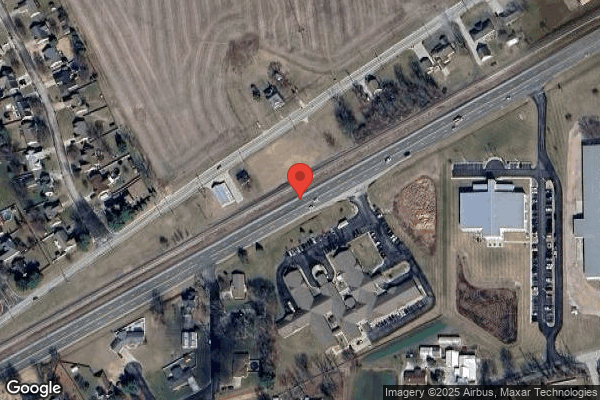
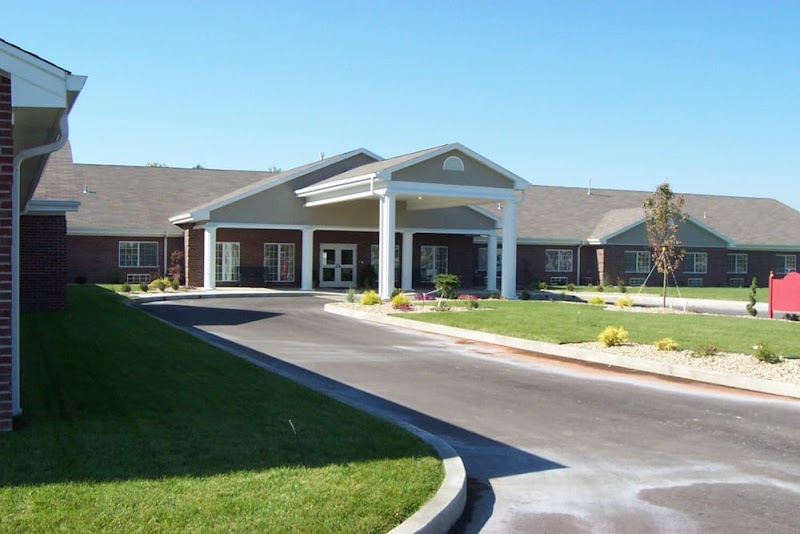
1675 W TIPTON ST, SEYMOUR, IN 47274 (812) 523-6405
Government - County 78 Beds TRILOGY HEALTH SERVICES Data: November 2025
Trust Grade
90/100
#25 of 505 in IN
Last Inspection: January 2025

Within standard 12-15 month inspection cycle. Federal law requires annual inspections.

Overview

Covered Bridge Health Campus in Seymour, Indiana, has received a Trust Grade of A, which indicates that it is an excellent facility that is highly recommended. It ranks #25 out of 505 nursing homes in Indiana, placing it in the top half of facilities in the state, and #1 out of 4 in Jackson County, meaning it is the best local option available. However, the facility is experiencing a concerning trend, as issues have increased from 2 in 2023 to 4 in 2025. Staffing is a strong point, with a rating of 4 out of 5 stars and a turnover rate of 35%, which is lower than the state average, ensuring that staff members are familiar with residents' needs. While there have been no fines reported, the inspector found several concerns, including a failure to follow a physician's orders for treating a pressure ulcer and an incident where a resident fell because the wheelchair brake was not locked, indicating some areas where improvements are needed. Overall, while the facility has strengths in staffing and overall ratings, families should be aware of the rising number of concerns.

Trust Score
A
90/100
In Indiana
#25/505
Top 4%
Safety Record
Low Risk
No red flags
Inspections
Getting Worse
2 → 4 violations
Staff Stability
○ Average
35% turnover. Near Indiana's 48% average. Typical for the industry.
Penalties
✓ Good
No fines on record. Clean compliance history, better than most Indiana facilities.
Skilled Nurses
✓ Good
Each resident gets 63 minutes of Registered Nurse (RN) attention daily — more than 97% of Indiana nursing homes. RNs are the most trained staff who catch health problems before they become serious.
Violations
⚠ Watch
11 deficiencies on record. Higher than average. Multiple issues found across inspections.
★★★★★
5.0
Overall Rating
★★★★☆
4.0
Staff Levels
★★★★★
5.0
Care Quality
★★★★☆
4.0
Inspection Score
Stable
2023: 2 issues
2025: 4 issues

The Good

  • 4-Star Staffing Rating · Above-average nurse staffing levels
  • 5-Star Quality Measures · Strong clinical quality outcomes
  • Full Sprinkler Coverage · Fire safety systems throughout facility
  • No fines on record
  • Staff turnover below average (35%)

    13 points below Indiana average of 48%

Facility shows strength in staffing levels, quality measures, fire safety.

The Bad

Staff Turnover: 35%

11pts below Indiana avg (46%)

Typical for the industry

Chain: TRILOGY HEALTH SERVICES

Part of a multi-facility chain

Ask about local staffing decisions and management

The Ugly 11 deficiencies on record

Jan 2025 4 deficiencies
CONCERN (D)

Potential for Harm - no one hurt, but risky conditions existed

Pressure Ulcer Prevention (Tag F0686)

Could have caused harm · This affected 1 resident

Based on observation, interview, and record review, the facility failed to follow the physician's orders related to the treatment for a pressure ulcer for 1 of 2 residents reviewed for pressure ulcer ...

Read full inspector narrative →
Based on observation, interview, and record review, the facility failed to follow the physician's orders related to the treatment for a pressure ulcer for 1 of 2 residents reviewed for pressure ulcer treatments. (Resident 47) Findings include: During an observation on 01/21/25 at 11:06 A.M., Resident 47's dressing change was observed. The resident's pressure wound, located on her right upper buttock, was observed with the Assistant Director of Nursing (ADON) and the Minimum Data Set (MDS) Coordinator. The ADON and MDS Coordinator donned gowns and gloves prior to entering the resident's room. The ADON indicated the current treatment was to cleanse the wound with wound cleanser, apply collagen powder, then Anasept gel (an antimicrobial), and cover the wound with a border dressing. The staff members entered the room, raised the bed, pulled the covers back, pulled the resident's brief down, then rolled the resident to her left side. The resident's wound was uncovered and open to air. The ADON removed her gloves and washed her hands. The wound was quarter sized and had a dark red wound bed with a measurable depth. The ADON donned clean gloves, cleansed the wound using a spray bottle of cleanser, patted the wound dry with gauze, applied collagen powder to the wound bed using a sterile swab, applied the Anasept gel to the wound bed using a sterile swab, then covered the wound with a border gauze dressing that was dated. The staff reattached the resident's brief, put her pants back on, and applied the resident's shoes. The clinical record for Resident 47 was reviewed on 01/21/25 at 2:18 P.M. A Quarterly MDS assessment, dated 01/01/25, indicated the resident was moderately cognitively impaired. The resident's diagnoses included, but were not limited to, dementia and malnutrition. The resident was at risk for pressure ulcers and had one unhealed Stage 4 (Full-thickness skin and tissue loss with exposed or directly palpable fascia, muscle, tendon, ligament, cartilage, or bone in the ulcer. Slough and/or eschar may be visible on some parts of the wound bed) pressure ulcer. The current physician's order, with a start date of 01/01/25, indicated the treatment for the resident's right buttock was to cleanse the wound with Anasept spray, gently pat dry with sterile gauze, apply Skin Prep (a skin toughening agent) to the outside edge of the wound, apply collagen powder to the wound bed, apply Anasept gel, and cover with a bordered dressing. During an interview on 01/21/25 at 3:04 P.M., the ADON indicated the resident was admitted over a year ago and had the Stage 4 pressure wound. At the time of admission, the wound was big enough to put your fist in it and bone was visible. Healing had been a slow process, and the wound had worsened following a hospital stay. The wound was improving. The current treatment was to cleanse with Anasept spray, pat dry with sterile gauze, apply collagen powder to the wound bed, apply Anasept gel, and cover with a border dressing. Skin Prep was used to keep the area around the wound from becoming macerated (the softening and breaking down of skin resulting from prolonged exposure to moisture). The Skin Prep should have been applied to the outside edges. The current GENERAL GUIDELINES FOR ADMINISTRATION OF MEDICATION policy, with an effective date of 12/01/22, was provided by the Administrator on 01/22/25 at 10:31 A.M. The policy indicated, .The nurse must clearly understand all medication orders before carrying them out . 3.1-40(a)(2)
CONCERN (D)

Potential for Harm - no one hurt, but risky conditions existed

Accident Prevention (Tag F0689)

Could have caused harm · This affected 1 resident

Based on record review, observation, and interview, the facility failed to ensure fall preventative devise interventions were in place as ordered for 1 of 3 residents reviewed for accident hazards. (R...

Read full inspector narrative →
Based on record review, observation, and interview, the facility failed to ensure fall preventative devise interventions were in place as ordered for 1 of 3 residents reviewed for accident hazards. (Resident 27) Findings include: The clinical record for Resident 27 was reviewed on 01/21/25 at 9:23 A.M. A Quarterly Minimum Data Set (MDS) assessment, dated 11/13/24, indicated the resident was moderately cognitively impaired. The resident's diagnoses included, but were not limited to, dementia, hypertension, and malnutrition. A Fall Care Plan, with a start date of 07/12/24 and a revised date of 01/23/25, included but was not limited to, the following intervention: Highlighter tape to wheelchair brakes with a start date of 09/08/24. A Progress Note, dated 09/09/24 at 4:02 A.M., indicated the resident had a fall while trying to transfer herself into her wheelchair to go to the bathroom. The left side wheelchair brake was not locked upon inspection. The resident had no injuries. An Interdisciplinary Team (IDT) Note, dated 09/09/24 at 1:36 P.M., indicated the immediate intervention to prevent further falls was to apply highlighter tape to the resident's wheelchair brake handles. A Progress Note, dated 12/16/24 at 9:00 A.M., indicated the nurse walked into the resident's room to administer her medications. When the resident went to sit in her wheelchair, she had forgotten to lock her brakes and the chair rolled out from underneath her. During an observation on 01/21/25 at 9:07 A.M., Resident 27 was sitting in her wheelchair in her room. Her call light was in reach. Her wheelchair brakes lacked any highlighter tape to them. During an observation on 01/21/25 at 2:31 P.M., Resident 27 was sitting in the common area using a cell phone. There was no highlighter tape to the resident's wheelchair brakes. During an observation and interview on 01/21/24 at 2:54 P.M., the Director of Nursing (DON) indicated after a resident had a fall they would be assessed by a nurse and the nurse would complete the appropriate paperwork. The management staff would review the fall and would try to determine a root cause of the fall. They would then determine an appropriate intervention for the fall. The Care Plan would be updated. If there was a need to alter the resident's environment, then the nurse working the floor or the IDT would make those changes. The resident should have had highlighter tape to the wheelchair brakes if she was care planned for it. The resident was sitting in the common area with no highlighter tape to the wheelchair brakes. The current facility policy titled, Fall Management Program Guidelines, with a review date of 12/17/24, was provided by the DON on 01/22/25 at 12:06 P.M. The policy indicated, .to maintain a hazard free environment, mitigate fall risk factors and implement preventative measures .Nursing staff will monitor and document continued resident response and effectiveness of intervention for 72 hours . 3.1-45(a)(2)
CONCERN (D)

Potential for Harm - no one hurt, but risky conditions existed

Unnecessary Medications (Tag F0759)

Could have caused harm · This affected 1 resident

Based on observation, interview, and record review, the facility failed to have a medication error rate of less than 5% for 2 of 32 medication administrations observed. (Resident 3) Findings include: ...

Read full inspector narrative →
Based on observation, interview, and record review, the facility failed to have a medication error rate of less than 5% for 2 of 32 medication administrations observed. (Resident 3) Findings include: During an observation on 01/22/25 at 9:36 A.M., RN 6 prepared Resident's 3 morning medications. She placed all of Resident 3's morning prescribed (14) different medications in one medication cup. The resident's morning dose of Buprenorphine, 2 mg, was to be administered by sublingual (placing a drug under the tongue to dissolve and be absorbed directly into the bloodstream) administration. The RN retrieved the resident's prescribed eye drops, refresh tears and brimonidine, from the medication cart. The nurse took the prepared cup of medications, and the two types eye drops to the therapy gym where the resident requested to take the medications. The resident was given the cup of medications and took them whole with sips of her drink. The nurse then administered the eyes drops to the resident, one after the other, with no wait time in between. The resident's Buprenorphine was not administered by the prescribed sublingual route and all eye drops were administered with no delay in time. During an interview on 01/22/25 at 10:13 A.M., RN 6 indicated if a resident's medication was ordered sublingually, then it should be placed under their tongue. She should have told the resident the medication was sublingual, and explained it to the resident. She should have waited 5 to 10 minutes between administering the two eye drop medications. The clinical record for Resident 3 was reviewed on 01/22/25 at 10:05 A.M. An Annual Minimum Data Set (MDS) assessment, dated 08/23/24, indicated the resident was cognitively intact. The current, open-ended physician's order, with a start date of 08/25/24, indicated the staff were to administer buprenorphine (a pain medication), sublingually, once a day. The current, open-ended physician's order, with a start date of 12/10/24, indicated the staff were to administer brimonidine (an eye drop), one drop in each eye, twice a day. The current, open-ended physician's order, with a start date of 08/18/24, indicated the staff were to administer refresh tears (an eye drop), one drop in each eye, three times a day. The current facility policy titled, General Guidelines for Administration of Medications, with an effective date of 12/01/22 and was provided by the Administrator on 01/22/25 at 10:31 A.M. The policy indicated, .When administering a medication, the following steps should be followed: a. Check the physician's order to verify dosage specifics. b. Make note of the [five rights], to assure the proper administration of medication .right route of administration . The current facility policy titled, Eye Drop Administration, with a revised date of 11/2018, was provided by the Director of Nursing on 01/22/25 at 12:06 P.M. The policy indicated, .If another drop of the same or different medication is prescribed for administration in the same eye at the same time, wait 10 minutes, then repeat . 3.1-25(b)(9)
CONCERN (D)

Potential for Harm - no one hurt, but risky conditions existed

Infection Control (Tag F0880)

Could have caused harm · This affected 1 resident

2. During an interview and observation on 01/15/25 at 1:16 P.M., Resident 15 indicated he had an indwelling urinary catheter because he had trouble emptying his bladder. The catheter tubing was visibl...

Read full inspector narrative →
2. During an interview and observation on 01/15/25 at 1:16 P.M., Resident 15 indicated he had an indwelling urinary catheter because he had trouble emptying his bladder. The catheter tubing was visible and contained cloudy yellow urine. Catheter care for Resident 15 was observed on 01/22/25 at 9:59 A.M., with CNA 4. The CNA donned a gown and gloves from an isolation cart located in the hallway outside of the resident's room, entered the room, went into the bathroom, and prepared pan of warm water, using her gloved hands to turn the water on and off. The CNA proceeded to close the window blind, pull the privacy curtain, then clean the resident's suprapubic catheter tubing that extended out of the resident's abdomen. The CNA failed to changer her gloves after touching items and before starting the procedure. The resident's clinical record was reviewed on 01/21/25 at 2:20 P.M. A Quarterly MDS assessment, dated 11/14/24, indicated the resident was cognitively intact. The resident's diagnoses included, but were not limited to, heart failure and obstructive uropathy. The resident had not had a Urinary Tract Infection (UTI) in the previous 30 days. The resident had an indwelling catheter and was always continent of bowel. During an interview on 01/22/25 at 1:49 P.M., the DON indicated the resident was admitted to the facility with the suprapubic urinary catheter. The resident had the catheter placed due to retention issues. He just recently had a stent placed to help with the retention. He was on an antibiotic prophylactically (as a preventative measure) following the procedure. The current Urinary Catheter Care policy, with a reviewed date of 12/16/24, was provided by the DON on 01/22/25 at 12:06 P.M. The policy indicated, .To prevent infection of the resident's urinary tract .Be sure the catheter tubing and drainage bag are kept off the floor .Prior to beginning the procedure .Close the room entrance door .Pull the privacy curtain .Close drapes .close blinds .Wash and dry hands thoroughly .Put on gloves .Wash the resident's genitalia and perineum thoroughly .Place soiled linen into designated container .Remove gloves and discard .Wash and dry your hands thoroughly .Put on clean gloves . 3.1-18(l) Based on observation, interview, and record review, the facility failed to follow infection control guidelines related to urinary catheter care for 2 of 3 residents reviewed for infection control. (Residents 10 and 15) Findings include: 1. On 01/16/25 at 1:40 P.M., Resident 10 was observed in her room sitting in a recliner. The resident's urinary catheter drainage bag was hanging from a pocket on the recliner, with two inches of the bottom of the bag resting on the floor. On 01/16/25 at 3:29 P.M., the resident was observed in her room sitting in the recliner. The resident's catheter drainage bag was hanging from the chair with two inches of the bottom of the bag resting on the floor. On 01/17/25 at 1:43 P.M., the resident was observed in bed. The bed was in a low position and the catheter bag was hanging on the left side of the bed. An inch of the bag was resting on the floor. Qualified Medication Aide (QMA) 2 observed the bag and indicated it shouldn't be touching the floor; it was probably because the bed was so low. She indicated she would adjust the position of the bag. On 01/22/25 at 10:34 A.M., the resident was observed in her recliner. The resident's catheter drainage bag was hanging from the side of the chair, with at least two inches of the bottom of the bag resting on the floor. Certified Nurse Aide (CNA) 4 observed the bag and indicated it shouldn't be touching the floor. During an observation on 01/22/25 at 10:41 A.M., CNA 3 and CNA 4 entered the resident's room to provide catheter care. The resident was sitting in her recliner. The resident was in Enhanced Barrier Precautions (EBP) and staff were to wear a gown and gloves when they provided catheter care. The CNAs donned gowns, entered the resident's room, washed their hands, and donned gloves. CNA 3 brought supplies from the bathroom to the resident's bedside, moved items from the nightstand, and then placed the supplies on the nightstand. CNA 3 then went to the other side of the resident's bed, pulled the string to shut the blinds, pulled the cord to turn on the light above the resident's bed, and used the bed remote to adjust the position of the bed. CNA 3 and CNA 4 went over to the resident in her chair. CNA 3 picked up the catheter drainage bag that was laying on the end of the recliner, removed a blanket from the resident, and then, with CNA 4's assistance, helped the resident move from the chair to the bed. CNA 3 hung the drainage bag on the side of the bed. The CNAs got the resident into a laying position, pulled the resident's pants down, and opened the resident's brief. CNA 3, wearing the same gloves, removed a wet washcloth from the basin, applied cleanser to the washcloth, and began cleansing the resident. CNA 3 washed, rinsed, and dried the resident's perineal area, then cleansed the urinary catheter tubing. During an interview on 01/22/25 at 10:56 A.M., CNA 3 indicated she should have removed her gloves, washed her hands, and put on new gloves before she provided perineal/catheter care. The resident's clinical record was reviewed on 01/17/25 at 1:54 P.M. An admission Minimum Data Set (MDS) assessment, dated 11/11/24, indicated the resident was severely cognitively impaired. The diagnoses included, but were not limited to, stroke, malnutrition, and neurogenic bladder. The resident had an indwelling urinary catheter.
Dec 2023 2 deficiencies
CONCERN (D)

Potential for Harm - no one hurt, but risky conditions existed

Report Alleged Abuse (Tag F0609)

Could have caused harm · This affected 1 resident

Based on observation and interview, the facility failed to report the misappropriation of money for 1 of 1 resident reviewed for personal property. (Resident 16) Findings include: During an observatio...

Read full inspector narrative →
Based on observation and interview, the facility failed to report the misappropriation of money for 1 of 1 resident reviewed for personal property. (Resident 16) Findings include: During an observation and interview on 11/27/23 at 1:54 P.M., Resident 16 was sitting in his room on his wheelchair. The resident indicated on Thanksgiving Eve (11/22/23) he had $1,024.00 missing from his fanny pack. He had gone to the bathroom, located in his room, to get cleaned up and placed the fanny pack in his recliner with a blanket over it. The next morning, he realized the money was missing. He reported it to a nurse, and she called the police. He had not talked to the Administrator as she had been off work. During an interview on 11/28/23 at 2:50 P.M., RN 4 indicated on the morning of 11/23/23, Resident 16 came to her saying he was missing $900.00. She had him recount his money just to make sure and she sent a message to the DON (Director of Nursing). She didn't hear anything back from the DON, so she called the police, and they came and talked to the resident. During an interview on 11/29/23 at 1:47 P.M., the Administrator indicated she had interviewed all of the staff and other residents. She could not confirm that staff had taken the resident's money as he had lots of outside visitors. The resident had been educated to not have large sums of money on him and he had been offered to place his money in a trust with the business office. He had since gotten a safe and was putting his money in there. Law enforcement was still involved and it was an open case. She should have been contacted immediately when the resident reported the missing money on 11/22/23. She was not notified until 11/27/23. She reported the incident as soon as she was notified. The current facility policy titled, Abuse and Neglect Procedural Guideline with a revised date of 08/29/2019, was provided by the Administrator on 11/29/23 at 3:02 P.M. The policy indicated, .Reporting/response .Any staff member, resident, visitor or resident representative may report known or suspected abuse, exploitation, neglect, or misappropriation to local or state agencies. Ensure that all alleged violations involving abuse, neglect, exploitation, or mistreatment, including injuries of unknown source and misappropriation of resident property, are reported immediately, but no later than 2 hours after the allegation is made . 3.1-13(g)(1)
CONCERN (D)

Potential for Harm - no one hurt, but risky conditions existed

Deficiency F0761 (Tag F0761)

Could have caused harm · This affected 1 resident

Based on observation and interview, the facility failed to label and store medications appropriately for 1 of 2 medications carts (200 Hall) and 1 of 1 medication rooms (Health Care Medication Room) o...

Read full inspector narrative →
Based on observation and interview, the facility failed to label and store medications appropriately for 1 of 2 medications carts (200 Hall) and 1 of 1 medication rooms (Health Care Medication Room) observed. Findings include: 1. The 200 Hall Medication Cart was observed on 12/04/23 at 9:08 A.M., with RN 6 and contained the following: - a Lispro insulin pen for Resident 108, containing 100 units of insulin, with no open date, - an unopened Basalgar insulin pen for Resident 108 with a sticker that indicated to refrigerate until opened. The pen was in the same package as an opened Basalgar pen for the resident. The RN indicated the one pen was not opened and should have been in the refrigerator, - a Lantus insulin pen for Resident 40, containing about 30 units of insulin, with no open date, and - a Novolog insulin pen for Resident 37, containing 200 units of insulin, with no open date. RN 6 indicated the insulin pens were good for 28 days after they were opened and should have all been labeled with an open date. The current Humalog Insulin Lispro Instruction for Use was provided by the DON (Director of Nursing) on 12/04/23 at 9:53 A.M. The instructions indicated, .Opened Humalog vials, prefilled pens, and cartridges must be thrown away 28 days after first use, even if they still contain insulin . The current Basaglar Instructions for Use was provided by the DON on 12/04/23 at 9:53 A.M. The instructions indicated, .Store unused pens in the refrigerator . The current Lantus Package Insert with a revision date of December 2020, was provided by the DON on 12/04/23 at 9:53 A.M. The insert indicated, .Shelf life after first use of the pen .The medicinal product may be stored for a maximum of 4 weeks . The current Novolog Instructions for Use with a revised date of December 2012, was provided by the DON on 12/04/23 at 9:53 A.M. The instructions indicated, .Store the FlexPen you are currently using out of the refrigerator .for up to 28 days . 2. During an observation and interview of the Health Care Medication Room with RN 7 the refrigerator contained a vial of Tuberculin Serum. The bottle was 1/4 full. The bottle was undated. RN 7 indicated the serum was good for 30 days after it was opened. During an interview on 12/04/23 at 9:53 A.M., the DON indicated the TB serum was delivered from the pharmacy on 10/16/23. There was no way to determine when the serum was opened. The current Apisol Package Insert was provided by the DON on 12/04/23 at 9:53 A.M. The package insert indicated, .Vials in use for more than 30 days should be discarded . 3.1-25(j) 3.1-25(k)(6)
Sept 2022 5 deficiencies
CONCERN (D)

Potential for Harm - no one hurt, but risky conditions existed

Quality of Care (Tag F0684)

Could have caused harm · This affected 1 resident

Based on observation, interview, and record review, the facility failed to follow the physician's orders related to hypoglycemia, to complete neurological assessments related to falls, and to initiate...

Read full inspector narrative →
Based on observation, interview, and record review, the facility failed to follow the physician's orders related to hypoglycemia, to complete neurological assessments related to falls, and to initiate monitoring of a wound for 1 of 14 residents reviewed for quality of care. (Resident 45) Findings include: 1a. During an observation on 09/23/22 at 9:56 A.M., Resident 45 was lying in her bed, awake. The clinical record for Resident 45 was reviewed on 09/26/22 at 11:52 A.M. A Quarterly MDS (Minimum Data Set) assessment, dated 08/23/22, indicated the resident was cognitively intact. The diagnoses included, but were not limited to, heart failure, diabetes, seizure, anxiety, depression, bipolar, and schizophrenia. An open-ended physician's order, with a start date of 12/14/21, indicated the nursing staff were to check the resident's blood sugar (blood glucose) once a day, from 1:00 A.M. to 3:00 A.M. An open-ended physician's order, with a start date of 12/16/21, indicated if the resident's blood sugar was 50 to 69, the nursing staff were to give the resident a 15-gram carbohydrate oral feeding four times a day as needed, and wait 15 minutes and recheck blood sugar. If the blood sugar was less than 70, staff were to repeat the 15-gram of carbohydrate snack. The 15-gram carbohydrate, oral feeding, included one of the following: - 1 tube of glucose gel, - 4 ounces of any juice without adding sugar, - 4 ounces of regular soda pop, or - 8 ounces of low-fat/non-fat milk. The July and September 2022 EMAR/ETAR (Electronic Medication Administration Record/Electronic Treatment Administration Record) indicated the resident had the following blood sugars: - 07/31/22, a blood sugar of 57, - 09/25/22, a blood sugar of 58, and - 09/26/22, a blood sugar of 56. The resident's clinical record lacked any documentation that the resident had received a snack or that the MD was notified of the blood sugars. During an interview on 09/28/22 at 2:22 P.M., RN 7 indicated if a resident had an out of range vital, such as blood sugar, she would notify the MD and document any new orders as appropriate. Resident 45 was a brittle diabetic. The facility had a protocol if a residents' blood sugar was 60 or below the nurse was to follow the instructions on the order and call the MD for further orders. She would also notify the family. During an interview on 09/28/22 at 3:06 P.M., the DON (Director of Nursing) indicated the resident had an order to monitor the blood sugar in the middle of the night to monitor for hypoglycemia. If the resident had a low blood sugar the nurse should offer her a snack or follow the hypoglycemic protocol. If the resident was coherent, they would offer oral measures. If the resident's blood sugar was below 60 the nurses should document in the EMAR/ETAR, or a progress note the type of intervention that was used. The resident had not suffered ill effects and did not have to be sent to the hospital due to the low blood sugars. The current facility policy, titled Hyper/Hypoglycemia, with a review date of 03/18/22, was provided by the DON on 809/29/22 at 9:10 A.M. The policy indicated, .To ensure appropriate medical treatment is provided to residents experiencing hyper/hypoglycemic episodes . 1b. During an observation and interview on 09/23/22 at 9:56 A.M., Resident 45 was lying in her bed, awake. She indicated she had a sore on the top of one of her right toes. She was unsure what happened to it and had noticed it was bleeding a few days prior. The nursing staff would come in and check on it. There currently was no dressing on the toe. There was a pencil eraser size area to the toe that was pink in color. During an observation on 09/26/22 at 10:27 A.M., Resident 45 was lying in her bed. Her call light was in reach. She was awake and alert. The resident's right foot was without a sock. Her forth toe was dark in color. The clinical record lacked any indication the resident had an area to her right forth toe. During an interview on 09/29/22 at 9:31 A.M., RN 10 indicated the resident had a spot on one of her right toes that had been there for a few weeks. They were applying skin prep to the toe and covering it with a band aid. When a resident had a new skin area, the nurse would open an event. The event would talk about the wound and the size. If the resident had an area that was just red and not open, then they wouldn't create an event for it. They would have an order to monitor it each shift. The resident did not have an order to monitor the toe. During an observation and interview on 09/29/22 at 9:46 A.M., the resident was sitting in her wheelchair in the bathroom. She gave permission for the ADON (Assistant Director of Nursing) to observe her toe. The ADON washed her hands and donned gloves. She removed the resident's sock and band aid to the right forth toe. The resident had a blister that was dark purple in color. The ADON indicated she was unaware of the area and if a resident had a new skin condition the nurse would create an event or progress note. The resident should have had an event and monitoring of the toe. A Skin Integrity Event, dated 09/29/22 at 10:07 A.M., indicated the resident had a blister the right forth toe. The area measured 1 cm (centimeter) X (by) 1 cm. A treatment was in place for skin prep to the blister and cover with a band aid. The Nurse Practitioner was notified. The current facility policy titled Bruise, Rash, Lesion, Skin Tear, Laceration Assessment, with a most recent revision date of 05/10/16, was provided by the DON on 09/29/22 at 10:25 A.M. The policy indicated, .May complete Skin Tear/Laceration Event in EHR (Electronic Health Record) .if the Skin Tear/Laceration warrants documentation due to the extent and/or location .One weekly follow-up assessment may be completed to ensure .in the process of healing .If further follow-up is needed, documentation may be placed in a progress note . 1c. During an observation on 09/28/22 at 12:40 P.M., Resident 45 was sitting in the dining room with her family member. There were no concerns observed. During an interview on 09/28/22 at 2:22 P.M., RN 7 indicated when a resident had a fall, she would assess the resident for injuries. If the resident was able to be moved, then they would be assisted up. If the resident's fall was unwitnessed or if they hit their head the nurse would complete neurological assessments for 24 hours. The nurse would initiate an immediate intervention and then the management team would either agree or disagree with the intervention. During an interview on 809/28/22 at 3:06 P.M., the DON (Director of Nursing) indicated when a resident had a fall the nurse would complete their assessment, open a fall event, and notify the family and MD. The nurse would implement an immediate intervention. The IDT (Interdisciplinary Team) would review the fall and either agree or disagree with the intervention. If they had disagreed with the immediate intervention a new intervention would be initiated immediately. The neurological checks would be initiated for 24 hours if a resident's fall was unwitnessed, or if they hit their head. A Fall Event, dated 04/12/22 at 12:25 A.M., indicated the resident had an unwitnessed fall in the bathroom. There were no injuries noted. The resident had neurological checks completed for the first hour after the fall. A Fall Event, dated 04/13/22 at 3:08 A.M., indicated the resident had an unwitnessed fall in the bathroom. The resident had obtained a skin tear to the left forearm. The resident had neurological checks completed for the first hour after the fall. The clinical record lacked documentation the neurological checks were completed for 24 hours after the falls. During an interview on 09/29/22 at 11:01 A.M., the DON indicated the resident should have neurological checks completed for 24 hours after each unwitnessed fall. The current facility policy titled, Guidelines for Neurological Checks, with a revised date of 03/16/22, was provided by the DON on 09/29/22 at 11:15 A.M. The policy indicated, .to evaluate the level of consciousness, evaluate pupil response, motor function, and vital signs that may alert staff for potential for head injury or seizure activity .Neuro-checks for 24 hours should be completed within the Fall Event Form . 3.1-37(a)
CONCERN (D)

Potential for Harm - no one hurt, but risky conditions existed

Pressure Ulcer Prevention (Tag F0686)

Could have caused harm · This affected 1 resident

Based on interview, observation, and record review, the facility failed to prevent the formation of a pressure ulcer and an increase in the stage (severity) of a pressure ulcer for 1 of 3 residents re...

Read full inspector narrative →
Based on interview, observation, and record review, the facility failed to prevent the formation of a pressure ulcer and an increase in the stage (severity) of a pressure ulcer for 1 of 3 residents reviewed. (Resident 41) Findings include: During an interview on 09/22/22 at 1:10 P.M., Resident 41 indicated the wound on his foot bothered him sometimes. During an interview on 09/27/22 at 11:28 A.M., the DON (Director of Nursing) indicated the resident was admitted from another facility, was a type 1 diabetic, and had several ulcers to both heels and toes. He started being seen at the wound clinic while a resident at this facility. If the facility saw that a wound was not healing well, they would get an outside opinion from a specialist. He admitted to this facility with a stage 2 (partial thickness skin loss with exposed dermis) pressure ulcer to his left heel. The wound had eschar (dry, dead) tissue now and it was an unstageable (full thickness tissue loss in which the base of the ulcer is covered by slough [yellow, tan, gray, green or brown] and/or eschar [tan, black or brown] in the wound bed) pressure ulcer. He currently had a Podus (pressure relieving foam) boot in place. They had gotten an order to take the Podus boot off at night due to the resident obtaining stage 1(intact skin with non-blanchable redness of a localized area) pressure ulcers to the top of his foot and lateral ankle from the boot. His skin was very fragile. They had a wound nurse, the ADON (Assistant Director of Nursing) assessed the wounds weekly, measured them, and notified the physician if the wounds had gotten worse. They were required to get an order from the physician in order to send a resident to the wound clinic. When asked what happened between 07/05/22 and 07/26/22 the DON indicated they may have opened up a new wound management record due to the change in the stage of the wound. During an interview on 09/27/22 at 3:15 P.M., RN 7 indicated the resident had been non compliant related to his diabetes for a long time. During an interview on 09/28/22 09:46 AM., CNA (Certified Nurse Aide) 6 indicated the resident could scoot himself around in bed but required staff assistance with turning. The resident's wounds on his left lower extremity were observed on 09/28/22 at 10:19 A.M., with the DON and the ADON. The resident was lying in bed wearing his protective foam boot. The staff removed the boot, unwrapped the foot and ankle and took off the foam protective pads that had been held in place by the gauze wrap. The wound on the resident's left ankle was closed and had a thin red/pink line that was healing. The wound on the resident's heel was a dime size wound with a black wound bed. The surrounding skin was pink and healing. No odor or drainage was observed on the dressing. An admission MDS (Minimum Data Set) assessment, dated 06/10/22, indicated the resident was severely cognitively impaired. The diagnoses included, but were not limited to, type I diabetes, thyroid disorder, and dementia. The resident required extensive assistance of two staff members for bed mobility, transfers, dressing, toilet use, and personal hygiene. The resident was at risk for pressure ulcers and had unhealed pressure ulcers, one stage 2 pressure ulcer and one unstageable pressure ulcer that were present on admission. A Discharge MDS assessment, dated 08/08/22, indicated the discharge was not anticipated. An Entry MDS assessment, dated 08/11/22, indicated the resident returned to the facility from an acute hospital stay. The Wound Management Log for the resident's pressure ulcers (PU) was provided by the DON on 09/27/22 at 1:42 P.M., and included, but was not limited to, the following: 1. Left ankle PU (not present on admission, developed in-house on 07/26/22): - dated 07/26/22, stage 2 PU, 0.7 cm (centimeters) x (by) 1 cm, (no measurable depth noted), - dated 08/02/22, stage 3 PU (full thickness tissue loss, subcutaneous fat may be visible, but bone, tendon, or muscle are not exposed), 0.5 cm x 0.7 cm x 0.2 cm deep, and - dated 09/22/22, no stage identified, 0.3 cm x 0.3 cm (no measurable depth noted). 2. Left Heel PU (present on admission, 06/03/22): - On 07/05/22, stage 2 PU, 2 cm x 1 cm (no measurable depth noted), - On 07/20/22, stage 3 PU, 2.5 cm x 2.5 cm x 0.1 cm deep, and - On 09/22/22, unstageable, 1 cm x 1.8 cm (no measurable depth noted). The clinical record lacked documentation the wound was assessed and measured between 07/05/22 and 07/20/22. The EMAR/ETAR (Electronic Medication Administration Record / Electronic Treatment Administration Record for July 2022, was provided by the DON 09/27/22 at 3:21 P.M. The physician's order indicated the resident was to have a weekly skin assessment: , once a day on Saturday, with the start date of 06/03/22, and a discontinued date 08/08/22. The assessment was to be documented as 0 = (equals)no impairment, 1 = new impairment, 2 = old impairment. The assessments were completed on 07/09/22 and 07/16/22 and were documented with 0, indicating the resident had no current skin impairments. The physician's order indicated the resident was to wear Podus boots at all times for both heels as a preventative measure, with a start date of 07/21/22 (after the resident's pressure ulcer on his heel progressed to a stage 3), and a discontinued date 08/08/22, when the resident was discharged to the hospital. A lab results report, dated 08/23/22, was provided by the DON on 09/27/22 at 3:21 P.M., and indicated the resident had a left lower extremity venous ultrasound. The vessels demonstrated normal blood flow. A Care Plan, with a start date of 06/16/22, was provided by the DON on 09/27/22 at 3:21 P.M., and indicated the resident had multiple pressure ulcers on the left lower extremity. Interventions included, but were not limited to, weekly skin assessments, measurement, and observation of the ulcers and record. The current Guidelines for Weekly Skin Observations policy, with a reviewed date of 03/16/22, was provided by the DON on 09/28/22 at 11:25 A.M. The policy indicated, .The nurse completing the weekly skin check shall indicate the appropriate number (0,1, 2) medication note . The current Pressure/Stasis/Arterial/Diabetic Wound Guidelines policy, with a reviewed date of 11/15/21, was provided by the DON on 09/28/22 at 11:25 A.M. The policy indicated, PURPOSE .To provide weekly documentation of wound measurements and condition . 3.1-40(a)(1) 3.1-40(a)(2)
CONCERN (D)

Potential for Harm - no one hurt, but risky conditions existed

Accident Prevention (Tag F0689)

Could have caused harm · This affected 1 resident

Based on record review and interview, the facility failed to follow and intervention after a fall for 1 of 3 residents reviewed for accidents. (Resident 45) Findings include: The clinical record for R...

Read full inspector narrative →
Based on record review and interview, the facility failed to follow and intervention after a fall for 1 of 3 residents reviewed for accidents. (Resident 45) Findings include: The clinical record for Resident 45 was reviewed on 09/26/22 at 11:52 A.M. A Quarterly MDS (Minimum Data Set) assessment, dated 08/23/22, indicated the resident was cognitively intact. The diagnoses included, but were not limited to, heart failure, diabetes, seizure, anxiety, depression, bipolar, and schizophrenia. A Fall Event, dated 02/28/22 at 10:04 P.M., indicated the resident slid out of bed while attempting to transfer. There were no injuries noted. An IDT (Interdisciplinary Team) note, dated 03/02/22 at 8:21 A.M., indicated the root cause of the fall was the resident had slid off her low air loss mattress. A new intervention was to remove the low air loss mattress. A Fall Event, dated 03/14/22 at 3:50 A.M., indicated the resident had rolled out of bed. There was a low air loss mattress in place. There were no injuries noted. An IDT note, dated 03/14/22 at 2:59 P.M., indicated the root cause was that the resident had slid out of bed. The immediate intervention was to remove the low air loss mattress. During an interview on 09/28/22 at 2:22 P.M., RN 7 indicated when a resident had a fall, she would assess the resident for injuries. If the resident was able to be moved, then they would be assisted up. If the resident's fall was unwitnessed or they hit their head the nurse would complete neurological assessments for 24 hours. The nurse would initiate an immediate intervention and then the management team would either agree or disagree with the intervention. During an interview on 809/28/22 at 3:06 P.M., the DON (Director of Nursing) indicated when a resident had a fall the nurse would complete their assessment, open a fall event, and notify the family and MD. The nurse would implement an immediate intervention. The IDT would review and either agree or disagree with the intervention. If they had disagreed with the immediate intervention a new intervention would be initiated immediately. The neurological checks would be initiated for 24 hours if a resident's fall was unwitnessed, or they hit their head. The resident's low air loss mattress should have been removed when she had the fall on 02/28/22. The current facility policy titled, Fall Management Program Guidelines with a review date of 03/16/22, was provided by the DON on 09/29/22 at 9:10 A.M. The policy indicated, .to maintain a hazard free environment, mitigate fall risk factors and implement preventative measures .should the resident experience a fall the attending nurse shall complete the Fall Event, this includes an investigation of the circumstances surrounding the fall to determine the cause of the episode, a reassessment to identify possible contributing factors, interventions to reduce risk of repeat episode and a review by the IDT to evaluate thoroughness of the investigation and appropriateness of the interventions .Discuss risks and interventions with resident and/or responsible party and communicate interventions during shift report . 3.1-45(a)(1) 3.1-45(a)(2)
CONCERN (D)

Potential for Harm - no one hurt, but risky conditions existed

Deficiency F0712 (Tag F0712)

Could have caused harm · This affected 1 resident

Based on interview and record review, the facility failed to ensure a resident received a regulatory physician's visit every 60 days for 1 of 14 residents reviewed. (Resident 10) Findings include: The...

Read full inspector narrative →
Based on interview and record review, the facility failed to ensure a resident received a regulatory physician's visit every 60 days for 1 of 14 residents reviewed. (Resident 10) Findings include: The clinical record for Resident 10 was reviewed on 09/26/22 at 11:14 A.M. The resident was admitted to the skilled nursing department of the facility on 08/30/21. Prior to 08/30/21, the resident resided in the assisted living area of the facility. A Quarterly MDS (Minimum Data Set) assessment, dated 09/09/22, indicated the resident had short term memory problems and was moderately cognitively impaired for daily decision making. The diagnoses included, but were not limited to, dementia, stroke, malnutrition, and dysphasia. During an interview on 09/28/22 at 10:18 A.M., LPN (Licensed Practical Nurse) 9 indicated the resident's family member took her to her doctor appointments. The resident would see her doctor in his office, he did not see her in the facility. The resident did not see the Nurse Practitioner that came into the facility. Her family member took her to the doctor every 3 months or so. The Physician notes from the resident's in-office visits were provided by Clinical Support Nurse 8 on 09/28/22 at 11:44 A.M. and included the following: - The resident went to her physician's office and had an annual wellness visit on 01/25/22. Physician's notes indicated the resident should follow up in 4 months or as needed for her Atrial Fibrillation diagnosis. - A referral form dated 05/23/22 indicated the resident was seen in the office by her physician. A progress note indicated the resident's chronic condition appeared to be stable. The resident's next appointment was in 4 months. - A referral form dated 09/23/22 indicated the resident was seen in the office by her physician. A progress note indicated the resident's family member reported the resident was overall stable but had experienced some weight loss. The resident was to continue her current medications. The resident's next appointment was in 4 months. The resident's clinical record lacked a physician's visit at least one every 30 days for the first 90 days after admission and one every 60 days thereafter. The current facility policy, titled Guidelines for Physicians Services was provided by Clinical Support Nurse 8 on 09/28/22 11:25 A.M. at 11:25 A.M. The policy indicated, .To provide care and treatment of residents under the supervision of a licensed physician .Physician visits, frequency of visits .are provided in accordance with current OBRA regulations and campus policy . 3.1-22(d)(1)
CONCERN (D)

Potential for Harm - no one hurt, but risky conditions existed

Drug Regimen Review (Tag F0756)

Could have caused harm · This affected 1 resident

Based on observation, interview, and record review, the facility failed to address the pharmacy recommendations for 1 of 5 residents reviewed for unnecessary medications. (Resident 44) Findings includ...

Read full inspector narrative →
Based on observation, interview, and record review, the facility failed to address the pharmacy recommendations for 1 of 5 residents reviewed for unnecessary medications. (Resident 44) Findings include: Resident 44 was observed in his room on 09/27/22 at 11:01 A.M. The resident was in bed but indicated he would be getting up and going to lunch soon. The resident was pleasant and denied any concerns. The resident's clinical record was reviewed on 09/26/22 at 1:46 P.M. A Quarterly MDS (Minimum Data Set) assessment, dated 05/21/22, indicated the resident was severely cognitively impaired. The diagnoses included, but were not limited to, Parkinson's disease, hypertension, and Non-Alzheimer's dementia. The resident was receiving hospice services. The resident's medication orders were reviewed and included an order from the resident's neurologist, with a start date of 10/27/21, for Aricept (a cognition enhancing medication, used to treat Alzheimer's disease) 5 mg (milligrams) daily. That order was discontinued on 05/09/22, and a current, open ended order, with a start date of 05/10/22, for Aricept 10 mg daily began. The resident received the medication daily as ordered. A Pharmacy Recommendation Event, dated 06/08/22, indicated the following: - At the top of the recommendation was a highlighted area that requested the recommendation be sent to the resident's neurologist and included his name and phone number. The recommendation went on to say that the resident's most recent MDS assessment indicated he was severely cognitively impaired. The American Geriatric Society found that de-prescribing medications like Aricept was not associated with negative effects to the resident and would likely help reduce the risk of falls and fractures in older nursing home residents with dementia. The pharmacist recommended they consider discontinuing the Aricept medication at that time. - The Pharmacy Recommendation Event was closed on 06/20/22 by the ADON (Assistant Director of Nursing). The evaluation notes indicated there were no new physician's orders. There was no indication that the physician agreed or disagreed with the recommendation, those questions were marked NA. The resident's clinical record lacked any other documentation related to the pharmacy recommendation. During an interview on 09/29/22 at 12:08 P.M., the DON (Director of Nursing) indicated the ADON usually handled pharmacy recommendations. The recommendation would be forwarded to the prescribing physician. The physician's response, whether they agreed with the recommendation or if they declined the recommendation would be documented in the resident's clinical record. The physician would provide rationale if they declined the pharmacy recommendation. During an interview on 09/29/22 at 11:36 A.M., Clinical Support Nurse 8 indicated the facility could not provide a specific policy for pharmacy recommendations. 3.1-25(i)
Understanding Severity Codes (click to expand)
Life-Threatening (Immediate Jeopardy)
J - Isolated K - Pattern L - Widespread
Actual Harm
G - Isolated H - Pattern I - Widespread
Potential for Harm
D - Isolated E - Pattern F - Widespread
No Harm (Minor)
A - Isolated B - Pattern C - Widespread

Questions to Ask on Your Visit

  • "Can I speak with families of current residents?"
  • "What's your RN coverage like on weekends and overnight?"

Our Honest Assessment

Strengths
  • • Grade A (90/100). Above average facility, better than most options in Indiana.
  • • No major safety red flags. No abuse findings, life-threatening violations, or SFF status.
  • • No fines on record. Clean compliance history, better than most Indiana facilities.
  • • 35% turnover. Below Indiana's 48% average. Good staff retention means consistent care.
Concerns
  • • 11 deficiencies on record. Higher than average. Multiple issues found across inspections.
Bottom line: Generally positive indicators. Standard due diligence and a personal visit recommended.

About This Facility

What is Covered Bridge Health Campus's CMS Rating?

CMS assigns COVERED BRIDGE HEALTH CAMPUS an overall rating of 5 out of 5 stars, which is considered much above average nationally. Within Indiana, this rating places the facility higher than 99% of the state's 100 nursing homes. This rating reflects solid performance across the metrics CMS uses to evaluate nursing home quality.
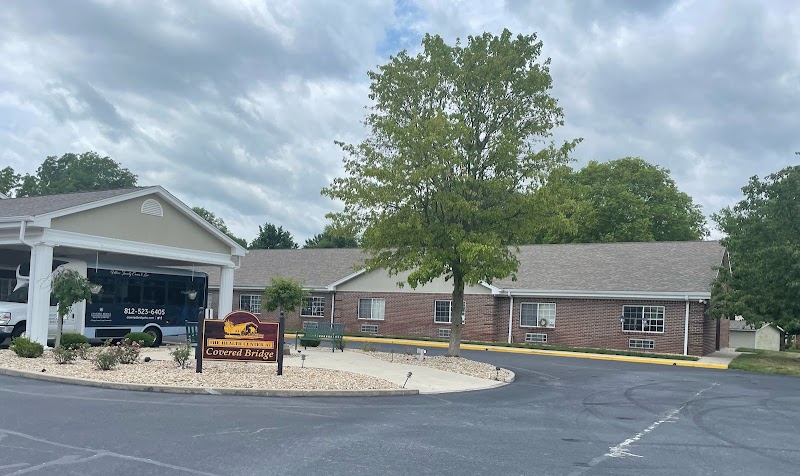
How is Covered Bridge Health Campus Staffed?

CMS rates COVERED BRIDGE HEALTH CAMPUS's staffing level at 4 out of 5 stars, which is above average compared to other nursing homes. Staff turnover is 35%, compared to the Indiana average of 46%. This relatively stable workforce can support continuity of care.

What Have Inspectors Found at Covered Bridge Health Campus?

State health inspectors documented 11 deficiencies at COVERED BRIDGE HEALTH CAMPUS during 2022 to 2025. These included: 11 with potential for harm.
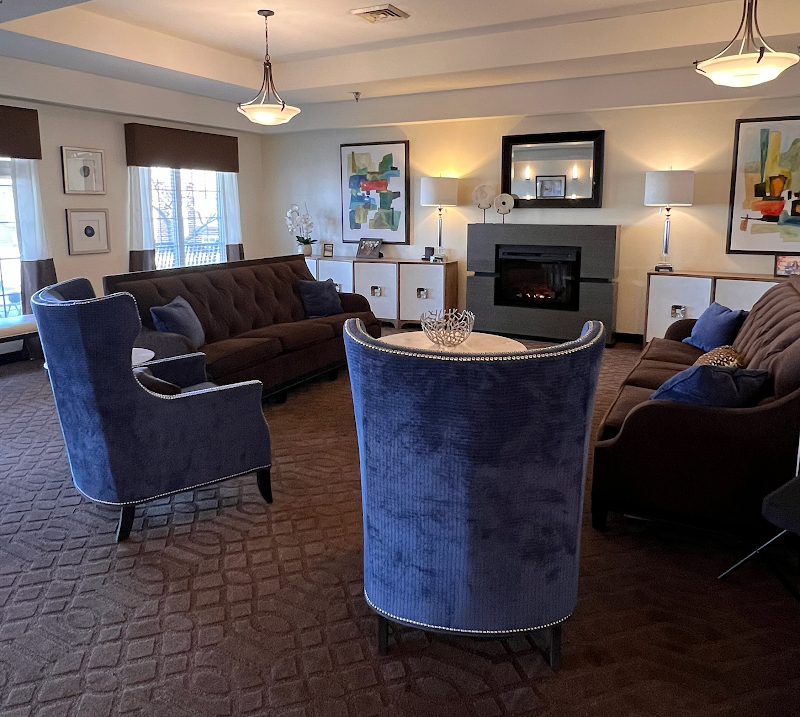
Who Owns and Operates Covered Bridge Health Campus?

COVERED BRIDGE HEALTH CAMPUS is owned by a government entity. Government-operated facilities are typically run by state, county, or municipal agencies. The facility is operated by TRILOGY HEALTH SERVICES, a chain that manages multiple nursing homes. With 78 certified beds and approximately 48 residents (about 62% occupancy), it is a smaller facility located in SEYMOUR, Indiana.
How Does Covered Bridge Health Campus Compare to Other Indiana Nursing Homes?

Compared to the 100 nursing homes in Indiana, COVERED BRIDGE HEALTH CAMPUS's overall rating (5 stars) is above the state average of 3.1, staff turnover (35%) is significantly lower than the state average of 46%, and health inspection rating (4 stars) is above the national benchmark.

What Should Families Ask When Visiting Covered Bridge Health Campus?

Based on this facility's data, families visiting should ask: "Can I visit during a mealtime to observe dining assistance and food quality?" "How do you handle medical emergencies, and what is your hospital transfer rate?" "Can I speak with family members of current residents about their experience?"

Is Covered Bridge Health Campus Safe?

Based on CMS inspection data, COVERED BRIDGE HEALTH CAMPUS has a clean safety record: no substantiated abuse findings (meaning no confirmed cases of resident harm), no Immediate Jeopardy citations (the most serious violation level indicating risk of serious injury or death), and is not on the Special Focus Facility watch list (a federal program monitoring the lowest-performing 1% of nursing homes). The facility has a 5-star overall rating and ranks #1 of 100 nursing homes in Indiana. While no facility is perfect, families should still ask about staff-to-resident ratios and recent inspection results during their visit.

Do Nurses at Covered Bridge Health Campus Stick Around?

COVERED BRIDGE HEALTH CAMPUS has a staff turnover rate of 35%, which is about average for Indiana nursing homes (state average: 46%). Moderate turnover is common in nursing homes, but families should still ask about staff tenure and how the facility maintains care continuity when employees leave.

Was Covered Bridge Health Campus Ever Fined?

COVERED BRIDGE HEALTH CAMPUS has no federal fines on record. CMS issues fines when nursing homes fail to meet care standards or don't correct problems found during inspections. The absence of fines suggests the facility has either maintained compliance or corrected any issues before penalties were assessed. This is a positive indicator, though families should still review recent inspection reports for the full picture.

Is Covered Bridge Health Campus on Any Federal Watch List?

COVERED BRIDGE HEALTH CAMPUS is not on any federal watch list. The most significant is the Special Focus Facility (SFF) program, which identifies the bottom 1% of nursing homes nationally based on persistent, serious quality problems. Not being on this list means the facility has avoided the pattern of deficiencies that triggers enhanced federal oversight. This is a positive indicator, though families should still review the facility's inspection history directly.