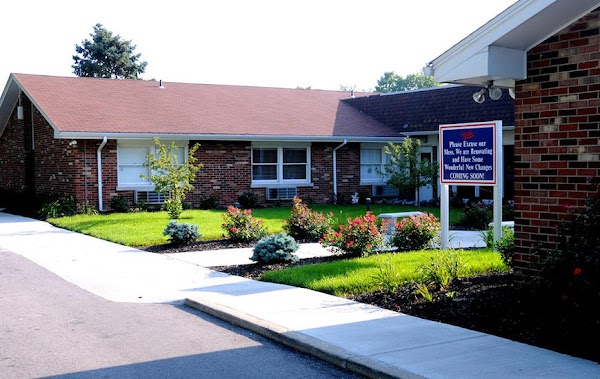
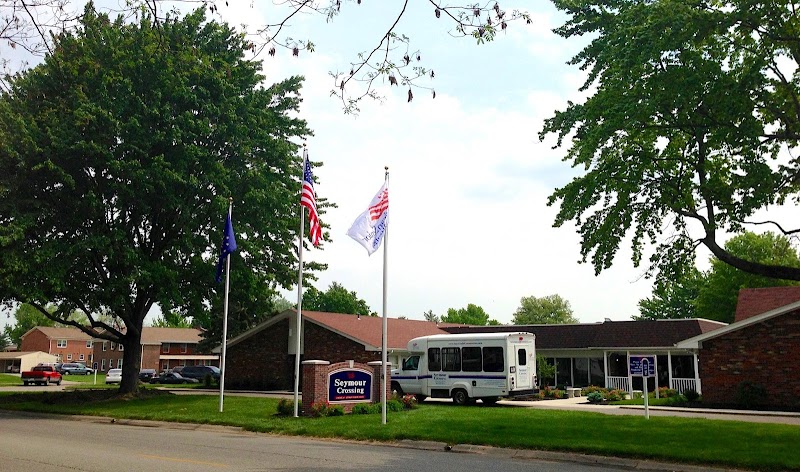
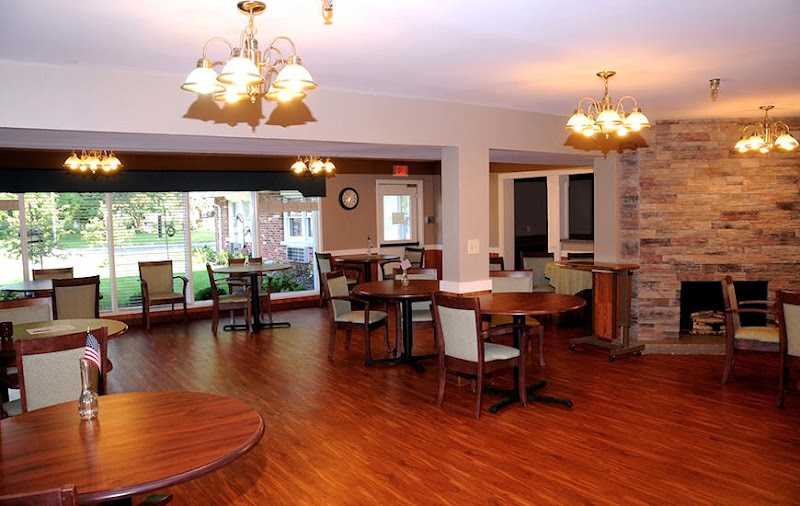
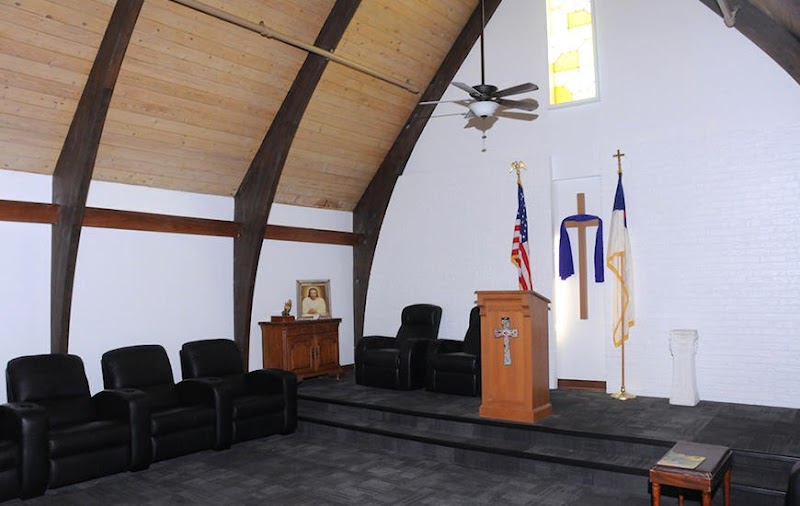
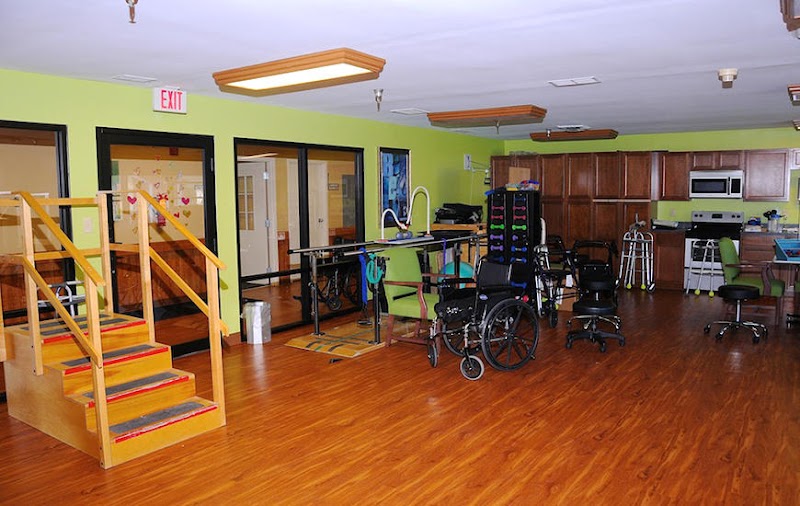
SEYMOUR CROSSING

707 S JACKSON PARK DR, SEYMOUR, IN 47274 (812) 522-2416
Government - County 115 Beds AMERICAN SENIOR COMMUNITIES Data: November 2025
Trust Grade
75/100
#187 of 505 in IN
Last Inspection: February 2025

Within standard 12-15 month inspection cycle. Federal law requires annual inspections.

Overview

Seymour Crossing has a Trust Grade of B, indicating it is a good facility and a solid choice for families. It ranks #187 out of 505 nursing homes in Indiana, placing it in the top half, and #3 out of 4 in Jackson County, meaning only one local option is better. The facility is improving, with issues decreasing from 8 in 2024 to 7 in 2025. While the staffing rating is below average at 2 out of 5 stars, the turnover rate of 42% is lower than the state average, suggesting some staff stability. However, it is concerning that RN coverage is less than 75% of other facilities, which could impact care quality. Families should also be aware of specific concerns noted in recent inspections, such as broken air conditioning affecting residents' comfort and occasions where the facility failed to provide the required RN coverage for eight consecutive hours. Additionally, there were issues with following medication orders for some residents, which is a serious concern for health and safety. Overall, while Seymour Crossing has strengths, such as no fines and good quality measures, these weaknesses should be considered carefully.

Trust Score
B
75/100
In Indiana
#187/505
Top 37%
Safety Record
Low Risk
No red flags
Inspections
Getting Better
8 → 7 violations
Staff Stability
○ Average
42% turnover. Near Indiana's 48% average. Typical for the industry.
Penalties
✓ Good
No fines on record. Clean compliance history, better than most Indiana facilities.
Skilled Nurses
⚠ Watch
Each resident gets only 29 minutes of Registered Nurse (RN) attention daily — below average for Indiana. Fewer RN minutes means fewer trained eyes watching for problems.
Violations
⚠ Watch
18 deficiencies on record. Higher than average. Multiple issues found across inspections.
★★★★☆
4.0
Overall Rating
★★☆☆☆
2.0
Staff Levels
★★★★★
5.0
Care Quality
★★★☆☆
3.0
Inspection Score
Stable
2024: 8 issues
2025: 7 issues

The Good

  • 5-Star Quality Measures · Strong clinical quality outcomes
  • Full Sprinkler Coverage · Fire safety systems throughout facility
  • No fines on record
  • Staff turnover below average (42%)

    6 points below Indiana average of 48%

Facility shows strength in quality measures, fire safety.

The Bad

Staff Turnover: 42%

Near Indiana avg (46%)

Typical for the industry

Chain: AMERICAN SENIOR COMMUNITIES

Part of a multi-facility chain

Ask about local staffing decisions and management

The Ugly 18 deficiencies on record

Jun 2025 1 deficiency
CONCERN (E) 📢 Someone Reported This

A family member, employee, or ombudsman was alarmed enough to file a formal complaint

Potential for Harm - no one hurt, but risky conditions existed

Safe Environment (Tag F0584)

Could have caused harm · This affected multiple residents

Based on observation and interview, the facility failed to maintain a safe and comfortable homelike environment for 5 of 7 residents reviewed. (Residents B, D, E, F, and G) Findings Include:1. During ...

Read full inspector narrative →
Based on observation and interview, the facility failed to maintain a safe and comfortable homelike environment for 5 of 7 residents reviewed. (Residents B, D, E, F, and G) Findings Include:1. During an interview, on 06/26/25 at 9:16 A.M., Resident B indicated that the air conditioning in the hallway and dining room was broken. Sometimes he had to go back to his room and stay out of the hallways, because it was so hot. He stopped going to activities in the dining room, and sometimes he didn't feel like eating in the dining room because the heat was excessive. The clinical record for Resident B was reviewed on 06/26/25 at 10:39 A.M. A Quarterly Minimum Data Set (MDS) assessment, dated 05/16/25, indicated the resident was cognitively intact. The resident's diagnoses included, but were not limited to, hypertension, diabetes, and asthma. During an interview, on 06/26/25 at 11:58 A.M., the Maintenance Director indicated about two months ago the air conditioning unit that cooled the B hallway, kitchen, and Dining room would not start up. A company came an looked at it, and determined it needed replaced. The project was handed over to a project manager within the company. He had not documented the temperatures he was monitoring in the building. They did not have a thermometer to monitor the air temperature he had been relying on the thermostats to tell him the temperatures in the common area rooms. 2. During an observation, on 06/26/25 at 12:02 P.M., with the Maintenance Director the thermostat in front of the nurse's station on C Hallway was observed and read 81 degrees Fahrenheit. The thermostat by the front desk in the hallway that was connected to the main dining room, (approximant 15 to 20 feet from the Main Dining Room) was observed and read 82 degrees Fahrenheit. During an observation, on 06/26/25 at 12:20 P.M., the Main Dining Room had 14 residents eating, along with five residents eating in the restorative dining room that was within the main dining room. The door to the kitchen was propped open blowing heat towards the dining room. Resident D, Resident E, Resident F, and Resident G were all sitting in the restorative dining area having staff assist them to eat their meal. During an interview, on 06/26/25 at 12:33 P.M., the Maintenance Director indicated they did not a have a way to check the temperature in the main dining room at that time. He needed to go to the store and get one. The clinical record for Resident D was reviewed on 06/26/25 at 1:45 P.M. An Annual MDS assessment, dated 04/21/25, indicated the resident was severely cognitively impaired. The resident's diagnoses included, but were not limited to, hypertension, diabetes, and non-Alzheimer's dementia. They required extensive staff assistance for transferring and was totally dependent on staff for all mobility. The clinical record for Resident E was reviewed on 06/26/25 at 1:50 P.M. An admission MDS assessment, dated 06/17/25, indicated the resident was severely cognitively impaired. The resident's diagnoses included, but were not limited to, cerebral palsy, unspecified intellectual disabilities, and unspecified encephalopathy. They were in a wheelchair, and required extensive staff assistance for transferring, and were totally dependent on staff for all mobility. The clinical record for Resident F was reviewed on 06/26/25 at 1:56 P.M. An admission MDS assessment, dated 04/25/25, indicated the resident was severely cognitively impaired. The resident's diagnoses included, but were not limited to, diabetes, and dementia. They required extensive staff assistance for transferring and were in a wheelchair.The clinical record for Resident G was reviewed on 06/26/25 at 2:02 P.M. A Quarterly MDS assessment, dated 05/29/25, indicated the resident was severely cognitively impaired. The resident's diagnoses included, but were not limited to, diabetes, and non-Alzheimer's dementia. They required extensive staff assistance for transferring and were in a wheelchair.During an observation, on 06/26/25 at 1:40 P.M., the thermostat by the front desk closest to the main dining room read 83 degrees Fahrenheit.The current undated facility policy, titled Emergency Operations Plan was provided by the Director of Nursing (DON) on 06/26/25 at 1:58 P.M. The policy indicated, .2. Ambient air temperatures will be monitored and documented for various locations throughout the building such as dining areas, lounges, and sampling of resident rooms. 3. If temperatures are not maintained between 71-81 degrees Fahrenheit , Maintenance Director will obtain alternative source of heating or cooling until repairs are completed. 4. If temperature reaches 82 degrees Fahrenheit or higher, the following precautions will be put into place: Draw all shades, blinds, and curtains in the rooms exposed to direct sunlight. Remove residents from areas exposed to direct sunlight .This citation relates to Complaint IN00462258.3.1-19(f)(5)3.1-19(j)
Feb 2025 6 deficiencies
CONCERN (D)

Potential for Harm - no one hurt, but risky conditions existed

Quality of Care (Tag F0684)

Could have caused harm · This affected 1 resident

Based on record review, interview, and observation, the facility failed to follow the physician's medication hold parameters for residents' cardiac medication administration and failed to follow the t...

Read full inspector narrative →
Based on record review, interview, and observation, the facility failed to follow the physician's medication hold parameters for residents' cardiac medication administration and failed to follow the treatment orders for a resident's nephrostomy tube for 3 of 20 residents reviewed for Quality of Care. (Residents 18, 70, and 38) Findings include: 1. The clinical record for Resident 18 was reviewed on 02/26/25 at 1:30 P.M. An Annual Minimum Data Set (MDS) assessment, dated 12/26/24, indicated the resident was cognitively intact. The resident's diagnoses included, but were not limited to, atrial fibrillation, hypertension, heart failure, and renal insufficiency. The resident received dialysis treatments. The resident's current physician's orders included an open-ended order, with a start date of 01/20/25, to administer midodrine (a medication for low blood pressure) 5 mg (milligrams) every 6 hours as needed for a systolic (the top number) blood pressure less than 110. The resident's vital signs record and Electronic Medication Administration Record (EMAR) for January and February 2025 indicated the resident did not receive the midodrine medication when their blood pressure was assessed and below 110 on the following dates and times: - On 01/24/25 at 1:00 P.M., the resident's blood pressure was 101/69, - On 01/27/25 at 12:07 P.M., the resident's blood pressure was 106/63, - On 01/29/25 at 12:08 P.M., the resident's blood pressure was 105/64, - On 02/01/25 at 5:41 A.M., the resident's blood pressure was 106/71, - On 02/09/25 at 7:22 A.M., the resident's blood pressure was 86/51, - On 02/12/25 at 11:42 A.M., the resident's blood pressure was 103/84, and - On 02/16/25 at 6:39 A.M., the resident's blood pressure was 92/51. During an interview, on 02/26/25 at 1:37 P.M., the resident indicated nursing staff checked his blood pressure a lot. His blood pressure was sometimes low after dialysis. He had an order for midodrine that was fairly new. He had only received the medication a few times. During an interview, on 02/26/25 at 2:11 P.M., the Infection Preventionist (IP) RN indicated if the resident's blood pressure was assessed and it was below 110, the medication should have been administered according to the MD order. 2. The clinical record for Resident 70 was reviewed on 02/24/25 at 2:27 P.M. A Significant Change MDS assessment, dated 01/16/25, indicated the resident was cognitively intact. The resident's diagnoses included, but were not limited to, hypertension and cerebral palsy. A physician's order, dated 12/26/24 through 02/25/25, indicated the staff were to administer Lisinopril-Hydrochlorothiazide 10-12.5 mg. The staff were to hold the medication if the resident's systolic blood pressure was less than 130. The December 2024 and January 2025 EMAR/ETAR indicated the resident received the medication when their systolic blood pressure was less than 130 for the following dates and times: - On 12/27/24, when the resident's blood pressure was 122/71, - On 12/28/24, when the resident's blood pressure was 118/65, - On 12/30/24, when the resident's blood pressure was 118/72, - On 01/02/25, when the resident's blood pressure was 96/67, - On 01/03/25, when the resident's blood pressure was 123/73, - On 01/09/25, when the resident's blood pressure was 122/69, and - On 01/12/25, when the resident's blood pressure was 126/63. During an interview, on 02/26/25 at 1:53 P.M., LPN 3 indicated if a resident had hold parameters on their medications, then she would obtain the vital signs prior to administering the medications and if it was outside the parameter she would not give the medication. She would document in the EMAR that the medication was held. The current facility policy titled, General Dose Preparation and Medication Administration, dated 11/15/24, was provided by the DON on 02/26/25 at 1:37 P.M. The policy indicated, .Verify each time a medication is administered that it is the correct medication, at the correct dose, at the correct route, at the correct rate, at the correct time, for the correct resident .If necessary, obtain vital signs . 3. During an observation on 02/26/25 at 9:24 A.M., the IP prepared a clean space for supplies in the resident's room to cleanse Resident 38's nephrostomy tubes (tubes placed in the back to drain urine from the kidneys). The IP cleansed around both nephrostomy tube insertion sites (left and right side) with normal saline soaked swabs and cleansed the skin surrounding the sites, where the old bandage was removed, with wound cleanser. An open-ended physician's order, with a start date of 02/13/25, indicated the staff were to cleanse around the nephrostomy tubes with warm soap and water, rinse, gently pat dry, and apply a split boarder gauze around the nephrostomy tubes. During an interview, on 02/26/25 at 10:00 A.M., the IP indicated the resident's order was to cleanse around the tubes with soap and water. She had used normal saline because that was what their policy said. She should have followed the orders of the physician and cleansed around the tubes with soap and water. The current facility policy titled, Nephrostomy Tube Care Dressing Change, Drainage Bag Change & Irrigation with a review date of 12/2012, was provided by the IP on 02/26/25 at 10:43 A.M. The policy indicated, .Verify resident and physician orders . During an interview, on 02/26/25 at 1:56 P.M., the Regional Support indicated they did not have a policy on following physician orders. It was just standard practice. 3.1-37(a)
CONCERN (D)

Potential for Harm - no one hurt, but risky conditions existed

Deficiency F0692 (Tag F0692)

Could have caused harm · This affected 1 resident

Based on record review and interview, the facility failed to document meal consumptions for 2 of 4 residents reviewed for nutrition. (Residents 16 and 36) Findings include: 1. The clinical record for ...

Read full inspector narrative →
Based on record review and interview, the facility failed to document meal consumptions for 2 of 4 residents reviewed for nutrition. (Residents 16 and 36) Findings include: 1. The clinical record for Resident 16 was reviewed on 02/24/25 at 10:13 A.M. A Significant Change Minimum Data Set (MDS) assessment, dated 01/31/25, indicated the resident was severely cognitively impaired. The resident's diagnoses included, but were not limited to, hypertension, diabetes, non-Alzheimer's dementia, anxiety, and depression. The resident's meal consumption records lacked documented values on the following dates and times: - 01/10/25 at dinner, - 01/11/25 at lunch, - 01/15/25 at dinner, - 01/17/25 at dinner, - 01/22/25 at lunch, - 01/24/25 at breakfast and dinner, - 02/07/25 at lunch, - 02/08/25 at lunch, - 02/14/25 at lunch, and - 02/21/25 at breakfast and lunch. 2. The clinical record for Resident 36 was reviewed on 02/24/25 at 12:53 P.M. A Significant Change MDS assessment, dated 12/24/24, indicated the resident was severely cognitively impaired. The resident's diagnoses included, but were not limited to, anemia, heart failure, hypertension, Non-Alzheimer's dementia, and depression. The resident had weight loss and was not on a prescribed weight loss regimen. The resident's meal consumption records lacked documented values on the following dates and times: - 01/10/25 at dinner, - 01/11/25 at lunch, - 01/15/25 at dinner, - 01/17/25 at dinner, - 01/22/25 at lunch, - 01/24/25 at breakfast and dinner, - 02/07/25 at lunch, - 02/08/25 at lunch, - 02/14/25 at lunch, - 02/21/25 at breakfast and lunch, and - 02/23/25 at lunch. During an interview, on 02/26/25 at 10:32 A.M., Certified Nurse Aide (CNA) 4 indicated after each resident meal the staff were to document their meal consumption into the computer system. The current facility policy titled, Delivery and Documentation of Meal Service and Between Meal Nourishment, was provided by the Director of Nursing (DON) on 02/26/25 at 1:37 P.M. The policy indicated, .It is the policy of this facility that residents receive their meals and nourishments in a timely, courteous, and helpful manner as well as accurately document nutritional intake and food substitutes .Reviewing and documenting food and fluid intake following each meal . 3.1-46(a)(1)
CONCERN (D)

Potential for Harm - no one hurt, but risky conditions existed

Drug Regimen Review (Tag F0756)

Could have caused harm · This affected 1 resident

Based on interview and record review, the facility failed to follow pharmacy recommendations for 1 of 6 residents reviewed for medication irregularities. (Resident 65) Findings include: The clinical r...

Read full inspector narrative →
Based on interview and record review, the facility failed to follow pharmacy recommendations for 1 of 6 residents reviewed for medication irregularities. (Resident 65) Findings include: The clinical record for Resident 65 was reviewed on 02/24/25 at 11:14 A.M. A Quarterly Minimum Data Set (MDS) assessment, dated 12/06/24, indicated the resident was moderately cognitively impaired. The resident's diagnoses included, but were not limited to, hypertension, diabetes, cirrhosis, malnutrition, and anemia. A Pharmacy Consultation Report, issued on 01/2/25, indicated the resident received iron replacement therapy with ferrous sulfate 325 milligrams (mg) given every other day. The recommendation was to optimize the iron therapy with Ferrex 150 mg to be given daily and discontinue the ferrous sulfate. The recommendation was signed by the pharmacist on 01/02/25. The physician responded on 02/07/25 and agreed with the recommendation. The February 2025, Electronic Medication Administration Record (EMAR) indicated the resident's ferrous sulfate had continued to be given every other day and the EMAR lacked the physician's new order for Ferrex 150 mg every day. During an interview on 02/26/25 at 2:00 P.M., The IP Nurse indicated the signed recommendations were given to the nurse working on the resident's hall to transcribe the physician order. She wasn't sure why the medication changes weren't made for this resident. The current facility policy, titled Medication Regimen Reviews and Pharmacy Recommendations, with a revised date of 10/2018, was provided by the Director of Nursing on 02/26/25 at 2:41 P.M. The policy indicated, .Pharmacy recommendations should be reviewed with follow up by the physician within 30 days of the facility receiving .once reviewed by the physician the pharmacy recommendations will be filed in the resident's medical record . 3.1-25(i)
CONCERN (D)

Potential for Harm - no one hurt, but risky conditions existed

Unnecessary Medications (Tag F0759)

Could have caused harm · This affected 1 resident

Based on observation, interview, and record review, the facility failed to prevent medication errors for 1 of 4 residents reviewed for medication administration. (Resident 69) Findings include: During...

Read full inspector narrative →
Based on observation, interview, and record review, the facility failed to prevent medication errors for 1 of 4 residents reviewed for medication administration. (Resident 69) Findings include: During an observation of medication administration on 02/24/25 at 11:46 A.M., Licensed Practical Nurse (LPN) 2 indicated she needed to administer insulin to Resident 69. The LPN opened the top drawer of the medication cart, removed a vial of insulin, an alcohol swab, and a syringe. She wiped the top of the vial with the alcohol swab, inserted the needle and drew up 2 units into the syringe. The LPN placed the vial back into the drawer and locked it. She never turned on the computer to look at the resident's insulin order. At 11:48 A.M., the LPN went into the resident's room and was asked to not administer the medication and to verify the order. At 11:49 A.M., LPN 2 went back to the medication cart and turned on the computer to Resident 69's Electronic Medication Administration Record (EMAR). The LPN indicated the resident's blood sugar had been 207. She documented the blood sugar value into the insulin sliding scale order and determined the resident needed 6 units of insulin. The LPN indicated the resident's insulin sliding scale order must have changed recently and proceeded to get new supplies to administer 6 units instead of 2 units. The nurse then went to the resident's room and administered 6 units to the resident. During an interview, on 02/26/25 at 11:36 A.M., LPN 3 indicated, when administering medications to residents, the nurse should follow the five rights of medication administration. The five rights were the right resident, right medication, right dose, right route, and right time. The clinical record for Resident 69 included a current, open-ended, physician's order, with a start date of 02/19/24, for the resident to be administered Aspart insulin per sliding scale. The sliding scale indicated the resident was to receive the following insulin per their blood sugar test results: - For a blood sugar result of 0 to 150, the resident was to have 0 units. - For a blood sugar result of 151 to 200, the resident was to have 3 units. - For a blood sugar result of 201 to 250, the resident was to have 6 units. - For a blood sugar result of 251 to 300, the resident was to have 9 units. - For a blood sugar result of 301 to 350, the resident was to have 12 units. - For a blood sugar result of 351 to 400, the resident was to have 15 units. - If the resident's blood sugar was greater than 400, the resident was to have 18 units, and the provider was to be notified. The current facility policy titled, General Dose Preparation and Medication Administration, with a revision date of 11/15/24, was provided by the DON (Director of Nursing) on 02/26/25 at 1:37 P.M. The policy indicated, .Only prepare medications for one resident at a time, using a 3-way-check (i.e., comparing the medication to the MAR and to the prescription label) .Verify each time a medication is administered that it is the correct medication, at the correct dose, at the correct route, at the correct rate, at the correct time, for the correct resident . The current facility policy titled, Medication Error, with a revision date of 11/2018, was provided by the DON on 02/26/25 at 1:37 P.M. The policy indicated, .It is the policy of this provider to ensure residents residing in the facility are free of medication errors . 3.1-48(c)(1)
CONCERN (D)

Potential for Harm - no one hurt, but risky conditions existed

Deficiency F0760 (Tag F0760)

Could have caused harm · This affected 1 resident

Based on interview and record review, the facility failed to prevent a significant medication error for 1 of 5 residents reviewed for unnecessary medications. (Resident 278) Findings include: During a...

Read full inspector narrative →
Based on interview and record review, the facility failed to prevent a significant medication error for 1 of 5 residents reviewed for unnecessary medications. (Resident 278) Findings include: During an interview on 02/25/25 at 10:34 A.M., Licensed Practical Nurse (LPN) 5 indicated residents' laboratory (labs) collections were sent out to a company in Indianapolis or Kentucky and not kept local. The company would come, obtain the labs, and take them with them. They came to the facility Monday through Friday. The nurse was able to look at the residents' clinical record for the lab results, fax the results to the Nurse Practitioner (NP), and put a copy in the NP's binder at the facility. For residents that needed a PT/INR (Prothrombin Time/International Normalized Ratio, a test to measure how quickly your blood clots), the NP would order the lab test. The results were called to the physician before the next dose of medication was administered because the facility needed to know if the medication dose needed to be changed. During an interview on 02/26/25 at 10:46 A.M., the NP indicated she required the facility to send the residents' PT/INR results to her office the same day the lab was obtained to be able to either keep the same dose or change the dose for that night. The clinical record for Resident 278 was reviewed on 02/25/25 at 9:23 A.M. An admission MDS (Minimum Data Set) assessment, dated 02/13/24, indicated the resident was cognitively intact. The resident's diagnoses included, but were not limited to, hypertension, diabetes, anxiety, depression, and cerebrovascular accident. A physician's order, dated 02/14/25, indicated the staff were to obtain a PT/INR and it was to be sent to the local hospital for Coumadin therapy. A physician's order, dated 02/10/25 through 02/18/25, indicated the resident was to be administer Coumadin (Warfarin), 7.5 mg (milligrams), daily at 5:00 P.M. The February 2025 Electronic Medication Administration Record/Electronic Treatment Administration Record (EMAR/ETAR) indicated the residents PT/INR was obtained on 02/14/25. A Lab Report for a PT/INR indicated the lab was drawn on 02/14/25 at 10:05 A.M., and received in the lab on 02/15/25 at 12:04 A.M. The results, dated 02/15/25 at 8:59 A.M., indicated the PT/INR was high. The clinical record lacked any indication the physician was notified of the PT/INR results until 02/17/25. The February 2025 EMAR/ETAR indicated the resident had received the Coumadin medication of 7.5 mg, from 02/14/25 through 02/16/25. During an interview on 02/25/25 at 2:54 P.M., the Director of Nursing (DON) indicated the resident's PT/INR lab was completed on Friday, 02/14/25. The facility didn't receive the results until the following Monday, on 02/17/25. The staff should have called the NP on Friday, 02/14/25, before administering the Coumadin medication due to not having the PT/INR results. All of the staff had been educated on obtaining PT/INR results before administering the medication to see what the physician would like to do and to started monitoring residents that took Coumadin. The current facility policy titled, Coumadin/Warfarin Monitoring Policy and Tracking Log, with a revised date of 11/2018, was provided by the DON on 02/25/25 at 3:36 P.M. The policy indicated, .Residents who require Coumadin Therapy are receiving adequate monitoring .Prior to administering the Coumadin/Warfarin dose the licensed nurse should verify the most current PT/INR . The deficient practice was corrected, on (02/17/25, prior to the start of the survey and was therefore Past Noncompliance. The facility reviewed all the residents' laboratory results for timeliness, educated staff, and implemented a process to monitor the residents' ordered laboratory test and laboratory results for physician notification. 3.1-48(c)(2)
CONCERN (E)

Potential for Harm - no one hurt, but risky conditions existed

Deficiency F0727 (Tag F0727)

Could have caused harm · This affected multiple residents

Based on interview and record review, the facility failed to provide the required Registered Nurse (RN) on duty for eight consecutive hours a day for 2 of the 16 days reviewed. Findings include: The ...

Read full inspector narrative →
Based on interview and record review, the facility failed to provide the required Registered Nurse (RN) on duty for eight consecutive hours a day for 2 of the 16 days reviewed. Findings include: The as worked nursing schedule from July to September 2024 indicated there had not been an RN on duty for eight consecutive hours on Saturday, 09/28/24, and Sunday, 09/29/24. During an interview on 02/26/25 at 3:25 P.M., the Director of Nursing (DON) indicated the schedule usually had an RN on duty for 8 hours each day. She was unsure why those two days did not have coverage. During an interview on 02/26/25 at 3:29 P.M., the Administrator indicated the facility did not have a policy for RN coverage, they followed State and Federal regulations. The facility did not currently have any nursing waivers. 3.1-17(b)(3)
Dec 2024 1 deficiency
CONCERN (D) 📢 Someone Reported This

A family member, employee, or ombudsman was alarmed enough to file a formal complaint

Potential for Harm - no one hurt, but risky conditions existed

Deficiency F0554 (Tag F0554)

Could have caused harm · This affected 1 resident

Based on observation, interview, and record review, the facility failed to ensure a resident was clinical appropriate prior to medication being left unattended at bedside for a resident to self-admini...

Read full inspector narrative →
Based on observation, interview, and record review, the facility failed to ensure a resident was clinical appropriate prior to medication being left unattended at bedside for a resident to self-administer for 1 of 3 residents reviewed for self-medication administration. (Resident C) Findings include: During an observation and interview on 12/10/2024 at 8:48 A.M., Resident C was in her wheelchair with her bedside table in front of her. A medicine cup filled with various colored pills sat on the table to her left and two separate medicine bottles with liquid drop medications laid on the bed in front of her. The resident indicated that she was in the restroom when the nurse brought her medications, so they were left on the table for her to take. She doesn't typically administer them herself, but sometimes she does. No staff were in the resident's room or within sight of the resident. During an interview on 12/10/2024 at 10:34 A.M., Qualified Medication Aide (QMA) 2 indicated on Resident C's unit there was a confused resident that wandered the hallway on a regular basis. During an interview on 12/10/24 at 12:04 P.M., Licensed Practical Nurse (LPN) 3 indicated that she was unaware of any residents that self-administered medications, and she never left medications unattended at a resident's bedside. Staff were to stay in the resident's room until the medication was taken. During an interview on 12/10/24 at 1:50 P.M., the Director of Nursing (DON) indicated Resident C lacked a care plan and an order for self-administration prior to the medication being left at bedside on 12/10/24. The clinical record for Resident C was reviewed on 12/10/24 at 11:11 A.M A Quarterly Minimum Data Set (MDS) assessment, dated 11/22/24, indicated the resident was cognitively intact. The resident's diagnoses included, but were not limited to, anemia, seizure disorder, anxiety, and depression. The clinical record for Resident C lacked an assessment or an order to self-administer medications until after the observation on 12/10/24. The current facility policy titled, General Dose Preparation and Medication Administration with a review date of 04/30/24 and was provided by the DON on 12/10/24 at 1:50 P.M. The policy indicated, .Facility staff should not leave medications or chemicals unattended .Observe the resident's consumption of the medication(s) . 3.1-11(a)
Jan 2024 7 deficiencies
CONCERN (D)

Potential for Harm - no one hurt, but risky conditions existed

Free from Abuse/Neglect (Tag F0600)

Could have caused harm · This affected 1 resident

Based on record review and interview, the facility failed to ensure a resident was free from verbal abuse for 1 of 24 residents reviewed. (Resident 51) Findings include: The clinical record for Reside...

Read full inspector narrative →
Based on record review and interview, the facility failed to ensure a resident was free from verbal abuse for 1 of 24 residents reviewed. (Resident 51) Findings include: The clinical record for Resident 51 was reviewed on 01/18/24 at 9:11 A.M. A Significant Change MDS (Minimum Data Set) assessment, dated 12/11/23, indicated the resident was severely cognitively impaired. The diagnoses included, but were not limited to, dementia, hypokalemia, renal insufficiency, and hemiplegia. During an interview on 01/22/24 at 10:32 A.M., LPN (Licensed Practical Nurse) 3 indicated there had been an incident involving the resident during wound care. CNA (Certified Nurse Aide) 4 was assisting the LPN by holding the resident on his side while the LPN provided a wound treatment to the resident's leg. During the procedure, the CNA yelled out something to the affect, don't scratch me or I will hit you in the face. The LPN was unsure of the exact wording but indicated her statement in the written report was correct. It happened very quickly. She did not see the resident scratch the CNA, but the resident had a history of combativeness. The LPN immediately had the CNA leave the room. Management was there in the building. The LPN got the CNA away from all the residents and management staff took control of the situation. During an interview on 01/22/24 at 10:39 A.M., the DON (Director of Nursing) indicated LPN 6 immediately walked the employee to the time clock and out of the facility following the incident. Then the DON, LPN 6, the IP (Infection Preventionist), and the Administrator started the investigation. The SSD (Social Services Director) started interviewing residents, a head to toe assessment was completed on Resident 51 and all other residents with low cognition levels. There were no other findings with any of the other residents. During an interview on 01/18/24 at 9:02 A.M., the Administrator and IP indicated the resident was aggressive at times. CNA 4 had only worked there a couple of months and had not had any inappropriate encounters verbally or physically with any of the residents prior to the incident on 11/11/23 at 12:29 P.M. Staff were in-serviced and re-educated following the incident. During an interview on 01/18/24 at 12:41 P.M., CNA 8 indicated they had not seen or heard staff members be abusive to residents. They were in-serviced and re-educated on abuse regularly. They were in-serviced about a week and a half ago. The employee record for CNA 4 (involved in the incident) was reviewed on 01/18/24 at 9:18 A.M., and indicated they were educated on abuse and had received 100% on the test dated 07/28/23. They were educated on Code of Conduct, the Elder Justice Act Policy, and had completed the required six hours of dementia training for 2023. Their criminal background check was completed and clear. The signed statement from LPN 3, following the incident, dated 11/11/23 at 12:29 P.M., was provided by the Administrator on 01/22/24 at 11:00 A.M. The record indicated the LPN had asked CNA 4 to help her with Resident 51 while she administered his treatment. The CNA turned the resident to his right side. As the LPN was applying a dressing to the resident, she felt the CNA's arm jerk away from the resident as the CNA repeated twice, If you scratch me again, I will punch you in the face. The LPN stopped the procedure and immediately escorted the CNA to the nurse's station, notified management, and management led the CNA away from the nurse's station. The current Abuse Prohibition, Reporting, and Investigation policy, with a revised date of June 2023, was provided following the Entrance Conference. The policy indicated, .It is the policy of American Senior Communities to provide each resident with an environment that is free from abuse .This includes but is not limited to verbal abuse .American Senior Communities will not permit residents to be subjected to abuse by anyone, including employees . The Past noncompliance began on 11/11/23 and the deficient practice was corrected on 11/17/23 prior to the start of the survey. The facility implemented a systemic plan that included the following actions: The facility completed staff education on the resident abuse and neglect policy, facility wide resident re-assessments completed for abuse, and a Resident Council Meeting in which staff reviewed the process of filing grievances, the types of abuse and the process for reporting. 3.1-27(b)
CONCERN (D)

Potential for Harm - no one hurt, but risky conditions existed

Quality of Care (Tag F0684)

Could have caused harm · This affected 1 resident

3. The clinical record for Resident 59 was reviewed on 01/22/24 at 3:54 P.M. A Quarterly MDS assessment, dated 11/17/23, indicated the resident was severely cognitively impaired. The diagnoses include...

Read full inspector narrative →
3. The clinical record for Resident 59 was reviewed on 01/22/24 at 3:54 P.M. A Quarterly MDS assessment, dated 11/17/23, indicated the resident was severely cognitively impaired. The diagnoses included, but were not limited to, anemia, hypertension, non-Alzheimer's dementia, anxiety, and depression. A current, open-ended physician's order, with a start date of 05/26/23, indicated the staff were to administer metoprolol tartrate 25 mg, every 12 hours. The medication was to be held if the systolic blood pressure was less than 110 or the pulse was less than 60. The November, December 2023, and January 2024 EMAR/ETAR indicated the medication was given the following dates and times when the systolic blood pressure was less than 110 or the pulse was less than 60: - 11/11/23 at 8:00 P.M., when the blood pressure was 106/58, - 11/14/23 at 8:00 A.M., when the blood pressure was 106/89 and the pulse was 55, - 11/23/23 at 8:00 P.M., when the blood pressure was 106/80, - 11/25/23 at 8:00 A.M., when the blood pressure was 110/63 and the pulse was 52, and at 8:00 P.M., when the blood pressure was 100/56 and the pulse was 56, - 12/07/23 at 8:00 A.M., when the pulse was 56, - 12/08/23 at 8:00 A.M., when the pulse was 57, - 12/16/23 at 8:00 A.M., when the pulse was 56, - 12/17/23 at 8:00 A.M., when the pulse was 59, - 12/29/23 at 8:00 P.M., when the blood pressure was 98/64, - 01/05/24 at 8:00 P.M., when the blood pressure was 106/64, - 01/06/24 at 8:00 P.M., when the blood pressure was 104/65, - 01/11/24 at 8:00 A.M., when the blood pressure was 108/59, and - 01/12/24 at 8:00 A.M., when the pulse was 59. During an interview on 01/23/24, RN 7 indicated when a resident had a medication that required a blood pressure or pulse checked prior to administering, she would obtain the blood pressure and pulse. If the vitals were out of the range required for the medication to be given the medication would be held, and she would document not administered in the EMAR. During an interview on 01/23/24 at 4:13 P.M., the Administrator indicated the facility did not have a policy for following physician's orders. It was a standard practice. 3.1-37(a) Based on interview, observation, and record review, the facility failed to ensure surgical wound treatments were administered appropriately and follow physician's orders related to hold parameters for cardiac medications for 3 of 18 residents reviewed for quality of care. (Residents 71, 14, 59) Findings include: 1. During an interview on 01/16/24 at 2:44 P.M., Resident 71 indicated she had bilateral nephrostomies (a surgical procedure where a tube was inserted into the kidney to drain urine) last month. The tube in the right kidney leaked urine all the time. Nursing staff didn't change the dressings at the insertion sites with any regularity. Recently, they had a meeting and she asked them to increase the dressing changes from once a day to twice a day. They still didn't always do it when they were supposed to. The resident's clothing on the right side was observed, with an area approximately four inches in diameter that appeared to be wet. The resident lifted her sweatshirt and the nephrostomy tubing on the right was observed. The tubing was wet, with urine dripping down the outside of the tube. The surgical site dressing was unable to be visualized. The resident's clinical record was reviewed on 01/22/24 at 3:25 P.M. An admission MDS (Minimum Data Set) assessment, dated 12/13/23, indicated the resident was moderately cognitively impaired. The diagnoses included, but were not limited to, heart failure, kidney disease, and malnutrition. The resident's current physician's orders included an open-ended order, with a start date of 01/15/24, staff were to cleanse both nephrostomy tube sites with normal saline, pat dry, apply a drain sponge, and cover with a transparent dressing, twice a day. On 01/18/24 at 12:43 P.M., the resident was observed in her room eating lunch. The resident indicated her nephrostomy tube on the right side did not leak in bed the night before, however, staff were supposed to change the dressings twice a day and they hadn't been changed since the day before yesterday. A wet area approximately two inches in diameter was observed on the resident's sweatshirt near the tube insertion site. The resident's dressings were observed on 01/18/24 at 2:36 P.M., with LPN (Licensed Practical Nurse) 2. The dressing on the left was clean, dry, and intact. The dressing on the right was intact, but soaked through, with a dark yellow/brown area approximately 2 by 2 inches visible through the dressing. Neither dressings were dated or initialed. LPN 2 removed the old dressings and cleansed the tube insertion sites. Both insertion sites were observed and were without signs of infection. The skin around the right insertion site was slightly reddened where the dressing had been in place. LPN 2 indicated she forgot to date and initial the dressings when she last changed them. The LPN indicated she last changed the resident's dressing the day before (yesterday). The LPN cleansed the sites and applied new dressings. The current facility policy, titled Dressing Change Clean Technique (Incision or Wound), with a most recent revision date of 07/2023, was provided by the DON (Director of Nursing) on 01/23/24 at 1:59 P.M. The policy indicated, .Apply treatment .Date and initial new dressing . 2. The clinical record for Resident 14 was reviewed on 01/22/24 at 2:05 P.M. A Quarterly MDS assessment, dated 12/05/23, indicated the resident was cognitively intact. The diagnoses included, but were not limited to, hypertension, diabetes, and dementia. The EMAR/ETAR (Electronic Medication Administration Record/Treatment Administration Record) for January 2024, was provided by the DON on 01/23/24 at 2:34 P.M. The record included, but was not limited to, the following current, open-ended physician's order, with a start date of 07/25/23, staff were to administer Metoprolol Tartrate 12.5 mg (milligrams), every 12 hours. The medication was to be held if the resident's systolic blood pressure (top number) was less than 100 or the pulse was less than 60. The record indicated the medication was given on the following dates and times when the systolic blood pressure was less than 100 or the pulse was less than 60: - 01/01/24 from 6:00 P.M. to 10:00 P.M., when the pulse was 56, - 01/02/24 from 11:00 A.M. to 2:00 P.M., when the pulse was 57 and the blood pressure was 90/50, - 01/08/24 from 6:00 P.M. to 10:00 P.M., when the pulse was 50, - 01/09/24 from 6:00 P.M. to 10:00 P.M., when the pulse was 58, - 01/11/24 from 11:00 A.M. to 2:00 P.M., when the pulse was 54, - 01/20/24 from 11:00 A.M. to 2:00 P.M., when the pulse was 58, and - 01/21/24 from 11:00 A.M. to 2:00 P.M., when the pulse was 58. The Progress Notes were provided by the DON on 01/23/24 at 2:34 P.M. The record lacked documentation the medication was held on the above listed dates.
CONCERN (D)

Potential for Harm - no one hurt, but risky conditions existed

Deficiency F0698 (Tag F0698)

Could have caused harm · This affected 1 resident

Based on observation, interview, and record review, the facility failed to implement a dressing change for a resident with a central line for 1 of 2 residents reviewed for dialysis. (Resident 49) Find...

Read full inspector narrative →
Based on observation, interview, and record review, the facility failed to implement a dressing change for a resident with a central line for 1 of 2 residents reviewed for dialysis. (Resident 49) Findings include: During an interview and observation on 01/16/24 at 12:03 P.M., Resident 49 had a dressing to his right upper chest. The bottom part of the dressing was cut, with the bottom of the dressing open and the central line ports were hanging out the bottom. The dressing was undated. The resident indicated the central line ports were used in the past for dialysis. During an observation on 01/18/24 at 9:34 A.M., the resident was lying in bed, asleep. There was a dressing visible to the right upper chest that was cut at the bottom. The bottom of the dressing was open and the central line ports were hanging out the bottom. The dressing was undated. During an observation on 01/18/24 at 12:34 P.M., the resident was lying in bed. There was a dressing visible to the right upper chest that was cut at the bottom. The bottom of the dressing was open and the central line ports were hanging out the bottom. The dressing was undated. During an interview on 01/23/24 at 9:19 A.M., LPN (Licensed Practical Nurse) 9 indicated the resident had a port in the right upper chest for dialysis. They were working on getting it removed as the resident didn't need to receive dialysis anymore. The port was monitored every shift. They made sure the dressing was clean, dry, and intact. There should have been an order to change the dressing since the resident's dialysis was discontinued on January 5th. The clinical record for Resident 49 was reviewed on 01/22/24 at 2:57 P.M. An admission MDS (Minimum Data Set) assessment, dated 12/116/23, indicated the resident was moderately cognitively intact. The diagnoses included, but were not limited to, heart failure, anemia, heart failure, hypertension, renal insufficiency, diabetes, anxiety, depression, and schizophrenia. The resident received dialysis while a resident. A Hot Charting Event, dated 01/08/24, indicated the resident's dialysis was discontinued. The clinical record lacked indication the resident had orders to change the dressing to the central line since the resident was discharged from dialysis on 01/08/24. The Complete Care Plan, was provided by the Administrator on 01/23/24 at 9:48 A.M. A Care Plan, with a start date of 12/11/23, indicated the resident was receiving hemodialysis. The interventions included, but were not limited to, treatment as ordered. The current facility policy titled, Dialysis with a revision date of 11/2017, was provided by the Administrator on 01/23/24 at 9:38 A.M. The policy indicated, .to ensure that residents requiring dialysis receive such services, consistent with professional standards of practice, the comprehensive person-centered care, and the residents' goals and preferences. The facility will assure that each resident receives care and services for the provision of hemodialysis and/or peritoneal dialysis consistent with professional standards of practice .PROCEDURE .Physician Orders will be received at time if admission specific to the resident .dialysis access care .Access sites are clean, dry, and dressing is changed with clean technique per physician order . The current facility policy titled, Central Line Sterile Dressing Change, with a review date of 08/2017, was provided by the Administrator on 01/23/24 at 9:48 A.M. The policy indicated, .Verify physician's order .Label the dressing with the date, time and initials .Document the dressing change and other pertinent information . 3.1-37(a)
CONCERN (D)

Potential for Harm - no one hurt, but risky conditions existed

Deficiency F0742 (Tag F0742)

Could have caused harm · This affected 1 resident

Based on record review and interview that facility failed to follow the physician's orders, related to medications, for a resident with increased behaviors for 1 of 7 residents reviewed for unnecessar...

Read full inspector narrative →
Based on record review and interview that facility failed to follow the physician's orders, related to medications, for a resident with increased behaviors for 1 of 7 residents reviewed for unnecessary medications. (Resident 59) Findings include: The clinical record for Resident 59 was reviewed on 01/22/24 at 3:54 P.M. A Quarterly MDS (Minimum Data Set) assessment, dated 11/17/23, indicated the resident was severely cognitively impaired. The diagnoses included, but were not limited to, anemia, hypertension, non-Alzheimer's dementia, anxiety, and depression. A Psychiatry Initial Consult, dated 05/31/23, indicated the resident was seen in his room with his partner of 25 years. She provided much of the history as the resident was a poor historian. He was alert and pleasantly confused at the time. He stated he slept and ate well. He did endorse anxiety and depression but could not elaborate on the cause. The plan was to discontinue the resident's Lexapro (an antidepressant medication) and start Zoloft (an antidepressant) 50 mg (milligrams) daily x 2 weeks then increase to 100 mg A physician's order, dated 05/31/23 through 06/28/23, indicated the resident was to take Zoloft 50 mg, once a day. A Progress Note, dated 06/14/23 at 12:21 P.M., indicated the resident continued to have episodes of combative episodes of hitting staff with care. A Progress Note, dated 06/16/23 at 9:49 P.M., indicated the resident was noted to be in bed per his choice. He was noted to be yelling out off and on that evening. A Progress Note, dated 06/17/23, at 8:18 A.M., indicated the resident was combative with care. He was hitting and scratching staff, screaming and calling out. A Psychiatry Progress Note, dated 06/28/23, indicated the resident was seen that day. His partner was present, and she stated the resident was still combative with staff at times. The staff reported he always had delusions, thinking that someone would hurt him, but he was being treated for a UTI (Urinary Tract Infection) at the time too. The Zoloft was never increased to 100 mg as ordered. A physician's order, dated 06/28/23 through 08/30/23, indicated the resident was to take Zoloft 100 mg, once a day. A Progress Note, dated 06/28/23 at 11:43 A.M., indicated the resident was seen by the Psychiatric NP (Nurse Practitioner). A new order was obtained to increase the resident's Zoloft to 100 mg, daily. During an interview on 01/23/24 at 2:40 P.M., the IP (Infection Preventionist) indicated the resident's Zoloft medication should have been increased per the physician's order. The order was not transcribed correctly. During an interview on 01/23/24 at 4:13 P.M., the Administrator indicated the facility did not have a policy for following physician's orders. It was a standard practice. The current facility policy titled, Psychotropic Management, wit a revised date of 7/22, was provided by the Administrator on 01/23/24 at 3:37 P.M. The policy indicated, .to ensure that a resident's psychotropic medication regimen helps promote the resident's highest practicable mental, physical, and psychosocial well-being with person centered interventions and assessment . 3.1-37(a)
CONCERN (D)

Potential for Harm - no one hurt, but risky conditions existed

Deficiency F0744 (Tag F0744)

Could have caused harm · This affected 1 resident

Based on record review and interview, the facility failed to follow the physician's orders related to dementia care for 1 of 3 residents reviewed for Dementia Care. (Resident 59) Findings include: The...

Read full inspector narrative →
Based on record review and interview, the facility failed to follow the physician's orders related to dementia care for 1 of 3 residents reviewed for Dementia Care. (Resident 59) Findings include: The clinical record for Resident 59 was reviewed on 01/22/24 at 3:54 P.M. A Quarterly MDS (Minimum Data Set) assessment, dated 11/17/23, indicated the resident was severely cognitively impaired. The diagnoses included, but were not limited to, anemia, hypertension, non-Alzheimer's dementia, anxiety, and depression. A Psychiatry Progress Note, dated 07/05/23, indicated the resident was seen in his room. The staff reported increased incidents of the resident calling out for his family member when his partner was not there. He was screaming and yelling throughout the day and night, begging the staff to stay with him and not leave him. A new order was obtained to start Namenda (cognition-enhancing medication) 5 mg (milligrams), twice a day for moderate vascular dementia with mood disturbances. The July and August EMAR/ETAR (Electronic Medication Administration Record/Electronic Treatment Administration Record) indicated the resident received Namenda 5 mg daily. The clinical record indicated the medication was not increased until 08/30/23, for the Namenda 5 mg, to be given twice a day instead of once a day. During an interview on 01/23/24 at 2:40 P.M., the IP (Infection Preventionist) indicated the resident's Namenda medication should have been started at twice a day in July per the Nurse Practitioner's order. During an interview on 01/23/24 at 4:13 P.M., the Administrator indicated the facility did not have a policy for following physician's orders. It was a standard practice. 3.1-37(a)
CONCERN (D)

Potential for Harm - no one hurt, but risky conditions existed

Pharmacy Services (Tag F0755)

Could have caused harm · This affected 1 resident

**NOTE- TERMS IN BRACKETS HAVE BEEN EDITED TO PROTECT CONFIDENTIALITY** 2. The clinical record for Resident 59 was reviewed on 01/22/24 at 3:54 P.M. A Quarterly MDS assessment, dated 11/17/23, indicat...

Read full inspector narrative →
**NOTE- TERMS IN BRACKETS HAVE BEEN EDITED TO PROTECT CONFIDENTIALITY** 2. The clinical record for Resident 59 was reviewed on 01/22/24 at 3:54 P.M. A Quarterly MDS assessment, dated 11/17/23, indicated the resident was severely cognitively impaired. The diagnoses included, but were not limited to, anemia, hypertension, non-Alzheimer's dementia, anxiety, and depression. A physician's order, dated 05/26/23 through 10/18/23, indicated the resident was to receive trazodone (an antidepressant) 150 mg (milligrams). Staff were to administer 75 mg (1/2 of the tablet), at bedtime for insomnia. The resident was discharged to the hospital on [DATE]. The resident returned to the facility on [DATE]. A current, open-ended physician's order, with a start date of 10/18/23, indicated the resident was to receive trazodone 150 mg, every evening at bedtime. A Psychiatry Progress Note, dated 01/17/24, indicated the resident's medication list included, but were not limited to, trazodone 150 mg, 1/2 tablet at bedtime to total 75 mg. During an interview on 01/23/24 at 2:54 P.M., the Social Service Director indicated when the Psychiatric NP (Nurse Practitioner) came to the building she would review the resident's medications. During an interview on 01/23/24 at 4:07 P.M., the DON (Director of Nursing) indicated the resident's trazodone order should have been addressed when he returned from the hospital to determine if it needed to stay at 150 mg or lowered back to the 75 mg. The current facility policy titled, MatrixCare Physician Order Policy, with a revised date of 8/2019, was provided by Medical Records on 01/23/24 at 4:38 P.M. The policy indicated, .Nursing managers and/or designated nurses will review the physician order report [re-caps] for accuracy, order omissions, and obtain any necessary order clarifications .For readmissions, if the resident has been out of facility less than 7 days, reconcile existing orders in MatrixCare with hospital re-admission orders. Make any necessary additions, subtractions, i.e., add any new orders, d/c [discontinue] orders that are not included in readmission orders . 3.1-37(a) 3.1-48(a)(1) Based on record review and interview, the facility failed to accurately reconcile residents' medications upon admission and readmission to the facility for 2 of 7 residents reviewed for unnecessary medications. (Residents 43 and 59) Findings include: 1. The clinical record for Resident 43 was reviewed on 01/22/24 at 12:21 P.M. The admission MDS (Minimum Data Set) assessment, dated 12/20/23, indicated the resident was cognitively intact. The diagnoses included, but were not limited to, fracture, atrial fibrillation, heart failure, and hypertension. The resident was admitted to the facility from the hospital on [DATE]. The EMAR/ETAR (Electronic Medication Administration Record/Electronic Treatment Administration Record) for December 2023 and January 2024 was provided by the DON (Director of Nursing) on 01/23/24 at 2:34 P.M., and included, but was not limited to, the following current physician's order: - Metoprolol Tartrate (a blood pressure medication) 12.5 mg (milligrams) every 12 hours for hypertension. Hold if the systolic blood pressure (top number) is less than 60. During an interview on 01/23/24 at 2:18 P.M., LPN (Licensed Practical Nurse) 6 indicated when a resident was admitted to the facility, the admitting nurse on the floor would put the physician's orders in the EHR (Electronic Health Record). She would review the orders when she came in to work on the following morning. They have a morning meeting with the nursing management team that included the IP (Infection Preventionist) /CEC (Clinical Education Coordinator), the DON, the ADON (Assistant Director of Nursing), the MDS coordinator, Medical Records, and the Unit Managers. They reviewed the entire admission packet that included, but was not limited to, the physician's orders. Resident 43's physician's orders came from his hospital discharge records, dated 12/13/23. If there were questions about the admitting orders, the admitting nurse would follow up with NP (Nurse Practioner) 10, who was over the building. When reviewing the Metoprolol order on the resident's EHR, LPN 6 did not want to comment on the physician's order because she did not enter the order into the computer, she indicated the IP had. LPN 6 reviewed the Progress Notes and could not find a note related to the order. During an interview on 01/23/24 at 2:28 P.M., the IP indicated the order was inappropriate and should have been to hold the medication for a heart rate under 60 beats per minute. The medication was given on the following dates and times when the heart rate was out of range: - 12/20/23 at 8:00 P.M., the heart rate was 51, - 12/29/23 at 8:00 A.M., the heart rate was 57, - 01/02/24 at 8:00 A.M., the heart rate was 58, - 01/03/24 at 8:00 A.M., the heart rate was 59, - 01/04/24 at 8:00 A.M., the heart rate was 58, - 01/06/24 at 8:00 A.M., the heart rate was 58, - 01/14/24 at 8:00 P.M., the heart rate was 58, and - 01/15/24 at 8:00 A.M., the heart rate was 54. The current admission Medication Regimen Review policy, with a revised date of 10/01/18, was provided by the Administrator on 01/23/24 at 4:13 P.M. The policy indicated, .An electronic medication regimen review .will be performed within 72 hours of an agreed upon timeframe of admission by a licensed pharmacist per written authorization from the facility .
CONCERN (D)

Potential for Harm - no one hurt, but risky conditions existed

Drug Regimen Review (Tag F0756)

Could have caused harm · This affected 1 resident

2. The clinical record for Resident 59 was reviewed on 01/22/24 at 3:54 P.M. A Quarterly MDS assessment, dated 11/17/23, indicated the resident was severely cognitively impaired. The diagnoses include...

Read full inspector narrative →
2. The clinical record for Resident 59 was reviewed on 01/22/24 at 3:54 P.M. A Quarterly MDS assessment, dated 11/17/23, indicated the resident was severely cognitively impaired. The diagnoses included, but were not limited to, anemia, hypertension, non-Alzheimer's dementia, anxiety, and depression. A Pharmacy Consultation Report for Resident 59, was dated 12/06/23. The report indicated, the resident had a diagnoses of diabetes and hypertension, but does not receive an antihypertensive associated with improved kidney and cardiovascular outcomes. This individual received the following antihypertensive medications: metoprolol 25 mg every 12 hours, the blood pressure readings are consistently elevated. Recommendation: Please consider adding lisinopril 10 mg daily. The physician accepted the recommendation with a following modification: lisinopril 2.5 mg daily. The recommendation was signed by the NP (Nurse Practitioner) on 01/04/24. The clinical record indicated the resident started the lisinopril medication on 01/09/24. During an interview on 01/23/24 at 12:58 P.M., Infection Preventionist indicated for pharmacy recommendations she would get a report and could check it everyday. She would make a copy of the recommendation and put the rest of them in the binder for the NP. If she didn't hear a response back within a couple of days then she would check with the NP about the recommendations. If she was off work the DON (Director of Nursing) had access to the reports. The NP was in the building Monday through Friday and should have reviewed within 1 week. The recommendation dated 12/06/23, should have been reviewed and signed before 01/04/24. 3. The clinical record for Resident 46 was reviewed on 01/22/24 at 3:45 P.M. An admission MDS assessment, dated 12/18/23, indicated the resident was cognitively intact. The diagnoses included, but were not limited to, hypertension, stroke, anxiety, and diabetes. A Pharmacy Consultation Report, dated on 12/13/23, indicated the resident received medroxyprogesterone (a hormone used for birth control). The medication had a BOXED WARNING describing increased risk of stroke, deep vein thrombosis, pulmonary embolism, coronary events, dementia, breast cancer, and endometrial cancer. The Beers criteria recommended avoiding estrogen (oral and transdermal) in older women due to risk of cancer and a lack of cardioprotective and cognitive protective effect. The recommendation was to please reevaluate the use of medroxyprogesterone. The recommendation was signed by the pharmacist on 12/13/23. The physician responded on 01/11/24 and indicated they wanted to discontinue the medication. During an interview on 01/23/24 at 1:09 P.M., The IP Nurse indicated she did have to discuss that recommendation with the NP (Nurse Practitioner). The NP wasn't sure about discontinuing the birth control because the resident came to the facility with the order. Usually, the turnaround time for the NP or MD to respond to the pharmacy recommendations was so fast that they didn't need to make a progress note that indicated they were working on addressing a recommendation. The clinical record lacked documentation the recommendation was addressed before 01/11/24 when the medication was discontinued. The recommendation should have been addressed sooner. The current facility policy, titled Medication Regimen Review, dated January 2022, was provided by the Administrator on 01/23/24 at 4:13 P.M. The policy indicated, .The Consultant Pharmacist will make recommendations .on the date of the review .the Director of Nursing or designee .will notify the resident's physician/prescriber for review and consideration . 3.1-25(i) Based on record review and interview, the facility failed to address Pharmacy Recommendations in a timely manner for 3 of 7 residents reviewed for unnecessary medications. (Residents 51, 59, and 46) Findings include: 1. The clinical record for Resident 51 was reviewed on 01/18/24 at 9:11 A.M. A Significant Change MDS (Minimum Data Set) assessment, dated 12/11/23, indicated the resident was severely cognitively impaired. The diagnoses included, but were not limited to, dementia, hypokalemia, renal insufficiency, and hemiplegia. A Pharmacy Consultation Report, issued on 12/06/23, was provided by the Administrator on 01/23/24 at 1:20 P.M. The report indicated the resident's recent lab results showed a low concentration of potassium, 2.6 on 11/20/23, and 2.7 on 10/27/23. The recommendation was to, Please consider adding potassium chloride 20 MEQ (Milliequivelents) daily and repeating potassium level on 12/13/23. The recommendation was signed by the pharmacist on 12/06/23. The physician responded to the recommendation on 01/02/24. The potassium level was not checked until 01/15/24, when it was 3.1, and out of the preferred range of 3.4 to 5.1. The EMAR/ETAR (Electronic Medication Administration Record/Electronic Treatment Administration Record) for December 2023 and January 2024, indicated the resident's recommended potassium was not started until 01/09/24. The Progress Notes for December 2023 and January 2024, indicated the NP (Nurse Practitioner), dated 01/09/24 at 6:31 A.M., indicated the NP addressed the Pharmacy Recommendation, dated 12/06/23, and ordered the potassium, 20 MEQ daily. During an interview on 01/23/24 at 12:55 P.M., the IP (Infection Preventionist) indicated she oversaw the pharmacy recommendations. Someone should have followed up on the pharmacy recommendation if she was not there. The resident's potassium level was not drawn on 12/13/23 per the pharmacy recommendation. She was unsure as to why the pharmacy recommendation was not addressed sooner.
Aug 2023 2 deficiencies
CONCERN (D) 📢 Someone Reported This

A family member, employee, or ombudsman was alarmed enough to file a formal complaint

Potential for Harm - no one hurt, but risky conditions existed

Resident Rights (Tag F0550)

Could have caused harm · This affected 1 resident

Based on record review and interview, the facility failed to ensure the residents' rights to a dignified existence related to resident preferences for 1 of 4 residents reviewed for Activities of Daily...

Read full inspector narrative →
Based on record review and interview, the facility failed to ensure the residents' rights to a dignified existence related to resident preferences for 1 of 4 residents reviewed for Activities of Daily Living. (Resident C) Findings include: The clinical record for Resident C was reviewed on 8/30/23 at 2:16 p.m. A Quarterly MDS (Minimum Data Set) assessment, dated 6/16/23, indicated the resident required extensive assistance of two staff members for mobility, transfer and extensive assistance of one staff member for personal hygiene. A Care Plan, dated 8/18/22, for ADLs (activities of daily living) indicated the resident required assistance with ADLs of bed mobility, transfers, eating and toileting; related to a complete traumatic amputation between the left hip and knee. The interventions included, but were not limited to, staff assistance with dressing, grooming, and hygiene as needed. The staff may use a sit-to-stand lift for toileting transfers. The Resident Council Meeting Minutes, dated 6/6/23, indicated Resident C had a grievance of not being assisted with getting up and dressed for the day until 12:00 p.m. and he wanted to be up by 10:00 a.m. The Resident Council Meeting Minutes, 7/11/23, indicated Resident C had a grievance of not being assisted with getting up and dressed for the day. An inservice of staff was completed. The Resident Council Meeting Minutes, dated 8/1/23, indicated Resident C was still being monitored for his grievance and concern about not being assisted with getting up and dressed for the day. During an interview on 8/30/23 at 2:56 p.m., Resident C indicated he would like to be up around 9:30 a.m., but most days it was noon when staff got him up. Today, they had someone in the shower so they could not get him up until noon. At 3:03 p.m., Resident C indicated he had told all the staff he wanted to be up before noon. During an interview on 8/30/23 at 3:01 p.m., LPN 3 indicated Resident C had never indicated he wanted to be up earlier than noon. At 3:31 p.m., LPN 3 indicated there was no documentation as to why Resident C was not assisted with getting up before noon. They could not get him up that morning because there was a resident in the shower that required the lift. I guess they could have taken the lift and then brought it back. During an interview on 8/31/23 at 9:21 a.m., CNA 6 indicated the care provided for Resident C in the morning was for staff to do a bed check, take him his breakfast, after breakfast, they assisted him on the bed pan and off the bed pan, gave him his clothes, he would get himself dressed, then he would put on his call light, and she would go and assist him with getting up, usually around 10:30 a.m. During an interview on 8/31/23 at 10:43 a.m., CNA 7 indicated Resident C required the use of a sit to stand transfer, he received his showers on second shift, and he got up between 9:30 to 10:00 a.m. Another resident required toileting at 2:00 a.m., 5:00 a.m., and 9:00 a.m., and had to be up by 9:15 a.m. Because of that resident staff could not get Resident C up by 9:30 a.m. The current facility policy titled, IDT (Interdisciplinary Team) Comprehensive Care Plan Policy was provided by the Administrator on 8/30/23 at 10:52 a.m. The policy indicated, .The care plan will include .resident specific interventions based on resident needs and preferences to promote the resident's highest level of functioning including medical, nursing, mental, and psychosocial needs . The current facility policy titled, Resident Rights was provided by the Administrator on 8/31/23 at 10:30 a.m. The policy indicated, .This document informs each resident .of his/her rights .Facility must ensure that the resident can exercise his or her rights .All staff members recognize the rights of residents at all times . The current facility policy titled, Abuse Prohibition, Reporting, and Investigation was provided by the Unit Manager on 8/30/23 at 11:08 a.m. The policy indicated, .provide each resident with an environment free from .neglect .established policies and procedures which would provide facility personnel with the knowledge and training to ensure each resident was treated with individual respect and dignity .Definitions/Examples of Abuse: .Neglect - Failure to provide .services to a resident necessary to avoid .mental anguish, or emotional distress .Failing to provide personal hygiene . This Federal Tag relates to Complaint IN00415761. 3.1-3(a) 3.1-3(a)(1) 3.1-3(t) 3.1-32(a)
CONCERN (D) 📢 Someone Reported This

A family member, employee, or ombudsman was alarmed enough to file a formal complaint

Potential for Harm - no one hurt, but risky conditions existed

ADL Care (Tag F0677)

Could have caused harm · This affected 1 resident

Based on interview and record review, the facility failed to ensure residents that required extensive assistance for Activities of Daily Living received appropriate services for 3 of 4 residents revie...

Read full inspector narrative →
Based on interview and record review, the facility failed to ensure residents that required extensive assistance for Activities of Daily Living received appropriate services for 3 of 4 residents reviewed for dependent resident. (Residents B, C, and D) Findings include: 1. The clinical record for Resident B was reviewed on 8/30/23 at 11:16 a.m. An admission MDS (Minimum Data Set) assessment, dated 8/22/23, indicated the resident was cognitively intact. The resident required the extensive assistance of two staff members for mobility, transfer, and extensive assistance of one staff member for personal hygiene. A Care Plan, dated 8/16/23, indicated Resident B required assistance with ADLS (activities of daily living) related to limited mobility and a recent hospitalization. The interventions included, but were not limited to, assist with dressing/grooming/hygiene as needed. A Care Plan, dated 8/16/23, indicated Resident B required assistance with toileting due to a history of falls, a recent hospitalization, psychological or psychiatric problems, medication regimen, and limited mobility. The interventions included, but were not limited to, assist with incontinent care as needed and check every 2 hours for incontinence. A Care Plan, dated 8/17/23, indicated Resident B had impaired vision related to the use of prescription glasses that were currently at home. The interventions included, but were not limited to, keep call light in reach at all times. A Progress Note dated 8/20/23 at 7:35 a.m., indicated Resident B came up to the RN (Registered Nurse), and stated she wanted to file a complaint. She waited awhile to be put to bed last night and then once in bed, that night shift nurse made sure I couldn't reach my call light. She went all night last night without her call light. Per the day shift CNAs (Certified Nursing Aide), the resident required a total bed change and was saturated with urine that morning. During an interview on 8/30/23 at 11:54 a.m., Resident B indicated on the night of 8/19/23 she did not get her medication and she laid in urine all night long. She did not have the call light. During an interview on 8/31/23 at 9:38 a.m., CNA 4 indicated when she went into Resident B's room, on 8/20/23, she was complaining and crying and indicated she filed a grievance on the third shift staff. CNA 4 indicated staff were supposed to go in every two hours to check that the resident was dry. That Sunday, when she went into Resident B's room around 6:00 a.m., the resident was crying, she was not in bed, but was standing up by the table. The resident was soaked, she did not have anything on, she had a pull-on brief down by her feet and it was soaked, and the floor was soaked. The CNA washed her up and dressed her. The resident said she could not find the call light because someone on third shift moved it, and she could not find it. The CNA could not find the call light. The resident's bed was completely soaked. The CNA found the cord while stripping the bed and the call light was hanging over the head of bed. The call light button was on the wall side of the headboard. The resident was not normally that wet in the morning. 2. The clinical record for Resident C was reviewed on 8/30/23 at 2:16 p.m. A Quarterly MDS assessment, dated 6/16/23, indicated the resident required the extensive assistance of two staff members for mobility, transfer, and extensive assistance of one staff member for personal hygiene. A Care Plan, dated 8/18/22, indicated the resident required assistance with ADLs including bed mobility, transfers, eating and toileting; related to a complete traumatic amputation between the left hip and Knee. The interventions included, but were not limited to, assist with dressing/grooming/hygiene as needed. The resident may use a sit-to-stand lift for toileting transfers. During an interview on 8/30/23 at 2:56 p.m., Resident C indicated he would like to be up around 9:30 a.m., but most days it was noon when staff got him up. Today, they had someone in the shower, so they did not get him up until noon. During an interview on 8/30/23 at 3:31 p.m., LPN 3 indicated there was no documentation as to why Resident C was not gotten up before noon. They could not get him up that morning because there was a resident in the shower that required the lift. I guess they could have taken the lift and then brought it back. During an interview on 8/31/23 at 10:43 a.m., CNA 5 indicated Resident C required a sit to stand lift for transfers, and he got up between 9:30 a.m. and 10:00 a.m. Another resident (Resident F) had to be toileted at 2:00 a.m. and 5:00 a.m., and at 9:00 a.m. staff would go in to get Resident F up since that resident wanted to be gotten up by 9:15 a.m. Due to the other resident using the lift the staff could not get Resident C out of bed by 9:30 a.m. 3. The clinical record for Resident D was reviewed on 8/30/23 at 10:25 a.m. A Quarterly MDS assessment, dated 6/27/23, indicated the resident required the extensive assistance of two staff members for mobility and transfer, and the extensive assistance of one staff member for personal hygiene. A Care Plan, dated 1/20/22, indicated Resident D required assistance with ADLs, including but not limited to, bed mobility, transfers, and toileting, related to weakness/decreased mobility, back pain, incontinence, heart disease, and obesity. The interventions included, but were not limited to, dated 6/19/23, Sit to stand lift for functional transfers as needed; staff assistance with dressing, grooming, and hygiene as needed. During an observation and interview on 8/31/23 at 10:10 a.m., Resident D was lying in bed. The resident's hair was not combed. He was wearing a tee shirt and was covered with a blanket. The resident indicated he required the assistance of two staff with a lift to get up. Staff usually got him up after lunch. Some days he would prefer to be up in the morning, but staff were usually busy with other things. During an interview on 8/31/23 at 10:43 a.m., CNA 5 indicated Resident D did not get up a lot and she had only seen him up once in the two months she had been there, and it was on second shift. He had never asked her to get him up. She had only gone in and changed him. She had not asked him if he wanted to get up. The current facility policy titled; IDT Comprehensive Care Plan Policy was provided by the Administrator on 8/30/23 at 10:52 a.m. The policy indicated, .The care plan will include .resident specific interventions based on resident needs and preferences to promote the resident's highest level of functioning including medical, nursing, mental, and psychosocial needs . The current facility policy titled; Abuse Prohibition, Reporting, and Investigation was provided by the Unit Manager on 8/30/23 at 11:08 a.m. The policy indicated, .provide each resident with an environment free from .neglect .established policies and procedures which would provide facility personnel with the knowledge and training to ensure each resident was treated with individual respect and dignity .Definitions/Examples of Abuse: .Neglect - Failure to provide .services to a resident necessary to avoid .mental anguish, or emotional distress .Failing to provide personal hygiene . This Federal Tag relates to Complaint IN00415761. 3.1-38(a)(2) 3.1-38(a)(3)
Dec 2022 1 deficiency
CONCERN (D)

Potential for Harm - no one hurt, but risky conditions existed

Deficiency F0692 (Tag F0692)

Could have caused harm · This affected 1 resident

**NOTE- TERMS IN BRACKETS HAVE BEEN EDITED TO PROTECT CONFIDENTIALITY** Basedonobservation recordreview andinterview thefacilityfailedtonotifyaphysicianofaresidentsrefusaltobeweighedandwhenaresidentha...

Read full inspector narrative →
**NOTE- TERMS IN BRACKETS HAVE BEEN EDITED TO PROTECT CONFIDENTIALITY** Basedonobservation recordreview andinterview thefacilityfailedtonotifyaphysicianofaresidentsrefusaltobeweighedandwhenaresidenthadaweightgaingreaterthan3 poundsinonedayfor1 of24 residentsreviewedforweightrelatedtohydrationstatus (Resident18) Findingsinclude On11/30/22 at9:42 AM, Resident18 waspropellingherselfinherwheelchairinthehallway Hercalveswerevisibleandlookedveryswollen Theclinicalrecordwasreviewedon12/01/22 at10:32 AM AnAdmissionMDS(MinimumDataSet assessment dated [DATE], indicatedtheresidentwasmoderatelycognitivelyimpaired Thediagnosesincluded butwerenotlimitedto coronaryheartdisease atrialfibrillation heartfailure hypertension morbidobesity andlymphedema TheNovember2022 EMARETAR(ElectronicMedicationAdministrationRecordElectronicTreatmentAdministrationRecord wasprovidedbytheDON(DirectorofNursing on12/02/22 at4:27 PM, andcontainedthefollowingorders - Anopenendedorder withastartdateof10/27/22, forLasix(adiuretic/ waterpill 80 mg(milligrams, twiceadayforheartfailure - Anorder withastartandenddateof11/11/22, forLasix40 mg onetime - Anorder withastartandenddateof11/21/22, forLasix80 mg onetime and Anopenendedorder withastartdateof10/19/22, fordailyweightsforCHF(CongestiveHeartFailure, onceaday notifythephysicianofweightgainofthreepoundsinonedayorfivepoundsinoneweek Therecordindicatedtheresidenteitherrefusedthedailyweightorthephysicianwasnotnotifiedoftheresidenthavingathreepoundweightgaininonedayonthefollowingdates - 11/02/22, theresidenthadathreepoundweightgaininoneday - 11/03/22, refused - 11/06/22, refused - 11/08/22, refused - 11/12/22, refused - 11/15/22, refused - 11/17/22, refused - 11/18/22, refused - 11/19/22, refused - 11/20/22, indicatedtheresidentwasunavailablealthoughshehadreceivedhermedications and 11/24/22, refused On11/16/22, therecordindicatedtheresidenthada30 poundweightgaininonedayandthephysicianhadbeennotified On11/21/22, therecordindicatedtheresidenthada55 poundweightgaininoneweekandthephysicianhadbeennotified Therecordlackeddocumentationthephysicianhadbeennotifiedoftheresidentsrefusalstobeweighed ThecompleteCarePlanwasprovidedbytheDONon12/02/22 at3:19 PM ANutritionalStatuscareplanindicatedtheresidenthadahistoryofrefusingdailyweightsandwasonatherapeuticdietrelatedtoheartfailure Anapproach withastartdateof09/16/22, wastonotifythephysicianandfamilyofsignificantweightchanges Duringaninterviewon12/02/22 at2:53 PM, LPN(LicensedPracticalNurse 2 indicatedifaresidentrefusedamedicationoratreatmentstaffwoulddocumenttheyhadrefusedandnotifythephysician Ifitwassomethingtheycontinuedtorefuseshetriedtofindoutwhyandeducatedtheresident Iftheresidentrefusedher shetriedtohaveanothernursemakeanattempt ShedocumentedthatthephysicianwasnotifiedeitherontheEMARETARorinaProgressNote TheProgressNoteswereprovidedbytheDONon12/02/22 at4:27 PM Therecordlackeddocumentationthephysicianhadbeennotifiedoftheresidentsrefusalstobeweighed Anote dated11/21/22 at2:54 PM, indicatedtheNP(NursePractitioner hadwrittennewordersforstrict dailyweightsandanadditionalone timedoseofLasix80 mgnow. Duringaninterviewon12/02/22 at3:47 PM, LPN3 indicatedwhenaresidenthadanorderfordailyweightsthepolicywasiftherewasacertainweighttheresidentwasabove theyweretonotifythephysicianforfurtherinstructions Iftheresidentrepeatedlyrefusedtobeweighed theynotifiedthephysiciantomakesuretheywereaware ForResident18, whowasonLasix thephysicianshouldbenotifiediftheyrefuseadailyweight ThecurrentResidentWeightspolicywasprovidedbytheAdministratoron12/02/22 at4:10 PM Thepolicyindicated .Itisthepolicyofthisfacilitythatallresident[sic]willbeweighed asindicatedbytheresidentsconditionandphysiciansorders Dailyweightmonitoringmay beorderedbythephysicianforunstableresidents Thisisdoneinthemorning documentedontheMARandthephysicianisnotifiedperresidentspecificorders 3.1-46(a(1)
Understanding Severity Codes (click to expand)
Life-Threatening (Immediate Jeopardy)
J - Isolated K - Pattern L - Widespread
Actual Harm
G - Isolated H - Pattern I - Widespread
Potential for Harm
D - Isolated E - Pattern F - Widespread
No Harm (Minor)
A - Isolated B - Pattern C - Widespread

Questions to Ask on Your Visit

  • "Can I speak with families of current residents?"
  • "What's your RN coverage like on weekends and overnight?"

Our Honest Assessment

Strengths
  • • No major safety red flags. No abuse findings, life-threatening violations, or SFF status.
  • • No fines on record. Clean compliance history, better than most Indiana facilities.
  • • 42% turnover. Below Indiana's 48% average. Good staff retention means consistent care.
Concerns
  • • 18 deficiencies on record. Higher than average. Multiple issues found across inspections.
Bottom line: Generally positive indicators. Standard due diligence and a personal visit recommended.

About This Facility

What is Seymour Crossing's CMS Rating?

CMS assigns SEYMOUR CROSSING an overall rating of 4 out of 5 stars, which is considered above average nationally. Within Indiana, this rating places the facility higher than 99% of the state's 100 nursing homes. This rating reflects solid performance across the metrics CMS uses to evaluate nursing home quality.

How is Seymour Crossing Staffed?

CMS rates SEYMOUR CROSSING's staffing level at 2 out of 5 stars, which is below average compared to other nursing homes. Staff turnover is 42%, compared to the Indiana average of 46%. This relatively stable workforce can support continuity of care.

What Have Inspectors Found at Seymour Crossing?

State health inspectors documented 18 deficiencies at SEYMOUR CROSSING during 2022 to 2025. These included: 18 with potential for harm.

Who Owns and Operates Seymour Crossing?

SEYMOUR CROSSING is owned by a government entity. Government-operated facilities are typically run by state, county, or municipal agencies. The facility is operated by AMERICAN SENIOR COMMUNITIES, a chain that manages multiple nursing homes. With 115 certified beds and approximately 70 residents (about 61% occupancy), it is a mid-sized facility located in SEYMOUR, Indiana.

How Does Seymour Crossing Compare to Other Indiana Nursing Homes?

Compared to the 100 nursing homes in Indiana, SEYMOUR CROSSING's overall rating (4 stars) is above the state average of 3.1, staff turnover (42%) is near the state average of 46%, and health inspection rating (3 stars) is at the national benchmark.

What Should Families Ask When Visiting Seymour Crossing?

Based on this facility's data, families visiting should ask: "Can you walk me through typical staffing levels on day, evening, and night shifts?" "Can I visit during a mealtime to observe dining assistance and food quality?" "How do you handle medical emergencies, and what is your hospital transfer rate?" "Can I speak with family members of current residents about their experience?" These questions are particularly relevant given the below-average staffing rating.

Is Seymour Crossing Safe?

Based on CMS inspection data, SEYMOUR CROSSING has a clean safety record: no substantiated abuse findings (meaning no confirmed cases of resident harm), no Immediate Jeopardy citations (the most serious violation level indicating risk of serious injury or death), and is not on the Special Focus Facility watch list (a federal program monitoring the lowest-performing 1% of nursing homes). The facility has a 4-star overall rating and ranks #1 of 100 nursing homes in Indiana. While no facility is perfect, families should still ask about staff-to-resident ratios and recent inspection results during their visit.

Do Nurses at Seymour Crossing Stick Around?

SEYMOUR CROSSING has a staff turnover rate of 42%, which is about average for Indiana nursing homes (state average: 46%). Moderate turnover is common in nursing homes, but families should still ask about staff tenure and how the facility maintains care continuity when employees leave.

Was Seymour Crossing Ever Fined?

SEYMOUR CROSSING has no federal fines on record. CMS issues fines when nursing homes fail to meet care standards or don't correct problems found during inspections. The absence of fines suggests the facility has either maintained compliance or corrected any issues before penalties were assessed. This is a positive indicator, though families should still review recent inspection reports for the full picture.

Is Seymour Crossing on Any Federal Watch List?

SEYMOUR CROSSING is not on any federal watch list. The most significant is the Special Focus Facility (SFF) program, which identifies the bottom 1% of nursing homes nationally based on persistent, serious quality problems. Not being on this list means the facility has avoided the pattern of deficiencies that triggers enhanced federal oversight. This is a positive indicator, though families should still review the facility's inspection history directly.