MAJESTIC CARE OF SHERIDAN
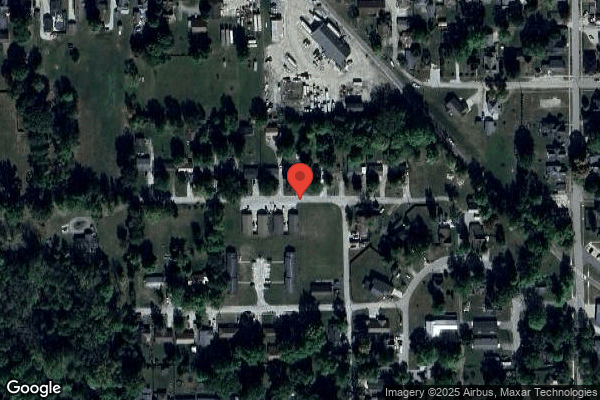
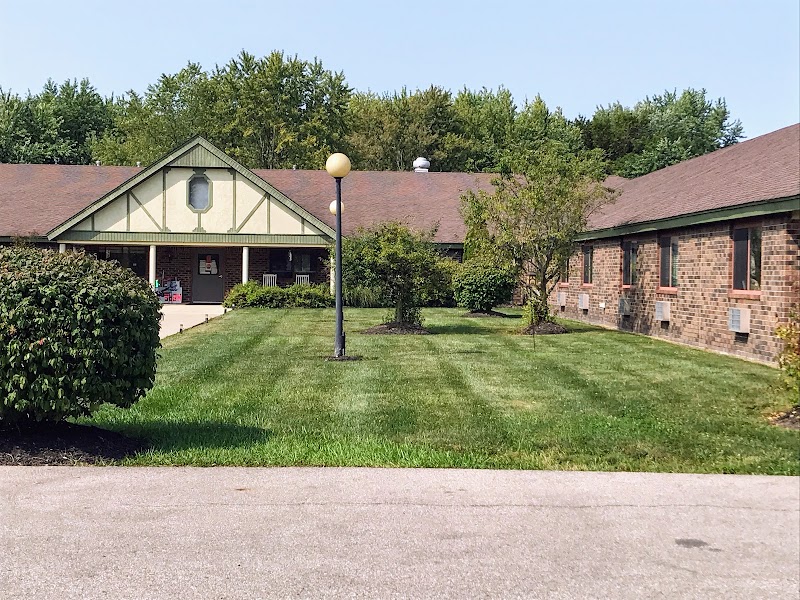
803 S HAMILTON ST, SHERIDAN, IN 46069 (317) 758-4426
Government - City/county 80 Beds MAJESTIC CARE Data: November 2025
Trust Grade
90/100
#67 of 505 in IN
Last Inspection: April 2025

Within standard 12-15 month inspection cycle. Federal law requires annual inspections.

Overview

Majestic Care of Sheridan has received an A Trust Grade, indicating it is an excellent nursing home that is highly recommended. It ranks #67 out of 505 facilities in Indiana, placing it in the top half, and #2 out of 17 in Hamilton County, suggesting only one local competitor is better. However, the facility is experiencing a worsening trend, having increased from 2 issues in 2024 to 3 in 2025. Staffing is a weak area with a 2 out of 5-star rating and a turnover rate of 32%, which is below the state average but still concerning. Notably, there have been some serious oversights, such as failure to properly store food, neglecting to notify the ombudsman about a resident's hospital transfer, and not following a physician's medication orders when vital signs were low, which raises concerns about the overall quality of care. On a positive note, the facility has not incurred any fines, and has a good RN coverage, although it is only average compared to other facilities.

Trust Score
A
90/100
In Indiana
#67/505
Top 13%
Safety Record
Low Risk
No red flags
Inspections
Getting Worse
2 → 3 violations
Staff Stability
○ Average
32% turnover. Near Indiana's 48% average. Typical for the industry.
Penalties
✓ Good
No fines on record. Clean compliance history, better than most Indiana facilities.
Skilled Nurses
⚠ Watch
Each resident gets only 26 minutes of Registered Nurse (RN) attention daily — below average for Indiana. Fewer RN minutes means fewer trained eyes watching for problems.
Violations
○ Average
9 deficiencies on record. Average for a facility this size. Mostly minor or procedural issues.
★★★★★
5.0
Overall Rating
★★☆☆☆
2.0
Staff Levels
★★★★★
5.0
Care Quality
★★★★☆
4.0
Inspection Score
Stable
2024: 2 issues
2025: 3 issues

The Good

  • 5-Star Quality Measures · Strong clinical quality outcomes
  • Full Sprinkler Coverage · Fire safety systems throughout facility
  • No fines on record
  • Staff turnover below average (32%)

    16 points below Indiana average of 48%

Facility shows strength in quality measures, fire safety.

The Bad

Staff Turnover: 32%

14pts below Indiana avg (46%)

Typical for the industry

Chain: MAJESTIC CARE

Part of a multi-facility chain

Ask about local staffing decisions and management

The Ugly 9 deficiencies on record

Apr 2025 3 deficiencies
CONCERN (D)

Potential for Harm - no one hurt, but risky conditions existed

Transfer Notice (Tag F0623)

Could have caused harm · This affected 1 resident

**NOTE- TERMS IN BRACKETS HAVE BEEN EDITED TO PROTECT CONFIDENTIALITY** Based on interview and record review, the facility failed to ensure the ombudsman was notified of a resident's transfer and disc...

Read full inspector narrative →
**NOTE- TERMS IN BRACKETS HAVE BEEN EDITED TO PROTECT CONFIDENTIALITY** Based on interview and record review, the facility failed to ensure the ombudsman was notified of a resident's transfer and discharge to the hospital for 1 of 2 residents reviewed for transfer and discharge. (Resident 55) Findings include: The clinical record for Resident 55 was reviewed on 4/2/25 at 10:16 a.m. The diagnoses included, but were not limited to, displaced fracture of the base of the neck of the right femur, muscle weakness, and osteoporosis. The clinical record, dated 8/2/24, indicated Resident 55 fell while attempting to self-transfer. The clinical record, dated 8/3/24, indicated Resident 55 complained of right hip pain. An X-ray was ordered which indicated Resident 55 had a right hip fracture and was transferred to an area hospital by emergency services. Hospital discharge documents indicated Resident 55 was admitted to the hospital on [DATE] and discharged back to the facility on 8/8/24. An email from the area ombudsman, dated 4/2/25 at 11:11 a.m., included the discharge information the facility submitted to the ombudsman program for August of 2024. Resident 55 was not included in the documents provided by the ombudsman. During an interview, on 4/2/25 at 10:13 a.m., the Social Service indicated the facility did not have anything further to provide. A document, titled Family of Social Service Administration, last updated October 2024, indicated .Dear Nursing Home Administrator: As you know, CMS requires nursing facilities to notify the Long-Term Care (LTC) Ombudsman of the majority of residents' transfers and discharges .When a resident is transferred on an emergency basis to an acute care facility and expected to return, the SLTCO must be notified. Information from facilities regarding emergency transfers should be provided in a monthly list to the SLTCO, which should include residents' names, dates of transfer, facilities to which residents were transferred, and reasons for the transfers. Please make sure your facility's name is included on the monthly list A current facility policy, titled TRANSFERS & DISCHARGES, dated 1/2/2024 and received from the Clinical Support Nurse on 4/3/25 at 11:42 a.m., indicated .It is the policy of this facility to permit each resident to remain in the facility, and not initiate transfer or discharge for the resident from the facility, except in limited circumstances .Exceptions to the 30-day requirement apply when the transfer or discharge is effected because .An immediate transfer or discharge is required by the resident's urgent medical needs .In these exceptional cases, the notice must be provided to the resident, resident's representative if appropriate, and LTC ombudsman as soon as practicable before the transfer or discharge .Emergency Transfers/Discharges-initiated by the facility for medical reasons to an acute care setting such as a hospital .The Social Services Director, or designee, will provide copies of notices for emergency transfers to the Ombudsman, but they may be sent when practicable, such as in a list of residents on a monthly basis 3.1-12(a)(6)(A)(iv)
CONCERN (D)

Potential for Harm - no one hurt, but risky conditions existed

Quality of Care (Tag F0684)

Could have caused harm · This affected 1 resident

Based on interview and record review, the facility failed to ensure physician's orders were followed, medications were held, and the physician was notified when vital signs were below the ordered para...

Read full inspector narrative →
Based on interview and record review, the facility failed to ensure physician's orders were followed, medications were held, and the physician was notified when vital signs were below the ordered parameters for 1 of 5 residents reviewed for quality of care. (Resident 42) Findings include: The clinical record for Resident 42 was reviewed on 3/31/25 at 2:00 p.m. The diagnoses included, but were not limited to, hypertension, hypotension, and atrial fibrillation. A physician's order, dated 11/4/24, indicated to administer diltiazem (a medication used to treat high blood pressure) 30 mg (milligram), three (3) times a day with instructions to hold the medication if the systolic blood pressure was below 90 or the heart rate was below 60 and to notify the physician if the systolic blood pressure was below 80. The Medication Administration Record (MAR), dated February 2025, indicated the diltiazem was administered three (3) times with the systolic blood pressure below the physician's ordered hold parameter. The MAR, dated March 2025, indicated the diltiazem was administered three (3) times with the systolic blood pressure below the physician's ordered hold parameter. A physician's order, with a discontinued date of 3/27/25, indicated to administer midodrine (a medication used to treat low blood pressure) 5 mg, three (3) times a day with instructions to hold the medication if the systolic blood pressure was above 120. The MAR, dated February 2025, indicated the midodrine was administered one (1) time with the systolic blood pressure above the physician's ordered hold parameter. The MAR, dated February 2025, indicated Resident 42's systolic blood pressure was below 80 on 2/1/25. The nurse documented n for physician notification which indicated the physician was not notified. The MAR, dated March 2025, indicated Resident 42's systolic blood pressure was below 80 for two (2) of the three (3) medication administrations on 3/25/25. The nurse's documented n/a for physician notification which indicated the physician was not notified. During an interview, on 4/1/25 at 1:19 p.m., Licensed Practical Nurse (LPN) 4 indicated the check marks documented on the MAR meant the medication had been administered and both medications had been administered with systolic blood pressure below and above the physician's ordered hold parameters. During an interview, on 4/1/25 at 2:50 p.m., the Clinical Support Nurse indicated a check mark on the MAR indicated the medications were administered. During an interview, on 4/1/25 at 1:56 p.m., the Administrator indicated the diltiazem and midodrine were both administered with the systolic blood pressure below and above the physician's ordered hold parameters and the physician was not notified of the systolic blood pressures below 80. A current facility policy, titled MEDICATION ADMINISTRATION, dated 1/2/2024 and received from the Administrator on 4/1/25 at 2:21 p.m., indicated .Medications are administered by licensed nurses, or other staff who are legally authorized to do so in this state, as ordered by the physician and in accordance with professional standards of practice .Obtain and record vital signs, when applicable or per physician orders. When applicable, hold medications for those vital signs outside the physician's prescribed parameters .Report and document any adverse side effects, omittances, or refusals 3.1-37(a)
CONCERN (D)

Potential for Harm - no one hurt, but risky conditions existed

Accident Prevention (Tag F0689)

Could have caused harm · This affected 1 resident

Based on observation, interview and record review, the facility failed to ensure quarterly smoking assessments were completed for 2 of 2 residents reviewed for accident hazards related to smoking. (Re...

Read full inspector narrative →
Based on observation, interview and record review, the facility failed to ensure quarterly smoking assessments were completed for 2 of 2 residents reviewed for accident hazards related to smoking. (Resident 4 and 67) Findings include: During an observation, on 3/30/25 at 10:38 a.m., Resident 4 and Resident 67 were observed to be smoking in the assigned smoking area. 1. The clinical record for Resident 4 was reviewed on 4/1/25 at 9:25 a.m. The diagnoses included, but were not limited to, chronic obstructive pulmonary disease, malignant neoplasm of the laryngeal cartilage, and encounter for attention to tracheostomy. A care plan, dated 2/14/20, indicated Resident 4 was at risk for injury related to smoking and to complete the smoking assessment quarterly and as needed. A smoking assessment was completed on 11/20/24. There were no current smoking assessments found in the record at the time of the record review. A current smoking assessment was requested on 4/1/24 at 1:02 p.m. The facility was unable to provide a current smoking assessment which had been completed after 11/20/24 and prior to 4/1/25. 2. The clinical record for Resident 67 was reviewed on 4/1/25 at 11:01 a.m. The diagnoses included, but were not limited to, lack of coordination, tobacco use, and alcohol dependence with alcohol induced persisting dementia. A care plan, dated 4/22/24, indicated Resident 67 was at risk for injury related to smoking and to complete the smoking assessment quarterly and as needed. A smoking assessment was completed on 11/1/24. There were no current smoking assessments found in the record at the time of the record review. A current smoking assessment was requested on 4/1/25 at 1:02 p.m. The facility was unable to provide a current smoking assessment which had been completed after 11/1/24 and prior to 4/1/25. During an interview, on 4/2/25 at 10:17 a.m., the Executive Director indicated smoking assessments were to be completed quarterly. A current facility policy, titled Smoking, dated as effective 2/19/25 and received from LPN 5 on 4/2/25 at 10:37 a.m., indicated .Each resident/patient who smokes must have a smoking assessment completed .quarterly 3.1-45(a)(1)
Mar 2024 2 deficiencies
CONCERN (D)

Potential for Harm - no one hurt, but risky conditions existed

Deficiency F0658 (Tag F0658)

Could have caused harm · This affected 1 resident

Based on observation, interview, and record review the facility failed to ensure only one medication administration was set up at a time for 2 of 2 residents reviewed. (Residents 34 and 282) Finding i...

Read full inspector narrative →
Based on observation, interview, and record review the facility failed to ensure only one medication administration was set up at a time for 2 of 2 residents reviewed. (Residents 34 and 282) Finding includes: During a random observation on 03/20/24 at 2:59 p.m., RN 4 was observed to have two cups of medication set up for administration for Residents 34 and 282. The nurse picked up both medication cups and indicated he was going to administer them. He indicated the resident's were right there. The medication administration was interrupted. During an interview on 03/20/24 at 2:59 p.m., RN 4 indicated he should probably not set up more than one medication administration at a time and the medications were for Residents 34 and 282. During an interview on 03/21/24 at 09:36 a.m., the Executive Director indicated presetting more that one medication was not good practice. A facility policy titled, General Guidelines for Medication Administration, dated as last revised in 08/2020 and received from the Executive Director on 03/22/24 at 9:43 a.m., indicated, .medications are administered at the time they are prepared .Medications are not pre-poured .for more than one resident at a time 3.1-25(b)(5)
CONCERN (D)

Potential for Harm - no one hurt, but risky conditions existed

Deficiency F0761 (Tag F0761)

Could have caused harm · This affected 1 resident

Based on observation, interview, and record review, the facility failed to store chemicals in a safe manner and failed to ensure only medications were stored in the refrigerator/freezer unit for 1 of ...

Read full inspector narrative →
Based on observation, interview, and record review, the facility failed to store chemicals in a safe manner and failed to ensure only medications were stored in the refrigerator/freezer unit for 1 of 2 medication storage rooms. Finding includes: During an observation of medication storage on 03/20/24 at 2:36 p.m., seven (7) bottles of [chemical used to destroy medications] were found stored on the floor. One bottle was noted to have a black/brown substance down the side of the bottle, the cap was taped on the bottle and the tape was coming off. There was also a bottle labeled hazardous waste with a broken cap stored on the floor. There was frozen dinner, unlabeled, and a tall medication bottle with keys found in the freezer of the medication refrigerator unit. During an interview on 03/20/24 at 2:36 p.m., RN 3 indicated there was destroyed medications in the bottle labeled hazardous waste. During an interivew on 03/20/24 at 03:14 p.m., the Director of Nursing indicated nothing was to be stored on the floor of the medication storage rooms. During an interview on 03/21/24 at 9:28 a.m., the Executive Director indicated the keys belonged to the old medication carts and food should not be stored in that freezer. A facility policy titled, Storage of Medications dated as last revised 08/2020 and received from the Executive Director on 03/22/24 at 9:43 a.m., indicated, .Potentially harmful substances .are clearly identified and stored in a locked area separately from medications or in accordance with facility policy 3.1-25(m)
Jan 2023 4 deficiencies
CONCERN (D)

Potential for Harm - no one hurt, but risky conditions existed

Quality of Care (Tag F0684)

Could have caused harm · This affected 1 resident

**NOTE- TERMS IN BRACKETS HAVE BEEN EDITED TO PROTECT CONFIDENTIALITY** Based on observation, record review and interview, the facility failed to ensure a resident's physician recommendations and comp...

Read full inspector narrative →
**NOTE- TERMS IN BRACKETS HAVE BEEN EDITED TO PROTECT CONFIDENTIALITY** Based on observation, record review and interview, the facility failed to ensure a resident's physician recommendations and comprehensive care plan were followed to reduce the risk of aspiration for 1 of 1 resident reviewed for quality of care. (Resident 53) Finding includes: During an observation, on 1/5/23 at 10:23 a.m., Resident 53 was observed lying in bed in a flat position. A sign on the wall indicated elevate the head of bed. During an observation and interview, on 1/5/23 at 10:40 a.m., Licensed Practical Nurse (LPN) 3 indicated Resident 53's bed was in the flat position and should be elevated to reduce the risk of aspiration. The record for Resident 53 was reviewed on 1/5/22 at 3:50 p.m. Diagnoses included, but were not limited to, Alzheimer's disease, displaced fracture right femur, and neuralgia. A [NAME], dated 1/11/22, indicated staff were to ensure the head of the bed was elevated 30 degrees or higher due to the risk of aspiration. A care area assessment (CAA), dated 6/2/22, indicated Resident 53 had a functional limitation in range of motion, inability to perform activities of daily living without significant physical assistance, and a decrease ability to make self-understood or understanding others. His CAA lacked indication Resident 53 had a swallowing problem. A quarterly Minimum Data Set (MDS) assessment, dated 11/3/22, indicated Resident 53 had exhibited no rejection of care. He required extensive physical assistance for personal hygiene. A care plan, with a revision date of 11/9/22, indicated Resident 53 had an alteration in nutritional status. Interventions included, but were not limited to, ensure the head of the bed was elevated at a 30-degree angle. A physician's assessment summary, dated 11/1/22, indicated it was recommended for the resident to be elevated at 90 degrees during oral intake and 45 minutes after meals, and he should always have the head of the bed no lower than 45 degrees at all times. A nutrition assessment, dated 11/3/22, indicated the resident had diet changes made due to dysphagia related to coughing and choking with meals and liquids. Resident 53 had a history of dysphagia. A Treatment Administration Record (TAR), dated 1/23, indicated Resident 53 was to have the head of the bed elevated to alleviate shortness of breath while lying flat in bed due to the diagnoses of dysphagia and the risk of aspiration. During an interview, on 1/6/23 at 2:30 p.m., the MDS nurse indicated she was responsible for updating the care plan when new recommendations from the physician came in. Resident 53's care plan did not reflect his head of bed was to be elevated to a 45-degree angle when he was not eating. During an interview, on 1/6/23 at 4:37 p.m., the Speech Therapist indicated Resident 53's head of bed should be elevated to a 30-to-45-degree angle at all times because of the risk of aspiration. He had been throat clearing a lot and even seemed to choke on saliva. A current policy, titled Activities of Daily Living (ADL's) Supporting, indicated residents who are unable to carry out ADL's independently will receive the services necessary to maintain good nutrition. Staff were to provide assistance in care which included mobility and dining. 3.1-37(a)
CONCERN (D)

Potential for Harm - no one hurt, but risky conditions existed

Deficiency F0761 (Tag F0761)

Could have caused harm · This affected 1 resident

Based on observation, interview and record review, the facility failed to ensure a medication cart was secured for 1 of 4 medication carts reviewed for medication storage. (100 Hall cart) Finding incl...

Read full inspector narrative →
Based on observation, interview and record review, the facility failed to ensure a medication cart was secured for 1 of 4 medication carts reviewed for medication storage. (100 Hall cart) Finding includes: During an observation, on 1/4/23 at 9:00 a.m., an unidentified nurse walked away from her medication cart facing the lounge. The medication cart was unlocked and had medication cards, a medication cup with pills inside, and an inhaler left on top of the medication cart. The medication cart was unlocked, and residents were seated in the lounge and walking around the area of the nurse's station. During an observation, on 1/04/23 at 10:30 a.m., Resident 76 was observed to wander up and down the 100 hallway. He walked up to the medication cart, at 10:31 a.m., and shook the top medication drawer. No staff were observed at the medication cart or in the nurse's station. Additionally, 12 other residents were observed seated in the lounge. During an observation, on 1/04/23 at 1:38 p.m., Registered Nurse (RN) 1 stood at the medication cart as she prepared medications for a resident. She grabbed the plastic medication cup and walked away with her back to both medication carts roughly 15 feet away where an unidentified resident was seated in a wheelchair. The medication cart was observed to be unlocked with the keys still in the medication cart. No staff were observed in the nurse's station or at the medication carts. 10 residents were observed seated in the lounge. During an observation, on 01/10/23 at 4:50 p.m., Licensed Practical Nurse (LPN) 2 was observed with her back to the medication cart more than 25 feet away near the dining room. A medication cart across from the lounge was observed unlocked. Nursing Assistant (NA) 4 was seated at the nurse station in front of the computer. Residents were observed in the lounge across from the unsecured medication cart. The record for Resident 76 was reviewed on 9/30/22 at 9:56 a.m. Diagnoses included, but were not limited to, dementia, mood disorder, psychotic disorder, and major depression. A care area assessment (CAA), dated 11/11/22, indicated he had behaviors of wandering and disorganized thinking. A care plan, dated 9/19/22, indicated Resident 76 exhibited signs of cognitive impairment due to diagnosis of dementia and directed staff to intervene as indicated. During an interview, on 1/10/23 at 4:45 p.m., the Executive Director indicated nursing staff should lock the medication carts and monitor to ensure the residents did not get into the carts. A current policy, titled Storage of Medication, dated of 11/20, indicated drugs were stored in locked compartments. Compartments including but not limited to drawers, cabinets, and carts are locked when not in use. Nursing staff are responsible for maintaining medication storage. 3.1-25(m)
CONCERN (D)

Potential for Harm - no one hurt, but risky conditions existed

Safe Environment (Tag F0921)

Could have caused harm · This affected 1 resident

Based on observation, record review and interview, the facility failed to maintain a sanitary environment related to an accumulation of a black substance on the floors of the shower rooms and failed t...

Read full inspector narrative →
Based on observation, record review and interview, the facility failed to maintain a sanitary environment related to an accumulation of a black substance on the floors of the shower rooms and failed to maintain a clean, sanitary, and homelike environment for 1 of 1 resident and 2 shower rooms reviewed for environment. (North Shower, South Shower and Resident 53) Findings include: 1. During the Environmental Tour of the North Shower room, on 1/4/23 at 11:21 a.m., with Nursing Assistant (NA) 1 the following was observed: a. The wall of the shower room had multiple missing tiles on the wall near the toilet and exposed the sheet rock. b. The grout of the entire shower room floor was stained with a buildup of a black colored substance. During an interview, on 1/4/23 at 11:23 a.m., NA 1 indicated the grout was stained with a black substance. She indicated all residents in the North Hall used the shower room to bathe. After a resident gets a shower, the staff spray the shower walls down with a disinfectant solution. The housekeeping staff were responsible to clean the floors. 2. During the Environmental Tour of the South Shower room, on 1/4/23 at 2:40 p.m., with NA 5 the following was observed: a. The grout of the entire shower room floor was stained with a buildup of a black colored substance. b. A blue colored glove was found on the floor near the garbage can. c. A tan colored blanket was found on the floor near two gray colored garbage cans. During an interview, on 01/06/23 at 3:08 p.m., the Executive Director indicated there was a cleaning schedule for the showers and they should be cleaned when scheduled. During an interview, on 1/6/23 at 3:22 p.m., the Director of Environmental Service indicated the floors were deep cleaned on Monday and Friday. The problem related to the grout was they need a deep scrub because the mop just pushed the dirt back and forth. He was aware of the missing tile on the wall of the shower room. 3. During an observation, on 1/4/23 at 10:30 a.m., Resident 53 was observed lying in bed with the fall mat next to the bed. The fall mat had a 10-inch dry clear stain on the left lower corner and multiple other stained areas throughout the area. During an observation, on 1/5/23 at 9:19 a.m., Resident 53 was seated, in his Broda chair, near the nurse's station. His Broda chair had dried food stains on the arms and sides of the chair. During an observation, on 1/6/23 at 9:12 a.m., Resident 53's Broda chair was visibly soiled with dry, yellow-colored stains on the left side. His blue colored fall matt positioned next to the bed had multiple areas of dirty dry shiny areas. The Hoyer sling found on the seat of the Broda chair had a large amount of food crumbs scattered across the fabric. During an interview, on 1/10/23 at 10:07 a.m., the Executive Director indicated her expectation for staff if they see something, they should clean it. Everyone was responsible for ensuring the resident rooms and equipment was clean. A current policy, titled Cleaning and Disinfection of Resident Care Items and Equipment, dated 10/18, indicated resident care equipment would be cleaned and disinfected according to current CDC recommendations for disinfection. 3.1-19(f)(5)
CONCERN (F)

Potential for Harm - no one hurt, but risky conditions existed

Food Safety (Tag F0812)

Could have caused harm · This affected most or all residents

Based on observation, interview and record review, the facility failed to label, date and store refrigerated and freezer foods, failed to prevent freezer burn, failed to date canned items when receive...

Read full inspector narrative →
Based on observation, interview and record review, the facility failed to label, date and store refrigerated and freezer foods, failed to prevent freezer burn, failed to date canned items when received, failed to date frozen meats when placed in the refrigerator to thaw, and failed to serve food in a sanitary manor. This deficient practice had the potential to effect 78 of 78 residents who received food from the kitchen. Findings include: During a kitchen observation, on 01/04/23 at 9:23 a.m., with the Kitchen Manager present the following was observed: 1. In the dairy refrigerator: a. A large bag of shredded cheese was open, unsealed without an open date. b. 15 hot dogs were open, unsealed without an open date. 2. In the meat freezer: a. 20 frozen hamburgers were in a plastic bag unsealed. b. 20 pieces of fish were in a plastic bag unsealed. 3. Vegetable freezer: a. Two bags of frozen broccoli were frozen solid and were crunchy when touched. b. Two pork loin packages were defrosting in a pan on the bottom shelf without a date to indicate when they were placed in the refrigerator to thaw. 4. Dry storage area: a. Several food cans were not labeled with a receive date. During an interview, at that time, the Kitchen Manager indicated items in both the refrigerator and freezer should be labeled and dated when opened and placed in a sealable container. Freezer burnt items should be thrown away. All foods moved from the freezer to the refrigerator to defrost should be dated when moved over, and all canned food goods should be dated when they were received. 5. During a dining observation, on 1/4/23 at 12:19 p.m., Dietary Aide (DA) 1 touched his facemask twice then grabbed a dinner roll and a carton a milk without gloves and without sanitizing his hands. At 12:36 p.m., DA 1 touched the hood of his sweatshirt without sanitizing his hands. Again, at 12:38 p.m., DA 1 reached up and pulled his mask away from his face and did not sanitize his hands. 6. During an observation, on 1/4/23 at 12:39 p.m., the Dietary Manager touched the back of his head and walked over to a resident drink cup filled with a red liquid and placed a plastic cover on the cup. The Dietary Manager was not observed to sanitize his hands before placing the cover on the cup. During an interview, on 1/6/23 at 9:46 a.m., the Infection Preventionist indicated she expected staff to wash or sanitize their hands after touching their face mask, hat, or hair. A current policy, titled Food Storage dated October 2018 and provided by the Executive Director on 01/09/23 at 11:52 a.m., indicated .Open containers will be resealed in a manner that protects the remaining food product and will be dated with open date and a discard date on or before 30 days following opening Items .will be dated with date of delivery and will be rotated/used following FIFO [first in first out]. A current policy, titled Handwashing, undated, indicated staff should wash their hands as frequently as needed throughout the day following proper hand washing. 3.1-21(i)(1) 3.1-21(i)(3)
Understanding Severity Codes (click to expand)
Life-Threatening (Immediate Jeopardy)
J - Isolated K - Pattern L - Widespread
Actual Harm
G - Isolated H - Pattern I - Widespread
Potential for Harm
D - Isolated E - Pattern F - Widespread
No Harm (Minor)
A - Isolated B - Pattern C - Widespread

Questions to Ask on Your Visit

  • "Can I speak with families of current residents?"
  • "What's your RN coverage like on weekends and overnight?"

Our Honest Assessment

Strengths
  • • Grade A (90/100). Above average facility, better than most options in Indiana.
  • • No major safety red flags. No abuse findings, life-threatening violations, or SFF status.
  • • No fines on record. Clean compliance history, better than most Indiana facilities.
  • • 32% turnover. Below Indiana's 48% average. Good staff retention means consistent care.
Concerns
  • • No significant concerns identified. This facility shows no red flags across CMS ratings, staff turnover, or federal penalties.
Bottom line: Generally positive indicators. Standard due diligence and a personal visit recommended.

About This Facility

What is Majestic Care Of Sheridan's CMS Rating?

CMS assigns MAJESTIC CARE OF SHERIDAN an overall rating of 5 out of 5 stars, which is considered much above average nationally. Within Indiana, this rating places the facility higher than 99% of the state's 100 nursing homes. This rating reflects solid performance across the metrics CMS uses to evaluate nursing home quality.
How is Majestic Care Of Sheridan Staffed?

CMS rates MAJESTIC CARE OF SHERIDAN's staffing level at 2 out of 5 stars, which is below average compared to other nursing homes. Staff turnover is 32%, compared to the Indiana average of 46%. This relatively stable workforce can support continuity of care.

What Have Inspectors Found at Majestic Care Of Sheridan?

State health inspectors documented 9 deficiencies at MAJESTIC CARE OF SHERIDAN during 2023 to 2025. These included: 9 with potential for harm.
Who Owns and Operates Majestic Care Of Sheridan?

MAJESTIC CARE OF SHERIDAN is owned by a government entity. Government-operated facilities are typically run by state, county, or municipal agencies. The facility is operated by MAJESTIC CARE, a chain that manages multiple nursing homes. With 80 certified beds and approximately 78 residents (about 98% occupancy), it is a smaller facility located in SHERIDAN, Indiana.
How Does Majestic Care Of Sheridan Compare to Other Indiana Nursing Homes?

Compared to the 100 nursing homes in Indiana, MAJESTIC CARE OF SHERIDAN's overall rating (5 stars) is above the state average of 3.1, staff turnover (32%) is significantly lower than the state average of 46%, and health inspection rating (4 stars) is above the national benchmark.

What Should Families Ask When Visiting Majestic Care Of Sheridan?

Based on this facility's data, families visiting should ask: "Can you walk me through typical staffing levels on day, evening, and night shifts?" "Can I visit during a mealtime to observe dining assistance and food quality?" "How do you handle medical emergencies, and what is your hospital transfer rate?" "Can I speak with family members of current residents about their experience?" These questions are particularly relevant given the below-average staffing rating.

Is Majestic Care Of Sheridan Safe?

Based on CMS inspection data, MAJESTIC CARE OF SHERIDAN has a clean safety record: no substantiated abuse findings (meaning no confirmed cases of resident harm), no Immediate Jeopardy citations (the most serious violation level indicating risk of serious injury or death), and is not on the Special Focus Facility watch list (a federal program monitoring the lowest-performing 1% of nursing homes). The facility has a 5-star overall rating and ranks #1 of 100 nursing homes in Indiana. While no facility is perfect, families should still ask about staff-to-resident ratios and recent inspection results during their visit.

Do Nurses at Majestic Care Of Sheridan Stick Around?

MAJESTIC CARE OF SHERIDAN has a staff turnover rate of 32%, which is about average for Indiana nursing homes (state average: 46%). Moderate turnover is common in nursing homes, but families should still ask about staff tenure and how the facility maintains care continuity when employees leave.

Was Majestic Care Of Sheridan Ever Fined?

MAJESTIC CARE OF SHERIDAN has no federal fines on record. CMS issues fines when nursing homes fail to meet care standards or don't correct problems found during inspections. The absence of fines suggests the facility has either maintained compliance or corrected any issues before penalties were assessed. This is a positive indicator, though families should still review recent inspection reports for the full picture.

Is Majestic Care Of Sheridan on Any Federal Watch List?

MAJESTIC CARE OF SHERIDAN is not on any federal watch list. The most significant is the Special Focus Facility (SFF) program, which identifies the bottom 1% of nursing homes nationally based on persistent, serious quality problems. Not being on this list means the facility has avoided the pattern of deficiencies that triggers enhanced federal oversight. This is a positive indicator, though families should still review the facility's inspection history directly.