HARRISON'S CROSSING HEALTH CAMPUS


395 8TH AVENUE, TERRE HAUTE, IN 47804 (812) 234-7111
For profit - Corporation 72 Beds TRILOGY HEALTH SERVICES Data: November 2025
Trust Grade
65/100
#145 of 505 in IN
Last Inspection: February 2025

Within standard 12-15 month inspection cycle. Federal law requires annual inspections.

Overview

Harrison's Crossing Health Campus has a Trust Grade of C+, indicating it is decent and slightly above average. It ranks #145 out of 505 facilities in Indiana, placing it in the top half of the state, and is the best option among the nine facilities in Vigo County. The facility's performance has been stable, with eight issues reported in both 2024 and 2025. Staffing is a relative strength, with a turnover rate of 32%, significantly lower than the state average of 47%, though the RN coverage is considered average. However, there have been concerning incidents, such as a resident who fell out of bed and suffered rib fractures due to a lack of proper fall interventions, and another resident who experienced delays in receiving preferred shower services. Overall, while there are strengths in staffing and ranking, the facility does have areas that require attention to improve resident care.

Trust Score
C+
65/100
In Indiana
#145/505
Top 28%
Safety Record
Moderate
Needs review
Inspections
Holding Steady
8 → 8 violations
Staff Stability
○ Average
32% turnover. Near Indiana's 48% average. Typical for the industry.
Penalties
✓ Good
No fines on record. Clean compliance history, better than most Indiana facilities.
Skilled Nurses
✓ Good
Each resident gets 47 minutes of Registered Nurse (RN) attention daily — more than average for Indiana. RNs are trained to catch health problems early.
Violations
⚠ Watch
27 deficiencies on record. Higher than average. Multiple issues found across inspections.
★★★★☆
4.0
Overall Rating
★★★☆☆
3.0
Staff Levels
★★★★★
5.0
Care Quality
★★★☆☆
3.0
Inspection Score
Stable
2024: 8 issues
2025: 8 issues

The Good

  • 5-Star Quality Measures · Strong clinical quality outcomes
  • Full Sprinkler Coverage · Fire safety systems throughout facility
  • No fines on record
  • Staff turnover below average (32%)

    16 points below Indiana average of 48%

Facility shows strength in quality measures, fire safety.

The Bad

Staff Turnover: 32%

14pts below Indiana avg (46%)

Typical for the industry

Chain: TRILOGY HEALTH SERVICES

Part of a multi-facility chain

Ask about local staffing decisions and management

The Ugly 27 deficiencies on record

1 actual harm
Feb 2025 8 deficiencies
CONCERN (D)

Potential for Harm - no one hurt, but risky conditions existed

Deficiency F0558 (Tag F0558)

Could have caused harm · This affected 1 resident

**NOTE- TERMS IN BRACKETS HAVE BEEN EDITED TO PROTECT CONFIDENTIALITY** Based on observation and record review, the facility failed to ensure a resident was treated in a dignified manner during 1 of 1...

Read full inspector narrative →
**NOTE- TERMS IN BRACKETS HAVE BEEN EDITED TO PROTECT CONFIDENTIALITY** Based on observation and record review, the facility failed to ensure a resident was treated in a dignified manner during 1 of 1 random meal service observation (Resident 8). Findings include: On 2/14/25 at 10:05 a.m., Resident 8 was observed eating a meal at the nurses' station table with several other residents who were not eating. The resident was observed spilling food over their clothing. Certified Nurse Aide (CNA) 20 was standing next to the resident and talking to him. On 2/14/25 at 10:07 a.m., during an interview, CNA 20 acknowledged the resident should have a clothing protector, but she forgot to put one on because he was in the hall. The employee did not obtain a clothing protector, and the resident continued to spill food over himself. On 2/14/25 at 10:10 a.m., during an interview, CNA 13, indicated the resident did need a clothing protector. She obtained a washcloth and cleaned the resident's clothing and applied a clothing protector. The resident repeatedly told the employee he was sorry he had spilled his food. The employee reassured him it was okay, and the resident thanked her. On 2/14/25 at 10:30 a.m., the medical record of Resident 8 was reviewed. The resident was admitted to the facility on [DATE]. Diagnosis included, but were not limited to, Parkinson's disease (a brain disorder that causes unintended or uncontrollable movements, such as shaking, stiffness, and difficulty with balance and coordination) without dyskinesia (uncontrolled, involuntary muscle movements ranging from shakes, tics and tremors to full-body movements), Alzheimer's disease (a brain disorder that slowly destroys memory and thinking skills and, eventually, the ability to carry out the simplest tasks), and dysphagia (difficulty swallowing). A quarterly Minimum Data Set (MDS) assessment, dated 12/6/24, indicated the resident required assistance of one person for eating and was not cognitively intact. A care plan, dated 8/15/19, indicated the resident had diagnosis of Parkinson's disease requiring assist with activities of daily living (ADL) care. Interventions included, but were not limited to, provide assistance during ADL care to include but not limited to eating, toileting, bed mobility, transfers, wheelchair mobility, ambulation. On 2/14/2025 at 11:32 a.m., the Clinical Nurse Consultant provided a document, titled, Resident Rights, dated 12/17/24, and indicated it was the policy currently being used by the facility. The policy indicated, .Purpose .To ensure resident rights are respected and protected and provide an environment in which they can be exercised .2. Our residents have the right to .a. Be treated with dignity and respect 3.1-3(v)(1)
CONCERN (D)

Potential for Harm - no one hurt, but risky conditions existed

Deficiency F0561 (Tag F0561)

Could have caused harm · This affected 1 resident

Based on interview and record review, the facility failed to ensure a resident was provided showers as preferred for 1 of 26 residents reviewed for choices (Resident 2). Findings include: During an ...

Read full inspector narrative →
Based on interview and record review, the facility failed to ensure a resident was provided showers as preferred for 1 of 26 residents reviewed for choices (Resident 2). Findings include: During an interview, on 2/10/25 at 11:34 a.m., Resident 2 indicated it had been almost 2 weeks since she last had a shower. She was scheduled to receive 3 showers a week, on Monday, Wednesday, and Friday. She further indicated the shower in her room was too cold and she was waiting for it to be fixed by the maintenance worker. Resident 2's record was reviewed on 2/12/25 at 11:52 a.m. A quarterly Minimum Data Set (MDS) assessment, dated 11/22/24, indicated the resident was cognitively intact and required two-person physical assist with transfers. A care plan, dated 4/19/22, indicated profile care guide. Interventions included, but were not limited to, perform transfers 2 assist with gait belt and showers on Monday, Wednesday, and Friday on the evening shift. Review of point of care documentation, dated January 13 through February 12, 2025, indicated Resident 2 did not receive a shower on 1/29/25, 1/31/25, 2/3/25, 2/5/25, 2/7/25, 2/10/25. Review of shower sheets, dated 2/5/25, indicated Resident 2 had refused her shower because the water in her room was still too cold. The shower sheet lacked documentation that staff had offered the resident an alternative shower to use. Review of shower sheet, dated 2/7/25, indicated Resident 2 had refused her shower because it was too cold. The shower sheet lacked documentation that staff had offered the resident an alternative shower to use. During an interview, on 2/12/25 at 11:24 a.m., Resident 2 indicated the shower was now fixed and was hoping to get back on her regular schedule of shower days, she indicated the staff never offered her an alternative shower to use when the water in her room was too cold. During an interview, on 2/12/25 at 2:18 p.m., the Clinical Support Nurse indicated the resident should have been offered an alternative shower if hers was too cold. During an interview, on 2/12/25 at 2:20 p.m., the Director of Health Services (DHS) indicated they had a spa area where the resident could have used a shower or in an unoccupied room. During an interview, on 2/13/25 at 9:30 a.m., the Administrator indicated the facility did have a spa that residents could use for showers, but the room was cold, and most residents did not like to use it. Staff should have offered the resident an alternative shower to use. On 2/13/25 at 11:43 a.m., the Clinical Support Nurse provided a document, with a revised date of 5/11/17, titled, Resident Rights Guidelines, and indicated it was the policy currently being used by the facility. The policy indicated, .Purpose: To ensure resident rights are respected and protected and provide an environment in which they can be exercised .2. Our residents have a right to: a. Be treated with dignity and respect 3.1-3(u)(3)
CONCERN (D)

Potential for Harm - no one hurt, but risky conditions existed

Notification of Changes (Tag F0580)

Could have caused harm · This affected 1 resident

**NOTE- TERMS IN BRACKETS HAVE BEEN EDITED TO PROTECT CONFIDENTIALITY** Based on record review and interview, the facility failed to notify the physician of significant weight loss for 1 of 6 resident...

Read full inspector narrative →
**NOTE- TERMS IN BRACKETS HAVE BEEN EDITED TO PROTECT CONFIDENTIALITY** Based on record review and interview, the facility failed to notify the physician of significant weight loss for 1 of 6 residents reviewed (Resident 15). Findings include: On 2/12/25 at 10:19 a.m., the medical record of Resident 15 was reviewed. The resident was admitted to the facility on [DATE]. admission diagnosis included, but was not limited to, fracture of the right femur (fracture of the long thigh bone of the leg), cardiomyopathy (a disease of heart muscle. It causes the heart to have a harder time pumping blood to the rest of the body), type 2 diabetes (a disease that occurs when your blood glucose, also called blood sugar, is too high), Lymphedema (swelling caused by an accumulation of protein-rich fluid that's usually drained through the body's lymphatic system), edema (swelling caused by too much fluid trapped in the body's tissues). An admission Minimum Data Set Assessment (MDS) dated [DATE], indicated the resident was administered a diuretic (medication to reduce extra fluid in the body) and was short of breath during the assessment period. A care plan, dated 1/23/25, indicated the resident was receiving high risk medications, received diuretic medication. Intervention included, but were not limited to, observe and report effectiveness as needed. A physician order, dated 1/25/25, indicated to adminster Lasix 40 mg (milligrams) one tablet by mouth two times per day. A review of the resident's weight record indicated the resident had 19.5 % weight loss, 37.5 pounds in less than 30 days. admission weight on 1/24/25 was recorded as 192.3 pounds. On 2/4/25 recorded weight was 163 pounds. On 2/12/25 recorded weight was 154.8 pounds. A physician order, dated 2/6/25, indicated to adminster Lasix 40 mg, one tablet by mouth one time per day for diagnosis of edema. On 2/11/25 a nutrition progress note indicated the root cause of weight loss was due to decreased swelling of bilateral lower extremities with diuretic treatment and compression wraps. A nurse progress note, on 12/6/25, indicated the resident was seen by the Nurse Practitioner (NP). Lasix was decreased to 40 mg daily from 40 mg twice daily. Compression wraps were ordered on 2/3/25. The record lacked documentation of physician notification of the increased and continual weight loss. NP visit notes did not indicate a plan of treatment had been in place for reduction of edema, a review of current weight loss status or continuation of weight loss plan. The NP note lacked notification to the attending physician of the weight loss. On 2/14/25 at 2:10 p.m., during an interview with the residents physician and the Director of Health Services (DHS) the physician indicated the weight loss was due to administration of Lasix to decrease massive abdominal edema. He acknowledged he had not reviewed the residents weight loss until 2/14/25. The physician acknowledged the medical record lacked documentation of notification of the weight loss, though the NP had seen the resident on 2/6/25 and decreased the Lasix to 40 mg daily. The physician acknowledged the record lacked notification of significant weight loss or of continual plan to reduce edema. On 2/18/2025 at 1:37 p.m., the Clinical Nurse Consultant provided a document titled, Physician Provider Notification Guidelines, dated12/17/24, and indicated it was the policy currently being used by the facility. The policy indicated, .Purpose .ensure the resident's physician or practitioner (may include NP, PA or clinical nurse specialist) is aware of all diagnostic testing results or change in condition in a timely manner to evaluate condition for need of provision of appropriate interventions for care .11. Attempts to notify the physician/provider and their response should be documented in the resident electronic health record 3.1-5(a)(2)
CONCERN (D)

Potential for Harm - no one hurt, but risky conditions existed

Incontinence Care (Tag F0690)

Could have caused harm · This affected 1 resident

Based on observation, record review, and interview, the facility failed to ensure a resident's urostomy (a surgical opening in the belly that re-directs urine away from a bladder that's diseased, had ...

Read full inspector narrative →
Based on observation, record review, and interview, the facility failed to ensure a resident's urostomy (a surgical opening in the belly that re-directs urine away from a bladder that's diseased, had been injured, or isn't working as it should) catheter bag (a bag that collects urine) was kept from coming in contact with the floor for 1 of 2 residents reviewed for catheters (Resident 4). Findings include: During a meal service observation, on 2/10/25 at 11:51 a.m., Resident 4's urinary catheter bag was observed to be in contact with the floor. During a random observation, on 2/10/25 at 12:49 p.m., Resident 4 was propelling herself in her wheelchair out of the dining room. Her urinary catheter bag was in contact with the floor and dragging underneath her wheelchair. During a random observation, on 2/11/25 at 9:29 a.m., Resident 4 was in the therapy room. Her urinary catheter bag was in contact with the floor. During a random observation, on 2/11/25 at 10:46 a.m., Resident 4 was being assisted in her wheelchair by a staff person down the hallway to participate in an activity. The resident's urinary catheter bag was dragging on the floor under her wheelchair. Resident 4's record was reviewed on 2/12/24 at 2:28 p.m. The profile indicated the resident's diagnoses included, but were not limited to, personal history of urinary tract infections (UTI-an infection in any part of the urinary system), and disorder of the kidney and ureter (a blockage where the ureter and kidney meet which may cause the kidney to swell and eventually stop working). An admission Minimum Data Set (MDS) assessment, dated 12/30/24, indicated the resident had no cognitive deficit and had a urostomy. A care plan, dated 12/27/24, indicated the resident had an ostomy to divert her urine. The care plan lacked documentation to maintain the catheter bag and/or tubing from coming contact with the floor. An event document, dated 1/13/25, indicated the resident had developed a UTI that was not present upon admission. During an interview, on 2/13/25 at 10:06 a.m., Certified Resident Care Assistant (CRCA) 9 indicated urinary catheter bag and/or tubing should not come into contact with the floor. During an interview, on 2/13/25 at 11:44 a.m., the Clinical Support nurse indicated the resident's urinary catheter bag should not have been in contact with the floor. On 2/12/25 at 10:01 a.m., the Executive Director (ED) provided a document, with a review date of 12/16/24, titled, Preserving Dignity with Indwelling Catheter, and indicated it was the policy currently being used by the facility. The policy indicated, .SOP (Standards of Practice) Details: 1 .e. Urinary drainage bags and catheter tubing should be kept from touching the floor surface 3.1-41(a)(2)
CONCERN (D)

Potential for Harm - no one hurt, but risky conditions existed

Deficiency F0726 (Tag F0726)

Could have caused harm · This affected 1 resident

**NOTE- TERMS IN BRACKETS HAVE BEEN EDITED TO PROTECT CONFIDENTIALITY** Based on record review and interview, the facility failed to ensure proper administration of scheduled medication by nursing sta...

Read full inspector narrative →
**NOTE- TERMS IN BRACKETS HAVE BEEN EDITED TO PROTECT CONFIDENTIALITY** Based on record review and interview, the facility failed to ensure proper administration of scheduled medication by nursing staff and failed to ensure competent nursing staff removed a PICC line (a thin, flexible tube that's inserted into a vein in the arm and ends in a large vein near the heart) for 2 of 5 residents reviewed for unnecessary medications (Resident 14 and 20). Findings include: 1. Resident 14's record was reviewed on 2/11/25 at 2:00 p.m. The profile indicated the resident's diagnoses included, but were not limited to, Alzheimer's disease (a progressive disease that destroys memory and other important mental functions) and anxiety disorder (a mental health disorder characterized by feelings of worry, anxiety, or fear that are strong enough to interfere with one's daily activities). A quarterly Minimum Data Set (MDS) assessment, dated 1/31/25, indicated the resident had moderate cognitive impairment and was on an anti-anxiety medication. A care plan, dated 5/3/22, indicated the resident has a diagnosis of anxiety disorder. Interventions included, but were not limited to, medications per order and psych services as needed. A physician order, dated 12/30/24, indicated to administer alprazolam (anti-anxiety medication) 0.5mg (milligrams) by mouth four times a day. Administration hours were 7 to 9:00 a.m., 1 to 1:30 p.m., 4 to 5 p.m., and 8 to 10 p.m. Review of December 2024 Medication Administration Record (MAR) indicated the following: a. On 12/6/24, Licensed Practical Nurse (LPN) 21 documented that he administered Resident 14's alprazolam medication at 6:35 p.m. and the medication was not due until 8 to 10:00 p.m. b. On 12/12/24, LPN 21 documented that he administered the resident's alprazolam mediation at 6:35 p.m. and the medication was not due until 8 to 10:00 p.m. Review of January 2025 MAR indicated the following: a. On 1/4/25 LPN 21 documented that he administered the resident's alprazolam mediation at 6:56 p.m. and the medication was not due until 8 to 10:00 p.m. b. On 1/17/25 LPN 21 documented that he administered the resident's alprazolam mediation at 6:25 p.m. and the medication was not due until 8 to 10:00 p.m. c. On 1/24/25 LPN 21 documented that he administered the resident's alprazolam mediation at 6:28 p.m. and the medication was not due until 8 to 10:00 p.m. d. On 1/31/25 LPN 21 documented that he administered the resident's alprazolam mediation at 6:44 p.m. and the medication was not due until 8 to 10:00 p.m. Review of February 2025 MAR indicated the following: a. On 2/1/25 LPN 21 documented that he administered the resident's alprazolam mediation at 6:30 p.m. and the medication was not due until 8 to 10:00 p.m. b. On 2/6/25 LPN 21 documented that he administered the resident's alprazolam mediation at 6:32 p.m. and the medication was not due until 8 to 10:00 p.m. Resident 14's record lacked documentation that the physician was ever notified that the resident was requesting her medication to be administered early. During an interview, on 2/11/25 at 3:01 p.m., Registered Nurse (RN) 4 indicated she wasn't sure if they could administer medication outside of the timeframe, she would have to check the policy. During an interview, on 2/11/25 at 3:02 p.m., LPN 5 indicated nursing staff may administer medication an hour before or after the medication administration time. During an interview, on 2/12/25 at 9:46 a.m., the Clinical Support Nurse indicated nursing staff may administer medication an hour before or after the medication administration times. Staff should notify the doctor if residents were requesting the medication earlier. Medications should be administered as ordered by physicians. The facility was not aware that the LPN was administering medications outside of the hour window. On 2/12/25 at 10:19 a.m., the Clinical Support Nurse provided a document, dated 12/1/21, titled, Medication Administration Times Procedural Guidelines, and indicated it was the policy currently being used by the facility. The policy indicated, . To ensure mediation is administered in resident centered fashion and documented in medical record .f. The nurse shall give the resident options of administration to ensure appropriate spacing of administration 2. On 2/11/25 at 1:59 p.m., the record of Resident 20 was reviewed. The resident was admitted to the facility on [DATE]. Diagnosis included, but were not limited to, Surgical amputation right foot toes, (removal of the toes on the right foot due to disease), (MRSA) methicillin resistant staphylococcus aureus infection (a bacterial infection that is resistant to some antibiotic treatments), osteomyelitis (inflammation or swelling that occurs in the bone from an infection somewhere else in the body that has spread to the bone), gangrene the death of body tissue due to a lack of blood flow or a serious bacterial infection) of the foot, proteus mirabilis (bacteria causing serious infection in the body) as the cause of diseases classified elsewhere, pseudomonas (bacterial causing serious infection in the body) as the cause of diseases. On 2/3/25 an admission Minimum Data Set Assessment (MDS) assessment indicated the resident was cognitively intact. A care plan, dated 1/31/25, indicated the resident required IV medication related to infection/osteomyelitis, cellulitis (a deep infection of the skin caused by bacteria), and MRSA. Interventions included but were not limited to: administer IV as ordered, IV site care as ordered. Upon admission to the facility a peripherally inserted central venous catheter PICC/Central Line (a thin, flexible tube that is inserted into a vein in the upper arm and guided (threaded) into a large vein above the right side of the heart called the superior vena cava) was inserted into the residents arm. The IV (intravenous) was used to administer antibiotic medication to treat bacterial infections. A physician order, dated 1/31/25, administer piperacillin-tazobactam reconstituted (mixed with sterile water solution) administer 4.5 gram in100 mL (milliliters) over 30 minutes through intravenous administration (medications administered into a vein) every 6 hours for diagnosis of MRSA. A physician order, dated 1/31/25, indicated to administer vancomycin reconstituted solution 1,000 mg (milligrams) administer 1 gram in 250 mL (sterile water solution) over 1 hour through intravenous administration every 12 hours to be administered at 10:30 a.m., and 10:30 p.m. for diagnosis of MRSA. A physician order, dated 1/31/25, with a designated implementation date of 3/5/25, indicated dressing covering PICC/CL IV was to be changed every 5 days and to measure external IV catheter (the length of the IV catheter outside of the body), and enter the measurement into the medication note. The Treatment Administration Record (TAR) indicated the dressing was changed on 2/4/25 when a new PICC/CL IV was placed and changed again on 2/6/25. Review of the TAR lacked documentation indicating the PICC/CL IV had been measured since admission as ordered by the physician. Nurse progress note, dated 2/6/2025 at 10:14 a.m., entered by Licensed Practical Nurse (LPN) 14 indicated the following: resident showered this shift. When resident was getting out of shower he took the PICC line drsg (dressing) off, when he removed drsg it pulled PICC out and inch and was visibly bleeding when i arrived in resident room. PICC was removed access RN was called promptly to replace line . bleeding was stopped . no c/o [complaints of] from patient at this time. On 2/10/25 at 2:20 p.m. an entry was made in the medical record by LPN 23. The documentation indicated LPN 23 drew blood from the PICC/CL for lab testing. The medical record lacked documentation of physician order to draw blood from the PICC/CL IV or documentation that a licensed Registered Nurse (RN) completed the blood draw. The medical record lacked documentation of an assessment by an RN prior to and after blood draw from the PICC/CL line. On 2/13/25 at 9:31 a.m., observed PICC/CL dressing. The dressing was soiled and edges starting to roll. The dressing was dated 2/6/25. On 2/13/25 at 9:50 a.m., during an interview with the Director of Health Services (DHS) she indicated the implementation date was a data entry error, and the dressing should have been changed on 2/11/25. On 2/14/25 at 10:10a.m., during an interview Licensed Practical Nurse (LPN) 14 indicated on 2/6/25 Resident 20 was in the shower and the resident attempted to remove the dressing over the PICC/CL IV and pulled on the IV. She indicated the PICC/CL IV was pulled out approximately one inch from the arm and was bleeding slightly. The LPN applied pressure to the arm for a minute to ensure it was no longer bleeding. She notified the DHS of the incident. She returned to the resident's room with another LPN and removed the PICC/CL from the residents arm and notified the Registered Nurse (RN) who would replace the PICC/CL IV. The LPN acknowledged she did not notify the physician of the incident and did not obtain an order to remove the PICC/CL IV. The employee indicated the DHS was in the facility and the DHS had notified the physician and obtained an order to remove the IV. The medical record lacked documentation of physician notification and order to remove the PICC/CL IV. The medical record lacked documentation of the length of the PICC/CL IV after removal, of pressure being applied to the area for a specific amount of time after removal, or an assessment of the IV site by a licensed RN before and after removal of the IV. On 2/14/25 at 10:40 a.m., during interview with the Registered Nurse Clinical Consultant (RNCC) and Director of Health Services (DHS), the DHS failed to verify she notified the physician for an order to remove the IV or of an assessment being completed by an RN before or after removal. The RNCC indicated an LPN was not licensed or permitted to remove a PICC/CL or draw blood from a PICC/CL IV. The RNCC acknowledged a central line IV catheter must be assessed by an licensed RN and only removed by a qualified licensed RN trained specifically in PICC/CL IV insertion and removal. On 2/14/2025 at 11:32 p.m., the RNCC provided a document titled, Catheter Insertion and Care , dated 12/15, and indicated it was the policy currently being used by the facility. The policy indicated, .General Guidelines .1, A prescriber must write an order for a CVAD or midline to be removed .7. The nurse or practitioner removing the catheter must have proven competency in this procedure Procedure .1. The procedure for removing CVAD and midlines is different for each catheter. 2. This procedure must be performed by a person who is certified in the removal procedure and demonstrates clinical competency in removing catheter .D. Peripherally Inserted Central Catheter (PICC) .4. Catheter can be placed or removed at the bedside or in the hospital setting by a Certified Specialty Nurse (Verify with the State Nurse Practice Act) .6. Catheter length is measured for baseline comparison upon removal. Catheter measurements are compared to baseline to verify that all of catheter has been removed .11. No blood pressure or phlebotomy should be done on arm that contains PICC 3.1-14(i)
CONCERN (D)

Potential for Harm - no one hurt, but risky conditions existed

Deficiency F0757 (Tag F0757)

Could have caused harm · This affected 1 resident

Based on record review and interview, the facility failed to ensure justification for the long-term use of antibiotics for 1 of 26 residents reviewed for antibiotic use (Resident 1). Findings include...

Read full inspector narrative →
Based on record review and interview, the facility failed to ensure justification for the long-term use of antibiotics for 1 of 26 residents reviewed for antibiotic use (Resident 1). Findings include: Resident 1's record was reviewed, on 2/12/25 at 2:44 p.m. The profile indicated that the resident's diagnoses included, but were not limited to, urinary tract infection (UTI - an illness in any part of the urinary tract the system of organs that make urine) and chronic kidney disease stage 3 (a person has moderate damage to their kidneys, with a noticeable decline in kidney function). A quarterly Minimum Data Set (MDS) assessment, dated 11/15/24, indicated the resident had moderate cognitive impairment and was always incontinent with bowel and urine. A physician order, dated 6/12/23 with no discontinue date, indicated to administer doxycycline hyclate (antibiotic) 100 mg (milligrams) by mouth once daily for UTI prophylaxis (tending to prevent or ward off, preventive). Review of Resident 1's notes indicated the last documented UTI was on 12/20/24 per a nursing progress note. During an interview, on 2/14/25 at 9:29 a.m., the Clinical Support Nurse indicated the Medical Director had prescribed the prophylactic antibiotic back in 2023 for the resident and was no longer Resident 1's primary care doctor. She was unable to provide documentation that the physician had documented a justification for the long-term antibiotic use. During an interview, on 2/14/25 at 2:10 p.m., the Medical Director indicated that he had not been informed of the best practice regarding antibiotic stewardship and the use of prophylactic antibiotic treatment. Review of a typed statement, dated 2/14/25, indicated the Medical Director had prescribed the antibiotic for UTI prophylaxis due to the resident being prone to UTI's. The resident had since changed doctors, and the new physician continued with the medication. During an interview, on 2/17/25 at 8:55 a.m., the Clinical Support Nurse indicated they had not been able to get a hold of Resident 1's primary care doctor regarding prophylactic antibiotic use, and to obtain a justification for the use of it. On 2/11/25 at 3:00 p.m., the Administrator provided a document, dated 11/10/17, titled, Antibiotic Stewardship Guideline, and indicated it was the current policy being used by the facility. The policy indicated, .Purpose: Optimize the treatment of infections by ensuring the residents who require an antibiotic, are prescribed the appropriate antibiotic. Reduce the risk of adverse events, including the development of antibiotic-resistant organisms, from unnecessary or inappropriate antibiotic use .6. Pharmacy provider will assist in review of all antibiotic usage for appropriateness. 7. Antibiotic use will be calculated on monthly basis for QAPI purposes 3.1-48(a)(2) 3.1-48(a)(4)
CONCERN (D)

Potential for Harm - no one hurt, but risky conditions existed

Medication Errors (Tag F0758)

Could have caused harm · This affected 1 resident

Based on record review and interview, the facility failed to ensure abnormal involuntary movement scale (AIMS) assessments (a 12-item clinician-rated scale to assess severity of involuntary movements ...

Read full inspector narrative →
Based on record review and interview, the facility failed to ensure abnormal involuntary movement scale (AIMS) assessments (a 12-item clinician-rated scale to assess severity of involuntary movements of the mouth, face, extremities, and trunk in residents taking neuroleptic [psychiatric drugs that treat mental health symptoms] medications) were conducted for 3 of 5 residents reviewed for unnecessary medications (Residents 31, 5, and 15). Findings include: 1. Resident 31's record was reviewed on 2/11/23 at 2:03 p.m. The profile indicated the resident's diagnoses included, but were not limited to, unspecified dementia with psychotic disturbance (a condition where a person with dementia [a group of brain conditions that cause memory loss, thinking problems, and difficulty doing daily tasks] experiences a range of behavioral changes. A quarterly Minimum Data Set (MDS) assessment, dated 1/17/25, indicated the resident had severe cognitive deficit and received antipsychotic medication (drugs used to treat symptoms of psychosis [hallucinations: sights, sounds, smells, tastes, or touches that a person believes to be real but are not real, delusions: false beliefs], and dementia) on a routine basis. A care plan, dated 7/17/24, indicated the resident had been admitted on an antipsychotic medication. Interventions included, but were not limited to, monitor for side effects of the medication. A physician's order, dated 7/12/24, indicated to administer a 100 milligram (mg) tablet of quetiapine (antipsychotic medication) two times a day. A pharmacy recommendation, dated July 2024, recommended to complete an AIMS assessment on the resident. The record lacked documentation that an AIMS assessment had been completed. During an interview, on 2/11/25 at 3:40 p.m., the Clinical Support nurse indicated the facility was unable to produce AIMS assessments for the resident. The AIMS assessment had not been completed. 2. Resident 5's record was reviewed on 2/11/25 at 3:22 p.m. The profile indicated the resident's diagnoses included, but were not limited to, unspecified dementia with psychotic disturbance (a condition where a person with dementia [a group of brain conditions that cause memory loss, thinking problems, and difficulty doing daily tasks] experiences a range of behavioral changes). An admission Minimum Data Set (MDS) assessment, dated 1/21/25, indicated the resident had severe cognitive deficit and received antipsychotic medication (drugs used to treat symptoms of psychosis [hallucinations: sights, sounds, smells, tastes, or touches that a person believes to be real but are not real, delusions: false beliefs], and dementia) on a routine basis. A care plan, dated 1/20/25, indicated the resident had a diagnosis of dementia with behaviors and was treated with antipsychotic medication. Intervention included, but were not limited to, observe for adverse side effects of medication. A physician order, dated 1/18/25, indicated to administer a 50 milligram (mg) tablet of Seroquel XR (extended-release antipsychotic medication) one time a day for diagnosis of unspecified dementia with other behavioral disturbance. The record lacked documentation that an AIMS assessment had been completed. During an interview, on 2/11/25 at 3:40 p.m., the Clinical Support nurse indicated the facility was unable to produce AIMS assessments for the resident. The AIMS assessment had not been completed. 3. Resident 15's record was reviewed on 2/11/25 at 3:27 p.m. The profile indicated the resident's diagnoses included, but were not limited to, dementia with agitation (a resident with the loss of cognitive functioning who becomes restless and worried and experienced the inability to settle down) and Alzheimer's disease (a brain disorder that slowly destroys memory and thinking skills and, eventually, the ability to carry out the simplest tasks). An admission Minimum Data Set (MDS) assessment, dated 1/27/25, indicated the resident had no cognitive deficit and received antipsychotic medication (drugs used to treat symptoms of psychosis [hallucinations: sights, sounds, smells, tastes, or touches that a person believes to be real but are not real, delusions: false beliefs], and dementia) on a routine basis. A care plan, dated 1/27/25, indicated the resident had come from the hospital with an antipsychotic medication due to post operative (after surgery) hallucinations. Interventions included, but were not limited to, observe for adverse side effects of the medication. A physician's order, dated 2/6/25, indicated to administer a 25 milligram (mg) tablet of Seroquel (antipsychotic medication) with Special Instructions: To be given with a 50 mg tablet, for a total of 75 mg, two times a day. A physician's order, dated 2/6/25, indicated to administer a 50 mg tablet of Seroquel with Special Instructions: To be given with a 25 mg tablet, for a total of 75 mg, two times a day. The record lacked documentation that an AIMS assessment had been completed. During an interview, on 2/11/25 at 3:40 p.m., the Clinical Support nurse indicated the facility was unable to produce AIMS assessments for the resident. The AIMS assessment had not been completed. On 2/12/25 at 10:21 a.m., the Clinical Support nurse provided a document, with a review date of 12/17/24, titled, Guidelines for: Abnormal Involuntary Movement Scale (AIMS), and indicated it was the policy currently being used by the facility. The policy indicated, .Procedures: 1. A licensed nurse will complete an AIMS scale assessment on all residents on antipsychotic medications .3. The AIMS assessment will be repeated for residents taking antipsychotic medications every six (6) months or as needed for displaying symptoms 3.1-48(a)(3) 3.1-48(a)(5)
CONCERN (D)

Potential for Harm - no one hurt, but risky conditions existed

Food Safety (Tag F0812)

Could have caused harm · This affected 1 resident

Based on observation and interview, the facility failed to ensure employees were sanitizing hands while providing meal service during 1 of 2 dining observations, and the facility failed to ensure sani...

Read full inspector narrative →
Based on observation and interview, the facility failed to ensure employees were sanitizing hands while providing meal service during 1 of 2 dining observations, and the facility failed to ensure sanitary measures were maintained while obtaining temperature readings of prepared food with a food temperature measuring device during 1of 2 dietary food service observations. Findings include: 1. On 2/10/25 at 12:06 p.m. observed Dietary Assistant 18 assist a resident by repositioning her wheelchair and moving the chair closer to the table. The employee then obtained food for another resident and failed to sanitize his hands between residents. Observed several employees entering kitchen by touching the door handle and did not sanitize their hands before serving residents their meal. Observed Certified Nurse Aide (CNA) 19, serve food to residents and did not sanitize hands between residents. Observed CNA 19 entering the kitchen multiple times pushing on the door handle and did not sanitize hands before serving food to residents. Hand sanitizer was available in the dining area. Hand washing sink was available inside of the kitchen service area for employees to use. On 2/11/25 at 11:30 a.m., during interview the Clinical Nurse Consultant acknowledged the employs did not need to touch the kitchen door to open it as it had a push bar on the door and employees should sanitize between residents while serving food. On 2/13/2025 at 11:43 a.m., the Clinical Nurse Consultant provided a document titled, Guideline for Handwashing/Hand Hygiene, dated 2/9/17, and indicated it was the policy currently being used by the facility. The policy indicated, .1. All healthcare workers shall utilize hand hygiene frequently and appropriately .b. Before/after preparing/serving meals, drinks 2. On 2/18/25 at 11:36 a.m., during observation of food temperature testing with Dietary [NAME] (22), the employee tested the temperature of the meat and then tested the temperature of the other food items on the steam table and the cold food with a food temperature measuring device then wiped the device on a napkin. The employee failed to disinfect the temperature device between each food item. On 2/18/25 at 11:45 a.m., during interview employee 22, acknowledged she had not sanitized the temperature device between each food item. She acknowledged she should have sanitized the device and indicated she did not have any wipes available. On 2/18/25 at 11:47 a.m. during interview the Dietary Manager acknowledged the cook should have wiped the food temperature measuring device between each food item and wipes were available in the main kitchen. On 2/18/2025 at 1:29 p.m., the Clinical Nurse Consultant provided an undated document, titled, guidelines, and indicated it was the policy currently being used by the facility. The document indicated, .Equipment food-contact surfaces and utensils shall be cleaned as follows .3. Between uses with raw fruits and vegetables and with potentially hazardous food. 4. Before using or storing a food temperature measuring device 3.1-21(i)(1) 3.1-21(i)(3)
Jan 2024 8 deficiencies
CONCERN (D)

Potential for Harm - no one hurt, but risky conditions existed

Comprehensive Care Plan (Tag F0656)

Could have caused harm · This affected 1 resident

**NOTE- TERMS IN BRACKETS HAVE BEEN EDITED TO PROTECT CONFIDENTIALITY** Based on observations, interview and record review, the facility failed to develop, implement, and revise a comprehensive care p...

Read full inspector narrative →
**NOTE- TERMS IN BRACKETS HAVE BEEN EDITED TO PROTECT CONFIDENTIALITY** Based on observations, interview and record review, the facility failed to develop, implement, and revise a comprehensive care plan to prevent contractures for 1 of 12 residents reviewed for care plans (Resident 4). Findings include: On 1/2/24 at 11:57 a.m., the resident was observed sitting up in a Broda chair (a type of wheelchair) with legs extended and lying against the vinyl of the footrest. The resident was not wearing socks or shoes. No anticontracture measures were in place to prevent the downward flexion of the bilateral feet. On 1/4/24 at 10:39 a.m., during an interview with Licensed Practical Nurse (LPN) 4. The nurse indicated the resident would not allow the staff to put shoes or socks on her and would not allow anticontracture devices to her feet the nurse acknowledged the resident had contracture of bilateral feet. On 1/4/24 at 10:59 a.m., the resident was observed lying in bed, covered with blanket. Bilateral feet were elevated on a pillow feet were flexed downward. There were no anticontracture measures in place to prevent the downward flexion of the bilateral feet. On 1/04/24 at 11:32 a.m., during an interview with Licensed Practical Nurse (LPN) 6, she indicated the MDS nurse updated the care plans and care plans should be discontinued when they were resolved. On 1/04/24 at 11:40 a.m., the Director of Health Services (DHS) indicated the care plans were updated by the MDS nurse. This was done daily and as needed. On 1/04/24 at 11:46 a.m., LPN 6, indicated she updated all care plans. She resolved and updated care plans when the new MDS was due. On 1/4/24 at 1:00 p.m., Resident 4's medical record was reviewed. Diagnoses on the resident's profile included, but were not limited to, Hemiplegia (a loss of strength in the arm, leg, and sometimes face on one side of the body and hemiparesis (a relatively mild loss of strength) following other cerebrovascular disease affecting left non-dominant side, Hypotension (low blood pressure), Venous insufficiency (a condition in which the veins have problems sending blood from the legs back to the heart) (chronic) (peripheral) (long term, located near a periphery or surface part (as of the body), Thrombophilia (blood has an increased tendency to form clots), Chronic obstructive pulmonary disease (a group of diseases that cause airflow blockage and breathing-related problems), Posterior reversible encephalopathy syndrome (a syndrome characterized by a headache, seizures, altered mental status and visual loss), Type 2 diabetes mellitus with diabetic neuropathy (a disease that occurs when your blood glucose, also called blood sugar, is too high and a type of nerve damage that can occur if you have diabetes) and muscle weakness. Physician's orders included but were not limited to, Compression stockings on while resident sitting up with legs in dependent position Three Times A Day, OT (occupational therapy) (the use of meaningful activities with specific goals to help people of all ages prevent, lessen, or adapt to disabilities), POC (plan of care) established for 12 sessions x 60 days which may include thera exercises, thera activities and w/c (wheelchair) positioning as indicated, PT (physical therapy) OT to eval and treat 3 days a week for ROM (range of motion) (the extent or limit to which a part of the body can be moved around a joint or a fixed point), endurance, muscle stretching. Goal is to improve mobility and decrease stiffness. A quarterly Minimum Data Set, (MDS), dated [DATE], indicated the resident was cognitively impaired. In section GG, mobility the MDS indicated the resident was dependent for bilateral lower extremities and in section O, the MDS indicated ROM was not performed by physical therapy during the look back period. On 1/5/24 at 12:30 p.m., during an interview with the DHS she acknowledged the staff should notify the physician if a resident refused treatments and the care plan should be implemented for prevention of contractures. On 1/9/24 at 3:32 p.m., the Executive Director (ED) provided a document titled, Comprehensive Care Plan Guideline, dated 5/22/18, and indicated it was the policy currently being used by the facility. The policy indicated, .PURPOSE .to ensure appropriateness of services and communication that will meet the resident's needs, severity/stability of conditions, impairment, disability, or disease in accordance with state and federal guidelines .PROCEDURES .1 .b. Care plan interventions should be reflective of risk area(s) or disease processes that impact the individual resident .c. Should new identified areas of concern arise during the resident's stay, they should be addressed on the care plan 3.1-35(a) 3.1-35(b)(1)(i)
CONCERN (D)

Potential for Harm - no one hurt, but risky conditions existed

Deficiency F0657 (Tag F0657)

Could have caused harm · This affected 1 resident

**NOTE- TERMS IN BRACKETS HAVE BEEN EDITED TO PROTECT CONFIDENTIALITY** Based on interview and record review, the facility failed to ensure care plan meetings were conducted quarterly for 1 of 6 resid...

Read full inspector narrative →
**NOTE- TERMS IN BRACKETS HAVE BEEN EDITED TO PROTECT CONFIDENTIALITY** Based on interview and record review, the facility failed to ensure care plan meetings were conducted quarterly for 1 of 6 residents reviewed for care plan meetings (Resident 37). Finding includes: During an interview, on 1/2/24 at 11:04 a.m., Resident 37 indicated she did not remember being invited to or attending a care plan meeting recently. She could not recall when the last one was. Resident 37's record was reviewed on 1/5/24 at 11:19 a.m. A quarterly Minimum Data Set (MDS) assessment, dated 8/8/23, indicated the resident had moderate cognitive impairment. Census information indicated the resident was admitted to the facility on [DATE]. A Social Service Director (SSD) note, dated 7/12/23 at 11:42 a.m., indicated a care plan meeting was conducted on this day for Resident 37. An SSD note, dated 12/20/22 indicated a care plan meeting was conducted on this day for Resident 37. Resident 37's record lacked documentation of a quarterly care plan meeting being conducted between the months of December 2022 - July 2023, and July 2023 - January 2024. During an interview, on 1/5/24 at 2:50 p.m., the SSD indicated Resident 37's daughter had attended the last care plan meeting that was conducted on 7/12/23. The resident was not in attendance per request of the daughter. The SSD indicated she had missed some quarterly care plan meetings with Resident 37. The SSD indicated the residents should have a care plan meeting within 5-7 days of admission and then quarterly thereafter. Resident 37 did not have quarterly care plan meetings as she should have. During an interview, on 1/5/24 at 3:22 p.m., the Executive Director (ED) indicated he was aware that some of the residents had missed their quarterly care plan meetings. He indicated the SSD had been helping in other buildings and some care plan meetings were missed on the schedule for the facility. On 1/5/24 at 3:39 p.m., the ED provided and identified an undated document as a current facility policy titled, Resident's First Meeting Guidelines. The policy indicated, .2. Subsequent meeting for non-Medicare residents should be conducted at a minimum of quarterly and with a significant change 3.1-35(e)
CONCERN (D)

Potential for Harm - no one hurt, but risky conditions existed

Deficiency F0688 (Tag F0688)

Could have caused harm · This affected 1 resident

Based on observation, interview, and record review, the facility failed to prevent or decrease contracture related to decreased range of motion and mobility for 1 of 2 residents reviewed for mobility ...

Read full inspector narrative →
Based on observation, interview, and record review, the facility failed to prevent or decrease contracture related to decreased range of motion and mobility for 1 of 2 residents reviewed for mobility (Resident 4). Findings include: On 1/2/24 at 11:57 a.m., the resident was observed sitting up in a Broda chair (a type of wheelchair) with legs extended and lying against the vinyl of the footrest. The resident was not wearing socks or shoes. No anticontracture measures were in place to prevent the downward flexion of the bilateral feet. On 1/4/24 at 10:39 a.m., during an interview with Licensed Practical Nurse (LPN) 4, the nurse indicated the resident would not allow the staff to put shoes or socks on her and would not allow anticontracture devices to her feet the nurse acknowledged the resident had contracture of bilateral feet. On 1/4/24 at 10:59 a.m., the resident was observed lying in bed, covered with blanket. Bilateral feet were elevated on a pillow feet were flexed downward. There were no anticontracture measures in place to prevent the downward flexion of the bilateral feet. On 1/4/24 at 1:00 p.m., Resident 4's medical record was reviewed. Diagnoses on the resident's profile included, but were not limited to, Hemiplegia (a loss of strength in the arm, leg, and sometimes face on one side of the body and hemiparesis (a relatively mild loss of strength) following other cerebrovascular disease affecting left non-dominant side, Venous insufficiency (a condition in which the veins have problems sending blood from the legs back to the heart) (chronic) (peripheral) (long term, located near a periphery or surface part (as of the body), Thrombophilia (blood has an increased tendency to form clots), Posterior reversible encephalopathy syndrome (a syndrome characterized by a headache, seizures, altered mental status and visual loss), and muscle weakness. Physician's orders included but were not limited to, Compression stockings on while resident sitting up with legs in dependent position Three Times A Day, OT (occupational therapy) (the use of meaningful activities with specific goals to help people of all ages prevent, lessen, or adapt to disabilities), POC (plan of care) established for 12 sessions x 60 days which may include thera exercises, thera activities and w/c (wheelchair) positioning as indicated, PT (physical therapy) to eval and treat 3 days a week for ROM (range of motion) (the extent or limit to which a part of the body can be moved around a joint or a fixed point), endurance, muscle stretching with a Goal to improve mobility and decrease stiffness. A Quarterly Minimum Data Set, (MDS) a standardized assessment tool that measures health status in nursing home residents, dated 11/16/23, indicated the resident was cognitively impaired. In section GG, mobility the MDS indicated the resident was dependent for bilateral lower extremities and in section O, the MDS indicated ROM was not performed by physical therapy during the look back period. On 1/5/24 at 12:30 p.m., during an interview with the DHS she acknowledged the staff should notify the physician if a resident refuses treatments and the care plan should be implemented for prevention of contractures. The medical record lacked documentation of refusal of care for application of anticontracture and including preventive measures. On 1/9/24 at 3:32 p.m., the Executive Director (ED) provided a document, titled, Policy .Guidelines for selection of Therapeutic Support Surfaces, dated 3/16/22, 5/22/18, and indicated it was the policy currently being used by the facility. The policy indicated, PURPOSE .To provide an appropriate therapeutic surface when determined to be medically necessary by the interdisciplinary team and/or the physician for prevention and healing of skin impairment .PROCEDURES .7. A resident with severe flexion contracture also may require special attention to effectively reduce pressure on bony prominences or prevent breakdown from skin-to-skin contact .a. Use pillows to prevent skin touching skin .b. bolsters may be useful as positioning devices 3.1-42(a)(1) 3.1-42(a)(2) 3.1-42(a)(3)
CONCERN (D)

Potential for Harm - no one hurt, but risky conditions existed

Respiratory Care (Tag F0695)

Could have caused harm · This affected 1 resident

Based on observation, interview, and record review, the facility failed to ensure proper storage of a Continuous Positive Airway Pressure (CPAP) mask (machine used to supply a constant flow of air at ...

Read full inspector narrative →
Based on observation, interview, and record review, the facility failed to ensure proper storage of a Continuous Positive Airway Pressure (CPAP) mask (machine used to supply a constant flow of air at a set pressure into the airway to ensure that the airway stays open) for 1 of 4 residents reviewed for respiratory care (Resident 34). Findings include: On 1/2/24 at 12:59 p.m., Resident 34's CPAP mask and tubing was observed unbagged and hanging over the top and inside the resident's lamp shade. On 1/2/24 at 2:55 p.m., Resident 34's CPAP mask and tubing was observed unbagged and hanging over the top and inside the resident's lamp shade. On 1/3/24 at 9:21 a.m., Resident 34's CPAP mask and tubing was observed unbagged in the partially opened nightstand drawer. On 1/3/24 at 11:08 a.m., Resident 34's CPAP mask and tubing was observed unbagged in the partially opened nightstand drawer. On 1/5/24 at 9:02 a.m., Resident 34's CPAP mask and tubing was observed unbagged in the partially opened nightstand drawer. On 1/5/24 at 9:23 a.m., Licensed Practical Nurse (LPN) 5 observed the unbagged CPAP mask and tubing in the partially opened nightstand drawer and indicated, the CPAP mask and tubing should be stored in a dated bag and should not ever be placed inside the lamp shade. Resident 34's record was reviewed, on 1/5/24 at 9:39 a.m. Diagnoses included, but were not limited to, obstructive sleep apnea (OSA) (breathing disorder when the windpipe is blocked while asleep) and pulmonary hypertension (type of high blood pressure that affects the arteries in the lungs and the right side of the heart). A quarterly Minimum Data Set (MDS) assessment, dated 12/20/23, indicated the resident was cognitively intact, experienced shortness of breath when lying flat, and received oxygen therapy. A care plan, dated 2/8/22 and revised on 9/28/23, indicated the resident had the potential for shortness of breath (SOB) while lying flat related to the diagnoses of OSA and pulmonary hypertension. An intervention on the care plan included, but was not limited to, CPAP machine, with the long-term goal of the resident will be free of complications from SOB. A physician's order, dated 9/11/23, indicated to encourage resident to wear CPAP at night from 10 p.m. to 6 a.m. On 1/5/24 at 12:08 p.m., the Regional Nurse Consultant (RN) 3 indicated the facility policy did not specify the storage of a CPAP mask, but the CPAP mask, like all respiratory equipment, should be bagged when not in use. At that time, RN 3 provided and identified a document as a current facility policy titled, Respiratory Equipment, dated 12/31/22. The policy indicated, .To provide infection control guidelines to help prevent infections associated with respiratory therapy equipment and to prevent transmission of infections to residents .j. Keep oxygen cannula and tubing used PRN (as needed) in a plastic bag when not in use 3.1-47(a)(4) 3.1-47(a)(5) 3.1-47(a)(6)
CONCERN (D)

Potential for Harm - no one hurt, but risky conditions existed

Deficiency F0697 (Tag F0697)

Could have caused harm · This affected 1 resident

Based on record review and interview, the facility failed to ensure a physician's order was administered as ordered and the facility failed to ensure monitoring of a resident who was on opioid medicat...

Read full inspector narrative →
Based on record review and interview, the facility failed to ensure a physician's order was administered as ordered and the facility failed to ensure monitoring of a resident who was on opioid medication for 1 of 2 residents reviewed for pain management (Resident 44). Findings include: Resident 44's record was reviewed on 1/4/24 at 9:03 a.m. The profile indicated the resident's diagnoses included, but were not limited to, low back pain, spinal stenosis (a narrowing of the spinal canal), intervertebral disc degeneration, lumbar region (a syndrome in which age-related wear and tear on a spinal disc causes low back pain), and spastic hemiplegia affecting right dominant side (causes muscle tightness and involuntary contractions in the limbs and extremities on one side of the body). An admission Minimum Data Set (MDS) assessment, dated 12/15/23, indicated the resident was cognitively intact and he had a pain intensity numeric scale of 8 out of 10. A care plan, dated 12/11/23, indicated the resident was at risk for pain related to decreased mobility and weakness, chronic pain. Intervention included but were not limited to, administer medications as ordered and notify doctor of any side effects observed or lack of effectiveness. The record lacked documentation of monitoring a resident for side effects associated with opioid medication use. A physician order, dated 12/11/23, indicated to administer morphine (opioid analgesic medication used to treat severe pain) 15 mg (milligrams), 1 tablet every 12 hours. A physician order, dated 12/12/23, indicated to administer morphine 15 mg, 1 tablet every 8 hours as needed for pain. Review of the resident's December 2023 medication administration record (MAR) indicated Resident 44 was given a 15 mg morphine tablet on the following dates: a. 12/16/23 at 2:16 p.m. and then again at 8:15 p.m. (less than the 8-hour time interval as ordered) b. 12/22/23 at 5:19 a.m., and then again at 12:57 p.m. (less than the 8-hour time interval as ordered) c. 12/29/23 at 12:57 p.m. and then again at 7:21 p.m. (less than the 8-hour time interval as ordered) d. 12/30/23 at 1:37 p.m. and then again at 7:52 p.m. (less than the 8-hour time interval as ordered) Review of the resident's January 2024 MAR indicated Resident 44 was given a 15 mg morphine tablet on the following dates: e. 1/1/24 at 1:16 p.m. and then again at 7:46 p.m. (less than the 8-hour time interval as ordered) f. 1/2/24 at 7:30 p.m. and then again at 7:51 p.m. (routine medication was given and 20 minutes later a prn (as needed) medication was given) During an interview on 1/4/24 at 11:01 a.m., Licensed Practical Nurse (LPN) 8 indicated as needed medication should only be given at the exact time intervals they were ordered. During an interview on 1/4/24 at 11:10 a.m., Director of Health Services (DHS) indicated prn (as needed) medication should be administered as ordered and not given early. She indicated staff had not followed the physician's order for Resident's 44's pain medication. During an interview on 1/4/24 at 2:40 p.m., DHS indicated side effects of opioid medication use should have been monitored on Resident 44. It should have been on his MAR due to the morphine medication use. On 1/4/24 at 1:30 p.m., the Executive Director (ED) provided a document, with a revised date of 11/18, titled, Preparation and General Guidelines, and indicated it was the policy currently being used by the facility. The policy indicated, .2) Medications are administered in accordance with written orders of the prescriber On 1/5/24 at 11:10 a.m., the ED provided a document, with a revised date of 5/23/17, titled, Guidelines for Pain Observation and Management, and indicated it was the policy currently being used by the facility. The policy indicated, .Purpose: To Ensure each resident's pain including its origin, location, severity, alleviating and exacerbating factors, current treatment and response to treatment will be observed and documented according to the needs of each individual 3.1-37(a)
CONCERN (D)

Potential for Harm - no one hurt, but risky conditions existed

Drug Regimen Review (Tag F0756)

Could have caused harm · This affected 1 resident

**NOTE- TERMS IN BRACKETS HAVE BEEN EDITED TO PROTECT CONFIDENTIALITY** 2. A pharmacy recommendation, dated 9/26/23, indicated Resident 14 was taking aspirin (a non-steroid anti-inflammatory drug [NSA...

Read full inspector narrative →
**NOTE- TERMS IN BRACKETS HAVE BEEN EDITED TO PROTECT CONFIDENTIALITY** 2. A pharmacy recommendation, dated 9/26/23, indicated Resident 14 was taking aspirin (a non-steroid anti-inflammatory drug [NSAID] used to decrease pain, fever, swelling, and help thin the blood to slow down how fast it clots) daily for primary prevention of cardiovascular disease (heart disease). The bleeding risk associated with this medication in individuals above seventy years of age may outweigh the benefits of primary prevention of cardiovascular disease. Please consider discontinuation of aspirin. At the bottom of the recommendation, Physician 21 indicated to continue aspirin, signed, and dated for 9/27/23. No rationale was provided. Resident 14's record was reviewed on 1/4/24 at 9:30 a.m. The profile indicated the resident's diagnoses included, but were not limited to, Parkinson's (disease a progressive disorder that affects the nervous system and the parts of the body controlled by the nerves that can cause tremors, stiffness, and slowing of movement) , Alzheimer's (a brain disorder that slowly destroys memory and thinking skills and, eventually, the ability to carry out the simplest tasks.), tremors, repeated falls, unsteadiness on feet, and lack of coordination. A physician's order, dated 6/15/22, indicated aspirin 81 mg (milligrams) delayed release, once a day, for diagnosis of long term (current) drug therapy. Resident 14's record lacked documentation of any rational for continuation of aspirin. During an interview on 1/9/24 at 8:58 a.m., with the Executive Director (ED), he indicated that there was a known issue with the pharmacy recommendations. Before he brought the stack of recommendations in for review, he looked at them and knew they weren't right. They had been prepping the reviews for the Physician 21, but nobody was following through to see if they were done. When they did go through them, they would find unacceptable responses but were not bringing it to his attention before now. Physician 21 also missed the follow ups on the monthly reports where the pharmacy would say there were so many things that needed to be addressed, there would be recommendations but gaps on reasons. 3. On 1/4/24 at 1:00 p.m., Resident 4's medical record was reviewed. Diagnoses on the resident's profile included, but were not limited to, Hemiplegia (a loss of strength in the arm, leg, and sometimes face on one side of the body and hemiparesis (a relatively mild loss of strength) following other cerebrovascular disease affecting left non-dominant side, Hypotension (low blood pressure), Venous insufficiency (a condition in which the veins have problems sending blood from the legs back to the heart) (chronic) (peripheral) (long term, located near a periphery or surface part (as of the body), Thrombophilia (blood has an increased tendency to form clots), Chronic obstructive pulmonary disease (a group of diseases that cause airflow blockage and breathing-related problems), Posterior reversible encephalopathy syndrome (a syndrome characterized by a headache, seizures, altered mental status and visual loss), Type 2 diabetes mellitus with diabetic neuropathy (a disease that occurs when your blood glucose, also called blood sugar, is too high and a type of nerve damage that can occur if you have diabetes) and muscle weakness. Physician's orders included but were not limited to, Vitamin D3 tablet 25 mcg (1,000unit) 1 tablet once a day ordered 6/08/2022; Ozempic (Semaglutide) pen injector 1mg/dose inject 2 mg subcutaneous once a week on Sunday ordered 11/04/2023; and Rybelsus 7 mg tablet orally once a day ordered 6/9/2022 and discontinued on 1/01/2023. On 1/16/23 a monthly medication review was completed. The pharmacist recommended to increase vitamin D to 2000 units daily. Documentation indicated the physician failed to review the recommendation and the recommendation was not completed. On 3/19/23 the monthly pharmacy medication review indicated a re-[NAME] recommendation was given to increase vitamin D to 2000 units. Documentation indicated the physician failed to review the recommendation and the recommendation was not completed. On 4/20/23 the monthly pharmacy medication review indicated a re-[NAME] recommendation was given to increase vitamin D to 2000 units. The documentation failed to indicate the physician reviewed the recommendation and the recommendation was not completed. On 7/26/23 the monthly pharmacy medication review indicated a recommendation to the physician. The Resident was on Semaglutide and Rybelsus. The recommendation was to discontinue one of the medications. The documentation indicated the physician reviewed and ordered Rybelsus medication to be discontinued. The documentation failed to indicate the medication was discontinued. On 9/26/23 the monthly pharmacy medication review indicated; a re-[NAME] recommendation was given. The resident was on Semaglutide and Rybelsus. The documentation failed to indicate the physician reviewed the recommendation. The medication was not discontinued until 11/1/23. On 1/5/24 at 11:09 a.m., the Executive Director (ED) provided a document titled, Organizational Aspects, dated 11/18, and indicated it was the policy currently being used by the facility. The policy indicated .F. The specific activities that the Consultant Pharmacist and or pharmacy representative perform includes but is not limited to .1. Reviewing the medication regimen (medication regimen review) of each resident at least monthly, or more frequently under certain conditions (e.g., upon admission or with a significant change in condition as notified by the facility), incorporating federally mandated standards of care in addition to other applicable professional standards as outlined in the procedure for medication review (See IIIA1: MEDICATION REGIMEN REVIEW), and documenting the review and findings in the resident's medical record or in a readily retrievable format if utilizing electronic documentation On 1/5/24 at 11:09 a.m., the Executive Director (ED) provided a document titled, IIIA1: MEDICATION REGIMEN REVIEW, dated 11/18, and indicated it was the policy currently being used by the facility. The policy indicated, .The Consultant Pharmacist performs a comprehensive review of each resident's medication regimen routinely as required by state or federal regulations. The medication regimen review (MMR) includes evaluating the resident's response to medication therapy to determine that the resident maintains the highest practicable level of functioning and preventing or minimizing adverse consequences related to medication therapy. Findings and recommendations are reported to the Director of Nursing and the prescriber, and if appropriate, the Medical Director and/or the Administrator .Procedures .E. Recommendations are acted upon and documented by the facility personnel and/or the prescriber .1. Prescriber accepts and acts upon suggestion or rejects and provides an explanation for disagreeing 3.1-25(h) 3.1-25(i) Based on record review and interview, the facility failed to ensure a pharmacist completed a resident's monthly medication review for 1 of 5 residents reviewed for unnecessary medications (Resident 41), the facility failed to ensure the physician wrote a response or a rationale for a declination of a pharmacist medication recommendation for 1 of 5 residents reviewed for unnecessary medications (Resident 14), and the facility failed to ensure the physician agreed upon pharmacist recommendation was implemented for 1 of 5 residents reviewed for unnecessary medications (Resident 4). Findings include: 1. Resident 41's record was reviewed on 1/4/24 at 9:12 a.m. The resident was admitted to the facility, on 3/13/23, with a diagnosis included, but was not limited to, unspecified dementia (a decline in cognitive abilities that impacts a person's ability to perform everyday activities. This typically involves problems with memory, thinking, and behavior). Review on the pharmacy monthly medication reviews, lacked documentation a May 2023 medication review had been completed for Resident 41. On 1/4/24 at 2:28 p.m., the Executive Director (ED) indicated the pharmacist reviewed all the residents in the facility monthly and the May 2023 monthly pharmacy review for Resident 41 had just been missed.
CONCERN (D)

Potential for Harm - no one hurt, but risky conditions existed

Deficiency F0761 (Tag F0761)

Could have caused harm · This affected 1 resident

Based on observation, interview, and record review, the facility failed to ensure the medication refrigerator log was up to date for 1 of 1 medication storage rooms reviewed and the facility failed to...

Read full inspector narrative →
Based on observation, interview, and record review, the facility failed to ensure the medication refrigerator log was up to date for 1 of 1 medication storage rooms reviewed and the facility failed to ensure expired medications were disposed of for 1 of 3 medication carts reviewed (Resident 20). Findings include: 1. On 1/5/24 at 9:06 a.m., the 200-hall mediation storage room contained a medication refrigerator, and it had a temperature log that was not up to date. The log was not completed for January 3 and 4, 2024. The refrigerator contained miscellaneous medications that needed to be stored in the refrigerator before or during use. During an interview, on 1/5/24 at 9:06 a.m., the Director of Health Services (DHS) indicated the refrigerator log was missing a couple of days of the temperature being checked in January and the log should be completed daily by the day shift nurse. 2. On 1/5/24 at 9:15 a.m., the 100-hall medication cart contained an expired insulin (medication used to lower blood sugar) pen with an open date of 12/1/23 and an expired insulin vial with an open date of 12/1/23. The insulin pen and vial contained labels that indicated they were for Resident 20. During an interview, on 1/5/24 at 09:17 a.m., Licensed Practical Nurse (LPN) 11 indicated she thought insulin was good for 30 days once opened. She indicated the insulin for Resident 20 was expired and should have been disposed of. During an interview, on 1/5/24 at 9:36 a.m., LPN 8 indicated insulin was good for 30 days once it had been opened. Resident 20's record was reviewed on 1/5/24 at 10:30 a.m. The profile indicated the resident's diagnosis included, but were not limited to, Type 2 diabetes mellitus with diabetic polyneuropathy (a chronic condition that affects the way the body process blood sugar and neuropathy can most often damage nerves in the legs and feet). A physician order, dated 11/29/23, indicated to inject 22 units of Lantus (insulin medication) pen 100 unit/ml (milliliter) by subcutaneous (under the skin) injection at bedtime. A physician order, dated 11/20/23, indicated to inject 2 units Humalog (insulin medication) 100 unit/ml by subcutaneous injection before meals. On 1/5/24 at 11:43 a.m., the Executive Director (ED) provided and identified a document as a current facility policy titled, Equipment and Supplies for Administering Medications, with a revised date of 11/18. The policy indicated, .3) A temperature log with acceptable temperature ranges for each area should be maintained at all times On 1/5/24 at 11:10 a.m., The ED provided and identified a document as a current facility policy titled, Vials and Ampules of Injectable Medications, with a revised date of 11/18. The policy indicated, .F. Medications in multiuse vials may be used for the length of time allowed by state law if inspection reveals no problems during that time .guidelines recommend discarding multidose vials at 28 days after opened 3.1-25(m) 3.1-25(o)
CONCERN (D) 📢 Someone Reported This

A family member, employee, or ombudsman was alarmed enough to file a formal complaint

Potential for Harm - no one hurt, but risky conditions existed

Infection Control (Tag F0880)

Could have caused harm · This affected 1 resident

Based on observation, interview, and record review, the facility failed to ensure the laundry staff properly stored and handled clean and soiled linens within the clean and soiled laundry areas for 1 ...

Read full inspector narrative →
Based on observation, interview, and record review, the facility failed to ensure the laundry staff properly stored and handled clean and soiled linens within the clean and soiled laundry areas for 1 of 1 observation of the laundry area. This deficient practice had the potential to spread infectious agents throughout the facility and increase the possibility of infection for residents residing within the facility. Findings include: During a tour of the laundry area with the Director of Health Services (DHS), who was the Infection Preventionist, on 1/8/24 at 2:00 p.m., the following was observed: clean laundry laying on the floor, personal items and gowns in bags laying on the floor with unbagged clean laundry on top of and on the floor next to the bags, clean gowns and lift pads partially on top of the bags on the floor and partially lying on the floor, and the soiled laundry area contained several barrels of soiled linen with none of the barrels covered. Laundry Staff 17 was observed transferring bagged soiled linen without gloves on and laid the soiled linen on the floor in front of the washer. During an interview on 1/8/24 at 2:06 p.m., Laundry Staff 18 indicated items were clean that were in the clean laundry area and indicated the lift pads might need to be labeled and then washed. During an interview on 1/8/24 at 2:08 p.m., Laundry staff 17 indicated they were new and was not sure of duties. The staff acknowledged the soiled area with barrels did contain soiled linen. The DHS acknowledged this was not correct procedure for handling clean and soiled linen. On 9/20/23 at 3:19 p.m., the Executive Director (ED) provided a document titled, Laundry Operations, dated 2/5/2018, and indicated it was the policy currently being used by the facility. The policy indicated, .PROCEDURES .Pick up soiled laundry from soiled linen rooms. PPE's (personal protective equipment) are to be worn. The carts are to be covered at all times .Sort laundry and place in washers with like material. PPE's are to be worn A policy for handling clean linen was not provided by the facility. 3.1-18(b)(1)
Sept 2023 1 deficiency 1 Harm
SERIOUS (G) 📢 Someone Reported This

A family member, employee, or ombudsman was alarmed enough to file a formal complaint

Actual Harm - a resident was hurt due to facility failures

Accident Prevention (Tag F0689)

A resident was harmed · This affected 1 resident

Based on observation, interview and record review, the facility failed to ensure person-centered fall interventions were in place for a resident, (Resident B) who had a history of falls, which resulte...

Read full inspector narrative →
Based on observation, interview and record review, the facility failed to ensure person-centered fall interventions were in place for a resident, (Resident B) who had a history of falls, which resulted in actual harm when he fell out of bed and sustained multiple rib fractures and hospitalization. The facility failed to ensure a resident, (Resident C) who had a history of falls, also received person-centered interventions as outlined in her plan of care for 2 of 3 residents reviewed for falls. Findings include: 1. On 9/6/23 at 11:32 a.m., a comprehensive record review was completed for Resident B. He was a long-term care resident who received Hospice services. He had diagnoses which included, but were not limited to, Parkinson's disease (a degenerative cognitive disease which affects the body's ability to control muscle movement), hemiplegia (paralyzed on one side of the body), COPD (chronic obstructive pulmonary disease), neurocognitive disorder with Lewy bodies (a disease associated with abnormal deposits of a protein called alpha-synuclein in the brain), psychotic disorder, tremors, history of pulmonary embolism, and anxiety. Resident B had a comprehensive care plan, dated 3/17/22, which indicated he was at risk for falling related to decreased mobility and weakness. The goal of the care plan was to ensure Resident B would remain free from falls with major injury, and on 1/19/23 the IDT intervention for bolsters to the mattress was added. A progress note, dated 6/16/23 at 9:44 p.m., indicated Resident B wanted to get up for breakfast and turned himself and rolled out of bed. He was assessed with no injury noted. His fall was unwitnessed. The IDT (Interdisciplinary Team) met to evaluate Resident B's fall. An intervention was added to place bolsters (support) to the sides of his bed to help serve as bed boundaries. A nursing progress note, dated 8/13/23 at 10:16 a.m., indicated Resident B rolled out of bed. He complained of neck and back pain and was sent to the emergency room. During an interview, on 9/6/23 at 2:28 p.m., Certified Nursing Aide (CNA) 7 indicated Resident B had been upset on 8/13/23 and yelled out. She went to provide him with perineal care. During her resident care with him, she noticed the patch (a dressing to cover wounds) came off his bottom. CNA 7 centered him on his bed which she had raised to waist height to provide care. She left the room to get the nurse, and when she returned, Resident B was found on the floor, as he must have rolled out of bed. CNA 7 called for help and Licensed Practical Nurse (LPN) 5 came to assist. CNA 7 indicated Resident B used a bariatric (wide) bed with quarter grab bars, but no bolsters had been added to the mattress. During an interview, on 9/6/23 at 2:48 p.m., a Registered Nurse (RN) indicated upon review of Resident B's records she did not find a record of bolsters being ordered, received, or added to his mattress. During an interview, on 9/6/23 at 3:00 p.m., LPN 5 indicated Resident B rolled out of his bed a second time, and there were no bolsters on his bed. On 8/14/23 at 12:25 p.m., the facility reported Resident B sustained multiple fractures of his right 4th, 5th and 6th ribs, and a subtle nondisplaced fracture at the base of the 7th rib. A nursing progress note, dated 8/25/23 at 12:42 p.m., indicated Resident B passed away at a local hospital. 2. On 9/6/23 at 11:12 a.m., Resident C was observed with her eyes closed with her upper body on her bed and her feet were resting on the floor. She was observed lying on a regular mattress without bolsters. On 9/6/23 at 2:30 p.m., Resident C was observed with her eyes closed in the same position observed in at 11:12 a.m. Resident C had a regular mattress without bolsters on it. She was a long-term care resident who received Hospice services. She had diagnoses which included, but were not limited to, acute respiratory failure, pericardial effusion (fluid around the heart), neuropathy (nerve pain), dementia, heart failure, hyperlipidemia (high cholesterol), hypothyroidism, muscle weakness, altered mental status, and history of falls. A care plan, dated 4/25/22, indicated resident was at risk for falling related to decreased mobility, weakness, and cognitive status, which included a goal for Resident C would remain safe from falls with major injury. An intervention on the care plan indicated for her to have a mattress with bolsters. An event, dated 6/22/23, indicated Resident C was found on the floor next to her bed. No injury was observed. IDT added an intervention to have hospice order a mattress with bolsters. An event, dated 7/25/23, indicated Resident C had a fall on 7/25/23 at 3:44 p.m. She was found on the floor in her room. No injury was observed. On 7/26/23 at 9:39 a.m., IDT added an intervention to provide meaningful activity prior to meals. A nursing note, dated 8/19/23 at 2:26 p.m., indicated the resident was found on the floor in her room. There was no injury observed. A fall event, dated 8/19/23, indicated IDT to request hospice send a mattress with bolsters. On 9/6/23 at 12:32 p.m., the Executive Director (ED) provided a copy of current facility policy titled, Fall Management Program Guidelines, dated 3/16/22. The policy indicated .Trilogy Health Services (THS) strives to maintain a hazard free environment, mitigate fall risk factors, and implement preventative measures. THS recognizes even the most vigilant efforts may not prevent all falls and injuries. In the cases, intensive efforts will be directed toward minimizing or preventing injury On 9/6/23 at 12:32 p.m., the ED provided a copy a current facility policy titled, Guidelines for Neurological Checks, dated 12/31/22. The policy indicated .Residents having a fall should be evaluated for injury and neuro checks for 24 hours should be completed within the fall event form This Federal tag relates to Complaint IN00416356. 3.1-45(a)(2)
May 2023 1 deficiency
CONCERN (D) 📢 Someone Reported This

A family member, employee, or ombudsman was alarmed enough to file a formal complaint

Potential for Harm - no one hurt, but risky conditions existed

Deficiency F0777 (Tag F0777)

Could have caused harm · This affected 1 resident

**NOTE- TERMS IN BRACKETS HAVE BEEN EDITED TO PROTECT CONFIDENTIALITY** Based on record review and interview, the facility failed to ensure a physician prescribed radiology order had been provided wit...

Read full inspector narrative →
**NOTE- TERMS IN BRACKETS HAVE BEEN EDITED TO PROTECT CONFIDENTIALITY** Based on record review and interview, the facility failed to ensure a physician prescribed radiology order had been provided within the indicated time frame for 1 of 3 residents reviewed for radiology services. Findings include: Resident B's closed clinical records were reviewed on May 08, 2023 at 1:40 p.m. Diagnoses included, but were not limited to, fractures and other multiple trauma. The admission Minimum Data Set (MDS) assessment, dated February 07, 2023, indicated Resident B was cognitively intact. When communicating she understood others and others understood her with clear comprehension. She required extensive assistance from nursing staff to meet activities of daily living needs. She had a history of falls, prior to admission within the past 2 to 6 months, which resulted in a fracture that required surgical repair. Resident B's progress notes indicated: - On February 26, 2023 at 5:30 p.m. (Sunday); the resident had been observed on the floor on her buttocks next to her bed. The resident had indicated she was going to the bathroom and had slipped out of bed. Resident B had no complaints of pain and no injury had been assessed. Nursing staff were going to continue to monitor. -On February 26, 2023 at 9:48 p.m., Resident B's left lower leg was assessed to have developed swelling, discoloration, pain, and numbness. The resident's physician was contacted and orders to immediately X-ray the left lower leg were obtained. The radiology order, dated February 26, 2023 (no time indicated), indicated, Lt [left] lower extremity Xray . STAT - Immediately. Resident B's clinical records lacked documentation the X-ray order had been implemented. A progress note, dated February 27, 2023 at 12:04, indicated, Resident had a fall on 2/26/2023 and reports pain to knee post fall. Nurse notified MD/DHS [Medical Doctor/Director of Health Services] and received order to obtain STAT X-RAY . Resident has plans to transfer to ----- [different nursing home/name] for long term placement. Resident left via ---- [different nursing home/name] and report called to ----- [different nursing home/name] for facility to order STAT X-RAY due to ---- [radiology/name] not coming to facility On May 08, 2023 at 2:30 p.m., Resident B's closed clinical records were reviewed at the nursing home she transferred to on February 27, 2023. The records indicated upon her admission the facility had received a report, from the nursing home she had resided, to obtain a STAT X-ray, to rule out an injury from a fall that occurred on February 26, 2023. Upon having received this report, Resident B was transferred to a local hospital emergency room for evaluation. On May 08, 2023 at 4:00 p.m., Resident B's hospital radiology report, dated February 27, 2023 at 7:07 p.m., was reviewed. The report indicated, no broken bones. On May 09, 2023 at 9:15 a.m.; the Administrator was interviewed. During the interview, the Administrator indicated Resident B's STAT radiology order, dated February 26, 2023, had not been implemented prior to her discharge on [DATE] to a different nursing home. On May 09, 2023 at 10:30 a.m., the Administrator provided a copy of the facility's current Policy and Procedure for Telephone orders dated May 11, 2016. The Administrator indicated this would be the policy followed for STAT physician orders. A review of the policy indicated no procedure for implementation of received physician orders nor documentation of time frames for implementation of received physician orders. On May 09, 2023 at 10:45 a.m.; the Administrator provided a copy of the facility's current non-dated Portable Imaging and Diagnostic Testing Services Agreement. A review of the agreement indicated no documentation to provide services outside of normal business hours nor an agreement to implement STAT services. This Federal tag relates to Complaint IN00402772. 3.1-49(g)
Oct 2022 9 deficiencies
CONCERN (D)

Potential for Harm - no one hurt, but risky conditions existed

Resident Rights (Tag F0550)

Could have caused harm · This affected 1 resident

Based on observation, interview, and record review, the facility failed to ensure residents were provided dignified dining during 1 of 2 dining observations (Residents 54 and 18). Findings include: D...

Read full inspector narrative →
Based on observation, interview, and record review, the facility failed to ensure residents were provided dignified dining during 1 of 2 dining observations (Residents 54 and 18). Findings include: During a continuous dining observation, on 10/21/22 from 12:29 p.m. to 12:47 p.m., Certified Resident Care Assistant (CRCA) 4 was observed standing while assisting Residents 54 and 18 to eat lunch. CRCA 4 picked up Resident 54's fork and gave him a bite of food. CRCA 4 put down the fork, walked away from Resident 54's and Resident 18's table, grabbed a clothing protector, placed the clothing protector onto Resident 18, then gave Resident 54 a bite of food, while standing at the residents' table. Then, CRCA 4 gave Resident 18 a drink, as she stood by the resident. CRCA 4 was observed standing while she gave Resident 54 another bite of food, gave Resident 18 a bite of food, gave Resident 54 a bite of food, then gave Resident 18 another bite of food. CRCA 4, while standing, picked up a spoon and dessert cup, gave Resident 54 a bite of dessert, then handed the spoon and dessert cup to CRCA 5. CRCA 5 stood by the residents' dining table as she gave Resident 54 bites of the dessert. On 10/21/22 at 12:52 p.m., the Minimum Data Set (MDS) Consultant indicated staff should not stand but sit down when assisting residents with eating. On 10/24/22 at 9:20 a.m., the Executive Director (ED) indicated, staff should sit down next to the residents when assisting with eating. The facility did not have a policy for staff standing while assisting a resident with eating, but it was the residents' rights to have a dignified dining experience. At that time, the ED provided and identified an undated document as a current facility policy titled, Resident Rights Guidelines. The policy indicated, .PURPOSE .To ensure resident rights are respected and protected and provide an environment in which they can be exercised .PROCEDURES .1. Residents shall not leave their individual personalities or basic human rights behind when they move to a health campus .2. Our residents have a right to .a. Be treated with dignity and respect .l. Enjoy full use of the campus, including lounges, dining room, activity areas, and outdoor areas in compliance with resident guidelines 3.1-3(a)
CONCERN (D)

Potential for Harm - no one hurt, but risky conditions existed

Deficiency F0561 (Tag F0561)

Could have caused harm · This affected 1 resident

**NOTE- TERMS IN BRACKETS HAVE BEEN EDITED TO PROTECT CONFIDENTIALITY** Based on interview, observation, and record review, the facility failed to ensure residents were provided showers and shaving as...

Read full inspector narrative →
**NOTE- TERMS IN BRACKETS HAVE BEEN EDITED TO PROTECT CONFIDENTIALITY** Based on interview, observation, and record review, the facility failed to ensure residents were provided showers and shaving as preferred for 2 of 2 residents reviewed for choices (Residents 22 and 110). Findings include: 1. During an interview with Resident 22's spouse, on 10/18/22 at 9:38 a.m., she indicated, Resident 22 had not had a shower in about a week and he preferred to be showered before supper, every other day. The facility had given him occasional showers, late at night. Staff had told Resident 22's spouse, when Resident 22 was admitted , that he would be on the night shower rotation for Mondays, Wednesdays, and Fridays. Resident 22 preferred to be showered in the afternoon before supper, not at 7 p.m. or 8 p.m. at night. Resident 22's record was reviewed on 10/24/22 at 11:27 a.m. The resident was admitted to the facility, on 9/23/22, with diagnoses included, but not limited to, multiple sclerosis (a chronic, typically progressive disease involving damage to the sheaths of nerve cells in the brain and spinal cord, whose symptoms may include numbness, impairment of speech and of muscular coordination, blurred vision, and severe fatigue) and legal blindness. A 5-day admission Minimum Data Set (MDS) assessment, dated 9/27/22, indicated Resident 22 was moderately impaired. It was very important to Resident 22 to choose between a tub bath, shower, bed bath, or sponge bath. Resident 22 required extensive assistance of two staff for bed mobility, transfers, dressing, and personal hygiene, and was total dependence of two staff for bathing. A safety care plan, initiated on 9/26/22, indicated the resident required staff assistance to complete activities of daily living (ADL) tasks completely and safely, with the goal of the resident having all ADL needs met safely by staff. On 10/21/22 at 12:11 p.m., the Director of Health Services (DHS) provided Resident 22's shower reports since his admission on [DATE]. The shower reports showed the resident had received showers on 10/5/22, 10/6/22, 10/7/22, 10/12/22, and 10/17/22. The record lacked documentation the resident had been showered three times a week or had refused showers. The DHS indicated Resident 22 should have been showered at least twice a week. 2. On 10/17/22 at 12:05 p.m., Resident 110 was observed, unshaven with long facial hair, seated in the main dining room eating lunch with his spouse. During an interview with Resident 110's spouse, on 10/17/22 at 12:28 p.m., she indicated, Resident 110 was scheduled for three showers a week, but the resident had not been showered three times a week, since he was admitted . She had asked the staff to shave Resident 110, but he had not been shaven but one time since he was admitted to the facility on [DATE]. Resident 110 was observed unshaven with long facial hair. On 10/18/22 at 10:42 a.m., Resident 110 was observed lying in bed with his eyes closed, unshaven with long facial hair. Resident 110's record was reviewed on 10/20/22 at 2:26 p.m. The resident was admitted to the facility on [DATE] with diagnoses, included but were not limited to, Parkinson's disease (a progressive disease of the nervous system marked by tremor, muscular rigidity, and slow, imprecise movement) and other abnormal involuntary movements. A 5-day admission Minimum Data Set assessment, dated 10/10/22, indicated the resident had a moderate cognitive impairment, was an extensive assistance of two staff for bed mobility, transfer, and personal hygiene, was total dependence of one staff for bathing, and it was very important to Resident 110 to choose between a tub bath, shower, bed bath, or sponge bath. A profile care guide care plan, initiated on 10/5/22, indicated to shower the resident on Monday, Wednesday, and Friday days. A safety care plan, initiated on 10/5/22, indicated the resident required staff assistance to complete ADL (activities of daily living) tasks completely and safely, with the goal of resident will have ADL needs met safely by staff. On 10/21/22 at 12:15 p.m., the Director of Health Services (DHS) indicated provided Resident 110's shower reports since his admission on [DATE]. The shower reports showed the resident had received showers on 10/5/22 and 10/7/22. The record lacked documentation the resident had been shaven and showered three times a week nor had the resident refused showers. The DHS indicated Resident 110 should have been showered at least twice a week. On 10/21/22 at 12:55 p.m., the DHS provided and identified a document as a current facility policy, titled, Guidelines for Bathing Preference, dated 5/11/16. The policy indicated, .POLICY .Guidelines for Bathing Preference .PURPOSE .To establish a personal preference bathing routine .PROCEDURES .2. The resident shall determine their preference for bathing upon admission .a. Day of the week .b. Time of day - morning or evening .c. Type of bathing - tub bath, bed bath, or shower .3. If the resident is unable to communicate their preference this information shall be obtained from the resident representative based on known history .4. Bathing shall occur at least twice a week unless resident preference states otherwise 3.1-3(u)(3)
CONCERN (D)

Potential for Harm - no one hurt, but risky conditions existed

Transfer Requirements (Tag F0622)

Could have caused harm · This affected 1 resident

**NOTE- TERMS IN BRACKETS HAVE BEEN EDITED TO PROTECT CONFIDENTIALITY** Based on record review and interview, the facility failed to ensure report was called to the receiving hospital for a resident t...

Read full inspector narrative →
**NOTE- TERMS IN BRACKETS HAVE BEEN EDITED TO PROTECT CONFIDENTIALITY** Based on record review and interview, the facility failed to ensure report was called to the receiving hospital for a resident transfer for 1 of 4 residents reviewed for hospitalization (Resident 24). Findings include: Resident 24's closed record was reviewed on 10/24/22 at 10:52 a.m. The profile indicated the resident had been admitted to the facility on [DATE], for diagnoses which included, but were not limited to, peritonitis (inflammation of the peritoneum, typically caused by bacterial infection either via the blood or after rupture of an abdominal organ) and surgical aftercare following surgery on the digestive system. The census indicated the resident had 4 plus re-hospitalizations since his admission to the facility which included, but were not limited to, 5/8/22 to 6/1/22, 7/1/22 to 7/14/22, 8/12/22 to 8/17/22, 9/5/22 to 9/9/22, 9/26/22 to 9/29/22, and 10/4/22 to 10/17/22. A progress note, dated 10/4/22 at 3:40 a.m., indicated on 10/4/22 at 3:15 a.m., the resident was complaining he felt like he was having chest pain. Nitroglycerine (a substance used as a drug to treat certain heart conditions and to widen the openings in blood vessels) was administered and was effective. Vital signs were assessed and were within normal limits. Within twenty minutes of the resident being administered a series of nitroglycerine, he requested to go to the hospital. Vital signs were checked again and were within normal limits. The Assistant Director of Health Services (ADHS) was contacted, and ambulance was contacted to transport resident to the hospital. The required transfer and discharge and bed hold documents were observed complete and had been documented as provided to the resident at the time of the transfer. The record lacked documentation the facility called a report to the receiving hospital prior to the transfer. During an interview, on 10/24/22 at 11:21 a.m., the Director of Health Services (DHS) indicated she had been unable to find any documentation of report for the transfer having ever been called to the hospital. Normally the facility staff were very good at calling in report, but they were not very good at documenting the contact. On 10/24/22 at 11:47 a.m., the Minimum Data Set (MDS) Consultant provided a document, dated 5/3/17, titled, Guidelines for Transfer and Discharge, and indicated it was the policy currently being used by the facility. The policy indicated, .Procedures .2. Emergency Transfers/Discharges .b. Nursing should contact .provider hospital .for .admission arrangements 3.1-12(a)(3)
CONCERN (D)

Potential for Harm - no one hurt, but risky conditions existed

Deficiency F0688 (Tag F0688)

Could have caused harm · This affected 1 resident

Based on observation, record review, and interview, the facility failed to ensure interventions were provided for a contracture (fixed tightening of muscle, tendons, ligaments, or skin) and assistance...

Read full inspector narrative →
Based on observation, record review, and interview, the facility failed to ensure interventions were provided for a contracture (fixed tightening of muscle, tendons, ligaments, or skin) and assistance to maintain hygiene to the contracted area for 1 of 1 residents reviewed for limitation in range of motion (ROM) (Resident 1). Findings include: On 10/17/22 at 11:33 a.m., Resident 1 was observed with contracted bilateral hands. The left hand had long, untrimmed fingernails, and was in a tightly closed fist. The thumb and first finger were visualized, and the rest of the fingers were tightly closed into the palm. No padding or splint devices were observed. On 10/19/22 at 11:29 a.m., Resident 1's left hand was observed to be contracted. The fingernails on the left hand were long and untrimmed. The thumb and first finger were visualized with dark debris underneath them. The rest of the fingers were tightly closed into the palm. No padding or splint devices were observed. Resident 1's record was reviewed on 10/19/22 at 11:52 a.m. A quarterly Minimum Data Set (MDS) assessment, dated 7/28/22, indicated the resident had a severe cognitive impairment, had not rejected care, required extensive assistance of 2 staff members for personal hygiene, and had functional limitation in ROM on both sides of the upper extremities. Diagnoses on the resident's profile included, but were not limited to, Alzheimer's disease (a progressive disease that destroys memory and other important mental functions) unspecified. Census information indicated the resident was placed on hospice (specialized care for the terminally ill) care on 7/23/20. A current care plan, initiated 12/8/21, indicated the resident was limited in ROM to the left arm and hand and right arm. Interventions included but were not limited to ensure protective padding is in place and splint per physician's orders. A current care plan, initiated 4/21/22, indicated the resident was at risk for decline in ROM related to upper extremities. The goal indicated the resident active ROM (exercises where movement is initiated by the resident, not an outside force) to upper extremities without signs or symptoms of pain. Interventions included but were not limited to encourage the resident to participate in the program and praise efforts. Progress notes, dated October 2022, lacked documentation the resident refused nail care or hand hygiene, participated in active ROM, or used a splint device. Current physician's orders lacked documentation of an order for active ROM or splint device. On 10/21/22 at 9:18 a.m., Resident 1 was observed at the nurse's station. The thumb and first fingernails on the resident's left hand were observed long, untrimmed, with dark debris underneath the first finger. The other fingers were tightly closed into the palm. No padding or splint devices were observed. At the same time, Licensed Practical Nurse (LPN) 3 assisted Resident 1 to open the left hand. There was brown greasy debris around the resident's left thumb and in the palm area. The rest of the fingers were unable to be clearly visualized as the hand was tightly closed. LPN 3 indicated the resident's hand needed cleaned, and the fingernails needed cleaned and trimmed. The resident sometimes refused to have her fingernails trimmed, but she was not sure if this was documented anywhere. The Certified Nursing Assistants (CNAs) did passive ROM (movement of joints due to outside force) with the resident, but the resident was not able to do any active ROM. The resident did not have any splints or devices for the contractures. During an interview, on 10/21/22 at 9:50 a.m., the MDS Consultant indicated the CNAs provided passive ROM during the resident's regular care, however this was not documented. The resident had a soft grip device for inside the hand, and it was worn as tolerated. If it was dirty, a washcloth should have been used. During an interview, on 10/21/22 at 10:37 a.m., the MDS Consultant indicated there was no facility policy for nail care, but it should have been done with showers and as needed. Refusals should have been documented. On 10/21/22 at 11:45 a.m., the MDS Consultant provided a document titled, Comprehensive Care Plan Guideline, and indicated it was the policy currently being used by the facility. The policy indicated, .POLICY: Comprehensive Care Plan Guideline. PURPOSE: To ensure appropriateness of services and communication that will meet the resident's needs, severity/stability of conditions, impairment, disability, or disease in accordance with state and federal guidelines. PROCEDURE: .d. A comprehensive care plan will be developed within 7 days of completion of the admission comprehensive assessment .i. Problem areas should identify the relative concern. ii. Goals should be measurable and attainable. iii. Interventions should be reflective of the individual's needs and risk influence as well as the resident's strengths .4. Pertinent care plan approaches are communicated to the nursing staff .6. Comprehensive care plans need to remain accurate and current 3.1-42(a)(2)
CONCERN (D)

Potential for Harm - no one hurt, but risky conditions existed

Respiratory Care (Tag F0695)

Could have caused harm · This affected 1 resident

Based on observation, record review, and interview, the facility failed to ensure a nebulizer (a drug delivery device used to administer medication in the form of a mist inhaled into the lungs) mask w...

Read full inspector narrative →
Based on observation, record review, and interview, the facility failed to ensure a nebulizer (a drug delivery device used to administer medication in the form of a mist inhaled into the lungs) mask was stored properly and humidification (a bottle of water attached to the oxygen tubing on an oxygen concentrator to provide humidity to the air flow through the tubing) was provided with oxygen use for 1 of 2 residents reviewed for respiratory care (Resident 52). Findings include: During the initial pool observation, on 10/17/22 at 2:20 p.m., Resident 52's nebulizer mask was observed un-bagged and laying on his bed side table (BST). Several tissues with a reddish-brown substance were observed lying on the floor around his bed and in his bed. The resident was observed to have oxygen (O2) administered via nasal cannula (NC-a device used to deliver supplemental oxygen or increased airflow to a patient or person in need of respiratory help) from an oxygen concentrator (a device that concentrates the oxygen from a gas supply by selectively removing nitrogen to supply an oxygen-enriched product gas stream) sitting next to his bed. At the same time, the resident indicated the tissues had blood from his nose on them because his O2 did not have any humidity connected to it. It made his nose very dry and caused it to bleed. The nursing staff was aware and had told him they did not have the proper connectors to attached the humidity to his oxygen. Observation of the resident's O2 concentrator indicated the tubing was not connected to the humidification bottle on the concentrator. During a random observation, on 10/18/22 at 1:45 p.m., the resident's nebulizer was no longer sitting out on the BST. The O2 concentrator tubing was not connected to the humidification bottle. During a random observation, on 10/19/22 at 11:08 a.m., the resident's O2 tubing was not connected to the humidification bottle. Several tissues with a reddish-brown substance were observed on the resident's bed. At the same time, the resident indicated his nose remains dry and continued to bleed from time to time. Resident 52's record was reviewed on 10/19/22 at 2:35 p.m. The profile indicated the resident's diagnoses included, but were not limited to, chronic obstructive pulmonary disease (COPD) with acute exacerbation (the phenomenon of sudden worsening in airway function and respiratory symptoms in patients with COPD), chronic systolic (congestive) heart failure (occurs when the left ventricle can't pump blood efficiently), and shortness of breath (SOB). An nursing admission assessment, dated 9/30/22, indicated the resident used supplemental oxygen. An admission Minimum Data Set (MDS) assessment, dated 10/3/22, indicated the resident had moderate cognitive deficit and required oxygen therapy. A care plan, dated 9/30/22, indicated the resident was at risk for complications related to respiratory disease. Interventions included, but were not limited to administer oxygen per physicians order and observe and report signs of respiratory distress. A physician's order, dated 10/3/22, indicated oxygen at 2 liters (L) per NC continuous. A physician's order, dated 10/6/22, indicated ipratropium-albuterol solution (medications that are breathed in through the mouth to open up the bronchial tubes [air passages] in the lungs) for nebulization, 0.5 milligrams (mg)-3 mg (2.5 mg base)/3 milliliters (mL). Amount to administer, 3 mL per inhalation. Four times daily (QID) as needed (PRN). Review of the October 2022 Medication Administration Record (MAR) indicated the resident's last documented treatment had been administered on 10/10/22. During an interview, on 10/19/22 at 3:06 p.m., the Director of Health Services (DHS) indicated she had picked up several dirty tissues from the resident's room the previous day. She was unable to explain why the humidification bottle had not been not connected to his O2 tubing. During an interview, on 10/20/22 at 11:20 a.m., the DHS indicated the last documentation of a nebulizer treatment was the one given by Registered Nurse (RN) 8 on 10/10/22. She was not sure why the nebulizer would have been left out. She believed there was a bag for it to be stored in the drawer of the resident's BST. During an interview, on 10/20/22 at 11:38 a.m., RN 8 indicated she was the resident's primary nurse. She believed she had became aware of the resident's nose being dry from his O2 and having slight nose bleeds, during her shift on 10/12/22. She had attempted to hook up the humidification bottle for him, but could not keep the tubing attached to the bottle, and was afraid that the tubing would continue to come off and he would end up with no O2 flow at all. She had explained the situation to the person who was in charge of handling the facility supplies, at that time. She had not been scheduled to work again until this current week. On 10/20/22 at 11:20 a.m., the DHS provided a document, dated 5/11/16, titled, Respiratory Equipment, and indicated it was the policy currently being used by the facility. The policy indicated, .SOP (Standard of Practice) Details .2. Oxygen Administration .b. Use sterile distilled water water for humidification .as needed .3. Medication Nebulizers .f. Store .in plastic bag, marked with date and resident's name, between uses 3.1-47(a)(6)
CONCERN (D)

Potential for Harm - no one hurt, but risky conditions existed

Deficiency F0757 (Tag F0757)

Could have caused harm · This affected 1 resident

**NOTE- TERMS IN BRACKETS HAVE BEEN EDITED TO PROTECT CONFIDENTIALITY** Based on record review and interview, the facility failed to ensure pain assessments were completed with administration of as ne...

Read full inspector narrative →
**NOTE- TERMS IN BRACKETS HAVE BEEN EDITED TO PROTECT CONFIDENTIALITY** Based on record review and interview, the facility failed to ensure pain assessments were completed with administration of as needed (PRN) pain medication for 1 of 5 residents reviewed for unnecessary medications (Resident 7). Findings include: Resident 7's record was reviewed on 10/18/22 at 2:23 p.m. An admission Minimum Data Set (MDS) assessment, dated 8/1/22, indicated the resident had a severe cognitive impairment. Diagnoses on the resident's profile included, but were not limited to, displaced bimalleolar fracture (break near the end of both leg bones, near the ankle) of left lower leg, subsequent encounter for closed fracture (not broken through the skin) with routine healing. Census information indicated the resident was admitted to the facility on [DATE]. A care plan, initiated 7/29/22, indicated the resident was at risk for pain related to ankle fracture. Interventions included, but were not limited to, administer medications as ordered. A physician's order, dated 7/30/22, indicated acetaminophen (a medication for pain and fever reduction) 325 milligrams (mg), administer 1 or 2 tablets by mouth every 6 hours PRN. A medication administration record (MAR), dated July 2022, indicated the resident received acetaminophen twice for pain, and both administrations lacked documentation of the pain severity, location, and if 1 or 2 tablets were administered. A MAR, dated August 2022, indicated the resident received acetaminophen 6 times for pain, but all administrations lacked documentation of the pain severity, location, and if 1 or 2 tablets were administered. A MAR, dated September 2022, indicated the resident received acetaminophen 5 times for pain, but all administrations lacked documentation of the pain severity, location, and if 1 or 2 tablets were administered. A MAR, dated October 2022, indicated the resident received acetaminophen once for pain, but lacked documentation of the pain severity, location, and if 1 or 2 tablets were administered. During an interview, on 10/19/22 at 10:54 a.m., the Director of Health Services (DHS) indicated when a PRN pain medication was administered the pain scale, location, and actual amount of medication administered should have been documented. On 10/19/22 at 11:22 a.m., the DHS provided a document titled, ADMINISTRATION OF PRN MEDICATIONS, and indicated it was the policy currently being used by the facility. The policy indicated, .OVERVIEW: To provide SOP for the administration of non-routine (PRN) medication administration. SOP DETAILS: 1. Prior to administration of PRN medication, the nurse shall review the physician orders and note any parameters for administration .3. Documentation should reflect the reason for administering the PRN medication 3.1-48(a)(3)
CONCERN (D)

Potential for Harm - no one hurt, but risky conditions existed

Deficiency F0761 (Tag F0761)

Could have caused harm · This affected 1 resident

Based on observation, interview, and record review, the facility failed to ensure an opened multi-dose vial of tuberculin (TB) protein derivative solution (a sterile solution containing the growth pro...

Read full inspector narrative →
Based on observation, interview, and record review, the facility failed to ensure an opened multi-dose vial of tuberculin (TB) protein derivative solution (a sterile solution containing the growth products of or specific substances extracted from the tubercle bacillus and used in the diagnosis of tuberculosis) had documentation of the date the vial was opened for use for 1 of 2 medication storage rooms reviewed. Findings include: During observation of the 100 hall medication storage room refrigerator, on 10/24/22 at 2:17 p.m., a vial of TB derivative solution was observed opened with no documented open date. At the same time, Licensed Practical Nurse (LPN) 9 indicated he had removed the vial from the 200 hall medication storage refrigerator a couple of days ago. During an interview, on 10/24/22 at 2:25 p.m., the Assistant Director of Health Services (ADHS) indicated multi-dose vials of medications should always be dated when opened. On 10/24/22 at 2:44 p.m., the Minimum Data Set (MDS) Consultant provided a document, dated 11/2018, titled, Medication Storage in the Facility, and indicated it was the policy currently being used by the facility. The policy indicated, .D. When the original seal of a manufacturer's container or vial is initially broken, the container or vial will be dated. 1) A date opened .shall be placed on the medication 3.1-25(j) 3.1-25(k)(6)
CONCERN (D)

Potential for Harm - no one hurt, but risky conditions existed

Food Safety (Tag F0812)

Could have caused harm · This affected 1 resident

Based on observation, interview, and record review, the facility failed to ensure hand hygiene was completed when assisting residents to eat during 1 of 2 dining observations (Residents 54 and 18). Fi...

Read full inspector narrative →
Based on observation, interview, and record review, the facility failed to ensure hand hygiene was completed when assisting residents to eat during 1 of 2 dining observations (Residents 54 and 18). Findings include: During a continuous dining observation, on 10/21/22 from 12:29 p.m. to 12:47 p.m., Certified Resident Care Assistant (CRCA) 4 was observed assisting Residents 54 and 18 to eat lunch. CRCA 4 adjusted her face mask with her bare hand, then picked up Resident 54's fork and gave him a bite of food. CRCA 4 stepped away from Resident 54's and Resident 18's table, grabbed a clothing protector, placed the clothing protector onto Resident 18, then gave Resident 54 a bite of food. CRCA 4 adjusted Resident 18's wheelchair back for the resident to sit upright, picked up a cup and held the cup's drinking straw between her fingers while she gave Resident 18 a drink. CRCA 4 sat down the cup onto the dining table and gave Resident 54 a bite of food, then scratched the top of her head and adjusted her face mask with her bare hand. CRCA 4 cut up Resident 18's food and gave Resident 18 a bite of food. CRCA 4 adjusted her face mask, gave Resident 54 a bite of food, then gave Resident 18 a bite of food. CRCA 4 picked up a spoon and dessert cup, gave Resident 54 a bite of dessert, then handed the spoon and dessert cup to CRCA 5. CRCA 5 gave Resident 54 bites of the dessert. No hand hygiene was observed performed during the continuous dining observation. On 10/21/22 at 1:12 p.m., the Minimum Data Set (MDS) Consultant indicated, staff should sanitize their hands before assisting a resident with eating. At that time, the MDS Consultant provided and identified a document as a current facility policy titled, Guideline for Handwashing/Hand Hygiene, dated 2/9/17. The policy indicated, .POLICY .Guideline for Handwashing/Hand Hygiene .PURPOSE .Handwashing is the single most important factor in preventing transmission of infections. Hand hygiene is a general term that applies to either handwashing or the use of an antiseptic hand run, also known as alcohol-based hand rub (ABHR) .3. Health Care Workers shall use hand hygiene at times such as .b. Before/after preparing/serving meals, drinks 3.1-21(i)(3)
MINOR (C)

Minor Issue - procedural, no safety impact

Staffing Information (Tag F0732)

Minor procedural issue · This affected most or all residents

Based on observation, interview, and record review, the facility failed to ensure nurse staffing information was posted daily for 2 of 7 observations of staff postings. Finding includes: On 10/17/22 ...

Read full inspector narrative →
Based on observation, interview, and record review, the facility failed to ensure nurse staffing information was posted daily for 2 of 7 observations of staff postings. Finding includes: On 10/17/22 at 9:35 a.m., observation of the staffing information posted at the facility's front desk was dated 10/14/22. On 10/21/22 at 9:01 a.m., observation of the staffing information posted at the facility's front desk was dated 10/20/22. On 10/21/22 at 10:06 a.m., the Executive Director (ED) observed the nurse staffing information posted at the facility's front desk, dated 10/20/22, and indicated the nurse staffing information should be updated daily. It just got missed. On 10/21/22 at 11:40 a.m., the ED indicated at the beginning of the day the staff posting will be updated and posted daily in the facility. The ED provided and identified a document as the current facility policy titled, Guidelines for Staff Posting, dated 5/11/16. The policy indicated, .POLICY .Guidelines for Staff Posting .PURPOSE .To ensure compliance with federal regulations requiring posting on a daily basis for each shift, the number of nursing personnel responsible for providing direct resident care .PROCEDURES .1. At the beginning of the day the number and amount of hours of licensed nurses (RN and LPN) and the number and hours of unlicensed nursing personnel, per shift, who provide direct care to residents will be posted 3.1-13(i)(4)
Understanding Severity Codes (click to expand)
Life-Threatening (Immediate Jeopardy)
J - Isolated K - Pattern L - Widespread
Actual Harm
G - Isolated H - Pattern I - Widespread
Potential for Harm
D - Isolated E - Pattern F - Widespread
No Harm (Minor)
A - Isolated B - Pattern C - Widespread

Questions to Ask on Your Visit

  • "Can I speak with families of current residents?"
  • "What's your RN coverage like on weekends and overnight?"

Our Honest Assessment

Strengths
  • • No fines on record. Clean compliance history, better than most Indiana facilities.
  • • 32% turnover. Below Indiana's 48% average. Good staff retention means consistent care.
Concerns
  • • 27 deficiencies on record, including 1 serious (caused harm) violation. Ask about corrective actions taken.
Bottom line: Mixed indicators with Trust Score of 65/100. Visit in person and ask pointed questions.

About This Facility

What is Harrison'S Crossing Health Campus's CMS Rating?

CMS assigns HARRISON'S CROSSING HEALTH CAMPUS an overall rating of 4 out of 5 stars, which is considered above average nationally. Within Indiana, this rating places the facility higher than 99% of the state's 100 nursing homes. This rating reflects solid performance across the metrics CMS uses to evaluate nursing home quality.

How is Harrison'S Crossing Health Campus Staffed?

CMS rates HARRISON'S CROSSING HEALTH CAMPUS's staffing level at 3 out of 5 stars, which is average compared to other nursing homes. Staff turnover is 32%, compared to the Indiana average of 46%. This relatively stable workforce can support continuity of care.

What Have Inspectors Found at Harrison'S Crossing Health Campus?

State health inspectors documented 27 deficiencies at HARRISON'S CROSSING HEALTH CAMPUS during 2022 to 2025. These included: 1 that caused actual resident harm, 25 with potential for harm, and 1 minor or isolated issues. Deficiencies causing actual harm indicate documented cases where residents experienced negative health consequences.

Who Owns and Operates Harrison'S Crossing Health Campus?

HARRISON'S CROSSING HEALTH CAMPUS is owned by a for-profit company. For-profit facilities operate as businesses with obligations to shareholders or private owners. The facility is operated by TRILOGY HEALTH SERVICES, a chain that manages multiple nursing homes. With 72 certified beds and approximately 52 residents (about 72% occupancy), it is a smaller facility located in TERRE HAUTE, Indiana.
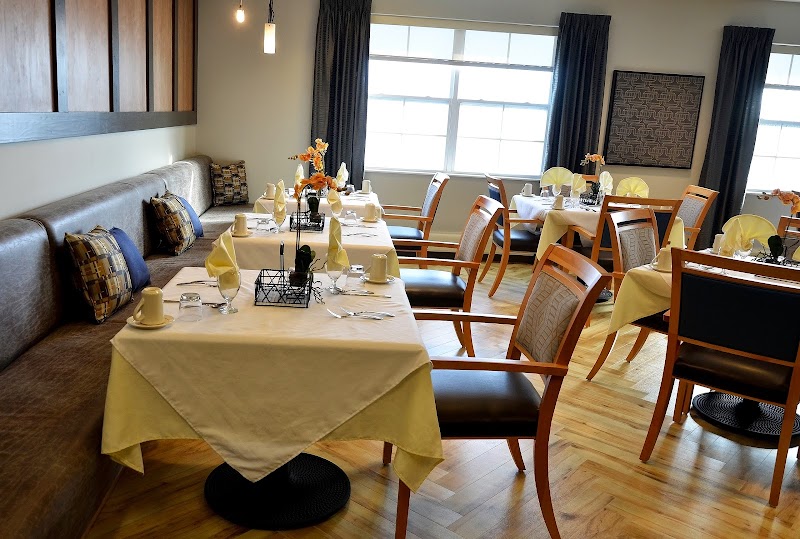
How Does Harrison'S Crossing Health Campus Compare to Other Indiana Nursing Homes?

Compared to the 100 nursing homes in Indiana, HARRISON'S CROSSING HEALTH CAMPUS's overall rating (4 stars) is above the state average of 3.1, staff turnover (32%) is significantly lower than the state average of 46%, and health inspection rating (3 stars) is at the national benchmark.

What Should Families Ask When Visiting Harrison'S Crossing Health Campus?

Based on this facility's data, families visiting should ask: "Can I visit during a mealtime to observe dining assistance and food quality?" "How do you handle medical emergencies, and what is your hospital transfer rate?" "Can I speak with family members of current residents about their experience?"

Is Harrison'S Crossing Health Campus Safe?

Based on CMS inspection data, HARRISON'S CROSSING HEALTH CAMPUS has a clean safety record: no substantiated abuse findings (meaning no confirmed cases of resident harm), no Immediate Jeopardy citations (the most serious violation level indicating risk of serious injury or death), and is not on the Special Focus Facility watch list (a federal program monitoring the lowest-performing 1% of nursing homes). The facility has a 4-star overall rating and ranks #1 of 100 nursing homes in Indiana. While no facility is perfect, families should still ask about staff-to-resident ratios and recent inspection results during their visit.

Do Nurses at Harrison'S Crossing Health Campus Stick Around?

HARRISON'S CROSSING HEALTH CAMPUS has a staff turnover rate of 32%, which is about average for Indiana nursing homes (state average: 46%). Moderate turnover is common in nursing homes, but families should still ask about staff tenure and how the facility maintains care continuity when employees leave.

Was Harrison'S Crossing Health Campus Ever Fined?

HARRISON'S CROSSING HEALTH CAMPUS has no federal fines on record. CMS issues fines when nursing homes fail to meet care standards or don't correct problems found during inspections. The absence of fines suggests the facility has either maintained compliance or corrected any issues before penalties were assessed. This is a positive indicator, though families should still review recent inspection reports for the full picture.

Is Harrison'S Crossing Health Campus on Any Federal Watch List?

HARRISON'S CROSSING HEALTH CAMPUS is not on any federal watch list. The most significant is the Special Focus Facility (SFF) program, which identifies the bottom 1% of nursing homes nationally based on persistent, serious quality problems. Not being on this list means the facility has avoided the pattern of deficiencies that triggers enhanced federal oversight. This is a positive indicator, though families should still review the facility's inspection history directly.