WESTRIDGE HEALTH CARE CENTER
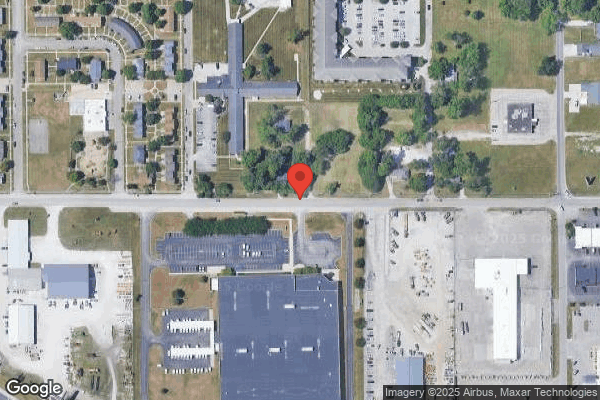
125 W MARGARET AVE, TERRE HAUTE, IN 47802 (812) 232-3311
Government - County 66 Beds Independent Data: November 2025
Trust Grade
75/100
#208 of 505 in IN
Last Inspection: March 2025

Within standard 12-15 month inspection cycle. Federal law requires annual inspections.

Overview

Westridge Health Care Center has a Trust Grade of B, indicating it is a good choice for families seeking care, though it is not without its issues. It ranks #208 out of 505 nursing homes in Indiana, placing it in the top half of facilities in the state, and #3 out of 9 in Vigo County, meaning only two local options are rated higher. The facility is improving overall, with issues decreasing from 6 in 2024 to 5 in 2025, although staffing is a weakness, earning only 2 out of 5 stars and indicating below-average performance. Notably, there have been no fines recorded, which is a positive sign, and there is average RN coverage, meaning residents receive decent oversight from registered nurses. However, specific incidents have raised concerns, such as the failure to update care plans for fall interventions for several residents, and issues with transporting linens that could pose an infection risk. Additionally, some residents reported challenges in receiving their preferred bathing schedules due to inadequate staffing, highlighting a need for improvement in daily care services.

Trust Score
B
75/100
In Indiana
#208/505
Top 41%
Safety Record
Low Risk
No red flags
Inspections
Getting Better
6 → 5 violations
Staff Stability
○ Average
34% turnover. Near Indiana's 48% average. Typical for the industry.
Penalties
✓ Good
No fines on record. Clean compliance history, better than most Indiana facilities.
Skilled Nurses
○ Average
Each resident gets 32 minutes of Registered Nurse (RN) attention daily — about average for Indiana. RNs are the most trained staff who monitor for health changes.
Violations
⚠ Watch
20 deficiencies on record. Higher than average. Multiple issues found across inspections.
★★★★☆
4.0
Overall Rating
★★☆☆☆
2.0
Staff Levels
★★★☆☆
3.0
Care Quality
★★★★☆
4.0
Inspection Score
Stable
2024: 6 issues
2025: 5 issues

The Good

  • Full Sprinkler Coverage · Fire safety systems throughout facility
  • No fines on record
  • Staff turnover below average (34%)

    14 points below Indiana average of 48%

Facility shows strength in fire safety.

The Bad

Staff Turnover: 34%

12pts below Indiana avg (46%)

Typical for the industry

The Ugly 20 deficiencies on record

Mar 2025 5 deficiencies
CONCERN (D)

Potential for Harm - no one hurt, but risky conditions existed

Deficiency F0561 (Tag F0561)

Could have caused harm · This affected 1 resident

Based on interview and record review, the facility failed to ensure residents were provided showers/bed baths as preferred for 2 of 3 reviewed for choices (Residents 41 and 40). Findings include: 1. ...

Read full inspector narrative →
Based on interview and record review, the facility failed to ensure residents were provided showers/bed baths as preferred for 2 of 3 reviewed for choices (Residents 41 and 40). Findings include: 1. During an interview, on 3/17/25 at 9:29 a.m., Resident 41 indicated he had requested to receive two complete bed baths twice a week, but it was a challenge to receive the bed baths because of the facility not having enough staff. He indicated the bed baths were scheduled to occur on Monday and Thursday evening, but they were not getting done twice a week as requested. Resident 41 would sometimes only receive a washcloth from staff to wash his face and armpits and that was all he would get washed because he was unable to complete the task himself. Resident 41's record was reviewed on 3/18/25 at 10:50 a.m. A quarterly Minimum Data Set (MDS) assessment, dated 12/3/24, indicated the resident was cognitively intact and required 1 to 2 staff assistance with activities of daily living (basic tasks that individuals perform to maintain their health and well-being). Review of daily preference assessment, dated 8/29/24, indicated Resident 41 prefers bed baths two times a week in the evenings. Review of the scheduled showers/bed baths for the 200 hall, indicated Resident 41 was to receive a bed bath on Monday and Thursday from 2-4 p.m. Review of point of care (when healthcare services are provided) documentation, indicated the resident received a bed bath on 3/17/25, 3/10/25, 3/6/25, 2/24/25, 2/18/25. The record lacked documentation of a bed bath being completed on 3/13/25, 3/3/25, 2/27/25, and 2/20/25. In the last 30 days the resident didn't receive 4 of his scheduled bed baths. During an interview, 3/19/25 at 8:36 a.m., Certified Nurse's Aide (CNA) 6 indicated Resident 41 doesn't refuse his bed baths and was something he wanted to make sure he received as scheduled. The CNA indicated there were times she would have to stay past her scheduled shift to help the next shift get their showers/bed baths completed. There were times it was a challenge to get all tasks completed due to staffing. During an interview, on 3/19/25 at 2:07 p.m., the Administrator indicated Resident received his scheduled bed baths but was unable to provide documentation of the bed baths being completed by staff. 2. On 3/16/25 at 2:21 p.m., during initial observation and interview Resident 40 indicated he did not receive regular showers. He indicated he was scheduled for two showers per week in the evenings but did not always receive them. On 3/17/24 at 11:00 a.m., Resident 40 record was reviewed. The most recent quarterly Minimum Data Set (MDS) assessment indicated the resident was cognitively intact and required 1 staff member for assistance with bathing and toileting. Review of the residents care plan dated 11/6/23, indicated the resident daily preferences were very important to him and he preferred to have two showers per week in the evening. A care plan dated 4/10/23, indicated the resident sometimes rejects care. Intervention included but not limited to attempt to determine the immediate cause for rejection. Seek solution if able. The medical record lacked documentation of resident refusals to take offered showers. On 3/18/25 at 1:44 p.m., during interview with Certified Nurse Aide (CNA)10., she indicated the residents are given showers at least two days a week and some are three days a week. She indicated the CNA's record of the shower on a document referred to as a shower sheet. Once it is filled out they turn the shower sheet into the Director of Nursing (DON) for review. She indicated blank shower sheet forms are kept in the nurses station, file cabinet. She indicated if the resident refused a shower they would complete a behavior sheet and a shower sheet, staple them together and report to the DON. She indicated Resident 40 was scheduled for two showers a week to be administered in the evenings. The CNA demonstrated the shower schedule was in the CNA record book and indicated the schedule is updated as needed. Review of the shower schedule indicated the resident was scheduled to be administered a shower on Mondays and Thursdays in the evening. On 3/18/25 at 2:26 p.m., during interview, CNA 9 indicated each resident is to receive two showers a week on the day or evening shift. And the shower schedule for each resident is in the CNA book. If a resident refused a shower, she would report it to the nurse and would complete a shower sheet. If the resident refused to take a shower she would record the refusal on a behavior sheet and a shower sheet. If the resident refused to sign the shower sheet she would record that as well. She would turn the behavior sheet and shower sheet into the DON. On 3/18/25 at 1:00 p.m., the DON provided several copies of CNA assignment sheet. The document indicated Resident 40 had refused some of the scheduled showers. The CNA assignment sheet was not part of the resident's medical record. The point of care record, part of the resident's medical record, lacked documentation indicating the resident had refused showers. On 3/18/25 at 1:30 p.m., the point of care documentation which was recorded by the CNA and was part of the medical record was reviewed. From December 1, 2024 to March 17, 2025 the resident was scheduled to receive a total of 30 showers. The record indicated the resident received 17 showers. From January 12 to 18, 2025 and March 16 to 18, 2025 the record lacked documentation of showers being administered. On 3/18/25 at 3:00 p.m., during interview the DON indicated if a resident refused a shower the staff would ask again and then they would ask the nurse to talk to the resident. She indicated if a resident refused to take a shower they do not have the resident sign a shower sheet. She indicated they have used shower sheets, but they use the CNA assignment sheet now and also document in the medical record. She indicated at times the staff would fill out a behavior sheet if the resident refused a shower, but many of the residents do not take regular showers. She indicated the residents should receive a minimum of 2 showers a week. The DON could not recall the last time the facility used shower sheets. I asked for a copy of any shower sheets they had used for Resident 40. The facility failed to provide requested documentation. On 3/19/25 at 9:34 a.m., during interview, CNA 3 indicated there were times when they did not have staff to administer showers. This had occurred mostly on the evening shift. She indicated she was not aware if Resident 40 had ever refused a shower. On 3/19/25 at 9:38 a.m., during interview Resident 40 indicated he had never refused a shower when it was offered. On 3/19/25 at 2:00 p.m., during an interview, the Administrator indicated Resident 40 had received several showers from the Occupational Therapist. The Administrator provided a document, dated 3/12/25, and indicated it was documentation of occupational therapy providing showers for the resident. The document lacked evidence of administration of a shower. She did not know if the staff could document a refusal in the resident's electronic record. The occupational therapy staff recorded showers they administered in their records. On 3/20/2025 at 11:54 a.m., the Regional Nurse Consultant provided a document, titled, Resident Rights, dated 9/17, and indicated it was the policy currently being used by the facility. The policy indicated, .This facility shall treat each resident with respect and dignity and care for each resident in a manner and in an environment that promotes maintenance or enhancement of his or her quality of life . This facility shall provide equal access to quality of care regardless of diagnosis, severity of condition, or payment source 3.1-3(u)
CONCERN (D)

Potential for Harm - no one hurt, but risky conditions existed

Deficiency F0761 (Tag F0761)

Could have caused harm · This affected 1 resident

Based on observations, interviews, and record reviews, the facility failed to ensure expired medications were disposed of for 1 of 2 medication carts and 1 of 2 medication storage rooms reviewed (Resi...

Read full inspector narrative →
Based on observations, interviews, and record reviews, the facility failed to ensure expired medications were disposed of for 1 of 2 medication carts and 1 of 2 medication storage rooms reviewed (Residents 36 and 26). Findings include: 1. On 3/19/25 at 09:35 a.m., the south hall medication cart contained two expired insulin (medication used to lower blood sugar) vials with an open date of 2/6/25. The insulin vials contained labels that indicated they were for Resident 36. During an interview, on 3/19/25 at 09:37 a.m., Qualified Medication Aide (QMA) 7 indicated insulin was good for 30 days once opened. The insulin vials in the cart should have been discarded. Resident 36's record was reviewed on 3/19/25 at 10:06 a.m. The profile indicated the resident diagnosis included, but were not limited to, type 2 diabetes mellitus with hyperglycemia (occurs when the body either doesn't produce enough insulin or its cells don't respond properly to insulin, leading to a buildup of glucose [simple sugar] in the blood stream). A physician order, dated 2/5/25, indicated to administer Humalog (insulin medication) solution 100 unit/ml (milliliter). Inject 12 units subcutaneously (under the skin) three times daily. A physician order, dated 2/5/25, indicated to administer Lantus (insulin medication) solution 100 unit/ml. Inject 24 units subcutaneously at bedtime. 2. On 3/19/25 at 9:51 a.m., the north hall medication storage room contained an expired insulin pen (contains insulin in a cartridge that is administered into subcutaneous tissue through fine, replaceable needle) with an open date of 1/14/25, it was in the refrigerator, and it contained a label that indicated it was for Resident 26. During an interview, on 3/19/25 at 9:52 a.m., Qualified Medication Aide (QMA) 8 indicated insulin was good for 28 days once opened. She indicated she was unsure why the insulin pen was in the refrigerator and why it wasn't discarded. Resident 26's record was reviewed on 3/19/25 at 10:10 a.m. The profile indicated the resident diagnosis included, but were not limited to, type 2 diabetes mellitus without complications (a state where the body doesn't produce enough insulin or doesn't use it properly, leading to high blood sugar). A physician order, dated 12/11/24 with a discontinued date of 1/10/25, indicated to administer Humalog kwikPen 100 unit/ml. Inject 45 units subcutaneously twice a day. On 3/19/25 at 11:27 a.m., the Cooperate Nurse Consultant provided a document, dated 9/2017, titled, Medication Expiration, and indicated it was the policy currently being used by the facility. The policy indicated, .d. Multiple dose injections, such as insulin will expire 28 days after opening unless otherwise noted by manufacturer. 2. Facility staff shall date the label of any multi-use vial the first accessed and access the vial in a dedicated medication preparation area: If a multi-dose vial has been opened or accessed .the vial should be dated and discarded within 28 days unless the manufacturers specifies a different .date for the opened vial 3.1-25(o)
CONCERN (D)

Potential for Harm - no one hurt, but risky conditions existed

Food Safety (Tag F0812)

Could have caused harm · This affected 1 resident

Based on observation and interview, the facility failed to label and date refrigerated and frozen food items, so it is used by its use-by date, frozen, or discarded, and the facility failed to prevent...

Read full inspector narrative →
Based on observation and interview, the facility failed to label and date refrigerated and frozen food items, so it is used by its use-by date, frozen, or discarded, and the facility failed to prevent possible contamination of food in the refrigerator from water dripping onto food items for 2 of 2 kitchen observations. Findings include: On 3/16/25 at 10:05 a.m., during initial kitchen observation of refrigerated foods with Employee 11. The main refrigerator was observed with tomatoes in a clear plastic container date labeled with an opened date of 2/24. Two clear containers with lettuce inside with an opened date of 2/24. The tops of both containers were covered in water which was dripping down onto covered container of chicken noodle soup on the second shelf. The bottom of the refrigerator also had water on it and boxed food items were wet. On 3/16/25 at 10:10 a.m., an observation of freezer found an undated bag of frozen tater tots, two packages of undated frozen pie shells, two undated cakes, and four undated frozen pies. On 3/16/25 at 10:15 a.m., during interview employee 11 indicated the tots were from last night. She removed the item from the freezer and wrote a date on the bag. On 3/19/25 at 11:10 a.m., during second dietary kitchen observation with Employee 12. The refrigerator noted to have standing water on the top shelf of sealed food items. When moved, water spilled down inside of refrigerator and onto the floor. Boxes on the shelves were wet. Food items inside boxes were sealed. On 3/19/25 at 11:05 a.m., during interview the Dietary Manager indicated he did not know where the water in the refrigerator was from. On 3/18/2025 at 11:48 a.m., the Administrator provided a document titled, Magnolia Health Systems storage guidelines for Refrigerator/freezer/dry storeroom, dated 3/2017, and indicated it was the policy currently being used by the facility. The policy indicated, .Angel food cake 6-12 months, Pie Shells 12 months freezer, Shredded lettuce (opened) 3 days: reseal tightly, Tomatoes 3 days 3.1-21(i)(1) 3.1-21(i)(3)
CONCERN (D)

Potential for Harm - no one hurt, but risky conditions existed

Medical Records (Tag F0842)

Could have caused harm · This affected 1 resident

**NOTE- TERMS IN BRACKETS HAVE BEEN EDITED TO PROTECT CONFIDENTIALITY** Based on record review and interview, the facility failed to ensure documentation of the facility contact with the hospital prio...

Read full inspector narrative →
**NOTE- TERMS IN BRACKETS HAVE BEEN EDITED TO PROTECT CONFIDENTIALITY** Based on record review and interview, the facility failed to ensure documentation of the facility contact with the hospital prior to a resident transfer was completed timely for 1 of 4 residents reviewed for hospitalization (Resident 31). Findings include: Resident 31's record was reviewed on 3/17/25 at 2:31 p.m. The profile indicated the resident's diagnoses included, but were not limited to, chronic obstructive pulmonary disease (COPD- a group of lung diseases that cause ongoing inflammation and damage to the airways and air sacs in the lungs), cerebral infarction (a condition where brain tissue dies due to a lack of blood flow caused by a blockage in a blood vessel), and late-onset Alzheimer's disease (a common form of dementia that starts after the age of 65. It can cause memory and cognition issues, impaired judgment, and other symptoms as it progresses). A 5-day Minimum Data Set (MDS) assessment, dated 2/4/25, indicated the resident had moderate cognitive deficit, was totally dependent with all activities of daily living (ADLs-fundamental tasks essential for independent living, including basic self-care and mobility, like bathing, dressing, eating, and toileting), and required continuous oxygen (O2). The census indicated that the resident had been hospitalized from [DATE] to 3/13/25. The initial review of the record lacked documentation of facility contact with the hospital emergency room (ER) to provide a report of the transfer. During a follow-up review of the resident's record, on 3/18/25 at 2:10 p.m., a late entry progress note, dated 3/18/25 at 1:48 p.m. for 3/9/25, indicated the family and ER had been notified. At the same time the Corporate Nurse Consultant indicated it was dated a late entry on 3/18/25, because the note had just been placed in the record. The note had been added as a plan of correction after it was discovered that there had not been a note written at the time of the transfer. On 3/18/25 at 3:40 p.m., the Administrator provided a document, dated 10/2014, titled, Charting and Documentation, and indicated it was the policy currently being used by the facility. The policy indicated, .Policy: Nurse's notes shall be written on each resident .and shall address the resident's conditions .entries shall be dependent on individual residents' needs and any pertinent change in condition .Document significant information 3.1-50(a)(1) 3.1-50(a)(2) 3.1-50(h)(5)(F) 3.1-50(i) 3.1-50 (a)(1)(h)(3)
CONCERN (D)

Potential for Harm - no one hurt, but risky conditions existed

Infection Control (Tag F0880)

Could have caused harm · This affected 1 resident

Based on observation, record review, and interview, the facility failed to ensure proper handling of the glucometer (small portable machine that's used to measure how much glucose [type of sugar] is i...

Read full inspector narrative →
Based on observation, record review, and interview, the facility failed to ensure proper handling of the glucometer (small portable machine that's used to measure how much glucose [type of sugar] is in the blood) meter during 2 of 2 blood glucose monitoring opportunities (Residents 42 and 35). Findings include: 1. During a blood glucose monitoring observation, on 3/19/25 at 11:11 a.m., the Qualified Medication Aide (QMA) 7 entered Resident 42's room and placed the glucometer onto her side table, no barrier placed under the meter. The QMA returned the glucometer to a resident specific black case and placed it back in the medication cart. Resident 42's record was reviewed on 3/19/25 at 1:10 p.m. The profile indicated the resident diagnosis included, but were not limited to, type 2 diabetes mellitus with hyperglycemia (occurs when the body either doesn't produce enough insulin or its cells don't respond properly to insulin, leading to a buildup of glucose [simple sugar] in the blood stream). 2. During a blood glucose monitoring observation, on 3/19/25 at 11:17 a.m., QMA 7 entered Resident 35's room and placed the glucometer onto her side table, no barrier placed under the meter. The QMA returned the glucometer to a resident specific black case and placed it back in the medication cart. During an interview, on 3/19/25 at 11:17 a.m., QMA 7 indicated the night shift nurses clean the glucometers, but she also cleans the machines at the end of her shift daily. Resident 26's record was reviewed on 3/19/25 at 1:20 p.m. The profile indicated the resident diagnosis included, but were not limited to, type 2 diabetes mellitus without complications (a state where the body doesn't produce enough insulin or doesn't use it properly, leading to high blood sugar). During an interview, on 3/20/25 at 9:11 a.m., QMA 10 indicated a paper towel should be placed under the glucometer as a barrier when placing the glucometer on a surface. She indicated this was to prevent any cross contamination. On 3/19/25 at 1:30 p.m., the Cooperate Nurse Consultant provided a document, dated 10/2014, titled, Blood Glucose Measurement, Evencare G2, and indicated it was the policy currently being used by the facility. The policy indicated, .1. Select the resident specific meter/case to be utilized. Place a clean paper towl on the bedside table or stand. Place the close case on the paper towel 3.1-18(a)
Jun 2024 1 deficiency
CONCERN (E) 📢 Someone Reported This

A family member, employee, or ombudsman was alarmed enough to file a formal complaint

Potential for Harm - no one hurt, but risky conditions existed

Deficiency F0657 (Tag F0657)

Could have caused harm · This affected multiple residents

**NOTE- TERMS IN BRACKETS HAVE BEEN EDITED TO PROTECT CONFIDENTIALITY** Based on observation, record review, and interview, the facility failed to update care plans with post fall interventions for 4 ...

Read full inspector narrative →
**NOTE- TERMS IN BRACKETS HAVE BEEN EDITED TO PROTECT CONFIDENTIALITY** Based on observation, record review, and interview, the facility failed to update care plans with post fall interventions for 4 of 6 residents reviewed for falls (Residents B, C, H, and K). Findings include: 1. On 6/6/24 at 2:30 p.m., observed Resident A sitting up in wheel chair she was propelling herself in the hall. She had both shoes and socks on. She had difficulty communicating related to aphasia. Bed alarm was on the bed under an incontinent pad. Chair alarm was not visible on the wheelchair. On 6/7/24 at 11:57 a.m., observed Resident A, sitting in wheelchair in the main dining room. A call alarm was on the wheelchair with the alarm device on the back of the chair. On 6/6/24 at 10:49 a.m., the medical record for Resident A was reviewed. The resident was admitted to the facility on [DATE]. Diagnosis included, but were not limited to, hemiplegia, unspecified affecting right dominant side (a loss of strength in the arm, leg, and sometimes face on one side of the body), unsteadiness on feet, muscle weakness (generalized), vascular dementia (the loss of cognitive functioning thinking, remembering, and reasoning to such an extent that it interferes with a person's daily life and activities), hemiplegia (a loss of strength in the arm, leg, and sometimes face on one side of the body), and hemiparesis (a relatively mild loss of strength) following cerebral infarction affecting right dominant side, aphasia (a language disorder caused by damage in a specific area of the brain that controls language expression and comprehension) following cerebral infarction (stroke), and expressive language disorder. On 5/18/24 the resident fell, sustained a laceration to her head and was sent to the emergency room (ER) for sutures. Additional falls occurred on 4/8/24, 4/3/24, and 5/20/24 with no injuries reported from these falls. A quarterly Minimum Data Set (MDS) assessment indicated the cognition level of the resident was poor. The MDS lacked documentation of level of assistance required for transfers and mobility. A care plan, dated 12/5/23, indicated the resident was at risk for falls. A care plan, dated 1/25/24, indicated falls. The record lacked evidence of post fall immediate interventions. A care plan, dated 4/10/24, indicated falls with injury. The record lacked evidence of post fall immediate interventions. A care plan, updated 6/8/22, indicated she was an assist of one for Activities of Daily Living (ADL) and transfers and indicated the resident had a fall risk assessment dated [DATE]. An undated intervention indicated staff moved the resident's room closer to the nurses' station. On 5/18/24 an intervention indicated the resident sustained an injury requiring an ER visit. An intervention, dated 5/18/24, indicated monitor for attempts safe transfer remind to ask for assistance and use call light. The care plan did not indicate what the attempts were, and the record lacked documentation of monitoring. An intervention, dated 5/20/24, indicated to change alarm. An intervention was entered on 5/30/24 indicating a chair alarm. An intervention, dated 5/30/24, indicated position change alarm. The care plan lacked evidence of interventions for prevention of falls corresponding to a care plan root cause. 2. On 6/6/24 at 2:00 p.m. the medical record for Resident C was reviewed. Documentation indicated on 11/13/23 at 7:00 p.m., Resident C, fell out of wheelchair. The record lacked evidence of post fall immediate interventions. A care plan, dated 11/8/23, indicated falls. A care plan, dated 2/7/24, indicated falls with injury. The record lacked evidence of post fall care plan with immediate interventions. On 6/27/19 an intervention for anti-rollbacks to wheelchair was entered. An intervention dated 4/16/24 indicated frequent reminders to not sit back, hand on wheelchair and request assistance as needed. The record lacked documentation of interventions related to the root causes for the 11/8/23 fall, 2/7/24 fall with injury, and 4/16/24. 3. On 6/6/24 at 3:00 p.m., the medical record of Resident H was reviewed. Director of Nursing indicated the resident had fallen in the last 60 days. The record lacked documentation of a fall. A care plan, dated 2/14/19, indicated the resident was at risk for falls. An intervention, dated 2/21/20, indicated Dycem per Medical Doctor (MD) order. An intervention, dated 5/30/24, indicated a Broda Chair when up out of bed for comfort and safety. The record lacked documentation of post fall immediate interventions for the fall within the last 60 days. 4. On 6/7/24 at 11:30 a.m., during routine observation of Resident K, observed resident sitting on edge of bed. Call light was within reach and wheelchair sitting next to bed. The resident indicated he was not trying to get up he was just resting. He was alert and oriented indicated he had three falls while at the facility but no injuries from the falls. He knew to ask the staff for assistance. On 6/6/24 at 3:30 p.m., the medical record of Resident K reviewed. A care plan, dated 5/16/24, indicated the resident was at risk for falls. An intervention, dated 5/17/24, indicated to ensure door to room was open when leaving room for safety unless resident requested otherwise. The record lacked documentation post fall immediate interventions. On 6/6/24 at 1:57 p.m., during an interview Qualified Medication Aide (QMA) 4, indicated the care plans were on the paper chart. She was not sure who updated the care plans. On 6/6/24 at 2:02 p.m., during an interview with the Regional Nurse Consultant, she indicated the CNAs and nurses received report and discussed falls and interventions at that time. The interdisciplinary team (IDT) team updated the care plan after every fall with interventions initiated. On 6/7/24 at 9:30 a.m., the Regional Nurse Consultant provided a document, titled, Care Plan Development and Review, dated 9/17, and indicated it was the policy currently being used by the facility. The policy indicated, .Procedure .7. The comprehensive care plan shall be reviewed and revised by the interdisciplinary team after each assessment, including both comprehensive and quarterly review assessments .9. Care plans shall be re-written as needed to maintain an up-to-date legible document .Communication to personnel .2. Care plan interventions specific to direct care personnel will be included on the direct caregiver's assignment sheet, or similar tool in use This citation relates to Complaint IN00435269 3.1-35(c)(1)
Mar 2024 5 deficiencies
CONCERN (D)

Potential for Harm - no one hurt, but risky conditions existed

Deficiency F0558 (Tag F0558)

Could have caused harm · This affected 1 resident

Based on observation, record review, and interview, the facility failed to ensure a call light device was in reach for 1 of 16 residents reviewed for call light placement (Resident 34). Findings incl...

Read full inspector narrative →
Based on observation, record review, and interview, the facility failed to ensure a call light device was in reach for 1 of 16 residents reviewed for call light placement (Resident 34). Findings include: On 2/26/24 at 2:52 p.m., Resident 34's call light was observed to be draped on the outlet against the wall and out of reach. The resident indicated that staff stopped giving one to her recently, so she needed to ask for things when they came in. The resident indicated that she could not move her arms or legs very much and could not turn herself in bed without assistance. The resident was observed to be laying on her left side and the bed was positioned diagonally away from the call light device. On 2/27/24 at 11:57 a.m., Resident 34's call light was observed to be draped on the outlet against the wall and out of reach from the resident. On 2/28/24 at 11:04 a.m., Resident 34 requested help getting assistance from staff, her call light was observed to be draped on the outlet against the wall and out of reach from the resident. Resident 34's record was reviewed on 2/27/24 at 11:49 a.m. The profile indicated that the resident's diagnoses included, but were not limited to, right knee contracture (permanent tightening of the muscles, tendons, skin, and nearby tissues that causes the joints to shorten and become very stiff), left knee contracture, muscle weakness, stiffness of left hand, and gastrostomy status (the placement of a feeding tube through the skin and the stomach wall). An annual Minimum Data Set (MDS) assessment, dated 1/1/24, indicated Resident 34 was cognitively intact and had functional limitation in range of motion in the upper extremity (shoulder, elbow, wrist, hand) on both sides and in the lower extremity (hip, knee, ankle, foot) on both sides. She was dependent and required assistance for turning and repositioning in bed, and her vision was moderately impaired. During an interview with the Director of Nursing (DON) on 2/28/24 at 2:44 p.m., she indicated that Resident 34 did not use her call light very often and she was not ordered to have a soft touch call light. Resident 34's call light was observed with the DON. The call light was draped on the outlet against the wall and out of reach of the resident. The DON indicated that it should not be on the wall and then placed it within reach of the resident. On 3/1/24 at 10:12 a.m., the Regional Nurse Consultant (RNS) provided and identified a document as a current facility policy, titled, Call Light dated 10/2014. The policy indicated, .Purpose: Resident will have a call light to summon facility personnel to ensure the resident's needs will be met . Procedure . 8. Call lights must remain functional and within reach of each resident. Call lights must not be disabled. Call lights must not be removed from resident's reach 3.1-3(v)(1)
CONCERN (D)

Potential for Harm - no one hurt, but risky conditions existed

Deficiency F0659 (Tag F0659)

Could have caused harm · This affected 1 resident

Based on interview and record review, the facility failed to ensure pressure ulcer treatments were completed by qualified staff and staff followed proper standards of practice for 1 of 1 residents rev...

Read full inspector narrative →
Based on interview and record review, the facility failed to ensure pressure ulcer treatments were completed by qualified staff and staff followed proper standards of practice for 1 of 1 residents reviewed for pressure ulcer care (Resident 29). Findings include: During an interview, on 2/26/24 at 10:54 a.m., Resident 29 indicated he had an open area to his bottom, and it had been there for a few months. He indicated it was a facility acquired pressure ulcer. During an interview, on 2/28/24 at 10:20 a.m., the Qualified Medication Aide (QMA) 6 indicated she had already completed Resident 29's dressing change to his open area in the morning and it was a dayshift dressing change daily. During an interview, on 2/29/24 at 9:11 a.m., Registered Nurse (RN) 14 indicated a QMA would need to let the nurse know that a dressing change needed to be completed because QMAs were not licensed to perform a pressure ulcer dressing change. During an interview, on 2/29/24 at 10:13 a.m., Resident 29 indicated there were two QMAs who normally completed the pressure ulcer dressing change to his bottom, and they were QMA 5 and QMA 6. During an interview, on 2/29/24 at 10:25, the Regional Nurse Consultant indicated it was against the company's policy for a QMA to complete a dressing change on a pressure ulcer that was greater than a stage I (pressure related alteration of intact skin with non-blanchable redness over a bony prominence) pressure ulcer. Resident 29's record was reviewed on 2/28/24 at 10:43 a.m. The profile indicated the resident diagnoses included, but were not limited to, Type 2 diabetes mellitus without complications (a chronic condition that affects the way the body processes blood sugar), chronic obstructive pulmonary disease (COPD- a group of diseases that cause airflow blockage and breathing related problems), and pressure ulcer of sacral region (pressure injuries occur when a bony prominence, such as sacrum, is subjected to prolonged pressure and can result in soft tissue injury). An annual Minimum Data Set (MDS) assessment, dated 2/7/24, indicated the resident was cognitively intact and had a stage III (full thickness tissue loss where subcutaneous fat may be visible) pressure ulcer. A care plan, dated 11/22/23, indicated the resident was at risk for the development of pressure ulcers related to the history of stage IV (severe full thickness tissue loss where muscles, bones, and/or tendons may be visible) pressure ulcer on sacrum. Interventions included, but were not limited to, low air loss mattress, pressure reducing cushion to chair, and staff to observe skin condition while providing care. Review of initial pressure ulcer assessment sheet, dated 12/12/23, indicated a stage III pressure ulcer to left coccyx. The wound measured 3 centimeters (cm) by (x) 1.5 cm with a depth of 1.8 cm. A physician order, dated 12/12/23 with an end date of 12/28/23, indicated wet to dry dressing to sacral wound, change daily and as needed for soilage. A physician order, dated 12/28/23 with an end date of 2/22/24, indicated cleans open area with normal saline, may use wound cleanser, pat dry. Apply skin prep to peri-wound (tissue surrounding wound). Apply wet to dry gauze, cover with Mepilex, once a day. Review of December 2023, MAR's (Medication Administration Record) indicated QMA 6 documented as completing the dressing change to Resident 29's stage III pressure ulcer 7 out of 19 days. QMA 11 documented completing the dressing change 5 out of 19 days. QMA 16 documented completing the dressing change 4 out of 19 days. A care plan, dated 1/11/24, indicated the resident had a pressure ulcer. Interventions included but not limited to, dressing change daily per medical doctor order, notify physician of any signs and symptoms of infection, and pressure relieving devices in place. Review of January 2024, MARs indicated QMA 5 documented completing the dressing change to Resident 29's stage 3 pressure ulcer 1 out of 28 days. QMA 6 documented completing the dressing change 11 out of 28 days. QMA 16 documented completing the dressing change 6 out of 28 days. Review of weekly skin assessment, dated 2/23/24, indicated the current wound measured 3 cm x 1.4 cm with a depth of 0.9 cm. A physician order, dated 2/22/24, indicated cleanse open area with normal saline, may use wound cleanser, pat dry, and apply skin prep to peri-wound. Cut Puracol wound dressing into rope and fit into wound bed. Cover with Mepilex, once a day. Review of February 2024, MARs indicated QMA 6 documented as completing the dressing change to Resident 29's stage III pressure ulcer 19 out of 28 days. QMA 16 documented completing the dressing change 1 out of 28 days. During an interview, on 3/1/24 at 9:26 a.m., QMA 16 indicated she had not performed any dressing changes on a wound greater than stage I because it was not allowed with her license. During an interview, on 3/1/24 at 9:28 a.m., QMA 11 indicated she would not perform any dressing changes that were not allowed under her license as a QMA. During an interview, on 3/1/24 at 9:38 a.m., the Director of Nursing (DON) indicated a QMA may only complete a dressing change on a wound that was a stage I or less. She was aware that the QMA's were signing off on the MAR that they were completing the dressing change to Resident 29's wound and that they would be educated on not signing off things that were beyond their scope of practice. On 2/29/24 at 11:01 a.m., the Regional Nurse Consultant provided an undated document titled, Qualified Medication Aide, Scope of Practice, and indicated it was the current policy being used by the facility. The policy indicated, .The following tasks shall NOT be included in the QMA scope of practice .(6) Administer a treatment that involves advanced skin conditions, including stage II, stage III, stage IV decubitus ulcers On 2/29/24 at 11:01 a.m., the Regional Nurse Consultant provided a document, with a year of 2023 titled, Job Description, Qualified Medication Aide, and indicated it was the current policy being used by the facility. The policy indicated, .6. Administer medications/treatments as taught per Indiana QMA curriculum 3.1-35(g)(1)
CONCERN (D)

Potential for Harm - no one hurt, but risky conditions existed

Deficiency F0688 (Tag F0688)

Could have caused harm · This affected 1 resident

**NOTE- TERMS IN BRACKETS HAVE BEEN EDITED TO PROTECT CONFIDENTIALITY** Based on record review, observation, and interview, the facility failed to provide treatment to prevent further decrease in rang...

Read full inspector narrative →
**NOTE- TERMS IN BRACKETS HAVE BEEN EDITED TO PROTECT CONFIDENTIALITY** Based on record review, observation, and interview, the facility failed to provide treatment to prevent further decrease in range of motion for 1 of 2 sampled residents reviewed for range of motion (Resident 32). Findings include: On 2/26/24 at 11:10 a.m., during a routine observation, Resident 32 was sitting in a wheelchair. The left hand was contracted in a fist position, nails were long and touching the inside of the palm of the hand. No anti-contractual device was in Resident 32's hand. During an observation on 2/28/24 at 11:00 a.m., Resident 32 was sitting in a wheelchair in the activity lounge area. The left hand was contracted in a fist position, no anti-contracture device was in the left hand. During an interview, on 2/27/24 at 2:44 p.m., the Director of Nursing (DON) indicated if a resident had a contracture of the limbs, therapy evaluated the resident, and the therapist would decide if the resident needed an anti-contracture device. During an interview on 2/28/24 at 11:13 a.m., the Certified Occupational Therapy Assistant (COTA) indicated when a resident needed to be assessed the evaluation request was given to the therapist. Before the evaluation was completed and the therapist obtained an order from the physician to evaluate and treat the resident. The evaluation was completed by the therapist or the COTA. The information was placed in the hard copy chart. The COTA acknowledged the resident was to be evaluated on 2/28/24 for the contracture of the left hand. She received a referral to evaluate the resident last week, but she had not gotten to it yet. During an interview on 2/28/24 at 11:24 a.m., Certified Nurse Aide (CNA) 13 indicated the resident did not have an anti-contracture device in her left hand. She indicated the resident would probably not allow them to place anything in her hand. During an interview on 2/28/23 at 1:47 p.m., the Regional Nurse Consultant indicated she spoke to the COTA last week about the resident's contracture of her left hand. She thought an order was obtained for an evaluation. She acknowledged the contracture was not recent and an evaluation with treatment order by the physician had not been obtained. On 2/29/24 at 10:51 a.m., Resident 32's medical record was reviewed. Resident 32 was admitted on [DATE]. Diagnoses, dated 5/5/23, include, but are not limited to, Hemiplegia (a loss of strength in the arm, leg, and sometimes face on one side of the body), and hemiparesis (a relatively mild loss of strength) following nontraumatic subarachnoid hemorrhage (subarachnoid hemorrhage is bleeding in the area between the brain and the thin tissues that cover the brain) affecting left non-dominant side, muscle weakness (generalized), hypertension (high blood pressure), chronic obstructive pulmonary (a group of diseases that cause airflow blockage and breathing-related problems), unspecified psychosis (a collection of symptoms that affect the mind, where there has been some loss of contact with reality), not due to a substance or known physiological. Resident had a diagnosis, dated 6/1/23, of dysphagia (difficulty swallowing), oropharyngeal phase (the middle part of the throat, behind the mouth). The record lacked documentation of orders to complete range of motion (ROM), or prevention of contractures. A quarterly Minimum Data Set, (MDS), dated [DATE], indicated the resident was cognitively impaired and had mobility impairment to the left upper side. A care plan, dated 5/5/23, indicated the resident was at risk for complications related to hemiplegia/hemiparesis related to impaired physical mobility. Interventions included, but were not limited to, range of motion to be performed and repositioning of affected limb(s) by nursing staff due to impaired physical mobility. Documentation lacked evidence that range of motion had been provided by the nursing staff. On 3/1/2024 at 10:30 a.m., the Director of Nursing (DON) provided a document titled, Joint Mobility Screen, dated 10/2014, and indicated it was the policy currently being used by the facility. The policy indicated, .Purpose .To identify those residents who may be at risk for contractures/decreased range of motion .Procedure .2. Possible interventions included but were not limited to active or passive range of motion at least twice daily, O.T./P.T. (occupational therapy/physical therapy) screening and or treatments .assessment of contractures on a regular basis .3. Applicable recommendations will be made to the attending physician and orders obtained accordingly per their discretion .4. Interventions will be addressed on the individual care plan .5. The joint mobility screen shall be re-evaluated/completed .as necessary relative to .significant change in condition affecting range of motion, etc 3.1-42(a)(1) 3.1-42(a)(2) 3.1-42(a)(3)
CONCERN (D)

Potential for Harm - no one hurt, but risky conditions existed

Food Safety (Tag F0812)

Could have caused harm · This affected 1 resident

Based on observation, interview, and record review, the facility failed to ensure the wash temperature of the chemical sanitizing dish machine (a dishwashing machine that applies potable water and a c...

Read full inspector narrative →
Based on observation, interview, and record review, the facility failed to ensure the wash temperature of the chemical sanitizing dish machine (a dishwashing machine that applies potable water and a chemical sanitizing solution to the surfaces of wares to achieve sanitization), met the required temperature for 1 of 2 kitchen observations. Findings include: During the initial kitchen tour, on 2/26/24 at 9:59 a.m., the dish machine temperature dial indicated a top temperature of 80 degrees Fahrenheit (a scale for measuring temperature, in which water freezes at 32 degrees and boils at 212 degrees), during the wash cycle. Four separate wash cycles were attempted. None reached a wash temperature higher than 80 degrees Fahrenheit. On 2/26/24 at 10:01 a.m., the Dietary Manager used a manual thermometer to measure the dish machine wash temperature. The thermometer registered a top temperature of 80 degrees Fahrenheit. At the same time, the Dietary Manager indicated he believed the minimum temperature should be between 100 and 120 degrees Fahrenheit. On 2/28/24 at 8:50 a.m., the Dietary Manager provided the dish machine temperature logs, dated February 2024, and indicated they were the logs of the temperatures that had been taken during the wash cycles for the dish machine. The logs documented the dish machine temperature had been measured at 100 degrees Fahrenheit for all days during the month. On 2/28/24 at 8:50 a.m., the Dietary Manager provided an undated document, titled, CMA Dish Machines, and indicated it was the manufacturer's guidelines for the dish machine currently in use by the facility. The document indicated, .CMA Dish Machine Model AH Details .Water Temperature 120-140 degrees Fahrenheit 3.1-21(i)(3)
CONCERN (E)

Potential for Harm - no one hurt, but risky conditions existed

Infection Control (Tag F0880)

Could have caused harm · This affected multiple residents

Based on observation and interview, the facility failed to ensure clean linen was carried away from the body and failed to ensure soiled linen was in a container while transporting in the hallway duri...

Read full inspector narrative →
Based on observation and interview, the facility failed to ensure clean linen was carried away from the body and failed to ensure soiled linen was in a container while transporting in the hallway during 5 of 5 random observations for linen handling. Findings include: During a random observation on 2/28/24 at 10:01 a.m., Certified Nursing Assistant (CNA) 21 retrieved a stack of linens from the clean linen closet located in the 100 hall, she then held the linens against her body while transporting them to a resident's room. During a random observation on 2/28/24 at 11:00 a.m., CNA 21 retrieved a stack of linens from the clean linen closet located in the 100 hall, she held the linens against her body while transporting. During a random observation on 2/29/24 at 9:50 a.m., Employee 3 was observed coming out of a resident's room on the 200 hallway wearing gloves and holding soiled linens that were unbagged against her body. She left the resident's room and indicated she needed to take the linens to the hopper. During a random observation on 2/29/24 at 2:48 p.m., CNA 20 retrieved a stack of linen from the clean linen closet located in the 100 hall, transported the linens against her body while entering a resident's room, walked out of the room still holding the linens against her body and transported them to a shower room. During a random observation on 3/01/24 at 8:45 a.m., CNA 21 retrieved a stack of linen from the clean linen closet located in the 100 hall and transported the linens against her body. During an interview on 2/28/24 at 3:01 p.m., Employee 8 indicated that staff were not to carry linens against their body and soiled linens were supposed to be transported in a plastic bag. During an interview on 3/1/24 at 9:55 a.m., CNA 22 indicated when they remove dirty linen it was to be put in a bag and then taken to the hopper room and placed in the linen barrel. When they remove linen from the clean linen closet, they were supposed to hold the items away from their body, never against their body. On 3/1/24 at 10:12 a.m., the Regional Nurse Consultant (RNS) provided and identified a document as a current facility policy titled, Linen, Handling, dated 12/2015. The policy indicated, . The facility shall handle linen in a manner to prevent the spread of infection . Procedure .2. Linen will not be carried against the body .7. Soiled linen will be placed in a container (i.e., linen barrel, plastic bag, etc.) prior to taking it into the hallway 3.1-18(b)(1)
Apr 2023 9 deficiencies
CONCERN (D)

Potential for Harm - no one hurt, but risky conditions existed

Comprehensive Care Plan (Tag F0656)

Could have caused harm · This affected 1 resident

**NOTE- TERMS IN BRACKETS HAVE BEEN EDITED TO PROTECT CONFIDENTIALITY** Based on observation, record review, and interview, the facility failed to develop and implement a comprehensive person-centered...

Read full inspector narrative →
**NOTE- TERMS IN BRACKETS HAVE BEEN EDITED TO PROTECT CONFIDENTIALITY** Based on observation, record review, and interview, the facility failed to develop and implement a comprehensive person-centered care plan for 1 of 1 resident reviewed for edema (Resident 26). Findings include: On 4/11/23 at 2:28 p.m., Resident 26 was observed sitting up in her bed in her room. The resident was wearing a hospital gown. Resident 26 had skin that was dry, scaly, and peeling to bilateral upper extremities (arms), chest, and neck. Her bilateral upper extremities were very red and swollen. Resident 26's record was reviewed on 4/14/23 at 10:43 a.m. The profile indicated the resident diagnoses included, but were not limited to, peripheral vascular disease (a circulatory condition in which narrowed blood vessels reduce blood flow to the limbs), type II diabetes (a chronic condition that affects the way the body processes blood sugar), hypertension (elevated blood pressure), chronic obstructive pulmonary disease (a group of lung diseases that block airflow and make it difficult to breathe), anasarca (generalized swelling throughout the body), and chronic respiratory failure with hypoxia (a condition that results in the inability to effectively exchange carbon dioxide and oxygen, and induces chronically low oxygen levels or chronically high carbon dioxide levels). A quarterly Minimum Data Set (MDS) assessment, dated 1/3/23, indicated the resident had no cognitive impairment and required a 2-person physical assist with bed mobility, transfers, and toilet use. Review of progress note, dated 3/14/23, indicated Nurse Practitioner (NP) was in the facility and noted Resident 26 had a rash/erythema (redness) noted to her legs, chest, abdomen, and bilateral upper extremities. A recommendation was made for a dermatology referral for the resident. Review of progress note, dated 3/16/23, indicated NP was in the facility today and noted Resident 26 had slight worsening rash/erythema and was spreading from chest to her neck. Review of progress note, dated 3/21/23, indicated NP was in the facility and noted Resident 26 had increased diffuse erythema to bilateral upper extremities, chest, and neck. Dry scaly rash, peeling, scattered pustules (red tender bumps with white pus at their tips) on bilateral upper extremities, chest, and neck. Review of progress noted, dated 4/11/23, indication NP was in the facility and noted Resident 26 had scaly, peeling rash all over body with erythema. The note further indicated the hospital had diagnosed the resident with [NAME] Syndrome (a rare serious disorder of the skin and mucous membranes). During an interview, on 4/13/23 at 2:37 p.m., Director of Nursing (DON) indicated the Assistant Director Nursing (ADON) updated care plans and or initiates them at the morning meetings. The care plans are initiated and updated if there is a change of resident's condition or a new physician's orders. During an interview, on 4/17/23 at 2:20 p.m., Regional Nursing Consultant indicated a care plan was not implemented for Resident 26's skin condition to her upper extremities, neck, and chest. On 4/11/23 at 9:49 a.m., the Regional Nursing Consultant provided a document, with a revised date of 9/2017, titled, Care Plan Development and Review, and indicated it was the policy currently being used by the facility. The policy indicated, .the facility shall develop and implement a comprehensive person-centered care plan for each resident, consistent with the resident's rights, that include measurable objective and timeframes to meet a resident medical, nursing, and mental and psychosocial needs that are identified on the comprehensive assessment 3.1-35(a)
CONCERN (D)

Potential for Harm - no one hurt, but risky conditions existed

Deficiency F0657 (Tag F0657)

Could have caused harm · This affected 1 resident

**NOTE- TERMS IN BRACKETS HAVE BEEN EDITED TO PROTECT CONFIDENTIALITY** 3. During an observation on, 04/12/23 at 9:33 a.m., Resident 20 was sitting in recliner with her left foot elevated on her wheel...

Read full inspector narrative →
**NOTE- TERMS IN BRACKETS HAVE BEEN EDITED TO PROTECT CONFIDENTIALITY** 3. During an observation on, 04/12/23 at 9:33 a.m., Resident 20 was sitting in recliner with her left foot elevated on her wheelchair. The bedside table was next to her with items within reach. A grey orthotic boot was on the right lower leg. Resident 20 indicated she broke her ankle after a fall at the facility. During an interview on, 04/13/23 at 9:45 a.m., the Director of Nursing (DON) indicated the resident was lowered to the floor during the incident in March. Review of the medical record indicated diagnosis of, Unspecified physeal fracture of lower end of right fibula, subsequent encounter for fracture with routine healing, dated 03/31/2023. On, 04/13/23 at 10:10 a.m., the DON provided and identified a document titled, Accident Incident Report and Investigation, and a document identified as an ambulatory visit summary, from the local hospital, dated 3/31/23. The reports indicated Resident 20 had fell out of her wheelchair and was lowered to the floor by staff on 3/29/23 at 7:09 p.m. A state reportable investigation, dated 3/29/23, indicated, the plan of care has been evaluated and updated accordingly as a preventative measure after the incident. On 04/13/23 at 11:25 a.m., the Corporate Nurse Consultant, provided a copy of Resident 20's care plans. The Corporate Nurse Consultant indicated when the resident fell, they recorded the information on the incident report. They ordered an x-ray of the ankle and a referral to bone and joint and to keep her immobile until she went to get the x-ray. During an interview on 4/13/23 at 12:07 p.m., the Corporate Nurse Consultant provided and identified a document dated 3/29/23 to 3/30/23, titled, Root Cause Analysis and Three-day IDT review. The documentation within, indicated the nurse saw the resident convulsing and falling out of her chair. The nurse lowered the resident to the floor. Possible contributing factors were the chair. There were no new orders. The nursing representative met with the resident on 3/30/23 to address non-compliance and potential negative outcomes, including but not limited to the following: more falls, falls with injury, and spoke with the resident about cleaning her cluttered room. The report indicated identified the root cause of the fall as convulsions that were nurse witnessed. The newly implemented intervention was that the nurse kept the resident at the nurses' station for the rest of the shift. The day 1 IDT review, dated, 3/30/23, indicated the Nurse Practitioner (NP) came to assess the resident. The area where staff marked if the care plan was reviewed/updated was blank. Page three of the IDT review document, Day 2 IDT Review, dated 3/31/23, indicated Resident 20 was now complaining of pain and had an X-ray at Bone and Joint 3/31/23. The form indicated the care plan was reviewed and updated. Day 3 IDT review, dated 4/1/23, indicated the new/revised interventions included Bone and Joint order to wear boot times 2 weeks until next appointment. The care plan was reviewed /updated. The Director of Nursing, (DON) and the Corporate Nurse Consultant were intervivewed on 04/13/23 at 1:25 p.m. The DON indicated after a fall she took the incident report to morning meeting. The IDT (Intradisciplinary team) reviewed the incident. They looked for what sticks out as a cause of the fall. They used a facility form to come up with cause. The DON indicated the nurse determined what interventions were to be put into place at the time of the fall. The nurse recorded the interventions on paper. The Corporate Nurse Consultant indicated interventions were included on the incident report form. The DON indicated the NP told her to educate the resident about keeping off of her foot and an order for an x-ray was obtained. On, 04/13/23 11:25 a.m. the Corporate Nurse Consultant provided a document, dated 10/2/21, titled, falls. Resident 20 had multiple risk factors for falls such as: non adherent with transfers. Dates following initial care plan entry were 1/20/22, 3/24/22, 11/7/22, 9/1/22, 12/16/22, and 3/10/23. The intervention, dated 3/31/23, indicated, Keep boot on until follow up appt in 2 weeks. The Care plan titled, falls, dated, 10/14/21, 12/15/21, 3/1/22, 3/23/22, 5/23/22, 8/26/22, 11/27/22, and ending on 1/12/23, did not reflect updated interventions related to fall resulting in injury. The following additional care plans submitted by the corporate nurse consultant, were, toileting, ADL assist required, Last update indicated, 4/12/23. No new interventions indicated. Care plan titled pain, last updated on 4/12/23, with focus of Right distal tubular fracture had no new interventions. The care plan record was not complete with updated focus and dated interventions for falls, fractures, or seizure like activity. Review of the assignment sheet did not reflect interventions related to falls or fracture other than to wear boot when ambulating with rolling walker. Care plan did not indicate dated immediate post fall interventions related to suspected fracture and risk for injury. The comprehensive care plan did not indicate updated approaches in accordance with resident change of condition or seizure activity. On, 04/17/23 09:55 a.m., the Corporate Nurse Consultant provided and identified a policy titled, Care Plan Development and Review. The policy indicated, .Communication to personnel ., 2, care plan interventions specific to direct care personnel will be included in the direct caregiver's assignment sheet, or similar tool in use . On, 04/14/23 at 12:29 p.m., the Corporate Nurse Consultant, provided and identified a document titled, Fall Prevention Program. The documented indicated, . Procedure 1 ., interventions will be addressed on the CNA (certified nurse aide), assignment sheet. 5 ., Interventions shall then be communicated to appropriate disciplines per additions to assignment sheets, etc. 7 ., The resident's plan of care should be updated to reflect fall prevention review, interventions implemented, or to denote current interventions remain appropriate after each fall. 11, Unit Managers/Charge Nurses are responsible to ensure interventions are implemented as discussed 3.1-35(a)(2) 3.1-35(e) 2. Resident 17's record was reviewed on 4/12/23 at 2:26 p.m. The profile indicated the resident diagnoses included, but were not limited to, peripheral vascular disease (a circulatory condition in which narrowed blood vessels reduce blood flow to the limbs), type II diabetes (a chronic condition that affects the way the body processes blood sugar), hypertension (elevated blood pressure), complete traumatic amputation at level between unspecified hip and knee (above the knee surgical amputation of left side). A quarterly Minimum Data Set (MDS) assessment, dated 4/3/23, indicated the resident had a moderate cognitive impairment and required a 2-person physical assist with bed mobility, transfers, and toilet use. A physician's order, dated 4/7/23, indicated doxycycline hyclate (antibiotic to treat bacterial infections) 100 milligrams (mg), by mouth twice daily for 7 days. A discharge summary from the wound center, dated 4/7/23, indicated a bacteria identified in wound by culture on left amputation site. A final report of laboratory test, dated 4/10/23, indicated a positive bacteria infection of Resident 17's left amputation site. The infection consisted of mixed gram-positive skin flora (bacteria with thick cell walls) and a few proteus mirabilis (a species had been shown to cause infection from the colonized skin and oral mucosa of patients and personnel working in a hospital or long-term care facility). A care plan, dated 2/18/23, and revised on 4/14/23, indicated the resident had a diabetic wound to left above knee stump site. Interventions included, but were not limited to, treatment as ordered, monitor for signs or symptoms of infection, and notify physician if observed. Resident 17's record lacked a care plan addressing the infection of the left stump site and the physician's order for antibiotic use. During an interview, on 4/13/23 at 2:37 p.m., Director of Nursing (DON) indicated the Assistant Director Nursing (ADON) updated the care plans every morning during their morning meetings. She would update the care plans with any new antibiotic orders or change in resident's condition. The DON indicated Resident 17's care plan was not updated. During an interview, on 4/14/23 at 9:55 a.m., Qualified Medication Aide (QMA) 9 indicated Resident 17 would finish an antibiotic 4/14/23 for an infection to her left stump site. Based on interview and record review, the facility failed to ensure a resident and their representative attended care plan meetings and that the results of the care plan meetings were reviewed with the resident and representative for 1 of 16 residents reviewed for care plan meetings (Resident 21), and failed to ensure care plans were updated for 2 of 16 residents reviewed for care plans (Residents 17 and 20). Findings include: 1. During an interview, on 4/11/23 at 11:12 a.m., Resident 21 indicated he could not remember attending a care plan meeting. He had no family who would attend in his place. Resident 21's was record reviewed on 4/17/23 at 8:47 a.m. The resident was admitted on [DATE], for diagnoses which included, but were not limited to, heart failure (a condition that develops when your heart doesn't pump enough blood for your body's needs) and Parkinson's disease (a brain disorder that causes unintended or uncontrollable movements, such as shaking, stiffness, and difficulty with balance and coordination). A significant change Minimum Data Set (MDS) assessment, dated 9/27/22, indicated the resident had no cognitive deficit. Review of documents, titled, Care Plan Notification Logs, dated June 2022, September 2022, December 2022, February 2023, and April 2023, provided by the Social Services Director (SSD), indicated the following: a. The June 2022 document indicated the resident and his Power of Attorney (POA) had been notified on 5/27/22, for a meeting on 6/9/22. The form lacked documentation if the resident and/or his POA had attended the meeting, and if not, the reason why. b. The September 2022 document indicated the resident and his POA had been notified on 8/25/22, for a meeting on 9/14/22. The form lacked documentation if the resident and/or his POA had attended the meeting, and if not, the reason why. c. The December 2022 document indicated the resident and his POA had been notified on 11/22/22, for a meeting on 12/21/22. The form lacked documentation if the resident and/or his POA had attended the meeting, and if not, the reason why. d. The February 2023 document indicated the resident and his POA had been notified on 1/18/23, for a meeting on 2/15/23. The form lacked documentation if the resident and/or his POA had attended the meeting, and if not, the reason why. e. The April 2023 document indicated the resident and his POA had been notified on 4/4/23, for a meeting on 4/16/23. The form lacked documentation if the resident and/or his POA had attended the meeting, and if not, the reason why. During an interview, on 4/17/23 at 12:09 p.m., the SSD indicated neither the resident nor his representative had been present for care plan meetings for some time. There was not any documentation that the results of the care plan meetings had been discussed with the resident or his representative, since they were not present at the care plan meetings. There also was no documentation of why the resident nor his representative had not attended the meetings. During an interview, on 4/17/23 at 1:38 p.m., Resident 21 indicated he could not remember that he had ever been invited to a care plan meeting. During a telephone interview, on 4/17/23 at 2:07 p.m., the resident's POA indicated it had been quite some time since she had received an invitation to a care plan meeting. She also could not remember the last time she was notified of the results of a care plan meeting she had not attended. On 4/11/23 at 9:49 a.m., the Regional Nurse Consultant provided a document, with a revision dated of 9/17, titled, Care Plan Development and Review. and indicated it was the policy currently being used by the facility. The policy indicated, .Procedure: .11. Residents, family member(s)/resident representatives are encouraged to be involved with the development and ongoing review of the care plan. The right to participate in the development and implementation of his or her person-centered plan of care, includes, but is not limited to: (i) The right to participate in the planning process .Care Plan Conference: .4. If resident, family member(s)/resident representative are not available to be present for the .care plan conference, family member(s)/resident representative shall be contacted by the care plan coordinator or Director of Nursing to discuss the care plan. 5. Interdisciplinary care plan meetings will be held with all disciplines, residents and family member(s)/resident representatives
CONCERN (D)

Potential for Harm - no one hurt, but risky conditions existed

Incontinence Care (Tag F0690)

Could have caused harm · This affected 1 resident

**NOTE- TERMS IN BRACKETS HAVE BEEN EDITED TO PROTECT CONFIDENTIALITY** Based on observation, record review, and interview, the facility failed to ensure a resident's indwelling urinary catheter (a ca...

Read full inspector narrative →
**NOTE- TERMS IN BRACKETS HAVE BEEN EDITED TO PROTECT CONFIDENTIALITY** Based on observation, record review, and interview, the facility failed to ensure a resident's indwelling urinary catheter (a catheter which is inserted into the bladder, via the urethra and remains in to drain urine) drainage bag was kept from contact with the floor for 1 of 2 residents reviewed for catheter and urinary tract infection (UTI-common infections that happen when bacteria enters the urethra, and infect the urinary tract) (Resident 34). Findings include: During an initial pool observation, on 4/11/23 at 11:26 a.m., Resident 34's was in her recliner. Her indwelling urinary catheter bag was observed hanging from her trash barrel and was in contact with the floor, next to her recliner. During a random observation, on 4/12/23 at 10:39 a.m., the resident was sitting in her recliner, in a reclined position. Her indwelling urinary catheter bag was hooked and hanging on the bracket of the footrest of the recliner. The catheter bag was observed in contact with the floor. During a random observation, on 4/12/23 at 1:24 p.m., the resident was observed sitting in her recliner, in a reclined position. Her indwelling urinary catheter bag was hooked and hanging on the bracket of the footrest of the recliner. The catheter bag was observed in contact with the floor. During a random observation, on 4/13/23 at 9:27 a.m., the resident was observed sitting in her recliner, in a reclined position. Her indwelling urinary catheter bag was hooked and hanging on the bracket of the footrest of the recliner. The catheter bag was observed in contact with the floor. During a random observation, on 4/14/23 at 9:36 a.m., staff were observed getting the resident out of bed. She was taken from her bed to her recliner. The resident's indwelling urinary catheter bag was hung from the resident's trash barrel. The catheter bag was observed to be in contact with the floor. Resident 34's record was reviewed on 4/14/23 at 8:46 a.m. The profile indicated the resident's diagnoses included, but were not limited to, unspecified dementia (a mental disorder in which a person loses the ability to think, remember, learn, make decisions, and solve problems), obstructive uropathy (a disorder of the urinary tract that occurs due to obstructed urinary flow), urinary retention (a condition in which urine cannot empty from the bladder), and personal history of UTIs. A significant change Minimum Data Set (MDS) assessment, dated 12/14/22, indicated the resident had severe cognitive deficit and had a urinary catheter. A catheter assessment, dated 12/19/22, and updated on 1/4/23, indicated the resident had an indwelling urinary catheter that was initiated in the hospital on [DATE], due to diagnosis of obstructive uropathy leading to retention of urine. A care plan, dated 11/21/22 and updated on 4/6/23, indicated the resident was at risk for developing UTIs. A care plan, dated 12/16/22 and updated on 4/6/23, indicated the resident required a Foley (a type of indwelling urinary catheter) due to a diagnosis of obstructive uropathy. A review of the resident's current medication regimen indicated the resident was not on any antibiotic (ATB-medicines that fight infections caused by bacteria) and no documentation of a current UTI was observed. During an interview, on 4/14/23 at 10:06 a.m., Certified Nursing Assistant (CNA) 7 indicated she had noticed that the resident's catheter bag was in contact with the floor and understood that it should not be in contact with the floor. During an interview, on 4/14/23 at 11:18 a.m., the Nurse Consultant indicated urinary catheter bags and/or tubing should always be placed in a way so as not to come into contact with the floor. On 4/14/23 at 11:26 a.m., the Nurse Consultant provided a document, with a revision date of 1/20, titled, Urinary Drainage Bag Maintenance, and indicated it was the policy currently being used by the facility. The policy indicated, .Rule: .Urinary drainage bag should not be allowed to touch the floor .Use The Following Procedure To Secure The Drainage Bag .2 .Do not allow the urinary drainage bag or tubing to touch the floor 3.1-41(a)(2)
CONCERN (D)

Potential for Harm - no one hurt, but risky conditions existed

Respiratory Care (Tag F0695)

Could have caused harm · This affected 1 resident

Based on observation, record review, and interview, the facility failed to ensure nebulizer tubing and a mouthpiece for nebulizer medication administration were dated, timed, and signed for 1 of 1 res...

Read full inspector narrative →
Based on observation, record review, and interview, the facility failed to ensure nebulizer tubing and a mouthpiece for nebulizer medication administration were dated, timed, and signed for 1 of 1 resident observed for respiratory equipment. Findings include: During an initial pool observation on, 04/12/23 at 09:33 a.m. Resident 20 was sitting in her recliner in her room with her right leg propped on wheelchair in front of her. The nebulizer machine was observed on the floor behind the resident's recliner. Tubing and mouthpiece used to administer medication were on the floor. During a random observation on, 04/13/23 at 10:08 a.m. The nebulizer machine remained on the floor behind the resident's recliner with the tubing on the floor. Resident 20's record was reviewed on 4/13/23 at 10:30 a.m., Diagnosis included, chronic obstructive pulmonary disease (a group of lung diseases that block airflow and make it difficult to breathe). During a random observation, on 04/14/23 at 09:10 a.m., the nebulizer machine and tubing were on the floor, behind the resident's recliner. During interview, on 04/14/23 at 10:58 a.m., the Director of Nursing (DON) observed a nebulizer machine with tubing and mouthpiece laying on the floor. The DON indicated this was not the property of the facility and the resident did not have an order for a nebulizer treatment. The facility policy for storage of facility equipment would be that they would place tubing in a baggie and date it. A physician's order, dated 10/10/22, indicated Albuterol sulfate solution for nebulization; 2.5 milligram (mg) per (/) 3 milliliter (mL) (0.083 %); give 1 vial via nebulizer every 6 hours as needed. The Minimum Data Set (MDS) assessment, dated 4/11/23., indicated the nebulizer treatment had not been administered in the last 14-day review period. A review of Resident 20's care plan, dated 10/1/21, indicated a care plan focus of Chronic Obstructive Respiratory Disease, (COPD). The record did not indicate a date of each intervention. An intervention, dated 10/1/23, Albuterol per MD order indicated under focus. On 04/14/23 11:24 a.m. the Corporate Nurse Consultant, provided and identified a document as a current facility policy, dated 10/25/2015, titled, Nebulizer Treatment Documentation. The policy indicated, Procedure, .9, Disassemble device and rinse the mouthpiece and nebulizer cup with sterile water. Shake mouthpiece and nebulizer cup to remove excess water. Place equipment in a bag to be maintained in residents' room 3.1-47(a)(6)
CONCERN (D)

Potential for Harm - no one hurt, but risky conditions existed

Deficiency F0726 (Tag F0726)

Could have caused harm · This affected 1 resident

Based on observation, interview, and record review, the facility failed to ensure staff were competent with knowledge of cleaning the glucometer (blood glucose meter, an instrument for measuring the c...

Read full inspector narrative →
Based on observation, interview, and record review, the facility failed to ensure staff were competent with knowledge of cleaning the glucometer (blood glucose meter, an instrument for measuring the concentration of glucose [sugar] in the blood) for 1 of 1 observation of blood glucose monitoring (Resident 46). Finding includes: During an observation of blood glucose monitoring, on 4/14/23 at 11:12 a.m., Qualified Medication Aide (QMA) 12 completed the Accuchecks (blood glucose monitoring) on Resident 46 with the resident's glucometer, then proceeded to the medication cart, retrieved a disinfecting wipe, briefly wiped the glucometer with the wipe, immediately placed the wet glucometer into the case, and zipped close the case. QMA 12 indicated, she was unsure how to clean the glucometer. On 4/14/23 at 11:24 a.m., the Nurse Consultant indicated staff should clean and disinfect the glucometer after every Accuchecks. QMA 12 should have cleaned the glucometer for 30 seconds to a minute on a clean barrier, then placed the dried glucometer into glucometer case after the Accuchecks was completed. On 4/14/23 at 12:50 p.m., the Nurse Consultant provided and identified an undated document as a current facility policy, titled, Evencare G2 Blood Glucose Monitoring System. The policy indicated, .Cleaning and disinfecting your meter .1. Wash hands with soap and water and dry thoroughly .2. Inspect for blood, debris, dust, or lint anywhere on the meter .3. To clean the meter, use a moist (not wet) lint-free cloth dampened with mild detergent. Wipe all external areas of the meter .including both front and back surfaces until visibly clean .4. To disinfect your meter, clean the meter with one of the validated disinfecting wipes listed below .Medline Micro-Kill Bleach Germicidal Bleach Wipes .Wipe all external areas of the meter .including both front and back surfaces until visibly clean .Allow the surface of the meter or lancing device to remain wet at room temperature for the contact time listed on the wipe's directions for use At the same time, the Nurse Consultant provided and identified a document as a current facility policy and the facility's wipe's directions for use, titled, Micro-Kill Bleach Germicidal Bleach Wipes, which indicated, .Cleaning Procedure: Blood/body fluids must be thoroughly cleaned from surfaces/objects before application of Micro-Kill Bleach Germicidal Bleach Wipes .Contact Time: Allow surface(s) to remain visibly wet for 30 seconds to kill the bacteria and viruses 3.1-14(i)
CONCERN (D)

Potential for Harm - no one hurt, but risky conditions existed

Deficiency F0757 (Tag F0757)

Could have caused harm · This affected 1 resident

Based on record review and interview, the facility failed to ensure monitoring of an anticoagulant medication (a medication used to prevent and treat blood clots in blood vessels and the heart) for 1 ...

Read full inspector narrative →
Based on record review and interview, the facility failed to ensure monitoring of an anticoagulant medication (a medication used to prevent and treat blood clots in blood vessels and the heart) for 1 of 5 residents reviewed for unnecessary medications (Resident 12). Findings include: On 04/11/23 11:30 a.m., Resident 12's medical record, dated 8/1/18, indicated a diagnosis of coronary artery disease (CAD - a condition that affects your coronary arteries, which supply blood to your heart, plaque buildup narrows or blocks one or more of your coronary arteries). The most recent Minimum Data Set (MDS) assessment, dated 4/3/23, identified the resident used an anticoagulant. A Physicians order, dated 7/25/22, indicated Resident 12 took one tablet of Aspirin [OTC] tablet, chewable; 81 mg; by mouth by mouth every morning. A review of the medical record did not indicate a system in place for monitoring of side effects or adverse effects related to administration of anticoagulant medication. A review of Medication administration record (MAR) did not indicate monitoring of side effects of the anticoagulant medication. On, 04/13/23 at 11:25 a.m., Review of Resident (12) care plan, titled, anticoagulant, dated 5/8/19, indicated intervention, .5 .in the event of occult or overt bleeding hold the medication until the physician has been notified. Signs of occult or overt bleeding include, bleeding gums, bruising, tarry stools, hematemesis-coffee ground emesis and hematuria A care plan identified as anticoagulant had six interventions. Number two of the six interventions indicated to monitor for signs and symptoms of adverse reaction: diarrhea, headache, hemorrhage, hepatitis, fever, rash, bruises easily. On, 04/17/23 at 8:47 a.m., the Corporate Nurse Consultant provided and identified a document, dated 10/2024, titled, Nursing Policies and Procedures, Anticoagulant Therapy. Purpose: Awareness of anticoagulant therapy encourages monitoring and early detection of adverse reactions. On, 04/17/23 at 9:57 a.m., the Corporate Nurse Consultant, provided and identified a document as a current facility policy, titled, Care Plan Development and Review. The Corporate Nurse Consultant indicated this was their policy for review of medication side effects. They monitored for psychotropic medications. They did not sign off anything for monitoring of side effects of anticoagulants. This was identified in the care plan. On, 04/17/23 at 10:00 a.m., the resident care plan indicated they were to monitor for side effects. On, 04/17/23 at 10:39 a.m., the Corporate Nurse Consultant provided and identified a document titled, Wing: South, and indicated this was the assignment sheet for residents on the south wing. A review of document did not indicate any monitoring of anticoagulant side effects or monitoring for signs and symptoms of occult or overt bleeding. The corporate nurse consultant indicated they did not have a place to record it. If there was an issue the MD would be notified. On 04/17/23 at 11:57 a.m. the Corporate Nurse Consultant indicated she had spoken with provider of Matrix care. There was a place in the MD orders for monitoring of anticoagulant. When they ran a report, it was overlooked for this resident. 3.1-48(a)(3)
CONCERN (D)

Potential for Harm - no one hurt, but risky conditions existed

Deficiency F0761 (Tag F0761)

Could have caused harm · This affected 1 resident

Based on observation, interview, and record review, the facility failed to ensure medications were labeled with the updated physician's order (Resident 46), and a supplement medication in the medicati...

Read full inspector narrative →
Based on observation, interview, and record review, the facility failed to ensure medications were labeled with the updated physician's order (Resident 46), and a supplement medication in the medication cart was labeled with the resident's name and room number (Resident 47) for 2 of 2 medication administration observations. Findings include: 1. During an observation of administration of insulin medication, on 4/14/23 at 12:01 p.m., Licensed Practical Nurse (LPN) 3 indicated Resident 46 was to receive 15 units of Humalog insulin medication subcutaneous (under the skin) injection three times a day before meals. The medication label on the insulin container indicated to inject 10 units subcutaneous three times a day before meals. LPN 3 indicated the physician's order for the Humalog insulin medication had changed, on 4/11/23, and a sticker should have been placed on the container to indicate the directions had changed for the insulin medication and she placed a label on the container which indicated, change of directions. Resident 46's record was reviewed on, 4/17/23 at 10:43 a.m. Diagnosis included, but was not limited to, diabetes mellitus (a chronic condition that affects the way the body processes blood sugar). A care plan, initiated on 1/3/23, indicated the resident had a diagnosis of diabetes mellitus and the resident was at risk for hyperglycemia (high blood sugar) and/or hypoglycemia (low blood sugar) with an intervention included, but not limited to, administer Humalog insulin per physician's order. A physician's order, dated 4/11/23, indicated to administer Humalog insulin solution 15 units subcutaneous, before meals, for diabetes mellitus. On 4/17/23 at 9:35 a.m., the Nurse Consultant indicated, when a physician order was changed, the nurse receiving the prescription change will record the change and attach a change of directions label on the medication container. At that time the Nurse Consultant provided and identified an undated document as a current facility policy, titled Drug Label. The policy indicated, .Prescription Label Changes .The nurse receiving the prescription change will record the change and attach a 'change of directions' label provided by the pharmacy to the package .The new order must be communicated to the pharmacy as other new prescription order via fax on a telephone order form .The 'change of direction' label will be maintained on the current package until a refill is needed and ordered. The refilled medication will be labeled with the new directions 2. During an observation of administration of supplement medication, on 4/17/23 at 9:24 a.m., Qualified Medication Aide (QMA) 14 indicated there was not a label with a resident's name on the container of the Sugar Free Active Liquid Protein supplement, but Resident 47 was scheduled, per a physician's order, to receive 60 milliliters (mL) of the Sugar Free Active Liquid Protein for wound healing. QMA 14 placed 60 mL of the supplement into a medication cup and administered the supplement to Resident 47. Resident 47's record was reviewed on, 4/17/23 at 10:03 a.m. Diagnosis included, but was not limited to, complete traumatic amputation (removal) of one right lesser toe. A care plan, initiated on 4/3/23, indicated the resident had a non-pressure related skin condition on the right foot with an intervention included, but not limited to, administer sugar free liquid protein per physician's order. A physician's order, dated 4/10/23, indicated to administer Sugar Free (SF) Active Liquid Protein 60 mL three times a day. On 4/17/23 at 10:06 a.m., the Nurse Consultant indicated, all medications and supplements, including the over the counter medication of the Sugar Free Active Liquid Protein, should have a label with the resident's name and room number on the container. The Nurse Consultant provided and identified an undated document as a current facility policy, titled Drug Label. The policy indicated, .Non-prescription medication not dispensed from the pharmacy must be in the manufacturer's original, sealed container and identified with the resident's name and room number 3.1-25(j) 3.1-25(m) 3.1-25(n)
CONCERN (D)

Potential for Harm - no one hurt, but risky conditions existed

Food Safety (Tag F0812)

Could have caused harm · This affected 1 resident

Based on observation, interview, and record review, the facility failed to ensure proper handling of food during 1 of 2 dining observations. Findings include: During a dining observation, on 4/11/23...

Read full inspector narrative →
Based on observation, interview, and record review, the facility failed to ensure proper handling of food during 1 of 2 dining observations. Findings include: During a dining observation, on 4/11/23 at 12:14 p.m., Certified Nursing Aide (CNA) 8 served an unidentified resident his tray of food. CNA 8 took the resident's roll out of the package with bare hands and placed it on the plate. CNA 8 then began to feed the resident his food. CNA 8 held the outside skin of the baked potato with bare hands and fed the resident the baked potato. During an interview, on 4/13/23 at 1:42 p.m., Qualified Medication Aide (QMA) 12 indicated staff should not be touching residents' food with their bare hands. During an interview, on 4/14/23 at 11:46 a.m., the Dietary Manager (DM) indicated staff should not be touching residents' food with their bare hands. On 4/14/23 at 12:08 pm., the DM provided a document, with a date of May 2018, titled, Glove Use & Meal Service, and indicated it was the policy currently being used by the facility. The policy indicated, .4. Employees may not touch ready to eat foods with bare hands, gloves must be worn 3.1-21(i)(3)
CONCERN (D)

Potential for Harm - no one hurt, but risky conditions existed

Medical Records (Tag F0842)

Could have caused harm · This affected 1 resident

Based on record review and interview, the facility failed to ensure the documentation of psychotropic medications (a drug or other substance that affects how the brain works and causes changes in mood...

Read full inspector narrative →
Based on record review and interview, the facility failed to ensure the documentation of psychotropic medications (a drug or other substance that affects how the brain works and causes changes in mood, awareness, thoughts, feelings, or behavior) administered for 1 of 5 residents reviewed for unnecessary medications (Resident 24). Findings include: 1. Resident 24's record was reviewed on 4/13/23 at 10:02 a.m. The profile indicated the resident's diagnoses included, but were not limited to, schizoaffective disorder (a mental health problem where you experience psychosis as well as mood symptoms), bipolar disorder (a mental illness that causes unusual shifts in a person's mood, energy, activity levels, and concentration), anxiety disorder (a condition in which a person has excessive worry and feelings of fear, dread, and uneasiness), and visual hallucinations (seeing things that aren't real, like objects, shapes, people, animals or lights). A significant change Minimum Data Set (MDS) assessment, dated 3/8/23, indicated the resident had no cognitive deficit and received antipsychotic medications (the main class of drugs used to treat people with schizophrenia). A physician's order, dated 3/7/23, indicated Seroquel (antipsychotic medication) 300 milligrams (mg), 2 tablets, by mouth at bedtime. The March 2023 Medication administration record (MAR) lacked documentation of the evening dose being administered on 3/10/23 and 3/24/23. No documentation of resident refusal observed. 2. Resident 24's profile indicated the resident's diagnoses included, but were not limited to, polyneuropathy (the simultaneous malfunction of many peripheral nerves throughout the body), pain unspecified, irritable bowel syndrome (a disorder of the intestines commonly marked by abdominal pain, bloating, and changes in a person's bowel habits), constipation unspecified (a condition in which stool becomes hard, dry, and difficult to pass, and bowel movements don't happen very often), and insomnia (common sleep disorder causing difficulty falling asleep). A significant change Minimum Data Set (MDS) assessment, dated 3/8/23, indicated the resident had no cognitive deficit, reported frequent pain rated at 6 out of 10, and received opioid medication (a class of drug used to reduce moderate to severe pain). A physician's order, dated 8/5/22, indicated hydrocodone-acetaminophen (a combination preparation of the analgesic [a drug that reduces pain] acetaminophen and the opioid hydrocodone) 5-325 milligrams (mg) tablet, 1 by mouth daily for pain. The March 2023 medication administration record (MAR) lacked documentation of the evening dose having been administered on 3/10/23 and 3/24/23. No documentation of resident refusal was observed. A physician's order, dated 9/19/22, indicated lactulose solution (a synthetic sugar used to treat constipation) 10 grams/15 milliliters (ml), by mouth twice daily. The March 2023 MAR lacked documentation of the evening dose having been administered on 3/10/23. No documentation of resident refusal was observed. A physician's order, dated 10/24/22, indicated house barrier cream (a product applied directly to the skin surface to help maintain the skin's physical barrier, providing protection from irritants and preventing the skin from drying out) to buttocks, every shift. The March 2023 MAR lacked documentation of the evening dose having been applied on 3/10/23 and 3/24/23. No documentation of resident refusal was observed. A physician's order, dated 10/28/22, indicated Biofreeze 4% gel (provides penetrating pain relief for sore muscles, backaches, sore joints, and arthritis), apply to bilateral (both sides) shoulders, back and hips, twice daily. The March 2023 MAR lacked documentation of the evening dose having been applied on 3/10/23. No documentation of resident refusal was observed. A physician's order, dated 2/13/23, indicated Melatonin (helps control the body's sleep cycle) 3 mg. Give with 5 mg to equal 8 mg total dose, at bedtime. The March 2023 MAR lacked documentation of the evening dose having been administered on 3/10/23. No documentation of resident refusal was observed. A physician's order, dated 2/27/23, indicated Linzess capsule (a medication used in adults to treat irritable bowel syndrome with constipation) 290 micrograms (mcg) daily. The March 2023 MAR lacked documentation of the evening dose having been administered on 3/10/23. No documentation of resident refusal was observed. During an interview, on 4/13/23 at 10:22 a.m., the Director of Nursing (DON) indicated they had been having issues with some of the older nurses working within the electronic medical record (EMR) system. On 4/13/23 at 12:04 p.m., the Corporate Nurse provided a document, with a revision date of 4/17, titled, Medication Administration, and indicated it was the policy currently being used by the facility. The policy indicated, .Guidelines for Medication Administration: .21. Always record the dose of medication on the MAR after resident consumption. 22. Refusal of medication(s) will be identified by .documenting on the .MAR .the date, time, and reason, if known 3.1-50(a)(1) 3.1-50(a)(2)
Understanding Severity Codes (click to expand)
Life-Threatening (Immediate Jeopardy)
J - Isolated K - Pattern L - Widespread
Actual Harm
G - Isolated H - Pattern I - Widespread
Potential for Harm
D - Isolated E - Pattern F - Widespread
No Harm (Minor)
A - Isolated B - Pattern C - Widespread

Questions to Ask on Your Visit

  • "Can I speak with families of current residents?"
  • "What's your RN coverage like on weekends and overnight?"

Our Honest Assessment

Strengths
  • • No major safety red flags. No abuse findings, life-threatening violations, or SFF status.
  • • No fines on record. Clean compliance history, better than most Indiana facilities.
  • • 34% turnover. Below Indiana's 48% average. Good staff retention means consistent care.
Concerns
  • • 20 deficiencies on record. Higher than average. Multiple issues found across inspections.
Bottom line: Generally positive indicators. Standard due diligence and a personal visit recommended.

About This Facility

What is Westridge Health's CMS Rating?

CMS assigns WESTRIDGE HEALTH CARE CENTER an overall rating of 4 out of 5 stars, which is considered above average nationally. Within Indiana, this rating places the facility higher than 99% of the state's 100 nursing homes. This rating reflects solid performance across the metrics CMS uses to evaluate nursing home quality.
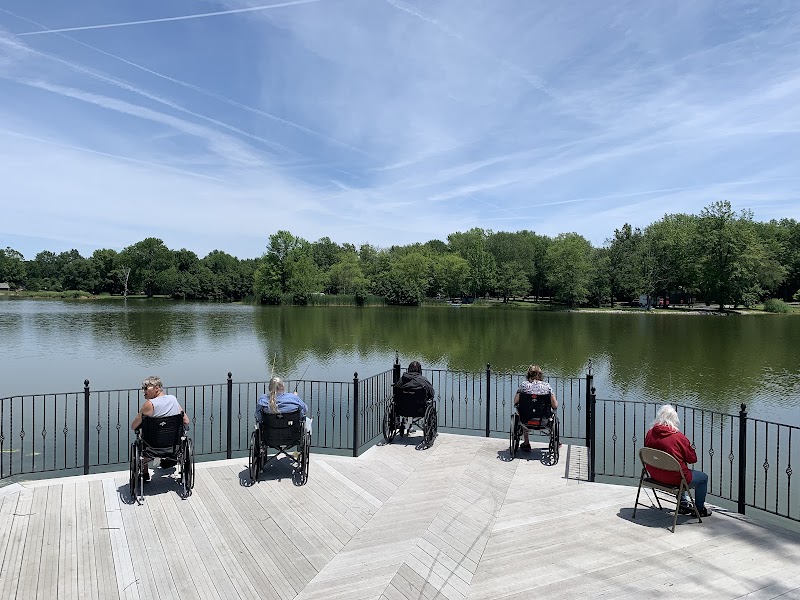
How is Westridge Health Staffed?

CMS rates WESTRIDGE HEALTH CARE CENTER's staffing level at 2 out of 5 stars, which is below average compared to other nursing homes. Staff turnover is 34%, compared to the Indiana average of 46%. This relatively stable workforce can support continuity of care.

What Have Inspectors Found at Westridge Health?

State health inspectors documented 20 deficiencies at WESTRIDGE HEALTH CARE CENTER during 2023 to 2025. These included: 20 with potential for harm.
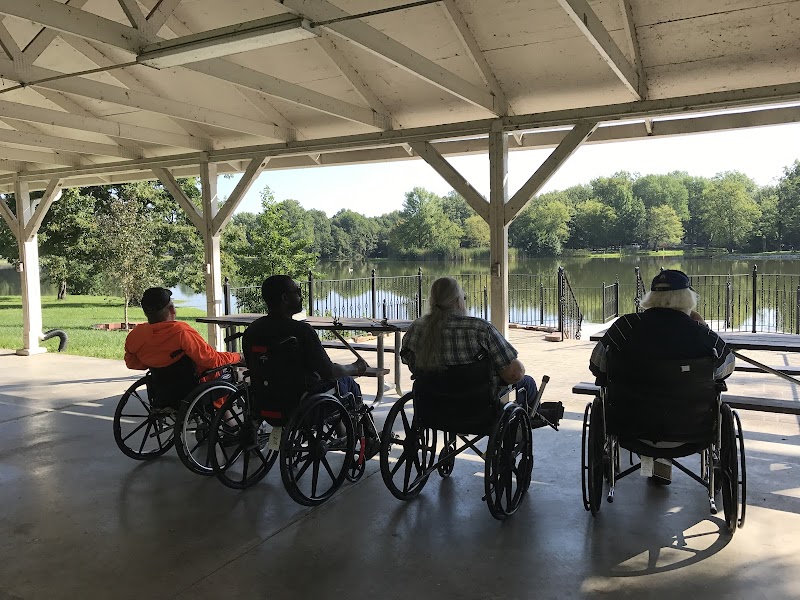
Who Owns and Operates Westridge Health?

WESTRIDGE HEALTH CARE CENTER is owned by a government entity. Government-operated facilities are typically run by state, county, or municipal agencies. The facility operates independently rather than as part of a larger chain. With 66 certified beds and approximately 43 residents (about 65% occupancy), it is a smaller facility located in TERRE HAUTE, Indiana.
How Does Westridge Health Compare to Other Indiana Nursing Homes?

Compared to the 100 nursing homes in Indiana, WESTRIDGE HEALTH CARE CENTER's overall rating (4 stars) is above the state average of 3.1, staff turnover (34%) is significantly lower than the state average of 46%, and health inspection rating (4 stars) is above the national benchmark.

What Should Families Ask When Visiting Westridge Health?

Based on this facility's data, families visiting should ask: "Can you walk me through typical staffing levels on day, evening, and night shifts?" "Can I visit during a mealtime to observe dining assistance and food quality?" "How do you handle medical emergencies, and what is your hospital transfer rate?" "Can I speak with family members of current residents about their experience?" These questions are particularly relevant given the below-average staffing rating.

Is Westridge Health Safe?

Based on CMS inspection data, WESTRIDGE HEALTH CARE CENTER has a clean safety record: no substantiated abuse findings (meaning no confirmed cases of resident harm), no Immediate Jeopardy citations (the most serious violation level indicating risk of serious injury or death), and is not on the Special Focus Facility watch list (a federal program monitoring the lowest-performing 1% of nursing homes). The facility has a 4-star overall rating and ranks #1 of 100 nursing homes in Indiana. While no facility is perfect, families should still ask about staff-to-resident ratios and recent inspection results during their visit.

Do Nurses at Westridge Health Stick Around?

WESTRIDGE HEALTH CARE CENTER has a staff turnover rate of 34%, which is about average for Indiana nursing homes (state average: 46%). Moderate turnover is common in nursing homes, but families should still ask about staff tenure and how the facility maintains care continuity when employees leave.

Was Westridge Health Ever Fined?

WESTRIDGE HEALTH CARE CENTER has no federal fines on record. CMS issues fines when nursing homes fail to meet care standards or don't correct problems found during inspections. The absence of fines suggests the facility has either maintained compliance or corrected any issues before penalties were assessed. This is a positive indicator, though families should still review recent inspection reports for the full picture.

Is Westridge Health on Any Federal Watch List?

WESTRIDGE HEALTH CARE CENTER is not on any federal watch list. The most significant is the Special Focus Facility (SFF) program, which identifies the bottom 1% of nursing homes nationally based on persistent, serious quality problems. Not being on this list means the facility has avoided the pattern of deficiencies that triggers enhanced federal oversight. This is a positive indicator, though families should still review the facility's inspection history directly.