BRICKYARD HEALTHCARE - VALPARAISO CARE CENTER
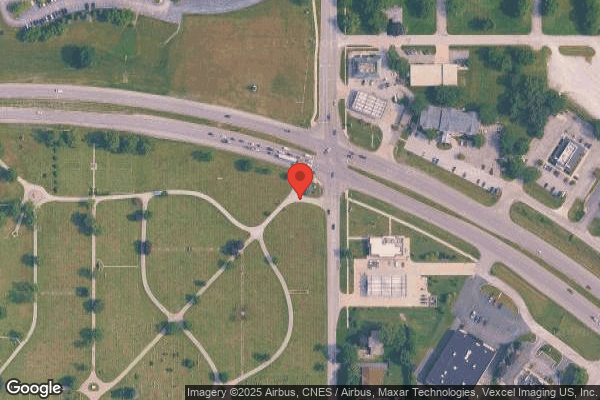
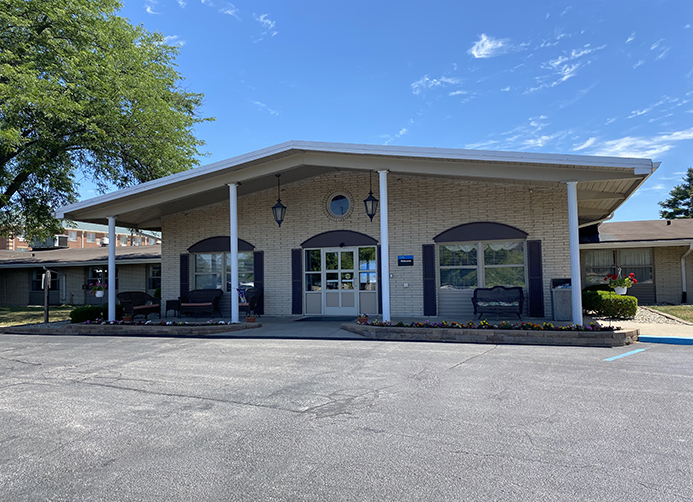
251 STURDY RD, VALPARAISO, IN 46383 (219) 462-6158
For profit - Corporation 85 Beds BRICKYARD HEALTHCARE Data: November 2025
Trust Grade
75/100
#128 of 505 in IN
Last Inspection: October 2024

Within standard 12-15 month inspection cycle. Federal law requires annual inspections.

Overview

Brickyard Healthcare - Valparaiso Care Center has earned a Trust Grade of B, which indicates it is a good choice among nursing homes, offering solid care without being at the top of the scale. It ranks #128 out of 505 facilities in Indiana, placing it in the top half, and #3 out of 10 in Porter County, meaning only two local options are better. The facility is improving, having reduced issues from 4 in 2024 to 2 in 2025, and it has no fines on record, which is a positive sign of compliance. Staffing is average with a turnover rate of 39%, lower than the state average, and there is more RN coverage than 80% of Indiana facilities, ensuring better oversight of care. However, there are concerns, including a failure to maintain a clean kitchen, with staff not wearing hairnets and dirty surfaces, and issues with documentation related to diagnostic testing for a resident, which highlight areas needing improvement despite the overall solid care provided.

Trust Score
B
75/100
In Indiana
#128/505
Top 25%
Safety Record
Low Risk
No red flags
Inspections
Getting Better
4 → 2 violations
Staff Stability
○ Average
39% turnover. Near Indiana's 48% average. Typical for the industry.
Penalties
✓ Good
No fines on record. Clean compliance history, better than most Indiana facilities.
Skilled Nurses
✓ Good
Each resident gets 45 minutes of Registered Nurse (RN) attention daily — more than average for Indiana. RNs are trained to catch health problems early.
Violations
⚠ Watch
13 deficiencies on record. Higher than average. Multiple issues found across inspections.
★★★★☆
4.0
Overall Rating
★★★☆☆
3.0
Staff Levels
★★★☆☆
3.0
Care Quality
★★★★☆
4.0
Inspection Score
Stable
2024: 4 issues
2025: 2 issues

The Good

  • Full Sprinkler Coverage · Fire safety systems throughout facility
  • No fines on record
  • Staff turnover below average (39%)

    9 points below Indiana average of 48%

Facility shows strength in fire safety.

The Bad

Staff Turnover: 39%

Near Indiana avg (46%)

Typical for the industry

Chain: BRICKYARD HEALTHCARE

Part of a multi-facility chain

Ask about local staffing decisions and management

The Ugly 13 deficiencies on record

Jul 2025 2 deficiencies
CONCERN (D) 📢 Someone Reported This

A family member, employee, or ombudsman was alarmed enough to file a formal complaint

Potential for Harm - no one hurt, but risky conditions existed

Deficiency F0777 (Tag F0777)

Could have caused harm · This affected 1 resident

Based on record review and interview, the facility failed to obtain prompt diagnostic testing related to a doppler scan (ultrasound) for 1 of 1 resident reviewed for diagnostic testing. (Resident B) F...

Read full inspector narrative →
Based on record review and interview, the facility failed to obtain prompt diagnostic testing related to a doppler scan (ultrasound) for 1 of 1 resident reviewed for diagnostic testing. (Resident B) Finding includes: Resident B's record was reviewed on 7/22/25 at 1:30 p.m. Diagnoses included, but were not limited to, hemiplegia and hemiparesis (weakness and paralysis) following stroke affecting the left non-dominant side, breast and bone cancer, and heart failure. The Discharge Minimum Data Set (MDS) assessment, dated 6/13/25, indicated the resident was moderately cognitively impaired. A Care Plan, initiated 5/12/25, indicated the resident had fluid overload or potential fluid volume overload related to heart failure. A Physiatry Progress Note, dated 5/28/25, indicated the resident was observed to have bilateral lower extremity edema. A Physician's Order, dated 6/6/25, indicated venous doppler to the left lower extremity for diagnosis of edema. A Physician's Note, dated 6/10/25 at 11:39 a.m., indicated the resident had edema to the left lower extremity and the doppler study was negative. The edema was likely positional related. The record lacked documentation of a completed doppler study. During an interview on 7/24/25 at 1:09 p.m., the Administrator indicated the resident did not receive the doppler scan as ordered by the physician and the note on 6/10/25 was charted in error. A policy titled, Diagnostic Testing Services, indicated .The facility will provide the appropriate diagnostic services required to maintain the overall health of its residents and in accordance with State and Federal guidelines .1. Facility will maintain a schedule of diagnostic tests in accordance with the physician's orders. No diagnostic tests will be performed without specific physician orders in accordance with State law to include scope of practice laws. 2. Qualified nursing personnel will receive and review the diagnostic test reports and communicate the results to the ordering Physician within 72 hours of receipt unless the report results fall outside of clinical reference ranges and require immediate attention at which time the Physician will be notified . This citation relates to Complaint 1321080. 3.1-49(g)
CONCERN (D) 📢 Someone Reported This

A family member, employee, or ombudsman was alarmed enough to file a formal complaint

Potential for Harm - no one hurt, but risky conditions existed

Medical Records (Tag F0842)

Could have caused harm · This affected 1 resident

Based on record review and interview, the facility failed to maintain clinical records that were complete and accurately documented related to inaccurate documentation of doppler scan test results for...

Read full inspector narrative →
Based on record review and interview, the facility failed to maintain clinical records that were complete and accurately documented related to inaccurate documentation of doppler scan test results for 1 of 1 resident reviewed for diagnostic testing. (Resident B) Finding includes: Resident B's record was reviewed on 7/22/25 at 1:30 p.m. Diagnoses included, but were not limited to, hemiplegia and hemiparesis (weakness and paralysis) following stroke affecting the left non-dominant side, breast and bone cancer, and heart failure. The Discharge Minimum Data Set (MDS) assessment, dated 6/13/25, indicated the resident was moderately cognitively impaired. A Care Plan, initiated 5/12/25, indicated the resident had fluid overload or potential fluid volume overload related to heart failure. A Physiatry Progress Note, dated 5/28/25, indicated the resident was observed to have bilateral lower extremity edema. A Physician's Order, dated 6/6/25, indicated venous doppler to the left lower extremity for diagnosis of edema. A Physician's Note, dated 6/10/25 at 11:39 a.m., indicated the resident had edema to the left lower extremity and the doppler study was negative. The edema was likely positional related. A Physician's Note, dated 6/12/25 at 7:50 a.m., indicated the resident said she had not received a doppler scan, however the nurse practitioner indicated the results were negative in the last note she had documented. The resident's legs looked equivalent bilaterally in regard to edema. During an interview on 7/24/25 at 1:09 p.m., the Administrator indicated the resident did not receive the doppler scan as ordered by the physician and the note on 6/10/25 was charted in error. This citation relates to Complaint 1321080. 3.1-50(a)(2)
Oct 2024 4 deficiencies
CONCERN (D)

Potential for Harm - no one hurt, but risky conditions existed

Deficiency F0572 (Tag F0572)

Could have caused harm · This affected 1 resident

**NOTE- TERMS IN BRACKETS HAVE BEEN EDITED TO PROTECT CONFIDENTIALITY** Based on record review and interview, the facility failed to ensure a resident was informed of resident rights and facility rule...

Read full inspector narrative →
**NOTE- TERMS IN BRACKETS HAVE BEEN EDITED TO PROTECT CONFIDENTIALITY** Based on record review and interview, the facility failed to ensure a resident was informed of resident rights and facility rules upon admission for 1 of 1 resident reviewed for resident rights. (Resident 225) Finding includes: During an interview on 9/30/24 at 10:34 a.m., Resident 225 indicated she was admitted to the facility on [DATE] and had not received any orientation yet. No one had gone over resident rights with her, and she was not aware of any of the rules of the facility. The record for Resident 225 was reviewed on 10/1/24 at 2:59 p.m. Diagnoses included, but were not limited to, type 2 diabetes mellitus, bipolar disorder, and hypertension. The resident was admitted to the facility on [DATE] and was listed as her own responsible party. A Consent to Treatment Form, dated 9/10/24, had been signed by the resident. There was a lack of any documentation that resident rights or the rules of the facility had been discussed with the resident. During an interview on 10/2/24 at 11:39 a.m., the Administrator indicated staff had just gone over the admission paperwork with the resident today, including resident rights. The Admissions Director was on unexpected leave and the staff covering were still trying to catch up. 3.1-4(a)
CONCERN (D)

Potential for Harm - no one hurt, but risky conditions existed

Notification of Changes (Tag F0580)

Could have caused harm · This affected 1 resident

Based on observation, record review, and interview, the facility failed to notify the physician timely related to ongoing respiratory symptoms and the inability to obtain a sample for ordered laborato...

Read full inspector narrative →
Based on observation, record review, and interview, the facility failed to notify the physician timely related to ongoing respiratory symptoms and the inability to obtain a sample for ordered laboratory testing for 1 of 1 resident reviewed for respiratory care. (Resident 16) Finding includes: Resident 16 was observed on 10/1/24 at 11:30 a.m. in one of the activity/dining room areas in the Memory Care Unit in a wheelchair at a table with other residents. She was actively coughing. Resident 16's record was reviewed on 10/3/24 at 10:43 a.m. Diagnoses included, but were not limited to chronic obstructive pulmonary disease, vascular dementia with behavioral disturbance, and psychotic disorder with hallucinations. The Quarterly Minimum Data Set assessment, dated 7/18/24, indicated the resident was severely cognitively impaired for daily decision making. A Nurses' Note, dated 9/8/2024 at 3:48 p.m., indicated the resident had a productive cough with some phlegm. The resident was negative for Covid-19 infection and the Physician was notified. A Nurses' Note, dated 9/9/2024 at 7:18 a.m., indicated the Physician ordered a chest x-ray for cough and congestion with diminished lung sounds on lower lobes. A Nurses' Note, dated 9/11/2024 at 9:01 a.m., indicated the resident continued with occasional cough. A Nurses' Note, dated 9/24/2024 at 10:57 p.m., indicated the resident continued with non-productive cough with nasal drainage. A Nurses' Note, dated 9/25/2024 at 11:56 p.m., indicated new orders were received for a urinalysis with culture and sensitivity (UA with C&S) to follow. A Physician's Order, dated 9/25/24, indicated obtain a urinalysis with culture and sensitivity to follow. A Nurses' Note, dated 9/26/2024 at 12:32 a.m., indicated an attempt was made to obtain the UA and C&S per straight catheter, but was unsuccessful as the resident was incontinent of urine. The resident continued to have non-productive cough. A Nurses' Note, dated 9/26/2024 at 2:39 p.m., indicated an attempt was made to obtain a UA and C&S per straight catheter, but was unsuccessful. The resident continued with a non-productive cough with no nasal drainage. There was no documentation available regarding a UA with C&S on 9/27/24. A Nurses' Note, dated 9/28/2024 at 2:20 p.m., indicated the resident continued to have an occasional non-productive cough and staff was unable to get a urine sample from the resident. There was no documentation available regarding a UA with C&S on 9/29/24. A Nurses' Note, dated 9/30/2024 at 2:08 a.m., indicated unable to collect urine specimen at this time related to incontinence. A Nurses' Note, dated 9/30/2024 at 5:37 a.m., indicated the resident had drainage noted to bilateral eyes and the Physician was notified. A Nurses' Note, dated 9/30/2024 at 5:56 a.m., indicated staff was unable to collect a urine specimen at the time related to incontinence. A Nurses' Note, dated 9/30/2024 at 5:25 p.m., indicated staff was unable to collect a urine specimen at the time related to incontinence. A Nurses' Note, dated 10/1/24 at 11:22 p.m., indicated the resident continued with cough and mild nasal drainage. The resident became combative and staff were unable to collect a urine sample. There was no documentation the physician was notified of the continued respiratory symptoms from 9/9/24 when the x-ray was ordered until 9/25/24 when the UA with C&S was ordered. There was no documentation the physician was notified of the inability to obtain a urine sample to send for the UA with C&S from 9/25/24 until 10/2/24, when the order was discontinued. During an interview on 10/4/24 at 8:55 a.m., the Director of Nursing indicated the staff were supposed to get the UA with C&S per the Physician's Order, but were unable to obtain the sample due to incontinence. The order was discontinued on 10/2/24 when the physician was notified it had not been obtained. 3.1-5(a)(3)
CONCERN (D)

Potential for Harm - no one hurt, but risky conditions existed

Quality of Care (Tag F0684)

Could have caused harm · This affected 1 resident

3. On 9/30/24 at 10:08 a.m., Resident 71 was observed self-propelling in a wheelchair down the hall in the locked memory care unit. There was a discoloration approximately the size of a quarter observ...

Read full inspector narrative →
3. On 9/30/24 at 10:08 a.m., Resident 71 was observed self-propelling in a wheelchair down the hall in the locked memory care unit. There was a discoloration approximately the size of a quarter observed above her left elbow. On 10/3/24 at 2:42 p.m., Resident 71 was observed self-propelling in a wheelchair down the hall in the locked unit. There was a discoloration approximately the size of a quarter observed above her left elbow. Resident 71's record was reviewed on 10/2/24 at 10:50 a.m. Diagnoses included, but were not limited to, dementia with behavioral disturbance, psychotic disorder with delusions, and generalized anxiety disorder. The admission Minimum Data Set assessment, dated 8/10/24, indicated the resident was severely cognitively impaired for daily decision making. A Physician's Order, dated 8/12/24 at 7:00 a.m., indicated a weekly skin review assessment every Monday during day shift. The Weekly Skin Review, dated 9/30/24 at 2:35 p.m., indicated the resident had no new skin issues. During an interview on 10/04/24 at 9:04 a.m., the Director of Nursing indicated she had staff measure the bruised area after notification of the discoloration. 3.1-37(a) 2. Record review for Resident 177 was completed on 10/1/24 at 1:45 p.m. Diagnoses included, but were not limited to, hypertension, hypotension, lymphedema, and depression. The October 2024 Physician's Order Summary indicated an order for midodrine hydrochloride (treats low blood pressure). Give 5 mg (milligrams) by mouth three times a day, hold for a systolic (top number of blood pressure reading) above 120. The September 2024 Medication Administration Record (MAR) indicated the midodrine was administered and not held as ordered on the following dates and times: 9/1/24 at 12:00 p.m., blood pressure (BP) 128/81 9/6/24 at 6:00 a.m., BP 127/69 9/9/24 at 12:00 p.m., BP 131/71 9/12/24 at 6:00 a.m., BP 127/68 9/19/24 at 6:00 p.m., BP 132/77 9/23/24 at 12:00 p.m., BP 128/71 During an interview on 10/1/24 at 3:38 p.m., the Director of Nursing (DON) indicated the midodrine was administered on the above dates and times when the blood pressure was out of parameters. The medication should have been held. Based on observation, record review and interview, the facility failed to ensure residents received medications as ordered related to following blood pressure parameters prior to administration for 1 of 5 residents reviewed for unnecessary medications (Resident 59) and 1 of 2 residents reviewed for pain. (Resident 177) The facility also failed to assess and monitor a skin discoloration for 1 of 3 residents reviewed for non-pressure skin conditions. (Resident 71) Findings include: 1. The record for Resident 59 was reviewed on 10/2/24 at 9:12 a.m. Diagnoses included, but were not limited to, end stage renal disease, dependence on renal dialysis, and diabetes mellitus. The Annual Minimum Data Set assessment, dated 8/7/24, indicated the resident was cognitively intact and received hemodialysis. A Physician's Order, dated 5/17/24, indicated to give midodrine (a medication used to treat low blood pressure) 5 milligrams (mg) three times a day for hypotension (low blood pressure). Hold for systolic (top number) blood pressure (BP) greater than 120 (millimeters of mercury) or diastolic (bottom number) greater than 90. The August and September 2024 Medication Administration Records (MAR) indicated the midodrine was administered outside of the parameters on the following dates and times: 8/2/24 at 1:00 p.m.: BP 128/67 8/10/24 at 1:00 p.m.: BP 126/74 8/30/24 at 1:00 p.m.: BP 133/65 9/24/24 at 1:00 p.m.: BP 124/68 A Physician's Order, dated 6/10/24, indicated to give hydralazine (medication used to treat high blood pressure) 50 mg, three times a day on Tuesday, Thursday, Saturday and Sunday. Hold for systolic BP less than 120 or diastolic BP less than 50. The August 2024 MAR indicated the hydralazine was administered outside of the parameters on the following dates and times: 8/17/24 at 10:00 p.m.: BP 118/58 8/25/24 at 9:00 a.m.: BP 101/62 8/25/24 at 1:00 p.m.: BP 112/68 A Physician's Order, dated 8/27/24, indicated to give hydralazine 50 mg, three times a day on Tuesday, Thursday, Saturday and Sunday. Hold for systolic blood pressure less than 140 or diastolic BP less than 50. The September 2024 MAR indicated the hydralazine was administered outside of the parameters on the following dates and times: 9/7/24 at 9:00 a.m.: BP 125/60 9/7/24 at 10:00 p.m.: BP 121/60 During an interview on 10/3/24 at 9:43 a.m., the Director of Nursing indicated the above medications were given outside of the ordered parameters.
CONCERN (D)

Potential for Harm - no one hurt, but risky conditions existed

Incontinence Care (Tag F0690)

Could have caused harm · This affected 1 resident

Based on observation, record review, and interview, the facility failed to ensure an indwelling Foley (urinary) catheter tubing and collection bag was kept off the floor for 1 of 1 resident reviewed f...

Read full inspector narrative →
Based on observation, record review, and interview, the facility failed to ensure an indwelling Foley (urinary) catheter tubing and collection bag was kept off the floor for 1 of 1 resident reviewed for urinary catheters. (Resident 276) Finding includes: Resident 276 was observed on 10/2/24 at 10:49 a.m. The resident was lying in her bed, which was lowered to the ground with a fall mat on the left side of the bed. The catheter collection bag was lodged underneath the bed lying directly on the fall mat with the catheter tubing also on the ground. Resident 276's record was reviewed on 10/2/24 at 10:33 a.m. Diagnoses included, but were not limited to, neuromuscular dysfunction of the bladder and dementia. The admission Minimum Data Set assessment, dated 9/26/24, was still in progress. The Baseline Care Plan, dated 9/26/24, indicated the resident was a new admission to the secured unit. She required a Hoyer mechanical lift with 2 person assist, bed in lowest position, bilateral floor mats, and indwelling Foley catheter care every shift. During an interview on 10/2/24 at 11:29 a.m., RN 1 indicated the catheter should not have been on the floor. Someone must have lowered the bed after care and did not place the collection bag in a basin. During an interview on 10/2/24 at 11:48 a.m., the Director of Nursing indicated she had no further information to provide. A policy titled, Catheter Care, and noted as current, indicated .Policy Explanation .10. Ensure drainage bag and catheter tubing are not touching the floor to assist in decreasing risk of UTI. 3.1-41(a)(2)
Dec 2023 4 deficiencies
CONCERN (D)

Potential for Harm - no one hurt, but risky conditions existed

Report Alleged Abuse (Tag F0609)

Could have caused harm · This affected 1 resident

Based on record review and interview, the facility failed to ensure the Interim Administrator was notified immediately of a nasal fracture resulting from a resident to resident altercation for 1 of 2 ...

Read full inspector narrative →
Based on record review and interview, the facility failed to ensure the Interim Administrator was notified immediately of a nasal fracture resulting from a resident to resident altercation for 1 of 2 residents reviewed for abuse. (Resident 36) Finding includes: Resident 36's record was reviewed on 12/12/23 at 12:58 p.m. Diagnoses included, but were not limited to, Alzheimer's disease with late onset, dementia with behavioral disturbance, major depressive disorder, and fracture of nasal bones. The Quarterly Minimum Data Set (MDS) assessment, dated 11/20/23, indicated the resident was moderately impaired for daily decision making. A Progress Note, dated 12/10/2023 at 7:49 p.m., indicated staff responded immediately to loud voices heard. The resident was observed self-propelling in a wheelchair from his room into the hallway with a moderate amount of bleeding noted from his nose. The resident stated, He hit me. He broke my nose. I'm going to whoop his ass. The resident was assessed immediately by four nurses, noted with bruising to the bony area to the left side of his nose. The Interim Executive Director was notified immediately. The resident was to be placed on 1:1 with staff, to be moved to an open bed on South Unit with a wanderguard in place. The resident was sent to the hospital for evaluation and treatment as indicated per the Director of Nursing. The Physician was notified. Multiple attempts to reach the Power of Attorney (POA) were made. A Progress Note, dated 12/10/2023 at 11:45 p.m., indicated the resident returned from the hospital. The State Reportable related to the incident was reviewed. The incident time was 12/10/23 at 7:30 p.m. The Reportable was submitted on 12/11/23 at 3:24 p.m. The Reportable indicated two residents had appeared to go into the shared bathroom at the same time. Resident 36 was noted to have bleeding from his nose. The residents were immediately separated and placed on 1:1 with staff until both were calm and then they were placed on 15 minute checks. Resident 36 was sent to the hospital immediately. Upon return from the hospital, Resident 36 was diagnosed with a nasal fracture. He was moved to the South Unit for a change in environment. Interview with the Administrator on 12/14/23 at 2:36 p.m., indicated that they in-serviced the staff immediately upon finding out the Interim Administrator was not notified of the nasal fracture upon return from the hospital. They should have reported within 2 hours of return from the hospital as it was a major injury. An in-service was sent via text message on 12/11/23 at 2:09 p.m. to all employees which stated, Any time a resident is involved in a reportable and is sent out to the hospital, the Executive Director must be notified immediately and be notified upon return with an update on status. If they are admitted , the Executive Director must be notified with admitting diagnosis. The Long-Term Care Abuse and Incident Reporting Policy was also attached. 3.1-28(c)
CONCERN (D)

Potential for Harm - no one hurt, but risky conditions existed

Quality of Care (Tag F0684)

Could have caused harm · This affected 1 resident

Based on observation, record review, and interview, the facility failed to ensure Physician's Orders for lymphedema pumps were documented as completed for 1 of 4 residents reviewed for non-pressure sk...

Read full inspector narrative →
Based on observation, record review, and interview, the facility failed to ensure Physician's Orders for lymphedema pumps were documented as completed for 1 of 4 residents reviewed for non-pressure skin conditions. (Resident 29). Finding includes: During an interview on 12/11/23 at 10:35 a.m., Resident 29 indicated she had worn a suit for her lymphedema that helped to reduce the swelling in her legs, but had not worn it for a long time because she had Respiratory Syncytial Virus (RSV) and wasn't feeling up to it. During the interview, her legs were observed to be reddened in color and swollen. Resident 29's record was reviewed on 12/13/23 at 11:15 a.m. Diagnoses included, but were not limited to, lymphedema, heart failure, and chronic respiratory failure. The Quarterly Minimum Data Set (MDS) assessment, dated 9/25/23, indicated the resident was cognitively intact for daily decision making. A Physician Order, dated 7/7/23, indicated lymphedema pumps on bilateral lower extremities two times a day for 45 minutes per therapy. A Care Plan, dated 7/27/23, indicated the resident was at risk for fluid and electrolyte imbalance related to having a history of lymphedema and receiving a routine diuretic. Interventions included, but were not limited to, lymphedema pumps to bilateral lower extremities as ordered. There was no documentation related to the use of the lymphedema pumps. Interview with the Nurse Consultant on 12/14/23 at 11:15 a.m., indicated she would change the order so that there would be a check off on the Treatment Administration Record (TAR). 3.1-37(a)
CONCERN (D)

Potential for Harm - no one hurt, but risky conditions existed

Respiratory Care (Tag F0695)

Could have caused harm · This affected 1 resident

Based on observation, record review, and interview, the facility failed to provide the necessary care and treatment for respiratory services related to the improper use of an oxygen delivery mask for ...

Read full inspector narrative →
Based on observation, record review, and interview, the facility failed to provide the necessary care and treatment for respiratory services related to the improper use of an oxygen delivery mask for 1 of 1 random observations of an oxygen mask. (Resident 10) Finding includes: On 12/11/23 at 12:41 p.m., Resident 10 was observed in her bed. She had an oxygen mask in place with a partially inflated bag attached to the mask. The oxygen concentrator was set on 3 liters per minute (lpm). The resident had her eyes closed and did not respond to voice. At 2:15 p.m., the nursing staff indicated the resident had been sent to the hospital. The resident's record was reviewed on 12/13/23 at 10:38 a.m. Diagnoses included, but were not limited to, Alzheimer's dementia, cellulitis and repeated falls. The Significant Change Minimum Data Set assessment, dated 10/25/23, indicated the resident had severe cognitive deficits and required extensive staff assistance for bed mobility and toileting. A Change in Condition Note, dated 12/11/23 at 8:40 a.m., indicated the resident had chills and did not want to get up. When assessed, the resident's temperature was 102.4 degrees, blood pressure 173/77, oxygen saturation was 84%, and a wet, non-productive cough was noted. The nurse applied oxygen via nasal cannula at 2 lpm and the resident's oxygen did not increase. A non-rebreather mask was then applied and the oxygen flow increased to 3 lpm; the oxygen saturation increased to 93%. The nurse then contacted the Physician and received orders for an antibiotic, prednisone (a steroid) and increased diuretic. A General Note, dated 12/11/23 at 2:07 p.m., indicated the family was present and requested the resident be sent to the hospital. A rebreather mask was in use at that time. Interview with the Infection Prevention (IP) Nurse on 12/14/23 at 11:15 a.m., indicated she was taking care of the resident on 12/11/23. When she noted her oxygen saturation was low, she asked staff to bring her a mask and they had brought her the non-rebreather mask. She indicated she was focused on getting the oxygen running and not what type of mask it was. At some point, the mask had been changed to a rebreather mask. The current policy, Oxygen Administration, was received on 12/14/23, indicated, .Non-Rebreather Mask- Oxygen is inhaled from a reservoir bag attached to the mask. Gas exits the mask through a one-way expiratory valve. This delivers concentrations between 60-90%. A minimum flow rate of 10 liters/minute is required for use . The policy did not contain information on rebreather masks. The article Carbon dioxide narcosis due to inappropriate oxygen delivery: a case report, retrieved from www.ncbi.nlm.nih.gov/pmc/articles, indicated, .some oxygen delivery systems such as non-rebreathing face masks with an oxygen reservoir bag require high oxygen flow for adequate oxygenation and to avoid carbon dioxide rebreathing . 3.1-47(a)(6)
CONCERN (D)

Potential for Harm - no one hurt, but risky conditions existed

Unnecessary Medications (Tag F0759)

Could have caused harm · This affected 1 resident

Based on observation, record review, and interview, the facility failed to ensure a medication error rate of less than 5% for 1 of 8 residents observed during medication pass. Seven errors were observ...

Read full inspector narrative →
Based on observation, record review, and interview, the facility failed to ensure a medication error rate of less than 5% for 1 of 8 residents observed during medication pass. Seven errors were observed during 30 opportunities for errors during medication administration. This resulted in a medication error rate of 23%. (Resident 36) Finding includes: RN 1 was observed preparing the following medications during medication pass for Resident 36 on 12/13/23 at 4:00 p.m.: - Magnesium oxide tablet 400 milligram (mg) - Memantine tablet 5 mg - Vitamin C tablet 500 mg - Carvedilol tablet 25 mg - Donepezil tablet 5 mg - 2 acetaminophen tablets 325 mg - Ferrous gluconate tablet 324 mg RN 1 sanitized his hands and then placed each of the medications into a medication cup. He placed the medications into a crush bag and proceeded to crush all seven medications together in one bag. He mixed the crushed medications with pudding and administered them to the resident. Resident 36's record was reviewed on 12/12/23 at 12:58 p.m. Diagnoses included, but were not limited to, Alzheimer's disease with late onset, dementia with behavioral disturbance, and heart failure. There were no Physician's Orders for crushing of medications. Interview with the Nurse Consultant on 12/14/23 at 1:37 p.m., indicated the order was dropped off when he had left the facility and it was never added back to his orders. 3.1-48(c)(1)
Nov 2022 3 deficiencies
CONCERN (D)

Potential for Harm - no one hurt, but risky conditions existed

Comprehensive Care Plan (Tag F0656)

Could have caused harm · This affected 1 resident

Based on observation, record review, and interview, the facility failed to develop and implement a care plan for a resident's skin discolorations for 1 of 20 residents reviewed for care plans. (Reside...

Read full inspector narrative →
Based on observation, record review, and interview, the facility failed to develop and implement a care plan for a resident's skin discolorations for 1 of 20 residents reviewed for care plans. (Resident 12) Finding includes: On 11/13/22 at 1:38 p.m., Resident 12 was observed lying in bed. A dark purple discoloration was observed to the top of the left hand/wrist area. On 11/15/22 at 9:07 a.m., Resident 12 was observed lying in bed. A dark purple discoloration was observed to the top of the left hand/wrist area. Record review for Resident 12 was completed on 11/16/22 at 10:05 a.m. Diagnoses included, but were not limited to, anxiety, depression, psychotic disorder. The Quarterly Minimum Data Set (MDS) assessment, dated 10/25/22, indicated the resident was cognitively impaired. The resident required an extensive 2+ person assist with bed mobility, transfers, dressing, toilet use and personal hygiene. The record lacked any documentation the skin discoloration had been assessed. Interview with the Wound Nurse on 11/16/22 at 11:25 a.m., indicated the resident's discoloration was a birthmark. He indicated she had multiple discolorations on her upper body, including a large purple discoloration to her left index finger and the top left hand/wrist, that family had said were birthmarks. He further indicated they did not have the discolorations documented as birthmarks on a care plan and that he would put one in place. Interview with the Director of Nursing (DON) on 11/16/22 at 11:35 a.m., indicated they should have mapped out her birthmarks on her body and put documentation of the birthmarks in a care plan. 3.1-35(a)
CONCERN (D)

Potential for Harm - no one hurt, but risky conditions existed

Unnecessary Medications (Tag F0759)

Could have caused harm · This affected 1 resident

Based on observation, record review, and interview, the facility failed to ensure a medication error rate of less than 5% for 2 of 5 residents observed during medication pass. Three errors were observ...

Read full inspector narrative →
Based on observation, record review, and interview, the facility failed to ensure a medication error rate of less than 5% for 2 of 5 residents observed during medication pass. Three errors were observed during 33 opportunities for errors during medication administration. This resulted in a medication error rate of 9%. (Residents 64 and 65) Findings include: 1. On 11/17/22 at 8:40 a.m., LPN 1 was observed preparing medications for Resident 64. She placed all the medications in a cup and indicated there were 10 pills in the cup. There were 10 pills and a medicated patch observed being prepared. She administered the medications to the resident and signed them out on the Medication Administration Record (MAR). The resident's record was reviewed on 11/17/22 at 11:15 a.m. to reconcile the medications given. A Physician's Order, dated 1/13/22, indicated Rosuvastatin Calcium 5 milligram (mg) capsule daily. The November MAR indicated the Rosuvastatin and the 10 additional pills and patch observed above had been given that day during the observed medication pass. The Rosuvastatin had been omitted per the administration observation. Interview with LPN 1 on 11/17/22 at 11:40 a.m., indicated she thought she had given the medication. 2. On Thursday, 11/17/22 at 9:00 a.m., LPN 1 was observed preparing medications for Resident 65. She placed all the medications in a cup and indicated there were 10 pills in the cup. She administered the medications to the resident and signed them out on the MAR. The resident's record was reviewed on 11/17/22 at 11:20 a.m. to reconcile the medications given. A Physician's Order, dated 4/16/22, indicated Finesteride 5 mg tablet daily and Vitamin D 1.25 mg every Thursday. The November MAR indicated the Finesteride, Vitamin D and the 10 additional pills observed above had been given that day during the observed medication pass. The Finesteride and Vitamin D had been omitted per the administration observation. Interview with LPN 1 on 11/17/22 11:40 a.m., indicated she looked in the medication cart, the medications were not there, and she would contact the pharmacy. 3.1-48(c)(1)
CONCERN (E)

Potential for Harm - no one hurt, but risky conditions existed

Food Safety (Tag F0812)

Could have caused harm · This affected multiple residents

Based on observation and interview, the facility failed to ensure a sanitary kitchen related to staff not wearing hairnets and dirty shelves and carts. This had the potential to affect the 72 of 73 re...

Read full inspector narrative →
Based on observation and interview, the facility failed to ensure a sanitary kitchen related to staff not wearing hairnets and dirty shelves and carts. This had the potential to affect the 72 of 73 residents who received meals from the kitchen. Findings include: 1. On 11/13/22 at 9:43 a.m., the kitchen was observed during the initial tour. The [NAME] and Assistant Dietary Manager (ADM) were present, neither was wearing a hair net. Interview with the [NAME] and the ADM at that time indicated they should be wearing hair nets. They put them on at that time. 2. On 11/13/22 at 9:43 a.m., the kitchen was observed. The shelves below the work area and serving carts had an accumulation of dust, crumbs and spills. On 11/17/22 at 10:51 a.m., the shelves and serving carts had been cleaned. Interview with the Kitchen Manager at that time indicated she was aware of the accumulation of dirt on the shelves, but it had now been cleaned. The staff was to clean all shelves, carts and floors at the end of every shift. 3.1-21(i)(3)
Understanding Severity Codes (click to expand)
Life-Threatening (Immediate Jeopardy)
J - Isolated K - Pattern L - Widespread
Actual Harm
G - Isolated H - Pattern I - Widespread
Potential for Harm
D - Isolated E - Pattern F - Widespread
No Harm (Minor)
A - Isolated B - Pattern C - Widespread

Questions to Ask on Your Visit

  • "Can I speak with families of current residents?"
  • "What's your RN coverage like on weekends and overnight?"

Our Honest Assessment

Strengths
  • • No major safety red flags. No abuse findings, life-threatening violations, or SFF status.
  • • No fines on record. Clean compliance history, better than most Indiana facilities.
  • • 39% turnover. Below Indiana's 48% average. Good staff retention means consistent care.
Concerns
  • • 13 deficiencies on record. Higher than average. Multiple issues found across inspections.
Bottom line: Generally positive indicators. Standard due diligence and a personal visit recommended.

About This Facility

What is Brickyard Healthcare - Valparaiso's CMS Rating?

CMS assigns BRICKYARD HEALTHCARE - VALPARAISO CARE CENTER an overall rating of 4 out of 5 stars, which is considered above average nationally. Within Indiana, this rating places the facility higher than 99% of the state's 100 nursing homes. This rating reflects solid performance across the metrics CMS uses to evaluate nursing home quality.
How is Brickyard Healthcare - Valparaiso Staffed?

CMS rates BRICKYARD HEALTHCARE - VALPARAISO CARE CENTER's staffing level at 3 out of 5 stars, which is average compared to other nursing homes. Staff turnover is 39%, compared to the Indiana average of 46%. This relatively stable workforce can support continuity of care.

What Have Inspectors Found at Brickyard Healthcare - Valparaiso?

State health inspectors documented 13 deficiencies at BRICKYARD HEALTHCARE - VALPARAISO CARE CENTER during 2022 to 2025. These included: 13 with potential for harm.
Who Owns and Operates Brickyard Healthcare - Valparaiso?

BRICKYARD HEALTHCARE - VALPARAISO CARE CENTER is owned by a for-profit company. For-profit facilities operate as businesses with obligations to shareholders or private owners. The facility is operated by BRICKYARD HEALTHCARE, a chain that manages multiple nursing homes. With 85 certified beds and approximately 77 residents (about 91% occupancy), it is a smaller facility located in VALPARAISO, Indiana.
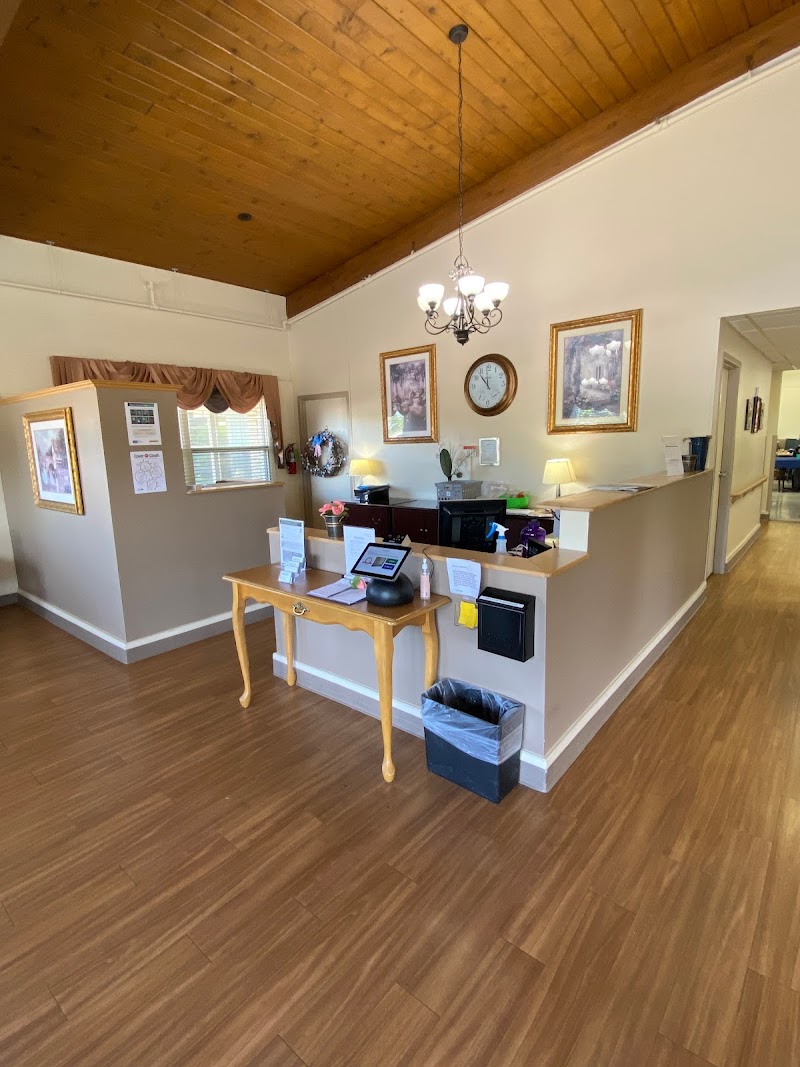
How Does Brickyard Healthcare - Valparaiso Compare to Other Indiana Nursing Homes?

Compared to the 100 nursing homes in Indiana, BRICKYARD HEALTHCARE - VALPARAISO CARE CENTER's overall rating (4 stars) is above the state average of 3.1, staff turnover (39%) is near the state average of 46%, and health inspection rating (4 stars) is above the national benchmark.

What Should Families Ask When Visiting Brickyard Healthcare - Valparaiso?

Based on this facility's data, families visiting should ask: "Can I visit during a mealtime to observe dining assistance and food quality?" "How do you handle medical emergencies, and what is your hospital transfer rate?" "Can I speak with family members of current residents about their experience?"

Is Brickyard Healthcare - Valparaiso Safe?

Based on CMS inspection data, BRICKYARD HEALTHCARE - VALPARAISO CARE CENTER has a clean safety record: no substantiated abuse findings (meaning no confirmed cases of resident harm), no Immediate Jeopardy citations (the most serious violation level indicating risk of serious injury or death), and is not on the Special Focus Facility watch list (a federal program monitoring the lowest-performing 1% of nursing homes). The facility has a 4-star overall rating and ranks #1 of 100 nursing homes in Indiana. While no facility is perfect, families should still ask about staff-to-resident ratios and recent inspection results during their visit.

Do Nurses at Brickyard Healthcare - Valparaiso Stick Around?

BRICKYARD HEALTHCARE - VALPARAISO CARE CENTER has a staff turnover rate of 39%, which is about average for Indiana nursing homes (state average: 46%). Moderate turnover is common in nursing homes, but families should still ask about staff tenure and how the facility maintains care continuity when employees leave.

Was Brickyard Healthcare - Valparaiso Ever Fined?

BRICKYARD HEALTHCARE - VALPARAISO CARE CENTER has no federal fines on record. CMS issues fines when nursing homes fail to meet care standards or don't correct problems found during inspections. The absence of fines suggests the facility has either maintained compliance or corrected any issues before penalties were assessed. This is a positive indicator, though families should still review recent inspection reports for the full picture.

Is Brickyard Healthcare - Valparaiso on Any Federal Watch List?

BRICKYARD HEALTHCARE - VALPARAISO CARE CENTER is not on any federal watch list. The most significant is the Special Focus Facility (SFF) program, which identifies the bottom 1% of nursing homes nationally based on persistent, serious quality problems. Not being on this list means the facility has avoided the pattern of deficiencies that triggers enhanced federal oversight. This is a positive indicator, though families should still review the facility's inspection history directly.