LIFE CARE CENTER OF THE WILLOWS
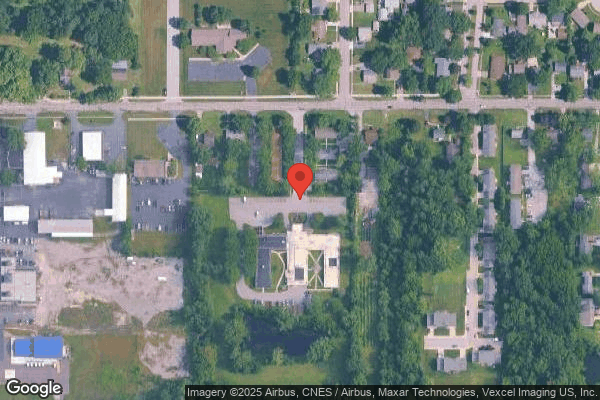
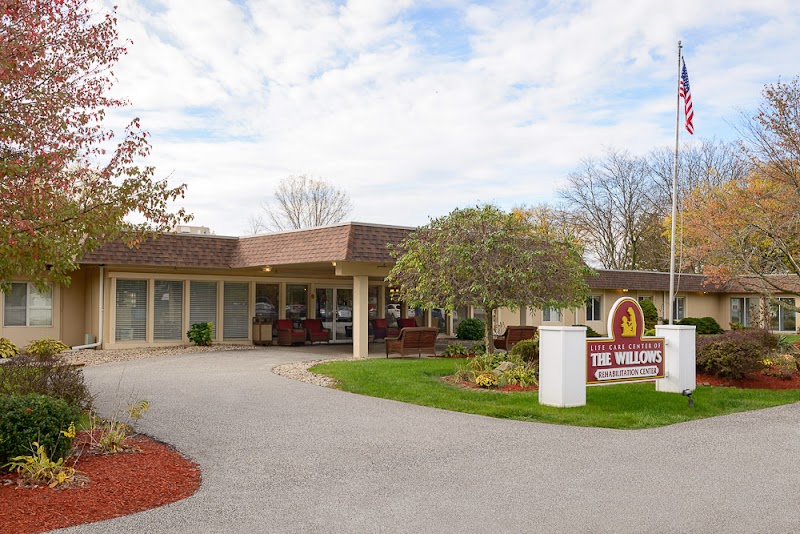
1000 ELIZABETH DR, VALPARAISO, IN 46383 (219) 464-4858
For profit - Individual 92 Beds LIFE CARE CENTERS OF AMERICA Data: November 2025
Trust Grade
35/100
#359 of 505 in IN
Last Inspection: November 2024

Within standard 12-15 month inspection cycle. Federal law requires annual inspections.

Overview

Life Care Center of the Willows has received a Trust Grade of F, indicating poor performance with significant concerns. Ranking #359 out of 505 facilities in Indiana places it in the bottom half, and #6 out of 10 in Porter County means only a few local options are better. Unfortunately, the facility is worsening, with issues increasing from 19 in 2023 to 20 in 2024. Staffing is a relative strength, with a 3/5 star rating and a turnover rate of 43%, which is below the state average, allowing for better resident care continuity. However, the facility has concerning fines totaling $25,230, which is higher than 92% of Indiana facilities, suggesting ongoing compliance problems. Serious incidents have been reported, including failures to monitor blood sugar levels and ensure adequate hydration for residents, leading to hospital readmissions for severe dehydration and other health issues. Additionally, the facility's environment has been noted as needing repair, with issues like dirty floors and cracked toilets. While there are some strengths in staffing, the overall quality of care and maintenance problems raise significant concerns for families considering this facility.

Trust Score
F
35/100
In Indiana
#359/505
Bottom 29%
Safety Record
Moderate
Needs review
Inspections
Getting Worse
19 → 20 violations
Staff Stability
○ Average
43% turnover. Near Indiana's 48% average. Typical for the industry.
Penalties
✓ Good
$25,230 in fines. Lower than most Indiana facilities. Relatively clean record.
Skilled Nurses
✓ Good
Each resident gets 45 minutes of Registered Nurse (RN) attention daily — more than average for Indiana. RNs are trained to catch health problems early.
Violations
⚠ Watch
39 deficiencies on record. Higher than average. Multiple issues found across inspections.
★★☆☆☆
2.0
Overall Rating
★★★☆☆
3.0
Staff Levels
★★★★☆
4.0
Care Quality
★★☆☆☆
2.0
Inspection Score
Stable
2023: 19 issues
2024: 20 issues

The Good

  • 4-Star Quality Measures · Strong clinical quality outcomes
  • Full Sprinkler Coverage · Fire safety systems throughout facility
  • No fines on record
  • Staff turnover below average (43%)

    5 points below Indiana average of 48%

Facility shows strength in quality measures, fire safety.

The Bad

2-Star Overall Rating

Below Indiana average (3.1)

Below average - review inspection findings carefully

Staff Turnover: 43%

Near Indiana avg (46%)

Typical for the industry

Federal Fines: $25,230

Below median ($33,413)

Moderate penalties - review what triggered them

Chain: LIFE CARE CENTERS OF AMERICA

Part of a multi-facility chain

Ask about local staffing decisions and management

The Ugly 39 deficiencies on record

2 actual harm
Nov 2024 6 deficiencies
CONCERN (D)

Potential for Harm - no one hurt, but risky conditions existed

Deficiency F0583 (Tag F0583)

Could have caused harm · This affected 1 resident

Based on observation and interview, the facility failed to ensure resident's privacy was maintained related to the electronic medication record left open and unlocked in the hallway during medication ...

Read full inspector narrative →
Based on observation and interview, the facility failed to ensure resident's privacy was maintained related to the electronic medication record left open and unlocked in the hallway during medication pass for 2 of 5 residents observed during medication pass. (Residents 113 and 6) Finding includes: On 11/8/24 at 8:15 a.m., LPN 1 was observed passing medications to Resident 113. She prepared the medications in the hallway on the East Hall cart using the electronic medication record on the computer. She then took the medications to the resident in his room. The computer screen was left open and on, leaving the residents medications and personal information available to view. At 8:25 a.m., LPN 1 returned to the East Hall cart and prepared medications for Resident 6. She then took the medications to the resident in his room and again left the computer screen open and unlocked with personal information available to view in the hallway. During an interview on 11/8/24 at 8:37 a.m., LPN 1 indicated she should have locked the screen but didn't know how to unlock it. During an interview on 11/8/24 at 8:44 a.m., the Director of Nursing indicated that computer screens should be locked when the nurse walked away and she would speak to the nurse. 3.1-3(p)(2)
CONCERN (D)

Potential for Harm - no one hurt, but risky conditions existed

Deficiency F0657 (Tag F0657)

Could have caused harm · This affected 1 resident

Based on record review and interview, the facility failed to ensure care plans were implemented for 1 of 19 resident care plans reviewed. (Resident 9) Finding includes: Resident 9's record was reviewe...

Read full inspector narrative →
Based on record review and interview, the facility failed to ensure care plans were implemented for 1 of 19 resident care plans reviewed. (Resident 9) Finding includes: Resident 9's record was reviewed on 11/8/24 at 10:20 a.m. Diagnoses included, but were not limited to, senile degeneration of the brain and dementia. The Quarterly Minimum Data Set (MDS) assessment, dated 10/14/24, indicated the resident was severely cognitively impaired for daily decision making. She required maximal to total dependence on staff for activities of daily living (ADL) care. She received antipsychotic, anti-anxiety, antidepressant, and opioid medications. She was on hospice care. The November 2024 Physician Order Summary indicated Resident 9 received morphine sulfate (opioid pain medication) 20 milligram/milliliter (mg/ml), 5 mg by mouth every two hours as needed. The resident was to be observed for opioid medication side effects every shift. There were no care plans related to pain and opioid use. During an interview on 11/12/24 at 3:50 p.m., the Director of Nursing indicated there were no care plans for pain and opioid use in the current care plan for the resident. 3.1-35(c)(1)
CONCERN (D)

Potential for Harm - no one hurt, but risky conditions existed

Pressure Ulcer Prevention (Tag F0686)

Could have caused harm · This affected 1 resident

Based on observation, record review, and interview, the facility failed to ensure a resident with a pressure ulcer received the necessary treatment and services to promote healing related to a treatme...

Read full inspector narrative →
Based on observation, record review, and interview, the facility failed to ensure a resident with a pressure ulcer received the necessary treatment and services to promote healing related to a treatment not provided as ordered for 1 of 3 residents reviewed for pressure ulcers. (Resident 39) Finding includes: On 11/8/24 at 10:40 a.m., wound care for Resident 39 was observed with the Infection Prevention (IP) Nurse. The resident had a stage 4 pressure ulcer to her sacrum. She was in bed and turned onto her right side. The nurse removed the old dressing and cleansed the wound with wound wash, patted the area dry and checked measurements. She then applied skin prep to the skin surrounding the wound and applied an antimicrobial gel to the wound bed. She then packed the wound with calcium alginate and covered the area with an island border dressing. The resident's record was reviewed on 11/7/24 at 3:31 p.m. Diagnoses included, but were not limited to, diabetes mellitus, adult failure to thrive, and a stage 4 pressure ulcer to sacral region. The Quarterly Minimum Data Set assessment, dated 8/1/24, indicated the resident had significant cognitive impairment, required substantial assistance for bed mobility, and had a stage 4 pressure ulcer present on admission. A Physician's Order, dated 7/18/24, indicated wound care to coccyx was to be provided three times weekly. Cleanse coccyx with wound wash and pat dry. Apply skin prep to periwound. Apply a thin layer of germ shield to the wound bed, apply one packet of collagen to wound bed, cover wound bed with silver alginate, and apply a small foam dressing. During an interview on 11/8/24 at 11:14 a.m., the IP Nurse indicated she had just reviewed the Physician Orders and she would redo the treatment for the resident. 3.1-40(a)(2)
CONCERN (D)

Potential for Harm - no one hurt, but risky conditions existed

Deficiency F0692 (Tag F0692)

Could have caused harm · This affected 1 resident

Based on observation, record review, and interview, the facility failed to ensure a nutritional supplement was offered during meal service and food consumption logs were completed for a resident with ...

Read full inspector narrative →
Based on observation, record review, and interview, the facility failed to ensure a nutritional supplement was offered during meal service and food consumption logs were completed for a resident with a history of weight loss for 1 of 2 residents reviewed for nutrition. (Resident 5) Finding includes: On 11/13/24 at 1:07 p.m., Resident 5 was seated at a table in a wheelchair in the Assisted Dining Area. The resident had a meal tray in front of her which included mashed potatoes, ground meatballs with gravy, vegetables, and ice cream. There was no bowl of soup observed. The resident's meal ticket had Super Soup written on the ticket. Record review for Resident 5 was completed on 11/12/24 at 10:45 a.m. Diagnoses included, but were not limited to, stroke, diabetes mellitus, hypertension, dementia, and end stage renal disease. The Quarterly Minimum Data Set (MDS) assessment, dated 8/1/24, indicated the resident was cognitively impaired. The resident had an impairment on one side of her upper and lower extremities for a functional limitation in range of motion. The resident required a partial moderate assistance with eating. The resident also had a feeding tube and a mechanical therapeutic diet. A Care Plan, dated 1/10/24 and revised 8/2/24, indicated the resident was a nutritional risk due to hypertension, diabetes mellitus, anemia, depression, and dementia. The resident received tube feeding for nutrition and hydration. The resident received a therapeutic mechanically altered diet. Interventions included to provide supplements and diet as ordered to promote better nutritional value and to monitor intake and record every meal. The November 2024 Physician's Order Summary indicated the following orders: - Glucerna (diabetic nutritional supplement) via enteral feed, on at 8:00 p.m. and off at 8:00 a.m. - mechanically altered diet - fortified (nutrients added to them that don't naturally occur in the food) soup at lunch and supper The resident's weight on 5/1/24 was 136.2 lbs (pounds). On 11/4/24, the resident weighed 120.2 lbs. This was a weight loss of 11.75% (percent) in 6 months. A Nutrition/Dietary Note, dated 11/12/24, indicated the resident's weight was stabilizing for the past 3 weeks. The resident recently had fortified soup added for lunch and supper meals. The Task Meal Consumption Logs were documented with percentage of meals eaten. The last 30 days lacked documentation for the following meals: - Breakfast on 10/31/24 - Lunch on 10/21, 10/31, and 11/7/24 During an interview on 11/13/24 at 1:07 p.m., CNA 1 indicated the resident did not normally receive soup at meal times that she was aware of. During an interview on 11/13/24 at 1:08 p.m., LPN 1 indicated she was unaware if the resident was supposed to receive any fortified soup and would look up the orders. She proceeded to look up the resident's order and indicated the resident did have an order for fortified soup at lunch and should have received it. During an interview on 11/13/24 at 1:14 p.m., the Dietary Manager indicated she would review the resident's meal consumption logs to see the percentage of meals the residents ate. The staff were expected to document percentages of every meal eaten. The meal percentages eaten were important to review to decide if the resident's enteral feeding would need to be adjusted. The resident had an order change recently for fortified soup at lunch and supper. She had hand written Super Soup on the resident's meal ticket. The cook should have put the fortified soup on the resident's meal tray for lunch and did not. 3.1-46(a)(1) 3.1-46(a)(2)
CONCERN (D)

Potential for Harm - no one hurt, but risky conditions existed

Infection Control (Tag F0880)

Could have caused harm · This affected 1 resident

Based on observation, record review, and interview, the facility failed to ensure infection control measures were implemented related to hand hygiene during medication pass for 2 of 5 residents observ...

Read full inspector narrative →
Based on observation, record review, and interview, the facility failed to ensure infection control measures were implemented related to hand hygiene during medication pass for 2 of 5 residents observed during medication pass. (Residents 113 and 6, and LPN 1) Finding includes: On 11/8/24 at 8:15 a.m., LPN 1 was observed passing medications to Resident 113. There was no hand hygiene observed prior to medication preparation. She gave the medications to the resident in his room and returned to the medication cart to prepare medications for Resident 6. There was no hand hygiene observed. After the medications had been poured into the medication cup, she used hand sanitizer. The nurse then took the medications to Resident 6 in his room. She returned to the medication cart and did not perform hand hygiene. During an interview on 11/8/24 at 8:37 a.m., LPN 1 indicated she thought she only had to wash her hands after every third resident. During an interview on 11/8/24 at 8:44 a.m., the Director of Nursing indicated the nurses had hand sanitizer that should be used and they should wash their hands after every third resident unless they touched something. The policy, Hand Hygiene, dated 7/15/22, indicated, . Associates perform hand hygiene (even if gloves are used) in the following situations: a. Before and after contact with the resident . c. After contact with objects and surfaces in the resident's environment 3.1-18(l)
CONCERN (D)

Potential for Harm - no one hurt, but risky conditions existed

Antibiotic Stewardship (Tag F0881)

Could have caused harm · This affected 1 resident

**NOTE- TERMS IN BRACKETS HAVE BEEN EDITED TO PROTECT CONFIDENTIALITY** Based on record review and interview, the facility failed to promote antibiotic stewardship by ensuring the appropriate use of a...

Read full inspector narrative →
**NOTE- TERMS IN BRACKETS HAVE BEEN EDITED TO PROTECT CONFIDENTIALITY** Based on record review and interview, the facility failed to promote antibiotic stewardship by ensuring the appropriate use of antibiotic therapy to reduce antibiotic resistance related to not following up on urine culture results in a timely manner for 1 of 2 residents reviewed for urinary tract infections. (Resident 40) Finding includes: Resident 40's record was reviewed on 11/12/24 at 1:11 p.m. Diagnoses included, but were not limited to, vascular dementia, major depression, and a history of urinary tract infections (UTIs). The Quarterly Minimum Data Set assessment, dated 9/23/24, indicated the resident was cognitively intact and was dependent on staff for toileting assistance. The resident had been on antibiotics during the assessment period. A Health Status Note, dated 10/14/24, indicated the resident was sent to the hospital to be evaluated for vaginal bleeding. The resident returned to the facility later that day with an order for an antibiotic related to a UTI. A Physician's Order, dated 10/14/24, indicated to give ciprofloaxin (an antibiotic) 500 milligrams (mg), twice daily for seven days for a UTI. A Request for Hospital Records had been faxed to the hospital on [DATE] requesting the results of the urine culture and sensitivity (a report that indicates which antibiotics are effective). There were no additional requests for the test results or documentation the hospital had been contacted regarding the test results. The Medication Administration Record indicated the resident began ciprofloaxin on 10/14/24 and completed the medication on 10/21/24. A Health Progress Note, dated 10/22/24, indicated an order had been received from the hospital for cefuroxime 500 mg twice daily for seven days. The urine culture and sensitivity results indicated the infection was resistant to ciprofloaxin. The resident complained of pain to the right side and her urine was dark amber colored. The Urine Culture results, dated 10/17/24, indicated the infection was resistant to ciprofloaxin and susceptible to cefuroxime. The results were not faxed to the facility until 10/22/24. During an interview on 11/12/24 at 2:30 p.m., the Infection Prevention Nurse indicated they did not have access to the hospitals records or test results and had to request them by fax. It would often take several requests to get the results sent over. There was no additional information provided related to additional requests made or follow up related to the test results. The policy, Antibiotic Stewardship, dated 5/16/24, indicated, .The antibiotic stewardship program promotes the appropriate use of antibiotics and includes a system of monitoring to improve resident outcomes and reduce antibiotic resistance. This means that the antibiotic is prescribed for the correct indication, dose and duration to appropriately treat the resident while also attempting to reduce the development of antibiotic resistant organisms
Mar 2024 1 deficiency
CONCERN (D) 📢 Someone Reported This

A family member, employee, or ombudsman was alarmed enough to file a formal complaint

Potential for Harm - no one hurt, but risky conditions existed

Report Alleged Abuse (Tag F0609)

Could have caused harm · This affected 1 resident

Based on interview and record review, the facility failed to ensure an allegation of abuse was reported to the Indiana Department of Health (IDOH), for 1 of 3 residents reviewed for abuse. (Resident B...

Read full inspector narrative →
Based on interview and record review, the facility failed to ensure an allegation of abuse was reported to the Indiana Department of Health (IDOH), for 1 of 3 residents reviewed for abuse. (Resident B) Finding includes: The record for Resident B was reviewed on 3/15/24 at 9:15 a.m. Diagnoses included, but were not limited to, hypertension and type 2 diabetes mellitus. The admission Minimum Data Set (MDS) assessment, dated 1/24/24, indicated the resident was cognitively intact. A written summary of an interview between Resident B and Social Services (SS), dated 2/22/24 at 2:30 p.m., indicated Resident B had reported that during night shift at 5 a.m., the resident had woken up with a CNA stripping her clothes off and then sitting her in her wheelchair, saying, you're going to be punished. The resident indicated she felt the CNA had said that maybe because she had put her call light on a lot that night due to being in pain. Resident B had asked the CNA what her name was, and the CNA told her she didn't have a name. The CNA had continued to dress her and placed her in the empty dining room for three hours. During an interview with SS, on 3/15/24 at 10:24 a.m., she indicated she had spoken with Resident B on 2/22/24 during her rounds and had asked the resident how her care was. That was when the resident had reported her concerns with the CNA taking her clothes off and leaving her in the dining room. She had made the former Interim DON aware, but had not reported the allegations directly to the Administrator, and was unsure if the Administrator had been notified. She had then interviewed the resident's roommate, who shared a different story from what Resident B alleged, and indicated no abuse had occurred. Resident B had been sent to the hospital on 2/23/24 for a change in condition. She had spoken with the resident's POA (power of attorney) on 3/1/24, who indicated the resident had made similar statements to the hospital case manager, and the hospital staff was going to have her speak with APS (Adult Protective Services). The POA indicated the resident had a history of talking wacky when she was in pain. During an interview with the Administrator, on 3/15/24 at 9:42 a.m., she indicated the marketing staff had received a phone call from the hospital case manager indicating Resident B, who was currently hospitalized , would not be returning to the facility yet because the hospital physician wanted the resident to speak with APS. The Administrator was aware of a concern the resident had voiced about being left sitting up in her wheelchair in the dining room. That concern had been investigated by SS and the former Interim DON. SS had interviewed the resident's roommate and the Resident's POA, and determined there were no concerns. Resident B's allegations had not been reported to IDOH. A facility policy, titled, Abuse-Conducting an Investigation, received as current, indicated .7. If it is determined that alleged abuse and or neglect, injury of unknown source, exploitation, or misappropriation of resident property has occurred, the Administrator, Director of Nursing, or his/her designee will promptly notify officials in accordance with the state and federal regulations . The Indiana Department of Health Long-Term Care Abuse and Incident Reporting Policy, updated 12/8/23, indicated abuse allegations should be reported .Immediately: Immediately means as soon as possible, in the absence of a shorter state time frame requirement, but not later than two hours after the allegation is made, if the events that cause the allegation involve abuse or result in serious bodily injury . This citation relates to Complaint IN00429836. 3.1-28(c)
Jan 2024 13 deficiencies
CONCERN (D)

Potential for Harm - no one hurt, but risky conditions existed

Deficiency F0561 (Tag F0561)

Could have caused harm · This affected 1 resident

Based on observation, record review, and interview, the facility failed to honor a resident's preference related to dressing for 1 of 1 residents reviewed for choices. (Resident 21) Finding includes: ...

Read full inspector narrative →
Based on observation, record review, and interview, the facility failed to honor a resident's preference related to dressing for 1 of 1 residents reviewed for choices. (Resident 21) Finding includes: During an interview on 12/27/23 at 10:37 a.m., Resident 21 indicated he would like to wear regular day clothes and not a hospital gown. The record for Resident 21 was reviewed on 12/28/23 at 2:37 p.m. Diagnoses included, but were not limited to, paranoid personality disorder, adult failure to thrive, and bipolar disorder. A Significant Change in Status Minimum Data Set (MDS) assessment, dated 8/1/23, indicated the resident was moderately impaired for daily decision making. He required extensive assistance with two persons physical assist for dressing. The daily and activity preferences section indicated it was very important to the resident to choose what clothes to wear. A Care Plan, dated 12/28/22, indicated he liked to wear a facility/hospital gown for comfort and ease. Interventions included, but were not limited to, staff will dress the resident in accordance with his preferences. During an interview on 12/29/23 at 3:45 p.m., the Social Services Director (SSD) indicated that the care plan was not updated to reflect the MDS and it was just an oversight. It should have been updated. On 12/29/23 at 3:50 p.m., the Administrator was observed speaking with Resident 21. At this time, the resident indicated he was sick of wearing the hospital gowns every day and he would like to get dressed each morning in regular day clothes. The Administrator indicated that she would have the staff start helping to get him dressed each morning. 3.1-3(u)(3)
CONCERN (D)

Potential for Harm - no one hurt, but risky conditions existed

Deficiency F0655 (Tag F0655)

Could have caused harm · This affected 1 resident

**NOTE- TERMS IN BRACKETS HAVE BEEN EDITED TO PROTECT CONFIDENTIALITY** Based on record review and interview, the facility failed to develop an initial plan of care within 48 hours of admission relate...

Read full inspector narrative →
**NOTE- TERMS IN BRACKETS HAVE BEEN EDITED TO PROTECT CONFIDENTIALITY** Based on record review and interview, the facility failed to develop an initial plan of care within 48 hours of admission related to Activities of Daily Living (ADL) for 1 of 19 residents whose care plans were reviewed. (Resident B). Finding includes: The record for Resident B was reviewed on 3/26/19 at 9:03 p.m. The resident was admitted on [DATE]. Diagnoses included, but were not limited to bipolar disorder, respiratory failure, and dementia. The baseline care plan was initiated on 3/13/23 which included ADL status, discharge plan, pain, skin integrity, and risk for change in mood or behavior due to a medical condition. During an interview on 1/2/24 at 3:45 p.m., the Assistant Director of Nursing indicated the baseline care plan should have been created within 48 hours after admission regarding his ADL status. 3.1-30(a)
CONCERN (D)

Potential for Harm - no one hurt, but risky conditions existed

Comprehensive Care Plan (Tag F0656)

Could have caused harm · This affected 1 resident

Based on observation, record review, and interview, the facility failed to ensure a comprehensive care plan was developed and in place for a resident with a history of dehydration for 1 of 19 resident...

Read full inspector narrative →
Based on observation, record review, and interview, the facility failed to ensure a comprehensive care plan was developed and in place for a resident with a history of dehydration for 1 of 19 resident care plans reviewed. (Resident G) Finding includes: On 12/27/23 at 9:26 a.m. the Resident G was observed in her bed. The side rails were up, there was a mat on the floor. There was no beverage to drink in the room. The resident was observed again on 12/28/23 at 9:56 a.m., and 12:59 p.m., and 1/2/24 at 8:15 a.m. in bed with no beverage in the room. On 12/29/23 at 9:32 a.m., staff was observed removing the resident's breakfast tray from her room. The beverage was on the tray, full with a lid on it. The food had been untouched. There was no beverage in the room. On 12/29/23 at 12:15 p.m. and 2:35 p.m., the resident was in bed with the side rails up and a mat on the floor. There was a beverage on the overbed table that was located out of reach beyond the foot of the bed. On 1/2/24 at 8:57 a.m., the resident was up in a Broda chair in the dining room. There was no beverage on the table. At 1:13 p.m., the resident was still in the dining room, she had a lunch in front of her and was feeding herself, however, there was no beverage present. At 1:40 p.m., the lunch tray had been removed. There were 3 other residents seated at the table with a beverage, the resident did not have one. The resident's record was reviewed on 12/28/23 at 1:02 p.m. Diagnoses included, but were not limited to, metabolic encephalopathy, muscle weakness, unspecified convulsions and diabetes mellitus. The Significant Change Minimum Data Set assessment, dated 12/20/23, indicated the resident had significant cognitive impairment, and required extensive staff assistance for bed mobility, transfers and toileting and supervision for eating. A Physician's Note, dated 12/18/23, indicated the resident was dehydrated. An order for intravenous (IV) fluid D5.45 normal saline be infused because the resident had not taken anything orally for 72 hours. A Physician's Note, dated 12/20/23, indicated the resident needed to be fed and was a full assist, and the patient was dehydrated. There was no care plan in place to address the resident's dehydration. Interview with the Assistant Director of Nursing (ADON) on 1/2/24 at 10:57 a.m., she was made aware of the above observations and indicated residents who were dehydrated should have fluids pushed and labs monitored. She indicated there should be a care plan in place related to her hydration status. 3.1-35(a)
CONCERN (D) 📢 Someone Reported This

A family member, employee, or ombudsman was alarmed enough to file a formal complaint

Potential for Harm - no one hurt, but risky conditions existed

ADL Care (Tag F0677)

Could have caused harm · This affected 1 resident

**NOTE- TERMS IN BRACKETS HAVE BEEN EDITED TO PROTECT CONFIDENTIALITY** 2. During an interview on 12/27/23 at 1:52 p.m., Resident B's representative indicated he liked to be clean shaven and it appear...

Read full inspector narrative →
**NOTE- TERMS IN BRACKETS HAVE BEEN EDITED TO PROTECT CONFIDENTIALITY** 2. During an interview on 12/27/23 at 1:52 p.m., Resident B's representative indicated he liked to be clean shaven and it appeared he hadn't received assistance with shaving for a while. Resident B was observed to have facial hair at the time. Resident B was observed on 12/29/23 at 10:47 a.m., sitting in a wheelchair in the hallway with facial hair noted. The record for Resident B was reviewed on 12/29/23 at 10:51 a.m. Diagnoses included, but were not limited to bipolar disorder, respiratory failure, and dementia. The Quarterly Minimum Data Set, dated [DATE], indicated the resident was significantly impaired for daily decision making. A Care Plan, dated 3/13/23, indicated the resident required assistance with mobility and activities of daily living (ADLs) as needed. The record had no documentation of Resident B being offered assistance with shaving. During an interview on 1/2/24 at 3:45 p.m., the Assistant Director of Nursing the resident should be clean shaven if that is his preference. 3. During an interview on 12/27/23 at 10:37 a.m., Resident C indicated he did not get assistance with shaving often. His fingernails were long and dirty. He had long facial hair on his chin. Resident C was observed on 12/28/23 at 2:24 p.m. He was laying in bed in a hospital gown. He had facial hair noted to his chin and his nails were still long and dirty. The record for Resident C was reviewed on 12/28/23 at 2:37 p.m. Diagnoses included, but were not limited to, paranoid personality disorder, adult failure to thrive, and bipolar disorder. The Quarterly Minimum Data Set, dated [DATE], indicated the resident was moderately cognitively impaired for daily decision making. He had functional limitation in range of motion of both upper and lower extremities. He required assistance from staff for activities of daily living. A Care Plan, dated 2/1/19, indicated he had been known to refuse showers/bed baths, haircuts, and shaving at times. Interventions included, but were not limited to, offer bed baths and haircuts in his room and staff was to offer alternate staff members to give him bed baths, haircuts, and shaving. The Bathing task sheet for December 2023 indicated the resident refused a shower/bath on 12/4/23, received a sponge bath on 12/8/23, refused a shower/bath on 12/11/23, and received a sponge bath on 12/22/23 and 12/25/23. There was no documentation of alternate staff members offering bed baths upon refusals or documentation of shaving offered to the resident. During an interview on 1/2/23 at 3:45 p.m., the Assistant Director of Nursing indicated she was unable to find documentation of shaving and nail care offered to the resident. This citation relates to Complaint IN00424101. 3.1-38(a)(3)(D) 3.1-38(a)(3)(E) 3.1-38(b)(2) Based on observation, record review, and interview, the facility failed to ensure residents received the necessary care for activities of daily living care (ADL) related to not receiving bathing after admission and twice weekly, dirty fingernails, and the lack of shaving a beard for 3 of 3 residents reviewed for ADL care. (Residents D, B, and C) Findings include: 1. On 12/27/23 at 10:23 a.m., Resident D was observed lying in bed. The resident's fingernails had visible debris underneath them. The resident indicated she had not received any bathing at the facility since she was admitted . Record review for Resident D was completed on 12/28/23 at 11:14 a.m. Diagnoses included, but were not limited to, vertebral fracture, anxiety, and depression. The resident was admitted to the facility on [DATE]. The Bathing Task record indicated the resident had 1 shower on 12/27/23. The record lacked any documentation the resident had a shower prior to 12/27/23 since she was admitted on [DATE]. During an interview on 12/28/23 at 11:40 a.m., the Assistant Director of Nursing (ADON) indicated she could not provide any documentation the resident had received any bathing since being admitted on [DATE], until 12/27/23.
CONCERN (D)

Potential for Harm - no one hurt, but risky conditions existed

Quality of Care (Tag F0684)

Could have caused harm · This affected 1 resident

**NOTE- TERMS IN BRACKETS HAVE BEEN EDITED TO PROTECT CONFIDENTIALITY** 3. Resident 19 was observed on 12/27/23 at 2:52 p.m. and was noted to have his left lower leg wrapped with kerlix and an ace ban...

Read full inspector narrative →
**NOTE- TERMS IN BRACKETS HAVE BEEN EDITED TO PROTECT CONFIDENTIALITY** 3. Resident 19 was observed on 12/27/23 at 2:52 p.m. and was noted to have his left lower leg wrapped with kerlix and an ace bandage. The record for Resident 19 was reviewed on 12/28/23 at 2:43 p.m. Diagnoses included, but were not limited to chronic respiratory failure, dementia, and heart failure. The Quarterly Minimum Data Set, dated [DATE], indicated the resident was moderately impaired for daily decision making. He used oxygen therapy and had no pressure ulcers. A Physician Order, dated 11/17/23, indicated to cleanse the left lateral leg with normal saline or Dakin's solution, pat dry, apply hydrofera blue, wrap with kerlix, cover with an Ace bandage, and apply tubigrips three times weekly and as needed for soilage or when dislodged. The December 2023 Treatment Administration Record (TAR) was not checked off as completed for the treatment to the left lateral leg on 12/1/23, 12/6/23, 12/8/23, 12/10/23, 12/13/23, and 12/27/23. During an interview on 12/29/23 at 1:52 p.m., the Infection Preventionist indicated she was unable to locate documentation of the treatment being completed on those days. 3.1-37(a) Based on observation, record review, and interview, the facility failed to ensure residents received the necessary treatment and services related to the lack of a Physician's Order for a neck brace, the lack of monitoring and assessments of skin discolorations, and skin treatments not signed out as ordered for 1 of 2 residents reviewed for positioning and limited range of motion and 2 of 4 residents reviewed for non-pressure skin conditions. (Residents D, 36, and 19) Findings include: 1. On 12/27/23 at 10:23 a.m., Resident D was observed lying in bed watching television. The resident had a neck brace in place. She indicated sometimes the staff would help her put it on and take it off. She did not like to wear it when she was lying down. On 12/28/23 at 11:13 a.m., Resident D was observed sitting in the front lobby with other residents. The resident had a neck brace in place. Record review for Resident D was completed on 12/28/23 at 11:14 a.m. Diagnoses included, but were not limited to, vertebral fracture, anxiety, and depression. The resident was admitted to the facility on [DATE]. A Care Plan, dated 12/27/23, indicated the resident frequently removed her C-Collar that was to be worn at all times. An intervention included to educate the resident of the possible outcomes of not complying with treatment of care. A Physician's Progress Note, dated 12/26/23, indicated an assessment plan included for her cervical fracture was a hard collar when up. There was a lack of documentation to indicate a Physician's Order was in place for the neck brace, that included when the resident was supposed to wear it and assistance to put it on and off if needed. During an interview on 12/28/23 at 2:05 p.m., the Assistant Director of Nursing (ADON) indicated there was not a Physician's Order transcribed into the order summary for the neck brace so nursing could document when it was on and off. She clarified with the Physician and he indicated the resident was supposed to wear the neck brace when she was up and not while she was in bed. 2. On 12/28/23 at 9:39 a.m., Resident 36 was observed sitting in bed. The resident had multiple red/purple discolorations to both arms. The resident indicated she would bruise easily when she bumped her arms. On 12/28/23 at 11:09 a.m., Resident 36 was observed lying in bed. The same discolorations were observed to both arms. Record review for Resident 36 was completed on 12/28/23 at 11:10 a.m. Diagnoses included, but were not limited to, heart failure, respiratory failure, anemia, and hypertension. The resident was admitted to the facility on [DATE]. The admission Minimum Data Set (MDS) assessment, dated 12/6/23, indicated the resident was cognitively intact. The resident required assistance with bathing. A Care Plan, dated 12/4/23 and revised 12/11/23, indicated the resident was on anticoagulant/antiplatelet therapy related to atrial fibrillation. An intervention included to observe and report adverse reactions of anticoagulant therapy that included bruising. An admission Assessment, dated 12/1/23, indicated the resident had multiple bruising to the bilateral upper extremities and trunk. A Skin Assessment, dated 12/22/23, indicated the resident's skin was intact with no new findings. The record lacked any documentation the discolorations the resident had on admission were the same discolorations still observed. There was a lack of documentation the discolorations were being monitored. During an interview on 12/29/23 at 10:17 a.m., the ADON indicated she could not provide any documentation the discolorations on admission were the discolorations still being observed. They was no documentation to indicate the discolorations observed were assessed and being monitored.
CONCERN (D)

Potential for Harm - no one hurt, but risky conditions existed

Deficiency F0688 (Tag F0688)

Could have caused harm · This affected 1 resident

Based on observation, record review, and interview, the facility failed to ensure a resident received the necessary treatment to prevent a decrease in range of motion related to a hand splint not in p...

Read full inspector narrative →
Based on observation, record review, and interview, the facility failed to ensure a resident received the necessary treatment to prevent a decrease in range of motion related to a hand splint not in place as ordered for 1 of 1 residents reviewed for positioning and mobility. (Resident 1) Finding includes: On 12/27/23 at 11:02 a.m., and 12/28/23 at 11:04 a.m., Resident 1 was observed in bed. Her eyes were closed and her hands were under the covers. There was a hand splint on her night stand. On 12/28/23 at 1:01 p.m., the resident was observed in bed. There was no splint on her hand and a splint was observed on her night stand. The resident's record was reviewed on 12/28/23 at 2:55 p.m. Diagnoses included, but were not limited to, hemiplegia (one sided paralysis) and hemiparesis (one sided weakness) following a cerebral vascular event and vascular dementia. The Quarterly Minimum Data Set assessment, dated 11/21/23, indicated the resident had severe cognitive impairment, and was dependent on staff for bed mobility, transfers, toileting and eating. A Physician's Order, dated 8/25/22, indicated the resident was to wear a resting hand splint to her left hand at all times except for hygiene and skin checks. The current Hand Splint Care Plan indicated the resident required a resting hand splint to her left hand to prevent contracture. Interview with the Assistant Director of Nursing on 12/28/23 at 2:20 p.m., indicated she had been told last week the hand splint needed to be reordered. She was unsure if it had been ordered yet. 3.1-42(a)(2)
CONCERN (D) 📢 Someone Reported This

A family member, employee, or ombudsman was alarmed enough to file a formal complaint

Potential for Harm - no one hurt, but risky conditions existed

Accident Prevention (Tag F0689)

Could have caused harm · This affected 1 resident

**NOTE- TERMS IN BRACKETS HAVE BEEN EDITED TO PROTECT CONFIDENTIALITY** 3. Resident E was observed on 12/28/23 at 9:44 a.m., sitting in a Broda chair with non-slid socks on watching television in his ...

Read full inspector narrative →
**NOTE- TERMS IN BRACKETS HAVE BEEN EDITED TO PROTECT CONFIDENTIALITY** 3. Resident E was observed on 12/28/23 at 9:44 a.m., sitting in a Broda chair with non-slid socks on watching television in his room, with no helmet noted. On 12/29/23 at 10:39 a.m., Resident E was observed sitting in a Broda chair with non-skid socks on watching television in his room, with no helmet noted. The record for Resident E was reviewed on 12/28/23 at 11:06 a.m. Diagnoses included, but were not limited to, intracranial injury, dementia, and Alzheimer's disease. The Quarterly Minimum Data Set (MDS) assessment, dated 10/2/23, indicated the resident was severely cognitively impaired for daily decision making. A Physician Order, dated 9/9/22, indicated the resident required a post-operative protection helmet. A Care Plan, revised on 12/1/23, indicated the resident required a post-operative protection helmet related to a history of traumatic brain injury with a craniotomy procedure. The resident was to wear the post-operative protection helmet when up out of bed as tolerated. A Care Plan, revised on 11/22/22, indicated the resident had falls due to poor balance and unsteady gait. The resident was to wear a helmet per the Physician Orders. During an interview on 12/29/23 at 10:21 a.m., the Assistant Director of Nursing indicated the resident was supposed to have his helmet on at all times when he was out of bed, however he sometimes would remove the helmet on his own. This citation relates to Complaint IN00424101. 3.1-45(a)(2) Based on observation, record review, and interview the facility failed to ensure safety measures were in place to prevent accidents related to seizure precautions not in use, fall precautions not implemented, and a post-op helmet not in use as ordered for 3 of 3 residents reviewed for accidents. (Residents G, F and E) Findings include: 1. On 12/27/23 at 9:26 a.m., Resident G was observed in her bed. She was moaning and complaining her stomach hurt. She was not wearing a post-op helmet. There were full length bed rails on her bed with no seizure pads in place and a mat on the floor. On 12/28/23 at 9:56 a.m. and 12:59 p.m., the resident was observed in bed, there were no seizure pads on the bed and the resident was not wearing a post-op helmet. A helmet was observed on a cabinet next to the bed. The resident's record was reviewed on 12/28/23 at 1:02 p.m. Diagnoses included, but were not limited to, metabolic encephalopathy, muscle weakness, unspecified convulsions and diabetes mellitus. The Significant Change Minimum Data Set assessment, dated 12/20/23, indicated the resident had significant cognitive impairment, and required extensive staff assistance for bed mobility, transfers and toileting. A Progress Note, dated 12/12/23, indicated the resident had fallen in her room. She was sent to the emergency room and diagnosed with subarachnoid hemorrhage (bleeding around the brain). She returned to the facility on [DATE]. A Physician's Order, dated 12/14/23, indicated the resident was to wear a post-op helmet (protective helmet). The order did not specify when to wear. The December 2023 Treatment Administration Record (TAR) lacked documentation when the post-op helmet was put on, removed or refused. The current Seizure Care Plan, indicated the resident was at risk of injury related to seizures. Interventions included, but were not limited to, seizure pads on bed rails. During an interview on 12/28/23 at 1:58 p.m., LPN 1 indicated the resident was fitted for a helmet but was non-compliant with wearing it. The LPN also indicated there used to be seizure pads on the bedrails, but the bed had been swapped out on 12/23/23 when the resident went on hospice services. There had not been seizure pads on the bed since. During an interview on 12/28/23 at 2:20 p.m., the Assistant Director of Nursing indicated the resident should have the helmet in her room but only had to wear it when up. She would add the order to the TAR. Seizure pads had been ordered for overnight delivery and the bed rails were being changed back to quarter rails. If seizure pads were not available, pillows or bedding could be used by nursing staff. 2. On 12/27/23 at 2:00 p.m., Resident F was observed in her room near her bathroom door. She was ambulating by herself, her pants and brief were around her ankles, and when she reached the bathroom door she began to urinate. Staff was notified and came to assist her. On 12/28/23 at 11:06 a.m., 1/2/24 at 8:50 a.m. and 1/3/23 at 8:15 a.m., the resident was observed in bed with eyes closed, quarter rails x 2 in the up position. There was no body pillow in the bed. The resident's record was reviewed on 12/28/23 at 11:08 a.m. Diagnoses included, but were not limited to, spinal stenosis, traumatic subdural hemorrhage, atrial fibrillation and a history of falls. The Quarterly Minimum Data Set assessment, dated 10/20/23, indicated the resident had severe cognitive impairment and required partial to moderate staff assistance for toileting and transfers. A Progress Note, dated 10/14/23, indicated the resident was found on her back at the foot of her bed and screaming of pain to her back. She was sent to the hospital and returned with a large abrasion to her back. A Progress Note, dated 10/31/23, indicated the resident was found sitting on her buttocks on the bathroom floor. A Progress Note, dated 11/15/23, indicated the resident was observed lying on floor near foot of bed and bleeding was noted around her head. Resident was sent to the hospital and returned with a laceration to her head and a staple to lower head. A Progress Note, dated 12/31/23 at 12:16 p.m., indicated the resident was found on the floor at the foot of her bed. She had a laceration above her right eye and was sent to the hospital for evaluation. The current Toileting Care Plan indicated the resident was to be toileted every 2 hours to have decreased incidents of falls related to self transfer to the bathroom. The Tasks documentation indicated the resident was toileted on 12/31/23 at 6:13 a.m., 6 hours prior to the fall on 12/31, and at 10:28 a.m. on 12/27/23, 3.5 hours prior to the observation on 12/27. The Tasks lacked documentation the resident was toileted every 2 hours. The current Fall Care Plan, indicated PT (physical therapy) was to evaluate the resident to determine safety of adding a body pillow to prevent recurrent falls. Interview with PTA 1, on 1/2/24 at 3:20 p.m., indicated there had been no referral made to PT for a body pillow evaluation, that was normally a nursing intervention. Interview with the Executive Director (ED), on 1/3/24 at 11:00 a.m., indicated she was aware the resident had frequent falls and they occurred when she was attempting to transfer herself to the bathroom, so she had been placed on a toileting schedule. When asked if the staff was monitored for compliance with the toileting schedule, there was no information provided.
CONCERN (D)

Potential for Harm - no one hurt, but risky conditions existed

Deficiency F0692 (Tag F0692)

Could have caused harm · This affected 1 resident

2. Record review for Resident 37 was completed on 12/28/23 at 2:26 p.m. Diagnoses included, but were not limited to, hypertension, end stage renal disease, and atrial fibrillation. The Quarterly Minim...

Read full inspector narrative →
2. Record review for Resident 37 was completed on 12/28/23 at 2:26 p.m. Diagnoses included, but were not limited to, hypertension, end stage renal disease, and atrial fibrillation. The Quarterly Minimum Data Set (MDS) assessment, dated 10/11/23, indicated the resident was cognitively impaired. The resident required setup assistance for eating meals. His weight was 138 lbs (pounds), which indicated he had a significant weight loss and was not on a prescribed weight-loss regimen. The Weight Task record indicated weights on the following dates: - 3/27/23; 141 lbs - 4/27/23: 139 lbs - 6/9/23: 138 lbs - 7/12/23: 136 lbs - 7/12/23: 135 lbs, weight marked out on 7/12/23, indicated error - 7/12/23: 198 lbs, weight marked out on 9/12/23, indicated error - 9/10/23: 176.3 lbs, weight marked out on 10/19/23, indicated error - 10/3/23: 138.1 lbs There were no more documented weights since 10/3/23. During an interview on 12/29/23 at 10:29 a.m., the Assistant Director of Nursing (ADON) indicated the resident had not had a weight loss and the MDS completed in October was incorrect. She could not provide documentation any weights had been completed on the resident from 10/3/23 until 12/28/23. She further indicated making sure residents were weighed monthly had been an ongoing issue at the facility she was trying to improve. 3.1-46(a)(1) 3.1-46(b) Based on observation, record review, and interview, the facility failed to ensure residents' hydration and nutritional needs were met related to providing fluids to a dependent resident and weights being monitored for a resident with weight loss for 2 of 6 residents reviewed for hydration and nutrition. (Residents G and 37) Findings include: 1. On 12/27/23 at 9:26 a.m. the Resident G was observed in her bed. The side rails were up, there was a mat on the floor. There was no beverage to drink in the room. The resident was observed again on 12/28/23 at 9:56 a.m., and 12:59 p.m., and 1/2/24 at 8:15 a.m. in bed with no beverage in the room. On 12/29/23 at 9:32 a.m., staff was observed removing the resident's breakfast tray from her room. The beverage was on the tray, full with a lid on it. The food had been untouched. There was no beverage in the room. On 12/29/23 at 12:15 p.m. and 2:35 p.m., the resident was in bed with the side rails up and a mat on the floor. There was a beverage on the overbed table that was located out of reach beyond the foot of the bed. On 1/2/24 at 8:57 a.m., the resident was up in a Broda chair in the dining room. There was no beverage on the table. At 1:13 p.m., the resident was still in the dining room, she had a lunch in front of her and was feeding herself, there was no beverage present though. At 1:40 p.m., the lunch tray had been removed. There were 3 other residents seated at the table with a beverage, the resident did not have one. The resident's record was reviewed on 12/28/23 at 1:02 p.m. Diagnoses included, but were not limited to, metabolic encephalopathy, muscle weakness, unspecified convulsions and diabetes mellitus. The Significant Change Minimum Data Set assessment, dated 12/20/23, indicated the resident had significant cognitive impairment, and required extensive staff assistance for bed mobility, transfers and toileting and supervision for eating. A Physician's Note, dated 12/18/23, indicated the resident was dehydrated. An order for intravenous (IV) fluid D5.45 normal saline be infused because the resident had not taken anything orally for 72 hours. A Physician's Note, dated 12/20/23, indicated the resident needed to be fed and was full assist, and the patient was dehydrated. A Progress Note, dated 12/18/23, indicated the IV was infusing at 60 milliliters/ hr x 2 liters. The record lacked documentation fluid intake or output was being monitored. There was no documentation or orders to increase fluids. During an interview on 1/2/24 at 10:57 a.m., the Assistant Director of Nursing (ADON) was made aware of the above observations and indicated residents who were dehydrated should have fluids pushed and labs monitored. She indicated the resident wasn't eating or drinking anything, so should probably be in the assisted dining room or one on one feeding assist.
CONCERN (D)

Potential for Harm - no one hurt, but risky conditions existed

Deficiency F0757 (Tag F0757)

Could have caused harm · This affected 1 resident

3. Resident 48's record was reviewed on 12/29/23 at 2:52 p.m. Diagnoses included, but were not limited to, high blood pressure, depression, dementia, and chronic atrial fibrillation. The Quarterly Mi...

Read full inspector narrative →
3. Resident 48's record was reviewed on 12/29/23 at 2:52 p.m. Diagnoses included, but were not limited to, high blood pressure, depression, dementia, and chronic atrial fibrillation. The Quarterly Minimum Data Set (MDS) assessment, dated 12/11/23, indicated the resident was cognitively impaired for daily decision making. A Physician's Order, dated 8/14/2023, indicated the resident was to receive Benadryl Allergy Oral Tablet 50 milligrams (mg) by mouth once a day at bedtime for insomnia. The December 2023 Consultation Report from Pharmacy indicated the dose of Benadryl Allergy Oral Tablet 50 milligrams (mg) was recommended to be reduced to 25 mg at bedtime with the end goal of discontinuation. Nonpharmacological interventions should be implemented prior to and maintained throughout the treatment of insomnia. The recommendation was accepted by the doctor. There was no documentation that the order was changed. During an interview on 1/2/23 at 12:14 p.m., the Assistant Director of Nurse (ADON) indicated the family didn't want the medication to be discontinued and the order was not changed. 3.1-48(a)(6) Based on record review and interview, the facility failed to ensure each resident's medication regimen was managed and monitored to promote or maintain the resident's highest practicable mental, physical, and psychosocial well-being related to non-pharmacological interventions provided prior to administering pain medications and not following Pharmacy recommendations for 2 of 5 residents reviewed for unnecessary medications (Residents 4 and 48) and 1 of 1 residents reviewed for pain. (Resident 105) Findings include: 1. Resident 4's record was reviewed on 12/29/23 at 1:12 p.m. Diagnoses included, but were not limited to bipolar disorder, depression and polyneuropathy. The Quarterly Minimum Data Set assessment, dated 10/24/23, indicated the resident had mild cognitive deficits and took opioid pain medications. The December 2023 Physician's Order Summary (POS) indicated the resident took acetaminophen, 650 milligrams (mg) every 8 hours as needed for mild pain. The resident also took hydrocodone/ acetaminophen (opioid pain medication) 5/325 mg every 12 hours as needed for severe pain. The POS indicated two non-pharmacological interventions should be attempted prior to giving any as needed pain medication and documented. The December 2023 Medication Administration Record (MAR) indicated acetaminophen had been used two times and hydrocodone/ acetaminophen had been used 27 times. The MAR lacked any documentation of non-pharmacological interventions attempted prior to the medications being administered. During an interview on 12/29/23 at 2:20 p.m., LPN 1 indicated two or three interventions should be attempted prior to giving as needed pain medication and they would usually try to redirect the resident. She indicated that was not documented anywhere. 2. On 12/27/23 at 9:26 a.m., Resident 105 was observed in her bed. She was moaning and complaining her stomach hurt. The resident's record was reviewed on 12/28/23 at 1:02 p.m. Diagnoses included, but were not limited to, metabolic encephalopathy, muscle weakness and diabetes mellitus. The Significant Change Minimum Data Set assessment, dated 12/20/23, indicated the resident had significant cognitive impairment, and required extensive staff assistance for bed mobility, transfers and toileting. The December 2023 POS indicated the resident took hydrocodone/ acetaminophen 5/325 mg every 6 hours as needed for severe pain and morphine sulfate (an opioid pain medication) 10 mg/0.5 milliliters (ml) give 0.25 ml every two hours as needed for severe pain. The POS indicated two non-pharmacological interventions should be attempted prior to giving any as needed pain medication and documented. The December 2023 MAR indicated hydrocodone/acetaminophen was used 18 times and morphine sulfate was used 35 times. There was no documentation non-pharmacological interventions had been attempted prior to giving the as needed medications. During an interview on 12/29/23 at 2:20 p.m., LPN 1 indicated two or three interventions should be attempted prior to giving as needed pain medication and they would usually try to redirect the resident. She indicated that was not documented anywhere.
CONCERN (D)

Potential for Harm - no one hurt, but risky conditions existed

Medication Errors (Tag F0758)

Could have caused harm · This affected 1 resident

Based on record review and interview, the facility failed to ensure a gradual dose reduction (GDR) was attempted for 1 of 5 residents reviewed for unnecessary medications. (Resident E) Finding include...

Read full inspector narrative →
Based on record review and interview, the facility failed to ensure a gradual dose reduction (GDR) was attempted for 1 of 5 residents reviewed for unnecessary medications. (Resident E) Finding includes: The record for Resident E was reviewed on 12/28/23 at 11:06 a.m. Diagnoses included, but were not limited to, intracranial injury, dementia, and Alzheimer's disease. The Quarterly Minimum Data Set (MDS) assessment, dated 10/2/23, indicated the resident was severely cognitively impaired for daily decision making. He received an antidepressant and antipsychotic medication on a routine basis only. A Physician Order, dated 11/7/22, indicated seroquel (an antipsychotic medication) 25 milligram (mg), give 1.5 tablet by mouth in the morning and 2.5 tablets by mouth at bedtime. A Care Plan, dated 9/26/22, indicated the resident used a psychotropic medication related to behavior management and was at risk for side effects. Interventions included, but were not limited to, consult with pharmacy and the Physician to consider dosage reduction when clinically appropriate, at least quarterly. A Psychosocial Note, dated 4/4/2023 at 4:42 p.m., indicated a behavior meeting was held with the Social Service Director, Psychiatric Nurse Practitioner, MDS Coordinator, Infection Preventionist, and the Assistant Director of Nursing (ADON). The resident's behavior and medications were discussed. The recommendation from the pharmacy for a gradual dose reduction (GDR) of Seroquel 25 mg was reviewed and the GDR was denied at this time. The resident was stable on the Seroquel at the time. During an interview on 1/2/24 at 3:46 p.m., the ADON indicated there was no appropriate diagnosis for the Seroquel and there was no GDR attempted due to a previous request by the family. 3.1-48(b)(1) 3.1-48(b)(2)
CONCERN (D)

Potential for Harm - no one hurt, but risky conditions existed

Laboratory Services (Tag F0770)

Could have caused harm · This affected 1 resident

Based on record review and interview, the facility failed to ensure an ordered urine culture was obtained and sent to the laboratory timely for 1 of 5 residents reviewed for unnecessary medications(Re...

Read full inspector narrative →
Based on record review and interview, the facility failed to ensure an ordered urine culture was obtained and sent to the laboratory timely for 1 of 5 residents reviewed for unnecessary medications(Resident E). Finding includes: The record for Resident E was reviewed on 12/28/23 at 11:06 a.m. Diagnoses included, but were not limited to, intracranial injury, dementia, and Alzheimer's disease. The Quarterly Minimum Data Set (MDS) assessment, dated 10/2/23, indicated the resident was severely cognitively impaired for daily decision making. A Physician's Order, dated 5/6/23, indicated to obtain a urinalysis, culture and sensitivity (UA C&S). A Nurses' Progress Note, dated 5/5/23 at 11:00 p.m., indicated the resident was noted to have dark brown tinged urine with a fever of 102 degrees Fahrenheit and noted congestion with 90% oxygen saturation on room air. New orders were received from the Physician for a chest x-ray, UA C&S, oxygen as needed, and Rocephin (an antibiotic) 1 gram intramuscularly injection for 7 days. A Nurses' Progress Note, dated 5/6/23 at 3:00 a.m., indicated the urine was obtained for the UA and placed in the fridge for pick up. The laboratory was notified and stated they would pick up the sample in the morning. A Nurses' Progress Note, dated 5/6/23 at 5:49 p.m., indicated the laboratory stated they would pick up the same the next day as they had no same day pick-up available. A Nurses' Progress Note, dated 5/7/23 at 5:17 p.m., indicated the lab stated they had no pick up person on that day. A Nurses' Progress Note, dated 5/8/23 at 4:20 p.m., indicated the laboratory did not pick up the urine sample. The Physician was notified and new orders were given to obtain another UA that evening to be picked up by the laboratory in the morning. A Nurses' Progress Note, dated 5/9/23 at 7:22 a.m., indicated the UA was collected and picked up by the laboratory with pending results. During an interview on 1/3/24 at 11:12 a.m., the Assistant Director of Nursing indicated the UA C&S should have been sent to the lab more timely. 3.1-49(a)
CONCERN (D)

Potential for Harm - no one hurt, but risky conditions existed

Antibiotic Stewardship (Tag F0881)

Could have caused harm · This affected 1 resident

Based on record review and interview, the facility failed to promote antibiotic stewardship by ensuring the appropriate use of antibiotic therapy to reduce antibiotic resistance related to a physician...

Read full inspector narrative →
Based on record review and interview, the facility failed to promote antibiotic stewardship by ensuring the appropriate use of antibiotic therapy to reduce antibiotic resistance related to a physician prescribing antibiotics for a urinary tract infection without a urinalysis and culture completed for 1 of 5 residents reviewed for unnecessary medications. (Resident E). Finding includes: The record for Resident E was reviewed on 12/28/23 at 11:06 a.m. Diagnoses included, but were not limited to, intracranial injury, dementia, and Alzheimer's disease. The Quarterly Minimum Data Set (MDS) assessment, dated 10/2/23, indicated the resident was severely cognitively impaired for daily decision making. A Physician's Order, dated 5/6/23, indicated to obtain a urinalysis, culture and sensitivity (UA C&S). A Physician's Order, dated 5/6/23, indicated ceftriaxone sodium injection solution reconstituted (Rocephin) 1 gram, inject intramuscularly one time a day. A Nurses' Progress Note, dated 5/5/23 at 11:00 p.m., indicated the resident was noted to have dark brown tinged urine with a fever of 102 degrees Fahrenheit and noted congestion with 90% oxygen saturation on room air. New orders were received from the Physician for a chest x-ray, UA C&S, oxygen as needed, and Rocephin (an antibiotic) 1 gram intramuscularly injection for 7 days. A Nurses' Progress Note, dated 5/6/23 at 3:00 a.m., indicated the urine was obtained for the UA and placed in the fridge for pick up. The laboratory was notified and stated they would pick up the sample in the morning. A Nurses' Progress Note, dated 5/6/23 at 5:49 p.m., indicated the laboratory stated they would pick up the same the next day as they had no same day pick-up available. A Nurses' Progress Note, dated 5/7/23 at 5:17 p.m., indicated the lab stated they had no pick up person on that day. A Nurses' Progress Note, dated 5/8/23 at 4:20 p.m., indicated the laboratory did not pick up the urine sample. The Physician was notified and new orders were given to obtain another UA that evening to be picked up by the laboratory in the morning. A Nurses' Progress Note, dated 5/9/23 at 7:22 a.m., indicated the UA was collected and picked up by the laboratory with pending results. During an interview on 1/3/24 at 11:12 a.m., the Assistant Director of Nursing indicated the UA C&S should have been sent to the lab more timely and the antibiotic therapy should not have been started until the UA C&S results were reviewed.
CONCERN (E)

Potential for Harm - no one hurt, but risky conditions existed

Safe Environment (Tag F0921)

Could have caused harm · This affected multiple residents

**NOTE- TERMS IN BRACKETS HAVE BEEN EDITED TO PROTECT CONFIDENTIALITY** Based on observation and interview, the facility failed to ensure the residents' environment was in good repair related to marre...

Read full inspector narrative →
**NOTE- TERMS IN BRACKETS HAVE BEEN EDITED TO PROTECT CONFIDENTIALITY** Based on observation and interview, the facility failed to ensure the residents' environment was in good repair related to marred walls, a cracked toilet base, marred doors, chipped paint, dirty floors, and missing pieces of baseboard for 2 of 2 units. (East and West) Findings include: During the Environmental tour with the Director of Maintenance and the Director of Housekeeping on 1/3/24 at 1:38 p.m., the following was observed: 1. East Unit: In room [ROOM NUMBER], the floors were dirty, the walls were marred and paint was chipped on the side of bed 2. There were missing pieces of the baseboard next to the restroom. One resident resided in the room. 2. [NAME] Unit: a. In room [ROOM NUMBER], the base of the toilet was cracked. Two residents resided in the room. b. In room [ROOM NUMBER], the walls were marred, and paint was chipped. The baseboard in the restroom was marred. Two residents resided in the room. Interview with the Director of Maintenance on 1/3/24 at 1:40 p.m., indicated the areas were in need of repair. 3.1-19(f)
May 2023 1 deficiency
CONCERN (D) 📢 Someone Reported This

A family member, employee, or ombudsman was alarmed enough to file a formal complaint

Potential for Harm - no one hurt, but risky conditions existed

Report Alleged Abuse (Tag F0609)

Could have caused harm · This affected 1 resident

Based on record review and interview, the facility failed to ensure an allegation of verbal abuse was immediately reported to the Administrator and reported timely to the State Survey Agency for 1 of ...

Read full inspector narrative →
Based on record review and interview, the facility failed to ensure an allegation of verbal abuse was immediately reported to the Administrator and reported timely to the State Survey Agency for 1 of 3 allegations of verbal and physical abuse reviewed. (Resident B) Finding includes: Resident B's record was reviewed on 5/18/23 at 2:02 p.m. Diagnoses included, but were not limited to, cerebral palsy, intellectual disabilities, and cognitive communication deficit. The Quarterly Minimum Data Set (MDS) assessment, dated 3/16/23, indicated the resident was cognitively intact for daily decision making. He was totally dependent on staff for bed mobility, transfer, dressing, and toilet use. A Concern & Comment Form, provided by the Administrator on 5/18/23 at 3:00 p.m., indicated CNA 1 reported the concern on the form on 5/13/23. The brief description of the concern indicated Resident B had told CNA 1 about a concern with CNA 2 on night shift. When the resident asked for water, the CNA 2 told him to get up and get it yourself. When he said he couldn't, the resident said she started laughing and left him without water the whole night. The Incident Report to IDOH was completed on 5/16/23 at 2:01 p.m. A Psychosocial Note, dated 5/16/23 at 3:48 p.m., indicated the writer received the Concern and Comment Form from the Director of Nursing (DON), which was written out by a CNA. The form was found in a paperwork pile on a grievance card. The card stated that the resident reported to her regarding a verbalization that the resident had received from another employee whom was providing care to him. The resident was interviewed and indicated the CNA told me to get up and get my own cup of water when I asked for one. The resident was able to identify the employee. The Administrator and DON were aware. Interview with the Administrator on 5/18/23 at 3:09 p.m., indicated she reported the incident as soon as she received it. The staff member had put the Concern & Comment Form under the Director of Nursing's door and did not alert the Administrator at the time of the event. The staff should be aware that they needed to contact the Administrator or supervising staff member immediately to get the information to her in a timely manner. This Federal tag relates to Complaint IN00408213. 3.1-28(c)
Apr 2023 4 deficiencies 2 Harm
SERIOUS (G) 📢 Someone Reported This

A family member, employee, or ombudsman was alarmed enough to file a formal complaint

Actual Harm - a resident was hurt due to facility failures

Quality of Care (Tag F0684)

A resident was harmed · This affected 1 resident

**NOTE- TERMS IN BRACKETS HAVE BEEN EDITED TO PROTECT CONFIDENTIALITY** Based on record review and interview, the facility failed to ensure residents received treatment and care in accordance with pro...

Read full inspector narrative →
**NOTE- TERMS IN BRACKETS HAVE BEEN EDITED TO PROTECT CONFIDENTIALITY** Based on record review and interview, the facility failed to ensure residents received treatment and care in accordance with professional standards for 2 of 3 residents reviewed for quality of care, related to not obtaining a neurological consult for a cerebrospinal shunt assessment for a resident experiencing increased seizures and behaviors resulting in the resident being transferred to the hospital after a Grand Mal seizure and found to have a malfunctioning shunt in the brain a which then required emergency surgery and not following up timely on laboratory results which required changes in the resident's seizure medications. (Resident B) The facility also failed to monitor blood sugar levels and administer insulin as ordered by the Physician. (Resident D) Findings include: 1. Resident B's closed record was reviewed on 4/18/23 at 9:24 a.m. The diagnoses included, but were not limited to, cerebral palsy, epilepsy, and cerebrospinal fluid drainage device (shunt, used to drain excess fluid from the brain). The admission date into the facility was 12/7/21. An Annual Minimum Data Set (MDS) assessment, dated 12/13/22, indicated long and short term memory problems, no behaviors, dependent on staff for all activities of daily living, required a feeding tube, which supplied 51% or more of calories and over 501 cc's of fluids. a. A Care Plan, dated 3/29/22, indicated seizure precautions were required. The interventions included seizure medications would be administered as ordered, seizure activity would be reported to the Charge Nurse, Facility Management, and the Physician and would be followed up as indicated. The Nurses' Progress Notes indicated the following: There were behaviors of restlessness, hollering, biting at arms and hands on 2/16/23 at 1:41 a.m. and 2/16/23 at 10:47 a.m. On 2/17/23 at 2:42 p.m., the behaviors of scratching self, disconnecting the feeding tube, and sticking her fingers down her throat were present. On 2/18/23 at 6:41 a.m., the behaviors of restlessness, intermittent yelling out and biting of hands were present. The biting of the hands continued per the Nursing Progress Note on 2/18/23 at 1:50 p.m. On 2/20/23 at 4:32 a.m., high pitched noises and banging were heard in the resident's room. She was observed having a grand mal seizure and was immediately turned to the side. She had uncontrolled fluttering of the eyes and jerking movements of the body for 3 1/2 to 4 minutes. On 2/24/23 at 3:45 p.m., she was found having tonic/clonic seizures continually (Grand Mal) and the Emergency Management System (EMS) was notified for transfer to the Emergency Room. A Care Plan Conference was held with the Co-Guardian on 2/17/23. It was reported the resident was doing well. The Co-Guardian had asked that the functioning of the shunt be checked and was informed a Neurologist would need to be notified. There was no documentation that indicated the Primary Care Physician and/or a Neurologist was notified for the request of the shunt to checked for proper functioning. A Neurosurgeon's Surgery Note, dated 2/25/23, indicated the resident had shunt dependent hydrocephalus and had been having increased seizure activity with increased behaviors. The shunt was found disconnected to the shunt catheter and the brain imaging revealed enlarged ventricles. This had been considered a neurosurgical emergency and an emergent cerebral spinal fluid (CSF) diversion was indicated. There had been no CSF flow through the old catheter and the CSF was noted around the catheter. There had been a slight adherence of the catheter and once out, a large amount of CSF fluid flowed out of the catheter tract. The final diagnosis indicated a longstanding VP (ventriculoperitoneal) shunt with VP shunt malfunction. A Hospital Discharge summary, dated [DATE], indicated a CT scan of the head showed asymmetry of the lateral ventricle and a shuntogram series showed the shunt drain was disconnected. Emergency surgery was completed by the Neurosurgeon and the resident developed intraventricular hemorrhage and an external ventricular drain that assisted with the drainage was placed. She was intubated and transferred to the Intensive Care Unit (ICU). The CT of the head indicated intraventricular hemorrhage post revision of the ventriculostomy drainage system. She was transferred to a Neurology ICU at another hospital. During an interview on 4/18/23 at 11:45 a.m., the Director of Nursing (DON) indicated the Primary Care Physician and/or Neurologist had not been notified as requested for the status of the shunt to be checked. b. The Physician ordered Tegretol and Lamictal (antiseizure medications) levels and a comprehensive metabolic panel laboratory test on 2/20/23 at 6:11 a.m. for Resident B due to an increase in seizure activity. A Nurse's Progress Note, dated 2/21/23 at 2:03 p.m., indicated the results of the laboratory tests ordered were still pending. A Nurse's Progress Note, dated 2/22/23 at 7:39 a.m., indicated the results of the laboratory test was communicated to the Physician. The Lamictal level was low at 3 (normal 3-15), the sodium level was high at 152 (normal 138-147), carbon dioxide high at 33 (20-30), glucose 118 (70-110), BUN (kidney function) 22 (5-20), and SGOT (liver function) AST 42 (9-35). The facility was waiting on a response from the Physician. There was no documentation that indicated the Physician responded or follow up with the Physician was completed in response to the abnormal laboratory test results. Documentation on the bottom of the laboratory results, dated 2/23/22 (sic -2023), indicated orders were received and noted. A Physician's Order to increase the Lamictal from 100 milligrams twice a day to 150 milligrams twice a day was written at 2 p.m. on 2/23/23. The Nurse's Progress Notes, dated On 2/24/23 at 3:45 p.m., indicated a Grand Mal seizure and she was transferred to the hospital emergency room by EMS. During an interview on 4/18/23 at 1:46 p.m., the DON indicated the results of the laboratory tests arrived at the facility on 2/22/23 at 7:39 a.m. and the Physician was made aware of the results by fax. The orders were texted to her on 2/23/23 at 8:31 a.m. The Physician indicated he had sent the orders to the facility per fax on 2/22/23. There were no orders documented on 2/22/23. There was a delay in starting the increased dosage of Lamictal. 2. Resident D's record was reviewed on 4/18/23 at 2:17 p.m. The diagnoses included, but were not limited to, anoxic brain damage, tube feeding, and diabetes mellitus. The admission date was 1/31/23. An admission MDS assessment, indicated the cognition status was not able to be assessed, was dependent on staff for all activities of daily living, required a feeding tube, which supplied 51% or more of calories and over 501 cc's of fluids. The Care Plans, dated 1/31/23, indicated a feeding tube was present and was unable to consume food by mouth (NPO). The intervention indicated the feeding was going to be provided as ordered by the Physician. The resident had diabetes mellitus and blood sugars would be completed and medication administered per Physician's Orders. An admission Nurse's Progress Note, dated 1/31/23 at 6:33 p.m., indicated the resident had arrived at the facility, was NPO and had a feeding tube in place for nutrition. There was no documentation the Physician had been notified for admission and/or clarification of admission orders. The admission Physician's Orders for Resident D, dated 1/31/23, indicated Lispro insulin was to be administered 0-12 units every 6 hours for high blood sugars. The Hospital Medication Record, dated 1/25/23 through 1/31/23, indicated a sliding scale (amount given based on blood sugar level) of Lispro insulin to be given every 6 hours after the blood sugar was completed. The Physician's Order was transcribed on 1/31/23 as Lispro Insulin per sliding scale with amounts per blood sugar level to be given every 6 hours as needed, not on a schedule, for diabetes. The MAR's, dated 1/2023 and 2/2023, indicated the blood sugars and Lispro were to be completed as needed (prn) every 6 hours. There was no blood sugar level check completed from admission on [DATE] until the time of transfer to the emergency room on 2/4/23. A Physician's Progress Note, dated 2/1/23 at 7:39 a.m., indicated an insulin sliding scale was used and no blood sugar level had been obtained yet. A Nurse's Progress Note, dated 2/3/23 at 1:36 a.m., indicated a diagnosis of hyperglycemia and an insulin sliding scale was used after a glucose check every 6 hours. The resident was receiving prednisone, which might have contributed to the hyperglycemia. The DON indicated on 4/18/23 at 3:08 p.m., all admission orders should have been clarified with the Physician and she was unable to find documentation the orders were clarified. At 3:42 p.m., she indicated there were no blood sugar levels obtained until 2/4/23 prior to being transferred to the Emergency Room. During an interview on 4/21/23 at 8:33 a.m., the DON indicated she had spoken with LPN 1 (admission Nurse). LPN 1 could not remember everything, but remembered she had faxed the orders to the Physician. She had not called the Physician. She had reported to the oncoming nurse the orders needed to be clarified. A signed and undated statement from LPN 1 indicated the medications were entered into the computer and another nurse reviewed the orders. The discharge medication list was sent to the Physician's office for review and she reported to the oncoming nurse to clarify the orders given from the hospital. During an interview on 4/21/23 at 8:51 a.m., LPN 2 (oncoming nurse) indicated she had not spoken to the Physician and everything had been completed on the admission already when she came in to work. She was informed the water flush order needed to be clarified. She had not clarified the water flush and had passed it on to the day shift nurse to clarify. During an interview with LPN 1 on 4/21/23 at 10:59 a.m., she indicated she had faxed the orders to the Physician's Office for clarification. The Physician was not in the office in the evening and she would normally call the Physician, but knew he was going to be in the building the next morning and could clarify the orders then. She informed the Night Shift Nurse the orders needed to be clarified. The prn sliding scale for the insulin was written from the admission paperwork. Every order written was from the hospital paperwork. It was difficult to remember everything, however, due to the amount of time that had passed. This Federal tag relates to Complaint IN00406256. 3.1-37(a)
SERIOUS (G) 📢 Someone Reported This

A family member, employee, or ombudsman was alarmed enough to file a formal complaint

Actual Harm - a resident was hurt due to facility failures

Deficiency F0692 (Tag F0692)

A resident was harmed · This affected 1 resident

Based on record review and interview, the facility failed to provide sufficient fluid intake to maintain proper hydration and health related to lack of timely follow up on laboratory results which req...

Read full inspector narrative →
Based on record review and interview, the facility failed to provide sufficient fluid intake to maintain proper hydration and health related to lack of timely follow up on laboratory results which required changes in the feeding tube water flushes and failure to clarify and implement correct Physician's admission orders which contributed to the residents being admitted /readmitted into the hospital with severe dehydration for 2 of 3 residents reviewed for quality of care. (Residents B & D) Findings include: 1. Resident B's closed record was reviewed on 4/18/23 at 9:24 a.m. The diagnoses included, but were not limited to, cerebral palsy, epilepsy, and cerebrospinal fluid drainage device (shunt, used to drain excess fluid from the brain). The admission date into the facility was 12/7/21. An Annual Minimum Data Set (MDS) assessment, dated 12/13/22, indicated long and short term memory problems, no behaviors, dependent on staff for all activities of daily living, required a feeding tube, which supplied 51% or more of calories and over 501 cc's of fluids. The Physician ordered Tegretol and Lamictal (antiseizure medications) levels and a comprehensive metabolic panel laboratory test on 2/20/23 at 6:11 a.m. due to an increase in seizure activity. A Nurse's Progress Note, dated 2/21/23 at 2:03 p.m., indicated the results of the laboratory tests ordered were still pending. A Nurse's Progress Note, dated 2/22/23 at 7:39 a.m., indicated the results of the laboratory test was communicated to the Physician. The sodium level was high at 152 (normal 138-147), carbon dioxide high at 33 (20-30), glucose 118 (70-110), BUN (kidney function) 22 (5-20), and SGOT (liver function) AST 42 (9-35). The facility was waiting on a response from the Physician. There was no documentation that indicated the Physician responded or follow up with the Physician was completed in response to the laboratory test results. Documentation on the bottom of the laboratory results, dated 2/23/22 (sic -2023), indicated orders were received and noted. A Physician's Order, dated 2/23/23, indicated the water flushes for the feeding tube were to be increased from 244 cubic centimeters (cc's) every 4 hours to 300 cc's every 4 hours. The Nurse's Progress Notes, dated 2/24/23 at 3:45 p.m., indicated a Grand Mal seizure and she was transferred to the hospital emergency room by EMS. The emergency room Physician Notes, dated 2/24/23 at 6:15 p.m., indicated a critical sodium level at 171 and a high BUN of 64. She had a seizure in the Emergency Room. The diagnoses included, sepsis likely due to a urinary tract infection and possible left lower lobe pneumonia, seizure disorder, and severe hypernatremia likely due to severe dehydration. During an interview on 4/18/23 at 1:46 p.m., the DON indicated the results of the laboratory tests arrived at the facility on 2/22/23 at 7:39 a.m. and the Physician was made aware of the results by fax. The orders were texted to her on 2/23/23 at 8:31 a.m. The Physician indicated he had sent the orders to the facility per fax on 2/22/23. There were no orders documented on 2/22/23. There was a delay in starting the increased dosage of Lamictal and the increase in the water flush. 2. Resident D's record was reviewed on 4/18/23 at 2:17 p.m. The diagnoses included, but were not limited to, anoxic brain damage, tube feeding, and diabetes mellitus. The admission date was 1/31/23. An admission MDS assessment, indicated the cognition status was not able to be assessed, was dependent on staff for all activities of daily living, required a feeding tube, which supplied 51% or more of calories and over 501 cc's of fluids. The Care Plans, dated 1/31/23, indicated a feeding tube was present and was unable to consume food by mouth (NPO). The intervention indicated the feeding was going to be provided as ordered by the Physician. The resident had diabetes mellitus and blood sugars would be completed and medication administered per Physician's Orders. An admission Nurse's Progress Note, dated 1/31/23 at 6:33 p.m., indicated the resident had arrived at the facility, was NPO and had a feeding tube in place for nutrition. There was no documentation the Physician had been notified for admission and/or clarification of admission orders. A Hospital Dietary Order, dated 1/14/23, indicated a NPO diet with tube feeding of Glucerna 1.5 continuous at 47 cc's per hour with a water flush of 30 cc's every 6 hours. The current feeding amount met the caloric and protein needs of the patient. The free water flush was to be increased to 175 cc's every 6 hours to better meet the patient's fluid needs. The After Visit Summary Physician's Orders (admission Orders), dated 1/31/23, indicated diet instructions of Glucerna at 47 cc's per hour with a water flush of 175 cc's every 6 hours. The order did not indicate Glucerna 1.5 was to be administered. The Facility Physician's Orders, indicated an order on 1/31/23 for 230 cc's of water to be provided every hour per feeding pump. The Medication Administration Record (MAR), dated 1/2023, indicated this was transcribed on 1/31/23 at 3:34 p.m. then it was discontinued at 8:35 p.m. The times the order was scheduled for were 5 a.m., 8 a.m., 12 p.m., 3 p.m., 7 p.m., 10 p.m. and was documented as completed at 7 p.m. Other Physician's Orders, dated 1/31/23, indicated 30 cc's of water was to be provided per the feeding pump every hour and another order indicated Glucerna 1.5 at 47 cc/hour per pump with a flush with 30 cc's water every 6 hours. The MAR's dated 1/2023 and 2/2023, indicated both orders were being followed. There was no documentation of the amount of fluid intake per shift to determine how much fluids were being administered. A Nurse's Progress Note, dated 2/1/23 at 7:23 a.m., indicated the Physician visited the resident. There was no documentation of a clarification of the feeding type and water flush per the feeding tube. The Interdisciplinary Team (IDT) Notes, dated 2/1/23 at 11:09 a.m., indicated she received Glucerna 1.5 at 47 cc's and hour with scheduled water flushes. There was no clarification of the amount of water flushes she received or the type of feeding she was to receive. A Nurse's Progress Note, dated 2/3/23 at 1:36 a.m., indicated Glucerna 1.5 was being administered at 47 cc's per hour with a 30 cc's of water flush every 6 hours. A Nurse's Progress Note, dated 2/4/23 at 11:10 a.m., indicated around 10:30 a.m. she was diaphoretic and hyperpneic (fast breathing), blood pressure 74/46, pulse 110, blood sugar 203. The lung sounds were congested in the bilateral upper fields. The nebulizer treatment per Physician Orders was administered. The Physician was notified and the resident was transferred to the Emergency Room. The emergency room Physician's Notes, dated 2/4/23, indicated the differential diagnosis included dehydration and electrolyte imbalance. Sodium was elevated at 162 with a potassium of 6.3 and the BUN was 33. The white blood cells were high at 21.5. The impression and plan indicated the diagnoses of hypoxia, sepsis, and pneumonia. During an interview on 4/18/23 at 3:27 p.m., the DON indicated the water flush was 30 cc's every 6 hours and the Hospital Dietician had recommended to increase the water to 175 cc/hour. She indicated the dietary orders on the admission indicated Glucerna not Glucerna 1.5. During an interview on 4/21/23 at 8:51 a.m., LPN 2 (night shift nurse) indicated she had not spoken to the Physician and everything had been completed on the admission when she came in to work. She was informed the water flush order needed clarified. She had not clarified the water flush and had passed it on to the day shift nurse to clarify. During an interview with LPN 1 on 4/21/23 at 10:59 a.m., she indicated she had faxed the orders to the Physician's Office for clarification. The Physician was not in the office in the evening and she would normally call the Physician, but knew he was going to be in the building the next morning and could clarify the orders then. She informed the Night Shift Nurse the orders needed to be clarified. She indicated she had seen the water flush for the feeding tube to be 30 cc's every 6 hours on the paperwork. She had not seen the order for 175 cc's of water flush every 6 hours. Every order written was from the hospital paperwork. It was difficult to remember everything, however, due to the amount of time that had passed. This Federal tag relates to Complaint IN00406256. 3.1-46
CONCERN (D) 📢 Someone Reported This

A family member, employee, or ombudsman was alarmed enough to file a formal complaint

Potential for Harm - no one hurt, but risky conditions existed

Comprehensive Care Plan (Tag F0656)

Could have caused harm · This affected 1 resident

Based on record review and interview, the facility failed to develop and implement a person-centered care plan for a resident, related to self harming behaviors, for 1 of 3 residents reviewed for care...

Read full inspector narrative →
Based on record review and interview, the facility failed to develop and implement a person-centered care plan for a resident, related to self harming behaviors, for 1 of 3 residents reviewed for care plans. (Resident B) Finding includes: Resident B's record was reviewed on 4/18/23 at 9:24 a.m. The diagnoses included, but were not limited to, cerebral palsy, epilepsy, and cerebrospinal fluid drainage device (shunt) (drain excess fluid from the brain). The admission date into the facility was 12/7/21. An admission Progress Note, dated 12/7/21 at 2:25 p.m., indicated a behavior of pulling her hair and biting her fingers. The Care Plans, dated 12/23/21, indicated a behavior of pulling at her hair and pulling on her feeding tube. The Nurses' Progress Notes from 2/16/23 through 2/24/23 indicated several observed behaviors of yelling out, biting of the arms and hands, hitting self in the head, and sticking fingers down her throat. Cross reference F740. There were no Care Plans developed and implemented for the behaviors of yelling out, biting of the arms and hands, hitting self in the head, and sticking fingers down her throat. During an interview on 4/18/23 at 11:14 a.m., the Administrator indicated not all behaviors had a care plan developed and implemented. This Federal tag relates to Complaint IN00406256. 3.1-35(a)
CONCERN (D) 📢 Someone Reported This

A family member, employee, or ombudsman was alarmed enough to file a formal complaint

Potential for Harm - no one hurt, but risky conditions existed

Deficiency F0740 (Tag F0740)

Could have caused harm · This affected 1 resident

Based on record review and interview, the facility failed to provide the necessary behavioral health care and services related to not consulting the Physician or Psychiatric services for increased beh...

Read full inspector narrative →
Based on record review and interview, the facility failed to provide the necessary behavioral health care and services related to not consulting the Physician or Psychiatric services for increased behaviors due to self-harming behaviors for 1 of 3 residents reviewed for quality of care. (Resident B) Finding includes: Resident B's closed record was reviewed on 4/18/23 at 9:24 a.m. The diagnoses included, but were not limited to, cerebral palsy, epilepsy, and cerebrospinal fluid drainage device (shunt, used to drain excess fluid from the brain). The admission date into the facility was 12/7/21. An Annual Minimum Data Set (MDS) assessment, dated 12/13/22, indicated long and short term memory problems, no behaviors, dependent on staff for all activities of daily living, required a feeding tube, which supplied 51% or more of calories and over 501 cc's of fluids. An admission Progress Note for Resident B, dated 12/7/21 at 2:25 p.m., indicated a behavior of pulling hair and biting of the fingers and baby oil was to be applied to the hair to assist with reducing the behavior of pulling the hair out. The Care Plans, dated 12/23/21, indicated a behavior of pulling at her hair and pulling on her feeding tube. The Nurses' Progress Notes, dated 2/1/23 through 2/15/23, indicated no behaviors were present. The Nurses' Progress Notes, starting on 2/16/23, indicated the following: On 2/16/23 at 1:41 a.m., behaviors of restlessness, biting self, and hollering were present. Socks were placed on the arms and were immediately removed by the resident. The Physician's Office was notified of the agitation and a 1 centimeter by 1 centimeter abrasion from biting herself on the right lower arm by fax. On 2/16/23 at 6:36 a.m., the Co-Guardian was notified of the restlessness, the abrasion to the right lower arm, and the Physician had been notified by fax. On 2/16/23 at 10:47 a.m., she was yelling out and continued to bite herself during the morning. There was a distressed look on her face. An as needed ibuprofen was administered, she was repositioned, and incontinent care was given. She was not biting herself at the time of the note and the facility was waiting on a response from the Physician from the faxed communication from 1:41 a.m. On 2/16/23 at 8:51 p.m., the abrasion on the right lower arm was cleansed, an antibiotic ointment was applied and a dressing was used to cover the area. A Physician's Order, dated 2/16/23 at 9 p.m., indicated the right lower arm was to be cleansed, patted dry, an antibiotic ointment was to be administered, and the area was to covered with a dressing daily until the area healed. There was no documentation on 2/16/23 the Physician had been notified of the continued behaviors or follow up to the fax sent at 1:41 a.m. During an interview on 4/18/23 at 11:28 a.m., the DON indicated the Physician had been notified on 2/16/23 at 1:41 a.m. and she was unable to locate any follow up to the fax until the order was written on 2/16/23 at 9 p.m. A Nurse's Progress Note, dated 2/17/23 at 2:42 p.m., indicated the resident had behaviors of scratching herself, disconnecting the feeding tube, and had been sticking her fingers down her throat. A text had been received from the Physician to contact Psychiatric Services. A Nurse's Progress Note, dated 2/17/23 at 8:55 p.m., indicated minimal yelling out during the evening shift after Tylenol was administered. A Nurse's Progress Note,dated 2/18/23 at 6:41 a.m., indicated intermittent yelling out during the night shift and was biting her hands. A Nurse's Progress Note, dated 2/18/23 at 1:50 p.m., indicated there had been occasional moaning and yelling out and she continued to bite herself. There was no documentation on 2/17/23 through 2/21/23 that indicated the facility's Psychiatric Services had been notified of the Physician's Order per text on 2/17/23 at 2:42 p.m A Psychiatry Progress Note, dated 2/21/23, indicated there were no recent reports of new or worsening behaviors. She recently had a seizure and was anxious before the seizure, which could be cause of an aura. There were no symptoms of anxiety, no agitation, physical or verbal aggression observed or reported. She appeared calm. A Nurse's Progress Note, dated 2/21/23 at 4:03 p.m., indicated she continued to bite her hands and remained restless. There was scabbing to the bilateral arms. On 2/22/23 at 7:43 a.m., a Nurse's Progress Note indicated the she had been awake the entire night shift, was biting both arms, smacking herself in the head, and the yelling continued. Tubi grips (special skin covering) had been placed on the arms and the resident would remove them. On 2/23/23 at 8:07 a.m., a Nurse's Progress Note indicated the yelling out, biting hands and arms, and hitting herself in the head continued. Ibuprofen was administered and the behaviors were unchanged. On 2/23/23 at 10:24 p.m., a Nurse's Progress Note indicated she displayed more restlessness and had signs and symptoms of pain. Ibuprofen was administered with minimal relief. She continued to attempt to bite her arms and hands and was observed hitting herself. She was redirected and attempts were made to soothe and distract were successful for short periods of time. On 2/23/23 at 11:37 a.m., the Nurse's Progress Note indicated she would sometimes hit herself and would bite her arms. Ibuprofen was administered with positive results. The DON indicated on 4/18/23 at 11:28 a.m., she was unable to find documentation the facility's Psychiatric Services were notified of the Physician's Order on 2/17/23. The Psychiatric Nurse Practitioner was also interviewed and he indicated the visit on 2/21/23 was a regular scheduled visit. No one from the facility had contacted him on 2/17/23 and no one had reported new and/or worsening behaviors, and if they had, the medications would have been reviewed with possible changes. The resident was calm at the time of his visit. On 4/18/23 at 1:22 p.m., the Social Service Director indicated she had informed the Psychiatry Nurse Practitioner of the increased behaviors on 2/21/23. She indicated there was no documentation that indicated the Psychiatric Nurse Practitioner was notified. This Federal tag relates to Complaint IN00406256. 3.1-37(a) 3.1-43(a)(1)
Jan 2023 14 deficiencies
CONCERN (D)

Potential for Harm - no one hurt, but risky conditions existed

Deficiency F0558 (Tag F0558)

Could have caused harm · This affected 1 resident

Based on observation, record review and interview, the facility failed to accommodate the needs of a resident related to the call light being out of reach for 1 of 24 residents observed for call light...

Read full inspector narrative →
Based on observation, record review and interview, the facility failed to accommodate the needs of a resident related to the call light being out of reach for 1 of 24 residents observed for call lights. (Resident 3) Finding includes: On 12/27/22 at 1:32 p.m., Resident 3 was observed seated in her recliner on the side of her bed eating lunch. The call light was on the floor on the opposite side of the bed. On 12/28/22 at 1:15 p.m., Resident 3 was observed lying in bed watching tv. The call light was on the floor next to the bed. On 12/30/22 at 9:02 a.m., Resident 3 was lying in bed with her eyes closed. The call light was hanging off the bed rail underneath the bed. The resident's record was reviewed on 12/30/22 at 2:29 p.m. Diagnoses included, but were not limited to, type 2 diabetes mellitus, hypertension, and schizophrenia. The Quarterly Minimum Data Set (MDS) assessment, dated 9/29/22, indicated the resident had moderate cognitive impairment and required extensive assistance of one with bed mobility. The resident had no impairments to her functional range of motion. Interview with the Director of Maintenance and the Director of Environmental Services during the environmental tour on 1/3/23 at 1:10 p.m., indicated they would let nursing know the call light had not been in reach. 3.1-3(v)(1)
CONCERN (D)

Potential for Harm - no one hurt, but risky conditions existed

Deficiency F0604 (Tag F0604)

Could have caused harm · This affected 1 resident

**NOTE- TERMS IN BRACKETS HAVE BEEN EDITED TO PROTECT CONFIDENTIALITY** Based on observation, record review and interview, the facility failed to ensure Physician orders were received and a resident w...

Read full inspector narrative →
**NOTE- TERMS IN BRACKETS HAVE BEEN EDITED TO PROTECT CONFIDENTIALITY** Based on observation, record review and interview, the facility failed to ensure Physician orders were received and a resident with a seatbelt and chest belt restraint was assessed and monitored for 1 of 1 residents reviewed for restraints. (Resident 2) Finding includes: On 12/27/22 at 2:27 p.m., and 12/28/22 at 11:53 a.m., Resident 2 was observed seated in her wheelchair. She was wearing a seatbelt and a chest belt. On 12/28/22 at 1:29 p.m., the resident was observed with the Infection Prevention (IP) Nurse and the Director of Nursing (DON) seated in her wheelchair with the seatbelt and chest belt in place. They indicated they were unaware the resident wore those items when up in her chair. The resident's record was reviewed on 12/28/22 at 11:36 a.m. The resident was admitted to the facility on [DATE]. Diagnoses included, but were not limited to, spastic quadriplegic cerebral palsy, epilepsy and profound intellectual disabilities. The Annual Minimum Data Set assessment, dated 12/13/22, indicated the resident had significant cognitive deficits and required extensive assistance of 2 staff for bed mobility and toileting, was dependent on 2 staff for transfers, and restraints were not used. A Special Instruction on the resident's profile page indicated the resident must have a seatbelt and chest belt in place when up in a chair. There were no Physician's Orders for the seatbelt or chest belt. There were no assessments for the seatbelt or chest belt. The December 2022 Treatment Administration Record lacked documentation the belts were being monitored. Interview with CNA 2 on 12/28/22 at 2:13 p.m., indicated she had worked with the resident for three or four months, and she always had seatbelts in place when up in her wheelchair. During the interview with the IP Nurse on 12/28/22 at 1:29 p.m., she indicated she would speak with the therapy department and contact the Physician for orders. 3.1-26(a) 3.1-26(b) 3.1-26(r) 3.1-26(s)
CONCERN (D)

Potential for Harm - no one hurt, but risky conditions existed

Comprehensive Care Plan (Tag F0656)

Could have caused harm · This affected 1 resident

**NOTE- TERMS IN BRACKETS HAVE BEEN EDITED TO PROTECT CONFIDENTIALITY** Based on observation, record review and interview, the facility failed to develop and implement care plans related to the use of...

Read full inspector narrative →
**NOTE- TERMS IN BRACKETS HAVE BEEN EDITED TO PROTECT CONFIDENTIALITY** Based on observation, record review and interview, the facility failed to develop and implement care plans related to the use of bed rails and restraints for 1 of 16 resident care plans reviewed. (Resident 2) Finding includes: On 12/27/22 at 2:27 p.m., and 12/28/22 at 11:53 a.m., Resident 2 was observed seated in her wheelchair. She was wearing a seatbelt and a chest belt. On 12/27/22 at 9:40 a.m., and 12/28/22 at 9:37 a.m., the resident was observed in bed. There were quarter rails on each top side and each bottom side of the bed, with a large pad that extended the full length of the bed on each side and approximately eight inches above the bed rails. The resident's record was reviewed on 12/28/22 at 11:36 a.m. The resident was admitted to the facility on [DATE]. Diagnoses included, but were not limited to, spastic quadriplegic cerebral palsy, epilepsy and profound intellectual disabilities. The Annual Minimum Data Set assessment, dated 12/13/22, indicated the resident had significant cognitive deficits and required extensive assistance of 2 staff for bed mobility and toileting, and was dependant on 2 staff for transfers. Restraints and bed rails were marked as not in use. A Bed Rail Assessment was completed on 12/7/21, the date of admission. There had been no additional quarterly assessments. There were no restraint assessments. There was no care plan related to the use of bed rails. There was no care plan related to the use of restraints. Interview with the Director of Nursing and Infection Prevention Nurse, on 12/28/22 at 1:29 p.m., indicated they were unaware the resident had a wheel chair seat belt and chest belt. They indicated the bed rails and pads were in place due to the resident's history of seizures, but indicated they were unaware there was not a care plan in place for the bed rails. 3.1-35(a)
CONCERN (D)

Potential for Harm - no one hurt, but risky conditions existed

Quality of Care (Tag F0684)

Could have caused harm · This affected 1 resident

**NOTE- TERMS IN BRACKETS HAVE BEEN EDITED TO PROTECT CONFIDENTIALITY** Based on observation, record review and interview, the facility failed to ensure a therapeutic brace was applied daily for a dep...

Read full inspector narrative →
**NOTE- TERMS IN BRACKETS HAVE BEEN EDITED TO PROTECT CONFIDENTIALITY** Based on observation, record review and interview, the facility failed to ensure a therapeutic brace was applied daily for a dependant resident as ordered for 1 of 1 residents reviewed for positioning and mobility. (Resident 2) Finding Includes: On 12/27/22 at 2:27 p.m., and 12/28/22 at 11:53 a.m., Resident 2 was observed seated in her wheelchair. She was not wearing AFOs (a type of brace to prevent contractures) to her lower extremities. On 12/28/22 at 1:11 p.m., the resident was observed with RN 1. The resident did not have her AFOs in place. The nurse instructed an aide to put them on the resident. On 12/30/22 at 3:10, the resident was in her wheelchair and did not have her AFOs in place. The resident's record was reviewed on 12/28/22 at 11:36 a.m. The resident was admitted to the facility on [DATE]. Diagnoses included, but were not limited to, spastic quadriplegic cerebral palsy, epilepsy and profound intellectual disabilities. The Annual Minimum Data Set assessment, dated 12/13/22, indicated the resident had significant cognitive deficits and required extensive assistance of 2 staff for bed mobility and toileting, and was dependent on 2 staff for transfers. A Special Instruction on the resident's profile page indicated the resident was to wear AFOs. A Physician's Order, dated 12/7/21, indicated the resident was to wear AFOs to both legs when up in a wheel chair as tolerated. The December 2022 Treatment Administration Record indicated the AFOs were applied daily, there was no documentation of refusals. Interview with the Infection Prevention Nurse on 1/3/22 at 1:25 p.m., indicated staff should not be signing off AFOs as in place if they were off, refused or not tolerated. 3.1-37(a)
CONCERN (D)

Potential for Harm - no one hurt, but risky conditions existed

Deficiency F0685 (Tag F0685)

Could have caused harm · This affected 1 resident

**NOTE- TERMS IN BRACKETS HAVE BEEN EDITED TO PROTECT CONFIDENTIALITY** Based on interview and record review, the facility failed to ensure that residents received proper treatment and assistive devic...

Read full inspector narrative →
**NOTE- TERMS IN BRACKETS HAVE BEEN EDITED TO PROTECT CONFIDENTIALITY** Based on interview and record review, the facility failed to ensure that residents received proper treatment and assistive devices to maintain hearing abilities related to not monitoring and assisting with a resident's hearing aid for 1 of 1 residents reviewed for hearing. (Resident 22) Finding includes: Interview with Resident 22 on 12/27/22 at 11:35 a.m., indicated the resident had hearing aids currently and had worn them for a while, however they were not working. She indicated that when they were working correctly, staff must help her put them in and take them out at night. She was not observed wearing hearing aids at the time of the interview and they were not in view in the room. Resident 22's record was reviewed on 12/29/22 at 10:54 a.m. The resident was admitted on [DATE]. Diagnoses included, but were not limited to, stroke, hemiplegia affecting the left non-dominant side, and dementia. The Quarterly Minimum Data Set (MDS) assessment, dated 10/20/22, indicated the resident was moderately cognitively impaired. She required extensive assistance with activities of daily living. The record lacked documentation related to the resident wearing hearing aids. Interview with CNA 1 on 12/29/22 at 2:57 p.m. indicated the resident had hearing aids and she would assist her with them. The resident always had complaints that her hearing aids were not working. Interview with the Director of Nursing on 12/30/22 at 9:51 a.m., indicated she had no further information to provide. 3.1-39(a)
CONCERN (D)

Potential for Harm - no one hurt, but risky conditions existed

Pressure Ulcer Prevention (Tag F0686)

Could have caused harm · This affected 1 resident

**NOTE- TERMS IN BRACKETS HAVE BEEN EDITED TO PROTECT CONFIDENTIALITY** Based on observation, record review, and interview, the facility failed to ensure a treatment was in place for a resident with a...

Read full inspector narrative →
**NOTE- TERMS IN BRACKETS HAVE BEEN EDITED TO PROTECT CONFIDENTIALITY** Based on observation, record review, and interview, the facility failed to ensure a treatment was in place for a resident with a pressure ulcer for 1 of 1 residents reviewed for pressure ulcers. (Resident 39) Finding includes: On 12/29/22 at 2:10 p.m., the Infection Preventionist/ Wound Nurse and LPN 1 were observed completing wound care for Resident 39. A wound to the left outer ankle was observed as a quarter sized area with a dark red pea sized center and red surrounding skin. A wound to the right heel was observed as a small pea size maroon area. The skin was not open. The record for Resident 39 was reviewed on 12/28/22 at 2:41 p.m. Diagnoses included, but were not limited to, schizophrenia, anemia, and dementia. The resident was hospitalized on [DATE] and readmitted to the facility on [DATE]. The Quarterly MDS (Minimum Data Set) assessment, dated 12/19/22, indicated the resident had one stage 2 pressure ulcer and two unstageable deep tissue injuries. The Admission/readmission Collection Tool, dated 12/4/22, indicated the resident had a right buttocks stage 3 pressure ulcer, left ischium stage 1 ulcer, left lateral ankle stage 1 ulcer, and a right medial foot stage 1 ulcer. Wound Assessments, dated 12/6/22, indicated the Wound Nurse had assessed all the areas previously noted by the Floor Nurse and found a deep tissue injury (DTI) to the right heel, DTI to the left ankle, and stage 2 ulcer to the right buttocks. The Treatment Administration Record (TAR), dated 12/2022, indicated wound treatments had been implemented for the left lateral foot and right buttocks wounds on 12/5/22. There was a lack of documentation any treatment had been implemented for the right heel wound. Interview with the Infection Preventionist/ Wound Nurse on 12/29/22 at 10:58 a.m., indicated the area to the resident's right buttocks was currently healed. Only the wounds to the right heel and left ankle remained and the treatment should have been the same for both of those areas. There was only a treatment order in place for the left ankle and she would correct it. A facility policy titled, Skin Integrity & Pressure Ulcer/Injury Prevention and Management, received as current, indicated .Treatment orders. Treatment orders are written per Physician orders. If a resident has multiple wound sites, a complete and separate treatment order must be written for each site . 3.1-40(a)
CONCERN (D)

Potential for Harm - no one hurt, but risky conditions existed

Incontinence Care (Tag F0690)

Could have caused harm · This affected 1 resident

Based on interview and record review, the facility failed to ensure a resident received appropriate services related to an indwelling catheter for 1 of 1 residents reviewed for catheters. (Resident 22...

Read full inspector narrative →
Based on interview and record review, the facility failed to ensure a resident received appropriate services related to an indwelling catheter for 1 of 1 residents reviewed for catheters. (Resident 22) Finding includes: Resident 22's record was reviewed on 12/29/22 at 10:54 a.m. Diagnoses included, but were not limited to, stroke, hemiplegia affecting the left non-dominant side, high blood pressure, and dementia. The Quarterly Minimum Data Set (MDS) assessment, dated 10/20/22, indicated the resident was moderately cognitively impaired. The resident had an indwelling catheter and required extensive assistance for activities of daily living. A Nurse's Note, dated 12/5/22 at 6:35 a.m., indicated the resident was transported to the hospital for a scheduled surgery. A Nurse's Note, dated 12/5/22 at 8:19 a.m., indicated the resident returned and did not have the procedure completed due to her arriving late. A Nurse's Note, dated 12/5/22 at 10:23 a.m., indicated the urologist's office was called to reschedule the appointment. A Nurse's Note, dated 12/6/22 at 5:43 p.m., indicated the urologist's office called and indicated the resident would no longer be able to be seen in the office as the physician was leaving. A recommendation was made for another urologist. A Physician's Order, dated 12/6/22, indicated the office called and recommended [Physician's Name] for a urology consult. There was no further documentation related to a new appointment. Interview with the Director of Nursing on 12/30/22 at 3:05 p.m., indicated the resident was late to her original appointment because the appointment time had been written incorrectly for the transportation. She would follow up on the recommendation for the other urologist. 3.1-41(a)(2)
CONCERN (D)

Potential for Harm - no one hurt, but risky conditions existed

Deficiency F0692 (Tag F0692)

Could have caused harm · This affected 1 resident

**NOTE- TERMS IN BRACKETS HAVE BEEN EDITED TO PROTECT CONFIDENTIALITY** 2. Resident 47's record was reviewed on 12/28/22 at 11:38 a.m. Diagnoses included, but were not limited to, pneumonitis due to i...

Read full inspector narrative →
**NOTE- TERMS IN BRACKETS HAVE BEEN EDITED TO PROTECT CONFIDENTIALITY** 2. Resident 47's record was reviewed on 12/28/22 at 11:38 a.m. Diagnoses included, but were not limited to, pneumonitis due to inhalation of food and vomit, high blood pressure, and depression. The Quarterly Minimum Data Set (MDS) assessment, dated 11/8/22, indicated the resident was severely cognitively impaired and required extensive assistance with eating. A Dietary Note, dated 11/29/22 at 2:42 p.m., indicated the resident had weighed 176 pounds in November and her weight had decreased by 4 pounds. The Registered Dietician recommended super cereal at breakfast due to the weight loss. The record lacked an order for super cereal at breakfast. The record lacked intake logs for the super cereal at breakfast. Interview with the Regional Nurse Consultant on 12/30/22 at 9:44 a.m., indicated they no longer put in orders for super cereal, but it should be tracked either on the Treatment Administration Record or the CNA [NAME]. 3.1-46(a)(2) Based on observation, record review, and interview, the facility failed to ensure residents maintained acceptable parameters of nutritional status related to lack of implementation of dietary recommendations and monitoring intake for residents who were nutritionally at risk for 2 of 4 residents reviewed for nutrition. (Residents 39 and 47) Findings include: 1. On 12/29/22 at 2:10 p.m., the Infection Preventionist/Wound Nurse and LPN 1 were observed completing wound care for Resident 39. A wound to the left outer ankle was observed as a quarter sized area with a dark red pea sized center and red surrounding skin. A wound to the right heel was observed as a small pea size maroon area. The skin was not open. The record for Resident 39 was reviewed on 12/28/22 at 2:41 p.m. Diagnoses included, but were not limited to, schizophrenia, anemia, and dementia. The resident was hospitalized on [DATE] and readmitted to the facility on [DATE]. The Quarterly MDS (Minimum Data Set) assessment, dated 12/19/22, indicated the resident had one stage 2 pressure ulcer and two unstageable deep tissue injuries. Wound Assessments, dated 12/6/22, indicated the resident had a left outer ankle deep tissue injury (DTI), a right heel DTI, and a right buttocks stage 2 pressure ulcer. The Nutrition Assessment, dated 12/7/22, indicated the resident had been recently hospitalized and had wounds. The recommendations were a multivitamin with minerals, a house shake at lunch and supper, and Remeron (mirtazapine, a medication used for appetite stimulation). A Progress Note, dated 12/8/22 at 1:51 p.m., indicated the resident was a readmission to the facility and had wounds to the left outer ankle and buttocks. The recommendation of the Dietician was multivitamin with minerals in addition to a house shake at lunch and dinner, and Remeron to stimulate appetite. A Progress Note, dated 12/16/22 at 7:41 a.m., indicated the resident had wounds. The recommendation of the Dietician was multivitamin with minerals in addition to super pudding at dinner, and Remeron to stimulate appetite. A Progress Note, dated 12/23/22 at 11:16 a.m., indicated the resident had wounds. The recommendation of the Dietician was multivitamin with minerals in addition to super pudding at dinner, and Remeron to stimulate appetite. There was a lack of documentation to indicate the dietary recommendations had been implemented or follow up completed. Interview with the Administrator on 12/29/22 at 11:34 a.m., indicated the dietary recommendations had been missed, they had notified the Physician, and new orders were put in today. The recommendations had originally been made on 12/7/22.
CONCERN (D)

Potential for Harm - no one hurt, but risky conditions existed

Tube Feeding (Tag F0693)

Could have caused harm · This affected 1 resident

Based on observation, record review, and interview, the facility failed to ensure gastrostomy tube placement was checked prior to administering medications and the water flush was instilled via gravit...

Read full inspector narrative →
Based on observation, record review, and interview, the facility failed to ensure gastrostomy tube placement was checked prior to administering medications and the water flush was instilled via gravity for 1 of 1 gastrostomy tube medication administrations observed. (Resident 1) Finding includes: On 12/28/22 at 4:00 p.m., RN 1 was observed preparing medications for Resident 1. The resident was going to receive a pepcid tablet (a medication for gastroesophageal reflux), 20 milligrams tablet by way of her gastrostomy tube (G-Tube). The RN entered the resident's room. Prior to giving the medications, the RN attached a syringe with plunger to the G-Tube and pulled back to check for residual. There was no residual noted. She proceeded to administer a water flush prior to giving the medications, she used the plunger of the syringe and pushed the water through the tube instead of letting the water instill via gravity. The RN administered the medication and then gave a water flush by gravity. The record for Resident 1 was reviewed on 12/30/22 at 11:48 a.m. Diagnoses included, but were not limited to, stroke, dysphagia (difficulty swallowing), and gastrostomy. The 11/25/22 Quarterly Minimum Data Set (MDS) assessment indicated the resident was cognitively impaired and required a feeding tube. A Care Plan, dated 9/9/22, indicated the resident required tube feeding related to stroke and dysphagia. Interventions included, but were not limited to, check for tube placement and gastric contents/residual volume per facility protocol and record. Interview with the Director of Nursing on 12/30/22 at 9:53 a.m., indicated the water flush should have been instilled by gravity and tube placement checked by air bolus. 3.1-44(a)(2)
CONCERN (D)

Potential for Harm - no one hurt, but risky conditions existed

Deficiency F0700 (Tag F0700)

Could have caused harm · This affected 1 resident

**NOTE- TERMS IN BRACKETS HAVE BEEN EDITED TO PROTECT CONFIDENTIALITY** Based on observation, record review and interview, the facility failed to attempt alternative measures and assess the necessity ...

Read full inspector narrative →
**NOTE- TERMS IN BRACKETS HAVE BEEN EDITED TO PROTECT CONFIDENTIALITY** Based on observation, record review and interview, the facility failed to attempt alternative measures and assess the necessity for bed rails quarterly as required for 1 of 1 residents reviewed for bed rails. (Resident 2) Finding includes: On 12/27/22 at 9:40 a.m., and 12/28/22 at 9:37 a.m., the resident was observed in bed. There were quarter rails on each top side and each bottom side of the bed, with large seizure pads that extended the full length of the bed on each side and approximately eight inches above the bed rails. The pads obstructed the resident's view of the room and window. The resident's record was reviewed on 12/28/22 at 11:36 a.m. The resident was admitted to the facility on [DATE]. Diagnoses included, but were not limited to, spastic quadriplegic cerebral palsy, epilepsy and profound intellectual disabilities. The Annual Minimum Data Set assessment, dated 12/13/22, indicated the resident had significant cognitive deficits and required extensive assistance of 2 staff for bed mobility and toileting, and was dependant on 2 staff for transfers. Bed rails were marked as not in use. A Bed Rail Assessment was completed on 12/7/21, the date of admission. There had been no additional quarterly assessments. There had been no previous interventions prior to implementing the bed rails and seizure pads. Interview with the Director of Nursing and Infection Prevention (IP) Nurse, on 12/28/22 at 1:29 p.m., indicated the bed rails and pads were in place due to the resident's history of seizures. The resident's family had used them in that manner when the resident was admitted . They agreed the bed rails and pads obstructed her view. The IP Nurse indicated she would check in to what else was available and contact the resident's family. During a follow up interview with the IP Nurse on 12/28/22 at 2:44 p.m., she indicated there were no additional bed rail assessments completed. 3.1-35(a)
CONCERN (D)

Potential for Harm - no one hurt, but risky conditions existed

Deficiency F0757 (Tag F0757)

Could have caused harm · This affected 1 resident

**NOTE- TERMS IN BRACKETS HAVE BEEN EDITED TO PROTECT CONFIDENTIALITY** Based on record review and interview, the facility failed to ensure each resident's medication regimen was managed and monitored...

Read full inspector narrative →
**NOTE- TERMS IN BRACKETS HAVE BEEN EDITED TO PROTECT CONFIDENTIALITY** Based on record review and interview, the facility failed to ensure each resident's medication regimen was managed and monitored to promote or maintain the resident's highest practicable mental, physical, and psychosocial well-being, related to labs not completed as ordered and lack of documentation the Physician was notified of lab results for 1 of 5 residents reviewed for unnecessary medications. (Resident 5) Finding Includes: The record for Resident 5 was reviewed on 12/29/20 at 1:48 p.m. The resident was admitted on [DATE]. Diagnoses included, but were not limited to, metabolic encephalopathy, cerebral infarction, vascular dementia and Diabetes Mellitus. The admission Minimum Data Set assessment, dated 10/10/22, indicated the resident had significant cognitive impairment, and was dependent on 2 staff for transfers, and extensive assistance of 2 staff for bed mobility and toileting. He had taken antidepressants, anticoagulants, antibiotics and insulin during the assessment period. A Physician's Order, dated 10/10/22, indicated to obtain a CBC (complete blood count) CMP (comprehensive metabolic panel) and CRP (c-reactive protein) lab test every week and notify the Physician. A Physician's Order, dated 10/7/22, indicated to obtain a A1C (blood test to measure average blood sugar) every three months. The CBC, CMP and CRP results were available for 10/10, 10/31, 11/7, 11/21 and 11/28/2022. There were no additional labs and no order to discontinue the labs. There were no results for an A1C. There was no documentation in the progress notes the labs had been completed or results sent to the Physician. Interview with the Director of Nursing (DON) on 12/29/22 at 2:20 p.m., indicated lab results should be in the residents's hard chart. If they weren't, then they could call the lab and have them sent over. The lab did not send results to the Physicians. During a follow up interview on 12/30/22 at 10:10 a.m., the DON indicated the lab had received orders to discontinue the weekly labs at the end of November, but the facility had not. She did not know how that had happened. On 12/30/22 at 12:20 p.m., Infection Prevention Nurse called the lab and obtained a copy of the A1C drawn on 11/7/22. There was no documentation the Physician had been notified of the results. 3.1-48(a)(3)
CONCERN (D)

Potential for Harm - no one hurt, but risky conditions existed

Infection Control (Tag F0880)

Could have caused harm · This affected 1 resident

Based on observation and interview, the facility failed to ensure infection control guidelines were in place and implemented related to handling of medications and personal protective equipment (PPE) ...

Read full inspector narrative →
Based on observation and interview, the facility failed to ensure infection control guidelines were in place and implemented related to handling of medications and personal protective equipment (PPE) worn incorrectly during resident care for random observations for infection control. (Resident 1) Findings include: 1. On 12/28/22 at 4:00 p.m., RN 1 was observed during medication administration for Resident 1. RN 1 washed her hands and then removed a pepcid tablet from the medication card. The medication fell onto the medication cart. The RN picked up the tablet with her bare hands and placed it into a medication bag to crush the medication prior to administration of the medication via a gastrostomy tube. 2. On 12/28/22 at 4:15 p.m., RN 1 was observed entering Resident 1's room. The door was marked Enhanced Barrier Precautions, which indicated to wear a gown and gloves while performing resident care, including accessing a gastrostomy tube. The RN entered the room and prepared to give the resident medications via her gastrostomy tube wearing only gloves. Interview with RN 1 indicated she was not aware she had to wear a gown to give medications via a gastrostomy tube and she should not have handled the medication with her bare hands. Interview with the Director of Nursing on 12/30/22 at 9:53 a.m., indicated the nurse should not have handled the medication with her bare hands and should have had on a gown and gloves per the Enhanced Barrier Precautions signage posted on the door. 3.1-18(b)
CONCERN (D)

Potential for Harm - no one hurt, but risky conditions existed

Deficiency F0888 (Tag F0888)

Could have caused harm · This affected 1 resident

Based on observation, record review and interview, the facility failed to properly implement policies and procedures to prevent the transmission of COVID-19 related to ensuring contracted staff were v...

Read full inspector narrative →
Based on observation, record review and interview, the facility failed to properly implement policies and procedures to prevent the transmission of COVID-19 related to ensuring contracted staff were vaccinated or had an exemption in place for 1 of 4 contracted staff reviewed for COVID-19 vaccinations. (Contracted Staff 1) Finding includes: On 12/28/22, Contracted Staff 1 (CS 1), who worked for a pest control company, was observed in the building spraying for pests. On 1/3/23, the facility was asked to provide documentation of four random contracted staffs' vaccination status or exemption status. The current policy, COVID-19 Vaccination Program Policy for Associates, indicated, The facility will ensure that associates have received the appropriate number of doses of the primary vaccine series unless exempted as required by law . Interview with Infection Prevention Nurse on 1/3/23 at 12:10 p.m., indicated CS 1 was not vaccinated and did not have an exemption on file. Interview with the Maintenance Director on 1/3/23 at 1:10 p.m., indicated that the pest control company sent various employees out each month and CS 1 had been to the facility before.
CONCERN (E)

Potential for Harm - no one hurt, but risky conditions existed

Safe Environment (Tag F0921)

Could have caused harm · This affected multiple residents

**NOTE- TERMS IN BRACKETS HAVE BEEN EDITED TO PROTECT CONFIDENTIALITY** Based on observation and interview, the facility failed to ensure the residents' environment was clean and in good repair relate...

Read full inspector narrative →
**NOTE- TERMS IN BRACKETS HAVE BEEN EDITED TO PROTECT CONFIDENTIALITY** Based on observation and interview, the facility failed to ensure the residents' environment was clean and in good repair related to marred and gouged walls and missing floor tile for 2 of 2 units. (East Unit and [NAME] Unit) Findings include: During the Environmental tour with the Director of Maintenance and the Director of Environmental Services on 1/3/23 at 1:10 p.m., the following was observed: 1. East Unit: a. In room [ROOM NUMBER], there was a hole in the wall above the call light box. The walls behind the recliner near bed 1 were gouged. The privacy curtain for bed 1 was dirty and had a white substance on it. The walls near the room door frame were marred. Two residents resided in the room. b. In room [ROOM NUMBER], the floor tile in front of bed 1 was missing. The bottom inside corner of the bathroom door was gouged and the heat cover was loose and falling off. One resident resided in the room. c. In room [ROOM NUMBER], the bathroom walls and floors were dirty. There were gouges in the wall behind bed 2. Two residents resided in the room. d. In room [ROOM NUMBER], the wall underneath the sink was gouged, had chipped paint, and the baseboard was peeling away from the wall. The side rail on bed 2 was dented. The edge of the footboard on bed 2 was peeling off. 2. [NAME] Unit: a. In room [ROOM NUMBER], the floors were sticky. b. In room [ROOM NUMBER], the side rails were taped with gray duct tape. Interview with the Director of Maintenance and Director of Environmental Services at the time, indicated all of the above were in need of cleaning and/or repair. 3.1-19(f)
Understanding Severity Codes (click to expand)
Life-Threatening (Immediate Jeopardy)
J - Isolated K - Pattern L - Widespread
Actual Harm
G - Isolated H - Pattern I - Widespread
Potential for Harm
D - Isolated E - Pattern F - Widespread
No Harm (Minor)
A - Isolated B - Pattern C - Widespread

Questions to Ask on Your Visit

  • "Can I speak with families of current residents?"
  • "What's your RN coverage like on weekends and overnight?"

Our Honest Assessment

Strengths
  • • 43% turnover. Below Indiana's 48% average. Good staff retention means consistent care.
Concerns
  • • 39 deficiencies on record, including 2 serious (caused harm) violations. Ask about corrective actions taken.
  • • $25,230 in fines. Higher than 94% of Indiana facilities, suggesting repeated compliance issues.
  • • Grade F (35/100). Below average facility with significant concerns.
Bottom line: Trust Score of 35/100 indicates significant concerns. Thoroughly evaluate alternatives.

About This Facility

What is Life Of The Willows's CMS Rating?

CMS assigns LIFE CARE CENTER OF THE WILLOWS an overall rating of 2 out of 5 stars, which is considered below average nationally. Within Indiana, this rating places the facility higher than 0% of the state's 100 nursing homes. A rating at this level reflects concerns identified through health inspections, staffing assessments, or quality measures that families should carefully consider.
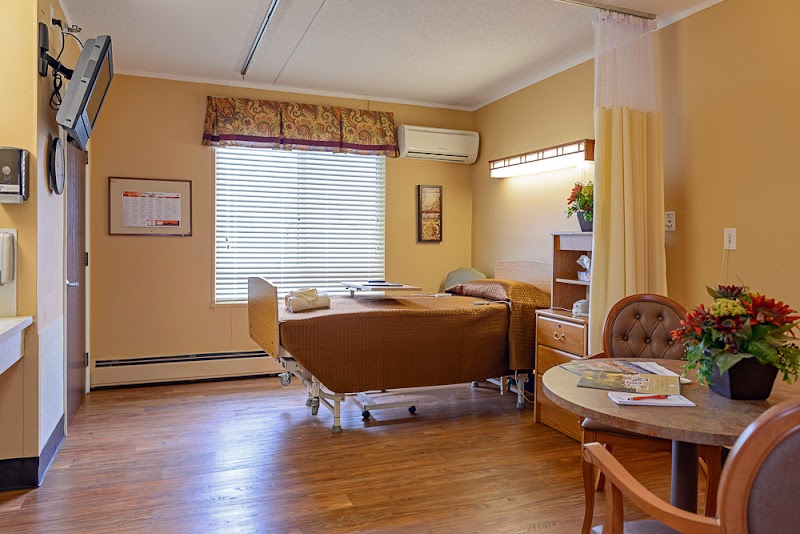
How is Life Of The Willows Staffed?

CMS rates LIFE CARE CENTER OF THE WILLOWS's staffing level at 3 out of 5 stars, which is average compared to other nursing homes. Staff turnover is 43%, compared to the Indiana average of 46%. This relatively stable workforce can support continuity of care.

What Have Inspectors Found at Life Of The Willows?

State health inspectors documented 39 deficiencies at LIFE CARE CENTER OF THE WILLOWS during 2023 to 2024. These included: 2 that caused actual resident harm and 37 with potential for harm. Deficiencies causing actual harm indicate documented cases where residents experienced negative health consequences.

Who Owns and Operates Life Of The Willows?

LIFE CARE CENTER OF THE WILLOWS is owned by a for-profit company. For-profit facilities operate as businesses with obligations to shareholders or private owners. The facility is operated by LIFE CARE CENTERS OF AMERICA, a chain that manages multiple nursing homes. With 92 certified beds and approximately 61 residents (about 66% occupancy), it is a smaller facility located in VALPARAISO, Indiana.
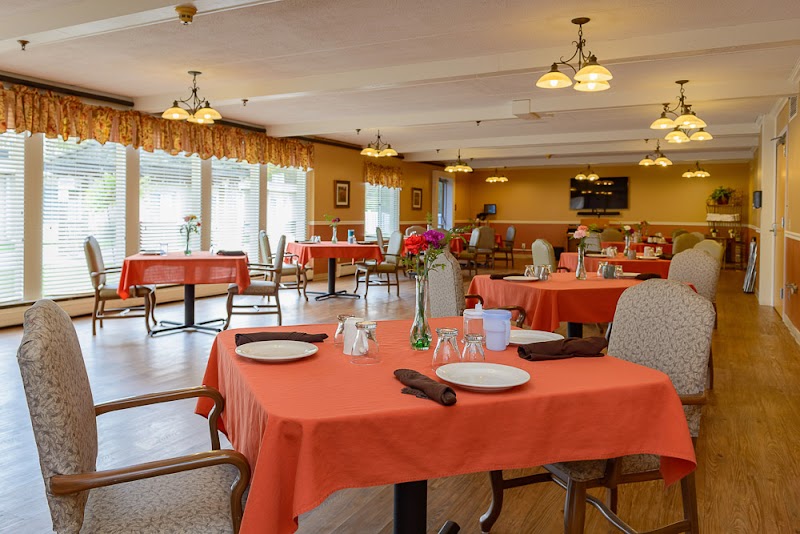
How Does Life Of The Willows Compare to Other Indiana Nursing Homes?

Compared to the 100 nursing homes in Indiana, LIFE CARE CENTER OF THE WILLOWS's overall rating (2 stars) is below the state average of 3.1, staff turnover (43%) is near the state average of 46%, and health inspection rating (2 stars) is below the national benchmark.

What Should Families Ask When Visiting Life Of The Willows?

Based on this facility's data, families visiting should ask: "Can I visit during a mealtime to observe dining assistance and food quality?" "How do you handle medical emergencies, and what is your hospital transfer rate?" "Can I speak with family members of current residents about their experience?"

Is Life Of The Willows Safe?

Based on CMS inspection data, LIFE CARE CENTER OF THE WILLOWS has a clean safety record: no substantiated abuse findings (meaning no confirmed cases of resident harm), no Immediate Jeopardy citations (the most serious violation level indicating risk of serious injury or death), and is not on the Special Focus Facility watch list (a federal program monitoring the lowest-performing 1% of nursing homes). The facility has a 2-star overall rating and ranks #100 of 100 nursing homes in Indiana. While no facility is perfect, families should still ask about staff-to-resident ratios and recent inspection results during their visit.

Do Nurses at Life Of The Willows Stick Around?

LIFE CARE CENTER OF THE WILLOWS has a staff turnover rate of 43%, which is about average for Indiana nursing homes (state average: 46%). Moderate turnover is common in nursing homes, but families should still ask about staff tenure and how the facility maintains care continuity when employees leave.

Was Life Of The Willows Ever Fined?

LIFE CARE CENTER OF THE WILLOWS has been fined $25,230 across 3 penalty actions. This is below the Indiana average of $33,331. While any fine indicates a compliance issue, fines under $50,000 are relatively common and typically reflect isolated problems that were subsequently corrected. Families should ask what specific issues led to these fines and confirm they've been resolved.

Is Life Of The Willows on Any Federal Watch List?

LIFE CARE CENTER OF THE WILLOWS is not on any federal watch list. The most significant is the Special Focus Facility (SFF) program, which identifies the bottom 1% of nursing homes nationally based on persistent, serious quality problems. Not being on this list means the facility has avoided the pattern of deficiencies that triggers enhanced federal oversight. This is a positive indicator, though families should still review the facility's inspection history directly.