VALPARAISO CARE & REHABILITATION
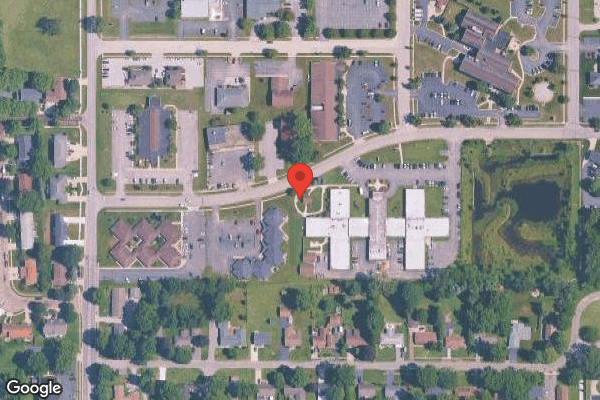
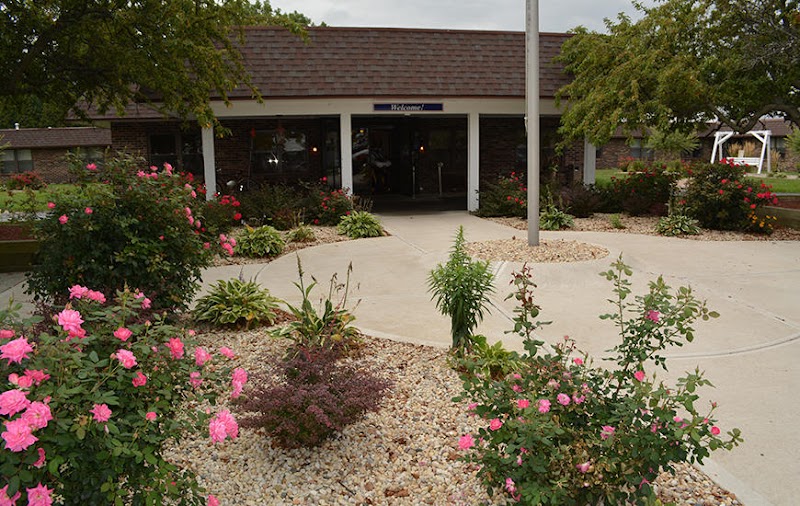
606 WALL STREET, VALPARAISO, IN 46383 (219) 464-4976
Government - County 164 Beds AMERICAN SENIOR COMMUNITIES Data: November 2025
Trust Grade
45/100
#393 of 505 in IN
Last Inspection: August 2024

Within standard 12-15 month inspection cycle. Federal law requires annual inspections.

Overview

Valparaiso Care & Rehabilitation has a Trust Grade of D, indicating below-average performance with some concerns about the quality of care provided. Ranking #393 out of 505 facilities in Indiana places it in the bottom half of nursing homes statewide, and #8 out of 10 in Porter County shows that there are only two local options that are better. The facility is showing signs of improvement, with a decrease in issues from 11 in 2023 to 8 in 2024, but staffing remains a weakness, rated at 1 out of 5 stars with a high turnover rate of 58%. While the facility has not incurred any fines, which is a positive sign, there have been concerning incidents, including improperly stored medications and cleanliness issues in common areas, along with treatments being administered without proper physician orders. Overall, while there are some strengths, families should be aware of these weaknesses when considering this nursing home for their loved ones.

Trust Score
D
45/100
In Indiana
#393/505
Bottom 23%
Safety Record
Low Risk
No red flags
Inspections
Getting Better
11 → 8 violations
Staff Stability
⚠ Watch
58% turnover. Above average. Higher turnover means staff may not know residents' routines.
Penalties
✓ Good
No fines on record. Clean compliance history, better than most Indiana facilities.
Skilled Nurses
○ Average
Each resident gets 35 minutes of Registered Nurse (RN) attention daily — about average for Indiana. RNs are the most trained staff who monitor for health changes.
Violations
⚠ Watch
26 deficiencies on record. Higher than average. Multiple issues found across inspections.
★★☆☆☆
2.0
Overall Rating
★☆☆☆☆
1.0
Staff Levels
★★★★☆
4.0
Care Quality
★★★☆☆
3.0
Inspection Score
Stable
2023: 11 issues
2024: 8 issues

The Good

  • 4-Star Quality Measures · Strong clinical quality outcomes
  • Full Sprinkler Coverage · Fire safety systems throughout facility
  • No fines on record

Facility shows strength in quality measures, fire safety.

The Bad

2-Star Overall Rating

Below Indiana average (3.1)

Below average - review inspection findings carefully

Staff Turnover: 58%

11pts above Indiana avg (46%)

Frequent staff changes - ask about care continuity

Chain: AMERICAN SENIOR COMMUNITIES

Part of a multi-facility chain

Ask about local staffing decisions and management

Staff turnover is elevated (58%)

10 points above Indiana average of 48%

The Ugly 26 deficiencies on record

Aug 2024 8 deficiencies
CONCERN (D)

Potential for Harm - no one hurt, but risky conditions existed

Deficiency F0583 (Tag F0583)

Could have caused harm · This affected 1 resident

**NOTE- TERMS IN BRACKETS HAVE BEEN EDITED TO PROTECT CONFIDENTIALITY** Based on observation and interview, the facility failed to provide privacy related to a shared bathroom for 1 of 1 resident revi...

Read full inspector narrative →
**NOTE- TERMS IN BRACKETS HAVE BEEN EDITED TO PROTECT CONFIDENTIALITY** Based on observation and interview, the facility failed to provide privacy related to a shared bathroom for 1 of 1 resident reviewed for privacy. (Resident 57) Finding includes: During an interview on 8/6/24 at 9:23 a.m., Resident 57 indicated she felt she lacked privacy in the bathroom because she had to share the bathroom with the two men residing in the room next door. She no longer utilized the toilet due to her continence status, but felt she should be able to go in the bathroom to wash her hands or face without a man opening the door or worrying a man could be coming in the bathroom while she was in there. On 8/6/24 at 9:44 a.m., Resident 57's bathroom was observed. The shared bathroom was located in between her room (room [ROOM NUMBER]) and the room next door (room [ROOM NUMBER]). There were doors on each side of the bathroom leading to the resident rooms. There were 2 male residents currently residing in room [ROOM NUMBER]. The record for Resident 57 was reviewed on 8/8/24 at 4:19 p.m. Diagnoses included, but were not limited to, end stage renal disease, type 2 diabetes mellitus, and hypertension. The Significant Change Minimum Data Set assessment, dated 6/21/24, indicated the resident was cognitively intact. During an interview on 8/9/24 at 10:33 a.m., the Director of Nursing indicated the resident had never voiced any concerns regarding privacy in the bathroom. The resident did not use the toilet, but the bathroom was shared with the room next door where two men currently resided. The resident was currently out at dialysis, but she would follow up with her when she returned. 3.1-3(p)(1)
CONCERN (D)

Potential for Harm - no one hurt, but risky conditions existed

Deficiency F0657 (Tag F0657)

Could have caused harm · This affected 1 resident

2. The record for Resident 57 was reviewed on 8/8/24 at 4:19 p.m. Diagnoses included, but were not limited to, end stage renal disease, type 2 diabetes mellitus, and hypertension. The Significant Chan...

Read full inspector narrative →
2. The record for Resident 57 was reviewed on 8/8/24 at 4:19 p.m. Diagnoses included, but were not limited to, end stage renal disease, type 2 diabetes mellitus, and hypertension. The Significant Change Minimum Data Set assessment, dated 6/21/24, indicated the resident was cognitively intact and received hemodialysis. A care plan, updated 7/17/24, indicated the resident received hemodialysis and had a right chest permacath (dialysis catheter) for dialysis access. During an interview on 8/6/24 at 9:23 a.m., Resident 57 indicated she went to dialysis on Mondays, Wednesdays and Fridays. She had a right upper arm graft for her current dialysis access. She also had an old right arm fistula, but it was not working any longer. During an interview on 8/9/24 at 10:33 a.m., the Director of Nursing (DON) indicated she had called the dialysis center to confirm, and the resident had a right upper arm graft dialysis access site. They would update the care plan. 3.1-35(b)(1) Based on observation, record review, and interview, the facility failed to ensure care plans were reviewed and revised to include changes related to resident infections and dialysis access points for 2 of 29 resident care plans reviewed. (Residents 69 and 57) Findings include: 1. On 8/6/24 at 9:17 a.m., Resident 69 was observed in his room. The resident indicated he had a surgical wound to the top of his right foot. He had been under precautions at one time for having an infection. He no longer had the infection and was not on precautions any longer. There were no signs posted for any TBP (Transmission Based Precautions) or any PPE (Personal Protective Equipment) bins located inside or outside of the room. Record review for Resident 69 was completed on 8/9/24 at 9:50 a.m. Diagnoses included, but were not limited to, heart failure, hypertension, diabetes mellitus and a history of MRSA (Methicillin-resistant Staphylococcus aureus - bacterial infection). The Significant Change Minimum Data Set (MDS) assessment, dated 7/5/24, indicated the resident was cognitively intact. The resident had a surgical wound and was not taking an antibiotic. A Care Plan, dated 4/29/24 and revised 6/29/24, indicated the resident had a need for Contact Isolation related to active infectious disease MRSA. Interventions included, but were not limited to, educate visitors on necessary precautions needed for the specific type of infection and to have adequate PPE available for staff and visitors. A Physician's Order, dated 3/1/24 and discontinued 6/6/24, indicated the resident was on isolation due to having an active infection related to MRSA in the right foot. During an interview on 8/9/24 at 10:48 a.m., the Wound Nurse indicated the resident did not currently have MRSA and did not require contact precautions. The care plan should have been updated to include a history of MRSA.
CONCERN (D)

Potential for Harm - no one hurt, but risky conditions existed

Quality of Care (Tag F0684)

Could have caused harm · This affected 1 resident

3. Resident 120's record was reviewed on 8/7/24 at 8:32 a.m. Diagnoses included, but were not limited to type 2 diabetes mellitus, dementia, and Parkinson's disease. The Significant Change Minimum Da...

Read full inspector narrative →
3. Resident 120's record was reviewed on 8/7/24 at 8:32 a.m. Diagnoses included, but were not limited to type 2 diabetes mellitus, dementia, and Parkinson's disease. The Significant Change Minimum Data Set (MDS) assessment, dated 5/22/24, indicated the resident was severely cognitively impaired for daily decision making. She received insulin injections. A Care Plan, dated 3/2/24, indicated the resident was at risk for adverse effects related to the use of glucose lowering medications and/or the diagnoses of diabetes mellitus. Interventions included, but were not limited to, monitor blood sugars as ordered, administer medications as ordered, and provide diet as ordered. The July 2024 Physician's Order Summary indicated a daily blood sugar check at 6:00 a.m. and Lantus Solostar U-100 (a diabetic medication) insulin pen 100 unit/milliliter 10 units subcutaneous at bedtime. The July 2024 Medication Administration Record (MAR) indicated the blood sugar check at 6:00 a.m. was blank on 7/7, 7/19, 7/22, 7/27, and 7/30/24. The Lantus Solostar medication was blank at 9:00 p.m. on 7/25/24. During an interview on 8/8/24 at 4:13 p.m., the Director of Nursing indicated the nurse who was working those days had not documented on the MAR, however the blood sugar checks and Lantus medication were administered. She was unable to provide any further documentation. 3.1-37(a) Based on observation, record review and interview, the facility failed to ensure a resident with edema was monitored or treated for 1 of 1 resident reviewed for edema (Resident 18), medications were given as scheduled and accuchecks were documented for 2 of 5 residents reviewed for unnecessary medications. (Residents 91 and 120) Findings include: 1. On 8/6/24 at 1:41 p.m., Resident 18 was observed seated in her room in a wheelchair. Her legs were elevated with the footrests and she indicated they were swollen. On 8/7/24 at 1:19 p.m. the resident was seated in her room in a wheelchair, her call light was on. She indicated she wanted someone to put the footrests on her wheelchair so she could elevate her legs because they were swollen. On 8/9/24 at 1:12 p.m., the resident was seated in her room in a wheelchair. She indicated her legs had been swollen for about a month and she had told the nurses about it, but did not know what they were doing about it. The resident's record was reviewed on 8/7/24 at 2:40 p.m. Diagnoses included, but were not limited to, diabetes mellitus, heart disease and chronic obstructive pulmonary disease. The Significant Change Minimum Data Set (MDS) assessment, dated 6/13/24, indicated the resident was cognitively intact and required substantial assistance for bed mobility and transfers. The Weekly Skin and Vitals Assessments, dated 7/26/24, 8/2/24 and 8/9/24, indicated there was no edema. The Daily Shift Report, dated 8/4/24, indicated the resident had bilateral lower extremity edema. There was no documentation in the resident's progress notes or documentation the physician had been notified of the edema. During an interview on 8/9/24 at 1:14 p.m., LPN 1 indicated he had completed the Weekly Skin and Vitals Assessment that day. He asked the East Unit Manager if she knew anything about the resident having edema. The East Unit Manager indicated yes and the Nurse Practitioner (NP) was aware of it. The East Unit Manager indicated there was no documentation because it was a telehealth visit and not in the electronic record. During an interview on 8/9/24 at 1:30 p.m., the Director of Nursing (DON) indicated the NP thought the edema may be related to recent intravenous fluids given. A Care Plan, dated 4/9/24, indicated adequate tissue perfusion would be maintained as evidence by blood pressure within normal limits, no change in mental status, no complaints of dizziness and no edema. Interventions included, but were not limited to, elevate lower extremities, observe and document pallor, dizziness, variations in blood pressure, edema and notify MD. 2. Resident 91's record was reviewed on 8/7/24 at 9:08 a.m. Diagnoses included, but were not limited to, Alzheimer's dementia, chronic pain and anxiety. The Quarterly MDS assessment, dated 7/10/24, indicated the resident had significant cognitive impairment and received anti-anxiety medications and opioids. A Physician's Order, dated 8/16/23, indicated to give hydrocodone-acetaminophen (opioid pain medication) 10 milligrams (mgs)/325 mgs every 6 hours for chronic pain. The July and August 2024 Medication Administration Records indicated the medication was not signed out as given or refused on the following dates and times: 7/5/24 2:00 a.m. 7/13/24 2:00 a.m. 7/16/24 2:00 a.m. 7/17/24 2:00 a.m. 7/18/24 8:00 p.m. 7/27/24 2:00 a.m. 7/29/24 2:00 a.m. 8/5/24 2:00 a.m. During an interview on 8/8/24 at 3:05 p.m., LPN 1 indicated if a medication was not given or was refused, it should be documented. The resident did not normally refuse medications. During an interview on 8/8/24 at 3:18 p.m., the DON indicated the missing doses were likely because the resident was sleeping at 2:00 a.m., and the schedule should be revisited. The current policy, General Dose Preparation and Medication Administration, indicated, .6. After medication administration, .Document necessary medication administration/treatment information (e.g. when medications are opened, when medications are given, injection site of a medication, if medications are refused, PRN medications, application site) on appropriate forms
CONCERN (D)

Potential for Harm - no one hurt, but risky conditions existed

Deficiency F0694 (Tag F0694)

Could have caused harm · This affected 1 resident

Based on observation, record review, and interview, the facility failed to care for a PICC (peripherally inserted central catheter, intravenous catheter placed into the peripheral veins of the upper a...

Read full inspector narrative →
Based on observation, record review, and interview, the facility failed to care for a PICC (peripherally inserted central catheter, intravenous catheter placed into the peripheral veins of the upper arm) line in accordance with professional standards of practice, related to flushing the PICC line for 1 of 5 residents observed during medication pass. (Resident 3) Finding includes: During medication pass, the Infection Preventionist (IP) was observed preparing an intravenous medication for Resident 3 on 8/8/24 at 2:13 p.m. The IP prepared meropenem (an antibiotic) reconstituted solution 1 gram per 100 cc of normal saline. She washed her hands and donned clean gloves. She bent the connection between the 100 cc normal saline bag and the vial of meropenem, squeezed the normal saline into the vial, and then shook the vial to dissolve the meropenem powder medication. She held the vial above the bag and squeezed air from the bag into the vial to force the liquid back into the bag. She spiked the normal saline bag with new tubing and primed the tubing. She connected the tubing thru the pump and set it to run at 100 cc's per hour. She reached into her scrub top pocket with her gloved hands, pulled out an alcohol swab, opened the package, cleaned off the PICC connection port, and then attached a 10 cc normal saline syringe. She injected 6 cc's of normal saline thru the PICC line, unattached the normal saline syringe, reached into her pocket with the same gloved hands, and pulled out a new alcohol swab. She opened the alcohol swab, cleaned the PICC connection port, and attached the primed tubing. She then started the medication pump and the infusion of meropenem began. Resident 3's record was reviewed on 8/8/24 at 2:30 p.m. The August 2024 Physician Order Summary indicated a normal saline 10 cc syringe injection, flush PICC line before and after antibiotic administration to maintain patency every 8 hours. During an interview on 8/8/24 at 2:33 p.m., the IP indicated she should have flushed with a total of 10 cc of normal saline prior to administering the antibiotics thru the PICC line. A facility policy, titled Vascular Access Device Flush Ordered, received as current, indicated, .Peripherally Inserted Central Catheter (PICC) valved catheters, flush with normal saline-10 ml before and after IV medication administration . 3.1-47(a)(2)
CONCERN (D)

Potential for Harm - no one hurt, but risky conditions existed

Respiratory Care (Tag F0695)

Could have caused harm · This affected 1 resident

Based on observation, record review, and interview, the facility failed to ensure a resident received the necessary care and treatment related to incorrect oxygen flow rate and a humidity bottle not c...

Read full inspector narrative →
Based on observation, record review, and interview, the facility failed to ensure a resident received the necessary care and treatment related to incorrect oxygen flow rate and a humidity bottle not changed for 1 of 4 residents reviewed for respiratory care. (Resident 70) Finding includes: On 8/5/24 at 1:29 p.m., Resident 70 was observed in a wheelchair. He had a nasal cannula in place and attached to a portable oxygen tank on the back of the wheelchair. The flow rate was set at 4 liters per minute (lpm). On 8/6/24 at 9:08 a.m., the resident was observed lying in bed with a nasal cannula in place attached to the portable oxygen tank. The tank was set to a flow rate of 4 lpm. The oxygen concentrator was also on and set at 4 lpm. The water bottle on the concentrator was dated 7/29/24. The resident's record was reviewed on 8/7/24 at 1:22 p.m. Diagnoses included, but were not limited to, Parkinson's disease and chronic obstructive pulmonary disease. The Quarterly Minimum Data Set assessment, dated 7/31/24, indicated the resident had moderate cognitive impairment and required substantial/maximum assistance for bed mobility and transfers. A Physician's Order, dated 2/27/24, indicated the resident was to be on oxygen at 2 lpm continuously. A Physician's Order, dated 7/18/23, indicated the oxygen tubing and water bottle was to be changed weekly on Sunday. The August 2024 Medication Administration Record indicated the water bottle had been changed on 8/4/24. During an observation and interview on 8/6/24 at 9:15 a.m., the Cottage Unit Manager observed the oxygen and indicated it was set at 4 lpm and the water bottle was dated 7/29/24. 3.1-47(a)(6)
CONCERN (D)

Potential for Harm - no one hurt, but risky conditions existed

Deficiency F0698 (Tag F0698)

Could have caused harm · This affected 1 resident

Based on observation, record review, and interview, the facility failed to provide the necessary care and services for residents who received hemodialysis, related to not monitoring the dialysis acces...

Read full inspector narrative →
Based on observation, record review, and interview, the facility failed to provide the necessary care and services for residents who received hemodialysis, related to not monitoring the dialysis access site, for 1 of 1 resident reviewed for dialysis. (Resident 57) Finding includes: During an interview on 8/6/24 at 9:23 a.m., Resident 57 indicated she went to dialysis on Mondays, Wednesdays and Fridays. She had a right upper arm graft for her current dialysis access. She also had an old right arm fistula, but it was not working any longer. The record for Resident 57 was reviewed on 8/8/24 at 4:19 p.m. Diagnoses included, but were not limited to, end stage renal disease, type 2 diabetes mellitus, and hypertension. The Significant Change Minimum Data Set assessment, dated 6/21/24, indicated the resident was cognitively intact and received hemodialysis. A care plan, updated 7/17/24, indicated the resident received hemodialysis. Interventions included, .assess dialysis access site every shift for excessive bleeding, drainage, swelling, redness, warmth, bruit/thrill. Document findings . The Physician's Order Summary, dated 8/2024, indicated the resident had dialysis on Mondays, Wednesdays, and Fridays at 11:00 a.m. and to check for bruit and thrill every shift. There was no location specified on the order for the bruit and thrill. There were no orders related to monitoring the dialysis access site for excessive bleeding, drainage, swelling, redness or warmth. The Medication Administration Record (MAR) and Treatment Administration Record (TAR), dated 8/2024, lacked any monitoring of the right arm graft site for excessive bleeding, drainage, swelling, redness or warmth. There were Dialysis Appointment Assessments completed on the resident's dialysis days which included monitoring of the dialysis access site on those days. During an interview on 8/9/24 at 10:33 a.m., the Director of Nursing (DON) indicated she would clarify the orders to include where the dialysis access site was and to monitor for excessive bleeding, drainage, swelling, redness or warmth along with the bruit and thrill. A Facility Policy, titled Dialysis Care, received as current, indicated, .1. Physician orders will be received at time of admission specific to the resident: dialysis access care .9. It is recommended that peritoneal and hemodialysis residents be kept on hot charting to monitor for complications [access sites, change in condition, pain, signs of fluid overload, etc.] . 3.1-37(a)
CONCERN (D)

Potential for Harm - no one hurt, but risky conditions existed

Infection Control (Tag F0880)

Could have caused harm · This affected 1 resident

Based on observation, record review, and interview, the facility failed to ensure a resident with a peripherally inserted central catheter (PICC) was placed in enhanced barrier precautions (EBP) for h...

Read full inspector narrative →
Based on observation, record review, and interview, the facility failed to ensure a resident with a peripherally inserted central catheter (PICC) was placed in enhanced barrier precautions (EBP) for high contact resident care activities, and for improper glove use for 1 of 5 residents reviewed during medication administration. Finding includes: During medication pass, the Infection Preventionist (IP) was observed preparing an intravenous medication for Resident 3 on 8/8/24 at 2:13 p.m. Upon entrance to Resident 3's room, there was no signage noted in or around the doorway for EBP and no personal protective equipment bins. The IP prepared meropenem reconstituted solution (an antibiotic) 1 gram per 100 cc of normal saline. She washed her hands and donned clean gloves. She bent the connection between the 100 cc normal saline bag and the vial of meropenem, squeezed the normal saline into the vial, and then shook the vial to dissolve the meropenem powder medication. She held the vial above the bag and squeezed air from the bag into the vial to force the liquid back into the bag. She spiked the normal saline bag with new tubing and primed the tubing. She connected the tubing thru the pump and set it to run at 100 cc's per hour. She reached into her scrub top pocket with her gloved hands, pulled out an alcohol swab, opened the package, cleaned off the PICC connection port, and then attached a 10 cc normal saline syringe. She injected 6 cc's of normal saline thru the PICC line, unattached the normal saline syringe, reached into her pocket with the same gloved hands, and pulled out a new alcohol swab. She opened the alcohol swab, cleaned the PICC connection port, and attached the primed tubing. She then started the medication pump and the infusion of meropenem began. Resident 3's record was reviewed on 8/8/24 at 2:30 p.m. There were no Physician's Orders for EBP. During an interview on 8/8/24 at 2:33 p.m., the IP indicated any resident with a central line or PICC should have been placed in EBP and she would correct it immediately. During an interview on 8/9/24 at 8:57 a.m., the Director of Nursing indicated the resident should have been in EBP and the IP should have performed hand hygiene and changed her gloves after reaching into her pockets while administering a medication thru a PICC line. A facility policy, titled, Standard and Transmission-Based Precautions (Isolation) Policy, provided as current, indicated .Standard Precautions .The following infection prevention and control practices should be used during the delivery of care to all residents: Hand Hygiene . Perform hand hygiene: Before having direct contact with a resident, before performing clean/aseptic procedure, after contact with the resident, after contact with blood, body fluids, or visibly contaminated surfaces, after touching resident surroundings (objects and surfaces in the resident's environment) .Gloves .Change gloves during care and hand hygiene performed if hands will move from a contaminated site to a clean site .Enhanced Barrier Precautions . It is also used for any resident with any of the following: wounds and/or indwelling medical devices (e.g., central line) 3.1-18(b)
CONCERN (E)

Potential for Harm - no one hurt, but risky conditions existed

Deficiency F0761 (Tag F0761)

Could have caused harm · This affected multiple residents

**NOTE- TERMS IN BRACKETS HAVE BEEN EDITED TO PROTECT CONFIDENTIALITY** Based on observation, record review, and interview, the facility failed to ensure medications were stored properly, with appropr...

Read full inspector narrative →
**NOTE- TERMS IN BRACKETS HAVE BEEN EDITED TO PROTECT CONFIDENTIALITY** Based on observation, record review, and interview, the facility failed to ensure medications were stored properly, with appropriate labeling and not expired, for 2 of 4 medication carts observed. (East Cart and Cottage Cart) Findings include: 1. On [DATE] at 1:28 p.m., the following was observed on the East Cart with LPN 1: - A Basaglar KwikPen (insulin) was dated with an open date on [DATE]. - A Rezvoglar KwikPen (insulin) was dated with an open date on [DATE]. - A Toujeo SoloStar (insulin) pen was opened with no open date written on the pen. - A Basaglar KwikPen was opened with no open date written on the pen. During an interview on [DATE] at 1:35 p.m., the East Unit Manager indicated the open insulins should have been dated and disposed of 30 days after opening. 2. On [DATE] at 1:41 p.m., the following was observed on the Cottage Cart with QMA 1: - An insulin lispro vial was dated with open date on [DATE]. - A Lantus (insulin) pen was opened with no open date written on the pen. - An insulin lispro pen was opened with no open date written on the pen. During an interview on [DATE] at 1:50 p.m., LPN 1 indicated the open insulins should have been dated and disposed of 30 days after opening. A policy titled, 5.3 Storage and Expiration Dating of Medications and Biologicals, and received as current from the Director of Nursing, indicated, .11. Once any medication or biological package is opened, facility should follow manufacturer/supplier guidelines with respect to expiration dates for opened medications. Facility staff should record the date opened on the primary medication container (i.e., vial, bottle, inhaler) when the medication has a shortened expiration date once opened or opened .11.3 If a multi-dose vial of an injectable medication has been opened or accessed (e.g., needle-punctured), the vial should be dated and discarded within 28 days unless the manufacturer specifies a different (shorter or longer) date for that opened vial . 3.1-25(j)
Oct 2023 1 deficiency
CONCERN (D) 📢 Someone Reported This

A family member, employee, or ombudsman was alarmed enough to file a formal complaint

Potential for Harm - no one hurt, but risky conditions existed

Report Alleged Abuse (Tag F0609)

Could have caused harm · This affected 1 resident

Based on interview and record review, the facility failed to ensure allegations of abuse were reported to the Indiana Department of Health (IDOH) immediately or within the 2 hour time period for 2 of ...

Read full inspector narrative →
Based on interview and record review, the facility failed to ensure allegations of abuse were reported to the Indiana Department of Health (IDOH) immediately or within the 2 hour time period for 2 of 6 residents reviewed for abuse. (Residents F and G) The facility also failed to ensure an allegation submitted was not misleading with the facts reported by the resident. (Resident F). Findings include: 1. During an interview on 10/23/23 at 9:56 a.m., Resident F indicated a staff member had thrown water in her face. She had reported the incident to the Nurse. Resident F's record was reviewed on 10/24/23 at 2:53 p.m. The diagnoses included, but were not limited to, chronic respiratory failure and dementia. A Quarterly Minimum Data Set (MDS) assessment, dated 9/20/23, indicated a moderately impaired cognitive status and she required oxygen, suctioning, and a tracheostomy. A Progress Note, dated 10/14/23 at 1 p.m. and written by the Memory Care Social Service Director, indicated the resident's daughter had provided details about an incident that had occurred. A reported incident to IDOH from the facility, indicated the incident date was 10/17/23 at 3:45 p.m. The allegation was reported to the IDOH on 10/18/23 and indicated Employee 1 had splashed water into her face while providing care on 10/14/23. During an interview with the Memory Care Social Service Director on 10/24/23 at 3:59 p.m., she indicated she had been the Manager on Duty on 10/14/23 and she had been contacted by the Administrator and asked to interview the resident about the allegation. The Administrator had informed her the resident made an allegation she had been squirted with water. She interviewed the resident and had written a statement. She was not sure what happened to the statement she had written up and could rewrite the statements from the interview. A written statement from the Memory Care Social Service Director, dated 10/24/23, indicated the statement had been obtained from the resident on 10/14/23. The statement indicated the Administrator informed her of the allegation and had asked her to interview the resident. After the interview, she notified the Administrator with the responses she received. She then had notified the resident's daughter and informed her of the incident. The resident had indicated Employee 1 entered her room to assist her with care. She had asked Employee 1 to help her with her tracheostomy because it had felt loose. Employee 1 then threw a cup of water on her. During an interview on 10/24/23 at 3:52 p.m., the Director of Nursing (DON) indicated she had not interviewed the resident on 10/14/23 because it had been reported to her that the water on her face was from the condensation from the tracheostomy tubes. It had not been reported to her that the allegation was a cup of water was thrown in her face. If she had been informed a cup of water was thrown in her face, she would have interviewed her when she was in the building due to another allegation of abuse. A signed statement from the DON, dated 10/16/23, indicated the resident had been interviewed on 10/16/23. The resident indicated she had informed Employee 1 three times her valve was coming off and after the third time, Employee 1 threw a cup of water in her face. After the water had been thrown, the employee left the room and she had not seen Employee 1 for the rest of the night. A signed statement from the Respiratory Therapy Supervisor, dated 10/17/23, indicated she had received a phone call from Employee 2, who had spoken with the resident's daughter. The daughter had requested a return call to her. She notified the daughter and she requested Employee 1 not care for the resident again and stated Employee 1 had thrown water in her mother's face. It was explained to the daughter the resident has a tracheostomy and wears humidity to the tracheostomy tube. The tube could cause condensation and she could have had water on her face from the condensation of from being suctioned if the tube had not been connected tightly. The daughter was assured the incident would be investigated and Employee 1 would not be assigned to her Mother. The Administrator and the DON would be notified. The Administrator was interviewed on 10/24/23 at 3:15 p.m. and indicated when he was notified of the allegation he was told it could have been from the condensation. He acknowledged the allegations had not been reported to IDOH immediately or within 2 hours and it had not been reported until four days after the allegation. An interview with the Respiratory Therapy Supervisor on 10/24/23 at 3:30 p.m., indicated she had reported the resident said Employee 1 had thrown a cup of water in her face. 2. During an interview on 10/23/23 at 10:10 a.m., Resident G, who communicated with limited verbalization and with the nod of a head, indicated she had been abused one time. She moved her hand to her head and hit the side of her head. She shook her head yes when she was asked if it was a hard hit. She verbalized it was a female and she had reported the incident. Resident G's record was reviewed on 10/24/23 at 3:36 p.m. The diagnoses included, but were not limited to, respiratory failure and ventilator dependent. A Quarterly MDS assessment, dated 9/20/23, indicated a severely impaired cognitive status and required oxygen, suctioning, tracheostomy and ventilator usage. A Nurse's Progress Note, dated 10/14/23 at 4:30 p.m., indicated the resident reported a short lady with dark hair was walking around her room in last night. This person hit her on the head with an open hand and told her to go to sleep. She denied pain or discomfort. Her husband was at the bedside. The Administrator, DON and the Physician were notified. An IDOH reported incident, dated 10/15/23, indicated on 10/14/23 at 3 p.m. the resident alleged that someone who matched the description of Employee 2 had been verbally inappropriate to her and then made contact to her head with an open hand. On 10/24/23 at 4:15 p.m., the Administrator indicated the allegation of abuse had not been reported to the IDOH within two hours. During an interview on 10/24/23 at 4:26 p.m., the Administrator indicated Employee 3 had notified him of the allegation and Employee 3 had notified the Respiratory Therapy Supervisor. The DON indicated the Administrator had notified her and she came to the facility to interview the resident. A signed statement from the DON, dated 10/14/23, indicated she had interviewed the resident and her husband because the resident informed her husband she had been hit in the head the previous night. The resident indicated it was a short, Caucasian woman with dark hair. The woman had hit her in the head and told her to go to sleep. The resident had asked for a popsicle and thought that may have been why she hit her in the head. There was no visible injury to the head. The resident was unable to name the person nor describe what the person was wearing at the time of the incident. During an interview on 10/25/23 at 4:35 p.m., Employee 3 indicated the resident has a book she writes everything down in and then tells her husband what she wrote. Her husband came to the Nurses' Station and indicated the resident did not have a very good night. She had asked an employee for a popsicle and the employee told her to go to sleep and hit her on the head. Employee 3 assessed and interviewed the resident after being informed of the incident by the husband. The resident indicated she had asked for a popsicle and was hit in the head and told to go to sleep. She described the employee as short, Caucasian, short hair and wore a black uniform. There were no visible injuries. She indicated she notified the Administrator immediately. A facility abuse policy, dated 6/2023, and received from the DON as current, indicated an incident report would initiated within two hours of the allegation. The Administrator would ensure the alleged violation of abuse would be reported immediately but no later than two hours to the IDOH. This citation relates to Complaints IN00419354 and IN00420185. 3.1-28(c)
Jul 2023 7 deficiencies
CONCERN (D)

Potential for Harm - no one hurt, but risky conditions existed

Comprehensive Care Plan (Tag F0656)

Could have caused harm · This affected 1 resident

Based on record review and interview, the facility failed to ensure a Care Plan was developed for a resident who received an antidepressant medication for 1 of 24 residents reviewed for Care Plan deve...

Read full inspector narrative →
Based on record review and interview, the facility failed to ensure a Care Plan was developed for a resident who received an antidepressant medication for 1 of 24 residents reviewed for Care Plan development. (Resident 64) Finding includes: Resident 64's record was reviewed on 7/11/23 at 1:46 p.m. Diagnoses included, but were not limited to, chronic respiratory failure with hypoxia and Diabetes Mellitus. The resident was ventilator dependent. The admission Minimum Data Set (MDS) assessment, dated 5/29/23, indicated the resident took antidepressant medication 7 of 7 days during the assessment period. The current Physician's Orders indicated the resident took Trazodone (an antidepressant), 50 milligrams, every 12 hours. The record lacked a Care Plan for antidepressant medications. Interview with the MDS nurse on 7/12/23 at 2:18 p.m., indicated there should be a Care Plan in place for the antidepressant and there was not. She would implement it at that time. 3.1-35(a)
CONCERN (D)

Potential for Harm - no one hurt, but risky conditions existed

Pressure Ulcer Prevention (Tag F0686)

Could have caused harm · This affected 1 resident

Based on observation, record review, and interview, the facility failed to ensure pressure offloading boots were in place as ordered for 1 of 4 residents reviewed for pressure ulcers. (Resident 90) Fi...

Read full inspector narrative →
Based on observation, record review, and interview, the facility failed to ensure pressure offloading boots were in place as ordered for 1 of 4 residents reviewed for pressure ulcers. (Resident 90) Finding includes: On 7/10/23 at 10:19 a.m., Resident 90 was observed lying in bed watching television. There were no pressure offloading boots in place to his feet. On 7/12/23 at 10:35 a.m., Resident 90 was observed lying in bed with his eyes closed. No pressure offloading boots were in place to his feet. The boots were on the empty bed on the other side of the room. Two CNAs entered the room to assist the resident with getting out of bed. On 7/12/23 at 11:23 a.m. Resident 90 was observed seated in his Broda chair in the Main Dining Room. The pressure offloading boots were not in place to his feet. Resident 90's record was reviewed on 7/11/23 at 2:33 p.m. Diagnoses included, but were not limited to, dementia, congestive heart failure, and anemia. The Significant Change MDS (Minimum Data Set) assessment, dated 6/27/23, indicated the resident was not cognitively intact, was at risk for pressure ulcers, and had a current pressure ulcer. The resident had a current care plan for a pressure ulcer to the right heel. The interventions included, bilateral heel boots as tolerated. The Physician's Order Summary, dated 7/2023, indicated an order for bilateral heel boots as tolerated. Interview with the Director of Nursing (DON) on 7/12/23 at 1:26 p.m., indicated the resident should have had his boots in place. 3.1-40(a)(2)
CONCERN (D)

Potential for Harm - no one hurt, but risky conditions existed

Accident Prevention (Tag F0689)

Could have caused harm · This affected 1 resident

Based on observation, record review, and interview, the facility failed to ensure a resident was supervised and orders were obtained for an electronic cigarette for 1 of 1 residents reviewed for smoki...

Read full inspector narrative →
Based on observation, record review, and interview, the facility failed to ensure a resident was supervised and orders were obtained for an electronic cigarette for 1 of 1 residents reviewed for smoking. (Resident 44) Finding includes: On 7/11/23 at 10:20 a.m. Resident 44 was observed in bed with an electronic cigarette at his bedside. On 7/11/23 at 1:40 p.m. Resident 44 was observed sitting up in his bed smoking his e-cigarette. Interview with the resident at this time indicated that he bought his own refills for his electronic cigarettes and his family would bring them to him. The record for Resident 44 was reviewed on 7/12/23 at 1:17 p.m. Diagnoses included, but were not limited to, muscular dystrophy, chronic obstructive pulmonary disease (restrictive airway), and depression. The Quarterly Minimum Data Set (MDS) assessment, dated 6/27/23, indicated the resident was cognitively intact. Staff assistance was needed for mobility, transfers and toileting with supervision for eating. A Care Plan, updated on 6/30/23, indicated the resident has a history of of attempting to smoke in the facility. Approaches were to offer a nicotine patch and assist in finding a smoke friendly long term care community per request. There was no care plan for electronic cigarette use. There was no Physician's Order for electronic cigarette use. There was no smoking assessment completed for the resident. Interview with the DON (Director of Nursing) on 7/12/23 at 1:45 p.m., indicated a resident required a Physician's Order for electronic cigarette use. Continued Interview with the DON on 7/12/12 at 1:54 p.m., indicated the resident was not an approved electronic cigarette user and they were not aware the resident was in possession of an electronic cigarette. Interview with the Administrator on 7/12/23 at 2:48 p.m., indicated he had spoken with the resident and confiscated the electronic cigarette. A policy, titled Electronic Cigarettes, updated June 2022, indicated .if the resident is appropriate for the use of an electronic cigarette based on cognitive ability, hand eye coordination and vision using the Electronic Cigarette Safety Assessment. The physician will be notified with the results of the assessment and a physician's order will be obtained . 3.1-45(a)(1)
CONCERN (D)

Potential for Harm - no one hurt, but risky conditions existed

Deficiency F0694 (Tag F0694)

Could have caused harm · This affected 1 resident

Based on observation, record review and interview, the facility failed to care for a PICC line (peripherally inserted central catheter, intravenous catheter placed into the peripheral veins of the upp...

Read full inspector narrative →
Based on observation, record review and interview, the facility failed to care for a PICC line (peripherally inserted central catheter, intravenous catheter placed into the peripheral veins of the upper arm) in accordance with professional standards of practice, related to flushing the PICC line and changing the PICC site dressings for 1 of 1 resident reviewed for intravenous care. (Resident 90) Finding includes: On 7/10/23 at 10:19 a.m., Resident 90 was observed lying in bed watching television. There was a PICC line in place to his right upper arm. It was covered with a wrap and the date on the site dressing was unable to be seen. Resident 90's record was reviewed on 7/11/23 at 2:33 p.m. Diagnoses included, but were not limited to, dementia, congestive heart failure, and anemia. The Significant Change MDS (Minimum Data Set) assessment, dated 6/27/23, indicated the resident was not cognitively intact and had received IV (intravenous) medications. A Physician's Order, dated 6/22/23, indicated new PICC line to the right arm. A Physician's Order, dated 6/20/23 and discontinued on 6/22/23, indicated piperacillin tazobactam (Zosyn, an antibiotic) 3.375 g (grams) every 8 hours IV. A Progress Note, dated 6/20/23 at 3:06 p.m., indicated the resident was readmitted to the facility and had an IV catheter in place to the right wrist. A Progress Note, dated 6/22/23 at 4:58 a.m., indicated the resident had pulled out his IV catheter and an order was submitted to have a PICC line inserted. A Progress Note, dated 6/22/23 at 2:45 p.m., indicated a new PICC line had been placed to the resident's right arm and antibiotic therapy continued. A Progress Note, dated 7/10/23 at 4:46 p.m., indicated the PICC line to the right upper arm had been discontinued and removed. The Medication Administration Records (MAR) and Treatment Administration Records (TAR), dated 6/2023 and 7/2023, lacked documentation any IV or PICC flushes had been administered or PICC site dressing changes had been completed from 6/20/23 through 7/10/23. Interview with the Director of Nursing (DON) on 7/13/23 at 10:03 a.m., indicated she was unable to find any documentation of the flushes or site dressing changes. A facility policy, titled Peripherally Inserted Central Catheter (PICC) Management Guidelines, received as current, indicated, .5. Dressing and securement device is to be changed every 7 days or PRN (as needed) using sterile technique .7. If ordered by prescriber an unused catheter should be flushed at least daily with 3 ml (milliliters) of Heparin flush solution . A facility policy, titled Flush Orders for Vascular Access Devices, received as current, indicated, .Peripherally Inserted Central Catheter (PICC) non valved, flush with normal saline-10 ml before and after IV medication administration followed by Heparin 10 units/ml-5 ml. Maintenance flush each lumen every 12 hours . 3.1-47(a)(2)
CONCERN (D)

Potential for Harm - no one hurt, but risky conditions existed

Deficiency F0697 (Tag F0697)

Could have caused harm · This affected 1 resident

2. The record for Resident 28 was reviewed on 7/12/23 at 3:24 p.m. Diagnoses included, but were not limited to, metabolic encephalopathy (imbalance in the brain), atrial fibrillation (irregular heart ...

Read full inspector narrative →
2. The record for Resident 28 was reviewed on 7/12/23 at 3:24 p.m. Diagnoses included, but were not limited to, metabolic encephalopathy (imbalance in the brain), atrial fibrillation (irregular heart beat), gastroesophageal reflux disease (acid reflux), hypertension (high blood pressure), neurogenic bladder (loss of bladder function), diabetes, arthritis, peritoneal abscess (abdominal wound), anxiety, weakness and depression. The Significant Change Minimum Data Set (MDS) assessment, dated 6/14/23, indicated the resident was impaired in decision making. The resident required extensive assistance with 2 person physical assist for bed mobility and was a total assist for transfers and bathing. A Care Plan, updated 7/9/23 at 2:23 p.m., indicated the resident had an abdominal abscess infection, and sepsis. Approach was to administer medications as ordered. A Care Plan, updated 7/9/23 at 2:23 p.m., indicated the resident was at risk for pain related to arthritis, weakness, limited mobility, and depression. Approaches were to notify the physician if pain was unrelieved, or worsening, and observe for non verbal signs of pain. A Physician's Order, dated 6/8/23, indicated the resident be given hydrocodone-acetaminophen (a narcotic pain medication) 5-325 mg (milligrams) every 6 hours as needed for pain. The hydrocodone-acetaminophen order did not have a pain assessment indicator as when to administer the medication. The Medication Administration Records (MAR), dated 6/2023 and 7/2023, indicated the resident received hydrocodone-acetaminophen 5-325 mg for pain on the following dates: June 16th, 23rd, 24th, 25th, 26th, 27th, 28th, 29th, & 30th. July 2nd, 6th, 7th, 9th, 11th, & 13th. The MAR, dated 7/2023, indicated on 7/9/23 the resident was reported to have pain 8/10 and on 7/11/23 the resident was reported to have pain 7/10. There was lack of any other pain scale rating or assessment prior to the hydrocodone-acetaminophen administration. Interview with LPN 1 on 7/14/23 at 8:31 a.m., indicated that she would determine the resident's pain by using a pain scale before giving the resident medication. They did not need to chart the pain rating, but were to follow up with the effectiveness. Interview with DON (Director of Nursing) on 7/14/23 at 8:48 a.m., indicated they were working with their electronic computer charting system to update the orders to include pain rating in the documentation. The Pain Management Policy, was received from the Director of Nursing (DON), on 7/13/23 at 10:08 a.m., indicated, .1. Residents are assessed for pain on admission, weekly, and during medication administration as outlined below .Ongoing nursing assessments can also be documented in matrix progress notes or matrix vitals . The policy also indicated, .Physician orders for pain medications will be prescribed based upon the resident's intensity of pain, for example: Tylenol for mild to moderate pain, Vicodin (opioid) for severe to very severe pain 3.1-37(a) Based on record review and interview, the facility failed to ensure residents with pain were assessed and monitored related to lack of non-pharmacological pain interventions, pain was not assessed for severity or location, and parameters were not in place for use of pain medication for 2 of 2 residents reviewed for pain. (Residents 64 and 28) Findings include: 1. Resident 64's record was reviewed on 7/11/23 at 1:46 p.m. Diagnoses included, but were not limited to, chronic respiratory failure with hypoxia, sacrum pressure ulcers, neuropathy and Diabetes Mellitus. The resident was ventilator dependent. The admission Minimum Data Set (MDS) assessment, dated 5/29/23, indicated the resident had received an opioid medication 5 of 7 days during the assessment period. The resident's cognitive status was unable to be assessed and he was dependent on two staff for bed mobility and transfers. A current Physician's Order indicated to give Norco (an opioid pain medication), 5 milligrams(mg)/325 mg, every 4 hours as needed for pain. A current Physician's Order indicated to give Tylenol, 650 mg, every 6 hours as needed for fever or pain. The July 2023 Medication Administration Record (MAR) indicated the resident received Tylenol once for pain. There was no indication where the pain was or the severity of the pain. The July 2023 MAR indicated the resident received Norco 16 times. There was no severity of the pain documented with any Norco administrations. Non-pharmacological interventions were documented as refused on 7/2/23, no other administration indicated non-pharmacological interventions were given or attempted. 3 of the 16 administrations indicated back pain, 2 of the 16 indicated general pain, the remaining had no pain location indicated. The current Pain Care Plan indicated the resident was at risk for pain, interventions included to offer non pharmacological interventions such as rest, shower, back rub or reposition. Interview with the DON, on 7/12/23 at 1:05 p.m., indicated there was a space on the MAR to document where the pain was and they were going to add a space for the pain severity. She indicated she understood the concern with lack of documentation and indication for use.
CONCERN (D)

Potential for Harm - no one hurt, but risky conditions existed

Deficiency F0757 (Tag F0757)

Could have caused harm · This affected 1 resident

Based on record review and interview, the facility failed to ensure each resident's medication regimen was managed and monitored to promote or maintain the resident's highest practicable mental, physi...

Read full inspector narrative →
Based on record review and interview, the facility failed to ensure each resident's medication regimen was managed and monitored to promote or maintain the resident's highest practicable mental, physical, and psychosocial well-being, related to ensuring a pain medication was available and given as ordered by the Physician for 1 of 5 residents reviewed for unnecessary medications. (Resident 86) Finding includes: Resident 86's record was reviewed on 7/14/23 at 9:46 a.m. Diagnoses included, but were not limited to, spinal stenosis (narrowing of the spine), hypertension (high blood pressure), heart failure, diabetes, depression, low back pain, gout, difficulty walking, and muscle weakness. The Annual Minimum Data Set (MDS) assessment, dated 5/31/23, indicated the resident was cognitively intact. A Physician's Progress Note, dated 7/6/23 at 5:08 p.m., indicated the resident's chief complaint was neck pain. Assessment indicated he had failed 1 spinal injection and was to go back for another treatment shortly. Assessment plan for neck pain included, biofreeze as needed and scheduled Percocet. A Physician's Order, dated 11/3/22, indicated to give oxycodone-acetaminophen (Percocet, a narcotic pain medication) 10-325 mg (milligrams) every 4 hours. The Medication Administration Record (MAR), dated 6/2023, indicated the Percocet had not been given as ordered on the following dates and times: - 6/17/23 at 2 p.m., 6 p.m., and 10 p.m. - 6/18/23 at 2 a.m., 6 a.m. and 2 p.m. Interview with the DON on 7/14/23 11:57 a.m., indicated that the oxycodone was on hold, not because they were waiting on pharmacy to deliver the medication, but because they needed a refill on the prescription from the Physician. They do carry oxycodone-acetaminophen 10-325 mg in their EDK (emergency drug kit) but still needed a current prescription to obtain it. Continued interview with the DON on 7/14/23 at 2:12 p.m., indicated they checked every Wednesday, before the weekend, to ensure no one needed a refill on medications. It was the nurse's responsibility to call for a refill order if a resident was out. She was unable to provide documentation of when the Physician was notified for a prescription refill or if follow up had been completed. She had just spoken with the Physician and he indicated it was his fault, he forgot. 3.1-48(a)(3)
CONCERN (D)

Potential for Harm - no one hurt, but risky conditions existed

Unnecessary Medications (Tag F0759)

Could have caused harm · This affected 1 resident

Based on observation, record review, and interview, the facility failed to ensure a medication error rate of less than 5% for 1 of 7 residents observed during medication pass. Two errors were observed...

Read full inspector narrative →
Based on observation, record review, and interview, the facility failed to ensure a medication error rate of less than 5% for 1 of 7 residents observed during medication pass. Two errors were observed during 27 opportunities for errors during medication administration. This resulted in a medication error rate of 7.41%. (Resident 91) Finding includes: On 7/14/23 at 8:04 a.m., QMA 1 was observed preparing medications for Resident 91. She prepared 6 pills and 1 liquid medication and administered them to the resident. The resident's medications were reconciled on 7/14/23 at 8:25 a.m. The July 2023 Medication Administration Record indicated the resident was to receive potassium, 20 milliequivilants daily and Restasis eye drops, 1 drop in each eye, twice daily. Both medications had been signed out as given during the observed medication pass with QMA 1, however they had not been observed as given. Interview with the QMA, on 7/14/23 at 10:55 a.m., indicated she had missed the potassium. She indicated she gave the eye drops later that morning, but she was unable to locate the eye drops in the medication cart. 3.1-48(c)(1)
Apr 2023 3 deficiencies
CONCERN (D) 📢 Someone Reported This

A family member, employee, or ombudsman was alarmed enough to file a formal complaint

Potential for Harm - no one hurt, but risky conditions existed

Pharmacy Services (Tag F0755)

Could have caused harm · This affected 1 resident

Based on record review and interview, the facility failed to ensure a newly admitted resident was provided with routine medications in a timely manner for 1 of 3 newly admitted residents reviewed for ...

Read full inspector narrative →
Based on record review and interview, the facility failed to ensure a newly admitted resident was provided with routine medications in a timely manner for 1 of 3 newly admitted residents reviewed for medication administration. (Resident E) Finding includes: Resident E's record was reviewed on 4/3/23 at 12:54 p.m. The diagnoses included, but were not limited to, diabetes mellitus and hypertension. The admission date was 3/28/23 at 6 p.m. The Physician's orders, dated 3/28/23, included: Diltiazem (hypertension) 30 mg (milligrams) to be administered four times a day and was scheduled for 8 a.m., 12 p.m., 4 p.m., and 8 p.m. Metformin (diabetes) 500 mg to be administered twice a day and scheduled to be administered between 7 a.m. and 11 a.m. and 7 p.m. and 11 p.m. Metoprolol tartrate tablet (hypertension) 50 mg, to be administered twice a day and scheduled to be administered between 7 a.m. and 11 a.m. and 7 p.m. and 11 p.m. The Medication Administration Record, dated 3/2023, indicated the first dose of diltiazem was not administered until 3/29/23 at 4 p.m., the first dose of metformin had not been administered until the morning of 3/29/23, and the first dose of metoprolol tartrate had not been given until the morning of 3/29/23 and the facility was waiting on delivery of the medications from the Pharmacy. The Emergency Drug Kit (EDK) inventory indicated the metformin 500 mg and metoprolol tartrate 50 mg were available in the EDK at the facility. During an interview on 4/3/23 at 2:06 p.m., the Director of Nursing (DON) indicated if the medication was available in the EDK, it should have been administered as ordered. If the Pharmacy was unable to deliver the medication timely, the Physician should have been notified and documented. During an interview on 4/3/23 at 2:46 p.m., the DON indicated the admission transfer papers were reviewed and there had been no time listed when the last dose of the medications were given at the hospital and should have been clarified. This Federal tag relates to Complaint IN00403536. 3.1-25(a)
CONCERN (E) 📢 Someone Reported This

A family member, employee, or ombudsman was alarmed enough to file a formal complaint

Potential for Harm - no one hurt, but risky conditions existed

Deficiency F0826 (Tag F0826)

Could have caused harm · This affected multiple residents

Based on record review and interview, the facility failed to ensure treatments during Physical Therapy were ordered by a Physician and completed within Professional Standards, related to a pain relief...

Read full inspector narrative →
Based on record review and interview, the facility failed to ensure treatments during Physical Therapy were ordered by a Physician and completed within Professional Standards, related to a pain relief gel was applied/offered to residents who reported pain during therapy without a Physician's Order and the pain relief gel was applied by the Physical Therapist and/or Physical Therapy Aide, for 2 of 4 residents reviewed for Physical Therapy and had the potential to affect all residents receiving Physical Therapy. (Residents B and F) Findings include: 1. During an interview on 4/2/23 at 7:08 p.m., Resident B indicated she had received Physical Therapy and when she had pain during therapy they wanted to apply a gel for the pain. She had refused the gel because she was allergic. Resident B's closed record was reviewed on 4/3/23 at 9:43 a.m. The diagnoses included, but were not limited to, chronic pain. An admission Minimum Data Set (MDS) assessment, dated 2/3/23, indicated an intact cognitive status, pain was frequently present, and received Physical and Occupational Therapy. A Care Plan, dated 1/28/23, indicated a risk for pain. The interventions included pain medications would be administered per Physician's Orders. A Physician's Order, dated 1/28/23, indicated a Lidoderm patch (pain patch) was used daily for pain in the left upper extremity. The Physician's Order lacked an order for a pain relief gel. A Physician's Order, dated 1/28/23, indicated Physical Therapy was to evaluate and treat the resident. 2. During an interview on 4/2/23 at 4:46 p.m., Resident F indicated when she had pain during therapy, the therapy was stopped and they had a gel they applied for the pain. Resident F's record was reviewed on 4/3/23 at 1:27 p.m. The diagnoses included, but were not limited to, fracture of the right ankle. An admission MDS assessment, dated 3/8/23, indicated a moderately impaired cognitive status, pain was present and received Occupational and Physical Therapy. A Care Plan, dated 3/3/23, indicated a risk for pain. The interventions included pain medications would be administered per Physician's Orders. A Physician's Order, dated 3/2/23, indicated Physical Therapy had been ordered. There was no Physician's Order for a pain relief gel. During an interview on 4/3/23 at 11:45 a.m., the Director of Therapy indicated therapy staff applied Biofreeze Gel (pain relief gel) to the residents if they have pain with therapy. She indicated they asked permission from the resident before it was applied. She was not aware a Physician's Order was needed for the administration of the Biofreeze. She indicated the average number of residents seen for therapy per day was 30 and she was unsure how many residents to whom they had applied the Biofreeze. During an interview on 4/3/23 at 12:05 p.m., the Director of Nursing was unaware Physical Therapy had been administering Biofreeze gel for any resident who had pain with therapy. During an interview on 4/3/23 at 3:38 p.m., the Director of Therapy indicated the Biofreeze was also administered by the Physical Therapy Aides. The Indiana Physical Therapy Scope of Practice was reviewed on 4/4/23 at 9:35 a.m., and indicated a practitioner may, upon approval of a physician, send or refer a patient to a qualified specific professional healthcare provider for treatment that fell within the specific professional health care provider's scope of practice. Physical therapist's assistants were not to accept a delegation of services that exceeded the scope of practice of their certificate. This Federal tag relates to Complaint IN00403536. 3.1-23(b)
CONCERN (E) 📢 Someone Reported This

A family member, employee, or ombudsman was alarmed enough to file a formal complaint

Potential for Harm - no one hurt, but risky conditions existed

Safe Environment (Tag F0921)

Could have caused harm · This affected multiple residents

Based on observation and interview, the facility failed to ensure the facility was clean and had a homelike environment, related to black substances on air vents and ceiling tiles around the air vents...

Read full inspector narrative →
Based on observation and interview, the facility failed to ensure the facility was clean and had a homelike environment, related to black substances on air vents and ceiling tiles around the air vents for 3 out of 8 halls (East Front, [NAME] Front, and Viking) and 2 out of 4 Dining Rooms (Main Dining Room and [NAME] Dining Room). Findings include: 1. The following was observed on 4/2/23 tour of the facility: a. At 3:37 p.m., the ceiling vent on the East Front Hall by the Nurses' Station had blackened tiles around the air vent and there was a blackened substance on the air vent. b. At 4:42 p.m., the Main Dining Room had six air vents with blacked ceiling tiles around the air vents and on the air vents. The two vents closest to the Kitchen had larger amounts of the blackness on the ceiling tiles and the air vents. c. At 4:44 p.m., there was a blackened substance and rust on the air vent located on the [NAME] Front Hall by the Nurses' Station. d. At 4:46 p.m., there was a large amount of a black substance on the ceiling tiles and air vents on three of the four air vents in the [NAME] Dining Room. e. At 4:50 p.m., there was a black substance on the ceiling tiles and air vent on the the first air vent on the Viking Hall. 2. During an tour of the facility on 3/3/23 from 8:41 a.m. through 8:56 a.m., the Director of Maintenance indicated the black substances on the ceiling tiles and air vents was dust from the heating and air units on the roof. The air vents were cleaned every six months, then moved to every month, then switched to every two weeks in March. There was no documentation the last time the air vents had been cleaned. He indicated the ceiling tile was difficult to find for replacement and some had been found and was delivered to the facility on 3/29/23. During an interview on 4/3/23 at 4:04 p.m., the Director of Maintenance indicated the coils and filters on the heating and air units were cleaned quarterly and the last time completed was 1/31/23. The air quality in the facility was assessed in January of 2023 with no findings. This Federal tag relates to Complaint IN00403839. 3.1- 19(e)
Aug 2022 7 deficiencies
CONCERN (D)

Potential for Harm - no one hurt, but risky conditions existed

Resident Rights (Tag F0550)

Could have caused harm · This affected 1 resident

**NOTE- TERMS IN BRACKETS HAVE BEEN EDITED TO PROTECT CONFIDENTIALITY** Based on interview, observation and record review, the facility failed to ensure the resident's dignity was maintained related t...

Read full inspector narrative →
**NOTE- TERMS IN BRACKETS HAVE BEEN EDITED TO PROTECT CONFIDENTIALITY** Based on interview, observation and record review, the facility failed to ensure the resident's dignity was maintained related to the use of a recycled palm guard with someone else's name on it. (Resident 6) Finding includes: Interview with Resident 6's sister on [DATE] at 3:04 p.m. indicated she was getting stiff in the left hand. She also indicated that staff had pulled a splint from a deceased roommate and used it on her sister. She had requested new splint when she had met with staff at the annual evaluation on [DATE]. On [DATE] at 3:25 p.m., the resident was observed in bed and her sister was in the room. A palm guard was observed to the resident's left hand with another resident's name written on it in black marker. Record Review for Resident 6 was completed on [DATE] at 10:28 a.m Diagnoses included, but were not limited to, cerebral infarction (stroke), contracture, and spina bifida (spinal birth defect in which spinal cord fails to develop or close properly). The admission Minimum Data Set (MDS) assessment indicated the resident had a severe cognitive and physical impairment and required extensive 2+ assistance with bathing, bed mobility, and transferring. Nurse's Notes, dated [DATE] at 10:30 a.m., indicated, Resident has been noted to have a decrease in left hand range of motion. Resident would benefit from OT for splinting and range of motion. Occupational Therapy notes, dated [DATE] through [DATE], indicated therapeutic interventions daily, including the use of a resting hand splint and use of palm guard to maintain the resident's range of motion and functionality. Interview with the Director of Therapy (DOT) on [DATE] at 9:16 a.m. indicated Resident 6 was assessed for left hand palm guard and Occupational Therapy trialing of a resting hand splint for 7 hours per day (day shift) on [DATE] with a trial period starting the same week. The DOT indicated there were no orders until the trial was complete. There was a care plan meeting on [DATE] following the evaluation on [DATE] with the resident's sister present and she was satisfied with the plan. A follow up interview and observation with the DOT on [DATE] at 10:15 a.m., confirmed the palm guard had another resident's name written on it in black marker. The other resident's name was visibly written on the outside of the palm guard. The DOT indicated the facility usually washed and recycled the palm guards and there should not have been another resident's name on it. 3.1-3(t)
CONCERN (D)

Potential for Harm - no one hurt, but risky conditions existed

Quality of Care (Tag F0684)

Could have caused harm · This affected 1 resident

2. On 8/7/22 at 10:11 a.m., Resident 77 was observed to have a purple discoloration and a dressing on the back of her right hand. On 8/8/22 at 2:43 p.m., Resident 77 was observed sitting in her wheelc...

Read full inspector narrative →
2. On 8/7/22 at 10:11 a.m., Resident 77 was observed to have a purple discoloration and a dressing on the back of her right hand. On 8/8/22 at 2:43 p.m., Resident 77 was observed sitting in her wheelchair. There was a medium sized dark red/purple discoloration between her back of her hand, located on her first finger between her first and second knuckle. There was no dressing observed today. Resident 77's record was reviewed on 8/8/22 at 2:42 p.m. Diagnoses included, but were not limited to, dementia, anxiety, depression, and chronic obstructive lung disease. The Quarterly Minimum Data Set assessment, dated 6/21/22, indicated the resident was cognitively impaired. She was a limited, one person assist with dressing, needed supervision with one person assist with eating, toileting and transfers she was an extensive two person assist and for bathing, she was totally dependent with one person assist. A Nurse Progress Note, dated 8/4/22 at 10:53 a.m., indicated the resident had fallen in a another resident's room. A full assessment was competed and no redness or bruising noted. The Follow Up Nurse Progress Notes, dated from 8/4/22 at 9:29 p.m. through 8/6/22 at 1:47 p.m., did not indicate any skin discolorations. The resident's Shower Report, dated 8/5/22 at 6-2 (no specific time noted), noted that she had a purple/blue bruise with no new concerns and there was bruising on both hands. The CNA had initialed and signed the shower report, the Charge Nurse signature area was blank. A bathing task was completed in the computer as the resident was totally dependent on staff for bathing on 8/7/22 at 11:15 p.m. Interview with the Wound Nurse on 8/9/22 at 3:30 p.m., indicated she was aware that the resident had fallen. She had not been notified of any discolorations. A Nurse Progress Note, dated 8/10/22 at 12:55 p.m., indicated the resident had bruising noted to the back of both of her hands. The areas were dark red/purple in color. A Wound Management Note, dated 8/10/22 at 1:06 p.m., indicated the resident had a bruise on the back of her right hand on her right pointer finger between the first and second knuckles, with a description of the size of 2 by 1.5 cm (centimeters), and purple/red discoloration. Also on the back of her right hand, a 2 by 2 cm, purple/red bruise was observed. Interview with the Wound Nurse on 8/10/22 at 1:15 p.m., indicated the resident's hands were assessed. Bruising was noted and document on her hands . No one had told her about the discolorations and they should have been noted in Nurse Progress Notes as well for her follow-up post a fall. A policy titled, Skin Management Program, was provided on 8/9/22 by the Director of Nursing. This current policy indicated, Procedure for Wound Prevention: .6. Any skin discolorations noted by direct care givers during daily care and/or shower days must be reported to the licensed nurse for further assessment, to include but not limited to bruises, open areas, redness, skin tears, blisters, and rashes. The licensed nurse is responsible or assessing all skin alterations by the direct caregiver the shift reported Procedure for alterations in skin integrity--pressure and non-pressure, .5. The wound nurse/designee will be notified of alterations in skin integrity 3.1-37(a) Based on observation, record review, and interview, the facility failed to ensure residents received the necessary treatment and services related to the monitoring and assessment of skin discolorations for 2 of 7 residents reviewed for non-pressure related skin conditions. (Residents 13 and 77) Findings include: 1. On 8/7/22 at 1:43 p.m., Resident 13 was observed lying in bed. The resident had large dark purple discolorations on the tops of both of his hands. On 8/9/22 at 1:41 p.m., Resident 13 was observed lying in bed. The dark purple discolorations to the tops of both his hands remained. Record review for Resident 13 was completed on 8/8/22 at 2:50 p.m. Diagnoses included, but were not limited to, hypertension, stroke, hemiplegia (partial paralysis on one side of the body), and anxiety. The Significant Change Minimum Data Set (MDS) assessment, dated 5/10/22, indicated the resident had memory problems. The resident required an extensive assist of 2+ people for bed mobility and a limited assist of 1 person for dressing and personal hygiene. A Weekly Skin Assessment, dated 8/8/22, indicated no bruising. The record lacked any documentation to indicate his skin discolorations had been assessed or monitored. Interview with the Wound Nurse on 8/9/22 at 1:44 p.m., indicated she measured resident's discolorations when they were observed. She was unaware he had any discolorations on his hands. Follow up interview with the Wound Nurse on 8/9/22 at 2:25 p.m., indicated she assessed the resident's discolorations and they would be monitored. The nurses should have noticed the discolorations and assessed them.
CONCERN (D)

Potential for Harm - no one hurt, but risky conditions existed

Pressure Ulcer Prevention (Tag F0686)

Could have caused harm · This affected 1 resident

Based on observation, record review, and interview, the facility failed to ensure dietician recommendations were implemented and had follow up for 1 of 6 residents reviewed for pressure ulcers. (Resid...

Read full inspector narrative →
Based on observation, record review, and interview, the facility failed to ensure dietician recommendations were implemented and had follow up for 1 of 6 residents reviewed for pressure ulcers. (Resident 41) Finding includes: On 8/7/22 at 10:50 a.m., Resident 41 was observed lying in bed with her eyes closed. She had an air mattress in place to her bed and pressure offloading boots on her feet. Record review for Resident 41 was completed on 8/9/22 at 3:05 p.m. Diagnoses included, but were not limited to, stage IV sacral pressure ulcer, hypertension, and type 2 diabetes mellitus. The Significant Change Minimum Data Set (MDS) assessment, dated 6/6/22, indicated the resident had one stage IV pressure ulcer and two stage II pressure ulcers. A Care Plan, updated 6/20/22, indicated the resident had increased nutrient needs due to skin impairment. The interventions included, to provide supplementation to aid in wound healing as ordered. The most recent Wound Management Pressure Ulcer Assessments, dated 8/8/22, indicated the resident had a stage II pressure ulcer to the bottom of her left foot measuring 1.3 cm (centimeters) x 0.5 cm x 0.1 cm. She also had a stage IV pressure ulcer to her sacrum measuring 3.8 cm x 3.0 cm x 0.2 cm. A Registered Dietician (RD) Review Note, dated 6/9/22 at 12:34 p.m., indicated the resident had pressure ulcers and recommended starting active liquid protein 30 milliliters twice a day. A Progress Note, dated 6/24/22 at 2:42 p.m., indicated a Physician's Order was received to discontinue Juven (a wound healing supplement) and begin active liquid protein. The Medication Administration Record (MAR), dated 6/2022, lacked documentation the active liquid protein had been implemented. Interview with the Director of Nursing on 8/10/22 at 10:12 a.m., indicated the Juven had been discontinued but she could not find that any Physician's Order had been entered for the active liquid protein and it was not started. 3.1-40(a)(2)
CONCERN (D)

Potential for Harm - no one hurt, but risky conditions existed

Deficiency F0688 (Tag F0688)

Could have caused harm · This affected 1 resident

**NOTE- TERMS IN BRACKETS HAVE BEEN EDITED TO PROTECT CONFIDENTIALITY** 2. On 8/8/22 at 10:00 a.m., Resident 25 was observed lying in bed. Both hands were closed in fists and arms were crossed over hi...

Read full inspector narrative →
**NOTE- TERMS IN BRACKETS HAVE BEEN EDITED TO PROTECT CONFIDENTIALITY** 2. On 8/8/22 at 10:00 a.m., Resident 25 was observed lying in bed. Both hands were closed in fists and arms were crossed over his chest. There were no palm protectors in place. On 8/9/22 at 10:22 a.m., Resident 25 was observed lying in bed. His arms were at his sides and both hands were closed in fists. There were no palm protectors in place. The resident's record was reviewed on 8/9/22 at 10:00 a.m. Diagnoses included, but were not limited to, type 2 diabetes mellitus, hypertension, and unspecified joint contractures. The Quarterly Minimum Data Set (MDS) assessment, dated 5/23/22, indicated the resident was cognitively impaired. He required staff assistance for all activities of daily living (ADLs) and had impaired range of motion on both sides to both the upper and lower extremities. The Occupational Therapy Discharge summary, dated [DATE], indicated the resident had received therapy for upper extremity positioning and splint training. Right hand edema had been controlled using positioners to elevate the upper extremity and staff had been instructed on using a palm guard to preserve skin and joint integrity. A Physician's Order, dated 4/20/22, indicated the resident was to wear a right palm protector at all times. Interview with LPN 5 on 8/9/22 at 10:47 a.m., indicated the right palm protector was not in place. She had been looking for it but hadn't found it yet. A facility skills validation, titled, Splinting Device-Application, received as current from the Director of Nursing, indicated .6. Apply splint according to therapy recommendations and/or aide assignment sheet . 3.1-42(a)(2) Based on observation, record review, and interview, the facility failed to ensure palm protectors were in place as ordered for 2 of 3 residents reviewed for limited range of motion. (Residents 31 and 25) Findings include: 1. On 8/7/22 at 1:13 p.m., Resident 31 was observed lying in bed. The resident's left hand was in a fist. No palm protector or splint was observed. On 8/8/22 at 2:50 p.m., Resident 31 was observed lying in bed. The resident' left hand was in a fist. No palm protector or splint was observed. On 8/9/22 at 9:13 a.m., Resident 31 was observed lying in bed. The resident's left hand was in a fist. No palm protector or splint was observed on the resident. Record review for Resident 31 was completed on 8/8/22 at 3:14 p.m. Diagnoses included, but were not limited to, anemia, hypertension, hemiplegia (partial paralysis on one side of body), and dementia. The Quarterly Minimum Data Set (MDS) assessment, dated 5/27/22, indicated the resident was cognitively moderately impaired. The resident required a total 2+ assist for bed mobility, and toilet use. He required a total 1 assist for dressing and personal hygiene. The resident had an impairment on both sides of his upper and lower extremities for a functional limitation in range of motion. A Care Plan, dated 11/22/10 and revised on 5/23/22, indicated the resident required assistance with bed mobility, transfers, eating and toilet use due to impaired mobility, diagnosis of left hemiplegia, contractures of hand and feet, dementia, chronic pain, depression, and muscle weakness. An intervention included for a left hand palm protector with finger separators at all times. It may be removed for hygiene. The August 2022 Physician's Order Summary indicated an order for: - palm protector with finger separator to be worn at all times except during hygiene care Interview with LPN 2 on 8/9/22 at 9:16 a.m., indicated the resident should have his palm protector in place. She went into the resident's room and removed the palm protector from the closet and tried to place it on the resident's hand. She indicated the palm protector did not fit very well and she could not get it in between his fingers. She would let therapy know so they could evaluate the palm protector.
CONCERN (D)

Potential for Harm - no one hurt, but risky conditions existed

Respiratory Care (Tag F0695)

Could have caused harm · This affected 1 resident

Based on observation, record review, and interview, the facility failed to ensure a resident received proper care and treatment related to oxygen administration flow rate for 1 of 4 residents reviewed...

Read full inspector narrative →
Based on observation, record review, and interview, the facility failed to ensure a resident received proper care and treatment related to oxygen administration flow rate for 1 of 4 residents reviewed for oxygen. (Resident 13) Finding includes: On 8/7/22 at 1:43 p.m., Resident 13 was lying in bed. The resident was wearing oxygen via a nasal cannula with a flow rate in between 1 and 1.5 liters. On 8/8/22 at 3:03 p.m., Resident 13 was lying in bed. The resident was wearing oxygen via a nasal cannula with a flow rate in between 1 and 1.5 liters. Record review for Resident 13 was completed on 8/8/22 at 2:50 p.m. Diagnoses included, but were not limited to, hypertension, stroke, hemiplegia (partial paralysis on one side of the body), and anxiety. The Significant Change Minimum Data Set (MDS) assessment, dated 5/10/22, indicated the resident had memory problems. The resident required an extensive assist of 2+ people for bed mobility and a limited assist of 1 person for dressing and personal hygiene. The resident received oxygen therapy. A Care Plan, dated 6/21/22 and revised on 8/5/22, indicated the resident required hospice care related to end of life. An intervention included for oxygen as ordered. The August 2022 Physician's Order Summary indicated and order for: - Oxygen at 2 liters per nasal cannula every shift Interview with LPN 1 on 8/8/22 at 3:05 p.m., indicated the resident's oxygen should be set at 2 liters and she would go and correct the flow rate. A facility policy titled, Oxygen Therapy and Devices and received as current from the Director of Nursing on 8/9/22, indicated, .Initiation of Oxygen 1. Verify Physician order 7. Apply device to the patient with appropriate liter flow 3.1-47(a)(6)
CONCERN (D)

Potential for Harm - no one hurt, but risky conditions existed

Food Safety (Tag F0812)

Could have caused harm · This affected 1 resident

Based on observation, interview, and record review, the facility failed to ensure food was properly stored under sanitary conditions in the freezers and refrigerators in the Kitchen. (Main Kitchen) Fi...

Read full inspector narrative →
Based on observation, interview, and record review, the facility failed to ensure food was properly stored under sanitary conditions in the freezers and refrigerators in the Kitchen. (Main Kitchen) Findings include: During the initial tour of the kitchen on 8/7/22 at 9:30 a.m. with the Cook, the following was observed: 1. Walk in Cooler/Refrigerator: - 3 boxes of food were stored stacked up to the ceiling from the top shelf - fresh oregano was stored in an open, plastic bag underneath and up against the cooling fan, the bag was warm to touch. 2. Freezer: - 4 boxes were stored stacked up to the ceiling from the top shelf Interview with the [NAME] at the time of the observation indicated food items were to be stored 6 from ceiling/sprinklers in storage areas, such as dry storage, refrigerators and freezers. Per the facility's Food Storage policy, revised on 6/21/22 and received on 8/10/22 as current from the Administrator, food should be stored a minimum of 6 from the floor and 18 below sprinkler heads, overhead pipes, or other contamination. 3.1-21(i)(3)
CONCERN (D)

Potential for Harm - no one hurt, but risky conditions existed

Infection Control (Tag F0880)

Could have caused harm · This affected 1 resident

Based on a random observation, interview, and record review, the facility failed to ensure infection control guidelines were in place and implemented, including those to prevent and/or contain COVID-1...

Read full inspector narrative →
Based on a random observation, interview, and record review, the facility failed to ensure infection control guidelines were in place and implemented, including those to prevent and/or contain COVID-19 related to the use of personal protective equipment (PPE) in an isolation room. (South Hall, Activity Aide 1) Finding includes: During a random observation on 8/8/22 at 9:18 a.m., Activity Aide 1 entered Resident 44's room to deliver a newspaper. The Activity Aide was only wearing a surgical mask. At that time, a sign on the resident's door indicated Droplet/Contact Isolation. Proper Personal Protective Equipment (PPE): an isolation gown, protective eye wear, a N95 face mask and gloves to both hands before entering. There was also a PPE bin located right outside the door. Interview with Activity Aide 1 at that time, indicated she was unaware the resident was in isolation and did not see the signage on the door. Interview with the Infection Preventionist on 8/8/22 at 9:21 a.m., indicated Resident 44 had tested positive for COVID-19 that morning and was placed in isolation. The aide should have put on the appropriate PPE before entering the room to deliver the newspaper. An updated and current facility policy titled, Resident Policy for COVID-19, and received from the Director of Nursing on 8/10/22, indicated, .Residents Suspected, or Confirmed with COVID-19 1. Upon resident identified as close contact or presenting with symptoms of COVID-19 the physician will be notified for resident assessment which will include COVID-19 testing and orders should be received for Droplet/Contact Precautions until further observation and evaluation 3.1-18(b)
Understanding Severity Codes (click to expand)
Life-Threatening (Immediate Jeopardy)
J - Isolated K - Pattern L - Widespread
Actual Harm
G - Isolated H - Pattern I - Widespread
Potential for Harm
D - Isolated E - Pattern F - Widespread
No Harm (Minor)
A - Isolated B - Pattern C - Widespread

Questions to Ask on Your Visit

  • "Why is there high staff turnover? How do you retain staff?"
  • "Can I speak with families of current residents?"
  • "What's your RN coverage like on weekends and overnight?"

Our Honest Assessment

Strengths
  • • No major safety red flags. No abuse findings, life-threatening violations, or SFF status.
  • • No fines on record. Clean compliance history, better than most Indiana facilities.
Concerns
  • • 26 deficiencies on record. Higher than average. Multiple issues found across inspections.
  • • Grade D (45/100). Below average facility with significant concerns.
  • • 58% turnover. Above average. Higher turnover means staff may not know residents' routines.
Bottom line: Trust Score of 45/100 indicates significant concerns. Thoroughly evaluate alternatives.

About This Facility

What is Valparaiso Care & Rehabilitation's CMS Rating?

CMS assigns VALPARAISO CARE & REHABILITATION an overall rating of 2 out of 5 stars, which is considered below average nationally. Within Indiana, this rating places the facility higher than 0% of the state's 100 nursing homes. A rating at this level reflects concerns identified through health inspections, staffing assessments, or quality measures that families should carefully consider.
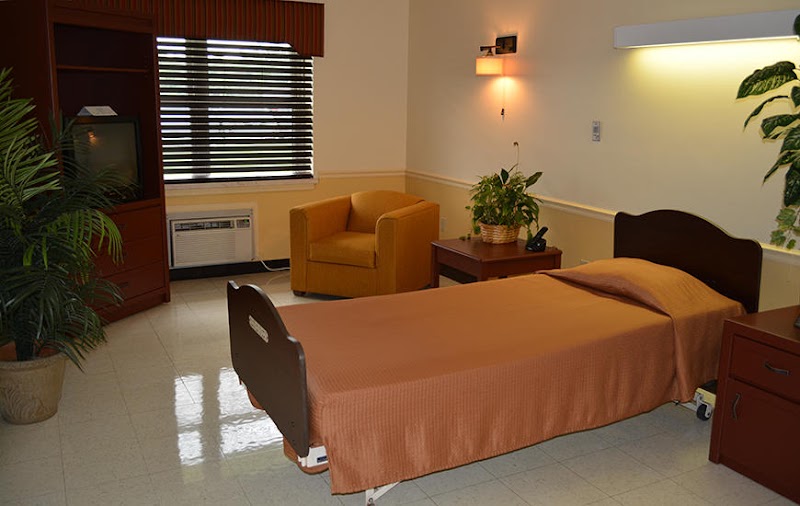
How is Valparaiso Care & Rehabilitation Staffed?

CMS rates VALPARAISO CARE & REHABILITATION's staffing level at 1 out of 5 stars, which is much below average compared to other nursing homes. Staff turnover is 58%, which is 11 percentage points above the Indiana average of 46%. High turnover can affect care consistency as new staff learn residents' individual needs.

What Have Inspectors Found at Valparaiso Care & Rehabilitation?

State health inspectors documented 26 deficiencies at VALPARAISO CARE & REHABILITATION during 2022 to 2024. These included: 26 with potential for harm.
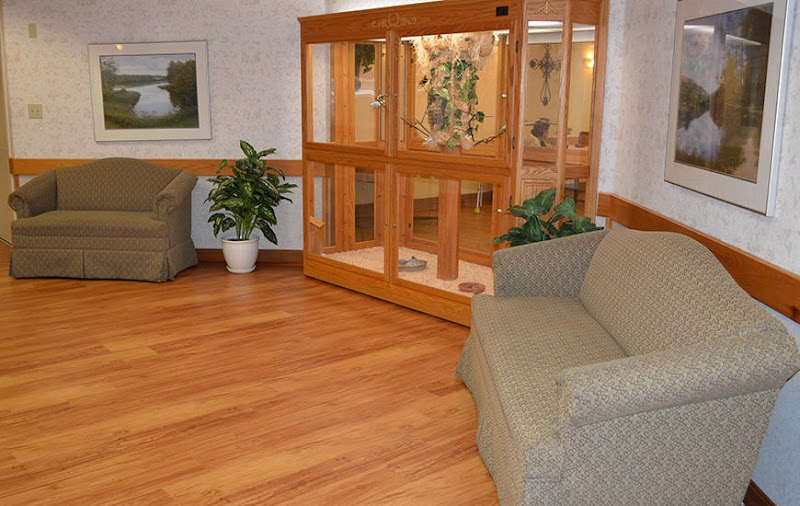
Who Owns and Operates Valparaiso Care & Rehabilitation?

VALPARAISO CARE & REHABILITATION is owned by a government entity. Government-operated facilities are typically run by state, county, or municipal agencies. The facility is operated by AMERICAN SENIOR COMMUNITIES, a chain that manages multiple nursing homes. With 164 certified beds and approximately 124 residents (about 76% occupancy), it is a mid-sized facility located in VALPARAISO, Indiana.
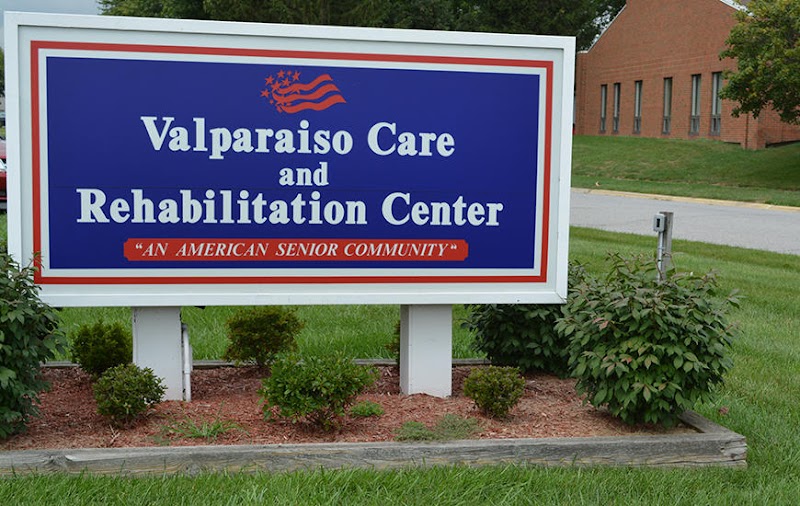
How Does Valparaiso Care & Rehabilitation Compare to Other Indiana Nursing Homes?

Compared to the 100 nursing homes in Indiana, VALPARAISO CARE & REHABILITATION's overall rating (2 stars) is below the state average of 3.1, staff turnover (58%) is significantly higher than the state average of 46%, and health inspection rating (3 stars) is at the national benchmark.

What Should Families Ask When Visiting Valparaiso Care & Rehabilitation?

Based on this facility's data, families visiting should ask: "How do you ensure continuity of care given staff turnover, and what is your staff retention strategy?" "Can you walk me through typical staffing levels on day, evening, and night shifts?" "Can I visit during a mealtime to observe dining assistance and food quality?" "How do you handle medical emergencies, and what is your hospital transfer rate?" These questions are particularly relevant given the facility's high staff turnover rate and the below-average staffing rating.

Is Valparaiso Care & Rehabilitation Safe?

Based on CMS inspection data, VALPARAISO CARE & REHABILITATION has a clean safety record: no substantiated abuse findings (meaning no confirmed cases of resident harm), no Immediate Jeopardy citations (the most serious violation level indicating risk of serious injury or death), and is not on the Special Focus Facility watch list (a federal program monitoring the lowest-performing 1% of nursing homes). The facility has a 2-star overall rating and ranks #100 of 100 nursing homes in Indiana. While no facility is perfect, families should still ask about staff-to-resident ratios and recent inspection results during their visit.

Do Nurses at Valparaiso Care & Rehabilitation Stick Around?

Staff turnover at VALPARAISO CARE & REHABILITATION is high. At 58%, the facility is 11 percentage points above the Indiana average of 46%. High turnover means new staff may not know residents' individual needs, medications, or preferences. It can also be disorienting for residents, especially those with dementia who rely on familiar faces. Families should ask: What is causing the turnover? What retention programs are in place? How do you ensure care continuity during staff transitions?

Was Valparaiso Care & Rehabilitation Ever Fined?

VALPARAISO CARE & REHABILITATION has no federal fines on record. CMS issues fines when nursing homes fail to meet care standards or don't correct problems found during inspections. The absence of fines suggests the facility has either maintained compliance or corrected any issues before penalties were assessed. This is a positive indicator, though families should still review recent inspection reports for the full picture.

Is Valparaiso Care & Rehabilitation on Any Federal Watch List?

VALPARAISO CARE & REHABILITATION is not on any federal watch list. The most significant is the Special Focus Facility (SFF) program, which identifies the bottom 1% of nursing homes nationally based on persistent, serious quality problems. Not being on this list means the facility has avoided the pattern of deficiencies that triggers enhanced federal oversight. This is a positive indicator, though families should still review the facility's inspection history directly.