SILVER MEMORIES HEALTH CARE
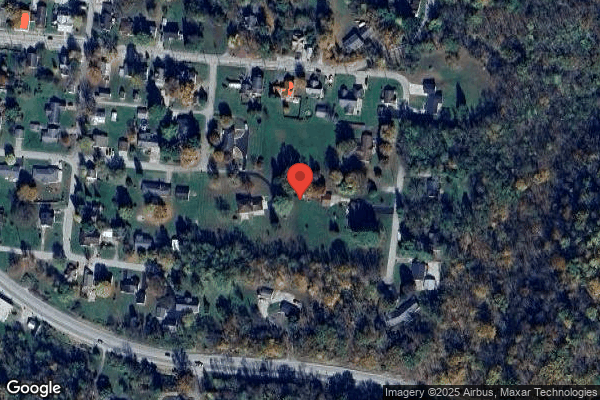
6996 SOUTH US421, VERSAILLES, IN 47042 (812) 689-6222
For profit - Corporation 29 Beds IDE MANAGEMENT GROUP Data: November 2025
Trust Grade
80/100
#188 of 505 in IN
Last Inspection: November 2024

Within standard 12-15 month inspection cycle. Federal law requires annual inspections.

Overview

Silver Memories Health Care in Versailles, Indiana has a Trust Grade of B+, which means it is above average and generally recommended for families seeking care. It ranks #188 out of 505 facilities in Indiana, placing it in the top half of the state, and #2 out of 5 in Ripley County, indicating only one other local option is better. The facility is improving, as it has reduced issues from 3 in 2024 to just 1 in 2025. While staffing is a relative strength with a 3/5 star rating and a turnover rate of 39%, which is below the state average, there have been concerns noted in inspections. For example, there were issues with the dishwasher not reaching proper sanitation temperatures, and a resident was transferred using a mechanical lift without the required assistance, which could lead to safety risks. However, the facility has not incurred any fines, and it benefits from more RN coverage than 87% of Indiana facilities, suggesting a solid level of nursing oversight.

Trust Score
B+
80/100
In Indiana
#188/505
Top 37%
Safety Record
Low Risk
No red flags
Inspections
Getting Better
3 → 1 violations
Staff Stability
○ Average
39% turnover. Near Indiana's 48% average. Typical for the industry.
Penalties
✓ Good
No fines on record. Clean compliance history, better than most Indiana facilities.
Skilled Nurses
✓ Good
Each resident gets 51 minutes of Registered Nurse (RN) attention daily — more than average for Indiana. RNs are trained to catch health problems early.
Violations
⚠ Watch
12 deficiencies on record. Higher than average. Multiple issues found across inspections.
★★★★☆
4.0
Overall Rating
★★★☆☆
3.0
Staff Levels
★★★★☆
4.0
Care Quality
★★★★☆
4.0
Inspection Score
Stable
2024: 3 issues
2025: 1 issues

The Good

  • 4-Star Quality Measures · Strong clinical quality outcomes
  • Full Sprinkler Coverage · Fire safety systems throughout facility
  • No fines on record
  • Staff turnover below average (39%)

    9 points below Indiana average of 48%

Facility shows strength in quality measures, fire safety.

The Bad

Staff Turnover: 39%

Near Indiana avg (46%)

Typical for the industry

Chain: IDE MANAGEMENT GROUP

Part of a multi-facility chain

Ask about local staffing decisions and management

The Ugly 12 deficiencies on record

Sept 2025 1 deficiency
CONCERN (D) 📢 Someone Reported This

A family member, employee, or ombudsman was alarmed enough to file a formal complaint

Potential for Harm - no one hurt, but risky conditions existed

Accident Prevention (Tag F0689)

Could have caused harm · This affected 1 resident

Based on interview and record review, the facility failed to provide appropriate assistance with a mechanical lift device to ensure safe transfers for 1 of 3 residents reviewed for transfer/mobility d...

Read full inspector narrative →
Based on interview and record review, the facility failed to provide appropriate assistance with a mechanical lift device to ensure safe transfers for 1 of 3 residents reviewed for transfer/mobility devices. (Resident B) Findings include:A Quarterly Minimum Data Set (MDS) assessment, dated 9/1/25, indicated Resident B was severely cognitively impaired. The resident's diagnoses included, but were not limited to, non-traumatic brain dysfunction, Alzheimer's disease, and hypertension. The Resident was dependent on staff assistance for all mobility.During an interview, on 9/18/25 at 9:57 A.M., the Administrator indicated Certified Nursing Assistant (CNA) 2 used the full body mechanical lift on Resident B without any additional staff assistance on 8/12/25. The mechanical lifts should always be operated with two staff present, and staff were available to assist if the CNA would have requested for assistance. CNA 2 was discharged from service due to using a mechanical lift improperly.During an interview, on 9/18/25 at 10:42 A.M., CNA 2 indicated that on 8/12/25 she had put Resident B down for bed sometime between 6:00 P.M. to 8:00 P.M. She used the full body mechanical lift to transfer the resident into the bed with no other staff present. During transferring the resident to bed she was removing the sling from the mechanical lift; one of the wheels to the mechanical lift had gotten caught on a cord for the resident's bed causing her to pull the lift away firmly. When she pulled the lift firmly out from overtop of the resident, the top bar of the lift where the lift pad had been hooked began to spin around. She stopped the rotation of the lift bar after she noticed it spinning. Later on her shift around 4:00 A.M., she had used the mechanical lift, a second time by herself, and got the resident up from bed to her wheelchair. She then wheeled the resident out of her room. During an interview, on 9/18/25 at 10:57 A.M., Registered Nurse (RN) 3 indicated she was working with CNA 2 on 8/12/25. She observed CNA 2 bring Resident B out of her room and into the dining room around 4:00 A.M. At that time, she noticed Resident B had purple bruising around her left eye, and a small cut over the bridge of her nose with a small spot of dried blood. When she questioned CNA 2 about the resident's injury, the CNA denied knowing when the injury occurred.The current facility policy, titled Lifting Machine, using a Mechanical, with a revision date July 2017, was provided by the Administrator on 9/18/25 at 2:50 P.M. The policy indicated, .At least two (2) nursing assistants are needed to safely move a resident with a mechanical lift .This deficiency was corrected on 8/19/25, after the facility assessed all residents requiring mechanical lifts, provided education to staff related to proper procedure for transfers, all staff returned proper demonstration of transfers, and ongoing monitoring audit in place for safe transfers. This citation relates to Intake 2588897.3.1-45(a)(1)3.1-45(a)(2)
Nov 2024 3 deficiencies
CONCERN (D)

Potential for Harm - no one hurt, but risky conditions existed

Infection Control (Tag F0880)

Could have caused harm · This affected 1 resident

Based on observation, interview, and record review, the facility failed to follow infection control guidelines related to isolation for 1 of 5 residents reviewed for isolation. (Resident 20) Findings ...

Read full inspector narrative →
Based on observation, interview, and record review, the facility failed to follow infection control guidelines related to isolation for 1 of 5 residents reviewed for isolation. (Resident 20) Findings include: During an observation and interview on 11/21/24 at 1:58 P.M., Resident 20 was propelling herself in her wheelchair out of the room. She indicated she was going to the shower room bathroom. It was a public bathroom that was shared with other residents, she had never used a bedside commode and had always used the public bathroom. During an observation on 11/21/24 at 2:01 P.M., Resident 20 was in the public bathroom in the shower room. Certified Nurse Aide (CNA) 4 donned gloves and the resident stood up from her wheelchair and CNA 4 assisted the resident with pulling her pants and brief down. The CNA removed the resident's soiled brief, placed it in a trash can, gathered a new brief from a shelf, and put it on the resident. When the resident was done, she stood up, and the CNA cleansed her and pulled up her pants. The resident sat back into her wheelchair. The CNA removed her gloves and opened the door for the resident to leave and washed her hands. The toilet was not cleaned after the resident had used it. During an interview on 11/21/24 at 2:08 P.M., CNA 4 indicated she was made aware if a resident was on any isolation precautions from the nurses and managers. If a resident was on isolation, she would wear a gown and gloves. Resident 20 was not on any type of isolation at that time. During an interview on 11/21/24 at 2:11 P.M., RN 3 indicated the shower bathroom was public and 24 of the 29 residents in the building used that bathroom. If a resident had Extended-spectrum B-lactamase (ESBL), a bacteria, in their urine, then they would be placed on isolation. The staff should wear a gown and gloves when assisting the resident to the bathroom. During an interview on 11/21/24 at 2:15 P.M., the Director of Nursing (DON) indicated is a resident had ESBL in their urine then they were placed on Enhanced Barrier Precautions (EBP). When a resident was placed on EBP then the staff were to wear a gown and gloves to provide care. The staff were made aware of resident's being on EBP through report and the signage on the resident door. If a resident had ESBL in their urine, then the bathroom should be disinfected after it was used. The clinical record for Resident 20 was reviewed on 11/21/24 at 1:56 P.M. A Quarterly Minimum Data Set (MDS) assessment, dated 08/30/24, indicated the resident was moderately cognitively impaired. The resident's diagnoses included, but were not limited to, hypertension, diabetes, non-Alzheimer's dementia, seizure disorder, depression, and schizophrenia. A Progress Note, dated 11/14/24 at 2:58 P.M., indicated the resident had a new order for Cipro (an antibiotic) 500 milligrams, twice a day, for 10 days for a Urinary Tract Infection (UTI). The resident was also on contact isolation for 10 days. A Progress Note, dated 11/14/24 at 8:21 P.M., indicated the resident was on an antibiotic for a UTI. The resident remained on contact isolation for ESBL. A Laboratory Report, dated 11/17/24, indicated the resident's urine was positive for ESBP resistance markers. The current facility policy titled, Enhanced Barrier Precautions, dated August 2022, was provided by the DON on 11/22/24 at 2:08 P.M. The policy indicated .Enhanced barrier precautions are utilized to prevent the spread of multi-drug resistant (MDROs) .EBPs employ targeted gown and glove use during high contact resident care activities when contact precautions do not otherwise apply .Gloves and gown are applied prior to performing the high contact resident care activity . 3.1-18(a)
CONCERN (D)

Potential for Harm - no one hurt, but risky conditions existed

Deficiency F0912 (Tag F0912)

Could have caused harm · This affected 1 resident

**NOTE- TERMS IN BRACKETS HAVE BEEN EDITED TO PROTECT CONFIDENTIALITY** Based on observation, record review, and interview, the facility failed to provide at least 80 sq ft (square feet) per resident ...

Read full inspector narrative →
**NOTE- TERMS IN BRACKETS HAVE BEEN EDITED TO PROTECT CONFIDENTIALITY** Based on observation, record review, and interview, the facility failed to provide at least 80 sq ft (square feet) per resident for 2 of 11 resident rooms. (rooms [ROOM NUMBERS]) 1. During an observation of room [ROOM NUMBER] on 11/21/24 at 11:15 A.M., each of the four residents in this room had adequate space to move about the room and store their belongings. During an observation and interview on 11/25/24 at 2:08 P.M., room [ROOM NUMBER], located in the licensed Skilled Nursing Facility/Nursing Facility (SNF/NF), was measured at 316 sq ft. This room had 79 sq ft for each of the four residents who resided in the room. The room size was verified by the Maintenance Director. 2. During an observation of room [ROOM NUMBER] on 11/21/24 at 11:20 A.M., each of the three residents in this room had adequate space to move about the room and store their belongings. During an observation on 11/25/24 at 2:11 P.M., room [ROOM NUMBER], a licensed SNF/NF room, was measured at 218 sq ft. This room had 72 sq ft for each of the three residents who resided in the room. The room size was verified by the Maintenance Director. During an interview on 11/26/24 at 1:54 P.M., the Administrator indicated she would like to continue with the room waivers. 3.1-19(l)(2)(A) 3.1-19(l)(3) 3.1-19(l)(8)
CONCERN (F)

Potential for Harm - no one hurt, but risky conditions existed

Food Safety (Tag F0812)

Could have caused harm · This affected most or all residents

Based on observation, interview, and record review, the facility failed to follow the manufacturer's guidelines related to the dishwasher temperatures and chemical sanitation for 1 of 2 kitchen observ...

Read full inspector narrative →
Based on observation, interview, and record review, the facility failed to follow the manufacturer's guidelines related to the dishwasher temperatures and chemical sanitation for 1 of 2 kitchen observations and failed to maintain the resident snack refrigerator in a sanitary manner related to the storage of undated and unlabeled food and non-food items for 1 of 1 snack refrigerator observed. This deficient practice had the potential to affect 29 of 29 residents who received food from the kitchen or snack refrigerators. Findings include: During the initial kitchen tour on 11/21/24 at 10:48 A.M., with Human Resources (HR) 1, the following was observed: - The thermometer on the dishwasher registered 90 degrees Fahrenheit during the rinse cycle. The sticker on the machine indicated it was supposed to be 120 degrees Fahrenheit. There was no steam rising off of the dishwasher. - A chemical test of the dishwasher solution was conducted with HR 1 and the result was 10 Parts Per Million (PPM). HR 1 indicated it was supposed to be between 50 and 100 PPM. The residents' snack refrigerator, located in the kitchen, contained the following: - A cow print lunch bag with no resident's name or date, - A small gray lunch bag with no resident's name or date that contained a package of pistachios, and - an open box of ice cream sandwiches with no resident's name or date. HR 1 indicated an employee had donated the ice cream sandwiches. HR 1 and the other kitchen staff indicated they did not know to whom the lunch bags belonged to, and HR 1 removed them from the refrigerator. Dietary Aide (DA) 2 indicated they did not monitor the dishwasher temperatures, just the chemical levels. On 11/21/24 at 11:04 A.M., the dishwasher was re-checked and the thermometer on the dishwasher only registered 98 degrees Fahrenheit. HR 1 indicated they would be using the three-sink sanitation system for dishwashing until the dishwasher was fixed. The Administrator was standing at the kitchen door at the time of the second running of the dishwasher and indicated the dishwasher usually had steam coming off of it. No steam was coming off of the dishwasher at the time. During an interview on 11/21/24 at 11:55 A.M., HR 1 indicated all residents in the facility received food from the kitchen. During an interview on 11/25/24 at 1:13 P.M., DA 2 indicated the residents' snack refrigerator was used for overflow of facility meal service items. During an interview on 11/26/24 at 2:07 P.M., the Dietary Manager indicated they tested the chemical level of the dishwasher everyday but did not know where the paper was, they documented the information on, it was not in the kitchen binder. An Out of Order sign remained on the dishwasher for the remaining time of the survey. The dishwasher Operating Manual was provided by the Maintenance Director on 11/26/24 at 1:28 P.M. and included, but was not limited to, the following requirements: - Ensure water temperatures match those listed on machine data plate, - Minimum Wash Temperature 120 degrees Fahrenheit, - Minimum Rinse Temperature 120 degrees Fahrenheit, and - Minimum Chlorine Required (PPM) 50. The Dish Machine Temperature and Sanitizer Log Sample Form for October and November 2024, was provided by the Dietary Manager on 11/26/24 at 2:32 P.M. The record indicated the wash temperature was below the recommended 120 degrees Fahrenheit on the following dates: - 11/02/24, 115 degrees, - 11/03/24, 119 degrees, - 11/04/24, 113 degrees, - 11/06/24, 115 degrees, - 11/08/24, 115 degrees, - 11/09/24, 115 degrees, - 11/10/24, 118 degrees, - 11/14/24, 115 degrees, - 11/15/25, 113 degrees, - 11/16/24, 118 degrees, and - 11/18/24, 115 degrees. The current Food from Outside Sources policy, with a reviewed date of 07/2023, was provided by the Director of Nursing (DON) on 11/26/24 at 10:54 A.M. The policy indicated, .Visitors/family members will label food and beverages with the resident's name, room number and date. All food is to be stored in a suitable container .NO OUTSIDE FOOD WILL BE USED IN THE FOOD SERVICE DEPARTMENT . The current Personal Food Storage policy, dated 2010, was provided by the Dietary Manager on 11/26/24 at 11:34 A.M. The policy indicated, .Food or beverage brought in from outside sources for storage in facility pantries, refrigeration units, or personal room refrigeration units will be monitored by designated facility staff for food safety . 3.1-21(i)(3)
Sept 2023 4 deficiencies
CONCERN (D)

Potential for Harm - no one hurt, but risky conditions existed

Accident Prevention (Tag F0689)

Could have caused harm · This affected 1 resident

Based on observation, interview, and record review, the facility failed to update a resident's fall interventions for 1 of 2 residents reviewed for accidents. (Resident 11) Findings include: During an...

Read full inspector narrative →
Based on observation, interview, and record review, the facility failed to update a resident's fall interventions for 1 of 2 residents reviewed for accidents. (Resident 11) Findings include: During an observation on 09/13/23 at 9:06 A.M., Resident 11 was lying in her bed, awake with the TV on. The clinical record was reviewed on 09/13/23 at 1:30 P.M. A Quarterly MDS (Minimum Data Set) assessment, dated 07/27/23, indicated the resident was severely cognitively impaired. The diagnoses included, but were not limited to, Huntington's disease, non-Alzheimer's disease, seizure disorder, anxiety, and depression. The resident had impairments on both sides of her lower extremities. The Progress Notes, were reviewed and indicated the resident had multiple falls on the following dates and times: - On 12/17/22 at 1:29 P.M., the resident was in the shower with staff. The staff were assisting the resident with a shower. The resident was resisting care and had raised herself up out of the chair lunged forward, landing on the floor in the prone position. She hit the right side of her forehead on the shower floor. The staff called for assistance. The resident had a small hematoma on the right side of her forehead. There were no other injuries noted. Neurological checks were initiated. - On 12/19/22 at 2:05 P.M., the resident was sitting on the floor beside her bed. She indicated she was trying to get her call light that she thought was on the floor. The call light was on the bed. The resident denied hitting her head and neurological checks were initiated. There were no injuries noted. - On 01/22/23 at 12:00 P.M., the resident was found in her bedroom, lying on the floor beside the wheelchair on a pile of blankets. The resident indicated she was trying to reach her call light. Her call light was attached to her clothing and was within reach. There were no injuries noted and neurological checks were initiated. The resident's at risk for falls care plan with an initiated date of 06/09/21, included the followings interventions: - Start date of 06/09/21, anticipate and meet the resident needs. Assure that the call light was within reach and encourage the use it for assistance as needed and provide a prompt response to all requests for assistance. Physical therapy, occupational therapy, and speech therapy evaluate and treat as ordered or as needed. - Start date of 08/02/21, assist the resident repositioning as indicated. - Start date of 09/27/21, educate the resident as indicated that is safer for her to sit in a chair with arms for proper positing. - Start date of 10/05/21, educate the resident/family/caregivers about safety reminders and what to do if a fall occurred and encourage afternoon naps. - Start date of 10/07/21, educate the resident to use her call light to ask for assistance prior to transfers from her chair at bedside. - Start date 10/19/21, adjust tilt and space wheelchair, broda chair, as indicated to position the resident to minimize risk of the resident coming out of the chair due to Huntington's movements. - Start date of 10/20/21, assist the resident as indicated with eating if she was having increased Huntington's movements. - Start date of 10/29/21, educate the resident as indicated on proper behaviors, assist the resident to lie down in bed as indicated for increased Huntington's movements. - Start date of 11/05/21, continue to remind the resident to request assistance from staff. Offer positive reinforcement when she does request assistance. Encourage resident to use light to ask for assistance to get items out of reach. - Start date of 11/12/21, the staff were to keep items within reach as needed. - Start date of 12/05/21, remind the resident as indicated about safety precautions and praise her for being safe. - Start date of 03/13/22, observe the resident as needed while in bed to ensure that she was in the center of the bed or towards the wall. - Start date of 01/30/23, staff were to stand in front or beside the resident while on the commode. - Start date of 05/28/23, place things of need on bed side table close to bed while in bed. The clinical record lacked updated interventions after the resident's falls on 12/17/22, 12/19/22, and 01/22/23. During an interview on 09/13/23 at 2:51 P.M., LPN (Licensed Practical Nurse) 2 indicated the resident had Huntington's disease. The resident required the assistance of two physical staff. The resident falls were documented in risk assessments. During an interview on 09/14/23 at 4:04 P.M., the DON (Director of Nursing) indicated new interventions would be initiated on the care plan and were updated after each fall. During an interview on 09/15/23 at 9:36 A.M., the DON indicated the management team met every morning and would review falls. A progress note would be initiated after the fall and would determine an immediate intervention. The management team would review it and determine if it was an appropriate intervention or if it needed to be changed. There were no documented IDT (Interdisplinary Team) notes for the falls on 12/17/22, 12/19/22, or 01/22/23. There should have been updated interventions after the falls. The current facility policy titled, Falls, with a revised date of 2018 was provided by the DON on 09/15/23 at 12:35 P.M. The policy indicated, .Based on the preceding assessment, the staff and physician will identify pertinent interventions to try to prevent subsequent falls and to address the risks of clinically significant consequences of falling . 3.1-45(a)(2)
CONCERN (D)

Potential for Harm - no one hurt, but risky conditions existed

Deficiency F0698 (Tag F0698)

Could have caused harm · This affected 1 resident

Based on observation, interview, and record review, the facility failed to monitor a dialysis access site for 1 of 1 resident reviewed for dialysis. (Resident 25) Findings include: During an observati...

Read full inspector narrative →
Based on observation, interview, and record review, the facility failed to monitor a dialysis access site for 1 of 1 resident reviewed for dialysis. (Resident 25) Findings include: During an observation on 09/14/23 at 2:54 P.M., Resident 25 was in his wheelchair. A Quarterly MDS (Minimum Data Set) assessment, dated 08/12/23, indicated the resident was severely cognitively impaired. The diagnoses included, but were not limited to, end stage renal disease, anemia, heart failure, hypertension, diabetes, and dependence on renal dialysis. The physician's order for the resident indicated a standard order to inspect the dialysis access site fistula on the left forearm for infection daily. Access the site for bruit and thrill, with a start date of 08/23/23. The August and September 2023 EMAR/ETAR (Electronic Medication Administration Record/Electronic Treatment Administration Record) lacked a physician's order or documentation related to bruit and thrill monitoring. During an interview on 09/13/23 at 2:45 P.M., LPN (Licensed Practical Nurse) 2 indicated the resident went to dialysis three days a week. The resident had a fistula, and the bruit and thrill should be monitored every shift and documented in the EMAR. The nurse would have to check off that she assessed it. She thought the order was a standard order and it didn't show up on the EMAR. During an interview on 09/13/23 at 2:56 P.M., the Administrator indicated the bruit and thrill monitoring should be documented on the EMAR. The current facility policy titled, Hemodialysis Access Care, with a revised date of September 2010, was provided by the Administrator on 09/14/23 at 9:00 A.M. The policy indicated, .Check patency of the site at regular intervals. Palpate the site to feel the thrill or use a stethoscope to hear the whoosh or bruit of blood flow through the access . 3.1-37(a)
CONCERN (D)

Potential for Harm - no one hurt, but risky conditions existed

Deficiency F0912 (Tag F0912)

Could have caused harm · This affected 1 resident

**NOTE- TERMS IN BRACKETS HAVE BEEN EDITED TO PROTECT CONFIDENTIALITY** Based on observation, record review, and interview, the facility failed to provide at least 80 sq ft per resident for 2 of 11 re...

Read full inspector narrative →
**NOTE- TERMS IN BRACKETS HAVE BEEN EDITED TO PROTECT CONFIDENTIALITY** Based on observation, record review, and interview, the facility failed to provide at least 80 sq ft per resident for 2 of 11 resident rooms. (rooms [ROOM NUMBERS]) 1. During an observation of room [ROOM NUMBER] on 09/11/23 at 11:15 A.M., each of the four residents in this room had adequate space to move about the room and store their belongings. During an observation and interview on 09/15/23 at 1:08 P.M., room [ROOM NUMBER] (a licensed Skilled Nursing Facility/Nursing Facility [SNF/NF]) was measured at 316 sq ft (square feet). This room had 79 sq ft for each of the four residents who resided in the room. The room size was verified by the Maintenance Director. 2. During an observation of room [ROOM NUMBER] on 09/11/23 at 11:20 A.M., each of the three residents in this room had adequate space to move about the room and store their belongings. During an observation on 09/15/23 at 1:11 P.M., room [ROOM NUMBER] (SNF/NF room) was measured at 218 sq ft. This room had 72 sq ft for each of the three residents who resided in the room. The room size was verified by the Maintenance Director. During an interview on 09/15/23 at 1:14 P.M., the Administrator indicated she would like to continue with the room waivers. 3.1-19(l)(2)(A) 3.1-19(l)(3) 3.1-19(l)(8)
CONCERN (E)

Potential for Harm - no one hurt, but risky conditions existed

Deficiency F0725 (Tag F0725)

Could have caused harm · This affected multiple residents

Based on record review and interview, the facility failed to have sufficient nurse staffing for 24 hours hours a day. This deficient practice had the potential to affect 28 of 29 residents that reside...

Read full inspector narrative →
Based on record review and interview, the facility failed to have sufficient nurse staffing for 24 hours hours a day. This deficient practice had the potential to affect 28 of 29 residents that resided in the facility. Findings include: The Labor Detail Reports were provided by the Administrator on 09/11/23 at 2:00 P.M. The reports indicated there was a licensed nurse, providing direct resident care, for less than 24 hours on the following dates and times: - On 01/15/23 there were 23.75 licensed nurse hours in a 24 hour time. - On 01/21/23 there were 23.50 licensed nurse hours in a 24 hour time. - On 01/22/23 there were 23.75 licensed nurse hours in a 24 hour time. - On 01/28/23 there were 23.75 licensed nurse hours in a 24 hour time. - On 02/12/23 there were 23.25 licensed nurse hours in a 24 hour time,. - On 03/03/23 there were 23.75 licensed nurse hours in a 24 hour time. - On 03/24/23 there were 23.75 licensed nurse hours in a 24 hour time. - On 03/26/23 there were 23.75 licensed nurse hours in a 24 hour time. During an interview on 09/11/23 at 2:45 P.M., the Administrator indicated the nurses didn't leave the building for lunch. A thirty minute lunch break was automatically deducted and taken out of their time. She was unsure at the time why the PBJ (Staffing Data Report) showed that they had less than 24 hours nurse coverage. The labor detail reports for nursing was where the information for the PBJ was pulled from. During an interview on 09/14/23 at 2:12 P.M., the Administrator indicated she was unaware that the 30 minute lunch break wasn't included in the nursing hours. The current facility policy titled Staffing with a revised date of October 2017, was provided by the Administrator on 09/14/23 at 3:00 P.M. The policy indicated, .Licensed nurses and certified nursing assistants are available 24 hours a day to provide direct resident care services . 3.1-17(b)
Oct 2022 4 deficiencies
CONCERN (D)

Potential for Harm - no one hurt, but risky conditions existed

Quality of Care (Tag F0684)

Could have caused harm · This affected 1 resident

Based on observation, interview, and record review, the facility failed to follow manufacturer's guidelines related to insulin pen usage for 1 of 12 residents reviewed for quality of care. (Resident 1...

Read full inspector narrative →
Based on observation, interview, and record review, the facility failed to follow manufacturer's guidelines related to insulin pen usage for 1 of 12 residents reviewed for quality of care. (Resident 12) Findings include: Medication administration was observed on 10/20/22 at 11:54 A.M., with LPN (Licensed Practical Nurse) 3. The observation indicated the following: - LPN 3 removed Resident 12's insulin pen from the treatment cart, removed the pen cap, applied a new needle, and primed the pen with two units of insulin leaving the cap on the needle. She was unable to visibly see the tip of the needle while holding the pen horizontally. She did not clean the end of the pen before applying the needle to administer 15 units of Novolog to the resident. During an interview on 10/20/22 at 12:14 P.M., LPN 3 indicated she did not know why she had not cleaned the end of the insulin pen before applying the needle. She would have cleaned the top of a vial of insulin and she would of held the insulin pen upright to prime it. During an interview on 10/21/22 at 1:21 P.M., the DON (Director of Nursing) indicated no residents had recently had any acute concerns related to blood glucose levels. The current Novolog Package Insert, with a revised date of 09/11/2015, was provided by the DON on 10/21/22 at 1:14 P.M. The insert indicated, .Before each injection .Wipe the Rubber Seal with an alcohol swab. To avoid injecting air and to ensure proper dosing .Turn the dose selector to select 2 units. Hold your Pen with the needle pointing up. Tap the cartridge gently with your finger a few times to make any air bubbles collect at the top of the cartridge. Keep the needle pointing upwards, press the bottom all the way in .A drop of insulin should appear at the needle tip . The current Insulin Pen policy, dated August 5, 2019, was provided by the DON on 10/21/22 at 2:26 P.M. The policy indicated, .Remove the cap from the pen and wipe the attachment area with an alcohol swab .Prime the pen by removing air from the needle by turning the dial to two units .Hold the pen and point the needle up. Gently tap the pen to move the air bubble up to the top of the pen. Press the inject button. You should see insulin appear at the tip of the needle /pen 3.1-47(a)(1)
CONCERN (D)

Potential for Harm - no one hurt, but risky conditions existed

Deficiency F0688 (Tag F0688)

Could have caused harm · This affected 1 resident

Based on observation, interview, and record review, the facility failed to ensure a resident properly utilized a brace device for 1 of 12 residents reviewed for range of motion. (Resident 128) Finding...

Read full inspector narrative →
Based on observation, interview, and record review, the facility failed to ensure a resident properly utilized a brace device for 1 of 12 residents reviewed for range of motion. (Resident 128) Findings include: On 10/19/22 at 10:04 A.M., Resident 128 was observed in his room in bed. A brace device for the resident's foot was observed on his chair next to his bed. On 10/20/22 at 9:20 A.M., the resident was observed in his room in bed. The resident's foot brace was in the chair next to the resident's bed. On 10/20/22 at 11:44 A.M., the resident was observed in his room sitting up in the chair next to his bed. The resident was wearing a brace on his left foot. On 10/20/22 at 2:42 P.M., the resident was observed in his room in bed. The resident's foot brace was on his chair next to the resident's bed. During an interview on 10/20/22 at 2:52 P.M., CNA (Certified Nurse Aide) 4 indicated the resident wore a brace on his left foot for foot drop. The therapy department would put the brace on the resident when they got him out of bed in the morning or nursing staff would put it on if they got him out of the bed. Sometimes he wore the brace when he was in bed for a little while. The resident's clinical record was reviewed on 10/20/22 at 2:00 P.M. A Quarterly MDS (Minimum Data Set) assessment, dated 09/14/22, indicated the resident was cognitively intact. The diagnoses included, but were not limited to, stroke, neurogenic bladder, hemiplegia, and depression. The resident required extensive staff assistance with most ADLs (Activities of Daily Living). The resident's range of motion of their upper and lower extremities was impaired on one side and the resident utilized a wheelchair. The resident's current physician's orders included an open ended order, with a start date of 09/02/22, indicated the resident's ankle resting splint/brace for the left foot was to be worn while the resident was in bed for foot drop and contracture management. During an interview on 10/21/22 at 9:03 A.M., Therapy Director 2 indicated the resident's left foot was contracted. His foot was in a state of plantar flexion (the top of the foot pointed away from the leg). The brace brought the foot back to a neutral position. In the mornings, the therapy department would usually get the resident out of bed and into his chair and put the brace in place. The resident brought the brace with him when he was admitted to the facility. He wasn't wearing the brace at first. The therapist came and evaluated the resident and wrote the order for the resident to wear the brace while he was in bed in September 2022. They wanted the resident to wear the brace as much as he could. It was appropriate that the resident wear the brace when he was up in the chair, but he should be wearing it when he was in bed. She thought the resident asked staff to remove the brace when he was in bed. During an interview on 10/21/22 at 9:58 A.M., the DON (Director of Nursing) indicated if a resident refused medication or a treatment, nursing staff would document the refusal in the resident's clinical record, and they would notify the resident's physician. The resident's clinical record lacked documentation the resident refused to wear the brace when in bed. During an interview on 10/21/22 at 9:53 A.M., the resident indicated he didn't mind wearing the brace, and he didn't mind wearing the brace when he was in bed. During an interview on 10/21/22 at 2:17 P.M., the Administrator indicated it was standard nursing practice to follow physician's orders, including following physician's orders for splint or brace device usage. 3.1-42(a)(2)
CONCERN (D)

Potential for Harm - no one hurt, but risky conditions existed

Deficiency F0757 (Tag F0757)

Could have caused harm · This affected 1 resident

Based on observation, interview, and record review, the facility failed to follow a physician's order related to a blood pressure medication for 1 of 5 residents reviewed for unnecessary medications. ...

Read full inspector narrative →
Based on observation, interview, and record review, the facility failed to follow a physician's order related to a blood pressure medication for 1 of 5 residents reviewed for unnecessary medications. (Resident 19) Findings include: During an observation and interview on 10/20/22 at 11:48 A.M., QMA (Qualified Medication Aide) 5 prepared Resident 19's medications by placing metformin (a blood sugar medications) and risperidone (an antipsychotic medication) into a medication cup and the resident's hydralazine (blood pressure medication) into a separate medication cup. The medications were taken to the resident's room. The QMA obtained the resident's blood pressure, and it was 148/56. The QMA indicated the resident's blood pressure medication would not be administered due to the bottom number being less than 60. The resident had hold parameters on the blood pressure medication to hold the medication if the top number was less than 110 and the bottom number was less than 60. The other medications were administered. The clinical record for Resident 19 was reviewed on 10/18/22 at 1:35 P.M. A Quarterly MDS (Minimum Data Set) assessment, dated 08/22/22, indicated the resident was cognitively intact. The diagnoses included, but were not limited to, hypertension, renal insufficiency, diabetes, aphasia, anxiety, depression, and psychotic disorder. A physician's order, dated 03/22/22 through 10/20/22, indicated the nursing staff were to give the resident hydralazine 10 mg (milligrams), give 2 tablets, by mouth, three times a day for hypertension. The medication was to be held for a blood pressure less than or equal to 110/60 and/or a pulse less than or equal to 60. The August, September, and October 2022 EMAR (Electronic Medication Administration Record) indicated the resident had received the medication on the following dates and times when the blood pressures were out of the parameters: - 08/03/22 at 8:00 A.M., the bottom number was 60, - 08/03/22 at 1:00 P.M., the bottom number was 60, - 08/11/22 at 8:00 A.M., the bottom number was 60, - 08/11/22 at 1:00 P.M., the bottom number was 60, - 08/30/22 at 8:00 A.M., the bottom number was 60, - 08/30/22 at 1:00 P.M., the bottom number was 60, - 09/01/22 at 8:00 A.M., the top number was 104, - 09/01/22 at 1:00 P.M., the top number was 104, - 09/01/22 at 8:00 P.M., the top number was 110, - 09/03/22 at 1:00 P.M., the top number was 110, - 09/29/22 at 8:00 A.M., the top number was 106, - 10/03/22 at 12:00 P.M., no blood pressure was documented, - 10/04/22 at 8:00 A.M. and 12:00 P.M., no blood pressure was documented, - 10/05/22 at 8:00 A.M., no blood pressure was documented, and - 10/15/22 at 8:00 A.M., the top number was 110. During an interview on 10/21/22 at 9:46 A.M., RN 6 had reviewed Resident 19's hydralazine order and indicated the medication should not have been administered if the top number was less than or equal to 110 and the bottom number was less than or equal to 60. It was held when either of the numbers were out of range. The current facility policy, titled Administering Medications with a revised date of December 2012, was provided by the DON (Director of Nursing) on 10/21/22 at 2:10 P.M. The policy indicated, .Medications must be administered in accordance with the orders, including required time frame . 3.1-48(a)(3)
CONCERN (D)

Potential for Harm - no one hurt, but risky conditions existed

Deficiency F0912 (Tag F0912)

Could have caused harm · This affected 1 resident

**NOTE- TERMS IN BRACKETS HAVE BEEN EDITED TO PROTECT CONFIDENTIALITY** Based on observation, interview, and record review, the facility failed to provide at least 80 square feet(sq ft) per resident f...

Read full inspector narrative →
**NOTE- TERMS IN BRACKETS HAVE BEEN EDITED TO PROTECT CONFIDENTIALITY** Based on observation, interview, and record review, the facility failed to provide at least 80 square feet(sq ft) per resident for 2 of 11 resident bedrooms in the facility. (rooms [ROOM NUMBERS]) Findings include: Review of the facility documentation of room size certification, provided by the Administrator, on 10/21/22 at 2:15 P.M., indicated the following room sizes, as observed on facility tour, provided less than 80 square feet per resident: 1. room [ROOM NUMBER], SNF/NF (Skilled Nursing Facility/Nursing Facility), was 318.5 sq ft, had the capacity for 4 beds, and equaled 79.6 sq ft per resident. During an observation of room [ROOM NUMBER] on 10/21/22 at 10:28 A.M., each resident had adequate space to move about the room and store their belongings. The room measurements were confirmed. 2. room [ROOM NUMBER], SNF/NF, was 217.4 sq ft, had the capacity for 3 beds, and equaled 72.5 sq ft per resident. During an observation of room [ROOM NUMBER] on 10/21/22 at 10:31 A.M., each resident had adequate space to move about the room and store their belongings. The room measurements were confirmed. These room sizes were verified by the Maintenance Director on 10/21/22 at 2:21 P.M. During an interview on 10/21/22 at 1:29 P.M., the Administrator indicated she would like to continue with the room waiver. 3.1-19(l)(2)(A) 3.1-19(l)(3) 3.1-19(l)(8)
Understanding Severity Codes (click to expand)
Life-Threatening (Immediate Jeopardy)
J - Isolated K - Pattern L - Widespread
Actual Harm
G - Isolated H - Pattern I - Widespread
Potential for Harm
D - Isolated E - Pattern F - Widespread
No Harm (Minor)
A - Isolated B - Pattern C - Widespread

Questions to Ask on Your Visit

  • "Can I speak with families of current residents?"
  • "What's your RN coverage like on weekends and overnight?"

Our Honest Assessment

Strengths
  • • Grade B+ (80/100). Above average facility, better than most options in Indiana.
  • • No major safety red flags. No abuse findings, life-threatening violations, or SFF status.
  • • No fines on record. Clean compliance history, better than most Indiana facilities.
  • • 39% turnover. Below Indiana's 48% average. Good staff retention means consistent care.
Concerns
  • • 12 deficiencies on record. Higher than average. Multiple issues found across inspections.
Bottom line: Generally positive indicators. Standard due diligence and a personal visit recommended.

About This Facility

What is Silver Memories Health Care's CMS Rating?

CMS assigns SILVER MEMORIES HEALTH CARE an overall rating of 4 out of 5 stars, which is considered above average nationally. Within Indiana, this rating places the facility higher than 99% of the state's 100 nursing homes. This rating reflects solid performance across the metrics CMS uses to evaluate nursing home quality.

How is Silver Memories Health Care Staffed?

CMS rates SILVER MEMORIES HEALTH CARE's staffing level at 3 out of 5 stars, which is average compared to other nursing homes. Staff turnover is 39%, compared to the Indiana average of 46%. This relatively stable workforce can support continuity of care.

What Have Inspectors Found at Silver Memories Health Care?

State health inspectors documented 12 deficiencies at SILVER MEMORIES HEALTH CARE during 2022 to 2025. These included: 12 with potential for harm.

Who Owns and Operates Silver Memories Health Care?

SILVER MEMORIES HEALTH CARE is owned by a for-profit company. For-profit facilities operate as businesses with obligations to shareholders or private owners. The facility is operated by IDE MANAGEMENT GROUP, a chain that manages multiple nursing homes. With 29 certified beds and approximately 27 residents (about 93% occupancy), it is a smaller facility located in VERSAILLES, Indiana.

How Does Silver Memories Health Care Compare to Other Indiana Nursing Homes?

Compared to the 100 nursing homes in Indiana, SILVER MEMORIES HEALTH CARE's overall rating (4 stars) is above the state average of 3.1, staff turnover (39%) is near the state average of 46%, and health inspection rating (4 stars) is above the national benchmark.

What Should Families Ask When Visiting Silver Memories Health Care?

Based on this facility's data, families visiting should ask: "Can I visit during a mealtime to observe dining assistance and food quality?" "How do you handle medical emergencies, and what is your hospital transfer rate?" "Can I speak with family members of current residents about their experience?"

Is Silver Memories Health Care Safe?

Based on CMS inspection data, SILVER MEMORIES HEALTH CARE has a clean safety record: no substantiated abuse findings (meaning no confirmed cases of resident harm), no Immediate Jeopardy citations (the most serious violation level indicating risk of serious injury or death), and is not on the Special Focus Facility watch list (a federal program monitoring the lowest-performing 1% of nursing homes). The facility has a 4-star overall rating and ranks #1 of 100 nursing homes in Indiana. While no facility is perfect, families should still ask about staff-to-resident ratios and recent inspection results during their visit.

Do Nurses at Silver Memories Health Care Stick Around?

SILVER MEMORIES HEALTH CARE has a staff turnover rate of 39%, which is about average for Indiana nursing homes (state average: 46%). Moderate turnover is common in nursing homes, but families should still ask about staff tenure and how the facility maintains care continuity when employees leave.

Was Silver Memories Health Care Ever Fined?

SILVER MEMORIES HEALTH CARE has no federal fines on record. CMS issues fines when nursing homes fail to meet care standards or don't correct problems found during inspections. The absence of fines suggests the facility has either maintained compliance or corrected any issues before penalties were assessed. This is a positive indicator, though families should still review recent inspection reports for the full picture.

Is Silver Memories Health Care on Any Federal Watch List?

SILVER MEMORIES HEALTH CARE is not on any federal watch list. The most significant is the Special Focus Facility (SFF) program, which identifies the bottom 1% of nursing homes nationally based on persistent, serious quality problems. Not being on this list means the facility has avoided the pattern of deficiencies that triggers enhanced federal oversight. This is a positive indicator, though families should still review the facility's inspection history directly.