WATERS OF WAKARUSA SKILLED NURSING FACILITY, THE
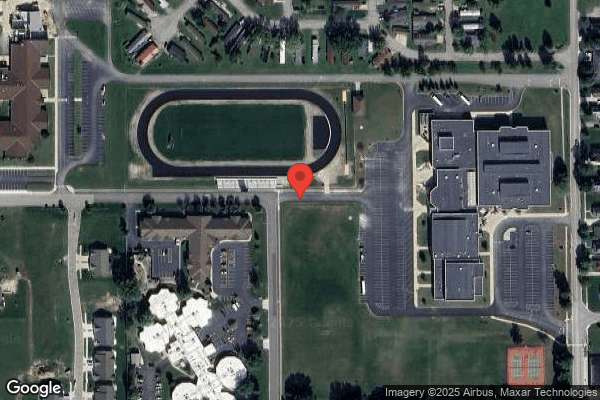

300 N WASHINGTON ST, WAKARUSA, IN 46573 (574) 862-4511
For profit - Partnership 133 Beds INFINITY HEALTHCARE CONSULTING Data: November 2025 1 Immediate Jeopardy citation
Trust Grade
31/100
#402 of 505 in IN
Last Inspection: March 2025

Within standard 12-15 month inspection cycle. Federal law requires annual inspections.

Overview

The Waters of Wakarusa Skilled Nursing Facility has received a Trust Grade of F, indicating significant concerns about the quality of care provided. It ranks #402 out of 505 facilities in Indiana, placing it in the bottom half, and #10 out of 12 in Elkhart County, meaning only two local options are worse. Unfortunately, the facility’s performance is worsening, with issues increasing from 5 in 2024 to 18 in 2025. Staffing is rated at 2 out of 5 stars, with a turnover rate of 56%, which is average but suggests some instability. There are concerning fines totaling $14,069, higher than 83% of Indiana facilities, indicating possible compliance issues. While the facility has good RN coverage, exceeding that of 75% of Indiana facilities, there have been critical incidents, such as a resident being discharged unsafely without proper arrangements, which left them feeling hopeless. Additionally, food safety practices are lacking, with outdated and improperly stored food observed in the kitchen, posing potential risks to residents' health. Overall, families should weigh these significant concerns against any strengths when considering this nursing home for their loved ones.

Trust Score
F
31/100
In Indiana
#402/505
Bottom 21%
Safety Record
High Risk
Review needed
Inspections
Getting Worse
5 → 18 violations
Staff Stability
⚠ Watch
56% turnover. Above average. Higher turnover means staff may not know residents' routines.
Penalties
○ Average
$14,069 in fines. Higher than 59% of Indiana facilities. Some compliance issues.
Skilled Nurses
✓ Good
Each resident gets 44 minutes of Registered Nurse (RN) attention daily — more than average for Indiana. RNs are trained to catch health problems early.
Violations
⚠ Watch
30 deficiencies on record. Higher than average. Multiple issues found across inspections.
★★☆☆☆
2.0
Overall Rating
★★☆☆☆
2.0
Staff Levels
★★★★★
5.0
Care Quality
★☆☆☆☆
1.0
Inspection Score
Stable
2024: 5 issues
2025: 18 issues

The Good

  • 5-Star Quality Measures · Strong clinical quality outcomes
  • Full Sprinkler Coverage · Fire safety systems throughout facility
  • No fines on record

Facility shows strength in quality measures, fire safety.

The Bad

2-Star Overall Rating

Below Indiana average (3.1)

Below average - review inspection findings carefully

Staff Turnover: 56%

10pts above Indiana avg (46%)

Frequent staff changes - ask about care continuity

Federal Fines: $14,069

Below median ($33,413)

Minor penalties assessed

Chain: INFINITY HEALTHCARE CONSULTING

Part of a multi-facility chain

Ask about local staffing decisions and management

Staff turnover is elevated (56%)

8 points above Indiana average of 48%

The Ugly 30 deficiencies on record

1 life-threatening
Mar 2025 11 deficiencies
CONCERN (D)

Potential for Harm - no one hurt, but risky conditions existed

Deficiency F0578 (Tag F0578)

Could have caused harm · This affected 1 resident

Based on interview and record review, the facility failed to ensure a resident's choice of Advance Directive was documented consistently in the medical record and staff were aware of the resident's ch...

Read full inspector narrative →
Based on interview and record review, the facility failed to ensure a resident's choice of Advance Directive was documented consistently in the medical record and staff were aware of the resident's choice for 1 of 1 residents reviewed for Advance Directives (Resident 31). Findings include: During a record review for Resident 31, completed on 3/11/25 at 9:22 A.M., the following conflicting information regarding the resident's advance directives/code status was noted: the face sheet indicated the resident was a Do Not Resuscitate (DNR). However, the physician's orders included orders indicating the resident was a DNR and a Full Code (initiate life sustaining measures, such as chest compressions if heart stops). A Indiana Physician Orders for Scope of Treatment (POST) form dated and signed on 2/20/2025 for Resident 31, indicated the resident wanted to be a full code. The current Care Plan for Resident 31, dated 3/4/2025, indicated a code status of DNR. During an interview, on 3/11/2025 at 1:11 P.M., LPN 8 indicated a resident's code status located on the face sheet and if it was not listed on the face sheet, facility staff were to look in the resident's physician's orders or documents. LPN 8 confirmed the code status for Resident 31 on the face sheet, physician orders, and POST were conflicting and did not match. During an interview, on 03/11/25 1:17 P.M., the DON indicated Resident 31 had recently changed her code status. The DON indicated the code status should have been updated and confirmed the clinical record did not match Resident 31's current code status. A current facility policy was provided by the Regional Nurse, on 3/13/2025 at 2:35 P.M. The policy titled, Advanced Directives Policy and Procedure indicated the facility provides residents the right to accept or refuse treatment and formulate advanced directives . 3.1-4 (f) (5)
CONCERN (D) 📢 Someone Reported This

A family member, employee, or ombudsman was alarmed enough to file a formal complaint

Potential for Harm - no one hurt, but risky conditions existed

Deficiency F0691 (Tag F0691)

Could have caused harm · This affected 1 resident

Based on record review and interview, the facility failed to provide urostomy care and required urostomy supplies for 1 of 3 residents reviewed for urinary devices. (Resident B) Finding includes: A re...

Read full inspector narrative →
Based on record review and interview, the facility failed to provide urostomy care and required urostomy supplies for 1 of 3 residents reviewed for urinary devices. (Resident B) Finding includes: A record review for Resident B was completed on 3/11/2025 at 10:19 A.M. Diagnoses included, but were not limited to: chronic kidney disease stage 2, anal fissure, other artificial openings of urinary tract and dementia. A Medicare 5-day Minimum Data Set (MDS) assessment, dated 2/15/2025, indicated Resident B's cognitive status was not able to be assessed and he had a urostomy. The medical record did not have any physician orders related to a urostomy or the care of the urostomy. An Internal Medicine History and Physical, provided by the hospital from the 2/9/2025 admission, indicated Resident B had a past medical history of a malignant neoplasm of the posterior wall of the urinary bladder and a cystectomy that occurred on 6/3/2019. An Admission/re-admission Screener Assessment, on 2/12/2025 at 5:00 P.M., indicated Resident B was continent of his bladder. A Bowel and Bladder Incontinence Screener Assessment, on 2/13/2025 at 9:06 P.M., indicated Resident B voided appropriately without incontinence. Daily Skilled Nursing Notes, from 2/14/2025 through 2/16/2025, indicated the following urinary descriptions: -2/14/2025 at 2:42 A.M., Urinary: Continent. -2/14/2025 at 10:18 A.M., Urinary: Continent/Incontinent. -2/16/2025 at 5:23 A.M., Urinary: Continent -2/16/2025 at 11:27 A.M., Urinary: Continent, Resident has a urostomy. A document titled, I Would Like to Know , indicated a concern from family regarding, .Urostomy bag leaked and he sat in urine all night, Facility should have the necessary supplies on hand for the resident. His significant other is bringing in supplies A document titled, Internal review of 'I Would Like to Know ' Form [QA Tool], dated 2/14/2025, indicated the following: urostomy site and bag examined and a small amount of urine was on the chux pad (disposable, absorbent bed pad) under Resident B's back. A new bag and wafer were replaced by the Assistant Director of Nursing on 2/14/2025. The Marketing Director was to request urostomy supplies to be sent by the hospital for urostomy maintenance. When Resident B arrived, no urostomy supplies were sent to the facility. The family provided the needed urostomy supplies the following day. A Customer Service Progress Note, on 2/14/2025 at 1:00 P.M., indicated a discussion of urostomy supplies was conducted with Resident B and his wife. The information from the urostomy supplies (bags and wafers) the wife provided was taken so the facility could order the supplies needed to take care of the urostomy. Resident B requested a larger urinary drainage bag for overnight use. Resident B's wife brought in a larger drainage bag and a small tubing adaptor. The nursing staff reinforced the urostomy wafer and there had been no more leaking reported. A Nursing Progress Note, on 2/14/2025 at 10:34 P.M., indicated Resident B's wife had reported a leak was present with Resident B's urostomy. An assessment was completed and Resident B was dry with no leak noted. Resident B's daughter was at the bedside and requested the urostomy bag be changed. The nurse indicated dinner was being served soon and the nurse would change the urostomy bag after dinner so Resident B could lay down. Resident B's wife was statisfied with the plan and reassured resident B's daughter. The urostomy bag was changed after dinner. A Social Service Note, on 2/15/2025 at 1:00 P.M., indicated the Social Service Director called the family to discuss the urostomy. The Social Service Director had been in the building and had discovered the urostomy had been replaced and was working properly. A General Progress Note, on 2/16/2025 at 10:00 A.M., indicated Resident B's daughter stated, We are taking him home. A Care Plan, initiated on 2/14/2025 and revised on 2/14/2025, indicated Resident B had urinary incontinence related to physically or mentally unawareness of the need to void. The care plan, nor any other care plans, addressed Resident B's urostomy. During an interview, on 03/14/2025 at 10:02 A.M., the Director of Nursing indicated Resident B was admitted to the facility on a Thursday (2/13/2025). She indicated the Marketing Director was to request that the hospital send urostomy supplies or was to arrange for the family to bring supplies until the facility could order the needed supplies for the urostomy. She indicated the supplies did not come from the hospital nor was the family made aware of the need to bring urostomy supplies. She indicated Resident B's family complained of Resident B lying in urine and that the CNA working had been reluctant to provide urostomy care per Resident B's complaints. She indicated the Assistant Director of Nursing had checked Resident B on Friday (2/14/2025) morning for leakage from the urostomy bag and had applied a new urostomy bag. The facility had also brought in an indwelling catheter bag to connect to the urostomy bag, so the urostomy bag did not need to be drained every two hours. A policy was provided, on 3/11/2025 at 1:48 P.M., by the Director of Nursing. The policy titled, Urostomy, indicated, .A urostomy is similar to a fecal ostomy, but it is an artificial opening for the urinary system and the passing of urine to the outside of the abdominal wall through an artificial created hole called a stoma .A urostomy patient has no voluntary control of urine, and a pouch system must be used and emptied regularly. Many patients empty their urostomy bag every 2 to 4 hours .the pouch should be emptied when it is 1/3 full. The pouch may also be attached to a drainage bag for overnight drainage This citation relates to complaint IN00453772. 3.1-47(a)(3)
CONCERN (D)

Potential for Harm - no one hurt, but risky conditions existed

Respiratory Care (Tag F0695)

Could have caused harm · This affected 1 resident

Based on observation, record review and interview, the facility failed to provide non-invasive mechanical ventilation equipment for 1 of 3 residents and failed to properly store respiratory treatment ...

Read full inspector narrative →
Based on observation, record review and interview, the facility failed to provide non-invasive mechanical ventilation equipment for 1 of 3 residents and failed to properly store respiratory treatment for 1 of 3 residents reviewed for respiratory services. (Resident 333 & 16) Findings include: 1. During an observation on 3/10/2025 at 10:02 A.M., Bi-Pap (bi-level positive airway pressure) equipment was observed in Resident 333's room on a table by the door of her room. When Resident 333 was questioned about the Bi-Pap equipment, she indicated she had been admitted to the facility a week ago and was not sure why she had the Bi-Pap equipment in her room. During an observation, on 3/11/2025 at 9:26 A.M., 3/12/2025 at 9:32 A.M. and 3/13/2025 at 9:12 A.M., Bi-Pap equipment was observed on a table by Resident 333's door in a plastic bag. A record review for Resident 333 was completed on 3/12/2025 at 9:33 A.M. Diagnoses included, but were not limited to: acute respiratory failure with hypoxia, rib fracture, panic disorder and emphysema. The admission Minimum Data Set (MDS) assessment .had not been completed yet. A Physician's Order for Resident 333, dated 3/5/2025, indicated to apply the Bi-Pap mask as ordered while sleeping and remove while awake for sleep apnea. The order indicated an inspiratory positive airway pressure setting of 10 cm H2O (centimeters of water) and expiratory positive airway pressure setting of 6 cm H2O. There was no baseline care plan related to Resident 333's diagnosis of obstructive sleep apnea or the use of the Bi-Pap machine. During an interview, on 3/13/2025 at 9:12 A.M., Resident 333 indicated she had not worn the Bi-Pap mask since before admission to the facility. She indicated the Bi-Pap mask had not been offered to her for use. During an interview, on 3/14/2025 at 10:12 A.M., the Director of Nursing (DON) indicated Resident 333 should have been wearing her Bi-Pap equipment, unless she had declined. The DON indicated any declination of wearing the Bi-Pap would have been documented. There was no documentation regarding any refusals to wear the Bi-Pap in Resident 333's record. 2. During an observation, on 3/10/2025 at 10:50 A.M., 3/12/2025 at 1:18 P.M., 3/13/2025 at 2:14 P.M. and 3/14/2025 at 9:34 P.M., Resident 16's C-Pap (continuous positive airway pressure) mask was stored uncovered in the top drawer of her bedside table. A record review for Resident 16 was completed on 3/12/2025 at 1:15 P.M. Diagnoses included, but were not limited to: Parkinson's disease, shortness of breath and obstructive sleep apnea. A Quarterly MDS assessment, dated 2/25/2025, indicated Resident 16 was cognitively intact and used non-invasive mechanical ventilation (C-Pap). A Physician's Order, dated 8/16/2024, indicated Resident 16 to wear the C-Pap at bedtime and during naps for sleep apnea. A Care Plan initiated, on 5/13/2024, indicated Resident 16 was at risk for altered sleep/respiratory function related to obstructive sleep apnea. During an interview, on 3/14/2025 at 10:13 A.M., the DON indicated the C-Pap mask should have been stored in a dated respiratory bag when the mask was not in use. A policy was provided, on 3/14/2025 at 1:00 P.M., by the DON. The policy titled, Bi-Level Therapy, indicated, .Bi-level therapy is used to treat patients with obstructive sleep apnea who have difficulty tolerating CPAP. The goals of this therapy include: improved ventilation, improve quality of sleep, decrease hospitalizations, improve cognitive function, improve oxygen saturations during sleep, decrease work of breathing, and improve lung compliance. BiLevel machines are set with two pressures, Inspiratory and Expiratory A policy was provided, on 3/14/2025 at 1:00 P.M., by the DON. The policy titled, CPAP Therapy, indicated, .Continuous Positive Airway Pressure is used to treat obstructive sleep apnea. The goals of this therapy include; improve ventilation, improve quality of sleep, decrease hospitalizations, improve cognitive function, improve oxygen saturation during sleep, decrease work of breathing, and improve lung compliance 3.1-47(a)(6)
CONCERN (D)

Potential for Harm - no one hurt, but risky conditions existed

Deficiency F0698 (Tag F0698)

Could have caused harm · This affected 1 resident

Based on record review and interview the facility failed to assess a dialysis fistula for 1 of 2 residents reviewed for dialysis. (Resident 24) Findings include: A record review for Resident 24 was c...

Read full inspector narrative →
Based on record review and interview the facility failed to assess a dialysis fistula for 1 of 2 residents reviewed for dialysis. (Resident 24) Findings include: A record review for Resident 24 was completed on 3/12/2025 at 9:43 A.M. Diagnoses included but were not limited to: chronic kidney disease stage 4 and fistula left wrist. A current care plan indicated Resident 24 was at risk for the dialysis fistula to become non-functioning. The interventions included but were not limited to: all fistulas will be assessed every shift and as needed for the bruit and thrill, if absent notify the doctor. The record for Resident 24, did not include a Physician's Order to assess the fistula. During an interview on 3/12/2025 at 2:34 P.M., Regional Nurse indicated the fistula should have been assessed and documented every shift. During an interview on 3/12/2025 at 2:39 P.M., LPM 6 indicated there was not an order for facility staff to assess the fistula and there was no documentation staff had been assessing the fistula. A current facility policy was provided by the Regional Nurse, on 3/13/2025 at 3:35 P.M. The policy titled, Guidelines for Post Hemodialysis Care, indicated . a licensed nurse should palpate the fistula daily for bruit/thrill and each shift the site should be assessed. 3.1-37(a)
CONCERN (D)

Potential for Harm - no one hurt, but risky conditions existed

Medication Errors (Tag F0758)

Could have caused harm · This affected 1 resident

Based on record review and interview, the facility failed to attempt a gradual dose reduction (GDR) for a resident's whose last GDR was completed on 11/17/2023, for 1 of 5 residents reviewed for unnec...

Read full inspector narrative →
Based on record review and interview, the facility failed to attempt a gradual dose reduction (GDR) for a resident's whose last GDR was completed on 11/17/2023, for 1 of 5 residents reviewed for unnecessary medications. (Resident 22) Finding includes: The record for Resident 22 was reviewed on 3/12/2025 at 1:32 P.M. Diagnoses included, but were not limited to Alzheimer's disease, anxiety, mood disorder and hypertension. Current Physician Orders, dated 11/17/2023, included Ativan (Lorazepam) an (antianxiety) 0.5 mg (milligrams) 1 tablet two times a day for anxiety. A current Care Plan, initiated on 1/18/2021 and revised on 11/17/2023, indicated Resident 61 expresses/or exhibits restlessness, and nervousness and has a diagnosis of dementia. Interventions included, but were not limited to: monitor quarterly for Medication GDR for psychoactive medication through pharmacy consultant. A current Care Plan, initiated on 4/11/2022 and revised on 2/1/2023, indicated the resident displayed mood issues as exhibited by: excessive nervousness, restlessness, slapping at staff or yelling at staff during care. Interventions included, but were not limited to: Administer antianxiety medication as ordered. Monitor quarterly for Medication GDR for psychoactive medication through pharmacy consultant and psych services. A Consultant Pharmacy Note, dated 2/22/2025 at 2:31 P.M., indicated a Medical Record Review (MRR) was completed - Recommendation Made. Please route recommendation to appropriate prescriber: due for GDR for the following medications: Lorazepam 0.5 mg BID Due for GDR attempt. Recommend the following options: 1). condition stable - Will attempt dose reduction of the following: Lorazepam 0.5 mg in AM and 0.25 mg in PM for anxiety. 2). Another agent to GDR- please describe below. All areas of the Pharmacy Recommendation were blank and had no response from the NP. A Psychotropic Medication Note To Physician/Prescriber, dated 2/22/2025, indicated As a reminder, Per CMS Guidelines, this patient is due for a GDR for the following medication(s) to ensure that he/she is using the lowest possible effective/optimal dose. Lorazepam 0.5 mg BID (twice a day) due for GDR attempt. A Nurse Practitioner Progress Note, dated 3/10/2025, indicated recent medication adjustments have improved her behavior, reducing her anxiety and disturbances in the pod. Is currently on Ativan (Lorazepam) 0.5 mg BID for anxiety, which has effectively decreased episodes of screaming, crying and other behaviors. Med changes since last visit: none documented. There was no indicatation the Nurse Practioner had considered the Pharmacist's recommendation to attempt a Gradual Dose reduction and no documentation the reduction attempt was contra-indicated. During an interview, on 3/12/2025 at 2:06 P.M., CNA 5 indicated the resident had behaviors where she would get mad if 2 staff went in to transfer her. She would get mad at the one who was doing the care and would not be mad at the other one who was there. CNA 5 indicated Resident 61 had gotten anxious when the facility had tried to change her where she would pull away. During an interview, on 3/14/2025 at 1:00 P.M., the Regional Nurse indicated the behaviors were documented on the Medication Administration Record (MAR) and in the nurses notes. The last documented behaviors/anxiety issues for Resident 22 included: Nursing Progress Note, on 10/14/2024 at 4:28 A.M., indicated the resident resisted care during the night. CNA's had attempted to change resident but she kept on resisting. Nursing Progress Note, on 10/14/2024 at 4:28 A.M., indicated the resident had been combative with night care- hitting, pinching, with 2 caregivers assisting with her care. During an interview, on 3/14/2025 at 1:05 P.M., the Director of Nursing indicated she did not see any indication for the antianxiety medication to be decreased. On 3/13/2025 at 1:45 P.M., the Director of Nursing provided the policy titled, Guidelines for use of Unnecessary Drugs to Include Chemical Restraints, undated, and indicated the policy was the one currently used by the facility. The policy indicated .Intent: It is the intent of this facility to ensure that any use of unnecessary meds, to include unnecessary psychoactive medications is prohibited . When a medication is indicated to treat a medical symptom- the facility must use the least restrictive alternative; for the least amount of time; provide ongoing re-evaluation of the need to the medication . Each resident's drug regimen must be free of unnecessary drugs. An unnecessary drug is defined as one that is used in excessive dose or duration, without adequate monitoring, without adequate indications for use . Residents who use psychotropic drugs will receive gradual dose reductions 3.1-48(b)(2)
CONCERN (D)

Potential for Harm - no one hurt, but risky conditions existed

Deficiency F0761 (Tag F0761)

Could have caused harm · This affected 1 resident

**NOTE- TERMS IN BRACKETS HAVE BEEN EDITED TO PROTECT CONFIDENTIALITY** Based on observation, interview and record review, the facility failed to ensure medications were stored appropriately, had resi...

Read full inspector narrative →
**NOTE- TERMS IN BRACKETS HAVE BEEN EDITED TO PROTECT CONFIDENTIALITY** Based on observation, interview and record review, the facility failed to ensure medications were stored appropriately, had resident labels, and medication carts were were free of loose pills for 2 of 3 medication carts observed. (Peach Pod & Maple Pod) Findings include: 1. During a medication storage observation, on [DATE] at 10:44 A.M., with LPN 4 on the Peach medication cart, the following was observed: - An opened and undated bottled of Zinc Caps and Vit. C with no resident identifiers - An opened and undated vial of Lantus insulin. - An opened and undated Lispro insulin pen. - An opened and undated vial of Lantus insulin. - An opened bottle of betadine for a discharged resident. - A tube of neopsporin ointment with no resident identifiers. - An opened and undated bottle of ammonium lactate lotion with the resident label torn off. - One (1) loose white pill. - Four (4) opened and undated containers of [NAME] lax. - An opened and undated bottle of Tussin cough syrup. During an interview, on [DATE] at 10:57 A.M., LPN 4 indicated the medications should have been label and dated when opened. 2. During a medication storage observation, on [DATE] at 10:59 A.M., with RN 13 on the ICF Maple medication cart, the following was observed: - An unlabeled Flutisone Propionate inhaler. - An unopened bottle of timolol eye drops with no resident identifiers. - An opened and undated vial of Humalog insulin. - Two (2) boxes of assure prism solution that had expired on [DATE] and [DATE]. - Two (2) containers of Aquaphor (skin lotion) for a resident who had been expired and 1 container with no label. - An opened and undated bottle of maxi Tussin cough syrup. - Four (4) opened and undated bottles of Miralax. During an interview, on [DATE] at 11:09 A.M., RN 13 indicated the medications should have been labeled and dated when opened. On [DATE] at 1:45 P.M., the Director of Nursing provided the policy titled, Medication Storage in the Facility, dated [DATE], and indicated the policy was the one currently used by the facility. The policy indicated . Medications and biological's are stored safely, securely, and properly following manufacture or supplier recommendations . 14. Outdated, contaminated, or deteriorated drugs and those in containers .will be immediately withdrawn from stock by the facility. 15. Medication storage areas are kept clean A policy for dating and labeling medications was requested, but were not provided prior to the survey exit. 3.1-25(j) 3.1-25(o)
CONCERN (D)

Potential for Harm - no one hurt, but risky conditions existed

Laboratory Services (Tag F0770)

Could have caused harm · This affected 1 resident

**NOTE- TERMS IN BRACKETS HAVE BEEN EDITED TO PROTECT CONFIDENTIALITY** Based on record review and interview, the facility failed to obtain a physician ordered lab for 1 of 1 residents reviewed for la...

Read full inspector narrative →
**NOTE- TERMS IN BRACKETS HAVE BEEN EDITED TO PROTECT CONFIDENTIALITY** Based on record review and interview, the facility failed to obtain a physician ordered lab for 1 of 1 residents reviewed for laboratory services. (Resident 61) Finding includes: The record for Resident 61 was reviewed on 3/12/2025 at 10:15 A.M. Diagnoses included, but were not limited to epilepsy, depression, hypertension, atrial fibrillation, hernia and cardiomegaly. A Nursing Progress Note, dated 2/8/2025 at 11:10 P.M., indicated the resident complained of abdominal pain where a hernia was protruding. The Nurse Practitioner was notified and an order to send the resident to the hospital was received. Resident 61 was hospitalized from [DATE] to 2/13/2025. The Post Acute Transfer Order sheet, date 2/13/2025, indicated Resident 61 was to have laboratory draws (blood draws) consisting of CBC (complete blood count) and a Renal Panel test in 1 week. There was no documentation of the laboratory blood draws being completed and/or the results. During an interview, on 3/12/2025 at 11:50 A.M., the Director of Nursing indicated the lab orders should have been completed. 3.1-49(a)
CONCERN (E) 📢 Someone Reported This

A family member, employee, or ombudsman was alarmed enough to file a formal complaint

Potential for Harm - no one hurt, but risky conditions existed

Quality of Care (Tag F0684)

Could have caused harm · This affected multiple residents

**NOTE- TERMS IN BRACKETS HAVE BEEN EDITED TO PROTECT CONFIDENTIALITY** 4. During an interview, on 3/10/2025 at 11:09 A.M., Resident 30 indicated she had very dry skin. A record review for Resident 30...

Read full inspector narrative →
**NOTE- TERMS IN BRACKETS HAVE BEEN EDITED TO PROTECT CONFIDENTIALITY** 4. During an interview, on 3/10/2025 at 11:09 A.M., Resident 30 indicated she had very dry skin. A record review for Resident 30 was completed, on 3/13/2025 at 9:17 A.M. Diagnoses included, but were not limited to: diabetes mellitus type 2 and hemiplegia. A Quarterly Minimum Data Set (MDS) assessment, dated 1/11/2025, indicated Resident 30 had moderate cognitive impairment and impaired range of motion to the upper and lower extremities on one side of her body. A Nurse Practitioner Skin and Wound Progress Note, dated 2/28/2025 at 9:26 A.M., indicated Resident 30's skin was dry, flaky and atrophied and was observed to have dry skin generalized to her entire body. An emollient skin application as needed for dry and/or atrophic skin was recommended by the nurse practitioner.However, there were no orders for an emollient to be provided to Resident 30 for her dry skin. A Care Plan, initiated 5/10/2025 and revised on 8/13/2024, indicated Resident 30 was at risk for additional areas of skin breakdown. The goal included, but was not limited to: Resident 30 would be provided with preventative measures to avoid skin breakdown. Interventions included, but were not limited to: monitor skin daily during care and notify the physician and family of any change in skin integrity. During an interview, on 3/14/2025 at 10:14 A.M., the Director of Nursing (DON), indicated Resident 30 should have had an order for an emollient if recommended by the nurse practitioner. During an interview, on 3/14/2025 at 11:19 A.M., the Regional Director of Clinical Services indicated the emollient for Resident 20 would have been ordered as needed if an issue of her skin arose. A policy was provided, on 3/14/2025 at 1:00 P.M., by the Director of Nursing. The policy titled, Guidelines for Preventative Skin Care, indicated, .Procedure: 1) Appropriate skin care is provided by staff each shift and/or as necessary 4. During an interview, on 3/10/2025 at 11:41 A.M., Resident 331 indicated the meals provided by the facility were high in carbohydrates and her blood sugars had been running high since her admission to the facility. A record review for Resident 331 was completed on 3/12/2025 at 10:03 A.M. Diagnoses included, but were not limited to: pathological fracture of left femur, malignant neoplasm of liver and lower lobe of left bronchus, secondary malignant neoplasm of bone and diabetes mellitus type 2. Resident 331 admitted to the facility on [DATE]. The admission MDS assessment had not yet been completed and was still in progress. Hospital discharge instructions, dated [DATE], indicated the following order: Insulin Lispro 100 units per milliliter Solution Sliding Scale subcutaneously as ordered as needed for serum glucose, see parameters: 140-160 give 1 unit; 161-180 give 2 units; 181-200 give 3 units; 201-220 give 4 units; 221-240 give 5 units; 241-280 give 6 units; 281-320 give 7 units; 321-360 give 8 units; 361-400 give 9 units; Above 400 give 10 units. A Physician's Order, dated 3/7/2025 and discontinued 3/7/2025 by a pharmacy interchange order, indicated the following order was to be implemented for the interchange: Insulin Lispro 100 units per milliliter Solution inject as per sliding scale subcutaneously four times a day for diabetes: if 140-160 give 1 unit; 161-180 give 2 units; 181-200 give 3 units; 201-220 give 4 units; 221-240 give 5 units; 241-280 give 6 units; 281-320 give 7 units; 321-360 give 8 units; 361-400 give 9 units; Above 400 give 10 units. The Physician's Orders for Resident 331, from the pharmacy interchange order, was dated 3/10/2025 and indicated the following: Insulin Lispro 100 units per milliliter Solution inject as per sliding scale subcutaneously four times a day for diabetes: if 140-160 give 1 unit; 161-180 give 2 units; 181-200 give 3 units; 201-220 give 4 units; 221-240 give 5 units; 241-280 give 6 units; 281-320 give 7 units; 321-360 give 8 units; 361-399 give 9 units and notify MD if over 350; 400-500 give 10 units and notify MD. A review of the Medication administration record indicated Resident 331 received Lispro sliding scale insulin on the following dates between 3/7/2025 and 3/10/2025. -3/7/2025 at 4:30 P.M. -3/10/2025 at 7:30 A.M., 12:00 P.M., 5:00 P.M. and 9:00 P.M. Resident 331 did not receive any sliding scale insulin on 3/8/2025 or on 3/9/2025. A Care Plan, initiated 3/10/2025, indicated Resident 331 had a diagnosis of diabetes mellitus type 2 with the risk of hypo/hyperglycemia. Interventions included, but were not limited to: administer medications and insulins per order. During an interview, on 3/14/2025 at 11:28 A.M., the Regional Director of Clinical Services indicated the pharmacy had issued a therapeutic interchange of the sliding scale insulin on 3/7/2025 and the sliding scale insulin order was not signed by the nursing department and implemented until 3/10/2025. She indicated Resident 331 had missed two days of the sliding scale insulin ordered. On 3/12/2025 at 1:09 P.M., the DON provided a policy titled, Guidelines for Physician Orders- Following Physician Orders, dated 6/18/2023 and indicated it was the policy currently being used by the facility. The policy indicated : . It is the policy of the facility to follow the orders of the physician. At the time of admission the facility must have physician orders for the resident's immediate care . 4. All physician orders received pertaining to the resident will be implemented and followed throughout the course of the resident's stay in the facility as the orders are received 3.1-37(a) 2. A record review was completed for Resident 55 on 3/13/2025 at 11:32 A.M. Diagnoses included, but were not limited to: senile degeneration of the brain and dementia. A Quarterly MDS (Minimum Data Set) assessment, dated 2/10/2025 indicated Resident 55's cognition was significantly impaired. A significant changed MDS was completed on 1/26/2025 indicating the resident was receiving hospice services. A Physician's Order, dated 1/15/2025 indicated hospice was to evaluate and treat the resident per family request. A Physician's Order, dated 1/17/2025 indicated Resident 55 was accepted to (name of hospice) and was a DNR (do not resuscitate). A current Care Plan, revised on 1/20/2025 indicated Resident 55 elected hospice services and was to be followed by hospice care (name of hospice). Interventions included, but were not limited to: Staff nurses will contact hospice with information that affects resident care. On 3/13/2025 at 1:35 P.M., a review of Resident 55's hospice book was completed. The resident's hospice book lacked documentation of the resident's medications, physician's orders, a signed DNR and any communication between the facility and (name of hospice). During an interview on 3/13/2025 at 1:38 P.M., the DON indicated the resident's hospice book should have had a copy of the resident's signed DNR, current orders, medications and any communication between the facility and (name of hospice). On 3/13/2025 at 2:16 P.M., the DON provided a policy titled, Guidelines for Palliative Care- Hospice Care, dated 10/9/2024 and indicated it was the policy currently being used by the facility. The policy indicated, : What must a LTC facility do as their part for partnering with the hospice provider? D. A communication process, including how the communication will be documented between the LTC facility and the hospice provider, to ensure that the needs of the residents are addressed and met 24 hours per day 3. A record review was completed for Resident 6 on 3/11/2025 at 1:09 P.M. Diagnoses included, but were not limited to: atrial fibrillation, coronary atherosclerosis and hypertension. A Physician's Order indicated Resident 6 was to receive Triamterene and Hydrochlorothiazide 37.5-25 mg (milligram) tablet by mouth, one time a day for hypertension. The medication was to be held if the resident's systolic blood pressure was below 110 mmHg (millimeters per mercury). A review of Resident 6's MAR (medication administration record) indicated the Triamterene and Hydrochlorothiazide 37.5-25 mg tablet was documented as given on the following dates, when the resident's blood pressure was outside the recommended parameter: - on 11/21/2024 the resident's blood pressure was 100/50 mmHg. - on 11/22/2024 the resident's blood pressure was 102/54 mmHg. - on 12/11/2024 the resident's blood pressure was 97/53 mmHg. - on 12/22/2024 the resident's blood pressure was 108/62 mmHg. - on 1/4/2025 the resident's blood pressure was 102/60 mmHg. - on 1/21/2025 the resident's blood pressure was 88/58 mmHg. - on 2/1/2025 the resident's blood pressure was 91/52 mmHg. - on 2/16/2025 the resident's blood pressure was 105/58 mmHg. During an interview on 3/12/2025 at 1:53 P.M., the DON indicated the resident's medication should have been held on the days her blood pressure was outside the recommended parameters. On 3/12/2025 at 1:09 P.M., the DON provided a policy titled, Guidelines for Physician Orders- Following Physician Orders, dated 6/18/2023 and indicated it was the policy currently being used by the facility. The policy indicated, .4. All physician orders received pertaining to the resident will be implemented and followed throughout the course of the resident's stay in the facility as the orders are received Based on observation, interview and record review the facility failed to follow a Physicians order to hold a hypotensive medication (Resident 24), failed to keep a complete hospice binder (Resident 55), failed to follow physician's orders regarding hypertensive medication (Resident 6), failed to provide recommended emollient for skin (Resident 39), and failed to provide sliding scale insulin for 2 day for a resident with diabetes mellitus (Resident 331). Finding includes: 1. The record for Resident 24 was reviewed on 3/12/2025 at 9:43 A.M. Diagnoses included but were not limited to: pulmonary hypertension, orthostatic hypotension, obesity, congestive heart failure, and anxiety. Physician Orders included but were not limited to: carvedilol 3.125 milligrams (mg) daily, torsemide 10 mg daily, and midodrine 5 mg three times a day, hold for systolic blood pressure (SBP) greater than 120. The Medication Administration Record MAR for January 2025 indicated that Resident 24 had a SBP greater than 120 and the medication midodrine was administered 42 times. The MAR for February 2025 indicated that Resident 24 had a SBP greater than 120 and the medication midodrine was administered 28 times. The MAR for March 2025 indicated that Resident 24 had a SBP greater than 120 and the medication midodrine was administered 7 times. During an interview on 3/12/2025 at 2:34 P.M., Regional Nurse indicated on the days with SBP greater than 120, the midodrine should not have been administered. During an interview on 3/13/2025 at 10:41 A.M., LPN 7 indicated if Resident 24's SBP was greater than 120 the facility staff should not have administered the medication.
CONCERN (E)

Potential for Harm - no one hurt, but risky conditions existed

Menu Adequacy (Tag F0803)

Could have caused harm · This affected multiple residents

Based on observation and interview, the facility failed to ensure recipes were followed when preparing pureed meals. This deficient practice had the opportunity to affect 4 of 4 residents who received...

Read full inspector narrative →
Based on observation and interview, the facility failed to ensure recipes were followed when preparing pureed meals. This deficient practice had the opportunity to affect 4 of 4 residents who received pureed meals from the kitchen. Finding includes: During an observation of the preparation of pureed meals on 3/10/2025 at 11:41 A.M., [NAME] 2 added 4 scoops of cauliflower and an unmeasured amount of water to the mixer. She indicated she used a #8 (1/2 cup) scoop for the cauliflower and added as much water as she needed to get the correct consistency. [NAME] 2 did not use a recipe for the pureed cauliflower. During an observation of the main dining on 3/10/2025 at 12:29 P.M., Resident 14 received a pureed meal. The resident's pureed meal was watery in appearance and all of the individual food items ran together. During an observation of the preparation pureed meals on 3/13/2025 at 11:06 A.M., [NAME] 2 indicated she was preparing nine servings of mixed vegetables. [NAME] 2 added the vegetables to the mixer with an unknown measured amount of water and began mixing. [NAME] 2 added more water to the mixer and continued mixing. [NAME] 2 did not use a recipe to make the mixed vegetables. The pureed vegetables appeared very thin. She indicated she would add some thickener to the mixture prior to serving if the mixed vegetables appeared too thin after placing onto the steam table. During an interview on 3/13/2025 at 11:16 A.M., [NAME] 2 indicated she should have used a recipe when preparing the pureed meals. On 3/13/2025 at 2:05 P.M., the DON provided a policy titled, Pureed Diet, date 6/2023 and indicated it was the policy currently being used by the facility. The policy indicated .Foods are thickened if necessary to achieve a pudding or mashed potato consistency using commercial food thickeners or food items like mashed potato flakes. At times, it may be necessary to add liquid instead of thickening the food. Liquids used include: gravies, broth, juices or milk. Water is not used since it causes flavor loss then resulting in poor intake. Food characteristics: Can be piped, layered, or molded; appears softly formed on the plate. Shows some very slow movement under gravity but cannot be poured. Falls off spoon in single spoonful when tilted and continues to hold shape on plate 1.3-20(i)(1)
CONCERN (E)

Potential for Harm - no one hurt, but risky conditions existed

Infection Control (Tag F0880)

Could have caused harm · This affected multiple residents

5. On 3/14/2025 at 1:06 P.M., a review of the infection log book indicated the last documentation for tracking and trending resident infections had been completed in December 2024. The book lacked the...

Read full inspector narrative →
5. On 3/14/2025 at 1:06 P.M., a review of the infection log book indicated the last documentation for tracking and trending resident infections had been completed in December 2024. The book lacked the documentation to show resident infections had been monitored since December 2024. During an interview, on 3/14/2025 at 1:10 P.M., the Director of Nursing indicated the policies were reviewed annually and there had been tracking and trending done in 12/2024. She indicated there was nothing documented more recently for this year, and it should have been done. On 3/13/2025 at 2:35 P.M., the Regional Nurse provided the policy titled, Guidelines for Enhanced Barrier Precautions: An extension of Personal Protective Equipment, dated 12/2022 and indicated it was the policy currently being used by the facility. The policy indicated . Policy: It is the policy of the facility to ensure that additional and appropriate PPE (Personal Protective Equipment) is utilized, when indicated, to prevent the spread of Multi-drug resistant Organisms also known as MDRO's On 3/14/2025 at 1:45 P.M., the Director of Nursing provided the policy titled, Guidelines for Infection Prevention and Control, dated 8/17/2023, and indicated the policy was the one currently used by the facility. The policy indicated . Surveillance: A surveillance system designed to do the following will be maintained: Identify possible communicable diseases or infections before they can spread to other persons in the facility. Ensure that any communicable diseased are identified and reported timely and to the required parties/agencies. Ensure that standard and transmission-based precautions are followed in an effort to prevent the spread of infection 3.1-18(a) 3.1-18(b)(1) Based on observation, interview and record review, the facility failed to ensure staff members followed general infection control practices regarding enhanced barrier precautions (EBP) (CNA 10 & DON) and failed to ensure an infection prevention and control program was established and maintained. Findings included: 1. During an observation on 3/11/2025 at 9:27 A.M., CNA 10 was observed in Resident 14's room without wearing a gown. There was an EBP sign on the resident's door. During an interview on 3/11/2025 at 9:33 A.M., CNA 10 indicated she was gathering the residents trash and making the resident's bed. She indicated she should have had on a gown while in the resident's room. 2. During an observation on 3/12/2025 at 1:44 P.M., the DON was observed walking into a residents room who was on EBP precautions without wearing a gown. There was an EBP sign on the resident's door. During an interview on 3/13/2025 at 1:48 P.M., the DON indicated she went into the resident's room to help the resident off the toilet. She indicated she also provided perineal care prior to placing the resident in bed. She indicated she was wearing gloves but was not wearing a gown while providing care to the resident. She indicated she should have been wearing a gown.4. A record review for Resident 17 was completed on 3/11/2025 at 1:26 P.M. Diagnoses included but were not limited to: Chronic Hepatitis C, carrier of carbapenum resistant Acinetobacter baumannii (CRAB), and chronic kidney disease stage 3. Physician Orders dated 1/19/2024 indicated Resident 17 was on contact precautions. A current Care Plan for Resident 17 indicated he was on contact precautions related to CRAB (a multidrug resistant infection). A sign was observed on Resident 17's door indicating staff were to apply gloves and gown before entering the room, were to perform all care while wearing gloves and gown, and dispose of linen and trash in designated receptacles. During an observation on 3/10/2025 at 10:25 A.M., a housekeeper was observed in Resident 17's room carrying a trash bag but not wearing gloves or a gown. During an observation on 3/10/2025 at 10:33 A.M., a CNA was observed making Resident 17's bed without wearing gloves or a gown. During an observation on 3/12/2025 at 9:05 A.M., a CNA was observed entering Resident 17's room without wearing gloves or a gown. During an interview on 3/11/2025 at 2:03 P.M., CNA 11 indicated that staff should have worn a gown and gloves when entering Resident 17's room. CNA 11 also indicated she should have been wearing a gown and gloves when she was making his bed. 3. During an observation, on 3/10/2025 at 3:05 P.M., CNA 3 was observed providing toileting assistance for Resident 3, who had multiple skin tears. CNA 3 donned (applied) gloves but did not don a gown. Resident 3's room door did not have a Enhanced Barrier Precautions (EBP) sign on the door. During an interview, on 3/10/2025 at 3:15 P.M., CNA 3 indicated she was aware of Resident 3's multiple skin tears, but she did not know Resident 3 was on Enhanced Barrier Precautions. The record for Resident 3 was reviewed on 3/11/2025 at 9:15 A.M. A current Physician's Order, dated 8/3/24, indicated Enhanced Barrier Precautions due to skin tears. During an interview on 3/11/25 9:30 A.M., Nurse 9 indicated she thought the resident had a sign on her door due to her skin tears. Per Centers for Disease Control (CDC), the EBP sign directs providers and staff to gown and wear gloves during high-contact care, including toileting and transfering of residents with skin wounds that require dressings.
CONCERN (F)

Potential for Harm - no one hurt, but risky conditions existed

Food Safety (Tag F0812)

Could have caused harm · This affected most or all residents

Based on observation, record review, and interview, the facility failed to store food under sanitary conditions related to foods not tightly sealed and outdated foods, for 1 of 1 kitchen observed. Thi...

Read full inspector narrative →
Based on observation, record review, and interview, the facility failed to store food under sanitary conditions related to foods not tightly sealed and outdated foods, for 1 of 1 kitchen observed. This issue had the potential to affect 83 of 83 residents who received food from this kitchen. Findings include: On 3/10/202 at 9:39 A.M., a kitchen tour was conducted with [NAME] 2. The following was observed in the walk-in cooler: - An opened bag of sausage gravy with a use by date of 3/1/2025. - An opened container of ketchup with no use by date. - An opened bag of tomato soup with a use by date of 2/28/2025. - An opened bag of lettuce not sealed tightly. - An opened bag of shredded cheddar cheese not sealed tightly. - An opened bag of lettuce with a use by date of 2/20/2025. - An opened box of hot dogs not sealed tightly. The following was observed in the walk-in freezer: - An opened bag beef of patties not sealed tightly. - An opened bag of green beans not sealed tightly. During an interview on 03/10/2025 at 9:51 A.M., [NAME] 2 indicated the bags that were not sealed tightly should have been and the expired foods should have been thrown out. On 3/12/2025 at 12:00 P.M., the Regional Director of Clinical Services provided a policy titled, Food Safety and Sanitation, dated 4/2017 and indicated it was the policy currently being used by the facility. The policy indicated, .Policy: The facility will show safe food handling and storage of dry foods and supplies. Opened products will be labeled and stored in tightly covered containers. Foods in the refrigerator will be covered, labeled, and dated. Foods will be used by its use by date, frozen or discarded 3.1-21(i)(3)
Jan 2025 7 deficiencies 1 IJ
CRITICAL (J) 📢 Someone Reported This

A family member, employee, or ombudsman was alarmed enough to file a formal complaint

Immediate Jeopardy (IJ) - the most serious Medicare violation

Transfer Requirements (Tag F0622)

Someone could have died · This affected 1 resident

**NOTE- TERMS IN BRACKETS HAVE BEEN EDITED TO PROTECT CONFIDENTIALITY** Based on record review and interview, the facility failed to ensure a notice of discharge was provided in writing, discharge pla...

Read full inspector narrative →
**NOTE- TERMS IN BRACKETS HAVE BEEN EDITED TO PROTECT CONFIDENTIALITY** Based on record review and interview, the facility failed to ensure a notice of discharge was provided in writing, discharge planning was completed, and a resident's discharge was safe with continuity of care ensured for 1 of 3 residents reviewed for discharge. (Resident E) This deficient practice resulted in an unsafe discharge when the resident was transferred to a hospital waiting area without admission arrangements and no way to obtain nutrition through enteral feedings. The resident voiced feeling of hopelessness and felt others wanted him to die. The immediate jeopardy began on 12/24/24 when the facility discharged Resident E to a hospital waiting area. The Administrator and Regional Administrator were notified of the immediate jeopardy at 3:58 P.M. on 1/6/25. The immediate jeopardy was removed on 1/7/25, but the noncompliance remained at the lower scope and severity level of isolated with no actual harm with potential for more than minimal harm that is not immediate jeopardy Finding includes: The clinical record for Resident E was reviewed on 1/5/25 at 2:00 P.M. Resident E was admitted to the facility on [DATE] from an acute care facility following surgical repair of necrotizing pancreatitis. The resident's diagnoses included, but were not limited to, status post (s/p) perforation of the esophagus, acute pancreatitis with uninfected necrosis, gastroesophageal reflux disease with esophagitis, fistula of the stomach and duodenum, and gastrostomy placement. The resident had a gastrostomy/jejunostomy tube (a GJ tube - combination of a tube placed in the stomach and a tube placed in the jejunum that is secured with a balloon or plastic bumper in the stomach and a plastic disc around the outside of the body.) The resident was admitted with physician orders for enteral tube feedings and nothing by mouth (NPO) except diet soda and medications. The acute care transfer documentation indicated the plan was for the resident to receive nutrition via an enteral tube feeding in the extended care facility until a gastrointestinal surgical consult was completed in four weeks. The resident was to have a Computerized Tomography (CT) scan performed in two weeks. The surgical note indicated in January, the resident's condition was to be reevaluated, a cholecystectomy performed, surgical repair of the resident's intestinal system performed and the G/J tube removed. The admission Minimum Data Set (MDS) assessment, completed on 11/30/24, indicated the resident was admitted for short stay rehabilitation from an acute care facility. The assessment indicated the resident was cognitively intact, had not displayed any mood issues or behaviors during the assessment period, was dependent on staff for feeding due to requiring enteral feedings, utilized a walker and/or wheelchair for mobility needs, required moderate staff assistance for lower body dressing, applying footwear, and bathing needs, received physical and occupational therapy and did not require an active discharge plan. An admission Care plan meeting note, completed on 11/29/24 at 11:01 A.M., indicated the resident attended the meeting and both sisters had participated via telephone. The resident was working with therapy to evaluate his ability to perform his own Activities of Daily Living (ADL) needs and the discharge goal was for the resident to discharge to an assisted living group home setting. There were no recommendations documented as a result of the care plan meeting. There was no further follow-up with discharge planning. A Discharge care plan for Resident E, dated 12/16/24 with a target date of 2/28/25, indicated the resident's goal was to discharge from the facility after a short-term stay. The focus indicated the resident planned to return home with a family member. The goals were for the resident to actively participate in therapy, as shown by his attendance and cooperation, and to have a safe discharge home. The only intervention listed for the plan was to assist the resident and family with discharge planning. A care plan, dated as revised on 12/5/24, indicated the resident was at risk for nutritional status deficit related to nothing by mouth (NPO) status and tube feeding for nutritional support. Interventions included, but were not limited to, tube feedings and flushes per the physician orders, monitor weights and laboratory values. During an interview, on 1/7/25 at 3:00 P.M., Employee 23 indicated the resident had been discharged from therapy services on 12/6/24, and the resident had remained at the facility. There were no nursing and/or social service progress notes regarding discharge needs until a Social Service Note, dated 12/23/24 at 2:35 P.M., indicated the Social Service Director (SSD) spoke with the resident and, via a phone call with one of the resident's sisters, informed the resident and his sister that the facility had nothing to skill the resident on, so he needed to leave because his insurance would not pay his bill. The resident informed the SSD he would be living on the streets. His sister was asked to come to the facility the following day for some training and the discharge. The resident's sister indicated she was going to call the State and bring them with her. Social Service Notes, dated 12/24/24 at 10:17 A.M. and 12/24/2024 at 4:21 P.M., indicated the SSD attempted to leave messages for both sisters regarding the resident's discharge time. A Social Service Note, dated 12/24/24 at 2:25 P.M., indicated one of the resident's sisters had left a phone message that the resident was to be transported to the local hospital because she refused to take him in. A follow-up entry from the SSD, dated 12/24/24 at 2:19 P.M., indicated the resident wanted to go to the local hospital to speak with his doctors and then he planned to get a bus ticket out of the state to go to his sister's. There was no documentation in the record that indicated the resident had any prior communication about wanting to discharge until he was informed he would have to leave. There was no documentation in the record to indicate the SSD or any other staff attempted to provide any written notice of discharge, services for discharge planning, or services to ensure continuity of care to the resident or family. The physician's orders for Resident E lacked an order to discharge the resident from the facility. During an interview on 1/6/25 at 3:36 P.M., the Medical Director indicated he had not been notified nor had any record of ordering a discharge for Resident E. A Nursing Progress Note, dated 12/24/24 at 4:12 P.M., indicated the resident was transported by the facility transporter to the local hospital as requested by the resident. However, a Nursing Progress Note, dated 12/24/24 at 4:14 P.M., indicated the resident was discharged to home. A Resident Discharge Summary, completed on 12/24/24 by the Director of Nursing (DON), indicated Resident E was discharged to Home/Community accompanied by his family - sister/family to drive him home. The resident was given discharge instructions and discharged with all of his personal belongings but declined education on his gastronomy tube. The resident was quoted as stating I am going to be dropped off at [name of local hospital] and they will take it [gastronomy tube] out for me. No community resources were listed and 'None Needed was marked. Additional comments on the form were as follows, Resident is discharging because we can no longer skill his services. He has no forwarding address so home health cannot be scheduled. A Nursing Progress Note, dated 12/24/24 at 6:10 P.M., indicated the facility received a phone call from a nearby community police department. They informed the facility that Resident E was at the local hospital and claimed he had been kicked out of the long-term care facility and they had dumped him off at the hospital. The facility nurse documented she had corrected the officer and informed him the resident was discharged from the facility because his insurance had cut him off and his sister had refused to come get him. She indicated the resident had requested to go to the local hospital because of his feeding tube. A (Name of Hospital) admission note indicated the resident arrived at the hospital on [DATE] at 4:38 P.M. for feeding tube issue. The emergency room (ER) note indicated the resident presented with complaints, .they discharged me from the [name of facility] rehab [rehabilitation] today and I have no place to go .I have this feeding tube in place and I am forced to be outside tonight, it could freeze and freeze my internal organs .I need to be readmitted . The note indicated the resident was evaluated and, .differential diagnostic consideration include social situation of him being homeless tonight on Christmas Eve. Unfortunately, my care coordinators have left for the day as it is after 5 p.m The case was discussed with the house supervisor and there was no medical need for an inpatient stay. He was safe to discharge. A (Name of Hospital) ER note, dated 12/25/24, indicated the resident presented to the ER with his sister. The resident had a history of complex medical history necrotizing pancreatitis with J tube feedings. He complained of feeling depressed due to his current situation, as he was unhoused. He was discharged from a nursing home two days ago. The sister indicated she had been calling everyone to try to get help. The resident indicated he was tube dependent and had not had any feedings for the past two days and was discharged without any equipment. The note indicated, .Patient is feeling hopeless because he feels like everyone in the state of Indiana wants him to crawl in a ditch and die .Patient is feeling depressed and hopeless like he would be better off dead .I do not feel comfortable discharging him home because he has no way to get nutrition The (facility name) was contacted and indicated the resident was transported to the ER yesterday because he had no home, and family would not pick him up. He was not prescribed any feedings and there were no definite arrangements that staff were aware of and they would fax the discharge summary. A (Name of Hospital) Discharge Note indicated the resident arrived at the hospital on [DATE] at 4:27 P.M., after making suicidal statements. The documentation indicated the resident had been in the acute care facility for a prolonged stay, was discharged to the long-term care facility with tube feedings to be continued, and a GI (gastro-intestinal) physician follow-up to have occurred in January 2025. The note indicated the resident was discharged from the long-term care facility but was homeless with nothing set up for his tube feedings. The note indicated he was unable to go to any of the homeless shelters in the area due to the tube feeding, and so he had presented to the emergency department feeling hopeless. The emergency room note indicated the resident was not able to take in nutrition orally and had complex social issues. The resident was evaluated in the emergency room by psychiatry due to the suicidal comments he had made and deemed not actively suicidal, but just feeling hopeless due to his situation. The resident was admitted to the acute care facility with diagnoses including, but not limited to, cellulitis of the lower extremities with antibiotic therapy ordered and continued need for jejunal nocturnal (night) tube feedings for nutritional needs. On admission, he also had bilateral lower extremity deep vein thrombosis (a condition that occurs when a blood clot forms in a vein deep inside a part of the body) and was treated with heparin (a blood thinner). The resident was discharged from the hospital on 1/3/25. During a confidential telephone interview, on 1/5/2025 at 11:30 A.M., the interviewee indicated the resident and his family members were informed on 12/23/24 that the resident's insurance had cut him and would not pay the bill for the resident to stay at the facility. The complainant indicated the resident was not given any prior notice and/or documentation regarding an impending discharge. During an interview with the SSD, on 1/5/25 at 4:10 P.M., she indicated during the admission Care Plan Meeting, the resident's sisters had informed her the discharge goal was for the resident to go to a group home setting. She indicated she had informed the sisters that the resident did not have any qualifying diagnoses for a group home admission and the process to admit someone to a group home took up to six months to complete. She indicated the plan was for the resident to discharge to his sister's home but when she notified them on 12/23/24 of the resident's need to be discharged on 12/24/24, both sisters indicated he could not stay with them. She indicated the resident asked to be discharged to the hospital because his car was there. The SSD indicated she told the resident and his sisters he had to leave because he had been discharged from therapy services and the facility had no skilled service for him. When asked about his payor source or if there was a letter from the resident's insurance of his notice of eligibility change, the SSD indicated she did not pay attention to resident's payor sources and she was not aware of any cut letters (from Resident E's insurance) or any NOMNC (Notice of Medicare/Medicaid Non-Coverage form) being provided for Resident E. When asked if the resident was given a written 30-day discharge notice, the SSD indicated she was not familiar with the form. When asked if the local hospital had been informed of Resident E's desire to be taken to the hospital and if any paperwork had been faxed to the local hospital, the SSD indicated nursing would have taken care of those types of things and she was unsure if any communication had been given to the local hospital regarding Resident E. When asked if there were any more discharge planning notes or documentation for Resident E, the SSD indicated the only notes were the ones provided in the electronic record progress notes. During an interview, on 1/6/25 at 11:00 A.M., the DON indicated she had completed the discharge forms and instructions for Resident E on 12/24/24. She thought the resident was being discharged due to an insurance thing, as rehabilitation-wise, the facility had nothing to skill him on. The DON had attempted to teach him how to use his PEG tube, but he refused all teaching and refused to take any tube feeding with him because he was going straight to the hospital to have the tube removed. When asked if the hospital was notified of his desire to go to the hospital, and a interfacility transfer set up with the hospital, the DON stated No, he was being discharged to the hospital parking lot because that was where his car was located. The DON indicated she had sent his prescriptions for medication to a local pharmacy, but the resident told her he was probably not going to go get his medications because he did not have any money for them. She indicated she had sent a three-day supply of medications with him and gave him instructions for the medications. The DON indicated usually the SSD and the Assistant Director of Nursing (ADON) completed discharge planning for residents and she was unsure what planning had been completed for Resident E prior to his discharge from the facility. The week of his discharge, the ADON was on vacation and the DON was not sure what planning the SSD had documented. During an interview, on 1/6/25 at 2:39 P.M., the Administrator indicated the resident was admitted for short-term rehabilitation to home. She understood home was to his sister's home in Michigan, as the resident was homeless otherwise. The Administrator thought the plan to discharge the resident to his sister's home in Michigan was documented on 12/4/24, but there was no documentation of this plan in the social service or nursing progress notes. The Administrator indicated the resident needed to discharge because he had been discharged from therapy services and the facility was not able to skill him for just his gastronomy tube. She then indicated that the resident desired to discharge from the facility before the holidays to spend them with his family. However, there was no social service and/or nursing progress note to support the resident's desire to discharge from the facility on 12/24/24 or any notes leading up to the holidays documenting the resident and/or his family's desire for him to be discharged prior to the holidays. The Administrator indicated the resident's sister in Texas had left a phone message insisting the resident be discharged to the local hospital. However, on 1/6/24 at 4:01 P.M., the Administrator had played part of the audible recorded phone message and the resident's sister clearly stated neither she nor her sister were able to take care of the resident, he was homeless, and she was very upset the facility was kicking him out before Christmas. During an interview with the facility transportation staff member, Employee 41, on 1/6/25 at 4:00 P.M., she indicated she had dropped Resident E off by himself at the main entrance to the local hospital and he had walked into the hospital carrying his suitcase. She was not aware of any paperwork sent to the hospital. During an interview with the Regional Administrator, on 1/6/25, she indicated that since the resident was discharged to the hospital, the discharge was safe. During an interview, on 1/7/25 at 12:40 P.M., the interviewee indicated her brother, herself and their other sister were informed on 12/23/24 that the resident needed to discharge because his insurance would not continue to pay. She indicated neither the family nor the resident were given any prior notice and offered any assistance in finding a place of discharge. The facility was informed that neither their sister nor her could get him due to living out of state. He was taken to the hospital and dropped off. None of them knew what else they could do. The resident was seen in the ER on [DATE] and was discharged . She indicated the security guard at the hospital was so upset that the resident had no place to go, the security guard bought him a one-night stay at a local hotel. The family did not see the resident until 12/25/24, when he was taken back to the hospital by the family. He was subsequently admitted to the hospital on [DATE]. She indicated this had been a horrible ordeal for her brother. He was currently in the hospital again with life threatening concerns. Resident E's government-provided insurance eligibility forms indicated Resident E was approved for long-term care skilled care through 12/26/24. The approval dates were given for short-term time periods and Resident E's stay had been approved from his admission through 12/26/24 at the time of his discharge on [DATE]. The facility policy and procedure, titled Transfer and Discharge Policy and Procedure provided by the Administrator as current on 1/6/25 at 9:05 A.M., included the following: 2. Non-emergency transfers or discharges not within the same certified facility will receive notice 30 days before transfer or discharge. Notice will be given to the resident/responsible party. 3. The written notice will include the following: a. A statement that the resident has the right to appeal the section to State Department of Health including a current phone number of the Department, b. The name, address and telephone number of the State Long Term Care Ombudsman, .d. A state that, if the resident may appeal the transfer or discharge to the Department of Health within 10 days of being notified of the transfer/discharge 4. The resident may remain in the facility pending an appeal determination or 34 days if the department agrees that the transfer is appropriate .6. The facility will provide provisions for continuity of care and in non-emergency situations a care plan meeting will be held with the appropriate parties to determine a relocation plan . Discharge to Home or lower level of care where resident or family will be administering the resident's medications . 2. The attending physician is required to write a discharge order. Telephone orders are acceptable .Discharge Against Medical Advice 1. When the resident wishes to go home or the resident's family/Responsible Party wishes to take the resident home and the attending physician refuses to give a discharge order a 'Discharge Against Medical Advice' form must be signed by the resident or the resident's representative and placed in the health record. 2. No transfer form completed . 4. The facility should determine the need to contact the appropriate State agencies if the resident's safety is a concern .Emergency Transfer: 1. Obtain physician order for transfer. If the attending physician is not available in an emergency, contact the alternate physician. 2. If the alternate physician is not available, contact the Medical Director. 3. If the Medical Director is not available, contact the Director of Nursing .5. Call ambulance for transfer. 6. Explain transfer and reason to the resident and/or representative, if applicable send the original State Transfer/Discharge/Bed hold notice with the resident and/or representative or person(s) responsible for care. Place the facility copy in the health record. 7. Complete the Resident Transfer for make 2 copies of any portion of the heath record necessary for care of resident (E.g. Physician's Orders, History & Physical, chest x-ray, Immunization information, any pertinent lab work, etc) 8. Send original of transfer form and portions of health record that was copies with the resident, attach the second copy of the portions of the health record to the facility copy of the transfer form. Give the third copy of the transfer form to the DON The immediate jeopardy that began on 12/24/24 was removed on 1/7/25, after the facility completed a complete audit of all discharges in the last three months and educated all licensed nursing staff, the Administrator and social service staff on the transfer discharge policy. The noncompliance remained at the lower scope and severity level of isolated, no actual harm with potential for more than minimal harm that is not immediate jeopardy, because the facility needed to ensure the education was effective by auditing discharges and following up on staff education with further education for the SSD. This citation relates to Complaint IN00448438. 3.1-12(a)(3) 3.1-12(a)(4) 3.1-12(a)(5)(B) 3.1-12(a)(6)(A) 3.1-12(a)(7) 3.1-12(a)(18) 3.1-12(a)(19) 3.1-12(a)(20) 3.1-12(a)(21) 3.1-12(a)(22)
CONCERN (D) 📢 Someone Reported This

A family member, employee, or ombudsman was alarmed enough to file a formal complaint

Potential for Harm - no one hurt, but risky conditions existed

Transfer Notice (Tag F0623)

Could have caused harm · This affected 1 resident

**NOTE- TERMS IN BRACKETS HAVE BEEN EDITED TO PROTECT CONFIDENTIALITY** Based on record review and interview, the facility failed to ensure a notice of discharge was provided, in writing, prior to a f...

Read full inspector narrative →
**NOTE- TERMS IN BRACKETS HAVE BEEN EDITED TO PROTECT CONFIDENTIALITY** Based on record review and interview, the facility failed to ensure a notice of discharge was provided, in writing, prior to a facility-initiated discharge for 1 of 3 residents reviewed for discharge. (Resident E) Finding includes: The clinical record for Resident E was reviewed on 1/5/25 at 2:00 P.M. Resident E was admitted to the facility on [DATE] from an acute care facility following surgical repair of necrotizing pancreatitis. The resident's diagnoses, included, but were not limited to, status post (s/p) perforation of the esophagus, acute pancreatitis with uninfected necrosis, gastroesophageal reflux disease with esophagitis, fistula of the stomach and duodenum, and gastrostomy placement. The resident was admitted with physician's orders for enteral tube feedings and nothing by mouth (NPO) except diet soda and medications. The acute care transfer documentation indicated the plan was for the resident to receive nutrition via an enteral tube feeding in the extended care facility until a gastrointestinal surgical consult was completed in four weeks. The resident was to have a Computerized Tomography (CT) scan performed in two weeks. The surgical note indicated in January, the resident's condition was to be reevaluated, a cholecystectomy performed, surgical repair of the resident's intestinal system performed and the G/J tube removed. The admission Minimum Data Set (MDS) assessment, completed on 11/30/24, indicated the resident was admitted for short stay rehabilitation from an acute care facility. An admission care plan meeting note, completed on 11/29/24 at 11:01 A.M., indicated the resident had attended the meeting and both sisters had participated via telephone. The resident was working with therapy to evaluate his ability to perform his own Activities of Daily Living (ADL) needs and the discharge goal was for the resident to discharge to an assisted living group home setting. There were no recommendations documented as a result of the care plan meeting and no follow-up for discharge planning. A Discharge Care Plan, dated 12/16/24 with a target date of 2/28/25, indicated the resident's goal was to discharge from the facility after short-term stay. The focus indicated the resident planned to return home with a family member. The goals were for the resident to actively participate in therapy, as shown by his attendance and cooperation, and to have a safe discharge home. The only intervention listed for the plan was to assist the resident and family with discharge planning. There was no documentation in the clinical record for discharge planning. There were no nursing and/or social service progress notes regarding discharge needs until a Social Service Note, dated 12/23/24 at 2:35 P.M., indicated the Social Service Director (SSD) spoke with the resident and, via a phone call with one of the resident's sisters, informed the resident and his sister that the facility had nothing to skill the resident on, so he needed to leave because his insurance would not pay his bill. The resident informed the SSD he would be living on the streets. His sister was asked to come to the facility the following day for some training and the discharge. The resident's sister indicated she was going to call the State and bring them with her. A Social Service note, dated 12/24/24 at 2:25 P.M., indicated one of the resident's sisters had left a phone message that the resident was to be transported to the local hospital because she refused to take him in. A follow-up entry from the SSD, dated 12/24/2024 at 2:19 P.M., indicated the resident wanted to go to the local hospital to speak with his doctors and then he planned to get a bus ticket out of the state to go to his sister's house. A Nursing Progress Note, dated 12/24/24 at 4:12 P.M., indicated the resident was transported by the facility transporter to the local hospital as requested by the resident. However, a Nursing Progress Note, dated 12/24/24 at 4:14 P.M., indicated the resident was discharged to home. A Resident Discharge Summary, completed on 12/24/24 by the Director of Nursing (DON), indicated Resident E was discharged to Home/Community accompanied by his family - sister/family to drive him home. The resident was given discharge instructions and discharged with all of his personal belongings but declined education on his gastronomy tube. The resident was quoted as stating I am going to be dropped off at [name of local hospital] and they will take it [gastronomy tube] out for me. No community resources were listed and 'None Needed was marked. Additional comments on the form were as follows, Resident is discharging because we can no longer skill his services. He has no forwarding address so home health cannot be scheduled. The resident signed form section indicated a Bed Hold Policy was provided but there was no signed copy of the form located in the clinical record. The physician's orders for Resident E lacked an order to discharge the resident from the facility. There was no documentation in the record to indicate the SSD or any other staff attempted to provide any prior written notice of discharge. Resident E's government-provided insurance eligibility forms indicated Resident E was approved for long-term care skilled care through 12/26/24. The approval dates were given for short-term time periods and Resident E's stay had been approved from his admission through 12/26/24 at the time of his discharge on [DATE]. During a confidential telephone interview, on 1/5/2025 at 11:30 A.M., the interviewee indicated indicated the resident and his family members were informed on 12/23/24 that the resident's insurance had cut him and would not pay the bill for the resident to stay at the facility. The complainant indicated the resident was not given any prior notice and/or documentation regarding an impending discharge. During an interview with the SSD, on 1/5/25 at 4:10 P.M., she indicated during the admission Care Plan Meeting, the resident's sisters had informed her the discharge goal was for the resident to go to a group home setting. She indicated she had informed the sisters that the resident did not have any qualifying diagnoses for a group home admission and the process to admit someone to a group home took up to six months to complete. She indicated the plan was for the resident to discharge to his sister's home but when she notified them on 12/23/24 of the resident's need to be discharged on 12/24/24, both sisters indicated he could not stay with them. She indicated the resident asked to be discharged to the hospital because his car was there. The SSD indicated she told the resident and his sisters he had to leave because he had been discharged from therapy services and the facility had no skilled service for him. When asked about his payor source or if there was a letter from the resident's insurance of his notice of eligibility change, the SSD indicated she did not pay attention to resident's payor sources and she was not aware of any cut letters (from Resident E's insurance) or any NOMNC (Notice of Medicare/Medicaid Non-Coverage form) being provided for Resident E. When asked if the resident was given a written 30-day discharge notice, the SSD indicated she was not familiar with the form. When asked if the local hospital had been informed of Resident E's desire to be taken to the hospital and if any paperwork had been faxed to the local hospital, the SSD indicated nursing would have taken care of those types of things and she was unsure if any communication had been given to the local hospital regarding Resident E. When asked if there were any more discharge planning notes or documentation for Resident E, the SSD indicated the only notes were the ones provided in the electronic record progress notes. During an interview, on 1/6/25 at 11:00 A.M., the DON indicated she had completed the discharge forms and instructions for Resident E on 12/24/24. She thought the resident was being discharged due to an insurance thing, as rehabilitation-wise, the facility had nothing to skill him on. The DON had attempted to teach him how to use his PEG tube, but he refused all teaching and refused to take any tube feeding with him because he was going straight to the hospital to have the tube removed. When asked if the hospital was notified of his desire to go to the hospital, and a interfacility transfer set up with the hospital, the DON stated No, he was being discharged to the hospital parking lot because that was where his car was located. The DON indicated usually the SSD and the Assistant Director of Nursing (ADON) completed discharge planning for residents and she was unsure what planning had been completed for Resident E prior to his discharge from the facility. The week of his discharge, the ADON was on vacation and the DON was not sure what planning the SSD had documented. The DON indicated generally, short-term residents were not given a 30-day notice. During an interview, on 1/6/25 at 2:39 P.M., the Administrator indicated the resident was admitted for short-term rehabilitation to home. The resident needed to discharge because he had been discharged from therapy services and the facility was not able to skill him for just his gastronomy tube. She then indicated that the resident desired to discharge from the facility before the holidays to spend them with his family. However, there was no social service and/or nursing progress note to support the resident's desire to discharge from the facility on 12/24/24 or any notes leading up to the holidays documenting the resident and/or his family's desire for him to be discharged prior to the holidays. The Administrator indicated the resident's sister in Texas had left a phone message insisting the resident be discharged to the local hospital. However, on 1/6/24 at 4:01 P.M., the Administrator had played part of the audible recorded phone message and the resident's sister clearly stated neither she nor her sister were able to take care of the resident, he was homeless, and she was very upset the facility was kicking him out before Christmas. During an interview with the facility transportation staff member, Employee 41, on 1/6/25 at 4:00 P.M., she indicated she had dropped Resident E off by himself at the main entrance to the local hospital and he had walked into the hospital carrying his suitcase. She was not aware of any paperwork sent to the hospital. The facility policy and procedure, titled Transfer and Discharge Policy and Procedure provided by the Administrator as current on 1/6/25 at 9:05 A.M., included the following: 2. Non-emergency transfers or discharges not within the same certified facility will receive notice 30 days before transfer or discharge. Notice will be given to the resident/responsible party. 3. The written notice will include the following: a. A statement that the resident has the right to appeal the section to State Department of Health including a current phone number of the Department, b. The name, address and telephone number of the State Long Term Care Ombudsman, .d. A state that, if the resident may appeal the transfer or discharge to the Department of Health within 10 days of being notified of the transfer/discharge 4. The resident may remain in the facility pending an appeal determination or 34 days if the department agrees that the transfer is appropriate .6. The facility will provide provisions for continuity of care and in non-emergency situations a care plan meeting will be held with the appropriate parties to determine a relocation plan . Discharge to Home or lower level of care where resident or family will be administering the resident's medications . 2. The attending physician is required to write a discharge order. Telephone orders are acceptable .Discharge Against Medical Advice 1. When the resident wishes to go home or the resident's family/Responsible Party wishes to take the resident home and the attending physician refuses to give a discharge order a 'Discharge Against Medical Advice' form must be signed by the resident or the resident's representative and placed in the health record. 2. No transfer form completed . 4. The facility should determine the need to contact the appropriate State agencies if the resident's safety is a concern .Emergency Transfer: 1. Obtain physician order for transfer. If the attending physician is not available in an emergency, contact the alternate physician. 2. If the alternate physician is not available, contact the Medical Director. 3. If the Medical Director is not available, contact the Director of Nursing .5. Call ambulance for transfer. 6. Explain transfer and reason to the resident and/or representative, if applicable send the original State Transfer/Discharge/Bed hold notice with the resident and/or representative or person(s) responsible for care. Place the facility copy in the health record. 7. Complete the Resident Transfer for make 2 copies of any portion of the heath record necessary for care of resident (E.g. Physician's Orders, History & Physical, chest x-ray, Immunization information, any pertinent lab work, etc) 8. Send original of transfer form and portions of health record that was copies with the resident, attach the second copy of the portions of the health record to the facility copy of the transfer form. Give the third copy of the transfer form to the DON There was no documentation in the record to indicate a 30-day notice was issued to Resident E prior to his facility-initiated discharge. The resident was also erroneously informed his insurance would not pay for his stay, when he had insurance coverage through 12/26/24. There was no signed copy of the Bed Hold policy located in the resident's medical record upon his discharge from the facility on 12/23/24. This citation relates to Complaint IN00448438. 3.1-12(a)(5)(A) 3.1-12(a)(7) 3.1-12(a)(9)
CONCERN (D) 📢 Someone Reported This

A family member, employee, or ombudsman was alarmed enough to file a formal complaint

Potential for Harm - no one hurt, but risky conditions existed

Deficiency F0624 (Tag F0624)

Could have caused harm · This affected 1 resident

**NOTE- TERMS IN BRACKETS HAVE BEEN EDITED TO PROTECT CONFIDENTIALITY** Based on record review and interview, the facility failed to ensure preparation and orientation for a resident's discharge was c...

Read full inspector narrative →
**NOTE- TERMS IN BRACKETS HAVE BEEN EDITED TO PROTECT CONFIDENTIALITY** Based on record review and interview, the facility failed to ensure preparation and orientation for a resident's discharge was completed to minimize anxiety and ensure a safe and orderly discharge from the facility for 1 of 3 residents reviewed for discharge planning. (Resident E) Finding includes: The clinical record for Resident E was reviewed on 1/5/25 at 2:00 P.M. Resident E was admitted to the facility on [DATE] from an acute care facility following surgical repair of necrotizing pancreatitis. The resident's diagnoses included, but were not limited to, status post (s/p) perforation of the esophagus, acute pancreatitis with uninfected necrosis, gastroesophageal reflux disease with esophagitis, fistula of the stomach and duodenum, and gastrostomy placement. The resident was admitted with physician orders for enteral tube feedings and nothing by mouth (NPO) except diet soda and medications. The acute care transfer documentation indicated the plan was for the resident to receive nutrition via an enteral tube feeding in the extended care facility until a gastrointestinal surgical consult was completed in four weeks. The resident was to have a Computerized Tomography (CT) scan performed in two weeks. The surgical note indicated in January, the resident's condition was to be reevaluated, a cholecystectomy performed, surgical repair of the resident's intestinal system performed and the G/J tube removed. The admission Minimum Data Set (MDS) assessment, completed on 11/30/24, indicated the resident was admitted for short stay rehabilitation from an acute care facility. The assessment indicated the resident was cognitively intact, had not displayed any mood issues or behaviors during the assessment period, was dependent on staff for feeding due to requiring enteral feedings, utilized a walker and/or wheelchair for mobility needs, required moderate staff assistance for lower body dressing, applying footwear, and bathing needs, received physical and occupational therapy and did not require an active discharge plan. An admission Care plan meeting note, completed on 11/29/24 at 11:01 A.M., indicated the resident attended the meeting and both sisters had participated via telephone. The resident was working with therapy to evaluate his ability to perform his own Activities of Daily Living (ADL) needs and the discharge goal was for the resident to discharge to an assisted living group home setting. There were no recommendations documented as a result of the care plan meeting. There was no further follow-up with discharge planning. A Discharge care plan for Resident E, dated 12/16/24 with a target date of 2/28/25, indicated the resident's goal was to discharge from the facility after a short-term stay. The focus indicated the resident planned to return home with a family member. The goals were for the resident to actively participate in therapy, as shown by his attendance and cooperation, and to have a safe discharge home. The only intervention listed for the plan was to assist the resident and family with discharge planning. There were no nursing and/or social service progress notes regarding discharge needs until a Social Service Note, dated 12/23/24 at 2:35 P.M., indicated the Social Service Director (SSD) spoke with the resident and, via a phone call with one of the resident's sisters, informed the resident and his sister that the facility had nothing to skill the resident on, so he needed to leave because his insurance would not pay his bill. The resident informed the SSD he would be living on the streets. His sister was asked to come to the facility the following day for some training and the discharge. The resident's sister indicated she was going to call the State and bring them with her. A Social Service Note, dated 12/24/24 at 2:25 P.M., indicated one of the resident's sisters had left a phone message that the resident was to be transported to the local hospital because she refused to take him in. A follow-up entry from the SSD, dated 12/24/24 at 2:19 P.M., indicated the resident wanted to go to the local hospital to speak with his doctors and then he planned to get a bus ticket out of the state to go to his sister's. There was no documentation in the record that indicated the resident had any prior communication about wanting to discharge until he was informed he would have to leave. The physician's orders for Resident E lacked an order to discharge the resident from the facility. During an interview, on 1/6/25 at 3:36 P.M., the Medical Director indicated he had not been notified nor had any record of ordering a discharge for Resident E. A Nursing Progress Note, dated 12/24/24 at 4:12 P.M., indicated the resident was transported by the facility transporter to the local hospital as requested by the resident. However, a Nursing Progress Note, dated 12/24/24 at 4:14 P.M., indicated the resident was discharged to home. A Resident Discharge Summary, completed on 12/24/24 by the Director of Nursing (DON), indicated Resident E was discharged to Home/Community accompanied by his family - sister/family to drive him home. The resident was given discharge instructions and discharged with all of his personal belongings but declined education on his gastronomy tube. The resident was quoted as stating I am going to be dropped off at [name of local hospital] and they will take it [gastronomy tube] out for me. No community resources were listed and 'None Needed was marked. Additional comments on the form were as follows, Resident is discharging because we can no longer skill his services. He has no forwarding address so home health cannot be scheduled. A (Name of Hospital) Physician's Note indicated the resident arrived at the hospital on [DATE] at 4:27 P.M., after making suicidal statements. The documentation indicated the resident had been in the acute care facility for a prolonged stay, was discharged to the long-term care facility with tube feedings to be continued, and a GI (gastrointestinal) physician follow-up to have occurred in January 2025. The resident was discharged from the long-term care facility but was homeless with nothing set up for his tube feedings. The note indicated he was unable to go to any of the homeless shelters in the area due to the tube feeding, and so he had presented to the emergency department feeling hopeless. The emergency room note indicated the resident was not able to take in nutrition orally and had complex social issues. During a confidential telephone interview, on 1/5/2025 at 11:30 A.M., the interviewee indicated the resident and his family members were informed on 12/23/24 that the resident's insurance had cut him and would not pay the bill for the resident to stay at the facility. The resident was not given any prior notice and/or documentation regarding an impending discharge. During an interview with the SSD, on 1/5/25 at 4:10 P.M., she indicated during the admission Care Plan Meeting, the resident's sisters had informed her the discharge goal was for the resident to go to a group home setting. She indicated she had informed the sisters that the resident did not have any qualifying diagnoses for a group home admission and the process to admit someone to a group home took up to six months to complete. She indicated the plan was for the resident to discharge to his sister's home but when she notified them on 12/23/24 of the resident's need to be discharged on 12/24/24, both sisters indicated he could not stay with them. She indicated the resident asked to be discharged to the hospital because his car was there. The SSD indicated she told the resident and his sisters he had to leave because he had been discharged from therapy services and the facility had no skilled service for him. When asked about his payor source or if there was a letter from the resident's insurance of his notice of eligibility change, the SSD indicated she did not pay attention to resident's payor sources and she was not aware of any cut letters (from Resident E's insurance) or any NOMNC (Notice of Medicare/Medicaid Non-Coverage form) being provided for Resident E. When asked if the resident was given a written 30-day discharge notice, the SSD indicated she was not familiar with the form. When asked if the local hospital had been informed of Resident E's desire to be taken to the hospital and if any paperwork had been faxed to the local hospital, the SSD indicated nursing would have taken care of those types of things and she was unsure if any communication had been given to the local hospital regarding Resident E. When asked if there were any more discharge planning notes or documentation for Resident E, the SSD indicated the only notes were the ones provided in the electronic record progress notes. During an interview, on 1/6/25 at 11:00 A.M., the DON indicated she had completed the discharge forms and instructions for Resident E on 12/24/24. She thought the resident was being discharged due to an insurance thing, as rehabilitation-wise, the facility had nothing to skill him on. The DON had attempted to teach him how to use his PEG tube, but he refused all teaching and refused to take any tube feeding with him because he was going straight to the hospital to have the tube removed. When asked if the hospital was notified of his desire to go to the hospital, and a interfacility transfer set up with the hospital, the DON stated No, he was being discharged to the hospital parking lot because that was where his car was located. The DON indicated she had sent his prescriptions for medication to a local pharmacy, but the resident told her he was probably not going to go get his medications because he did not have any money for them. She indicated she had sent a three-day supply of medications with him and gave him instructions for the medications. The DON indicated usually the SSD and the Assistant Director of Nursing (ADON) completed discharge planning for residents and she was unsure what planning had been completed for Resident E prior to his discharge from the facility. The week of his discharge, the ADON was on vacation and the DON was not sure what planning the SSD had documented. The DON indicated generally, short term residents were not given a 30 day notice, but Resident E should have been given a NOMNC when he was discharged from rehab (rehabilitation) services. She was not sure if the SSD had issued the form. During an interview, on 1/6/25 at 2:39 P.M., the Administrator indicated the resident was admitted for short-term rehabilitation to home. She understood home was to his sister's home in Michigan, as the resident was homeless otherwise. The Administrator thought the plan to discharge the resident to his sister's home in Michigan was documented on 12/4/24, but there was no documentation of this plan in the social service or nursing progress notes. The Administrator indicated the resident needed to discharge because he had been discharged from therapy services and the facility was not able to skill him for just his gastronomy tube. She then indicated that the resident desired to discharge from the facility before the holidays to spend them with his family. However, there was no social service and/or nursing progress note to support the resident's desire to discharge from the facility on 12/24/24 or any notes leading up to the holidays documenting the resident and/or his family's desire for him to be discharged prior to the holidays. The Administrator indicated the resident's sister in Texas had left a phone message insisting the resident be discharged to the local hospital. However, on 1/6/24 at 4:01 P.M., the Administrator had played part of the audible recorded phone message and the resident's sister clearly stated neither she nor her sister were able to take care of the resident, he was homeless, and she was very upset the facility was kicking him out before Christmas. During an interview with the facility transportation staff member, Employee 41, on 1/6/25 at 4:00 P.M., she indicated she had dropped Resident E off by himself at the main entrance to the local hospital and he had walked into the hospital carrying his suitcase. She was not aware of any paperwork sent to the hospital. The facility policy and procedure, titled Transfer and Discharge Policy and Procedure provided by the Administrator as current on 1/6/25 at 9:05 A.M., included the following: 2. Non-emergency transfers or discharges not within the same certified facility will receive notice 30 days before transfer or discharge. Notice will be given to the resident/responsible party. 3. The written notice will include the following: a. A statement that the resident has the right to appeal the section to State Department of Health including a current phone number of the Department, b. The name, address and telephone number of the State Long Term Care Ombudsman, .d. A state that, if the resident may appeal the transfer or discharge to the Department of Health within 10 days of being notified of the transfer/discharge 4. The resident may remain in the facility pending an appeal determination or 34 days if the department agrees that the transfer is appropriate .6. The facility will provide provisions for continuity of care and in non-emergency situations a care plan meeting will be held with the appropriate parties to determine a relocation plan . Discharge to Home or lower level of care where resident or family will be administering the resident's medications . 2. The attending physician is required to write a discharge order. Telephone orders are acceptable .Discharge Against Medical Advice 1. When the resident wishes to go home or the resident's family/Responsible Party wishes to take the resident home and the attending physician refuses to give a discharge order a 'Discharge Against Medical Advice' form must be signed by the resident or the resident's representative and placed in the health record. 2. No transfer form completed . 4. The facility should determine the need to contact the appropriate State agencies if the resident's safety is a concern .Emergency Transfer: 1. Obtain physician order for transfer. If the attending physician is not available in an emergency, contact the alternate physician. 2. If the alternate physician is not available, contact the Medical Director. 3. If the Medical Director is not available, contact the Director of Nursing .5. Call ambulance for transfer. 6. Explain transfer and reason to the resident and/or representative, if applicable send the original State Transfer/Discharge/Bed hold notice with the resident and/or representative or person(s) responsible for care. Place the facility copy in the health record. 7. Complete the Resident Transfer for make 2 copies of any portion of the heath record necessary for care of resident (E.g. Physician's Orders, History & Physical, chest x-ray, Immunization information, any pertinent lab work, etc) 8. Send original of transfer form and portions of health record that was copies with the resident, attach the second copy of the portions of the health record to the facility copy of the transfer form. Give the third copy of the transfer form to the DON There was no documentation in the record to indicate the facility provided appropriate preparation or orientation to Resident E to ensure a safe discharge. This citation relates to Complaint IN00448438. 3.1-12(a)(3) 3.1-12(a)(18) 3.1-12(a)(19) 3.1-12(a)(20) 3.1-12(a)(21) 3.1-12(a)(22) 3.1-12(a)(23)
CONCERN (D) 📢 Someone Reported This

A family member, employee, or ombudsman was alarmed enough to file a formal complaint

Potential for Harm - no one hurt, but risky conditions existed

ADL Care (Tag F0677)

Could have caused harm · This affected 1 resident

**NOTE- TERMS IN BRACKETS HAVE BEEN EDITED TO PROTECT CONFIDENTIALITY** Based on observation, interview and record review, the facility failed to ensure dependent residents had received bathing opport...

Read full inspector narrative →
**NOTE- TERMS IN BRACKETS HAVE BEEN EDITED TO PROTECT CONFIDENTIALITY** Based on observation, interview and record review, the facility failed to ensure dependent residents had received bathing opportunities according to their twice a week preferences for 2 of 3 residents reviewed for bathing. (Resident R and Resident X) Findings include: 1. During an interview, on 1/6/25 at 10:00 A.M., Resident R indicated there was only one aide on the floor and she had not received a shower in 2-3 weeks. The last time her hair had been shampooed had also been 2-3 weeks ago. The resident indicated her showers had been scheduled for Wednesdays and Saturdays. This past Saturday, the aide had indicated to the resident she was ready to assist with her shower, but it had been during lunch time, so the resident requested to have her shower after lunch. The aide never returned to provide her a shower. On 1/6/25 at 11:35 A.M., a review of the clinical record for Resident R was conducted. The resident's diagnoses included, but were not limited to, cerebrovascular accident (CVA), heart failure, colostomy status and anxiety. An Activity admission Evaluation, dated 7/5/24, indicated the resident preferred a shower. The Quarterly Minimum Data Set (MDS) assessment, dated 10/6/24, indicated the resident's cognition was intact, had no rejection of care behaviors and required partial/moderate assist with showering/bathing. A Care Plan, dated 10/16/24, indicated the resident required assistance with ADLs (Activities of Daily Living). The interventions included, but were not limited to, encourage the resident to complete as much as they can, extensive assist of one person needed for transfer,s and bathe resident per the resident's preference twice a week. There was no care plan indicating the resident had a pattern of refusal of care. A form, titled Shower Report, indicated on the following dates the resident was offered a shower in December 2024 and January 2025: - 12/4/24 a Wednesday- indicated resident refused a shower. - 12/7/24 a Saturday-indicated the resident received a shower, with shampoo, lotion and nail care. - 12/11/24 a Wednesday-indicated the resident refused a shower. - 12/14/24 a Saturday- indicated the resident refused a shower. - 12/18/24 a Wednesday-indicated the resident refused as she had a shower on 12/17/24, however there was no shower sheet for that day. - 12/21/24 a Saturday-indicated the resident refused a shower. - 12/29/24 a Sunday-indicated the resident received a shower and shampoo - 1/1/25 a Wednesday-indicated the resident refused a shower. There was no shower sheet for 1/4/25 provided. A form titled, Documentation Survey Report for December 2024 and January 2025, was provided by the Director of Nursing. The form indicated the resident had a shower on the following days: 12/4, 12/7, 12/18 and none recorded for January 2025. The 12/7 shower report indicated no shampoo had been completed for the resident. 2. On 1/5/25 at 10:43 A.M., Resident X's son indicated he had concerns about the lack of showers provided by the facility staff. During an observation, on 1/5/25 at 10:53 A.M., Resident X was observed in bed, she was alert to her name but unable to recall what day it was. The room had an odor of stool. CNA 29 knocked on the resident's door and entered with supplies to change the resident. The CNA was observed to assist the resident and change her brief without concerns noted. On 1/7/25 at 2:53 P.M., a review of the clinical record for Resident X was conducted. The record indicated the resident was admitted on [DATE]. The resident's diagnoses included, but were not limited to; dementia, osteoporosis, difficulty walking and weakness. The admission Minimum Data Set (MDS) assessment, dated 11/22/24, indicated the resident's cognition was moderately impaired and required partial/moderate assistance of 1 person's with a shower. An Activity admission Evaluation, dated 11/18/24, indicated the resident preferred a shower. The Care Plan for preferences, dated 11/20/24, indicated the resident a shower twice a week but care plan did not indicate what days the showers would occur. The ADL care plan was not received. A form titled Shower Report indicated on the following dates the resident was offered a shower in December 1014 and January 2025: - 11/24/24 a Sunday indicated the resident had a shower but did not want her hair washed. - 11/27/24 a Wednesday indicated the resident had refused a shower 3 times so staff provided a complete bed bath. - 12/12/24 a Thursday indicated the resident had a shower and shampoo - 12/23/24 a Monday indicated the resident had a shower and shampoo There were no shower reports provided for January 2025. A form titled, Documentation Survey Report for November 2024, December 2024 and January 2025, was provided by the Director of Nursing. The form indicated the resident had a shower on 11/23/24 and 1/6/25. The form indicated she received a bed bath on 11/27/24, 12/10/24 and 12/22/24. A form titled Sunshine Pod Showers, indicated Resident X should have received her showers on Mondays and Thursdays. On 1/6/25 at 4:04 P.M., the Regional Nurse Consultant provided a policy titled, Guidelines for Bathing, dated 9/21/23, and indicated the policy was the one currently used by the facility. The policy indicated .To cleanse the skin and to promote circulation On 1/7/25 at 11:02 A.M., the Regional Nurse Consultant indicated the facility had no ADL policy related to showers or bathing opportunities. This citation relates to Complaint IN00450476. 3.1-38(a)(3) 3.1-38(b)(2) 3.1-38(b)(3)
CONCERN (D) 📢 Someone Reported This

A family member, employee, or ombudsman was alarmed enough to file a formal complaint

Potential for Harm - no one hurt, but risky conditions existed

Tube Feeding (Tag F0693)

Could have caused harm · This affected 1 resident

**NOTE- TERMS IN BRACKETS HAVE BEEN EDITED TO PROTECT CONFIDENTIALITY** Based on observation, interview and record review, the facility failed to ensure tube feedings were documented as ordered by the...

Read full inspector narrative →
**NOTE- TERMS IN BRACKETS HAVE BEEN EDITED TO PROTECT CONFIDENTIALITY** Based on observation, interview and record review, the facility failed to ensure tube feedings were documented as ordered by the physician for 2 of 3 residents reviewed for tube feeding. (Resident E and Resident S) Findings include: 1. The clinical record for Resident E was reviewed on 1/5/25 at 2:00 P.M. Resident E was admitted to the facility on [DATE] from an acute care facility following surgical repair of necrotizing pancreatitis. The resident's diagnoses included, but were not limited to, status post (s/p) perforation of the esophagus, acute pancreatitis with uninfected necrosis, gastroesophageal reflux disease with esophagitis, fistula of the stomach and duodenum, and gastrostomy placement. The resident had a gastrostomy/jejunostomy tube (a GJ tube - combination of a tube placed in the stomach and a tube placed in the jejunum that is secured with a balloon or plastic bumper in the stomach and a plastic disc around the outside of the body.) The resident was admitted with physician orders for enteral tube feedings and nothing by mouth (NPO) except diet soda and medications. The admission Minimum Data Set (MDS) assessment, dated 11/30/24, indicated the resident was cognitively intact, was dependent on staff for feedings, required enteral feedings and received 51% or more of his total calories via a J-tube. A Care Plan, dated 11/25/24, indicated the resident had the inability to tolerate oral intake and had a jejunostomy in place for nutrition. The interventions included, but were not limited to, Give J-tube feeding as ordered, monitor J-tube site daily for signs of infection and report any problems to the physician. A Registered Dietician Note, dated 11/25/24 at 4:41 P.M., indicated Resident E was admitted from the hospital and a J-tube had been placed for feedings. The note indicated .Diet: NPO except ice chips and diet soda. Enteral Feed: current order is 4a-12p feed with no rate indicated, 60 ml flush q [every] shift. Review: Resident requiring enteral feeds via PEGJ tube for pancreatic rest post pancreatitis. J port (yellow) must be used for feeds. Noted per hospital notes resident can have ice chips and diet coke by mouth. Resident is mobile and would like some daytime off feed to move around facility etc. Resident will transition to [name of enteral feed] 1.5 per facility availability .[name of enteral feed] 1.5 total volume of 1575 per day provides: 2362 kcals/106 g protein/1202 ml free water. Tube flushed for patency before and after feeds. Meets 100% of assessed calories and protein needs. Resident to take water orally to meet fluids needs An Order Summary Report, indicated the following: .Enteral Feed Order every shift for supplemental feed Start 4am and end midnight 105ml/hr [milliliters per hour]. Flush before and after feed w [with] 60 ml of water Start date was 11/27/24. There was no end date documented .Enteral Feed Order every shift for supplemental feed [name of enternal feed] 105 ml/hr 12pm-2pm total volume Start 6pm to 7am 105 ml/hr. total volume 1365ml Flush before and after feed w [with] 60ml of water Start date was 12/5/24. The Medication Administration Record (MAR) for November 2024 indicated .[Name of enteral feeding] 1.5 on at 0400 off at midnight. Flush with water before and after each feeding Start date 11/23/24 with end date 11/27/24. Nurses initialed the MAR day, evening and night shift; however, there was no documentation on the MAR or Treatment Administration Record (TAR) which indicated the enteral feeding was started at 4:00 A.M., stopped at midnight, nor the amount the resident received during the eternal feeding. There were initials on 11/27/2, by the day nurse; however, starting 11/28/24, there were no other notes or initials on the November MAR indicating the resident had received his enteral feedings. The December MAR & TAR had no documentation related to the enteral feedings. The November and December 2024 MAR indicated NPO [nothing by mouth] except meds, ice chips or diet soda only by mouth Nurses were documenting the resident was NPO on the November and December MAR with start date of 11/23/24 and end date 12/24/24. During an interview, on 1/8/25 at 11:09 A.M., the Director of Nursing (DON) indicated she had not found other documentation of the enteral feeding for Resident E and indicated it would have been documented on the MAR/TAR. 2. On 1/6/25 at 10:47 A.M., a review of the clinical record for Resident S was conducted. The resident's diagnoses, included but were not limited to, Alzheimer's Disease, diabetes and dysphagia (difficulty swallowing). A Quarterly Minimum Data Set (MDS) assessment, dated 10/25/24, indicated the resident's cognition was severely impaired, received partial to moderate assistance with eating and received 51% or more of total calories via g-tube. (Gastrostomy tube is an opening in the stomach to insert a tube for nutritional support) A Care Plan, dated 6/13/24, indicated the resident had a diagnosis of dysphasia and had a G-tube in place for nutrition. The interventions included, but were not limited to, Give G-tube feeding as ordered, monitor G-tube site daily for signs of infection and flush G-tube as ordered. Physician Orders included the following: - 4/5/2024 Enteral feed, five times a day, for G-Tube Isosource 1.5, administer 237ml (milliliters). - 6/14/2024 Piston and container for G-Tube to be changed each night shift. Please make sure you date and initial every night shift. The Enteral and Oral Supplement record, dated December 2024, indicated .Enteral Feed Order five times a day for G-Tube Isosource 1.5cal [calores] give 237 mL. then flush with 30cc [cubic centimeter] before and after feeding The record indicated the times for the feeding were midnight, 8:00 A.M., noon, 4:00 P.M. and 8:00 P.M. The record indicated the resident did not receive enteral feeding on the following dates and times: -12/4/24 at 12:00 A.M. -12/4/24 at 4:00 P.M. -12/6/24 at 12:00 A.M. -12/13/24 at 12:00 A.M. -12/13/24 at 8:00 P.M. -12/14/24 at 4:00 P.M. -12/14/24 at 8:00 P.M. -12/18/24 at 8:00 P.M. -12/20/24 at 12:00 A.M. -12/20/24 at 4:00 P.M. -12/20/24 at 8:00 P.M. -12/22/24 at 4:00 P.M. -12/23/24 at 8:00 P.M. -12/23/24 at 4:00 P.M. -12/24/24 at 8:00 P.M. -12/24/24 at 4:00 P.M. -12/25/24 at 8:00 P.M. -12/25/24 at 4:00 P.M. -12/27/24 at 12:00 A.M. During an observation with LPN 21, on 1/6/25 at 11:25 A.M., the resident's piston syringe (device for administrating the G-tube formula) and water bottle were not dated. LPN 21 indicated both the piston's package covering and water bottle should have been dated. The night shift was responsible for throwing out both the piston syringe and bottle, replacing them with new devices and dating the equipment. LPN 21 indicated Resident S did not refuse any tube feedings. During an interview, on 1/6/25 at 2:31 P.M., the DON indicated the nursing staff should have documented each time a bolus feeding was administered. The blanks on the Enteral Oral Supplement record indicated that it was not signed and/or not administered as ordered. On 1/6/25 at 2:57 P.M., the Regional Nurse Consultant provided a policy titled, Guidelines for Enteral Feeding: Adult, dated 7/3/23, and indicated the policy was the one currently used by the facility. The policy indicated .Purpose: To provide guidance to qualified licensed clinical staff in hanging and maintaining and managing and administering Tube/Feeding and Enteral Nutrition-to residents to include medication administration .The feeding bag/tubing must be changed every 24 hours The Regional Nurse indicated the policy was the only one pertaining to enteral feeding. The policy did not indicate where or when to document the enteral feeding. A documentation policy was requested. On 1/6825 at 10:28 A.M., the Administrator provided a policy titled, Guidelines for Nursing Documentation, dated 5/17/23 and indicated the policy was the one currently used by the facility. The policy indicated .9. Remember If you did not write it down, you did not do it This citation relates to Complaint IN00448438. 3.1-44(a)(2)
CONCERN (F) 📢 Someone Reported This

A family member, employee, or ombudsman was alarmed enough to file a formal complaint

Potential for Harm - no one hurt, but risky conditions existed

Food Safety (Tag F0812)

Could have caused harm · This affected most or all residents

Based on observation, interview and record review, the facility failed to ensure hot food and cold liquids were served and maintained in a sanitary and safe manner related to staff touching food and o...

Read full inspector narrative →
Based on observation, interview and record review, the facility failed to ensure hot food and cold liquids were served and maintained in a sanitary and safe manner related to staff touching food and other items both with the same gloved hands during meal service and not keeping room tray meal cart food at the proper serving temperature during two random food service observations. (Main Kitchen and ICF/Maple Unit) This had the potential to affect all residents who received food and drinks from the kitchen. Findings include: 1. During dinner service on 1/3/25 at 5:30 P.M. - 5:33 P.M., the following was observed from the entrance to kitchen: The Dietary Manager (DM) and Dietary Aide 28 were in the kitchen wearing blue gloves which covered their hands. The DM took one gloved hand, grabbed a plate and removed a piece of fish from the steamer pan with her other gloved hand. Then, with the same hand, scooped up a serving of carrots with a ladle and continued down the steamer with the same gloved hands, touching each ladle. The DM placed the plate on a tray and took it to an open counter, which she touched with her gloved hand, to be picked up by a facility staff member who served the tray to a resident. Dietary Aide #28 followed behind the DM and was observed taking his blue gloved hand, grabbing a plate and removing a piece of fish from the steam pan with his gloved hand, then placing the fish on a plate. He then added the carrots and on down the steamer touching the ladle handles with the same gloved hands, and placed the plate on a tray to be distributed to a resident. As Dietary Aide 28 returned to the steam table, the DM repeated the same process with the same gloved hands, as did Dietary Aide 28 again. On 1/3/25 at 5:34 P.M., the DM indicated she had placed a set of tongs in the pan of fish and should have used the tongs to remove the fish from the pan instead of her gloved hands. On 1/7/25 at 10:38 A.M., the Administrator provided a form titled, Glove and Hand Washing Procedures, dated 2017 and indicated the policy was the one currently used by the facility. The policy indicated .7. Gloves are changed any time hand washing would be required. This includes when leaving the kitchen for a break, or to go to another location in the building; after handling potentially hazardous raw food; or if the gloves become contaminated by touching the face, hair, uniform, other non-food contact surface, such as door handles and equipment 2. On 1/5/25 at 1:02 P.M., the meal cart arrived to the ICF/Maple unit with approximately 5 trays. The Dietary Manager had accompanied the cart to the unit. A tray was taken from the cart and the following temperatures of the food, were recorded: Italian Sausage - 116 degrees Pasta - 149 degrees Fruit punch drink - 56 degrees After the Dietary Manager checked the temperatures, the sausage was tasted and was not palatable for consumption, as it tasted uncooked. During an interview, on 1/5/25 at 1:07 P.M., the Dietary Manager indicated the sausage had not maintained a proper temperature and the punch was too warm, as it should be served cold. The Dietary Manager indicated the kitchen only had 10 plate warmers and there were more residents who ate in their rooms than the facility had plate warmers for use. The facility had 5 resident units in the facility. On 1/6/25 at 9:25 A.M., the Administrator provided a form titled, Resource: Minimum Cooking Food Temperatures and Holding Times, dated 2017, and indicated the policy was the one currently used by the facility. The policy indicated Pork or Beef minimum temperature was 145 degrees.8. Meals that are served on room trays may be periodically checked at the point of service for palatable food temperatures. Food temperatures of hot foods on room trays at the point of service are preferred to be a 120 degrees or greater to promote palatability for the resident This citation relates to Complaints IN00450476, IN00450474, IN00449158 and IN00448896. 3.1-21(a)(2)
MINOR (C) 📢 Someone Reported This

A family member, employee, or ombudsman was alarmed enough to file a formal complaint

Minor Issue - procedural, no safety impact

Staffing Information (Tag F0732)

Minor procedural issue · This affected most or all residents

Based on observation, interview and record review, the facility failed to ensure nurse staffing information was posted for the residents and their families to review. This had the ability to affect al...

Read full inspector narrative →
Based on observation, interview and record review, the facility failed to ensure nurse staffing information was posted for the residents and their families to review. This had the ability to affect all of the residents and their family members. Finding includes: On 1/2/25 at 3:39 P.M., a posting of a form titled, Nursing Staff Directly Responsible For Resident Care, dated 11/18/24, was observed near the entrance to the facility behind a glass case. The form indicated how many Registered Nurses (RN), Licensed Practical Nurses (LPN), and Certified Nurse Aides (CNA) were working in a 24 hour period. The bottom of the form indicated, .Daily posting of this information is required for nursing participation in Medicare and Medicaid On 1/2/25 at 4:46 P.M., the Director of Nursing (DON) observed the nurse staff posting and indicated this was the only place the form was displayed in the facility. The DON confirmed the date on the form was 11/18/24 and indicated it was the scheduler's job to post the nurse staffing daily. During an interview, on 1/2/25 at 5:09 P.M., the Administrator indicated it was the DON and Assistant Director of Nursing's responsibility to post the daily nurse staffing since the facility currently did not have a scheduler. On 1/2/25 at 5:12 P.M., the DON provided a policy titled, Guidelines for BIPA Staffing Posting Requirement, dated 7/24/23 and indicated the policy was the one currently used by the facility. The policy indicated .It is the policy of the facility, in cooperation with Medicare/Medicaid Services, (CMS), to comply with the requirement of daily posting of nursing staff in the facility
Apr 2024 4 deficiencies
CONCERN (D)

Potential for Harm - no one hurt, but risky conditions existed

Notification of Changes (Tag F0580)

Could have caused harm · This affected 1 resident

Based on observation, interview, and record review, the facility failed to notify the Physician of weight gain per the parameters in the physician orders, for 1 of 1 reviewed for edema. (Resident 60) ...

Read full inspector narrative →
Based on observation, interview, and record review, the facility failed to notify the Physician of weight gain per the parameters in the physician orders, for 1 of 1 reviewed for edema. (Resident 60) Finding includes: During an observation and interview on 3/26/2024 at 10:36 A.M., Resident 60 indicated she has had a problem with her legs for a while, her legs were observed to be elevated and wrapped with ace wraps. A record review for Resident 60 was completed on 4/1/2024 at 9:35 A.M. Diagnoses included, but were not limited to: Parkinson's Disease, type 2 diabetes, chronic systolic congestive heart failure and cardiomyopathy. A Physician's Order, dated 10/23/2024, indicated but not limited to: daily weight after voiding, before breakfast and medication daily. Notify the doctor of 2 pound gain in 1 day and 4 pound gain in 5 days. A Care Plan for diuretic therapy, dated 12/7/2023, included but not limited to: monitor weight, report changes to physician and report increased edema. The Treatment Administration Record (TAR), dated 3/1/ 2024 to 3/31/2024, indicated the 3/13/2024 weight was 210.2 pounds and the 3/14/2024 weight was 212.4 pounds, a 2.2 pound increase in one day. The TAR, dated 3/1/2024 to 3/31/2024, indicated the weights were as follows: 3/25/2024-213.8, 3/26/2024- 214.4, 3/27/2024-214, 3/28/2024-217.2, 3/29/2024-218.8 pounds, which reflected an increase of 5 pounds in five days. During an interview on 4/2/2024 at 10:24 A.M., the Director of Nursing indicated the documentation for notifying the physician of a weight gain should be in the progress notes, unless staff did a change in condition. She did not see in the electronic medical record where the nurse notified the physician of the weight gain on 3/14/2024 or on 3/29/2024. On 4/2/2024 at 12:30 P.M., the DON provided a policy titled, Physician Notification of Resident Change of Condition, undated, and indicated the policy was the one used by the facility. The policy indicated .It is the intent of the facility for the attending physician to be notified of a change in a resident's condition by licensed personnel as warranted. Physician notification. Make an entry into Nurse's notes regarding condition/physician notification and change in physician's orders . 3.1-5(a)(2)
CONCERN (D)

Potential for Harm - no one hurt, but risky conditions existed

ADL Care (Tag F0677)

Could have caused harm · This affected 1 resident

Based on observation, record review, and interview, the facility failed to provide necessary ADL (activities of daily living) services related to nail care, facial hair removal, and showers, for 2 of ...

Read full inspector narrative →
Based on observation, record review, and interview, the facility failed to provide necessary ADL (activities of daily living) services related to nail care, facial hair removal, and showers, for 2 of 3 residents reviewed for ADL care. (Residents 1 & 82) Findings include: 1. An interview was conducted on 3/27/2024 at 1:39 P.M. Resident 1 indicated he was not receiving his showers, and he did not refuse to have a shower provided. A record review was completed on 3/28/2024 at 1:13 P.M. Diagnoses included, but were not limited to: epilepsy, diabetes mellitus type 2, and major depressive disorder. An Annual Minimum Data Set (MDS) assessment was completed on 1/21/2024. The assessment indicated Resident 1 was cognitively intact. He was dependent on bathing tasks. A Care Plan, dated 2/21/2023, indicated Resident 1 had a self-care deficit and required assistance with ADLs to maintain the highest possible level of functioning. An intervention dated, 2/21/2023, indicated Resident 1 usually required extensive assistance and one person support for bathing. A record of the bathing documentation in the electronic medical record indicated the following from 2/28/2024-4/1/2024: 3/5/2024 8:51 A.M. shower 3/5/2024 9:43 P.M. shower 3/8/2024 8:41 A.M. shower 3/12/2024 2:59 P.M. shower 3/15/2024 1:10 P.M. shower 3/26/2024 9:06 A.M. shower 3/30/2044 4:11 A.M. refused On 4/2/2024 at 9:51 A.M., the shower sheets from the unit were received from the Director of Nursing. Shower sheets for Resident 1 indicated a shower was provided on 3/5/2024, 3/8/2024, 3/12/2024, 3/15/2024, 3/26/2024. There were no shower sheet documentation sheets for 3/19/2024, 3/22/2024.3/29/2024. A document, titled. ICF Showers was provided. The document indicated Resident 1 was to receive a shower on Tuesdays and Fridays on day shift. During an interview on 4/2/2024 at 10:11 A.M., the Executive Director indicated the facility completed shower sheets, but it was not part of the facility policy to do so. She indicated all the shower sheets were provided to the surveyor for Resident 1's unit. The staff were required to document showers in the electronic medical record. During an interview on 4/2/2024 at 10:46 A.M., the Director of Nursing indicated showers were scheduled twice a week, and the staff had a shower schedule they should follow. If a shower was not given, it should be charted as refused. A policy was provided on 4/3/2024 at 12:42 P.M., The policy was provided by the Executive Director, and titled, Skin Observation/Assessment. The policy indicated, .It is the policy of the facility to ensure each resident is provided with showers and or baths to maintain proper hygiene as well as comfort 2. During an observation and interview on 3/27/2024 at 11:41 A.M., Resident 82 was in her bed. She had long fingernails on both hands with a brown substance under them, and facial hair under her chin. She indicated the staff had not offered to assist with trimming her nails or shaving the hair under her chin. She had done it at home and preferred it to be done. During an observation on 3/28/2024 at 3:06 P.M., the resident was in the common area visiting her spouse, her nails were long with brown substance under them and facial hair remained under her chin. During an observation on 4/1/2024 at 10:00 A.M. and 4/2/2024 at 9:09 A.M., the resident's fingernails were still long with brown substance under them, and facial hair remained under her chin. A record review for Resident 82 was completed on 3/28/2024 at 10:19 A.M. Diagnoses included, but were not limited to: chronic obstructive pulmonary disease, non-pressure chronic ulcer of the right heel and rheumatoid arthritis, unspecified. A Quarterly Minimum Data Set (MDS) assessment, dated 3/14/2024, indicated impairment on one side of the upper body. A Self Care Deficit Care Plan, initiated on 1/28/2024, indicated that she required extensive assistance of one person with activities of daily living for personal hygiene and bathing. During an interview on 4/1/2024 at 1:44 P.M., CNA 2 indicated when she gave a shower, it depended on what a resident could do for themselves. She would undress them, test the temperature of the water, wash their hair and continue to wash from the top of the body down. She would assist the resident to dry off, apply lotion and dress them. During an interview on 4/1/2024 at 1:51 P.M., CNA 3 indicated when he provided A.M., care he knocked on the door and introduced himself and asked if they were ready to get up. He would assist with changing them, dressing, brushing teeth and would ask if they wanted to sit in their room until breakfast. If he provided a shower, he would ask if they wanted one first. He would obtain supplies, spray the shower chair then lock up the chemical. He started with washing the hair, face, arms, back, legs and feet. Then he got them dressed, combed their hair and reported any skin issues to the nurse, documented on a skin sheet, and then in the electronic medical record that a shower was done. During an interview on 4/2/2024 at 9:13 A.M., CNA 4 indicated that when he provided A.M. care, he did a partial bed bath, brushed teeth and every day activities of daily living. When he provided a shower, he obtained clothing and supplies and assisted with washing their back. legs and anything they needed help with. During an interview on 4/2/2024 at 9:19 A.M., CNA 5 indicated when she provided A.M. care, she washed their face, hands, armpits, completed peri-care, dressed them, brushed their teeth, combed their hair and took them to the bathroom. Then she made the bed, cleaned up the room, then transported them to breakfast . If she gave a shower, she obtained supplies and clothing, then sanitized the shower chair. She washed their hair then the body, dried them off then applied lotion, deodorant, and clean clothes. If they could answer, she would brush their teeth and shave them. On 4/2/2024 at 10:14 A.M. the Director of Nursing (DON) provided a policy titled, Activities of Daily Living, undated, and indicated the policy is the one currently used by the facility. The policy indicated .Residents are given routine daily care and HS care by a CNA or Nurse to promote hygiene, provide comfort and provide a homelike environment. ADL is provided throughout the day, evening and night as care planned and/or as needed. ADL care is coordinated between the resident and the care givers with emphasis on resident preference as much as possible. Prior to entrance to the resident's room to perform ADL care, the staff will knock on the door, announce themselves and request permission to enter. ADL care of the resident includes: Assisting the resident in personal care such as bathing, showering, dressing, eating, hair care, oral care, nail care, appropriate skin care as well as encouraging participation in physical, social and recreational activities . On 4/2/2024 at 12:30 P.M. the DON provided a policy titled, Shaving the Resident, dated 1/1/2020, and indicated the policy was the one currently used by the facility. The policy indicated .To remove facial hair and improve the resident's appearance and morale . 3.1-38(3)(A) 3.1-38(3)(D) 3.1-38(3)(E) 3.1-38(b)(2)
CONCERN (D)

Potential for Harm - no one hurt, but risky conditions existed

Accident Prevention (Tag F0689)

Could have caused harm · This affected 1 resident

Based on observation, interview and record review, the facility failed to supervise a resident with severe cognitive deficits and wandering behaviors to prevent the resident from exiting the facility ...

Read full inspector narrative →
Based on observation, interview and record review, the facility failed to supervise a resident with severe cognitive deficits and wandering behaviors to prevent the resident from exiting the facility door and falling for 1 of 1 resident reviewed for elopement. (Resident 86) The deficient practice was corrected by 3/22/2024, prior to the start of the survey, and was therefore past noncompliance. The facility thoroughly investigated the incident and implemented immediate corrective action including reeducation of staff regarding safety checks, the wanderguard system and key pad locks, having the company check the alarm system and turn the volume up on the system, and ensuring the frequency of checks on all key pad door locks and alarms were increased. Finding includes: On 4/2/2024 at 10:24 A.M., the Administrator presented a Facility Reported Incident for review. The incident, which occurred on 3/21/24 at 7:29 P.M., indicated Resident 86 had pushed the rehabilitation unit door open and had gained access to the assisted living entrance and facility parking lot. The resident fell just outside the door leading to the facility parking lot and was brought back into the building by a staff member at 7:38 P.M. The resident was placed on 15 minute safety checks. The Administrator, responsible party, and physician were notified. The initial investigation indicated Resident 86, who was wearing a wander guard, had wheeled himself to a closed unit and opened the door to the outside, the alarm was not heard by staff. During an interview, on 4/2/24 at 10:24 A.M., the Administrator indicated Resident 86 resided on the healthcare unit and had stood up from his wheelchair and exited the building out of the rehabilitation unit exit doors and the exit door leading into the parking lot. The rehabilitation exit door connected to a small hallway with two other doorways used by assisted living residents to visit the healthcare units and also to access the outside for their pets and the parking lot. The resident had been wearing a wanderguard (a bracelet which alarms when residents go through alarmed door) , but the audible alarm was not loud enough to hear at the nurses' station. The facility camera footage showed the resident pushing the rehabilitation exit door open. The facility thought the rehabilitation exit door was not shut correctly, maybe due to other doors and air pressure, and did not lock correctly. The facility checked the exit doors and the alarm/wanderguard system and there were no issues noted. The door was currently being checked hourly, the alarm volume was turned up, and the resident was placed on 15 minute checks after the incident. The Administrator indicated the resident normally utilized a wheelchair and required 2-3 people to ambulate. On 4/2/24 at 11:12 A.M., the resident was observed outside of his room sitting with other residents. The resident had a wander guard security alarm on his right wrist. The resident was seated in his wheelchair. On 4/3/24 at 10:24 A.M., a record review was completed for Resident 86. The residents diagnoses included, but were not limited to: Neurocognitive disorder with Lewy Bodies, hallucinations, altered mental status and muscle weakness. An admission Minimum Data (MDS) Assessment, dated 3/11/24, indicated the resident was severely cognitively impaired and utilized a wheelchair for mobility. A Progress Note, dated 3/21/24 at 8:43 P.M., indicated Resident 86 was found outside on the ground by a visitor. The resident was assessed for any pain, assisted into a wheelchair, and brought inside. Neuro checks were initiated and abrasions were noted to the right cheek and chin. An Elopement Risk Assessment, dated 3/5/24, indicated the resident did not have any wandering behavior or exit seeking behavior and his risk of elopement score was 7. A Wandering Risk Scale Assessment, dated 3/5/24, indicated the resident was at risk to wander and scored a 9. The March TAR (Treatment Administration Record) indicated the wander alert system had been checked off every night shift by a nurse and was documented by the nurse's initials. A Care Plan, dated 3/6/24, included the following .I have the potential for elopement cognitive loss, often seeking family, Wander guard is placed on Resident 86 right wrist The interventions included, but were not limited to: check function of sensor daily, check placement of sensor every shift, Wanderguard sensor bracelet applied . The facility's Elopement Book included pictures and face sheets of 11 residents who wore a wander guard, which included Resident 86. The Director of Nursing indicated these residents were the residents who were currently at high risk for elopement or had wandering behaviors. During an interview, on 4/3/24 at 12:48 P.M., LPN 9 indicated on the evening Resident 86 was found outside, she was charting and was informed a resident was outside. She indicated the resident was brought inside the facility and he was assessed by his nurse. She also completed a head count for all residents in the building. During an interview, on 4/3/24 at 1:05 P.M., RN 10 indicated she did not hear any alarms and had not seen Resident 86 attempt to exit before. During an interview, on 4/3/24 at 1:10 P.M., CNA 5 indicated she had not seen Resident 86 attempting to leave. She indicated he did wear a wanderguard bracelet. During an interview, on 4/3/24 at 1:13 P.M., the Social Services Assistant indicated she placed the wanderguard on Resident 86 when his assessment triggered him to be at risk upon admission. On 4/2/24 at 2:25 P.M., the ED provided a policy titled, Missing Resident/Elopement, no date, and indicated the policy was the one currently used by the facility and staff were being in-serviced on. The policy indicated .It is the policy of the facility to provide a safe and secure environment for all residents. In the event of resident elopement, the facility will implement its policies and procedures immediately to locate the resident in a timely manner. The facility will assure safety and security of all residents. To establish policies and procedures in the event of a missing resident. To educate and maintain staff awareness of the importance of resident safety and security. Elopement response team will be activated 3.1-45(a)(2)
CONCERN (D)

Potential for Harm - no one hurt, but risky conditions existed

Deficiency F0712 (Tag F0712)

Could have caused harm · This affected 1 resident

Based on record review and interview, the facility failed to provide medical doctor visits every 60 days as required, for 1 of 2 residents reviewed for nutrition. (Resident 21) Finding includes: A re...

Read full inspector narrative →
Based on record review and interview, the facility failed to provide medical doctor visits every 60 days as required, for 1 of 2 residents reviewed for nutrition. (Resident 21) Finding includes: A record review was completed on 3/28/2024 at 9:11 A.M. Diagnoses included, but were not limited to: protein-calorie malnutrition, mild cognitive impairment and localized edema. A Quarterly Minimum Data Set (MDS) assessment, dated 2/21/2024, indicated Resident 21 had a weight loss of five percent or more in the past month or ten percent or more in the past six months and had severe cognitive impairment. The facility Nurse Practitioner (NP) had documented visits on 10/30/2023, 12/18/2023, 1/25/2024, 2/27/2024, and 3/26/2024. The Medical Doctor had documented visits on 5/24/2023 and 3/20/2024. The insurance Nurse Practitioner had documented visits on 2/27/2024 and 3/21/2024. During an interview on 4/1/2024 at 2:08 P.M., the Executive Director indicated that the Medical Director was really big about fraud, and felt if the Nurse Practitioner had seen the resident, then he did not need to, even for the 60-day or alternating regulatory visits. The Nurse Practitioner was not an employee of the Medical Director, but an employee of the facility. She indicated the Medical Director did not document if he was in agreement with the NP assessments. On 4/1/2024 at 2:30 P.M., the Executive Director indicated the Medical Director signed the Care Summary monthly and would oversee the care of the nurse practitioner in this way, and the Nurse Practitioner signed the monthly orders. She indicated this information came from the Director of Nursing. On 4/1/2024 at 2:44 P.M., the Director of Nursing and the Executive Director indicated the Medical Director followed a list for visits provided by the Medical Records Supervisor, which was given to him weekly on Wednesdays. The list was rotated every other month between the House Nurse Practitioner, Insurance Nurse Practitioner, and the Medical Director. During an interview on 4/1/2024 at 2:50 P.M., the Medical Records Supervisor indicated she notified the Nurse Practitioner and Medical Director as to when the residents needed to be examined. She indicated the Medical Director preferred the Nurse Practitioner to complete acute visits. She indicated the facility did not want to overbill the residents, especially those who were private pay. She indicated it was a fair statement to state the Medical Director did not see the residents in the 60 day time frame alternating with the Nurse Practitioner. During an interview on 4/2/2024 at 10:31 A.M., the Director of Nursing reviewed the medical record for the Medical Directors visits, and indicated she only found visits for May 2023 and March 20, 2024. All other visits were with the house Nurse Practitioner and insurance Nurse Practitioner. A policy was provided on 4/3/2024 at 12:42 P.M. The policy was provided by the Executive Director, and was titled, Medical Records. The policy indicated, .Physician Visits and Progress Notes . At a minimum, residents are seen by a physician within 30 days of admission, every 30 days for the first 90 days after admission, and then at least every 60 days thereafter. A physician visit is considered timely if it occurs within 10 days of the date the visit was required or as otherwise stipulated by state rules .The physician can designate certain tasks to a non-physician practitioner such as a nurse practitioner, clinical nurse specialist or physician assistant at allowed by state scope of practice 3.1-22(d)(1)
Feb 2024 1 deficiency
CONCERN (D) 📢 Someone Reported This

A family member, employee, or ombudsman was alarmed enough to file a formal complaint

Potential for Harm - no one hurt, but risky conditions existed

Deficiency F0660 (Tag F0660)

Could have caused harm · This affected 1 resident

**NOTE- TERMS IN BRACKETS HAVE BEEN EDITED TO PROTECT CONFIDENTIALITY** Based on record review and interview, the facility failed to develop a comprehensive discharge care plan for 2 of 3 residents re...

Read full inspector narrative →
**NOTE- TERMS IN BRACKETS HAVE BEEN EDITED TO PROTECT CONFIDENTIALITY** Based on record review and interview, the facility failed to develop a comprehensive discharge care plan for 2 of 3 residents reviewed for discharge. (Residents C & B) Findings include: 1. A record review for Resident C was completed on 2/21/2024 at 9:32 A.M. Diagnoses included, but were not limited to: nondisplaced fracture of second metatarsal left foot, normal pressure hydrocephalus, and cerebral infarction. A document titled, Social Service Progress Note-Resident Interview, dated 1/28/2024, indicated Resident C's response to return to the community was yes, but previously unknown, and a referral to a Local Contact Agency may not be needed. A Social Service Progress Note, dated 1/29/2024 at 12:11 P.M., indicated Resident C had a Care Plan Meeting on 1/31/2024 at 3:30 P.M., and Resident C's plan was to discharge to home with her son. A document tilted, Social Service Evaluation, dated 1/31/2024, indicated Resident C's desire for discharge was to go home with home health care services. A Care Plan Meeting Progress Note, dated 1/31/2024 at 3:46 P.M., indicated that family was in attendance, and the resident and family goals were to ret rid of the CAM (controlled action motion) boot on the left leg and to gain strength to walk safely. An admission Minimum Data Set (MDS) assessment, dated 1/31/2024, indicated Resident C was cognitively intact. She required the use of a walker and wheelchair during her stay at the facility. She needed substantial to maximum assistance for toileting and bed mobility and was dependent for transfers. Resident C's goal was to be discharged to the community, and active discharge planning had not occurred. There was no care plan in Resident C's record developed for discharge. A Social Service Note, dated 2/15/2024 at 7:38 A.M., and documented as a late entry on 2/19/2024 at 7:40 A.M., indicated the durable medical equipment (DME) company could not provide a wheelchair due to Resident C's insurance, but Resident C could rent one from the DME company. During an interview, on 2/21/2024 at 10:26 A.M., the Social Service Director (SSD) indicated, when the baseline care plan meeting occurred, the facility should have a good idea if the resident will be a short-term or long-term stay. She had not been creating the discharge care plan like she was supposed to, but rather documenting the baseline care plan meeting notes. On 2/21/2024 at 10:55 A.M., Physical Therapist Assistant 2 indicated he was unaware the facility was discharging Resident C, and had last seen her on 2/13/2024. When he returned to work after vacation, he was told she was going home. On 2/21/2024 at 11:05 A.M., the Therapy Program Manager indicated Resident C wanted to return home before her twentieth day of therapy, so she did not need to pay a co-payment for a further stay. Resident C was not safe to discharge, but the facility was discharging the resident. A prior home assessment had been completed during a previous stay. On 2/21/2024 at 11:36 A.M., the Social Service Director indicated Resident C wanted to go home. Resident C indicated her last covered insurance day was Saturday (2/17/2024). The SSD talked with the Business Office Manager to determine when discharge could occur, and was told February 14-17. Resident C was told the information, and made the decision to discharge. On 2/21/2024 at 12:35 P.M., Resident C's medical representative indicated there was no prior authorization for a wheelchair needed for discharge, and the home was not wheelchair accessible for the discharge. Home health care had been arranged, but conflicted with the prior home health care company, causing delay in treatment. 2, The closed record for Resident B was reviewed on 2/21/2024 at 9:39 AM. Resident B was admitted to the facility on [DATE] with diagnosis including, but not limited to: Fracture of the first thoracic vertebra from a fall. Resident B discharged from the facility on 2/15/2024. The admission MDS assessment, dated 1/29/2024, indicated the resident was cognitively intact, and her plan was to discharge to the community, but there was no discharge plan in place. The Care Plans for Resident B did not include any plan addressing the resident's discharge needs. A Care Plan Meeting Progress Note, dated 1/29/2024, indicated the resident's DME (Durable Medical Equipment) needs were unknown at the time, the resident had a walker, wheelchair, cane, and commode at home, and plans were to stand better and walk with stability. There was no specific information regarding the resident's discharge to home. There were no further notes regarding Resident B's discharge, until 2/15/2024, which indicated the nurse practitioner had given orders for the resident to be discharged home with medications, and the discharge summary was reviewed with Resident B and her daughter and son in law. During an interview with the Social Service Director, on 2/21/2023 at 10:11 A.M., she indicated she did not need a discharge care plan but did discuss the discharge with the resident and her family. The SSD was not certain if she documented every discharge meeting in the clinical record. This citation relates to Complaint IN00428769. 3.1-12(a)(18) 3.1-12(a)(19) .
Feb 2023 7 deficiencies
CONCERN (D)

Potential for Harm - no one hurt, but risky conditions existed

Deficiency F0638 (Tag F0638)

Could have caused harm · This affected 1 resident

Based on record review and interview, the facility failed to ensure quarterly Minimum Data Set (MDS) assessments were completed in the required time frame for 2 of 2 residents reviewed. (Residents 14 ...

Read full inspector narrative →
Based on record review and interview, the facility failed to ensure quarterly Minimum Data Set (MDS) assessments were completed in the required time frame for 2 of 2 residents reviewed. (Residents 14 & 30) Findings include: 1.A review of Resident 14's clinical record was completed on 2/3/2023 at 11:08 A.M. The record indicated a Quarterly MDS assessment was submitted on 1/23/2023. The assessment reference date was 1/11/2023. The previous Quarterly MDS was submitted on 10/6/2022. The assessment reference date was 9/22/2022. 2. A record review of Resident 30's clinical record was completed on 2/3/2023 at 11:10 A.M. The record indicated an Annual MDS assessment was submitted on 1/25/2023. The assessment reference date was 1/12/2023. The previous quarterly MDS was submitted on 10/7/2022. The assessment reference date was 9/23/2022. During an interview on 2/6/2023 at 10:16 A.M., the MDS Coordinator indicated quarterly MDS assessments were to be completed every 92 days from the last assessment. She indicated the auditing entity considered a delinquent record to be greater than 110 days between assessments and the facility considered this timeframe as the correct frame. On 2/6/2023 at 11:38 A.M., the MDS Coordinator provided documentation from the auditing entity, titled, Supportive Documentation Requirements User Guide. She indicated the record considered a delinquent record greater than 113 days during their case mix review. On 2/6/2023 at 3:33 P.M., the Director of Nursing indicated a policy was not available for MDS assessments. She stated the facility follows the RAI (Resident Assessment Instrument) User's Manual for MDS assessments. The RAI Manual indicated, .The ARD [assessment reference date] of an assessment drives the due date of the next assessment. The next comprehensive assessment is due within 92 days after the ARD of the most recent OBRA [Omnibus Budget Reconciliation Act] assessment 3.1-31(d)(3)
CONCERN (D)

Potential for Harm - no one hurt, but risky conditions existed

Deficiency F0657 (Tag F0657)

Could have caused harm · This affected 1 resident

**NOTE- TERMS IN BRACKETS HAVE BEEN EDITED TO PROTECT CONFIDENTIALITY** Based on observations, interviews, and clinical record review the facility failed to revise a care plan following a fall for 1 o...

Read full inspector narrative →
**NOTE- TERMS IN BRACKETS HAVE BEEN EDITED TO PROTECT CONFIDENTIALITY** Based on observations, interviews, and clinical record review the facility failed to revise a care plan following a fall for 1 out of 28 care plans that were reviewed (Resident 40.) Finding includes: During an interview with Resident 40, on 1/31/2023 at 2:53 P.M., she indicated she fell the day before Thanksgiving and fractured her wrist. A clinical record review, on 2/02/2023 at 1:48 P.M., indicated diagnoses for Resident 40 included, but were not limited to, unspecified fracture of left wrist and hand. Resident 40's Quarterly MDS (Minimum Data Set) Assessment, dated 12/19/2022, indicated she required extensive assist of 1 staff person for bed mobility, transfers, dressing, and toileting; Occupational Therapy for 202 minutes over 5 days; and no restraints or alarms. The MDS also indicated no falls as the fall was noted on a Significant Change MDS, dated [DATE]. The care plan for Resident 40 included, but was not limited to, a problem dated 6/30/2017, that indicated a fall risk. Interventions included, but were not limited to, call light in reach, and reinforce need to call for assistance. Interventions added after fall included, but were not limited to, therapy to screen, dated 11/25/2023; gait belt to be used for all transfers, dated 11/26/2022; monitor for pain each shift, administer pain medication if needed, dated 11/26/2022. No new interventions were noted to prevent further falls. During an interview on 2/6/2023 at 10:15 A.M., the unit manager indicated that Resident 40's care plan was not updated to prevent further falls and should have been. A policy provided by the DON (Director of Nursing) on 2/7/2023 at 2:34 P.M. titled, Baseline Care Plan Assessment/Comprehensive Care Plans, revised 9/18/2018, indicated .the comprehensive care plans will be reviewed and updated every quarter at a minimum. The facility may need to review the care plans more often based on changes in the resident's condition and/or newly developed health/psycho-social issues 3.1-35(d)(2)(B)
CONCERN (D)

Potential for Harm - no one hurt, but risky conditions existed

Deficiency F0676 (Tag F0676)

Could have caused harm · This affected 1 resident

Based on record review and interview, the facility failed to provide a restorative therapy program for 2 of 2 residents reviewed for rehabilitation. (Resident 35) Finding includes: A clinical record r...

Read full inspector narrative →
Based on record review and interview, the facility failed to provide a restorative therapy program for 2 of 2 residents reviewed for rehabilitation. (Resident 35) Finding includes: A clinical record review of Resident 35 was completed on 2/2/2023 at 9:37 A.M. Diagnoses included, but were not limited to, diabetes mellitus, heart failure, anxiety, and depression. A Quarterly Minimum Data Set (MDS) Assessment in 12/30/2022 indicated Resident 35 had therapy services of physical therapy 10/20/2022-11/3/2022 and occupational therapy 10/20/2022-11/3/2022. He required extensive assistance with one staff member for bed mobility and toileting, and extensive assistance with two or more staff members for transfers. The MDS indicated he had no cognitive impairment. During an interview with Resident 35 on 1/31/2023 at 2:29 P.M., he indicated he wanted therapy services for strengthening so he could walk again. He indicated the facility was aware of his request. A Care Plan initiated on 6/17/2020, and updated on 7/9/2021, indicated, .I need assist with all ADL's [activities of daily living] due to respiratory failure and hypoxemia. I need limited assistance with eating/drinking, extensive assistance with bed mobility, transfers and toileting, need for assistance with personal care On 2/6/2023 at 10:34 A.M., a review of the Occupational Therapy Discharge Summary was completed. The summary indicated, a restorative nursing program was to be in place after discharge from therapy service to facilitate the current level of performance and to prevent decline. The summary indicated instructions had been completed for the restorative nursing program and shared with the interdisciplinary team. The program included active range of motion, bed mobility, and transfers. During an interview on 2/6/2023 at 10:37 A.M., certified occupational therapist assistant 2 indicated the occupational therapy discharge summary included a restorative nursing program. On 2/6/2023 at 11:58 A.M., the MDS Coordinator indicated Resident 35 was missed being placed on the restorative program during the facility's transition of ownership. On 2/6/2023 at 2:24 P.M., the MDS Coordinator provided a form titled, Therapy Communicator. The form indicated wheelchair transfers with staff assistance of stand-by assistance/supervision with a gait belt effective on 11/2/2022. The form indicated to encourage exercise program in the resident's room with 4-pound weights. The MDS Coordinator indicated she never received the therapy communication for the restorative nursing program. On 2/6/2023 at 3:33 P.M., the Director of Nursing provided the policy, Policy and Procedure for facility Restorative Nursing Programming. The policy indicated, .The facility is responsible for providing maintenance and restorative programs that will not only maintain, but improve, as indicated by the resident's comprehensive assessment to achieve and maintain the highest practicable outcome. The facility is responsible to ensure that residents receive care and services needed if they are unable to perform their own ADL care independently. The facility must also ensure the resident reaches and maintains his or her highest level of Range of Motion and to prevent avoidable decline in Range of Motion 3.1-38(2)(B)
CONCERN (D)

Potential for Harm - no one hurt, but risky conditions existed

Deficiency F0679 (Tag F0679)

Could have caused harm · This affected 1 resident

Based on observation, record review, and interview, the facility failed to provide individualized activities for a severely cognitively impaired resident for 1 of 3 residents reviewed for activities. ...

Read full inspector narrative →
Based on observation, record review, and interview, the facility failed to provide individualized activities for a severely cognitively impaired resident for 1 of 3 residents reviewed for activities. (Resident 33) Finding includes: On 1/31/2023 at 11:38 A.M. and on 2/3/2023 at 1:24 P.M., Resident 33 was observed sleeping in her recliner. A clinical record review was completed on 2/3/2023 at 1:33 P.M. Diagnoses included, but were not limited to, dementia, anxiety, depression, and seizures. A Quarterly Minimum Data Set (MDS) Assessment on 1/19/2023 indicated Resident 33 was not able to be interviewed for her cognitive function. She required extensive assistance with one staff member for transfers. She was able to make herself understood and understands others. She had moderate difficulty hearing others and did not wear a hearing aide. She had adequate vision. She had behaviors that included wandering for 4-6 days of the 14-day look back period. An Annual MDS Assessment on 10/20/2022, indicated it was somewhat important to do her favorite activities and to get fresh air when the weather is good. A Care Plan, updated on 1/18/2023, indicated, .The resident is functioning at a cognitively impaired level related to: A diagnoses of dementia or other severe neurological impairment., Observable loss of memory., Symptoms & Problems are manifested by: Disorientation to:, person, place and time, Symptoms & Problems are manifested by: Inability to initiate social contact Resident 33's goals included: The resident will engage in a sensory exercise 2-3 times per week, the resident will demonstrate enhanced awareness by engaging in a tactile exercise, and the resident will demonstrate enhanced awareness by engaging in a taste exercise. Resident 33's care plan interventions included: to provide individual focused (1 on 1) sessions 2-3 times per week emphasizing sensory and environmental awareness, integration, and stimulation, to use a wide variety of sensory stimulation props to reach and connect with Resident 33, and to emphasize increased social integration and reminiscing to utilize her strengths. An Activity Progress Note on 1/18/2023, indicated, .Resident responded to short visits, sensory activities such as Memory Boxes, hand care including use of hand lotion . The positive is that staff will be with her 1:1 [one on one]. What they can do is limited, but they do try to talk to resident, read her mail. Due to her sight and hearing decline, resident is unable to benefit from most of the Memory Boxes, however staff will use hand lotion on her as well as trying to use different fabrics for touch. Resident will accept lotion, but does not care for any other sensory activity as it appears to irritate her. Resident does enjoy wheeling herself around facility. Staff will continue to provide 1:1's 3-4x [3 to 4 times] weekly The Activity Log in the electronic medical record indicated Resident 33 had the following activities: 1/6/2033 conversation/social 1/13/2023 audio/visual activity, and a self-directed activity. 1/18/2023 audio/visual activity and a group activity. 2/1/2023 1:1 provided by another person 2/4/2023 1:1 by staff During an interview on 2/6/2023 at 11:00 A.M, the Activity Director indicated the staff are not documenting the one-on-one visits. She indicated that daily census sheets are also used to document activity attendance. She was able to provide documentation of the following activities, in addition to the electronically documented activities: 1/2/2023 sensory activity 2/1/2023 family visit and sensory activity 2/4/2023 family visit The Activity director indicated the staff was documenting in the electronic health record and placing the census sheets in the file. The Activity director indicated Resident 33 was meeting her care plan goals, but the staff could be doing better. On 2/6/2023 at 11:13 A.M., the Activity Assistant 4 indicated the family visits at least once or twice a week, and the department is lacking the documentation of these visits. She indicated Resident 33 is difficult to deal with as she will yell at the staff and will wander the hallways. She indicated Resident 33 cannot hear or see. On 2/6/2023 at 3:33 P.M., the Director of Nursing provided the policy titled, Activities Program. The policy indicated, .It is the policy of the facility to provide an ongoing program of Activities designed to meet, in accordance with the comprehensive assessment, the interests and the physical, mental and psychosocial well-being of the residents .5) Facility will provide 1:1 program for residents who are unable or who desire not to attend or join group activities .7) Facility will develop specialized activities for residents with Alzheimer's Disease and/or other Dementia related conditions .12) The Activity Director will ensure that timely, organized records are kept to show the participation/attendance of residents in both individual and group activities 3.1-33(b)(8)
CONCERN (D)

Potential for Harm - no one hurt, but risky conditions existed

Respiratory Care (Tag F0695)

Could have caused harm · This affected 1 resident

Based on observations, interviews, and clinical record review, the facility failed to obtain orders for respiratory care for 1 out of 3 residents reviewed (Resident 87) During an observation and inter...

Read full inspector narrative →
Based on observations, interviews, and clinical record review, the facility failed to obtain orders for respiratory care for 1 out of 3 residents reviewed (Resident 87) During an observation and interview with Resident 87, on 2/1/2023 at 1:57 P.M., a CPAP (continuous positive airway pressure) machine was noted on the nightstand. Resident 87 indicated he had been using the CPAP machine for awhile now but could not recall exactly how long. A clinical record review was completed, on 2/3/2023 at 11:14 A.M., indicated diagnoses for Resident 87 included, but were not limited to, chronic obstructive pulmonary disease and obstructive sleep apnea. The Quarterly MDS (Minimum Data Set) Assessment, dated 11/12/2022, indicated Resident 87 had a BIMS (Brief Interview for Mental Status) score of 13, which indicated intact cognition; and trouble breathing. Resident 87's physician orders included, but were not limited to, head of bed elevated while in bed at all times, dated 11/5/2022 and wear CPAP at bedtime and for naps, dated 11/13/2022. No other orders for the CPAP could be found. The care plan problems for Resident 87 included, but were not limited to, risk for altered sleep and respiratory function related to obstructive sleep apnea, dated 12/19/2022. Interventions included, but were not limited to, apply CPAP as ordered, elevate head of bed, monitor during sleep for signs and symptoms of apnea, and notify physician of any difficulties. During an interview, on 2/6/2023 at 10:12 A.M., the unit manager indicated that Resident 87 had no further orders for the CPAP and there should have been orders to include, but not limited to, changing the tubing, filters, cleaning the machine, and amount of distilled water. A policy provided by the DON (Director of Nursing) on 2/7/2023 at 2:34 P.M. titled, Continuous Positive Airway Pressure indicated, .CPAP therapy must have a written physician's order. The order must include the level of CPAP, FIO2 [fraction of inspired oxygen] if needed, and humidifier if needed 3.1-47(a)(6)
CONCERN (D)

Potential for Harm - no one hurt, but risky conditions existed

Medication Errors (Tag F0758)

Could have caused harm · This affected 1 resident

Based on record review, observation and interview, the facility failed to ensure side effects were monitored, behaviors were documented, new behavior assessments and follow up assessments were complet...

Read full inspector narrative →
Based on record review, observation and interview, the facility failed to ensure side effects were monitored, behaviors were documented, new behavior assessments and follow up assessments were completed for 1 of 5 residents reviewed for unnecessary medications. (Resident 37) Finding includes: A clinical record review was completed on, 2/02/2023 at 11:07 A.M. Resident 37's diagnoses included, but were not limited to: heart failure, chronic kidney disease, fibromyalgia, depression, anxiety, psychotic disorder and dementia. A Significant Change MDS (Minimum Data Set) Assessment, dated 12/25/2022, indicated the resident had severe cognitive impairment, had physical behaviors on 4-6 days, verbal behaviors on 4-6 days and other behaviors on 4-6 days out of 7 days. Received antidepressant and antianxiety medications. Resident 37's current physician orders for February included: Seroquel (antipshychotic) 25 mg (milligram) 1 tablet by mouth three times a day for psychotic disorder. Bupropion (antidepressant) 100 mg 2 tablets daily for depression. Hydroxyzine (antihistamine) 50 mg 1 tablet every 6 hours as needed for anxiety. Remeron (antidepressant) 15 mg 1 tablet every night for anxiety. Dilaudid (opioid) 2 mg take 1 mg by mouth every 4 hours as needed for pain. A current care plan, dated 1/17/2023, indicated Resident 37 had behaviors: the resident displays mood issues as exhibited by: restlessness, increase agitation and yelling out. Interventions included, but were not limited to: consult with hospice as needed. Wheel the resident around facility which can become a distraction for her. Administer psychotropic medication as ordered. Monitor medication side effects at least daily on psychotropic medication record. Provide support and encouragement as needed. Provide education and support to family. A current care plan, dated 7/6/2022 , indicated Resident 37 had anxiety: often expresses/or exhibit restlessness, nervousness. Interventions included but were not limited to: Administer antipsychotic medication for anxiety/mood as ordered. A current care plan, dated 7/6/2022, indicated Resident 37 had the potential for signs and symptoms of depression of persistent feelings of sadness loss of interest, changes in sleep, appetite, energy related to decline in health. Interventions included, but were not limited to: give antidepressant medications as ordered, monitor side effects at least daily, discuss feelings about placement, encourage resident to attend activities, provide support and encouragement as needed and listen attentively and follow up on issues as needed. A MAR (Medication Administration Record) dated December 2022, indicated the resident had received Seroquel on 12/30/2022 an 12/31/2022. An order, dated 12/30/2022, indicated to monitor for side effects of the Seroquel every day shift. Resident 37 had also received bupropion from 12/28/2022 through 12/31/2022. An order, dated 12/7/2022, indicated to monitor for side effects of bupropion every day shift. A Social Service Note, dated 12/29/2022 at 11:00 A.M., indicated Resident 37 had yelled out saying help me, hello, and other statements. Social service staff sat with the resident and provided 1 on 1. The resident stated she was afraid to die. Social Service staff informed hospice to see if chaplain could provide support to resident. The MAR for January 2023, indicated Resident 37 had received Seroquel three times a day from January 4th through January 31, 2023. The MAR lacked any documentation to show the side effects were being monitored for the psychotropic medication. The MAR for January 2023, indicated Resident 37 had received hydroxyzine 4 times from January 5th, through January 10 10th. An order, dated 1/24/2023 indicated to monitor side effects every day shift on the hydroxyzine. A Social Service Note, dated 1/3/2023 at 11:27 A.M., indicated she had spent time with the resident wheeling her around the facility. A Nursing Progress Note, dated 1/3/2023 at 1:41 P.M., indicated the resident was very agitated that started at 12:45 P.M. Yelling profanities, hitting and kicking at staff. Refused 2 PM medications as well as as needed medications. Multiple attempts to redirect, placed resident in recliner, offered snacks. New order received on 1/3/2023 at 5:15 P.M. to increase the Seroquel to three times a day. An emar Medication Administration Note, dated 1/10/2023 at 8:19 P.M., indicated: hydroxyzine give 1 tablet by mouth every 6 hours as needed for agitation and restlessness. Yelling, climbing out of bed. A Physician's order, dated 1/9/2023, on the January MAR indicated Behavior Monitoring & Interventions: excessive worrying and restlessness and yelling out every shift with a start date of 1/9/2023. Yes was documented on 1/9, 1/10, 1/12, 1/15, 1/16 and 1/21/2023. The record lacked the documentation of what behaviors occurred and or the interventions tried to decrease the behaviors. An emar Medication Administration Note, dated 1/9/2023 at 8:49 P.M., indicated: was a behavior observed? Yes. No other documentation of what behavior occurred or what interventions were implemented. An emar Medication Administration Note, dated 1/12/2023 at 8:03 P.M., indicated: was a behavior observed? Yes. No other documentation of what behavior occurred or what interventions were implemented. An emar Medication Administration Note, dated 1/15/2023 at 4:27 P.M., indicated: was a behavior observed? Yes. No other documentation of what behavior occurred or what interventions were implemented. An emar Medication Administration Note, dated 1/16/2023 at 8:14 P.M., indicated: was a behavior observed? Yes. No other documentation of what behavior occurred or what interventions were implemented. An emar Medication Administration Note, dated 1/31/2023 at 9:38 P.M., indicated: was a behavior observed? Yes. No other documentation of what behavior occurred or what interventions were implemented The MAR for February 2023, indicated Resident 37 had received Seroquel three times a day from February 1st through February 5th. An order, dated 12/30/2022, indicated to monitor for side effects of the Seroquel every day shift. The resident received the PRN (as needed) hydroxyzine 50 mg on 2/3/2023. An order, dated 1/24/2023 indicated to monitor side effects every day shift on the hydroxyzine. Resident 37 had received bupropion twice a day from February 1st through February 5th. An order, dated 1/24/2023, indicated to monitor for side effects of bupropion every day shift. The MAR for February 2023, indicated Resident 37 received remeron every day from February 1st through February 5th. An order dated 9/13/2022, indicated th monitor for side effects every day shift. An emar Medication Administration Note, dated 2/3/2023 at 10:27 P.M., indicated the resident was calling out for help, stating I need to go home and taking clothes off. An emar Medication Administration Note, indicated the as needed medication hydroxyzine was effective. An emar Medication Administration Note, dated 2/4/2023 at 1:50 P.M., indicated: was a behavior observed? Yes. No other documentation of what behavior occurred or what interventions were implemented. A Behavior Charting Note, dated 2/4/2023 at 1:53 P.M., indicated the resident was yelling out and wanting to get out of her chair, very loud yelling about witches and warlocks and yelling for the police. No documentation of what interventions were tried to decrease the behaviors was documented. A Behavior Charting Note, dated 2/4/2023 at 10:00 P.M., indicated the resident was claiming staff members want to kill her. Redirection and reorientation to reality was documented at the bottom of the page. An emar Medication Administration Note, dated 2/5/2023 at 1:10 P.M., indicated: Was a behavior observed? Yes. A Behavior Charting Note, dated 2/5/2023 at 11:30 A.M., indicated the resident was yelling that someone was robbing her and there was a gun in the closet. Talked with resident and medication taken documented at the bottom of the page. An emar Medication Administration Note, dated 2/5/2023 at 11:43 A.M., indicated the resident was given Dilaudid 1 mg. A Physician's order, dated 1/9/2023, on the February MAR indicated Behavior Monitoring & Interventions: excessive worrying and restlessness and yelling out every shift with a start date of 1/9/2023. Yes: was documented on 2/4 and 2/5/2023. The record lacked the documentation of what behaviors occurred and or the interventions tried to decrease the behaviors. During an interview, on 2/06/2023 at 11:38 A.M., Social Service staff indicated they follow the facilities policy for monitoring side effects. On 2/6/2023 at 11:38 A.M., Social Service staff provided the policy titled, Antipsychotic Medication Review, dated 3/17/2016, and indicated the policy was the one currently used by the facility. The policy indicated .Review Nursing Notes for documentation of daily side effect monitoring and follow-up to side effects During an interview, on 2/6/2023 at 2:05 P.M., the Director of Nursing indicated they have had issues with the charting of behaviors. The nurses were putting yes on the MAR, but it did not mean the resident had had a behavior. The nurses should open up a Behavior Assessment and document in the assessment about the behavior. She indicated they had noted this in January and had provided education on the documentation of behaviors to the Nurses. It happened on 1/18 and 1/20/2023. During an interview, on 2/6/2023 at 3:10 P.M., the Director of Nursing indicated the side effects should be monitored more than daily, the care plans were not person centered for the behaviors, and there were no further assessments after 12/23/2022, and for the other behaviors that had recently occurred. On 2/6/23 at 3:10 pm the DON indicated the side effects should be monitored more than daily. On 2/6/2023 at 2:55 P.M., Social Service staff provided page 4 of a policy titled, Guidelines For Handling And Addressing Behavioral Emergencies, undated, and indicated the facility used these guidelines. The guideline indicated . 7. Any interventions implemented for behavior control will be monitored by nursing staff and /or SSD daily until the behavior is considered to be managed . 11. Every resident behavior will be assessed and addressed individually. There is no Standing Program for behavior management. C. Documentation: 1. Record specifics related to the behavior incident(s). Include time, place, duration, actions observed by the resident, statements or vocalizations made by the resident, possible causative factors, persons involved other than the resident, witnesses's, behavior intensity, interventions, notifications, orders received and resolutions. This documentation should be done on a behavioral occurrence form fro review at the CQI meeting and/or the Behavior Meetings. 2. Documentation in the clinical record should include facts related to time, possible causative factors, actual behavior with consequences, interventions and outcomes On 2/6/2023 at 3:34 P.M., the Director of Nursing provided the policy titled, Behavior Management Psychotropic Medication Protocol, undated, and indicated th policy was the one currently used by the facility. The policy indicated .Residents who receive antipsychotic antidepressant sedative/hypnotic or antianxiety medications are to be maintained at the safest, lowest dosage necessary to manage the resident condition. Residents will be reviewed routinely for the effectiveness and monitored for side effects of these medications.2. Established resident with new onset of adverse behaviors: a. The behavior will be documented and communicated to Social Service, and place the resident on the 24 hour report for appropriate documentation/communication. c. The Interdisciplinary care team /charge nurse will update the Care Plan to include the problem behavior goals and approaches. d. The nurse will review the other caregivers the behaviors to be monitored.3. Establish resident receiving psychotropic/psychoactive medications/behavior management program.d. The Interdisciplinary care team will update the Care Plan to include the problem behavior goals and approaches. e. The planned interventions for each individual resident's behavior will be communicated to the appropriate staff member interventions and response will be documented 3.1-48(a)(3) 3.1-48(b)(2)
CONCERN (E)

Potential for Harm - no one hurt, but risky conditions existed

Comprehensive Care Plan (Tag F0656)

Could have caused harm · This affected multiple residents

Based on observation, record review, and interview, the facility failed to develop person-centered care plans for 4 of 28 residents whose care plans were reviewed (Residents 40, 60, 87, and 37.) Findi...

Read full inspector narrative →
Based on observation, record review, and interview, the facility failed to develop person-centered care plans for 4 of 28 residents whose care plans were reviewed (Residents 40, 60, 87, and 37.) Findings include: 1. During an observation, on 1/31/2023 at 2:51 P.M., Resident 40's feet and lower legs were very swollen. A clinical record review was completed, on 2/02/2023 at 1:48 P.M., and indicated Resident 40's diagnoses included, but were not limited to, chronic systolic congestive heart failure and chronic diastolic congestive heart failure. Physician orders for Resident 40 included, but were not limited to, 1500 cc (cubic centimeters) fluid restriction for 24 hours divided with dietary, 860 cc day shift, 500 cc evening shift, and 140 night shift. Diet order was 2 gm (grams) sodium. Medication orders included, but were not limited to, Torsemide 20 mg (milligrams.) The care plan for Resident 40 included, but was not limited to, for nutritional risk with an intervention in that indicated 2 gm sodium mechanical soft diet, 1500 ml fluid restriction. An intervention that indicated how the fluid restriction was divided between nursing and dietary could not be found. During an interview on 2/06/2023 at 10:01 A.M., the Dietary Manager indicated Resident 40's care plan should have been person-centered and indicated fluid amounts for nursing and dietary but did not. 2. A clinical record review was completed, on 2/02/2023 at 9:20 A.M., and indicated Resident 60's diagnoses included, but were not limited to, major depressive disorder. A Quarterly MDS (Minimum Data Set) Assessment, dated 1/19/2023, for Resident 60 indicated she was tired with low energy 2 out of 6 days and fidgeting 7 out of 11 days. The resident did not have a current order for an antidepressant. A care plan for Resident 60 had a problem, dated 10/30/2019, indicated a problem of depression with interventions that included, but were not limited to, notify physician as needed, encourage resident to attend activities and praise efforts, and provide support and encouragement as needed. During an interview on, 2/3/2023 at 3:38 P.M., the social service staff member indicated that Resident 60's care plan was not person-centered for depression and should have been. 3. During an observation of Resident 87's room, on 2/1/2023 at 1:57 P.M., a CPAP (continuous positive airway pressure) machine was noted at his bedside. A clinical record review was completed, on 2/2/2023 at 11:14 A.M., and indicated Resident 87's diagnoses included, but were not limited to, chronic obstructive pulmonary disease and obstructive sleep apnea. Physician orders, dated 11/13/2022, for Resident 87 included, but were not limited to, CPAP to wear at night and for naps. Resident 87's care plan included, but was not limited to, a problem that indicated a risk for altered sleep and respiratory function related to sleep apnea. Interventions included, but were not limited to, apply CPAP as ordered, monitor during sleep for signs and symptoms of apnea, and notify physician of any difficulties. During an interview, on 2/06/2023 at 10:12 A.M., the unit manager indicated the care plan for Resident 87 was not person-centered and should have been. 4. A clinical record review was completed on 2/02/2023 at 11:07 A.M. Resident 37's diagnoses included, but were not limited to, heart failure, chronic kidney disease, anxiety, depression, Psychotic disorder, and dementia. A Significant change MDS (Minimum Data Set) Assessment, dated 12/25/2022, indicated Resident 37 had physical behaviors on 4-6 days, verbal behaviors on 4-6 days and other behaviors 4-6 days during the assessment period. Current physician orders, dated 1/4/2023, indicated Resident 37 was to receive Seroquel (antipsychotic) 25 mg (milligrams) three times a day for psychotic disorder. A current care plan, dated 1/17/2023, indicated: Behavior: The resident displays mood issues as exhibited by restlessness, increase agitation and yelling out. Interventions included, but were not limited to: consult with [name of hospice] as needed, wheel the resident around facility which can become a distraction for her. Administer psych medication as ordered. Monitor medication side effects at least daily on psychotropic medication record. Provide support and encouragement PRN (as needed). Provide education and support to family. A care plan, dated 7/6/2022, for Anxiety indicated: the resident often expresses/or exhibit restlessness, nervousness. Intervention included to administer antipsychotic for anxiety/mood as ordered. During an interview, on 2/6/2023 at 2:05 P.M., the Director of Nursing indicated the care plans were not person centered and should be. On 2/6/20223 at 3:34 P.M., the Director of Nursing provided the policy titled, Baseline Care Plan Assessment/Comprehensive Care Plan, last updated 9/18/2018, and indicated the policy was the one currently used by thee facility. The policy indicated .The Baseline Care Plan will be discontinued upon the completion of the Comprehensive Care Plan. The Comprehensive Care Plan will further expand on the resident's risks, goals and interventions using the Person-Centered Plan of Care approach for each resident that includes measurable objectives's and timetables to meet the resident's medical. nursing, physical functioning, mental and psychosocial needs. 3.1-35(a)
Understanding Severity Codes (click to expand)
Life-Threatening (Immediate Jeopardy)
J - Isolated K - Pattern L - Widespread
Actual Harm
G - Isolated H - Pattern I - Widespread
Potential for Harm
D - Isolated E - Pattern F - Widespread
No Harm (Minor)
A - Isolated B - Pattern C - Widespread

Questions to Ask on Your Visit

  • "What changes have you made since the serious inspection findings?"
  • "Why is there high staff turnover? How do you retain staff?"
  • "Can I speak with families of current residents?"
  • "What's your RN coverage like on weekends and overnight?"

Our Honest Assessment

Strengths
  • • Licensed and certified facility. Meets minimum state requirements.
Concerns
  • • Multiple safety concerns identified: 1 life-threatening violation(s). Review inspection reports carefully.
  • • 30 deficiencies on record, including 1 critical (life-threatening) violation. These warrant careful review before choosing this facility.
  • • $14,069 in fines. Above average for Indiana. Some compliance problems on record.
  • • Grade F (31/100). Below average facility with significant concerns.
Bottom line: Trust Score of 31/100 indicates significant concerns. Thoroughly evaluate alternatives.

About This Facility

What is Waters Of Wakarusa Skilled Nursing Facility, The's CMS Rating?

CMS assigns WATERS OF WAKARUSA SKILLED NURSING FACILITY, THE an overall rating of 2 out of 5 stars, which is considered below average nationally. Within Indiana, this rating places the facility higher than 0% of the state's 100 nursing homes. A rating at this level reflects concerns identified through health inspections, staffing assessments, or quality measures that families should carefully consider.

How is Waters Of Wakarusa Skilled Nursing Facility, The Staffed?

CMS rates WATERS OF WAKARUSA SKILLED NURSING FACILITY, THE's staffing level at 2 out of 5 stars, which is below average compared to other nursing homes. Staff turnover is 56%, which is 10 percentage points above the Indiana average of 46%. High turnover can affect care consistency as new staff learn residents' individual needs.

What Have Inspectors Found at Waters Of Wakarusa Skilled Nursing Facility, The?

State health inspectors documented 30 deficiencies at WATERS OF WAKARUSA SKILLED NURSING FACILITY, THE during 2023 to 2025. These included: 1 Immediate Jeopardy (the most serious level, indicating potential for serious harm or death), 28 with potential for harm, and 1 minor or isolated issues. Immediate Jeopardy findings are rare and represent the most serious regulatory concerns. They require immediate corrective action.

Who Owns and Operates Waters Of Wakarusa Skilled Nursing Facility, The?

WATERS OF WAKARUSA SKILLED NURSING FACILITY, THE is owned by a for-profit company. For-profit facilities operate as businesses with obligations to shareholders or private owners. The facility is operated by INFINITY HEALTHCARE CONSULTING, a chain that manages multiple nursing homes. With 133 certified beds and approximately 79 residents (about 59% occupancy), it is a mid-sized facility located in WAKARUSA, Indiana.

How Does Waters Of Wakarusa Skilled Nursing Facility, The Compare to Other Indiana Nursing Homes?

Compared to the 100 nursing homes in Indiana, WATERS OF WAKARUSA SKILLED NURSING FACILITY, THE's overall rating (2 stars) is below the state average of 3.1, staff turnover (56%) is significantly higher than the state average of 46%, and health inspection rating (1 stars) is much below the national benchmark.

What Should Families Ask When Visiting Waters Of Wakarusa Skilled Nursing Facility, The?

Based on this facility's data, families visiting should ask: "What changes have been made since the serious inspection findings, and how are you preventing similar issues?" "How do you ensure continuity of care given staff turnover, and what is your staff retention strategy?" "Can you walk me through typical staffing levels on day, evening, and night shifts?" "Can I visit during a mealtime to observe dining assistance and food quality?" These questions are particularly relevant given the facility's Immediate Jeopardy citations, the facility's high staff turnover rate, and the below-average staffing rating.

Is Waters Of Wakarusa Skilled Nursing Facility, The Safe?

Based on CMS inspection data, WATERS OF WAKARUSA SKILLED NURSING FACILITY, THE has documented safety concerns. Inspectors have issued 1 Immediate Jeopardy citation (the most serious violation level indicating risk of serious injury or death). The facility has a 2-star overall rating and ranks #100 of 100 nursing homes in Indiana. Families considering this facility should ask detailed questions about what corrective actions have been taken since these incidents.

Do Nurses at Waters Of Wakarusa Skilled Nursing Facility, The Stick Around?

Staff turnover at WATERS OF WAKARUSA SKILLED NURSING FACILITY, THE is high. At 56%, the facility is 10 percentage points above the Indiana average of 46%. High turnover means new staff may not know residents' individual needs, medications, or preferences. It can also be disorienting for residents, especially those with dementia who rely on familiar faces. Families should ask: What is causing the turnover? What retention programs are in place? How do you ensure care continuity during staff transitions?

Was Waters Of Wakarusa Skilled Nursing Facility, The Ever Fined?

WATERS OF WAKARUSA SKILLED NURSING FACILITY, THE has been fined $14,069 across 1 penalty action. This is below the Indiana average of $33,220. While any fine indicates a compliance issue, fines under $50,000 are relatively common and typically reflect isolated problems that were subsequently corrected. Families should ask what specific issues led to these fines and confirm they've been resolved.

Is Waters Of Wakarusa Skilled Nursing Facility, The on Any Federal Watch List?

WATERS OF WAKARUSA SKILLED NURSING FACILITY, THE is not on any federal watch list. The most significant is the Special Focus Facility (SFF) program, which identifies the bottom 1% of nursing homes nationally based on persistent, serious quality problems. Not being on this list means the facility has avoided the pattern of deficiencies that triggers enhanced federal oversight. This is a positive indicator, though families should still review the facility's inspection history directly.