HERITAGE POINTE OF WARREN

801 N HUNTINGTON AVE, WARREN, IN 46792 (260) 375-2201
Non profit - Corporation 119 Beds Independent Data: November 2025
Trust Grade
83/100
#149 of 505 in IN
Last Inspection: February 2025

Within standard 12-15 month inspection cycle. Federal law requires annual inspections.

Overview

Heritage Pointe of Warren has a Trust Grade of B+, which means it is recommended and performs above average compared to other facilities. It ranks #149 out of 505 in Indiana, placing it in the top half of nursing homes in the state, and #4 out of 5 in Huntington County, indicating only one other option is better locally. Unfortunately, the facility's performance is worsening, with the number of issues identified doubling from 2 in 2024 to 4 in 2025. Staffing is a strength, with a 4/5-star rating and a turnover rate of 26%, significantly lower than the state average of 47%. However, the facility has concerning limitations in RN coverage, ranking lower than 92% of similar facilities, which can affect the quality of care. Specific incidents of concern include a failure to provide adequate assistance for residents with dementia, as well as incomplete tuberculosis testing for new residents. Overall, while there are strengths in staffing and overall grades, families should be aware of the increasing issues and some care deficiencies.

Trust Score
B+
83/100
In Indiana
#149/505
Top 29%
Safety Record
Low Risk
No red flags
Inspections
Getting Worse
2 → 4 violations
Staff Stability
✓ Good
26% annual turnover. Excellent stability, 22 points below Indiana's 48% average. Staff who stay learn residents' needs.
Penalties
✓ Good
No fines on record. Clean compliance history, better than most Indiana facilities.
Skilled Nurses
○ Average
Each resident gets 32 minutes of Registered Nurse (RN) attention daily — about average for Indiana. RNs are the most trained staff who monitor for health changes.
Violations
○ Average
9 deficiencies on record. Average for a facility this size. Mostly minor or procedural issues.
★★★★☆
4.0
Overall Rating
★★★★☆
4.0
Staff Levels
★★★☆☆
3.0
Care Quality
★★★★☆
4.0
Inspection Score
Stable
2024: 2 issues
2025: 4 issues

The Good

  • 4-Star Staffing Rating · Above-average nurse staffing levels
  • Low Staff Turnover (26%) · Staff stability means consistent care
  • Full Sprinkler Coverage · Fire safety systems throughout facility
  • No fines on record
  • Staff turnover is low (26%)

    22 points below Indiana average of 48%

Facility shows strength in staffing levels, staff retention, fire safety.

The Bad

No Significant Concerns Identified

This facility shows no red flags. Among Indiana's 100 nursing homes, only 1% achieve this.

The Ugly 9 deficiencies on record

Jun 2025 1 deficiency
CONCERN (D) 📢 Someone Reported This

A family member, employee, or ombudsman was alarmed enough to file a formal complaint

Potential for Harm - no one hurt, but risky conditions existed

Infection Control (Tag F0880)

Could have caused harm · This affected 1 resident

Based on record review and interview, the facility failed to ensure baseline tuberculin skin testing employed the two-step method within the required time frames for 2 of 3 residents reviewed for tube...

Read full inspector narrative →
Based on record review and interview, the facility failed to ensure baseline tuberculin skin testing employed the two-step method within the required time frames for 2 of 3 residents reviewed for tuberculin testing. (Resident D and E) Findings include: 1. Resident E's clinical record was reviewed on 6/12/25 at 12:28 p.m. The first-step tuberculin skin test (TST) was given and read at the hospital prior to admission to the facility. The resident record lacked administration and reading of a second-step tuberculin skin test. 2. Resident D's clinical record was reviewed on 6/12/25 at 1:59 p.m. The first step TST was given on 5/26/25 at 8:46 p.m. and read on 5/28/25 at 3:58 p.m. During an interview, on 6/13/25 at 9:04 p.m., LPN 4 indicated residents were given a TST on admission which was read 48 to 72 hours later. A second step TST was given one to three weeks later and also read 48 to 72 hours after given. During an interview, on 6/13/25 at 11:39 a.m., LPN 3 tuberculosis testing was initiated immediately upon admission. The TST was read 48 to 72 hours after given. During an interview, on 6/13/25 at 2:07 p.m., the Infection Preventionist in training indicated the first step TST was given upon admission, and an order to read the first step TST in 48 to 72 hours after given was placed in the resident's electronic medical record. A second step TST was given two weeks after the first step TST was given. During an interview, on 6/13/25 at 3:20 p.m., the DON indicated Resident E had a first step TST prior to admission, but she was unable to locate where the resident had a second step TST that was read. Resident D's second step TST was read four hours too early. Guidance from the Indiana Department of Health Consumer, accessed on 6/13/25 at https://www.in.gov/health/files/IDOH-TB-Assessment-and-Testing-of-New-Residents-8-11-21.pdf, titled Tuberculosis Assessment and Testing of Long-Term Care Residents, updated 8/11/21, indicated the following: .A tuberculin skin test must be completed within three months prior to admission or upon admission unless there is documentation of a previous positive TB test. Testing can be by tuberculin skin test (TST) method or an Interferon Gamma Release Assay (IGRA) blood test . The standard test method for the TST (sometimes called Mantoux test) is intradermal administration of 5 tuberculin units of purified protein derivative (PPD). The TST should be read at 48 to 72 hours. If an initial TST result is negative, a two-step TST procedure is required to boost a potential reaction that has waned over time to establish a reliable baseline. This second test should be performed within one to three weeks after the first test A current, undated facility policy, provided by the DON on 6/13/25 at 4:15 p.m., titled RESIDENT admission: INFECTION CONTROL POLICY, indicated the following: .It is the policy of Heritage Pointe that all residents shall be tested for the presence of tuberculosis at the time of admission, unless a known reactor .Results of a two-step diagnostic intermediate strength PPD [purified protein derivative], if not a reactor, shall have been completed within three months prior to admission, or at the time of admission and read at forty-eight (48) to seventy-two (72) hours. Every resident, if not a reactor, will receive at least one Mantoux [tuberculin skin test] on admission, regardless of preadmission documentation This citation relates to Complaint IN00460844. 3.1-18(e) 3.1-18(f)
Feb 2025 3 deficiencies
CONCERN (D)

Potential for Harm - no one hurt, but risky conditions existed

Deficiency F0698 (Tag F0698)

Could have caused harm · This affected 1 resident

Based on interview and record review, the facility failed to complete post-dialysis assessments on 1 of 1 resident reviewed for dialysis. (Resident 48) Findings include: Resident 48's clinical record ...

Read full inspector narrative →
Based on interview and record review, the facility failed to complete post-dialysis assessments on 1 of 1 resident reviewed for dialysis. (Resident 48) Findings include: Resident 48's clinical record was reviewed on 2/21/25 at 9:42 a.m. Diagnosis included end stage renal disease, dependence on renal dialysis, type 2 diabetes mellitus, essential hypertension, hypothyroidism, and muscle weakness. Current physician orders included complete dialysis assessment under the assessment tab one time a day every Monday, Wednesday, and Friday. [NAME] dialysis communication binder with current vitals were to accompany resident to every dialysis appointment. Bed bath only due to dialysis port. Review of the clinical record indicated no dialysis assessment was completed on January 8, January 17, February 12, and February 14, 2025. Resident 45's dialysis binder indicated dialysis had been completed on these dates. During an interview, on 2/25/25 at 10:28 a.m., LPN 6 indicated once the resident returns from dialysis, the nurse would complete the post-dialysis assessment. That assessment was located under the assessment tab. During an interview, on 2/25/25 at 10:32 a.m., RN 11 indicated the dialysis assessment was completed each shift. During an interview, on 2/25/25 at 12:23 p.m., the DON indicated when a resident admitted with dialysis needs, staff placed an order to do post-dialysis assessments upon the residents return from dialysis. Resident 45's post dialysis assessments had not been completed. A current facility policy, titled Dialysis Care, provided by the DON on 2/25/25 at 12:23 p.m., indicated the following: .Post- Dialysis assessment will be documented in the resident's EMR. The assessment should include conditions of the site, vital signs, and any abnormal symptoms 3.1-37(a)
CONCERN (D)

Potential for Harm - no one hurt, but risky conditions existed

Pharmacy Services (Tag F0755)

Could have caused harm · This affected 1 resident

Based on record review and interview, the facility failed to ensure shift to shift narcotic count and reconciliation was completed for 2 of 3 medication carts reviewed for medication reconciliation. (...

Read full inspector narrative →
Based on record review and interview, the facility failed to ensure shift to shift narcotic count and reconciliation was completed for 2 of 3 medication carts reviewed for medication reconciliation. (100 Hall) Findings include: 1. During a medication storage observation of the 100A new medication cart, on 2/21/25 at 10:49 a.m., accompanied by RN 4, the Narcotic Sheet Log/ Tracking Form was reviewed and the following dates lacked shift to shift count and reconciliation signatures of controlled medications: January 2025- lacked a narcotic card, liquid, and/or bottle count: 1/12 on evening shift 1/13 on day shift and evening shift 1/17 on evening shift and night shift 1/18 on night shift 1/19 on day shift 1/20 on day shift, evening shift and night shift 1/21 on day shift and night shift 1/22 on day shift and night shift 1/23 on day shift 1/25 on day shift 1/27 on evening shift 1/31 on evening and night shift February 2025- lacked a narcotic card, liquid, and/or bottle count: 2/1 on day shift and evening shift 2/3 on day shift and night shift 2/5 on night shift 2/6 on day shift, evening shift and night shift 2/8 on night shift 2/9 on day shift 2/10 on day and evening shift 2/13 on night shift 2/14 on day shift 2/15 on night shift 2/16 on day shift and night shift 2/17 on day shift, evening shift and night shift 2/18 on day shift and night shift 2/20 on night shift 2/21 on day shift During an interview, at the time of the observation, RN 4 indicated the narcotic shift count was completed every shift. 2. During a medication storage observation of the 100 A old medication cart, on 2/21/25 at 11:04 a.m., accompanied by LPN 5, the Narcotic Sheet Log/ Tracking Form was reviewed and the following dates lacked shift to shift count and reconciliation signatures of controlled medications: February 2025- lacked a narcotic card, liquid, and/or bottle count: 2/3 on evening shift 2/8 on night shift 2/9 on day shift 2/13 on evening shift 2/14 on day shift 2/15 on night shift 2/16 on day shift 2/17 on evening shift and night shift 2/18 on day shift and night shift 2/19 on day shift and evening shift 2/20 on evening and night shift 2/21 on day shift During an interview, at the time of the observation, LPN 5 indicated the narcotic count was completed by the oncoming nurse and off going nurse during shift change. The narcotic sheet was not completed, and he did not sign the narcotic sheet when he took over the medication cart that morning. During an interview, on 2/21/25 at 11:56 a.m., the DON indicated staff was to complete the narcotic sheet count when the staff member took over control of the medication cart during oncoming and off going shift change. A current facility policy, titled Counting Controlled Substances, provided by the Administrator, on 2/24/25 at 1:50 p.m., indicated the following: . Controlled drugs are counted at shift change or at any time keys to medication cart are given to another licensed nurse or QMA 3.1- 25(b)(3)
CONCERN (D)

Potential for Harm - no one hurt, but risky conditions existed

Infection Control (Tag F0880)

Could have caused harm · This affected 1 resident

A. Based on observation, interview, and record review, the facility failed to utilize infection prevention and control strategies during wound care for 1 of 1 residents reviewed for pressure ulcers (R...

Read full inspector narrative →
A. Based on observation, interview, and record review, the facility failed to utilize infection prevention and control strategies during wound care for 1 of 1 residents reviewed for pressure ulcers (Resident 76). B. Based on observation, interview, and record review, the facility failed to ensure transmission-based precautions were followed for 2 of 12 residents placed on transmission-based precautions (Resident 44 and Resident 45). Findings include: A. Resident 76's clinical record was reviewed on 2/24/25 at 10:05 a.m. Diagnoses included need for assistance with personal care, gastrostomy status, and encounter for surgical aftercare following surgery on the digestive system. Current physician's orders included the following: apply hydrocolloid (for wound healing) dressing to right and left buttock every day shift every Wednesday for protection related to wound and apply after shower (2/19/2025), Monitor hydrocolloid dressing to bilateral buttocks and replace if dressing is soiled or no longer intact every shift (2/12/25), and enhanced barrier precautions - wear gown/gloves to enter room while performing high contact care activities such as bathing/showering, providing personal hygiene or toileting, transferring residents from one position to another, changing bed linens, performing wound care, caring for indwelling devices. maintain for the duration of stay in the facility every shift for gastrostomy (feeding) tube (1/15/25). A current care plan indicated Resident 76 required enhanced barrier precautions related to her gastrostomy tube. Interventions included the following: Perform hand hygiene upon entering and exiting the resident's room and when donning and doffing personal protective equipment (PPE). During a wound care observation, beginning at 10:11 a.m. on 2/24/25, LPN 6 checked the resident's physician orders, gathered wound care supplies, applied a gown and gloves, and entered the resident's room. She placed the packaged wound dressings directly on the resident's bedside table. She placed a container of normal saline wound cleanser on the packaged dressings. She moved the container of wound cleanser off the wound dressings to set directly on the bedside table. The resident stood up and requested to go to the bathroom. LPN 6 assisted the resident to the bathroom and placed the wound dressing packages and the container of wound cleanser directly on the shelf of the bathroom sink. LPN 6 assisted the resident to pull down her pants and sit down. The resident spilled a cup of ice on the floor. LPN 6 gathered the ice with paper towels, then regular towels and cleaned the ice off the floor. She placed the regular towels in a plastic bag. LPN 6 removed her gloves and washed her hands. The resident requested LPN 6 to perform the wound care while her pants were down in the bathroom. The area was cleansed with the wound cleanser, dried with a gauze dressing pad, then a hydrocolloid dressing was applied. LPN 6 assisted the resident to pull up her pants then she assisted the resident back to her chair. LPN 6 removed her gloves (she did not perform hand hygiene), gathered her supplies and the bagged dirty towels, then began removing her gown. She walked into the hallway and past the next room with her gown halfway on and halfway off. She continued to remove her gown then walked back into the resident's room to throw the gown in the trash. She placed the container of wound cleanser in her pocket. She took keys out of her pocket and went to the medication room. She placed the additional dressings in the resident's section of the wound cart. LPN 6 removed keys from her pocket, walked to and entered the soiled utility, and placed the bagged soiled towels in the laundry barrel. LPN 6 exited the soiled utility and walked to the clean utility. She washed her hands. She turned off the water faucet with a paper towel, passed the contaminated paper towel to her other hand then dried her hands again before she threw away the paper towel. During an interview on 2/24/25 at 10:30 a.m., LPN 6 indicated she should have placed a barrier under her wound supplies in the resident's room. She should have removed her gown in the resident's room before exiting and sanitized her hands immediately after glove removal. She should have thrown the paper towel away after touching the faucet and not used it to dry her hands more. During an interview, on 2/25/25 at 3:56 a.m., the Infection Preventionist (IP) indicated a barrier should be put down to place wound supplies on that may be taken back out of the resident's room. PPE should be removed prior to exiting the room. When handwashing was performed, a clean paper towel should be used to turn off the faucet then thrown away into the trash and not placed into the other hand or used after touching the faucet. A current facility policy, dated 1/1/25, titled Infection Prevention and Control Program, found on the facility conference table on 2/26/25 at 8:30 a.m., indicated the following .All staff shall assume that all residents are potentially infected or colonized with an organism that could be transmitted during the course of providing resident care services A current undated facility policy and procedure, titled HANDWASHING AND SANITIZING, found on the facility conference table on 2/26/25 at 8:30 a.m., indicated the following: .Handwashing/sanitizing will be practiced as follows: . 2. Before and after resident contact .6. Before leaving the resident in an isolation room .Hands must be washed after removing disposable gloves .PROCEDURE .6. Dry hands, and turn off faucets with a clean paper towel. Discard towel B.1. During an observation, on 2/25/25 at 9:58 am, Resident 44 was lying in a recliner, resting with her eyes closed at the nurses' station. During an observation, on 2/25/25 at 10:05 a.m., Resident 44's room had a sign outside the door indicating the resident was under yellow zone transmission-based precautions. Resident 44 was lying in a recliner with her feet elevated and a blanket on her at the nurses' station. She repeatedly stated, I don't feel good. She did not wear a mask or have a mask close to her. The resident's recliner was positioned in a way where a person would have to pass within three feet of her to go between the two halls on the unit unless the person went behind the nurses' station. During an interview, on 2/25/25 at 10:26 a.m., CNA 8 indicated when a resident was on the yellow transmission precautions a surgical mask, gown, and gloves were to be worn to enter the room. If a resident was placed on yellow transmission-based precautions, they should not be out of their room, except for Resident 44 because she wouldn't stay in her bed. She had been out at the nurses station for a while. She was toileted and had just been laid down. She had been up and down all night long. She had been brought out of her room to decrease her risk of falling. During an interview, on 2/25/25 at 10:46 a.m. LPN 6 indicated when a resident was placed on the yellow transmission-based precautions, an N95 mask, a gown, gloves, and a face shield or eye protection was required to enter the room. A resident on yellow transmission-based precautions should not be out of their room. Resident 44 required transmission-based precautions. She kept sitting on her bed and yelling out. The CNAs checked on her and toileted her. The CNAs said she had been up all night. The CNAs brought her out to the nurses' station to reduce her risk of falling. Resident 44's clinical record was reviewed on 2/25/25 at 2:02 p.m. Diagnoses included supraventricular tachycardia (heart condition where the heart beats faster than 100 beats per minute), saddle embolus of pulmonary artery (a large blood clot lodges at the division of the two branches of the main pulmonary artery, potentially blocking blood flow to both lungs) without acute cor pulmonale, hypertension (high blood pressure), and type 2 diabetes mellitus. Current physician's orders included droplet and contact precautions with eye protection - isolation-must wear gown, gloves, mask, eye protection. Awaiting swabs or 24 hours from symptoms every shift for respiratory symptoms (started 2/25/25 at 6:00 a.m.). A Health Status Note, dated 2/25/25 at 2:07 a.m., indicated the resident was awake at the beginning of the shift. When the resident was placed in bed, she began sitting on the side of the bed. She had been repeating I don't feel good. The resident developed a continuous barking cough and slight wheezing upon exhalation. A rapid COVID-19 test was negative. A respiratory panel specimen was collected and was waiting to be sent out. A Behavior Note, dated 2/25/25 at 5:41 a.m., indicated the resident continuously sat on the side of the bed and yelled out for help. The staff were unable to console her, and she did not want to be left alone. The resident was taken to the lounge to sit in a high traffic area for safety. A Nurses Note, dated 2/25/25 at 9:47 a.m., indicated the resident had been reported to be restless throughout the night and requested to rest in the recliner in the lounge. The resident was resting in the recliner in the lounge with her eyes closed. During an interview, on 2/25/25 at 3:56 p.m., the Infection Preventionist (IP) indicated when a resident was placed on yellow transmission-based precautions, they were generally waiting for test results for COVID-19, influenza, and respiratory syncytial virus (RSV). To enter a yellow transmission-based precautions, the staff member should wear a gown, gloves, N95 mask, and a face shield. A resident on yellow transmission-based precautions should stay in their room and not be at the nurses' station. B.2. During a random observation, on 2/25/25 at 12:15 p.m. CNA 9 entered Resident 45's room wearing gloves, surgical mask, and a gown. CNA 9 was not wearing a face shield or N95 mask. Signage on the door indicated the resident was on yellow transmission- based precaution and required a gown, gloves, N95 mask and face shield/goggles before entering the resident's room. During an interview, on 2/25/25 at 12:20 p.m., CNA 9 indicated she did not don an N95 mask or face shield/goggles before entering the resident's room. During an interview, on 2/25/25 at 12:22 p.m., IP indicated, before entering a resident's room on transmission-based precautions a gown, gloves, N95 mask and face shield/goggles needed to be worn. Resident 45's clinical record was completed on 2/25/25 at 12:30 p.m. Diagnosis included, but were not limited to, acute and chronic respiratory failure with hypoxia, chronic obstructive pulmonary disease, essential hypertension, anemia, chronic kidney disease, and hypocalcemia. Current physician's orders included droplet and contact precautions with eye protection-isolation- must wear gown, gloves, mask, and eye protection. Resident resides in room alone, all care and services are being provided in the resident's room, and Tamiflu (anti-viral for influenza) 30 milligrams twice a day for five days. A progress note, dated 2/24/25 at 3:43 p.m., indicated Resident 45 tested positive for Influenza A. A current facility policy, dated 9/2022, titled Transmission-Based (Isolation) Precautions, found on the facility conference table on 2/26/25 at 8:30 a.m., indicated the following: .Facility staff will apply Transmission-Based Precautions, in addition to standard precautions, to residents who are known or suspected to be infected or colonized with certain infectious agents requiring additional controls to prevent transmission .Residents on transmission-based precautions should remain in their rooms except for medically necessary care A facility sign, provided by the IP on 2/25/25 at 4:02 p.m., had a picture of traffic light with the yellow light being shown. The sign indicated YELLOW ZONE and required transmission-based precautions which was contact/droplet. PPE required was N95 mask, face shield or goggles, single gown with each encounter, and gloves. 3.1-18(a) 3.1-18(l)
Mar 2024 2 deficiencies
CONCERN (D)

Potential for Harm - no one hurt, but risky conditions existed

Pressure Ulcer Prevention (Tag F0686)

Could have caused harm · This affected 1 resident

Based on observation, interview, and record review, the facility failed to prevent the development of a pressure ulcer for a dependent resident for 1 of 3 residents reviewed for pressure ulcers. (Resi...

Read full inspector narrative →
Based on observation, interview, and record review, the facility failed to prevent the development of a pressure ulcer for a dependent resident for 1 of 3 residents reviewed for pressure ulcers. (Resident 28) Finding includes: Resident 28's clinical record review was completed on 3/6/24 at 3:03 p.m. Diagnoses included unspecified dementia, intervertebral disc degeneration of the lumbar region, type 2 diabetes mellitus, generalized muscle weakness, unsteadiness on feet, other reduced mobility, and need for assistance with personal care. Current physician orders, dated 1/26/24, included the following: float heels while in bed every night shift for offloading, apply skin preparation (skin protectant) to bilateral heels every shift for protection, and apply pressure relief boot to right foot at all times except during transfers. A current physician order, dated 2/1/24, included a weekly foot inspection on evening shift. A Braden Scale (for predicting pressure sore risk), dated 12/11/23, indicated the following: the ability to respond meaningfully to pressure-related discomfort was slightly limited because the resident could not always communicate discomfort or the need to be turned, skin was exposed to moisture often, and friction and shear was a potential problem due to the resident moved feebly or required minimal assistance. The resident was at risk for pressure ulcers. An annual Minimum Data Set (MDS) assessment, dated 12/11/23, indicated the resident's cognitive status was severely impaired. Rejection of care behaviors were not exhibited. He required substantial/maximal assistance from staff for rolling left and right, lower body dressing, putting on and taking off footwear, and for transfers. He was dependent for toileting. The resident was at risk for pressure ulcers. Skin treatments included, pressure reducing device for bed, pressure reducing device for chair, and application of ointments/medication other than to feet. A significant change MDS assessment, dated 2/20/24, indicated the resident's cognitive status was severely impaired. Rejection of care behaviors were not exhibited. He was dependent for transfers, toileting, lower body dressing, putting on and taking of footwear. The resident required substantial/maximal assistance to roll left and right. He had one unstageable pressure ulcer with coverage of the wound bed by eschar. Skin treatments included a pressure reducing device for chair, bed, nutrition or hydration intervention to manage skin problems, and pressure ulcer care. A current care plan, dated 12/13/18, indicated the resident had an activity of daily living self-care performance deficit related to pain, weakness, and decreased mobility. Interventions included the resident typically required extensive assistance of one staff member for bed mobility (revised 12/13/23) and the resident required a Hoyer (mechanical lift) with two staff members to provide assistance for all transfers (revised 2/2/24). A current care plan, dated 12/13/18, indicated the resident was at risk for pressure ulcers related to pain, weakness, and decreased mobility. The resident had an unstageable pressure ulcer of the right medial heel. Interventions included the following: identify/document potential causative factors and eliminate/resolve where possible (12/13/18), provide a pressure reducing mattress to protect the skin while in bed (12/13/18), float heels in bed as the resident tolerates (1/29/24), and apply a pressure relief boot to right foot at all times except during transfers as resident tolerates (1/27/24). A current care plan, dated 1/26/24, indicated the resident had an unstageable pressure injury (full-thickness wound covered in eschar [darkened dead tissue] or slough [creamy yellow/white dead tissue] with the wound bed unable to be observed) to the right medial heel. Interventions included the following: administer treatments as ordered and monitor for effectiveness (1/26/24), follow facility policies/protocols for the prevention/treatment of skin breakdown (1/26/24), and the resident requires a pressure relief boot to the right foot at all times, except during transfers (1/26/24). A Physician Note, dated 1/16/24 at 9:30 a.m., indicated the resident slept more and had experienced a slight decline since the last visit. Review of the residents Activity of Daily Living Bed Mobility documentation from 1/16/24 to 1/25/24 indicated the resident required extensive assistance to total dependence on staff for bed mobility for 24 out of 30 shifts. The clinical record lacked indication of new interventions for pressure ulcer prevention implemented when the resident experienced the physical decline, prior to the development of the resident's pressure ulcer on 1/26/24. Review of a Nurse's Note, dated 1/26/24 at 6:46 a.m., indicated a blister-like pressure ulcer to the residents right heel was identified. A request for a pressure relief boot order was made in the communication to the physician . A wound note, dated 1/26/24 at 8:21 a.m., indicated the resident's Stage 2 pressure ulcer (partial-thickness wound) to the right medial heel measured 2.7 centimeters (cm) length by 2.7 cm width. New orders were received for skin preparation, pressure relief boot, and floating heels. A wound note, dated 2/1/24 at 7:58 a.m., indicated the resident returned from a short hospital stay. The Stage 2 pressure ulcer remained, blister like, unchanged in size, but now purple in color. A Nurse's Note, dated 2/5/24 at 2:41 a.m. , indicated the resident was sent out for a hospitalization due to left leg swelling and a faint pedal pulse. A Nurse's Note, dated 2/8/24 at 10:56 p.m., indicated the resident returned from a hospitalization and the pressure ulcer to his right heel remained intact and was black. A wound note, dated 2/9/24 at 1:51 a.m., indicated the pressure ulcer to the right heel presented as an unstageable pressure ulcer with black eschar noted to the wound bed. A wound note, dated 2/19/24 at 4:55 p.m., indicated the resident's unstageable pressure ulcer to the right medial heel measured 3 cm length by 2.7 cm width. It remained stable with back eschar. During a wound observation on 3/7/24 at 10:45 a.m., the resident was laying in bed on his right side. A pressure relief boot was on the resident's right foot. His left foot rested against the mattress, did not have a pressure relieving boot in place, and his heels were not floated during the observation. The wound to the right medial heel was intact, circular, black, and approximately the size of a quarter. LPN 7 indicated the resident had one pressure relief boot in place on his right foot and his heels were not floated. The resident had a decline in mobility prior to the development of the pressure ulcer and was spending more time in bed. She thought the pressure ulcer developed because the resident was usually positioned on his left side facing the restroom with his legs bent at the knee. This allowed his right heel to rest against the bed. Staff had encouraged him to lay on his right side since the pressure ulcer developed. Prior to the development of the pressure sore, the pressure ulcer prevention intervention was a standard pressure relief mattress on his bed. After the pressure ulcer developed, they added new interventions for floating bilateral heels and the pressure relief boot. The pressure ulcer developed in the facility. During an interview on 3/8/24 at 9:51 a.m., CNA 9 indicated the resident required extensive assistance of two staff members for repositioning in bed. He was unable to turn on his own and required staff assistance with putting on and taking of any footwear. She indicated the resident should be repositioned every two hours, have his heels floated when he is in bed, and pressure relief boots in place on his feet. The resident was always cooperative with care. Some staff members were not floating the resident's heels or using both pressure relief boots for his care to prevent pressure ulcers. During an interview on 3/8/24 at 10:02 a.m., CNA 8 indicated the resident required staff assistance to turn in bed prior to his pressure ulcer development because he kept his legs bent at the knees. Prior to the development of the pressure ulcer, interventions were in place for pressure ulcers to included a pillow between his legs at the knees and non-skid socks on his feet. Since the pressure ulcer developed, she placed the pressure relief boots on his feet but she was not floating his heels. She indicated the CNA's did not have an area to document when heels were floated. During an interview on 3/8/24 at 3:50 p.m., the DON indicated she could not comment when pressure ulcer prevention measures should have been implemented if a resident had a decline in their mobility. During an interview on 3/11/24 at 3:20 p.m., the Infection Preventionist indicated a resident should be promptly reassessed for pressure ulcer risk when a resident has shown a decline with decreased mobility so pressure relief interventions could be implemented. This typically would trigger when a change of condition form was completed, but she was unable to provide this information for the resident. From 1/16/24 until the resident developed the pressure ulcer on his heel, staff charted the resident required extensive to total dependence for bed mobility. The resident was at risk for pressure ulcers due to weakness prior to the development of the pressure ulcer. His wound was facility acquired. A wound note, dated 3/11/24 at 12:08 p.m., indicated the resident continued with a pressure ulcer to the right medial heel. Eschar was no longer intact. The pressure ulcer was classified as a healing Stage 3 (full-thickness wound with involvement of tissue beneath) pressure injury and measured 2.3 cm length x 2 cm width. A current facility policy, dated 2/1/24, titled Pressure Injury Prevention and Management,provided by the Administrator on 3/8/24 at 12:29 p.m., indicated the following: Policy: This facility is committed to the prevention of avoidable pressure injuries, unless clinically unavoidable, and to provide treatment and services to heal the pressure ulcer/injury, prevent infection and the development of additional pressure ulcers/injuries . Policy Explanation and Compliance Guidelines: . 2. The facility shall establish and utilize a systemic approach for pressure injury prevention and management, including prompt assessment and treatment; intervening to stabilize, reduce or remove underlying risk factors; monitoring the impact of the interventions; and modifying the interventions as appropriate . 3. Assessment of Pressure Injury Risk . b.Examples of risk factors include, but are not limited to: i. Impaired/decreased mobility and decreased functional ability 3.1-40(a)(1)
CONCERN (D)

Potential for Harm - no one hurt, but risky conditions existed

Tube Feeding (Tag F0693)

Could have caused harm · This affected 1 resident

Based on observation, interview, and record review, the facility failed to ensure gastrostomy tube placement was confirmed prior to medication administration according to facility policy for 1 of 1 re...

Read full inspector narrative →
Based on observation, interview, and record review, the facility failed to ensure gastrostomy tube placement was confirmed prior to medication administration according to facility policy for 1 of 1 resident reviewed for tube feedings. (Resident 1) Findings include: Resident 1's clinical record was reviewed on 3/6/24 at 10:32 a.m. Diagnoses on the resident's profile included, but were not limited to, post-immunization acute disseminated encephalitis (swelling in the brain and spinal cord that causes damage to the sheath covering the nerve fibers), and dysphagia (difficulty swallowing), A physician's order, dated 5/13/2019, indicated check G-tube placement prior to bolus and medication administration and to maintain NPO (nothing by mouth), no exceptions. A physician's order, dated 7/11/21, indicated administer medications via g-tube, medications may be mixed together and mixed with 30 mL sterile water. Flush with 30 mL before and after medication administration, every shift. An annual MDS assessment, dated 2/7/24, indicated the resident had paraplegia (paralysis affecting the legs), a PEG tube (percutaneous endoscopic gastrostomy or g-tube), anxiety, and a seizure disorder. She was cognitively intact. A current care plan, dated 5/14/19, indicated the resident required tube feedings, (nothing by mouth, no exceptions), related to dysphagia, chewing problems, and swallowing problems. Interventions included check for tube placement and gastric contents/residual volume per facility protocol and record. During a medication administration observation, on 3/7/24 at 11:01 a.m., LPN 19 crushed the resident's medications, placed a bolus syringe in the resident's feeding tube, and flushed with 360 milliliters (mL) sterile water. She added a liquid medication, flushed with more water, added the crushed medications to the syringe, and flushed with more water. During an interview at the time of the observation, she indicated she had failed to check for residual gastric contents to confirm placement. She would have typically checked for residual before administering medications. During an interview with LPN 20, on 3/11/24 at 10:51 a.m., she indicated placement of the feeding tube should be confirmed prior to administering anything through the tube. During an interview with the Director of Nursing, on 3/11/24 at 10:56 a.m., she indicated she would refer to the facility's policy for feeding tube care before she could say what was the process. A current, undated, facility policy titled Tube Feedings, Nasogastric and Gastrostomy, provided by the DON on 3/8/24 at 9:58 a.m., indicated the following: .8) Apply gloves and pull back slightly on the syringe, place the barrel of the syringe into the tube. Listen to the abdomen with the stethoscope while slowly pushing a small amount of air into the abdomen and listening for the air bolus. If air bolus is not heard, pull back on the syringe a little more to see if any residual is noted. If no air bolus or residual assessed, notify physician,. 9) If physician order is to check for placement by checking for residual and the amount of feeding to be given is based on residual, do not check placement with air bolus. Follow order as directed. Under the heading Medication Administration, the second step indicated Check placement of the tube, and flush the tube prior to the medication administration with 30 cc of tap water, or as ordered 3.1-44(a)(2)
Feb 2023 3 deficiencies
CONCERN (D)

Potential for Harm - no one hurt, but risky conditions existed

Accident Prevention (Tag F0689)

Could have caused harm · This affected 1 resident

Based on observation, record review, and interview, the facility failed to ensure qualified staff provided a resident transfer for 1 of 1 residents observed. (Resident 29) Findings include: During an ...

Read full inspector narrative →
Based on observation, record review, and interview, the facility failed to ensure qualified staff provided a resident transfer for 1 of 1 residents observed. (Resident 29) Findings include: During an random observation on 2/27/23 at 3:36 p.m., in the resident lounge on the 2 B Memory Care unit, Hostess 6 was observed assisting a Certified Nursing Assistant (CNA) to transfer Resident 29 from a recliner to a wheelchair. The two staff members held the resident under the axillary (armpit) area and lifted her to a standing position. The resident appeared unsteady and her knees buckled, but was able to maintain a standing position with assistance of staff. The resident was then pivoted to a wheelchair. Staff had not used a gait belt. Resident 29's clinical record was reviewed on 2/23/23 at 11:54 a.m. Diagnoses included, but were not limited to, Alzheimer's disease, heart failure, pain in bilateral knees, muscle weakness, and need for assistance with personal care. A quarterly Minimum Data Set (MDS) assessment, dated 2/17/23, indicated the resident had severe cognitive impairment, required extensive assistance of two staff for transfers, and was only able to stabilize when standing with staff assistance. A Morse Fall Scale assessment, dated 2/18/23, indicated the resident was a high fall risk. The assessment included the resident had difficulty rising from a chair, had an impaired gait, and had a history of previous falls. During an interview, on 2/27/23 at 3:39 p.m., Hostess 6 indicated she was not a CNA, but had assisted with transfers to help staff. She would not transfer a resident on her own. During an interview, on 2/28/23 at 11:30 a.m., the Director of Nursing (DON) indicated Hostess 6 was not trained to assist with transferring a resident and should not have assisted. Staff should use a gait belt for all resident transfers. A current, undated, facility policy titled Job Description for Nursing Hostess, provided by the Administrator on 2/28/23 at 12:40 p.m., indicated the following: .Responsibilities: .Nursing hostess may not provide/perform/assist with the following direct resident care: assisting with ambulation, feeding of a resident, ADL's [Activities of Daily Living], or toileting assistance A current, undated, facility policy titled, Positioning/Transfer, Assisting Resident To/From Wheelchair or Chair to Bed, provided by the Administrator on 2/28/23 at 12:40 p.m., indicated the following: Procedure: .1 Use gait belt 6. Grasp gait belt on each side of resident's waist, and ask resident to stand on the count of three. 3.1-45(a)(2)
CONCERN (D)

Potential for Harm - no one hurt, but risky conditions existed

Respiratory Care (Tag F0695)

Could have caused harm · This affected 1 resident

Based on observation, interview, and record review, the facility failed to ensure a physician order and baseline care plan was in place for oxygen use for 1 of 1 residents reviewed for respiratory car...

Read full inspector narrative →
Based on observation, interview, and record review, the facility failed to ensure a physician order and baseline care plan was in place for oxygen use for 1 of 1 residents reviewed for respiratory care. (Resident 232) Findings include: During an interview, on 2/22/23 at 9:30 a.m., Resident 232 indicated she had recently admitted to the facility from the hospital. She planned to ask staff for lip balm because her mouth and lips felt dry. During the interview, her lips had visible dryness and cracking. She had oxygen on at two liters per minute, by nasal cannula. A humidification bottle (used to humidify oxygen) was sitting on a counter in her room, and there was no humidification bottle connected with her oxygen tubing. During an observation on 2/23/23 at 1:57 p.m., she was sitting in a recliner in her room, with oxygen on per nasal cannula. A humidification bottle was on the counter, and not connected through the oxygen tubing. Resident 232's clinical record was reviewed on 2/24/23 at 9:52 a.m. Diagnoses included, but were not limited to, pulmonary hypertension. Current physician orders did not include an order for oxygen. Her baseline care plan did not include use of oxygen. An Admit/Readmit Screener, dated 2/18/23 at 10:21 p.m., indicated she had admitted to the facility from the hospital. She had shortness of breath with exertion, and had oxygen at 2 liters per minute per nasal cannula. During a medication administration observation, on 2/27/23 at 10:42 a.m., Resident 232 was sitting in a recliner, with oxygen on per nasal cannula at two liters per minute. A humidification bottle was on the counter in her room, and no humidification was connected with oxygen tubing. During an interview, on 2/27/23 at 10:49 a.m., LPN 7 was unable to locate an order for oxygen. She indicated if a resident received oxygen, she would have expected to find an order. Review of a current, undated, facility policy, titled Oxygen, Administration Of, provided by the Administrator on 2/27/23 at 12:03 p.m., indicated the following: .Purpose: To facilitate normal breathing, as ordered by a physician .Procedure: 1. Check doctor's orders .5. The flow of oxygen is started and regulated, per order, and according to facility policy Review of a current facility policy titled, Resident Care Plan, with a revised date of 10/2016 and provided by the Administrator on 2/28/23 at 12:37 p.m., indicated the following: .A baseline care plan for each resident will be developed, within 48 hours of admission, which includes the instructions needed to provide effective and person-centered care that meets professional standards of care. * Includes initial goals, physician orders 3.1-47(a)(6)
CONCERN (E)

Potential for Harm - no one hurt, but risky conditions existed

Resident Rights (Tag F0550)

Could have caused harm · This affected multiple residents

Based on observation, interview, and record review, the facility failed to ensure residents with diagnoses of dementia, received locomotion and seating assistance, pre-meal stimulation, toileting assi...

Read full inspector narrative →
Based on observation, interview, and record review, the facility failed to ensure residents with diagnoses of dementia, received locomotion and seating assistance, pre-meal stimulation, toileting assistance, and mask wearing assistance, in a manner to promote dignity for 6 of 6 residents reviewed for assistance to promote dignity. (Residents 4, 34, 37, 47, 57 and 77) Findings include: 1. During a pre-meal and meal observation on 2/24/23 on the 1B Memory Care unit, the following was observed: At 11:01 a.m., an unknown staff member wheeled Resident 47 down the hallway to the dining area. The unknown staff member told the resident she would be eating soon. The resident was placed, in her wheelchair, facing the table as if ready to dine. At the time the resident was placed at the table, there was a trivia/conversational activity occurring in the adjoining common area/TV lounge. The resident was not asked if she would like to join the activity. With the exception of passing water, the resident was not offered any form of sensory stimulation, nor was she conversed with, until her meal was served. She sat at the table and spoke random words. Occasionally, she sat with her eyes closed and her chin resting almost on her chest. She sat alone at the table for a period of approximately 45 minutes, when the activity ended and other residents entered the dining area. The resident did not interact with any table mates. She spoke to staff when offered a drink. No stimulation was introduced into the environment when the other residents arrived in the dining area. The resident sat facing the table, without stimulation, until 12:02 p.m. (one hour and 1 minute from when she was placed at the table) when her meal was served. During a pre-meal and meal observation on 2/27/23 on the 1B Memory Care unit, the following was observed: At 11:44 a.m., an unknown staff member wheeled Resident 47 from the table where she had been involved in an activity, and placed her wheelchair facing the table, as if ready to dine. With the exception of passing water, the resident was not offered any form of sensory stimulation, nor was she conversed with, until her meal was served. While the resident sat awaiting her meal, she spoke random words or set with her eyes closed and her chin to her chest. There was no auditory stimulation such as music, nor diversionary materials offered, as she waited. Her meal was served at 12:34 p.m. (a period of 50 minutes since she was placed at the table). Resident 47's clinical record was reviewed on 2/23/23 at 1:43 p.m. Current diagnoses included dementia, cognitive communication deficit, anxiety, depression, and hallucinations. A 2/25/23, annual, Minimum Data Set (MDS) assessment indicated the resident had severe cognitive impairment, used a wheelchair, and required extensive assistance from the staff for purposefully movement. A current care plan problem/need, last reviewed on 2/25/23, indicated the resident had a risk for psychosocial well-being issues. An approach to this need was to encourage the resident to participate in activities to encourage socialization. A current care plan problem/need, last reviewed on 2/25/23, indicated the risk for an altered mood and tearfulness. An approach to this need was to provide and encourage in meaningful activities. A current care plan problem/need, last reviewed on 2/25/23, indicated a potential for increased restlessness especially when anxious. An approach to this need was to provide meaningful activities. 2. During a pre-meal and meal observation on 2/24/23 on the 1B Memory Care unit, the following was observed: At 11:09 a.m., an unknown staff member escorted Resident 34 down the hallway to the dining area. The resident walked with a rolling walker. The unknown staff member told the resident she would be eating soon. The resident was assisted to sit in a chair, and face the table, as if ready to dine. At the time the resident was placed at the table, there was a trivia/conversational activity occurring in the adjoining common area/TV lounge. The resident was not asked if she would like to join the activity. She sat at the table, drank water, and looked around. She sat alone at the table for a period of approximately 40 minutes, when the activity ended and other residents entered the dining area. The resident spilled her water at 11:43 a.m. Staff spoke to her as they cleaned up the water and then left. No stimulation was introduced to the environment when the other residents arrived in the dining area. The resident sat facing the table, without stimulation, until 12:18 p.m. (one hour and 9 minute from when she was placed at the table), when her meal was served. Resident 34's clinical record was reviewed on 2/28/23 at 11:35 a.m. Current diagnoses included, dementia with behavioral disturbances, anxiety, and cognitive communication deficit. A 1/4/23, quarterly, MDS assessment indicated the resident required extensive assistance from the staff for purposeful movement on the unit. A current care plan problem/need, reviewed on 1/4/23, indicated a risk for impaired cognitive function and impaired thought processes which could fluctuate related to dementia. A care plan problem/need, last reviewed on 1/4/23, indicated the resident was at risk for altered moods due to anxiety, worry, and fretfulness. 3. During a pre-meal and meal observation on 2/27/23 on the 1B Memory Care unit, the following was observed: At 11:42 a.m., an unknown staff member hand held walked Resident 77 from the hallway and sat her facing the table as if ready to dine. With the exception of passing water, the resident was not offered any form of sensory stimulation, nor was she conversed with, until her meal was served. While the resident sat awaiting her meal, she drank water or looked around. There was no auditory stimulation such as music, nor diversionary materials, offered as she waited. Her meal was served at 12:10 p.m. (a period of 28 minutes since she was placed at the table). Resident 77's clinical record was reviewed on 2/23/23 at 1:46 p.m. Current diagnoses included, dementia, anxiety, and Alzheimer's disease. A 2/9/23, quarterly, MDS assessment indicated the resident had severe cognitive impairment and required extensive assistance from the staff to purposefully move about the unit. A current care plan problem/need, last reviewed on 2/9/23, indicated impaired cognitive functioning. Approaches to this problem were to encourage activities and provide a home like environment. 4. During a pre-meal and meal observation on 2/27/23 on the 1B Memory Care unit the following was observed: At 11:39 a.m., an unknown staff member wheeled Resident 57 from the hallway and placed her wheelchair facing the table, as if ready to dine. With the exception of passing water, the resident was not offered any form of sensory stimulation, nor was she conversed with, until her meal was served. While the resident sat awaiting her meal, she spoke random words or sat with her eyes closed and her chin to her chest. There was no auditory stimulation such as music, nor diversionary materials, offered as she waited. Her meal was served at 12:18 p.m. (a period of 49 minutes since she was placed at the table). Resident 57's clinical record was reviewed on 2/23/23 at 1:53 p.m. Current diagnoses included, dementia, depression, and Parkinson's disease. A 12/7/22, significant change, MDS assessment indicated the resident had severe cognitive impairment, used a wheelchair, and required extensive assistance from the staff for purposeful movement. A current care plan problem/need, reviewed on 12/7/22, indicated a risk in communication problems related to dementia and Parkinson's disease. 5. During a pre-meal and meal observation on 2/27/23, on the 1B Memory care unit, the following was observed: At 12:00 p.m., an unknown staff member wheeled Resident 37 from the hallway and placed her geri chair facing the table, as if ready to dine. At 12:05 p.m., Resident 37 was observed to have rubbed her mask over her eyes. The dependent resident sat, without assistance to remove the mask from her eyes, until 12:35 p.m. (a period of 30 minutes). As the resident sat with the mask over her eyes, staff members provided services at her table, or walked within inches of her table, at the following times: 12:17 p.m., 12:20 p.m., 12:24 p.m., 12:28 p.m., and 12:30 p.m. As well as having the mask over her eyes, the resident was not offered any form of sensory stimulation, nor was she conversed with, until her meal was served. There was no auditory stimulation such as music, nor diversionary materials, offered as she waited. Her meal was served at 12:35 p.m. (a period of 35 minutes since she was placed at the table). Resident 37's clinical record was reviewed on 2/28/23 at 11:30 a.m. Current diagnoses included, dementia, Alzheimer's disease and expressive language disorder. A 12/14/22, quarterly, MDS assessment indicated the resident rarely or never understood others and was totally dependent on staff for all mobility in a wheelchair and required total assistance with activities of daily living. A current care plan problems/need, last reviewed on 12/14/22, indicated a risk for a communication deficit, the need for total assistance with all activities of daily living, and a risk for additional cognitive decline. During an interview, on 2/27/23 at 12:36 p.m., CNA 4 indicated Resident 37 was unable to remove the mask from over her eyes, and would require staff assistance to do so. 6. During an activity observation on 2/27/23, on the 1B Memory Care unit, the following was observed: At 10:08 a.m., Resident 4 was asked if he would like to participate in a cash drawer activity. At 10:20 a.m., the resident indicated he needed to use the restroom, before wheeling away from the table. Activity Assistant 1 was in the immediate area when the resident made the request. Activity Assistant 1 was not observed requesting any assistance from direct care staff at this time. At 10:26 a.m., the resident was wheeling about and heading towards the currently vacant part of the unit. At 10:35 a.m., the resident was once again in the activity, and had not been toileted. At 10:51 a.m., the resident asked about the bathroom again and rolled away from table. Activity Assistant 1 was in the immediate area when the resident made the request. Activity Assistant 1 told the resident the staff would be with him soon. At 10:56 a.m., the resident continued to ask about the restroom. Activity Assistant 1 again told the resident someone would help him soon. At 10:59 a.m., an unknown nursing department employee walked through the area, and was not asked by the activity assistant to tend to the resident's request. At 11:01 a.m., an unknown staff member assisted the resident to move to a different table than where he was earlier, to sort money again. The resident had not been to the bathroom. At 11:06 a.m., the resident was rolling away from the activity area again. At 11:07 a.m., Activities Assistant 1 was with the resident, outside the bathroom door. She informed him he could not go alone and help would come. She repeatedly said just a minute. At 11:08 a.m., the resident was again asked about the cash drawer activity, this time by a therapy staff member. At 11:09 a.m., the resident was escorted to the restroom by CNA 9 (a period of 49 minutes since his first request to go to the bathroom). Resident 4's clinical record was reviewed on 2/28/23 at 11:23 a.m. Current diagnoses included, dementia, anxiety, constipation, chronic kidney disease, and delusional disorder. A 1/3/23, quarterly, MDS assessment indicated the resident had severe cognitive impairment, required extensive assistance from staff for purposeful movement and toileting, had an indwelling catheter, was occasionally incontinent of urine and frequently incontinent of bowel. A current care plan problems/needs, last reviewed on 1/3/23, indicated a diagnosis of constipation. The goal for this need was to have a normal bowel movement at least every day. An approach to this need was to encourage resident to sit on toilet to evacuate bowels if possible. A current care plan problems/needs, last reviewed on 1/3/23, indicated the resident had impaired cognitive function or impaired thought processes related to dementia, delusional disorder. A goal for this need was the resident will be able to communicate basic needs on a daily basis through the review date. A current care plan problems/needs, last reviewed on 1/3/23, indicated the resident had an ADL (activities of daily living) self-care performance deficit. A goal for this need was the resident will maintain current level of function in ADL's through the review date. During an interview, on 2/27/23 at 11:22 a.m., CNA 9 indicated Resident 4 had not been wet when she just checked him. He had a catheter, but needed to be reminded that he had one. This helped him if he was worried. Also, he thought he needed to have a bowel movement, and sometimes just passed significant gas. He did ask to go to the bathroom for bowel movements, and could remain continent of bowel during the daytime if he was taken to sit on the commode. During an interview on 2/28/23 at 9:56 a.m. with RN 2, who was the charge nurse on 1B Memory Care unit, indicated the residents should not be taken to the dining room any sooner than 30 minutes before a meal. Some form of stimulation should be offered before meals. They had a CD player to play music prior to meals, but it had been misplaced since the remodel. Resident 4 should have been taken to the bathroom when he asked in order to assist with bowel continence. During an interview, on 2/28/23 at 10:04 a.m., CNA 3 indicated residents should not be taken to the dining room any earlier than 30 minutes before a meal. The staff should provide stimulation when the residents wait for meals, such as putting music on the CD player. If Resident 4 asked to go to the restroom, he should be reminded he had a catheter for urine and take him if he says he needed to have a bowel movement. During an interview on 2/28/23 at 10:10 a.m. with the Administrator, who was also the Memory Care director, she indicated the following residents should be escorted to meals approximately 30 minutes or less before meals. The environment should offer sensory stimulation, like music or trivia as they await meals. She had not been told the staff could not find the CD player following the remodel. There were other CD players in the facility that could be used. Resident 4 should be taken to the restroom if he requested, or reminded he had a catheter to reduce his concern. A mask should be promptly removed from a resident's eyes if they rub their face and move it over their eyes. A current facility document, titled Healthcare Meal times and locations of dining rooms, left on the conference table on 2/22/23 as part of a survey readiness binder, indicated the following: . Lunch-12:00 p.m.Dining rooms are located on each unit .1B A current, 9/2022, facility policy, titled, Resident Rights, provided by the Administrator on 2/28/23 at 11:27 a.m., indicated the following: .Respect and dignity. The resident has a right to be treated with respect and dignity 3.1-3(a)
Understanding Severity Codes (click to expand)
Life-Threatening (Immediate Jeopardy)
J - Isolated K - Pattern L - Widespread
Actual Harm
G - Isolated H - Pattern I - Widespread
Potential for Harm
D - Isolated E - Pattern F - Widespread
No Harm (Minor)
A - Isolated B - Pattern C - Widespread

Questions to Ask on Your Visit

  • "Can I speak with families of current residents?"
  • "What's your RN coverage like on weekends and overnight?"

Our Honest Assessment

Strengths
  • • Grade B+ (83/100). Above average facility, better than most options in Indiana.
  • • No major safety red flags. No abuse findings, life-threatening violations, or SFF status.
  • • No fines on record. Clean compliance history, better than most Indiana facilities.
  • • 26% annual turnover. Excellent stability, 22 points below Indiana's 48% average. Staff who stay learn residents' needs.
Concerns
  • • No significant concerns identified. This facility shows no red flags across CMS ratings, staff turnover, or federal penalties.
Bottom line: Generally positive indicators. Standard due diligence and a personal visit recommended.

About This Facility

What is Heritage Pointe Of Warren's CMS Rating?

CMS assigns HERITAGE POINTE OF WARREN an overall rating of 4 out of 5 stars, which is considered above average nationally. Within Indiana, this rating places the facility higher than 99% of the state's 100 nursing homes. This rating reflects solid performance across the metrics CMS uses to evaluate nursing home quality.
How is Heritage Pointe Of Warren Staffed?

CMS rates HERITAGE POINTE OF WARREN's staffing level at 4 out of 5 stars, which is above average compared to other nursing homes. Staff turnover is 26%, compared to the Indiana average of 46%. This relatively stable workforce can support continuity of care. RN turnover specifically is 62%, which is notably high. RNs provide skilled clinical oversight, so turnover in this role can affect medical care quality.

What Have Inspectors Found at Heritage Pointe Of Warren?

State health inspectors documented 9 deficiencies at HERITAGE POINTE OF WARREN during 2023 to 2025. These included: 9 with potential for harm.

Who Owns and Operates Heritage Pointe Of Warren?

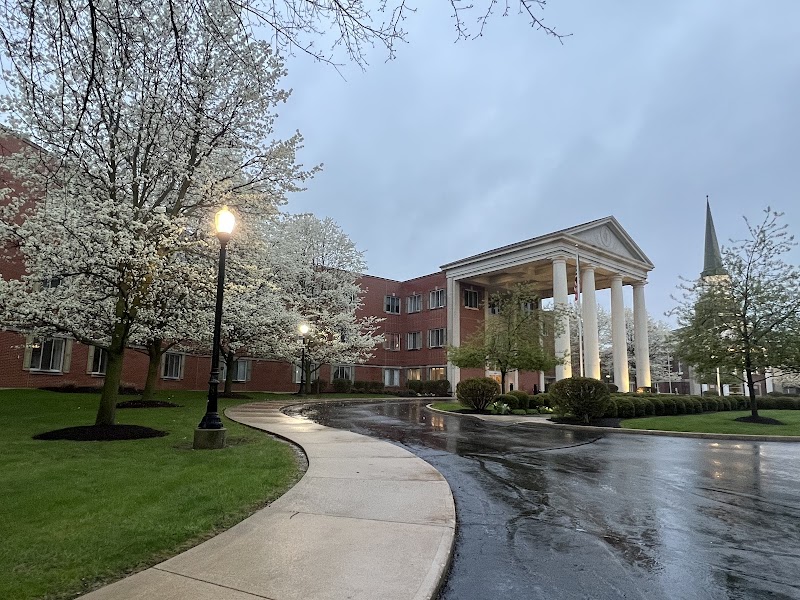
HERITAGE POINTE OF WARREN is owned by a non-profit organization. Non-profit facilities reinvest revenue into operations rather than distributing to shareholders. The facility operates independently rather than as part of a larger chain. With 119 certified beds and approximately 80 residents (about 67% occupancy), it is a mid-sized facility located in WARREN, Indiana.

How Does Heritage Pointe Of Warren Compare to Other Indiana Nursing Homes?

Compared to the 100 nursing homes in Indiana, HERITAGE POINTE OF WARREN's overall rating (4 stars) is above the state average of 3.1, staff turnover (26%) is significantly lower than the state average of 46%, and health inspection rating (4 stars) is above the national benchmark.

What Should Families Ask When Visiting Heritage Pointe Of Warren?

Based on this facility's data, families visiting should ask: "Can I visit during a mealtime to observe dining assistance and food quality?" "How do you handle medical emergencies, and what is your hospital transfer rate?" "Can I speak with family members of current residents about their experience?"

Is Heritage Pointe Of Warren Safe?

Based on CMS inspection data, HERITAGE POINTE OF WARREN has a clean safety record: no substantiated abuse findings (meaning no confirmed cases of resident harm), no Immediate Jeopardy citations (the most serious violation level indicating risk of serious injury or death), and is not on the Special Focus Facility watch list (a federal program monitoring the lowest-performing 1% of nursing homes). The facility has a 4-star overall rating and ranks #1 of 100 nursing homes in Indiana. While no facility is perfect, families should still ask about staff-to-resident ratios and recent inspection results during their visit.

Do Nurses at Heritage Pointe Of Warren Stick Around?

Staff at HERITAGE POINTE OF WARREN tend to stick around. With a turnover rate of 26%, the facility is 20 percentage points below the Indiana average of 46%. Low turnover is a positive sign. It means caregivers have time to learn each resident's needs, medications, and personal preferences. Consistent staff also notice subtle changes in a resident's condition more quickly.

Was Heritage Pointe Of Warren Ever Fined?

HERITAGE POINTE OF WARREN has no federal fines on record. CMS issues fines when nursing homes fail to meet care standards or don't correct problems found during inspections. The absence of fines suggests the facility has either maintained compliance or corrected any issues before penalties were assessed. This is a positive indicator, though families should still review recent inspection reports for the full picture.

Is Heritage Pointe Of Warren on Any Federal Watch List?

HERITAGE POINTE OF WARREN is not on any federal watch list. The most significant is the Special Focus Facility (SFF) program, which identifies the bottom 1% of nursing homes nationally based on persistent, serious quality problems. Not being on this list means the facility has avoided the pattern of deficiencies that triggers enhanced federal oversight. This is a positive indicator, though families should still review the facility's inspection history directly.