The Village of Ackley
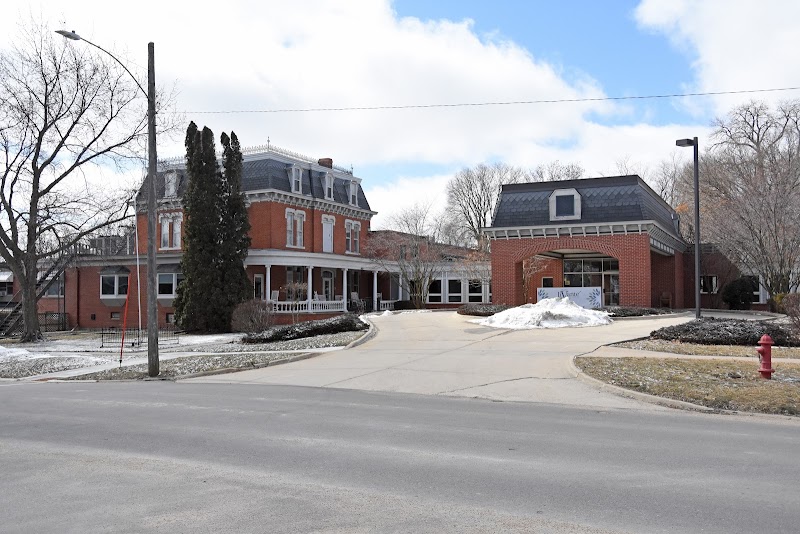
502 BUTLER STREET, ACKLEY, IA 50601 (641) 847-3531
Non profit - Corporation 38 Beds Independent Data: November 2025 2 Immediate Jeopardy citations
Trust Grade
0/100
#388 of 392 in IA
Last Inspection: February 2025

Within standard 12-15 month inspection cycle. Federal law requires annual inspections.

Overview

The Village of Ackley has received a Trust Grade of F, indicating significant concerns about the facility's care and operations. It ranks #388 out of 392 nursing homes in Iowa, placing it in the bottom half of facilities statewide and last in Hardin County, meaning there are no better local options available. Although the facility's trend is improving, with issues decreasing from 22 to 4 recently, it still faces serious challenges, including a high staffing turnover rate of 70%, which is concerning compared to the state average of 44%. The nursing home has incurred fines totaling $99,979, higher than 97% of Iowa facilities, reflecting ongoing compliance issues. Specific incidents include a resident wandering off unsupervised and being found a city block away, as well as another resident suffering falls due to inadequate supervision, highlighting both critical safety concerns and the need for better oversight. While staffing is rated average, the high turnover and troubling incidents suggest families should carefully consider these factors when evaluating care for their loved ones.
Trust Score
F
0/100
In Iowa
#388/392
Bottom 2%
Safety Record
High Risk
Review needed
Inspections
Getting Better
22 → 4 violations
Staff Stability
⚠ Watch
70% turnover. Very high, 22 points above average. Constant new faces learning your loved one's needs.
Penalties
○ Average
$99,979 in fines. Higher than 59% of Iowa facilities. Some compliance issues.
Skilled Nurses
✓ Good
Each resident gets 58 minutes of Registered Nurse (RN) attention daily — more than average for Iowa. RNs are trained to catch health problems early.
Violations
⚠ Watch
36 deficiencies on record. Higher than average. Multiple issues found across inspections.
★☆☆☆☆
1.0
Overall Rating
★★★☆☆
3.0
Staff Levels
★★☆☆☆
2.0
Care Quality
★☆☆☆☆
1.0
Inspection Score
Stable
2024: 22 issues
2025: 4 issues

The Good

  • Full Sprinkler Coverage · Fire safety systems throughout facility
  • No fines on record

Facility shows strength in fire safety.

The Bad

1-Star Overall Rating

Below Iowa average (3.0)

Significant quality concerns identified by CMS

Staff Turnover: 70%

24pts above Iowa avg (46%)

Frequent staff changes - ask about care continuity

Federal Fines: $99,979

Well above median ($33,413)

Moderate penalties - review what triggered them

Staff turnover is very high (70%)

22 points above Iowa average of 48%

The Ugly 36 deficiencies on record

2 life-threatening 2 actual harm
Feb 2025 4 deficiencies
CONCERN (D) 📢 Someone Reported This

A family member, employee, or ombudsman was alarmed enough to file a formal complaint

Potential for Harm - no one hurt, but risky conditions existed

Resident Rights (Tag F0550)

Could have caused harm · This affected 1 resident

**NOTE- TERMS IN BRACKETS HAVE BEEN EDITED TO PROTECT CONFIDENTIALITY** Based on clinical record review, staff interviews and policy review, the facility failed to treat residents with dignity and res...

Read full inspector narrative →
**NOTE- TERMS IN BRACKETS HAVE BEEN EDITED TO PROTECT CONFIDENTIALITY** Based on clinical record review, staff interviews and policy review, the facility failed to treat residents with dignity and respect in a manner that promotes maintenance or enhancement of his or her quality of life for 1 of 1 residents reviewed (Resident #14). The facility reported a census of 28 residents. Findings include: Resident #14's Minimum Data Set (MDS) assessment dated [DATE] listed an admission date of 9/13/18 following a short term hospitalization. The MDS identified the Brief Interview for Mental Status (BIMS) score of 0, indicating severe cognitive impairment. The MDS included diagnoses of stroke (occurs when blood flow to the brain is interrupted, causing brain tissue damage), non Alzheimer's dementia (a group of cognitive disorders that cause memory loss, confusion and other cognitive impairments similar to Alzheimer's disease but caused by different underlying mechanisms), depression and psychotic disorder (a mental health condition characterized by a loss of contact with reality). Staff C, Quality Life Services MDS Coordinator, signed the MDS indicating completion on 12/16/24. The Nurses Note dated 1/15/24 at 6:34 PM documented by the Director of Nursing (DON) indicated she received a call from Staff A, certified nursing assistant (CNA), stating Staff B, CNA, told Resident #14 to shut the fuck up, you're annoying while transferring Resident #14. The staff removed Staff B from the floor. An assessment completed on Resident #14 revealed no injuries and they didn't recollect the situation. During an interview 2/26/25 at 11:26 AM Staff B recalled she assisted Staff A on 1/15/25 to provide care and transfer Resident #14 into her wheelchair. Staff B indicated Resident #14 screamed and hollered. Staff B acknowledged she reminded Resident #14 that she was in a safe place and they were getting her up for supper. Staff B admitted her emotions got the best of her and told Resident #14 to shut up and the F word may have slipped out. On 2/26/25 at 12:05 PM, Staff A reported she assisted Staff B on 1/15/25 provide care and get Resident #14 up for supper. Staff A acknowledged Resident #14 screamed help me and asked for her mom. Staff A reported Staff B told Resident #14 your mom is fucking dead. Resident #14 continued to yell and scream. They transferred Resident #14 to her wheelchair and Staff A transported her to the dining room. Staff A reported she called the DON to report what happened. On 2/26/25 at 4:30 PM, the DON acknowledged she received a call from Staff A on 1/15/25 and came into the facility. The DON and Assistant Director of Nursing (ADON) met with Staff B. Staff B admitted she told Resident #14 to shut up. They escorted Staff B out of the facility and terminated her employment for inappropriate behavior. The facility failed to provide the date Staff B received training on Resident's Rights. The Resident Rights policy dated April 2019 instructed the following: a. Residents Rights. The resident has a right to a dignified existence, self-determination, and communication with and access to persons and services inside and outside the facility, including those specified in this section. i. The facility will treat each resident with respect and dignity and care for each resident in a manner and in an environment that promotes maintenance or enhancement of his or her quality of life, recognizing each resident's individuality. The facility will protect and promote the rights of the resident. b. Respect and Dignity. The resident has a right to be treated with respect and dignity.
CONCERN (D)

Potential for Harm - no one hurt, but risky conditions existed

PASARR Coordination (Tag F0644)

Could have caused harm · This affected 1 resident

**NOTE- TERMS IN BRACKETS HAVE BEEN EDITED TO PROTECT CONFIDENTIALITY** Based on clinical record review, staff interview and policy review, the facility failed to submit a Level II Preadmission Screen...

Read full inspector narrative →
**NOTE- TERMS IN BRACKETS HAVE BEEN EDITED TO PROTECT CONFIDENTIALITY** Based on clinical record review, staff interview and policy review, the facility failed to submit a Level II Preadmission Screening and Resident Review (PASRR) evaluation for 1 of 1 residents reviewed with a new mental health diagnosis (Resident #19). The facility reported a census of 28 residents. Findings include: Resident #19's Minimum Data Set (MDS) assessment dated [DATE] included a diagnosis of post-traumatic stress disorder (PTSD). The MDS reflected Resident #19 received an antipsychotic on a routine basis during the lookback period. The Care Plan revised 11/15/24 indicated Resident #19 received an antipsychotic medication related to PTSD nightmares (military service). The Care Plan goal indicated Resident #19 wouldn't experience any adverse effects of the medication. Resident #19's Medical Diagnoses reviewed 2/25/25 included a diagnosis of PTSD effective 11/10/23. Resident #19's PASRR completed 1/20/23 listed a completed negative Level 1 screening. The PASRR lacked documentation of a known or suspected mental health diagnosis. The clinical record lacked a Level II PASRR evaluation submission following the new mental health diagnosis of PTSD effective 11/10/23. The PASRR Screens/Level 1 & Level II Evals policy, revised November 2024 instructed changes in status are required when a resident receives a new mental health diagnosis. During an interview 2/25/25 at 11:45 AM, the Administrator acknowledged no one completed a Level II PASRR evaluation as he expected regarding Resident #19's new mental health diagnosis of PTSD.
CONCERN (D)

Potential for Harm - no one hurt, but risky conditions existed

Staffing Data (Tag F0851)

Could have caused harm · This affected 1 resident

Based on the Center for Medicare and Medicaid Services (CMS) Payroll Based Journal Staffing Data Report (July 1, 2024 - September 30, 2024) review, facility staffing reports review, and staff intervie...

Read full inspector narrative →
Based on the Center for Medicare and Medicaid Services (CMS) Payroll Based Journal Staffing Data Report (July 1, 2024 - September 30, 2024) review, facility staffing reports review, and staff interviews the facility failed to submit accurate staff reports for the PBJ Staffing Data Report. The facility reported a census of 28 residents. Findings include: The PBJ Staffing Data Report with a run date of 2/19/25 triggered for excessively low weekend staffing (submitted weekend staffing data is excessively low) and for failing to have licensed nursing coverage 24 hours/day (4 or more days within the quarter with less than 24 hours/day licensed nursing coverage). The report reflected 26 days with a failure to notify for 24 hours/day nursing coverage during July 2024 and August 2024. A review of the schedules for the months of July 2024 and August 2024, revealed nursing shifts covered by facility employees and outside staffing agencies. During an interview on 2/25/25 at 3:18 PM, the Director of Nursing (DON) explained the facility used outside staffing agencies to provide coverage of open nursing hours not covered by facility employees. During an interview on 2/25/25 at 3:37 PM, the Administrator reported the facility switched time clocks from Matrix to Dayforce during the quarter of July 2024 to September 2024. On 2/27/25 at 8:11 AM, the Administrator acknowledged the PBJ reporting didn't reflect the actual staffing compared with the daily nursing schedules. During an interview on 2/27/25 at 8:24 AM, the Administrator acknowledged he submitted the PBJ Staffing Data following the quarter of July 2024 to September 2024. The Administrator revealed the timeclock changed from Matrix during July 2024 and was up and running in August 2024. The Administrator explained they verified outside staffing agency hours through email correspondence with the outside staffing agencies. The Administrator confirmed he didn't validate the PBJ data following his submission to verify data accurately reflected the facility records. Through an interview on 2/27/25 at 8:35 AM, the DON verbalized they determine the staffing requirements by the daily census (the number of residents in the facility) and the resident acuity (the severity of a resident's condition and the level of care they need). The DON acknowledged the facility used 5 different staffing agencies to cover open shifts not picked up by facility employees. The facility failed to provide a policy for accurate submission of PBJ Staffing Data. The Staffing Data Submission Payroll Based Journal website found at (https://www.cms.gov/medicare/quality/nursing-home-improvement/staffing-data-submission) updated April 18, 2019, provided information on how data is collected and who to contact for questions. Users are strongly encouraged to take additional steps after uploading their data to ensure a successful submission. Therefore, the following verbiage appears upon uploading data to reflect the recommended next steps: a. Check the My Submissions page. This feature will show the status of the zip file. b. Check CASPER for a system generated PBJ Final File Validation Report (FFVR) within 24 hours. If no FFVR appears, run a PBJ Submitter Final File Validation Report to check your file for errors. c. Run the PBJ 1702D (by Employer, the individual daily staffing report) or 1703D (by Job Type, or the job title report) reports to verify the quarterly PBJ data reflects your records. d. For additional assistance contact the Quality Improvement and Enhancement System (QIES) Help desk at iqies@cms.hhs.gov.
CONCERN (E)

Potential for Harm - no one hurt, but risky conditions existed

Transfer Notice (Tag F0623)

Could have caused harm · This affected multiple residents

Based on clinical record review and staff interview the facility failed to inform the Long Term Care (LTC) Ombudsman office of a resident transfer from the facility for 1 of 1 resident's reviewed (Res...

Read full inspector narrative →
Based on clinical record review and staff interview the facility failed to inform the Long Term Care (LTC) Ombudsman office of a resident transfer from the facility for 1 of 1 resident's reviewed (Resident #9) for hospitalization. The facility reported a census of 28 residents. Findings include: The Nursing Note dated 5/27/24 at 11:28 PM, reflected the hospital admitted Resident #9. The Nursing Note dated 5/30/24 at 11:44 AM, identified Resident #9 returned to the facility. The facility lacked documentation showing the required notification to the LTC Ombudsman of Resident #9's admission to the hospital. During an interview on 2/26/25 at 9:20 AM, the Administrator acknowledged he had the responsibility for sending the notifications to the LTC Ombudsman beginning in June 2024. The Administrator acknowledged the notifications didn't include Resident #9 and would need check with the LTC Ombudsman to see if a former employee sent a notification for Resident #9. During an interview on 2/27/25 at 11:21 AM, the Administrator acknowledged the facility failed to submit the required notifications to the LTC Ombudsman for all residents transferred and discharged during the months of April 2024 and May 2024. The facility failed to provide a policy for required notification to the LTC Ombudsman for resident transfers and discharges.
Jul 2024 6 deficiencies 2 Harm
SERIOUS (G) 📢 Someone Reported This

A family member, employee, or ombudsman was alarmed enough to file a formal complaint

Actual Harm - a resident was hurt due to facility failures

Accident Prevention (Tag F0689)

A resident was harmed · This affected 1 resident

**NOTE- TERMS IN BRACKETS HAVE BEEN EDITED TO PROTECT CONFIDENTIALITY** Based on clinical record review, staff interviews, and policy review the facility failed to provide adequate nursing supervision...

Read full inspector narrative →
**NOTE- TERMS IN BRACKETS HAVE BEEN EDITED TO PROTECT CONFIDENTIALITY** Based on clinical record review, staff interviews, and policy review the facility failed to provide adequate nursing supervision to prevent accidents and injuries for 1 of 4 residents reviewed (Resident #1) for falls. Resident #1 had four falls in the month of June. Resident #1 experienced a right ankle injury and a skin tear/bruise to right elbow when a fall resulted from the facility not providing the appropriate level of assistance per therapy recommendations. The facility reported a census of 32 residents. Findings include: Resident #1's Minimum Data Set (MDS) assessment dated [DATE] identified a Brief Interview for Mental Status (BIMS) score of 14, indicating intact cognition. Resident #1 was independent with bed mobility. Resident #1 required partial/moderate assistance of one staff member with transfers and toilet use. The MDS indicated Resident #1 was ambulatory walking 10 feet and required a wheelchair for locomotion. The MDS documented Resident #1 had frequent incontinence of bowel and bladder. Resident #1's MDS included diagnoses of hypertension (high blood pressure), non-Alzheimer's dementia, depression, parkinsonism, paroxysmal atrial fibrillation (irregular heartbeat), and fibromyalgia (disorder that causes musculoskeletal pain/tenderness. The Facility Event Reports and observation notes documented June 2024 reflected Resident #1 fell on the following dates: a. 6/8/24 b. 6/17/24 c. 6/21/24 d. 6/27/24 Resident #1's Fall Risk assessment dated [DATE] identified a score of 17, indicating Resident #1 had a risk for falls related to impaired mobility, required used of an assisted device, required staff assistance, had a history of falls, the use of high risk medications, unsteady gait/balance, and diagnosis of Parkinson's, atrial fibrillation (irregular heart rate), dementia, hallucinations (hearing or seeing things not there), restless leg syndrome, insomnia, hypertension (high blood pressure), fibromyalgia (undetermined cause of pain), disorders of bone density/structures, retentions of urine and weakness. The clinical record lacked a fall risk evaluation after 1/14/24 until 6/27/24. The fall risk score on 6/27/24 identified a score of 19, indicating Resident #1 had a risk for falls. According to the evaluation a score of 10 or higher represented a high risk for falls. A Physician Order dated 5/21/24 directed for Physical Therapy, Occupational Therapy, and Speech Therapy complete an evaluation and treatment for Resident #1 due to Parkinson's and falls. A Physical Therapy Note dated 6/6/24 documented Resident #1 required maximum assistance of one with a sitting to standing. Resident #1 had a retro lean and needed assistance to stay on her feet and keep hands on the walker. Resident #1 needed assistance with cross over steps and stutter steps to manage her walker. When in the bathroom, Resident #1 required dependent guided sitting motion to sit. Once sitting, Resident #1 had 6 episodes of spasms resulting in becoming stiff and twitching. Resident #1 required maximum assistance of one staff member to sit to stand post toilet use and a second staff member to complete cares. Resident #1 needed moderate assistance of two staff members to ambulate to recliner, one to manage Resident #1, one to manage the walker, and leg movement. The Physical Therapist called the nursing staff to Resident #1's room to attempt to observe spasms/tone episodes. The Physical Therapy Assistant (PTA) and Certified Nurse Aide (CNA) reported incident as the worst they seen. The PTA recommended two staff members assist Resident #1 and not left alone in bathroom due to fear Resident #1 would have an episode and thrust herself off the toilet as the PTA had to stop her from doing that twice. A Facility Therapy Communication Form dated 6/6/24 recommended 2 staff assist Resident #1 and not leave Resident #1 alone in the bathroom during toilet use. A Progress Note dated 6/6/24 at 1:57 PM documented per therapy, reflected Resident #1 needed assistance of 2 staff and if she used the toilet, don't leave her unattended in her bathroom. Resident #1 had tremors that could cause her to fall off the toilet. A Progress Note dated 6/7/24 at 10:52 AM documented they received therapy communication to use 2 assist and don't leave alone in the bathroom. Care plan updated. The Facility Event Report dated 6/8/24 at 1:20 PM identified a witnessed fall in Resident #1's room. The report documented the CNA and Resident #1's husband walked her to the restroom when her legs spasmed, buckled, and they had to lower her to the ground. Resident #1 didn't hit her head and the staff assisted her into the recliner. The nurse noted a small skin tear to her right elbow. The nurse called Resident #1's Primary Care Provider (PCP) and received a new order to send Resident #1 to the emergency room (ER) for evaluation and treatment. The report lacked any further fall interventions except for the ER transfer. A Progress Note dated 6/8/24 at 6:45 PM reflected Resident #1 returned via ambulance at 5:50 PM with her husband. She had new orders start cephalexin (antibiotic) 500 mg (milligrams) four times a day for a urinary tract infection (UTI). A written statement dated 6/8/24 completed and signed by Staff A indicated she answered Resident #1's call light at 1:15 PM. When she arrived, she saw Resident #1's husband present and requested Resident #1 go back to the recliner. Staff A documented she positioned Resident #1 close to her recliner so she could do a pivot transfer and put a gait belt on her. Staff A documented when she transferred Resident #1 she didn't cooperate very well and she had to lower Resident #1 down on the floor as safely as she could. Staff A noted in her statement, Resident #1's Care Plan indicated Resident #1 required assistance of one staff member with a walker or wheelchair. A Progress Note dated 6/9/24 at 2:00 AM documented the CNA called nurse into Resident #1's room. The CNA seen Resident #1 left ankle black and blue, swollen with increased warmth. The nurse gave Resident #1 Tylenol (pain medication) for her pain. A Progress Note dated 6/9/24 at 9:53 AM documented mild swelling and slight bruising observed on Resident #1's right outer ankle. Resident #1 denied pain with palpation and range of motion. The nurse sent a fax to the PCP to advise on swelling and bruising. A Facility Nursing Memo Form dated 6/9/24 at 9:30 AM documented Resident #1's husband and a staff member lowered her to the floor when she fell on 6/8/24. The fax documented the fall assessment revealed only an injury as a skin tear to the right elbow with some mild bruising. The overnight nurse observed swelling and mild bruising to Resident #1's outer right ankle. Resident #1's had range of motion within normal limits and no pain reported with palpation or movement. Resident #1 denied pain when asked. Resident #1 remained assist of two with transfers. The PCP responded to the fax on 6/10/24. The PCP documented urine culture positive, awaiting final results for UTI treatment, discontinue melatonin (sleep aid), and to monitor. The Clinical record lacked documentation regarding an x-ray or diagnosis for the right ankle injury. The Facility Pocket Care Plan dated 6/11/24 directed one staff member with a walker or wheelchair help with transfers and ambulation. The pocket care plan lacked the therapy recommendations from 6/6/24. The Facility Event Report dated 6/17/24 at 8:00 AM identified an unwitnessed fall in Resident #1's room. Someone observed Resident #1 lying on the floor next to her bed in a low position. Resident #1 had her feet under her bed with her head facing the door laying on her left side. Resident #1 reported she had pain but couldn't advise the location. The assessment revealed visible, old, healing bruises, yellow/green in color to ankle from a previous fall with no new skin areas noted. The note documented the staff would notify Resident #1's husband of her fall when he arrived at the facility. A Progress Note dated 6/18/24 documented Resident #1 continued to decline to transfer. Resident #1 downgraded to use full - body mechanical lift for transfer as needed per nursing judgment. A Progress Note dated 6/18/24 at 10:45 PM documented a certified nurse aide (CNA) notified the nurse during report around 10:45 PM that Resident #1 had discoloration to the posterior (back) aspect of the right chin. Upon inspection, the area measured 3 x 5 not measurable in cm (centimeters), the area looked red and purple. Resident #1 denied pain. A Progress Note dated 6/19/24 at 10:58 PM documented the nurse spoke to the family regarding the Resident #1's recent fall. The Facility Event Report dated 6/21/24 at 4:00 PM identified Resident #1 had an unwitnessed fall. The report lacked documentation regarding the event detail, subjective data obtained from the resident, environment details, pain observation, body observation, mental status, possible contributing factors and immediate intervention taken. The Progress Note dated 6/21/24 at 4:00 PM documented the CNA notified the nurse that Resident #1 fell. The nurse discovered Resident #1 laying on the floor beside her bed on her left side facing her nightstand. Resident #1 reported she tried to get from there to go to the bookcase. Neurological checks within normal limits. Resident #1 had two new open injuries, a small skin tear to her left anterior (front) forearm and to her right toe. The progress note lacked a fall intervention. The Observation Detail List report dated 6/27/24 at 1:45 PM identified Resident #1 slid out of her wheelchair due to restless legs and she didn't receive any injuries. The Progress Note dated 6/27/24 at 1:59 PM documented someone called the nurse Resident #1's room due to her being on the floor. Resident #1's husband was present with the fall and reported she had one of her restless leg episodes and slid out of her wheelchair. Resident #1 denied pain or discomfort. Resident #1 required assistance of three staff members with a gait belt to assist the recliner. The new intervention directed to apply a Dycem (nonslip mat) in the wheelchair. The Care Plan revised 5/29/24 lacked documented fall interventions from 6/21/24 and 6/27/24. On 7/9/24 at 11:45 AM, Staff A, CNA, described Resident #1 as very hard to take care of due to her flopping around. She stated she didn't know if she had seizures or anxiety. She stated they tried to calm Resident #1 down so they could transfer her. She stated when she first started working at the facility in June, Resident #1 required assistance of 1 with a gait belt and a walker. Staff A reported she had to lower Resident #1 to the floor during a transfer. Staff A stated she did everything according to the care plan. She reported the husband in the room at the time of the fall. Staff A reported she called for a nurse after lowering Resident #1 to the floor. Staff A reported after Resident #1's first fall in June, they changed her to an assist of 2 with transfers. On 7/9/24 at 4:00 PM, Staff B, Registered Nurse (RN), reported on 6/19/24 Resident #1's daughter spoke to her regarding concerns about a bruise on her mom's chin. Staff B stated she looked into the concerns and told the daughter the clinical record documentation. Staff B stated Resident #1's daughter reported no one notified the family of her fall on 6/17 that resulted in the bruise on the Resident #1's chin. Staff B stated she apologized to the daughter and spoke to the Director of Nursing (DON) and Assistant Director of Nursing (ADON) about the family's concern. She stated she passed it on in report to notify the family or leave a message. On 7/10/24 at 9:30 AM, Staff C, Regional Nurse Consultant (RNC), reported she expected the pocket Care Plan to reflect the therapy recommendation. She stated she expected the Nurse Managers to update the Care Plan and expected the CNAs to follow the pocket Care Plan. On 7/10/24 at 9:30 AM, the DON reported she would expect the staff to notify the family within 48 hours of a condition change or identification of the change. The DON acknowledged the family learned of the fall from 6/17/24 on 6/19/24 when they questioned how Resident #1 received a bruise on her chin. On 7/10/24 at 12:31 PM, Staff C confirmed Resident #1's husband wouldn't count as a second person for a transfer. Staff C reported the facility discussed falls in the morning meeting daily. She stated the team looked to see if interventions are in place. The nurse managers had the responsibility for adding the interventions to the Care Plan. Staff C reported the interventions reflected the root cause analysis and discussed verbally. Staff C reported the fall on 6/27/24, the nurse filled out an observation report instead of the event report which is what the facility uses for an incident report. Staff C confirmed Care Plan didn't include the fall intervention of a Dycem. On 7/11/24 at 2:07, Staff C reported she couldn't locate any additional fall risk assessments for Resident #1 since January 2024. The Incident/Accident Prevention policy dated April 2024 described the purpose of the policy to ensure that the resident's environment remained as free of accidents as possible, the resident received adequate supervision, and assistance devices to prevent accidents. The procedure consisted of the following: 1. Upon admission, the nurse completed a fall risk assessment and updates it quarterly with the MDS/Care Plan review thereafter. The facility should consider Interventions upon admission. 2. The DON and Administrator would review fall incidents 3 - 5 times per week and evaluate the Interventions appropriateness. 3. The staff will monitor the residents visually per the Care Plan. 4. When restless, assess the resident's need to reposition, assistance to the bathroom, assist with ambulation, provide a diversionary activity, 1:1 attention, snacks, drinks, or any verbal expressed needs from the residents. 5. The Care Plan will include fall interventions, available to caregivers. 6. The facility will review and modify fall interventions after each fall.
SERIOUS (G) 📢 Someone Reported This

A family member, employee, or ombudsman was alarmed enough to file a formal complaint

Actual Harm - a resident was hurt due to facility failures

Deficiency F0692 (Tag F0692)

A resident was harmed · This affected 1 resident

**NOTE- TERMS IN BRACKETS HAVE BEEN EDITED TO PROTECT CONFIDENTIALITY** Based on staff interviews, clinical record review, hospital record review, family interviews, and policy review the facility fai...

Read full inspector narrative →
**NOTE- TERMS IN BRACKETS HAVE BEEN EDITED TO PROTECT CONFIDENTIALITY** Based on staff interviews, clinical record review, hospital record review, family interviews, and policy review the facility failed to conduct appropriate assessments, interventions and timely Physician notification for 1 of 4 resident reviewed (Resident #1). Resident #1 experienced difficulty swallowing, poor oral intake, and mouth pain that resulted in weight loss and a hospitalization from 7/1/24 to 7/8/24 for acute kidney injury, dehydration (inadequate fluid intakes) and pharyngitis/MRSA (Methicillin - resistant Staphylococcus Aureus - staph infection resistant to several antibiotic to the throat). Resident #1 started having difficulty swallowing on 6/20/24, went to the ER (emergency room) on 6/21/24 and returned to the facility. Resident #1 continued to have difficulty with swallowing with decreased oral intakes after returning from ER. The facility didn't notify Resident #1's primary care provider (PCP) of her continued decline until 6/28/24 when the gave an order for Speech therapy. The facility reported a census of 32 residents. Findings include: Resident #1's Minimum Data Set (MDS) assessment dated [DATE] identified a Brief Interview for Mental Status (BIMS) score of 14, indicating intact cognition. Resident #1 required set up or clean up assistance with eating and oral hygiene. Resident #1 required partial/moderate assistance of one staff member with transfers and toilet use. The MDS indicated Resident #1 was ambulatory walking 10 feet and required a wheelchair for locomotion. The MDS coded Resident #1 didn't have a 5% weight loss in the last month or 10 % weight loss in the last 6 months. Resident #1's MDS included diagnoses of hypertension (high blood pressure), non-Alzheimer's dementia, depression, parkinsonism, paroxysmal atrial fibrillation (irregular heartbeat), and fibromyalgia (disorder that causes musculoskeletal pain/tenderness). Resident #1's Iowa Physician Orders for Scope Treatment (IPOST) dated 2/7/24, signed by Resident #1 and her PCP reflected she requested CPR (cardiopulmonary resuscitation) and full treatment, including the use of intubation, advanced airway intervention, mechanical ventilation, and cardioversion (machine-initiated restart of the heart) as indicated. In addition, she wished to transfer to the hospital if indicated, including critical care. Review of Physician Order dated 10/4/23 documented Resident #1 received a regular diet, regular texture with thin liquids, and crush medications unless contraindicated. Review of General Nursing POC (Point of Care) - Tasks dated 10/4/23 directed the staff to document breakfast, lunch and dinner intakes daily along with offering then documenting a bedtime snack. The Hydration Special Instructions directed the staff to document liquids in cc (cubic centimeter) consumed with meals. Resident #1's Nutritional status Care Plan revised/reviewed 5/20/24 documented her long-term goal as to maintain her current weight within 5 pounds (#). The Care Plan directed the following nutritional approaches/interventions all dated 10/5/23: 1. Acknowledge to Resident #1 that her needs are unique. Convey a willingness to provide acceptable foods. 2. Assist with meal set up and feeding if needed. Monitor for choking or swallowing problems. 3. Monitor bowel sounds as needed (PRN) and document bowel movements. Report nausea to the nurse. 4. Monitor food and fluid intakes with meals and offer snacks. 5. Provide adaptive equipment as needed. 6. Provide diet as ordered and foods of preference. 7. Provide the resident with as much control as possible in routines, food preferences, etc. 8. Record weight and reported changes if greater than 5# to Physician. A Physician Order dated 5/21/24 directed for Physical Therapy, Occupational Therapy, and Speech Therapy complete an evaluation and treatment for Resident #1 due to Parkinson's and falls. A Progress Note dated 5/21/24 at 1:46 AM documented Resident #1 returned from her appointment with new orders for PT, OT, ST for Parkinson's disease and falls. A Progress Noted dated 5/22/24 at 1:39 PM documented the Physical Therapy Assistant (PTA) at the facility. The staff informed her in person regarding Resident #1's new orders for PT, OT and ST therapy. The Clinical Record lacked documentation Resident #1 received a Speech Therapy evaluation and treatment per the Physician order. A Progress Note dated 6/20/24 at 4:00 AM documented Resident #1 didn't want to drink water. Resident #1's lips and mouth appeared very dry. When the staff attempted to apply mouth/lip moisturizer, Resident #1 became upset. A Progress Note dated 6/20/24 at 9:40 PM documented the Certified Nurse Aide (CNA) notified the nurse that Resident #1 had discoloration to bilateral lower extremities. The nurse assessed Resident #1 and discovered discoloration of yellow/brown in color. Resident #1 denied complaints of pain or discomfort. Resident #1's husband updated and the nurse notified the PCP by fax. A Progress Note dated 6/21/24 at 7:26 AM documented Resident #1 in bed resting, mumbling incoherently, unable to hold a conversation, and unable to answer questions. The note documented the night staff reported that during the night shift, Resident #1 couldn't swallow fluids and the fluids ran out the side of her mouth. The dayshift reported the previous day during the day, Resident #1 didn't void. The note included vital signs of blood pressure 136/76, pulse 74 beats per minute, respirations 18 breaths per minute, temperature 97.3 degrees Fahrenheit (F), and pulse ox (oxygen in blood) 98% on room air. New order received to obtain a urinalysis with culture and sensitivity (UA with cs), and they could obtain the urine via straight catheter if needed. The staff notified Resident #1's husband. A Progress Note dated 6/21/24 at 9:00 AM reflected Resident #1 awake to take morning medications. She took them with applesauce and then coughed on the drink of water after. Resident #1 acted very confused with slurred speech, minimal urine output, inability to transfer, or even sit up unassisted. A Progress Note dated 6/21/24 at 9:01 AM indicated Resident #1's primary care provider (PCP) called. The nurse notified them regarding Resident #1's change in condition and new order received to send to emergency room (ER) for evaluation and treatment. Daughter informed about the new order and her condition. A Progress Note dated 6/21/24 at 10:51 AM documented Resident #1 left facility via ambulance for the ER with papers given to the Emergency Medical Technicians (EMTs). A Progress Note dated 6/21/24 at 1:30 PM identified the facility received a phone call from ER. Resident #1's labs and scans came back normal. The caller described Resident #1 as in and out of it while at the ER. The hospital would return Resident #1 to the facility via ambulance with no definitive diagnosis. A Progress Note dated 6/22/24 at 10:55 AM indicated Resident #1 had garbled speech and had difficulty making others understand. Resident #1 had difficulty swallowing medications and water that morning. She received her medications crushed and taken to the dining room for breakfast to monitor due to her difficulty swallowing. A Progress Note dated 6/22/24 at 1:47 PM reflected Resident #1's husband came to the facility at lunch time and sat with Resident #1 in her room for lunch. Resident #1 took her medications whole and swallowed quite a few times before getting them down but didn't need them crushed. Her speech remained garble but had some improvement. Resident #1's husband knew of her swallowing issues that morning. A Progress Note dated 6/22/24 at 9:38 PM documented Resident #1 required maximum assistance of two with activities of daily living (ADLs). Resident #1 had difficulty swallowing her bedtime medications but eventually got the medications down. Resident #1 had a dry oral cavity and cracked lips. She received oral cares and encouragement to drink. According to the note, it took several attempts for Resident #1 to figure out how to drink. Resident #1 blew air into the straw before she eventually started sucking water through the straw. A Progress Note dated 6/23/24 at 2:39 AM documented Resident #1 received crushed Tylenol in applesauce for complaints of mouth pain. Resident #1 had cracked lips with blood, staff cleaned her lips with a washcloth. Resident #1 couldn't drink water by herself and needed staff assistance. Resident #1 unable to suck properly from the straw. A Progress Note dated 6/23/24 at 11:09 AM documented Resident #1 wouldn't open her eyes but did communicate with the nurse. Resident #1's mouth and lips remained dry. Resident #1 received 2 smaller medications and sips of water. Resident #1 struggled to get the medications down and gargled on the water. The nurse crushed the rest of her medications in applesauce and then she could get the medications down. A Progress Note dated 6/23/24 at 8:04 PM documented Resident #1 had poor intake at supper, only eating strawberries and bananas. Resident #1 acted confused and had difficulty following instructions. A Progress Note dated 6/24/24 at 1:47 PM documented Resident #1 as sitting up in a wheelchair with her husband visiting. Resident #1 acted incoherent with terminal restlessness. A Progress Note dated 6/25/24 at 9:55 PM identified Resident #1's husband told the nurse Resident #1 didn't eat much of her dinner. The note indicated someone would offer her snack, if Resident #1 seemed to be hungry throughout the night. A facility form titled Nursing Memo Form dated 6/28/24 at 3:20 AM documented the facility notified Resident #1's Physician of her difficulty swallowing thin liquids, dry/chapped lips, and she didn't have a BM since 6/20/24. She received a suppository on 6/27/24 with no results. A Progress Note dated 6/28/24 at 3:30 AM reflected Resident #1 received a small amount of thin liquids and immediately started coughing. Resident #1 didn't have bowel movement. A Progress Note dated 6/28/24 at 11:01 AM indicated the facility received a fax regarding Resident #1's current condition. The fax included new orders to send her medication list, speech therapy (ST) to evaluate and treat. In addition, apply Vaseline to upper and lower lips. A Progress Note dated 6/28/24 at 11:17 PM indicated the facility faxed Resident #1's Medication Administration Record (MAR) to Resident #1's PCP. The staff notified therapy and her husband of her new orders for ST. A Progress Note dated 6/28/24 at 6:56 PM documented Resident #1 had a 9.1% weight loss in 30 days, 11.8% weight loss in 90 days and 10.4 % weight loss in 180 days. Weights as follows: a. 12/26 was 128.8 pounds (#) b. 1/30 was 134# c. 2/27 was 132.8# d. 3/26 was 130.8# e. 4/10 was 133.2# f. 5/28 was 127# g. 6/12 was 119.6# The progress note documented current weight 115.4# and a body mass index (BMI) 22.5. The note described Resident #1 as independent at meals and with a stable weight until 5/28/24 - 6/12/24. PO (by mouth) intakes have noted to have decreased since fall on 6/8/24; general decline potentially occurring. Resident #1 had an order for speech therapy and was coughing on small sips of thin liquid. Estimated needs include 1300 - 1560 kcals, 42 - 52 grams of protein, and 1500+ ml (milliliters) fluids per day. The dietician recommended a house supplement 4 ounces twice a day between meals. The clinical record lacked documented Resident #1's PCP or family wasn'tified regarding the weight loss. The clinical record reflected no one notified Resident #1 s Physician of her poor meal intakes, poor fluid intakes, and recent weight loss. Resident #1 started having difficulty swallowing on 6/20/24, went to the ER (emergency room) on 6/21/24 and returned to the facility. Resident #1 continued to have difficulty with swallowing with decreased oral intakes after returning from ER. The facility didn't notify Resident #1's Physician of the continued decline until 6/28/24, the day she received a new order for Speech therapy. The facility failed to document interventions to help with self-feeding and improve oral intakes such as weighted silverware, divide plates, or handled cups with lids. The Care Plan lacked additional interventions related to self-feeding. A Progress Note dated on 6/29/24 at 6:46 PM documented a new order for Resident #1 to receive Miralax 17 grams daily for constipation. A Progress Note dated 6/30/24 at 9:28 PM documented the staff encouraged Resident #1 to drink water throughout the shift. Resident #1 had difficulty swallowing medications with each medication pass, as she pocketed medications and held water under her tongue. Resident #1 didn't eat much dinner that evening. Family at bedside and encouraged fluids. The facility report titled Intake: Breakfast, Lunch, and Dinner from 6/1/24 to 7/1/24 listed meal intakes documented only on the following dates: 6/4/24 = Dinner - 76 - 100% 6/7/24 = Dinner 76 - 100% 6/8/24 = Dinner 26 - 50% 6/9/24 = Breakfast 76 - 100% 6/9/24 = Dinner 26 - 50% 6/12/24 = Dinner 26 - 50% 6/15/24 = Dinner 26 - 50% 6/16/24 = Dinner 26 - 50% 6/19/24 = Dinner 51 - 75% 6/21/24 = Dinner 26 - 50% 6/24/24 = Dinner 51 - 75% 6/25/24 = Dinner 26 - 50% 6/26/24 = Dinner - none 6/28/24 = Dinner - 26 - 50% 6/30/24 = Breakfast 26 - 50% The facility report titled Intakes: Fluids from 6/1/24 to 7/1/24 documented fluid intakes only on the following dates: 6/1/24 - 60 ml 6/2/24 - 450 ml 6/3/24 - 500 ml 6/4/24 - 150 ml 6/5/24 - 400 ml 6/6/24 - 300 ml 6/7/24 - 1400 ml 6/8/24 - 240 ml 6/9/24 - 50 ml 6/10/24 - 200 ml 6/11/24 - 500 ml 6/13/24 - 950 ml 6/14/24 - 500 ml 6/15/24 - 550 ml 6/16/24 - 50 ml 6/17/24 - 50 ml 6/19/24 - 1000 ml 6/21/24 - 450 ml 6/22/24 - 100 ml 6/24/24 - 590 ml 6/25/24 - 240 ml 6/26/24 - 400 ml 6/27/24 - 50 ml 6/28/24 - 100ml 6/29/24 - 50 ml 6/30/24 - 50 ml 7/1/24 - 50 ml A Progress Note dated 7/1/24 at 12:00 PM documented the facility received a phone call from Resident #1's PCP. The PCP reported the family had concerns from the weekend regarding Resident #1 not acting like herself and having a sore throat. The nurse informed the PCP that Resident #1 had a general decline recently and the staff discussed hospice care with her husband. The PCP provided a new order to transfer Resident #1 to the ER for evaluation and treatment. A Progress Note dated 7/1/24 at 12:30 PM, the facility sent Resident #1 to the ER by the facility van for evaluation and treatment per family request. A Progress Note dated 7/2/24 at 9:36 AM documented the hospital admitted Resident #1 for acute renal failure and dehydration. The Hospital Discharge summary dated [DATE] documented they admitted Resident #1 on 7/1/24 for acute kidney injury (AKI). The hospital determined the AKI to be prerenal due to decreased oral intakes. Resident #1 received IV fluids with good urinary output and the AKI resolved. Speech therapy followed Resident #1 during the hospital stay for dysphagia (difficulty swallowing). The staff advanced Resident #1's diet to a pureed diet with regular thin liquids. She tolerated the diet change well. Resident #1 received treatment for MRSA pharyngitis (antibiotic resistant bacteria in the throat) with clindamycin (antibiotic) based on the culture and sensitivity report. The hospital contacted Resident #1's neurologist, who recommended to continue with the current medication regimen and follow-up in September. On 7/9/24 at 11:33 AM, Staff D, Licensed Practical Nurse (LPN), reported Resident #1 had Parkinson's and restless legs. She described her as very restless and shaky. Staff D stated Resident #1's eating was going downhill. She stated Resident #1's intake and swallowing got worse, she felt Resident #1 was declining. Staff D reported management tried to talk to the family about her decline but felt the family were in denial. Staff D stated Resident #1 had very dry lips and complained about one area on the corner of her lip. Staff D reported Resident #1 had a physician's order for Vaseline for her lips. Staff D reported the 3rd shift nurse had sent out a fax about Resident #1's difficulty swallowing and her dry lips. Staff D reported Resident #1 took her pills whole in applesauce and struggled a little bit to take them. Staff D reported Resident #1 came out to eat in the dining room at lunch and stayed in her room for breakfast. She reported she didn't know what she did at supper time. She stated Resident #1 fell asleep a lot during breakfast and that Staff D went in her room to give her encouragement to wake her up. Staff D stated she told the aides if Resident #1 needed assistance with eating. Staff D reported she didn't think Resident #1 had adaptive equipment for her shakes and jerks. On 7/9/24 at 11:45 AM, Staff A, CNA, reported Resident #1 liked to sleep in during breakfast so she received a room tray. Staff A stated she would elevate Resident #1's head of the bed and check on her to make sure she ate. Staff A reported she provided Resident #1 oral care after she ate. She reported Resident #1 would sometimes do her oral care herself and other times need assistance. Staff A stated Resident #1 voiced complaints of a sore mouth so the staff switched to using swabs instead of a toothbrush. Staff A stated Resident #1's lips had a couple of sores and she would pat the sores with a warm washcloth. Staff A stated she told the nurse about the sores sometime in June. Staff A stated they applied lip balm to Resident #1's lips. Staff A reported Resident #1 came out to the dining room for lunch and ate with a group of ladies. Staff A reported Resident #1 didn't eat or drink as much closer to the time she went to the hospital. Staff A stated she put food on the spoon and tried to give it to her. Staff A reported meal intakes they are supposed to record each meal but they missed it sometimes. She stated they had a lot of charting to do. On 7/9/24 at 12:07 PM, Staff E, CNA, reported Resident #1 didn't want to get woke up for breakfast. She stated Resident #1 ate in her room, usually cereal and milk. Staff E reported Resident #1 would complain that her mouth was dry. She stated she couldn't suck from a straw because of her dry mouth so they would use a regular cup. Staff E reported Resident #1 had a sore in the corner of her mouth, she put Vaseline on it. She stated she told a nurse about the sore. Staff E reported at the beginning of June she started to see a decline in Resident #1. She stated Resident #1 got stiff and shook really bad. Staff E reported when Resident #1 started to decline, the staff helped cut up her food and put the food on her fork. She stated Resident #1 didn't like the staff feeding her and wanted to do it herself. Staff E reported Resident #1 sat at a regular table and then they moved her to an assisted table when she didn't eat well. Staff E stated Resident #1 would eat in her room at times when her husband visited and helped her. Staff E reported she didn't know of any adaptive equipment. Staff E remarked it was hard to document intakes. She stated it is so busy during the day but they tried their best to get it done. She stated they expected them to document meal intakes. On 7/9/24 at 12:56 PM, Staff F, CNA reported Resident #1 had a gradual decline and that she had mentioned to the nurses she felt she would be a hospice candidate but she was a full code. Staff F stated Resident #1 had tremors and shakes that got really bad. Staff F described Resident #1 as never a big eater. Staff F stated Resident #1 got out of bed between 9 - 9:30 AM. She stated Resident #1 would lie in bed and eat dry cheerios. She described Resident #1 prior to her hospitalization, as very jumpy and dropped silverware/cups. Staff F stated they moved Resident #1 to an assisted table a week or two before she went to the hospital. Staff F stated she tried to give Resident #1 a bite of food and she would turn her head. Staff F reported Resident #1 had sores in the corner of her mouth and they received orders for Vaseline. She stated the regular Chapstick didn't work. She described Resident #1's lips as very sore. She would pull her head away when they tried to apply the squeeze tube gel. She stated she told a nurse about the sores to her lips. On 7/9/24 at 1:44 PM, Staff G, CNA, reported Resident #1 didn't eat a whole lot. He stated Resident #1 was never a breakfast person. Staff G reported Resident #1 sat at an assistive table for a few weeks before she went to the hospital. Staff G reported Resident #1 had a poor appetite and intake. Staff G stated Resident #1 didn't respond to the food. Staff G reported Resident #1's had a better fluid intake than food intake. He stated Resident #1 had Parkinson's really bad, due to this the staff had a difficult time providing her due to being really shaky. He stated he offered oral care when Resident #1 got up in the morning and at lunch after she ate. Staff G stated Resident #1 would close her mouth at times and they couldn't get a swab in there. He stated he had difficulties putting on the Chapstick, too. Staff G stated Resident #1's lips looked sore but she didn't complain of any mouth or throat pain. He reported Resident #1 had a water pitcher in her room. He described her as shaky and would spill, so he went and give her drinks. She took one swallow and quit. He reported he didn't know of any adaptive equipment. On 7/9/24 at 4:00 PM, Staff B, Registered Nurse (RN) reported learning in report on the weekend of 6/29/24 that Resident #1 had difficulty swallowing her medication. She stated she noted Resident #1 had a as needed (PRN) order to crush medications. Staff B stated she liked to try putting the pills in applesauce first. She stated Resident #1 could take the pills in applesauce but the bigger pills she pocketed. She stated Resident #1 needed a lot of encouragement to swallow and it would take 5 - 10 minutes to give her medications. Staff B reported she liked to offer a full glass of water at each medication pass but Resident #1 wasn't wanting to drink. Staff B reported Resident #1 would only take sips of water. Staff B stated Resident #1's daughter sat at her bedside on 6/30/24 and told her mom that she needed to drink water, but Resident #1 didn't want to. Staff B stated on the last day of her rotation, Resident #1's husband told her he thought Resident #1 might have a sore throat. Staff B stated she was pretty positive it was Sunday night (6/30/24). Staff B stated she told the husband she would assess Resident #1. Staff B reported she looked into Resident #1's mouth with a light. Staff B stated she didn't see any redness or irritation. When she asked Resident #1, if her throat hurt she said no. Staff B stated she didn't see any signs or symptoms of pain when Resident #1 swallowed. Staff B reported she didn't document her throat assessment in the clinical record but passed on the husband's concern in the report but couldn't recall which nurse she passed it on to. On 7/10/24 at 6:41 AM, Staff H, RN, reported she worked the weekend before Resident #1 went to the hospital. Staff H reported the staff usually checked the residents for incontinence twice a shift. They checked on Resident #1 more frequently due to her high risk for falls. Staff H stated she applied a mouth moisturizer to Resident #1's lips and mouth as they were so dry. She described Resident #1's tongue as dry and red. She stated she didn't see any rashes. Staff H stated she gave Resident #1 mouth swabs and tried to get her to suck on the swab due to the dryness. Staff G stated she tried thickened liquids to see if it would help. She stated she messaged the Physician about Resident #1's bowels not moving and also about her swallowing problems. Staff H reported when she tried to put Chapstick on Resident #1's lips, she said it hurt. She described Resident #1's lips as very dry and scabbed. She felt that caused her to hurt. Staff H stated the facility talked about her decline and exploring hospice. She stated at the time she didn't know Resident #1 wished to be a full code. She stated she thought the facility was heading for the direction of hospice care. She stated the first step she thought would be to change Resident #1 s code status. Staff H stated she did think about sending Resident #1 out to the hospital for an evaluation but she being pretty new, she didn't know the procedures. She stated Resident #1 had dark urine output. Staff H stated during report they said Resident #1 had more difficulty feeding herself and they moved her to an assisted table. She stated she didn't know when they moved her to the assisted table, but it wasn't too many days before she went to the hospital. She stated working overnight a lot of people are sleeping and you don't get to interact as much as days/evening shifts. She stated she assisted the CNA with Resident #1's cares. Staff H stated she tried her best to get Resident #1 to drink, offering small amounts of water frequently. On 7/10/24 at 9:15 AM, Staff I, RN, reported she worked on 6/22/24 and she learned in report that Resident #1 had a hard time taking her medications and needed her medications crushed. She stated when they put Resident #1 to bed that night she had a hard time understanding her but the one thing she did understand is that Resident #1's mouth hurt. She described her mouth around her lips as really dry, with some dried blood. She stated she cleaned Resident #1's mouth up and applied Chapstick cream. She reported Resident #1 had trouble swallowing so she filled up a straw with water and put a drop in her mouth. She stated Resident #1 didn't voice any throat pain. She stated the pain came from the cause of the dried blood around her mouth. She stated there was nothing in Resident #1's mouth. She stated she didn't look at her throat as she didn't have a flashlight. Staff I reported a couple days later, they moved Resident #1 to the feeding table. She stated she didn't know if speech was involved or not. She stated she did ask about hospice and they said the family won't do that. On 7/10/24 at 9:30 AM, the DON knew about Resident #1's weight loss. The DON stated the Nurse Manager received the information on Friday, 6/28/24 and she re-sent the information via email to the Nurse Manager on Monday, 7/1/24 to address. The DON reported with swallowing difficulties she would expect the nurses to assess the situation, notify the provider right away and follow what they advise. She stated she expected someone to notify the provider prior to 6/28/24 regarding Resident #1's swallowing difficulties. On 7/10/24 at 9:30 AM, Staff C, RNC (Regional Nurse Consultant) reported she expected the staff to chart intakes for meals and fluids, if they were on a monitoring program. She stated she expected the staff to document whatever the resident had on their task list. Staff C verified Resident #1 should have intake documentation completed for each meal and hydration on days, evenings and overnights. On 7/10/24 At 12:30 PM, Staff C acknowledged Resident #1 didn't receive speech therapy and the facility didn't follow through on the Physician Order from 5/21/24. On 7/11/24 at 8:41 AM, Resident #1's husband described his wife as not doing very well at that time. He stated his wife had a stay in the hospital and then moved to another nursing home. Resident #1's husband reported he thought his wife had a sore throat for a couple of weeks. He stated he knew his wife told the staff about her sore throat. He reported being there when she told the staff. When asked what the staff did regarding her throat hurting, he stated not much. He reported the staff would give her water but she could hardly talk, she had very dry and sore lips. He stated it was hard to say what the staff did behind the scenes. He stated he didn't see the staff examine or inspect her mouth or throat when he was present. He stated he knew of his wife's swallowing difficulties and her poor intakes. He stated his daughter had to call his wife's doctor to set it up for his wife to go to the hospital. On 7/11/24 at 9:14 AM, Resident #1's daughter reported she learned for the first time on 6/30/24 of her mom's sore throat. She stated she visited her mom and asked to look in her mouth. She described her tongue as bright red and the back of her throat appeared red with spots. She stated she knew the week before her mom didn't eat well and they switched her to an assisted table that Thursday, so she decided to look into her mouth to see if that caused her to not eat. She stated she called her mom's provider the next day, 7/1/24 to see they could do. She stated the Provider said they should probably see her mom in the ER. She stated she didn't think she talked to anyone at the nursing home on the evening of the 30th as she didn't see anyone around. She stated prior to the 30th she didn't recall her dad mentioning anything about her mom having a sore throat. She stated her dad had more concern about her not eating. She stated in the ER on Monday her dad did mention her mom had told him she had a sore throat. She reported she didn't know when her mom told her dad about the sore throat. She stated she called him Sunday night to tell him about what she saw in her throat. She didn't recall if he had mentioned anything about a sore throat then or not. She stated she didn't think about looking into her mom's mouth until Sunday. She reported she couldn't tell how long her throat had been like that. She stated she honestly didn't know, it could be the day before or weeks before. She stated her mom had a lot of ups and downs, she usually associated it with a UTI (urinary tract infection) or her Parkinson's. She stated her mom received the all clear of a UTI on 6/21/24 in the ER, so she knew it wasn't that. She reported at the hospital on 6/21/24 her mom had lunch and fed herself, eating and drinking on her own okay. She stated in the ER the doctor talked about Lewy body dementia and how the symptoms could come and go. She described her mom's Parkinson's as finicky and they struggled figuring out the right dosage of medication. She stated her mom's primary care provider (PCP) didn't see her since the last certification, when she was doing well. She stated when she called the PCP on 7/1/24, the provider didn't know about her mom's condition change related to the poor intakes, difficulty swallowing, and/or her sore throat. A facility policy titled Hydration Program effective date April 2024 documented the purpose of the policy was to provide adequate fluid for residents, encourage fluid intake and prevent dehydration. The policy documented these procedural steps: 1. Each resident must have fresh water at the bedside. 2. The staff need to change water pitcher and glass once each 24 hours. 3. Offer each resident a fresh drink when they pass the water. 4. Offer fluids at least mid-morning, mid-afternoon, before retiring at night, and early in the morning. 5. Encourage residents to drink all of their fluids at mealtime. 6. Encourage residents to drink 4 - 8 ounces with each medication pass. 7. Residents with poor fluid intake should have alternative approaches offered, such as popsicles, gelatin, or sugar-free drinks. 8. The staff should monitor the intake of fluids for all residents with feeding tubes or those with fluid restrictions. 9. Monitor for increased signs of thirst; e.g. dry mouth, wetting lips, taking beverage from others. 10. Monitor medication side effects that cause hydration. 11. Monitor for increased confusion, fatigue (tiredness), hot or cold sensations, muscle cramping, headache, dry mouth, crusty dry eyes, dry mucous membranes, and excessive diaphoresis (sweating). 12. Monitor for dark concentrated urine. 13. Monitor for constipation. 14. Monitor abnormal vital signs, orthostatic hypotension (low blood pressure), tachycardia (fast heart rate greater than 100 beats per minute), fever. The policy directed the following regarding documentation: 1. Record intake and output for all residents with catheters, restricted fluids, tube feedings, or forced fluids, then total every 24 hours. 2. Record any unusual pattern of fluid intake in nurse's notes and/or monthly summary. 3. Record
CONCERN (D) 📢 Someone Reported This

A family member, employee, or ombudsman was alarmed enough to file a formal complaint

Potential for Harm - no one hurt, but risky conditions existed

Notification of Changes (Tag F0580)

Could have caused harm · This affected 1 resident

**NOTE- TERMS IN BRACKETS HAVE BEEN EDITED TO PROTECT CONFIDENTIALITY** Based on clinical record review, staff interviews, and policy review the facility failed to notify the physician and family for ...

Read full inspector narrative →
**NOTE- TERMS IN BRACKETS HAVE BEEN EDITED TO PROTECT CONFIDENTIALITY** Based on clinical record review, staff interviews, and policy review the facility failed to notify the physician and family for a significant change in condition for 2 of 4 residents reviewed (Residents #1 and #4). The facility reported a census of 32 residents. Findings include: 1. Resident #1's Minimum Data Set (MDS) assessment dated [DATE] identified a Brief Interview for Mental Status (BIMS) score of 14, indicating intact cognition. The MDS listed Resident #1 as independent with bed mobility. Resident #1 required partial/moderate assistance of one staff member with transfers and toilet use. The MDS described Resident #1 as ambulatory walking 10 feet and required a wheelchair for locomotion. The MDS documented Resident #1 had frequent incontinence of bowel and bladder. Resident #1's MDS included diagnoses of hypertension (high blood pressure), non - Alzheimer's dementia, depression, parkinsonism, paroxysmal atrial fibrillation (irregular heartbeat), and fibromyalgia (disorder that causes musculoskeletal pain/tenderness). The Facility Event Report dated 6/17/24 at 8:00 AM identified an unwitnessed fall in Resident #1's room. Someone observed Resident #1 lying on the floor next to her bed in a low position. Resident #1 had her feet under her bed with her head facing the door laying on her left side. Resident #1 reported she had pain but couldn't advise the location. The assessment revealed visible, old, healing bruises, yellow/green in color to ankle from a previous fall with no new skin areas noted. The note documented the staff would notify Resident #1's husband of her fall when he arrived at the facility. A Progress Note dated 6/18/24 at 10:45 PM documented a certified nurse aide (CNA) notified the nurse during report around 10:45 PM that Resident #1 had discoloration to the posterior (back) aspect of the right chin. Upon inspection, the area measured 3 x 5 not measurable in cm (centimeters), the area looked red and purple. Resident #1 denied pain. A Progress Note dated 6/19/24 at 10:58 PM documented the nurse spoke to the family regarding the Resident #1's recent fall. A Progress Note dated 6/21/24 at 9:00 AM reflected Resident #1 awake to take morning medications. She took them with applesauce and then coughed on the drink of water after. Resident #1 acted very confused with slurred speech, minimal urine output, inability to transfer, or even sit up unassisted. A Progress Note dated 6/21/24 at 9:01 AM indicated Resident #1's primary care provider (PCP) called. The nurse notified them regarding Resident #1's change in condition and new order received to send to emergency room (ER) for evaluation and treatment. Daughter informed about the new order and her condition. A Progress Note dated 6/21/24 at 10:51 AM documented Resident #1 left facility via ambulance for the ER with papers given to the Emergency Medical Technicians (EMTs). A Progress Note dated 6/21/24 at 1:30 PM identified the facility received a phone call from ER. Resident #1's labs and scans came back normal. The caller described Resident #1 as in and out of it while at the ER. The hospital would return Resident #1 to the facility via ambulance with no definitive diagnosis. A Progress Note dated 6/22/24 at 10:55 AM indicated Resident #1 had garbled speech and had difficultly making others understand. Resident #1 had difficulty swallowing medications and water that morning. She received her medications crushed and taken to the dining room for breakfast to monitor due to her difficulty swallowing. A Progress Note dated 6/22/24 at 1:47 PM reflected Resident #1's husband came to the facility at lunch time and sat with Resident #1 in her room for lunch. Resident #1 took her medications whole and swallowed quite a few times before getting them down but didn't need them crushed. Her speech remained garble but had some improvement. Resident #1's husband knew of her swallowing issues that morning. A Progress Note dated 6/22/24 at 9:38 PM documented Resident #1 required maximum assistance of two with activities of daily living (ADLs). Resident #1 had difficulty swallowing her bedtime medications but eventually got the medications down. Resident #1 had a dry oral cavity and cracked lips. She received oral cares and encouragement to drink. According to the note, it took several attempts for Resident #1 to figure out how to drink. Resident #1 blew air into the straw before she eventually started sucking water through the straw. A Progress Note dated 6/23/24 at 2:39 AM documented Resident #1 received crushed Tylenol in applesauce for complaints of mouth pain. Resident #1 had cracked lips with blood, staff cleaned her lips with a washcloth. Resident #1 couldn't drink water by herself and needed staff assistance. Resident #1 unable to suck properly from the straw. A Progress Note dated 6/23/24 at 11:09 AM documented Resident #1 wouldn't open her eyes but did communicate with the nurse. Resident #1's mouth and lips remained dry. Resident #1 received 2 smaller medications and sips of water. Resident #1 struggled to get the medications down and gargled on the water. The nurse crushed the rest of her medications in applesauce and then she could get the medications down. A Progress Note dated 6/23/24 at 8:04 PM documented Resident #1 had poor intake at supper, only eating strawberries and bananas. Resident #1 acted confused and had difficulty following instructions. A Progress Note dated 6/25/24 at 9:55 PM identified Resident #1's husband told the nurse Resident #1 didn't eat much of her dinner. The note indicated someone would offer her snack, if Resident #1 seemed to be hungry throughout the night. A facility form titled Nursing Memo Form dated 6/28/24 at 3:20 AM documented the facility notified Resident #1's Physician of her difficulty swallowing thin liquids, dry/chapped lips, and she didn't have a BM since 6/20/24. She received a suppository on 6/27/24 with no results. A Progress Note dated 6/28/24 at 3:30 AM reflected Resident #1 received a small amount of thin liquids and immediately started coughing. Resident #1 didn't have bowel movement. A Progress Note dated 6/28/24 at 11:01 AM indicated the facility received a fax regarding Resident #1's current condition. The fax included new orders to send her medication list, speech therapy (ST) to evaluate and treat. In addition, apply Vaseline to upper and lower lips. A Progress Note dated 6/28/24 at 11:17 PM indicated the facility faxed Resident #1's Medication Administration Record (MAR) to Resident #1's PCP. The staff notified therapy and her husband of her new orders for ST. A Progress Note dated 6/28/24 at 6:56 PM documented Resident #1 had a 9.1% weight loss in 30 days, 11.8% weight loss in 90 days and 10.4 % weight loss in 180 days. Weights as follows: a. 12/26 was 128.8 pounds (#) b. 1/30 was 134# c. 2/27 was 132.8# d. 3/26 was 130.8# e. 4/10 was 133.2# f. 5/28 was 127# g. 6/12 was 119.6# The progress note documented current weight 115.4# and a body mass index (BMI) 22.5. The note described Resident #1 as independent at meals and with a stable weight until 5/28/24 - 6/12/24. PO (by mouth) intakes have noted to have decreased since fall on 6/8/24; general decline potentially occurring. Resident #1 had an order for speech therapy and was coughing on small sips of thin liquid. Estimated needs include 1300 - 1560 kcals, 42 - 52 grams of protein, and 1500+ ml (milliliters) fluids per day. The dietician recommended a house supplement 4 ounces twice a day between meals. The clinical record lacked documented Resident #1's PCP or family wasn'tified regarding the weight loss. The clinical record reflected no one notified Resident #1 s Physician of her poor meal intakes, poor fluid intakes, and recent weight loss. Resident #1 started having difficulty swallowing on 6/20/24, went to the ER (emergency room) on 6/21/24 and returned to the facility. Resident #1 continued to have difficulty with swallowing with decreased oral intakes after returning from ER. The facility didn't notify Resident #1's Physician of the continued decline until 6/28/24, the day she received a new order for Speech therapy. A Progress Note dated 6/30/24 at 9:28 PM documented the staff encouraged Resident #1 to drink water throughout the shift. Resident #1 had difficulty swallowing medications with each medication pass, as she pocketed medications and held water under her tongue. Resident #1 didn't eat much dinner that evening. Family at bedside and encouraged fluids. The facility report titled Intake: Breakfast, Lunch, and Dinner from 6/1/24 to 7/1/24 listed meal intakes documented only on the following dates: 6/4/24 = Dinner - 76 - 100% 6/7/24 = Dinner 76 - 100% 6/8/24 = Dinner 26 - 50% 6/9/24 = Breakfast 76 - 100% 6/9/24 = Dinner 26 - 50% 6/12/24 = Dinner 26 - 50% 6/15/24 = Dinner 26 - 50% 6/16/24 = Dinner 26 - 50% 6/19/24 = Dinner 51 - 75% 6/21/24 = Dinner 26 - 50% 6/24/24 = Dinner 51 - 75% 6/25/24 = Dinner 26 - 50% 6/26/24 = Dinner - none 6/28/24 = Dinner - 26 - 50% 6/30/24 = Breakfast 26 - 50% The facility report titled Intakes: Fluids from 6/1/24 to 7/1/24 documented fluid intakes only on the following dates: 6/1/24 - 60 ml 6/2/24 - 450 ml 6/3/24 - 500 ml 6/4/24 - 150 ml 6/5/24 - 400 ml 6/6/24 - 300 ml 6/7/24 - 1400 ml 6/8/24 - 240 ml 6/9/24 - 50 ml 6/10/24 - 200 ml 6/11/24 - 500 ml 6/13/24 - 950 ml 6/14/24 - 500 ml 6/15/24 - 550 ml 6/16/24 - 50 ml 6/17/24 - 50 ml 6/19/24 - 1000 ml 6/21/24 - 450 ml 6/22/24 - 100 ml 6/24/24 - 590 ml 6/25/24 - 240 ml 6/26/24 - 400 ml 6/27/24 - 50 ml 6/28/24 - 100ml 6/29/24 - 50 ml 6/30/24 - 50 ml 7/1/24 - 50 ml On 7/9/24 at 4:00 PM, Staff B, Registered Nurse (RN), reported on 6/19/24 Resident #1's daughter spoke to her regarding concerns about a bruise on her mom's chin. Staff B stated she looked into the concerns and told the daughter the clinical record documentation. Staff B stated Resident #1's daughter reported no one notified the family of her fall on 6/17 that resulted in the bruise on the Resident #1's chin. Staff B stated she apologized to the daughter and spoke to the Director of Nursing (DON) and Assistant Director of Nursing (ADON) about the family's concern. She stated she passed it on in report to notify the family or leave a message. On 7/10/24 at 9:30 AM, the DON reported she would expect the staff to notify the family within 48 hours of a condition change or identification of the change. The DON acknowledged the family learned of the fall from 6/17/24 on 6/19/24 when they questioned how Resident #1 received a bruise on her chin. On 7/10/24 at 9:30 AM, the DON knew about Resident #1's weight loss. The DON stated the Nurse Manager received the information on Friday, 6/28/24 and she re-sent the information via email to the Nurse Manager on Monday, 7/1/24 to address. The DON reported with swallowing difficulties she would expect the nurses to assess the situation, notify the provider right away and follow what they advise. She stated she expected someone to notify the provider prior to 6/28/24 regarding Resident #1's swallowing difficulties. 2. Resident #4's Minimum Data Set (MDS) assessment dated [DATE] identified a Brief Interview for Mental Status (BIMS) score of 15, indicating intact cognition. Resident #4 required supervision/touching assistance with bed mobility. Resident #4 required partial/moderate assistance of one staff member with transfers and toilet use. The MDS indicated Resident #4 was ambulatory walking 50 feet and required a wheelchair for locomotion. Resident #4's MDS included diagnoses of pneumonia, diabetes mellitus, COPD (chronic obstructive pulmonary disease), dementia, and intellectual disabilities. A Progress Note dated 7/2/24 at 1:04 PM documented Resident #4 had an unwitnessed fall in her room. The note reflected when found Resident #4 sat on her bottom in front of her table. The assessment found her skin free of injury. A Progress Note date 7/2/24 at 9:56 PM documented Resident #4 had a bruise to her right flank. Resident #4 stated, I knew I was going to get a bruise from my fall. The clinical record lacked documentation that the facility notified Resident #4's Physician or family/resident representative of her bruise to the right flank identified after the fall. On 7/11/24 at 2:52 PM, Staff C, Regional Nurse Consultant (RNC), confirmed she couldn't locate the physician or family notification for Resident #4's bruise to her right flank. Staff C reported they expected the facility notify the family and physician of a bruise that occurred related to a fall. A facility policy titled Resident Representative and PCP Notification dated 11/16/23 directed to notify the Resident representative in person or by phone as soon as possible of the following: a. Changes in physician's orders occurring between approximately 8 AM - 10 PM. b. Serious injury or significant change of condition unless otherwise specified. c. ED visits or hospitalization d. Incident that occur after 10 PM, notify on the following day i. Fall without injury ii. Routine changes in PCP orders e. The facility will notify the PCP in person or by phone as soon as possible (ASAP) of the following: i. Serious injury or significant change of condition ii. Falls resulting in head injury of resident on anticoagulants iii. ED visits or hospitalization iv. Critical labs/x - rays v. Death f. Requests for immediate changes in treatment. i. An accident - causing injury and has the potential for needing physician intervention. ii. A deterioration in health, mental or psycho - social status in either life-threatening conditions or clinical complications. g. The facility may notify the PCP by fax for the following: i. Falls without injury ii. Requests for routine changes in physician's orders h. The facility will call about Issues falling outside of these parameters to the PCP and resident representative. i. The facility should review the resident's wishes with the resident/representative and physician prior to decision being made for hospital transfers.
CONCERN (D) 📢 Someone Reported This

A family member, employee, or ombudsman was alarmed enough to file a formal complaint

Potential for Harm - no one hurt, but risky conditions existed

Safe Environment (Tag F0584)

Could have caused harm · This affected 1 resident

**NOTE- TERMS IN BRACKETS HAVE BEEN EDITED TO PROTECT CONFIDENTIALITY** Based on observations, staff, and family interviews the facility failed to provide a safe, clean, comfortable environment for 1 ...

Read full inspector narrative →
**NOTE- TERMS IN BRACKETS HAVE BEEN EDITED TO PROTECT CONFIDENTIALITY** Based on observations, staff, and family interviews the facility failed to provide a safe, clean, comfortable environment for 1 of 4 residents reviewed (Resident #1) for a homelike environment. The facility reported a census of 32 residents. Findings include: Resident #1's Minimum Data Set (MDS) assessment dated [DATE] identified a Brief Interview for Mental Status (BIMS) score of 14, indicating intact cognition. Resident #1 was independent with bed mobility. Resident #1 required partial/moderate assistance of one staff member with transfers and toilet use. The MDS indicated Resident #1 was ambulatory walking 10 feet and required a wheelchair for locomotion. The MDS documented Resident #1 had frequent incontinence of bowel and bladder. Resident #1's MDS included diagnoses of hypertension (high blood pressure), non-Alzheimer's dementia, depression, parkinsonism, paroxysmal atrial fibrillation (irregular heartbeat), and fibromyalgia (disorder that causes musculoskeletal pain/tenderness). The Resident Census tab reflected Resident #1's admission date of 10/5/23 to room [ROOM NUMBER] - 1. Resident #1 discharged from the facility on 7/1/24. On 7/11/24 at 9:14 AM, Resident #1's daughter reported when they picked up her mom's belongings on July 4th, it was the first time she saw a cleaning cart the entire time her mom lived at the facility, she described her mom's room as dirty. She reported when she visited her mom, her son like to take off his shoes and by the time they left her son's feet were black. On 7/11/24 at 11:10 AM observation of room [ROOM NUMBER] - 1 revealed the room not cleaned after Resident #1 discharged from the facility on 7/1/24. Observed personal hygiene items, washcloths, towels, bedpans and a full-body mechanical lift in the bathroom. On the wall and light fixture on the left side of the room behind the bedside table, observed dried splattered substance that ran down the wall. The base of the toilet in the bathroom appeared dirty with dust particles and a dried brown substance. The corner wall behind the toilet had a spider web with a small spider in it. The floor in the bathroom and main living area was dirty with dust and debris particles. The base boards in the bathroom looked scratched up and dirty. The window seal and window shelf had a large amount of dust. Observed between the glass window and window screen spider webs with two large spiders. On 7/11/24 at 11:20 AM, Staff J, Housekeeping Supervisor, acknowledged the room wasn't clean. She reported she waited to make sure the family picked up all the belongings. She acknowledged the dry substance on the light fixture/wall, spiders, and dust build up. Observed a large amount of dust particles on Staff J's hand after she ran her hand along what window ledge/shelf. She acknowledged having challenges with housekeeping staff in June. She reported a week and half ago she started to have a housekeeper daily 7 days a week. She stated prior to that it was whoever was available to do it. She stated she did some of the housekeeping herself. She reported her normal housekeeper needed off for a period of time due to an injury. Staff J brought a housekeeper in the room and showed her the areas that needed cleaned and asked her to suck out the spiders from the windows and back of the toilet. On 7/11/24 at 12:20 PM, Staff J agreed the room [ROOM NUMBER] - 1 condition and cleanliness wasn't acceptable. She reported when she runs her hand along the window edge she shouldn't get dust on her hand. Staff J stated Room Cleaning Policy needed changes. The facility provided a To - Do List for daily cleaning to clean resident's rooms directed the following: - Resident bathrooms and trash daily - Room dust, sweep and mop 1 to 2 times a week The Environmental Service policy dated April 2024 instructed the facility to ensure cleanliness in all areas of the nursing center. In addition, the policy directed to thoroughly clean the resident rooms with the following procedure: - Empty wastebaskets, replace liner - Wipe down all bathroom fixtures with correct cleaning solution including sink, counter areas, resident provided fixtures, furniture, handrails, or equipment - Clean stool with correct cleaning solution - put cleaning solution in stool, brush to clean, flush - wipe off rim, seat, and entire outer shell of stool - Clean mirror - Wipe and clean light fixtures - Wash window as needed - Clean fill soap dispenser - Clean and fill towel dispenser - Wipe down wall walls of bathroom as needed - Wipe down shelves, end table, nightstand, bed, ect. Including legs - Wet mop restroom - Wet mop living area/vacuum
CONCERN (D) 📢 Someone Reported This

A family member, employee, or ombudsman was alarmed enough to file a formal complaint

Potential for Harm - no one hurt, but risky conditions existed

Deficiency F0825 (Tag F0825)

Could have caused harm · This affected 1 resident

**NOTE- TERMS IN BRACKETS HAVE BEEN EDITED TO PROTECT CONFIDENTIALITY** Based on clinical record review and staff interviews, the facility failed to provide Speech Therapy (ST) as ordered by the Physi...

Read full inspector narrative →
**NOTE- TERMS IN BRACKETS HAVE BEEN EDITED TO PROTECT CONFIDENTIALITY** Based on clinical record review and staff interviews, the facility failed to provide Speech Therapy (ST) as ordered by the Physician order for 1 of 1 resident reviewed (Resident #1) for therapy services. The facility reported a census of 32 residents. Findings include: Resident #1's Minimum Data Set (MDS) assessment dated [DATE] identified a Brief Interview for Mental Status (BIMS) score of 14, indicating intact cognition. Resident #1 was independent with bed mobility. Resident #1 required partial/moderate assistance of one staff member with transfers and toilet use. The MDS indicated Resident #1 was ambulatory walking 10 feet and required a wheelchair for locomotion. The MDS documented Resident #1 had frequent incontinence of bowel and bladder. Resident #1's MDS included diagnoses of hypertension (high blood pressure), non-Alzheimer's dementia, depression, parkinsonism, paroxysmal atrial fibrillation (irregular heartbeat), and fibromyalgia (disorder that causes musculoskeletal pain/tenderness). A Physician order dated 5/21/24 directed the facility to provide Physical (PT), Occupational (OT), and ST evaluation and treatment. A Progress Note dated 5/21/24 at 1:46 AM documented Resident #1 returned from her appointment with new orders for PT, OT, ST for Parkinson's disease and falls. A Progress Noted dated 5/22/24 at 1:39 PM documented the Physical Therapy Assistant (PTA) at the facility. The staff informed her in person regarding Resident #1's new orders for PT, OT and ST therapy. The Clinical Record lacked documentation that Resident #1 received a ST evaluation and treatment as ordered by the Physician. On 7/10/24 At 12:30 PM, Staff C, Regional Nurse Consultant (RNC) confirmed Resident #1 did receive ST and the facility didn't follow-up through on the Physician's Order from 5/21/24. The Physician/Extenders Orders policy effective date April 2024 documented the charge nurse must record the physician orders in the electronic medical record or other appropriate places as designated by the nursing policy. In addition, if the facility didn't follow through on orders, they need to notify the Primary Care Physician and Power of Attorney within approximately 24 hours and document it in the electronic health record.
CONCERN (D) 📢 Someone Reported This

A family member, employee, or ombudsman was alarmed enough to file a formal complaint

Potential for Harm - no one hurt, but risky conditions existed

Medical Records (Tag F0842)

Could have caused harm · This affected 1 resident

**NOTE- TERMS IN BRACKETS HAVE BEEN EDITED TO PROTECT CONFIDENTIALITY** Based on clinical record review, staff interviews, and policy review the facility failed to accurately document a fall and the r...

Read full inspector narrative →
**NOTE- TERMS IN BRACKETS HAVE BEEN EDITED TO PROTECT CONFIDENTIALITY** Based on clinical record review, staff interviews, and policy review the facility failed to accurately document a fall and the required assessment related to a fall in the medical record for 1 of 4 residents reviewed (Resident #4). The facility failed to complete thorough incident reports for 3 out 4 residents (Residents #4, #1, and #2). The facility reported a census of 32 residents. Findings include: 1. Resident #4's Minimum Data Set (MDS) assessment dated [DATE] identified a Brief Interview for Mental Status (BIMS) score of 15, indicating intact cognition. Resident #4 required supervision/touching assistance with bed mobility. Resident #4 required partial/moderate assistance of one staff member with transfers and toilet use. The MDS indicated Resident #4 was ambulatory walking 50 feet and required a wheelchair for locomotion. Resident #4's MDS included diagnoses of pneumonia, diabetes mellitus, COPD (chronic obstructive pulmonary disease), dementia, and intellectual disabilities. A Facility Event Report (facility incident report) dated 6/6/24 at 12:45 PM reflected Resident #4 had an unwitnessed fall in her room. The description stated Resident #4 put on her call light and then tried to get up to use the restroom. She tripped on either the call light or the oxygen tubing. She denied hitting her head and reported she landed on her bottom. The review of the event report revealed an incomplete form. The following sections on the event form were blank and not filled out: event details, subjective data, environment, pain observations, body observations, neurological check, mental status, and interventions. Review of the Progress Notes dated 6/6/24 and 6/7/24 lacked documentation that Resident #4 fell. The progress notes lacked documentation of a fall assessment, neurological assessment including vital signs, post fall evaluation and a fall risk evaluation. 2. Resident #1's Minimum Data Set (MDS) assessment dated [DATE] identified a Brief Interview for Mental Status (BIMS) score of 14, indicating intact cognition. Resident #1 was independent with bed mobility. Resident #1 required partial/moderate assistance of one staff member with transfers and toilet use. The MDS indicated Resident #1 was ambulatory walking 10 feet and required a wheelchair for locomotion. The MDS documented Resident #1 had frequent incontinence of bowel and bladder. Resident #1's MDS included diagnoses of hypertension (high blood pressure), non - Alzheimer's dementia, depression, parkinsonism, paroxysmal atrial fibrillation (irregular heartbeat), and fibromyalgia (disorder that causes musculoskeletal pain/tenderness). The Progress Note dated 6/21/24 at 4:00 PM documented the CNA notified the nurse Resident #1 fell. The nurse discovered Resident #1 laying on the floor beside her bed on her left side facing her nightstand. Resident #1 reported she tried to get from there to the bookcase. Neurological checks within normal limits. Resident #1 had two new open injuries, a small skin tear to left anterior forearm, and to her right toe. The Facility Event Report dated 6/21/24 at 4:00 PM identified Resident #1 had an unwitnessed fall. The event report lacked documentation regarding the event detail, subjective data obtained from the resident, environment details, pain observation, body observation, mental status, possible contributing factors, and the immediate intervention taken. 3. Resident #2's Minimum Data Set (MDS) assessment dated [DATE] identified a Brief Interview for Mental Status (BIMS) score of 15, indicating intact cognition. The MDS listed Resident #2 as independent with bed mobility, transfers, and walking 150 feet. Resident #2' s MDS included diagnoses of syncope (fainting) and collapse (fall), muscle weakness, pain in the right hip and lack of coordination (balance). A Progress Note dated 4/15/24 at 7:52 AM documented Resident #2's husband notified staff that his wife fell on the floor. The staff observed Resident #2 sitting behind the door of her room on her bottom with her legs extended out in front of her. Resident #2 held herself up with both of her hands open on the floor with her elbows locked. Resident #2 explained as she looked in her closet, she slipped and landed on her bottom. Resident #2 had pain/discomfort in her right leg along with shortening and external rotation. The staff called the Primary Care Provider (PCP), who gave an order to send Resident #2 to the emergency room. An Event Report dated 4/15/24 at 7:52 AM documented Resident #2's husband notified the staff that his wife fell on the floor. Review of the event report revealed an incomplete form. The following sections on the event form were blank and not filled out: event details, subjective data, environment, pain observations, body observations, neurological check, mental status, possible contributing factors, notification guidelines, and interventions. On 7/11/24 at 8:15 AM, Staff C, Regional Nurse Consultant (RNC), reported she expected the staff to fill out the event form (incident report) entirely. She also stated she expected the staff to document a fall in the progress notes. On 7/11/24 at 1:45 PM, Staff C acknowledged the facility had a concern with the completion of incident reports. She reported the facility planned to start a Process Improvement Plan (PIP) team to review the process and provide staff education. The Electronic Medical Record policy effective April 2024 instructed the facility to maintain medical records on each resident within accepted professional standards of practice. The policy further documented that the electronic medical record will contain sufficient information to identify the resident, a record of the resident assessments and incident/risk management records completed by nursing staff upon unusual occurrences taking place in the facility.
Apr 2024 16 deficiencies 1 IJ
CRITICAL (J)

Immediate Jeopardy (IJ) - the most serious Medicare violation

Deficiency F0757 (Tag F0757)

Someone could have died · This affected 1 resident

**NOTE- TERMS IN BRACKETS HAVE BEEN EDITED TO PROTECT CONFIDENTIALITY** 2. Resident #5's Minimum Data Set (MDS) assessment dated [DATE] identified a Brief Interview for Mental Status (BIMS) score of 9...

Read full inspector narrative →
**NOTE- TERMS IN BRACKETS HAVE BEEN EDITED TO PROTECT CONFIDENTIALITY** 2. Resident #5's Minimum Data Set (MDS) assessment dated [DATE] identified a Brief Interview for Mental Status (BIMS) score of 9, indicating moderately impaired cognition. The MDS included diagnoses of diabetes mellitus, anemia (low iron blood level), venous insufficiency (a vein condition that allows blood to flow backward and pool in the legs), a cardiac pacemaker, prosthetic heart valve, and long term current use of anticoagulants (blood thinners). Resident #5 received an anticoagulant within the 7 day lookback period. The Care Plan Problem revised 1/13/24 indicated Resident #5 received anticoagulant therapy. The Intervention directed the staff to adjust the medication dosage per facility protocol, monitor labs, flowsheets as ordered. Resident #5's Order History reviewed on 4/9/24 at 10:18 AM included the following warfarin (anticoagulant) orders a. Started 3/6/24: 2.5 MG once a day on Sunday. The order discontinued on 3/13/24. - Laboratory order for a Prothrombin Time/International normalized ratio (PT/INR - blood test used to determine how long it takes blood to clot) dated 3/13/24. b. Started 3/13/24: 5 MG once a day on Sunday, Monday, Tuesday, Wednesday, Thursday, Friday, and Saturday. Resident #5's Medication Administration Record (MAR) dated 3/6/24 - 4/4/24 reflected she received warfarin continuously from 3/6/24 to 3/26/24. Resident #5's MAR dated 3/15/24 - 4/11/24 included an order regarding Coumadin Use interactions. The order contained special instructions that a recheck of the PT/INR may be warranted within 7-14 days of a medication change. Monitor for signs or symptoms of bleeding. Notify the Physician of any change in condition. A Progress Note dated 3/13/24 at 2:04 PM identified Resident #5's INR lab result as 1.67. On 4/2/24 at 3:49 PM, the Director of Nursing (DON) reported Resident #5 didn't receive their warfarin since 3/26/24. She stated an agency nurse received an order on 3/13/24 to collect a new INR on 3/26/24 but didn't enter the lab order in Resident #5's electronic health record (EHR). She confirmed they didn't collect the lab because it didn't appear on the DON's lab list and the pharmacy didn't send future warfarin due to the facility not sending a follow up order. The Coagulation Report (Lab Result) dated 4/2/24 at 7:14 PM listed the INR as 1.02. The Phone Message/Call *Final Report* dated 4/3/24 indicated the provider learned Resident #5 accidentally had her warfarin held for the previous week. The provider gave an order to resume warfarin at the current dose and recheck the INR in 1 week. 3. Resident #16's Minimum Data Set (MDS) assessment dated [DATE] identified a Brief Interview for Mental Status (BIMS) score of 12, indicating moderately impaired cognition. The MDS included diagnoses of diabetes mellitus, atrial fibrillation (improper heart function that allows blood to pool inside the chambers), cerebral vascular accident (stroke), long term use of anticoagulants (blood thinners), a cardiac pacemaker (machine used to help pump blood in the heart effectively), and endocarditis (inflammation of the inner lining of the heart chambers and valves usually caused by a bacterial infection). It also indicated Resident #16 received an anticoagulant and an antibiotic within the 7 day lookback period. The Care Plan Problem dated 11/5/19 indicated Resident #16 received anticoagulant therapy. The Interventions directed the staff to be aware of possible drug interactions, such as antibiotics. The Order History report reviewed on 4/9/24 at 8:34 AM included the following orders: a. Dated 2/29/24: Warfarin 3 MG give 1.5 MG (0.5 tablet) once an evening. b. Vancomycin (antibiotic) 1 gram (200 milliliters ML). Give 1250 MG per 250 ML. - Dated 2/29/24: Once a day. Discontinued 3/9/24. - Dated 3/11/24: Once a day every other day. Discontinued 3/21/24. - Dated 3/21/24: Once a day on Saturday, Monday and Wednesday. Discontinued 3/29/24. - Dated 3/29/24: Give 1250 MG on 3/31/24 and 4/2/24 after Vancomycin draw. Discontinued 4/3/24. - Dated 4/5/24: Give 1250 MG on Friday. - Dated 4/8/24: Per 4/3/24 order, last dose scheduled. c. Dated 3/4/24: PT/INR. No documentation of subsequent PT/INR lab orders. The untitled hospital form with Coumadin dosages and next lab draw reflected Resident #16's INR goal as 2-3. The INR on 3/4/24 had a result of 4.3, with the next INR due in 2 weeks. The form lacked documentation of completed labs after 3/4/24. The Phone Message/Call *Final Report* dated 4/4/24 at 8:11 AM listed Resident #16's INR lab result as 3.11. The provider said to continue her warfarin at the current dose and recheck in one week. The Anticoagulant Therapy effective May 2024 directed the staff to minimize the adverse effects of anticoagulant therapy through laboratory monitoring ordered by the resident's physician and follow up. Warfarin and Antibiotics: Drug Interactions and Clinical Considerations published online 7/30/23 to the National Library of Medicine indicated due to its narrow therapeutic index, warfarin necessitates frequent monitoring and dose adjustments to maintain the delicate balance between adequate anticoagulation and the risk of bleeding or thrombotic (blood clot) complications. Monitoring is typically conducted by assessing a PT/INR, with diligent surveillance of any elevations in PT/INR levels to prevent adverse outcomes. However, one common complication associated with warfarin therapy is the heightened risk of major bleeding, particularly when co-administered with medications capable of influencing its metabolism. In particular, antibiotics have the potential to interfere with warfarin's anticoagulant effect through various mechanisms. Antibiotics can induce or inhibit the activity of cytochrome P450-2C9, an enzyme crucial for warfarin metabolism. Additionally, some antibiotics can disrupt the population of vitamin K-producing bacteria in the intestines, further modulating warfarin's pharmacological response. As a result, these drug interactions can either enhance or diminish warfarin's efficacy, with potential clinical consequences. The importance of managing these interactions becomes evident when considering the narrow therapeutic index of warfarin. Increased warfarin levels can have detrimental effects, while subtherapeutic levels may lead to inadequate anticoagulation. And while some antibiotic classes carry a higher risk of bleeding events than others, a comprehensive understanding of the potential interactions between different antibiotics, including penicillin derivatives, fluoroquinolones, cephalosporins, sulfa drugs, anti-mycobacterial agents, macrolides, and metronidazole and warfarin, is necessary. Based on clinical record review, policy review and staff interview, the facility failed to have a system in place to ensure residents who use Coumadin (blood thinner) received their therapeutic monitoring as ordered by the physician for 3 of 3 residents reviewed (Residents #5, #13, #16). The facility failed to get Resident #5 and Resident #13's lab draws completed for at least 6 days. Resident #13 had an elevated lab level that required the facility to hold his medication for 2 doses. When Resident #5 missed her lab draw, the facility failed to get her lab draw completed resulting in her missing 8 days of her coumadin. The facility failed to follow the Physician's order for Resident #16 and drew their lab early resulting in a low therapeutic level for their convenience. When interviewed the Assistant Director of Nursing (ADON), and the Director of Nursing (DON) reported someone else had the responsibility for ensuring the labs got completed. The DON showed the survey team her desk and said the orders might be on there, with her hand on a 4-inch pile of papers with orders. The facility didn't know they had a problem until the surveyor questioned an order. The facility failed to ensure orders got implemented. The survey team notified the facility of the immediate jeopardy (IJ) on 4/3/24 at 4:45 PM, that began on 3/27/24. The facility removed the immediacy on 4/4/24. a. On 4/2/24 the facility reviewed all 3 residents and ensure each resident received the correct Coumadin dose and completed a lab requisition slip for each resident for their next lab draw. b. The facility developed a new lab order process that involved the use of a lab log and lab requisition order. c. On 4/3/24 the facility educated the nurses regarding the new processes for lab orders, prothrombin time (PT)/ international normalized ratio(INR) orders tracking and residents on anticoagulants that receive an order for an antibiotic. The facility lowered the scope and severity from a level J to a D after ensuring the facility implemented their removal plan. Findings include: 1. Resident #13's Minimum Data Set (MDS) assessment dated [DATE] listed an admission date of 2/2/24. The MDS identified a Brief Interview for Mental Status (BIMS) of 7, indicating severely impaired cognition. The MDS indicated Resident #13 received an anticoagulant (Coumadin) within the previous 7 days or since admission. Resident #13's Resident Profile reviewed on 4/9/24 at 10:54 AM included diagnoses of an acute embolism (blood vessel blockage), thrombosis (limited blood flow) of unspecified deep veins of the lower left extremity, and long term (current) use of anticoagulants. The Care Plan Problem revised 2/26/24 identified Resident #13 had long term use of anticoagulant therapy related to an acute embolism and thrombosis of unspecified deep vein of distal lower extremity and another pulmonary embolism. The Care Plan documented a goal of no active bleeding. Resident #13's Active Orders reviewed on 4/3/24 included the following blood thinner orders effective 2/14/24: a. Warfarin 2.5 milligrams (MG) once a day on Monday, Wednesday, Friday 4:00 PM 7:00 PM. b. Warfarin 5 MG once a day on Tuesday, Thursday, Saturday 4:00 PM 7:00 PM. The Progress Notes dated 4/2/24 at 5:01 PM written by the Director of Nursing (DON) indicated they discovered Resident #13 missed their INR following the discovery of another resident with a missed INR. Each person who received Coumadin had their medical chart reviewed, revealing Resident #13 had an order for an INR lab draw scheduled for 3/28/24. The nurse failed to enter the lab draw into the Medication Administration Record (MAR), therefore causing no completion of the lab. The DON added Resident #13 continued to take the current dose of Coumadin during that time. The facility received an order to draw a stat (immediate) PT/INR lab. Review of untitled hospital form with current Coumadin dosage and next INR lab draws for Resident #13 listed his INR goal as 2.3, with a diagnosis of history of deep vein thrombosis (DVT). On 2/28/24 documentation revealed an INR level of 2.63 with the next INR draw for 1 month and to continue the current dose. The form lacked documentation of an INR drawn on 3/28/24. On 4/2/24 documentation revealed an INR of 3.52 and with an order to hold 2 doses of Coumadin and then change the order to 5 MG for 4 days and 2.5 MG for 3 days. On 4/3/24 at 12:05PM, the DON reported the Assistant Director of Nursing (ADON) conducted a monthly audit to monitor INR and Coumadin orders. The DON added she didn't have a process in place to ensure INR labs are completed as ordered. The DON then proceeded to place her hand on top of a stack of papers on her desk measuring approximately 4 inches, reporting it as orders. She reported being behind and that the orders for the INRs could be in the stack of papers. The DON again confirmed they didn't have a process in place to monitor INRs except a monthly audit that is completed by the ADON. On 4/3/24 at 12:17 PM, the ADON explained she completed an audit once a month regarding INRs and confirmed the facility didn't have a process in place to ensure the completion of INRs. According to undated information from the Coumadin manufacturer Bristol [NAME] Squibb Pharma Company, patients 60 years or older appear to exhibit greater than expected PT/INR response to the anticoagulant effects of warfarin (Coumadin). The cause of the increased sensitivity is unknown. The most serious risks associated with anticoagulant therapy with Coumadin are hemorrhage in any tissue or organ. Coumadin is a narrow therapeutic range drug and may be affected by factors such as other drugs. Periodic determination of PT/INR is essential. The Anticoagulant Therapy policy dated March 2024, instructed the resident response to warfarin therapy will be evaluated on the basis of International Normalized Ratio (INR). The physician will direct how often the lab values are drawn and monitored. The most current copy of the resident's PT/INR will be kept in the resident's chart. During an interview 4/9/24 at 8:30 AM, the Director of Quality and Clinical Services remarked they expected the staff to follow INR orders as ordered.
CONCERN (D)

Potential for Harm - no one hurt, but risky conditions existed

Deficiency F0578 (Tag F0578)

Could have caused harm · This affected 1 resident

**NOTE- TERMS IN BRACKETS HAVE BEEN EDITED TO PROTECT CONFIDENTIALITY** Based on clinical record review, policy review and staff interviews, the facility failed to ensure code status between the facil...

Read full inspector narrative →
**NOTE- TERMS IN BRACKETS HAVE BEEN EDITED TO PROTECT CONFIDENTIALITY** Based on clinical record review, policy review and staff interviews, the facility failed to ensure code status between the facility and hospice were congruent for 1 of 2 residents reviewed for advanced directives (Resident #10). The facility reported a census of 34 residents. Findings include: Resident #10's Clinical Census listed an admission date of [DATE]. Per the Census, Resident #10 discharged to the hospital on [DATE] and returned on [DATE]. The Cardiopulmonary Resuscitation (CPR)/NO CPR Directives, dated [DATE] and signed by the physician revealed Resident #10 desired CPR. The Contracted Hospice form dated [DATE], signed by Resident #10's Power of Attorney (POA) directed to provide no resuscitation for Resident #10. The form lacked a physician's signature. Resident #10's Progress Note dated [DATE] at 11:06 AM documented by Staff B, Registered Nurse (RN), the facility noted a full code status with no signed copy of the Do Not Resuscitate(DNR) form located. The nurse spoke with the family who reported Resident #10 didn't want to be resuscitated. Staff B called Resident #10's Hospice provider for clarification. Resident #10's Progress Note dated [DATE] at 11:06 AM documented by Staff M, Licensed Practical Nurse (LPN), they received a DNR status from her Hospice provider. The Care Plan Active Problem revised [DATE] reviewed [DATE] at 2:58 PM reflected Resident #10 wished to receive CPR. Resident #10's Physician Orders reviewed on [DATE] at 11:09 AM listed an order for full code order dated [DATE] and an open-ended end date. Resident #10's Face Sheet reviewed [DATE] at 11:16 AM revealed a diagnosis of an encounter for palliative care dated [DATE]. On [DATE] at 4:26 PM, the Assistant Director of Nursing (ADON) said she believed Resident #10 returned from the hospital on a Friday. She would typically make the changes but thought she didn't work that day. The ADON explained the Director of Nursing (DON) could have made changes and so could have the nurses but couldn't confirm all the nurses knew how to do it. On [DATE] at 5:05 PM, the ADON reported she spoke to the Hospice nurse and they were waiting for the provider to sign the DNR order. On [DATE] at 9:02 AM, the ADON explained if a resident went on hospice they technically change to a DNR and would get the Iowa Physician Orders for Scope of Treatment (IPOST). The ADON added Resident #10 came from the hospital with Hospice orders and the facility typically would get an IPOST with DNR at that time. The ADON confirmed the facility didn't receive an IPOST when Resident #10 returned from the hospital. On [DATE] at 9:35 AM, the ADON said when Resident #10 admitted to the facility she had a full code order. The ADON further stated when Resident #10 went to the hospital and then returned to the facility she had a DNR code status according to the Hospice form. The ADON stated Resident #10 admitted to the hospital on [DATE] and returned to the facility on hospice on [DATE], a Friday. The ADON stated she assumed someone else could have changed it or taken care of the Hospice order. The Nursing Facility CPR/DNR policy dated [DATE] instructed when a resident is a no code or DNR in the facility, Cardio Pulmonary Resuscitation or CPR will not be initiated in the event that a resident experienced a lifeless condition. When a resident is coded or CPR in the facility, Cardio Pulmonary Resuscitation or CPR will be initiated by the staff when a lifeless condition is observed and someone will call 911. In the event that a resident and/or responsible party member (as appropriate) decide to change to the CPR/DNR designation, they may do so at any time by speaking to a nursing staff member. That nursing staff member will be responsible for ensuring the appropriate facility CPR/No CPR directives form is completed and physician's signature is obtained (if required) with the physician orders updated. On [DATE] at 8:30 AM, the Regional Director of Quality and Clinical Services reported the facility expected the code status between Hospice and the facility match. In addition, the nurses receive an updated IPOST.
CONCERN (D)

Potential for Harm - no one hurt, but risky conditions existed

Notification of Changes (Tag F0580)

Could have caused harm · This affected 1 resident

**NOTE- TERMS IN BRACKETS HAVE BEEN EDITED TO PROTECT CONFIDENTIALITY** Based on clinical record review, staff and family interviews, and policy review, the facility failed to provide family notificat...

Read full inspector narrative →
**NOTE- TERMS IN BRACKETS HAVE BEEN EDITED TO PROTECT CONFIDENTIALITY** Based on clinical record review, staff and family interviews, and policy review, the facility failed to provide family notification in a timely manner when changes occurred in the resident's physical or mental condition for 1of 1 resident reviewed (Resident #23). The facility reported a census of 34 residents. Findings include: Resident #23's Minimum Data Set (MDS) assessment dated [DATE] identified a Brief Interview for Mental Status (BIMS) score of 7, indicating severely impaired cognition. The MDS indicated Resident #23 required setup assistance with eating and moderate assistance with all other activities of daily living (ADLs). In addition, the MDS listed Resident #23 as independent or required supervision with mobility, used a walker for ambulation, and didn't use a wheelchair for mobility. The MDS included diagnoses of coronary artery disease, bipolar disorder, asthma, and depression. On 4/2/24 at 7:50 AM, Resident #23's Family Member stated the facility didn't notify them until 2 ½ to 3 weeks after Resident #23's decline in physical condition. On 4/2/24 at 1:52 PM, Staff B, Registered Nurse (RN), stated family notifications are documented in Progress Notes but if it wasn't documented, it didn't mean it wasn't done, it just meant the staff didn't documented it. On 4/4/24 at 9:14 AM, Staff G, RN, stated any change in status warrants a notification to the family and physician. A Progress Note dated 2/21/24 at 3:49 PM indicated Resident #23 requested to use a wheelchair because she believed she never been able to walk. A Progress Note dated 2/23/24 at 10:03 AM recorded the staff assisted Resident #24 to a wheelchair and brought her to the dining room for breakfast. No subsequent Progress Note indicated the resident ambulated with her walker. A Progress Note dated 3/13/24 at 11:59 AM indicated the facility notified the family of Resident #23's mobility decline and her need for a wheelchair. The Care Plan Problem revised 3/16/24 reflected Resident #23 required assistance from 1-2 with ADLs, and used a wheelchair propelled by staff for mobility. On 4/9/24 at 11:15 AM, the Chief Clinical Officer stated the facility should notify the family within 24 hours of a resident's nonurgent, significant change of condition. The Resident Representative & PCP Notification (primary care physician) policy dated 11/16/23 directed the staff to notify the resident's representative as soon as possible for any significant change of condition; unless specified otherwise.
CONCERN (D)

Potential for Harm - no one hurt, but risky conditions existed

Assessment Accuracy (Tag F0641)

Could have caused harm · This affected 1 resident

**NOTE- TERMS IN BRACKETS HAVE BEEN EDITED TO PROTECT CONFIDENTIALITY** Based on clinical record review and staff interview, the facility failed to transmit a discharge Minimum Data Set (MDS) assessme...

Read full inspector narrative →
**NOTE- TERMS IN BRACKETS HAVE BEEN EDITED TO PROTECT CONFIDENTIALITY** Based on clinical record review and staff interview, the facility failed to transmit a discharge Minimum Data Set (MDS) assessment in a timely manner for 1 of 1 resident reviewed for resident assessment (Resident #32). The facility reported a census of 34 residents. Findings include: The MDS assessment dated [DATE] indicated Resident #32 discharged from the facility to home on 2/2/24. Section Z of the MDS listed the completion date 4/8/24 and lacked a signature for the RN verification of completion. The MDS 3.0 Resident Assessment page listed under Assessments Due Discharge Assessment with a Due Status listed as late. The due date reflected 2/2/24 with a completion due date of 2/16/24. The Resident Census form reviewed on 4/6/24 at 12:08 PM indicated Resident #32 admitted to the facility on [DATE] and discharged on 2/2/24. During an interview 4/8/24 at 8:30 AM, the Assistant Director of Nursing (ADON) acknowledged Resident #32's discharge MDS assessment didn't get completed. On 4/8/24 at 12:52 PM, the Administrator reported the facility didn't have a current policy regarding MDS completion. They expected the staff to follow the most recent Resident Assessment Instrument (RAI). During an interview 4/9/24 at 8:30 AM, the Regional Director of Quality and Clinical Services reported they expected accurate MDS assessments and for the staff to follow the RAI process. The Long-Term Care Facility Resident Assessment Instrument 3.0 User's Manual Version 1.18.11 revised October 2023 reflected a discharge assessment return not anticipated or return anticipated needed completed 14 dates after the discharge date and transmitted with 14 days of the completion date.
CONCERN (D)

Potential for Harm - no one hurt, but risky conditions existed

Deficiency F0657 (Tag F0657)

Could have caused harm · This affected 1 resident

**NOTE- TERMS IN BRACKETS HAVE BEEN EDITED TO PROTECT CONFIDENTIALITY** Based on resident interview, clinical record review, policy review and staff interview, the facility failed to invite a resident...

Read full inspector narrative →
**NOTE- TERMS IN BRACKETS HAVE BEEN EDITED TO PROTECT CONFIDENTIALITY** Based on resident interview, clinical record review, policy review and staff interview, the facility failed to invite a resident or a resident's representative to an initial Care Conference for one of one (Residents #38). The facility reported a census of 34 residents. Findings include: Resident #38's Minimum Data Set (MDS) assessment dated [DATE] listed an admission date of 12/28/23. The MDS identified a Brief Interview for Mental Status (BIMS) of 14, indicating intact cognition. During an interview 4/1/23 at 2:03 PM, Resident #38 reported the facility didn't invite her to a Care Conference since she admitted to the facility. Resident #38's clinical record review lacked documentation related to the completion of an initial Care Conference. During an interview 4/2/24 at 11:11 AM, the Regional Director of Quality and Clinical Services revealed Resident #38's quarterly Care Conference needed rescheduled due to Resident #38 admission to the hospital at the time. She added she would ask about an initial Care Conference for Resident #38 and let the surveyor know if she found the information. During an interview 4/4/24 at 2:30 PM, the Assistant Director of Nursing (ADON) denied knowing that Resident #38 required an initial Care Conference. The Comprehensive Care Plan policy, effective March 2024 instructed to prepare an interdisciplinary person centered comprehensive Care Plan for each resident following their most current standards of care. Residents and resident representatives, if the resident wishes, will be invited to participate in the interdisciplinary Care Conference. The facility will document the participation and invitations of the Care Conference. On 4/9/24 at 8:30 AM, the Regional Director of Clinical Services said they expected the facility to invite the resident and their representative to all Care Conferences including the initial Care Conference.
CONCERN (D) 📢 Someone Reported This

A family member, employee, or ombudsman was alarmed enough to file a formal complaint

Potential for Harm - no one hurt, but risky conditions existed

Incontinence Care (Tag F0690)

Could have caused harm · This affected 1 resident

**NOTE- TERMS IN BRACKETS HAVE BEEN EDITED TO PROTECT CONFIDENTIALITY** Based on observation, staff interviews, record review, and policy review, the facility failed to provide appropriate treatment a...

Read full inspector narrative →
**NOTE- TERMS IN BRACKETS HAVE BEEN EDITED TO PROTECT CONFIDENTIALITY** Based on observation, staff interviews, record review, and policy review, the facility failed to provide appropriate treatment and services to prevent a urinary tract infection for 1 of 3 residents (Resident #23). The facility reported a census of 34 residents. Findings include: Resident #23's Minimum Data Set (MDS) assessment dated [DATE] identified a Brief Interview for Mental Status (BIMS) score of 7, indicating severely impaired cognition. The MDS indicated Resident #23 required setup assistance with eating and moderate assistance with all other activities of daily living (ADLs). In addition, the MDS listed Resident #23 as independent or required supervision with mobility, used a walker for ambulation, and didn't use a wheelchair for mobility. The MDS described Resident #23 as frequently incontinent of bowel and bladder. The MDS included diagnoses of coronary artery disease, bipolar disorder, asthma, and depression. On 4/2/24 at 7:50 AM observed Resident #23's bathroom soap dispensers didn't have soap in them. On 4/2/24 at 11:33 AM, Staff L, Certified Nursing Aide (CNA), and Staff B, Registered Nurse (RN), checked Resident #23 for incontinence care need. Staff L and Staff B donned gloves and removed the covers from Resident #23. While Resident #23 laid on her right side, Staff L removed her gloves, entered Resident #10's bathroom, rinsed her hands in the sink with water, and attempted to get soap from the empty soap dispenser three (3) times. She rinsed her hands again, dried them off with paper towels, and turned off the water. She donned gloves and returned to the left side of Resident #23. Staff B rubbed body wash on Resident #23's back, that she mistook for lotion. Upon being told of her mistake, she removed her gloves and tossed them over Resident #23 toward the trash can. She entered Resident #23's bathroom, grabbed the box of gloves, and placed them on Resident #23's table. In addition, she gathered several sheets of toilet paper for Staff L to use to complete the perineal care. Staff B handed Staff L a wad of toilet paper. Staff L sprayed cleanser on the toilet paper wad and wiped Resident #23's left inner gluteal area. She sprayed a separate toilet paper wad with the cleanser and wiped Resident #23's right inner gluteal area. She then sprayed cleanser on the last toilet paper wad and wiped Resident #23's vaginal area from front to rear. Staff L removed the soiled brief from under Resident #23, rolled it in a tube like fashion, and threw it away. She then grabbed the replacement brief and positioned it under Resident #23's right hip. Staff L and Staff B changed their gloves and repositioned Resident #23 on her back. Staff L finished putting the brief on Resident #23, they turned her on her left side and covered Resident #23 with a sheet and blanket. Staff B entered the bathroom, rinsed her hands with water, donned new gloves, wet an oral hygiene sponge, and wiped the interior of resident's mouth. After finishing, the staff removed their gloves and exited Resident #23's room. The Care Plan Problem dated 1/16/24 included a goal that Resident #23 wouldn't exhibit a urinary tract infection (UTI) secondary to incontinence. The Progress Note dated 1/25/24 at 5:53 PM reflected Resident #23 received a new order for cephalexin (antibiotic) 500 milligrams (MG) twice a day for 10 days. The Progress Note dated 1/26/24 at 5:01 AM identified Resident #23 didn't have any adverse side effects due to the use of cephalexin for a UTI. The Progress Note dated 2/3/24 at 12:06 PM indicated the staff encouraged Resident #23 to drink fluids due to her current UTI. the resident received antibiotics for a UTI. On 4/4/24 at 9:22 AM, Staff L stated she didn't know the facility's hand hygiene policy but verbalized hand hygiene should be performed (a) upon entering a resident's room, (b) when providing care between clean to dirty areas, (c) when providing care between dirty to clean areas, and (d) prior to exiting the resident's room. The Handwashing policy dated 2/29/24 directed the staff to perform hand hygiene (a) after handling soiled or used linens, dressings, bedpans, catheters and urinals, (b) before and after assisting a resident with toileting (hand washing with soap and water), (c) before and after assisting a resident with personal care (e.g., oral care, bathing), and (d) after removing gloves or aprons. On 4/9/24 at 11:15 AM, the Chief Clinical Officer stated hand hygiene should occur between glove changes and should include soap, water, or sanitizer when staff provide incontinence care to a resident.
CONCERN (D) 📢 Someone Reported This

A family member, employee, or ombudsman was alarmed enough to file a formal complaint

Potential for Harm - no one hurt, but risky conditions existed

Medication Errors (Tag F0758)

Could have caused harm · This affected 1 resident

**NOTE- TERMS IN BRACKETS HAVE BEEN EDITED TO PROTECT CONFIDENTIALITY** Based on record review, staff interview, and policy review, the facility failed to evaluate and manage an as needed psychotropic...

Read full inspector narrative →
**NOTE- TERMS IN BRACKETS HAVE BEEN EDITED TO PROTECT CONFIDENTIALITY** Based on record review, staff interview, and policy review, the facility failed to evaluate and manage an as needed psychotropic medications between fourteen days of use for 1 of 1 resident sampled (Resident #34). The facility reported a census of 34. Findings included Resident #34's Minimum Data Set (MDS) assessment dated [DATE] identified a Brief Interview for Mental Status (BIMS) score of 8, indicating moderately impaired cognition. The MDS included diagnoses of Parkinson's disease, dementia, and hallucinations. The MDS reflected Resident #34 used an antidepressant. The Order History Report included an order for Trazodone tablet dated 11/9/23. Give 25 MG by mouth at bedtime as needed (PRN) for restlessness or insomnia. Order got discontinued on 12/7/23 (28 days after the start date). An Observation Detail List Report dated 11/9/23 reflected Resident #34's spouse signed the consent for Resident #34's psychotropic medication use. Resident #34's Medication Administration Record (MAR) dated 11/9/23 - 12/9/23 indicated Resident #34 received trazodone for insomnia (trouble sleeping) on 11/10/23; 11/15/23; 11/22/23; 11/27/23; 11/28/23; 11/29/23; 11/30/23; and 12/1/23; and for restlessness on 12/3/23. The Care Plan Problem revised 2/16/24 identified Resident #34 received psychotropic medication for insomnia. The Interventions directed the a. Trazodone order got changed from PRN to a scheduled regimen. b. The pharmacist review per protocol and would perform recommended drug reductions. A Pharmacist's Recommendation to Provider document dated 12/8/23 indicated the pharmacist requested a clinical rationale for continued use of PRN trazodone for a 90 day duration or for the provider to discontinue PRN Trazodone. The document included the provider's response to discontinue the use of PRN Trazodone. On 4/2/24 at 3:49 PM, the Director of Nursing (DON) stated the resident received Trazadone at home prior to admission but the facility didn't know his administration schedule nor duration. The Antipsychotic/GDR (gradual dose reduction) policy dated April 2024 indicated PRN orders for psychotropic medications are limited to 14 days. Except if the attending physician or prescribing practitioner believes that it is appropriate for the PRN order to be extended beyond 14 days, he/she should document their rationale in the resident's medical record and indicate the duration for the PRN order. On 4/9/24 at 11:15 AM, the Chief Clinical Officer stated PRN psychotropic medications should be canceled after 14 days or the provider should be notified for clarification.
CONCERN (D)

Potential for Harm - no one hurt, but risky conditions existed

Deficiency F0801 (Tag F0801)

Could have caused harm · This affected 1 resident

Based on document review and staff interview, the facility failed to employ sufficient staff with the appropriate competencies and skills sets to carry out the functions of the food and nutrition serv...

Read full inspector narrative →
Based on document review and staff interview, the facility failed to employ sufficient staff with the appropriate competencies and skills sets to carry out the functions of the food and nutrition service by not having a certified dietary manager. The facility reported a census of 34 residents. Findings include: On 4/1/24 at 9:50 AM, Staff A, Dining Services Manager, described herself as the facility Dining Services Manager, but added she didn't have a certification in nutrition and food service management. She stated the facility had a contract dietician who provided monthly dietary service consultation. On 4/1/24 at 10:00 AM, a course completion certificate revealed Staff A didn't have a certification in nutrition and food service management. On 4/3/24 at 7:06 AM, Staff A stated she didn't have formal training other than course completed on 9/11/23. She stated worked as a dining manager since 12/22/22 but had no other dietary management experience. The Staffing Licensed Dietitian policy dated September 2019 indicated the licensed Dietitian along with the facility staff will assure that State and Federal regulatory requirements are met.
CONCERN (D)

Potential for Harm - no one hurt, but risky conditions existed

Deficiency F0836 (Tag F0836)

Could have caused harm · This affected 1 resident

481-58.20(135C) Duties of health service supervisor. Every nursing facility shall have a health service supervisor who shall: 58.20(13) Evaluate in writing the performance of each individual on the he...

Read full inspector narrative →
481-58.20(135C) Duties of health service supervisor. Every nursing facility shall have a health service supervisor who shall: 58.20(13) Evaluate in writing the performance of each individual on the health care staff on at least an annual basis. This evaluation shall be available for review in the facility to the department; (III) Based on personnel record review and staff interview, the facility failed to conduct annual staff evaluations for 5 of 5 employee records reviewed (Staff B, Registered Nurse (RN); Staff C, Maintenance Supervisor; Staff G, RN; Staff H, Licensed Practical Nurse (LPN); Staff I, RN). The facility reported a census of 34 residents. Findings include: 1. Staff B's personnel record review included the following: a. Hire date of 6/2/17 b. Most recent annual evaluation 7/8/21. Staff B's personnel record lacked an evaluation after 7/8/21. 2. Staff C's personnel record review included the following: a. Hire date of 9/8/20. b. Most recent annual evaluation 3/4/22. Staff C's personnel record lacked an evaluation after 3/4/22. 3. Staff G's personnel record review included the following: a. Hire date of 9/9/19. b. Most recent annual evaluation 10/11/21. Staff G's personnel record lacked an evaluation after 10/11/21. 4. Staff's personnel record review included the following: a. Hire date of 3/1/23. b. No annual evaluation. 5. Staff I's personnel record review included the following: a. Hire date of 8/19/19. b. Most recent annual evaluation 2/17/20. Staff I's personnel record lacked an evaluation after 2/17/20. On 4/8/24 at 3:23 PM, the Administrator revealed the facility didn't have a policy regarding staff evaluations. During an interview 4/9/24 at 8:30 AM, the Regional Director of Quality and Clinical Services acknowledged the facility didn't do staff evaluations as expected. They expected the staff receive an evaluation annually.
CONCERN (D)

Potential for Harm - no one hurt, but risky conditions existed

Deficiency F0849 (Tag F0849)

Could have caused harm · This affected 1 resident

**NOTE- TERMS IN BRACKETS HAVE BEEN EDITED TO PROTECT CONFIDENTIALITY** Based on interviews, record reviews, and policy review the facility failed to update a resident's Care Plan following their admi...

Read full inspector narrative →
**NOTE- TERMS IN BRACKETS HAVE BEEN EDITED TO PROTECT CONFIDENTIALITY** Based on interviews, record reviews, and policy review the facility failed to update a resident's Care Plan following their admission to Hospice Services for 1 of 1 resident reviewed for hospice services (Resident #23). The facility reported a census of 34 residents. Findings include: Resident #23's Minimum Data Set (MDS) assessment dated [DATE] identified a Brief Interview for Mental Status (BIMS) score of 7, indicating severely impaired cognition. The MDS indicated Resident #23 required setup assistance with eating and moderate assistance with all other activities of daily living (ADLs). In addition, the MDS listed Resident #23 as independent or required supervision with mobility, used a walker for ambulation, and didn't use a wheelchair for mobility. The MDS included diagnoses of coronary artery disease, bipolar disorder, asthma, and depression. It further identified the resident had not received hospice services. On 4/2/24 at 7:50 AM, Resident #23's family member stated the resident was recently admitted under hospice care. The Electronic Health Record (EHR) Census page and hospice documents revealed the resident was admitted to hospice services on 3/20/24. A Progress Note dated 3/21/24 at 5:19 AM indicated the resident was under the care of hospice services. The Care Plan revised 3/22/24 did not include hospice services or hospice related interventions. The EHR did not include hospice Care Plan documents. On 4/9/24 at 11:15 AM, the Chief Clinical Officer stated Care Plans should be revised with significant change timelines; currently 14 days from the date of recognition. A policy titled Comprehensive Care Plan dated March 2024 indicated the resident's comprehensive plan of care will be updated when a significant change occurs, goals are met, interventions are no longer appropriate or have been identified to be ineffective or new nutrition diagnosis is identified.
CONCERN (D)

Potential for Harm - no one hurt, but risky conditions existed

Deficiency F0868 (Tag F0868)

Could have caused harm · This affected 1 resident

Based on record review, policy review and staff interview, the facility failed to ensure the required members were present at quarterly Quality Assurance Performance Improvement (QAPI) meetings. The f...

Read full inspector narrative →
Based on record review, policy review and staff interview, the facility failed to ensure the required members were present at quarterly Quality Assurance Performance Improvement (QAPI) meetings. The facility reported a census of 34 residents. Findings include: Record review revealed the facility had QAPI meetings on the following dates: a. 2/13/23 b. 3/14/23 c. 6/13/23 d. 8/21/23 e. 10/17/23 f. 1/30/24 Record review revealed the required QAPI members were not present for the following meetings: a. 2/13/23 No Administrator or Medical Director b. 3/14/23 No Administrator or Medical Director c. 6/13/23 No Director of Nursing or Administrator d. 8/21/23 No Director of Nursing, Administrator or Medical Director The Quality Assurance & Performance Improvement policy revised December 2022 instructed the quality assurance performance programs and activities will be established utilizing a systemic approach to assure compliance with State and Federal regulations. On 4/4/24 at 1:10 PM, the Administrator acknowledged the quarterly QAPI meetings didn't have the required staff members present as expected prior to January 2024. On 4/9/23 at 8:30 AM, the Regional Director of Quality and Clinical Services explained they expected the facility to follow the QAPI meetings regulations.
CONCERN (D) 📢 Someone Reported This

A family member, employee, or ombudsman was alarmed enough to file a formal complaint

Potential for Harm - no one hurt, but risky conditions existed

Deficiency F0943 (Tag F0943)

Could have caused harm · This affected 1 resident

Based on clinical record review, policy review and staff interview, the facility failed to ensure Dependent Adult Abuse Mandatory Training recertification training was completed timely for 2 of 5 staf...

Read full inspector narrative →
Based on clinical record review, policy review and staff interview, the facility failed to ensure Dependent Adult Abuse Mandatory Training recertification training was completed timely for 2 of 5 staff personnel files reviewed (Staff B, Registered Nurse (RN) and Staff C, Maintenance Supervisor). The facility reported a census of 34 residents. Findings include: Personnel record review revealed Staff B, RN last completed the 2-hour Dependent Adult Abuse Mandatory Training 3/31/21. Personnel record review revealed Staff C, Maintenance Supervisor last completed 2-hour Dependent Adult Abuse Mandatory Training 1/4/21. Review of facility policy revised November 2023 and titled, Abuse Prevention, Identification, Investigation and Reporting Policy, revealed within 6 months of hire each employee shall be required to complete an initial 2 hour training course provided by the Iowa Department of Human Services relating to the identification and reporting of dependent adult abuse. Each employee will take a 1 hour recertification training within 3 years of the initial training and every three years thereafter. During an interview 4/9/24 at 8:30 AM, the Regional Director of Quality and Clinical Services acknowledged Staff B and Staff C didn't complete the recertification training. They reported they expected them to follow the regulations regarding mandatory dependent adult abuse training.
CONCERN (E)

Potential for Harm - no one hurt, but risky conditions existed

Menu Adequacy (Tag F0803)

Could have caused harm · This affected multiple residents

**NOTE- TERMS IN BRACKETS HAVE BEEN EDITED TO PROTECT CONFIDENTIALITY** Based on observation, staff interviews, and policy review, the facility failed to follow the approved diet menu and failed to me...

Read full inspector narrative →
**NOTE- TERMS IN BRACKETS HAVE BEEN EDITED TO PROTECT CONFIDENTIALITY** Based on observation, staff interviews, and policy review, the facility failed to follow the approved diet menu and failed to measure accurate servings for residents who received pureed diets. The facility reported a census of 34 residents. Findings include: The facility's menu for lunch for 4/3/24 identified the following items to be served as part of the planned pureed textured diet. a) Roast Turkey b) Stuffing c) Chicken Gravy d) [NAME] Vegetables e) Bread/Margarine f) Coffee Cream dessert On 4/3/24 at 11:30 AM, a kitchen observation revealed the Dietitian approved Week 4 menu items didn't get prepared for lunch. The staff served the following menu items for lunch on 4/3/24. a) Tater Tot casserole b) [NAME] vegetables c) Salad, chef and regular On 4/3/24 at 11:30 AM, watched Staff A, Dining Services Manager (DSM), prepare the pureed diets. She used a spatula and placed two (2) unmeasured amounts of tater tot casserole into a blender. She added an unmeasured amount of low fat milk to the blender and mixed the contents. She checked the consistency and added an unmeasured amount of milk two (2) more times. She blended the contents then poured it into two (2) small bowls. She stated each bowl contained 1 serving of pureed for each resident. She told the kitchen server to use the black, #4 serving scoop for the beans (vegetables). On 4/3/24 at 11:35 AM, witnessed the kitchen didn't have a pureed conversion chart to determine pureed diet serving size. A policy titled Pureed Diet dated January 2021 directed staff to use the following pureed diet procedure. a) Measure out desired number of servings into container for pureeing. b) Puree food. c) Add any necessary liquid/fats/stabilizers etc. to obtain mashed potato/pudding consistency. d) Measure the volume of food after it has been pureed. e) Divide the total volume of the pureed food by the original number of portions. This is the NEW PORTION size. On 4/9/24 at 11:15 AM, the Chief Clinical Officer stated pureed preparation should use the volume method that involves measuring.
CONCERN (E)

Potential for Harm - no one hurt, but risky conditions existed

Deficiency F0804 (Tag F0804)

Could have caused harm · This affected multiple residents

Based on observation, staff interview, and policy review, the facility failed to provide food served by a method to maintain a safe and appetizing temperature. The facility reported a census of 34. Fi...

Read full inspector narrative →
Based on observation, staff interview, and policy review, the facility failed to provide food served by a method to maintain a safe and appetizing temperature. The facility reported a census of 34. Findings include: During a continuous dining observation on 4/3/24 beginning at 12:05 PM, Staff E, Dietary Aide (DA), took the temperature of two (2) foods. The temperatures measured outside the acceptable holding temperature. The pureed tater tot casserole had a temperature of 133.1° Fahrenheit (F) and the chef salads temperature measured 52.1° F. At 12:08 PM, Staff E said she didn't normally check the temperature of a salad, she just served them. She reported she didn't even know how to check their temperature. At 12:12 PM, Staff A, Dining Services Manager (DSM), instructed Staff E to put the salads in ice the next time she brought salads to the dining area to they stayed cold. The facility served the residents the salads after checking their temperature. At 12:32 PM, Staff C prepared a resident plate containing the mechanical soft turkey. When asked to verify the temperature, Staff C measured the mechanical soft turkey temperature as 129° F. The staff reheated the turkey to 190° F before they served it to a resident. The staff served the pureed turkey to a resident without rechecking the temperature or being reheated. The Food Preparation and Service policy revised October 2018 directed food held at temperatures between 41° F and 135° F promoted the rapid growth of pathogenic organisms that cause foodborne illness. The policy instructed to maintain the temperature above 135° F. At 12:43 PM, Staff E checked the holding temperature of the pureed serving and noted it measured 133.1° F. Staff E continued to serve the pureed serving. The Food Temperature/Food Safety policy dated 3/4/24 instructed the cooks to measure temperatures before food is served to ensure the temperatures of the food maintained below 41° F and above 135° F. If foods are not at the proper temperature, the food will be reheated to 165° F for 15 seconds or cooled to the proper temperature. It also indicated cold foods will be placed in a pan with the item over a deeper pan of ice to assure cold foods are kept at 41° F or below. On 4/9/24 at 11:15 AM, the Chief Clinical Officer reported the staff should follow the food temperature policy.
CONCERN (E)

Potential for Harm - no one hurt, but risky conditions existed

Food Safety (Tag F0812)

Could have caused harm · This affected multiple residents

Based on observations, staff interviews, and facility policy review, the facility failed to maintain sanitary practices by (a) improperly storing food, (b) failing to maintain correct dishwasher opera...

Read full inspector narrative →
Based on observations, staff interviews, and facility policy review, the facility failed to maintain sanitary practices by (a) improperly storing food, (b) failing to maintain correct dishwasher operation, and (c) failing to prevent cross contamination during food service. The facility reported a census of 34 residents. Findings include: On 4/2/24 at 4:30 PM, Staff D, Dietary Server, picked up a stack of plates and placed both thumbs on the food surface side, then they placed them in the serving plate dispenser. On 4/3/24 at 11:35 AM, a kitchen observation identified (a) an unlabeled, bag of red substance with an expiration date of 10/5/23, (b) an unlabeled, undated bag of meat chunks, and (c) an undated, opened bag of pasta. On 4/3/24 at 11:45 AM, Staff A, Dining Services Manager (DSM), described the dishwasher as a low temp, chemical appliance. She cycled the dishwasher and rubbed a chlorine test strip against the inside of the dishwasher cover. The test strip did not change color, indicating a lack of sanitizer. She repeated the process four (4) times and yielded the same results. She changed the empty sanitizer supply jug and repeated the dishwasher sanitizer test which again indicated a lack of sanitizer. On 4/3/24 at 12:00 PM, Staff E, Dietary Server, placed three (3) sheets of wax paper on the steam table serving counter. She leaned forward over the steam table serving counter and her abdomen directly contacted the top of the center piece of wax paper. - At 12:15 PM, Staff E raised a steam table pan lid with her ungloved hand. She put the lid back down on the pan, put on gloves, and used tongs to remove the steam table pan lid. She placed the tongs on a separate sheet of wax paper. She sorted the dietary tickets with her gloved hand then grabbed a plate with the thumb of the same hand directly on the food surface side of the plate where food was placed. - At 12:28 PM, Staff E used the same tongs to remove a steam table pan lid and placed the tongs beside the gray serving scoop on the middle wax paper where her abdomen touched. - At 12:30 PM, a staff member handed the DSM a pair of gloves over the glass divider and one fell behind the sink faucet. The DSM grabbed the glove from behind the faucet and gave the pair of gloves to Staff F, Dining assistant who used the gloves while buttering bread. - At 12:33 PM, Staff E used the tongs to remove and replace a steam table pan lid and laid the tongs on the first sheet of wax paper and came in direct contact with the exterior side of a serving scoop. - At 12:40 PM, Staff E grabbed a slice of buttered bread from Staff F with the gloved hand used to touch non food surfaces. - At 12:47 PM, Staff E grabbed a stack of the dessert plates and her right thumb touched the food surface side of the plate within the buffered rim area. On 4/3/24 at 12:52 PM, Staff E reported they used the dishwasher to wash the breakfast dishes after finishing the breakfast service. On 4/3/24 at 1:05 PM, the DSM cycled the dishwasher and rubbed a chlorine test strip against the inside of the dishwasher cover. The test strip again didn't change color, indicating a lack of sanitizer. She repeated the process three (3) times and yielded the same results. She requested maintenance to troubleshoot the dishwasher. The maintenance staff stated the actuating device was probably worn out and needed replaced. After multiple attempts, the DSM performed a sanitizing strip test that reflected present sanitizer. The Storage policy dated 3/4/24 instructed foods held in refrigerators or other storage areas shall be appropriately covered, labeled and dated. The Sanitation policy dated 3/4/24 directed if the dish machine required a chemical sanitizer, proper levels of the chemical will be checked at each meal's dish run. The Food Production and Service policy dated March 2024 indicated all food is prepared following proper sanitary practices including adequate temperatures, good hygiene, infection control, and protection from contamination. It also indicated bare hands should never touch ready to eat foods directly bread, sandwiches, fresh fruit etc. Disposable gloves are required or foods will be served with clean tongs, scoops, forks, spoodles, spatulas, or other suitable utensils to avoid bare contact of foods. On 4/9/24 at 11:15 AM, the Chief Clinical Officer stated (a) all food should have a label and a date when opened, while expired food should be discarded, (b) staff should follow sanitizing regulations, (c) dishes should be handled by the edges, and (d) utensils used to handle non food items should not be placed with food serving utensils; tongs should not be put with ladles.
CONCERN (E)

Potential for Harm - no one hurt, but risky conditions existed

Infection Control (Tag F0880)

Could have caused harm · This affected multiple residents

Based on observation, staff interviews, document reviews, and policy review, the facility failed to develop a comprehensive water management program and identify areas or devices in the building to re...

Read full inspector narrative →
Based on observation, staff interviews, document reviews, and policy review, the facility failed to develop a comprehensive water management program and identify areas or devices in the building to reduce the risk and prevent the growth of Legionella or other waterborne pathogens. The facility also failed to evaluate where hazardous conditions may occur in the water systems and implement measures to prevent waterborne pathogens. In addition, the facility failed to provide hand hygiene supplies for each resident and/or visitor. The facility reported a census of 34 residents. Findings include: An observation on 4/2/24 at 7:50 AM revealed empty soap dispensers in Resident #23's bathroom and in the visitors' main hall men's bathroom. An observation on 4/2/24 at 2:57 PM revealed an empty hand sanitizer dispenser located on a pillar between the Assistant Director of Nursing's office and the food serving area. Follow up observations on 4/3/24 at 7:02 AM and 4/4/24 at 7:37 AM revealed the aforementioned dispensers remained empty. On 4/4/24 at 8:14 AM, Staff K, Environmental Services (EVS), stated she tried to check each room for hand hygiene supplies but some resident rooms don't have a soap dispenser or had an old dispenser that needed replaced. She stated the facility had been transitioning dispensers and she helped maintenance replace some dispensers but couldn't help due to being busy. She didn't know of any room that didn't have soap. On 4/4/24 at 8:43 AM, Staff C, Maintenance Supervisor, reported trying to get dial auto dispensers because the supplier for the old dispensers discontinued the soap refill cartridges. He asked if each room needed a soap dispenser. The Infection Prevention and Control Program policy, revised December 2023, states an Infection Prevention and Control Program (IPCP) is established and maintained to provide a safe, sanitary, and comfortable environment and to help prevent the development and transmission of communicable diseases and infections. On 4/4/24 at 10:55 AM, Staff C, Maintenance Supervisor stated a third party company tested the water but he couldn't access the prior water testing results. In addition, he couldn't locate the water management control policy. During an interview on 4/4/24 at 11:30 AM with the Administrator, the third party representative, Staff C, and Staff J, Maintenance Assistant; the third party representative stated he didn't test the facility's water supply for anything other than chlorine levels which included free chlorine. He added he didn't test the facility's water on a routine, monthly basis. Staff C and Staff J stated they didn't perform the resident water temperature checks and they didn't have system measures to identify or prevent the growth of Legionella and other opportunistic waterborne pathogens. The facility didn't have a water flow diagram available for review. The Handwashing policy dated 2/29/24 indicated hand hygiene continues to be the primary means of preventing the transmission of infection and directed staff to perform hand hygiene with soap and water before and after direct resident contact. An undated policy titled Water Management Control Policy indicated the Water Management Program Team would (a) identify building water systems using a flow diagram, (b) identify areas of potential concern, (c) identify areas of potential exposure to residents via water droplets or aspiration, (d) apply control measures as a corrective action, (e) determine whether control measures produce effective limits, (f) continue to monitor results, and (g) document results. On 4/9/24 at 11:15 AM, the Chief Clinical Officer stated hand hygiene should occur between glove changes and should include soap and water or sanitizer.
Oct 2023 3 deficiencies
CONCERN (D) 📢 Someone Reported This

A family member, employee, or ombudsman was alarmed enough to file a formal complaint

Potential for Harm - no one hurt, but risky conditions existed

Notification of Changes (Tag F0580)

Could have caused harm · This affected 1 resident

Based on clinical record review and staff interview the facility failed to notify the physician and family of a significant weight loss for 1 of 3 residents (Resident #2) reviewed. The facility report...

Read full inspector narrative →
Based on clinical record review and staff interview the facility failed to notify the physician and family of a significant weight loss for 1 of 3 residents (Resident #2) reviewed. The facility reported a census of 33 residents. Findings include: The Minimum Data Set (MDS) for Resident #2 documented an admission date of 8/3/23. The MDS documented an admission weight of 148#. The weight record documented a weight of 146.8# on 8/17/23. The weight record documented a weight of 132.3# on 8/21/23. The clinical record lacked documentation of physician or family notification of the weight loss. The Hospital record dated 8/31/23 documented a weight of 59.4 Kilograms (kg, 130.68#) in the emergency room. During an interview on 10/25/23 at 1:23 PM, the Director of Nursing (DON) stated she felt like there was a discrepancy in weight. She explained it was possibly related to foot pedals being on the wheelchair. The DON stated her expectation is for the nurse to check the weight against prior weight and reweigh the resident herself. If the reweight was accurate, the nurse should contact the doctor.
CONCERN (D) 📢 Someone Reported This

A family member, employee, or ombudsman was alarmed enough to file a formal complaint

Potential for Harm - no one hurt, but risky conditions existed

Quality of Care (Tag F0684)

Could have caused harm · This affected 1 resident

Based on clinical record review and staff interview the facility failed to recognize, assess and investigate the cause of a weight loss and implement appropriate interventions based on the assessment ...

Read full inspector narrative →
Based on clinical record review and staff interview the facility failed to recognize, assess and investigate the cause of a weight loss and implement appropriate interventions based on the assessment and investigation for 1 of 3 residents (Resident #2) reviewed. The facility reported a census of 33 residents. Findings include: The Minimum Data Set (MDS) for Resident #2 documented an admission date of 8/3/23. The MDS documented an admission weight of 148#. The weight record documented a weight of 146.8# on 8/17/23. The weight record documented a weight of 132.3# on 8/21/23. The Hospital record dated 8/31/23 documented a weight of 59.4 Kilograms (kg, 130.68#) in the emergency room. During an interview on 10/25/23 at 1:23 PM, the Director of Nursing (DON) stated she felt like there was a discrepancy in weight. She explained it was possibly related to foot pedals being on the wheelchair. The DON stated her expectation is for the nurse to check the weight against prior weight and reweigh the resident herself. If the reweight was accurate, the nurse should contact the doctor.
CONCERN (E) 📢 Someone Reported This

A family member, employee, or ombudsman was alarmed enough to file a formal complaint

Potential for Harm - no one hurt, but risky conditions existed

Deficiency F0725 (Tag F0725)

Could have caused harm · This affected multiple residents

Based on staff schedule review, facility assessment review, nurse written statement and staff interview the facility failed to provide professional nursing coverage 24 hours a day, 7 days a week. The ...

Read full inspector narrative →
Based on staff schedule review, facility assessment review, nurse written statement and staff interview the facility failed to provide professional nursing coverage 24 hours a day, 7 days a week. The facility reported a census of 33 residents. Findings include: The Daily Nurse Staff Schedule for 9/2/23 showed Staff A Licensed Practical Nurse (LPN) to be the only nurse on duty from 6PM to 6 AM on 9/3/23. Staff B, Certified Nursing Assistant (CNA), Staff C, CNA, and Staff D Certified Medication Assistant (CMA) provided information to the Director of Nursing (DON) that Staff A had left the building around 7:30 PM and was gone for approximately 30 minutes. Staff A provided a written statement that she left the facility about 7:40 PM and was gone for approximately 15 minutes. The facility assessment last updated on 8/1/23 documented there will be 1-2 nurses for each of the 3 shifts. During an interview on 10/26/23 at 3:35 PM, Staff A acknowledged she was the only nurse in the building on 9/2/23. Additionally, she acknowledged she left the facility and she should not have.
May 2023 1 deficiency 1 IJ (1 affecting multiple)
CRITICAL (K) 📢 Someone Reported This

A family member, employee, or ombudsman was alarmed enough to file a formal complaint

Immediate Jeopardy (IJ) - the most serious Medicare violation

Accident Prevention (Tag F0689)

Someone could have died · This affected multiple residents

**NOTE- TERMS IN BRACKETS HAVE BEEN EDITED TO PROTECT CONFIDENTIALITY** Based on observation, record review, staff interviews, and facility policy review the facility failed to provide adequate nursin...

Read full inspector narrative →
**NOTE- TERMS IN BRACKETS HAVE BEEN EDITED TO PROTECT CONFIDENTIALITY** Based on observation, record review, staff interviews, and facility policy review the facility failed to provide adequate nursing supervision and assistive devices to ensure the environment was as free of hazards as possible for a resident at risk for elopement (when a resident leaves the building without staff knowledge or consent) for 5 of 5 residents reviewed. Resident #1 was identified with unspecified dementia, cognitive impairment, poor safety awareness, and recently had her wander guard (personal alarm sensor bracelet) removed. Investigation revealed facility staff failed to intervene on 5/2/23 when Resident #1 was observed wandering during the night fully clothed and had put her coat on. Resident #1 exited the facility unnoticed by facility staff and was found by a community member in their yard. She had walked a city block on sidewalks that dropped off 6 inches to a parking lot, crossed two residential streets, and walked through a grass lawn. The resident was last seen at the facility at 4:00 a.m. and was returned to the facility at approximately 5:00 a.m., the facility had been unaware that the resident had eloped until contacted by the community member. It was determined that the main entrance to the unit had a magnetic alarm and locking system that was observed to take up to 1 minute and 54 seconds to close, lock, and re-activate the alarm system. Staff were observed to enter and exit the door and failed to assure that the alarm system was reactivated before leaving the area. The facility identified an additional 4 residents that were at risk of elopement and did not have a wander guard sensor at the time of the elopement. These circumstances posed Immediate Jeopardy to resident health and safety. The facility reported a census of 34 residents The facility was notified of the Immediate Jeopardy beginning on 5/2/23 on 5/10/23 at 2:15 p.m. The IJ was removed on 5/10/23 when the facility completed education with all staff that they must remain at main entrance double door to the unit until the door shuts, the alarm is reactivated, and the green light turns on. Door codes were changed and will be changed routinely and as needed. Four residents were moved from the upper unit to the lower unit due to increased risk of wandering and elopement. Residents that remain on the upper level that have wandering behaviors now have a wander guard device on. The scope and severity was lowered from a K to an E at the time of the survey after ensuring the plan of correction was put in place and implemented. Findings include: 1. Resident #1 had a Minimum Data Set (MDS) assessment with a reference date of 2/6/23 that documented Resident #1 scored a 5 on the Brief Interview for Mental Status (BIMS) assessment. A score of 5 identified severely impaired cognition. The MDS failed to identify Resident #1's wandering status, and identified was independent for transfer and walking in room and normally used a walker. The resident's diagnoses included non-Alzheimer's dementia, hypertension, and anxiety disorder. Observation on 5/9/23 revealed Resident #1 independently ambulated quickly with her walker in the hallway. Ankle wander-guard sensor bracelet noted present on ankle and checked by nurse at this time. Resident #1 stated that she needed to be good because she has that thing on her ankle. An Elopement Evaluation form completed on 4/13/23 identified the resident ambulatory and inaccurately identified resident as having no elopement risk factors, which included: cognitively impaired, poor decision-making skills, and or pertinent diagnosis (example, dementia, Alzheimer's, anxiety disorder). The evaluation also failed to identify that the resident has exhibited any additional risk criteria which included: history of wandering, making statement that they are leaving, or displayed behaviors that might indicate an attempt to leave (body language, etc.). Resident identified as at minimal risk for elopement based on this evaluation. Additional information included: no exit seeking behaviors, does not talk about leaving facility or desire to go home, wander guard discontinued. Review of Resident #1's Care Plan included the following history: A problem had been initiated on 2/3/23 and resolved on 4/13/23 which identified the resident at risk for elopement related to impaired cognition and a history of voicing desire to leave and included the following approaches: anticipate and assess for any unmet needs, may leave the unit with staff escort/supervision, provide safety reminders, wander guard placed on ankle; nursing to check placement and function every shift. The Care Plan documented the problem was discontinued and no interventions were in place at the time of the incident to prevent elopement. Following the elopement, the Care Plan was revised on 5/2/23 to include a problem focused on resident wandering and risk for elopement related to impaired cognition and recent elopement event. Goal identified that resident would wander safely within specified boundaries. Approaches included: avoid over-stimulation, equip with device that alarms when wanders, check for proper functioning of device every shift, remove resident from other resident's rooms and unsafe situations, and when resident wanders provide comfort measures for basic needs. The Care Plan further identified a focus area of impaired thought processes related to cognitive deficit as evidenced by confusion, forgetfulness, makes poor decisions, and wandering. A facility form titled, Safety Event-Elopement completed by Staff A, Registered Nurse, (R.N.) documented the elopement event occurred on 5/2/23 at 5:25 a.m. and included the following: Resident #1 left the building and was found at the corner of 3rd and [NAME] by a former kitchen employee. The resident sustained no injuries. Prior to the elopement the resident had been walking on the unit with coat on and had previous unsuccessful attempts. Resident was restless and confused. The resident noted to have dementia and anxiety disorder, wander guard had been recently discontinued. Resident willingly walked back to the unit, escorted to room, and wander guard placed. An Elopement Evaluation form completed on 5/2/23 at 11:34 a.m., by the Director of Nursing (DON) identified the resident ambulatory and accurately identified the resident with elopement risk factors, which included: cognitively impaired, poor decision-making skills, and or pertinent diagnosis (example, dementia, Alzheimer's, anxiety disorder). The evaluation identified that the resident had exhibited additional elopement risk criteria which was identified as making it off the unit. Resident identified as at risk for elopement based on this evaluation and an elopement care plan initiated. In an interview on 5/9/23 at 1:14 p.m. Staff A, R.N. confirmed she was the nurse on the night of 5/1/23-5/2/23 and had been on the upper unit with Resident #1 until approximately 3:30-4:00 a.m. Staff A had observed the resident wandering about the unit that evening fully dressed, and when she left the unit Resident #1 was seated near the fish tank visiting with another resident by the nurse's station. Staff A stated that she had not noticed that Resident #1 had a coat on when she saw her. Staff A responded that had she noticed that she had a coat on she would have thought that was something she should look into, and would have asked her why she had the coat on. Staff A confirmed that she was aware her wander guard had been discontinued, and had wondered why, but stated it was not her decision. Staff A described Resident #1 was typically confused and wandered about the unit on her shift. Staff A denied that Resident #1 had talked about leaving that night. Staff A responded that a former kitchen employee who lived down the street had called her about 5:00 a.m. and made aware had found Resident #1. Confirmed that facility staff had no idea the resident was outside. Staff A recalled she had returned the resident to the unit via the North main double doors to the unit. She pushed the red button on the wall outside the unit which disabled the door alarm and then always waits upon entering to hear the magnet lock engage because with air pressure that door cannot latch, but further denied that she was aware of any time the door had not worked properly. Stated that she thinks she saw the green indicator lights on the door after entered and magnet engaged, but couldn't be sure. Stated they had tested the door after the elopement and found that is was working properly, and further denied that she had done anything with the override button. Confirmed this exit is the only exit off the unit that doesn't require steps to get to an exit from the facility. Confirmed that Staff B, Certified Nursing Assistant (CNA) was the only staff person that remained on the unit after she left. Staff A denied that she had used this exit to leave the unit that night, and had used the [NAME] hallway door which is locked and unlocks only after a code entered. Staff A described Resident #1 was pleasantly confused when returned to the unit, assessed with no injuries, and was warm to touch. In an interview on 5/8/23 at 4:34 p.m. Staff B, CNA stated on the night of the elopement Resident #1 had been up and dressed and had been walking in a circle throughout the unit, but had not noticed her going to the doors. Staff B stated that the resident wasn't normally up on the night shift, but sometimes she doesn't sleep well and would be up. Staff B stated that she was aware that the resident had a wander-guard and had not been aware that had been removed until after the incident. Confirmed that Staff A, RN had left the unit about 4:00 a.m., and had exited by the [NAME] hallway doors as usually does. Staff B responded that she had last seen Resident #1 at approximately 3:30 a.m. walking in the halls, and confirmed that she did have her clothes and her coat on. Staff B responded that it was unusual for her to have her coat on, but denied that she had done anything in response. Staff B added that she thought Resident #1 had a wander guard on and that if she had tried to exit the unit the wander guard alarm would have sounded. Reported she started her rounds at approximately 4:00 a.m., and would have been the only staff person on the unit. Denied that she had heard the door alarm sound. Staff B could not recall if the alarm indicator lights were green when she checked the alarm, and denied that she had touched the override button. In an interview on 5/9/23 at 1:55 p.m. the community member, who found Resident #1 confirmed that on 5/2/23 she was in bed asleep and heard the doorbell to her garage walk in door repeatedly ring which was odd because no one used that door. Stated she went out her front door and met Resident #1 walking in the grass of her front lawn with her walker, and estimated the time as 4:40 a.m. Stated that she recognized the resident from having worked at the facility and knew that she shouldn't be outside, on her own at night. She responded that Resident #1 seemed confused and recalled that the resident had stated she was trying to get a book to her daughter. Confirmed that she had walked the resident back to the 3rd avenue entrance where she called the nurse. Informed, after referring to her cell phone call log, that it was 5:00 a.m. when she called the nurse, and further stated that they had no idea that the resident had left the facility. The community member stated that she was surprised that the resident hadn't fallen because the sidewalks are so uneven, it was dark, and there are no street lights on that side of the street. She confirmed that the resident would have had to cross [NAME] street to get to her house. Described [NAME] street as a very busy street because it is the main street into town and only a couple of blocks from the school. While standing in the lawn with the community member the surveyor observed that trucks and delivery vehicles were noted to be frequently traveling the street. From the facility the resident would have ambulated down an incline to the sidewalk. It was further noted that there was a drop from the sidewalk to the parking areas adjacent to the sidewalk, and hazards such as storm sewers at the crosswalks. The resident would have had to cross [NAME] and 3rd Avenue to reach the community members house. During interview and observation on 5/9/23 at 12:35 p.m. the Maintenance Supervisor confirmed that he had been called the night of the elopement and responded in about 25 minutes. The Maintenance Supervisor demonstrated that when a code was entered from inside the unit and the door pad was pressed, the door alarm was deactivated, as indicated by the green lights turning off, and the door automatically opened and then was closed by an automatic closure device until a magnetic lock engaged and a sound was heard. The Maintenance Supervisor timed the demonstration and reported that it took 1 minute and 54 seconds from the time the door started to open and the green lights turned off, until the door closed, the lock engaged and the green lights came on again. The Maintenance Supervisor reported that there was not anyway to adjust the closure device which can take from 1-3 minutes for the door to open and close and then up to another minute for the lock to engage and reactivate the alarm. Confirmed that during the time that the door is opening and closing and the green lights are not on the door can be physically opened and closed without the alarm going off. Reported that staff are supposed to stay until the door was completely closed, they hear the magnet click close, and the green lights turn on. The Maintenance Supervisor confirmed that was not possible to see the green lights from the outside of the unit when exiting the unit, and would require staff to wait for the click. Further stated he doubted that staff waited that long. Stated he understood Resident #1 had a wander guard sensor alarm that had been removed. Explained that the wander guard was a separate alarm sensor located at door and would have alarmed when she had exited the door. During observation and an interview on 5/9/23 at 3:39 p.m. with the Director of Nursing (DON) two CNA's entered the unit after they pushed the red button that disarmed the door alarm. The staff were observed to walk through the door, enter the unit, the door shut behind them and it took 54 seconds from the time they walked through the door until the light was observed to turn green as timed by the DON. During that time the staff were observed to walk to the far end of the unit and turn the corner and were out of sight of the door before the light turned green again. The DON confirmed that while the green light was off the door could be opened for any amount of time and residents could exit without the alarm sounding unless they were wearing a wander guard alarm sensor. The DON stated that there was a problem, staff were not waiting until the alarm was re-engaged which gave an opportunity for anyone without a wander guard to leave the long-term care unit and then leave the facility as the doors to the outside are not alarmed in other areas of the building as Resident #1 had done. The DON further stated that at the same time that they had evaluated Resident #1 for continued need for the wander guard they had also removed the wander guard from two other residents. The DON additionally stated that when the wander guard was removed for Resident #1 just the intervention that directed the wander guard sensor should have been removed and the problem should have remained to direct staff on interventions and what to be alert for with the wander guard removed. The DON stated that there were 4 residents that were at risk of wandering/elopement that currently were not protected by the wander guard system and they were unable to place new sensors as the facility had installed a new wander guard system downstairs and they had not replaced as all residents were scheduled to move downstairs within the next two weeks. The DON confirmed would expect staff to stand at the door until the green light appeared and the door was alarmed. Additionally, confirmed that some residents on the unit with a high BIMS might have the code to the door alarm as it had not been changed in a while. The facility was unable to provide a policy or criteria used to determine wander guard placement or removal. Review of facility policy titled Wandering and Risk for Elopement Policy and Procedure included the following: It is the policy of the facility to provide a safe environment for all residents. Will maintain a process to manage residents that wander and to provide safety to resident who are at risk for elopement from the facility. Any resident that is at risk for wandering and/or elopement will have a wander guard placed on their wrist or ankle. In an interview on 5/10/23 at 10:45 a.m., the State of Iowa Climatologist reported the temperature in [NAME], Iowa on 5/2/23 at 4:00 a.m. was 40 degrees Fahrenheit, with a wind chill of 31 degrees Fahrenheit, no precipitation, with clear skies.
Jan 2023 6 deficiencies
CONCERN (D)

Potential for Harm - no one hurt, but risky conditions existed

Transfer Notice (Tag F0623)

Could have caused harm · This affected 1 resident

Based on clinical record review, policy review, and staff interview, the facility failed to notify the Office of the State Long-Term Care Ombudsman of a discharge for 1 of 2 residents reviewed for hos...

Read full inspector narrative →
Based on clinical record review, policy review, and staff interview, the facility failed to notify the Office of the State Long-Term Care Ombudsman of a discharge for 1 of 2 residents reviewed for hospitalization (Resident #6). The facility reported a census of 34 residents. Findings: 1. The MDS(Minimum Data Set) assessment tool, dated 11/21/22, listed diagnoses for Resident #6 which included cancer, heart failure, and non-Alzheimer's dementia. A Progress Note, dated 10/24/22, stated the resident left the facility via ambulance fore the ER. A Progress Note, dated 10/27/22, stated the resident returned to the facility. The facility lacked documentation of ombudsman notification of the hospital stay. The undated facility Transfer and Discharge from the Facility Policy stated the facility would forward a copy all discharge notices to the Office of the State Long-Term Care Ombudsman. During an interview on 1/12/23 at 9:24 a.m., the DON (Director of Nursing) stated she forgot to notify the ombudsman of the hospitalization.
CONCERN (D)

Potential for Harm - no one hurt, but risky conditions existed

Deficiency F0625 (Tag F0625)

Could have caused harm · This affected 1 resident

Based on clinical record review, policy review, and staff interview, the facility failed to provide a bed hold policy upon discharge to a resident or resident representative for 1 of 2 residents revie...

Read full inspector narrative →
Based on clinical record review, policy review, and staff interview, the facility failed to provide a bed hold policy upon discharge to a resident or resident representative for 1 of 2 residents reviewed for hospitalization (Resident #6). The facility reported a census of 34 residents. Findings: 1. The MDS(Minimum Data Set) assessment tool, dated 11/21/22, listed diagnoses for Resident #6 which included cancer, heart failure, and non-Alzheimer's dementia. A Progress Note, dated 10/24/22, stated the resident left the facility via ambulance fore the ER. A Progress Note, dated 10/27/22, stated the resident returned to the facility. The facility lacked documentation of a bed hold policy provided to the resident or the resident's representative. The undated facility Bed Hold and re-admission Policy, stated before a resident was transferred to a hospital the facility would provide the written bed hold policy to the resident or resident representative. During an interview on 1/12/23 at 9:24 a.m., the DON (Director of Nursing) stated the nurses usually filled out bed hold notices upon discharge and she was surprised this was not done.
CONCERN (D)

Potential for Harm - no one hurt, but risky conditions existed

Deficiency F0658 (Tag F0658)

Could have caused harm · This affected 1 resident

Based on observations, clinical record review, policy review and staff interviews the facility failed to follow accepted nursing practices during medication administration for 2 of 3 residents reviewe...

Read full inspector narrative →
Based on observations, clinical record review, policy review and staff interviews the facility failed to follow accepted nursing practices during medication administration for 2 of 3 residents reviewed (Resident #1, and Resident #23). The facility reported a census of 34 residents. Findings: 1. The Minimum Data Set (MDS) annual assessment tool, dated 11/14/22, listed diagnosis for Resident #1 included: Type 2 diabetes, anxiety disorder and hypertension. The MDS listed the Brief Interview for Mental Status (BIMS) score as 12 out of 15, indicating moderately impaired cognition. A review of the clinical record revealed physician orders for insulin. The orders included: Insulin Lispro 100 units/ml (milliliter) 8 units once daily in the morning Insulin Lispro 100 units/ml (milliliter) 6 units once daily at noon Insulin Lispro 100 units/ml (milliliter) 9 units once daily in the evening Insulin Lispro 100 units/ml (milliliter) Sliding scale (additional units added depending on blood sugar results); Per Sliding Scale If Blood Sugar is less than 60, call MD. If Blood Sugar is 121 to 160, give 1 Units. If Blood Sugar is 161 to 200, give 2 Units. If Blood Sugar is 201 to 240, give 3 Units. If Blood Sugar is 241 to 280, give 4 Units. If Blood Sugar is 281 to 320, give 5 Units. If Blood Sugar is 321 to 360, give 6 Units. If Blood Sugar is 361 to 400, give 7 Units. If Blood Sugar is 401 to 440, give 8 Units. If Blood Sugar is greater than 440, call MD. On 1/11/23 at 11:30 AM, the residents had a blood sugar of 118. During an observation on 1/11/23 at 11:55 AM, Staff A, Registered Nurse (RN) dialed in 6 units of insulin into the insulin pen. Staff A did not prime the pen with 2 units of insulin. During an interview on 1/11/22 at 11:58 AM Staff A stated she did not prime the pen prior to administering the residents insulin. She stated she should have primed the pen. During an interview on 1/12/23 at 11:22 AM, the Director of Nursing (DON) stated she had been unaware of the need to prime an insulin pen prior to administering the prescribed dosage. The DON stated moving forward, all nurses will be educated and the expectation will be all insulin pens are to be primed before administration. Upon request for an insulin use policy, the facility provided an undated document titled, How to Use NovoPen 4. The DON stated the consulting pharmacy provided the document. The document directed the user to always check the insulin flow before injection. The user is to select 2 units and press the dose button until the dose counter shows zero. The user is directed to keep testing until insulin squirts from the needle tip. 2. The Minimum Data Set (MDS) quarterly assessment tool, dated 10/10/22, listed diagnosis for Resident #23 included: Type 2 diabetes, anxiety disorder and hypertension. The MDS listed the Brief Interview for Mental Status) BIMS score as 9 out of 15, indicating moderately impaired cognition. A review of the residents care plan revealed a problem area of: impaired thought process related to cognitive deficit as evidenced by confusion, forgetfulness, and poor decision making. During an observation on 1/12/22 at 8:32 AM, Staff B, Certified Medication Assistant (CMA) prepared Resident ' s morning medications. The Physician Orders directed staff to administer the following medications to the resident in the morning by mouth: levothyroxine 50 mcg 1 tab, clopidogrel 75 mg (milligrams) 1 tab, vitamin B12 1000u (units)1 tab, Eliquis 5 mg 1 tab, potassium chloride 20 mEq (milliequivalent) 1 tab, rosuvastatin 10 mg 1 tab, hydrocodone- acetaminophen 5-325 1 tab. At 8:34 AM, Staff B took the medications to the residents room. Staff B woke the resident, and proceeded to place the medications in a cup on the bedside table. At 8:53 AM, Staff B returned to the residents room, and asked if she took her medications. The resident stated yes. During an interview on 1/12/22 at 8:55 AM, Staff B stated she did not know if the resident had a physician order to take medications unsupervised. Staff B checked the orders, and stated the resident has an order to crush medications, and no order to take medications unsupervised. During an interview on 1/12/22 at 11:27 AM, the DON stated it is never acceptable for staff to leave medications in a resident room for them to take later. The DON stated she expects the staff to stay with a resident until they have taken their medications. If the resident is not ready to take their medication the staff need to return later. An undated facility policy, titled Administration of Oral Medications, Procedure section #8 directed staff to administer the medication and before leaving the resident, check to be sure they have swallowed the medication. Do not leave the medication in the resident's room or by the resident's plate.
CONCERN (D)

Potential for Harm - no one hurt, but risky conditions existed

Quality of Care (Tag F0684)

Could have caused harm · This affected 1 resident

Based on clinical record review, policy review, and staff interview, the facility failed to carry out adequate assessments after a change of condition for 1 of 2 residents reviewed for hospitalization...

Read full inspector narrative →
Based on clinical record review, policy review, and staff interview, the facility failed to carry out adequate assessments after a change of condition for 1 of 2 residents reviewed for hospitalization (Resident #6). The facility reported a census of 34 residents. Findings: 1. The MDS (Minimum Data Set) assessment tool, dated 11/21/22, listed diagnoses for Resident #6 which included cancer, heart failure, and non-Alzheimer's dementia. The MDS stated the resident required limited assistance of 1 staff for eating, extensive assistance of 1 staff for personal hygiene, extensive assistance of 2 staff for bed mobility, depended completely on 1 staff for bathing, and depended completely on 2 staff for transfers. The MDS listed the resident's BIMS (Brief Interview for Mental Status) score as 9 out of 15, indicating moderately impaired cognition. Progress Notes revealed the following: On 10/22/22 at 7:50 p.m. entry stated the resident's wife requested an antibiotic for the resident because he didn't seem like himself and sounds stuffy. The resident had diminished lung sounds, slight crackles, a non-productive cough and sounded congested. The facility sent a fax to the provider. On 10/24/22 at 10:50 a.m. entry stated the resident did not want to get up for breakfast and was not responding as usual. The resident stared off to the right and his right side was flaccid (drooping). He would not squeeze the nurse's hand or respond to instructions. The facility obtained an order to send the resident to he hospital. On 10/24/22 at 11:14 a.m. entry stated the resident left the facility via ambulance fore the ER. The facility lacked further documentation of assessments or interventions carried out from the 10/22/22 entry which described the resident having symptoms to the 10/24/22 entry. The facility lacked further documentation of a follow-up to the 10/22/22 fax sent to the provider. A 10/27/22 Hospital Progress Note stated a chest X-ray revealed the resident had pneumonia and required IV antibiotics. A 10/27/22 Progress Note stated the resident returned to the facility. The undated facility policy Change of Condition Documentation Guidelines, directed staff to complete vital signs and assess cough, lung sounds, and chills every shift for twenty-four (24) hours after stabilization. During an interview on 1/12/23 at 9:24 a.m., the DON (Director of Nursing) stated if a resident had a change in condition, nurses should carry out assessments. She stated if a nurse sent a fax to the provider and did not hear back, she expected them to follow up the next day. She stated with regard to Resident #6, her expectations of assessments were not carried out.
CONCERN (D)

Potential for Harm - no one hurt, but risky conditions existed

Pressure Ulcer Prevention (Tag F0686)

Could have caused harm · This affected 1 resident

Based on observation, clinical record review, policy review, and staff interview, the facility failed to create and/or carry out care plan interventions and/or treatments in order to prevent the devel...

Read full inspector narrative →
Based on observation, clinical record review, policy review, and staff interview, the facility failed to create and/or carry out care plan interventions and/or treatments in order to prevent the development and/or enhance healing of pressure ulcers for 2 of 4 residents reviewed for pressure ulcers (Residents #6 and #10). The facility reported a census of 34 residents. Findings: 1. The MDS (Minimum Data Set) assessment tool, dated 11/21/22, listed diagnoses for Resident #6 which included cancer, heart failure, and non-Alzheimer's dementia. The MDS stated the resident required limited assistance of 1 staff for eating, extensive assistance of 1 staff for personal hygiene, extensive assistance of 2 staff for bed mobility, depended completely on 1 staff for bathing, and depended completely on 2 staff for transfers. The MDS listed the resident's BIMS (Brief Interview for Mental Status) score as 9 out of 15, indicating moderately impaired cognition. The MDS stated the resident was at risk of developing pressure ulcers and had 2 unhealed Stage 2 (partial thickness loss of skin) pressure ulcers. An 11/21/22 Care Plan entry directed staff to utilize moon boots to relieve pressure on the heels. The Braden Scale for Predicting Pressure Ulcers, dated 11/21/22, stated the resident was at moderate risk of developing pressure ulcers. The 12/15/22 Wound Clinic notes stated the resident had a new area to the medial left heel measuring 0.3 cm(centimeters) x 0.3 cm x 0.1 cm(length x width x depth). The note directed staff not to lie the resident down without floating the heels and to apply moon boot heel protectors. Facility wound measurements of the medial left heel revealed the following: 12/14/22 2 cm x 2 cm 12/21/22 1.8 cm x 2 cm 1/3/22 1.5 cm x 1.5 cm 1/11/22 0.5 cm x 0.5 cm Observations at the following days/times revealed the resident lying in bed with a protective boot on his left foot but no boot on his right foot: 1/11/23 at 9:26 a.m., 1/12/23 at 1:02 p.m., 1/12/23 at 1:07 p.m., 1/12/23 at 1:50 p.m. The resident wore only a sock on his right foot and his heel was in contact with the mattress. 2. The MDS assessment tool, dated 11/28/22, listed diagnoses for Resident #10 which included pressure ulcer of the left heel, venous insufficiency (improper function of the veins in the leg), and urinary incontinence. The MDS stated the resident required limited assistance of 1 staff for walking and extensive assistance of 1 staff for bed mobility, transfers, dressing, toilet use, personal hygiene, and bathing and listed the resident's BIMS score as 9 out of 15, indicating moderately impaired cognition. The MDS stated the resident was at risk of developing pressure ulcers and had 1 Stage 2 unhealed pressure ulcer. A 3/1/22 Care Plan entry stated the resident was at risk for skin problems related to weakness and functional decline. The Care Plan did not address the resident's current skin conditions or list interventions related to the management of her current wounds. a. Wound Clinic notes for a wound on the resident's left heel revealed the following: A 9/15/22 note stated the resident had a Stage 3 (affecting all layers of the skin and fat tissue) pressure ulcer to the left heel measuring 0.7 cm x 0.5 cm x 0.2 cm and directed staff to continue with Silver Alginate (a wound dressing used to decrease bacteria) and an Abdominal Gauze Pad(ABD-an absorbent dressing used to prevent moisture seepage by absorbing discharge). A 9/22/22 note stated the wound measured 0.5 cm x 0.5 cm x 0.3 cm and stated the ABD made good progress and the wound had less maceration (describes skin which is soft, wet, or soggy). A 9/29/22 note stated the area was improving and measured 0.5 cm x 0.4 cm x 0.3 cm. A 10/6/22 note stated the area measured 0.9 cm x 0.5 cm x 0.3 cm and stated the resident came to appointment with Telfa (a non-stick dressing) applied instead of an ABD so the wound size was larger and there was increased maceration. A 12/22/22 note stated the heel was slightly larger and when the resident came to the appointment, she did not have appropriate dressing applied. The note stated it appeared to be toilet paper or single ply tissue covered with fluffy gauze and stated area measured 1.1 cm x 1.2 cm x 0.2 cm. A 12/27/22 note stated the wound measured 1.2 cm x 1 cm x 0.2 cm. b. Wound Clinic notes for a wound on the resident's buttock revealed the following: A 10/20/22 note stated the resident had a Stage 3 Pressure Ulcer on her left buttock and directed staff to apply Silvercel (an antibacterial wound dressing) to the buttock and cover with a foam border dressing. A 10/27/22 note stated the wound measured 4.3 cm x 3 cm x 0.2 cm and stated the resident came to the appointment with only Mepilex (an absorbent dressing) applied without Silvercel. The note stated the wound had significant deterioration and maceration. An 11/10/22 note stated the wound measured 5 cm x 3.3 cm x 0.2 cm and stated the resident came to the appointment with only Mepilex applied without Silvercel. The note stated the resident had no roho cushion (used to relieve pressure) in her wheelchair and the daughter reported it was in the laundry and she had not had it for 1 week. The notes stated the wound continued to be large with minimal change in size. A 12/27/22 note stated the wound measured 3.4 cm x 6.4 cm x 0.2 cm. The facility [Facility Name Redacted]Nursing Facility Pressure Ulcer/Wound Protocol policy, updated 8/16/15, stated the intent of the policy was to prevent and promote healing of pressure ulcers and stated the comprehensive care plan would include reduction or elimination of risk factors for pressure ulcers. During a phone interview on 1/17/23 at 10:43 a.m., the DON (Director of Nursing) stated care plans should reflect wounds. She stated Resident #6 was at risk for the development of pressure ulcers on both heels but more so the left and stated he was supposed to have both his heels floated or have boots applied. She stated both Resident #6 and Resident #10 had a history of refusing interventions and she would talk to staff about documenting such occurrences.
CONCERN (E)

Potential for Harm - no one hurt, but risky conditions existed

Food Safety (Tag F0812)

Could have caused harm · This affected multiple residents

Based on observation, policy review, and staff interview, the facility failed to ensure proper function of the dishwasher, and failed to ensure proper food handling and kitchen sanitation. The facilit...

Read full inspector narrative →
Based on observation, policy review, and staff interview, the facility failed to ensure proper function of the dishwasher, and failed to ensure proper food handling and kitchen sanitation. The facility reported a census of 34 residents. Findings: Observations during the initial kitchen tour on 1/10/22 at 11:30 a.m. revealed the following concerns: a. The Dining Manager ran the NFS dishwasher and ran a test strip which measured 50 ppm (part per million). The temperature gauge on the outside of the machine did not exceed 100 degrees Fahrenheit. The Dining Manager ran the cycle a second time and the temperature did not exceed 100 degrees. She ran the cycle 4 additional times before the temperature reached 120 degrees Fahrenheit. During the third cycle, the temperature reached 108 degrees. During the 4th cycle, the temperature reached 110 degrees. During the 5th cycle the temperature reached 118 degrees. During the 6th cycle the temperature reached 120 degrees. The Dining Manager stated during the observation that she checked the test strip on the dishwasher every 3 days and checked the temperature twice per day. The outside of the NFS dishwashing machine stated the minimum wash and rinse temperatures should be 120 degrees Fahrenheit. b. A thick layer of dust on the vent above the dirty dish area. c. A thick layer of dust on the vents above the steam table which had clean dishes on it. During an interview following the initial kitchen tour, the Dining Manager looked at the dishwasher temperature log and stated staff did not complete it for the last 2 days because she was not there. Observations during the noon meal service on 1/11/23 at 11:30 a.m. revealed the following concerns: a. The above concerns regarding dust on the vents remained. b. Crumbs on the bottom shelf of the steam table in contact with serving trays. c. [NAME] crumbs in contact with spoons in a green plastic container in the right hand drawer of the prep table. d. Dust covering the knife rack. e. Staff C Dietary Staff donned gloves and touched with both hands items which included plates, spoon handles, electric griddles, a binder, a sanitizer wipe canister, and a pen. Without changing gloves, Staff C touched toast with her left gloved hand which she then served to a resident. f. Staff C donned new gloves and touched the butter canister, electric griddle, doors of the small prep table, and the outside of the table. Without changing gloves, Staff C touched multiple buns which she then served to residents. She also touched a bratwurst with the gloves while cutting it and then served it to a resident. The facility Dish Washing Policy, reviewed July 2022, directed staff to test the water daily in the dishwasher to ensure the correct chlorine balance. The facility Dish Machine Log for January 2023 stated low temperature wash and rinse temperatures should be between 120-140 degrees Fahrenheit. The entry for 1/10/23 was blank. The facility Glove Use in Food Service Policy, reviewed July 2022, directed staff to change gloves each time an activity was changed and stated bacteria would build up on gloves and they should be thrown away after use. The facility Food Storage Policy, reviewed July of 2022, stated the facility would keep shelving clean and dry at all times and schedule cleaning at regular intervals. During an interview on 1/12/23 at 12:36 p.m., the Dining Manager stated staff should obtain a temperature on the dishwashing machine. She stated staff were supposed to change gloves every time they were soiled or when they switched to a different product. She stated she carried out a lot of cleaning since she took over the kitchen 2 weeks ago.
Understanding Severity Codes (click to expand)
Life-Threatening (Immediate Jeopardy)
J - Isolated K - Pattern L - Widespread
Actual Harm
G - Isolated H - Pattern I - Widespread
Potential for Harm
D - Isolated E - Pattern F - Widespread
No Harm (Minor)
A - Isolated B - Pattern C - Widespread

Questions to Ask on Your Visit

  • "What changes have you made since the serious inspection findings?"
  • "Why is there high staff turnover? How do you retain staff?"
  • "Can I speak with families of current residents?"
  • "What's your RN coverage like on weekends and overnight?"

Our Honest Assessment

Strengths
  • • Licensed and certified facility. Meets minimum state requirements.
Concerns
  • • Multiple safety concerns identified: 2 life-threatening violation(s), 2 harm violation(s), $99,979 in fines. Review inspection reports carefully.
  • • 36 deficiencies on record, including 2 critical (life-threatening) violations. These warrant careful review before choosing this facility.
  • • $99,979 in fines. Extremely high, among the most fined facilities in Iowa. Major compliance failures.
  • • Grade F (0/100). Below average facility with significant concerns.
Bottom line: Trust Score of 0/100 indicates significant concerns. Thoroughly evaluate alternatives.

About This Facility

What is The Village Of Ackley's CMS Rating?

CMS assigns The Village of Ackley an overall rating of 1 out of 5 stars, which is considered much below average nationally. Within Iowa, this rating places the facility higher than 0% of the state's 100 nursing homes. A rating at this level reflects concerns identified through health inspections, staffing assessments, or quality measures that families should carefully consider.
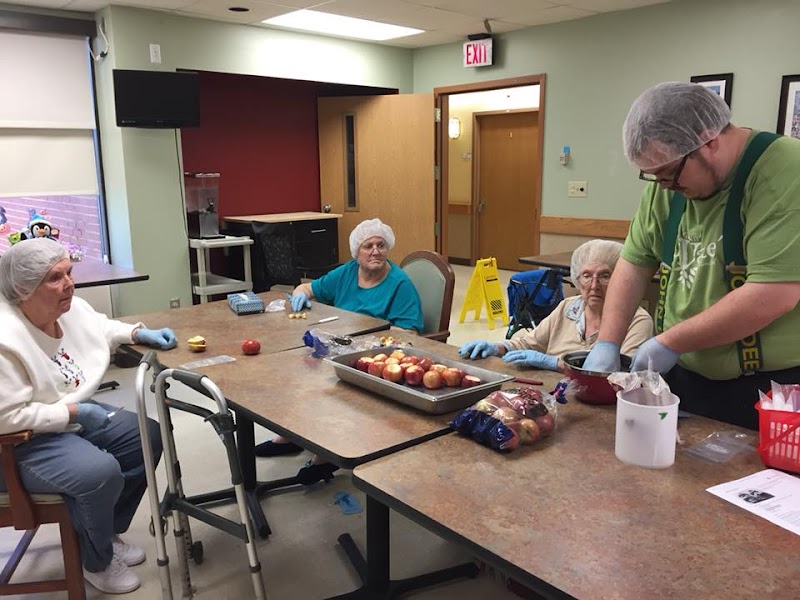
How is The Village Of Ackley Staffed?

CMS rates The Village of Ackley's staffing level at 3 out of 5 stars, which is average compared to other nursing homes. Staff turnover is 70%, which is 24 percentage points above the Iowa average of 46%. High turnover can affect care consistency as new staff learn residents' individual needs. RN turnover specifically is 79%, which is notably high. RNs provide skilled clinical oversight, so turnover in this role can affect medical care quality.

What Have Inspectors Found at The Village Of Ackley?

State health inspectors documented 36 deficiencies at The Village of Ackley during 2023 to 2025. These included: 2 Immediate Jeopardy (the most serious level, indicating potential for serious harm or death), 2 that caused actual resident harm, and 32 with potential for harm. Immediate Jeopardy findings are rare and represent the most serious regulatory concerns. They require immediate corrective action.
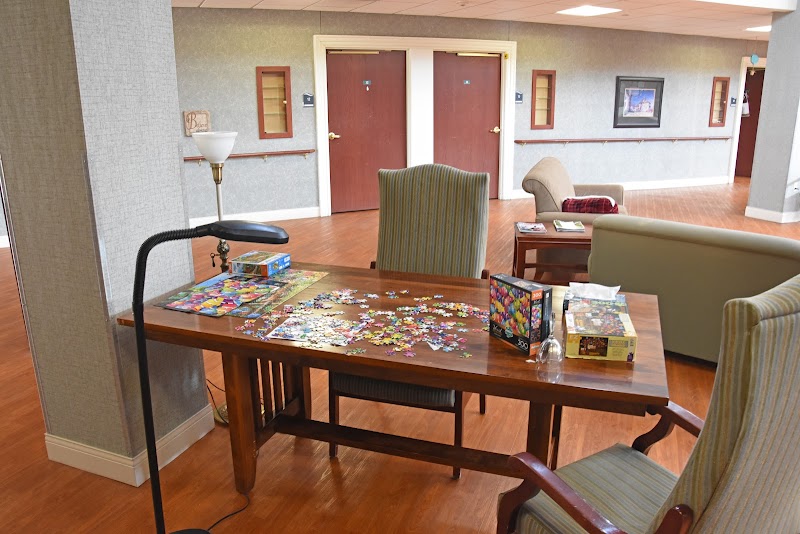
Who Owns and Operates The Village Of Ackley?

The Village of Ackley is owned by a non-profit organization. Non-profit facilities reinvest revenue into operations rather than distributing to shareholders. The facility operates independently rather than as part of a larger chain. With 38 certified beds and approximately 24 residents (about 63% occupancy), it is a smaller facility located in ACKLEY, Iowa.

How Does The Village Of Ackley Compare to Other Iowa Nursing Homes?

Compared to the 100 nursing homes in Iowa, The Village of Ackley's overall rating (1 stars) is below the state average of 3.0, staff turnover (70%) is significantly higher than the state average of 46%, and health inspection rating (1 stars) is much below the national benchmark.

What Should Families Ask When Visiting The Village Of Ackley?

Based on this facility's data, families visiting should ask: "What changes have been made since the serious inspection findings, and how are you preventing similar issues?" "How do you ensure continuity of care given staff turnover, and what is your staff retention strategy?" "Can I visit during a mealtime to observe dining assistance and food quality?" "How do you handle medical emergencies, and what is your hospital transfer rate?" These questions are particularly relevant given the facility's Immediate Jeopardy citations and the facility's high staff turnover rate.

Is The Village Of Ackley Safe?

Based on CMS inspection data, The Village of Ackley has documented safety concerns. Inspectors have issued 2 Immediate Jeopardy citations (the most serious violation level indicating risk of serious injury or death). The facility has a 1-star overall rating and ranks #100 of 100 nursing homes in Iowa. Families considering this facility should ask detailed questions about what corrective actions have been taken since these incidents.

Do Nurses at The Village Of Ackley Stick Around?

Staff turnover at The Village of Ackley is high. At 70%, the facility is 24 percentage points above the Iowa average of 46%. Registered Nurse turnover is particularly concerning at 79%. RNs handle complex medical decisions and coordinate care — frequent RN changes can directly impact care quality. High turnover means new staff may not know residents' individual needs, medications, or preferences. It can also be disorienting for residents, especially those with dementia who rely on familiar faces. Families should ask: What is causing the turnover? What retention programs are in place? How do you ensure care continuity during staff transitions?

Was The Village Of Ackley Ever Fined?

The Village of Ackley has been fined $99,979 across 3 penalty actions. This is above the Iowa average of $34,079. Fines in this range indicate compliance issues significant enough for CMS to impose meaningful financial consequences. Common causes include delayed correction of deficiencies, repeat violations, or care failures affecting resident safety. Families should ask facility leadership what changes have been made since these penalties.

Is The Village Of Ackley on Any Federal Watch List?

The Village of Ackley is not on any federal watch list. The most significant is the Special Focus Facility (SFF) program, which identifies the bottom 1% of nursing homes nationally based on persistent, serious quality problems. Not being on this list means the facility has avoided the pattern of deficiencies that triggers enhanced federal oversight. This is a positive indicator, though families should still review the facility's inspection history directly.