Accura Healthcare of Ames, LLC
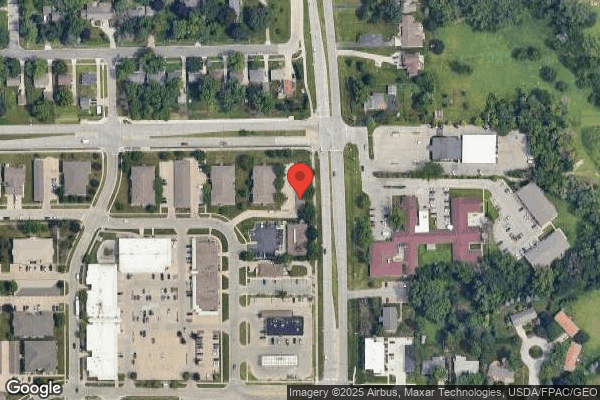
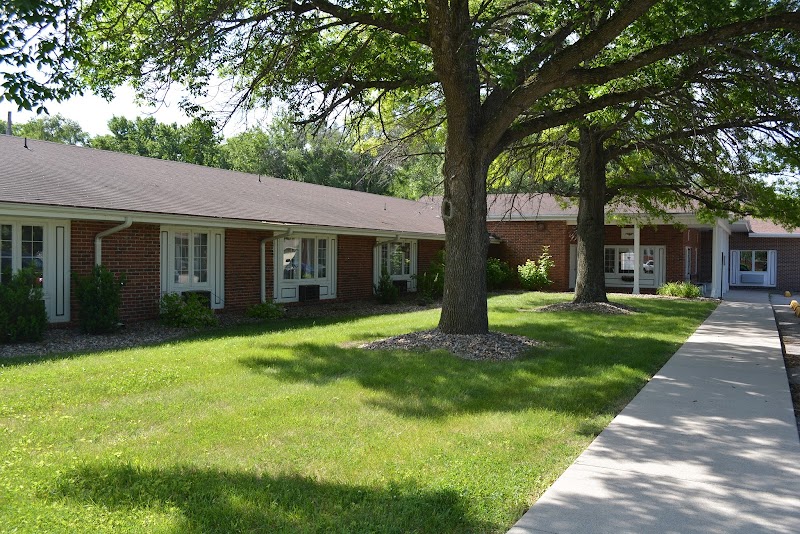
3440 Grand Avenue, Ames, IA 50010 (515) 232-3426
For profit - Corporation 80 Beds ACCURA HEALTHCARE Data: November 2025
Trust Grade
40/100
#167 of 392 in IA
Last Inspection: March 2025

Within standard 12-15 month inspection cycle. Federal law requires annual inspections.

Overview

Accura Healthcare of Ames has a Trust Grade of D, indicating below-average care with notable concerns. They rank #167 out of 392 nursing homes in Iowa, placing them in the top half of all facilities, but they are #5 out of 7 in Story County, meaning only two local options are better. The facility is showing signs of improvement, reducing their issues from 10 in 2024 to 5 in 2025, but they still face serious staffing challenges, with RN coverage lower than 75% of Iowa facilities. Staffing is average with a 44% turnover rate; this is concerning as it aligns with the state average. Additionally, fines of $40,381 are troubling, as they are higher than 80% of nursing homes in Iowa, indicating persistent compliance issues. Specific incidents include a resident who fell and fractured their hip after being left alone in the bathroom when their care plan required assistance, and another resident who fell while being transported to an appointment without staff help, resulting in a dental fracture. The facility has also struggled with ensuring residents do not develop avoidable pressure ulcers, highlighting gaps in care related to mobility and assistance. While there are areas of strength, such as some good quality measures, families should weigh these serious deficiencies carefully when considering this nursing home.

Trust Score
D
40/100
In Iowa
#167/392
Top 42%
Safety Record
High Risk
Review needed
Inspections
Getting Better
10 → 5 violations
Staff Stability
○ Average
44% turnover. Near Iowa's 48% average. Typical for the industry.
Penalties
○ Average
$40,381 in fines. Higher than 55% of Iowa facilities. Some compliance issues.
Skilled Nurses
⚠ Watch
Each resident gets only 29 minutes of Registered Nurse (RN) attention daily — below average for Iowa. Fewer RN minutes means fewer trained eyes watching for problems.
Violations
⚠ Watch
27 deficiencies on record. Higher than average. Multiple issues found across inspections.
★★★☆☆
3.0
Overall Rating
★★★☆☆
3.0
Staff Levels
★★★★☆
4.0
Care Quality
★★★☆☆
3.0
Inspection Score
Stable
2024: 10 issues
2025: 5 issues

The Good

  • 4-Star Quality Measures · Strong clinical quality outcomes
  • Full Sprinkler Coverage · Fire safety systems throughout facility
  • No fines on record
  • Staff turnover below average (44%)

    4 points below Iowa average of 48%

Facility shows strength in quality measures, fire safety.

The Bad

3-Star Overall Rating

Near Iowa average (3.1)

Meets federal standards, typical of most facilities

Staff Turnover: 44%

Near Iowa avg (46%)

Typical for the industry

Federal Fines: $40,381

Above median ($33,413)

Moderate penalties - review what triggered them

Chain: ACCURA HEALTHCARE

Part of a multi-facility chain

Ask about local staffing decisions and management

The Ugly 27 deficiencies on record

3 actual harm
Mar 2025 5 deficiencies
CONCERN (D)

Potential for Harm - no one hurt, but risky conditions existed

PASARR Coordination (Tag F0644)

Could have caused harm · This affected 1 resident

**NOTE- TERMS IN BRACKETS HAVE BEEN EDITED TO PROTECT CONFIDENTIALITY** Based on clinical record review and staff interview, the facility failed to submit a Level II Preadmission Screening and Residen...

Read full inspector narrative →
**NOTE- TERMS IN BRACKETS HAVE BEEN EDITED TO PROTECT CONFIDENTIALITY** Based on clinical record review and staff interview, the facility failed to submit a Level II Preadmission Screening and Resident Review (PASRR) evaluation for 1 of 1 residents reviewed with a new mental health diagnoses (Resident #49). The facility reported a census of 69 residents. Findings include: Resident #49's Minimum Data Set (MDS) assessment dated [DATE] included diagnoses of anxiety disorder, depression and psychotic disorder. The MDS reflected Resident #49 took antipsychotic, antianxiety, and antidepressant medication in the lookback period. The Care Plan Focus revised 2/11/25 indicated Resident #49 had a potential for behaviors, he used his call light excessively without having a need and often wouldn't participate in self-care to his capabilities. The Goal identified Resident #49 would display appropriate interactions with peers, staff, and visitors over the next review period. The Interventions directed Resident #49 as sometimes impulsive or impatient. Resident #49's Medical Diagnoses reviewed 3/24/25 listed the following diagnoses dated: a. 2/18/25: Delusion disorders b. 11/7/24: Adjustment disorder with mixed anxiety and depressed mood c. 10/18/24: Anxiety disorder d. 8/30/24: Depression Resident #49's March 2025 Medication Administration Record included the following new orders: a. 2/22/25: Zoloft (antidepressant) 75 milligrams (mg) 1 time a day related to unspecified depression. b. 1/31/25: Seroquel (antipsychotic) 25 mg 2 times a day related to adjustment disorder with mixed anxiety and depressed mood. c. 3/21/25: Amitriptyline HCL 25 mg. Give 10 mg by mouth once a day due to adjustment disorder with mixed anxiety and depressed mood. Resident #49's Notice of PASRR Level 1 Screen Outcome dated 9/6/23 indicated he didn't have a mental health diagnosis at the time and if changes occurred a new screening must be submitted. On 3/24/25 at 12:51 PM, the Social Worker provided documentation of Resident #49's Level II PASRR evaluation processing began 3/23/25. During an interview 3/24/25 at 3:45 PM, the Administrator reported the facility didn't have a specific policy or protocol regarding the completion of PASRRs, as they generally tried to follow the regulations. The Administrator added he expected the staff to submit Level 2 PASRRs evaluations in a timely manner.
CONCERN (D)

Potential for Harm - no one hurt, but risky conditions existed

Accident Prevention (Tag F0689)

Could have caused harm · This affected 1 resident

**NOTE- TERMS IN BRACKETS HAVE BEEN EDITED TO PROTECT CONFIDENTIALITY** Based on record review, resident interview, staff interview and facility process review, the facility failed to ensure residents...

Read full inspector narrative →
**NOTE- TERMS IN BRACKETS HAVE BEEN EDITED TO PROTECT CONFIDENTIALITY** Based on record review, resident interview, staff interview and facility process review, the facility failed to ensure residents environment was free from accidents and hazards by not assessing a resident for safety that verbalized he used a vape pen in his room for 1 of 2 residents reviewed for smoking (Resident #67). The facility reported a census of 69 residents. Findings include: Resident #67's Minimum Data Set (MDS) assessment dated [DATE] identified a Brief Interview for Mental Status (BIMS) score of 15, indicating intact cognition. The MDS listed Resident #67 as dependent on staff for bathing, toileting, and transfers. They required set up assistance with personal hygiene. They used a wheelchair for mobility. The MDS included diagnoses to include muscular dystrophy (genetic condition that causes a breakdown of skeletal muscle over time and progressive weakness), post-traumatic stress disorder (PTSD), anxiety, tachycardia (elevated heart rate greater than 100 beats per minute) and second degree burns of right and left lower legs. The facility provided list of smokers lacked Resident #67. Resident #67's clinical record lacked documentation of completed smoking evaluations. The admission Checklist, signed by Resident #67 on 2/17/25, reflected he signed that the facility provided him a copy of the Resident Smoking Process and he understood the process. In an interview on 3/23/25 at 1:57 PM, Resident #67 reported he used a vape pen and the staff allowed him to use it in his room. In an interview on 3/25/25 at 11:29 AM, Resident #67 said he kept his vape pen in his room and he currently had it on his person. He reported the vape pen needed to be charged and he could do that himself. He added he rarely got out of bed so he didn't get up to vape and vaped in his room throughout the day whenever he felt like it. Resident #67 reported he signed many things on admission and didn't remember if he signed the smoking policy. He thought some staff knew he vaped in his room but he didn't know for sure how many as he didn't know all the staff. He denied knowing that he couldn't vape in his room. He reported he couldn't remember if he told the facility on admission that he vaped or not. In an interview on 3/25/25 at 11:32 AM, Staff A, Certified Nursing Assistant (CNA), stated if a resident smoked or vaped, they had to do it outside with supervision and the residents couldn't keep the smoking or vaping supplies in their room. She didn't believe Resident #67 smoked or vaped but if he did, he most likely did it in his room when no one was around. In an interview on 3/25/25 at 11:48 AM, Staff B, Registered Nurse (RN), stated she believed Resident #67 vaped because she saw the vape pen in his room before. She said he never got up, so she assumed he vaped in his room. Staff B stated residents weren't to smoke or vape in their rooms. She didn't know if anyone knew Resident #67 vaped or not. She stated no staff mentioned it to her and she never witnessed him vaping. She reported she had told him, that he couldn't vape in his room but stated she never reported it on to administration. In an interview on 3/25/25 at 12:45 PM, the Administrator reported he didn't know Resident #67 smoked or vaped. He stated residents weren't to keep any smoking or vaping supplies in their rooms. He reported residents weren't to vape in their rooms and no one reported to him about Resident #67 vaping or having vape supplies in his room. He reported on admission they ask the residents if they smoked or vaped. They're supposed to review the policy to ensure they understood it prior to signing it. He stated he expected the staff to report it to him if they knew a resident had vaping supplies or vaped in their room. Review of the Resident Smoking Process, updated 4/21/22, provided by the facility indicated it applied to cigarettes, cigars, pipes, or any other materials that require fire. This also included electronic or vapor cigarettes and chewing tobacco. - All tobacco products including smoking tobacco, matches, lighters, chewing tobacco, or other smoking paraphernalia will be kept by family members, or stored by facility staff in a secure location. - Residents may not store smoking materials or supplies on their person, in their belongings, or in their rooms. - Smoking inside the facility is expressly prohibited. - A Smoking Evaluation with Care Plan interventions addressing safety issues must be completed upon admission, quarterly, annually and for change in condition assessments. - The resident and/or the resident representative must sign the resident smoking agreement upon admission, and as needed, which confirms understanding of the smoking policy and schedule. - Following the completion of the Smoking Evaluation and Acknowledgement of this policy, residents will be allowed to smoke in the designated smoking area with the supervision of a family member, resident representative, or employee. No resident is authorized to smoke independently, employees, family, or other resident representatives must supervise them. When staff are providing supervision, smoking will only occur at times designated by the facility.
CONCERN (D)

Potential for Harm - no one hurt, but risky conditions existed

Incontinence Care (Tag F0690)

Could have caused harm · This affected 1 resident

**NOTE- TERMS IN BRACKETS HAVE BEEN EDITED TO PROTECT CONFIDENTIALITY** Based on staff interview, resident interview, clinical records and observation the facility failed to provide appropriate interv...

Read full inspector narrative →
**NOTE- TERMS IN BRACKETS HAVE BEEN EDITED TO PROTECT CONFIDENTIALITY** Based on staff interview, resident interview, clinical records and observation the facility failed to provide appropriate interventions to minimize or prevent urinary tract infections for 3 of 4 residents reviewed with urinary catheters (Residents #11, #55, and #68). The facility reported a census of 69 residents. Findings include: 1. Resident #11's Minimum Data Set (MDS) assessment dated [DATE] identified she admitted on [DATE] to the facility. She had a skilled therapy stay from 1/27/25 to 2/18/25. The MDS identified Resident #11 had a Brief Interview of Mental Status (BIMS) score of 8, indicating moderate cognitive impairment. Resident #11 required substantial/maximum assistance with toileting hygiene. The Care Plan Focus revised 3/11/25 indicated Resident #11 had an indwelling catheter. The Goal reflected Resident #11 wouldn't have signs or symptoms of a urinary infection. The Interventions instructed the following: a. Change the catheter as ordered b. Check tubing for kinks c. Monitor for signs and symptoms of discomfort and pain due to the catheter, report to the doctor symptoms listed. Resident #11's Medical Diagnoses listed she had the following urinary related diagnoses: a. Retention of urine b. Acute kidney failure c. Chronic kidney disease d. Urinary tract infection (UTI) e. Obstructive and reflux uropathy (blockage of urine that causes the urine to flow backward into the kidneys). An Emergency Department (ED) After Visit Summary dated 1/15/24 identified Resident #11 had an ED visit for urinary retention. The diagnoses list included acute urinary retention and UTI. On 3/23/25 at 2:11 PM, saw Resident #11 in bed with her catheter tubing touching the carpeted floor before going into a plastic pan that held the attached catheter bag for urine collection. 2. Resident #55's Minimum Data Set (MDS) assessment dated [DATE] identified a BIMS score of 15, indicating intact cognition. The MDS reflected Resident #55 had an indwelling catheter. The MDS included a diagnosis of neurogenic bladder (lack of bladder control). The Care Plan Focus dated 3/2/23 indicated Resident #55 had a urinary catheter due to neuromuscular dysfunction (impaired bladder control) of the bladder. The Goal listed Resident #55 wouldn't develop a UTI. The Interventions directed the following: a. Change the bag as ordered b. Monitor and report to the charge nurse decreased output, odorous urine, leakage around catheter, dark urine, and any complaints of discomforts of catheter. The Health Status Note dated 3/14/25 at 10:53 PM reflected Resident #55 received 1-liter (L) of intravenous (IV) fluids at 9:30 PM without any urinary catheter output. The staff repositioned the catheter and flushed it with good return. Resident #55 continued to have altered mental status, unable to answer questions appropriately. The facility received orders to send Resident #55 to the ED for an evaluation and treatment. A Physician Order for Resident #55 dated 3/17/25 directed to give an antibiotic, Bactrim 400-80 milligrams (mg) for UTI daily by mouth for ten days. On 3/23/25 at 11:08 AM, observed Resident #55 in bed with her catheter tubing touching the floor tiles before going into a plastic pan that held the attached catheter bag for urine collection. 3. Resident #68's Minimum Data Set (MDS) assessment dated [DATE] identified a BIMS score of 13, indicating intact cognition. The MDS included diagnoses of Benign Prostatic Hyperplasia (BPH) (referring to enlarged prostate that can block the flow of urine) and unspecified urine retention. The Care Plan Focus dated 3/6/25 identified Resident #68 had an indwelling catheter related to BPH and urinary retention. The Goal reflected Resident #68 wouldn't have signs/symptoms of infection. The Interventions directed the following: a. Check tubing for kinks each shift b. Monitor for signs and symptoms of UTI c. Position the catheter bag and tubing below the level of the bladder. On 3/25/25 at 9:16 AM, witnessed Resident #68 sitting outside with another resident and a staff member who supervised the residents smoking. Resident #68 sat on a chair with his catheter bag hanging on the walker. The catheter tubing from his shorts touched the outside patio cement before extending up to the catheter bag. On 3/26/25 at 10:40 AM, observed Resident #68 sitting in the common area. His catheter bag hung from the last rung of his walker with his tubing touching the carpeted floor. Resident #68 reported sometimes he got a leg bag otherwise he used the bag that hung from his walker. On 3/26/25 at 10:47 AM, while observing Resident #68 with the Director of Nurses (DON), noted Resident #68's catheter tubing touch the floor while he sat in the common area. The DON explained she expected the catheter tubing to not be on the floor. The DON acknowledged the possibility of the introduction of bacteria that could lead to a UTI. On 3/26/25 at 11:06 AM, the Administrator reported he expected the staff to follow protocol for catheters. He added he knew repeat and ongoing education for staff is needed regarding catheters. The Administrator acknowledged the repercussions (unintended negative outcome) included infection and sepsis (severe infection that spreads to the blood). On 3/26/25 at 11:56 AM, the Assistant Director of Nurses (ADON) / Infection Preventionist (IP) acknowledged they knew about the UTI trends in the facility. They looked at nursing staff peri-care techniques, ensured hygiene audits, and even provided supplemental cranberry (increase the acid concentration of the urine). The ADON acknowledged the facility need to implement additional interventions and education related to catheters included catheter and tubing placement. The facility staff explained they didn't have a specific policy on urinary catheters.
CONCERN (D)

Potential for Harm - no one hurt, but risky conditions existed

Food Safety (Tag F0812)

Could have caused harm · This affected 1 resident

Based on observation, policy review, and staff interview, the facility failed to label, date and store food/utensil in accordance with profession standards for food safety to reduce the risk of contam...

Read full inspector narrative →
Based on observation, policy review, and staff interview, the facility failed to label, date and store food/utensil in accordance with profession standards for food safety to reduce the risk of contamination and food borne illness. The facility reported a census of 69 residents. Findings include: On 3/23/25 at 10:08 AM, during the initial observation of the facility's kitchen, observed refrigerators and freezers with uncovered food items including two drinks in adaptive plastic cups, various salads in bowls and plated. The food packages lacked labeling to identify the product, the open date, and/or use by date, including unidentified meat in a plastic zip lock bag and several bagged items in the freezer (photos available). On 3/23/25 at 10:14 AM, the Dietary Manager (DM) reported he knew the foods should be covered and labeled. He added he reviewed this in training. The DM reported staff brought in several items in the refrigerator in a grocery bag not dated or labeled. On 3/23/25 at 10:18 AM, observed the ice machine with the ice scoop on top of the ice machine, without a container. On 3/23/25 at 10:19 AM, the DM acknowledged the ice scoop utensil should be stored in a container for sanitary purposes. On 3/25/25 at 9:12 AM, the Administrator reported he ordered a special container to adhere to the ice machine to hold the ice scoop. The Administrator confirmed the refrigerator shouldn't have uncovered, undated, and unlabeled food. The facility provided a policy titled, Food Storage dated 2021, it directed all leftover food should be stored covered wrapped carefully, clearly labeled, and dated before refrigerated. Then it must be used within seven days or discarded.
CONCERN (D)

Potential for Harm - no one hurt, but risky conditions existed

Staffing Data (Tag F0851)

Could have caused harm · This affected 1 resident

Based on the Center of Medicare and Medicaid Services (CMS) Payroll Based Journal (PBJ) Staff Data Report (October 1, 2024 December 31, 2024) review, facility staffing assignments review, staff punch ...

Read full inspector narrative →
Based on the Center of Medicare and Medicaid Services (CMS) Payroll Based Journal (PBJ) Staff Data Report (October 1, 2024 December 31, 2024) review, facility staffing assignments review, staff punch detail review, and staff interviews, the facility failed to submit accurate staffing data for the PBJ Staffing Data Report which indicated the facility had excessively low weekend staffing. The facility reported a census of 69 residents. Findings include: The facility's daily assignment sheets compared to the facility staff punch detail reports, reflected the following coding errors submitted to the CMS PBJ system for the reporting period of October 1, 2024 December 31, 2024: a. 10/12/24 - Certified Nursing Assistant (CNA) coded as a Certified Medication Aide (CMA) for 12 hours on day/evening shift b. 10/13/24 - CNA coded as a CMA for 12 hours on day/evening shift c. 10/19/24 - CNA coded as a CMA for 12 hours on day/evening shift d. 10/27/24 - CNA coded as a CMA for 5 hours on evening shift e. 11/2/24 - CNA coded as a CMA for 8 hours on day shift f. 11/3/24 i. Minimum Data Set (MDS) Coordinator worked as a Licensed Practical Nurse (LPN) for 16 hours on day/evening shift ii. Registered Nurse (RN) worked as a CMA for 4 hours on day shift iii. CNA coded as CMA for 4 hours on day shift iv. CNA coded as CMA for 8 hours on day shift g. 11/9/24 - CNA coded as CMA for 2 hours on day shift h. 11/10/24 i. 2 CNA's coded as CMA's for 12 hours each on day/evening shift ii. LPN worked as a CMA for 4 hours on evening shift. i. 11/16/24 i. CNA coded as CMA for 12 hours on day/evening shift ii. RN worked as a CMA for 4 hours on evening shift j. 11/17/24 i. CNA coded as a CMA for 8 hours on day shift ii. RN worked as a CMA for 4 hours on evening shift k. 11/23/24 i. 2 CNA's coded as CMA's for 12 hours each on the day/evening shift ii. RN worked as a CMA for 4 hours on evening shift l. 11/24/24 i. CNA coded as CMA for 10 hours on day/evening shift ii. CNA coded as CMA for 12 hours on day/evening shift iii. MDS Coordinator worked as CMA for 7 hours on evening shift iv. RN worked as CMA for 4 hours on evening shift m. 11/30/24 - RN worked as CMA for 4 hours on evening shift n. 12/1/24 - CNA coded as CMA for 8 hours on evening shift o. 12/7/24 i. CNA coded as CMA for 12 hours on day/evening shift ii. CNA coded as CMA for 4 hours on evening shift iii. LPN worked as CMA for 4 hours on evening shift iv. RN worked as CMA for 4 hours on evening shift p. 12/8/24 i. Assistant Director of Nursing (ADON) worked as CNA for 11 hours on day/evening shift ii. LPN worked as CMA for 4 hours on evening shift iii. RN worked as CMA for 4 hours on evening shift q. 12/14/24 i. MDS Coordinator worked as CNA for 8 hours on day/evening shift ii. CNA coded as CMA for 12 hours on day/evening shift iii. RN worked as CMA for 4 hours on evening shift r. 12/15/24 - MDS Coordinator worked as CNA for 8 hours on day shift i. ADON worked as CNA for 4 hours on day shift ii. RN worked as CMA for 4 hours on evening shift s. 12/21/24 i. CNA coded as CMA for 12 hours on day/evening shift ii. CNA coded as CMA for 16 hours on day/evening shift t. 12/22/24 i. CNA coded as CMA for 4 hours on day shift ii. CNA coded as CMA for 12 hours on day/evening shift iii. CNA coded as CMA for 4 hours on evening shift u. 12/28/24 i. ADON worked as CNA for 8 hours on evening shift ii. RN worked as CNA for 4 hours on evening shift v. 12/29/24 i. CNA coded as CMA for 4 hours on evening shift ii. RN worked as CNA for 4 hours on evening shift iii. ADON worked as CNA for 8 hours on night shift In an interview on 3/25/25 at 3:00 PM, the Administrator stated the Quality Assurance and Performance Improvement (QAPI) committee reviewed the Facility Assessment and updated it on an annual basis with the Medical Director. The planned to review it again in July 2025. In an interview on 3/25/25 at 3:02 PM, the Administrator stated he expected the staff working dual jobs ensure they clock in for the appropriate job duty they performed. The Office Manager and ADON had the responsibility to make sure the daily schedules match up with the employee's punches. He stated they have a corporate staff person that completed the PBJ submission after the facility reviewed the information first. A policy titled Nursing Services and Sufficient Staff last updated 2/23/25 stated the facility had the responsibility for submitting timely and accurate staffing data through the CMS Payroll Based Journal (PBJ) system.
Sept 2024 1 deficiency 1 Harm
SERIOUS (G) 📢 Someone Reported This

A family member, employee, or ombudsman was alarmed enough to file a formal complaint

Actual Harm - a resident was hurt due to facility failures

Accident Prevention (Tag F0689)

A resident was harmed · This affected 1 resident

**NOTE- TERMS IN BRACKETS HAVE BEEN EDITED TO PROTECT CONFIDENTIALITY** Based on observation, clinical record review, staff interviews, facility self report and facility inservice record, the facility...

Read full inspector narrative →
**NOTE- TERMS IN BRACKETS HAVE BEEN EDITED TO PROTECT CONFIDENTIALITY** Based on observation, clinical record review, staff interviews, facility self report and facility inservice record, the facility failed to ensure a resident was safe in the environment. Review revealed Resident #1 required assistance of one staff for personal hygiene and ambulation. On 7/4/24 at approximately 6:58 a.m., Staff A, Certified Nursing Assistant (CNA) assisted Resident #1 to the bathroom with a walker. Staff A proceeded to leave Resident #1 alone in the bathroom for which Resident #1 lost balance and fell to the bathroom floor and sustained a left hip fracture. Additionally on 8/27/24, Resident #2 was transported to an appointment with no staff assistance, fell while at the appointment, taken to the nearest emergency room and sustained a dental fracture to upper incisors. The facility reported a census of 65 residents. Findings include: 1. The Minimum Data Set (MDS) assessment with a reference date of 5/23/24 for Resident #1 documented a score of 8 on Brief Interview for Mental Status (BIMS) test which indicated moderately impaired cognitive impairment, was able to be understood and had the ability to understand others. The resident had diagnoses that included hypertension, diabetes mellitus, Non-Alzheimer's Dementia, anxiety and osteoarthrits and required substantial to maximal assistance with toileting, dressing and personal hygiene and supervision or touching assistance with oral hygiene and assistance with ambulation with walker. A Significant Change MDS assessment with a reference date of 7/18/24 for Resident #1 documented has the ability to be understood and ability to understand others. The resident had diagnosis that included hypertension, Non-Alzheimer Dementia and recent hip fracture, with recent fall with bone fracture and surgical wound. A Nursing Care Plan with a created date of 4/11/23, identified a problem of I have an Activity of Daily Living (ADL) self-care performance deficit related to weakness, deconditioning, impaired mobility and I am at risk for injury from falls due to impaired mobility and weakness, dementia and macular degeneration Interventions include: *(7/4/24), Non-skin strips placed on floor in bathroom. *Ambulate with me to the dining room and activities. *I use a front wheeled walker. *Please ensure my call light is in reach and remind me to use it for assistance. *Ambulation: Assist time 1 with front wheeled walker *Oral Cares: Assist times 1 *Toileting: Assist times 1 for toileting and peri cares. A Interdisciplinary Care Conference Worksheet dated 4/24/24, documented resident needs 1 assist with cares with front wheeled walker and has moderate cognitive impairment. A Fall Risk assessment dated [DATE], documented resident with no history of falls and is at moderate risk with shuffling steps and uses an assistive device, walker. The Progress Notes dated 5/23/24 at 9:23 a.m., documented Quarterly Nursing Assessment note: quarterly nursing assessment completed. Resident is disoriented to place and time. Wears glasses to aid in vision. Residents hearing is adequate. Has an upper extremity functional limitation in range of motion on one side of the body. No lower extremity limitations noted with range of motion. Resident transfers with supervision, one person physical assist. Is able to ambulate in corridor with supervision with setup help only. Resident uses a walker. Resident needs physical help with part of the bathing activity. Is able to dress self with limited staff assist. Completes personal hygiene with staff supervision. Resident is occasionally incontinent of urine. The Progress Notes dated 7/4/24 at 7:28 a.m., documented Health Status Note Text: Resident had a fall at 6:55 a.m. in resident's bathroom. Resident was found with head under the sink. Resident was using the walker at the time. Her slipper were off her feet. Resident was on her sides. Resident had loose stool in her brief. Resident states my left hip hurts very much. CNA, states I was in the room getting the husband. Then, I heard the noise from the bathroom and found her on the floor. No bleeding or bruises noted. No open injuries noted. Blood pressure inaudible with manual blood pressure cuff. 911 called at 7:00 a.m. and resident transferred to emergency room at 7:21 a.m. In an Unwitnessed Fall Report dated 7/4/24 at 6:58 a.m., documented CNA notified this nurse of fall of resident in bathroom at 6:56 a.m. At 6:58 a.m., Resident found on the floor of bathroom with head under the sink. Resident in right lateral posture lying on the floor and complaining pain to left hip. Resident then complained of pain to left leg. Resident husband waiting for her outside the room. Resident has small bowel movement in her brief, but due to nature of the fall and pain, no changes in position made to change the brief. Residents left leg was angled at knee and any movement to that limb aggravated pain. Pain level 10/10. No visible injuries or cut noted to head, limb or trunk at this time. Resident states I don't know what happened but my left leg hurts. Mobility status: Ambulatory with assistive device/with out assist at time of fall. An investigation self-report amendment submitted to the Department by the facility on 7/4/24, included the following: Resident is assist time 1 staff, was brought into bathroom with walker to brush her teeth, left unattended and fell. Injury of Fracture of the Left Femoral Neck on the left leg. On Thursday July 4th 2024, at approximately 6:55 a.m., Resident #1 was assisted by Staff A in getting set up with oral cares at the bathroom sink. Staff A then left the bathroom to assist the roommate. While assisting the roommate, Staff A heard a noise from the bathroom. Staff A re-entered the bathroom to find Resident #1 on the floor of the bathroom lying on her left side. Staff B, RN, performed a head-to-toe assessment on Resident #1. Resident #1 stated that my left hip hurts very much. Staff B, RN, made the decision to send Resident #1 to the emergency room per nursing judgement related to head-to-toe assessment and positioning of leg. Corrective Action: Staff A was provided 1-1 education on the need to stay with residents who are coded as needing assistance of 1 or more staff members at all times during personal care tasks. All facility staff members were educated on the need to stay with residents who are coded as needing assistance of 1 or more staff members at all times during personal cares tasks by the Director of Nursing on 7/5/24. The Hospital Consultative Note dated 7/4/24 at 10:53 a.m., documented, Resident #1 is an [AGE] year-old female, whom I was asked to see in consultation for a left displaced femoral neck fracture. She fell in the bathroom this morning. She walks with a walker. She complains of left hip pain. Diagnostic Data: X-rays of left hip reveal a displaced femoral neck fracture without preexisting arthritis. Assessment: Left displaced femoral neck fracture in an ambulator. Observation on 9/17/24 at 8:45 a.m., Staff C, Certified Nursing Assistant (CNA) and Staff D, CNA, transferred Resident #1 with the use of a gait belt and front wheeled walker from the wheelchair to a recliner. Resident had a slow steady gait and complained of left hip pain during the transfer. Interview on 9/16/24 at 2:30 p.m., Staff A, CNA stated that they went into Resident #1 room to assist the resident to the bathroom on 7/4/24 approximately 6:55 a.m. Staff A stated that as Resident #1 was in the bathroom the roommate attempted to open the door to the bathroom so Staff A, left Resident #1 alone in the bathroom as they assisted the roommate back to the recliner. Staff A then heard a noise come from the bathroom. Staff A stated that when they went back into the bathroom, Resident #1 was on the floor. Staff A stated that the expectation of the staff is to stay with a resident that needs assist of 1 for cares, including personal/oral hygiene and that Staff A got education on the need to stay with any resident that required staff assistance. Interview on 9/17/24 at 10:00 a.m., Staff B, Registered Nurse (RN) stated they worked on 7/4/24 when Resident #1 fell in the bathroom. Staff B, confirmed and verified that Resident #1 needed assistance of 1 staff for cares and that it is the expectation of the staff to stay with any resident that requires assistance and that the facility did education about the expectation of staying with a resident that requires assist. Interview on 9/17/24 at 1:50 p.m., The Director of Nursing confirmed and verified that the expectation of staff are to stay with any resident that requires cueing, supervision or assistance with cares. An Inservice Record dated 7/5/24, documented that Residents who are coded as needing assistance of one or more staff members for ADL's should not be left alone while they are completing a personal task (brushing teeth). They [NAME] be supervised throughout the completion of the task. 2. The MDS assessment with a reference date of 6/13/24 for Resident #2 documented a score of 6 on BIMS test which indicated severely impaired cognitive impairment, unclear speech, sometimes is understood and usually understands others. The resident had diagnoses that included hypertension, Alzheimer's Disease, Non-Alzheimer's Dementia, depression and Schizophrenia and is independent with ambulation with a walker and had a recent fall with 2 or more injuries. The Plan of Care with an initiated date of 9/10/20, had a focus area of I have impaired cognitive function or impaired thought processes related to cognitive communication disorder. Interventions include: *RESIDENT WILL HAVE STAFF PERSON OR FAMILY MEMBER GO TO APPOINTMENTS WITH HIM *Verbal communication can be difficult to understand at times. Sometimes I will write notes to staff to communicate or make my needs known. The Progress Notes dated 8/27/24 at 9:55 p.m., documented Health Status Note Text: Resident had gone to for a Dental appointment in the morning. In the afternoon after his consultation he had a fall there and was sent to Hospital ER. The Progress Notes dated 8/28/24 at 5:00 a.m., Comprehensive Encounter Date of Service: Chief Complaint: Post ER visit History of Present Illness: Patient is a [AGE] year old male with chronic health conditions. Schizoaffective disorder, insomnia, dyslipidemia, cognitive communication deficit, essential hypertension, regional lumbar radiculopathy, osteoarthritis, spinal stenosis, and Alzheimer's. Today he is seen in his room via telehealth, he is at baseline. He was at a dentist clinic visit yesterday and had a fall with injury to his mouth. He was sent to ER for evaluation. Noted open spot in top front gums from extraction and two small teeth have chips next to open spot, no bruising or bleeding. He is calm, pleasant, disorganized thought process. The Progress Notes dated 8/28/24 at 2:19 a.m., documented Health Status Note Text: Resident returned from ER at 11:15 p.m., accompanied/transported by the facility Administrator. Resident is alert, aware of surroundings. Told this Nurse he lost balance and fell at the dentist office earlier. Only injury is chipped tooth. Resident states only pain is to neck and back, but doesn't need anything for pain at present time. The Medical Center Emergency Department dated 8/27/24, documented, reason for visit is a fall, patient presents via Emergency Medical Services with complaint of being found on the bathroom floor of the dentist office. Patient was apparently dropped off at the dentist for a tooth extraction, but no one from the facility remained with the patient at the appointment. History of Alzheimer's dementia and schizophrenia. C-collar in place upon arrival. Description=fall , initial encounter with broken teeth. Patient presents with fall. History of dementia. Found on floor at dentist office with dental fractures. Dental fracture to upper incisors. Dental cement applied to fractured tooth. Patient brought to the Emergency Department by EMS after being found on the floor of the bathroom at the dentists office. Patient did not have any attendants at his visit. History taking is extremely limited from patient as is not oriented to person, place situation. Speaks in short sentences, difficult to understand. Appears to have multiple dental fractures, one tooth site oozing blood. Dried blood in mouth. Interview on 9/17/24 at 11:25 a.m., the facility administrator confirmed and verified that residents are to have staff accompany them to appointments if families are not able to.
May 2024 8 deficiencies
CONCERN (D) 📢 Someone Reported This

A family member, employee, or ombudsman was alarmed enough to file a formal complaint

Potential for Harm - no one hurt, but risky conditions existed

Deficiency F0583 (Tag F0583)

Could have caused harm · This affected 1 resident

Based on observation, interview, and clinical record review, the facility failed to maintain confidentiality of 2 of 5 residents reviewed (Residents #19 and #46) during the process of medication admin...

Read full inspector narrative →
Based on observation, interview, and clinical record review, the facility failed to maintain confidentiality of 2 of 5 residents reviewed (Residents #19 and #46) during the process of medication administration. The facility reported a census of 64 residents. Findings include: 1. On 5/20/24 at 8:15 AM, witnessed Staff F, Certified Medication Aide (CMA), leave a glass of water containing Miralax (a laxative) at the dining table for Resident #19, failing to supervise her drinking the medication. Resident #19 and her husband sat at the table with numerous other residents in the area. 2. On 5/20/24 at 7:53 AM, observed Staff G, Registered Nurse (RN), enter Resident #46's room to complete a blood glucose test and administer sliding scale insulin if needed. After administering the insulin, Staff G returned to the medication cart to document the administration of the insulin on the TAR. At this time, witnessed that she failed to close the screen, leaving Resident #46's information visible for others to see. In an interview on 5/21/24 at 3:40 PM, the Director of Nursing (DON) stated the facility didn't have a policy related to ensuring the securing of the computer screen with resident information when away from the computer. The DON stated they expected the staff to follow professional standards of care. In an interview on 5/21/24 at 3:40 PM, the DON stated they expected the staff to follow the 5 rights of medication administration unless a physician order directed otherwise. She added that she expected the staff to close the computer screen when away from or not in view of the computer.
CONCERN (D)

Potential for Harm - no one hurt, but risky conditions existed

PASARR Coordination (Tag F0644)

Could have caused harm · This affected 1 resident

**NOTE- TERMS IN BRACKETS HAVE BEEN EDITED TO PROTECT CONFIDENTIALITY** Based on clinical record review and staff interview, the facility failed to refer one resident (Resident #57) with a Level I Pre...

Read full inspector narrative →
**NOTE- TERMS IN BRACKETS HAVE BEEN EDITED TO PROTECT CONFIDENTIALITY** Based on clinical record review and staff interview, the facility failed to refer one resident (Resident #57) with a Level I Preadmission Screening and Resident Review (PASARR) with a diagnosed serious mental disorder for evaluation of a Level II PASARR at the time the diagnosis was known to the facility for 1 of 1 resident reviewed for PASARR. The facility reported a census of 64. Findings include: Resident #57's Minimum Data Set (MDS) dated [DATE] identified a Brief Interview for Mental Status (BIMS) of 10, indicating moderate cognitive impairment. The MDS included diagnoses of Type II diabetes mellitus, specific personality disorders, anxiety disorder, generalized anxiety disorder, personality disorder unspecified, vascular dementia, and post traumatic stress disorder (PTSD). The MDS reflected Resident #57 took antipsychotic and antidepressant medications. The Care Plan Focus revised 7/10/23 indicated Resident #57 had a history of trauma/life event resulting in PTSD and used high risk medications to treat mood disorders. Resident used antipsychotic medication and antidepressant medication to assist with negative behaviors. Resident #57's Level I PASARR completed 11/21/23 documented no Level II PASARR required as she had no serious mental impairment, intellectual disability, or other related conditions. The Level I PASARR included a diagnosis of an anxiety disorder. In addition, documented Resident #57 received Depakote for anxiety with Namenda and Risperdal for dementia. The screening listed no further PASARR screening required unless she had a significant change. Resident #57's clinical record lacked a PASARR following 11/21/23. Resident #57's Medical Diagnoses reflected the following diagnoses: a. Specific personality disorders added 2/2/24 b. Personality disorder unspecified added 12/15/23. Resident #57's May 2024 Medication Administration Record included the following psychotropic medication orders: a. Mirtazapine oral tablet 3.75 milligrams (mg) one time a day for personality disorder with a start date of 2/5/24 b. Sertraline HCL oral tablet 75 mg one time a day for personality disorder with a start date of 1/11/24. In an interview on 5/21/24 at 3:50 PM, the Administrator stated the facility didn't have a facility policy relating to PASARR's but the facility followed the federal mandated regulations for the completion of them. In an interview on 5/21/24 at 3:50 PM, the Administrator stated they expected the facility to audit the PASARR process regularly and update the PASARR's as required. He provided a copy of a Level I PASARR submitted for Resident #57 on the date of interview with the new diagnosis and medications.
CONCERN (D)

Potential for Harm - no one hurt, but risky conditions existed

Deficiency F0761 (Tag F0761)

Could have caused harm · This affected 1 resident

Based on observation and staff interviews, the facility failed to maintain a safe environment by leaving a medication cart unlocked and unsupervised. The facility reported a census of 64 residents Fi...

Read full inspector narrative →
Based on observation and staff interviews, the facility failed to maintain a safe environment by leaving a medication cart unlocked and unsupervised. The facility reported a census of 64 residents Findings include: In an observation on 5/20/24 at 9:12 AM, Staff F, Certified Medication Aide (CMA), left the medication cart unlocked and unattended when she walked into Resident #1's room to administer their medications. The medication cart sat against the wall outside of Resident #1's room out of sight from the room. In an interview on 5/21/24 at 3:40 PM, the Director of Nursing (DON) stated they didn't have a facility policy related to ensuring staff locked the medication carts when not in sight. She expected the facility staff to follow the professional standards of care. In addition, she expected the staff to have the medication cart be locked at all times when away from the cart or when unable to see the cart.
CONCERN (D)

Potential for Harm - no one hurt, but risky conditions existed

Menu Adequacy (Tag F0803)

Could have caused harm · This affected 1 resident

Based on observation, menu review, staff interview, and policy review, the facility failed to serve the correct serving size of protein for 3 of 5 residents who received pureed diets. The facility rep...

Read full inspector narrative →
Based on observation, menu review, staff interview, and policy review, the facility failed to serve the correct serving size of protein for 3 of 5 residents who received pureed diets. The facility reported a census of 64 residents. Findings include: On 5/21/24 at 11:12 AM, Staff A, [NAME] stated the facility had five (5) residents who required pureed diets. She placed five (5) portions of pork casserole, two (2) cups of pineapple sauce, and five (5) slices of bread into a blender and pureed the contents. She measured the pureed mixture and noted five (5) cups of pureed contents. She referred to the pureed portion conversion chart and verbalized the required serving as two #8 serving scoops. The #8 serving scoop equaled 4 ounces which indicated the serving should measure a total of 8 ounces. Between 12:05 PM and 12:25 PM, Staff A prepared 3 pureed diet plates with one #8 scoop of protein, half of the required portion size. An observation at the end of meal service revealed the pureed protein had more than half remaining. On 5/22/24 at 9:25 AM, the Administrator stated the staff member should follow the pureed conversion chart during meal service. The undated document labeled Puree Process directed staff to find the correct scoop size that corresponds to the portion size.
CONCERN (D)

Potential for Harm - no one hurt, but risky conditions existed

Infection Control (Tag F0880)

Could have caused harm · This affected 1 resident

**NOTE- TERMS IN BRACKETS HAVE BEEN EDITED TO PROTECT CONFIDENTIALITY** 2. On 5/19/24 at 12:11 PM when Staff B, Cook, delivered Resident #41, their lunch tray, they removed the blanket from his legs a...

Read full inspector narrative →
**NOTE- TERMS IN BRACKETS HAVE BEEN EDITED TO PROTECT CONFIDENTIALITY** 2. On 5/19/24 at 12:11 PM when Staff B, Cook, delivered Resident #41, their lunch tray, they removed the blanket from his legs and placed it in a shared sink with another resident. Resident #41's Minimum Data Set (MDS) dated [DATE] identified a Brief Interview for Mental Status (BIMS) score of 14, indicating intact cognition. Resident #41 required set up assistance with eating and oral hygiene, the needed maximum assistance with personal hygiene. The MDS included diagnoses of severely impaired vision, retrolental fibroplasia (a disease that causes blindness) and cerebral vascular accident (stroke). The Care Plan Focus dated 4/9/24 indicated Resident #41 had impaired visual function. The Interventions directed the staff to arrange Resident #41's personal belongings on his right side to promote independence. On 5/19/24 at 4:10 PM, observed Resident #41's blanket back over his legs. On 5/20/24 at 9:24 AM, witnessed Resident #41's blanket lying on the floor to the left of his recliner as he slept. On 5/22/24 at 9:09 AM, the DON stated the staff member should have placed the blanket on his wheelchair and not in the sink. The General Guidelines policy dated 10/5/23 directed staff to maintain a sanitary environment for the staff, residents, visitors, and the general public. Based on observation, staff interview, and policy review, the facility failed to maintain proper infection control practices to protect against potential cross contamination for 2 of 16 residents observed (Resident #2 and #41). As a Certified Medication Aide (CMA) prepare Resident #2's medication, they failed to perform hand hygiene after coughing and blowing their nose. In addition, the facility failed to keep a resident's blanket clean after placing in a shared sink before putting it back on a resident (Resident #41). The facility reported a census of 64. Findings include: 1. On 5/20/24 at 7:45 AM witnessed Staff H, Certified Medication Aide (CMA), prepare Resident #1's medications. Staff H began to cough into her hands and blow her nose. She failed to perform hand hygiene after and continued to prepare Resident #2's medication, then administer it to them. In an interview on 5/21/24 at 3:40 PM, the Director of Nursing (DON) stated she expected staff to complete hand hygiene before and after each medication pass. If the staff coughed or blowed their nose, they needed to perform hand hygiene before continuing the medication pass.
CONCERN (E)

Potential for Harm - no one hurt, but risky conditions existed

Accident Prevention (Tag F0689)

Could have caused harm · This affected multiple residents

Based on observation, clinical record review, resident interview, staff interview and policy review, the facility failed to provide adequate supervision to 3 of 5 residents observed (Residents #19, #3...

Read full inspector narrative →
Based on observation, clinical record review, resident interview, staff interview and policy review, the facility failed to provide adequate supervision to 3 of 5 residents observed (Residents #19, #31 and #46) during medication administration. The facility reported a census of 64 residents. Findings include: 1. The Minimum Data Set (MDS) for Resident #31, dated 2/15/24, documents a Brief Interview for Mental Status (BIMS) of 10, indicating mild impairment. The MDS included diagnoses of medically complex conditions, coronary artery disease, renal insufficiency, age related osteoporosis and depression. During an observation on 5/19/24 at 11:30 AM, Resident #31 had her tray table in front of her as she sat in a reclining chair in her room. On her tray table contained a small cup with 3 medications next to a glass of water. Resident #31 stated she didn't know what the pills were and said the nurse left them for her to take. Upon entry into Resident #31's room, observed no staff present in the room or outside of the room. Resident #31 didn't know how long the medication sat on the tray. Resident #31 shared a room with Resident #265, who was also present in the room. Resident #31's May 2024 Medication Administration Record (MAR) included the following orders: a. Gabapentin Capsule 100 MG, two capsules by mouth, - Noon dose administered by Staff E, Certified Medical Assistant (CMA), on 5/19/24. b. Tylenol 8-hour Arthritis pain tablet, extended release 650 MG, one tablet by mouth. - Noon dose administered by Staff E. The review of Resident #265's, Resident #31's roommate, clinical record identified a medical diagnosis of personal history of suicidal behavior. During an interview 5/20/24 at 11:29 AM, Staff E recalled going into Resident #31's room on 5/19/24 to give her, her noon medications. Staff E couldn't remember when she went in there, but believed it happened around 11:25 AM. Staff E stated when she went into Resident #31's room to give her the noon medications, which consisted of three pills, she was in the bathroom. Staff E stated said she called through the bathroom door to Resident #31, saying she had her noon medications and would leave them on her bedside tray. Staff E advised she left the medications on the bedside tray and left the room. Staff E recalled Resident #265 being in the room at the time. Staff E reported the facility policy and protocol is to watch residents take their medication, ensure they took their medication prior to leaving the room, and not to leave medication unattended in a resident's room. Staff E stated she should have taken the medication out of the room with her and gone back in the room when Resident #31 got out of the bathroom. During an interview 5/20/24 at 12:08 PM, the Director of Nursing (DON) reported that Staff E should have watched Resident #31 consume the medication, especially with her lower BIMs score. The DON stated Staff E shouldn't leave the medication in the room unattended. The undated Medication Administration Policy directed the facility to administer medications to residents in a safe manner. 2. On 5/20/24 at 7:53 AM, observed Staff G, Registered Nurse (RN), enter Resident #46's room to complete a blood glucose test and administer sliding scale insulin if needed. After completing the glucose monitoring test Staff G went back to the computer on the medication cart to check the order for the amount of insulin to give Resident #46. When Staff G left, the container containing the blood glucose monitor, lancets, and 2 insulin pens on a tray table unattended in Resident #46 room, with her and her roommate present in the room. After administering the insulin, Staff G returned to the medication cart to document the administration of the insulin on the TAR. At this time, witnessed that she failed to close the screen, leaving Resident #46's information visible for others to see. 3. On 5/20/24 at 8:15 AM, witnessed Staff F, Certified Medication Aide (CMA), leave a glass of water containing Miralax (a laxative) at the dining table for Resident #19, failing to supervise her drinking the medication. Resident #19 and her husband sat at the table with numerous other residents in the area. In an interview on 5/21/24 at 3:40 PM, the Director of Nursing (DON) stated the facility didn't have a policy related specifically to leaving medications unattended with a resident. The DON stated they expected the staff to follow professional standards of care. The undated Medication Administration Policy directed the facility to administer medications to residents in a safe manner. In an interview on 5/21/24 at 3:40 PM, the DON stated they expected the staff to follow the 5 rights of medication administration unless a physician order directed otherwise. She added that she expected the staff to close the computer screen when away from or not in view of the computer.
CONCERN (E)

Potential for Harm - no one hurt, but risky conditions existed

Deficiency F0804 (Tag F0804)

Could have caused harm · This affected multiple residents

Based on observation, staff interview, and policy review, the facility failed to serve food to maintain a safe and appetizing temperature. The facility reported a census of 64. Findings include: On 5/...

Read full inspector narrative →
Based on observation, staff interview, and policy review, the facility failed to serve food to maintain a safe and appetizing temperature. The facility reported a census of 64. Findings include: On 5/21/24 at 11:38 AM, Staff A, Cook, checked the temperature of 13 menu items on the steam table for lunch. All 13 items revealed a temperature above 135° Fahrenheit (F). At 12:17 AM, Staff A placed a resident's plate on a serving tray and the Dietary Manager (DM) placed a cup of milk on the tray then placed the tray on the top shelf of the delivery cart. At 12:25 PM, Staff A, placed a resident's plate of food on the last tray on the delivery cart. Staff B, Cook, confirmed the commitment to deliver the food. When asked to check the temperature of the items on the first tray placed on the delivery cart, the DM received a temperature for the broccoli of 99.0° F; the tater tots 127.9° F; and the milk's 44.7° F. At 12:50 PM, Staff A checked the temperature of the remaining food on the steam table. The chicken soup's temperature measured 117.2° and the tomato soup's measured 130.1° F. On 5/22/24 at 9:14 AM, the Administrator stated they should have discarded the food and prepared a new plate of food for the resident. The Food Temperatures policy dated 2021 instructed to cook all hot food items to appropriate internal temperatures, held, and served at a temperature of at least 135° F. It also indicated cold foods stay below 41°F during the holding, plating process, and until food leaves the service area.
CONCERN (E)

Potential for Harm - no one hurt, but risky conditions existed

Food Safety (Tag F0812)

Could have caused harm · This affected multiple residents

Based on observations, staff interviews, and facility policy review, the facility failed to maintain sanitary practices by improperly storing and serving food. In addition, the dietary staff failed to...

Read full inspector narrative →
Based on observations, staff interviews, and facility policy review, the facility failed to maintain sanitary practices by improperly storing and serving food. In addition, the dietary staff failed to wear hairnets while in the food service area. The facility reported a census of 64 residents. Findings include: On 5/19/24 at 9:10 AM, a kitchen observation identified the following findings: A Traulsen refrigerator contained: 1) An undated Jarritas orange drink. 2) Two unlabeled blue pitchers that contained clear liquid. 3) An undated small tub of beef paste. A Whirlpool refrigerator contained: 1) An uncovered, unlabeled, and undated aluminum pan of red items resembling strawberries. 2) An opened, undated plastic container of strawberries. 3) An undated, previously opened carton of Lactaid. 4) An unlabeled bag of shredded, orange item resembling cheese. A Whirlpool freezer contained: 1) An unlabeled, undated bag of breaded items. 2) An unlabeled, undated plastic bag of flat, yellow items. A General Electric (GE) freezer contained: 1) An unlabeled, undated bag of flat, yellow items. An Amana and three (3) Frigidaire freezers contained undated, unlabeled, previously opened food items. The Scotsman ice machine scoop was lying on top of the ice machine without a barrier. On 5/19/24 at 4:10 PM, observed Staff C, Dietary Aide (DA), in the food preparation area wearing a white ball cap without a hairnet covering the exposed hair nor the beard. On 5/21/24 at 11:18 AM, Staff D, Maintenance Assistant, walked through the food service area without wearing a hairnet nor beard covering. On 5/21/24 at 11:50 AM, Staff A, Cook, removed a pan of bread off the resident menus on the top shelf of the steam table and place it on the rear stack of plates within the steam table serving area. Between 11:55 AM and 12:10 PM, noted the pan of bread on three (3) resident's plates used to serve lunch. On 5/21/24 at 1:05 PM, during a follow up kitchen observation reflected all concerns corrected from the initial tour on 5/19/24 except the Whirlpool freezer still contained an unlabeled, undated bag of breaded items. On 5/22/24 at 9:14 AM, the Administrator stated the maintenance staff shouldn't be in the kitchen area unless repairing equipment. All staff in the kitchen should cover all of their facial and head hair with a hairnet. He added the staff should label, date, and cover all food prior to putting in storage. The Food Storage policy dated 2021 directed to cover, label, and date all refrigerated and frozen foods. The General Food Preparation and Handling policy dated 2021 instructed to thoroughly clean and sanitize any utensil or serving dish prior to use. The Food Safety and Sanitation dated 2021 indicated the facility required hair restraints that should cover all hair on the head. In addition, the facility required beard nets with visible facial hair.
Feb 2024 1 deficiency
CONCERN (D) 📢 Someone Reported This

A family member, employee, or ombudsman was alarmed enough to file a formal complaint

Potential for Harm - no one hurt, but risky conditions existed

Deficiency F0658 (Tag F0658)

Could have caused harm · This affected 1 resident

Based on record review, facility policy review, staff, and resident interviews, the facility failed to follow professional standards for medication administration by failing to administer Dilaudid, a ...

Read full inspector narrative →
Based on record review, facility policy review, staff, and resident interviews, the facility failed to follow professional standards for medication administration by failing to administer Dilaudid, a narcotic pain medication for 1 of 3 residents reviewed (Resident #6) as ordered by the provider as needed for post-surgical pain. Findings include: Review of Resident #6's electronic progress notes included the following entries on 2/14/23: The admission Summary Note on 2/14/24 at 10:54 AM described Resident #6 as oriented to person, place, time, and situation. She had severe pain that made it hard to sleep and limited day to day activities. The N Adv Pain and Vitals Only Note dated 2/14/24 at 11:09 AM indicated Resident #6 reported moderate to severe pain in her back up to her neck. The Health Status Note dated 2/14/24 at 11:10 AM reflected Resident #6 just had fusion surgery on her C3-C7 (Cervical discs located in the upper spine including the neck) vertebrae. She had incisions present on the front and back of her neck. Resident #6's February 2024 Electronic Medication Administration Record (EMAR) included the following orders: a. 2/15/24: Dilaudid Oral tablet 2 milligrams (mg). Give 1-2 tablets by mouth every 4 hours as needed (PRN) for pain control. Give 1 pain pill if pain is rated 1-5, give 2 pain pills if pain is rated 6-10. Documentation indicated Resident #6 received Dilaudid at the following times on 2/16/24: i. 12:45 AM: 2 tablets for a pain rating of 8. Documented as effective. ii. 7:35 AM: 2 tablets for a pain rating of 6. Documented as effective. iii. 12:51 PM: 2 tablets for a pain rating of 5. Documented as effective. iv. 5:48 PM: 1 tablet for a pain rating of 9. Documented as ineffective. v. 10:42 PM 1 tablet for a pain rating of 7. Documented as unknown effectiveness. In an interview 2/19/24 at 1:45 PM Resident #6 stated she admitted to the facility after having a cervical spinal fusion with hardware installed. She described it as very painful and debilitating. Resident #6 added on 2/16/24 at approximately 9:15 PM she asked for Dilaudid for pain, because she had a lot of pain. The nurse told her, she couldn't have pain medication at that time. Resident #6 said she questioned that, and asked the nurse to go check because she was sure that she was entitled to have and needed for pain. The nurse returned later with one 2 mg Dilaudid. She stated she replied that she knew that she could have 2 pain pills or 4 mg depending on her pain rating. Resident #6 confirmed she only received one pain pill, that didn't control her pain. In an interview on 2/21/24 at 1:20 PM the Director of Nursing (DON) stated that the facility staff failed to administer Resident #6's PRN Dilaudid as ordered for relief due to her post-surgical pain. The DON reported she expected staff to administer pain medication as directed and to follow the parameters directed for determination of one or two pain pills. The DON clarified that the facility assesses pain by asking the resident to rate their pain on a scale from 1-10 and if a resident can't rate their pain, the nurse needed to use the scale for the cognitively impaired. The DON explained she expected the staff to use the pain rating as identified by the resident. Review of undated facility policy titled Medication Administration Policy included the following: Medication the physician orders at a specific time will have the time listed. The facility was unable to provide a policy specific to PRN medication administration.
Jan 2023 12 deficiencies 2 Harm
SERIOUS (G)

Actual Harm - a resident was hurt due to facility failures

Pressure Ulcer Prevention (Tag F0686)

A resident was harmed · This affected 1 resident

**NOTE- TERMS IN BRACKETS HAVE BEEN EDITED TO PROTECT CONFIDENTIALITY** Based on clinical record review, observations, and staff interview, the facility failed to ensure that residents did not develop...

Read full inspector narrative →
**NOTE- TERMS IN BRACKETS HAVE BEEN EDITED TO PROTECT CONFIDENTIALITY** Based on clinical record review, observations, and staff interview, the facility failed to ensure that residents did not develop avoidable pressure ulcers for 1 of 1 residents reviewed (Resident #8). The facility reported a census of 64. Findings include: The quarterly Minimum Data Set (MDS) dated [DATE] for Resident #8 identified a Brief Interview for Mental Status (BIMS) score of 11 indicating a moderate cognitive impairment. The MDS revealed the resident required extensive assistance of 1 staff member for bed mobility and personal hygiene, and extensive assistance of 2 staff members for transfers. The MDS further revealed the resident did not walk in her room or in the corridor. The MDS documented diagnoses that included diabetes, prior hip fracture, Parkinson's Disease, prior stroke, depression and traumatic brain injury. The comprehensive care plan revealed a focus area of Activity of Daily Living (ADL) deficit, revision date of 9/8/21. The care plan failed to direct staff to do any bed mobility or repositioning of the resident. The care plan additionally revealed a focused area of Impaired Skin Integrity related to decreased mobility, revision date of 12/6/22. This section of the care plan also failed to direct staff to do any bed mobility or repositioning of the resident. Record review of the current care plan revealed the facility failed to implement interventions related to the presence of a pressure ulcer that was identified on 12/15/22 until it was revised on 1/23/22. Stage 1 Pressure Injury: Non-blanchable erythema of intact skin Intact skin with a localized area of non-blanchable erythema, which may appear differently in darkly pigmented skin. Presence of blanchable erythema or changes in sensation, temperature, or firmness may precede visual changes. Color changes do not include purple or maroon discoloration; these may indicate deep tissue pressure injury. Stage 2 Pressure Injury: Partial-thickness skin loss with exposed dermis Partial-thickness loss of skin with exposed dermis. The wound bed is viable, pink or red, moist, and may also present as an intact or ruptured serum-filled blister. Adipose (fat) is not visible and deeper tissues are not visible. Granulation tissue, slough and eschar are not present. These injuries commonly result from adverse microclimate and shear in the skin over the pelvis and shear in the heel. This stage should not be used to describe moisture associated skin damage (MASD) including incontinence associated dermatitis (IAD), intertriginous dermatitis (ITD), medical adhesive related skin injury (MARSI), or traumatic wounds (skin tears, burns, abrasions). Stage 3 Pressure Injury: Full-thickness skin loss Full-thickness loss of skin, in which adipose (fat) is visible in the ulcer and granulation tissue and epibole (rolled wound edges) are often present. Slough and/or eschar may be visible. The depth of tissue damage varies by anatomical location; areas of significant adiposity can develop deep wounds. Undermining and tunneling may occur. Fascia, muscle, tendon, ligament, cartilage and/or bone are not exposed. If slough or eschar obscures the extent of tissue loss this is an Unstageable Pressure Injury. Stage 4 Pressure Injury: Full-thickness skin and tissue loss Full-thickness skin and tissue loss with exposed or directly palpable fascia, muscle, tendon, ligament, cartilage or bone in the ulcer. Slough and/or eschar may be visible. Epibole (rolled edges), undermining and/or tunneling often occur. Depth varies by anatomical location. If slough or eschar obscures the extent of tissue loss this is an Unstageable Pressure Injury. Unstageable Pressure Injury: Obscured full-thickness skin and tissue loss Full-thickness skin and tissue loss in which the extent of tissue damage within the ulcer cannot be confirmed because it is obscured by slough or eschar. If slough or eschar is removed, a Stage 3 or Stage 4 pressure injury will be revealed. Stable eschar (i.e. dry, adherent, intact without erythema or fluctuance) on the heel or ischemic limb should not be softened or removed. Deep Tissue Pressure Injury: Persistent non-blanchable deep red, maroon or purple discoloration Intact or non-intact skin with localized area of persistent non-blanchable deep red, maroon, purple discoloration or epidermal separation revealing a dark wound bed or blood filled blister. Pain and temperature change often precede skin color changes. Discoloration may appear differently in darkly pigmented skin. This injury results from intense and/or prolonged pressure and shear forces at the bone-muscle interface. The wound may evolve rapidly to reveal the actual extent of tissue injury, or may resolve without tissue loss. If necrotic tissue, subcutaneous tissue, granulation tissue, fascia, muscle or other underlying structures are visible, this indicates a full thickness pressure injury (Unstageable, Stage 3 or Stage 4). Do not use DTPI to describe vascular, traumatic, neuropathic, or dermatologic conditions. The Braden Scale for Predicting Pressure Sore Risk revealed documentation the resident scored a 15 indicating a low risk for the development of pressure ulcers. A score of 9 or less indicates a severe risk. A score of 10-12 indicates a moderate risk. A score of 13-14 indicates a mild risk. A score of 15-18 indicates a low risk. A score of 19 or higher indicates a resident is not considered at risk for pressure ulcer development. The skin sheet, non-ulcer assessment dated [DATE] revealed the resident had blister to her right heel which had burst. The assessment documented the measurements were 7.0 cm x 3.0 cm x 0.1 cm. The skin sheet, non-ulcer assessment dated [DATE] documented the blister to be resolved. The skin sheet, ulcer assessment dated [DATE] documented the resident to have a Stage 2 pressure ulcer to her right heel. The assessment documented the pressure ulcer had measurements of 1.5 cm x 1.5 cm x 0.3 cm and further documented the pressure ulcer as facility acquired. Additional description included scant yellow drainage with no odor and the wound base having granulation tissue (pink or red tissue with a shiny, moist appearance). The skin sheet, ulcer assessment dated [DATE] documented the pressure ulcer measurements had increased to 2.5 cm x 2.5 cm x 0.6 cm. Further description included scant yellow drainage with the wound base having pink or red tissue with a shiny, moist appearance. Further description included scant yellow and brown odorous drainage with the wound base having slough (yellow or white tissue that adheres to the ulcer bed in strings or clumps or is mucinous). The skin sheet, ulcer assessment dated [DATE] documented the pressure ulcer had measurements of 2.2 cm x 2.2 cm x 0.2 cm. The ulcer was now noted to be a Stage 3 pressure ulcer. Further description included scant serosanguineous drainage (thin and watery fluid pink in color due to presence of small amount of red blood cells) with the wound base having pink or red tissue with a shiny, moist appearance. Further description included scant yellow and brown odorous drainage with the wound base having slough (yellow or white tissue that adheres to the ulcer bed in strings or clumps or is mucinous). Weekly weight and skin review notes dated 12/7/22, 12/15/22 and 12/29/22 lacked documentation of Resident #8 being discussed during the any of these weekly meetings. On 1/25/23 at 3:50 pm, the Director of Nursing (DON) stated there were only 3 meetings in December due to the holidays. Review of document titled Dietitian fax to Physician revealed the resident was seen by a Registered Dietitian on 10/28/22. Review of document titled Consultant Dietitian Report revealed the resident was seen by a Registered Dietitian on 1/16/23. The facility was unable to provide documentation of a Registered Dietitian performing any other visits in between those two dates. A progress note dated 1/4/23 at 4:34 pm by Staff A, Licensed Practical Nurse (LPN) documented a noted decline to the wound and physician notification was made. A progress note dated 1/9/23 at 10:48 am by the Assistant Director of Nursing stated a new order for an antibiotic was received for possible cellulitis to the right foot. A progress note dated 1/12/23 at 9:20 am by Staff D, facility Registered Dietitian stated a recommendation of LiquaCel (a liquid collagen liquid protein) to promote skin healing of the stage 2 pressure ulcer. A progress note dated 1/23/23 at 4:03 pm by the ADON stated a referral had been received to send the resident to a wound clinic. A visit note dated 12/19/22 by Staff H, Nurse Practitioner revealed documentation of a Stage II pressure ulcer to the right heel containing 60% slough. A visit note dated 1/23/23 by Staff H, Nurse Practitioner revealed documentation of a Stage III pressure ulcer of the right heel that was black and appeared necrotic (dead skin). Observation on 1/23/23 at 10:55 am revealed the resident to be in her wheelchair wearing heel protectors on both feet. Observation on 1/24/23 at 9:41 revealed the resident to be in her recliner wearing heel protectors on both feet. Observation on 1/25/23 at 10:42 am revealed the resident to be lying in bed with heel protectors on both feet. Observation on 1/26/23 at 9:13 am revealed the resident to be sitting in her wheelchair wearing a sock on her left foot and a slipper on her right foot. No heel protectors were in place. On 1/24/23 at 12:34 PM, Staff I, Licensed Practical Nurse (LPN), MDS Coordinator stated she is new to the role of MDS Coordinator in the facility. She voiced she is currently going through the care plans of all of the residents and updating them as she felt they were not accurate at the time she began the position. On 1/25/23 at 10:08 am, the ADON stated she is the primary person who manages wounds in the facility. She stated she has received no specialty wound training. She further stated the facility used to have a wound Nurse Practitioner for the facility but those visits stopped perhaps last summer. She stated in the beginning of December a blister was found and it slowly declined. She felt it was going back and forth in wound healing. She stated she talking to the Registered Dietitian a couple of weeks earlier about a dietary supplement and that the resident is diabetic. She stated the facility Nurse Practitioner assessed the wound on 12/19/22 and 1/23/23. She voiced the protocol for wounds are that she assesses them once a week unless she is informed of a decline in the wound. She stated her expectation is that a resident who needs assistance to be repositioned should be assisted every 2-3 hours. On 1/25/23 at 1:31 pm, the Director of Nursing (DON) stated that prior to the resident's wound being discovered, interventions for prevention of development of a pressure ulcer would include whatever was on her care plan. She stated she had a pressure reducing cushion on her recliner. She stated the resident does not have a specialty mattress on her bed but all of the mattresses in the facility are considered pressure reducing mattresses. She stated when the resident was in her wheelchair for meals she would be transferred to her bed or recliner after meals. She voiced her expectation is residents should be assisted to reposition every 2-3 hours if they are unable to reposition themselves. On 1/25/23 at 3:47 pm, the Regional Nurse Specialist for the facility stated the facility does not have a policy for Registered Dietitian reviewing residents. She stated it would be considered a standard of care to have the Registered Dietitian involved in residents with wounds. On 1/25/23 at 3:50 pm, the DON stated updating care plans is an interdisciplinary approach. She stated her expectation is that care plans should be updated quarterly and with significant changes. She stated they follow the Resident Assessment Instrument (RAI) process for care plan reviews. She further stated the ADON is the person who typically updates the care plans for any skin issues or any incidents filed in Risk Management (a portion of the Electronic Health Record for incident reports such as falls, skin injuries, etc.).
SERIOUS (G) 📢 Someone Reported This

A family member, employee, or ombudsman was alarmed enough to file a formal complaint

Actual Harm - a resident was hurt due to facility failures

Deficiency F0760 (Tag F0760)

A resident was harmed · This affected 1 resident

**NOTE- TERMS IN BRACKETS HAVE BEEN EDITED TO PROTECT CONFIDENTIALITY** 2. On 1/26/23 beginning at 8:06 am observed Staff C, Certified Medication Aide (CMA), prepare the medications for Resident #34. ...

Read full inspector narrative →
**NOTE- TERMS IN BRACKETS HAVE BEEN EDITED TO PROTECT CONFIDENTIALITY** 2. On 1/26/23 beginning at 8:06 am observed Staff C, Certified Medication Aide (CMA), prepare the medications for Resident #34. Staff C poured liquid, levetiracetam 100 mg/ml, into a plastic medication cup as she held it up in the air. The medication cup appeared to hold 10 milliliters (ml) of medication, equaling 1000 mg. Resident #34's January 2023 Medication Administration Record (MAR) listed an order for levetiracetam 750 mg by mouth two times a day. 3. During this continuous observation on 1/26/23 watched Staff C prepare Resident #50 ' s medications, including metoprolol 25 mg, extended release (a blood pressure medication). After Staff C prepared all of Resident #50 ' s medications, she poured his medications into a pouch, including the metoprolol, and crushed the medications using a pill crusher. Then she mixed the crushed medications with pudding. Staff C reported that she crushed all of the medications. The Care Plan Problem dated 11/10/22 indicated that Resident #50 had a risk for adverse side effects (ASE) from high risk medications. The included Intervention dated 11/10/22 instructed the staff that Resident #50 takes anti-hypertensive medications. Please administer them to him as ordered. The document labeled which tablets should never be crushed updated 11/10/21 included a section regarding Controlled release medications. The section directed that these medications are designed to release medicine over an extended period to allow less frequent administration. Crushing may mean a fatal dose is released. Some slow-release tablets are scored and can be divided or halved, but not crushed. Examples include Toprol XL (metoprolol succinate) and Sinemet CR (carbidopa and levodopa). On 1/26/23 at 9:38 am, the Pharmacist Consultant stated the Metoprolol extended release should not be crushed. On 1/26/23 at 12:03 pm, Staff C explained that she knew that metoprolol should not be crushed and that she did it by mistake. She stated her procedure for liquid medications is to look at the lines on the medication cup and measure it. An undated document titled Medication Administration Procedures directed the staff regarding general procedures to follow for all medications: a. Note any allergies or contraindications the resident may have prior to drug administration b. Oral medication administration: - If the medication is liquid, pour the correct amount directly into a graduated medication cup or measuring device provided with the liquid. Based on clinical record reviews, facility policy review, staff, Pharmacist, and Advance Registered Nurse Practitioner (ARNP) interviews, the facility failed to provide 3 of 5 residents (Resident #19, #34, and #50) with medications as ordered. On 4/13/22 Resident #19 received another resident's medications. Resident #19 required an overnight hospitalization due to chest pain experienced after receiving the medication. In addition, the facility gave a medication not as ordered to Resident #34 on 1/26/22 during an observation. This resulted in an excess of an anticonvulsant medication given. The facility also failed to administer Resident #50 hypertensive extended release (ER) medication as directed by crushing the medication, thus changing the release time of the medication. The facility reported a census of 64 residents. Findings include: 1. Resident #19's quarterly Minimum Data Set (MDS) assessment dated [DATE] documented a Brief Interview of Mental Status (BIMS) score of 14, indicating no cognitive impairment. The MDS revealed she is independent with bed mobility, transfers, walking, and eating. The MDS documented a diagnosis of schizophrenia. The MDS indicated that Resident #19 use an antipsychotic medication for seven out of seven days in the lookback period. Resident #19's Clinical Census identified that on 4/13/22 she went to the hospital and returned on 4/14/22 to the facility. The facility document titled, Self-Report, dated 1/24/23 for Resident #19 documented on 4/13/22 that at approximately 7:58 AM, Resident #19 received medications not prescribed for her at approximately 7:15 AM. The form listed that while Staff H, Licensed Practical Nurse (LPN), did her morning medication pass, she mistakenly administered the following medications to Resident #19. a. Fetzima 120 milligrams (mg) (antidepressant medication) b. Jardiance 25 mg (diabetic medication) c. Metformin XR 1,000 mg (diabetic medication) d. Zyprexa 2.5 mg (antipsychotic medication) e. Perphenazine 24 mg (antipsychotic medication) The document instructed the facility notified Resident #19 family, psychiatric nurse, Nurse Practitioner, and Poison Control. Poison Control recommended that Resident #19 went to the emergency room, but she refused. At approximately 10:40 AM, while onsite at the facility, Staff F, Advanced Registered Nurse Practitioner (ARNP), gave an order to send Resident #19 to the Emergency Department (ED) for chest pain. Resident #19 got admitted to the local hospital from the ED for nursing observation. The History and Physical (H&P) from the local hospital dated 4/13/22 documented Resident #19 got evaluated at the local ED and is doing well, but she did have palpitations (feelings of having a fast-beating, fluttering, or pounding heart) and some left-sided chest discomfort with some nausea, but no vomiting. On 1/26/23 at 12:32 PM Staff G, Pharmacist, explained that the medications Resident #19 received in error on 4/13/22, Zyprexa and Perphenazine, may cause some drowsiness. He reported that he could speculate other side effects that could have happened, but he believed that medication error could cause those side effects. On 1/26/23 at 12:36 PM Staff F revealed that the error happened due to Resident #19 having the same first name as another resident. She added that Resident #19 also has a psychiatric doctor that she consulted and decided to keep her at the facility unless symptoms occur. She explained that when she arrived onsite on 4/13/22, Resident #19 was expressing symptoms of chest pain. At that time, they decided to send her to the local ED. Staff F revealed that Resident #19 likely had chest pain due to her anxiety. On 1/26/23 at 12:39 PM Staff H verified that she administered Resident #19 the wrong medications on 4/13/22. She reported Resident #19 as the first person she gave medications to that morning and the medications were right next to another resident in the cart with the same first name. She expressed that she immediately called the ARNP and checked Resident #19's vitals when she realized that she made the error. She expressed that she also called the nurse manager on call and informed Resident #19. After Resident #19 started having a complaint of chest pain, Staff F arrived to the facility and sent Resident #19 to the local hospital. She revealed she received education on the situation and that the facility fired her later that day. The facility's undated policy titled, Medication Administration Procedures, instructed staff to identify the resident before administering medications.
CONCERN (D)

Potential for Harm - no one hurt, but risky conditions existed

Deficiency F0578 (Tag F0578)

Could have caused harm · This affected 1 resident

**NOTE- TERMS IN BRACKETS HAVE BEEN EDITED TO PROTECT CONFIDENTIALITY** Based on observations, clinical record reviews, and staff interviews the facility failed to have a consistent plan, policy, or p...

Read full inspector narrative →
**NOTE- TERMS IN BRACKETS HAVE BEEN EDITED TO PROTECT CONFIDENTIALITY** Based on observations, clinical record reviews, and staff interviews the facility failed to have a consistent plan, policy, or procedure for advance directives for 1 of 25 residents reviewed (Resident #35). The facility reported a census of 64 residents. Findings include: The Iowa Physician Orders for Scope of Treatment (IPOST) signed [DATE] by the Resident ' s Responsible Party directed that Resident #35 requested a do not resuscitate (DNR) if he had no pulse and was not breathing. The Physician signed the order on [DATE]. The Order Audit Report included an order dated [DATE] to discontinue Resident #35 ' s DNR order. The Orders tab of the electronic health record (EHR) documented an order for cardiopulmonary resuscitation revised [DATE]. Resident #35 ' s Code Status in the EHR reviewed on [DATE] reflected a CPR status. On [DATE] at 11:25 AM, an interview with Staff J, Certified Medication Aide (CMA)/Certified Nurse Aide (CNA), reported that in an emergent situation, the staff should look at the resident ' s door. If the resident had a heart on their door, it meant they requested CPR. Staff K, CMA, added that in an emergent situation, the staff looked to see if a resident ' s door had a heart on it, which meant they were a full code (CPR). After checking the door, the staff should check the EHR and hard chart (paper chart) to confirm. On [DATE] at 11:29 AM, an observation of Resident #35's door revealed no heart symbol next to his name to indicate that he wished to have CPR. On [DATE] at 11:42 AM, an interview with Staff L, Registered Nurse (RN), stated the resident ' s door would have a heart symbol on the outside of their door if they wished to be a full code. Following that the staff should verify in the EHR and their hard chart. Staff L added that management addressed the resident ' s code status at the time of the resident's admission to the facility. On [DATE] at 2:35 PM, the Director of Nursing (DON) and the Administrator verbalized that the facility did not have a policy or procedure regarding Advance Directives.
CONCERN (D)

Potential for Harm - no one hurt, but risky conditions existed

Safe Environment (Tag F0584)

Could have caused harm · This affected 1 resident

Based on observations, clinical record reviews, facility policy review, resident, staff, and family interviews the facility did not exercise reasonable care for the protection of resident's property f...

Read full inspector narrative →
Based on observations, clinical record reviews, facility policy review, resident, staff, and family interviews the facility did not exercise reasonable care for the protection of resident's property from loss or theft for 1 of 3 residents reviewed (Resident #3) The facility reported a census of 64 residents. Findings include: The Minimum Data Set (MDS) assessment for Resident #3 dated 12/02/22 documented a Brief Interview Mental Status of 15 indicating cognition intact. The MDS included diagnoses of hypertension and cerebral palsy. During an interview on 1/24/23 at 1:35 PM, Resident #3 said her manual chair was missing. Resident #3 described the chair as a dark purple manual chair with a turquoise, yellow and green Honeycomb cushion. Resident #3 asked for her chair from multiple staff but nobody found the wheelchair. Resident #3 stated that the facility staff knew about the lost wheelchair, including the Administrator and the Director of Nursing (DON). Resident #3 said she followed the staff into storage areas to look for her wheelchair. Resident #3 stated the facility used a storage unit west of town and she wondered if her wheelchair was sent there. Resident #3 believed she signed a form that listed her personal belongings brought with her upon admission. Resident #3 stated the wheelchair was parked across the hall from her room and a few days later was moved. The facility document titled Inventory of Personal Effects dated 9/6/22 and signed by Resident #3 included a manual wheelchair. The facility document titled Grievance Process updated January 2023, stated: 1. The resident had the right to voice grievance to the facility or other agency or entity that hears grievances without discrimination or reprisal. Such grievances include those with respect to care and treatment which has been furnished as well as that which has not been furnished, the behavior of staff and of other residents; and other concerns regarding their nursing facility stay. 2. The resident has the right to, and the facility would make prompt efforts to resolve grievances. The policy included that the facility should Ensure that all written grievance decisions include the date the grievance was received, a summary statement of the resident's grievance, the steps taken to the investigate grievance, a summary of the pertinent findings or conclusions regarding the resident's concern(s), a statement as to whether the grievance was confirmed or not confirmed, any corrective action taken or to be taken by the facility because of the grievance, and the date the written decision was issued. During an interview on 1/24/23 at 2:03 PM, the Administrator stated he did not think the purple manual wheelchair came back during Resident #3's second stay at the facility on 8/26/22. The Administrator confirmed an inventory sheet was completed on 9/6/22 and included Resident #3's power wheelchair, however, the Administrator shared that there was another chair item listed but the writing was hard to read. The Administrator stated he did not work on 8/26/22 when Resident #3 moved into the facility. The Administrator reported he searched the entire building and the west storage unit, but could not locate Resident #3's manual wheelchair. The Administrator stated the process to report a missing item would be done by a resident completing a Grievance Form. The Administrator stated Resident #3 needed assistance to complete the Grievance Form, however, could sign her name. The Administrator stated neither Resident #3 nor the facility staff had completed a Grievance Form for the missing wheelchair. During and interview on 1/24/23 at 2:43 PM, Resident #3 reported she went to the storage room with the Administrator on 1/24/23 to look for her wheelchair and could not locate the wheelchair. During an interview on 1/25/23 at 12:17 PM, Resident #3's family member stated she knew about her missing manual wheelchair. Resident #3's family member stated the resident had moved from another facility to the current facility via a van service. Resident #3's family member stated the resident rode in a power wheelchair during the trip and the van service folded the manual chair for transport in the van. Resident #3's family member stated she observed the manual wheelchair folded up in the hallway by Resident #3's room after her admission to the facility, however, the manual chair was gone after a few days. Resident #3's family member stated her wheelchair did not have a label. During a joint interview on 1/25/23 at 3:11 PM the Administrator and Resident #3 discussed her manual wheelchair, the brand, and the size. The Administrator stated he planned to order a new chair for Resident #3 if the facility could not locate it. During an interview on 1/25/23 at 3:13 PM, the Administrator shared that he looked for the purple wheelchair over the past 4 months and Resident #3 informed him that the wheelchair was dark purple, almost black. The Administrator stated he spoke with Resident #3's family member who confirmed that Resident #3 had the manual chair at the facility on her admission to the facility on 8/26/22. The Administrator acknowledged that the hard to read handwritten item on the inventory checklist dated 9/6/22 appeared to be a manual wheelchair.
CONCERN (D)

Potential for Harm - no one hurt, but risky conditions existed

Comprehensive Assessments (Tag F0636)

Could have caused harm · This affected 1 resident

**NOTE- TERMS IN BRACKETS HAVE BEEN EDITED TO PROTECT CONFIDENTIALITY** Based on clinical record reviews and staff interviews the facility failed to complete 1 of 1 Minimum Data Set (MDS) assessment w...

Read full inspector narrative →
**NOTE- TERMS IN BRACKETS HAVE BEEN EDITED TO PROTECT CONFIDENTIALITY** Based on clinical record reviews and staff interviews the facility failed to complete 1 of 1 Minimum Data Set (MDS) assessment within 14 days of admission. The facility reported a census of 64 residents. Findings include: Resident #14 ' s admission MDS assessment dated [DATE] documented an admission date to the facility as 8/23/22. The MDS assessment listed a completion date of 9/7/22. On 1/25/23 at 12:57 PM the MDS Coordinator explained that Resident #14 admitted to the facility on [DATE], based on that date, the admission MDS should have been completed by 9/5/22 and not 9/7/22. On 1/25/23 at 3:50 PM, the Director of Nursing (DON) reported that the facility used the Resident Assessment Instrument (RAI) manual instructions when completing MDS assessments. The Long-Term Care Facility Resident Assessment Instrument 3.0 User ' s Manual dated October 2019 directed an MDS admission Assessment should be completed no later than the 14th calendar day of the resident ' s admission (admission date plus 13 calendar days).
CONCERN (D)

Potential for Harm - no one hurt, but risky conditions existed

Assessment Accuracy (Tag F0641)

Could have caused harm · This affected 1 resident

**NOTE- TERMS IN BRACKETS HAVE BEEN EDITED TO PROTECT CONFIDENTIALITY** Based on clinical record review, staff interviews, and facility policy review, the facility failed to document a Preadmission Sc...

Read full inspector narrative →
**NOTE- TERMS IN BRACKETS HAVE BEEN EDITED TO PROTECT CONFIDENTIALITY** Based on clinical record review, staff interviews, and facility policy review, the facility failed to document a Preadmission Screening and Resident Review (PASRR) for 1 of 1 (Resident #14) residents reviewed on the Minimum Data Set (MDS) assessment. In addition the facility failed to accurately code an anticoagulant drug classification medication for 1 of 1 residents (Resident #8). The facility reported a census of 64 residents. Findings include: 1. Resident #14's MDS assessment dated [DATE] indicated that she did not have a Level II PASRR or a serious mental illness, intellectual disability, or a related condition. Resident #14 PASRR dated 8/11/22 identified that she did have a diagnosis of mental illness as defined by PASRR and needs specialized services. On 1/25/23 at 1:51 PM the Social Services Director verified that Resident #14's MDS dated [DATE] should have included that she did have a level II PASRR dated 8/11/22. 2. Resident #8's MDS assessment dated [DATE] indicated that she received an anticoagulant medication for seven out of seven days in the lookback period. The October 2022 Medication Administration Record (MAR) the use of an anticoagulant medication. On 1/25/23 at 3:50 PM, the Director of Nursing (DON) explained that the facility used the Resident Assessment Instrument (RAI) manual instructions for completing MDS assessments.
CONCERN (D)

Potential for Harm - no one hurt, but risky conditions existed

Quality of Care (Tag F0684)

Could have caused harm · This affected 1 resident

Based on observations, clinical record reviews, and resident, and staff interviews, the facility failed to ensure residents received treatment and care in accordance with professional standards of pra...

Read full inspector narrative →
Based on observations, clinical record reviews, and resident, and staff interviews, the facility failed to ensure residents received treatment and care in accordance with professional standards of practice for 1 of 1 residents reviewed (Resident #4). The facility reported a census of 64 residents. Findings include: The Minimum Data Set (MDS) for Resident #4 dated 12/15/22 documented a Brief Interview Mental Status (BIMS) score of 15, indicating cognition intact. The MDS identified that Resident #4 had independence with bed mobility, transfers, dressing, toilet use, and personal hygiene. The MDS listed the following diagnoses of hypertension, diabetes, and Parkinson's disease. The Care Plan Focus dated 12/8/22 identified a potential for skin tears related to fragile skin. The Care Plan interventions dated 12/8/22 included: 1. Assist to keep skin clean and dry 2. Use lotion on dry skin areas 3. If skin tear obtained, treat per facility protocol On 1/26/23 at 8:30 AM, observed Resident # 4 at the dining room table with a cut on her left arm, near the wrist with two sterile (steri) strips covering the injury. Review of Resident #4's clinical record revealed no documentation, investigation or assessment of the skin tear. The facility document titled Skin Management Protocol updated 1/20/23, instructed the following for skin tears: a. Assess the area every 7 days until healed b. Report to the physician if deterioration or signs of infection observed b. Document dimensions weekly on the Skin Sheet - Non-Ulcer Assessment designated community wound nurse On 1/26/23 at 9:16 AM, the Director of Nursing (DON) verified that she observed the skin tear on Resident #4 ' s left arm. The DON stated that neither she or the Assistant Director of Nursing (ADON) knew about the injury. The DON confirmed that Resident #4 ' s clinical record did not have documentation of the injury. The DON said she suspected that one of the nurses put the steri-strip on the injury. The DON stated she would do education with the nurses. The DON spoke to Resident #4 who told her she hit her arm on the juice cart. On 1/26/23 at 9:23 AM, the DON revealed that Staff A, Licensed Practical Nurse (LPN), had placed the steri-strips on Resident # 4's left arm. The DON stated that Staff A informed her that she worked as the medication aide at the time Resident #4 sustained the skin tear and that she had informed Staff B, Registered Nurse (RN). The DON stated that she expected the nurse to complete an injury report when Resident #4 sustained the skin tear to her left arm. The DON confirmed that Resident #4 ' s clinical record did not have documentation of an assessment and/or investigation of her skin tear. On 1/26/23 at 9:33 AM, Resident # 4 stated that she hit her left arm on the juice cart in the dining room on 1/24/22. Resident #4 denied knowing which facility staff put the steri-strips on the injury to her left arm. On 1/26/23 at 9:43 AM, Staff A revealed the injury to Resident #4's left arm occurred on 1/22/23, and that the resident had hit her arm on the juice cart that caused the skin tear. Staff A stated she applied two steri-strips and informed Staff B to complete the incident report. Staff A reported that she worked as the Certified Medication Aide (CMA) while Staff B worked as the nurse on duty that day.
CONCERN (D)

Potential for Harm - no one hurt, but risky conditions existed

Accident Prevention (Tag F0689)

Could have caused harm · This affected 1 resident

Based on observations, clinical record review, facility policy review, resident interview, and staff interview the facility failed to store residents smoking materials in a secure location, outside of...

Read full inspector narrative →
Based on observations, clinical record review, facility policy review, resident interview, and staff interview the facility failed to store residents smoking materials in a secure location, outside of the resident's room, and failed to complete an assessment for safety related to smoking for 1 of 1 resident reviewed (Resident #25). The facility also failed to identify, develop, and implement a comprehensive care plan to include smoking. The facility reported a census of 64 residents. Findings include: The Minimum Data Set (MDS) assessment for Resident #25 dated 11/2/22, for Resident #25, identified a Brief Interview of Mental Status (BIMS) score of 14, which indicated no cognitive impairment. The MDS documented diagnosis that included: hypertension & end stage renal disease. The Care Plan for Resident #25 date initiated 4/17/20, failed to identify a focus area, goal, &/or the interventions related to smoking. On 1/23/23 at 12:18 PM, during initial tour of the facility, Resident #25 stated he was allowed to go outside to vape with staff supervision. Resident #25 stated the facility had a rule that the residents could not go outside and smoke independently. Resident #25 provided a note attached to his personal refrigerator with smoking times listed as 9 AM, 11 AM, 1 PM, 4 PM, and 7 PM. Resident #25 stated he was allowed to keep his vape in his room, however, not allowed to vape in his room. Resident #25 stated he switched to a vape instead of a cigarette so he would not have to wear a smoking apron. Review of Resident #25's clinical record review revealed no Smoking Evaluation &/or assessment. The facility document titled Resident Smoking Agreement for Resident #25, signed by the resident on 11/1/22, stated: 1. The policy applied to cigarettes, cigars, pipes, or any other materials that require fire. Also included electronic or vapor cigarettes and chewing tobacco. 2. All tobacco products included smoking tobacco, lighters, chewing tobacco, or other smoking paraphernalia would be kept by family members, or maintained by the facility staff stored in a secure location. Residents may not store smoking materials or supplies on person, in their belongings, or in their room, the resident would be re-evaluated and may not be allowed to continue smoking privileges if deemed unsafe. 3. A Smoking Evaluation with Care Plan interventions addressing safety issues must be completed upon admission, quarterly, annually, and for change in condition assessments. 4. The resident &/or the resident representative must sign the resident smoking agreement upon admission, and as needed, which confirmed the understanding of the smoking policy and the schedule. 5. Following the completion of the Smoking Evaluation & Acknowledgment of the policy, residents allowed to smoke in the designated smoking area with the supervision of a family member, resident representative, or facility employee. No residents were authorized to smoke independently, must be supervised. When the facility staff provided supervision, smoking would only occur at times designated by the facility. The facility document titled Facility Smoking Process updated 4/21/22, stated: 1. The policy applied to cigarettes, cigars, pipes, or any other materials that require fire. Also included electronic or vapor cigarettes and chewing tobacco. 2. All tobacco products included smoking tobacco, lighters, chewing tobacco, or other smoking paraphernalia would be kept by family members, or maintained by the facility staff stored in a secure location. Residents may not store smoking materials or supplies on person, in their belongings, or in their room, the resident would be re-evaluated and may not be allowed to continue smoking privileges if deemed unsafe. 3. A Smoking Evaluation with Care Plan interventions addressing safety issues must be completed upon admission, quarterly, annually, and for change in condition assessments. 4. The resident &/or the resident representative must sign the resident smoking agreement upon admission, and as needed, which confirmed the understanding of the smoking policy and the schedule. 5. Following the completion of the Smoking Evaluation & Acknowledgment of the policy, residents allowed to smoke in the designated smoking area with the supervision of a family member, resident representative, or facility employee. No residents were authorized to smoke independently, must be supervised. When the facility staff provided supervision, smoking would only occur at times designated by the facility. On 1/24/23 at 12:14 PM, the Nurse Consultant (NC) stated if residents smoked a Smoking Assessment would be located in the residents Electronic Health Record (EHR) under the Assessments tab. Jointly reviewed Resident #25's assessments in the EHR with the NC and the NC confirmed the resident did not have any smoking assessments. Jointly reviewed Resident #25's care plan with the NC and the NC confirmed the resident did not have smoking included on his care plan. On 1/25/23 at 2:45 PM, the Director of Nursing (DON) stated expected smoking to be on Resident #25's care plan. On 1/25/23 at 2:45 PM, the Director of Nursing (DON) stated the facility policy stated no vapes, cigarettes or lighters were to be kept in the resident's rooms. The DON stated some residents were noncompliant and the Administrator had spoken individually with the noncompliant residents and the Resident #25 continued to adamantly refuse to give up the vape. The DON stated she expected the Smoking Assessments to be completed on admission, quarterly & with a significant change in status. The DON stated Resident #25 was not a chronic smoker upon admission to the facility, however, once another resident went out to smoke regularly then Resident #25 started smoking. The DON stated Resident #25 did not go out to smoke due to the cold weather. The DON stated expected smoking to be on Resident #25's care plan.
CONCERN (D)

Potential for Harm - no one hurt, but risky conditions existed

Deficiency F0728 (Tag F0728)

Could have caused harm · This affected 1 resident

Based on clinical record reviews, staff interviews, and facility policy review, the facility failed to ensure certification of a Nurse Aide after 4 months of employment for one of five employee record...

Read full inspector narrative →
Based on clinical record reviews, staff interviews, and facility policy review, the facility failed to ensure certification of a Nurse Aide after 4 months of employment for one of five employee records reviewed (Staff M, Nurse Aide). The facility reported a census of 64 residents. Findings include: The Annual Employee Performance Evaluation for Staff M listed her job title as Unlicensed Nurses Aide with a hire date of 5/5/20. The Evaluation signed by Staff M on 5/4/22 included a goal to become certified. An interview with the Director of Nursing (DON) and the Administrator on 1/26/23 at 10:04 AM revealed Staff M unsuccessfully attempted to get her certification by taking the competency evaluation on 3 occasions between 5/5/20 and 1/24/23. The DON indicated they did not move Staff M out the Nurse Aide role and responsibility due to an individual Centers for Medicare and Medicaid Services (CMS) waiver received on 10/7/22. The Update to COVID-19 Emergency Declaration Blanket Waivers for Specific Providers revised 8/29/22 directed that all nurse aides, including those hired under the above blanket waiver at 42 CFR §483.35(d), must complete a state approved Nurse Aide Competency Evaluation Program (NATCEP) to become a certified nurse aide. Additionally, the requirements at 42 CFR §483.154(b)(i) and (ii) require these nurse aides to pass a written or oral exam, and demonstrate skills learned. CMS did not waive the requirement that the individual employed as a nurse aide be competent to provide nursing and nursing related services at 42 CFR §483.35(d)(1)(i), and that requirement must continue to be met. We are aware that there may be instances where the volume of aides that must complete a state approved NATCEP exceed the available capacity for enrollees in a training program or taking the exam. This may cause delays in nurse aides becoming certified. If a facility or nurse aide has documentation that demonstrates their attempts to complete their training and testing (e.g., timely contacts to state officials, multiple attempts to enroll in a program or test), a waiver of these requirements (42 CFR §483.35(d)) is still available and the aide may continue to work in the facility while continuing to attempt to become certified as soon as possible. However, for all other situations, this waiver is terminated.
CONCERN (D)

Potential for Harm - no one hurt, but risky conditions existed

Medication Errors (Tag F0758)

Could have caused harm · This affected 1 resident

**NOTE- TERMS IN BRACKETS HAVE BEEN EDITED TO PROTECT CONFIDENTIALITY** Based on clinical record reviews, staff interviews, and facility policy review, the facility failed to follow-up on the provided...

Read full inspector narrative →
**NOTE- TERMS IN BRACKETS HAVE BEEN EDITED TO PROTECT CONFIDENTIALITY** Based on clinical record reviews, staff interviews, and facility policy review, the facility failed to follow-up on the provided order for an adequate rationale to continue the use of an as needed psychotropic medication no later than fourteen days of use for 1 of 1 resident sampled (Resident #60). The facility reported a census of 64. Findings included Resident #60's Minimum Data Set (MDS) assessment dated [DATE] documented a Brief Interview for Mental Status (BIMS) score of 15, indicating intact cognition. The MDS included diagnoses of anxiety and depression. The Note to Attending Physician/Prescriber signed by the provider on 9/22/22 directed to continue the use of clonazepam for six months due to chronic use. The order lacked an appropriate rationale to continue use of clonazepam. The November 2022 Consultant Pharmacist's Medication Regimen Review Recommendation Pending a Final Response dated 12/1/22 determined the prescriber gave a six month stop date but Resident #60's electronic health record (EHR) had not been updated. The December 2022 Consultant Pharmacist's Medication Regimen Review Recommendation Pending a Final Response dated 12/27/22 determined the prescriber gave a six month stop date but Resident #60's electronic health record (EHR) had not been updated. Resident #60's January 2023 Medication Administration Record included an order for clonazepam tablet 1 milligrams (MG) dated 9/14/22 with no end date. The order directed to give one tablet by mouth every 12 hours as needed for anxiety related to other specified anxiety disorders. On 1/25/23 at 9:35 AM, the facility Medical Director revealed they had no other documentation available to clarify the rationale for the continued use of the as needed clonazepam. On 1/25/23 at 10:29 AM, an interview with the Assistant Director of Nursing (ADON) indicated no policy regarding medication administration of as needed (PRN) medications. She stated that she expected the nursing staff to follow standard practices. A documentation demonstration revealed supplementary space for narcotic documentation but not for psychotropic medications. She stated that some nurses documented behavior rationales for PRN antianxiety medications in the progress notes but the practice was not consistent across all nursing staff. On 1/26/23 at 4:30 PM the ADON indicated the PRN order had been discontinued.
CONCERN (D)

Potential for Harm - no one hurt, but risky conditions existed

Menu Adequacy (Tag F0803)

Could have caused harm · This affected 1 resident

Based on observations, facility menu review, clinical record review, and staff interviews, the facility failed to serve portions as directed by the facility menu for 3 of 4 residents reviewed (Residen...

Read full inspector narrative →
Based on observations, facility menu review, clinical record review, and staff interviews, the facility failed to serve portions as directed by the facility menu for 3 of 4 residents reviewed (Residents #10, #32, and #50) for pureed diets. The facility reported a census of 64 residents. Findings include: 1. The facility's Week 2 menu for Wednesday ' s lunch identified the following items to be served as part of the planned pureed textured diet for the lunch meal on 1/25/23. Bratwurst on a bun Sweet and Sour Sauerkraut Fried potatoes (no skin) Cranberry dessert During an observation on 1/25/23 at 11:07 AM, Staff O, Cook, reported that the facility had four residents on a pureed diet. Staff O reported that she planned to puree four servings of each entrée on the menu. Staff O identified the serving ladles as: - Blue handle scoop - mechanical soft diet - 4 ounces (oz) - Filtering ladles- 2 oz - [NAME] filtering ladle - 3 oz - Gray ladle - regular diet - 4 oz - #10 tan scoopers for pureed - #12 green scooper for pureed - #8 gray scooper for dessert Staff O placed three 4 oz ladles of gravy into a Robot Coupe (commercial food processor) container, added three bratwursts and blended the contents together. Staff O poured the contents into a measuring cup and reported a total of 24 oz. Staff O reported each resident would receive two 4 oz scoops of bratwurst for 8 oz total. Staff O poured the pureed contents into a metal pan, covered the pan with foil, and placed it on the steam table. At 10:12 AM, Staff O placed four 4 oz ladles of Sauerkraut and one 4-oz ladle of gravy in the Robot Coupe container and blended the contents together. Staff O poured the contents into a measuring cup and reported a total of 20 oz. Staff O reported each resident would receive two 4-oz. servings when served. Staff O poured the contents into a metal pan, covered the pan with foil, and placed the pan on the steam table. At 10:17 AM, Staff O placed four hotdog buns into the Robot Coupe container and added three 4 oz ladles of gravy into the container and blended the contents together. Staff O reported a total of 18 oz. Staff O reported each resident to receive two 4-oz servings. Staff O poured the contents into a metal pan, covered it with foil, and placed the pan on the steam table. Staff O stated that she was complete with the pureeing process. At 12:13 PM, two residents (Resident #10 and #32) received pureed diet and one resident (Resident #50) received pureed meat only and one resident did not eat. In an interview at 2:26 PM, Staff O stated that she could not identify any errors in the preparation process. When asked, Staff O how she determined which ladle to use to obtain an ordered serving amount to each resident. Staff O stated that she always made four servings and divided it by 2 scoops of a 4-oz (#10) ladle per person. Staff O did not mention nor reference the conversion chart. During an interview 1/25/23 at 2:54 PM, the Dietary Manager (DM) stated they expected the pureed diet preparation process required the conversion chart reference to accurately determine the serving ladle to be used. The Job Summary document dated 5/10/22 for a [NAME] indicated they ' re responsible for preparing food in accordance with current applicable federal, state, local standards, guidelines, and regulations, the facility ' s established policies and procedures, and as may be directed by the Dietary Supervisor, to ensure that quality food service is provided at all times. The Essential Job Functions section listed - Prepare, serve food, and meals in accordance with planned menus, diet plans, recipes, portions, and temperature control procedures while keeping the work area clean, sanitized and uncluttered during preparation and service of food. - As well as review and process diet changes and ensure menus are maintained and followed in accordance with established procedures. On 1/26/23 at 2:40 PM, review of a policy titled Policy and Procedure Manual: Select Menus and dated 2021 stated that Therapeutic menus should be checked for accuracy and completement using the individuals' records and the diet/nutrition care manual if needed.
CONCERN (E)

Potential for Harm - no one hurt, but risky conditions existed

Food Safety (Tag F0812)

Could have caused harm · This affected multiple residents

**NOTE- TERMS IN BRACKETS HAVE BEEN EDITED TO PROTECT CONFIDENTIALITY** Based on observations, staff interviews, and facility policy review, the facility failed to maintain sanitary practices by impro...

Read full inspector narrative →
**NOTE- TERMS IN BRACKETS HAVE BEEN EDITED TO PROTECT CONFIDENTIALITY** Based on observations, staff interviews, and facility policy review, the facility failed to maintain sanitary practices by improperly storing, preparing, and serving food. The facility reported a census of 64 residents. Findings include: During an initial kitchen observation on 1/23/23 at 10:26 AM, the following findings were identified. The GE freezer located in the kitchen did not have a thermometer to confirm proper temperature. The freezer contained loose ground meat in the bottom left basket directly under an unlabeled, undated, partially opened bag of ground meat. An undated, opened tub of resident's ice cream. The [NAME] refrigerator contained an undated, opened half gallon of whipping cream. The Beverage-Air milk cooler contained an opened, undated gallon of milk. The dry storage room freezer contained an opened, undated bag of breaded food, as well as [NAME] puff pastry sheets with a use by date of 10/21/22. The dry storage room had two uncovered boxes of potatoes with no opened date present. The dry storage room shelf had a shelf stock of beef base marked keep refrigerated for best quality. The dry storage room had an analog thermometer indicating a room temperature of 88 degrees Fahrenheit. On 1/23/23 at 2:29 PM, observed opened and undated three bags of mixed vegetables, one bag of peas, and one bag of precooked folded omelets in the Frigidaire freezer. The Frigidaire deep freezer had an opened and undated bag of pizza. An observation of the pureed process on 1/25/23 at 11:07 AM, revealed Staff O picked up a dry washcloth from an unsanitized kitchen cart and dried off the inside and outside of the robot-coupe container then adding 4 hotdog buns without changing gloves or performing hand hygiene. On 1/25/23 at 11:43 AM, discovered three beef pot roast packs in standing water in the kitchen sink. The Assistant Dietary Manager (DM) revealed they placed the three items in hot water at 10:00 AM. During an observation on 1/25/23 at 12:13 PM of Staff O, Cook, serving food, revealed that her apron touched the top of the food preparation area adjacent to the steam table when she leaned forward to scoop the food. In addition, Staff O separated the residents ' menus with the same gloved hands and returned to plating the residents ' lunch. Staff O grabbed hotdog buns with tongs but then grabbed the bun with the same gloved hand used to temperature check the food. Staff O left the food serving area, returned with a chef salad obtained from the refrigerator, and continued serving resident food without changing gloves. Staff O placed a resident's sandwich on the preparation area in front of her to cut the sandwich with no sanitizing of the prep area from contact with the apron. Staff O removed the gloves, without hand hygiene, she picked up other menus, grabbed the tray delivery cart, rolled it closer to the steam table, donned new gloves, thumbed through resident menus, and continued plating resident food. During food plating, Staff O placed Resident #24's plate on top of the pureed sauerkraut and bread serving bins then placed the plate on a new tray for a different resident. Staff O grabbed a pack of hamburger buns off of the top shelf of the steam table serving platform and pulled a bun out with her gloved hand, reached into a compartment under the steam table, and pulled out packaged crackers, placed them on a resident's plate then continued plating food. On 1/25/23 at 12:45 PM, observed Staff O pulling cellophane from a roll, without sanitizing the counter, she laid it on the counter to tear off the needed portion, then covered hotdog buns with the same side that came in contact with the counter surface. A subsequent observation in the kitchen on 1/25/23 at 2:26 PM revealed the same three beef pot roasts in the same sink but emptied of water with the faucet dripping but not on the pot roasts. During an interview on 1/25/23 at 2:54 PM the DM stated they expected that gloves should be worn while preparing and serving food. The DM continued explaining that changing gloves should occur when gloves are visibly soiled or have touched anything not directly related to food, and that hand washing should occur between glove changes. The DM stated that Staff O is responsible for managing food storage including monitoring for opened or expired products, properly labeling opened food with the date opened and the expiration date. On 1/26/23 at 11:13 AM, witnessed the assistant DM wearing a hairnet only around her hair bun with other hair exposed. On 1/25/23 at 4:00 PM, observed Staff P without a hairnet or other hair-containing device in use. In an immediate interview with Staff P, he stated that he should be wearing a hairnet while in the kitchen. On 1/25/23 at 4:10 PM the DM reported that they required all kitchen staff to wear hairnets at all times. The Job Summary document labeled Cook, dated 5/10/22 indicated essential job functions as labeling, dating, and storing food properly according to established policies. The Policy and Procedure Manual: Food Storage dated 2021 indicated a storage room temperature should be 50-70 degrees and that all freezer foods should be covered, labeled, and dated. The Food Safety and Sanitation dated 2021 stated that hair restraints are required and should cover all hair on the head. It also included that all employees will wash their hands just before they start to work in the kitchen and after smoking, sneezing, using the restroom, handling poisonous compounds, dirty dishes, touching their face, hair, other people, surfaces, or items with potential for contamination. The General Food Preparation and Handling policy dated 2021 directed that thawing of meat should occur in the sink, submerging the item under cold water (less than 70 degrees) that is running fast enough to agitate and float off loose ice particles.
Understanding Severity Codes (click to expand)
Life-Threatening (Immediate Jeopardy)
J - Isolated K - Pattern L - Widespread
Actual Harm
G - Isolated H - Pattern I - Widespread
Potential for Harm
D - Isolated E - Pattern F - Widespread
No Harm (Minor)
A - Isolated B - Pattern C - Widespread

Questions to Ask on Your Visit

  • "Can I speak with families of current residents?"
  • "What's your RN coverage like on weekends and overnight?"

Our Honest Assessment

Strengths
  • • 44% turnover. Below Iowa's 48% average. Good staff retention means consistent care.
Concerns
  • • Multiple safety concerns identified: 3 harm violation(s), $40,381 in fines, Payment denial on record. Review inspection reports carefully.
  • • 27 deficiencies on record, including 3 serious (caused harm) violations. Ask about corrective actions taken.
  • • $40,381 in fines. Higher than 94% of Iowa facilities, suggesting repeated compliance issues.
  • • Grade D (40/100). Below average facility with significant concerns.
Bottom line: Trust Score of 40/100 indicates significant concerns. Thoroughly evaluate alternatives.

About This Facility

What is Accura Healthcare Of Ames, Llc's CMS Rating?

CMS assigns Accura Healthcare of Ames, LLC an overall rating of 3 out of 5 stars, which is considered average nationally. Within Iowa, this rating places the facility higher than 0% of the state's 100 nursing homes. This mid-range rating indicates the facility meets federal standards but may have areas for improvement.
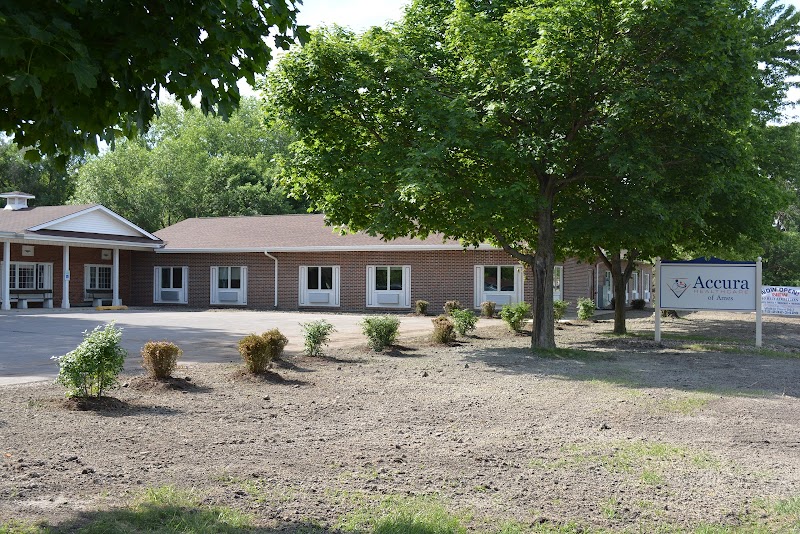
How is Accura Healthcare Of Ames, Llc Staffed?

CMS rates Accura Healthcare of Ames, LLC's staffing level at 3 out of 5 stars, which is average compared to other nursing homes. Staff turnover is 44%, compared to the Iowa average of 46%. This relatively stable workforce can support continuity of care.

What Have Inspectors Found at Accura Healthcare Of Ames, Llc?

State health inspectors documented 27 deficiencies at Accura Healthcare of Ames, LLC during 2023 to 2025. These included: 3 that caused actual resident harm and 24 with potential for harm. Deficiencies causing actual harm indicate documented cases where residents experienced negative health consequences.
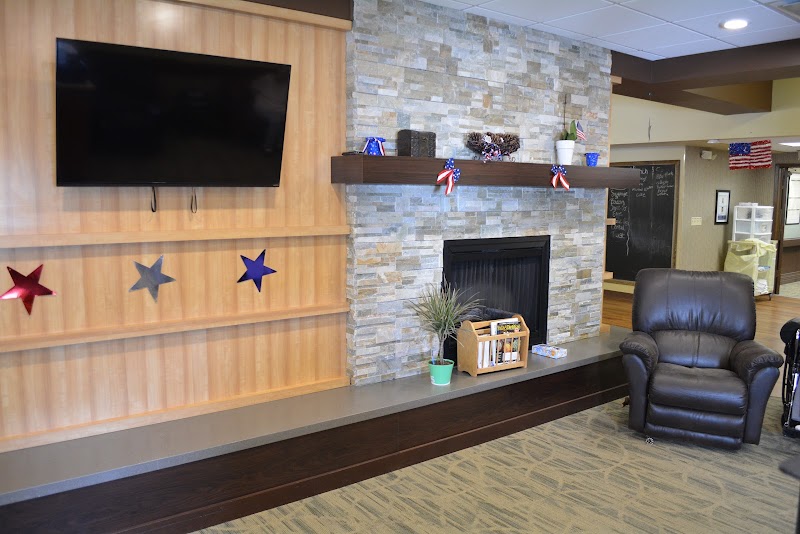
Who Owns and Operates Accura Healthcare Of Ames, Llc?

Accura Healthcare of Ames, LLC is owned by a for-profit company. For-profit facilities operate as businesses with obligations to shareholders or private owners. The facility is operated by ACCURA HEALTHCARE, a chain that manages multiple nursing homes. With 80 certified beds and approximately 66 residents (about 82% occupancy), it is a smaller facility located in Ames, Iowa.
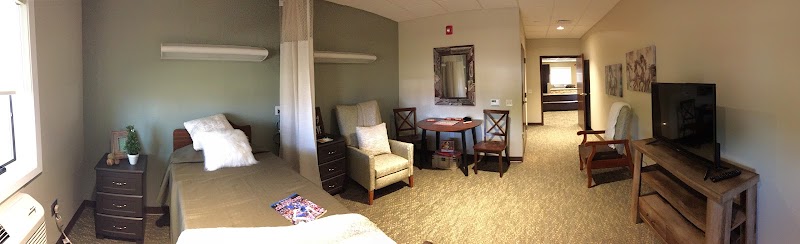
How Does Accura Healthcare Of Ames, Llc Compare to Other Iowa Nursing Homes?

Compared to the 100 nursing homes in Iowa, Accura Healthcare of Ames, LLC's overall rating (3 stars) is below the state average of 3.1, staff turnover (44%) is near the state average of 46%, and health inspection rating (3 stars) is at the national benchmark.

What Should Families Ask When Visiting Accura Healthcare Of Ames, Llc?

Based on this facility's data, families visiting should ask: "Can I visit during a mealtime to observe dining assistance and food quality?" "How do you handle medical emergencies, and what is your hospital transfer rate?" "Can I speak with family members of current residents about their experience?"

Is Accura Healthcare Of Ames, Llc Safe?

Based on CMS inspection data, Accura Healthcare of Ames, LLC has a clean safety record: no substantiated abuse findings (meaning no confirmed cases of resident harm), no Immediate Jeopardy citations (the most serious violation level indicating risk of serious injury or death), and is not on the Special Focus Facility watch list (a federal program monitoring the lowest-performing 1% of nursing homes). The facility has a 3-star overall rating and ranks #100 of 100 nursing homes in Iowa. While no facility is perfect, families should still ask about staff-to-resident ratios and recent inspection results during their visit.

Do Nurses at Accura Healthcare Of Ames, Llc Stick Around?

Accura Healthcare of Ames, LLC has a staff turnover rate of 44%, which is about average for Iowa nursing homes (state average: 46%). Moderate turnover is common in nursing homes, but families should still ask about staff tenure and how the facility maintains care continuity when employees leave.

Was Accura Healthcare Of Ames, Llc Ever Fined?

Accura Healthcare of Ames, LLC has been fined $40,381 across 1 penalty action. The Iowa average is $33,483. While any fine indicates a compliance issue, fines under $50,000 are relatively common and typically reflect isolated problems that were subsequently corrected. Families should ask what specific issues led to these fines and confirm they've been resolved.

Is Accura Healthcare Of Ames, Llc on Any Federal Watch List?

Accura Healthcare of Ames, LLC is not on any federal watch list. The most significant is the Special Focus Facility (SFF) program, which identifies the bottom 1% of nursing homes nationally based on persistent, serious quality problems. Not being on this list means the facility has avoided the pattern of deficiencies that triggers enhanced federal oversight. This is a positive indicator, though families should still review the facility's inspection history directly.