Caring Acres Nursing and Rehab Center
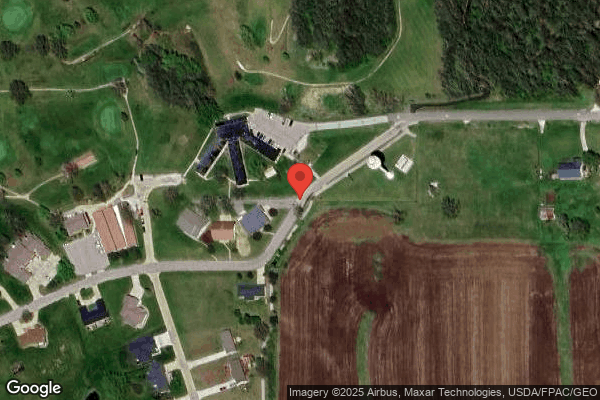
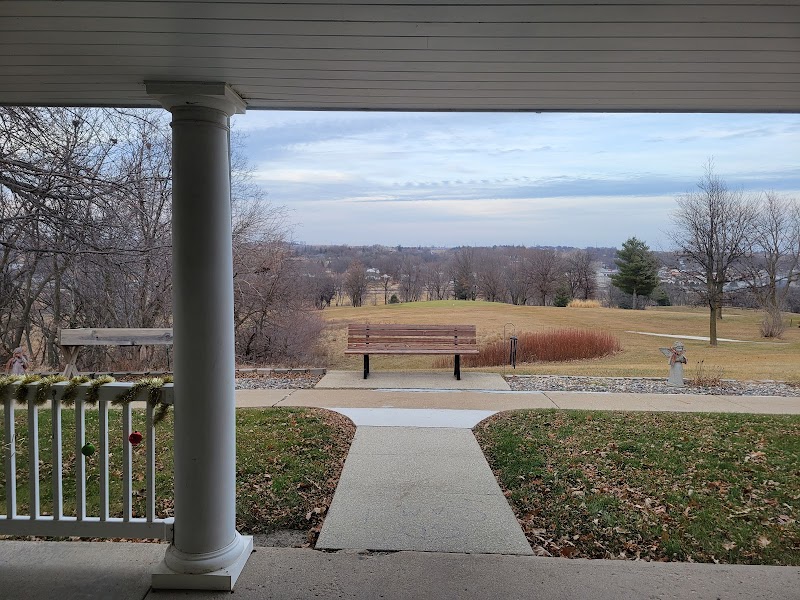
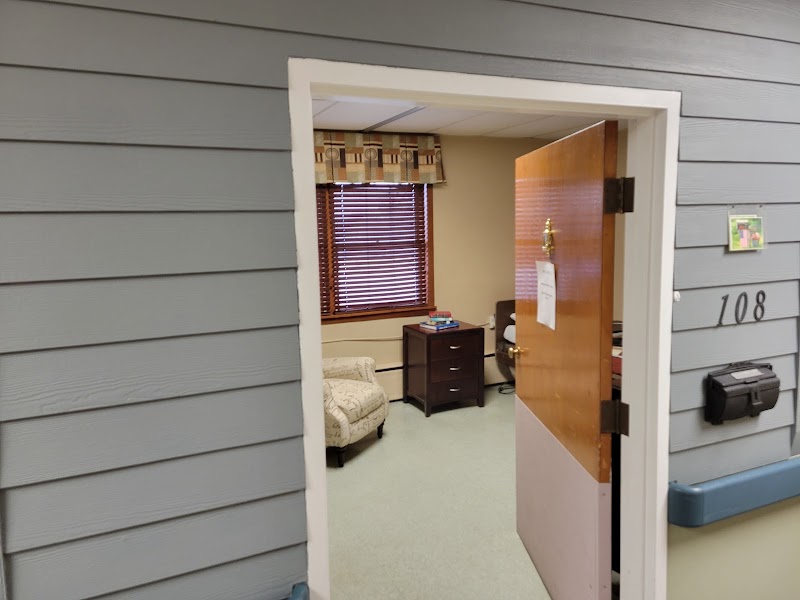
1000 Hillcrest Drive, Anita, IA 50020 (712) 762-3219
For profit - Limited Liability company 41 Beds ANEW HEALTHCARE Data: November 2025 5 Immediate Jeopardy citations
Trust Grade
0/100
#335 of 392 in IA
Last Inspection: February 2025

Within standard 12-15 month inspection cycle. Federal law requires annual inspections.

Overview

Caring Acres Nursing and Rehab Center has received a Trust Grade of F, indicating significant concerns and poor performance. It ranks #335 out of 392 facilities in Iowa, placing it in the bottom half, and #3 out of 3 in Cass County, meaning there are no better local options available. The facility's situation is worsening, with the number of issues increasing from 12 in 2024 to 23 in 2025. Staffing is somewhat of a strength, with a 2/5 star rating and a turnover rate of 0%, which is well below the state average; however, the quality of care is concerning, as the facility has $73,488 in fines, higher than 94% of Iowa facilities. While there is good RN coverage, with more RNs than 82% of other facilities, critical incidents include failure to provide sufficient staff for behavioral health needs and reports of abuse and psychological harm to residents, suggesting serious issues with resident safety and care quality.
Trust Score
F
0/100
In Iowa
#335/392
Bottom 15%
Safety Record
High Risk
Review needed
Inspections
Getting Worse
12 → 23 violations
Staff Stability
○ Average
Turnover data not reported for this facility.
Penalties
✓ Good
$73,488 in fines. Lower than most Iowa facilities. Relatively clean record.
Skilled Nurses
✓ Good
Each resident gets 46 minutes of Registered Nurse (RN) attention daily — more than average for Iowa. RNs are trained to catch health problems early.
Violations
⚠ Watch
57 deficiencies on record. Higher than average. Multiple issues found across inspections.
★☆☆☆☆
1.0
Overall Rating
★★☆☆☆
2.0
Staff Levels
★★★★☆
4.0
Care Quality
★☆☆☆☆
1.0
Inspection Score
Stable
2024: 12 issues
2025: 23 issues

The Good

  • 4-Star Quality Measures · Strong clinical quality outcomes
  • Full Sprinkler Coverage · Fire safety systems throughout facility
  • No fines on record

Facility shows strength in quality measures, fire safety.

The Bad

1-Star Overall Rating

Below Iowa average (3.0)

Significant quality concerns identified by CMS

Federal Fines: $73,488

Well above median ($33,413)

Moderate penalties - review what triggered them

Chain: ANEW HEALTHCARE

Part of a multi-facility chain

Ask about local staffing decisions and management

The Ugly 57 deficiencies on record

5 life-threatening 3 actual harm
Jun 2025 6 deficiencies 1 Harm
SERIOUS (G) 📢 Someone Reported This

A family member, employee, or ombudsman was alarmed enough to file a formal complaint

Actual Harm - a resident was hurt due to facility failures

Quality of Care (Tag F0684)

A resident was harmed · This affected 1 resident

Based on clinical record review, facility investigative file review, employee file review, staff interview and facility policy review the facility failed to provide proper assessments and intervention...

Read full inspector narrative →
Based on clinical record review, facility investigative file review, employee file review, staff interview and facility policy review the facility failed to provide proper assessments and interventions after 2 of 3 residents (Resident #1 and #4) had a change in condition. Resident #1 experienced a change in condition on May 18, 2025 during the day and on the evening shifts. The nurse that worked failed to assess the resident after staff reported concerns to him. The resident developed a fever at approximately 7:00 PM and staff applied a cold rag to his head. A PRN medication was not given to assist with lowering his fever nor was the physician notified until the resident's vital signs significantly changed at approximately 3:00 AM and was sent to the hospital. The resident was admitted to the hospital and expired 5 hours later. Resident #4 had an unwitnessed fall and complained of left hip pain. Staff failed to call the provider to obtain a PRN order for pain or an order to be evaluated. The resident was sent to the hospital 12 hours later and found to have a left hip fracture. The facility reported a census for 24 residents. Findings include: 1. According to the annual Minimum Data Set (MDS) assessment tool with a reference date of 3/7/2025 documented Resident #1 had a Brief Interview of Mental Status (BIMS) score of 14. A BIMS score of 14 suggested no cognitive impairment. The MDS documented he was frequently incontinent of urine and bowel. The MDS indicated he required partial/moderate assistance with toileting hygiene and transfers. The following diagnoses were listed for Resident #1: Parkinson's Disease, coronary artery disease and diabetes mellitus. The Care Plan focus area with an initiation date of 2/4/2025 documented Resident #1 had Activities of Daily Living (ADLs) preference deficit related to activity intolerance. The Care Plan indicated Resident #1 required the assistance of one staff to move between surfaces for every transfer. Review of Resident #1's meal intake revealed the following: a) On 5/16/2025 he ate 76-100% of his breakfast and lunch and 26-50% of his dinner. b) On 5/17/2025 he ate 76-100% of his breakfast and lunch and 51-75% of his dinner. c) On 5/18/2025 he ate 76-100% of his breakfast and lunch and refused his dinner. Review of Resident #1's bowel movement record revealed the following: a) On 5/16/2025 he had no bowel movement documented at 12:41 AM and 10:20 AM, was continent of a small formed bowel movement at 8:57 PM. b) On 5/17/2025 he had no bowel movement documented at 1:39 AM, 12:40 PM, and 11:28 PM and was incontinent at 9:59 PM (no other information documented about the bowel movement was noted). c) On 5/18/2025 he had no bowel movement documented at 1:09 PM and was incontinent of a large soft bowel movement at 9:59 PM. d) On 5/19/2025 at 1:11 AM he was incontinent of a large soft bowel movement. Record review revealed Staff D Licensed Practical Nurse (LPN) documented the following Progress Notes: a) On 5/19/2025 at 3:08 AM change in condition: abnormal vital signs, fever, nausea/vomiting, shortness of breath. Resident #1's vital signs were: at 3:09 AM his blood pressure was 116/56 and his pulse was 124, at 3:11 AM his fever was 101.1 and his oxygen saturation was 75% oxygen via nasal cannula was applied. b) On 5/19/2025 at 4:13 AM Resident #1 had audible rhonchi throughout lung fields. Noted emesis to resident's left side of bed, oxygen saturation was 75% on room air, initiated oxygen supplement via nasal cannula a 4 liters (L). Resident was lethargic, skin clammy, unable to verbalize needs. Resident's wife was notified of his status, called the on-call physician and given orders to transport to the emergency room (ER). The Progress Notes for Resident #1 lacked any documentation on 5/18/25. Record review revealed Staff D documented the following change in condition evaluation on 5/19/2025 at 3:08 AM: a) The change in condition, symptoms or signs I am calling about are: abnormal vitals, fever, nausea/vomiting, shortness of breath, that started on the morning of 5/19/2025. b) Vital signs documented as: on 5/19/2025 at 3:09 AM blood pressure was 116/56 with a pulse of 124 and apical heart rate of 121. On 5/19/2025 at 3:11 AM respiratory rate of 28, a temperature of 101.1 and oxygen saturation of 75%, applied supplemental oxygen via nasal cannula c) Additional information as required: signs of aspiration d) Altered mental status with a sudden change in level of consciousness or responsiveness, swallowing difficulties, associated with new onset or progressive aspiration, audible rhonchi noted, resident having difficulty coughing. e) Respiratory assessment was relevant to the change in condition being reported due to the resident experiencing shortness of breath, with an abrupt onset of shortness of breath, fever. f) A cardiovascular assessment was relevant to the change in condition being reported due to the resident experiencing a resting pulse greater than 100 or less than 50. g) An abdominal assessment was relevant to the change in condition being reported due to the resident experiencing nausea and/or vomiting associated with intermittent recurrent nausea and vomiting. h) Things that make the condition or symptom worse are oxygen saturations not improving. i) Other relevant information: visible emesis noted near resident on bedsheet. j) Summarize your observations, evaluation and recommendations: resident likely aspirated. k) Primary care physician was notified on 5/19/2025 at 3:20 AM with recommendations to send to the ER. l) Resident #1's representative (wife) was notified on 5/19/2025 at 3:24 AM. The family provided Resident #1 death certificate that documented a date/time of death of 5/19/2025 at 8:03 PM with an immediate cause of death listed as sepsis due to or as a consequence of aspiration pneumonia. Review of Resident #1 May 2025 Medication Administration Record (MAR) revealed the following as needed (PRN) orders): a) acetaminophen oral tablet 325 milligrams (mg), give 2 tablets by mouth every 4 hours PRN for pain/fever, with a start date of 4/26/2025. The order was not signed out as being given in the month of May, b) milk of magnesia give 30 milliliters (mL) every 24 hours, PRN for constipation with a start dated of 5/1/2025 and end date of 5/22/2025. The order was not signed out as being given while it was an active order, c) gentle laxative rectal suppository 10 mg, insert 1 suppository rectally every 24 hours PRN for constipation with a start date of 5/1/2025. The order was not signed out as being given in the month of May. On 6/12/2025 at 12:29 PM Staff H Certified Nursing Assistant (CNA) stated she took care of Resident #1 on May 17th and 18th during her 6:00 AM-2:00 PM shift. He was fine on Saturday, a normal day for him. The 18th she came in to work and he would always have a bowel movement in the morning and after lunch or right before they laid him down for the day. During her shift on the 18th he did not have a bowel movement during her shift that day. It was not normal for him to not have a bowel movement. Staff H stated Resident #1 did not vomit during her shift but he looked like he wanted to. When asked about any confusion, she stated Resident #1 stated he seemed like he forgot to eat. He would take a spoon of food and put it by his eye or ears, which was not like him. His appetite was not great that day; he did not snack like usually would. She offered him a jell-o cup but he did not eat it at all. Resident #1 was really not himself. As CNA's we look out for our residents, we notice the changes. She was catching the changes but the nurse was not paying attention to her as the resident's caregiver and that was frustrating. She told Staff I Registered Nurse (RN) that he needed to go check on him because he was not right and his color was off. Staff H stated Staff I would not go in the resident's room after he said he would. She would find him outside or doing other things instead. She would confront Staff I about going in to check on Resident #1 and he would tell her yea I will be there in a minute. Staff H added this irritated her. When the 2:00 PM-10:00 PM CNA's came on for this shift, she told them to have the night nurse check in on the resident. She was not sure what was going on, but something was going on with him. When asked which staff member she told this to, she stated Staff F CNA. On 6/12/2025 at 2:07 PM Staff A CNA stated she took care of Resident #1 on May 17th and 18th during her 6:00 AM-2:00 PM shift. Resident #1 seemed fine on Saturday, nothing out of the ordinary. Staff A stated on Sunday after she laid him in bed after lunch, he sounded wheezy. She told the nurse about this and was told to keep an eye on it. The resident did not mention anything about not feeling well. She could not remember which nurse she told about the resident being wheezy. On 6/12/2025 at 2:19 PM Staff F CNA stated he worked 2:00 PM-10:00 PM on the weekend of May 17th and 18th. He took care of Resident #1 on Sunday (May 18th) and when he went to check on him later in the evening, he immediately noticed a foul smell. When he checked the resident, he had soiled himself. Resident #1 had a large bowel movement. When asked to describe the smell he stated it smelled like a rotten brush pile (rotten grass smell), it was somewhere in between soft and pudding consistency. It was a deep dark brown color, it had a green mucous cover. He told Staff D and assumed he went in to look at the resident. When asked if the resident ran a fever over the weekend, he stated he remembered feeling the resident's forehead and it was really hot. Staff F could not recall which day it was. He did remember telling Staff D, in which he went in and confirmed he had a fever. Staff F stated the resident did not eat dinner on Sunday. On 6/12/2025 at 3:12 PM Staff I stated he worked with Resident #1 on May 16th, 17th and 18th during his 6:00 PM-6:00 AM shift. He added that was a bad weekend, different residents had a lot of behaviors. Staff told him Resident #1 was in bed all day, early Saturday morning he got him up with a snack and on Sunday he aspirated. When asked how he knew that he stated when he went to assess him he noted rhonchi lung sounds. When he looked in his mouth he did not see anything; no emesis, loose food. He did note a little bit of emesis on his bed. Staff I denied that Resident #1 had a foul smelling bowel movement that weekend. When asked if Resident #1 had a fever, Staff I stated he thought at one point he did. He then stated when he assessed the resident he was having some difficulty breathing while he had abnormal lung sounds and did have a fever. He denied hearing Resident #1 cough or any cognitive changes during the weekend. He noted Resident #1's oxygen saturations to be low so he applied supplemental oxygen, increased respirations and blood pressure. Staff I denied being informed of the resident complaining of being cold and tired. He stated there was nothing reported to him during the nurse to nurse report at shift change. He denied family reporting concerns about Resident #1 being lethargic or not himself. On 6/13/2025 at 9:10 AM Staff I stated he worked with Resident #1 on May 17th and 18th during his 6:00 AM-6:00 PM shift. Staff I stated when he was leaving the facility on the 18th, Resident #1 was fine. He caught him in the hall from the dining room after dinner. Staff I denied staff reporting concerns to him about Resident #1 over the weekend. When he was informed of the concerns Staff H had about Resident #1, he denied being notified by Staff H. Staff I stated he assisted the resident to the bathroom on Saturday and he was weak while standing. Staff I stated he was a little confused with taking his pills on the 17th and 18th, he needed more assistance in taking them. When asked if there was anything out of the ordinary for Resident #1 he stated there was nothing out of the norm for him. He did appear more tired on the 18th but he was up that day. At 9:44 AM Staff I stated he gave Resident #1 his PRN milk of magnesia later in the shift but could not remember which date it was and whether or not he charted it. He also stated he was unsure if the medication was effective or not because it was later in the day; the 17th or 18th, he could not recall. On 6/13/2025 at 12:50 PM the Director of Nursing (DON) stated she had no reports about his health prior to him going to the hospital. When she came in to the facility on the 16th she saw him and he had the biggest smile on his face. She told him he looked nice and he smiled so big. She indicated he had reoccurring urinary tract infections (UTI) but knew of no other major health issues since she started in March. He had recently had a UTI and finished his antibiotic on the 9th. He was in the process of seeing infectious disease for his UTI's. She indicated the only thing staff should have done that weekend, was to contact her when they sent Resident #1 out to the hospital. During a follow up interview on 6/18/2025 at 1:00 PM, the DON was informed of the information obtained from staff interviews from the weekend of May 16th, 17th and 18th. She indicated she did not know a lot of that information. When asked what should have been done, she stated staff should have reached out to her to get more direction on what to do but at the same time they should have used their nursing knowledge. If he had a fever at 7:00 PM the nurse should have reached out to his provider, give Tylenol, and not waited. When asked what the CNA's should do if they feel like the nurses are not responding to their requests, she stated they can also call her if the charge nurse is not being helpful. On 6/17/2025 at 12:39 PM Staff J CNA stated she took care of Resident #1 during her 2:00 PM-10:00 PM shift on May 17th and 18th. She was working with Staff F, he was new to the facility. As she was changing the resident something was wrong with him but when she asked if he was ok, he said yes but something was off. She told Staff D that something was off. He told Staff J Resident #1 had a fever of 101. When asked what day this was she stated Sunday the 18th about 7:00 PM. Staff J told her he placed a cold rag on his head. Staff J was unsure if he gave the resident a PRN to help with his fever or did any other interventions. When she looked back in on Resident #1 he did have a rag on his forehead. When asked if the resident had a bowel movement that day, she stated yes and Staff F had assisted the resident with getting cleaned up. She noted the bowel movement to be large, green and mushy. She added this was a lot for him and that kind of bothered her. He did not get out of bed for them that weekend, but he did report being cold at one point so she got him a blanket. He already had three blankets so she thought that was odd. He also seemed more tired on Sunday, refused his dinners that weekend and stayed in bed all weekend on their evening shift which was not normal for him. The resident's wife did visit on the 16th during her shift. When Staff J went in to the resident's room to speak with him and he woke up. The wife stated that was the first time he had woken up since she had been there to visit him that day. When asked if he had vomited during her shift, she stated she heard he had. She noticed some green stuff around his mouth but thought he had ate something because he liked to snack throughout the day, so she cleaned his mouth up. No concerns about Resident #1 were reported during shift report with the day shift staff. She felt Staff D could have done more than just put a cold rag on the resident's head when he noted he had a fever. On 6/17/2025 at 12:55 PM Staff B CNA stated she only worked with Resident #1 on the 10:00 PM-6:00 AM shift before he went out. When she got report from the prior shift they reported to her he was not doing very well and she could tell. He had some chest congestion and it was a little worse than normal. Later in the shift Staff D took the crash cart to Resident #1's room and put supplemental oxygen on him and later sent him to the hospital. When asked how long between the oxygen being applied and the resident being sent to the hospital, she stated it was about an hour or so. When asked if Resident #1 had a fever during her shift, she stated she believed so because she remembered seeing a rag on his forehead. When asked if the resident had a bowel movement during her shift she stated she remembered someone had a bowel movement that was a weird color but not sure if it was Resident #1 or not. He was breathing heavily which was not normal for him. She told Staff D about her findings and questioned if the resident was transitioning even though he was not on hospice. She could not recall if Staff D said anything when she informed him of her concerns. 2. According to the quarterly MDS assessment tool with a reference date of 4/16/2025, Resident #4 had a Brief Interview of Mental Status BIMS score of 6. A BIMS score of 6 suggested mild cognitive impairment. The MDS documented she was independent with mobility but required supervision or touching assistance to walk 10 feet, 50 feet with two turns, and 150 feet. Resident #4 was always continent of urine and frequently incontinent of bowel. The following diagnoses were listed for Resident #4: dementia, anxiety, depression, bipolar, post-traumatic stress disorder (PTSD), atrial fibrillation, irritability and anger, and cognitive communication deficit. The Care Plan focus area with an initiation date of 1/8/2025 documented Resident #4 was low risk for falls related to confusion. Staff were encouraged to anticipate and meet the resident's needs, ensure she is wearing the appropriate foot wear and her call light is within reach, encourage her to use it for assistance as needed. She needs prompt response to all requests for assistance. Record review revealed the following Progress Note: a) On 5/18/2025 at 9:21 PM nursing staff alerted the nurse to resident's room where Resident #4 was observed to be lying on the floor with two pairs of pants around her ankles. Her head was pointed to the head of the bed and her feet were pointed toward the exit door in her room. The resident stated she was trying to roll over and get a drink of water and fell out of bed. Note was documented by Staff D. b) On 5/19/2025 at 8:41 AM staff went in to resident's room approximately 30 minutes ago to assist resident with cares. Resident #4 was screaming out in pain with the slightest touch or when staff slide resident in her bed. She was holding her left hip but extending and bending her leg to ease the pain. Resident #4's medical provider was called in regards to her pain. Note was documented by Staff H LPN. c) On 5/19/2025 at 9:53 AM the ambulance arrived to the facility after this nurse called for orders to have resident sent to the hospital for evaluation and treatment. Resident alert and talking with ambulance staff with nonsensical talk about moving her sister this weekend. Resident pleasantly confused and yells out in pain during transfer from bed to gurney. No bruising noted to left hip or leg, no other skin concerns noted at this time. d) On 5/19/2025 at 12:00 PM received a telephone call from the hospital. Resident has a left femur sub capital fracture with mild angulation. Record review revealed the follow facsimile (fax): a) was sent to Resident #4's medical provider dated 5/18/2025 labeled as a routine fax. Staff D documented on the fax: resident observed on the floor in her room. Resident stated I rolled off the bed. She complained of mild discomfort to her left hip. No bruising or obvious injuries noted, she is able to flex left leg and bear weight. Will continue to monitor. The fax had a printed date of 5/18/2025 at 9:45 PM. The medical provider returned the fax on 5/20/2025 at 4:55 PM with no new orders, b) was sent to Resident #4's medical provider dated 5/19/2025. Staff M documented on the fax: ok to send to the ER for evaluation and treatment due to previous fall and uncontrolled pain to left hip/leg. The medical provider returned the fax on 5/20/2025 at 4:55 PM with ok for above. Review of Resident #4's MAR revealed it did not contain a PRN medication for pain until after she returned from the hospital on 5/23/2025. The facility provided the following staff statements: a) Staff F Certified Nursing Assistant (CNA) wrote: on the night of 5/18/2025 I was walking down hall one and as I passed Resident #4's room (around 9:00 PM-9:15 PM) I heard a crash. When I opened the door, I found Resident #4 on the floor. Upon seeing her on the floor, I leaned out the door to call for Staff D Licensed Practical Nurse (LPN), and he activated the call light. Staff D came in about 2 minutes later. We then noticed she had on two pairs of pants. Then Staff D started asking the resident if she can straighten her leg out and she said no, from my hip to my knee hurts really bad. We got her vital signs, Staff D told me to grab her under the arm and assisted the resident back to her bed. After Resident #4 was in bed, I told Staff D that when I found her in her room, the back of her head was across the supporter bar of her overbed table. I mentioned there was a bruise forming on the outside of her left thigh. Again, Staff D asked her to straighten her leg and Resident #4 said she would be fine and just wanted to go back to sleep. We put her quilt on over her, told her to use her call light, and left her to sleep. b) An email statement was provided to the facility by Staff D. The following statement was made: while on my shift on 5/18/2025 at approximately 8:50 PM, I was documenting when I heard the male CNA scream my name from hall 1. As I made my way down there, another resident passed by and said there was a resident on the floor. I observed the resident sitting on the floor next to her bed. I went to grab the equipment needed to take vitals. I was asking her questions regarding her pain and if she could move her leg. As she sat on her bed, after being transferred from the floor, I again asked her to see if she could flex her leg, which she could. Review of Staff D's employee file revealed a document dated 5/22/25 and titled: Notice of Employment Termination. The document indicated the termination of his employment, this decision follows internal review and documentation of multiple serious concerns related to your performance and conduct, including: -improper handling of a resident fall, including transferring a resident in a manner inconsistent with facility protocols, -failure to arrange timely medical evaluation and failure to notify the DON and Administrator. On 6/12/2025 at 2:19 PM Staff F stated one night he found Resident #4 on the floor in her room around 9:00 PM-9:45 PM as he walked down her hall, he heard a crash come from her room. When he opened the door, he saw Resident #4 on the floor, her neck rested on the foot base of her over bed table and her feet were towards the door. She had two pairs of pants on that were down around her ankles and a t-shirt on. When he asked her, what happened she stated she was reaching for her water and fell. Staff F yelled for Staff D, he walked in 2-3 minutes later. Resident #4 would scream in pain when she would move that leg. Staff D told him to grab under her arm and they both lifted her back to bed. During a follow up interview on 6/18/2025 at 11:43 AM Staff F stated D was trying to get Resident #4 to put her leg down because it was in a position as if she was sitting in a chair, but she was sitting on the floor. When he asked her to lay it down, she kept saying I can't I can't, it hurts. Staff D told Resident #4 if you are not able to put your leg down, you will have to go to the hospital. Staff D added if you go to the hospital you probably will not come back. Staff F stated it was obvious something was wrong with Resident #1 because when they transferred her from the floor to the bed she winced and yelled out in pain. He later learned they should have used a mechanical lift to assist Resident #1 from the floor to her bed. They should not have lifted her off the floor by putting their arms under Resident #1's arms and lifted her back to bed. Staff F stated he noticed what looked like a blood blister starting to form on the left, it was in the shape of a L. It looked like her blood vessels had broken and blood was pooling. When asked where this was located he stated her upper leg where her leg meets her hip, on the outer part of her leg. He reported this to Staff D but he blew it off. On 6/18/2025 at 1:00 PM the DON was asked to elaborate on the following statement found on Staff D's termination paperwork: 1. Improper handling of resident fall, including transferring a resident in manner that is inconsistent with facility protocols. She stated if a resident falls staff are to transfer them with a Hoyer (full body lift) and he did not do that. Him and Staff F lifted her up and put her on the bed. 2. Failure to arrange timely medical evaluation and failure to notify the DON and Admin. She stated Resident #4 was complaining about pain, did not provide any pain interventions and ended up having a broken hip. The DON was informed of Resident #4 not having a PRN at time, she stated he should have called to get an order. An interview with Staff D was not able to be conducted, he was deceased at the time of the survey. The facility provided a document titled Significant Condition Change and Notification with approved date of 12/2024. The purpose of the document is to ensure that the resident's family and/or representative and medical provider are notified of changes such as: -an accident or incident with or without injury that has the potential for needed medical intervention, -a significant change in the resident's physical, mental or psychosocial status such as: a) sudden onset of shortness of breath b) onset of a temperature of 101 degrees higher with or with symptoms c) significant chant in/or unstable vital signs d) emesis/diarrhea e) mobility changes f) change in level of consciousness such as lethargy, sudden lack of responsiveness When any of the above situations exits, the licensed nurse will contact the resident's representative and their medical practitioners. Prior to calling the medical practitioner the nurse will complete the SBAR (subject, background, assessment, recommendation) assessment. Calls will be made to the resident's representative until they are reached. The medical provider will be contacted immediately for any emergencies regardless of the time of day. If the medical provider cannot immediately be reached in any emergency, the medical director will be called. If that medical provider is cannot be reached, the DON of the charge nurse can make arrangements for transportation to the emergency department. All significant changes will be recorded in the resident record. Charting will include an assessment of the resident's current status as it related to the change in condition.
CONCERN (D) 📢 Someone Reported This

A family member, employee, or ombudsman was alarmed enough to file a formal complaint

Potential for Harm - no one hurt, but risky conditions existed

Resident Rights (Tag F0550)

Could have caused harm · This affected 1 resident

Based on observations, interviews, electronic health record (EHR) reviews, and facility policy review the facility failed to provide dignity to 3 of 7 residents (Resident #4, Resident #6, Resident #7)...

Read full inspector narrative →
Based on observations, interviews, electronic health record (EHR) reviews, and facility policy review the facility failed to provide dignity to 3 of 7 residents (Resident #4, Resident #6, Resident #7). The facility failed to provide dignity to the residents as demonstrated by a staff telling a resident to sit down when the resident indicated the need to use the bathroom, a staff using discriminatory words towards a resident and in front of other residents, and a resident sitting exposed in a common area with other residents. The facility reported a census of 24 residents. Findings Include: 1. The Minimum Data Set (MDS) for Resident #4, dated 4/16/25 identified a Brief Interview for Mental Status (BIMS) score of 6/15 indicating severe cognitive impairment. The resident had diagnoses of Non-Alzheimer's Dementia, anxiety disorder, depression, bipolar disorder, and post traumatic stress disorder (PTSD). Resident #4's Care Plan dated 6/19/25 revealed a Focus Area of Activities of Daily Living (ADL) self-care performance deficit. Interventions for staff use included the resident required staff assistance of 1 for transfers, care, toileting, and dressing. The EHR Progress Note dated 6/17/25 revealed the resident received skilled therapy services, forgets limitations from hip surgery, and gets up without staff assistance and walks without staff assistance. The note dated 5/27/27 revealed Resident #4 required assistance from 1 staff member for transfers, bathroom use, and used a wheelchair to ambulate around the facility. On 6/18/25 at 9:33 AM observed Resident #4 attempting to stand up from her wheelchair indicating she needed to use the bathroom. The Activities Director found the resident indicating the need to use the bathroom, and pushed Resident #4 towards her bedroom due to indicating the need to use the bathroom. On 6/18/25 at 9:40 AM observed Staff A push Resident #4 in a wheelchair (w/c) to the nurses station area from the area of the resident's bedroom. The staff positioned the resident in the common area at the nurses station and obtained a book for the resident. Resident #4 attempted to stand up, Staff A told the resident to sit down. The resident indicated she needed to use the bathroom and again attempted to stand up, with Staff A stating she had just been to the bathroom just after breakfast. The resident demonstrated increased anxiety by repeatedly attempting to stand up. The Activities Director walked into the area, stated Resident #4 requested to go to her room to use the bathroom and the staff had taken her down there for that purpose. Staff A again stated she had already taken the resident prior to the Activities Director taking the resident to her room. Staff C walked up and stated she would take Resident #4 to the bathroom. When the resident was told she was being taken to the restroom, the resident became less anxious. Continuous observation beginning at 2:21 PM on 6/18/25 revealed Resident #4 seated in a w/c near Staff A seated at the nurses station. The resident did not have an activity in front of her. The resident initiated standing up and wanting to go talk to someone. Staff A told the resident to sit down. The resident sat down, and then again initiated standing and stated she needed to go to the bathroom. Staff A raised her voice and told the resident to sit down, as she had just been to the bathroom. The resident again stated she needed to use the bathroom and the staff stated she had just taken her to the bathroom, 5 minutes earlier. The resident replied with more like 30. The resident still standing became increasingly agitated when told to sit down again and indicated she would shit my pants and you will have to deal with that. The Business Office Manager (BOM)/CNA approached Resident #4 with her walker and gait belt, and asked the resident if she wanted to go for a walk, to which the resident agreed. The BOM/CNA began walking the resident, and then turned to go to the resident's bedroom as the resident again stated the need to use the bathroom. On 6/18/25 at 2:33 PM observed the BOM/CNA walk with Resident #4 out of her bathroom with the resident indicating she would like to lie down. The staff assisted the resident to bed. On 6/18/25 at 2:38 PM the BOM/CNA confirmed that Resident #4 had told her that she needed to use the bathroom and had indeed used the bathroom prior to lying down for a nap. The staff stated the resident had been discussed in the morning meeting and that when the resident becomes anxious staff need to get her walker and ask her to go for a walk. On 6/19/25 at 8:54 AM PM the Administrator, and Director of Nursing (DON), acknowledged dementia training had not been provided thus far this year. It was due in July 2025. The Administrator stated dementia training is not typically provided as part of orientation, and Staff A started in 2/25. The Administrator stated it was not acceptable to tell a resident they could not use the bathroom, even if the resident had just been to the bathroom. The DON stated she had overheard one of the interactions on 6/18/25 from her office, pulled Staff A and spoke with her about the interaction. 2. The MDS for Resident #6, dated 3/21/25 identified a BIMS score of 15/15 indicating normal cognition. The resident had diagnoses of neurogenic bladder, cerebral palsy, anxiety disorder, depression, bipolar disorder, PTSD, borderline personality disorder, and adjustment disorder with mixed anxiety and depressed mood. Resident #4 depended on staff for all bed mobility, transfers, and self care. The resident's Care Plan dated 5/22/25 revealed an ADL Focus Area with interventions including dependent on 2 staff for dressing, repositioning, transfers, and toileting. A focus area related to potential to have manipulative behaviors identified an intervention of having 2 staff present at all times in her room. On 6/12/25 at 9:20 AM Staff K, CNA, stated Staff E would tell residents no when asked for assistance and would walk out of resident rooms without assisting them or other staff. On 6/17/25 at 1:35 PM Resident #6 stated Staff E, Agency CNA, had been rude to her and would use discriminatory words. The resident also stated Staff E refused to assist other staff when attending to her care giving various excuses. Resident #6 stated she felt bad when she heard these things. Resident #6 stated she did report the concerns to the previous DON and Administrator. 3. The MDS for Resident #7, dated 5/16/25 identified a BIMS score of 00/15 indicating severe cognitive impairment. Staff input provided the resident had inattention, disorganized thinking and altered level of consciousness that was continuously present and did not fluctuate. The resident had diagnoses of Non-Alzheimer's Dementia, and anxiety. Resident #7's Care Plan dated 5/19/25 revealed a Focus Area of ADL self-care performance. Interventions identified for staff include the assist of 1 in the dining room, and dressing assist of 1. On 6/18/25 at 2:55 PM observed Resident #7 seated in her w/c in the living/dining room area facing out into the room. The room had large picture windows, an entry to the hallways to resident rooms and the nurses station, and an entry from the main entrance to the facility. The resident's right side of her shirt was pulled up exposing her breast. There were 3 other residents seated in the area. During the observation a male resident walked into the room, walked towards the resident, and then walked around her. Two unidentified staff walked past the room without looking in. At 2:58 PM Staff F, CNA, walked into the room and immediately went to the resident, and asked to adjust her shirt. On 6/18/25 at 4:25 PM the DON stated she expected staff to look into rooms as they walked by to ensure residents' needs were being met. On 6/18/25 at 4:35 PM the Administrator and Staff I, Assistant Director of Nursing (ADON)/MDS Coordinator acknowledged Resident #7 should not have been in the living/dining room exposed. The Administrator expected all staff to be aware of their surroundings, and look into rooms when they were walking past to ensure residents were not in need of assistance. On 6/19/25 at 9:36 AM the Administrator stated that staff should treat the residents with dignity and respect at all times. The Administrator stated she had been in the business for over 30 years and this had always been her expectation. The Administrator stated the staff were in the residents' home, and the residents needed to have their needs met and be treated with respect. The facility's undated Dementia Care Training revealed when caring for a resident with dementia staff should use a pleasant and respectful manner when speaking, The facility's Resident Rights Policy, 12/24, revealed that each resident within the facility had a right to a dignified existence, and communication with and access to persons and services inside the community without discrimination or reprisal. The document further disclosed all staff members were trained on the Resident Right Policy prior to providing care to residents and at least annually to ensure understanding of each resident's rights.
CONCERN (D) 📢 Someone Reported This

A family member, employee, or ombudsman was alarmed enough to file a formal complaint

Potential for Harm - no one hurt, but risky conditions existed

Free from Abuse/Neglect (Tag F0600)

Could have caused harm · This affected 1 resident

**NOTE- TERMS IN BRACKETS HAVE BEEN EDITED TO PROTECT CONFIDENTIALITY** Based on clinical record review, staff interviews, facility investigative file review, employee file review, and policy review t...

Read full inspector narrative →
**NOTE- TERMS IN BRACKETS HAVE BEEN EDITED TO PROTECT CONFIDENTIALITY** Based on clinical record review, staff interviews, facility investigative file review, employee file review, and policy review the facility failed to ensure 1 of 5 residents reviewed (Resident #4) was free from verbal abuse. The facility reported a census of 24 residents. Findings include: According to the quarterly Minimum Data Set (MDS) assessment tool with a reference date of [DATE], Resident #4 had a Brief Interview of Mental Status (BIMS) score of 6. A BIMS score of 6 suggested mild cognitive impairment. The MDS documented she was independent with mobility but required supervision or touching assistance to walk 10 feet, 50 feet with two turns, and 150 feet. Resident #4 was always continent of urine and frequently incontinent of bowel. The following diagnoses were listed for Resident #4: dementia, anxiety, depression, bipolar, post-traumatic stress disorder (PTSD), atrial fibrillation, irritability and anger, and cognitive communication deficit. The Care Plan focus area with an initiation date of [DATE] documented Resident #4 had Activities of Daily Living (ADLs) self-care performance deficit related to confusion and dementia. Resident #4 was able to transfer herself independently. Staff were to encourage her to use the call light for assistance. The Care Plan focus area with an initiation date of [DATE] documented Resident #4 had a behavior problem that included yelling at staff and residents. Staff were encouraged to assist the resident in the development of more appropriate methods of coping and interacting, assist her to express her feelings appropriately. The Care Plan focus area with an initiation date of [DATE] documented Resident #4 had impaired cognitive function/dementia or impaired though processes related to dementia. The Care Plan indicated she liked to sit herself on the floor and observe what's going on around her. Staff were encouraged to present just one thought, idea, question or command at a time. The Care Plan focus area with an initiation date of [DATE] documented Resident #4 was low risk for falls related to confusion. Staff were encouraged to anticipate and meet the resident's needs, ensure she is wearing the appropriate foot wear and her call light is within reach, encourage her to use it for assistance as needed. She needs prompt response to all requests for assistance. Record review revealed the following Progress Note: a) On [DATE] at 9:21 PM nursing staff alerted the nurse to resident's room where Resident #4 was observed to be lying on the floor with two pairs of pants around her ankles. Her head was pointed to the head of the bed and her feet were pointed toward the exit door in her room. The resident stated she was trying to roll over and get a drink of water and fell out of bed. The facility provided the following staff statements: a) Staff F Certified Nursing Assistant (CNA) wrote: On the night of [DATE] I was walking down hall one and as I passed Resident #4's room (around 9:00 PM-9:15 PM) I heard a crash. When I opened the door, I found Resident #4 on the floor. Upon seeing her on the floor, I leaned out the door to call for Staff D Licensed Practical Nurse (LPN), and he activated the call light. Staff D came in about 2 minutes later and started making belittling comments to Resident #4 like: aww, did you fall out of bed, that was kind of a dumb idea. We then noticed she had on two pairs of pants. Staff D stated to Resident #4, well that's probably why you fell. Maybe you should start using your call light. Then Staff D turned to me and said by the way you don't need to scream my name, this happens all the time, it's inappropriate and not that urgent. Then Staff D started asking the resident if she can straighten her leg out and she said no, from my hip to my knee hurts really bad. Staff D again made belittling comments. We got her vital signs, Staff D told me to grab her under the arm and as we lifted her Staff D made the comment of they need to stop feeding you so much, your trunk is 4 times the size of the rest of you and it's getting gross. After Resident #4 was in bed, I told Staff D that when I found her in her room, the back of her head was across the supporter bar of her overbed table. I mentioned there was a bruise forming on the outside of her left thigh. Again, Staff D asked her to straighten her leg then stated or else you'll have to go to the hospital and I don't think you want that. Eventually Resident #4 said she would be fine and just wanted to go back to sleep. We put her quilt over her, told her to use her call light, and left her to sleep. Then, later on that night, Staff D was harassing Resident #5 telling her that her cats and dogs were not here, either at home alone or gone. Then he turned to me and said sometimes you gotta piss them off to make the night more fun. b) An email statement was provided to the facility by Staff D. The following statement was made: while on my shift on [DATE] at approximately 8:50 PM, I was documenting when I heard the male CNA scream my name from hall 1. As I made my way down there, another resident passed by and said there was a resident on the floor. I observed the resident sitting on the floor next to her bed. I went to grab the equipment needed to take vitals. The resident required me to be direct with my questioning since she requires redirection and she can be impulsive at times. I was asking her questions regarding her pain and if she could move her leg. As she sat on her bed, after being transferred from the floor, I again asked her to see if she could flex her leg, which she could. I did have to tell the male CNA not to scream for me since it can confuse and cause the resident to become anxious. After the initial assessment, I left the resident with both the female and male CNAs in the room as I went to go contact the resident's daughter. At no time was I verbally abusive during my assessment toward Resident #4. Any other interaction I had with that resident that shift was minimal. Review of Staff D's employee file revealed a Notice of Employment Termination effective [DATE] for the following concern: a verbal abuse allegation reported by a staff member, which was substantiated through internal investigation and escalated to the appropriate authorities. Staff D completed Dependent Adult Abuse Mandatory Reporter Training on [DATE]. On [DATE] at 11:21 AM Staff G CNA stated Staff D was the main reason she left the overnight shift. She stated he had a hard time talking with residents, he was just rude and had a tone to his voice and was not approachable with residents. On [DATE] at 2:19 PM Staff F stated Staff D could be hard on the residents; he's cold and abrasive with them. Resident #5 had a lot of behaviors and he was very short with her. She would ask him where her cats were and he would say they are gone, I don't know what happened to them and I don't care. She would ask him if her kids were coming to see her and he would say they know you are here. Staff F stated those things are not what you want to be saying to residents that have behaviors and dementia; just agitates them more. One night Staff F found Resident #4 on the floor in her room around 9:00 PM-9:45 PM as he walked down her hall, he heard a crash come from her room. When he opened the door, he saw Resident #4 on the floor, her neck rested on the foot base of her over bed table and her feet were towards the door. She had two pairs of pants on that were down around her ankles and a t-shirt on. When he asked her what happened she stated she was reaching for her water and fell. Staff F yelled for Staff D, he walked in 2-3 minutes later. After he asked what happened, he started to say weird stuff: oh wow you fell, good job that was really dumb, don't reach for your f***ing water, use the call light, oh wait you don't use it, how about we start making smart decisions. Resident #4 would scream in pain when she would move that leg. Staff D told him to grab under her arm and they both lifted her back to bed. As they did this Staff D stated to Resident #4 jesus they need to stop feeding you so much, your trunk is 4 times bigger than the rest of you and that's gross. He also said I need to know if you can move your hip. If you don't I will be sending you to the hospital. Resident #4 stated she wanted to go to bed. When asked what Staff D's tone was like when speaking to Resident #4 he stated in between joking and mean, he was so nonchalant about it. An interview with Staff D was not able to be conducted, he was deceased at the time of the survey. On [DATE] at 10:40 AM an attempt was made to interview Resident #4 but she had a short attention span and was unable to remain on topic. The resident had continuous non-sensical conversations and was not able to discuss any staff concerns On [DATE] at 12:50 PM the Director of Nursing (DON) was asked what ended Staff D's employment. She indicated they did a Self-Reported Incident that involved him. After they completed their investigation they did not feel like he should be in the facility anymore with their residents. Staff F was concerned about the things Staff D said to the resident after she fell. From what they could see how he spoke was not an appropriate way to speak with residents. The risk of this happening again was too much so they terminated Staff D's employment. The facility provided a document titled Abuse, Prevention, and Prohibition Policy with an approved date of 3/2025. The policy stated each resident has the right to be free from abuse by anyone including but not limited to, facility staff, other residents, consultants or volunteers, staff of other agencies serving the resident, family members or legal guardians, friends, or other individuals. The facility prohibits mistreatment, neglect or abuse of residents. The policy defined verbal abuse as: the use of oral, written or gestured language that willfully includes disparaging and derogatory terms to residents or their families, or within the hearing distance, regardless of their age, ability to comprehend, or disability.
CONCERN (D) 📢 Someone Reported This

A family member, employee, or ombudsman was alarmed enough to file a formal complaint

Potential for Harm - no one hurt, but risky conditions existed

Report Alleged Abuse (Tag F0609)

Could have caused harm · This affected 1 resident

**NOTE- TERMS IN BRACKETS HAVE BEEN EDITED TO PROTECT CONFIDENTIALITY** Based on record review, facility investigative file review, employee file review, staff interviews, and facility policy review t...

Read full inspector narrative →
**NOTE- TERMS IN BRACKETS HAVE BEEN EDITED TO PROTECT CONFIDENTIALITY** Based on record review, facility investigative file review, employee file review, staff interviews, and facility policy review the facility failed to timely report an allegation of abuse to the appropriate management staff member. The facility reported a census of 24 residents. Findings include: According to the quarterly Minimum Data Set (MDS) assessment tool with a reference date of [DATE], Resident #4 had a Brief Interview of Mental Status (BIMS) score of 6. A BIMS score of 6 suggested mild cognitive impairment. The MDS documented she was independent with mobility but required supervision or touching assistance to walk 10 feet, 50 feet with two turns, and 150 feet. Resident #4 was always continent of urine and frequently incontinent of bowel. The following diagnoses were listed for Resident #4: dementia, anxiety, depression, bipolar, post-traumatic stress disorder (PTSD), atrial fibrillation, irritability and anger, and cognitive communication deficit. The Care Plan focus area with an initiation date of [DATE] documented Resident #4 had Activities of Daily Living (ADLs) self-care performance deficit related to confusion and dementia. Resident #4 was able to transfer herself independently. Staff were to encourage her to use the call light for assistance. The Care Plan focus area with an initiation date of [DATE] documented Resident #4 had a behavior problem that included yelling at staff and residents. Staff were encouraged to assist the resident in the development of more appropriate methods of coping and interacting, assist her to express her feelings appropriately. The Care Plan focus area with an initiation date of [DATE] documented Resident #4 had impaired cognitive function/dementia or impaired though processes related to dementia. The care plan indicated she liked to sit herself on the floor and observe what's going on around her. Staff were encouraged to present just one thought, idea, question or command at a time. The Care Plan focus area with an initiation date of [DATE] documented Resident #4 was low risk for falls related to confusion. Staff were encouraged to anticipate and meet the resident's needs, ensure she is wearing the appropriate foot wear and her call light is within reach, encourage her to use it for assistance as needed. She needs prompt response to all requests for assistance. Record review revealed the following Progress Note: a) On [DATE] at 9:21 PM nursing staff alerted the nurse to resident's room where Resident #4 was observed to be lying on the floor with two pairs of pants around her ankles. Her head was pointed to the head of the bed and her feet were pointed toward the exit door in her room. The resident stated she was trying to roll over and get a drink of water and fell out of bed. The facility provided the following staff statements: a) Staff F Certified Nursing Assistant (CNA) wrote: on the night of [DATE] I was walking down hall one and as I passed Resident #4's room (around 9:00 PM-9:15 PM) I heard a crash. When I opened the door, I found Resident #4 on the floor. Upon seeing her on the floor, I leaned out the door to call for Staff D Licensed Practical Nurse (LPN), and he activated the call light. Staff D came in about 2 minutes later and started making belittling comments to Resident #4 like: aww, did you fall out of bed, that was kind of a dumb idea. We then noticed she had on two pairs of pants. Staff D stated to Resident #4, well that's probably why you fell. Maybe you should start using your call light. Then Staff D turned to me and said by the way you don't need to scream my name, this happens all the time, it's inappropriate and not that urgent. Then Staff D started asking the resident if she can straighten her leg out and she said no, from my hip to my knee hurts really bad. Staff D again made belittling comments. We got her vital signs, Staff D told me to grab her under the arm and as we lifted her Staff D made the comment they need to stop feeding you so much, your trunk is 4 times the size of the rest of you and it's getting gross. After Resident #4 was in bed, I told Staff D that when I found her in her room, the back of her head was across the supporter bar of her overbed table. I mentioned there was a bruise forming on the outside of her left thigh. Again, Staff D asked her to straighten her leg then stated or else you'll have to go to the hospital and I don't think you want that. Eventually Resident #4 said she would be fine and just wanted to go back to sleep. We put her quilt on over her, told her to use her call light, and left her to sleep. Then, later on that night, Staff D was harassing Resident #5 telling her that her cats and dogs were not here, either at home alone or gone. Then he turned to me and said sometimes you gotta piss them off to make the night more fun. b) An email statement was provided to the facility by Staff D. The following statement was made: while on my shift on [DATE] at approximately 8:50 PM, I was documenting when I heard the male CNA scream my name from hall 1. As I made my way down there, another resident passed by and said there was a resident on the floor. I observed the resident sitting on the floor next to her bed. I went to grab the equipment needed to take vitals. The resident required me to be direct with my questioning since she requires redirection and she can be impulsive at times. I was asking her questions regarding her pain and if she could move her leg. As she sat on her bed, after being transferred from the floor, I again asked her to see if she could flex her leg, which she could. I did have to tell the male CNA not to scream for me since it can confuse and cause the resident to become anxious. After the initial assessment, I left the resident with both the female and male CNAs in the room as I went to go contact the resident's daughter. At no time was I verbally abusive during my assessment toward Resident #4. Any other interaction I had with that resident that shift was minimal. Review of Staff D's employee file revealed a Notice of Employment Termination effective [DATE] for the following concern: a verbal abuse allegation reported by a staff member, which was substantiated through internal investigation and escalated to the appropriate authorities. Staff D completed Dependent Adult Abuse Mandatory Reporter Training on [DATE]. On [DATE] at 11:21 AM Staff G CNA stated Staff D was the main reason she left the overnight shift. She stated he had a hard time talking with residents, he was just rude and had a tone to his voice and was not approachable with residents. On [DATE] at 2:19 PM Staff F stated Staff D could be hard on the resident's; he's cold and abrasive with them. Resident #5 had a lot of behaviors and he was very short with her. She would ask him where her cats were and he would say they were gone, I don't know what happened to them and I don't care. She would ask him if her kids were coming to see her and he would say they know you are here. Staff F stated those things are not what you want to be saying to residents that have behaviors and dementia; just agitates them more. One night Staff F found Resident #4 on the floor in her room around 9:00 PM-9:45 PM as he walked down her hall, he heard a crash come from her room. When he opened the door, he saw Resident #4 on the floor, her neck rested on the foot base of her over bed table and her feet were towards the door. She had two pairs of pants on that were down around her ankles and a t-shirt on. When he asked her what happened she stated she was reaching for her water and fell. Staff F yelled for Staff D, he walked in 2-3 minutes later. After he asked what happened, he started to say weird stuff: oh wow you fell, good job that was really dumb, don't reach for your f***ing water, use the call light, oh wait you don't use it, how about we start making smart decision. Resident #4 would scream in pain when she would move that leg. Staff D told him to grab under her arm and they both lifted her back to bed. As they did this Staff D stated to Resident #4 jesus they need to stop feeding you so much, your trunk is 4 times bigger than the rest of you and that's gross. He also said I need to know if you can move your hip. If you don't I will be sending you to the hospital. Resident #4 stated she wanted to go to bed. When asked what Staff D's tone was like when speaking to Resident #4 he stated in between joking and mean, he was so nonchalant about it. Staff F stated at the time he did not know who to call to make a report, so he waited until the next day. He has since been educated that if this happens again, he can call the Director of Nursing (DON). He was also educated that they have a 2 hour window to report allegations to the State Agency. An interview with Staff D was not able to be conducted, he was deceased at the time of the survey. On [DATE] at 12:50 PM the DON was asked what ended Staff D's employment. She indicated they did a Self-Reported Incident that involved him. After they completed their investigation they did not feel like he should be in the facility anymore with their residents. Staff F was concerned about the things Staff D said to the resident after she fell. From what they could see, how he spoke was not an appropriate way to speak with residents. The risk of this happening again was too much so they terminated Staff D's employment. She indicated the alleged incident was not reported when it should have been reported. All staff were educated on the abuse protocol to include reporting timeframes. On [DATE] at 10:40 AM an attempt was made to interview Resident #4 but she had a short attention span and was unable to remain on topic. The resident had continuous non-sensical conversations and was not able to discuss any staff concerns. The facility provided a document titled Abuse, Prevention, and Prohibition Policy with an approved date of 3/2025. The policy stated each resident has the right to be free from abuse by anyone including but not limited to, facility staff, other residents, consultants or volunteers, staff of other agencies serving the resident, family members or legal guardians, friends, or other individuals. The facility prohibits mistreatment, neglect or abuse of residents. The policy defined verbal abuse as: the use of oral, written or gestured language that willfully includes disparaging and derogatory terms to residents or their families, or within the hearing distance, regardless of their age, ability to comprehend, or disability. The facility provided a document titled Abuse, Prevention, and Prohibition Policy with an approved date of 3/2025. The policy stated each resident has the right to be free from abuse by anyone including but not limited to, facility staff, other residents, consultants or volunteers, staff of other agencies serving the resident, family members or legal guardians, friends, or other individuals. The facility prohibits mistreatment, neglect or abuse of residents. The policy defined verbal abuse as: the use of oral, written or gestured language that willfully includes disparaging and derogatory terms to residents or their families, or within the hearing distance, regardless of their age, ability to comprehend, or disability. Reporting/Response: a) The facility employee or agent, who becomes aware of abuse or neglect, including injuries of unknown origin or alleged misappropriation of resident property, shall immediately report the matter to the facility Administrator of his/her designated representative in the Administrator's absence. b) All alleged violations involving abuse, neglect, exploitation, or mistreatment, including injuries of unknown source and misappropriation of resident property will be reported immediately to the Administrator. The person made aware of allegations of abuse or neglect OR the Administrator will report the allegations of abuse and neglect to the mandated state agency and law enforcement. The allegation will be reported no later than 2 hours, or per state regulations, after the allegation is made. 2. The MDS for Resident #6, dated [DATE] identified a BIMS score of 15/15 indicating normal cognition. The resident had diagnoses of neurogenic bladder, cerebral palsy, anxiety disorder, depression, bipolar disorder, PTSD, borderline personality disorder, and adjustment disorder with mixed anxiety and depressed mood. Resident #6 depended on staff for all bed mobility, transfers, and self care. The resident's Care Plan dated [DATE] revealed an ADL Focus Area with interventions including dependent on 2 staff for dressing, repositioning, transfers, and toileting. A focus area related to potential to have manipulative behaviors identified an intervention of having 2 staff present at all times in her room. On [DATE] at 1:35 PM Resident #6 stated Staff E, Agency CNA, had been rude to her and would use discriminatory words. The resident also stated Staff E refused to assist other staff when attending to her care giving various excuses. Resident #6 stated she felt bad when she heard these things. Resident #6 stated she did report the concerns to the previous DON and Administrator. On [DATE] at 2:50 PM Staff C, CNA, stated she had heard Resident #6 complain about Staff E and the way Staff E treated her. The staff stated Resident #6 did not like Staff E, but also the resident did not really like anyone. The staff stated since she had not witnessed any mistreatment she could not recall if she brought these comments to the administration. On [DATE] at 4:05 PM Staff L, CNA, stated Resident #6 had made complaints about Staff E, but that Resident #6 complained about everyone and everything. The staff did not recall if they told anyone since the resident always complained about something or someone. On [DATE] at 12:21 PM the Director of Nursing (DON) stated she began working at the facility a couple of weeks prior to the end of Staff E's contract. The staff stated there was 1 staff member who had made a complaint about Staff E and the way she treated other staff members. The DON stated there was no mention of instances of Staff E using unprofessional tones around or to other residents in the complaint. The DON stated there had not been any other complaints about staff mistreatment since that time. The DON expected staff to report any instances of reported or observed behavior to residents that could be construed as abusive. The DON stated the facility had recently had abuse training with staff. On [DATE] at 12:25 PM the Administrator stated she began her position after Staff E had completed her contract. The Administrator expected all suspected abuse to be turned in for investigation. The staff stated she did not care if a resident had a history of allegations/complaints as for every 1 false statement there could be one that is factual. The Administrator confirmed abuse training for the facility had been done electronically by the department heads, and will be addressed again at the next all staff meeting.
CONCERN (D) 📢 Someone Reported This

A family member, employee, or ombudsman was alarmed enough to file a formal complaint

Potential for Harm - no one hurt, but risky conditions existed

Deficiency F0658 (Tag F0658)

Could have caused harm · This affected 1 resident

Based on clinical record review, staff interviews and facility policy review the facility failed to sign out an as needed (PRN) medication when given and follow up to ensure the PRN was effective for ...

Read full inspector narrative →
Based on clinical record review, staff interviews and facility policy review the facility failed to sign out an as needed (PRN) medication when given and follow up to ensure the PRN was effective for 1 of 3 residents reviewed (Resident #1). The facility reported a census of 24 residents. Findings include: According to the annual Minimum Data Set (MDS) assessment tool with a reference date of 3/7/2025 documented Resident #1 had a Brief Interview of Mental Status (BIMS) score of 14. A BIMS score of 14 suggested no cognitive impairment. The MDS documented he was frequently incontinent of urine and bowel. The MDS indicated he required partial/moderate assistance with toileting hygiene and transfers. The following diagnoses were listed for Resident #1: Parkinson's Disease, coronary artery disease and diabetes mellitus. The Care Plan focus area with an initiation date of 2/4/2025 documented Resident #1 had Activities of Daily Living (ADL's) performance deficit related to activity intolerance. The Care Plan indicated Resident #1 required the assistance of one staff to move between surfaces for every transfer. Review of Resident #1 May 2025 Medication Administration Record (MAR) revealed the following order: milk of magnesia give 30 milliliters (mL) every 24 hours as needed (PRN) for constipation with a start dated of 5/1/2025 and end date of 5/22/2025. The order was not signed out as being given while it was an active order. On 6/12/2025 at 12:29 PM Staff H Certified Nursing Assistant (CNA) stated on Saturday (May 17th) Resident #1 was fine and had normal bowels. Sunday (May 18th) she stated Resident #1 would always have a bowel movement in the morning or before lying him down after lunch. She worked 6:00 AM-2:30 PM that day and he had not had a bowel movement at all, not once. She told Staff I Registered Nurse (RN) multiple times to check on him because he did not seem right and his color was off, but he never went in there. On 6/12/2025 at 2:19 PM Staff F CNA stated he worked 2:00 PM-10:00 PM on the weekend of May 17th and 18th. He took care of Resident #1 on Sunday (May 18th) and when he went to check on him later in the evening, he immediately noticed a foul smell. When he checked the resident, he had soiled himself. Resident #1 had a large bowel movement. On 6/13/2025 at 9:44 AM Staff I worked 6:00 AM-6:00 PM on May 17th and May 18th. He stated he gave Resident #1 his PRN of milk of magnesia later in the shift but was unsure what day and could not remember if he charted it or not. When asked if the PRN was effective he indicated he was not sure because it was later in the day, he could not remember if it was Saturday (May 17th) or Sunday (May 18th). On 6/19/2025 at 1:27 PM the Director of Nursing (DON) stated when giving a PRN medication, the nurses need to ensure the medication was given, then sign out the medication as given. When asked what follow-up should be completed, she stated she has not given a PRN since she has started at the facility but she would go back in to see if the medication was effective or not, then document it. The facility provided an undated document titled Bowel Policy. The policy stated the nurse will check alerts on dashboard of the Electronic Health Record (EHR) upon starting shift. A list of residents who have not had a bowel movement need to be given to the CNA so they can follow up on it. The nurse must do an assessment-including bowel sounds, tenderness, destination, assess any symptoms that have to do with anything bowel related (nausea/vomiting, abdominal pain, etc. Ask about bowel movement details-what it looked like, feel constipated). This is to be put in a progress note.
CONCERN (D) 📢 Someone Reported This

A family member, employee, or ombudsman was alarmed enough to file a formal complaint

Potential for Harm - no one hurt, but risky conditions existed

Accident Prevention (Tag F0689)

Could have caused harm · This affected 1 resident

**NOTE- TERMS IN BRACKETS HAVE BEEN EDITED TO PROTECT CONFIDENTIALITY** Based on clinical record review, staff interviews and facility policy review the facility failed to properly transfer Resident #...

Read full inspector narrative →
**NOTE- TERMS IN BRACKETS HAVE BEEN EDITED TO PROTECT CONFIDENTIALITY** Based on clinical record review, staff interviews and facility policy review the facility failed to properly transfer Resident #1 from the floor to her bed after she sustained a fall with complaints of hip pain. The facility reported a census of 24 residents. Findings include: According to the quarterly Minimum Data Set (MDS) assessment tool with a reference date of [DATE], Resident #4 had a Brief Interview of Mental Status (BIMS) score of 6. A BIMS score of 6 suggested mild cognitive impairment. The MDS documented she was independent with mobility but required supervision or touching assistance to walk 10 feet, 50 feet with two turns, and 150 feet. Resident #4 was always continent of urine and frequently incontinent of bowel. The following diagnoses were listed for Resident #4: dementia, anxiety, depression, bipolar, post-traumatic stress disorder (PTSD), atrial fibrillation, irritability and anger, and cognitive communication deficit. The Care Plan focus area with an initiation date of [DATE] documented Resident #4 was low risk for falls related to confusion. Staff were encouraged to anticipate and meet the resident's needs, ensure she is wearing the appropriate foot wear and her call light is within reach, encourage her to use it for assistance as needed. She needs prompt response to all requests for assistance. Record review revealed the following progress note: a) On [DATE] at 9:21 PM nursing staff alerted the nurse to resident's room where Resident #4 was observed to be lying on the floor with two pairs of pains around her ankles. Her heard was pointed to the head of the bed and her feet were pointed toward the exit door in her room. The resident stated she was trying to roll over and get a drink of water and fell out of bed. The facility provided the following staff statements: a) Staff F Certified Nursing Assistant (CNA) wrote: on the night of [DATE] I was walking down hall one and as I was passed Resident #4's room (around 9:00 PM-9:15 PM) I heard a crash. When I opened the door, I found Resident #4 on the floor. Upon seeing her on the floor, I leaned out the door to call for Staff D Licensed Practical Nurse (LPN), and he activated the call light. Staff D came in about 2 minutes later. We then noticed she had on two pairs of pants. Then Staff D started asking the resident if she can straighten her leg out and she said no, from my hip to my knee hurts really bad. We got her vital signs, Staff D told me to grab her under the arm and assisted the resident back to her bed. After Resident #4 was in bed, I told Staff D that when I found her in her room, the back of her head was across the supporter bar of her overbed table. I mentioned there was a bruise forming on the outside of her left thigh. Again, Staff D asked her to straighten her leg and Resident #4 said she would be fine and just wanted to go back to sleep. We put her quilt on over her, told her to use her call light, and left her to sleep. b) An email statement was provided to the facility by Staff D. The following was statement was made: while on my shift on [DATE] at approximately 8:50 PM, I was documenting when I heard the male CNA scream my name from hall 1. As I made my way down there, another resident passed by and said there was a resident on the floor. I observed the resident sitting on the floor next to her bed. I went to grab the equipment needed to take vitals. I was asking her questions regarding her pain and if she could move her leg. As she sat on her bed, after being transferred from the floor, I again asked her to see if she could flex her leg, which she could. On [DATE] at 2:19 PM Staff F stated one night he found Resident #4 on the floor in her room around 9:00 PM-9:45 PM as he walked down her hall, he heard a crash come from her room. When he opened the door, he saw Resident #4 on the floor, her neck rested on the foot base of her over bed table and her feet were towards the door. She had two pairs of pants on that were down around her ankles and a t-shirt on. When he asked her, what happened she stated she was reaching for her water and fell. Staff F yelled for Staff D, he walked in 2-3 minutes later. Resident #4 would scream in pain when she would move that leg. Staff D told him to grab under her arm and they both lifted her back to bed. During a follow up interview on [DATE] at 11:43 AM Staff F stated D was trying to get Resident #1 to put her leg down because it was in a position as if she was sitting in a chair, but she was sitting on the floor. When he asked her to lay it down, she kept saying I can't I can't, it hurts. He stated it was obvious something was wrong with Resident #1 because when they transferred her from the floor to the bed she winced and yelled out in pain. He later learned they should have used a mechanical lift to assist Resident #1 from the floor to her bed. They should not have lifted her off the floor by putting their arms under Resident #1's arms and lifted her back to bed. An interview with Staff D was not able to be conducted, he was deceased at the time of the survey. On [DATE] at 1:00 PM the Director of Nursing (DON) stated Staff D and Staff F should have used a mechanical lift to assist the resident off the floor and back in to bed. Instead they lifted her up and put her on her bed without the lift. The facility provided a document titled Floor Nurse Fall Instructions: What to do if a fall occurs during your shift, dated 10/2023. The documented instructed staff to assess the resident head to toe, check for range of motion (ROM), perform skin assessment. Staff then are to safely transfer them into their chair, bed, etc.
Feb 2025 17 deficiencies
CONCERN (D) 📢 Someone Reported This

A family member, employee, or ombudsman was alarmed enough to file a formal complaint

Potential for Harm - no one hurt, but risky conditions existed

Resident Rights (Tag F0550)

Could have caused harm · This affected 1 resident

**NOTE- TERMS IN BRACKETS HAVE BEEN EDITED TO PROTECT CONFIDENTIALITY** 2. The MDS dated [DATE], showed that Resident #1 had a BIMS score of 14 (cognitively intact.) She was totally dependent on staff...

Read full inspector narrative →
**NOTE- TERMS IN BRACKETS HAVE BEEN EDITED TO PROTECT CONFIDENTIALITY** 2. The MDS dated [DATE], showed that Resident #1 had a BIMS score of 14 (cognitively intact.) She was totally dependent on staff for hygiene, showers, dressing and toilet transfers. The resident was frequently incontinent of bowel and bladder. Her diagnoses included; heart failure, renal insufficiency, Diabetes Mellitus, anxiety disorder and Bipolar disorder. The Care Plan updated on 7/5/23, showed that Resident #1 was a high risk for falls related to weakness and mental illness and she used an EZ stand (mechanical sit to stand lift) for transfers. The resident could propel shelf with a wheel chair and required assistance of one with showers and used adult incontinent products. Resident #1 had intellectual disabilities and was childlike in her thinking and actions. Staff were directed to allow her time to process what they were going to do. On 2/17/25 at 2:01 PM, Resident #1 was in her bedroom in a wheel chair. She was able to scoot herself in the wheel chair with her feet. Resident #1 said that she could use the bathroom but she needed 2 staff members to help. She said that it took a long time for them to answer the call light and toilet her and she often soiled herself waiting for them to come. Resident #1 said that she tried as hard as she could to hold it but sometimes she just couldn't and it makes her feel embarrassed. On 2/19/25 at 7:43 AM the Administrator acknowledged that it took two people to toilet Resident #1 and it could take a long time. She thought that during the day the resident was getting to the bathroom a couple of times and she hadn't come to her with concerns of call light times. 3. The MDS dated [DATE], for Resident #10 showed that she had a BIMS score of 0 (severe cognitive impairment) She had physical and verbal behaviors towards staff such as hitting, screaming and scratching. Resident #10 required substantial assistance with toileting hygiene, showering and dressing. The Care Plan for Resident #10, showed that she had self-care performance deficit, she was independent with transfers and would ask for help if needed. The resident had impaired safety awareness and was an elopement risk. Staff were directed to inform the nurse and re-approach in a different way, if the resident refused cares. On 2/17/25 at 12:46 PM, Resident #10 was sitting by the window in the dining room. She was able to get up on her own with a walker, and started walking across the room. The dining room had 3 other residents still sitting at tables. Staff O, CNA, approached the resident and loudly said we need to go change your pants, you're wet The resident required cueing and direction and Staff O stated several times, you're wet and we need to change your pants. On 2/19/25 at 7:43 AM the Administrator acknowledged that announcing that the resident was wet in the dining room was not dignified. According to a facility policy titled: Abuse, Prevention, Prohibition, dated 12/2024, Verbal abuse defined disparaging and derogatory terms to resident or families. Based on observations, interviews, clinical record review, and facility policy the facility failed to provide dignity to 3 out of 16 residents (Resident #2, #1, #10). The facility failed to provide dignity to residents as demonstrated by a resident waiting over 45 minutes for toileting, not providing privacy with incontinence, and personal embarrassment of a resident due to incontinence. The facility reported a census of 25 residents. Findings Include: 1. The Minimum Data Set (MDS) for Resident #2, dated 1/5/25 identified a Brief Interview for Mental Status (BIMS) score of 13/15 indicating normal cognitive functioning. The document revealed the resident had no behaviors. The resident had diagnoses of cerebrovascular accent (CVA) with hemiplegia or hemiparesis (stroke with an affected extremity(ies)), depression, and adjustment disorder, unspecified. With toileting, transfers, and bed mobility the resident required total assistance from staff. The document revealed Resident #2 utilized a power wheelchair with independence for distances greater than 150 feet. The document revealed the resident's frequent incontinence of bowel and bladder. Resident #2's Care Plan revised 2/10/25 revealed focus areas of Moderate Risk for Falls, and Activities of Daily Living (ADLs) self performance. The focus area related to falls revealed an intervention for use of an EZ Stand (weight bearing mechanical lift) and assistance of 2 staff to the toilet only. The ADL focus identified interventions of toileting dependent upon staff with use of bed pan or toilet in shower room, transfer with mechanical lift/Hoyer (non-weight bearing lift) with the assistance of 2, use of EZ Stand to transfer to the toilet when she is standing properly, may bend knees and hang. The Progress Notes from 3/1/24 to 2/19/25 revealed three incidents of behavior including inappropriate toileting involving a Certified Nurse Assistant (CNA), accusations involving staff, and impatience regarding needing to wait for staff assistance for toileting. A continuous observation and interview began on 2/18/25 at 9:18 AM with Resident #2 seated in her power wheelchair outside of the bathroom/shower room door. The resident stated she had been waiting since before 9:00 to use the bathroom. Resident #2 stated she told Staff A, CNA, she needed to use the toilet when she finished taking her medication, and the staff told the resident she (the staff) was not going to wait for the resident and the resident would have to wait for her. The resident stated she has had to wait up to 2 hours for toileting depending on the time of the day. Resident #2 stated she has also at times limited how much she drinks if she thinks she may have to wait to use the bathroom. Observed Staff J, Licensed Practical Nurse (LPN) walk to and from medication cart 12 feet from the resident. Observed Staff K seated in the dining room and within line of sight of Resident #2 seated outside of the bathroom/shower room. Resident # 2 moved away from the bathroom to the nurses cart and returned to outside the bathroom/shower room door. Staff B, CNA, approached Resident #2, checked the bathroom/shower room and stated she would find an assistant to assist the resident with toileting. Staff B returned and told the resident she would have to wait as the other staff were assisting another resident. Resident #2 moved from the bathroom/shower room door to the nurses cart (12 feet distance), and returned to the bathroom/shower room door. At 10:02 AM Staff A and Staff L, CNA, went to the shower/bathroom with a mechanical weight bearing lift. The staff then went with the Resident #2 to her bedroom with a mechanical non weight bearing lift. The resident stated she was going to her room to use the bedpan versus the toilet. On 2/18/25 at 1:35 PM Staff L stated the shower room was also used for toileting residents who required the use of a mechanical lift. The staff stated Resident #2 changed from a weight bearing lift to non weight bearing lift to toilet this morning, not a permanent change. On 2/18/25 at 3:00 PM the Assistant Administrator of Nursing (ADON) stated Resident #2 would use the larger shower/bathroom as she was unable to access the bathroom with a power chair. The ADON stated the resident requires use of a weight bearing lift for toileting, and a non-weight bearing lift for w/c to and from bed transfers. The ADON stated the resident will have behaviors or not assist with use of the weight bearing lift for toileting and then would require the use of non-weight bearing lift to transfer to bed for the use of a bed pan for toileting. The ADON stated the residents should not wait longer than 15 minutes for toileting needs. On 2/19/25 at 10:35 AM Staff A stated residents should not have to wait longer than 15 minutes for use of the toilet. The staff stated if the resident required 2 staff and another staff was busy then the resident would have to wait until there were 2 staff available. The staff did not state at what point assistance might be sought from nursing or administration. On 2/18/25 at 12:55 PM the Interim Administrator and Staff M, Regional Nurse Consultant, stated residents should not have to wait longer than 15 minutes for toileting. The Interim Administrator admitted to having seen Resident #2 waiting in the shower/bathroom area, but assumed the resident was waiting for medications. The Interim Administrator expected staff to seek assistance from nursing or administration staff when needing 2 staff for transfers/care rather than have residents wait for extended periods of time.
CONCERN (D)

Potential for Harm - no one hurt, but risky conditions existed

Employment Screening (Tag F0606)

Could have caused harm · This affected 1 resident

Based on staff interviews, personnel record reviw and policy review the facility failed to ensure background checks were completed before hire for 1 of 5 staff reviewed. The facility reported a census...

Read full inspector narrative →
Based on staff interviews, personnel record reviw and policy review the facility failed to ensure background checks were completed before hire for 1 of 5 staff reviewed. The facility reported a census of 25 residents. Findings include: In a review of staff files it was discovered that Staff G, Director of Nursing (DON) was hired on 12/2/24. An Authorization for Release of Child and Dependent Adult Abuse Information signed on 11/29/24 by the Administrator at the time. The section of the document titled: Completed by the Central Abuse Registry, indicated that the person whose information was being requested was listed on the Child Abuse Registry (Staff G) as having abused a child. The file lacked documentation of any follow up inquiry into the details of why Staff G was listed on the Registry. On 2/19/25 at 12:12 PM, Staff M, Nurse Consultant, said that she traveled to several different facilities and she started coming to this facility to help with transitions in leadership, in October. She spent most of her time with education of staff and was at this facility a couple days a week. She acknowledged that Staff G was hired on 12/2/24, but her employment did not last long because she had a lot of anxiety. Staff M said that she interviewed Staff M and may have done the offer letter, but she did not do the background check or other paperwork for the hire. Staff M said that it was the responsibility of the Administrator in the building to do the new hire paperwork. She said that if she had known that there was an abuse hit on the background check she would have made sure she didn't work until they had an explanation and she was cleared to work in a healthcare setting. On 2/19/25 at 7:43 AM, the Administrator said that she called her boss about the results of the abuse check so he called the previous Administrator. She responded that she thought the check had came back clean. The Administrator sent an email to the Central Abuse Registry and they responded that they hadn't received any further requests related to this background check. According to a facility policy titled: Abuse, Prevention, Prohibition, dated 12/2024, the facility would not knowingly employ individuals who have been found guilty of abusing, neglecting or mistreating residents. All employees would have a criminal background check. The facility would make reasonable efforts to uncover information about any past criminal prosecutions.
CONCERN (D)

Potential for Harm - no one hurt, but risky conditions existed

PASARR Coordination (Tag F0644)

Could have caused harm · This affected 1 resident

**NOTE- TERMS IN BRACKETS HAVE BEEN EDITED TO PROTECT CONFIDENTIALITY** Based on clinical record review, staff interviews, and policy review the facility failed to complete a Pre-admission Screening a...

Read full inspector narrative →
**NOTE- TERMS IN BRACKETS HAVE BEEN EDITED TO PROTECT CONFIDENTIALITY** Based on clinical record review, staff interviews, and policy review the facility failed to complete a Pre-admission Screening and Resident Review (PASARR) process for 2 of 2 residents (Resident #15, Resident #21) reviewed for PASARR. The facility failed to complete a new PASARR for a resident who was diagnosed with new mental disorder diagnoses since completion of the previous PASARR and failed to coordinate assessments with the PASARR program by incorporating the recommendations into a resident's assessment and Care Plan. The facility reported a census of 26 residents. Findings include: 1. Review of Resident #15's Minimum Data Set (MDS) dated [DATE] revealed a Brief Interview for Mental Status (BIMS) score of 15/15 indicating intact cognition. The MDS further revealed a diagnosis of Bipolar Disorder, Alcohol Induced Acute Pancreatitis without Necrosis or Infection, and Adjustment Disorder with Anxiety. The document indicated the resident received antidepressant and hypnotic medications. The MDS failed to identify Resident #15 was taking an antipsychotic medication. Review of a facility provided document titled, The Preadmission Screening and Resident Review Level I Screen Outcome, dated 8/13/24 revealed a summary of findings indicating that Resident #15 did not show evidence of a serious mental illness or an intellectual or developmental disability (IDD) that appeared to require PASARR intervention. The document provided, indicated the resident had a diagnosis of Bipolar Disorder (current) with a substance related diagnosis of alcohol. The document revealed the resident was taking Caplyta Pill, 21 mg/day for Bipolar Disorder. The document further revealed that should there be a discrepancy in the reported information, a status change should be submitted for further evaluation. The electronic health record (EHR) revealed Resident #15 had medical diagnoses of: a.) Bipolar II Disorder date 9/11/24 b.) Adjustment Disorder with Anxiety 9/11/24 c.) Alcohol Dependence, uncomplicated 5/16/22 The EHR Clinical Physician Orders dated 2/19/25 documented the following orders: a.) Caplyta Oral Capsule 21 MG (Lumateperone Tosylate) Give 1 capsule by mouth one time a day for depression - Start Date 11/09/2024 2000 b.) Trazadone HCI Oral Tablet 100 mg/day at bedtime for depression - start date 9/11/24 and discontinued 2/11/25. The Care Plan dated 2/10/25 revealed a focus area related to depression with Trazadone and Caplyta medications indicated. The Care Plan interventions included side effects for antidepressant medications. The Care Plan failed to have a focus area related to antipsychotic medications with goal(s) and intervention(s). On 2/19/25 at 3:15 PM GoodRx identified Caplyta (Lumateperone) as an atypical antipsychotic medication used to treat the symptoms of depression for individuals with a diagnosis of Bipolar Disorder. On 2/18/25 at 3:07 PM the Assistant Director of Nursing (ADON) acknowledged the Physician Orders reflected Caplypta was prescribed for depression and the resident did not have a diagnosis of depression. The ADON stated the Caplyta is an antipsychotic medication and it should be reflected as such on the MDS. On 2/18/25 at 3:45 PM the Interim Administrator stated Resident #15 had been admitted prior to her coming to the facility. The Interim Administrator acknowledged the PASARR dated 8/13/24 and the admission psychiatric diagnoses dated 9/11/24 should be the same, and if they were not a new PASARR should have been completed. 2. Review of Resident #21's MDS dated [DATE] revealed a BIMS score of 15/15 indicating intact cognition. The MDS further revealed a diagnosis of Schizophrenia. The document indicated the resident did not take medications related to mental illness. The facility failed to identify the resident as currently considered by the state level II PASRR process to have a serious illness. Review of a facility provided document titled, Notice of PASRR Level II Outcome, dated 6/21/23 revealed the resident required services in a nursing facility and specialized services for behavioral health and/or developmental conditions were required. The document revealed a summary of findings indicated Resident #21 had a diagnosis of Schizophrenic Disorder. The document recommended the resident have supportive services including on-going medication management by a psychiatrist, supportive counseling, delegation of a power of attorney (POA). The document revealed the resident did not require medications at the time of the assessment. The EHR revealed Resident #21 had a medical diagnosis of Other Schizophrenia. The EHR Clinical Physician Orders dated 2/19/25 documented the resident did not receive psychotropic medications. The document identified target behaviors. The Care Plan dated 2/10/25 revealed no focus areas related to the PASARR. The facility failed to incorporate the recommendations of the PASRR Level II Outcome into the resident's Care Plan. On 2/18/25 at 3:45 PM the Interim Administrator stated Resident #21 was not considered a complete new admission as the resident was a transfer from a sister facility, and therefore a new PASSAR was not completed. The Interim Administrator acknowledged she was not aware of the supports that were required from the Resident's PASARR II. The facility revealed it did not have a policy related to PASARR.
CONCERN (D)

Potential for Harm - no one hurt, but risky conditions existed

Medication Errors (Tag F0758)

Could have caused harm · This affected 1 resident

**NOTE- TERMS IN BRACKETS HAVE BEEN EDITED TO PROTECT CONFIDENTIALITY** Based on clinical record reviews, staff interviews, and policy review, the facility failed to identify target behaviors for psyc...

Read full inspector narrative →
**NOTE- TERMS IN BRACKETS HAVE BEEN EDITED TO PROTECT CONFIDENTIALITY** Based on clinical record reviews, staff interviews, and policy review, the facility failed to identify target behaviors for psychotropic medication use for 1 of 2 residents reviewed (Resident #15). The facility reported a census of 25 residents. Findings include: Review of Resident #15's Minimum Data Set (MDS) dated [DATE] revealed a Brief Interview for Mental Status (BIMS) score of 15/15 indicating intact cognition. The MDS further revealed a diagnosis of bipolar disorder, alcohol induced acute pancreatitis without necrosis or infection, and adjustment disorder with anxiety. The document indicated the resident received antidepressant and hypnotic medications. The Physician Orders for Resident #15 dated 2/4/25 identified the resident was prescribed: a.) Caplyta Oral Capsule 21 MG (Lumateperone Tosylate) Give 1 capsule by mouth one time a day for depression - Start Date 11/09/2024 2000 b.) Trazadone HCI Oral Tablet 100 mg/day at bedtime for depression - start date 9/11/24 and discontinued 2/11/25. The Physician Orders failed to include target behaviors for the psychotropic medication ordered. The facility failed to correctly identify Caplyta Oral Capsule 21 mg/daily was prescribed for bipolar disorder per the Preadmission Screening and Resident Review Level I Screen Outcome, dated 8/13/24. The Progress Notes dated 9/11/24 - 2/18/25 identified behaviors of shouting at another resident, shouting at staff, slamming furniture, and picking on other residents/others belongings. The Care Plan dated 2/10/25 revealed a focus area related to depression with Trazadone and Caplyta medications indicated. The Care Plan interventions included side effects for antidepressant medications. On 2/18/25 at 3:07 PM the Assistant Director of Nursing (ADON) acknowledged Caplyta was ordered related to depression, but the resident did not have a diagnosis of depression. The ADON further acknowledged Caplyta was an atypical antipsychotic and should have reflected the bipolar disorder diagnosis. The ADON stated target behaviors were not identified with antipsychotic or antidepressant medications. On 2/18/25 at 3:55 PM the Interim Administrator stated diagnoses and orders for medications should coincide with each other. The Interim Administrator acknowledged she did not know target behaviors needed to be identified on the orders with the prescribed medication. The facility did not provide a policy related to orders, medications, and target behavior identification.
CONCERN (D)

Potential for Harm - no one hurt, but risky conditions existed

Deficiency F0836 (Tag F0836)

Could have caused harm · This affected 1 resident

**NOTE- TERMS IN BRACKETS HAVE BEEN EDITED TO PROTECT CONFIDENTIALITY** Based on facility document review and staff interview, the facility failed to submit 4 of 4 residents reviewed to the Iowa Depar...

Read full inspector narrative →
**NOTE- TERMS IN BRACKETS HAVE BEEN EDITED TO PROTECT CONFIDENTIALITY** Based on facility document review and staff interview, the facility failed to submit 4 of 4 residents reviewed to the Iowa Department of Veteran Affairs (Resident #12, #18, #22, and #26). The facility reported a census of 25 residents. Findings include: A review of the admissions from 6/1/24 -2/17/25 revealed Resident #12 was admitted on [DATE] and remained in the facility. The facility failed to have the resident complete the Veteran's Questionnaire. A review of the admissions from 6/1/24 -2/17/25 revealed Resident #18 was admitted on [DATE] and discharged on 1/8/25. The facility failed to have the resident complete the Veteran's Questionnaire. A review of the admissions from 6/1/24 -2/17/25 revealed Resident #22 was admitted on [DATE] and remained in the facility. The resident Questionnaire for a VA benefit Eligibility dated 2/19/25 completed by the Interim Administrator indicated he was a veteran and served in the Army. The Iowa Department of Veterans Affairs Resident Eligibility form printed on 2/19/25 revealed Resident #22 was not on the list of residents that were submitted to the web site. A review of the admissions from 6/1/24 -2/17/25 revealed Resident #26 was admitted on [DATE] and remained in the facility. The facility failed to have the resident complete the Veteran's Questionnaire. Within 30 days of a resident's admission to a health care facility receiving reimbursement through the medical assistance program under Iowa Code chapter 249 A, the facility shall ask the resident or the residents personal representative whether the resident is a veteran and shall document the response. If the facility determines that the resident is a veteran, the facility shall report the resident's name along with the names of the resident's spouse and any dependent children, as well as the name of the contact person for this information, to the Iowa department of Veteran's Affairs. Where appropriate, the facility first shall seek reimbursement from the identified payer source before seeking reimbursement from the medical assistance program established under Iowa Code chapter 249A. On 2/20/25 at 9:04 AM the Interim Administrator acknowledged residents had not been asked upon admission if they were eligible for veteran's benefits. The Administrator stated The Veteran's Questionnaire should be part of the admission process. The facility did not have a policy related to asking residents about veterans benefits.
CONCERN (E) 📢 Someone Reported This

A family member, employee, or ombudsman was alarmed enough to file a formal complaint

Potential for Harm - no one hurt, but risky conditions existed

Safe Environment (Tag F0584)

Could have caused harm · This affected multiple residents

**NOTE- TERMS IN BRACKETS HAVE BEEN EDITED TO PROTECT CONFIDENTIALITY** Based on Electronic Health Records (EHR) review, observations, resident interviews and staff interview the facility failed to pr...

Read full inspector narrative →
**NOTE- TERMS IN BRACKETS HAVE BEEN EDITED TO PROTECT CONFIDENTIALITY** Based on Electronic Health Records (EHR) review, observations, resident interviews and staff interview the facility failed to provide the residents with a comfortable homelike environment by not providing warm water in the residents rooms. The facility reported a census of 25 residents. Findings include: 1. The Minimum Data Set (MDS) dated [DATE] for Resident #6 documented a Brief Interview of Mental Status (BIMS) score of 15 indicating no cognitive impairment. On 2/17/25 at 2:05 PM Resident #6 stated the water in her sink in her room was not ever hot. Resident #6 stated she wanted the water to be hot for washing her hands and the water should be hot. Resident #6 stated the staff are aware of the issue. 2. The MDS dated [DATE] for Resident #12 documented a BIMS of 15 indicating no cognitive impairment. On 2/17/25 at 12:59 PM Resident #12 stated the water in his room took a long time to get warm and then it never does actually get hot at all. Resident #12 stated the staff are aware of the problem. 3. The MDS dated [DATE] for Resident #20 documented a BIMS of 13 indicating no cognitive impairment. On 2/17/25 at 1:01 PM Resident #20 stated she would like it if the water was hotter. Resident #20 stated the water in her sink in her bedroom was never warm or hot. 4. The MDS dated [DATE] for Resident #22 documented a BIMS of 11 indicating moderate cognitive impairment. On 2/17/25 at 11:13 AM Resident #22 stated he would like the water to be warm when he washed his hands. Observation on 2/17/25 at 11:13 AM in room [ROOM NUMBER] revealed bathroom sink water turned on and water is not warm to the touch. On 2/17/25 at 11:17 AM with water continuously on, the water is still cool to the touch. Review of EHR titled, Resident Dashboard documented Resident #22 resided in room [ROOM NUMBER]. On 2/17/25 at 3:47 PM Staff D Maintenance Supervisor stated he had not completed temperature checks at the facility in the last 2 weeks because his thermometer was broken. Staff D stated he just received a new thermometer but it was in his jeep at home. Staff D stated he would have to obtain the water temperatures the next day. Staff D stated Hall 3 water temperatures are usually the warmest. Staff D stated if he raised the water temperature any amount hall 3 will be too hot and out of compliance. Staff D stated the water takes a while to fully cycle through the facility pipes. Staff D stated water temperature down hall one was usually 96 - 98 degrees, down hall two 100 - 102 degrees and down hall three 106 -108 degrees. Staff D stated it took about 10 - 12 minutes for water temperatures to get to 96 degrees down hall one in room [ROOM NUMBER] or 111. Staff D stated there was quite a distance for the water to get to room [ROOM NUMBER]. Staff D stated if you turn 3 or 4 other facets down the left side of the hall the water would get hotter faster. Staff D acknowledged the water in room [ROOM NUMBER] sink was not warm or hot at 3:57 pm, 3:59 pm, 4:01 pm and 4:04 PM. Observations on 2/17/25 at 3:56 PM revealed the hot water was turned on at 3:56 PM and checked every minute till 4:05 PM. The temperature of water slightly increased to touch but never was warm. Review of document titled, Temperature Logs revealed hall one revealed temperatures were above 95 degrees. A continuous observation of water temperatures from the sink facet in room [ROOM NUMBER] on 2/19/25 from 3:04 PM to 3:35 PM revealed the following: 3:04 PM 78.0 degrees 3:05 PM 83.1 degrees 3:06 PM 84.7 degrees 3:07 PM 85.1 degrees 3:08 PM 85.3 degrees 3:09 PM 84.9 degrees 3:10 PM 84.6 degrees 3:11 PM 84.4 degrees 3:12 PM 84.2 degrees 3:13 PM 84.4 degrees 3:14 PM 84.6 degrees 3:15 PM 85.5 degrees 3:16 PM 85.6 degrees 3:17 PM 86.0 degrees 3:18 PM 86.0 degrees 3:19 PM 86.2 degrees 3:20 PM 86.2 degrees 3:21 PM 86.7 degrees 3:22 PM 86.7 degrees 3:23 PM 87.4 degrees 3:24 PM 87.6 degrees 3:25 PM 88.0 degrees 3:26 PM 88.7 degrees 3:27 PM 88.9 degrees 3:28 PM 89.2 degrees 3:29 PM 90.0 degrees 3:30 PM 90.1 degrees 3:31 PM 90.1 degrees 3:32 PM 90.1 degrees 3:33 PM 92.3 degrees 3:34 PM 93.0 degrees 3:35 PM 93.2 degrees On 2/17/25 at 4:23 PM the Interim Administrator stated there had been no complaints of temperature of water coming out of the tap. The Interim Administrator stated the facility's expectation was the water to get warm enough to wash the residents hands in three to five minutes. On 2/18/25 at 4:00 PM the Interim Administrator acknowledged concerns with water temperature at the facility. The Interim Administrator stated she had a plumber look at the water at the facility and the recirculators that pushed the hot water did not work. The Interim Administrator stated the plumber did not think that the recirculators had been working properly for a while.
CONCERN (E)

Potential for Harm - no one hurt, but risky conditions existed

Deficiency F0658 (Tag F0658)

Could have caused harm · This affected multiple residents

**NOTE- TERMS IN BRACKETS HAVE BEEN EDITED TO PROTECT CONFIDENTIALITY** Based on observations, resident interviews, staff interviews, clinical record review and policy review the facility failed to en...

Read full inspector narrative →
**NOTE- TERMS IN BRACKETS HAVE BEEN EDITED TO PROTECT CONFIDENTIALITY** Based on observations, resident interviews, staff interviews, clinical record review and policy review the facility failed to ensure that staff followed physicians' orders for 4 of 16 residents reviewed. Resident #18 had several pressure ulcers with treatment orders to be completed twice daily. Staff failed to complete the treatments as ordered. Staff failed to observe medication administration for Residents #14 and #20, and Staff J was alerted by a resident that she was about to give the medication for Resident #26 to the wrong person. The facility reported a census of 25 residents. Findings include: 1. According to the Minimum Data Set (MDS) dated [DATE], Resident #18 had a Brief Interview for Mental Status (BIMS) score of 15 (cognitively intact) The Care Plan initiated on 12/12/24, showed that Resident #18 had self-care deficits related to trauma. He was totally dependent on staff for repositioning and had pressure ulcers. Staff were directed to administer treatment as ordered and monitor for effectiveness. According to the Wound Care Assessment Notes dated 12/4/24, Resident #18 was admitted to the facility on [DATE] from the hospital where he had been treated for urosepsis (urinary tract infection.) The resident had an accident in 2020 that resulted in paraplegia. He was hit by a vehicle in August of 2024 and participated in intensive rehabilitation. Resident #18 had extensive skin breakdown on his legs and coccyx, and at the time of the exam, the provider wrote an order to transfer him to the hospital for suspected gangrene to the Right Lower Extremity (RLE) and suspected osteomyelitis (bone infection) of coccyx wound. The Progress Notes dated 12/11/24 at 1:03 PM showed that the resident was readmitted to the facility from the hospital on [DATE]. The following orders and treatment documentation was found in the Treatment Administration Record (TAR) for December, 2024 and January 2025: a. Treatment to the right medial heel twice a day. The treatments were not completed and the chart lacked nursing explanation on: December 19th, 21st, 22nd, 23rd, 24th and 25th and January 1st, 3rd, 4th and 5th. On the 29th and 30th nursing notes showed that they did not have the supplies to complete the treatments. b. Treatment to the right lateral leg/ankle, twice a day. The treatments were not completed and the chart lacked explanation on December 19th, 21st, 22nd, 23rd, 24th and 25th and January 1st 3rd, 4th and 5th. c. Treatment to the coccyx twice a day. Treatments were not completed as ordered, and the chart lacked explanation on December 19th, 21st, 22nd, 23rd, 24th and 25th and January 3rd, 4th and 5th. d. Treatment to bilateral ischium. Treatments were not completed as ordered and the chart lacked explanation on December 19th, 21st, 22nd, 23rd, 24th, 25th and 30th and January 1st 3rd 4th and 5th. e. Treatment to the left posterior thigh every 3 days. The treatments were not completed as ordered and without explanation on December 21st and 30th. f. Treatment to the left lateral ankle every 3 days. Treatments were not completed as ordered and without explanation on December 21st and 30th. g. Treatment to the right lateral foot daily. The treatment was not completed as ordered and without explanation on December 21st and 23rd. On 2/19/25 at 9:26 AM, Staff P, Licensed Practical Nurse (LPN) said that she worked at the facility in December on the night shift and she remembered Resident #18. She said that the resident had significant wounds but they didn't always have the supplies needed to complete the treatments as ordered. She said that she had left several notes for the Director of Nursing (DON.) Staff P said that she knew the treatments were not getting done as ordered because she would date and initial the wrapping and be gone for a couple of days and it would still be her wrapping on the ulcers. On 2/20/25 at 7:06 AM, Assistant Director of Nursing (ADON) said that she was here for a short period of time when Resident #18 was at the facility. She said that he would like to stay in his wheel chair through the day and he would go out to smoke. The nurses would say that the wound changes would take up to 2 hours and if it wasn't done in the timeframe he wanted, he would refuse. She said she would expect that nurses would put a note in the chart to indicate the refusals and call the doctor. The Facility assessment dated [DATE], showed that staff would manage pressure injury prevention and care, skin care, and wound care (surgical, other skin wounds) The DON/designee in conjunction with Skin and Would Nurse Consultants would work on the prevention of medically avoidable skin issues. Pressure Injury Assessment and Treatment policy dated 1/2025 showed that if a resident resisted treatments, staff would document the reason for the refusal, and the resident's response to the explanation of the risks of refusing the procedure the benefits of accepting the available alternative. Staff would document physician and family notification of refusal and notification of supervisor if resident refuses procedure or interventions. 2. The MDS dated [DATE] for Resident #14 documented a Brief Interview of Mental Status (BIMS) score of 15 indicating severe cognitive impairment. The MDS documented a diagnosis of gastro-esophageal reflux disease without esophagitis. The Medication Administration Record (MAR) for February 2025 documented a physician's order for gas-x 80 mg give 1.5 tablets by mouth three times a day for indigestion. On 2/18/25 at 8:55 AM Staff J, Licensed Practical Nurse (LPN) completed hand hygiene. Staff J took medications (with 80 mg simethicone) to Resident #14 at the breakfast table. Resident #14 self administered medication with sips of water to wash the medications down. On 2/18/25 at 8:55 AM Staff J acknowledged one 80 mg simethicone tablet was present in the medication cup prior to taking to Resident #14. On 2/18/25 at 9:21 AM the ADON/LPN stated she would expect the nurse to hold the medication if unable to split the medication for a half tablet or if a half tablet was unavailable then notify the physician. The ADON stated the facility can notify the pharmacy to send a half tab. The ADON acknowledged Resident #14 had a physician's order for gas-x 80 mg give 1.5 tablets. The ADON acknowledged that simethicone was not scored and should not be split. The ADON stated she would send the doctor a request for a new order for 2 simethicone tablets. 3. The MDS dated [DATE] for Resident #20 documented a BIMS score of 13 indicating no cognitive impairment. The MDS documented a diagnosis of schizoaffective disorder. The MAR dated February 2025 documented a physician's order for depakote 125 mg 1 tablet to be given at 8:00 AM, 12:00 PM, and 5:00 PM. Observation on 2/17/25 at 12:58 PM of a red oblong pill dropped off with water to Resident #20 and Staff J, Licensed Practical Nurse (LPN) left the room. On 2/17/25 at 12:58 PM Resident #20 stated the nurse dropped off the medications to her and left the room before she takes the medication frequently. On 2/17/25 at 1:00 PM Resident #20 stated she thought the pill in her hand that the nurse had dropped off was her Ativan. Review of Resident #20's medications revealed the red oblong tablet was depakote 125 mg. On 2/17/25 at 4:17 PM the Interim Director of Nursing (DON) stated she had worked at the facility for the last 2 weeks. The Interim DON acknowledged Resident #20 should have taken the medication prior to the nurse leaving the room. The Interim DON stated her expectation was the nurse would have observed Resident #20 swallow the medication before leaving the room. On 2/17/25 at 4:23 PM the Interim Administrator stated she would have expected the nurse to give the medication as ordered or hold if the medication was unavailable in that dose and obtained clarification for the order. The Interim Administrator stated she would have expected the nurse to make an observation of the medication being swallowed prior to leaving the residents room. The Interim Administrator stated the facility had no policy/procedure for medication administration. 4. Review of Resident #26's MDS dated [DATE] revealed a BIMS score of 8/15 indicating moderate cognitive impairment. The document revealed a diagnosis of Non-Alzheimer's Dementia. The document revealed the resident took antipsychotic medications. Resident #26's Care Plan dated 2/10/25 revealed a focus areas related to psychotropic medications, activity involvement, diet, and self care. Continuous observation on 2/17/25 at 10:57 AM revealed Staff J, Licensed Practical Nurse (LPN) enter the double occupancy room of Resident #26. Staff J attempted to give Resident #26 medications which the resident refused. The resident argued with Staff J with statements of having taken my 5 medications at breakfast. The resident further stated she was not taking any other medications as she was not supposed to, and her roommate was supposed to get her medication. Staff J left the room, and then returned to the double occupancy room and went to Resident #23 to provide her medications. On 2/17/25 at 11:02 AM Staff J stated the medications provided were for Resident #23 not Resident #26 as she initially thought. On 2/17/25 at 11:05 AM Resident #26 stated Staff J had tried to give her the wrong medications, but she knew she had already taken her medications and those were not hers. On 2/17/25 at 1:45 PM Resident #23 stated Staff J had provided her morning medications at approximately 11:00 AM this morning. Review of Resident #23's MAR for 2/25 revealed the resident took morning medications for hyperlipidemia, depression, antiplatelet, anxiety, and pain. On 2/19/25 at 1:45 PM the Interim Administrator and Staff M, Regional Nurse Consultant, stated a nurse providing medication should follow the Rights of Medication Administration. The Regional Nurse Consultant stated the administration was aware of concerns with the nurse passing medications. The facility revealed there was not a policy related to medication administration.
CONCERN (E)

Potential for Harm - no one hurt, but risky conditions existed

Accident Prevention (Tag F0689)

Could have caused harm · This affected multiple residents

**NOTE- TERMS IN BRACKETS HAVE BEEN EDITED TO PROTECT CONFIDENTIALITY** Based on observations, staff interviews clinical record review and policy review the facility failed to implement interventions ...

Read full inspector narrative →
**NOTE- TERMS IN BRACKETS HAVE BEEN EDITED TO PROTECT CONFIDENTIALITY** Based on observations, staff interviews clinical record review and policy review the facility failed to implement interventions to prevent accidents and hazards for 4 of 16 residents reviewed. Residents #10 and #25 were identified as elopement risk and had Wander Guard alarm bracelets. Staff failed to ensure that the alarms were working by conducting daily checks. Staff also failed to provide safe transfer techniques with Resident #1 and #17. The facility reported a census of 25 residents. Findings include: 1. According to the Minimum Data Set (MDS) dated [DATE], Resident #17 was admitted to the facility on [DATE]. She had a Brief Interview for Mental Status (BIMS) score of 4 (severe cognitive impairment). The resident required substantial assistance with shower/bath, dressing hygiene, sit to stand and toileting transfer. Her diagnoses include cancer, anemia, non-Alzheimer's dementia, The Care Plan updated on [DATE], showed that Resident #17 had a terminal prognosis and chose Hospice care. She was dependent on staff with a wheelchair for ambulation. Resident #17 became agitated at times, and staff were to intervene before agitation escalated. On [DATE] at 1:24 PM, Resident #17 was sitting in a wheel chair near the nurses station when Staff I, Certified Nurse Aide (CNA) asked her if she needed to use the restroom. Staff I pushed the wheel chair into the shower room, and Staff O came into the room to assist. The two CNA's donned gloves, then with one on each side, they tucked their arms under the resident's arm pits and lifted her up to a standing position. The resident was uneasy and had some difficulty standing. The CNA's quickly pulled her pants down with the other hand, checked her brief and said that she was dry so they put her back into the wheel chair. 2. The MDS dated [DATE], showed that Resident #1 had a BIMS score of 14 (cognitively intact.) She was totally dependent on staff for hygiene, showers, dressing and toilet transfers. The resident was frequently incontinent of bowel and bladder. Her diagnoses included; heart failure, renal insufficiency, Diabetes Mellitus, anxiety disorder and Bipolar disorder. The Care Plan updated on [DATE], showed that Resident #1 was a high risk for falls related to weakness and mental illness and she used an EZ stand (mechanical sit to stand lift) for transfers. The resident could propel shelf with a wheel chair and required assistance of one with showers and used adult incontinent products. Resident #1 had intellectual disabilities and was childlike in her thinking and actions. Staff were directed to allow her time to process what they were going to do. On [DATE] at 1:15 PM, Resident #1 was in her wheel chair in the hallway next to the shower room. She said that she was waiting to get assistance with toileting and that they use the shower room because her bathroom is not big enough for the lift. The resident said I've been trying to hold it the best I can. Staff I, CNA and Staff O, CNA wheeled her into the room and positioned the EZ Stand, mechanical lift in front of her and directed her to put her feet on the platform. They hooked up the sling that was around her torso and buckled the belt at the front. The staff failed to attach the leg belt. Once the resident was lifted to the standing position, the staff failed to tighten the belt. The resident's arms are parallel to the floor and the sling up in her armpits. On [DATE] at 7:43 AM, the Administrator was not sure if it was required to tighten the sling belt once the resident was standing on the EZ Stand but they would follow the manufacturers recommendations. She said that staff were expected to use a gait belt with Resident #17. Page 6 of the Operator's Instructions for the EZ Stand indicated that as the patient was being raised, staff were to simultaneously tighten the safety strap buckled around the torso. The facility policy titled: Safe Lifting and Movement of Residents updated on 12/2004 showed that manual lifting of residents would be eliminated when feasible. Staff responsible for direct resident care would be trained in the use of manual (gait/transfer belts, slide boards) and mechanical lifting devices. 3. The MDS dated [DATE] for Resident #10 documented a BIMS of 00 indicating severe cognitive impairment. The MDS documented a diagnosis of unspecified dementia, moderate, with other behavioral disturbance. The Elopement assessment dated [DATE] documented Resident #10 was cognitively impaired and independently mobile, with wandering activity, a diagnosis of Alzheimer's or dementia and was at risk for elopement. The Elopement Assessment further documented application of electronic monitoring bracelet (Wanderguard) intervention in place. The Care Plan documented that Resident #10 was an elopement risk and had a Wanderguard placed on the right ankle. The Medication Administration Records-Treatment Administration Records (MAR-TAR) dated February 2025 documented orders to check Wanderguard every shift for placement and function two times a day for elopement risk. 4. The MDS dated [DATE] for Resident #25 documented a BIMS score of 3 indicating severe cognitive impairment. The MDS documented a diagnosis of alcohol dependence with alcohol-induced persisting dementia. The Wandering and Elopement Evaluation dated [DATE] documented Resident #25 was not alert or oriented x 4, with wandering activity, a diagnosis of dementia, anxiety disorder, depression, and bi-polar. The Wandering and Elopement Evaluation further documented application of electronic monitoring bracelet (Wanderguard) intervention in place. The Wandering and Elopement Evaluation documented Resident #25 wandered the facility going up and down all the halls and in and out of all the resident rooms. The Care Plan documented that Resident #25 was an elopement risk and had a Wanderguard placed on the left ankle. The MAR-TAR dated February 2025 documented orders to check Wanderguard every shift two times a day. On [DATE] at 12:49 PM Staff D, Maintenance Director stated he completed Wanderguard functioning checks once a week on the front door. On [DATE] at 12:56 PM the Assistant Director of Nursing (ADON) stated she would assume the nurses check to ensure the Wanderguard was in place, functioning and not expired. The ADON stated there was a device that a nurse can hold up to the Wanderguard and it will tell you if the battery is expired or not, but could not say where the device was exactly at that time. The ADON stated her expectation was the nurses would know how to operate the device that checks the wander guards. On [DATE] at 1:09 PM Staff J LPN stated she had not checked the Wanderguards to ensure functioning ever since employed at the facility. Staff J acknowledged she does not know how to check Wanderguards at that facility. On [DATE] at 1:13 PM the DON stated she would look in the medication cart and acknowledged the device was not present in the medication cart. Observation on [DATE] at 1:15 PM revealed Staff M, Regional Nurse Consultant opened the medication cart drawer, removed the Wanderguard check device and explained how to use the Wanderguard check device to both Staff J and the DON. On [DATE] at 1:20 PM the Administrator stated the Wanderguard check should be on the residents MAR-TAR. The Administrator stated she expected the nurses that worked at the facility would know how to check the Wanderguards and would check the Wanderguards as ordered. The Administrator stated the facility had no policy on Wanderguard checks or following physician orders.
CONCERN (E)

Potential for Harm - no one hurt, but risky conditions existed

Deficiency F0726 (Tag F0726)

Could have caused harm · This affected multiple residents

Based on observation, interview and record review the facility failed to ensure that competent and trained staff were providing resident care. The facility reported a census of 25 residents. Findings...

Read full inspector narrative →
Based on observation, interview and record review the facility failed to ensure that competent and trained staff were providing resident care. The facility reported a census of 25 residents. Findings include: Review of the nursing schedule from 2/2/25 - 2/15/25 revealed that 5 out of the 7 nurses on the schedule were not facility staff but contracted Agency Staff (AS). On 2/18/25 at 1:09 PM, Staff J, Licensed Practical Nurse (LPN) stated she did not check wander guards and did not know how to check them at this facility. Staff J stated she did not complete an orientation checklist, she was shown the medication cart and allowed to ask questions. On 2/18/25 1:20 PM, the Administrator said that she expected the nurses to know how to check the wander guard. Stated that the facility had a checklist and she expected the facility nurses to orient them. She acknowledged That Staff J had not been at the facility since 2023 and she would have expected the nurse to complete an orientation checklist since it had been so long. On 2/19/25 at 7:43 AM, the Administrator said that they had just established an orientation checklist, a binder, and it was in a binder. It also had a code to scan that connected to the electronic charting with videos for the AS to watch. An untitled document showed a checklist of areas for nurses, Certified Medication Aides (CMA) and Certified Nurse. The facility did not have an example of Agency Staff that had completed this checklist. On 2/20/25 at 9:16 AM, Staff Q, said that she had noticed that at times, there would only be AS working and the residents get upset because their medications would be late and they were off their routine. She said that they didn't get trained and would often be asking the kitchen and housekeeping staff where to find supplied.
CONCERN (E)

Potential for Harm - no one hurt, but risky conditions existed

Deficiency F0882 (Tag F0882)

Could have caused harm · This affected multiple residents

Based on facility document review, staff interviews, and facility job description review the facility failed to employ a staff with specialized training in infection prevention and control. The facili...

Read full inspector narrative →
Based on facility document review, staff interviews, and facility job description review the facility failed to employ a staff with specialized training in infection prevention and control. The facility reported a census of 25 residents. Findings include: Review of a facility document dated 12/24 titled, Job Description Manual/Infection Prevention (IP) Nurse position description revealed the Infection Preventionist must possess current, specialized training and certification in Infection Control (IC) in an approved course. On 2/19/25 at 9:05 AM the Assistant Director of Nursing (ADON) stated she was certificated in infection prevention. The ADON stated that she completed the IP course but was unable to find the document at the moment. On 2/19/25 at 9:18 AM the Interim Administrator stated the facility did not have a copy of the IP nurse certification. The Interim Administrator acknowledged the facility was unable to produce the certification for the IP nurse. The Interim stated the facility would expect the IP nurse would have appropriate certification for the position. Request for certification or documentation from the Administrator for any employee who has completed specialized training in infection prevention and control revealed no documentation or certifications of qualifications.
CONCERN (E)

Potential for Harm - no one hurt, but risky conditions existed

Deficiency F0883 (Tag F0883)

Could have caused harm · This affected multiple residents

**NOTE- TERMS IN BRACKETS HAVE BEEN EDITED TO PROTECT CONFIDENTIALITY** Based on Electronic Health Record (EHR) review, and staff interviews the facility failed to develop and implement policies and p...

Read full inspector narrative →
**NOTE- TERMS IN BRACKETS HAVE BEEN EDITED TO PROTECT CONFIDENTIALITY** Based on Electronic Health Record (EHR) review, and staff interviews the facility failed to develop and implement policies and procedures, to ensure the resident's medical record included documentation that the resident did or did not receive pneumococcal immunizations for 4 of 5 residents reviewed (Resident #6, #13, #17, and #20). The facility reported a census of 25 residents. Findings included: 1. The Minimum Data Set (MDS) dated [DATE] for Resident #6 documented a Brief Interview of Mental Status (BIMS) score of 15 indicating no cognitive impairment. Review of Resident #6 EHR revealed no document of consent or declination for the pneumococcal immunization and no documentation the resident ever received pneumococcal immunization. 2. The MDS dated [DATE] for Resident #13 documented a BIMS of 13 indicating no cognitive impairment. Review of Resident #13 EHR revealed no document of consent or declination for the pneumococcal immunization and no documentation the resident ever received pneumococcal immunization. 3. The MDS dated [DATE] for Resident #17 documented a BIMS of 10 indicating moderate cognitive impairment. Review of Resident #17 EHR revealed no document of consent or declination for the pneumococcal immunization and no documentation the resident ever received pneumococcal immunization. 4. The MDS dated [DATE] for Resident #20 documented a BIMS of 13 indicating no cognitive impairment. Review of Resident #20 EHR revealed no document of consent or declination for the pneumococcal immunization and no documentation the resident ever received pneumococcal immunization. On 2/19/25 at 9:00 AM Staff M, Regional Nurse Consultant acknowledged Resident #6, #13, #17, and #20 did not receive pneumococcal immunizations and were not offered pneumococcal immunizations at the facility. On 2/19/25 at 9:18 AM the Interim Administrator stated the facility's expectation was that pneumococcal immunizations would have been offered to the residents at the facility per federal regulations or there would have been documentation they had received pneumococcal immunizations in the past.
CONCERN (E)

Potential for Harm - no one hurt, but risky conditions existed

Deficiency F0887 (Tag F0887)

Could have caused harm · This affected multiple residents

**NOTE- TERMS IN BRACKETS HAVE BEEN EDITED TO PROTECT CONFIDENTIALITY** Based on Electronic Health Record (EHR) review, policy review, and staff interviews the facility failed to develop and implement...

Read full inspector narrative →
**NOTE- TERMS IN BRACKETS HAVE BEEN EDITED TO PROTECT CONFIDENTIALITY** Based on Electronic Health Record (EHR) review, policy review, and staff interviews the facility failed to develop and implement policies and procedures, to ensure the resident's medical record included documentation that the residents were offered the immunization and did or did not receive the COVID-19 immunizations for 4 of 5 residents reviewed (Resident #3, #6, #13, and #17). The facility reported a census of 25 residents. Findings included: 1. The Minimum Data Set (MDS) dated [DATE] for Resident #3 documented a Brief Interview of Mental Status (BIMS) of 9 indicating moderate cognitive impairment. Review of Resident #3's EHR revealed no document of consent or declination for the COVID-19 immunization. 2. The MDS dated [DATE] for Resident #6 documented a BIMS of 15 indicating no cognitive impairment. Review of Resident #6's EHR revealed no document of consent or declination for the COVID-19 immunization. 3. The MDS dated [DATE] for Resident #13 documented a BIMS of 13 indicating no cognitive impairment. Review of Resident #13's EHR revealed no document of consent or declination for the COVID-19 immunization. 4. The MDS dated [DATE] for Resident #17 documented a BIMS of 10 indicating moderate cognitive impairment. Review of Resident #17's EHR revealed no document of consent or declination for the COVID-19 immunization. On 2/19/25 at 9:00 AM Staff M, Regional Nurse Consultant acknowledged Resident #3, #6, #13, and #17 did not receive Covid-19 vaccinations in 2024. On 2/19/25 at 9:18 AM the Interim Administrator stated the facility's expectation was Covid-19 immunizations would have been offered to the residents at the facility per federal regulations. Review of the policy dated 8/22/24 titled, SARS-CoV-2 Infection Policy documented COVID-19 Vaccines: HCP, residents, and visitors should be offered resources and counseled about the importance of receiving the COVID-19 vaccine. Additionally encourage everyone to remain up to date with all recommended COVID-19 vaccine doses.
CONCERN (E)

Potential for Harm - no one hurt, but risky conditions existed

Deficiency F0947 (Tag F0947)

Could have caused harm · This affected multiple residents

Based on personnel file review, and staff interviews the facility failed to ensure that all Certified Nurse Aides (CNA's) had completed the required 12 hours of continuing education annually for 2 of ...

Read full inspector narrative →
Based on personnel file review, and staff interviews the facility failed to ensure that all Certified Nurse Aides (CNA's) had completed the required 12 hours of continuing education annually for 2 of 5 files reviewed. The facility reported a census of 25 residents. Findings include: A review of the personal files for CNA's revealed that two charts lacked evidence that they had completed 12 hours of annual training; Staff E, CNA, hired on 1/2/23, and Staff A, CNA hired on 12/27/23. On 2/19/25 at 7:43 AM the Administrator said that they have established an Inservice schedule with each session lasting an hour. She said that in the last month they had reviewed with the staff, the expectations of attending monthly in-services. On 2/20/25 at 8:28 AM the Administrator said they did not have a policy on CNA annual training requirements. According to the Facility Assessment updated on 2/2025, CNA's would have ongoing training, monitoring and supervision done by the charge nurse or nurse administration staff. An Annual In-Service Calendar showed the plan for monthly education that would provide for the required 12 hours per year training for direct care staff.
CONCERN (F)

Potential for Harm - no one hurt, but risky conditions existed

Staffing Data (Tag F0851)

Could have caused harm · This affected most or all residents

Based on facility document review and staff interview the facility failed to accurately submit the required Payroll Based Journal (PBJ) quarterly report. The facility reported a census of 25 residents...

Read full inspector narrative →
Based on facility document review and staff interview the facility failed to accurately submit the required Payroll Based Journal (PBJ) quarterly report. The facility reported a census of 25 residents. Findings include: The 2024, 4th quarter PBJ report indicated that the facility had low weekend staffing, low Registered Nurse (RN) coverage for 8 consecutive hours/day, concerns regarding Licensed Nurses coverage 24 hours a day and concerns regarding their 1-star staffing rating. On 2/17/25 at 2:00 PM the Administrator said that she has only been the Administrator since the beginning of January and the previous leaders told her that the reason the PBJ showed low staffing was because they failed to include the Agency staff hour in the report. She said that they were trying to figure out those hours and to fill in the blanks. On 2/20/25 at 9:00 AM the Administrator said that they did not have a policy on submission of information for quarterly PBJ reports.
CONCERN (F)

Potential for Harm - no one hurt, but risky conditions existed

QAPI Program (Tag F0867)

Could have caused harm · This affected most or all residents

Based on staff interview, and policy review the facility failed to properly establish and implement written policies and procedures for the Quality Assurance and Performance Improvement (QAPI) plan. T...

Read full inspector narrative →
Based on staff interview, and policy review the facility failed to properly establish and implement written policies and procedures for the Quality Assurance and Performance Improvement (QAPI) plan. The facility reported a census of 25 residents. Findings include: Review of the facility policy updated 1/24 titled, QAPI Policy lacked a description of how the facility would identify, report, track, investigate and analyze adverse events or problem-prone concerns. The policy also lacked a description as to how the facility obtains and uses any feedback from resident representatives to identify high-risk or problem prone issues. The policy lacked a description of how the facility monitored the effectiveness of its performance improvement activities to ensure improvements are sustained. On 2/20/25 at 9:28 AM the Interim Administrator acknowledged QAPI had only been completed for the month of 4/24 and 6/24. The Interim Administrator acknowledged the QAPI policy lacked a description of how the facility would identify, report, track, investigate and analyze adverse events or problem-prone concerns. The Interim Administrator acknowledged the policy also lacked a description as to how the facility obtains and uses any feedback from resident representatives to identify high-risk or problem prone issues. The Interim Administrator acknowledged the policy lacked a description of how the facility monitored the effectiveness of its performance improvement activities to ensure improvements are sustained.
CONCERN (F)

Potential for Harm - no one hurt, but risky conditions existed

Deficiency F0868 (Tag F0868)

Could have caused harm · This affected most or all residents

Based on policy review, document review, and staff interview the facility failed to maintain records of quality assurance meetings for 3 of 4 quarters reviewed. The facility reported a census of 25 re...

Read full inspector narrative →
Based on policy review, document review, and staff interview the facility failed to maintain records of quality assurance meetings for 3 of 4 quarters reviewed. The facility reported a census of 25 residents. Findings include: Review of a facility provided document titled, QA&A (Quality Assessment and Assurance) Committee Meeting Facility dated 4/4/24 and 6/6/24 revealed all necessary members attended these meetings from the same quarter. No further quarterly documentation was provided for the next three quarters. On 2/20/25 at 9:28 AM the Interim Administrator acknowledged the QAA committee had only been completed for the month of 4/24 and 6/24 from the same quarter. The Interim Administrator stated the facility's expectation was that the QAA committee would meet at a minimum of quarterly. Review of policy updated 1/24 titled, QAPI (Quality Assessment and Performance Improvement) Policy documented the QAPI program consisted of monthly / quarterly meetings.
CONCERN (F)

Potential for Harm - no one hurt, but risky conditions existed

Infection Control (Tag F0880)

Could have caused harm · This affected most or all residents

**NOTE- TERMS IN BRACKETS HAVE BEEN EDITED TO PROTECT CONFIDENTIALITY** Based on observations, staff interviews and clinical record review the facility failed to implement adequate infection control m...

Read full inspector narrative →
**NOTE- TERMS IN BRACKETS HAVE BEEN EDITED TO PROTECT CONFIDENTIALITY** Based on observations, staff interviews and clinical record review the facility failed to implement adequate infection control measures to prevent the spread of pathogens. Staff failed to use hand hygiene while assisting Residents #17, #1 and #10 with toileting. Laundry staff failed to cover personal items while transferring to rooms, and frequently left full garbage bags on the floor. The facility reported a census of 25 residents. Findings include: 1. According to the Minimum Data Set (MDS) dated [DATE], Resident #17 was admitted to the facility on [DATE]. She had a Brief Interview for Mental Status (BIMS) score of 4 (severe cognitive impairment). The resident required substantial assistance with shower/bath, dressing hygiene, sit to stand and toileting transfer. Her diagnoses include cancer, anemia, and non-Alzheimer's dementia. The Care Plan updated on 2/10/25, showed that Resident #17 had terminal prognosis and chose Hospice care. She was dependent on staff with a wheelchair for ambulation. Resident #17 became agitated at times, staff were to intervene before agitation escalated. On 2/17/25 at 1:24 PM, Resident #17 was sitting in a wheel chair near the nurse's station when Staff I, Certified Nurse Aide (CNA) and Staff O, CNA assisted her to the shower room for toileting. Once in the bathroom, the CNA's donned disposable gloves and helped the resident to stand. They pulled down her pants, reached into her brief, then Staff O said that she was not wet. Without changing gloves, they pulled up her pants, adjusted her shirt, transferred her back to the wheel chair then wheeled her out of the bathroom without washing their hands. 2. The MDS dated [DATE], showed that Resident #1 had a BIMS score of 14 (cognitively intact.) She was totally dependent on staff for hygiene, showers, dressing and toilet transfers. The resident was frequently incontinent of bowel and bladder. Her diagnoses included heart failure, renal insufficiency, Diabetes Mellitus, anxiety disorder and bipolar disorder. The Care Plan updated on 7/5/23, showed that Resident #1 was a high risk for falls related to weakness and mental illness and she used an EZ stand (mechanical sit to stand lift) for transfers. The resident could propel shelf with a wheel chair and required assistance of one with showers and used adult incontinent products. Resident #1 had intellectual disabilities and was childlike in her thinking and actions. Staff were directed to allow her time to process what they were going to do. On 2/17/25 at 1:15 PM, with gloved hands, Staff I, and Staff O, transferred Resident #1 to the toilet with the use of the EZ Stand mechanical lift and waited for her to tell them that she was done. Staff O lifted her slightly off the toilet while Staff I used disposable wipes to clean her bottom. With the same gloved hands, Staff I pulled the resident's pants up, guided the resident to the wheel chair by touching her upper and lower body. She removed her gloves but failed to wash her hands before she left the room with a bag of trash and took it to the laundry room. On 2/19/25 at 7:43 AM the Administrator said that she would expect staff to change gloves when they are dirty and after toileting a resident. 3. The MDS dated [DATE], for Resident #10 showed that she had a BIMS score of 0 (severe cognitive impairment) She had physical and verbal behaviors towards staff such as hitting, screaming and scratching. Resident #10 required substantial assistance with toileting hygiene, showering and dressing. The Care Plan for Resident #10, showed that she had self-care performance deficit, she was independent with transfers and would ask for help if needed. The resident had impaired safety awareness and was an elopement risk. Staff were directed to inform the nurse and re-approach in a different way, if the resident refused cares. On 2/17/25 at 12:46 PM, Resident #10 was sitting by the window in the dining room. She was able to get up on her own with a walker, and started walking across the room. Staff O, CNA, approached the resident and loudly said we need to go change your pants, you're wet Staff O assisted the resident to the bathroom for toileting. The chair where the resident had been sitting had a visible wet area on the seat. At 1:13 PM Staff O had completed the toileting but failed to return to the dining room to clean and disinfect the seat. On 2/19/25 at 7:43 AM the Administrator acknowledged that the seat should have been cleaned and sanitized when it was soiled. According to the facility policy titled: Hand Hygiene dated 2019; Hand hygiene continued to be the primary means of preventing the transmission of infection. Hand hygiene consistent with accepted standards of practice such as the use of ABHR instead of soap and water in all clinical situations except when after using the restroom. 4. On 2/19/25 at 10:32 AM Staff D, Laundry Supervisor / Maintenance Supervisor stated laundry was not being delivered covered. Staff D stated the facility used to have a delivery cart but it was currently being utilized as a cart to hold all the items that do not have residents names on them. Staff D stated the facility did not have a way to deliver laundry covered. On 2/19/25 at 11:13 AM the Interim Administrator stated she would expect the laundry would be covered when it was delivered. She stated there is no policy or procedure for laundry delivery.
Nov 2024 4 deficiencies
CONCERN (D) 📢 Someone Reported This

A family member, employee, or ombudsman was alarmed enough to file a formal complaint

Potential for Harm - no one hurt, but risky conditions existed

Comprehensive Care Plan (Tag F0656)

Could have caused harm · This affected 1 resident

**NOTE- TERMS IN BRACKETS HAVE BEEN EDITED TO PROTECT CONFIDENTIALITY** Based on observation, interview and record review the facility failed to develop a care plan for 1 of 4 residents reviewed. Resi...

Read full inspector narrative →
**NOTE- TERMS IN BRACKETS HAVE BEEN EDITED TO PROTECT CONFIDENTIALITY** Based on observation, interview and record review the facility failed to develop a care plan for 1 of 4 residents reviewed. Resident #1 was admitted to the facility on [DATE], as of 11/26/24 the clinical record lacked a care plan. The facility reported a census 24 residents. Findings include: According to the Minimum Data Set (MDS) assessment dated [DATE], Resident #1 was admitted to the facility on [DATE] from the hospital. A Brief Interview for Mental Status (BIMS) assessment, dated 10/30/24 at 8:41 AM, showed that Resident #1 had a score of 15 (cognitively intact). A document titled: Functional Abilities and Goals, dated 11/5/24 at 8:31 AM, showed that Resident #1 had lower extremity impairment on both sides. He was totally dependent on staff for toileting hygiene, lower body dressing, and showering. He required substantial assistance with rolling over and sit to lying. Sit to stand, bed to chair transfers, toilet transfers and walking were not attempted in the 3 day look back period due to medical conditions and safety concerns. On 11/25/24 at 9:52 AM, Resident #1 was lying in a bariatric bed and there was a bariatric chair, wheel chair, commode and walker in the room. Resident #1 expressed that he was upset about the lack of planning related to his admission to the facility. He had been transferred to the facility for rehabilitation, with a goal of going back home. When he arrived, the bed was too small for him, they didn't have a large enough commode, walker or chair, and he was delayed in getting Physical Therapy (PT) so he had lost ground on the progress he had made in the hospital. He said that from October 29th through November 13th, he was mostly bed-ridden and the staff were giving him bed baths and using a bed pan that was too small for him. According to a Care Plan Conference Summary, date 11/7/24 at 1:17 PM, staff had discussed the resident's nursing needs and the Care Plan was updated. As of 11/26/24, the electronic record for Resident #1 did not include a Care Plan. On 11/26/24 at 1:00 PM, the Director of Nursing (DON) said that they did not have policy on care planning and that the facility follows the regulations. She said that Resident #1 had a care conference where they discussed his goals but she was surprised to hear there was no care plan in the electronic record.
CONCERN (D) 📢 Someone Reported This

A family member, employee, or ombudsman was alarmed enough to file a formal complaint

Potential for Harm - no one hurt, but risky conditions existed

Administration (Tag F0835)

Could have caused harm · This affected 1 resident

**NOTE- TERMS IN BRACKETS HAVE BEEN EDITED TO PROTECT CONFIDENTIALITY** Based on observation, resident interview, staff interviews and clinical record review the facility failed to ensure they had the...

Read full inspector narrative →
**NOTE- TERMS IN BRACKETS HAVE BEEN EDITED TO PROTECT CONFIDENTIALITY** Based on observation, resident interview, staff interviews and clinical record review the facility failed to ensure they had the proper equipment and services to meet the needs of residents before admission for 1 of 1 residents reviewed. Resident #1 sustained a knee injury that required therapy services and the facility agreed to accept the resident before considering his bariatric equipment needs. The facility reported a census of 24 residents. Findings include: According to the Minimum Data Set (MDS) assessment dated [DATE], Resident #1 was admitted to the facility on [DATE] from the hospital. A Brief Interview for Mental Status (BIMS) assessment, dated 10/30/24 at 8:41 AM, showed that Resident #1 had a score of 15 (cognitively intact). The following documentation was found in the Progress Notes: 1) On 10/29/24 at 3:29 PM, the resident arrived via ambulance with a knee injury. He had bilateral lower extremity swelling and he was able to stand with a walker and transfer to bed. 2) On 10/30/24 at 4:45 PM, the resident required 2 staff assist with pivot transfers. 3) On 10/31/24 at 8:57 PM, Resident #1 was in bed, on the computer and had asked about equipment. The staff was unable to answer his questions. A document titled: Functional Abilities and Goals, dated 11/5/24 at 8:31 AM, showed that Resident #1 had lower extremity impairment on both sides. He was totally dependent on staff for toileting hygiene, lower body dressing, and showering. He required substantial assistance with rolling over and sit to lying. Sit to stand, bed to chair transfers, toilet transfers and walking were not attempted in the 3 day look back period due to medical conditions and safety concerns. On 11/25/24 at 9:52 AM, Resident #1 was lying in a bariatric bed. There was a bariatric chair, wheel chair, commode and walker in the room. Resident #1 expressed that he was upset about the lack of planning related to his admission to the facility. He said that he came from the hospital after his knee gave out and he was transferred to the facility for rehabilitation, with a goal of going back home. When he arrived, the staff were unaware of his equipment needs. The bed was too small for him, they didn't have a large enough commode, walker or chair, and he was delayed in getting Physical Therapy (PT) so he had lost ground on the progress he had made in the hospital. The resident looked through his phone and referenced detailed notes that he had taken. He said that on November 7th the Director of Nursing (DON) talked to him about the lack of equipment, and said they had a payment issue with suppliers and needed credit approval. On November 13th he finally got the 4 items, but From October 29th through November 13th, he was mostly bed-ridden. Staff were giving him bed baths and he was using a bed pan that was too small for him and would often spill over into the bed. The hospital had a difficult time finding him a skilled nursing facility because of his size, but this facility said that they could meet his needs, but when he got there, he found that they weren't prepared for him. Resident #1 said that when he didn't have a walker to use for therapy, his family went and bought one for him. Before that time, PT made due with a sit to stand that they rigged so he could do some exercising. The clinical record for the resident lacked a comprehensive care plan. A PT Evaluation and Plan of Treatment note dated 11/3/24, showed that the resident was unable to complete any ambulation or transfer as bariatric equipment had not been delivered. A note on 11/4/24 showed that the walker in the resident's room was rated for 500 pounds and he was over that weight. PT put a hold on functional transfers and ambulation until a walker arrived that can support his weight. On 11/5/24, the bariatric equipment had not arrived so they tried a Sara Steady walker device rated for 900 pounds for standing and he was able to transfer sit to stand. PT then used the Forward Wheeled [NAME] (FWW) rated for 500 pounds because the resident did not bear a lot of weight through the walker and he wanted to walk across the room and back. A PT note dated 11/8/24, showed that the equipment was still not at the facility, the family got upset and ordered him a walker that met size and weight requirements. A PT note dated 11/14/24 showed that the bariatric equipment had arrived on 11/13/24. The History and Physical (H&P) report from the referring hospital's emergency room (ER), dated 10/9/24 at 5:54 PM, showed that Resident #1 presented to the ER with right knee pain. He was getting into his truck when his leg became weak and he dislocated his knee. The X-ray was negative for fractures. The ER contacted multiple skilled nursing facilities for which the patient exceeded the maximum weight limit. Due to his weight, he required bariatric bed and lift system. A dietitian recommendation report dated 10/21/24 at 1:19 PM, (included with the hospital referral documents) showed that his admitting weight to the hospital on [DATE] was 770 lbs. On 10/21/24 it was 688.9 pounds, with a height of 70 inches. Some of the weight shifts likely related to fluid. A daily hospital report dated 10/22/24 at 10:46 AM, showed that Resident #1 had a height of 177.8 centimeters (cm) (70 inches) and his weight was 313.4 kilograms (690 pounds). On 11/25/24 at 1:43 PM, a Social Worker (SW) from the referring hospital said that the accepting facility would have gotten the hospital reports and therapy notes before they decided on accepting the patient. The SW said that the facility called to accept on 10/24/24. On the 28th they confirmed that the resident would transfer on the 29th. On 11/25/24 at 2:38 PM, the Maintenance Manager (MM) said that he knew before Resident #1 arrived that he was over 600 pounds and would need a special commode but he wasn't aware that the resident didn't have a wheel chair or walker. The MM talked about the many supply companies that he contacted trying to find the equipment. He stated that there were many barriers to getting approval from the facilities corporate office and eventually they decided on rentals and found a company that could provide those needs. On 11/26/24 at 8:40 AM, the Administrator said that she was involved in the decision to admit Resident #1 and she knew the hospital was having issues finding placement. She said that they were told that he could walk and once he got to the facility there were challenges with trying to get the equipment. Before accepting Resident #1 for admission, the Administrator, Assistant Director of Nursing (ADON), Director of Nursing (DON) brainstormed together if they could serve his needs and no one on the team had concerns about his size. They all knew that he was 700 pounds and very tall. The Administrator acknowledged that they did not start calling for the specialized equipment until 11/3/24. She said that should would have liked to have more more information from hospital about his equipment needs before they had accepted him. On 11/25/24 at 2:20 PM, Staff F, Assistance Director of Nursing (ADON) said that she was the first go-to for resident referrals. The decisions to accept were usually made between her and the DON. She said that she looked at insurance questions, medications and needs for skilled care. She said that she had been told the equipment for Resident #1 would have been delivered before his admission and that the Administrator and MM were taking care of those needs. 11/25/24 at 4:10 PM, the DON said that she became aware of the challenge with equipment needs for Resident #1 when he formally submitted a grievance. She said that before he was admitted , she wondered if they could meet his needs related to his large size. According to the Facility Assessment last updated on 2/29/24, the Administrator, DON and governing body would ensure appropriate care and services could be provided to the resident prior to granting admission into the facility. All potential residents were screened for appropriate placement prior to admission. In the case of bariatric's patients over 425 pounds, the staff would obtain more information before making the decision to admit to the facility.
CONCERN (E) 📢 Someone Reported This

A family member, employee, or ombudsman was alarmed enough to file a formal complaint

Potential for Harm - no one hurt, but risky conditions existed

Deficiency F0725 (Tag F0725)

Could have caused harm · This affected multiple residents

**NOTE- TERMS IN BRACKETS HAVE BEEN EDITED TO PROTECT CONFIDENTIALITY** Based on observations, staff and resident interviews, clinical record review and facility document review the facility failed to...

Read full inspector narrative →
**NOTE- TERMS IN BRACKETS HAVE BEEN EDITED TO PROTECT CONFIDENTIALITY** Based on observations, staff and resident interviews, clinical record review and facility document review the facility failed to ensure that they provided adequate nurse staffing to meet the needs for 3 of 4 residents reviewed. Residents #1, #3 and #4 indicated that many times there were only 2 staff on duty and they waiting a long time to get a response to their call lights. When the facility didn't have anyone else to work, Staff D, Licensed Practical Nurse (LPN) worked 23 consecutive hours and 49 hours in a three-day period. The facility reported a census of 24 residents. Findings include: 1) According to the Minimum Data Set (MDS) assessment, dated 10/29/24, Resident #1 was admitted to the facility on [DATE]. A Brief Interview for Mental Status (BIMS) assessment, dated 10/30/24 at 8:41 AM, showed that Resident #1 had a score of 15 (cognitively intact). A document titled: Functional Abilities and Goals, dated 11/5/24 at 8:31 AM, showed that Resident #1 had lower extremity impairment on both sides. He was totally dependent on staff for toileting hygiene, lower body dressing, and showering. He required substantial assistance with rolling over and sit to lying. Sit to stand, bed to chair transfers, toilet transfers and walking activities were not attempted in the 3 day look back period due to medical conditions and safety concerns. On 11/25/24 at 9:52 AM, Resident #1 was lying in bed and indicated that he was unhappy about his admission to the facility. He said that he was transferred to the facility for rehabilitation with a goal of going back home and there was a delay in starting Physical Therapy (PT) because they did not have the proper bariatric equipment. Resident #1 said that the call light response had been really long many times, with 45 to 90 minute waits before staff responded. Once they got to his room, the staff would tell him that they only had one Certified Nurse Aide (CNA) on the floor and they were trying to get to the residents as soon as they could. 2) According to the MDS dated [DATE], Resident #4 was admitted to the facility on [DATE]. She had a BIMS score of 12 (moderate cognitive deficit) and was totally dependent on staff for toileting, dressing and sit to stand transfers. Her diagnosis included heart disease, renal insufficiency and diabetes mellitus. The Care Plan for Resident #4, updated on 6/12/24, showed that she was at risk for skin breakdown and staff were to provide peri-care and barrier cream with incontinent episodes. Staff were to encourage the resident to use her call light for assistance. On 11/26/24 at 11:00 AM Resident #4 was in her wheel chair in her room. She said that the call lights take forever. She said that she was incontinent and needed frequent changes because she's a heavy a wetter. Resident #4 said that she'd had skin breakdown in the past and the staff would come in and tell her she needed to get off her bottom, but what can I do, I'm in a wheel chair. Resident #4 said that the staff would often come in and shut off the call light, she would turn the light back on when they didn't return in a timely manner. They often said they didn't have enough staff. 3) According to the MDS dated [DATE], Resident #3 had a BIMS score of 15 (intact cognitive ability). She was admitted to the facility on [DATE] and was totally dependent on staff for dressing, hygiene, toileting and transfers. Her diagnosis included; Cerebrovascular Accident (CVA) hemiplegia or hemiparesis, chronic pain and constipation. The Care Plan updated on 6/5/24 showed that Resident #3 was at risk for skin breakdown, staff were to provide peri care as needed after incontinence episode. She was in an electric wheelchair and able to relieve pressure by tilting or adjusting wheelchair. The resident likes to go to her room after meals and lie down. Staff were to anticipate here needs and reassure her that they would assist as soon as possible. On 11/26/24 at 8:42 AM, Resident #3 was in a motorized wheel chair, her body leaned to the left and her speech was slow and soft. Resident #3 stated the call lights take forever. She was not able to say how long she had to wait to get help, but the staff would usually tell her that they didn't have enough help to get there any sooner. 4) On 11/25/24 at 3:45 PM, Staff D, Licensed Practical Nurse (LPN) said that there were many times when they had just one CNA working. She said that, at times, the office staff would say they were going to help out but, that didn't happen very often. She said that some CNA's were better than others at getting to the residents when they were working alone. Staff D said that there was a weekend in August where she was the only nurse available so she worked over 40 hours straight, and then a 12-hour shift after that. She said that they provided an extra aide during that time so she could take naps. According to the timesheets for Staff D, on 8/2/24 she worked 23.25 hours straight with just two, 30-minute breaks and on 8/3/24 she worked 14.25 hours with one, 30-minute break. Over a three-day period (8/2 - 8/4) Staff D worked 49.25 hours. On 11/25/24 at 2:05 PM, Staff B, CNA said that at least once a month, she is expected to work without another CNA, and she admitted that she had transferred residents that required 2 staff, without another staff person. She acknowledged that it did take a long time to respond to the call lights during these times. On 11/26/24 at 8:40 AM, the Administrator said that the only time they would operate with just one CNA was on the night shift. During the day they need 2 CNA's or the office staff would come out and help with residents that required 2 staff assistance. On 11/26/24 at 1:00 PM, the Director of Nursing (DON) said that they did not have a policy on call light response time and they follow the regulations. The Facility assessment dated [DATE], documented the facility would have resources needed to provide competent support and care for resident population every day and during emergencies. They would provide a Registered Nurse (RN) or LPN one for each shift. Staffing plan for direct care staff (CNA); based on resident need with a goal of 3.00 PPD (Hours Per Patient Day, using the number of residents, 24 x 3.0 = number of hours used in a 24 hour period. Equaling 72 CNA hours per day.) On 11/26/24 at 11:30 AM, the Regional Nurse Consultant said that the Facility Assessment needed to be updated and the PPD for direct care staff calculated out to be 3 CNA's on for 24 hours a day and that was not a realistic goal.
CONCERN (E) 📢 Someone Reported This

A family member, employee, or ombudsman was alarmed enough to file a formal complaint

Potential for Harm - no one hurt, but risky conditions existed

Deficiency F0727 (Tag F0727)

Could have caused harm · This affected multiple residents

**NOTE- TERMS IN BRACKETS HAVE BEEN EDITED TO PROTECT CONFIDENTIALITY** Based on facility document review, and staff interviews the facility failed to ensure that a Registered Nurse (RN) was at the fa...

Read full inspector narrative →
**NOTE- TERMS IN BRACKETS HAVE BEEN EDITED TO PROTECT CONFIDENTIALITY** Based on facility document review, and staff interviews the facility failed to ensure that a Registered Nurse (RN) was at the facility for 8 consecutive hours every day. In a 30-day timeframe, 4 days with no RN coverage. The facility reported a census of 24 residents. Findings include: In a review of the nursing schedule for the month of November 2024, it was discovered that there were no RN's scheduled on the 9th, 10th, 17th and 23rd. On 11/26/24 at 11:38 AM, the Director of Nursing (DON) said that she was a Registered Nurse and at the facility through the week and occasionally, on the weekends. She acknowledged that there was no RN coverage on November 9, 10, 17, or 23rd. She said that she would be talking to the Administrator on how they would handle RN coverage going forward. On 11/26/24 at 12:55 PM, Staff F, Nurse Scheduler, said that it had been very difficult to ensure they had RN coverage when they didn't have any on call staff and needed to rely on agency nurses. On 11/26/24 at 1:00 PM, the DON said that they did not have policy on RN coverage. According to the Facility assessment dated [DATE], the facility would have resources needed to provide competent support and care for resident population every day and during emergencies with RN or LPN one for each shift.
Aug 2024 3 deficiencies 2 IJ
CRITICAL (J) 📢 Someone Reported This

A family member, employee, or ombudsman was alarmed enough to file a formal complaint

Immediate Jeopardy (IJ) - the most serious Medicare violation

Free from Abuse/Neglect (Tag F0600)

Someone could have died · This affected 1 resident

**NOTE- TERMS IN BRACKETS HAVE BEEN EDITED TO PROTECT CONFIDENTIALITY** Based on clinical record review, facility record review, staff and resident interviews, and facility policy reviews the facility...

Read full inspector narrative →
**NOTE- TERMS IN BRACKETS HAVE BEEN EDITED TO PROTECT CONFIDENTIALITY** Based on clinical record review, facility record review, staff and resident interviews, and facility policy reviews the facility failed to ensure 1 of 3 residents (Resident #1) was free from abuse and psychological harm. Resident #1 reported to staff that Staff A CNA had provided peri-cares in a rough manner, had called her names and used curse words in front of her. The facility suspended Staff A while they completed their investigation and allowed her to come back to work as long as she did not provide cares to Resident #1. Staff reported when Staff A would come to work, Resident #1's demeanor would change: she would become guarded, shaky, stay by other staff member's side, tear up, was fearful for her safety. Resident #1 reported it made her mad because this is her home and she should not feel this way about a staff member in her home. The facility reported a census of 26 residents. The State Agency informed the facility of the Immediate Jeopardy (IJ) on 7/30/24 at 5:00 PM. The IJ began on 7/23/24, the day Resident #1 reported her concerns. The facility removed the Immediate Jeopardy on 7/31/24 through the following actions: -Staff A, the Assistant Director of Nursing (ADON) and Director of Nursing (DON) were suspended on 7/30/24. -On 7/30/24 the facility began additional re-education for all employees relating to abuse, neglect, and exploitation. All employees currently working will be educated immediately. All other employees will be educated prior to their next scheduled shift. -When new team members begin employment, they will receive Dependent Adult Abuse Prevention and Reporting training as part of their initial onboarding. All other employees will receive Dependent Adult Abuse Prevention training annually, and with any allegation or investigation regarding abuse. -The facility has interviewed all alert residents related to abuse. -The Administrator will interview five random residents about abuse weekly for the next 12 weeks. -The Administrator will interview five random staff members per week for 12 weeks to verify knowledge related to abuse and reporting policies. -The resident impacted had a head to toe assessment completed, no evidence of any injuries noted. -The facility initiated head to toe skin assessments for all residents. Skin assessments will be completed by the end of the day on 8/2/24. -The resident impacted by the event had a post trauma assessment initiated on 7/31/24. -The resident will be on every shift charting for 72 hours. This documentation will be reviewed by the Administrator during morning clinical review, the day following. The scope lowered from J to G at the time of the survey after ensuring the facility implemented education and their policy and procedure. Findings include: According to the admission Minimum Data Set (MDS) assessment tool with a reference date of 6/24/24, documented Resident #1 had a Brief Interview of Mental Status (BIMS) score of 15. A BIMS score of 15 suggested no cognitive impairments. Resident #1 had an admission date of 6/19/24. The MDS documented she did not display any physical, verbal, or other behavioral symptoms during the review period. The MDS documented she was frequently incontinent of urine and was always incontinent of bowel. The MDS listed the following diagnoses for Resident #1: acute cystitis with hematuria, anemia, neurogenic bladder, multidrug resistant organism, septicemia, urinary tract infection (UTI), cerebral palsy, anxiety, depression, psychotic disorder (other than schizophrenia), post-traumatic stress disorder (PTSD), borderline personality disorder, and mild intellectual disabilities. The Care Plan focus area with an initiation date of 6/19/24 documented Resident #1 had activities of daily living (ADL) performance deficit related to cerebral palsy and musculoskeletal impairment. The Care Plan focus area with an initiation date of 6/24/24 documented she has the potential to have manipulative behaviors at times. Staff are encouraged to explain all procedures to Resident #1 before starting and allow the resident to adjust to changes. Review of the facility's grievances revealed the following grievance was filed on Resident #1's behalf: a) Resident stated when staff entered room, she got upset stated I've been waiting for two hours to go to bed. Resident #1 stated Staff A said we have 20 something residents, please be considerate. Resident stated she continued to be agitated then stated Staff A said I'm not doing this, then walked out. The form was signed and dated by the SSD on 7/23/24. The following progress note was documented on 7/24/24 at 5:37 PM by Staff C Licensed Practical Nurse (LPN): this nurse spoke with resident and spent much of the afternoon discussing her feelings about an incident that occurred last night. Resident #1 was visibly upset and had asked this nurse to go with her to talk to the Administrator. Staff C and Administrator told resident that she was heard and that the matter will be looked into. Resident #1 told this nurse that she felt safe at this time and that she did not want a certain person to take care of her. Staff C reassured resident that other staff could meet her needs and she would not have to have cares provided by the person who made her feel uncomfortable. She was informed a bit later by Staff C that there is an investigation and it has been turned in. Resident #1 thanked this nurse for giving her support and reassured that she could come to Staff C at any time and she could tell her anything that was bothering her. They all want her to feel safe. Review of Resident #1's clinical record revealed the following Encounter Psych Progress Note, with a visit date of 7/25/24. Current Symptoms/History of Present Illness: The resident is seen today as a follow-up medication assessment. The resident reports that she is doing well. She has been a bit down due to a situation that happened with staff. She tells the provider she wishes she was in her own apartment. She stated there have been situations around her care which turned into an investigation. She is flat and guarded. She was hesitant to talk but later opened up. She reported doing well beside that. Mental Status Exam: the resident's speech was normal, sharing conversation with normal laryngeal efforts. Appropriate mood and affect were seen on exam. Thought processes were logical, relevant, and thoughts were completed normally. Thought content was normal with no psychotic or suicidal thoughts. The resident's judgement was realistic with normal insight into present condition. Mental status included: correct time, place, person orientation, normal recent and remote memory, normal attention span and concentration ability. Language skills included the ability to correctly name objects. Fund of knowledge included normal awareness of current and past events. The facility investigation included the following statements: a) Staff A Certified Nursing Assistant (CNA) wrote: she was working 2:00 PM-10:00 PM on 7/23/24. She had just finished the nurse's orders of passing snacks, ice water, doing rounds, and hourly check-ups on certain residents. She went to assist another resident when a CNA told her that the resident they need to lay down was upset. When Staff A arrived to the resident's room she said: hello, I heard that you were upset and I was wondering if there was anything I could do? Immediately the resident started screaming and yelling, I am not f***ing upset (said that two times), you guys waited forever to come lay me down. Staff A explained the resident, I am sorry, myself and the other CNA just got done with nurse's orders and both of us are getting tired, so we understand. After transporting the resident to bed, Staff A went to assist the CNA with rolling the resident. As soon as Resident #1 saw Staff A was touching her, she started yelling and scream don't f***ing touch me (was said about five times) with the occasional word bitch thrown in. After Staff A ensured the other CNA was at a good stopping point, Staff A told that staff member I can't handle this shit. Staff A then walked over to the other side of the room and grabbed a pillow for the resident's head, then stood around the other CNA, staying there to make sure she did not need any other assistance other than touching the resident. b) Staff B CNA wrote the following statement: on 7/23/24 Staff A and I went to assist Resident #1 to bed. At the time we went in, she was very upset and was yelling at the fact that she did ask two hours prior to be put in bed. Staff B and her were busy doing baths, passing snack cart out and putting other residents to bed. Resident #1 yelled I asked you two f***ing hours ago. Staff A replied with I'm not putting up with your shit tonight. Resident #1 then replied with I am not dealing with your attitude either. Resident #1 was screaming while being put in bed due to her being in pain. After being put in bed, Resident #1 looked at Staff A and said you are not f***ing touching me. Staff B told Resident #1 she had to help roll her to get the sling out from under her. Resident #1 rolled her eyes. Due to the resident screaming while being put in bed, Staff B did ask Resident if she was ok. Resident #1 replied, it didn't matter. Resident #1 was assured she did care if she was ok. Resident #1 did not say anything after that, so Staff B walked out. Staff B told the nurse and she said she would go talk to Resident #1 about it. The ADON (nurse on duty that night) did talk to her and Staff A about the next time letting Resident #1 calm down then reproach her. She signed and dated her statement on 7/25/24. c) The ADON wrote the following statement: on the night of 7/23/24 at 9:30 PM she was passing medications down hall 2 when Staff B came to her and stated Resident #1 was upset, she was screaming at staff when entering her room about how long she had been waiting for staff to put her to bed. Staff A and Staff B apologized for the delay and that they were with other residents and doing the best they could. Resident #1 continued screaming at both CNA's telling them how much bullshit it was and that they were terrible. Staff B then stated Staff A made the comment, I can't deal with this right now. Resident #1 then began screaming at Staff A, don't f***ing touch me, don't f***ing touch me, don't f***ing touch me. Staff B she let Resident #1 know Staff A would not be doing her cares, that Staff B would but still needed Staff A's assistance to roll the resident so Staff B could provide cares. Resident #1 then stated why does that matter, no one cares. Staff B reassured her that they indeed do care. The ADON finished her medications a few minutes later and returned to the nurse's station when the Social Service Director (SSD) informed her that Resident #1 made a grievance that she waited two hours to put to bed and that Staff A was rude to her. The SSD stated she had just talked with Resident #1 and had not had a chance to write it up yet. The ADON questioned Staff A and she stated, Resident #1 was screaming at us for taking so long. She tried to explain why and they couldn't really help it but were trying the best they could. Resident #1 continued to scream at them, saying how awful they were. When they got her into bed, Resident #1 started screaming don't f***ing touch me like five times and Staff A said ok Staff B told Resident #1 that she needed her help rolling her to do cares. The ADON asked why the resident was yelling at Staff A not to touch her. Staff A stated because she was mad and does not like me, never has, she is like that with staff she does not like when she is upset. The ADON asked if she stated that she wasn't or can't going to deal with this right now and she indicated she had not made that statement. After question Staff A, the ADON went to speak with Resident #1. Upon entering the resident's room it was noted that resident was not in distress and was in a calm mood. The ADON stated that she had heard the resident was upset and asked what had happened. Resident #1 stated she was upset because she waited two hours to be laid down and told the staff it was bullshit. She added she should not have to wait that long, then Staff A told her she can't deal with this. Resident #1 indicated she did not like people talking like that to her. The ADON stated she understood and that she would speak with Staff A about the way she spoke to Resident #1 and they apologized. The ADON also took accountability for the staff taking so long to lay her down as she tasked them with passing snacks, fresh ice water, and the baths for the evening to ensure all duties were completed in a timely manner. Resident #1 stated that she understood stuff like that happens sometimes. The ADON then reiterated that this did not excuse Resident #1's comment and that it will be addressed. Resident #1 thanked the ADON, stated no when asked if there was anything else she would like to talk about or needed. Resident #1 still seemed to be in a calm, pleasant mood. After the conversation with Resident #1, the ADON went to the nurse's station and realized a resident needed a neuro check completed and went to find another resident on the floor. This nurse instructed Staff A to complete her charting and take out the trash before leaving as it was already 10:00 PM. Staff A was educated on importance of professionalism and instructed that in situations that are overwhelming, she needs to ensure resident safety then leave the room, go to the charge nurse and allow the charge nurse to intervene. d) The Administrator's statement indicated Staff C entered his office shortly before 3:00 PM on 7/24/24. She stated that she had heard from Staff D CNA had reported a concern to her and that Resident #1 wanted to talk with him. Resident #1 requested Staff C to be with her. Resident #1 came in and said she was very upset with Staff A and the way she's been treatment her. Resident #1 stated Staff A was rude to her but did not want to say what Staff A had said to her. She indicated she reported the incident to the ADON and the SSD. We continued talking but she did not feel comfortable saying anymore. She was assured that is was absolutely fine bringing her concerns to him and that he really wanted to help. The Administrator told her that he wanted her to be happy here because it's her home. Resident #1 asked if Staff A could not be present in her room or provide her care, he agreed. Resident #1 left the room and Staff C returned after and told him that Resident #1 said Staff A said she was not putting up with her shit tonight and that Staff B heard it too. e) On 7/26/24 the Director or Nursing statement indicated herself and Staff E charge nurse entered Resident #1's room and obtained her consent to speak with her about her report of alleged verbal abuse that occurred on 7/23/24 during the evening shift. Resident #1 stated Staff A was mad at her because the ADON made her pass snacks and waters before putting people to bed. She had asked Staff A if she could go to bed and she copped an attitude with her. Resident #1 stated it was really, really bad and she was so vulgar and mean. Resident #1 stated I don't want to tell you want she said. The DON explained the importance of knowing the details. Resident #1 stated Staff A called her a white trash bitch, trailer trash, a f***ing imbecile, told her she never should have been born and she should be dead by now. Resident #1 denied that the statement I am not putting up with your shit tonight was made by any employees to her. Resident #1 was calm and in a pleasant mood prior to the DON and Staff E leaving her room. The DON called Staff B to confirm if any of the above statements were witnessed or heard while her and Staff A were providing cares to Resident #1. Staff B denied hearing any of those and stated the worst thing she heard was Staff A say shit. f) The SSD statement indicated she entered Resident #1's room to do assessments with her. Resident was lying in bed. Once the first assessment was completed, Resident #1 stated she was rude. When asked who was rude, she stated Staff A. When they came in, Resident #1 was upset because she waited two hours to be put to bed. Resident #1 stated Staff A told her there's 20 something other residents and to be considerate. She then stated that Staff A said more but did not state what else was said. Resident #1 stated Staff A said I'm not doing this and walked out of the room. The SSD stated she would write up a grievance and that they would talk to Staff A. Resident #1 thanked her and they finished the assessments. When the SSD left the room, Resident #1 was smiling and appeared content. The facility investigative file included the following summary: a) Resident #1 is a [AGE] year-old cognitively impaired female who was admitted to the facility on [DATE] with a primary diagnosis of acute cystitis without hematuria and spastic diplegic cerebral palsy. b) At 3:00 PM on 7/24/24, Resident #1 reported to the Administer that Staff A had been verbally abusive to her at approximately 9:30 PM on 7/23/24. She could not verbalize the actual statements that Staff A had made to her at that time. When asked if anyone else was present or aware, she stated that Staff B witnessed the incident and that she had reported it to the ADON and SSD the night prior. The DON was immediately notified, and the Administrator initiated an abuse investigation. c) Investigation Findings: 1) On 7/24/24 at approximately 2:00 PM during care, Resident #1 told Staff D that Staff A had yelled at her the night before and that she told her to shut up. She also stated that Resident #1 had reported this to the ADON and the SSD. Staff D immediately reported this to Staff C charge nurse. 2) Staff C followed up with Resident #1 after she finished her talk therapy, at approximately 2:45 PM. Resident #1 told Staff C that Staff A had cursed at her. According to Resident #1's statement to her, Staff A had told her they did not have time for her shit. At that time, she brought Resident #1 to the Administrator, initiating the abuse investigation. Resident #1's initial statement to the Administrator was that Staff A had been verbally abusive to her. When asked what she had said, Resident #1 stated she could not repeat it. She stated it was too terrible for her to report. She also stated that she told Staff A to not touch her after she assisted her to bed. Resident #1 repeated that she no longer felt comfortable with Staff A providing her care. Resident #1 stated she reported her concerns to the ADON and the SSD and Staff B had witnessed all their interactions that night. 3) Staff B stated that Resident #1 was upset and yelling at both staff as they entered her room. They had a hectic night and she had to wait longer than she wanted to be assisted to bed. Staff B confirmed that Staff A told Resident #1 that she wasn't putting up with her shit tonight. She reported this to her charge nurse, ADON that night. 4) The ADON stated that Staff B did inform her of the incident but that Staff A had said she could not deal with this right now to the resident. Staff B stated to her that Resident #1 was upset throughout her cares, but they had tried to reassure her. The ADON followed up with Resident #1 and found her to be calm and not in distress. The ADON let her know that if Staff A had been rude to her that that was not acceptable and that she would follow up with Staff A to address the incident. Resident #1 had no further concerns at that time and stated stuff like that happens sometimes. At no time was Resident #1 upset or voicing concerns about verbal abuse. 5)The SSD stated that the evening of 7/23/24, Resident #1 had brought concerns that Staff A had been rude. When she asked what had happened, Resident #1 told her she had to wait two hours to be put to bed and that Staff A had told her that she needed to be more considerate of the other residents. She also stated that Staff A had said, I am not doing this and walked out of the room. The SSD told her she would fill out a grievance form for her and the team would follow up with Staff A. Resident #1 voiced no other concerns at that time and SSD left her smiling and content. 6)Staff A stated that prior to her entering the room, Staff B had told her the resident was upset. She stated that she entered the room and politely offered to help her. Resident #1 began to yell at them, but she allowed them to assist her to bed. Once in bed, Resident #1 told Staff A that she was not going to f***ing touch her. Staff A only provided support to Staff B as she provided direct care. She left the bedside once Resident #1 was in a safe position and said, I can't handle this shit. Staff A stated she was not directing this at Resident #1 but to her coworker. She denied yelling at Resident #1 and stayed in the room until Staff B completed cares, then left. 7)The Administrator and SSD attempted to follow up with Resident #1 on multiple occasions but were unsuccessful. Resident #1 did not want to speak about the incident or Staff A anymore. 8)On 7/26/24 the DON was able to follow up with Resident #1. At this time she denied that Staff A had told her that she would not put up with her shit or could not put up with this shit. Instead, she now stated Resident #1 called me a white trash bitch, trailer trash, a f***ing imbecile and that she never should have been born and should be dead by now. Resident #1 stated that was what Staff A said on 7/23/24 and Staff B was present. Staff A and Staff B were both asked if any of that was said and they both denied that it was. 9)The Interdisciplinary Team (IDT) reviewed the findings of the investigation. The incident involving Staff A and Resident #1 was the result of frustrations on both party's parts and not intended to be harmful. Review of Staff A's July 2024 timecard, revealed she worked on 7/23/24 from 6:00 PM-10:30 PM. On 7/30/24 at 2:18 PM Resident #1 stated she turned Staff A in because she has been very abusive to a lot of people at the facility, herself included. She works the evening shift, 2:00 PM-10:00 PM, is only 16 and the daughter of the ADON. The ADON will cover Staff A's butt and a lot of her family works here too so they will also cover up for her. She gets special treatment because of that. Resident #1 stated from her stand-point Staff A is very verbally abusive. When asked what has happened, she indicated Staff A has called her a whore, bitch and white trash. She has called her these things to her face. Staff A has also told Resident #1, she is not allowed to have feelings or emotions. Staff A has told her she is not allowed to get her in trouble or say anything. When asked how this made her feel, Resident #1 it pisses her off when Staff A acts like this. This is supposed to be her home, she's not supposed to feel this way about anyone that works here. When Resident #1 does peri-care she does it very hard. She's never been told of any injuries but is sore after Staff A cares for her. She has asked her to please not care for her. Staff A's response to that was I don't f***ing care, I'll f***ing do it anyway's. Last week, while Staff A and Staff B were assisting her to bed, Staff B told the resident I am not dealing with your shit. Resident #1 indicated she has talked with the Administrator, the ADON, DON and SSD about her concerns. All staff tell her when she reports concerns is, they will talk with her. Staff A is back to working at the facility but she is not allowed to care for Resident #1. Resident #1 reported feeling uncomfortable around her presence, does not want her looking at her. On 7/30/24 at 12:36 PM Staff H CNA stated Resident #1 has told her that Staff A has yelled rudely at her, but Staff H has not witnessed this. Resident #1 has also reported Staff A is rough with her while doing cares. The resident reported Staff A wipes roughly. When they go in to complete cares, Resident #1 will say ow, I am sore down there because Staff A had cared for her the previous night. They have told Staff E, Staff C, the Administrator, ADON and DON. They tell staff they will speak with those that are higher up and make sure Resident #1 is ok. When Resident #1 told her what was going, that's when it was suggested Resident #1 call State about this. On 7/30/24 at 1:16 PM Staff I CNA stated Resident #1 had reported to her that Staff A do not treat her well. Staff A does not listen to what Resident #1 wants or what she has to say. Resident #1 has reported to her Staff A has called her not nice things like: she was white trash but that was all Staff I could remember. Resident #1 reported to her that Staff A will not ask to wipe her, she just does it, she is not careful while wiping Resident #1 and is rough. Staff I has heard Resident #1 reporting soreness to her peri-area in the mornings but has not seen any marks. After Resident #1 talked with her she reported these concerns to Staff C and Staff E and they indicated it would be reported to the ADON and DON. When asked how Resident #1 is doing since Staff A returned back to work, she stated the resident is scared and stressed. Staff A is not allowed to take care of Resident #1 since this was reported. On 7/30/24 at 1:32 PM Staff C LPN stated when Resident #1 first admitted to the facility, it took her a bit to get comfortable with staff. Resident #1 was never mean but she did click with a few staff members right away. Resident #1 would come to Staff C for support until she got used to other staff members. Resident #1 would not want Staff A to do her peri-cares and recently had heard Resident #1 turned in concerns about Staff A. Resident #1 reported to her she felt management was not hearing her, like things were not changing and they were not listening to her. Staff C states specially she came in to work on a Wednesday and stated the night before (Tuesday) she asked Staff A to not wipe her and Staff A said, I don't give a f***, she did it anyway's. When Staff A first went in the resident's room, Resident #1 stated the staff member stated I am not putting up with her shit tonight. Staff C continued to talk with Resident #1 to give her support and comfort. Resident #1 went to talk therapy then was ready to talk with the Administrator about what she told Staff C. The resident stated when she spoke with the ADON she told her she would have a talk with Staff A about her attitude from that night. Staff A was suspended and when she returned she was not allowed to take care of Resident #1. When Staff A is in the facility, Resident #1's whole demeanor changes. The first shift staff members will stay until 7-7:30 PM to assist staff with her cares since Staff A is not allowed to care for her. On 7/30/24 at 1:51 PM Staff G stated Resident #1 told her last week that Staff A said to her she wished she never came here. Resident #1 reported last week while Staff A and Staff were assisting with getting the resident ready for bed, Staff A's tone was aggressive. Resident #1 told Staff A no and Staff A said, I don't f***ing care and helped anyway. The resident complained that Staff A was very rough with cares. When Staff G would care for the resident the day after Staff A did, she did not notice any marks but would complain of her peri-area being irritated and sore. When Staff G would work with Staff A she stated she was awful; very defiant with anything that was asked of her, she is very loud and sarcastic. Her mom is the ADON and she would even cuss at her while residents were present. Staff A has always been that way, but it has progressively gotten worse. The ADON would tell Staff A to knock her attitude off, watch your language but Staff A would just roll her eyes and walk away. Staff G denies ever hearing inappropriate comments made to Resident #1 by Staff A, she just knew Resident #1 did not want her taking care of her. When asked how Resident #1 acts now that Staff A is back to work, she stated other CNA's have reported that Resident #1 would not leave their sight while Staff A worked. She would park herself up front with other staff when she was usually out and about throughout the facility. Now Resident #1 is fixated on being with staff when Staff A is working. Staff G stated the resident used to sit in her room to listen to music, but she has not done that the last few days. The day shift staff stay over in to the evening shift to assist with Resident #1's cares when Staff A is working. This has upset Resident #1 because she does not feel like staff are listening to her and does not like going to bed before 7:00 PM just because Staff A is working. Resident #1 reported to Staff G that she feels like she has no choices or rights at this point. She mentioned this has been reported to a lot of people but nothing is being done. That's why she contacted outside entities. On 7/30/24 at 2:41 PM Staff D stated after Resident #1 voiced concerns, she reported it. On Wednesday 7/24/24 she had given the resident a bath. During her bath, the resident was bawling, Staff D indicated she had to hold back her own tears. Resident #1 asked Staff A to not do peri-cares and she did them anyway's. The resident reported Staff A will go in to help her but works very fast and does not respect what Resident #1 says. Staff A told her to shut the f*** up and that she did not care about her bullshit. When asked if any other residents voiced concerns about Staff A, she stated while assisting Resident #4 she wanted her feet moved. Staff A told her to shut the f*** up and I don't care about your bullshit. Staff D looked at Staff A and said she had crossed the line and it was not funny nor was it a joke. Staff A stated it's fine, I gave her a good bath and shaved her legs. Staff A spends a lot of time on her phone. When residents try to talk with her she will not pay attention. She will yell at nurses and her mom, who is the ADON. Will tell her to shut up in front of residents while in the dining room. The DON is aware of their concerns, she has told her about them. When they try to report concerns to the ADON, she gets mad at staff. Staff D stated Resident #1 will walk in to the building in a bad mood, then she is disrespectful with residents. These residents would be happier without her here because she is so disgusting and horrible to the residents. On 7/30/24 at 2:59 PM Staff B stated she worked the night of the alleged incident. Resident #1 reported she was ready for bed. Staff B informed her she will need to get help, Staff A was doing a bath at that time. Resident #1 then stated, I told you two f***ing hours ago I wanted to go to bed. Staff A stated I am not dealing with your shit. Resident #1 stated and I am not dealing with your f***ing attitude. Once they got her to bed, Staff B asked if she was ok and Resident #1 stated it does not f***ing matter. She then looked at Staff A and said you are not f***ing touching me. Staff B indicated Resident #1 did not need her brief changed. Once they left the room, Staff B told the ADON what had happened. The ADON told her she would talk to her. She works with Staff A and there are times she thinks she is joking but she's not. Staff B stated she did not think the comment she made to Resident #1 had meaning behind it. She was having a tough day that day. On 7/30/24 at 3:21 PM Staff F CNA stated Resident #1 came to her, Staff G CNA and Staff D scared of Staff A because she had been physically and verbally abusive to her. Resident #1 stated Staff A called her a bitch and wished she was never born. She had told Staff A not do care on her and Staff A said I don't f***ing care and did them anyway's. Staff E denies observing this but stated Staff A can be really nasty to residents, really mean. If they are assisting Resident #4, the resident will ask for something and Staff A would say I don't care, it's not my problem. Her mom is the ADON and she will tell her to shut the f*** up in front of residents. When asked if residents had voiced[TRUNCATED]
CRITICAL (J) 📢 Someone Reported This

A family member, employee, or ombudsman was alarmed enough to file a formal complaint

Immediate Jeopardy (IJ) - the most serious Medicare violation

Report Alleged Abuse (Tag F0609)

Someone could have died · This affected 1 resident

**NOTE- TERMS IN BRACKETS HAVE BEEN EDITED TO PROTECT CONFIDENTIALITY** Based on clinical record review, facility investigative file review, resident and staff interviews, and facility policy review t...

Read full inspector narrative →
**NOTE- TERMS IN BRACKETS HAVE BEEN EDITED TO PROTECT CONFIDENTIALITY** Based on clinical record review, facility investigative file review, resident and staff interviews, and facility policy review the facility failed to report 1 of 3 resident's (Resident #1) allegation of abuse to the appropriate staff members to ensure timely reporting to the State Agency. On 7/23/24 at roughly 8:30 PM Staff A and Staff B had assisted Resident #1 with getting ready for bed. Resident #1 told staff she was upset and yelling that she had asked two hours prior to be put to bed. Staff explained to her they were assisting others with baths, passing the snack cart out and assisting others to bed. Resident #1 yelled I asked you two f***ing hours ago. Staff A replied with I am not putting up with your shit tonight. Resident #1 replied I am not dealing with your attitude either. Staff B reported this to the Assistant Director of Nursing (ADON) (Staff A's mother) and she indicated she would go talk to Resident #1. After speaking with Staff A and Resident #1, the ADON continued with her duties: neuro checks on a resident and found that another resident had fallen on the floor. On 7/24/24 at 3:00 PM Staff C Licensed Practical Nurse (LPN) went to the Administrator's office with Resident #1 to talk about the concerns that was reported to her by Staff D CNA. The facility then reported the allegation to the State Agency (SA) on 7/24/24 at 5:13 PM. The facility reported a census of 26 residents. The State Agency informed the facility of the Immediate Jeopardy (IJ) on 7/30/24 at 5:00 PM. The IJ began on 7/23/24, the day Resident #1 reported her concerns. The facility removed the Immediate Jeopardy on 7/31/24 through the following actions: -Staff A, the Assistant Director of Nursing (ADON) and Director of Nursing (DON) were suspended on 7/30/24. -On 7/30/24 the facility began additional re-education for all employees relating to abuse, neglect, and exploitation as well as reporting requirements. The facility originally began reeducation on 7/24/24 following the initial report All employees currently working will be educated immediately. All other employees will be educated prior to their next scheduled shift. -When new team members begin employment, they will receive Dependent Adult Abuse Prevention and Reporting training as part of their initial onboarding. All other employees will receive Dependent Adult Abuse Prevention training annually, and with any allegation or investigation regarding abuse. -The facility has interviewed all alert residents related to abuse. -The Administrator will interview five random residents about abuse weekly for the next 12 weeks. -The Administrator will interview five random staff members per week for 12 weeks to verify knowledge related to abuse and reporting policies. -Regional Director of Clinical Services had reviewed documentation of current residents, retrospectively back to 12:00 AM on 7/19/24 with no findings of abuse evident. The scope lowered from J to D at the time of the survey after ensuring the facility implemented education and their policy and procedure. Findings include: According to the admission Minimum Data Set (MDS) assessment tool with a reference date of 6/24/24, documented Resident #1 had a Brief Interview of Mental Status (BIMS) score of 15. A BIMS score of 15 suggested no cognitive impairments. Resident #1 had an admission date of 6/19/24. The MDS documented she did not display any physical, verbal, or other behavioral symptoms during the review period. The MDS documented she was frequently incontinent of urine and was always incontinent of bowel. The MDS listed the following diagnoses for Resident #1: acute cystitis with hematuria, anemia, neurogenic bladder, multidrug resistant organism, septicemia, urinary tract infection (UTI), cerebral palsy, anxiety, depression, psychotic disorder (other than schizophrenia), post-traumatic stress disorder (PTSD), borderline personality disorder, and mild intellectual disabilities. The Care Plan focus area with an initiation date of 6/19/24 documented Resident #1 had activities of daily living (ADL) performance deficit related to cerebral palsy and musculoskeletal impairment. The Care Plan focus area with an initiation date of 6/24/24 documented she has the potential to have manipulative behaviors at times. Staff are encouraged to explain all procedures to Resident #1 before starting and allow the resident to adjust to changes. Review of the facility's grievances revealed the following grievance was filed on Resident #1's behalf: a) Resident stated when staff entered room, she got upset stated I've been waiting for two hours to go to bed. Resident #1 stated Staff A said we have 20 something residents, please be considerate. Resident stated she continued to be agitated then stated Staff A said I'm not doing this, then walked out. The form was signed and dated by the SSD on 7/23/24. The following Progress Note was documented on 7/24/24 at 5:37 PM by Staff C Licensed Practical Nurse (LPN): this nurse spoke with resident and spent much of the afternoon discussing her feelings about an incident that occurred last night. Resident #1 was visibly upset and had asked this nurse to go with her to talk to the Administrator. Staff C and Administrator told resident that she was heard and that the matter will be looked into. Resident #1 told this nurse that she felt safe at this time and that she did not want a certain person to take care of her. Staff C reassured resident that other staff could meet her needs and she would not have to have cares provided by the person who made her feel uncomfortable. She was informed a bit later by Staff C that there is an investigation and it has been turned in. Resident #1 thanked this nurse for giving her support and reassured that she could come to Staff C at any time and she could tell her anything that was bothering her. They all want her to feel safe. The facility investigation included the following statements: a) Staff A Certified Nursing Assistant (CNA) wrote: she was working 2:00 PM-10:00 PM on 7/23/24. She had just finished the nurse's orders of passing snacks, ice water, doing rounds, and hourly check-ups on certain residents. She went to assist another resident when a CNA told her that the resident they need to lay down was upset. When Staff A arrived to the resident's room she said: hello, I heard that you were upset and I was wondering if there was anything I could do? Immediately the resident started screaming and yelling, I am not f***ing upset (said that two times), you guys waited forever to come lay me down. Staff A explained the resident, I am sorry, myself and the other CNA just got done with nurse's orders and both of us are getting tired, so we understand. After transporting the resident to bed, Staff A went to assist the CNA with rolling the resident. As soon as Resident #1 saw Staff A was touching her, she started yelling and scream don't f***ing touch me (was said about five times) with the occasional word bitch thrown in. After Staff A ensured the other CNA was at a good stopping point, Staff A told that staff member I can't handle this shit. Staff A then walked over to the other side of the room and grabbed a pillow for the resident's head, then stood around the other CNA, staying there to make sure she did not need any other assistance other than touching the resident. b) Staff B CNA wrote the following statement: on 7/23/24 Staff A and I went to assist Resident #1 to bed. At the time we went in, she was very upset and was yelling at the fact that she did ask two hours prior to be put in bed. Staff B and her were busy doing baths, passing snack cart out and putting other residents to bed. Resident #1 yelled I asked you two f***ing hours ago. Staff A replied with I'm not putting up with your shit tonight. Resident #1 then replied with I am not dealing with your attitude either. Resident #1 was screaming while being put in bed due to her being in pain. After being put in bed, Resident #1 looked at Staff A and said you are not f***ing touching me. Staff B told Resident #1 she had to help roll her to get the sling out from under her. Resident #1 rolled her eyes. Due to the resident screaming while being put in bed, Staff B did ask Resident if she was ok. Resident #1 replied, it didn't matter. Resident #1 was assured she did care if she was ok. Resident #1 did not say anything after that, so Staff B walked out. Staff B told the nurse and she said she would go talk to Resident #1 about it. The ADON (nurse on duty that night) did talk to her and Staff A about the next time letting Resident #1 calm down then reproach her. She signed and dated her statement on 7/25/24. c) The ADON wrote the following statement: on the night of 7/23/24 at 9:30 PM she was passing medications down hall 2 when Staff B came to her and stated Resident #1 was upset, she was screaming at staff when entering her room about how long she had been waiting for staff to put her to bed. Staff A and Staff B apologized for the delay and that they were with other residents and doing the best they could. Resident #1 continued screaming at both CNA's telling them how much bullshit it was and that they were terrible. Staff B then stated Staff A made the comment, I can't deal with this right now. Resident #1 then began screaming at Staff A, don't f***ing touch me, don't f***ing touch me, don't f***ing touch me. Staff B she let Resident #1 know Staff A would not be doing her cares, that Staff B would but still needed Staff A's assistance to roll the resident so Staff B could provide cares. Resident #1 then stated why does that matter, no one cares. Staff B reassured her that they indeed do care. The ADON finished her medications a few minutes later and returned to the nurse's station when the Social Service Director (SSD) informed her that Resident #1 made a grievance that she waited two hours to put to bed and that Staff A was rude to her. The SSD stated she had just talked with Resident #1 and had not had a chance to write it up yet. The ADON questioned Staff A and she stated, Resident #1 was screaming at us for taking so long. She tried to explain why and they couldn't really help it but were trying the best they could. Resident #1 continued to scream at them, saying how awful they were. When they got her into bed, Resident #1 started screaming don't f***ing touch me like five times and Staff A said ok Staff B told Resident #1 that she needed her help rolling her to do cares. The ADON asked why the resident was yelling at Staff A not to touch her. Staff A stated because she was mad and does not like me, never has, she is like that with staff she does not like when she is upset. The ADON asked if she stated that she wasn't or can't going to deal with this right now and she indicated she had not made that statement. After question Staff A, the ADON went to speak with Resident #1. Upon entering the resident's room it was noted that resident was not in distress and was in a calm mood. The ADON stated that she had heard the resident was upset and asked what had happened. Resident #1 stated she was upset because she waited two hours to be laid down and told the staff it was bullshit. She added she should not have to wait that long, then Staff A told her she can't deal with this. Resident #1 indicated she did not like people talking like that to her. The ADON stated she understood and that she would speak with Staff A about the way she spoke to Resident #1 and they apologized. The ADON also took accountability for the staff taking so long to lay her down as she tasked them with passing snacks, fresh ice water, and the baths for the evening to ensure all duties were completed in a timely manner. Resident #1 stated that she understood stuff like that happens sometimes. The ADON then reiterated that this did not excuse Resident #1's comment and that it will be addressed. Resident #1 thanked the ADON, stated no when asked if there was anything else she would like to talk about or needed. Resident #1 still seemed to be in a calm, pleasant mood. After the conversation with Resident #1, the ADON went to the nurse's station and realized a resident needed a neuro check completed and went to find another resident on the floor. This nurse instructed Staff A to complete her charting and take out the trash before leaving as it was already 10:00 PM. Staff A was educated on importance of professionalism and instructed that in situations that are overwhelming, she needs to ensure resident safety then leave the room, go to the charge nurse and allow the charge nurse to intervene. d) The Administrator's statement indicated Staff C entered his office shortly before 3:00 PM on 7/24/24. She stated that she had heard from Staff D CNA had reported a concern to her and that Resident #1 wanted to talk with him. Resident #1 requested Staff C to be with her. Resident #1 came in and said she was very upset with Staff A and the way she's been treatment her. Resident #1 stated Staff A was rude to her but did not want to say what Staff A had said to her. She indicated she reported the incident to the ADON and the SSD. We continued talking but she did not feel comfortable saying anymore. She was assured that is was absolutely find bringing her concerns to him and that he really wanted to help. The Administrator told her that he wanted her to be happy here because it's her home. Resident #1 asked if Staff A could not be present in her room or provide her care, he agreed. Resident #1 left the room and Staff C returned after and told him that Resident #1 said Staff A said she was not putting up with her shit tonight and that Staff B heard it too. e) The SSD statement indicated she entered Resident #1's room to do assessments with her. Resident was lying in bed. Once the first assessment was completed, Resident #1 stated she was rude. When asked who was rude, she stated Staff A. When they came in, Resident #1 was upset because she waited two hours to be put to bed. Resident #1 stated Staff A told her there's 20 something other residents and to be considerate. She then stated that Staff A said more but did not state what else was said. Resident #1 stated Staff A said I'm not doing this and walked out of the room. The SSD stated she would write up a grievance and that they would talk to Staff A. Resident #1 thanked her and they finished the assessments. When the SSD left the room, Resident #1 was smiling and appeared content. The facility investigative file included the following summary: a) Resident #1 is a [AGE] year-old cognitively impaired female who was admitted to the facility on [DATE] with a primary diagnosis of acute cystitis without hematuria and spastic diplegic cerebral palsy. b) At 3:00 PM on 7/24/24, Resident #1 reported to the Administer that Staff A had been verbally abusive to her at approximately 9:30 PM on 7/23/24. She could not verbalize the actual statements that Staff A had made to her at that time. When asked if anyone else was present or aware, she stated that Staff B witnessed the incident and that she had reported it to the ADON and SSD the night prior. The DON was immediately notified, and the Administrator initiated an abuse investigation. c) Investigation Findings: 1) On 7/24/24 at approximately 2:00 PM during care, Resident #1 told Staff D that Staff A had yelled at her the night before and that she told her to shut up. She also stated that Resident #1 had reported this to the ADON and the SSD. Staff D immediately reported this to Staff C charge nurse. 2) Staff C followed up with Resident #1 after she finished her talk therapy, at approximately 2:45 PM. Resident #1 told Staff C that Staff A had cursed at her. According to Resident #1's statement to her, Staff A had told her they did not have time for her shit. At that time, she brought Resident #1 to the Administrator, initiating the abuse investigation. Resident #1's initial statement to the Administrator was that Staff A had been verbally abusive to her. When asked what she had said, Resident #1 stated she could not repeat it. She stated it was too terrible for her to report. She also stated that she told Staff A to not touch her after she assisted her to bed. Resident #1 repeated that she no longer felt comfortable with Staff A providing her care. Resident #1 stated she reported her concerns to the ADON and the SSD and Staff B had witnessed all their interactions that night. 3) Staff B stated that Resident #1 was upset and yelling at both staff as they entered her room. They had a hectic night and she had to wait longer than she wanted to be assisted to bed. Staff B confirmed that Staff A told Resident #1 that she wasn't putting up with her shit tonight. She reported this to her charge nurse, ADON that night. 4) The ADON stated that Staff B did inform her of the incident but that Staff A had said she could not deal with this right now to the resident. Staff B stated to her that Resident #1 was upset throughout her cares, but they had tried to reassure her. The ADON followed up with Resident #1 and found her to be calm and not in distress. The ADON let her know that if Staff A had been rude to her that that was not acceptable and that she would follow up with Staff A to address the incident. Resident #1 had no further concerns at that time and stated stuff like that happens sometimes. At no time was Resident #1 upset or voicing concerns about verbal abuse. 5)The SSD stated that the evening of 7/23/24, Resident #1 had brought concerns that Staff A had been rude. When she asked what had happened, Resident #1 told her she had to wait two hours to be put to bed and that Staff A had told her that she needed to be more considerate of the other residents. She also stated that Staff A had said, I am not doing this and walked out of the room. The SSD told her she would fill out a grievance form for her and the team would follow up with Staff A. Resident #1 voiced no other concerns at that time and SSD left her smiling and content. On 7/30/24 at 2:18 PM Resident #1 stated she turned Staff A in because she has been very abusive to a lot of people at the facility, herself included. She works the evening shift, 2:00 PM-10:00 PM, is only 16 and the daughter of the ADON. The ADON will cover Staff A's butt and a lot of her family works here too so they will also cover up for her. She gets special treatment because of that. Resident #1 stated from her stand-point Resident #1 is very verbally abusive. When asked what has happened, she indicated Staff A has called her a whore, bitch and white trash. She has called her these things to her face. Staff A has also told Resident #1 is not allowed to have feelings or emotions. Staff A has told her she is not allowed to get her in trouble or say anything. When asked how this made her feel, Resident #1 said it pisses her off when Staff A acts like this. This is supposed to be her home, she's not supposed to feel this way about anyone that works here. When Resident #1 does peri-care she does it very hard. She's never been told of any injuries but is sore after Staff A cares for her. She has asked her to please not care for her. Staff A's response to that was I don't f***ing care, I'll f***ing do it anyway's. Last week, while Staff A and Staff B were assisting her to bed, Staff B told the resident I am not dealing with your shit. Resident #1 indicated she has talked with the Administrator, the ADON, DON and SSD about her concerns. All staff tell her when she reports concerns is, they will talk with her. Staff A is back to working at the facility but she is not allowed to care for Resident #1. Resident #1 reported feeling uncomfortable around her presence, does not want her looking at her. On 7/30/24 at 3:34 PM the ADON stated she was passing medications on hall 2 when Staff B came to her and said just a heads up, Resident #1 is not in a good mood. She was upset because they took so long to get her to bed. Resident #1 was screaming at them and Staff A made a comment that upset her further. When asked what comment it was, she stated I don't know, something along the lines of I can't deal with this shit right now. Resident #1 screamed back at her don't f***ing touch me, don't touch me. Once she was done with her medication pass, she spoke to Staff A. She reported Resident #1 was yelling at them, saying this place was awful, literally screaming in their faces how long she had been waiting. Resident #1 was yelling at Staff A to not touch her. Staff A was asked if she made the comment can't deal with this shit, she could not remember if she cussed. The ADON told her you can't talk like that to residents, if you get frustrated you can't talk like that. The ADON stated it sounds like it was a slip of the tongue kind of thing. She told Staff A to take the trash out and finish charting. The ADON went in to speak with Resident #1. She indicated she was upset because she waiting forever to get to bed. Staff A told Resident #1 she can't deal with this shit right now and Resident #1 told Staff A to not touch her. The ADON explained to the resident what Staff A said was not ok and it would be handled. The ADON explained she told the staff members to get snacks passed and baths done before getting residents to bed. Resident #1 voiced understanding, was fine and did not want to talk about anything else. When asked who she reported this alleged incident to, she stated to be honest she intended to let the DON know but when she got to the nurse's station two other residents needed her attention. She had one resident that had fallen and one that was crawling in and out of bed. She indicated she was notified of the allegation on 7/23/24 roughly at 9:30-9:40 PM. The DON found out about the allegation the next morning but not from her, from someone else. When asked what she should have done with the information that Staff B shared with her, she acknowledged she should have contacted the DON right away. On 7/30/24 at 2:59 PM Staff B stated she worked the night of the alleged incident. Resident #1 reported she was ready for bed. Staff B informed her she will need to get help, Staff A was doing a bath at that time. Resident #1 then stated, I told you two f***ing hours ago I wanted to go to bed. Staff A stated I am not dealing with your shit. Resident #1 stated and I am not dealing with your f***ing attitude. Once they got her to bed, Staff B asked if she was ok and Resident #1 stated it does not f***ing matter. She then looked at Staff A and said you are not f***ing touching me. Staff B indicated Resident #1 did not need her brief changed. Once they left the room, Staff B told the ADON what had happened. The ADON told her she would talk to her. She works with Staff A and there are times she thinks she is joking but she's not. Staff B stated she did not think the comment she made to Resident #1 had meaning behind it. She was having a tough day that day. On 7/31/24 at 2:54 PM the SSD stated when Staff A and B exited Resident #1's room, she went in to her room to complete assessments for her MDS. Resident #1 told the SSD that her and Staff A got in to it. When asked what happened, the resident told her, Staff A and Staff B came in and she was upset. The resident indicated she yelled because she had to wait to be put to bed. Staff A told her to please be considerate of the 20 other residents in the facility. The resident reported more words were exchanged. Staff A said I am not doing this tonight and left the room. The SSD stated she filled out a grievance on it as she did not think it was abuse. She informed Resident #1 that she would fill out a grievance and let the ADON know. The SSD denied that Resident #1 reported Staff A had cursed that day. On 7/31/24 at 12:51 PM the DON stated she was made aware of the alleged incident on 7/24/23, it had taken place on the evening shift of 7/23/24. Staff C had reported to her that Resident #1 was in the Administrators office informing him of the events that took place on 7/23/24. On 8/2/24 at 2:39 PM the Administrator stated a CNA had reported that Resident #1 complained about Staff A being rude to her the night before. After Resident #1 completed talk therapy, she came to his office and talked with her. She was very nervous and could not give a lot of information at that time. She indicated Staff A was rude, very upset by it and did not want her taking care of her anymore. After they spoke with Resident #1 she reported Staff A was not going to put up with her shit. This cued him to start looking in to this. The DON was not aware of this and the only thing they knew of was a grievance on Resident #1's behalf. The SSD completed the grievance and said it was filed the night before but it did not have, not putting up with her shit, on the form. They had confirmed that Staff A had used very inappropriate language. Staff A denied saying this but to her co-worker out of frustration because the nurse was riding them hard that night. The next day Resident #1's story changed when she spoke with the DON and Staff E. She had denied Staff A had said she was not going to put up with her shit but added new allegations of verbal stuff. Resident #1 stated Staff A told her she wished she was, not born. The Administrator stated in his mind at this point, he was convinced something had happened. Whatever happened was inappropriate and not intended to be abusive. What happened was affecting Resident #1 so they educated Staff A and gave her a final warning before returning back to work. When asked if the ADON should have reported this on 7/23/24 he stated in retrospect, she should have dug more in to what had happened. He stated no matter what, if someone has a concern, he should be contacted directly. The facility provided a document titled F609, Reporting of Abuse Allegations. All suspected violations and all substantiated incidents of abuse, neglect, exploitation or mistreatment, including injuries of unknown sources and misappropriation will be immediately reported to appropriate state agencies and other entities or individuals as may be required by law. Alleged violation is a situation or occurrence that is observed or reported by staff, resident, relative, visitor, another health care provider, or others but has not yet been investigated and, if verified, could be noncompliance with the Federal requirements related to mistreatment, exploitation, neglect, abuse, including injuries of unknown source, and misappropriation of resident property. Should a suspected violation or a reasonable suspicion or substantiated incident of mistreatment, neglect, injuries of an unknown source, or abuse (including resident to resident abuse, or suspected crimes, or suspected evidence of humiliating or demeaning photographs or recordings) be reported, the facility Administrator, or his/her designee in their absence.
CONCERN (D) 📢 Someone Reported This

A family member, employee, or ombudsman was alarmed enough to file a formal complaint

Potential for Harm - no one hurt, but risky conditions existed

Abuse Prevention Policies (Tag F0607)

Could have caused harm · This affected 1 resident

Based on clinical record review, resident and staff interviews, and facility policy review the facility failed to protect 1 of 3 residents (Resident #1) from psychosocial harm during and after the inv...

Read full inspector narrative →
Based on clinical record review, resident and staff interviews, and facility policy review the facility failed to protect 1 of 3 residents (Resident #1) from psychosocial harm during and after the investigation of an allegation of abuse. The facility reported a census of 26 residents. Findings include: According to the admission Minimum Data Set (MDS) assessment tool with a reference date of 6/24/24, documented Resident #1 had a Brief Interview of Mental Status (BIMS) score of 15. A BIMS score of 15 suggested no cognitive impairments. Resident #1 had an admission date of 6/19/24. The MDS documented she did not display any physical, verbal, or other behavioral symptoms during the review period. The MDS documented she was frequently incontinent of urine and was always incontinent of bowel. The MDS listed the following diagnoses for Resident #1: acute cystitis with hematuria, anemia, neurogenic bladder, multidrug resistant organism, septicemia, urinary tract infection (UTI), cerebral palsy, anxiety, depression, psychotic disorder (other than schizophrenia), post-traumatic stress disorder (PTSD), borderline personality disorder, and mild intellectual disabilities. The Care Plan focus area with an initiation date of 6/19/24 documented Resident #1 had activities of daily living (ADL) performance deficit related to cerebral palsy and musculoskeletal impairment. The Care Plan focus area with an initiation date of 6/24/24 documented she has the potential to have manipulative behaviors at times. Staff are encouraged to explain all procedures to Resident #1 before starting and allow the resident to adjust to changes. Review of the facility's grievances revealed the following grievance was filed on Resident #1's behalf: a) Resident stated when staff entered room, she got upset stated I've been waiting for two hours to go to bed. Resident #1 stated Staff A said we have 20 something residents, please be considerate. Resident stated she continued to be agitated then stated Staff A said I'm not doing this, then walked out. The form was signed and dated by the SSD on 7/23/24. The following Progress Note was documented on 7/24/24 at 5:37 PM by Staff C Licensed Practical Nurse (LPN): this nurse spoke with resident and spent much of the afternoon discussing her feelings about an incident that occurred last night. Resident #1 was visibly upset and had asked this nurse to go with her to talk to the Administrator. Staff C and Administrator told resident that she was heard and that the matter will be looked into. Resident #1 told this nurse that she felt safe at this time and that she did not want a certain person to take care of her. Staff C reassured resident that other staff could meet her needs and she would not have to have cares provided by the person who made her feel uncomfortable. She was informed a bit later by Staff C that there is an investigation and it has been turned in. Resident #1 thanked this nurse for giving her support and reassured that she could come to Staff C at any time and she could tell her anything that was bothering her. They all want her to feel safe. Review of Resident #1's clinical record revealed the following Encounter Psych Progress Note, with a visit date of 7/25/24. Current Symptoms/History of Present Illness: The resident is seen today as a follow-up medication assessment. The resident reports that she is doing well. She has been a bit down due to a situation that happened with staff. She tells the provider she wishes she was in her own apartment. She stated there have been situations around her care which turned into an investigation. She is flat and guarded. She was hesitant to talk but later opened up. She reported doing well beside that. Mental Status Exam: the resident's speech was normal, sharing conversation with normal laryngeal efforts. Appropriate mood and affect were seen on exam. Thought processes were logical, relevant, and thoughts were completed normally. Thought content was normal with no psychotic or suicidal thoughts. The resident's judgement was realistic with normal insight into present condition. Mental status included: correct time, place, person orientation, normal recent and remote memory, normal attention span and concentration ability. Language skills included the ability to correctly name objects. Fund of knowledge included normal awareness of current and past events. The facility investigation included the following statements: a) Staff A Certified Nursing Assistant (CNA) wrote: she was working 2:00 PM-10:00 PM on 7/23/24. She had just finished the nurse's orders of passing snacks, ice water, doing rounds, and hourly check-ups on certain residents. She went to assist another resident when a CNA told her that the resident they need to lay down was upset. When Staff A arrived to the resident's room she said: hello, I heard that you were upset and I was wondering if there was anything I could do? Immediately the resident started screaming and yelling, I am not f***ing upset (said that two times), you guys waited forever to come lay me down. Staff A explained the resident, I am sorry, myself and the other CNA just got done with nurse's orders and both of us are getting tired, so we understand. After transporting the resident to bed, Staff A went to assist the CNA with rolling the resident. As soon as Resident #1 saw Staff A was touching her, she started yelling and scream don't f***ing touch me (was said about five times) with the occasional word bitch thrown in. After Staff A ensured the other CNA was at a good stopping point, Staff A told that staff member I can't handle this shit. Staff A then walked over to the other side of the room and grabbed a pillow for the resident's head, then stood around the other CNA, staying there to make sure she did not need any other assistance other than touching the resident. b) Staff B CNA wrote the following statement: on 7/23/24 Staff A and I went to assist Resident #1 to bed. At the time we went in, she was very upset and was yelling at the fact that she did ask two hours prior to be put in bed. Staff B and her were busy doing baths, passing snack cart out and putting other residents to bed. Resident #1 yelled I asked you two f***ing hours ago. Staff A replied with I'm not putting up with your shit tonight. Resident #1 then replied with I am not dealing with your attitude either. Resident #1 was screaming while being put in bed due to her being in pain. After being put in bed, Resident #1 looked at Staff A and said you are not f***ing touching me. Staff B told Resident #1 she had to help roll her to get the sling out from under her. Resident #1 rolled her eyes. Due to the resident screaming while being put in bed, Staff B did ask Resident if she was ok. Resident #1 replied, it didn't matter. Resident #1 was assured she did care if she was ok. Resident #1 did not say anything after that, so Staff B walked out. Staff B told the nurse and she said she would go talk to Resident #1 about it. The ADON (nurse on duty that night) did talk to her and Staff A about the next time letting Resident #1 calm down then reproach her. She signed and dated her statement on 7/25/24. c) The ADON wrote the following statement: on the night of 7/23/24 at 9:30 PM she was passing medications down hall 2 when Staff B came to her and stated Resident #1 was upset, she was screaming at staff when entering her room about how long she had been waiting for staff to put her to bed. Staff A and Staff B apologized for the delay and that they were with other residents and doing the best they could. Resident #1 continued screaming at both CNA's telling them how much bullshit it was and that they were terrible. Staff B then stated Staff A made the comment, I can't deal with this right now. Resident #1 then began screaming at Staff A, don't f***ing touch me, don't f***ing touch me, don't f***ing touch me. Staff B she let Resident #1 know Staff A would not be doing her cares, that Staff B would but still needed Staff A's assistance to roll the resident so Staff B could provide cares. Resident #1 then stated why does that matter, no one cares. Staff B reassured her that they indeed do care. The ADON finished her medications a few minutes later and returned to the nurse's station when the Social Service Director (SSD) informed her that Resident #1 made a grievance that she waited two hours to put to bed and that Staff A was rude to her. The SSD stated she had just talked with Resident #1 and had not had a chance to write it up yet. The ADON questioned Staff A and she stated, Resident #1 was screaming at us for taking so long. She tried to explain why and they couldn't really help it but were trying the best they could. Resident #1 continued to scream at them, saying how awful they were. When they got her into bed, Resident #1 started screaming don't f***ing touch me like five times and Staff A said ok Staff B told Resident #1 that she needed her help rolling her to do cares. The ADON asked why the resident was yelling at Staff A not to touch her. Staff A stated because she was mad and does not like me, never has, she is like that with staff she does not like when she is upset. The ADON asked if she stated that she wasn't or can't going to deal with this right now and she indicated she had not made that statement. After question Staff A, the ADON went to speak with Resident #1. Upon entering the resident's room it was noted that resident was not in distress and was in a calm mood. The ADON stated that she had heard the resident was upset and asked what had happened. Resident #1 stated she was upset because she waited two hours to be laid down and told the staff it was bullshit. She added she should not have to wait that long, then Staff A told her she can't deal with this. Resident #1 indicated she did not like people talking like that to her. The ADON stated she understood and that she would speak with Staff A about the way she spoke to Resident #1 and they apologized. The ADON also took accountability for the staff taking so long to lay her down as she tasked them with passing snacks, fresh ice water, and the baths for the evening to ensure all duties were completed in a timely manner. Resident #1 stated that she understood stuff like that happens sometimes. The ADON then reiterated that this did not excuse Resident #1's comment and that it will be addressed. Resident #1 thanked the ADON, stated no when asked if there was anything else she would like to talk about or needed. Resident #1 still seemed to be in a calm, pleasant mood. After the conversation with Resident #1, the ADON went to the nurse's station and realized a resident needed a neuro check completed and went to find another resident on the floor. This nurse instructed Staff A to complete her charting and take out the trash before leaving as it was already 10:00 PM. Staff A was educated on importance of professionalism and instructed that in situations that are overwhelming, she needs to ensure resident safety then leave the room, go to the charge nurse and allow the charge nurse to intervene. d) The Administrator's statement indicated Staff C entered his office shortly before 3:00 PM on 7/24/24. She stated that she had heard from Staff D CNA had reported a concern to her and that Resident #1 wanted to talk with him. Resident #1 requested Staff C to be with her. Resident #1 came in and said she was very upset with Staff A and the way she's been treatment her. Resident #1 stated Staff A was rude to her but did not want to say what Staff A had said to her. She indicated she reported the incident to the ADON and the SSD. We continued talking but she did not feel comfortable saying anymore. She was assured that is was absolutely fine bringing her concerns to him and that he really wanted to help. The Administrator told her that he wanted her to be happy here because it's her home. Resident #1 asked if Staff A could not be present in her room or provide her care, he agreed. Resident #1 left the room and Staff C returned after and told him that Resident #1 said Staff A said she was not putting up with her shit tonight and that Staff B heard it too. e) On 7/26/24 the Director or Nursing statement indicated herself and Staff E charge nurse entered Resident #1's room and obtained her consent to speak with her about her report of alleged verbal abuse that occurred on 7/23/24 during the evening shift. Resident #1 stated Staff A was mad at her because the ADON made her pass snacks and waters before putting people to bed. She had asked Staff A if she could go to bed and she copped an attitude with her. Resident #1 stated it was really, really bad and she was so vulgar and mean. Resident #1 stated I don't want to tell you want she said. The DON explained the importance of knowing the details. Resident #1 stated Staff A called her a white trash bitch, trailer trash, a f***ing imbecile, told her she never should have been born and she should be dead by now. Resident #1 denied that the statement I am not putting up with your shit tonight was made by any employees to her. Resident #1 was calm and in a pleasant mood prior to the DON and Staff E leaving her room. The DON called Staff B to confirm if any of the above statements were witnessed or heard while her and Staff A were providing cares to Resident #1. Staff B denied hearing any of those and stated the worst thing she heard was Staff A say shit. f) The SSD statement indicated she entered Resident #1's room to do assessments with her. Resident was lying in bed. Once the first assessment was completed, Resident #1 stated she was rude. When asked who was rude, she stated Staff A. When they came in, Resident #1 was upset because she waited two hours to be put to bed. Resident #1 stated Staff A told her there's 20 something other residents and to be considerate. She then stated that Staff A said more but did not state what else was said. Resident #1 stated Staff A said I'm not doing this and walked out of the room. The SSD stated she would write up a grievance and that they would talk to Staff A. Resident #1 thanked her and they finished the assessments. When the SSD left the room, Resident #1 was smiling and appeared content. Review of Staff A's July 2024 timecard, revealed she worked on 7/23/24 from 6:00 PM-10:30 PM. Staff A's timecard revealed she worked 7/26/24, 7/27/24, 7/28/24, and 7/29/24. On 7/30/24 at 1:16 PM Staff I CNA stated Resident #1 is stressed and scared when Staff A is working. She was allowed to come back to work but could not care for Resident #1. On 7/30/24 at 1:32 PM Staff C LPN stated Staff A has returned back to work since the alleged incident. She indicated when Staff A walks in to the building, Resident #1 gets guarded and will shake. On 7/30/24 at 1:51 PM Staff G CNA stated Resident #1 used to sit in her room and listen to music. Since this incident with Staff A, the resident will not sit in her room while Staff A is in the building. Staff have told her that Resident #1 would not leave their sight when Staff A was working. She would place herself upfront with staff present when Staff A was working. Resident #1 told her she is very upset about this and feels like they are not listening to her, that she has no choices, no rights at this point because Resident #1 had reported her concerns but nothing happened. On 7/30/24 at 3:21 PM Staff F CNA stated since Staff A has returned to work, if she comes in the building Resident #1 becomes very scared. Staff A worked yesterday (7/23/24) in the kitchen, Resident #1 held on to Staff F's hand and it was shaking, the resident began to tear up. Resident #1 stated she is fearful of her safety with Staff A is working. Resident #1 reported she is worried about retaliation because of all the family of Staff A that works at the facility. On 7/30/24 at 8:41 PM Staff A stated she returned back to the facility after she completed education about abuse. She has not been allowed to take care of Resident #1 she since returned to work on 7/26/24. When asked if she cares for other residents by herself, she stated yes unless they require the assistance of two staff then someone helps her. On 8/2/24 at 2:39 PM the Administrator stated Staff A was suspended while they completed the investigation of the alleged incident. What happened was affecting Resident #1 so they educated Staff A and gave her a final warning before returning back to work. When Staff A returned, she was instructed she could not take care of Resident #1. When asked if staff have been checking in on Resident #1 since the alleged allegation, he stated the SSD was but Resident #1 would not talk with her. Currently they have other staff members checking on her. When asked how the residents in his facility should be treated he stated with dignity, respect and treated kindly. This is their house, their rules and should be treated how they want to be treated; basic decency. The facility provided a documented tilted Abuse Prevention Program, Investigation F600, F602, F603, F607, F610 with an origination date of July 2023. The document indicated residents will be protected from further abuse, neglect, exploitation or mistreatment while the investigation is in process.
Jun 2024 2 deficiencies
CONCERN (D) 📢 Someone Reported This

A family member, employee, or ombudsman was alarmed enough to file a formal complaint

Potential for Harm - no one hurt, but risky conditions existed

Deficiency F0658 (Tag F0658)

Could have caused harm · This affected 1 resident

**NOTE- TERMS IN BRACKETS HAVE BEEN EDITED TO PROTECT CONFIDENTIALITY** Based on clinical document review, electronic health records (EHR), observation, staff interviews, and policy review the facilit...

Read full inspector narrative →
**NOTE- TERMS IN BRACKETS HAVE BEEN EDITED TO PROTECT CONFIDENTIALITY** Based on clinical document review, electronic health records (EHR), observation, staff interviews, and policy review the facility failed to follow physician orders (Resident #2), failed to direct the implementation of physician orders and failed to administer medications as ordered by not transcribing orders for 2 of 2 residents (Resident #2 and #4) reviewed. The facility reported a census of 28 residents. Findings include: 1. The Minimum Data Set (MDS) assessment dated [DATE] documented Resident #2 had a Brief Interview for Mental Status (BIMS) score of 4 indicating severe cognitive impairment. Review of the EHR for Resident #2, the Medication Administration Records (MAR) for the month of June 2024 documented an order for Lidocaine external cream 5% applied to right lower extremity lateral calf topically daily 30 minutes prior to wound care. On 6/25/24 at 6:13 AM an observation revealed Staff E, Registered Nurse (RN) / Assistant Director of Nursing (ADON) obtained supplies for wound treatment, completed hand hygiene, applied gloves, applied a gown, then knocked on Resident #2's door. Staff E then removed the dressing from Resident #2's right lower leg. Staff E removed gloves, completed hand hygiene, and applied new gloves. Staff E utilized normal saline and removed the rest of the dressing. Staff E utilized wound wash to cleanse the wound bed. Staff E removed gloves, completed hand hygiene, and applied new gloves. Staff E applied liquid skin prep to the area. Staff E applied calcium alginate, applied ABD dressing, and wrapped with gauze wrap. Staff E applied tape to gauze with date and signed. Staff E removed the gown, removed gloves, and completed hand hygiene. Staff E gathered laundry, gathered trash, and exited the room. No Lidocaine cream applied prior to dressing change. On 6/25/24 at 6:48 AM Staff E RN / ADON stated Lidocaine was not applied as ordered prior to the dressing change. Staff E stated Resident #2 used to take medication prior to dressing change but was currently on a patch for pain. Staff E stated Lidocaine external cream was scheduled at 6 am. Staff E stated the Lidocaine should have been applied 30 minutes prior to dressing change per the physician's order. On 6/25/24 at 9:40 AM the Director of Nursing (DON) stated in this situation she would like to have seen Lidocaine applied 30 minutes prior per the order to prevent any increased pain related to the dressing change. Review of policy titled, Medication Administration dated 2024 documented the staff review MAR/EHR to identify medication to be administered per order and will ensure that the six rights of medication administration are followed: Right resident, Right drug, Right dosage, Right route, Right time, and Right documentation. 2. Review of the document titled, After Visit Summary dated 5/21/24 for Resident #2 documented special considerations: patient has new onset of atrial fibrillation, monitor for tachycardia. Call if the heart rate is sustained above 120. Call if there is a gain of 2 lbs or more over night or 5 lbs or more in a week. Review of Resident #2's June MAR documented no order for physician notification of gain of 2 lbs or more overnight or 5 lbs or more in a week. Review of Resident #2's current Care Plan documented no goal or intervention for physician notification of gain of 2 lbs or more overnight or 5 lbs or more in a week. 3. The MDS assessment dated [DATE] documented Resident #4 had a BIMS score of 15 indicating no cognitive impairment. Review of the document titled, Discharge Documents dated 3/22/24 for Resident #4 documented an order for potassium chloride 10 mEq oral tablet to be given daily, labeled as changed. Review of the EHR revealed Resident #4 entered the facility on 3/22/24. Review of Resident #4's MARs for the months of March and April revealed no order for potassium chloride. Review of Resident #4's EHR titled, Progress Notes dated 5/19/24 documented the DON was contacted to update that during monthly medication change over, it was identified that residents admission orders had an order for potassium chloride 10 Meq ER that was not transcribed to EMAR. Provider (PCP) notified, resident aware, and pharmacy aware. Awaiting return fax from PCP for further orders. Review of a fax sent on 5/20/24 with regards to Resident #4's potassium chloride revealed during monthly medication change over, it was identified that Resident #4 had originally been admitted to the facility with an order for potassium chloride 10 MEQ ER by mouth daily. Due to a transcription error, Resident #4 had not received this medication. Resident #4 was unsure when he started this medication and does not recall taking it prior to the hospital with a request for labs to be drawn at that time and to please advise. Review of Resident #4's MAR for the month of May revealed a new order for potassium chloride started 5/24/24. On 6/24/24 at 11:21 Staff B, Licensed Practical Nurse (LPN) stated orders are processed when residents enter the facility from the hospital. Staff B stated the hospital sends a Discharge Summary on paper to the facility and will send a fax as well. Staff B stated the Discharge Summary is reviewed when the resident enters the facility and the orders will be entered into the EHR on the orders tab. Staff B stated nurses are expected to send any orders to the resident's primary physician with an FYI and orders will be written. Staff B stated all orders are sent from the hospital to the pharmacy and she will send all of the orders to the pharmacy as well. Staff B stated the orders are supposed to be entered in with any new or changed orders. On 6/24/24 at 2:40 PM the DON stated Resident #4's missed potassium was her mistake. The DON stated she did not enter the potassium with the admission orders. The DON stated there had been physician notification and labs obtained. The DON stated there were procedures in place that 2 nurses sign off admission or readmission orders. The DON stated after the first nurse enters the new orders the 2nd nurse will check for accuracy. Review of the undated policy titled, Physician Medication Orders documented that verbal orders must be recorded timely in the resident's chart by the person receiving the order and must include the date and time of the order.
CONCERN (D) 📢 Someone Reported This

A family member, employee, or ombudsman was alarmed enough to file a formal complaint

Potential for Harm - no one hurt, but risky conditions existed

Administration (Tag F0835)

Could have caused harm · This affected 1 resident

**NOTE- TERMS IN BRACKETS HAVE BEEN EDITED TO PROTECT CONFIDENTIALITY** Based on observations, vendor interviews, staff interviews, and facility document review the facility failed to use its resource...

Read full inspector narrative →
**NOTE- TERMS IN BRACKETS HAVE BEEN EDITED TO PROTECT CONFIDENTIALITY** Based on observations, vendor interviews, staff interviews, and facility document review the facility failed to use its resources effectively and efficiently to attain or maintain the highest practicable physical, mental and psychosocial well-being of each resident by maintaining a status of non-payment with several local vendors. The facility reported a census of 28 residents. Findings include: On 6/24/24 at 11:00 AM Staff A, Certified Nursing Assistant (CNA) stated the garbage has piled up for longer than a week. Staff A stated the excessive garbage is to the point it has to be piled outside the dumpster and it has happened twice now since she has worked at the facility. Staff A stated the garbage was not picked up for a little over 2 weeks both times. Staff A stated the Administrator told her when concern was expressed that the corporation did not pay the garbage bill. Staff A stated the facility had an unpaid bill to the transportation provider as well. Staff A stated residents had missed appointments related to the non-payment to the transportation provider. Staff A stated Resident #2 had missed an appointment related to non-payment to the transportation provider. On 6/24/24 at 11:21 AM Staff B stated the facility had been behind on garbage pick up. Staff B stated the last time the garbage was picked up was 2 weeks ago and it had been picked up 2 weeks prior to that. Staff B stated she spoke to the Administrator and he said he reached out to the corporate office. Staff B stated waste services were not being provided because of non-payment. Staff B stated there was also a concern with transportation related to non-payment. Staff B stated residents had missed appointments because of non-payment of transportation. Staff B stated Resident #2 had missed an appointment related to non-payment of transportation. Staff B stated a vendor called last week about non-payment and would not be bringing the water softener. An observation on 6/24/24 at 11:45 AM of a trash dumpster outside of the facility revealed that it was completely full and staff would not be able to put another garbage bag in the dumpster. On 6/24/24 at 2:00 PM Staff C, Maintenance Director / Supervisor stated the corporation has a new Chief Financial Officer (CFO). Staff C stated the CFO was addressing the past due amounts. Staff C stated the supply center downtown was in non-payment status. Staff C stated his boss at the corporate level was horrible at getting back via email. Staff C stated he had difficulties getting an email back about call light cord replacement. Staff C stated they had repaired a few. Staff C stated the bill had not been paid and he had to find an alternative source. Staff C stated that the waste service bill was also past due and not being picked up. Staff C stated the bottled water and water softener supplier was also in non-payment status and had called and said they would not be delivering the water softener to the facility until they were paid. Staff C stated that one of the transport companies will allow the facility to use them related to non-payment this year. Staff C stated the dumpster is full right now. Staff C stated waste management would usually come about twice a week. Staff C stated the bill was not being paid and that was why the dumpster was overflowing. On 6/24/24 at 1:30 PM Staff D, CNA / Social Services Designee stated she was training to work in the business office position but the Administrator has not had time to train so he is currently covering the business office needs for the facility. Staff D stated the corporation sends the check and pays all the bills. Staff D stated that the corporation is late frequently on paying the bill. Staff D stated the facility was currently in non-payment status with transportation and garbage. Staff D stated when the corporation was notified transportation was not paid the corporation stated a check had been sent. Staff D stated last week the garbage was not picked up due to non-payment. Staff D stated Resident #2 was not picked up for an appointment last Monday 6/17/24 because of non-payment to the transportation company. Staff D stated that was the first time she could recall a missed appointment related to non-payment. On 6/24/24 at 2:40 PM the Director of Nursing (DON) stated the transportation bill is not currently in non-payment status. The DON stated the Administrator and herself were informed by the corporation the check was sent out. The DON stated the transportation company stated they had not received the check as of 6/20/24. The DON stated the staff have voiced concerns about the trash as well. The DON stated as of recently the trash had been an issue. The DON stated the Administrator and herself have spoken with corporate about the non-payment to the waste management company as well. The DON stated the transportation had been a concern for about 2 weeks that she was aware of. The DON stated residents have missed appointments related to the non-payment of transportation. An observation on 6/25/24 at 6:00 AM of a trash dumpster outside of the facility revealed that it was completely full with 6 large bags of trash on top of the dumpster. On 6/25/24 at 6:48 AM Staff E, Registered Nurse (RN) / Assistant Director of Nursing (ADON) stated the facility gets phone calls about every day related to non-payment to vendors. Staff E stated pest control, waste removal company, staffing agencies, transportation company, and office supplier are some of the vendors the facility is currently in non-payment status with. Staff E stated the bottled water supplier called last week and told the social worker they would not be delivering anymore salt until paid. Staff E stated in the last month the garbage has maybe been emptied twice. Staff E acknowledged the dumpster was currently overflowing with garbage bags. Staff E stated non-payment of transportation has caused residents to miss appointments. Staff E stated Resident #2 missed her cardiac follow up to clear for her wound ablation that would help with the wound healing. Staff E stated the Administrator is aware of the concern with transportation. On 6/25/24 at 8:45 AM the Administrator stated he was aware of some outstanding balances and was working on a better system to get the local vendors paid faster. The Administrator stated the facility currently had outstanding balances with waste removal, pest control company, bottled water supplier, lift sheet company, and transportation company. The Administrator stated the facility's home office stated the check was sent on 6/13/24 to the transportation company. The Administrator stated that the transportation company was electronically paid yesterday. The Administrator stated the waste removal company was sent a check on 6/13/24. The Administrator stated the corporation tried to pay the waste removal company yesterday electronically but no one answered the phone. The Administrator acknowledged the garbage was not being picked up related to non-payment. The Administrator stated the garbage was usually picked up once a week. The Administrator stated the trash in the dumpster was as bad as he has ever seen it. The Administrator stated the non-payment is a frustration. The Administrator stated the facility went from a 3rd party paying all the bills to the home office paying all the bills. The Administrator stated the home office may have been overwhelmed at times. The Administrator stated he was aware that Resident #2 missed an appointment related to non-payment to the transportation company. The Administrator stated the home office was aware of the non-payment status for all the vendors. The Administrator stated the facility's expectation was that bills would be paid to vendors on time and would not be in non-payment status. On 6/25/24 at 8:10 AM the facility's bottled water supplier customer service employee stated the facility has an outstanding balance of $1575.81. The facility's bottled water supplier customer service employee stated they had not received a payment from the facility since December of 2023. The facility's bottled water supplier customer service employee stated that they had been in contact with the facility and spoke with Staff C 4 or 5 times. The facility's bottled water supplier customer service employee stated the company was about to suspend service if there is no payment received by July 8th. The facility's bottled water supplier customer service employee stated on 6/11/24 spoke with Staff D. The facility's bottled water supplier customer service employee stated they called on 4/16/24 and 3/15/24 and left a message with the Administrator. The facility's bottled water supplier customer service employee stated the facility had not given any reason for non-payment. On 6/25/24 at 8:26 AM the bookkeeper at the facility's supply center stated once the balance was over $1000.00 an invoice was sent twice a month. The bookkeeper at the facility's supply center had called the facility a couple months ago. The bookkeeper at the facility's supply center stated she spoke to the Administrator about the current bill. She stated the facility's current bill is $1084.14. She stated the account was not suspended; the last purchase was 6/19/24. The bookkeeper at the facility supply center stated the last payment from the facility was 1/8/24. On 6/25/24 at 12:30 PM the owner of the waste disposal company stated he last picked up garbage on 6/16/24 from the facility. The owner of the waste disposal company stated the only way he feels he will be paid is by no longer picking the garbage up. The owner stated the current balance for the facility was $3830.00. The owner of the waste disposal company stated the bill reflects the balance since December 2023 until current. The owner stated on 6/16/24 there were about 25 garbage bags outside of the dumpster. The owner of the waste disposal company stated he had not picked up the garbage that month until then. He stated the only reason he picked up the garbage that day was because it was fathers day weekend and he did not want families arriving at the facility with garbage piled up. The owner of the waste disposal company stated he remained unpaid at this time. Review of document titled, Facility assessment dated [DATE] documented the Facility is a small rural facility and utilizes full-time, part-time, prn, and consultant employees to meet our resident's needs. The facility employs one full-time licensed administrator who oversees operations of the organization. The administrator/designee does the filing, invoice reconciliation, banking deposits, processes' payroll in the facility, submits PBJ information, HR functions, monitoring of compliance, resident trust, and any other duties as needed to assist the facility and residents. The facility contracts with BCG Client Services for accounts receivable, account payable, payroll processing, PBJ, and cost reporting.
Mar 2024 3 deficiencies
CONCERN (D)

Potential for Harm - no one hurt, but risky conditions existed

Transfer Notice (Tag F0623)

Could have caused harm · This affected 1 resident

**NOTE- TERMS IN BRACKETS HAVE BEEN EDITED TO PROTECT CONFIDENTIALITY** Based on clinical record review, facility record review, policy review, and staff interviews the facility failed to notify the L...

Read full inspector narrative →
**NOTE- TERMS IN BRACKETS HAVE BEEN EDITED TO PROTECT CONFIDENTIALITY** Based on clinical record review, facility record review, policy review, and staff interviews the facility failed to notify the Long-Term Care Ombudsman of a transfer to a hospital for 2 of 3 residents (Resident #1, and #23) reviewed. The facility reported a census of 28 residents. Findings include: 1. Review of Resident #1's Electronic Health Record (EHR) revealed Resident #1 in the hospital from [DATE] through 7/31/23 and again in the hospital from [DATE] through 8/10/23. Further review of the EHR page titled, Clinical Census, confirmed the resident in the hospital on these dates. 2. Review of Resident #23's EHR revealed Resident #23 in the hospital from [DATE] through 2/1/23. Further review of the EHR page titled, Clinical Census, confirmed the resident in the hospital on this date. Review of a facility provided document titled, Notice of Transfer Form to Long-Term Care Ombudsman with dates on it from August 2023 to September 2023 revealed Resident #1 not on the document. During an interview 3/20/24 at 10:40 AM with Staff A Social Services revealed that the previous Administrator was responsible for Ombudsman notifications and now she assumed the role. Staff A further revealed that it is her expectation for Ombudsman notification to be completed every month with a report when residents are transferred out of the facility. On 3/20/24 at 10:58 AM during an interview with the Administrator revealed his expectations would be for Ombudsman notifications to be sent out monthly and for any resident who was transferred out of the facility to be included on the report. The Administrator then revealed he had no Ombudsman notification for January of last year as well. Review of an undated facility provided document titled, Required Discharge and Transfer Notices, revealed: a. Transfer and discharge notices must have a copy sent to the Long-Term Care Ombudsman.
CONCERN (D)

Potential for Harm - no one hurt, but risky conditions existed

Deficiency F0625 (Tag F0625)

Could have caused harm · This affected 1 resident

**NOTE- TERMS IN BRACKETS HAVE BEEN EDITED TO PROTECT CONFIDENTIALITY** Based on clinical record review, staff interviews, and policy review the facility failed to obtain bed hold notifications for 2 ...

Read full inspector narrative →
**NOTE- TERMS IN BRACKETS HAVE BEEN EDITED TO PROTECT CONFIDENTIALITY** Based on clinical record review, staff interviews, and policy review the facility failed to obtain bed hold notifications for 2 of 3 residents (Residents #1, #23) reviewed. The facility reported a census of 28 residents. Findings include: 1. Review of Resident #1's Electronic Health Record (EHR) revealed Resident #1 was in the hospital from [DATE] through 7/31/23 and again in the hospital from [DATE] through 8/10/23. Further review of the EHR page titled, Clinical Census, confirmed the resident in the hospital on these dates. 2. Review of Resident #23's EHR revealed that Resident #23 in the hospital from [DATE] through 2/1/23. Further review of the EHR page titled, Clinical Census, confirmed the resident in the hospital on this date. Review of bed hold notification for Residents #1, and #23 revealed no bed hold forms to review for the dates of hospitalization. During an interview 3/19/24 at 2:00 PM with Staff A, Social Services, revealed she did not have the bed hold forms for the dates Resident #1 and #23 went to the hospital. Staff A further revealed her expectation would be to obtain bed hold notifications every time a resident is transferred out of the facility. During an interview 3/19/24 at 2:09 PM with the Director of Nursing (DON) revealed her expectation would be for bed holds to be obtained every time that a resident is transferred to the hospital. Review of a facility provided undated policy titled, Bed Hold Policy, revealed: a. The bed hold will be provided to the resident each time the resident is transferred from the facility.
CONCERN (D)

Potential for Harm - no one hurt, but risky conditions existed

Deficiency F0657 (Tag F0657)

Could have caused harm · This affected 1 resident

**NOTE- TERMS IN BRACKETS HAVE BEEN EDITED TO PROTECT CONFIDENTIALITY** Based on clinical record review, staff interview, and policy review, the facility failed to fully review and revise the comprehe...

Read full inspector narrative →
**NOTE- TERMS IN BRACKETS HAVE BEEN EDITED TO PROTECT CONFIDENTIALITY** Based on clinical record review, staff interview, and policy review, the facility failed to fully review and revise the comprehensive care plan for 1 of 1 resident reviewed (#18). The facility reported a census of 28. Findings include: The quarterly Minimum Data Set (MDS) for Resident #18 dated 7/10/23 included diagnoses of cancer, congestive heart failure, pulmonary edema (fluid in the lungs), hypertension, and cellulitis of the bilateral lower legs. It indicated the resident received an anticoagulant medication within the seven (7) day look-back period. It also identified a Brief Interview of Mental Status (BIMS) score of 15 of 15, which indicated intact cognition. The quarterly MDS dated [DATE] indicated the resident routinely received the anticoagulant medication. A review of physician medication orders revealed the anticoagulant medication prescribed on 5/02/23 for a history of an acute embolism and thrombosis of a deep vein in the right lower extremity (blood clot in the right lower leg deep vein). The Care Plan initiated 4/06/23 did not include a focus for the anticoagulant medication therapy nor provide staff directives regarding therapy interventions. The resident's Medication Administration Records (MAR) dated 3/24 revealed the anticoagulant therapy routinely administered since 5/02/23. The Director of Nursing (DON) stated the Care Plan should be updated within one week after a resident's status change. A policy titled Care Plan Revisions Upon Status Change revised 1/01/224 indicated the resident's comprehensive care plan will be reviewed, and revised as necessary, when a resident experienced a status change. It also indicated the Care Plan would be updated with the new or modified interventions.
Aug 2023 8 deficiencies 3 IJ (1 affecting multiple)
CRITICAL (J) 📢 Someone Reported This

A family member, employee, or ombudsman was alarmed enough to file a formal complaint

Immediate Jeopardy (IJ) - the most serious Medicare violation

Free from Abuse/Neglect (Tag F0600)

Someone could have died · This affected 1 resident

**NOTE- TERMS IN BRACKETS HAVE BEEN EDITED TO PROTECT CONFIDENTIALITY** Based on clinical record review, family interview, resident interview, staff interview and facility policy review the facility f...

Read full inspector narrative →
**NOTE- TERMS IN BRACKETS HAVE BEEN EDITED TO PROTECT CONFIDENTIALITY** Based on clinical record review, family interview, resident interview, staff interview and facility policy review the facility failed to protect residents from alleged sexual abuse for 3 of 5 residents reviewed (Resident #4, #5, and #6). The State Agency (SA) informed the facility of the Immediate Jeopardy (IJ) on 7/27/23 at 2:00 PM that began as of 1/24/23 at 2:42 PM. The Facility Staff removed the immediacy on 7/28/23 through the following actions: a. On 7/18/23 Regional Director of Operations (RDO), Administrator, Director of Nursing (DON), Assistant Director of Nursing (ADON), and Social Worker ad-hoc meeting to discuss potential root cause of occurrence. During the meeting a root cause analysis was performed regarding probable nonconsensual sexual activity between resident to resident and to identify areas of opportunity. Root cause analyis performed and determined to be related to poor decision making on Resident #6 behalf and inability for him to know that this resident had mental incapability. b. On 7/18/23 the following actions occurred: the families of Resident #5 and #6 were notified of the incident, Ombudsman notified, police notified, hospice for Resident #6 notified, incident was reported to state agency, Medical Director ordered Resident #5 to go to Emergency Department for evaluation and treatment with the order completed as directed, and Resident #5 had psychiatric evaluation. c. On 7/27/23 Administrator called state agency to report the incident that occurred on 1/24/23. Administrator initiated ANE (Elder Abuse and Exploitation) training to include behavior training and non-pharmacological interventions. RCA (Root Cause Analysis) was completed on 7/28/23. Ad hoc QAPI (Quality Assurance and Performance Improvement) meeting was held 7/28/23. d. As of 7/21/23 Resident #5 remains on 1:1. e. On 7/18/23 all residents with a BIMS (Brief Interview of Mental Status) of 13 or higher were interviewed for any distress with intervention put in place for the 1 resident with distress. Resident #10 stated that he did not like her coming into his room and no further complaints have been voiced. All residents with a BIMS of 12 and below were assessed for signs and symptoms of distress, crying, agitation, verbal or physical aggression with none noted. f. On 7/28/23 Regional Director re-educated the Director of Nursing (DON), Assistant Director of Nursing (ADON), and Social Worker on abuse, resident rights, Elder Justice Act, The National Consumer Voice for Quality Long Term Care Sexual Abuse in Nursing Homes. g. Beginning 7/18/23 staff was re-educated on abuse, resident rights, Elder Justice Act, The National Consumer Voice for Quality Long Term Care Sexual Abuse in Nursing Homes. All staff including agency have completed the required Allegations of Compliance in-services. Employees will not be able to accept a work assignment until the in-services are completed. New hires and employees on LOA (Leave of Absence) will not be placed on the schedule until the in-services are completed. h. Beginning on 7/18/23, in addition, Licensed Nurses and Interdisciplinary Team (IDT) will be educated on monitoring the effectiveness of interventions as they related to inappropriate sexual behavior for 5 days after an alleged incident. IDT will monitor by discussing at morning meeting. Licensed Nurses will document effectiveness of interventions on MAR (Medication Administration Record) for 5 days each shift. i. DON/designee will audit MARs each shift for 5 days after interventions are in place. Monitoring will continue for 8 weeks, then monthly for 3 months. LNHA (Licensed Nursing Home Administrator) will report findings in QAPI meetings monthly for 3 moths or until a period of compliance is achieved. j. LNHA will submit all reports of alleged abuse weekly to RDO to review to ensure the process meets regulatory guidelines. The scope lowered from a J to D at the time of the survey after ensuring the facility implemented education and their policy and procedures. The facility reported a census of 32 residents. Findings include: 1. The Minimum Data Set (MDS) dated [DATE] for Resident #4 revealed a Brief Interview of Mental Status (BIMS) score of 4 out of 15 which indicated severely impaired cognition. The MDS documented a diagnoses to include amnesia. The Care Plan for Resident #4 revised on 2/6/23 documented the resident has a behavior problem (having multiple episodes) related to unrealistic expectations. The Care Plan directed staff as follows: -Anticipate and meet the resident needs. -Caregivers to provide opportunity for positive interaction, attention, stop and interact as passes by. -Monitor behavior episodes and attempt to determine underlying cause. The Care Plan dated 6/9/23 documented the resident has the potential to be verbally aggressive related to the aging process/confusion. The Care Plan directed staff as follows: -Assess and anticipate resident needs. -Give the resident as many choices as possible about care and activities. The Care Plan lacked any indication of sexual behaviors. The Progress Note for Resident #4 documented the following: On 1/24/23 at 12:12 PM the Director of Nursing (DON) went to a female resident room to inform her that it was lunch time. Upon entering the room, Resident #4 was leaning over female residents bed, groping the females breasts and kissing her intimately. The DON informed the resident to leave her room and asked the female resident if she was okay and if she had consented to that encounter. The female did nod her head yes. The DON went to residents room and educated him on the importance of consent and explained that some people may not be able to make proper decisions for themselves. Fax sent to Primary Care Provider (PCP) to update. Residents daughter also notified of encounter. In an interview on 7/26/23 at 11:18 AM, the resident's daughter reported that the resident was accused of touching a female resident, the resident has always been lovey in behavior. She stated the facility hasn't informed her that anything has happened between this resident and other residents since the new company took over in 11/22. In an interview on 7/26/23 at 2:31 PM, Staff A, CNA, reported that the resident's nickname among staff was Captain [NAME] Pants, because he can get inappropriate with staff. She stated the staff remind him to behave and he hasn't been an issue since before the beginning of May. She added before that he was touchy feely. She stated he would sit on the couch and grope female residents but he never would go past first base. She stated he would touch them outside of their clothes and would touch their breasts outside of their clothes. The aide stated she remembered him with Resident #3 touching her at times. She stated they separated them and redirected them. In an interview on 7/26/23 at 2:16 PM, the DON when she observed the 2 residents involved in the sexually inappropriate behavior on 1/24/23, she knew the residents were confused, and they were easily separated and redirected. The DON reported that the 2 residents were not able to consent to sexual activity and that their families did not give consent for the residents to engage in sexual activity. The DON reported that she talked to previous Administrator about the incident on 1/24/23. 2. The MDS dated [DATE] for Resident #5 revealed the resident had short term and long term memory problems, had severely impaired cognitive skills for daily decision making, and had inattention and disorganized thinking behavior present that fluctuates. The MDS documented diagnoses to include non-traumatic brain dysfunction, Alzheimer's disease, and schizophrenia. The Care Plan revised on 7/20/23 for Resident #5 documented the resident is at risk for wandering and elopement related to impaired safety awareness. The Care Plan directed staff as follows: -Ensure a safe distance from other residents who have a tendency to become agitated with her actions. -Follow facility elopement policy and procedures. -Identify pattern of wandering: purposeful, aimless or escapist; looking for something; or need more exercise? -Monitor location with one on one supervision at all times. Document wandering behaviors and attempted diversion interventions. The Care Plan revised on 7/31/23 for Resident #5 documented the resident has a behavior problem of sitting on the floor and going into other resident's rooms related to cognitive impairment. The Care Plan directed staff as follows: -Anticipate and meet the resident's needs. -Caregivers to provide opportunities for positive interaction, attention, and to stop and interact as passes by. -Psyche referral as needed for behavior and medication management. The Care Plan lacked any indication of sexual behavior. The Progress Notes for the resident documented the following: On 7/17/23 at 10:29 PM CNA paged nurse to resident's room. CNA reported to this nurse that she had walked in on resident and another resident during an inappropriate act. CNA had already started to separate residents and this nurse took the other resident out of the room and delegated cna to stay with Resident #5 until nurse could get back and perform assessment. Male resident escorted to nurses station and this nurse went back to resident's room. Skin assessment completed along with psycho-social eval completed. resident stated to this nurse when asked if she was okay with what happened and she stated she didn't mind it. Skin assessment revealed no skin breaks, marks or vaginal bleeding. Resident stated that she was not injured or hurt. Resident was not showing any obvious signs of being upset or distressed, not crying or agitated. She was not verbally or physically aggressive. Half hour checks completed by staff on resident to ensure safety. Resident found to be wandering a few times and redirected back to her room. Contacted Administrator, DON and ADON immediately after incident at approx 10:21 PM after separating the residents. On 7/18/23 at 9:39 AM DON and ADON spoke with resident's brother at 9:32 AM. DON updated brother on incident between resident and a male resident. Brother stated that he wanted facility to do what they think is right and make sure his sister is okay. Brother aware and gave consent for resident to be seen at local hospital for evaluation per orders from the resident's physician that were received at 9:39 AM. The ED (Emergency Department) Provider Note for the resident signed by a physician on 7/18/23 at 11:32 AM documented the following: -Per staff report, another resident went into patient's room, took off his clothes, and laid on top of her. SANE (Sexual Assualt Nurse Examiner) nurse reports patient denied sexual intercourse. She stated patient told him to stop, then CNA walked by room. CNA reports telling other resident to leave room. Per CNA report, he left patient's room and was sent to a different hallway. Patient has no complaints at this time. -Description of Assault: Patient was in her room, male stated he wanted to do sex, patient stated, get outta here. He took his and her clothes off. She stated this occurred at another facility. Asked to clarify and then she stated it happened in her room. Patient was asked multiple times and in different ways if there was penile penatration, patient denies each time. (vaginally, orally, anally). Staff CNA at the nursing home walked in and found male on top of the patient. She stated that male was undressed and patient undressed waist down. CNA told male to leave room and get dressed. Male got up, left, dressed, and was escorted to a different hallway in facility. Nursing Home Facility called and reported incident to SA and called law enforcement to report. -Activities Following the Assault: Patient account: I told him get off, get off. Some people walked in and said get outta there. He dressed up and got outta the room. Patient was brought to ED for assessment. Interviewed by SANE RNs and law enforcement. Brother called and consent was obtained for external exam done and to defer the internal exam. -Assessment of General Appearance Note Full body skin assessment performed with unremarkable findings. Adult brief observed to be clean and free from bloody/bodily fluids. In an interview on 7/26/23 at 12:25 PM, Resident #11 reported that Resident #5 came into her room several times and was combative. Resident #11 yelled down the hall for someone to get the resident out of her room. When she tried to corral her towards the door, Resident #5 came at her in a threatening way. Resident #11 did not see her be sexually inappropriate but stated she felt she could be. She stated the way Resident #5 looked at her made her uncomfortable. She stated she told whoever was in charge that she couldn't sit with her because she made her uncomfortable. She stated Resident #5 came into her room and sat on the sofa and the way she looked at her made her uncomfortable. She stated the resident invited her to her room too. In an interview on 7/26/23 at 1:17 PM, the resident's brother reported that he was not informed of the incident on 1/24/23 of a sexual interaction with another male resident or any other incidents of inappropriate sexual behavior. He was only informed by the facility of the incident of sexual abuse that occurred 7/17/23. In an interview on 7/26/23 at 2:16 PM, the DON stated when she observed Resident #4 and Resident #5 involved in the sexually inappropriate behavior on 1/24/23, she knew the residents were confused, and they were easily separated and redirected. The DON reported that the two residents were not able to consent to sexual activity and that their families did not give consent for the residents to engage in sexual activity. The DON reported that she talked to previous Administrator about the incident on 1/24/23. 3. The MDS dated [DATE] for Resident #6 revealed a BIMS score of 12 out of 15 which indicated moderately impaired cognition. The MDS revealed the resident had diagnoses of history of malignant neoplasm of bronchus and lung (lung cancer), and malignant neoplasm of supraglottis (throat cancer). The Progress Notes for Resident #6 documented the following: On 7/17/23 at 10:30 PM aide (CNA) called nurses station to have nurse come to room [ROOM NUMBER] (Resident #5's room) at 10:18 PM. Upon entering room found Resident #6 siting in his wheelchair. CNA reported inappropriate sexual incident between the residents. Nurse delegated one CNA to stay with female resident in room and nurse took Resident #6 back to nurses station. Completed assessment with no injury noted and contacted the DON, ADON and Administrator. Moved resident to 115 consented to move and put on half hourly checks. No signs of psycho-social distress, he was not crying, agitated or verbally or physically aggressive. Res was compliant and cooperative with staff and followed directions without incident. Staff continued half hour checks on resident throughout remainder of shift and report given to day nurse on incident. On 7/19/23 at 1:12 AM resident has been 1:1 with staff -out to main lounge with staff to watch TV and just be out of his room. Head down-moving slow tonight-Stated he was told he could have company today and the sheriff came. Nothing more said. On 7/19/23 at 7:59 AM resident refused breakfast this morning after resident stated he doesn't feel like getting out of bed. administrator asked resident if he was feeling ok resident stated no he is feeling depressed. SW will follow up with any new concerns. On 7/21/23 at 10:48 AM SW spoke with this resident today. SW counseled resident on inappropriate behaviors. Resident stated to this social worker that he is very sorry he knows what he did was wrong and that if he could take it back, he would in a heartbeat and won't ever do it again. In an interview on 7/25/23 at 4:19 PM, the resident reported he was walking the hall the evening of 7/17/23 when Resident #5 stopped him and told him that she loved him and that she wanted to try him. The resident reported that he hadn't had sex in five to six years and thought he would try to even though he has erectile dysfunction. He stated he was unable to penetrate Resident #5's vagina. A CNA found them trying to have sex and he was moved to his current room. Reported he has had staff with him a lot and that they needed to stop with the increased supervision because he didn't like it. The resident reported that if he knew what would happen, he never would have took Resident #5 up on her offer. The Physician Progress Notes on 7/17/23 at 10:18 PM revealed a witness statement signed by Staff B, CNA, that documented the following: I was passing my waters when I walked into Resident #5's room and saw Resident #6 on top of Resident #5/inside the resident. Resident #6 had zero clothes on, Resident #5 was only undressed from the waist down. When opening the door Resident #6 was mid-thrust when both residents turned to look at me (Staff B). While in shock, I very calmly asked Resident #6 to please get off of her. I then proceeded to pull out my phone to call the nurse and tell her to get down to Resident #5's room. The nurse and another staff member got to the room in about 10 seconds; which was how long it took Resident #6 to follow directions and get dressed. Resident #6 then followed the nurse to the nurse's station, the staff member stayed with Resident #5, and I continued to pass waters. In an interview on 8/2/23 at 5:04 PM, Staff B reported that while she was passing waters, she got to Resident #5's room and saw Resident #6 in mid thrust while he was lying on top of Resident #5. She called the nurse and while she waited for the nurse to arrive, Resident #6 got dressed. During the night, Resident #5 started wandering, looking for Resident #6's room, when she saw that Resident #6 was not in his room, she wandered the facility trying to find Resident #6. Resident #5 wandered a lot for her normal behavior. The Abuse Prevention Program dated 7/23 revealed: 1. Reports of resident abuse, neglect and injuries of unknown source shall be promptly and thoroughly investigated by facility management. 2. Residents will protected from further abuse, neglect, exploitation or mistreatment while the investigation is in process. 3. Should an incident or suspected incident of resident abuse, mistreatment, misappropriation, neglect or injury of unknown source be reported, the Administrator, or his/her designee, will appoint a member of management to investigate the alleged incident. 4. The individual conducting the investigation will, as a minimum: a. Review the completed documentation forms; b. Review the resident's medical record to determine events leading up to the incident; c. Interview the person(s) reporting the incident; d. Interview any witnesses to the incident; e. Interview the resident (as medically appropriate); f. Interview staff members (on all shifts) who have had contact with the resident during the period of the alleged incident; g. Interview the resident's roommate, family members, and visitors, as able or as appropriate to the situation; h. Review all events leading up to the alleged incident. 5. The Administrator will keep the resident and his/her representative (sponsor) informed of the progress of the investigation. 8. The results of the investigation will be recorded on approved documentation forms. 9. The investigator will give a copy of the completed documentation to the Administrator. 10. The Administrator will inform the resident and his/her representative (sponsor) of the results of the investigation and corrective action taken. 11. The Administrator will report all alleged and final abuse investigations to the state agency per state guidelines. 12. Should the abuse rise to the level of a crime, follow reporting guidelines in Reporting Abuse to State Agencies and Other Entities/Individuals 13. Inquiries concerning abuse reporting and investigation should be referred to the Administrator or to the Director of Nursing Services.
CRITICAL (J) 📢 Someone Reported This

A family member, employee, or ombudsman was alarmed enough to file a formal complaint

Immediate Jeopardy (IJ) - the most serious Medicare violation

Report Alleged Abuse (Tag F0609)

Someone could have died · This affected 1 resident

**NOTE- TERMS IN BRACKETS HAVE BEEN EDITED TO PROTECT CONFIDENTIALITY** Based on clinical record review, family interview, resident interview, staff interview and facility policy review the facility f...

Read full inspector narrative →
**NOTE- TERMS IN BRACKETS HAVE BEEN EDITED TO PROTECT CONFIDENTIALITY** Based on clinical record review, family interview, resident interview, staff interview and facility policy review the facility failed to protect residents from alleged sexual abuse for 2 of 5 residents reviewed (Resident #4 and #5). The State Agency (SA) informed the facility on 7/27/23 at 2:00 PM of the Immediate Jeopardy (IJ) that began as of 1/24/23 at 2:42 PM. The Facility Staff removed the immediacy on 7/28/23 through the following actions: a. Root Cause Analysis was completed 7/28/23. Root Cause findings: Administrator did not report the incident to the appropriate agency within 2 hours. b. On 7/28/23 Regional Director re-educated the Director of Nursing (DON), Assistant Director of Nursing ADON), and Social Worker on abuse, resident rights, Elder Justice Act, The National Consumer Voice for Quality Long Term Care Sexual Abuse in Nursing Homes, and abuse reporting guidelines and investigations. c. LNHA (Licensed Nursing [NAME] Administrator), DON (Director of Nursing) and/or designee will monitor 24/72 hour report 5 times per week for any allegations of abuse. Evidence of monitor reports will be kept in a binder. Any negative findings will be reported to QAPI (Quality Assurance and Performance Improvement) weekly for 8 weeks, then monthly for 3 months. NHA (Nursing Home Administrator) will report findings in QAPI monthly for 3 months or until a period of compliance is achieved. d. LNHA or DON will monitor and audit all reports of alleged abuse and missing residents are investigated thoroughly. RDO/designee will review alleged abuse and elopement investigations after completion by NHA per occurrence. RDO/designee will monitor weekly for 8 weeks, then monthly for 3 months. NHA will report findings in QAPI weekly for 8 then monthly for 3 months. The scope lowered from a J to D at the time of the survey after ensuring the facility implemented education and their policy and procedures. The facility reported a census of 32 residents. Findings include: 1. The Minimum Data Set (MDS) dated [DATE] for Resident #4 revealed a Brief Interview of Mental Status (BIMS) score of 4 out of 15 which indicated severely impaired cognition. The MDS documented a diagnoses to include amnesia. The Care Plan for Resident #4 revised on 2/6/23 documented the resident has a behavior problem (having multiple episodes) related to unrealistic expectations. The Care Plan directed staff as follows: -Anticipate and meet the resident needs. -Caregivers to provide opportunity for positive interaction, attention, stop and interact as passes by. -Monitor behavior episodes and attempt to determine underlying cause. The Care Plan dated 6/9/23 documented the resident has the potential to be verbally aggressive related to the aging process/confusion. The Care Plan directed staff as follows: -Assess and anticipate resident needs. -Give the resident as many choices as possible about care and activities. The Care Plan lacked any indication of sexual behaviors. The Progress Note for Resident #4 documented the following: On 1/24/23 at 12:12 PM the Director of Nursing (DON) went to a female resident room to inform her that it was lunch time. Upon entering the room, Resident #4 was leaning over female residents bed, groping the females breasts and kissing her intimately. The DON informed the resident to leave her room and asked the female resident if she was okay and if she had consented to that encounter. The female did nod her head yes. The DON went to residents room and educated him on the importance of consent and explained that some people may not be able to make proper decisions for themselves. Fax sent to Primary Care Provider (PCP) to update. Residents daughter also notified of encounter. On 1/30/23 at 9:12 PM the resident continues on increase dose of Namenda with no signs and symptoms of any adverse reactions noted, multiple behaviors noted tonight- found trying to get resident from room [ROOM NUMBER] (Resident #5) to let him go up under her shirt-this nurse separated them-yelling about taking his pill-why does he have to take them-yelling about blanket-staff went immediately downstairs to get it stood shouting and stomping at nurse's station until she got back up stairs with it. On 3/23/23 at 2:42 PM Care Plan Meeting: attended ADON, SSD (Social Services Director), Activity Director, resident's daughter , resident. Discussed residents care, wt at 139, daughter please resident is starting to gain some. resident c/o (complained of) staff telling resident not to sit too close to female residents staff discussed resident inappropriately touching other residents at times. No other concerns at this time. Plan is for resident to remain in facility contrary to residents belief, daughter is unable to provide the care he needs. Family has no concerns at this time. On 4/9/23 at 2:48 PM resident touching a female resident thigh and rubbing her shoulders and kissed her. On 4/16/23 6:19 PM resident sitting on couch in lounge, seen trying to get his hands up underneath another resident shirt. Residents separated, and he went to his room, yelling about it being cold in here. In an interview on 7/26/23 at 11:18 AM, the resident's daughter reported that the resident was accused of touching a female resident, the resident has always been lovey in behavior. She stated the facility hasn't informed her that anything has happened between this resident and other residents since the new company took over in 11/22. In an interview on 7/27/23 at 1:16 PM Resident #12 reported that she has observed the resident touch Resident #3's breast and genitals. Resident #12 has observed the resident take his penis out of his slacks and Resident #3 touched the resident's penis. Resident #12 reported that she saw this before the resident had COVID in 4/23. In an interview on 7/26/23 at 2:31 PM, Staff A, CNA, reported that the resident's nickname among staff was Captain [NAME] Pants, and he can get inappropriate with staff. She stated staff remind him to behave. She stated he hasn't had any issues since before the beginning of May but before that he was touchy feely. He would sit on the couch and grope female residents. She stated he never would go past first base, he would touch them outside of their clothes including their breasts. She stated she remembered him with Resident #3 touching her at times. She stated staff separated them and redirected them. In an interview on 7/26/23 at 2:16 PM, the DON reported that the other resident involved in the 1/24/23 incident was Resident #5. She stated she talked to the previous Administrator about the incident on 1/24/23 and was informed the incident didn't need to be reported to the SA. She stated she didn't know they had to be reported. 2. The MDS dated [DATE] for Resident #5 revealed the resident had short term and long term memory problems, had severely impaired cognitive skills for daily decision making, and had inattention and disorganized thinking behavior present that fluctuates. The MDS documented diagnoses to include non-traumatic brain dysfunction, Alzheimer's disease, and schizophrenia. The Care Plan revised on 7/20/23 for Resident #5 documented the resident is at risk for wandering and elopement related to impaired safety awareness. The Care Plan directed staff as follows: 1. Ensure a safe distance from other residents who have a tendency to become agitated with her actions. 2. Follow facility elopement policy and procedures. 3. Identify pattern of wandering: purposeful, aimless or escapist; looking for something; or need more exercise? 4. Monitor location with one on one supervision at all times. Document wandering behaviors and attempted diversion interventions. The Care Plan revised on 7/31/23 for Resident #5 documented the resident has a behavior problem of sitting on the floor and going into other resident's rooms related to cognitive impairment. The Care Plan directed staff as follows: 1. Anticipate and meet the resident's needs. 2. Caregivers to provide opportunities for positive interaction, attention, and to stop and interact as passes by. 3. Psyche referral as needed for behavior and medication management. The Care Plan lacked any indication of sexual behavior. The Progress Notes for the resident documented the following: On 6/10/23 at 3:46 PM multiple residents approached nurse to express concern d/t (due to) resident being in their rooms while they were not. Resident had multiple different candy items that she was hiding and eating which were not hers. Resident also walked by medication cart and stole applesauce in the middle of medication pass. Resident educated but ineffective as resident continued with behavior throughout the whole shift. On 7/17/23 at 10:29 PM CNA paged nurse to resident's room. CNA reported to this nurse that she had walked in on resident and another resident during an inappropriate act. CNA had already started to separate residents and this nurse took the other resident out of the room and delegated cna to stay with Resident #5 until nurse could get back and perform assessment. Male resident escorted to nurses station and this nurse went back to resident's room. Skin assessment completed along with psycho-social eval completed. resident stated to this nurse when asked if she was okay with what happened and she stated she didn't mind it. Skin assessment revealed no skin breaks, marks or vaginal bleeding. Resident stated that she was not injured or hurt. Resident was not showing any obvious signs of being upset or distressed, not crying or agitated. She was not verbally or physically aggressive. Half hour checks completed by staff on resident to ensure safety. Resident found to be wandering a few times and redirected back to her room. Contacted Administrator, DON and ADON immediately after incident at approx 10:21 PM after separating the residents. On 7/18/23 at 9:39 AM DON and ADON spoke with resident's brother at 9:32 AM. DON updated brother on incident between resident and a male resident. Brother stated that he wanted facility to do what they think is right and make sure his sister is okay. Brother aware and gave consent for resident to be seen at local hospital for evaluation per orders from the resident's physician that were received at 9:39 AM. The ED (Emergency Department) Provider Note for Resident #5 signed by a physician on 7/18/23 at 11:32 AM revealed: -Per staff report, another resident went into patient's room, took off his clothes, and laid on top of her. SANE (Sexual ASSUALT Nurse Examiner) nurse reports patient denied sexual intercourse. She states patient told him to stop, then CNA walked by room. CNA reports telling other resident to leave room. Per CNA report, he left patient's room and was sent to a different hallway. Patient has no complaints at this time. -Description of Assault: Patient was in her room, male said he wanted to do sex patient said, get outta here. He took his and her clothes off. She stated this occurred at another facility. Asked to clarify and then said In my room. Patient was asked multiple times and in different ways if there was penile penetration, patient denies each time. (vaginally, orally, anally). Staff CNA at nursing home walked in and found male on top of the patient. She stated that male was undressed and patient undressed waist down. CNA told male to leave room and get dressed. Male got up, left, dressed, and was escorted to a different hallway in facility. Nursing Home Facility called and reported incident to the SA and called law enforcement to report. -Activities Following the Assault: Patient account: I told him get off, get off. Some people walked in and said get outta there. He dressed up and got outta the room. Patient was brought to ED for assessment. Interviewed by SANE RNs and law enforcement. Brother called and consent was obtained for external exam done and to defer the internal exam. -Assessment of General Appearance Note Full body skin assessment performed with unremarkable findings. Adult brief observed to be clean and free from bloody/bodily fluids. In an interview on 7/26/23 at 12:25 PM, Resident #11 reported that Resident #5 came into her room several times and was combative. The resident yelled down the hall for someone to get the resident out of her room. When she tried to corral her towards the door, the resident came at her in a threatening way. Resident #11 did not see her be sexually inappropriate but she felt she could be. Resident #11 stated she told whoever was in charge that she couldn't sit with her because she made her uncomfortable. She stated the resident would come into her room and sit on the sofa and look at her and it was creepy and made her uncomfortable. In an interview on 7/26/23 at 1:17 PM, the resident's brother reported that he was not informed of the 1/24/23 incident or any other incidents of inappropriate sexual behavior or the resident's issues wandering. He stated he was informed by the facility of the incident of sexual abuse that occurred 7/17/23. In an interview on 7/26/23 at 2:16 PM, the DON reported that the residents involved in the incident she charted on 1/24/23 were Residents #4 and #5. She stated she knew the residents were confused and that their families did not give approval for them to have sexual behavior at the facility. She stated she reported the incident to the facility Administrator who advised her that the incident did not need to be investigated. The Progress Note for Resident #5 lacked documentation of any incident on 1/24/23 of a sexual interaction with a male resident. The Progress Note is in the clinical record for Resident #4. The facility policy Compliance with Reporting Allegations of Abuse/Neglect/Exploitation with revision date of 7/23 revealed: 1. The facility will develop and operationalize policies and procedures for screening and training employees, protection of residents and for the prevention, identification, investigation, and reporting of abuse, neglect, mistreatment, and misappropriation of property. The purpose is to assure that the facility is doing all that is within its control to prevent occurrences. 2. New employees will be educated by the department manager, or designee, on issues related to abuse prohibition practices and abuse reporting requirements during initial orientation. Annual education and training will be provided to all existing employees. Front line supervisors will provide education as situations arise. 3. The facility will identify events, occurrences, patterns and trends that may constitute: sexual Abuse, the non-consensual sexual contact of any type with a resident. 4. Alleged violation: A situation or occurrence that is observed or reported by staff, resident, relative, visitor or others but has not yet been investigated and, if verified, could be noncompliance with the Federal requirements related to mistreatment, exploitation, neglect, or abuse, including injuries of unknown source, and misappropriation of resident property 5. Investigation: The facility will investigate all allegations and types of incidents as listed above in accordance to facility procedure for reporting/response as described below. 6. Protection: The facility will protect residents from harm during an investigation. 7. The Licensed Nurse will: a. Respond to the needs of the resident and protect him/her from further incident. b. Remove the accused employee from resident care areas. c. Notify the Administrator or designee. d. Notify the attending physician, resident's family/legal representative, and Medical Director. e. Monitor and document the resident's condition, including response to medical treatment or nursing interventions. f. Document actions taken in the medical record. g. Complete an incident report is indicated. h. Revise the resident's care plan if the resident's medical, nursing, physical, mental, or psychosocial needs or preferences change as a result of an incident of abuse.
CRITICAL (K) 📢 Someone Reported This

A family member, employee, or ombudsman was alarmed enough to file a formal complaint

Immediate Jeopardy (IJ) - the most serious Medicare violation

Deficiency F0741 (Tag F0741)

Someone could have died · This affected multiple residents

**NOTE- TERMS IN BRACKETS HAVE BEEN EDITED TO PROTECT CONFIDENTIALITY** Based on clinical record review, family interviews, resident interviews, staff interviews and facility policy review the facilit...

Read full inspector narrative →
**NOTE- TERMS IN BRACKETS HAVE BEEN EDITED TO PROTECT CONFIDENTIALITY** Based on clinical record review, family interviews, resident interviews, staff interviews and facility policy review the facility failed to provide sufficiency of staff (including both quantity and competency of staff) to care for the behavioral health of 5 of 5 residents reviewed (Resident #3, #4, #5, #6, and #10). The State Agency (SA) informed the facility on 7/27/23 at 2:00 PM of the Immediate Jeopardy (IJ) that began as of 1/24/23 at 2:42 PM. The Facility Staff removed the Immediate Jeopardy on 7/28/23 through the following actions: a. On 7/18/23 order received to increase monitoring of behaviors for Resident #5. b. On 7/18/23 Resident #5 assessed by Primary Care Physician. c. On 7/28/23 obtained an order pharmacy medication review for Resident #5. d. Resident #5 has 1 on 1 supervision. e. Residents #3 and #4 placed on different halls and will be monitored twice weekly by direct care staff to observe any kind of distress or changes in behaviors. f. Resident #6 seen by psych and screened for depression, anxiety, PTSD (Post Traumatic Stress Syndrome), and personality disorder on 7/24/23 with no significant findings per physician. g. On 7/28/23 a stop sign picture was placed on Resident #10's door. h. On 7/28/23 facility conducted an ad hoc QAPI (Quality Assurance and Performance Improvement) meeting. It was determined that direct care staff were not appropriately competent and did not exhibit the skills to provide nursing and related services to assure resident safety and and attain their highest practicable physical, mental, and psychosocial well being. i. On 7/18/23 all residents with a BIMS (Brief Interview of Mental Status) of 13 or higher were interviewed for any distress with intervention put in place for the 1 resident with distress. All residents with a BIMS of 12 and below were assessed 7/18/23 for signs and symptoms of distress, crying, agitation, verbal or physical aggression with none noted. j. On 7/28/23 Regional Director re-educated the Director of Nursing (DON), Assistant Director of Nursing (ADON), and Social Worker on the policy for Behavioral Health Service for F740, F741, F742, F743, and F949. Also included in re-education was the Critical Element Pathways for Dementia and CMS (Centers for Medicare and Medicaid) Powerpoint for Nursing Homes which includes 483.40 Behavioral Health Services overview of F740, F741, F742, F743, F744, and F755. k. On 7/28/23 education was provided to current direct care staff on the policies related to F740, F741, F742, F743, and F949. This includes the staff competencies for residents living with behavioral health needs such as care of cognitively impaired residents, mental health and social services needs, knowledge of behavioral health care and services and demonstrate attempts to access professional behavioral health resources and take reasonable steps to seek alternative sources for services not covered by Medicare or Medicaid. Remaining direct care staff and agency staff not available will not be permitted to take an assignment until education is completed. l. Upon hire and annually all direct care staff will receive education on F741 that includes competencies and skill sets to provide nursing services to assure resident safety and to provide the highest practicable physical, mental, and psychosocial well-being of each resident. Competency is established by observing the staff's ability to use this knowledge thorough the demonstration of skill and implementation of specific, person-centered interventions identified in the care plan to meet resident's behavioral health needs. Additionally, competency involves staff's ability to communicate and interact with residents in a way that promotes psychosocial and emotional well-being, as well as meaningful engagements. m. Administrator and DON will monitor and audit all direct care staff through observation twice weekly to ensure competency of skill sets for 3 months and report findings to QAPI monthly for 3 months or until a period of compliance is achieved. The scope lowered from a K to D at the time of the survey after ensuring the facility implemented education and their policy and procedures. The facility reported a census of 32 residents. Findings include: 1. The Minimum Data Set (MDS) dated [DATE] for Resident #3 revealed the resident had short term and long term memory problems, had severely impaired cognitive skills for daily decision making, and had inattention and disorganized thinking behavior present that fluctuates. The resident had diagnoses of anxiety, intellectual disabilities, and down's syndrome. The Care Plan for Resident #3 dated 11/16/22 documented the resident has a behavior problem of attention seeking and making false allegations related to mental disabilities. The care plan directed staff as follows: 1. Anticipate and meet the resident's needs. 2. If reasonable, discuss the resident's behavior. Explain/reinforce why the behavior is inappropriate and/or unacceptable. The Care Plan for Resident #3 dated 1/5/23 documented the resident is a wanderer and wanders aimlessly at times significantly intruding on the privacy of others or activities. The care plan directed staff as follows: 1. Distract resident from wandering by offering pleasant diversions, structured activities, food, conversation. Resident prefers: Coloring, IPad, Puzzles, cartoons. 2. Monitor for fatigue and weight loss. 3. Wander alert: wander-guard bracelet placed. The Care Plan for the resident dated 3/31/23 documented the resident has the potential to be physically aggressive related to mental illness. The Care Plan directed staff as follows: 1. Triggers for physical aggression are others touching her walker. Behavior is de-escalated by re-direction. 2. When the resident becomes agitated: intervene before agitation escalates; guide her from source of distress; engage calmly in conversation; if response is aggression, staff to walk away and approach later. The Progress Notes for the resident documented the following: On 1/14/23 at 5:33 PM Physician notified via fax regarding resident behaviors. Staff observed her licking her wall. Staff have not been able to keep her out of other resident rooms or to use her walker. Observed crawling down the hall. On 1/14/23 at 10:53 PM resident wandering facility and being silly dancing in the hall way at bedtime. Resident easily redirected with staff. Resident went to bed around 10:00 PM. On 1/15/23 at 3:41 PM resident wandering facility without walker. Easily redirected most of the time. On 1/16/23 at 10:10 PM update returned in regards to licking her wall-not being able to keep her out of others rooms, her not using FWW (4 wheeled walker), keeps half crawling down the hallway. Get psychiatric evaluation put on calendar for tomorrow. On 1/16/23 at 11:48 PM resident started on increased dose of risperadol. Continues to have multiple behaviors of being in other resident rooms, walking without walker, and standing in the middle of doorways. On 1/17/23 at 10:10 PM resident continues to have increased wandering in facility and into other resident rooms. On 3/16/23 at 10:08 AM reported to Social Worker (SW) another resident walked by this resident. The other resident put a hand on the resident's walker trying to get around her when Resident #3 slapped the other resident's hand and began yelling. Staff intervened and separated but later Resident #3 attempted to run her walker into the same resident. On 3/26/23 at 3:29 PM resident stood in doorway of hall 2 when a male resident attempted to go down the hall. Resident #3 stood in place, stuck her tongue out and started yelling at him. He asked her to move and she refused. Staff intervened and informed her she needed to move to allow others to go by. Resident #3 started crying and stated the male resident hit her. No physical contact observed between the two residents. On 3/27/23 at 6:02 PM resident grabbed a male resident's walker when he was coming into the facility and yelled at him that it was her walker. Staff intervened and separated the two. On 3/27/23 at 11:15 AM SW unable to complete BIMS and mood assessment. Resident recently displaying more behaviors of being verbally and physically aggressive. On 3/28/23 at 10:16 AM SW and Activity Director discussed increased behaviors and need for activities the resident would be interested in. Discussed with family. On 4/9/23 at 2:50 PM resident seeking male resident and asking him to marry her. Resident found sitting on male resident lap kissing him in the family room. On 4/11/23 at 1:54 PM resident required much one on one at meals due to wanted to leave and do other activities. Staff had to redirect resident to table and remind to eat. The Care Plan for Resident #3 lacked any interventions for sexual behaviors. The Plan of Care Note on 6/9/23 at 12:22 PM documented attendees: ADON, Activity Director, CDM (Certified Dietary Manager) resident's sister, SSD. Resident's discharge plan is to remain long term at this time. Advanced directives is a DNR (Do Not Resuscitate) . At this time there is not acute medical conditions main diagnoses: General anxiety, and down syndrome. At this time resident has no skin conditions of concern. Resident weight has remained the same in the last month. Resident does wander from table to table even after multiple attempts of re-direction. Resident is not able to complete a BIMS assessment due to being cognitively impaired. Resident is incontinent of bladder most of the time. At this time resident is not doing therapy. Resident is independent but does need queuing and redirection. resident wanders but is usually pretty good about staying out of other resident's rooms. Resident attends most activities. Family concerns sister (POA) suggests we increase resident's Remeron and decrease Risperdal as she believes it will help with this resident's appetite. In an interview on 7/26/23 at 12:33PM, the resident's sister reported that it was hard for the resident to verbally express herself due to her diagnosis of down's syndrome. The sister stated the resident acted out sexually after she had COVID-19. Staff reported she hid in a male resident's room, Resident #4, and told staff that she was horny. The resident was moved to a different room and had her medication changed. The sister reported she has not been informed by the facility of any additional incidents involving inappropriate sexual behavior. 2. The Minimum Data Set (MDS) dated [DATE] for Resident #4 revealed a Brief Interview of Mental Status (BIMS) score of 4 out of 15 which indicated severely impaired cognition. The MDS documented a diagnoses to include amnesia. The Care Plan for Resident #4 revised on 2/6/23 documented the resident has a behavior problem (having multiple episodes) related to unrealistic expectations. The Care Plan directed staff as follows: -Anticipate and meet the resident needs. -Caregivers to provide opportunity for positive interaction, attention, stop and interact as passes by. -Monitor behavior episodes and attempt to determine underlying cause. The Care Plan dated 6/9/23 documented the resident has the potential to be verbally aggressive related to the aging process/confusion. The Care Plan directed staff as follows: -Assess and anticipate resident needs. -Give the resident as many choices as possible about care and activities. The Care Plan lacked any indication of sexual behaviors. The Progress Note for Resident #4 documented the following: On 1/24/23 at 12:12 PM the Director of Nursing (DON) went to a female resident room to inform her that it was lunch time. Upon entering the room, Resident #4 was leaning over female residents bed, groping the females breasts and kissing her intimately. The DON informed the resident to leave her room and asked the female resident if she was okay and if she had consented to that encounter. The female did nod her head yes. The DON went to residents room and educated him on the importance of consent and explained that some people may not be able to make proper decisions for themselves. Fax sent to Primary Care Provider (PCP) to update. Residents daughter also notified of encounter. On 1/30/23 at 9:12 PM resident continues on increase dose of Namenda with no signs and symptoms of any adverse reactions noted, multiple behaviors noted tonight- found trying to get resident from room [ROOM NUMBER] (Resident #5) to let him go up under her shirt-this nurse separated them-yelling about taking his pill-why does he have to take them-yelling about blanket-staff went immediately downstairs to get it stood shouting and stomping at nurse's station until she got back up stairs with it. On 3/23/23 at 2:42 PM Care Plan Meeting: attended ADON, SSD (Social Services Director), Activity Director, resident's daughter, resident. Discussed residents care, wt at 139, daughter please resident is starting to gain some. resident c/o (complained of) staff telling resident not to sit too close to female residents staff discussed resident inappropriately touching other residents at times. No other concerns at this time. Plan is for resident to remain in facility contrary to residents belief, daughter is unable to provide the care he needs. Family has no concerns at this time. On 4/9/23 at 2:48 PM resident touching a female resident thigh and rubbing her shoulders and kissed her. On 4/16/23 6:19 PM resident sitting on couch in lounge -seen trying to get his hands up under [NAME] another resident shirt-residents separated, and he went to his room -yelling about it being cold in here. In an interview on 7/26/23 at 11:18 AM, the resident's daughter reported that the resident was accused of touching a female resident, and the resident had always been lovey in behavior. She stated the facility hadn't informed her of anything that has happened between this resident and other residents since the new company took over in 11/22. In an interview on 7/27/23 at 1:16 PM Resident #12 reported that she had observed the resident touch Resident #3's breast and genitals. Resident #12 has observed the resident take his penis out of his slacks and Resident #3 touched the resident's penis. Resident #12 reported that she saw this before the resident had COVID in 4/23. In an interview on 7/26/23 at 2:31 PM, Staff A, CNA, reported that the resident's nickname among staff was Captain [NAME] Pants, and that he can get inappropriate with staff. The aide stated staff remind him to behave. The aide stated he hasn't been an issue since before the beginning of May but before that he was touchy feely. He would sit on the couch and grope female residents. He never would go past first base. He would touch them outside of their clothes and touch breasts outside of clothes. She stated she remembered him with Resident #3 touching her at times and staff separated them and redirected them. In an interview on 7/26/23 at 2:16 PM, the DON reported that she talked to previous Administrator about the incident on 1/24/23 and directed the incident didn't need to be reported to the SA and that she didn't know they had to be reported. 3. The MDS dated [DATE] for Resident #5 revealed the resident had short term and long term memory problems, had severely impaired cognitive skills for daily decision making, and had inattention and disorganized thinking behavior present that fluctuates. The MDS documented diagnoses to include non-traumatic brain dysfunction, Alzheimer's disease, and schizophrenia. The Care Plan revised on 7/20/23 for Resident #5 documented the resident is at risk for wandering and elopement related to impaired safety awareness. The Care Plan directed staff as follows: 1. Ensure a safe distance from other residents who have a tendency to become agitated with her actions. 2. Follow facility elopement policy and procedures. 3. Identify pattern of wandering: purposeful, aimless or escapist; looking for something; or need more exercise? 4. Monitor location with one on one supervision at all times. Document wandering behaviors and attempted diversion interventions. The Care Plan revised on 7/31/23 for Resident #5 documented the resident has a behavior problem of sitting on the floor and going into other resident's rooms related to cognitive impairment. The Care Plan directed staff as follows: 1. Anticipate and meet the resident's needs. 2. Caregivers to provide opportunities for positive interaction, attention, and to stop and interact as passes by. 3. Psyche referral as needed for behavior and medication management. The Care Plan lacked any indication of sexual behavior. The Progress notes for the resident documented wandering in the facility and/or wandering into resident's rooms on the following: 1. 1/30/23 2. 2/1/23 3. 2/12/23 4. 2/19/23 5. 3/30/23 6. 4/9/23 7. 4/17/23 8. 4/19/23 9. 7/23/23 The Progress Notes for the resident documented the following: On 6/10/23 at 3:46 PM multiple residents approached nurse to express concern d/t (due to) resident being in their rooms while they were not. Resident had multiple different candy items that she was hiding and eating which were not hers. Resident also walked by medication cart and stole applesauce in the middle of medication pass. Resident educated but ineffective as resident continued with behavior throughout the whole shift. On 7/17/23 at 10:29 PM CNA paged nurse to resident's room. CNA reported to this nurse that she had walked in on resident and another resident during an inappropriate act. CNA had already started to separate residents and this nurse took the other resident out of the room and delegated cna to stay with Resident #5 until nurse could get back and perform assessment. Male resident escorted to nurses station and this nurse went back to resident's room. Skin assessment completed along with psycho-social eval completed. resident stated to this nurse when asked if she was okay with what happened and she stated she didn't mind it. Skin assessment revealed no skin breaks, marks or vaginal bleeding. Resident stated that she was not injured or hurt. Resident was not showing any obvious signs of being upset or distressed, not crying or agitated. She was not verbally or physically aggressive. Half hour checks completed by staff on resident to ensure safety. Resident found to be wandering a few times and redirected back to her room. Contacted Administrator, DON and ADON immediately after incident at approx 10:21 PM after separating the residents. On 7/18/23 at 9:39 AM DON and ADON spoke with resident's brother at 9:32 AM. DON updated brother on incident between resident and a male resident. Brother stated that he wanted facility to do what they think is right and make sure his sister is okay. Brother aware and gave consent for resident to be seen at local hospital for evaluation per orders from the resident's physician that were received at 9:39 AM. The ED (Emergency Department) Provider Note for Resident #5 signed by a physician on 7/18/23 at 11:32 AM revealed: -Per staff report, another resident went into patient's room, took off his clothes, and laid on top of her. SANE (Sexual ASSUALT Nurse Examiner) nurse reports patient denied sexual intercourse. She states patient told him to stop, then CNA walked by room. CNA reports telling other resident to leave room. Per CNA report, he left patient's room and was sent to a different hallway. Patient has no complaints at this time. -Description of Assault: Patient was in her room, male said he wanted to do sex patient said, get outta here. He took his and her clothes off. She stated this occurred at another facility. Asked to clarify and then said In my room. Patient was asked multiple times and in different ways if there was penile penetration, patient denies each time. (vaginally, orally, anally). Staff CNA at nursing home walked in and found male on top of the patient. She stated that male was undressed and patient undressed waist down. CNA told male to leave room and get dressed. Male got up, left, dressed, and was escorted to a different hallway in facility. Nursing Home Facility called and reported incident to the SA and called law enforcement to report. -Activities Following the Assault: Patient account: I told him get off, get off. Some people walked in and said get outta there. He dressed up and got outta the room. Patient was brought to ED for assessment. Interviewed by SANE RNs and law enforcement. Brother called and consent was obtained for external exam done and to defer the internal exam. -Assessment of General Appearance Note Full body skin assessment performed with unremarkable findings. Adult brief observed to be clean and free from bloody/bodily fluids. In an interview on 7/26/23 at 12:25 PM, Resident #11 reported that Resident #5 came into her room several times and was combative. The resident yelled down the hall for someone to get the resident out of her room. When she tried to corral her towards the door, the resident came at her in a threatening way. Resident #11 did not see her be sexually inappropriate but she felt she could be. Resident #11 stated she told whoever was in charge that she couldn't sit with her because she made her uncomfortable. She stated the resident would come into her room and sit on the sofa and look at her and it was creepy and made her uncomfortable. In undated, untitled documents the following residents reported they did not feel safe because Resident #5 wandered into their rooms: 1. Resident #13 2. Resident #10 3. Resident #11 In an interview on 7/26/23 at 1:17 PM, the resident's brother reported that he was not informed of the 1/24/23 incident or any other incidents of inappropriate sexual behavior or the resident's issues wandering. He stated he was informed by the facility of the incident of sexual abuse that occurred 7/17/23. In an interview on 7/26/23 at 2:16 PM, the DON reported that the residents involved in the incident she charted on 1/24/23 were Residents #4 and #5. She stated she knew the residents were confused and that their families did not give approval for them to have sexual behavior at the facility. She stated she reported the incident to the facility Administrator who advised her that the incident did not need to be investigated. The Progress Note for Resident #5 lacked documentation of any incident on 1/24/23 of a sexual interaction with a male resident. The Progress Note is in the clinical record for Resident #4. 4. The MDS dated [DATE] for Resident #6 revealed a BIMS score of 12 out of 15 which indicated moderately impaired cognition. The MDS revealed the resident had diagnoses of history of malignant neoplasm of bronchus and lung (lung cancer), and malignant neoplasm of supraglottis (throat cancer). The Progress Notes for Resident #6 documented the following: On 7/17/23 at 10:30 PM aide (CNA) called nurses station to have nurse come to room [ROOM NUMBER] (Resident #5's room) at 10:18 PM. Upon entering room found Resident #6 siting in his wheelchair. CNA reported inappropriate sexual incident between the residents. Nurse delegated one CNA to stay with female resident in room and nurse took Resident #6 back to nurses station. Completed assessment with no injury noted and contacted the DON, ADON and Administrator. Moved resident to 115 consented to move and put on half hourly checks. No signs of psycho-social distress, he was not crying, agitated or verbally or physically aggressive. Res was compliant and cooperative with staff and followed directions without incident. Staff continued half hour checks on resident throughout remainder of shift and report given to day nurse on incident. On 7/19/23 at 1:12 AM resident has been 1:1 with staff -out to main lounge with staff to watch TV and just be out of his room. Head down-moving slow tonight-Stated he was told he could have company today and the sheriff came. Nothing more said. On 7/19/23 at 7:59 AM resident refused breakfast this morning after resident stated he doesn't feel like getting out of bed. administrator asked resident if he was feeling ok resident stated no he is feeling depressed. SW will follow up with any new concerns. On 7/21/23 at 10:48 AM SW spoke with this resident today. SW counseled resident on inappropriate behaviors. Resident stated to this social worker that he is very sorry he knows what he did was wrong and that if he could take it back, he would in a heartbeat and won't ever do it again. In an interview on 7/25/23 at 4:19 PM, the resident reported he was walking the hall the evening of 7/17/23 when Resident #5 stopped him and told that she loved him and that she wanted to try him. The resident reported that he hadn't had sex in five to six years and thought he would try to even though he has erectile dysfunction. He stated he was unable to penetrate Resident #5's vagina. A CNA found them trying to have sex and he was moved to his current room. Reported he has had staff with him a lot and that they needed to stop with the increased supervision because he didn't like it. The resident reported that if he knew what would happen, he never would have took Resident #5 up on her offer. 5. The MDS dated [DATE] for Resident #10 revealed a BIMS score of 15 out of 15 which indicated intact cognition. The resident had diagnoses of non-traumatic brain dysfunction, Parkinson's disease and cerebrovascular accident (CVA), TIA (Transient Ischemic Attack), or stroke. In an undated, untitled document, the resident reported he did not feel safe at the facility because Resident #5 came into his room often at night and that she comes and goes into his room whenever she feels like it. In an interview on 7/27/23 at 10:59 AM, the resident reported that Residents #3 and #5 wander into his room during the night, this interferes with his ability to sleep, and he is scared of what they might do to him while he's sleeping. He stated he told management who said they would talk to the two residents, but the wandering continued. The Progress Note for the resident on 7/27/23 at 12:15 PM revealed: Physician seen resident today on rounds, resident stated concerns of not sleeping well lately, New order for Melatonin 5mg PO (oral) HS (every bedtime) PRN (as needed). Added to MAR (Medication Administration Record), resident aware POA (Power of Attorney) called, voice mail left. The MAR for July 2023 revealed an order dated 7/27/23 for Melatonin oral tablet, 5 milligrams (mg) every HS as needed for trouble with sleep. The Behavior Health Services policy dated 7/23 revealed: 1. Residents of our community will receive necessary behavioral health care and services to attain or maintain the highest practicable physical, mental, and psychosocial well-being, in accordance with the comprehensive assessment and care plan. 2. Highest practicable physical, mental, and psychosocial well-being : The highest possible level of functioning and well-being, limited by the individual's recognized pathology and normal aging process. Highest practicable is determined through comprehensive resident assessment and by recognizing and competently and thoroughly addressing the physical, mental or psychosocial needs of the individual. 3. Identify the population of the following residents in the facility assessment. Those with with Mental disorders; Psychosocial disorders, or Substance use disorders (SUD), and those with a history of trauma and/or post traumatic stress disorder (PTSD). 4. Assess the resident upon admission, and at least quarterly and with change in condition, utilizing the available PASARR (Preadmission Screening and Resident Review), the MDS and other assessments available, for needed behavioral services that include: Necessary care and services that are person centered to reflect the resident's goals for care, while maximizing their dignity, autonomy, privacy, socialization, independence, choice and safety. 5. Review the assessment, diagnoses and treatment ordered by qualified behavioral health professionals, such as physicians including psychiatrists or neurologists and resulting evidenced based interventions. 6. Assess residents with mental or psychosocial adjustment difficulty, or have a history of trauma and/or PTSD for necessary care and services, appropriate person-centered care plan and individualized treatment to meet their needs. 7. Interview the resident or representative for history and prior level of functioning. 8. Interview and evaluate the resident or representative for stressors or triggers and address on care plan. Evaluate the frequency, urgency, intensity, duration, and impact of the resident's expressions or indications of distress as well as the location, surrounding or situation in which they occurred. 9. Review physician orders for use of medications for behavioral issues and consultations to behavioral health services. 10. Convene an IDT and create a person centered plan of care to support # 1, 2, 3 and 4 above. 1. Apply a person centered approach to care which includes knowledge of each individuals' daily routine, lifelong patterns, lifestyles, interests, preferences, and choices. 12. Revise the plan of care at least quarterly and with change in condition. 13. Interact and communicate with residents in a manner that promotes mental and psychosocial well-being. 14. Provide meaningful activities, including those that address the resident's customary routines, interests and preferences, which promote engagement and positive meaningful relationships between residents, staff, families and other resident in the community. Note, residents living with mental health and SUD's may require different activities based upon their assessment. 15. Provide and atmosphere and environment that is conducive to mental and psychosocial well-being. 16. Utilize non-pharmacological interventions for behaviors prior to initiating pharmacological interventions, for example: Adequate hydration and nutrition; Exercise and pain relief; Individualized sleep and dining routines including schedules for use of the bathroom; Dietary interventions such as increasing fiber to prevent and reduce constipation; Adjusting the environment to be more individually preferred and homelike (soft lights, preventing glare; unobstructed pathways, eliminating overhead paging); Consistent staff; Individualized and meaningful activities based upon lifelong interests or activity patterns; Music, art, massage, or aromatherapy, reminiscing, electronics, computers, essential oils; Providing activities out of doors in sunshine and fresh air; Activities that support the resident's spiritual needs; Meditation, yoga and associated physical activity; Activities that decrease stress and increase awareness of actual surroundings, for example verbal reassurance, Access to therapies, such as psychotherapy, behavior modification, cognitive behavioral therapy; problem solving therapy; Providing de-escalating and coping skills; and Assisting to find programs to assist with substance abuse counseling 17. Assess through the admissions and MDS process upon admission, quarterly and with condition change for individualized behavioral health needs and address the following common disorders: Depression, Anxiety and Anxiety Disorders, Schizophrenia; Bi-Polar Disorders; Substance Abuse Disorders, and PTSD. 18. Provide competency based education for the direct care staff as outlined in the facility assessment, MDS Data, resident assessments, individual plans of care and needs of residents as a whole for those with a history of trauma and/or post-traumatic stress disorder. Include education at a minimum on specific mental disorders, psychosocial disorders, PTSD or substance abuse disorders (as determined by the community need). 19. Provide competency based education and implement procedures on the use of non-pharmacological interventions listed above. 20. Provide competency based education for non-direct care staff, whom may assist residents with behavioral health needs, based upon the facility population and need. 21. Document the resident's a[TRUNCATED]
SERIOUS (G) 📢 Someone Reported This

A family member, employee, or ombudsman was alarmed enough to file a formal complaint

Actual Harm - a resident was hurt due to facility failures

Pressure Ulcer Prevention (Tag F0686)

A resident was harmed · This affected 1 resident

**NOTE- TERMS IN BRACKETS HAVE BEEN EDITED TO PROTECT CONFIDENTIALITY** Based on observation, clinical record review, facility policy review, and staff interview, the facility failed to provide care c...

Read full inspector narrative →
**NOTE- TERMS IN BRACKETS HAVE BEEN EDITED TO PROTECT CONFIDENTIALITY** Based on observation, clinical record review, facility policy review, and staff interview, the facility failed to provide care consistent with professional standards of practice, to prevent pressure ulcers and provide necessary treatment and services to promote healing of a pressure ulcer for 1 of 1 resident reviewed (Resident #1). The facility reported a census of 32 residents. The MDS (Minimum Data Set) assessment identifies the definition of pressure ulcers: Stage I is an intact skin with non-blanchable redness of a localized area usually over a bony prominence. Darkly pigmented skin may not have a visible blanching; in dark skin tones only it may appear with persistent blue or purple hues. Stage II is partial thickness loss of dermis presenting as a shallow open ulcer with a red or pink wound bed, without slough (dead tissue, usually cream or yellow in color). May also present as an intact or open/ruptured blister. Stage III Full thickness tissue loss. Subcutaneous fat may be visible but bone, tendon or muscle is not exposed. Slough may be present but does not obscure the depth of tissue loss. May include undermining and tunneling. Stage IV is full thickness tissue loss with exposed bone, tendon or muscle. Slough or eschar (dry, black, hard necrotic tissue). may be present on some parts of the wound bed. Often includes undermining and tunneling or eschar. Unstageable Ulcer: inability to see the wound bed. Other staging considerations include: Deep Tissue Pressure Injury (DTPI): Persistent non-blanchable deep red, maroon or purple discoloration. Intact skin with localized area of persistent non-blanchable deep red, maroon, purple discoloration due to damage of underlying soft tissue. This area may be preceded by tissue that is painful, firm, mushy, boggy, warmer or cooler as compared to adjacent tissue. These changes often precede skin color changes and discoloration may appear differently in darkly pigmented skin. This injury results from intense and/or prolonged pressure and shear forces at the bone-muscle interface. Findings Included: Resident #1's Minimum Data Set (MDS) dated [DATE] listed an admission date of 3/3/23. The MDS identified a Brief Interview of Mental Status (BIMS) score of 8 out of 15, which indicated moderate cognitive impairment. The MDS included diagnoses of medically complex conditions of peripheral vascular disease, diabetes mellitus, psychosis and above the knee amputee of the right and left leg. The MDS indicated Resident #1 required extensive assistance of two plus persons for bed mobility, total dependency for transfers and used a wheelchair for a mobile device. The MDS documented the resident did not have any unhealed pressure ulcers/injuries on admission. The Baseline Care Plan dated 3/3/23 identified Resident #1 presented to the facility with skin integrity issues. The care plan also documented the resident required two plus persons for bed mobility, transfers and used a wheelchair for mobility. The care plan lacked documentation of the specified skin integrity issue and interventions to prevent a pressure ulcer. The Skin Observation Tool dated 3/3/23 identified Resident #1 did not present with a buttock wound upon admission to the facility. The Task List Report for Resident #1 initiated on 3/3/23 documented the Certified Nurse's Aides (CNA ' s) as assigned to observe skin every shift. The Braden Scale Assessment for Predicting Pressure Sore Risk for Resident #1 dated 3/3/23 and 3/10 indicated moderate risk for pressure ulcers. The Braden Scale Assessment for Predicting Pressure Sore Risk for Resident #1 dated 3/11/23 indicated high risk for pressure ulcers. The Progress Notes for Resident #1 documented the following: On 3/3/23 at 10:24 PM redness noted to buttocks, incontinent of bowel, cannot tell when she has to go, and uses a bed pan. On 3/6/23 at 11:31 AM the Registered Dietician initial assessment documented the only skin issues as a scabbed area to her left wrist and bruising to her right antecubital area. On 3/12/23 at 9:51 AM staff identified multiple small opened skin areas on the left and right buttock, and a large open area on the right buttock that measured 3 centimeters (CM) by 2.5 CM and had a small amount of green drainage. Areas cleaned and a foam dressing applied. The Progress Notes lacked any other documentation of skin assessments or open areas prior to 3/12/23. On 3/20/23 at 2:01 PM resident's buttocks continue to worsen. Daughter informed staff the resident has a sensitivity to all dressings. Area left open to air and fax to provider. On 3/20/23 at 5:10 PM orders received to discharge home. Review of the clinical record revealed staff failed to assess and intervene related to skin breakdown of the buttock area prior to the formation of the pressure ulcer that measured 3 CM by 2.5 CM when first documented on 3/12/23. The Treatment Administration Record showed Resident #1 received a foam border dressing to the buttock on 3/12/23. The Fax (facsimile) Cover Sheet dated 3/12/23 for Resident #1 signed by a physician included an order to continue with foam dressing changes to the wound on the buttock. The order lacked a dressing change frequency, interventions or further skin care services. Review of the chart failed to show nursing requests or clarifications orders for 3/12/23. The Skilled Charting dated 3/13/23 for Resident #1 documented staff identified a pressure wound to the left buttock. The documentation lacked any measurements or characteristics and documented a dressing change not required. The Treatment Administration Record showed Resident #1 received a foam border dressing to the buttock on 3/18/23. The Weekly Skin assessment dated [DATE] documented the presence of a wound to the left buttock but lacked measurements or any other characteristics. The Weekly Skin assessment dated [DATE] documented the left buttock appears that the area is getting bigger where the bandage is covering the wound. The assessment lacked measurements or any other characteristics. Review of the clinical record revealed the facility failed to implement interventions after the discovery of the buttock pressure ulcer. The Pressure Injury Prevention Guidelines dated July 2023 identified the policy is to prevent the formation of avoidable pressure injuries and to promote healing of existing pressure injuries, it is the policy of this facility to implement evidence- based interventions for all residents who are assessed at risk or who have a pressure injury. Policy Explanation and Compliance Guidelines identify individualized interventions that will address specific factors identified in the resident's risk assessment, skin assessment and any pressure injury assessment. Interventions will be implemented in accordance with the physician's orders, including the type of prevention devices to be used and, for tasks, the frequency for performing them. Interventions will be documented in the care plan and communicated to all relevant staff. The effectiveness of interventions will be monitored through ongoing assessment of the resident and/or wound. Considerations for needed modifications include. In an interview on 07/27/23 at 2:44 PM, the Director of Nursing (DON), reported Resident #1 assessed to be a low risk for developing a pressure ulcer on admission. When asked how the resident developed the buttock wound, the DON stated, it was caused by moisture, unavoidable. When reminded that Resident #1's urinary catheter prevented moisture, and pointed out Resident #1's limited mobility and cognitive ability, the DON stated, she could see that. The DON reported staff should have called for clarification regarding frequency of wound care. When attempting to further discuss concerns the DON stated, the facility shouldn't have accepted her as an admit because there was a lot going on and she was gone around that time due to personal reasons. She stated things slipped through the cracks.
CONCERN (D) 📢 Someone Reported This

A family member, employee, or ombudsman was alarmed enough to file a formal complaint

Potential for Harm - no one hurt, but risky conditions existed

Investigate Abuse (Tag F0610)

Could have caused harm · This affected 1 resident

**NOTE- TERMS IN BRACKETS HAVE BEEN EDITED TO PROTECT CONFIDENTIALITY** Based on clinical record review, facility policy review, and staff interview, the facility failed to investigate alleged sexual ...

Read full inspector narrative →
**NOTE- TERMS IN BRACKETS HAVE BEEN EDITED TO PROTECT CONFIDENTIALITY** Based on clinical record review, facility policy review, and staff interview, the facility failed to investigate alleged sexual abuse between 2 of 4 residents reviewed (Resident #4 and #5). The facility reported a census of 32 residents. Findings include: 1. The Minimum Data Set (MDS) dated [DATE] for Resident #4 revealed a Brief Interview of Mental Status (BIMS) score of 4 out of 15 which indicated severely impaired cognition. The MDS documented a diagnoses to include amnesia. The Care Plan for Resident #4 revised on 2/6/23 documented the resident has a behavior problem (having multiple episodes) related to unrealistic expectations. The Care Plan directed staff as follows: -Anticipate and meet the resident needs. -Caregivers to provide opportunity for positive interaction, attention, stop and interact as passes by. -Monitor behavior episodes and attempt to determine underlying cause. The Care Plan dated 6/9/23 documented the resident has the potential to be verbally aggressive related to the aging process/confusion. The Care Plan directed staff as follows: -Assess and anticipate resident needs. -Give the resident as many choices as possible about care and activities. The Care Plan lacked any indication of sexual behaviors. The Progress Note for Resident #4 documented the following: On 1/24/23 at 12:12 PM the Director of Nursing (DON) went to a female resident room to inform her that it was lunch time. Upon entering the room, Resident #4 was leaning over female residents bed, groping the females breasts and kissing her intimately. The DON informed the resident to leave her room and asked the female resident if she was okay and if she had consented to that encounter. The female did nod her head yes. The DON went to residents room and educated him on the importance of consent and explained that some people may not be able to make proper decisions for themselves. Fax sent to Primary Care Provider (PCP) to update. Residents daughter also notified of encounter. 2. The MDS dated [DATE] for Resident #5 revealed the resident had short term and long term memory problems, had severely impaired cognitive skills for daily decision making, and had inattention and disorganized thinking behavior present that fluctuates. The MDS documented diagnoses to include non-traumatic brain dysfunction, Alzheimer's disease, and schizophrenia. The Care Plan revised on 7/31/23 for Resident #5 documented the resident has a behavior problem of sitting on the floor and going into other resident's rooms related to cognitive impairment. The Care Plan directed staff as follows: -Anticipate and meet the resident's needs. -Caregivers to provide opportunities for positive interaction, attention, and to stop and interact as passes by. -Psyche referral as needed for behavior and medication management. The Care Plan lacked any indication of sexual behavior. The Progress Note for Resident #5 lacked documentation of any incident on 1/24/23 of a sexual interaction with a male resident. In an interview on 7/26/23 at 2:16 PM, the DON reported that the residents involved in the incident she charted on 1/24/23 were Residents #4 and #5. She stated she knew the residents were confused and that their families did not give approval for them to have sexual behavior at the facility. She stated she reported the incident to the facility Administrator who advised her that the incident did not need to be investigated. The Compliance with Reporting Allegations of Abuse/Neglect/Exploitation revision date of 7/23 revealed: 1. The facility will develop and operational policies and procedures for screening and training employees, protection of residents and for the prevention, identification, investigation, and reporting of abuse, neglect, mistreatment, and misappropriation of property. The purpose is to assure that the facility is doing all that is within its control to prevent occurrences. 2. New employees will be educated by the department manager, or designee, on issues related to abuse prohibition practices and abuse reporting requirements during initial orientation. Annual education and training will be provided to all existing employees. Front line supervisors will provide education as situations arise. 3. The facility will identify events, occurrences, patterns and trends that may constitute: sexual Abuse, the non-consensual sexual contact of any type with a resident. 4. Alleged violation: A situation or occurrence that is observed or reported by staff, resident, relative, visitor or others but has not yet been investigated and, if verified, could be noncompliance with the Federal requirements related to mistreatment, exploitation, neglect, or abuse, including injuries of unknown source, and misappropriation of resident property 5. Investigation: The facility will investigate all allegations and types of incidents as listed above in accordance to facility procedure for reporting/response as described below. 6. Protection: The facility will protect residents from harm during an investigation. 7. The Licensed Nurse will: a. Respond to the needs of the resident and protect him/her from further incident. b. Remove the accused employee from resident care areas. c. Notify the Administrator or designee. d. Notify the attending physician, resident's family/legal representative, and Medical Director. e. Monitor and document the resident's condition, including response to medical treatment or nursing interventions. f. Document actions taken in the medical record. g. Complete an incident report is indicated. h. Revise the resident's care plan if the resident's medical, nursing, physical, mental, or psychosocial needs or preferences change as a result of an incident of abuse.
CONCERN (D) 📢 Someone Reported This

A family member, employee, or ombudsman was alarmed enough to file a formal complaint

Potential for Harm - no one hurt, but risky conditions existed

Deficiency F0661 (Tag F0661)

Could have caused harm · This affected 1 resident

**NOTE- TERMS IN BRACKETS HAVE BEEN EDITED TO PROTECT CONFIDENTIALITY** Based on clinical record review and staff interview the facility failed to complete a recapitulation of stay, a final summary of...

Read full inspector narrative →
**NOTE- TERMS IN BRACKETS HAVE BEEN EDITED TO PROTECT CONFIDENTIALITY** Based on clinical record review and staff interview the facility failed to complete a recapitulation of stay, a final summary of the resident's status, that included the course of treatment for blood sugar checks, the foley catheter and wound care for 1 of 1 residents reviewed (Residents #1) for discharge from the facility. The facility reported a census of 32 residents. Findings include: Resident #1's Minimum Data Set (MDS) dated [DATE] listed an admission date of 3/3/23. The MDS identified a Brief Interview of Mental Status (BIMS) score of 8 out of 15, which indicated moderate cognitive impairment. The MDS included diagnoses of medically complex conditions of peripheral vascular disease, diabetes mellitus, psychosis and above the knee amputee of the right and left leg. The MDS indicated Resident #1 had an inserted urinary catheter, and required insulin injections. The Fax (facsimile) Cover Sheet dated 3/12/23 for Resident #1 signed by a physician included an order to continue with foam dressing changes for the buttock wound. The order lacked a dressing change frequency, interventions or further skin care services. Review of the chart failed to show nursing requests or clarifications orders for 3/12/23. The Physician's Order per fax dated 3/20/23 for Resident #1 revealed the facility informed the physician of the family's request for the resident to be discharged home that day. The fax also clarified that Resident #1 be discharged with the same medications, and requested that the resident may have home services if the family wished. The physician wrote, yes to above. The Discharge Summary, with a discharge date for Resident #1 of 3/20/23, failed to inform the family of the presence of, information and instructions regarding the urinary catheter, and the buttock pressure wound. The Discharge Summary also lacked information regarding current blood sugar checks and medication management. In an interview on 7/27/23 at 12:28 PM, the Director of Nursing (DON), reported that she could not determine if staff reviewed Resident's #1 Discharge Summary with the family because a signed copy cannot be located. The DON reported that she expected the Discharge Summary to include the presence of, information and instructions regarding the urinary catheter, and the buttock pressure wound. The DON reported the facility sends home the Medication Administration Record (MAR) for the family to use as medication instructions, and to know when the last medication administration occurred. The DON failed to confirm Resident #1's family received a copy of the MAR.
CONCERN (D) 📢 Someone Reported This

A family member, employee, or ombudsman was alarmed enough to file a formal complaint

Potential for Harm - no one hurt, but risky conditions existed

Medical Records (Tag F0842)

Could have caused harm · This affected 1 resident

**NOTE- TERMS IN BRACKETS HAVE BEEN EDITED TO PROTECT CONFIDENTIALITY** Based on clinical record review, facility policy review, and staff interview the facility failed to maintain accurate medical re...

Read full inspector narrative →
**NOTE- TERMS IN BRACKETS HAVE BEEN EDITED TO PROTECT CONFIDENTIALITY** Based on clinical record review, facility policy review, and staff interview the facility failed to maintain accurate medical records for 1 out of 13 residents reviewed (Resident #1). The facility reported a census of 32 residents. Findings Included: Resident #1's Minimum Data Set (MDS) dated [DATE] listed an admission date of 3/3/23. The MDS identified a Brief Interview of Mental Status (BIMS) score of 8 out of 15, which indicated moderate cognitive impairment. The MDS included diagnoses of medically complex conditions of peripheral vascular disease, diabetes mellitus, psychosis and above the knee amputee of the right and left leg. The MDS indicated Resident #1 required extensive assistance of two plus persons for bed mobility, total dependency for transfers and used a wheelchair for a mobile device. The MDS documented the resident did not have any skin conditions. The Progress Note dated 3/12/23 at 9:51 AM for Resident #1 identified multiple small opened skin areas on the left and right buttock, and a large open area on the right buttock that measured 3 centimeters (CM) by 2.5 CM and had a small amount of green drainage. The Treatment Administration Record showed Resident #1 received a foam border dressing to the buttock on 3/12/23. The Fax (facsimile) Cover Sheet dated 3/12/23 for Resident #1 signed by a physician included an order to continue with foam dressing changes to the wound on the buttock. The order lacked a dressing change frequency, interventions or further skin care services. Review of the chart failed to show nursing requests or clarifications orders for 3/12/23. The Skilled Charting for Resident #1 documented a treatable pressure wound to the left buttock. Documentation revealed a dressing change not required on the following dates: a. 3/13/23 b. 3/14/23 The Skilled Charting for Resident #1 revealed staff failed to maintain accurate records. Staff failed to identify and document the treatable pressure wound to the left buttock, and failed to document if a dressing change occurred on the following dates: a. 3/15/23 b. 3/16/23 c. 3/18/23 d. 3/19/23 The Treatment Administration Record showed Resident #1 received a foam border dressing to the buttock on 3/18/23. The Pressure Injury Prevention Guidelines dated July 2023 identified the policy is to prevent the formation of avoidable pressure injuries and to promote healing of existing pressure injuries, it is the policy of this facility to implement evidence-based interventions for all residents who are assessed at risk or who have a pressure injury. Policy Explanation and Compliance Guidelines identified individualized interventions that will address specific factors identified in the resident's risk assessment, skin assessment and any pressure injury assessment. Interventions will be implemented in accordance with the physician's orders, including the type of prevention devices to be used and, for tasks, the frequency for performing them. Interventions will be documented in the care plan and communicated to all relevant staff. The effectiveness of interventions will be monitored through ongoing assessment of the resident and/or wound. Considerations for needed modifications include. In an interview on 7/27/23 at 12:43 PM, the Director of Nursing (DON), reported that she expected Resident #1's Skilled Assessments to be completed accurately and include the information regarding the left buttock pressure wound and if a dressing change occurred that day.
CONCERN (F) 📢 Someone Reported This

A family member, employee, or ombudsman was alarmed enough to file a formal complaint

Potential for Harm - no one hurt, but risky conditions existed

Deficiency F0838 (Tag F0838)

Could have caused harm · This affected most or all residents

Based on facility document review and staff interview, the faciltiy failed to review and update their facility assessment, as necessary, and at least annually. The facility reported a census of 32 res...

Read full inspector narrative →
Based on facility document review and staff interview, the faciltiy failed to review and update their facility assessment, as necessary, and at least annually. The facility reported a census of 32 residents. Findings include: Review of the Facility Assessment reviewed a date of assessment or update as 1/28/22. In an interview on 8/1/23 at 10:18 AM, the Chief Nurse Officer (CNO) reported that she was aware that the facility assessment as last completed in 2022 and that she had been working with the facility's management to update the facility assessment so that it follows Center for Medicare and Medicaid (CMS) regulation.
Jan 2023 14 deficiencies 1 Harm
SERIOUS (G) 📢 Someone Reported This

A family member, employee, or ombudsman was alarmed enough to file a formal complaint

Actual Harm - a resident was hurt due to facility failures

Accident Prevention (Tag F0689)

A resident was harmed · This affected 1 resident

**NOTE- TERMS IN BRACKETS HAVE BEEN EDITED TO PROTECT CONFIDENTIALITY** Based on observation, clinical record and facility policy review, and staff and resident interviews, the facility failed to prov...

Read full inspector narrative →
**NOTE- TERMS IN BRACKETS HAVE BEEN EDITED TO PROTECT CONFIDENTIALITY** Based on observation, clinical record and facility policy review, and staff and resident interviews, the facility failed to provide adequate nursing supervision and assistance devices to prevent accidents for 1 of 3 residents reviewed for falls (Resident #26). The facility also failed to store a resident's smoking materials in a secured location for 1 of 2 residents reviewed who smoke (Resident #13). Resident #26's fall risk assessment and care plan identified the resident as at risk for falls due to a history of repeated falls and noncompliance. Resident #26 sustained his 5th fall in a two month period on 11/12/22 in his room where he hit his head and sustained a laceration to his right hand. The fall required a transfer to the emergency room and a hospital admission for a temporal epidural hematoma, sutures for the right hand laceration, and right temporal (head area) bone fracture. The facility reported a census of 34 residents. Findings include: According to the Minimum Data Set (MDS) assessment tool dated 10/3/22, Resident #26 exhibited moderately impaired decision-making abilities, signs and symptoms of delirium, inattention that fluctuates, and continuous disorganized thinking. The MDS identified Resident #26 required assist of one staff for transfers, toilet use, and ambulation (walking) using a walker, and included diagnoses of anemia, heart failure, hypertension, renal disease, dementia, edema, and hypothyroidism. Resident #26's Fall Risk Evaluations documented a total score of 45 points or above indicated a high risk for falls. Further review of the resident's Fall Risk Evaluations revealed the following results on the following dates: - The resident scored 65 points on 1/24/22 and 2/11/22. - The resident scored 80 points on 4/4/22, 7/4/22, and 10/3/22. - The resident scored 90 points on 1/2/23. The Care Plan revised on 01/03/23 documented Resident #26 fell related to poor balance and included the following information: a. Required assist of one for toilet use (09/08/22) Initiated 01/09/23 b. Bathroom door removed and replaced with a curtain (11/12/22) Initiated 12/7/22 c. Continue interventions on the at-risk plan (2/24/22) d. Educated resident and wife to use call light for assistance (9/27/22) Initiated 1/9/23 e. Gripper strips placed in front of the recliner (1/2/23) Initiated 01/09/23 f. Initiate neuro-checks per protocol (09/08/22) Initiated 01/09/23 g. Re-education provided to the resident's wife to use call light for assistance rather than asking her husband to help her (10/31/22) Initiated 01/09/23 h. Resident encouraged daily to use call light for bathroom help (3/31/22) Initiated 4/14/22 i. Sent to ED. Assist x 2 for transfers, walking, and toilet use upon return (12/28/22) Initiated 1/9/23 j. Sent to ED. Personal Safety Alarm applied to the recliner when the resident returned. (12/8/22) Initiated 12/14/22 k. Sign placed on walker. Please use our walker with you at all times (2/21/22) l. Tape shut batter door and place toward back of chair out of resident reach (1/9/23) An Incident Report (IR) dated 9/8/22 at 9:35 a.m. identified an unwitnessed fall in Resident #26's room. Staff found Resident #26 lay on his back on the floor and the resident reported he fell backwards. The IR lacked information regarding any safety measures the facility used prior to the incident. The post-fall assessment also lacked information regarding the appliance or devices the resident used for walking, any medications ingested prior to the fall, previous nursing measures taken to prevent falls, and information regarding whether or not the resident's cognitive status had changed recently. Resident #26's Progress Notes revealed the following entries: - On 09/08/22 at 9:44 a.m., Resident #26 lay on his back beside his recliner, head resting on his trash can, and a bump on the back of his head. - On 09/8/22 at 11:01 a.m., Resident #26 transferred to the emergency room for an evaluation because (the resident fell and) he was on a blood thinner. - On 09/08/22 at 2:39 p.m., Resident #26 returned to the facility with no new orders. The note lacked information related to an interventions the facility implemented after the fall occurred. An IR dated 9/8/22 at 6:05 p.m. documented as staff entered the resident's room, they witnessed Resident #26 tipped backwards and fell against the stool and table by the wall next to the doorway. The form revealed the resident had not used a walker at the time of the fall and directed staff provide assist of 1 with bathroom help as a new intervention. Review of Resident #26's progress notes revealed no documentation regarding the 09/08/22 incident at 6:05 p.m. and no care plan update to reflect the change in assistance with toilet use. An IR dated 9/27/22 at 9:50 a.m. identified staff found Resident #26 on his buttocks in front of the door and sweater only on halfway; his wife reported she was helping him with his sweater. The IR documented a new intervention: Resident #26 and his wife educated to call for assistance and remind Resident #26 to sit before donning a shirt or sweater. A progress note dated 09/27/22 at 6:05 p.m., documented Resident #26 hit his head during the fall with new order received to send Resident #26 to the emergency room (ER) for evaluation and treatment. A progress note dated 9/27/22 at 10:35 p.m. revealed ER paperwork returned for Resident #26 which contained a new order that directed staff to make an appointment with a Primary Care Physician to discuss chronic changes to the resident's neck. An MDS dated [DATE] identified Resident #26 scored 7 points on the BIMS test, which meant the resident experienced moderately impaired decision-making skills. An IR dated 10/31/22 at 8:15 p.m., identified staff found Resident #26 on his back with his head toward his recliner, feet pointing at the doorway, and walker out of his reach next to the recliner. The form documented Resident #26 reported he had hit his head, but then he denied it. The IR revealed Resident #26 was helping wife and trying to sit in the recliner, and contained a new intervention that directed re-educate the resident's wife to use the call light to summon assistance. A progress note dated 10/31/22 at 8:49 p.m. revealed the facility received orders to send Resident #26 to the ER for evaluation and treatment. A progress noted dated 10/31/22 at 11:51 p.m. documented Resident #26 returned to the facility from ER with orders for Tylenol 650 mg (milligrams) every 6 hours as needed. The progress notes indicated Resident #26's CT scan of the head and x-rays of the sacrum and coccyx revealed no findings. An MDS dated [DATE], identified Resident #26 demonstrated moderately impaired decision-making skills with long and short and long term memory problems. During an interview on 1/9/23 at 10 a.m., the Director of Nursing (DON) stated she expected staff not to use education or reminders as a fall intervention for a resident with a cognitively impaired resident, because it was ineffective. An IR dated 11/12/22 at 5:10 a.m. revealed Resident #26 fell in his room and hit his head during the fall while on an anticoagulant (blood thinner). The IR documented Resident #26 received a right elbow abrasion and a laceration to the right hand - staff called 911 and Resident #26 was transported to the emergency room for an evaluation. The IR documented the facility removed the bathroom door and replaced it with a curtain. A progress noted dated 11/12/2022 at 8:20 a.m. revealed facility notified by emergency room staff that Resident #26 admitted to the hospital due to a possible brain bleed and skull fracture. A hospital Discharge summary dated [DATE] revealed Resident #26 admitted to the hospital on [DATE] and discharged back to the facility on [DATE]. The discharge summary documented Resident #26 diagnoses during the hospitalization included fall from ground level, temporal epidural hematoma, laceration to right hand that required sutures, and right temporal bone fracture. A progress note from 11/18/22 at 3:11 p.m. revealed Resident #26 returned to the facility from the hospital and staff educated the resident on the call light and needing to use the call light for assistance with going to the bathroom. The progress note showed staff applied a chair alarm to Resident #26's chair for safety. An outside Neurosurgery Consultation dated 11/29/22, documented the provider saw Resident #26 for a 2 week right temporal epidural hematoma follow up. The report identified Resident #26 had the continued appearance of right anterior temporal epidural hematoma with mild mass-effect, and a very subtle increase in size. The note revealed Resident #26 still has an acute component to the hemorrhage. An IR dated 12/8/22 at 3:40 p.m. identified staff found Resident #26 on the floor outside the bathroom and against the wall on his right side with his right arm twisted underneath him. Resident #26 reported he hit his head on the floor. Staff observed bruising to the right side of the top of the head from his forehead to the back of his head, two abrasions on his right hand, and a skin tear to the left thumb. Staff received orders to send Resident #26 to ER. The IR revealed staff would replace the bathroom door with a curtain and add a Position Safety Alarm (PSA) to Resident #26's recliner. The same interventions were listed on the 11/12/22 and 11/18/22 IR's. The facility failed to implement additional/new fall interventions after the fall on 12/8/22. A progress note on 12/8/22 at 9:43 PM, documented Resident #26 returned from the ER with diagnoses of small fracture to the tip of the middle finger of the right hand, a small abrasion to the right temple area, and cellulitis of the legs, with an additional order to start an antibiotic. The progress note documented Resident #26 as noncompliant with his call light. An IR dated 12/28/22 at 7:30 p.m. documented staff found Resident #26 on the floor by the bathroom door - call light not activated and chair alarm not sounding. Resident #26 reported he had hit his head. Staff observed Resident #26 was covered in loose bowel movement, had a hematoma to the back of his head, with his lips blue and exhibiting some wheezing. The facility sent the resident to the ER for evaluation and treatment. A progress note dated 12/28/22 at 11:05 p.m. revealed Resident #26 returned to the facility from ER with a diagnosis of Influenza A and had received Tamiflu (antiviral medication) in the ER. A progress note dated 12/28/22 at 11:45 p.m. revealed staff found Resident #26 on the floor against the wall by the bathroom with a blood smear on the wall, a small laceration to the back, right side of the resident's head, a skin tear to the right elbow, and large, L-shaped laceration to the right lower extremity. The progress noted revealed blood shot out of the resident's right leg, so staff applied pressure to the area and called 911. A progress note dated 12/29/22 at 1:07 AM, documented Resident #26 returned from the ER where they treated his injuries. The progress note directed staff to apply a bed alarm and assist him with ambulation. Review of Resident #26's care plan revealed staff did not add the bed alarm to the care plan as an intervention. During an interview on 1/9/23 at 10:00 a.m., the DON verified the care plan lacked any mention of the bed alarm, but explained that staff utilized the chair alarm as a bed alarm. An IR dated 1/2/23 at 12:08 p.m. revealed staff found Resident #26 on his back in front of the recliner. Staff noted blood came from back of the resident's head and applied pressure. The IR directed staff to apply gripper strips in front of the recliner as a new fall intervention. Closer review of resident's clinical record revealed no documentation of the incident on 1/2/23 and no follow up fall assessments after Resident #26 fell on 1/2/23. Review of Resident #23's care plan revised on 1/9/23 revealed an update that directed staff to apply a PSA to the chair and bed when the resident occupied them, tape the battery door of the PSA closed, and place it toward the back of the chair out of his reach. The facility policy titled Accident and Supervision dated 11/1/22 stated the resident environment will remain as free of accident hazards as is possible. Each resident will receive adequate supervision and assistive devices to prevent accidents. This includes: a. Identifying hazards and risks b. Evaluating and analyzing hazards and risks c. Implementing interventions to reduce hazards and risks d. Monitoring for effectiveness and modifying interventions when necessary The facility policy title Accident and Supervision dated 2022 stated each resident will be assessed for fall risk and will receive care and services in accordance with their individualized level of risk to minimize the likelihood of falls. The policy stated that high risk protocols include providing additional interventions as directed by the resident's assessment, including but not limited to: a. Assistive devices b. Increased frequency of rounds c. Sitter, if indicated d. Medication review e. Low bed f. Alternate call system access g. Scheduled ambulation or toilet use assistance h. Family/caregiver or resident education i. Therapy services referral The policy directed staff to evaluate each resident's risk factors and environmental hazards when developing the comprehensive care plan, monitor each intervention for effectiveness, and revise the care plan as needed. The policy directed when a resident experiences a fall, staff will assess the resident, complete a post-fall assessment and an incident report, notify physician and family, review the resident's care plan and update it as indicated, document all assessments and actions, and obtain witness statement in case of injury.2. The MDS assessment for Resident #13 dated 12/26/22, identified a BIMS score of 15, which indicated the resident displayed no problems with cognitive impairment. The MDS documented diagnosis that included: hypertension, diabetes, bipolar, and fibromyalgia. Resident #13's Care Plan revised on 2/12/22, failed to identify a focus area &/or interventions related to smoking. Observation on 1/3/23 at 10:58 AM, revealed Resident #13 outside the main entrance on the front porch and dressed properly for the weather. The resident smoked independently while on a cellular phone, without a smoking apron or facility staff present. On 1/3/23 at 2:12 PM, Resident #13 reported he went outside the facility independently to smoke without supervision, assistance from the facility staff, or a smoking apron. Observed a lighter on the tray table beside Resident #13 in his room. Staff F Licensed Practical Nurse (LPN) entered the resident's room to provide a medication per the resident request. Staff F proceeded to clean off the tray table, empty cups, & lids. Staff F did not acknowledge the lighter on the tray table. Resident #13 stated he kept his lighter and cigarettes in his room, that if the facility did not trust him, they would not allow him to keep the lighter in his room. On 1/4/23 at 9:20 AM, Resident #13 outside the front entrance of the facility independently smoking with a fellow resident. On 1/4/23 at 9:28 AM, Resident #13 returned inside the facility and proceeded to his room without stopping to give the lighter to the facility staff. On 1/5/23 at 4:25 PM, Resident #13 stayed in the hallway outside his room waiting for facility staff. His lighter lay on the tray table inside the door of his room. The Facility Smoking Policy/Consent for Resident #30, signed by the resident on 7/19/22 and initialed by him on 9/8/22, directed: 1. Smoking materials such as cigarettes and lighters would be kept at the nurse's station or by the facility staff 2. Residents were not permitted to have smoking materials in their possession. The Smoking Safety Screen for Resident #13 dated 12/12/22, identified: 1. The resident did not need the facility to store light and cigarettes 2. The resident had the ability to enter/exit the smoking area & smoke without supervision. On 1/5/23 at 2:25 PM, the Director of Nursing reported she hoped the nursing staff in would maintain all residents' smoking materials in a locked cupboard. The DON said although the residents were not supposed to have their lighters, allowed some of the residents to keep their lighters and cigarettes in their rooms, while other residents were required to leave their smoking materials with the facility nurses. The DON stated 2 residents had their smoking materials in their rooms, but one resident used a lock box. The DON stated it was not appropriate for the residents to keep their smoking materials in their rooms. The DON reviewed the Resident Smoking facility and said bullet #13 directed residents were only allowed to smoke if the resident could independently make their way outside the facility and smoke independently as well. The DON added if a resident required supervision with smoking or staff assist to light the cigarette, the resident was not allowed to smoke.
CONCERN (D)

Potential for Harm - no one hurt, but risky conditions existed

Deficiency F0567 (Tag F0567)

Could have caused harm · This affected 1 resident

**NOTE- TERMS IN BRACKETS HAVE BEEN EDITED TO PROTECT CONFIDENTIALITY** Based on observations, policy review, resident interviews, and staff interviews, the facility failed to provide residents with r...

Read full inspector narrative →
**NOTE- TERMS IN BRACKETS HAVE BEEN EDITED TO PROTECT CONFIDENTIALITY** Based on observations, policy review, resident interviews, and staff interviews, the facility failed to provide residents with ready access to their personal funds managed by the facility for 2 of 2 residents reviewed (Resident #1 and Resident #2). The facility reported a census of 34 residents. Finding include 1. Resident #2's Minimum Data Set (MDS) assessment tool dated 10/31/22 documented she entered the facility on 10/17/12. The MDS also documented a Brief Interview of Mental Status (BIMS) score of 15, which indicated the resident displayed no problems with cognitive impairment. In an interview on 01/03/23 at 3:24 PM, Resident #2 reported she had to ask in advance to get money for the weekend. She added funds were only available when the administrator was at the facility, which meant her funds were unavailable to her during the evenings and on weekends. 2. According to the MDS dated [DATE], Resident #1 entered the facility on 12/10/19 and scored 12 of 15 possible points on the BIMS (moderate cognitive impairment). In an interview on 01/03/23 at 2:29 PM, Resident #1, stated she could only obtain money with the administrator present in the facility, and she could not access money on evenings and weekends. Observation during the survey revealed a sign posted in the facility directory documented that resident banking hours were 8:30 AM to 4:00 PM, Monday through Thursday. Review of the Resident Personal Funds policy dated 11/01/22, directed if the resident chooses to deposit personal funds with the facility, upon written authorization of a resident, the facility must act as a fiduciary of the resident's funds and hold, safeguard, manage, and account for the personal funds of the resident deposited with the facility. In an interview on 01/04/23 at 4:00 pm, the facility Administrator reported residents' can access their personal funds on 8 AM to 5 PM Monday through Friday and verified residents have no access to their funds Saturday or Sunday. The Administrator explained residents usually don't go anywhere on the weekends and if they do plan on leaving, they usually notify her ahead of time. The Administrator added she tried to discourage them from keeping large sums of money on them.
CONCERN (D)

Potential for Harm - no one hurt, but risky conditions existed

Deficiency F0578 (Tag F0578)

Could have caused harm · This affected 1 resident

**NOTE- TERMS IN BRACKETS HAVE BEEN EDITED TO PROTECT CONFIDENTIALITY** Based on clinical record reviews, observations, staff interviews, and facility policy review, the facility failed to ensure that...

Read full inspector narrative →
**NOTE- TERMS IN BRACKETS HAVE BEEN EDITED TO PROTECT CONFIDENTIALITY** Based on clinical record reviews, observations, staff interviews, and facility policy review, the facility failed to ensure that staff had correct information available to them regarding a resident's choice for code status/Do Not Resuscitate (DNR) for 2 of 16 residents reviewed (Residents #23 and #5). The facility reported a census of 34 residents. Findings include: 1. A Minimum Data Set (MDS) assessment dated [DATE], identified Resident #23 exhibited severely impaired daily decision-making skills, as dependent on 2 staff for bed mobility, transfers and toilet use. The MDS documented Resident #23 as non ambulatory (could not walk), required a wheelchair for locomotion, and had diagnoses that included dementia, hypertension, malnutrition, and urinary incontinence. Review of a DNR/CPR Instruction and Physician Order form signed on [DATE], documented Resident #23's responsible party did not wish for staff to initiate CPR (cardiopulmonary resuscitation) in the event Resident #23 went into cardiac or respiratory arrest. The physician signed the DNR form on [DATE]. A facility policy titled Cardiopulmonary Resuscitation (CPR) revised [DATE] stated it is the policy of the facility to adhere to residents' rights to formulate advance directives and the facility will implement guidelines regarding CPR. During an interview on [DATE] at 9:00 a.m., Staff F, Licensed Practical Nurse (LPN), stated a red sticker on a resident's mailbox outside their room identified the resident had a DNR order, and a green sticker meant the resident had a physician's order for Full Code (Staff would provide CPR performed if a resident's heart stopped beating and/or they stopped breathing). An observation on [DATE] at 10:44 a.m., revealed the mailbox located outside Resident #23's room did not contain a red sticker. During an interview on [DATE] at 10:00 a.m. Staff F, LPN, reported she would look at the mailbox to determine if a resident wanted CPR their heart ceased and/or they stopped breathing. During an interview on [DATE] at 10:30 a.m. the Director of Nursing (DON), reported the facility used stickers on the mailbox to inform staff of the residents' code statuses. In a subsequent interview on [DATE] at 8:15 a.m., the DON, verified Resident's 23's mailbox failed to contain a red sticker to indicate the resident had a DNR order. The DON reported another resident who lived in the same hallway had a tendency to remove stickers from the mailboxes. 2. According to the MDS dated [DATE], Resident #5 scored 8 of 15 possible points on the Brief Interview for Mental Status test, which meant the resident demonstrated mildly impaired mild cognitive impairment. The MDS listed diagnosis that included congestive heart failure, diabetes, and depression. Resident #5's Care Plan revised [DATE] documented the resident's Code Status: Full Code. On [DATE] at 2:37 PM, Resident #5 lay in bed wearing oxygen at 2 liters per nasal cannula. She stated she had been at the nursing facility for a couple of months due to numerous falls at home, and received hospice care. She commented that hospice staff visited twice per week. Resident #5 reported when she initially came to the facility, she could not recall her name or her family, however, she had experienced an improvement in cognition. Observation at the time of the interview revealed a mailbox with the resident's full name and a green dot outside the resident's room below the room number, The Iowa Physician Orders for Scope of Treatment (IPOST) for Resident #35, signed by the resident on [DATE] and signed by the resident's primary care provider on [DATE], identified the resident requested DNR (do not attempt resuscitation). The IPOST was noted by Staff H Licensed Practical Nurse (LPN) on [DATE]. On [DATE] at 8:16 AM, the Director of Nursing (DON) stated the facility staff were waiting for the hospice documentation that the resident no longer requested to be a full code. Jointly reviewed with the DON, the IPOST located in Resident #5's chart signed and dated by the physician and Resident #5, and noted by Staff H Licensed Practical Nurse (LPN) on [DATE]. The DON confirmed Resident #5's IPOST indicated a DNR. The DON stated she would expect the IPOST, care plan and the sticker on the resident's mail box to match.
CONCERN (D) 📢 Someone Reported This

A family member, employee, or ombudsman was alarmed enough to file a formal complaint

Potential for Harm - no one hurt, but risky conditions existed

Notification of Changes (Tag F0580)

Could have caused harm · This affected 1 resident

**NOTE- TERMS IN BRACKETS HAVE BEEN EDITED TO PROTECT CONFIDENTIALITY** Based on clinical record review, staff interviews, and policy review the facility failed to notify the physician and family of a...

Read full inspector narrative →
**NOTE- TERMS IN BRACKETS HAVE BEEN EDITED TO PROTECT CONFIDENTIALITY** Based on clinical record review, staff interviews, and policy review the facility failed to notify the physician and family of a significant change in condition for 1 of 12 residents reviewed (Residents #23). The facility reported a census of 34 residents. Findings include: Resident #23 ' s Minimum Data Set (MDS) dated [DATE] assessment identified Resident #23 was unable to complete a Brief Interview for Mental Status (BIMS). The MDS identified a staff assessment for mental status was completed. The staff assessment documented Resident #23 had severely impaired decision making abilities. The MDS identified Resident #23 had signs and symptoms of delirium and was dependent on 2 staff for bed mobility, transfers, and toilet use. The MDS indicated Resident #23 as non ambulatory and required a wheelchair for locomotion. Resident #23 ' s MDS included diagnoses of dementia, hypertension, malnutrition, and urinary incontinence. Review of dietary progress notes documented 12/12/22 at 1:35 p.m. Resident #23 had a significant weight loss of 15.2 pounds or 9.1% in 30 days. The progress note further stated the dietician was questioning if Resident #23 was having mouth pain due to having a history of broken teeth and the resistance of opening her mouth during meals. The progress directed staff to follow up with family regarding teeth concerns. The clinical record lacked documentation to show the facility notified Resident #23 ' s Power of Attorney(POA/resident ' s son) regarding the significant weight loss. The clinical record also lacked documentation the POA was consulted regarding the latest concerns regarding Resident #23 ' s teeth. During an interview on 1/5/22 at 10:37 a.m. the Director of Nursing (DON) verified the family was not notified of Resident 23 ' s weight loss or concerns with teeth. Review of progress note dated 12/29/22 at 2:34 p.m. reveals Resident #23 tested positive for COVID-19. The clinical record lacked documentation to show the facility notified Resident #23 ' s Primary Care Physician regarding the positive COVID test result. During an interview on 1/5/23 at 9:08 a.m. the DON verified resident #23 ' s physician had not been notified of Resident #23 testing positive for COVID. The DON reported the physician notification was being sent via fax on 1/5/23. The facility policy titled Notification of Change revised 11/1/22 stated the policy is to ensure the facility promptly informs the resident, consults the resident ' s physician and notifies, consistent with his or her authority , the resident representative when there is a change requiring notification. The policy further stated that circumstances requiring notification include a significant change in resident ' s physical, mental or psychosocial condition such as deterioration in health, mental or psychosocial status that may include life threatening condition or clinical complications.
CONCERN (D)

Potential for Harm - no one hurt, but risky conditions existed

Deficiency F0658 (Tag F0658)

Could have caused harm · This affected 1 resident

**NOTE- TERMS IN BRACKETS HAVE BEEN EDITED TO PROTECT CONFIDENTIALITY** Based on clinical record reviews and staff interviews, the facility failed to provide care and services according to accepted st...

Read full inspector narrative →
**NOTE- TERMS IN BRACKETS HAVE BEEN EDITED TO PROTECT CONFIDENTIALITY** Based on clinical record reviews and staff interviews, the facility failed to provide care and services according to accepted standards of clinical practice for 2 of 2 residents reviewed (Residents #26 and #89) for weights. The facility reported a census of 34 residents. Findings include: 1. Resident #26 ' s Minimum Data Set (MDS) dated [DATE] assessment identified Resident #26 was unable to complete a Brief Interview for Mental Status (BIMS). The MDS identified a staff assessment for mental status was completed. The staff assessment documented Resident #26 was moderately impaired with decision making. The MDS identified Resident #26 had signs and symptoms of delirium of inattention that fluctuates and disorganized thinking that is continuously present. The MDS identified Resident #26 required assistance of one person with transfers, toilet use and ambulation using a walker. Resident #26 ' s MDS included diagnoses of anemia, heart failure, hypertension, renal disease, dementia, edema, and hypothyroidism. A MD Appointment and Clinic Referral Form dated 11/22/22 revealed a physician order for Resident #26 to have daily weights completed. A progress note dated 11/22/22 at 5:58 p.m. documented Resident #26 was seen by a Physician at the facility. The progress note documented new physician orders were received for Resident #26 to start daily weights and directed staff to give Bumex (diuretic) 1mg (milligram) daily for 5 days as needed for weight gain greater than 3 lbs (pounds) in 24 hours or 5 lbs in one week. Review of the December 2022 medication administration record and weights documented in the electronic medical record revealed Resident #26 daily weights were not documented or obtained on the following dates: 12/1/22 12/2/22 12/9/22 12/11/22 12/17/22 12/18/22 12/21/22 12/23/22 12/24/22 12/25/22 12/26/22 12/27/22 12/28/22 12/29/22 12/30/22 12/31/22 Review of the January 2022 medication administration record and weights documented in the electronic medical record revealed Resident #26 daily weight were not documented or obtained on the following dates: 1/1/23 1/2/23 1/3/23 1/4/23 1/5/23 1/6/23 1/8/23 During an interview on 1/9/23 at 12:00 p.m. the Director of Nursing (DON) verified and acknowledged the daily weights for Resident #26 were not obtained per the physician order. 2. Resident #89 ' s Minimum Data Set (MDS) assessment dated [DATE] identified a BIMS score of 15, indicating intact cognition. The MDS identified Resident #89 required extensive assistance with two persons with bed mobility, transfers and toileting. The MDS identified Resident #89 required limited assistance and one person with ambulation using a walker and limb prosthesis. The MDS included diagnoses of hypertension, hyperlipidemia, depression, COPD, chronic respiratory failure with hypoxia and hypercapnia, myotonic muscular dystrophy, and morbid obesity. Review of progress noted dated 3/1/22 at 3:04 p.m. revealed Resident #89 was admitted to the facility. Review of March 2022 medication administration record revealed Resident #89 was to have his weight completed three times per week and to report to Primary Care Physician (PCP) if weight goes up by 5 pounds in one day. The care plan revised on 7/7/22 directed staff to weight Resident #89 as prescribed and notify registered dietician and medical doctor of a weight gain greater than 5 lbs. Review of Resident #89 ' s medical record revealed weights were not consistently obtained and recorded per the physician order. Review of the medication administration records and electronic medical records revealed a weight was not obtained on the following dates from March to June 2022: March: 3/3/22 3/5/22 3/10/22 3/15/22 3/19/22 through 3/28/22 April: 4/26/22 through 4/30/22 May: 5/8/22 through 5/12/22 5/14/22 through 5/20/22 5/22/22 through 5/31/22 Review of a hospital after visit summary dated 6/10/22 revealed Resident #89 was hospitalized from [DATE] through 6/10/22 due to exacerbation of COPD. Resident #89 returned to the facility after a hospitalization with a new physician order for weekly weights. Review of the medication administration records and electronic medical records revealed a weekly weight was not obtained on the following month/dates: June: 6/11/22 through 6/30/22 July: 7/1/22 through 7/10/22 7/12/22 through 7/25/22 During an interview on 1/10/23 at 1:00 p.m. the Director of Nursing verified Resident #89 weights were not consistently being obtained and documented according to the physician order.
CONCERN (D)

Potential for Harm - no one hurt, but risky conditions existed

Quality of Care (Tag F0684)

Could have caused harm · This affected 1 resident

**NOTE- TERMS IN BRACKETS HAVE BEEN EDITED TO PROTECT CONFIDENTIALITY** Based on clinical record review, staff interview, and policy review the facility failed to assess and provide interventions nece...

Read full inspector narrative →
**NOTE- TERMS IN BRACKETS HAVE BEEN EDITED TO PROTECT CONFIDENTIALITY** Based on clinical record review, staff interview, and policy review the facility failed to assess and provide interventions necessary for the care and services, to maintain the residents' highest practical physical well- being. The clinical record review revealed the nursing staff did not complete thorough assessments nor provide interventions for 1 of 12 residents reviewed (Resident #15) for Urinary Tract Infections (UTIs). The facility reported a census of 34 residents. Findings include: Resident #15 ' s Minimum Data Set (MDS) assessment dated [DATE] identified a Brief Interview for Mental Status (BIMS) score of 15, indicating intact cognition. The MDS identified Resident #15 required supervision and set up assistance with bed mobility, transfers and ambulation. The MDS identified Resident #15 required supervision and one person assistance with toileting. The MDS indicated that Resident #15 had occasional bladder incontinence. Resident #15 had a colostomy. The MDS included diagnoses of cancer, septicemia, and diabetes mellitus. A Physician Order dated 12/28/22 at 4:45 p.m. revealed the facility received an order to obtain a clean catch urinalysis (UA) and culture and sensitivity if indicated for Resident #15. A progress note dated 12/28/22 at 6:18 p.m. documented a clean catch UA was obtained and sent to the lab. The progress note stated Resident #15 ' s urine was yellow in color, clear with a foul odor. The clinical record on 12/28/22 lacked an urinary assessment or documentation on the clinical rationale for the clean catch UA. The urinalysis with microscopy final result form revealed the following information: a. 12/29/22 at 11:40 a.m. the Physician documented the clean catch urinalysis obtained on 12/28/22 showed a urinary tract infection. The Physician ordered Cipro (antibiotic) 500mg (milligrams) BID (twice a day) for three days. b. 12/30/22 at 1:24 p.m the Physician documented culture was completed and the results reviewed. The culture results showed the specimen was contaminated. The Physician ordered to repeat clean catch UA if Resident #15 still had symptoms. Review of December medication administration records revealed Cipro was transcribed to the medication administration records on 12/29/22 with the first dose to be administered on the morning (AM) of 12/30/22. According to the December administration records Cipro was not signed off as being administered on the 12/30 on both the AM (morning) shift and PM(evening) shift. Review of the January medication administration records revealed Cipro was not transcribed on the January medications records. The January medication records lacked documentation Cipro was given on January 1st on the AM and PM shift. Review of the progress notes on 12/30/22 at 10:41 a.m. revealed Resident #15 had urinary symptoms. The progress note stated Resident #15 complained of abdomen discomfort and severe burning with urination. Review of the clinical record lacked documentation or follow up that a repeat clean catch UA was obtained per the physician order received on 12/30/22. The facility policy titled Infection Reporting revised 11/1/22 stated a nurse with responsibility for the resident will assess the resident, document findings and report any changes in condition or sign and symptoms of infection to the physician. During an interview on 1/5/23 at 10:00 a.m. with the Director of Nursing (DON) verified a follow up clean catch UA was not completed per physician order. The DON reported the Cipro was taken out of the ER kit.
CONCERN (D)

Potential for Harm - no one hurt, but risky conditions existed

Deficiency F0691 (Tag F0691)

Could have caused harm · This affected 1 resident

**NOTE- TERMS IN BRACKETS HAVE BEEN EDITED TO PROTECT CONFIDENTIALITY** Based on clinical record review, staff interviews, observations and policy review the facility failed to provide the necessary c...

Read full inspector narrative →
**NOTE- TERMS IN BRACKETS HAVE BEEN EDITED TO PROTECT CONFIDENTIALITY** Based on clinical record review, staff interviews, observations and policy review the facility failed to provide the necessary care and treatment consistent with professional standards of practice for 1 of 1 residents reviewed for colostomy services (Residents #15). The facility reported a census of 34 residents. Findings include: Resident #15 ' s Minimum Data Set (MDS) assessment dated [DATE] identified a Brief Interview for Mental Status (BIMS) score of 15, indicating intact cognition. The MDS identified Resident #15 required supervision and set up assistance with bed mobility, transfers and ambulation. The MDS identified Resident #15 required supervision and one person assistance with toileting. The MDS indicated that Resident #15 had occasional bladder incontinence. Resident #15 had a colostomy. The MDS included diagnoses of cancer, septicemia, and diabetes mellitus. The clinical record review revealed Resident #15 was admitted to the facility on [DATE]. A progress note dated 2/17/22 revealed Resident #15 had a colostomy present. The January treatment administration record documented Resident #15 colostomy seal and bag to be changed every other day (QOD). A progress note dated 12/4/22 at 1:08 p.m. revealed Resident #15 distal areas of colostomy stoma showed some signs of skin breakdown. The progress note stated the skin was reddened, raw, and tender. A physician progress note dated and signed by a wound certified nurse on 12/8/22 at 2:30 p.m. revealed Resident #15 had peristomal skin breakdown from 4 o ' clock to 7 o'clock. The progress note stated Resident #15 skin was bright pink with a partial thickness wound. The wound nurse progress note recommended the following treatment to the stoma site: crusting the skin with stomahesive powder after cleansing, dust off excessive powder then dab the skin with a skin barrier pad, ensure the colostomy wafer is being cut to 1 3/8 inch opening. The clinical record lacked documentation the wound nurse recommendations received on 12/8/22 were communicated to the Primary Physician, followed up on or implemented. On 1/4/23 at 3:45 p.m. observed Staff F, License Practice Nurse (LPN) remove the old colostomy bag and wafer with gloved hands. Resident #15 ' s stoma was red in color and appeared swollen. Resident #15 skin underneath the stoma was bright red and appeared very excoriated. Staff F, LPN cleansed the stoma site and skin surrounding the stoma with a washcloth and water. Staff F, LPN measured the stoma site and excoriated skin with a Holister measuring tool. Staff F, LPN cut the colostomy wafer to 64 cubic centimeters (cm) or 2 1/4 inches to encompass the stoma and excoriated skin. Staff F, LPN applied a sting free barrier around the stoma site and around the excoriated skin. Staff F, LPN then applied the colostomy wafer and the bag. During the treatment there was no barrier, cream or protectant applied to the excoriated skin to protect the area from stool. Staff F, LPN reported they do not have any current treatment orders for the area of skin breakdown. During the treatment, Resident #15 reported she had discomfort to the stoma site, especially where the skin excoriation was. The facility policy titled Ostomy Care revised 11/1/22 stated it is the policy of the facility to ensure that residents who require colostomy services receive care consistent with professional standard of practice, the comprehensive person- centered care plan and the resident ' s goals and preferences. The policy directed staff members to observe and respond to signs of resident ' s discomfort about the ostomy or its care. The policy stated the surrounding skin of the ostomy will be monitored for expiration, abrasion and breakdown. Changes in the pouching symptom or frequency of pouch change will be made as appropriate. The policy further stated for problems associated with the ostomy appropriate referrals will be made such as to ostomy nurses. During an interview on 1/5/23 at 8:15 a.m. the Director of Nursing (DON) verified the wound nurse recommendations were not implemented or communicated to the Primary Care Physician. The Director of Nursing reported the stomahesive powder should be used as a barrier to protect the skin and the colostomy wafer should be cut to 1 3/8 inch.
CONCERN (D)

Potential for Harm - no one hurt, but risky conditions existed

Deficiency F0692 (Tag F0692)

Could have caused harm · This affected 1 resident

**NOTE- TERMS IN BRACKETS HAVE BEEN EDITED TO PROTECT CONFIDENTIALITY** Based on clinical record reviews and staff interviews, the facility failed to review, evaluate and investigate a significant wei...

Read full inspector narrative →
**NOTE- TERMS IN BRACKETS HAVE BEEN EDITED TO PROTECT CONFIDENTIALITY** Based on clinical record reviews and staff interviews, the facility failed to review, evaluate and investigate a significant weight gain for 1 of 1 resident reviewed (Residents #26). The facility reported a census of 34 residents. Findings include: Resident #89 ' s Minimum Data Set (MDS) assessment dated [DATE] identified a Brief Interview for Mental Status (BIMS) score of 15, indicating intact cognition. The MDS identified Resident #89 required extensive assistance with two persons with bed mobility, transfers and toileting. The MDS identified Resident #89 required limited assistance and one person with ambulation using a walker and limb prosthesis. The MDS included diagnoses of hypertension, hyperlipidemia, depression, COPD, chronic respiratory failure with hypoxia and hypercapnia, myotonic muscular dystrophy, and morbid obesity. Review of weight summary records in the electronic medical record for Resident #89 documented the following weights in August and September 2022: 8/8/22 319.0 lbs (pounds) 8/16/22 318.0 lbs 8/19/22- 318.4 lbs 8/25/22- 318.6 lbs 9/1/22- 333.8 lbs Review of September 2022 medication administration records for Resident #89 recorded the following weights: 9/2/22- 333.8 lbs 9/5/22- 334.4 lbs 9/7/22- 334.0 lbs 9/9/22- 334.6 lbs Review of the clinical record lacked documentation the facility reviewed, assessed or investigated the Resident #89 recorded weight gain. Review of the progress notes from August 2002 and September 2022 revealed no documentation related to signs and symptoms of fluid overload or respiratory failure. A facility policy titled Weight Monitoring dated 2022 stated based on the resident ' s comprehensive assessment, the facility will ensure all residents maintain acceptable parameters for nutritional status, such as usual body weight or desirable body weight range and electrolyte balance, unless the resident ' s clinical condition demonstrates that this is not possible or resident preferences indicate otherwise. During an interview on 1/10/23 at 1:00 p.m. the Director of Nursing (DON) reported Resident #89 had a prosthetic device and portable oxygen on his wheelchair and she felt either one of those additions could have contributed to the significant weight discrepancy. The DON reported the facility only had a wheelchair scale in the building. During an interview on 1/01/23 at 2:25 p.m. Staff I, certified nursing assistant(CNA), reported if a resident had a significant weight gain she would reweight the resident, check the scale to make sure it is zeroed out and make sure there is nothing extra on the person and chair. Staff I, CNA reported the facility had a form with all the resident ' s wheelchair weights on it. The wheelchair weights include the chair pad and pedals. Staff I, CNA reported the staff would subtract the wheelchair weight off to get a final weight. Staff I, CNA reported Resident #89 was weighed using his electric wheelchair. Staff I, CNA stated Resident #89 would wear his prosthetic device when weighed. Staff I, CNA also reported Resident #89 ' s oxygen tank would be on his electric chair. Staff I, CNA reported she did not recall any concerns with Resident #89 in August or beginning of September. Staff I, CNA did not recall any respiratory symptoms or increase edema related to the sudden weight gain. Staff I, CNA reported Resident #89 seemed like himself and was joking. During an interview on 1/10/23 at 2:33 p.m. Staff F, Licensed Practical Nurse (LPN) reported if a resident had a significant weight, she would have the resident re-weighed and then report the weight gain to the doctor. Staff F, LPN stated she would check the resident ' s lungs and edema to monitor for fluid overload. Staff F, LPN reported Resident #89 did not have any increased respiratory problems or increased edema in August or September that she recalled. Staff F, LPN reported the only decline she had noticed was Resident #89 did not want to participate in transfers as much and was upset about not being able to return home.
CONCERN (D)

Potential for Harm - no one hurt, but risky conditions existed

Medical Records (Tag F0842)

Could have caused harm · This affected 1 resident

**NOTE- TERMS IN BRACKETS HAVE BEEN EDITED TO PROTECT CONFIDENTIALITY** Based on clinical record reviews and staff interviews, the facility failed to complete an incident report after a fall occurred ...

Read full inspector narrative →
**NOTE- TERMS IN BRACKETS HAVE BEEN EDITED TO PROTECT CONFIDENTIALITY** Based on clinical record reviews and staff interviews, the facility failed to complete an incident report after a fall occurred for 2 of 2 residents reviewed (Resident #26 and #89). The facility reported a census of 34 residents. Findings include: 1. Resident #26 ' s Minimum Data Set (MDS) dated [DATE] assessment identified Resident #26 was unable to complete a Brief Interview for Mental Status (BIMS). The MDS identified a staff assessment for mental status was completed. The staff assessment documented Resident #26 was moderately impaired with decision making. The MDS identified Resident #26 had signs and symptoms of delirium of inattention that fluctuates and disorganized thinking that is continuously present. The MDS identified Resident #26 required assistance of one person with transfers, toilet use and ambulation using a walker. Resident #26 ' s MDS included diagnoses of anemia, heart failure, hypertension, renal disease, dementia, edema, and hypothyroidism. A progress note dated [DATE] at 11:45 p.m. revealed staff observed Resident #26 on the floor up against the wall by BR. The progress noted stated there was a blood smear on the wall. Staff observed a small laceration to the back of the right side of Resident 26 's head, right elbow skin tear and a large L shaped laceration to the right lower extremity. The progress noted stated staff applied pressure to Resident #26 ' s right leg as there was blood shooting out and called 911. During an interview on [DATE] at 10:30 a.m. Staff G, Registered Nurse(RN)/MDS Coordinator reported that she could not locate an incident report for Resident 26 ' s second fall on [DATE]. During an interview on [DATE] at 11:20 am. with the Director of Nursing (DON) verified that Resident #26 did not have a fall incident report completed on [DATE] at 11:45 pm. 2. Resident #89 ' s Minimum Data Set (MDS) assessment dated [DATE] identified a Brief Interview for Mental Status (BIMS) score of 15, indicating intact cognition. The MDS identified Resident #89 required extensive assistance with two persons with bed mobility, transfers and toilet use. The MDS identified Resident #89 required limited assistance and one person with ambulation using a walker and limb prosthesis. The MDS included diagnoses of hypertension, hyperlipidemia, depression, COPD, chronic respiratory failure with hypoxia and hypercapnia, myotonic muscular dystrophy, repeated falls and morbid obesity. A progress note dated [DATE] at 5:05 a.m. revealed Resident #89 was on the bathroom floor after being lowered to his knees by two staff members. The progress note stated that Resident #89 prosthetic device had slipped to the side during the transfer. A progress note dated [DATE] at 9:30 p.m. revealed Resident #89 was observed out of his chair face down and purple in color. The progress noted indicated Resident #89 has no pulse, no respirations and no blood pressure. The note indicated 911 was called but Resident #89 passed away at 8:50 p.m. During an interview on [DATE] at 2:55 p.m. Staff G, RN/MDS coordinator reported she could not locate an incident report for the two incidents that occurred on [DATE]. During an interview on [DATE] at 11:45 a.m. the DON verified that Resident #89 did not have an incident report completed with the fall the morning of [DATE] in the morning or in the evening when resident was observed on the floor and expired. A facility policy titled Fall Prevention Program and dated 2022 stated when a resident experiences a fall, the facility will: a. Assess the resident. b. Complete a post-fall assessment c. Complete an incident report d. Notify physician and family e. Review the resident ' s care plan and update as indicated f. Document all assessments and actions. g. Obtain witness statements in the case of injury. During an interview on [DATE] at 1:08 pm the DON reported she would expect an incident report to be completed with every fall.
CONCERN (D)

Potential for Harm - no one hurt, but risky conditions existed

Infection Control (Tag F0880)

Could have caused harm · This affected 1 resident

**NOTE- TERMS IN BRACKETS HAVE BEEN EDITED TO PROTECT CONFIDENTIALITY** Based on observations, staff interviews, and policy review, the facility failed to provide a safe and sanitary environment to he...

Read full inspector narrative →
**NOTE- TERMS IN BRACKETS HAVE BEEN EDITED TO PROTECT CONFIDENTIALITY** Based on observations, staff interviews, and policy review, the facility failed to provide a safe and sanitary environment to help prevent the development and transmission of communicable diseases and infections. The facility failed to implement transmission based precautions for 1 of 1 resident reviewed (Resident #26) for influenza. The facility reported a census of 34 residents. Findings include: Resident #26 ' s Minimum Data Set (MDS) dated [DATE] assessment identified Resident #26 was unable to complete a Brief Interview for Mental Status (BIMS). The MDS identified a staff assessment for mental status was completed. The staff assessment documented Resident #26 was moderately impaired with decision making. The MDS identified Resident #26 had signs and symptoms of delirium of inattention that fluctuates and disorganized thinking that is continuously present. The MDS identified Resident #26 required assistance of one person with transfers, toilet use and ambulation using a walker. Resident #26 ' s MDS included diagnoses of anemia, heart failure, hypertension, renal disease, dementia, edema, and hypothyroidism. A progress noted dated 12/28/22 at 11:05 p.m. revealed Resident #26 was diagnosed with influenza A in the emergency room (ER) and received Tamiflu (antiviral) in the ER. A progress noted dated 1/4/23 at 11:01 a.m. documented Resident #26 continued to have a moderate nonproductive cough. A progress note dated 1/4/23 at 10:59 p.m. documented Resident #26 with coughing and congestion. On 1/04/23 at 8:49 a.m. observed Resident #26 was not on transmission based precautions or droplet precautions as there were no isolation supplies, isolation bins or signage outside Resident #26 ' s room. Observed various department staff members enter Resident #26 ' s room with a face mask on and then leave the room without changing the mask. During an interview on 1/5/23 at 3:30 p.m. the Director of Nursing (DON) reported Resident #26 had been positive with influenza and was restricted to his room. The DON reported Resident #26 was not on transmission based precautions. The DON stated the facility does not implement isolation precautions for residents that are positive for Influenza. The facility policy titled Influenza Exposure Control Policy dated 1/8/23 stated it is the policy of the facility to establish procedures for prevention of and controlling exposure to influenza. The policy further stated that infection control measures include the following: a. Standard precautions shall be maintained in accordance to facility policy b. Droplet precautions shall be implemented for residents with suspected or confirmed influenza for 7 days after illness onset or until 24 hours after resolution for fever and respiratory symptoms, whichever is longer c. Staff shall follow the facility's transmission-based precaution procedures while the droplet precautions are in effect. During an interview on 1/9/23 at 1:45 PM the Director of Nursing reported that she had not reviewed the facility influenza policy until this past weekend. The DON verified Resident #26 should have been placed in transmission based precautions when he tested positive on 12/28/22.
CONCERN (D)

Potential for Harm - no one hurt, but risky conditions existed

Deficiency F0885 (Tag F0885)

Could have caused harm · This affected 1 resident

Based on clinical record and facility review, staff and family interviews, and the Centers for Disease Control (CDC) recommendations the facility failed to notify all residents and families of new pos...

Read full inspector narrative →
Based on clinical record and facility review, staff and family interviews, and the Centers for Disease Control (CDC) recommendations the facility failed to notify all residents and families of new positive cases of confirmed COVID-19 (Coronavirus) for 1 of 2 residents reviewed (Resident #30). The facility identified an initial COVID-19 positive resident on 12/17/22 and an initial COVID-19 employee on 12/23/22. Resident #30 tested positive for COVID-19 on 12/20/22. The facility failed to notify Resident #30's representative regarding the first COVID-19 case on 12/17/22 and also Resident #30's positive COVID test on 12/20/22. Since 12/17/22, the facility reported 9 cases of COVID-19 positive residents and 2 cases of COVID-19 positive staff members. The facility reported a census of 34 residents. Findings Include: The Minimum Data Set (MDS) assessment tool dated 12/12/22, documented Resident #30 had both long & short term memory problems and exhibited moderately impaired cognitive skills for daily decision-making. The MDS indicated the resident displayed continuous disorganized thinking (the resident's thinking was disorganized or incoherent) and revealed the resident hallucinated and had delusions. The MDS documented a diagnosis of schizophrenia and revealed the resident, the resident's family, or legally authorized representative had not participated in the assessment. The Care Plan revised on 5/19/21, identified Resident #30 as at risk for loneliness, anxiety, and sadness related to being in her room and away from other residents for precautions implemented due to the Coronavirus (COVID-19). The care plan directed staff to encourage phone calls and letters to the family and provide a one-to-one activity. The Care Plan revised on 6/28/21, documented Resident #30 isolated themselves, displayed guarded behavior, and experienced episodes of delirium when she would verbalize hallucinations &/or delusions. The Care Plan identified the resident as at risk for complications from interruptions to self and others daily routine and decline in overall psychological social well-being. The care plan directed staff to converse with the resident while providing care, encourage and provide one-to-one activity, encourage ongoing family involvement and invite the resident's family to attend special events, activities and meals. Review of Resident #30's Progress Notes revealed the following entries: - A Health Status Note (HSN) dated 12/18/22 at 6:58 PM, documented resident notified the facility had COVID-19 positive residents and encouraged to call with questions or concerns. - A HSN dated on 12/20/22 at 2:33 PM, HSN, late entry created on 1/4/23 at 2:39 PM, documented the resident tested positive of COVID-19 and placed on isolation. Resident aware and update provided to the resident's primary care provider updated. - A Communication with the Physician Note dated 12/21/22 at 6:59 PM, revealed the facility received the signed skilled certification and update on COVID. - A Psychosocial Note dated 01/3/23 at 11:43 AM, revealed the facility notified the resident regarding no new positive COVID-19 cases in the facility. The resident also made aware the facility still had COVID-19 and influenza in the building. A Facsimile Transmittal dated 12/20/22, stated Resident #30 had tested positive for COVID-19 and requested orders for skilled care. The physician responded with ok. The document noted by the facility nurse on 12/21/22 at 7:00 PM. The facility failed to notify Resident #30's representative on 12/17/22 when the first resident tested positive for COVID-19 and on 12/20/2,2 when Resident #30 tested positive for COVID-19. The facility document titled COVID-19 Positive, listed the residents and the dates when the resident tested positive for COVID-19. 1. The first resident tested positive for COVID-19 on 12/17/22. 2. Additional residents tested positive on 12/18/22, 12/20/22, and 12/29/22. 3. The first facility staff tested COVID-19 positive on 12/23/22 and a second staff on 12/24/22. The facility policy titled Notification of Changes dated 11/1/22, stated the purpose of the policy was to ensure the facility promptly informed the resident, consulted the resident's physician; and notified, consistent with his or her authority, the resident's representative when there was a change requiring notification. 1. Compliance Guidelines: the facility must inform the resident, consult with the resident's physician &/or notify the resident's family member or legal representative when a changed required such notification 2. Additional Considerations: Residents incapable of making decisions a. The representative would make any decision that have to be made b. The resident should still be told what was happening The Center for Clinical Standards and Quality/Quality, Safety, & Oversight Group Ref: QSO-20-29 NH dated 5/6/2020, under Infection Control section COVID reporting: the facility must inform residents, their representatives, and families of those residing in facilities by 5 PM the next calendar day following the occurrence of either a single confirmed infection of COVID-19, or three or more resident or staff with new onset of respiratory symptoms occurring within 72 hours of each other. On 1/4/23 at 8:57 AM, Resident #30's representative stated the heard from the facility last when requested consent for the resident to receive her COVID-19 vaccine. Resident #30's representative stated when call placed to the facility for follow-up, informed everything okay; however, maybe the resident hasn't had any changes. Resident #30's representative stated had to assume the facility staff were not calling because there have been no changes & would call if the resident had a change. Resident #30's representative stated not aware of the resident testing positive for COVID-19 on 12/20/2 2 and was not aware of a recent COVID-19 outbreak at the facility. Resident #30's representative stated the resident had COVID-19 last year or possibly COVID-19 first started. On 1/5/23 at 10:37 AM, the Social Service Designee stated she had been informed by the Administrator that Resident #30's representative wanted to be notified only when the resident passed away. On 1/5/23 at 10:39 AM, the Director of Nursing (DON) stated she had never talked to Resident #30's representative and was not able to leave a message when called. The DON confirmed Resident #30's emergency contact was the resident's representative. The DON stated she was not aware of Resident #30's representative not wanting to be notified of a change.
CONCERN (E)

Potential for Harm - no one hurt, but risky conditions existed

Deficiency F0657 (Tag F0657)

Could have caused harm · This affected multiple residents

**NOTE- TERMS IN BRACKETS HAVE BEEN EDITED TO PROTECT CONFIDENTIALITY** Based on observations, clinical record review, staff interviews, family interview, and facility policy review the facility faile...

Read full inspector narrative →
**NOTE- TERMS IN BRACKETS HAVE BEEN EDITED TO PROTECT CONFIDENTIALITY** Based on observations, clinical record review, staff interviews, family interview, and facility policy review the facility failed to review and revise care plans for 6 of 12 residents reviewed (Residents #23, #15, #35, #5, #13). The facility also failed to invite the resident representative to the resident care conference for 1 of 1 resident reviewed (Resident #30). The facility reported a census of 34 residents. Findings include: 1. Resident #23 ' s Minimum Data Set (MDS) dated [DATE] assessment identified Resident #23 was unable to complete a Brief Interview for Mental Status (BIMS). The MDS identified a staff assessment for mental status was completed. The staff assessment documented Resident #23 was severely impaired with decision making. The MDS identified Resident #23 had signs and symptoms of delirium of inattention with behavior continuously present The MDS identified Resident #23 as dependent with two persons with bed mobility, transfers and toilet use. The MDS indicated Resident #23 as non ambulatory and required a wheelchair for locomotion. Resident #23 ' s MDS included diagnoses of dementia, hypertension, malnutrition, and urinary incontinence. Review of DNR/CPR Instruction and Physician Order form signed on 10/3/22 documented Resident #23 ' s responsible party does not wish for Resident #23 to have CPR (cardiopulmonary resuscitation) in the event of a cardiac or respiratory arrest. The DNR(Do Not Resuscitate) form signed by a Physician on 10/4/22. Review of Resident 23 ' s care plan revised 1/03/23 revealed Resident #23 ' s advanced directives were not addressed on the comprehensive care plan. The Care Plan lacked any focus areas, goals or interventions related to Resident #23 ' s advanced directives. A facility policy titled Comprehensive Care Plans revised 11/1/22 stated it is the policy of the facility to develop and implement a comprehensive person-centered care plan for each resident, consistent with resident rights, that included measurable objectives and timeframes to meet a resident ' s medical, nursing, mental and psychosocial needs that are identified in the resident ' s comprehensive assessment. During an interview on 1/5/23 at 9:00 a.m. the Director of Nursing (DON) reported she would expect Advance Directives to be addressed on the resident ' s care plan. 2. Resident #15 ' s Minimum Data Set (MDS) assessment dated [DATE] identified a Brief Interview for Mental Status (BIMS) score of 15, indicating intact cognition. The MDS identified Resident #15 required supervision and set up assistance with bed mobility, transfers and ambulation. The MDS identified Resident #15 required supervision and one person assistance with toileting. The MDS indicated that Resident #15 had occasional bladder incontinence. Resident #15 had a colostomy. The MDS included diagnoses of cancer, septicemia, and diabetes mellitus. The clinical record review revealed Resident #15 was admitted to the facility on [DATE]. A progress note dated 2/17/22 revealed Resident #15 had a colostomy present. Review of Resident #15 ' s care plan revised 10/18/22 revealed Resident #15 ' s colostomy and care needs related to the colostomy were not addressed on the comprehensive care plan. The Care Plan lacked any focus areas, goals or interventions related to Resident #15 ' s colostomy. The facility policy titled Ostomy Care revised 11/1/22 stated it is the policy of the facility to ensure that residents who require colostomy services receive care consistent with professional standard of practice, the comprehensive person- centered care plan and the resident ' s goals and preferences. The policy further stated the resident ' s goals and preference for care and treatment of the ostomy will be used to formulate a plan of care for the ostomy (i.e self-care, dependent care). The policy directed the frequency of pouch changes and the product required for changing ostomy devices will be noted on the resident ' s person- centered care plan. The policy stated the comprehensive care plan will reflect any special products or pouching techniques needed to prevent or manage any skin breakdown surrounding the ostomy. The policy further stated interventions to prevent complications or promote dignity associated with the ostomy will be included in the person-centered care plan. These may include but not limited to: a. Foods to restrict or limit to minimize gas, odor, or obstruction b. Food to thicken stool, when applicable c. Fluid preferences, and need for increase fluid intake d. Increasing fiber intake e. Medication changes to improve absorption f. Monitoring for symptoms of blockage, urinary tract infections (UTI) or abnormal stoma finding g. Use of filtered pouches, deodorants, ostomy belts or clothing modifications. h. Physical management of pouches, tubing and night collection devices to prevent infections. During an interview on 1/5/23 at 9:00 a.m. the Director of Nursing (DON ) reported she would expect the colostomy cares to be addressed on the resident ' s care plan. 3. Resident #35 ' s Minimum Data Set (MDS) dated [DATE] assessment identified Resident #35 was unable to complete a Brief Interview for Mental Status (BIMS). The MDS identified a staff assessment for mental status was completed. The staff assessment documented Resident #35 was moderately impaired with decision making. The MDS identified Resident #35 had signs and symptoms of delirium with inattention and disorganized thinking with behavior continuously present and altered level of consciousness with behavior present that fluctuates. The MDS indicated Resident #35 wandered 4 to 6 days during the seven day look back period. The MDS identified Resident #35 required supervision and set up with bed mobility, transfers, ambulation and toileting. Resident #35 ' s MDS included diagnoses of down syndrome, generalized anxiety disorder, hypothyroidism, bilateral hearing loss, and arthritis. Review of Wandering Assessment/Scale completed on 12/27/22 revealed Resident #35 scored an 11 which indicated high risk to wander. Review of Resident #35 ' s progress notes from 12/4/22 to 1/4/23 revealed Resident #35 had wandered throughout the facility and had entered other resident ' s rooms on multiple occasions. Review of Resident #35 ' s care plan revised 11/21/22 revealed Resident #35 ' s risk for wandering and safety interventions were not addressed on the comprehensive care plan. The Care Plan lacked any focus areas, goals or interventions related to Resident #35 ' s wandering risk. On 1/5/23 at 12:10 p.m observed Resident #35 in room [ROOM NUMBER] without her walker. The facility Administrator assisted Resident #35 out of the room. Resident #35 stated she was looking for a restroom. During an interview on 1/5/23 at 12:30 p.m. Staff G, Registered Nurse/MDS Coordinator verified Resident #35 ' s care plan did not address her wandering. Staff G, RN/MDS Coordinator reported Resident #35 ' s wandering increased recently due to COVID isolation and a room move. A facility policy titled Comprehensive Care Plans revised 11/1/22 stated it is the policy of the facility to develop and implement a comprehensive person-centered care plan for each resident, consistent with resident rights, that included measurable objectives and timeframes to meet a resident ' s medical, nursing, mental and psychosocial needs that are identified in the resident ' s comprehensive assessment. During an interview on 1/5/23 at 12:35 p.m. the Director of Nursing (DON) reported going forward the facility would ensure resident's care plans are up to date and individualized. 4. The MDS assessment dated [DATE], for Resident #5, identified a BIMS score of 8, which indicated mild cognitive impairment. The MDS documented diagnosis that included: congestive heart failure, diabetes, and depression. The Care Plan for Resident #5 revised date of 11/14/22, failed to identify a focus area, goal, &/or the interventions related to smoking. On 1/3/23 2:53 PM, during initial tour of the facility, Resident #5 stated she was allowed to go outside and smoke. Resident #5 stated allowed to go outside with fellow residents and smoke without the facility staff's supervision. Resident #5 stated she was allowed to keep the cigarettes in her room, however, the facility staff kept her lighter. The facility document titled Smoking Safety Screen dated 11/20/22, for Resident #5, identified the resident was safety aware and safe to smoke without the supervision of the staff. The facility policy titled Resident Smoking dated 11/1/22, stated the facility would provide a safe and healthy environment for resident, visitors, and employees including safety related to smoking. Safety precautions applied to smoking and non-smoking residents. a. Any resident deemed safe to smoke, with or without supervision, would be allowed to smoke in the designated smoking area (weather permitting), at designated times, and in accordance with their care plan. b. All safe smoking measures would be documented on each resident's care plan and communicated to all staff, visitors, and volunteers who would be responsible for supervising the residents while smoking. On 1/5/23 at 8:06 AM, the Director of Nursing (DON) stated expected smoking to be on Resident #5's care plan and would clarify with the MDS Coordinator. 5. The MDS assessment for Resident #13 dated 12/26/22, identified a BIMS score of 15, which indicated no cognitive impairment. The MDS documented diagnosis that included: hypertension, diabetes, bipolar, and fibromyalgia. The Care Plan for Resident #13 with revised date of 12/12/22, failed to identify a focus area, goal, &/or the interventions related to smoking. On 1/3/23 at 2:12 PM, during initial tour Resident #13 stated he went outside the facility independently to smoke. Resident #13 stated he was able to go outside to smoke without supervision &/or assistance from the facility staff and not required to wear a smoking apron. Observed a lighter on the tray table beside Resident #13 in his room. Staff F Licensed Practical Nurse (LPN) entered the resident's room to provide a medication per the resident request. Staff F proceeded to clean off the tray table, empty cups, & lids. Staff F did not acknowledge the lighter on the tray table. Resident #13 stated he kept his lighter and cigarettes in his room, that if the facility did not trust him the would not allow him to keep the lighter in his room. The facility policy titled Resident Smoking dated 11/1/22, stated the facility would provide a safe and healthy environment for resident, visitors, and employees including safety related to smoking. Safety precautions applied to smoking and non-smoking residents. a. Any resident deemed safe to smoke, with or without supervision, would be allowed to smoke in the designated smoking area (weather permitting), at designated times, and in accordance with their care plan. b. All safe smoking measures would be documented on each resident's care plan and communicated to all staff, visitors, and volunteers who would be responsible for supervising the residents while smoking. On 1/5/23 at 8:06 AM, the Director of Nursing (DON) stated expected smoking to be on Resident #13's care plan and would clarify with the MDS Coordinator. 6. The MDS assessment for Resident #30, dated 12/12/22, identified the resident with long term & short-term memory problems and had moderately impaired cognitive skills for daily decision making. The MDS indicated the resident had disorganized thinking (the resident's thinking was disorganized or incoherent) that was present continuously. The MDS coded that the resident hallucinated and had delusions. The MDS listed diagnosis of schizophrenia. The MDS indicated the resident, the resident's family, or legally authorized representative had not participated in the assessment. The care plan for Resident #30 revised 6/28/21, identified the resident was known to isolate self and display guarded behavior. The resident known to have episodes of delirium, which she would verbalize hallucinations &/or delusions. The resident at risk for complications as interruptions to self and others daily routine and decline in overall psychological social well-being. The care plan interventions included: a. The staff to converse with the resident while providing cares b. Encourage and provide one to one activity c. Encourage ongoing family involvement and invite the resident's family to attend special events, activities and meals. The care plan for Resident #30, revised 5/19/21, identified the resident at risk for loneliness, anxiety and sadness related to being in her room and away from other residents for precautions implemented due to the coronavirus (COVID-19). The care plan intervention included: a. Encourage phone calls and letter to the family b. One to one activity The facility documents titled Resident Care Plan Conference Summary included: a. On 9/8/22, lacked documentation the resident &/or the family were invited to the Care Plan Conference or that the resident &/or the family had attended. Summary: the resident stuck to self, able to order meals, walked the halls in the evening independently and maintained her weight. b. On 12/1/22, lacked documentation the resident &/or the family were invited to the Care Plan Conference. Documentation revealed the resident did not attend. Summary: the resident would maintain physical function and quality of life. On 1/4/23 8:56 AM, Resident #30's family member stated unaware of a care plan conference. Resident #30's family member stated would not be able to attend the care conference, however, would not mind having a report on Resident #30 every once in a while; every few months, couple of months, 6 months, or once a year. On 1/5/23 at 10:25 AM, the Social Service Designee (SSD) stated she would call the resident's families on Friday or Monday before the scheduled care conference for the following Wednesday, and notify the families of the upcoming care conference. The SSD stated if the families knew they were unable to attend, she would offer phone attendance. The SSD stated she would offer and update the family after the care plan conference and document in the resident's electronic health record (EHR) as a psychosocial note. Jointly reviewed with the SSD, Resident #30's EHR progress notes and the SSD confirmed the last documentation related to a care conference and Resident #30's family member being updated was 12/21/21. The SSD stated she would further review the resident's progress notes. Jointly reviewed the Resident Care Plan Conference Summary notes dated 9/8/22 & 12/1/22, and the SSD confirmed the note lacked documentation of the resident's family being invited to the care conference. The SSD stated Resident #30 did not attend care conference and the family did not attend care conference. The SSD stated Resident #30's family did not answer the phone when called and not able to leave messages. The SSD stated she did not send the families an update after care conference, if the family was unable to attend. On 1/5/23 at 10:37 AM, the SSD followed up and stated she had been informed by the Administrator that the family member for Resident #30 only wanted to be notified when the resident passed away, however, unaware of documentation. On 1/5/23 at 10:40 AM, the DON stated she had not been aware of Resident #30's representative not wanting to be notified.
CONCERN (E)

Potential for Harm - no one hurt, but risky conditions existed

Food Safety (Tag F0812)

Could have caused harm · This affected multiple residents

Based on record review, observation, and staff interviews the facility failed to store and prepare food in accordance with professional standards. The facility reported a census of 34 residents. Findi...

Read full inspector narrative →
Based on record review, observation, and staff interviews the facility failed to store and prepare food in accordance with professional standards. The facility reported a census of 34 residents. Findings include On 01/03/23 from 11:31 am - 1:30 pm continuous observation during the initial kitchen tour revealed: 1. Record review of the refrigerators temperature log for the month of December had missing temps for the entire day on 12/1, 12/4, 12/5, 12/8, 12/19, 12/20, 12/21, 12/22, and 12/29. Temperatures missing on pm shift for 12/7, 12/12, 12/14, 12/18, and 12/28. 2. Record review log sheet for ice scoops and drawer sanitation had missing signatures for 12/1, 12/4, 12/5, 12/8, 12/11, 12/12, 12/15, 12/16, 12/17, 12/18, 12/19, 12/20, 12/21, 12/22, 12/24, 12/25, 12/26, 12/27, 12/28, 12/29, 12/30, and 12/31. 3. Record review of the dish machine log for the month of December had test results for the entire day missing on 12/1, 12/4, 12/5, 12/8, 12/20, 12/21, 12/22, 12/28, and 12/29. Noon and evening results missing on 12/12 and 12/19. 4. Main floor refrigerator had no open date on the chocolate syrup or Go Gurt yogurt. A container of cottage cheese opened on 12/25 expired on 01/2/23. 5. The walk-in refrigerator had a container of Mrs. Gerry's pickled cucumber / onion salad with use by date 12/31 expired, Container of Ken's coleslaw expired 9/1/22, and a five-pound bag of parmesan cheese noted without an open date. 6. Main floor freezer two individual freezer pops with no open or expiration date. The freezer had hair and brown / black debris on the inside base of the freezer. 7. Main floor dry storage had almond extract that had no open date or expiration date, extra light amber honey expired 01/05, poppy seed expired 09/19/18, poppy seed expired 8/20/20, ground cloves expired 7/17, sesame seed expired 7/22/17, Lawry's seasoned salt expired 10/2/22, bay leaves expired 10/22/22, apple filling expired 11/26/22, 1 gallon of molasses expired 10/12/19, powder sugar not dated, and Worcestershire sauce without a date with film of brown debris on the lid. Four large dry storage containers with different dry pasta content in them had thin brown film and spilled dry ingredients on them. 8. Basement dry storage had a box of individual packed crotons expired 6/23/22, 2 bottles of Smucker's grape jelly expired 8/17/22, gram cracker crumbs expired 11/7/22, Coconut flakes expired 01/14/19, and butterscotch chips without an open date. Two large cans of spaghetti sauce with large dents near the base of the can. 9. Potato freezer had copious amounts of frost / ice buildup on racks. 10. Soup freezer had hair and dry brown / black debris on the inside base. 11. Bread Freezer had spilled liquid on the inside base. Inside the bread freezer noted Beefsteak soft rye bread without an open date and waffles in a bag without an open date. 12. Dish machine sanitizing level results were checked 01/03/23 at 1:00 pm results were 10 - 25ppm parts per million. Dish machine's water was rechecked for the 2nd time and the color on the strip did not change. Dish machine ran again and the results were checked two more times. No change to color of strip. Dish machine ran another time also without a change in color to strip for results. Review of the undated policy titled, Date Marking for Food Safety under Policy Explanation and Compliance Guidelines for Staffing documented the following: A. The food shall be clearly marked to indicate the date or day by which the food shall be consumed or discarded, The individual opening or preparing a food shall be responsible for date marking the food at the time the food is opened or prepared, the marking system shall consist of a color-coded label, the day/date of opening, and the day/date the item must be consumed or discarded, The discard day or date may not exceed the manufacturer ' s use-by date, or 4 days whichever is earliest. The date of opening or preparation counts as day 1, The Head Cook, or designee, shall be responsible for checking the refrigerator daily for food items that are expiring, and shall discard accordingly, and The Dietary Manager, or designee, shall spot check refrigerators weekly for compliance, and document accordingly. Corrective action shall be taken as needed. Review of the undated policy titled Dishwasher Temperature under Policy Explanation and Compliance Guidelines revealed the following. A. The sanitizing solution shall be 50ppm (parts per million) hypochlorite (chlorine) on dish surface in final rinse. and Chemical solutions shall be maintained at the correct concentration, based on periodic testing, at least once per shift, and for the effective contact time according to manufacturer ' s guidelines. Results of concentration checks shall be recorded. In an interview on 01/03/23 at 11:35 am, Staff A, Dietary Service Manager, stated Staff A had no reason that temperature logs for the month of December were not completed. Staff A stated the expectation and policy was to check twice daily on day am and pm shift by the cook. In an interview on 01/03/23 at 12:00 pm, Staff A, stated expired products should not be in kitchen or storage areas. Staff A stated kitchen staff had been reminded to date any items opened. Staff A continued by saying she was recently hired and had not had a chance to complete a review of kitchen or dry storage for expired items. In an interview on 01/03/23 at 12:40 pm, Staff A, stated the expectation was the sanitation of ice scoops and drawers would be completed daily. In an interview on 01/03/23 at 1:15 pm, Staff A, stated maintenance would be located to have them look at the machine and if the dish machine could not be repaired at that time dishes would be hand washed. In an interview and observation 01/03/23 at 2:00 pm, Staff A, revealed maintenance had repaired the issue. Staff A reported line to sanitizing chemical was occluded by debris. Test completed on current water in the dish machine was 100ppm (parts per million). In an interview with an outside repairman on 01/05/23 at 2:11 pm, revealed 50 - 200ppm (parts per million) is the expectation of results on sanitizer test strip. Outside repairman reported the dish machine is serviced by the company about every 30 days. Outside repairman stated it has been 38 days since the dish machine was serviced. Outside repairman states scheduled to be serviced on 01/09/23.
CONCERN (E)

Potential for Harm - no one hurt, but risky conditions existed

Antibiotic Stewardship (Tag F0881)

Could have caused harm · This affected multiple residents

Based on clinical record review, staff interview and policy review the facility failed to establish an antibiotic stewardship program that includes antibiotic use protocols and a system to monitor ant...

Read full inspector narrative →
Based on clinical record review, staff interview and policy review the facility failed to establish an antibiotic stewardship program that includes antibiotic use protocols and a system to monitor antibiotic use. The facility reported a census of 34 residents. Findings include Review of facility policy dated 11/1/22, titled, Infection Prevention and Control Program documented the following. Antibiotic Stewardship 1. An antibiotic stewardship program will be implemented as part of the overall infection prevention and control program. 2. Antibiotic use protocols and a system to monitor antibiotic use will be implemented as part of the antibiotic stewardship program. 3. The Infection Preventionist, with oversight from the Director of Nursing, Serves as a leader of the antibiotic stewardship program. 4. The Medical Director, consultant pharmacist, and laboratory manager will serve as resources for the antibiotic stewardship program. Clinical record review on 01/10/23 at 9:50 AM revealed no antibiotic stewardship program established. Interview on 01/10/23 at 10:02 AM with Staff B, Registered Nurse (RN), revealed the facility currently does not have an antibiotic stewardship program. Staff B stated the previous employee completed the antibiotic stewardship program but, currently Staff B does not have access to files. Staff B revealed the facility would be signing and starting a new antibiotic stewardship program 1/12/23. Staff B stated the facility recently started using a new pharmacy.
Understanding Severity Codes (click to expand)
Life-Threatening (Immediate Jeopardy)
J - Isolated K - Pattern L - Widespread
Actual Harm
G - Isolated H - Pattern I - Widespread
Potential for Harm
D - Isolated E - Pattern F - Widespread
No Harm (Minor)
A - Isolated B - Pattern C - Widespread

Questions to Ask on Your Visit

  • "What changes have you made since the serious inspection findings?"
  • "What safeguards are in place to prevent abuse and neglect?"
  • "Can I speak with families of current residents?"
  • "What's your RN coverage like on weekends and overnight?"

Our Honest Assessment

Strengths
  • • Licensed and certified facility. Meets minimum state requirements.
Concerns
  • • Multiple safety concerns identified: Federal abuse finding, 5 life-threatening violation(s), 3 harm violation(s), $73,488 in fines. Review inspection reports carefully.
  • • 57 deficiencies on record, including 5 critical (life-threatening) violations. These warrant careful review before choosing this facility.
  • • $73,488 in fines. Extremely high, among the most fined facilities in Iowa. Major compliance failures.
  • • Grade F (0/100). Below average facility with significant concerns.
Bottom line: This facility has a substantiated abuse finding. Extreme caution advised. Explore alternatives.

About This Facility

What is Caring Acres Nursing And Rehab Center's CMS Rating?

CMS assigns Caring Acres Nursing and Rehab Center an overall rating of 1 out of 5 stars, which is considered much below average nationally. Within Iowa, this rating places the facility higher than 0% of the state's 100 nursing homes. A rating at this level reflects concerns identified through health inspections, staffing assessments, or quality measures that families should carefully consider.
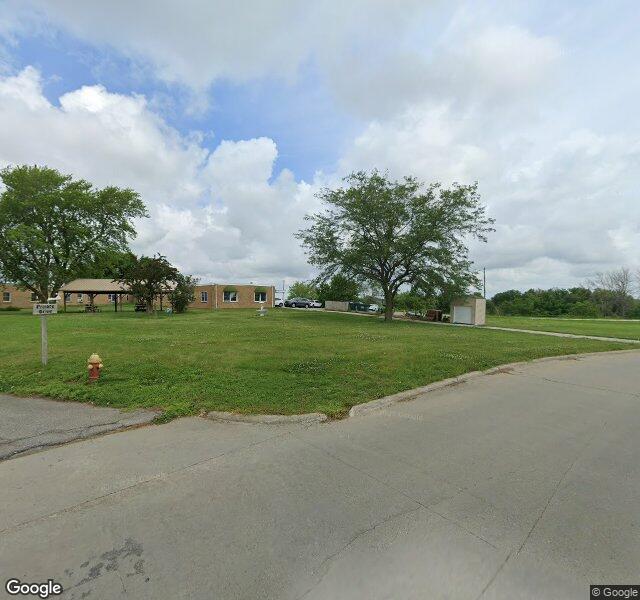
How is Caring Acres Nursing And Rehab Center Staffed?

CMS rates Caring Acres Nursing and Rehab Center's staffing level at 2 out of 5 stars, which is below average compared to other nursing homes.

What Have Inspectors Found at Caring Acres Nursing And Rehab Center?

State health inspectors documented 57 deficiencies at Caring Acres Nursing and Rehab Center during 2023 to 2025. These included: 5 Immediate Jeopardy (the most serious level, indicating potential for serious harm or death), 3 that caused actual resident harm, and 49 with potential for harm. Immediate Jeopardy findings are rare and represent the most serious regulatory concerns. They require immediate corrective action.
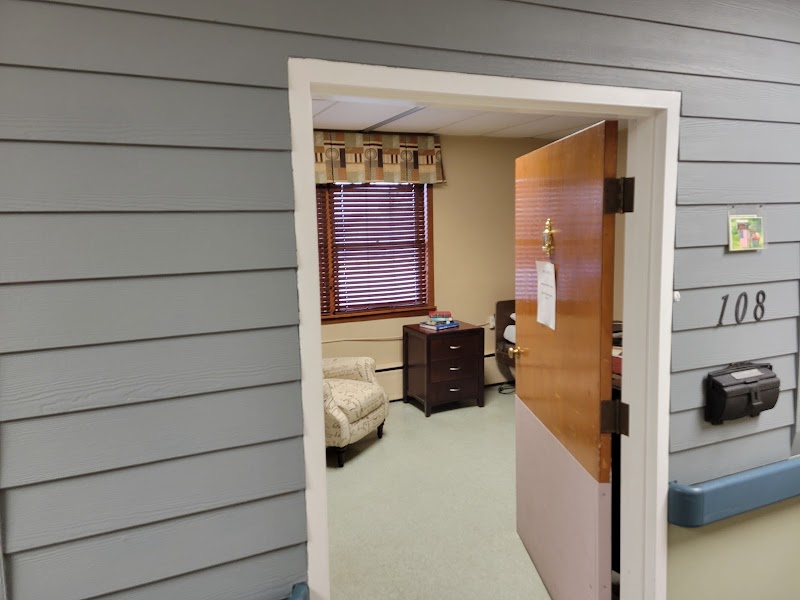
Who Owns and Operates Caring Acres Nursing And Rehab Center?

Caring Acres Nursing and Rehab Center is owned by a for-profit company. For-profit facilities operate as businesses with obligations to shareholders or private owners. The facility is operated by ANEW HEALTHCARE, a chain that manages multiple nursing homes. With 41 certified beds and approximately 25 residents (about 61% occupancy), it is a smaller facility located in Anita, Iowa.

How Does Caring Acres Nursing And Rehab Center Compare to Other Iowa Nursing Homes?

Compared to the 100 nursing homes in Iowa, Caring Acres Nursing and Rehab Center's overall rating (1 stars) is below the state average of 3.0 and health inspection rating (1 stars) is much below the national benchmark.

What Should Families Ask When Visiting Caring Acres Nursing And Rehab Center?

Based on this facility's data, families visiting should ask: "What changes have been made since the serious inspection findings, and how are you preventing similar issues?" "What safeguards and monitoring systems are in place to protect residents from abuse or neglect?" "Can you walk me through typical staffing levels on day, evening, and night shifts?" "Can I visit during a mealtime to observe dining assistance and food quality?" These questions are particularly relevant given the facility's Immediate Jeopardy citations, the substantiated abuse finding on record, and the below-average staffing rating.

Is Caring Acres Nursing And Rehab Center Safe?

Based on CMS inspection data, Caring Acres Nursing and Rehab Center has documented safety concerns. The facility has 1 substantiated abuse finding (meaning confirmed case of resident harm by staff or other residents). Inspectors have issued 5 Immediate Jeopardy citations (the most serious violation level indicating risk of serious injury or death). The facility has a 1-star overall rating and ranks #100 of 100 nursing homes in Iowa. Families considering this facility should ask detailed questions about what corrective actions have been taken since these incidents.

Do Nurses at Caring Acres Nursing And Rehab Center Stick Around?

Caring Acres Nursing and Rehab Center has not reported staff turnover data to CMS. Staff turnover matters because consistent caregivers learn residents' individual needs, medications, and preferences. When staff frequently change, this institutional knowledge is lost. Families should ask the facility directly about their staff retention rates and average employee tenure.

Was Caring Acres Nursing And Rehab Center Ever Fined?

Caring Acres Nursing and Rehab Center has been fined $73,488 across 2 penalty actions. This is above the Iowa average of $33,814. Fines in this range indicate compliance issues significant enough for CMS to impose meaningful financial consequences. Common causes include delayed correction of deficiencies, repeat violations, or care failures affecting resident safety. Families should ask facility leadership what changes have been made since these penalties.

Is Caring Acres Nursing And Rehab Center on Any Federal Watch List?

Caring Acres Nursing and Rehab Center is not on any federal watch list. The most significant is the Special Focus Facility (SFF) program, which identifies the bottom 1% of nursing homes nationally based on persistent, serious quality problems. Not being on this list means the facility has avoided the pattern of deficiencies that triggers enhanced federal oversight. This is a positive indicator, though families should still review the facility's inspection history directly.