Atlantic Specialty Care
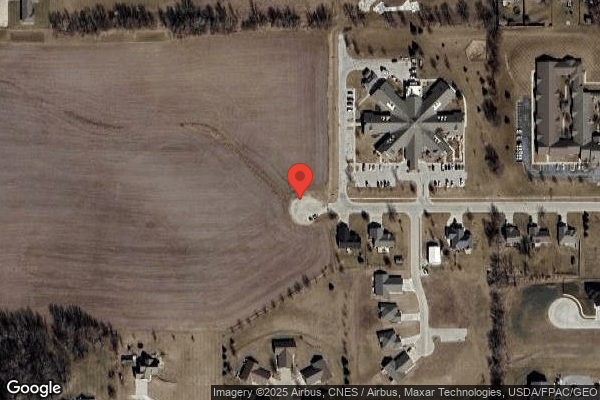

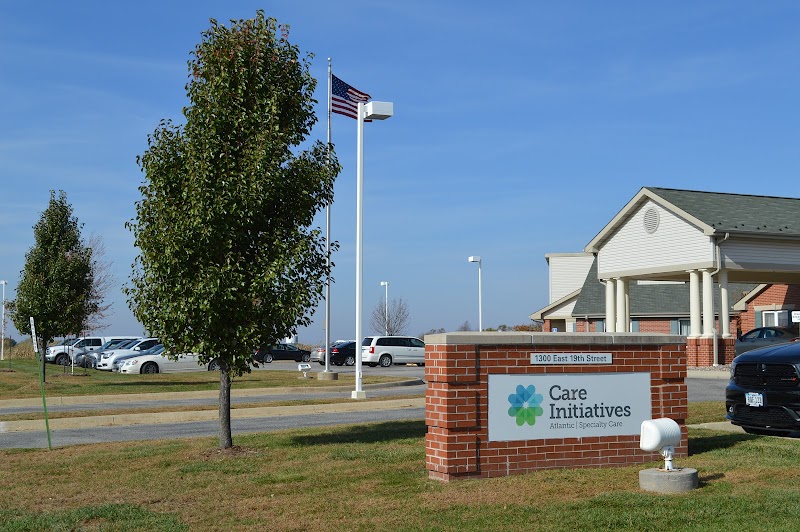
1300 East 19th Street, Atlantic, IA 50022 (712) 243-3952
For profit - Corporation 90 Beds CARE INITIATIVES Data: November 2025
Trust Grade
50/100
#249 of 392 in IA
Last Inspection: March 2025

Within standard 12-15 month inspection cycle. Federal law requires annual inspections.

Overview

Atlantic Specialty Care in Atlantic, Iowa has received a Trust Grade of C, which means it is average compared to other nursing homes. It ranks #249 out of 392 facilities in Iowa, placing it in the bottom half, but it is #2 out of 3 in Cass County, indicating that only one nearby option is better. The facility is showing improvement, with issues decreasing from 22 in 2024 to 8 in 2025. Staffing is a strong point, with a rating of 4 out of 5 stars and a turnover rate of 40%, which is below the state average. Although there have been no fines recorded, there are concerns regarding food safety and staffing accuracy, such as instances where staff failed to secure their hair during food preparation and did not take proper food temperatures before serving. Overall, while there are strengths in staffing, there are notable weaknesses in health and safety practices that families should consider.
Trust Score
C
50/100
In Iowa
#249/392
Bottom 37%
Safety Record
Low Risk
No red flags
Inspections
Getting Better
22 → 8 violations
Staff Stability
○ Average
40% turnover. Near Iowa's 48% average. Typical for the industry.
Penalties
✓ Good
No fines on record. Clean compliance history, better than most Iowa facilities.
Skilled Nurses
○ Average
Each resident gets 38 minutes of Registered Nurse (RN) attention daily — about average for Iowa. RNs are the most trained staff who monitor for health changes.
Violations
⚠ Watch
54 deficiencies on record. Higher than average. Multiple issues found across inspections.
★★☆☆☆
2.0
Overall Rating
★★★★☆
4.0
Staff Levels
★★★★☆
4.0
Care Quality
★★☆☆☆
2.0
Inspection Score
Stable
2024: 22 issues
2025: 8 issues

The Good

  • 4-Star Staffing Rating · Above-average nurse staffing levels
  • 4-Star Quality Measures · Strong clinical quality outcomes
  • Full Sprinkler Coverage · Fire safety systems throughout facility
  • No fines on record
  • Staff turnover below average (40%)

    8 points below Iowa average of 48%

Facility shows strength in staffing levels, quality measures, fire safety.

The Bad

2-Star Overall Rating

Below Iowa average (3.0)

Below average - review inspection findings carefully

Staff Turnover: 40%

Near Iowa avg (46%)

Typical for the industry

Chain: CARE INITIATIVES

Part of a multi-facility chain

Ask about local staffing decisions and management

The Ugly 54 deficiencies on record

Mar 2025 8 deficiencies
CONCERN (D)

Potential for Harm - no one hurt, but risky conditions existed

Quality of Care (Tag F0684)

Could have caused harm · This affected 1 resident

**NOTE- TERMS IN BRACKETS HAVE BEEN EDITED TO PROTECT CONFIDENTIALITY** Based on clinical record review, staff interview, hospital document review, staff interviews and facility assessment review the ...

Read full inspector narrative →
**NOTE- TERMS IN BRACKETS HAVE BEEN EDITED TO PROTECT CONFIDENTIALITY** Based on clinical record review, staff interview, hospital document review, staff interviews and facility assessment review the facility failed to implement care and treatment consistent with the resident care plan and physician orders placing the resident at risk for 1 of 16 residents reviewed. Resident #61 required special monitoring of weights and vital signs related to diagnosis of congestive heart failure. Staff failed to consistently monitor the weight and intervene with diuretic medication, and failed to conduct daily vital signs. The facility reported a census of 61 residents. Findings include: The Office/Progress Note from the hospital referral (page 6) to the facility showed that Resident #61 presented to the hospital on 1/27/25 with Shortness of Breath (SOB) and hypoxic respiratory failure. Was taken for cardiac catheterization and stent's were placed in the heart. She had pulmonary edema and required oxygen and diuretics (increases urine production and lowers blood pressure and fluid retention.) She presented with 2+ edema in the extremities. The admission Minimum Data Set (MDS) dated [DATE] documented a Brief Interview of Mental Status score of 15 indicating cognition intact. The MDS documented she was admitted from the hospital, had shortness of breath when lying flat and had surgery involving the heart. Her diagnoses included heart failure (CHF), coronary artery disease, renal insufficiency and pneumonia. The Care Plan for Resident #61, dated 2/10/25, documented she was on diuretic therapy related to CHF and chronic kidney disease and has weight fluctuations related to medication. The Care Plan directed staff told administer the diuretic medications as ordered by the physician and to monitor for side effects and effectiveness every shift. The Progress Notes documented the following: -On 2/5/25 at 5:49 PM, the admit note documented that Resident #61 weighed 149 pounds and had edema on the top of her feet/ankle +1 pitting (edema is graded on a scale of 0 to 3, where 0 means the absence of edema and 3 means severe pitting. The grading system is based on how deep the pits are and how long they last after you press the swollen area.) bilateral calves and upper arms. Generalized edema/swelling. -On 2/6/25 at 12:00 AM the provider encounter note, showed that Resident #61 was admitted with an order for a diuretic, furosemide 20 milligrams (mg) one tab every 24 hours as needed (PRN) for swelling, shortness of breath, or at provider discretion. And give 2 tablets every 24 hours PRN for shortness of breath, leg swelling or at providers discretion. The Progress Notes also documented the following for Resident #61: a. On 2/5/25 at 4:47 PM SOB with minimal exertion b. On 2/7/25 at 9:56 PM SOB while lying flat c. On 2/8/25 at 9:44 PM SOB while lying flat d. On 2/8/25 at 0000 bilateral lower extremities trace edema. e. On 2/9/25 at 7:39 PM SOB while lying flat f. On 2/11/25 at 10:19 PM nursing assessment SOB with minimal exertion edema to top of feet and ankle +1 pitting upper arms with generalized edema/swelling. g. On 2/13/25 at 10:16 PM SOB while lying flat h. On 2/15/25 at 4:11 PM the resident would continue to have daily vital signs as she was skilled. i. 2/17/25 at 3:22 PM generalized edema top of feet and ankle +1 pitting upper arms with generalized edema/swelling. j. On 2/18/25 at 3:50 PM generalized edema +1. The Medication Administration Record (MAR) for February showed that the PRN furosemide had not been used. The Progress Note dated 2/19/25 at 12:00 AM documented the Nurse Practitioner saw Resident #61 on the 19th and found that she had +3 bilateral lower leg edema. She started a scheduled order for furosemide 20 mg daily for edema, and continue PRN dose. Staff were to continue to monitor weight as directed. The Medication Administration Record (MAR) showed that Resident #61 received the first dose of Furosemide 20 mg on 2/20/25. The Progress Note dated 2/28/25 at 12:01 AM showed that the resident had a significant weight increase from 149.1 pounds (lbs.) on 2/6/2025 to 168.4 lbs. on 2/27/2025. She had bilateral +2 pitting edema in the lower extremities. The provider has been notified, and the plan of care includes continuing Lasix 40 mg daily to promote diuresis. Staff were directed to closely monitor the resident's fluid status, strict tracking of daily weights, fluid intake/output, and urine output. Staff had been instructed to carefully assess urine output for adequate response to diuretics and report any concerns regarding decreased output. A pulmonary assessment showed diminished lung sounds bilaterally without distress. The resident reported occasional exertion SOB. The chart lacked documentation of weights from 3/6/25 through 3/17/25. The chart lacked a daily skilled assessment on 2/21/25, 2/27/25, 3/14/25 and 3/16/25. On 3/24/25 at 10:52 AM, Resident #61 was in bed coughing, moaning and appeared uncomfortable as she shifted and tried to move in bed. The resident said the she was not feeling well after her heart surgery. She said that she had been coughing a lot and had phlegm coming up. On 3/26/25 at 3:00 PM, Staff G, Nurse Consultant said that she would have wanted the nurses to call the provider and get clarification with parameters on when to use the diuretic. On 3/27/25 at 10:52 AM, Staff L, Registered Nurse (RN.) acknowledged that Resident #61 had about +1 edema in her feet and ankles. She said that she was not aware of a PRN furosemide order and she would have used it or reached out to the doctor if/when there was a significant weight gain in a day or two. She agreed that parameters with the PRN order should have been clarified so they could've had the guidance on when to use it. On 3/27/25 10:56 AM, the Director of Nursing (DON) said that they did not have a policy on documentation for skilled assessments. They expect that the assessments would be complete daily, including vitals. The DON said that they did not have any policy on edema monitoring related to CHF, or a policy on weight monitoring. She said that they use nursing judgement and go by what was ordered by the doctor. The Facility assessment dated [DATE], included a section titled: Cardiac Services, Metabolic Disorders, Respiratory System, Assessments that showed that the facility would provide early identification of problems/deterioration, management of medical and psychiatric symptoms and condition such as heart failure, diabetes, chronic obstructive pulmonary disease, gastroenteritis, infections such as UTI and gastroenteritis, pneumonia, hypothyroidism.
CONCERN (D)

Potential for Harm - no one hurt, but risky conditions existed

Pressure Ulcer Prevention (Tag F0686)

Could have caused harm · This affected 1 resident

**NOTE- TERMS IN BRACKETS HAVE BEEN EDITED TO PROTECT CONFIDENTIALITY** Based on observations, staff interview and clinical record review the facility failed to implement interventions for the prevent...

Read full inspector narrative →
**NOTE- TERMS IN BRACKETS HAVE BEEN EDITED TO PROTECT CONFIDENTIALITY** Based on observations, staff interview and clinical record review the facility failed to implement interventions for the prevention of pressure ulcers for 1 of 3 residents reviewed. Resident #54 was at risk for chronic pressure injuries and was found to be without the treatment dressing or protective boots. The facility reported a census of 61 residents. Findings include: The Minimum Data Set (MDS) assessment identifies the definition of pressure ulcers: Stage I is an intact skin with non-blanchable redness of a localized area usually over a bony prominence. Darkly pigmented skin may not have a visible blanching; in dark skin tones only it may appear with persistent blue or purple hues. Stage II is partial thickness loss of dermis presenting as a shallow open ulcer with a red or pink wound bed, without slough (dead tissue, usually cream or yellow in color). May also present as an intact or open/ruptured blister. Stage III Full thickness tissue loss. Subcutaneous fat may be visible but bone, tendon or muscle is not exposed. Slough may be present but does not obscure the depth of tissue loss. May include undermining and tunneling. Stage IV is full thickness tissue loss with exposed bone, tendon or muscle. Slough or eschar (dry, black, hard necrotic tissue). may be present on some parts of the wound bed. Often includes undermining and tunneling or eschar. Unstageable Ulcer: inability to see the wound bed. According to the MDS, dated [DATE], Resident #54 had a Brief Interview for Mental Status (BIMS) score of 0 (severe cognitive ability). She was totally dependent on the help from staff for eating, hygiene, toileting, dressing and turning in bed. Resident #54 had a Stage III pressure ulcer and her diagnoses included renal insufficiency, neurogenic bladder, Bipolar Disorder, schizophrenia, pressure ulcer of the right heel and intellectual disabilities. The Care Plan for Resident #54, updated on 2/3/25, showed that she occasionally rolled out of bed, and had a fall mat placed on the side of the bed. She required maximum assistance of 2 for bed mobility, had poor body positioning and trunk control, and leaned to the right. Resident #54 was at risk for skin impairment, staff were directed to float her heels when in bed, to put sheep skin boots on her feet at all times, and to complete weekly treatments. A Skin Observation dated 12/24/24 at 12:37 PM, showed that the resident did not have any new skin issues on that date. A Skin and Wound Evaluation dated 12/27/24 at 10:15 AM, showed that Resident #54 was found to have an unstageable pressure sore with slough and/or eschar on the right lateral forefoot. The total area measured 8.1 centimeters (cm) total area, 5.0 cm. length x 2.6 cm. width. The wound contained 100% Eschar (dead tissue that sheds or falls off from the skin, usually tan, brown or black.) The goal of care was to monitor/manage due to wound healing was not achievable because of untreatable underlying condition. An order dated 12/27/24 at 10:48 AM, directed nursing to apply skin prep, covered with high performance foam adhesive dressing to the lateral side of the right foot and the left heel on bath days, every Tuesday and Friday. The Skin and Wound Evaluation dated 3/19/25 documented a pressure ulcer to the left heel stage 3 in house acquired now measures 0.7 cm total area, 1.1 cm in length, 0.9 cm in width and no depth. 100 percent of wound bed covered with epithelial tissue and improving. Observations revealed the following: a. On 3/24/25 at 2:28 PM the door was cracked open and the resident was yelling get up. She was lying on the floor, on a mattress next to the bed. The nurse was preparing to get vitals and told Resident #54 that they would get her up as soon as she got her vitals. The resident was wearing socks on her feet and did not have on the heel protectors. b. On 3/25/25 at 5:56 AM, the resident was in bed, in low position. She was awake and restless. She did not have the protective boots on her feet. c. On 3/25/25 at 8:00 AM, Resident #54 was in her room in the wheel chair. The fall mat is next to the wheel chair. Her feet rested on the foot pedal with her right foot bent and resting on the lateral side of her foot. The heel protectors were on the floor. d. On 3/25/25 at 9:33 AM, the resident was in her wheel chair without the protective boots on. Staff K, Licensed Practical Nurse (LPN) gathered the treatment supplies for her treatment. She did not speak but squealed and said ouch several times throughout the procedure. Staff K encouraged her to stay calm as he removed her socks. Neither one of the feet had adhesive dressings on, and they were dry and scaly. Staff K applied lotion and completed the treatment to the right foot and dated the dressing. The heel of the right foot contained peeling white skin. No open or reddened areas were observed. The lateral area of right foot had a red spot that was not open or swollen. Staff K applied her socks and protective boots. e. On 3/25/25 at 9:43 AM, Staff K said that after completing the treatment on the right heel, he double checked the order, saw there was an order for a dressing to the right foot, then went back and completed that treatment. Staff K acknowledged that the resident did not have a dressing on either foot when he went in to complete that treatments earlier. Staff K thought that there would have been an As Needed (PRN) order to complete the treatment if/when the dressing fell off. f. On 3/26/25 at 11:58 AM, Resident #54 was in the wheel chair, wearing socks on her feet. The left protective boot was on, the right one was on the floor. On 3/26/25 at 8:50 AM, an addition had been made to the treatment order and read as follows: Apply skin prep covered with high performance foam adhesive dressing to lateral side of right foot and left heel. Change on bath days every day shift every Tuesday Friday for would and as needed if dressing falls off. On 3/27/25 at 9:06 AM, when asked about the size and description (8.1 cm. total area and 100% eschar) of the pressure discovered on 12/27/24 just 3 days after a Skin Observation showed that Resident #54 had no new skin issues, the Director of Nursing (DON) said she didn't know what the wound may have looked like three days prior. She said that she believed a wound could get to the point of eschar in just 3 days without prior warning signs. The DON said that she would expect the aides to come to nursing staff if/when they discovered that a wound dressings had fallen off. She would then expect the nurses to replace it as soon as it was discovered. A facility policy dated 4/2018, titled: Pressure Ulcers/Skin Breakdown - Clinical Protocol, showed that the staff would examine the skin of newly admitted residents for evince of existing pressure ulcers or other skin conditions. The physician would order pertinent wound treatments, including pressure reducing surfaces, wound cleansing and debridement approaches, dressings and application of topical agents.
CONCERN (D)

Potential for Harm - no one hurt, but risky conditions existed

Pharmacy Services (Tag F0755)

Could have caused harm · This affected 1 resident

Based on observation, interview and policy review the facility failed to ensure that medications were secured to prevent residents from access. In an observation the survey team found an unlocked, una...

Read full inspector narrative →
Based on observation, interview and policy review the facility failed to ensure that medications were secured to prevent residents from access. In an observation the survey team found an unlocked, unattended medication cart in the hallway of resident rooms. The facility reported a census of 61 residents. Findings include: In an observation on 3/24/25 at 11:31 AM, it was discovered that an unlocked, unattended medication cart was at the end of a hallway of resident rooms. At 11:33 AM Staff I, Certified Medication Aide (CMA) came around the corner from the nurse's stations at the opposite end of the hallway. She said that she had been in a resident's room administering medications, then went down the hallway to talk to the nurse. She acknowledged that she failed to lock the drawers before she walked away from the cart. On 3/27/25 at 11:59 AM, the Director of Nursing (DON) said that the nurses and CMA's were expected to have the medication cart locked if/when they ever walk away from it and it's not within eye site. According to facility policy titled: Security of Medication Cart, dated April 2007, the medication carts must be securely locked at all times when out of the nurse's view.
CONCERN (D)

Potential for Harm - no one hurt, but risky conditions existed

Menu Adequacy (Tag F0803)

Could have caused harm · This affected 1 resident

**NOTE- TERMS IN BRACKETS HAVE BEEN EDITED TO PROTECT CONFIDENTIALITY** Based on observation, document review, staff interview, and policy review the facility failed to provide a well balanced diet th...

Read full inspector narrative →
**NOTE- TERMS IN BRACKETS HAVE BEEN EDITED TO PROTECT CONFIDENTIALITY** Based on observation, document review, staff interview, and policy review the facility failed to provide a well balanced diet that meets nutritional and special dietary needs by use of incorrect serving size portions for meals for 1 of 61 residents reviewed. The facility reported a census of 61 residents. Findings include: Continuous observation on 3/25/25 at 12:05 AM of Staff C, Cook, prepared modified barbeque (BBQ) pork for the noon meal. Staff C indicated needed 8 ground servings of BBQ pork. The staff removed 8 servings of the BBQ pork and placed 4 servings twice in the lid of the Robot Coupe food processor to transfer to the bowl of the Robo Coupe. The staff placed the lid on the processor, turned the machine on, and walked away. Staff C removed the BBQ pork from the processor and poured it into a measuring cup. The Registered Dietitian (RD) intervened as the BBQ pork appeared as pureed consistency rather than mechanical soft. The RD instructed Staff C to place it back in the processor, add BBQ sauce to complete the puree process. Staff C referred to the [NAME] Brothers Pureed Diet Portion Sizes/Dishes for the serving size, the temperature taken at 138 degrees, and placed the uncovered pureed BBQ pork in the steamer. Staff C measured 3 servings for pureed baked beans, and placed them in the Robo Coupe for processing. The staff poured the processed food in a measuring cup and was moving to return to the steam table, when the Certified Dietary Manager (CDM) intervened, and instructed the staff to place the food in the steamer due to the temperature decreasing. Staff C placed the uncovered pureed baked beans in the steamer. Staff C began serving the final pureed meal, and noted there was an incomplete serving of the pureed baked beans. The staff stated there was a shortage of the pureed baked beans as they had dried up in the steamer. Staff C proceeded to place the plate with the incomplete serving on the room service tray for delivery. The staff failed to provide the resident with a full serving as required. On 3/27/25 at 10:55 AM the RD stated the facility followed the [NAME] Brothers Pureed Diet Portion Sizes/Dishes for determining serving size. The RD expected if there was a shortage on a serving size, the cook would stop and prepare additional food to provide a full serving. On 3/26/25 at 1:56 PM the Administrator stated she expected residents to receive full servings as required. The facility's Therapeutic Diets Policy did not specifically address the preparation and portion sizes of the mechanically altered diets.
CONCERN (D)

Potential for Harm - no one hurt, but risky conditions existed

Medical Records (Tag F0842)

Could have caused harm · This affected 1 resident

Based on observation, resident interview, clinical record review, staff interview and policy review the facility failed to maintain accurate medical records for 1 of 16 residents reviewed. Staff docum...

Read full inspector narrative →
Based on observation, resident interview, clinical record review, staff interview and policy review the facility failed to maintain accurate medical records for 1 of 16 residents reviewed. Staff documented that the vital signs for Resident #61 had been completed and the chart lacked documentation of those vitals. The facility reported a census of 61 residents. Findings include: The Care Plan for Resident #61, updated on 2/5/25, showed that she had diagnoses that included Congestive Heart Failure (CHF), acute respiratory failure, and weight fluctuation due to diuretic use and document signs and symptoms of Coronary Artery Disease (CAD) such as dependent edema. The Progress Note dated 2/5/25 at 4:47 PM, showed that Resident #61 was admitted for skilled nursing services from the hospital after Atrial fibrillation (AFib) with rapid ventricular response RVR (condition characterized by an irregular heartbeat with a rate exceeding 100 beats per minute.) The Progress Note dated 2/5/25 at 6:38 PM, showed that Resident #61 had a Brief Interview for Mental Status (BIMS) score of 15 (intact cognitive ability.) On 3/24/25 at 10:52 AM, Resident #61 was in bed coughing, moaning and appeared uncomfortable as she shifted and tried to move in bed. The resident said the she was not feeling well after her heart surgery. She said that she had been coughing a lot and had phlegm coming up. A review of the clinical record revealed that on 2/15/25, 2/24/25 and 2/28/25 the chart lacked documentation of vital signs. Nursing notes included the following documentation: a. On 2/15/25 NN at 12:47 AM, obtain new vital signs: completed b. On 2/24/25 at 10:42 PM, obtain new vital signs: completed c. On 2/28/25 at 12:01 AM, obtain new vital signs: completed On 3/27/25 at 10:56 AM, the Director of Nursing (DON) said that she expected that skilled assessments would be completed daily, including a complete set of vital signs. A facility policy titled: Charting and Documentation dated July 2017, showed that documentation in the medical record would be objective, complete, and accurate. Documentation of procedures and treatments would include care-specific details, including; assessment data.
CONCERN (D)

Potential for Harm - no one hurt, but risky conditions existed

Infection Control (Tag F0880)

Could have caused harm · This affected 1 resident

**NOTE- TERMS IN BRACKETS HAVE BEEN EDITED TO PROTECT CONFIDENTIALITY** Based on observation, staff interview and facility policy review the facility failed to ensure that staff used appropriate infec...

Read full inspector narrative →
**NOTE- TERMS IN BRACKETS HAVE BEEN EDITED TO PROTECT CONFIDENTIALITY** Based on observation, staff interview and facility policy review the facility failed to ensure that staff used appropriate infection control practices to prevent the spread of pathogens for 1 of 3 residents reviewed. Staff failed to change gloves after adjusting a soiled brief for Resident #27 she then touched other surfaces with the same gloved hand. The facility reported a census of 61 residents Findings include: According to the Minimum Data Set (MDS) dated [DATE], Resident #27 had an indwelling catheter and a colostomy. He was totally dependent on staff for transfers, showers and personal hygiene. The resident had diagnoses that included: heart failure, renal insufficiency, multiple sclerosis and benign prostatic hyperplasia. The Care Plan last updated on 7/29/24 showed that Resident #27 had a Foley catheter and was at risk for a potential skin and soft tissue infections. Staff were instructed to use enhanced barrier precautions when performing high-contact care activities. On 3/25/25 at 7:04 AM, Resident #27 was sitting in the shower room and Staff H, Certified Nurse Aide (CNA) said that she was waiting for the nurse to come in and take a look at the catheter site. With gloved hands, she pulled back the brief to reveal a copious amount of blood around the penis and under the abdominal fold. The CNA then touched the arm of the mechanical lift and resident's shoulder with same gloved hand. On 3/27/25 at 10:40 AM, the Director of Nursing (DON) said that the staff were taught to change gloves after they become soiled. She would expect them to also use hand hygiene before applying clean gloves. According to facility policy titled: Handwashing/Hand Hygiene, dated August 2019, the use of gloves did not replace hand washing/hand hygiene. Integration of glove use along with routine hand hygiene was recognized as the best practice for preventing healthcare-associated infections.
CONCERN (E)

Potential for Harm - no one hurt, but risky conditions existed

Deficiency F0804 (Tag F0804)

Could have caused harm · This affected multiple residents

Based on observations, documentation review, resident interviews, staff interviews, and policy review the facility failed to prepare, serve and distribute food in accordance with professional standard...

Read full inspector narrative →
Based on observations, documentation review, resident interviews, staff interviews, and policy review the facility failed to prepare, serve and distribute food in accordance with professional standards. The facility failed to take and document temperatures of food in the kitchen prior to distribution. The facility reported a census of 61 residents. Findings include: Continuous observation on 3/25/25 at 11:15 AM found Staff C, cook, began placing items on the steam table with temperatures taken upon removal from the stove or steamer. At 12:17 Staff C began the meal service without taking temperatures at the steam table. Staff B, Dietary Services Manager Assistant, delivered plates to the dining room, and the room tray carts to the nurses station for the nursing staff to deliver to the rooms. At 1:30 PM the meal service concluded with the last of the room trays leaving the kitchen to be delivered with a sample tray included. The staff did not obtain food temperatures from the steam table at the completion of the meal service. Observed food items moving to the steam table 1 hour before service began, and the meal service took 1 hour and 15 minutes. Observed a room tray delivery cart with 6 meal trays sitting at the nurses station waiting for delivery that had left the kitchen prior to 1:30 PM. Staff B stated they had notified nursing of the need for delivery of the room trays. At 1:39 PM the sample tray returned to the kitchen for temperature checks with the CDM, Staff D, and RD. The CDM obtained a BBQ pork temperature of 142 degrees, carrots 109 degrees, and fried potatoes of 107 degrees. The CDM, Staff D, and RD concurred the temperatures were below the serving temperature requirements. Review of the Food Temperature Logs for January, February, and March provided opportunities for data entry for before and after each meal. The January log revealed 62/93 opportunities completely documented. The February log revealed 67/84 opportunities completely documented. The March log revealed 37/69 opportunities completed documented. The facility failed to completely document 80/246 (33%) food temperature entries for before, after, or complete meal. On 3/24/25 at 11:10 AM Resident #32 stated food was not served at appropriate temperatures. The resident indicated she ate both in the dining room and her bedroom. Resident #32 stated the temperatures were not correct in both locations, but the room trays were worse. On 3/24/25 at 1:55 PM Resident #25 stated she ate in the dining room and the food was often cold. On 3/26/25 at 1:32 PM the Registered Dietitian expected temperatures would be taken before and at the end of meal service from the steam table and the temperatures would be logged. The RD expected the facility to have food service completed within 45 minutes. On 3/26/25 at 1:56 PM the Administrator expected temperatures to be taken at the steam table prior to and after the meal service with logs kept for all cooking/serving temperatures. The facility's Food Preparation and Service Policy, revised 4/19, revealed specific temperatures/times required for specific foods, as well as the temperatures required for modified consistency diets, to be reached to inactivate pathogenic microorganisms. The document indicated temperatures of foods held in steam tables were to be monitored throughout the meal. The document further revealed dietary staff would adhere to proper practices to prevent the spread of foodborne illness. The Food and Drug Administration Food Code 2022 revealed the person in charge of the kitchen provides daily oversight of the employees ' routine monitoring of the cooking temperatures.
CONCERN (E)

Potential for Harm - no one hurt, but risky conditions existed

Food Safety (Tag F0812)

Could have caused harm · This affected multiple residents

Based on observations, staff interviews, and policies reviewed the facility failed to store, prepare, serve, and distribute food in accordance with professional standards. The facility reported a cens...

Read full inspector narrative →
Based on observations, staff interviews, and policies reviewed the facility failed to store, prepare, serve, and distribute food in accordance with professional standards. The facility reported a census of 61 residents. Findings include: Observation on 3/24/25 at 9:28 AM revealed the walk in cooler did not have an interior thermometer. The walk-in cooler contained opened and undated food items of a cake, canned fruit in dessert cups, and a jug of Half and Half. The Half and Half liquid had an aluminum foil covering and a best if used by date of 3/8/25. The walk-in freezer contained an opened bag of ravioli, not sealed and undated. The milk cooler contained thick darkened frost inside along the right side of the cooler. The reach-in refrigerator contained an undated opened jug of milk and a container containing a yellow substance that was undated. The pantry contained opened and undated packages of Oreo Medium Cookie Pieces and pasta. The bottom shelf of the large food preparation counter in the main part of the kitchen revealed food remnants, crumbs, and was dirty in appearance. Continuous observation on 3/25/25 at 11:15 AM revealed Staff D, Travel Certified Dietary Manager, and the facility Certified Dietary Manager (CDM) wore gloves while preparing oranges and placing them in dessert cups. Staff C, cook, removed fried potatoes from the steamer and obtained temperatures of 165 degrees, 176 degrees, and 179 degrees. Staff C placed the potatoes in a metal container and placed them on the steam table at 11:20 AM. Staff C obtained a temperature of the baked beans of 179 degrees and moved them to the steam table. Staff C removed a tray of pork from the steamer with various temperatures observed ranging from 151 degrees to 161 degrees. Staff C added the pork to a container of pork with barbeque (BBQ) sauce, and placed it uncovered in the steamer. Staff C initiated making mashed potatoes, and placed the opened container of mashed potato mix under the prep table. Observed the mashed potato mix was not dated and put on the shelf under the prep table which had remnants of other food items. Staff C removed the BBQ pork and obtained temperatures from 155 degrees to 161 degrees. Staff D assisted Staff B by providing education on stirring food items before temperature check; with stirring the BBQ pork the temperature measured 165.8 degrees. Staff C moved the BBQ pork to the steam table. Staff A, cook, wearing gloves touched packaging and food items (lettuce, hard boiled eggs, cheese, meat) while making chef salads. Staff C indicated needed 8 mechanical soft servings of BBQ pork. The staff removed 8 servings of the BBQ pork and placed 4 servings twice in the lid of the Robot Coupe food processor to transfer to the bowl of the Robo Coupe. The staff placed the lid on the processor, turned the machine on, and walked away. The Registered Dietitian (RD) intervened as the mechanical soft BBQ pork had processed to a pureed consistency. Staff C obtained a temperature of 138 degrees, placed the uncovered pureed BBQ pork in the steamer. At 12:17 PM Staff C initiated the meal service without taking temperatures at the steam table. The CDM prepared the mechanical soft BBQ pork, covered, and placed in the steamer. The CDM checked the temperature of the puree BBQ pork, stated it needed to be covered and placed back in the steamer. Staff E, Cook, donned gloves without hand hygiene, and obtained supplies to prepare a grilled cheese sandwich. The staff touched the packaging and the bread. The CDM stopped the process, provided education to Staff E to not touch food items and packaging with gloves. The CDM indicated did not feel gloves were necessary for preparing a grilled cheese as the sandwich was not a ready to eat product as it was going to the stove. At 12:40 PM Staff stopped the meal service to prepare 3 servings of pureed baked beans. Upon completion of the puree process Staff C attempted to return them to the steam table when the CDM intervened and indicated a temperature was required due to the processing. Following the temperature check, Staff C placed the uncovered puree baked beans in the steamer. Observed the CDM make a special order peanut butter and jelly sandwich using butter/margarine, peanut butter, grape jelly, and bread that were all opened and undated sitting on the counter. The meal service concluded at 1:30 PM with the last tray leaving the kitchen. The staff did not take completion temperatures of the steam table. The continuous observation revealed inconsistent hand hygiene between kitchen tasks, and donning/removal of gloves. Review of the kitchen temperature logs for the milk cooler, walk-in cooler, walk-in freezer, reach-in refrigerator and reach-in freezer for the months of January, February, and March revealed January was the only month for data for all of the appliances with data for 25/31 days. Review of the March log for the reach-in freezer temperatures revealed 17/23 days with data. Record review of the March log for the reach-in refrigerator revealed 15/23 days with data. The facility failed to record temperatures for the milk cooler, walk-in cooler, and walk-in freezer for the months of February and March. The facility failed to record temperatures for the reach-in the freezer for the month of February and 6 days in March. The facility failed to record temperatures for the reach-in refrigerator for the month of February, and 8 days in March. The sanitizing solution logs for January, February, and March for the triple sink revealed opportunities for data entry at each mealtime for each date of the month. The documents revealed 217/246 data points obtained. The facility failed to record data for 29 opportunities The dish machine temperature logs for the months of January, February, and March revealed 3 opportunities per date for data entry. The logs revealed data entry for 219/246 possible entries. The facility failed to record data for 27 opportunities. On 3/24/25 at 9:50 AM the CDM stated she had been in the position approximately 2 weeks, and was not sure if logs were kept at all for the walk-in cooler and walk-in freezer. The CDM acknowledged there should be complete logs for all cooling appliances, the dish machine, and sanitizer for the triple sink. On 3/25/25 at 11:35 AM the RD completed a walk through of the walk-in cooler, walk-in freezer, and review of the milk cooler. The RD concurred items in the kitchen should have dates when received, opened, and sealed appropriately. The RD removed the previously observed Half and Half in the walk-in cooler, and ravioli in the walk-in freezer. The RD also noted the cookie dough uncovered and stated it would need to be discarded. The RD concurred the milk cooler should not have discolored frost in it, as well as wrappers from other food items. On 3/25/25 during the meal preparation the RD concurred the bread, peanut butter, butter/margarine, and grape jelly on the counter should be dated, and as it was not it should be discarded. The RD stated food items should be covered when placed in the steamer. On 3/26/25 at 1:32 PM the RD expected that food items should be dated with date received, date opened and to be stored in airtight containers. The staff stated if items were not in airtight containers, not dated or outdated they needed to be discarded. The RD stated at a minimum hand hygiene should be completed upon entry into the kitchen, between tasks, and prior to and removal of gloves. The staff stated gloves were for single use only, and staff could not touch containers and food items. The RD expected logs for cooler temperatures, dish machine, and triple sink sanitizer to be maintained. On 3/26/25 at 1:56 PM the Administrator expected there to be logs kept for all refrigerators, freezers, cooking/serving temperatures, dishwasher and sanitizer use. The Administrator expected all food items to be dated upon receiving and opening, and to be placed in sealed containers if not completely used. The Administrator expected hand hygiene to be completed in the kitchen at all times including before/after glove use, and staff not to touch food with their bare hands. The facility's Food Receiving and Storage Policy, revised 10/17, revealed dry foods be stored in bins and would be removed from the original packaging, labeled, and dated with use by date, and rotated with the first in - first out system. The document revealed wrappers of frozen foods must stay intake until thawing. The document indicated the refrigeration and food temperatures will be monitored and documented. The facility's Refrigerators and Freezers Policy, revised 12/14, revealed monthly tracking sheets for all refrigerators and freezers would be posted to record temperatures. The document revealed the supervisor or designee would check and record the temperatures at the beginning and end of each day. The document indicated all food should be dated to ensure proper rotation by expiration dates with the received dates marked on the cases and if individual packages were removed from the case that they would have used by dates marked on the package. The facility's Sanitization Policy, revised 10/08, revealed the surfaces should be cleaned on a regular basis with oversight by the Food Services Manager. The facility's Food Preparation and Service Policy, revised 4/19, revealed bare hand contact with food was prohibited, gloves were for single-use items, worn when handling food directly, and discarded after each use.
Oct 2024 3 deficiencies
CONCERN (D) 📢 Someone Reported This

A family member, employee, or ombudsman was alarmed enough to file a formal complaint

Potential for Harm - no one hurt, but risky conditions existed

Resident Rights (Tag F0550)

Could have caused harm · This affected 1 resident

**NOTE- TERMS IN BRACKETS HAVE BEEN EDITED TO PROTECT CONFIDENTIALITY** Based on interviews, clinical record review, and facility policy review the facility failed to provide dignity by staff swearing...

Read full inspector narrative →
**NOTE- TERMS IN BRACKETS HAVE BEEN EDITED TO PROTECT CONFIDENTIALITY** Based on interviews, clinical record review, and facility policy review the facility failed to provide dignity by staff swearing in the hallways outside the residents' rooms for 2 of 6 residents (Resident #2 and #5) reviewed. The facility reported a census of 57 residents. Findings Include: 1. Record review of the Minimum Data Set (MDS) for Resident #2, dated 8/8/24 documented a Brief Interview for Mental Status (BIMS) score of 15 indicating normal cognitive functioning. The document revealed the resident had adequate hearing and did not utilize hearing appliances. On 10/22/24 at 12:43 PM Resident #2 stated he had heard staff using swearing when having conversations in the hall. The resident confirmed it was not another resident using swear words. Resident #2 stated the language that he heard did bother him. 2. Record review of Resident #5's MDS dated [DATE] revealed a BIMS score of 15 indicating intact cognition. The document revealed the resident had adequate hearing, and did not utilize a hearing appliance. On 10/22/24 at 11:53 AM Resident #5 stated she has heard swearing by staff while talking to each other across all shifts. The resident stated she could not identify any specific staff. Resident #5 stated she knew it was staff and not another resident. The resident stated the language was very upsetting to her. On 10/24/24 at 12:35 PM the Regional Nurse Consultant stated that residents should be treated with dignity and that swearing in the hallways would be upsetting to residents. The facility policy, Abuse, Neglect, Exploitation and Misappropriation Prevention Program, revised 4/21, revealed the facility should establish and maintain a culture of compassion and caring for all residents. The document further revealed the facility should provide support to prevent burnout, and stressful working situations. The facility policy, Resident Rights, revised 12/16, revealed all employees treat residents with kindness, respect, and dignity. The document provided that residents should have a dignified existence, be treated with respect, kindness and dignity.
CONCERN (D) 📢 Someone Reported This

A family member, employee, or ombudsman was alarmed enough to file a formal complaint

Potential for Harm - no one hurt, but risky conditions existed

Quality of Care (Tag F0684)

Could have caused harm · This affected 1 resident

**NOTE- TERMS IN BRACKETS HAVE BEEN EDITED TO PROTECT CONFIDENTIALITY** Based on clinical record review, resident and family interviews, staff interviews and facility policy review the facility failed...

Read full inspector narrative →
**NOTE- TERMS IN BRACKETS HAVE BEEN EDITED TO PROTECT CONFIDENTIALITY** Based on clinical record review, resident and family interviews, staff interviews and facility policy review the facility failed to provide the needed services in accordance with professional standards by not completing neuroogical assessments after falls for 2 of 2 residents (Resident #1 and #5) reviewed. Resident #1 self reported an unwitnessed fall from bed on 8/24/24 and sustained a hematoma on the right side of his forehead. Resident #5 had a witnessed fall involving a motorized scooter, and sustained a hematoma on the forehead and 3 skin tears on 9/12/24. The facility reported a census of 57 residents. Findings include: 1. Record review of the Minimum Data Set (MDS) assessment for Resident #1, dated 8/29/24 documented a Brief Interview for Mental Status (BIMS) score of 8 indicating a moderate cognitive impairment. The resident was frequently incontinent of bladder and occasionally incontinent of bowel. The MDS documented diagnosis of hypertension, non-Alzheimer's Dementia, seizure disorder or epilepsy. The resident was independent with transfers. The resident used a wheelchair for mobility. The document revealed the resident had 2 falls without injury and 1 fall with injury during the reporting period. The MDS dated [DATE] for Resident #1 documented a BIMS score of 15 indicating intact cognition. The resident was frequently incontinent of bladder and bowel. The resident was independent with transfers. The resident used a wheelchair for mobility. The document revealed the resident had 2 falls without injury during the reporting period. Resident #1's electronic health record (EHR) document: Neurological Eval (multi section)-initiated 8/25/24 at 9:15 PM and locked on 8/29/24 at 3:09 AM, revealed incomplete nursing assessments throughout the document. The document provided for 18 assessments to be completed over the course of several days - initial, (4) 15 minute checks, (2) 30 minute checks, (2) 1 hour checks, and (9) 8 hour checks. The document required staff to enter the date/time vitals were assessed. The documents revealed this occurred 7/18 times. The vitals tab in the EHR provided the documentation for the vitals assessed, and revealed blood pressure (BP) entries for 16 entries, temperature for 7 entries, pulse for 15 entries, respirations for 6 entries, O2 saturations for 7 entries, and pain for 11 entries. The EHR contained the physician fax written on 8/25/24 at 11:32 PM indicated the resident sustained an unwitnessed fall with a hematoma present on the right side, forehead above the right eye. The physician acknowledged the fax on 8/27/24 at 7:28 AM. On 10/22/24 at 3:29 PM Resident #1's Power of Attorney (POA) stated she was notified of the resident's fall a day or so after the fall. The POA stated during the notification she was told the facility had done vitals, and was told the resident did not sustain an injury. The POA stated she visited the resident on 9/16/24 and observed a goose egg and very noticeable black eye. The POA stated the resident indicated he had fallen out of bed. On 10/22/24 at 3:40 PM Resident #1 stated he had been sleeping in bed and he fell out. The resident stated he was able to get off the floor and go to the nurses station to report his fall. Resident #1 was unable to recollect any further details of his fall. 2. Record review of Resident #5's MDS assessment dated [DATE] revealed a BIMS score of 15 indicating intact cognition. The resident was occasionally incontinent of bladder and always continent of bowel. The MDS documented diagnosis of Crohn's disease, difficulty in walking and unsteadiness on feet. The resident was independent with transfers and ambulation up to 50'. Resident #5 utilized a wheelchair for mobility. The document revealed the resident had 0 falls during the reporting period. Resident #5's EHR document: Neurological Eval (multi section)-initiated on 9/12/24 at 7:35 PM and locked on 9/16/24 at 4:42 AM, revealed incomplete nursing assessments throughout the document. The document provided for 18 assessments to be completed over the course of several days - initial, (4) 15 minute checks, (2) 30 minute checks, (2) 1 hour checks, and (9) 8 hour checks. The document required staff to enter the date/time vitals were assessed. The documents revealed this occurred 14/18 times. The vitals tab in the EHR provided the documentation for the vitals assessed and revealed BP entries for 15 entries, temperature for 14 entries, pulse for 15 entries, respirations for 14 entries, O2 saturations for 14 entries, and pain for 9 entries. The EHR contained the physician note written on 9/12/24 and faxed at 5:35 PM that revealed the resident sustained a large goose egg above the left eye and skin tears to the left forearm when her scooter went off the sidewalk and fell. The document further revealed the resident did not want to go to the hospital. The physician acknowledged the fax on 9/12/24, ordered to continue to monitor, and if neuro change, notify the provider, and may need to send out. The fax was returned on 9/12/24 at 7:27 PM. On 10/22/24 at 11:53 AM Resident #6 stated she had been on her scooter on the date of the fall outside with her daughter, when her scooter went off the sidewalk and it tipped over and she fell. The resident stated she bumped her head and had quite the black eye. The resident stated she declined to go to the hospital. On 10/23/24 at 12:10 PM Staff C, Licensed Practical Nurse (LPN), stated neuro assessments were to be completed initially following a fall while the resident was still on the floor. The staff stated the assessment included eyes, range of motion (ROM), and vitals (BP, temperature, pulse, respirations, O2, pain), and if the resident remained in the facility the assessments would continue for 72 hours. Staff C stated each assessment that followed would be completed the same as the initial assessment. The staff stated if a resident had a bump on the head, the physician should be notified via phone for orders of whether to send the resident to the hospital. On 10/23/24 at 1:40 PM Staff D, Registered Nurse (RN), stated if a resident had an unwitnessed fall or witnessed fall while hitting their head, neuro assessments would be initiated. The staff stated neuro assessments included: pupils, strength/ROM for upper extremities (UEs) and lower extremities (LEs), orientation, vitals (pain, temp, BP, pulse, respirations, O2). The staff stated neuro assessments would continue for 15 minutes then graduate up on time. Staff D stated Point Click Care (PCC), EHR, will alert nurses that neuro assessment is due, some will use paper to track and document. The staff stated subsequent assessments for neuro assessments were supposed to be the same as the initial assessment as PCC prompts for filling out. The staff stated they would call a physician if it was urgent, after hours/weekends would call the on-call physician, if critical would send to the emergency room, and notify the physician. The staff stated if the resident had an obvious head injury, they would call the physician. Staff stated if there was not an injury they would send a fax. On 10/23/24 at 4:22 PM Staff E, RN, stated If the resident is observed to hit their head or the fall is unwitnessed neuro assessments should be completed. The staff stated a neuro assessment included: eyes (pupils, tracking), orientation, and vitals (pain, temperature, BP, pulse, O2 saturations, and respirations) The staff stated all assessments should include the same information. The staff stated a physician should be notified by phone with any sign of significant injury or need for sending to the hospital. The staff stated if the resident was developing a goose egg she would call the physician rather than fax the physician. On 10/23/24 at 3:17 PM the Director of Nursing (DON), stated when a resident has a fall witnessed with hitting their head or an unwitnessed fall she would expect staff to follow the steps in the neuro assessment. The staff stated it was expected that subsequent assessment(s) would be completed the same as the first assessment with data variation dependent upon the resident. The DON stated the time of the assessment would be indicated by the document or could be referenced on the vital entries. The staff stated the staff would complete all the standard vitals. The DON acknowledged that review of the neuro assessments for Resident #1 and Resident #5 did not have complete sets of standard vitals. The staff stated that an abrasion, skin tear, fall with pain, and hematoma would indicate an injury and would tell family of the injury. The DON stated the physician is notified by phone for a significant injury, change in status (neurological, ROM, pain, open injury). The staff stated if the resident had a lower neurological status, it would be up to the nurse whether to notify the physician by phone or fax. The facility policy, Neurological Assessment Level III, revised October 2010, revealed assessment of neurological status always includes frequent vital signs with attention paid to pulse pressure (difference between systolic and diastolic pressures). The document further provided that any change in vital signs should be reported to the physician immediately. The document included steps for assessment of temperature, pulse, respirations, and documentation of the date and time of the assessment.
CONCERN (D) 📢 Someone Reported This

A family member, employee, or ombudsman was alarmed enough to file a formal complaint

Potential for Harm - no one hurt, but risky conditions existed

Deficiency F0725 (Tag F0725)

Could have caused harm · This affected 1 resident

Based on clinical record review, interviews, and facility policy reviews, the facility failed to provide adequate nursing staff to assure residents safety by not responding to call lights in a timely ...

Read full inspector narrative →
Based on clinical record review, interviews, and facility policy reviews, the facility failed to provide adequate nursing staff to assure residents safety by not responding to call lights in a timely manner for 4 of 6 residents (Resident #2, #3, #5, and #6). The facility reported a census of 57. Findings include: 1. Record review of the Minimum Data Set (MDS) assessment of Resident #2 dated 8/8/24 revealed a Brief Interview for Mental Status (BIMS) score of 15/15, indicating normal cognitive functioning. The resident had diagnoses of displaced intertrochanteric fracture of left femur with routine healing, osteoarthritis, difficulty in walking, and low back pain. Resident #2 required partial/moderate assistance with transfers, lying to sitting on the edge of bed, and dressing. The resident was dependent on toileting. Resident #2 utilized a manual wheelchair (w/c) for mobility. The resident was always continent of bowels and bladder. On 10/22/24 at 12:43 PM Resident #2 stated he has waited longer than 30 minutes for a call light to be answered. The resident stated if he had to wait for longer than 30 minutes, he would have incontinence episodes. Resident #2 stated he had incontinence episodes. The resident stated longer call lights do not correlate to any specific shift. The resident stated he will yell for assistance if necessary, and has self transferred to prevent incontinence episodes. The resident stated he has fallen as a result of self transfer. 2. Record review of the MDS of Resident #3 dated 10/9/24 revealed a BIMS score of 15/15, indicating normal cognitive functioning. The resident had diagnoses of pressure ulcer to the left heel, right below the knee amputation, osteomyelitis of the left ankle and foot, and peripheral vascular disease. Resident #3 required total assistance/dependency on staff for transfers, bed mobility, dressing, and toileting. The resident utilized a wheelchair for mobility. The document revealed the resident was always continent of bowel and had a catheter. On 10/22/24 at 2:05 PM Resident #3 stated call lights have lasted up to 30 minutes before being answered. The resident stated it was felt to be due to low staffing. The resident did not relate the call lights to a specific shift. 3. Record review of the MDS of Resident #5 dated 9/5/24 revealed a BIMS score of 15/15 indicating intact cognition. The MDS documented diagnoses of Crohn's disease, difficulty in walking and unsteadiness on feet. The resident was independent with transfers and ambulation up to 50'. Resident #5 utilized a wheelchair for mobility. The resident was occasionally incontinent of bladder and always continent of bowel. On 10/22/24 at 11:53 AM Resident #3 stated sometimes it can take a long time for staff to answer call lights. The resident stated there had been times where both she and roommate had turned on the call light, and staff would only acknowledge her and not the roommate. Resident #3 stated she has had to wait for an hour or longer for a call light to be answered. The resident stated when necessary she will transfer to her w/c, and will go chase the staff down to get assistance for herself or roommate. 4. Record review of the MDS of Resident #6 dated 9/12/24 revealed a BIMS score of 14/15 indicating intact cognition. The MDS documented diagnoses of non-Alzheimer's dementia, depression, epilepsy, and essential tremor. Resident #6 was independent with transfers, required partial/moderate assistance for ambulation up to 10', and was independent with toileting and dressing. The resident utilized a wheelchair for mobility. The resident was occasionally incontinent of bladder and always continent of bowel. On 10/22/24 at 1:25 PM Resident #6 stated call lights can take longer than 20 minutes. The resident stated on 1 occasion she got tired of waiting for her call light to be answered, she left her room to go eat, and when she came back the staff finally came and answered her light. On 10/23/24 at 11:43 AM Staff A stated that call lights can be longer than want, longer than 15 minutes. The staff stated that it can occur when there are multiple lights going off. On 10/23/24 at 11:55 AM Staff B stated call lights can be longer than 15 minutes, especially between the hours of 6 and 10 as many residents want to go to bed as soon as they are finished with supper. On 10/23/24 at 3:17 PM the Director of Nursing (DON) stated call lights were supposed to be answered in less than 15 minutes. Review of facility grievances since 6/24 revealed 2 grievances for call lights not being answered in a timely manner. Review of Resident Council Minutes since 6/24 revealed 2 meetings where call lights were not being answered timely. The minutes on 6/5/24 further revealed the need to check on both residents when a call light is turned on. A further document, an unidentified date of minutes, revealed resident concerns of call lights going off and staff at the nurses station on their phones, laughing, and joking rather than assisting residents. Review of the facility policy, Answering the Call Light Level I, revised 3/21, revealed the purpose of that procedure was to ensure timely responses to the resident's requests and needs.
Aug 2024 2 deficiencies
CONCERN (D) 📢 Someone Reported This

A family member, employee, or ombudsman was alarmed enough to file a formal complaint

Potential for Harm - no one hurt, but risky conditions existed

Accident Prevention (Tag F0689)

Could have caused harm · This affected 1 resident

**NOTE- TERMS IN BRACKETS HAVE BEEN EDITED TO PROTECT CONFIDENTIALITY** Based on observations, clinical record review, and staff interviews, the facility failed to protect residents from possible acci...

Read full inspector narrative →
**NOTE- TERMS IN BRACKETS HAVE BEEN EDITED TO PROTECT CONFIDENTIALITY** Based on observations, clinical record review, and staff interviews, the facility failed to protect residents from possible accidents and injuries for 2 of 3 residents (#3, #9). The facility reported a census of 63 residents. Findings include: 1. Review of Resident #3's Minimum Data Set ( MDS) assessment dated [DATE] revealed a Brief Interview for Mental Status (BIMS) score of 15 indicating normal cognitive function. The resident used a manual wheelchair (w/c) and could propel up to 150 feet independently. Resident #3's care plan revealed the resident used a w/c for mobility. On 8/12/24 at 1:06 PM Staff B, Certified Medication Aide, pushed Resident #3 from the dining room to her room without the use of foot pedals. On 8/12/24 at 2:36 PM the resident stated she normally self propels her w/c. On 8/13/24 at 11:15 AM Resident #3 self propelled her w/c in the hallway. 2. Review of Resident #9's MDS assessment dated [DATE] revealed a BIMS score of 11/15 indicating moderate cognitive impairment. The resident utilized a w/c and self propelled the w/c up to 150 ' independently. Resident #9's Care Plan revealed the use of a w/c for mobility and the resident self propelled. On 8/13/24 at 10:50 AM observed the Assistant Director of Nursing (ADON) pushing Resident #9's w/c to the medical clinical office. The resident did not have a leg rest on the right side. On 8/13/24 at 11:15 AM the resident self propelled her w/c around the dining room using her right upper extremity and right lower extremity. The left foot plate was in place. On 8/13/24 at 11:00 AM Staff G, Certified Nursing Assistant (CNA), stated a resident must have foot pedals on their w/c to be pushed. On 8/13/24 at 11:14 AM Staff D, Certified Medication Aide (CMA), stated foot plates have to be on the w/c for pushing. On 8/13/24 at 11:25 AM Staff H, CNA, stated staff cannot push residents without foot pedals. If a resident needed a push and there were no pedals on the w/c they would look in the resident's room. If there were no pedals there staff would look in the spare parts room. On 8/13/24 at 11:28 AM Staff C, Registered Nurse/Charge Nurse, stated resident's must have foot plates on the w/c to push to prevent injury. On 8/13/24 at 12:58 PM the Director of Nursing (DON) stated residents are required to have foot pedals on their w/c's to be pushed. On 8/13/24 at 1:25 PM the Administrator stated residents must have foot pedals on their w/c's to be pushed. Review of the facility provided document, Wheelchair (Use of) dated 1/15 taken from the Nursing Guidelines and Procedure Manual, foot rests should be folded up out of the resident's way for safety and not removed. When pushing residents lower footrests and place resident's feet on the footrests.
CONCERN (E) 📢 Someone Reported This

A family member, employee, or ombudsman was alarmed enough to file a formal complaint

Potential for Harm - no one hurt, but risky conditions existed

Infection Control (Tag F0880)

Could have caused harm · This affected multiple residents

**NOTE- TERMS IN BRACKETS HAVE BEEN EDITED TO PROTECT CONFIDENTIALITY** Based on observations, clinical record review, staff interviews and policy reviews the facility failed to implement appropriate ...

Read full inspector narrative →
**NOTE- TERMS IN BRACKETS HAVE BEEN EDITED TO PROTECT CONFIDENTIALITY** Based on observations, clinical record review, staff interviews and policy reviews the facility failed to implement appropriate hand hygiene and infection control practices to mitigate the spread of pathogens during medication administration (Resident #8, #7, and #3). The facility reported a census of 63. 1. During continuous observation of medication administration on 8/12/24 at 11:40 AM Staff A, Certified Medication Aide (CMA) did not consistently complete hand hygiene between 4 residents. 2. During continuous observation of medication administration on 8/12/24 at 11:55 AM Staff B, CMA, did not complete consistent hand hygiene between 16 residents. 3. Review of Resident #8's Minimum Data Set (MDS) assessment dated [DATE] revealed a Brief Interview for Mental Status (BIMS) score of 15 indicating normal cognitive function, and the resident independent with toileting and transfers. Resident #8's Care Plan revealed the resident would transfer to the floor and independently use the toilet. At 12:55 PM on 8/12/24 Staff B placed Resident #7's eye drops in her pocket with gloves and a tissue. Staff B then obtained Resident #8's oral medication. Staff B entered Resident #8's room and provided the oral medication. Staff B then donned gloves and picked up a basin that was sitting on the floor. Resident #8 stated I squatted to use the toilet and left you a present. Staff B took the basin to the bathroom, emptied it, flushed the toilet, and rinsed the basin before returning it to the room. Staff removed gloves, washed hands, tied the trash and removed it from the room. Staff B discarded the trash and used hand sanitizer. 4. Review of the MDS assessment dated [DATE] revealed Resident #7 had an indwelling catheter, received more than 51% of total calories through parenteral feeding, and had a BIMS score of 00 indicating severe cognitive impairment. The Clinical Physician Orders dated 8/13/24 revealed Resident #7 required enhanced barrier precautions (EBP) related to a PEG tube/Foley catheter. Resident #7's Care Plan revised on 8/8/24 revealed the resident had EBP related to a urinary catheter and a Peg Tube. At 1:03 PM on 8/12/24 Staff B used hand sanitizer, donned gloves, and entered Resident #7's room. Staff provided eye drops to each eye per order and removed gloves from her pocket for wiping around the resident's eyes. Gloves were removed as the staff left the room. Staff B did not use additional personal protective equipment (PPE). On 8/13/24 at 9:20 AM Resident #7's catheter bag was observed to be hanging from a low bed touching the floor without a cover. 5. Review of Resident #3's MDS assessment dated [DATE] revealed a BIMS score of 15 indicating normal cognitive function. The resident used a manual wheelchair and could propel up to 150 feet independently. Resident #3 had an ostomy. Resident #3's Clinical Physician Orders dated 8/13/24 revealed the resident had EBP related to a colostomy. Resident #3's Care Plan revealed the resident had EBP related to a history of colectomy with ileostomy. On 8/12/24 at 1:06 PM Staff B pushed Resident #3's wheelchair into her room, donned gloves and provided eye drops per physician orders. Staff removed gloves upon exiting the room. Resident #3 had a sign posted on her door indicating EBP. Staff B only used gloves. On 8/13/24 at 12:58 PM the Director of Nursing (DON) stated hand hygiene should be completed between each resident during medication administration. Hand hygiene should also be completed before and after glove use. The DON stated best practice would be to keep eye drops in the box prior to administration. The DON stated staff would find out who has EBP by referring to the [NAME] as it is the best place for information. The staff stated individuals who may have EBP include those with Foley catheters, ostomies, wounds. The DON provided a document, Enhanced Barrier Precautions Everyone Must, that provided instructions on what should be worn during resident care activities. On 8/13/24 at 1:25 PM the Administrator stated staff need to follow recommendations for PPE for those with EBP. The facility document Enhanced Barrier Precautions Everyone Must indicated staff and providers must clean their hands when entering and exiting the room, wear gloves and gowns during high contact resident care activities. The facility policy, Handwashing/Hand Hygiene, revised August 2019 instructed staff to perform hand hygiene prior to applying and upon removing non-sterile gloves. The document also revealed hand hygiene should be completed before and after direct contact with residents. The facility policy, Administering Oral Medications, revised October 2010, revealed staff are to complete hand washing prior to administration of medications and hand antisepsis upon completion. The facility policy, Catheter Care Urinary, revised September 2014 revealed the catheter tubing and drainage were to be kept off the floor.
Jun 2024 15 deficiencies
CONCERN (D) 📢 Someone Reported This

A family member, employee, or ombudsman was alarmed enough to file a formal complaint

Potential for Harm - no one hurt, but risky conditions existed

Resident Rights (Tag F0550)

Could have caused harm · This affected 1 resident

**NOTE- TERMS IN BRACKETS HAVE BEEN EDITED TO PROTECT CONFIDENTIALITY** Based on resident interview, family interview, staff interviews, clinical record review and personnel record review, the facilit...

Read full inspector narrative →
**NOTE- TERMS IN BRACKETS HAVE BEEN EDITED TO PROTECT CONFIDENTIALITY** Based on resident interview, family interview, staff interviews, clinical record review and personnel record review, the facility failed to ensure that all residents were treated with dignity and respect for 2 of 4 residents reviewed. Resident #57 reported that he has been left to sit on the bed pan for over 50 minutes and he felt upset and angry because he had a sore on his bottom. Resident #35 reported that staff scolded her for drinking too much water and urinating in the bed. The facility reported a census of 65 residents. Findings include: 1) According to the Minimum Data Set (MDS) assessment dated [DATE], Resident #57 had a Brief Interview for Mental Status score of 15 (intact cognitive ability). The resident was admitted to the facility on [DATE] after an acute hospital stay. He had moderately impaired vision, not able to see newspaper headlines but could identify objects. He was totally dependent for toileting, transfers and lower body dressing. Resident #57 used a wheelchair for mobility and he was occasionally incontinent of urine and always continent of bowel. Diagnosis for Resident #57 included diabetes mellitus, anxiety, depression, chronic kidney disease, nutritional deficiency, acute pain, gangrene and necrosis of the lung. The resident had Moisture Associated Skin Damage (MASD) and staff were to apply ointments/medications to the area. The Care Plan updated on 5/31/24, documented Resident #57 had the potential for impairment to skin integrity related to poor immobility, staff were to encourage good nutrition and hydration and to educate him on the importance of repositioning. Resident #57 could become verbally aggressive toward staff, they must anticipate his needs, speak in calm manor, and remove him from the situations as needed. On 6/4/24 at 6:36 AM, Resident #57 was in his bed at the facility. He recalled that on the previous Saturday afternoon he got back from dialysis and asked for a hot lunch because he didn't typically eat before going to dialysis around 10:30 AM. He said that he felt bad because he lost his temper when the cook said that he was too busy to get him anything right then because he was busy getting ready for the supper meal. It was around 4:00 PM and the nurse on duty tried to shove me down in the room. The resident said that oftentimes when he would come back from dialysis, the staff would wheel him back to his room without getting him into bed and I got a sore on my bottom. Resident #57 said that he had been left on the bedpan for over 50 minutes. Staff S, Registered Nurse had come in and said that he would get someone else to take care of that. The resident yelled at him take me off now and Staff S responded sarcastically; la de da and walked out of the room. 2) According to the MDS dated [DATE], Resident #35 had a BIMS score of 15 (intact cognitive ability). The MDS documented independence with personal hygiene and toileting hygiene, sit to standing, toilet transferring, and walking with walker. She was frequently incontinent of urine and occasionally incontinent of bowel. Bowel and bladder toileting programs were not being used. Diagnoses included depression, schizophrenia, and borderline intellectual functioning. The Care Plan revised on 3/15/23 documented Resident #35 was water and food seeking several times a day. The Care Plan lacked interventions. Diagnoses included schizophrenia with behaviors of yelling out to staff, and inappropriate dress attire. Staff were to approach in a calm manner provide a mug of ice water and Styrofoam cup of ice. The resident requires one assist with toileting. On 6/4/24 at 1:23 PM, Staff Q, Certified Medication Aide (CMA) said that when she came into work in the morning and got report from Staff R, Certified Nurse Aide (CNA) the CNA told her that she took the residents water so she wouldn't wet the bed through the night wouldn't give her water through the night. On 6/4/24 at 2:03 PM, an anonymous friend of the resident said that the night staff was extremely rude to her and took her water overnight. The friend would visit the resident at times and found her lying in bed without any bedding. The resident told her that they would strip the bed but no one came back in to make the bed. On 6/5/24 at 4:19 PM, Staff R said that Resident #35 had behaviors and would be incontinent on purpose She said that the resident was independent but she would just pee all over. She denied taking her water away from her so she wouldn't urinate in bed and said that the resident had 5 cups of water in her room and she left one for her. On 6/4/24 at 2:31 PM, Resident #35 was in bed resting and said she remembered when the CNA wouldn't give her water, and didn't change her bedding. The resident was hesitant to give any details. According to a grievance form dated 4/7/24 an Emergency Medical Technician came to the facility on that date to pick up a resident from facility and a male staff member who gave report was extremely rude. The resident was in distress and asked for some items to bring along to the hospital. The staff member said sarcastically you'll be back soon anyway's, that's more stuff to haul back with you. A review of the staff files revealed that on 4/8/24, Staff S, RN was temporarily suspended pending investigation of the allegations from the EMT. The facility policy titled; Abuse, Neglect, Exploitation, and Misappropriation Prevention Program reviewed April 2021 residents have the right to be free from abuse, neglect, misappropriation of resident property and exploitation. This included to freedom from corporal punishment involuntary seclusion. Verbal, mental, sexual or physical abuse and physical or chemical restraint not required to treat symptoms. The facility would establish and maintain a culture of compassion and caring for all residents and particularly those with behavioral, cognitive or emotional problems.
CONCERN (D)

Potential for Harm - no one hurt, but risky conditions existed

Assessment Accuracy (Tag F0641)

Could have caused harm · This affected 1 resident

**NOTE- TERMS IN BRACKETS HAVE BEEN EDITED TO PROTECT CONFIDENTIALITY** 2. The MDS for Resident #33 dated 5/16/24 documented a BIMS score of 15 indicating intact cognition. The MDS further documented ...

Read full inspector narrative →
**NOTE- TERMS IN BRACKETS HAVE BEEN EDITED TO PROTECT CONFIDENTIALITY** 2. The MDS for Resident #33 dated 5/16/24 documented a BIMS score of 15 indicating intact cognition. The MDS further documented the use of bed rails daily as a restraint. Review of the Electronic Health Record (EHR), Clinical Physicians Orders, revealed Resident #33 had an order for assist bars to be added to Resident #33's bed to assist with repositioning related to muscle weakness. During an interview on 6/4/24 at 9:49 AM with the Director of Nursing (DON) revealed that she would not have marked the MDS for restraints for Resident #33 as the resident has an order for an assist bar. The DON further revealed her expectation would be for MDS assessments to be documented accurately. During an interview on 6/4/24 at 9:56 AM with Staff A MDS Coordinator revealed that she may have marked the MDS wrong for restraints on accident and that this was an error on her part. Review of a facility provided policy titled, Certifying Accuracy of the Resident Assessment, with a revision date of 11/2019 documented: a. Any person who completes any portion of the MDS assessment, tracking form, or correction request form is required to sign the assessment certifying the accuracy of that portion of that assessment. Based on clinical record review, staff interviews and policy review the facility failed to enter accurate assessment information in the Minimum Data Set (MDS) for 2 of 21 residents reviewed (Resident #36 and #33). The facility reported a census of 65 residents. Findings include: 1) According to the MDS dated [DATE], Resident #36 had a BIMS score of 9 (moderate cognitive deficit). The resident was independent with hygiene, dressing, transferring and walking. Diagnoses included hypertension, Alzheimer's Disease, anxiety and muscle weakness. The MDS documented the resident was on an antiplatelet medication. An MDS dated [DATE] showed that he was on an anticoagulant (warfarin, heparin, or low-molecular weight heparin). The Care Plan for Resident #36 revised on 10/25/23 indicated that Resident #36 was on anticoagulant/blood thinning medication related to left anterior fascicular block. The Clinical Physician Orders revealed an order for clopidogrel (Plavix, antiplatelet) 75 milligrams (mg) dated 7/28/23.
CONCERN (D)

Potential for Harm - no one hurt, but risky conditions existed

Comprehensive Care Plan (Tag F0656)

Could have caused harm · This affected 1 resident

**NOTE- TERMS IN BRACKETS HAVE BEEN EDITED TO PROTECT CONFIDENTIALITY** Based on electronic record review (EHR), observations, policy review, resident interview, and staff interviews the facility fail...

Read full inspector narrative →
**NOTE- TERMS IN BRACKETS HAVE BEEN EDITED TO PROTECT CONFIDENTIALITY** Based on electronic record review (EHR), observations, policy review, resident interview, and staff interviews the facility failed to provide a comprehensive care plan that included goals or interventions for activities or activities of interests and documented insulin on a care plan for a resident who was not on insulin for 1 of 5 residents reviewed (Resident #61). The facility reported a census of 65 residents. Finding include: The Minimum Data Set (MDS) assessment dated [DATE] documented Resident #61 had a Brief Interview for Mental Status (BIMS) score of 0 indicating severe cognitive impairment. An observation on 6/3/24 at 2:38 PM of Resident #61 sitting at bingo by herself with no markers on the bingo card. No staff helping with the activity. On 6/3/24 at 2:39 PM Resident #61 stated she was not interested in playing bingo at that time. An observation on 6/03/24 at 3:40 PM of Resident #61 sitting in the dayroom with several other residents sleeping. An observation on 6/4/24 at 2:30 PM revealed activity staff sitting outside with residents. Resident #61 not present at that time. An observation on 6/5/24 at 11:44 AM revealed Resident #61 sitting in the dining room during exercise activity. Resident #61 sitting with a blanket on, in a wheelchair, at a table, not participating in the activity. An observation on 6/5/24 at 1:41 PM of Resident #61 sitting in the dayroom sleeping in front of the television. An observation on 6/5/24 at 2:45 PM revealed activity staff sitting outside with residents. Resident #61 not present at that time. Review of the Care Plan initiated 4/23/24 documented no focus, goals, or interventions for activities. Further review of EHR titled, Progress Notes / Activity Participation Notes documented 9 out of 18 activities documented as exercise. On 6/4/24 3:23 PM Staff E stated there is no care plan for activities for Resident #61. Staff E stated Resident #61 does not have any interest besides movies and coffee. Staff E stated she was laying down during the activity today and was not asked to participate. Staff E stated Resident #61 will come down to exercise and watch people do exercise. Staff E stated Resident #61 does not participate in exercise activity. Review of Policy titled, Goals and Objectives, Care Plans revised 4/09 documented that care plans shall incorporate goals and objectives that lead to the resident's highest attainable level of independence. Care plan goals and objectives are derived from information contained in the resident's comprehensive assessment and: are resident oriented, are behaviorally stated, are measurable, and contain timetables to meet the resident's needs in accordance with the comprehensive assessment. On 6/4/24 at 3:58 PM the Director of Nursing (DON) stated the activity Resident #61 liked to drink coffee. The DON stated her expectation was there would have been a care plan for activities. The DON stated there was no care plan for activities or interests for Resident #61. The DON stated all the staff are aware she enjoys coffee. The DON stated Resident #61 was included in the social and liked to go outside. The DON stated she would expect to see more out of activities than attending exercise especially with Resident #61's cognition to help promote her livelihood.
CONCERN (D)

Potential for Harm - no one hurt, but risky conditions existed

Deficiency F0657 (Tag F0657)

Could have caused harm · This affected 1 resident

**NOTE- TERMS IN BRACKETS HAVE BEEN EDITED TO PROTECT CONFIDENTIALITY** Based on clinical record review and facility policy review the facility failed to update resident care plans with changes. Resid...

Read full inspector narrative →
**NOTE- TERMS IN BRACKETS HAVE BEEN EDITED TO PROTECT CONFIDENTIALITY** Based on clinical record review and facility policy review the facility failed to update resident care plans with changes. Resident #57 admitted to the facility on insulin for type 2 diabetes. The order was discontinued on 4/15/24 due to lack of use. Staff failed to update the care plan. Resident #36 was on an antiplatelet medication (Plavix). Staff failed to use the proper classification on the care plan and referred to the medication as an anticoagulant/blood thinner. The facility reported a census of 65 residents. Findings include: 1) According to the Minimum Data Set (MDS) assessment dated [DATE], Resident #57 had a Brief Interview for Mental Status score of 15 (intact cognitive ability). The resident was admitted to the facility on [DATE] after an acute hospital stay. Diagnosis for Resident #57 included diabetes mellitus, anxiety, depression, chronic kidney disease, nutritional deficiency, acute pain, gangrene and necrosis of the lung. He had some coughing or choking during meals or when swallowing medications. Resident #57 had hemodialysis treatments while a resident at the facility. The Care Plan updated on 5/31/24, showed that Resident #57 had an increased nutritional risk related to chronic kidney disease and diabetes. The dietician would evaluate, staff would maintain a listing of food likes and dislikes, and offer food alternatives when appropriate for any meal served. On 4/1/24 a focus area was added that indicated the use of insulin medications related to diabetes. According to the Progress Note dated 4/15/24 at 8:18 PM the insulin was discontinued due to lack of use. 2) According to the MDS assessment dated [DATE], Resident #36 had a BIMS score of 9 (moderate cognitive deficit). The resident was independent with hygiene, dressing, transferring and walking. Diagnosis included hypertension, Alzheimer's Disease, anxiety and muscle weakness. Showed that the resident was on an antiplatelet medication. An MDS dated [DATE] showed that he was on an anticoagulant (warfarin, heparin, or low-molecular weight heparin). The Care Plan for Resident #36 revised on 10/25/23 indicated that Resident #36 was on anticoagulant/blood thinning medication related to left anterior fascicular block. The orders tab showed an order for clopidogrel (Plavix, antiplatelet) 75 milligrams (mg) dated 7/28/23. According to the facility policy titled: Goals and Objectives, Care Plans dated 2009. Goals and objectives were reviewed or revised when there was a change in condition or desired outcome had been achieved.
CONCERN (D)

Potential for Harm - no one hurt, but risky conditions existed

Deficiency F0658 (Tag F0658)

Could have caused harm · This affected 1 resident

**NOTE- TERMS IN BRACKETS HAVE BEEN EDITED TO PROTECT CONFIDENTIALITY** Based on observation, staff interviews, resident interview and clinical record review, the facility failed to follow physician's...

Read full inspector narrative →
**NOTE- TERMS IN BRACKETS HAVE BEEN EDITED TO PROTECT CONFIDENTIALITY** Based on observation, staff interviews, resident interview and clinical record review, the facility failed to follow physician's orders for 1 of 21 residents reviewed. Resident #57 had chronic skin damage on his gluteal area related to moisture and positioning. In an observation it was discovered that the ordered barrier cream and treatments were not in place. The facility reported a census of 65 residents. Findings include: According to the Minimum Data Set (MDS) assessment dated [DATE], Resident #57 had a Brief Interview for Mental Status score of 15 (intact cognitive ability). The resident was admitted to the facility on [DATE] after an acute hospital stay. He was totally dependent for toileting, transfers and lower body dressing. Resident #57 used a wheel chair for mobility and he was occasionally incontinent of urine and always continent of bowel. Diagnosis for Resident #57 included diabetes mellitus, anxiety, depression, chronic kidney disease, nutritional deficiency, acute pain, gangrene and necrosis of the lung. The resident had Moisture Associated Skin Damage (MASD) staff were to apply ointments/medications to the area. Resident #57 had hemodialysis treatments while a resident at the facility. The Care Plan updated on 5/31/24, showed that Resident #57 had the potential for impairment to skin integrity related to poor immobility. Staff were to encourage good nutrition and hydration and to educate him on the importance of repositioning. According to the Medication and Treatment Administration Record (MAR and TAR) for the month of May, the resident had an order dated 5/10/24 at 6:00 AM, for Desitin to bilateral buttock and then apply Mepilex for protection on Tuesdays and Fridays. The treatment was not documented as completed on 5/21/24. On 6/4/24 at 6:36 AM, Resident #57 said that staff would often push him in the wheel chair back to his room after dialysis and not put him in bed. He said that he had a sore on his bottom and it felt better if he could be in bed. He said that many times he was left on the bedpan for long periods of time, and that also irritated the tender area. He said that after sitting for so long on dialysis days, he had some pain, the staff hadn't put barrier cream on the sore for a while. On 6/4/24 at 10:24 AM, Staff T, Certified Nurse Aide (CNA) entered the resident's room to get him ready to go to dialysis. When she removed the soiled brief, it revealed that he had a reddened area that looked raw on the right gluteal. The area did not have any cream or Mepilex padding on it. The resident said that it hurt and he asked for the salve. Staff T looked around the room and, in the dresser, but did not find any cream so she went to get the nurse. At 10:35 AM, Staff L, Registered Nurse (RN) cleaned the area, applied the Desitin and Mepilex protection. Once he was moved to the wheel chair, the resident reported that his bottom felt much better with the added treatment applied. According to a Skin and Wound Evaluation dated 4/1/24 at 10:20 PM, Resident #57 had a Moisture Associated Skin Damage (MASD) on his sacrum. The care for the area included a moisture barrier On 6/6/24 at 1:30 PM the Director of Nursing said that the resident did not have a pressure injury and the sore was caused by moisture and it was healed.
CONCERN (D)

Potential for Harm - no one hurt, but risky conditions existed

Deficiency F0679 (Tag F0679)

Could have caused harm · This affected 1 resident

**NOTE- TERMS IN BRACKETS HAVE BEEN EDITED TO PROTECT CONFIDENTIALITY** Based on electronic record review (EHR), resident observation, policy review, resident interviews, and staff interviews the faci...

Read full inspector narrative →
**NOTE- TERMS IN BRACKETS HAVE BEEN EDITED TO PROTECT CONFIDENTIALITY** Based on electronic record review (EHR), resident observation, policy review, resident interviews, and staff interviews the facility failed to implement resident centered activities for 1 of 5 residents reviewed (Resident #61). The facility reported a census of 65 residents. Finding include: The Minimum Data Set (MDS) assessment dated [DATE] documented Resident #61 had a Brief Interview for Mental Status (BIMS) score of 0 indicating severe cognitive impairment. An observation on 6/3/24 at 2:38 PM of Resident #61 sitting at bingo by herself with no markers on the bingo card. No staff helping with the activity. On 6/3/24 at 2:39 PM Resident #61 stated she was not interested in playing bingo at that time. An observation on 6/3/24 at 3:40 PM of Resident #61 sitting in the dayroom with several other residents sleeping. An observation on 6/4/24 at 2:30 PM revealed activity staff sitting outside with residents. Resident #61 not present at that time. An observation on 6/5/24 at 11:44 AM revealed Resident #61 sitting in the dining room during exercise activity. Resident #61 sitting with a blanket on, in a wheelchair, at a table, not participating in the activity. An observation on 6/5/24 at 1:41 PM of Resident #61 sitting in the dayroom sleeping in front of the television. An observation on 6/5/24 at 2:45 PM revealed activity staff sitting outside with residents. Resident #61 not present at that time. On 6/4/24 at 3:31 PM, Stated Staff F, Activities Assistant stated the facility was told by the previous facility that Resident #61 liked coffee and movies with a specific actress. Staff F stated Resident #61 liked to get her hair done and gets it done every other Friday in the beauty shop. Staff F stated Resident #61 liked to sit outside on nice days. Staff F stated yesterday Resident #61 said she did not want to play bingo. On 6/4/24 at 3:23 PM Staff E, stated there is no care plan for activities for Resident #61. Staff E stated Resident #61 does not have any interest besides movies and coffee. Staff E stated she was laying down during the activity today and was not asked to participate. Staff E stated Resident #61 will come down to exercise and watch people do exercise. Staff E stated Resident #61 does not participate in exercise activity. Review of the Care Plan initiated 4/23/24 documented no focus, goals, or interventions for activities. Further review of EHR titled, Progress Notes / Activity Participation Notes documented 9 out of 18 activities documented as exercise. On 6/4/24 at 3:58 PM the Director of Nursing (DON) stated Resident #61 liked to drink coffee. The DON stated her expectation was there would have been a care plan for activities. The DON stated there was no care plan for activities or interests for Resident #61. The DON stated all the staff are aware she enjoys coffee. The DON stated Resident #61 was included in the social and liked to go outside. The DON stated she would expect to see more out of activities than attending exercise especially with Resident #61's cognition to help promote her livelihood. Review of policy titled, Activity Program with revised date of 6/18/24 documented activity programs are designed to meet the interests of and support the physical, mental and psychosocial well-being of each resident. Our activity programs consist of individual, small group and large group activities that are designed to meet the needs and interests of each resident.
CONCERN (D)

Potential for Harm - no one hurt, but risky conditions existed

Deficiency F0688 (Tag F0688)

Could have caused harm · This affected 1 resident

Based on clinical document review, resident interview, staff interview, and policy review the facility failed to provide services to increase range of motion or prevent a decrease in range of motion f...

Read full inspector narrative →
Based on clinical document review, resident interview, staff interview, and policy review the facility failed to provide services to increase range of motion or prevent a decrease in range of motion for 1 of 3 residents (Resident #42) reviewed. The facility reported a census of 65 residents. Findings include: Review of the Minimum Data Set (MDS) assessment for Resident #42 dated 4/25/24 documented a Brief Interview for Mental Status (BIMS) score of 15 indicating intact cognition. The MDS further documented diagnosis of hemiplegia following cerebral infarction affecting the left non-dominant side. Review of Resident #42's Care Plan revealed a restorative plan for omni cycle or nu step 10-15 minutes 3 times weekly and PRN (As necessary). Review of Resident #42's restorative program documents for the month of 5/2024 revealed no documentation of minutes for the month along with no signatures of completion. During an interview on 6/5/24 at 3:03 PM with Resident #42 revealed his insurance discharged him from therapy at the beginning of May of this year. Resident #42 revealed that the facility doesn't have a restorative person at the moment. Resident #42 did reveal that he does refuse to go sometimes, but for the most part he is going at least weekly. During an interview on 6/5/24 at 3:13 PM with Staff B Physical Therapist (PT) revealed that Resident #42 was discharged from therapy in the beginning of May of this year. Staff B further revealed that Resident #42 had reached his maximum potential. Staff B revealed that the facility would be charting in their system when restorative would be completed. Staff B further revealed that the facility does not currently have a restorative staff. During an interview on 6/5/24 at 4:23 PM with the Director of Nursing (DON) revealed the facility had a full time restorative aide who recently left. The DON further revealed that her expectation would be for restorative therapy to be completed as ordered. Review of a facility provided policy titled, Restorative Nursing Services with a revision date 7/2017 documented: a. Residents will receive restorative nursing care as needed to help promote optimal safety and independence.
CONCERN (D)

Potential for Harm - no one hurt, but risky conditions existed

Tube Feeding (Tag F0693)

Could have caused harm · This affected 1 resident

Based on electronic health records review (EHR), staff interviews, policy review, and observations, the facility failed to implement policies and procedures regarding the technical aspect of feeding t...

Read full inspector narrative →
Based on electronic health records review (EHR), staff interviews, policy review, and observations, the facility failed to implement policies and procedures regarding the technical aspect of feeding tubes by not accurately administering supplemental formula according to physician's order and pushing medications with a piston syringe into feeding tube for 1 of 1 residents (Resident #59) reviewed. The facility reported a census of 65 residents. Findings include: The Minimum Data Set (MDS) assessment for Resident #59, dated 4/25/24 documented a Brief Interview for Mental Status score indicating the resident is rarely / never understood. The MDS documented a percutaneous endoscopic gastrostomy (PEG) tube for nutrition. Review of Resident #59's Clinical Physician Orders documented PEG Tube feedings: Osmolite 1.5 Cal continuous feed at 60 mL/hr over 12 hours. Osmolite 1.5 provides 1078 kcal. 45 grams protein, and 550 mL of water. Tap water flush q1h at 60ml Start 8pm and off 8am. In an observation on 6/4/24 at 4:00 AM it was discovered that the tube feeding for Resident #59 was set for 70 ml/hr over 12 hours. According to the Clinical Physician Orders in the electronic chart dated 5/29/24 at 8:00 PM the feeding is to be set at 60 ml/hr over 12 hours. On 6/4/24 at 4:02 AM, Staff U, Registered Nurse (RN) said that she had set up the resident's feedings many times. She said they are running it just at night because he's had some emesis. She acknowledged that it was set on 70 ml/hr and then checked the orders with the Director of Nursing. A continuous observation on 6/4/24 of Staff L Registered Nurse (RN) completing medication administration to Resident #59 via PEG tube revealed Staff L crushed all medications, and mixed medications in a glass of 30 mL of water. The nurse, Staff L, knocked on the door, entered the room, and shut the door. Staff L completed hand hygiene, applied a gown, and applied gloves. Staff L pushed with a piston syringe a 60cc flush of water prior and after administration of medication. 60cc with no flush entered in the pump. Full bag of water noted. Staff L auscultated an air Bolus for tube placement. Staff L drew up medications in a 60 mL piston syringe. Staff L pushed medications with a piston syringe. Staff L completed hand hygiene. Review of the feeding pump history with Staff L revealed 70mL of water fed over the course of 24 hours and a total of 414mL of formula fed over 24 hours. Review of the feeding pump setting revealed no hourly flush set for water. Review of policy titled, Administering Medications Through an Enteral Tube with revision date of 11/18 documented medication should be administered by gravity flow. Review of policy titled, Enteral Tube Feeding via Continuous Pump with revision date of 11/18 documented to check the enteral nutrition label against the order before administration and the rate of administration milliliters per hour (mL/hour). On 6/4/24 at 2:40 PM the DON stated the physician's orders should have been followed for Resident #59's enteral feedings. The DON stated a total of 720mL of formula should have been administered through the enteral pump prior to shutting off the enteral feeding pump, not 414mL. The DON stated a total of 720mL of water should have been administered prior to the enteral feeding pump being shut off. The DON stated medications should have been administered by gravity flow.
CONCERN (D)

Potential for Harm - no one hurt, but risky conditions existed

Deficiency F0698 (Tag F0698)

Could have caused harm · This affected 1 resident

**NOTE- TERMS IN BRACKETS HAVE BEEN EDITED TO PROTECT CONFIDENTIALITY** Based on resident interview, staff interview and clinical record review the facility failed to conduct post-dialysis assessments...

Read full inspector narrative →
**NOTE- TERMS IN BRACKETS HAVE BEEN EDITED TO PROTECT CONFIDENTIALITY** Based on resident interview, staff interview and clinical record review the facility failed to conduct post-dialysis assessments for 1 of 1 resident reviewed (Resident #57). The facility reported a census of 65 residents. Findings include: According to the Minimum Data Set (MDS) assessment dated [DATE], Resident #57 had a Brief Interview for Mental Status score of 15 (intact cognitive ability). The resident was admitted to the facility on [DATE] after an acute hospital stay. Diagnosis for Resident #57 included diabetes mellitus, anxiety, depression, chronic kidney disease, nutritional deficiency, acute pain, gangrene and necrosis of the lung. Resident #57 had hemodialysis treatments while a resident at the facility. The Care Plan updated on 5/31/24, showed that Resident #57 was at increase nutritional risk related to chronic kidney disease and diabetes. The resident to receive hemodialysis related to end stage renal disease. Staff directed to monitor and report any signs or symptoms of renal insufficiency On 6/04/24 at 6:36 AM, Resident #57 was in his bed with supplemental oxygen and said that he went to dialysis on Tuesday, Thursday and Saturdays. According to Dialysis Assessments found in the electronic chart, post dialysis assessments had not been completed on 5/16, 5/23, 5/30/24 and 6/1/24. On 6/04/24 at 8:55 AM, The Assistant Director of Nursing (ADON) looked at the assessments and acknowledged that there should be two assessments on dialysis days; pre and post. He acknowledged that there were a couple of days without the post assessments.
CONCERN (D)

Potential for Harm - no one hurt, but risky conditions existed

Medical Records (Tag F0842)

Could have caused harm · This affected 1 resident

**NOTE- TERMS IN BRACKETS HAVE BEEN EDITED TO PROTECT CONFIDENTIALITY** Based on clinical record review, staff interview and policy review the facility failed to document accurate information in the r...

Read full inspector narrative →
**NOTE- TERMS IN BRACKETS HAVE BEEN EDITED TO PROTECT CONFIDENTIALITY** Based on clinical record review, staff interview and policy review the facility failed to document accurate information in the residents electronic file for 1 of 4 residents reviewed for falls. Resident #119 had an unwitnessed fall and staff began neurological assessments to determine change in status. The neuro assessments included notation that the vital signs had been completed as directed. Further review revealed the chart lacked the vital signs. The facility reported a census of 65 residents. Findings include: According to the Minimum Data Set (MDS) dated [DATE], Resident #119 was admitted to the facility on [DATE] and had a Brief Interview for Mental Status (BIMS) score of 4 (severe cognitive deficits). She required partial assistance with toileting, dressing, hygiene, sit to stand and toilet transfers. She did have 1 fall with minor injury since admission. The Care Plan created on 5/21/24, showed that she was at risk for falls, and interventions included encouragement to use the call light, and a physical therapy evaluation. She was to ambulate with walker, and dependent on one staff member for transfers and toileting. An Incident Report dated 5/24/24 at 10:10 PM documented the resident was found on the floor in her room in front of her dresser. She was leaning up against the wheelchair and tried to pull herself up but could not. She had a laceration at the corner of her right eyebrow and a small amount of blood on her face. Action taken; vitals taken and neuro exam completed. The first neurological assessment was completed on 5/24/24 at 9:50 PM. Review of the documents dated below and titled Neurological Eval for the resident revealed the document showed vitals completed but the chart lacked vital signs on the following dates: On 5/24/24 at 10:20, 10:35, 10:50, 11:20, and 11:50 AM. On 5/26/24 at 9:50 AM. On 5/27/24 at 5:50 PM. On 6/4/24 at 8:55 AM, the Director of Nursing (DON) and Corporate Nurse said that the vital for neuros could be found in the vitals tab and staff were expected to obtain a new set of vitals with each assessment. According to the facility policy titled Neurological assessment dated 2010, the purpose of the procedures was to provide guidelines for a neurological assessment when following an unwitnessed fall, subsequent to gall with suspected head injury. Take temperature, pulse, respirations and blood pressure.
CONCERN (E) 📢 Someone Reported This

A family member, employee, or ombudsman was alarmed enough to file a formal complaint

Potential for Harm - no one hurt, but risky conditions existed

Quality of Care (Tag F0684)

Could have caused harm · This affected multiple residents

**NOTE- TERMS IN BRACKETS HAVE BEEN EDITED TO PROTECT CONFIDENTIALITY** 4. The Minimum Data Set (MDS) assessment for Resident #25, dated 3/21/2024 documented a Brief Interview for Mental Status score ...

Read full inspector narrative →
**NOTE- TERMS IN BRACKETS HAVE BEEN EDITED TO PROTECT CONFIDENTIALITY** 4. The Minimum Data Set (MDS) assessment for Resident #25, dated 3/21/2024 documented a Brief Interview for Mental Status score of 1 indicating severe cognitive impairment. Review of the Clinical Physician Orders for Resident #25 related to weights revealed an order for weekly weights ordered to start 3/30/24 and discontinued 4/19/24. Review of current Clinical Physician Orders for Resident #25 documented orders for Lactulose 10 gm / 15 mL give 60 mL three times daily and mix with 4 oz of boost breeze and 2 oz of water. Review of electronic health records (EHR) for Resident #25 titled, all weights and vitals documented on 12/4/23, the resident weighed 249 lbs. On 3/1/24, the resident weighed 231 pounds which is a -7.23 % Loss. On 11/3/23, the resident weighed 255 lbs. On 5/17/24, the resident weighed 206.6 pounds which is a -18.98 % Loss. On 9/1/23, the resident weighed 258 lbs. On 3/1/24, the resident weighed 231 pounds which is a -10.47 % Loss. EHR for Resident #25 titled all weights and vitals also documented no weights obtained for the month of April. Review of EHR titled progress notes for Resident #25 documented a recommendation from the Registered Dietitian to the facility to initiate a 6oz house supplement once daily to assist with meeting nutrient needs. Review of current Clinical Physician Orders for Resident #25 documented no order for 6oz house supplement. On 6/6/24 at 12:09 PM the ARNP (provider) stated tons of education was provided to Resident #25 about refusing breeze with Lactulose. Staff G stated she could not remember if weight loss was brought up by the facility but stated she was aware of the weight loss and refusals of breeze and Lactulose. Staff G stated she did not remember if she signed an order for an increase to 6 oz supplement. Staff G stated if she did not sign the order then the order for 6 oz house supplement was not brought to her attention. Staff G stated even with the order being entered she did not believe it would have helped to prevent the weight loss in Resident #25. Staff G stated even with offering supplemental food she did not believe Resident #25 would have accepted the food. Staff G stated she thought with Resident #25's non-compliance with taking medications and supplements that Resident #25 would have been compliant for a couple days and stopped. Staff G stated medications and supplements were always encouraged but frequently refused. Staff G stated there was too much speculation to assume any other interventions would have made a difference. On 6/5/24 at 4:33 PM the Director of Nursing (DON) stated the provider was well aware of Resident #25's refusals of Lactulose and supplement. The DON stated she was unable to find an order for a 6 oz house supplement. The DON stated the order was not entered into the electronic health records (EHR). The DON stated she expected the order to have been printed off, shared with the physician, and then transcribed to the medication administration record. Based on clinical record review, facility record review, staff interviews and facility policy review the facility failed to ensure that residents received accurate and timely assessments and interventions for 5 of 6 residents reviewed. Staff failed to intervene when Resident #25 and #57 had significant weight loss. Resident #120 had a change in condition and staff failed to monitor vitals. Resident #59 was at risk for dehydration related to tube feedings and a catheter and staff failed to monitor his urinary output. Staff failed to complete the recommended neurological assessments after Resident #119 had an unwitnessed fall. The facility reported a census of 65 residents. Findings include: 1) According to the MDS assessment dated [DATE], Resident #120 had a BIMS score of 0 (severe cognitive deficits). She was independent with eating, and totally dependent on staff for toileting, dressing, bed mobility and transfers. The Care Plan revised on 3/27/23, showed that Resident #120 used a wheelchair for mobility, but she was able to get out of bed unattended. She required 2 staff to assist with a mechanical lift transfers and had impaired cognitive function/dementia related to vascular dementia. Staff directed to monitor and report any change in cognitive function. On 3/15/24 she was diagnosed with influenza A and staff to monitor for increased heart rate and difficulty in breathing. The diagnosis included type 2 diabetes mellitus, heart disease and muscle weakness. The Progress Notes documented the following: a. On 3/14/24 at 5:20 AM, Resident #120 had an episode of emesis. Noted to be flush and lethargic and she was sent to the hospital. b. On 3/14/24 at 8:54 AM, resident admitted to the hospital for influenza A and aspiration pneumonia. c. On 3/18/24 at 2:17 PM, resident admitted back to the facility. d. On 3/20/24 at 1:02 AM, in the hot charting, documented that the vital signs competed. The chart lacked any vitals on 3/20/24. The chart for Resident #120 lacked documentation of any vital signs from 3/20/24-4/7/24. The chart lacked nursing notes from 4/5/24 - 4/8/24 e. On 4/8/24 at 11:24 AM, the resident found to be lethargic with her head down and drooling. She was sent to the emergency room. In a statement included in a facility investigation, dated 4/9/24, Staff H, Certified Medication Aide (CMA) reported that on 4/8/24, she completed the morning medication pass and Resident #120 had her eyes open, but when she attempted to give her medications, the resident was unable to swallow, so she notified the nurse. Later that morning, at 11:30 AM, she noticed that Resident #120 was slumped in her wheelchair so she notified the Director of Nursing (DON). On 6/6/24 at 6:30 AM, Staff H said that in the morning, she noticed a change in Resident #120 and around noon the resident was slumped in her wheel chair. She acknowledged that she was the one that administered the resident's medications on 4/8/24 and she reported to the nurse that the resident had trouble swallowing but she didn't remember if the resident had actually swallowed the pills. She stated she did not remember the nurse's response, what time of morning it was when she administered, and did not remember if the medications were crushed. According to the Medication administration Audit Report, on the morning of 4/8/24, Resident #120 had her medications at 7:49 AM. The Emergency Medical Technician (EMT) Report showed the EMT had been notified at 10:44 AM. According to the vital signs tab in the electronic chart, vital signs had not been taken until 11:39 AM on 4/8/24. A Progress Note dated 4/8/24 at 9:08 PM, showed that the facility was notified from the hospital that Resident #120 presented to the ED unresponsive, and the radiology report showed that she had a subdural hematoma and would return to the facility with hospice services. According to the Emergency Department provider note signed on 4/9/24 at 9:45 AM, the radiologist reported she had a right subdural bleed and the family decided on comfort cares only. A Progress Note dated 4/20/24 at 1:13 PM, showed that Resident #120 had passed away at the facility. On 6/5/24 at 11:05 AM, Staff N, CMA, said that after the 3/18/24 hospitalization, the resident was very sick, and fatigued. She was having difficulty swallowing her medication and had shortness of breath. She said that they would elevate the head of the bed up but did not remember if they ever administered oxygen as needed. She did not remember having taken her vital signs during that time. On 6/5/24 at 2:30 PM, Staff M (CNA) said that Resident #120 required a mechanical lift for transfers. After she came back from the hospitalization in March, they had difficulty turning the resident in bed. She was definitely much weaker but the CNA did not remember ever asking the nurse to check her vitals or complete an assessment. On 6/5/24 at 5:10 PM, Staff O, (CNA) said that when she assisted with Resident #120 on 4/7/24 she seemed about the same. She and another CNA stripped the resident's bed the day before but didn't remember any significant change in condition. In a statement dated 4/8/24, Staff O reported that she worked Sunday 4/7/24 and the nurse on duty said that the resident looked sick. She later helped another CNA strip the bedding on Resident #120's bed because the resident had an episode of a large incontinent diarrhea. On 6/5/24 at 11:47 AM Staff P, CNA said that when the resident came back from the hospital with influenza, she didn't ever get her energy back. She stayed in her room more and didn't want to get out of her bed. They would keep the head of the bed up and she was refusing her medications. He didn't know about vitals or oxygen use. On 6/6/24 at 8:32 AM, the Director of Nursing (DON) said that hot charting was implemented after a hospitalization to ensure adequate monitoring. These assessments were to be completed for at least 3 days to include a complete set of vital signs. 2) According to the Minimum Data Set (MDS) assessment dated [DATE], Resident #57 had a Brief Interview for Mental Status score of 15 (intact cognitive ability). The resident was admitted to the facility on [DATE] after an acute hospital stay. He required setup assistance with eating, was totally dependent for toileting, transfers and lower body dressing. Diagnosis for Resident #57 included diabetes mellitus, anxiety, depression, chronic kidney disease, nutritional deficiency, acute pain, gangrene and necrosis of the lung. He had some coughing or choking during meals or when swallowing medications. Resident #57 had hemodialysis treatments while a resident at the facility. A Care Plan updated on 5/31/24, showed that Resident #57 had the potential for impairment to skin integrity related to poor immobility, staff were to encourage good nutrition and hydration and to educate him on the importance of repositioning. The resident had no teeth and did not utilize dentures. Resident #57 was at increase nutritional risk related to chronic kidney disease and diabetes. The dietician would evaluate, staff would maintain a listing of food likes and dislikes, and offer food alternatives when appropriate for any meal served. On 4/1/24 a focus area indicated use of insulin medications related to diabetes. The Progress Notes documented the following: a. On 4/1/24 at 6:19 PM, at admission, the resident's weight was 218 pounds (lb.) b. On 4/7/24 at 12:21 AM, his weight was 224 lb. c. On 4/18/24 at 3:06 PM, a care plan conference note indicated that the resident hadn't had a significant weight change. d. On 5/6/24 at 12:00 AM, his weight was 207.3 lb. The Medication Administration Record (MAR) for May showed an order beginning on 5/11/24 at 7:00 AM for a nutrition supplement; Med pass 8 ounces, twice a day. From the 11th through 31st, the resident refused the supplement 38 out of 42 opportunities. In the month of June (1-3), he had refused all three days. The chart lacked documentation that the physician or the dietician had been notified that the resident was refusing the supplements. On 6/4/24 at 6:36 AM, Resident #57 was in his bed at the facility. He recalled that on the previous Saturday afternoon, he had gotten back from dialysis and asked for a hot lunch because he didn't typically eat before going to dialysis around 10:30 AM, and he often returned to the facility very hungry. He said that he felt bad because he lost his temper when the cook said that he was too busy to get him anything right then because he was busy getting ready for the supper meal. It was around 4:00 PM and the nurse on duty tried to shove me down in the room. The resident said that often times when he would come back from dialysis, the staff would wheel him back to his room without getting him into bed and I got a sore on my bottom. Resident #57 said that he was refusing the Med Pass supplement because he didn't like the taste. However, they had a supplement at dialysis that he liked, so he was getting that twice a week. He said that he wrote down the name of it and told the nurses but they hadn't gotten it for him. On 6/4/24 at 8:11 AM, the Dietician said that she was not aware that Resident #57 had been refusing the supplement. She said that she was not sure what else they can offer him. When advised that he'd had a supplement at dialysis that he liked, she said that she would look into getting that for him. 3) According to the MDS assessment dated [DATE], Resident #59 was admitted to the facility on [DATE] with Autism and Intellectual Disability. He did not have a mental status assessment because he was rarely or never understood. He was totally dependent on staff for toileting, showering, and transferring. He had an indwelling urinary catheter and was dependent on tube feedings, able to consume orally. He was on hospice services and diagnoses included: hypertension, gastroesophageal reflux, benign prostatic hyperplasia, neurogenic bladder, Parkinson's disease, esophageal obstruction, and profound intellectual disabilities, The Care Plan dated 3/19/24 with the focus of tube feedings, documented to monitor for signs of aspiration. The focus urinary catheter due to neuropathic bladder documented to monitor and document signs and symptoms of urinary tract infection: cloudiness, no output, and foul smelling urine. A Communication to Nursing: Dietitian Recommendation, dated 5/16/24 at 2:18 PM documented the Dietician recommended that nursing would monitor the resident's hydration status. On 6/4/24 at 5:30 AM the DON said that they monitored output for all the residents that have urinary catheters. According to the Task tab in the electronic record, documentation for bowel and bladder output did not begin before 6/4/24. On 6/6/24 at 1:38 PM, the DON said that when the dietician recommended to monitor for hydration status on a resident with a catheter, she would interpret that to mean that they would monitor the urine color, odor and amount of output. On 6/5/24 at 5:45 AM, Staff I, CNA said that they had just recently started documenting the output for Resident #59 According to a facility policy titled: Change in a Resident's Condition or Status, revised in 2021, the nurse would notify the attending physician or physician on call when there was a significant change in the resident's physical/emotional/mental condition, refusal of treatment or medication two or more consecutive times. Prior to notifying the physician or healthcare provider, the nurse would make detailed observations and gather relevant and pertinent information for the provider. 4) According to the MDS assessment dated [DATE], Resident #119 was admitted to the facility on [DATE] and had a BIMS score of 4 (severe cognitive deficits). She required partial assistance with toileting, dressing, hygiene, sit to stand and toilet transfers. She did have 1 fall with minor injury since admission. The Care Plan created on 5/21/24 showed that Resident #119 was at risk for falls, interventions included encouragement to use the call light, and a physical therapy evaluation. She was to ambulate with walker, dependent on one staff member for transfers and toileting. The Incident Report dated 5/24/24 at 10:10 PM showed that the resident was found on the floor in her room in front of her dresser. She was leaning up against the wheelchair and she tried to pull herself up but could not. She had a laceration at the corner of her right eyebrow and a small amount of blood on her face. Action taken; vitals taken and neuro exam completed. The first neurological assessment was completed on 5/24/24 at 9:50 PM. Review of the documents dated below and titled Neurological Eval for the resident revealed the document showed vitals completed but the chart lacked vital signs on the following dates: On 5/24/24 at 10:20, 10:35, 10:50, 11:20, and 11:50 AM. On 5/26/24 at 9:50 AM. On 5/27/24 at 5:50 PM. On 6/4/24 at 8:55 AM the DON and Corporate Nurse said that the vital for neuros are in the vitals tab and staff were expected to obtain a new set of vitals with each assessment. According to the facility policy titled Neurological assessment dated 2010, the purpose of the procedures was to provide guidelines for a neurological assessment when following an unwitnessed fall, subsequent to gall with suspected head injury. Take temperature, pulse, respirations and blood pressure.
CONCERN (E) 📢 Someone Reported This

A family member, employee, or ombudsman was alarmed enough to file a formal complaint

Potential for Harm - no one hurt, but risky conditions existed

Deficiency F0725 (Tag F0725)

Could have caused harm · This affected multiple residents

**NOTE- TERMS IN BRACKETS HAVE BEEN EDITED TO PROTECT CONFIDENTIALITY** 3. The MDS assessment dated [DATE] documented Resident #9 had a BIMS score of 13 indicating no cognitive impairment. On 6/3/24 ...

Read full inspector narrative →
**NOTE- TERMS IN BRACKETS HAVE BEEN EDITED TO PROTECT CONFIDENTIALITY** 3. The MDS assessment dated [DATE] documented Resident #9 had a BIMS score of 13 indicating no cognitive impairment. On 6/3/24 at 3:44 PM Resident #9 stated she spoke to the Director of Nursing (DON) and everyone at the nurses desk and let them know that her light had been on for 2 hours and she had been incontinent of urine and BM and she was very upset. Resident #9 stated this incident had happened in the last month. 4. The MDS assessment dated [DATE] documented Resident #31 had a BIMS score of 15 indicating no cognitive impairment. On 6/3/24 at 1:39 PM Resident #31 stated at least once it has taken an hour in the last 2 weeks to answer his call light. Resident #31 stated the staff watch their phone all the time. Resident #31 stated the staff are very loud on the overnights at the facility and over nights there were only 2 that worked 3 halls including his. Resident #31 stated the staff state there is only 2 staff and they cant get to all the call lights quickly. Resident #31 stated very often it takes longer than 15 minutes to answer his call light and it had taken longer than 15 minutes to answer his call light numerous times in the last 2 weeks. Resident #31 stated he had 2 clocks in his room and knows exactly how long it takes to answer his call light. Resident #31 stated he also had a watch and clock on his tablet to tell the time. Review of document titled, Resident Council Minutes dated 6/5/24, 5/1/24, 4/3/24, and 3/7/24 documented complaints of call lights taking a long time to answer / longer than 30 minutes. Review of policy titled Answering the Call Light revised 3/21 documented the purpose of that procedure was to ensure timely responses to the resident ' s requests and needs. On 6/6/24 at 11:06 AM the Director of Nursing (DON) stated call light audits had been completed with call light audits since April. The DON stated there was one call light that was noted to be longer than 15 minutes during all the audits. The DON stated no resident had come to the desk and reported incontinent of urine and bowel and call light had been on longer than 1 or 2 hours. The DON stated the facility's expectation was that call lights would be answered in less than 15 minutes. The DON stated the facility had developed a plan of correction as part developed from a mock survey completed by the cooperate. The DON stated if there was a call light that took longer than an hour the facility would have increased the call light audits on that particular resident room light. Based on resident interviews, staff interviews, grievance log review, clinical record review and policy review, the facility failed to ensure that call lights were answered in a timely manner for 11 of 21 residents reviewed. The facility reported a census of 65 residents. Findings include: 1) According to the Minimum Data Set (MDS) assessment dated [DATE], Resident #57 had a Brief Interview for Mental Status (BIMS) score of 15 (intact cognitive ability). The resident was admitted to the facility on [DATE] after an acute hospital stay. He was totally dependent for toileting, transfers and lower body dressing. Resident #57 used a wheelchair for mobility and he was occasionally incontinent of urine and always continent of bowel. Diagnoses for Resident #57 included diabetes mellitus, anxiety, depression, chronic kidney disease, nutritional deficiency, acute pain, gangrene and necrosis of the lung. The Care Plan updated on 5/31/24, showed that Resident #57 had the potential for impairment to skin integrity related to poor immobility. Staff to encourage good nutrition and hydration and to educate him on the importance of repositioning. On 6/4/24 at 6:36 AM, Resident #57 was in his bed at the facility and said that often times when he would come back from dialysis, the staff would wheel him back to his room without getting him into bed and I got a sore on my bottom. He reported that staff don't answer the call light in a timely manner. He said that he uses a bedpan and was left with the bedpan under him for over 50 minutes. When the call light was finally answered by Staff S Registered Nurse (RN), he asked the resident what he needed, they said that he would get someone to take care of that and left the room. It then took another 15 minutes before anyone came to help. The resident was about to see the clock on the wall and watched how long it took to get help. 2) According to the MDS assessment dated [DATE], Resident #49 was admitted on [DATE] with a BIMS score of 15 (intact cognitive ability). He required partial assistance with toileting and transfers, and was occasionally incontinent of urine and frequently incontinent of bowel. The Care Plan updated on 5/31/24 showed that he was at risk for falls and staff were to encourage the resident to use his call light for assistance. On 6/3/24 at 11:43 AM Resident #49 said that he was admitted to the facility after a fall at home. He said he does get himself up to the bathroom because the call lights would take over 30 minutes. Rather than soil himself, he would transfer himself into the bathroom. 3) According to the MDS assessment dated [DATE], Resident #6 had a BIMS score of 9 (moderate cognitive deficits). She required substantial assistance with sit to standing, transfers and toilet transfers. The Care Plan updated on 10/24/23 indicated that Resident #6 was at risk for falls and required 2 staff assistance for toileting and for transferring. Staff were to encourage the resident to use her call light for assistance. On 6/3/24 at 12:29 PM Resident #6 said that the call light response was 30-60 minutes, mostly at night. A review of the resident grievances in the previous 6 months revealed the following complaints: a. On 12/8/23 a resident stated that he had to bang on the wall in the bathroom to get staff assistance. b. On 10/20/23 a resident stated that she was left on the toilet for 2 hours after supper. The resident's son had to call the facility. c. On 12/9/23 a residents call light was not being answered, the daughter called the facility. d. On 12/23/23 a resident stated that he was left on the toilet for 45 minutes.
CONCERN (E)

Potential for Harm - no one hurt, but risky conditions existed

Deficiency F0804 (Tag F0804)

Could have caused harm · This affected multiple residents

**NOTE- TERMS IN BRACKETS HAVE BEEN EDITED TO PROTECT CONFIDENTIALITY** Based on observation, resident interview, staff interview, and policy review the facility failed to provide food at an appetizin...

Read full inspector narrative →
**NOTE- TERMS IN BRACKETS HAVE BEEN EDITED TO PROTECT CONFIDENTIALITY** Based on observation, resident interview, staff interview, and policy review the facility failed to provide food at an appetizing temperature to 4 of 15 residents (Residents #7, #9, #38, and #60) reviewed. The facility reported a census of 65 residents. Findings include: 1. Review of Resident #7's Minimum Data Set (MDS) assessment dated [DATE] documented a Brief Interview for Mental Status (BIMS) score of 9 indicating moderate cognitive impairment. During an interview on 6/3/24 at 12:11 PM Resident #7 stated the food is cold when it should be hot, and the food is overcooked. 2. Review of Resident #60's MDS assessment dated [DATE] documented a BIMS score of 10 indicating moderate cognitive impairment. During an interview on 6/3/24 at 11:42 AM Resident #60 stated the food is cold when it should be hot. Resident #60 further stated he wouldn't feed the food to his dog. During continuous observation on 6/5/24 at 1:12 PM the room trays and assisted meals were sent out of the kitchen to be delivered to the residents. During an observation on 6/5/24 at 1:30 PM the last room tray was delivered and the requested tray inside the insulated cart had the temperature checked and revealed the breaded shrimp was 113.5 and the carrots were 113 degrees. During an interview on 6/5/24 with Staff C revealed he would have turned up the steam table more, and he would warm up the food before serving it. During an interview on 6/5/24 at 1:42 PM with Staff D revealed that he thinks it might be from the delivery system of how the facility delivers room trays. Staff D further revealed that his expectation would be for food to be served at the appropriate temperatures. 3. The MDS assessment dated [DATE] documented Resident #9 had a BIMS score of 13 indicating no cognitive impairment. On 6/3/24 at 3:46 PM Resident #9 stated hot food has been served cold several times in the last 2 weeks. Resident #9 stated this happens often and she thought the staff would warm it up but she did not ask. 4. The MDS assessment dated [DATE] documented Resident #38 had a BIMS score of 13 indicating no cognitive impairment. On 6/3/24 at 3:35 PM Resident #38 stated the food is frequently cold when it should be hot. Review of document titled, Resident Council Minutes dated 6/5/24 documented complaints of cold food. Review of policy titled, Food Preparation and Service revised 4/19 documented the longer foods remain in the danger zone the greater the risk for growth of harmful pathogens. Therefore, potentially hazardous food must be maintained below 41°F or above 135°F.
CONCERN (E)

Potential for Harm - no one hurt, but risky conditions existed

Infection Control (Tag F0880)

Could have caused harm · This affected multiple residents

**NOTE- TERMS IN BRACKETS HAVE BEEN EDITED TO PROTECT CONFIDENTIALITY** Based on clinical record review, observations, policy review, and staff interviews the facility failed to provide appropriate in...

Read full inspector narrative →
**NOTE- TERMS IN BRACKETS HAVE BEEN EDITED TO PROTECT CONFIDENTIALITY** Based on clinical record review, observations, policy review, and staff interviews the facility failed to provide appropriate infection prevention practices when providing personal care to a resident, during medication administration, and when providing care to a resident on enhanced barrier precautions (EBH) for 5 of 12 residents reviewed for infection control. The facility reported a census of 65 residents. Findings include: 1. The Minimum Data Set (MDS) assessment dated [DATE] documented Resident #31 had a Brief Interview for Mental Status (BIMS) score of 15 indicating no cognitive impairment. Review of the Clinical Physician Orders for Resident #31 revealed an order for a coude catheter size 18 French to be changed monthly and as needed. On 6/5/24 at 8:01 AM a continuous observation of catheter cares completed on Resident #31 revealed Staff K, Certified Nursing Assistant (CNA) completed hand hygiene, donned a gown, and donned gloves. Staff K completed all catheter cares on Resident #31 with sleeves of the gown pushed up over the elbow of the arms. On 6/5/24 at 8:41 AM the Director of Nursing (DON) stated facility's expectation was Staff K would have appropriately donned the gown with the sleeves covering the arms during catheter care. 2. The MDS assessment dated [DATE] documented Resident #61 had a BIMS score of 0 indicating severe cognitive impairment. The MDS revealed a diagnosis of a neurogenic bladder. Review of the Clinical Physician Orders for Resident #61 revealed an order for a Foley catheter size 16 french to be changed monthly and as needed with a diagnosis of neurogenic bladder. On 6/4/24 at 1:37 PM an observation of catheter cares completed by Staff I and Staff J for Resident #61 with the DON present in the room during catheter care revealed Staff I and Staff J completed hand hygiene, and applied gloves. Indwelling catheter present. Catheter care completed with catheter tubing cleansed about 6 inches from the body. Resident #61's brief was reapplied. Staff I and Staff J removed gloves, hand hygiene completed and new gloves applied. Staff I placed a barrier on the floor. Staff I removed the catheter from the dignity bag, catheter tubing cleansed with alcohol wipe, urine drained from the bag, and alcohol wipe used to cleanse the catheter tubing tip. Staff I measured 525 mL of urine in the graduated cylinder. Staff I and Staff J removed gloves, completed hand hygiene, placed the call light on resident #61's bed near resident's hand. Staff I removed the trash from the room. During the observation neither Staff I or Staff J donned gowns prior to or during catheter cares. On 6/4/24 at 2:40 PM the DON stated during the catheter cares completed on Resident #61 Staff I and Staff J should have donned gowns. The DON stated that an enhanced barrier precaution gown should be donned when completing care of resident's with catheters placed. The DON stated Staff I and Staff J had not donned gowns during catheter cares on Resident #61. 3. A continuous observation on 6/4/24 from 9:09 AM to 9:20 AM revealed Staff H, Certified Medication Assistant (CMA) removed medication from the medication cart, then took the medication down the hall to a resident's room, and administered medication in the bedroom. Staff H completed no hand hygiene at the medication cart or prior to walking down the hall and no hand hygiene prior to entering the room. Staff H left the resident's room, returned to the medication cart, unlocked the medication cart, returned medication to the drawer, opened the computer, and started removing medications for the next resident. Staff H walked down the hall to the next resident's room, administered medications in applesauce with sips of water, and exited the room. Staff H completed no hand hygiene. Staff H entered the next resident's room, obtained blood pressure, returned to the medication cart, and started the next resident's medication without hand hygiene. Staff H logged into the computer, opened the drawer, and obtained medications. On 6/4/24 at 2:40 PM the DON stated the facility's expectation was that hand hygiene would be completed prior to and after all resident cares including medications administrations to residents. Reviewed of policy titled, Hand Washing / Hand Hygiene revised 8/19 revealed Use an alcohol-based hand rub containing at least 62% alcohol; or, alternatively, soap (antimicrobial or non-antimicrobial) and water when before and after direct contact with residents and before preparing or handling medications. Review of policy dated 3/28/24 titled, Enhanced Barrier Precautions documented Enhanced Barrier Precautions (EBP) refer to an infection control intervention designed to reduce transmission of multidrug-resistant organisms that employs targeted gown and gloves use during high contact resident care activities. An order for EBP (in accordance with physician-approved standing orders) will be initiated for residents with any of the following: Wounds (e.g., chronic wounds such as pressure ulcers, diabetic foot ulcers, unhealed surgical wounds, and chronic venous stasis ulcers) and/or indwelling medical devices (e.g., central lines, urinary catheters, feeding tubes, tracheostomy/ventilator tubes) even if the resident is not known to be infected or colonized with a MDRO. 4. According to the MDS assessment dated [DATE], Resident #57 had a Brief Interview for Mental Status score of 15 (intact cognitive ability). The resident was admitted to the facility on [DATE] after an acute hospital stay. He was occasionally incontinent of urine and always continent of bowel. Diagnosis for Resident #57 included diabetes mellitus, anxiety, depression, chronic kidney disease, nutritional deficiency, acute pain, gangrene and necrosis of the lung. The resident had Moisture Associated Skin Damage (MASD) staff were to apply ointments/medications to the area. Resident #57 had hemodialysis treatments while a resident at the facility. The Care Plan updated on 5/31/24, showed that Resident #57 had the potential for impairment to skin integrity related to poor immobility. Staff were to encourage good nutrition and hydration and to educate him on the importance of repositioning. Resident #57 was at increase nutritional risk related to chronic kidney disease and diabetes. According to a Skin and Wound Evaluation dated 4/1/24 at 10:20 PM, Resident #57 had a Moisture Associated Skin Damage (MASD) on his sacrum. The care for the area included a moisture barrier. On 6/4/24 at 6:36 AM, Resident #57 said that staff would often push him in the wheel chair back to his room after dialysis and not put him in bed. He said that he had a sore on his bottom and it felt better if he could be in bed. He said that many times he was left on the bedpan for long periods of time, and that also irritated the tender area. He said that after sitting for so long on dialysis days, he had some pain, the staff hadn't put barrier cream on the sore for a while. On 6/4/24 at 10:24 AM, Staff T, Certified Nurse Aide (CNA) entered the resident's room to get him ready to go to dialysis. She removed the soiled brief with gloved hands and grabbed his right buttock to move him to his side. The resident said that it hurt and he asked for the salve. Staff T looked around the room, without changing her gloves or performing hand hygiene, she touched surfaces on the nightstand and opened a dresser drawer looking for the cream.
CONCERN (F)

Potential for Harm - no one hurt, but risky conditions existed

Staffing Data (Tag F0851)

Could have caused harm · This affected most or all residents

Based on the Center for Medicare and Medicaid Services (CMS) Payroll Based Journal (PBJ) Staffing Data Report (October1 - December 31) review, facility staffing reports review, and staff interviews, t...

Read full inspector narrative →
Based on the Center for Medicare and Medicaid Services (CMS) Payroll Based Journal (PBJ) Staffing Data Report (October1 - December 31) review, facility staffing reports review, and staff interviews, the facility failed to submit accurate staff reports for the PBJ Staffing Data Report. The facility reported a census of 65 residents. Findings include: The PBJ Staffing Data Report run date 5/31/24 triggered for Excessively Low Weekend Staffing - submitted weekend staffing data is excessively low. Review of Facility Daily Assignment Sheets for each day of the months of October, November and December 2023 staffing revealed staffing for nurses and Certified Nursing Assistants (CNAs) scheduled similarly for weekdays and weekends. The month of December reflected 3 CNA's frequently on the overnight shift during the week and on weekends. On 6/5/24 at 12:06 PM the Administrator confirmed the submission of the data for the PBJ was not submitted correctly. The Administrator stated she spoke with Corporate. The Administrator stated Corporate told him that the report triggers this response because there is no management on the weekends and this has been an issue at their other facilities.
Mar 2024 2 deficiencies
CONCERN (D) 📢 Someone Reported This

A family member, employee, or ombudsman was alarmed enough to file a formal complaint

Potential for Harm - no one hurt, but risky conditions existed

Resident Rights (Tag F0550)

Could have caused harm · This affected 1 resident

**NOTE- TERMS IN BRACKETS HAVE BEEN EDITED TO PROTECT CONFIDENTIALITY** Based on observation, clinical record review, resident interview and staff interviews, the facility failed to assure each reside...

Read full inspector narrative →
**NOTE- TERMS IN BRACKETS HAVE BEEN EDITED TO PROTECT CONFIDENTIALITY** Based on observation, clinical record review, resident interview and staff interviews, the facility failed to assure each resident received care in a manner that maintained privacy of a resident's body for 1 of 3 residents reviewed (Resident #4). The facility reported a census of 67 residents. Findings include: According to the Minimum Data Set (MDS) assessment dated [DATE] Resident #4 scored 11 on the Brief Interview for Mental Status (BIMS) indicating moderate cognitive impairment. The resident had diagnoses including neurogenic bladder and Parkinson's disease. The resident had an indwelling urinary catheter. The Care Plan identified the resident had a suprapubic dated 2/15/24. The interventions included catheter care for every shift. The Care Plan identified the resident had a skin and soft tissue diabetic wound infection located right heel/side of foot revised 2/2/24. The interventions included administering treatments as ordered. The Care Plan identified the resident had a diabetic ulcer of the right heel related to diabetes, vascular insufficiency. The interventions included treating the ulcer as ordered. On 3/5/24 at 8:15 a.m. observed Resident #4 lying in bed after having a bath. Staff A Registered Nurse (RN) brought supplies in to do wound care. The Assistant Director of Nursing (ADON)/wound nurse assisted. They uncovered the resident's body from his abdomen down. Staff A cleaned the (suprapubic) catheter insertion site and applied a dressing and they left the resident uncovered. Staff A removed the dressing to the resident's right lateral knee, cleansed the wound, and applied a dressing. Staff A removed the dressing from the resident's right lateral foot, cleaned and dressed the area. Staff A removed the dressing from the resident's right medial heel, cleansed and dressed the wound. The resident remained uncovered from his abdomen down throughout the provision of the treatments. On 3/5/24 at 1:20 p.m. the resident stated he would have preferred it if they would have covered him up after they were done cleaning his catheter. He didn't like being exposed. On 3/6/24 at 2:45 p.m. the ADON stated they didn't cover the resident up during the treatments, because it may affect infection control during the dressing changes. On 3/7/23 at 8:50 a.m. the Nurse Consultant stated they should have found a way to cover the resident during the treatments that did not involve the genital area. The facility policy, Dignity, revised February 2021 documented each resident should be cared for in a manner that promoted and enhanced his or her sense of well being, level of satisfaction with life, and feelings of self worth and self esteem. The policy interpretation and implementation included staff would promote, maintain and protect resident privacy, including bodily privacy during assistance with personal care and during treatment procedures.
CONCERN (D) 📢 Someone Reported This

A family member, employee, or ombudsman was alarmed enough to file a formal complaint

Potential for Harm - no one hurt, but risky conditions existed

Pressure Ulcer Prevention (Tag F0686)

Could have caused harm · This affected 1 resident

**NOTE- TERMS IN BRACKETS HAVE BEEN EDITED TO PROTECT CONFIDENTIALITY** Based on observations, clinical record review, and staff interviews, the facility failed to assure a resident received care, con...

Read full inspector narrative →
**NOTE- TERMS IN BRACKETS HAVE BEEN EDITED TO PROTECT CONFIDENTIALITY** Based on observations, clinical record review, and staff interviews, the facility failed to assure a resident received care, consistent with professional standards of practice, to prevent pressure ulcers from developing, promote healing, prevent infection, and prevent new ulcers from developing for 1 of 2 residents reviewed (Resident #6). The facility reported a census of 67 residents. Findings include: According to the Minimum Data Set (MDS) assessment dated [DATE] Resident #6 scored 7 on the Brief Interview for Mental Status (BIMS) indicating severe cognitive impairment. The resident depended on staff for toileting hygiene and traveling in the wheelchair, and required partial to moderate assist in chair to bed transfer, and rolling in bed. The resident did not walk. The resident had diagnoses including acute kidney failure, diabetes, and non-Alzheimer's dementia. The resident did not have pressure ulcers, but was at risk for developing pressure ulcers. The Braden scale for Predicting Pressure Sore Risk dated 1/4/24 documented the resident scored 16 indicating she was at risk for developing pressure sores. The resident was chair fast and very limited in ability to change and control body position. The Care Plan revised 1/9/24 identified the resident had impairment to skin, moisture associated skin damage (MASD). The interventions included educating the resident, her family, and caregivers of causative factors and measures to prevent skin injury, monitoring for and documenting location, size and treatment of skin injury, reporting abnormalities, failure to heal, signs and symptoms of infection to physician, and weekly treatment documentation to include, measurement of each area of skin breakdown, type of tissue and exudate, and any other notable changes or observations. The Care Plan initiated 1/5/24 identified the resident had a focus of activities of daily living (ADL's). The interventions included the resident required 1 assist with bed mobility, and 2 assist with transfer with the mechanical lift. The Progress Notes documented the following: a. On 2/11/24 at 5:40 p.m. received order to have hospice evaluate. b. On 2/12/24 at 9:58 a.m. check pain every shift. Resident denies pain in the left hip unless touched. c. On 2/12/24 at 7:58 p.m. the resident found with a wound on the left hip with Certified Nursing Assistant (CNA) cares that they measured (picture taken) and treated with cleansing, applying skin prep to the surrounding area, and a border dressing. The resident was educated to stay off the left hip because she stayed on that hip all night and day. d. On 2/12/24 at 10:41 p.m. the new treatment order related to the wound. Cleansing with normal saline, applying skin prep to the surrounding area, applying calcium alginate to the wound bed, covering with Mepilex, and changing daily. e. On 2/13/24 at 10:42 a.m. hospice assessment discussed with charge nurse regarding different wheelchair and low air loss mattress. Nurse agreed. f. On 2/14/24 at 10:10 a.m. the skin assessment and dressing change done by the wound nurse. e. On 2/22/24 at 9:22 a.m. a hospice note included the facility charge nurse reported the dressing done to the left hip. During the dressing change the resident had some pain, but afterwards reported no pain. g. On 2/22/24 at 11:50 a.m. dietary recommended starting the nutrition intervention program (NIP) for additional protein in her diet and liberalizing her diet to Regular due to hospice level of care. Would monitor oral intakes, weight trends, and skin. Notify the registered Dietician (RD) of any changes/concerns. h. On 2/26/24 at 7:10 p.m. the resident noted with a blister to the left heel, with a new treatment order for skin prep, cover with Telfa, secure with Kerlix, and tape. i. On 3/3/24 at 8:05 a.m. hospice received a call from charge nurse Staff A Registered Nurse (RN) stating the resident's wound on her left hip was boggy, and had purulent and foul smelling drainage. Call placed to on call provider x 2 with message left. Waiting for a call back. j. On 3/3/24 at 9:21 a.m. hospice obtained the order for Doxycycline 100 mg 2 times a day x 10 days. k. On 3/4/24 at 6:37 p.m. the resident started on antibiotic therapy for the wound on the left hip, no noted adverse reactions noted. l. On 3/5/24 at 11:54 a.m. hospice spoke with DON and noted resident often refuses cares and curse at staff when in pain. Resident ordered Fentanyl patch due to this as well as stating that resident is spitting out meds. The Care Plan initiated 2/13/24 identified the resident had a skin impairment due to a stage II pressure area. The interventions included: a. Educating the resident, her family and caregivers of causative factors and measures to prevent skin injury b. An air mattress for pressure relief. c. Monitoring for and documenting location, size and treatment of skin injury. d. Reporting abnormalities, failure to heal, and signs and symptoms of infection to the physician. e. Weekly treatment documentation to include, measurement of each area of skin breakdown, type of tissue and exudate, and any other notable changes or observations On 3/4/24 at 1:00 p.m. observed Resident #6 sitting at the dining room table. At 1:05 p.m. staff moved the resident to the TV area near the nurse's station. Staff asked her if she was going to play bingo and she stated yes. At 1:28 p.m. staff wheeled the resident to her room to check and change. At 1:50 p.m. the resident sat in her room. At 2:03 p.m. the resident out to Bingo. At 4 p.m. the resident sat in her wheelchair in her room. Resident #6 stated she wanted to lay down. When cued she put her call light on. Staff responded readily, as they were passing supplies. The resident told them she wanted to lay down. Staff asked if she wanted to go out for dinner and she replied yes. Staff told her if she laid down now they would have to get her up again. Staff said if she waited until after supper she would let them know she wanted to lay down right after supper. The resident had her left foot wrapped with gauze, and her heel resting on the foot rest of the wheel chair. On 3/5/24 at 6:55 a.m. observed the resident in bed lying toward the right side. She complained of her left leg hurting. Staff A Registered Nurse (RN) set up to do the dressing changes. Staff A said it was a blister. Could see the blister deflated with loose skin. Area treated, covered and wrapped. The resident said ow multiple times. Staff A moved to the left hip area, and removed the dressing. The area covered in tan layer. Staff A cleansed the area and noted an off white base with a ring of tan tissue. An area at the rim appeared with some depth. Staff A pulled at the tan tissue thinking it was the dressing and the resident yelled out. The Assistant Director of Nursing (ADON)/wound nurse said it was slough (dead tissue). The ADON said he assessed the wounds on Wednesdays. On 3/5/24 at 7:53 a.m. observed Staff B Certified Nursing Assistant (CNA) and Staff C CNA dress and transfer the resident to her Broda chair. The resident had gripper socks on, no pressure reduction device to the left foot. Staff pushed the resident to the dining room. At 9:30 a.m. the resident rested comfortably in bed. At 11:30 a.m. the resident up for lunch. Staff A said the resident used to always lay on the left side even in the chair she was towards the left side. Now she doesn't lay on that side because it hurts her. At 1:30 p.m. the resident rested in bed. She had a washcloth under her lower leg. The resident stated she was comfortable. The ADON brought a highlighted copy of the resident's care plan with the new intervention for a Prafo boot at all times. At 4:25 p.m. the resident sat up in the wheelchair. She did not have a boot on. Staff A looked and said she had it on her. Staff A went to the resident's room and brought the boot back with her. The resident let Staff A put it on and she made no complaints about it. On 3/6/24 at 2:45 p.m. the ADON stated when the resident admitted she did not have interventions for pressure ulcers because she was not that big of risk. When she got the pressure ulcer then they got her an air mattress. He didn't think the Broda Chair had a pressure reduction cushion, but her ulcer was not on the buttocks. She then had a pressure reduction boot to the left foot. He stated the resident's wound to her left hip was unstageable because it was covered with slough. On 3/7/24 at 8:50 a.m. the Nurse Consultant brought in information regarding the facility response to the residents risk of developing pressure ulcers. The cushion algorithm for low risk of pressure sore score 15-18 (on the Braden scale, resident scored 16), information on their standard pressure reduction cushions and mattresses and the resident's Braden Scale. She said all residents had the standard pressure reduction cushion and mattress. She also had information on the Broda chair received after the identification of the pressure ulcer. She said the resident's score on the Braden scale put her in the low risk range. The facility presented the Nursing Guidelines and Procedure Manual January 2015 Edition, Appendix-Wound Care Protocols, Prevention of Pressure Ulcers. The purpose included to relieve pressure, restore circulation and promote skin protection in the affected area. The possible choices of equipment included heel protector, pressure reduction mattress, positioning pillows/wedges. The guidelines included repositioning the resident routinely and positioning with pads and pillows to protect bony prominence's and maintain proper alignment, and use of heel protectors if needed.
Dec 2023 6 deficiencies
CONCERN (D) 📢 Someone Reported This

A family member, employee, or ombudsman was alarmed enough to file a formal complaint

Potential for Harm - no one hurt, but risky conditions existed

Notification of Changes (Tag F0580)

Could have caused harm · This affected 1 resident

**NOTE- TERMS IN BRACKETS HAVE BEEN EDITED TO PROTECT CONFIDENTIALITY** Based on clinical record review, family interview, staff interview, and facility policy review, the facility failed to notify fa...

Read full inspector narrative →
**NOTE- TERMS IN BRACKETS HAVE BEEN EDITED TO PROTECT CONFIDENTIALITY** Based on clinical record review, family interview, staff interview, and facility policy review, the facility failed to notify family after an incident for 1 of 3 residents. Resident #9 sustained an injury to her leg when her motorized wheel chair ran into the bed frame and staff failed to call the family after the incident. The facility reported a census of 68 residents. Findings include: According to the Minimum Data Set (MDS) dated [DATE], Resident #9 had a BIMS score of 15 out of 15 indicating intact cognitive ability. The MDS documented she used a motorized wheel chair, was frequently incontinent of urine and always continent of bowel. The Care Plan updated on 7/18/23, documented Resident #9 required staff assistance for activities of daily living, required the help of 2 staff for transfers, and used an electric wheelchair for mobility. The Care Plan also documented the resident required the assistance of 2 staff for toileting and repositioning. An addition was made to the Care Plan on 11/14/23 that showed she had a skin and soft tissue infection, with cellulitis to the left lower leg. Staff directed to assess for signs and symptoms of infection. The Care Plan documented diagnoses to include contusions of lower back and pelvis, generalized anxiety disorder, obesity, cellulitis of right lower limb, low back pain and dependence on wheelchair. On 12/7/23 at 12:04 PM, a family member for Resident #9 stated the resident had cataract surgery on 11/8/23 and later that afternoon she ran her electric wheel chair up to the bed and got her leg wedged between the bed frame and wheel chair. She stated the facility did not call her, and later in the afternoon on 11/9/23, the resident told the family member about the incident. On 11/10/23 the Physician's Assistant (PA) was concerned about the inflammation of the leg, so she sent the resident to the hospital. The Director of Nursing (DON) told the family member that she was unaware of any incident and there was no documentation in the chart. A review of the Progress Notes revealed a late entry on 11/13/23 at 9:24 PM, dated 11/8/23 at 7:30 AM, that documented the resident pinned her leg between the power wheel chair and the bed. The note stated the resident was alert and oriented and maintained communication with the facility, so the family was notified. On 12/11/23 at 5:00 PM Staff E, Licensed Practical Nurse (LPN) said that she was the nurse on duty when Resident #9 ran the wheelchair into the bed. She did not see injuries, so she reported to the next shift to monitor. She said she didn't call the doctor or the family because the resident was able to call on her own. On 12/7/23 at 1:24 PM, Staff G, Registered Nurse (RN), said that she was the morning nurse coming on the following day after the resident had smashed her leg. The resident told her that the wheel chair kept moving back and forth and she couldn't get it to stop. She was unaware if the family had been contacted. On 12/12/23 at 10:39 AM, the Director of Nursing stated staff were expected to notify family whenever there was an incident. A facility policy titled: Change in a Resident Condition or Status, dated February 2021, documented the facility would promptly notified the resident his or her attending physician, resident representative of a change in the resident's medical mental condition and or status.
CONCERN (D) 📢 Someone Reported This

A family member, employee, or ombudsman was alarmed enough to file a formal complaint

Potential for Harm - no one hurt, but risky conditions existed

Quality of Care (Tag F0684)

Could have caused harm · This affected 1 resident

**NOTE- TERMS IN BRACKETS HAVE BEEN EDITED TO PROTECT CONFIDENTIALITY** Based on clinical record review, family interview, staff interviews and facility policy review the facility failed to provide ti...

Read full inspector narrative →
**NOTE- TERMS IN BRACKETS HAVE BEEN EDITED TO PROTECT CONFIDENTIALITY** Based on clinical record review, family interview, staff interviews and facility policy review the facility failed to provide timely and complete assessments for 1 of 3 residents reviewed. Resident #9 sustained an injury on her leg after she ran her electric wheel chair into the bed and her leg got wedged under the bed frame. The facility failed to assess for safe use of an electric wheel chair and failed to provide ongoing monitoring and documentation of the cellulitis of the leg that ensued after the accident. The facility reported a census of 68 residents. Findings include: According to the Minimum Data Set (MDS) dated [DATE], Resident #9 had a Brief Interview of Mental Status (BIMS) score of 15 out of 15 indicating intact cognitive ability. The MDS documented she used a motorized wheel chair, was frequently incontinent of urine and always continent of bowel. The Care Plan updated on 7/18/23, documented Resident #9 required staff assistance for activities of daily living and required the help of 2 staff for transfers, toileting and repositioning. An addition was made to the care plan on 11/14/23 that documented she had a skin and soft tissue infection, with cellulitis to the left lower leg. Staff directed to assess for signs and symptoms of infection. The Care Plan documented diagnoses to include contusions of lower back and pelvis, generalized anxiety disorder, obesity, cellulitis of right lower limb, low back pain and dependence on wheelchair. On 12/7/23 at 12:04 PM, a family member for Resident #9 stated the resident had cataract surgery on 11/8/23 and later that afternoon she ran her electric wheel chair up to the bed and got her leg wedged between the bed frame and wheel chair. The family member stated on 11/10/23 the Physician's Assistant (PA) was concerned about the inflammation of the leg, so she sent the resident to the hospital. The chart lacked an evaluation for safe use of an electric wheel chair. The Weekly Skin Assessments documented the resident did not have any new skin issues on the following dates: 11/6/23, 11/13/23, 11/20/23, 11/27/23, and on 12/6/23. The Progress Notes documented the following: a. On 11/12/23 at 3:49 PM, there was bruising on the left lower leg that measured 5 inches across and 15 ½ inches around. The chart lacked any follow up skin assessment. b. On 11/12/23 at 4:10 PM the resident had more redness on the lower extremity and was sent to the hospital. c. On 11/23/23 at 4:09 AM, she was found to have a bacterial infection with cellulitis and was started on an antibiotic. A Skin and Wound evaluation dated 12/13/23 at 9:34 AM, documented the resident had an abscess on the left lateral leg that measured 266.6 centimeters (cm) total area, 25.5 cm length, and 17 cm width. On 12/12/23 at 10:39 AM the Director of Nursing said that Resident #9 did not have an evaluation for safe use of electronic wheel chair and she expected that to be completed upon admission and with change in condition. The DON said that she would expect a skin assessment, when there was skin breakdown. A facility policy titled; Ulcers/Skin Breakdown, revised September 2017, documented the physician would evaluate and document the progress of wound healing.
CONCERN (D) 📢 Someone Reported This

A family member, employee, or ombudsman was alarmed enough to file a formal complaint

Potential for Harm - no one hurt, but risky conditions existed

Accident Prevention (Tag F0689)

Could have caused harm · This affected 1 resident

**NOTE- TERMS IN BRACKETS HAVE BEEN EDITED TO PROTECT CONFIDENTIALITY** Based on clinical record review, staff interviews, and facility policy review the facility failed to ensure 1 of 3 residents (Re...

Read full inspector narrative →
**NOTE- TERMS IN BRACKETS HAVE BEEN EDITED TO PROTECT CONFIDENTIALITY** Based on clinical record review, staff interviews, and facility policy review the facility failed to ensure 1 of 3 residents (Resident #4) was provided adequate nursing supervision to prevent him from exiting the building. The facility reported a census of 67 residents. Findings include: According to the admission Minimum Data Set (MDS) assessment tool dated 8/1/23, documented Resident #4 Brief Interview of Mental Status (BIMS) score of 0 out of 15 indicating severe cognitive impairment. The MDS documented she required supervision with one-person physical assistance for bed mobility, transfer, locomotion, dressing, eating, toilet use and personal hygiene. The MDS documented he utilized a cane for mobility and did not use a wander/elopement alarm. The following diagnoses were documented for Resident #4: stage 3 kidney disease, dementia with behavior disturbances. The Care Plan focus area with an initiation date of 7/26/23 documented Resident #4 required staff assistance for activities of daily living. The resident ambulated with a device independently. The Care Plan focus area with an initiation date of 7/31/23 indicated he was an elopement risk/wander related to disoriented to place, history of attempts to leave facility unattended, impaired safety awareness, significantly intrudes on the privacy or activities, and wandering aimlessly. Staff encouraged to approach him positively and in calm, accepting manner; distract him from wandering by offering pleasant diversions, structured activities, food, conversation, TV shows and books that he prefers; if he wanders from unit, instruct staff to stay with him, converse and gently persuade him to walk back to designated area. The Care Plan documented he had impaired cognitive function/dementia or impaired thought processes related to Alzheimer's disease. The Progress Notes documented the following: -On 7/26/23 at 6:25 PM Resident #4 was a new admit, and exit seeking on all doors. All staff on the floor notified of resident exit seeking. All nursing staff redirecting as resident exit seeking. Resident wearing two flannel shirts and a ball cap, jeans, socks and loafers. The temperature was 93 degrees with a feel like of 114 degrees. Resident proceeded to the front door and a new staff coming in the door that was not aware of a new resident that was exit seeking, allowed the resident to go out the door. When the Certified Nursing Assistant (CNA) approached the nurse's station, approximately at 5:50 PM staff reported to her that we have a new resident that is exit seeking and she asked what he looked like. She stated that a man that fit the description went out when she came in. All staff dispersed and attempted to find the resident. This nurse called the Director of Nursing (DON) and notified her at 5:56 PM, 911 was called and requested assistance to find the resident as it is very hot outside and he is wearing two flannel shirts, new on coming staff called family to notify them the resident had gotten outside. Staff went around the building and the resident was in the back of the building and was brought in through the northeast dining room door at 5:58 PM, with other day nurse and CNA. Vitals obtained and neuro checks started. DON notified of resident safe and 911 notified that resident is in the building. -On 7/26/23 at 8:05 PM Resident #4 placed on one on one observation. Wife currently in building and is staying the night with the resident. The wandering assessment completed on 7/26/23 at 2:56 PM and 3:27 PM documented he was at low risk for wandering. On 12/8/23 at 10:02 AM Staff A CNA stated she came in on the day Resident #4 had been admitted but did not know he was in the building at the time. As she was entering the building, through the front entrance, a gentleman was walking out at the same time, he looked like a regular visitor and as he exited he stated have a good day. He was wearing a flannel shirt and raider's hat so she just let him walk out the door. She went to the nurse's station to get report and they informed her they had a new admission that was exit seeking all day. They described him as wearing a flannel, raider's hat and she told them she just let him out the door. They went to look for him and found him around the building on the sidewalk by the kitchen doors. He was outside maybe 5-10 minutes maximum; it was hot that day. She had no knowledge of him being there that day. He did have his cane with him as he walked out and shoes. After that happened, they put him on one to one then his wife came up to stay with him and once he settled down he went to sleep. On 12/8/23 at 10:43 AM Staff B Certified Medication Aide (CMA) stated when Staff A came to work they did report and she notified her of the new admit that was exiting seeking. Staff B told her Resident #4 was ambulatory, had a ball cap and flannel on. Staff A stated she had just let him out the front door. They went to the front door, did not see him so they split up and circled around the building while another aide went to tell the nurse. Staff B stated she went around the parking lot, back by the dumpsters and at that time a nurse saw him so she went out through the dining room doors. They walked Resident #4 back in to the facility. Staff B indicated he was exit seeking since he admitted that day. Staff were redirecting him at every opportunity and trying to find something for him to do. She indicated the facility does not have wander guards, the doors alarm after being pushed for 15 seconds and then they open. Staff B indicated Resident #4 was fine when he came back into the building. They called his wife, she came back to the facility to spend the night with him and that seemed to help keep him occupied. On 12/12/23 at 10:23 AM the Director of Nursing (DON) stated they put a note on the front entrance door telling visitors and staff to not let residents out the door. The DON was asked about this resident and how the staff thought he was just the average [NAME], what she should have done. She indicated they did a lot of education about not letting people out of the building if they did not know them. They are to ask questions and/or get a nurse before letting anyone out. The facility's Wandering and Elopements Policy with a revised date of March 2019 documented the facility will identify residents who are at risk of unsafe wandering and strive to prevent harm while maintaining the least restrictive environment for residents. If identified at risk for wandering, elopement, or other safety issues, the resident's care plan will include strategies and interventions to maintain the resident's safety.
CONCERN (D) 📢 Someone Reported This

A family member, employee, or ombudsman was alarmed enough to file a formal complaint

Potential for Harm - no one hurt, but risky conditions existed

Deficiency F0725 (Tag F0725)

Could have caused harm · This affected 1 resident

**NOTE- TERMS IN BRACKETS HAVE BEEN EDITED TO PROTECT CONFIDENTIALITY** Based on clinical record review, resident interviews and staff interviews the facility failed to ensure that staff responded to ...

Read full inspector narrative →
**NOTE- TERMS IN BRACKETS HAVE BEEN EDITED TO PROTECT CONFIDENTIALITY** Based on clinical record review, resident interviews and staff interviews the facility failed to ensure that staff responded to call lights in a timely manner for 2 of 3 residents reviewed. Resident's #15 and #9 stated that during the evening and overnight hours, at times it took over an hour for staff to respond to the call lights and they became incontinent because they had to wait so long. The facility reported a census of 68 residents. Findings include: 1) According to the Minimum Data Set (MDS) dated [DATE], Resident #15 had a Brief Interview for Mental Status (BIMS) score of 15 out of 15 indicating intact cognitive ability. The Care Plan dated 11/25/23, documented Resident #15 was admitted to the facility to receive occupational and physical therapy with goals to transition back to home, was unable to ambulate independently and utilized a wheel chair for mobility. The Care Plan documented he had a urinary catheter and required 2 staff for assistance in toileting and for transfers. It documented he had diagnoses to include diabetics mellitus, history of diabetic foot ulcer, diabetic neuropathy, heart failure and neuropathic bladder. On 12/6/23 at 2:16 PM Resident #15 stated he was admitted to the facility from the hospital after an amputation of a toe on his left foot. He said that he was not able to walk on his own and needed staff to help him to the bathroom. Resident #15 stated especially at night, it could take up to an hour for staff to respond to the call light. He stated he'd become incontinent of bowel waiting for staff to come in and help and this delay was very upsetting to him. 2) According to the MDS dated [DATE], Resident #9 had a BIMS score of 15 out of 15 indicating intact cognitive ability. The MDS documented she used a motorized wheel chair, was frequently incontinent of urine and always continent of bowel. The Care Plan updated on 7/18/23, documented Resident #9 required staff assistance for activities of daily living, with the help of 2 staff for transfers, toileting and repositioning. The Care Plan documented diagnoses to include contusion of lower back and pelvis, generalized anxiety disorder, obesity, cellulitis of right lower limb, low back pain and dependence on wheelchair. On 12/6/23 at 1:30 PM Resident #9 stated at many times, she had waited for over an hour to get assistance to the bathroom. She said she had become incontinent of urine because she's had to wait so long and urine was overflowing onto the floor. On 12/12/23 at 10:39 AM the Director of Nursing acknowledged that the call light responses needed improvement, and they were working on conducting random audits. She stated she would expect staff to respond to call lights within 15 minutes. A facility policy titled; Answering the Call Light, revised March 2021, stated the goal was to ensure timely responses to the resident request and needs.
CONCERN (E) 📢 Someone Reported This

A family member, employee, or ombudsman was alarmed enough to file a formal complaint

Potential for Harm - no one hurt, but risky conditions existed

Resident Rights (Tag F0550)

Could have caused harm · This affected multiple residents

**NOTE- TERMS IN BRACKETS HAVE BEEN EDITED TO PROTECT CONFIDENTIALITY** 2) According to the MDS dated [DATE], Resident #2 had a BIMS score of 12 out of 15 indicating a moderate cognitive deficit. The ...

Read full inspector narrative →
**NOTE- TERMS IN BRACKETS HAVE BEEN EDITED TO PROTECT CONFIDENTIALITY** 2) According to the MDS dated [DATE], Resident #2 had a BIMS score of 12 out of 15 indicating a moderate cognitive deficit. The MDS documented he had an indwelling urinary catheter. The Care Plan updated on 10/30/23, showed that he required total assistance with toileting, transfers and hygiene. Staff directed to position the catheter bag and tubing below the level of bladder and away from the entrance door for privacy. The Care Plan documented diagnoses to include acute kidney failure, need for assistance with personal care, schizoaffective disorders, muscle weakness, type 2 diabetes mellitus, chronic kidney disease, neuromuscular and dysfunction of bladder. During an observation on 12/6/23 at 1:16 PM, observed Resident #2 in his wheel chair just inside his room with the door open. His urinary catheter bag was three quarters full of urine and hanging from his wheel chair without a privacy bag. At 1:38 PM observed him out in the hallway talking to a staff member with the catheter bag dragging on the floor with no privacy bag. 3) According to an admission Evaluation of Cognitive Ability assessment, dated 9/23/23, Resident #10 showed short term memory impairment, impaired decision making and poor safety awareness. The Care Plan initiated on 9/23/23, showed that he had an order for physical therapy with a goal to transition back home. He required staff assistance for all activities of daily living with a two-person assistance for bathing, and transfers. He had acute/chronic pain related to rheumatoid arthritis. The Care Plan documented diagnoses to include acute kidney failure, atrial fibrillation, type 2 diabetes mellitus with diabetic neuropathy and anxiety disorder. On 12/7/23 at 8:36 AM, a family member for Resident #10 stated he was discharged from the hospital on the morning of 9/23/23 and the staff had applied two briefs on him for extra protection during the transfer. She said that he arrived at the facility around noon and when the family got to the facility at 4:00 PM, he was still wearing the two briefs soaked with urine. Another family member had gone to the nurse's station and asked for help to get him cleaned up and the staff responded very rudely to her request. On 12/7/23 at 8:50 AM, a second family member stated she arrived at the facility on 9/23/23 around 4:00 PM and when she entered the room, Resident #10 was upset and asked her if she would please change his brief. She said there was a puddle of urine on the floor and his call light had been across the room where he could not reach it. 4) According to the MDS dated [DATE], Resident #15 had a BIMS score of 15 out of 15 indicating intact cognitive ability. The Care Plan dated 11/25/23, showed that Resident #15 was admitted to the facility to receive occupational and physical therapy with goals to transition back home. He had a urinary catheter and was unable to ambulate independently and utilized a wheel chair for mobility. He required 2 staff for assistance in toileting and for transfers. He had diagnoses to include diabetics mellitus, history of diabetic foot ulcer, diabetic neuropathy, heart failure and neuropathic bladder. On 12/6/23 at 2:16 PM Resident #15 stated he was admitted to the facility from the hospital after an amputation of a toe on his left foot. He said that he was not able to walk on his own and needed staff to help him to the bathroom. Resident #15 said that especially at night, it took up to an hour for staff to respond to the call light. He said that he had become incontinent of bowel waiting for staff to come in and help and this delay was very upsetting to him. On 12/12/23 at 10:39 AM the Director of Nursing acknowledged that slow call light responses could lead to incontinence for some residents. She stated they have privacy bags for catheters and offer them to the residents. She said the facility did not have any residents refuse a privacy bag. A facility policy titled; Activities of Daily Living (ADLs), revised March of 2018, documented residents who were unable to carry out activities of daily living independently would receive the services necessary to maintain good grooming and personal hygiene. A policy titled: Resident Rights, revised December 2016, documented residents had the right to dignified existence. Based on clinical record review, resident interviews, family interviews, staff interviews and facility policy review the facility failed to treat residents with respect and dignity for 4 of 4 residents reviewed (Resident #7, #2, #15 and #10). The facility reported a census of 67 residents. Findings include: 1. Record review of Resident #7's Minimum Data Set (MDS) dated [DATE] documented a Brief Interview of Mental Status of 15 out of 15 indicating no cognition impairments. The MDS also documented she is dependent on staff to assist her with transferring to the toilet and from bed to her chair. Resident #7's active diagnoses include cancer, paraplegia, and diabetes. During an interview on 12/11/23 at 11:23 AM with Resident #7 revealed staff at the facility are nice to her for the most part. She stated some staff can sometimes be short and not so nice, but she doesn't want to get anyone in trouble. She then proceeded to explain a Certified Nurse Aide (CNA) is no longer allowed to work with her because they do not get along.
CONCERN (E) 📢 Someone Reported This

A family member, employee, or ombudsman was alarmed enough to file a formal complaint

Potential for Harm - no one hurt, but risky conditions existed

ADL Care (Tag F0677)

Could have caused harm · This affected multiple residents

**NOTE- TERMS IN BRACKETS HAVE BEEN EDITED TO PROTECT CONFIDENTIALITY** 2) According to the MDS dated [DATE], Resident #15 had a BIMS score of 15 out of 15 indicating intact cognitive ability. The Ca...

Read full inspector narrative →
**NOTE- TERMS IN BRACKETS HAVE BEEN EDITED TO PROTECT CONFIDENTIALITY** 2) According to the MDS dated [DATE], Resident #15 had a BIMS score of 15 out of 15 indicating intact cognitive ability. The Care Plan dated 11/25/23, documented Resident #15 was admitted to the facility to receive occupational and physical therapy with goal to transition back to home, was unable to ambulate independently and utilized a wheel chair for mobility. The Care Plan also documented he had a urinary catheter and required 2 staff for assistance in toileting and for transfers. He had diagnoses to include diabetics mellitus, history of diabetic foot ulcer, diabetic neuropathy, heart failure and neuropathic bladder. On 12/6/23 at 2:16 PM Resident #15 stated he was admitted to the facility from the hospital after an amputation of a toe on his left foot. He said that he was not able to walk on his own and needed staff to help him to the bathroom. Resident #15 stated especially at night, it could take up to an hour for staff to respond to the call light. He said he'd become incontinent of bowel waiting for staff to come in and help and this delay was very upsetting to him. 3) According to the MDS dated [DATE], Resident #9 had a BIMS score of 15 out of 15 indicating intact cognitive ability. The MDS documented she used a motorized wheel chair, was frequently incontinent of urine and always continent of bowel. The Care Plan updated on 7/18/23, documented Resident #9 required staff assistance for activities of daily living, with the help of 2 staff for transfers, used an electric wheelchair for mobility and required the assistance of 2 staff for toileting and repositioning. Her diagnoses included contusion of lower back and pelvis, generalized anxiety disorder, obesity, cellulitis of right lower limb, low back pain and dependence on wheelchair. On 12/6/23 at 1:30 PM, Resident #9 stated many times, she had waited for over an hour to get assistance to the bathroom. She said that she had become incontinent of urine because she's had to wait so long and the urine was overflowing onto the floor. 4) According to an admission Evaluation of Cognitive ability assessment, dated 9/23/23, Resident #10 showed short term memory impairment, impaired decision making and poor safety awareness. The Care Plan initiated on 9/23/23, documented the resident had an order for physical therapy with a goal to transition back home and he required staff assistance for all activities of daily living with a two-person assistance for bathing, and transfers. The Care Plan documented he had acute/chronic pain related to rheumatoid arthritis and had diagnoses to include acute kidney failure, atrial fibrillation, type 2 diabetes mellitus with diabetic neuropathy and anxiety disorder. On 12/7/23 at 8:36 AM, a family member for Resident #10 stated the resident was discharged from the hospital on the morning of 9/23/23 and was admitted to the facility around noon. When the family arrived at the facility around 4:00 PM, the resident was still wearing the two briefs the hospital staff had applied, and it was soaked with urine. Another family member had gone to the nurse's station and asked for help to get him cleaned up and the staff responded very rudely to her request. On 12/7/23 at 8:50 AM, a second family member stated she arrived at the facility on 9/23/23 around 4:00 PM and when she entered the room, Resident #10 asked her if she would please change his brief. She said there was a puddle of urine on the floor and his call light had been across the room where he could not reach it. On 12/12/23 at 10:39 AM the Director of Nursing acknowledged that slow call light responses could lead to incontinence for some residents. A facility policy titled; Activities of Daily Living (ADLs), revised March 2018 stated residents who were unable to carry out activities of daily living independently will receive the services necessary to maintain good grooming and personal hygiene. Based on clinical record review, resident interviews, family interviews, staff interview and facility policy review the facility failed to ensure residents were provided with routine toileting assistance throughout the day to avoid being incontinent for 4 of 4 residents reviewed (Resident #7, #15, #9 and #10). The facility reported a census of 67 residents. Findings include: 1. Record review of Resident #7's Minimum Data Set (MDS) dated [DATE] documented a Brief Interview of Mental Status score of 15 out of 15 indicating no cognitive impairments. The MDS also documented she is dependent on staff to assist her with transferring to the toilet and from her bed to her chair. Resident #7's active diagnosis include cancer, paraplegia, and diabetes. During an interview on 12/11/23 at 11:23 AM Resident #7 stated she is incontinent and only gets her underwear changed about twice a day and has to sit in her urine for a long time waiting for them to change her. She also stated she is ok with being changed twice a day for the most part unless she really needs it. During a phone interview on 12/12/23 at 10:18 AM with Resident #7's Power of Attorney (POA) revealed Resident #7 has complained to her in the past that staff won't take her to the bathroom. She stated Resident #7 will start screaming if they don't get to her right away, so she is not sure how long she actually waits.
Apr 2023 13 deficiencies
CONCERN (D) 📢 Someone Reported This

A family member, employee, or ombudsman was alarmed enough to file a formal complaint

Potential for Harm - no one hurt, but risky conditions existed

Notification of Changes (Tag F0580)

Could have caused harm · This affected 1 resident

**NOTE- TERMS IN BRACKETS HAVE BEEN EDITED TO PROTECT CONFIDENTIALITY** 2. The Minimum Data Set (MDS) dated [DATE] indicated Resident #32 had a Brief Interview for Mental Status (BIMS) score of 02 ind...

Read full inspector narrative →
**NOTE- TERMS IN BRACKETS HAVE BEEN EDITED TO PROTECT CONFIDENTIALITY** 2. The Minimum Data Set (MDS) dated [DATE] indicated Resident #32 had a Brief Interview for Mental Status (BIMS) score of 02 indicating severely impaired cognition. The MDS included diagnoses of arthritis, difficulty walking, and muscle weakness. The MDS indicated Resident #32 was independent with Activities of Daily Living (ADLs) including transfers, mobility, and toileting. The Electronic Health Record (EHR) listed a repeated falls diagnosis dated 4/14/22 and unsteadiness on feet, difficulty walking, and muscle weakness diagnoses dated 10/22/22. The Care Plan identified the resident was a fall risk and required assistance with ADLs. On 04/18/23 at 09:28 AM, the resident's representative stated the resident fell on a Wednesday approximately 1 month ago and she wasn't notified until the following Saturday. An eINTERACT transfer form, dated 3/11/23, indicated Resident #32 was independent with eating but required assistance with all other ADLs. A fall risk evaluation, completed on 3/11/23, revealed the resident had a fall risk score of 5 and indicated the resident to not be a high fall risk. A nursing therapy communication document dated 3/12/23 indicated the resident had a fall in her room with complaints of left side sciatic nerve pain. On 04/20/23 at 10:44 AM, a review of the progress notes revealed Staff N, Licensed Practical Nurse (LPN) was notified by Staff P, Certified Nurse Aide (CNA) on 3/11/23 that the resident fell on 3/8/23. Staff M (CNA) stated the resident was observed to have sat herself on floor on 3/8/23. Staff N stated it was a big change for the resident and documented the resident was an assist x2 and gait belt pivot transfer. The resident was sent to the Emergency Department for a back and left hip X-Ray due to leg numbness. Progress notes also reveal a voice message regarding the situation was left for the resident's representative on 3/11/23 at 10:37 AM. On 04/24/23 at 04:20 PM, the Director of Nursing (DON) stated the expectation for notifying a resident's representative for a change of condition was within 24 hours. She added the expectation was sooner depending on severity of residents' condition change. A policy titled Change in a Resident's Condition or Status revised 2/2021 directed staff to notify the resident's representative no later than 24 hours for a significant change in a resident's physical, mental, or psychosocial status. Based on clinical record review, family and staff interview, and policy review the facility failed to notify the resident's emergency contact/family promptly with a decline in condition and a fall for two (Resident #32 and Resident #51) of three residents reviewed. The facility reported a census of 76 residents. Findings include: 1. Resident #51's Minimum Data Set (MDS) assessment, dated 2/10/23, included diagnoses of hip fracture, diabetes, and chronic kidney disease. The MDS documented the resident required extensive assist of 2 staff for bed mobility and was dependent on 2 staff for transfers, dressing, and toilet use. A Brief Interview for Mental Status (BIMS) score 9, indicated moderate cognitive impairment for decision-making. Review of Resident #51's electronic health record documented the following progress note: 2/19/2023 at 5:07 AM- Nurse was called to resident room by Certified Nurse's Aide. Resident observed laying in bed, pale in color and visibly lethargic (sluggish). Resident complaining of shortness of breath, oxygen saturation (spO2) fluctuating between 72%-86%. Doctor (MD) made aware. New orders supplemental oxygen (O2) at 2 liters as needed to keep spO2 above 90%. Resident spO2 rises upon O2 administration ranging between 94%-96%. Resident remains resting in bed at this time. Nurse will continue to monitor. Interview on 4/19/23 at 12:30 PM, Resident #51's emergency contact #1/son stated he was not notified when the resident had a change in condition and was placed on oxygen. Interview on 4/20/23 at 9:24 AM, the Director of Nursing (DON) confirmed Resident #51's family was not notified with the resident's change in condition and the new order for O2. The DON stated expectation to notify family with a change of condition and O2 order.
CONCERN (D)

Potential for Harm - no one hurt, but risky conditions existed

Deficiency F0604 (Tag F0604)

Could have caused harm · This affected 1 resident

**NOTE- TERMS IN BRACKETS HAVE BEEN EDITED TO PROTECT CONFIDENTIALITY** Based on observation, record review, staff interviews, and facility policy review, the facility failed to ensure freedom from ph...

Read full inspector narrative →
**NOTE- TERMS IN BRACKETS HAVE BEEN EDITED TO PROTECT CONFIDENTIALITY** Based on observation, record review, staff interviews, and facility policy review, the facility failed to ensure freedom from physical restraints for 1 of 1 resident reviewed (Resident #57). The facility reported a census of 76 residents. Findings include: The Minimum Data Set (MDS) dated [DATE] revealed a Brief Interview for Mental Status (BIMS) score of 01 indicating severely impaired cognition. The MDS included diagnoses of seizure disorder, traumatic brain injury, and unspecified fall. The MDS indicated Resident #57 had four (4) prior falls and required extensive two-person assistance for mobility, transfers, and toileting. It also identified the resident was inattentive; easily distracted and had disorganized thinking. The Care Plan indicated the resident was a fall risk, used a wheelchair for mobility, and required two-person assistance for transfers. On 04/17/23 at 04:16 PM, Resident #57 was observed being transported to her room in a specialty chair tilted very far back. On 04/18/23 at 02:17 PM, Staff Q, Registered Nurse (RN) the facility started keeping Resident #57 in various offices, with staff, to minimize stimulation. She stated the staff previously would ambulate the resident to tire her to so she could sleep. She stated the reason the chair is kept leaning so far back is because if the resident is kept sitting upright, she will get out of the chair and fall. On 04/19/23 at 11:51 AM, Staff R, Certified Medical Assistant (CMA) stated that hospice ordered the Broda chair (specialized wheelchair) for the resident because her original wheelchair would not recline. She stated the resident needs to recline because she had a previous seizure with major injury while walking and when the resident sits upright in the Broda chair, she tries to get out. She stated Resident #57 attempts to climb over the side rail when the chair is reclined. A review of the progress notes revealed the resident had previous falls with injuries. A policy review titled Use of Restraints revised 4/2017 defined restraints as any manual method or physical device that an individual cannot remove easily, which restricts freedom of movement. It also directed staff that restraints are not to be used for fall prevention. On 4/20/23 at 11:28AM, Resident #57 was observed unsuccessfully attempting to get out of the Broda chair from the side. The chair was noted to be tilted in a reclined position. There were no staff members within view of the resident. On 4/24/23 at 4:20 PM, the Director of Nursing (DON) stated restraints were to never be used in the facility.
CONCERN (D)

Potential for Harm - no one hurt, but risky conditions existed

Assessment Accuracy (Tag F0641)

Could have caused harm · This affected 1 resident

**NOTE- TERMS IN BRACKETS HAVE BEEN EDITED TO PROTECT CONFIDENTIALITY** Based on document review, record review, and staff interviews the facility failed to represent an accurate picture of the reside...

Read full inspector narrative →
**NOTE- TERMS IN BRACKETS HAVE BEEN EDITED TO PROTECT CONFIDENTIALITY** Based on document review, record review, and staff interviews the facility failed to represent an accurate picture of the resident's status during the observation period of the MDS by not accurately recording medications use or diagnosis to 1 of 5 residents reviewed (Resident #53). The facility reported a census of 76 residents. Finding include 1. The Minimum Data Set (MDS) dated [DATE] documented Resident #53 entered the facility on 6/9/21. The MDS also documented a Brief Interview of Mental Status (BIMS) of 15 indicating no cognitive impairment. The MDS documented diagnosis of Unspecified Atrial Fibrillation. Record review revealed MDS discrepancy noted with insulin and injections. Orders read correctly no insulin use noted. No orders for insulin use. No care plan noted for diabetes or insulin use. All previous MDS noted to be accurate with all diagnosis, orders, injectables, and insulin. On 4/19/23 10:21 AM Staff C stated the facility had recently switched to a new system and there had been some discrepancies noted on MDS that have had to be changed. Staff C stated had notified regional MDS coordinator of concerns. Staff C stated MDS ' s are updated when discrepancies are noted or during updates. Record review revealed current MDS still in progress very little completed only sections A, I, K, and O Record review revealed current MDS reflects Antipsychotic received 7 days, Anti-Anxiety received 7 days, Antidepressant received 7 days, Opioid received 7 days, and Diuretic received 7 days. Record review of current orders reflect no use of Antipsychotic, Anti-Anxiety, Opioid, Antidepressant, Diuretic, and Antibiotic. 4/19/23 12:41 PM Staff C stated would not expect the MDS to be accurate at this time as MDS is under modification. Staff C stated MDS status of ready to export means the MDS can still be modified. Staff C stated current MDS in progress would not be expected to be completed for another week. Review of electronic medical records revealed MDS with an in progress date of 4/28/23. Second MDS in electronic medical record stated 1/26/23 Modification of Quarterly ready to export under status. On 4/20/23 at 9:30 AM Director of Nursing (DON) stated had an expectation that an MDS would be completed correctly with diagnosis and medication ordered completed correctly. DON stated MDS coordinator filled out Resident #53's MDS with other residents' information. Review of document titled Certifying Accuracy of the Resident Assessment revised November 2019 provided by Administrator revealed 2. Any person who completes any portion of the MDS assessment, tracking form, or correction request form is required to sign the assessment certifying the accuracy of that portion of that assessment. 3. The information captured on the assessment reflects the status of the resident during the observation (look-back) period for that assessment.
CONCERN (D)

Potential for Harm - no one hurt, but risky conditions existed

Comprehensive Care Plan (Tag F0656)

Could have caused harm · This affected 1 resident

**NOTE- TERMS IN BRACKETS HAVE BEEN EDITED TO PROTECT CONFIDENTIALITY** Based on document review, record review, and staff interviews the facility failed to provide a comprehensive care plan related t...

Read full inspector narrative →
**NOTE- TERMS IN BRACKETS HAVE BEEN EDITED TO PROTECT CONFIDENTIALITY** Based on document review, record review, and staff interviews the facility failed to provide a comprehensive care plan related to pain to a resident with an order for opioid with a diagnosis of severe pain and weight loss of greater than 100 pounds over 30 days to 2 of 5 residents reviewed (Resident #47 and Resident #59). The facility reported a census of 76 residents. Finding include 1. The Minimum Data Set (MDS) dated [DATE] documented Resident #47 entered the facility on 11/13/20. The MDS also documented a Brief Interview of Mental Status (BIMS) of 9 indicating moderate cognitive impairment. The MDS documented diagnosis of fracture of upper end of left humerus. Electronic record review revealed the following orders for pain relief 1. Hydrocodone-Acetaminophen oral tab 5-325mg give 1 tab by mouth every 4 hours as needed for moderate to severe pain. 2. Tramadol HCL ER oral tablet extended release 24 hour 100mg give 100 mg by mouth one time a day for pain management. 3. Acetaminophen tablet 500 mg give 2 tablets by mouth every 8 hours as needed for pain and/or fever. Review of MDS dated [DATE] revealed diagnosis of unspecified fracture of upper end of left humerus, subsequent encounter for fracture with routine healing. Review of care plans dated 2/2/23 revealed no comprehensive care plan related to pain for a resident with an order for opioid and diagnosis of moderate to severe pain. On 04/20/23 at 9:30 AM Director of Nursing (DON) stated had an expectation that a comprehensive care plan would have been completed and updated reflecting pain and opioid use. 2. The MDS dated [DATE] documented Resident #69 entered the facility on 2/10/23. The MDS also documented a BIMS of 15 indicating no cognitive impairment. The MDS documented diagnosis of Diabetes mellitus, Lymphadimia, and Morbid obesity. On 04/17/23 at 1:50 PM Resident #69 ' s wife stated Resident #69 has been losing a lot of weight but Resident #69 is eating food. Resident #69 ' s wife stated usually there at lunch time arrives around 11:30 AM. Electronic record review of Resident #69 ' s orders revealed 1. House supplement 8 oz at pm snack one time a day for weight loss. Electronic record review revealed on 3/20/23 Resident ' s #69 ' s weighed 327.4 lbs. On 4/17/2023, the resident weighed 224.4 pounds which is a -31.46 % loss. On 4/20/23 at 9:34 AM Review of care plan revealed no comprehensive care plan related to failure to thrive or weight loss for a resident with an order supplement and significant weight loss. On 4/20/23 at 9:30 AM DON stated she had an expectation that a comprehensive care plan would have been completed and updated reflecting weight loss. Review of document titled Goals and Objectives, Care Plans revised April 2009 provided by Administrator revealed 5. Goals and objectives are reviewed and/or revised: a. When there has been a significant change in the resident's condition;
CONCERN (D) 📢 Someone Reported This

A family member, employee, or ombudsman was alarmed enough to file a formal complaint

Potential for Harm - no one hurt, but risky conditions existed

Deficiency F0657 (Tag F0657)

Could have caused harm · This affected 1 resident

**NOTE- TERMS IN BRACKETS HAVE BEEN EDITED TO PROTECT CONFIDENTIALITY** 2. The Minimum Data Set (MDS) assessment dated [DATE] indicated Resident #66 had a Brief Interview for Mental Status (BIMS) scor...

Read full inspector narrative →
**NOTE- TERMS IN BRACKETS HAVE BEEN EDITED TO PROTECT CONFIDENTIALITY** 2. The Minimum Data Set (MDS) assessment dated [DATE] indicated Resident #66 had a Brief Interview for Mental Status (BIMS) score of 15 indicating intact cognition. The MDS documented the resident had diagnoses of left femur (thigh bone) fracture, muscle wasting and weakness, arthritis, and hypertension. The MDS indicated the resident required extensive, two-person assistance for mobility, transfers, and toileting and set-up assistance with supervision for eating. The MDS also indicated the resident received Occupational and Physical therapy. The Electronic Health Record (EHR) included diagnoses of muscle wasting and weakness, left femur fracture, history of falls, and hypertension dated 11/2022. The progress notes revealed lack of documentation that indicated care plan development with the resident or the resident's representative. On 04/18/23 at 01:11 PM, the resident denied being involved in the Care Plan (CP) process. She stated the Director of Nursing (DON), the Assistant Director of Nursing (ADON), nor Rehabilitation staff met with her prior to beginning therapy. On 04/20/23 at 3:23 PM, a document titled Care Plan Conference Signature Page indicated a care plan conference was conducted on 11/28/22. The document did not indicate whether the CP was reviewed verbally or in person or with the representative or resident. The resident's signature was obtained on 2/15/23. A Policy titled Care Plans, Comprehensive Person-Centered revised December 2016, revealed the resident's right to participate in the development and implementation of the care plan. Based on clinical record review, resident and staff interview, and policy review the facility failed to include the resident/family member in the comprehensive care plan conference meeting for three (Residents #44, #57, and #66) of three residents reviewed. The facility reported a census of 76 residents. Findings include: 1. The Minimum Data Set (MDS) assessment for Resident #44, dated 2/10/23, documented the resident was admitted to the facility on [DATE], included diagnoses of heart failure and diabetes, and a Brief Interview for Mental Status (BIMS) score of 14, which indicated mild cognitive impairment for decision-making. Interview on 4/17/23 at 1:54 PM, Resident #44 stated he doesn't remember attending a care conference since admitted . Review of Resident #44's Care Plan Conference Signature Page, documented the baseline care plan was reviewed verbally with the resident on 2/7/23 and lacked any documentation of a comprehensive care conference held with the resident/family. 2. The MDS assessment for Resident #51, dated 2/23/23, documented the resident was admitted to the facility on [DATE], included diagnoses of depression and diabetes, and a Brief Interview for Mental Status (BIMS) score of 9, which indicated moderate cognitive impairment for decision-making. Review of Resident #51's Care Plan Conference Signature Page documented the baseline care plan was provided to the resident on 10/13/22 and on 3/8/23 resident's family signed as attended a care conference. Interview on 4/20/23 at 11:03 AM, the MDS Coordinator stated the base line care plan is reviewed with the resident upon admission, the resident and family are not invited to participate for the initial comprehensive care plan after admission, the resident and family are not invited until the 90-day care conference. Interview on 4/24/23 at 4:16 PM, the Regional Nurse Consultant stated expectation for resident/family to be invited to the initial comprehensive care plan conference.
CONCERN (D)

Potential for Harm - no one hurt, but risky conditions existed

Deficiency F0658 (Tag F0658)

Could have caused harm · This affected 1 resident

Based on observation, record review, and staff interview, the facility failed to follow a physician's order for one (Resident # 13) of twelve residents reviewed. The facility reported a census of 76 r...

Read full inspector narrative →
Based on observation, record review, and staff interview, the facility failed to follow a physician's order for one (Resident # 13) of twelve residents reviewed. The facility reported a census of 76 residents. Findings include: A Minimum Data Set (MDS) for Resident #13, dated 2/21/23, included diagnoses of diabetes, Parkinson's Disease, and depression. The MDS identified the resident required extensive assistance of two staff for bed mobility, transfers, dressing, toileting, and personal hygiene. The MDS documented the resident at risk of developing pressure ulcers and an unhealed pressure ulcer. The MDS documented the resident had a Brief Interview for Mental Status score of 15, indicating no cognitive impairment. During an observation on 4/19/23 at 8:20 AM, the Assistant Director of Nursing (ADON) washed hands, applied gloves, and applied a moistened collagen strip and mepilex dressing (absorbent dressing) to an open pressure area on resident's left buttock. Resident's Treatment Administration Record, dated 4/1/23 - 4/30/23, documented a physician's order, start date of 2/19/23, for mepilex to sacral area every day and as needed. Interview on 4/19/23 at 10:43 AM, the ADON confirmed he did not complete the treatment as ordered by the physician, as he applied collagen to the wound without an order. Interview on 4/19/23 at 10:45 AM, the Director of Nursing stated expectation to follow physician's order.
CONCERN (D)

Potential for Harm - no one hurt, but risky conditions existed

Deficiency F0805 (Tag F0805)

Could have caused harm · This affected 1 resident

**NOTE- TERMS IN BRACKETS HAVE BEEN EDITED TO PROTECT CONFIDENTIALITY** Based on record review, observation and staff interviews the facility failed to prepare food in a form designed to meet individu...

Read full inspector narrative →
**NOTE- TERMS IN BRACKETS HAVE BEEN EDITED TO PROTECT CONFIDENTIALITY** Based on record review, observation and staff interviews the facility failed to prepare food in a form designed to meet individual needs by serving a regular diet instead of a mechanically alterd diet as ordered by the physician for 1 of 1 residents reviewed (Resident #50). The facility reported a census of 76 residents. Finding include 1. The Minimum Data Set (MDS) dated [DATE] documented Resident #50 entered the facility on 3/7/23. The MDS also documented a Brief Interview of Mental Status (BIMS) of 15 indicating no cognitive impairment. The MDS documented diagnosis of Malnutrition. During an observation on 4/18/23 at 2:35 PM of Resident #50 talking to Staff A, Certified Occupational Therapy Assistant. Resident #50 stated the kitchen did not grind up his meal at lunch today. Resident #50 said the that he did not eat lunch because of that, only ate gelatin. Staff A asked Resident #50 if he wanted another plate. Resident #50 stated he did not want another plate. On 4/18/23 at 2:42 PM Staff A revealed Resident #50 stated he did not receive his mechanically altered diet at lunch time. Staff A stated Resident #50 said his meal was not ground up. Staff A stated they offered to get Resident #50 another plate, but was refused. Staff A informed Resident #50 had gelatin and he did not want anything else. On 4/18/23 at 3:00 PM Staff B, Dietary Service Manager stated the facility's expectation is to follow dietary orders and serve modified food. Review of a untitled document, the facilites menu, dated 4/18/23 documented one (1) fish sandwich, ground (#8 Scoop on bun) On 4/20/23 at 2:30 PM the Director of Nursing (DON) stated the facility's expectation is that the correct modified diet would be served. On 4/18/23 review of document provided by Staff B titled, Diet Texture Modification/Therapeutic Diets, dated February 2016 revealed the following: a. Policy: Food shall be prepared in a form designed to meet individual resident needs. The physician's diet order shall reflect the therapeutic restrictions and the texture of food the resident is currently receiving.
CONCERN (D)

Potential for Harm - no one hurt, but risky conditions existed

Deficiency F0887 (Tag F0887)

Could have caused harm · This affected 1 resident

Based on electronic clinical record review, staff interview and policy review the facility failed to provide education and options to consent or decline the COVID-19 immunizations for 2 of 5 residents...

Read full inspector narrative →
Based on electronic clinical record review, staff interview and policy review the facility failed to provide education and options to consent or decline the COVID-19 immunizations for 2 of 5 residents reviewed (Resident #54 and Resident # 72). The facility reported a census of 76 residents. Findings include: The Minimum Data Set (MDS) for Resident #54 documented entered the facility on 01/11/23. The MDS also documented a Brief Interview of Mental Status (BIMS) of 08 indicating mild cognitive impairment. The Minimum Data Set (MDS) for Resident #141 documented entered the facility on 03/04/23. The MDS also documented a Brief Interview of Mental Status (BIMS) of 14 indicating no cognitive impairment. Electronic clinical record for resident # 54 titled immunizations documented TB skin tests on admit, no other vaccinations listed. Electronic clinical record for resident # 72 titled immunizations documented TB skin tests on admit, no other immunizations listed. Interview on 04/24/23 at 01:41 PM, facility DON relayed resident #54 and #72 refused the COVID-19 vaccinations. The DON stated a consent and/or declination form is standard process along with education of potential risks or benefits. DON relayed the admissions staff is responsible for the process and ensuring forms completed. Interview on 4/24/23 at 02:15 Staff O, admissions staff, relayed the residents #54 and #72 residents were not vaccinated for COVID-19 as indicated by the vaccination record check and she could not explain why a signed form was not in residents record indicating education was given and declination or consent reviewed. Policy provided by the facility titled, Coronavirus disease (COVID-19) Vaccination of Residents and Staff documented the facility staff must review information, answer question, assist and obtain consent, document and coordinate scheduling for the COVID-19 vaccination.
CONCERN (E) 📢 Someone Reported This

A family member, employee, or ombudsman was alarmed enough to file a formal complaint

Potential for Harm - no one hurt, but risky conditions existed

Deficiency F0558 (Tag F0558)

Could have caused harm · This affected multiple residents

**NOTE- TERMS IN BRACKETS HAVE BEEN EDITED TO PROTECT CONFIDENTIALITY** Based on document review, record review, resident interviews and staff interviews the facility failed to provide reasonable acco...

Read full inspector narrative →
**NOTE- TERMS IN BRACKETS HAVE BEEN EDITED TO PROTECT CONFIDENTIALITY** Based on document review, record review, resident interviews and staff interviews the facility failed to provide reasonable accommodations of needs and preferences by not changing ileostomy when requested, not providing requested prn pain medication in a timely manner, failure to provide hot food upon request in a timely manner, and not waking prior to lunch or providing assistance if needed to 4 of 4 residents reviewed (Resident #2, Resident #18, Resident #27, and Resident #66). The facility reported a census of 76 residents. Finding include 1. The Minimum Data Set (MDS) dated [DATE] documented Resident #2 entered the facility on 8/3/20. The MDS also documented a Brief Interview of Mental Status (BIMS) of 14 indicating no cognitive impairment. The MDS documented diagnosis of ulcerative colitis and Ileostomy. On 4/18/23 at 3:45 PM Resident #2 stated the call light was turned on and three certified nurses aides (CNA ' s) came into the room and answered the call light prior to breakfast. Resident #2 said all three CNA ' s were told the ileostomy needed to be changed because the ileostomy had some small leaks. Resident #2 stated all three CNA ' s said they would notify the nurse. Resident #2 stated the nurse did not come down to change until after breakfast around 9:00 AM. Resident #2 stated she did not remember the CNA ' s names. On 4/19/23 at 1:48 PM Staff D stated call light for room [ROOM NUMBER] was on in the morning but was on because Resident #10 wanted up for breakfast. Staff D stated Resident #2 never stated anything about the ileostomy. On 4/19/23 at 2:21 PM Staff E stated only helped get resident #10 out of bed. Staff E stated Resident #2 made no request for the ileostomy change. On 4/20/23 at 9:51 AM Staff F stated gave a bath to Resident #2 on the am shift 4/18/23. Staff F stated ileostomy was changed prior to bath. Staff F stated the bath was after breakfast. Staff F stated resident #2 stated spoke with a CNA prior about the ileostomy needing to be changed. Staff F stated Staff G changed the ileostomy. On 4/20/23 at 9:55 AM Staff G stated none of the CNA's or the med aide said anything about the need for ileostomy change. Staff G stated Staff H said Resident #2 was waiting for Staff G. Staff G stated Staff H checked to see why Resident #2 wasn't out for breakfast. Staff G stated Staff H stated Resident #2 was waiting for an ileostomy bag change. Staff G stated the Ileostomy bag was changed for Resident #2 right before breakfast. 4/20/23 9:59 AM Staff H stated went to Resident #2 ' s room to check to see if residents were coming up for breakfast. Staff H stated Resident #2 was waiting for Staff G to come change the ileostomy bag. Staff H stated then told Staff G that Resident #2 was waiting for an ileostomy bag change. Staff G stated does not remember the time told Staff G about the request, maybe 8:15 AM. On 4/20/23 10:09 AM Resident #10 Stated first thing in the morning on 4/18/23 just after 6:30 am CNA staff entered the room and thought Resident #10 wanted to get up but stated told CNA ' s light was on because resident #2 turned it on. Resident #10 stated told the CNA's that Resident #2 needed her ileostomy changed. Resident #10 stated she did not remember any of the staff names that were told. Resident #10 stated she went up for breakfast prior to the ileostomy bag being changed for Resident #2. On 4/20/23 at 11:12 AM Staff I stated Resident #10 told her that Resident #2 wanted the ileostomy bag changed. Staff I stated Resident #10 stated she told the CMA Resident #2 wanted the ileostomy bag changed. Staff I went to tell the nurse at the time but the nurse was not at the nursing station. Staff I stated the next time she saw the nurse that nurse was made aware about the request for ileostomy bag change on Resident #2. Staff I stated at that time the nurse stated the ileostomy had already been completed. On 4/20/23 at 12:15 PM Director of Nursing (DON) stated the facility expectation is the CNA's would bring the ileostomy bag change request to nursing attention immediately. DON stated her expectation was the nurse, once notified, would speak to the resident and take care of the request of ileostomy bag change or complete the residents request within 15 minutes. Review of document titled Answering the Call Light revised March 2021 provided by Administrator revealed b. If the resident's requires another staff member, notify the individual. 2. The MDS dated [DATE] documented Resident #18 entered the facility on 10/22/22. The MDS also documented a BIMS of 6 indicating severe cognitive impairment. The MDS documented diagnosis of Cancer, Diabetes Mellitus, and Asthma. Observation on 4/18/23 at 9:40 AM No food for breakfast in the room. Resident #18 asked for staff for breakfast staff stated would check on breakfast after Resident #18 was repositioned. 1. On 4/19/23 at 1:12 PM Observation of lunch tray taken into room and sat on bed side table Resident #18 attempt made by Staff J to wake Resident #18. Resident #18 did not wake for Staff J. Staff J walked out of Resident #18 ' s room. 2. On 4/19/23 at 1:15 PM Observation of Resident #18 sleeping in a recliner. Tray of food sitting on the bed side table. 3. On 4/19/23 at 1:30 PM Observation of Resident #18 sleeping in a recliner. Tray of food sitting on the bed side table. 4. On 4/19/23 at 1:45 PM Observation of Resident #18 sleeping in a recliner. Tray of food sitting on the bed side table. 5. On 4/19/23 at 1:59 PM Observation of Resident #18 sleeping in a recliner. Tray of food sitting on the bed side table. 6. On 4/19/23 at 2:19 PM Observation of Resident #18 sleeping in a recliner. Tray of food sitting on the bed side table untouched. 7. On 4/19/23 at 2:15 PM Staff J stated told Staff K she could not wake Resident #18 up for lunch. Observation on 4/19/23 at 2:15 PM revealed Staff J left the lunch tray. Staff J entered Resident #18 ' s room and asked Resident #18 if she wanted lunch. Resident #18 responded Yes. Staff J exited the room. On 4/19/23 at 2:15 PM Staff J stated the facility ' s expectation is to leave the lunch tray and tell nurse Resident #18 is not waking up to eat. Staff J stated she notified Staff L. Staff J stated Staff L told a CNA about the need for assistance. Staff J stated Staff K was notified of inability to wake Resident #18 when the meal was brought into the room initially. On 4/19/23 at 2:57 PM Staff L stated Staff J reported Resident #18 hasn't eaten lunch and may need assistance. Staff L stated spoke with Staff M about resident #18 ' s need of arousal and possible need of assistance with eating. Staff L stated he spoke with Staff M at 2:15 PM about assisting Resident #18 with the lunch meal if needed after attempted arousal. Staff L stated Staff K had not informed him of resident #18 in ability to wake or needed assistance with eating. On 4/19/23 at 2:37 PM Staff M stated Staff L spoke with her about assisting Resident #18 with eating but was pulled to help with another resident at 2:15 PM. Staff M stated she was currently lying another resident down, providing care and getting them back up. Staff M stated normally Resident #18 does not require assistance. Staff M stated Resident #18 had never had a tray, had issues with waking up, or required assistance with eating on this shift. Observation on 4/19/23 at 2:56 PM revealed staff M entered Resident #18 ' s room, woke resident #18, and asked if Resident #18 was going to eat lunch. Resident #18 stated yes she wanted lunch. Staff M stated food has been sitting there quite a while and Staff M could get Resident #18 a snack or ask the kitchen for another lunch tray. Observation on 4/19/23 at 3:07 PM revealed Staff M took sandwich and chips into resident #18 ' s room. On 4/19/23 at 3:08 PM Staff L stated he had an expectation that Staff K would have attempted to wake and to assist with lunch if needed. Staff L stated his expectation would be for Staff K to notify the nurse if continued to have changes in conditions not being able to wake or required assistance with eating. On 4/20/23 at 10:40 AM Staff K stated she was told by a certified dietary assistant could not wake up Resident #18 to eat lunch. Staff K stated she told the dietary aide Resident #18 just had a bath and was probably resting. Staff K stated she never entered Resident #18 ' s room to wake, assist, or check on Resident #18. Staff K stated she did not notify a nurse of Resident #18 ' s inability to wake or need for assistance . Staff K stated Resident #18 usually does not require assistance from staff for eating. Staff K stated they should have notified the nurse. On 4/20/23 at 12:15 PM DON stated she expected that once the CNA was notified by kitchen staff the CNA would attempt to wake the resident and assist with feeding if required. DON stated that if the CNA had difficulties or could not wake the resident then the CNA would notify the nurse. DON stated at that point the expectation would be a nurse complete assessment. 3. The Minimum Data Set (MDS) assessment dated [DATE] indicated Resident #27 had a Brief Interview for Mental Status (BIMS) score of 14 indicating intact cognition. The MDS documented the resident had diagnoses of seizure disorder and hypertension. The MDS indicated the resident required limited, one-person assistance with mobility, transfers, and toileting. The Electronic Health Record (EHR) included diagnoses of seizures, hypertension, and headaches dated 3/2021. On 4/19/23 at 4:38PM, Resident #27 declined to have supper in the dining area because he had a headache. He informed Staff M, Certified Nurse Aide (CNA) that he had a headache and asked her to notify the nurse that he wanted an ibuprofen for pain. Staff M confirmed Resident #27's request and told him she would notify the nurse. A review of the physician orders revealed Resident #27 had an order for ibuprofen every six (6) hours as needed for pain. On 4/19/23 at 5:43PM, Staff Q, Registered Nurse (RN) stated she had not been made aware of Resident #27's pain medication request but stated she would medicate him now. On 4/20/23, a review of the resident's Medication Administration Record (MAR) indicated Staff Q provided pain medication to Resident #27 at 5:53 PM. The progress notes indicated Resident #27 was complaining of pain when given the pain medication. On 4/24/23 at 4:20 PM, the Director of Nursing (DON) stated staff were expected to immediately notify the nurse when a resident requests pain medication and pain medication was to be administered within 30 minutes of notification. 4. The Minimum Data Set (MDS) assessment dated [DATE] indicated Resident #66 had a Brief Interview for Mental Status (BIMS) score of 15 indicating intact cognition. The MDS documented the resident had diagnoses of left femur (thigh bone) fracture, iron deficiency anemia, and hypokalemia (low potassium). The MDS indicated the resident required extensive, two-person assistance for mobility, transfers, and toileting and set-up assistance with supervision for eating. The Electronic Health Record (EHR) included diagnoses of muscle wasting, left femur fracture, iron deficiency, and hypokalemia dated 11/2022. The Care Plan dated 1/19/23 indicated the resident required set-up and supervision for eating. On 4/20/23 at 1:45 PM, an observation confirmed the resident's lunch tray arrived to her room. The food temperature was noted to be 108 degrees. The resident called Staff C, Certified Nurse Aide (CNA) and told her the food was too cold and requested hot food. Staff C told the resident that facility policy did not allow the plate to be reheated but offered the resident a cold-cut sandwich instead. At 1:55 PM, Staff C informed the Dietary Manager (DM) the resident wanted a cold-cut sandwich. At 2:00 PM, the DM stated the last tray should have been served by 1:00 PM but added there were 23 room trays delivered. She stated she provided a new hot meal tray if staff notified her of the request and there was hot food remaining. A menu review revealed hot food items as regular lunch alternatives.
CONCERN (E)

Potential for Harm - no one hurt, but risky conditions existed

Investigate Abuse (Tag F0610)

Could have caused harm · This affected multiple residents

**NOTE- TERMS IN BRACKETS HAVE BEEN EDITED TO PROTECT CONFIDENTIALITY** Based on facility record review, staff interviews and policy review, the facility failed to conduct and document a thorough inve...

Read full inspector narrative →
**NOTE- TERMS IN BRACKETS HAVE BEEN EDITED TO PROTECT CONFIDENTIALITY** Based on facility record review, staff interviews and policy review, the facility failed to conduct and document a thorough investigation when the facility had missing medication from the medication cart lock box for 4 of 4 incidents. The facility reported a census of 76 residents. Submission to the Department of Inspection and Appeals (DIA) revealed a State Self Report Narcotics dated 3/15/23 at 12:02 PM Staff T, Licensed Practical Nurse (LPN), the night nurse notified the Director of Nursing (DON) at 6 AM, the liquid narcotic count was off. The DON and Assistant Director of Nursing (ADON) investigated, finding several doses in the narcotic book and not on the Medication Administration Record (MAR), few in MAR and not on the narcotic records. The document identified 6.5 Milliliters (ml) was missing from a 30 ml bottle of liquid Morphine for Resident #76 and 9 ml liquid Morphine was missing from a 30 ml bottle for Resident #18. The Corrective Action: Education about documenting and counting every shift, signed by both nurses. Write-ups. Audits of liquid Morphine and narcotic count 5 days a week for 4 weeks, 3 days a week for 4 weeks and 1 day a week for 4 weeks then as needed (prn). Amended Details dated 3/23/23 at 8:41 AM The audit revealed Resident #58 had 7 ml of liquid Morphine missing and Resident #72 missing 3 tablets of Oxycodone. Care Initiatives Corrective Action Forms, dated 3/16/23, for the following staff: Staff G, LPN written warning, missed signing in the narcotic book on 3/1/23 and in Point Click Care (PCC) on 2/20/23. Staff T LPN, written warning, missed signing the narcotic book on 3/12/23 and 3/14/23 and in PCC for liquid morphine on 2/11, 2/24, 3/3, 3/4, 3/5, 3/8, 3/11, 3/15 (2 doses). Staff U, Registered Nurse (RN) written warning, missed signing the narcotic book on 2/19/23 and in PCC on 2/17/23. Staff V, RN written warning, missed signing the narcotic book on 2/12/23 and the PCC on 3/3/23. The facility provided an audit form dated 3/15/23 to 4/7/23, which revealed on 3/15/23 one nurse signature for the end of shift narcotic count and the count was incorrect. On 3/23/23 identified signatures for nurses on both shifts but count was not correct for Resident #58 liquid Morphine missing 7 ml & Resident #72 missing 3 Oxycodone tablets. Audits were not provided after 4/7/23. Controlled Drugs Count Record dated March 2023 identified the following dates with 1 nurse signature at end of shift: 3/3 at 6 PM, 3/4 at 6 PM and 6 AM, 3/6 at 6 PM, 3/13 at 6 PM, 3/27 at 10 pm, 3/29 at 6 PM, 3/30 6 AM and 3/31 at 6 AM. A controlled drug count record was not provided for dates 3/14/23 through 3/25/23. Narcotic Record for Resident #18 revealed Morphine 20 milligrams (mg)/millileters (ml), administer 0.25 ml every 2 hours as needed (prn). On 2/22/23 at 2:38 PM, 10.75 ml identified by Staff G, LPN and the next entry on 3/15/23 at 6:46 AM there was 1.75 ml identified by the DON. Narcotic Record for Resident #76 Morphine 20mg/ml, administer 0.25 ml every 1 hour prn. On 3/14/23 at 10:59 PM, documentation revealed 18.75 ml signed by Staff T, LPN. The next entry on 3/15/23 at 7:09 AM, revealed 12.25 ml signed by the DON. The last entry on 3/16/23 at 10:47 AM, revealed 11.5 ml remaining, signed by the DON. The document did not identify if the medication was wasted nor returned to the pharmacy following the death of Resident #76. Narcotic Record for Resident #58 revealed Morphine 20 mg/1 ml. Administer 0.25 - 1 mg every 2 hours prn. Documentation on 11/28/22 revealed 26.25 ml, the next entry on 1/27/23, 23 ml signed by 2 nurses. Documentation on 3/14/23, revealed 22 ml, the next entry on 3/23/23 revealed 15 ml, signed by the DON. Narcotic Record for Resident #72 revealed Oxycodone 5 mg, administer 2 tablets every 4 hours as needed. The card identified 30 tablets on 3/17/23. On 3/21/23 at 7 PM 18 tablets signed by Le-[NAME], at 10 PM, 15 tablets were identified by the DON during an audit. On 2/25/23 at 2 AM, 1 tablet remained signed by Staff T, LPN. Next entry 3/28/23 at 5:41 revealed 0 tablets signed by the DON. The police report dated 3/15/23 at 11:44 AM Case number 23-003128 Badge number T-1991 revealed missing morphine 6.5mg and 9 ml from 30 ml bottles. Documentation revealed the DON told the police it was probably a documentation error and just needed a case number. During an interview on 4/25/23 at 9:15 AM, Staff G, LPN stated she was hired in November 2022 and worked full time on the day shift. Staff G denied knowledge of a controlled substance policy. Staff G stated, I count narcotics at the end of shift with the nurse coming on and count with the medication aide, when they are done passing their medications. Staff G stated she was aware of the missing liquid Morphine and had reported to the DON. Staff G stated she had received a write up and denied receiving further training for the nurses. During an interview on 4/25/23 at 9:25 AM, Staff U, RN stated worked for the facility, full time day shift for 3 years. Staff U stated he did not remember a controlled stustance training. Staff U stated, I have seen problems with liquid Morphine, I don't know when it's happening. Staff U stated he reported to the DON when the narcotic count wasn ' t correct 6-8 weeks ago, 1 off by 4ml and 1 off by 5 ml''. Staff U stated he was unable to remember which resident was involved. During an interview on 4/25/23 at 9:38 AM, Staff W, Certified Medication Aide (CMA), employed for 12 years. Staff W stated, No one has ever gone over the controlled substance policy. Staff W stated. I always count at the end of shift. Staff W stated he documented in the book and in PCC at the same time, other med aides and nurses documented later in the shift. Staff W stated there was a nurse narcotic cart that contains the liquid morphine and oxycodone, the nurses count that cart. During an interview on 4/25/23 at 10:12 AM the Quality Assurance (QA) Team was asked by the surveyor to reveal topics of the QA discussion for March 2023. Misappropriation of medications with an action plan was not identified as a topic for discussion. During an interview on 4/24/23 at 12:11 PM, the DON stated she only provided an education to the nurses that had a write up as a corrective action for finding the missing liquid Morphine and missing medication. The DON stated there was no further education provided to the nurses or to the Agency nurses. When asked about the Audits which is a responsive action to the missing medications and missing documentation of medications, the DON stated she only completed 4 weeks of audits. 4/24/23 at 2:25 PM The DON stated the narcotic card for Resident #72 that contained Oxycodone and was missing tablets out of the 1, 2, and 3 spots on the bubble pack. The DON stated she interviewed Staff V, RN who stated she had accidently popped one out of the top of the card. The DON stated Staff G, LPN reported the 3rd spot did not have a tablet in it and had put her thumb in it so everyone could see there was no tablet in it. The DON stated her expectation is that as soon as the nurses identify a narcotic missing, it is to report it immediately. During an interview on 4/24/23 at 2 PM Staff X, Pharmacist stated it would be very unlikely to have medications sent from the pharmacy with the medications popped out of the top of the card. Staff X stated, We would never pop it from the beginning. 4/24/23 at 3:50 The DON stated my expectations are the nurses are to pull only what they are going to give. Facility policy titled Abuse revealed residents have the right to be free from abuse, neglect, misappropriation of resident property and exploitation. #8. Identify and investigate all possible incidents of abuse, neglect, mistreatment or misappropriation of resident property. Facility policy Storage of Drugs and Biologicals revealed: #4. Drug containers that have missing, incomplete, improper or incorrect labels are returned to the pharmacy for proper labeling before storing. #8. Schedule II-V controlled medications are stored in separately locked permanently affixed compartments. Access to controlled medication is separate from access to non-controlled medications.
CONCERN (E) 📢 Someone Reported This

A family member, employee, or ombudsman was alarmed enough to file a formal complaint

Potential for Harm - no one hurt, but risky conditions existed

Deficiency F0725 (Tag F0725)

Could have caused harm · This affected multiple residents

**NOTE- TERMS IN BRACKETS HAVE BEEN EDITED TO PROTECT CONFIDENTIALITY** Based on record review, observation, staff, resident and family interviews and policy review the facility failed to ensure adequ...

Read full inspector narrative →
**NOTE- TERMS IN BRACKETS HAVE BEEN EDITED TO PROTECT CONFIDENTIALITY** Based on record review, observation, staff, resident and family interviews and policy review the facility failed to ensure adequate nursing staff available to answer call lights in a timely manner for 4 of 18 residents reviewed (Resident #2, #7, #53, and #69). The facility reported a census of 76 residents. Findings include: 1. The Minimum Data Set (MDS) dated [DATE] documented Resident #2 entered the facility on 8/3/20. The MDS also documented a Brief Interview of Mental Status (BIMS) of 14 indicating no cognitive impairment. The MDS documented diagnosis of ulcerative colitis and Ileostomy. On 4/18/23 at 10:01 AM Resident #2 stated staff answer the bathroom call lights really quickly but not the bedroom call light. Resident #2 stated staff frequently take longer than 15 minutes and occasionally over half an hour to answer call lights. Resident #2 stated there is a clock on the wall and uses a cell phone so knows the time. 2. The MDS dated [DATE] documented Resident #7 entered the facility on 3/19/22. The MDS also documented a BIMS of 11 indicating moderate cognitive impairment. The MDS documented diagnosis of heart failure and Asthma. On 4/17/23 at 2:02 PM Resident #7 stated sometimes staff take longer than an hour to answer the call light. Resident #7 stated two clocks able to be read in the room on the wall. Resident #7 stated knew how long it takes for staff to answer call light. Resident #7 stated my mind works fine enough for telling time. Resident #7 stated at times staff will not transfer to the recliner 1 hour prior to meals. Resident #7 stated staff don't have time to reposition twice before a meal. 3. The MDS dated [DATE] documented Resident #53 entered the facility on 6/9/21. The MDS also documented a BIMS of 15 indicating no cognitive impairment. On 4/17/23 at 2:32 PM Resident #53 used sign language to communicate. Resident #53 signed took staff between 30 minutes and an hour to answer call lights. Resident #53 signed she has the ability to read a clock. Clock present in center of the room, Resident #53 pointed at the clock and signed the time. 4. The MDS dated [DATE] documented Resident #69 entered the facility on 2/10/23. The MDS also documented a BIMS of 15 indicating no cognitive impairment. The MDS documented diagnosis of Diabetes mellitus, Lymphadimia, and Morbid obesity. On 4/17/23 at 1:42 PM Resident #69's wife stated around 4pm 4/16/23 took longer than 30 minutes, but have seen it longer than an hour. Resident #69's wife stated she wore a watch and has a clock present on the wall. Resident #69's wife stated the worst time for call lights to be answered is during shift change 2:00 pm or 1:45 PM. Resident #69's wife stated she spoke with the DON (Director of Nursing) and stated answering the call lights took too long so DON is aware. Review of Resident #69, Progress Note dated 4/16/23 at 4:48 PM by Staff N, Licensed Practical Nurse (LPN) documented, his wife was up to the nurses station stating she would be calling the DON to relay call light was on for a half an hour. Staff went to answer the resident's call light, when the call light was answered the resident stated Dang you are fast. During a continuous observation on 4/18/23 at 11:29 AM of Resident #13 ' s room revealed the call light turned on. The call light was observed to be answered at 11:48 AM. During a continuous observation on 4/19/23 at 12:02 PM of Resident #62 ' s room revealed the call light turned on. The call light was observed to be answered at 12:17 PM. On 4/19/23 at 12:18 PM Resident #62 stated he wanted to get out of bed. Resident #62 stated he needed the EZ stand. Review of policy and procedure titled, Answering the Call light, with a revised date of March 2021 provided by Administrator documented the following: a. The purpose of this procedure is to ensure timely responses to the resident's requests and needs. On 4/19/23 at 2:29 PM the Administrator stated the facility does have a call light log and will check to see if a copy can be provided. Administrator stated unable to make copies of call light logs and does not have access to logs for visualization on computer screen. On 4/20/23 at 2:30 PM DON stated facility expectation of call light response time is to be answered in less than 15 minutes.
CONCERN (E) 📢 Someone Reported This

A family member, employee, or ombudsman was alarmed enough to file a formal complaint

Potential for Harm - no one hurt, but risky conditions existed

Pharmacy Services (Tag F0755)

Could have caused harm · This affected multiple residents

**NOTE- TERMS IN BRACKETS HAVE BEEN EDITED TO PROTECT CONFIDENTIALITY** Based on facility document review, staff interviews and clinical record review, the facility failed to accurately sign out contr...

Read full inspector narrative →
**NOTE- TERMS IN BRACKETS HAVE BEEN EDITED TO PROTECT CONFIDENTIALITY** Based on facility document review, staff interviews and clinical record review, the facility failed to accurately sign out controlled substance medication when removed from the medication cart narcotic box for 4 of 4 residents reviewed (Resident #18, #58, #72, & #76). The facility reported a census of 76 residents. Submission to the Department of Inspection and Appeals (DIA) revealed a State Self Report Narcotics dated 3/15/23 at 12:02 PM Staff T, Licensed Practical Nurse (LPN), the night nurse notified the Director of Nursing (DON) at 6 AM, the liquid narcotic count was off. The DON and Assistant Director of Nursing (ADON) investigated, finding several doses in the narcotic book and not on the Medication Administration Record (MAR), few in MAR and not on the narcotic records. The document identified 6.5 Milliliters (ml) was missing from a 30 ml bottle of liquid Morphine for Resident #76 and 9 ml liquid Morphine was missing from a 30 ml bottle for Resident #18. The Corrective Action: Education about documenting and counting every shift, signed by both nurses. Write-ups. Audits of liquid Morphine and narcotic count 5 days a week for 4 weeks, 3 days a week for 4 weeks and 1 day a week for 4 weeks then as needed (prn). Amended Details dated 3/23/23 at 8:41 AM The audit revealed Resident #58 had 7 ml of liquid Morphine missing and Resident #72 missing 3 tablets of Oxycodone. Care Initiatives Corrective Action Forms, dated 3/16/23, for the following staff: Staff G, LPN written warning, missed signing in the narcotic book on 3/1/23 and in Point Click Care (PCC) on 2/20/23. Staff T LPN, written warning, missed signing the narcotic book on 3/12/23 and 3/14/23 and in PCC for liquid morphine on 2/11, 2/24, 3/3, 3/4, 3/5, 3/8, 3/11, 3/15 (2 doses). Staff U, Registered Nurse (RN) written warning, missed signing the narcotic book on 2/19/23 and in PCC on 2/17/23. Staff V, RN written warning, missed signing the narcotic book on 2/12/23 and the PCC on 3/3/23. The facility provided an audit form dated 3/15/23 to 4/7/23, which revealed on 3/15/23 one nurse signature for the end of shift narcotic count and the count was incorrect. On 3/23/23 identified signatures for nurses on both shifts but count was not correct for Resident #58 liquid Morphine missing 7 ml & Resident #72 missing 3 Oxycodone tablets. Audits were not provided after 4/7/23. Controlled Drugs Count Record dated March 2023 identified the following dates with 1 nurse signature at end of shift: 3/3 at 6 PM, 3/4 at 6 PM and 6 AM, 3/6 at 6 PM, 3/13 at 6 PM, 3/27 at 10 pm, 3/29 at 6 PM, 3/30 6 AM and 3/31 at 6 AM. A controlled drug count record was not provided for dates 3/14/23 through 3/25/23. Narcotic Record for Resident #18 revealed Morphine 20 milligrams (mg)/millileters (ml), administer 0.25 ml every 2 hours as needed (prn). On 2/22/23 at 2:38 PM, 10.75 ml identified by Staff G, LPN and the next entry on 3/15/23 at 6:46 AM there was 1.75 ml identified by the DON. Narcotic Record for Resident #76 Morphine 20mg/ml, administer 0.25 ml every 1 hour prn. On 3/14/23 at 10:59 PM, documentation revealed 18.75 ml signed by Staff T, LPN. The next entry on 3/15/23 at 7:09 AM, revealed 12.25 ml signed by the DON. The last entry on 3/16/23 at 10:47 AM, revealed 11.5 ml remaining, signed by the DON. The document did not identify if the medication was wasted nor returned to the pharmacy following the death of Resident #76. Narcotic Record for Resident #58 revealed Morphine 20 mg/1 ml. Administer 0.25 - 1 mg every 2 hours prn. Documentation on 11/28/22 revealed 26.25 ml, the next entry on 1/27/23, 23 ml signed by 2 nurses. Documentation on 3/14/23, revealed 22 ml, the next entry on 3/23/23 revealed 15 ml, signed by the DON. Narcotic Record for Resident #72 revealed Oxycodone 5 mg, administer 2 tablets every 4 hours as needed. The card identified 30 tablets on 3/17/23. On 3/21/23 at 7 PM 18 tablets signed by Le-[NAME], at 10 PM, 15 tablets were identified by the DON during an audit. On 2/25/23 at 2 AM, 1 tablet remained signed by Staff T, LPN. Next entry 3/28/23 at 5:41 revealed 0 tablets signed by the DON. The police report dated 3/15/23 at 11:44 AM Case number 23-003128 Badge number T-1991 revealed missing morphine 6.5mg and 9 ml from 30 ml bottles. Documentation revealed the DON told the police it was probably a documentation error and just needed a case number. During an interview on 4/25/23 at 9:15 AM, Staff G, LPN stated she was hired in November 2022 and worked full time on the day shift. Staff G denied knowledge of a controlled substance policy. Staff G stated, I count narcotics at the end of shift with the nurse coming on and count with the medication aide, when they are done passing their medications. Staff G stated she was aware of the missing liquid Morphine and had reported to the DON. Staff G stated she had received a write up and denied receiving further training for the nurses. During an interview on 4/25/23 at 9:25 AM, Staff U, RN stated worked for the facility, full time day shift for 3 years. Staff U stated he did not remember a controlled substance training. Staff U stated, I have seen problems with liquid Morphine, I don't know when it's happening. Staff U stated he reported to the DON when the narcotic count wasn ' t correct 6-8 weeks ago, 1 off by 4ml and 1 off by 5 ml''. Staff U stated he was unable to remember which resident was involved. During an interview on 4/25/23 at 9:38 AM, Staff W, Certified Medication Aide (CMA), employed for 12 years. Staff W stated, No one has ever gone over the controlled substance policy. Staff W stated. I always count at the end of shift. Staff W stated he documented in the book and in PCC at the same time, other med aides and nurses documented later in the shift. Staff W stated there was a nurse narcotic cart that contains the liquid morphine and oxycodone, the nurses count that cart. During an interview on 4/25/23 at 10:12 AM the Quality Assurance (QA) Team was asked by the surveyor to reveal topics of the QA discussion for March 2023. Misappropriation of medications with an action plan was not identified as a topic for discussion. During an interview on 4/24/23 at 12:11 PM, the DON stated she only provided an education to the nurses that had a write up as a corrective action for finding the missing liquid Morphine and missing medication. The DON stated there was no further education provided to the nurses or to the Agency nurses. When asked about the Audits which is a responsive action to the missing medications and missing documentation of medications, the DON stated she only completed 4 weeks of audits. 4/24/23 at 2:25 PM The DON stated the narcotic card for Resident #72 that contained Oxycodone and was missing tablets out of the 1, 2, and 3 spots on the bubble pack. The DON stated she interviewed Staff V, RN who stated she had accidently popped one out of the top of the card. The DON stated Staff G, LPN reported the 3rd spot did not have a tablet in it and had put her thumb in it so everyone could see there was no tablet in it. The DON stated her expectation is that as soon as the nurses identify a narcotic missing, it is to report it immediately. During an interview on 4/24/23 at 2 PM Staff X, Pharmacist stated it would be very unlikely to have medications sent from the pharmacy with the medications popped out of the top of the card. Staff X stated, We would never pop it from the beginning. 4/24/23 at 3:50 The DON stated my expectations are the nurses are to pull only what they are going to give. Facility policy titled Abuse revealed residents have the right to be free from abuse, neglect, misappropriation of resident property and exploitation. #8. Identify and investigate all possible incidents of abuse, neglect, mistreatment or misappropriation of resident property. Facility policy Storage of Drugs and Biologicals revealed: #4. Drug containers that have missing, incomplete, improper or incorrect labels are returned to the pharmacy for proper labeling before storing. #8. Schedule II-V controlled medications are stored in separately locked permanently affixed compartments. Access to controlled medication is separate from access to non-controlled medications.
CONCERN (F)

Potential for Harm - no one hurt, but risky conditions existed

Food Safety (Tag F0812)

Could have caused harm · This affected most or all residents

**NOTE- TERMS IN BRACKETS HAVE BEEN EDITED TO PROTECT CONFIDENTIALITY** Based on observation, resident interview, staff interview and policy review the facility failed to properly secure hair of kitch...

Read full inspector narrative →
**NOTE- TERMS IN BRACKETS HAVE BEEN EDITED TO PROTECT CONFIDENTIALITY** Based on observation, resident interview, staff interview and policy review the facility failed to properly secure hair of kitchen staff for prevention of food contamination. The facility reported a census of 76. Findings Include: The Minimum Data Set (MDS) for Resident #40 dated 02/23/23 documented admission to the facility on [DATE]. The MDS also documented a Brief Interview of Mental Status (BIMS) assessment score of 09 suggesting moderate impairment During an observation on 04/18/23 from 11:00 AM to 12:30 PM Cook, Staff # S prepared pureed meals and dished food from the steam table to plates for all facility residents. Staff # S observed without covering of facial beard during food preparation. During an interview on 04/17/23 at 02:09 PM, Resident #40 stated she found hair in food, relayed a long black hair and blonde hairs discovered in her food. On 04/24/23 at 01:41 PM, DON and ADON acknowledged staff hair should be contained and hair should not fall into resident's food. Facility policy titled, Preventing Foodborne Illness- Employee Hygiene and Sanitary Practices documented hair nets or caps and/or beard restraints must be worn to keep hair from contacting exposed food.
Jan 2023 5 deficiencies
CONCERN (D) 📢 Someone Reported This

A family member, employee, or ombudsman was alarmed enough to file a formal complaint

Potential for Harm - no one hurt, but risky conditions existed

Resident Rights (Tag F0550)

Could have caused harm · This affected 1 resident

**NOTE- TERMS IN BRACKETS HAVE BEEN EDITED TO PROTECT CONFIDENTIALITY** Based on observations, record review, staff, resident and family interviews, facility investigative file review and facility pol...

Read full inspector narrative →
**NOTE- TERMS IN BRACKETS HAVE BEEN EDITED TO PROTECT CONFIDENTIALITY** Based on observations, record review, staff, resident and family interviews, facility investigative file review and facility policy review the facility failed to treat 1 of 3 residents reviewed in a dignified manner (Resident #5). The facility reported a census of 73 residents. Findings include: The MDS dated [DATE] documented Resident #5 had a BIMS score of 15. A BIMS score of 15 suggested no cognitive impairment. The MDS indicated she exhibited verbal behavioral symptoms towards others and other behaviors symptoms 1-3 days during the 7-day review period. The assessment documented she required extensive assistance of two staff for bed mobility, transfers, dressing, toilet use and personal hygiene. The MDS listed the following diagnoses: respiratory failure, cancer, diabetes mellitus, paraplegia, malnutrition, anxiety, and schizophrenia. The care plan focus area dated 5/3/22 indicated she had a behavior problem of hollering related to anxiety. The care plan encouraged staff to assist her in selecting the appropriate coping mechanism and encourage her to express her feelings appropriately. Staff are also encouraged to talk with her in a calm voice when her behavior is disruptive. The facility investigative report contained the following information: -On 1/5/23 around 5:15 PM it was reported by Staff F Agency Licensed Practical Nurse (LPN) that an argument was overheard in Resident #5's room. Staff F went to check on the resident and found two aides leaving the room upset and the resident was upset. Staff F stated she heard someone say I am not going to f*cking do it. She then reported to the Social Worker that she overheard verbal abuse from a staff member to a resident. The Social Worker reported the situation to the nurse on call who reported it to the Director of Nursing. Resident #5 stated she did not remember exactly what was said by the aide. She stated that she said things she should not have and that the aide also said things that she should not have. Resident #5 indicated she did not feel threatened or unsafe. -Staff E CNA was in the room with Resident #5 and Staff A when the incident happened. Staff E stated that Resident #5's call light came on and she was yelling before staff even go to her room. Resident #5 continued to yell at both aides throughout cares and getting her in to her chair. Staff A and Staff E were trying to leave the room when Resident #5 asked them to move her f*cking bedside table now. Staff A went in to move the table, Staff E remained in the hallway looking in. Resident #5 continued to yell at Staff A. Staff A hit her breaking point and said to back Resident #5, I am not going to F*cking do it, left the room and went to the break room crying. -Staff A was interviewed by the DON. Staff A restates the events as above in Staff E' statement. She immediately stated she knew what she said was wrong and was trying to get herself out of the situation. On 1/18/23 at 12:07 PM Staff A Certified Nursing Assistant (CNA) acknowledged she got into a situation where she lost her cool, cursed at a resident but she fixed it and will never happen again. She was working with Resident #5 and she can get very vocal. A couple weeks ago, she was taking care of Resident #5 and Staff A admitted to being stressed out and got in to with the resident. The resident told her she needed to shut the f*ck up and she responded she could not talk to her like that, she needed to shut the f*ck up. She knew immediately she was in the wrong and has not had issues since. On 1/24/23 at 1:26 PM the Director of Nursing (DON) stated she received a call from the 2nd shift nurse and reported she heard Staff A had yelled at Resident #5. Staff A was immediately suspended. She talked with Resident #5 but could not remember exactly what was said but did say her and the staff member said things they should not have said. It was reported that Staff A cursed at her, began to cry and left the room. When she spoke to Staff A, she owned up to what had happened. On 1/24/23 at 2:41 PM Resident #5 was asked if any staff member had ever cursed at her she stated it had happened before but it was not the staff member's fault. She named a staff member but the was no staff member by the name in the facility. The name she said was similar to the staff in question. She stated because of her mental illnesses she gets worked up with would cause others to get worked up as well. So, she can't blame that staff member for cursing at her. She indicated everything is fine now, she and the staff member do not have any issues with each other. Staff E CNA was in the room when the incident took place. Staff A and Staff E's stories lined up exactly. Staff were educated and talked to about this incident. Staff A was written up, talked to about staff burn out and was asked not to work with Resident #5. Since the incident things are going well and if she had to work with Resident #5 she has been instructed to have another staff member present. In an email correspondent with the DON on 1/26/22 at 5:59 AM she provided the facility and corporate does not have a policy for dignity, it is part of their Core Values as a company but they do not have a specific policy. The facility's Mission Statement listed Core Values that the facility pledges to: demonstrate compassion, integrity, respect and dignity in all interactions; compassionately serve others and their needs as defined by them.
CONCERN (D) 📢 Someone Reported This

A family member, employee, or ombudsman was alarmed enough to file a formal complaint

Potential for Harm - no one hurt, but risky conditions existed

Deficiency F0602 (Tag F0602)

Could have caused harm · This affected 1 resident

**NOTE- TERMS IN BRACKETS HAVE BEEN EDITED TO PROTECT CONFIDENTIALITY** Based on record review, staff, resident and family interviews, facility investigative file review, law enforcement investigation...

Read full inspector narrative →
**NOTE- TERMS IN BRACKETS HAVE BEEN EDITED TO PROTECT CONFIDENTIALITY** Based on record review, staff, resident and family interviews, facility investigative file review, law enforcement investigation review and policy the facility failed to ensure 1 of 3 residents reviewed (Resident #1) was free from financial exploitation. The facility reported a census of 73 residents. Findings include: The Minimum Data Set (MDS) dated [DATE] documented a Brief Interview of Mental Status (BIMS) score of 14. A BIMS score of 14 suggested no cognitive impairment. The MDS indicated she required extensive assistance of one staff for bed mobility, transfers, dressing and toilet use. The MDS listed the following diagnoses for Resident #1: anemia, heart failure, peripheral vascular disease, diabetes mellitus, malnutrition, anxiety, depression, respiratory failure, and chronic ischemic heart disease. The care plan focus area dated 10/20/2022 documented Resident #1 was unable to transfer independently and had impaired visual function related to recent eye trauma that resulted in vision loss to her right eye. An Iowa Incident Report completed by the local police department on 1/6/23 at 3:35 contained the following summary. Officers were dispatched to the facility for a report of a stolen US Bank credit card. It was discovered that the card was no longer in Resident #1's possession and the credit card had been used fraudulently approximately 64 times in various local locations and cities near the Des Moines area. The card was also used in the state of Indiana. The bank statement showed three transactions for JNB Amusements. This is believed to be a vending machine company that is used at the nursing home. It is suspected that the vending machine used may be in a locked room that is only available for employees at the care center. The resident's bank statement also revealed that the credit card was used fraudulently at Walmart in town. Officers then went to Walmart to review surveillance video. It was discovered that the stolen credit card had been used at Walmart eight times since 12/5/22. Surveillance video appears to show the same female using the stolen card inside the store, purchasing various merchandise. The female subject appears to pull a blue US Bank card from her pocket to pay for the merchandise. The female appears to be wearing hospital scrubs while making the purchases. Officers then showed the surveillance video to nursing home staff who advised our suspect was Staff F Agency Licensed Practical Nurse (LPN) who is a traveling nurse that occasionally worked at the care center. The staff member was seen driving a white Chevy Camaro in the Walmart surveillance video. Staff believed that she was staying at the motel across the street from Walmart in town. The staff told officers that Staff F resided in Indiana. Officers later saw a white Chevy Camaro in the motel parking lot bearing Indiana license plate. This license plate was registered to Staff F with an address in Indiana. While speaking with Resident #1, the bank informed her that the card was also used at various other stores in the Iowa and Indiana area that officers currently do not have documentation to support. The resident's family informed officers that they would provide additional details regarding these transactions when possible. A warrant was executed at Staff F's residence at the motel in town. She was located inside the residence and Mirandized by Officers. She provided an admission to Officers, stating that she had used the resident's credit card without permission at Walmart, [NAME], and other convenience stores/gas stations. Staff F had told Officers that sometime around December 5th, 2022 the resident had given her permission to use her credit card to buy items from vending machines at the care facility. She agreed to pay the victim back for the stolen merchandise and repeatedly told Officers that she didn't have an excuse for what she had done. Staff F had told the Officers that the credit card wasn't in the hotel room. When asked where the credit card was, she told Officers precisely where the credit card could be located. The credit card would then later be found exactly where she stated it would be. Staff F repeated several times that she is the only individual involved with this stolen credit card and was experiencing financial hardships. She provided a written statement for Officers that will be documented with the case file. She is being charged with unauthorized use of a credit card, theft in the 2nd degree, and ongoing criminal conduct. These events occurred in the state of Iowa and Indiana. The facility provided the following summary: Resident #1 called police about a missing credit card with several charges on it that she did not make. Police showed up at the facility to check resident's room and speak to resident about missing credit card. The credit card company had called the resident earlier that day and told her that 64 charges had been made on her card in the last 30 days as this was unusual for her. The Police took the credit card information and went to check Walmart security cameras in town as this is where one of the first purchases was made. Video footage was pulled from cash register and Staff F was identified by the Administrator. Police informed the facility that Staff F would be arrested the following day. Education to all staff regarding financial abuse and missing resident items was provided. Staff F was arrested by the Police Department on 1/7/2023 at 10:00 AM. On 1/17/23 at 11:43 AM Resident #1 sat in her room, her wheelchair. She was asked to talk about her missing credit card. She left her purse in her room, went to the dining room and when she came back her card was gone. She did not think much of it, thought maybe she left it at the house. Her sister came to the facility and asked why she was spending money on her credit card such as Wal-Mart and she told her she has not gone there. Her sister then called the police and they came to the talk to her the next morning. She indicated she did not see the statements herself but her sister told her there were charges from the vending machines in the building downstairs. She indicated she does not use those machines and when she uses the vending machines she uses the ones residents can use but used cash. About that time a nurse came in and let the officer know there are two sets of vending machines; one is locked up and only employees have access to them and the other is available to anyone including the residents. Resident #1 then stated the one that is locked has more meal like food for staff. When asked if anyone has asked her to use the credit card, she stated no. When asked how much money was spent on her credit card she stated she was not sure because her sister received the statements, but she thought maybe over $2000. It was used at different eatery places and at Wal-Mart. During a follow-up interview on 1/24/23 at 9:45 AM, Resident #1 denied letting any staff member use her credit card to get snacks from the vending machine. She also denied any staff members asked her to use her credit card to purchase a snack because their blood sugar was low. On 1/17/23 the Administrator stated the resident's sister found the charges on the resident's statement and came to the facility. They called the Police, who came to the facility to start their investigation. They found charges at the local Wal-Mart. The police went to Wal-Mart to review surveillance footage and brought it back for him to review. He was able to identify Staff F on the footage. She was then arrested. On 1/17/23 at 6:54 PM the investigating Officer was interviewed. He stated the resident's family; sister and brother in law called the police. The bank had indicated there were 3 charges in November, but a majority of the charges were made in December with more pending for January. When asked how much was spent he stated about $3500 without the January charges, they are waiting on that statement. They noticed there were charges at the local Wal-Mart, so he went in to review surveillance and then showed the video to the Administrator at the facility. The Administrator was able to identify Staff F in the footage. They went to her hotel in town and placed her under arrest. She admitted to taking the card and using it. She told the Officer she had returned the card and told them exactly where to find it. When he returned the facility, they were able to find the credit card right where she told them she placed it. The Officer stated she told him she was facing financial hardships, sister had cancer and had no money for food. There were charges in Indiana; where she is from, [NAME], [NAME] Des Moines area, and Atlantic. She is a traveling nurse, may explain the different charges. He was told the resident gave Staff F permission to use the card when she was experiencing low blood sugars, to get something from the vending machine. She did not give the nurse permission to use it like she did. On 1/18/23 at 11:28 AM Resident #1's Power of Attorney (POA) was going through her mail at facility in her room. One of the statements had purchases that she knows Resident #1 did not leave the facility for. They went to get her credit card out to verify the numbers to the statement and her card was not in her possession. They called the credit card company to alert them and customer service told them were 64 charges just in the month of December. On 1/6/23 she called the local Police department to report this. On 1/7/23 the Police arrested a traveling nurse, and was still in jail. She indicated they are finalizing the charges and it could be 2-3 felonies because they know she spent almost 3300 with more charges expected on the January statement. Resident #1's POA stated December 5th was the first charge that she could tell. She gave the nursing home copies of the statements and notified them that police had been called. She was told that Resident #1 let Staff F use her card to get something to eat because her blood sugar was low. She was to get something to eat and bring it back. When asked where the charges were made she stated in town, 4-5 in the Des Moines area, and Indiana. She assumed the Indiana chargers were probably Christmas gifts for friends or relatives. It appeared she seemed to have a lot fun with this. Everyone has been on top of it, and she herself is still doing more investigating to see if there were any other illegal activity under Resident #1's name. She heard Staff F works at other facilities and questioned how many other places she is doing this at and not getting caught. On 1/24/23 at 1:51 PM the Director of Nursing (DON) stated the Administrator did most of the work on this incident because she was working on another self-report. The family called the Police and they came to the facility to start their investigation. The credit card company told Resident #1's sister first purchase was here in town at Wal-Mart. They took the time stamps and card number to Wal-Mart, retrieved surveillance footage and brought it back to the facility. The Administrator was able to identify Staff F in the video. She was then arrested that Saturday, 1/7/23. The DON indicated Staff F started her contract at the facility on 11/28/22 and the first credit card charge was on 12/5/22. The family found out there were issues with charges on 1/6/23. They do not have January's statement yet but charges were up to $3500. Staff F was bringing in presents for residents and she was told she was not allowed to do that. She reported Staff F did not talk very much just got some weird vibes from her, was in no hurry to get work done at the facility. On 1/25/23 at 1:16 PM Staff F indicated she wanted to talk with her lawyer before speaking. A call back number was given to her, she said, sure thing, then disconnected the call. The facility's Dependent Adult Abuse Policy, November 2019 edition, defined exploitation of a dependent adult as: exploitation means a caretaker knowingly obtains, uses, endeavors to obtain use or who misappropriates a dependent adult's finds, assets, medication or property with the intent to temporarily or permanently deprived the dependent adult of the use, benefit, or possession of the finds, assets, medications or property for the benefit of someone other than the dependent adult. Every resident has the right to be free from mistreatment, neglect, and misappropriation of property, exploitation, corporal punishment, involuntary seclusion, and any physical or chemical restraint not required to treat the resident's medical symptoms.
CONCERN (D) 📢 Someone Reported This

A family member, employee, or ombudsman was alarmed enough to file a formal complaint

Potential for Harm - no one hurt, but risky conditions existed

Report Alleged Abuse (Tag F0609)

Could have caused harm · This affected 1 resident

**NOTE- TERMS IN BRACKETS HAVE BEEN EDITED TO PROTECT CONFIDENTIALITY** Based on record review, staff, resident and family interviews, facility investigative file review, law enforcement investigation...

Read full inspector narrative →
**NOTE- TERMS IN BRACKETS HAVE BEEN EDITED TO PROTECT CONFIDENTIALITY** Based on record review, staff, resident and family interviews, facility investigative file review, law enforcement investigation review and policy the facility failed to report an allegation of abuse for 1 of 3 residents reviewed (Resident #1) in a timely manner. The facility reported a census of 73 residents. Findings include: The Minimum Data Set (MDS) dated [DATE] documented a Brief Interview of Mental Status (BIMS) score of 14. A BIMS score of 14 suggested no cognitive impairment. The MDS indicated she required extensive assistance of one staff for bed mobility, transfers, dressing and toilet use. The MDS listed the following diagnoses for Resident #1: anemia, heart failure, peripheral vascular disease, diabetes mellitus, malnutrition, anxiety, depression, respiratory failure, and chronic ischemic heart disease. The care plan focus area dated 10/20/2022 documented Resident #1 was unable to transfer independently and had impaired visual function related to recent eye trauma that resulted in vision loss to her right eye. An Iowa Incident Report completed by the local police department on 1/6/23 at 3:35 contained the following summary. Officers were dispatched to the facility for a report of a stolen US Bank credit card. It was discovered that the card was no longer in Resident #1's possession and the credit card had been used fraudulently approximately 64 times in various local locations and cities near the Des Moines area. The card was also used in the state of Indiana. The bank statement showed three transactions for JNB Amusements. This is believed to be a vending machine company that is used at the nursing home. It is suspected that the vending machine used may be in a locked room that is only available for employees at the care center. The resident's bank statement also revealed that the credit card was used fraudulently at Walmart in town. Officers then went to Walmart to review surveillance video. It was discovered that the stolen credit card had been used at Walmart eight times since 12/5/22. Surveillance video appears to show the same female using the stolen card inside the store, purchasing various merchandise. The female subject appears to pull a blue US Bank card from her pocket to pay for the merchandise. The female appears to be wearing hospital scrubs while making the purchases. Officers then showed the surveillance video to nursing home staff who advised our suspect was Staff F Agency Licensed Practical Nurse (LPN) who is a traveling nurse that occasionally worked at the care center. The staff member was seen driving a white Chevy Camaro in the Walmart surveillance video. Staff believed that she was staying at the motel across the street from Walmart in town. The staff told officers that Staff F resided in Indiana. Officers later saw a white Chevy Camaro in the motel parking lot bearing Indiana license plate. This license plate was registered to Staff F with an address in Indiana. While speaking with Resident #1, the bank informed her that the card was also used at various other stores in the Iowa and Indiana area that officers currently do not have documentation to support. The resident's family informed officers that they would provide additional details regarding these transactions when possible. A warrant was executed at Staff F's residence at the motel in town. She was located inside the residence and Mirandized by Officers. She provided an admission to Officers, stating that she had used the resident's credit card without permission at Walmart, [NAME], and other convenience stores/gas stations. Staff F had told Officers that sometime around December 5th, 2022 the resident had given her permission to use her credit card to buy items from vending machines at the care facility. She agreed to pay the victim back for the stolen merchandise and repeatedly told Officers that she didn't have an excuse for what she had done. Staff F had told the Officers that the credit card wasn't in the hotel room. When asked where the credit card was, she told Officers precisely where the credit card could be located. The credit card would then later be found exactly where she stated it would be. Staff F repeated several times that she is the only individual involved with this stolen credit card and was experiencing financial hardships. She provided a written statement for Officers that will be documented with the case file. She is being charged with unauthorized use of a credit card, theft in the 2nd degree, and ongoing criminal conduct. These events occurred in the state of Iowa and Indiana. The facility provided the following summary: Resident #1 called police about a missing credit card with several charges on it that she did not make. Police showed up at the facility to check resident's room and speak to resident about missing credit card. The credit card company had called the resident earlier that day and told her that 64 charges had been made on her card in the last 30 days as this was unusual for her. The Police took the credit card information and went to check Walmart security cameras in town as this is where one of the first purchases was made. Video footage was pulled from cash register and Staff F was identified by the Administrator. Police informed the facility that Staff F would be arrested the following day. Education to all staff regarding financial abuse and missing resident items was provided. Staff F was arrested by the Police Department on 1/7/2023 at 1000. The summary documented the facility was made aware of the incident on 1/6/23 and it was first reported to the state agency on 1/11/23 at 6:30 AM; 5 days after they were aware of the abuse allegation. On 1/17/23 the Administrator stated sister found the charges on the resident's statement and came to the facility. They called the Police and the Police came to the facility to start their investigation. They found charges at the Wal-Mart here in town. The police went Wal-Mart to review surveillance footage and brought it back for him to review. He was able to identify Staff on the footage. She was then arrested. He was unsure why the incident was not reported sooner. He thought maybe the 1/11/23 date on the self-report system was when they last submitted information to the state agency. He also though since the police had conducted their investigation and arrested the staff member that it did not get reported. On 1/24/23 at 1:51 PM the Director of Nursing (DON) stated the Administrator did most of the work on this incident because she was working on another self-report. She had asked the Administrator to do the reporting to the state agency since she was working on another self reported incident. When she went to check on the status of the report she made for another incident, she noticed Resident #1's incident had not been reported. She then started the reporting process. There must have been a breakdown in communication between her and the Administrator. The facility's Dependent Adult Abuse Policy, November 2019 edition, indicated all allegations of resident abuse, neglect, exploitation, mistreatment, injuries of unknown origin and misappropriation should be immediately reported to the charge nurse. The charge nurse is responsible for immediately reporting the allegations of abuse to the Administrator or designated representative. All allegations of resident abuse shall be reported to the Iowa Department of Inspections and Appeals no later than two hours after the allegation is made. All allegations of resident neglect, exploitation, mistreatment, injuries of unknown origin and misappropriation shall be reported to Iowa Department of Inspections and Appeals not later than 24 hours if the events that cause the allegation involve neglect, exploitation, mistreatment, injuries of unknown origin and misappropriation but do not result in serious bodily injury.
CONCERN (D) 📢 Someone Reported This

A family member, employee, or ombudsman was alarmed enough to file a formal complaint

Potential for Harm - no one hurt, but risky conditions existed

Deficiency F0657 (Tag F0657)

Could have caused harm · This affected 1 resident

**NOTE- TERMS IN BRACKETS HAVE BEEN EDITED TO PROTECT CONFIDENTIALITY** Based on record review and staff interviews the facility failed to update 4 of 4 resident's (Resident #7, #8, and #9) care plans...

Read full inspector narrative →
**NOTE- TERMS IN BRACKETS HAVE BEEN EDITED TO PROTECT CONFIDENTIALITY** Based on record review and staff interviews the facility failed to update 4 of 4 resident's (Resident #7, #8, and #9) care plans after they tested positive for COVID-19. The facility reported a census of 73 residents. Findings include: 1. The Minimum Data Set (MDS) dated [DATE] documented Resident #7 had a Brief Interview of Mental Status (BIMS) score of 15. A BIMS score of 15 suggested no cognitive impairment. The MDS listed the following diagnoses: diabetes mellitus, heart failure, depression, and bi polar. The facility provided a list titled COVID Line List that documented Resident #7 had a positive COVID 19 test on 8/30/22 and experienced no symptoms. The Progress Note dated 8/30/22 at 8:53 AM documented Resident #7 was tested for COVID 19 because she was exposed prior to admission. The results came back positive, asymptomatic at this time, the resident and her belongings were moved to the isolation hall. The care plan with a revision date of 1/24/23 revealed it lacked documentation of the resident having COVID-19 and interventions for staff to follow. 2. The MDS dated [DATE] documented Resident #8 had a BIMS score of 12. A BIMS score suggested no mild cognitive impairment. The facility provided a list titled COVID Line List that documented Resident #8 had a positive COVID 19 test on 9/18/22 and experienced a headache and sore throat. The Progress Note dated 9/18/22 at 5:33 PM documented Resident #8 was swabbed for COVID 19 due to a staff member testing positive; results came back as positive. Resident already quarantined to room due to her roommate being positive. The care plan with a revision date of 11/15/22 revealed it lacked documentation of the resident having COVID-19 and interventions for staff to follow. 3. The MDS dated [DATE] documented Resident #9 had a BIMS score of 1. A BIMS score of 1 suggested severe cognitive impairment. The MDS documented the following diagnoses: dementia, coronary artery disease, heart failure, renal failure, diabetes mellitus, and sleep apnea. The facility provided a list titled COVID Line List that documented Resident #9 had a positive COVID 19 test on 9/8/22 and experienced multiple symptoms. The Progress Note dated 9/8/22 at 9:55 PM documented Resident #9 tested positive for COVID-19. Resident stated he had no taste, fever, dry cough, and weak. The care plan with a revision date of 10/25/22 revealed it lacked documentation of the resident having COVID-19 and interventions for staff to follow. On 1/24/23 at 1:26 PM the Director of Nursing (DON) was asked if a resident has had COVID-19 should this be on their care plan, she stated yes. The facility's Care Plan Process Policy, January 2015 edition, indicated the care plan will be an ongoing reflection of the current treatment plan. Additions and deletions can be made on the plan of care (with resident approval) without holding a care plan conference, as long as the change does not constitute a permanent, significant change. The facility will develop a comprehensive care plan for each resident that includes measurable objectives and timetables to meet a resident's medical, nursing and psychosocial needs.
CONCERN (E) 📢 Someone Reported This

A family member, employee, or ombudsman was alarmed enough to file a formal complaint

Potential for Harm - no one hurt, but risky conditions existed

Quality of Care (Tag F0684)

Could have caused harm · This affected multiple residents

**NOTE- TERMS IN BRACKETS HAVE BEEN EDITED TO PROTECT CONFIDENTIALITY** Based on record review, staff interviews and facility policy review the facility failed to complete timely and complete assessme...

Read full inspector narrative →
**NOTE- TERMS IN BRACKETS HAVE BEEN EDITED TO PROTECT CONFIDENTIALITY** Based on record review, staff interviews and facility policy review the facility failed to complete timely and complete assessments for 5 of 5 residents (Resident #3, #7, #8, and #9) reviewed. The facility reported a census of 73 residents. Findings include: 1. The Minimum Data Set (MDS) dated [DATE] documented Resident #3 had a Brief Interview of Mental Status (BIMS) score of 8. A BIMS score of 8 suggested mild cognitive impairment. The MDS documented he required extensive assistance of two staff for bed mobility, dressing, toilet use. The MDS listed the following diagnoses: cellulitis of right lower leg, benign prostatic hyperplasia, malnutrition, pressure-induced deep tissue damage of right heel, and COVID 19. The care plan focus area with an initiation date of 11/8/22 documented he will transition home with goals met. Record review revealed Resident #3 tested positive for COVID-19 on 11/6/22 prior to admission to the facility. The census tab documented Resident #3 admitted to the facility on [DATE] and discharged from the facility on 11/22/22. The Progress Note dated 11/9/22 at 10:16 PM documented Resident #3 returned to the facility from the Emergency Room. The evaluations tab documented Resident #3 had an admission assessment completed on 11/7/22 at 5:42 PM and only wound and skin assessments. The evaluations tab failed to contain assessments for COVID-19 monitoring and a a completed assessment from when he returned the facility from the Emergency Room. 2. The MDS dated [DATE] documented Resident #7 had a BIMS score of 15. A BIMS score of 15 suggest no cognitive impairment. The MDS documented she required supervision with setup help only for bed mobility, transfers, dressing and eating. The MDS documented the following diagnoses: diabetes mellitus, heart failure, depression and bipolar. The facility provided a list titled COVID Line List that documented Resident #7 had a positive COVID 19 test on 8/30/22 and experienced no symptoms. The Progress Note dated 8/30/22 at 8:53 AM documented Resident #7 was tested for COVID 19 because she was exposed prior to admission. The results came back positive, asymptomatic at this time, the resident and her belongings were moved to the isolation hall. The evaluations tab documented assessments on 9/1/22 at 1:49 PM, 9/2/22 at 2:58 AM then no assessments until 9/4/22 at 2:03 AM. The evaluations tab lacked assessments from 9/2/22 3:00 AM until 9/4/22 at 2:00 AM. Review of the assessments completed while the resident was COVID-19 positive revealed the same vital signs obtained on 9/1/22 at 1:47 PM were used on the assessments through 9/6/22 at 9:57 AM. The facility staff failed to obtain new vital signs with each new assessment. Review of the vital sign tabs revealed Resident #7's blood pressure, temperature, pulse, respirations, and oxygen saturation were only documented as being obtained on 9/1/22 at 1:47 PM. 3. The MDS dated [DATE] documented Resident #8 had a BIMS score of 12. A BIMS score of 12 suggested mild cognitive impairment. The MDS indicated she required supervision with setup help only for bed mobility, transfers, dressing, eating, toilet use, and person hygiene. The MDS listed the following diagnoses: dissociative and conversion disorder and depression. The facility provided a list titled COVID Line List that documented Resident #8 had a positive COVID 19 test on 9/18/22 and experienced a headache and sore throat. The Progress Note dated 9/18/22 at 5:33 PM documented Resident #8 was swabbed for COVID 19 due to a staff member testing positive; results came back as positive. Resident already quarantined to room due to her roommate being positive. The evaluation tab failed to contain assessments from 9/18/22-9/27/22 after she tested positive for COVID-19. Review of the vital sign tab revealed Resident #8's blood pressure, temperature, pulse, respirations, and oxygen saturation were only documented as being done on 9/20, 9/25, 9/26, 9/27. 4. The MDS dated [DATE] documented Resident #9 had a BIMS score of 1. A BIMS score of 1 suggested severe cognitive impairment. The MDS documented the following diagnoses: dementia, coronary artery disease, heart failure, renal failure, diabetes mellitus, and sleep apnea. The facility provided a list titled COVID Line List that documented Resident #9 had a positive COVID 19 test on 9/8/22 and experienced multiple symptoms. The Progress Note dated 9/8/22 at 9:55 PM documented Resident #9 tested positive for COVID-19. Resident stated he had no taste, fever, dry cough, and weak. The evaluation tab failed to obtain assessments from 9/8/22-9/11/22 after he tested positive for COVID-19. On 1/24/23 at 11:23 AM the Assistant Director of Nursing (ADON) stated when a resident has COVID-19 staff are to chart daily in hot charting until symptoms have resolved and are off of quarantine. He indicated a full set of vitals should be taken and documented in the hot charting evaluation assessment. When he was made aware the staff repeatedly documented identical vitals for Resident #7's assessments, he reported staff should be getting a new set with each new assessment. On 1/24/23 at 1:11 PM Staff D Licensed Practical Nurse (LPN) Charge Nurse stated a new set of vitals should be completed with each assessment. She stated when a resident has COVID-19 a COVID, evaluation assessment is to be completed on each shift or up to twice a shift depending on how bad the outbreak is in the facility. With the assessment vitals should be taken every shift and documented in their Electronic Health Record (EHR). When asked if their assessments were different if a resident was asymptomatic or symptomatic, she stated no. On 1/24/23 at 1:26 PM the Director of Nursing (DON) stated nursing staff should be doing a COVID screening/evaluation, full evaluation once a resident has tested positive. They are required to do vitals daily but the company likes them done completed twice a day. A full set of vitals needs to be completed along with lung sounds and a temperature check with each COVID assessments. The assessment does not change if the resident is symptomatic versus being asymptomatic. The DON acknowledged new vital signs were not completed with each assessment that was completed on Resident #7 and that Resident #8 and #9 lacked COVID-19 assessments. The facility's change of condition/hot charting protocol, January 2015 edition, staff are to provide care to residents through nursing assessments, interventions and appropriate follow-up. Staff are to observe/assess the resident to determine the resident's status.
Understanding Severity Codes (click to expand)
Life-Threatening (Immediate Jeopardy)
J - Isolated K - Pattern L - Widespread
Actual Harm
G - Isolated H - Pattern I - Widespread
Potential for Harm
D - Isolated E - Pattern F - Widespread
No Harm (Minor)
A - Isolated B - Pattern C - Widespread

Questions to Ask on Your Visit

  • "Can I speak with families of current residents?"
  • "What's your RN coverage like on weekends and overnight?"

Our Honest Assessment

Strengths
  • • No major safety red flags. No abuse findings, life-threatening violations, or SFF status.
  • • No fines on record. Clean compliance history, better than most Iowa facilities.
  • • 40% turnover. Below Iowa's 48% average. Good staff retention means consistent care.
Concerns
  • • 54 deficiencies on record. Higher than average. Multiple issues found across inspections.
  • • Grade C (50/100). Below average facility with significant concerns.
Bottom line: Mixed indicators with Trust Score of 50/100. Visit in person and ask pointed questions.

About This Facility

What is Atlantic Specialty Care's CMS Rating?

CMS assigns Atlantic Specialty Care an overall rating of 2 out of 5 stars, which is considered below average nationally. Within Iowa, this rating places the facility higher than 0% of the state's 100 nursing homes. A rating at this level reflects concerns identified through health inspections, staffing assessments, or quality measures that families should carefully consider.
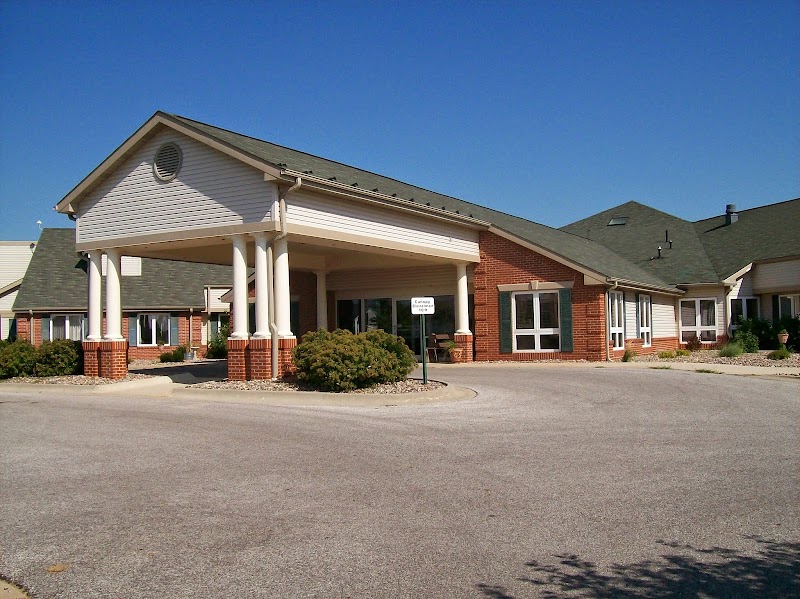
How is Atlantic Specialty Care Staffed?
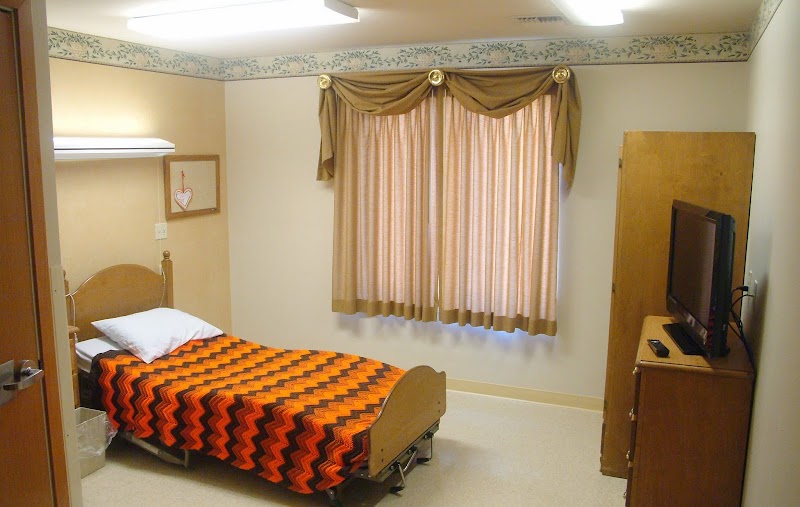
CMS rates Atlantic Specialty Care's staffing level at 4 out of 5 stars, which is above average compared to other nursing homes. Staff turnover is 40%, compared to the Iowa average of 46%. This relatively stable workforce can support continuity of care.

What Have Inspectors Found at Atlantic Specialty Care?

State health inspectors documented 54 deficiencies at Atlantic Specialty Care during 2023 to 2025. These included: 54 with potential for harm. While no single deficiency reached the most serious levels, the total volume warrants attention from prospective families.

Who Owns and Operates Atlantic Specialty Care?

Atlantic Specialty Care is owned by a for-profit company. For-profit facilities operate as businesses with obligations to shareholders or private owners. The facility is operated by CARE INITIATIVES, a chain that manages multiple nursing homes. With 90 certified beds and approximately 61 residents (about 68% occupancy), it is a smaller facility located in Atlantic, Iowa.

How Does Atlantic Specialty Care Compare to Other Iowa Nursing Homes?

Compared to the 100 nursing homes in Iowa, Atlantic Specialty Care's overall rating (2 stars) is below the state average of 3.0, staff turnover (40%) is near the state average of 46%, and health inspection rating (2 stars) is below the national benchmark.

What Should Families Ask When Visiting Atlantic Specialty Care?

Based on this facility's data, families visiting should ask: "Can I visit during a mealtime to observe dining assistance and food quality?" "How do you handle medical emergencies, and what is your hospital transfer rate?" "Can I speak with family members of current residents about their experience?"

Is Atlantic Specialty Care Safe?

Based on CMS inspection data, Atlantic Specialty Care has a clean safety record: no substantiated abuse findings (meaning no confirmed cases of resident harm), no Immediate Jeopardy citations (the most serious violation level indicating risk of serious injury or death), and is not on the Special Focus Facility watch list (a federal program monitoring the lowest-performing 1% of nursing homes). The facility has a 2-star overall rating and ranks #100 of 100 nursing homes in Iowa. While no facility is perfect, families should still ask about staff-to-resident ratios and recent inspection results during their visit.

Do Nurses at Atlantic Specialty Care Stick Around?

Atlantic Specialty Care has a staff turnover rate of 40%, which is about average for Iowa nursing homes (state average: 46%). Moderate turnover is common in nursing homes, but families should still ask about staff tenure and how the facility maintains care continuity when employees leave.

Was Atlantic Specialty Care Ever Fined?

Atlantic Specialty Care has no federal fines on record. CMS issues fines when nursing homes fail to meet care standards or don't correct problems found during inspections. The absence of fines suggests the facility has either maintained compliance or corrected any issues before penalties were assessed. This is a positive indicator, though families should still review recent inspection reports for the full picture.

Is Atlantic Specialty Care on Any Federal Watch List?

Atlantic Specialty Care is not on any federal watch list. The most significant is the Special Focus Facility (SFF) program, which identifies the bottom 1% of nursing homes nationally based on persistent, serious quality problems. Not being on this list means the facility has avoided the pattern of deficiencies that triggers enhanced federal oversight. This is a positive indicator, though families should still review the facility's inspection history directly.