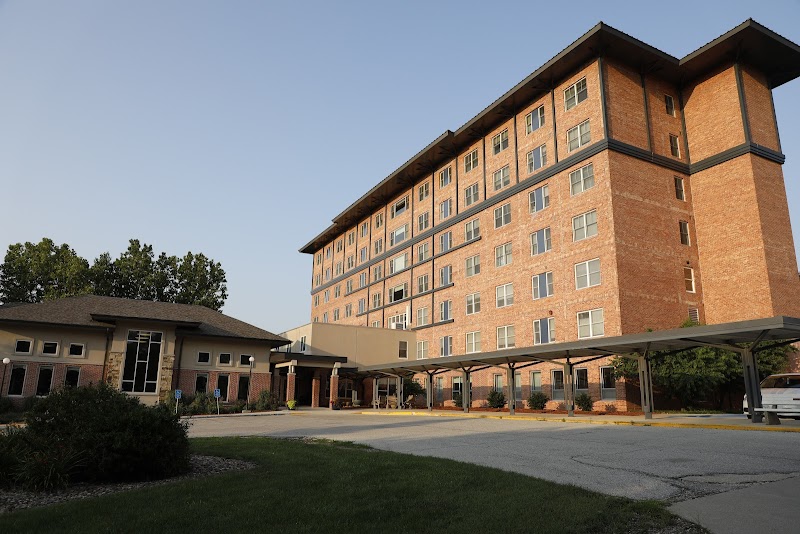
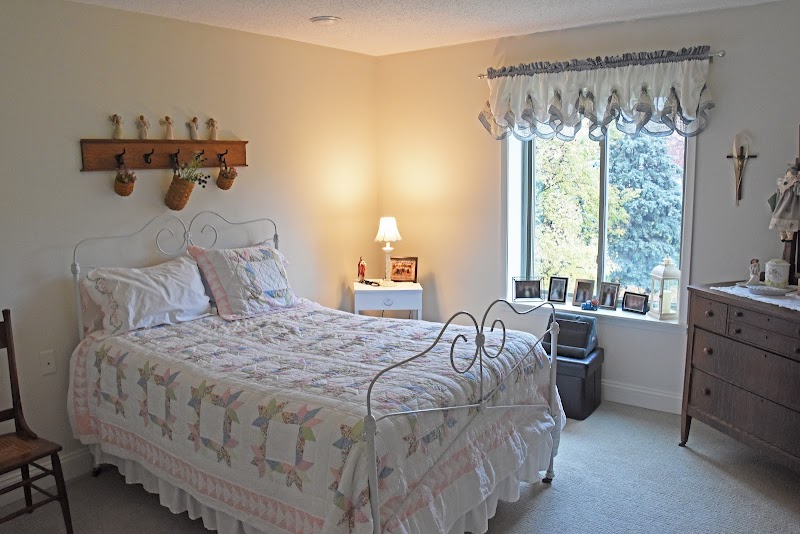
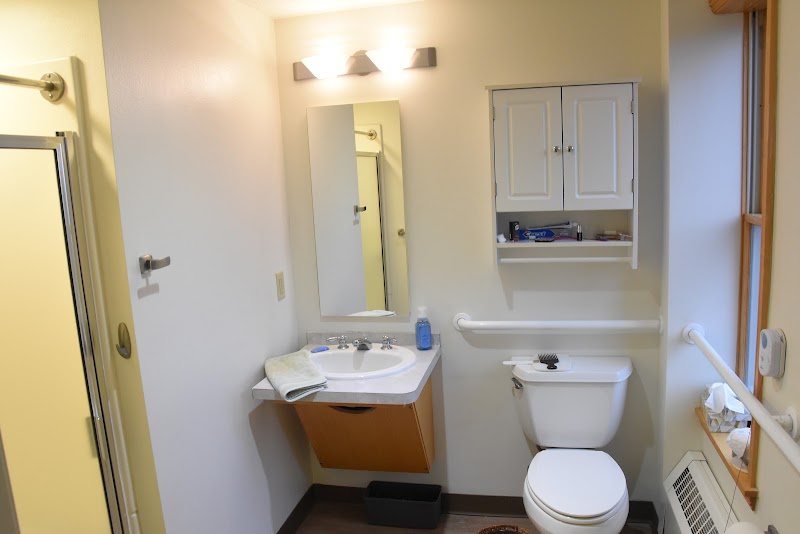
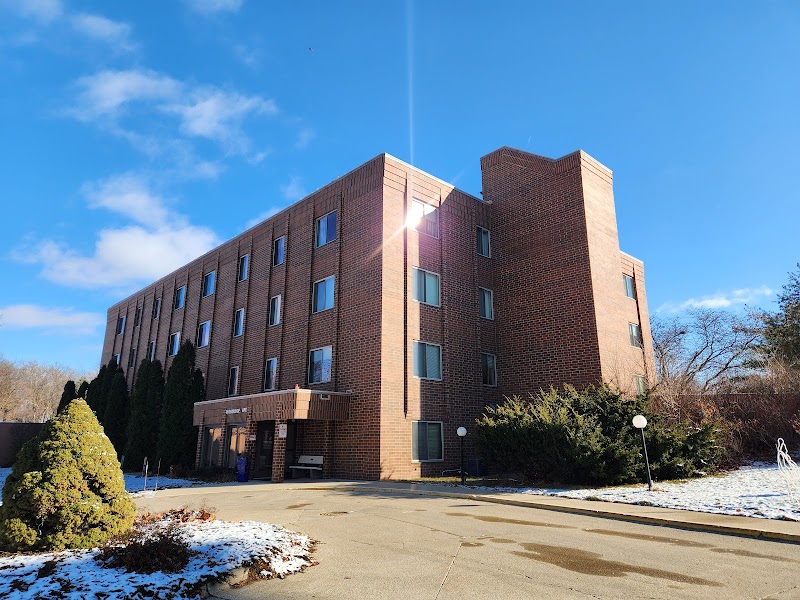
Heritage House

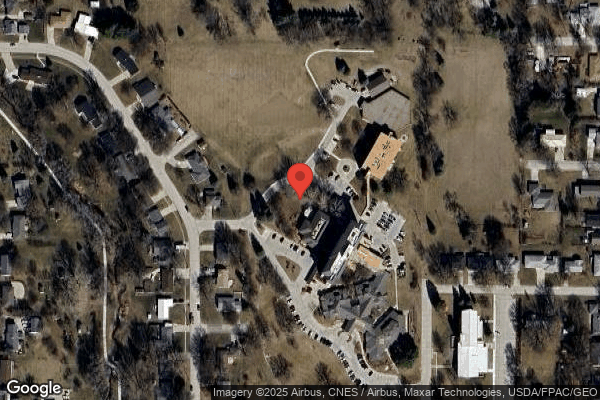
1200 Brookridge Circle, Atlantic, IA 50022 (712) 243-1850
Non profit - Corporation 61 Beds WESLEYLIFE Data: November 2025
Trust Grade
90/100
#36 of 392 in IA
Last Inspection: October 2024

Within standard 12-15 month inspection cycle. Federal law requires annual inspections.

Overview

Heritage House in Atlantic, Iowa has earned an impressive Trust Grade of A, indicating excellent quality and a strong recommendation for families considering this nursing home. The facility ranks #36 out of 392 statewide, placing it in the top half of Iowa facilities, and is #1 out of 3 in Cass County, meaning it is the best local option. The trend is improving, with issues decreasing from 7 in 2023 to none in 2024, showcasing a commitment to better care. Staffing here is rated 5 out of 5 stars, though turnover is around 47%, which is average for the state, indicating that while some staff may leave, many remain to provide continuity of care. Notably, there have been no fines recorded, which is a good sign, and RN coverage is average, meaning residents receive appropriate care but may not have the highest level of nursing oversight. However, there are some concerns to consider. Recent inspections identified issues such as a failure to maintain a clean environment, with stained carpets in hallways, and problems with food preparation, including improper serving sizes and unclean kitchen conditions. Specifically, some residents received incorrect portion sizes during meals, and the kitchen was found to have debris and unsanitary storage practices. While the facility has strong points, families should weigh these concerns carefully when making their decision.

Trust Score
A
90/100
In Iowa
#36/392
Top 9%
Safety Record
Low Risk
No red flags
Inspections
Getting Better
7 → 0 violations
Staff Stability
⚠ Watch
47% turnover. Above average. Higher turnover means staff may not know residents' routines.
Penalties
✓ Good
No fines on record. Clean compliance history, better than most Iowa facilities.
Skilled Nurses
✓ Good
Each resident gets 44 minutes of Registered Nurse (RN) attention daily — more than average for Iowa. RNs are trained to catch health problems early.
Violations
○ Average
10 deficiencies on record. Average for a facility this size. Mostly minor or procedural issues.
★★★★★
5.0
Overall Rating
★★★★★
5.0
Staff Levels
★★★★☆
4.0
Care Quality
★★★★☆
4.0
Inspection Score
Stable
2023: 7 issues
2024: 0 issues

The Good

  • 5-Star Staffing Rating · Excellent nurse staffing levels
  • 4-Star Quality Measures · Strong clinical quality outcomes
  • Full Sprinkler Coverage · Fire safety systems throughout facility
  • No fines on record

Facility shows strength in staffing levels, quality measures, fire safety.

The Bad

Staff Turnover: 47%

Near Iowa avg (46%)

Higher turnover may affect care consistency

Chain: WESLEYLIFE

Part of a multi-facility chain

Ask about local staffing decisions and management

The Ugly 10 deficiencies on record

Aug 2023 7 deficiencies
CONCERN (D)

Potential for Harm - no one hurt, but risky conditions existed

Deficiency F0582 (Tag F0582)

Could have caused harm · This affected 1 resident

**NOTE- TERMS IN BRACKETS HAVE BEEN EDITED TO PROTECT CONFIDENTIALITY** Based on clinical record review and staff interview, the facility failed to notify a resident of charges for services provided f...

Read full inspector narrative →
**NOTE- TERMS IN BRACKETS HAVE BEEN EDITED TO PROTECT CONFIDENTIALITY** Based on clinical record review and staff interview, the facility failed to notify a resident of charges for services provided for 1 of 3 residents reviewed (Resident #49). The facility reported a census of 56 residents. Findings include: The admission Minimum Data Set (MDS) dated [DATE] documented an admission date of 3/27/23 for Resident #49. The MDS further documented a Brief Interview for Mental Status (BIMS) score of 14 out of 15 indicating intact cognition for decision making. Review of Resident #49's clinical record revealed the facility did not provide a documented advance notice for Medicare coverage end of stay. During an interview on 8/09/23 at 1:20pm, the Social Services Director acknowledged documentation regarding the cost of stay at the facility had not been completed on Resident 49's paperwork as expected.
CONCERN (D)

Potential for Harm - no one hurt, but risky conditions existed

Assessment Accuracy (Tag F0641)

Could have caused harm · This affected 1 resident

**NOTE- TERMS IN BRACKETS HAVE BEEN EDITED TO PROTECT CONFIDENTIALITY** Based on clinical record review, resident interview and staff interviews the facility failed to represent an accurate assessment...

Read full inspector narrative →
**NOTE- TERMS IN BRACKETS HAVE BEEN EDITED TO PROTECT CONFIDENTIALITY** Based on clinical record review, resident interview and staff interviews the facility failed to represent an accurate assessment of the resident's status during the observation period of the Minimum Data Set (MDS) by not accurately recording diagnosis to 1 of 8 residents reviewed (Resident #26). The facility reported a census of 56 residents. Finding include: The MDS dated [DATE] documented Resident #26 had a Brief Interview of Mental Status (BIMS) of 15 out of 15 indicating no cognitive impairment. The MDS revealed documentation that dialysis was performed while a resident of the facility in the last 14 days. On 8/8/23 at 10:16 AM Resident #26 stated that he is not and never has been on dialysis. Record review of the Care Plan's dated 5/12/23 and 6/27/23 revealed no Care Plan for dialysis. Review of the Progress Notes for the months of May and June 2023 revealed no documentation of dialysis treatment. Review of electronic records titled Assessments for the months of May and June 2023 revealed no documentation of dialysis treatment. On 8/9/23 at 12:03 PM Staff D Registered Nurse (RN) / MDS Coordinator, stated Resident #26 was on hospice and not dialysis. Staff D stated she entered the wrong check box and the resident had never been on dialysis. Staff D stated the facility currently did not have anyone on dialysis at the facility. Staff D stated the facility's expectation was that MDS would have been correctly filled out to reflect an accurate picture of Resident #26's health status. Staff D stated Resident #26 was a hospice patient and that should have been the box that was filled in on MDS. On 8/10/23 at 4:00 PM the DON stated the facility's expectation is the comprehensive assessment would have been correctly completed on the MDS. The DON stated the facility has no policy on completing a comprehensive assessment for the MDS. The DON stated the facility follows the Resident Assessment Instrument (RAI) manual for MDS documentation.
CONCERN (D)

Potential for Harm - no one hurt, but risky conditions existed

Comprehensive Care Plan (Tag F0656)

Could have caused harm · This affected 1 resident

**NOTE- TERMS IN BRACKETS HAVE BEEN EDITED TO PROTECT CONFIDENTIALITY** Based on observations, clinical record review and staff interviews the facility failed to implement the care plan for transfers ...

Read full inspector narrative →
**NOTE- TERMS IN BRACKETS HAVE BEEN EDITED TO PROTECT CONFIDENTIALITY** Based on observations, clinical record review and staff interviews the facility failed to implement the care plan for transfers for 1 of 8 residents reviewed (Resident #20). The facility reported a census of 56 residents. Finding include: The Minimum Data Set (MDS) dated [DATE] for Resident #20 documented the resident as severely impaired for cognitive skills. The MDS documented the resident required extensive assist of one person for bed mobility, transfers, dressing, and toileting. The Care Plan dated 6/8/23 for Resident #20 documented the resident as assist of one for pivot transfers to/from wheelchair. On 8/9/23 at 9:10 AM observed Staff E Certified Nursing Assistant (CNA) transfer Resident #20 without a gait belt. Staff E completed the transfer to the recliner while Resident #20's bedroom door was open. Staff F entered Resident #20 room and told Staff E of gait belt expectations with transfers. On 8/9/23 at 9:15 AM Staff F RN, stated the Staff E is a CNA with hospice. Staff F stated it was her expectation that all residents that are an assistance of one with transfers require a gait belt to be utilized. Staff F stated Resident #20 is an assist of one. On 8/9/23 at 9:42 AM Staff E stated that she had a gait belt in her car and that application of the gait belt slipped her mind. Staff E stated she knew Resident #20 required a gait belt for transfers. She stated she transferred Resident #20 by hugging the body and didn't think it caused Resident #20 any pain. Staff E stated Resident #20 would have let her know if she was in pain and the resident is vocal and did not vocalize any pain. On 8/9/23 at 4:43 PM the DON stated the facility's expectation is to follow the care plan for transfers and that all transfers with one assist require a gait belt be utilized. Review of policy titled Transfer Techniques with copyright date of 2023 provided by DON revealed: a. The purpose was to transfer the resident from bed to chair, toilet or tub safely. b. Have the resident sit on the edge of bed with feet uncrossed and resting on the floor. He/She may use this opportunity to practice sitting balance. Put on a gait belt and shoes. c. The procedure is reversed for transferring the resident from the wheelchair back to bed.
CONCERN (D)

Potential for Harm - no one hurt, but risky conditions existed

Deficiency F0801 (Tag F0801)

Could have caused harm · This affected 1 resident

Based on document review and staff interview the facility failed to employ sufficient staff with the appropriate competencies and skills sets to carry out the functions of the food and nutrition servi...

Read full inspector narrative →
Based on document review and staff interview the facility failed to employ sufficient staff with the appropriate competencies and skills sets to carry out the functions of the food and nutrition service by not having a certified dietary manager for 56 of 56 residents. The facility reported a census of 56 residents. Findings include: On 8/7/23 at 1:30 PM, a request for documentation from the Executive Director of qualifications for dietary manager revealed no certification or documentation. On 8/9/23 at 4:00 PM the Executive Director stated they are actively recruiting a candidate for the Certified Dietary Manager. She stated the current Dietary Supervisor has been in the management role for one year but is not a certified food service manager, does not have a national certification for food service management and safety from a national certifying body, does not have an associate's or higher degree in food service management or in hospitality, and does not have 2 or more years of experience in the position of director of food and nutrition services in a nursing facility setting.
CONCERN (E) 📢 Someone Reported This

A family member, employee, or ombudsman was alarmed enough to file a formal complaint

Potential for Harm - no one hurt, but risky conditions existed

Safe Environment (Tag F0584)

Could have caused harm · This affected multiple residents

Based on observation, staff interviews, and facility policy review, the facility failed to maintain a clean environment throughout the length of resident room accessed hallways, when multiple stains w...

Read full inspector narrative →
Based on observation, staff interviews, and facility policy review, the facility failed to maintain a clean environment throughout the length of resident room accessed hallways, when multiple stains were observed on 1 out of 3 that accessed resident rooms. The facility reported a census of 56 residents. Findings include: On 8/7/23 at 11:00 AM observation of the carpeted hallway A used by residents and visitors revealed excessive stains of various sizes and colors. On 8/7/23 at 1:40 PM in an interview with the Executive Director, he reported the Maintenance Department Supervisor was out of the facility. Facility policy for Floor care was requested but not provided for a review. During an interview on 8/8/23 at 9:50 AM Staff A confirmed carpets were stained and such conditions would have to be reported to the Maintenance Department who then would either shampoo the carpets or replace the stained areas with new carpet squares. On 8/10/23 at 9:00 AM in an interview with the Director of Nursing, she acknowledged that carpets were stained. In an interview on 8/10/23 at 10:30 AM, Staff B stated she was often assigned to work on hallway A but didn't realize the carpets were stained this bad. She further revealed housekeeping provides spot cleaning with shampooing and staff can call directly to the Maintenance department using the landline phone available to staff to report housekeeping issues.
CONCERN (E)

Potential for Harm - no one hurt, but risky conditions existed

Deficiency F0800 (Tag F0800)

Could have caused harm · This affected multiple residents

Based on observation, staff interview, and document review and a facility policy review, the facility failed to provide a well balanced diet that meets nutritional and special dietary needs by use of ...

Read full inspector narrative →
Based on observation, staff interview, and document review and a facility policy review, the facility failed to provide a well balanced diet that meets nutritional and special dietary needs by use of incorrect serving size portions for meals for 4 of 56 residents reviewed. The facility reported a census of 56 residents. Findings include: During a continuous observation on 8/9/23 from 11:00 AM through 12:00 PM Staff C, Chef served lunch. Observed mechanical soft diets served to 4 out of 56 residents. While serving mechanical soft meat, portion scoop not utilized. Staff C tilted the meat container towards each plate and used a spoon to push off the meat onto each plate. Observed first 3 plates to have larger meat portions and the 4th plate received a smaller portion. A review of menu document provided by Staff C on 8/9/23 at 1:30 PM, signed by a Registered Dietician (RD), revealed scoop #8, 4-5 oz, was to be used for measuring mechanical soft meat. Staff C acknowledged he didn't follow the appropriate serving size portion for special diets during lunch service. A review of the facility provided document on 8/10/23 at 9:00 AM, titled Beverage Services Standard Manual, undated, included sections for Therapeutic Diets and Special Diets for staff to follow.
CONCERN (E)

Potential for Harm - no one hurt, but risky conditions existed

Food Safety (Tag F0812)

Could have caused harm · This affected multiple residents

Based on observations, staff interviews, and document review, the facility failed to store and prepare food in accordance with professional standards for 56 of 56 residents. Resident food had not been...

Read full inspector narrative →
Based on observations, staff interviews, and document review, the facility failed to store and prepare food in accordance with professional standards for 56 of 56 residents. Resident food had not been prepared under sanitary conditions and with clean sanitary equipment. The facility reported a census of 56 residents. Findings include: On 8/7/23 from 10:00 AM-11:00 AM continuous observation during the initial primary kitchen tour revealed the following: 1. The upright stainless steel refrigerator/freezer unit located near cooking equipment revealed the refrigerator unit had a soaked hand towel inside on the bottom portion to absorb excess water leaking on the left side of the unit. Debris noted on the bottom of the fridge. Container #1 with a gravy-like substance, labeled but the label was unreadable. In the freezer unit, Containers #2, #3, #4, #5 not labeled, overfilled with frozen food items, lids not sealed tight. Container #6, #7 not labeled, missing lids, food exposed to air. A buildup of debris noted on the bottom of the freezer. The 2-compartment industrial oil deep fryer Vulcan brand had a buildup of brown substance across the entire surface above the oil levels, including the front and sides of the stainless steel stand. Oil inside of both compartments had a deep brown color appearance and several dark brown french fries floated at the surface along with other hard to identify food pieces. To the right of the deep fryers, a countertop griddle had a buildup of brown substance throughout the entire surface, including the backsplash and the sides. Sides of the griddle were covered in yellow-brown substance with accumulation of debris. To the right of the griddle, a countertop charbroiler had a buildup of black substance between the grates along with other debris, covering the entire surface. The backsplash was covered with brown substance. Lids used for griddle cooking were placed directly on top of the grates along with other food storage containers. To the right of the charbroiler, a gas range grates had a buildup of dark brown substance, including debris. Individual control knobs on all these pieces of equipment had visible buildup of unknown substances. The stainless steel wall behind all 4 pieces of equipment had multiple brown and gray colored splashes. Some areas on hood vents above 4 pieces of equipment displayed an extensive amount of yellow to dark brown buildup substance. The tile floor underneath the equipment was covered with layers of debris, including 1 visibly wet puddle of unknown substance about 3 inches in diameter between the gas range and the charbroiler. Opposite of the equipment, the food preparation counter had a plastic brown tray sitting with an eclectic toaster on it with a buildup of visible dry crumb like substance around the entire tray. A shelf below the counter stored 2 containers with dry breakfast cereal. Container #1 had no label and had a plastic cup/scooper inside directly resting on the cereal. Container #2 labeled 3/13/23 and had a plastic cup/scooper inside directly resting on the cereal. Tile floor underneath the food preparation counter had a buildup of debris. Tile floor underneath the ice machine near the food preparation counter had a buildup of debris, drain underneath the ice machine had a visible accumulation of debris. An exit door by the ice machine displayed a buildup of black substance around high-use areas: above, below and at the door handle sites. Five waste bins located throughout the kitchen were not covered with lids. 2. Observation of the dry food storage area revealed the following: a. Debris on the floor that had not been swept up. b. Partially used prune juice box stored on the floor and Honey graham crackers box stored on the floor in front of the door, to keep it open. c. Natural Cocoa Powder box labeled opened 2/7, unsealed bag, open to the air. d. Tortillas bag unopened, expired on 11/20/22. 3. Observation of the main freezer storage revealed several boxes stacked and stored on the floor surface, including the following: a. 1 box of ready-to-eat dinner rolls unsealed, unlabeled, exposed to air. b. 1 box of breaded mozzarella sticks unsealed, unlabeled, open to air. c. 1 bag loosely packed, with dinner rolls, opened, unlabeled. d. 1 box of ground beef patties, unlabeled, exposed to air. e. 1 box of choc. chunks frozen cookies, unlabeled, exposed to air. f. 1 box of chicken crispy filets, unsealed, unlabeled, exposed to air. g. 1 box of chicken breast strips, unsealed, unlabeled. h. 1 box of sweet desserts, unsealed, undated, open to air. 4. Observation of the main refrigerator storage revealed a couple of butter packets, several onion peels and other debris scattered throughout the floor surface. 5. During a continuous observation on 8/9/23 from 11:00 AM through 12:00 PM Staff C, Chef served a lunch meal to 56 residents. Staff C put on a pair of gloves. He proceeded to check the temperature of the cold salad, he picked up a pen and documented in the temperature log, he dipped his gloved hands in the sanitizing bucket and wiped the thermometer with the towel located inside the bucket. He repeated the same steps while obtaining hot food temperatures, without changing his gloves or/and washing his hands. He touched the meat with the same pair of gloves while removing bones from ribs for 14 plates out of 56. He wiped his gloved hands midway through the service on a towel from a sanitizing bucket, located nearby. Moments prior, another staff member used the same towel to clean the counter top where Staff C was dishing up lunch plates. Staff C did not have a hair net on or a cover. Three other staff members in the kitchen did not have a hair net, only a hat. In an interview with the Food and Beverage Supervisor on 8/9/23 at 10:30 AM, she acknowledged food was not stored properly and cleaning schedules had not been followed. In an interview with Staff C on 8/9/23 at 1:30 PM, he acknowledged that he didn't prepare food in accordance with professional standards. He further stated he didn't realize he needed to have a head cover since he kept his hair shaved. In an interview with the Food and Beverage Supervisor on 8/9/23 at 1:35 PM, she stated that an alcohol wipe to be used for cleaning the food thermometer between each food item checked and a baseball cap was acceptable to be worn by staff if hair does not extend past ears. She reported in an interview on 8/10/23 at 3:40 PM the Executive Director stated his expectation was for everyone to wear a hair net prior to entering the kitchen area. A review of the facility provided document on 8/11/23 at 9:00 AM, titled Food and Beverage Services Standard Manual, undated, documented Sanitation Expectations, including hand washing and general cleaning, and Food Safety Expectations, including food labeling, glove use, and storage handling for staff to follow. A review of the facility provided document on 8/11/23 at 9:00 AM, titled Hair Net Policy, last approved 7/2022, documented hair nets must be on prior to entering the kitchen areas and those with shaved heads and if in the kitchen, may wear an approved hat.
May 2022 3 deficiencies
CONCERN (D)

Potential for Harm - no one hurt, but risky conditions existed

Report Alleged Abuse (Tag F0609)

Could have caused harm · This affected 1 resident

**NOTE- TERMS IN BRACKETS HAVE BEEN EDITED TO PROTECT CONFIDENTIALITY** Based on interviews with staff and residents and record review, the facility failed to report allegations of abuse to the Depart...

Read full inspector narrative →
**NOTE- TERMS IN BRACKETS HAVE BEEN EDITED TO PROTECT CONFIDENTIALITY** Based on interviews with staff and residents and record review, the facility failed to report allegations of abuse to the Department of Inspections and Appeals (DIA) to determine if further investigation was needed as required for 2 of 15 residents reviewed (Resident #222 and Resident #333). The facility reported a census of 53 residents. Findings include: 1. According to Minimum Data Set (MDS) dated [DATE] Resident #222 had a Brief Interview for Mental Status (BIMS) test score of 15/15 points (intact cognitive abilities) and required extensive assist of one staff for bed mobility, transfers, toilet use, and personal hygiene. A facility investigation report showed that on 5/15/21, Resident #222 told a certified nursing assistant (CNA) she didn't want the big guy to take care of her. She added that she received a skin tear when he was taking care of her. The facility's investigation revealed Staff B, CNA cared for the resident on 5/8/21 and she had also sustained a skin tear on that date. Staff B stated that the resident's call light sounded repeatedly all evening long because she held it in her hand. As a result, he told the Director of Nursing (DON) he attached the call light to the side rail. He reported the resident later got her arm tangled in the cord reaching for the light and she sustained a skin tear injury. The resident reported to the DON that she didn't want Staff B to take care of her because he was so big and scared her. The DON recommended that Staff B bring another staff member into the room with him when caring for Resident #222 in the future. 2. According the MDS dated [DATE], Resident #333 scored 12 of 15 possible points on the BIMS test, which meant the resident displayed moderate cognitive deficits. The MDS documented the resident required extensive assist of 1 staff with transfers, walking, toilet use, and personal hygiene. The care plan updated on 7/2/21 identified Resident #333 had diagnoses that included altered mental status, anxiety disorder, and insomnia. A facility investigation report documented on 5/15/21 Resident #333 made a comment that the big guy pushed her face into a pillow to go back to sleep. The administrator interviewed the resident and nurse on duty that evening. The nurse reported the resident did not have any abnormal behaviors that night, but did display more confusion than her usual. The resident told the administrator that she felt safe at the nursing home, so the administrator determined the situation was not abuse and did not need to be reported to DIA. On 5/12/22 at 9:39 AM, the DON said that the allegations against Staff B were not reported to DIA because they thought if they investigated and did not think abuse had occurred, they did not need to submit a report.
CONCERN (D)

Potential for Harm - no one hurt, but risky conditions existed

Deficiency F0657 (Tag F0657)

Could have caused harm · This affected 1 resident

**NOTE- TERMS IN BRACKETS HAVE BEEN EDITED TO PROTECT CONFIDENTIALITY** 2. An MDS dated [DATE] documented Resident #1 had diagnoses that included morbid obesity, arthritis, and peripheral venous insuf...

Read full inspector narrative →
**NOTE- TERMS IN BRACKETS HAVE BEEN EDITED TO PROTECT CONFIDENTIALITY** 2. An MDS dated [DATE] documented Resident #1 had diagnoses that included morbid obesity, arthritis, and peripheral venous insufficiency. The MDS also documented Resident #1 scored 15 of 15 possible points on the BIMS test (intact cognitive abilities). The MDS identified Resident #1 required extensive assistance for bed mobility and toilet use. The care plan revised on [DATE] documented Resident #1 had a potential for functional bladder incontinence related to weakness from morbid obesity, rheumatoid arthritis, and history of urinary tract infections. The care plan included a goal to minimize/prevent septicemia, but failed to address the resident's bed pan use. During an interview on [DATE] at 1:30 PM, Resident #1 reported she used the bed pan during the night per her choice as it is easier for her than getting out of bed and walking to the bathroom During an interview [DATE] at 12:10 PM, Staff A, MDS Coordinator verified the care plan lacked information regarding the resident's choice to use a bed pan during the night. 3) According to the MDS dated [DATE], Resident #26 had a Brief Interview for Mental Status (BIMS) score of 14, which meant that the resident demonstrated intact cognitive abilities. The care plan dated [DATE], documented the resident's advanced directive wishes included a Do Not Resuscitate (DNR) order in the event of cardiac arrest. According to a Code Status Request from signed by the physician on [DATE] at 8:37 AM, Resident #26 wanted staff to provide cardiopulmonary resuscitation (CPR) in case she went into cardiac arrest (no respirations and no pulse). The face page in the electronic chart identified Resident #26's CPR wishes as FULL CODE. During an interview on [DATE] at 5:34 PM, the director of nursing reported the facility's standard of practice is that the appropriately trained clinical staff follow the current plan of care, which is driven by MDS assessment process facilitated by the interdisciplinary team. Based on record review and staff interview the facility failed to update residents' care plans to reflect changes in their status for 3 of 15 residents reviewed (Residents #15, #23, and #26). The facility reported a census of 53 residents. Findings include: 1. The Minimum Data Set (MDS) assessment tool dated [DATE], Resident #15 had diagnoses that included non-Alzheimer's dementia and cerebral palsy. The MDS revealed the resident scored 3 of 15 possible points on the Brief Interview for Mental Status (BIMS) test, which meant the resident demonstrated severely impaired cognitive abilities. A Code Status Request form dated [DATE] documented Resident #15 requested Full Code Status, which indicated staff WOULD provide cardiopulmonary resuscitation in the event the resident's respirations and pulse were to cease. Resident #15's IPOST (Iowa Physician Orders for Scope of Treatment) signed by the physician on [DATE], documented DNR/ Do Not Attempt Resuscitation, which indicated staff WOULD NOT provide cardiopulmonary resuscitation in the event the resident's respirations and pulse were to cease. The care plan revised [DATE] documented Resident #15's CPR wishes as Full Code. During an interview on 5/12122 at 4:00 PM, the Director of Nursing (DON) reported she expected staff to keep care plans current including revisions to residents' code statuses as needed.
CONCERN (D)

Potential for Harm - no one hurt, but risky conditions existed

Deficiency F0725 (Tag F0725)

Could have caused harm · This affected 1 resident

**NOTE- TERMS IN BRACKETS HAVE BEEN EDITED TO PROTECT CONFIDENTIALITY** Based on resident interviews and record review, the facility failed to ensure staff responded to and answered residents' call li...

Read full inspector narrative →
**NOTE- TERMS IN BRACKETS HAVE BEEN EDITED TO PROTECT CONFIDENTIALITY** Based on resident interviews and record review, the facility failed to ensure staff responded to and answered residents' call lights in a timely manner (within 15 minutes) to meet each resident's needs for 2 of 9 resident's reviewed (Residents #1 and #23). The facility reported a census of 53 residents. Findings include: 1. The Minimum Data Set (MDS) assessment tool dated 3/3/22 documented Resident #23 had diagnoses that included right and left foot drop, osteoporosis and macular degeneration. The MDS revealed Resident #1 scored 15 of 15 possible points on the Brief Interview for Mental Status (BIMS) test which meant the resident demonstrated intact memory and cognitive abilities. The MDS indicated Resident #1 required extensive assistance with transfers, dressing, toilet use, and personal hygiene. Resident #1's care plan revised on 3/16/22 identified she demonstrated a self-care performance deficit and admitted to hospice on 12/10/21. The care plan revealed the resident would allow staff assist with activities of daily living to increase her comfort. During an interview on 05/09/22 at 1:20 PM, Resident #23 stated she woke up this morning at 8:30 a.m. and activated her call light, which staff did not come to assist her until 9:30 a.m. Resident #23 reported staff told her it took so long because there was only 1 person that could help her. A Device Activity Report (call light record) dated 4/1/22 - 5/12/22 revealed the following call light response times for Resident #23: a. 15-20 minutes = 20 b. 21-25 minutes = 7 c. 26-34 minutes= 9 d. 35-45 minutes = 3 2. The MDS dated [DATE] documented Resident #1 had diagnoses that included morbid obesity, arthritis, and peripheral venous insufficiency. The MDS documented Resident #1 had a BIMS of 15 and required extensive assistance for bed mobility and toilet use. The care plan revised 6/2/21 documented Resident #1 had a potential for functional bladder incontinence related to weakness from morbid obesity, rheumatoid arthritis, and history of urinary tract infections. The care plan included a goal: the risk for septicemia will be minimized/prevented. During an interview 5/11/22 at 1:30 PM, Resident #1 reported she had to wait 45 minutes during the night for staff to answer her call light when she needed to use the bed pan and commented she was surprised she didn't have an accident. Resident #1 stated a new staff member reported it took so long for her to answer Resident #1's call light because she did not have a pager alerting her when the residents activated their call lights. Resident #1 revealed she had to increase her fluids because she had been having symptoms of a urinary tract infection and added she timed call lights using the clock located on her nightstand. A Device Activity Report (call light record) dated 4/1/22 - 5/12/22 revealed the following call light response times for Resident #1 and their roommate: a. 15-20 minutes = 9 b. 21-25 minutes = 4 c. 26-34 minutes= 2 d. 35-45 minutes = 2 e. 46-55 minutes =1 During an interview 5/12/22 at 1:15 PM the Director of Nursing revealed she expected staff to answer call lights in a timely manner, but was unable to give a specific time frame.
Understanding Severity Codes (click to expand)
Life-Threatening (Immediate Jeopardy)
J - Isolated K - Pattern L - Widespread
Actual Harm
G - Isolated H - Pattern I - Widespread
Potential for Harm
D - Isolated E - Pattern F - Widespread
No Harm (Minor)
A - Isolated B - Pattern C - Widespread

Questions to Ask on Your Visit

  • "Can I speak with families of current residents?"
  • "What's your RN coverage like on weekends and overnight?"

Our Honest Assessment

Strengths
  • • Grade A (90/100). Above average facility, better than most options in Iowa.
  • • No major safety red flags. No abuse findings, life-threatening violations, or SFF status.
  • • No fines on record. Clean compliance history, better than most Iowa facilities.
Concerns
  • • No significant concerns identified. This facility shows no red flags across CMS ratings, staff turnover, or federal penalties.
Bottom line: Generally positive indicators. Standard due diligence and a personal visit recommended.

About This Facility

What is Heritage House's CMS Rating?

CMS assigns Heritage House an overall rating of 5 out of 5 stars, which is considered much above average nationally. Within Iowa, this rating places the facility higher than 99% of the state's 100 nursing homes. This rating reflects solid performance across the metrics CMS uses to evaluate nursing home quality.

How is Heritage House Staffed?

CMS rates Heritage House's staffing level at 5 out of 5 stars, which is much above average compared to other nursing homes. Staff turnover is 47%, compared to the Iowa average of 46%.

What Have Inspectors Found at Heritage House?

State health inspectors documented 10 deficiencies at Heritage House during 2022 to 2023. These included: 10 with potential for harm.

Who Owns and Operates Heritage House?

Heritage House is owned by a non-profit organization. Non-profit facilities reinvest revenue into operations rather than distributing to shareholders. The facility is operated by WESLEYLIFE, a chain that manages multiple nursing homes. With 61 certified beds and approximately 53 residents (about 87% occupancy), it is a smaller facility located in Atlantic, Iowa.

How Does Heritage House Compare to Other Iowa Nursing Homes?

Compared to the 100 nursing homes in Iowa, Heritage House's overall rating (5 stars) is above the state average of 3.1, staff turnover (47%) is near the state average of 46%, and health inspection rating (4 stars) is above the national benchmark.

What Should Families Ask When Visiting Heritage House?

Based on this facility's data, families visiting should ask: "Can I visit during a mealtime to observe dining assistance and food quality?" "How do you handle medical emergencies, and what is your hospital transfer rate?" "Can I speak with family members of current residents about their experience?"

Is Heritage House Safe?

Based on CMS inspection data, Heritage House has a clean safety record: no substantiated abuse findings (meaning no confirmed cases of resident harm), no Immediate Jeopardy citations (the most serious violation level indicating risk of serious injury or death), and is not on the Special Focus Facility watch list (a federal program monitoring the lowest-performing 1% of nursing homes). The facility has a 5-star overall rating and ranks #1 of 100 nursing homes in Iowa. While no facility is perfect, families should still ask about staff-to-resident ratios and recent inspection results during their visit.

Do Nurses at Heritage House Stick Around?

Heritage House has a staff turnover rate of 47%, which is about average for Iowa nursing homes (state average: 46%). Moderate turnover is common in nursing homes, but families should still ask about staff tenure and how the facility maintains care continuity when employees leave.

Was Heritage House Ever Fined?

Heritage House has no federal fines on record. CMS issues fines when nursing homes fail to meet care standards or don't correct problems found during inspections. The absence of fines suggests the facility has either maintained compliance or corrected any issues before penalties were assessed. This is a positive indicator, though families should still review recent inspection reports for the full picture.

Is Heritage House on Any Federal Watch List?

Heritage House is not on any federal watch list. The most significant is the Special Focus Facility (SFF) program, which identifies the bottom 1% of nursing homes nationally based on persistent, serious quality problems. Not being on this list means the facility has avoided the pattern of deficiencies that triggers enhanced federal oversight. This is a positive indicator, though families should still review the facility's inspection history directly.