Valley Vue Care Center
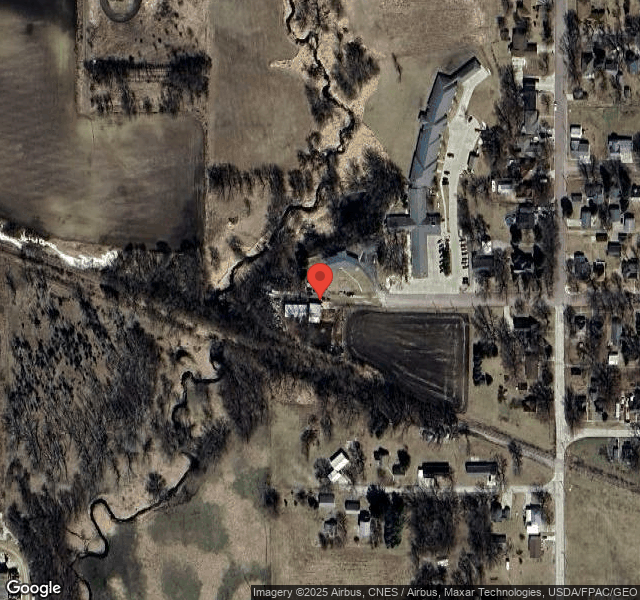
108 SECOND AVE, ARMSTRONG, IA 50514 (712) 864-3567
For profit - Corporation 40 Beds LEGACY HEALTHCARE Data: November 2025 1 Immediate Jeopardy citation
Trust Grade
69/100
#159 of 392 in IA
Last Inspection: February 2025

Within standard 12-15 month inspection cycle. Federal law requires annual inspections.

Overview

Valley Vue Care Center has a Trust Grade of C+, indicating it is decent and slightly above average compared to other facilities. It ranks #159 out of 392 in Iowa, placing it in the top half of the state, and is #1 out of 3 in Emmet County, showing it is the best option locally. However, the facility's trend is concerning as issues have increased from 3 in 2024 to 6 in 2025. Staffing is a strong point with a 5-star rating and a turnover rate of 28%, significantly lower than the state average, suggesting that staff members are experienced and familiar with residents. Despite these strengths, the facility has faced $16,036 in fines, which is higher than 76% of Iowa facilities, indicating compliance problems. Additionally, there have been critical incidents, such as significant medication errors leading to hospitalizations and failures in completing necessary assessments for residents after falls, raising concerns about the quality of care provided. Overall, while there are notable strengths, families should weigh these alongside the identified issues.

Trust Score
C+
69/100
In Iowa
#159/392
Top 40%
Safety Record
High Risk
Review needed
Inspections
Getting Worse
3 → 6 violations
Staff Stability
✓ Good
28% annual turnover. Excellent stability, 20 points below Iowa's 48% average. Staff who stay learn residents' needs.
Penalties
✓ Good
$16,036 in fines. Lower than most Iowa facilities. Relatively clean record.
Skilled Nurses
✓ Good
Each resident gets 47 minutes of Registered Nurse (RN) attention daily — more than average for Iowa. RNs are trained to catch health problems early.
Violations
○ Average
10 deficiencies on record. Average for a facility this size. Mostly minor or procedural issues.
★★★★☆
4.0
Overall Rating
★★★★★
5.0
Staff Levels
★★★☆☆
3.0
Care Quality
★★★☆☆
3.0
Inspection Score
Stable
2024: 3 issues
2025: 6 issues

The Good

  • 5-Star Staffing Rating · Excellent nurse staffing levels
  • Low Staff Turnover (28%) · Staff stability means consistent care
  • Full Sprinkler Coverage · Fire safety systems throughout facility
  • No fines on record
  • Staff turnover is low (28%)

    20 points below Iowa average of 48%

Facility shows strength in staffing levels, staff retention, fire safety.

The Bad

Federal Fines: $16,036

Below median ($33,413)

Minor penalties assessed

Chain: LEGACY HEALTHCARE

Part of a multi-facility chain

Ask about local staffing decisions and management

The Ugly 10 deficiencies on record

1 life-threatening
Feb 2025 6 deficiencies
CONCERN (D) 📢 Someone Reported This

A family member, employee, or ombudsman was alarmed enough to file a formal complaint

Potential for Harm - no one hurt, but risky conditions existed

Quality of Care (Tag F0684)

Could have caused harm · This affected 1 resident

**NOTE- TERMS IN BRACKETS HAVE BEEN EDITED TO PROTECT CONFIDENTIALITY** Based on observation, clinical record review, staff interviews and policy review, the facility failed to complete and document a...

Read full inspector narrative →
**NOTE- TERMS IN BRACKETS HAVE BEEN EDITED TO PROTECT CONFIDENTIALITY** Based on observation, clinical record review, staff interviews and policy review, the facility failed to complete and document appropriate assessments and interventions for the necessary care and services, to maintain the residents' highest practical physical well-being for 2 of 13 residents reviewed (Resident #8 and #17). The facility failed to obtain and complete a treatment order for Resident #8's open area to the right buttocks. The facility also failed to complete neurological assessments after an unwitnessed fall and failed to document urinary assessment after suspecting a urinary tract infection after the fall for Resident #17. The facility reported a census of 38 residents. Findings include: 1. Resident #8's Minimum Data Set (MDS) dated [DATE] assessment identified a Brief Interview for Mental Status (BIMS) score of 08, indicating moderately impaired cognition. The MDS identified Resident #8 required substantial/maximal assistance with bed mobility and transfers. The MDS documented Resident #8 was frequently incontinent of urine. Resident #8's MDS included diagnoses of hypertension (high blood pressure), chronic kidney disease, type 2 diabetes mellitus, and long term use of anticoagulants. The MDS identified Resident #8 was at risk for developing pressure ulcers/injuries. The MDS documented Resident #8 had moisture associated skin damage (MASD). The MDS documented skin and ulcer/injury treatments in place were a pressure reducing device to chair/bed and applications of ointments/medication other than to feet. The Care Plan with a target date of 3/11/25 revealed Resident #8 was at risk for alteration in skin integrity related to diabetes, neuropathy, incontinence, impaired mobility and history of pressure injuries to heel and buttocks. The Care Plan documented Resident #8 had an open area to the left buttocks on 11/27/24 and an open area to the right buttocks on 12/31/24. The Care Plan directed the following skin interventions: -Administer treatment per physician order. -Barrier cream to peri area and buttocks as needed. -Educate the resident and/or family/caregiver as to causes of skin breakdown, including transfers and positioning requirements. -Encourage good nutrition and hydration in order to promote healthier skin. -Encourage to reposition. -Observe skin condition with ADL care. - Pressure reducing device to bed and chair. -Staff to remove the foot pedals from the wheelchair when transport is complete. -Use pillows/positioning devices as needed. A Braden Scale for predicting pressure sore risk completed on 9/20/24 documented Resident #8 scored an 18 indicating he was at risk for skin breakdown. Review of the Progress Notes lacked documentation of an open area to the right buttocks on 12/31/24. A facility form titled ET (Enterostomal Therapy) Services Patient Wound/Skin Assessment Form dated 12/10/24 documented the ET nurse completed a PRN (as needed) visit due to recurrent friction/shearing to Resident #8's bilateral buttocks. The note documented there was one ulceration to the left buttocks. New recommendations were for topical care to bilateral buttocks PRN every 8 hours with breakdown. The topical care consisted of cleansing the area with wound cleanser, dry with gauze, and apply critic-clear mixed with stoma power. The recommendations were signed by the CWON (certified wound ostomy nurse) on 12/10/24. The Physician signed the recommendations on 1/7/25 and Staff C, LPN (Licensed Practical Nurse) noted the order on 1/7/25. Review of the January and February 2025 Treatment Records (TAR) revealed the order was transcribed for the left buttocks only and not the right buttocks. The Non-Pressure Skin Condition Record revealed Resident #8 had a friction/shear wound to his right buttocks that was identified on 12/31/24. The wound measurements were 1.2 cm (centimeters) (length) x 0.6 cm (width). The record indicated the skin was intact with dark pink/red tissue and that the area was a recurring wound. The Non-Pressure Skin Condition Record on 1/7/25 documented Resident #8's wound to his right buttocks measured 2.5 cm (length) x 1.1 cm (width). The record indicated the skin was intact with pink/pale tissue and a Roho cushion (used to prevent pressure/shearing) was in place. The Non-Pressure Skin Condition Record on 1/14/25 documented Resident #8's wound to his right buttocks measured 3.6 cm (length) x 2.2 cm (width). The record indicated the skin was intact with pink/pale tissue and a Roho cushion was in place. The Non-Pressure Skin Condition Record on 1/21/25 documented Resident #8's partial thickness wound (damage to outer layers of skin) to his right buttocks measured 1.3 cm (length) x 2 cm (width). The record indicated there was a red area that measured 3 cm x 2 cm with a 1.3 cm x 2.0 cm open bleeding sore on the right buttocks. The record indicated a Roho cushion was in place. The Non-Pressure Skin Condition Record on 1/28/25 documented Resident #8's partial thickness wound to his right buttocks measured 1.0 cm (length) x 1.2 cm (width). The record indicated there was a red area that measured 4.1 cm x 1.8 cm with a 1.0 cm x 1.2 cm scab with a scant amount of bleeding to the right buttocks. The documentation indicated the base of the wound was not visible due to the scab. The record indicated a Roho cushion was in place. The Non-Pressure Skin Condition Record on 2/4/25 documented Resident #8's wound to his right buttocks measured 5.3 cm (length) x 3.5 cm (width). The record indicated the skin was intact with dark/pink tissue and a Roho cushion was in place. The Non-Pressure Skin Condition Record on 2/11/25 documented Resident #8's wound to his right buttocks measured 5 cm (length) x 2.7 cm (width). The record indicated the skin was intact with pink/pale tissue. Review of the January and February 2025 MAR and TAR lacked a treatment order for the right buttocks. On 2/12/25 at 12:45 PM, the DON (Director of Nursing) verified and acknowledged the clinical record lacked documentation of a treatment being administered to the right buttocks from 12/31/24 until present time. The DON reported the facility had been working on a skin improvement plan that started around 1/24/25. She stated weekly body audits were put into place and the facility planned to provide education to the nurses in the near future on wound management and treatments. She reported the goal was to have all the nurses on the same page regarding process and treatment. She reported that Staff C, LPN/wound nurse, was not always available and all the nurses needed to know what to do. The DON reported that Resident #8 was adamant to sleep in his chair and had episodes of urinary incontinence. She reported the staff would try to get him into bed to help with the sores on his buttocks. On 2/12/25 at 1:45 PM, observed Staff D, LPN complete treatment to the left buttocks. During the treatment observed Resident #8's bilateral buttocks were purple in color. Resident #8 had one open area to his left buttocks and one open area to his right buttocks. The right buttocks open area was red in color without drainage. Resident #8 complained of soreness to the left buttocks during cleansing and when applying the ointment. Staff D reported she was waiting for an order for a treatment to the right buttock. During the treatment observed a Roho cushion in Resident #8's wheelchair with low inflation as the air cells toward the back of the cushion were flat. On 2/12/25 at 2:45 PM, Staff C, LPN/facility wound nurse reported Resident #8 has a high tendency for recurring areas to his right and left buttocks. She reported the wound on the left buttocks was usually worse than the right and would have more bleeding. She stated it was not uncommon for the wounds on his buttocks to close and reopen within a couple of days. Staff C reported Resident #8 was incontinent of urine and in the evening would refuse cares at times. She said Resident #8 would sit in the recliner 75% of the time. She said at bed time he would refuse to change his clothes and liked to sleep in his recliner. She reported the staff tried hard to get Resident #8 to his bed. She reported there are times Resident #8 would start out in bed then get up to go to the bathroom and end up in the recliner. Staff C verified and acknowledged that a treatment for the right buttock was not obtained when the area was identified. She said she did not request an order. When shown the ET Services form dated 12/10/24, she verified she had noted the form on 1/7/25 but did not transcribe the order for the right buttocks on the treatment record as the area was not open at the time on 12/10/24. On 2/13/25 at 9:50 AM, observed Resident #8's Roho cushion in the wheelchair. The Roho cushion air cells were deflated and the cushion was flat. The DON reported the staff had added air to the Roho cushion the previous day and thought maybe the cushion had a hole in it. On 2/13/25 at 11:25 AM, the DON reported Resident #8 was not supposed to have a Roho cushion as they can go flat. She said the staff was to take the cushion from the recliner and put it in the wheelchair. The DON reported residents who have Roho cushions are identified on the TAR and the cushions are checked routinely for the need for inflation. A facility Skin Management Guide revised 11/2023 documented in an event a resident experienced a new non- pressure injury staff are to complete the skin evaluation, notify the attending Physician and family, obtain treatment orders and document in the resident's electronic health record. 2. Resident #17's MDS dated [DATE] assessment identified a BIMS score of 12, indicating moderately impaired cognition. The MDS identified Resident #17 required supervision/touching assistance chair/bed transfer and toileting transfers. Resident #17's MDS included diagnoses of cancer, anemia, heart failure, and cerebrovascular accident (CVA) with hemiplegia affecting the left side. The Care Plan with a target date 4/2/25 revealed Resident #17 was at risk for falls. The Care Plan documented Resident #17 was lowered to the floor on 1/6/25 and fell in her room on 2/6/25. The Care Plan directed the following interventions: -Assist Resident #17 with ambulation and transfers as needed. -Call light within reach. - Consult with therapy as needed. - Do not leave Resident #17 unattended in the bathroom. -Encourage use Resident #17 to use assistive devices as needed. -Staff to monitor for signs and symptoms of urinary tract infections (UTI) and obtain urinalysis as ordered. -Apply nonskid footwear. -Keep Resident #17 personal care items within reach. -Staff to utilize wheelchair to get Resident #17 to and from the bathroom after 6:30 in the evening. A Physician Order dated 6/12/24 directed staff to administer Eliquis (anticoagulant/blood thinner) 5 MG (milligrams) one tablet one time a day due to cerebral infarction (stroke). A Progress Note titled Incident Report dated 2/6/25 at 11:25 AM documented staff observed Resident #17 sitting on the floor directly in front of the recliner with knees bent and legs to the side. The note documented Resident #17 said I put myself on the floor and it's none of your God damn business. The note documented preventative measures were to obtain urinalysis (UA) and urine culture due to behaviors and dark urine. The note lacked documentation that neurological assessments were started due to an unwitnessed fall and Resident #17 taking an anticoagulant medication. A Progress Note titled Communication with Physician at 11:41 AM documented phone call placed to Physician to report Resident #17 had put herself on the floor. The note documented new orders were received to obtain UA and culture. The note indicated Resident #17 was taken to the bathroom and her urine was dark with sediment in it. Review of the February 2025 Treatment Administration Record revealed the UA was obtained on 2/7/25 at 2:01 PM. The clinical record lacked documentation on the urine characteristics when the UA was obtained. A Progress Note dated 2/7/25 at 10:26 PM documented the facility received lab work on the UA and faxed it to the Physician. Review of the February 2025 Medication Administration Records revealed Resident #17 started Ciprofloxacin HCL (antibiotic) on 2/10/25 for a UTI. The order directed staff to administer 250 MG (milligrams) two times a day for three days. Review of the Progress Notes lacked documentation that the facility received the new order for Ciprofloxacin on 2/10/25. In addition the clinical record lacked urinary assessments and documentation that the staff were monitoring for adverse drug reactions after the antibiotic was started on 2/10/25. The Progress Notes also lacked any urinary assessments from 2/7/25 to 2/10/25 when staff suspected a UTI after the fall on 2/6/25 due to Resident #17's behavior and dark urine with sediment. Review of Resident #17's urine culture with a print date of 2/10/25 showed the culture grew out Klebsiella pneumoniae (gram negative bacteria) > 100,000 CFU/ml (colony forming unit per milliliter). On 2/11/25 at 12 PM, the DON (Director of Nursing) verified and acknowledged the lack of documentation and assessments related to urinary signs and symptoms and antibiotic usage for Resident #17. The DON reported she would expect the nurses to complete Alert Charting in the Progress Notes related to a urinary tract infection. The DON reported the facility had been working on improving their documentation. The DON reported neurological assessments are completed on a paper form. She reported she would expect neurological assessments to be completed with an unwitnessed and if the resident was on an anticoagulant. On 2/11/24 at 3:25 PM, the DON verified and acknowledged neurological assessments were not completed after the unwitnessed fall on 2/6/25 and should have been. She reported she had talked to Staff D, LPN (Licensed Practical Nurse) who had documented the fall and Staff D reported Resident #17 said she did not hit her head during the fall and Staff D did not see or feel anything on her head. The DON acknowledged Resident #17's cognition varied. The DON said Resident #17's cognition ebbed and flowed. A facility policy titled Fall Occurrence revised 2/2024 directed staff to initiate neurological assessments for unwitnessed falls and/or falls that are witnessed and resident hit their head. A facility policy titled Alert Charting Guidelines revised 10/2023 documented the purpose of the policy was to provide guidelines for monitoring documentation that may be needed following a change in resident condition or status. The policy documented residents are entered on the Alert Charting Log when they are identified as requiring continued follow up and documentation. Residents should remain on the log for a minimum of 72 hours unless their condition has improved. Documentation in the electronic medical record may include, but not limited to: resident evaluation findings, physician notification and responses, family notification, and any new orders or instruction received.
CONCERN (D)

Potential for Harm - no one hurt, but risky conditions existed

Incontinence Care (Tag F0690)

Could have caused harm · This affected 1 resident

**NOTE- TERMS IN BRACKETS HAVE BEEN EDITED TO PROTECT CONFIDENTIALITY** 2) According to the MDS assessment dated [DATE] Resident #31 scored 13 on the BIMS indicating no cognitive impairment. The resid...

Read full inspector narrative →
**NOTE- TERMS IN BRACKETS HAVE BEEN EDITED TO PROTECT CONFIDENTIALITY** 2) According to the MDS assessment dated [DATE] Resident #31 scored 13 on the BIMS indicating no cognitive impairment. The resident depended on staff for toilet hygiene. The resident had an indwelling urinary catheter. The resident had diagnoses including renal insufficiency, obstructive uropathy, diabetes, non Alzheimer's dementia, and chronic kidney disease. The Care Plan with a goal target date of 4/25/25 identified Resident #31 required the use of an indwelling catheter related to obstructive uropathy. Interventions included ensuring a dignity bag remained in place, monitoring tubing for kinks and leaks and ensuring the tubing remained off the floor. On 2/10/25 at 2:08 p.m. Resident #31 stated he had a new catheter put in at a doctor appointment. The catheter bag laid on the floor with no barrier (dignity bag). On 2/11/25 at 10:45 a.m. Resident #31 sat in his recliner, with the catheter bag between his recliner and his roommates, sitting on the floor (with no dignity bag) and the tubing on the floor. On 2/11/25 at 12:54 p.m. Resident #31's catheter bag and tubing remained on the floor. On 2/11/25 at 3:04 p.m. the catheter bag remained on the floor. On 2/13/25 at 8:59 a.m. Resident #31's catheter bag hung in a dignity bag from his walker, with the tubing on the floor. The facility policy Appropriate Use of an Indwelling Catheter revised 12/05, documented a resident would receive appropriate care and services to prevent urinary tract infections while utilizing an indwelling catheter. A care plan would be implemented to detail the treatment regime with tubing and bag care. Based on observation, staff interview, and clinical record review the facility failed to provide appropriate catheter care for 2 of 2 residents reviewed (Resident #12 and #31). The facility reported a census of 38 residents. Findings include: 1. Resident #12's Minimum Data Set (MDS) assessment dated [DATE] identified a Brief Interview for Mental Status (BIMS) score of 15, indicating intact cognition. The MDS identified Resident #12 was dependent on staff with transfer to the toilet and toileting hygiene. The MDS indicated that Resident #12 has an indwelling catheter. Resident #12's MDS included diagnoses of cerebrovascular accident (CVA), benign prostatic hyperplasia, neurogenic bladder (bladder dysfunction caused by nervous system conditions) and retention of urine. The Care Plan with target date of 4/8/25 identified Resident #12 had an indwelling catheter due to a neurogenic bladder. The Care Plan directed staff to ensure a dignity bag remained in place, monitor tubing for kinks/leaks and ensure tubing remained off the floor. The Care Plan revealed Resident #12 was at risk for complications related to chronic urinary disturbance due to recurrent urinary tract infections. On 2/10/25 at 12:54 PM, observed Resident #12's catheter drainage bag without a dignity bag hanging from the handle of the recliner. The catheter drainage bag was resting/touching the floor. On 2/11/25 at 12:47 PM, observed Resident #12 sitting in the recliner with his catheter drainage bag without a dignity bag hanging from the pocket of his roommate's recliner. The catheter drainage bag was resting/touching the floor. On 2/12/25 at 9:24 AM observed Resident #12 sitting in the recliner with his catheter drainage bag inside a dignity bag hanging from the handle on the recliner resting on the floor. The catheter tubing was touching the floor and the bottom of the bedside table. On 2/12/25 at 1:50 PM, the DON (Director of Nursing) reported she expected a dignity bag to be in place and the catheter drainage bag/tubing kept off the floor. The facility Catheter Care: Indwelling Catheter Guidelines revised 12/23 documented the purpose of the guideline was to provide hygiene for patients with indwelling catheters. The guideline directed staff to validate the drainage bag was off the floor and in a dignity bag.
CONCERN (D) 📢 Someone Reported This

A family member, employee, or ombudsman was alarmed enough to file a formal complaint

Potential for Harm - no one hurt, but risky conditions existed

Deficiency F0692 (Tag F0692)

Could have caused harm · This affected 1 resident

**NOTE- TERMS IN BRACKETS HAVE BEEN EDITED TO PROTECT CONFIDENTIALITY** Based on clinical record review, staff interviews and policy review the facility failed to conduct appropriate assessments, inte...

Read full inspector narrative →
**NOTE- TERMS IN BRACKETS HAVE BEEN EDITED TO PROTECT CONFIDENTIALITY** Based on clinical record review, staff interviews and policy review the facility failed to conduct appropriate assessments, interventions and timely Physician notifications for 1 of 3 residents reviewed (Resident #17) for weight loss. The facility reported a census of 38 residents. Findings include: Resident #17's Minimum Data Set (MDS) dated [DATE] assessment identified a Brief Interview for Mental Status (BIMS) score of 12, indicating moderately impaired cognition. The MDS identified Resident #17 required set up or clean up assistance with eating. The MDS documented Resident #17 did not have a 5% weight loss in the last month or 10 % weight loss in the last 6 months. Resident #17's MDS included diagnoses of cancer, anemia, heart failure, and cerebrovascular accident (CVA) with hemiplegia affecting the left side. The Care Plan with target date 4/2/25 revealed Resident #17 had a potential for altered nutritional status related to stroke, diagnosis of heart failure, anemia and history of urinary tract infection. The Care Plan directed staff to give supplements as recommended, provide diet as ordered and assess for signs/symptoms of aspiration or any difficulty swallowing. A Physician Order dated 11/4/24 directed staff to administer Boost supplement 4 ounces two times a day for weight loss. The January 2025 Medication Administration Record (MAR) revealed Resident #17 had taken as needed Zofran (antiemetic) 4 MG (milligrams) one tablet 20 times for nausea or vomiting during the month of January. The Weight Summary documented Resident #17 had a Body Mass Index (BMI) of 15.7 and the ideal body weight was 125 to 164 lbs (pounds). The weight summary documented an admission weight of 105 lbs on 4/30/24. Review of the weights documented revealed Resident #17 had weight gain after admission. The following weights were documented during the last 6 months: 2/5/25- 103 lbs 1/28/25- 104 lbs 1/14/25- 109.6 lbs 1/10/25- 109.8 lbs 12/21/25- 112 lbs 11/9/24- 112 lbs 8/3/24- 117 lbs The facility report titled Nutrition- amount eaten from 1/13/25 to 2/11/25 revealed Resident #17 intakes had decreased and varied throughout the 30 days. Resident #17's intakes were averaging 25-50%. Review of the Weight Summary revealed Resident #17 weighed 112 lbs on 12/21/24 and weighed 104 lbs on 1/28/25 which was a 7.14% weight loss in one month. Review of the clinical record lacked documentation of a nutritional assessment, lacked documentation that additional weight loss interventions were implemented and lacked documentation the Physician and family were notified of the significant weight loss. Review of the Weight Summary revealed Resident #17 weighed 103 lbs on 2/5/25 and had lost an additional pound since the last weight recorded on 1/28/25 of 104 lbs. Review of the Weight Summary revealed Resident #17 weighed 109.8 lbs on 1/10/25 and weighted 103 lbs on 2/5/25 which was a 6.19% weight loss in a month. Review of the Weight Summary revealed Resident #17 weighed 112 lbs on 11/9/24 and weighed 103 lbs on 2/5/25 which was a 8.04% weight loss in the last 3 months. Review of the Weight Summary revealed Resident #17 weighed 117 lbs on 8/3/24 and weighed 103 lbs on 2/5/25 which was a 11.97% weight loss in the last 6 months. Review of the clinical record lacked documentation of a nutritional assessment, lacked documentation additional weight loss interventions were implemented and lacked documentation the Physician and family were notified of the significant weight loss from 2/5/25. On 2/11/25 at 1:45 PM, the DON (Director of Nursing) reported she had a family meeting on 2/10/25 to discuss Resident #17's plan of care including weight loss and nutrition. The DON reported snacks are kept at bedside to encourage Resident #17 to eat. She stated Resident #17 was not a big eater and according to her husband has not been her entire life. She said at the meeting yesterday the husband had reported Resident #17 had eaten the same breakfast every day which included 2 pieces of peanut butter toast, a banana and a piece of bacon. She reported she had communicated this to the Dietary Manager. She said the facility was going to print out menus for the husband and Resident #17 to go through and pick out items that Resident #17 likes to eat. The DON reported during the meeting they also discussed having Resident #17's plate positioned on her right side and to turn the plate as she ate due to her left side visual deficit. She reported staff provides verbal prompts in the dining room to encourage Resident #17 to eat. She said the facility had addressed and continued to evaluate/address her GI (gastrointestinal) medications with the Physician. On 2/11/25 at 3:20 PM, the DON reported Resident #17's weights were to be obtained weekly to monitor her weight per nursing discretion. She said the weekly weights were not a Physician's order. She reported she called the Dietician regarding Resident #17's weight loss. The DON reported the Dietician was at the facility on Friday, 2/7 and was aware of the weight change. She reported the dietician had not completed her documentation or provided recommendations as she had become ill. The DON reported the staff obtain the resident's monthly weights during the first 9 days of each month and on the 10th day of each month she would review the weights and make appropriate notifications to the Physician, family, dietician. She reported the charge nurses monitor the daily and weekly weights. The DON verified and acknowledged nothing had been done with Resident #17's weight that was obtained on 1/28/25 that showed a weight loss. Review of the Weight Summary revealed Resident #17 weighed 102.8 lbs on 2/11/25 at 2:14 PM. The facility policy titled Weight Monitoring Policy adopted 01/99 documented every resident would be accurately weighed at least monthly and the healthcare team would compare that weight with 30 days and 180 days prior. The policy further documented weights would be communicated to the Physician and family immediately as significant changes occur. The healthcare team would implement appropriate interventions based on weight changes to provide optimal resident care. The policy section tilted monitoring indicated that residents weighed weekly would need to have their 30 and 180 days weights calculated weekly. The policy documented the weekly weights are to be reviewed by the DON or designee and consultant registered dietician to identify weight change trends that need to be acted upon quickly. The policy section tilted notification documented the physician and family are both to be notified immediately of any significant unintentional weight changes, whether expected or not. Documentation of this notification must be present in the medical record. The policy section titled nutrition assessment documented the consultant registered dietician was to complete a full nutrition assessment of the resident with an initial significant weight change that poses a nutrition risk. The consultant dietician was to assess and document on all residents with significant weight changes monthly. The policy section titled interventions documented nutrition interventions are to be initiated by the healthcare team immediately when an unintentional weight loss occurs that poses a nutritional risk whether significant or not.
CONCERN (D)

Potential for Harm - no one hurt, but risky conditions existed

Medication Errors (Tag F0758)

Could have caused harm · This affected 1 resident

**NOTE- TERMS IN BRACKETS HAVE BEEN EDITED TO PROTECT CONFIDENTIALITY** Based on record review and staff interview, the facility failed ensure a resident had a current order for administration of as n...

Read full inspector narrative →
**NOTE- TERMS IN BRACKETS HAVE BEEN EDITED TO PROTECT CONFIDENTIALITY** Based on record review and staff interview, the facility failed ensure a resident had a current order for administration of as needed (PRN) psychotropic medications for 1 of 5 residents reviewed (Resident #28). The facility reported a census of 38 residents. Findings include: According to the Minimum Data Set (MDS) assessment dated [DATE] Resident #18 scored 7 on the Brief Interview for Mental Status (BIMS) indicating severe cognitive impairment. The resident had diagnoses including Alzheimer's disease, stroke, depression, restlessness and agitation. The Care Plan with a goal target date of 3/26/25 identified Resident #18 utilized a psychotropic medication related to Alzheimer's disease, depression, and agitation/anxiety (end of life). Interventions included administering medications as ordered. Hospice orders dated 9/26/24 included Lorazepam 0.5 mg tablet, 1/2 tab every 4 hours PRN for agitation/anxiety. A Pharmacy Review-General Recommendation documented the need for follow up with the provider as the order for PRN Lorazepam required supplemental documentation in order to remain active, including a clinical rationale for why the order needed to continue and the duration for which the order was to remain active. The physician responded the resident was on hospice and continue Lorazepam for 14 days and reassess dated 10/7/24. The order was good through October 21, 2024. A Pharmacy Review-General Recommendation documented the need for follow up with the provider as the order for PRN Lorazepam required supplemental documentation in order to remain active. The physician responded the resident was on hospice and on the lowest effective dose. Continue for 14 days and follow up dated 11/4/24. The order was good through November 18, 2024. A Pharmacy Review-General Recommendation documented the need for follow up with the provider as the order for PRN Lorazepam required supplemental documentation in order to remain active. The physician responded the resident was on hospice and on the lowest effective dose. Continue for 14 more days and follow up in 14 days, dated 12/2/24. The Medication Administration Record (MAR) for November 2024 showed Resident #18 received Lorazepam 0.25 mg on 11/19/24 at 10:56 a.m., 11/25/24 at 11:01 a.m., and 11/26/24 at 1:24 p.m. The resident did not have an order for Lorazepam covering November 19-26, 2024. On 2/13/25 at 9:46 a.m. the Administrator stated she was unable to find orders to cover all the dates for PRN Lorazepam including the end of November. She said the provider only ordered the Lorazepam for 14 days each time. The Administrator supplied a policy but it did not cover antianxiety medications.
CONCERN (D)

Potential for Harm - no one hurt, but risky conditions existed

Deficiency F0811 (Tag F0811)

Could have caused harm · This affected 1 resident

**NOTE- TERMS IN BRACKETS HAVE BEEN EDITED TO PROTECT CONFIDENTIALITY** Based on clinical record review, staff interviews and policy review, the facility failed to utilize a Paid Nutritional Assistant...

Read full inspector narrative →
**NOTE- TERMS IN BRACKETS HAVE BEEN EDITED TO PROTECT CONFIDENTIALITY** Based on clinical record review, staff interviews and policy review, the facility failed to utilize a Paid Nutritional Assistant (PNA) appropriately for 1 of 6 residents reviewed (Resident #14). The facility reported a census of 38 residents. Findings include: Resident #14's Minimum Data Set (MDS) assessment dated [DATE] identified a Brief Interview for Mental Status (BIMS) score of 08, indicating moderately impaired cognition. The MDS identified Resident #14 required partial/moderate assistance with eating. The MDS documented Resident #14 has had weight loss and was on a mechanically altered diet. The Care Plan with a target date 3/5/25 revealed Resident #14 had the potential risk for altered nutritional status related to increased weakness and comfort care. The Care Plan directed staff to assess for signs and symptoms of aspiration or any difficulty swallowing. Review of the clinical record revealed Resident #14 had a diagnosis of dysphagia (difficulty swallowing). A Physician Order dated 12/7/22 directed staff to administer a mechanical soft textured diet. An undated/untitled handwritten list provided by the facility documented PNAs assisted Resident #14 with eating. On 2/11/25 at 10:29 AM, Staff A, PNA reported she provided assistance to Resident #14 at supper time. When asked how much assistance she provides Resident #14, she said a lot of assistance. She said most of the time she has to feed Resident #14. Staff A stated she made sure to give Resident #14 her two supplements. When asked if there are any residents she was not to assist with eating, she said no. She said she usually helps the residents that are at the feeder's table. On 2/11/25 at 10:58 AM, Staff B, PNA reported she had helped Resident #14 eat and drink. When asked if there were any residents she was not to assist, she said no. When asked if she assists residents with a history of swallowing problems and/or has mechanically altered diets, she said yes. She said she will not assist the residents with swallowing problems until the nurse explains what she was to watch for while feeding them. She reported Resident #14 was difficult in a way as she can't get her to wake up at times to eat. She said Resident #14 was good about taking her supplement with a straw. She reported she had to provide Resident #14 physical assistance to eat. On 2/11/25 at 12:00 PM, the Administrator acknowledged the PNA's were assisting Resident #14 with eating. The Administrator reported Resident #14 was not exhibiting any difficulty with swallowing and had an appropriate diet in place. The Administrator reported she does the PNA training and educates the PNA's to monitor for changes in swallowing such as increased drooling. The Administrator reported there was a nurse to supervise the PNA's when they were assisting. The facility policy titled Paid Nutritional Assistant revised 7/12 documented qualified and trained Paid Nutritional Assistants may be utilized, under supervision mandated by the Federal requirement, Section 483.160, to feed and assist residents who have been assessed as not requiring the dining assistance of a licensed nurse or certified nurse aide. The policy further documented Residents who exhibit concerns with recurrent lung aspirations, difficulty swallowing, or enteral/parenteral feeding regimens will be fed only by nurses, nurse aides, or other licensed health professionals, such as the Speech Language Pathologist.
CONCERN (D)

Potential for Harm - no one hurt, but risky conditions existed

Deficiency F0883 (Tag F0883)

Could have caused harm · This affected 1 resident

**NOTE- TERMS IN BRACKETS HAVE BEEN EDITED TO PROTECT CONFIDENTIALITY** Based on record review and staff interview, the facility failed to ensure a resident received a pneumococcal vaccine for 1 of 5 ...

Read full inspector narrative →
**NOTE- TERMS IN BRACKETS HAVE BEEN EDITED TO PROTECT CONFIDENTIALITY** Based on record review and staff interview, the facility failed to ensure a resident received a pneumococcal vaccine for 1 of 5 residents reviewed (Resident #28). The facility reported a census of 38 residents. Findings include: According to the Minimum Data Set (MDS) assessment dated [DATE] Resident #28 had short term memory problems and modified independence with cognitive skills for daily decision making. The resident had diagnoses including down syndrome and cognitive communication deficit. The MDS indicated the resident's pneumococcal vaccine was not up to date, and not offered. An admission Influenza and Pneumococcal Vaccination Information form showed Resident #28's responsible party signed the resident would like to receive the pneumonia vaccine, dated 8/19/24. The clinical record lacked documentation the resident had received the pneumonia vaccine or why she had not. On 2/13/25 at 8:42 a.m. the Director of Nursing (DON) brought a Resident Vaccine Audit and wrote in the date started 12/1/24. She stated she had not gotten to Resident #28 yet. At 11:24 a.m. the DON stated the physician said Resident #28 had not had the vaccine because she was not 65 yet. A fax from the clinic read the resident had not received the Prevnar 20 because she was not yet [AGE] years of age. The CDC Pneumococcal Vaccine Timing for Adults dated October 2024 directed to make sure your patients are up to date with pneumococcal vaccination. Adults greater or equal to [AGE] years of age to complete pneumococcal vaccine schedules and showed the options included PCV20 (Prevnar 20).
Feb 2024 3 deficiencies
CONCERN (D) 📢 Someone Reported This

A family member, employee, or ombudsman was alarmed enough to file a formal complaint

Potential for Harm - no one hurt, but risky conditions existed

Resident Rights (Tag F0550)

Could have caused harm · This affected 1 resident

**NOTE- TERMS IN BRACKETS HAVE BEEN EDITED TO PROTECT CONFIDENTIALITY** Based on observation, record review, and staff interview, the facility failed to assure each resident received care in a manner ...

Read full inspector narrative →
**NOTE- TERMS IN BRACKETS HAVE BEEN EDITED TO PROTECT CONFIDENTIALITY** Based on observation, record review, and staff interview, the facility failed to assure each resident received care in a manner that promoted enhancement of their quality of life for 3 of 3 residents reviewed, (Resident #82, #21 and #12). The facility reported a census of 30 residents. Findings include: 1) According to the Minimum Data Set (MDS) assessment dated [DATE] Resident #82 scored 13 on the Brief Interview for Mental Status (BIMS) indicating no cognitive impairment. The resident required extensive assistance with bed mobility, transfer, ambulation, dressing, toilet use, personal hygiene and bathing. The resident had diagnoses including arthritis, osteoporosis, muscle weakness and chronic kidney disease. The Care Plan with a goal target date of 12/5/23 identified the resident's daily routine was important to her. She had certain preferences she would like to maintain while she stayed in the facility. She liked to choose how she spent the day, how her furniture was arranged, and specific morning, bedtime and shower routines. The interventions included picking out her clothes each day was important to her. She had always enjoyed dressing nice, and looking put together. The Progress Notes dated 9/12/23 at 3:18 p.m. documented Resident #82 reported the Certified Nursing Assistant (CNA) who got her ready that day was not listening to her. The resident said she wanted her jacket that matched the tank top she had on. She had a teal tank top on and the CNA brought 2 jackets that were not the jacket she wanted. She wanted the teal cardigan. She said the CNA mumbled something under her breath, and the resident could not hear her, and she felt like she was being scolded. She also said the CNA latched the bra but did not adjust it. The resident was told that she could make adjustments herself. It was difficult for Resident #82 to make those adjustments independently. The resident stated she cried 2 times due to the interaction. An Action Request and Follow Up Form dated 9/12/23 a CNA request the Director Of Nursing (DON) to Resident #82's room, because the resident was crying and upset. Resident #82 reported the CNA who got her ready that day was not listening to her. The resident said she wanted her jacket that matched the tank top she had on. She had a teal tank top on and the CNA brought 2 jackets that were not the jacket she wanted. She wanted the teal cardigan. She said the CNA mumbled something under her breath, the resident could not hear her, and she felt like she was being scolded. She also said the CNA latched the bra but did not adjust it. The resident was told that she could make adjustments herself. It was difficult for Resident #82 to make those adjustments independently. The resident stated she cried 2 times due to the interaction. The DON completed an interview with Staff E CNA on 9/12/23. When asked specifically about Resident #82's bra, Staff E stated she put Resident #82's bra on, snapped the back and helped her put it on. Resident #82 requested the CNA adjust the bra and Staff E told Resident #82 she could do that herself. She didn't feel she was being rude but was encouraging Resident #82 to do things on her own when she could. During the interview with Staff E, expectations were set that they were kind to their residents, and kind in their interactions with residents. Staff E stated understanding that she needed to be kind in her interactions with residents and would work on it. The Director of Nursing (DON) also received a call from the resident's family member with frustration that whenever she talked to Resident #82 she appeared to be upset about something. They talked about the expectations of staff and the DON would follow up with that specific staff member. The family member said Resident #82 said the DON would address it with all the CNA's, and when would they hold them accountable. The DON explained if the same concern was brought forward several times, the concern would be shared directly with the individual involved but also the group. Since this was one specific concern, it would be addressed with the specific staff member. 2) According to the current facility CMS-802 Resident #21 had the diagnosis of Alzheimer's/dementia. On 2/29/24 at 8:14 a.m. Staff B CNA and Staff C CNA took Resident #21 to the bathroom and transferred her to the toilet. They removed her top leaving her naked from head to below the knees. Staff C brought a top over and Resident #21 didn't want it. Staff C went to get another top. While she looked through the closet Resident #21 continued to sit naked on the toilet. Staff C continued to look for a top. Then Staff B gave Resident #21 a hand towel to cover her front. She held the towel close to her body and said, oh thank you. 3) According to the current facility CMS-802 Resident #12 had an indwelling (urinary) catheter. On 2/28/24 at 7:35 a.m. Staff A CNA and Staff D CNA prepared to do perineal/catheter care. The DON observed. Staff pulled back Resident #12's incontinent pad and completed the care. Staff called over the walkie for the nurse (to do wound care). The resident remained uncovered abdomen to mid thigh for several minutes when the DON told staff to cover him while waiting for the nurse. On 2/29/24 at 12:26 p.m. the DON stated she expected staff to cover a resident until they needed to be uncovered to perform care. The undated facility policy, Enhancing and Maintaining Quality of Life, documented the facility would care for it's residents in a manner and in an environment that promoted maintenance or enhancement of each resident's quality of life. Staff would carry out activities that assisted a resident to maintain or enhance his/her self esteem and self worth.
CONCERN (D)

Potential for Harm - no one hurt, but risky conditions existed

Assessment Accuracy (Tag F0641)

Could have caused harm · This affected 1 resident

**NOTE- TERMS IN BRACKETS HAVE BEEN EDITED TO PROTECT CONFIDENTIALITY** Based on observation, record and chart review the facility failed to accurately document a resident's specific need for 2 of 15 ...

Read full inspector narrative →
**NOTE- TERMS IN BRACKETS HAVE BEEN EDITED TO PROTECT CONFIDENTIALITY** Based on observation, record and chart review the facility failed to accurately document a resident's specific need for 2 of 15 residents reviewed (Resident #7 and Resident #29). The facility reported a census of 30 residents. Findings include: 1. The Minimum Data Set (MDS) assessment dated [DATE] for Resident #7 documented diagnosis of hypertension, Parkinson ' s disease, depression, and anxiety. The MDS showed a Brief Interview for Mental Status (BIMS) score of 11 indicating moderate cognitive impairment. The MDS revealed the facility failed to code a wander/elopement alarm on the MDS in section P for Restraints and Alarms. Review of the Physician Orders revealed the wander guard was placed on Resident #7 on 9/14/23. Observation on 2/26/24 revealed Resident #7 had a wander guard bracelet on the ankle. 2. The MDS assessment dated [DATE] for Resident #29 documented diagnosis of weakness, covid-19, hypokalemia and hypoxemia. The MDS showed a BIMS score of 15 indicating no cognitive impairment. The MDS revealed the facility failed to code the discharge of Resident #29 accurately, the facility coded the discharge status 04 which indicated short-term general hospital. Review of the Physician Orders revealed the order received on 12/28/23 to discharge Resident #29 to an assisted living facility. Review of Progress Notes dated 12/30/23 revealed Resident #29 discharged from this facility to an assisted living via family and private vehicle. During interview on 2/28/24 at 2:00 PM, with the MDS Coordinator agreed that it was coded inaccuratley. She voiced that she will do a correction.
CONCERN (D) 📢 Someone Reported This

A family member, employee, or ombudsman was alarmed enough to file a formal complaint

Potential for Harm - no one hurt, but risky conditions existed

Deficiency F0725 (Tag F0725)

Could have caused harm · This affected 1 resident

**NOTE- TERMS IN BRACKETS HAVE BEEN EDITED TO PROTECT CONFIDENTIALITY** Based on observation, record review, and staff interview, the facility failed to have sufficient staff to answer call lights in ...

Read full inspector narrative →
**NOTE- TERMS IN BRACKETS HAVE BEEN EDITED TO PROTECT CONFIDENTIALITY** Based on observation, record review, and staff interview, the facility failed to have sufficient staff to answer call lights in a timely manner for 1 of 3 residents reviewed (Resident #82) and multiple call light times greater than 15 minutes in the 7 day look back period. The facility reported a census of 30 residents. Findings include: According to the Minimum Data Set (MDS) assessment dated [DATE] Resident #82 scored 13 on the Brief Interview for Mental Status (BIMS) indicating no cognitive impairment. The resident required extensive assistance with bed mobility, transfer, ambulation, dressing, toilet use, personal hygiene and bathing. The resident had diagnoses including arthritis, osteoporosis, muscle weakness and chronic kidney disease. The Care Plan with a goal target of 12/5/23 identified the resident needed assistance with her activities of daily living related to advanced age and arthritis. The interventions included the resident was alert and oriented, able to communicate needs and use the call light. An Action Request and Follow Up Form dated 10/9/23 documented Resident #82 told the nurse she was assisted to the bathroom and the aide told her to put her call light on when done. Resident #82 said she did and it was on for 40 minutes before an aide came back to help her off the toilet. The investigation revealed the staff member who took her to the bathroom went to assist other residents, and it did take 40 minutes to respond. The action plan included staying with the resident while in the bathroom, but may leave the resident for something urgent. On 2/29/24 at 12:20 p.m. the Administrator said staff had a pager they carried that sounded when a call light turned on, and they could check to see which room. She pointed out on the computer it showed which light turned on 1st. She said they could look back 7 days (on the computer). They did not have the ability to print reports. She said they should be monitoring this and finding out why they had long call light times. She said sometimes they forgot to turn the call light off. An observation of call light responses in the past 7 days revealed the following entries beyond 20 minutes: a. On 2/23/24 at 4:04 a.m. a time of 20 minutes 25 seconds, at 6:05 a.m. a time of 44 minutes 39 seconds, at 6:22 a.m. a time of 23 minutes 34 seconds, at 6:50 a.m. a time of 49 minutes 57 seconds, at 6:53 a.m. a time of 48 minutes 2 seconds, at 7:16 a.m. a time of 24 minutes 39 seconds, at 7:17 a.m. a time of 24 minutes 4 seconds, at 9:12 a.m. a time of 27 minutes 49 seconds, at 9:46 a.m. a time of 21 minutes 44 seconds. b. On 2/24/24 at 7:58 a.m. a time of 24 minutes 40 seconds, at 11:07 a.m. a time of 44 minutes 44 seconds, at 11:47 a.m. a time of 31 minutes 54 seconds. c. On 2/25/24 at 6:22 a.m. a time of 23 minutes 56 minutes, at 7:57 a.m. a time of 25 minutes 13 seconds, at 8:09 a.m. a time of 43 minutes 39 seconds, at 12:13 p.m. a time of 29 minutes 51 seconds, at 2:52 p.m. a time of 37 minutes 38 seconds, at 4:49 p.m. a time of 25 minutes 22 seconds, at 8:19 p.m. 22 minutes 59 seconds, at 9:08 p.m. a time of 37 minutes. d. On 2/26/24 p.m. at 7:28 a.m. a time of 21 minutes 22 seconds, at 8:21 a.m. a time of 20 minutes 36 seconds, at 8:44 a.m. a time of 25 minutes 48 seconds, at 9:04 p.m. a time of 20 minutes 55 seconds, at 12:41 p.m. a time of 48 minutes 50 seconds. e. On 2/27/24 at 6:42 a.m. a time of 63 minutes 53 seconds, at 7:47 a.m. 29 minutes 15 seconds, at 12:54 p.m. a time of 32 minutes 37 seconds. f. On 2/28/24 at 7:06 p.m. a time of 27 minutes 53 seconds. g. On 2/29/24 at 8:36 a.m. a time of 32 minutes 1 second, at 8:34 a.m. a time of 28 minutes 34 seconds. There were many additional call lights answered between 15 and 20 minutes. On 2/29/24 at 12:26 p.m. the DON stated call lights were expected to be answered within 15 minutes. The DON provided some information on call lights on 2/2/24 and 2/22/24 where staff had neglected to turn the call light off. She also had a note about 1 to 1 education with greeters (Oct-Nov) regarding call lights. She did not have any notes about (checking the extended call light times) the last 7 days.
Dec 2022 1 deficiency 1 IJ
CRITICAL (J) 📢 Someone Reported This

A family member, employee, or ombudsman was alarmed enough to file a formal complaint

Immediate Jeopardy (IJ) - the most serious Medicare violation

Deficiency F0760 (Tag F0760)

Someone could have died · This affected 1 resident

**NOTE- TERMS IN BRACKETS HAVE BEEN EDITED TO PROTECT CONFIDENTIALITY** Based on observations, clinical record review, resident representative interview, staff interviews, facility policy, and facilit...

Read full inspector narrative →
**NOTE- TERMS IN BRACKETS HAVE BEEN EDITED TO PROTECT CONFIDENTIALITY** Based on observations, clinical record review, resident representative interview, staff interviews, facility policy, and facility record review, the facility failed to ensure residents were free from significant medication errors for 2 of 2 residents reviewed (Resident #133 and #25). The significant medication errors resulted in hospitalizations. The facility failure resulted in an Immediate Jeopardy to the health, safety, and security of the residents. The facility also failed to ensure the right dose of a medication was administered for 1 of 6 residents reviewed for administration of medications, (Resident #13). The facility also failed to ensure documentation of narcotic medication was completed according to accepted standards of practice. The facility reported a total census of 31 residents. Findings include: 1. Resident #133's Minimum Data Set (MDS) assessment dated [DATE] identified a Brief Interview for Mental Status (BIMS) score of 05, indicating moderate cognitive impairment. The MDS identified Resident #133 had signs and symptoms of delirium with inattention with behavior present and disorganized thinking. The MDS identified Resident #133 required extensive assistance of two persons with bed mobility, transfers and toilet use. Resident #133 required extensive assistance of two persons and a walker for ambulation. Resident #133's MDS included diagnoses of heart failure, coronary artery disease, hypertension, renal insufficiency, diabetes mellitus, Alzheimer's disease, and anxiety disorder. The resident had hospice services. A Progress Note dated 5/2/22 at 1:30 p.m. titled Incident Report- Medication event revealed Staff A, Licensed Practical Nurse (LPN) observed a fentanyl patch on Resident #133's right back shoulder. Staff A, LPN reviewed Resident #133's physician orders and identified she did not have a prescription for a fentanyl patch. Staff A, LPN removed the fentanyl patch from Resident #133's back and reported the incident to the Director of Nursing (DON). Staff A, LPN completed a nursing assessment on Resident #133. The nursing assessment revealed Resident #133 was very lethargic, difficult to arouse and unable to get out of bed. Vital signs documented in the Progress Notes were abnormal with a pulse of 121 beats per minute, respirations 10 breath per minute and pulse oximeter 88% on room air. Staff A, LPN notified Resident #133's Physician, Responsible party and Hospice regarding the medication error and potential drug overdose. A Progress Note dated 5/2/22 at 2:15 p.m. revealed the facility received a physician order to start oxygen at 2 liters per nasal cannula and to titrate the oxygen to keep pulse oximetry above 90%. Vital signs documented at 2:15 p.m. revealed Resident 133's pulse was 107 beats per minute, respirations 12 breaths per minute and pulse oximetry 92% on 2.5 liters of oxygen per nasal cannula. A Progress Note dated 5/2/22 at 4:30 p.m. titled Transfer to Hospital Summary revealed Resident #133 transferred to the hospital for evaluation due to a medication error. A Hospice Visit Note Report dated 5/2/22 documented the facility reported a 75 mcg (microgram) fentanyl patch had been observed on Resident #133 without a physician order. The hospice note documented Resident #133's vitals were abnormal. The vital signs documented in the note revealed the following information: temperature 99.1 degrees Fahrenheit, pulse 94-114 beats per minute, respirations 9-10 per minute and blood pressure 115/75. The hospice note stated Resident 133's heart rate was irregularly irregular radially and apically. The hospice note documented Resident #133 had experienced bradypnea (slow respiration rate) at 9-10 breaths per minute. The hospice note stated Resident #133's respirations were even and unlabored with deep breaths every 5-7 seconds. The hospice note stated the facility had reported Resident #133 was not able to take her medications due to lethargy. The hospice note documented Resident #133 was unresponsive to verbal or tactile stimulation and the family had made a decision to transfer Resident #133 to the hospital Emergency Department for an evaluation. The note further stated an ambulance service arrived at the facility around 4:30pm. A Hospital Discharge Summary printed 5/3/22 at 10:55 a.m. stated Resident #133's principal diagnosis was a drug adverse reaction. The hospital discharge summary stated Resident #133 was found to have an opiate reaction resulting in lethargy. The emergency room had contacted Poison control, who recommended Resident #133 be treated for an opiate overdose with intermittent Narcan due to her lethargy. According to the hospital discharge summary, Poison Control recommended Resident #133 be admitted to the hospital for observation to allow the fentanyl to be metabolized. The hospital discharge summary stated Resident #133 was admitted on [DATE] and discharged on 5/3/22. An unsigned Facility Investigation Report dated 5/3/22 stated Staff B, CMA on 5/1/22 at 11:15 a.m. opened the narcotic box and removed a fentanyl patch from the box without looking at whose box it was per the video camera footage. Staff B, CMA placed the patch on top of the medication cart and then proceeded to punch medications out of the medication cards. At 11:30 a.m. per the video camera footage, Resident #133 walked to the dining room with staff for the noon meal. At 11:35 a.m. Staff B, CMA went to the table to administer Resident #133's medications. After administering the medication, Staff B applied the patch to Resident #133's right side. The facility investigation reported the morning of 5/2/22 Staff H, CNA checked on Resident #133 multiple times and was unable to wake her up. At 1:00 p.m. on 5/2/22 Staff H, CNA and Staff I, CNA attempted to wake up Resident #133 to perform cares. Staff H, CNA and Staff I, CNA sat Resident #133 on the side of the bed and she vomited. The facility investigation reported Staff A, LPN came to Resident #133's room and performed a nursing assessment and then left the room to call hospice. Staff H, CNA and Staff I, CNA changed Resident #133's clothes and during that time noted a patch on Resident #133's right shoulder blade and identified it as a fentanyl patch. According to the facility investigation when Staff A, LPN returned to the room, Staff H, CNA and Staff I, CNA questioned Staff A, LPN on when Resident #133 started on a fentanyl patch. The investigation further reported that Staff A went to check Resident 133's orders and identified there was not an order. Staff A returned to Resident 133's room to remove the patch. During an interview on 12/20/22 at 11:30 a.m. Resident 133's daughter and Power of Attorney (POA) reported she had visited her mom (Resident #133) on 5/1/22. The POA reported her mom was very groggy and out of it during the visit. The POA stated the next afternoon she received a call from the head nurse at the facility that her mom had been in bed all morning. The POA reported the head nurse stated the aides went in to change her mom and noticed the wrong patch was on her. The POA stated that her mom was to have a lidocaine patch on and it was a fentanyl patch that the staff found on her. The POA stated the nurse reported she had removed the patch immediately. The POA reported that she came to the facility to meet with hospice and facility staff. The POA reported the hospice nurse suggested her mom go to the emergency room to get a shot to reverse the fentanyl. The POA reported her mom received two or three shots in the emergency but was not coming out of it. The POA reported the emergency room Doctor suggested her mom stay overnight for observation. The POA reported she talked to the Administrator the next day. The POA stated the Administrator reported the facility had looked into it, found out who did it and took care of the situation. During an interview on 12/20/22 at 2:30 p.m. the Director of Nursing (DON) reported the Administrator completed the full investigation regarding Resident #133's medication error. The DON reported she completed the action plan with the nurses. The DON reported Resident #133's lidocaine patches are not stored in the same place as a fentanyl patch. The DON reported fentanyl patches are kept in a locked drawer on the medication cart since they are a controlled substance. The DON reported Staff B, Certified Medication Aide (CMA) placed a fentanyl patch on Resident #133 instead of her lidocaine patch. The DON reported Staff B, CMA is not new at the facility and is an experienced CMA. The DON reported Staff B, CMA had administered Resident #133's lidocaine patches before. The DON reported the video footage showed very clearly of what happened. During an interview on 12/21/22 at 9:34 a.m. the Administrator reported the video footage is only available for 7 days. She stated there was no way to recover the footage. The Administrator stated the video cameras have been set up that way since they were installed. The Administrator stated when she completed the investigation, she watched the video footage and then had Staff B, CMA watch the video so she would know what she had done. The Administrator stated she wrote the investigation based on the video footage and the interviews with the staff. During an interview on 12/21/22 at 10:07 a.m. Staff B, CMA reported when she was getting Resident #133's medications prepared on the morning of 5/1/22, she recalled another staff member coming up to her to inform her another resident had requested his fentanyl patch be applied. Staff B, CMA stated she had the other resident on her mind when she went to get Resident #133's patch out of the medication cart and took the other resident's patch (fentanyl) by mistake. Staff B, CMA stated the fentanyl patch are kept in a locked drawer and Resident #133's lidocaine patches are kept in the drawer right below it. Staff B, CMA reported Resident #133's lethargy did increase due to the fentanyl patch. Staff B reported after the medication error occurred the facility suspended her for 2 1/2 days and she was not allowed to work on the floor as a CMA for over a month. Staff B reported she asked Administration to allow her to return to the floor as a CMA. Staff B,CMA does not recall meeting with a Corporate Nurse prior to returning to work as a CMA. Staff B, CMA reported she did not receive any additional education or training after the medication error occurred. Staff B reported she no longer administers or has access to narcotic medications. During an interview on 12/21/22 at 10:30 a.m. the Administrator reported that both the Corporate Office and herself made the decision for Staff B to resume the CMA role in June 2022. The Administrator reported the facility had put safeguards/interventions in place to prevent another narcotic error from occurring. The Administrator reported there was no education or training provided to Staff B, CMA after the medication error on 5/2/22 occurred. On 12/21/2022 at 12:00 p.m. the Administrator provided Medication Administration Skills Checklists for Staff B, CMA. The skills checklists were completed in February 2022 (prior to the medication error) from the Assisted Living facility. The Administrator reported Staff B, CMA had worked in both Assisted Living and in the Nursing Home as a CMA. During an interview on 12/21/2022 at 3:00 pm a Law Enforcement Officer reported he went to the nursing home to assist with the ambulance call after hearing of a drug overdose at the facility. The Law Enforcement Officer reported when he arrived at the facility the staff reported Resident #133 had been administered a fentanyl patch that wasn't prescribed to her. He stated the resident was lethargic and incoherent. During an interview on 12/22/2022 at 11:00 a.m. the Video Service Company reported they installed the video cameras at the facility. The service company reported they set up the cameras per the owner's direction. They verified the camera footage is only available for 7 days then overwritten and there is no way to retrieve the footage from May 2022. A facility policy titled Medication Error and Medication Discrepancy revised 7/05 stated the preparation and administration of drugs and biologicals will be done in accordance with physician's order, manufacturer's specifications, and accepted professional standards and principals. The facility has systems designed to minimize medication error and that require investigation and corrective action when errors are discovered to prevent recurrence. The policy further states a medication error is defined as the preparation or administration of a drug or biological not in accordance with a physician orders, a manufacturer's specification or accepted professional standards. The policy stated a significant medication error is one which, in the charge nurse's professional judgment, causes the resident discomfort or jeopardizes the resident's health or safety, based on the resident condition, the drug category of medication involved and the frequency or duration of the error at the time of the discovery. 2. An MDS dated [DATE] for Resident #25, documented a BIMS of 15 which indicated no cognitive impairment. The MDS revealed the resident had clear speech, ability to understand others and make herself understood. Medical Diagnoses listed on the MDS were acute respiratory failure with hypoxia (low oxygen in the blood), hepatic failure, chronic kidney disease stage 4, type two diabetes mellitus with insulin use, non-alcoholic cirrhosis of the liver, morbid obesity, congestive heart failure, diffuse traumatic brain injury, mild cognitive impairment, anxiety and obstructive sleep apnea. Record review of Progress Notes indicated on 1/21/22 at 7:52 PM, Staff F, Registered Nurse (RN) held the resident's Seroquel due to not being alert. At 7:55 PM Staff F documented that she was alerted by staff the resident was acting off and that she was normally alert and oriented. Staff F assessed resident and reported respirations of 6 breaths per minute. She noted the resident was not alert, she was sweating, and her eyes were rolling to the back of her head. Staff F documented that she was able to rouse the resident who could state her first name but then fell right back to sleep. Documentation indicated Staff F was made aware the resident had received hydromorphone prior to her coming to work and she became concerned that resident had possibly received an incorrect dose of medication. Staff F called the on-call provider and told them she felt the resident had been given an incorrect dose of hydromorphone. Orders were received to administer Narcan as many times as needed until the resident became alert, and if she did not become alert to call 911. Documentation showed the resident received 0.4 milligrams (mg) of Narcan intramuscularly at 8:19 PM and 8:15 PM and that both doses were ineffective. At 8:45 PM documentation revealed the resident was transferred by ambulance to the hospital. Spouse was notified via telephone at 8:50 PM of the situation. Documentation in a Progress Note on 1/22/22 at 1:13 AM showed Staff F called the hospital and was informed they would be keeping resident due to low blood pressure and she was now needing oxygen. The Progress Note also indicated the Dr. stated that her ammonia level was critically low and that could also be a possibility of her confusion. Documentation on 1/24/22 at 10:35 AM showed the resident was being discharged back to facility via facility van. Review of the Hospital Discharge Summary signed by the Dr. on 1/24/22, showed a principal diagnosis of overdose drug, initial. Secondary diagnoses of hepatic encephalopathy without coma, encephalopathy metabolic, mild neurocognitive disorder secondary to traumatic brain injury, hypertensive heart with heart failure and chronic kidney disease, cirrhosis non alcoholic, hyperammonemia, and diabetes type 2 were also listed. Details of hospital stay revealed reason for admission was change in mental status, overdose drug initial, and hepatic encephalopathy without coma. Physician documentation of history of present illness indicated that resident unintentionally received 10 times her dose of Dilaudid. It stated the nursing home reported the resident was given 5 mg of Dilaudid instead of 0.5 mg that she was prescribed. Documentation also revealed the resident received 2 doses of Narcan in the ambulance with good results. This summary also indicated that the liquid medication was poured into a cup rather than a syringe and so it was unclear exactly how much she received. Further documentation from the discharge summary indicated that the resident remained somnolent (drowsy) and that her labs were mostly unremarkable except for an elevated ammonia level of 83. She was admitted for observation on 1/21/22 and discharged back to facility on 1/24/22. Review of the Investigative Report from the facility revealed that Staff D, Certified Medication Assistant (CMA) went to administer the resident's Dilaudid (hydromorphone) medication and realized there was no syringe in the medication box to administer it with, so she poured the medication into a liquid medication cup. When Staff F came to work she noticed that the resident was acting off. Documentation noted that Staff F had not yet met the resident because they had just been admitted to the facility 3 days prior and she did not know what her baseline was. Staff F conducted an assessment of vital signs and all were normal with the exception of respirations which were 6. After the 2 doses of Narcan had been administered per on-call orders, respirations increased to 10 and the resident became slightly more alert. Staff F then called 911 to report a potential drug overdose. At 8:45 PM the resident left the facility by ambulance to the Emergency Department. At 1:13 AM on 1/22/22 Staff F spoke with the emergency department and was told per Dr., residents' ammonia level was critically high and that could also have been a possibility of her confusion. Further documentation of the investigative report showed that Staff I updated the pharmacy regarding the incident and explained to them that nurses/CMA's would no longer be able to give liquid controlled medications without the proper syringe. Pharmacy voiced understanding and sent extra syringes for liquid controlled medication administration to be housed in the medication room. Nurses and CMAs were all educated on syringe use. Documentation was also noted that Administration investigated Staff D following the incident. Staff D was asked to show administration, in a liquid med cup, with water, what the amount of Dilaudid looked like when she administered it. Administration put 0.5ml of water in the liquid med cup via a syringe and Staff D stated that was more of what it looked like. Administration then filled the cup up to 5ml with water and Staff D stated, no, it wasn't that much. This investigative report was not dated. Along with the investigative report, a notice dated 1/24/22 was written by Staff I that any controlled liquid medications were only to be given with a medication syringe and not med cup. Medication syringes were ordered from the pharmacy located on a shelf in the medication room and unopened syringes were to be kept for future use. Review of the Medication Utilization C2 log revealed that on 1/20/22, 30 milliliters (mL)of Hydromorphone (Dilaudid) was signed in to the facility as having been being received by Staff K. On the first medication administration line, Staff K wrote 1/20/22 at 10:30 PM 0.5ml given, with an amount of remaining 29.5mls, and 0 wasted. There was noted to be a single, non-initialized line drawn in this entry. The following line is dated 1/21/22 at 6:00 AM, 0 mls given, signature of Staff K, amount remaining 30mL, and 0 wasted. The third line was shown to have a date of 1/21/22 at 1:00 PM, 0 mls given, initials that were unreadable, amount remaining 30mls, and 0 wasted. Both lines 2 and 3 are noted to have Staff E's initials under checked by. On line 4, 1/21/22 at 5:10 PM, documented is 0.5ml given, Staff D initials, amount remaining 29.5mls, 0 wasted and no initials in the checked by box. On the 5th line dated 1/22/22 at 6:00 AM, 0 mls given, unreadable initial, amount remaining 25 mls, 0 wasted and unreadable initials in the checked by box. The log revealed the medication was discontinued 1/24/22, with 25 ml remaining, disposed of on 1/24/22, initialed by Staff E and signed by the Administrator. Interview with Staff D on 12/21/22 at 11:28 AM, revealed she came into work on the evening of 1/21/22 and was asked to give Resident #25 their medication. She stated she asked the nurse Staff E, LPN, what she needed to know about the resident and Staff E told her that she didn't know anything about the resident and to just give her the medication. She stated another nurse (unsure of what her name was) was working as an aide that night and called her to the resident's room and started yelling at her. She stated that she showed her what she gave and continued to be yelled at. She stated she texted the DON right away to let her know what was going on and that the following day, the Administrator spoke with her and said that they would look into it. Staff D reported she has been a med aide since the 1990's. She stated since the incident CMA's are not allowed to administer narcotics She stated she was not suspended nor did she receive any extra training or education. Interview with Administrator on 12/22/22 at 11:45 AM revealed that Staff D was not suspended because there was never a definite answer or proof that the resident received an overdose. Interview with Staff F on 12/22/22 at 11:44 AM revealed that 1/21/22 was the first time she had met Resident #25. She stated the resident just didn't look right. She admitted she did not know what her baseline was, but she felt like something was wrong. Staff F could not recall who gave the medication but that it was someone before her shift and she thought they had already left. She stated that she called the on-call provider and got orders for Narcan and to send to ED if needed. She stated that she remembered the resident has sort of liver and ammonia issues. Staff F stated that she left the facility sometime in February 2022 for a different job. Several attempts were made on 12/21/22 and 12/22/22 to contact both ED physicians regarding their comments documented regarding this resident's hospitalization and potential overdose. No calls were returned. 3. Resident #13's Minimum Data Set (MDS) dated [DATE] assessment identified a BIMS score of 10, indicating moderate cognitive impairment. The MDS identified Resident #13 was independent with bed mobility, transfers, toileting and ambulation using a walker. Resident #13's MDS included diagnosis of hypertension, hypercholesterolemia, gastro-esophageal reflux disease without esophagitis, and anemia. A Physician Order dated 5/17/22 directed staff to give famotidine 20 mg (milligrams) 0.5 tablet by mouth one time a day for gastroesophageal reflux disease without esophagitis. Review of Resident #13's Electronic Medication Record (EMAR) for December 2022 documented daily administration of famotidine 20 mg 0.5 tablet. On 12/21/2022 at 8:00 a.m. observed Staff B, CMA administer famotidine 20 mg one tablet by mouth to Resident #13 at the dining room table. During an interview on 12/21/2022 at 10:00 a.m. with Staff B, CMA verified she gave a whole tab of famotidine to Resident #13 instead of a half of a tablet as directed by the Physician Order. Staff B, CMA stated she usually cuts the famotidine tablet in half before administering it and she did not this morning. A facility policy titled Medication Error and Medication Discrepancy revised 7/05 stated the preparation and administration of drugs and biologicals will be done in accordance with physician's order, manufacturer's specifications, and accepted professional standards and principals. The facility has systems designed to minimize medication error and that require investigation and corrective action when errors are discovered to prevent recurrence. The policy further states a medication error is defined as the preparation or administration of a drug or biological not in accordance with a physician orders, a manufacturer's specification or accepted professional standards. During an interview on 12/21/22 at 10:30 a.m. the Administrator reported she was aware of the medication error that occurred the morning of 12/21/22 with Staff B, CMA. The Administrator stated Staff B, CMA came to her right away to report it. 4. The Medication Utilization C3-5 log that contained entries from 12/15/22 to 12/21/22 revealed the following: a. Strikethrough lines through the number of tablets remaining for 5 entries from 12/18/22 at 6:00 PM to 12/19/22 at 2:00 PM. 1 of the 5 entries contained a date that was not legible. 1. The entry on 12/18/22 at 6:00 PM had the amount remaining (85) struck through and 84 written next to it. 2. The entry on 12/18/22 had a time that was not legible with the amount remaining (84) struck through and 83 written next to it. 3. The next entry line had a date that contained numbers that were not legible. The time was 6:00 AM. The amount remaining (84) had 83 written next to it. 4. The entry on 12/19/22 at 8:00 AM had the amount remaining (83) struck through and 82 written next to it. 5. The entry on 12/19/22 at 2:00 PM had the amount remaining struck through (83) with 82 written next to it. b. 1 strikethrough line for an entry on 12/19/22 at 3:10 PM. c. A line drawn from an entry written on the log below the the entry that was completely struck through up to the space on the log that contained entries on 12/18/22 at 7:20 AM and on 12/18/22 at 6:00 PM. An arrow was drawn at this point in between log entries. d. 4 different sets of initials were in the signature of nurse and checked by columns from 12/18/22 at 6:00 PM and 12/19/22 at 2:00 PM. The Medication Utilization C2 log with dates from 12/5/22 at 10:00 PM to 12/21/22 at 6:00 AM contained non legible and extraneous markings as follows: a. A number superimposed on an entry at 6:00 AM with an amount remaining entry as 30. b. An entry on 12/07/22 at 8:00 PM that contained writing superimposed on an amount wasted. c. An entry on 12/18/22 at 8:00 PM with unidentifiable writing next to an amount remaining of 19. The Individual Resident's Controlled Substance Record with entries from 12/10/22 at 10:00 AM to 12/21/22 at 6:00 AM contained non legible and extraneous markings as follows: a. An entry with a non legible date on 6:00 AM with an amount on hand listed as 38. b. An entry on 12/12/22 with writing superimposed for the time and amount remaining. c. An entry on 12/14/22 with a time that is non legible and writing superimposed for the amount remaining. This entry had the amount on hand listed as 32 along with the word 2 listed as the amount given. d. An entry on 12/15/22 with a time that is non legible with 26 listed in both the amount on hand and the amount remaining columns. The Controlled Medications policy revised 06/06/16 directed that all CIII-CV (routine and prn [as needed]) If a variance in the amount of medication in the bottle/container and the amount recorded as remaining is noted, an investigation will be initiated by the Nursing Supervisor/Charge Nurse. If the discrepancy cannot be found/determined, notify the DON [Director of Nursing] and Administrator for further investigation. The investigation may be recorded on plain paper or on the Medication Discrepancy Report (MP5427). Contact the CQI [Continuous Quality Improvement] Resource Center for assistance with investigation. In an interview on 12/21/22 at 10:28 AM the Director of Nursing (DON) and Staff C, corporate nurse consultant, agreed that best practice in nursing documentation is to place a strikethrough line through charting entered in error and to follow facility policy to add information to include that the charting was made in error, date, time, and initials of the nurse. The facility was notified of the Immediate Jeopardy and given the IJ template on 12/21/22 at 12:55 PM. The facility provided education to staff on medication adminstration by completing skills checklists and Relias (learning program) training with learning objectives for medication administration. The Immediate Jeopardy was corrected on 12/21/2022. At the time of exit the scope and severity was lowered to a D after verification of the facility's implementation of the correction plan.
Understanding Severity Codes (click to expand)
Life-Threatening (Immediate Jeopardy)
J - Isolated K - Pattern L - Widespread
Actual Harm
G - Isolated H - Pattern I - Widespread
Potential for Harm
D - Isolated E - Pattern F - Widespread
No Harm (Minor)
A - Isolated B - Pattern C - Widespread

Questions to Ask on Your Visit

  • "What changes have you made since the serious inspection findings?"
  • "Can I speak with families of current residents?"
  • "What's your RN coverage like on weekends and overnight?"

Our Honest Assessment

Strengths
  • • 28% annual turnover. Excellent stability, 20 points below Iowa's 48% average. Staff who stay learn residents' needs.
Concerns
  • • Multiple safety concerns identified: 1 life-threatening violation(s), Payment denial on record. Review inspection reports carefully.
  • • 10 deficiencies on record, including 1 critical (life-threatening) violation. These warrant careful review before choosing this facility.
  • • $16,036 in fines. Above average for Iowa. Some compliance problems on record.
Bottom line: Mixed indicators with Trust Score of 69/100. Visit in person and ask pointed questions.

About This Facility

What is Valley Vue Care Center's CMS Rating?

CMS assigns Valley Vue Care Center an overall rating of 4 out of 5 stars, which is considered above average nationally. Within Iowa, this rating places the facility higher than 99% of the state's 100 nursing homes. This rating reflects solid performance across the metrics CMS uses to evaluate nursing home quality.

How is Valley Vue Care Center Staffed?

CMS rates Valley Vue Care Center's staffing level at 5 out of 5 stars, which is much above average compared to other nursing homes. Staff turnover is 28%, compared to the Iowa average of 46%. This relatively stable workforce can support continuity of care.

What Have Inspectors Found at Valley Vue Care Center?

State health inspectors documented 10 deficiencies at Valley Vue Care Center during 2022 to 2025. These included: 1 Immediate Jeopardy (the most serious level, indicating potential for serious harm or death) and 9 with potential for harm. Immediate Jeopardy findings are rare and represent the most serious regulatory concerns. They require immediate corrective action.

Who Owns and Operates Valley Vue Care Center?

Valley Vue Care Center is owned by a for-profit company. For-profit facilities operate as businesses with obligations to shareholders or private owners. The facility is operated by LEGACY HEALTHCARE, a chain that manages multiple nursing homes. With 40 certified beds and approximately 32 residents (about 80% occupancy), it is a smaller facility located in ARMSTRONG, Iowa.

How Does Valley Vue Care Center Compare to Other Iowa Nursing Homes?

Compared to the 100 nursing homes in Iowa, Valley Vue Care Center's overall rating (4 stars) is above the state average of 3.1, staff turnover (28%) is significantly lower than the state average of 46%, and health inspection rating (3 stars) is at the national benchmark.

What Should Families Ask When Visiting Valley Vue Care Center?

Based on this facility's data, families visiting should ask: "What changes have been made since the serious inspection findings, and how are you preventing similar issues?" "Can I visit during a mealtime to observe dining assistance and food quality?" "How do you handle medical emergencies, and what is your hospital transfer rate?" "Can I speak with family members of current residents about their experience?" These questions are particularly relevant given the facility's Immediate Jeopardy citations.

Is Valley Vue Care Center Safe?

Based on CMS inspection data, Valley Vue Care Center has documented safety concerns. Inspectors have issued 1 Immediate Jeopardy citation (the most serious violation level indicating risk of serious injury or death). The facility has a 4-star overall rating and ranks #1 of 100 nursing homes in Iowa. Families considering this facility should ask detailed questions about what corrective actions have been taken since these incidents.

Do Nurses at Valley Vue Care Center Stick Around?

Staff at Valley Vue Care Center tend to stick around. With a turnover rate of 28%, the facility is 18 percentage points below the Iowa average of 46%. Low turnover is a positive sign. It means caregivers have time to learn each resident's needs, medications, and personal preferences. Consistent staff also notice subtle changes in a resident's condition more quickly. Registered Nurse turnover is also low at 29%, meaning experienced RNs are available to handle complex medical needs.

Was Valley Vue Care Center Ever Fined?

Valley Vue Care Center has been fined $16,036 across 1 penalty action. This is below the Iowa average of $33,239. While any fine indicates a compliance issue, fines under $50,000 are relatively common and typically reflect isolated problems that were subsequently corrected. Families should ask what specific issues led to these fines and confirm they've been resolved.

Is Valley Vue Care Center on Any Federal Watch List?

Valley Vue Care Center is not on any federal watch list. The most significant is the Special Focus Facility (SFF) program, which identifies the bottom 1% of nursing homes nationally based on persistent, serious quality problems. Not being on this list means the facility has avoided the pattern of deficiencies that triggers enhanced federal oversight. This is a positive indicator, though families should still review the facility's inspection history directly.