Good Samaritan Society - Estherville
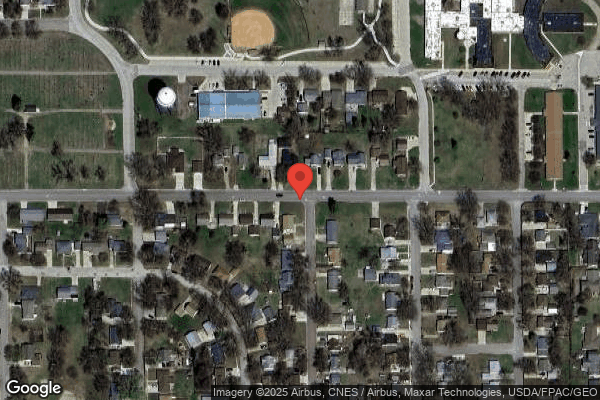

1646 Fifth Avenue North, Estherville, IA 51334 (712) 362-3522
For profit - Corporation 70 Beds GOOD SAMARITAN SOCIETY Data: November 2025 1 Immediate Jeopardy citation
Trust Grade
28/100
#345 of 392 in IA
Last Inspection: October 2024

Within standard 12-15 month inspection cycle. Federal law requires annual inspections.

Overview

Good Samaritan Society - Estherville has received a Trust Grade of F, which indicates significant concerns about the facility's quality and care. With a state ranking of #345 out of 392 in Iowa, they are in the bottom half of nursing homes, and they are ranked last in Emmet County. The facility appears to be improving, as the number of issues reported decreased from 15 in 2023 to 5 in 2024. Staffing is considered average, with a 51% turnover rate, which is close to the state average. However, there are no fines recorded, which is a positive sign. There have been critical concerns raised, including a failure to ensure the safety of residents at risk for wandering, which posed an immediate jeopardy to their health and safety. Additionally, there were reports of cold food being served to residents, impacting their dining experience. While there are some strengths, such as a reduction in overall issues, families should weigh these serious weaknesses when considering this facility for their loved ones.

Trust Score
F
28/100
In Iowa
#345/392
Bottom 12%
Safety Record
High Risk
Review needed
Inspections
Getting Better
15 → 5 violations
Staff Stability
⚠ Watch
51% turnover. Above average. Higher turnover means staff may not know residents' routines.
Penalties
✓ Good
No fines on record. Clean compliance history, better than most Iowa facilities.
Skilled Nurses
✓ Good
Each resident gets 45 minutes of Registered Nurse (RN) attention daily — more than average for Iowa. RNs are trained to catch health problems early.
Violations
⚠ Watch
37 deficiencies on record. Higher than average. Multiple issues found across inspections.
★☆☆☆☆
1.0
Overall Rating
★★★☆☆
3.0
Staff Levels
★☆☆☆☆
1.0
Care Quality
★★☆☆☆
2.0
Inspection Score
Stable
2023: 15 issues
2024: 5 issues

The Good

  • Full Sprinkler Coverage · Fire safety systems throughout facility
  • No fines on record

Facility shows strength in fire safety.

The Bad

1-Star Overall Rating

Below Iowa average (3.0)

Significant quality concerns identified by CMS

Staff Turnover: 51%

Near Iowa avg (46%)

Higher turnover may affect care consistency

Chain: GOOD SAMARITAN SOCIETY

Part of a multi-facility chain

Ask about local staffing decisions and management

The Ugly 37 deficiencies on record

1 life-threatening
Oct 2024 5 deficiencies
CONCERN (D) 📢 Someone Reported This

A family member, employee, or ombudsman was alarmed enough to file a formal complaint

Potential for Harm - no one hurt, but risky conditions existed

Resident Rights (Tag F0550)

Could have caused harm · This affected 1 resident

**NOTE- TERMS IN BRACKETS HAVE BEEN EDITED TO PROTECT CONFIDENTIALITY** Based on clinical record review, resident interview, staff interview, and policy review the facility failed to treat residents w...

Read full inspector narrative →
**NOTE- TERMS IN BRACKETS HAVE BEEN EDITED TO PROTECT CONFIDENTIALITY** Based on clinical record review, resident interview, staff interview, and policy review the facility failed to treat residents with dignity, and respect throughout cares provided for 2 of 5 residents reviewed (Resident #2, and #43). The facility reported a census of 51 residents. Findings include: 1. Review of Resident #2 ' s Minimum Data Set (MDS) dated [DATE] revealed a Brief Interview for Mental Status (BIMS) score of 15 indicating intact cognition. The MDS further revealed diagnosis of cancer, renal insufficiency, anxiety, and diabetes mellitus. Interview on 10/29/24 at 8:07 AM with Resident #2 revealed that Staff B Certified Nursing Assistant (CNA) had told her that she would get to her when she had time, and to not keep using the call light. Resident # 2 then revealed that Staff B had never cursed at her, but was just rude and waved her finger at Resident #2. Review of a facility provided investigation dated 9/22/24 revealed an interview with Resident #2 documenting that Resident #2 reported a concern that Staff B had pointed at Resident #2 and told the resident to not put on the call light, and that Staff B would get to the resident when Staff B had time. This document further revealed that Staff B was put on suspension on 9/23/24 at 11:11 AM. 2. Review of Resident #43 ' s MDS dated [DATE] revealed a BIMS score of 14 indicating intact cognition. The MDS further revealed diagnosis of heart failure, and diabetes mellitus. Interview on 10/28/24 at 1:12 PM with Resident #43 stated that Staff B CNA was very barky, and rude. Resident #43 further revealed that Staff B does not work here anymore. Resident #43 stated that there was a meeting and he brought up the fact that Staff B was rude. Resident #43 revealed he was relieved when Staff B was not here anymore. Resident #43 stated Staff B would talk very disrespectfully to him, and other residents. Interview on 10/30/24 at 7:49 AM with Staff C Registered Nurse (RN) revealed that she had heard reports from residents that Staff B was rude to them. Staff B stated that residents had told her that Staff B was never rough with them, but it was just the tone of her voice, and that Staff B wasn't talking to them in a respectful way. Staff C then revealed that she would notify the Director of Nursing (DON) when the complaints were reported to her. Interview on 10/30/24 at 10:54 AM with the DON revealed her expectation would be for staff to treat the residents with dignity and respect. The DON further revealed that she will not tolerate any issues of residents being treated without respect or dignity. Interview on 10/30/24 at 11:06 AM with the Administrator revealed that her expectations are for residents to be treated with respect and dignity at all times. Review of facility provided policy titled, Resident Dignity with a review date of 11/16/23 revealed: a. Addressing residents as individuals when providing care and services.
CONCERN (D)

Potential for Harm - no one hurt, but risky conditions existed

Deficiency F0657 (Tag F0657)

Could have caused harm · This affected 1 resident

**NOTE- TERMS IN BRACKETS HAVE BEEN EDITED TO PROTECT CONFIDENTIALITY** Based on clinical record review, staff interview, and policy review the facility failed to update the resident's care plan to ac...

Read full inspector narrative →
**NOTE- TERMS IN BRACKETS HAVE BEEN EDITED TO PROTECT CONFIDENTIALITY** Based on clinical record review, staff interview, and policy review the facility failed to update the resident's care plan to accurately reflect the resident for 1 of 3 residents reviewed (Resident #200). The facility reported a census of 51 residents. Findings include: Review of Resident #200 ' s Minimum Data Set (MDS) dated [DATE] revealed Resident #200 was admitted on [DATE] from a critical access hospital. The MDS further revealed diagnosis of depression, and psychotic disorder. Review of Resident #200 ' s Electronic Healthcare Record (EHR) page titled, Physician ' s orders revealed an order for alprazolam (an antianxiety medication) 0.5 mg oral tablet, give 0.5 mg by mouth every 8 hours as needed for agitation. Review of Resident #200 ' s Care Plan with a printed date of 10/30/24 lacked any documentation of antianxiety medication usage. Interview on 10/30/24 at 10:51 AM with the Director of Nursing (DON) confirmed Resident #200 does have an order for alprazolam, and her expectation would be for antianxiety medications to be on the Resident ' s care plan. Review of a facility provided policy titled, Care Plans with a revision date of 11/1/23 revealed: a. The plan of care will be modified to reflect the care currently required/provided for the resident.
CONCERN (E)

Potential for Harm - no one hurt, but risky conditions existed

Deficiency F0804 (Tag F0804)

Could have caused harm · This affected multiple residents

**NOTE- TERMS IN BRACKETS HAVE BEEN EDITED TO PROTECT CONFIDENTIALITY** Based on observation, resident interview, staff interview, and policy review the facility failed to provide food at an appetizin...

Read full inspector narrative →
**NOTE- TERMS IN BRACKETS HAVE BEEN EDITED TO PROTECT CONFIDENTIALITY** Based on observation, resident interview, staff interview, and policy review the facility failed to provide food at an appetizing temperature to 2 of 8 residents reviewed (Residents #27, and #43). The facility reported a census of 51 residents. Findings include: 1. Review of Resident #27 ' s Minimum Data Set (MDS) dated [DATE] revealed a Brief Interview for Mental Status (BIMS) score of 15 indicating intact cognition. Interview on 10/28/24 at 12:02 PM with Resident #27 revealed that she eats in her room and that the food is often cold when it is delivered. 2. Review of Resident #43 ' s MDS dated [DATE] revealed a BIMS score of 14 indicating intact cognition. Interview on 10/28/24 at 1:17 PM with Resident #43 revealed that food is often cold when it should be hot. During continuous observation on 10/30/24 at 1:32 PM the last room trays were sent out of the kitchen to be delivered to the residents. Observation on 10/30/24 at 1:47 PM a temperature was obtained on the last room tray delivered. The ham and beans was revealed to be 126 degrees and the mashed potatoes were noted to be 122 degrees. Interview on 10/30/24 at 1:53 PM with the Certified Dietary Manager (CDM) revealed her expectations are for food to be served at the appropriate temperatures. Review of a facility provided policy titled, Food Temperature Monitoring with a review date of 12/21/23 documented: a. Hot foods should be served at 135 degrees Fahrenheit or higher.
CONCERN (E)

Potential for Harm - no one hurt, but risky conditions existed

Food Safety (Tag F0812)

Could have caused harm · This affected multiple residents

Based on observation, staff interview, and policy review the facility failed to prepare, serve and distribute food in accordance with professional standards. The facility reported a census of 51 resid...

Read full inspector narrative →
Based on observation, staff interview, and policy review the facility failed to prepare, serve and distribute food in accordance with professional standards. The facility reported a census of 51 residents. Findings include: During continuous observation on 10/30/24 from 12:25 PM until 12:41 PM Staff A was observed to make extra servings of pureed brownie without completing hand hygiene. Staff A was then observed touching door jams, then preparing room trays, handling spatulas, touching plates for service, and handling bowls for lunch service. At 12:41 PM Staff A then completed hand hygiene. Interview on 10/30/24 at 1:53 PM with the Certified Dietary Manager (CDM) revealed her expectations are for hand hygiene to be completed at the appropriate times. Review of a facility provided policy titled, Hand Washing and Glove Usage-Food Nutrition Services with a review date of 6/13/24 revealed: a. Employees involved in food preparation, distribution and serving must consistently utilize good hygienic practices and techniques.
CONCERN (F)

Potential for Harm - no one hurt, but risky conditions existed

Staffing Data (Tag F0851)

Could have caused harm · This affected most or all residents

Based on the Center for Medicare and Medicare Services (CMS) PBJ (Payroll Based Journal) Staffing Data Report for April 1 - June 30, 2024 report, facility schedules, and staff interview, the facility ...

Read full inspector narrative →
Based on the Center for Medicare and Medicare Services (CMS) PBJ (Payroll Based Journal) Staffing Data Report for April 1 - June 30, 2024 report, facility schedules, and staff interview, the facility failed to submit complete and accurate staffing information to CMS. The facility reported a census of 51 residents. Findings include: The CMS PBJ Staffing Data Report for April 1 - June 30, 2024 indicated the facility triggered for investigation of staffing. The Facility Schedule for May 4th, 2024 showed Staff E Agency Certified Nursing Assistant (CNA) worked 6 p.m. to 6:15 a.m. (May 5th). A facility PBJ report lacked hours for Staff E on May 5th. On 10/30/24 at 9:34 a.m. Staff D who now does scheduling, and did it at one time before, looked at May 4-5 weekend and a Staff E CNA who worked 6 p.m. to 6 a.m. was inputted into the wrong day on the PBJ report. She actually worked 5/4/24 6 p.m. to May 5th 6 a.m., but her information was put in on 4/28/24, a day she did not work. On 10/30/24 at 10:30 a.m. the Administrator confirmed Staff E was put in on the PBJ report 4/28/24 a day she did not work, and not on 5/5/24 (a day she worked 12 a.m. to 6 a.m.). The information was put in wrong. On 10/31/24 at 10:26 a.m. the Administrator obtained additional information that PBJ did not always include agency staff. She said they did not accurately input the information into the PBJ report.
Nov 2023 4 deficiencies
CONCERN (D) 📢 Someone Reported This

A family member, employee, or ombudsman was alarmed enough to file a formal complaint

Potential for Harm - no one hurt, but risky conditions existed

Deficiency F0802 (Tag F0802)

Could have caused harm · This affected 1 resident

Based on observation, schedule review, and staff interview, the facility failed to assure sufficient support personnel to safely and effectively carry out the functions of the food and nutrition servi...

Read full inspector narrative →
Based on observation, schedule review, and staff interview, the facility failed to assure sufficient support personnel to safely and effectively carry out the functions of the food and nutrition service. The facility reported a census of 53 residents. Findings include: During an observation on 11/21/23 at 11:30 a.m. Staff H [NAME] was in kitchen. At 11:45 a.m. Staff I working as a dietary aide (DA), stated she normally worked in housekeeping, but was helping out in dietary. Staff G Dietary Aide (DA), and Staff J DA were also working. The Dietary Department schedule for November 21st showed Staff H, Staff G and Staff J scheduled. Staff I was not scheduled in dietary. On 11/21/23 at 3:20 p.m. Staff A Registered Nurse (RN) stated she had seen families serving breakfast. On 11/27/23 at 12:10 p.m. Staff F RN stated the Dietary Supervisor resigned before she went on maternity leave. Sometimes there are only 2 staff in the kitchen and they need 3. She has seen family members try to help with meal service and it's really not a good idea, they could serve a resident the wrong plate. The Dietery Department Schedule showed 3 staff scheduled in the kitchen daily from 10/29/23 to 12/2/23. On 11/27/23 at 2:45 p.m. Staff E [NAME] stated the meal service was going slow and Resident #8's family member would come for breakfast to sit with Resident #8. One day the cook didn't have an assistant, and Staff G Dietary Aide (DA) was there but he was still in training. The meal service was going very slowly and the family member was trying to get things for the residents, but she didn't know the resident's diets. They told her not to do that and she did not comply. On 11/28/23 at 12:29 p.m. Resident #8's family member stated there was a problem with the kitchen. She said one staff member retired and another left. They got Staff H and she left between 7:30 and 8:30 a.m. to take her son somewhere. Staff G was new and had only been there 2 days. He didn't know what to do. So she started helping so the residents could get their breakfast. Another family member also assisted with serving the residents. This went on for awhile. She then called the corporate office and after that they said she couldn't help. They brought in people from housekeeping to help in dietary. On 11/21/23 at 1:27 p.m. Resident #7's family member stated he went out to have breakfast with his mother. There was no one there to get the residents their food. He spent 2 hours taking orders from the residents and then took the food to them. This went on for about 2 weeks. On 11/29/23 at 8:58 a.m. Staff I stated Staff H did leave at 7:30 a.m. to take her son to school. She said she got back around 8 a.m. She said when that happened she or Staff G, or whoever worked could serve residents. On 11/29/23 at 4:30 p.m. the Administrator stated they had the staff necessary to run the dietary department. They did not ask family to help.
CONCERN (E) 📢 Someone Reported This

A family member, employee, or ombudsman was alarmed enough to file a formal complaint

Potential for Harm - no one hurt, but risky conditions existed

Deficiency F0725 (Tag F0725)

Could have caused harm · This affected multiple residents

**NOTE- TERMS IN BRACKETS HAVE BEEN EDITED TO PROTECT CONFIDENTIALITY** Based on observation, record review, and staff interview, the facility failed to have sufficient nursing staff to complete indiv...

Read full inspector narrative →
**NOTE- TERMS IN BRACKETS HAVE BEEN EDITED TO PROTECT CONFIDENTIALITY** Based on observation, record review, and staff interview, the facility failed to have sufficient nursing staff to complete individualized restorative nursing plans for 4 of 4 residents reviewed (Resident #1, #3, #4, and #7). The facility reported a census of 53 residents. Findings include: 1) According to the Minimum Data Set (MDS) assessment dated [DATE] Resident #1 scored 4 on the Brief Interview for Mental Status (BIMS) indicating severe cognitive impairment. The resident had no functional limitation in range of motion (ROM). The resident had diagnoses including Myasthenia Gravis (weakness and rapid fatigue of muscles under voluntary control). The Care Plan identified the resident had a need for restorative intervention due to limited physical mobility related to Myasthenia Gravis evidenced by weakness, initiated 5/28/19. The interventions included: a. Passive (P)ROM to fingers and wrists of left and right extremities, 5 to 8 repetitions as tolerated 3 x week. b. Active (A)ROM: to complete RNA program 3 x/week of the following: hamstring and calf stretching 3x30 seconds bilateral, seated active assisted (AA)ROM, hip flexion, minimum resistance hip abduction and hamstring curl each 3x10. With AAROM, have resident initiate the movement and then assist her to complete the entire movement. The October 2023 Restorative sign off sheets lacked any signatures the resident's restorative plan was completed. The November 2023 Restorative sign off sheets lacked any signatures the resident's restorative plan was completed. 2) According to the MDS assessment dated [DATE] Resident #3 scored 11 on the BIMS indicating moderate cognitive impairment. The resident had no functional limitation in ROM. The resident had diagnoses including hemiplegia (paralysis) following intracerebral hemorrhage (stroke) affecting the right dominant side. The Care Plan identified the resident had a need for restorative intervention due to limited physical mobility related to a history of a stroke evidenced by activity intolerance, initiated 9/22/22. Interventions included: a. AROM, ambulation x 50 feet with gait belt and front wheeled walker (FWW) 2-3 x week. b. NuStep level 4 x 12 minutes 2-3 x week. c. Pull to stand using side rail 2 x 10 reps. 2-3 x week. The October 2023 Restorative sign off sheets lacked any signatures the resident's restorative plan was completed. The November 2023 Restorative sign off sheets lacked any signatures the resident's restorative plan was completed. 3) According to the MDS assessment dated [DATE] Resident #4 demonstrated long and short term memory problems and severely impaired skills for daily decision making. The resident had no functional limitation in ROM. The resident's diagnoses included Alzheimer's disease and osteoporosis. The Care Plan identified the resident had a need for restorative intervention due to limited physical mobility related to a right hip fracture evidenced by weakness, revised on 6/21/23. Interventions included PROM to all extremities, 5 reps of 10, 2-3 x/week. The October 2023 Restorative sign off sheets lacked any signatures the resident's restorative plan was completed. The November 2023 Restorative sign off sheets lacked any signatures the resident's restorative plan was completed. 4) According to the MDS assessment dated [DATE] Resident #7 scored 15 on the BIMS indicating no cognitive impairment. The resident had a functional limitation in ROM of both lower extremities. The resident had contractures of the left shoulder, left upper arm, left hand and left forearm. The Care Plan identified the resident had a need for restorative intervention due to limited physical mobility related to contractures evidenced by weakness, revised 6/4/21. The interventions included: a. AROM both upper extremities and lower extremities all joint in all available planes sitting or supine. (Have resident demonstrate proper wrist/hand ROM/stretching that she needs to do 4<>8 x day by herself), 2-3 x week. b. Resident to self propel in wheelchair to all activities/meals daily to maintain strength/endurance maximize resident independence. c. PROM left upper extremity all joints and bilateral lower extremities hamstring/ankle x 2 set x 20 -30 second stretch, 2-3 x week. The resident sign off sheet for October 2023 showed staff usually signed off for the resident propelling self to all activities and meals 3 times a day. The other restorative directives were not signed off. The resident sign off sheet for November 2023 showed staff usually signed off for the resident propelling self to all activities and meals 3 times a day. The other restorative directives were not signed off. On 11/30/23 at 2:02 p.m. Resident #7 stated she had contractures of her left arm and hand. She can do some exercises herself but not like the girls used to do. She was told in September Staff D RN was going to do restorative. That has not happened. She does not want to lose the movement she has left (in feet). The resident was able to move the toes on her right foot, but could not on her left. On 11/21/23 at 3:20 p.m. Staff A Registered Nurse (RN) stated restorative is not getting done. They don't have the time to do it. They have to take care of the residents other needs. They used to have a restorative aide but they don't have the staff to do it. On 11/28/23 at 9:16 a.m. Staff B CNA stated the residents are not getting restorative because they are short staffed. On 11/28/23 at 9:32 a.m. Staff C Licensed Practical Nurse (LPN) stated they planned to get to restorative when they had the staff to do it. The facility Restorative policy revised 11/8/23 identified the purpose to provide appropriate restorative nursing care to each resident. The goal of restorative nursing care was to attain and maintain the maximum possible independence and/or prevent rapid declines through their interventions for each resident.
CONCERN (E) 📢 Someone Reported This

A family member, employee, or ombudsman was alarmed enough to file a formal complaint

Potential for Harm - no one hurt, but risky conditions existed

Menu Adequacy (Tag F0803)

Could have caused harm · This affected multiple residents

Based on observation, menu review and staff interview, the facility failed to serve the menu as written for 4 of 4 meals observed. The facility reported a census of 53 residents. Findings include: 1) ...

Read full inspector narrative →
Based on observation, menu review and staff interview, the facility failed to serve the menu as written for 4 of 4 meals observed. The facility reported a census of 53 residents. Findings include: 1) The menu for the noon meal 11/21/23 included grilled chicken chef salad, potato salad and a garlic buttered breadstick. On 11/21/23 at 11:30 a.m. Staff H [NAME] stated they were having a chicken patty, carrots, and potato salad. Staff H served the aforementioned. 2) The menu for the noon meal 11/27/23 included French style green beans. On 11/27/23 at 9:50 a.m. Staff E Cook, stated serving what's on the menu except wax beans. On 11/27/23 at 12:30 p.m. residents received wax beans instead of green beans. 3) The noon menu for 11/28/23 included buttered cauliflower. On 11/28/23 at 11:54 a.m. Staff H served lunch including mixed vegetables. At 1:50 p.m. Staff H stated they didn't serve cauliflower because they didn't have any. 4) The noon menu for 11/29/23 included coffee cake. On 11/29/23 at 12:10 p.m. residents received a cookie with lunch, not coffee cake. The facility policy Menu Requirements- Food and Nutrition Services revised 1/24/23 documented menus were prepared at least one week in advance of when the menu was served. Temporary menu changes should be kept to a minimum.
CONCERN (E) 📢 Someone Reported This

A family member, employee, or ombudsman was alarmed enough to file a formal complaint

Potential for Harm - no one hurt, but risky conditions existed

Deficiency F0809 (Tag F0809)

Could have caused harm · This affected multiple residents

Based on observation and staff interview, the facility failed to assure meals were served at regular times comparable to normal mealtimes in the community. The facility reported a census of 53 residen...

Read full inspector narrative →
Based on observation and staff interview, the facility failed to assure meals were served at regular times comparable to normal mealtimes in the community. The facility reported a census of 53 residents. Findings include: On 11/27/23 at 3:20 p.m. Staff A Registered Nurse (RN) stated there had been times when residents did not receive breakfast. There had been times when lunch was served as late as 2 p.m. On 11/28/23 at 8:40 a.m. Resident #2 stated she hadn't received her breakfast yet. Resident #2's husband arrived at 9:15 a.m. and she still had not had breakfast. At 9:45 a.m. the resident and her husband stated she just finished breakfast. On 11/29/23 at 9:20 a.m. room trays were not out yet. A resident came to the 400/500 hall nurses station to ask about breakfast. Staff A told her they not brought trays out yet. On 11/29/23 at 9:45 a.m. breakfast trays were delivered by Staff G Dietary Aide. On 11/29/23 at 9:47 a.m. Resident #2 stated she thought she would be getting breakfast earlier. Her husband stated they were late for some reason. On 11/29/23 at 9:51 a.m. Resident #3 stated she ate in the dining room for breakfast. She said they had forgotten to bring her a tray 1 time when she stayed in her room. On 11/29/23 at 10:00 a.m. Staff E, cook stated trays were late this morning. They don't get those ready until they have served everyone in the dining room. She did feel that was late to be getting breakfast. On 11/29/23 at 10:02 a.m. Staff A came to the dining room and asked for a breakfast tray for a new resident admitted yesterday. Staff E stated she didn't know about that, there was no dietary card for the resident. On 11/29/23 at 11:45 a.m. Resident #2 sat in the dining room for lunch with her husband. When asked if she was ready for lunch, she said not really, she ate not too long ago (breakfast trays served at 9:45 a.m.). On 11/29/23 at 4:30 p.m. the Administrator stated meal times were 7:30 a.m., 11:30 a.m. and 5:30 p.m The facility policy Frequency of Meals and Snacks- Food and Nutrition Services documented the purpose to ensure scheduled meals were consistent with normal meal times in the community.
Aug 2023 11 deficiencies
CONCERN (D)

Potential for Harm - no one hurt, but risky conditions existed

Assessment Accuracy (Tag F0641)

Could have caused harm · This affected 1 resident

**NOTE- TERMS IN BRACKETS HAVE BEEN EDITED TO PROTECT CONFIDENTIALITY** Based on observation, record and chart review the facility failed to accurately document a resident's specific needs for 1 of 15...

Read full inspector narrative →
**NOTE- TERMS IN BRACKETS HAVE BEEN EDITED TO PROTECT CONFIDENTIALITY** Based on observation, record and chart review the facility failed to accurately document a resident's specific needs for 1 of 15 residents reviewed (Resident #33). The facility reported a census on 46 residents. Findings include: The Minimum Data Set (MDS) assessment dated [DATE] for Resident #33 documented diagnoses of renal insufficiency and dependence on renal dialysis. The MDS showed a Brief Interview for Mental Status (BIMS) score of 15 indicating no cognitive impairment. Interview on 8/27/23 at 11:13 a.m., with Resident #33 revealed she attends dialysis three days a week out of the facility. Review of the MDS dated [DATE] revealed special treatments, procedures, and programs. Check all of the following treatments, procedures, and programs that were performed during the last 14 days lacked a checkmark by the dialysis in the box under not while a resident or the box under while a resident. Review of the Care Plan with a revision date of 8/24/23 revealed the resident was dependent on dialysis related to renal failure. The facility failed to provide a policy on accurate assessments. Interview on 8/30/23 at 9:22 a.m., with the MDS Nurse revealed dialysis should have been listed on the MDS. She further revealed there was someone out of the building doing the MDS's and it was not done correctly but she is working with them to fix the MDS.
CONCERN (D)

Potential for Harm - no one hurt, but risky conditions existed

PASARR Coordination (Tag F0644)

Could have caused harm · This affected 1 resident

**NOTE- TERMS IN BRACKETS HAVE BEEN EDITED TO PROTECT CONFIDENTIALITY** Based on clinical record review and staff interview, the facility failed to refer a resident with a negative Level I result for ...

Read full inspector narrative →
**NOTE- TERMS IN BRACKETS HAVE BEEN EDITED TO PROTECT CONFIDENTIALITY** Based on clinical record review and staff interview, the facility failed to refer a resident with a negative Level I result for the Preadmission Screening and Resident Review (PASRR), who was later identified with newly evident or possible serious mental disorder, intellectual disability, or other related condition, to the appropriate state-designated authority for Level II PASRR evaluation and determination for 1 out of 1 residents (Resident #17) reviewed for PASRR requirements. The facility reported a census of 46 residents. Findings include: The Minimum Data Set (MDS) assessment dated [DATE] for Resident #17 documented diagnoses of depression and paranoid schizophrenia. The MDS showed a Brief Interview for Mental Status (BIMS) score of 9 indicating moderate cognitive impairment. Review of the clinical record revealed a exemption for PASRR dated 9/9/14 and Resident #17 was ruled out of PASRR population based upon Dementia being his primary focus of behavioral health treatment. If Resident #17 has a change in symptoms or diagnosis change, a status change should be submitted for review. Review of documentation revealed diagnosis submitted was dementia and schizophrenia. Review of the MDS dated [DATE] revealed an active diagnosis of depression and paranoid schizophrenia. Review of the Order Summary Report signed and dated 7/12/23 revealed the following diagnosis of paranoid schizophrenia and other depressive disorders. Review of Resident #17 ' s chart lacked a follow-up and resubmission of a PASRR with the diagnosis of depression and paranoid schizophrenia. The facility policy titled Preadmission Screening and Annual Resident Review dated 11/6/22 revealed the facility will report any changes as identified via the screen to the state mental health authority or state intellectual disability authority promptly. Interview on 8/29/23 at 3:48 p.m., wth the Social Worker revealed Resident #17 ' s PASRR should have included the depression diagnosis and will be redone to include the diagnosis.
CONCERN (D)

Potential for Harm - no one hurt, but risky conditions existed

Deficiency F0688 (Tag F0688)

Could have caused harm · This affected 1 resident

**NOTE- TERMS IN BRACKETS HAVE BEEN EDITED TO PROTECT CONFIDENTIALITY** Based on clinical record, facility policy, resident interview, and staff interview, the facility failed to perform restorative t...

Read full inspector narrative →
**NOTE- TERMS IN BRACKETS HAVE BEEN EDITED TO PROTECT CONFIDENTIALITY** Based on clinical record, facility policy, resident interview, and staff interview, the facility failed to perform restorative therapy for 2 of 2 residents reviewed (Resident #25 and #27). The facility reported a census of 46 residents. Findings include: 1. The Minimum Data Set (MDS) dated [DATE] for Resident #25 revealed a Brief Interview of Mental Status (BIMS) score of 14 which indicated intact cognition. The MDS revealed the resident had diagnoses of heart failure (inability of the heart to pump blood effectively), polyneuropathy (multiple nerves damaged throughout the body), morbid (severe) obesity due to excess calories, and lymphedema (a type of swelling that can occur in the arms or legs). A restorative therapy program was not performed in the past 7 days. In an interview on 8/27/23 at 11:40 AM, the resident reported that she was supposed to have restorative therapy, but was told they (the facility) doesn't have enough staff to do it. In an interview on 8/29/23 at 11:26 AM, the resident's family reported that he thought the resident was supposed to receive assistance with a walking program, that he wanted her to have this activity, but was told there was not enough staff to assist the resident with this. The Care Plan Focus Area with a revision date of 11/15/21 directed that the resident has a need for restorative intervention due to limited physical mobility R/T (related to) CHF (congestive heart failure) E/B (evidenced by) weakness with interventions: a. Active range of motion: Nu step level 6 x 20 minutes. 3 x week. b. Active range of motion: 3 sets of 5 repeated sit to stand transfers. 3 x week. c. Active range of motion: walking with staff assist 3 x week. Distance as tolerated. The Flowsheet Report for August 2023 did not contain documentation the following occurred: a. Active range of motion. Nu step L4 avg (average) 10-15 minutes both PRN (as needed) and every shift. b. Seated hip and knee resisted TheraBand, all motions w/GTB (gait belt) 3 sets x 15 minutes both PRN and every shift. c. Ambulation w/FWW (four wheeled walker) to all meals assist x 1 using gait belt follow with w/c (wheelchair) 10-40 ft (feet) avg (average) distance at cga (contact guard assist). Encourage upright posture as well as maintaining proper walker advanced distance PRN. In an interview on 8/30/23 at 9:23 AM, the Regional Nurse Consultant (RNC) reported that she reviewed the resident's clinical record and could not find where a restorative therapy frequency was recommended. The RNC further reported that the previous Director of Nursing (DON) received therapy notes via Electronic Mail (email) and that the email account was not able to be accessed. In a concurrent interview and record review on 8/30/23 at 10:08 AM, the RNC agreed that the restorative documentation for August 2023 is not clear in how often the resident should receive restorative therapy and that no documentation existed to show that the resident did receive restorative therapy in August 2023. 2. The MDS dated [DATE] for Resident #27 revealed a BIMS score of 15 which indicated intact cognition. The MDS further revealed: a. Diagnoses of generalized muscle weakness, polyneuropathy (multiple nerves damaged throughout the body), and contracture of muscles to left shoulder, arm, and hand. b. The resident required the extensive assistance of 2 staff with bed mobility and toileting, the total dependence of 2 staff with transfers. c. Functional limitation of range of motion to one upper extremity and both lower extremities. d. Active range of motion (ROM) occurred 3 of the past 7 days. In an interview on 8/27/23 at 1:19 PM, the resident reported that she was not getting any restorative therapy. The Care Plan Focus Area revised 6/4/21 directed that the resident has a need for restorative intervention due to limited physical mobility R/T (related to) contractures E/B (evidenced by) weakness with intervention initiated on 1/7/20 for passive range of motion: Left UE (upper extremity) all joints and bilat LE (bilateral lower extremities) hamstring/ankle x 2 set x 20 -30 second stretch 2-3 x week. The Flowsheet Report for August 2023 lacked documentation that the intervention listed in the resident's care plan was performed. The areas available to document the performance of this intervention were labeled PRN (as needed). In an interview on 8/30/23 at 9:23 AM, the RNC reported that she reviewed the resident's clinical record and could not find where a restorative therapy frequency was recommended. The RNC further reported that the previous DON received therapy notes via email and that the email account was not able to be accessed. In a concurrent interview and record review on 8/30/23 at 10:08 AM, the RNC agreed that the restorative documentation for August 2023 is not clear in how often the resident should receive restorative therapy and that no documentation existed to show that the resident did receive restorative therapy in August 2023. In an email on 8/29/23 at 12:53 PM, a Care Plan Policy was requested from the Administrator. As of noon on 8/30/23, this policy was not received.
CONCERN (D)

Potential for Harm - no one hurt, but risky conditions existed

Medication Errors (Tag F0758)

Could have caused harm · This affected 1 resident

**NOTE- TERMS IN BRACKETS HAVE BEEN EDITED TO PROTECT CONFIDENTIALITY** Based on clinical record, facility policy, and staff interview, the facility failed to attempt a gradual dose reduction (GDR) fo...

Read full inspector narrative →
**NOTE- TERMS IN BRACKETS HAVE BEEN EDITED TO PROTECT CONFIDENTIALITY** Based on clinical record, facility policy, and staff interview, the facility failed to attempt a gradual dose reduction (GDR) for 2 of 5 residents reviewed (Resident #15 and #25). The facility reported a census of 46 residents. Findings include: 1. The Minimum Data Set (MDS) dated [DATE] for Resident #15 revealed a Brief Interview of Mental Status (BIMS) score of 9 which indicated moderately impaired cognition. The MDS revealed the resident had diagnoses of non-Alzheimer's dementia and depression. The MDS revealed the resident took an antipsychotic medication and an antidepressant medication for 7 of the past 7 days. The Consultant Pharmacist Communication to Physician signed by a physician on 7/26/22 revealed the physician ordered a change in Seroquel to 12.5 mg (milligrams) PO (by mouth) TID (3 times per day). The Order Summary Report signed by a physician on 6/14/23 revealed orders for: a. Mirtazapine (antidepressant medication) 7.5 mg at bedtime started 4/14/21. b. Seroquel (antipsychotic medication) 25 mg TID started 4/18/23. No physician signed GDR for Seroquel or mirtazapine was in the resident's chart. The Consultant Pharmacist Progress Note dated 7/11/23 revealed: After reviewing patient chart, Doctor wants to continue her Seroquel and lorazepam as ordered. In an interview on 8/29/23 at 11:47 AM, the Director of Nursing (DON) reported that because the resident was prescribed mirtazapine for weight loss, it was not required to have a GDR. In an interview on 8/30/23 at 10:11 AM, the Regional Nurse Consultant (RNC) reported that she talked with the pharmacy consultant to locate a physician signed GDR for Seroquel, the pharmacy consultant reported all that could be located was the Progress Note that the physician wanted to continue Seroquel at the current dose. The pharmacy consultant reported that he was not aware that a physician was required to sign that a GDR recommendation was either accepted or to provide a rationale to decline the GDR. 2. The MDS dated [DATE] for Resident #25 revealed a BIMS score of 14 which indicated intact cognition. The MDS revealed the resident had diagnoses of anxiety, depression, post traumatic stress disorder (PTSD), and histrionic personality disorder. The MDS revealed that a GDR was not attempted and the space was blank for the date of the last GDR attempt. The Order Summary Report signed by a physician on 8/1/23 revealed an order for Trazodone 50 mg one-half tablet at bedtime started 3/9/22. In an interview on 8/30/23 at 10:11 AM, the RNC reported that she talked with the pharmacy consultant, the pharmacy consultant reported that he was not aware that a physician was required to sign that a GDR recommendation was either accepted or to provide a rationale to decline the GDR. In an email on 8/29/23 at 12:53 PM, a GDR Policy was requested from the Administrator. As of noon on 8/30/23, this policy was not received.
CONCERN (E) 📢 Someone Reported This

A family member, employee, or ombudsman was alarmed enough to file a formal complaint

Potential for Harm - no one hurt, but risky conditions existed

Grievances (Tag F0585)

Could have caused harm · This affected multiple residents

Based on observation, facility policy, admission packet, resident interviews, and staff interviews, the facility failed to provide a way for residents to submit an anonymous grievance. The facility re...

Read full inspector narrative →
Based on observation, facility policy, admission packet, resident interviews, and staff interviews, the facility failed to provide a way for residents to submit an anonymous grievance. The facility reported a census of 46 residents. Findings include: Observation on 8/27/23 at 2:33 PM of the entry area of the facility revealed: 1. Bulletin board with the Grievance Policy and information about grievances. The information revealed that the Grievance Officer was the Social Worker and that forms were available from her for residents to complete and submit to her. 2. There was no information available about how to file an anonymous grievance. 3. Grievance forms were not available in the entry area either on or near the bulletin board, an open window to the office, or a table in the entry that contained information for residents. In an interview on 8/27/23 at 11:18 AM, Resident #25 reported that she knows that she can file a grievance at the facility, but does not know where grievance forms are located in the facility or that she could file an anonymous grievance. In an interview on 8/28/23 at 12:29 PM, Resident #3's representative reported that she did not know how to file a grievance at the facility. In an interview on 8/29/23 at 11:26 AM, Resident #25's family member reported that he did not have any knowledge about the grievance procedure at the facility. In an interview on 8/30/23 at 12:14 PM, Resident #3's family reported that they do not know how to file a grievance at the facility. In an interview on 8/30/23 at 4:33 PM, the Social Worker reported that residents and families can get grievance forms from her and that does not know how residents or their families could file an anonymous grievance. In an interview on 8/30/23 at 11:33 AM, the Administrator reported that at last year's recertification survey, a surveyor told him grievance forms were not required to be available for resident use, he removed them from the entry area by the grievance display. When asked the surveyor's name who advised him of this, the Administrator was not able to recall a name. The Grievances, Suggestions or Concerns- Social Services Policy with a revised date of 11/5/20 revealed: 1. A resident has the right to voice grievances orally, in writing and anonymously without discrimination or reprisal. 2. The grievance official will be responsible for posting this procedure in an area accessible to residents/families and visitors. This responsibility also includes educating employees, residents, patients, family and visitors on the use of this form, as well as where visitors, employees, patients and residents can obtain forms for filing or how to verbalize their suggestion/concerns. The Resolving the Issues Brochure dated 11/13 lacked information about how to file an anonymous grievance or where grievance are located in public areas of the facility. The brochure directed: 1. The first step in resolving compliance issues is to address your concerns with the grievance official at the location. 2. Note: You do not not need to identify yourself when you call (Corporate Compliance), as long as the Society is able to investigate the concern and take necessary corrective action without knowing your name. 3. Upon completion of the concern or suggestion form, return to Social Worker or Administrator.
CONCERN (E)

Potential for Harm - no one hurt, but risky conditions existed

Deficiency F0657 (Tag F0657)

Could have caused harm · This affected multiple residents

**NOTE- TERMS IN BRACKETS HAVE BEEN EDITED TO PROTECT CONFIDENTIALITY** 4. The MDS dated [DATE] for Resident #25 revealed a BIMS score of 14 which indicated intact cognition. The MDS revealed the resi...

Read full inspector narrative →
**NOTE- TERMS IN BRACKETS HAVE BEEN EDITED TO PROTECT CONFIDENTIALITY** 4. The MDS dated [DATE] for Resident #25 revealed a BIMS score of 14 which indicated intact cognition. The MDS revealed the resident had diagnoses of anxiety, depression, post traumatic stress disorder (PTSD), and histrionic personality disorder. The Care Plan Focus Area revised on 6/12/19 revealed the resident took antipsychotic medication therapy R/T (related to) mood. Medication: Abilify (antipsychotic medication). The Fax (facsimile) Communication to Physician signed by a physician on 8/14/23 revealed an order to discontinue Abilify. In an interview on 8/29/23 at 3:19 PM, when asked if the resident's care plan should reflect the change in Abilify order, the Director of Nursing (DON) asked what date Abilify was discontinued and then changed the topic from the issue with the care plan. In an email on 8/29/23 at 12:53 PM, a Care Plan Policy was requested from the Administrator. As of noon on 8/30/23, this policy was not received. Based on clinical record review, staff interview and facility policy the facility failed to revise and update care plans to include and address high risk medications and side effects to watch for in 2 out of 15 sampled residents reviewed for comprehensive care plans (Resident #11 and #33) and the facility failed to revise and update care plans after a pressure ulcer was healed and a high risk medication was discontinued (Resident #25 and #37). The facility reported a census of 46 residents. Findings include: 1. The Minimum Data Set (MDS) assessment dated [DATE] for Resident #11 documented diagnoses of anxiety disorder, atrial fibrillation and renal insufficiency.The MDS showed a Brief Interview for Mental Status (BIMS) score of 13 indicating no cognitive impairment. Review of the August 2023 Medication Administration Record (MAR) revealed the following orders: Eliquis (anticoagulant medication) twice daily with an order date of 7/14/23, Risperidone (antipsychotic medication) daily with an order date of 3/17/23, Furosemide (diuretic medication) daily with and order date of 6/23/20. Review of the MDS dated [DATE] revealed anticoagulant, antipsychotic and diuretic medication taken 7 out of 7 days in the look back period. Review of the Order Summary Report signed 8/28/23 revealed the following orders: Eliquis twice daily with an order date of 7/14/23, Risperidone daily with an order date of 3/17/23, Furosemide daily with and order date of 6/22/20. Review of the Care Plan with a revision date of 8/25/23 lacked information regarding the side effects of anticoagulant, antipsychotic and diuretic medication. 2. The MDS assessment dated [DATE] for Resident #33 documented diagnoses of renal insufficiency and dependence on renal dialysis. The MDS showed a BIMS score of 15 indicating no cognitive impairment. Review of the August 2023 Medication Administration Record (MAR) revealed the following orders: Eliquis twice daily with an order date of 5/17/23, Furosemide with and order date of 4/27/23, Hydrocodone- Acetaminophen (opioid medication) with and order date of 1/10/23, Insulin (diabetic medication) with an order date of 1/10/23. Review of the MDS dated [DATE] revealed insulin injections and anticoagulant medication taken 7 out of 7 days in the look back period and diuretic and opioid medication 4 out of the 7 days in the look back period. Review of the Order Summary Report signed 8/28/23 revealed the following orders: Eliquis twice daily with an order date of 5/17/23, Furosemide with and order date of 4/26/23, Hydrocodone- Acetaminophen with and order date of 1/10/23, Insulin with an order date of 1/10/23. Review of the Care Plan with a revision date of 8/24/23 lacked information regarding the side effects of anticoagulant, diuretic, opioid and insulin medication. Interview on 8/30/23 at 10:06 a.m., with the Director of Nursing revealed the high risk medication side effects to watch for should be listed on the care plan. 3. The MDS assessment dated [DATE] for Resident #37 documented diagnoses of osteoarthritis, coronary artery disease and hypertension. The MDS showed a BIMS score of 15 indicating no cognitive impairment. Interview on 8/27/23 at 10:44 a.m., with Resident #37 revealed she had a sore on her bottom but it is healing. Review of the Care Plan with a revision date of 6/21/23 resident has pressure ulcers to right buttock and assess, record, monitor wound healing daily. Report improvements and declines to the health care provider. Review of Wound Registered Nurse (RN) assessment dated [DATE] revealed area resolved. Review of Skin Observation documentation dated 8/26/23 revealed skin check was completed and no skin conditions observed or skin condition resolved. Interview on 8/30/23 at 10:05 a.m., with the DON revealed the pressure ulcer was healed and should have been removed from the care plan.
CONCERN (E) 📢 Someone Reported This

A family member, employee, or ombudsman was alarmed enough to file a formal complaint

Potential for Harm - no one hurt, but risky conditions existed

Deficiency F0804 (Tag F0804)

Could have caused harm · This affected multiple residents

Based on observations, facility record review and resident and staff interviews the facility failed to ensure proper temperatures for foods served to residents. The facility reported a census of 46 re...

Read full inspector narrative →
Based on observations, facility record review and resident and staff interviews the facility failed to ensure proper temperatures for foods served to residents. The facility reported a census of 46 residents. Finding Include: 1. Interview on 8/27/23 at 10:20 a.m., with Resident #10 revealed he eats his meals in the dining room and most of the meals served are cold. 2. On 8/27/23 at 12:41 p.m., lunch meal arrived covered with a hard plastic cover. The meal consisted of mixed vegetables with a temperature of 118.4 degrees Fahrenheit (F), slice of ham with a temperature of 101.6 degrees F, stuffing with a temperature of 126.2 degrees F. The stuffing was dry with hard chunks mixed throughout. 3. On 8/28/23 at 12:17 p.m., lunch meal arrived with aluminum foil over the plate which was covered with a hard insulated plastic cover. The meal consisted of chicken breast with a temperature of 129.1 degrees F, ravioli with red sauce with a temperature of 122.6 degrees F and vegetables with a temperature of 114.5 degrees F. Review of Resident Council notes for July and August 2023 the food temperatures vary. Review of facility policy titled Food Temperatures: Proper Holding and Proper Serving - Focus Audit with a revision date of 4/13/23 revealed proper holding temperature for hot items is greater than 135 degrees F. Test trays for palatability should be done more frequently when there is a concern or a resident complaint. Interview on 8/29/23 at 3:35 p.m., with the Dietary Manager revealed the food was at temperature when the meal was served because she checked the temperatures prior to service.
CONCERN (E) 📢 Someone Reported This

A family member, employee, or ombudsman was alarmed enough to file a formal complaint

Potential for Harm - no one hurt, but risky conditions existed

Deficiency F0805 (Tag F0805)

Could have caused harm · This affected multiple residents

Based on observation, resident and staff interviews the facility failed to ensure residents received the proper diet texture to meet the residents needs.The facility reported a census of 46 residents....

Read full inspector narrative →
Based on observation, resident and staff interviews the facility failed to ensure residents received the proper diet texture to meet the residents needs.The facility reported a census of 46 residents. Findings Include: Observation on 8/29/23 at 11:02 a.m., of Staff B, dietary aide was dividing puree sugar cookie into 4 separate cups. Observation on 8/29/23 at 11:07 a.m., with Staff C, cook. Staff C took 4 portions of beets out of the steamer and placed them into the blender and pureed them. Staff C took the puree beets and placed them into a metal pan and without measuring or checking the temperature placed the pan into the steam table. Staff C took 4 portions of beef stroganoff and added it to the blender with whole milk. Staff C took the puree beef stroganoff and placed it into the metal pan and without measuring or checking a temperature placed into the steam table. Asked Staff C what the serving size for the portions were, Staff C replied she was told to always use the green scoop. The Dietary Manager (DM) told her all puree food is served with a green handle scoop. At the end of the meal service for 4 puree portions there was approximately 2 extra servings in the metal dishes in the steam table. Interview on 8/29/23 at 11:59 a.m. with Staff B, revealed she does not measure the puree mixture she just divides it out into the 4 cups when she is finished. Interview on 8/29/23 at 12:13 p.m., with the DM revealed that if you puree food then you're going to have extra left over because the consistency is different than before. When asking about the serving sizes the DM revealed you always use the same scoop for the puree because you have the same portion amount to serve to the 4 residents. The Administrator came into the conversation and revealed if you have 4 portions prior to puree then you should have 4 portions after puree and the staff should be following the chart in the kitchen for the serving sizes. Interview on 8/29/23 at 12:38 p.m., with the Dietician revealed the staff should be following the chart unless they are pureeing individual servings. The Dietician further revealed she has talked to the DM and explained all changes needed to go through her even if there was a change in vegetable. Interview on 8/29/23 at 3:35 p.m., with the DM revealed the facility does not offer bread and butter at lunch because the residents really do not eat it anyway and they don't serve it to the residents with a puree diet either. Review of facility policy titled Acceptance Of Therapeutic and/or Texture-Modified Diet- Food and Nutrition Services with a revision date of 5/11/23 revealed a mechanically altered diet specifically prepared to alter the texture or consistency of food to facilitate oral intake.
CONCERN (E) 📢 Someone Reported This

A family member, employee, or ombudsman was alarmed enough to file a formal complaint

Potential for Harm - no one hurt, but risky conditions existed

Food Safety (Tag F0812)

Could have caused harm · This affected multiple residents

Based on observations and staff interviews the facility failed to ensure food was covered during storage, labeled with dates after opening, maintain a clean sanitizable surface on cutting boards, and ...

Read full inspector narrative →
Based on observations and staff interviews the facility failed to ensure food was covered during storage, labeled with dates after opening, maintain a clean sanitizable surface on cutting boards, and maintain a clean food storage area. The facility identified a census of 46 residents. Findings include: 1. An initial kitchen tour conducted on 8/27/23 at 9:27 a.m., the following items were stored in the kitchens refrigerator ready for service: Slices of pie on a plate stored on a cart uncovered. Open container of apple juice with no open date. 2. Cabinet under the counter with the door closed was noted to have bread crumbs on the bottom. 3. Four cutting boards stored in the cabinet had a fuzzy appearance on each side of the cutting board making the surface unable to be sanitized. 4. Four trays with the bottom left corner cut off with a fuzzy appearance on the top of the tray were in the cabinet being used as cutting boards. 5. The dry storage area was noted to have a brown debris on the floor by the door with dried leaves on the floor around the door. 6. Cooler on the snack cart was noted to have approximately an inch of water in the bottom of a cooler with an ice scoop laying in the water in the cooler. Review of the facility policy titled General Sanitation- Food and Nutrition with a revision date of 3/8/23 revealed the location stores, prepares, distributes and serves food under sanitary conditions at all times. The location ' s food preparation, kitchen and serving areas are cleaned and sanitized on a regular basis to limit contamination and prevent foodborne illness. Interview on 8/27/23 at 3:12 p.m., with the Dietary Manager (DM) revealed the food should be covered in the fridge. The DM further revealed the kitchen does not have anything to do with the cooler on the snack cart and the Certified Nursing Assistants (CNA ' s) are suppose to take care of that. The DM did not reply or comment when asked about the cutting boards and brown debri and leaves on the floor in the storage room.
CONCERN (E)

Potential for Harm - no one hurt, but risky conditions existed

Deficiency F0868 (Tag F0868)

Could have caused harm · This affected multiple residents

Based on facility records, facility policy, and staff interview, the facility failed to hold QAPI meetings with the required members at a minimum of quarterly. The facility reported a census of 46 res...

Read full inspector narrative →
Based on facility records, facility policy, and staff interview, the facility failed to hold QAPI meetings with the required members at a minimum of quarterly. The facility reported a census of 46 residents. Findings include: The QAPI Meeting Sign In sheets revealed meetings were held at an interval longer than 1 calendar quarter: 1. 4/28/22 2. 9/8/22 3. 2/9/23 7. 6/29/23 The QAPI Meeting Sign In sheets revealed the Medical Director (MD) was not present for QAPI meetings, on a minimum of once every calendar quarter: 1. The MD was not present 4/28/22. The MD was present at the next meeting which was held on 9/8/22. 2. The MD was present 10/13/22. The MD was not present for the 12/8/22, 1/12/23, 2/9/23, 6/29/23, or 7/13/23 meetings. In an interview on 8/30/23 at 2:11 PM, the Quality Assurance (QA) nurse reported that she planned on holding monthly meetings. The QA nurse reported that she was aware of that QAPI meetings are out of compliance and worked with the current MD to coordinate meetings that meet the needs of the MD's schedule. The QAPI Meeting document with a revision dated of 9/9/21 directed: Ensure, at a minimum of quarterly, the Director of Nursing (DON), Infection Preventionist, Medical Director (his/her designee), and at least 3 other members of facility staff, 1 of who must be the Administrator or other individual in a leadership role attend the QAPI meeting.
CONCERN (E)

Potential for Harm - no one hurt, but risky conditions existed

Infection Control (Tag F0880)

Could have caused harm · This affected multiple residents

**NOTE- TERMS IN BRACKETS HAVE BEEN EDITED TO PROTECT CONFIDENTIALITY** 3. The MDS dated [DATE] for Resident #17 revealed fluctuations in inattention and altered level of consciousness and that disor...

Read full inspector narrative →
**NOTE- TERMS IN BRACKETS HAVE BEEN EDITED TO PROTECT CONFIDENTIALITY** 3. The MDS dated [DATE] for Resident #17 revealed fluctuations in inattention and altered level of consciousness and that disorganized thinking was continuously present. The resident MDS revealed the resident had diagnoses of multiple sclerosis, dysphagia, and encounter for attention to gastrostomy. The MDS revealed the resident had a feeding tube. Observation on 8/29/23 at 4:31 PM revealed Staff A, Licensed Practical Nurse (LPN), with the Regional Nurse Educator present not perform hand hygiene before putting on gloves to administer medication to the resident through her gastrostomy tube (tube that goes directly into the stomach). The Medication Administration Record (MAR) for August 2023 revealed that 8.5 grams of Miralax was administered to the resident by Staff A on 8/29/23. In an interview on 8/29/23 at 4:35 PM, the Regional Nurse Educator shook her head in a motion that indicated agreement when asked if Staff A should have performed hand hygiene before putting on gloves. The Hand Hygiene Guidance dated 1/30/20 from the Centers for Disease Control and Prevention (CDC) directed: a. Healthcare personnel should use an alcohol-based hand rub or wash with soap and water for the following clinical indications: 1. Immediately before touching a patient. 2. Before performing an aseptic task (e.g., placing an indwelling device) or handling invasive medical devices. b. Healthcare facilities should: 1. Require healthcare personnel to perform hand hygiene in accordance with Centers for Disease Control and Prevention (CDC) recommendations. Based on observations, staff interviews and facility policy the facility failed to test the water for legionella disease, failed to review the infection control policy and procedures on a yearly basis and perform proper hand hygiene during resident tube feeding procedure (Resident #7). The facility reported a census of 46 residents. Findings include: 1. Interview on 8/29/23 at 3:58 p.m., with the Maintenance Director revealed regarding water testing in the facility specifically for legionella disease the facility currently does not test the water at the facility and goes by the city report of water testing. Interview on 8/30/23 at 10:04 a.m., with the Administrator and Maintenance Director both stated the facility is currently not testing for legionella and they have never been asked that before but will look into getting the testing started. 2. Interview on 8/30/23 at 11:54 a.m., with the Nurse Consultant and Director of Nursing (DON) revealed the facility does not have a current review of infection control policy and procedures.
Jun 2022 17 deficiencies 1 IJ (1 affecting multiple)
CRITICAL (K)

Immediate Jeopardy (IJ) - the most serious Medicare violation

Accident Prevention (Tag F0689)

Someone could have died · This affected multiple residents

**NOTE- TERMS IN BRACKETS HAVE BEEN EDITED TO PROTECT CONFIDENTIALITY** Based on clinical record review, family interview, staff interviews, and facility record review, the facility failed to ensure r...

Read full inspector narrative →
**NOTE- TERMS IN BRACKETS HAVE BEEN EDITED TO PROTECT CONFIDENTIALITY** Based on clinical record review, family interview, staff interviews, and facility record review, the facility failed to ensure residents at risk for elopement were unable to exit the facility unattended for 2 of 2 residents reviewed for elopement (Residents #6 and #12). The facility failure resulted in an Immediate Jeopardy to the health, safety, and security of the residents. The facility reported a total census of 45 residents. Findings include: 1. The The Minimum Data Set (MDS) assessment dated [DATE] for Resident # 6 documented diagnoses of non-Alzheimer's dementia, traumatic [NAME] injury, Parkinson's disease, weakness, disorientation and Bipolar disorder. The MDS showed the Brief Interview for Mental Status (BIMS) score of 12, indicating moderate cognitive impairment.Resident #6 used a daily wander or elopement alarm. Review of the Care Plan with a revision date of 6/1/21 revealed the following: The resident had potential for elopement. Interventions include: Attempt non-pharmacological interventions with a silent alarm in place to notify staff of resident movements and Wanderguard used to alert staff to resident's movements. Review of Progress Notes revealed the following: a. On 3/2/21 at 12:43 a.m., Received fax from physician, ok for roam alert bracelet. b. On 3/23/21 at 7:50 p.m., Resident has been exit seeking multiple times since after supper. He has been found at the ambulance entrance door x3 and was just found in the dining room attempting to go out the dining room door. The Wanderguard alarm went off all times, and attempted to redirect resident. Resident then asked this nurse if she wanted to go home with him, it was explained it was raining out and this was his home for the time being. Will continue to keep a close eye on resident. c. On 3/30/21 at 7:34 p.m., Resident exit seeking several times setting off door alarms. d. On 5/12/21 at 2:25 p.m., resident exit seeking. e. On 6/26/21 at 8:40 a.m., Resident in w/c self propelling and wandered onto 500 hall, 500 hall is currently closed for remodeling. Resident exited 500 hall exit at end of hall in w/c. Brought safely back into the building by staff without incident. f. On 6/26/21 at 9:00 a.m., Contacted DON via phone and spoke to her about resident's elopement out of the 500 hall door. DON aware that door alarms were found all shut off for the East end of the building and that this nurse turned them back on. g. On 6/26/21 at 9:34 p.m., Resident eloped out 500 hall this am. He had some agitation noted earlier on this shift. He did not go up the hill and stayed right by this nurse as I took over. He then started swearing at other residents and their guests that were with them. h. On 6/27/21 at 2:42 p.m., Resident eloped the building through the 500 Hall door on 6/26/21. No injuries. Resident was not outside for very long. Resident has had no adverse effects from this incident. i. On 6/27/21 at 9:47 p.m., Resident eloped through 500 hall door yesterday am. Review of the Incident Report dated 6/26/21 at 8:50 a.m., revealed staff noticed the resident had not been seen in awhile, so we started looking for him. Certified Medication Aide (CMA) found him outside the 500 Hall door. Resident was brought back inside and Director of Nursing (DON) was notified by phone. DON aware and there were no injuries found. Interview on 5/18/22 at 3:45 p.m., with Staff I, Licensed Practical Nurse (LPN). Staff I revealed she was the charge nurse for Resident #6's hallway on 6/26/21. Staff I revealed there had been construction workers working up on the 500 hallway and the alarms had been turned off so the workers could go in and out of the doors down there. Staff I stated she normally keeps an eye on Resident #6, as he is always trying to get out of the building and she hadn't seen him for a bit so she started looking for him. Staff I stated it had been a good 15-20 minutes for sure since she had last seen him. Staff I revealed after she was unable to find him she radioed all staff to look for him. Staff I stated she had noticed the double doors to the 500 hallway were kind of open so she went up there to check the hallway. Staff I ended up finding him on the gravel road right behind the facility. Staff I stated Resident #6 came back in the building with no problems. Staff I assessed him and there were no injuries. Stated she let the DON know what had happened and made her Incident Report. Staff I revealed there were no alarms going off as they were shut off on the main panel by the nurses station for that end of the building. Interview on 5/19/22 at 9:36 a.m., with Staff J, Certified Nursing Assistant (CNA) revealed she was working 6/26/21 and she realized Resident #6 was missing when it was time for breakfast as he was not in the dining room and she was unable to find him. Staff J was unable to recall how long it had been since she had last seen Resident #6. Staff J stated she had looked down the 600 hallway and remembered the 500 hallway was under construction and there were a lot of beds in the hallways. She was pretty sure she remembered there were construction workers in the 500 hallway on Friday working. Staff J revealed there had not been any alarms sounding in the building that morning. Interview on 5/19/22 at 10:16 a.m., with Staff K, Registered Nurse (RN) revealed she was working that day (6/26/21) but was not Resident #6's nurse that day. Staff K revealed it was normal for Resident #6 to wander and exit seek. 2. The MDS assessment dated [DATE] for Resident #12 documented diagnoses of non- Alzheimer's dementia, arthritis, muscle weakness, anxiety, Chronic Obstructive Pulmonary Disease (COPD) and spinal stenosis. The MDS showed a BIMS score of 9, indicating moderate cognitive impairment. Resident #12 used a daily wander or elopement alarm. The MDS revealed resident had wandering presence and frequency of this behavior in the 7 day look back period occurred 1 to 3 days. Review of the Care Plan with a revision date of 6/8/21 revealed the resident has impaired cognitive function, dementia or impaired thought processes related to dementia as evidenced by increased paranoia. Resident is at risk for elopement. Interventions included: Resident requires roam alert anklet to alert staff of attempts to open doors to exit building. Review of Progress Notes revealed the following: a. On 5/14/21 at 3:08 p.m., Resident was attempting to open the 1st (inside door). Did not exit the building. Staff was able to redirect. b. On 6/5/21 at 1:30 p.m., Resident wears a wanderguard to her ankle due to exit seeking behaviors. c. On 6/8/21 at 7:20 p.m., Kitchen staff was leaving the facility on her bike and she saw a resident on the road in front of the facility in her wheelchair. She brought her back into the facility and brought her to this nurse. Resident's wanderguard did not sound as the resident left the facility. No injury was found. Daughter and DON notified immediately of elopement. d. On 6/9/21 at 9:37 a.m., Received a return fax from physican noting she is aware of elopement on 6/9/21. Review of the Incident Report dated 6/8/21 at 7:20 p.m., revealed Resident #12 brought into the facility by kitchen staff. Stated she found the resident outside of the building as she was riding her bike home from work. Review of Incident Audit Report revealed the following information: Investigation completed. This was an isolated incident. Resident was assessed by RN upon re-entering the facility. No injuries occurred from this incident. Functioning of door alarms and roam alert bracelet system is in proper working order. Verified by maintenance. Resident's roam alert bracelet expires 6/24. On the security camera the resident was visualized exiting the west therapy entrance at 7:05 p.m., in a wheelchair. Resident was visualized on the front entrance camera being brought back into the building at 7:15 p.m., by staff without incident. Care Plan reviewed and updated. Interview on 5/14/22 at 3:08 p.m., with the DON revealed she saw Resident #12 at the west therapy door attempting to leave about a week ago and the alarm did not sound. The DON further revealed the wanderguard was not working and a new one for the resident was applied at that time. Interview on 5/18/22 at 12:33 p.m., with Resident #12's family member revealed Resident #12 eloped from the facility what they thought was early last summer. Resident #12's family member stated when they went to the building the staff were all laughing about Resident #12 getting out of the building. Resident #12's family member stated the facility staff told them Resident #12 was about a block away from the building on the main road in front of the facility. Interview on 5/19/22 at 9:15 a.m., Staff L, Dietary Aide was riding her bicycle home after work and she found Resident #12 in her wheelchair in the street approximately a block from the facility on 5th street. Staff L revealed Resident #12 told her she was going home but was unable to tell her how to get there. Staff L pushed Resident #12 back into the facility and found a nurse to assist with the situation. Review of facility policy titled Elopement with a revised date of 1/12/22 revealed the following information: a. Definition of elopement- When a resident who needs supervision leaves the premises or a safe area without authorization (i.e., an order for discharge or leave of absence) and/or any necessary supervision to do so. b. Each location will put measures in place to minimize the risk of elopement that are individualized to resident needs and identified on the care plan. When an elopement occurs, immediate efforts to locate the resident will be taken. All occurrences will be documented and all follow-up required by state and federal regulations will occur. c. Notify other agencies as required by state and/or federal regulation. Interview on 5/17/22 at 3:19 p.m., with the Administrator revealed he discussed the elopements with the Nurse Consultant and she advised him the facility did not need to report to DIA. Interview on 5/26/22 at 10:25 a.m., with the Nurse Consultant revealed she did not know there had been elopements. The Nurse Consultant revealed if she had been aware of the elopements she would have advised the facility to report it to the Department of Inspections and Appeals (DIA). The State Agency informed the facility of the Immediate Jeopardy (IJ) on May 19,2022 at 1:25 p.m. and the facility was provided the IJ template. Facility staff corrected the Immediate Jeopardy on May 19, 2022 through the following actions and after the surveyor verified implementation of the removal plan the scope and severity was lowered to an E. a. All staff were provided elopement elopement education on 5/18/2022 and 5/19/2022 by the facility Clinical Learning and Development RN and required to complete a quiz reinforcing what they learned. b. Daily checks of RoamAlert Securaband will continue to be completed by the Director of Nursing or designee. Maintenance also completes weekly checks of door alarms and are utilizing their electronic TELs system to track and monitor outcomes. c. All doors and RoamAlert Securaband were checked and verified as functional on 5/18/2022 and 5/19/2022. d. An elopement drill was also conducted on 5/18/2022 in the facility.
CONCERN (D)

Potential for Harm - no one hurt, but risky conditions existed

PASARR Coordination (Tag F0644)

Could have caused harm · This affected 1 resident

**NOTE- TERMS IN BRACKETS HAVE BEEN EDITED TO PROTECT CONFIDENTIALITY** Based on record review and staff interview the facility failed to assure residents with newly evident or possible serious mental...

Read full inspector narrative →
**NOTE- TERMS IN BRACKETS HAVE BEEN EDITED TO PROTECT CONFIDENTIALITY** Based on record review and staff interview the facility failed to assure residents with newly evident or possible serious mental disorder were submitted for preadmission screening and record review (PASRR) for 1 resident reviewed (Resident #43). The facility reported a census of 45 residents. Findings include: According to the Minimum Data Set (MDS) assessment dated [DATE] Resident #43 scored 14 on the Brief Interview for Mental Status (BIMS) indicating no cognitive impairment. The resident's diagnoses included anxiety disorder, cannabis dependence and post traumatic stress disorder (PTSD). The resident received antipsychotic and antidepressant medication. A Notice of PASRR level 1 screen Outcome dated 1/27/21 documented Resident #43 did not need a level 2. The report included the residents diagnoses of depression/depressive disorder, major depressive disorder. The report documented the resident had no substance abuse or dependency related disorder. There were no mental health behaviors, and no mental health symptoms affecting the individual's ability to think through or complete tasks she should physically be able to complete, and no known recent or current mental health symptoms. The report listed an antidepressant as the only mental health medication prescribed at the time or within the previous 6 months. The outcome included if changes occurred or new information refuted the findings, a new screen must be submitted. The resident's Medication Administration Record (MAR )included Abilify (antipsychotic) 10 MG bedtime for depression with a start date 12/02/21, Prozac (antidepressant) 40 mg, 3 capsules by mouth one time a day for depressive disorder with a start Date of 5/29/21, and Trazodone (antidepressant and sedative) 100 MG 4 tablets by mouth at bedtime for sleep with a start date of 1/28/21. The current Care Plan revised 11/19/21 identified the resident had antipsychotic medication therapy related to PTSD. Interventions included referring to the Ability boxed warnings in the orders or the electronic medication administration record (eMAR). The resident had depression evidenced by medication treatment. The interventions included the resident would remain free of signs and symptoms (s/sx) of distress, symptoms of depression, anxiety or sad mood. Discuss with resident/family any concerns, fears, issues regarding health or other subjects as needed (PRN). Attempt non-pharmacological interventions, allow her to vent feelings and provide reassurance and emotional support. Encourage group activities, The resident had a behavior symptom R/T newly admitted evidenced by a history of verbal abuse to staff. Intervene as necessary to protect the rights and safety of others. Approach/speak in a calm manner. Divert attention. Remove from situation and take to alternate location as needed. Provide opportunity for positive interaction, attention. Assist resident to develop more appropriate methods of coping and interacting such as: calmly discussing her concerns with staff. If reasonable, discuss resident's behavior. The clinical record lacked submission of a new screen for the additional diagnoses and medications. On 5/19/22 at 4:16 PM the DON stated she did not know about the PASRR, she would need to research it. The Pre-admission Screening and Resident Review policy reviewed/revised 12/21/21 documented the purpose included to ensure that individuals with retardation, serious mental disorder or intellectual disability received the care and services they needed in the most appropriate setting. The PASRR process required that all applicants to Medicaid-certified nursing facilities be screened for possible serious mental disorders (MD), intellectual disabilities (ID) and related conditions. This initial screening is referred to as a Level I and is completed prior to admission to a nursing facility. The purpose of the Level I pre-admission screening is to identity individuals who have or may have MD/ID or a related condition, who would then require PASRR Level II evaluation and determination prior to admission to the facility. The Social Worker would contact the designated state agency for a Level II. If diagnosed with a mental disorder while at the location, the Social Worker would contact the designated state agency for a level 2 screening.
CONCERN (D)

Potential for Harm - no one hurt, but risky conditions existed

Comprehensive Care Plan (Tag F0656)

Could have caused harm · This affected 1 resident

**NOTE- TERMS IN BRACKETS HAVE BEEN EDITED TO PROTECT CONFIDENTIALITY** Based on clinical record, facility policy, and staff interviews, the facility failed to list adverse side effects for psychotrop...

Read full inspector narrative →
**NOTE- TERMS IN BRACKETS HAVE BEEN EDITED TO PROTECT CONFIDENTIALITY** Based on clinical record, facility policy, and staff interviews, the facility failed to list adverse side effects for psychotropic or high risk medications on the Care Plans for 2 out of 5 residents reviewed, (Resident #25 and #30). The facility reported a census of 45 residents. Findings include: 1. The Minimum Data Set (MDS) for Resident #25 revealed she had severely impaired cognition with short and long term memory problems. The resident's diagnoses included Alzheimer's disease, dementia with behavior disturbance, and anxiety disorder. Orders for the resident included quetiapine with a start date of 4/9/21, sertraline with a start date of 1/16/20, and melatonin with a start date of 1/15/20. The Care Plan intervention with a revision date of 2/21/20 directed staff to refer to black boxed warnings for quetiapine and sertraline. The Care Plan lacked interventions for melatonin. 2. The Minimum Data Set (MDS) dated [DATE] for Resident #30 revealed a Brief Interview of Mental status score of 15 which indicated intact cognition. The resident's diagnoses included atrial fibrillation (irregular heart rhythm which can cause blood clots), history of pulmonary embolism (blood clot in the lung), depression, anxiety, epigastric pain, insomnia, and malignant neoplasm of liver and intrahepatic bile duct (liver and bile duct cancer). The resident's Physician Orders revealed: a. Prochlorperazine, had a start date of 11/27/21. b. Eliquis, had a start date of 11/24/21. c. Melatonin, had a start date of 02/07/22. d. Tramado,l had a start date of 02/02/22. e. Sertraline, had a start date of 04/06/22. The Care Plan intervention revealed: a. A revision dated of 3/2/22 directed staff to refer to boxed warnings for prochlorperazine, Eliquis. b. A revision date of 3/15/22 directed staff to refer to boxed warning for Haldol. c. A revision dated of 3/8/22 directed staff to refer to boxed warnings for sertraline. The Care Plan lacked interventions for tramadol and melatonin. The Comprehensive Care Plan And Care Conferences: Rehab/Skilled policy with a revision date of 6/9/21 directed the interdisciplinary team to ensure the care plan is comprehensive by incorporating adverse consequences not addressed elsewhere in the plan of care. In an interview on 5/26/22 at 3:24 PM, the Director of Nursing (DON) reported she would expect specific side effects to be listed for psychotropic medication on care plans.
CONCERN (D)

Potential for Harm - no one hurt, but risky conditions existed

Deficiency F0657 (Tag F0657)

Could have caused harm · This affected 1 resident

**NOTE- TERMS IN BRACKETS HAVE BEEN EDITED TO PROTECT CONFIDENTIALITY** Based on clinical record review, staff interview and policy review, the facility failed to revise and update care plans to inclu...

Read full inspector narrative →
**NOTE- TERMS IN BRACKETS HAVE BEEN EDITED TO PROTECT CONFIDENTIALITY** Based on clinical record review, staff interview and policy review, the facility failed to revise and update care plans to include interventions put in place by a PASRR level II, interventions to prevent another elopement and interventions to prevent resident to resident altercations for 1 of 1 resident reviewed (Resident #6) and update care plans to address diuretic medication, antipsychotic medication, antidepressant medication usage side effects to watch for 1 of 5 sampled residents reviewed for comprehensive care plans (Resident #44). The facility reported a census of 45 residents. Findings include: 1. The The Minimum Data Set (MDS) assessment dated [DATE] for Resident # 6 documented diagnoses of non-Alzheimer's dementia, traumatic [NAME] injury, and Bipolar disorder. The MDS showed the Brief Interview for Mental Status (BIMS) score of 11, indicating moderate cognitive impairment. Review of the PASRR level II dated 4/4/21 was approved with specialized services. Review of the Care Plan with a revision date of 5/18/22 lacked any documentation of PASRR level II was completed with specialized services recommended. Review of Progress Notes dated 6/26/21 at 9:00 a.m., revealed the following note: Contacted Director of Nursing (DON) via phone and spoke to her about resident's elopement out of the 500 hall door. DON aware that door alarms were found all shut off for the East end of the building and that this nurse turned them back on. Review of Incident Report dated 6/26/21 at 8:50 a.m., revealed staff noticed the resident had not been seen in awhile, so we started looking for him. Certified Medication Aide (CMA) found him outside the 500 Hall door. Resident was brought back inside and DON was notified by phone. DON aware and there were no injuries found. Review of the Care Plan with a revision date of 5/18/22 lacked documentation Resident #6 had exit seeking behaviors and lacked interventions to prevent further elopement attempts. Review of Progress Note dated 2/27/22 at 11:14 p.m., revealed the following note: Resident #6 had made his way down the hall towards his room. The nurse stayed in the common area but moved to a position as to be able to see Resident #6. The nurse glanced in direction of Resident #6 and noted another resident in w/c rolling by Resident #6 and saw Resident #6 raise left arm and hand in the shape of fist but before the nurse could get to residents, the nurse witnessed Resident #6 swing his left arm in the direction of another resident and hit the other resident in the upper left arm/bicep area. The nurse separated residents. Review of the Incident Report dated 2/28/22 revealed Resident #6 swung left arm with hand in fist and hit another resident in upper left arm bicep area. Review of the Care Plan with a revision date of 5/18/22 lacked documentation Resident #6 had a history of aggression and lacked interventions to protect other residents from Resident #6. 2. The MDS assessment dated [DATE] for Resident # 44 documented diagnoses of depression, heart failure and respiratory failure. The MDS showed a BIMS score of 7, indicating severe cognitive impairment. Review of Resident #44's Order Summary Report dated 4/12/22 revealed the following orders: a. Bumetanide tablet (diuretic medication). b. Seroquel tablet (antipsychotic medication). c. Trazodone tablet (antidepressant medication). d. Sertraline tablet (antidepressant medication). The Care Plan with a revision date of 5/24/22 lacked any documentation of side effects to watch for with diuretic medication, antipsychotic medication, and antidepressant medications. Review of facility policy titled Comprehensive Care Plan and Care Conferences with a revised date of 6/9/21 revealed Updates During a Care Plan Review, Care Plans must be revised as the resident's needs/status changes. If a change is made to the Care Plan between review dates, documentation of this may be made in the Progress Notes. Interview on 5/26/22 at 10:25 a.m., with the DON and Nurse Consultant (NC) the NC revealed she did not know there had been an elopement. The DON stated there should be interventions on the care plan to prevent further incidents and the side effects from medications should be listed on the care plan.
CONCERN (D)

Potential for Harm - no one hurt, but risky conditions existed

Deficiency F0688 (Tag F0688)

Could have caused harm · This affected 1 resident

**NOTE- TERMS IN BRACKETS HAVE BEEN EDITED TO PROTECT CONFIDENTIALITY** Based on resident interview, staff interview, and clinical record, the facility failed to provide restorative therapy for 2 out ...

Read full inspector narrative →
**NOTE- TERMS IN BRACKETS HAVE BEEN EDITED TO PROTECT CONFIDENTIALITY** Based on resident interview, staff interview, and clinical record, the facility failed to provide restorative therapy for 2 out of 2 residents reviewed (Resident #39 and #46). The facility reported a census of 45 residents. Findings include: 1. The Minimum Data Set (MDS) dated [DATE] revealed Resident #39 had severely impaired skills for daily decision making, short and long term memory impairment. The MDS revealed resident had diagnoses of progressive neurological conditions, neurogenic bladder, diabetes type II, quadriplegia, and multiple sclerosis. The resident was totally dependent on 2 persons for bed mobility and transfers; toileting did not occur in the 7 day look back period. The Care Plan Intervention with a revision date of 6/3/21 revealed the resident would receive restorative therapy 3 times per week. The Rehabilitation Intervention documentation reviewed from 1/1/22 to 5/17/22 revealed the resident did not have 14 sessions of therapy as listed in her Care Plan. The Rehab/Skilled & Long Term Care: Therapy & Rehab policy with a revision dated of 5/19/22 revealed through restorative nursing programs, our residents can maintain independence to avoid becoming more dependent on caregivers or to maintain gains made in therapy. In an interview on 5/26/22 at 3:24 PM, the Director of Nursing (DON) reported there is not enough staff, staff were pulled from restorative therapy to assist on the floor. 2. The Minimum Data Set (MDS) dated [DATE] for Resident #46 revealed a Brief Interview of Mental Status score of 15 which indicated intact cognition. The resident was totally dependent on 2 persons for transfers and toileting. The resident's diagnoses included contracture of foot, contractures of left shoulder, left upper arm, left forearm, left hand, and polyneuropathy. In an interview on 5/16/22 at 1:19 PM, the resident reported she did not get restorative therapy like she was told she would receive from 12/21 until 3/22. The resident reported she was told there was not enough staffing to provide restorative therapy. The resident reported she was afraid her contractures would get worse. The Care Plan Intervention with a revision date of 10/1/21 revealed the resident would receive restorative therapy 3 times per week. The Rehabilitation Intervention documentation reviewed from 1/1/22 to 5/17/22 revealed the resident did not receive 20 therapy sessions from 1/1/22 to 5/17/22. The Facility Assessment with a created date of 7/28/21 revealed restorative aides assist where and when necessary to meet acuity & needs of residents.
CONCERN (D)

Potential for Harm - no one hurt, but risky conditions existed

Incontinence Care (Tag F0690)

Could have caused harm · This affected 1 resident

**NOTE- TERMS IN BRACKETS HAVE BEEN EDITED TO PROTECT CONFIDENTIALITY** Based on observation, record review and staff interview the facility failed to provide incontinent care and catheter care in a m...

Read full inspector narrative →
**NOTE- TERMS IN BRACKETS HAVE BEEN EDITED TO PROTECT CONFIDENTIALITY** Based on observation, record review and staff interview the facility failed to provide incontinent care and catheter care in a manner to prevent infection for 2 of 4 residents reviewed (Resident #20 and #37). The facility reported a census of 45 residents. Findings include: 1) According to the Minimum Data Set (MDS) assessment dated [DATE] Resident #20 scored 14 on the Brief Interview for Mental Status (BIMS) indicating no cognitive impairment. The resident required extensive assistance with toilet use and personal hygiene. The resident had an indwelling urinary catheter and diagnoses included urinary tract infection (UTI). The Care Plan identified the resident had an indwelling catheter related to end of life care. The interventions included the resident had a coude tip indwelling foley. The Care Plan revised 3/23/22 identified the resident had a urinary tract infection evidenced by a positive urine culture. The interventions included monitoring/documenting/reporting to the health care provider as needed for signs/symptoms (s/s) of UTI, and observing and reporting to the nurse s/s of UTI. On 5/18/22 at 9:30 a.m. Staff C Certified Nursing Assistant (CNA) and Staff A Certified Medication Aide (CMA) went to do catheter care and perineal care. Staff A did perineal care in the front, 1 swipe with each wipe. The resident stated he needed to go to the bathroom. Staff sat his lift chair up and his catheter tubing laid on the floor. Staff A assisted the resident in changing his shirt and gown, with her shoes against the catheter tubing. Staff placed the sit to stand lift, raised the resident to stand and hung the catheter bag from the bar of the lift above the level of the bladder. Staff wheeled the resident to the bathroom and sat him on the toilet. The catheter bag remained above the level of the bladder. The resident remained on the toilet for some privacy. The facility policy Catheter: Care, Insertion and Removal, Drainage Bags, Irrigation, Specimen dated 4/25/22 directed the catheter tubing should never be allowed to touch the floor. The Guideline for Prevention of Catheter-Associated Urinary Tract Infections (2009) found on the Centers for Disease Control (CDC) website, last updated June 6, 2019 included proper techniques for urinary catheter maintenance on page 13 of 61. They included keeping the collecting bag below the level of the bladder and not resting the bag on the floor. 2) According to the MDS assessment dated [DATE] Resident #37 had long and short term memory problems and moderately impaired skills for daily decision making. The resident required extensive assistance with toilet use and personal hygiene and the resident had a urinary catheter. The resident's diagnoses included Alzheimer's disease. The Care Plan identified the resident had an activity of daily living (ADL) self care performance deficit revised 5/4/21. The interventions included the resident required 1 staff assist with personal hygiene, and 1 staff assist for bedpan use and check and change. The resident had an indwelling catheter revised 10/18/21. The interventions included monitoring/recording/reporting to health care provider for s/s UTI. On 5/18/22 at 7:55 a.m. Staff C and Staff A went to the resident's room. During cares the resident stated the need to go to the bathroom. Staff asked if she needed the bedpan and she said yes. Staff put the resident on the bedpan at 8:10 a.m. and gave her the call light to use when done. At 8:45 a.m. the resident's call light came on. Staff C and Staff A left the dining room to answer the call light. Staff removed the bedpan and noted nothing in it. Staff A wiped in the front with disposable wipes, lower abdomen, groins, turning wipe each time she wiped a different area. She obtained a new wipe and wiped down the center. The residents legs were together and could not visualize the genital area or the catheter. Staff A changed gloves with no hand hygiene. The 2 staff assisted the resident to her right side. The resident had a bowel movement (bm). Staff A removed bm with disposable wipes x3. She then started cleaning the buttocks, and anal area, reaching up into the genital area. The last wipes were done with the same wipe x3 without turning the wipe. The catheter tubing was up between her legs. Staff A removed gloves with no hand hygiene. Staff turned her to her back, then left side to finish applying her pad. They did not check to assure the genital area needed no additional cleaning or clean the catheter tubing. Staff transferred the resident with the total mechanical lift to her wheelchair. Staff washed their hands and took the resident to the dining room at 9:02 a.m. At 5/19/22 at 4:16 p.m. the Director of Nursing (DON) stated the legs should be separated so they could clean the genital area and catheter. They should assure the genital area and catheter were clean after cleaning bm.
CONCERN (D)

Potential for Harm - no one hurt, but risky conditions existed

Medication Errors (Tag F0758)

Could have caused harm · This affected 1 resident

**NOTE- TERMS IN BRACKETS HAVE BEEN EDITED TO PROTECT CONFIDENTIALITY** 2. The Minimum Data Set (MDS) dated [DATE] for Resident #30 revealed a Brief Interview of Mental status score of 15 which indica...

Read full inspector narrative →
**NOTE- TERMS IN BRACKETS HAVE BEEN EDITED TO PROTECT CONFIDENTIALITY** 2. The Minimum Data Set (MDS) dated [DATE] for Resident #30 revealed a Brief Interview of Mental status score of 15 which indicated intact cognition. The resident had a diagnosis of anxiety. The resident had a Physician Order with a start date of 11/26/21 for lorazepam 0.5 mg, 1 tablet every 12 hours as needed for anxiety signed by a physician. In an interview on 5/26/22 at 9:40 AM, the Director of Nursing (DON) reported she did not have any orders to extend the use of the as needed medication past 14 days. Based on record review and staff interview, the facility failed to assure residents receiving psychotropic medications had a gradual dose reduction (GDR) at least annually, unless clinically contraindicated for 1 of 5 residents reviewed (Resident #12) and failed to ensure as needed (prn) psychotropic medications are limited to 14 days unless the physician documents the rationale and indicates the duration for the prn order for 1 resident, (Resident #30). The facility reported a census of 45 residents. Findings include: 1. According to the Minimum Data Set (MDS) assessment dated [DATE] Resident #12 scored 7 on the Brief Interview for Mental Status (BIMS) indicating severe cognitive impairment. The resident's diagnoses included dementia, anxiety disorder and depression. The resident had antipsychotic, antianxiety, and antidepressant medication. The Care Plan identified the resident used anti-anxiety medications related to anxiety and panic disorder revised 4/21/16. The interventions included giving anti-anxiety medications ordered by the health care provider, and monitoring/documenting side effects and effectiveness. A Consultant Pharmacist Communication to the Physician form regarding a GDR of Lorazepam dated 5/31/20, documented the resident had been on the medication since September 2018, and nursing noted no recent mood or behavior issues. All agents following within the psychotropic category without regard to indication fall under GDR guidelines. Please address the appropriate response, reducing to 0.25 mg a.m. and 0.5 mg p.m. If no change was warranted please document the rationale for continued use. The physician responded OK to the change and agreed with the pharmacist recommendation. But the family requested they leave it as is with no reduction per family request and the doctor replied again do not change dose per family request. A Consultant Pharmacist Communication to the Physician form dated 12/28/20 asked the physician for a GDR for Lorazepam 0.5 milligrams twice a day for anxiety disorder . Please consider a trial reduction to the Lorazepam 0.25 milligrams every day and 0.5 milligrams every day. If the medication can not be reduced, please check the appropriate rationale related to the GDR being clinically contraindicated. The physician responded the resident was fighting Covid-19 in the hospital. Not the time to reduce medication, dated 1/11/21. The clinical record lacked any additional correspondence with the physician regarding a gradual dose reduction of the Lorazepam. On 5/17/22 at 3:45 PM The DON looked in her GDR book and in September 2021 the resident's Duloxetine and Seroquel were addressed (not the Lorazepam). She would check to see when considered before that. The facility policy Medication: Drug Regimen Review reviewed revised 1/25/22 directed residents who received psychopharmacological medications would receive a GDR or behavioral interventions, unless clinically contraindicated in an effort to discontinue the medication.
CONCERN (E)

Potential for Harm - no one hurt, but risky conditions existed

Deficiency F0578 (Tag F0578)

Could have caused harm · This affected multiple residents

**NOTE- TERMS IN BRACKETS HAVE BEEN EDITED TO PROTECT CONFIDENTIALITY** 3. The IPOST for Resident #28 revealed 6 areas that contained advanced directive instructions that were illegible and could be d...

Read full inspector narrative →
**NOTE- TERMS IN BRACKETS HAVE BEEN EDITED TO PROTECT CONFIDENTIALITY** 3. The IPOST for Resident #28 revealed 6 areas that contained advanced directive instructions that were illegible and could be difficult to read in an emergent situation. The IPOST form on page 2 revealed that any changes require a new IPOST. In an interview on [DATE] at 12:21 PM, the Director of Nursing agreed the IPOST would be difficult to read to determine what the resident's advanced directive was and that she would expect a new IPOST to be completed with any changes. 4. The IPOST for Resident #30 revealed 6 areas that contained advanced directive instructions that were illegible and could be difficult to read in an emergent situation. The IPOST form on page 2 revealed that any changes require a new IPOST. In an interview on [DATE] at 12:21 PM, the Director of Nursing agreed the IPOST would be difficult to read to determine what the resident's advanced directive was and that she would expect a new IPOST to be completed with any changes. Based on record review and staff interview, the facility failed to assure residents with a change in preferences for advanced directives had a new Iowa Physician Orders for Scope of Treatment (IPOST) for 4 of 4 reidents reviewed (Resident #37, #43, #28 and #30). The facility reported a census of 45 residents. Findings include: The IPOST directed to first follow these orders, then contact the physician, nurse practitioner or physician's assistant. This was a medical order sheet based on the person's current medical condition and treatment preferences. Any section not completed implied full treatment for that section. Everyone shall be treated with dignity and respect. 1. According to the Minimum Data Set (MDS) assessment dated [DATE] Resident #37 had long and short term memory problems and moderately impaired skills for daily decision making. The resident's diagnoses included Alzheimer's disease. The resident's Clinical Resident Profile indicated the resident did not want cardiopulmonary resuscitation (DNR) and had an IPOST. The resident's IPOST marked CPR and had the signature of the resident [DATE] and the physician [DATE]. A note dated [DATE] indicated the IPOST changed to DNR with no corresponding signatures. The form directed that any changes required a new IPOST. 2. According to the MDS assessment dated [DATE] Resident #43 scored 14 on the Brief Interview for Mental Status (BIMS) indicating no cognitive impairment. The resident's diagnoses included heart failure and non-Alzheimer's dementia. The resident's Clinical Resident Profile indicated the resident wanted CPR. The resident's IPOST had both the CPR and the DNR lines crossed through and the DNR box checked, with the word void written by the CPR line, also crossed through. The IPOST had the signature of the physician dated [DATE] and the resident dated [DATE]. Comfort measures were checked and crossed through. A note dated [DATE] documented the resident and significant other requested limited interventions. Information changed on the IPOST with no corresponding signatures.
CONCERN (E)

Potential for Harm - no one hurt, but risky conditions existed

Free from Abuse/Neglect (Tag F0600)

Could have caused harm · This affected multiple residents

**NOTE- TERMS IN BRACKETS HAVE BEEN EDITED TO PROTECT CONFIDENTIALITY** Based on observations, interviews, and record reviews, the facility failed to appropriately implement interventions to protect 4...

Read full inspector narrative →
**NOTE- TERMS IN BRACKETS HAVE BEEN EDITED TO PROTECT CONFIDENTIALITY** Based on observations, interviews, and record reviews, the facility failed to appropriately implement interventions to protect 44 out of 44 residents from possible abuse by Resident #6. The facility reported a census of 45 residents. Findings include: 1. The The Minimum Data Set (MDS) assessment dated [DATE] for Resident # 6 documented diagnoses of non-Alzheimer's dementia, traumatic [NAME] injury, and Bipolar disorder. The MDS showed the Brief Interview for Mental Status (BIMS) score of 11, indicating moderate cognitive impairment. Review of Progress Notes revealed the following: a. On 4/23/21 at 5:59 p.m., Resident received a PRN olanzapine on this date because he has been very aggressive towards staff. He has been yelling at other residents and going into their rooms. He is swearing at staff including this nurse. b. On 6/12/21 at 12:42 p.m., increasing agitation, swearing, entering other resident rooms. Not easily redirected. c. On 6/13/21 at 7:18 p.m., Resident being aggressive towards other residents. d. On 6/14/21 at 8:57 p.m., Resident was sitting in his wheelchair in the hallway. Another resident comes out of her room to speak to the staff person standing in hallway and resident starts to head towards her in his wheelchair statingyou nosey fucking bitch! Get out of my home you nosey fucking bitch! Resident removed from the hallway and taken to another hallway and given as needed medication. e. On 6/15/21 at 3:51 p.m., Resident getting aggressive with residents and staff and interventions of redirecting and changing the subject has not been successful. f. On 8/24/21 at 4:24 p.m., SSC advised by the spouse of a female resident that he was in her room yesterday reading to her and between 4:30 and 5:00p.m. this resident self propelled into the room. The spouse explained to this resident that he was in the wrong room. Resident responded the spouse was in the wrong room and in this resident's room. The spouse went out into the hallway looking for staff assist and found no one. He reentered his wife's room and pulled out his cell phone and this resident sought to bat it out of his hand and so he put his phone back into his pocket. The spouse tried to get behind the resident who then grabbed his arm and would not let go. When he did let go the spouse went to the hallway and saw a nurse and called for her assistance and she removed the resident from the room. g. On 10/30/21 at 3:47 p.m., Resident is being very aggressive and agitated towards staff and residents. He was threatening to hit one of our female residents. h. On 11/4/21 at 4:05 p.m., Resident continues to be agitated and lashing out suddenly and unprovoked towards staff and other residents. i. On 11/16/21 at 7:14 p.m., Resident agitated and entering other residents rooms yelling at them. j. On 12/20/21 at 4:34 p.m., Resident is getting physically and verbally aggressive with staff and threatening resident's. k. On 1/5/22 at 6:59 p.m., Resident very agitated, hollering at staff and residents, attempting to hit this nurse, using vulgar language, accusing the resident of stealing cocaine. l. On 2/27/22 at 11:14 p.m., Resident #6 had made his way down the hall towards his room. This nurse stayed in the common area but moved to a position as to be able to see Resident #6. This nurse glanced in direction of Resident #6 and noted another resident in w/c rolling by Resident #6 and saw Resident #6 raise left arm and hand in the shape of fist but before this nurse could get to residents, this nurse witnessed Resident #6 swing his left arm in the direction of another resident and hit the other resident in the upper left arm/bicep area. This nurse separated residents. m. On 3/4/22 at 9:00 p.m., At one point this evening, resident was sitting in a wheelchair in the main west lobby by the break room door. Another female resident wheeled herself up to resident and parked her wheelchair near him. This resident raised his voice and reached out and grabbed at the other resident wheelchair stating stay away from me. This nurse intervened right away and took the female resident away from this resident. CNA's reminded to try to keep this resident and others spaced from each other. n. On 4/29/22 at 8:20 p.m., Resident got into a verbal altercation with a female resident. Female resident firmly stated Don't you talk to me that way.Resident started moving towards the female resident with arm extended and hand opened. Implying he was planning on grabbing her. This nurse gets in between the residents and sends them both in opposite directions down the hall. o. On 5/7/22 at 10:02 p.m., Resident was restless this evening attempting to get in/out of bed several times. Resident did have an altercation with another resident while in the west end lobby. CNA reported the resident was arguing with another resident. CNA did separate and redirect residents. Resident did attempt to leave the facility via ambulance door and was redirected. Resident sat with this nurse by medication cart to monitor. No further incidents. p. On 5/10/22 at 3:20 p.m., Resident in and out of other residents rooms and becoming aggressive and agitated and threatening other residents q. On 5/15/22 at 3:12 p.m., Resident #6 has had multiple outbursts this weekend with staff, swearing at staff in the hallway, digging in trash cans looking for baseballs, as needed (PRN) medications have been used, separation from others has been attempted for safety of residents, keeping resident at nurse's cart for observation and redirection. Review of Incident Report dated 2/28/22 revealed Resident #6 swung left arm with hand in fist and hit another resident in upper left arm bicep area. Review of the Care Plan with a revision date of 5/18/22 lacked documentation Resident #6 had a history of aggression and lacked interventions to protect other residents from Resident #6. Review of facility provided policy titled Abuse And Neglect-Rehab and Skilled with a revised dated of 3/31/22 revealed it is the policy of the facility the resident's have the right to be free from abuse, neglect, misappropriation of resident property and exploitation. Residents must not be subjected to abuse by anyone, including, but not limited to, location employees, other residents, consultants or volunteers, employees of other agencies serving the resident, family members or legal guardians, friends or other individuals. Interview on 5/24/22 at 1:39 p.m., with the Director of Nursing (DON) revealed her nursing staff had seen Resident #6 hit another resident in the arm, there was no bruising and no complaints of pain. The DON stated that interventions were being done but they were not on the Care Plan for all staff to see.
CONCERN (E)

Potential for Harm - no one hurt, but risky conditions existed

Deficiency F0658 (Tag F0658)

Could have caused harm · This affected multiple residents

Based on observation, record review and staff interview, the facility failed to observe residents take medication for 2 of 7 residents observed (Resident #26 and #33) and failed to prime insulin pens ...

Read full inspector narrative →
Based on observation, record review and staff interview, the facility failed to observe residents take medication for 2 of 7 residents observed (Resident #26 and #33) and failed to prime insulin pens for 2 of 3 residents observed (Resident #47 and #4). The facility reported a census of 45 residents. Findings include: 1) On 5/18/22 at 9:05 a.m. Staff A Certified Medication Aide (CMA) administered Resident #26's medications (meds): Prednisone 5 mg, Calcium D3 600-400, ASA 81 mg enteric coated, Loratidine 10 mg, Furosemide 40 mg. Glipizide 5 mg, Jardiance 10 mg, Metformin 1000 mg, Daily Vite, Oxybutinin 5 mg, Pottasium 20 meq 2 tabs, Spironolactone 25 mg, Vitamin C 500 mg. The resident said it may take her awhile and Staff A turned around and left the pills with the resident. Staff A was setting up someone else's meds with her back to the resident. The resident stated she took them. 2) On 5/18/22 at 9:13 a.m. Staff A asked Resident #33 (sitting at dining room table) if she had taken her meds and she said she had. Staff A stated she had left Resident #33 with her meds because it took her awhile to take them, and she had a lot to do. The facility policy Medication: Administration including Scheduling and Medication Aides reviewed and revised 5/3/22 included not leaving the medication at the bedside or at the table unless the resident had an order to so, and had been evaluated for self administration. If the resident did not have an order for self administration and had not been evaluated, staff should stay with the resident until the med was taken and staff observed swallowing, 3) The May 2022 Medication Administration Record (MAR) showed Resident #47 had an order for Novolog (Insulin Aspart), injection per sliding scale: if 0 - 150 = 0; 151 - 200 = 2 units; 201 - 250 = 4 units; 251 - 300 = 6 units; 301+ = 8 units, subcutaneously three times a day related to type 2 diabetes with a start date of 10/16/20. During an observation on 5/19/22 at 11:03 a.m. Staff B Registered Nurse (RN) administered insulin to Resident #47. She prepared the Insulin Aspart flexpen, 2 units for blood sugar of 184. When she set the pen for 2 units Staff B said she did not need to prime it (remove air bubbles) because it had already been opened. 4) The May 2022 MAR showed Resident #4 had an order for Novolog (Insulin Aspart) injection per sliding scale: if 0 - 149 = 0; 150 - 199 = 1; 200 - 249 = 3; 250 - 299 = 5; 300 - 349 = 7; 350+ = 9, subcutaneously four times a day related to type 2 diabetes with a start date of 5/12/22. On 5/19/22 at 11:14 a.m. Staff B administered insulin to Resident #4. Staff B prepared the Novolog flexpen 3 units for sliding scale. Staff B did not prime the pen before administering the insulin (the resident had a blood sugar of 232). On 5/19/22 at 2:06 p.m. the Pharmacist stated they recommended priming insulin pens before each administration. On 5/19/22 at 4:12 p.m. the DON confirmed staff needed to observe the residents take their medications, and insulin pens should be primed before each administration. Highlights of prescribing information for NovoLog (insulin aspart flexpen) solution for subcutaneous use included instructions for use. Before each injection small amounts of air may collect in the cartridge during normal use. To avoid injecting air and to ensure proper dosing: Turn the dose selector to select 2 units, hold your NovoLog FlexPen with the needle pointing up, tap the cartridge gently with your finger a few times to make any air bubbles collect at the top of the cartridge, keep the needle pointing upwards, press the push-button all the way in. The dose selector returned to 0. Then may select the dose.
CONCERN (E)

Potential for Harm - no one hurt, but risky conditions existed

Deficiency F0725 (Tag F0725)

Could have caused harm · This affected multiple residents

Based on resident interviews, staff interviews, and facility records, the facility failed to ensure adequate staffing. The facility reported a census of 45 residents. Findings include: In an interview...

Read full inspector narrative →
Based on resident interviews, staff interviews, and facility records, the facility failed to ensure adequate staffing. The facility reported a census of 45 residents. Findings include: In an interview on 5/16/22 at 5:11 PM, Resident # 20 reported staff will answer the call light, say they need to get help and it can be an hour before they come back. In an interview on 5/26/22 at 8:17 AM, Resident #46 reported her call light may be answered quickly but then the Certified Nurse Assistant (CNA) leaves to get help because 2 CNA's are needed transfer the resident. It can take up to an hour for 2 CNA's to come back to her room. The Resident Council meeting minutes dated 4/25/22 revealed residents reported call lights were turned off without addressing needs, doesn't matter the time of day. In an interview on 5/26/22 at 2:48 PM, the Director of Nursing (DON) reported she was directed on staffing guidelines that during day time hours, 1 CNA is scheduled for every 13-15 residents.
CONCERN (E)

Potential for Harm - no one hurt, but risky conditions existed

Staffing Information (Tag F0732)

Could have caused harm · This affected multiple residents

Based on observation, resident interview, and staff interview, the facility failed to post daily staffing in a location accessible to the residents. The facility reported a census of 45 residents. Fin...

Read full inspector narrative →
Based on observation, resident interview, and staff interview, the facility failed to post daily staffing in a location accessible to the residents. The facility reported a census of 45 residents. Findings include: Observation on 5/16/22 at 1:29 PM of a 3 ring binder in a container that hung on a wall by the nurse's station. The binder was labeled daily staffing which was not visible. In an interview on 5/26/22 at 8:15 AM, Resident #46 reported she was wheelchair dependent and would not be able to access daily staff posting if she wanted to see it unless she asked for help from staff. In an interview on 5/26/22 at 8:39 AM, the Administrator reported he agreed that a wheelchair dependent resident would have difficulty accessing the information kept in the 3 binders and that he would make sure daily staffing was posted more prominently and accessible today.
CONCERN (E)

Potential for Harm - no one hurt, but risky conditions existed

Drug Regimen Review (Tag F0756)

Could have caused harm · This affected multiple residents

Based on clinical record and staff interview, the facility failed to conduct monthly medication reviews for 5 residents reviewed, ( Residents #12, #25, #26, #30 and #44 ). The facility reported a cens...

Read full inspector narrative →
Based on clinical record and staff interview, the facility failed to conduct monthly medication reviews for 5 residents reviewed, ( Residents #12, #25, #26, #30 and #44 ). The facility reported a census of 45 residents. Findings include: The Monthly Medication Reviews for the following residents lacked a monthly medication review since 5/21 as applicable to admission dates of residents: a. Resident #12 admission date of 8/6/14. b. Resident #25 admission date of 1/15/20. c. Resident #26 admission date of 7/6/15. d. Resident #30 admission date of 11/24/21. e. Resident #44 admission date of 5/2/21. In an interview on 5/19/22 at 5:37 PM, the Administrator reported Monthly Medication Reviews were not conducted due to change in pharmacies. In an interview on 5/25/22 at 8:30 AM, the Director of Nursing (DON) reported she was unable to locate any additional monthly medication reviews.
CONCERN (E)

Potential for Harm - no one hurt, but risky conditions existed

Deficiency F0800 (Tag F0800)

Could have caused harm · This affected multiple residents

Based on observation and staff interview, the facility failed to assure food preparation completed at safe temperatures for the pureed food for 1 noon meal. The facility reported a census of 45 reside...

Read full inspector narrative →
Based on observation and staff interview, the facility failed to assure food preparation completed at safe temperatures for the pureed food for 1 noon meal. The facility reported a census of 45 residents. Findings include: On 5/18/22 at 10:30 a.m. Staff D [NAME] pureed scalloped potatoes adding cold milk. The scalloped potatoes and ham had a temperature of 127 degrees, and Staff D placed it in the steamer. She pureed green beans, they had a temperature of 115 degrees, and she placed them in steamer. At 10:56 a.m. Staff D removed the pureed scalloped potatoes and ham from the steamer they had a temperature 139.2 degrees , and the green beans at 139.2 degrees. Staff D placed the items in the steam table. Staff D served the pureed scalloped potatoes and ham and green beans without assuring they were reheated to 165 degrees. On 5/19/22 at 11:40 a.m. the Dietary Manager (DM) stated they found the policy regarding food temps. Reheating the food to 165 was correct. The facility policy Cooling and Reheating Foods-Food and Nutrition Services revised 4/11/22 directed when texture modified (e.g., puree, minced and moist, soft and bite sized) hot foods fell below 135 degrees, reheat to 165 degrees for 15 seconds. The FDA Food Code 3-403.11 reheating food that was cooked, cooled, and reheated for hot holding should be reheated so that all parts of the food reached a temperature of at least 165 degrees for 15 seconds.
CONCERN (E)

Potential for Harm - no one hurt, but risky conditions existed

Menu Adequacy (Tag F0803)

Could have caused harm · This affected multiple residents

Based on observation and staff interview the facility failed to follow the menu for portion sizes for 1 noon meal service. The facility reported a census of 45 residents. Findings include: The menu fo...

Read full inspector narrative →
Based on observation and staff interview the facility failed to follow the menu for portion sizes for 1 noon meal service. The facility reported a census of 45 residents. Findings include: The menu for Wednesday 5/18/22 included: a. An 8 ounce spoodle of scalloped potatoes and ham for regular and pureed diets, b. A 10 ounce spoodle for consistent carbohydrate (CHO) diet, c. 1 each bread selection and margarine. On 5/18/22 at 10:30 a.m. Staff D [NAME] observed preparing pureed scalloped potatoes and ham, stated six residents on pureed plus making one extra serving. Staff D put seven, 1/2 cup (4 ounce) servings of scalloped potatoes and ham into a blender, added milk, and pureed. Staff D added more milk and continued pureeing. She measured amount in the blender at 6-1/2 cups, and poured into a pan. At 11:02 a.m. Staff D started serving residents in the main dining room. She served residents a 4 ounce scoop of scalloped potatoes and ham, with the exception of the diabetic diets receiving a #10 scoop (3 ounce serving) during the meal. Residents received 1 slice of buttered bread. Residents on pureed diet received a 4 ounce scoop of scalloped potatoes and ham. At 12:03 p.m. Staff D took the steam table to the 200 hall. She served residents a 4 ounce scoop of scalloped potatoes and ham. She also served the residents 1/2 slice of buttered bread. At 12:10 p.m. Staff D stated she served 1/2 slice of bread to the residents on the 200 hall dining room because she was running out, and the residents back there didn't like the bread as well. Staff D admitted she made an error in the portions of scalloped potatoes and ham. On 5/18/22 at 1:48 p.m. the Dietary Manager reviewed the menu and said the 4 ounces of scalloped potatoes and ham was 1/2 of what residents should have received on all diets except diabetic and the menu read 10 ounces.
CONCERN (E)

Potential for Harm - no one hurt, but risky conditions existed

Food Safety (Tag F0812)

Could have caused harm · This affected multiple residents

Based on observation and staff interview the facility failed to prepare food in accordance with professional standards for food service safety. The facility reported a census of 45. Findings include: ...

Read full inspector narrative →
Based on observation and staff interview the facility failed to prepare food in accordance with professional standards for food service safety. The facility reported a census of 45. Findings include: On 5/18/22 at 8:35 a.m. a resident did not want what they had for breakfast, and asked for toast. Staff A Certified Medication Aide (CMA) put on gloves, moved the cart with juices on it touching it with both hands. She moved some things out of the way of the toaster, opened a bag of bread, put her right gloved hand in and extracted 2 pieces of bread. She put the bread in the toaster. She got a pitcher out of the refrigerator. She then removed gloves with no hand hygiene. She moved things around on the counter, then donned gloves with no hand hygiene. She removed the toast from the toaster, opened the tub of butter, and holding the toast, put butter on it, and took it to the resident. On 5/18/22 at 1:48 p.m. the Dietary Manager said if a resident asked for something else to eat and they had it, it should be obtained and given to the resident. Staff should not do other tasks with gloves on and then touch food. The facility Hand Hygiene Policy reviewed and revised 3/29/22 directed hand hygiene must be performed after glove removal regardless of task. The FDA Food Code 3-304.15 documented single gloves shall be used for only one task such as working with ready to eat food, used for no other purpose, and discarded when damaged or soiled, or when interruptions occur in the operation.
CONCERN (E)

Potential for Harm - no one hurt, but risky conditions existed

Infection Control (Tag F0880)

Could have caused harm · This affected multiple residents

**NOTE- TERMS IN BRACKETS HAVE BEEN EDITED TO PROTECT CONFIDENTIALITY** 3. The Minimum Data Set (MDS) dated [DATE] revealed that Resident #39 had severely impaired skills for daily decision making, sh...

Read full inspector narrative →
**NOTE- TERMS IN BRACKETS HAVE BEEN EDITED TO PROTECT CONFIDENTIALITY** 3. The Minimum Data Set (MDS) dated [DATE] revealed that Resident #39 had severely impaired skills for daily decision making, short and long term memory impairment. The resident had diagnoses of progressive neurological conditions, neurogenic bladder, diabetes type II, quadriplegia, and multiple sclerosis. The resident was totally dependent on 2 persons for bed mobility and transfers; toileting did not occur in the 7 day look back period. The Care Plan focus area with an initiated date of 4/13/16 revealed the resident had a g-tube related to multiple sclerosis as evidenced by swallowing problem, nurse administration of medications and fluids. The Care Plan focus are with an initiated date of 6/5/14 revealed the resident had an indwelling foley catheter related to advanced multiple sclerosis, neurogenic bladder, history of recurrent UTI's (urinary tract infections) as evidenced by unable to void without catheter. Observation on 5/18/22 at 11:45 AM revealed Staff F, Registered Nurse (RN), access the resident's g-tube (tube that goes into the stomach to administer medication, nutrition, and water) without performing hand hygiene before donning gloves. Observation on 5/18/22 12:43 PM of Staff G and Staff H, both Certified Nurse Assistants (CNA) perform peri care with the resident. Staff H changed her gloves without performing hand hygiene after removing the resident's soiled brief. Staff H then picked up a wipe container that fell on the floor and threw it away. Next, Staff H touched the resident to place pillows and a bedsheet. The Infection Prevention: Hand Hygiene policy with a revision date of 3/29/22 revealed all employees in patient care areas (unless otherwise noted in their policy) will adhere to the 4 Moments of Hand Hygiene and 2 Zones of Hand Hygiene. 1. Entering room [ROOM NUMBER]. Before Clean Task 3. After Bodily Fluid/Glove Removal 4. Exiting Room. In an interview on 5/26/22 at 3:24 PM, the Director of Nursing (DON) agreed hand hygiene should be performed before starting a procedure, with glove changes, and after picking an item up off the floor. 4. Observation on 5/19/22 at 9:10 a.m., Staff E, Activities was sitting in a circle with residents in the dining room of the 200 hallway. Staff E was noted to have her mask below her chin exposing her mouth and nose. Staff E with her mask still below her chin proceeded with a prayer with the residents. After the prayer Staff E with her mask still down was conversing with the resident seated to her left. Staff E with her mask still below her started chair exercises. Centers for Disease Control and Prevention website titled, Recommendations for Healthcare Personnel during the Coronavirus Disease 2019 (COVID-19) Pandemic, visited 5/31/22 and updated 2/2/22, revealed Healthcare Personnel (HCP) should wear well-fitting source control (use of well-fitting face masks to cover a person's mouth and nose to prevent spread of respiratory secretions when they are breathing, talking, sneezing, or coughing) at all times while they are in the healthcare facility. The website further revealed, if worn properly a facemask helps block respiratory secretions produced by the wearer from contaminating other persons and surfaces and source control and physical distancing (when physical distancing is feasible and will not interfere with provision of care) are recommended for everyone in a healthcare setting and eye protection (i.e., goggles or a face shield that covers the front and sides of the face) should be worn during all patient care encounters. The Website revealed HCP who enter the room of a patient with suspected or confirmed SARS-CoV-2 infection should adhere to Standard Precautions and use a NIOSH-approved N95 or equivalent or higher-level respirator, gown, gloves, and eye protection (i.e., goggles or a face shield that covers the front and sides of the face). Interview on 5/26/22 at 10:25 a.m., with the DON and Nurse Consultant revealed staff should always have their masks up and covering their nose and mouth. Based on observation, record review, and staff interview, the facility failed to assure appropriate infection control measures were implemented for 3 of 14 residents reviewed (Resident #20, #37, and #39) and 1 staff failed to wear face mask approppriately. The facility reported a census of 45 residents. Findings include: 1. According to the Minimum Data Set (MDS) assessment dated [DATE] Resident #20 scored 14 on the Brief Interview for Mental Status (BIMS) indicating no cognitive impairment. The resident required extensive assistance with toilet use and personal hygiene. The resident had an indwelling urinary catheter and diagnoses included urinary tract infection (UTI). The Care Plan identified the resident had an indwelling catheter related to end of life care. The interventions included the resident had a coude tip indwelling foley. The Care Plan revised 3/23/22 identified the resident had a urinary tract infection evidenced by a positive urine culture. The interventions included monitoring/documenting/reporting to the health care provider as needed for signs/symptoms (s/s) of UTI, and observing and reporting to the nurse s/s of UTI. On 5/18/22 at 9:30 AM Staff C Certified Nursing Assistant (CNA) and Staff A Certified Medication Aide (CMA) went to do catheter care and perineal care. Staff A did perineal care in the front, 1 swipe with each wipe. The resident stated he needed to go to the bathroom. Staff sat his lift chair up and his catheter tubing laid on the floor. Staff A assisted the resident in changing his shirt and gown, with her shoes against the catheter tubing. Staff placed the sit to stand lift, raised the resident to stand and hung the catheter bag from the bar of the lift above the level of the bladder. Staff wheeled the resident to the bathroom and sat him on the toilet. The catheter bag remained above the level of the bladder. The resident remained on the toilet for some privacy. The facility policy Catheter: Care, Insertion and Removal, Drainage Bags, Irrigation, Specimen dated 4/25/22 directed the catheter tubing should never be allowed to touch the floor. The Guideline for Prevention of Catheter-Associated Urinary Tract Infections (2009) found on the Centers for Disease Control (CDC) website, last updated June 6, 2019 included proper techniques for urinary catheter maintenance on page 13 of 61. They included keeping the collecting bag below the level of the bladder and not resting the bag on the floor. 2. According to the MDS assessment dated [DATE] Resident #37 had long and short term memory problems and moderately impaired skills for daily decision making. The resident required extensive assistance with toilet use and personal hygiene and the resident had a urinary catheter. The resident's diagnoses included Alzheimer's disease. The Care Plan identified the resident had an activity of daily living (ADL) self care performance deficit revised 05/4/21. The interventions included the resident required 1 staff assist with personal hygiene, and 1 staff assist for bedpan use and check and change. The resident had an indwelling catheter revised 10/18/21. The interventions included monitoring/recording/reporting to health care provider for s/s UTI. On 05/18/22 at 7:55 AM Staff C and Staff A went to the resident's room. During cares the resident stated the need to go to the bathroom. Staff asked if she needed the bedpan and she said yes. Staff put the resident on the bedpan at 8:10 AM and gave her the call light to use when done. At 8:45 AM the resident's call light came on. Staff C and Staff A left the dining room to answer the call light. Staff removed the bedpan and noted nothing in it. Staff A wiped in the front with disposable wipes, lower abdomen, groins, turning wipe each time she wiped a different area. She obtained a new wipe and wiped down the center. The residents legs were together and could not visualize the genital area or the catheter. Staff A changed gloves with no hand hygiene. The 2 staff assisted the resident to her right side. The resident had a bowel movement (bm). Staff A removed bm with disposable wipes x3. She then started cleaning the buttocks, and anal area, reaching up into the genital area. The last wipes were done with the same wipe x3 without turning the wipe. The catheter tubing was up between her legs. Staff A removed gloves with no hand hygiene. Staff turned her to her back, then left side to finish applying her pad. They did not check to assure the genital area needed no additional cleaning or clean the catheter tubing. Staff transferred the resident with the total mechanical lift to her wheelchair. Staff washed their hands and took the resident to the dining room at 9:02 a.m. At 5/19/22 at 4:16 PM the Director of Nursing (DON) stated the legs should be separated so they could clean the genital area and catheter. They should assure the genital area and catheter were clean after cleaning bm. The facility Hand Hygiene Policy reviewed and revised 03/29/22 directed the procedure included health care workers would use waterless alcohol based hand sanitizer or soap and water to clean their hands before putting on gloves For a clean or aseptic procedure and after removing gloves regardless of the task completed. Gloves should be utilized whenever contact with blood, body fluids or transmission based precautions, and when using chemicals during cleaning activities. They should change gloves when moving from a dirty to a clean or sterile activity, performing hand hygiene in between changing gloves. Hand hygiene must be performed after glove removal regardless of task.
Understanding Severity Codes (click to expand)
Life-Threatening (Immediate Jeopardy)
J - Isolated K - Pattern L - Widespread
Actual Harm
G - Isolated H - Pattern I - Widespread
Potential for Harm
D - Isolated E - Pattern F - Widespread
No Harm (Minor)
A - Isolated B - Pattern C - Widespread

Questions to Ask on Your Visit

  • "What changes have you made since the serious inspection findings?"
  • "Can I speak with families of current residents?"
  • "What's your RN coverage like on weekends and overnight?"

Our Honest Assessment

Strengths
  • • No fines on record. Clean compliance history, better than most Iowa facilities.
Concerns
  • • Multiple safety concerns identified: 1 life-threatening violation(s). Review inspection reports carefully.
  • • 37 deficiencies on record, including 1 critical (life-threatening) violation. These warrant careful review before choosing this facility.
  • • Grade F (28/100). Below average facility with significant concerns.
Bottom line: Trust Score of 28/100 indicates significant concerns. Thoroughly evaluate alternatives.

About This Facility

What is Good Samaritan Society - Estherville's CMS Rating?

CMS assigns Good Samaritan Society - Estherville an overall rating of 1 out of 5 stars, which is considered much below average nationally. Within Iowa, this rating places the facility higher than 0% of the state's 100 nursing homes. A rating at this level reflects concerns identified through health inspections, staffing assessments, or quality measures that families should carefully consider.

How is Good Samaritan Society - Estherville Staffed?

CMS rates Good Samaritan Society - Estherville's staffing level at 3 out of 5 stars, which is average compared to other nursing homes. Staff turnover is 51%, compared to the Iowa average of 46%. RN turnover specifically is 75%, which is notably high. RNs provide skilled clinical oversight, so turnover in this role can affect medical care quality.

What Have Inspectors Found at Good Samaritan Society - Estherville?

State health inspectors documented 37 deficiencies at Good Samaritan Society - Estherville during 2022 to 2024. These included: 1 Immediate Jeopardy (the most serious level, indicating potential for serious harm or death) and 36 with potential for harm. Immediate Jeopardy findings are rare and represent the most serious regulatory concerns. They require immediate corrective action.

Who Owns and Operates Good Samaritan Society - Estherville?

Good Samaritan Society - Estherville is owned by a for-profit company. For-profit facilities operate as businesses with obligations to shareholders or private owners. The facility is operated by GOOD SAMARITAN SOCIETY, a chain that manages multiple nursing homes. With 70 certified beds and approximately 53 residents (about 76% occupancy), it is a smaller facility located in Estherville, Iowa.

How Does Good Samaritan Society - Estherville Compare to Other Iowa Nursing Homes?

Compared to the 100 nursing homes in Iowa, Good Samaritan Society - Estherville's overall rating (1 stars) is below the state average of 3.0, staff turnover (51%) is near the state average of 46%, and health inspection rating (2 stars) is below the national benchmark.

What Should Families Ask When Visiting Good Samaritan Society - Estherville?

Based on this facility's data, families visiting should ask: "What changes have been made since the serious inspection findings, and how are you preventing similar issues?" "Can I visit during a mealtime to observe dining assistance and food quality?" "How do you handle medical emergencies, and what is your hospital transfer rate?" "Can I speak with family members of current residents about their experience?" These questions are particularly relevant given the facility's Immediate Jeopardy citations.

Is Good Samaritan Society - Estherville Safe?

Based on CMS inspection data, Good Samaritan Society - Estherville has documented safety concerns. Inspectors have issued 1 Immediate Jeopardy citation (the most serious violation level indicating risk of serious injury or death). The facility has a 1-star overall rating and ranks #100 of 100 nursing homes in Iowa. Families considering this facility should ask detailed questions about what corrective actions have been taken since these incidents.

Do Nurses at Good Samaritan Society - Estherville Stick Around?

Good Samaritan Society - Estherville has a staff turnover rate of 51%, which is 5 percentage points above the Iowa average of 46%. Moderate turnover is common in nursing homes, but families should still ask about staff tenure and how the facility maintains care continuity when employees leave.

Was Good Samaritan Society - Estherville Ever Fined?

Good Samaritan Society - Estherville has no federal fines on record. CMS issues fines when nursing homes fail to meet care standards or don't correct problems found during inspections. The absence of fines suggests the facility has either maintained compliance or corrected any issues before penalties were assessed. This is a positive indicator, though families should still review recent inspection reports for the full picture.

Is Good Samaritan Society - Estherville on Any Federal Watch List?

Good Samaritan Society - Estherville is not on any federal watch list. The most significant is the Special Focus Facility (SFF) program, which identifies the bottom 1% of nursing homes nationally based on persistent, serious quality problems. Not being on this list means the facility has avoided the pattern of deficiencies that triggers enhanced federal oversight. This is a positive indicator, though families should still review the facility's inspection history directly.