Estherville Community Care Center
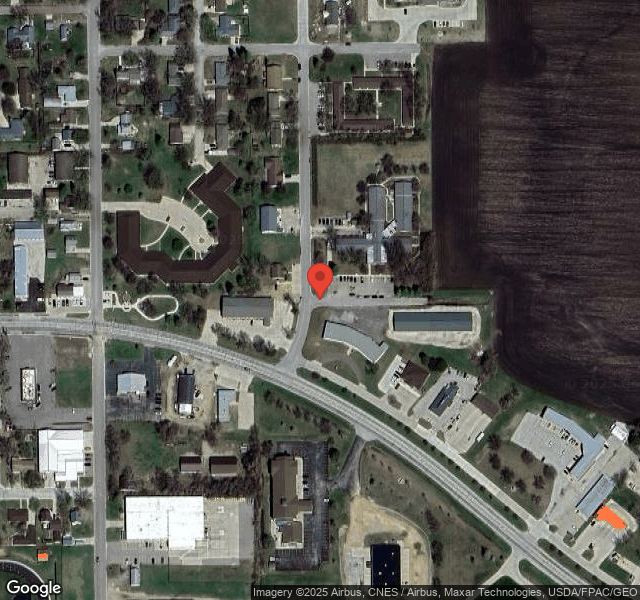
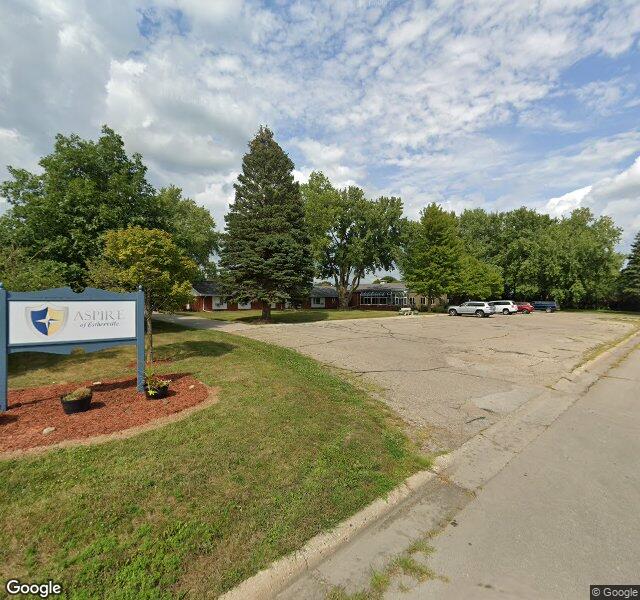
2001 First Avenue North, Estherville, IA 51334 (712) 362-3594
For profit - Corporation 46 Beds BEACON HEALTH MANAGEMENT Data: November 2025 1 Immediate Jeopardy citation
Trust Grade
23/100
#343 of 392 in IA
Last Inspection: December 2024

Within standard 12-15 month inspection cycle. Federal law requires annual inspections.

Overview

Estherville Community Care Center has received a Trust Grade of F, indicating significant concerns about the quality of care provided. Ranked #343 out of 392 facilities in Iowa, it falls in the bottom half of the state, and #2 out of 3 in Emmet County, meaning there is only one local option that is better. The facility's trend is improving, with the number of issues decreasing from 13 in 2023 to 6 in 2024, which is a positive sign. Staffing is rated average with a turnover rate of 0%, which is excellent compared to the state average, and there have been no fines recorded, showing compliance with regulations. However, specific incidents of concern include a critical failure to secure residents at risk for elopement, as well as a serious incident where a resident fell due to inadequate supervision, highlighting weaknesses in safety and supervision protocols. Overall, while there are strengths in staffing and trends, the facility must address significant safety concerns.

Trust Score
F
23/100
In Iowa
#343/392
Bottom 13%
Safety Record
High Risk
Review needed
Inspections
Getting Better
13 → 6 violations
Staff Stability
○ Average
Turnover data not reported for this facility.
Penalties
✓ Good
No fines on record. Clean compliance history, better than most Iowa facilities.
Skilled Nurses
✓ Good
Each resident gets 48 minutes of Registered Nurse (RN) attention daily — more than average for Iowa. RNs are trained to catch health problems early.
Violations
⚠ Watch
37 deficiencies on record. Higher than average. Multiple issues found across inspections.
★☆☆☆☆
1.0
Overall Rating
★★★☆☆
3.0
Staff Levels
★☆☆☆☆
1.0
Care Quality
★★☆☆☆
2.0
Inspection Score
Stable
2023: 13 issues
2024: 6 issues

The Good

  • Full Sprinkler Coverage · Fire safety systems throughout facility
  • No fines on record

Facility shows strength in fire safety.

The Bad

1-Star Overall Rating

Below Iowa average (3.0)

Significant quality concerns identified by CMS

Chain: BEACON HEALTH MANAGEMENT

Part of a multi-facility chain

Ask about local staffing decisions and management

The Ugly 37 deficiencies on record

1 life-threatening 1 actual harm
Dec 2024 4 deficiencies
CONCERN (D)

Potential for Harm - no one hurt, but risky conditions existed

Transfer Notice (Tag F0623)

Could have caused harm · This affected 1 resident

Based on record review, staff interview, and policy review the facility failed to notify the Long Term Care (LTC) Ombudsman of a transfer to a hospital for 1 of 2 residents (Resident #190) reviewed. T...

Read full inspector narrative →
Based on record review, staff interview, and policy review the facility failed to notify the Long Term Care (LTC) Ombudsman of a transfer to a hospital for 1 of 2 residents (Resident #190) reviewed. The facility reported a census of 36 residents. Findings include: Review of Resident #190's Clinical Census in the Electronic Health Record (EHR) revealed Resident #190 had a hospital unpaid leave from 10/30/24 to 11/6/24. Review of the facility document, Notice of Transfer Form to Long Term Care Ombudsman, for the month of 10/24 revealed there was no notification for the Resident 190's hospitalization beginning on 10/30/24. During an interview on 12/11/24 at 1:42 PM the Administrator acknowledged Resident #190 was neither on the Discharge Report nor the Notice of Transfer to Long Term Care Ombudsman Report. The Administrator stated the resident had been missed on his transfer to the hospital. The Administrator indicated she completed the Ombudsman notifications. On 12/12/24 at 8:00 AM the Administrator stated the expectation was for residents transferred to acute hospitals to be on the Ombudsman Report. The facility policy titled Transfer and/or Discharge, Including Against Medical Advice last revised 10/22 revealed a copy of the transfer or discharge notice should be sent to the Long Term Care Ombudsman and noted in the record. The facility provided document, The Iowa Health Care Association Protocols for Use and Issuance of Nursing Facility Transfer Notices dated 9/19, revealed copies of notices for emergency transfers must be sent to the Ombudsman, but may be included on a monthly summary.
CONCERN (D)

Potential for Harm - no one hurt, but risky conditions existed

Infection Control (Tag F0880)

Could have caused harm · This affected 1 resident

2) The Minimum Data Set (MDS) quarterly assessment with completed date 7/9/24, documented Resident #10 had a Brief Interview for Mental Status score of 10/15 indicating moderate cognitive impairment. ...

Read full inspector narrative →
2) The Minimum Data Set (MDS) quarterly assessment with completed date 7/9/24, documented Resident #10 had a Brief Interview for Mental Status score of 10/15 indicating moderate cognitive impairment. The MDS documented diagnoses that included hemiplegia for unspecified cerebrovascular disease affecting the right dominant side, diabetes, and a Stage 3 Pressure Ulcer. The assessment section entitled Functional Abilities and Goals (GG) revealed Resident #10 required substantial/extensive assistance with activities of daily living (ADLs), mobility, and transfers. The resident had an indwelling catheter. Resident #10's Care Plan revealed approaches for staff to follow including the resident having a catheter, following Enhanced Barrier Precautions, taking care of catheter equipment, and monitoring of signs/symptoms for urinary tract infections. Observation on 12/10/24 at 12:36 PM revealed Resident #10 self propelling her wheelchair with the catheter bag and tubing dragging on the floor. The facility provided document, Indwelling Urinary Catheters, revealed the catheter tubing and drainage bag were to be kept off the floor. On 12/12/24 at 8:25 AM the Infection Preventionist (IP)/Director of Nursing (DON) stated the expectation would be for catheter bags/tubing to be kept in dignity bags and not on the floor. The Administrator on 12/12/24 at 8:00 AM stated the expectation would be for catheter tubing and drainage bags to be kept off the floor. 3) Observations on the following dates and times of laundry carts being moved by Staff B, Laundry Aide: On 12/9/24 at 1:46 PM observed Staff B delivering resident laundry in an uncovered cart. On 12/10/24 at 11:35 AM observed Staff B transporting uncovered dirty clothes from the [NAME] Hallway across the serving area and outer dining area to the North Hallway. On 12/10/24 at 11:40 AM observed Staff B transporting an empty laundry cart from the North Hallway to the East Hallway. The staff picked up dirty clothes and moved the uncovered laundry cart from the East Hallway to the North Hallway. On 12/10/24 at 1:41 PM observed Staff B transport uncovered clean linens and slings from the North Hallway to the [NAME] and East Hallways. On 12/10/24 at 1:55 PM Staff B stated she should cover the laundry cart when delivering laundry. The staff stated they had forgotten to cover the laundry as there was too much going on, and that she typically covers it. Staff B further stated she was unaware that dirty laundry needed to be covered prior to transporting through the facility. The facility provided document, Handling of Clean Linen and Linen Distribution, revealed that clean laundry should be handled in a manner that prevents gross microbial contamination of the air and persons handling the linen. The document further revealed the cart should be covered once it is filled and distributed to the units. On 12/12/24 at 8:15 AM the IP/DON stated laundry should be covered at all times when transported in the facility. On 12/12/24 at 8:00 AM the Administrator stated it was the expectation that laundry be covered during transportation whether clean or dirty. Based on observations, clinical record review, staff interviews, and policy reviews the facility failed to implement appropriate hand hygiene and infection control practices to mitigate the spread of pathogens during mealtimes, catheter management, and laundry delivery. The facility reported a census of 36. 1) On 12/09/24 at 12:11 PM, Staff A, Certified Nurse Aide (CNA) put on a pair of gloves, picked a fork off the floor with her right hand, and placed it on the table. She walked behind a resident (Resident #34) seated in a tilt-chair, repositioned the resident to face the right side of the table, sat down to the right of the resident, and began feeding the resident. She wiped the resident's mouth with a napkin in her right gloved hand, picked up the resident's milk cup from the top with her gloves, and gave the resident some milk. She did not perform hand hygiene or change gloves throughout the process. A policy titled Handwashing/Hand Hygiene revised 10/22 indicated employees must wash their hands for at least twenty (20) seconds using antimicrobial or non-antimicrobial soap and water under conditions which included before and after assisting a resident with meals. On 12/12/24 at 8:30 AM, the Director of Nursing (DON) stated staff should not pick utensils off the floor then assist a resident to eat.
CONCERN (E)

Potential for Harm - no one hurt, but risky conditions existed

Comprehensive Assessments (Tag F0636)

Could have caused harm · This affected multiple residents

Based on record reviews, staff interviews, and policy review, the facility failed to complete comprehensive assessments within required time frames for 7 of 7 residents (Residents #4, #7, #8, #15, #18...

Read full inspector narrative →
Based on record reviews, staff interviews, and policy review, the facility failed to complete comprehensive assessments within required time frames for 7 of 7 residents (Residents #4, #7, #8, #15, #18, #189, and #190). The facility reported a census of 36. Findings include: On 12/10/24 at 9:31 AM, multiple record reviews revealed seven (7) past-due Comprehensive Assessments (Minimum Data Sets - MDS) and were documented as follows: 1) Resident #4's MDS included an Assessment Reference Date (ARD - last day of observation period) of 11/04/24 with an in-progress status. It indicated 22 days past due. 2) Resident #7's MDS included an ARD of 10/07/24 with an in-progress status. It indicated 50 days past due. 3) Resident #8's MDS included an ARD of 11/05/24 with an in-progress status. It indicated 22 days past due. 4) Resident #15's MDS included an ARD of 10/14/24 with an in-progress status. It indicated 41 days past due. 5) Resident #18's MDS included an ARD of 10/03/24 with an in-progress status. It indicated 54 days past due. 6) Resident #189's MDS included an ARD of 10/29/24 with an in-progress status. It indicated 28 days past due. 7) Resident #190's MDS included an ARD of 10/03/24 with an in-progress status. It indicated 54 days past due. It also included five (5) other past-due, in-progress MDS assessments with ARDs of 11/06/24, 11/11/24, 11/18/24, and 11/24/24. The Resident Assessment Instrument (RAI) indicated a resident's MDS assessments must be completed within 14 days from the ARD. A policy titled Comprehensive Assessment revised 08/22 indicated the Assessment Coordinator is responsible for ensuring that the Interdisciplinary Assessment Team conduct timely resident assessments and reviews according to the following schedule: a) Within fourteen (14) days of the resident's admission to the facility; b) When there has been a significant change in the resident's condition; c) At least quarterly; and d) Once every twelve (12) months. On 12/12/24 at 8:01 AM, the Administrator stated she expected Comprehensive Assessments to be completed in a timely fashion.
CONCERN (F)

Potential for Harm - no one hurt, but risky conditions existed

Staffing Data (Tag F0851)

Could have caused harm · This affected most or all residents

Based on the Center for Medicare and Medicaid Services (CMS) Payroll Based Journal (PBJ) Staffing Data Report (July 1 - September 30) review, facility staffing reports review, employee time cards revi...

Read full inspector narrative →
Based on the Center for Medicare and Medicaid Services (CMS) Payroll Based Journal (PBJ) Staffing Data Report (July 1 - September 30) review, facility staffing reports review, employee time cards review, and staff interviews, the facility failed to submit accurate staff reports for the PBJ Staffing Data Report. The facility reported a census of 36 residents. Findings include: The PBJ Staffing Data Report with run date 12/4/24 triggered for failing to have licensed nursing coverage 24 hours/day - 4 or more days within the quarter with <24 hours/day licensed nursing coverage with specific infraction dates. The report reflected 7 dates with failure to provide 24 hour/day nursing coverage during August and September. Review of the Nurse Schedule for the infraction dates revealed nursing shifts covered by the Director of Nursing (DON), Staff C, Licensed Practical Nurse (LPN), Staff D, LPN, Staff E, Registered Nurse (RN), Staff F, RN, and Staff G, RN for 7/7 dates. Review of time cards for the infraction dates revealed nursing services were provided for 24 hours/day. On 12/11/24 at 2:19 PM the Business Office Manager (BOM) stated she submitted the missed punches to Weblock, then uploaded them into a folder in Teams and then the Corporation would handle it from there. On 12/12/24 at 8:55 AM the Administrator stated during this quarter July 1 - September 30 their previous Corporation took care of submitting hours to PBJ. The Administrator acknowledged that during this period their own staff hours were not being transferred correctly to be submitted to PBJ and the Corporation was aware of this and looking into it.
Oct 2024 1 deficiency
CONCERN (D) 📢 Someone Reported This

A family member, employee, or ombudsman was alarmed enough to file a formal complaint

Potential for Harm - no one hurt, but risky conditions existed

Deficiency F0567 (Tag F0567)

Could have caused harm · This affected 1 resident

**NOTE- TERMS IN BRACKETS HAVE BEEN EDITED TO PROTECT CONFIDENTIALITY** Based on record review, staff and resident interviews and facility policy review the facility failed to provide residents with t...

Read full inspector narrative →
**NOTE- TERMS IN BRACKETS HAVE BEEN EDITED TO PROTECT CONFIDENTIALITY** Based on record review, staff and resident interviews and facility policy review the facility failed to provide residents with the ability to have access to their funds when requested for 2 out 4 residents reviewed (Resident #2 & #4). The facility reported a census of 37 residents. Findings include: 1. The Minimum Data Set (MDS) assessment dated [DATE] for Resident #2 documented diagnoses of anxiety disorder, anemia and arthritis. The MDS showed the Brief Interview for Mental Status (BIMS) score of 13, indicating no cognitive impairment. Interview on 10/15/24 at 2:44 p.m., with Resident #2 revealed she is unable to get money on the weekends if she asked for it. Resident #2 explained the facility always is waiting for a check to come to the facility and then they have to go get the money before they can give it to us. She has had to wait a couple of days to be able to get her money. 2. The MDS assessment dated [DATE] for Resident #4 documented diagnoses of anxiety disorder, hypertension and neurogenic bladder. The MDS showed the BIMS score of 11, indicating moderate cognitive impairment. Interview on 10/15/24 at 2:24 p.m., with Resident #4 revealed he had asked the Administration in the facility a couple weeks ago for $50 and has not received his funds. Resident #4 explained he was told the facility had to check the mail for a check to come and their check was coming. Resident #4 explained he was told there was no money in the building to honor his request. He stated he always has to wait for the facility to get more money when he asks for it. Review of facility provided policy titled Resident Trust Fund with a revision date of 6/12/24 revealed residents have access to their funds 24 hours a day, 7 days a week, 365 days a year. Interview on 10/16/24 at 12:41 p.m., with the Administrator revealed the facility was out of petty cash and did have to wait for the check to come from the corporate office which takes 2 days to process. She explained the check had just come and all resident requests have been fulfilled but they did have to wait for their funds. The Administrator confirmed Resident #4 had asked for funds and did have to wait for the facility check to arrive. The Administrator explained she is going to be working with the corporate office to find a solution for residents.
Sept 2024 1 deficiency 1 Harm
SERIOUS (G) 📢 Someone Reported This

A family member, employee, or ombudsman was alarmed enough to file a formal complaint

Actual Harm - a resident was hurt due to facility failures

Accident Prevention (Tag F0689)

A resident was harmed · This affected 1 resident

Based on clinical record review, staff interviews, and facility policy review, the facility failed to provide adequate nursing supervision to prevent a fall for 1 of 3 residents reviewed (Residents #3...

Read full inspector narrative →
Based on clinical record review, staff interviews, and facility policy review, the facility failed to provide adequate nursing supervision to prevent a fall for 1 of 3 residents reviewed (Residents #3). The facility reported a total census of 30 residents. Findings include: Resident #3's clinical record documented diagnoses of anxiety disorder, abnormal weight loss and adult failure to thrive. The Brief Interview for Mental Status (BIMS) score of 15, indicating severe cognitive impairment. Review of facility provided Incident Report dated 9/5/24 at 5:30 p.m. revealed under incident description staff heard someone yelling help help help. Staff ran to the direction of the screaming. Resident was laying down supine on the floor by the ice machine in the hallway. Resident's head was laying on the floor on the right side of the ice machine. Head towards the north wall with her right leg straight out towards the south of the hall. Resident's left leg was rotated out. Resident was screaming in pain that her left hip hurt so bad. Resident description revealed I slipped. Review of resident Progress Notes dated 9/5/24 at 5:40 p.m., revealed fall details. Date and Time of Fall: 9/5/24 at 5:30 p.m Fall was not witnessed. Fall occurred in the hallway. Activity at the time of fall: slipped on water in front of the ice machine. Reason for the fall was evident. Reason for fall: slipped on ice in front of the ice machine. Did an injury occur as a result of the fall: yes. Injury details: left hip fracture. Did fall result in an emergency room (ER) visit: yes. ER visit/Hospitalization details: Resident transported to Emergency Department (ED). hospitalized in local hospital for left hip surgery tomorrow morning. Review of Facility Self Report dated 9/5/24 at 7:54 p.m., revealed Resident had just finished her supper and was walking up the northeast hallway to go back to her room. Nursing staff heard someone yelling help help help. Nursing staff ran to the area they heard someone yelling for help to find this resident lying on the floor, in a supine position. Resident complained that she couldn't move her left leg and that she hit her head when she fell. There was a quarter size amount of water on the floor near the area where the resident fell. Resident did have shoes on at the time of the incident. Resident stated I slipped. Resident is independent with ambulation without the use of an assistive device. Resident sent to the local ER for evaluation of left hip pain. Review of ED Note dated 9/5/24 revealed patient reports here today via Emergency Medical Service (EMS) from a local nursing home after slipping on some ice and landing on her left hip. She reports severe pain with movement of her left leg hip. She denies hitting her head, neck pain or headache. Patient's left leg is externally rotated and shorter than the right. Incident occurred just prior to coming to the emergency room. Patient's x-ray did confirm an intertrochanteric femur fracture. Interview on 9/6/24 at 12:47 p.m., with Staff A, Certified Nursing Assistant (CNA) revealed they were passing trays and heard someone yelling help me I fell. She went running over to where the sound was coming from and found the resident by the ice machine. Staff A asked Resident #3 what had happened. Resident #3 revealed she had slipped on water and fell. Staff A had the other aide got the nurse and the nurses handled it from there. Interview on 9/6/24 at 12:50 p.m., with Staff B, CNA revealed the fall happened when getting supper trays passed. She heard a scream and stopped what she was doing and went running to where the screaming was coming from. She did not have any tread on her shoes. Resident #3 didn't know the water was on the floor and slipped and fell and hit her head. Staff B got the nurse and she came running over right away. Interview on 9/6/24 at 1:55 p.m., with Staff C, Licensed Practical Nurse (LPN) revealed she was at her medication cart working on passing medications when she heard a different type of yell that is hard to explain for help. She took off running and found Resident #3 laying on the floor by the ice machine. Staff C asked Resident #3 what had happened. Resident #3 explained that she had slipped on a little puddle of water. Staff C confirmed she saw a puddle of water no bigger than a quarter on the floor. Resident #3 was holding her left hip and leg area and was stating she was in terrible pain. Resident was transferred to the ER for an evaluation. Interview on 9/6/24 at 2:29 p.m., with the Director of Nursing (DON) revealed she was just getting back with another resident from an appointment and the staff had asked which door the ambulance came to and she told them and asked why. Staff had told the DON Resident #3 had fallen by the ice machine. The DON went directly to the area and seen staff working with Resident #3. Resident #3 told the DON she had slipped on water on the floor. The DON revealed her left leg was visibly noted to be rotated outward and the ambulance was on their way. The DON further revealed the resident had on a pair of shoes that did not have any tread on the bottom of them and they would be getting her a new pair of shoes. Review of facility provided policy titled Fall Management Standard with a revised date of 8/2021 the evidence points to the following conditions as potentially modifiable risk factors in both community dwelling and nursing home residents including environmental hazards including wet floors. The facility strives to reduce the risk for falls and injuries by promoting the implementation of the Risk Reduction: Falls and Injuries Program. Residents are assessed for the fall risk factors. The interdisciplinary team works with the residents and family to identify and implement appropriate interventions to reduce the risk of falls or injuries while maximizing dignity and independence. Interview on 9/6/24 at 3:06 p.m., with the DON revealed staff should clean up any spilled ice by the ice machine right away and make sure the floor is dry.
Oct 2023 8 deficiencies
CONCERN (D)

Potential for Harm - no one hurt, but risky conditions existed

Deficiency F0582 (Tag F0582)

Could have caused harm · This affected 1 resident

Based on clinical record review and staff interview, the facility failed to give 2 day notification of the Notice of Medicare Non-Coverage (NOMNC) Centers of Medicare & Medicaid (CMS)-10123 for 1 of 3...

Read full inspector narrative →
Based on clinical record review and staff interview, the facility failed to give 2 day notification of the Notice of Medicare Non-Coverage (NOMNC) Centers of Medicare & Medicaid (CMS)-10123 for 1 of 3 sampled residents. (Residents #184). The facility reported a census of 28 residents. Findings Include: Record review for Resident #184 revealed form CMS 10123-NOMNC with a services end date of 5/10/23. Resident #184 signed 5/9/23. Centers for Medicare and Medicaid website titled, Form Instructions for the Notice of Medicare Non-Coverage (NOMNC) CMS-10123 visited on 10/4/23 at 12:56 p.m., revealed the NOMNC must be delivered at least two calendar days before Medicare covered services end or the second to last day of service if care is not being provided daily. Interview on 10/4/23 at 1:14 p.m., with the Administrator revealed it should be a 2 days notice unless they waive it.
CONCERN (D)

Potential for Harm - no one hurt, but risky conditions existed

Assessment Accuracy (Tag F0641)

Could have caused harm · This affected 1 resident

**NOTE- TERMS IN BRACKETS HAVE BEEN EDITED TO PROTECT CONFIDENTIALITY** 3. The MDS assessment dated [DATE] for Resident # 11 included diagnosis of anxiety disorder and unspecified mood disorder. The M...

Read full inspector narrative →
**NOTE- TERMS IN BRACKETS HAVE BEEN EDITED TO PROTECT CONFIDENTIALITY** 3. The MDS assessment dated [DATE] for Resident # 11 included diagnosis of anxiety disorder and unspecified mood disorder. The MDS showed a BIMS score of 13 indicating no cognitive impairment. Review of the MDS revealed Resident #11 took anti-anxiety medication for 7 out of 7 days in the lookback period. Review of the July and August Medication Administration Record (MAR), lacked administration of anti-anxiety medication. Review of the Medication Review Report for the month of July signed and dated 7/6/23 failed to show an anti-anxiety medication. Interview on 10/4/23 at 03:00 PM, with the MDS Coordinator agreed that it was coded inaccuratley. She voiced at the time of doing the MDS dated [DATE] when she looked at the MAR for the month of August it showed underneath the medication seroquel, the dx is unspecified mood (affective) disorder and generalized anxiety disorder, she had seen the generalized anxiety disorder and coded it on the MDS. She also stated that she sent in a correction after it was brought to her attention. Based on record review and staff interview, the facility failed to ensure the Minimum Data Set (MDS) assessments were accurate for 3 of 12 residents reviewed (Resident #4, #8, and #11). The facility reported a census of 28 residents. Findings include: 1) According to the MDS assessment dated [DATE] Resident #4 scored 9 on the Brief Interview for Mental Status (BIMS) indicating moderate cognitive impairment. The resident's diagnoses included depression and schizophrenia. The MDS indicated the resident was not considered to have a mental illness by the state Level 2 Preadmission Screening and Record Review (PASRR) process. The resident admitted to the facility on [DATE]. A facility referral from the hospital dated 8/17/23 documented the PASRR would be faxed once completed, it was under review. A Notice of PASRR Level 1 Screen Outcome dated 8/17/23 documented the resident needed referral for a Level 2 screen onsite. On 10/3/23 at 2:40 p.m. the DON stated they had not had the Level 2 done. The hospital should have had that done. She did not know if it had been done. On 10/4/23 at 5:15 p.m. the DON had the resident's Level 2 dated 8/20/23. She said she got it from the PASRR site. A Notice of PASRR Level 2 Screen Outcome dated 8/20/23 documented the resident had a Level 2 approved with a time limit. The resident met inclusion for PASRR based on a mental health diagnosis of schizophrenia, an unspecified intellectual disability, and Down Syndrome. 2) According to the MDS assessment dated [DATE] Resident #8 scored 7 on the BIMS indicating severe cognitive impairment. The resident's diagnoses included non-Alzheimer's dementia. The MDS documented the resident received no diuretic in the 7 day look back period. The current Clinical Physician's Orders documented the resident had an order for Lasix 20 mg once daily for hypertension with a start date of 12/9/23. The August 2023 Medication Administration Record (MAR) documented the resident received Lasix 20 mg daily in the 8/16/23 MDS 7 day look back period. On 10/4/23 at 5:07 p.m. the MDS coordinator stated she did not identify the diuretic on the resident's MDS assessment, and verified that was an error.
CONCERN (D)

Potential for Harm - no one hurt, but risky conditions existed

PASARR Coordination (Tag F0644)

Could have caused harm · This affected 1 resident

**NOTE- TERMS IN BRACKETS HAVE BEEN EDITED TO PROTECT CONFIDENTIALITY** Based on clinical record review and staff interview, the facility completed a Preadmission Screening and Resident Review (PASRR)...

Read full inspector narrative →
**NOTE- TERMS IN BRACKETS HAVE BEEN EDITED TO PROTECT CONFIDENTIALITY** Based on clinical record review and staff interview, the facility completed a Preadmission Screening and Resident Review (PASRR) for Level I, but failed to Refer for Level II evaluation for (Resident #4, #8 and #22). The facility reported a census of 28 residents. Findings included: 1. The Minimum Data Set (MDS) assessment dated [DATE] for Resident #22 documented diagnosis of depression, schizophrenia and paranoid schizophrenia. The MDS showed a Brief Interview for Mental Status (BIMS) score of 6 indicating severe cognitive impairment. Review of the PASRR Level 1 Screening Outcome dated 7/6/23 for Resident #22 revealed PASRR Level I Determination Refer for Level II Onsite. Review of the clinical chart lacked a Level II PASRR evaluation. The Progress Notes dated 8/16/23, and 6/30/23 for Resident #22 revealed follow up psychiatric visits related to schizophrenia. The Pre-admission Screening and Resident Review (PASRR) policy dated October 2023 revealed: PASRR is a review required under the State Medicaid program that identifies the specialized services for an individual with mental illness and mental retardation (MI/MR) residing in a nursing facility and be offered the most appropriate setting for their needs. PASRR assures that psychological, psychiatric, and functional needs are considered in long term care. The Facility Social Services Director is accountable for this process. All applicants to a Medicaid certified Nursing Facility are to receive a level I preliminary assessment to determine whether they might have a mental illness, intellectual disability, or related condition. If one of the above conditions is identified, the Social Worker will make a referral for a level II assessment. The outcome of the Level II evaluation confirms the need for placement in a skilled nursing facility and provides a set of service recommendations for providers to use in developing the individualized plan of care. When the Social Worker is submitting documentation for Level II review, the medical history, current medications, and physical exam report must be included. A psychological evaluation including intelligence testing and a functional evaluation will also be needed. Determination will be made within 7 days and sent to the facility. In an interview on 10/4/23 at 4:30PM, the DON reported she is responsible for submitting and resubmitting PASRR ' s and has not submitted for a level II referral. She further reported she has a call into the PASRR company for clarification on the Level II. 2. According to the MDS assessment dated [DATE] Resident #4 scored 9 on the BIMS indicating moderate cognitive impairment. The resident's diagnoses included depression, and schizophrenia. The MDS indicated the resident was not considered to have a mental illness by the state Level 2 Preadmission Screening and Record Review (PASRR) process. A facility referral from the hospital dated 8/17/23 documented the PASRR would be faxed once completed, it was under review. A Notice of PASRR Level 1 Screen Outcome dated 8/17/23 documented the resident needed referral for a Level 2 screen onsite. A Baseline Care Plan dated 8/21/23 documented a Level 2 PASRR must be done. On 10/3/23 at 2:40 p.m. the DON stated they had not had the Level 2 done. The hospital should have done that. She did not know if it had been done. On 10/4/23 at 5:15 p.m. the DON had the resident's Level 2 dated 8/20/23. She said she got it from the PASRR site. A Notice of PASRR Level 2 Screen Outcome dated 8/20/23 documented the resident's Level 2 approved with a time limit. The PASRR included specialized services for the resident's behavioral health and/or developmental condition were required. 3) According to the MDS assessment dated [DATE] Resident #8 scored 7 on the BIMS indicating severe cognitive impairment. The resident's diagnoses included non-Alzheimer's dementia, major depressive disorder, and psychotic disorder. The MDS indicated the resident was not considered to have a mental illness by the state Level 2 PASRR process. A Notice of PASRR Level 1 Screen Outcome dated 12/28/22 documented no level 2 was required for the resident. The Level 1 had diagnoses of suspected depression and delusions. The Level 1 screen indicated that a PASRR disability was not present. If changes occurred a new screen must be submitted. The resident's diagnosis record showed Major Depressive Disorder added 5/15/23 and psychosis added 5/26/23. The resident's clinical record lacked a new PASRR Level 1 screen with the updated diagnoses. On 10/4/23 at 5:15 p.m. the DON did not know a Level 1 PASRR would need to be resubmitted. She had a call out to the contact person for PASRR.
CONCERN (D)

Potential for Harm - no one hurt, but risky conditions existed

Deficiency F0655 (Tag F0655)

Could have caused harm · This affected 1 resident

Based on record review and staff interview, the facility failed to develop and implement a baseline care plan for 3 of 5 residents reviewed (Resident #5, #8, and #14). The facility reported a census o...

Read full inspector narrative →
Based on record review and staff interview, the facility failed to develop and implement a baseline care plan for 3 of 5 residents reviewed (Resident #5, #8, and #14). The facility reported a census of 28 residents. Findings include: 1) The Progress Notes dated 2/6/23 at 5:53 p.m. documented at 2 p.m. Resident #5 admitted to the facility. He entered in a wheelchair, from the hospital at skilled level of care with diagnosis of acute diastolic heart failure. The resident oriented to the facility, mealtimes and staff. The resident needed 1-2 assist with a gaitbelt and front wheeled walker. The resident had left sided weakness from a previous stroke. The resident needed assistance with activities of daily living (ADL's), and was legally blind. A seat alarm applied at all times. Lungs sounded clear bilaterally, heart rate regular and oxygen saturations 97% on room air. The resident had edema to his left lower leg with shin discoloration noted, and encouraged elevation of his extremities. He was alert and oriented but had mild dementia with short term memory loss. Physical Therapy and Occupational therapy were to evaluate and treat with goal for long term care. The resident's clinical record lacked a baseline care plan. 2) The Progress Notes dated 12/8/22 at 3:12 p.m. documented Resident #8 arrived at the facility via private vehicle from an assisted living facility. A head-to-toe assessment was completed, and assessment within normal limits. The resident was acclimated to her room and visited with residents in the dining room. The resident was intermediate level of care (ICF) and would be a long term resident. The resident needed 1-2 assist and would be evaluated for a sit to stand. No concerns were noted at that time, and would continue to monitor. The resident's clinical record lacked a baseline care plan. 3) The Progress Notes dated 3/13/23 at 1 p.m. documented Resident #14 admitted to the facility. The resident walked into the center with his family member, from another facility at ICF level of care. The resident oriented to the facility, mealtimes, room and staff. The resident was alert and oriented, and made his needs known. The resident had frequent smoke breaks, and cigarettes given to the nursing department. The resident was independent with ADL's, transfers, and mealtimes. He had a consistent carbohydrate diet with regular texture and thin liquids. He liked his meats ground, due to refusing to wear his dentures. Lungs clear bilaterally, heart regular, bowel sounds active x 4, abdomen soft and non tender. The resident stated having pain to bilateral shoulders and back from past surgery. He utilized scheduled pain medications and as needed (PRN) medications. The resident had sliding scale and bedtime insulin with blood sugar checks. He had no skin issues noted, and no edema to extremities. He rested comfortable in his room. The resident's clinical record lacked a baseline care plan. On 10/3/23 at 5:03 p.m. the Minimum Data Set (MDS) Coordinator stated she could not find baseline care plans for the residents requested. On 10/5/23 at 10:57 a.m. the DON confirmed she didn't find anything sufficient enough for baseline care plans on the 3 residents. The facility policy RAI/Care Planning Management revised July 2022 included the interim baseline care plan was developed within 48 hours of admission to the facility and based on resident needs identified in the admission nursing assessments, initial goals based on admission orders, Physician orders, Dietary orders, Therapy services, Social services, PASRR recommendation, if applicable and other pertinent information. The interim care plan was updated following completion of all assessments no later than 48 hours of admission. Within the first hours as the interim care plan was being developed, the plan of care was communicated to the caregivers, the resident, and the family.
CONCERN (E)

Potential for Harm - no one hurt, but risky conditions existed

Abuse Prevention Policies (Tag F0607)

Could have caused harm · This affected multiple residents

Based on personnel file reviews, staff interviews, and facility policy review, the facility failed to ensure all employees had an Iowa Criminal Background check and dependent adult/child abuse registr...

Read full inspector narrative →
Based on personnel file reviews, staff interviews, and facility policy review, the facility failed to ensure all employees had an Iowa Criminal Background check and dependent adult/child abuse registry check completed prior to working in the facility for 1 out of 5 employees reviewed (Staff A). The facility reported a census of 28 residents. Findings include: Review of Employee New Hire Report revealed Staff A, Registered Nurse (RN) documented a hire date of 1/7/23. Review of Employee Termination Report revealed Staff A was terminated on 4/19/23 with a hire date of 1/7/23. The personnel file for Staff A revealed documention of an criminal background check and dependent adult and child abuse registry check was completed on 1/27/23 at 3:56 p.m The file lacked documentation of the Iowa Criminal Background Check and dependent adult/child abuse registry check prior to hire. Review of facility provided policy titled Freedom From Abuse, Neglect and Exploitation Policy with a revision date of August 2022 revealed the Criminal Background Check/Nurse Aid Registry Check - In states where Criminal Background Checks are required; all employment candidates are required to authorize the facility to conduct a background check for conviction of crimes. Background screens are submitted after a conditional offer is extended and must be received within the appropriate time frames per state requirements. Interview on 10/4/23 at 10:26 a.m., with the Administrator revealed Staff A did not have a background check completed on rehire.
CONCERN (E)

Potential for Harm - no one hurt, but risky conditions existed

Deficiency F0726 (Tag F0726)

Could have caused harm · This affected multiple residents

Based on document review and staff interview the facility failed to verify professional nursing licensure prior to hire for 1 of 2 staff members reviewed (Staff A). The facility reported a census of 2...

Read full inspector narrative →
Based on document review and staff interview the facility failed to verify professional nursing licensure prior to hire for 1 of 2 staff members reviewed (Staff A). The facility reported a census of 28 residents. Findings include: Review of Employee New Hire Report revealed Staff A, Registered Nurse (RN) documented a hire date of 1/7/23. Review of Employee Termination Report revealed Staff A was terminated on 4/19/23 with a hire date of 1/7/23. The personnel file for Staff A revealed a nurse license verification report was completed with a date and time of 10/26/22 at 12:40 p.m Review of Staff A personnel file lacked a license verification report dated prior to rehire date. Review of facility provided policy titled Freedom From Abuse, Neglect and Exploitation Policy with a revision date of August 2022 revealed when a potential new employee is considered for hire, each of the following steps should be taken to assure that the applicant is suitable for hire. Verification of License/Certificate - Verification of licensure or certification and identification of previous disciplinary actions or restriction on licensure/certification will be obtained for all applicable positions. A file with the license or certification will be kept for each applicable employee. Interview on 10/4/23 at 10:26 a.m., with the Administrator revealed Staff A did not have a licensure check completed on rehire.
CONCERN (E)

Potential for Harm - no one hurt, but risky conditions existed

Deficiency F0868 (Tag F0868)

Could have caused harm · This affected multiple residents

Based on record review, interview, and facility policy the facility failed to have the Director of Nursing Services, Medical Director and Infection Preventionist at quarterly meetings for their quarte...

Read full inspector narrative →
Based on record review, interview, and facility policy the facility failed to have the Director of Nursing Services, Medical Director and Infection Preventionist at quarterly meetings for their quarterly Quality Assessment and Assurance (QAA) meetings. The facility reported a census of 28. Findings include: Review of the facility document titled Quality Assurance Process Improvement (QAPI) Committee: a. Document dated 11/3/22 lacked the signature of the Director of Nursing Services. b. Document dated 1/2023 lacked the signature of the Medical Director, Director of Nursing Services and Infection Preventionist. Review of the facility provided policy titled Quality Assurance Process Improvement Management dated January 2023 revealed the Administrator of this facility shall be the chairperson and shall appoint all representatives to the QAPI Committee. Additionally, any vacancies occurring on the committee shall be filled by the facility's Administrator. According to the Federal OBRA nursing home guidelines [§483.75(o)(l)(i-iii)], the QAPI Committee must include the Director of Nursing Services, a physician designated by the facility and at least 3 other members of the facility's staff. New regulations include nursing staff such as licensed nurses and certified nursing assistants. Interview on 10/4/23 at 1:18 p.m., with the Administrator revealed the facility did not have an infection preventionist in January of 2023.
CONCERN (E)

Potential for Harm - no one hurt, but risky conditions existed

Deficiency F0943 (Tag F0943)

Could have caused harm · This affected multiple residents

Based on personnel file review, facility policy review and staff interview the facility failed to provide dependent adult abuse training within 6 months of hire for 1 of 5 employees reviewed (Staff B)...

Read full inspector narrative →
Based on personnel file review, facility policy review and staff interview the facility failed to provide dependent adult abuse training within 6 months of hire for 1 of 5 employees reviewed (Staff B). The facility identified a census of 28 residents. Findings include: Review of Employee New Hire Report revealed Staff B, Certified Nursing Assistant (CNA) documented a hire date of 3/22/23. Review of Staff B personal file revealed a Dependent Adult Abuse Training certificate dated 10/2/23. Review of Staff B time card dated 9/17/23-9/30/23 revealed Staff B worked on 9/23/23, 9/27/23, and 9/28/23. Review of time cared dated 10/1/23-10/14/23 revealed Staff B did not work. Review of facility provided policy titled Freedom From Abuse, Neglect and Exploitation Policy with a revision date of August 2022 revealed to create an educated awareness of resident abuse, the facility standard of Freedom of Abuse, Neglect and Exploitation covers types of abuse, abuse reporting and abuse investigation. This information shall be reviewed during orientation with each new employee and reviewed with staff on an annual basis. Interview on 10/4/23 at 2:52 p.m., with the Administrator revealed Staff B was unable to work until her Dependent Adult Abuse Training was completed.
Aug 2023 1 deficiency
CONCERN (D) 📢 Someone Reported This

A family member, employee, or ombudsman was alarmed enough to file a formal complaint

Potential for Harm - no one hurt, but risky conditions existed

Investigate Abuse (Tag F0610)

Could have caused harm · This affected 1 resident

**NOTE- TERMS IN BRACKETS HAVE BEEN EDITED TO PROTECT CONFIDENTIALITY** Based on interviews, and record review, and clinical policy review the facility failed to thoroughly investigate bruising of unk...

Read full inspector narrative →
**NOTE- TERMS IN BRACKETS HAVE BEEN EDITED TO PROTECT CONFIDENTIALITY** Based on interviews, and record review, and clinical policy review the facility failed to thoroughly investigate bruising of unknown origin for 1 of 3 residents reviewed (Resident #2). On 4/3/23 Resident #2 was discovered with bruising around the left eye that was not explained or investigated. The facility reported a census of 29 residents. Findings include: A Minimum Data Set (MDS) dated [DATE], documented diagnosis for Resident #2 included severe intellectual disabilities, seizure disorder, Schizophrenia, psychotic disorder and anxiety. A Brief Interview for Mental Status indicated severely impaired cognitive functioning. This resident required extensive assist of 2 for bed mobility, transfers, dressing and toileting and had unclear speech. A Progress Note dated 4/3/23 at 4:40 p.m. created by Staff A Licensed Practical Nurse (LPN) documented Resident #2 continued with hospice level of care. Bruise noted to the eye measuring 5 cm by 5 cm. Noted that resident usually slept with left eye flat on pillow, might have been the cause of the bruise. The facility was unable to provide an incident report, skin documentation, or further documentation regarding the bruising, nor was there an investigation into the cause of the bruising. In an interview on 8/30/23 at 12:55 p.m. Staff A, LPN recalled documenting on the new area, and concluded that it might be from Resident #2 laying on her left side after talking the staff who had no other reason for the bruising. Staff A stated that he would normally have filled out an Incident Report, but couldn't recall having made one out. Further stated that he had not suspicioned that anyone had harmed resident. In an interview on 8/30/23 at 11:30 a.m. the Director of Nursing (DON) confirmed that she was unable to find any further information or documentation regarding the bruising. Stated there was no incident report, no skin sheet documentation, and no follow up documentation regarding the bruising. Further stated would have expected an incident report and an investigation to determine the cause of the bruising which is part of the abuse policy. Review of an undated facility policy titled Freedom of Abuse, Neglect, and Exploitation included the following directives: The facility will thoroughly investigate, under the direction of the Administrator, all injuries of unknow origin to determine if abuse or neglect was involved. An immediate investigation, during the shift it occurred on, is initiated as follows: 1. Complete incident report 2. Interview the resident 3. Interview all staff on that unit as well as other staff as available witnesses. Continued facility investigation will assure that the investigation is completed within 48-72 hours.
Mar 2023 4 deficiencies
CONCERN (D) 📢 Someone Reported This

A family member, employee, or ombudsman was alarmed enough to file a formal complaint

Potential for Harm - no one hurt, but risky conditions existed

Notification of Changes (Tag F0580)

Could have caused harm · This affected 1 resident

**NOTE- TERMS IN BRACKETS HAVE BEEN EDITED TO PROTECT CONFIDENTIALITY** Based on clinical record, facility policy, resident representative interview, and staff interview, the facility failed to inform...

Read full inspector narrative →
**NOTE- TERMS IN BRACKETS HAVE BEEN EDITED TO PROTECT CONFIDENTIALITY** Based on clinical record, facility policy, resident representative interview, and staff interview, the facility failed to inform the resident representative of changes in a resident's condition for 1 of 3 residents reviewed (Resident #1). The facility reported a census of 31 residents. Findings include: The Minimum Data Set (MDS) dated [DATE] revealed Resident #1 had a Brief Interview of Mental Status (BIMS) score of 15 which indicated intact cognition. The resident had a diagnoses of an unstageable pressure ulcer to the sacral region (tailbone), rheumatoid arthritis, anemia, atrial fibrillation, hypertension (high blood pressure), and urinary tract infection (UTI) in the past 30 days. In an interview on 2/21/23 at 3:38 PM, the resident representative reported she was not informed of lab test results, status of the resident's wound including change in treatment, or change in medication. In an interview on 2/23/23 at 12:16 PM, Staff A, Licensed Practical Nurse (LPN) reported that she told the resident's representative that the resident's wound was infected and the resident was prescribed antibiotics. The Electronic Health Record (EHR) lacked documentation the resident's representative was notified of lab test results, status of the resident's wound including change in treatment, or change in medication. The Change in Condition/Incident Reporting policy dated 08/21 revealed if there is an actual change in condition, family/responsible party notified promptly. In an interview on 2/28/23 at 1:25 PM, the Administrator reported that the resident had a high enough BIMS that she could make her own decisions and decide to not have family notified of changes. In the same interview, the Administrator agreed that the Progress Notes should include either resident or family notificaton of changes.
CONCERN (D) 📢 Someone Reported This

A family member, employee, or ombudsman was alarmed enough to file a formal complaint

Potential for Harm - no one hurt, but risky conditions existed

Deficiency F0658 (Tag F0658)

Could have caused harm · This affected 1 resident

**NOTE- TERMS IN BRACKETS HAVE BEEN EDITED TO PROTECT CONFIDENTIALITY** Based on clinical record, facility policy, and staff interview, the facility failed to perform weekly wound assessments and foll...

Read full inspector narrative →
**NOTE- TERMS IN BRACKETS HAVE BEEN EDITED TO PROTECT CONFIDENTIALITY** Based on clinical record, facility policy, and staff interview, the facility failed to perform weekly wound assessments and follow physician orders for 2 of 3 residents reviewed (Resident #1 and #5). The facility reported a census of 31 residents. Findings include: 1. The Minimum Data Set (MDS) dated [DATE] revealed Resident #1 had a Brief Interview of Mental Status (BIMS) score of 15 which indicated intact cognition. The resident had a diagnosis of an unstageable pressure ulcer to the sacral region (tailbone). The MDS revealed the resident was admitted to the facility on [DATE]. The admission Assessment with no date showed the resident had a stage 4 pressure ulcer. The admission Assessment did not include a comprehensive assessment of the wound to the resident's sacral region. The Patient Wound/Skin Assessment Form signed by contracted Staff B, Wound Ostomy Continence Nurse (WOCN) revealed assessments on the following dates: 1. 1/10/23 2. 1/17/23 3. 1/24/23 4. 1/31/23 The Skin Management Standard policy dated 08/21 revealed the following: 1. All new admissions and residents at risk for pressure injury have a comprehensive skin assessment conducted: As soon as possible but within 2 hours of admission 2. The wound(s) will be measured and assessed for size (length, width, depth, undermining, drainage, odor, debris such as slough or eschar), utilizing the push tool, with the findings documented in the resident ' s record every week. In an interview on 2/23/23 at 12:16 PM, Staff A, Licensed Practical Nurse (LPN) reported that the only wound assessments the resident had were the admission assessment and the assessments listed in the WOCN's visit notes. In an interview on 2/28/23 at 01:21 PM, the Administrator reported there was no further wound assessments. 2. The Minnimum Data Set (MDS) dated [DATE] Resident #5 had severely impaired daily skills for cognitive skills for decision making. The resident had diagnoses of parkinson's disease, non-Alzheimer's dementia, and a UTI in the past 30 days. The MDS revealed the resident was total dependent on 2 persons for transfers and needed the extensive assistance of 2 persons with toileting. In an interview on 2/27/23 at 8:19 AM, Staff D, Certified Nurse Assistant (CNA) reported the resident had signs and symptoms of a urine infection urine so strong that it stained incontinent briefs. The Faccisimile (fax) dated 1/24/23 signed by a physician revealed an order for a urine analysis with culture and sensitivity (UA with C&S) because the resident had stringy mucus in his urine. The resident's clinical record lacked documentation of the lab results from UA with C&S. In an interview on 2/27/23 at 10:21 AM, Staff E, Registered Nurse (RN) reported that the UA may not have even been done because it was hard to catheterize the resident to obtain a urine specimen. In an interview on 2/27/23 at 10:24 AM, staff at the local hospital reported the last UA that was processed was on 1/6/23. The Physician Service policy dated 08/22 revealed that a licensed nurse will review all physicians' orders at the end of each month, to ensure that orders are current, accurate and appropriate. The license nurse will verify his or her review through electronic signature in the electronic medical record. In an interview on 2/27/23 at 10:57 AM, the Administrator reported that all labs obtained at the facility are sent to the local hopsital for processing. In an interview on 2/28/23 at 1:24 AM, the Administrator reported that she was unable to find any further information related to the UA order in the facility and that she would expect more follow up on this lab to be available in the facility.
CONCERN (E) 📢 Someone Reported This

A family member, employee, or ombudsman was alarmed enough to file a formal complaint

Potential for Harm - no one hurt, but risky conditions existed

Abuse Prevention Policies (Tag F0607)

Could have caused harm · This affected multiple residents

Based on facility policy, facility records, and staff interview, the facility failed to separate an alleged perpetrator from an alleged victim upon learning of an allegation of abuse for 1 of 3 reside...

Read full inspector narrative →
Based on facility policy, facility records, and staff interview, the facility failed to separate an alleged perpetrator from an alleged victim upon learning of an allegation of abuse for 1 of 3 residents reviewed (Resident #3). The facility reported a census of 31 residents. Findings include: The untitled document dated 2/28/23 from 1:01 PM to 1:37 PM revealed Staff D, Certified Nures Assistant (CNA) reported an allegation of abuse to the resident from Staff F, Certified Nurse Assistant (CNA). The Electronic Mail (email) on 2/28/23 at 4:16 PM notified the Administrator of an allegation of abuse with the resident named as the alleged victim and Staff F named as the alleged perpetrator. The Email on 2/28/23 at 4:27 PM from the Administrator acknowledged receipt of the notification of alleged abuse; the Regional [NAME] President (RVP) was included on the email. The Time Card for Staff F, Certified Nurse Assistant (CNA) revealed she worked on 2/28/23 from 2:00 PM to 6:00 PM. The Neglect and Exploitation; Abuse Prevention: Fast Alert policy dated 08/22 revealed the following: 1. If a staff member is accused of abuse by a resident/family member or another staff person, that staff member is suspended pending investigation. 2. Any employee suspected (alleged) of abuse will be suspended as the incident is reported, pending outcome of the investigation. In an interview on 2/28/23 at 4:45 PM, Staff H, Registered Nurse (RN) reported that she was advised by the RVP to separate Staff F and the resident. In the same interview, Staff H reported that the only nursing staff on duty at this time was herself and Staff F. In an interview on 3/2/23 at 2:33 PM, the RVP reported he became aware of the allegation of abuse on 2/28/23 at 2:07 PM when he received a email containing the alledgation of abuse from Staff D's phone call to the corporate complaint hotline.
CONCERN (E) 📢 Someone Reported This

A family member, employee, or ombudsman was alarmed enough to file a formal complaint

Potential for Harm - no one hurt, but risky conditions existed

Deficiency F0882 (Tag F0882)

Could have caused harm · This affected multiple residents

Based on facility policy and staff interview, the facility failed to have an Infection Preventionist (IP). The facility reported a census of 31 residents. Findings include: The Infection Control Preve...

Read full inspector narrative →
Based on facility policy and staff interview, the facility failed to have an Infection Preventionist (IP). The facility reported a census of 31 residents. Findings include: The Infection Control Preventionist:policy dated 2020 revealed that The ICP is responsible for the center ' s activities aimed at preventing healthcare associated infections (HAIs) by ensuring that sources of infections are isolated to limit the spread of infectious organisms. The ICP systematically collects, analyzes and interprets health data in order to plan, implement, evaluate and disseminate appropriate public health practices. The ICP conducts educational and training activities for healthcare workers through instruction and dissemination of information on healthcare practices. The ICP will be designated in each facility as an RN/LPN that has completed an accredited training program for infection control. In an Electronic Mail (email) on 3/2/23 at 12:38 PM, the Regional [NAME] President reported the facility does not have an IP on staff.
Aug 2022 18 deficiencies 1 IJ (1 affecting multiple)
CRITICAL (K)

Immediate Jeopardy (IJ) - the most serious Medicare violation

Accident Prevention (Tag F0689)

Someone could have died · This affected multiple residents

**NOTE- TERMS IN BRACKETS HAVE BEEN EDITED TO PROTECT CONFIDENTIALITY** Based on observation, clinical record review, resident representative interview, staff interviews, facility policy, and facility...

Read full inspector narrative →
**NOTE- TERMS IN BRACKETS HAVE BEEN EDITED TO PROTECT CONFIDENTIALITY** Based on observation, clinical record review, resident representative interview, staff interviews, facility policy, and facility record review, the facility failed to ensure residents at risk for elopement were unable to exit the facility unattended for 1 of 2 residents reviewed for elopement (Resident #35). The facility failure resulted in an Immediate Jeopardy to the health, safety, and security of the residents. The facility reported a total census of 29 residents. Findings include: Observations of the switch turned to the off position for the front door alarm for the following dates and times: a. 08/01/22 at 01:18 PM b. 08/02/22 at 07:43 AM c. 08/03/22 at 03:56 PM In an interview on 08/02/22 at 07:32 AM, one of Resident #22's representatives reported that the switch is always turned off to alarm the front door when she visits the facility. In an interview on 08/04/22 at 11:56 PM Staff F, maintenance, reported he does not know how to check door alarms since he just started working at the facility. The Maintenance Log for August 2022 revealed Staff F marked that he checked door alarms and wander guard alarms for the first 3 days of the month. The Maintenance Logs from January to May had illegible years. In an interview on 08/04/22 at 12:57 PM, the Maintenance Director reported he was unable to locate the maintenance log for July 2022. The Social Service Progress Note dated 12/09/20 revealed Resident #35 had a Brief Interview of Mental Status (BIMS) score of 14, which indicated intact cognition. The History and Physical dated 12/04/20 signed by a physician revealed the resident was diagnosed with confusion, recurrent severe major depression, type 2 diabetes mellitus, anxiety, weakness, altered mental status, decreased concentration, and joint pain. The Initial Nursing assessment dated [DATE] revealed the resident walked with the assistance of a walker and 1 person, she was confused, had memory problems, was an elopement risk as the resident reported it would be easy to walk out of the facility. The Elopement Risk assessment dated [DATE] revealed the resident was at risk for elopement. The Skilled Daily Nurse's Note dated 12/10/20 revealed the resident removed the screen to her window and the window unlocked. The Skilled Daily Nurse's Note dated 12/12/20 revealed the following: a. The resident had disorganized thinking. The resident was also restless, fidgety, and anxious. b. An entry at 08:30 PM, the resident reported she wanted to leave. c. An entry at 09:40 PM, the resident was found missing from her room. The resident was last seen at 09:30 PM. d. At 10:10 PM, the local police arrived at the facility and reported that they took the resident to a family member's home. They asked Staff C , License Practical Nurse (LPN), if the person they transported was a resident of the facility. The county 911 Command Log printed on 08/04/22 revealed on 12/12/2020 law enforcement officers were notified of a woman pulling a suitcase on a road across the highway from the facility 4 blocks from the facility. Officers transported the resident to a residential address and then arrived at the facility. In an Email, the state climatologist reported the wind chill on 12/12/20 was 15 degrees Fahrenheit. An untitled document dated 12/12/20 revealed the resident reported that a lady pushed the yellow button by the service entrance and that was how she eloped from the facility. The Baseline Care Plan dated 12/09/20 revealed the resident was at risk for elopement with interventions that a tabs alarm was placed and the resident would have frequent checks. The clinical record lacked documentation that frequent checks of the resident occurred prior to her elopement from the facility on 12/12/20. The Elopement Management policy dated 2021 revealed the following: a. The licensed nurse and the Interdisciplinary Team are responsible for evaluating each risk factor and its related causes, completing a root cause analysis to a behavior and implementing preventive strategies as applicable. b. Centers for Medicare and Medicaid (CMS) definition: Unsafe Wandering or Elopement. Wandering is a random or repetitive locomotion. This movement may be goal oriented such as the person seems to be searching for something, like an exit, or it may be non-goal directed and aimless. Non-goal directed wandering requires a response in a manner that addresses both safety issues and an evaluation to identify a root cause to the degree possible. Moving about the facility aimlessly may indicate the resident is frustrated, anxious, bored, hungry, or depressed. c. Clinical process that addresses a resident's risk of elopement from the premises or a safe area without authorization and/or necessary supervision to do so. d. Identification and implementation of individualized approaches to provide the resident with a safe and secure environment. e. Evaluation of the resident's individualized plan of care and validation of effectiveness of interventions. The Investigation packet supplied by the facility contained the following: a. Log of checks of the resident after the resident's elopement. b. A typed statement dated 12/13/20 from an employee of the incident. c. An Investigation Statement Summary with an incident date of 12/12/20 unsigned and incomplete. d. An Investigation Statement Summary dated 12/13/20 complete and signed by only the employee. The Accidents and Incidents Investigating and Reporting Event Management policy dated 06/17 revealed the following: a. The following equipment and supplies will be necessary when performing this procedure: 1. Incident Investigation Report Form 2. Page 1 Resident Incident Report 3. Page 2 Resident Incident Report Follow-Up 4. Page 3 Narrative of Event 5. Page 4 Summation - *must use form provided in manual (contains signature lines for Administrator, Medical Director and Committee Members) 6. Employee Witness Statement Forms - *Must use blank forms provided in the manuals. Employees' statement, in their own words, will be written in narrative form by interviewer. The employee will then review/sign statement. Employees are not to write their own statements. The Investigation packet provided by the facility lacked the following: a. Incident Investigation Report Form b. Resident Incident Report c. Resident Incident Report Follow-Up d. Narrative of Event e. Summation - *must use form provided in manual (contains signature lines for Administrator, Medical Director and Committee Members). f. Employee Witness Statement Forms - Employees' statement, in their own words, will be written in narrative form by interviewer. The employee will then review/sign statement. Employees are not to write their own statements. The State Agency informed the facility of the Immediate Jeopardy (IJ) on 08/04/2022 at 01:05 p.m. and provided the IJ template. Facility staff removed the Immediate Jeopardy through the following actions: a. A lock box has been installed covering the control panel of the alarm system, completed 8/4/22. b. A secondary control entrance alarm button was installed that will have to be pushed on the outside of the door before entering, or the alarm will sound, completed 8/4/22. c. Facility wide elopement assessments with wander guards placed if appropriate and clinical records updated, completed 8/4/22. The facility's Plan of Correction was amended 08/08/22 through the following actions: a. Staff education on elopement. b. Residents with wander guards will be brought to the front door to check their alarms until the new wander guard unit was installed. c. A new wander guard unit was ordered. The Immediate Jeopardy was corrected on 8/8/22. At the time of exit the scope and severity was lowered to an E after verification of staff's implementation of correction plan.
CONCERN (D)

Potential for Harm - no one hurt, but risky conditions existed

Resident Rights (Tag F0550)

Could have caused harm · This affected 1 resident

**NOTE- TERMS IN BRACKETS HAVE BEEN EDITED TO PROTECT CONFIDENTIALITY** Based on observation, facility policy, and staff interview, the facility failed to provide care for 1 of 14 (Resident #27) resid...

Read full inspector narrative →
**NOTE- TERMS IN BRACKETS HAVE BEEN EDITED TO PROTECT CONFIDENTIALITY** Based on observation, facility policy, and staff interview, the facility failed to provide care for 1 of 14 (Resident #27) residents reviewed in a manner to promote dignity. The facility reported a census of 29 residents. Findings include: The Minimum Data Set (MDS) dated [DATE] revealed the resident had severely impaired cognitive skills for daily decision making. The resident had a diagnosis of unspecified dementia with behavior disturbance. The MDS revealed the resident needed the extensive assistance of 2 persons for transfers and toileting. Observation on 08/03/22 at 12:10 PM of Staff E, Certified Nurse Assistant (CNA) take a clear plastic bag containing the resident's urine into the hallway to dispose of it. The Resident Rights and Dignity Management policy dated 08/21 revealed our facility's environment and staff behaviors are directed toward assisting the resident in maintaining and/or achieving independent functioning, dignity, and well-being. In an interview on 08/11/22 at 11:42 AM, the Director of Nursing (DON) reported she expected staff to empty containers that held urine in the resident's toilet and to not take a visible container of urine into the hallway.
CONCERN (D)

Potential for Harm - no one hurt, but risky conditions existed

Notification of Changes (Tag F0580)

Could have caused harm · This affected 1 resident

**NOTE- TERMS IN BRACKETS HAVE BEEN EDITED TO PROTECT CONFIDENTIALITY** Based on clinical record, family interview, and staff interview, the facility failed to inform a resident's family of a fall for...

Read full inspector narrative →
**NOTE- TERMS IN BRACKETS HAVE BEEN EDITED TO PROTECT CONFIDENTIALITY** Based on clinical record, family interview, and staff interview, the facility failed to inform a resident's family of a fall for 1 of 14 residents reviewed (Resident #27). The facility reported a census of 29 residents. Findings include: The Minimum Data Set (MDS) dated [DATE] revealed Resident #27 had severely impaired cognitive skills for daily decision making. The resident had a diagnosis of unspecified dementia with behavior disturbance. The resident needed the extensive assistance of 2 persons with bed mobility, transfers, and toileting. In an interview on 08/02/22 at 09:24 AM, the resident's family member reported that there had been no notification of falls since earlier in the resident's stay at the facility when an issue with the resident's shoes was found to be the cause of her falls. The Incident Note on 07/25/22 at 10:44 PM revealed the resident had an unwitnessed fall in her room. The Care Conference Note on 07/28/22 at 10:03 AM lacked information that the resident's fall on 07/25/22 was discussed. In an interview on 08/11/22 at 11:41 AM, the Director of Nursing (DON) reported she expected staff to notify resident's representatives of falls.
CONCERN (D)

Potential for Harm - no one hurt, but risky conditions existed

Report Alleged Abuse (Tag F0609)

Could have caused harm · This affected 1 resident

Based on clinical record, facility policy, and staff interview, the facility failed to report a resident's elopement to the Department of Inspections and Appeals for 1 of 4 residents reviewed (Residen...

Read full inspector narrative →
Based on clinical record, facility policy, and staff interview, the facility failed to report a resident's elopement to the Department of Inspections and Appeals for 1 of 4 residents reviewed (Resident #35). The facility reported a census of 29 residents. Findings include: The Investigation dated 12/13/20 revealed Resident #35 eloped from the facility on 12/12/20. The Freedom of Abuse, Neglect, and Exploitation; Abuse Prevention Standard policy dated 06/17 directed the facility that as soon as the facility is aware of a situation that meets the reporting requirements, they must immediately notify the administrator, and other officials in accordance with state law, including the state survey agency. In Email communication dated 08/09/22 at 02:25 PM, the Regional [NAME] President reported that the resident's elopement was not reported to the state.
CONCERN (D)

Potential for Harm - no one hurt, but risky conditions existed

Deficiency F0625 (Tag F0625)

Could have caused harm · This affected 1 resident

**NOTE- TERMS IN BRACKETS HAVE BEEN EDITED TO PROTECT CONFIDENTIALITY** Based on clinical record, facility policy, and staff interview, the facility failed to obtain a bed hold from either the residen...

Read full inspector narrative →
**NOTE- TERMS IN BRACKETS HAVE BEEN EDITED TO PROTECT CONFIDENTIALITY** Based on clinical record, facility policy, and staff interview, the facility failed to obtain a bed hold from either the resident or their representative for 1 of 14 residents reviewed (Resident #13). The facility reported a census of 29 residents. Findings include: 1. The Clinical Census for Resident #13 revealed the resident was hospitalized from [DATE] to 06/03/22. The Health Status Note on 05/26/22 at 04:46 PM revealed the resident was admitted to the hospital with a diagnosis of pulmonary edema. The resident's clinical record lacked documentation that a bed hold was obtained. The Bed Hold policy dated 12/01/14 directed that a Bed Hold Authorization Form should be completed and signed by the resident/responsible party each time a resident leaves the facility. In an interview on 08/03/22 at 08:42 AM, the Regional Nurse Consultant reported that there was no bed hold for Resident # 13's hospitalization in May 2022.
CONCERN (D)

Potential for Harm - no one hurt, but risky conditions existed

Comprehensive Assessments (Tag F0636)

Could have caused harm · This affected 1 resident

**NOTE- TERMS IN BRACKETS HAVE BEEN EDITED TO PROTECT CONFIDENTIALITY** Based on resident interview, clinical record, facility policy, and staff interview, the facility failed to perform a smoking ass...

Read full inspector narrative →
**NOTE- TERMS IN BRACKETS HAVE BEEN EDITED TO PROTECT CONFIDENTIALITY** Based on resident interview, clinical record, facility policy, and staff interview, the facility failed to perform a smoking assessment for 1 of 1 resident reviewed (Resident #22) and perform wound assessments for 1 of 2 residents reviewed (Resident #13). The facility reported a census of 29 residents. Findings include: 1. The Minimum Data Set (MDS) dated [DATE] revealed Resident #22 had a Brief Interview of Mental Status (BIMS) score of 15 which indicated intact cognition. In an interview on 08/01/22 at 01:08 PM, the resident reported that he smokes cigarettes. Review of the resident's clinical record lacked a smoking assessment. The Safe Smoking Standard policy dated 08/20/21 directed that an initial safe smoking evaluation will be completed on admission. The care plan will be developed and revised as indicated. In an interview on 08/11/22 at 11:24 AM, the Director of Nursing (DON) reported that she would expect a smoking assessment to be performed at admission for a resident that smokes cigarettes. 2. The Minimum Data Set (MDS) dated [DATE] revealed Resident #13 had a Brief Interview of Mental Status (BIMS) score of 15 which indicated intact cognition. The MDS listed the resident's diagnoses of heart failure (inability of the heart to pump blood causing fluid build up in the lungs and legs), hypertension (high blood pressure), renal insufficiency, and diabetes mellitus. The MDS revealed the resident had an open lesion and had the application of dressing to his feet. Review of the skin assessment binder lacked weekly wound assessments. The Order with a start date of 07/18/22 directed staff to assess, measure wounds and document in wound binder every Monday. The Care Plan with a start date of 08/04/22 revealed the Enterostomal Therapy (ET) nurse follows the resident for the wounds on his feet. The Care Plan with a start date of 08/04/22 revealed the resident had wounds to bilateral feet that were resolved on 08/02/22. The Skin Management Standard policy date 08/21 directed staff to document the condition including measurements and characteristics of the resident's wound weekly. In an interview on 08/02/22 at 07:54 AM, the Director of Nursing (DON) reported she was unaware that weekly wound assessments were not being performed when the wound assessment binder was reviewed. In the same interview, the DON reported she was unable to locate wound assessment prior to July because she did not have access to the previous DON's records.
CONCERN (D)

Potential for Harm - no one hurt, but risky conditions existed

PASARR Coordination (Tag F0644)

Could have caused harm · This affected 1 resident

**NOTE- TERMS IN BRACKETS HAVE BEEN EDITED TO PROTECT CONFIDENTIALITY** Based on record review, staff interviews, and policy review the facility failed to resubmit Preadmission Screening and Resident ...

Read full inspector narrative →
**NOTE- TERMS IN BRACKETS HAVE BEEN EDITED TO PROTECT CONFIDENTIALITY** Based on record review, staff interviews, and policy review the facility failed to resubmit Preadmission Screening and Resident Review (PASRR) after a short stay approval expired for 2 of 2 residents reviewed (Resident #8 and #18) and failed to incorporate Level II recommendations into the residents care plan for 1 of 2 residents reviewed (Resident #18). The facility reported a census of 29 residents. Findings include: 1. The Minimum Data Set (MDS) assessment dated [DATE] for Resident #8 documented diagnoses of bipolar disorder, depression, anxiety disorder, psychotic disorder, and schizophrenia. The MDS showed a Brief Interview for Mental Status (BIMS) score of 9, indicating moderate cognitive impairment. Review of the clinical record revealed a Notice of PASRR Level II Outcome dated [DATE] showed the PASRR determination was a short term approval expiring on [DATE]. The PASRR included specialized services Resident #8 needed to stay in the facility. The clinical record lacked documentation of a new PASRR being completed after the expiration of the short term stay approval date of [DATE]. 2. The MDS assessment dated [DATE] for Resident #18 documented diagnoses of depression and schizophrenia. The MDS showed a BIMS score of 14, indicating no cognitive impairment. Review of the clinical record revealed a Notice of PASRR Level II Outcome dated [DATE] showed the PASRR determination was a short term approval expiring on [DATE]. The PASRR included specialized services Resident #18 needed to stay in the facility. The clinical record lacked documentation of a new PASRR being completed after the expiration of the short term stay approval date of [DATE]. Review of the care plan undated lacked specialized services PASRR indicated Resident #18 needed for short term approval in the facility. Interview on [DATE] at 03:24 p.m., with the Administrator revealed all PASRR results are scanned into the Resident's charts. There are no PASRR's completed since the expiration date. The PASRR should have been completed prior to expiration.
CONCERN (D)

Potential for Harm - no one hurt, but risky conditions existed

Deficiency F0679 (Tag F0679)

Could have caused harm · This affected 1 resident

**NOTE- TERMS IN BRACKETS HAVE BEEN EDITED TO PROTECT CONFIDENTIALITY** Based on observations, interviews, and record review, the facility failed to provide activities that met the resident's mental a...

Read full inspector narrative →
**NOTE- TERMS IN BRACKETS HAVE BEEN EDITED TO PROTECT CONFIDENTIALITY** Based on observations, interviews, and record review, the facility failed to provide activities that met the resident's mental and psychosocial well-being for 1 of 1 residents reviewed (Resident #28). The facility reported a census of 29 residents. Findings include: The Minimum Data Set (MDS) assessment dated [DATE] for Resident #28 documented diagnoses of depression, anxiety and Parkinson's Disease. The MDS showed a Brief Interview for Mental Status (BIMS) was not assessed. Observation on 08/01/22 at 10:48 a.m., Resident #28 was noted to be sitting at the dining room table with wife. Interview on 08/01/22 at 01:20 p.m., with Resident #28's family member revealed the facility does not do much for activities. Resident #28's family member revealed the resident doesn't have anything to do most of the time. Resident #28's family member revealed they would like to have the resident be more active. Observation on 08/02/22 at 10:02 a.m., revealed the resident sitting in a wheelchair by himself in the dining room. Resident #28's current Care Plan undated lacked information on activities resident enjoys. Interview on 08/15/22 at 12:48 p.m., with the Activity director (AD) revealed she is trying to develop a better activity schedule. The AD revealed when she has an assistant then the facility has more activities. The AD revealed on Monday's she does one on one's and trys to get as many done as possible. The AD revealed she knows the facility needs more activities for the residents.
CONCERN (D)

Potential for Harm - no one hurt, but risky conditions existed

Quality of Care (Tag F0684)

Could have caused harm · This affected 1 resident

**NOTE- TERMS IN BRACKETS HAVE BEEN EDITED TO PROTECT CONFIDENTIALITY** Based on observation, clinical record, and staff interview, the facility failed to follow physician's order to obtain a weight f...

Read full inspector narrative →
**NOTE- TERMS IN BRACKETS HAVE BEEN EDITED TO PROTECT CONFIDENTIALITY** Based on observation, clinical record, and staff interview, the facility failed to follow physician's order to obtain a weight for 1 of 14 residents reviewed (Resident #13) and provide wound treatments as ordered by a physician for 1 of 2 residents reviewed (Resident #13). The facility reported a census of 29 residents. Findings include: 1. The Minimum Data Set (MDS) dated [DATE] revealed Resident #13 had a Brief Interview of Mental Status (BIMS) score of 15 which indicated intact cognition. The MDS listed the resident's diagnoses of heart failure (inability of the heart to pump blood causing fluid build up in the lungs and legs), hypertension (high blood pressure), renal insufficiency, and diabetes mellitus. During observation on 08/01/22 at 02:25 PM noted the resident's feet looked puffy. An order with a start date of 06/04/22 directed staff to weigh the resident daily. The Medication Administration Record (MAR) and Treatment Administration Record (TAR) for June 2022 revealed the resident was not weighed 12 times. The MAR and TAR for July 2022 revealed the resident was not weighed 3 times. The Weight Record for 06/22 revealed the resident had 1 occurrence of a greater than 2 pound weight gain in 24 hours. The Weight Record for 07/22 revealed the resident had 4 occurrences that the resident had a weight gain of 2 or more pounds in 24 hours. The Weight Record for 08/22 revealed the resident had 1 occurrence of a weight gain over 2 pounds in 24 hours. The Care Plan with a start date of 08/04/22 lacked an intervention to direct staff to weigh the resident daily. In an interview on 08/11/22 at 11:30 AM, the Director of Nursing (DON) reported she would expect physician's orders to be followed and that the physician be notified of a weight gain of over 2 pounds in 24 hours. 2. The Minimum Data Set (MDS) dated [DATE] revealed the resident had a Brief Interview of Mental Status (BIMS) score of 15 which indicated intact cognition. The MDS listed the resident's diagnoses of heart failure (inability of the heart to pump blood causing fluid build up in the lungs and legs), hypertension (high blood pressure), renal insufficiency, and diabetes mellitus. The MDS also revealed the resident had an open lesion and had the application of dressing to his feet. An order with a start date of 06/07/22 at 08:00 PM directed staff to perform dressing changes to wounds on both feet twice daily. The Medication Administration Record (MAR) and Treatment Administration Record (TAR) revealed the resident did not receive dressing changes 06/16/22 at bedtime, 07/20/22 in the morning, and 07/21/22 at bedtime. In an interview on 08/11/22 at 11:30 AM, the DON reported that she would expect physician's orders to be followed to treat the resident's wounds.
CONCERN (D)

Potential for Harm - no one hurt, but risky conditions existed

Respiratory Care (Tag F0695)

Could have caused harm · This affected 1 resident

**NOTE- TERMS IN BRACKETS HAVE BEEN EDITED TO PROTECT CONFIDENTIALITY** Based on observation, record review and staff interview, the facility failed to provide respiratory care and services in accorda...

Read full inspector narrative →
**NOTE- TERMS IN BRACKETS HAVE BEEN EDITED TO PROTECT CONFIDENTIALITY** Based on observation, record review and staff interview, the facility failed to provide respiratory care and services in accordance with professional standards of practice, as reflected in outdated oxygen tubing, for 1 of 1 residents reviewed for oxygen tubing changes (Resident #2). The facility reported a census of 29 residents. Findings include: 1. The Minimum Data Set (MDS), dated [DATE] for Resident #2 documented primary medical condition as unspecified dementia with behavioral disturbance, historical infections of influenza and covid-19. The MDS documented a Brief Interview for Mental Status (BIMS) score of 4, indicating severe cognitive impairments. The resident required total dependence of 2 staff for bed mobility, transfers, toileting and the assist of 1 for personal hygiene and dressing. A Physicians Order, dated 05/23/22, directed staff to change oxygen tubing every Sunday. A review of the July Treatment Administration Record (TAR), revealed documentation the tubing was changed on 07/31/22. A review of the facility policy of oxygen administration titled, Respiratory System Management Standard, dated August 2021, directs staff to attach a clean, dated plastic bag to the oxygen source to be used to store the equipment when not in use. It directs bags are to be replaced weekly and as needed. On 08/02/22 at 12:35 PM, in a joint observation and interview with the ADON, inspection of the resident's oxygen tubing revealed a tag attached to the tubing, dated 07/24/22. The tubing, including the nasal cannula prongs, was noted to be laying on the floor next to the bed. The ADON stated she expected the tubing to be changed and dated weekly and for the oxygen tubing to be kept secure and off the floor when not in use. No storage container for tubing was observed. On 08/03/22 at 07:58 AM, in an interview with the ADON, acknowledge the July TAR incorrectly reflected the tubing had been changed on 07/31/22. The ADON stated she expected the TAR to accurately document the tubing change and stated she has addressed the issue with the documenting nurse.
CONCERN (D)

Potential for Harm - no one hurt, but risky conditions existed

Medication Errors (Tag F0758)

Could have caused harm · This affected 1 resident

**NOTE- TERMS IN BRACKETS HAVE BEEN EDITED TO PROTECT CONFIDENTIALITY** Based on clinical record, facility policy, and staff interview, the facility failed to extend a order for as needed lorazepam an...

Read full inspector narrative →
**NOTE- TERMS IN BRACKETS HAVE BEEN EDITED TO PROTECT CONFIDENTIALITY** Based on clinical record, facility policy, and staff interview, the facility failed to extend a order for as needed lorazepam and a resident did not have a diagnosis for a psychotropic medication for 1 of 5 residents reviewed (Residents #27). The facility reported a census of 29 residents. Findings include: The Minimum Data Set (MDS) dated [DATE] revealed Resident #27 had severely impaired cognitive skills for daily decision making. The MDS revealed the resident had a diagnosis of unspecified dementia with behavior disturbance. An order dated 07/06/22 was for lorazepam solution 2mg/milliliter (mL), inject 0.5 mL intramuscularly every 8 hours as needed. An order dated 07/07/22 was for lorazepam 0.5 milligrams (mg) every 6 hours as needed. An order for Melatonin Tablet 3 mg, 1 tablet every 24 hours as needed for insomnia was dated 06/13/22. The Clinical Record lacked an insomnia diagnosis. The Behavior Management Standard policy dated 09/21 revealed Resident psychoactive medication that is ordered per physician as PRN will be reviewed for discontinue order on 14th day. PRN psychoactive medications are not to exceed 14 days. In an interview on 08/11/22 at 11:49 AM, the Director of Nursing (DON) reported that she would expect the resident's physician be notified when the 14 day period for psychotropic medications would expire and a new order was needed. In the same interview, the DON also expected that a resident have a diagnosis for an ordered medication.
CONCERN (E)

Potential for Harm - no one hurt, but risky conditions existed

Deficiency F0578 (Tag F0578)

Could have caused harm · This affected multiple residents

**NOTE- TERMS IN BRACKETS HAVE BEEN EDITED TO PROTECT CONFIDENTIALITY** Based on observation, clinical record, and staff interview, the facility failed to ensure an Iowa Physician Orders for Scope of ...

Read full inspector narrative →
**NOTE- TERMS IN BRACKETS HAVE BEEN EDITED TO PROTECT CONFIDENTIALITY** Based on observation, clinical record, and staff interview, the facility failed to ensure an Iowa Physician Orders for Scope of Treatment (IPOST) was legible and failed to ensure code status was consistent in each area the information was located in for 4 of 14 residents reviewed (Resident #8, #13, #18, and #20). The facility reported a census of 29. Findings include: 1. The IPOST signed by Resident #13 on [DATE] and signed by a physician revealed a x to indicate the resident wanted cardiopulmonary resuscitation (CPR) and had the box marked for Do Not Attempt Resuscitation. The initial SW and the word error was written in the same area. Observation on [DATE] at 02:23 PM revealed the resident's name was printed on a white paper posted outside his door. The Order for Full Code was dated [DATE]. Observation on [DATE] at 12:29 PM revealed the resident's name printed on green paper posted outside his door. The IPOST form directed that any changes require a new IPOST. In an interview on [DATE] at 07:53 AM, the Director of Nursing (DON) reported the name card outside resident's room indicates the resident requests cardiopulmonary resuscitation (CPR) when the card is printed on green paper and the resident requests that no CPR be performed if indicated when the card is printed on white paper. In the same interview, the DON reported she would expect an IPOST to be legible and a new document created instead of information listed in error. 2. The IPOST signed by Resident #8 on [DATE] and signed by a physician revealed an x to indicate that the resident wanted CPR. Observation on [DATE] at 10:26 a.m., of Resident #8's name printed on a white card outside of her door with flowers on the name card. 3. The IPOST signed by Resident #18 on 12/31//20 and signed by a physician revealed an x to indicate the resident wanted Do Not Attempt Resuscitation (DNR). Observation on [DATE] at 10:37 a.m., of Resident #1's name printed outside of his room. There was no paper indicating CPR or DNR. 4. The IPOST signed by Resident #20 on [DATE] and signed by a physician revealed an x to indicate the resident wanted a DNR. Observation on [DATE] at 09:28 a.m., revealed Resident #20's room with no room number outside of the door and a sheet of white paper taped to the wall with Resident #20's name on it. Interview on [DATE] at 03:41 p.m., with the DON revealed the white paper outside the door indicated DNR and green paper indicates CPR. DON walked down the east hallway and revealed the old name cards on the outside of the doors, and pointed out Resident #18's room not having a paper card. Interview on [DATE] at 03:55 p.m., with the Regional Corporate Nurse revealed a new system will be put in place as the current system is not working.
CONCERN (E)

Potential for Harm - no one hurt, but risky conditions existed

Transfer Notice (Tag F0623)

Could have caused harm · This affected multiple residents

**NOTE- TERMS IN BRACKETS HAVE BEEN EDITED TO PROTECT CONFIDENTIALITY** Based on clinical record, facility policy, and staff interview, the facility failed to notify the ombudsman when 4 of 4 resident...

Read full inspector narrative →
**NOTE- TERMS IN BRACKETS HAVE BEEN EDITED TO PROTECT CONFIDENTIALITY** Based on clinical record, facility policy, and staff interview, the facility failed to notify the ombudsman when 4 of 4 residents reviewed (Resident #13, #19, #20, and #23). The facility reported a census of 29 residents. Findings include: 1. The Clinical Census for Resident #13 revealed the resident was hospitalized from [DATE] to 06/03/22. The Health Status Note on 05/26/22 at 04:46 PM revealed the resident was admitted to the hospital with a diagnosis of pulmonary edema. The Health Status Note on 06/03/22 at 12:26 PM revealed the resident returned to facility via Rides bus from the hospital. The Notice of Transfer Form to Long Term Care Ombudsman dated May 2022 lacked the resident's name. The Ombudsman policy effective 08/09/22 lacked direction for staff to know when and what information needs to be given to the ombudsman. In an interview on 08/03/22 at 12:22 PM, the Regional Nurse Consultant and Director of Nursing (DON) reported that because the ombudsman does not have contact with the facility, they do not feel as though the ombudsman needed to be contacted when residents are discharged or transferred. In an interview on 08/03/22 at 12:34 PM, the Staff D, Social Services, reported that she has not faxed the ombudsman with the list of residents that were discharged in July of 2022. When asked if she only faxes a list of discharged residents, she replied yes. 2. The Clinical Census for Resident #23 revealed the resident was hospitalized from [DATE] to 07/07/22. The Health Status Note on 07/04/22 at 07:45 PM revealed the following: this writer called dispatch for emergent transportation for resident to be seen in emergency room (ER) for possible heart attack. Call placed to ER Resource nurse to update of resident impending arrival to ER via ambulance. She is given all pertinent details on residents condition change. The Health Status Note on 07/07/22 at 12:02 PM revealed the resident returned to facility from the hospital. The The Notice of Transfer Form to Long Term Care Ombudsman dated July 2022 lacked the resident's name. 3. The Minimum Data Set (MDS) assessment dated [DATE] for Resident # 19 documented diagnoses of Cerebral Palsy, hypertension, and aphasia. The MDS showed the Brief Interview for Mental Status (BIMS) score of 15, indicating no cognitive impairment. Review of Progress Note dated 6/6/22 at 7:14 a.m., revealed Resident #19 left with her sister in law for her scheduled surgery. Review of Progress Note dated 6/10/22 at 12:38 p.m., revealed Resident #19 had returned to the facility from hospital stay. Review of facility census tab showed on 6/6/22 resident was on hospital leave and on 6/10/22 resident was active in the facility. Review of MDS list revealed MDS dated [DATE] labeled discharge return anticipated and 6/10/22 labeled entry. Review of the Notice of Transfer Form to Long Term Care Ombudsman dated June 2022 lacked the resident's name. 4. The MDS assessment dated [DATE] for Resident # 20 documented diagnoses of psychotic disorder, anxiety disorder, and depression. The MDS showed the BIMS score of 11, indicating moderate cognitive impairment. Review of Progress Note dated 1/18/22 at 3:00 p.m., revealed Resident #20 left the facility with staff in the facility van for admission to an inpatient facility. Review of Progress Note dated 1/28/21 at 2:57 p.m., revealed Resident #20 returned to the facility by private vehicle from the inpatient facility. Review of facility census tab showed on 1/18/22 resident was on hospital leave and on 1/28/22 resident was active in the facility. Review of MDS list revealed MDS dated [DATE] labeled discharge return anticipated and 1/28/22 labeled entry. Review of the Notice of Transfer Form to Long Term Care Ombudsman dated [DATE] lacked the resident's name.
CONCERN (E)

Potential for Harm - no one hurt, but risky conditions existed

Comprehensive Care Plan (Tag F0656)

Could have caused harm · This affected multiple residents

**NOTE- TERMS IN BRACKETS HAVE BEEN EDITED TO PROTECT CONFIDENTIALITY** Based on clinical record, facility policy, and staff interview, the facility failed to develop care plans to direct care for res...

Read full inspector narrative →
**NOTE- TERMS IN BRACKETS HAVE BEEN EDITED TO PROTECT CONFIDENTIALITY** Based on clinical record, facility policy, and staff interview, the facility failed to develop care plans to direct care for resident's needs for 2 of 14 residents reviewed (Resident #13 and #22) The facility reported a census of 29 residents. Findings include: 1. The Minimum Data Set (MDS) dated [DATE] revealed Resident #13 had a Brief Interview of Mental Status (BIMS) score of 15 which indicated intact cognition. The MDS listed the resident's diagnoses of heart failure (inability of the heart to pump blood causing fluid build up in the lungs and legs), hypertension (high blood pressure), renal insufficiency, and diabetes mellitus. The MDS revealed the resident had an open lesion and had the application of dressing to his feet. The Order with a start date of 06/07/22 at 08:00 PM directed staff to perform dressing changes to wounds on both feet twice daily. The Order with a start date of 06/04/22 was for furosemide 40 milligrams (mg) daily. The Care Plan with a start date of 08/04/22 revealed the focus area for actual impairment to skin integrity r/t diabetes, impaired mobility was initiated on 06/28/22. The care plan lacked information that the resident was prescribed furosemide and the side effects staff should monitor the resident for. The Skin Management Standard policy dated 08/21 directed that care plans are reviewed and revised as needed consistent with overall plan of care. In an interview on 08/11/22 at 11:37 AM, the Director of Nursing (DON) reported she would expect care plans to be updated in a timely manner when a resident had a new wound. In the same interview the DON reported she would expect a high risk medication including its side effects to be in the care plan. 2. The MDS dated [DATE] revealed Resident #22 had a BIMS of 15 which indicated intact cognition. The Care Plan with an initiated date of 04/04/22 lacked information that the resident smoked cigarettes. The Safe Smoking Program policy dated 08/21 directed the care plan for a resident who smokes should include at a minimum: a. Supervision b. Smoking apron/safety interventions c. Monitoring d. Storage of smoking materials e. Smoking assessment In an interview on 08/11/22 at 11:37AM, the DON reported she would expect a care plan to contain information related to a resident that smokes cigarettes.
CONCERN (E)

Potential for Harm - no one hurt, but risky conditions existed

Deficiency F0657 (Tag F0657)

Could have caused harm · This affected multiple residents

**NOTE- TERMS IN BRACKETS HAVE BEEN EDITED TO PROTECT CONFIDENTIALITY** 2. The MDS dated [DATE] revealed Resident #13 had a BIMS score of 15 which indicated intact cognition. The MDS listed the reside...

Read full inspector narrative →
**NOTE- TERMS IN BRACKETS HAVE BEEN EDITED TO PROTECT CONFIDENTIALITY** 2. The MDS dated [DATE] revealed Resident #13 had a BIMS score of 15 which indicated intact cognition. The MDS listed the resident's diagnoses of heart failure (inability of the heart to pump blood causing fluid build up in the lungs and legs), hypertension (high blood pressure), renal insufficiency, and diabetes mellitus. The MDS revealed the resident used oxygen in the facility. The resident had a diagnosis of chronic obstructive pulmonary disease (COPD). The Health Status Note dated 05/26/22 at 04:46 PM revealed the resident was admitted to the local hospital with a diagnosis of pulmonary edema. The Health Status Note dated 06/03/22 at 12:26 PM revealed the resident returned to the facility from the local hospital. The Order with a start date of 06/07/22 directed the resident to have oxygen continuously at 1-3 liters per minute (lpm) per nasal cannula, titrate to keep above 92%. This order had a discontinue date of 07/03/22 to be changed to as needed (PRN) oxygen administration. The Care Plan with a start date of 08/04/22 lacked an intervention related to the resident's order for oxygen. The Understanding the Aging Process: General Information, Risk Factors, and Approaches to Care policy with a copyright date of 2009 revealed to develop an individualized care plan that incorporates the resident's medical and cognitive history, disease progression, expectations, and willingness to follow the care plan. In an interview on 08/11/22 at 11:31 AM, the Director of Nursing (DON) reported that she would expect care plans to be revised to reflect current needs of residents. 3. The MDS assessment dated [DATE] for Resident #7 documented diagnoses of aphasia, atrial fibrillation and depression. The MDS showed the BIMS score of 15, indicating no cognitive impairment. Review of the July 2022 medication administration record (MAR) revealed the following orders: Furosemide (diuretic medication) daily with an order date of 6/25/22 Eliquis (anticoagulant medication) daily with an order date of 5/6/22 Paroxetine (antidepressant medication) daily with an order date of 5/7/22. Review of Progress Notes revealed the following notes: On 4/5/22 at 9:20 a.m., Resident seeing wound nurse with new orders received. On 5/10/22 at 7:13 a.m., wound nurse here to see resident. Continue the same treatment and follow up in a week. On 6/1/22 at 8:27 a.m., Wound Nurse here for visit, continue the same treatment. On 6/21/22 at 10:13 a.m., Wound nurse here for visit, continue the same treatment. On 8/9/22 at 7:51 a.m., wound nurse here for visit, no new orders received. Review of the care plan undated lacked information regarding the usage and side effects of diuretic medication, anticoagulant medication, and antidepressant medications. The care plan lackeed information of Resident #7 having a pressure ulcer. 4. The MDS assessment dated [DATE] for Resident # 20 documented diagnoses of psychotic disorder, anxiety disorder, and depression. The MDS showed the BIMS score of 11, indicating moderate cognitive impairment. Interview on 08/02/22 at 09:31 a.m., with Resident #20's family member revealed they have only had one care conference since admission. Review of Progress Notes revealed a care conference note on 7/14/22 with a recapitulation of the care conference that was held. Interview on 08/04/22 at 03:08 p.m., with Social Services Director (SSD) revealed care conferences are to be done quarterly. The SSD revealed Resident #20 had a care conference in February 2022 and July 2022. The SSD revealed she took over the job in October of 2021 and things were a mess and she is trying to get them back on track. Based on clinical record, facility policy, and staff interview, the facility failed to revise residents' care plans to reflect changes in care and hold care conferences quarterly for 4 of 14 residents reviewed (Resident #6, 7#, #13 and #20). The facility reported a census of 29 residents. 1. The Minimum Data Set (MDS) for Resident #6, dated 05/19/22, documented a Brief Interview for Mental Status (BIMS) score of 15, indicating intact cognition. The MDS documented medical conditions included, paralytic syndrome (loss of movement of part of body), spondylosis of cervical region (degenerative changes), bladder disorder, muscle wasting and weakness. The MDS documented the resident has a suprapubic indwelling catheter (surgical placement of a catheter directly into the bladder). The MDS identified the resident required extensive assistance with walking of 2 person physical assistance, and primary locomotion was independent, per wheelchair. On 08/04/21 at 09:50 AM, in an interview with the resident, stated he attends care conferences when informed one is scheduled. Stated had no recent recall of any care conferences and believed it had been quite awhile since last one attended. Stated he would welcome the opportunity to address and set goals with staff. A review of the clinical record revealed Minimum Data Sets (MDS) submitted quarterly on 02/18/22, 05/21/22 and a submission dated 08/19/22 is noted as in progress. A clinical record review of the resident's care plans revealed one care plan, dated 01/22/22, with a revision date scheduled for 04/22/22. Updates to the existing care plan are dated 02/17/22 and 03/11/22. On 08/02/22 at 04:37 PM, in an interview and joint record review with the DON, acknowledged the resident had not had a care conference with care plan interdisciplinary reviews and revisions since 01/22/22, approximately 6 months ago and that the review date of 04/22/22 was approximately 3 months overdue. The DON stated she expects care conferences and care planning to be completed in a timely manner and minimally every quarter.
CONCERN (E)

Potential for Harm - no one hurt, but risky conditions existed

Deficiency F0727 (Tag F0727)

Could have caused harm · This affected multiple residents

Based on review of schedules and staff interview, the facility failed to assure the services of a Registered Nurse (RN) for at least 8 consecutive hours every day. The facility reported a census of 29...

Read full inspector narrative →
Based on review of schedules and staff interview, the facility failed to assure the services of a Registered Nurse (RN) for at least 8 consecutive hours every day. The facility reported a census of 29 residents. Findings include: The schedule for nurses in August showed Staff B Licensed Practical Nurse (LPN) worked 6 a.m. to 6 p.m. July 9 and 10 2022, and Staff C LPN worked 6 p.m. to 6 a.m. July 8, 9 and 10, 2022, with no RN coverage July 9 and 10, 2022. The same schedule showed the same 2 nurses worked July 22, 23 and 24, 2022, leaving no RN coverage July 23 and 24, 2022. On 8/4/22 at 11:20 a.m. the Regional Consultant stated they probably had the lapse in RN coverage because of staffing issues.
CONCERN (E)

Potential for Harm - no one hurt, but risky conditions existed

Deficiency F0868 (Tag F0868)

Could have caused harm · This affected multiple residents

Based on record review, interview, and facility policy the facility failed to have the minimum number of required members for their quarterly Quality Assessment and Assurance (QAA) meetings. The facil...

Read full inspector narrative →
Based on record review, interview, and facility policy the facility failed to have the minimum number of required members for their quarterly Quality Assessment and Assurance (QAA) meetings. The facility reported a census of 29. Findings include: Review of the facility documents titled Quarterly QA meeting minutes revealed: Document dated 7/25/22 lacked the signature of the medical director. Document date 4/14/22 lacked the signature of the medical director. Review of the facility policy titled Quality Assurance Performance Improvement (QAPI) Plan dated 2022 revealed QAPI Members are to include: Medical Director, Administrator/Chairperson, Director of Nursing, Social Worker, Activity Director, Environment Director, Food Service Supervisor, Certified Nursing Assistant (CNA), Consultants (Pharmacy, RD, Psych), Therapy Manager, Director of Housekeeping/Laundry. Interview on 8/16/22 at a.m., with the Administrator revealed all department heads and the medical director should be at QAA meetings.
CONCERN (E)

Potential for Harm - no one hurt, but risky conditions existed

Antibiotic Stewardship (Tag F0881)

Could have caused harm · This affected multiple residents

Based on review of facility policy and staff interview, the facility failed to follow an antibiotic stewardship program that included antibiotic use protocols and a system to monitor antibiotic use. T...

Read full inspector narrative →
Based on review of facility policy and staff interview, the facility failed to follow an antibiotic stewardship program that included antibiotic use protocols and a system to monitor antibiotic use. The facility reported a census of 29 residents. Findings include: On 8/4/22 at 11:20 a.m. the Regional Consultant stated in the brief time she had been there, they had found no evidence they were tracking residents on antibiotics. She said they had trained on situation, background, assessment, recommendation (SBAR) form, and brought in the McGreers (criteria for evaluating if a resident meets the standard for infection). The new Assistant Director of Nursing (ADON) had the infection preventionist training. The facilities' Antibiotic Stewardship Program included: Antibiotics were among the most frequently prescribed medications in nursing facilities with up to 70% of residents in a nursing facility receiving one or more courses of systemic antibiotics in a year's timeframe. Harm from antibiotic overuse was significant for the frail and older adult. Harm could include the risk of serious diarhheal infections from Clostridium Difficile, increased adverse drug events and drug interactions and colonization and/or infection with antibiotic-resistant organisms. Antibiotic Stewardship referred to a set of commitments and activities designed to optimize the treatment of infections while reducing the adverse events associated with antibiotic use. (Centers for Disease Control (CDC) The Medical Director would set the standards for antibiotic prescribing practices for the clinical providers and would be accountable for overseeing adherence. The Medical Director would review antibiotic use data (Tracking Tool for Infection Control/Quality Assurance and Performance Improvement (QAPI)) and ensure best practices were followed. The Director of Nursing would set the practice standards for assessing, monitoring and communicating changes in a resident's condition by front line nursing staff. The utilization of McGeer Infection Definition Criteria by the licensed nurses would play a key role in the decision making process for starting an antibiotic. The Director of Nursing would be vital in managing the perceptions and attitudes of nursing staff to significantly reduce the utilization of antibiotics. The importance of antibiotic stewardship is conveyed by the expectations set by nursing leadership in the facility. Action included: The facility would take the following actions in order to facilitate the Antibiotic Stewardship program: a Following McGeer infection criteria (evidenced based clinical criteria) for determination of actual infections b. Infection Control tracking would be conducted each week/month by the Infection Control Coordinator in order to analyze practice patterns and antibiotic resistant organisms c. The Medical Director would review prescribing patterns each month during QAPI meetings in order to provide oversight to prescribing compliance d. The Consulting Pharmacist would provide monthly medication regime review to determine antibiotic prescribing practices and would partner with the Medical Director in order to monitor program. The Consulting Pharmacist would also ensure antibiotics were prescribed appropriately and develop antibiotic monitoring during drug regime review e. The Laboratory would provide facility alerts for resistant organisms and a monthly antibiogram regarding identified organisms QAPI Committee will analyze clinical results regarding infections and antibiotic utilization and determine best practices and poor practice patterns to improve/action plans f. The Director of Nursing will education and provide oversight to nursing staff regarding proper assessment of signs and symptoms of an infection, utilization or optimal diagnostic testing and the potential of an antibiotic time out for residents Tracking: Monitoring included 1. Monitoring of compliance regarding prescribing of dose, duration and indication for use 2. Adherence to clinical assessment documentation (signs/symptoms, vital signs) 3. Monitoring of infection rates of antibiotic starts 4. Monitoring rates of adverse drug events 5. Monitoring rates of drug resistant organisms
Understanding Severity Codes (click to expand)
Life-Threatening (Immediate Jeopardy)
J - Isolated K - Pattern L - Widespread
Actual Harm
G - Isolated H - Pattern I - Widespread
Potential for Harm
D - Isolated E - Pattern F - Widespread
No Harm (Minor)
A - Isolated B - Pattern C - Widespread

Questions to Ask on Your Visit

  • "What changes have you made since the serious inspection findings?"
  • "Can I speak with families of current residents?"
  • "What's your RN coverage like on weekends and overnight?"

Our Honest Assessment

Strengths
  • • No fines on record. Clean compliance history, better than most Iowa facilities.
Concerns
  • • Multiple safety concerns identified: 1 life-threatening violation(s), 1 harm violation(s). Review inspection reports carefully.
  • • 37 deficiencies on record, including 1 critical (life-threatening) violation. These warrant careful review before choosing this facility.
  • • Grade F (23/100). Below average facility with significant concerns.
Bottom line: Trust Score of 23/100 indicates significant concerns. Thoroughly evaluate alternatives.

About This Facility

What is Estherville Community Care Center's CMS Rating?

CMS assigns Estherville Community Care Center an overall rating of 1 out of 5 stars, which is considered much below average nationally. Within Iowa, this rating places the facility higher than 0% of the state's 100 nursing homes. A rating at this level reflects concerns identified through health inspections, staffing assessments, or quality measures that families should carefully consider.

How is Estherville Community Care Center Staffed?

CMS rates Estherville Community Care Center's staffing level at 3 out of 5 stars, which is average compared to other nursing homes.

What Have Inspectors Found at Estherville Community Care Center?

State health inspectors documented 37 deficiencies at Estherville Community Care Center during 2022 to 2024. These included: 1 Immediate Jeopardy (the most serious level, indicating potential for serious harm or death), 1 that caused actual resident harm, and 35 with potential for harm. Immediate Jeopardy findings are rare and represent the most serious regulatory concerns. They require immediate corrective action.

Who Owns and Operates Estherville Community Care Center?

Estherville Community Care Center is owned by a for-profit company. For-profit facilities operate as businesses with obligations to shareholders or private owners. The facility is operated by BEACON HEALTH MANAGEMENT, a chain that manages multiple nursing homes. With 46 certified beds and approximately 34 residents (about 74% occupancy), it is a smaller facility located in Estherville, Iowa.

How Does Estherville Community Care Center Compare to Other Iowa Nursing Homes?

Compared to the 100 nursing homes in Iowa, Estherville Community Care Center's overall rating (1 stars) is below the state average of 3.0 and health inspection rating (2 stars) is below the national benchmark.

What Should Families Ask When Visiting Estherville Community Care Center?

Based on this facility's data, families visiting should ask: "What changes have been made since the serious inspection findings, and how are you preventing similar issues?" "Can I visit during a mealtime to observe dining assistance and food quality?" "How do you handle medical emergencies, and what is your hospital transfer rate?" "Can I speak with family members of current residents about their experience?" These questions are particularly relevant given the facility's Immediate Jeopardy citations.

Is Estherville Community Care Center Safe?

Based on CMS inspection data, Estherville Community Care Center has documented safety concerns. Inspectors have issued 1 Immediate Jeopardy citation (the most serious violation level indicating risk of serious injury or death). The facility has a 1-star overall rating and ranks #100 of 100 nursing homes in Iowa. Families considering this facility should ask detailed questions about what corrective actions have been taken since these incidents.

Do Nurses at Estherville Community Care Center Stick Around?

Estherville Community Care Center has not reported staff turnover data to CMS. Staff turnover matters because consistent caregivers learn residents' individual needs, medications, and preferences. When staff frequently change, this institutional knowledge is lost. Families should ask the facility directly about their staff retention rates and average employee tenure.

Was Estherville Community Care Center Ever Fined?

Estherville Community Care Center has no federal fines on record. CMS issues fines when nursing homes fail to meet care standards or don't correct problems found during inspections. The absence of fines suggests the facility has either maintained compliance or corrected any issues before penalties were assessed. This is a positive indicator, though families should still review recent inspection reports for the full picture.

Is Estherville Community Care Center on Any Federal Watch List?

Estherville Community Care Center is not on any federal watch list. The most significant is the Special Focus Facility (SFF) program, which identifies the bottom 1% of nursing homes nationally based on persistent, serious quality problems. Not being on this list means the facility has avoided the pattern of deficiencies that triggers enhanced federal oversight. This is a positive indicator, though families should still review the facility's inspection history directly.