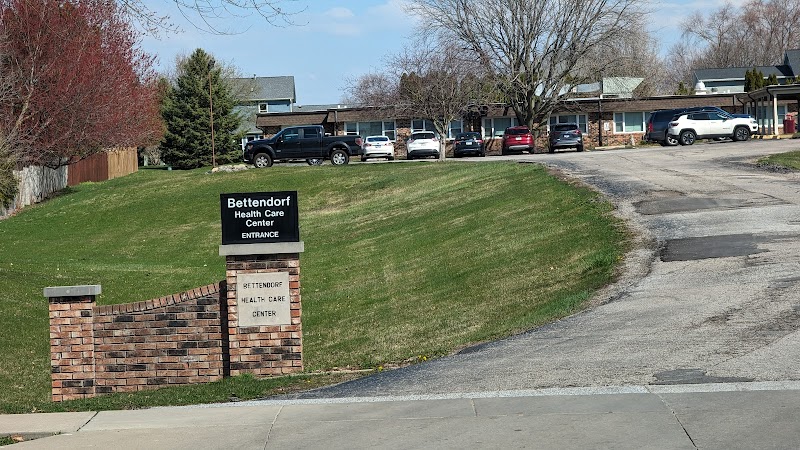
Bettendorf Health Care Center
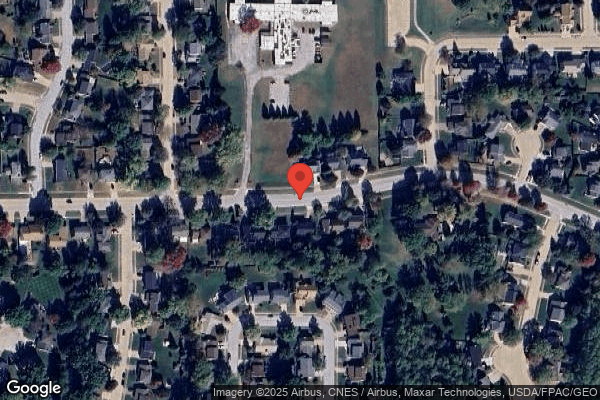
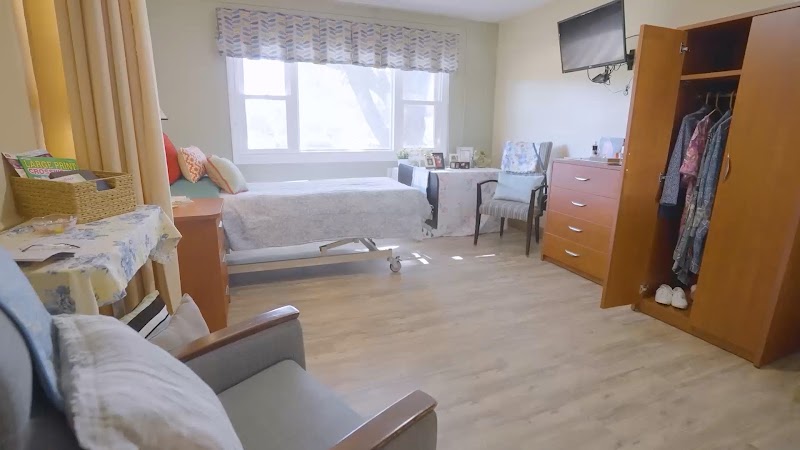
2730 Crow Creek Road, Bettendorf, IA 52722 (563) 332-7463
For profit - Limited Liability company 86 Beds MGM HEALTHCARE Data: November 2025 1 Immediate Jeopardy citation
Trust Grade
13/100
#333 of 392 in IA
Last Inspection: August 2024

Within standard 12-15 month inspection cycle. Federal law requires annual inspections.

Overview

Bettendorf Health Care Center has received a Trust Grade of F, indicating poor performance with significant concerns about care quality. They rank #333 out of 392 nursing homes in Iowa, placing them in the bottom half of facilities statewide, and #8 out of 11 in Scott County, meaning only three local options are worse. The facility is showing an improving trend, reducing issues from 11 to 5 over the past year; however, they still face serious staffing challenges, with a rating of only 2 out of 5 stars and a 42% turnover rate, which is slightly better than the state average. There are notable concerns, including $35,622 in fines, which is higher than 77% of Iowa facilities, and a critical incident where a resident received the wrong medication, leading to an emergency hospitalization. Additionally, there have been failures in timely assessments and preventing pressure ulcers for multiple residents, highlighting both serious weaknesses in care despite some strengths in quality measures.
Trust Score
F
13/100
In Iowa
#333/392
Bottom 16%
Safety Record
High Risk
Review needed
Inspections
Getting Better
11 → 5 violations
Staff Stability
○ Average
42% turnover. Near Iowa's 48% average. Typical for the industry.
Penalties
✓ Good
$35,622 in fines. Lower than most Iowa facilities. Relatively clean record.
Skilled Nurses
○ Average
Each resident gets 34 minutes of Registered Nurse (RN) attention daily — about average for Iowa. RNs are the most trained staff who monitor for health changes.
Violations
⚠ Watch
81 deficiencies on record. Higher than average. Multiple issues found across inspections.
★☆☆☆☆
1.0
Overall Rating
★★☆☆☆
2.0
Staff Levels
★★★★☆
4.0
Care Quality
★☆☆☆☆
1.0
Inspection Score
Stable
2024: 11 issues
2025: 5 issues

The Good

  • 4-Star Quality Measures · Strong clinical quality outcomes
  • Full Sprinkler Coverage · Fire safety systems throughout facility
  • No fines on record
  • Staff turnover below average (42%)

    6 points below Iowa average of 48%

Facility shows strength in quality measures, fire safety.

The Bad

1-Star Overall Rating

Below Iowa average (3.0)

Significant quality concerns identified by CMS

Staff Turnover: 42%

Near Iowa avg (46%)

Typical for the industry

Federal Fines: $35,622

Above median ($33,413)

Moderate penalties - review what triggered them

Chain: MGM HEALTHCARE

Part of a multi-facility chain

Ask about local staffing decisions and management

The Ugly 81 deficiencies on record

1 life-threatening 2 actual harm
Sept 2025 2 deficiencies
CONCERN (D) 📢 Someone Reported This

A family member, employee, or ombudsman was alarmed enough to file a formal complaint

Potential for Harm - no one hurt, but risky conditions existed

Free from Abuse/Neglect (Tag F0600)

Could have caused harm · This affected 1 resident

**NOTE- TERMS IN BRACKETS HAVE BEEN EDITED TO PROTECT CONFIDENTIALITY** Based on observation, clinical record review, staff and resident interviews, and facility policy review the facility failed to e...

Read full inspector narrative →
**NOTE- TERMS IN BRACKETS HAVE BEEN EDITED TO PROTECT CONFIDENTIALITY** Based on observation, clinical record review, staff and resident interviews, and facility policy review the facility failed to ensure residents remained free from verbal abuse, mental abuse, and neglect by facility staff for three of five residents reviewed for staff treatment (Resident #6, Resident#28, Resident #34). The facility reported a census of 66 residents.Findings include: 1. The Minimum Data Set (MDS) assessment for Resident#34 dated 6/26/25 listed diagnoses of cerebral palsy, cancer and neurogenic bladder. The Brief Interview for Mental States (BIMS) assessment reflected a score of 15 out of 15, which indicated intact cognition. The MDS revealed Resident #34 was always incontinent of bowel and bladder. Review of documentation dated 6/30/25 provided as part of a Facility Reported Incident regarding Resident #34 revealed, On 6/30/2025, Social Services was given a grievance form from [Name Redacted], Activity Director regarding resident [Resident #34]. Resident reported to Activity Aide that on second shift Sunday night (June 29), [Staff D], CNA (Certified Nursing Assistant) told resident that she had to earn [Resident #34's] respect and that no one liked her. Resident further stated that [Staff D] told her no one was going to come in and take care of her. The resident also said that she doesn't want to get anyone in trouble; she would just like respect. Administrator interviewed resident, [Resident #34]. Resident stated [Staff D] came into her room around 6:45 pm on 6.29.25 and asked [Resident #34] why she was talking to other staff members about her when the resident knows what she is saying is not true. Resident was telling other staff that [Staff D] said, All you do is poop and roll around. According to the resident, [Staff D] proceeded to tell her that no one liked her, and they were not going to come in to care for her. Resident further states that [Staff D] told her that [Staff D] is going to continue to be on East hall and that she was going to write up a grievance on the resident. Resident feels she was verbally and emotionally abused and states that she is afraid of this CNA Resident's roommate was also interviewed who stated that it sounded to her like [Staff D] was badgering the resident. Review of a statement by Staff D dated 7/2/25 revealed, in part, On Sunday 6/29/25 I came to worked about 1/2way through my shift a housekeeper had come to me stating that [Resident #34] was going around to anyone that would listen to her that I was saying all she does is eat (and) poop. I waited untill <sic> the call light came on for that room myself and [Name Redacted] who was training answered the call light I had let [Resident #34] know that I would be filing a grievance on her because she was going around telling any employee who would listen to her [Resident #34] then screamed at me that I dont treat her with respect or dignity I turned and left the room. On 9/08/25 at 4:59 PM, Resident #34 named Staff D, Certified Nurse Aide (CNA) as the staff that failed to treat her with respect and dignity telling others all she did at the facility is eat, poop and roll around. Resident #34 described Staff D as inappropriate and the rudest thing. She felt horrible after she knew that's how Staff D talked about her to other. On 9/09/25 at 11:28 AM, Resident #4 explained she didn't hear the start of [Staff D] and [Resident #34's] conversation, she just heard that [Resident #34] was going to file a grievance on [Staff D]. Then [Staff D] got in [Resident #34's] face within a few feet and said she would file one right back on [Resident #34], then they turned and left the room. On 9/10/25 at 5:40 PM, Resident #34 sat at the table in in the dining room in her wheelchair. On 09/10/25 at 9:29 AM, Staff C, Licensed Practical Nurse (LPN) confirmed she worked on 6/29/25 on Resident #34's hall. She said Staff D worked on Resident #34's hall, and she revealed Resident #34 told her Staff D treated her rudely. On 9/10/25 at 10:21 AM, Staff E, CNA reported Resident #34 told Staff D, she treated her disrespectfully. On 9/10/25 at 10:12 AM, Staff F, CNA confirmed she worked on 6/29/25 with Staff D. She revealed Staff D used the words ate and pooped in reference to Resident #34. She indicated Resident #34 took it the wrong way. Staff F said that Staff D reported Resident #34 ate, pooped and rolled around today. Staff F reflected the CNA meant she ate all her meals and had bowel movements (BM) 3 times today. Staff F reported Resident #34 took the conversation the wrong way. Staff F reported Staff D needed to use better language when talking about residents. On 9/11/25 at 8:28 AM, Staff D, CNA confirmed she worked on 6/29/25. Staff D confirmed Resident #34 went to others in the facility and told them that she was going around telling anyone that Resident #34 just ate and poop. Staff D said she never said that to Resident #34. Staff D reported Resident #34 yelled at her the she failed to respect her and failed to treat her with dignity. Staff D revealed the facility suspended her for incident on 6/29/25 and then the facility terminated her. On 9/11/25 at 2:40 the Director of Nursing reported she expected all the staff to treat resident with respect and dignity. The Progressive Discipline Report & Plan for Staff D, dated 7/8/25, revealed the following date of incident: 6/29/25. The report revealed the employee had been terminated. The Incident Summary revealed the following: [Staff D] was reported by a resident for telling that resident that she did not respect her and that the resident had to earn [Staff D's] respect. [Staff D] also told the resident that none of the employee's at the facility liked her and none of them would even come and provide care for her. [Staff D] then told the resident that she was going to put her to bed at that time, despite protests from the resident saying she did not want to go to bed at that time. [Staff D] then told the resident that she would be filing a report on her for yelling at her. [Staff D] later told the administrator that she heard froother <sic> employees that the resident told them that [Staff H] said to her that all she did was eat and poop. [Staff D] did not deny saying this when she brought it up. The Progressive Discipline Report & Plan further revealed the following per the Code of Conduct and/or Employee Handbook Violations section: #18: Engaging in physical harassment, sexual harassment, disruptive or abusive behavior, or disrespect towards fellow employees, residents, visitors or others. #19. Engaging in resident physical, emotional, or verbal abuse; resident neglect; or by violating any of the Resident Rights. Also written in the section was the following: Violating the [Name Redacted] training on customer service expectations. The Corrective Action Plan section documented, [Staff D] has been coached and warned previously for how she treats others in our building. Due to the continuation of this behavior and the fact this unacceptable attitude was directed towards a resident, it has been decided to terminate [Staff D] at this time. Review of the Facility Policy titled Abuse, Neglect, and Exploitation approved 8/30/18, and revised 4/29/25, revealed the following: Mental Abuse: The use of verbal or nonverbal conduct which causes or has the potential to cause the resident to experience humiliation, intimidation, fear, shame, agitation or degradation including abuse that is facilitated or enabled through the use of technology. 2. The MDS assessment dated [DATE] revealed Resident #28 scored a 15 out of 15 on the BIMS exam, which indicated cognition intact. The Care Plan revealed a focus area dated 8/11/25 for history/potential for behavior problem and antagonizing other residents. The interventions dated 8/11/25 revealed if reasonable, discuss disruptive behavior(s) and explain/reinforce why behavior is unacceptable; and intervene as necessary to protect the rights and safety of others; and approach/speak in a calm manner; divert attention; and remove from situation and take to alternate location as needed. During an interview on 9/8/25 at 10:53 AM, Resident #28 queried on how staff treated her and Resident #28 stated the receptionist called her a *itch and the receptionist said she would kick Resident #28 in the hip if Resident #28 came around the desk. Resident #28 stated she thought the situation was handled, but she was called up to the office to discuss the receptionist coming about to the facility. Resident #28 stated if the facility let the receptionist come back, Resident #28 would leave the facility because Resident #28 wouldn't tolerate being threatened. During an interview on 9/10/25 at 3:25 PM, Staff J, Receptionist queried on the incident that occurred between Staff J and Resident #28. Staff J stated she thought Staff J and Resident #28 were friends because Resident #28 would come and talk with Staff J at the desk. Staff J stated the day before the incident Resident #28 was upset about another resident being near her cup at that the receptionist desk. Staff J stated the day of the incident Resident #28 came up to Staff J and told Staff J to apologize to Resident #28 and Staff J said she didn't have anything to apologize for. Staff J stated Resident #28 then threaten to punch Staff J in the stomach and Staff J had a [medical condition]. Staff J asked if Staff J yelled or cussed at Resident #28 and Staff J stated no. Staff J stated after the incident she went home and has not worked since. During an interview on 9/10/25 at 3:41 PM, Staff K, CNA stated she witnessed the incident with Staff J and Resident #28. Staff K stated she heard Resident #28 say something about another resident trying to touch her drink on the receptionist's desk and Staff J moved around the desk and said something to Resident #28, but didn't hear it. Staff K said she heard Staff J say, she wasn't going to play like this and lose her job. Staff K stated, Staff J shouldn't of talked like that in front of the residents and Staff J shouldn't of said anything to Resident #28. During an interview on 9/10/25 at 7:48 PM, Staff L, CNA stated she didn't think Staff J raised her voice at Resident #28, but at one point Staff J did tell Resident #28 to get out of her face. During an interview on 9/10/25 at 7:54 PM, Staff G, Dietary Aide queried about the incident with Resident #28 and Staff J and Staff G stated she didn't hear much except both Resident #28 and Staff J yelling at each other. During an interview on 9/11/25 at 10:14 AM, the Housekeeping Supervisor queried on the incident between Resident #28 and Staff J and the Housekeeping Supervisor stated she heard Staff J tell Resident #28 to “get the f**k away from the desk”. During an interview on 9/11/25 at 11:52 AM, the Administrator queried on the thoughts of the incident between Staff J and Resident #28, and the Administrator stated her investigation revealed inappropriate language used by Resident #28 and Staff J. The Administrator stated she concluded that Staff J was trying to do her job and got frustrated and expressed her frustration onto the resident. The Administrator asked if it was appropriate to cuss at residents and the Administrator stated no, she wouldn't say that. The Administrator stated Staff J should have asked for additional assistance or asked the Administrator to come back into work. Review of the Facility Policy titled Abuse, Neglect, and Exploitation approved 8/30/18, and revised 4/29/25, revealed the following: Review of the Facility Policy titled Abuse, Neglect. and Exploitation approved 8/30/18, and revised 4/29/25, revealed the following: Verbal Abuse: Use or oral, written, or gestured communication, or sounds, to residents within hearing distance, regardless of age, ability to comprehend, or disability which causes or has the potential to cause the resident to experience humiliation, intimidation, fear, shame, agitation or degradation. 3. The Minimum Data Set (MDS) dated [DATE] for Resident #6 revealed a Brief Interview for Mental Status (BIMS) score of 15 out of 15, which indicated cognitively intact. It further indicated diagnoses including: hypertension (high blood pressure), diabetes, anxiety disorder, and depression. The Care Plan created 4/5/22, initiated 8/3/22, and revised 3/11/24 revealed, ADL (activities of daily living) self-care performance deficit Activity Intolerance, Impaired balance, Limited Mobility, Right Below Knee amputation. The Intervention created 4/5/22 and revised on 12/2/24 revealed the following for bed mobility: requires staff assistance to turn and reposition in bed. The Intervention dated 3/11/24 and revised 9/8/25 revealed the following for transfers: 2 assist HOYER (mechanical lift): BLUE SLING ONLY. On 09/09/25 at 8:27 AM, Resident #6 stated on Sunday staff did not get him out of bed at all, they told him they did not have enough staff, and most days it was 10:00 to 10:30 AM before could get up to his chair due to not enough staff. Resident #6 observed in bed waiting for breakfast tray. On 9/10/2025 2:00 PM, Staff I, Registered Nurse (RN) stated she was aware of Resident #6 not getting up on Sunday and staff telling him it was because of low staffing. This was not the case they had a Certified Nursing Assistant (CNA) on the [NAME] hall. Staff I also offered to help get him up but the CNA working did not want to get him up. She stated it was the attitude and the backlash from the CNA on why things didn't get done. She had reported this to the Director of Nursing (DON) and it had not helped. She had not gone further up the chain of command. You can't tell the aides what to do related to the backlash you get from them. On 09/11/2025 at 12:16 PM the Director of Nursing (DON), RN stated even when staff were short they should still get residents up for the day even if they are late, [facility] didn't really run short staff, and administration also had gone out and helped to get residents up. On the weekends there was a manager on duty and were fully staffed. There were three nurses on then and one of the nurses needed to be in the dining room for the meal. We have heard of issues with CNA not doing things and refusing to cooperate with the nurses but it has been addressed or is in the works of being addressed. Review of the Facility Policy titled Abuse, Neglect, and Exploitation approved 8/30/18, and revised 4/29/25, revealed the following: Deprivation of Good and Services: Deprivation by staff of goods or services that are necessary to attain or maintain physical, mental, and psychosocial well-being. Example includes staff has the knowledge or ability to provide care and services, but choose not to do it, or acknowledge the request for assistance from a resident(s) which result in care deficits to the resident(s).
CONCERN (D) 📢 Someone Reported This

A family member, employee, or ombudsman was alarmed enough to file a formal complaint

Potential for Harm - no one hurt, but risky conditions existed

ADL Care (Tag F0677)

Could have caused harm · This affected 1 resident

**NOTE- TERMS IN BRACKETS HAVE BEEN EDITED TO PROTECT CONFIDENTIALITY** Based on observations, clinical record review, staff interviews and facility policy review the facility failed to provide incont...

Read full inspector narrative →
**NOTE- TERMS IN BRACKETS HAVE BEEN EDITED TO PROTECT CONFIDENTIALITY** Based on observations, clinical record review, staff interviews and facility policy review the facility failed to provide incontinence care for two out of two residents reviewed (Resident #2 and Resident #20). The facility reported a census of 66 residents.Findings include:1. The Minimum Data Set (MDS) assessment dated [DATE] for Resident #2 listed diagnoses of cerebrovascular accident (CVA),anxiety, and depression. The Brief Interview for Mental Status (BIMS) exam revealed a score of 14 out of 15, which indicated intact cognition. The MDS reflected Resident #2 was always incontinent of bowel and bladder. The Care Plan for Resident #2 initiated 2/9/22, revised 3/1/22, revealed, ADL (activities of daily living) self-care performance deficit Impaired balance, Limited Mobility, stroke. The Intervention dated 12/12/24 directed utilize check and change to manage incontinency. The Intervention dated 12/11/24 directed assist of 1 staff for personal hygiene. On 9/10/25 at 1:09 PM, Resident #2 laid in her bed, Staff B, Certified Nursing Assistant (CNA) washed her groin and turned the resident on her right side. Staff N, Licensed Practical Nurse (LPN) completed wound care. Staff B placed a brief under Resident #2 and rolled her onto her back. At 1:17 PM, Staff B reported Resident # 2 voided urine, she needed to wash her, and changed the brief and the incontinent pad under her. Staff B rewashed the groin, changed the brief and the incontinent pad under Resident #2, and failed to wash her buttocks. On 9/10/25 at 1:25 PM, Staff B, CNA reported she found Resident #2's depend wet when she got in her room. Staff confirmed she washed the front and thought she washed Resident #2's back side. She reported when she turned her for the wound care she voided urine again. Staff B said Resident #2 needed a new incontinence pad and new brief. She reported she failed to wash her back side the last time. On 9/11/25 at 10:21 AM, Staff M, Licensed Practical Nurse (LPN) confirmed incontinence cares were completed after every incontinent episode. She said she expected all parts of the skin washed that came in contact with urine or bowel movement (BM). On 9/11/25 at 10:30 AM, Staff E, CNA reported they complete peri care anytime a resident was incontinent of urine or BM. On 9/11/25 at 2:45 PM, the Director of Nursing (DON) confirmed she expected the staff to complete peri care after each incontinent episode. 2. The MDS assessment dated [DATE] revealed Resident #20 scored a 15 out of 15 on the BIMS exam, which indicated cognition intact. The MDS indicated the resident dependent with toileting hygiene and always incontinent of bowel and bladder. The MDS revealed diagnoses for depression and Parkinson's disease without dyskinesia, without mention of fluctuations. The Care Plan revealed a focus area dated 8/23/24 for Activities of Daily Living (ADL) self-care performance deficit due to disease process (Parkinson, weakness, history of falls), and limited mobility. The interventions dated 9/10/24 revealed the resident did not use bed pan, toilet or commode and to utilize check and change to manage incontinency. During an interview on 9/8/25 at 1:04 PM, Resident #20 stated it depended on the staff when she got changed every couple of hours. During an interview on 9/10/25 at 10:56 AM, Resident #20 laid in bed and stated staff changed her right before breakfast, which was around 8:30 AM. Resident #20 stated the staff changed her at least twice in a shift. During an observation on 9/10/25 at 12:50 PM, Resident #20 sat up in her chair and ate her lunch. During an observation on 9/10/25 at approximately 1:00 PM, Staff E, CNA took the mechanical lift into Resident #20 room. During an interview on 9/10/25 at 1:35 PM, Staff S, CNA queried on when Resident #20 changed today during Staff S's shift. Staff S stated Resident was checked and changed after breakfast this morning, then Staff S and Staff E didn't realize therapy had gotten Resident #20 up until after Staff E went to get Resident #20 lunch tray. Staff S stated therapy would have gotten Resident #20 up between 9 AM and 11 AM. Staff S stated they were going to change her after lunch, but Resident's bed was deflated and they didn't want to put Resident #20 in bed and hurt her. Staff S stated she wasn't sure if Resident #20 had been changed yet. When asked how often residents were changed in her shift, Staff S stated it depended, but usually in the morning before breakfast, lunch and before shift ended. When asked how often residents needed checked and changed, Staff S stated every 2 hours. During an interview on 9/10/25 at 1:57 PM, Staff E stated check and changes needed done every 2 hours and for some residents more often. Staff E confirmed Resident #20 required check and change. Staff E asked when Resident #20 checked and changed today, and Staff E stated he didn't know when therapy got Resident #20 up and Resident #20 was still eating when he went to get her tray. Staff E stated when he went to get Resident #20 up, Resident #20 bed was deflated and didn't want to lay her on the deflated bed. Staff E asked if Staff E changed Resident #20 brief today and Staff E stated Staff S changed Resident #20 around 10, and then Staff E went into her room around 12:30 to check and change her, but Resident #20 refused. During an interview on 9/11/25 at 11:29 AM, the Director of Nursing (DON) confirmed check and changes needed completed every 2 hours. The DON asked how she thought check and changes were going and the DON stated it depended on the shift and the DON was working with the shifts to make sure the staff knew the policy and procedures. The DON asked how often Resident #20 should be checked and changed and the DON stated Resident #20 always incontinent and needed check at a minimum of every 2 hours. During an interview on 9/11/25 at 2:16 PM, the Regional Nurse Consultant stated the did not have a policy for the time frame of check and changes and to refer to the care plan. The Regional Nurse Consultant stated the professional standard of care is no longer than 2 hours. The Facility Incontinent Cares dated 7/21/22 revealed: a. Cleanse Perineal Area with a Perineal Cleanser. b. Females: Separate Labia, Cleanse one side and then the other, Cleanse center of the Labia wiping towards the Rectal Area. c. Cleanse Perineal Area from Front to Back. d. Cleanse Thighs, Rectal Area & Buttocks.
Jan 2025 3 deficiencies
CONCERN (D) 📢 Someone Reported This

A family member, employee, or ombudsman was alarmed enough to file a formal complaint

Potential for Harm - no one hurt, but risky conditions existed

Deficiency F0725 (Tag F0725)

Could have caused harm · This affected 1 resident

**NOTE- TERMS IN BRACKETS HAVE BEEN EDITED TO PROTECT CONFIDENTIALITY** Based on observation, clinical record review, resident and staff interviews, the facility failed to answer call lights within 15...

Read full inspector narrative →
**NOTE- TERMS IN BRACKETS HAVE BEEN EDITED TO PROTECT CONFIDENTIALITY** Based on observation, clinical record review, resident and staff interviews, the facility failed to answer call lights within 15 minutes, with an observation of a staff response time of 32 minutes. The facility reported a census of 66 residents. Findings include: 1. The Minimum Data Set (MDS) assessment dated [DATE] revealed Resident #2 scored 15 out of 15 on the Brief Interview for Mental Status (BIMS) cognitive assessment, which indicated intact cognition. The MDS diagnoses listed included morbid obesity, depression, and wound infection. The MDS indicated Resident #2 required substantial staff to change positions in bed, transfer to and from bed and chair, dressing toileting and bathing. During an interview on 1/23/25 at 10:40 a.m., Resident #2 stated he used his call light at least 3 or 4 times a day, and staff response times were usually 45 minutes or longer, it didn't matter what time of day or what day of the week. 2. The Daily Assignment Schedule for the Day Shift on 1/14/25 revealed Staff G, Certified Nursing Assistant (CNA), was the CNA assigned to the North Hall. When a call light is activated, a box in the hallway outside of a resident room will illuminate. The call light board by the Nurse's Station will also activate with an illuminated indicator by resident room numbers. A continuous observation on 1/14/25 from 9:54 a.m. to 10:27 a.m. revealed: a. At 9:54 a.m., observed a call light activated by Resident #9 on the North Hall. Resident #9 a resident on the North Hall. Staff D, Registered Nurse (RN), stood at a medication cart for the North Hall, positioned near the Nurse's Station. Staff E, Certified Nursing Assistant (CNA), and Staff F, CNA sat at the Nurses Station. The indicator for the residents who activated illuminated by the resident's room number on the call light board at the Nurse's Station. b. At 9:59 a.m., Resident #9 call light remained activated. Staff E, CNA and Staff F, CNA seated at the Nurses Station. The MDS, dated [DATE], indicated Resident #9 had a BIMS score of 11 out of 15, which indicated a mild cognitive impairment. The diagnoses listed included: chronic obstructive pulmonary disease, psychotic disorder, and non-Alzheimer's dementia. The MDS indicated Resident #9 required assist of one for transfers for chair/bed-to chair, to get on/off toilet, toilet hygiene and mobility. c. At 10:02 a.m., Resident #9 call light remained activated. Staff D, RN at the medication cart near the Nurse's Station preparing medications. Staff E, CNA and Staff F, CNA seated at the Nurses Station. d. At 10:09 a.m., Resident #9 call light remained activated. Staff E, CNA and Staff F, CNA seated at the Nurses Station. e. At 10:14 a.m., Resident #9 call light remained activated. Staff E, CNA and Staff F, CNA seated at the Nurses Station. f. At 10:19 a.m., Resident #9 call light remained activated. Staff E, CNA and Staff F, CNA seated at the Nurses Station. g. At 10:21 a.m., Resident #9 call light remained activated. Staff D positioned at the medication cart by the Nurses Station. Staff E, CNA and Staff F, CNA seated at the Nurses Station. At 10:21 a.m., 2 call lights activated on the East hall. h. At 10:25 a.m., Resident #9 call light remained activated on the North Hall, and the 2 on the East Hall remained activated. During an interview, Staff D stated Staff G, CNA assigned to the North Hall was on a break. Staff E, CNA observed leaving Nurses Station to go to the East Hall. Staff F, CNA remained at the Nurses Station. i. At 10:26 a.m., Resident #9 call light remained activated. Staff D, RN observed knocking on Resident #9 door and entered the room. The call light turned off and Staff D exited the room at 10:27 a.m. During an interview, Staff D stated Resident #9 requested he be changed as he had been incontinent. Staff D left the room door partially open and went back to her medication cart positioned near the Nurse's Station j. At 10:29 a.m., the door to Resident #9 door remained partially opened and no staff had entered the room. k. At 10:31 a.m., staff entered Resident #9's room and closed the door. From the start of the observation until the time staff entered the resident room [ROOM NUMBER] minutes elapsed. During an interview on 1/14/25 at 11:50 a.m., the Director of Nursing (DON) and the Interim Administrator were asked who answers call lights when the assigned CAN is on break or is assisting with a meal service. The DON stated the nurse, another CNA or any staff in the hallway should answer a call light. The Interim Administrator agreed with the DON. The DON stated staff were expected to answer activated resident call lights in a timely manner.
CONCERN (E) 📢 Someone Reported This

A family member, employee, or ombudsman was alarmed enough to file a formal complaint

Potential for Harm - no one hurt, but risky conditions existed

ADL Care (Tag F0677)

Could have caused harm · This affected multiple residents

**NOTE- TERMS IN BRACKETS HAVE BEEN EDITED TO PROTECT CONFIDENTIALITY** Based on clinical record review, facility policy review, and resident and staff interviews, the facility failed to provide resid...

Read full inspector narrative →
**NOTE- TERMS IN BRACKETS HAVE BEEN EDITED TO PROTECT CONFIDENTIALITY** Based on clinical record review, facility policy review, and resident and staff interviews, the facility failed to provide resident baths/showers twice weekly or as directed by resident preference for 4 of 5 residents (Resident's #2, #3, #4 and #5) reviewed in the sample. The facility reported a census of 66 residents. Findings include: 1. The Minimum Data Set (MDS) assessment dated [DATE] revealed Resident #2 scored 15 out of 15 on the Brief Interview for Mental Status (BIMS) cognitive assessment, which indicated intact cognition. The MDS diagnoses listed included morbid obesity, depression, and wound infection. The MDS indicated Resident #2 required substantial staff support for bathing. The Care Plan, initiated on 7/10/23, included a Focus area to address ADL (activity of daily living, meaning showers, toothbrushing, etc.) self-care performance deficit Impaired balance, Limited Mobility. The Focus area included I may refuse baths at times. Please offer me a bed bath if I refuse a bath. Interventions, initiated on 7/10/23, included, in part: a. Bathing/Showering: Offer Bathing/Showering twice weekly and as necessary . b. Bathing/Showering: Provide sponge bath when a full bath or shower cannot be tolerated . During an interview on 1/23/25 at 10:40 a.m., Resident #2 stated he refused a shower on a Monday, over a week ago because he didn't feel well. He stated, otherwise he had not refused baths or showers, and had not been offered another bath or shower since that time. The resident stated there for a while, the shower situation had gotten better, but worse again during the last couple of weeks. A review of the facility Shower Book on 1/12/25, revealed the Resident #2 refused a shower on 1/2/25, and no other documentation of completed showers or baths or refusals. 2. The MDS assessment dated [DATE] revealed Resident #3 scored 15 out of 15 on the BIMS which indicated intact cognition. The MDS indicated Resident #3 required moderate staff support for bathing. The MDS listed diagnoses included: chronic obstructive pulmonary disease (COPD), generalized muscle weakness, and morbid obesity. The Care Plan, initiated on 1/31/23, included a Focus area to address ADL self-care performance deficit Activity Intolerance. Interventions revised on 12/12/24, included, in part: a. Resident has refusal of bathing/showering cares b. Resident has voiced that she will only take a shower weekly and will wash self in room as needed. During an interview on 1/23/25 at 7:22 a.m., Resident #3 stated the last shower she received was 1 week ago on 1/16/24 [Thursday] and preferred to be showered 1 time a week,. Prior to 1/16/25 she had not had a shower for 5 weeks, she said something about it to therapy staff, thought they alerted nursing management and that was why she was offered a shower last Thursday. When reviewed on 1/12/25, the facility's Shower Book revealed no documentation of any showers or baths completed for the resident. 3. The MDS assessment dated [DATE] revealed Resident #4 scored 15 out of 15 on the BIMS cognitive assessment, which indicated intact cognition. The MDS diagnoses listed included: muscular dystrophy, weakness and type 2 diabetes. The MDS indicated Resident #4 required substantial staff support for bathing. The Care Plan, initiated on 5/10/24, included a Focus area to address ADL self-care performance deficit. Interventions, initiated on 5/10/24 included, in part: a. Bathing/Showering: 2 Assist - includes Transfer to/from shower chair/whirlpool. b. ADL - Bathing 2x/week and as needed. During an interview on 1/22/24 at 10:52 a.m., Resident #4 stated he couldn't remember exactly the last time he had a bath or shower, but thought it was around Christmas time, and knew he had not had a bath or shower since he returned from the hospital. Record review revealed the resident hospitalized from [DATE] to 1/15/25 when he returned to the facility. When reviewed on 1/12/25, the facility's Shower Book revealed the resident hospitalized on [DATE], and no documentation of any showers or baths completed for the resident. 4. The MDS dated [DATE] revealed Resident #5 scored 15 out of 15 on the BIMS cognitive assessment, which indicated intact cognition. The MDS listed diagnoses include: immobility syndrome, type 2 diabetes, chronic obstructive pulmonary disease. The MDS indicated Resident #5 required substantial staff support for bathing. The Care Plan, initiated on 4/19/21 included a Focus area to address ADL self-care performance deficit. Interventions included, in part: a. ADL bathing on Wednesdays and Saturdays, 2nd shift and as needed, initiated 5/30/21. b. Prefers a bed bath, initiated 11/20/23. c. Provide a sponge bath when a full bath or shower cannot be completed, initiated 12/1/23. During an interview on 1/23/25 at 10:18 a.m., Resident #5 stated she was supposed to get bed baths twice a week on Wednesday and Saturday, usually received them 1 time a week on Wednesday, her last bed bath was on 1/22/25, she seldom received her baths on Saturdays and preferred to have bed baths twice weekly, and it had been several years since she had a shower. When reviewed on 1/12/25, the facility's Shower Book revealed the resident had a bed bath on 1/8/25, and a shower on 1/11/25. During an interview on 1/23/25 at 10:21 a.m., Staff C, Assistant Director of Nursing (ADON) stated she monitored the Certified Nursing Assistants (CNA's) completion of assigned showers, and changed the daily staff assignment sheet to include names of the residents that were scheduled for a bath/shower, and the staff assigned to complete the activity, the change was put into place today. A review of the facility policy, last reviewed on 7/21/22, titled ADL Care Bathing Policy revealed a Policy statement: Nursing staff will assist in bathing Residents to promote cleanliness and dignity. The Charge Nurse will be made aware of Residents who refuse bathing.
CONCERN (E) 📢 Someone Reported This

A family member, employee, or ombudsman was alarmed enough to file a formal complaint

Potential for Harm - no one hurt, but risky conditions existed

Safe Environment (Tag F0921)

Could have caused harm · This affected multiple residents

**NOTE- TERMS IN BRACKETS HAVE BEEN EDITED TO PROTECT CONFIDENTIALITY** Based on observation, record review, and staff interviews, the facility failed to maintain 3 of 3 Shower Rooms in a functional a...

Read full inspector narrative →
**NOTE- TERMS IN BRACKETS HAVE BEEN EDITED TO PROTECT CONFIDENTIALITY** Based on observation, record review, and staff interviews, the facility failed to maintain 3 of 3 Shower Rooms in a functional and sanitary manner. The facility reported a census of 66 residents. Findings include: Observations on 1/12/25 revealed: At 2:12 p.m., the East Hall Shower Room with tiled shower stall that measured approximately 6 feet long by 4 feet wide, with 2 inch square tiles on the floor. Four floor tiles were missing in the shape of a square near the entrance to the stall, 8 floor tiles were missing by the drain in the shape of an L, and 2 floor tiles were missing in a rectangular shape at the rear of the shower stall. The grout between the floor tiles appeared dirty, a dark gray color, and the grout along the floor/wall junction of the left and rear walls with a thick black residue. At 3:03 p.m., the [NAME] Hall Shower Room with tiled shower stall that measured approximately 6 feet long by 4 feet wide, with 2 inch square tiles on the floor that had a dark gray colored build up of residue on the grout between the tiles. The space at the junction between the floor tiles and the left wall had what appeared as caulk that was once white, very dirty in appearance and with orange colored calcium or similar build up that was also present at the floor/wall junction at the rear of the shower stall, and also present from the rear corner to approximately 8 inches of the right wall. The discoloration and build-up was also present on the wall from the floor up to approximately 8 inches high at the 2 rear corners of the stall. At 3:07 p.m., the North Hall Shower Room with tiled shower stall that measured approximately 6 feet long by 4 feet wide, with 2 inch square tiles on the floor, and 6 inch wide by 8 inch high tiles along the wall. The grout between the floor tiles had a dark gray dirty appearance, heavier and black colored in some areas, the area between the floor and right wall appeared to have what was at one time white [NAME], now had several areas of dark gray residue build-up, and a white colored 4 inch high rubber wall base along the right wall had a black colored build up located at the top of it along the front 4 inches of the stall. The wall tiles along the bottom of the wall at the rear and left side of the stall were cut to approximately 3 inches high by 6 inches wide, 3 consecutive tiles were not on the wall at the rear of the stall and laid on the floor, and revealed an exposed crumbling structure that had both black and light colored areas. Six of the wall tiles along the wall/floor junction at the rear of the stall had a thick black residue buildup, and the remaining left wall tiles along the floor either had some black residue, or build up of black residue in the grout areas, or both. The black residue was also present on the floor along the left wall, and measured from 1/2 inch to 1 inches wide. During an interview on 1/12/25 at 2:19 p.m., Staff A, Certified Nursing Assistant (CNA), stated the tiles had been missing from the floor of the East Hall Shower Room for several months, and she thought the Housekeeping Department was responsible for the cleaning required in the Shower Rooms. During an interview on 1/12/25 at 2:56 p.m., the Interim Administrator stated the previous Administrator said something about tiles missing from the wall by the entrance to the East Hall shower stall. She stated Maintenance Staff were supposed to be working on that, and she had been unaware of the missing floor tiles and condition of the grout/build-up of dark gray residue. After the observation of [NAME] Hall Shower Room on 1/12/25 at 3:03 p.m., the Interim Administrator stated she thought Housekeeping cleaned the tile floor in the Shower Rooms but she would check with Maintenance Staff as far as cleaning the grout and who was responsible for that. During an observation on 1/14/25 at 10:10 a.m., a sign posted on the East Hall Shower Room door stated the room closed for repairs. Repairs observed included: all tiles on the floor of the shower stall replaced, the grout between the floor tiles cleaner, and the black colored residue along the edge of the wall in the stall also appeared much lighter in color and amount. During an observation on 1/14/25 at 10:13 a.m., a sign posted on the North Hall Shower Room door the room was closed for repairs. Repairs observed included: new white colored [NAME] applied to the floor/wall junction along the right wall and the black colored area above the wall base had been removed, a new piece of white rubber wall base approximately 4 inches high had been applied to the rear and left walls of the shower stall, and white [NAME] applied to the floor edge along the wall base. The grout of the shower stall floor appeared cleaner. The black colored areas along the left wall had been removed or covered by the rubber wall base. During an observation on 1/23/25 at 9:41 a.m, the floor grout and lower wall area of the [NAME] Hall Shower Room had been cleaned, with the orange discoloration removed; and the floor gout now a light gray color and previously observed build up removed. During an interview on 1/14/25 at 10:19 a.m., the Interim Administrator stated the repairs to the 3 Shower Rooms had been made the day of the initial observation [1/12/25]. She stated staff could use the Shower Rooms that day once the grout had dried, and able to complete the repairs due to a re-prioritization of needs within the facility. A review of the facility policy, reviewed on 4/28/22, titled Safe Homelike Environment included the following Policy statement: In accordance with residents' rights, the facility will provide a safe, clean, comfortable and homelike environment, allowing the resident to use his or her belongings to the extent possible. This includes ensuring that the resident can receive care and services safely and that the physical layout of the facility maximizes resident independence and does not pose a safety risk. The Procedure section directed staff, in part: 3. Housekeeping and maintenance services will be provided as necessary to maintain a sanitary, orderly and comfortable environment.
Aug 2024 6 deficiencies
CONCERN (D) 📢 Someone Reported This

A family member, employee, or ombudsman was alarmed enough to file a formal complaint

Potential for Harm - no one hurt, but risky conditions existed

ADL Care (Tag F0677)

Could have caused harm · This affected 1 resident

**NOTE- TERMS IN BRACKETS HAVE BEEN EDITED TO PROTECT CONFIDENTIALITY** Based on observation, staff interview and clinical record review the facility failed to provide adequate nail care for 1 out of ...

Read full inspector narrative →
**NOTE- TERMS IN BRACKETS HAVE BEEN EDITED TO PROTECT CONFIDENTIALITY** Based on observation, staff interview and clinical record review the facility failed to provide adequate nail care for 1 out of 3 residents reviewed for activities of daily living (Resident # 51). The facility reported a census of 61 residents. Findings include: The Minimum Data Sheet (MDS) dated [DATE] for resident #51 documented the presence of short and long-term memory impairment. The MDS revealed Resident #51 moderately impaired decision making. The MDS indicated the resident required substantial to maximum staff assistance for bathing and hygiene. It documented diagnoses including non-Alzheimer's dementia and anxiety disorder. The Care Plan, Intervention, dated 6/21/24, directed staff to offer bathing/showering twice weekly and as necessary. Check nail length and trim and clean on bath day and as necessary. Report any changes to the nurse. During an observation on 08/12/24 at 11:27 AM Resident #51 sitting in wheelchair, toenails on both feet noted long, thick, and yellow in color curled over the top of the toes. The family stated they have asked at least twice to have something done with them and nothing has been done since he was admitted . A review of the clinical record revealed Resident #51 admitted on [DATE]. During an interview on 08/15/24 at 12:24 PM, Staff M, Registered Nurse (RN) stated the Certified Nursing Assistants (CNA) are responsible for cutting toenails. If the resident is diabetic the the nurses are responsible the aides should let the nurses know and if need to will get a podiatrist appointment. They have a podiatrist who comes to the facility and will get the resident put on a list if they need to see the podiatrist. Staff M stated I will put it on the communications so the department head is aware. No one has reported to me he has long toenails. I don't know if he is on the list or not. During an interview on 08/15/24 at 12:33 PM the Director of Nursing (DON) stated our podiatrist retired and corporate is working on a contract with a new podiatrist. The DON stated she believed it has been since March or April since a podiatrist has been in the facility. If a resident is not diabetic a certified nurse aide can cut the toenails and if they are diabetic then a nurse can cut them. The DON stated she expected staff to check toenails during showers and cut them if needed and if unable they should let the nurse know and she can cut them or add them to the podiatrist list. The facility provided a policy titled Activities Daily Living Care Bathing with a reviewed date of 7/21/22 the policy failed to address toenails as part of the bath.
CONCERN (D) 📢 Someone Reported This

A family member, employee, or ombudsman was alarmed enough to file a formal complaint

Potential for Harm - no one hurt, but risky conditions existed

Accident Prevention (Tag F0689)

Could have caused harm · This affected 1 resident

Based on observation, clinical record review, and staff interview the facility failed to follow a physician order to ensure a resident ate meals in a safe manner for 1 of 1 residents reviewed (Residen...

Read full inspector narrative →
Based on observation, clinical record review, and staff interview the facility failed to follow a physician order to ensure a resident ate meals in a safe manner for 1 of 1 residents reviewed (Resident #38). The facility reported a census of 61. Findings include: The Minimum Data Set (MDS) assessment, dated 6/18/24, revealed Resident #38 Brief Interview for Mental Status (BIMS) score as 15 out of 15, indicating intact cognition. The MDS documented Resident #38 required supervision or touching assistance (Helper provides verbal cues and/or touching/steadying and/or contact guard assistance as resident completes activity. Assistance may be provided throughout the activity or intermittently) for eating. The MDS documented Resident #38 required a mechanically altered diet (requiring a change in texture) of foods or liquids. The MDS documented Resident #38 with a swallowing disorder where coughing, choking during meals or when swallowing medications could occur. The MDS listed diagnoses of cerebrovascular accident (CVA), seizure disorder and dysphagia. The Care Plan initiated on 8/29/23 identified Resident #38 documented Resident #38 with a nutritional problem related to CVA requiring a mechanically altered diet due to dysphagia. The Care Plan directed staff Resident #38 eats meals in the dining room. The Care Plan directed staff to monitor/document/report as needed (PRN) any signs or symptoms of dysphagia - pocketing, choking, coughing, drooling, holding food in mouth, several attempts at swallowing, refusing to eat or appears concerns with meals. The Care Plan failed to direct staff on supervision when resident eats meals in her room. A review of the Physician Order Summary dated 7/17/24 revealed Resident #38 has an order to be upright in the dining room supervised for meals. During an observation on 8/12/24 at 12:24 PM, Resident #38 sat in a wheelchair while in her room, ate mashed potatoes. There were no staff members in the room. During an observation on 8/13/24 at 7:56 AM, Staff K, Certified Nursing Assistant (CNA) delivered a room tray to Resident #38 while in her room. Staff K left the room, leaving Resident #38 sitting in her bed with the meal tray placed on her over the bed table. During an interview on 8/14/24 at 11:06 AM with Staff J, Licensed Practical Nurse (LPN) reported Resident #38 has an order to eat in the dining room but has Methicillin-resistant Staphylococcus aureus (MRSA- an infection caused by a type of bacteria which becomes resistant to antibiotics, making infections difficult to treat) in her sputum and has been eating in her room. Staff J, LPN reported Resident #38 has a choking risk. During an observation on 8/14/24 at 11:47 AM, Resident #38 sat in a wheelchair, in her room. A meal tray, with beef tips over noodles, sat on the over the bed table in front of the resident. No staff present in the room. During an interview on 8/14/24 at 12:35 PM, the Director of Nursing (DON) reported they do not encourage Resident #38 to eat in her room. Resident #38 is on isolation and is eating in her room. Staff H, DON reported when Resident #38 eats in her room, and one CNA is in the room and stays in the room while Resident #38 eats. During an interview on 8/14/24 at 3:47 PM, Resident #38 stated staff do not stay in her room when she is eating her meals. She stated the staff do come in and out, but do not stay. d
CONCERN (D) 📢 Someone Reported This

A family member, employee, or ombudsman was alarmed enough to file a formal complaint

Potential for Harm - no one hurt, but risky conditions existed

Incontinence Care (Tag F0690)

Could have caused harm · This affected 1 resident

**NOTE- TERMS IN BRACKETS HAVE BEEN EDITED TO PROTECT CONFIDENTIALITY** 2. The Minimum Data Sheet (MDS) dated [DATE] for Resident #2 documented the Basic Interview for Mental Status (BIMS) score of 9 ...

Read full inspector narrative →
**NOTE- TERMS IN BRACKETS HAVE BEEN EDITED TO PROTECT CONFIDENTIALITY** 2. The Minimum Data Sheet (MDS) dated [DATE] for Resident #2 documented the Basic Interview for Mental Status (BIMS) score of 9 which indicates severe cognitive impairment. The MDS indicated the resident required substantial to maximum staff assistance for toileting, bathing and hygiene. It documented diagnoses including aphasia (difficulty speaking) and cerebral vascular accident. The Care Plan had an intervention dated 9/26/23 to direct staff to provide extensive assist of one with toileting incontinent of bladder. During an observation on 08/14/24 at 8:24 AM Staff I, Certified Nursing Assistant (CNA) provided care to Resident # 2. Staff I stated the depend is wet. The staff assisted Resident #2 to remove soiled depend and put new depend on. Staff I washed her hands and put on gloves. The staff offered for Resident #2 to wipe herself, the resident unable to understand. Staff I assisted Resident # 2 to stand up and wiped front to back from behind with disposable wipe. She then used a second wipe to buttocks in a circular motion. Staff I cleaned up the bathroom. The staff did not cleanse the perineal area, abdominal folds, or hips. Staff I, CNA stated only one staff for this hall today and we have multiple mechanical lifts we are not able to provide good care to the residents. During an interview on 08/15/24 at 12:26 PM, Staff M, Registered Nurse (RN) state the CNA should provide incontinent cares. They should cleanse the peri areas and their bottoms and anywhere the urine may have touched. They do have disposable wipes and they also have washcloths with soap and water to complete incontinent cares. On 08/15/24 at 12:30 PM the Director of Nursing (DON) stated she would expect the staff to provide incontinent cares anytime a resident is incontinent they should clean the area with washcloth and soap and water, or the disposable wash cloths. They should wipe front to back and cleanse the abdominal folds the groin, perineal area and the buttocks. The facility provided a policy titled Incontinent Care with last reviewed date 7/21/22 which directed staff to cleanse perineal area with a perineal cleanser. It directed for females: separate labia, cleanse one side and then the other, cleanse center of the labia wiping towards the rectal area. Cleanse perineal area from front to back. Cleanse thighs, rectal area and buttocks. Based on observation, record review and staff interview, the facility failed to maintain a Foley catheter bag and tubing off the floor for one of two residents (Resident #18), and failed to provide adequate incontinent care to one out of three residents reviewed (Resident # 2). The facility identified a census of 61 residents. Findings include: 1. The Minimum Data Set (MDS) dated [DATE] identified Resident #18 as cognitively intact with a BIMS (Brief Interview for Mental Status) of 12 out of 15. The MDS diagnoses list: atrial fibrillation (an abnormal heart rhythm), obstructive uropathy (a condition in which the flow of urine is blocked). The MDS identified Resident #18 with an indwelling urinary catheter. Per the MDS, Resident #18 totally dependent on staff for toileting, lower body dressing; substantial staff assistance with showers, upper body dressing repositioning and transfers. On 7/22/22, the Care Plan identified Resident #18 with a Focus Area related to an indwelling catheter. An observation on 8/12/24 at 12:00 PM, revealed Resident #18 catheter bag lacked a dignity cover while she ate a meal in the dining room. An observation on on 8/12/24 at 1:16 PM, revealed Resident #18 catheter bag touching the floor while she sat in her wheelchair, in the doorway of her room. An observation on 8/13/24 at 5:52 AM, revealed Resident #18 in bed sleeping, with the tubing of the catheter resting on the floor. An observation on 8/14/24 9:14 AM, revealed Resident #18 catheter bag and tubing on the floor while she participated in an activity. After the activity, while self propelling herself to her room the tubing drug on the floor of the hallway. An observation on 8/14/24 9:22 AM, revealed Staff B, CNA in residents room, and left without repositioning the Foley bag and tubing off the floor During an interview on 8/14/24 at 12:48 PM, Staff B, CNA reported the resident's catheter bag should be below the waist, with a dignity cover and the bag and tubing should never be on the floor. During an interview on 8/15/24 at 10:31 AM, the Director of Nursing reported she would expect staff to ensure the Foley was in a dignity bag and to ensure the bag or tubing never touch the floor. The facility policy titled: Catheter Care dated as last reviewed 7/13/22 failed to address the need to keep the Foley bag and tubing off the floor at all times.
CONCERN (D)

Potential for Harm - no one hurt, but risky conditions existed

Deficiency F0698 (Tag F0698)

Could have caused harm · This affected 1 resident

**NOTE- TERMS IN BRACKETS HAVE BEEN EDITED TO PROTECT CONFIDENTIALITY** Based on observation, clinical record review, resident, and staff interviews the facility failed to provide on going assessments...

Read full inspector narrative →
**NOTE- TERMS IN BRACKETS HAVE BEEN EDITED TO PROTECT CONFIDENTIALITY** Based on observation, clinical record review, resident, and staff interviews the facility failed to provide on going assessments and monitoring of a resident condition before and after dialysis treatments for 1 of 1 residents (Resident #38) who receive Dialysis services. Facility reported a census of 61 residents. Findings include: 1. Resident #38 Minimum Data Set (MDS) assessment dated [DATE] identified a Brief Interview for Mental Status (BIMS) score of 15 out of 15, indicating intact cognition. The MDS identified Resident #38 receives dialysis services. The MDS listed diagnoses of renal insufficiency, renal failure and end stage renal disease (ESRD). The Care Plan initiated on 8/29/23 identified Resident #38 receives hemodialysis on Monday, Wednesday and Friday, with the goal that the resident will have immediate intervention should any signs or symptoms of complications from dialysis occur through the review date. The Care Plan lacked an intervention to direct staff to assess resident condition before and after dialysis treatment. During an interview on 8/12/24 at 12:24 PM, Resident #38 reported the nurse assesses her condition prior to leaving the facility for dialysis services and documents the assessment on a communication form that is provided to the dialysis center. During an interview on 8/13/24 at 2:28 PM, Staff G, Registered Nurse (RN) reported that she received training to monitor the port site and assess for redness, draining and swelling before and after a resident receives dialysis services. Staff G, RN reported she assesses prior to and after resident received dialysis services. The assessment is documented within the nurse progress notes of the electronic health record. During an interview on 8/14/24 at 12:35 PM, the Director of Nursing (DON) reported training on port care and documentation is provided through the new hire orientation process, completion of new hire checklist and through monthly in-service training. The DON reported that a dialysis communication form is completed by the facility nurse which documents the resident assessment of the port, vitals, weight, medication changes, corvid status, cognitive status any changes in medication and any changes in medical condition. The resident vitals are recorded in the electronic health record under the vitals tab. The DON reported upon return from Dialysis services no assessment of the resident condition is completed. A record review of the Nurse Progress notes for the prior month revealed one entry dated on 7/29/24 related to assessment of Resident #38 after returning from Dialysis services. The vitals section of the electronic health record documented 8 entries from 07/01/24 to 08/14/24. Review of facility Dialysis Communication and Transfer failed to include an assessment of resident upon return from dialysis services.
CONCERN (D) 📢 Someone Reported This

A family member, employee, or ombudsman was alarmed enough to file a formal complaint

Potential for Harm - no one hurt, but risky conditions existed

Deficiency F0808 (Tag F0808)

Could have caused harm · This affected 1 resident

Based on observation, staff interviews and record review the facility failed to properly puree food to a physician ordered texture for 2 out of 2 residents reviewed on a pureed diet. (Resident # 13 an...

Read full inspector narrative →
Based on observation, staff interviews and record review the facility failed to properly puree food to a physician ordered texture for 2 out of 2 residents reviewed on a pureed diet. (Resident # 13 and Resident #39 ). The facility reported a census of 61 residents. Findings include: During an observation on 08/12/24 at 12:10 PM, food served in the main dining room of pork loin, baked potato and broccoli. There was 2 residents being assisted to eat and were served mashed potatoes, ground meat and pureed broccoli. During an interview on 08/12/24 at 12:17 PM, the Dietary Manager stated stated the pureed meat should be a soft texture and it should stay on the spoon. The vegetable pureed and it should be like pudding and the meat should be thick but smooth. Surveyor asked her to look at the meat on Resident #39 & Resident #13 plate and she stated the meat being served is thick and more like ground meat. It should be smooth. The State Agency intervened and asked her to remove plates from residents Resident # 39 & Resident # 13. During an interview on 08/12/24 at 12:21 PM Staff A, Certified Nursing Assistant (CNA) stated we have made several complaints to the administrator about the kitchen and nothing has been done. During an interview on 08/12/24 at 12:43 PM, the Dietary manager returned with two plates of food with pureed meat with gravy on it and pureed vegetable. The appearance was smooth and no visible lumps or chunks in the food the plate also had mashed potatoes on it. The residents had already been removed from the dining room by staff and been taken to their rooms. Review of Resident #13 Physician Order report summary, dated 12/20/22, revealed a diet order of no added salt diet, pureed texture, thin consistency. Review of Resident #39 Physician Order report summary, dated 7/23/24, revealed a diet order of pureed texture, honey consistency, related to dysphagia (swallowing difficulties). The facility policy, dated 10/4/14, titled Pureed Food Guidelines directed staff to ensure residents that are on pureed diet receive food that is prepared in an acceptable manner to enhance tolerance and intake and provide consistency of preparation. The policy directed staff to blend mixture to a smooth consistency and add thickener as needed for a pudding consistency.
MINOR (C)

Minor Issue - procedural, no safety impact

Deficiency F0865 (Tag F0865)

Minor procedural issue · This affected most or all residents

**NOTE- TERMS IN BRACKETS HAVE BEEN EDITED TO PROTECT CONFIDENTIALITY** Based on the Centers for Medicare and Medicaid Services (CMS) Certification and Survey Provider Enhanced Reporting system ([NAME...

Read full inspector narrative →
**NOTE- TERMS IN BRACKETS HAVE BEEN EDITED TO PROTECT CONFIDENTIALITY** Based on the Centers for Medicare and Medicaid Services (CMS) Certification and Survey Provider Enhanced Reporting system ([NAME]), review of the facility Quality Assurance Performance Improvement (QAPI) Plan and staff interview the facility failed to ensure effective measures had been taken to effectively correct deficiencies without repeated citation. The facility reported a census of 61 residents. Findings include: The Centers for Medicare and Medicaid Services (CMS) CASPER reports revealed the following deficiencies had been cited as follows: a. F677 Activities of Daily Living in 2022, 2023 b. F689 Free of Accident Hazards/Supervision/Devices in 2023 c. F690 Bowel/Bladder Incontinence, Catheter in 2023 d. F725 Sufficient Nursing Staff in 2020, 2022,2023 e. F865 QAPI Program/Plan, Disclosure/Good Faith Attempt in 2023 All of the above deficiencies are cited in Recertification Survey with an exit date of 8/15/24. During an interview on 08/15/2024 at 1:13 PM, the Administrator reported concerns are brought to the QA Committee through data from numerous sources including input from employees, residents, families, audits and grievances. This information is shared and discussed during morning management meetings and referred to the QAPI committee when a problem is identified. The Administer advised there are monthly QAPI meetings, with the Medical Director and Pharmacist participating in the Quarterly meetings as required. Once a problem is identified, the committee utilizes various methods to help identify the root cause of the problem. As corrective actions are taken, the committee continues to collect and analyze data to determine the effectiveness of any changes. Some current and ongoing projects are falls, showering, and employee retention. A review of the facility QAPI Plan dated 8/20/2020 documented the following: The QAPI Committee will implement and systematically evaluate programs and processes to identified problems in order to proactively improve health care delivery. PURPOSE: 1. Identify how Quality Assurance (QA) & Process Improvement activities will be incorporated into the operations of the organization so that all team members recognize the value of participating in activities that improve Resident Care & Quality of Life. 2. Create Systems to provide Care & achieve compliance with Nursing Home Regulations. 3. Strive to Achieve Improvement in specific Benchmarks, i.e. Falls, Wounds, UTI's (Urinary Tract Infection). 4. Utilize data obtained from a variety of sources to identify Quality problems or opportunities for improvement and set priorities for resolution. 5. Performance Improvement is a proactive and continuous study of processes with the intent to prevent or decrease the likelihood of problems by identifying areas of opportunity and implementing new approaches to resolve systemic problems. 6. Performance Improvement projects may be assigned to focus on a problem in one area of the facility or facility wide. 7. Perform Root Cause Analysis, Identify Trends/Patterns, set Targets, & Implement Action Items to Improve the process. PROCEDURE: 1. The QAA Committee will Meet Monthly. Team Members: LNHA (Licensed Nursing Home Administrator), DON (Director of Nursing), Medical Director/Designee, Infection Preventionist, SSD (Social Services Director), Activities Director, Environmental Services, Dietary Manager/Designee, Medical Records, Human Resource, & Pharmacy. 2. Review results from prior Audits & Identify Action Items for Areas with Opportunity for Improvement. 3. Utilize Monthly Facility QA Committee Template for Meeting Minutes. Discuss and Review Items in Template Categories. i.e. Quality Measures, Falls, Wounds, Weight Loss. 4. Discuss Concerns Identified by Resident Council, & Grievances. 5. Identify Quality Improvement opportunities and assign Committee Members Audits to Areas of Concern. 6. Provide Staff Training & Education as needed for Areas of Opportunity. 7. Conduct Root Cause Analysis: Identify Trends & Implement Action Items for Improvement. 8. Develop a PIP (Performance Improvement Project ) for Systems or Processes that need further action.
Jun 2024 2 deficiencies 1 IJ
CRITICAL (J) 📢 Someone Reported This

A family member, employee, or ombudsman was alarmed enough to file a formal complaint

Immediate Jeopardy (IJ) - the most serious Medicare violation

Deficiency F0760 (Tag F0760)

Someone could have died · This affected 1 resident

**NOTE- TERMS IN BRACKETS HAVE BEEN EDITED TO PROTECT CONFIDENTIALITY** Based on clinical record review, policy review and staff interview the facility failed to ensure a resident received their order...

Read full inspector narrative →
**NOTE- TERMS IN BRACKETS HAVE BEEN EDITED TO PROTECT CONFIDENTIALITY** Based on clinical record review, policy review and staff interview the facility failed to ensure a resident received their ordered medications and not someone else for 1 of 5 residents reviewed (Resident #1). On 6/3/24 as the nurse and Certified Medication Aide (CMA) passed the medication to the residents, the CMA delivered the wrong medications to Resident #1. Following the error, the CMA reported the incident to the nurse who notified the appropriate people. After receiving notification, the provider gave the nurse an order to send Resident #1 to the emergency room (ER) for further evaluation. During her stay in the ER, Resident #1 had a change in condition due to the accidental overdose, that resulted in the need to have tube placed down her throat to assist her with breathing (intubated). Due to the severity in her change in condition, the provider admitted her to the intensive care unit (ICU). This resulted in an immediate jeopardy (IJ) situation. The facility reported census of 60. The Department notified the facility of the IJ on 6/18/24 at 8:45 AM. The facility corrected the deficient practice as of 6/4/24 by implementing the following: a. The facility sent Resident #1 to the hospital the night of 6/3/24 at around 10:45 PM and returned to the facility on 6/1 l/24. Resident #1 has since received all scheduled medication as ordered. b. The interview of Resident #5 on 6/4/24 and review of the Medication Administration Record (MAR) reflected she received scheduled medication as ordered since 6/4/24. c. The facility immediately suspended the two employees pending a full investigation of the incident on 6/4/24. The nursing leadership completed a whole house audit on 6/4/24 to ensure the MAR was correct. d. The facility conducted interviews on 6/4/24 of all interviewable residents that the staff involved were responsible for and there were no reports of any other missed medication administration. On 6/7/24 after the completion of the investigation, the facility terminated the employees. On 6/4/24 the facility immediately completed competencies, skills validation and education to all Registered Nurses (RNs), Licensed Practical Nurses (LPNs), and Certified Medication Technician (CMTs) regarding the policy of medication administration which includes: i) Section 7.2 section A #4 on page 1 of 6 which states the five rights to medication administration. ii) Section 7.2 section B #7 on 4 page of 6 which states ·'The person who prepares the dose, for administration is the person who administers the dose. iii) Section 7.2 B # 15 page 4 of 6 which states Medication supplied for one resident are never administered to another resident: All licensed nurses and CMTs who were in house, as well all other licensed nurses and CMTs completing competencies. skills validation and education before the start of their next shift by nursing leadership started on 6/4/2024. Any and all qualified persons will not administer medication before receiving the education provided, including new hires who will have the skills competencies completed before the start of their first shift. The facility will not schedule a RN, LPN, or CMT until they complete their education and skills competencies. Findings include: Resident #1's Minimum Data Set (MDS) assessment dated [DATE] identified a Brief Interview for Mental Status (BIMS) score of 15, indicating intact cognition. The MDS included diagnoses of hypertension, renal insufficiency, and a seizure disorder. The MDS listed Resident #1 received dialysis while a resident in the facility. The Medication Administration - Preparation and General Guidelines dated December 2017 instructed the facility have sufficient staff and medication distribution system to ensure safe administration of medications without unnecessary interruptions. In addition, the person who prepared the medication must be the person who administers the dose. On 6/13/24 at 12:45 PM Staff B, Certified Medication Aide, stated on 6/3/24, he worked the 6:00 PM to 6:00 AM shift and assisted with passing medications. At around 9:00 PM he finished passing his medications and moved to the East hall to help Staff A finish her medications. Staff A told him the medications in a medication cup sitting on the medication cart belonged to Resident #1, she instructed him to give them to her. Staff B stated he took the medications to Resident #1 and gave them to her. Upon returning to the medication cart, Staff A looked at the computer screen and realized the medications he just gave Resident #1, belonged to Resident #6. Staff B stated Staff A notified everyone and handled the medication error issue. On 6/17/24 at 9:31 AM Staff A, Registered Nurse, stated on the evening of 6/3/24, she finished giving medications on the North and [NAME] halls, then moved to the East hall around 9:00 PM. She asked Staff B to assist with checking blood sugars. Staff A explained she set up Resident #5's and his roommate's medications in medication cups. She placed them on the medication cart. She had Resident #1 on her computer screen, while she searched in the medication cart, when Staff B came over and picked up Resident #5's medication cup, then walked away. Staff A reported she didn't pay attention and didn't recall saying anything at the time. Moments later, Staff B exited Resident #1's room. Staff A asked Staff B if he gave those medications to Resident #1 and he stated yes. Staff A stated she immediately informed Resident #1 that she had received another resident's medications. Staff A stated she checked Resident #1's vital signs which were stable and contacted her physician, leaving a message of the error. Staff A stated another resident fell and she was taking care of her. About 30 minutes later, the physician called and gave an order to have Resident #1 sent to the emergency room for evaluation. Staff A stated she made those arrangements and sent Resident #1 to the hospital. Staff A denied instructing Staff B to give the medications to Resident #1, but admitted she knew he picked up the cup of medications and didn't stop him. The Nurses Note dated 6/3/24 at 11:27 PM reflected Resident #1 received Cefadroxil (antibiotic) 500 milligrams, L-Arginine (supplement) 500 milligrams, Trazadone (antidepressant that improve sleep) 50 milligrams, Tamsulosin (used to treat enlarged prostates in men) 0.4 milligrams (Flomax), Baclofen (muscle relaxant) 20 milligrams and Melatonin (supplements that assists with sleep) 10 milligrams in error. The nurse notified the physician who gave orders to send her to the emergency room (ER) for further evaluation. The nurse notified the resident and the medics. Resident #5's June 2024 Medication Administration Record (MAR) reflected the evening medications Resident #1 received as: a. Tamsulosin HCL Oral Capsule 0.4 milligrams. Give 2 capsules by mouth at bedtime for urinary retention. b. Trazodone HCL tablet 50 milligrams. Give 1 tablet by mouth at bedtime related to depression to promote sleep. c. Cefadroxil oral capsule 500 milligrams. Give 1 capsule by mouth two times a day for bacterial infection prophylactic (preventive). d. L-Arginine oral tablet. Give 500 milligrams by mouth three times a day for promotion of wound healing. e. Baclofen oral tablet 10 milligrams. Give 2 tablets by mouth 4 times a day related to other muscle spasms. f. Melatonin oral tablet 10 milligrams. Give 1 tablet by mouth at bedtime to promote sleep. The Mayo Clinic Website updated 6/1/24 described Baclofen as a medication used to relax certain muscles in your body. The article indicated the present of other medical problems could affect the use of the medication. The medication could cause dizziness, drowsiness, vision problems, clumsiness, or unsteadiness, Tell the physician prior to starting the medication with the following medical problems: a. Epilepsy (seizure disorder) b. Stroke, recent - use with caution. May make the conditions worse. c. Kidney disease - the effect could increase because of the slower removal of the medicine from the body. Avoid use in elderly patients with kidney disease because of increased risk of serious brain problems (example encephalopathy, or brain swelling). The Mayo Clinic Website updated 6/1/24 related to Trazodone documented not recommended for use with Baclofen. The History and Physical dated 6/4/24, indicated Resident #1 came to the ER due to accidentally receiving another resident's medication, the previous evening. She received 50 milligrams Trazodone, 10 milligrams Baclofen, 500 milligrams of Cefadroxil, 0.4 milligrams of Flomax, and 500 milligrams of L-Arginine. In addition, she received her scheduled melatonin but at a higher dose of 9 milligrams instead of 3 milligrams. She reported feeling tired with a frontal headache. Upon the provider's assessment, she appeared sedate and difficult to arouse. During her time in the ER she developed soft blood pressures and a decreased level of responsiveness. The staff could arouse her but only through a sternal rub. She received 500 cubic centimeters (cc) of a fluid bolus (rapid infusion) but continued to have a low blood pressure (hypotensive). Even after starting on medications to raise her blood pressure, she became more sedate and required intubation to maintain her airway. The provider gave an order for admission to the intensive care unit (ICU) for closer monitoring and management. The Assessment/Plan reflected Resident #1 had a medication overdose and the provider contacted poison control who recommended close monitoring for air protection and supportive care. The plan included the following problems: a. Acute encephalopathy secondary to medication overdose. b. Hypotension secondary to medication overdose. c. Urinary tract infection (UTI) d. End stage renal disease (ESRD) on dialysis. Resident #1 presented in the emergency room following reports of receiving another resident's medication in error. While in the emergency room Resident #1 was sedate, difficult to arouse and hypotensive (low blood pressure). Resident #1 remained hypotensive, sedated, and required intubation for airway protection. Resident #1 required admission to ICU for close monitoring and further management. The Discharge summary dated [DATE] identified Resident #1 admitted to the ICU, she saw pulmonology and nephrology. She had a dopamine drip for hypotension and bradycardia (low heart rate less than 60 beats per minute). Through her stay she improved enough to discontinue the dopamine drip. Resident #1 started to have a drop in her hemoglobin (low blood volume) with blood in her stools. The provider had gastroenterology elevate her and did an upper endoscopy (visualization through the throat on the esophagus to the stomach). The endoscopy reveals a gastric ulcer that the provider clipped. Following the ulcer repair, Resident #1 discharged to the nursing home in good condition.
CONCERN (D) 📢 Someone Reported This

A family member, employee, or ombudsman was alarmed enough to file a formal complaint

Potential for Harm - no one hurt, but risky conditions existed

Deficiency F0825 (Tag F0825)

Could have caused harm · This affected 1 resident

Based on clinical record review and staff interview, the facility failed to provide rehabilitation services in accordance with physician orders for 1 of 3 residents reviewed (Resident #3). The facilit...

Read full inspector narrative →
Based on clinical record review and staff interview, the facility failed to provide rehabilitation services in accordance with physician orders for 1 of 3 residents reviewed (Resident #3). The facility reported census was 60. Findings include: The Order Summary Report dated 12/29/23 listed an order for a physical therapy evaluation and treatment as needed. The Physical Therapy (PT) Evaluation and Plan of Treatment report with a certification period of 1/2/24 - 2/1/24 signed by the Physical Therapist and Resident #3's primary care physician (PCP) directed Resident #3's PT frequency as five times a week. On 6/19/24 at 10:40 AM, Staff J, Physical Therapy Assistant (PTA), reported Resident #3 should have had physical therapy services five times per week. Staff J stated he didn't recall Resident #3 refusing therapy and noted she made good progress towards the end of her stay. The Physical Therapy Treatment Encounter Note(s) reflected Resident #3 had PT services one time during the week of January 7 13 and 14 20, then only twice during the week of February 11 17. During that same time, Resident #3 received Occupational Therapy four times during the week of January 7 13, six times during the week of January 14 20 and four times during the week of February 11 17.
Mar 2024 3 deficiencies 1 Harm
SERIOUS (G) 📢 Someone Reported This

A family member, employee, or ombudsman was alarmed enough to file a formal complaint

Actual Harm - a resident was hurt due to facility failures

Quality of Care (Tag F0684)

A resident was harmed · This affected 1 resident

**NOTE- TERMS IN BRACKETS HAVE BEEN EDITED TO PROTECT CONFIDENTIALITY** Based on record review, and staff and physician interviews, the facility failed to provide timely assessments and failed to impl...

Read full inspector narrative →
**NOTE- TERMS IN BRACKETS HAVE BEEN EDITED TO PROTECT CONFIDENTIALITY** Based on record review, and staff and physician interviews, the facility failed to provide timely assessments and failed to implement appropriate interventions in a timely manner when there was a noted change in a resident's condition, for 1 of 9 resident records reviewed (Resident #1). The facility reported a census of 57 residents. Findings include: The Minimum Data Set (MDS) Assessment tool dated 2/6/24 revealed Resident #1 admitted to the facility on [DATE] with diagnoses that included hypertension (high blood pressure), peripheral vascular disease, aphasia (inability to speak following a cerebrovascular accident, also called a stroke), hemiplegia (paralysis of 1 side of the body) following cerebral infarction that affected the right dominant side of the body, and depression. The resident scored 12 out of 15 points possible on the Brief Interview for Mental Status (BIMS) cognitive assessment, that indicated mild cognitive impairment, without symptoms of delirium present, the resident usually able to make herself understood and usually able to understand others. The MDS assessment revealed the resident required extensive assistance of at least 1 staff to reposition in bed, transfer to and from bed and wheelchair, dressing, toilet use, and personal hygiene, the resident unable to stand or ambulate. The assessment revealed the resident had received other non-pharmacological approaches for pain management when needed over the 5 days that preceded the assessment, for occasional pain rated at a 5 on a 0 to 10 pain scale, with 10 assigned to the worst pain level. The pain rarely or never impacted the resident's ability to sleep or carry out her day-to-day activities. An ADL (Activity of Daily Living) self-care performance deficit problem related to hemiplegia, impaired balance, limited mobility, limited ROM (Range of Motion), musculoskeletal impairment and Stroke, initiated 2/1/2024 on the Nursing Care Plan directed staff: On 2/1/2024, 1 assist for transfer. On 2/26/24, changed to 2 assist for transfer, use elevating foot rest for right leg on wheelchair. Nursing Progress Notes contained the following entries: 2/27/2024 at 5:17 p.m., transcribed as a late entry, entered 2/29/24 at 8:21 a.m., Staff D stated: On Tuesday 2/27 at approximately 5:30 p.m. CNA assigned to north hall reported to this nurse that resident right leg was swollen; reported to on coming nurse and requested Nurse Practitioner see her on next rounds. 2/28/24 at 11:02 a.m., a late entry transcribed by the ADON on 3/11/24 at 12:02 p.m., stated: Resident noted to have bruising present to right trunk area measuring 14 inches by 10 inches, dark purple in color, painful to touch along with bruising present to right lower extremity from knee to ankle with edema noted and painful with range of motion. RN was notified of painful lower right extremity and edema at this time however did not complete full body assessment. 2/28/24 at 11:35 a.m., the note described the resident transferred to the hospital by ambulance due to the bruising, swelling and condition of the right leg. An X-ray report obtained 2/28/24 at 2:14 p.m. in the hospital emergency room revealed both bones of the right lower leg were fractured, identified as a right proximal tibial metaphysis fracture and a right proximal fibular metaphysis fracture (the areas very close to the knee). The resident required hospitalization for the injury until 3/4/24. The facility's Notification of a Change in Condition policy, dated as last reviewed 4/26/23, directed staff to notify the physician or physician extender of a change in resident's condition, that included a significant change, abnormal complaints of pain, or resident unusual behavior. Staff interviews revealed: 3/13/24 at 11:06 a.m., Staff K, Licensed Practical Nurse (LPN) and the facility's MDS Nurse stated she changed the resident's Care Plan to a 2 person assist for transfer on 2/26/24 because staff had approached her and said they weren't comfortable transferring the resident by themselves. 3/19/24 at 12:21 p.m., Staff I, CNA, stated when he worked on 2/26/24, he transferred the resident with Staff O, CNA, for all transfers that day, and had not noticed anything unusual about the resident, there were not signs that she had any pain. 3/12/24 at 2:39 p.m., Staff G, CNA, stated on 2/27/24, she transferred the resident by herself from the bed to the wheelchair for breakfast, back to bed after breakfast, and back to bed after lunch. She stated she had not noticed anything unusual about the resident during the transfers, she did not act like she had any pain, and the resident ate well for lunch that day. 3/13/24 at 1:39 p.m., Staff A, CNA, stated on 2/27/24, she transferred the resident by herself from the bed to the wheelchair to take her to the Dining Room for lunch and noticed the resident's right leg was less mobile than usual, she couldn't move it like she normally had, her right knee looked larger than her left knee, the color was slightly different than the left knee, but she didn't cry out or have signs that let her know she was in pain during that transfer. Staff A stated she didn't know if the resident had arthritis or something like that, and she did not report it at the time. Staff A stated she transferred her by herself from the bed to the wheel chair for supper, the resident was making noises during the transfer as if she was in pain, she thought the right knee looked more swollen than earlier that day. When she took the resident to the Dining Room for supper, she told Staff D, Registered Nurse (RN) about the resident's swollen knee and that she thought the resident had pain in the knee. 3/12/24 at 11:44 a.m., Staff D, RN, stated she had taken care of the resident before 2/27/24, had never seen bruising and nobody reported that to her. On 2/27/24, around 5:30 p.m., a CNA brought the resident out to the Dining Room for supper and said her right leg was bigger than before and looked swollen, she did not report the resident had pain or bruising with it, the resident was seated at the supper table for supper at the time, the next shift started at 6 p.m. and she reported the issue to the oncoming nurse, Staff E, RN, during the change of shift report at 6 p.m. that day, Staff D did not assess the right leg or resident conditions reported by the CNA. 3/18/24 at 9:51 p.m., Staff E, RN, stated on 2/27/24, Staff D did report that staff reported the resident's right leg was swollen, but she did not assess it on her shift that ended at 6 a.m. the following morning. 3/13/24 at 9:11 a.m., Staff C, CNA, stated she worked the day shift (6 a.m. to 2 p.m.) on 2/28/24, she got the resident up with Staff B, CNA between 6:30 a.m. and 7:00 a.m., when they changed the resident she yelled like she was in pain. Staff C looked down and saw the resident's right leg was bruised on the front area from the knee down, and was swollen. They transferred the resident to the wheelchair, and as she took the resident to the Dining Room, she told Staff F, LPN (Licensed Practical Nurse) about the resident's bruised and swollen leg, and the resident's pain. 3/13/24 at 10:48 a , Staff F, LPN, stated on 2/28/24, around 7:00 a.m., Staff C brought the resident out for breakfast, told her and showed her the resident's right leg was swollen, and bruised, the resident was dressed in shorts, she had shoes on, the shoe on her right foot was tight from the swelling. The resident didn't say anything, but with touch or any movement she screamed and had pain. Staff F stated at the time, Staff E, RN that had worked the shift before was still in the facility, she called her over and Staff E stated she was not aware of any reports of bruising or swelling in the resident's leg. At that time of the day, management would be there shortly, she awaited their arrival and told the Assistant Director of Nursing (ADON) about the conditions when she arrived around 7:15 a.m. that morning. She was not aware of any time the resident tried to self-transfer, the resident was dependent for all care and had the paralysis on 1 side of her body. During an interview 3/14/24 at 10:23 a.m., Staff L, Radiologist physician from the radiology practice that interpreted the resident's 2/28/24 X-ray results, reviewed the resident's 2/28/24 X-ray films and stated the fractures were from an acute injury, likely from force by trauma or a fall.
CONCERN (D) 📢 Someone Reported This

A family member, employee, or ombudsman was alarmed enough to file a formal complaint

Potential for Harm - no one hurt, but risky conditions existed

PASARR Coordination (Tag F0644)

Could have caused harm · This affected 1 resident

**NOTE- TERMS IN BRACKETS HAVE BEEN EDITED TO PROTECT CONFIDENTIALITY** Based on record review and staff interviews, the facility failed to implement directives as required and stipulated in a residen...

Read full inspector narrative →
**NOTE- TERMS IN BRACKETS HAVE BEEN EDITED TO PROTECT CONFIDENTIALITY** Based on record review and staff interviews, the facility failed to implement directives as required and stipulated in a resident's Level II PASRR (Pre admission Screening and Resident Review), for 1 of 3 resident records reviewed with Level II PASRR requirements (Resident #8). The facility reported a census of 57 residents. Findings include: The Minimum Data Set (MDS) Assessment tool dated 2/6/24 revealed Resident #8 was admitted to the facility on [DATE], with diagnoses that included congestive heart failure, hypertension (high blood pressure), respiratory failure, asthma, and non-Alzheimer's dementia. The Resident scored 5 out of 15 points possible on the Brief Interview for Mental Status (BIMS) cognitive assessment, that indicated severe cognitive impairment, without symptoms of delirium present, and required extensive assistance by at least 1 staff member to reposition in bed, transfer to and from bed or wheelchair, dressing, bathing, and toilet use. The resident's record listed a family member as an emergency contact for the resident, without designation of legal Power of Attorney or Guardian of the resident. A Level II PASRR document dated 2/12/24 directed the facility that Resident #8 required a designated decision maker, such as a Power of Attorney (POA) or Guardian, to assist the resident with decisions as needed and required. The Resident was discharged from the facility on 3/5/24, and the facility had not obtained documentation of the resident's POA or Guardianship. Nursing Progress Notes contained the following entries: 1/30/2024 at 11:03 a.m., transcribed by Staff M, the facility's Nurse Practitioner (NP), stated she met with the resident, Social Worker, and family member, discussed advanced care alternatives, and the resident was a Full Code (would have cardio-pulmonary resuscitation in the event his heart stopped, and other life sustaining procedures). 2/5/2024 at 2:15 p.m., transcribed by Staff M, the facility's NP, stated there was an advanced care discussion that included the resident and the social worker, and the resident was a Do Not Resuscitate (DNR) and Do Not Intubate (DNI). A Nursing Progress Note transcribed on 3/5/24 at 9:27 p.m. by the facility's Director of Nursing (DON) stated: Resident being sent to hospital for change of condition. Family member is POA and resident unable to make decisions at this time. The POA would like resident to be a full code. The resident's Nursing Care Plan included a problem identified as Need of Specialized Services due to PASRR requirements related to Schizoaffective Disorder diagnosis, initiated 2/15/2024 directed staff: 1. The resident needs to designate [NAME] of Attorney for Healthcare and Financial matters in order to serve as substitute decision makers in the event of incapacity, assist with decision making, and support the individuals health, resource management, and/or safety. Date Initiated: 2/15/2024 Staff interviews revealed: 3/13/24 at 9:26 a.m., the Director of Nursing (DON) and the facility's corporate nurse stated they did not have any paperwork for Resident #8's POA. The DON stated nobody had declared the resident incompetent to make his own decisions, the paperwork they had received from the transferring facility said he was alert and oriented. 3/19/24 at 1:28 p.m., the DON stated staff should follow directives as stated in resident PASRR's, and the facility didn't have a policy specific to following PASRR directives. During an interview 3/12/24 at 12:19 p.m., the resident's family member, designated as his POA and legal Guardian, stated she had court documents that established Guardianship and Conservatorship of the resident, and the legal document also identified them as the POA for all legal healthcare decision-making responsibilities. The family member stated the resident had always been a Full Code, there had never been any discussion to the contrary, the facility never contacted them or asked them for their documentation for the Guardianship/POA, and questioned how the facility could change the resident to a No Code without their knowledge or consent, they had not been included or made aware of any of that information until the resident was sent to the hospital on 3/5/24.
CONCERN (D) 📢 Someone Reported This

A family member, employee, or ombudsman was alarmed enough to file a formal complaint

Potential for Harm - no one hurt, but risky conditions existed

Comprehensive Care Plan (Tag F0656)

Could have caused harm · This affected 1 resident

**NOTE- TERMS IN BRACKETS HAVE BEEN EDITED TO PROTECT CONFIDENTIALITY** Based on observation, record review, and staff interviews, the facility failed to follow a resident's Nursing Care Plan for 1 of...

Read full inspector narrative →
**NOTE- TERMS IN BRACKETS HAVE BEEN EDITED TO PROTECT CONFIDENTIALITY** Based on observation, record review, and staff interviews, the facility failed to follow a resident's Nursing Care Plan for 1 of 9 resident records reviewed (Resident #1). The facility reported a census of 57 residents. Findings include: The Minimum Data Set (MDS) Assessment tool dated 2/6/24 revealed Resident #1 admitted to the facility on [DATE] with diagnoses that included hypertension (high blood pressure), peripheral vascular disease, aphasia (inability to speak following a cerebrovascular accident, also called a stroke), hemiplegia (paralysis of 1 side of the body) following cerebral infarction that affected the right dominant side of the body, and depression. The resident scored 12 out of 15 points possible on the Brief Interview for Mental Status (BIMS) cognitive assessment, that indicated mild cognitive impairment, without symptoms of delirium present, the resident usually able to make herself understood and usually able to understand others. The MDS assessment revealed the resident required extensive assistance of at least 1 staff to reposition in bed, transfer to and from bed and wheelchair, dressing, toilet use, and personal hygiene, the resident was unable to stand or ambulate. An ADL (Activity of Daily Living) self-care performance deficit problem related to hemiplegia, impaired balance, limited mobility, limited ROM (Range of Motion), musculoskeletal impairment, and Stroke, initiated 2/1/2024 on the Nursing Care Plan directed staff: On 2/1/2024, 1 assist for transfer. On 2/26/24, changed to 2 assist for transfer, use elevating foot rest for right leg on wheelchair. Staff interviews revealed: 3/13/24 at 11:06 a.m., Staff K, Licensed Practical Nurse (LPN) and the facility's MDS Nurse stated she changed the resident's Care Plan to a 2 person assist for transfer on 2/26/24 because staff had approached her and said they weren't comfortable transferring the resident by themselves. 3/14/24 at 9:40 a.m., the Director of Nursing (DON) stated when a resident's Care Plan is changed, the [NAME] is updated with the changes, the [NAME]'s are kept in each resident's closet and accessible to the Certified Nursing Assistants (CNA's), and staff are expected to follow the Care Plans, unless there is a reason and they should alert the nurse on duty. 3/19/24 at 12:21 p.m., Staff I, CNA, stated when he worked on 2/26/24, he transferred the resident with Staff O, CNA, for all transfers that day. 3/12/24 at 2:39 p.m., Staff G, CNA, stated on 2/27/24, she transferred the resident by herself from the bed to the wheelchair for breakfast, back to bed after breakfast, and back to bed after lunch. During an interview 3/19/24 at 1:16 p.m., Staff G stated Staff M was good about letting staff know when there were changes on the resident's Care Plan, and all resident [NAME]'s are kept in their closets, and have the Care Plan directions for staff. 3/13/24 at 1:39 p.m., Staff A, CNA, stated on 2/27/24, she transferred the resident by herself from the bed to the wheelchair to take her to the Dining Room for lunch, transferred her by herself from the bed to the wheel chair to take her to the Dining Room for supper, and then back to bed by herself after supper.
Dec 2023 7 deficiencies
CONCERN (D) 📢 Someone Reported This

A family member, employee, or ombudsman was alarmed enough to file a formal complaint

Potential for Harm - no one hurt, but risky conditions existed

Deficiency F0554 (Tag F0554)

Could have caused harm · This affected 1 resident

Based on clinical record review, observations, resident and staff interviews, the facility failed to ensure a resident was assessed for self-administration of medications and failed to obtain a Physic...

Read full inspector narrative →
Based on clinical record review, observations, resident and staff interviews, the facility failed to ensure a resident was assessed for self-administration of medications and failed to obtain a Physician's Order for the resident's self administration of medications, for 1 of 3 resident's reviewed for self-administration of medications (Resident #61). The facility reported a census of 57 residents. Findings Include: The Minimum Data Set (MDS) Assessment tool dated 9/18/23 revealed Resident #61 had diagnoses that included congestive heart failure, anemia and hypertension, and scored 15 out of 15 points possible on the Brief Interview for Mental Status (BIMS) cognitive assessment, that indicated no cognitive impairment or symptoms of delirium present. The resident required extensive assistance/support by at least 1 staff for transfers to and from bed and chair, dressing, toileting and bathing. Physician Orders directed staff to administer medications that included: a. Verapamil (a calcium channel blocker for heart conditions), 120 milligrams (mg) administered oral daily, ordered 5/24/23. b. Ferrous Sulfate (iron), 325 mg tablet administered oral 3 times daily, ordered 5/16/23. c. Azo D-Mannose (a medication for urinary tract health), 1 tablet administered oral 3 times daily, ordered 4/10/23. d. Potassium Chloride 20 miliequivalents administered oral daily, ordered 6/28/23. Observation on 11/16/23 at 11:39 a.m., revealed the resident seated in her room with an overbed table in front of her, and a medication cup that contained a burgundy colored pill, a white round pill and a dark gray round pill. There were no staff present or near her room. The resident put each of the pills, 1 at a time between her thumb and forefinger, placed in her mouth and swallowed with water. Staff F, Certified Medication Aide (CMA), documented she administered the medications on 11/16/23 scheduled at noon. Observation on 11/21/23 at 9:09 a.m. revealed the resident seated in her room with an overbed table in front of her, and a medication cup that contained 2 identical white oblong shaped tablets. There were no staff present or near her room. The resident grabbed each pill with her thumb and forefinger, placed in her mouth and swallowed with water, 1 at a time. Staff F, CMA documented she administered the resident's morning medications on 11/21/23. At the time, the resident stated she had so many pills in the morning that it took her a while to swallow all of them. Observation on 11/28/23 at 12:33 p.m. revealed Resident #61 in her wheelchair and stated to another resident near her in the hallway there's a law that we can't take our own medicine, the nurse has to watch us take it now. When reviewed on 11/21/23, the resident's record did not contain an assessment for the self-administration of medications, or a Physician's Order for the resident to self administer her medications. The facility's required Plan of Correction, related to the deficiencies identified during the Annual Recertification Survey completed 9/12/23 through 10/12/23, with 11/7/23 identified as the date of credible compliance, stated: a. The resident's identified in the survey have had updated assessments and Physician Orders were obtained to self-medicate. b. Staff were educated on 10/11/23 on the importance of completing assessments and obtain appropriate physician orders. c. Nurse Management will audit assessments and physician orders weekly for 4 weeks for appropriateness and accuracy. The Morning Meeting team will ensure audits are completed and appropriate corrective action was taken for observed problems. The Director of Nursing (DON)/Designee will provide licensed staff with education/re-education as needed. Problems will be corrected as they are observed. Findings will be submitted to the facility's QAPI monthly meeting for further review and recommendation. During an interview 11/29/23 at 3:10 p.m., the DON stated resident's had to be assessed for self-administration of medications if they wanted to self-administer and they also had to have a Physician's Order for a resident to self administer medications.
CONCERN (D) 📢 Someone Reported This

A family member, employee, or ombudsman was alarmed enough to file a formal complaint

Potential for Harm - no one hurt, but risky conditions existed

PASARR Coordination (Tag F0644)

Could have caused harm · This affected 1 resident

**NOTE- TERMS IN BRACKETS HAVE BEEN EDITED TO PROTECT CONFIDENTIALITY** Based on clinical record review and staff interviews, the facility failed to re-submit the Preadmission Screening and Resident R...

Read full inspector narrative →
**NOTE- TERMS IN BRACKETS HAVE BEEN EDITED TO PROTECT CONFIDENTIALITY** Based on clinical record review and staff interviews, the facility failed to re-submit the Preadmission Screening and Resident Review (PASARR) Assessments following a change in condition, and after identified as a deficiency on the previous Annual Recertification Survey, for 3 of the 4 residents cited in the previous survey (Resident's #20, #21 and #24). The facility reported a census of 57 residents. Findings Include: 1. The [DATE] Minimum Data Set (MDS) Assessment tool revealed Resident #20 had diagnoses that included bipolar disorder, anxiety, depression and post traumatic stress disorder (PTSD), scored 15 out of 15 possible points on the Brief Interview for Mental Status (BIMS) cognitive assessment, that indicated no cognitive impairment or symptoms of delirium, and received antipsychotic, antidepressant and antianxiety medication on 7 of the 7 days that preceded the assessment. Review of the PASARR dated [DATE] in the Electronic Health Record (EHR) revealed the resident had a negative Level 1 Screen completed. The PASARR documented the resident had no major mental illness, which included options for major depression disorder, PTSD and bipolar disorder. The PASARR documented diagnoses of anxiety disorder, and depression. A PASARR, resubmitted on [DATE], resulted in a determination of a negative Level 1, no status change. The document revealed the review included the diagnoses of major depression, bipolar disorder, and anxiety disorder, and did not include the PTSD diagnoses. The facility's required Plan of Correction, related to the deficiencies identified during the Annual Recertification Survey completed [DATE] through [DATE], with [DATE] identified as the date of credible compliance, stated: a. Resident #20, #21 and #24 PASARR Assessments were resubmitted. b. Staff will be educated/re-educated by [DATE] on the requirement of submission and resubmission of the PASARR following admission and a change in medical diagnosis. c. The Social Service Designee will audit weekly for 3 weeks and then monthly for 3 months to monitor. Problems will be corrected as they are observed. The facility's Morning Meeting team will ensure audits occur and appropriate corrective actions occur. Findings will be submitted to the facility's Quality Assurance and Performance Improvement (QAPI) monthly for further review and recommendation. d. Date of compliance: [DATE] A Level II PASARR dated [DATE] revealed the facility submitted the resident's assessment on [DATE], and the resident required specialized services that addressed her mental health conditions. Staff interviews revealed: a. On [DATE] at 4:07 p.m., the facility's Corporate Consultant Nurse stated the staff assigned to audit PASARR completion and submissions was auditing resident Care Plans for the inclusion of PASARR identified requirements, not the submission of the PASARR's, and the 3 identified resident's PASARR's were done last week. b. On [DATE] at 9:16 a.m., the facility Administrator stated since their Annual Survey they have done a series of education and re-education with staff. There were also a series of audits assigned to their respective departments to ensure the deficiencies were corrected. 2. The MDS, dated [DATE] listed diagnosis for Resident #21 included schizoaffective disorder,anxiety disorder and non-Alzheimer's dementia, a BIMS not completed, the resident had symptoms of delirium present, both short and long-term memory deficits and moderate cognitive impairment, and received 4 antipsychotic medications and 6 antianxiety medications during the 7 days that preceded the assessment. The Care Plan dated [DATE], revised on [DATE] documented Behavior Symptoms Risk related to: Diagnoses of Dementia and Schizoaffective Disorder. A review of the resident's medical diagnosis list in the EHR revealed a diagnoses of schizoaffective disorder with onset date [DATE]. Review of the PASARR dated [DATE] revealed a negative Level 1 outcome. The PASARR documented the resident had no major mental illness, which included an option for schizoaffective disorder. A PASARR assessment submitted [DATE] revealed the facility sought a categorized exemption determination due to the resident's neurocognitive disorder that had progressed and his primary condition that required treatment, and the resident would not likely benefit from disability related services that could have been specified in a Level II PASARR determination related to the resident's mental health diagnoses. 3. The MDS, dated [DATE], listed diagnoses for Resident #24 included: adjustment disorder with anxiety, depression and schizoaffective disorder. The MDS revealed the resident scored 15 out of 15 points possible on the BIMS cognitive assessment, that indicated intact cognition, admitted to the facility [DATE], and received antipsychotic and antidepressant medication in the 7 days that preceded the assessment. The Care Plan, dated [DATE], documented the resident used antipsychotic medications related to mood swings, and failed to identify the associated diagnosis for use of antipsychotic medications. A review of the EHR lacked documentation of a PASARR submission either prior to or within 30 days of admission. The PASARR Assessment submitted [DATE] resulted in a Level II short-term approval, with specialized services required to address the resident's mental health conditions, and the short-term approval expired [DATE].
CONCERN (D) 📢 Someone Reported This

A family member, employee, or ombudsman was alarmed enough to file a formal complaint

Potential for Harm - no one hurt, but risky conditions existed

Quality of Care (Tag F0684)

Could have caused harm · This affected 1 resident

**NOTE- TERMS IN BRACKETS HAVE BEEN EDITED TO PROTECT CONFIDENTIALITY** Based on clinical record review, facility staff, Hospice staff and Hospital staff interviews, the facility failed to provide tim...

Read full inspector narrative →
**NOTE- TERMS IN BRACKETS HAVE BEEN EDITED TO PROTECT CONFIDENTIALITY** Based on clinical record review, facility staff, Hospice staff and Hospital staff interviews, the facility failed to provide timely assessments and implement appropriate interventions when a change in a resident's condition was identified, and failed to implement a Physician Order for antibiotic to treat a resident's leg infection, for 1 of 19 resident records reviewed (Resident #64). The facility reported a census of 57 residents. Findings Include: The Minimum Data Set (MDS) Assessment tool dated 11/3/23 revealed Resident #64 had diagnoses that included congestive heart failure, pneumonia with oxygen dependence, anxiety and schizophrenia, scored 6 out of 15 points possible on the Brief Interview for Mental Status (BIMS) cognitive assessment that indicated severe cognitive impairment, without symptoms of delirium present, always able to make himself understood and always able to understand others, and dependent on staff assistance for dressing, toileting and bathing. Physician Orders directed staff to administer medications that included: a. Albuterol Sulfate HFA Aerosol Solution 108 (90 Base) MCG/ACT (micrograms per activation) 2 puff inhale orally every 6 hours as needed for shortness of breath, ordered 12/30/22. b. Oxygen administered per nasal cannula at 4 liters per minute continuous, ordered 5/17/23. c. Doxycycline (an antibiotic) 100 milligrams (mg) administered oral twice daily for 5 days for cellulitis of right lower leg, ordered 10/11/23, documented as administered on the October, 2023 Medication Administration Record (MAR) from 5 p.m. on 10/11/23 through 8 a.m. on 10/16/23. d. Keflex (a strong antibiotic) 500 mg administered oral every 6 hours for 5 days for cellulitis of right lower leg, ordered 10/11/23, documented as administered on the October, 2023 MAR from 6 p.m. on 10/22/23 through 12 p.m. on 10/16/23. e. Lasix (a diuretic medication) 20 mg administered oral daily for 4 days, ordered 10/13/23, documented as administered on the October, 2023 MAR from 10/13/23 through 10/16/23. f. Potassium Chloride 20 milliequivalents administered oral daily for 4 days, ordered 10/13/23, documented as administered on the October, 2023 MAR from 10/13/23 through 10/16/23. g. Levaquin (a very strong antibiotic) 500 mg administered oral daily for 7 days to treat right lower leg cellulitis, transcribed 10/19/23 by the facility's Nurse Practitioner (NP). There was no documentation that the resident had received the prescribed medication. The resident's Nursing Care Plan included the following problem and staff directives: The resident has Emphysema/COPD related to physiological atrophy and smoking problem initiated on the Nursing Care Plan 12/30/22, revised on 2/20/23, directed staff: a. Encourage small frequent feedings instead of large meals. Give supplements if needed to maintain adequate nutrition. Encourage good fluid intake, initiated 12/30/22. b. Give aerosol or bronchodilators as ordered. Monitor/document any side effects and effectiveness, initiated 12/30/22. c. Monitor for signs or symptoms of acute respiratory insufficiency: Anxiety, Confusion, Restlessness, shortness of breath at rest, cyanosis, somnolence, initiated: 12/30/22. Documentation in the Nursing Progress Notes revealed the following entries: On 10/17/23 at 10:06 p.m., Staff G, Licensed Practical Nurse (LPN) stated: Resident post antibiotic (ATB) day 1 with no adverse effects noted. afebrile 97.8; denied pain or discomfort at this time. The next entry recorded in the record related to the resident's condition and assessment revealed: a. On 10/26/23 at 1:01 a.m., recorded by Staff J, Registered Nurse (RN) stated: Medication Administration Note: Albuterol Sulfate HFA Aerosol Solution 108 (90 Base) MCG/ACT 2 puff inhale orally every 6 hours as needed for shortness of breath. Nebulised due to low spo2 of 70's on ambulation. (The nurse described the resident's oxygen saturation of 70 percent, normal oxygen saturation is 92 to 100 percent). b. 10/26/23 at 1:30 a.m., recorded by Staff J, RN, stated: Resident became dyspneic while being assisted to bathroom, spo2 range 78% to 80% on continuous oxygen, blood pressure (BP) 134/81, pulse 64, temp 97.6. Medic called for referral to hospital, patient maintained in upright position, reassured. Nebulization done, spo2 improved to 84% before Medic arrived and took patient to the hospital. A hospital Emergency Department Physician Progress Note, dated 10/26/23 at 2:01 a.m., documented: Vital signs recorded at 2:01 a.m. - 99.6 degrees tympanic temperature (normal 98.2 degrees, 99.5 or greater considered a fever), pulse 98, respirations 24, blood pressure 135/73, oxygen saturation 95 percent. The resident was diagnosed and treated for right lower extremity cellulitis, edema and erythema, and the physician noted the resident had been treated for the cellulitis that had been present for a while at the facility, with multiple antibiotics that included Keflex, Doxicycline and most recently Levaquin, that was started 10/14/23. The resident required hospitalization for treatment of the condition until 10/29/23. A Hospice Nursing Visit Note dated 10/19/23 at 2:54 p.m., transcribed by Staff N, RN, stated: Oxygen tank empty upon the nurse's arrival, oxygen saturation 80 percent, resident denied distress, replaced oxygen tank and saturation increased to 90 percent. Breath sounds with rhonchi (abnormal congestion with mucous) in left upper lobe, lower lobes diminished to auscultation, pitting plus 3 edema (excessive swelling with fluid) of bilateral lower extremities, skin erythemic (reddened, warm to touch and symptomatic of infection) and tender to touch. Finger nails were long and had feces under them. Spoke to facility staff, unable to confirm if the resident received correct antibiotics and dosages of Lasix that was ordered for the resident last week. Spoke to facility NP, new orders placed by the facility NP. During an interview on 11/20/23 at 11:03 a.m., Staff M, Registered Nurse (RN) from the hospital's Emergency Department stated she treated the resident upon his arrival in the emergency room on [DATE] at approximately 2:00 a.m., the resident's legs were swollen, warm and painful to touch with obvious infection. She called the facility to gather more information about the resident's condition, spoke to Staff J, RN, who stated she did not know much about the resident and hung up on Staff M at least twice during the conversation, when she asked specific questions about how long the resident had been having the symptoms. When she asked Staff J how long the resident's legs had been swollen and inquired about antibiotic medication or treatment for the legs, Staff J stated his legs had been like that for 2 months and he wasn't currently on any antibiotics. During an interview on 11/20/23 at 3:54 p.m., Staff N, RN, the resident's Hospice Nurse, stated the Hospice Doctor had written an order for Levaquin the week before her visit on 10/19/23. When she assessed the resident that day, his right lower leg was reddened, swollen and tender to touch, she asked the staff about the resident's medications, if he was getting the Levaquin and the Lasix, due to the swelling in his legs, and 3 different facility nurses looked in the computer and none of them could confirm that the resident received the Levaquin. The facility's Nurse Practitioner (NP) was there at the time and she wrote an order for Levaquin for the resident. During an interview on 11/30/23 at 3:17 p.m., Staff J, RN, stated she worked on the night shift on 10/26/23 and got an order for the resident to go to the hospital after his oxygen saturation levels were lower than usual. The resident was in bed when she called for the order, and before the ambulance arrived, the resident had transferred himself to the bathroom, he was never alone or unattended, and when she spoke to the hospital staff they said the resident was found non-responsive and that wasn't so, he had never lost consciousness. During an interview 12/5/23 at 11:46 a.m., the Director of Nursing (DON) was asked about the 10/19/23 Levaquin order, the facility's NP was in the DON's office at the time and stated the Hospice Doctor had prescribed the Levaquin, and confirmed that she wrote the 10/19/23 order for Levaquin that was in the resident's record. The DON could not provide documentation that the resident received Levaquin prior to his 10/26/23 hospitalization.
CONCERN (D) 📢 Someone Reported This

A family member, employee, or ombudsman was alarmed enough to file a formal complaint

Potential for Harm - no one hurt, but risky conditions existed

Deficiency F0728 (Tag F0728)

Could have caused harm · This affected 1 resident

Based on clinical record review, observations, and staff interviews, the facility failed to ensure employees hired as Nurse Aides did not continue to work at the facility after 4 months as per require...

Read full inspector narrative →
Based on clinical record review, observations, and staff interviews, the facility failed to ensure employees hired as Nurse Aides did not continue to work at the facility after 4 months as per requirements, unless the employee was competent to provide nursing and nursing related services, and the employee had completed a training and competency evaluation program and certified through the program, for 2 Nurse Aides hired 8/2/23 (Staff B and Staff E). The facility reported a census of 57 residents. Findings Include: Staff B and Staff E were both hired as Hospitality Aides on 8/2/23, to work as Nurse Aides at the facility while enrolled in the Certified Nursing Assistant (CNA) course at a local Community College. Review of their personnel files on 11/29/23 revealed the employee's did not have a Skills Competency Checklist, or other documentation that verified their competencies in the basic and essential duties completed by Nurse Aides, and as required. The files lacked documentation that the employee's were enrolled in the required CNA course, or their testing/completion of the course with certification obtained by passing the tests required at the completion of the course. A copy of an email conversation on 11/15/23 between the facility's Assistant Director of Nursing (ADON) and staff at the Community College related to the Nurse Aides enrolled in the CNA Class revealed some confusion by facility staff that had received results for 1 of the 2 examination completed on 11/3/23. During an interview on 11/29/23 at 3:25 p.m., the Human Resources Manager did not have documentation of the employees enrollment in the CNA course or documentation of their certification through successful post-course test completion. On 11/30/23 at 7:20 a.m., the Human Resources Manager provided a 3 ring binder with Nurse Aide information utilized by the Director of Nursing (DON) and ADON, and documentation from the Community College that revealed the Nurse Aides failed both the Skills and Written portions of their post course tests on 11/3/23. The 3 ring binder contained a note that directed the Nurse Aides to utilize videos on Youtube to prepare for their certification test. A posted schedule on 12/4/23 revealed Staff B scheduled to work 4:30 p.m. to 10:30 p.m. Observation on 12/4/23 at 4:36 p.m. revealed Staff B at the facility for work. During an interview 12/5/23 at 1:55 p.m., the ADON stated Staff E worked on an as needed basis when she could, and had worked over the weekend (12/2/23 and 12/3/23), and Staff C, another Hospitality Aide that was also hired 8/2/23, and who had also failed both CNA tests on 11/3/23, was scheduled to work the night shift (10 p.m. to 6 a.m.) on 12/1/23, didn't show up for her shift that night, when she called her at 10:30 p.m. that night to ask where she was, she stated she couldn't work after 4 months because she failed the tests. The ADON stated she had another plan in place, to have the aides test again on 12/15/23, but the aides would have to pay to re-test.
CONCERN (D) 📢 Someone Reported This

A family member, employee, or ombudsman was alarmed enough to file a formal complaint

Potential for Harm - no one hurt, but risky conditions existed

Deficiency F0883 (Tag F0883)

Could have caused harm · This affected 1 resident

**NOTE- TERMS IN BRACKETS HAVE BEEN EDITED TO PROTECT CONFIDENTIALITY** Based on clinical record review, staff and resident responsible party interviews, the facility failed to seek and obtain appropr...

Read full inspector narrative →
**NOTE- TERMS IN BRACKETS HAVE BEEN EDITED TO PROTECT CONFIDENTIALITY** Based on clinical record review, staff and resident responsible party interviews, the facility failed to seek and obtain appropriate authorization for administration of the annual Influenza vaccine, for 2 of the 4 residents identified in this deficiency on the previous Annual Recertification Survey completed 10/12/23. Both resident had not received the vaccination (Resident's #21 and #52) as of the current review. The facility reported a census of 57 residents. Findings Include: 1. The MDS Assessment Tool, dated 8/26/23 revealed Resident #21 had diagnoses including congestive heart failure, hypertension (high blood pressure) schizoaffective disorder, anxiety disorder and non-Alzheimer's dementia. A cognitive assessment was not completed on the assessment, the MDS revealed the resident had symptoms of delirium present, both short and long-term memory deficits, and moderate cognitive impairment. The resident was usually able to make himself understood, had difficulty communicating some words or thoughts, but able if given time. The resident was usually able to understand others, missed some part or the intent of the conversation but comprehended most of the conversation. The assessment revealed the resident admitted to the facility on [DATE]. A Physician's Order dated 9/26/19 directed staff to administer annual flu vaccine unless contraindicated. The resident's record revealed the resident had an established Power of Attorney (POA) for health care decisions, annual Influenza vaccinations were administered on 9/27/18 and 11/2/20, and the Pneumococcal and SARS-CoV-2 (COVID 19) vaccinations were documented as refused. A Nursing Progress Note transcribed by the Assistant Director of Nursing on 10/16/23 at 9:46 a.m. stated: Resident offered FLU and PNA immunization and he declined at this time, risks vs benefits reviewed with resident at this time, POA notified of refusal. An Immunization/Vaccination consent form, dated 11/7/23, signed by the ADON, stated: a. The resident received the Centers for Disease Control (CDC) Vaccine Information Statement for Influenza vaccine and has been provided an opportunity to ask questions, and these questions have been answered, and verbal declination received written where the resident's signature should have been recorded on the form. b. The resident received the CDC Vaccine Information Statement for the Prevnar-20 vaccine (pneumonia vaccination) and has been provided an opportunity to ask questions, and these questions have been answered, and verbal declination received written where the resident's signature should have been recorded on the form. The facility's required Plan of Correction, related to the deficiencies identified during the Annual Recertification Survey completed 9/12/23 through 10/12/23, with 11/7/23 identified as the date of credible compliance, documented: a. The Director of Nursing (DON)/Designee will discuss the SARS-CoV-2 vaccination with Resident #21, document date and education provided to the resident by 11/7/23. Also document screening of eligibility to administer Pneumococcal conjugate vaccination series. b. DON/Designee will discuss the SARS-CoV-2 vaccination with Resident #52's representative, document date and education provided to the resident by 11/7/23. c. Nurse Management will audit current residents and ensure that the required documentation is completed, and education is provided to the resident or their representative for SARS-CoV-2, Pneumococcal and Flu vaccinations. d Nurse Management will monitor quarterly for continued compliance. Problems will be corrected as they are observed. The DON/Designee will provide education/re-education to resident and/or their representatives as needed. Findings will be submitted to the facility's QAPI monthly meeting for further review and recommendation. During an interview 12/5/23 at 3:00 p.m., the ADON stated the resident's family always refused vaccinations for the resident. 2. The MDS, dated [DATE], revealed Resident #52 had diagnoses including non-traumatic brain dysfunction, hypertension, diabetes, non-Alzheimer's dementia and encephalopathy, and a cognitive assessment not completed due to the resident's severe cognitive impairment with symptoms of delirium present. The resident's record revealed the resident had a POA for health care decision making, Influenza vaccine last administered 9/8/22, SARS-CoV-2 vaccine administered 7/14/21, and Pneumococcal vaccine consent refused. A Nursing Progress Note transcribed by the ADON on 10/13/23 at 1:52 p.m. stated: Resident offered influenza and pneumonia immunization at this time, resident declined, risks vs benefits reviewed, resident representative notified. An Immunization/Vaccination consent form, dated 11/7/23, signed by the ADON, documented: a. The resident received the CDC (Centers for Disease Control) Vaccine Information Statement for Influenza vaccine and has been provided an opportunity to ask questions, and these questions have been answered, and resident declined, representative notified written where the resident's signature should have been recorded on the form. b. The resident received the CDC Vaccine Information Statement for the Prevnar-20 vaccine (pneumonia vaccination) and has been provided an opportunity to ask questions, and these questions have been answered, and resident declined, representative notified written where the resident's signature should have been recorded on the form. During an interview 12/4/23 at 9:50 a.m., the resident's POA stated they had not been notified the annual Influenza vaccination was available or offered to the resident while at the facility. The POA further stated they had not received any printed information about the vaccination from the facility, and the facility failed to notify them the resident was offered the vaccination and refused it. The POA revealed was the first time they had heard the information, and stated they wanted the resident to have the vaccination.
CONCERN (E) 📢 Someone Reported This

A family member, employee, or ombudsman was alarmed enough to file a formal complaint

Potential for Harm - no one hurt, but risky conditions existed

ADL Care (Tag F0677)

Could have caused harm · This affected multiple residents

**NOTE- TERMS IN BRACKETS HAVE BEEN EDITED TO PROTECT CONFIDENTIALITY** Based on clinical record review, resident, facility staff, Hospice staff and hospital staff interviews, the facility failed to p...

Read full inspector narrative →
**NOTE- TERMS IN BRACKETS HAVE BEEN EDITED TO PROTECT CONFIDENTIALITY** Based on clinical record review, resident, facility staff, Hospice staff and hospital staff interviews, the facility failed to provide baths and bathing assistance to 6 of 16 residents reviewed in the open sample, (Resident's #8, #11, #27, #64, #66 and #258). The facility reported a census of 57 residents. Findings Include: Review of the facility's required Plan of Correction (POC), related to this deficiency, identified concerns for Resident's #11 and #27, cited during the Annual Recertification Survey completed 10/12/23, with 11/7/23 identified as the date of credible compliance, stated: a. Resident's #11 and #7 are receiving their baths/showers per their wishes. b. Staff were educated on 10/11/23 on the requirement to complete baths according to the resident's Care Plan and wishes. c. The Director of Nursing (DON)/Designee will audit the bathing schedule 3 times a week for 3 weeks and then monthly for 3 months to monitor. Morning Meeting staff will monitor that audits occur and appropriate corrective actions were taken. The DON/Designee will provide education/re-education as needed. Findings will be submitted to the facility's QAPI (Quality Assurance Performance Improvement) monthly meeting for further review and recommendation. Staff interviews related to resident baths and shower assistance revealed: a. On 11/29/23 at 4:41 p.m., Staff S, Certified Nursing Assistant (CNA) stated there has been a staffing pattern change initiated by the corporation, and there are fewer CNA's scheduled. They used to have 2 CNA's on the East and North halls, and 1 for the [NAME] hall, but often there is 1 CNA per hall, and it is difficult to get the showers done, especially if the resident's required 2 staff assistance for transfers. b. On 11/29/23 at 4:55 p.m., Staff Q, CNA, stated she didn't know there were showers scheduled on the evening shift, or know there was a shower book until a week ago, nobody had informed her of it. She checks the shower book when she gets to work now and tried to arrange her duties so she can do the assigned showers/baths. c. On 11/30/23 at 8:12 a.m., Staff R, CNA, stated when they are fully staffed with 4 or 5 CNA's, they can get the assigned baths/showers done, but when there are call-in's, or only 3 CNA's scheduled, it's difficult to get the showers done because there are several residents that require mechanical lift transfers and 2 staff, and with the other care and responsibilities of the staff it is difficult to get help from staff on the other halls for transfer assistance. d. On 11/29/23 at 11:31 a.m., Staff O, Licensed Practical Nurse (LPN), stated staff are supposed to tell the nurse if a resident refuses a shower or bath, the nurse is supposed to speak with the resident and see if something can be worked out, and the aides have told her that residents have refused, it's usually the resident's that always refuse and there isn't much the nurse can do about it. e. On 12/5/23 at 10:05 a.m., Staff P, Registered Nurse (RN), stated staff are supposed to notify the nurse if a resident refuses a bath or shower, there are a couple of residents that often refuse that she has been notified about, but otherwise, not very often that staff have said anything about 1 of the other resident's refusing their bath or shower. 1. The Minimum Data Set (MDS) Assessment tool dated 8/15/23 revealed Resident #11 had diagnoses that included hypertension (high blood pressure), diabetes, anxiety, depression and weakness, scored 14 out of 15 points possible on the Brief Interview for Mental Status (BIMS) cognitive assessment, that indicated no cognitive deficits or symptoms of delirium present, and required assistance of 1 staff for dressing and bathing. An Activity of Daily Living (ADL) self-care performance deficit related to activity intolerance problem initiated 1/31/23 on the Nursing Care Plan directed staff: a. Bathing/showering: Offer bathing/showering twice weekly and as necessary. Check nail length and trim and clean on bath day and as necessary. Report any changes to the nurse, initiated 1/31/23. b. Bathing/showering: Provide sponge bath when a full bath or shower cannot be tolerated. Check nail length and trim and clean on bath day and as necessary. Report any changes to the nurse, initiated 1/31/23. c. Bathing/showering: Use short, simple instructions such as hold your washcloth in your hand; Put soap on your washcloth; Wash your face; to promote independence, initiated 1/31/23. When reviewed 11/15/23 at 1:55 p.m., the November bath/shower record revealed the resident's bath scheduled on Monday and Thursday's evening shift (2 p.m. to 10 p.m.), and the following baths were recorded: Shower on 11/2/23, and resident refused on 11/6/23 and 11/9/23, the week 1 audit completed by the DON. When reviewed on 11/30/23 at 6:00 a.m., the record revealed: Resident refused on 11/13/23 and 11/16/23, shower on 11/18/23 and 11/23/23, resident refused on 11/27/23, and the week 2 audit documented as completed by the Assistant Director of Nursing (ADON). During an interview 11/21/23 at 10:54 a.m., the resident stated she wanted to be showered 1 time a week, her last shower was on Sunday evening, 11/19/23, and the last shower she had before then was at least 2 weeks ago. The resident stated sometimes staff ask her if she wants a shower a couple days after she'd just had one, and she tells them she only wants to be showered 1 time a week, and other times she is not offered a shower and is dependent on staff assistance to shower. The resident stated she has gone over 6 weeks without a shower, a couple months ago, and she didn't say anything because she didn't think it would do any good, sometimes they seem short-handed. 2. The MDS dated [DATE] revealed Resident #27 had diagnoses that included congestive heart failure, asthma, chronic obstructive pulmonary disease and weakness, scored 15 out of 15 points on the BIMS cognitive assessment, that indicated no cognitive deficits or symptoms of delirium present, frequently incontinent of bowel and bladder, and required assistance of at least 1 staff to reposition in bed, dressing, toileting, personal hygiene and bathing. An ADL self-care performance deficit related to limited mobility problem initiated on the Nursing Care Plan 4/19/21, revised 9/20/22, directed staff: a. Resident prefers bed bath verses shower, initiated 11/20/23. b. Bathing/showering: Provide sponge bath when a full bath or shower cannot be tolerated. Check nail length and trim and clean on bath day and as necessary. Report any changes to the nurse, initiated: 12/1/23. c. Bathing/showering: Use short, simple instructions such as hold your in your hand; Put soap on your washcloth; Wash your face; to promote independence, initiated: 12/11/23. d. ADL - Bathing (Wed/Sat 2nd shift) and as needed, initiated 6/30/21, revised 9/28/23. When reviewed 11/15/23 at 1:55 p.m., the November bath/shower record revealed the resident's scheduled bath days were Wednesday and Saturday on the evening shift, and the following baths were recorded: Bed bath given on 11/1/23 and 11/9/23, there was no documentation of the week 1 audit. When reviewed on 11/30/23 at 6:00 a.m., the record revealed: Bed bath given on 11/15/23, 11/18/23, 11/22/23, 11/25/23 and 11/29/23, and the ADON had documented that week 1 and week 2 audits were completed. During an interview 11/16/23 at 8:06 a.m., the resident stated she had a bed bath on Sunday, 11/12/23 after 2 p.m., and again last evening (11/15/23). Prior to last Sunday, the last time she had a bed bath was 2 weeks before that, not certain of the date, and she wanted to be bathed at least twice weekly due to incontinence and hygiene concerns. When interviewed 11/30/23 at 9:11 a.m., the resident stated she had a bed bath on Wednesday, 11/15/23, and none since. She was supposed to have a bed bath last evening, but staff told her they didn't have time but was coming in early today and would do it then, and that staff had brought the linens into her room that morning, she awaited their return for her bed bath. Observation at the time revealed a supply of towels, wash cloths, soap and a bath basin positioned on the night stand by the resident's bed. 3. The MDS dated [DATE] revealed Resident #64 had diagnoses that included congestive heart failure, pneumonia with oxygen dependence, anxiety and schizophrenia, scored 6 out of 15 points possible on the BIMS cognitive assessment that indicated severe cognitive impairment, without symptoms of delirium present, always able to make himself understood and always able to understand others, and dependent on staff assistance for dressing, toileting and bathing. An ADL self-care performance deficit related to activity intolerance problem initiated on the Nursing Care Plan 6/15/22, revised 6/28/22, directed staff: a. Resident frequently chooses to take one bath/shower per week or may choose to refuse all bathing requests, initiated 12/55/22. b. ADL - Bathing 2 times/week and as needed, initiated 10/29/23, revised 10/31/23. When reviewed 11/15/23 at 1:55 p.m., the November bath/shower record revealed the resident's scheduled bath day Wednesday and Saturday day shift (6 a.m. to 2 p.m.), and the following baths were recorded: No documentation of any baths, notation hospital 11/7/23 through 11/13/23, and no documentation of a completed weekly audit. When reviewed on 11/30/23 at 6:00 a.m., the record revealed: Hospital through 11/16/23, resident refused on 11/18/23 with signature by the ADON as required, shower on 11/22/23 by Hospice, bed bath on 11/25/23, and a partial shower on 11/29/23 by Hospice, the week 1 and week 2 audits documented as completed by the ADON, and week 3 audit completed by the DON. During an interview on 11/29/23 at 10:42 a.m., the resident stated he didn't like showers because he was always so cold, if they could keep him warm during a shower he would be more willing to have them, and he would take a bath if they had a bath tub that he could soak in and stay warm. The resident stated the Hospice staff were good about making sure he was warm when they showered him. During an interview on 11/20/23 at 11:03 a.m., Staff M, RN from the hospital's Emergency Department stated she treated the resident upon his arrival in the emergency room on [DATE] at approximately 2:00 a.m., the resident appeared in poor hygiene with body odor, his skin appeared crusted with dirt and his anterior chest was covered with small red marks that the ER staff suspected were bug bites. He arrived in a brief soiled with fecal matter, and his thighs and scrotal area were reddened and appeared to have a rash. She cleansed his forearm prior to inserting an intravenous (IV) catheter, used at least 7 disposable hygienic wipes that became very dark brown/black in color as she cleansed his arm and it appeared to her the dirt and dead skin cells covered the areas on the cloth that had contacted the resident's skin, and had used at least that many wipes before she thought it was safe to puncture his skin and start an IV. As she cleansed the resident he told her he had not been bathed or showered for months. Staff M contacted the facility for additional resident information, spoke to Staff J, RN, who initially reported she did not know when the resident was last showered, and 20 minutes later reported the resident was showered on the morning of 10/25/23. During an interview on 11/20/23 at 3:54 p.m., Staff N, RN, the resident's Hospice Nurse stated the facility had recently asked her to add a Home Health Aide (HHA) to the resident's care team so he could be showered, he'd had a HHA when he was first on Hospice in January and February, and the HHA discontinued because the resident refused bathing assistance. Staff N stated she assessed the resident weekly throughout October, 2023, he was always dressed in several layers of clothing because he felt cold, observed the resident lacked bathing and hygiene care, and able to encourage and assist the resident to wash his hands and face on 1 of her visits, the resident agreed because she promised to dry him as quickly as she could and got the water as hot as she could get it. 4. The MDS dated [DATE] revealed Resident #66 admitted to the facility 7/7/23 with diagnoses that included hypertension, acute renal failure, morbid obesity and weakness, scored 15 out of 15 points possible on the BIMS cognitive assessment, that indicated no cognitive deficits or symptoms of delirium present, and dependent on staff assistance for dressing, toileting, bathing and personal hygiene. An ADL self-care performance deficit related to impaired balance problem initiated on the Nursing Care Plan 7/10/23, revised 11/16/23, directed staff: a. Resident may refuse baths at times. Please offer resident a bed bath if resident refuses to bathe, initiated 7/10/23, revised 11/16/23. b. Bathing/showering: Offer Bathing/Showering twice weekly and as necessary. Check nail length and trim and clean on bath day and as necessary. Report any changes to the nurse, initiated 7/10/23. c. Bathing/showering: Provide sponge bath when a full bath or shower cannot be tolerated. Check nail length and trim and clean on bath day and as necessary. Report any changes to the nurse, initiated 7/10/23. d. Bathing/showering: Use short, simple instructions such as hold your washcloth in your hand; Put soap on your washcloth; Wash your face; to promote independence. If resident refuses offer a bed bath which resident may refuse as well, initiated 7/10/23, revised 11/16/23. e. Bathing 2 times a week and as needed, initiated: 7/10/23, revised 9/28/23. When reviewed 11/15/23 at 1:55 p.m., the November bath/shower record revealed the resident's baths were scheduled Wednesday and Saturday evening shift, and the following baths were recorded: Resident refused documented on 11/8/23 and 11/9/23, and no documentation of a completed audit. When reviewed on 11/30/23 at 6:00 a.m., the record revealed: Bed bath given 11/15/23, 11/18/23, 11/22/23 and 11/29/23, the documentation on 11/29/23 was not completed by the staff member member who's initials appeared (Staff F, CNA), and week 1 and week 2 audits documented by the ADON. During an interview 11/16/23 at 10:40 a.m., the resident stated he would prefer to have a shower, but currently had an abdominal wound with an attached appliance and had to have bed baths. The resident stated he had never refused a bath and would never refuse one, he has not had a bed bath for around 3 weeks, and hasn't had his hair shampooed for over a month and would really like to have that done. The resident stated some staff have offered to give him a bed bath, he said okay, the staff said they would go get the supplies and come back, and they don't come back, that has happened several times, estimated as at least 6 or 7 times since he has been there. During an interview 11/30/23 at 9:08 a.m., the resident stated staff shampooed his hair on 11/16/23, and he has not had a bed bath or bathing assistance, other than perineal hygiene if he had been incontinent, since that day (11/16/23). During an interview 12/4/23 at 3:41 p.m., Staff F, Certified Nursing Assistant (CNA) reviewed documentation on the resident's November shower sheet, confirmed the staff initials for the documentation on 11/8/23, 11/9/23 and 11/15/23 was her hand writing, and the initials on 11/29/23 was not her hand writing. During an interview 1/5/23 at 3:00 p.m., the ADON stated she would start having pairs of staff provide bed baths. 5. The MDS dated [DATE] revealed Resident #258 had diagnoses that included renal failure, diabetes, anxiety, and need for assistance with personal hygiene, scored 15 out of 15 point possible on the BIMS cognitive assessment, that indicated no cognitive deficits or symptoms of delirium present, and dependent on staff assistance for dressing, toileting, bathing and personal hygiene. An ADL self-care performance deficit related to requires assistance with ADL care problem initiated on the Nursing Care Plan 8/29/23, revised 9/20/23 directed staff: a. Bathing/showering: 2 staff assist for transfer to and from shower chair/whirlpool, initiated 8/29/23. b. Bathing/showering: Offer bathing/showering twice weekly and as necessary. Check nail length and trim and clean on bath day and as necessary. Report any changes to the nurse, initiated 8/29/23. c. Bathing/showering: Provide sponge bath when a full bath or shower cannot be tolerated. Check nail length and trim and clean on bath day and as necessary. Report any changes to the nurse, initiated 8/29/23. d. ADL - Bathing 2 times a week and as needed, female staff only, initiated 8/25/23, revised 9/28/23. When reviewed 11/15/23 at 1:55 p.m., the November bath/shower record revealed the resident's scheduled bath days were Monday and Thursday evening shift, and the following baths were recorded: Showers given on 11/6/23, 11/9/23 and 11/13/23, and no documentation of a completed audit. When reviewed on 11/30/23 at 6:00 a.m., the record revealed: Showers given 11/16/23, 11/20/23 11/22/23 and 11/27/23, and week 1 and week 2 audits documented as completed by the ADON, and the week 3 audit completed by the DON. During an interview 11/16/23 at 1:05 p.m., the resident stated she had a shower Monday morning, 11/13/23, the last shower she had before that day was a week ago Friday, on 11/3/23, and would like to have a shower twice a week, but staff don't offer it. She doesn't want a male staff bathing her, and doesn't understand why it is difficult to get bathing assistance more often as there is only 1 male CNA staff, the rest are all females. 6. The MDS dated [DATE] revealed Resident #8 had diagnoses that included congestive heart failure, diabetes, spinal stenosis and Parkinson's disease, scored 14 out of 15 points on the BIMS cognitive assessment, that indicated no cognitive deficits or symptoms of delirium present, and dependent on staff assistance for dressing, toileting, bathing and personal hygiene. An ADL self-care performance deficit problem initiated on the Nursing Care Plan 4/7/22, revised 3/7/23, directed staff: a. Resident to have pairs provide care, no date of initiation recorded. b. No male care givers to perform cares, per resident request, no date of initiation recorded. A requires assistance with ADL care and mobility problem, initiated on the Nursing Care Plan 4/29/22, revised 11/9/23, directed staff: a. Resident has refusal of care, initiated, 2/6/23. b. Bathing/showering: Provide sponge bath when a full bath or shower cannot be tolerated. Check nail length and trim and clean on bath day and as necessary. Report any changes to the nurse. Initiated 4/20/22. · When reviewed 11/15/23 at 1:55 p.m., the November bath/shower record revealed the resident's scheduled bath days were Wednesday and Saturday on the evening shift (2 p.m. to 10 p.m.), and the following baths were recorded: Bed bath given on 11/1/23, 11/8/23 and 11/9/23, and an audit for week 1 completed by the DON. When reviewed on 11/30/23 at 6:00 a.m., the record revealed: Bed bath given on 11/15/23, 11/18/23, 11/22/23 and 11/29/23, and week 2 audit completed by the ADON. During an interview 11/21/23 at 10:55 a.m., the resident stated she was unable to take showers due to pain when she sat in a shower chair, the last time she had a bed bath was a couple weeks ago in the beginning of November, she washed what she could herself and puts the call light on for staff to return to wash her back and areas she can't complete herself, sometimes the staff don't return to assist her. Staff will come in and offer a bed bath, she estimated about weekly or every other week, then say they are going to get linens and return, but they don't return and that has happened several times. During an interview 11/29/23 at 10:47 a.m., the resident stated she had not had a bed bath and staff had not offered assistance with a bath since the last interview on 11/21/23.
CONCERN (E) 📢 Someone Reported This

A family member, employee, or ombudsman was alarmed enough to file a formal complaint

Potential for Harm - no one hurt, but risky conditions existed

Deficiency F0865 (Tag F0865)

Could have caused harm · This affected multiple residents

**NOTE- TERMS IN BRACKETS HAVE BEEN EDITED TO PROTECT CONFIDENTIALITY** Based on the Centers for Medicare and Medicaid Services (CMS), Certification and Survey Provider Enhanced Reporting System ([NAM...

Read full inspector narrative →
**NOTE- TERMS IN BRACKETS HAVE BEEN EDITED TO PROTECT CONFIDENTIALITY** Based on the Centers for Medicare and Medicaid Services (CMS), Certification and Survey Provider Enhanced Reporting System ([NAME]), observations, clinical record review, staff and resident interviews, the facility failed to ensure effective measures were taken to correct deficiencies that continue to be cited, including self-administration of medication, timely Preadmission Screening and Resident Review (PASRR) submissions, Activity of Daily Living (ADL) assistance and administration of annual Influenza and Pneumococcal vaccinations. The facility reported a census of 57 residents. Findings Include: Observations throughout the investigation, clinical record review, staff and resident interviews revealed the facility had not corrected some of the deficiencies cited during their Annual Recertification Survey completed 9/12/23 to 10/12/23, and resulted in continued deficiencies for self-administration of medication (F 554), submission of PASRR Assessments (F 644), provision of Activity of Daily Living (ADL) assistance (F 677), and administration of annual Influenza and Pneumococcal vaccinations (F 883), all cited elsewhere in this report. The observations, clinical records reviewed, and interviews revealed in part, that the facility had not followed their accepted Plan of Correction (POC), with 11/7/23 identified as the date of credible compliance. The facility's required Plan of Correction, related to this specific deficiency, identified during the Annual Recertification Survey completed 10/12/23, with 11/7/23 identified as the date of credible compliance, stated: a. The facility will ensure that it has an effective Quality Assurance and performance Improvement (QAPI) Committee. The plan for correcting the cited deficiency is that the facility has a permanent Director of Nursing, Assistant Director of Nursing and Social Worker. The facility will continue continue to develop programs related to identified problems such as repeat tags and develop corrective action by finding the root cause of the issue. b. The Administrator educated staff on 10/31/23 on the Quality Assurance (QA) plan of the facility to assist in prevention of repeat deficiencies in the facility. The facility will meet weekly for 4 weeks to assist in determining root cause of the repeat tags. The facility's Administrator will monitor that the meeting takes place and appropriate progress is made at fixing identified root causes. c. The Administrator will monitor the meetings that take place and appropriate corrective actions take place to identified problems. The facility QA team and Medical Director will discuss QAPI programs to the identified problems for additional corrective action. During an interview 12/4/23 at 9:16 a.m., the facility Administrator stated since their Annual Survey, they have done a series of education and re-education with staff related to the deficiencies identified. There were also a series of audits assigned to their respective departments to ensure the deficiencies were corrected.
Oct 2023 24 deficiencies 1 Harm
SERIOUS (G) 📢 Someone Reported This

A family member, employee, or ombudsman was alarmed enough to file a formal complaint

Actual Harm - a resident was hurt due to facility failures

Pressure Ulcer Prevention (Tag F0686)

A resident was harmed · This affected 1 resident

**NOTE- TERMS IN BRACKETS HAVE BEEN EDITED TO PROTECT CONFIDENTIALITY** Based on observations, clinical record review, resident and staff interviews, and facility policy review, the facility failed to...

Read full inspector narrative →
**NOTE- TERMS IN BRACKETS HAVE BEEN EDITED TO PROTECT CONFIDENTIALITY** Based on observations, clinical record review, resident and staff interviews, and facility policy review, the facility failed to prevent development of new pressure ulcers and further failed to provide necessary treatment and services, consistent with professional standards of practice, to promote healing of existing pressure ulcers for 4 out of 5 residents reviewed for pressure ulcers (Resident #18, #24, #38, and #258). The facility reported a census of 56 residents. Findings Include: 1. The Minimum Data Set (MDS) dated [DATE], identified Resident #258 as cognitively intact with a Brief Interview for Mental Status (BIMS) score of 15 out of 15 and had the following diagnoses: Cerebral Vascular Accident (CVA), also known as stroke, Diabetes Mellitus, general weakness, and arthritis. The MDS documented Resident #258 required extensive assistance of two staff for bed mobility and total dependence on two staff for transfers and toileting. A review of facility admission Orders received from the Hospital Emergency Department (ED) dated 8/25/23 revealed an order for Clotrimazole-betamethasone (Lotrisone) cream to be applied to affected area twice a day. ED documentation indicated it was a home medication, order had been initiated on 9/01/2022. The Braden score assessment, used to determine risk of pressure injury development completed on 8/26/23, revealed a score of 14 indicating moderate risk for development of pressure injury. Review of admission Nursing Assessment, dated 8/26/23, indicated a Stage II pressure injury on coccyx measuring 3 centimeters (cm) long by 3 centimeters (cm) wide. On 8/29/23, the Care Plan identified Resident #258 with the problem of the potential/actual impairment to skin integrity related to immobility, pressure sore to coccyx. The Care Plan directed the staff to: a. Perform treatment to wound per current treatment order. b. Pressure reducing cushion while up in chair. c. Pressure reducing mattress while in bed. d. Weekly treatment documentation to include measurement of each area of skin breakdown's width, length, depth, type of tissue and exudate and any other notable changes or observations. On 9/19/23 at 10:47 AM, Resident #258 reported having a bed sore on her bottom and stated the sore had worsened after an incident of sitting on a bed pan for a prolonged period and from sitting in an electric wheelchair throughout much of the day. Resident #258 reported having no cushion in her electric scooter. Her ability to shift her own weight in the scooter was limited by weakness and the inability to stand or transfer without a mechanical lift. Resident #258 reported frequent pain related to pressure sore on her bottom while sitting in the scooter, reported that lying in bed provided her relief of the pressure ulcer pain. When asked if she had received treatment for pressure injury, she reported staff had ignored her concern about the sore until recently, stated now they are doctoring it up. The Baseline Care Plan was completed and signed on 8/29/23, 4 days from date of admission [DATE]). The care plan identified Resident #258 with skin integrity issues. The Skin Assessment, dated 8/29/23 identified Resident #258 with a Stage II pressure injury to the coccyx measuring 3 cm long and 3 cm wide, the assessment had no documentation of a description of the wound characteristics. Review of the August 2023 and September 2023 Treatment Administration Records (TAR's) revealed coccyx wound care orders: a. On 9/16/23 for calcium alginate to wound and cover with foam dressing. b. On 9/18/23 order for calcium alginate discontinued. c. On 9/19/23 order to cleanse the wound, apply Santyl ointment and cover with padded dressing one time a day, every day. There was no documentation of wound care treatment orders for 22 days between admission to facility on 8/25/23 until 9/16/23. The MDS assessment, signed 9/13/23, revealed resident required pressure reducing device for chair and pressure reducing device for bed. The Skin Assessment, dated 9/18/23, 24 days following admission Nursing Assessment, revealed a pressure injury to the sacrum which measured 6.5 cm long, 4 cm wide and 0.1 cm deep and that the nurse obtained new orders from the Wound Doctor. The Assessment did not have documentation of wound characteristics. On 9/18/23, the Wound Doctor identified Resident #258 with a pressure ulcer to the sacrum as unstageable due to necrotic tissue which required surgical debridement. The Wound Doctor ordered an abdominal pad to be applied once daily and as needed for soilage or displacement for 30 days and Santyl Ointment to be applied topically once daily and as needed for soilage or displacement for 30 days. Observations of the resident revealed the following: a. On 9/19/23 at 10:47 AM, sitting in electric scooter in her room with the mechanical lift sling noted underneath her bottom and back and no cushion in place in scooter seat. b. On 9/19/23 at 3:14 PM, lying in bed without an air mattress with pump and no cushion in the electric scooter. Review of Resident 258 face sheet revealed resident admitted to facility on 8/25/23. On 9/20/23 at 1:00 PM, Staff A, Licensed Practical Nurse (LPN) reported she often provided wound care for Resident #258 and she had not seen a pressure ulcer on Resident #258 until 9/18/23. Staff A reported she was unaware of treatment orders upon admission, however she recalled an order for a cream for Resident #258's abdominal fold. On 9/20/23 at 1:30 PM, the Director of Nursing (DON) stated Resident #258 had a pressure ulcer present on admission. The DON could not recall what treatment was in place on admission or when the treatment was initiated. The DON reported that all skin assessments were charted in Resident Electronic Health Record (EHR). In an interview on 9/20/23 at 3:05 PM, the Wound Doctor reported on 9/16/23 an order of Calcium Alginate likely started by the facility for an observed pressure ulcer. Then on the 9/18/23 visit was the first time seeing the pressure ulcer on Resident #258 sacrum. She changed the order to Santyl ointment due to necrotic tissue. The Wound Doctor reported she would expect to see basic wound care/treatment orders in place for a Stage II pressure ulcer such as creams, padded dressing, or skin preparation, and notified the facility had her number to contact for recommendations on a treatment. The Wound Doctor also reported that she would expect the facility to inform her sooner regarding a pressure ulcer noted on admission than the first time seeing Resident #258 on 9/18/23 and thought maybe the facility was trying to treat the wound on their own at first. In an interview on 9/20/23 at 4:00 PM, the MDS/Care Plan Nurse, verified the chair cushion and pressure reducing mattress for the bed were addressed on Resident #258's Care Plan. An observation with the MDS/Care Plan Nurse of the resident's electric scooter had a cushion brought from home. The bed did not have an air mattress; however, the MDS/Care Plan nurse reported all regular facility mattresses were pressure reducing. On 9/21/23 at 1:05 PM, the DON stated that the Nurse Practitioner and Wound Doctor had discussed that Resident #258 had a pressure ulcer, but unsure of the documentation of this communication. The DON reported the wound treatment had been in place upon admission was for Clotrimazole cream. When asked if this was a usual treatment for pressure ulcers, DON replied that's what the orders from the hospital were for wound treatment. When asked how staff would know to put Clotrimazole cream on pressure injury as order is written to be applied to affected area, not indicated for application to pressure ulcer, DON stated because the ED orders said it was for wound treatment. On 9/25/23 at 9:00 AM, observed implementation of an air flow device on resident's bed. The Skin assessment completed 9/25/23, identified Resident #258 with a new left heel blackened area and orders for Skip Prep and float the heels. It did not have documentation of wound measurements or characteristics documented in assessment. A review of facility policy titled Wound Management, dated as last revised 11/15/22, informed treatments will be documented on the Treatment Administration Record (TAR) and the effectiveness of treatments will be monitored through ongoing evaluation of the Wound(s) Policy revealed that Charge Nurse will notify Physician in the absence of treatment order. 2. The MDS Assessment Tool, dated 7/21/23, listed diagnosis for Resident # 18 included: Cerebrovascular accident (stroke), chronic obstructive pulmonary disease (COPD), and pressure ulcer of sacral region stage 4. The MDS listed the resident's BIMS score as 13 out of 15, indicating intact cognition. The Care Plan dated 12/08/16, revised on 5/17/23 documented, I am at risk for skin breakdown as evidenced by (AEB) resident requires assistance with mobility and is incontinent of bowels [at] all times. The Electronic Health Record (EHR) revealed a wound provider note dated 12/23/20 documenting the presence of a Stage IV pressure wound on the sacrum. A Wound Provider Note dated 9/2/21 revealed the Stage 4 pressure wound on the sacrum had resolved. A review of the weekly Skin Observation tool completed on 6/26/23 revealed the resident continues treatment for a left posterior thigh, with no new skin issues observed. A review of the weekly Wound Observation assessment completed on 6/27/23 documented an acquired trauma injury to the residents right posterior thigh. No other wounds documented. Record review revealed a Skin/Wound note dated 7/2/23 documenting the discovery of bleeding from the resident's coccyx area and an open area measuring approximately 3 centimeters (cm) deep. The note revealed there had been no documentation to follow up with wound care, communication of the wound left in the nurse's box. The note lacked documentation of provider notification. The note did indicate the resident added to the wound provider list for the following day. A review of the weekly Skin Observation tool completed on 7/4/23 revealed the resident continues treatment for the left posterior thigh, with no new skin issues observed. A review of the weekly Wound Observation assessment completed on 7/6/23 documented an acquired trauma injury to the residents right posterior thigh. No other wounds documented. The record lacked continued weekly Wound Observation assessments after 7/6/23. A Wound Provider note dated 7/3/23 revealed the presence of a Stage IV pressure wound for more than one day measuring 2.0 cm x 0.6 cm x 1.5 cm. The document described the wound having moderate serous drainage, with 10% granulation tissue, and 90% other viable tissue. During an interview on 9/19/23 at 3:34 PM, Staff B, Registered Nurse (RN) stated she recalled finding the wound in July. She stated the wound surprised her as she had not been aware of its presence. Staff B stated she did not recall what occurred after she discovered the wound. During an interview on 9/28/23 at 2:53 PM, the Director of Nursing (DON) stated after a wound is discovered she expected staff to first complete a Skin Observation assessment, then call the provider, and notify the DON or ADON if present in the building or the on-call staff after hours or on the weekend. The DON stated after the Initial Assessment is completed, she expects the wound provider to see the resident and complete an assessment. After the wound provider completes an assessment she expects staff to do Weekly Wound Assessments until the wound is healed. 3. The MDS dated [DATE] identified Resident #24 as cognitively intact with a BIMS score of 15 out of 15 and had the following diagnoses: Unstageable Pressure Ulcer to the Sacral Region, Neurogenic Bladder and UTI (Urinary Tract Infection). The MDS also identified Resident #24 required extensive staff assistance with bed mobility, dressing. A review of the Nursing admission Screening Tool dated 6/13/23 at 12:17 PM shown: a. Reason for admission from paperwork: gluteal wound. b. Under skin: large right and left gluteal decubitus ulcers, post debridement 5/25 with wound infection, osteomyelitis The tool did not have documentation of assessments/measurements of wounds. A review of an entry in the Progress Notes revealed the following entry on 6/16/2023 12:29 PM Resident has several skin issues present on admission: a. Left great toe, anterior surface - 1.0 cm x 0.5 cm x 0, granulation tissue and slough present, moderate serous drainage, no signs/symptoms of infection. b. Left great toe, distal surface - 1.0 cm x 0.5 cm x 0, granulation tissue et slough present, moderate serous drainage, no signs/symptoms of infection. c. Left lateral ankle - 2.5 cm x 1.0 cm x 0, pink tissue present in wound bed, white wound edges, small amount of serous drainage present, no odor noted. d. Left heel - 1.5 cm x 1.5 cm x 0.1 cm, red granulation tissue present with bleeding, moderate serous drainage, no odor noted. e. Right bunion has a non-blanchable red area, measuring 1.5 cm x 1.5 cm x 0. f. Right lateral ankle - 3.5 cm x 3.0 cm, moderate serous drainage present, pink granulation tissue c slough present, no odor noted. g. Right lateral foot - 3.5 cm x 3.0 cm, moderate serous drainage c pink granulation tissue et slough, no odor noted. h. Right plantar foot - 2.5 cm x 2.0 cm, thick amounts of slough present, slight odor noted. i. bilateral buttocks - wound measures over 30 cm x 8, bone present. Pink granulation tissue present, no bleeding observed. moderate serous drainage observed with no odor noted. On 7/1/23 the Care Plan identified Resident #24 with the problem of an (unstageable) pressure ulcer (gluteal region and both legs) or potential for pressure ulcer development related to the disease process of (paraplegic), history of ulcers, Immobility. The Care Plan directed staff to: a. Assess/record/monitor wound healing (daily) Measure length, width and depth where possible. b. Assess and document status of wound perimeter, wound bed and healing progress. c. Report improvements and declines to the doctor. A review of the facility Skin Observation Tools revealed the following: a. On 7/18/23 (3 weeks after identified on care plan)- no documentation of location, measurements of ulcers. Only documentation: wounds remain to ischium, L foot/ ankle, R foot/ ankle. No new skin issues b. On 8/4/23 (3 weeks after last assessment completed) no documentation of location, measurements of ulcers. Only documentation: treatments continue to ischium, right foot and left foot see weekly wound assessment for details no new skin issues to report c. On 8/28/23 (3 weeks after last assessment) documentation resident has unstageable pressure ulcers to the sacrum and right outer ankle and Stage 3 pressure ulcers to the left toe and right plantar. None of the wounds has measurements. No narrative documentation noted. d. On 9/4/23 no documentation of location, measurements of ulcers. Only documentation: continues with multiple wounds to BLE and bilateral ischium/gluteal fold, no other concerns at this time e. On 9/11/23 no documentation of location, measurements of ulcers. Only documentation: continues with current wounds at this time, no other skin issues of concern. On 9/18/23 the following wounds were identified as vascular: a. Right outer ankle: Length (L): 3.5 cm Width(W): 3.4 cm Depth (D): 0.7 cm, Stage marked as N/A. b. Right lateral foot: L:.2.0. cm W: 2.2 cm D: 0.1 cm, Stage marked as N/A. c. Left outer ankle: L: 2.3 cm W: 1.0 cm D: 0.1 cm, Stage marked as N/A. d. Pressure ulcer identified to left heel L: 0.5 cm W: 0.4 cm D: 0.1 cm, Stage marked as N/A. 9/25/23 no documentation of location, measurements of ulcers. Only documentation: No new skin issues of note at this time. On 10/2/23 the following wounds were identified as vascular: a. Right outer ankle: L: 3.3 cm W: 3.4 cm D: 0.7 cm, Stage marked as N/A. b. Right lateral foot: L: 2.0 cm W: 2.0 cm D: 0.1 cm, Stage marked as N/A. c. Left outer ankle: L: 2.0 cm W: 0.8 cm D: 0.1 cm, Stage marked as N/A. The following wounds were identified as pressure: a. Left heel: L: 0.3 cm W: 0.3 cm D: 0.1 cm, Stage marked as N/A. b. Left buttock: L: 9.0 cm W: 25 cm D: 5 cm, Stage marked as N/A. On 10/10/23 all wounds now identified as pressure and all were marked as stage N/A Right outer ankle: L: 3.1 cm W: 3.2 cm D: 0.4 cm. Right lateral foot: L: 1.8 cm W: 1.6 cm D: 0.1 cm. Left outer ankle: L: 1.8 cm W: 0.4 cm D: 0.1 cm. Left heel: L: 0.1 cm W: 0.1 cm D: 0.1 cm. Left ischium: L: 8.7 cm W: 23 cm D: 4.8 cm. Review of wound clinic progress notes a. On 7/17/23 - not seen due to non-wound related hospitalization since last visit. b. on 8/28/23 -venous wound to right lateral ankle, 2.0 cm x 3.5 cm x 0.3 cm, venous wound left lateral ankle: 4.9 cm x 1.9 cm x Not Measurable cm, Stage IV to sacrum resolved. Unstageable Deep Tissue Injury (DTI) left heel 2 x 2 x Not Measurable cm. Stage IV pressure wound to left ischium 8 cm x 28 cm x 5.5 cm. c. On 9/11/23 venous wound right lateral ankle, 3.6 cm x 3.8 cm x 0.7 cm. Venous wound left lateral ankle, 4.0 cm x 1.1 cm x 0.1 cm. Stage III pressure wound left heel 0.7 cm x 0.7 cm x 0.1 cm. Stage IV pressure wound left ischium 8 x 27.5 x 5.5 cm. d. On 9/18/23 all above wounds with adequate documentation of assessment/measurements. e. On 10/2/23 Stage IV pressure wound to left ischium 9 cm x 25 cm x 5 cm. In an interview on 9/18/23 at 7:38 AM, Resident #24 reported he had staff remove the wound vac because no one will answer the alarms. In an interview on 10/11/23 at 10:40 AM, the DON reported the resident was admitted with the Stage IV pressure ulcer to the left ischium. 4. The MDS dated [DATE] identified Resident #38 as cognitively intact with a BIMS score of 15 out of 15 and had the following diagnoses: Septicemia (clinical name for blood poisoning by bacteria), Multiple Sclerosis and Paraplegia (paralysis of legs and lower body). The MDS also identified the resident required extensive staff assistance with dressing, personal hygiene and bathing and totally dependent on staff for bed mobility, transfers and toileting. A review of the facility skin observation tools completed 6/27, 7/11, 7/17, 7/26, 7/31, 8/16, 8/22, 8/29, 9/4, 9/5, 9/11, 9/18, 9/19/2023 did not have documentation of measurements or assessment of appearance of the wound, wound bed, etc. On 6/28/23 the Care Plan identified Resident #38 with the problem of a pressure ulcer to the sacrum/ischium both, both ankles or potential for pressure ulcer development related to disease process (MS), Immobility Left lateral ankle, Right distal ischium, Right sacrum. It directed staff to: a. Follow facility policies/protocols for the prevention/treatment of skin breakdown. b. Weekly treatment documentation to include measurement of each area of skin breakdown's width, length, depth, type of tissue and exudate. A review of the Wound Clinic Notes revealed only two notes dated 7/17/23 and 8/10/23. In an interview on 9/11/23 at 3:00 PM, the resident's family member reported when the wound vac isn't operating correctly, it alarms, he says that it alarmed all night long and no one would respond. In an interview on 9/13/23 at 11:29 AM, Resident #38 reported when the alarm to his wound vac goes off at night, no one comes to answer it or takes care of it and this happens daily. In an interview on 10/5/23 at 10:29 AM, Staff Y, Licensed Practical Nurse reported pressure ulcers, should the wound be assessed and measured weekly. Assessments should include the wound length, width, depth, color, drainage, pain. Staff T, LPN the Wound Nurse will document the assessment in the electronic medical record. In an interview on 10/5/23 at 11:51 AM, the DON reported the following pressure ulcers, should the wound be assessed and measured weekly and should be checked every shift. Assessments are found on a Wound Form that includes all that is required to be documented in the electronic medical record.
CONCERN (D)

Potential for Harm - no one hurt, but risky conditions existed

Deficiency F0554 (Tag F0554)

Could have caused harm · This affected 1 resident

**NOTE- TERMS IN BRACKETS HAVE BEEN EDITED TO PROTECT CONFIDENTIALITY** 3. The MDS, completed 9/13/23, identified Resident #258 as cognitively intact with BIMS score of 15 out of 15. The MDS also iden...

Read full inspector narrative →
**NOTE- TERMS IN BRACKETS HAVE BEEN EDITED TO PROTECT CONFIDENTIALITY** 3. The MDS, completed 9/13/23, identified Resident #258 as cognitively intact with BIMS score of 15 out of 15. The MDS also identified Resident #258 with the following diagnoses: Stroke, dysphagia/pharyngoesophageal phase, dysphagia/oropharyngeal phase, muscle weakness. On 8/29/23, the Baseline Care Plan, completed had documentation that the resident could not self-administer medications. On 9/18/23, the Care Plan identified Resident #258 with a nutritional problem related stroke and the need for mechanically altered diet due to dysphagia (difficulty swallowing. The Care Plan directed staff to monitor, document, report signs or symptoms of dysphagia, such as: pocketing, choking, coughing, drooling, holding food in mouth, several attempts at swallowing, or refusing to eat and to provide, serve mechanical soft diet with nectar thick liquids. On 9/20/23 at 8:40 AM, observed a plastic medicine cup in Resident #258's room on her bedside table. The medicine cup contained various colored tablets. No label noted on medicine cup. Resident #258 reported she would take the pills and informed that medicine cup was delivered to room within the past 15 minutes. No staff in area to observe medication administration. A review of the last Speech Therapy note dated 9/21/23, revealed the recommendations to provide distant supervision, mechanical soft textures, and nectar thick liquids. On 9/25/23 at 10:11 AM, Interviewed Assistant Director of Nursing (ADON) who confirmed that resident required nectar thickened liquids, stated resident is not always compliant with this order. On 9/25/23 at 11:05 AM, interviewed Staff R, Registered Nurse (RN), who confirmed that resident required nectar thickened liquids. A review of assessments completed by facility revealed the Self-Administration of Medication Assessment was not completed for Resident #258 to take her medications independently. A review of the Physician Order Summary revealed and order for Resident #258 to be upright in dining room supervised for meals and to continue on mechanical soft diet with nectar thick fluids every shift for safety with meals. A review of facility policy titled Self administration of medication, dated 12/17, revealed the Interdisciplinary Team would complete a skilled assessment of a resident's skills and ability to self administer medications. The policy revealed Self-Administration AssessmentS to be completed quarterly and with significant change. Based on observations, clinical record review, resident and staff interviews, and facility policy review, the facility failed to complete self-medication assessments, and obtain a Physician Order to self-medicate for 5 of 5 residents in the sample (Residents #7, #27, #37, #38 and #258). The facility reported a census of 56 residents. Findings Include: 1. The Minimum Data Set (MDS) Assessment Tool, dated 8/21/23, listed diagnoses for Resident #27 included spina bifida, chronic obstructive pulmonary disease (COPD), and weakness. The MDS documented the resident's Brief Interview for Mental Status (BIMS) score as 15 out of 15, indicating intact cognition. During the following observations, the medications diclofenac sodium gel 1%, fluticasone-salmeterol inhaler, and albuterol inhaler were found to be in the residents room, sitting on the bedside table: a. On 9/18/23 at 9:43 AM. b. On 9/20/23 at 9:45 AM. c. On 9/21/23 at 9:00 AM. d. On 9/25/23 at 9:45 AM. A review of the clinical record revealed physician orders for: a. Diclofenac Sodium gel 1% apply to the left knee topically three times a day for pain. Apply 4 grams of 1% gel to the affected area. b. Fluticasone-Salmeterol aerosol powder breath activated 500-50 mcg/ACT (micrograms per actuation) 1 puff inhaled orally two times a day c. Albuterol Sulfate aerosol powder breath activated 108 mcg/ACT 2 puff inhale orally every 6 hours as needed for wheezing During an interview on 9/20/23 at 9:45 AM, the resident stated she kept both inhalers and the gel in her room at all times. The resident stated she used the fluticasone inhaler twice a day, the albuterol inhaler four times a day and more if needed. She stated she used the inhalers without a nurse present. The resident reported she applied the diclofenac gel on each knee three times a day. She denied the nurse being present or asking if she used the gel. The resident denied measuring out 4 grams of the gel as ordered. The resident explained she did not inform a nurse when she used either inhalers or the gel, nor did a nurse ask. A review of the September 2023 Medication Administration Record (MAR) revealed: a. Diclofenac Sodium Gel 1% documented as administered three times daily from 9/1/23 through 9/27/23 AM dose b. No documented doses of albuterol as needed from 9/1/23 through 9/27/23 c. Fluticasone-Salmeterol inhaler documented as administered two times daily from 9/1/23 through 9/23/23 AM dose The resident's clinical record lacked a Resident Self-Medication Assessment, and Physician Orders for self administration of any medications. During an interview on 9/26/23 at 9:52 AM, Staff K, Certified Medication Aide (CMA) stated Resident #27 kept two inhalers in her room. She stated the resident informed nursing staff after she used the inhalers. When queried if the resident is able to self administer medications Staff K stated only Resident #7 can self-administer medications. 2. The MDS Assessment Tool, dated 8/24/23 , listed diagnoses for Resident #7 included heart failure, and chronic obstructive pulmonary disease (COPD). The MDS documented the resident's BIMS score as 15 out of 15, indicating intact cognition. During an observation on 9/27/23 at 10:12 AM, fluticasone nasal spray, a Symbicort inhaler and a Spiriva inhaler were found to be in the residents room, sitting on the bedside table. During an interview on 9/27/23 at 10:13 AM, the resident stated the nurses give him the inhalers and nasal spray when they bring in all of his morning medications. He stated after he takes his pills, the nurses leave him with the inhalers and nasal spray. The resident states the nurses either come in later to get the medications or he returns them if walking by the nurses station. The resident stated after he finishes the Symbicort, he will start a new medication. He stated he is not sure the name of the new medication. A review of the clinical record revealed Physician Orders for: a. Fluticasone propionate suspension 50 mcg/ACT b. Spiriva HandiHaler Capsule 18 mcg/capsule c. Breo Ellipta inhalation aerosol powder 100-25 mcg/ACT 1 puff one time daily. The clinical record indicated Symbicort 160-4.5 mcg/ACT 2 inhalations orally two times a day discontinued on 9/5/23. The resident's clinical record lacked a Resident Self-Medication Assessment, and Physician Orders for self administration of any medications. During an interview on 9/28/23 at 2:18 PM, the Director of Nursing (DON) stated she would expect a resident to have a completed Self-Administer Medication Assessment, and Physician Orders obtained for each medication prior to a resident self administering medications. The policy, dated 12/2017, titled Self-Administration of Medications revealed residents who desire to self-administer medications are permitted to do so if the facilities interdisciplinary team has determined that the practice would be safe for the resident and other residents in the facility and there is a prescriber's order to self administer. 4. The MDS dated [DATE] identified Resident #37 as cognitively intact with a BIMS score of 15 out of 15, and with the following diagnoses: Stage 3 Chronic Kidney Disease, Atrial Fibrillation (an abnormal heart rhythm) and heart failure. The MDS documented the resident required extensive staff assistance with bed mobility, dressing, and totally dependent on staff for locomotion on and off the unit, toileting and bathing. On 9/20/23 at 8:50 AM, an observation of the resident's bedside table revealed a medicine cup full of at least 20 medications. When asked how long they have been there, the resident reported, she thought the pills had not been there long, she was not sure as she kept falling asleep. There were no staff in the hallway or in the room. The Care Plan identified Resident #37 with the following problems and interventions: a. On 9/1/22, the diagnosis of Peripheral Vascular Disease (PVD) Diabetes and directed staff to give medications for improved blood flow or anticoagulants as ordered. b. On 9/1/22, on diuretic therapy related to edema, hypertension and directed staff to Administer diuretic medications as ordered by physician. Monitor for side effects and effectiveness each shift. c. On 9/1/22, Anticoagulant Med Use and directed staff to administer anticoagulant as currently prescribed by the resident's physician. d. On 9/1/22, nutritional problem related to diagnoses of: Peripheral Vascular Disease, Morbid Obesity, CHF, Stage 3 CKD (Chronic Kidney Disease), Lymphedema, Type 2 Diabetes, HTN (hypertension, high blood pressure), Gout and directed staff to administer medications as ordered. Monitor/Document for side effects and effectiveness. e. On 9/7/22, history of cellulitis of the (body region) related to fragile skin, infection, (Autoimmune skin infection) and directed staff to give antibiotics for infection and mild analgesics to relieve discomfort as prescribed by Physician. Monitor/document side effects and effectiveness. f. On 3/5/23, Diagnosis of Congestive Heart Failure and directed staff to give cardiac medications as ordered. g. On 5/16/23 nausea and vomiting related to use/side effects of medication (multiple medication use) and Administer anti-emetics as ordered. Monitor/document side effects and effectiveness. h. On 9/19/23, terminal prognosis related to being on Hospice and to observe resident closely for signs of pain, administer pain medications as ordered, and notify physician immediately if there is breakthrough pain. The Care Plan failed to identify resident as being assessed to self-administer medications. 5. The MDS dated [DATE] identified Resident #38 as cognitively intact with a BIMS score of 15 out of 15 and had the following diagnoses: Septicemia (clinical name for blood poisoning by bacteria), Multiple Sclerosis and Paraplegia (paralysis of legs and lower body). The MDS documented the resident required extensive staff assistance with dressing, personal hygiene and bathing and totally dependent on staff for bed mobility, transfers and toileting. A review of the Medication Self-Administration Screen dated 8/2/23 identified Resident #38 as being able to self-administer medications unsupervised. A review of the Physician Order summary dated [DATE] did not have orders written to address Resident #38 being able to self administer meds. A review of the Physician Orders revealed an order dated 10/5/23 May self administer medications and can be left at bedside. The Care Plan identified Resident #38 with the following: a. On 6/8/23, has an alteration in musculoskeletal status (MS)Multiple Sclerosis related to contracture to (BLE) bilateral lower extremities - both legs and directed staff to Give analgesics as ordered by the physician. Monitor and document for side effects and effectiveness. b. On 6/9/23, has Multiple Sclerosis affecting lower extremities and directed staff to give medications as ordered. Monitor/document for side effects and effectiveness. c. On 7/1/23, uses antidepressant medication related to Depression, poor adjustment to admission, poor prognosis and directed staff to Administer antidepressant medications as ordered by physician. Monitor/document side effects and effectiveness once a shift. d. On 7/1/23, The resident has actual / potential or history of pain related to Chronic Physical Disability (MS), Disease process (MS), Wound (lower extremities, heel, sacrum) and directed staff to administer analgesia (Fentanyl Patch, Tylenol,Tramadol, Lyrica) as per orders. Give 1/2 hour before treatments or care. e. On 7/5/23, nutritional problem related to Dx: Multiple Sclerosis, Paraplegia, Anemia, Osteomyelitis Pressure ulcer: right ischium and directed staff to Administer medications as ordered. Monitor/Document for side effects and effectiveness. The Care Plan failed to identify resident as being assessed to self-administer medications. In an interview on 9/13/23 at 11:29 AM, Resident #38 reported when the nurses bring in his medication, they do not always watch him take them. There are times when he will return to is room and find pills on his table. He also reported he would not know if it's his medication but assumed it was his as it was on his table. This usually happens at least once a week sometimes during the day and at night. In an interview on 10/10/23 at 9:10 AM, the DON reported she would expect her staff to watch all residents take their medication unless they have been assessed by the Interdisciplinary Team (IDT) and the provider. There should be an order an update to the Care Plan.
CONCERN (D)

Potential for Harm - no one hurt, but risky conditions existed

Deficiency F0578 (Tag F0578)

Could have caused harm · This affected 1 resident

**NOTE- TERMS IN BRACKETS HAVE BEEN EDITED TO PROTECT CONFIDENTIALITY** Based on clinical record review, staff interview and policy review the facility failed to provide accurate documentation of Adva...

Read full inspector narrative →
**NOTE- TERMS IN BRACKETS HAVE BEEN EDITED TO PROTECT CONFIDENTIALITY** Based on clinical record review, staff interview and policy review the facility failed to provide accurate documentation of Advanced Directives according to resident wishes for 1 of 3 residents reviewed for Advanced Directives. The facility reported a census of 56 residents. Findings Include: The Minimum Data Set (MDS) identified Resident #258 as cognitively intact with a Brief Interview for Mental Status (BIMS) score of 15 out of 15. It also identified the resident with the following diagnoses: Stroke, Atherosclertic Heart Disease and Renal Insufficiency. A review of Iowa Physicians Orders for Scope of Treatment (IPOST) document shown Resident #258 requested to be a Do Not Resuscitate (DNR), comfort care measures only. Resident #258 signed the IPOST on [DATE], The Nurse Practitioner signed the IPOST on [DATE]. Resident #258 selected her preference for no transfer to hospital for life-sustaining treatment, transfer if comfort needs cannot be met in current location. A review of the Physician Order Summary, dated [DATE], had orders for Resident #258 elected to be a Full Code status for life saving measures. Review of Care Plan, dated [DATE], revealed focus area for Full Code status, initiate Cardiopulmonary Resuscitation (CPR). Interventions included: Call for ambulance; In the event of cardiac arrest do initiate CPR measures; Provide emergency measures as appropriate. On [DATE] at 2:15 PM, the Director of Nursing (DON) confirmed the discrepancy between Resident #258's IPOST document and the Electronic Health Records (EHR). DON stated she would update the EHR to reflect IPOST. On [DATE] at 2:38 PM, the EHR updated with correct order for DNR status. Review of facility policy titled Advanced Directives, revised [DATE], informed that each competent resident has the right to control his/her own health care decisions and the Resident's Advance Directive must be documented in the Resident's Medical Record.
CONCERN (D) 📢 Someone Reported This

A family member, employee, or ombudsman was alarmed enough to file a formal complaint

Potential for Harm - no one hurt, but risky conditions existed

Notification of Changes (Tag F0580)

Could have caused harm · This affected 1 resident

**NOTE- TERMS IN BRACKETS HAVE BEEN EDITED TO PROTECT CONFIDENTIALITY** Based on clinical record review, family and staff interviews, and facility policy review, the facility failed to notify a reside...

Read full inspector narrative →
**NOTE- TERMS IN BRACKETS HAVE BEEN EDITED TO PROTECT CONFIDENTIALITY** Based on clinical record review, family and staff interviews, and facility policy review, the facility failed to notify a resident's Power of Attorney (POA) of an allegation of potential abuse for one of one residents reviewed (Resident #52). The facility reported a census of 56 residents. Findings Include: The Minimum Data Set (MDS) dated [DATE] identified Resident #52 as severely cognitively impaired with a Brief Interview for Mental Status (BIMS) of 0 and had the following diagnoses: Non-traumatic Brain Dysfunction, Dementia with Mood Disturbance and Diabetes Mellitus. The MDS documented Resident #52 required extensive staff assistance with transfers, dressing and bathing and totally dependent on staff for toileting. On 4/3/23, the Care Plan identified Resident #52 with the problem of Impaired cognitive function/dementia or impaired thought processes Dementia, Developmentally delayed, Difficulty making decisions, Impaired decision making, Neurological symptoms, Poor nutrition and directed staff to communicate with the resident/family/caregivers regarding residents capabilities and needs. A review of the facility Incident Report dated 9/1/23 had documentation of the following: a. Nursing Description: Director of Nursing (DON) was notified via staff that there was an allegation of physical abuse towards a resident from another staff member. The DON went directly to the source that reported the witness of abuse. DON spoke with the staff member's manager to see what was reported. The staff member was called into office and discussed with DON and Housekeeping Manager what she witnessed. DON and Housekeeping Manager went directly to Administrator to state what was reported. The Administrator immediately went to alleged staff member with Human Resource (HR) staff and escorted her out of the building. b. Resident Description: Resident states a big black c___ smacked me In an interview on 9/13/23 at 10:40 AM, Resident #52's POA reported she had not been notified of the allegation that a staff member had slapped Resident #52 and she is now rather concerned that she had not been notified of the incident. In an interview on 10/5/23 at 10:29 AM, Staff Y, Licensed Practical Nurse (LPN) reported the nurse taking care of the resident is responsible for notifying the POA of any change of condition and this should be documented in the Progress Notes. Staff Y also reported if there was an allegation of possible abuse, the POA should be notified. In an interview on 10/5/23 at 11:27 AM, the Social Worker reported usually the DON or the Assistant Director of Nursing (ADON) or the floor nurse is responsible for notifying the family of any changes in condition. An allegation of abuse should be called to the POA. In an interview on 10/5/23 at 11:51 AM , the DON reported she would expect the nurse taking care of the resident as responsible for notifying the POA of any change of condition and this should be documented in the Progress Notes. Staff Y also reported if there was an allegation of possible abuse, the POA should be notified. A review of the facility policy titled: Notification of Change in Condition dated as last reviewed 4/26/23,documented the following: The Attending Physician/Physician Extender (Nurse Practitioner, Physician Assistant, or Clinical Nurse Specialist) and the Resident Representative will be notified of a Change in a Resident's Condition, per Standards of Practice and Federal and/or State Regulations.
CONCERN (D) 📢 Someone Reported This

A family member, employee, or ombudsman was alarmed enough to file a formal complaint

Potential for Harm - no one hurt, but risky conditions existed

Safe Environment (Tag F0584)

Could have caused harm · This affected 1 resident

**NOTE- TERMS IN BRACKETS HAVE BEEN EDITED TO PROTECT CONFIDENTIALITY** Based on observations, clinical record review, resident and staff interviews, and facility policy review, the facility failed to...

Read full inspector narrative →
**NOTE- TERMS IN BRACKETS HAVE BEEN EDITED TO PROTECT CONFIDENTIALITY** Based on observations, clinical record review, resident and staff interviews, and facility policy review, the facility failed to ensure residents wheelchairs were clean for 3 of 3 residents in the sample (Residents #26, #33, and #52). Residents #20 and #108 and Resident Council Members reported rooms were not cleaned daily. The facility reported a census of 56 residents. Findings Include: 1. The Minimum Data Set (MDS) Assessment Tool, dated 8/8/23 , listed diagnosis for Resident #26 included: Diabetes mellitus type 2, respiratory failure, and obstructive uropathy (blocked urine flow). The MDS documented the resident's Brief Interview for Mental Status (BIMS) score as 15 of 15, indicating intact cognition. During an observation on 9/27/23 at 10:25 AM, while sitting in his wheelchair in his room, the resident's wheelchair wheels found to have: a white dust like substance covering his foot rest with a heavy build up in the corners; the right and left sides, and back black frame components covered in the white dust like substance; the main and caster wheels heavily soiled with a disposable like cloths stuck in the threads; and the right side armrest grove heavily layered with food debris. During an interview on 9/27/23 at 10:27 AM, Resident #26 stated he does not recall the last time staff cleaned his wheelchair. He stated he is physically unable to clean the chair. 2. The MDS Assessment Tool, dated 7/24/23 , listed diagnosis for Resident #33 included: anxiety disorder, depression, and weakness. The MDS listed the resident's BIMS score as 10 of 15, indicating moderately impaired cognition. During an observation on 9/26/23 at 4:00 PM, while self propelling down a hallway, Resident #33's wheelchair wheels and front caster wheels were found to be heavily soiled with a black like substance with particles of paper, wrappers and hair embedded throughout. During an observation on 9/27/23 at 10:21 AM, while sitting in the wheelchair in her room, the resident's wheelchair wheels and front casters were found to be heavily soiled with black like substance with particles of paper and hair embedded throughout. 3. The MDS Assessment Tool, dated 8/12/23 , listed diagnosis for Resident #52 included: unspecified dementia, and type 2 diabetes. The MDS did not score the resident's mental capacity. During an observation on 9/28/23 at 1:02 PM, while self propelling down the a hallway, Resident #52's wheelchair wheels and front caters were found to be heavily soiled with a black like substance with a blue wrapper, particles of paper and hair embedded throughout. During an interview on 9/27/23 at 12:55 PM, Staff S, Housekeeping Assistance stated Housekeeping Staff are not responsible for cleaning the residents wheelchairs. She stated third shift Certified Nursing Assistants (CNA's) clean the wheelchairs. During an interview on 9/27/23 at 1:09 PM, Staff L, CNA stated she has not had any concerns with the cleanliness of the residents' wheelchairs. She stated the Assistant Director of Nursing (ADON) puts a note on the schedule telling the third shift staff to clean the wheelchairs. During an interview on 9/28/23 at 2:30 PM, the Director of Nursing (DON) stated she expects all residents' wheelchairs to be clean and in working order. The DON stated third shift staff are assigned the task of cleaning wheelchairs. She stated she would expect a first or second shift staff to clean a wheelchair if needed. The DON stated a cleaning schedule had been developed, and she would expect implementation soon since third shift is fully staffed. Upon request for a Wheelchair Maintenance Policy, the facility provided an undated document, titled Mobility Aids: Conduct Wheelchair Inspection included a step to Check [the] wheelchair for proper operation. Item #3 Check for cleanliness. 4. The MDS dated [DATE] identified Resident #20 as cognitively intact with a BIMS score of 15 out of 15 and had the following diagnoses: Acute Exacerbation of Chronic Obstructive Pulmonary Disease, Cancer and Diabetes Mellitus. The MDS documented Resident #20 required extensive staff assistance with bathing. Observation on 9/12/23 at 9:46 AM, noted the floors in Resident #20's room appeared sticky. In an interview on 9/12/23 10:16 AM, Resident #20 reported the last time they cleaned her room was 3 days ago. The floor felt sticky. She asked if the Housekeeper could sweep the floor and she did, but she felt she should not have to tell her how to do her job. Housekeeping is supposed to clean the residents' rooms once a day, but it happens only a couple times a week. 5. The MDS dated [DATE] identified Resident #108 as cognitively intact with a BIMS score of 15 out of 15 and had the following diagnoses: Mechanical Complications of Internal Left Knee Prosthesis and Diabetes Mellitus. The MDS documented Resident #108 required extensive staff assistance with bed mobility, transfers, walking in the room and corridors, dressing, toileting and bathing. In an interview on 10/3/23 1:40 PM the resident reported the driveway to the parking lot is a mess, garbage would not get emptied, floors and bathroom not cleaned the whole time she was a resident at the facility. 6. A review of the Resident Council Meeting Minutes revealed the following: a. On 9/30/22 - Trash in room not getting emptied frequently 5 of 10 residents complained, bathroom not getting cleaned, no dusting done, divider curtains need to be changed 5 out of 10. Wheelchairs not cleaned 5 out of 5 said no. b. On 10/28/22 - Trash not emptied - 4 residents said yes. c. On 11/30/22 - Not happy with rooms being cleaned - 6 residents said yes. d. On 12/30/22 - Rooms are not getting cleaned properly or trash emptied - 5 residents said yes. e. On 1/25/23 - 5 residents said yes rooms are not getting cleaned properly. f. On 5/26/23 - Rooms are not getting cleaned 5 said this issue has not been resolved. g. On 6/30/23 - Rooms are not getting clean, 9 said no, issue has not been resolved. h. On 7/28/23 - Rooms are not getting clean, 6 said no, issue has not been resolved. i. On 10/28/22 - Trash not emptied, 4 residents said yes. j. On 11/30/22 - Not happy with room being cleaned, 6 residents said yes. k. On 12/30/22 - Rooms not getting cleaned properly or trash emptied, 5 residents said yes. l. On 1/25/23 - 5 said yes rooms are not getting cleaned properly. 5/26/23 - Rooms are not getting cleaned,5 said no issue not resolved. 6/30/23 - Rooms are not getting clean, 9 said no, issue not resolved. In an interview on 9/12/23 at 8:55 AM, the Administrator reported he has been at the facility for 2 years and have had many people come in and assess the parking lot. He is waiting for approval from corporate. They have tried fixing it conservatively, patching up the holes, however, it has not worked. He reported he has a bid on the need to dig up the whole parking lot and replace it all. A review of the untitled form dated 9/5/23 had documentation that listed items to be cleaned in resident rooms and to empty the trash, however, it did not indicate how frequently this was expected to be completed.
CONCERN (D) 📢 Someone Reported This

A family member, employee, or ombudsman was alarmed enough to file a formal complaint

Potential for Harm - no one hurt, but risky conditions existed

Report Alleged Abuse (Tag F0609)

Could have caused harm · This affected 1 resident

**NOTE- TERMS IN BRACKETS HAVE BEEN EDITED TO PROTECT CONFIDENTIALITY** Based on clinical record review, facility Incident Report and staff interview, the facility failed to report an allegation of po...

Read full inspector narrative →
**NOTE- TERMS IN BRACKETS HAVE BEEN EDITED TO PROTECT CONFIDENTIALITY** Based on clinical record review, facility Incident Report and staff interview, the facility failed to report an allegation of possible abuse to the State Agency in a timely manner for one of one residents reviewed (Resident #52). The facility reported a census of 56 residents. Findings Include: The Minimum Data Set (MDS) dated [DATE] identified Resident #52 as severely cognitively impaired with a Brief Interview for Mental Status (BIMS) score of 0 and had the following diagnoses: Non-traumatic Brain Dysfunction, Dementia with Mood Disturbance and Diabetes Mellitus. The MDS documented Resident #52 required extensive staff assistance with transfers, dressing and bathing and totally dependent on staff for toileting. A review of a facility Incident Report dated 9/1/23 with a time 1:20 p.m.: Nursing Description: Director of Nursing (DON) was notified via staff that there was an allegation of physical abuse towards a resident from another staff member. DON went directly to source that reported the witness of abuse. DON spoke with staff member's manager to see what was reported and the staff member was called into office and discussed with DON and Housekeeping Manager what she witnessed. DON and Housekeeping Manager went directly to Administrator to state what was reported. The Administrator immediately went to alleged staff member with Human Resources Staff and escorted her out of the building. A review of the Self-Reported Incidents reported to the State Agency, revealed the incident had been reported on 9/11/23, ten days after the facility Incident Report was dated. A review of the second Self-Reported Incident regarding Resident #52 as described on the Incident Report had been reported to the state agency again on 9/12/23. In an interview on 10/5/23 at 11:15 AM, the Housekeeping Supervisor reported the incident should have been reported to the state right away. In an interview on 10/5/23 at 11:27 AM, the Social Worker reported if there was an allegation of abuse, staff should report to DON and Administrator and they will fill out an Incident Report and conduct an investigation immediately. They should notify the state within a few hours. In an interview on 10/5/23 at 11:51 AM, the DON reported the incident should have been reported within 2 hours to the state, but could not answer why it had not. She reported it should have been the Administrator's responsibility. In an interview on an interview on 10/5/23 at 1:22 PM, the Administrator reported he could not remember the exact date he reported the incident to the State Agency and that it should have been reported within 2 hours. Staff S, Housekeeper reported she witnessed the former Business Office Manager (BOM) slap Resident #52. After the BOM reported she did not touch Resident #52, Staff S then reported she did not see the BOM touch the resident. The BOM was inappropriate for trying to shush Resident #52 when Resident #52 has dementia. She could have des-escalated that in a different way as she was a Certified Nursing Assistant (CNA) before she became the BOM. A review of the facility policy titled: Abuse Prevention dated as last reviewed 4/28/21 documented the following: Alleged violations involving abuse, neglect, exploitation or mistreatment including injuries of unknown source and misappropriation of resident property are reported immediately, but not later than 2 hours after the allegation is made. If the events that cause the allegation that do not result in abuse or involve bodily injury are reported immediately but no later than 24 hours to the Administrator of the facility and other officials (including State Survey Agency and local law enforcement as required.
CONCERN (D) 📢 Someone Reported This

A family member, employee, or ombudsman was alarmed enough to file a formal complaint

Potential for Harm - no one hurt, but risky conditions existed

Investigate Abuse (Tag F0610)

Could have caused harm · This affected 1 resident

**NOTE- TERMS IN BRACKETS HAVE BEEN EDITED TO PROTECT CONFIDENTIALITY** Based on clinical record review, facility incident report and staff interview, the facility failed to follow the facility policy...

Read full inspector narrative →
**NOTE- TERMS IN BRACKETS HAVE BEEN EDITED TO PROTECT CONFIDENTIALITY** Based on clinical record review, facility incident report and staff interview, the facility failed to follow the facility policy after a report of an allegation of possible abuse for one of one residents reviewed (Resident #52). The facility reported a census of 56 residents. Findings include: The Minimum Data Set, dated [DATE] identified Resident #52 as severely cognitively impaired with a Brief Interview for Mental Status (BIMS) score of 0 and had the following diagnoses: Non-traumatic Brain Dysfunction, Dementia with Mood Disturbance and Diabetes Mellitus. The MDS documented Resident #52 required extensive staff assistance with transfers, dressing and bathing and totally dependent on staff for toileting. A review of a facility Incident Report dated 9/1/23 with a time 1:20 p.m.: Nursing Description: The Director of Nursing (DON) was notified via staff that there was an allegation of physical abuse towards a resident from another staff member, former Business Office Manager (BOM). The DON went directly to the source that reported the witness of abuse. The DON spoke with staff members manager to see what was reported and the staff member was called into office and discussed with the DON and Housekeeping Manager what she witnessed. DON and Housekeeping Manager went directly to the Administrator to state what was reported. The Administrator immediately went to alleged staff member with Human Resources Staff and escorted the staff out of the building. A review of the Progress Notes from 9/1/23 to 9/8/23 revealed no documentation of an assessment of the resident or a description of the allegation that a staff member had slapped Resident #52. A review of the former BOM's time card revealed after the incident took place, she punched in to work at the following dates/times: a. On 9/1/23 in at 9:14 AM, out at 1:59 PM. b. On 9/2/23 in at 11:15 AM, out at 7:57 PM. c. On 9/3/23 in at 12:03 PM, out at 6:51 PM. d. On 9/4/23 in at 8:23 AM, out at 4:46 PM. e. On 9/5/23 in at 8:43 AM, out at 7:38 PM. f. On 9/6/23 in at 9:48 AM, out at 7:02 PM. g. On 9/7/23 in at 8:39 AM, out at 12:23 PM. A review of the former BOM's personnel file in regards to the Employee Exit and Offboarding Checklist dated 9/7/23 revealed the following: The employee was suspended from active employment on 9/1/23 due to alleged abuse of a resident. Preliminary investigation was conducted by the Administrator and was informed at the end of the day on 9/1/23 that she may return to work on 9/5/23. On 9/7/23 the employee was again suspended pending the same abuse allegation after additional evidence was presented for review. While the facility was unable to confirm all allegations, the investigation determined the employee engaged in misconduct when she inappropriately attempted to de-escalate a resident with dementia on 9/1/23 by disrespectfully shushing a resident during a verbal outburst and removing the resident from the environment via wheelchair without the resident's consent and against the resident's protest. The employee's actions did not align with the facility's expectations of conduct to preserve the dignity of all residents and to treat residents with dignity and respect. In an interview on 10/4/23 at 7:40 AM, Staff V, Licensed Practical Nurse (LPN) reported the incident took place on a Friday on 9/1/23 and the BOM was sent home. The facility allowed her to come back on that Sunday. When Staff V returned to work on Monday, she did not find a skin assessment, an incident report or progress note in the electronic medical record that addressed the incident. In an interview on 10/5/23 at 11:15 AM, the Housekeeping Supervisor reported the former BOM, who was accused of slapping Resident #52 in the face, should not have been allowed to work until after the investigation was completed. She also reported she witnessed the BOM came in to work at the facility the very next day. She worked that Saturday, then she saw her here again the next week before she got suspended. All the Managers got a text from the Administrator on Saturday saying that the BOM was allowed to work as the investigation was over. In an interview on 10/5/23 at 9:25 AM, Staff D, Certified Nursing Assistant (CNA) reported the former BOM should not have been allowed to return to work until after the investigation and he saw her working in the facility the day after the incident occurred. In an interview on 10/5/23 at 10:29 AM, Staff Y, LPN reported after an allegation of possible abuse, the nurse should call the doctor, assess the resident, call the Power of Attorney (POA) and complete an Incident Report. The floor nurse should complete an assessment and document it in the Progress Notes in the electronic medical record. In an interview on 10/5/23 at 11:51 AM, the DON reported after the incident, the former BOM should have been suspended immediately and she was suspended that day, however, all the Managers received a text from the Administrator stating the former BOM was allowed to return to work, but do not recall that he said if the investigation was completed. In an interview on 10/5/23 at 1:22 PM, the Administrator reported after the incident, the nurse, DON or Assistant Director of Nursing (ADON) should assess the resident and document it in the Progress Notes in the electronic medical record. A review of the facility policy titled: Abuse Prevention dated as last reviewed 4/28/21 documented that any allegation of abuse against any employee must result in his/her immediate suspension to protect the resident. The policy did not indicate when the employee should be allowed to return to work.
CONCERN (D) 📢 Someone Reported This

A family member, employee, or ombudsman was alarmed enough to file a formal complaint

Potential for Harm - no one hurt, but risky conditions existed

ADL Care (Tag F0677)

Could have caused harm · This affected 1 resident

**NOTE- TERMS IN BRACKETS HAVE BEEN EDITED TO PROTECT CONFIDENTIALITY** 2. The MDS Assessment Tool, dated 8/21/23, listed diagnoses for Resident #27 included: Spina bifida, Chronic Obstructive Pulmona...

Read full inspector narrative →
**NOTE- TERMS IN BRACKETS HAVE BEEN EDITED TO PROTECT CONFIDENTIALITY** 2. The MDS Assessment Tool, dated 8/21/23, listed diagnoses for Resident #27 included: Spina bifida, Chronic Obstructive Pulmonary Disease (COPD), and paraplegic. The MDS assessed the resident required limited assistance of one staff for bed mobility, and extensive assistance for personal hygiene. The MDS listed the resident's BIMS score as 15 out of 15, indicating intact cognition. The MDS revealed the resident required substantial assistance for shower/bathe self, defined as the ability to bathe self, including washing, rinsing, and drying self. The Care Plan dated 4/19/21, revised on 9/20/22 documented an activities of daily living (ADL) self-care performance deficit related to (R/T) limited mobility, limited range of motion (ROM), left knee pain and right shoulder. Interventions included: bathing on Wednesday and Saturday and as needed. During an interview on 9/18/23 at 9:33 AM, the resident stated she is supposed to get two bed baths per week. She stated she cannot remember the last time she received a bed bath. Resident #27 stated she will use wipes to try to clean herself, but she doesn't feel clean. During the interview the resident's hair appeared unkempt and oily. A review of the September 2023 Shower Sheet revealed the resident had a bed bath on 9/2/23, 9/6/23, 9/9/23, 9/13/23, and 9/16/23. The September 2023 EHR lacked documentation of a bed bath occurring on 9/2/23, 9/9/23, 9/13/23, 9/16/23, and 9/20/23. During an interview on 9/21/23 at 9:00 AM, the resident stated she had not had a bed bath in the last week. She stated staff talked about assisting her with the bed bath on the evening of 9/20/23 but never came back. The resident stated she wanted to be cleaned up. The resident's hair appeared unkempt and oily. A review of the September 2023 shower sheet revealed a lack of a documented bed bath for the resident on 9/20/23. During an interview on 9/25/23 at 9:45 AM, the resident denied getting a bed bath over the weekend. She stated staff did not ask her about getting the bed bath and she did not refuse a bed bath. The resident's hair appeared unkempt and oily. A review of the September 2023 shower sheet revealed a bed bath documented as completed on 9/23/23. The September 2023 EHR revealed a documented resident refusal for a bed bath on 9/23/23 When queried about the documented bed bath, and refusal on 9/23/23, the resident denied she received a bed bath or refused one on 9/23/23. During an interview on 9/25/23 at 10:00 AM, Staff N, Certified Nursing Assistant (CNA) stated it is not uncommon for residents to not get baths/showers or bed baths. She stated staff false document either a shower is completed, or refused. During an interview on 9/28/23 at 10:03 AM, the resident stated staff came in the night of 9/27/23 and she asked for a bed bath. The resident stated the staff told her they did not have time to give her a bath. The resident stated the staff did change her incontinence brief and completed pericare. During an interview on 9/28/23 at 2:46 PM, the Director of Nursing (DON) stated she expects residents receive at least two showers each week. The DON stated she is not aware of any concerns with staff falsely documenting a shower is done or refused. Based on observations, clinical record review, staff and resident interview, and facility policy review the facility failed to complete baths, as directed in Care Plans and according to resident wishes and failed to ensure resident are clean for three out of seven residents reviewed (Residents #11, #27 and #52). The facility reported a census of 56 residents. Findings include: 1. The Minimum Data Set (MDS) Assessment for Resident #11 dated 8/15/23, included diagnoses of diabetes mellitus and weakness. The MDS reflected a Brief Interview for Mental Status (BIMS) score of 14 out of 15, indicating intact cognition. The MDS documented Resident #11 required extensive assist of 1 staff for bathing. The Care Plan for Resident #11 dated 5/21/23, directed two baths or showers a week per her request, but she frequently chooses to take only 1 bath a week. The Bath Record in the Electronic Health Record (EHR) for Resident #11 dated June 2023, showed the facility failed to proved 7 bathes for the month. The Bath Record for Resident #11 in the EHR dated July 2023, revealed the facility failed to proved 8 scheduled baths for the month. The Bath Record in the EHR for Resident #11 dated [DATE], reflected the facility failed to proved 7 scheduled bathes for the month. On 9/18/23 at 10:52 AM, Resident # 11 reported she went 8 weeks and failed to get a shower a few months ago. Resident #11 stated she wanted one bath a week. She explained when she declined a bath she is expected to sign a form that said she declined. On 9/18/23 at 11:19 AM, Resident #11 reported she went to the Resident Group meeting every month. They talk about the showers not getting done, and it never gets fixed. The facility provided a policy titled Activities of Daily Living (ADL) Care Bathing dated 7/21/22, the nursing staff assist will assist in bating Residents to promote cleanliness and dignity. The change nurse will be made aware of residents who refuse bathing. 3. The MDS dated [DATE] identified Resident #52 as severely cognitively impaired with a BIMS score of 0 and had the following diagnoses: Non-traumatic Brain Dysfunction, Dementia with Mood Disturbance and Diabetes Mellitus. The MDS also identified Resident #52 required extensive staff assistance with transfers, dressing and bathing and totally dependent on staff for toileting. Observations of the Resident #52 revealed the following: a. On 9/13/23 at 7:21 AM sitting up in wheelchair in the main dining room with her bare feet on the floor and no socks or shoes on her feet. b. On 9/13/23 at 7:36 AM, the DON pushed another resident in a wheelchair in the dining room and Resident #52 remains barefooted and DON did not attempt to put any gripper socks on resident's feet. c. On 9/13/23 at 8:10 AM, remains bare footed, two staff members in the dining room had offered to put gripper socks on resident d. On 10/3/23 8:00 AM, the resident self propelling in the hallway without wearing socks or shoes and bare feet on the floor. On 4/3/23, the Care Plan identified Resident #52 with the problem of ADL self-care performance deficit, however failed to direct staff to ensure resident had the proper footwear on. In an interview on 10/5/23 at 9:25 AM, Staff D, CNA reported if staff saw a resident self propel in the wheelchair without any socks or shoes on, they should try to put on gripper socks or shoes on the resident. In an interview on 10/5/23 at 9:54 AM, Staff X, CNA reported if staff saw a resident self-propel in the wheelchair without any socks or shoes on, they should try to put on gripper socks or shoes on the resident. In an interview on 10/5/23 at 10:29 AM, Staff Y, LPN reported if staff saw a resident self-propel in the wheelchair without any socks or shoes on, they should try to put on gripper socks or shoes on the resident. In an interview on 10/5/23 at 11:51 AM, the DON reported if staff saw a resident self-propel in the wheelchair without any socks or shoes on, she would expect staff to try to put on gripper socks on the resident's feet.
CONCERN (D) 📢 Someone Reported This

A family member, employee, or ombudsman was alarmed enough to file a formal complaint

Potential for Harm - no one hurt, but risky conditions existed

Accident Prevention (Tag F0689)

Could have caused harm · This affected 1 resident

**NOTE- TERMS IN BRACKETS HAVE BEEN EDITED TO PROTECT CONFIDENTIALITY** Based on observation, clinical record review, staff interviews, the facility failed to ensure the residents' feet were placed on...

Read full inspector narrative →
**NOTE- TERMS IN BRACKETS HAVE BEEN EDITED TO PROTECT CONFIDENTIALITY** Based on observation, clinical record review, staff interviews, the facility failed to ensure the residents' feet were placed on the wheelchair foot pedals during transport to prevent any injuries for residents in wheelchairs for two of three residents observed (Residents #17 and #36). The facility reported a census of 56 residents. Findings Include: 1. The Minimum Data Set (MDS) dated [DATE] identified Resident #17 as cognitively intact with a Brief Interview for Mental Status (BIMS) score of 15 out of 15 and had the following diagnoses: Hydronephrosis (a condition characterized by excess fluid in a kidney due to a backup of urine), Obstructive Neuropathy (a disorder of the urinary tract that occurs due to obstructed urinary flow) and other fracture. In an observation on 9/19/23 at 12:02 PM, Staff Z, Receptionist pushed Resident #17 into the main dining room in a wheelchair without foot pedals and Resident #17's feet dragging on the floor. On 6/10/20, the Care Plan identified Resident #17 with the problem of limited physical mobility related to weakness, history of fracture to the right leg and failed to address the need to place the resident's feet on foot pedals while transporting in wheelchair. 2. The MDS dated [DATE] identified Resident #36 as cognitively impaired with a BIMS score of 9 out of 15 and had the following diagnoses: Traumatic Brain Dysfunction, Intracranial Injury with Loss of Consciousness and Cancer. The MDS documented Resident #36 required extensive staff assistance with bed mobility, transfers, dressing, toileting, personal hygiene and bathing. The MDS also identified Resident #36 had two or more falls with no injury. In an observation on 9/13/23 at 7:30 AM, the Director of Nursing (DON) pushed Resident #36 in his wheelchair from nurse's station area to the main dining room without foot pedals on and Resident #36's feet skimming the floor. On 7/5/22, the Care Plan identified Resident #36 with the problem of at risk for falls deconditioning, gait/balance problems, unaware of safety needs and identified the resident had falls on 1/20/23, 1/30/23, 2/2/23, 2/23/23, 3/3/23 and 3/22/23. The Care Plan failed to address the need to place the resident's feet on foot pedals while transporting in wheelchair. In an interview on 10/5/23 at 9:25 AM, Staff D, Certified Nursing Assistant reported when transporting a resident in a wheelchair, staff should make sure their feet are on the foot pedals. If pushing them without the foot pedals, the resident could fall out of the chair. Right now, a lot of residents don't have foot pedals for their wheelchairs. Sometimes therapy will remove a foot pedal off so the resident can self-propel with the one foot. In an interview on 10/5/23 at 9:54 AM, Staff X, CNA reported when transporting a resident in a wheelchair, staff should make sure the foot pedals are on the wheelchair and put the resident's feet on the pedals. In an interview on 10/5/23 at 10:29 AM, Staff Y, LPN reported when transporting a resident in a wheelchair, staff should make sure the resident's feet are on the foot pedals. In an interview on 10/5/23 at 11:51 AM, the DON admitted she pushed Resident #36 in his wheelchair without foot pedals and did not know that was a rule.
CONCERN (D)

Potential for Harm - no one hurt, but risky conditions existed

Respiratory Care (Tag F0695)

Could have caused harm · This affected 1 resident

**NOTE- TERMS IN BRACKETS HAVE BEEN EDITED TO PROTECT CONFIDENTIALITY** Based on observations, clinical record review, resident and staff interviews, and facility policy review, the facility failed to...

Read full inspector narrative →
**NOTE- TERMS IN BRACKETS HAVE BEEN EDITED TO PROTECT CONFIDENTIALITY** Based on observations, clinical record review, resident and staff interviews, and facility policy review, the facility failed to ensure a Physician Order obtained for the use of oxygen for 2 of 2 residents in the sample (Residents #18 and #20). The facility reported a census of 56 residents. Findings Include: 1. The Minimum Data Set (MDS) assessment tool, dated 7/21/23, listed diagnosis for Resident #18 included: Cerebrovascular accident (stroke), chronic obstructive pulmonary disease (COPD), and pressure ulcer of sacral region stage 4. The MDS identified the resident's Brief Interview for Mental Status (BIMS) score as 13 out of 15, indicating intact cognition. The MDS documented the resident does not currently use oxygen. During an observation on 9/18/23 at 1:51 PM, noted an oxygen concentrator in the resident's room running at 3 liters/minute with the tubing hanging on the resident's bedrail. During an interview on 9/18/23 at 1:52 PM, the resident stated she uses oxygen throughout the day and wants the concentrator to run at all times. A review of the Electronic Health Record (EHR) lacked a current Physician's Order for oxygen. During an interview on 9/28/23 at 2:29 PM, the Director of Nursing (DON) stated the resident does not use oxygen, however she has insisted the machine remain in her room, running at all times. The DON stated she has talked to the resident multiple times in an effort to educate and get the concentrator out of the room. The resident continues to refuse. When queried if the resident should have a Physician Order for oxygen, the DON stated she had not known the resident lacked an oxygen order. The DON stated the resident should have an order for the oxygen. Upon request for an oxygen administration policy, the facility presented an undated document titled How to Properly Clean Your Oxygen Equipment and Supplies. The document lacked direction on obtaining a Physician Order for oxygen. 2. The MDS) dated [DATE] identified Resident #20 as cognitively intact with a BIMS score of 15 out of 15 and had the following diagnoses: Acute Exacerbation of Chronic Obstructive Pulmonary Disease, Cancer and Diabetes Mellitus. The MDS documented Resident #20 required extensive staff assistance with bathing. Observations of the resident revealed the following: a. On 9/12/23 at 9:46 AM, sitting up in wheelchair with continuous oxygen maintained at 4.5 liters per minute per nasal cannula per concentrator. Respirations even and unlabored. b. On 9/13/23 7:06 AM sitting up in wheelchair in her room with continuous O2 maintained at 3 liters per minute per nasal cannula per portable tank stored securely in metal bracket on back of wheelchair. Respirations even and unlabored. A review of the Physician Orders revealed no orders for continuous oxygen. On 9/30/22, the Care Plan identified Resident #20 with the problem of COPD (Chronic Obstructive Pulmonary Disease) oxygen settings oxygen via nasal cannula at 3 liters continuously. In an interview on 10/4/23 at 7:40 AM, Staff V, Licensed Practical Nurse (LPN) reported the Director of Nursing (DON) and Assistant Director of Nursing (ADON) are responsible for checking all orders are obtained and transcribed. Resident #20 has had her oxygen for a couple years. There should be an order for the oxygen because she stated there were orders to change the tubing and humidifier. Staff V verified there were no orders in the electronic medical record for continuous oxygen. In an interview on 10/5/23 at 10:29 AM, Staff Y, LPN reported the nurse who put in the order for continuous oxygen should be the person to ask for an order. She verified that Resident #20 has had been on continuous oxygen for years. She could not explain why there were no orders as there were orders to change her oxygen tubing and Resident #20 has not been hospitalized for years. In an interview on 10/5/23 at 11:51 AM, the DON reported the nurses are responsible for ensuring there is a Physician Order for continuous oxygen. Resident #20 has been on oxygen for as long as the DON could remember. When asked why there wasn't an order for the oxygen, she reported the nurses should have caught it when looking at the orders. The DON tries to review the orders monthly for accuracy, but felt she should delegate that task. A review of the undated facility policy titled: Policy & Procedure for Oxygen Administration and Storage had documentation of the following: a. Verify the Physician's Order for the procedure.
CONCERN (D)

Potential for Harm - no one hurt, but risky conditions existed

Deficiency F0698 (Tag F0698)

Could have caused harm · This affected 1 resident

**NOTE- TERMS IN BRACKETS HAVE BEEN EDITED TO PROTECT CONFIDENTIALITY** Based on clinical record review, resident and staff interviews, and policy review, the facility failed to provide ongoing assess...

Read full inspector narrative →
**NOTE- TERMS IN BRACKETS HAVE BEEN EDITED TO PROTECT CONFIDENTIALITY** Based on clinical record review, resident and staff interviews, and policy review, the facility failed to provide ongoing assessment of resident condition and monitoring for complications before and after Dialysis treatments for 1 of 1 residents who received Dialysis services (Resident #258). The facility reported a census of 56 residents. Findings Include: The Minimum Data Set (MDS), dated [DATE] identified Resident #258 as cognitively intact with a Brief Interview for Mental Status (BIMS) score of 15 out of 15, and had the following diagnoses: renal insufficiency, renal failure, and End Stage Renal Disease (ESRD). The MDS also identified Resident #258 required Dialysis services. A review of the Physician Order Summary dated 8/26/23 revealed no Dialysis orders in place. On 8/29/23, the Care Plan, identified the resident required hemodialysis with the goal that resident would have immediate intervention should any signs or symptoms of complication from dialysis occur through the review date. The Care Plan directed staff to: a. Do no draw blood or take BP in arm with graft; monitor labs and report to doctor as needed. b. Monitor/document/report new/worsening peripheral edema, changes in level of consciousness. c. Work with resident to relieve discomfort for side effects of the disease and treatment. In an interview on 9/19/23 at 8:38 AM, Resident #258 reported she leaves for Dialysis appointments every Tuesday, Thursday, and Saturday at 11:30 AM and returns around 4:00 PM. In an interview on 9/26/23 at 10:00 AM, the Assistant Director of Nursing (ADON), reported residents who receive Dialysis services are transported with an assessment form. The ADON confirmed that this form is expected to be filled out by the facility prior to appointments, sent with the resident to dialysis clinic, and returned with resident to facility. The ADON reported the Dialysis assessment forms are located in Resident #258's Electronic Health Record (EHR). ADON unable to locate form during interview. In an interview on 9/26/23 at 10:45 AM, the Medical Records Staff reported she had not seen any Dialysis forms for Resident #258. In an interview on 9/26/23 at 11:30 AM, Resident #258 stated that facility had not sent any paperwork or Dialysis assessment forms with her to appointments since her admission to facility on 8/25/23. She reported that the facility had not been checking her vital signs or graft site before or after appointments for Dialysis assessment since admission. Resident #258 notified that today (9/26/23) being the first time a Nurse checked her site prior to appointment, approximately 32 days past admission. In an interview on 9/26/23 at 11:40 AM, Staff M, Licensed Practical Nurse (LPN) denied any assessment required for resident prior to Dialysis appointment and that forms to be sent with resident would typically be prepared by a 3rd shift nurse. Staff M denied the need to complete any forms before Resident #258 left for her Dialysis appointment. In an interview on 9/28/23 at 12:55 PM, the ADON reported she could not locate any Dialysis assessment forms for Resident #258. Review of Order Summary, dated 9/26/23, revealed the following order: Check access site for bruit and thrill daily on return shift, noting abnormalities and vitals on return from dialysis to be completed one time a day every Tuesday, Thursday, Saturday. This order was initiated on 9/24/23 for a start date of 9/26/23. Review of policy titled Dialysis Communication Transfer, last revised on 9/27/23, informed that a Dialysis Communication Transfer Form is to be completed each time a resident receives Inpatient/Outpatient Dialysis to ensure enhanced communication between the two facilities. Policy revealed the top section of the Dialysis Communication Transfer Form is completed by the Nurse responsible for sending the resident to the Dialysis Unit/Facility and that once the form is completed, the most recent form should be stored in the medical record.
CONCERN (D)

Potential for Harm - no one hurt, but risky conditions existed

Deficiency F0761 (Tag F0761)

Could have caused harm · This affected 1 resident

Based on observations, Pharmacy policies, and staff interviews, the facility failed to ensure medications were properly labeled when obtained from an automatic dispensing unit for 1 of 9 residents in ...

Read full inspector narrative →
Based on observations, Pharmacy policies, and staff interviews, the facility failed to ensure medications were properly labeled when obtained from an automatic dispensing unit for 1 of 9 residents in the sample. The facility reported a census of 56 residents. Findings Include: During a medication administration observation on 9/20/23 at 12:58 PM, Staff M, Licensed Practical Nurse opened a packet of medications for Resident #13 to remove one of three medications. Staff M removed baclofen 10 milligrams (mg) 1 tablet to administer to the resident. Staff M then used a piece of tape to close the packet with the following medications remaining inside: a. Hydralazine HCL 100 mg 1 tablet b. Gabapentin 100 mg 1 tablet. Staff M then used a black marker to cross out the baclofen from the packet label. During an interview on 9/20/23 at 2:53 PM, Staff M stated she pulled the baclofen for the morning dose. However the other medications were not due to be administered until 3:00 PM. Staff M explained the third shift pulls medication out of an automatic dispensing unit, and there are times when the medications are packaged together and have different hours of administration. Staff M stated she had submitted a form to the Pharmacy to correct the hour of administration. She stated the correction will be made, but then after several days revert back to the incorrect time. During an interview on 9/28/23 at 2:35 PM, the Director of Nursing (DON) stated she is aware the medication automatic dispensing unit has dispensed multiple medications into a sealed packet for a specific hour of administration, with one of the medications having a different administration time. The DON stated when this happens the staff are directed to: a. Remove the medications for the prescribed time. b. Seal the packet with tape to enclose the medication to be administered later. c. Cross out the medications administered from the packet label. The DON stated the staff follow this direction as the automatic dispensing unit does not allow extra doses of medications to be pulled until 24 hours after the initial dispensing time. The DON stated she has voiced concern about this system to the corporate office.
CONCERN (D)

Potential for Harm - no one hurt, but risky conditions existed

Deficiency F0865 (Tag F0865)

Could have caused harm · This affected 1 resident

**NOTE- TERMS IN BRACKETS HAVE BEEN EDITED TO PROTECT CONFIDENTIALITY** Based on the Centers for Medicare and Medicaid Services (CMS), Certification and Survey Provider Enhanced Reporting system ([NAM...

Read full inspector narrative →
**NOTE- TERMS IN BRACKETS HAVE BEEN EDITED TO PROTECT CONFIDENTIALITY** Based on the Centers for Medicare and Medicaid Services (CMS), Certification and Survey Provider Enhanced Reporting system ([NAME]), review of the facility Quality Assurance Performance Improvement (QAPI)) Plan and staff interview the facility failed to ensure effective measures had been taken to correct deficiencies that continue to be cited. The facility reported a census of 56 residents. Findings include: A review of the CMS CASPER reports revealed the following deficiencies had been cited as follows: a. F677 Activities of Daily Living in 2019 and 2022 . b. F684 Assessment/Intervention in 2020 and 2022. c. F725 Sufficient Staffing/Call Lights in 2019, 2020 and 2022. d. F812 Storage in the Kitchen in 2019, 2020 and 2022. e. F880 Infection Prevention in 2019, 2020 and 2022. All of the above deficiencies will be cited again in 2023. A review of the facility QAPI Plan revealed the following: The QAPI Committee utilizes a systematic approach to performance improvement, including analysis of data, corrective action and performance tracking. a. Data Analysis: The facility draws data from multiple sources, including input from employees, residents, families and others as appropriate. This data is reported to the QAPI Committee. The QAPI Committee analyzes the data to identify or better understand a problem. Once a potential problem is identified, the committee utilizes various research methods to help identify the root cause of the problem. As corrective actions are taken, the committee continue to collect and analyze data to determine the effectiveness of any changes. b. Corrective Action: Once the root cause of a problem is identified, the QAPI Committee develops appropriate corrective action plans. Appropriate means the actions address the underlying cause of the issue comprehensively at the systems level. In an interview on 10/5/23 at 1:22 PM, the Administrator reported concerns are brought to the QA Committee from audits, grievance forms. The QA Committee decides which issues to work on based on what's needed, what's urgent and what's required. The Administrator is responsible for providing updates to the Council on a monthly basis or as requested. Current projects the committee is currently working on are falls, infections, antibiotic use and pain.
CONCERN (E) 📢 Someone Reported This

A family member, employee, or ombudsman was alarmed enough to file a formal complaint

Potential for Harm - no one hurt, but risky conditions existed

Resident Rights (Tag F0550)

Could have caused harm · This affected multiple residents

**NOTE- TERMS IN BRACKETS HAVE BEEN EDITED TO PROTECT CONFIDENTIALITY** Based on observations, clinical record review, resident and staff interviews, review of Resident Council Meeting Minutes, and fa...

Read full inspector narrative →
**NOTE- TERMS IN BRACKETS HAVE BEEN EDITED TO PROTECT CONFIDENTIALITY** Based on observations, clinical record review, resident and staff interviews, review of Resident Council Meeting Minutes, and facility policy review, the facility failed to provide a respectful, dignified environment and care to 4 out of 12 residents reviewed (Residents #11, #16, #17, #29, #39 and #41). The facility reported a census of 56 residents. Findings Include: 1. The Minimum Data Set (MDS) Assessment for Resident #11 dated 8/15/23, reflected a Brief Interview for Mental Status (BIMS) of 14 out of 15, indicating intact cognition. The MDS reflected Resident #11 independent with toileting and transfers. The Care Plan for Resident #11 dated 5/4/23, identified her independent with transfers, and continent of bowel and bladder (B&B) at times may have incontinent episodes and wears incontinence material for dignity. The Care Plan continued to direct, promote dignity by ensuring privacy. On 9/18/23 at 11:17 AM, as Resident #11 sat in her room dressed well, she reported a lot of staff failed to knock and just walked in even when we were in the bathroom. She revealed a Housekeeping man just walked in on her in the bathroom. She stated she didn't like that, and felt uncomfortable. 2. The MDS for Resident #29 dated 8/10/23, included diagnoses of heart failure and hypertension. The MDS identified her BIMS as 15 out of 15 with intact cognition. On 9/13/23 at 5:25 PM, Resident #29 revealed the Certified Nurses Aide's (CNA)'s offended her with the bad language they used on their phones. She explained the girls used bad curse words on the phone. On 9/18/23 at 12:05 PM, observed Staff N, CNA and an unidentified CNA sat at the first table to the right as you entered the dining room. Staff D, CNA walked up next to the table and talked with the other two CNAs. Staff N talked about spending one thousand dollars on something and another one hundred and fifty dollars. Staff clearly stated no bull shit. The unidentified CNA talked about money, kids and stated weird ass shit. The two CNA's talked that the kids weren't his. 3. The MDS for Resident #41 dated 7/2/23, included diagnoses of Alzheimer's disease and anxiety disorder. The MDS reflected BIMS of 11 out of 15, indicating mild cognitive impairments. The MDS identified behavior of rejection of care one to three times a week. The MDS reflected Resident #41 independent in transfers, required extensive assist of one staff for toileting and frequently incontinent of bowel and bladder. The Care Plan dated 6/24/22, directed extensive care of staff-needed for proper cleaning with toileting. The Care Plan reflected she needed limited assist of staff for personal hygiene. The following observations on 9/18/23 on Resident #41 completed: a. At 12:20 PM, Resident #41 got up and walked herself out of the dining room. b. At 3:20 PM, the bathroom door in Resident #41's room noted unable to open and a key lock on the door. A commode sat in the room by the sink. c. At 9/18/23 at 4:01 PM, Resident #41 sat in the lounge reading a magazine about the country side. On 9/21/23 at 12:51 PM, Resident #41 walked herself into the unlocked shower room on the North hall. On 9/26/23 at 12:43 PM, two CNA's walked with Resident #41 into her room. Resident #41 reported this is too nice, Staff L, CNA reported they planned to get her changed. At 12:47 PM, Staff L, applied gloves, a brief and wipes sat at the end of the bed. She opened the wipes and pulled out several and sat them on the open brief. Staff L, asked Resident #41 to stand up to change her underpants. Resident #41 stood up, Staff L removed the brief and placed the soaked brief in the trash can. Staff L gave Resident #41 a disposable wipe and directed her to wash her front while she used a few wipes and washed the back side. Staff L placed a new brief pulled up Resident #41's pants. On 9/20/23 at 1:58 PM, Staff P, CNA reported some of the resident don't use their bathrooms. She said Resident #41 made a huge bowel movement (BM) mess, it got on the walls, the floor and they locked the bathroom door after that and she used a commode in her room. Staff P revealed Resident #41 needed checked and changed now due to her decline. Staff P revealed they needed two or three assist to get her to use the toilet or clean her up as she doesn't understand and she hits at us at times. On 9/21/23 at 8:00 AM, the Environmental Services Manager reported the facility locked the bathroom door in Resident #41's room because Resident #41 flushed incontinent products in the toilet and blocked the entire rest of the hall. The Environmental Services Manager revealed the obstruction occurred several times. She stated we placed the commode in the room and staff will check it frequently in the day and empty it as needed. She confirmed Resident #41 walked independently in the facility. On 9/21/23 at 1:40 PM, Staff D, CNA, reported Resident #41's bathroom door got locked because she made BM messes, and the bathroom needed cleaned every day. He confirmed there is no differences between Resident #41's bathroom and the common used bathroom in the hall. On 9/26/23 at 12:53 PM, Staff L stated Resident #41 failed to use the commode and staff only checked and changed the resident. On 9/26/23 at 1:13 PM, the Director of Nursing (DON) reported the facility told her Resident #41's bathroom door got locked because Resident #41 smeared BM all over and plugged the toilet. The DON reported she expected the staff to use the commode in her room to toilet Resident #41 every 2 hours. 4. The MDS identified Resident #16 as cognitively intact with a BIMS score of 15 out of 15 and with the following diagnoses: Stroke, Congestive Heart Failure and Hip Fracture. The MDS also identified Resident #16 required extensive staff assistance with bed mobility, dressing, toileting, personal hygiene and bathing and totally dependent on staff for transfers. On 10/28/21 the Care Plan identified Resident #16 with the problem of Activities of Daily Living (ADL) Self-Care Performance Deficit - Impaired Balance and directed staff to Provide sponge bath when a full bath or shower cannot be tolerated, however, did not direct staff to promote privacy during cares. In an interview on 9/14/23 at 10:08 AM, Resident #16 reported staff forget to knock on the door. He was laying in the bed naked yesterday getting a bed bath when Staff A, Licensed Practical Nurse (LPN) walked right in without knocking. He told her you could have knocked and she responded, yeah, I could have In an interview on 10/5/23 at 9:25 AM, Staff D, CNA reported before entering a resident's room, staff should knock on the door and announce themselves. He also reported that Resident #16 had complained to him that staff forget to knock before they enter his room. In an interview on 10/5/23 at 9:54 AM, Staff X, CNA reported before entering a resident's room, staff should knock on the door and announce themselves. In an interview on 10/5/23 at 10:29 AM, Staff Y, LPN reported before entering a resident's room, staff need to first knock and wait for a response. In an interview on 10/5/23 at 11:51 AM, the Director of Nursing reported she would expect staff to knock on the resident's door before entering and sanitize their hands first. 5. The MDS dated [DATE] identified Resident #17 as cognitively intact with a BIMS score of 15 out of 15 and, had the following diagnoses: Hydronephrosis (a condition characterized by excess fluid in a kidney due to a backup of urine), Obstructive Neuropathy (a disorder of the urinary tract that occurs due to obstructed urinary flow) and other fracture. On 7/20/22, the Care Plan identified Resident #17 with the problem of an indwelling catheter, however, it did not provide interventions that included placing the bag in a dignity bag. In an interview on 9/21/23 at 6:35 AM, Staff I, CNA reported the Foley catheter bag should always be kept in a dignity bag, it should be in a bag, but it doesn't always happen because they have run out of supplies. In an interview on 10/5/23 at 10:57 AM , Staff W, CNA reported the Foley catheter bag should always kept in a dignity bag and off the floor. In an interview on 10/5/23 at 9:25 AM, Staff D, CNA reported the Foley catheter bag should always kept in a dignity bag and off the floor. In an interview on 10/5/23 at 10:29 AM, Staff Y, LPN reported the Foley catheter bag should always be kept in a privacy bag and off the floor. In an interview on 10/5/23 at 11:51 AM, the Director of Nursing reported she would expect staff to ensure the Foley catheter bag was in the privacy bag and kept off the floor. 6. The MDS dated [DATE] identified Resident #39 as severely cognitively impaired with a BIMS of 0. The MDS also identified Resident #39 with the following diagnoses: Benign Prostatic Hyperplasia, Diabetes Mellitus and Aphasia. The MDS documented Resident #39 required extensive staff assistance with bed mobility, locomotion on and off unit, dressing, personal hygiene and bathing and totally dependent on staff for toileting. On 7/2022, the Care Plan identified the resident with the problem of a nutritional problem related to dysphagia (difficulty swallowing) and history of aspiration (a condition in which food, liquids, saliva, or vomit is breathed into the airways) and directed staff to ensure he had a calm, quiet setting at meal times with adequate eating time. I eat meals at the assisted table in the dining room (DR). Encourage my socialization and interaction with table mates. During a meal observation on 9/18/23, the following occurred: a. At 11:54 AM, Resident #39 was not wearing a clothing protector when Staff M, LPN used a spoon to clean his mouth. b. At 11:57 AM, after fluid dribbled down his shirt and food on corner of his mouth, Staff M, LPN did not attempt to clean off the food from his mouth and laughed as she told another aide that Resident #39 was spitting his food out. In an interview on 10/10/23 at 9:17 AM, the DON reported if there is food coming out of a resident's mouth, she would expect the staff to clean it up. If a large amount of food, she would use a spoon to wipe from the face then use a napkin or cloth once they are finished eating. 7. A review of the Resident Council Meeting Minutes revealed the following: a. On 1/25/23 - Do you feel staff treat you with dignity and respect? 5 residents said no. b. On 4/28/23 - Do staff treat you with dignity and respect - 4 residents said no. Do staff speak to you kindly? 4 said no. c. On 6/30/23 - Do staff need to knock upon entering - 9 residents said yes this is a concern. A review of the facility policy titled: Resident Rights dated as approved 4/26/23 documented the following: The Facility shall treat Residents with kindness, respect, and dignity and ensure Resident Rights are being followed. The Resident/Resident Representative will be informed on their Rights upon Admission.
CONCERN (E)

Potential for Harm - no one hurt, but risky conditions existed

PASARR Coordination (Tag F0644)

Could have caused harm · This affected multiple residents

Based on clinical record review, staff interviews, and facility policy review, the facility failed to ensure submission, and resubmission of the Preadmission Screening and Resident Review (PASARR) fol...

Read full inspector narrative →
Based on clinical record review, staff interviews, and facility policy review, the facility failed to ensure submission, and resubmission of the Preadmission Screening and Resident Review (PASARR) following admission and a change in medical diagnosis for 4 of 6 residents reviewed (Residents #16, #20, #21, and #24). The facility reported a census of 56 residents. Findings Include: 1. The Minimum Data Set (MDS) Assessment Tool, dated 8/30/23, listed diagnoses for Resident #16 included: Bipolar disorder, and depression. The MDS listed the resident's Brief Interview for Mental Status (BIMS) score as 15 out of 15, indicating intact cognition. The Care Plan dated 8/24/22, revised on 3/27/23 documented, The resident uses psychotropic medications related to (R/T) behavior management. Review of the PASARR, dated 2/11/22, revealed an outcome of NO Level II required. The PASARR documented the resident had no mental health diagnoses known or suspected. A review of the resident's medical diagnosis list in the Electronic Health Record (EHR) revealed a diagnosis of: a. Bipolar disorder with onset date of 3/13/22. b. Schizoaffective disorder with onset date of 3/20/22. A review of the EHR lacked documentation of an updated PASARR submission. 2. The MDS Assessment Tool, dated 9/6/23, listed diagnoses for Resident #20 included: Bipolar disorder, anxiety disorder and depression. The MDS listed the resident's BIMS score as 15 out of 15, indicating intact cognition. The Care Plan dated 6/16/22, revised on 4/7/23 documented, The resident uses psychotropic medications related to R/T) diseases processes (anxiety, depression and bipolar). The Care Plan lacked goal directed activity for services to support schizoaffective disorder. A review of the resident's medical diagnosis list in the EHR revealed a diagnosis of the following: a. Bipolar disorder with a onset date of 6/19/17. b. Major Depression disorder with an onset date of 6/20/17. c. Schizoaffective disorder with an onset date of 3/30/22. Review of the PASARR dated 1/18/18 in the EHR revealed the resident had a negative Level 1 screen completed. The PASARR documented the resident had no major mental illness, which included options for schizoaffective disorder, major depression disorder, and bipolar disorder. The PASARR documented diagnosis of anxiety disorder, and depression. A PASARR, resubmitted on 5/5/22, resulted in a determination of a negative Level 1, no status change. A review the document revealed the review included the diagnosis of: major depression, bipolar disorder, and anxiety disorder. The PASARR lacked the schizoaffective disorder diagnosis. 3. The MDS Assessment Tool, dated 8/26/23, listed diagnosis for Resident #21 included: schizoaffective disorder, anxiety disorder, non-Alzheimer's dementia. The MDS failed to show a score for the resident's BIMS. The Care Plan dated 6/6/18, revised on 2/16/21 documented, Behavior symptoms risk related to: diagnosis of dementia and schizoaffective disorder. A review of the resident ' s medical diagnosis list in the EHR revealed a diagnosis of schizoaffective disorder with onset date of 5/17/18. Review of the PASARR dated 5/16/23 in the EHR revealed a negative Level 1 outcome. The PASARR documented the resident had no major mental illness, which included an option for schizoaffective disorder. The EHR revealed a resubmission of a PASARR with a schizoaffective disorder included. 4. The MDS Assessment Tool, dated 7/3/23, listed diagnoses for Resident #24 included: adjustment disorder with anxiety, depression and schizoaffective disorder. The MDS listed the resident's BIMS score as 15 out of 15, indicating intact cognition. A review of the residents EHR documented an admission date of 6/13/23. The Care Plan, dated 7/1/23, documented the resident uses antipsychotic medications R/T. The plan failed to identify the reason for use of antipsychotic medications. A review of the EHR revealed physician orders for: a. Quetiapine fumarate (antipsychotic) 50 mg 1 tab at bedtime for anxiety/depression. b. Venlafaxine (antidepressant) 50 mg 1 tab two times daily for depression. A review of the EHR lacked documentation of a PASARR submission either prior to or within 30 days of admission. During an interview on 9/28/23 at 2:44 PM, the Director of Nursing (DON) stated each resident should have a PASARR submitted prior to admission or within 30 days. The DON stated all known mental health diagnoses would be included in the screen. She stated if a diagnosis is made after the initial PASARR or discovered after the initial screen a new PASARR should be completed. The DON reported the facility does not have a PASARR policy as they follow state guidelines.
CONCERN (E) 📢 Someone Reported This

A family member, employee, or ombudsman was alarmed enough to file a formal complaint

Potential for Harm - no one hurt, but risky conditions existed

Deficiency F0658 (Tag F0658)

Could have caused harm · This affected multiple residents

**NOTE- TERMS IN BRACKETS HAVE BEEN EDITED TO PROTECT CONFIDENTIALITY** 2. The MDS Assessment Tool, dated 8/30/23, listed diagnoses for Resident #16 included: Bipolar disorder, and depression. The MDS...

Read full inspector narrative →
**NOTE- TERMS IN BRACKETS HAVE BEEN EDITED TO PROTECT CONFIDENTIALITY** 2. The MDS Assessment Tool, dated 8/30/23, listed diagnoses for Resident #16 included: Bipolar disorder, and depression. The MDS listed the resident's BIMS score as 15 out of 15, indicating intact cognition. A review of the resident's medical diagnosis list in the Electronic Health Record (EHR) revealed a diagnosis of schizoaffective disorder with onset date of 3/20/22. A review of the EHR failed to include documentation regarding the original diagnosis of schizoaffective disorder 3. The MDS Assessment Tool, dated 8/24/23, listed diagnoses for Resident #7 included: Chronic obstructive pulmonary disease (COPD), heart failure, and hypertension. The MDS listed the resident's BIMS score as 15 out of 15, indicating intact cognition. The Care Plan dated 3/24/23, revised on 4/7/23 documented, Risk for impaired gas exchange, and shortness of breath related to COPD. A review of the EHR revealed the following physicians orders for: a. Breo Ellipta inhaler 100-25 mcg/ACT (micrograms/actuation (inhale) 1 puff one time daily to start 9/12/23 b. Symbicort aerosol 160-4.5 mcg/ACT 2 inhalations twice daily discontinued 9/5/23. During an interview on 9/27/23 at 10:12 AM, Resident #7 stated he takes Symbicort twice a day until the medication is gone and then he will start a new medication. The resident stated he does not know when this will start and cannot remember the name of the new inhaler. During the interview a Symbicort inhaler sat on the bedside table. The resident stated he self administered the inhaler on this date. A record review of the September 2023 Electronic Medication Administration Record (EMAR) revealed Symbicort documented as administered to the resident at 7:00 AM and 3:00 PM on: 9/1/23, 9/2/23, 9/3/23, 9/4/23, 9/5/23, and 9/6/23 at 7:00 AM. The September 2023 EMAR revealed Breo documented as administered to the resident at 7:00 AM on: 9/12/23, 9/13/23, 9/14/23, 9/15/23, 9/16/23, 9/17/23, 9/18/23, 9/19/23, 9/20/23, 9/21, 9/22/23, 9/23, 23, 9/24/23, 9/25/23, 9/26/23. and 9/27/23. During an interview on 9/27/23 at 2:22 PM, Staff M, Licensed Practical Nurse (LPN) reviewed the residents Physician Orders and stated she does not see an active order for the resident to take Symbicort. She stated it appears the order was completed and did not get removed from the cart. Staff M stated Breo was to be added to the residents medications on 9/12/23. Staff M stated the resident does not have this medication available in the facility. During an interview on 9/28/23 at 2:18 PM, the DON stated when a medication is discontinued it should be pulled from the medication cart immediately. The DON stated she would expect a nurse to check the inhalers against the EMAR and not administer if the medication has been discontinued. A policy, dated 12/2017, titled Medication Administration - Preparation and General Guidelines, Preparation section #4. Five Rights - Right resident, right drug, right dose, right route and right time, are applied for each medication being administered. Based on observations, clinical record review, resident and staff interviews, and facility policy review the facility failed to ensure two out of two residents reviewed for use of antipsychotic medication were prescribed the medication for an accurate diagnosis (Residents #16, and #48). The facility also failed to follow Physician Orders for two of three residents reviewed for following Physician Orders (Residents #17 and #108). The facility reported a census of 56 residents. Findings Include: 1. The admission Minimum Data Set (MDS) Assessment for Resident #48 dated 8/15/22, included diagnoses of thyroid disease, malnutrition, and adult failure to thrive. The MDS failed to identify psychiatric mood disorders. The MDS identified the Brief Interview for Mental Status (BIMS) score of 14 out of 15, indicating intact cognition. The MDS reflected Resident #48 failed to exhibit behaviors. The MDS documented Resident #48 took antipsychotic medication. The History and Physical for Resident #48 dated 7/15/22, failed to include psychiatric diagnosis. The Preadmission Screening and Resident Review (PASRR) for Resident #48 dated 7/27/22, failed to identify known or suspected mental health disorders. The PASARR reflected a diagnoses of agitation treated by antipsychotic medication. The Care Plan for Resident # 48 dated 9/1/22, identified she took psychotropic medications related to behavior management. The Medication Administration Record (MAR) dated 12/22, directed Quetiapine (antipsychotic medication) 12.5 milligrams (mg) two times a day for agitation. The MAR showed a start date for the medication on 8/8/22 and a discontinue date of 3/7/23. The MAR for Resident #48 dated 3/2023, showed Quetiapine 12.5 mg one time a day for schizoaffective disorder. The MAR included the medication started on 3/8/23. The Nurses Note for Resident #48 dated 11/18/22, reflected the Nurse Practitioner provided a new diagnosis of schizoaffective disorder. The Physician Progress Note dated 11/18/23, identified the residents used antipsychotic medication and that helped decrease her behavior of yelling and agitation. The Behavioral Health Organization Diagnostic Assessment note dated 6/2/23, reflected a previous diagnosis of schizophrenia and an antipsychotic medication used daily. The MDS dated [DATE], included diagnoses of Schizophrenia. The Medical Diagnosis Page included a diagnosis of schizoaffective disorder dated 11/18/2022. On 9/18/23 at 12:34 PM, observed Resident #48 in her bed, covered to her shoulders, reported she doesn't leave her room for anything. She said the staff bring her meals and she eats what she wants. On 9/26/23 at 3:37 PM, the Director of Nursing (DON) reported she needed to look into where the facility obtained the schizoaffective disorder diagnosis for Resident #48, On 9/27/23 at 11:05 AM, the DON reported the schizoaffective disorder diagnosis came from the Behavioral Health Organization. On 9/27/23 at 12:34 PM, asked the DON where the Behavioral Health Organization got the diagnosis. She reported she was not working in the facility at the time of the diagnosis. On 9/28/23 at 9:43 AM, Staff T, Advanced Registered Nurse Practitioner (ARNP), reported not sure what happened when she added schizoaffective disorder diagnoses for Resident #16. She reported it may have been the Pharmacy needed a diagnoses for the medications she took. Staff T revealed she knew Resident #16 talked to people that weren't there. She stated Resident #48 previously required hospitalization for a history of mental illness with the past drug abuse and CVA. The facility provided a policy titled Psychotropic Management Guidelines dated 2017, Residents who have not used antipsychotic drugs are not given these drugs unless antipsychotic therapy is necessary to treat a specific condition as diagnosed and documented in the clinical record. 4. The MDS dated [DATE] identified Resident #108 as cognitively intact with a BIMS score of 15 out of 15 and had the following diagnoses: Mechanical Complications of Internal Left Knee Prosthesis and Diabetes Mellitus. The MDS documented Resident #108 required extensive staff assistance with bed mobility, transfers, walking in the room and corridors, dressing, toileting and bathing. In an interview on 10/3/23 at 1:40 PM, Resident #108 reported her blood sugars were 120 when she entered the facility and when she left there she was averaging 275. The nurse said she would rewrite the order for 15 units before each meal and 10 units before bedtime. The next day the nurse said she was to give Resident #108 a sliding scale of 1 or 2 units which was wrong. The nurse that asked Resident #108 how many units she wanted and would need to pick how many units she wanted. Resident #108 voiced she was getting frustrated because the nurses were not giving her insulin until after she finished her meals. Resident #108 told the nurse who gave her extra insulin that she kept a Humalog pen in her purse and gave herself up giving myself over 80 units during the time she was there. A review of the physician orders revealed the following: a. On 9/12/23 (from admission orders) Determir insulin (Levemir) 45 units Q AM, Lispro 1 to 4 insulin/carb plus correction with breakfast and lunch, maximum of 75 per day. b. On 9/13/23 Sliding scale 10 units with meals and 1 unit for every 50 above 150. c. On 9/18/23 Increase fast acting insulin to 15 units AC (before meals) and 10 units HS (at hour of sleep). d. On 9/19/23 Please provide education or task in TAR to administer insulin before meals for this patient. On 9/13/23,the Care Plan identified Resident #108 with the problem of diabetes mellitus and directed staff to administer diabetes medication as ordered by doctor. Monitor/document for side effects and effectiveness. In an interview on 10/4/23 at 7:40 AM, Staff V, Licensed Practical Nurse (LPN) reported Resident #108 had reported she was supposed to get a certain amount of insulin at certain times and that the nurses checked her sugars after she ate, not before. She said she left the facility because she felt she was going to go in a diabetic coma. In an interview on 10/4/23 at 3:04 PM, the Nurse Practitioner reported Resident #108 was diabetic and very particular about her insulin. She complained that the staff was giving her insulin after her meals, it was happening a lot because every time she saw Resident #108, she was upset about that. There was a big issue with her not getting her insulin timely. The Nurse Practitioner was frustrated because Resident #108 did not get her insulin until after her meals. She also recalled this as a problem with other residents. In an interview on 10/5/23 at 11:51 AM , the DON reported the time insulin should be administered to the residents with regards to mealtime would depend on the resident. Most of the residents receive their insulin during their meals. If there is only have one nurse, she has to administer the insulin for all 3 halls and approximately half of all residents require insulin.
CONCERN (E) 📢 Someone Reported This

A family member, employee, or ombudsman was alarmed enough to file a formal complaint

Potential for Harm - no one hurt, but risky conditions existed

Quality of Care (Tag F0684)

Could have caused harm · This affected multiple residents

**NOTE- TERMS IN BRACKETS HAVE BEEN EDITED TO PROTECT CONFIDENTIALITY** Based on observations, clinical record review, staff interviews and facility policy review the facility failed to provide comple...

Read full inspector narrative →
**NOTE- TERMS IN BRACKETS HAVE BEEN EDITED TO PROTECT CONFIDENTIALITY** Based on observations, clinical record review, staff interviews and facility policy review the facility failed to provide complete assessments for 4 out of 6 residents reviewed for skin (Residents # 24, #37, #38 and #44). The facility reported a census of 56 residents. Findings Include: 1. The Minimum Data Set (MDS) Assessment for Resident#44 dated 7/16/23, included diagnoses of cerebrovascular accident (CVA), and post thrombotic syndrome. The MDS reflected no memory problems and moderately impaired daily decision making skills. The MDS reflected Resident #44 skin conditions included two arterial ulcers. The Care Plan for Resident #44 dated 7/26/2022, identified an arterial ischemic (inadequate blood flow) ulcer of the on both lower extremities. The Care Plan directed nursing staff on the following interventions: a. Monitor/document wound: Size, depth, margins: periwound (the surrounding area of the wound edge) skin, sinuses, undermining, exudates, edema, granulation, infection, necrosis, eschar, gangrene. b. Document progress in wound healing on an ongoing basis. Notify physician as indicated. The Care Plan reflected weekly treatment documentation to include measurement of each area of skin breakdown's width, length, depth, type of tissue and exudate and any other notable changes or observations. The Physician's Note dated 9/14/23, revealed necrotic tissue to bilateral lower extremities followed by Wound Physician. The Skin Observation Tool dated 9/19/23, reflected chronic wounds to both feet remain and directed to see Treatment Administration Record (TAR). No other skin issues noted. The document failed to include a description of the wound or measurements of the bilateral foot wounds. The Skin Observation Tool Full assessment dated [DATE], identified chronic wounds remain to feet and no new skin issues noted. The tool failed to include a description of the wounds. on Resident #44's feet. The Skin Observation Tool Full assessment dated [DATE], reflected chronic wounds remain to feet. The assessment listed no new skin issues noted. The assessment failed to include a description of the wounds to both feet. The Skin Observation took dated 8/29/23, noted chronic wounds to both feet remained. The tool identified no addition skin issues noted. The record failed to include a description of the wounds to Resident #44's feet. The Skin Observation Tool dated 9/12/23, listed chronic wounds to both feet remain. No other skin issues noted. The tool failed to include a description of the wounds to both feet of Resident #44. On 9/12/23 at 11:14 AM, Resident #44 confirmed wounds to both of his feet and reported staff changed the dressings three times a week. On 9/14/23 10:03 AM Resident #44 sat in his room in the wheelchair and wore boots on both feet. On 9/25/23 at 11:15 AM, Staff A, LPN removed the dressing from Resident #44's right foot revealing dry black necrotic toe bone, and the top part foot wound appeared open with tendons exposed. Staff A completed the dressing change according to the Physician's order. On 9/25/23 11:41 AM, Staff A, removed the 100% soaked dressing from the left foot that exposed black necrotic toes and open tissue to the top of the left foot. Staff A completed the wound cares according to the Physicians order. The Treatment Administration Record (TAR) dated 9.2023, directed weekly skin check, document under skin observation tool, every Tuesday on day shift. On 9/25/23 at 12:05 PM, Staff A, LPN reported she worked on the other hall most of the time. She stated she completed assessments on Monday. She reported she failed to know when they are completed on this hall. She indicated Hospice may do the assessment and measurements on Resident #44's wounds. On 09/25/23 at 3:59 PM, Staff Q, LPN, reported she expected the size, depth and description of wounds documented in the residents notes. Staff Q stated she completed assessments with the Physician in the past and they measured the wounds and wrote description. On 9/26/23 at 1:37 PM, the Director of Nursing (DON) revealed she expected skin assessments completed every week, and expected the nurses to document everything to include measurements of the wounds and a complete description of the wound. 2. The MDS dated [DATE] identified Resident #24 as cognitively intact with a BIMS score of 15 out of 15 and had the following diagnoses: Unstageable Pressure Ulcer to the Sacral Region, Neurogenic Bladder and Urinary Tract Infection (UTI). The MDS documented Resident #24 required extensive staff assistance with bed mobility, dressing. A review of the Progress Notes revealed the following: a. On 7/11/2023 3:05 PM, New right bony erosion in right ischial tuberosity, concerns for osteomyelitis No documentation by nursing staff of assessment of the resident prior to transfer, how resident was transported to the hospital. b. On 7/16/23 5:27 PM, phone call made to the hospital nurse for an update on Resident #24 who has been admitted for a complicated UTI and cellulitis of coccyx wound, possible osteomyelitis of right pelvis and foot, will be on antibiotic (ATB) therapy related to wounds. A review of the facility transfer form (E-interact form) dated 7/11/23 failed to have documentation to show assessment of signs of UTI, i.e.: odor of urine, cellulitis of coccyx wound and appearance of surrounding skin. 3. The MDS dated [DATE] identified Resident #37 as cognitively intact with a BIMS score of 15 out of 15 and with the following diagnoses: Stage 3 Chronic Kidney Disease, Atrial Fibrillation (an abnormal heart rhythm) and heart failure. The MDS documented the resident required extensive staff assistance with bed mobility, dressing, and totally dependent on staff for locomotion on and off the unit, toileting and bathing. A review of the Progress Notes revealed the following: a. On 6/9/2023 2:33 PM, Resident #37 asked this nurse to remove compression wraps that were not removed at bedtime (HS). Resident #37 reports severe pain with compression stockings today, stating it took 3 doses as needed (PRN) pain medication to relieve pain. Wraps removed, Bilateral Lower Extremities (BLE) - legs) both red, warm, Right Lower Extremity (RLE) has severe pain and Resident #37 drew back while touching area, Left Lower Extremity (LLE) painful, however not as severe. Wound to LLE does not have increased or purulent drainage, no changes to wound. Pulses palpable in BLE. Nurse Practitioner notified of changes - new orders obtained for Levaquin 250 mg PO (orally) daily for 5 days for cellulitis. b. On 6/10/2023 00:16 AM, Resident #37 complained of intense pain to BLE. She also had red streaks going up both lower extremities and complained of not being able to get warm. Resident #37 was shaking due to not warming up. She had 2 blankets and the temperature was turned up to 80 degrees. This nurse received an order to send Resident #36 to the Emergency Department (ED). She was transferred at 9:15 PM to the local hospital by medics. Prior to her transfer to the hospital, the record had no documentation of vital signs, use of pain scale to rate level of pain and additional assessment (other than red streaks going up legs). c. On 6/10/23 4:12 AM, Resident #37 was admitted for Sepsis and cellulitis at the local hospital. d. On 6/15/23 9:37 AM, Resident #37 arrived via wheelchair van in transport chair. Resident was transferring to bed from stand lift, and passed out, nurse stood by to assist, resident passed out again, sternal rub given, resident came to and was confused at this time. resident sat on edge of the bed and got bearings. Vital Signs (VS) stable but resident passed out again. No documentation of assessment of the resident's vital signs, and complete assessment upon return from the hospital. A review of the E-Interact Transfer form dated 6/10/23 had documentation of vital signs, however, no documentation of physical assessment to indicate why resident being transferred. 4. The MDS dated [DATE] identified Resident #38 as cognitively intact with a BIMS score of 15 out of 15 and had the following diagnoses: Septicemia (clinical name for blood poisoning by bacteria), Multiple Sclerosis and Paraplegia (paralysis of legs and lower body). The MDS documented the resident required extensive staff assistance with dressing, personal hygiene and bathing and totally dependent on staff for bed mobility, transfers and toileting. A review of the progress notes revealed the following: a. On 7/24/23 at 6:45 AM, sent resident to ER for evaluation and treatment. No documentation of an assessment of the resident and how the resident was transported to the hospital. b. On 7/24/23 at 7:28 AM, Blood Pressure: BP 115/67, on 7/24/23 at 7:26 AM, Position: Lying right arm Pulse: 100, on 7/24/23 at 7:27 AM Pulse Type: Regular. Respiratory Rate: R 17.0 and on 7/24/23 7:27 AM Temperature: T 101.5 c. On 7/30/2023 at 6:08 PM returned from hospital via ambulance, is in good spirits and joking with staff on the way to room, is alert and oriented (A&O) x 4, able to make needs/wants known, can follow directions with ease, is able to reply to prompts appropriately, denies pain/discomfort at this time, pupils equal and reactive to light (PEARL) is within normal limits (WNL), lungs clear to auscultation (LCTA) and denies shortness of breath (SOB), colostomy bag is patent and no signs or symptoms of difficulties with bowel movement (BM), denies GI upset when prompted, Foley catheter is patent and draining, urine is yellow in color and no sediment observed in urine collection bag, continues with passive range of motion (ROM) to bilateral upper extremities (BUE), has contractures to bilateral lower extremities (BLE's) and requires assistance with ROM. A review of the facility transfer form (E-interact form) dated 7/24/23 did not include the reason the resident was being transferred or a physical assessment of the resident's skin, catheter output, etc. A review of the hospital Physician History and Physical Report dated 7/24/23 revealed the following: Transferred to the ER for worsening of the wound. [NAME] blood cell count 17.09 (normal WBC 4.5 per microliter) In the emergency room was treated with Vancomycin. Will be admitted to the hospital for further evaluation and management. Infectious disease specialist has been consulted. In an interview on 10/5/23 at 10:29 AM, Staff Y, Licensed Practical Nurse (LPN) reported before sending a resident to the hospital, the nurse document that she called the doctor to get an order, fill out a transfer form, document that she talked to the ER nurse. This all should be documented in the Electronic Medical Record in the Progress Notes. In an interview on 10/5/23 at 11:51 AM , the DON reported before sending a resident to the hospital, she would expect the nurse to document an assessment on the E-interact assessment form located in the electronic medical record under the assessments tab. The facility policy titled: Notification of Transfer/Discharge Policy with an issue date of March 2017 did not direct staff on documentation of a physical assessment of the resident prior to transfers.
CONCERN (E) 📢 Someone Reported This

A family member, employee, or ombudsman was alarmed enough to file a formal complaint

Potential for Harm - no one hurt, but risky conditions existed

Incontinence Care (Tag F0690)

Could have caused harm · This affected multiple residents

**NOTE- TERMS IN BRACKETS HAVE BEEN EDITED TO PROTECT CONFIDENTIALITY** Based on observations, clinical record review, resident and staff interviews, and facility policy review, the facility failed to...

Read full inspector narrative →
**NOTE- TERMS IN BRACKETS HAVE BEEN EDITED TO PROTECT CONFIDENTIALITY** Based on observations, clinical record review, resident and staff interviews, and facility policy review, the facility failed to ensure catheter bags and tubing were off the floor for 4 of 6 residents reviewed with indwelling catheters and urostomies (a surgically constructed opening in the urinary tract allowing urine to exit the body) (Residents #17, #24, #26 and #38). The facility reported a census of 56 residents. Findings Include: 1. The Minimum Data Set (MDS) Assessment Tool, dated 8/8/23 , listed diagnosis for Resident #26 included: Diabetes mellitus type 2, respiratory failure, and obstructive uropathy (blocked urine flow). The MDS documented the resident's Brief Interview for Mental Status (BIMS) score as 15 of 15, indicating intact cognition. The Care Plan dated 4/26/23 documented, Indwelling Catheter related to: Neurogenic bladder (lack control of bladder). A review of the Electronic Health Record (EHR) diagnosis list lacked a diagnosis of neurogenic bladder. The EHR revealed physician orders to: a. Flush catheter with 100 milliliters (ml) normal saline and aspirate back every morning and at bedtime. b. Foley catheter care with soap and water twice daily and as needed (PRN). During an interview on 9/19/23 at 8:38 AM, Resident #26 stated his catheter is not cleaned daily. He stated he is lucky if the catheter is cleaned once a day several times a week. During an observation on 9/19/23 at 8:45 AM, the resident's catheter tubing went down his leg, up over a foot rest, and back down the foot rest, observable urine stalled in the tube at the base of the foot rest. During an observation on 9/27/23 at 10:28 AM, the resident's catheter collection bag and tubing rested on the floor. During an interview on 9/27/23 at 1:06 PM, Staff L, Certified Nursing Assistant (CNA) stated when she cleans the residents catheter she uses a wipe. She stated she used the wipe to clean the catheter tube from the point of insertion all the way down. Staff L stated the catheter bag and tubing should be off the floor at all times. During an interview on 9/28/23 at 2:50 PM, the Director of Nursing (DON) stated catheter care should be completed every shift. The DON stated she would expect staff to use a basin with water and a cleanser to clean the residents groin, hips, bottom, the point of insertion and at least six inches down the tubing. The DON stated a catheter collection bag and tubing should be off the floor at all times. A facility policy, dated 7/13/22, titled Catheter Care did not give direction on placement of the collection bag or catheter tubing. 2. The MDS dated [DATE] identified Resident #17 as cognitively intact with a BIMS score of 15 out of 15 and had the following diagnoses: Hydronephrosis (a condition characterized by excess fluid in a kidney due to a backup of urine), Obstructive Neuropathy (a disorder of the urinary tract that occurs due to obstructed urinary flow) and other fracture. In an observation on 9/20/23 at 4:00 PM, Resident #17 sat in her wheelchair in the North hallway self-propelling with the Foley catheter bag and tubing dragging on the floor. On 7/20/22, the Care Plan identified Resident #17 with the problem of an indwelling catheter, however, it did not direct staff to ensure to keep the bag and tubing off the floor. 3. The MDS dated [DATE] identified Resident #24 as cognitively intact with a BIMS score of 15 out of 15 and had the following diagnoses: Unstageable Pressure Ulcer to the Sacral Region, Neurogenic Bladder and UTI (Urinary Tract Infection). The MDS documented Resident #24 required extensive staff assistance with bed mobility, dressing. In an observation on 9/13/23 at 7:51 AM, Staff D, CNA knocked on door and placed a breakfast tray on Resident #24's bedside table. The tubing to Resident #24's urostomy bag laid on floor and dignity bag on the floor beside the bed. Staff D did not place the bag in the dignity bag or remove it from the floor. On 7/1/23, the Care Plan identified Resident #24 with the problem of urostomy and failed to direct staff to keep the urostomy bag in a dignity bag and tubing off the floor. In an observation and interview on 9/13/23 at 7:01 AM, the room door had a sign contact precautions and an interview with Staff A, Licensed Practical Nurse (LPN), reported both residents in the room are in isolation for Carbapenem-resistant Acinetobacter baumannii (CRAB) a type of bacteria commonly found in the environment, especially in soil and water. They both have it in their urine. 4. The MDS dated [DATE] identified Resident #38 as cognitively intact with a BIMS score of 15 out of 15 and had the following diagnoses: Septicemia (clinical name for blood poisoning by bacteria), Multiple Sclerosis and Paraplegia (paralysis of legs and lower body). The MDS documented the resident required extensive staff assistance with dressing, personal hygiene and bathing and totally dependent on staff for bed mobility, transfers and toileting. An observation on 9/13/23 at 11:09 AM, revealed the Foley catheter bag full and on the floor with tubing also on the floor. On 6/28/23, the Care Plan identified Resident #38 with the problem of an indwelling Foley catheter and failed to direct staff to keep the Foley catheter bag in a dignity bag and keep tubing off the floor. In an interview on 10/5/23 at 9:25 AM, Staff D, CNA reported staff should make sure that the Foley bag should be kept in a bag and both bag and tubing should never be on the floor. In an interview on 10/5/23 at 9:54 AM, Staff X, CNA reported staff should make sure that the Foley bag should be kept in a bag and both bag and tubing should never be on the floor. In an interview on 10/5/23 at 10:29 AM, Staff Y, LPN reported staff should make sure that the Foley bag should be kept in a bag and both bag and tubing should never be on the floor. In an interview on 10/5/23 at 11:51 AM , the DON reported staff should make sure that the Foley bag should be kept in a bag and both bag and tubing should never be on the floor.
CONCERN (E) 📢 Someone Reported This

A family member, employee, or ombudsman was alarmed enough to file a formal complaint

Potential for Harm - no one hurt, but risky conditions existed

Deficiency F0725 (Tag F0725)

Could have caused harm · This affected multiple residents

**NOTE- TERMS IN BRACKETS HAVE BEEN EDITED TO PROTECT CONFIDENTIALITY** 8. The MDS Assessment for Resident #44 dated 7/16/23, included diagnoses of cerebrovascular accident (CVA), and post thrombotic ...

Read full inspector narrative →
**NOTE- TERMS IN BRACKETS HAVE BEEN EDITED TO PROTECT CONFIDENTIALITY** 8. The MDS Assessment for Resident #44 dated 7/16/23, included diagnoses of cerebrovascular accident (CVA), and post thrombotic syndrome. The MDS reflected no memory problems and moderately impaired daily decision making skills. The Care Plan for Resident #44 dated 10/4/22, directed provide consistency in care to promote comfort with Activities of Daily Living (ADL)'s. Maintain consistency in timing of ADL's, caregivers and routing, as much as possible. On 9/12/23 at 11:14 AM, Resident #44 wore a large faced wrist watch and reported the longest he waited for staff to get his call light took from 6:30 to 8:55 AM. Based on observation, clinical record review, resident, family and staff interviews, and review of Resident Council Meeting Minutes, the facility failed to answer call lights in a timely manner for seven of seven residents reviewed (Residents #10, #16, #24, #27, #38, #44, #108). The facility reported a census of 56 residents. 1. The Minimum Data Set (MDS) dated [DATE] identified Resident #10 as cognitively intact with a Brief Interview for Mental Status (BIMS) score of 12 out of 15 and had the following diagnoses: Fractures and Other Multiple Trauma, Peripheral Vascular Disease and Diabetes Mellitus. The MDS documented Resident #10 required extensive staff assistance with bed mobility, transfers, toileting and bathing. In an interview on 9/12/23 at 9:23 AM, Resident #10 reported when she turns on her call light, the longest she had to wait was an hour on 2nd shift. There was a clock in her room highly visible from her bed and recliner. She has had falls trying to get herself to the toilet because she got tired of waiting for help. On 7/25/23, the Care Plan identified Resident #10 with the problem of a Left Pelvis Fracture with routine healing related to a fall and directed staff to anticipate and meet her needs. Be sure call light is within reach and respond promptly to all requests for assistance. 2. The MDS identified Resident #16 as cognitively intact with a BIMS score of 15 out of 15 and had the following diagnoses: Stroke, Congestive Heart Failure and Hip Fracture. The MDS also identified Resident #16 required extensive staff assistance with bed mobility, dressing, toileting, personal hygiene and bathing and totally dependent on staff for transfers. In an interview on 9/12/23 at 10:32 AM, when asked about call lights Resident #16 reported the longest he had to wait was a couple hours, happens about once a month now. Used to be every week. Has a cell phone where he could tell how much time has passed. In an interview on 9/14/23 at 10:08 AM, resident reported staff not answering the call lights. Staff will tell residents I'll be back in one second and they don't come back at all. On 10/31/22, the Care Plan identified Resident #16 with the problem of being at risk for falls with gait/balance problems. admitted with fracture ribs from a fall. The resident has had 17 falls. It directed the staff to be sure the resident's call light is within reach and encourage the resident to use it for assistance as needed. The resident needs prompt response to all requests for assistance. An observation on 9/19/23 revealed the following: a. At 12:15 PM, resident's call light on, Staff AA, Certified Nursing Assistant (CNA) sitting in hallway outside Resident #16's room and did not get up to answer light. b. At 12:21 PM, Staff W, CNA asked Staff AA to get up and help answer some of the call lights. c. At 12:22 PM, Staff AA, CNA walked into Resident #16's room and turned off the call light. 3. The MDS dated [DATE] identified Resident #24 as cognitively intact with a BIMS score of 15 out of 15 and had the following diagnoses: Unstageable Pressure Ulcer to the Sacral Region, Neurogenic Bladder and Urinary Tract Infection (UTI). The MDS also identified Resident #24 required extensive staff assistance with bed mobility, dressing. In an interview on 9/14/23 9:36 AM, the resident reported he sees a lot of CNAs who don't want to do their job. He turned on the call light and no one answered, so he called them on the phone. The other night he had to wait 4 hours (has cell phone) for them to answer my call light. His wound vac alarm was sounding and this usually happens mostly on 3rd shift. He will go to the nurse's station and see the staff sitting at the nurse's station. Every day he has to wait more than 15 minutes for staff to answer the call light. On 7/1/23 the Care Plan identified Resident #24 with the problem of being at risk for falls and directed staff to be sure the resident's call light is within reach and encourage the resident to use it for assistance as needed. The resident needs prompt response to all requests for assistance 4. The MDS dated [DATE] identified Resident #27 as cognitively intact with a BIMS score of 15 out of 15 and had the following diagnoses: Spina Bifida (birth defect that occurs when the spine and spinal cord don't form properly), Heart Failure and Renal Insufficiency (kidney failure). The MDS also identified Resident #27 required extensive staff assistance with dressing, toileting, personal hygiene and bathing and totally dependent on staff for transfers. Observations of Resident #27's call light on 9/20/23 revealed the following: a. At 12:25 PM, call light to room [ROOM NUMBER] on, white, not flashing, audible. No staff in hallway, DON standing at nurse's station at other end of the hall. b. At 12:30 PM, call light remains on, door to room closed. c. At 12:35 PM, call light remains on, Staff A, Licensed Practical Nurse (LPN) walked by the room and did not check on resident, call light has been on for 10 minutes. d. At 12:40 PM, call light remains on, no staff in hallway - has been on x 15 minutes. e. At 12:45 PM, elderly staff member pushing cart with water pitchers walked by the resident's room, did not check on resident, call light has been on for 20 minutes now, Staff BB, CMA standing in front of medication cart down the hall. f. At 12:47 PM, Staff CC, Housekeeping Assistant pushed cart with water pitchers and entered the resident's room, but call light remains on. g. At 12:50 PM, call light remains on, has been on for 25 minutes, only staff member in the hall is Staff S, Housekeeper pushing housekeeping cart. h. At 12:52 PM, call light remains on, Staff V, LPN walked by room without checking on the resident. i. 12:55 PM call light has been on for 30 minutes now. Staff BB, CMA remains in the hall in front of a medication cart, has not checked on the resident. j. 12:57 PM, call light remains on, Staff S, housekeeper entered Resident #27's room k. At 1:00 PM, call light now off and had been on for 35 minutes. On 4/19/22, the Care Plan identified Resident #27 with the problem of being at risk for falls and directed staff to place call light within reach while in room. 5. The MDS dated [DATE] identified Resident #38 as cognitively intact with a BIMS score of 15 out of 15 and had the following diagnoses: Septicemia (clinical name for blood poisoning by bacteria), Multiple Sclerosis and Paraplegia (paralysis of legs and lower body). The MDS also identified the resident required extensive staff assistance with dressing, personal hygiene and bathing and totally dependent on staff for bed mobility, transfers and toileting. In an interview on 9/11/23 at 3:00 PM, Resident #38's family member reported Resident #38 will turn on his call light and no one will answer, so he will call her to see if she can get anyone to answer. When she tries to call the facility, she will get a machine and would leave messages and they take forever for them to answer the phone. This happens several times a week. In an interview on 9/13/23 at 11:29 AM, Resident #38 reported the longest time he had to wait to get his call light answered, he reported he had his call light on all night. This happened a couple of weeks ago. When the alarm to his wound vac goes off at night, no one comes to answer it or takes care of it. This happens every other day on all three shifts. Resident #38 had a cell phone where he can tell how much time had passed after he turned on his call light. On 6/28/23, the Care Plan identified Resident #38 with the problem of being at risk for falls, deconditioning, gait/balance problems and paralysis and directed staff to be sure the resident's call light is within reach and encourage the resident to use it for assistance as needed. The resident needs prompt response to all requests for assistance 6. The MDS dated [DATE] identified Resident #108 as cognitively intact with a BIMS score of 15 out of 15 and had the following diagnoses: Mechanical Complications of Internal Left Knee Prosthesis and Diabetes Mellitus. The MDS also identified Resident #108 required extensive staff assistance with bed mobility, transfers, walking in the room and corridors, dressing, toileting and bathing. In an interview on 10/3/23 at 1:40 PM, Resident #108 reported she would wait up to an hour for staff to answer her call light. Sometimes she would fall asleep waiting for the staff to answer her light. Afternoon and nighttime were worse. There were 2 men in the hall that would go to the bathroom and yell, help, help, I need help! And no one would come. This happened at least once a day. Resident #108 reported she had to wait and yell out for help when she could clearly hear them right outside her door and they did not come to her room. She had to call out at least 3 times. On 9/13/23, the Care Plan identified Resident #108 with the problem of being at risk for falls, gait/balance problems. It directed staff to bee sure the resident's call light is within reach and encourage the resident to use it for assistance as needed. The resident needs prompt response to all requests for assistance 7. A review of the Resident Council Meeting Minutes revealed the following: a. On 1/25/23 - There is a problem with getting call lights answered timely on 3rd shift - 1 said yes. b. On 3/24/23 - Call lights are not being answered timely, 3 said yes, CNA's question why residents are turning on the call lights. c. On 4/28/23 - Call lights are not being answered timely ,1 said no, issue was not resolved. d. On 5/26/23 - Are call lights being answered timely, 3 said no, issue was not resolved. e. On 8/25/23 - Are call lights still a problem, 7 said this issue was not resolved. In an interview on 10/5/23 at 9:25 AM, Staff D, CNA reported when a resident turns on their call light, staff should try to answer it within 3 minutes. He reported Resident #37 has complained staff will come in and turn off the light and never come back. Staff D reported the reason he felt call lights were not getting answered timely usually happens on 3rd shift. In an interview on 10/5/23 at 9:54 AM, Staff X, CNA reported when a resident turns on their call light, staff should try to answer within 10 minutes. She reported that Resident #27 had complained to her that night shift would not answer her call light. When asked why call lights are not getting answered timely, she reported it usually happens when they are short staffed. In an interview on 10/5/23 at 10:57 AM, Staff W, CNA reported when a resident turns on their call light, staff should answer it within at least 10 minutes. She has had Resident #27 complain to her about lights not getting answered timely and usually happens at least once a month. Staff W reported reasons why call lights are not getting answered timely are sometimes there's only one person in the hall. So, if there are 2 aides helping one resident with a Hoyer lift, there isn't anyone to watch the lights. On day shift, there is one aide per hall. In an interview on 10/5/23 at 10:29 AM, Staff Y, LPN reported when a resident turns on their call light, staff should try to answer within 10 minutes. In an interview on 10/5/23 at 11:51 AM , the DON reported when a resident turns on their call light, she would expect staff to answer within 15 to 30 minutes. She reported that some of the residents will complain about night shift being slow, but no one has reported any time frames. When asked why call lights are not getting answered timely, she reported the resident load is heavy. But if 2 aides are in a room changing a resident there may not be anyone to answer the lights. There are usually 3 aides that are scheduled.
CONCERN (E) 📢 Someone Reported This

A family member, employee, or ombudsman was alarmed enough to file a formal complaint

Potential for Harm - no one hurt, but risky conditions existed

Deficiency F0760 (Tag F0760)

Could have caused harm · This affected multiple residents

**NOTE- TERMS IN BRACKETS HAVE BEEN EDITED TO PROTECT CONFIDENTIALITY** Based on clinical record review, facility Incident Reports and staff interviews, the facility failed to follow Physician Orders ...

Read full inspector narrative →
**NOTE- TERMS IN BRACKETS HAVE BEEN EDITED TO PROTECT CONFIDENTIALITY** Based on clinical record review, facility Incident Reports and staff interviews, the facility failed to follow Physician Orders which resulted in medication errors for 4 of 4 residents reviewed (Residents #1, #27, #29 and #60). The facility reported a census of 56 residents. Findings Include: 1. The Minimum Data Set (MDS) dated [DATE] identified Resident #1 as cognitively intact with a Brief Interview for Mental Status (BIMS) score of 14 out of 15 and had the following diagnoses: Sepsis (when an infection you already have triggers a chain reaction throughout your body), Coronary Artery Disease and Heart Failure. The MDS also identified Resident #1 required extensive staff assistance with bed mobility, dressing, personal hygiene and bathing and totally dependent on staff for transfers, locomotion on and off the unit and toileting. A review of an Incident Report dated 6/22/23 at 2:32 PM, revealed Resident #1 had received another resident's morning medication of Metoprolol 25 milligrams (mg) administered by Staff G, Registered Nurse (RN). The Care Plan Identified the Resident #1 with multiple medications, but did not direct staff to ensure to verify they were administering medications to the correct medication. In an interview on 9/19/23 at 2:55 PM, Staff G, RN reported before she administers any mediation, she would check the name, name of medication, check if it is the right time and right dose. When asked if she could recall the medication error on 6/22/23 when she administered Metoprolol to the wrong resident, she had just started working at the facility. She took the medication to the room, both residents in that room have the same first name. She checked the medicine and put them in the container. She asked Resident #1 if her name was #41's name and she said yes. I gave her Resident #41's medication - Metoprolol. Then she realized that she made a mistake and reported it to the charge nurse. She checked Resident #1's vitals twice, watched for side effects, then she called the doctor. When asked what she felt was the cause of the error, she reported, having two residents with the same first name in the same room. She was used to working in the hospital where they have name bands. She should have made sure to check which resident was bed A which is by the door and bed B which is by the window. A review of the June 2023 Physician Order Summary and Medication Administration Record (MAR) of medications which began with the letter M, revealed an order for MagOx 400 Oral Tablet (Magnesium Oxide (Mg Supplement)) Give 1 tablet by mouth three times a day for Supplement scheduled at 7:00 AM. 2. The MDS dated [DATE] identified Resident #27 as cognitively intact with a BIMS score of 15 out of 15 and had the following diagnoses: Spina Bifida (birth defect that occurs when the spine and spinal cord don't form properly), Heart Failure and Renal Insufficiency (kidney failure). The MDS documented Resident #27 required extensive staff assistance with dressing, toileting, personal hygiene and bathing and totally dependent on staff for transfers. A review of the facility Incident Report dated 1/16/23 at 5:56 PM, Staff E, Certified Medication Aide (CMA) administered an extra dose of Tramadol to Resident #27. Vital signs within normal limits. Alert and oriented. Resident #27 made aware of situation and that she would not receive the midnight dose. The Care Plan Identified the Resident #27 with multiple medications, but did not direct staff to ensure to verify they were administering medications to the correct medication. In an interview on 9/19/23 at 7:06 AM, Staff E, CMA revealed before she administers any mediation, she would check the Medication Administration Record, read it and make sure she has the right med, right dose, right person then she would make sure she gives it to the right person and has the right route. When asked if she could recall the medication error on 1/16/23 when she administered an extra dose of Tramadol, she reported she checked the narcotic book and thought Resident #26 did not have her morning dose and Staff E gave it to her. That day when Staff E noticed it, she informed the nurse and she told me to monitor her closely every 2 or 3 hours. Typically Staff E administers medications to at least 37 residents. When asked what she felt was the cause of the error, she reported, the error was the Medication Administration Record showed the dose had not been signed out. It showed up as red, which meant the dose had not been given. 3. The MDS dated [DATE] identified Resident #30 as cognitively intact with a BIMS score of 15 out of 15 and had the following diagnoses: Parkinson's Disease, Cancer and Multi Drug Resistant Organism (MDRO). The MDS also identified Resident #30 required extensive staff assistance with bed mobility, dressing and bathing and totally dependent on staff for transfers and toileting. A review of an Incident Report dated 1/14/23 had documentation that CMA gave a wrong medication to resident, received 300 mg extended release Phenytoin A review of the January 2023 Physician Order Summary and Medication Administration Record (MAR) revealed Resident #30 did not have an order for Phenytoin. The Care Plan Identified the Resident #30 with multiple medications, but did not direct staff to ensure to verify they were administering medications to the correct medication. A review of the Progress Notes revealed at 1/14/23 at 7:49 PM, Staff F, CMA notified the nurse that she had administered a wrong medication to the resident. Resident #30's vital signs blood pressure 132/82 pulse 84 temperature 98.7 Oxygen saturation 97% respirations 18. Resident is alert and oriented. Residents strength and range of motion are within normal limits. Resident has been made aware of error. Physician (also medical director) notified of medication and dosage and gave order to monitor resident for change of condition or vital signs. In an interview on 9/19/23 at 9:10 AM, Staff F, CMA reported before she administers any mediation, she would make sure to check the name, the dose, the route and double check it's the right medication and use the 5 identifiers. When asked if she could recall the medication error on 1/14/23 when she administered the wrong medication to Resident #30, she reported she normally passed medications to residents on the East and [NAME] halls and Resident #30 was on the North hall. She could not recall that incident. Typically on her shift, Staff F administers medications to more than half of the residents at the facility. 4. The MDS dated [DATE] identified Resident #60 as cognitively intact with a BIMS score of 15 out of 15. The MDS also identified Resident #60 with the following diagnoses: open wound to right lower leg, heart failure and renal insufficiency and required extensive staff assistance for most activities of daily living. A review of an Incident Report and Progress Notes dated 3/6/23 at 12:45 PM documented the following: This nurse (Staff B, RN) went to administer morphine for Resident #60 prior to dressing change and verified dose of 2.5 milliliters (ml) in the electronic medical record. This nurse took the medication into the resident's room to administer. Resident #60 stated she took 3 syringes in previous doses and denied previous adverse side effects. This nurse administered 2.5 ml and Resident #60 stated that seemed like a lot. The nurse explained that she did not have to take full dose and Resident #60 took only 2.0 ml. This nurse double checked orders after leaving the room and found in the nurse's nose that the dose was supposed to be 0.25 ml not 2.5 ml. Resident #60 was assessed for baseline, orders corrected in the electronic medical record. Resident #60 was not taken to hospital. Level of pain - 6. No injuries noted. A review of the Progress Notes revealed the following: a. On 3/6/23 12:46 PM, Physician Progress Note: Morphine Sulfate (Concentrate) Oral Solution 100 MG/5 ML (Morphine Sulfate) *Controlled Drug* Give 0.25 ml by mouth as needed for before dressing changes b. On 3/6/23 5:22 PM, no adverse side effects (ASE) observed or reported, resident denies ASE, no signs/symptoms of respiration and when prompting the resident denies difficulty, no signs/symptoms of pain/discomfort, is alert and oriented and able to make needs known and respond appropriately to prompts, Range of motion within normal limits and intact. Resident #60 is able to ambulate with ease and no difficulty reported or observed, Vital signs: Temperature 97.3, Blood pressure 134/82, Pulse 71, Respiratory rate 17, Oxygen saturation 98%on room air c. On 3/7/23 11:30 AM, Resident #60 complained of nausea, small emesis observed, states she was hallucinating with Morphine yesterday and feels loopy today, spoke with Nurse Practitioner and new order to discontinue Morphine for intolerance and continue to use give as needed (PRN) Tylenol for pain control per resident request. A review of the March 2023 Physician Orders summary and Medication Administration Records (MAR) had documentation of the following order: a. On 3/4/23 8:00 PM, Morphine Sulfate (Concentrate) Oral Solution 100 milligrams/milliliters (MG/5 ML), give 2.5 ml by mouth every 8 hours as needed for pain before dressing changes b. On 3/9/23 order updated - Morphine Sulfate (Concentrate) Oral Solution 100 MG/5 ML (Morphine Sulfate) Give 2.5 ml by mouth every 8 hours as needed for pain before dressing changes In an interview on 9/18/23 at 9:50 AM, the ADON (Assistant Director of Nursing) reported she knew the wrong dose was given and caught. Staff B, may have read it incorrectly. The ADON thought whoever put the order into Point Click Care (PCC) originally did not enter it correctly. The way she read the order she gave the proper dose, but dose was entered incorrectly. No side effects noted afterward. An order was received to discontinue the morphine afterward. In an interview on 9/18/23 at 10:07 AM, Staff B, RN reported before she administers any PRN mediation, she would check the orders, check to see the last time administered. When asked if she could recall the medication error on 3/6/23 when she administered the wrong dose of Morphine to Resident #60, she reported the orders in the computer were to give 2.5 mls, and she administered the 2.5 mls. Then she realized that dose was incorrect. When she looked at the progress notes, I saw it was supposed to be 0.25 ml. When asked what could have been done to prevent the error, Staff B reported the nurse that put the order in should have had the had another nurse double check the orders to ensure the order was entered correctly. The DON would also check the order. She admitted she should have triple checked it outright. She did not check the dose as Resident #60 was a larger lady and in significant amount of pain.
CONCERN (E)

Potential for Harm - no one hurt, but risky conditions existed

Deficiency F0801 (Tag F0801)

Could have caused harm · This affected multiple residents

Based on observation, staff interviews, review of the Staff Identification List, and Position Summary Review, the facility failed to meet the required qualifications for a dietary professional positio...

Read full inspector narrative →
Based on observation, staff interviews, review of the Staff Identification List, and Position Summary Review, the facility failed to meet the required qualifications for a dietary professional position for 1 of 1 Food Service Directors reviewed. The facility reported a census of 56 residents. Findings Include: On 9/19/23 at 11:15 AM, observed Food Service Director assist the [NAME] in kitchen during lunch service. Food Service Directed plated and sent out room trays to the hallways. On 9/25/23 at 4:00 PM, Director of Nursing (DON), reported that the current Food Service Director was in the process of taking classes for a Certified Dietary Manager (CDM) certificate. On 9/26/23 at 1:00 PM, the Food Service Director explained that she has been in her current position for approximately 1 year and started taking classes in April or May of this year for her CDM. Food Service Director reported that no other staff is currently CDM certified and informed that the Dietitian visits about two times per week. Review of Key Personnel list, not dated, provided by facility, revealed Food Service Director listed as staff currently taking CDM classes. Review of Dietary Manager Job Description, not dated, revealed the following required education and experience as completion of an approved state food service supervisor course.
CONCERN (E)

Potential for Harm - no one hurt, but risky conditions existed

Food Safety (Tag F0812)

Could have caused harm · This affected multiple residents

Based on observation, staff interviews, and facility policy review, the facility failed to ensure food brought in by family or other visitors was handled properly to ensure safety of the residents for...

Read full inspector narrative →
Based on observation, staff interviews, and facility policy review, the facility failed to ensure food brought in by family or other visitors was handled properly to ensure safety of the residents for 1 of 1 unit refrigerators observed. The facility reported a census of 56 residents. Findings Include: On 09/26/23 at 11:30 AM, the following observations of the [NAME] Hallway unit refrigerator labeled as Resident Refrigerator and Freezer were made: a. [NAME] stains covering the outside of fridge. b. Crumbs and stains on racks, drawers, and bottom of fridge. c. Many undated Tupperware containers with different food items. d. One dated Ziploc bag indicated it is from 8/24/23. e. Two bottles of expired mayonnaise found in fridge door (1 expired July 2022 and 1 expired August 16th 2023). f. Two 2% milk cartons of milk expired 9/02/23. f. One chocolate milk carton expired 9/03/23. g. Also noted 7 dates on fridge temp log for the month of September without a temperature recorded. On 9/26/23 at 12:00 PM, Assistant Director of Nursing notified that Dietary Department is responsible for cleaning and maintaining all refrigerators and discarding expired food after three days from unit fridge containing resident food. On 9/26/23 at 1:00 PM, the Dietary Manager stated that both Dietary and Housekeeping departments are responsible for cleaning and discarding expired food from the unit resident refrigerator. Review of facility policy titled Use of Storage of Food Brought By Family/Visitors, revision date 01/27/22, informed that all food items that are prepared by family/visitor brought in must be labeled with content, resident's name, and date and if not consumed within three days, food will be thrown away by facility staff. Policy indicated responsibility belonging to Nursing staff, Director of Nursing, and Administrator.
CONCERN (E)

Potential for Harm - no one hurt, but risky conditions existed

Deficiency F0883 (Tag F0883)

Could have caused harm · This affected multiple residents

**NOTE- TERMS IN BRACKETS HAVE BEEN EDITED TO PROTECT CONFIDENTIALITY** Based on staff interviews, clinical record review, recommendations by Centers for Disease Control and Prevention (CDC), and faci...

Read full inspector narrative →
**NOTE- TERMS IN BRACKETS HAVE BEEN EDITED TO PROTECT CONFIDENTIALITY** Based on staff interviews, clinical record review, recommendations by Centers for Disease Control and Prevention (CDC), and facility policy review, the facility failed to screen for eligibility, offer, provide education, and document vaccine consent or refusal for pneumococcal, influenza, and/or Coronavirus vaccinations to residents and/or resident representatives for 4 out of 5 residents reviewed for vaccination documentation (Resident #8, #10, #21, and #52). The facility reported a census of 56 residents. Findings Include: On 9/27/23 at 1:19 PM, Director of Nursing (DON), reported all Immunizations Records were located in Resident Electronic Health Records (EHR) within the immunization tab and resident assessment tab. DON stated the facility does not offer pneumococcal vaccination unless requested. 1. A review of the Immunization Records revealed Resident #8 SARS-CoV-2 vaccination as consent refused without date documented, without documentation of education provided to Resident #8. Documentation of Pneumovac as a historical (given prior to admission) immunization that was administered 4/01/2021. No documentation for screening of eligibility to receive or offer to administer Pneumococcal conjugate (Prevnar 13 or Prevnar 20) in order to complete Pneumococcal (pneumonia) vaccination series. 2. A review of the Immunization Records revealed Resident #10 showed, refused the pneumococcal vaccination on the consent form without a date. The vaccination consent form dated 7/28/16 revealed Resident #10 received education and refused to consent for Prevnar 13. 3. A review of the Immunization Records for Resident #21 revealed, refused the pneumococcal vaccine and SARs-CoV-2 vaccinations without dates documented. The Immunization/Vaccine consent form did not have documentation of education provided to the Resident Representative for pneumococcal or SARS-CoV-2 vaccinations. 4. A review of the Immunization Records for Resident #52 revealed, no documentation to show she had been offered the flu vaccine in 2023 and the last SARS-CoV-2 given last 7/14/21. The record did not have documentation of education provided to the Resident Representative. Review of the Centers for Disease Control and Prevention (CDC) document titled, Pneumococcal Vaccine Timing for Adults, dated 03/15/2023 revealed adults older than [AGE] years of age are recommended to have both Prevnar (PCV) 13 or 20 and Pneumovax (PPSV) 23 given at least 1 year apart or Prevnar (PCV) 20 alone to complete pneumococcal vaccination. The facility policy titled, Pneumococcal Vaccine, last reviewed 4/28/22, revealed residents will be offered Pneumococcal Vaccine upon admission and administration of additional doses will be completed in accordance with CDC guidelines. Policy notified that pneumococcal vaccine will be extended to all residents and that the facility will provide pertinent information regarding the risks/benefits of receiving the vaccine. Policy further informed expected documentation of immunizations in EHR to include: Vaccine name, date, education, time, route, amount, location, Manufacturer name, expiration date, lot number, and person administering. Policy notified resident refusal must be informed of health risks. The facility policy titled Covid Vaccine, dated as last reviewed 8/1/23 had documentation of the following: a. The Covid-19 vaccine will be offered to all residents (or their representative if they cannot make health care decisions) and that all residents/representatives will be educated on the Covid-19 vaccine they are offered. b. Two doses, residents/representatives will be provided with the same counseling indicated above, before requesting consent for the second dose. c. The expectation for documentation in the EHR should include: education provided, whether resident/representative consented to the vaccine, if yes: which vaccine administered, dose, additional doses or boosters administered, and date of vaccination.
CONCERN (F)

Potential for Harm - no one hurt, but risky conditions existed

Infection Control (Tag F0880)

Could have caused harm · This affected most or all residents

**NOTE- TERMS IN BRACKETS HAVE BEEN EDITED TO PROTECT CONFIDENTIALITY** Based on observations, clinical record review, staff interviews, review of the Infection Control Nurse Job Description and revie...

Read full inspector narrative →
**NOTE- TERMS IN BRACKETS HAVE BEEN EDITED TO PROTECT CONFIDENTIALITY** Based on observations, clinical record review, staff interviews, review of the Infection Control Nurse Job Description and review of Centers for Disease Control and Prevention (CDC) recommendations, the facility failed to implement additional Personal Protective Equipment (PPE) for 1 of 1 residents (Resident #35) on Enhanced Barrier Precautions, to prevent the spread of contagious microorganism during wound care. Failed to ensure the Infection Preventionist (IP) had completed the specialized training in Infection Prevention and Control, resulting in lack of staff knowledge and adherence to enhanced barrier precautions. Failed to ensure the wound vac machines and tubing remained off the floor for 2 of 2 residents with wound vacs (Residents #24 and #38), and ensure clean resident clothing was delivered in a covered cart. The facility reported a census of 56 residents. Findings include: 1. The Minimum Data Set (MDS) dated [DATE] identified Resident #35 as cognitively impaired with a Brief Interview for Mental Status (BIMS) score of 11 out of 15 and had the following diagnoses: Osteomyelitis to the right ankle and foot, Pneumonia and Diabetes Mellitus. The MDS also identified Resident #35 required extensive staff assistance with bed mobility, locomotion on and off the unit, dressing, toileting and personal hygiene and totally dependent on staff for bathing. In an observation on 9/20/23 at 10:33 AM, a sign posted on the resident's door identified Resident #35 was on Enhanced Barrier Precautions and instructed staff to wear additional personal protective equipment (PPE) which included a gown and gloves for any interactions with the potential exposure to bodily fluids. Staff A, Licensed Practical Nurse (LPN) entered the room without an isolation gown and provided wound cares on draining wounds to both feet for Resident #35. On 1/6/24, the Care Plan identified Resident #35 with the problem of occasional bladder incontinence related to active infections with symptoms of Urinary Tract Infection and special contact precaution, The Transfer Form dated 7/17/23, for discharge to the hospital identified Resident #35 as on contact or isolation precautions. On 7/21/23, the Baseline Care Plan identified Resident #35 required isolation or quarantine for active infectious disease (does not include standard body/fluid precautions). In an interview on 9/20/23 at 12:45 PM, Staff A, LPN, reported Resident #35 required the Enhanced Barrier Precautions for Carbapenem-resistant Aninetobacter baumannii (CRAB). Staff A also reported staff should don PPE when exposure to urine is expected. In an interview on 9/21/23 at 11:46 AM, the Director of Nursing (DON), reported the resident was on Enhanced Barrier Precautions for CRAB in the urine. The DON reported she expected staff to wear increased PPE according to the sign on the door, including during wound cares. On 9/27/23 at 10:50 AM, the DON provided a document that revealed a map of the facility with certain rooms highlighted, she reported this was her tracking and surveillance system for infections. The provided documents indicated they were for the months of August and September, 2023. On the map, rooms were highlighted to indicate an infection present and type. The document lacked any initiation or resolved dates of infections to determine if there were any active infections. room [ROOM NUMBER]-B not highlighted for either month of August or September to track Resident #35's CRAB infection. Review of CDC handout titled, Information for Healthcare Facilities on Carbapenem-resistant Acinetobacter baumannii (CRAB), no date, declared pathogen as an urgent public health threat with the potential to spread rapidly causing a variety of different types of infections that don't respond to common antibiotics. Handout informed facilities to protect patients by wearing a gown and gloves for patient care Review of a Facility Position Summary titled, Infection Control Nurse Job Description, not dated, revealed that the purpose of position is to oversee the infection control program of the facility, done consistently with acceptable standards of practice and in accordance with CDC guidelines. In an interview on 9/25/23 at 3:25 PM, the DON, stated that the Infection Preventionist left the position recently and that DON has taken over this role until they hire someone new. DON informed that she does not have the specialized education or certificate for Infection Preventionist training. 2. The MDS dated [DATE] identified Resident #24 as cognitively intact with a BIMS score of 15 out of 15 and had the following diagnoses: Unstageable Pressure Ulcer to the Sacral Region, Neurogenic Bladder and UTI (Urinary Tract Infection). The MDS also identified Resident #24 required extensive staff assistance with bed mobility, dressing. During an observation and interview on 9/13/23 at 7:01 AM, Resident #24's door to his room had a sign on the door Contact Precautions In an interview at that time, Staff A, LPN, reported both residents in the room are in isolation for CRAB (Carbapenem-resistant Acinetobacter baumannii a type of bacteria commonly found in the environment, especially in soil and water). They both have it in their urine. In an observation on 9/13/23 at 7:51 AM, Staff D, Certified Nurse Assistant (CNA) knocked on the door and placed a breakfast tray on bedside table and did not make any attempts to pick up the tubing to wound vac machine and tubing which was on the floor. On 7/1/23, the Care Plan identified Resident#24 with the problem of a pressure ulcer to the gluteal area and both legs and did not address the use of the wound vac and where the proper placement should be. In an interview on 9/14/23 at 9:36 AM, Resident #24 reported he had to wait 4 hours for the staff to answer his light as his wound vac alarm kept going off. This always happens on 3rd shift. In an interview on 9/18/23 at 7:38 AM, Resident #24 stated he had staff remove the wound vac because no one will answer the alarm. 3. The MDS dated [DATE] identified Resident #38 as cognitively intact with a BIMS score of 15 out of 15 and had the following diagnoses: Septicemia (clinical name for blood poisoning by bacteria), Multiple Sclerosis and Paraplegia (paralysis of legs and lower body). The MDS also identified the resident required extensive staff assistance with dressing, personal hygiene and bathing and totally dependent on staff for bed mobility, transfers and toileting. During an observation and interview on 9/13/23 at 7:01 AM, Resident #38's door to his room had a sign on the door Contact Precautions In an interview at that time, Staff A, LPN, reported both residents in the room are in isolation for CRAB (Carbapenem-resistant Acinetobacter baumannii a type of bacteria commonly found in the environment, especially in soil and water). They both have it in their urine. Observations of the resident revealed the following: a. On 9/13/23 at 7:51 AM, Staff D, CNA knocked on door and placed a breakfast tray on bedside table. Staff D did not reposition Resident #38's wound vac device and tubing which were on floor. b. On 9/13/23 at 11:09 AM , Staff A, LPN donned isolation gown and gloves. The wound vac and tubing were still on the floor. c. On 9/13/23 at 11:40 AM, after Staff A changed the wound vac, she placed the new machine directly on the floor. On 6/28/23, the Care Plan identified Resident #38 with the problem of a pressure ulcer sacrum/ ischium both, both ankles and did not address the use of the wound vac and where the proper placement should be. In an interview on 10/5/23 at 9:25 AM, Staff D, CNA reported the wound vac should be in a blue bag that has a pouch with a zipper in back of the wheelchair or in the chair beside. It should never be on the floor. Staff D also reported the aides cannot hear the wound vacs alarm from the hallway and sometimes the nurses are not good about checking on it. In an interview on 10/5/23 at 9:54 AM, Staff X, CNA reported wound vacs should never be on the floor. Aides cannot hear the wound vac alarms from the hallway. In an interview on 10/5/23 at 10:29 AM, Staff Y, LPN reported wound vacs and tubing should never be placed on the floor. In an interview on 10/5/23 at 11:51 AM , the DON reported wound vacs and tubing should never be placed on the floor A review of the facility policy titled: Wound Management dated as last reviewed 11/15/22 did not address the use of or precautions to take with a wound vac. 5. Random hall observations revealed the following on: a. On 9/19/23 at 8:35 AM, observed a Laundry Aide delivering clothing that was not covered in cart in North hall b. On 10/5/23 at 1:00 PM, observed a Laundry Aide delivering clothing from an uncovered cart in North hall with the DON witnessing and she covered the cart with a sheet.
Jun 2023 4 deficiencies
CONCERN (D) 📢 Someone Reported This

A family member, employee, or ombudsman was alarmed enough to file a formal complaint

Potential for Harm - no one hurt, but risky conditions existed

Resident Rights (Tag F0550)

Could have caused harm · This affected 1 resident

**NOTE- TERMS IN BRACKETS HAVE BEEN EDITED TO PROTECT CONFIDENTIALITY** Based on staff interviews and record review, the facility failed to secure a resident's property and permitted another resident'...

Read full inspector narrative →
**NOTE- TERMS IN BRACKETS HAVE BEEN EDITED TO PROTECT CONFIDENTIALITY** Based on staff interviews and record review, the facility failed to secure a resident's property and permitted another resident's use of the property, for 1 of 12 residents reviewed (Resident #9). The facility reported a census of 53 residents. Findings Include: 1. The [DATE] Minimum Data Set (MDS) Assessment revealed Resident #9 scored 13 out of 15 points possible on the Brief Interview for Mental Status (BIMS) cognitive assessment that demonstrated no cognitive deficits, had diagnoses that included diabetes, anxiety and hypertension (high blood pressure), and required extensive assistance of at least 1 staff to transfer to and from bed or chair, the resident unable to stand or ambulate. The record revealed a family member was identified as the resident's legal Power of Attorney (POA), and notified of her death at the facility on [DATE]. Documentation in the Nursing Progress Notes revealed: a. On [DATE] at 12:52 p.m., the facility Social Worker (SW) stated she spoke to the resident's POA in regards to the resident's property. The POA stated they had a lot going on at the time and would pick up her property soon. The SW stated she reassured the POA there was no rush, but they should pick up her property in a timely manner. b. On [DATE] at 12:23 p.m., the MDS Nurse stated the POA just called and notified the facility he had to quarantine for 2 weeks due to COVID, directed the facility to pack the resident's property, he would get her property afterwards and did not want to donate it. c. On [DATE] at 12:53 p.m., the MDS Nurse stated the resident's sibling (not the POA) called and asked if they could pick up the resident's chair that day, would get her television, refrigerator and pictures on the next day, and wouldn't have room for all her possessions. The facility did not have a listing of the resident's property or possessions, and there was no other documentation in the resident's record about the status or disposition of the resident's property. Staff interviews revealed: On [DATE] at 5:21 p.m., Staff J, Registered Nurse (RN), stated after the resident died, they put her recliner chair in the ADON's family member's room for them to use and heard there were problems with Resident #9's family about her belongings. On [DATE] at 12:36 p.m., Staff K, Licensed Practical Nurse (LPN) stated she knew staff put the resident's chair in the Assistant Director of Nursing's (ADON) family member's room for her to use, staff had filed a Grievance Form about it, she knew the Administrator was aware of it because of the Grievance and not sure what the Administrator did about it. On [DATE] at 1:12 p.m., the Administrator stated they didn't have a policy about resident property, placed the resident's property in an unlocked closet across the hall from his office. The resident's chair was placed in an empty resident room and didn't know if it was used by anyone else. Several weeks had gone by, they were unable to reach the POA, when the POA came for Resident #9's property he said he'd had some major health problems, the Administrator directed staff to load the resident's property into the POA's vehicle. The POA said he would return for the resident's dresser and chair, while at the facility on [DATE] the POA threatened the ADON, staff contacted the police and a No Trespass order was issued. The POA called the facility again [DATE] about the resident's property, the facility notified the police, they responded to the facility and the POA did not appear. The POA contacted the facility's Corporate Office about the resident's property, the Administrator informed the Corporate Office they had the resident's recliner chair and would hire a moving company to deliver it to the POA's home. An invoice dated [DATE] revealed the resident's chair was delivered to a local address, a notation by the Administrator stated it was to a family member's house.
CONCERN (D) 📢 Someone Reported This

A family member, employee, or ombudsman was alarmed enough to file a formal complaint

Potential for Harm - no one hurt, but risky conditions existed

Deficiency F0676 (Tag F0676)

Could have caused harm · This affected 1 resident

Based on clinical record review, staff and resident interviews, the facility failed to provide 2 baths or showers of the resident's choice weekly, and failed to adequately document reasonable attempts...

Read full inspector narrative →
Based on clinical record review, staff and resident interviews, the facility failed to provide 2 baths or showers of the resident's choice weekly, and failed to adequately document reasonable attempts to provide bathing assistance to dependent residents when staff documented the resident refused the care, for 3 of 12 resident records reviewed (Resident's #3, #4 and #7). The facility reported a census of 53 residents. Findings Include: 1. The 3/8/23 Minimum Data Set (MDS) Assessment tool revealed Resident #3 had diagnoses that included encephalopathy, adult failure to thrive and malnutrition, and scored 14 out of 15 points possible on the Brief Interview for Mental Status (BIMS) cognitive assessment that indicated no cognitive impairment or deficits. Resident #3 required extensive assistance of at least 1 staff to reposition in bed, dressing, toileting and personal hygiene. The bathing activity had not occurred in the 7 days that preceded the assessment, and frequently incontinent of bowel and bladder (at least 2 episodes in the 7 days that preceded the assessment). An Activity of Daily Living (ADL) self-care performance deficit problem initiated 8/9/22 on the Nursing Care Plan directed staff: a. Provide a sponge bath when a full bath or shower cannot be tolerated, report any changes to the nurse, initiated 8/9/22. b. Resident frequently chooses to receive 1 bath or shower per week, or may refuse all bathing requests, initiated 12/5/22. The facility's Master Shower Schedule, for all residents, revealed Resident #3's bath/shower days were scheduled twice weekly on Monday and Thursday on the day shift. When reviewed 6/21/23, documentation of Resident #3's baths/showers revealed the following: a. A bed bath was provided on 5/11/23, 5/18/23, 5/23/23, 5/27/23 and 6/12/23. b. Documentation the resident refused a bath or shower was recorded on 5/1/23, 5/4/23, 5/8/23, 5/15/23, 5/30/23 and 6/20/23, without further documentation of other attempts to provide the care other than a Nursing Progress Note transcribed by Staff I, Registered Nurse (RN) on 6/20/23 at 2:17 p.m., that stated she witnessed the resident refuse a shower when offered by a Certified Nursing Assistant (CNA), the resident began screaming and stated Staff M, Certified Medication Aide (CMA), gave her a bed bath every night she worked and would wait for Staff M to provide the care. During an interview 5/18/23 at 7:46 a.m., Resident #3 stated she did not like showers, it hurt her when she sat in the shower chair, she did not want to be bathed by a man and she preferred a bed bath when offered by some staff. During an interview 6/21/23 at 9:20 a.m., Staff M, CMA, stated she worked at the facility as a CMA on the 6:00 p.m. to 6:00 a.m. shift, she would occasionally provide a bed bath for Resident #3 when she could make the time to do that among her other responsibilities. Staff M reported she knew the resident did not like showers and had not been bathed for a few weeks at a time due to that, the last bed bath she provided for the resident was 2 to 3 weeks ago. Staff M stated she always instructed the CNA's on duty when she provided a bed bath so they would document it. During an interview 6/20/23 at 3:10 p.m., Staff B, the Assistant Director of Nursing (ADON) stated if a resident refused a bath or shower, the staff were to report the refusal to the nurse, they were to reapproach the resident and have other staff, including the nurse, reapproach the resident about the bath/shower, and if the resident continued to refuse, the nurse was to document the refusal in the resident's chart in the Nursing Progress Notes. During another interview 6/21/23 at 10:03 a.m., Staff B provided a copy of 13 staff signatures on a form entitled Shower Inservice on 6/20/23, policy reviewed Shower Refusal, Documentation of Showers, staff performing the training listed as Staff B. 2. The 5/3/23 MDS Assessment tool revealed Resident #4 had diagnoses that included congestive heart failure, neurogenic bladder and mild cognitive impairment, scored 10 out of 15 points possible on the Brief Interview for Mental Status (BIMS) cognitive assessment that indicated moderate cognitive impairment, and required assistance of at least 1 staff to reposition in bed, transfer to and from bed, dressing, toileting bathing and personal hygiene. An Activity of Daily Living (ADL) self-care performance deficit problem initiated 7/25/22 on the Nursing Care Plan directed staff: a. Provide a sponge bath when a full bath or shower cannot be tolerated, report any changes to the nurse, initiated 7/25/22. The facility's Master Shower Schedule, for all residents, revealed Resident #4's bath/shower days were scheduled twice weekly on Thursday and Saturday on the day shift. When reviewed 6/20/23, documentation of Resident #4's baths/showers revealed the following: a. Showers provided on 5/17/23 and 5/25/23, a bed bath provided on 5/12/23. b. Resident refusals recorded on 5/4/23, 5/8/23, 5/24/23, 5/28/23 and 6/12/23, without further documentation of other attempts for bath/shower activities when the resident refused. During an interview 5/17/23 at 5:21 p.m., Staff J, Registered Nurse (RN) stated Resident #4 had body odor because she refused showers and hadn't had a bath or shower for at least a month, staff didn't attempt to offer bathing assistance, the CNA's didn't tell the nurses when residents refused showers, management aware the CNA's weren't showering/bathing the residents twice a week as scheduled and really didn't address the issue with staff, that's just how it was, other residents were also impacted by it. 3. The 4/23/23 MDS Assessment tool revealed Resident #7 had diagnoses that included Parkinson's disease, diabetes and anxiety, required extensive assistance of at least 2 staff to reposition in bed, transfer to and from bed, and always incontinent of bowel and bladder. The cognitive assessment wasn't completed on the assessment. A 3/23/23 MDS Assessment revealed the resident scored 14 out of 15 points possible on the Brief Interview for Mental Status (BIMS) cognitive assessment that indicated no cognitive impairment or deficits. An Activity of Daily Living (ADL) self-care performance deficit problem initiated 4/20/22 on the Nursing Care Plan directed staff: a. Provide a sponge bath when a full bath or shower cannot be tolerated, initiated 4/20/22. The facility's Master Shower Schedule, for all residents, revealed Resident #7's bath/shower days were scheduled twice weekly on the Wednesday and Saturday evening shifts. When reviewed 6/21/23, documentation of Resident #7's baths/showers revealed the following: a. Bed Bath recorded on 5/3/23, 5/6/23, 5/11/23, 5/17/23, 5/20/23, 5/25/23, 5/28/23, 6/6/23 and 6/7/23. b. Staff documented an R, that meant the resident refused the care on 6/12/23 and 6/19/23, without further documentation of other attempts to provide the care. During an interview 6/21/23 at 1:05 p.m., the resident stated she received a bed bath 3 days before (6/18/23), the last bed bath prior to that was 7 to 10 days before that, she usually received a bed bath every 1 to 2 weeks, she preferred a shower, 2 showers a week would be ideal. Resident #7 stated around 4 months ago, a male CNA (Staff L), said he was the Shower Aide and offered her a shower. The resident did not want to be showered by a male CNA, informed Staff L of that, no staff have offered her a shower since then, and if staff said she refused a shower, that was an outright lie, she would not refuse a shower if offered.
CONCERN (D) 📢 Someone Reported This

A family member, employee, or ombudsman was alarmed enough to file a formal complaint

Potential for Harm - no one hurt, but risky conditions existed

Quality of Care (Tag F0684)

Could have caused harm · This affected 1 resident

Based on record review, and staff and resident interviews, the facility failed to follow physician orders for 1 of 12 resident records reviewed (Resident #3). The facility reported a census of 53 resi...

Read full inspector narrative →
Based on record review, and staff and resident interviews, the facility failed to follow physician orders for 1 of 12 resident records reviewed (Resident #3). The facility reported a census of 53 residents. Findings Include: The 3/8/23 Minimum Data Set (MDS) Assessment tool revealed Resident #3 had diagnoses that included encephalopathy, adult failure to thrive and malnutrition, scored 14 out of 15 points possible on the Brief Interview for Mental Status (BIMS) cognitive assessment that indicated no cognitive impairment or deficits, and required extensive assistance of at least 1 staff to reposition in bed, dressing, toileting and personal hygiene. A Physician Order directed staff to: a. Obtain X-rays of the right hand and right foot, and flat plate of the abdomen. b. Administer 5 drops of Debrox solution in both ears daily for 5 days followed by bilateral ear irrigation. c. Diagnosis related to the orders included diarrhea, right hand pain, right foot pain, and bilateral cerumen impaction (ear wax). The orders revealed a Noted 3/16/23, with staff initials, by Staff B, Licensed Practical Nurse (LPN) and Assistant Director of Nursing (ADON), indicated she implemented the orders as written on that date. The resident's record revealed 2 X-rays of the right had were obtained on 5/1/23, and X-rays of the right and left foot were obtained 5/12/23, and no other X-ray records related to the order in the resident's record. During an interview 5/18/23 at 7:46 a.m., the resident stated staff had stepped on her right foot when she was in shower chair in the shower a few months earlier, her foot was swollen, red and painful as a result, she told several staff and the doctor about it, the doctor ordered X-rays of it and they never did anything about it until a couple weeks ago. The resident stated her right hand hurt around the wrist area around the same time as staff hurt her foot, she was uncertain of why it hurt, she told the doctor and the doctor said she ordered X-rays of it, it wasn't X-rayed until a few weeks before even though she had asked several staff when the X-rays would be done. During an interview 5/22/23 at 1:55 p.m., Staff B, ADON, was asked for the X-ray results related to the orders she noted on 3/16/23, stated she thought the resident had refused it, there was no documentation of that, and stated she must have recorded the order for the ear drops and missed the X-ray orders. During an interview 5/22/23 at 2:18 p.m. the Director of Nursing (DON) stated she didn't think there was an order for X-rays and why they weren't done, staff should follow Physician Orders unless there was a reason to question it and they should clarify the order with the Physician if that was the case.
CONCERN (D) 📢 Someone Reported This

A family member, employee, or ombudsman was alarmed enough to file a formal complaint

Potential for Harm - no one hurt, but risky conditions existed

Deficiency F0761 (Tag F0761)

Could have caused harm · This affected 1 resident

Based on clinical record review, staff and Pharmacist interviews, and facility policy review, the facility failed to store controlled narcotic medications under appropriate conditions, per state and f...

Read full inspector narrative →
Based on clinical record review, staff and Pharmacist interviews, and facility policy review, the facility failed to store controlled narcotic medications under appropriate conditions, per state and federal regulations and professional standards of nursing practice, for 1 of 7 residents reviewed that received narcotic medication (Resident #1). The facility reported a census of 53 residents. Findings Include: The 3/4/23 Minimum Data Set (MDS) Assessment tool revealed Resident #1 scored 15 out of 15 points possible on the Brief Interview for Mental Status (BIMS) cognitive assessment that indicated no cognitive impairment and without symptoms of delirium. Resident #1 identified with diagnoses that included cerebrovascular accident (a stroke), cellulitis (swelling, infection and redness, sometimes with weeping drainage) of right lower leg, anxiety and depression. The MDS indicated in the 5 days that preceded the assessment had experienced occasional pain rated at 5 on a 0 to 10 pain scale, with 10 assigned to the worst pain possible. The resident received analgesic medication on a scheduled basis. A 7/7/22 Physician Order directed staff to administer Morphine Sulfate (MS) Contin, Extended Release (ER) 15 milligrams (mg) oral twice daily to Resident #1. MS Contin is a very strong controlled narcotic medication, that required secure storage by secondary lock system, in the locked medication cart, and with monitored inventory control accounts verified and documented by every nurse assigned to the medication cart on every shift. An automated Pharmacy dispensary machine utilized by the facility dispensed 2 MS Contin ER tablet doses daily, that staff added to Resident #1's supply on hand stored in the locked narcotic compartment of the medication cart, and added each new supply to the resident's perpetual Inventory Control Sheet (ICS) for the medication. Resident #1's ICS revealed the following: a. On 4/27/23 at 9:00 p.m., 15 MS Contin ER 15 mg tablets on hand, 1 tablet administered to the resident, 14 tablets remained. b. On 4/28/23 at 8:00 a.m., 14 MS Contin ER 15 mg tablets on hand, 1 tablet administered by Staff A, Licensed Practical Nurse (LPN) and Unit Manager, 13 tablets remained. c. On 4/28/23 at 9:00 a.m., Staff A recorded that 12 MS Contin ER 15 mg tablets were removed and destroyed, that left 1 tablet in stock. There were no signatures or associated required documentation by 2 nurses that verified the narcotic medication destruction. Staffing assignments revealed the following nurses worked on 4/28/23: a. Staff A LPN, Staff B, LPN and Assistant Director of Nursing (ADON), and Staff C, Registered Nurse (RN) worked the 6 a.m. to 2 p.m. shift. b. Staff C, RN, Staff F, LPN, and Staff G, LPN worked the 2 p.m. to 6 p.m. shift. c. Staff E, LPN and Staff D, RN worked from 6 p.m. until 6 a.m. on 4/29/23. The facility's Controlled Substances policy, dated 12/2017, directed: 1. The Director of Nursing (DON) and the Consultant Pharmacist in collaboration maintain the facility's compliance with federal and state laws and regulations in the handling of controlled medications. Only authorized licensed Nursing and Pharmacy personnel have access to controlled medications. 2. All controlled substances, Schedules II through VI, are stored and maintained in a locked cabinet or compartment. 3. Accurate accountability of the inventory of all controlled drugs is maintained at all times. When a controlled substance is administered, the Licensed Nurse administering the medication immediately enters the following information on the ICS and the Medication Administration Record (MAR): a. Date and time of administration. b. Amount administered. c. Remaining quantity on the ICS. d. Initials of nurse administering the dose. 4. When a dose of a controlled medication is removed from the container for administration but refused by the resident or not given for any reason, it must be destroyed according to facility policy, and the disposal documented on the accountability record on the line representing that dose. During an interview on 5/22/23 at 12:02 p.m., Resident #1 stated she always took the evening dose of MS Contin, usually but not always refused to take the medication in the morning because it made her sleepy and she wouldn't be able to get out of bed or stay awake if she took it in the morning. She would take the medication in the morning if her pain was severe at the time. During an interview in the DON's office on 5/18/23 at 12:50 p.m., the DON was asked to provide documentation of the destruction of Resident #1's 12 MS Contin ER tablets on 4/28/23. The DON stated the facility's policy required 2 RN's for the destruction of narcotics, there weren't 2 RN's on duty on 4/28/23, Staff A, LPN, removed the 12 MS Contin tablets from the narcotic compartment of the medication cart and placed the MS Contin tablets in Staff B, LPN, ADON's desk drawer that had a lock for safe-keeping, until 2 RN's could destroy the narcotics. The Corporate Administrator and the Corporate Nurse were present at the time of the interview, the Corporate Administrator also stated their policy required 2 RN's for narcotic destruction. Staff B was seated at her desk, also in the DON's office, unlocked the bottom desk drawer and removed 12 MS Contin ER 15 mg tablets, in tact, in original packaging and had not been destroyed as of that time. The DON provided an ICS with a single entry that described 12 MS Contin ER 15 mg tablets, that belonged to Resident #1, were destroyed on 5/18/23 at 1:16 p.m. by herself and Staff I, RN. During an interview 6/21/23 at 2:57 p.m., Staff A, LPN and Unit Manager, stated she removed Resident #1's MS Contin ER tablets from the narcotic compartment of the medication cart on 4/28/23 because they were extras and she wasn't going to have them sitting around. During an interview 5/24/23 at 9:16 a.m., Staff H, the facility's Consultant Pharmacist (RPh), stated there was no reason for staff to remove Resident #1's MS Contin ER tablets from secure narcotic storage in the medication cart. Staff could have opted that the Pharmacy dispensary machine not dispense the resident's medication until the supply on hand was utilized. The Pharmacist explained the tablets should have been left in the secure narcotic compartment in the medication cart and counted by staff on duty with the shift to shift Narcotic Counts, and it was completely inappropriate for staff to place the controlled medication in someone's desk drawer, that action was highly suspect. During an interview 6/21/23 at 1:19 p.m., Staff F, LPN, stated when a resident's narcotic order was discontinued, or if the resident was discharged , staff normally kept their narcotics in the narcotic compartment of the medication cart, and staff continued to count the narcotics with the shift to shift Narcotic Count until 2 RN's could destroy them, and could do that at the change of shifts as long as 2 RN's completed the action.
Jan 2023 11 deficiencies
CONCERN (D) 📢 Someone Reported This

A family member, employee, or ombudsman was alarmed enough to file a formal complaint

Potential for Harm - no one hurt, but risky conditions existed

Notification of Changes (Tag F0580)

Could have caused harm · This affected 1 resident

**NOTE- TERMS IN BRACKETS HAVE BEEN EDITED TO PROTECT CONFIDENTIALITY** Based on observation, staff interviews, and record review the facility failed to notify the Physician in accordance with Physici...

Read full inspector narrative →
**NOTE- TERMS IN BRACKETS HAVE BEEN EDITED TO PROTECT CONFIDENTIALITY** Based on observation, staff interviews, and record review the facility failed to notify the Physician in accordance with Physician Order when a resident's blood sugar exceeded 350 for one of four residents reviewed for notification (Resident #11). The facility reported a census of 63 residents. Findings Include: Review of the Clinical Census tab in Resident #11's electronic medical record revealed the resident admitted to the facility on [DATE]. Medical diagnoses for Resident #11 included type 2 diabetes mellitus with foot ulcer and long term (current) use of insulin. The Physician Order dated 12/24/22, discontinued on 12/30/22, documented, Blood sugars before meals and before bedtime. Notify provider if the resident's blood glucose (BG) less than 75, greater than 350. Review of the resident's December 2022 Medication Administration Record (MAR) documented the following dates and times when Resident #11's blood sugar exceeded 350 milligrams/deciliter )mg/dl): a. On 12/27/22 at 4:00 PM: 479 b. On 12/28/22 at 8:00 PM: 355 c. On 12/29/22 at 4:00 PM: 393 d. On 12/29/22 at 8:00 PM: 492 Review of the Physician Progress Note dated 12/27/22 at 4:16 PM, the Nurse Practitioner documented a call had been received in regard to the resident's blood sugar of 479. Continued review of Progress Notes lacked documentation to indicate the provider had been notified on the additional three documented instances when the resident's blood sugar had exceeded 350. On 1/4/23 at 3:43 PM, Staff E, Licensed Practical Nurse (LPN) had been queried about blood sugar parameters. Per Staff E, when it popped up about the blood sugar it would tell the person to notify the Doctor, and she explained she documented it right then. Per Staff E, she would go in and chart on the prompt from the blood sugar. When queried if this would go into a progress note, Staff E explained she had been not exactly sure where it would go. On 1/9/23 at 3:25 PM, when queried about notification of blood sugars, the Director of Nursing (DON) explained there had been a Nurse Practitioner at the facility who had given paper orders, and the DON explained they needed to be more formal. The DON acknowledged staff could make a progress note that the doctor had been notified or no new orders. On 1/10/23 at 10:00 AM, the Director of Nursing (DON) acknowledged she had not seen notification of blood sugars which exceeded 350 on 12/28/22 and 12/29/22. The Facility Policy dated 11/1/18 and revised 4/28/21 documented, Notification of a Change in Resident's Condition documented, 1. Guideline for Notification of Physician/Resident Representative (not all inclusive) Glucometer reading below 70 or above 200 unless specific parameters given by physician for reporting. 2. Document in the Interdisciplinary Team (IDT) Notes: Resident change in condition, Physician/Physician Extender Notification, Notification of Resident Representative.
CONCERN (D) 📢 Someone Reported This

A family member, employee, or ombudsman was alarmed enough to file a formal complaint

Potential for Harm - no one hurt, but risky conditions existed

Free from Abuse/Neglect (Tag F0600)

Could have caused harm · This affected 1 resident

Based on observation, staff interviews, and record review, the facility failed to ensure residents were free from verbal abuse by a staff member when a staff member had been witnessed to call the resi...

Read full inspector narrative →
Based on observation, staff interviews, and record review, the facility failed to ensure residents were free from verbal abuse by a staff member when a staff member had been witnessed to call the resident expletives for one of four residents reviewed for abuse (Resident #10). The facility reported a census of 63 residents. Findings Include: The Quarterly Minimum Data Set (MDS) Assessment for Resident #10 dated 12/6/22 revealed the resident scored 13 out of 15 on a Brief Interview for Mental Status exam, which indicated the resident was cognitively intact. Review of a Self Report document, event date 11/25/22 at 2:30 PM, documented, in part, the following: On 11/28/2022, the resident, (Resident #10) reports that she and a Housekeeping employee, (Staff H, Housekeeping Assistant), were involved in a verbal disagreement on Friday afternoon 11/25/2022. Resident (Resident #10) alleges that the Housekeeping employee was rude and used foul language toward her at that time. Review of a Nurses Note for Resident #10 dated 11/25/22 at 5:49 PM documented, in part, Resident reported that today she had taken her garbage out of her room and placed it by the housekeeping cart. She stated she took a picture and aide (Name Redacted) saw and just asked her what she was doing. Resident told the aide why she was taking the picture. Hearsay is that (Name Redacted) told (First name matching Staff H) the Housekeeper. After that, according to resident, (First Name Staff H) came into her room and verbally assaulted resident in the residents room. Resident states that in the conversation there were cuss words used including referring tome as a (b**ch) At the end of the conversation resident states (First name matching Staff H) then stated have a nice (f***king) day and slammed the door. I was told by resident that Staff I, Housekeeping Assistant over heard the conversation and came to talk to the resident who was crying at the time. It was reported to me and I heard the residents story. By the time I was told (First name matching Staff H) was gone so I could not her her side of the story. On 1/3/23 at 2:32 PM, Resident #10 observed in a wheelchair in their room. On 1/9/23 at 8:51 AM, Staff I, Housekeeping Assistant had been queried if they had concern with staff treatment to residents and answered until Thanksgiving, no. Staff I explained that the day after Thanksgiving, they did. Per Staff I, they passed out oxygen tubing and stuff, and had gone to Resident #10's room which is room matching Resident #10 and had given the resident what they needed. Staff I explained they had gone across to (Resident #17's) room to give her hers, came out, and Resident #10 opened their door and had a huge bag of trash. Resident #10 asked if Staff H, Housekeeping Assistant had still been there, and Staff I explained the cart had been sitting right here so they assumed she (Staff H) had been. Staff I explained Resident #10 had gone home, and didn't get their room yesterday. Per Staff I, Resident #10 had a huge sack of garbage, and Staff I explained they had said lets put it (trash) by the cart because if the cart was still there Staff H must still be there. Staff I explained Resident #10 said they needed to take pictures of what she doesn't do because she would not be believed. Staff I explained she had asked Resident #10 if she would like her to pick the garbage up, and Resident #10 had said no. Staff I explained they had been where the birds are (in close proximity to Resident #10's room), and all of a sudden she heard, you're nothing but an f***ing b**ch, and the door slammed. Staff I explained she had thought what's that? Per Staff I, she had stayed by the table by the bird cage, and Staff H had come round the corner and said she would go home at 3:00 every day. Staff I explained they did not know what time Staff H went home, and further explained Staff H left. Per Staff I, Resident #10 had been crying and sobbing, had blotches on her face, and had been gasping for air. Staff I explained she had said to Resident #10 what's the matter, and Resident #10 asked did you hear the way she's talking to me? she really hurt my feelings. Staff I explained she said Resident #10 needed to go tell someone that could do something. Per Staff I, Resident #10's face had blotches of red all over it, and about that time Staff H had come round the counter and said, Resident #10 I'm still here. Per Staff I, Resident #10 went to pieces again, and said she was scared to stay (at facility). Staff I explained she had never experienced anything like that, and tried to calm Resident #10 down. Per Staff I, she said she would go up and tell them (staff) to come down and see Resident #10. Staff I explained she had been more concerned with Resident #10 as she thought the resident would have a stroke/heart attack. Staff I explained she asked the East Hall Nurse available to come look at Resident #10, and had been told the nurse had been on lunch and would be right back. Staff I explained she had told another staff member about the situation. Per Staff I, Staff H's cart had been right by Resident #17's room, Staff H had pulled the cart back, and had looked at her (Staff I) and Resident #10 and said, to Resident #10 you're nothing but an f***ing b**ch and had stormed out. Staff I further explained she had come back down and asked Resident #10 if someone had come to see her, and Resident #10 said no, no one had been down yet. Staff I explained the nurse had been there, and Staff I had said someone needed to go look at Resident #10. Staff I explained the nurse told her they had been sending someone out now, and then would go right down, and did so. Staff I explained it had been time for her to punch out. Per Staff I, she thought when Staff H had come out of the room she had said I'm sick and tired of you showing people what I don't do, nothing but an f***ing b**ch. Staff I explained she had been really concerned about Resident #10 and her health. Per Staff I, Resident #10 had been called an f***ing b**ch twice, explained when the staff member came out of the resident's room and slammed the door so hard, and when Staff H had come round the corner. Staff I explained she had been very upset. On 1/10/23 at 1:36 PM, the facility's Administrator had been queried about the situation, explained Staff H had been assigned to the hall, and explained Staff H and Resident #10 had never had a problem. Per the Administrator, he had not been clear on what happened that particular day, and it had involved taking out the trash and he had not really been sure. Per the Administrator, allegedly the resident had yelled at Staff H and Staff H had responded back, shut the door, stormed out, and never came back to the room. Per the Administrator, it had been concluded they had a verbal disagreement. When queried about camera footage, the Administrator explained what they had seen via camera had been Staff H go into the room, come out, said something in the doorway into the room and left. The Administrator acknowledged the audio had been spotty, and they could not hear what they had been saying to each other. When queried about a staff member who confirmed curse words from Staff H towards Resident #10, the Administrator explained he did not see any of that and did not hear that on the audio. The Administrator explained he was not sure if he had access to it (footage) now, acknowledged he could tell they had had a disagreement, and could tell by body language that Staff H had been upset. The Administrator acknowledged he could hear Resident #10, and when the door had been shut by Staff H it had been shut kind of firm. The Administrator explained that the resident across the hall had said Resident #10 had cursed at Staff H. The Facility Policy titled Abuse Prevention dated 8/30/18 and revised 4/28/21 documented, The facility is committed to protecting the residents from abuse by anyone, but not necessarily limited to: facility staff, other residents, and staff from other agencies providing services to our residents, family members, legal guardians, surrogates, sponsors, friends, visitors, or any other individual.
CONCERN (D) 📢 Someone Reported This

A family member, employee, or ombudsman was alarmed enough to file a formal complaint

Potential for Harm - no one hurt, but risky conditions existed

Abuse Prevention Policies (Tag F0607)

Could have caused harm · This affected 1 resident

Based on personnel file review, facility policy review and staff interview, the facility failed to obtain clearance for an employee to work at the facility from the Department of Criminal Investigatio...

Read full inspector narrative →
Based on personnel file review, facility policy review and staff interview, the facility failed to obtain clearance for an employee to work at the facility from the Department of Criminal Investigation (DCI) following results of a Single Contact Repository (SING) check. The facility reported a census of 63 residents. Findings include: Review of a SING check for Staff H, Housekeeping Assistant, revealed a background check had been run on 10/29/20, which documented - Further Research is Required. Please await DCI's final response for criminal history. Review of the Staff List for Staff H revealed the employee had been hired on 11/2/20. On 1/9/23 at 4:27 PM, the Human Resources Specialist acknowledged he could not find a Record Check Evaluation for Staff H. On 1/9/23 at 1:14 PM, the Human Resources Specialist explained the following occurred with further research: They would wait a few days, as sometimes it said everything was ok, and sometimes it had been based on a popular last name. If not the case, they would wait for the rap sheet to come back and once that happened the employee would fill out their life story. As soon as the facility got it they could proceed, and would send it to (Organization Redacted), so they could reevaluate it. If the facility got the go ahead, noted to say may work, they would invite the employee back and would be good to go. The Human Resources Specialist acknowledged this had not occurred for Staff H, explained they had re-ran it, and further explained they should find out in a couple days what happened. The Facility Policy titled Abuse Prevention, dated 8/30/13 and reviewed 4/28/21, documented the following per the Screening section: 1. The facility conducts employee background checks and will not knowingly employ any individual who has been convicted of abusing, neglecting, or mistreating individuals or misappropriation of property. 2. The facility will pre-screen all potential new employees and residents for a history of abusive behavior.
CONCERN (D) 📢 Someone Reported This

A family member, employee, or ombudsman was alarmed enough to file a formal complaint

Potential for Harm - no one hurt, but risky conditions existed

Report Alleged Abuse (Tag F0609)

Could have caused harm · This affected 1 resident

Based on clinical record review, staff interview, and facility policy review the facility failed to report an allegation of abuse to the State Agency per required regulatory timeframes for one of four...

Read full inspector narrative →
Based on clinical record review, staff interview, and facility policy review the facility failed to report an allegation of abuse to the State Agency per required regulatory timeframes for one of four residents reviewed for abuse (Resident #10). The facility reported a census of 63 residents. Findings Include: The Quarterly Minimum Data Set (MDS) Assessment for Resident #10 dated 12/6/22 revealed the resident scored 13 out of 15 on a Brief Interview for Mental Status exam, which indicated the resident was cognitively intact. Review of a Self Report document, event date 11/25/22 at 2:30 PM, documented, in part, the following: On 11/28/2022, the resident, (Resident #10) reports that she and a Housekeeping employee, (Staff H, Housekeeping Assistant), were involved in a verbal disagreement on Friday afternoon 11/25/2022. Resident (Resident #10) alleges that the Housekeeping employee was rude and used foul language toward her at that time. The Self Report documented the approximate date and time the incident occurred had been 11/25/22 at 2:30 PM, and documented date aware had been 11/28/22. Review of a Nurses Note for Resident #10 dated 11/25/22 at 5:49 PM documented, in part, Resident reported that today she had taken her garbage out of her room and placed it by the housekeeping cart. She stated she took a picture and aide (Name Redacted) saw and just asked her what she was doing. Resident told (Name Redacted) why she was taking the picture. Hearsay is that (Name Redacted) told (First name matching Staff H) the Housekeeper. After that, according to resident, (First Name Staff H) came into her room and verbally assaulted resident in the residents room. Resident states that in the conversation there were cuss words used including referring to me as a (b**ch) At the end of the conversation resident states (First name matching Staff H) then stated have a nice (f***king) day and slammed the door. I was told by resident that (Staff I, Housekeeping Assistant) over heard the conversation and came to talk to the resident who was crying at the time. It was reported to me and I heard residents story. By the time I was told (First name matching Staff H) was gone so I could not her her side of the story. The end of the note documented the Administrator had been notified. On 1/10/23 at approximately 1:40 PM when queried who had notified the Administrator about the situation between Staff H and Resident #10, the Administrator explained (Name Redacted), Charge Nurse had notified them. When queried if it had been considered an allegation of abuse, the Administrator explained it had sounded like a disagreement, and they found out after she (Staff H) had already been gone. The Administrator explained the next day they had come in and suspended the staff member. When queried about reporting, the Administrator explained that the 25th had been when it had allegedly occurred, and they had turned it in on the 28th. The Administrator explained Staff H did not work the weekend, and when they suspected that there was possibly abuse that is when the Administrator had reported it. Per the Administrator, on the 25th the Administrator had not believed it had been an abuse situation. Per the Administrator, when they got to the facility, they thought it needed to be investigated. When queried about reporting of potential allegations, the Administrator explained they would report as soon as they found out, and usually two hours. When queried about two hour reporting for this incident, the Administrator explained at the time he thought it had sounded like a disagreement, and that is how he had taken it. The Facility Policy titled Abuse Prevention, dated 8/30/18 and revised 4/28/21, documented the following per the Reporting section: 2. Alleged violations involving abuse, neglect, exploitation or mistreatment, including injuries of unknown source and misappropriation of resident property are reported immediately, but not later than 2 hours after the allegation is made, if the events that cause the allegation involve abuse or result in serious bodily injury.
CONCERN (D) 📢 Someone Reported This

A family member, employee, or ombudsman was alarmed enough to file a formal complaint

Potential for Harm - no one hurt, but risky conditions existed

Quality of Care (Tag F0684)

Could have caused harm · This affected 1 resident

**NOTE- TERMS IN BRACKETS HAVE BEEN EDITED TO PROTECT CONFIDENTIALITY** 2. The Minimum Data Set (MDS) dated [DATE] revealed Resident #17 required extensive assistance with bed mobility Activities of D...

Read full inspector narrative →
**NOTE- TERMS IN BRACKETS HAVE BEEN EDITED TO PROTECT CONFIDENTIALITY** 2. The Minimum Data Set (MDS) dated [DATE] revealed Resident #17 required extensive assistance with bed mobility Activities of Daily Living (ADLs) assistance and totally dependent on staff with toilet use. The MDS revealed active diagnoses of morbid severe obesity, unspecified abnormalities of gait and mobility and need for assistance with personal care. The MDS indicated Resident #15 at risk for developing pressure ulcer/injury. The Care Plan dated 12/15/22 revealed a focus problem of Potential/Actual Impairment to skin integrity of the bilateral lower extremities (BLE) with interventions to include pressure relieving/reducing mattress, pillows to protect skin while in bed. Care Plan had a focus problem of ADL self-care performance deficit related to impaired balance, limited mobility, morbid obesity with interventions to include weekly skin assessments. The Physician Progress Notes dated 11/25/22 at 1:04 PM indicated a Stage 3 Pressure Ulcer to the left posterior thigh with mild stasis with dermatitis to the BLE (bilateral lower extremities). The Wound Physician Notes on 01/05/23 showed a non-pressure wound of the left posterior thigh full thickness measuring 1.4 centimeters (cm) length by 1.3 cm width by 0.2 cm depth with a surface area of 1.82 cm with redness and clear drainage. New orders received for dressing changes daily. On 01/09/23 at 3:34 PM, observation revealed Staff C, Registered Nurse (RN) performed a wound dressing change. An open area approximately the size of a dime had been observed on the resident's left posterior thigh. The record review on 01/10/23 revealed no documented skin assessments for Resident #17 between dates 11/30/22 and 12/14/22. Record review also showed no skin assessments documented between dates 12/14/22 and 12/28/22 for Resident #15. Based on observation, record review, staff interview, and facility policy review, the facility failed to ensure consistent assessment and monitoring of skin for two residents with wounds for two of five residents reviewed for assessment/intervention (Resident #6, Resident #17). The facility reported a census of 63 residents. Findings Include: 1. Review of the Quarterly Minimum Data Set (MDS) assessment dated [DATE] for Resident #6 revealed the resident scored 8 out of 15 on a Brief Interview for Mental Status (BIMS) exam, which indicated moderately impaired cognition. Also per this assessment, Resident #6 had one stage four pressure ulcer not present on admission, entry, or reentry, and two venous or arterial ulcers present. Medical diagnoses for Resident #6 included dementia, pressure ulcer of left heel Stage 4 (added to diagnoses list 10/27/22), pressure ulcer of right heel, unstageable (added 10/27/22), end stage renal disease, and atherosclerosis of native arteries of left leg with ulceration of heel and midfoot. Review of documentation from the Vascular Provider dated 11/17/22 documented, Skin: warm, dry, there is a 10 x 10 centimeter (cm) area of the distal dorsal right forefoot with dry gangrene involving the toes. Review of Skin Observation Tool documentation revealed an assessment had been completed on 11/26/22, and the next assessment had been dated 12/10/22. Review of the Skin Observation Tool dated 11/26/22 documented, no new skin issues observed-treatment (tx)completed to heels by this nurse, tx in place; clean, dry, intact, to right foot. No additional description had been provided. Review of the Skin Observation Tool dated 12/10/22 documented, skin issues observed to R foot. No new skin issues observed. No additional description had been provided. Review of the Physician Progress Note dated 12/12/22 at 1:30 PM documented, in part, He (Resident #6) is been steadily declining and has a surgery this month for his right necrotic foot for amputation. On 1/4/23 at 3:15 PM, Staff E, Licensed Practical Nurse (LPN) explained the nurses would do skin assessments, and acknowledged most people were once a week. Per Staff E, it would pop up that a skin assessment had been due today, and the nurse would be the one that had to lay eyes on the person and check them over. When queried as to where this would be documented, Staff E explained it would be documented under assessments on the skin observation form. Staff E acknowledged for the residents she cared for, skin assessments would occur once a week. On 1/4/23 at 5:10 PM, the facility's Director of Nursing (DON) explained skin assessments were done weekly in the electronic health record system, and further explained the facility had a Wound Doctor that would come weekly. The DON explained they would round with the Wound Doctor. Per the DON, if any new skin issues had been observed by the nurses they would notify and the resident would be put on the wound list. When queried who staged and measured wounds at the facility, the DON responded the Doctor. The Facility Policy titled, Skin Management Guidelines Practice Guidelines dated 2/16 and revised 7/22 documented, Residents admitted with skin impairments will have: a. Appropriate interventions implemented to promote healing. b. A physician's order for treatment. c. Wound location and characteristics documented in the EHR (electronic health record). d. Referral to Rehabilitation services. e. Registered Dietician to Assess nutritional needs. f. Their family notified of presence of skin impairment. g. Care Plan implemented. The Lower Extremity Ulcers section documented, in part, the following: Care Plan is updated to reflect the new problem and interventions with evaluation and revision documented on an ongoing basis. Monitor the area closely during treatment to evaluate appropriateness of treatment regime.
CONCERN (D) 📢 Someone Reported This

A family member, employee, or ombudsman was alarmed enough to file a formal complaint

Potential for Harm - no one hurt, but risky conditions existed

Accident Prevention (Tag F0689)

Could have caused harm · This affected 1 resident

**NOTE- TERMS IN BRACKETS HAVE BEEN EDITED TO PROTECT CONFIDENTIALITY** Based on observation, clinical record review, staff interview, and facility policy review the facility failed to provide appropr...

Read full inspector narrative →
**NOTE- TERMS IN BRACKETS HAVE BEEN EDITED TO PROTECT CONFIDENTIALITY** Based on observation, clinical record review, staff interview, and facility policy review the facility failed to provide appropriate supervision for a resident who had previously been identified at risk for elopement for one of five residents reviewed for wandering (Resident #19), and failed to provide appropriate supervision for a resident with a history of falls and timely implement interventions post fall to prevent a reoccurrence for one of three residents reviewed for supervision (Resident #6). The facility reported a census of 63 residents. Findings Include: 1. The Minimum Data Set (MDS) Assessment for Resident #19 dated 12/27/22 documented Resident #19 scored 9 out of 15 on a Brief Interview for Mental Status (BIMS) exam, which indicated moderately impaired cognition. Per this assessment, it had been documented wandering had not been exhibited. The Care Plan dated 2/21/19, revised 3/12/21, documented, I am an elopement risk due/to as exhibited by Cognitive impairment, and wandering tendency. *I tend to think I have to go to work, so I seek exits*. Interventions per the Care Plan included the following: a. (Initiated 8/12/19, revised 10/11/20): Complete a elopement assessment at least every quarter. b. (Initiated 8/12/19, revised 3/12/21): Distract resident from wandering by offering pleasant diversions, structured activities, food, conversation, television, books. c. (Initiated 8/12/19, revised 10/11/20) Identify pattern of elopement: Is exit seeking purposeful, aimless, or escapist? Is resident looking for someone or something? d. (Initiated 8/12/19, revised 10/11/20) Wander guard to be on resident and check it daily for functioning. Review of the resident's Elopement-Wandering Risk Scale v 6-V 2 assessment dated [DATE] identified Resident #19 at high risk to wander. The Physician Order dated 11/11/20 documented, Wander Guard check every shift for placement and function every shift for Wander Guard. The Nurses Note dated 11/7/22 at 4:50 AM documented, Resident observed wandering halls by nurse. Nurse attempted to reorient resident and direct him back to room or seating area when resident became agitated and began using profane language with nurse. Nurse left resident for time being to aid another resident and reproach when done with care. During cares for another resident, resident alarms where heard going off. Nurse alerted Human Resource Director that Resident #19 had just been spotted wandering and appeared agitated. (Name Redacted) left facility to search outside for resident observing him sitting in the grass next to facility. (Name Reacted) notified nurse of residents location. Nurse approached resident aiding him back to his feet with help of aid. Range of Motion (ROM) Within Normal Limits WNL) in Bilateral lower extremities (BLE) and Bilateral upper extremities (BUE). Strength is equal in all extremities no injuries noted. no complaints of pain at this time. Resident followed nurse back into facility and after education conducted regarding safety and importance of staying inside facility resident asked nurse if he could lay down. Resident aided back to room and aided back to bed. Administrator notified. (Name Redacted) notified. Power of Attorney (POA) notified. Dr. (Name Reacted) notified. The Nurses Note dated 12/6/22 at 2:57 AM documented, Resident #19 up wandering around worrying about his son. Reassured Resident #19 that his son was ok and he went back to sleep in his bed. Review of the Nurses Note dated 12/31/22 at 4:32 AM documented, Resident was wandering halls and attempted to open door at the end of hall setting alarms off. Resident reoriented to place and time and states that he is tired. Resident aided back to bed and alarms turned off. On 1/9/23 at approximately 9:55 AM, Staff H, Housekeeper, explained Resident #19 walked and had pretty severe dementia. Per Staff H, the resident knew his name, and she was not sure if the resident knew where he was. Per Staff H, the resident was always trying to go to work and said he had keys that go to a truck. On 1/9/23 at 10:35 AM, Staff G, Environmental Services/Maintenance Supervisor explained the following: When queried about residents found outside the building, the Environmental Services/Maintenance Supervisor explained she did not know when, and all she knew is that she had pulled in (later shown to be back parking lot), had been walking round to the front, and he (later identified as Resident #19) had been standing right there and she had brought him back inside. Per Staff G, as she had been pulling in the Assistant Director of Nurses (ADON) had been getting out of their car and had been walking into the building, and had been already in standing at the Nurses Station. Per Staff G, the ADON walked in and the resident had been sitting in the dining room. Per Staff G, it could have been no more than thirty seconds the resident had been out there (back parking lot). Staff G explained the resident had been right by the tin shed where the generator located. When queried if this had occurred on a weekend or weekday, Staff G explained it had been during the week at approximately 6:30 AM, in December. When queried what Resident #19 had been wearing, Staff G explained the resident had their shoes on, pants on, and sweatshirt on, and had said he was trying to find his kids or his wife or something, some family member. Per Staff G. they did not even see the resident when they had been pulling up (in back parking lot), and further explained they had needed to walk and turn the corner and then saw the resident. Per Staff G, the ADON said the resident had been sitting at the table, and it had been a matter of thirty seconds to a minute between the ADON and Staff G. Staff G explained there were two kitchen doors and then another door before the alcove, which had been the door the resident had came out of. Per Staff G, they had brought Resident #19 back in with them and walked the resident to the time clock. Staff G explained the ADON and other workers had been at the Nurses Station, and she (Staff G) told them, Hey, he was just outside. Per Staff G, the resident did have a wanderguard, and acknowledged the door she had been speaking about where the resident exited had a wanderguard sensor. Staff G further explained when she had gone in with he resident the alarm had been going off because the resident had not inputted the code, and explained the initial door the resident would have gone through would not have gone off as the resident's wander alert device had not been working. Per Staff G when she had walked the resident back through the door (initial door), if the resident's wander alert device had been working and she had tried to get him to go through it, it would have gone off when the resident had been brought back, and it had not gone off. On 1/9/23 at 2:06 PM, the ADON explained they had not been at the facility when Resident #19 had gotten out. The ADON explained they had been at the facility after the resident had done so, and explained an event which had been similarly described in the progress note dated 11/7/22. When queried if there had been anything to her knowledge after that, the ADON responded no. On 1/9/23 at 10:23 AM, observation revealed Resident #19 had been laying in their bed in their room. 2. Review of the resident's admission MDS dated [DATE] documented the resident scored 3 out of 15 on a BIMS exam, which indicated severely impaired cognition. Per this assessment, Resident #6 required the extensive assistance of two plus persons physical assist for bed mobility and transfers, and the assessment noted the resident had fallen any time in the past month, as well as any time in the past two to six months, prior to admission, entry, or reentry. Review of the Quarterly MDS dated [DATE] for Resident #6 revealed the resident scored 8 out of 15 on a Brief Interview for Mental Status (BIMS) exam, which indicated moderately impaired cognition. Per this assessment, it had been documented the resident had not had any falls since admission, entry, or reentry or the prior assessment. The Care Plan for Resident #6 dated 7/11/22 documented - The resident is at risk for falls Deconditioning, Gait/balance problems. a. On 8/7 @0546 (5:46 AM) b. On 8/16 @1420 (2:20 PM) c. On 9/15 @ 1025 (10:25 AM) d. On 9/16 @ 1040 (10:40 AM) e. On 11/1 @ 0925 (9:25 AM) Interventions, all dated 7/11/22 on this Care Plan, included the following: a. Anticipate and meet The resident's needs. b. Be sure The resident's call light is within reach and encourage the resident to use it for assistance as needed. The resident needs prompt response to all requests for assistance. c. Ensure that The resident is wearing appropriate footwear when ambulating or mobilizing in W/c. d. The resident needs to be evaluated for, and supplied appropriate adaptive equipment or devices as needed. Re-evaluate quarterly and as needed for continued appropriateness and to ensure least restrictive device. The Care Plan for Resident #6 dated 12/6/22 documented, The resident has a history of falls Poor Balance, Poor communication/comprehension, Unsteady gait. Therapy to evaluate, special mattress in place. Interventions, all dated 12/6/22 on this Care Plan, included the following: a. Continue interventions on the at-risk plan. b. For no apparent acute injury, determine and address causative factors of the fall. c. Provide activities that promote exercise and strength building where possible. Provide 1:1 activities if bedbound. d. PT consult for strength and mobility. Per Resident #6's admission assessment dated [DATE], Resident #6's reason for admission to the facility per the resident/Power of Attorney had been frequent falls. Review of the resident's Fall Scale dated 7/8/22 identified the resident at high risk for falling, and scored 55 on the assessment. Review of the Nurses Note dated 8/7/22 at 6:18 AM documented, Certified Nursing Assistant (CNA) notified this nurse that resident rolled out of bed. Walked into residents room and resident was lying on his right side, with covers wrapped up around him. Vital signs are: Blood Pressure - 95/65, temperature - 97.0, heart rate - 66, and respirations - 16. Rolled resident onto his back to check hip placement, no shortening of either bilateral lower extremity (BLE), no internal or external rotation noted. Range of motion (ROM) intact to all extremities No apparent skin issues or injuries noted. Resident assisted x 2 and transferred back into bed. Review of the Incident Report dated 8/7/22 revealed the resident had fallen in his room. Review of the Nurses Note dated 8/16/22 at 2:55 PM documented, CNA reported to nurse that resident was found sitting on the floor in front of his wheelchair beside his bed. Resident denies pain, no apparent injury noted. Vital Signs (VS) within normal limits (WNL), ROM - WNL for resident. All parties notified. Review of the resident's Fall Scale dated 8/16/22 identified the resident at moderate risk of falling, and scored 30 on the assessment. Review of the Incident Report dated 8/16/22 revealed the resident had fallen in his room. The Incident Note dated 9/15/22 at 10:40 AM documented, CNA reported to nurse that resident was laying on floor, writer assess resident found laying on right side in fetal position and it was obvious he had hit his head a moderate amount of blood was under his head, resident was assessed, noted large laceration above right eye area bandaged , ROM - WNL, no adduction/abduction or shortening of limbs noted resident assisted to wheelchair with 2 staff , medic called at this time, message left for (Name Redacted) to return call, Nurse Practitioner gave orders to send to Emergency Department (ED) for treatment. Review of the Incident Report dated 9/15/22 documented the resident had fallen in the hallway, and there had been no witnesses to the incident. Review of the resident's Fall Scale dated 9/15/22 identified the resident at high risk for falling, and scored 55 on the assessment. The Nurses Note dated 9/15/22 at 10:51 PM documented, Resident returned from ER at approximately 1900 (7:00 PM). Resident has fractured right knee et stitches above right (R) eye - sutures to be removed in 5-7 days . Resident denies pain at this time - resident was frequently trying to get out of bed independently after arriving back to facility. Resident appears to be asleep in his bed at this time. Review of Hospital Records dated 9/15/22 for Resident #6 documented, in part, History of Present Illness: The patient presents following fall and patient (Pt) is a poor historian due to mental condition. Pt fell from his wheelchair and obtained a laceration to his right eyelid which was wrapped by medics. Pt denies pain anywhere besides his laceration at this time. PT denies loss of consciousness (LOC) and is not on anticoagulants. The onset was just prior to arrival. The occurrence was single episode. The fall was described as fall from wheelchair. The location where the incident occurred was at a Nursing Home. Location: Right face. The character of symptoms is pain and bleeding. The Physical Examination section of the Hospital Records documented the following pertaining to the head: right forehead swelling. Review of the CT Maxillofacial without contrast report documented the following per the Impression section: a. No evidence of fracture. b. Soft tissue laceration/hematoma right supraorbital forehead region. c. Minimal mucosal thickening in the maxillary sinuses with retention cyst on the left. Review of the the Laceration Repair, dated 9/15/22 at 2:43 PM documented the resident had a laceration 4 centimeters in length to the right eyebrow, and documented skin closure with #5 sutures. Review of an X-Ray Report for Resident #6's bilateral knee, exam date and time 9/15/22 at 4:04 PM, documented the following impression: Bilateral joint effusions, right greater than left with no acute fractures. Biparate left patella. ` The Nurses Note dated 9/16/22 at 10:46 AM documented, Resident was in wheelchair in room awaiting transport to Dialysis when he fell to the floor causing hematoma to right eyelid, no other injury noted. Resident transferred to bed with assist of 3 with gait belt for incontinence cares, placed back in wheelchair and brought to common area awaiting Dialysis transport. Review of the Incident Report dated 9/16/22 at 10:40 AM documented the resident had tried to self transfer and had fallen in his room. There had been no witnesses to the event. The Risk Note dated 9/19/22 at 10:17 AM documented, Risk meeting upcoming and resident noted to have a fall on 9/15/22 and 9/16/22, both resulted from resident attempting self transfer from wheelchair and he fell to the ground. On 9/15/22, sent to ER for evaluation due to laceration above right eye and he received stitches and X-ray revealed fracture to right knee. 9/16/22 fall resident received an additional hematoma to right eye, did not require repeat ER visit. Resident awaits Dialysis transport and is usually awaiting at front desk, resident is now awaiting transport while being supervised in wheelchair either at Nurses Station, front desk or office area where staff can monitor for self transfer attempts. The Nurses Note dated 11/1/22 at 9:54 AM documented, Resident sitting in wheel chair in lounge watching TV when he fell forward out of his chair landing on his left side; this nurse heard him fall. The Risk Note dated 11/9/22 at 7:45 AM documented, Risk meeting held and resident noted to have a fall on 11/1 during an attempted self transfer, no injury noted from fall, educated on need to await staff assistance and education given to nursing staff to not leave resident unattended in wheelchair and to ensure call light is in place while in bed. Will continue to monitor and assist as needed. Review of a fax to the Doctor dated 12/5/22 documented, Resident incurred fall 12/5/22 unwitnessed 11:30 PM, no injury ROM baseline. VS WNL. No apparent skin injury. Thank you. Low bed utilized. The Health Status Note dated 12/6/22 at 1:44 AM documented, Observed Resident #6 on the floor next to his bed. Assessed ROM, baseline noted. VS WNL. Resident commented, I was getting up to go to the bathroom. Reminded Resident #6 that he doesn't ambulate. This nurse faxed Dr. (Name Redacted), and contacted the ADON to report the fall. This nurse will have first shift call POA in the morning. On 1/4/23 at 2:50 PM, Staff D, Certified Medication Aide (CMA) acknowledged Resident #6 sometimes had intact cognition and sometimes had been confused. When queried if she had ever worked when the resident had fallen, Staff D explained she had been, and further explained a few months ago the resident had started to go down East hall, tried to stand up, fell, and got cut above his eye. Per Staff D, wrapped him up and sent him out. Per Staff D, the resident had been trying to stand up with the guard rail on the East hall. On 1/5/23 at 9:13 AM, the Business Office Manager (BOM), who had also worked as a CNA, had been queried about Resident #6. Per the BOM, when the resident had first come to the facility the resident could hold a conversation about his lift and could tell about his life and who he was. The BOM explained the resident had not really been able to hold an in-depth conversation, and acknowledged the resident did not walk and used a wheelchair. When queried if the resident tried to get up, the BOM explained the resident did not like to be in the chair a lot, and if left in the chair too long the resident would tilt himself forward. On 1/9/23 at 3:17 PM, the Director of Nursing (DON) acknowledged it would not be appropriate to leave the resident in their room in their chair independently. On 1/10/23 at 2:10 PM, when queried about Resident #19 having gotten out of the building, the Administrator explained what they knew had been they thought it had been the early morning, the alarms had gone off because Resident #19 had gone outside. Per the Administrator, a staff member had went and brought the resident back in through the front door. When queried as to who this had been, the Administrator explained he believed it had been the Human Resources (HR) staff member. The Facility Policy titled, Falls Management Guideline Practice Guidelines dated 2/16 revised 7/14/17 documented, The Interdisciplinary Team (IDT) will review all resident falls within 24-72 hours at the morning IDT Meeting to evaluate circumstances and probable cause for the fall. The IDT shall include the DON, Administrator, Therapy, Nursing Leadership if applicable and Social Services.
CONCERN (D) 📢 Someone Reported This

A family member, employee, or ombudsman was alarmed enough to file a formal complaint

Potential for Harm - no one hurt, but risky conditions existed

Deficiency F0741 (Tag F0741)

Could have caused harm · This affected 1 resident

**NOTE- TERMS IN BRACKETS HAVE BEEN EDITED TO PROTECT CONFIDENTIALITY** Based on clinical record review, staff interviews, and observations, the facility failed to provide sufficient staff with skills...

Read full inspector narrative →
**NOTE- TERMS IN BRACKETS HAVE BEEN EDITED TO PROTECT CONFIDENTIALITY** Based on clinical record review, staff interviews, and observations, the facility failed to provide sufficient staff with skills sets to address a cognitively impaired resident's behaviors and prevent the resident from wandering into other residents' rooms and taking their property for one of three residents reviewed for wandering (Resident #5). The facility reported a census of 63 residents. Findings Include: The Minimum Data Set (MDS) dated [DATE] identified a Brief Interview for Mental Status (BIMS) score of 3 out of 15, indicated severe cognitive impairment for Resident #5. The MDS documented Resident #5 had an active diagnosis for Non-Alzheimer's Dementia. The MDS revealed Resident #5 behaviors did not exhibit wandering presence or frequency for 7 out of 7 days. The Care Plan dated 11/04/22 revealed a focus problem of Potential for elopement risk/wanderer risk with disorientation to place and resident wandered aimlessly. The Care Plan noted the intervention to assess for elopement/wander risk initiated on 10/17/22. The Incident Notes on 11/09/22 at 10:50 AM, revealed Resident #10 notified the nurse Resident #5 went into Resident #10's room and picked up a grabber tool. Resident #10 stated there was a struggle between the two of them and Resident #5 twisted the grabber away from Resident #10, which resulted in wrist pain for Resident #10. The Nurse Practitioner notes dated 11/18/22 at 12:23 PM, showed Resident #5 spent her days wandering the unit and in and out of other rooms. Observations of Resident #5 on 1/03/23 revealed the following: a. At 3:39 PM, Resident #5 wandering throughout the hallways and stated she didn't want anything and why were people doing this to her. Resident #5 wandered into the lobby and walked into the dining room and sat down and cried. b. At 3:55 PM, Resident #5 wandered into another resident's room for a few moments and walked back out into the east hallway and sat down. Observation revealed staff not present at the time of the observation. c. At 3:57 PM, Resident #5 stood up and walked into the TV room, then walked down the North hallway and sat in a chair in the hallway. d. At 4:01 PM, Resident #5 walked down the hallway through the TV room into the lobby. e. At 4:18 PM, Resident #5 teary eyed while she sat in a chair in the west hallway nursing station. f. At 4:30 PM, Resident #5 walked down the [NAME] Hallway through the TV room and down the East hallway down into the Activity Room and sat down. g. At 4:38 PM, Resident #5 wandered into another resident's room for a few seconds and then returned to the east hallway and walk back to the Activity Room. Observation showed staff not present at the time of the observation. During an interview on 1/03/23 at 12:50 PM, Resident #16 stated Resident #5 wandered into her room and took items from her bedside table. Resident #16 stated Resident #5 took her blanket from her room and it was found at the birdcage and also picked up her phone and it was found in the dining hall. During an interview on 1/03/23 at 3:56 PM, Resident #9 stated Resident #5 wandered into his room approximately a dozen times and picked up items. Resident #9 suspected Resident #5 took one of his Christmas houses. During an interview on 1/04/23, Staff D, Certified Medication Aide (CMA) stated she redirected Resident #5 when she wandered into other resident's rooms. Staff D stated Resident #5 grabbed items all time and staff retrieved the items from Resident #5 and put them back where they belonged most of the time. During an interview on 1/04/23 at 3:28 PM, Staff E, Licensed Practical Nurse (LPN) stated she had not received Dementia Training at the facility. Staff E stated Resident #5 wandered into other resident's room and picked up items. Staff E stated Resident #5 gave back the items when asked. Staff E stated other residents don't like Resident #5 and one resident yelled at Resident #5 and told her to get out of his hallway and threatened to call the cops on her. During an interview on 01/04/23 at 5:13 PM, Interim Director of Nursing (DON) stated Resident #5 wandered into other resident's rooms and the expectation of staff was redirection for Resident #15 . Interim DON stated baby dolls and teddy bears have been utilized for redirection for Resident #5. The Facility Policy titled Managing Aggressive Behaviors revised on April 2020 did not address the concern.
CONCERN (D) 📢 Someone Reported This

A family member, employee, or ombudsman was alarmed enough to file a formal complaint

Potential for Harm - no one hurt, but risky conditions existed

Deficiency F0745 (Tag F0745)

Could have caused harm · This affected 1 resident

**NOTE- TERMS IN BRACKETS HAVE BEEN EDITED TO PROTECT CONFIDENTIALITY** Based on record review, staff interview and facility policy review, the facility failed to successfully arrange a resident's tra...

Read full inspector narrative →
**NOTE- TERMS IN BRACKETS HAVE BEEN EDITED TO PROTECT CONFIDENTIALITY** Based on record review, staff interview and facility policy review, the facility failed to successfully arrange a resident's transportation to outside appointments for one of one resident reviewed for transportation needs (Resident #6). The facility reported a census of 63 residents. Findings Include: Review of the Quarterly Minimum Data Set (MDS) assessment dated [DATE] for Resident #6 revealed the resident scored 8 out of 15 on a Brief Interview for Mental Status (BIMS) exam, which indicated moderately impaired cognition. The Physician Order dated 12/14/22 documented, Resident has to be at [Hospital Name] by 0515 for procedure one time only for procedure for 1 Day. The Physician Order dated 12/15/22 documented, Resident to be at [Hospital Name] by 0515 for procedure ***[Name Redacted] to pick up by 0500 one time only for procedure for 1 Day. The Nurses Note dated 11/15/22 at 1:45 PM documented, Appointment to Dr. [Name Redacted] vascular medicine, rescheduled, when this nurse called approved the driver did not know why he did not have him on his list. Approved driver agreed to transport resident on 11/17/22 to Dr. [Name Redacted] at vascular medicine at 1:00 PM arrival time; transport will pick up at 1230, Power of Attorney (POA) notified to meet resident at appointment. The Nurses Note dated 12/2/22 at 1:11 PM documented, Resident has procedure with Dr. [Name Redacted] 12/14/22 at [Hospital Name]. Resident is to be at hospital by 0515. Resident is to be nothing by mouth (NPO) after midnight. Resident may take medications with sips of water. Resident is to have shower morning of procedure. Follow Up (F/U)) appointment scheduled for 1/18/23 at 1030 at Dr. [Name Redacted] office. Resident's daughter is aware. The Nurses Note dated 12/14/22 at 2:31 AM documented, Resident #6 has been NPO since midnight of this day. Informed Certified Nursing Assistant (CNA) to shower Resident #6 and get ready for appointment by 0445 AM The Nurses Note dated 12/14/22 at 8:09 AM documented, Resident has to be at [Hospital Name] by 0515 for procedure one time only for procedure for 1 Day no ride. The Nurses Note dated 12/14/22 at 9:49 AM documented, Res did not go to appointment due to transportation issues. This nurse called Dr. [Name Redacted] office and was told a nurse will reach out to reschedule procedure. The Nurses Note dated 12/14/22 at 2:02 PM documented, Procedure rescheduled for 12/15/22, resident to be at [Hospital Name] by 0515. [Name Redacted], Administrator to pick up by 0500. Orders updated. [Name Redacted] notified by this nurse, denies questions at this time. On 1/4/23 at 2:48 PM, Staff D, Certified Medication Aide (CMA) expressed a concern with transportation that they did not show up. Staff D expressed a concern with confirmed transportation, and then transportation did not show up. On 1/4/23 at 5:06 PM, the Director of Nursing (DON) explained a staff member had been hired last week for transportation, and further explained the new staff member was an employee of the facility. The DON explained there was another person as well who could be called if transportation had been needed. Per the DON, there was a Transportation Communication Sheet, and the nurse or one of the staff in the office could complete it. Per the DON, they had a folder on their desk and the new Transportation Staff would pick it up the next day. When queried about confirmation for transportation, the DON explained a staff in the office or the nurse on the floor would reach out to the non-employee transportation provider via email or text and would confirm transportation had been set up and arranged. When queried about appointments getting confirmed when the driver did not come, the DON explained there had been a couple of episodes, and acknowledged usually there had been notification ahead of time if they couldn't make it or running behind. On 1/9/23 at 2:05 PM, the Assistant Director of Nursing (ADON) had been queried about issues getting residents transported, and explained they had one person who had been very overbooked. The ADON acknowledged residents had missed appointments. On 1/10/23 at 2:08 PM, the Administrator explained the only appointment the Administrator had taken the resident to had been the resident's hospitalization. Per the Administrator, something had happened and the resident had been supposed to go to hospital to have surgery in December or late November. The Administrator explained the facility did not have a transportation driver at the time, and the Administrator had been asked if he had been taking the resident. The Administrator explained they had not known about it, and the contract person could not take the resident. Per the Administrator, the appointment had been scheduled for the next day and the Administrator had taken the resident for the resident's surgery the next day. The facility provided a document, undated, titled Process for Facility Transportation Request which documented the following: a. Complete transportation request in nursing administration office. b. Place in red folder on DON desk. c. Facility Transportation driver will pick up every morning to place resident on transportation schedule. d. If the transportation driver is unable to transport resident, an outside transportation company will be called by the transportation driver. e. Appointments are placed in the appointment book at the main nurse's station. f. Third Shift Nurse will place on the day sheet for nursing staff communication. g. Third Shift Nurse will get all required documentation ready for transportation that day.
CONCERN (D) 📢 Someone Reported This

A family member, employee, or ombudsman was alarmed enough to file a formal complaint

Potential for Harm - no one hurt, but risky conditions existed

Pharmacy Services (Tag F0755)

Could have caused harm · This affected 1 resident

**NOTE- TERMS IN BRACKETS HAVE BEEN EDITED TO PROTECT CONFIDENTIALITY** Based on observation, staff interview, and record review the facility failed to ensure a process was in place to ensure resident...

Read full inspector narrative →
**NOTE- TERMS IN BRACKETS HAVE BEEN EDITED TO PROTECT CONFIDENTIALITY** Based on observation, staff interview, and record review the facility failed to ensure a process was in place to ensure residents had ordered medications consistently available in a timely manner to administer per Physician Order for one of four residents reviewed for physician orders (Resident #11). The facility reported a census of 63 residents. Findings Include: 1. Review of the Clinical Census tab in Resident #11's electronic medical record revealed the resident admitted to the facility on [DATE]. Medical diagnoses for Resident #11 included type 2 diabetes mellitus with foot ulcer and long term (current) use of insulin. The Physician Order dated 12/24/22 at 2:34 PM documented, Insulin NPH Isophane & Regular Suspension (70-30) 100 UNIT/ML (unit/milliliter), Inject 5 Units subcutaneously two times a day related to Type 2 Diabetes Mellitus with other diabetic kidney complication .for 15 days. The Physician Order dated 12/24/22 at 2:34 PM documented, Atenolol Tablet 50 milligrams (mg), give 50 mg by mouth one time a day related to hypertension secondary to endocrine disorders. On 12/29/22 at 12:52 PM, Staff C, Registered Nurse (RN) explained they had requested Atenolol 50 (mg) three times (for Resident #11), and still did not have it. Staff C explained the resident had come on Saturday. It had been noted the interview with Staff C had occurred on a Thursday. Staff C acknowledged the resident had not had Atenolol. Staff C also explained the Pharmacy had sent the incorrect insulin for Resident #11. Per Staff C, the resident was on NPH 70/30, and only NPH had been sent. Staff C explained she had called and said the wrong medication had been sent. Per Staff C, the resident did have the right medication now (12/29/22), and further explained the medication was supposed to be in the e-kit (emergency kit), but was not available . Review of the Medication Administration Record (MAR) for Resident #11 dated December 2022 revealed Atenolol 50 mg had been marked with a code of 4, which indicated Other/See Nurses Notes for the dates of 12/24/22, 12/25/22, 12/26/22, 12/27/22, 12/28/22, and 12/29/22. The eMar-Medication Administration Notes documented the following in regard to Atenolol: a. On 12/25/22 at 7:58 AM: NA - did not arrive from pharmacy. b. On 12/26/22 at 8:38 AM: NA. c. On 12/27/22 at 7:16 AM: N/A. d. On 12/28/22 at 7:59 AM: NA. e. On 12/29/22 at 10:11 AM: NA - pharmacy notified. Review of the MAR for Resident #11 dated December 2022 revealed Insulin NPH (70-30) 100 Unit/ml had been marked with a code of 4, which indicated Other/See Nurses Notes for the PM shift on 12/24/22, AM and PM shift on 12/25/22, a blank space had been left on the MAR for PM administration on 12/26/22. The eMar-Medication Administration Notes documented the following in regard to Insulin NPH (70-30) 100 Unit/ml: a. 12/24/22 at 5:21 PM: insulin NA in ekit. b. 12/25/22 at 8:00 AM: NA - pharmacy sent incorrect insulin to facility. c. 12/25/22 at 5:32 PM: NA Review of the facility's EMC med list 8/6/21 documented medications included Atenolol tab 25 mg. On 12/29/22 at 3:29 PM, Resident #11 had been observed in their room in a wheelchair. On 1/4/23 at 5:02 PM, the facility's Director of Nursing (DON) explained they liked to have orders early so that they could can get them ordered into the system and also explained there was access to a machine where medications could be pulled. When queried if medications were not in the machine, the DON explained pharmacy would be called and it would be delivered the next day. The DON acknowledged she had not been aware of medications not having been in the back up system and not available to give. When queried if the pharmacy had sent the wrong drug, the DON explained 24 hours to get the right drug, and further explained there was a drug rep that came every day. The DON acknowledged if unable to get the medication, the facility did not have it, and it was not in back up they (DON) should be notified. Review of the Pharmacy Provider Agreement dated April 2021 documented the following per 4. Responsibilities of the Pharmacy: 4.1.1 Pharmacy shall furnish all Pharmacy Products requested by Facility and its Patients pursuant to the order of the Patient's attending physician, consulting physician, consulting medical director, or other lawful prescriber (Prescriber).
CONCERN (D) 📢 Someone Reported This

A family member, employee, or ombudsman was alarmed enough to file a formal complaint

Potential for Harm - no one hurt, but risky conditions existed

QAPI Program (Tag F0867)

Could have caused harm · This affected 1 resident

Based on interview and record review, the facility failed to correct previously identified quality deficiencies with assessment and intervention and notification. The facility reported a census of 63 ...

Read full inspector narrative →
Based on interview and record review, the facility failed to correct previously identified quality deficiencies with assessment and intervention and notification. The facility reported a census of 63 residents. Findings Include: Review of Survey Findings, survey exit date of 10/24/22, revealed deficient practices had been identified with assessment and intervention, as well as notification of changes. During a survey entered 12/28/22, concerns had again been identified with notification of changes and assessment and intervention. On 1/10/23 at 1:29 PM, the Administrator acknowledged there had been a meeting in December. When queried about concerns with notification and assessment/interventions, the Administrator explained they were not aware of concerns. The Administrator acknowledged the facility had completed audits. The Facility Policy titled, Quality Assessment Process Improvement (QAPI) dated 10/22 documented, 4. Corrective Action: Once the root cause of a problem is identified, the QAPI Committee develops appropriate corrective action plans. Appropriate means the actions address the underlying cause of the issue comprehensively at the systems level.
CONCERN (E) 📢 Someone Reported This

A family member, employee, or ombudsman was alarmed enough to file a formal complaint

Potential for Harm - no one hurt, but risky conditions existed

Deficiency F0658 (Tag F0658)

Could have caused harm · This affected multiple residents

**NOTE- TERMS IN BRACKETS HAVE BEEN EDITED TO PROTECT CONFIDENTIALITY** 4. The MDS assessment dated [DATE] revealed Resident #4 received an opioid four out of 7 days during the assessment period. The...

Read full inspector narrative →
**NOTE- TERMS IN BRACKETS HAVE BEEN EDITED TO PROTECT CONFIDENTIALITY** 4. The MDS assessment dated [DATE] revealed Resident #4 received an opioid four out of 7 days during the assessment period. The Physician Orders dated 12/12/22 for Resident #4 revealed resident prescribed ropinirole HCL tablet, rosuvastatin calcium tablet, Symbicort aerosol inhaler, omeprazole, metoclopramide HCL tablet, and hydrocodone/acetaminophen as needed. The resident's medical diagnoses included hyperlipidemia, essential hypertension, gastro-esophageal reflux disease with esophagitis, depression, anxiety disorder, and fracture of upper and lower end of right fibula, subsequent encounter for closed fracture with routine healing. On 12/29/22 at 7:35 AM, record review revealed Resident #4 admitted on [DATE] in the afternoon and did not receive her prescribed oral medication on the evening of 12/12/22. The Nursing Progress Notes noted the medications were not administered due to the resident not being in the system. The record review showed Resident #4 did not receive her prescribed Symbicort inhaler or metoclopramide in the afternoon of 12/13/22 due to the medications not being available. Progress notes dated 12/13/22 at 00:19 AM stated evening medications were not given due to resident not appearing in the system and Tylenol was given for pain. Resident #4 received their first dose of hydrocodone/acetaminophen on 12/13/22 at 4:23 PM, although the medication had been ordered with a start date 12/12/22 at 4:15 PM. The record review showed Resident #4 didn't receive their prescribed metoclopramide at 12:00 PM and 5:00 PM on 12/13/22 and the Symbicort inhaler at 5:00 PM due to the medications not available, although the medication had been ordered to start on 12/12/22 and 3:25 PM. During an interview on 01/04/23 at 2:37 PM, Staff D, Certified Medication Aide (CMA) asked what the facility did when the resident didn't show up in the system? Staff D responded she had never had that happen because the nurses put the medication in the system and she looked at the spell out Medication Administration Record (MAR) and administered the medications as ordered. Staff D stated sometimes she pulled the medications from stock. Staff D asked what happened when the facility didn't have the medication in stock and the resident didn't receive the medication until the Pharmacy delivered it, and Staff D stated the facility only used one Pharmacy and it delivered everyday around 3:00 AM to 5:00 AM. During an interview on 01/04/23 at 3:28 PM, Staff E, Licensed Practical Nurse (LPN) asked how medications had been entered into the system for new admits? Staff E responded they located the resident in the system and went into orders and entered the medications into a que and then waited until the pending orders were approved. Staff E stated the process usually took until the next time the doctor arrived at the facility to approve them. Staff E stated it could take up to 24 hours before the resident received first dose of medication. Staff E had been asked if the facility's Pharmacy sent medications STAT (immediately) and Staff E responded the Pharmacy had a 24-hour line to call to have medications sent STAT. When asked what it meant when a Progress Note stated the resident not in the system, Staff E responded they were not sure what that meant. During an interview on 01/04/23 at 5:13 PM Interim Director of Nursing (DON) stated the Pharmacy was affiliated with facility was the only Pharmacy utilized. Interim DON stated the nurses entered medications into the system under the order tab based on the discharge orders from the hospital. Inquired to the Interim DON when a Progress Note stated resident not in the system means and Interim DON responded she was not sure what that meant and medications should be administered with a doctor's order. The Interim DON had been asked when a resident received their medication when admitted and Interim DON responded the resident received their medications when they arrived to the facility unless it was a medication they did not carry. Based on observation, interview, and record review, the facility failed to ensure medications and supplements had been administered per Physician Order for three of four residents reviewed for physician's orders (Resident #3, Resident #4, Resident #11), and failed to consistently and accurately document a diagnoses of diabetes and act upon hospital documentation for blood sugar monitoring (Resident #6). The facility reported a census of 63 residents. Findings Include: 1. Review of the admission Minimum Data Set (MDS) assessment dated [DATE] for Resident #3 revealed the resident scored 14 out of 15 on a Brief Interview for Mental Status (BIMS) exam, which indicated the resident was cognitively intact. Review of medical diagnoses for Resident #3 included Type 2 Diabetes Mellitus without complications. The Care Plan dated 8/26/19 documented, I have Diabetes Mellitus. Levemir injection completed, Metformin(10/21). The intervention dated 8/26/19 revised 3/2/21 documented, Diabetes medication as ordered by doctor. Monitor/document for side effects and effectiveness. The Physician Order dated 12/13/22 documented, Levemir Solution Inject 6 Units subcutaneously two times a day related to Type 2 Diabetes Mellitus without complication. Review of the Medication Administration Record (MAR) revealed blank spaces on the Registered Nurse/Licensed Practical Nurse (RN/LPN) boxes were to sign off when given for the evening dose of insulin on 12/17/22, 12/19/22, and 12/24/22. Progress Notes lacked explanation for why the MAR had been left blank for the resident's evening insulin. 2. Review of the Quarterly MDS assessment dated [DATE] for Resident #6 revealed the resident scored 8 out of 15 on a Brief Interview for Mental Status (BIMS) exam, which indicated moderately impaired cognition. Review of the hospital record History and Physical (H and P) documentation dated 6/30/22, prior to the resident's admission to the facility, documented Resident #6 had Type 2 Diabetes associated with Chronic Kidney Disease. Review of the Point of Care Testing (POCT) Glucose section on the Discharge Plan section of the document noted, P[DATE] times daily before meals and at bedtime, notify Facility Physician if blood glucose less than 70 or greater than 350. Review of the resident' Baseline Care Plan V2 dated 7/8/22 documented, 1. Is resident diabetic? a. No. On 1/9/23 at 8:38 AM, the Director of Nursing (DON) had been queried about blood sugar checks at the facility. The DON explained blood sugar checks would be whatever is listed if the resident came from the hospital setting, further clarified as whatever had been on their discharge or medication list. The DON explained if they got someone from another facility, then they would have their med list as well and could see whatever had been done at that facility. On 1/9/23 at 2:02 PM, the Assistant Director of Nursing (ADON) had been queried about where notification for blood sugars with parameters would be documented, and explained it would be charted in the Nurse's Note, and there was a spot in the sliding scale where it could be typed in as well. On 1/9/23 at 3:02 PM, the DON explained there had not been documentation of blood sugars. When queried if there should have been, the DON responded yes, and said that when they looked at the resident's hospital chart the resident had been on insulin at the hospital. Per the DON, they could only speculate that it should have been discontinued, but acknowledged it was still an order. 3. Review of the Clinical Census tab in Resident #11's electronic medical record revealed the resident admitted to the facility on [DATE]. The Physician Order dated start date 12/28/22 documented, Fish Oil Capsule (Omega-3 Fatty Acids) Give 1000 milligram (mg) by mouth one time a day for supplement. Review of the Medication Administration Record (MAR) dated December 2022 for Resident #11 revealed a code of 4, which indicated Other/See Nurses Notes had been marked for 12/28/22 through 12/31/22. Review of Progress Notes for Resident #11 revealed the medication had been marked with n/a in the Progress Notes daily. On 12/29/22 at 3:29 PM, Resident #11 observed in their room in a wheelchair. On 1/4/23 at 5:12 PM, the facility's Director of Nursing (DON) had been queried if there had been concern getting supplements, and denied concerns. The Licensed Practical Nurse (LPN) Job Description dated 11/1/18 documented, in part: 16. Accurately and promptly implement physician orders. The Registered Nurse (RN) Job Description dated 11/1/18 documented, in part: 2. Assess residents on admission, readmission, incident, and with a change of condition and document appropriately. The Job Description also documented, 3. Administer and monitor the residents medications and treatments per physician's orders and document on medication administration records and treatment records.
May 2022 19 deficiencies
CONCERN (D)

Potential for Harm - no one hurt, but risky conditions existed

Resident Rights (Tag F0550)

Could have caused harm · This affected 1 resident

Based on observation, resident and staff interview, the facility failed to treat each resident with dignity by allowing 1 of 3 residents reviewed to have unshaven facial hair for more than 9 days (Res...

Read full inspector narrative →
Based on observation, resident and staff interview, the facility failed to treat each resident with dignity by allowing 1 of 3 residents reviewed to have unshaven facial hair for more than 9 days (Resident #17). The facility reported a census of 48. Findings Include: The Minimum Data Set (MDS) Assessment for Resident #17 documented a Brief Interview for Mental Status (BIMS) of 15, indicating no cognitive impairment. The MDS documented the resident needed extensive assistance for personal hygiene including shaving. During the following observations of Resident #17, facial hair noted for the resident:: a. On 5/02/22 at 3:48 PM. b. On 5/03/22 at 10:35 AM. c. On 5/04/22 at 2:54 PM. d. On 5/05/22 at 9:33 AM. e. On 5/09/22 at 10:35 AM. f. On 5/10/22 at 9:38 AM. All observations showed multiple days of facial hair growth. On 5/9/22 and 5/10/22 the facial hair was ¾ of an inch or longer. During an interview on 5/10/22 at 9:38 AM, Resident #17 stated she did not know when the last time staff assisted her to shave was. During an interview on 5/10/22 at 11:55 AM, the Director of Nursing (DON) stated she would expect a female resident to be shaved daily if needed.
CONCERN (D)

Potential for Harm - no one hurt, but risky conditions existed

Deficiency F0561 (Tag F0561)

Could have caused harm · This affected 1 resident

**NOTE- TERMS IN BRACKETS HAVE BEEN EDITED TO PROTECT CONFIDENTIALITY** Based on record review, resident and staff interviews, the facility failed to ensure a resident's choice to smoke was maintained...

Read full inspector narrative →
**NOTE- TERMS IN BRACKETS HAVE BEEN EDITED TO PROTECT CONFIDENTIALITY** Based on record review, resident and staff interviews, the facility failed to ensure a resident's choice to smoke was maintained as agreed to after admission for 1 of 24 residents sampled (Resident #19). The facility reported a census 48 residents. Findings Include: Review of documentation for Resident #39 shows an admission date of 11/11/2016, review of the most recent Minimum Data Set (MDS) assessment dated [DATE] revealed Resident #39 with a Brief Interview for Mental Status (BIMS) score of 14 indicating the resident cognitively intact and ability to make decisions independently. Review of documentation in the Electronic Medical Record (EMR) for Resident #39 reveals a Smoking Agreement signed on 8/31/18 by the resident and a witness from the facility. Another facility document designates rules and smoking times for residents to smoke with supervision signed by Resident #39 and a facility witness on 12/10/18. The next facility document gives revised rules and designated smoking times for residents effective 1/19/21 and signed by Resident #39 and the facility Administrator on 2/4/21. The document also states that no new residents will be allowed to smoke at the facility but that current smokers are grandfathered in and will be allowed to continue to smoke. The final facility document found in the EMR for Resident #39 dated 11/5/21 informs residents the facility is going completely smoke-free and that residents who smoke will no longer be allowed to after 30 days or 12/5/21, signed by the resident 11/5/21. During an interview 5/3/22 at 11:06 a.m., Resident #19 stated they were upset with the facility because they were allowed to smoke cigarettes when they came to live at this facility but now is not allowed to smoke here at all and they have requested to move to a facility that does allow residents to smoke cigarettes but feels the facility has been dragging their feet and not finding a facility to move to because they do not wish to quit smoking. During an interview 5/4/22 at 3:33 p.m., the facility Director of Nursing (DON) stated originally any resident could smoke any time they wanted at the facility, then the facility implemented designated smoking times for residents to smoke. Then more strict smoking rules and scheduled times were implemented with staff supervision of residents smoking. The DON explained she thought about a year ago there were only 2 residents in the facility who smoked cigarettes, with Resident #39 being one of them. At that time the facility Administrator felt it was a good time to go completely Smoke-Free and gave the residents who smoked a 30 day notice that they would no longer be able to smoke at this facility and offered smoking cessation aides if they wished but both residents declined this offer. Review of a Centers for Medicare & Medicaid Services (CMS) document Ref: S&C: 12-04-NH dated 11/10/2011 stated that Long Term Care facilities who change their policy to prohibit smoking does not affect current residents that smoke, current residents are allowed to continue to smoke in designated areas that may be outside, weather permitting.
CONCERN (D)

Potential for Harm - no one hurt, but risky conditions existed

Deficiency F0578 (Tag F0578)

Could have caused harm · This affected 1 resident

**NOTE- TERMS IN BRACKETS HAVE BEEN EDITED TO PROTECT CONFIDENTIALITY** 3. The admission Minimum Data Set (MDS) assessment dated [DATE] revealed Resident #249 scored 15 out of 15 on a Brief Interview ...

Read full inspector narrative →
**NOTE- TERMS IN BRACKETS HAVE BEEN EDITED TO PROTECT CONFIDENTIALITY** 3. The admission Minimum Data Set (MDS) assessment dated [DATE] revealed Resident #249 scored 15 out of 15 on a Brief Interview for Mental Status (BIMS) exam, which indicated the resident cognitively intact. Diagnosis for Resident #249 included transient cerebral ischemic attack unspecified, syncope and collapse, and weakness. Review of the Electronic Health Record (EHR) for Resident #249 reviewed on [DATE] and [DATE] revealed the following: a. The Iowa Physician Orders for Scope and Treatment (IPOST) form, signed [DATE], marked choices for CPR/Attempt Resuscitation, comfort measures only, and no artificial nutrition. The form documented medical decision making was directed by the patient and the form had been signed on the by tube directed by patient/resident. b. The Physician's Orders given on [DATE] included the following order: Do Not Resuscitate (DNR). During an interview on [DATE] at 2:55 PM, the ADON acknowledged the discrepancy in the Advanced Directives Orders. The ADON stated the resident had been a DNR in [DATE] prior to admission. On [DATE] at 3:21 PM, the ADON reported she reviewed the orders and clarified with the resident he wished to be a full code status. The ADON stated the order is corrected to match the IPOST direction. Based on observation, clinical record review and staff interview, the facility failed to ensure the residents' Cardiopulmonary Resuscitation (CPR) order in the Electronic Health Record (EHR) and the residents Iowa Physician Order for Scope of Treatment (IPOST) matched and reflected the residents wishes for 3 of 24 residents (Residents #23, #198 and #249). The facility reported a census of 48. Findings Include: 1. In Resident #23's EHR, a Physician's Order documented an order for full code (CPR). The resident's IPOST signed by the resident's spouse documented the resident as a Do Not Resuscitate (DNR). 2. In Resident #198's EHR, noted it lacked a Physician Order for a code status. The resident's IPOST signed by the resident , documented a full code (CPR) for the resident. The Assistant Director of Nursing (DON) added the IPOST order to the Physician's Orders on [DATE], after it was brought to her attention. During an interview on [DATE] at 3:26 PM, the ADON stated it is the Floor Nurses who are responsible for entering code status into Point Click Care (computer system utilized by the facility). She stated if no code status is in EHR the assumption is full code.
CONCERN (D)

Potential for Harm - no one hurt, but risky conditions existed

Employment Screening (Tag F0606)

Could have caused harm · This affected 1 resident

Based on document review and staff interview, the facility failed to appropriately complete a background check for 1 of 6 staff reviewed (Staff G). The facility identified a census of 48 residents. Fi...

Read full inspector narrative →
Based on document review and staff interview, the facility failed to appropriately complete a background check for 1 of 6 staff reviewed (Staff G). The facility identified a census of 48 residents. Findings Include: An employee file review conducted on 5/11/22 at 11:15 a.m., revealed a Single Contact License and Background (SING) Check completed 2/21/21 for Staff G, Certified Nursing Assistant, (CNA), with a hire date of 3/03/21, and returned with the following information: a. Child Abuse Registry results - database unavailable please check back later. b. Dependent Adult Abuse Registry results - database unavailable. On 5/11/22 at approximately 11:39 a.m., the Human Resource (HR) Director and the Nurse Consultant presented a SING Check showing an event time stamp of 2/21/22 at 11:41 a.m. for a Child Abuse Registry and Dependent Adult Abuse check with the results response of error. On 5/11/22 at 11:44 a.m., the HR Director and Nurse Consultant also submitted an updated SING Check. The Background check documented the following information: a. Child Abuse Registry Results. - not found in Registry. b. Dependent Adult Abuse Registry results - not found in Registry. During an interview on 5/11/22 at 11:45 a.m., the HR Director reported she had been told by the previous HR Director that sometimes the system will error and as long as you run the sex offender check and it comes back okay than it is fine. On 5/11/22 at 11:46 a.m., the Nurse Consultant reported the paper work provided was the best the facility could provide. During an interview on 5/11/22 at 12:18 p.m., the Nurse Consultant acknowledged a sex offender check did not replace a child abuse or dependent adult abuse check. He reported he just talked to the Director of Nursing and Assistant Director of Nursing about it. He stated he would have expected the background check to have been run again prior to hire. The Abuse Prevention Policy, reviewed 4/28/21, under Steps to Prevent, Detect and Report documented a screening procedure the facility would conduct employee background checks and not knowingly employ any individual who has been convicted of abusing, neglecting, or mistreating individuals or misappropriation of property. The facility will pre-screen all potential new employees and residents for a history of abusive behavior.
CONCERN (D)

Potential for Harm - no one hurt, but risky conditions existed

PASARR Coordination (Tag F0644)

Could have caused harm · This affected 1 resident

**NOTE- TERMS IN BRACKETS HAVE BEEN EDITED TO PROTECT CONFIDENTIALITY** Based on Face Sheet review, Diagnosis Report, Clinical Physician Orders, Physician Order Sheet review, PASARR (Preadmission Scre...

Read full inspector narrative →
**NOTE- TERMS IN BRACKETS HAVE BEEN EDITED TO PROTECT CONFIDENTIALITY** Based on Face Sheet review, Diagnosis Report, Clinical Physician Orders, Physician Order Sheet review, PASARR (Preadmission Screening and Resident Review) and staff interview the facility failed to correctly complete and update PASARR when new diagnoses were added for 2 of 3 residents (Residents #32 and #36) reviewed. The facility reported a census of 48 residents. 1. Review of Resident #32's Face Sheet showed an original admission date of 6/19/17 and an Initial admission Date of 1/18/18. The Diagnoses Report included schizoaffective disorder diagnosed on [DATE], Post Traumatic Stress Disorder (PTSD) diagnosed on [DATE], suicidal ideation diagnosed on [DATE], major depressive disorder diagnosed on [DATE], bipolar disorder diagnosed on [DATE] and generalized anxiety diagnosed on [DATE]. The resident does not have a diagnosis of dementia. The Clinical Physician Orders repot included special instructions that all medications - Lyrica, Gabapentin and Flexeril changes needed to come from the pain clinic and all clonazepam, Lexapro, melatonin and Cymbalta were not to be changed unless changed by (one particular provider). The Physician Order Sheet showed orders including buspirone given for PTSD, clonazepam given for generalized anxiety, Cymbalta given for major depressive disorder, Latuda given for schizoaffective disorder, and Remeron given for PTSD and major depressive disorder. The resident's Level I PASARR dated 1/18/18 documented the resident did not have Bipolar Disorder, schizoaffective disorder or major depressive disorder. The PASARR documented the resident did not have suicidal ideation or other major mental health symptoms. The level I was documented as not needing further level I screening unless a major mental illness is known or suspected. The resident's level I PASARR dated 6/8/18 documented the resident does not have a major mental illness diagnosis. 2. Review of Resident #36's Diagnosis Report included schizoaffective disorder diagnosed on [DATE]. The resident does have an order of dementia. Review of the Clinical Physician Order Sheet showed the resident is receiving Seroquel (an antipsychotic medication) and Lorazepam (an antianxiety medication). The resident's level I PASARR dated 3/30/21 was documented as not needing a Level II unless the resident was known or suspected of having a major mental illness. The omitted diagnosis may have triggered a Level II PASARR to be completed. During an interview on 05/04/22 at 3:28 PM, the Minimum Data Set (MDS) Nurse stated she was unable to resubmit the PASARR to correct it. She stated she was unable to get on to the Website. During an interview on 05/04/2022 at 3:28 PM, Social Services Designee stated she would be doing the PASSAR's going forward. She stated she was unaware the current ones were incorrect as she was new to the role and would be submitting corrections.
CONCERN (D)

Potential for Harm - no one hurt, but risky conditions existed

Deficiency F0658 (Tag F0658)

Could have caused harm · This affected 1 resident

**NOTE- TERMS IN BRACKETS HAVE BEEN EDITED TO PROTECT CONFIDENTIALITY** 2. The Medicare 5 day Minimum Data Set (MDS) assessment dated [DATE] listed diagnoses for Resident #247 included metabolic encep...

Read full inspector narrative →
**NOTE- TERMS IN BRACKETS HAVE BEEN EDITED TO PROTECT CONFIDENTIALITY** 2. The Medicare 5 day Minimum Data Set (MDS) assessment dated [DATE] listed diagnoses for Resident #247 included metabolic encephalopathy (chemical imbalance affecting brain function), aphasia (loss of the ability to understand or express speech), and neurogenic bladder (lack bladder control). The MDS assessed the resident required extensive physical assistance from two or more staff for bed mobility, transfers, dressing, toilet use, and personal hygiene, and total dependence for locomotion, and bathing. The MDS listed the resident's Brief Interview for Mental Status score as 02 out of 15, indicating a severely impaired cognition. The resident attended an appointment on 8/23/21 at a urology clinic to follow up after a hospitalization previous to admission to the facility. The Patient Instructions received from the 8/23/21 appointment stated the resident required a follow up appointment in one to two weeks for an urinalysis, bladder scan and symptom re-assessment. A Nursing Note dated 8/23/21 documented a follow up urology appointment was scheduled for 9/2/21 at 1:50 PM. The resident's Electronic Health Record (EHR) lacked documentation indicating the resident attended the 9/2/21 follow up appointment. On 5/10/22 at 8:52 AM, the Director of Nursing (DON) stated documentation for the 9/2/21 appointment was not found. The DON stated the urology clinic contacted and she was informed the patient was a no show. A record review revealed a 8/17/21 order from the Nurse Practitioner (NP) for a urinalysis (urine test used to look for an urinary tract infection) related to burning and lower abdominal pain. The resident's EHR lacked documentation of lab results for the 8/17/21 urinalysis order. On 5/10/22 at 8:55 AM, the DON stated lab results for the 8/17/23 urinalysis were not found. The DON stated the contracted lab contacted and stated a urinalysis was not collected. During an interview on 5/12/22 at 10:53 AM, the DON stated the facility process for medical appointments should include scheduling transportation with the facility driver or the resident's family, and documentation entered into the EHR communication board function. The DON stated expected Nursing Staff would communicate details for the appointment with the resident and/or the family. The DON acknowledged that a resident being a no show for an appointment meant the facility failed to assist the resident to the appointment, and/or failure to ensure the family planned to assist. During an interview on 5/12/22 at 10:59 AM, the DON stated when a order for a UA (urinalysis) is received the nurse should enter the order into the EHR, and then the sample is collected by facility staff. The sample should then be stored until the lab courier is scheduled to arrive. The DON acknowledged the lab stating the UA sample not collected per the 8/17/21 means the facility staff did not collect the sample as ordered. Based on clinical record review, hospital document review and staff interview, the facility failed to follow written Physician Orders for appointment follow-ups, labs and completing order recertification every 90 days for 2 of 24 residents sampled (Resident #6 and #246). The facility identified a census of 48 residents. Findings Include: 1. The Minimum Data Set (MDS) assessment dated [DATE] for Resident #6 showed a Brief Interview for Mental Status (BIMS) score of 15, indicating intact cognitive functioning. The Resident required extensive assistance of two staff for bed mobility, dressing and personal hygiene. The MDS listed a diagnosis of stroke, atrial fibrillation, heart failure, hypertension, renal insufficiency, diabetes mellitus, and non-pressure chronic ulcer of the right leg with fat layer exposed. The MDS documented the resident had moisture associated skin damage (MASD), received a turning/repositioning program and utilized oxygen while a resident. A review of the Physician Recertification Orders found the following: a. An Order Summary Report signed by the Practitioner recertifying the Physician Orders on 7/28/21. b. A readmission Physician Orders after hospitalization signed by the Practitioner on 11/4/21. During an interview on 5/10/22 at 11:49 a.m., the Director of Nursing, (DON), reported she had found when searching for the requested Physician Orders that the facility had not been getting Physician Orders renewed. She stated the Nurse Practitioner had just signed Resident #6's orders as of today. A review of Resident #6's Order Summary Report showed the Advanced Registered Nurse Practitioner (ARNP) signed the recertification order 5/10/22. The DON reported the facility developed a Performance Improvement Project (PIP) and would be getting the Physician Recertification Orders completed for each resident. The Physician Order Policy and Procedure dated January 2016 documented the facility would have a protocol in place for the physician review and signature at least every 60 days, or as required by State Regulations.
CONCERN (D)

Potential for Harm - no one hurt, but risky conditions existed

Quality of Care (Tag F0684)

Could have caused harm · This affected 1 resident

**NOTE- TERMS IN BRACKETS HAVE BEEN EDITED TO PROTECT CONFIDENTIALITY** Based on observation, clinical record review, staff interview and policy review, the facility failed to provide repositioning fo...

Read full inspector narrative →
**NOTE- TERMS IN BRACKETS HAVE BEEN EDITED TO PROTECT CONFIDENTIALITY** Based on observation, clinical record review, staff interview and policy review, the facility failed to provide repositioning for 2 of 3 resident (Resident #6 and #10) sampled. The facility identified a census of 48 residents. Findings Include: 1. The Minimum Data Set (MDS) assessment dated [DATE] for Resident #6 showed a Brief Interview for Mental Status (BIMS) score of indicating intact cognitive functioning. The Resident required extensive assistance of two staff for bed mobility, dressing and personal hygiene. The MDS listed a diagnosis of stroke, atrial fibrillation, heart failure, hypertension, renal insufficiency, diabetes mellitus, and non-pressure chronic ulcer of the right leg with fat layer exposed. The MDS documented the resident had moisture associated skin damage (MASD) and received a turning/repositioning program. The Care Plan dated revised 3/08/22 identified a focus for potential for impaired skin integrity related to diabetes, excessive weight skin folds, immobility and incontinence, noting a shear injury to the right posterior thigh. The Care Plan directed Resident #6 needed frequent turning and repositioning in her chair and bed, revised 3/06/21. The Care Plan documented the resident had incontinence of urine and bowel and directed the staff to check the resident before and after meals and as needed (prn) for incontinence episodes. The Activities of Daily Living (ADL) self-care performance deficit activity intolerance, impaired balance, limited mobility care plan revised 3/02/22 documented the resident needed extensive assistance of two staff for bed mobility. A Physician Order dated 4/12/22 directed the staff to continue the regular turn schedule. The Specialty Physician Wound Evaluation and Management Summery dated 5/03/22 documented a shear wound of the right posterior high full thickness and wound of the right posterior hip, partial thickness. The wound recommendations directed the staff to off-load wound; reposition per facility protocol; turn side to side and front to back in bed every 1-2 hours if able. Observation on 05/02/22 at 2:15 p.m., revealed a pink paper clock hanging on the wall above the resident's bed. The pink clock directed the following repositioning: a. 12 -2 back b. 2 - 4 left side c. 4 - 6 right side d. 6 - 8 back e. 8 - 10 left side f. 10 - 12 right side During continuous observation on the North hallway on 5/03/22 from 6:38 a.m. to 8:55 a.m., no staff had entered Resident #6's room to provide repositioning. During an observation on 5/04/22 at 6:48 a.m., Resident #6 lay supine in bed with the head of the bed at 30 degrees. The resident had slid down in the bed with her feet touching the foot board of the bed. During an observation on 5/04/22 at 7:42 a.m., Resident #6 lay in bed supine. The Resident stated no one had been in to reposition her since last night. She stated so many of the staff expect her to do things for herself, but she just can't. She stated they will not come in to reposition her or do anything with her until after breakfast. On 5/04/22 at 8:16 a.m., Staff A, Certified Nursing Assistant, (CNA) delivered Resident #6's breakfast tray to the room. She did not do any repositioning or morning personal cares. During an observation on 5/05/22 at 6:52 a.m., Staff A and B, CNA's entered Resident #6's room and repositioned the resident to her left side. Staff A and B left the room at 7:03 a.m. During continuous observation on 5/05/22 from 7:03 a.m. to 9:30 a.m., no staff entered into Resident #6's room to provide repositioning per the plan of care. At 9:30 a.m. Resident #6 started yelling, I need help. Her roommate told her to put on her call light. Resident #6 yelled out, I would put on my call light if I could find it. Help! Help! I need help! The roommate informed Staff C, CNA, that Resident #6 needed help. Staff C stated he was giving showers, but would let the other CNA know. Staff C entered room [ROOM NUMBER] to assist another resident. On 5/05/22 at 9:35 a.m., Resident #6 yelled out of the room, I need help. No staff observed in the hallway at this time. During an interview on 5/10/22 at 11:13 a.m., Staff D, CNA reported there is a pink clock on their wall that tells you what time the resident is to be repositioned and what side they are to go on. They document repositioning in the computer. She tries to document as soon as she can, but sometimes it is the middle or end of the shift before she can document the resident's repositioning. During an interview on 5/12/22 at 8:50 a.m., the Director of Nursing (DON) reported she expects the staff to reposition the residents per their plan of care or the turning schedule. A Think Pink Turning Program for Residents, dated 4/11/22, provided by the facility identified to use the pink clock schedule posted above the resident's bed to decrease skin issues. A In-Service Sign in Sheet dated 4/01/22 documented starting 4/11/22 a turning program for all resident who are at risk for pressure sores/skin injuries due to incontinence or immobility would begin. High Risk residents will be repositioned ever 1 hour (light pink paper). At Risk residents will be repositioned every 2 hours (dark pink paper). Staff will follow the colored clock posted in each resident at risk room. Review of the turning program had Resident #6's name on the list. Further review of the In-Service Sign In Sheet from 4/01/22 showed Staff A, B and C had attended the education. A Health and Wellness Blog, dated January 9, 2019, provided by the facility, identified pressure ulcers can start to form in as little as 15 minutes. The Blog listed 5 tips to help prevent pressure ulcers. The first tip entailed to reposition the person at least every two hours. This is especially important if they are laying in bed for a prolonged period of time. Following a turning schedule clock, as it can be a great tool to help remember when (and how) to reposition the person. 2. Review of the MDS dated [DATE] for Resident #10 reveals a BIMS of 15 indicating the resident is cognitively intact. During an interview 5/10/22 at 10:10 a.m., Resident #10 stated that they are to be repositioned/turned in bed every 2 hours on the odd hours. Resident #10 reported on the evening of 5/7/22 at 9:15 p.m., staff had not come in to reposition them yet so put their call light on for staff to come and reposition them, it was after 10 p.m. before staff responded to their call light and came into the room and repositioned them. Resident #10 went on to say that there are many times that staff do not reposition them every 2 hours as scheduled so they put their call light on and if it takes longer than 30 minutes for a response they use their cell phone to call the facility and speak to a nurse to have staff reposition them. Review of the current Care Plan for Resident #10 with a revision date of 5/10/2022 directs staff to turn the resident every 2 hours per the residents choice. Review of the Staffing Assignment sheet that is posted daily with the names of staff who work each shift for that day has a line typed in bold print reminding staff that Resident #10 is to be turned/repositioned every odd hour.
CONCERN (D)

Potential for Harm - no one hurt, but risky conditions existed

Medication Errors (Tag F0758)

Could have caused harm · This affected 1 resident

**NOTE- TERMS IN BRACKETS HAVE BEEN EDITED TO PROTECT CONFIDENTIALITY** Based on clinical record review, document review, staff interview and policy review, the facility failed to have the physician r...

Read full inspector narrative →
**NOTE- TERMS IN BRACKETS HAVE BEEN EDITED TO PROTECT CONFIDENTIALITY** Based on clinical record review, document review, staff interview and policy review, the facility failed to have the physician re-evaluate the use of an as needed (PRN) anti-anxiety medication within 14 days for 1 of 4 Residents reviewed for use of anti-anxiety medications (Resident #6). The Facility identified a census of 48 residents. Finding include: The Minimum Data Set (MDS) assessment dated [DATE] showed a Brief Interview for Mental Status (BIMS) score of 13 indicating intact decision making. The MDS showed the resident with a diagnosis of anxiety disorder. A Physician Order dated 11/27/21 documented an order for Diazepam tablet 5 milligrams (mg) by mouth every 8 hours as needed (PRN) for moderate pain related to anxiety disorder, unspecified. The physician order did not have a time limitation on the order. Further review of the progress notes and consulting pharmacy documentation lacked documentation of a review after 14 days of use (after 12/10/21) by the Physician to evaluate if the medication needed to continue and the length of time the medication should be continued. A Medication Administration Record (MAR) for December 2021 revealed the resident received the Diazepam December, 5, 20, 22, 23 and 27. The January 2022 MAR documented the resident received Diazepam on January 1, 19 at 8:56 a.m. and 6:57 p.m. A Psychotropic and Sedative/Hypnotic Utilization by Resident Consulting Pharmacy Report dated 4/16/22 documented Resident #6 with a Diazepam order from 11/27/21. During an interview on 5/09/22 the Director of Nursing reviewed Resident #6's medication orders in the electronic health record and reported the order for the Diazepam had been discontinued on 4/04/22. During an interview on 5/11/22 at 10:40 a.m., Staff E, Licensed Practical Nurse, (LPN), reported new order for as needed anti-anxiety medications are limited to two weeks, then the Physician needs to re-evaluate. The orders are set up to drop off of the Medication Administration Record (MAR) after 2 weeks. She thought that had changed at the first of the year in January 2022. During an interview on 5/12/22 at 8:58 a.m., the DON stated does doesn't know how Resident #6 slipped through as they have been trying to time limit the use of the psychotropic medications. She stated they have worked on this process but doesn't know how Resident #6 fell through the cracks. She stated her expectation and the process is those medications are time limited. She stated the DON, MDS Coordinator and Pharmacist should be reviewing the use of those medications. The Pharmacy Services Policies and Procedures for Nursing Facilities Manual, effective date 12/17, provided by the facility, Medication Monitoring, Medication Management Policy, page 162, step 7 documented: 7. As needed (PRN) orders include an indication for use. a. If the PRN medication is used to modify behavior, the indication(s) for use is clearly defined in objective terms, e.g., what specific symptom(s) is being addressed. b. The resident is monitored for the effectiveness of the medication or possible adverse consequence. Results are documented in the resident ' s active record. c. PRN orders for psychotropic medications are limited to a 14-day duration unless the prescriber documents a rationale for continued use in the resident's active record.
CONCERN (D)

Potential for Harm - no one hurt, but risky conditions existed

Deficiency F0868 (Tag F0868)

Could have caused harm · This affected 1 resident

Based on document review, policy review and staff interview, the facility failed to hold quarterly Quality Assurance Performance Improvement (QAPI) Meetings quarterly and to have the Medical Director ...

Read full inspector narrative →
Based on document review, policy review and staff interview, the facility failed to hold quarterly Quality Assurance Performance Improvement (QAPI) Meetings quarterly and to have the Medical Director in attendance at the Quarterly Meetings. The facility identified a census of 48 residents. Findings Include: A review of the QAPI Attendance/Sign In Meeting Logs revealed the following: a. The meeting on 4/22/21 no Medical Director in attendance. b. The meeting on 5/13/21 all required members in attendance. c. The meeting on 6/20/21 all required members in attendance. d. The meeting on 7/15/21 No Medical Director in attendance e. The meeting on 8/12/21 No Medical Director in attendance. f. No documentation of QAPI meetings from 8/13/21 - 2/2/22. g. The meeting on 2/3/22 no Medical Director in attendance. h. The meeting on 3/17/22 all required members in attendance. i. The Meeting on 4/14/22 no Medical Director in attendance. During an interview on 5/12/22 at 8:44 a.m., the Director of Nursing (DON) reported the Nurse Consultant met with the Medical Director with the expectation that she needed to attend the Quality Assurance (QA) meetings quarterly. The expectation is the Medical Director and the required members will attend the QA meetings. The expectation is the team will meet monthly for QA meetings, corporate meeting monthly and QA meeting with the medical director will be quarterly. The Quality Assurance and Policy, dated 12/1/15, documented the QAPI process provides the mechanism by which barriers to delivering optimal and services can be identified, opportunities prioritized, and interventions implemented and evaluated for their effectiveness in improving performance. The Administrator, Director of Nursing and Medical Director, with support of the other QAPI Steering Committee members, are charged with the effectiveness implementation of this process.
CONCERN (D)

Potential for Harm - no one hurt, but risky conditions existed

Deficiency F0887 (Tag F0887)

Could have caused harm · This affected 1 resident

Based on clinical record review, facility policy review and staff interview, the facility failed to provide and document education regarding benefits and potential side effects of the COVID-19 vaccine...

Read full inspector narrative →
Based on clinical record review, facility policy review and staff interview, the facility failed to provide and document education regarding benefits and potential side effects of the COVID-19 vaccine for 2 of 6 residents (Residents #30, #148) and failed to obtain signed Declination Forms for refusals for 4 of 6 residents (Residents #2, #5, #30, #148) sampled. The facility reported a census of 48. Findings Include: 1. Resident #2's Clinical Record documented the resident had not received the COVID-19 vaccine. The Clinical Record documentation included education provided to the resident. At the bottom of the form where the resident could choose to decline the vaccine, the declination box was not checked. The documentation did not include a medical contraindication. 2. Resident #5's Clinical Record documented the resident had not received the COVID-19 vaccine. The Clinical Record documentation included education provided to the resident. At the bottom of the form where the resident could choose to decline the vaccine, the declination box was not checked. The documentation did not include a medical contraindication. 3. Resident #30's Clinical Record documented the resident had not received the COVID-19 vaccine. The Clinical Record documentation did not include education provided to the resident or a signed declination form. The documentation did not include a medical contraindication. 4. Resident #148's Clinical Record documented the resident had not received the COVID-19 vaccine. The Clinical Record documentation did not include education provided to the resident or a signed declination form. The documentation did not include a medical contraindication. Review of the facility's policy titled COVID Vaccine last updated 1/14/22 stated documentation would be in the residents' Medical Record and would include whether or not the resident and/or responsible party accepted or declined the vaccine. If the vaccine was declined, documentation would include the reason for refusal. During an interview on 5/10/21 at 2:34 PM, the Director of Nursing stated she was unable to locate documentation regarding education or refusal of the COVID-19 vaccination.
CONCERN (E)

Potential for Harm - no one hurt, but risky conditions existed

ADL Care (Tag F0677)

Could have caused harm · This affected multiple residents

**NOTE- TERMS IN BRACKETS HAVE BEEN EDITED TO PROTECT CONFIDENTIALITY** 5. The admission MDS assessment dated [DATE] revealed Resident #249 scored 15 out of 15 on a Brief Interview for Mental Status (...

Read full inspector narrative →
**NOTE- TERMS IN BRACKETS HAVE BEEN EDITED TO PROTECT CONFIDENTIALITY** 5. The admission MDS assessment dated [DATE] revealed Resident #249 scored 15 out of 15 on a Brief Interview for Mental Status (BIMS) exam, which indicated the resident is cognitively intact. The MDS revealed Resident #248 required extensive physical assistance of two or more staff for transfer, and personal hygiene. The resident required the support of two or more staff providing physical assistance to help with parts of bathing. Diagnosis for Resident #249 included transient cerebral ischemic attack unspecified, syncope and collapse, and weakness. The resident entered the facility for skilled nursing care on 4/22/22. During an observation on 5/2/22 at 1:10 p.m., the resident laid in bed with long dirty finger and toenails. The resident appeared unkempt with facial whiskers and hair uncombed. Record review revealed a form titled Skin Monitoring: Comprehensive CNA Shower Review. The form documented the resident had a bed bath on 4/30/22. The form documented the residents did not need his toenails cut. The facility lacked documentation of any completed or declined shower attempts prior to 4/30/22 The Care Plan dated 4/27/22 documented a focus area of activities of daily living (ADL) self care performance deficit due to impaired balance,and limited mobility. The intervention directed staff to provide a sponge bath when a full bath or shower cannot be tolerated by the resident, check nail length, and trim and clean nails on bath day as needed. 6. The Medicare 5 day MDS Assessment completed on 5/3/22 revealed Resident #250 scored a 15 out 15 on the Brief Interview for Mental Status (BIMS) exam, which indicated the resident is cognitively intact. The MDS revealed the resident requires limited assistance with one personal physical assist to transfer and complete personal hygiene. The assessment documented the resident baths independently with set up help only. The resident was admitted on [DATE]. The Care Plan interventions dated 5/2/22 documented the required the assistance of one staff for bathing/showering twice weekly and as necessary, and the transferring assistance required one staff with a gait belt and walker. During an interview on 5/4/22 at 2:10 PM, the resident stated he has not been offered a bath, shower or bed bath since he was admitted on [DATE]. The resident added he asked third shift staff for a shower on 5/3/22 and was told they would leave a note for first shift. The resident stated staff no one has offered him a shower yet. The resident stated he required assistance to get into the shower and thoroughly wash himself. During an interview on 5/4/22 at 2:16 PM, Staff K, Registered Nurse (RN) stated she was unaware the resident has yet to bath, and that is too long to wait. Staff K reviewed the Electronic Health Record (EHR) and stated she is unable to find documentation of the resident having been bathed. On 5/4/22 a review of the facility forms titled Skin Monitoring: Comprehensive CNA Shower Review for April and May 2022 revealed a lack of documentation of a completed or declined shower/bath for the resident since the 4/29/22 admit date . During an interview on 5/12/22 at 10:44 AM, the Director of Nursing (DON) stated bathing, showering or bed baths provided to residents should be documented on the Skin Monitoring: Comprehensive CNA Shower Review forms. The DON stated staff should complete the form each time the task is completed or declined. The DON stated the expectation is a resident would have received a bath in the first 24 hours of admission, and at least two opportunities or more if needed each week thereafter. 4. Progress Note written on 12/9/21 at 4:30 PM documented Resident #197 admitted to the facility. Review of the resident's Shower Sheets show the resident received a bed bath on 12/13/21, 12/27/21, 12/30/21, 1/3/21 and 1/6/21. The resident received a shower on 12/22/21. Progress Note written on 1/6/21 at 10:21 AM documented the resident discharged to another facility this am. The resident received only 1 shower while a resident in the facility. 2. MDS assessment dated [DATE] for Resident #22 showed a BIMS score of 00 indicating severe cognitive loss. The Resident required extensive assistance for transfer, dressing, personal hygiene and physical assistance of two staff with bathing. The MDS identified a diagnosis of Alzheimer's Disease, coronary artery disease, Non-Alzheimer's Dementia, muscle weakness and unsteadiness of feet. The MDS documented the resident had no behaviors or rejection of care present. The Care Plan, revised 10/02/19, for alteration in Activities of Daily Living (ADLs) directed the staff to provide two showers per week with further instruction to shave and wash the resident's hair. A review of the bath documentation revealed the following: a. January 1-31, 2022 received a shower on 1/05/22. The Skin Monitoring: Comprehensive Certified Nursing Assistant (CNA) Shower Review sheets, provided by the facility lacked documentation for other forms of a bath for the month of January 2022. b. February 1 - 28, 2022 the Resident received a shower on February 2, 5, 12, 16, 23 and a bed bath on 2/25/22. The Skin Monitoring: Comprehensive CNA Shower Review sheets for Saturday 2/9/22 were missing. No documentation of a bath refusal had been found. c. March 1 - 31, 2022 showed the Resident received a shower on the 9, 12, 16, 23, and 30th. The Resident received a bed bath on the 26th. No Skin Monitoring: Comprehensive Shower Sheets were found or documentation of bath refusal found for March 2, 5, of the 19th. 3. The MDS assessment dated [DATE] for Resident #40 showed a BIMS score of 14 indicating intact cognitive functioning. The resident required extensive assistance with dressing, toileting, personal hygiene and physical assistance in part of bathing. The MDS documented the resident did not reject care. The MDS identified a diagnosis of non-traumatic spinal cord dysfunction, diabetes mellitus and identified the resident as frequently incontinent of urine and bowel. The Care Plan dated 1/11/22 for ADL self-care performance deficit directed the staff to provide bathing/showering, 1 assist twice a week and as necessary. Check nail length and trim and clean on bath day and as necessary. Report any changes to the nurse. The Care Plan did note the resident did refuse baths at time due to not feeling well. A Grievance Intake Form dated 1/12/22 documented the resident had filed a grievance regarding not getting baths with the facility. A review of the Bath/shower records revealed the following: a. The January 2022 Skin Monitoring: Comprehensive CNA Shower Review sheets documented Resident #40 declined a shower on 1/8/22 and received a bed bath. He declined a bath on 1/26/22. No other documentation found regarding resident baths/showers for January 2022. b. A review of the February 2022 Skin Monitoring: Comprehensive CNA Shower Review revealed Resident #40 went 11 days from 2/04/22 - 2/15/22 without a bath/shower. c. A review of the March 2022 Skin Monitoring: Comprehensive CNA Shower Review sheets showed Resident #40 only received one bath/shower for the weeks of March 1st and 14th. No documentation of refusal of bath/showers found. d. A review of the April 2022 Skin Monitoring: Comprehensive CNA Shower Review sheets showed Resident #40 went 7 days with out a bath/shower from 4/02/22 to 4/07/22; refused a bath on 4/08/22, then did not have a bath until 4/12/22. Documentation showed the Resident only received one bath/shower the week of April 18 and April 25th. During an interview on 5/10/22 at 11:13 a.m., Staff D, CNA reported there is piece a paper, Shower Sheets, on every hall they can document the shower on or in the computer. The primary place they document is on the paper Shower Sheet. They try to get the resident in at a later time or ask the next shift coming on if they are unable to give the resident a bath. If a resident refuses a shower, they are to let the nurse know, but she doesn't know what happens after that. During an interview on 5/10/22 at 1:36 p.m., Staff E, Licensed Practical Nurse, (LPN), reported there is a folder for each wing that has the bath schedule. She stated each resident is to get two baths a week. The aides document the bath on the shower sheet in the folder. The Shower Sheet is where they document the baths. She stated the CNA's try twice to get the resident to take a shower. If they refuse twice, then the nurse goes down to see if they can get the resident to take a shower. If the resident still refuses, they have the right to refuse and then they will try again on their next scheduled bath day. During an interview on 5/12/22 at 8:59 a.m., The DON stated every resident is to get two baths per week. Some residents request three baths per week. She stated the aides should provide the showers. The expectation is the CNA's will be accountable and provide the showers. The DON reported the facility does not have a bath/shower policy. Based on observations, record review, staff and resident interviews, the facility failed to provide showers/bathing for 6 of 6 dependent residents reviewed on the routine schedule of twice per week (Residents #22, #39, #40, #197, #249 and #250). The facility reported a census of 48 residents. Findings Include: 1. Review of the current Minimum Data Set (MDS) assessment dated [DATE] shows Resident #39 with a Brief Interview for Mental Status (BIMS) score of 15, indicating cognitively intact or reliable. During an interview 5/3/22 at 10:35 a.m., Resident #39 stated that they are supposed to get a shower every Tuesday and Saturday but hasn't had a shower for the past week and states that when the facility is short staffed they do not get a shower, during a follow up interview 5/5/22 at 9:08 a.m., Resident #39 stated they did get a shower on 5/3/22 so it had been a week without a shower and that is not an unusual occurrence for them to go a week or so without a shower and thinks that it is because of their size and that staff have to use a mechanical lift to get them out of bed and it takes 2 staff for this so they often skip my showers. Review of the bath/shower records for Resident #39 for the month of February 2022 reveals the following documentation: a. The resident received a bed bath on 2/8/22, 2/12/22, 2/15/22, & 2/26/22. Review of the bath/shower records for Resident #39 for April 2022 reveals the following documentation: a. Resident #39 received bed baths on 4/5/22, 4/9/22, & 4/16/22. b. Resident #39 received a shower 4/12/22, 4/19/22, & 4/26/22 with no bed bath or shower documented again until 5/3/22 which leaves gaps of a week or more with no bathing activity at all as Resident #39 stated in interviews. During an interview 5/12/22 at 7:34 a.m., the facility Director of Nursing (DON) stated that after looking through their facility policies and procedures they do not have a policy regarding bathing/showers for frequency, staff responsibility, and alternatives if missed for facility residents, but residents are to get 2 showers a week.
CONCERN (E)

Potential for Harm - no one hurt, but risky conditions existed

Deficiency F0725 (Tag F0725)

Could have caused harm · This affected multiple residents

**NOTE- TERMS IN BRACKETS HAVE BEEN EDITED TO PROTECT CONFIDENTIALITY** 3. The Medicare 5 day Minimum Data Set (MDS) Assessment completed on 5/3/22 revealed Resident #250 scored a 15 out 15 on the Bri...

Read full inspector narrative →
**NOTE- TERMS IN BRACKETS HAVE BEEN EDITED TO PROTECT CONFIDENTIALITY** 3. The Medicare 5 day Minimum Data Set (MDS) Assessment completed on 5/3/22 revealed Resident #250 scored a 15 out 15 on the Brief Interview for Mental Status (BIMS) exam, which indicated the resident is cognitively intact. The MDS revealed the resident requires limited assistance with one personal physical assist to transfer and complete personal hygiene. During an interview on 5/10/22 at 11:10 AM, the resident stated on the evening of 5/9/22 he used the call light for assistance to use the bathroom. The resident stated after waiting for 10 minutes he started to time how long it took staff to respond. The resident explained he was in his wheelchair and required assistance to transfer to the toilet. After 55 minutes the resident stated he went to his doorway to yell for help as his back was in pain and he was close to being incontinent. The Care Plan interventions dated 5/2/22 documented that the resident required physical assistance of one staff member to transfer and use the toilet. 2. The Minimum Data Set (MDS) assessment dated [DATE] for Resident #6 showed a BIMS score of 13 indicating intact decision making. The Resident required extensive assistance of two staff for bed mobility, dressing and personal hygiene. During an observation on 5/04/22 at 7:42 a.m., the Resident's cell phone sat on top of her mini fridge, not plugged into a cell charger, positioned approximately three feet in front of the foot of the bed out of reach of the resident. Observation on 5/04/22 at 8:39 a.m., the call light outside of North, room [ROOM NUMBER] lit up. Staff observed entering the room at 8:55 a.m. and shutting the call light off. During continuous observation on 5/05/22 from 7:03 a.m. to 9:30 a.m., no staff entered into Resident #6's room (room [ROOM NUMBER]) to provide repositioning per the plan of care. At 9:30 a.m., Resident #6 started yelling, I need help. Her roommate told her to put on her call light. Resident #6 yelled out, I would put on my call light if I could find it. Help! Help! I need help! The roommate informed Staff C, Certified Nursing Assistant (CNA), that Resident #6 needed help. Staff C stated he was giving showers, but would let the other CNA know. Staff C entered room [ROOM NUMBER] to assist another resident. On 5/05/22 at 9:35 a.m., Resident #6 yelled out of the room, I need help. No staff observed in the hallway at this time. During an interview on 5/09/22 at 11:17 am., Staff D, CNA reported there is a panel in the cove that shows which call lights are on, plus there is a light that lights up outside of the resident's room. She reported they are to answer call lights as soon as possible. During an interview on 5/12/22 at 9:04 a.m., the Director of Nursing (DON) reported if a call light does on, it should be answered immediately. She acknowledged that many call lights are on greater than 15 minutes. She knows some cares take longer than 15 minutes, but they are there for the residents. If resident's have a need, those needs should be taken care of. Based on record review, Resident Council Meeting Minutes, resident and staff interviews, the facility failed to provide sufficient staff to respond within an acceptable time to resident call lights on a regular basis for 3 of 3 residents reviewed with call light concerns (Resident #6, #10, & #250). The facility reported a census of 48 residents. Findings Include: 1. Review of the BIMS (Brief Interview for Mental Status) assessment for Resident #10 dated 2/23/22 reveals the resident has a score of 15, meaning cognitively intact. During an interview 5/4/22 at 3:07 p.m., Resident #10 stated that many times staff do not come in to reposition them so puts the call light on for staff to respond and tell them it's time to reposition, they give staff usually 20 - 30 minutes to respond to the call light and if there has not been any staff respond in that amount of time they call the facility using their cell phone to tell the nurse it is past time to be repositioned as scheduled. During an interview 5/10/22 at 10:10 a.m., Resident #10 stated that on Saturday evening 5/7/22 they were to be repositioned at 9 p.m. and at 9:15 p.m., Resident #10 put their call light on for staff to come and reposition them, Resident #10 waited until just after 10 p.m. for a CNA (unknown name) to respond and reposition them but when the resident asked for assistance to wash their face and brush their teeth for the night, as is the residents' preference, the CNA said there were too many call lights on at that time and left the room. Resident #10 stated they sent an email to the facility Administrator to notify them of this incident of not enough staff. Review of the minutes from Resident Council Meetings held this year with the residents of the facility reveals at the meeting held 1/20/22 3 of 5 residents had concerns about the length of time it took staff to answer call lights. The Resident Council Meeting held 2/16/22 had 10 of 10 residents who expressed concerns about the length of time it took staff to answer call lights. The monthly Resident Council Meeting held 3/29/22 had 3 of 3 residents express concerns about the length of time it took for staff to answer call lights. The Resident Council Meeting held 4/29/22 had 6 of 6 residents who again expressed concerns with the length of time to took for staff to answer their call lights for assistance. During an interview 5/11/2022 at 12:13 p.m., the facility Corporate Nurse Consultant stated that there is no policy regarding call lights for the facility but the expectation at the facility is that call lights be answered by staff within 15 minutes, 15 minutes is the standard they go by.
CONCERN (E)

Potential for Harm - no one hurt, but risky conditions existed

Food Safety (Tag F0812)

Could have caused harm · This affected multiple residents

Based on observation, record review, and staff interview, the facility failed to maintain adequate kitchen sanitation. The facility reported a census of 48 residents. Findings Include: 1. During a tou...

Read full inspector narrative →
Based on observation, record review, and staff interview, the facility failed to maintain adequate kitchen sanitation. The facility reported a census of 48 residents. Findings Include: 1. During a tour of the kitchen on 5/2/22 at 11:25 AM, revealed the following concerns: a. A heavy grime and food drippings were observed on the front and sides of the stove. The sides and knobs on the stove were sticky to the touch. b. A heavy grime and foods drippings were observed on the metal plate behind the stove. The plate felt sticky to the touch. c. A dark sticky substance was observed on the floor around the pedestals of the stove. d. A heavy grim and food drippings were observed on front doors of the warming oven next to the stove. The doors felt sticky to the touch. e. Several burned on food spills with heavy layer of crumbs was observed on the bottom ledge of the warming oven. f. Wrappers, a cloth and food was observed on the floor of the freezer. The undated, untitled Kitchen Cleaning Schedule directed staff to clean all kitchen equipment weekly. The Cleaning Schedule listed the following equipment: carts for busing, condiments, dishes and room trays, dining room chairs, cooking equipment - convection oven, fryer, range, steamer, dinnerware-destained, dish machine, exhaust - filter, and hood, floor - scrub with deck brush, food processor, freezer 1 and 2, ice machine, ice scoop holder, microwave, pots& pans, refrigerator 1, 2 and 3, sink- hand, pots and prep, steam table, store room, store room shelves, tables- beverages, prep, serving and dining room, trash cans and walls. On 5/4/22 at 11:54 AM, the Dietary Manager (DM) presented a Cleaning Schedule for May 4th, 2002. The following cleaning assignments were signed by staff indicating the task was completed: carts for busing, condiments, dishes and room trays, dining room chairs, cooking equipment - steamer, dish machine, floor with deck brush, food processor, microwave, pots & pans, refrigerator 1, 2 and 3, sinks - hand, pots, and prep, steam table, store room, , store room shelves, tables- beverages, prep, serving and dining room, trash cans and walls. The DM stated documentation for cleaning completed in the kitchen prior to May 4, 2022 could not be located. During an interview on 5/4/22 at 2:40 PM, the DM stated the new Cleaning Schedule was recently put into place, and had not been followed consistently. The DM stated the stove, convection oven, floor in front of stove, and the freezer floor needed to be cleaned. The DM stated her expectation would be for staff to follow the cleaning schedule daily.
CONCERN (E)

Potential for Harm - no one hurt, but risky conditions existed

Infection Control (Tag F0880)

Could have caused harm · This affected multiple residents

**NOTE- TERMS IN BRACKETS HAVE BEEN EDITED TO PROTECT CONFIDENTIALITY** Based on observation, policy review, Center for Disease Control (CDC) Website review and staff interview, the facility failed to...

Read full inspector narrative →
**NOTE- TERMS IN BRACKETS HAVE BEEN EDITED TO PROTECT CONFIDENTIALITY** Based on observation, policy review, Center for Disease Control (CDC) Website review and staff interview, the facility failed to maintain infection control standards by not utilizing necessary Personal Protection Equipment (PPE) in an isolation room, placing soiled linens directly on the floor, allowing a catheter bag drainage tip and CPAP mask/tubing to be in direct contact with the floor, touching multiple surfaces and a resident with dirty gloves during cares and removing urine soaked linens from a bed and not sanitizing the mattress prior to replacing clean linens. The facility reported a census of 48. Findings Include: 1. During an observation on 5/2/22 at 1:42 PM, Staff D, Certified Nursing Assistant (CNA), entered isolation room [ROOM NUMBER]. She entered the room with a surgical mask on, gloves in hand, not applied, no gown, and no eye protection. She exited the room with a surgical mask on. She did not change her mask. 2. During an observation on 5/3/22 at 9:33 AM, Staff J, Registered Nurse (RN), entered isolation room [ROOM NUMBER] with a gown, and surgical mask. She was not wearing gloves or eye protection. She did not change masks when exiting the room. During an interview on 5/10/22 at 11:16 AM, Staff D, CNA stated when sees resident room door covered in plastic, she knows the resident is on precautions. She stated she has to ask the nurse to know what type of precautions and what Personal Protection Equipment (PPE) is needed. During an interview on 5/10/22 at 1:51 PM, the Infection Preventionist stated she is responsible for providing staff education and conducting audits to make sure PPE is utilized correctly. 3. During an observation on 5/9/22 at 10:00 AM, a bundle of soiled towels and bed linens were noted on the floor outside of room [ROOM NUMBER]. 4. During an observation on 5/10/22 at 8:55 AM. a bundle of soiled bed linens noted on the floor in room [ROOM NUMBER]. During an interview on 5/10/22 at 11:07 AM, Staff D, CNA stated when a resident that has been incontinent they are usually soaked. She stated she takes the sheets off and then she puts the soiled linen on the floor while she gets the resident ready. During an interview on 5/10/22 at 11:20 AM, Staff I, Housekeeping, stated if he sees bedding on the floor he will put it in the laundry bin and sanitize the floor and bed. He stated the CNA's are supposed to put soiled bedding in the laundry bin, not on the floor. During an interview on 5/10/22 at 11:55 AM, the Director of Nursing (DON) stated she would expect dirty laundry to be placed in a plastic bag and in the dirty laundry bin. She stated she would not expect dirty linens to be placed directly on the floor. 5. During an observation on 5/05/22 at 9:33 AM, Resident #17's catheter drainage bag was hanging on the side of the bed, next to the dignity bag. The drainage tip of the bag was out of the tip holder and directly on the floor. The resident's Constant Pressure Airway Pressure (CPAP) machine mask and tubing were also on the floor. During an interview on 5/5/21 at 12:52 PM, the Assistant Director of Nursing (ADON) stated she absolutely would not expect the drainage bag to be out of the dignity bag to the drainage tip to be touching the floor. She stated she would not expect the CPAP mask and tubing to be on the floor. 6. During an observation on 5/10/22 at 1:05 p.m., Staff A and F, CNA's, entered Resident #40's room, completed hand hygiene and gloved. Staff F wearing her gloves, uncovered the resident, grabbed the trash can with both gloved hands by the top rim of the garbage can to move by the bedside, detached the front part of the brief and pulled down. She took the package of cleansing cloths and placed on the resident's wet soaker pad, pulled a cleansing cloth from the package and cleansed both sides of the resident groin folds. Holding the package of cleansing clothes with the dirty, left gloved hand and removing more cleansing clothes with the dirty right gloved hand she then pulled the resident's foreskin back with her left gloved hand and cleansed around the resident's penis with dirty glove on her right hand. Staff F then placed both hands with the dirty gloves onto the resident's right hip and upper right thigh to assist staff A with rolling the resident on to his left side. Staff F cleansed a moderate amount of soft bowel movement (BM) from the gluteal crease. She grabbed a cleansing cloth from the package and commented as she tried to wipe BM from the cuff of her right hand glove. Staff F then grabbed clean brief with the dirty gloves and placed the clean brief under the resident, placing the brief over the bottom fitted sheet of which the middle 1/3 of the fitted sheet had a yellow, wet area two foot wide across the entire mattress. Staff F walked over to the bedside drawer, opened the drawer with the dirty gloved hands and grabbed a tube of barrier ointment. She opened the tube, placed barrier ointment on her right gloved hand and applied to Resident #40's bottom. Staff A and F finished applying the brief, then sat Resident #40 on the edge of the bed and placed a gait belt around the resident's waist. Observation revealed the Resident's white t-shift with a yellow, moist area four inches up the back of the t-shirt across the back of his shirt. Staff F assisted Resident #40 to the shower chair, then to the shower room for his shower. The staff removed the urine soaked linens from Resident #40's bed and removed from the room. Observation on 5/10/22 at 1:36 p.m., revealed Staff A and F had placed clean linens on Resident #40's mattress and assisted Resident #40 to lay in the bed supine. During an interview on 5/10/22 at 1:42 p.m., Staff F reported after a resident gets a shower, the CNA's make the bed back up with clean linens. Observed Resident #40 at this time laying in bed on top of clean linens. Staff F reported she does not know if housekeeping sanitized the mattress prior to them putting the clean linens on the bed as she had been in the shower room giving Resident #40 a shower. During an interview on 5/10/22 at 2:14 p.m. Staff G, Housekeeping Assistant, reported she was assigned to the North hallway that day for cleaning. She had cleaned Resident #40's room earlier in the day. She reported no staff had asked her to sanitize his mattress this afternoon. She reported if the resident is in the shower and the bed is stripped, she will sanitize the mattress with a special spray and then wipe the mattress down again with Clorox Wipes, but she had not been notified to sanitize Resident #40's mattress. During an interview on 5/12/22 at 9:06 a.m., the DON reported Housekeeping may sanitize the mattress if asked, but she would expect the CNA's to disinfect the mattress with disinfecting wipes before making the bed back up. Housekeeping could assist with that if they are notified. She would expect if staff contaminate their gloves, they would remove their gloves and wash their hands. Peri-cares should not be completed with dirty gloves. The Hand Washing Policy, undated, provided by the facility documented hand washing remains the single most effective means of preventing disease transmission. Wash hands often and well. paying particular attend to around and under the fingernails and between the fingers. The Hand Hygiene Policy, reviewed 4/28/22, documented the Facility will provide guidelines to Employees on proper hand washing and hand hygiene techniques that will aide in the prevention of the transmission of infections. Hand Hygiene should be performed following the clinical indications: a. Before/after providing care. b. Before/after performing aseptic task. c. Contact with blood, body fluids or contaminated surfaces. d. Before/after applying/removing gloves/personal protective equipment. e. After handling soiled linens/items potentially contaminated with blood, body fluids, or sections. The Perineal/Incontinence Care Policy, dated 1/1/2014, provided by the facility identified a purpose to provide cleanliness and comfort to the resident, prevent infections and skin irritation, and observe the resident's skin condition. The Policy under step 6 identified to place equipment on clean surface within easy reach. The Policy identified the following in steps 13-20: 13. Remove gloves and perform hand hygiene. 14. Apply clean gloves. 15. Apply protective ointment as part of incontinence care. 16. Remove gloves and perform hand hygiene, apply clean gloves. 17. Apply clean brief and reapply clothing. 18. Discard contaminated items in approved containers. 19. Remove gloves and perform hand hygiene 20. Reposition the resident into a safe and comfortable position and return the bed to the lowest position, unless contraindicated. The Body Substance Precautions Policy, undated, provided by the facility documented implementing the body substance precautions system includes the following elements and should be followed by ALL personnel at all times regardless of the resident's diagnosis. Gloves: wear gloves when it can be reasonably anticipated that hands will be in contact with mucous membranes, non-intact skin, any moist body substances (blood, urine, feces, wound drainage, oral secretions, sputum, vomitus, or items/surfaces soiled with these substances) and/or persons with a rash. REMEMBER: gloves are not a cure-all. Dirty gloves are worse than dirty hands because microorganisms adhere to the surface of a glove easier than to the skin on your hands. Handling medical equipment and devices with contaminated gloves is not acceptable. The Center for Disease Control and Prevention (CDC) Guideline for Disinfection and Sterilization in Healthcare Facilities, 2008, updated May 2019, page 12-13 directs non-critcal environmental surfaces include bed rails, some food utensils, bedside tables, patient furniture and floors. Non-critical environmental surfaces frequently touched by hands potentially could contribute to secondary transmission by contaminating hands of health-care workers or by contacting medical equipment that subsequently contacts patients. Single-use disposable towels impregnated with a disinfectant also can be used for low-level disinfection when spot-cleaning of non-critical surfaces is needed. Page 86 Cleaning and Disinfecting Environmental Surfaces in Healthcare Facilities defines disinfect (or clean) environmental surfaces on a regular basis (e.g., daily, three times per week) and when surfaces are visibly soiled. Follow manufacturers' instructions for proper use of disinfecting (or detergent) products such as recommended use-dilution, material compatibility, storage, shelf-life, and safe use and disposal. Disinfect noncritical surfaces with an Environmental Protection Agency (EPA) registered hospital disinfectant according to the label ' s safety precautions and use directions. Most EPA-registered hospital disinfectants have a label contact time of 10 minutes. However, many scientific studies have demonstrated the efficacy of hospital disinfectants against pathogens with a contact time of at least 1 minute. By law, the user must follow all applicable label instructions on EPA-registered products.
CONCERN (E)

Potential for Harm - no one hurt, but risky conditions existed

Deficiency F0883 (Tag F0883)

Could have caused harm · This affected multiple residents

Based on clinical record review, document review and staff interview, the facility failed to provide and document education regarding benefits and potential side effects of influenza and pneumococcal ...

Read full inspector narrative →
Based on clinical record review, document review and staff interview, the facility failed to provide and document education regarding benefits and potential side effects of influenza and pneumococcal vaccines and failed to obtain signed Declination Forms for refusals for 5 of 6 residents (Residents #2, #5, #30, #36, #148) sampled. The facility reported a census of 48. Findings Include: 1. Resident #2's Clinical Record documented the resident had not received the influenza or pneumococcal vaccines. The Clinical Record documentation did not include education provided to the resident or a signed Declination Form. The documentation did not include a medical contraindication. 2. Resident #5's Clinical Record documented the resident had not received the influenza or pneumococcal vaccines. The Clinical Record documentation did not include education provided to the resident or a signed Declination Form. The documentation did not include a medical contraindication. 3. Resident #30's Clinical Record documented the resident had not received the influenza or pneumococcal vaccines. The Clinical Record documentation did not include education provided to the resident or a signed Declination Form. The documentation did not include a medical contraindication. 4. Resident #36's Clinical Record documented the resident had not received the influenza or pneumococcal vaccines. The Clinical Record documentation did not include education provided to the resident or a signed Declination Form. The documentation did not include a medical contraindication. 5. Resident #148's Clinical Record documented the resident had not received the influenza or pneumococcal vaccines. The Clinical Record documentation did not include education provided to the resident or a signed Declination Form. The documentation did not include a medical contraindication. Review of the facility's policy titled Influenza Vaccine last updated on 4/28/22 documented an individual is not required to receive the Influenza Vaccine if the vaccine is medically contraindicated or if it is against his/her Religious Belief, or if he/she Refused the vaccine after being informed of the health risks. Residents Refusal will be documented on the Informed Consent for Influenza Vaccine. Review of the facility's policy titled Pneumococcal Vaccine last updated on 4/28/22 documented an individual is not required to receive the Influenza Vaccine if the vaccine is medically contraindicated or if it is against his/her Religious Belief, or if he/she Refused the vaccine after being informed of the health risks. Residents Refusal will be documented on the Informed Consent for Influenza Vaccine. During an interview on 5/10/21 at 2:34 PM the Director of Nursing (DON) stated she was unable to locate documentation regarding education for influenza and pneumococcal vaccinations. She stated she was not in the DON role at the time the vaccines were given.
MINOR (C)

Minor Issue - procedural, no safety impact

Deficiency F0582 (Tag F0582)

Minor procedural issue · This affected most or all residents

Based on document review, census review and staff interview, the facility failed to serve the required Advanced Beneficiary Notices (ABN's) required by the Center for Medicare and Medicaid (CMS) for 2...

Read full inspector narrative →
Based on document review, census review and staff interview, the facility failed to serve the required Advanced Beneficiary Notices (ABN's) required by the Center for Medicare and Medicaid (CMS) for 2 of 3 resident (Residents #29 and #31) sampled. The facility identified a census of 48 residents. Findings Include: 1. The Advanced Beneficiary Notice provided to Resident #29 as notice if skilled services ending on 2/22/22 revealed the CMS form 10123 had not been served as required. Resident #29 received the CMS 10055 Skilled Nursing Facility ABN form as the only notice. The Electronic Health Record (EHR) Census Sheet showed Resident #29 remained in the facility after discharge from Medicare skilled services. 2. The Advanced Beneficiary Notice provided to Resident #31 as notice if skilled services ending on 4/19/22 revealed the CMS form 10055 had not been served as required. Resident #31 received the CMS 10123 Notice of Medicare Non-Coverage form as the only notice. The EHR Census Sheet showed Resident #31 remained in the facility after discharge from Medicare skilled services. During an interview on 5/03/22 at 10:07 a.m., the Administrator reviewed the ABN's with the Social Service Director. He confirmed both Resident #29 and #31 had been on Medicare A Skilled Services. On 5/03/22 at 10:09 a.m., the Social Service Director reported she had not been made aware that two notices had to be served when a resident is discharged off of Skilled Medicare Services. She thought it depended on which type of insurance the resident had. During further interview on 5/03/22 at 10:18 a.m., the Administrator reported he expected the proper notices to be provided to the resident.
MINOR (C)

Minor Issue - procedural, no safety impact

Transfer Notice (Tag F0623)

Minor procedural issue · This affected most or all residents

**NOTE- TERMS IN BRACKETS HAVE BEEN EDITED TO PROTECT CONFIDENTIALITY** 4. An Electronic Health Record (EHR) review for Resident #246 revealed two hospitalizations. A Nursing Note dated 9/15/21 stated...

Read full inspector narrative →
**NOTE- TERMS IN BRACKETS HAVE BEEN EDITED TO PROTECT CONFIDENTIALITY** 4. An Electronic Health Record (EHR) review for Resident #246 revealed two hospitalizations. A Nursing Note dated 9/15/21 stated the resident chest CT (computed tomography - a special x-ray use to diagnosis abnormalities not able to be detected by a standard x-ray) positive for a bilateral pulmonary embolism (meaning each lung has a blood clot); and the Nurse Practitioner ordered the resident be taken to the emergency room (ER). A Nursing Note dated 10/17/22 stated the resident had a fall and the nurse practitioner ordered the resident be sent to the local hospital to be evaluated and treated. A Nursing Note dated 9/16/21 documented the resident was admitted to the hospital on [DATE] for treatment of a bilateral pulmonary embolism. A Nursing Note dated 9/22/21 documented the resident returned to the facility on 9/22/22. A Nursing Note dated 10/17/21 documented the resident admitted to the hospital due to a subdural hematoma caused by a fall. A Nursing Note dated 10/21/21 documented the resident returned to the facility on [DATE]. The resident's EHR lacked documentation the Long Term Care Ombudsman notification of the resident's hospitalization on 9/15/21, and 10/17/21. 5. An EHR review for Resident #37 revealed two hospitalizations. A Nursing Note dated 3/22/22 stated the resident requested transport to the local emergency room (ER). A Nursing Note dated 3/27/22 documented the resident admitted to the hospital for aspiration pneumonia. A Nursing Note dated 3/22/21 documented the resident admitted to the hospital. A Nursing Note dated 3/25/22 documented the resident returned to the facility on 3/25/22 after hospitalization due to pneumonia. A Nursing Note dated 3/27/22 documented the resident was admitted to hospital due to aspiration pneumonia. A Nursing Note dated 4/1/22 documented the resident returned to the facility on 3/31/22 after treatment for aspiration pneumonia. The resident's EHR lacked documentation the Long term Care Ombudsman notified of the resident's hospitalizations on 3/22/22 and 3/27/22. 3. The Face Sheet for Resident #196 documented an admission Date of 8/28/21 from the hospital. Diagnoses included hepatic (liver) failure, cirrhosis of the liver and end stage renal (kidney) disease. A Progress Note written on 9/9/21 at 1:10 PM, documented the resident went to the Emergency Department (ED) at 1:00 PM. A Progress Note written on 9/10/21 at 8:45 AM, documented the resident was admitted to the hospital. A Progress Note written on 9/21/21 at 10:33 PM documented the resident returned to the facility. A Progress Note written on 10/10/21 at 7:30 PM documented the resident was transferred to the hospital. Progress Note written 10/11/21 at 4:56 AM documented the resident was admitted to the hospital. The resident's record lacked documentation the Long Term Ombudsman notified of any of the transfers. Based on record review and staff interview the facility failed to notify the State Long Term Care Ombudsman's office of resident transfers to the hospital for 5 of 5 residents reviewed for Hospitalization (Residents #10, #37, #39, #196 and #246). The facility reported a census of 48 residents. Findings Include: 1. Review of documentation for Resident #10 revealed the resident transferred to the emergency room and admitted to the hospital for care on 2/14/2022, no documentation noted that the Long Term Care Ombudsman's office notified of this transfer from the facility. 2. Review of documentation for Resident #39 revealed the resident went to the hospital and admitted on [DATE], further review of the documentation for Resident #39 contains no notification to the Long Term Care Ombudsman's office of the transfer to the hospital. During an interview 5/4/22 at 1:34 p.m., the facility Minimum Data Set (MDS) Nurse and Social Services Designee stated that they were not aware of the requirement to contact the Long Term Care Ombudsman and notify them of resident transfers. The MDS Nurse and Social Services Designee both stated only notify the Long Term Care Ombudsman when a resident left against medical advice (AMA) or an involuntary discharge/transfer implemented, so no resident transfers to the hospital have been communicated to the Long Term Care Ombudsman for at least the last 2 years but now that they know they will start doing this.
MINOR (C)

Minor Issue - procedural, no safety impact

Deficiency F0625 (Tag F0625)

Minor procedural issue · This affected most or all residents

**NOTE- TERMS IN BRACKETS HAVE BEEN EDITED TO PROTECT CONFIDENTIALITY** 3. An Electronic Health Record (EHR) review for Resident #37 revealed two hospitalizations. A Nursing Note dated 3/22/22 stated ...

Read full inspector narrative →
**NOTE- TERMS IN BRACKETS HAVE BEEN EDITED TO PROTECT CONFIDENTIALITY** 3. An Electronic Health Record (EHR) review for Resident #37 revealed two hospitalizations. A Nursing Note dated 3/22/22 stated the resident requested transport to the local emergency room (ER). A Nursing Note dated 3/27/22 documented the resident admitted to the hospital for aspiration pneumonia. A Nursing Note dated 3/22/21 documented the resident admitted to the local hospital. A Nursing Note dated 3/25/22 documented the resident returned to the facility on 3/25/22 after hospitalization due to pneumonia. A Nursing Note dated 3/27/22 documented the resident was admitted to hospital due to aspiration pneumonia. A Nursing Note dated 4/1/22 documented the resident returned to the facility on 3/31/22 after treatment for aspiration pneumonia. The resident's EHR lacked documentation of a Bed Hold being discussed with the resident for either hospitalization. 4. An EHR review for Resident #246 revealed two hospitalizations. A Nursing Note dated 9/15/21 stated the resident chest CT (computed tomography - a special x-ray use to diagnosis abnormalities not able to be detected by a standard x-ray) was positive for a bilateral pulmonary embolism (meaning each lung has a blood clot); and the Nurse Practitioner ordered the resident be taken to the emergency room (ER). A Nursing Note dated 10/17/22 stated the resident fell and the Nurse Practitioner ordered the resident be sent to the local hospital to be evaluated and treated. A Nursing Note dated 9/16/21 documented the resident admitted to the hospital on [DATE] for treatment of a bilateral pulmonary embolism. A Nursing Note dated 9/22/21 documented the resident returned to the facility on 9/22/22. A Nursing Note dated 10/17/21 documented the resident admitted to the hospital due to a subdural hematoma caused by a fall. A Nursing Note dated 10/21/21 documented the resident returned to the facility on [DATE]. The resident's EHR lacked documentation of a bed hold being discussed with the family or Power of Attorney (POA) for either hospitalization. 2. The Face Sheet for Resident #196 documented an admission Date of 8/28/21 from the hospital. His diagnosis included hepatic (liver) failure, cirrhosis of the liver and end stage renal (kidney) disease. Progress Note written on 9/9/21 at 1:10 PM, documented the resident went to the Emergency Department (ED) at 1:00 PM. A Progress Note written on 9/10/21 at 8:45 AM documented the resident was admitted to the hospital and a family member did want to hold the resident's bed. A Progress Note written on 9/21/21 at 10:33 PM documented the resident returned to the facility. A Progress Note written on 10/10/21 at 7:30 PM, documented the resident was transferred to the hospital. Progress Note written 10/11/21 at 4:56 AM, documented the resident was admitted to the hospital. No documentation on the resident's chat the family was offered a bed hold. Based on record review and staff interview the facility failed to offer a Bed Hold Agreement as required by Federal Regulation for 4 of 4 residents who transferred to the hospital and were admitted (Residents #10, #37, #196 and #246). The facility census was 48 residents. Findings Include: 1. Review of the documentation for Resident #10 revealed the resident transferred to the emergency room and admitted to the hospital on [DATE] but no document or note by staff that Resident #10 had been offered a Bed Hold agreement, which guarantees there will be a bed available for them when they return from their hospitalization. During an interview 5/4/2022 at 2:25 p.m., the Corporate Nurse Consultant stated they had noted that staff at the facility were not completing/offering Bed Hold agreements for residents admitted to the hospital and provided a Performance Improvement Plan dated 4/26/22 to correct this but noted that another resident who admitted to the hospital on [DATE] had not been offered a Bed Hold agreement so this had been done and sent to the hospital for the resident on 5/3/22.
MINOR (C)

Minor Issue - procedural, no safety impact

Deficiency F0865 (Tag F0865)

Minor procedural issue · This affected most or all residents

Based on interview and facility policy review, the facility failed to ensure an effective Quality Assurance Performance Improvement (QAPI) process followed to address previously identified quality def...

Read full inspector narrative →
Based on interview and facility policy review, the facility failed to ensure an effective Quality Assurance Performance Improvement (QAPI) process followed to address previously identified quality deficiencies, resulting in multiple repeat deficiencies on the current survey which had been previously identified in 2020. The facility reported a census of 48 residents. Findings Include: Review of the CMS 2567 form dated 3/12/20 revealed, in part, deficiencies had been identified with the bed hold, quality of care concerning the turning and repositioning of residents, kitchen sanitation and infection control concerning gloving, hand hygiene, peri-care and contamination of gloves prior to cares. Concerns with the above areas were identified during the facility's current recertification, complaint and self-reported incident survey completed on 5/16/22. On 5/12/22 at 8:47 a.m., the Director of Nursing (DON) explained the Quality Assurance (QA) Committee had been meeting monthly for the past 4 months. They have been focusing on building their staffing, providing education through staff in-services and starting regular staff meetings. They have been relying on agency staffing for a long time. The goal is to start more ongoing rounding audits to ensure resident care is being provided. They will be focusing on adding more Process Improvement Plans (PIPs) through the QA program. The Nurse Consultant met with the Medical Director with the expectation that she needed to attend the QA meetings quarterly. On 05/12/22 at 8:44 a.m.,the DON acknowledged the issues from the prior recertification survey of bed holds, turning/repositioning programs, call lights, kitchen sanitation and infection control. The DON reported the expectation is the Medical Director and the required members will attend the QA meetings. The expectation is the team will meet monthly for QA meetings, participate in a monthly corporate meeting and and QA meetings with the medical director will be held quarterly. The Quality Assurance and Performance Improvement Program Policy, dated 12/02/15, documented the purpose of the QAPI program is to implement within he organization policies and procedures that ensure the highest quality of care and services for residents. The QAPI program provides a system of objective and systematic monitoring and evaluation of the quality, appropriateness, efficiency and effectiveness of clinical care and service delivered. Performance Improvement is the integrative process that links knowledge, structure and processes together throughout the organization and addresses the activities undertaken to improve the quality and safety of clinical care and the quality of service provided to residents.
Understanding Severity Codes (click to expand)
Life-Threatening (Immediate Jeopardy)
J - Isolated K - Pattern L - Widespread
Actual Harm
G - Isolated H - Pattern I - Widespread
Potential for Harm
D - Isolated E - Pattern F - Widespread
No Harm (Minor)
A - Isolated B - Pattern C - Widespread

Questions to Ask on Your Visit

  • "What changes have you made since the serious inspection findings?"
  • "Can I speak with families of current residents?"
  • "What's your RN coverage like on weekends and overnight?"

Our Honest Assessment

Strengths
  • • 42% turnover. Below Iowa's 48% average. Good staff retention means consistent care.
Concerns
  • • Multiple safety concerns identified: 1 life-threatening violation(s), 2 harm violation(s), $35,622 in fines, Payment denial on record. Review inspection reports carefully.
  • • 81 deficiencies on record, including 1 critical (life-threatening) violation. These warrant careful review before choosing this facility.
  • • $35,622 in fines. Higher than 94% of Iowa facilities, suggesting repeated compliance issues.
  • • Grade F (13/100). Below average facility with significant concerns.
Bottom line: Trust Score of 13/100 indicates significant concerns. Thoroughly evaluate alternatives.

About This Facility

What is Bettendorf Health Care Center's CMS Rating?

CMS assigns Bettendorf Health Care Center an overall rating of 1 out of 5 stars, which is considered much below average nationally. Within Iowa, this rating places the facility higher than 0% of the state's 100 nursing homes. A rating at this level reflects concerns identified through health inspections, staffing assessments, or quality measures that families should carefully consider.
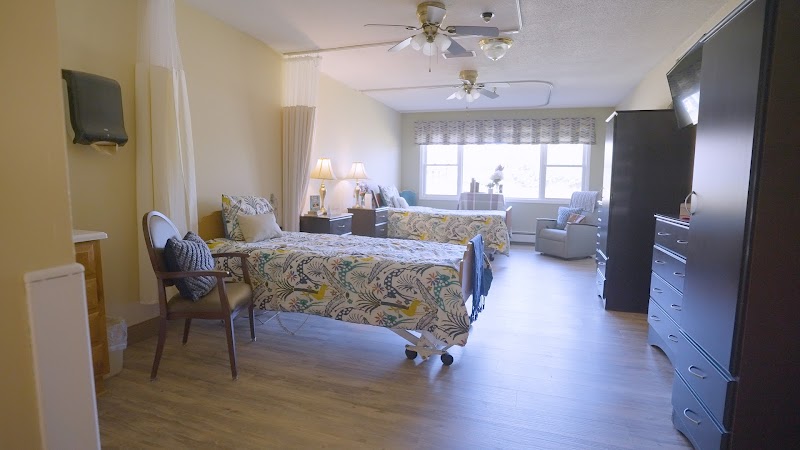
How is Bettendorf Health Care Center Staffed?
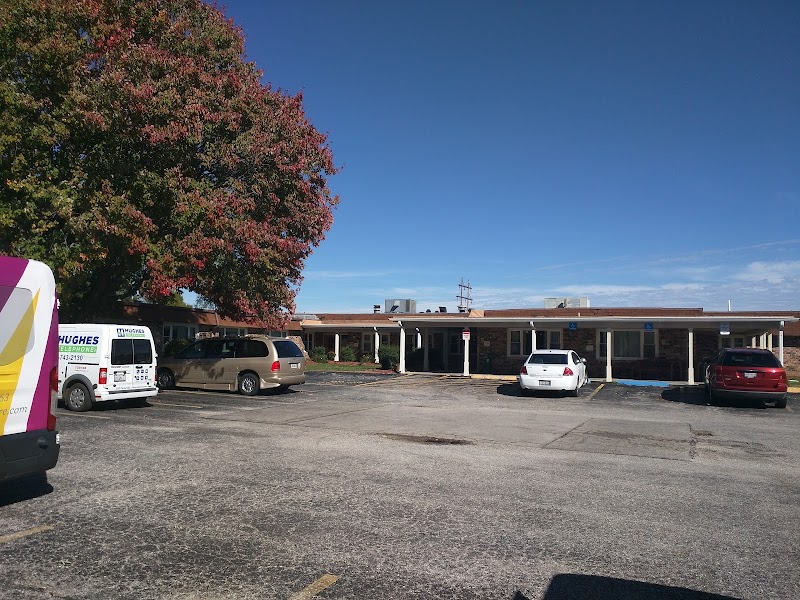
CMS rates Bettendorf Health Care Center's staffing level at 2 out of 5 stars, which is below average compared to other nursing homes. Staff turnover is 42%, compared to the Iowa average of 46%. This relatively stable workforce can support continuity of care.

What Have Inspectors Found at Bettendorf Health Care Center?

State health inspectors documented 81 deficiencies at Bettendorf Health Care Center during 2022 to 2025. These included: 1 Immediate Jeopardy (the most serious level, indicating potential for serious harm or death), 2 that caused actual resident harm, 73 with potential for harm, and 5 minor or isolated issues. Immediate Jeopardy findings are rare and represent the most serious regulatory concerns. They require immediate corrective action.

Who Owns and Operates Bettendorf Health Care Center?

Bettendorf Health Care Center is owned by a for-profit company. For-profit facilities operate as businesses with obligations to shareholders or private owners. The facility is operated by MGM HEALTHCARE, a chain that manages multiple nursing homes. With 86 certified beds and approximately 61 residents (about 71% occupancy), it is a smaller facility located in Bettendorf, Iowa.

How Does Bettendorf Health Care Center Compare to Other Iowa Nursing Homes?

Compared to the 100 nursing homes in Iowa, Bettendorf Health Care Center's overall rating (1 stars) is below the state average of 3.0, staff turnover (42%) is near the state average of 46%, and health inspection rating (1 stars) is much below the national benchmark.

What Should Families Ask When Visiting Bettendorf Health Care Center?

Based on this facility's data, families visiting should ask: "What changes have been made since the serious inspection findings, and how are you preventing similar issues?" "Can you walk me through typical staffing levels on day, evening, and night shifts?" "Can I visit during a mealtime to observe dining assistance and food quality?" "How do you handle medical emergencies, and what is your hospital transfer rate?" These questions are particularly relevant given the facility's Immediate Jeopardy citations and the below-average staffing rating.

Is Bettendorf Health Care Center Safe?

Based on CMS inspection data, Bettendorf Health Care Center has documented safety concerns. Inspectors have issued 1 Immediate Jeopardy citation (the most serious violation level indicating risk of serious injury or death). The facility has a 1-star overall rating and ranks #100 of 100 nursing homes in Iowa. Families considering this facility should ask detailed questions about what corrective actions have been taken since these incidents.

Do Nurses at Bettendorf Health Care Center Stick Around?

Bettendorf Health Care Center has a staff turnover rate of 42%, which is about average for Iowa nursing homes (state average: 46%). Moderate turnover is common in nursing homes, but families should still ask about staff tenure and how the facility maintains care continuity when employees leave.

Was Bettendorf Health Care Center Ever Fined?

Bettendorf Health Care Center has been fined $35,622 across 2 penalty actions. The Iowa average is $33,435. While any fine indicates a compliance issue, fines under $50,000 are relatively common and typically reflect isolated problems that were subsequently corrected. Families should ask what specific issues led to these fines and confirm they've been resolved.

Is Bettendorf Health Care Center on Any Federal Watch List?

Bettendorf Health Care Center is not on any federal watch list. The most significant is the Special Focus Facility (SFF) program, which identifies the bottom 1% of nursing homes nationally based on persistent, serious quality problems. Not being on this list means the facility has avoided the pattern of deficiencies that triggers enhanced federal oversight. This is a positive indicator, though families should still review the facility's inspection history directly.