The Vistas at Bettendorf
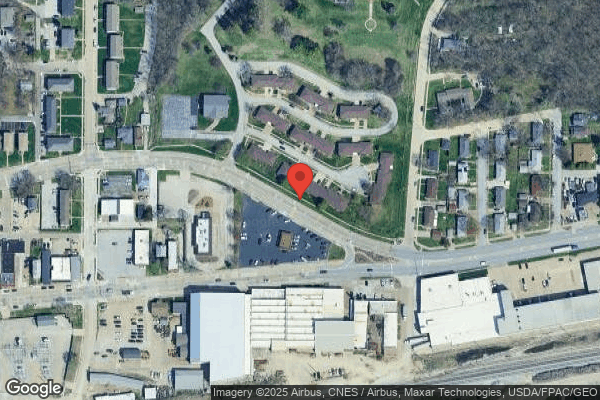
2500 Grant Street, Bettendorf, IA 52722 (563) 359-9171
For profit - Partnership 79 Beds SHLOMO HOFFMAN Data: November 2025
Trust Grade
55/100
#306 of 392 in IA
Last Inspection: August 2024

Within standard 12-15 month inspection cycle. Federal law requires annual inspections.

Overview

The Vistas at Bettendorf has a Trust Grade of C, which means it is average and sits in the middle of the pack among nursing facilities. It ranks #306 out of 392 in Iowa, placing it in the bottom half of facilities in the state, and #6 of 11 in Scott County, indicating only five local options are better. The facility is showing signs of improvement, having reduced its issues from 7 in 2024 to 4 in 2025, and it has strong staffing ratings with a turnover rate of 42%, which is slightly below the state average. However, there are concerning aspects, including less RN coverage than 86% of Iowa facilities, which can affect care quality. Specific incidents include a failure to ensure two residents took their medications properly, neglecting to clean a resident's fingernails, and not monitoring a resident's health condition that led to hospitalization, highlighting areas where the facility needs to improve. Overall, while there are strengths in staffing and a lack of fines, the facility has critical areas that need attention to ensure resident safety and well-being.
Trust Score
C
55/100
In Iowa
#306/392
Bottom 22%
Safety Record
Low Risk
No red flags
Inspections
Getting Better
7 → 4 violations
Staff Stability
○ Average
42% turnover. Near Iowa's 48% average. Typical for the industry.
Penalties
✓ Good
No fines on record. Clean compliance history, better than most Iowa facilities.
Skilled Nurses
○ Average
Each resident gets 31 minutes of Registered Nurse (RN) attention daily — about average for Iowa. RNs are the most trained staff who monitor for health changes.
Violations
⚠ Watch
13 deficiencies on record. Higher than average. Multiple issues found across inspections.
★★☆☆☆
2.0
Overall Rating
★★★★☆
4.0
Staff Levels
★☆☆☆☆
1.0
Care Quality
★★★☆☆
3.0
Inspection Score
Stable
2024: 7 issues
2025: 4 issues

The Good

  • 4-Star Staffing Rating · Above-average nurse staffing levels
  • Full Sprinkler Coverage · Fire safety systems throughout facility
  • No fines on record
  • Staff turnover below average (42%)

    6 points below Iowa average of 48%

Facility shows strength in staffing levels, fire safety.

The Bad

2-Star Overall Rating

Below Iowa average (3.0)

Below average - review inspection findings carefully

Staff Turnover: 42%

Near Iowa avg (46%)

Typical for the industry

Chain: SHLOMO HOFFMAN

Part of a multi-facility chain

Ask about local staffing decisions and management

The Ugly 13 deficiencies on record

Aug 2025 4 deficiencies
CONCERN (D) 📢 Someone Reported This

A family member, employee, or ombudsman was alarmed enough to file a formal complaint

Potential for Harm - no one hurt, but risky conditions existed

ADL Care (Tag F0677)

Could have caused harm · This affected 1 resident

Based on observation, clinical record review, document review and staff interview the facility failed to clean resident fingernails as part of grooming for 1 of 6 resident sampled (Resident #58). The ...

Read full inspector narrative →
Based on observation, clinical record review, document review and staff interview the facility failed to clean resident fingernails as part of grooming for 1 of 6 resident sampled (Resident #58). The facility identified a census of 70 residents.Finding include:The 6/11/25 Minimum Data Set (MDS) Assessment documented Resident #58 with severely impaired decision making and unable to recall the current season, location of own room, staff names and faces or that they are in a nursing home. Resident #58 exhibited inattention, disorganized thinking and altered level of consciousness continually present, without fluctuation. The MDS lacked documentation Resident #58 exhibited any physical or verbal behaviors. The MDS noted Resident #58 with impairment on both lower extremities (hip, knee, ankle, foot); utilized a wheelchair and was dependent upon staff for shower/bathing, toileting hygiene and personal hygiene. The MDS documented Resident #58 as always incontinent of bowel and bladder. The MDS listed diagnoses of Alzheimer's Disease, Non-Alzheimer's Dementia, anxiety, depression, end stage renal disease. The Activities of Daily Living (ADL) Self-Care Performance Deficit Care Plan revised 7/17/25 directed the staff under Bathing/Showering to check nail length and trim/clean on bath days and as necessary and to provide extensive assistance of two staff for bath/shower every Sunday morning as necessary. Observation on 8/12/25 at 3:45 PM Resident #58 lay in bed with her right middle finger, ring finger and pinky finger in her mouth licking her fingers. Resident #58 had a dried brown-black substance under her right middle, ring and pinky fingers. During an observation on 8/13/25 at 10:30 AM Staff D and E, Certified Nursing Assistants (CNAs) completed peri-cares for Resident #58 while lying in bed. Staff E asked Staff D to hand her a disposable wet wipe. Staff E lifted Resident #58 right hand and wiped her fingers and attempted to wipe under two fingernails, then placed her hand back down. Observation after cares revealed Resident #58 right forefinger, middle, ring, and pinky fingers with a brown-black substance under her fingernails. Interview on 8/13/25 10:40 AM Staff D explained morning cares include washing the resident's face, under arms, performing peri-cares, applying lotion to the arms/legs and setting the resident up or providing oral care for the resident. Staff D voiced second shift and activities complete nail care. Observation on 8/13/25 at 10:46 AM revealed Resident #58 lying in bed supine. The room smelled of bowel movement. Resident #58 had her right hand inside the front of her brief digging. Resident #58 brought her right hand out of her brief. Her right hand had dark brown/black substance under her forefinger, middle, ring, and pinky fingers. Interview completed on 8/13/25 at 10:45 AM Staff F, CNA verbalized morning cares consist of washing the residents face, brushing their teeth and completing peri-cares. Staff F said the aides usually try to set up to do fingernail care around 10 AM several days per week. She stated if the resident wants their nails done, they will do them then. When asked about residents that could not make that decision, she said they do their nail care if they have time. Staff F thought is was the same on both floors. Interview on 8/13/25 at 11:44 Staff G, CNA explained there is a lady that comes up on the floor that complete fingernail care. She is an environmental aide. She is not sure how often she comes to the floor, but she is on the floor often and she does the nail care. On 8/13/25 at 11:45 AM Staff H, Registered Nurse (RN) stated activities does nail painting and the restorative aides do nail care as an extra from time to time. He had never observed there is any routine nail care that the aides provide. An 8/14/25 review of Resident #58 Shower Sheets showed no nail care documented as completed for the following showers:a. 6/03/25b. 6/13/25c. 6/24/35d. 6/27/25e. 7/04/25f. 7/11/25g. 7/15/25h. 7/18/25Interview on 8/14/25 at 9:48 AM the Assistant Director of Nursing (ADON) reported she expects the CNAs to completed fingernail care with showers/baths and as needed. During an interview on 8/14/25 at 9:51 AM the Director of Nursing (DON) reported activities does a trim and nail polish activity, but it is the responsibility of the CNAs to trim and clean the fingernails with the showers/baths twice a week and as needed. The Undated Nail Care Policy provided by the facility documented a purpose to promote cleanliness, prevent the spread of infection and to prevent injury to the resident or others due to jagged, sharp edges. The Policy lacked direction to the staff on when nail care was to be provided.
CONCERN (D) 📢 Someone Reported This

A family member, employee, or ombudsman was alarmed enough to file a formal complaint

Potential for Harm - no one hurt, but risky conditions existed

Quality of Care (Tag F0684)

Could have caused harm · This affected 1 resident

**NOTE- TERMS IN BRACKETS HAVE BEEN EDITED TO PROTECT CONFIDENTIALITY** Based on clinical record review, policy review and staff interview, the facility failed to monitor a change in condition which r...

Read full inspector narrative →
**NOTE- TERMS IN BRACKETS HAVE BEEN EDITED TO PROTECT CONFIDENTIALITY** Based on clinical record review, policy review and staff interview, the facility failed to monitor a change in condition which resulted in a hospitalization for 1 of 1 residents sampled (Resident #37). The facility reported a census of 70 residents.Findings include:Resident #37's Minimum Data Set (MDS) assessment dated [DATE] showed a Brief Interview for Mental Status (BIMS) score of 15/15 indicating intact cognition. Resident #37 had functional limitation in range of motion on one side of the upper and lower body, utilized a wheelchair and was dependent upon staff for toileting hygiene, bathing, lower body dressing and personal hygiene. The MDS noted Resident #37 was always incontinent of bowel and bladder. The MDS listed diagnoses of stroke, heart failure, end stage renal disease, diabetes mellitus, hemiplegia (paralysis on one side of the body)/hemiparesis (weakness on one side of the body), and morbid obesity. The Bladder Incontinence Care Plan, revised 3/11/25, directed to monitor/document for signs and symptoms of urinary tract infection (UTI): pain, burning, blood tinged urine, cloudiness, no output, deepening urine color, increased pulse, increased temperature, urinary frequency, foul smelling urine, fever, chills, altered mental status, change in behavior and change in eating patterns. A 7/13/25 8:47 PM Health Status Progress Note documented Resident #37 with a temperature of 97 degrees Fahrenheit (F) and complaints of burning with urination. A facsimile (fax) sent to the Provider to update on the resident's condition and awaiting a return fax.A Fax dated 7/14/25 to the Provider documented Resident #37 had complained of burning with urination, was incontinent, used a bed pan and briefs. The Fax noted Resident #37 was afebrile and vital signs were within normal limits and asked for a physician order for a urinalysis and culture. The bottom of the Fax contained hand written documentation faxed 7/14 at 1:30 PM. The Fax included a Physician Order/Response of yes. There was no fax date/time posted on the document. A review of the Progress Notes and Vital Sign Records revealed no vital signs documented for 7/14/25. A 7/16/25 10:30 PM Nurse Progress Note detailed a clean catch urine sample had been collected and placed in the fridge for the laboratory to pick up in the AM. The urine was cloudy and dark yellow with a strong odor. A 7/17/25 5:30 AM Nurses Progress Note documented Resident #37 with an altered mental status, unable to answer most questions, imaking guttural sounds. Vital signs blood pressure 168/44, pulse 58 beats per minute, respirations 22 breaths per minute, temperature 102 degrees F, pulse oximeter 90-92 percent on room air. The Provider was notified and gave a verbal order to send to the emergency department (ED) for evaluation and treatment. A 7/17/25 1:57 PM Nurses Progress Note documented Resident #37 had been admitted to the hospital with urosepsis (a severe, life threatening condition where a UTI spread to the blood stream, causing a systemic inflammatory response known as sepsis. The progression can lead to organ damage and septic shock if not treated promptly). A 7/17/25 6:20 AM ED Form documented Resident #37 arrived by ambulance with a Chief Complaint of gargled speech, burning sensation with peeing and the facility sent a urinalysis (UA) with no results. Vitals and Sepsis Screening documented a temperature of 103 degrees F, blood pressure 123/90, pulse rate 82, respirations 26, pulse oximeter of 88% (low) and altered mental status. Visit reason: sepsis alert. A 7/17/25 ED Physician Note, Final Report documented Resident #37 with a past medical history of diastolic heart failure, hypertension, diabetes, hyperlipidemia, prior admission for urosepsis presented in the ED with fever and altered mental status. The Resident was found to have sepsis with a white count of 23 and a fever of 103.7. The Resident was given 1 liter of fluid due to diastolic heart failure, Zosyn after review of prior sensitivities, likely urinary source with positive nitrates, many bacteria, many white cells, moderate leukocyte esterase. The chest x-ray showed moderate pulmonary edema and resident admitted with internal medicine for further management. An 8/13/25 review of Resident #37 Electronic Health Record (EHR) revealed a 4/23/25 Emergency Department Final Report noting Resident #37 had been admitted to the hospital 4/22/25 with a diagnosis of acute hypoxic respiratory distress, fever, sepsis and acute UTI prior to the 7/17/25 ED visit. Further review of Resident #37 EHR (Progress Notes, Temperature Record, Blood Pressure Record, Pulse Record, Respiration Record, Pulse Oximeter (oxygen) Record, Assessment Tab) lacked documentation of any documented physical assessment/monitoring, or vital signs from 7/14/25 until the morning of 7/17/25 when Resident #37 was transferred out to the ED. Interview on 8/13/25 at 10:16 AM Staff H, Registered Nurse (RN) reported when a resident complains of UTI symptoms, the nurses writes up a communication form and fax it to the Provider. They also have access to an on-call physician if they need something immediately. The nurses have a form they use to communicate to each other on what has been done. Staff H verbalized he is not aware of any protocols for assessing/monitoring the resident's condition while waiting for orders from the Provider. During an interview on 8/13/25 at 12:00 PM Staff I, RN reported when a resident exhibits signs of a UTI, especially burning, she calls the Provider versus faxing and has the staff push fluids. She is not sure if there is a specific facility protocol or if any actual direction had ever been given on monitoring a resident's condition, but as a nurse she would take vital signs and document every shift, especially if there is a history of sepsis or past hospitalization. On 8/13/25 at 12:16 PM the Assistant Director of Nursing (ADON)/Infection Preventionist (IP) stated the nurses can fax or call the physician when there is a change in condition. She provided a faxed UA order from 7/14/25. Staff S, RN sent out the fax and Staff N, LPN noted the order when it was returned. The ADON noted the Provider usually has a time stamp on the physician order, but the fax did not have a time stamp on the order. The ADON thought the Provider had been in the facility on 7/15/25 and had probably addressed the order that day and had seen Resident #37. The ADON looked for the Provider 7/15/25 progress note, but she could not find any documentation the resident had been seen. The ADON voiced Resident #37 is incontinent of urine which may have caused a delay in getting the urine sample. If the nurses cannot get a clean catch UA within twenty-four hours, the facility has an order for a straight catheterization to be done. The ADON verbalized while a UA is pending, if a resident is symptomatic, there should be a urinary assessment and monitoring completed in the nursing progress notes. They follow the McGeer criteria and the nurses would document to that. The nurses can ask the physician to start an antibiotic while the UA is pending. She wasn't sure if they had a specific policy/protocol for documenting an assessment and would have to check. Interview on 8/13/2025 at 5:42 PM Staff N, reported Resident #37 complained to her on 7/13/25 that she had burning down there. She took her temperature which was normal and she sent a fax off to the Provider. She didn't work again after that time. When she returned to work, she was told she had been hospitalized for a UTI. During an interview on 8/13/25 at 6:04 PM the Provider/Medical Director voiced he had not seen Resident #37 on 7/15/25. He expects the nurses to be monitoring vital signs, at least a temperature and blood pressure to ensure the blood pressure is not falling which would indicate sepsis. The nurses should also monitor for worsening flank pain, burning, decrease urine output, etc. They are trying to work within antibiotic stewardship and hold off on ordering antibiotics unless the resident is really symptomatic. It is a big fault of the facility, they need to improve their documentation. The Medical Director verbalized there is a big problem with the length of time it takes the laboratory to return the specimen results. Interview completed on 8/14/25 at 7:43 AM the MDS Coordinator reported there is only one lab service that comes in and does in-house laboratory draws and pick-ups. The laboratory staff pick up the specimens in the morning and transports the specimens to St. Louis, Missouri where the specimen is process. Then the culture is sent to Cincinnati, Ohio to have the culture and sensitivity completed. Then they finally get the laboratory report faxed to the facility. The MDS Coordinator didn't know where the laboratory faxes are received at the facility. The MDS Coordinator voiced she feels the facility should have some sort of urinary assessment based on the Mc Geer criteria for at least 48 hours to monitor the resident's condition when they are symptomatic for a UTI, but to her knowledge, there is no protocol or assessment processes in place to monitor for urinary symptoms until the urinalysis results return. The laboratory takes a long time to get the reports back. An 8/14/25 review of Resident #37 Urinalysis collected on 7/13/25 (per the Progress Notes) documented a specimen collection date of 7/17/25 at 4:11 PM and a Reported date of 7/25/25 at 11:38 AM. The MDS Coordinator explained the Specimen Collection date is the date and time the specimen is processed by the laboratory service and the Reported date/time is when the results are sent back to the facility. The UA had a lapse of 9-10 days from the time of collection to the return of final results. Interview on 8/14/25 at 9:48 AM the Director of Nursing (DON) reported the facility had no system in place to direct the assessment/monitoring of a resident's change in condition regarding UTI's. The Change of Condition Policy, undated, provided by the facility documented a procedure to assess change of condition and take appropriate actions; document observations, actions taken and response, record at consistent time intervals; report at change of shifts, using the eight-hour report and communication book as a reporting guide. Documentation provides data to ensure continuity of care, written evidence of reason resident received care, a method to review and evaluate care, a legal record and records used to legally prove or disprove failure by the licensed nursing staff, in determining the extent of an injury, the series of events, the actions take by the staff. The Change of Condition Documentation Guidelines under Burning and/or Discomfort in Urination directed to take a full set of vital signs, perform a head to toe physical assessment, assess color, consistency, and odor of urine, signs and symptoms, intake and output each shift for 24 hours after symptoms have subsided and results of laboratory work if applicable. The Policy directed the licensed staff nurse will make the initial assessment of the change of condition, report the findings to the DON/ADON and document the findings in the electronic medical record progress notes and flag the chart. The charge nurse and the DON/ADON will monitor residents with a condition change until the condition is resolved or stabilized. Documentation must reflect ongoing assessment/progress or lack of progress. Any licensed nurse on any shift may place a resident on the 24-hour report. The resident's name on the 24-hour report will identify which residents require follow-up documentation during each shift. Only the DON or ADON may remove a resident from follow-up documentation, after they believe the resident is stable.
CONCERN (D) 📢 Someone Reported This

A family member, employee, or ombudsman was alarmed enough to file a formal complaint

Potential for Harm - no one hurt, but risky conditions existed

Accident Prevention (Tag F0689)

Could have caused harm · This affected 1 resident

**NOTE- TERMS IN BRACKETS HAVE BEEN EDITED TO PROTECT CONFIDENTIALITY** Based on clinical record review, document review and staff interview the facility failed to document completion of fifteen-minut...

Read full inspector narrative →
**NOTE- TERMS IN BRACKETS HAVE BEEN EDITED TO PROTECT CONFIDENTIALITY** Based on clinical record review, document review and staff interview the facility failed to document completion of fifteen-minute checks to ensure appropriate supervision which resulted in a fall on 5/27/25 for 1 of 4 resident sampled for supervision (Resident #82). The facility identified a census of 70 residents. Findings include:Resident #82's Minimum Data Set (MDS) assessment dated [DATE] showed a Brief Interview for Mental Status (BIMS) score of 9/15 indicating a moderate cognitive loss. The resident was dependent upon staff for toileting hygiene, upper/lower body dressing, and partial/moderate assistance (helper does less than half the effort. The helper lifts, holds, supports trunk or limbs, but provides less than half the effort) with bed positioning (sit to lying position and lying to sitting on side of the bed). The MDS listed diagnoses of Alzheimer's Disease, Cerebrovascular Accident (stroke), other fracture, anxiety, depression, and a stress fracture of the hip, unspecified. The Activities of Daily Living (ADL) Care Plan revised 5/07/25 directed the following care:a. Resident #82 to be non-weight bearing to the right upper and lower extremity.b. Staff to assist with bed mobility and encourage to reposition every two hours. The High Risk for Falls Care Plan initiated 5/01/25 documented the following interventions:a. Ensure call light is within reach and encourage to use it. Initiated 5/01/25.b. Ensure resident is wearing non-skid socks. Initiated 5/10/25.c. Follow facility fall protocol. Initiated 5/01/25. d. Dusk to dawn night light placed by resident's sink in room. Initiated 5/23/25e. Low bed with floor mat. Hospice to provide wedges for bed boundaries. Initiated 5/28/25. The Care Plan lacked documentation of the initiation of 15-minute supervision checks on 5/04/25. A review of the May and June 2025 15-Minute Check Sheets from 5/04/25 to 6/07/25 revealed the following missing documentation indicating no checks had been completed:a. 5/06/25 6:00 AM to 1:45 PMb. 5/06/25 2:15 PM to 5:45 PM.c. 5/07/25 8:00 PM to 5:45 AMd. 5/08/25 6:00 AM to 9:45 PMe. 5/19/25 11:30 AM to 1:45 PMf. 5/20/25 6:00 AM to 1:45 PMg. 5/26/25 11:45 PM to 5:45 AMh. 5/27/25 2:15 PM to 8:45 AMA Progress Note dated 5/27/25 at 10:03 PM documented the nurse was alerted by staff that Resident #82 was on the floor observed sitting in an upright position resting against the bed. Resident #82's 5/27/25 10:36 PM Unwitnessed Fall Report prepared by Staff O, LPN documented the staff alerted Resident #82 was on the floor. The Fall Report documented Resident #82 had confusion, incontinence, recent changes in cognition, gait imbalance, impaired memory and a recent change in medication. The Fall Report lacked documentation of the last time a visual check had been completed on the resident. Resident #82 did not sustain an injury from the fall. Interview on 8/13/2025 at 2:14 PM Staff L, Licensed Practical Nurse (LPN) voiced she was not sure why Resident #82 had been placed on 15-minute checks. The resident had been trying to get up unassisted and she was supposed to be non-weight bearing. The resident liked to have her feet on the floor and would be positioned diagonally on the bed lwhen she was trying to get up unassisted. During an interview on 8/13/25 at approximately 2:50 PM Staff M, LPN reported Resident #82 had been placed on 15-minute checks for at least three days when she returned from the hospital but wasn't sure why she had been placed on the checks after that. Staff M explained the 15-minute checks are designated to the Certified Nursing Assistant (CNAs) and they document the 15-minute checks on a paper form. There are no staff specifically assigned to provide the 15-minute checks and no one is responsible to ensure the 15-minute documentation gets completed that she is aware of. They were checking that the resident's legs were in the bed as she would dangle her arm off the bed and put her feet on the floor. Interview completed on 8/13/2025 at 3:28 PM Staff N, LPN reported Resident #82 was on 15-minute checks when she returned from the hospital. The resident would forget that she couldn't get up and move on her own. They just wanted to monitor her more consistently. The CNA's would assist and encourage her to reposition if they found her laying across the bed with her legs on the floor. The CNA's should have documented the 15-minute checks. Staff N verbalized even if the checks were not signed off, she feels the staff probably did the 15-minute checks. Interview on 8/13/2025 at 3:59 PM Staff O reported she had filled out an incident report when Resident #82 fell on 5/27/25. She had been working with Staff P, CNA. Staff O explained she was not responsible for doing the 15-minute checks. It was the CNA's responsibility. Staff O could not recall the last time that Resident #82 had a 15-minute check completed prior to her fall on 5/27/25 at 10:03 PM. She did not document it in the incident report but she could check with the Director of Nursing (DON) to see if she had it documented. Staff O had only been alerted that Resident #82 was on the floor by the night shift. During an interview on 8/13/25 at 4:18 PM the Administrator reported she was not the Administrator when Resident #82 fell on 5/27/25. However, she expects there will be accountability if a resident is on 15-minute checks. Going forward they will be reviewing their 15-minute check process and documentation to ensure accountability. Interview completed on 08/13/2025 at 4:57 PM Staff P, reported Resident #82 was on 15-minute checks as she was always trying to get up out of bed and she couldn't because she had a broken hip and a wrist fracture. The night of 5/27/25 she was assigned to take care of Resident #82 and it would have been her responsibility to document the 15-minute checks. She was on her way out of the facility at the end of her shift, when she glanced into Resident #82 room and noted she was on the floor by her bed. Staff P thought she had last checked Resident #82 between 9:30-9:45 PM as she peeked in on her right before she went into another resident's room. She thought Resident #82 was sleeping in her bed at that time, but it was dark. Staff P commented she was just really busy and the documentation slipped her mind. Interview on 8/13/25 at 7:26 PM Staff Q, CNA reported Resident #82 was on 15-minute checks because she was confused and trying to climb out of bed. It was the CNA's responsibility to do the 15-minute checks, but at night the nurse would cover the checks while the aides completed resident rounds. The CNA's had the responsibility of completing the documentation. To her knowledge, the charge nurses did not review the 15-minute check documentation. The CNA's completed the 15-minute check sheets and put in a folder for Staff C, LPN to scan in to the resident's electronic record.Interview completed on 8/14/25 at 8:20 AM Staff R, Registered Nurse (RN) reported Resident #82 was on 15-minute supervision checks. The family kept coming in and finding Resident #82 laying across her bed with her feet hanging out of the bed. The family came to her on 5/20/25 and questioned the effectiveness of the 15-minute checks and if the checks were being completed. She explained to the family the 15-minute checks were being completed, but the resident was very restless and could move and change positions in the bed pretty fast. Staff R pulled the 5/20/25 15-minute check sheet to show the family the checks were being completed and the form on 5/20/25 was blank. The family was upset when they saw the 15-minute check form. She passed it on to the ADON to let her know the checks were not being documented. The CNA's were supposed to do the 15-minute checks to ensure Resident #82 was safe. During an interview 8/14/25 at 9:54 AM the Director of Nursing (DON) reported the 15-minute checks are completed for different reasons, such as 72 hours post hospitalization and as a short-term intervention after a fall. They put the 15-minute check sheets out on a clip board for the staff to document on. The DON didn't know if they had actually ever gone through the expectations of the checks with the nursing staff or communicated what exactly is to be done as part of the checks. The Assistant Director of Nursing (ADON) commented the CNA's sign their name and document the location of the resident such as room, bed, activities, etc. It is just to lay eyes on the resident to ensure they are safe. The ADON and DON both explained they expect the aides to document the 15-minute checks as the checks are completed, not at the end of the shift. The DON expects the charge nurse to check the 15-minute sheets to ensure the checks are getting done and the documentation is complete. The DON voiced they had a change-over in staff and they had gotten lax on training the new nurses and that falls on the them. The DON stated the facility did not have a policy or procedure guiding the 15-minute supervision checks.A 8/14/25 review of the Fall Assessment Policy and Protocol, revised 2/26/20, lacked any guidance or direction to the staff regarding 15-minute supervision checks.
CONCERN (E) 📢 Someone Reported This

A family member, employee, or ombudsman was alarmed enough to file a formal complaint

Potential for Harm - no one hurt, but risky conditions existed

Deficiency F0726 (Tag F0726)

Could have caused harm · This affected multiple residents

**NOTE- TERMS IN BRACKETS HAVE BEEN EDITED TO PROTECT CONFIDENTIALITY** Based on record review, staff interview and facility policy review, the facility failed to ensure two residents took their medic...

Read full inspector narrative →
**NOTE- TERMS IN BRACKETS HAVE BEEN EDITED TO PROTECT CONFIDENTIALITY** Based on record review, staff interview and facility policy review, the facility failed to ensure two residents took their medications and left the medications at the bedside (Residents #9 and #54) and failed to ensure Resident #42 swallowed his medications before Resident #20 took them. The facility reported a census of 70 residents. Findings include:1. The Minimum Data Set (MDS) dated [DATE] identified Resident #20 as cognitively intact with a BIMS (Brief Interview for Mental Status) score of 15 and had the following diagnoses: Non-Traumatic Brain Dysfunction, Non-Alzheimer’s Dementia and Peripheral Vascular Disease. The MDS also identified Resident #20 as independent with most activities of daily living. A review of an incident report completed by the ADON (Assistant Director of Nursing) dated 5/21/25 revealed the following: CNA reported to nurse that Resident #20 took another resident’s medication. The other resident brought down his medications with him to first floor so he could take it with dinner. This other resident went to this resident’s room and set his meds down and this resident took his meds. (the incident report did not identify the name of the other resident later identified as Resident #42) Medications included: Tegratol 400 mg (milligrams) and Keppra 750 mg. The Medical Director was notified, instructed staff that she would be very tired and shouldn’t walk around and to call pharmacy for medication interactions. Resident #20 verbalized feeling very tired and was educated not to walk around her room that night. Resident #20’s Care Plan failed to address the problem of the above incident where she took Resident #42’s medications. A review of Resident #20’s progress notes for entire month of May 2025 had no documentation of the above incident. 2. The MDS dated [DATE] identified Resident #42 as severely cognitively impaired with a BIMS of 04 and had the following diagnoses: Cerebrovascular Accident (stroke), Seizure Disorder and repeated falls. The MDS also identified Resident #42 as independent with most activities of daily living. A review of an incident report completed by the ADON (Assistant Director of Nursing) dated 5/21/25 revealed the following: CNA reported to nurse that Resident #20 took another resident’s medication. The other resident brought down his medications with him to first floor so he could take it with dinner. This other resident went to this resident’s room and set his meds down and this resident took his meds. (the incident report did not identify the name of the other resident later identified as Resident #42) Medications included: Tegratol 400 mg (milligrams) and Keppra 750 mg. The Medical Director was notified, instructed staff that she would be very tired and shouldn’t walk around and to call pharmacy for medication interactions. Resident #20 verbalized feeling very tired and was educated not to walk around her room that night. On 6/28/24, the Care Plan identified Resident #42 with the problem of a Seizure Disorder and instructed staff to give him his seizure medication as ordered by doctor and to monitor/document side effects and effectiveness. The care plan failed to address the incident where he took his medications in for another resident and the need to have the nurse ensure she/he observed the resident actually swallowing the medications. A review of Resident #42’s progress notes for entire month of May 2025 had no documentation of the above incident. In an interview on 8/14/25 at 8:16 AM, the ADON (Assistant Director of Nursing) reported the following: a. When asked about the incident on 5/21/25 at 5:00 PM where one resident took another resident’s medications, she reported Staff B, LPN gave Resident #42 his medications which he took with him to Resident #20’s room. b. Resident #20 picked up Resident #42’s medications and took them. c. Resident #20 has a BIMS of 15, but is very forgetful and has short term memory. d. Resident #42 acted like he took his medications in front of Staff B, however he actually did not swallow the pills. He likes to take his medications with his meals. e. Staff B should have taken his medications to him at the dining room table. The DON (Director of Nursing) and ADON provided nursing staff with education. f. She was not sure if this should have been addressed on the residents’ Care Plans. In an interview on 8/14/25 at 8:57 AM, Staff C, RN reported the following a. When asked about the incident on 5/21/25 at 5:00 PM where one resident took another resident’s medications, she reported Resident #20 reported she took Resident #42’s medications. She was taking care of Resident #20 and did not know what medications Resident #42 had in the medication cup. b. She could not explain why Resident #42 had his medications with him when he went into Resident #20’s room and she ended up taking his medications. In an interview on 8/14/25 at 9:15 AM, the Director of Nursing reported the following: a. When asked about the incident on 5/21/25 at 5:00 PM where one resident took another resident’s medications, she reported she received a phone call from the ADON who reported Resident #20 took Resident #42’s medications. b. Staff B, LPN thought she gave Resident #42 his medications upstairs before he went to visit Resident #20 downstairs. When he got to her room, he put the cup of his medications on her table and she picked them up and took them. She could not recall the names of the medications. c. Resident #42 usually likes taking his medications with his meals. d. She expected the nurse to actually watch him swallow his pills to prevent this error. e. Actions she took after this error occurred was she educated Staff B and the rest of the nursing staff on the importance of watching the resident actually swallow their medications. In an interview on 8/14/25 at 9:39 AM, Staff B, LPN reported the following: a. When asked about the incident on 5/21/25 at 5:00 PM where one resident took another resident’s medications, she reported she was up on 2nd floor and went to give Resident #42 his pills. She could not remember what they were. She handed them to him in the medication cup, he picked them up and put the cup by his mouth as if he actually took meds. She did not check his mouth to see if he actually swallowed them. In the past when she handed him his pills, he would say he wanted to take the pills down to the dining room with him. She would tell him no, she would give them later. That day, she did not ask if he wanted to take his pills then or with his meals. She actually thought he took them. b. She was not familiar with his routine and there was nothing on the MARs or care plan that would let her know he preferred to take the medications with his meals. He specifically said the doctors told him he needed to take his medications with food. She though it would be helpful if there were instructions on the MARs for incidents like this. c. When asked what could have been done to prevent the incident, she reported she could have stood there for another 30 seconds to make sure he swallowed his medications. Not ten minutes later, another resident wanted her to leave his medications there for him to take later with supper. d. When asked what was done to prevent this kind of error again, she reported all nurses were educated by notes left in their mailboxes. A review of the facility policy titled: Medication Administration with the last revision date of 6/21/21 had documentation of the following procedure: a. Identify the resident by picture and check the eMAR (Electronic Medication Administration Record). Each medication is to be verified for the right dose, right medication, right time as well as well as right route, by comparing the label on the medication container to the eMAR. b. Read the label three times before dispensing the medication into the med cup or pill pouch. c. Administer the medication. d. Observe the act of swallowing. e. Record the medication given on the eMAR after the medication is swallowed. 2. Resident #54’s MDS assessment dated [DATE] showed a BIMS score of 9/15 indicating a moderate cognitive loss. The MDS listed diagnoses of Non-Alzheimer’s Dementia, Chronic Obstructive Pulmonary Disease (COPD, a chronic lung disease that makes it hard to breath), bipolar disorder (a mental health condition characterized by extreme shifts in mood, energy, activity levels and cycling between high and low depression which can impact the ability to function in daily life, affecting thinking and behaviors) and mild cognitive impairment of uncertain/ unknown etiology. Resident #54's Medication Review Report (MRR) signed by the Provider on 7/08/25 listed an order for an Albuterol Sulfate Inhalation Aerosol Solution 108 (90 base) micrograms per actuation (MCG/ACT) give two inhales orally every six hours as needed for shortness of breath/COPD. The MRR lacked documentation Resident #54 could keep the medication at the bedside. During an observation on 8/13/2025 at 8:33 AM Resident #54 observed sitting in his chair with an Albuterol Sulfate Inhaler sitting within reach on his bedside table approximately 2 foot away. Resident #54 reported that he had COPD and when he takes the inhaler it helps him breath. Observation on 8/13/25 at 8:40 AM revealed the hallway outside of Resident #54 room with no medication cart or nurse in the hallway. Interview completed on 8/13/25 at 1:15 AM Staff H, RN stated medications cannot be left at the bedside unless the care plan specifies the resident can have their medications at the bedside. Usually that includes medications like inhalers and eye drops. Sometimes a resident will ask the nurse to leave medications at the bedside, but those are just over the counter medications. If a resident asks and the medication is an over the counter medication, he will leave the medication with the resident, otherwise certain residents get really upset. Resident #54 cannot have medications left at the bedside, but he does have an inhaler he keeps at the bedside. Staff H assumed Resident #54 has an order for the inhaler to be at the bedside. Resident #54 likes his independence so he has not pulled the inhaler out of the room. Resident #54 is a resident that is in between. He is alert, but is not totally 100% alert. He has good and bad times. Interview on 8/13/25 at 12:00 PM Staff I, RN explained the nurses are not to leave medications at the bedside. Interview on 8/13/25 at 1:35 Staff J, LPN voiced the nurses absolutely do not leave medications at the resident's bedside. Interview completed on 08/13/2025 at 2:00 PM Staff K, LPN stated resident medications are not to be left at the bedside. If a resident does not take their medication, the nurses are to take the medication with them. They lock the medication in the medication cart and re-approach the resident to take later. An 8/13/25 review of Resident #58 Electronic Health Record (EHR) Care Plan, Progress Notes, Assessments and Electronic Medication Administration Record (EMAR) August 2025 lacked documentation of a self-medication administration assessment for safety. On 8/14/25 at 7:21 AM Staff T, Housekeeping voiced he finds pills on the resident floors in their rooms all the time. During an interview on 8/14/25 at 9:44 PM the DON reported there are no residents that self-administer their medications at this time. They provided an education back in June 2025 specifically about not leaving medications in resident rooms. In order for a resident to have medications in their room, a self-medication administration assessment would be completed by herself, the Assistant Director of Nursing (ADON) or the charge nurse followed by an observation of the resident for medication safety. The resident or legal representative would have to sign a medication administration safety form. The DON reported there is no medication safety assessment for Resident #54 because he cannot self-administer his medications and the nurses should not have left any medication in the resident’s room. During an interview on 8/14/25 at 11:09 AM the DON explained they utilize the medication administration competency form for training new nurses. A charge nurse would be responsible for training and observing the new nurse complete medication administration for competency. Each year they do nurse medication competency where she or the ADON watch each nurse complete three resident medication passes. 3.) The Minimum Data Set (MDS) dated [DATE] identified Resident #9 as cognitively intact with a BIMS (Brief Interview for Mental Status) score of 14 and had the following diagnoses: Cerebral vascular accident (CVA) , depression and hemiplegia The MDS also identified Resident #9 as partial to moderate assist with most activities of daily living. On 08/12/2025 at 3:14 PM Resident #9 medications on overbed table next bed, 6 pills in a medication cup. She just woke up when entered the room and no staff present in the room. On 08/14/2025 at 11:04 AM Resident #9 Staff U, RN stated I did work Tuesday on the day shift. I did administer Resident #9 medications. I do not leave her medication in her room because sometimes she will not take her medications. She shouldn't have had them in her room she has been know to store them. Resident #9 takes them in front of me. She should not have medications sitting in her room. I have no idea why they would have been in her room. There were not any medications in the room when I was in the room. Staff U stated medications should not be left in a residents room. 08/14/2025 at 11:15 AM Assistant Director of Nursing (ADON) states medications should not be left at the bed side. Resident #9 would not be appropriate to take medications by herself independently or self administer. We did inservice in June at the nurses meeting about medication administrations. We did bring up to the nurses that medications should not be left at the bedside. Our policy is they should watch them take the medications and swallow the medications.
Aug 2024 1 deficiency
CONCERN (D)

Potential for Harm - no one hurt, but risky conditions existed

Deficiency F0688 (Tag F0688)

Could have caused harm · This affected 1 resident

Based on record review, staff and resident interviews, and policy review the facility failed to follow the rehabilitation directives and provide sufficient services to residents in need of their servi...

Read full inspector narrative →
Based on record review, staff and resident interviews, and policy review the facility failed to follow the rehabilitation directives and provide sufficient services to residents in need of their services for 1 of 4 residents reviewed (Resident #9). The facility reported a census of 63 residents. Findings include: The Minimum Data Set (MDS) report dated 7/31/24 indicated Resident #9 had a Brief Interview for Mental Status (BIMS) score of 15/15, indicating no cognitive impairment. The MDS further indicated diagnoses including: Multiple Sclerosis, paraplegia (inability to move part of the body), and epilepsy. It documented the resident needed partial/moderate assistance for upper body dressing, complete dependence on staff for lower body dressing, and complete assistance for transfers. The Care Plan initiated 11/29/22 instructed restorative therapy staff to provide bilateral lower extremity range of motion (ROM), bilateral upper extremity ROM, and all extremity stretching 1-5 times per week. A review of the Restorative Nursing Flow Sheets from June to August 2024 revealed restorative staff failed to provide programming for five weeks during that timeframe. In an interview on 8/26/24 at 12:07 PM, Resident #9 noted she should be receiving restorative care but there was only one restorative person for the whole building so it was not happening. In an interview on 8/28/24 at 10:01 AM, Staff A, Certified Nursing Aide (CNA)/Restorative Nursing Aide (RNA) reported she was pulled to work on the floor as a CNA today. Restorative care does not get done when she is pulled. She explained she was the only staff doing restorative care. She exclusively completed programming for Resident #9 as the resident was so contracted and wants only her to do it. She noted maybe once per week she gets to see her residents. In an interview on 8/28/24 at 10:32 AM, the Director of Rehab explained she expected the frequency of restorative care ordered to be followed. It must be completed at least one time per week if it is written that way. In an interview on 8/29/24 at 9:26 AM, the Director of Nursing explained they used to have two people running restorative care but right now they only have one. Unfortunately Staff A has been getting pulled to work the floor quite a bit and has not been meeting her frequencies due to this. She noted she was aware this was a problem. The facility policy titled Restorative Program, dated 10/02/18 instructed restorative care to be performed by the certified rehabilitation aides as ordered by Therapy Director/Occupational Therapist/Physical Therapist/Attending Physician, depending on availability of staffing. The facility must provide adequate resources for the completion of the programs developed for each resident, including but not limited to staffing and education.
Jan 2024 6 deficiencies
CONCERN (D)

Potential for Harm - no one hurt, but risky conditions existed

Transfer Requirements (Tag F0622)

Could have caused harm · This affected 1 resident

**NOTE- TERMS IN BRACKETS HAVE BEEN EDITED TO PROTECT CONFIDENTIALITY** Based on clinical record review, staff interviews, and facility policy review, the facility failed to provide the required docum...

Read full inspector narrative →
**NOTE- TERMS IN BRACKETS HAVE BEEN EDITED TO PROTECT CONFIDENTIALITY** Based on clinical record review, staff interviews, and facility policy review, the facility failed to provide the required documentation needed for transfers to the hospital for 1 of 4 residents reviewed for hospitalizations (Resident #18). The facility reported a census of 69 residents. Findings Include: The MDS (Minimum Data Set) assessment dated [DATE] revealed Resident #18 scored a 11 out of 15 on the Brief Interview for Mental Status (BIMS) exam, which indicated cognition moderately impaired. The MDS revealed medical diagnosis for Benign Prostate Hyperplasia (BPH), obstructive uropathy, and a Urinary Tract Infection (UTI) in the last 30 days. The MDS revealed resident used an indwelling catheter. The Progress Note dated 7/4/23 at 1:52 PM, revealed the resident had a low grade Temperature of 99.3, as needed (PRN) Tylenol given at 1:45 PM SP 02 (pulse Oximetry) -92% at room air oxygen (O2) at 3 liters (L)) applied per nasal cannula for precaution. Pulse-113 beats per minute (bpm); Respirations-32 breaths per minute, no complaints of shortness of breath. Blood pressure (BP) -117/78. Continued to monitor. The Progress Note dated 7/4/23 at 6:17 PM revealed the resident noted with the following Vital Signs (VS): Pulse 127 bpm, respirations 40 breaths per minute, O2 92% on 3 L, temperature 99.5 post APAP (acetaminophen), BP 160/80. Provider notified and orders received to send resident to emergency department (ED) for evaluation and treatment. Medics called and Power of Attorney (POA) notified and agreeable. The Progress Note lacked documentation of the paperwork sent and who the facility notified at the local hospital for the transfer. The Progress Note dated 7/4/23 at 9:54 PM, revealed the resident admitted to local hospital with sepsis/UTI. The Progress Note dated 7/21/23 at 2:21 AM, revealed the resident flushed in face, skin warm to touch at 1:10 AM. Temperature 100.2 Respirations 22 breaths per minute, pulse: 125 bpm; O2 85% room air. Resident confused. Called provider at 1:30 PM and informed that resident showed signs/symptoms (s/s) of sepsis. Ordered to send resident to emergency room (ER) for evaluation and treatment. Called resident's son at 1:50 AM and informed him that resident transferred to the hospital for assessment. Medic EMT's arrived to facility at 1:50 AM and resident left facility at 2:00 AM to local hospital. The Progress Note lacked documentation of the paperwork sent and who the facility notified at the local hospital for the transfer. The Progress Note dated 7/21/23 at 6:39 AM revealed nurse received a call from local hospital and spoke with RN (Registered Nurse) who stated resident admitted to hospital for UTI/sepsis. The Progress Note dated 8/4/23 at 11:19 AM, revealed the resident showed a change in the early AM and refused breakfast. The resident's vital sign: temperature-98.3; BP-152/86; pulse-117 bpm; respirations 28 breaths per minute; Sp 02-91%-02 at 3 L. Notified the provider's officer for orders to send the resident to ER for evaluation and treatment. POA notified and agreed with order. The Progress Note lacked documentation of the paperwork sent and who the facility notified at the local hospital for the transfer. The Progress Note dated 8/4/23 at 8:35 PM, revealed the nurse received a call from the Registered Nurse (RN) at the local hospital and requested information for the medication the resident received today. The administrations of medications and protein reviewed and the date of the last catheter change provided. The Physician Note dated 9/26/23 at 2:46 PM (late entry), revealed resident seen today as the provider paged over head to report to his room. Resident not feeling well all day and per nursing and not very responsive, but eyes open. Asked the resident what was wrong, he stated, I don't know but something. Provider asked him what hurt and he was unable to say. Nursing reported resident had a fever, heart rate (HR) elevated, and low SP O2. Discussed concern for sepsis with nurse and his son. His son was agreeable for him to go to ER. Plan: Send resident to ER for further evaluation due to concern for sepsis. Place 2 L of O2 on resident now via nasal cannula (NC). The Progress Note dated 9/26/23 at 2:54 PM revealed the Certified Nurse Aide (CNA) called the nurse into the resident's room. Resident displayed a blank stare and didn't verbalize. Skin pale. Temperature- 101.1; pulse- 21 bpm; respirations 22 breaths per minute; pulse Oximetry: 90% on room air; blood pressure: 117/88. Call placed to provider. The Progress Note dated 9/26/23 at 3:11 PM, revealed new orders per provider to send to ER for evaluation and treatment. POA notified. The nurse assessed resident, resident awake but didn't respond to questions asked. Resident placed on 2 L of O2 per NC. The Progress Note dated 9/26/23 at 3:22 PM revealed resident left the facility via Medics at 3:20 PM to the local hospital. The Progress Note lacked documentation of the paperwork sent and who the facility notified at the local hospital for the transfer. The Progress Note dated 9/26/23 at 8:04 PM, revealed resident admitted to local hospital for sepsis. The Progress Note dated 10/24/23 at 5:54 PM, revealed the resident displayed s/s of altered mental status, labored breathing, and elevated temperature along with increased heart rate. The Director of Nursing (DON) notified of resident's condition and plan discussed to send resident to ER for evaluation. POA Son notified of situation and agreed to send to local hospital. Order to send obtained from provider. Medics called. Awaited transport. The Progress Note dated 10/24/23 at 6:16 PM revealed the Medics transported resident out of the facility to the local hospital per POA request. The Progress Note lacked documentation of the paperwork sent and who the facility notified at the local hospital for the transfer. The Progress Note dated 10/24/23 at 11:50 PM, revealed the resident admitted to the local hospital for UTI. The Progress Note dated 11/19/23 at 9:10 AM, revealed resident didn't feel well and had small emesis at 9:00 AM. Nurse assessed resident VS: Temperature-99.5 non-touching forehead; BP-138/86 (left arm) Pulse-114 bpm; Respirations-32 breaths per minute; SP O2-87% room air 02 at 2.5 L applied per nasal cannula. This Nurse recheck residents VS: Pulse-113; Temperature-97.8 Respirations-32 breaths per minute; SP 02-92% at 2 L. The Progress Note dated 11/19/23 at 12:17 PM, revealed the resident continued to be lethargic. Temperature rechecked at 9:45 AM. Temperature 100.2, PRN Tylenol 325 milligrams(mg) given at 9:55 AM, rechecked at 11:30 AM and temperature 100.8 due to Tylenol being ineffective. Respirations- 32 breaths per minute; Pulse 112 bpm and rapid. The provider notified and an order to send resident out to local ER for evaluation and treatment. The Progress Note dated 11/19/23 dated 12:47 PM revealed ambulance and fire department at the facility and the resident left the facility at 12:50 PM to the local hospital. The POA notified of resident's condition. The Progress Note lacked documentation of the paperwork sent and who the facility notified at the local hospital for the transfer. The Progress Note dated 11/19/23 at 4:45 PM revealed the Caseworker from the local hospital called and asked questions regarding mobility and family support. The Progress Noted dated 12/22/23 at 5:38 PM, revealed resident's vitals obtained following a conversation with the resident displaying behaviors of altered mental status. The DON notified of resident's condition and orders received from provider to send to ER for evaluation. The POA notified per phone and agreed to transport. Medics called and en route. The Progress Note dated 12/22/23 at 5:50 PM, revealed the resident out of the facility with medics to the local hospital. The Progress Note dated 12/23/23 at 2:50 PM, revealed the resident admitted to the local hospital for urosepsis. The Progress Note lacked documentation of the paperwork sent and who the facility notified at the local hospital for the transfer. During an interview on 1/4/24 at 11:03 AM, Staff B, Licensed Practical Nurse (LPN) queried on what she completed when a resident transferred to the hospital. Staff B stated she obtained an order from the provider, notified the POA and called the medics and gave them report. She stated she filled out a transfer form, printed a face sheet, POA form, Iowa Physician Orders for Scope of Treatment (IPOST), a list of the medications, when the resident exited the building, and called and gave report to the hospital. Staff B asked where she charted this information and she stated in the Progress Notes. Staff B queried if the documentation sent would be documented and she stated yes and what time the medics arrived and when they left. Staff B asked if the name of the person she spoke to at the hospital would be documented and she stated yes, she documented the name and title of the person notified at the hospital. During an interview on 1/4/24 at 12:09 PM, the DON queried on what they completed when a resident transferred to the hospital and she stated they received an order, notified the family, printed off the face sheet, sent the IPOST, medication list, and notified the hospital. The DON asked where they documented it and she stated in the nurse's notes and she didn't believe they documented what paperwork they sent. She stated they didn't have a transfer form and she didn't think she ever told them to document the name of who they spoke to at the hospital. The DON asked her expectation on what needed documented and she stated the facility didn't lay out exactly what needed documented in the documentation. Review of the Need for Discharge or Transfer Facility Policy dated January 2017 revealed the following information for emergency transfers: a. Nursing should contact an ambulance service and provider hospital, or facility of resident ' s choice, when possible, for transportation and admission arrangements. b. Nursing should complete and send with the resident a Transfer Form which documents: 1. Current diagnosis and reasons for transfer/discharge, 2. Contact information of the practitioner responsible for the care of the resident, 3. Resident representative information including contact information, 4. Current medications, treatments, lab and/or radiological findings, and functional status, 5. Special instructions or precautions for ongoing care, 6. Comprehensive care plan goals, and 7. Any other documentation, as applicable, to ensure a safe and effective transition of care. 8. A copy of any Advance Directive, Durable Power of Attorney, DNR (Do Not Resuscitate) or Withholding or Withdrawing of Life-Sustaining Treatment and IPOST forms should be sent with the resident. c. The original copies of the transfer form and advance directives accompany the resident. Copies are retained in the medical record. d. Nursing should document information regarding the transfer in the medical record.
CONCERN (D)

Potential for Harm - no one hurt, but risky conditions existed

Transfer Notice (Tag F0623)

Could have caused harm · This affected 1 resident

**NOTE- TERMS IN BRACKETS HAVE BEEN EDITED TO PROTECT CONFIDENTIALITY** 3. The MDS assessment dated [DATE] revealed Resident #18 scored a 11 out of 15 on the BIMS exam, which indicated cognition moder...

Read full inspector narrative →
**NOTE- TERMS IN BRACKETS HAVE BEEN EDITED TO PROTECT CONFIDENTIALITY** 3. The MDS assessment dated [DATE] revealed Resident #18 scored a 11 out of 15 on the BIMS exam, which indicated cognition moderately impaired. The MDS revealed medical diagnosis for (benign prostatic hyperplasia BPH, obstructive uropathy, and a Urinary Tract Infection (UTI) in the last 30 days. The MDS revealed resident used an indwelling catheter. The Progress Note dated 7/21/23 at 2:21 AM, revealed received orders to send resident to ER for evaluation and treatment. Called resident's son at 1:50 AM and informed him that resident transferred to the hospital for assessment. Medic EMT's arrived to facility at 1:50 AM and resident left facility at 2:00 AM to local hospital. The Progress Note dated 7/21/23 at 6:39 AM, revealed nurse received a call from local hospital and spoke with Registered Nurse (RN) who stated resident admitted to hospital for UTI/sepsis. The [Facility Name redacted] July 2023 Ombudsman notification form lacked documentation for Resident #18 hospitalization on 7/21/23. The Progress Note dated 11/19/23 dated 12:47 PM revealed ambulance and fire department at the facility and the resident left the facility at 12:50 PM to the local hospital. The POA notified of resident's condition. The [Facility Name redacted] November 2023 Ombudsman notification form lacked documentation for Resident #18 hospitalization on 11/19/23. During an interview on 1/4/24 at 12:52 PM, Social Services queried on when she notified the Ombudsman and she stated she sent a report at the beginning of each month. Social Services asked who was on the report and she stated the resident who went in and out of the hospital or if they discharged home. Social Services queried if the report included residents who went to the ER and she stated no, not if their stay under 24 hours. Social Services asked if resident hospitalized documented on the Ombudsman monthly report and she stated yes, she put the date they left and the day they returned to the facility. During an interview on 1/4/24 at 1:40 PM, Social Services stated Resident #54 not documented on the Ombudsman July report because she wasn't at the hospital for over 24 hours. Social Services stated she didn't know why Resident #18 didn't get documented on the July and November Ombudsman monthly reports. Social Services stated she missed documenting Resident #8 hospitalization in November. 2. An Electronic Health Record (EHR) review revealed a hospitalization for Resident #8. A Nurse's note dated 11/19/23 at 3:00 PM, revealed the resident experienced shortness of breath and wheezing, with congestion and a non productive cough. The resident assessed as lethargic, and an administration of an as needed (PRN) albuterol inhaler ineffective. On 11/19/23 at 3:35 PM, a Physician's Order received to send the resident to the emergency room (E) for evaluation and treatment. Hospital records revealed the resident admitted on [DATE], and discharged back to the facility on [DATE]. A review of the EHR lacked documentation of Ombudsman notification for the transfer to and from the hospitalization. Based on clinical record review, staff interviews, and facility policy review, the facility failed to consistently notify the Long Term Care Ombudsman of resident transfer to the hospital for three of four residents reviewed for hospitalization (Resident #8, #18, and#54). The facility reported a census of 69 residents. Findings include: 1. The Minimum Data Set (MDS) Assessment for Resident #54 dated 11/17/23 revealed the resident scored 15 out of 15 on a Brief Interview for Mental Status (BIMS) exam, which indicated intact cognition. The Nurse's Note dated 7/12/23 at 12:30 PM documented, Resident complained of (c/o) of nausea and vomiting also c/o dizziness resident skin clammy stated I feel like I'm going to pass out this Nurse obtained residents vital signs Temp-95-7 Pulse-95 respirations -22, Sp 02 (oxygen saturation)-96% room air- blood pressure (BP)-100/74 [Name Redacted] notified at 10:45 via phone for order to send resident out to emergency room (ER) for evaluation and treatment. The Nurse's Note dated 7/12/23 at 1:06 PM documented, Resident sent out to [Hospital Name Redacted]. Review of the Ombudsman Notification Report for July 2023 did not include Resident #54's transfer to the hospital on 7/12/23. On 1/4/23 at 3:06 PM, the facility Administrator explained via email the facility did not have a policy for Ombudsman Notification.
CONCERN (D)

Potential for Harm - no one hurt, but risky conditions existed

Assessment Accuracy (Tag F0641)

Could have caused harm · This affected 1 resident

**NOTE- TERMS IN BRACKETS HAVE BEEN EDITED TO PROTECT CONFIDENTIALITY** Based on clinical record review, staff interview, and facility policy review the facility failed to accurately code receipt of a...

Read full inspector narrative →
**NOTE- TERMS IN BRACKETS HAVE BEEN EDITED TO PROTECT CONFIDENTIALITY** Based on clinical record review, staff interview, and facility policy review the facility failed to accurately code receipt of an antiplatelet medication on the Minimum Data Set (MDS) assessment for one of five residents reviewed for unnecessary medications (Resident #51). The facility reported a census of 69 residents. Findings Include: The Minimum Data Set (MDS) assessment dated [DATE] revealed the resident scored 4 out of 15 on a Brief Interview for Mental Status (BIMS) exam, which indicated severely impaired cognition. Section N of the Assessment lacked receipt of antiplatelet medication for Resident #51 during the last seven days. The Physician Order dated 2/19/21 documented, Clopidogrel Bisulfate Tablet 75 milligram (mg) with directions to give 1 tablet by mouth one time a day. Review of the Medication Administration Record (MAR) dated December 2023 revealed the resident received the medication daily every day of December 2023. On 1/4/24 at 12:51 PM, the MDS Coordinator acknowledged the medication was supposed to be charted as an antiplatelet. The Facility Policy titled [Facility Name] Resident Assessment Instrument (RAI), revised 11/17, did not specifically address accuracy of the MDS.
CONCERN (D)

Potential for Harm - no one hurt, but risky conditions existed

Deficiency F0657 (Tag F0657)

Could have caused harm · This affected 1 resident

**NOTE- TERMS IN BRACKETS HAVE BEEN EDITED TO PROTECT CONFIDENTIALITY** Based on observations, clinical record review, staff interviews, and facility policy review, the facility failed to update a Car...

Read full inspector narrative →
**NOTE- TERMS IN BRACKETS HAVE BEEN EDITED TO PROTECT CONFIDENTIALITY** Based on observations, clinical record review, staff interviews, and facility policy review, the facility failed to update a Care Plan after hospitalizations for respiratory disease for 1 of 3 residents sampled (Resident #8). The facility reported a census of 69 residents. Findings Include: The Minimum Data Set (MDS) Assessment Tool, dated 10/23/23, listed diagnosis for Resident #8 included asthma, acute bronchitis, and dementia. The MDS identified the resident ' s Brief Interview for Mental Status (BIMS) score as 6 out of 15, indicating a severe cognitive impairment. During an observation on 1/2/24 at 12:33 PM, the resident noted with a wet sounding intermittent cough while in the dining room for lunch. The resident tested positive for COVID on 12/24/23. A Nurse's Note dated 9/29/23 at 7:39 PM, revealed the resident experienced dyspnea (shortness of breath), tachycardia (high heart rate) and an audible wheeze when breathing in and out. Orders received from the provider to send the resident to the emergency room (ER) for an evaluation and treatment. A Nurse's Note dated 10/3/23 at 1:29 PM, revealed the resident returned to the facility after a hospitalization for chronic obstructive pulmonary disease exacerbation (worsening). A Nurse's note dated 11/19/23 at 3:00 PM, revealed the resident experienced shortness of breath and wheezing, with congestion and a non productive cough. The resident assessed as lethargic, and an administration of an as needed (PRN) inhaler ineffective. Hospital records revealed the resident admitted on [DATE] for reactive airway disease. A review of the clinical record reviewed Physician orders: a. Albuterol Sulfate Inhalation Nebulization Solution (2.5 milligrams/3 milliliter (MG/ML) 0.083%) 1 vial inhale orally every 4 hours as needed for Wheezing, cough, with start date of 4/8/23. b. Oxygen at 2-4 liters per minute (L) per nasal cannula to keep oxygen saturation above 92%, start date of 9/15/22. A review of the Care Plan revealed a lack of a Focus Area related to Respiratory services. During an interview on 1/4/24 at 12:56 PM, the MDS Coordinator stated Resident #8's Care Plan should have been updated after the hospitalization in September 2023 to reflect the respiratory diagnosis related to the admission. A facility policy, dated 11/2017, titled Comprehensive Care Plan Procedure section #4 directed the Care Plan at a minimum to identify: a. Services that will be furnished to attain or maintain the resident ' s highest practicable physical, mental and psychosocial well being.
CONCERN (D) 📢 Someone Reported This

A family member, employee, or ombudsman was alarmed enough to file a formal complaint

Potential for Harm - no one hurt, but risky conditions existed

Incontinence Care (Tag F0690)

Could have caused harm · This affected 1 resident

Based on observation, clinical record review, staff interviews, and facility policy review, the facility failed to provide assistance to an incontinent resident to ensure an opportunity to use the bat...

Read full inspector narrative →
Based on observation, clinical record review, staff interviews, and facility policy review, the facility failed to provide assistance to an incontinent resident to ensure an opportunity to use the bathroom at least every two hours for 1 of 1 residents (Resident #58) in the sample. The facility reported a census of 69 residents. Findings Include: The Minimum Data Set (MDS) Assessment Tool, dated 12/29/23, listed diagnosis for Resident #58 included severe dementia, anxiety, and dementia. The MDS assessed the resident required substantial assistance to use the toilet, and experienced frequent urinary and bowel incontinence. The MDS listed the resident's Brief Interview for Mental Status (BIMS) score as 4 out of 15, indicating a severe cognitive impairment. The Care Plan, dated 12/19/23, revealed a focus area for Activities of Daily Living (ADL's) with an intervention for toilet use which included extensive assist of one staff with handheld assistance. During an interview on 1/3/24 at 2:30 PM, Staff C, Certified Nursing Assistant (CNA) stated residents who are incontinent are assisted to use the toilet every 1.5 to 2 hours. On 1/3/24 during a continuous observation from 2:40 PM until 5:15 PM, Resident #58 sat in her wheelchair near the Nurses Station of the Unit. During this time staff observed assisting other residents to and from their room. No staff asked or assisted Resident #8 to her room to use the toilet. At 5:15 PM during the observation, Staff C asked the resident if she is ready for supper, and assisted her to the dining room. During an interview on 1/3/24 at 5:16 PM, Staff C stated she did not know what know what time Resident #8 last used the toilet. She stated it was before her shift started at 2:00 PM. Staff C denied assisting or asking the resident if she needed to use the toilet During an interview on 1/4/24 at 1:40 PM, the Director of Nursing (DON) stated she would expect staff to offer to assist residents who are frequently incontinent if they need to use the toilet at least every two hours. When asked if 2 hours and 45 minutes is too long for a resident to wait. The DON stated it is, especially since the resident was assisted to the dining room to wait for a meal. The facility policy, dated 9/1992, titled Toileting Incontinent Residents Procedure section, #2 directed staff to toilet resident no less often than before and after meals, upon rising from rest or before bed or rest, and every 2-4 hours during sleep.
CONCERN (D)

Potential for Harm - no one hurt, but risky conditions existed

Infection Control (Tag F0880)

Could have caused harm · This affected 1 resident

**NOTE- TERMS IN BRACKETS HAVE BEEN EDITED TO PROTECT CONFIDENTIALITY** 2. The Minimum Data Set (MDS) Assessment Tool, dated 12/1/23, listed diagnosis for Resident #11 included respiratory failure, an...

Read full inspector narrative →
**NOTE- TERMS IN BRACKETS HAVE BEEN EDITED TO PROTECT CONFIDENTIALITY** 2. The Minimum Data Set (MDS) Assessment Tool, dated 12/1/23, listed diagnosis for Resident #11 included respiratory failure, anxiety, and depression. The MDS listed the resident's Brief Interview for Mental Status (BIMS) score as 15 out of 15, indicating intact cognition. The Physician Order Summary for Resident #11 included the medical condition of macular degeneration (an eye disease causing blurred vision). A clinical record review revealed a Physician's Order for doralamide-timolol solution 22.3-6.8 milligram/milliliter (mg/ml) 1 drop in each eye two times daily for macular degeneration. During an observation on 1/4/24 at 8:05 AM, Staff D, Licensed Practical Nurse (LPN) prepared medications for Resident #11. At 8:11 AM, Staff D donned gloves and removed the dorzolamide-timolol eye drop bottle from a plastic bag. At 8:12 AM, without completing hand hygiene and donning new gloves, Staff D administered one drop of dorzolamide-timolol in each eye of Resident #11. Staff D administered the drops with her right hand, while she assisted the resident in keeping her eye open with her left hand. After administering the eye drops, Staff D removed and discarded the gloves, and proceeded with administering oral medications to Resident #11 without first completing hand hygiene. During an interview on 1/4/24 at 1:31 PM, Staff D stated she did not complete hand hygiene or change gloves after handling the bag containing the vial of eye drops. Staff D stated she should have taken the vial out, then completed hand hygiene and donned gloves before administering the drops. During an interview on 1/4/24 at 1:36 PM, the DON stated she would expect staff to take any medication in a plastic bag out of the bag while preparing the medications for administration. She stated after taking the medication out of the bag she would expect the staff to complete hand hygiene. The policy, dated 7/2/2020, titled Medication Administration Guidelines, Administration of Eye Drops sections directed staff at #2. Wash hands before, and after, giving eye drops, to avoid cross contamination. Based on facility policy review, clinical record review, observations, and staff interviews, the facility failed to ensure the facility's Pneumonia Vaccination Policy reflected current vaccination guidance and failed to ensure Nursing Staff utilized proper hand hygiene during administration of eyedrops for one of one resident reviewed for administration of eyedrops (Resident #11). The facility reported a census of 69 residents. Findings include: 1. Review of the Facility Policy titled [Facility Name Redacted] Pneumonia Vaccine Program dated 2/5/22 revealed, in part, the following per numbers 6 and 7 on the policy: The CDC (Centers for Disease Control and Prevention) and ACIP (Advisory Committee on Immunization Practices) recommend the following schedule for the PCV15 and PPSV23 or PCV20: a. Administer PCV15 followed by PPSV23 a year later; or b. Administer PCV20 If the resident already received a PCV13 and PCV23 series, no additional vaccines are currently recommended. On 1/4/23 review of CDC guidance per the website https://www.cdc.gov/vaccines/vpd/pneumo/hcp/who-when-to-vaccinate.html, last reviewed September 22, 2023 revealed the following information under webpage Pneumococcal Vaccination: Summary of Who and When to Vaccinate: The Section of the Webpage titled, Received PCV13 at Any Age and PPSV23 After age [AGE] Years documented, Use shared clinical decision-making to decide whether to administer PCV20. If so, the dose of PCV20 should be administered at least 5 years after the last pneumococcal vaccine. On 1/4/24 at 12:21 PM, the Director of Nursing (DON) acknowledged the policy would be the current policy.
Jun 2022 2 deficiencies
CONCERN (D)

Potential for Harm - no one hurt, but risky conditions existed

Pressure Ulcer Prevention (Tag F0686)

Could have caused harm · This affected 1 resident

**NOTE- TERMS IN BRACKETS HAVE BEEN EDITED TO PROTECT CONFIDENTIALITY** Based on clinical record review, family member and staff interviews, the facility failed to prevent two facility acquired pressu...

Read full inspector narrative →
**NOTE- TERMS IN BRACKETS HAVE BEEN EDITED TO PROTECT CONFIDENTIALITY** Based on clinical record review, family member and staff interviews, the facility failed to prevent two facility acquired pressure ulcers from developing, nor provide care and services to promote healing for one of two residents reviewed in the sample with pressure ulcers. (Resident #111). The facility identified a census of 59 residents. Findings Include: The MDS (Minimum Data Set) assessment identifies the definition of pressure ulcers: Stage I is an intact skin with non-blanchable redness of a localized area usually over a bony prominence. Darkly pigmented skin may not have a visible blanching; in dark skin tones only it may appear with persistent blue or purple hues. Stage II is partial thickness loss of dermis presenting as a shallow open ulcer with a red or pink wound bed, without slough (dead tissue, usually cream or yellow in color). May also present as an intact or open/ruptured blister. Stage III Full thickness tissue loss. Subcutaneous fat may be visible but bone, tendon or muscle is not exposed. Slough may be present but does not obscure the depth of tissue loss. May include undermining and tunneling. Stage IV is full thickness tissue loss with exposed bone, tendon or muscle. Slough or eschar (dry, black, hard necrotic tissue). May be present on some parts of the wound bed. Often includes undermining and tunneling or eschar. Unstageable Ulcer: inability to see the wound bed. According to the Minimum Data Set (MDS) assessment dated [DATE] identified Resident #111 as cognitively impaired with a Brief Interview for Mental Status (BIMS) of 3, required extensive staff assistance with most activities of daily living and had the following diagnoses: renal insufficiency (kidney failure), urinary tract infection and diabetes mellitus. A review of the Nurse's Notes revealed the resident admitted to facility on 2/11/21. A review of the following MDS Assessments revealed the following information: a. On 2/17/21 - On admission the resident identified with no pressure ulcers. b. On 5/11/21 - The resident without pressure ulcers. c. On 8/3/21 - The resident identified with one Stage II pressure ulcer. A review of the Medical Diagnoses Section in the Electronic Medical Record (EMR) for Resident #111 revealed: a. On 6/8/21 - The resident with an unstageable pressure ulcer to the left heel. b. On 8/3/21 - The resident with a Stage III pressure ulcer to the left hip. A review of the Census Tab in the EMR revealed the resident hospitalized on the following dates: a. On 6/25/21 - Sent to hospital returned 6/28/21. b. On 8/13/21 - discharged to hospital did not return. A review of the Care Plan identified the resident with the following problem: I have the potential for pressure ulcer development. a. On 7/3/21- I have a Stage II pressure ulcer on my left heel. b. On 7/3/21- I have a Stage III pressure ulcer on my left hip Care Plan Interventions: a. Due to my Alzheimer's, I tend to remove the dressings and not keep my heel offloaded. Staff is to attempt to offload, replace dressing as needed and reposition. b. Follow facility policies/protocols for the prevention/treatment of skin breakdown. c. I am to have Pressure Relief Ankle Foot Orthosis (PRAFO) boots on while in bed. I am non-compliant in leaving them on. d. I require a pressure relieving/reducing device on my bed/chair Review of the Following Wound Nurse Practitioner Notes revealed: a. On 6/8/21 at 2:06 PM - Patient has an unstageable pressure ulcer on her left heel that she sustained one week ago. The wound has been stable in size. There is eschar over the wound making it difficult to determine the stage. Patient continuously pulls off dressings when they are applied by the nurses. NARRATIVE NOTES: Patient will have dressings changed every other day, off load pressure as much as she can tolerate. Wound will be cleansed with normal saline or wound cleanser prior to dressing changes. Apply Vaseline gauze to wound bed, cover with Mepilex border gauze or Soform gauze to secure in place. Patient has Alzheimer's disease and is confused most of the time. She does try to pull off her dressings and does not keep PRAFO boots on while in bed. Nurses are doing an excellent job keeping the wound covered with the appropriate dressings and repositioning. The entry did not include documentation of measurements of wound b. On 6/15/21 at 12:50 PM - Wound stable from last week, starting to show signs of healing. The resident's wound measured Length (L) =2.6 centimeters (cm) x Width (W) = 3.1 cm x Depth (D) = 0.1 cm. Assessment: There are no signs of infection in the wound, and the patient denies any pain from the area. Plan: Continue to apply Vaseline gauze to wound, cover with Optifoam bordered gauze pad, change every other day. Patient does not tolerate PRAFO boots due to dementia and pulling things off. Continue to attempt to offload pressure as the patient will tolerate. c. On 6/22/21 at 2:31 PM - The resident denies any pain in the wound. There are no signs of infection in the wound. The wound measures L = 2.5 cm x W = 3.0 cm x D = 0.1 cm today. Assessment: The wound is stable, improving slowly. Will continue same dressing plan as previously noted. Plan: Continue to apply Xeroform gauze to wound, cover with Optifoam bordered gauze pad - may use Kerlix if patient tolerates this better. Change dressing every other day. May change dressing to Vaseline gauze with bordered gauze pad next week. d. On 6/28/21, the Admit/Readmit Screener documented the left heel pressure ulcer L = 2 cm x W = 3 cm x D = 0. Stage 2 previously had before hospital stay, no new open areas noted, bruising from IV and lab draws. e. On 6/29/21 at 3:22 PM - The resident had an unstageable pressure ulcer on her left heel. The nurses have been changing her dressing daily with an Optifoam bordered gauze pad. Today the wound is larger than previously, it measures L = 3.2 cm x W = 2.3 cm x D = 0.1 cm. The wound is 100% eschar. The wound could not be debrided due to the patient's cognition and inability to stay still. The wound had been cleansed with wound cleanser. Xeroform gauze placed over the wound, covered with Optifoam bordered gauze pad. There are no signs of infection in the wound currently. f. On 7/20/2021 at 11:41 AM - Finding: Stage II pressure ulcer left heel - measures 0.5 cm x 0.2 cm x 0.1 cm, applied Xeroform gauze to wound, covered with Optifoam bordered gauze pad, it is much improved from 2 weeks ago, large amount of eschar removed with good new skin growth underneath. g. On 8/3/2021 at 1:43 PM - Left hip wound Stage III pressure ulcer measured L= 2.8 cm x W = 1.9 cm x D = 0.1 cm and surrounding tissue intact with erythema. Left heel wound Stage II pressure ulcer measured L= 0.6 cm x W =0.4 cm x D = 0.1 cm with surrounding tissue intact. Treatment/Plan of Care - low air loss mattress, offload area - heel and buttock, nutritional supplements as prescribed, keep legs elevated. Treatment - left heel - cleanse cover with Zguard and Optifoam, change every other day or as needed (PRN). Treatment left hip - cleanse, cover with Zguard and Optifoam - change every other day or PRN, PRAFOS and air mattress. The Wound Nurse Practitioner Notes failed to have documentation of pressure ulcer assessments for 21 days from 6/29/21 through 7/20/21. Review of a Nurse's Note dated 7/1/2021 at 2:59 AM, failed to have documentation of an assessment of the pressure ulcer to the left heel identified 6/8/21. Review of a Physician Progress Note dated 7/8/21, failed to have documentation of the pressure ulcer to the left heel identified 6/8/21. Review of the initial skin assessment dated [DATE] identified resident with pressure sore to left trochanter measuring L = 3 cm x W = 3 cm x D = 0: Stage III. Wound care: Xeroform and Optifoam daily. Diet: Pureed added protein liquid 30 milliliters (ml) twice daily (BID) due to poor intake. Dietitian and Physician notified. In an interview on 6/21/22 at 5:07 PM, the resident's family member reported the resident did not have bedsores when she first arrived to the facility, but she ended up with one to her foot and one to her hip. In an interview on 6/23/22 at 7:48 AM, the Director of Nursing (DON) reported the resident did not have the pressure ulcers when admitted to the facility, that the ulcers to her left heel and left hip had been facility acquired. She also reported the resident did not like to be touched, would kick off the dressings, did not like the boots on, and had not always been compliant with being repositioned. A review of the facility policy titled: Pressure Ulcers/Skin Breakdown-Clinical Protocol dated as last revised 4/1/18 documented the following under the Assessment/Recognition section: The nurse shall describe and document/report the following: a. Full assessment of the pressure sore, including location, stage, length, width and depth, presence of exudates or necrotic tissue. b. Complete a Pain Assessment. c. Document the resident's mobility status. d. Provide current treatments, including support surfaces. e. Document all active diagnoses. f. During resident visits, the Physician will evaluate and document the progress of wound healing, especially those with complicated, extensive, or poorly healing wounds. The policy failed to address the need to document assessments/measurements of the pressure ulcers on a weekly basis.
CONCERN (D)

Potential for Harm - no one hurt, but risky conditions existed

Respiratory Care (Tag F0695)

Could have caused harm · This affected 1 resident

**NOTE- TERMS IN BRACKETS HAVE BEEN EDITED TO PROTECT CONFIDENTIALITY** Based on record review, family member and staff interviews, the facility failed to provide a Continuous Positive Airway Pressure...

Read full inspector narrative →
**NOTE- TERMS IN BRACKETS HAVE BEEN EDITED TO PROTECT CONFIDENTIALITY** Based on record review, family member and staff interviews, the facility failed to provide a Continuous Positive Airway Pressure (CPAP) Machine (machine utilized at night for people with breathing problems such as sleep apnea) as ordered upon admission for one of two residents reviewed with respiratory orders. (Resident #111). The facility identified a census of 59 residents Findings Include: The Minimum Data Set (MDS) Assessment, dated 7/23/21 identified the resident as cognitively impaired with a Brief Interview for Mental Status (BIMS) of 3, also required extensive staff assistance with most activities of daily living and had the following diagnoses: renal insufficiency (kidney failure), urinary tract infection and diabetes mellitus. A review of the Nurse's Notes revealed the following entries in regard to the resident's CPAP: a. On 2/11/21 4:54 PM, admitted an [AGE] year-old female resident diagnosed with: muscle wasting and atrophy. b. On 2/11/21 8:00 PM, Continuous Positive Airway Pressure (CPAP) Machine on at bedtime (HS) and off in the morning for sleep apnea and remove per schedule. CPAP had not been sent over from other facility, daughter is aware. c. On 2/12/21 4:12 PM, CPAP on at bedtime for sleep apnea and remove per schedule. CPAP not here. d. On 2/15/21 8:18 PM, CPAP (on HS off am) at bedtime for sleep apnea and remove per schedule CPAP - not in facility at this time. e. On 2/18/21 9:02 PM, CPAP (on HS off am) at bedtime for sleep apnea and remove per schedule has not been delivered yet from former facility. f. On 2/20/2021 10:05 PM, CPAP not in yet. g. On 2/21/21 4:13 PM, CPAP not in yet. h. On 2/21/21 8:07 PM, CPAP not delivered yet. i. On 2/23/21 9:19 PM, CPAP not in. j. On 2/25/21 7:06 AM, CPAP on at HS off am at bedtime for sleep apnea and remove per schedule - not available k. On 2/25/21 10:32 PM, CPAP on at HS off am at bedtime for sleep apnea and remove per schedule - not available l. On 2/26/21 7:40 AM ,CPAP on at HS off am at bedtime for sleep apnea and remove per schedule - not arrived m. On 2/27/21 7:43 AM, CPAP on at HS off am at bedtime for sleep apnea and remove per schedule - not arrived n. On 2/27/21 8:44 PM, CPAP on at HS off am at bedtime for sleep apnea and remove per schedule. CPAP needs (to be) delivered. o. On 3/1/21 9:34 PM, CPAP not here. p. On 3/2/21 8:22 PM, CPAP on at HS off am at bedtime for sleep apnea and remove per schedule -not here. q. On 3/3/21 8:17 PM, CPAP on HS off am at bedtime for sleep apnea and remove per schedule - no CPAP. r. On 3/4/21 7:58 AM, no CPAP. s. On 3/4/21 9:57 AM, CPAP on HS off am at bedtime for sleep apnea and remove per schedule - not in building. t. On 3/5/21 8:01 PM, CPAP on HS off am at bedtime for sleep apnea and remove per schedule - not here. u. On 3/6/21 8:00 PM, CPAP on HS off am at bedtime for sleep apnea and remove per schedule. CPAP not in facility at this time. v. On 3/7/21 8:32 PM, CPAP on HS off am at bedtime for sleep apnea and remove per schedule - not in facility. w. On 3/8/21 8:36 PM, this nurse called the Power of Attorney (POA) about the CPAP. POA stated she dropped it off in a big box sometime after resident arrived. POA stated she left it at the door and doesn't know what happen after that. POA stated her name is on the bottom of the CPAP. The box had the room number she was at another facility. x. On 3/9/21 8:55 AM, CPAP on HS off am at bedtime for sleep apnea and remove per schedule resident does not have. y. On 3/9/21 8:21 PM, CPAP unavailable. z. On 3/12/21 1:23 PM, Resident's CPAP has arrived. The notes failed to have documentation that an order had been obtained for the CPAP upon Resident #111's admission, or that attempts had been made to obtain the machine for her. A review of the Physician Orders revealed the following: a. Orders had not been obtained for CPAP upon admission 2/11/21 b. On 3/10/21 2:56 PM, CPAP on HS (hour of sleep) off in the morning for sleep apnea and remove per schedule c. On 3/12/21 11:20 AM, CPAP on at HS and off in AM every morning and at bedtime A review of the Care Plan identified the resident with the following problem on 3/12/21: I have an altered respiratory status/difficulty breathing related to sleep apnea and failed to address the Physician Order for CPAP. In an interview on 6/21/22 at 5:07 PM, the resident's family member reported when the resident had first arrived to the facility, she recalled she brought the CPAP to the facility and handed it to a nurse. She also reported the resident did not have the CPAP for at least 3 months. She spoke to the former Administrator and the former Director of Nursing (DON) about it and she received conflicting messages which said they had received the CPAP and others which said they never received it. They asked her to purchase another machine and did not want to reimburse her for it. In an interview on 6/22/22 at 1:56 PM, Staff F, Licensed Practical Nurse (LPN) reported if a resident had been admitted with orders for a CPAP and she did not have it upon admission, the Admitting Nurse should try to contact the family to figure out where the machine is and contact the DON to see if they could get one for the resident. This should be documented in the Nurse's Notes. In an interview on 6/23/22 at 7:48 AM, the DON reported if a resident had been admitted with orders for a CPAP and she did not have it upon admission, she would expect the nurse to contact the family to bring from it home and if they don't have one, contact the Home Medical Supply to have one delivered to the facility. This should be documented in the Progress Notes. When asked about the resident's CPAP machine, she thought the family said they dropped one off at the front door. The daughter reported to the former DON and to this DON that she dropped it off. The former DON thought they should rent one for her, however, the former Administrator would not approve of renting one for the resident because he had heard she no longer used it. Both DONs argued with the former Administrator daily about it.
Understanding Severity Codes (click to expand)
Life-Threatening (Immediate Jeopardy)
J - Isolated K - Pattern L - Widespread
Actual Harm
G - Isolated H - Pattern I - Widespread
Potential for Harm
D - Isolated E - Pattern F - Widespread
No Harm (Minor)
A - Isolated B - Pattern C - Widespread

Questions to Ask on Your Visit

  • "Can I speak with families of current residents?"
  • "What's your RN coverage like on weekends and overnight?"

Our Honest Assessment

Strengths
  • • No major safety red flags. No abuse findings, life-threatening violations, or SFF status.
  • • No fines on record. Clean compliance history, better than most Iowa facilities.
  • • 42% turnover. Below Iowa's 48% average. Good staff retention means consistent care.
Concerns
  • • 13 deficiencies on record. Higher than average. Multiple issues found across inspections.
  • • Grade C (55/100). Below average facility with significant concerns.
Bottom line: Mixed indicators with Trust Score of 55/100. Visit in person and ask pointed questions.

About This Facility

What is The Vistas At Bettendorf's CMS Rating?

CMS assigns The Vistas at Bettendorf an overall rating of 2 out of 5 stars, which is considered below average nationally. Within Iowa, this rating places the facility higher than 0% of the state's 100 nursing homes. A rating at this level reflects concerns identified through health inspections, staffing assessments, or quality measures that families should carefully consider.
How is The Vistas At Bettendorf Staffed?

CMS rates The Vistas at Bettendorf's staffing level at 4 out of 5 stars, which is above average compared to other nursing homes. Staff turnover is 42%, compared to the Iowa average of 46%. This relatively stable workforce can support continuity of care.

What Have Inspectors Found at The Vistas At Bettendorf?

State health inspectors documented 13 deficiencies at The Vistas at Bettendorf during 2022 to 2025. These included: 13 with potential for harm.
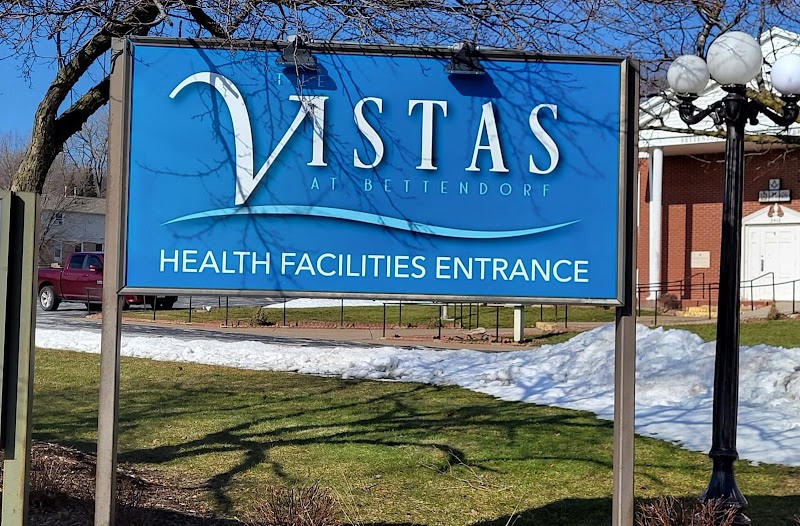
Who Owns and Operates The Vistas At Bettendorf?

The Vistas at Bettendorf is owned by a for-profit company. For-profit facilities operate as businesses with obligations to shareholders or private owners. The facility is operated by SHLOMO HOFFMAN, a chain that manages multiple nursing homes. With 79 certified beds and approximately 73 residents (about 92% occupancy), it is a smaller facility located in Bettendorf, Iowa.

How Does The Vistas At Bettendorf Compare to Other Iowa Nursing Homes?

Compared to the 100 nursing homes in Iowa, The Vistas at Bettendorf's overall rating (2 stars) is below the state average of 3.0, staff turnover (42%) is near the state average of 46%, and health inspection rating (3 stars) is at the national benchmark.

What Should Families Ask When Visiting The Vistas At Bettendorf?

Based on this facility's data, families visiting should ask: "Can I visit during a mealtime to observe dining assistance and food quality?" "How do you handle medical emergencies, and what is your hospital transfer rate?" "Can I speak with family members of current residents about their experience?"

Is The Vistas At Bettendorf Safe?

Based on CMS inspection data, The Vistas at Bettendorf has a clean safety record: no substantiated abuse findings (meaning no confirmed cases of resident harm), no Immediate Jeopardy citations (the most serious violation level indicating risk of serious injury or death), and is not on the Special Focus Facility watch list (a federal program monitoring the lowest-performing 1% of nursing homes). The facility has a 2-star overall rating and ranks #100 of 100 nursing homes in Iowa. While no facility is perfect, families should still ask about staff-to-resident ratios and recent inspection results during their visit.

Do Nurses at The Vistas At Bettendorf Stick Around?

The Vistas at Bettendorf has a staff turnover rate of 42%, which is about average for Iowa nursing homes (state average: 46%). Moderate turnover is common in nursing homes, but families should still ask about staff tenure and how the facility maintains care continuity when employees leave.

Was The Vistas At Bettendorf Ever Fined?

The Vistas at Bettendorf has no federal fines on record. CMS issues fines when nursing homes fail to meet care standards or don't correct problems found during inspections. The absence of fines suggests the facility has either maintained compliance or corrected any issues before penalties were assessed. This is a positive indicator, though families should still review recent inspection reports for the full picture.

Is The Vistas At Bettendorf on Any Federal Watch List?

The Vistas at Bettendorf is not on any federal watch list. The most significant is the Special Focus Facility (SFF) program, which identifies the bottom 1% of nursing homes nationally based on persistent, serious quality problems. Not being on this list means the facility has avoided the pattern of deficiencies that triggers enhanced federal oversight. This is a positive indicator, though families should still review the facility's inspection history directly.