Eastern Star Masonic Home
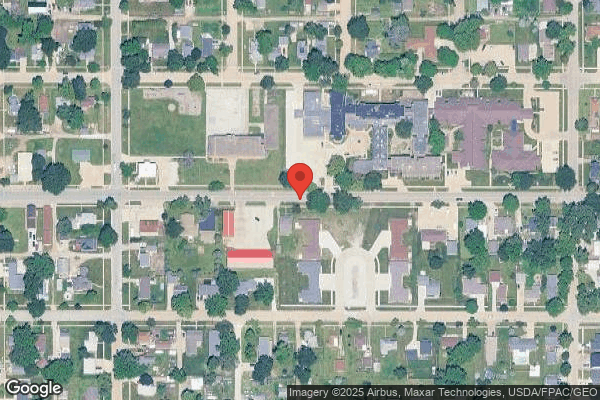
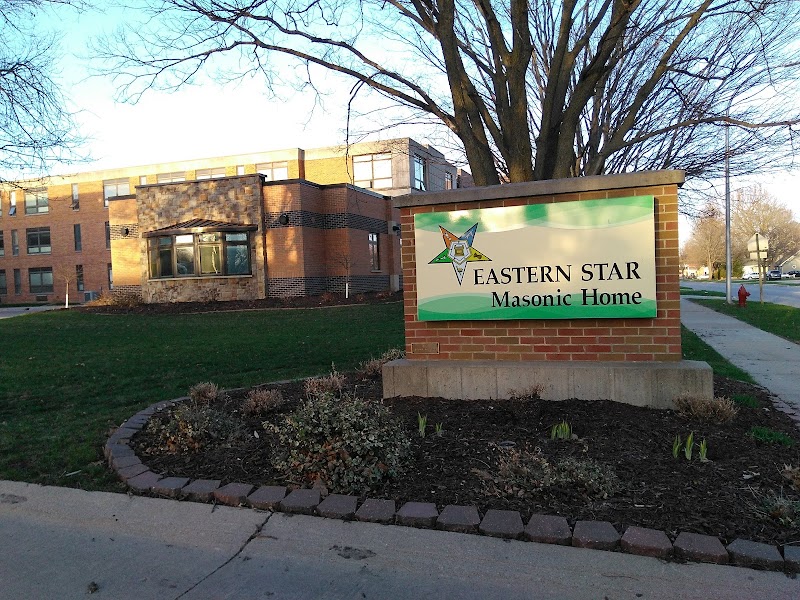
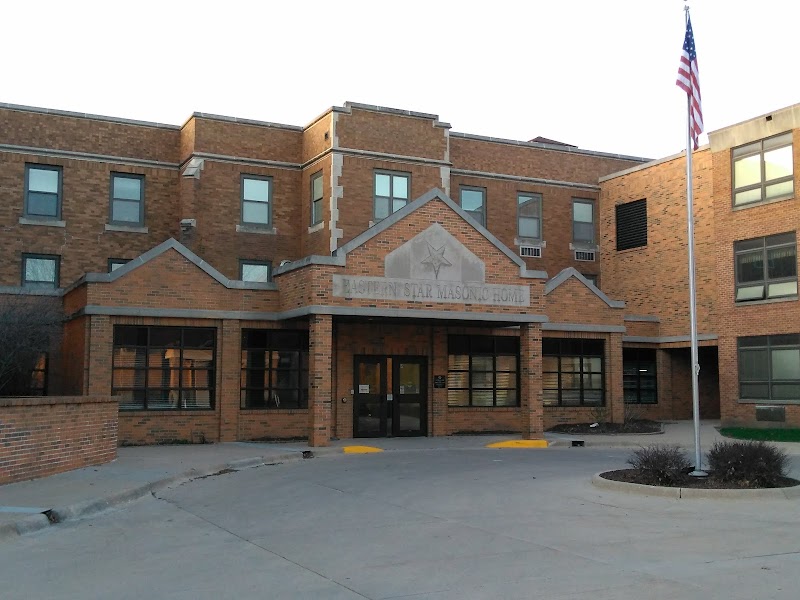
715 West Mamie Eisenhower, Boone, IA 50036 (515) 432-5274
Non profit - Other 76 Beds Independent Data: November 2025
Trust Grade
65/100
#185 of 392 in IA
Last Inspection: April 2025

Within standard 12-15 month inspection cycle. Federal law requires annual inspections.

Overview

Eastern Star Masonic Home in Boone, Iowa has a Trust Grade of C+, indicating it is slightly above average but not exceptional. It ranks #185 out of 392 facilities in Iowa, placing it in the top half, and #3 out of 4 in Boone County, meaning only one local home is rated higher. The facility's performance has been stable, with 5 identified issues in both 2024 and 2025, which is concerning but not worsening. Staffing is a strong point, with a 4 out of 5 stars rating and a turnover rate of 41%, better than the state average, suggesting that staff are experienced and familiar with residents. However, there were notable concerns raised in recent inspections, including failures to adhere to dietary restrictions for residents and lapses in food safety protocols, which could pose risks to residents' health. Overall, while the home has strengths in staffing and stability, the issues regarding meal preparation and safety warrant careful consideration.
Trust Score
C+
65/100
In Iowa
#185/392
Top 47%
Safety Record
Low Risk
No red flags
Inspections
Holding Steady
5 → 5 violations
Staff Stability
○ Average
41% turnover. Near Iowa's 48% average. Typical for the industry.
Penalties
✓ Good
No fines on record. Clean compliance history, better than most Iowa facilities.
Skilled Nurses
○ Average
Each resident gets 37 minutes of Registered Nurse (RN) attention daily — about average for Iowa. RNs are the most trained staff who monitor for health changes.
Violations
⚠ Watch
18 deficiencies on record. Higher than average. Multiple issues found across inspections.
★★★☆☆
3.0
Overall Rating
★★★★☆
4.0
Staff Levels
★★★☆☆
3.0
Care Quality
★★★☆☆
3.0
Inspection Score
Stable
2024: 5 issues
2025: 5 issues

The Good

  • 4-Star Staffing Rating · Above-average nurse staffing levels
  • Full Sprinkler Coverage · Fire safety systems throughout facility
  • No fines on record
  • Staff turnover below average (41%)

    7 points below Iowa average of 48%

Facility shows strength in staffing levels, fire safety.

The Bad

3-Star Overall Rating

Near Iowa average (3.1)

Meets federal standards, typical of most facilities

Staff Turnover: 41%

Near Iowa avg (46%)

Typical for the industry

The Ugly 18 deficiencies on record

Apr 2025 5 deficiencies
CONCERN (D)

Potential for Harm - no one hurt, but risky conditions existed

Transfer Notice (Tag F0623)

Could have caused harm · This affected 1 resident

**NOTE- TERMS IN BRACKETS HAVE BEEN EDITED TO PROTECT CONFIDENTIALITY** Based on clinical record review and staff interview the facility failed to notify the Long Term Care (LTC) Ombudsman for 1 of 1 ...

Read full inspector narrative →
**NOTE- TERMS IN BRACKETS HAVE BEEN EDITED TO PROTECT CONFIDENTIALITY** Based on clinical record review and staff interview the facility failed to notify the Long Term Care (LTC) Ombudsman for 1 of 1 residents reviewed who transferred to the hospital (Resident #2). The facility reported a census of 73 residents. Findings include: The Minimum Data Set (MDS) assessment dated [DATE] for Resident #2 documented diagnoses of hypertension, diabetes mellitus, and seizure disorder. The MDS showed the Brief Interview for Mental Status (BIMS) score of 13 indicating no cognitive impairment. Review of Resident #2's Progress Notes revealed the following information: On 7/31/24 at 8:36 a.m. resident admitted to hospital. On 8/5/25 at 2:45 p.m. readmission from the hospital. On 1/12/25 at 11:57 p.m. resident transferred to emergency department. On 1/13/25 at 3:22 a.m. resident admitted to hospital. On 1/17/25 at 12.45 p.m. resident returned to facility via ambulance. Review of Resident #2's census tab revealed the following: On 7/31/24- hospital unpaid leave. On 8/5/24- active. On 1/13/25- hospital unpaid leave. On 1/17/25- active. Review of MDS listing revealed the following: On 7/31/24 - discharge return anticipated. On 8/5/24 - entry. On 1/13/25 - discharge return anticipated. On 1/17/25 - entry. Review of the facility document titled Notice of Transfer Form to Long Term Care Ombudsman dated July-August 2024 and December 2024-January 2025 lacked Resident #2's name. Interview on 4/23/25 at 2:18 p.m., with Staff A, Director of Compliance and Interim Infection Control, revealed that the Medical Records Department is in charge of the Ombudsman notification. Staff A revealed they were not reporting to the Ombudsman if the resident was discharged to the hospital on a bed hold. Staff A revealed they did not look at that as being discharged from the facility. Staff A revealed they are going to do an audit of all bed holds discharged to the hospital and report past discharges to the Ombudsman.
CONCERN (D)

Potential for Harm - no one hurt, but risky conditions existed

Medication Errors (Tag F0758)

Could have caused harm · This affected 1 resident

Based on electronic medical record review and staff interview, the facility failed to document the use of non-pharmacological interventions prior to the administration of an as-needed psychotropic dru...

Read full inspector narrative →
Based on electronic medical record review and staff interview, the facility failed to document the use of non-pharmacological interventions prior to the administration of an as-needed psychotropic drug for 1 of 5 residents reviewed for unnecessary medications (Resident #65). The facility reported a census of 73. Findings include: The Minimum Data Set (MDS) Assessment, completed on 2/18/25, revealed Resident #65 with a Brief Interview for Mental Status score of 4, which indicates severe cognitive deficit. Diagnoses on the MDS include Alzheimer's Disease, depression, and neurocognitive disorder with Lewy Bodies Dementia. The MDS indicated Resident #65 with disorganized thinking and inattention, which are continuously present and does not fluctuate. Physical and verbal behaviors directed towards others are displayed daily. Resident #65 frequently rejects staff-assisted cares. The Care Plan, obtained on 4/23/25, revealed Resident #65 has a history of refusing cares with increased behaviors at meal times. Physician Orders, obtained on 4/24/25, documented Resident #65 prescribed Lorazepam 0.5mg every 12 hours as needed (PRN) for anxiety and agitation. Review of April 2025's Medication Administration Review sheet revealed PRN Lorazepam was administered to Resident #65 a total 12 times (4/1, 4/3, 4/6, 4/7, 4/8, 4/9, 4/15, 4/16, 4/17, 4/22, 4/23, 4/24). Review of Progress Notes failed to document the use of non-pharmacological interventions (food, drink, repositioning, etc) prior to the use of PRN Lorazepam for 8 of the 12 times the medication was provided (4/1, 4/3, 4/7, 4/8, 4/9, 4/15, 4/16, and 4/17). During an interview on 4/24/25 at 2:00 PM, Staff B, Co-Director of Nursing, reported nursing staff should provide 2-3 non-pharmacological interventions prior to the use of PRN psychotropic medications. Staff should document these attempts in the electronic medical record to ensure the medication was administered appropriately. The facility does not have a policy which outlines the use of PRN psychotropic medications.
CONCERN (D)

Potential for Harm - no one hurt, but risky conditions existed

Deficiency F0805 (Tag F0805)

Could have caused harm · This affected 1 resident

Based on observations and staff interview, the facility failed to adequately prepare pureed foods to ensure the appropriate amount of nutrients were provided to residents receiving a pureed diet. The ...

Read full inspector narrative →
Based on observations and staff interview, the facility failed to adequately prepare pureed foods to ensure the appropriate amount of nutrients were provided to residents receiving a pureed diet. The facility reported a census of 73. Findings include: The lunch menu on 4/23/25 for the pureed diet consisted of a pureed turkey burger on a bun, mashed sweet potatoes, pureed wax beans, and strawberry Thrive ice cream. During an observation on 4/23/25 at 9:35 AM, Staff E, Cook, prepared 3 servings of pureed turkey burgers. Three turkey burger patties and beef broth were pureed until the desired consistency was obtained. In a separate blender, Staff E pureed three servings of wax beans until the desired consistency was obtained. At no time during the observation did Staff E add hamburger buns to either the pureed turkey burger patties or the wax beans, which is a standard industry practice for pureed foods. During an interview on 4/23/25 at 2:15 PM, the Dietary Manager explained a total of 3 hamburger buns should have been added to the turkey burger patty and/or the wax beans. This would ensure the diet spreadsheet menu was followed as written and the nutritional content of the pureed meal was met. No policy available to outline the process of pureeing resident food.
CONCERN (D)

Potential for Harm - no one hurt, but risky conditions existed

Infection Control (Tag F0880)

Could have caused harm · This affected 1 resident

2. An MDS for Resident #21 dated 2/25/25, included diagnoses of stroke and hemiplegia (paralysis of 1 side of the body). The MDS identified the resident had a G-tube (abdominal gastric feeding tube). ...

Read full inspector narrative →
2. An MDS for Resident #21 dated 2/25/25, included diagnoses of stroke and hemiplegia (paralysis of 1 side of the body). The MDS identified the resident had a G-tube (abdominal gastric feeding tube). A Brief Interview for Mental Status score of 14 indicated mild cognitive impairment for decision-making. The Care Plan for Resident #21 documented resident on enhanced barrier precautions. Observation on 4/23/25 at 10:12 AM, Staff C, Licensed Practical Nurse and Staff D, RN entered Resident #21's room, sanitized their hands and applied gloves, did not apply gowns. Staff D proceeded to check placement of the G-tube and held the G-tube while Staff C administered medication into the G-tube. Interview on 4/23/25 at 2:30 PM, Staff C stated she knew it was protocol to wear a gown when administering medications per G-tube, she just forgot. Interview on 4/23/25 at 4:00 PM, Staff A, Director of Compliance stated the expectation is to wear a gown and gloves for enhanced barrier precautions while administering medication via G-tube to a resident. Based on observation, record review, document review and staff interviews the facility failed to provide appropriate infection prevention practices by not following guidelines for enhanced barrier precautions (EBP) for 2 out of 2 residents reviewed (Resident #1 and #21). The facility reported a census of 73 residents. Finding include: 1. The Minimum Data Set (MDS) assessment for Resident #1 dated 1/20/25 identified a Brief Interview for Mental Status (BIMS) score of 12, which indicated moderately impaired cognition. The MDS included diagnoses of pressure ulcer of left heel, seizure disorder, and osteoporosis. The MDS documented an unstageable pressure ulcer. Review of Resident #1's Care Plan with a date of 4/22/25 failed to mention the EBP's. Observation on 4/23/25 at 10:05 AM with Staff A, Registered Nurse (RN) completed treatment to the left heel pressure ulcer. Staff A did not apply the EBP prior to completing the treatment. Interview on 4/23/25 at 10:25 AM with Resident #1 stated staff just started applying the gloves and the gowns this week, but prior to that, it wasn't happening. Interview on 4/23/25 at 1:30 PM with Staff A stated he forgot to wear the EBP when doing the treatment, he stated that he usually puts it on prior, but today he forgot. Interview on 4/23/25 at 3:05 PM with Staff B, Co-Director of Nursing (DON) stated the expectation is that staff are to wear the EBP's when providing care or doing treatments.
CONCERN (E)

Potential for Harm - no one hurt, but risky conditions existed

Food Safety (Tag F0812)

Could have caused harm · This affected multiple residents

Based on observations, kitchen record review, and staff interview, the facility failed to ensure food safety was maintained by not obtaining food temperatures and not maintaining temperature logs. The...

Read full inspector narrative →
Based on observations, kitchen record review, and staff interview, the facility failed to ensure food safety was maintained by not obtaining food temperatures and not maintaining temperature logs. The facility also failed to ensure food was properly stored and labeled and all areas of the main kitchen were clean. The facility reported a census of 73. Findings include: 1. During a kitchen observation on 4/21/25 at 10:00 AM, food thermometers were identified in the food prep area. Review of the main kitchen food temperature logs from the past 4 months revealed the following: a. For the month of January 2024, a total of 9 out of 96 meals for the month had food temperatures documented b. For the months of February 2024, a total of 2 out of 84 meals for the month had food temperatures documented c. For the month of March 2024, a total of 12 out of 96 meals for the month had food temperatures documented d. For the month of April 2024, a total of 16 out of 60 meals for the month thus far had food temperature documented. During an interview on 4/23/25 at 2:15 PM, the Dietary Manager acknowledged the lack of food temperature documentation from the main kitchen staff. The Dietary Manager stated it is kitchen procedure to write down food temperature prior to being sent out to the satellite kitchenettes for meal service. The undated policy Food Temperatures noted food will be cooked and/or reheated to the correct temperature. Final temperature readings will be recorded into the book. 2. An observation of the main kitchen on 4/21/25 at 10:00 AM revealed the following: a. A bin full of serving utensils and squirt bottles had drops of dried brown food or liquid residue on several of the equipment. b. A large bowl of an unidentifiable food item was found the walk-in cooler. The item was uncovered and without a date/label. c. Two covered pans of food were found in the walk-in cooler without a date/label. d. Two round containers with an unidentifiable yellow liquid were found in the walk-in cooler. The containers were covered but without a date/label. e. An undated, non-labeled food item wrapped in foil was found in the walk-in cooler. f. An unsecured open bag of lettuce and an unsecured open bag of shredded cheese were found in a reach-in cooler without a date/label. g. Secured bags of frozen breakfast sausage crumbles and mozzarella sticks were found in the walk-in freezer without a date. h. The floor and the bottom portion of the stainless-steel backsplash, along the back wall with the large kitchen equipment, had visible debris, dust, and grime build-up. i. The floor in the dish machine room had visible dirt and grime build-up underneath the tables and dollies carrying the chemicals. Review of the April Kitchen Cleaning log showed staff initials daily signing off on the completion of the following tasks: a. Sweep/Mop cooking area b. Items Labeled/Dated/Covered c. Wipe down all equipment d. Sweep/Mop dish area During an interview on 4/23/25 at 2:15 PM, the Dietary Manager acknowledged the unlabeled/dated food items identified as well as the condition of the floor and lower portion of the backsplash in the main kitchen and dish room. The undated policy Kitchen and Food Storage Area stated the following a. Floors, walls, shelves, tables, utensils, and equipment shall be kept clean and in good repair b. Walls shall be easily cleanable c. All food after open will be covered, labeled, and dated appropriately.
Jul 2024 3 deficiencies
CONCERN (D)

Potential for Harm - no one hurt, but risky conditions existed

Safe Environment (Tag F0584)

Could have caused harm · This affected 1 resident

**NOTE- TERMS IN BRACKETS HAVE BEEN EDITED TO PROTECT CONFIDENTIALITY** 2. The Minimum Data Set (MDS) assessment dated [DATE], documented Resident #75 had a Brief Interview for Mental Status (BIMS) sc...

Read full inspector narrative →
**NOTE- TERMS IN BRACKETS HAVE BEEN EDITED TO PROTECT CONFIDENTIALITY** 2. The Minimum Data Set (MDS) assessment dated [DATE], documented Resident #75 had a Brief Interview for Mental Status (BIMS) score of 14, indicating intact cognition. The MDS further documented an admission date to the facility 7/2/24. During an observation on 7/15/24 at 1:18 PM, Resident #75's room temperature was 87.3 degrees Fahrenheit. During an interview on 7/15/24 at 1:20 PM, Resident #75 advised her room temperature is warm, stating it was at 91 degrees Fahrenheit earlier on this date. Resident #75 stated her room temperature has been warm since she admitted to the facility on [DATE], stating she would like for her room temperature to be around 72 degrees Fahrenheit and the room is uncomfortable. 3. The MDS assessment for Resident #4, dated 4/30/24, documented a BIMS score of 15, indicating intact cognition. The MDS further documented an admission date to the facility 9/28/23. During an observation on 7/15/24 at 1:42 PM, Resident #4's room temperature was 86.2 degrees Fahrenheit. During an interview on 7/15/24 at 1:45 PM, Resident #4 advised it has been this warm in her room all day today and last night. Resident #4 stated her room is always warm, but today is exceptionally warm. Resident advised her room is usually around 80 degrees, stating it is uncomfortable in her room. During an interview on 7/16/24 at 12:52 PM, Resident #75 stated her room is still a little too warm, she would like for it to be cooler, especially when she is trying to sleep. Resident #75 stated it is hard for her to sleep when the room is this warm. Resident stated the room is a little cooler today than yesterday, but it has not gone below 80 degrees yet. Observation of the thermostat in the resident's room revealed the room temperature to be 80 degrees Fahrenheit. During an observation on 7/17/24 at 10:57 AM, Resident #75's room temperature was 83.1 degrees Fahrenheit. During an interview on 7/17/24 at 10:57 AM, Resident #75 stated it is uncomfortable in her room, stating it has been uncomfortably warm in her room since she admitted on the 2nd of June. It makes it difficult to sleep. During an interview on 7/17/24 at10:59 AM, Resident #4 stated her room is never really cool, she always has a fan going. Resident #4 stated her room is usually in the 80's, today it is 77.7 degrees Fahrenheit. The resident said her room got into the 90's on 7/15/24. Based on observations, staff interview, resident interview and family interview the facility failed to maintain a comfortable environment and safe functional equipment in the facility and resident rooms (Resident #4 , and #74) . The facility reported a census of 74. Findings include: 1. During an observation on 07/15/24 at 12:48 PM the thermostat in the conference room that leads into the memory care unit was 83.2 Fahrenheit. During an observation on 07/15/24 at 12:55 PM the thermostat in the hallways outside of room [ROOM NUMBER] E revealed the temperature of 82.1 Fahrenheit. In an interview on 07/15/24 at 12:50 PM Staff B, the Assistant Director of Nursing (ADON) relayed a company is returning to work on the air conditioner today, relayed it had just went down and a part had been ordered. In an Interview on 07/16/24 at 2:30 PM with family members, relayed had complained about the air conditioners not working in the memory care unit, referred to a phone text message to another family member alerted residents' room in memory care unit was 79 degrees and something must be done. Relayed a text in her phone on 07/5/2024 to a family member alerted the temperature was 76 degrees in resident family member room and felt this was not comfortable. Relayed staff had been running a hose to get water onto an outside air conditioning unit perhaps to get it to work better. In an Interview on 07/18/24 at 9:02 AM with Staff A relayed the memory care air conditioning had been out all summer and temperatures got up to 85 at the beginning of the summer, had heard they are working on bids. Relayed different companies looked at the system, fans were brought in along with the styrofoam coolers, and it helped some. Staff A relayed the start of the air conditioner issues began last summer in the unit and believed it was fixed then broke again. Residents are overall comfortable during the day, are out in the common area with the portable devices. Observation revealed temperatures in the common area at 77 degrees Fahrenheit. In an interview on 07/17/24 at 5:45 PM the Director of Compliance relayed had been working with different vendors on quotes for a new air conditioning units and parts were on order for the main unit. Relayed is aware of the issue and had brought in fans, portable units throughout and is hopeful with the new bids to correct the issue. Was relayed no actual policy on temperature, followed the Iowa code. In an interview on 07/18/24 at 2:00 PM the Administrator relayed the memory care section had two air conditioning units, one is working at half capacity and one is down. Relayed the general population unit had been fixed this week when a part arrived and was only down a few days. Relayed bids were received to replace the memory care units.
CONCERN (D)

Potential for Harm - no one hurt, but risky conditions existed

Deficiency F0658 (Tag F0658)

Could have caused harm · This affected 1 resident

**NOTE- TERMS IN BRACKETS HAVE BEEN EDITED TO PROTECT CONFIDENTIALITY** Based on clinical record review and staff interviews, the facility failed to follow a physician's order for 1 of 1 residents rev...

Read full inspector narrative →
**NOTE- TERMS IN BRACKETS HAVE BEEN EDITED TO PROTECT CONFIDENTIALITY** Based on clinical record review and staff interviews, the facility failed to follow a physician's order for 1 of 1 residents reviewed to notify the physician or complete further assessments of daily weight changes within the established parameters (Resident #37). The facility reported a census of 74 residents. Findings Include: The MDS (Minimal Data Set) assessment dated [DATE] documented Resident #37 had a Brief Interview for Mental Status (BIMS) score of 15, indicating intact cognition. The MDS further documented the resident had diagnoses to include coronary artery disease, hypertension, diabetes, arthritis, and chronic ischemic heart disease. Review of the Electronic Health Record (EHR) for Resident #37 showed a physician order with a start date 8/16/23 with an order for daily weights. If weight changes more than 3 pounds in one day or 5 pounds in one week, staff is to assess and re-weigh; notify the provider, family, and document in the nurse's notes. Review of the EHR for Resident #37 revealed the following weight discrepancies: Weight gain of 6.6 pounds on 7/9/24; Weight gain of 4.5 pounds on 6/15/24; Weight gain of 4.2 pounds on 6/7/24; Weight gain of 4.3 pounds on 5/27/24; Weight gain of 5.9 pounds on 5/8/24; Weight gain of 5 pounds on 5/2/24 (resident refused to be weighed on 5/1/24; Weight gain noted between 4/30/24 and 5/2/24); Weight gain of 4.7 pounds on 3/19/24 (resident refused to be weighed on 3/18/24; Gain noted between 3/17/24 and 3/19/24); Weight gain of 11.1 pounds on 3/10/24. In each of the above cases, staff failed to obtain a reweigh, document acknowledgement of the weight change, further assess the resident, or notify the physician. Review of the monthly Treatment Administration Record (TAR), acknowledged the presence of bilateral lower extremity (BLE) edema. EHR progress note review between February 2024 thru July 2024 indicated an increase in BLE edema from a 2+ on 2/1/24 to 4+ pitting on 7/18/24. Staff E, Registered Nurse (RN), interviewed on 7/17/24. Staff E, RN, acknowledged Resident #37's daily weight order. Staff E, RN, explained certified nursing assistants (CNA) will obtain the daily weight and nursing staff on duty will enter the weight in the EHR. At this time, nursing has the ability to assess the weight for any changes. During an interview on 7/18/24, the Director of Nursing (DON) acknowledged Resident's #37 order for daily weights and the process staff should follow if a gain of 3 pounds in a day documented. The DON recognized the lack of assessments or acknowledgment from nursing staff regarding the weight discrepancies, regardless if the weight documentation was in error or correct. The DON unable to provide an explanation as to the lack of follow-up.
CONCERN (D)

Potential for Harm - no one hurt, but risky conditions existed

Accident Prevention (Tag F0689)

Could have caused harm · This affected 1 resident

Based on observations, clinical record review, and staff interviews, the facility failed to ensure safe transport of a resident in a wheelchair for 1 of 1 residents reviewed. (Resident #17). The facil...

Read full inspector narrative →
Based on observations, clinical record review, and staff interviews, the facility failed to ensure safe transport of a resident in a wheelchair for 1 of 1 residents reviewed. (Resident #17). The facility reported a census of 74. Findings include: The Minimum Data Set (MDS) assessment for Resident #17, dated 5/21/24, documented a Brief Interview for Mental Status (BIMS) score of 9, indicating moderate cognitive impairment. The MDS further documented diagnoses to include non-traumatic brain function, heart failure, renal insufficiency, arthritis, and non-Alzheimer's dementia. The Daily Pocket Care Plan for Resident #17, dated 7/15/24, under the section titled ambulate-transfer/chair, documented resident assist of 2 with Hoyer for transfer and wheelchair for distance. During an observation on 7/15/24 at 2:12 PM, Resident #17 was in the hallway, propelling himself independently in his wheelchair with both feet, using both feet on the ground to propel forward. Staff C, CNA, redirected the resident when the resident began entering another resident's room. Staff C asked the resident if he wanted help to his room, then asked the resident to pick his feet up off the floor a little, and began to push him to his room. Staff C did not engage the foot pedals, the resident's feet were loose and hanging approximately one inch off the floor. Staff C pushed the resident to his room, which was located down the hallway and turning into another hallway. During an interview on 7/17/24 at 2:53 PM, Staff D, CNA, advised having knowledge of Resident #17's care plan and history of working on the unit where the resident resides. Staff D advised the resident is mostly independent with propelling himself in his wheelchair Only on occasion staff assist with pushing resident in his wheelchair. If they do assist the resident, staff should put the foot pedals down and have him put his feet on the pedals. Sometimes the resident takes the pedals off his wheelchair, he does not like having them on. Staff D stated staff should retrieve the foot pedals before pushing him for safety reasons, to prevent his feet from dragging and getting caught under the wheelchair. Staff D stated she has observed the resident being pushed in his wheelchair by staff without the pedals down and with just being told to hold his feet up off the floor. During an interview on 7/17/24 at 3:25 PM, the DON advised Resident #17 can propel himself in his wheelchair independently. If staff need to assist the resident, they should ensure the foot pedals are engaged and his feet are placed securely on the foot pedals before pushing him. The DON stated an expectation staff ensure the foot pedals are on the wheelchair and the resident's feet are placed on the foot pedals before pushing the resident in his wheelchair. The DON stated staff should not push the resident in his wheelchair without the foot pedals and should not ask the resident to hold his feet up on his own. The DON advised the cover sheet to the pocket care plan has an alert printed in red at the bottom which reads when pushing a resident in a wheelchair the foot pedals must be on. The DON advised the facility does not have a policy on wheelchair assistance, they follow state regulations and the Master Care Plan cover sheet. Review of the undated facility Master Pocket Care Plan cover sheet documented at the bottom of page 1; when pushing a resident in a wheelchair the foot pedals must be on.
Apr 2024 2 deficiencies
CONCERN (E) 📢 Someone Reported This

A family member, employee, or ombudsman was alarmed enough to file a formal complaint

Potential for Harm - no one hurt, but risky conditions existed

Menu Adequacy (Tag F0803)

Could have caused harm · This affected multiple residents

Based on observation, clinical record review, facility menus and staff interview the facility failed to follow the menu for 18 of 18 residents in the unit. The facility reported a census of 72 residen...

Read full inspector narrative →
Based on observation, clinical record review, facility menus and staff interview the facility failed to follow the menu for 18 of 18 residents in the unit. The facility reported a census of 72 residents. Finding include: Review of the January 2024 evening menu revealed on 1/25/24, residents to receive: *Open face hot turkey sandwich *Mashed potatoes *Turkey gravy *Brown sugar peaches *Cottage cheese *Milk Interview on 4/9/24 at 11:00 a.m., the facility assistant Dietary Manager confirmed and verified that the menu was not followed on 1/25/24 evening meal. Interview on 4/9/24 at 2:50 p.m., the facility Director of Quality Improvement confirmed and verified that the staff need to follow the menu as written and it is not acceptable to substitute unless you have approval from the dietician. Interview on 4/9/24 at 3:10 p.m., the facility Director of Nursing confirmed and verified that the evening nurse on 1/25/24, gave the resident a peanut butter and jelly sandwich rather than the meal that was on the menu. Record review documented on 1/26/24, Staff C (Licensed Practical Nurse) correction action level-Written Description of incident/behavior= Failure to provide evening meal as per regulations to residents.
CONCERN (E) 📢 Someone Reported This

A family member, employee, or ombudsman was alarmed enough to file a formal complaint

Potential for Harm - no one hurt, but risky conditions existed

Food Safety (Tag F0812)

Could have caused harm · This affected multiple residents

Based on observation, and staff interviews, the facility failed to ensure open items were dated, and labeled in the coolers and walk-in freezer in the kitchen. The facility reported a census of 72 res...

Read full inspector narrative →
Based on observation, and staff interviews, the facility failed to ensure open items were dated, and labeled in the coolers and walk-in freezer in the kitchen. The facility reported a census of 72 residents. Findings include: Observation on 4/8/24 at 11:35 a.m., in the main kitchen revealed the following: *Cooler #2, half opened clear bag of mild cheddar cheese, not dated *Cooler #1, clear pitcher with ¾ full of brown liquid, not dated or labeled clear container of round brown items, not dated or labeled. *Walk in freezer- ½ bag of brown, round items, not dated or labeled *Cooks Cooler- 1 tin container with small, round brown/gray items, not dated or labeled, Interview on 4/8/24 at 11:40 a.m., Staff A, Dietary Aide (DA) confirmed and verified that those items in Cooler #1 were not dated and labeled and could not verify or identity those contents. Interview on 4/8/24 at 11:44 a.m., Staff B (cook) confirmed and verified that the items needed to be dated and labeled and was not able to state how long they were in the coolers or freezers. Interview on 4/9/24/23 at 11:00 a.m., the Assistant Dietary Manager revealed the items should have been dated when opened, and labeled.
Sept 2023 5 deficiencies
CONCERN (D)

Potential for Harm - no one hurt, but risky conditions existed

Deficiency F0657 (Tag F0657)

Could have caused harm · This affected 1 resident

**NOTE- TERMS IN BRACKETS HAVE BEEN EDITED TO PROTECT CONFIDENTIALITY** 2. The MDS dated [DATE] for Resident #56, documented the resident had a BIMS score of 13 indicating intact cognition. The MDS id...

Read full inspector narrative →
**NOTE- TERMS IN BRACKETS HAVE BEEN EDITED TO PROTECT CONFIDENTIALITY** 2. The MDS dated [DATE] for Resident #56, documented the resident had a BIMS score of 13 indicating intact cognition. The MDS identified that the resident required limited assistance of one staff for all activities of daily living. The MDS also documented the resident used a walker or a wheelchair for mobility, and had a diagnosis of cellulitis (skin infection) to his left lower leg. The Care Plan, described as a Pocket Care Plan, which is updated daily, lacked documentation of the resident having pressure ulcers on his left toes or treatment for the wounds. The Treatment Administration Record (TAR) for September 2023 identified the resident to have twice daily treatments to the 2nd, 4th, and 5th toes of his left foot, and 4th toe of his right foot. Observation of wound care on 9/14/23 at 1:15 PM revealed that Resident #56 had wounds to his left toes only. 3. The MDS dated [DATE] for Resident #48, documented the resident had a BIMS score of 11 which indicated the resident had moderately impaired cognition. The MDS identified that the resident required extensive assistance of two or more staff for bed mobility and dressing, extensive assistance of one staff for wheelchair locomotion and toileting, and limited assistance of one staff for personal hygiene. The MDS also documented that the resident is unable to ambulate and is totally dependent on two staff for transfers. Diagnoses in the MDS documented the resident had diagnoses of peripheral vascular disease. The Care Plan lacked documentation of the resident having a Stage 3 pressure ulcer on his right lower leg or treatment for the wound. Based on observation, record review, and resident and staff interview the facility failed to update the resident's Care Plan for a urinary catheter removed for 1 resident and toileting assistance needed and newly acquired pressure ulcers and treatment for 3 of 18 residents reviewed (Residents #37, #48, and #56). The facility reported a census of 69 residents. Findings include: 1. The Minimum Data Set (MDS) assessment for Resident #37 dated 8/23 /2023, included diagnoses of Diabetes Mellitus, fracture, and anxiety. The MDS documented the resident had an indwelling urinary catheter, was totally dependent on assistance of 2 staff for toileting, and had a Brief Interview for Mental Status (BIMS) score of 12, indicating mild cognitive impairment for decision-making. Interview on 9/12/23 at 8:23 AM, Resident #37 stated she no longer had a urinary catheter in place. Resident #37's Progress Notes dated 8/29/23 at 12:23 PM and 1:27 PM revealed a physician's order to remove the urinary catheter, toilet every 2 hours during the day, and the urinary catheter was removed with urine output to be monitored. Resident #37's Care Plan dated 9/11/23 documented Foley catheter and catheter cares per protocol. Interview on 9/14/23 at 1:48 PM, the Director of Nursing confirmed the Care Plan was not updated with the removal of the Foley catheter and toileting assistance needs /monitoring and expectation to update the Care Plan.
CONCERN (D)

Potential for Harm - no one hurt, but risky conditions existed

Tube Feeding (Tag F0693)

Could have caused harm · This affected 1 resident

**NOTE- TERMS IN BRACKETS HAVE BEEN EDITED TO PROTECT CONFIDENTIALITY** Based on clinical record review and staff interview, the facility failed to document the type of enteral formula being used for ...

Read full inspector narrative →
**NOTE- TERMS IN BRACKETS HAVE BEEN EDITED TO PROTECT CONFIDENTIALITY** Based on clinical record review and staff interview, the facility failed to document the type of enteral formula being used for 1 of 1 residents reviewed who received gastric tube/enteral nutrition (Resident #56). The facility reported a census of 69 residents. Findings include: The Minimum Data Set (MDS) dated [DATE] for Resident #56, documented the resident had a BIMS score of 13 indicating intact cognition. The MDS identified that the resident required limited assistance of one staff for all activities of daily living. The MDS also documented that the resident received nutrition through a gastric feeding tube that supplies 51% or more of the resident's total calories and averaged 501 cubic centimeters or more daily. The resident's Pocket Care Plan, which is updated daily, lacks documentation of what type or amount of enteral feeding the resident was to receive. Review of the resident's orders document that the resident received enteral feeding daily from 8:00 PM to 6:00 AM. The orders lack documentation of what type of enteral feeding he was to receive. In an interview with the Administrator on 9/14/23 at 2:35 PM, she stated that her expectation was that the orders state what type of enteral feeding the resident was receiving.
CONCERN (D)

Potential for Harm - no one hurt, but risky conditions existed

Food Safety (Tag F0812)

Could have caused harm · This affected 1 resident

Based on observation and staff interview, the facility failed to ensure staff used proper food handling procedures to prevent possible contamination of food. The facility reported a census of 69 resid...

Read full inspector narrative →
Based on observation and staff interview, the facility failed to ensure staff used proper food handling procedures to prevent possible contamination of food. The facility reported a census of 69 residents. Findings include: Observation on 9/12/23 at 8:03 AM revealed Staff F, Certified Medication Aide (CMA), carried a breakfast tray down the hallway with two glasses of juice that were not covered. Observation on 9/13/23 at 12:25 PM revealed Staff E, Dietary Aide, took a small plastic cup and dipped it into a container of brown sugar. Staff E had been serving meals and had not washed her hands or donned gloves prior to scooping the brown sugar out of the canister. Observation on 9/13/23 at 12:35 PM revealed Staff E hold a plastic mug with the handle and her index finger inside the mug and filled it with coffee for a resident. Observation on 9/13/23 at 12:40 PM revealed Staff C, Dietary Aide, who was dishing up plates, leave the serving kitchen to get more BBQ sauce for the lunch meal. Upon returning to the serving kitchen, Staff C immediately began dishing up plates without washing her hands. On 9/14/23 at 1:30 PM, an interview with the Dietary Manager, she stated that the expectation was for staff to follow infection control policies.
CONCERN (D)

Potential for Harm - no one hurt, but risky conditions existed

Infection Control (Tag F0880)

Could have caused harm · This affected 1 resident

**NOTE- TERMS IN BRACKETS HAVE BEEN EDITED TO PROTECT CONFIDENTIALITY** Based on observation and staff interview, the facility failed to ensure staff performed proper hand hygiene during patient care ...

Read full inspector narrative →
**NOTE- TERMS IN BRACKETS HAVE BEEN EDITED TO PROTECT CONFIDENTIALITY** Based on observation and staff interview, the facility failed to ensure staff performed proper hand hygiene during patient care for 2 of 5 resident treatments reviewed (Residents #56 & #48). The facility reported a census of 69 residents. Findings include: 1. The Minimum Data Set (MDS) dated [DATE] for Resident #56, documented the resident had a Brief Interview for Mental Status (BIMS) score of 13 indicating intact cognition. The MDS identified that the resident required limited assistance of one staff for all activities of daily living. The MDS also documented the resident had a Stage III pressure ulcer. The Treatment Administration Record (TAR) for September 2023 identified the resident to have twice daily treatments to the 2nd, 4th, and 5th toes of his left foot. Treatment included cleansing wounds with normal saline, applying mupirocin ointment, and cover with gauze and tape. On 9/14/23 at 1:15 PM the surveyor observed Staff B, Licensed Practical Nurse (LPN) and Staff A, Registered Nurse (RN) perform wound care to the residents' toes. No dressings were noted beneath residents' compression hose. Both nurses washed their hands and donned gloves. Staff B pulled the resident's right compression hose sock back, examined the foot and pulled the hose back down. She then pulled up the left sock to expose the toes, stood up, and pulled a plastic bin of dressing supplies out of a bag. She then took off her gloves and pulled the supplies out of the bin with her bare hands. After pulling out needed supplies, Staff B put clean gloves on without washing her hands. Staff A provided wound care with supplies handed to her by Staff B. Staff A cleansed the toes, applied ointment, and bandaged the toes without changing gloves or washing hands. Both Staff A and Staff B removed gloves and washed their hands after providing care. 2. The MDS dated [DATE] for Resident #48, documented the resident had a BIMS score of 11 which indicated the resident had moderately impaired cognition. The MDS identified that the resident required extensive assistance of two or more staff for bed mobility and dressing, extensive assistance of one staff for wheelchair locomotion and toileting, and limited assistance of one staff for personal hygiene. The MDS documented that the resident was unable to ambulate and was totally dependent on two staff for transfers. The MDS also documented the resident had a Stage III pressure ulcer. The Treatment Administration Record (TAR) for September 2023 identified the resident to have a wound to his right lower leg. Treatment included applying Vaseline gauze to the wound bed, cover with dry gauze, and wrap with roll gauze daily. On 9/14/23 at 10:50 AM the surveyor observed Staff B, LPN and Staff A, RN perform wound care to the resident's right lower calf. Both nurses washed their hands. Staff B then picked up a fall mat from beside the bed, folded it, and put it at the top of the bed. Staff B then put on gloves without sanitizing or washing her hands. Staff A, who had gloves on, held the residents' leg up while Staff B changed the dressing. Staff B cut the dressing off, squirted wound cleanser on the calf wound and wiped it clean. She then picked up a new package of Vaseline gauze, opened it, cut the gauze, and placed it over the wound. She then wrapped it with roll gauze. Staff B did not perform hand hygiene or change gloves after removing the old dressing and putting on the clean dressing. In an interview with the Administrator on 9/14/23 at 2:35 PM, she stated that her expectation was that staff would perform proper hand hygiene when caring for residents.
CONCERN (F)

Potential for Harm - no one hurt, but risky conditions existed

Menu Adequacy (Tag F0803)

Could have caused harm · This affected most or all residents

Based on observation, menu review, and staff interview, the facility failed to follow the menu for 69 of 69 residents reviewed. The facility also failed to assure the menu was followed for 1 of 69 res...

Read full inspector narrative →
Based on observation, menu review, and staff interview, the facility failed to follow the menu for 69 of 69 residents reviewed. The facility also failed to assure the menu was followed for 1 of 69 residents (Resident #29) requiring a mechanically altered diet. The facility reported a census of 69 residents. Findings include: The Minimum Data Set (MDS) for Resident #29, dated 6/20/23 identified the presence of short and long-term memory impairment. A review of Resident #29's orders revealed that she had a general diet order for mechanical soft texture. On 9/13/23 at 10:00 AM, a review of the lunch menu for Week 3 - Wednesday indicated that residents were to receive bread and margarine, and brown sugar margarine for their sweet potatoes. Observation on 9/13/23 during lunch service from 11:40 AM to 1:10 PM revealed that no resident received bread and margarine or brown sugar margarine for their sweet potatoes. Also observed during this lunch service, was a plate of ground pork with a sweet potato with the skin still attached to Resident #29 who required a mechanical soft diet. On 9/14/23 at 1:30 PM, an interview with the Dietary Manager, she stated that the residents should have received bread and margarine. She also stated that she didn't realize that brown sugar margarine was on the menu.
Mar 2023 3 deficiencies
CONCERN (D) 📢 Someone Reported This

A family member, employee, or ombudsman was alarmed enough to file a formal complaint

Potential for Harm - no one hurt, but risky conditions existed

Notification of Changes (Tag F0580)

Could have caused harm · This affected 1 resident

**NOTE- TERMS IN BRACKETS HAVE BEEN EDITED TO PROTECT CONFIDENTIALITY** Based on observations, interviews, and record review the facility failed to contact the doctor regarding urinary catheter proble...

Read full inspector narrative →
**NOTE- TERMS IN BRACKETS HAVE BEEN EDITED TO PROTECT CONFIDENTIALITY** Based on observations, interviews, and record review the facility failed to contact the doctor regarding urinary catheter problems for 1 of 3 residents reviewed (Resident #1). Resident #1 often had leakage of urine from the catheter with occasional bleeding. The facility failed to contact the physician with these concerns. The facility reported a census of 51 residents. Findings include: According to the Minimum Data Set (MDS) dated [DATE], Resident #1 had a Brief Interview for Mental Status (BIMS) score of 9 (moderate cognitive deficit). Resident #1 required total assistance from two persons for transfers and toilet use. Resident #1 had an indwelling catheter and was always incontinent of bowel. The MDS included diagnoses of benign prostatic hyperplasia with lower urinary tract symptoms, chronic inflammatory demyelinating polyneuritis, and metabolic encephalopathy. Resident #1 had a life expectancy of less than six months. The Catheter Care/Maintenance note dated 12/27/22 at 7:22 AM indicated that the nurse found Resident #1 incontinent of urine with his urinary catheter only having a scant amount of urine. The remaining urine in the bag appeared heavily filled with sediment. The nurse changed his catheter. The Catheter Care/Maintenance note dated 1/17/23 at 8:17 AM identified that Resident #1 reported to the nurse that it felt like his prostate was going to explode. The nurse assessed his catheter and determined that the urine was bypassing (going around the catheter instead of through). The nurse changed the catheter. The Catheter Care/Maintenance note dated 1/18/23 at 9:29 PM documented that Resident #1 complained of his bladder feeling full. The nurse observed the urine bypassing the catheter. The nurse replaced the catheter. The Health Status note dated 1/19/23 at 6:54 AM indicated that a CNA reported to the nurse that Resident #1 had a wet brief with approximately 200 cubic centimeters (cc) in his catheter. The urine had a strong odor with blood clots noted in the brief. As the nurse irrigated the catheter, several blood clots appeared with a large amount of bloody mucus in the catheter tubing. The Health Status note dated 1/30/23 at 5:12 AM identified that Resident #1 had about 500 ccs of orange urine with a foul odor. The Health Status note dated 1/31/23 at 10:22 PM indicated that the nurse observed Resident #1 ' s urine bypasses the catheter. When attempting to flush the catheter, the nurse met resistance. Following that, the nurse changed the catheter. The Orders - Administration note dated 2/8/23 at 9:32 AM listed that Resident #1 did not have output in his urinary bag. After not being able to flush the catheter, the nurse changed the catheter. The urine appeared dark and yellow. The Orders - Administration note dated 2/14/23 at 1:39 PM documented that Resident #1 ' s catheter got changed due to the old one not being intact. The Health Status note dated 2/22/23 at 7:00 AM labeled Late Entry explained that Resident #1 ' s catheter got changed due to leaking around the catheter into his brief. The nurse attempted to flush the catheter without success. The nurse changed the catheter. On 2/28/23 at 6:50 AM observed Resident #1 in bed with his urinary catheter hooked onto the side of the bed. The tubing appeared red tinged and with blood in the catheter bag. Staff E, Certified Nurse Aide (CNA), pulled down the covers which revealed blood on the resident's brief, around his penis, and on the protective barrier on his bed. Staff E said that the overnight CNA passed on during shift report that she just emptied the bag and she did not report any blood. Staff E called Staff C, Registered Nurse (RN), to come in and assess Resident #1. Staff C said that the night nurse reported to him that Resident #1 ' s urine had some blood in it, but that was not unusual for him. He explained that Resident #1 got a new catheter the previous day. The Orders - Administration note dated 3/1/23 at 6:57 PM indicated that Resident #1 had trouble with his catheter leaking. The Care Plan dated 3/7/23 directed the staff to check and change the urinary catheter as needed and provide catheter care per protocol. On 3/7/23 at 2:23 PM Staff A, CNA, explained that Resident #1 urine usually appeared dark with a lot of sediment. She said that she would report that to the nursing when there were issues, and they would flush the catheter. She knew of his challenges with the catheter leaking in the previous couple of weeks and reported this to the nurses. On 2/28/23 at 11:01 AM Resident #1 ' s Hospice Nurse said that she did not know that Resident #1 had blood in his urine. She explained that she would like to know about that so they could contact the doctor. On 3/8/23 at 9:39 AM a nurse from the clinic said that Resident #1 ' s doctor did not know of the trouble with leaking catheter or blood in his urine. She said that Resident #1 ' s doctor went to the facility to see Resident #1 at the end of February and the staff did not mention any urinary catheter concerns with her. If they had, she would have followed up with an urologist to see what the recommendations would be for this patient. The nurse looked for any faxes related to catheter concerns and did not see any communication regarding leaking or blood concerns. On 3/9/23 at 8:21 AM, the Director of Quality Assurance and the Director of Nursing agreed that any blood or chronic issues with leaking urinary catheters should be communicated with hospice and/or the doctor.
CONCERN (D) 📢 Someone Reported This

A family member, employee, or ombudsman was alarmed enough to file a formal complaint

Potential for Harm - no one hurt, but risky conditions existed

ADL Care (Tag F0677)

Could have caused harm · This affected 1 resident

**NOTE- TERMS IN BRACKETS HAVE BEEN EDITED TO PROTECT CONFIDENTIALITY** Based on record review, staff, and resident interviews the facility failed to provide regular baths and showers for 2 of 4 resid...

Read full inspector narrative →
**NOTE- TERMS IN BRACKETS HAVE BEEN EDITED TO PROTECT CONFIDENTIALITY** Based on record review, staff, and resident interviews the facility failed to provide regular baths and showers for 2 of 4 residents reviewed (Residents #8 and #9). The facility reported a census of 51 residents. Findings include: 1) According to the Minimum Data Set (MDS) dated [DATE] Resident #8 had a Brief Interview for Mental Status (BIMS) score of 14, indicating intact cognitive ability. Resident #8 required extensive assistance of two persons for bed mobility, transfers, dressing and toilet use. Resident #8 admitted to the facility on [DATE]. The Care Plan dated 3/7/23 indicated that Resident #8 wanted a bath or shower twice a week and that she had a risk for pressure injuries. On 3/7/23 at 10:08 AM Resident #8 said that she was not getting showers and she would like to have them twice a week. A review of the untitled written bath sheets and the electronic documentation titled Task; ADL-Baths, showed that as of 3/6/23, Resident #8 only had just one shower since her admission on [DATE]. 2) According to the MDS dated [DATE], Resident #9 had a BIMS score of 15, indicating intact cognitive ability. Resident #9 required extensive assistance from one person for bed mobility, dressing, and hygiene. In addition, he required extensive assistance from two persons for transfers and toilet use. The undated Care Plan directed staff to offer Resident #9 a bath or shower two times a week, and to encourage a bed bath if he refuses. Resident #9 had a history of wounds to the right hip and buttocks. On 3/7/23 at 10:48 AM Resident #9 said that it had been weeks since he had a shower. He said that he refused once when his brother came to visit but he did not get offered another time. Resident #9 said that he would like a shower at least twice a week. Based on the written and electronic documentation of showers for Resident #9 in a 30 day timeframe from 2/6/23 - 3/7/23, indicated that he had three showers and refused three showers. On 3/9/23 at 8:05 AM Staff F, Certified Nurse Aide (CNA), said that if a resident refused a shower or bath they would re approach them later in the day and try to get someone else to offer one. They would then pass it onto the next shift to let them know if Resident #9 still did not have a shower. On 3/9/23 at 8:10 AM Staff A, CNA, said that they were supposed to approach a resident and offer a shower at least three times, then chart and tell the nurse if the resident still refused. They would then let the next shift know and try again the next day. Eventually, the resident would need to wait until their next shower day. On 3/9/23 at 8:21 AM, the Director of Quality Assurance said that the care planning process with residents and families determine what the resident prefers for baths and they would put that in the care plan. Ideally, they like to have showers twice a week but if the resident prefers once a week or 3 times a week, they do what they can to accommodate them. He said that they teach the staff to approach a resident who refuses a shower at least three times.
CONCERN (D) 📢 Someone Reported This

A family member, employee, or ombudsman was alarmed enough to file a formal complaint

Potential for Harm - no one hurt, but risky conditions existed

Pressure Ulcer Prevention (Tag F0686)

Could have caused harm · This affected 1 resident

**NOTE- TERMS IN BRACKETS HAVE BEEN EDITED TO PROTECT CONFIDENTIALITY** Based on observations, interviews and record review the facility failed to contact the doctor when a resident had a change in sk...

Read full inspector narrative →
**NOTE- TERMS IN BRACKETS HAVE BEEN EDITED TO PROTECT CONFIDENTIALITY** Based on observations, interviews and record review the facility failed to contact the doctor when a resident had a change in skin condition. Resident #3 had chronic pressure injuries to her bottom and for a period of time, the wound treatments were discontinued. The facility failed to assess the wound after staff observed an open area to her previously healed gluteal area. The facility reported a census of 51 residents. The Minimum Data Set (MDS) assessment tool identified the following descriptions of pressure ulcers: Stage I is an intact skin with non-blanchable redness of a localized area usually over a bony prominence. Darkly pigmented skin may not have a visible blanching; in dark skin tones only it may appear with persistent blue or purple hues. Stage II is partial thickness loss of dermis presenting as a shallow open ulcer with a red or pink wound bed, without slough (dead tissue that needs to be removed from the wound for healing to take place; may be used interchangeably with fibrotic or necrotic tissue). May also present as an intact or open/ruptured blister. Stage III Full thickness tissue loss. Subcutaneous fat may be visible but bone, tendon or muscle is not exposed. Slough may be present but does not obscure the depth of tissue loss. May include undermining and tunneling. Stage IV is full thickness tissue loss with exposed bone, tendon or muscle. Slough or eschar may be present on some parts of the wound bed. Often includes undermining and tunneling. Findings include: According to the Minimum Data Set (MDS) dated [DATE], Resident #3 had a Brief Interview for Mental Status (BIMS) score of 14, indicating intact cognitive ability. Resident #3 required extensive assistance with the help of one for locomotion, transfers, hygiene and dressing. The MDS included diagnoses of chronic obstructive pulmonary disease (COPD), heart failure, dysfunction of the bladder, and kidney failure. A Braden Scale for predicting pressure injuries dated 12/28/22 at 5:39 PM showed that Resident #3 had a risk for pressure sores. An undated Care Plan showed that Resident #3 had a mattress overlay and a protective cushion in the wheelchair and in the recliner to help relieve pressure. Resident #3 had incontinence of bowel and a urinary catheter. The Care Plan directed the staff to lay Resident #8 down in bed 2-3 times a day as tolerated, and to apply house ointment on her bottom with care throughout the day. The SBAR Note dated 12/3/22 indicated that Resident #3 had an open area to her right buttock, red in color, that measured 3 centimeters (CM) by 0.9 (CM). In addition, Resident #3 had another open area to her left buttock that had improved measurement with her current treatment. The nurse recommended an order to cleanse the area to the right buttock and apply Chamsoyn three times a day until resolved. The provider responded on 12/5/23 yes. Resident #3 January 2023 Medication Administration Record (MAR) included an order dated 12/5/22 to cleanse the left and right buttocks and apply chamosyn ointment three times a day until healed. The MAR listed the discontinuation date as 1/5/23. The Weekly Skin assessment dated [DATE] listed that Resident #3 had a red area on the right gluteal that measured 0.9 CM X 0.5 CM. The assessment indicated that the primary care doctor did not get notified. The Weekly Skin assessment dated [DATE] indicated that Resident #3 had a bruise to her right forearm. The assessment lacked information related to her left or right gluteal area. The Weekly Skin assessment dated [DATE] indicated that Resident #3 had bruises to her bilateral hands. The bruise to the left hand appeared to be a faint blue and the right hand bruise appeared dark blue. The assessment lacked information related to her left or right gluteal area. The Weekly Skin assessment dated [DATE] indicated that Resident #3 still had bruises to her bilateral hands. The assessment lacked information related to her left or right gluteal area. The POC Response History reviewed on 3/8/23 at 10:02 PM included a task of Calmoseptine or other moisture barrier. The Follow-up Question asked if the Calmoseptine or other moisture barrier got applied. The responses indicated that the CNAs completed the task on 2/21/23 and on 2/20/23. Additional responses indicated that the CNAs did not apply the barrier on 2/18/23 or 2/19/23. On 3/7/23 at 2:23 PM Staff A, Certified Nurse Aide (CNA), said that Resident #3 would sometimes refuse her medication and occasionally would refuse her showers. She said that the resident preferred to sit and would refuse to be moved to bed many times. She said that she would report to the nurse if she saw any new areas of concern. On 3/7/23 at 1:13 PM Staff D, Licensed Practical Nurse (LPN), said that she did the skin assessment on 1/13/23 that noted the reddened area. She said that Resident #3 had open spots on her bottom that would come and go. Staff D explained the difficulty with getting Resident #3 to lay down and get off of her bottom. On 3/9/23 at 8:21 AM, the Director of Quality Assurance, said that staff were expected to do weekly skin assessments to include a complete head to toe assessment. If they weren't able to see a particular area of the body, they would document those areas not completed. The Director of Nurse (DON) added that the moisture barrier cream should be used with care throughout the day; at least twice a day.
Understanding Severity Codes (click to expand)
Life-Threatening (Immediate Jeopardy)
J - Isolated K - Pattern L - Widespread
Actual Harm
G - Isolated H - Pattern I - Widespread
Potential for Harm
D - Isolated E - Pattern F - Widespread
No Harm (Minor)
A - Isolated B - Pattern C - Widespread

Questions to Ask on Your Visit

  • "Can I speak with families of current residents?"
  • "What's your RN coverage like on weekends and overnight?"

Our Honest Assessment

Strengths
  • • No major safety red flags. No abuse findings, life-threatening violations, or SFF status.
  • • No fines on record. Clean compliance history, better than most Iowa facilities.
  • • 41% turnover. Below Iowa's 48% average. Good staff retention means consistent care.
Concerns
  • • 18 deficiencies on record. Higher than average. Multiple issues found across inspections.
Bottom line: Mixed indicators with Trust Score of 65/100. Visit in person and ask pointed questions.

About This Facility

What is Eastern Star Masonic Home's CMS Rating?

CMS assigns Eastern Star Masonic Home an overall rating of 3 out of 5 stars, which is considered average nationally. Within Iowa, this rating places the facility higher than 0% of the state's 100 nursing homes. This mid-range rating indicates the facility meets federal standards but may have areas for improvement.
How is Eastern Star Masonic Home Staffed?
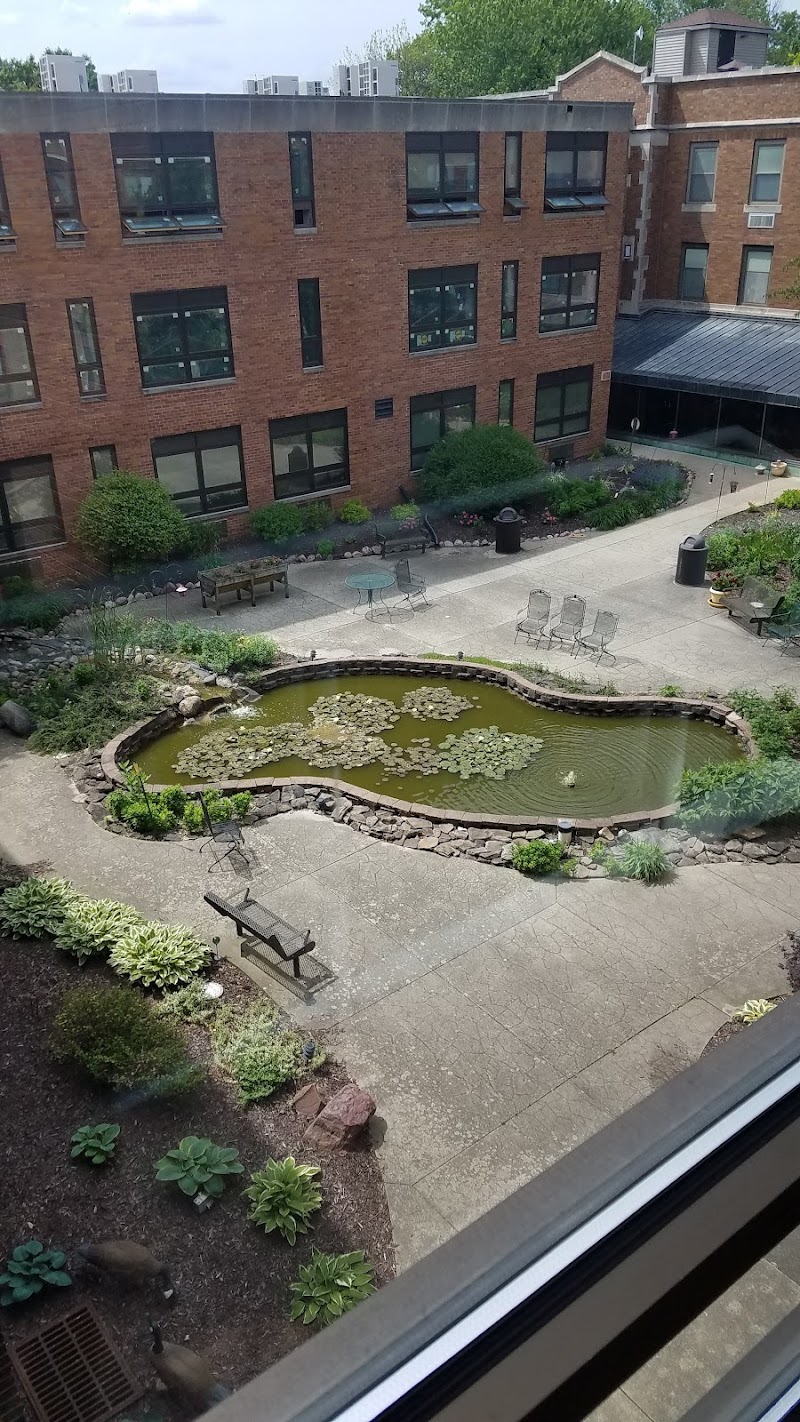
CMS rates Eastern Star Masonic Home's staffing level at 4 out of 5 stars, which is above average compared to other nursing homes. Staff turnover is 41%, compared to the Iowa average of 46%. This relatively stable workforce can support continuity of care.

What Have Inspectors Found at Eastern Star Masonic Home?

State health inspectors documented 18 deficiencies at Eastern Star Masonic Home during 2023 to 2025. These included: 18 with potential for harm.

Who Owns and Operates Eastern Star Masonic Home?

Eastern Star Masonic Home is owned by a non-profit organization. Non-profit facilities reinvest revenue into operations rather than distributing to shareholders. The facility operates independently rather than as part of a larger chain. With 76 certified beds and approximately 73 residents (about 96% occupancy), it is a smaller facility located in Boone, Iowa.

How Does Eastern Star Masonic Home Compare to Other Iowa Nursing Homes?

Compared to the 100 nursing homes in Iowa, Eastern Star Masonic Home's overall rating (3 stars) is below the state average of 3.1, staff turnover (41%) is near the state average of 46%, and health inspection rating (3 stars) is at the national benchmark.

What Should Families Ask When Visiting Eastern Star Masonic Home?

Based on this facility's data, families visiting should ask: "Can I visit during a mealtime to observe dining assistance and food quality?" "How do you handle medical emergencies, and what is your hospital transfer rate?" "Can I speak with family members of current residents about their experience?"

Is Eastern Star Masonic Home Safe?

Based on CMS inspection data, Eastern Star Masonic Home has a clean safety record: no substantiated abuse findings (meaning no confirmed cases of resident harm), no Immediate Jeopardy citations (the most serious violation level indicating risk of serious injury or death), and is not on the Special Focus Facility watch list (a federal program monitoring the lowest-performing 1% of nursing homes). The facility has a 3-star overall rating and ranks #100 of 100 nursing homes in Iowa. While no facility is perfect, families should still ask about staff-to-resident ratios and recent inspection results during their visit.

Do Nurses at Eastern Star Masonic Home Stick Around?

Eastern Star Masonic Home has a staff turnover rate of 41%, which is about average for Iowa nursing homes (state average: 46%). Moderate turnover is common in nursing homes, but families should still ask about staff tenure and how the facility maintains care continuity when employees leave.

Was Eastern Star Masonic Home Ever Fined?

Eastern Star Masonic Home has no federal fines on record. CMS issues fines when nursing homes fail to meet care standards or don't correct problems found during inspections. The absence of fines suggests the facility has either maintained compliance or corrected any issues before penalties were assessed. This is a positive indicator, though families should still review recent inspection reports for the full picture.

Is Eastern Star Masonic Home on Any Federal Watch List?

Eastern Star Masonic Home is not on any federal watch list. The most significant is the Special Focus Facility (SFF) program, which identifies the bottom 1% of nursing homes nationally based on persistent, serious quality problems. Not being on this list means the facility has avoided the pattern of deficiencies that triggers enhanced federal oversight. This is a positive indicator, though families should still review the facility's inspection history directly.