Cedar Falls Health Care Center
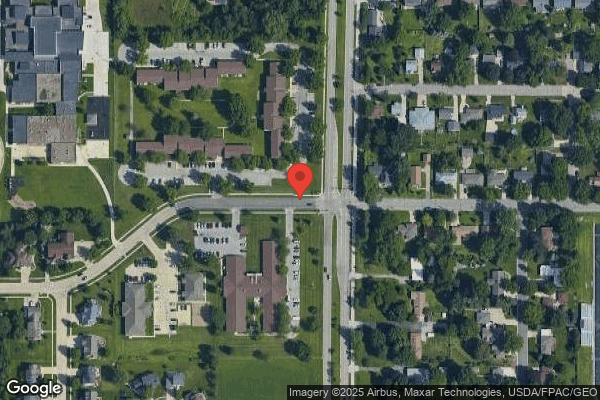
1728 West Eighth Street, Cedar Falls, IA 50613 (319) 277-2437
For profit - Corporation 70 Beds CAMPBELL STREET SERVICES Data: November 2025 3 Immediate Jeopardy citations
Trust Grade
0/100
#258 of 392 in IA
Last Inspection: December 2024

Within standard 12-15 month inspection cycle. Federal law requires annual inspections.

Overview

Cedar Falls Health Care Center has received a Trust Grade of F, indicating significant concerns about the quality of care provided. It ranks #258 out of 392 facilities in Iowa, placing it in the bottom half of all nursing homes in the state, and #9 out of 12 in Black Hawk County, meaning only three local options are worse. The facility is currently improving, with issues decreasing from 18 in 2024 to 2 in 2025. While staffing is a relative strength with a 3/5 rating and 0% turnover, indicating staff stability, the facility has concerning fines totaling $186,966, which is higher than 97% of Iowa facilities. Critical incidents noted include failures to prevent physical abuse among residents and inadequate assessments for necessary care, creating immediate jeopardy to resident safety. Overall, the home has strengths in staffing and quality measures but has serious weaknesses in health inspections and safety protocols.

Trust Score
F
0/100
In Iowa
#258/392
Bottom 35%
Safety Record
High Risk
Review needed
Inspections
Getting Better
18 → 2 violations
Staff Stability
○ Average
Turnover data not reported for this facility.
Penalties
✓ Good
$186,966 in fines. Lower than most Iowa facilities. Relatively clean record.
Skilled Nurses
○ Average
Each resident gets 40 minutes of Registered Nurse (RN) attention daily — about average for Iowa. RNs are the most trained staff who monitor for health changes.
Violations
⚠ Watch
45 deficiencies on record. Higher than average. Multiple issues found across inspections.
★★☆☆☆
2.0
Overall Rating
★★★☆☆
3.0
Staff Levels
★★★★★
5.0
Care Quality
★☆☆☆☆
1.0
Inspection Score
Stable
2024: 18 issues
2025: 2 issues

The Good

  • 5-Star Quality Measures · Strong clinical quality outcomes
  • Full Sprinkler Coverage · Fire safety systems throughout facility
  • No fines on record

Facility shows strength in quality measures, fire safety.

The Bad

2-Star Overall Rating

Below Iowa average (3.0)

Below average - review inspection findings carefully

Federal Fines: $186,966

Well above median ($33,413)

Significant penalties indicating serious issues

Chain: CAMPBELL STREET SERVICES

Part of a multi-facility chain

Ask about local staffing decisions and management

The Ugly 45 deficiencies on record

3 life-threatening 2 actual harm
Mar 2025 1 deficiency
CONCERN (D) 📢 Someone Reported This

A family member, employee, or ombudsman was alarmed enough to file a formal complaint

Potential for Harm - no one hurt, but risky conditions existed

Report Alleged Abuse (Tag F0609)

Could have caused harm · This affected 1 resident

Based on record review, policy review, and staff interviews the facility failed to report within the required time frame an allegation of abuse to Iowa Department of Inspection and Appeals and Licensi...

Read full inspector narrative →
Based on record review, policy review, and staff interviews the facility failed to report within the required time frame an allegation of abuse to Iowa Department of Inspection and Appeals and Licensing (DIAL) for 1 of 1 resident reviewed (Resident #1). The facility reported a census of 37 residents. Findings include: Review of the facility intake information reported to DIAL documented the facility reported Resident #1 had an allegation of missing money on 3/7/25 at 5:23 PM. The facility staff learned of the incident when Resident #1 reported it on 2/25/25. During an interview on 3/25/25 at 1:20 PM, the Social Service Designee reported Staff A, Certified Nurses' Aide (CNA), told her Resident #1 reported he had missing money on 2/25/25. The Social Services Designee reported it right away to the Director of Nursing (DON) during the morning meeting after they verified Resident #1 was missing $50. The Administrator instructed her to check Resident #1's room to make sure he didn't miss place it. The Social Services Designee reported back to the Administrator, they didn't find the money when they searched the room. During an interview on 3/26/25 at 9:30 AM, the Administrator reported she didn't feel Resident #1 had missing money because he had a history of misplacing things and she thought they would find the money. The Administrator acknowledged she should have reported it to DIAL within the required time frame. During an interview on 3/26/24 at 3:06 PM, the Director of Nursing reported the allegation of abuse should have been reported to DIAL within the required timeframe. The facility Abuse Prevention, Identification, Investigation, and Reporting policy revised 7/8/24 directed that staff must report allegations of abuse within 24 hours of the event that caused the allegation involving neglect, exploitation, mistreatment, injuries of unknown origin, and misappropriation, but did not result in serious bodily injury.
Feb 2025 1 deficiency
CONCERN (D) 📢 Someone Reported This

A family member, employee, or ombudsman was alarmed enough to file a formal complaint

Potential for Harm - no one hurt, but risky conditions existed

Deficiency F0657 (Tag F0657)

Could have caused harm · This affected 1 resident

**NOTE- TERMS IN BRACKETS HAVE BEEN EDITED TO PROTECT CONFIDENTIALITY** Based on clinical record review, facility medical record, family, volunteer, resident, and staff interviews the facility failed ...

Read full inspector narrative →
**NOTE- TERMS IN BRACKETS HAVE BEEN EDITED TO PROTECT CONFIDENTIALITY** Based on clinical record review, facility medical record, family, volunteer, resident, and staff interviews the facility failed to revise and implement interventions on the comprehensive Care Plan to include redirection for a resident with a known behavior of packing food into her mouth for 1 of 5 residents reviewed (Resident #2). The facility reported a census of 39. Findings Include: Resident #2 Minimum Data Set (MDS) assessment dated [DATE] identified a Brief Interview for Mental Status (BIMs) score of 6, indicating severe cognitive impairment. The MDS included diagnoses of traumatic brain dysfunction (brain damage caused by an outside force), heart failure, hypertension (high blood pressure) and type 2 diabetes mellitus (a chronic condition where the body does not produce enough insulin). The MDS documented no swallowing disorders. The Care Plan Focus initiated 7/7/22 reflected Resident #2 had activities of daily living (ADL) self-care performance deficit related to confusion and impaired balance. The Intervention directed the staff Resident #2 had the ability to feed herself, but she could need cueing and set up assistance with her meals. The Care Plan Focus initiated 12/14/22 identified Resident #2 had the potential for nutritional problems related to her medical condition. The Care Plan directed staff to monitor, document and report to the primary physician as needed for signs and symptoms of dysphagia (pocketing food, choking, coughing, holding food in mouth, several attempts at swallowing). The Care Plan lacked information about Resident #2 packing food into her mouth. The Clinical Physician Orders printed 2/10/25 at 1:10 PM included a diet order dated 7/30/24 of a regular diet, regular texture, regular fluid, thin consistency (there was no change in texture or consistency of the food she was served). The Nutrition Progress Note completed 9/3/24 documented Resident #2 ate 50-100% of her regular diet independently after set-up assistance. She accepted fluids and snacks at times. The note listed Resident #2 as edentulous (without teeth) with no reported issues chewing or swallowing. The Health Status Note dated 10/19/24 at 12:04 PM reflected Resident #2's tablemate alerted the staff of her possibly choking at 8:00 AM. The Certified Medication Aide (CMA) started the Heimlich maneuver, when the writer arrived, they took over. Resident #2 slumped to the floor, staff verified her code status and initiated cardiopulmonary resuscitation (CPR). The staff called 911 and the emergency responders arrived in around 2 minutes. They took over CPR and transferred her to the hospital. The writer notified Resident #2's sister of her condition. During an interview on 2/11/25 at 9:49 AM Staff A, Social Services, reported they observed Staff B, CMA, providing the Heimlich maneuver on Resident #2 on 10/19/24. Staff A stood at the end of the hall approximately 60 feet away. Staff A proceeded down the hall and took over the Heimlich maneuver. Resident #2 became unresponsive and Staff B lowered her to the floor. Staff A verified they knew Resident #2 stuffed her mouth with food. During an interview on 2/11/25 at 11:17 AM, Staff B, revealed she saw Resident #2 walk away from the table on 10/19/24. The tablemates alerted Staff B that Resident #2 stuffed 3 donut holes into her mouth. Staff B, approached Resident #2 and attempted to speak with her. Staff B revealed she observed a change in facial coloration in Resident #2. Staff B, CMA implemented the Heimlich maneuver. Staff B acknowledged they knew Resident #2 could pack her mouth while eating, but never observed her choke before the incident. On 2/11/25 at 1:49 PM Staff C, Certified Nurse Aide (CNA), acknowledged they knew Resident #2 could pack food in her mouth. Staff C stated she took handfuls of food at a time. Staff C reported they sometimes sat with Resident #2 while she ate. Staff C reminded Resident #2 to chew the food and take smaller bites. On 2/11/25 at1:54 PM Staff D, CNA, reported Resident #2 packed her mouth with food. At times Staff D sat with her as she ate. During an interview on 2/10/25 Staff E, CNA, reported they knew Resident #2 would place large amounts of food in her mouth. Staff E cut Resident #2's food into smaller bites. During an interview on 2/12/25, Staff F, Registered Nurse (RN), revealed she initiated Cardio Pulmonary Resuscitation (CPR) when they lowered Resident #2 to the floor on 10/19/24. She didn't notice food in Resident #2's mouth. During an interview on 2/12/25 at 12:47 PM Staff G, Assistant Director of Nursing (ADON), acknowledged she updated the Care Plans on a day to day basis. Staff G explained didn't know Resident #2 stuffed her mouth with food while eating. During an interview with the Director of Nursing (DON), on 2/12/25 at 1:04 PM she indicated the CNA's reported their concerns directly to the nurses, ADON, and DON. Review of the Facility Care Plan, Comprehensive Person-Centered Care policy revised December 2016 instructed the following: a. The Interdisciplinary Team (IDT), in conjunction with the resident and his/her family or legal representative, develops and implements a comprehensive, person-centered Care Plan for each resident. i. The IDT includes: 1. The attending physician 2. A registered nurse who has responsibility for the resident 3. A nurse aide who has responsibility for the resident 4. A member of the food and nutrition services staff 5. The resident and the resident's legal representative (to the extent practicable) 6. Other appropriate staff or professionals as determined by the resident's needs or as requested by the resident b. The Care Plan Interventions are derived from a thorough analysis of the information gathered as part of the comprehensive assessment. 1. Identifying problem areas and their causes, and developing interventions that are targeted and meaningful to the resident, are the endpoint of an interdisciplinary process. 2. Assessments of residents are ongoing and Care Plans are revised as information about the residents and the residents' conditions change.
Dec 2024 4 deficiencies
CONCERN (D)

Potential for Harm - no one hurt, but risky conditions existed

Deficiency F0760 (Tag F0760)

Could have caused harm · This affected 1 resident

Based on observation, clinical record review, policy review, manufacturer's instructions for use and staff interviews, the facility failed to ensure a medication error rate of less than five percent w...

Read full inspector narrative →
Based on observation, clinical record review, policy review, manufacturer's instructions for use and staff interviews, the facility failed to ensure a medication error rate of less than five percent when administering insulin to a diabetic resident via insulin pen for 2 of 2 residents sampled (Residents #8 and #32). The Facility reported a census of 38 residents. Findings include: 1. On 12/10/24 at 8:18 AM, observed Staff F, Registered Nurse (RN), review Resident #8's Electronic Medication Administration Record (EMAR). Resident #8's December 2024 EMAR listed the following physician orders: a. Tresiba (insulin) Flex Touch Subcutaneous Solution Pen injector 100 Units (U)/Milliliter (ML). Inject 20 units subcutaneously one time a day related to type 2 Diabetes Mellitus (DM) with unspecified complications. b. Fiasp (Insulin) Pen Fill Subcutaneous Solution Cartridge 100 U/ML. Inject 15 unit subcutaneously three times a day related to type 2 DM with unspecified complications. At 8:19 AM Staff F dialed the dose selector button on the Fiasp insulin pen to 15 units and the Tresiba insulin pen to 20 units. Staff F failed to prime the insulin pens with two units of insulin to ensure Resident #8 would receive the full physician ordered dose of insulin. Staff F administered the Fiasp and Tresiba insulin to Resident #8. The December 2024 EMAR reflected a blood sugar of 169 on 12/10/24. During an interview on 12/10/24 at 2:48 PM Staff G, Licensed Practical Nurse (LPN), explained the nurse needed to prime the insulin pens with 2 units of insulin prior to setting the dial to the physician ordered amount of insulin to be administered. During an interview on 12/11/24 at 3:55 PM the Director of Nursing (DON) reported she expected the nurses to follow the manufacturer's directions for priming the insulin pen prior to administration. She couldn't recall if they did any in service education on insulin pen administration. The Insulin Administration Policy, revised September 2014, lacked direction on how to prime an insulin pen and/or how to administer insulin via a pen. The Manufacturer's Fiasp Flex Touch Instructions for Use directed to turn the dose selector to 2 units. Hold the pen with the needle pointing up. Tap the tip of the pen gently a few times to let any air bubbles rise to the top. Hold the pen with the needle pointing up. Press and hold the dose button until the dose counter shows 0. The 0 must line up with the dose pointer. They should see a drop of insulin at the needle tip. Once completed the dose can be selected. The Manufacturer's Tresiba Flex Touch Pen Instructions directed to prime the pen. Turn the dose selector to 2 units. Press and hold the dose button until the dose counter show 0. Make sure a drop (of insulin) appeared (at the tip of the needle). 2. During an observation on 12/10/24 at 9:47 AM Staff F reviewed Resident #32 December 2024 EMAR sliding scale insulin (SSI) order: a. Insulin Aspart Flex Pen 100 U/ML Solution pen injector, inject as per sliding scale: if 0 - 149 = 0 units; 150 - 200 = 2 units; 201 - 250 = 4 units; 251 - 300 = 6 units; 301 - 350 = 8 units; 351 - 400 = 10 units; less than 60 or greater than 400 Notify provider, subcutaneously three times a day related to type 2 DM without complications. Staff F voiced Resident #32 required 8 units of SSI insulin. Staff F set the Insulin Aspart Flex Pen to 8 units without priming the pen with 2 unit of insulin per the manufacturer's recommendations. After Staff F, set the insulin pen, they handed the pen to Resident #32 who injected himself with the insulin. A 12/10/24 review of the Order Summary Report signed by the Provider on 10/31/24 revealed a current physician order for Insulin Aspart Flex Pen SSI. The December 2024 EMAR reflected Staff F signed off the insulin administration and included a blood sugar result of 347 for 12/10/24. The Insulin Aspart Manufacturer's Instructions for use directed to perform an air shot before each injection. Small amounts of air may collect in the cartridge during normal use. To avoid injecting air and to ensure proper dosing, turn the dose selector to 2 units. Hold the flex pen with the needle pointing up. Tap the cartridge gently with your finger a few times to may any air bubbles collect at the top of the cartridge. Keep the needle pointing upward and press the push button all the way in until the dose selector returns to zero. A drop of insulin should appear at the needle top. Once the dose selector returns to zero, turn the dose selector to the number of units to inject.
CONCERN (D)

Potential for Harm - no one hurt, but risky conditions existed

Infection Control (Tag F0880)

Could have caused harm · This affected 1 resident

Based on observation, clinical record review, policy review, and staff interview the facility failed to adhere to infection control practices while administering medication. Observations of the nursin...

Read full inspector narrative →
Based on observation, clinical record review, policy review, and staff interview the facility failed to adhere to infection control practices while administering medication. Observations of the nursing staff revealed they touched medication with their bare hands during medication administration for 2 of 4 residents observed for oral medication pass. The facility identified a census of 38 residents. Findings include: 1. During an observation on 12/10/24 at 7:42 AM Staff E, Certified Medication Aide (CMA), failed to perform hand hygiene prior to setting up Resident #13 morning medications after she went to the kitchen to get them a supplement. Staff E unlocked the medication cart, opened the drawer and obtained Resident #13's medication cards placing them on top of the medication cart. Staff E held each medication card in her left hand and punched the pill out the back of the card into her right hand, then placed the pill into the medication cup. Staff E continued to utilize this technique for setting up the following medications for Resident #13 in addition to administration of stock bottle medication: a. Ferrous sulfate (iron) 325 milligrams (MG) one tablet. b. Abilify (antipsychotic medication) 5 MG one tablet c. Atorvastatin (cholesterol lowering medication) 20 MG one tablet d. Fluoxetine (antidepressant medication) 40 MG one tablet e. Levetiracetam (Keppra, antiseizure medication) 500 MG one tablet f. Vimpat Oral Tablet (anticonvulsant medication) 100 MG one tablet g. Aspirin (ASA) 81 MG delayed release one tablet. Staff E removed a stock bottle out of the medication cart, shook multiple tablets into the cap, then placed her right thumb over all but one of the tablets as she flipped the lid over and placed one of the ASA tablets into the medication cup. Staff E placed the rest of the ASA tablets they touched back into the stock bottle and placed it in the medication cart. On 12/10/24 at 7:48 AM watched Staff E touch the medication cart to lock the cart; shut down the computer screen with her right hand; ensured she had her keys to the medication cart and proceeded to walk to Resident #13 room. Staff E knocked on the door and entered Resident #13's room. When Staff E handed the medication cup to Resident #13, she said she needed to have her Levetiracetam broke in two so she could swallow the medication. With her bare hands, Staff E picked the Levetiracetam out of the medication cup, broke the tablet between her right and left thumbs, then placed the tablet back in the medication cup. Resident #13 proceeded to swallow her medications. Resident #13's December 2024 Electronic Medication Administration Record (EMAR) reflected Staff E signed out the administration of the medications on 12/10/24. 2. On 12/10/24 at 7:56 AM, observed Staff F, Registered Nurse (RN), exit a resident's room, perform hand hygiene, touch keys to unlock the medication cart, open the computer screen to review residents for medication administration, and open a drawer to remove Resident #3's medication cards from the medication cart. Staff F took Resident #3's Lexapro (antidepressant medication) 50 MG tablet from the medication cup with his right bare hand and placed into a pill splitter. Staff F split the pill in half; picked the pill out of the pill splitter with his bare left hand and placed the Lexapro medication in the medication cup. Staff E voiced they aren't supposed to have to split medications, but every now and then they have to depending on what the pharmacy sends. Staff E gave Resident #3 the medication at 7:59 AM. Resident #3's Order Summary Report signed by the Provider on 10/31/24 included a current physician order for Lexapro 25 MG one tablet daily for major depression. Resident #3's December 2024 EMAR included Staff E's signature for the morning medications on 12/10/24, indicating they administered them. During an interview on 12/10/24 at 2:48 PM Staff G, Licensed Practical Nurse (LPN), voiced the staff must not touch the residents' medications with their bare hands. If they need to touch a pill to break it in half, or to put in the pill splitter, then the nurse should put on gloves before handling the medication. During an interview on 12/11/24 at 3:59 PM the Director of Nursing explained no one should ever touch the oral medication with bare hands. She expected the nurse or CMA to put on a glove before touching oral medications. The Administering Medications Policy, revised 2012, provided by the facility, directed staff to follow established facility infection control procedures (e.g., handwashing, antiseptic technique, gloves, isolation precautions, etc.) for the administration of medications, as applicable.
CONCERN (E)

Potential for Harm - no one hurt, but risky conditions existed

Deficiency F0804 (Tag F0804)

Could have caused harm · This affected multiple residents

Based on observation, policy review, and staff interview the facility failed to serve hot food at a temperature of at least 135 degrees Fahrenheit (F) for 1 of 1 test tray requested. The facility repo...

Read full inspector narrative →
Based on observation, policy review, and staff interview the facility failed to serve hot food at a temperature of at least 135 degrees Fahrenheit (F) for 1 of 1 test tray requested. The facility reported a census of 38 residents. Findings include: The facility provided a test tray on 12/10/24 at 12:06 PM. The food temperatures measured the following: a. The casserole temperature - 55 degrees Celsius (C) or 131 degrees F. b. The beans temperature - 47 degrees C or 116.6 degrees F. Staff C, Dietary, confirmed she took the temperatures in Celsius. She reported she didn't know what the expected temperature of the food should measure. During an interview on 12/10/24 at 1:01 PM, the Dietary Manager explained they should serve the hot food at a temperature of at least 154 degrees F. The facility policy titled Food Preparation and Service, last revised October 2017, directed the staff to maintain hot food temperatures above 135 degrees F.
CONCERN (E)

Potential for Harm - no one hurt, but risky conditions existed

Food Safety (Tag F0812)

Could have caused harm · This affected multiple residents

Based on observation, policy review, and staff interview the facility failed to ensure all staff entering the kitchen had their hair contained in a hair net for 2 of 2 observations. The facility repor...

Read full inspector narrative →
Based on observation, policy review, and staff interview the facility failed to ensure all staff entering the kitchen had their hair contained in a hair net for 2 of 2 observations. The facility reported a census of 38 residents: Findings include: During an observation on 12/9/24 at 10:01 AM, Staff A, Certified Nurse Aide (CNA), without wearing a hairnet, entered the kitchen, walked in front of the steam table to the coffee machine, filled a cup and exited the kitchen. During an observation on 12/10/14 at 11:18 AM, Staff B, CNA, entered the kitchen. She put a hair net on the top of her head, without containing all of her hair. The hairnet didn't contain the hair on the sides and back of her head. She walked around the steam table, got some ice out of the ice machine, opened a refrigerator, took out a pitcher of what appeared to be iced tea, set the pitcher on the prep table, had the cook cover the pitcher with plastic wrap, and exited the kitchen. During an interview on 12/12/24 at 9:58 AM, the Dietary Manager explained she expected all staff entering the kitchen to wear a hair net. Facility policy titled Preventing Foodborne Illness Employee Hygiene and Sanitary Practice, dated October 2017, directed hair nets must be worn.
Oct 2024 1 deficiency
CONCERN (E) 📢 Someone Reported This

A family member, employee, or ombudsman was alarmed enough to file a formal complaint

Potential for Harm - no one hurt, but risky conditions existed

Deficiency F0946 (Tag F0946)

Could have caused harm · This affected multiple residents

**NOTE- TERMS IN BRACKETS HAVE BEEN EDITED TO PROTECT CONFIDENTIALITY** Based on document review, policy review, and staff interviews, the facility failed to ensure door alarm checks and wander guard ...

Read full inspector narrative →
**NOTE- TERMS IN BRACKETS HAVE BEEN EDITED TO PROTECT CONFIDENTIALITY** Based on document review, policy review, and staff interviews, the facility failed to ensure door alarm checks and wander guard alarm checks were physically completed as documented to ensure the safety of facility residents including 2 of 2 residents sampled (Residents #3 & #7). The Facility identified a census of 35 residents. Finding include: 1. Resident #3 Minimum Data Set (MDS) assessment dated [DATE] showed a Brief Interview for Mental Status (BIMS) score of 7 out of 15 indicating a severe cognitive loss. The MDS documented Resident #3 as independent in ambulation and bed/chair transfers. The MDS listed diagnoses of stroke with aphasia and Parkinson's Disease. Resident #3 Elopement Risk Assessment completed 9/04/24 showed a score of 2 indicating a low risk of elopement. 2. Resident #7 MDS assessment dated [DATE] showed a BIMS score of 6 out 15 indicating severe cognitive loss. The MDS documented Resident #7 with a diagnosis of traumatic brain dysfunction, independent in ambulation/transfer, and wandered daily. Resident #7 Elopement Risk Assessment completed 9/05/24 showed a score of 17 indicating a high risk of elopement. On 9/24/24 at 10:55 AM the Administrator reported Maintenance and Housekeeping check the door alarms daily when they get to the facility around 7 AM. She reported Resident #7 was the only resident assessed at risk of elopement during August and early September 2024 and Resident #3 had eloped from the facility on 9/09/24 and been returned by the local police, but the door alarms did not factor into Resident #3 elopement. During an interview on 9/24/24 at 12:31 PM Staff A, Certified Nursing Assistant (CNA) reported maintenance cleans the floor, but she has never heard maintenance do any door alarm checks. On 9/24/24 at 4:33 PM Staff B, Maintenance, reported Staff C, Maintenance Supervisor was supposed to do the door alarm and wander guard checks and he was not doing them. He had trained Staff C when he was hired, so he knew how to complete the door alarm checks. A review of the August 2024 Preventative Maintenance and Life Safety Checklist - Daily documented Staff C (Maintenance Supervisor) had completed door alarm checks and wander guard checks on the doors daily from 8/01/24 to 8/13/24. The Checklist contained a handwritten memo at the top right of the document written by Staff C off on medical leave 8/14/24 - 9/04/24. The Checklist lacked documentation of daily or weekly door alarm and wander guard alarm checks from 8/15/24 - 8/31/24. On 9/24/24 the Administrator submitted the facility Weekly Log Book Documentation for Wander Guard checks. The Wander Guard Weekly Door Alarm Checks were documented as completed on 7/29/24, 8/05/24, 8/12/24, 9/04/24, 9/10/24, 9/16/24 signed off as completed with Staff C initials at the upper left hand side of the documents. A 9/26/24 review of the Maintenance Log Book showed a Task in Use document dated 8/08/21 that directed the following weekly maintenance duties: Category Doors, Locks and Alarms. Test operation of door alarms and test operation of doors and locks. During an interview on 9/26/24 at 9:03 AM Staff C, reported he had been doing daily wander guard alarm checks and completing the documentation. He tested the door alarms first thing in the morning at 7 AM as inconspicuously as he could so not to upset the residents. The Administrator inquired about the wander guard door alarm checks after 9/09/24 as there had been an elopement. He had just returned from medical leave at that time. The Administrator asked him the week of September 9th to fill out both the door alarm check and the wander guard checks for the time that he was off on medical leave and that she really needed to have it done by the end of the day. He didn't want to do the documentation but he finally did document the checks on the forms and turned them in to the Administrator. On 9/26/24 at 11:51 AM Staff C reported he was outside grilling hot dogs and the Administrator came out and said the Assistant Director of Nursing (ADON) reported the log book alarms to the State. The Administrator said, I probably shouldn't even be telling you this. The State will come and will be asking about the alarm checks in the log book. The facility could get in a lot of trouble. He verbalized the Administrator just wanted to give him a heads up. Staff C verbalized he felt guilty about what he had done and decided to go talk the Administrator the next day. He didn't feel right documenting something he didn't do. He had documented 1-2 door alarm checks at the Administrator's request that he had not done. He reported that he called the Corporate Human Resources Director to inform her of what happened. The next day he was terminated. Staff C reported he felt horrible. He had documented door alarm checks that he had not done, but the wander guard alarms have always worked. During an interview on 9/26/24 at 3:32 PM Staff C confirmed he went on medical leave 8/14/24 and returned 9/04/24 as the Maintenance Supervisor. Staff C reviewed the weekly door alarm documentation and identified the door alarm check dated 9/16/24 had his initials documented in the top left-hand corner, but it was not his hand writing. He could not identify whose hand writing it was but it was not his. After more review, he identified all the remaining weekly alarm checks on file were in his hand writing. A 9/30/24 review of the August and September 2024 Time Cards from 8/11/24 - 9/30/24 showed Staff C off from 8/14/24 to 9/03/24 with return to work duties 9/04/24 to 9/17/24. On 9/30/24 the Administrator provided a documented statement dated 9/17/24 signed by the ADON on 9/16/24 at approximately 8:00 AM, Staff C approached her and asked her if she had a few moments to visit. Staff C proceeded to tell the ADON the Administrator came to him while he was grilling hot dogs for staff outside on 9/13/24 and told him she (ADON) had reported to corporate for falsifying documentation on the door alarm checks. The ADON responded who does the door alarm checks? Staff C said, well I do. Then the ADON asked who is responsible for this in your absence because you are not scheduled to work on holidays, weekends and off on vacation, etc? Staff C said, I just fill it in, if they worked on Friday and Monday, I know that they worked over the weekend. The ADON stated she thought the clipboard for the door alarm checks were to be hung in the laundry room so that laundry or housekeeping would do it in his absence. Staff C said, no it's my responsibility. During the morning meeting on 9/16/24, Staff C told the Administrator that he completed alarm testing, however, both the Director of Nursing and ADON arrive at the facility before Staff C arrived to work and did not hear any door alarms. The ADON wrote in her statement she arrived to work before Staff C at times and had not heard or seen Staff C doing the alarm/door tests at any time. On 9/30/24 at 2:12 PM the Administrator provided a copy of the September 2024 Daily Door Alarm Checklist which lacked documentation of any daily door alarm checks from 9/01/24 to 9/17/24. She reported she had not accepted any daily door alarm checks submitted by Staff C as she knew that the door alarm checks had not been done. The Administrator verbalized Staff C had told other staff that he had not completed the door alarm checks and none of the staff reported it to management. She expects documentation completed by employees to be truthful. If an employee cannot complete a task, they should not be documenting the task as completed. They should find another employee to complete the task. In this situation, the housekeeping department should have been communicated with to complete the door alarm checks. Housekeeping and Laundry personnel are now doing daily door alarm and wander guard checks until the maintenance director position can be filled. The Corporate Compliance Program: Ethics, Quality and Compliance Program updated 11/18/22 outlined the Program will be based on current laws and standards governing: a. Ethical practices and codes of conduct; b. Quality resident care; c. Maintaining a safe environment; and d. Oversight of facility practices. The Program under Creation and Retention of Documents specified accurate and complete record-keeping and documentation is critical to virtually every aspect of facility operation. It is the policy of the facility that all documentation shall be timely, accurate, and consistent with applicable professional, legal, and facility guidelines and standards. This includes all aspects of the facility's documentation. Falsification of records is strictly prohibited, including backdating of records, except appropriate late entries duly noted and under applicable professional and legal standards.
Aug 2024 2 deficiencies
CONCERN (D) 📢 Someone Reported This

A family member, employee, or ombudsman was alarmed enough to file a formal complaint

Potential for Harm - no one hurt, but risky conditions existed

Notification of Changes (Tag F0580)

Could have caused harm · This affected 1 resident

**NOTE- TERMS IN BRACKETS HAVE BEEN EDITED TO PROTECT CONFIDENTIALITY** Based on record review, staff and family interview on 7/15/24 the facility failed to make the required notifications for residen...

Read full inspector narrative →
**NOTE- TERMS IN BRACKETS HAVE BEEN EDITED TO PROTECT CONFIDENTIALITY** Based on record review, staff and family interview on 7/15/24 the facility failed to make the required notifications for residents for 2 of 5 residents reviewed (Residents #5 and #6). The facility failed have an updated condition report list to accurately notify the family/resident representative of an acute transfer and hospital admission for Resident #6. In addition, the facility failed to notify the physician when the facility didn't have medications to give Resident #5 the night of her admission to the facility. The facility identified a census of 35 residents. Findings include: 1. Resident #6's Minimum Data Set (MDS) assessment dated [DATE], identified a Brief Interview for Mental Status (BIMS) score of 15, indicated intact cognition. The MDS listed Resident #6 as independent for bed mobility and partial to moderate assistance for transfers. The MDS included diagnoses of traumatic subdural hematoma (injury to the brain) and a seizure disorder. A progress note dated 7/15/24 at 10:32 AM written by Staff A, Registered Nurse (RN), indicated they received an order to send Resident #6 to the local emergency room for an evaluation and treatment. The note reflected Staff A left a message with the family. In an interview on 8/12/24 at 3:10 PM Resident #6's family member verified the facility didn't notified them when Resident #6 transferred to the hospital and/or his admission to the hospital. The family member stated the facility informed her they tried to reach her, however, the facility had the incorrect number on file for. The family member stated the family expected the facility to contact them so Resident #6 wouldn't have been alone when he passed. During an interview on 8/14/24 at 1:00 PM a second family member of Resident #6 stated she didn't receive a call from the facility even though she is the medical power of attorney. She expected the facility to notify her. The family member said she reviewed her incoming call log and said she didn't have any calls from the facility. The family member reported the facility did call her on 7/13/24 about another matter. In an interview on 8/13/24 at 1:00 PM Staff A stated he called the first contact number on the condition report of the admission record, after his assessment identified a change of condition for Resident #6 that required transfer to the hospital. Staff A clarified he didn't get an answer and he left a message for the family to call related to a condition change. Staff A denied trying any other numbers on the condition report. Staff A added he expected the information to be correct, however, he learned later the clinical record had incorrect contact information. Staff A explained the facility expected the staff to notify the family or emergency contact when a resident had a condition change. In an interview on 8/13/24 at 12:20 PM the Director of Nursing (DON) reported on 7/15/24 when Resident #6 had a change of condition, Staff A called Resident #6's #1 contact. When they didn't answer, he left a message. The DON added the next day Resident #6 passed away at the hospital. The family became very upset, and explained no one contacted them and Resident #6 passed away without his family knowing about his hospitalization, so they couldn't be with him. Her investigation determined when Resident #6 originally admitted to the electronic record system on 8/14/17. As Resident #6 returned to the facility as a re admission, the staff didn't verify his contacts information. Due to this Resident #'6's clinical record had an incorrect number. The DON reported they expected the facility to notify the resident's family or emergency contact their change of condition, falls, medication change, or transfer out of facility. 2. Resident #5's Minimum Data Set (MDS) assessment dated [DATE] listed an admission date of 6/27/24 from a short-term hospital. The MDS identified a Brief Interview for Mental Status (BIMS) score of 15, indicating intact cognition. The MDS included diagnoses of orthopedic aftercare, hypertension (high blood pressure), muscle weakness. and severe obesity. Resident #5's June 2024 Medication Administration Record (MAR) included the following orders dated 6/27/24: a. Clonazepam 0.25 milligrams (MG) daily for anxiety at HS (hour of sleep). - The documentation indicated the facility held the 6/27/24 and 6/28/24 doses. b. Famotidine 20 MG twice a day (BID) for reflux with a start date of 6/27/24. - The documentation indicated the facility held the 6/27/24 HS dose. c. Metoprolol 25G BID (twice a day) for hypertension. - The documentation indicated the facility held the 6/27/24 HS dose d. Hydroxyzine 25 MG TID for anxiety. - The documentation indicated the facility held the 6/27/24 HS dose. e. Methocarbamol 750 MG four times a day for muscle spasms. - The documentation indicated the facility held the 6/27/24 Evening and HS dose. Review of an electronic progress note dated 6/27/24 at 8:44 PM Staff B, Registered Nurse (RN), documented the facility didn't have Resident #5's medications at that time. The clinical record lacked notification to the physician. In an interview on 8/13/24 at 12:20 PM the Director of Nursing (DON) stated the facility couldn't find documentation related to notifying the provider that Resident #5 didn't receive her medications ordered upon admission. The DON expected the staff to notify the provider if they couldn't administer the medications as ordered. A nursing policy and procedure titled Medication Variance Guideline defined the policy as to assist in reducing medication administration errors and the steps to follow when an error occurred. The policy instructed after a medication error, recognize an error has been made, evaluate the patient's condition, or reaction to the medication error, report to immediate supervisor, notify the physician, and document the physician's response.
CONCERN (D) 📢 Someone Reported This

A family member, employee, or ombudsman was alarmed enough to file a formal complaint

Potential for Harm - no one hurt, but risky conditions existed

Deficiency F0760 (Tag F0760)

Could have caused harm · This affected 1 resident

**NOTE- TERMS IN BRACKETS HAVE BEEN EDITED TO PROTECT CONFIDENTIALITY** Based on record review, staff interview, and facility policy review the facility failed to following medication administration p...

Read full inspector narrative →
**NOTE- TERMS IN BRACKETS HAVE BEEN EDITED TO PROTECT CONFIDENTIALITY** Based on record review, staff interview, and facility policy review the facility failed to following medication administration protocols for a new admission resident to the facility. The facility failed to provide medications as ordered on admission for 1 of 4 residents reviewed (Resident #5). The facility reported a census of 35 residents. Findings include: 1. Resident #5's Minimum Data Set (MDS) assessment dated [DATE] listed an admission date of 6/27/24 from a short-term hospital. The MDS identified a Brief Interview for Mental Status (BIMS) score of 15, indicating intact cognition. The MDS included diagnoses of orthopedic aftercare, hypertension (high blood pressure), muscle weakness. and severe obesity. Resident #5's June 2024 Medication Administration Record (MAR) included the following orders dated 6/27/24: a. Clonazepam 0.25 milligrams (MG) daily for anxiety at HS (hour of sleep). - The documentation indicated the facility held the 6/27/24 and 6/28/24 doses. b. Famotidine 20 MG twice a day (BID) for reflux with a start date of 6/27/24. - The documentation indicated the facility held the 6/27/24 HS dose. c. Metoprolol 25G BID (twice a day) for hypertension. - The documentation indicated the facility held the 6/27/24 HS dose d. Hydroxyzine 25 MG TID for anxiety. - The documentation indicated the facility held the 6/27/24 HS dose. e. Methocarbamol 750 MG four times a day for muscle spasms. - The documentation indicated the facility held the 6/27/24 Evening and HS dose. Review of an electronic progress note dated 6/27/24 at 8:44 PM Staff B, Registered Nurse (RN), documented the facility didn't have Resident #5's medications at that time. In an interview on 8/13/24 at 12:20 PM the Director of Nursing (DON) stated the facility couldn't find documentation related to notifying the provider that Resident #5 didn't receive her medications ordered upon admission. The DON expected the staff to notify the provider if they couldn't administer the medications as ordered. A nursing policy and procedure titled Medication Variance Guideline defined the policy as to assist in reducing medication administration errors and the steps to follow when an error occurred. The policy defined an error as any preventable event that may cause or lead to inappropriate medication use while the medication is in the control of the health care professional. Actions to take following a medication error included: recognize an error has been made, evaluate the patient's condition or reaction to the medication error, report to immediate supervisor, notify the physician, and document the physician response.
Jul 2024 3 deficiencies
CONCERN (D) 📢 Someone Reported This

A family member, employee, or ombudsman was alarmed enough to file a formal complaint

Potential for Harm - no one hurt, but risky conditions existed

Deficiency F0658 (Tag F0658)

Could have caused harm · This affected 1 resident

**NOTE- TERMS IN BRACKETS HAVE BEEN EDITED TO PROTECT CONFIDENTIALITY** Based on clinical record review, staff interview and policy review, the facility failed to provide services that met professiona...

Read full inspector narrative →
**NOTE- TERMS IN BRACKETS HAVE BEEN EDITED TO PROTECT CONFIDENTIALITY** Based on clinical record review, staff interview and policy review, the facility failed to provide services that met professional standards regarding the administration of medications administered outside the scheduled time frames for 1 of 3 residents reviewed (Resident #1). The facility reported a census of 39 residents. Findings include: Resident #1's Minimum Data Set (MDS) assessment dated [DATE] listed an admission date of 4/19/24. The MDS identified and had a Brief Interview for Mental Status (BIMS) of 15 indicating intact cognition. The MDS further revealed the resident had diagnoses including post-traumatic stress disorder (PTSD), psychotic disorder and chronic pain. Review of undated facility form titled, Medication Administration Times, identified the following administration times: a. AM: 6:30am 11:00am b. Lunch: 11:00am 2:00pm c. PM: 4:00pm 6:30pm d. Bedtime: 7:00pm 11:00pm The Medication Administration policy, revised 2/27/20, instructed to administer medications by following the principles of medication administration including the right time. Clinical record review revealed Resident #1's medications were administered outside of the range without documented rationale on the following dates and times: a. 4/19/24 5:00 PM scheduled medications given at 7:55 PM b. 4/21/24 5:00 PM scheduled medications given at 7:15 PM c. 4/23/24 5:00 PM scheduled medications given at 8:25 PM d. 4/25/24 5:00 PM scheduled medications given at 9:09 PM e. 4/29/24 7:30 AM scheduled medications given at 12:09 PM f. 4/30/24 7:30 AM scheduled medications given at 12:14 PM g. 4/30/24 5:00 PM scheduled medications given at 7:36 PM h. 5/1/24 5:00 PM scheduled medications given at 7:56 PM i. 5/3/24 5:00 PM scheduled medications given at 8:57 PM j. 5/5/24 7:30 AM scheduled medications given at 11:47 PM k. 5/6/24 5:00 PM scheduled medications given at 8:51 PM l. 5/9/24 12:00 PM scheduled medications given at 8:13 AM m. 5/16/24 7:30 AM scheduled medications given at 11:07 AM n. 5/17/24 7:30 AM scheduled medications given at 11:12 AM During an interview 7/3/24 at 11:29 AM, the Director of Nursing (DON) reported they expected the staff to administer medications within the time frames. If they can't give in the time frames, they need to clearly document the rationale and notify the physician if it involved a high-risk medication.
CONCERN (D) 📢 Someone Reported This

A family member, employee, or ombudsman was alarmed enough to file a formal complaint

Potential for Harm - no one hurt, but risky conditions existed

ADL Care (Tag F0677)

Could have caused harm · This affected 1 resident

**NOTE- TERMS IN BRACKETS HAVE BEEN EDITED TO PROTECT CONFIDENTIALITY** Based on interviews and record reviews, the facility failed to provide or offer a shower twice a week for 1 of 3 residents revie...

Read full inspector narrative →
**NOTE- TERMS IN BRACKETS HAVE BEEN EDITED TO PROTECT CONFIDENTIALITY** Based on interviews and record reviews, the facility failed to provide or offer a shower twice a week for 1 of 3 residents reviewed (Resident #3). In addition, the facility failed to provide incontinence care for 3 of 3 residents reviewed (Residents #3, #4, #6). The facility reported a census of 39 residents. Findings include: 1. Resident #3's Minimum Data Set (MDS) assessment dated [DATE] reflected showers as very important to them. The MDS listed Resident #3 as occasionally incontinent. The MDS included diagnoses of cerebral vascular accident (CVA or stroke) and hemiplegia (paralysis that affects one side of the body). The Care Plan Focus initiated 4/3/24 indicated Resident #3 needed assistance with activities of daily living related to a history of CVA. The Goal listed to maintain his hygiene and appearance. Resident #3's Shower Sheets from 4/10/24 to 5/22/24 identified the staff didn't offer or provide him a shower from 4/13/24 to 4/20/24 and from 5/4/24 to 5/15/24. Resident #3's June 2024 Documentation Survey Report lacked documentation indicating Resident #3 received toileting hygiene on the following dates/times: a. 6:00 AM 2:00 PM i. 6/1/24 ii. 6/12/24 iii. 6/18/24 b. 2:00 PM 10:00 PM i. 6/8/24 ii. 6/12/24 iii. 6/17/24 iv. 6/22/24 c. 10:00 PM 6:00 AM i. 6/4/24 ii. 6/7/24 iii. 6/8/24 iv. 6/10/24 v. 6/12/24 vi. 6/14/24 vii. 6/17/24 viii. 6/21/24 2. Resident #4's MDS assessment dated [DATE] listed him as frequently incontinent. The MDS included diagnoses of malnutrition and post-traumatic stress disorder (PTSD). The Care Plan Focus revised 10/21/20 indicated Resident #4 had the potential for impaired skin integrity. The Interventions directed the staff to assess his skin with cares and as needed. Resident #4's June 2024 Documentation Survey Report lacked documentation that Resident #4 received toileting hygiene on the following dates/times: a. 6:00 AM 2:00 PM i. 6/1/24 ii. 6/2/24 iii. 6/8/24 iv. 6/11/24 v. 6/13/24 b. 2:00 PM 10:00 PM i. 6/5/24 ii. 6/8/24 iii. 6/9/24 iv. 6/12/24 v. 6/13/24 vi. 6/22/24 vii. 6/27/24 c. 10:00 PM 6:00 AM i. 6/3/24 ii. 6/5/24 iii. 6/7/24 iv. 6/9/24 v. 6/10/24 vi. 6/16/24 vii. 6/18/24 viii. 6/22/24 ix. 6/24/24 x. 6/27/24 3. Resident #6's MDS assessment dated [DATE] identified her as occasionally incontinent. The MDS included diagnoses of diabetes mellitus (DM) and sepsis. The Care Plan Focus revised 6/22/24 reflected Resident #6 had a potential for skin impairment. The Interventions directed the staff to monitor, document, and report changes in skin status. Resident #6's June 2024 Documentation Survey Report lacked documentation she received toileting hygiene on the following dates/times: a. 6:00 AM 2:00 PM i. 6/16/24 ii. 6/17/24 iii. 6/18/24 iv. 6/28/24 b. 2:00 PM 10:00 PM i. 6/15/24 ii. 6/28/24 c. 10:00 PM 6:00 AM i. 6/18/24 ii. 6/21/24 iii. 6/27/24 During an interview 7/3/24 at 11:30 AM, the Director of Nursing (DON) reported the facility didn't have a policy regarding bathing and incontinence care. The DON said she expected the staff follow the industry standard of offering and providing showers/baths two times a week and providing incontinence care upon them rising, before meals, after meals, and as needed. The DON added if a resident refused a shower, the staff must document refused on a shower sheet and let the nurse know.
CONCERN (E) 📢 Someone Reported This

A family member, employee, or ombudsman was alarmed enough to file a formal complaint

Potential for Harm - no one hurt, but risky conditions existed

Safe Environment (Tag F0584)

Could have caused harm · This affected multiple residents

Based on observation and interviews, the facility failed to provide a safe and comfortable environment due to leaks in the ceiling in the hallway entering the main dining room and in the main dining r...

Read full inspector narrative →
Based on observation and interviews, the facility failed to provide a safe and comfortable environment due to leaks in the ceiling in the hallway entering the main dining room and in the main dining room. The facility reported a census of 39 residents. Findings include: Observation 7/2/24 at 8:58 AM, revealed 5 garbage cans with turn sheets underneath them, 4 caution wet floor signs and water coming from the ceiling. The ceiling looked discolored with tears in the ceiling of the hallway entering the main dining room. Further observation revealed 3 garbage cans with turn sheets underneath them in a corner of the dining room with water in the garbage cans. This ceiling looked discolored with a tear. During an interview 7/2/24 at 9:06 AM, Staff A, Housekeeping Assistant, explained they saw water coming in from the ceiling in the hallway entering the main dining and inside the dining room, three times. Staff A further added they replaced the sheets under the garbage cans when they get too wet. During an interview 7/2/24 at 9:20 AM, Staff B, Certified Medication Assistant (CMA), reported the ceiling leaked when it rained. During an interview 7/2/24 at 1:13 PM, the Administrator revealed the company is trying to decide if they are going to replace the entire roof or not, as they are trying to decide if they are going to buy the building or not. The Administrator added the roof had a tarp on it for about a month to minimize the leakage. The facility has requested bids to fix the roof. Record review revealed the facility received quotes to fix the roof on 3/6/24 and 4/2/24. During an interview 7/2/24 at 2:40 PM, Resident #5 described the ceiling leaks in the dining room as not too good. During an interview 7/3/24 at 8:50 AM, the Nurse Consultant revealed the facility didn't have a policy regarding a clean, comfortable environment. During an interview 7/3/24 at 9:15 AM, Resident #6 rolled her eyes and described the ceiling leaks as a pain.
Feb 2024 8 deficiencies
CONCERN (D) 📢 Someone Reported This

A family member, employee, or ombudsman was alarmed enough to file a formal complaint

Potential for Harm - no one hurt, but risky conditions existed

Resident Rights (Tag F0550)

Could have caused harm · This affected 1 resident

**NOTE- TERMS IN BRACKETS HAVE BEEN EDITED TO PROTECT CONFIDENTIALITY** Based on record review, resident and staff interviews, and policy review the facility failed to assist 1 of 1 residents reviewed...

Read full inspector narrative →
**NOTE- TERMS IN BRACKETS HAVE BEEN EDITED TO PROTECT CONFIDENTIALITY** Based on record review, resident and staff interviews, and policy review the facility failed to assist 1 of 1 residents reviewed with requested discharge planning to an assisted level of care (Resident #28). The facility reported a census of 35 residents. Findings include: The Minimum Data Set (MDS) dated [DATE] for Resident #28 documented a Brief Interview for Mental Status (BIMS) of 14 indicating no cognitive impairment. A Care Plan with a revision date of 1/26/23, documented that this resident was independent with bed mobility, personal hygiene/oral care (needs cueing in morning to wash face and brush teeth), dressing, eating, transfers, locomotion, and toilet use. The Care Plan stated this resident was an assist of 1 with bathing. On 2/19/24 at 1:52 p.m., Resident #28 stated that he wanted to go to an AL facility but they are taking so long. Resident #28 stated that the facility told him they have an assessment lined up. Resident #28 stated that it had been over 3 months ago and he still hadn't had the assessment. Resident #28 stated he did not have any other concerns with anything else at the facility but wanted this looked into. On 2/20/24 at 11:30 a.m., the Social Services Designee (SSD), stated Resident #28 had a nurse come in approximately 3 months ago who did an evaluation for Assisted Living (AL) and found that Resident #28 would not be appropriate. This SSD stated she would request the nurse to email a copy of the assessment to the SSD. On 2/21/24 09:30 a.m., the SSD stated the nurse actually did not see him because he did not qualify for a higher level of care. This SSD stated she did not have any documentation on this situation, but thought his case manager may have. This SSD stated that she and the case manager had a conversation with Resident #28 about this. Directly after this conversation, the SSD went to talk with Resident #28. Resident #28 stated understanding but also said he doesn't remember the conversation about not qualifying to even have the assessment done. Resident #28 stated he didn't remember a conversation regarding not being accepted by the AL facility. The SSD stated she would contact his case worker to get documentation from her regarding the conversation with this resident. On 2/21/24 at 1:34 p.m., the SSD stated that the case worker did not have documentation either but they will both send emails of what they did. She apologized for not having the documentation and acknowledged that it was difficult to show that they had the conversation with this resident. This SSD stated he does tend to forget things and added that she definitely talked with him about not qualifying to go to Assisted Living. An email sent from the SSD on 2/21/24 at 3:44 p.m., documented that Resident #28 was informed that he would not be able to discharge to an AL early in December of 2023. The email documented that the SSD spoke with Resident #28 early December 2023, informing him that due to him not having the required funding to move into the AL facility, he wouldn't be able to discharge there at that time. It documented that Resident #28's Case Manager also spoke with Resident #28 in regards to his decision to possibly discharge to the AL. She expressed to him how she felt that due to his lack of cognitive skills, she didn't feel that the AL was a good choice for him. Please let me know if you have any other questions. An email was sent to the SSD on 2/21/24 at 4:15 p.m., asking the following: 1. if other AL facilities were looked into for Resident #28, 2. for a response from the case worker regarding her conversation with Resident #28, and 3. a request for documentation from the SSD and the Case Worker regarding any discharge planning that was done. In an email response on 2/22/24 at 7:42 a.m., the SSD responded that no further discharge planning took place for this resident. This SSD did contact the Case Worker informing her to email her conversation that she had with this resident. No emails were received from this resident's Case Worker. On 2/22/24 at 8:30 AM, the Licensed Nursing Home Administrator acknowledged the concerns regarding: 1. no discharge planning, 2. no other facilities were looked into, and 3. no assessments were done. She stated she wouldn't want someone to have to stay at the facility when/if they were capable of higher living. She stated they were getting the facility's policy on discharge planning. On 2/22/24 at 9:36 AM, Staff A, Certified Medication Aide (CMA). stated that Resident #28 was independent. She stated that Resident #28 refused showers. She stated that he was always in his room and he only came out of his room to smoke. He barely comes out of his room. Staff A stated that she really thought he could live independently in an apartment. When asked about his memory/cognition, Staff A stated that this resident remembers things and that he was with it. She stated he didn't have any memory problems. Staff A added that honestly, it might not be the best fit for him here at the facility. Staff A stated she thought that's why he doesn't come out of his room. He doesn't necessarily seem down about it, he just keeps to himself. Staff A stated that she believed he could take care of his own medications. He takes them whole with water. Staff A stated that this resident was really with it. She stated that really the only things staff do for him are administer his meds and encourage him to shower. Staff A stated she believed he could shower on his own, and stated they don't help him wash himself. She stated they might help him shampoo his hair and make sure it gets rinsed out, but he could do it on his own On 2/22/24 at 10:09 a.m., the SSD stated that Resident #28 came to her asking her about going to an AL facility, so he initiated the conversation. She stated she did not document this either. She stated that she will now be sure to document in the future. She stated she has now reached out to a couple of other AL facilities to see if this resident is eligible for them. When told that an interview with a staff member revealed the staff member felt he could live independently, she acknowledged this. She stated that she herself did not feel he could. She stated he had become confused once when he went to an appointment. When asked if anyone had assessed his abilities and/or educated him on what to do, she stated no. She acknowledged understanding that the facility had not assessed this resident's capabilities for higher living. On 2/22/24 at 10:14 a.m. the Nurse Practitioner (NP) (this resident's primary provider), stated she knew nothing about this resident wanting to go to an AL. She stated nobody had informed her of his desire to discharge to an AL. She stated that she would be supportive of him discharging to an AL if an assessment showed he was independent enough to do so. On 2/22/24 at 12:43 p.m., Resident #28 stated that he does not like it at the facility and he wanted to be at a facility like the one they were looking into for him or any facility like that. He stated he felt like a prisoner at the facility because he can't go outside. He stated it is like being a prisoner because you really can't go out the doors. He stated he feels down about it and did not want to live at the facility. This resident appeared frustrated and angry, emphasizing the words regarding not wanting to live in the facility. A Social Services Manual included a Resident/Family Care & Services Resident Rights & Responsibilities policy dated 2/2015, directed the following: The facility strives to assure that each resident/patient has a dignified existence, self-determination, and communication with, and access to, persons and services inside and outside the center. A Social Services Manual included a Resident/Family Care & Services Discharge Planning policy dated 4/2013, directed the following: The Social Services department works with the interdisciplinary team to assist the resident/patient and family or responsible party with the discharge process. Discharge planning begins at admission and throughout the continuum of care. The discharge plan is reviewed and re-evaluated at each of the resident/patient's scheduled Care Review meetings. The Director of Social Services or designee is responsible for coordinating the discharge planning process. The interdisciplinary team will develop and maintain a working relationship with community and mental health resources. A list of community resources shall be maintained in the Social Services Department and updated as needed.
CONCERN (D)

Potential for Harm - no one hurt, but risky conditions existed

Deficiency F0625 (Tag F0625)

Could have caused harm · This affected 1 resident

Based on interview, record review, and policy review, the facility failed to notify the resident or their representative of the policy for Bed Holds for 1 of 3 resident reviewed (Resident #3). Residen...

Read full inspector narrative →
Based on interview, record review, and policy review, the facility failed to notify the resident or their representative of the policy for Bed Holds for 1 of 3 resident reviewed (Resident #3). Resident #3 went out to the hospital on 2 separate occasion and no notification of the Bed Hold policy was issued for Resident #3. The facility reported a census of 35 residents. Findings include: A Census page for Resident #3, documented that this resident discharged to the hospital on 5/13/23 with a return date of 5/17/23 and discharged to the hospital again on 1/11/24 with a return date of 1/16/24. In an email dated 2/21/24 at 2:29 p.m., the Licensed Nursing Home Administrator responded that she was not able to find the Bed Hold notices for the above hospital discharges for Resident #3.
CONCERN (D)

Potential for Harm - no one hurt, but risky conditions existed

PASARR Coordination (Tag F0644)

Could have caused harm · This affected 1 resident

Based on record review and interview, the facility failed to do a PASARR (pre-admission screening and resident review) Level 2 for 1 of 3 residents reviewed (Resident #19). The facility failed to do a...

Read full inspector narrative →
Based on record review and interview, the facility failed to do a PASARR (pre-admission screening and resident review) Level 2 for 1 of 3 residents reviewed (Resident #19). The facility failed to do a PASARR Level 2 when a mental health diagnosis was added for Resident #19. The facility reported a census of 35 residents. Findings include: A Diagnoses Page for Resident #19 documented a diagnosis of Post Traumatic Stress Disorder (PTSD) was added on 7/21/20. Resident #1 had PASARR Level 1 done on 1/10/22 and on 12/16/22. Post Traumatic Stress Disorder was not listed as a diagnosis on these PASARR Level 1 assessments and no PASARR 2 was done. On 2/21/24 at 2:23 PM, the Social Services Designee stated she did not do a Level 2 for this resident as his Level 1 documented a Level 2 was not needed. She acknowledged a change in status PASARR should have been done when the PTSD diagnosis was added. She asked when the diagnosis was added. When told it was added on 7/21/20 per the electronic health record, she stated she was not in the SSD position at that time.
CONCERN (D)

Potential for Harm - no one hurt, but risky conditions existed

Deficiency F0646 (Tag F0646)

Could have caused harm · This affected 1 resident

Based on record review, staff interviews, and policy review the facility failed to submit a Preadmission Screening and Resident Review (PASRR) for reevaluation when 1 of 2 residents reviewed (Resident...

Read full inspector narrative →
Based on record review, staff interviews, and policy review the facility failed to submit a Preadmission Screening and Resident Review (PASRR) for reevaluation when 1 of 2 residents reviewed (Resident #8) demonstrated increased behavioral, psychiatric, or mood-related symptoms and the facility received an order to send to the emergency room (ER) for Psychiatric evaluation and treatment. The facility reported a census of 35 residents. Findings include: The Minimum Data Set (MDS) for Resident #8 dated 11/6/23 documented a Brief Interview for Mental Status (BIMS) score of 15 indicating no cognitive impairment. The MDS also documented behaviors over the past week on 1-3 days she had verbal behavioral symptoms directed toward others (e.g., threatening others, screaming at others, cursing at others) and other behavioral symptoms not directed toward others (e.g., physical symptoms such as hitting or scratching self, pacing, rummaging, public sexual acts, disrobing in public, throwing or smearing food or bodily wastes, or verbal/vocal symptoms like screaming, disruptive sounds). The MDS also documented diagnoses of anxiety, depression, psychotic disorder, and Post Traumatic Stress Disorder (PTSD). Record review of Resident #8 PASRR dated 10/12/22 documented she was a Level I (meaning no specialized behavioral services needed at this time). Record review of a Progress Note dated 11/12/23 at 11:09 PM, documented an order to send Resident #8 to the ER (Emergency Room) for evaluation and treatment for psychiatric evaluation related to aggression and Resident #8 refused. Record review of a Behavior Progress Note dated 11/12/23 at 9:42 PM, for Resident #8, documented Resident #8 continued to be disruptive and argumentative toward staff and residents and had a verbal altercation in the courtyard while out to smoke at 3:00 PM and threw a chair at another resident. Resident #8 had been talked to several times about engaging in negative behavior and refuses to comply. At 7:00 PM she became angry and began yelling and demanding a cigarette she attempted to take cigarettes out of staffs hand and block other residents from getting their cigarettes. When she was unable to get a cigarette, she then went to the front entrance and threw her walker at it, staff assisted her back to her walker and she turned and then threw her walker again, which hit an employees leg. Resident #8 then took her walker and walked away yelling to give her a cigarette. The Director of Nursing (DON) was notified and instructed staff to call Resident #8 Doctor. Resident #8 Doctor gave an order to send Resident #8 to the ER for psychiatric evaluation and treatment for aggression. Paramedics and Police arrived at the facility and talked to Resident #8. Resident #8 refused to go to the ER and remained at the facility. During an interview on 2/21/24 at 2:14 PM with the facilities Social Services Designee revealed she completes Resident PASSR's and was not aware Resident #8 had an order to go to the ER in November of 2023 for psychiatric evaluation and treatment. During an interview on 2/22/24 at 9:32 AM with Staff A, Certified Medication Aide (CMA) revealed Resident #8 has a hard time getting along with some of the residents at the facility and they separate them, this is something the Staff have to do everyday. Record review of the facilities policy titled Resident/Family Care & Services, Pre-admission Screening dated 2/2015 failed to instruct staff on when they should resubmit to PASRR for a Level II re-evaluation.
CONCERN (D)

Potential for Harm - no one hurt, but risky conditions existed

Quality of Care (Tag F0684)

Could have caused harm · This affected 1 resident

Based on record review, resident, staff, and Provider interviews, and policy review the facility failed to provide adequate assessment and intervention to 1 of 2 residents reviewed for hospitalization...

Read full inspector narrative →
Based on record review, resident, staff, and Provider interviews, and policy review the facility failed to provide adequate assessment and intervention to 1 of 2 residents reviewed for hospitalizations (Resident #16). The facility reported a census of 35 residents. Findings include: The Minimum Data Set (MDS) for Resident #16 dated 12/15/2023, documented a Brief Interview for Mental Status (BIMS) score of 15 indicating no cognitive impairments. The MDS documented he was dependent on staff for using the bathroom, shower/bathing, dressing, and rolling in bed. The MDS also instructed the facility did not attempt due to his medical condition or safety concerns him moving from a lying position to a sitting, standing, and walking. The MDS informed he is not on a urinary toileting program and is always incontinent of urine and bowel. The MDS documented diagnoses of renal failure, hip fracture, depression, and anxiety. Record review of Resident #16 Progress Note dated 1/9/24 at 4:03 AM documented Resident #16 informed staff that when he urinates he had pain that feels like broken glass coming out. Record review of a document titled Progress Note written by Resident #16 Nurse Practitioner on 1/11/24 documented he was seen for follow up of UTI signs and symptoms, he informed the ARNP, razor blades when I urinate and it burns. The ARNP gave a diagnosis of complicated UTI and no treatment. Record review of Resident #16 Progress Notes and Assessments in his Electronic Health Record (EHR) lacked documentation from 1/11/24 to 1/16/24 for monitoring, assessing, and interventions for his diagnosis of UTI. Record review of Resident #16 Progress Note dated 1/16/24 at 8:30 AM documented Resident #16 was complaining of nausea and vomiting since last night. Blood pressure elevated at 152/74 and had vomited a medium amount of liquid. Record review of Resident #16 Progress Note dated 1/16/24 at 10:30 AM documented the facility received a call from Resident #16's sister reporting that he was unwell and alone and no one had been in to see him. Record review of Resident #16 Progress Note dated 1/16/24 at 12:45 PM revealed the local police dispatch received a call from Resident #16 requesting to be transported to the hospital. Record review of Resident #16 Progress Note dated 1/16/24 at 1:00 PM documented he was complaining of nausea and his blood pressure was elevated at 160/86. Record review of Resident #16 Progress Note dated 1/16/24 at 1:54 PM documented he vomited a large amount of liquid, brown in color. Record review of Resident #16 Census in the facilities EHR documented a transfer out to the hospital on unpaid leave on 1/16/2024 and returned to the facility on 1/17/24. Record review of Resident #16 Progress Note dated 1/17/24 at 6:33 AM revealed he returned to facility at 4:40 AM by ambulance, and staff assisted him into bed, he had a new order for Doxycycline (antibiotic) for UTI. Record review of Resident #16 Urinalysis results from 1/17/24 documented he had protein and many bacteria in his urine when there should be none. Record review of a document titled, Emergency Documentation, date 1/17/24 informed Resident #16 presented to the emergency room with acute nausea and vomiting and found to have a UTI, gave first dose of antibiotics. During an interview on 2/19/24 at 12:30 PM with Resident #16 revealed in January, 2024 he told the facility he was calling an ambulance because he needed to go to the hospital. He informed he was throwing up for three (3) days and told the facility he needed to go and they wouldn't send him. During an interview on 2/22/24 at 9:33 AM with Staff A, Certified Medication Aide (CMA) revealed Resident #16 complained that it hurt when he urinated prior to going to the hospital in January, 2024 and let the nurse know. Resident #16 is very with it, he can tell us what he wants and needs. During an interview with the Director of Nursing (DON) 2/22/24 at 10:32 AM revealed she would expect monitoring of urinary symptoms for a resident diagnosed with a UTI. During an interview with Resident #16's Nurse Practitioner (NP) on 2/22/24 at 10:13 AM revealed she ordered a UA for Resident #16 before he went to the hospital, sometime around 1/11/23. She then informed he always has something going on and has a history of kidney stones. She then informed she would expect the facility staff to do some type of urinary assessments if having issues with urinating, but she does not know what the facilities policy or procedure is for charting, so she can not speak to that. Record review of the facilities policy titled, Urinary Tract Infections/Identification & Management, dated 5/2014 lacked instruction to staff on what to document and how long to document when a resident reports signs and symptoms of urinary issues and/or is diagnosed with a UTI,
CONCERN (D)

Potential for Harm - no one hurt, but risky conditions existed

Pressure Ulcer Prevention (Tag F0686)

Could have caused harm · This affected 1 resident

**NOTE- TERMS IN BRACKETS HAVE BEEN EDITED TO PROTECT CONFIDENTIALITY** Based on record review, resident, staff, and Provider interview, and policy review the facility failed to maintain records and c...

Read full inspector narrative →
**NOTE- TERMS IN BRACKETS HAVE BEEN EDITED TO PROTECT CONFIDENTIALITY** Based on record review, resident, staff, and Provider interview, and policy review the facility failed to maintain records and complete routine assessments for 2 of 3 residents documented with pressure ulcers (Resident #17 and #24). The facility reported a census of 35 residents. Findings include: 1. The Minimum Data Set (MDS) for Resident #17, dated 1/31/2024 documented a Brief Interview for Mental Status (BIMS) of 3, indicating severely impaired cognition. The MDS instructed she was dependent on staff for toileting, dressing, and bed mobility. The MDS documented diagnoses of anemia, neurogenic bladder, seizure disorder, bipolar disorder, and schizophrenia. The MDS documented she had one (1) Stage II (2) pressure ulcer. The MDS for Resident #17, dated 11/29/23 documented she had no pressure ulcers. Record review of Resident #17 Assessments in the facilities Electronic Health Record (EHR) documented inconsistent records of skin assessments for the following dates: a. 11/2/23 - Right Buttock, Unstageable Pressure Ulcer (Full thickness tissue loss in which the base of the ulcer is covered by slough (yellow, tan, gray, green or brown) and/or eschar (tan, brown or black) in the wound bed. b. 1/26/24 - Left ankle, Stage II Pressure Ulcer (Stage II - Partial thickness loss of dermis presenting as a shallow open ulcer with a red pink wound bed, without slough. May also present as an intact or open/ruptured serum-filled blister.) c. 2/15/24 - Left ankle, Stage II Pressure Ulcer During an observation on 2/22/24 at 8:54 AM of Resident #17 revealed pressure ulcer sites to her buttocks and left ankle were healed. 2. The Minimum Data Set (MDS) dated [DATE] for Resident #24 documented a BIMS score of 15 indicating no cognitive impairment. The MDS informed he had a Stage III pressure ulcer since admission to the facility. During an interview with Resident #24 on 2/22/24 at 12:04 PM revealed Hospice does the treatment a lot and monitors it, he informed it has been improving. Record review of the facilities Weekly Skin Assessment QAPI binder revealed the facility recently implemented a new process for weekly Pressure Ulcer Assessments for four (4) residents starting on 2/14/24. During an interview with Director of Nursing (DON) on 2/21/24 at 2:45 PM revealed Resident #24's Nurse Practitioner (NP) would come in and get updates for the pressure ulcer, now we have the facility's NP and myself, (DON) do wound rounds together. Resident #24 had a decline and was not eating and he was not repositioning himself, we were unaware of it until it was too late and that is how the pressure ulcer site occurred. During an interview on 2/22/24 at 9:30 AM with Staff A, Certified Medication Aide (CMA) revealed Resident #24 is able to reposition himself and they anticipate Resident #17 needs and reposition him every two (2) hours and she wear heal protector booties. During an interview with the DON on 2/22/24 at 10:08 AM revealed the facility has found it's system was not effective for tracking pressure ulcers and have updated their system. She then informed the facility's Nurse Practitioner and herself go around and look at residents with pressure ulcers to ensure they have the appropriate treatment and interventions in place. Resident #17's pressure ulcers are healed and Resident #24 continues to improve. During an interview with Resident #24 and Resident #17's NP on 2/22/24 at 10:15 AM revealed she feels the system they started about 3 weeks ago is going well Resident #24 and Resident #17's pressure ulcer sites have been improving or healed. Review of the facilities policy titled Skin Care & Wound Management, dated 6/2015 instructed: Components of the skin care and wound management program include, but are not limited to, the following: a. Identification of resident/patients at risk for developing pressure ulcers. b. Implementation of prevention strategies to minimize the potential for developing pressure ulcers and skin integrity issues. c. Weekly monitoring of resident/patient skin status. d. Daily monitoring of existing wounds. e. Application of treatment protocols based on clinical best-practice standards for promotion of wound healing. f. Interdisciplinary review of identified skin impairments. g. Monitoring for consistent implementation of interventions and effectiveness of interventions. h. Review and modification of treatment plans, as applicable. i. Analysis of facility pressure ulcer data for quality improvement opportunities.
CONCERN (D)

Potential for Harm - no one hurt, but risky conditions existed

Deficiency F0883 (Tag F0883)

Could have caused harm · This affected 1 resident

**NOTE- TERMS IN BRACKETS HAVE BEEN EDITED TO PROTECT CONFIDENTIALITY** Based on record review, staff interviews, and policy review the facility failed to maintain records for 1 of 5 residents reviewe...

Read full inspector narrative →
**NOTE- TERMS IN BRACKETS HAVE BEEN EDITED TO PROTECT CONFIDENTIALITY** Based on record review, staff interviews, and policy review the facility failed to maintain records for 1 of 5 residents reviewed (Resident #35) on education and offering of Pneumococcal and Influenza vaccination. The facility reported a census of 35 residents. Findings include: The Minimum Data Set (MDS) dated [DATE] for Resident #35 documented a Brief Interview for Mental Status (BIMS) of 3 indicating he had severely impaired cognition. Record review of Resident #35 Immunizations in the facilities Electronic Health Record on 2/21/2024 revealed he had not had the Influenza and Pneumococcal vaccine. Record review of Resident #35 Progress Notes on 2/22/24 lacked documentation he or his representative was provided with education and requested/refused Influenza and Pneumococcal vaccines. During an interview with the Director of Nursing (DON) on 2/21/24 at 1:24 PM revealed the facilities Social Worker obtains consents for residents on immunizations. During an interview on 2/21/24 at 2:21 PM with the facilities Social Worker revealed she does not have any documentation for Resident #35 refusal of Influenza and Pneumococcal vaccine vaccinations. Record review of the facilities policy titled Infection Control Manual, Immunizations: Residents, last revised on 12/2020 instructed facility staff of the following: Complete the Pneumococcal and Influenza Vaccine-Information and Request/Consent with the resident or family at the time of admission and each time offered.
CONCERN (D)

Potential for Harm - no one hurt, but risky conditions existed

Deficiency F0887 (Tag F0887)

Could have caused harm · This affected 1 resident

**NOTE- TERMS IN BRACKETS HAVE BEEN EDITED TO PROTECT CONFIDENTIALITY** Based on record review, staff interviews, and policy review the facility failed to maintain records for 1 of 5 residents reviewe...

Read full inspector narrative →
**NOTE- TERMS IN BRACKETS HAVE BEEN EDITED TO PROTECT CONFIDENTIALITY** Based on record review, staff interviews, and policy review the facility failed to maintain records for 1 of 5 residents reviewed (Resident #35) on education and offering of COVID-19 vaccination. The facility reported a census of 35 residents. Findings include: The Minimum Data Set (MDS) dated [DATE] for Resident #35 documented a Brief Interview for Mental Status (BIMS) score of 3 indicating he had severely impaired cognition. Record review of Resident #35 Immunizations in the facilities Electronic Health Record on 2/21/2024 revealed he had not had the COVID-19 immunizations. Record review of Resident #35 Progress Notes on 2/22/24 lacked documentation he or his representative was provided with education and requested/refused COVID-19 immunizations. During an interview with the Director of Nursing (DON) on 2/21/24 at 1:24 PM revealed the facilities Social Worker obtains consents for residents on immunizations. During an interview on 2/21/24 at 2:21 PM with the facilities Social Worker revealed she does not have any documentation for Resident #35 refusal of COVID-19 vaccinations. Record review of the facilities policy titled Infection Control Manual, Immunizations: Residents last revised on 12/2020 instructed facility staff of the following: All residents, regardless of age and medical condition, will receive the COVID vaccine per the Centers of Disease Control (CDC) guidelines and physician's orders, upon availability of the vaccine, unless there is documented medical contradiction, decline or refusal of the vaccine.
Sept 2023 1 deficiency
CONCERN (D) 📢 Someone Reported This

A family member, employee, or ombudsman was alarmed enough to file a formal complaint

Potential for Harm - no one hurt, but risky conditions existed

Quality of Care (Tag F0684)

Could have caused harm · This affected 1 resident

Based on observation, record review, family and staff interview, and facility policy review the facility failed to provide adequate assessment and timely intervention for 1 of 3 residents reviewed (R...

Read full inspector narrative →
Based on observation, record review, family and staff interview, and facility policy review the facility failed to provide adequate assessment and timely intervention for 1 of 3 residents reviewed (Resident #3). On 8/14/23 Resident #3 had a witnessed fall, was lowered to the floor by staff. Facility staff failed to assess the resident prior to assisting to stand, failed to report the fall to the charge nurse, and failed to provide ongoing monitoring and assessment following the fall. On 8/18/23 the resident was noted to have swelling, and yellow-green bruising to the left knee, required transfer and admission to the local hospital for a fractured left femur. The facility reported a census of 39 residents. Findings include: The Minimum Data Set (MDS) assessment with a reference date of 5/29/23 for Resident #3 identified moderately impaired cognitive skills for decision making. The MDS further revealed the resident required the limited assistance of one staff for transfers, and diagnosis that included Trisomy 18, aphasia (trouble speaking and understanding others), pain in the left and right knee, and bipolar disorder. Observation on 9/6/23 at 12:00 Noon, Resident #3 was seated in her wheelchair in the dining room, with left leg elevated on the foot pedal, extended in front of her in an immobilizer brace. Denied pain or discomfort from the left leg at that time. In an interview with Resident #3's father on 9/7/23 at 11:45 a.m. revealed that he had been at the facility 2 or 3 times the week of 8/14/23 and hadn't noticed anything. No reports of increased pain and was up for meals. Confirmed he had been notified on 8/18/23 and involved in care decisions. A Fall Report initiated on 8/18/23 at 10:56 p.m. by Staff A, Director of Nursing (DON) documented that they had been informed that Resident #3 had a swollen left knee. Staff reported that on Monday (8/14/23) resident had begun yelling when transferred to bed, became agitated, and sat herself on the floor. Staff yelled for assistance to put the resident to bed. Gait belt had been used for the transfer. Resident had not complained of pain at that time. Immediate action on 8/18/23 included an assessment of the left knee which revealed was edematous (swelling) and had a yellow/green bruising around the knee. Resident reported that she was in pain. Family was notified and requested the Orthopedic Doctor be contacted. In an interview on 9/6/23 at 2:58 p.m. Staff A, Certified Nursing Assistant (CNA), stated that she had eased Resident #3 to the floor during a transfer from the recliner to her bed on 8/14/23. Reported that she had kept ahold of the gait belt as resident sat down during transfer. Staff A recalled that she had hollered for assistance and Staff B CNA had responded. Staff A admitted that she had not reported to the charge nurse because she had understood that the incident wasn't considered a fall because the resident had sat down on the floor and she had assisted. Additionally, she confirmed that they had not had the nurse assess Resident #3 before transferring her from the floor to bed In an interview on 9/6/23 at 2:49 p.m. Staff B, CNA confirmed that she had responded to Staff A's yell for help on 8/14/23. Recalled when she entered the room Resident #3 was on the floor and had a gait belt around her waist. Observed resident just sitting on the floor. Stated that Resident #3 had not complained of pain when transferred to bed from the floor. Responded that she was aware that the fall should have been reported to the charge nurse, but assumed Staff A had reported it. Stated that she had not cared for Resident #3 until Friday (8/18/23), knew right away something was wrong, the right leg was bruised and was kind of floppy. Resident #3 reported that she was in a lot of pain. In an interview on 9/6/23 at 11:40 a.m., the DON and the Regional Director of Clinical Services stated that they would have expected staff to notify the nurse immediately when Resident #3 was eased to the floor so that an assessment and timely intervention could take place. Additionally, an incident report should have been initiated with ongoing assessment. The Regional Director confirmed this had not occurred. Staff A was educated as to what constitutes a fall. The DON confirmed that she had initiated the incident report on 8/18/23 as an injury of unknown origin, but determined the injury was a result of the incident on Monday (8/14/23) as no other incident discovered. Review of a facility policy titled Fall Risk Reduction and Management last revised 4/2013 included the following: A fall is defined when a resident experiences an unintentional change in position coming to rest on the ground, floor, or next lower surface and included the following directions: avoid moving the resident until injury evaluation is complete and it is determined that it is clinically appropriate to move the resident. Evaluate and document clinical condition once per shift for at least 72 hours post fall. Review of an x-ray report dated 8/19/23 at 12:48 a.m. reported a comminuted displaced fracture of the left distal femoral metadiaphysis (fracture of the left thigh bone).
Jul 2023 4 deficiencies 1 Harm
SERIOUS (G) 📢 Someone Reported This

A family member, employee, or ombudsman was alarmed enough to file a formal complaint

Actual Harm - a resident was hurt due to facility failures

Accident Prevention (Tag F0689)

A resident was harmed · This affected 1 resident

**NOTE- TERMS IN BRACKETS HAVE BEEN EDITED TO PROTECT CONFIDENTIALITY** Based on clinical record review, staff and resident interviews, and observations the facility failed to provide appropriate supe...

Read full inspector narrative →
**NOTE- TERMS IN BRACKETS HAVE BEEN EDITED TO PROTECT CONFIDENTIALITY** Based on clinical record review, staff and resident interviews, and observations the facility failed to provide appropriate supervision in accordance to a resident's Care Plan to ensure the safety of fellow residents for 2 of 4 residents reviewed (Resident #3, #18). The facility reported a census of 45 residents. Findings include: 1. According to the Minimum Data Set (MDS) dated [DATE] Resident #3 had diagnoses which included Alzheimer's, Dementia, anxiety, and depression. The resident had a Brief Interview for Mental Status (BIMS) score of 6 which indicated severe cognitive impairment. The resident exhibited behaviors of physical and verbal aggression towards others, putting others at risk. Resident #3 required supervision with transfers, ambulation, dressing, and eating. Review of the resident's Care Plan revised on 4/24/2023 informed staff Resident #3 had potential to demonstrate verbal and physically abusive behaviors. The Care Plan directs staff to provide 1:1 supervision until cleared by the psychiatric provider, administrator/director of nurses, and the primary care physician due to physically aggressive episodes on 4/13/23 and 4/20/23. The Care Plan directed the staff to call the police to assist in calming down the resident if needed and to send to the emergency room for evaluation and possible treatment. The Care Plan indicated the resident had physical aggression on 4/13/23 which resulted in a transfer to a local emergency room for medication review and to be placed on 1:1 with staff. The Care Plan revealed the resident had another physically aggressive episode on 4/20/23 which resulted in another transfer to a local emergency room, staff were directed to continue 1:1 supervision. Further review of the Care Plan revealed the staff failed to update the resident's Care Plan after he assaulted a female peer on 7/9/23. Review of the Progress Notes revealed: a. A note dated 4/13/2023 revealed Resident #3 punched a peer twice in the face. The staff transferred the resident to a local hospital for evaluation and placed Resident #3 on 1:1 supervision after the incident to protect other residents. The resident returned to the facility after the emergency room visit. b. A note dated 4/20/2023 revealed Resident #3 struck a peer in the chest with a closed fist. The staff transferred the resident to a local hospital for evaluation. The resident returned to the facility after the emergency room visit. The staff were directed to maintain the resident on 1:1 supervision. Review of the Progress Notes revealed the staff failed to document the Resident's assaultive behavior on 7/9/2023 which resulted in Resident #18 being transferred and evaluated in a local emergency room. Review of a Psychiatry Progress Noted dated 6/14/2023, the notes revealed diagnoses which included anxiety and dementia likely due to Alzheimer's disease, with behavior and mood disturbances, physical aggression, and irritability. The note stated on 2/22/23 the resident struck another resident twice in a 72 hour time frame, he had low tolerance for frustration and had been impulsive, putting himself and others at risk. A note labeled 5/16/2023 reveals the resident had been aggressive again with multiple altercations and a visit to a local emergency room. Review of the Point Click Care Behavior monitoring documentation form revealed the staff are required to document if the resident showed any signs of physical behavioral symptoms directed at others such as hitting, kicking, pushing, scratching, grabbing, or abusing others sexually. Review of the form revealed the staff checked yes (indicating behaviors were present) on 7/9/23. Observations on 7/19/2023 from 10:40 am to 2:50 pm revealed Resident #3 in his room with the door closed without staff outside his room. It was noted on the left side of his door frame there was a non-functioning motion alarm. Observations on 7/19/23 at 11:05 am, 11:35 am, 11:50 am, 12:05 pm, 12:25 pm, and 2:50 pm, no staff present in the hall or at either end of the resident's hall watching the resident on 1:1 as directed per the Care Plan. During an interview with Staff A, Administrator, on 7/19/23 at 1:05 pm, the Administrator stated the 1:1 supervision on Resident #3 is open ended. Staff A reported the incident to DIA, informing DIA they placed the resident on 1:1 for 24 - 48 hours after the 7/9 incident and would then re-evaluate him. During this interview the Administrator was questioned why the resident does not currently have staff with him on 1:1 as directed in the Care Plan, the Administrator said the resident is off 1:1, he then informed the staff they don't have enough staff to watch him on 1:1. Surveyor informed Staff A that other staff in the building thought the resident was still on 1:1 and upon reviewing the assignment sheet there is a person assigned to do the 1:1 on the day shift today but that staff is not working today. The Administrator stated he hasn't told the staff yet the resident is off 1:1 supervision. During an interview with Staff B, Director of Nurses (DON) on 7/19/23 at 1:00 pm, Staff B stated on 7/9/2023 Resident #3 should have been observed on 1:1 supervision but was not being observed. The resident assaulted a female peer (resident #18) after the peer told Resident #3 he could not have a piece of her pizza. Resident #18 yelled No and he struck her. Staff B stated she was in the building painting her office but was not working. Staff C, LPN came to her office and reported the incident to her. Staff B asked Staff C who was 1:1 with the resident at the time of the assault, Staff C responded she did not know he was to be watched on 1:1. Staff B gave directive to keep Resident #3 away from the Resident #18 and to complete the appropriate paper work. Staff C failed to complete any paper work and when her shift was over she failed to return to work on her next assigned shift. Staff B stated no reports or paperwork were completed after the incident. Staff B stated she has reached out to Staff C, LPN several times without a response. Resident #18 (female peer who was assaulted) went to a local emergency room after the incident for an evaluation due to the assault. During review of assignment sheets dated 5/24 - 5/27/23, the sheets revealed a specific place to write each staff's name assigned to do 1:1 observations with 5 out of 12 shifts not assigned. During review of assignment sheets dated 7/1-7/11 the sheets revealed the following information: a. The assignment sheets revealed a designated place for each shift to write staff's name assigned to do 1:1 observations with blanks noted on 7/1 and 7/2 night shift and only 2 hours assigned for the evening shift. b. On 7/3 and 7/4 no staff assigned on evening and night shift. c. On 7/5 only 4 hours assigned on the evening shift and no staff assigned on night shift. d. On 7/6 and 7/7 the facility failed to assign staff to do 1:1 for all 3 shifts. e. On 7/8 no staff assigned to do the night shift observations. f. On 7/9 no staff assigned to complete 1:1 observations on evening and night shift (the evening Resident #3 assaulted Resident #18). g. On 7/10 no staff assigned to complete 1:1. h. On 7/11 no one assigned to observe on the resident on the night shift. On the bottom of all assignment sheets dated 7/1-7/11/23 there was a note informing staff - If there is no one scheduled to do one to one the staff will need to take turns spending time with him, the initials of the Director of Nurses followed the directive. Interview with the Director of Nurses on 7/19/23 indicated she placed this directive on the bottom of all assignment sheets. The 1:1 assignment is for Resident #3 due to assaultive behaviors. She stated all of the staff knew Resident #3 required 1:1 supervision at all times. During an interview with Staff D, Certified Nurses Aide on 7/19/23 at 3:00 pm, the CNA stated she worked the evening of 7/9 when Resident #3 assaulted Resident #18, she stated the incident occurred around 4 pm. Staff D stated all the staff knew Resident #3 required 1:1 supervision but they did not have enough staff to do this. Upon reviewing the staffing sheet for 7/9/23, she acknowledge no staff were assigned to provide 1:1 supervision for the resident and indicated in that case if no one is assigned the staff are to take turns but she stated they couldn't do that either due to not enough staff. She revealed we needed more staff, you cannot have only 3 aides for the entire building. The building has 4 separate halls and we only had 1 nurse, 1 certified medication aide and 3 certified nurses aides working. Staff D stated Resident #3 has been on 1:1 supervision for at least the past 2 months that she knows of for assaultive behaviors. During an interview with Resident #3's Medical Provider on 7/24/23 at 3:30 pm revealed she last saw the resident on 7/10/23 after he assaulted a female peer. She indicated the staff were to monitor him 1:1 due to his aggressive behaviors. During an interview with Staff E, RN/Nurse Consultant on 7/19/23 at 2:30 pm, Staff E indicated Resident #3 was to be observed on 1:1 due to assaultive behaviors on the day he assaulted Resident #18 on 7/9/23. Staff E revealed that possibly the staff did not know or was not aware the resident required 1:1 supervision in accordance to his Care Plan. The facility does not have a policy for 1:1 resident monitoring. Review of an Incident Report dated 7/9/23 completed by the Director of Nurses, provided to the surveyor on 7/19, revealed the nurse responsible for the care of Resident #3 on 7/9/23 received a report that Resident #3 struck Resident #18 in the face. The Incident Report indicated the incident was witnessed by another resident. The DON directed the nurse to separate the two residents and place Resident #3 on 1:1 supervision. Review of a second copy of the 7/9/23 incident report completed by the Director of Nurses and received on 7/26/23, the DON indicated the responsible nurse received re-education regarding previous directives that Resident #3 was on 1:1 supervision at the time of incident. During an interview with Resident #13 on 7/24/23 at 8:40 am, the resident stated she witness Resident #3 strike Resident #18 in the face while they sat in the dining room. She stated she could not remember the exact date but it was several weeks ago. The resident indicated Resident #3 walked up to Resident #18, told her to shut up and then hit her in the face. Resident #3 turned around sat down, then stood again heading back to Resident #18, yelling at her again. Resident #3 stated at the time of the incident no staff were in the dining room but after the incident they had a staff follow him around. Resident #3 stated it was frightening to watch that. Review of Resident #3's clinical record revealed an Interdisciplinary Note dated 7/21/23: After meeting with the team it was decided the resident could be taken off 1:1 observation with continued monitoring of behaviors. During an interview with Staff B, DON on 7/25/23 at 1:00 pm, the DON stated the staff did not document when they watched him on 1:1 or signed off they completed the monitoring. 2. According to a Minimum Data Set (MDS) dated [DATE] Resident #18 had diagnoses which included dementia, diabetes, heart disease, and anxiety. The resident had a Brief Mental Status Score of 15 which indicated she had intact cognitive ability. The resident independently moved about the facility with the assistance of her walker. Review of the Care Plan last revised on 10/25/22 indicated Resident #18 is dependent on staff for cognitive stimulation and social interaction due to anxiety. The resident moves about the facility independently with the use of a wheel walker. During an interview with the resident on 7/24/23 at 11:00 am, the resident stated some man hit her in the face while she sat in the dining room. The resident does not know his name but became tearful stating how much it hurt. She indicated he struck her in the jaw. She stated she does see the person who struck her in the hall and voiced she is afraid of him. Review of an Incident Report dated 7/9/23 at 10:05 pm revealed the following information: The Resident passed the medication cart at 4:00 pm and was crying and upset that Resident #3 hit her in the face. Staff C, LPN assessed the resident and asked what happened. She reported Resident #3 walked up to her and struck her in the face. There was no noted redness but had a slight bump on the occipital portion of head which is raised slightly and the front area above right temporal was red. Staff C alerted the family who wanted their loved one assessed at the hospital. The resident then went to a local emergency room for an evaluation. Ice applied and neurological checks initiated. The police were notified.
CONCERN (D) 📢 Someone Reported This

A family member, employee, or ombudsman was alarmed enough to file a formal complaint

Potential for Harm - no one hurt, but risky conditions existed

Transfer Requirements (Tag F0622)

Could have caused harm · This affected 1 resident

**NOTE- TERMS IN BRACKETS HAVE BEEN EDITED TO PROTECT CONFIDENTIALITY** Based on clinical record review, staff interviews, and observations the facility failed to obtain a discharge order for 1 of 3 d...

Read full inspector narrative →
**NOTE- TERMS IN BRACKETS HAVE BEEN EDITED TO PROTECT CONFIDENTIALITY** Based on clinical record review, staff interviews, and observations the facility failed to obtain a discharge order for 1 of 3 discharged residents (Resident #21). The facility reported a census of 45 residents. Findings include: According to the Minimum Data Set (MDS) dated [DATE] Resident #21 had diagnoses which included major depressive disorder, emphysema, alcohol abuse, and unspecified convulsions. The resident had a Brief Interview for Mental Status (BIMS) score of 15 which indicated he was cognitively intact. The resident ambulated independently about the facility without the use of assistive devices. Review of the Resident's Care Plan last revised on 3/10/2022 revealed the resident wished to return to the community and live independently. The plan directed staff to assist the resident in developing positive coping skills and monitor for signs and symptoms of depression. Review of a progress note dated 7/24/23 revealed Staff I, RN, discharged the resident to his new apartment the beginning of her shift on 7/24/23. During an interview on 7/25/23 at 9:50 am with Staff H, Social Services Designee, regarding the preparation done for Resident #21's discharge from the facility. Staff H stated she prepared a 4 page discharge instruction sheet which she took to the resident's new home and placed on his refrigerator. She stated she explained everything on the 4 page instruction sheet and the resident did not have any questions. Staff H stated she completed her tasks and didn't realize the nursing staff failed to obtain a physician's order for the discharge. During an interview on 7/25/23 at 10:27 am Staff I, RN, stated she was the nurse who discharged Resident #21 from the facility on 7/24/23. She stated she gave him his medications and explained them to him. She encouraged the resident to call the facility if he had any questions. Staff I, RN was asked why the resident did not have a discharge order, she stated she assumed they got an order for discharge. During review of a Discharge Management Policy dated June 2015. The Policy indicated discharge planning begins at admission and continues throughout the resident's stay. The Interdisciplinary team works with the resident and family to develop discharge goals.
CONCERN (D) 📢 Someone Reported This

A family member, employee, or ombudsman was alarmed enough to file a formal complaint

Potential for Harm - no one hurt, but risky conditions existed

Pressure Ulcer Prevention (Tag F0686)

Could have caused harm · This affected 1 resident

**NOTE- TERMS IN BRACKETS HAVE BEEN EDITED TO PROTECT CONFIDENTIALITY** Based on clinical record review, staff and resident interviews and observations, the facility failed to complete weekly skin ass...

Read full inspector narrative →
**NOTE- TERMS IN BRACKETS HAVE BEEN EDITED TO PROTECT CONFIDENTIALITY** Based on clinical record review, staff and resident interviews and observations, the facility failed to complete weekly skin assessments for 1 of 4 residents reviewed with a history of skin impairments (Resident #12). The facility reported a census of 45 residents. Findings include: According the Minimum Data Set (MDS) dated [DATE] Resident #12 had diagnoses including schizoaffective disorder and bilateral post-traumatic osteoarthritis. The MDS revealed the resident had total dependence on staff for transfers, was non-ambulatory, and required extensive assistance of 2 staff for dressing and toilet use. The resident had severe cognitive impairment. Review of the Care Plan dated 6/28/23 revealed the resident required assistance of 2 staff for all activities of daily living, utilized a Hoyer lift (mechanical lift device) for transfers and had a history of open wounds on her toes and coccyx. The Care Plan directed the staff to complete weekly skin assessments for the resident to monitor her skin condition. Review of a Physician's Order Sheet dated 10/8/2021, the Physician ordered the staff to complete weekly skin assessments for Resident #12 every Saturday. Review of weekly skin assessments revealed the staff failed to complete skin assessments for the following dates from March 2023 thru July 2023: a. In March the staff failed to complete a skin assessment on 3/25/23 b. In April the staff failed to complete a skin assessment on 4/15/23. c. In May the staff failed to complete a skin assessment on 5/27/23. d. In June the staff failed to complete 2 skin assessments on 6/10/23 and 6/24/23. e. In July the staff failed to complete 2 skin assessments on 7/8/23 and 7/15/23. During an interview with Staff B, Director of Nurses, on 7/25/23, Staff B stated she could not find any other skin assessments for Resident #12, she agreed the skin assessments did not get done for 7 weeks from March-July 2023. She stated she expects her nurses to complete the weekly skin assessments as order by the physician. Review of the Skin Care and Wound Management policy dated June 2015 directed the staff to complete weekly monitoring of the resident's skin status.
CONCERN (E) 📢 Someone Reported This

A family member, employee, or ombudsman was alarmed enough to file a formal complaint

Potential for Harm - no one hurt, but risky conditions existed

Deficiency F0761 (Tag F0761)

Could have caused harm · This affected multiple residents

Based on clinical record review, staff and resident interviews, and observations the facility failed to appropriately secure narcotic medications, failed to complete a shift-to-shift narcotic count an...

Read full inspector narrative →
Based on clinical record review, staff and resident interviews, and observations the facility failed to appropriately secure narcotic medications, failed to complete a shift-to-shift narcotic count and failed to maintain locked medication carts in resident areas. The facility reported a census of 45 residents. Findings include: Observation on 7/19/23 at 8:55 AM (start of survey) revealed Staff F, LPN, assigned to A wing, sitting behind the nurses station signing out her resident's narcotic medications. Staff F stated she gives all her medications and then comes back and signs out the narcotic medication after she is done with her medication pass. Staff F completed a narcotic count with the Surveyor at this time. The A Wing narcotic count noted to be incorrect, the count had 3 extra narcotic medications at that time, Staff F stated she hadn't finished signing out the narcotics yet when the Surveyor asked her to do the narcotic count. Refrigerated narcotic count on 7/19/23 at 9:20 AM with Staff F, LPN revealed the refrigerator in the medication room unlocked. The padlock hung on the hook open. Staff F stated she counted the refrigerator narcotics this morning at the change of shift and stated the refrigerator was already unlocked and she failed to lock it back up. During an interview with Staff B, DON on 7/24/23 at 1:00 PM, the DON stated upon review of the facilities narcotic count sheet she noted many blanks on the narcotic count sheets on various shifts at various times, she stated her expectation is each nurse finishing their shift needs to count narcotics with the oncoming staff and sign they completed the narcotic counts. Observation on 7/19/23 at 12:47 PM on B Hall revealed the medication cart in the hall unlocked without staff present. At 12:50 PM a resident exited her room which was directly across from where the open medication cart sat, wheeled toward the cart but did not attempt to get into it, no staff present in the hall. Observation at 12:52 PM revealed Staff G, Certified Medication Aide, walk by the cart, reached down and lock the medication cart. Staff G stated the medication cart should be locked at all times. Review of a Medication Administration Policy dated 2/27/2020 directed the staff to administer medications according to the principles of medication administration, to lock the medication cart before entering a resident's room, and to never leave the medication cart open and unattended.
May 2023 2 deficiencies 1 Harm
SERIOUS (G) 📢 Someone Reported This

A family member, employee, or ombudsman was alarmed enough to file a formal complaint

Actual Harm - a resident was hurt due to facility failures

Accident Prevention (Tag F0689)

A resident was harmed · This affected 1 resident

**NOTE- TERMS IN BRACKETS HAVE BEEN EDITED TO PROTECT CONFIDENTIALITY** Based on observation, clinical record review, interviews, and facility policy review the facility failed to ensure a safe transf...

Read full inspector narrative →
**NOTE- TERMS IN BRACKETS HAVE BEEN EDITED TO PROTECT CONFIDENTIALITY** Based on observation, clinical record review, interviews, and facility policy review the facility failed to ensure a safe transfer for 1 of 5 residents reviewed, Resident #11 . Resident #11 required assistance of two staff with a full mechanical lift for transfer. On 5/20/23 two nursing staff transferred with a full mechanical lift when the lift tipped and the resident fell to the floor. Resident had previously fallen from the same type of lift when the lift tipped during a transfer on 1/29/23. The facility failed to identify the cause of the lift tipping and implement any measures to provide a safe transfer. A Root Cause Analysis (RCA) completed following the second fall determined that a new wheelchair had been provided that because of its size wasn't being positioned between the legs of the lift to properly approach and lift resident from the front. The resident sustained a fall that caused her back pain and fear of transfer. The facility reported a census of 46 residents. Findings include: The Minimum Data Set (MDS) assessment with a reference date of 4/11/23 for Resident #11 documented a score of 8 of 15 on Brief Interview for Mental Status (BIMS) test which indicated moderately impaired cognition. The resident had diagnoses that included Type 2 Diabetes Mellitus, morbid obesity, Schizophrenia, respiratory failure, anxiety, and depression and required extensive assistance of two staff for bed mobility and transfer. The resident had no falls since reentry. A Nursing Care Plan with a target date of 7/26/23 identified a focus area: ADL (Activities of Daily Living) performance deficit related to obesity, pain, and schizoaffective disorder with a goal to maintain current level of functioning, and directed the following interventions: Transfer with assist of 2 to get in and out of bed with hoyer (brand of full mechanical lift). A facility incident report documented a witnessed fall on 5/20/23 at 4:15 p.m. The report documented Resident #11 was being transferred with a hoyer with 2 Certified Nursing Assistant's (CNA), legs spread on lift. Resident was lying on back. The report failed to identify any factors that caused the lift to tip. The report documented no injuries from the fall. Review of a facility document titled Root Cause Analysis 5 Whys Worksheet dated 5/24/23 identified the problem as: Facility failed to safely complete hoyer transfer. Identified wide wheelchair provided by hospice had not worked with the current lift to have the legs of the lift spread when approaching the wheelchair from the front. Identified that the new wider wheelchair would not fit between the legs of the lift when approached from the front. Staff failed to communicate that new wheelchair required a change in how the transfer was completed. Solution identified included: Hoyer device removed from service as a precaution, one time therapy evaluation of transfer, lift with wider base on order, re-education with CNA's via observation/return demonstration, review with hospice regarding communication regarding resident equipment. A nursing progress note dated 5/20/23 at 5:08 p.m. documented Resident #11 was being transferred per hoyer, 2 CNA present, hoyer tipped over, legs spread apart per protocol. CNA grabbed hoyer pad before resident landed on floor to protect the head. Observation on 5/23/23 at 11:00 a.m. full mechanical lift labeled as a Invacare Reliant 600 in hallway marked with a handwritten sign attached with tape that instructed not to use lift. Observation and interview on 5/23/23 at 3:50 p.m. three CNA's entered Resident #11's room (Staff A, B, and C), transfer completed with an Invacare Reliant 600 full mechanical lift and full body sling. Legs of the lift not spread when lifted from the bed and were not opened when approached the bariatric wheelchair (wider and heavier chair designed for obese care) from its side. The legs of the lift were positioned with one leg under the wheelchair and one leg behind the back of the wheelchair. Sling was observed to not be positioned directly above the center of the wheelchair seat. Staff pulled on the side of the sling to center and align. In an interview following the transfer Resident #11 stated that she was afraid staff were going to drop her when she is transferred with the lift, but she doesn't want to just stay in bed. She additionally mentioned that she has been experiencing increased back pain following the fall from the lift however was non-specific and stated that she does take medications for pain already. In an interview on 5/23/23 at 4:15 p.m. Staff D, Licensed Practical Nurse (LPN) confirmed that when he entered the room after the fall the legs on the lift were spread apart and the CNA had reported that she had prevented the resident's head from striking the floor. Staff D stated that he was not sure what had happened, was unable to identify at what point during the transfer the mechanical lift had tipped and wondered if it was weight distribution. Pulled the lift involved out of service but confirmed that the lift that was used to return her to bed was the same type of lift. Staff D was unable to identify any new interventions or education targeted at preventing the lift from tipping that had been implemented. In an interview on 5/24/23 at 1:51 p.m. Staff E, CNA confirmed that she was one of the CNA's involved in the transfer on 5/20/23. She described that they were getting Resident #11 out of bed, had hooked up the sling and pulled the lift back to line up with the chair. Explained that Resident #11's wheelchair is so wide that you have to approach from the side. Further described that it happened so quick, the lift tipped in the direction of the residents feet when they moved the lift. Confirmed that they had spread the legs of the lift when position resident above the wheelchair. One of the lift legs was under the chair and the other leg was not. She replied that the lift had fallen completely to the floor, stated the lift is just so light on the bottom. Staff E stated that she had noticed in the past that the mechanical lifts can get a little unsteady, described as [NAME] and jerky. She had heard about the lift tipping the last time with this resident but was not here for that. Confirmed that she had not had any recent training, but after the last incident had received training on how to do a safe mechanical lift transfer. Denied that approaching from the side of the wheelchair was a method that had been instructed on as being safe, instructed to approach the wheelchair from the front. In an interview on 5/24/23 at 3:48 p.m. Staff F, Agency CNA described that she and Staff E had prepared the resident for transfer, had lifted her off the bed and when they were turning her the lift just tipped, it happened so fast. Not sure why it tipped, described the lift as old and not in good shape. In an interview on 5/23/23 at 3:20 p.m. the Nurse Consultant confirmed that Resident #11 had fallen from a hoyer on a previous occasion. This incident resulted in a fall after the lift tipped in January. Following the January incident the facility had completed education with return demonstration with a nurse observing. Informed that the Administrator has a representative from their medical supply company coming to look at all the lifts and determine why this is happening. Further interview on 5/24/23 at 10:15 a.m. the Nurse Consultant replied that she had just started working on a RCA of the fall, and had not determined the cause of the lift tipping that caused the resident to fall to the ground twice. The consultant stated that she had now been made aware that a new bariatric wheelchair had been provided by hospice. Described that the new bariatric wheelchairs are twice the width of a regular wheelchair, and she had been informed that staff were unable to approach from the front and were approaching the bariatric wheelchair from the side. The consultant stated that the facility should have been informed so that they could determine how to provide a safe transfer with the new equipment. The consultant additionally responded that an investigation should have been completed that would have included: staff involved, location of the lift, at what point in the transfer, and any other pertinent information so that analysis could take place to prevent further incidents. Consultant informed that further training had taken place today regarding correct mechanical lift procedure which she described and included: would expect staff to spread the legs on the lift during transfer and would expect to approach the resident's wheelchair from the front not the side. An observation on 5/24/23 at 4:10 p.m. Resident #11 was transferred with instruction during the transfer from the Nurse Consultant. The legs on the lift were spread apart for the transfer, and the staff were able to approach the wheelchair from the front using the Invacare Reliant 600 lift. Review of a Nursing Procedure: Lifting devices last reviewed 3/17 stated the purpose was to provide safe and proper use of lifting devices. Procedures included: Refer to the manufacturer's instruction on operation of lift, 2 persons required for all mechanical lifts, electric lifts do not required the base to be opened wide and hydraulic lifts do, move the lifter to the front of the wheelchair/chair. Never approach from the back or the side.
CONCERN (D) 📢 Someone Reported This

A family member, employee, or ombudsman was alarmed enough to file a formal complaint

Potential for Harm - no one hurt, but risky conditions existed

Resident Rights (Tag F0550)

Could have caused harm · This affected 1 resident

Based on observation, record review, staff and resident interview the facility failed to treat each resident with respect and dignity in a manner that promoted or enhanced quality of life for 1 of 4 r...

Read full inspector narrative →
Based on observation, record review, staff and resident interview the facility failed to treat each resident with respect and dignity in a manner that promoted or enhanced quality of life for 1 of 4 residents reviewed (Resident #8). On 4/4/23 the Administrator pulled Resident #8 from behind, while seated in her wheelchair, against her wishes and without her consent to prevent her from going outside during a weather alert. The facility reported a census of 46 Findings include: The Minimum Data Set (MDS) with an assessment reference date of 12/8/2022, assessed Resident # 8 with a Brief Interview of Mental Status (BIMS) score of 15. The MDS revealed the resident with diagnoses that included: Atrial fibrillation, selective mutism, hypertension, and hearing impaired. The resident was independent for transfer, mobility, and personal hygiene. The care plan with an initiation date of 10/23/23 contained a focus area of communication problem related to hearing deficit with directives that included: Resident is deaf and prefers communicating face to face while using her communication board that she has located in her room, reading lips, or by pointing and using gestures. The care plan further identified the resident as a smoker and wishes to continue to smoke while a resident. Directives included: assist to and from designated smoking areas, assure appropriately dressed for current weather conditions, supervise during smoking times, review smoking policy with resident. The care plan further identified a focus area that the resident has adjusted to facility and plans to stay at facility long term and directives included: Inform of resident rights and for her to exercise these rights at all times, will be treated with the same dignity and respect as in her own home. An electronic incident report dated 4/4/23 at 3:49 a.m., by Staff G, Licensed Practical Nurse (LPN) revealed LPN heard door alarm sounding, responded to door identified as the smoking exit where staff were assisting resident away for the door by turning her wheelchair. Staff informed resident was upset over not being able to smoke and when staff attempted to pull residents wheelchair away from the exit door her foot accidentally got caught between the foot pedal and the wheel of the wheelchair. Resident stated that she was upset at not being able to smoke and with staff for pulling her away from the door. Assessment revealed resident complains of pain and discomfort to the left ankle when lower leg touched, no edema or bruising. Area on left shin smooth, intact with 5 small red spots. Resident oriented to person, place, time, and situation. The report further identified that the resident was unable to go out to smoke because of the weather. An electronic progress note dated 4/4/23 at 6:59 p.m. by Staff G, LPN documented Resident #8 was at the exit door where smoker's go out to smoke. Resident was upset and yelling aloud, staff attempted to pull resident away from the exit door, and residents foot got caught underneath the wheelchair. Active Range of Motion and Passive Range of Motion within normal limits, resident complained of pain and discomfort in the left ankle area. Resident has a small area on left shin measuring 0.5 cm x 0.5 cm with a couple of pinpoint areas. Observation and interview on 5/22/23 at 1:01 p.m. Resident #8 in hallway around the corner from the smoking exit. Resident has an unlit cigarette in hand and waiting to go outdoors. Resident able to understand surveyor approaching from the front with the use of hand gestures and speaking directly to the resident. Further interview on 5/22/23 at 2:40 p.m. Resident #8 in bed. Resident showed surveyor her left lower leg and indicated it was all healed, which was observed. Resident confirmed that staff were trying to keep her from going outside to smoke but did not feel anyone was trying to harm her. She admitted that she was resisting and was determined to go outside to smoke. Responded that she was not afraid of any of the staff, but thinks she should be able to decide when she can smoke. In an interview on 5/22/23 at 2:00 p.m. the Activity Director recalled that she had responded to the alarm, Resident #8 was at the smoking door, turned the alarm off by entering the code. Stated she pulled down her mask so that Resident #8 could read her lips and informed couldn't go out to smoke because of the weather. Resident cursed at her and kept pushing on the door to open, but wouldn't open, then resident retreated away from the door. The Administrator grabbed the wheelchair handles and pulled backwards, the resident yelled for him to get off her. The Activity Director saw the wheelchair tip up, and at that point a CNA came around the corner and yelled for the Administrator to stop because the resident's foot was caught, at which time he did stop trying to pull on the wheelchair. The Activity Director stated that the Administrator's voice was raised and said you are going to listen to me, the resident was trying to get away from him and he kept pulling her backwards. Responded that would only push or pull a resident in their wheelchair against their wishes if there was imminent danger. Resident #8 had not brought this incident up again in conversation. In an interview on 5/22/23 at 2:33 p.m. Staff H, Certified Nursing Assistant (CNA) stated that she was at the front nurse's station and heard screaming. There was a staff person at the door to the smoking area and Resident #8 was screaming. The Administrator was trying to pull her back, Resident #8 yelled, my leg, my leg. Staff H stated that she was concerned that the Administrator was not trying to communicate with the resident, not listening. Recalled that Administrator was either behind the resident or at her side where she can't read his lips. Stated that she felt it was disrespectful and he wasn't trying to deescalate the situation. In an interview on 5/22/23 at 1:29 p.m. the Administrator confirmed that he had responded with staff to a door alarm. Resident #8 was at the smoking door with the Activity Director who he thought was pinned up against the door. Resident #8 wanted to go outside to smoke, but couldn't because there was a weather advisory. The Administrator stated that he came up behind the resident and pulled her backwards, felt resistance so turned her wheelchair to the right. Somebody yelled to stop because her leg was caught, so he stopped. The frame of the foot pedal was coming down on her shin. The Administrator confirmed that he was aware that Resident #8 was hearing impaired and required staff to speak to her from the front. The Administrator stated he should have approached from the front and asked to move away from the doorway. In an interview on 5/22/23 at 11:55 a.m. the Nurse Consultant explained that the foot pedal had been in the upright position and the left leg got caught when the wheelchair was pulled back and turned. The consultant stated would not expect staff to pull or push resident in wheelchair when feet were not on the wheelchair pedals and without informing of actions prior to taking. Confirmed that Resident #8 would not have been able to hear the Administrator as he spoke to her from behind. Review of facility policy titled Tornado/High Winds included: Bring resident and staff in from the outside. Review of a facility policy titled Section A-Resident Rights included: Resident have the right to be treated with dignity and respect.
Jan 2023 4 deficiencies
CONCERN (E) 📢 Someone Reported This

A family member, employee, or ombudsman was alarmed enough to file a formal complaint

Potential for Harm - no one hurt, but risky conditions existed

Safe Environment (Tag F0584)

Could have caused harm · This affected multiple residents

Based on observation and resident and staff interviews, the facility failed to maintain a safe and secure environmental area in resident living spaces. The facility identified a census of 55 residents...

Read full inspector narrative →
Based on observation and resident and staff interviews, the facility failed to maintain a safe and secure environmental area in resident living spaces. The facility identified a census of 55 residents. Findings include: 1. An observation 1/3/23 (time unknown) revealed the following: a. The East shower room with the drain cover removed in the showering area, a build up of a black substance with the appearance of mold along the wall in the shower room wall. b. The [NAME] shower room with loose and missing tile in the shower area, a build up of a brown/black substance along the floor and the wall in the shower area and the heating element attached to the wall with a loose protective vent cover, bent and with rough jagged edges exposed. c. Room A-4 with the baseboard removed along the wall beside the occupied resident's bed which left large holes in the wall along the entire area with a build up of dust, dirt and debris. Additionally, the cover for the heating element that ran along the wall in the resident's room had been loose and hanging which left rough and jagged edges exposed. d. Room D-40 with build up of dust, dirt, and debris along the baseboard and on the floor behind the resident's room door. e. Room C-27 with a large amount of a dried brown substance on the ceiling of the room beside a light fixture with the appearance of a roof leak and water stains. During an interview 12/28/22 at 1:40 p.m. Staff A, housekeeping/laundry, confirmed the facilities roof leaked for years without repair. During an interview 12/28/22 at 2:53 p.m. Staff B, Maintenance indicated the past Thursday and/or Friday the light fixture at the A/B nurse's station had been full of water. The nurses heard a pop sound and the printer and scanner went out along with the middle light in the fixture. During an interview 1/3/23 at 2:23 p.m. Staff H, Certified Nursing Assistant (CNA) stated she could not believe the facility passed their environmental tour during the annual survey as she questioned Have you seen this building it is filthy. 2. During an interview 12/29/22 at 3:41 p.m. Resident #5 described things had fallen apart around the facility which he further explained as the ceiling falling in and residents smoked in the building. An observation 1/3/23 at 12:30 p.m. revealed Resident #7 positioned in the bed in his room with a strong odor of cigarette smoke. During an interview at the same time, Staff C, Activities confirmed the resident had smoked in his room. During an interview 1/3/23 at 12.32 p.m. Staff D, Licensed Practical Nurse confirmed staff caught the resident while he smoked in his room with the window open around 2 weeks prior. The staff member identified 2 residents on continuous oxygen who resided down the same hallway.
CONCERN (E) 📢 Someone Reported This

A family member, employee, or ombudsman was alarmed enough to file a formal complaint

Potential for Harm - no one hurt, but risky conditions existed

Deficiency F0658 (Tag F0658)

Could have caused harm · This affected multiple residents

**NOTE- TERMS IN BRACKETS HAVE BEEN EDITED TO PROTECT CONFIDENTIALITY** Based on observation, clinical record review, hospital record review, resident, staff and Nurse Practitioner interviews and faci...

Read full inspector narrative →
**NOTE- TERMS IN BRACKETS HAVE BEEN EDITED TO PROTECT CONFIDENTIALITY** Based on observation, clinical record review, hospital record review, resident, staff and Nurse Practitioner interviews and facility policy review the facility failed to provide the necessary assessments for 4 of 4 residents reviewed with a condition change. (Residents #1, #2, #3, and #4) The facility identified a census of 55 residents. Findings include: According to Mercy Health website (not dated) hypotension is considered an abnormally low blood pressure lower than 90/60. If the blood pressure drops too low it could cause dizziness, fainting, and/or death. During an interview 12.29.22 at 10:20 a.m. the Director of Nursing (DON) stated anytime staff administered Metoprolol the facilities procedure directed staff to check the individual resident's blood pressure prior to administration. If the systolic pressure registered less than 110 and pulse less than 60 staff are to hold the medication. The DON then expected staff to have immediately notified the resident's physician. 1. A Minimum Data Set (MDS) assessment form dated 12.1.22 documented Resident #1 with diagnoses that included hypertension (HTN), hypertensive heart disease with heart failure, and paroxysmal atrial fibrillation (AF). A Care Plan documented a focus area initiated and revised on 10.21.22 of HTN related cardiac dysfunction. The interventions and staff directives included the following as dated: a. Administration of a hypertensive medication as ordered. Monitor for side effects such as orthostatic hypotension and increased heart rate and effectiveness. (initiated 12.12.22) b. Monitor/record medication side effects. Report to the physician as necessary. (initiated 10.21.22) A Medication Administration Record (MAR) form dated 11/1/22 through 11/30/22 documented Resident #1 took Diltiazem HCL(hydrochloride) 90 milligrams (mg's) two (2) tablets by mouth (po) 2 times a day (BID) for AF. Hold if heart rate registered less than 60 and a systolic blood pressure less than 110. (dated 1/29/22 at 12:20 p.m. and held from 11/8/22 at 2:59 p.m. until 11/15/22 at 2:58 p.m. then discontinued at 7:15 p.m.) A MAR form dated 12/1/22 through 12/31/22 documented Resident #1 took Diltiazem CD (controlled delivery) capsule extended release over 24 hours, 120 mg one (1) capsule po every day (QD). Hold if heart rate registered less than 60 and a systolic blood pressure less than 110 and notification of the impact team. (dated 12/16/22 at 10:47 a.m.) A Weights and Vitals Summary form dated 12.29.22 at 2:15 p.m. included the following low blood pressures as dated: a. 11.17.22 at 10:16 a.m. - 83/58 (systolic low of 90 exceeded) and 9:27 p.m. - 98/50 b. 11.21 at 8:27 a.m. - 83/60 c. 12.14 at 8:32 p.m. - 71/64 Resident #1's clinical record failed to show facility staff contact the facility staff failed notify the resident's physician and/or Nurse Practitioner (NP) about the resident's low blood pressures. According to an email dated 1/10/22 at 1 p.m., a NP documented in her computer system at work a Cardiologist directed the facility staff to monitor the resident's systolic blood pressure every shift and if less than 130 report to Cardiology (date unknown). The order had been discontinued on 12.10.22 at 3 p.m. by her supervisor, a physician, however she indicated that could not have been possible because her physician's protocol had not included new orders, phone calls, or any physical entrance into a nursing facility. 2. An MDS assessment form dated 10/14/22 documented Resident #2 with diagnoses that included coronary artery disease and heart failure. A Care Plan documented an Intervention to have monitored the resident's vital signs as ordered/per protocol with physician notification related to abnormalities. (initiated 9/14/22) A MAR form dated 11/1/22 thru 11/30/22 documented Resident #2 as on Metoprolol Tartarate tablet 50 mg po BID a day for hypertension. Hold if heart rate registered less than 60 and a systolic blood pressure less than 110. (dated 10/20/22 at 9:37 p.m. and discontinued 11/29/22 at 2:42 p.m.) A MAR form dated 12/1/22 thru 12/31/22 documented Resident #2 as on Metoprolol Tartarate tablet 25 mg po BID a day for hypertension. Hold if heart rate registered less than 60 and a systolic blood pressure less than 110. (dated 11/29/22 at 2:42 p.m.) According to a Weights and Vitals Summary form dated 12.29.22 at 2:16 p.m. included the following systolic low blood pressures as dated for Resident #2: 12.13.22 at 9 p.m. - 85/48 11.15 at 10:29 a.m. - 74/57 The resident's clinical record failed to notify the resident's Physician and/or Nurse Practitioner (NP) about the resident's low blood pressures. 3. An MDS assessment dated [DATE] documented Resident #3 with diagnoses that included HTN. A MAR form dated 11/1/22 thru 11/30/22 and 12/1/22 thru 12/31/22 documented Resident #3 as on Metoprolol Succinate ER tablet (extended release) 24 hour, 25 mg 1/2 tablet po QD for coronary artery disease (CAD). Hold if heart rate registered less than 60 and a systolic blood pressure less than 110. (dated 7/14/22 at 4:37 p.m.) The MAR dated 11/1/22 thru 11/30/22 documented the following blood pressures as dated: a. 11/4 - 99/50 b. 11/8 - 99/48 c. 11/27 - 94/44 The MAR dated 12/1/22 thru 12/31/22 documented the following blood pressures as dated: a. 12/2 - 94/44 b. 12/16 - 99/50 During an interview 1/4/23 at 10:23 a.m. a NP stated the residents's Metoprolol should not have been split and should have not been administered at the hour of sleep (HS) because that had been when the resident's blood pressure would have been at it's lowest. The NP felt the facility staff placed the resident at risk for a hypotensive event. According to a Weights and Vitals Summary form dated 12.29.22 at 2:16 p.m. included the following systolic low blood pressures as dated: a. 10.29 at 7:33 p.m. - 86/41 The resident's clinical record failed to show the facility staff notified failed to notify the resident's Physician and/or Nurse Practitioner (NP). 4. An email from a Nurse Practitioner dated 12/29/22 at 1:12 p.m. consisted of the following data: Notified today of low blood pressure on Resident #2 Never notified of low blood pressure on Resident #1, we found that pressure ourselves by accident Never notified of low blood pressures on Resident #3. Parameters for facilities were notification of a Physician and/or NP with a SBP (systolic blood pressure) is > 160 or SBP is < 100 The resident's clinical record failed to notify the resident's Physician and/or Nurse Practitioner (NP) about the resident's low blood pressures. When a patient sustained a low blood pressure, first thing the blood pressure should have been retaken manually. Staff should never call her with a machine blood pressure. Then staff should have reported if the patient presented symptomatic such as lightheaded, dizzy, any recent volume losses like diarrhea, vomiting, or illness and if the patient received blood pressure medications During an interview 12/30/22 at 11:48 a.m. the Director of Nursing (DON) verified Resident #4 fell from an EZ stand lift device but the facility staff failed to assess and/or document the fall and failed to notify the resident's physician or Nurse Practitioner. Review of the clinical record validated this interview.
CONCERN (E) 📢 Someone Reported This

A family member, employee, or ombudsman was alarmed enough to file a formal complaint

Potential for Harm - no one hurt, but risky conditions existed

Quality of Care (Tag F0684)

Could have caused harm · This affected multiple residents

**NOTE- TERMS IN BRACKETS HAVE BEEN EDITED TO PROTECT CONFIDENTIALITY** Based on observation, clinical record review, hospital record review, resident, staff and Nurse Practitioner interviews and faci...

Read full inspector narrative →
**NOTE- TERMS IN BRACKETS HAVE BEEN EDITED TO PROTECT CONFIDENTIALITY** Based on observation, clinical record review, hospital record review, resident, staff and Nurse Practitioner interviews and facility policy review the facility failed to provide the necessary assessments for 4 of 4 residents reviewed with a condition change. (Residents #1, #2, #3, and #4) The facility identified a census of 55 residents. Findings include: According to Mercy Health website (not dated) hypotension is considered an abnormally low blood pressure lower than 90/60. If the blood pressure drops too low it could cause dizziness, fainting, and/or death. During an interview 12.29.22 at 10:20 a.m. the Director of Nursing (DON) stated anytime staff administered Metoprolol the facilities procedure directed staff to have checked the individual resident's blood pressure prior to administration. If the systolic pressure registered less than 110 and pulse less than 60 staff are to hold the medication. 1. A Minimum Data Set (MDS) assessment form dated 12.1.22 documented Resident #1 with diagnoses that included hypertension (HTN), hypertensive heart disease with heart failure, and paroxysmal atrial fibrillation (AF). A Care Plan documented a focus area initiated and revised on 10.21.22 of HTN related cardiac dysfunction. The interventions and staff directives included the following as dated: a. Administration of a hypertensive medication as ordered. Monitor for side effects such as orthostatic hypotension and increased heart rate and effectiveness. (initiated 12.12.22) b. Monitor/record medication side effects. Report to the physician as necessary. (initiated 10.21.22) A Medication Administration Record (MAR) form dated 11/1/22 through 11/30/22 documented Resident #1 took Diltiazem HCL(hydrochloride) 90 milligrams (mg's) two (2) tablets by mouth (po) 2 times a day (BID) for AF. Hold if heart rate registered less than 60 and a systolic blood pressure less than 110. (dated 1/29/22 at 12:20 p.m. and held from 11/8/22 at 2:59 p.m. until 11/15/22 at 2:58 p.m. then discontinued at 7:15 p.m.) A MAR form dated 12/1/22 through 12/31/22 documented Resident #1 took Diltiazem CD (controlled delivery) capsule extended release over 24 hours, 120 mg one (1) capsule po every day (QD). Hold if heart rate registered less than 60 and a systolic blood pressure less than 110 and notification of the impact team. (dated 12/16/22 at 10:47 a.m.) A Weights and Vitals Summary form dated 12.29.22 at 2:15 p.m. included the following low blood pressures as dated: a. 11.17.22 at 10:16 a.m. - 83/58 (systolic low of 90 exceeded) and 9:27 p.m. - 98/50 b. 11.21 at 8:27 a.m. - 83/60 c. 12.14 at 8:32 p.m. - 71/64 Resident #1's clinical record failed to show that facility staff conducted any further assessments following the above documented low blood pressures. According to an email dated 1/10/22 at 1 p.m., a NP documented in her computer system at work a Cardiologist directed the facility staff to monitor the resident's systolic blood pressure every shift and if less than 130 report to Cardiology (date unknown). The order had been discontinued on 12.10.22 at 3 p.m. by her supervisor, a physician, however she indicated that could not have been possible because her physician's protocol had not included new orders, phone calls, or any physical entrance into a nursing facility. 2. An MDS assessment form dated 10/14/22 documented Resident #2 with diagnoses that included coronary artery disease and heart failure. A Care Plan documented an Intervention to have monitored the resident's vital signs as ordered/per protocol with physician notification related to abnormalities. (initiated 9/14/22) A MAR form dated 11/1/22 thru 11/30/22 documented Resident #2 as on Metoprolol Tartarate tablet 50 mg po BID a day for hypertension. Hold if heart rate registered less than 60 and a systolic blood pressure less than 110. (dated 10/20/22 at 9:37 p.m. and discontinued 11/29/22 at 2:42 p.m.) A MAR form dated 12/1/22 thru 12/31/22 documented Resident #2 as on Metoprolol Tartarate tablet 25 mg po BID a day for hypertension. Hold if heart rate registered less than 60 and a systolic blood pressure less than 110. (dated 11/29/22 at 2:42 p.m.) According to a Weights and Vitals Summary form dated 12.29.22 at 2:16 p.m. included the following systolic low blood pressures as dated for Resident #2: 12.13.22 at 9 p.m. - 85/48 11.15 at 10:29 a.m. - 74/57 The resident's clinical record failed to show facility staff conducted addressed any further assessments after they identified low blood pressures. 3. An MDS assessment dated [DATE] documented Resident #3 with diagnoses that included HTN. A MAR form dated 11/1/22 thru 11/30/22 and 12/1/22 thru 12/31/22 documented Resident #3 as on Metoprolol Succinate ER tablet (extended release) 24 hour, 25 mg 1/2 tablet po QD for coronary artery disease (CAD). Hold if heart rate registered less than 60 and a systolic blood pressure less than 110. (dated 7/14/22 at 4:37 p.m.) The MAR dated 11/1/22 thru 11/30/22 documented the following blood pressures as dated: a. 11/4 - 99/50 b. 11/8 - 99/48 c. 11/27 - 94/44 The MAR dated 12/1/22 thru 12/31/22 documented the following blood pressures as dated: a. 12/2 - 94/44 b. 12/16 - 99/50 During an interview 1/4/23 at 10:23 a.m. a NP stated the residents's Metoprolol should not have been split and should have not been administered at the hour of sleep (HS) because that had been when the resident's blood pressure would have been at it's lowest. The NP felt the facility staff placed the resident at risk for a hypotensive event. According to a Weights and Vitals Summary form dated 12.29.22 at 2:16 p.m. included the following systolic low blood pressures as dated: a. 10.29 at 7:33 p.m. - 86/41 The resident's clinical record failed to contain any further assessments by staff following the above documented low blood pressures. 4. An email from a Nurse Practitioner dated 12/29/22 at 1:12 p.m. consisted of the following data: Notified today of low blood pressure on Resident #2 Never notified of low blood pressure on Resident #1, we found that pressure ourselves by accident Never notified of low blood pressures on Resident #3. Parameters for facilities were notification of a Physician and/or NP with a SBP (systolic blood pressure) is > 160 or SBP is < 100 When a patient sustained a low blood pressure, first thing the blood pressure should have been retaken manually. Staff should never call her with a machine blood pressure. Then staff should have reported if the patient presented symptomatic such as lightheaded, dizzy, any recent volume losses like diarrhea, vomiting, or illness and if the patient received blood pressure medications An email from the MDS Coordinator dated 12/28/22 at 10:02 a.m. documented the facility staff failed to perform expected resident assessments. The resident's clinical record failed to show facility staff conducted addressed any further assessments after they identified low blood pressures. During an interview 12/30/22 at 11:48 a.m. the Director of Nursing (DON) verified Resident #4 fell from an EZ stand lift device but the facility staff failed to assess and/or document the fall. Review of the clinical record validated this interview.
CONCERN (E) 📢 Someone Reported This

A family member, employee, or ombudsman was alarmed enough to file a formal complaint

Potential for Harm - no one hurt, but risky conditions existed

Deficiency F0725 (Tag F0725)

Could have caused harm · This affected multiple residents

Based on observation, clinical record review, resident, staff, and Nurse Practitioner (NP) interviews, and text messages, the facility staff failed to administer medications according to physician ord...

Read full inspector narrative →
Based on observation, clinical record review, resident, staff, and Nurse Practitioner (NP) interviews, and text messages, the facility staff failed to administer medications according to physician orders (Resident #1), notify resident physicians with a condition change (Resident #1), properly transfer residents who required staff assistance or that of an assistive device, bath residents (Resident #4 and #5) and answer resident call lights in a timely manner (no longer than 15 minutes) (Resident #4). The facility identified a census of 55 residents. Findings include: 1. A Minimum Data Set (MDS) assessment form dated 12.1.22 documented Resident #1 with diagnoses that included hypertension (HTN), hypertensive heart disease with heart failure, and paroxysmal atrial fibrillation (AF). A Care Plan for Resident #1 documented a Focus area of HTN related cardiac dysfunction initiated and revised on 10.21.22. The Interventions included the following as dated: a. Administration of a hypertensive medication as ordered. Monitor for side effects such as orthostatic hypotension and increased heart rate and effectiveness. (initiated 12.12.22) b. Monitor/record medication side effects. Report to the Physician as necessary. (initiated 10.21.22) A Medication Administration Record (MAR) form dated 11/1/22 thru 11/30/22 documented Resident #1 as on Diltiazem HCL(hydrochloride) 90 milligrams (mg's) two (2) tablets by mouth (po) 2 times a day (BID) for AF. Hold if heart rate registered less than 60 and a systolic blood pressure less than 110. (dated 1/29/22 at 12:20 p.m. and held from 11/8/22 at 2:59 p.m. until 11/15/22 at 2:58 p.m. then discontinued at 7:15 p.m.) A MAR form dated 12/1/22 thru 12/31/22 documented Resident #1 as on Diltiazem CD (controlled delivery) capsule extended release over 24 hours, 120 mg one (1) capsule po every day (QD). Hold if heart rate registered less than 60 and a systolic blood pressure less than 110 and notification of the impact team. (dated 12/16/22 at 10:47 a.m.) According to a Weights and Vitals Summary form for Resident #1 dated 12.29.22 at 2:15 p.m. included the following low blood pressures as dated: a. 11.17.22 at 10:16 a.m. - 83/58 (systolic low of 90 exceeded) and 9:27 p.m. - 98/50 b. 11.21 at 8:27 a.m. - 83/60 c. 12.14 at 8:32 p.m. - 71/64 The resident's clinical record failed to show staff addressed any further assessments following the above documented low blood pressures and the facility staff failed to have notified the resident's Physician and/or a NP. According to an email dated 1/10/22 at 1 p.m. a NP documented in her computer system at work a Cardiologist directed the facility staff to monitor the resident's systolic blood pressure every shift and if less than 130 report to Cardiology (date unknown). The order had been discontinued on 12.10.22 at 3 p.m. by her boss, a Physician, however she indicated that could not have been possible because her Physician's protocol had not included new orders, phone calls, or any physical entrance into a nursing facility. An email from a Nurse Practitioner dated 12/30/22 at 7:03 a.m. identified the facility staff failed to administered resident medications per their individual orders. 2. Record review of the facilities Staffing Sheets failed to address an accurate representation of the staff present and in work status from 12.23.22 thru 12.26.22 in housekeeping/laundry, dietary and all aspects of nursing. A Staffing Sheet dated 12/24/22 documented five (5) 6 a.m. - 2 p.m. Certified Nursing Assistants (CNA) who worked and one (1) CNA worked 6 a.m. till 10 a.m. Review of a text message dated 12/24/22 at 8:36 a.m. from Staff A, CNA, documented to management she had been the only aide who worked on the floor to care for the residents. Review of a text message dated 12/26/22 at 7:58 a.m. from Staff A, CNA, documented to management she had been the only aide who worked on the floor to care for the residents and she felt the residents deserved better. During an interview 1/3/23 at 1:30 P.M. Staff A confirmed she worked 12/23, 12/25, 12/26 and 12/27. On 12/25 she received a telephone call to work on her scheduled day off due to poor staffing levels. When she arrived Staff E, CNA, and been the only CNA present. Staff A worked 6 a.m. until 2 p.m. but Staff E left a little after 11p.m. because she had a family emergency. The staff member confirmed they failed to bath the residents and the scheduled residents wanted their showers/baths. The staff member also confirmed they left the residents who required 2 staff assistance in bed even though they requested to get up and there had been times, due to staffing levels she transferred residents who required 2 staff assistance with just herself. Review of a text message dated 12/24/22 at 1:09 p.m. Staff D, Licensed Practical Nurse (LPN) text the Administrator and informed her a staff member had called in and that she had been concerned for the well being of the residents. The Administrator agreed. During an interview 1/3/23 at 12:38 p.m. Staff D, LPN confirmed from 12/23/22 thru 12/25/22 the facility had minimal staff and only 1-2 CNA's worked for the entire building. Their responsibilities in addition to the required CNA duties and during this time frame had been to sit with a resident who required 1.1 and to assist with meal prep due to low staffing levels in the kitchen. She called the scheduler in Florida the entire time and she told the staff they could run the building with 2 nurses because the nurses in Florida run 1 nurse to 60 residents. The staff member confirmed they were unable to pass medications and perform treatments on time and not all of the treatments had been completed and no baths given. The staff member indicated on 12/26/22 Staff A had been the only CNA in the building. During an interview 1/2/23 at 2:23 p.m. Staff H, CNA indicated there had been times she worked as the only aide on the floor with the last time having been 2 weeks ago on the 15th or 16th of December. The staff member confirmed she had not been able to meet the individual resident needs. No showers given, residents had to stay in bed when they wanted up and they missed meals because no one could feed specific residents who required such assistance. 3. The facility identified 14 residents who required 2 staff assistance with transfers and 12 of those residents required the use of an assistive device. 4. During an interview 12/29/22 at 3:41 p.m. Resident #5 confirmed staff failed to bath him due to staffing levels and their inability to accomplish the assigned task. The resident indicated he wanted a shower at least two to three times a week. The resident stated that sometimes the facility staffed only one (1) CNA on a hall which allowed them no time to bath him and staff often stated they had been short of staff. 5. During an interview 12/30/22 at 11:48 a.m. the Director of Nursing (DON) verbalized the following information: a. In 29 days the facilities Medical Director planned to pull his services due to lack of payment for his services. b. Over the weekend of 12/18/22 Resident #4 sat in his own bowel movement (BM) for over 2 hours. Also, a CNA used a EZ stand lift device as she transferred the resident and he fell from the device without injury but he laid on the cold floor for 30 plus minutes. Staff failed to assess the resident and/or document the incident. 6. During an interview 12/30/22 at 12:31 p.m. Resident #4 confirmed he sat in BM for 2 hours with his call light on. A CNA responded 2 times but just shut off the light and said she planned to return however she failed to return so he placed the call light back on. When the CNA finally answered the call light she transferred the resident to the bathroom with the EZ stand lift device and one (1) assist but failed to attach the chest strap appropriately and he fell. After he fell he sat on the floor for approximately 30 minutes and he knew it had been at least that long because the floor felt cold and his butt had been sore ever since. The resident stated the night prior to the fall he sat in urine for 1 hour. Resident #4 timed his call light on for 1 and up to 2 hours and the facility staff explained to the resident they had been short staffed. Resident #4 stated 4-5 days ago they only had 1 CNA, Staff A had been the only CNA who worked from 6 a.m. to 9 a.m. for the entire building. Then they called in Staff B, CNA who arrived at the facility at 9 a.m. so there had been a total of 2 CNA's for 55 residents. He received no shower for 2 weeks and based on an observation at the same time his hair appeared greasy and array and he had a build up of a brown substance under his fingernails. The resident confirmed his shower days as Wednesday and Saturdays and he wanted his showers. The resident stated here again the staff's excuse had been short staffed.
Dec 2022 14 deficiencies 3 IJ
CRITICAL (J) 📢 Someone Reported This

A family member, employee, or ombudsman was alarmed enough to file a formal complaint

Immediate Jeopardy (IJ) - the most serious Medicare violation

Free from Abuse/Neglect (Tag F0600)

Someone could have died · This affected 1 resident

**NOTE- TERMS IN BRACKETS HAVE BEEN EDITED TO PROTECT CONFIDENTIALITY** Based on observations, clinical record reviews, facility policy review, resident, and staff interviews, the facility failed to e...

Read full inspector narrative →
**NOTE- TERMS IN BRACKETS HAVE BEEN EDITED TO PROTECT CONFIDENTIALITY** Based on observations, clinical record reviews, facility policy review, resident, and staff interviews, the facility failed to ensure 1 of 9 residents reviewed (Resident #41) was free from physical abuse resulting in injury. The facility failed to put interventions in place for a resident with a known history of violent behavior (Resident #22) to protect residents. This incident constituted immediate jeopardy (IJ) to the resident's health and safety. The Iowa Department of Inspections and Appeals notified the facility of the IJ on 12/8/22 at 1:20 PM. The facility reported a census of 55 residents. Findings include: 1. The admission Minimum Data Set (MDS) dated [DATE] for Resident #22 documented an admission date of 10/3/22 from a psychiatric hospital. Resident #22 had Level II Preadmission Screening Resident Review (PASRR) in place. The MDS identified a Brief Interview for Mental Status (BIMS) of 15, indicating intact cognition. The MDS included diagnoses of anxiety, depression, schizophrenia, and dementia with other behavioral disturbances. Resident #22 could independently complete most activities of daily living including ambulation. The Preadmission Screening and Resident Review (PASRR) form completed 9/20/22 by a local hospital behavioral health center revealed Resident #22 had a known behavior of physical aggression. The PASRR documented the admitting nursing facility must incorporate PASRR findings as part of the individual's plan of care. The PASRR further documented that Resident #22 went to the emergency department (ED) at a local hospital behavioral health center the day after he hit a resident at another nursing facility. This had been the third time of being seen in the ED in the previous several days because Resident #22 chose not to take his medications and had been physically forceful with others. The resident admitted to the hospital under an emergency detention order by the State District Court of the local county after a petition had been filed by the hospital alleging the resident to be seriously mentally impaired and a harm to himself and others. A copy of the court order had been provided with the PASRR assessment. Staff at the prior nursing home documented that they did not feel Resident #22 was safe to be around others due to his physical behaviors. The PASRR included that he told his doctor that he believed that someone poisoned his food, that he heard noises that other people did not hear and voices in his head. Resident #22 had a history of talking to himself, quickly changing moods, irritability, being rude, screaming, yelling, threatening, physically forceful with others, slamming doors, restlessness, demanding of others, and seeking attention from others. Resident #22's Care Plan revised 10/27/22 revealed the resident had the potential to demonstrate verbally abusive behaviors such as yelling and having loud outbursts related to dementia. Resident #22 had ineffective coping skills and a mental/emotional illness such as schizophrenia. Resident #22 could sometimes have behaviors or hallucinations where he might yell rambled words. In addition he can also yell and be verbally abusive toward staff and or residents at times. The Care Plan included the following interventions: a. Staff to intervene when he became agitated before the agitation escalated, guide away from the source of distress, and engage calmly in conversation. If Resident #22 responded aggressively, the staff should calmly walk away and approach later. The Care Plan dated 10/27/22 identified Resident #22 had a psychosocial well-being problem (actual or potential) related to the disease process of schizophrenia, dementia, intellectual disability, anxiety, and ineffective coping. The Care Plan included the following interventions dated 10/27/22: a. When conflict arises, remove the Resident to a calm safe environment and allow him to vent/share feelings. b. The Resident needs assistance, encouragement, and support to identify problems that cannot be controlled. c. Allow the Resident time to answer questions, verbalize feelings, perceptions, and fears frequently. The Care Plan lacked direction in regards to potential violent behavior towards others, incorporation of the PASRR recommendations, and how to provide safety for the staff and other residents. 2. The quarterly MDS for Resident #41 identified a BIMS score of 15, indicating intact cognition. The MDS documented included diagnoses of anxiety, depression and cancer. Resident #41 was independent with activities of daily living (ADLs). Resident #41's Care Plan revised 11/15/22 documented that Resident #41 had a psychosocial well-being problem (actual or potential) related to diagnoses of anxiety disorder and depression disorder. The Care Plan included an intervention of when conflict arises, remove to a calm, safe environment, and allow him to vent/share his feelings. During an interview 12/5/22 at 12:52 PM, Resident #41 revealed that Resident #22 came up to him recently and said he was mad at him for something. Resident #41 stated two days later Resident #22 came up to him, punched him in the left eye, and said there you go. Resident #41 stated after Resident #22 hit him, he held his face and walked away from him. Resident #41 further stated that he never did anything to Resident #22 and that he shouldn't be doing that to people. Resident #41 stated he had to have an eye procedure rescheduled due to the swelling from being punched in the eye by Resident #22 and stated the area hurt when he touched it. The Facility Incident Report dated 11/26/22 at 12:00 PM completed by Staff L, Licensed Practical Nurse (LPN), indicated that a Certified Medication Aide (CMA) called the nurses to the front nurses' station and informed them that Resident #22 hit Resident #41. The Incident Report further documented when the nurses went to Resident #22's room they observed him with a bruise and a big lump under his left eye. Resident #41 informed them that Resident #22 hit him. During an interview on 12/7/22 at 10:14 AM, Staff E, CMA, reported that on Thanksgiving Day she worked the C/D hall when she heard Resident #41 yelling. She stated that she saw Resident #22 in front of Resident #41 punching into the air in front of him screaming, I'm going to kill you! I'm going to kill you! Staff E explained that she left the medication cart to separate the two residents and directed Resident #41 to sit back down in the chair, in which he did. Staff E stated that she went back to the medication cart to complete the narcotic count. Staff E stated she then heard Resident #22 holler out again and as she turned around from the medication cart she saw Resident #22 hit Resident #41 in the eye. Staff E stated that she couldn't remember which eye was hit or which hand Resident #22 used but Resident #41's eye was black the Saturday after Thanksgiving. The facility policy titled, Abuse Prevention and Reporting, revised August 2019 revealed residents must not be subjected to abuse by anyone including other residents. The policy directed staff to identify, correct, and intervene in situations where resident to resident abuse is most likely to occur and provide protection by immediately separating the residents involved, moving the resident to another room or unit, providing 1:1 monitoring as appropriate, implementing discharge process immediately if the resident is a danger to themselves or others and initiating behavior crisis management interventions as applicable. During an interview on 12/13/22 at 9:35 AM, the Director of Nursing (DON) reported that if Resident #22 was being that aggressive toward Resident #41, she would have separated the two completely to a different room and contacted the provider in regards to the behavior including directing the use of as needed medication, contacting psychiatry and most likely starting a one on one (1:1). The DON further revealed that she expected the staff to intervene in order to prevent abuse, to give Resident #22 space, then ensure residents and staff stay away from him. The DON added Staff G, Registered Nurse (RN), remained sore after being hit by Resident #22. During an interview on 12/19/22 at 11:24 AM, the Administrator revealed it is an expectation that staff keep residents safe from abuse by intervening when needed, following policy, reporting to the Director of Nursing and/or Administrator as needed. The Abuse Prevention and Reporting Policy, dated August 2019, provided by the facility stated the facility prohibited the mistreatment, neglect, and abuse of resident, and misappropriation of resident property by anyone including but not limited to staff, family, or friends. Residents have the right to be free from verbal, sexual, and mental abuse, neglect, misappropriation of resident property, corporal punishment, involuntary seclusion, and any physical or chemical restraint not required to treat the resident's medical symptoms. The Policy defined Resident to Resident abuse as resident to resident physical contact that occurs, which includes but is not limited to where residents are hit, slapped, pinched or kicked and results in physical harm, pain or mental anguish. The Policy directed the staff to provide for the immediate safety of the resident upon identification of suspected abuse, neglect or mistreatment by immediately separating the resident from the alleged perpetrator, moving resident to another room, providing 1:1 monitoring as appropriate and implementing discharge processes immediately if the resident is a danger to self or to others. During an interview on 12/5/22 at 11:04 AM Resident #25 reported that Resident #22 at the end of her hallway is dangerous. He is hitting everyone. He punched a guy that lives on the A hallway. We should not have to live in danger every day. The staff lets him do whatever he wants to do because they are all afraid of him. During an interview on 12/5/22 at 11:05 AM Resident #16 reported she is tired of living in fear and shouldn't have to live in fear every day. On 12/12/22 at 3:48 PM the Administrator provided additional documentation of staff education for 1:1 supervision to all staff and updated the education on handling agitated/aggressive behaviors to ensure staff had received the required information. The Administrator or her Designees provided staff education on-site and via telephone to employees regarding the requirements of 1:1 supervision. The facility implemented the use of walkie talkies to communicate if someone needed to come takeover 1:1 supervision for Resident #22. They revised the daily wing schedules to assign the employee responsible for providing the 1:1 supervision and implemented the use of a sign in/out sheet for those staff providing the 1:1 supervision. The 1:1 supervision education specified Resident #22 to be under supervision at all times. When the Resident is in his room staff may remain outside of the room door. If the Resident is in the hallway, they must be within arms-length of the Resident. The Plan was submitted to the Surveyor via email at 3:48 PM. During an interview on 12/13/22 at 6:03 AM Staff Z, CNA, reported that she had been assigned to do one to one supervision for Resident #22. She reported she had been with him from 11:00 PM until 6:00 AM that morning. He had been in the front lounge until around midnight, then he went back to his room, and went to bed. Resident #22 slept from midnight to 5 AM, when she reported at 5 AM she got him up and brought him out to the dining room for coffee and cookies. Resident #22 observed at this time sitting at the dining room table drinking coffee and eating cookies, under 1:1 supervision. During an interview on 12/13/22 at 6:13 AM Staff X reported they were able to monitor Resident #22 with 1:1 for supervision during the night. He reported the resident had a good night sleeping from midnight to 5 AM which is his normal routine. He reported he planned to talk with the Director of Nursing (DON) and Administrator about covering the resident's mirror or taking the mirrors out of the room since the mirror seems to trigger his screaming and yelling. During an interview on 12/13/22 at 9:35 AM the Director of Nursing (DON) reported if a resident is aggressive the resident should be separated back to a different room. The physician should be contacted to give direction on what to do. She would probably put the resident on one to one supervision. When Resident #22 was at the hospital. They had done medication management on him and he didn't have behaviors and had been pleasant. He had bouts in front of the mirror but did not have physical aggression with anyone. She said there were no changes in the Care Plan after the staff observed him air punching, punching the back of the couches, and the door. She told the staff that his sister-in-law was very adamant that he has to get his medications to stay stable for his mental condition. If he didn't take his medications, they would re-approach him, and find a different staff member to try to get his medication administered. If that was unsuccessful, the staff were to try to call the sister-in-law to see if she could convince him to take his medications. The last resort is to call the DON to come give his medication. He has a delusional thought process. Some employees state they will not intervene as they do not want to get hit, but she has educated if any other residents come within the vicinity of Resident #22 they need to try to keep the other resident out of Resident #22's space. The Behavioral Management, Care Management Reference Anger and Aggression Policy dated 5/15 provided by the facility as a policy for accident/supervision documented the following approaches to be utilized: Dementia and/or related disorders: 1. Rule out potential causes of delirium or infection 2. Respond to cues of stress 3. Evaluate for pain, hunger and need to toilet 4. Reduce potential for injury 5. Plan for regular exercise 6. Be consistent Psychiatric Disorder: 1. Maintain a safe distance for caregivers and other resident/patients and visitors 2. Remove dangerous objects as able 3. Evaluate for depression and/or psychosis 4. Utilize behavior tracking records to determine time, place, possible triggers and meanings of behavior 5. Listen and validate feelings related to loss and grief 6. Acknowledge anger 7. Avoid rationalization and arguments 8. Include resident/patient and family/responsible party in planning the day and associated cares as much as possible; allow the resident/patient to have control over decisions as much as possible The Facility abated the immediate jeopardy on 12/12/22, decreasing the scope and severity to a D level deficiency.
CRITICAL (J) 📢 Someone Reported This

A family member, employee, or ombudsman was alarmed enough to file a formal complaint

Immediate Jeopardy (IJ) - the most serious Medicare violation

Quality of Care (Tag F0684)

Someone could have died · This affected 1 resident

**NOTE- TERMS IN BRACKETS HAVE BEEN EDITED TO PROTECT CONFIDENTIALITY** Based on observations, clinical record reviews, resident, family, and staff interviews, the facility failed to assess and interv...

Read full inspector narrative →
**NOTE- TERMS IN BRACKETS HAVE BEEN EDITED TO PROTECT CONFIDENTIALITY** Based on observations, clinical record reviews, resident, family, and staff interviews, the facility failed to assess and intervene for the necessary care and services, to maintain a resident's highest practical physical well-being. The clinical record review revealed the nursing staff failed to provide a timely thorough assessment for 1 of 13 residents reviewed (Resident #5). The facility's failure to provide a timely assessment and intervention resulted in an immediate jeopardy (IJ) to the residents of the facility. The Iowa Department of Inspections and Appeals notified the facility of the IJ on 12/8/22 at 9:53 AM. The facility decreased the citation to a D level prior to exit of the survey. The facility reported a census of 55 residents. Findings include: The Minimum Data Set (MDS) dated [DATE] for Resident #5 revealed a Brief Interview for Mental Status (BIMS) score of 15, indicating intact cognition. The MDS included diagnoses of coronary artery disease (CAD), heart disease, diabetes, and seizures. The MDS indicated that Resident #5 had an inability to walk and needed two persons to assist with transfers from their bed to their wheelchair using a sit to stand lift. The Care Plan dated 10/21/22 for Resident #5 directed staff to monitor his blood pressure, notify the physician of any abnormal readings, and monitor/document/report to the physician any symptoms of coronary artery disease (CAD) to include chest pain or shortness of breath. During an interview on 12/7/22 at 12:46 PM Resident #5 stated about two weeks before, he had trouble breathing for four days, he didn't feel well, he slurred his words and the nurse did not check on him. Resident #5 stated Staff F, Certified Nursing Assistant (CNA), took him to the front office as he couldn't breath and he wanted to call for help. Resident #5 stated Staff G, Registered Nurse (RN), took his blood pressure then left. Resident #5 stated after that Staff F told the 2 PM - 10 PM nurse, Staff I, Licensed Practical Nurse (LPN), who assessed him and called the physician. During an interview on 12/6/22 at 10:15 AM Staff F explained that she notified Staff G that Resident #5's leg was very swollen, And they blew it off. Staff F stated a week later (12/1/22) Resident #5 was having difficulty breathing with a blood pressure of 243/101 (average blood pressure is 120/80), extremely high. Staff F reported that she told Staff G who took a manual blood pressure and stated it was 143/92. Staff F stated she lied. Staff DD, Director of Physical Therapy (DPT) took Resident #5's blood pressure and reported it was over 200. Staff F stated she reported the elevated blood pressure to Staff G again who replied that the nurses were going into report. Staff F stated Staff I was the next nurse on duty, who assessed Resident #5 and sent him to the hospital. During an interview on 12/7/22 at 2 PM Staff I explained that Resident #5 stayed in the hospital for two weeks. Staff I reported that when she came to work on 12/1/22, she saw Resident #5 with Staff F in front of the Director of Nursing's office, they were checking his blood pressure. Staff I stated Staff G reported Resident #5 blood pressure as 140/unsure. Staff I said she went and assessed Resident #5's blood pressure. She got a reading of 200/105, Resident #5 complained about shortness of breath, and had diminished lung sounds. Staff I added that she offered Resident #5 to go to the emergency department (ED), If he wants to go to the hospital, that's serious, because he never wants to go. Staff I stated the Emergency Medical Staff (EMS) were in the facility for another resident but took Resident #5 first as he was more serious. During an interview on 12/7/22 at 1:19 PM Resident #5's Representative said that she visited on 11/25/22. She explained that he looked like the Hulk, as his right arm appeared swollen three times its normal size. Resident #5's Representative stated the nurse was not worried about him. Resident #5's Representative stated Resident #5 called on 12/1/22, claiming that he couldn't breath and that he was on his way to the hospital. Resident #5's Representative stated Resident #5 legs were very swollen, they removed 18 pounds of fluid off of him. Resident #5's Representative stated the hospital doctor told her to keep on at the nursing home to weigh him daily. Resident #5's Representative stated the facility had not weighed the resident yet as of the time of the interview. During an interview on 12/7/22 at 3:04 PM Staff H, LPN, stated he worked before 11/25/22 and didn't assess Resident #5, He follows cardiology and his legs are always swollen. The Physician's Order dated 9/26/22 directed to weigh Resident #5 daily. During an interview on 12/8/22 at 12:15 PM Staff F said the could not weigh Resident #5 due to the mechanical lift scale being broken. The Nurses' Notes dated 11/23/22 at 12:51 PM, the Physical Therapist (PT) notified the nurse of 2-3 pitting swelling in both of Resident #5's legs. The nurse notified the physician and requested an order for compression socks if approved by the wound clinic. The Health Status Note dated 11/23/22 at 6:58 PM indicated that Resident #5's primary care provider (PCP) called regarding the request for compression stockings. The PCP directed to let the Wound Clinic decide the course of action. The Health Status Note dated 11/25/22 at 10:55 AM documented a call placed to the Wound Clinic. The Wound Clinic reported that had no provider that day and they planned to assess him on his next appointment on 12/2/22. The nurse notified the physician office who would not give an order for an antibiotic therapy at that time. The physician's office directed to monitor his site and if necessary he could be seen in the Wound Clinic earlier in the week. The Nurses' Notes dated 12/1/22 at 3:15 PM indicated that Resident #5 had shortness of breath, a pale face, an elevated blood pressure of 200/105, a pulse of 89, respirations of 28, diminished lung sounds throughout and a negative COVID-19 test. The nurse notified the physician, who provided an order to transfer Resident #5 to the hospital. At the time of the order an ambulance was at the facility, and the nurse notified the daughter of transport to the hospital. Resident #5's clinical record lacked additional assessments prior to his admission to the hospital on [DATE]. Resident #5's Hospitalist History and Physical dated 12/1/22 at 6:33 PM indicated that he presented to the ED for high blood pressure and shortness of breath. He had a past medical history significant for CAD, heart failure with preserved ejection fraction (EF, a measurement used to determine the amount of blood that leaves your heart each time it contracts), type 2 diabetes insulin dependent, essential hypertension, and epilepsy. Resident #5 reported that he had high blood pressure that day and went to the ED. He reported having shortness of breath for at least a few days, worse with activity, but improved with rest. His shortness of breath improved after receiving Lasix (diuretic, releasing excess fluid from the body) in the ED. The ED course indicated he had no fever with a blood pressure on admission in the hypertensive urgency/emergency ranges (dangerous blood pressures), hypoxic (decreased oxygen) down to 88% that improved to 100% on 3 Liters (L). A chest x-ray revealed vascular congestion (fluid around his heart). The assessment determined a blood pressure of 186/92 and a weight of 291. The Impression indicated Resident #5's principle problem as a hypertensive emergency (high blood pressure) with active problems of acute decompensated heart failure, elevated troponin, benign hypertension, CAD, hyperkalemia (elevated potassium), type 2 diabetes, and anemia. Resident #5 denied chest pain but did have nitroglycerin in the ambulance. Resident #5's Hospital Notes dated 12/4/22 at 3:32 PM revealed he had a stroke due to being severely hypertensive (high blood pressure) on admission to hospital. The diuretic medication removed 18 pounds of fluid, with a weight of 273 pounds, and blood pressure stable at 120/56. On 12/8/22 at 10:41 AM the Director of Nursing (DON) stated she did not assess Resident #5 when he was brought up to her office. During a follow-up interview on 12/8/22 at 1:20 PM the DON stated she would expect the nurse to do treatments as ordered. The DON stated they are working on more specialized training and will have a new ADON next week. The facility removed the IJ and decreased the severity to a D level deficiency on 12/8/22 by doing the following: a. On 12/8/22 the nurses assessed the residents for signs and symptoms of a change in condition. The nurses notified the physician as necessary. b. The DON/Designee educated the licensed nurses on 12/8/22 related to completing timely assessments when a resident presents with a change of condition. Any licensed nurse who did not receive their education on 12/8/22 will complete their education prior to their next scheduled shift.
CRITICAL (J) 📢 Someone Reported This

A family member, employee, or ombudsman was alarmed enough to file a formal complaint

Immediate Jeopardy (IJ) - the most serious Medicare violation

Accident Prevention (Tag F0689)

Someone could have died · This affected 1 resident

**NOTE- TERMS IN BRACKETS HAVE BEEN EDITED TO PROTECT CONFIDENTIALITY** Based on observation, resident and staff interviews, record review and policy review, the facility failed to provide appropriate...

Read full inspector narrative →
**NOTE- TERMS IN BRACKETS HAVE BEEN EDITED TO PROTECT CONFIDENTIALITY** Based on observation, resident and staff interviews, record review and policy review, the facility failed to provide appropriate supervision in order to prevent physical abuse of 1 of 9 residents reviewed (Resident #41) resulting in injury and one staff member, Staff G, Registered Nurse (RN). The facility failed to put interventions in place for a resident with a known history of violent behavior (Resident #22) to protect residents and staff from abuse. Resident #22's admitted to the facility from a psychiatric hospital after assaulting another resident at a different facility. These incidents constituted Immediate Jeopardy to the resident's and staff's health and safety. The facility reported a census of 55 residents. Findings include: The admission Minimum Data Set (MDS) dated [DATE] for Resident #22 documented an admission date of 10/3/22 from a psychiatric hospital. Resident #22 had Level II Preadmission Screening Resident Review (PASRR) in place. The MDS identified a Brief Interview for Mental Status (BIMS) of 15, indicating intact cognition. The MDS included diagnoses of anxiety, depression, schizophrenia, and dementia with other behavioral disturbances. Resident #22 could independently complete most activities of daily living including ambulation. The Preadmission Screening and Resident Review (PASRR) form completed 9/20/22 by a local hospital behavioral health center revealed Resident #22 had a known behavior of physical aggression. The PASRR documented the admitting nursing facility must incorporate PASRR findings as part of the individual's plan of care. The PASRR further documented that Resident #22 went to the emergency department (ED) at a local hospital behavioral health center the day after he hit a resident at another nursing facility. This had been the third time of being seen in the ED in the previous several days because Resident #22 chose not to take his medications and had been physically forceful with others. The resident admitted to the hospital under an emergency detention order by the State District Court of the local county after a petition had been filed by the hospital alleging the resident to be seriously mentally impaired and a harm to himself and others. A copy of the court order had been provided with the PASRR assessment. Staff at the prior nursing home documented that they did not feel Resident #22 was safe to be around others due to his physical behaviors. The PASRR included that he told his doctor that he believed that someone poisoned his food, that he heard noises that other people did not hear and voices in his head. Resident #22 had a history of talking to himself, quickly changing moods, irritability, being rude, screaming, yelling, threatening, physically forceful with others, slamming doors, restlessness, demanding of others, and seeking attention from others. Resident #22's Care Plan revised 10/27/22 revealed the resident had the potential to demonstrate verbally abusive behaviors such as yelling and having loud outbursts related to dementia. Resident #22 had ineffective coping skills and a mental/emotional illness such as schizophrenia. Resident #22 could sometimes have behaviors or hallucinations where he might yell rambled words. In addition he can also yell and be verbally abusive toward staff and or residents at times. The Care Plan included the following interventions: a. Staff to intervene when he became agitated before the agitation escalated, guide away from the source of distress, and engage calmly in conversation. If Resident #22 responded aggressively, the staff should calmly walk away and approach later. The Care Plan dated 10/27/22 identified Resident #22 had a psychosocial well-being problem (actual or potential) related to the disease process of schizophrenia, dementia, intellectual disability, anxiety, and ineffective coping. The Care Plan included the following interventions dated 10/27/22: a. When conflict arises, remove the Resident to a calm safe environment and allow him to vent/share feelings. b. The Resident needs assistance, encouragement, and support to identify problems that cannot be controlled. c. Allow the Resident time to answer questions, verbalize feelings, perceptions, and fears frequently. The Care Plan lacked direction in regards to potential violent behavior towards others, incorporation of the PASRR recommendations, and how to provide safety for the staff and other residents. 2. The quarterly MDS for Resident #41 documented a BIMS of 15 out of 15 indicating intact cognition. The MDS documented the resident had diagnoses of anxiety, depression and cancer and was independent with activities of daily living. The Care Plan for Resident #41 initiated 11/13/22 documented Resident #41 had a psychosocial well-being (actual or potential) related to diagnoses of anxiety disorder and depression disorder with the intervention when conflict arises, remove to a calm, safe environment. During an interview 12/5/22 at 12:52 PM, Resident #41 revealed Resident #22 came up to him recently and said he was mad at him for something. Resident #41 stated two days later Resident #22 came up to him and punched him in the left eye and said there you go. Resident #41 stated after Resident #22 hit him he held his face and walked away from Resident #22. Resident #41 further stated that he had never done anything to Resident #22 and he shouldn't be doing that to people. Resident #41 stated he had to have an eye procedure rescheduled due to the swelling that was a result of being punched in the eye by Resident #22 and stated the area hurt when he touched it. Review of facility incident report dated 11/26/22 at 12:00 PM completed by Staff L, Licensed Practical Nurse (LPN) revealed nurses were called to the front nurse's station and informed Resident #41 had been hit by Resident #22. The incident report further documented when the nurse's went to Resident #22's room they observed him to have a bruise and a big lump under his left eye and the resident informed them he had been hit by Resident #22. During an interview 12/7/22 at 10:14 AM, Staff E, Certified Medication Aide (CMA) revealed on Thanksgiving day she was working the C/D hall when she heard Resident #41 yelling. She stated Resident #22 in front of Resident #41 punching into the air in front of him screaming, I'm going to kill you! I'm going to kill you! Staff E stated she left the medication cart to separate the two residents and directed Resident #41 to sit back down in the chair in which he did. Staff E stated she then went back to the medication cart to complete the narcotic count. Staff E stated she then heard Resident #22 holler out again and as she turned around from the medication cart she saw Resident #22 hit Resident #41 in the eye. Staff E stated she couldn't remember which eye was hit or which hand Resident #22 used but Resident #41's eye was black the Saturday after Thanksgiving. Review of facility policy titled, Abuse Prevention and Reporting, revised August 2019 revealed residents must not be subjected to abuse by anyone including other residents. The policy directed staff to identify, correct and intervene in situations where resident to resident abuse is most likely to occur and provide protection by immediately separating the residents involved, moving the resident to another room or unit, providing 1:1 monitoring as appropriate, implementing discharge process immediately if the resident is a danger to self or others and initiating behavior crisis management interventions as applicable. During an interview 12/13/22 at 9:35 AM, the Director of Nursing (DON) revealed if Resident #22 was being that aggressive toward Resident #41 she would have separated the two completely to a different room and contacted the provider in regards to the behavior including directing the use of as needed medication, contacting psychiatry and most likely starting a 1:1. The DON further revealed the expectation would be for staff to intervene in order to prevent abuse, to give Resident #22 space and ensure residents and staff stay away from him. The DON then revealed Staff G that was hit by Resident #22 was still sore. During an interview 12/19/22 at 11:24 AM, the Administrator revealed it is an expectation staff keep residents safe from abuse by intervening when needed, following policy, reporting to the Director of Nursing and/or Administrator as needed. During an interview on 12/5/22 at 11:04 AM Resident #25 reported that Resident #22 at the end of her hallway is dangerous. He is hitting everyone. He punched a guy that lives on the A hallway. We should not have to live in danger every day. The staff lets him do whatever he wants to do because they are all afraid of him. During an interview on 12/5/22 at 11:05 AM Resident #16 reported she is tired of living in fear and shouldn't have to live in fear every day. During an observation on 12/5/22 at 11:49 AM Resident #22 ambulated with a four wheeled walker through the D hallway back to his room. The staff passed room trays saying hello to Resident #22's by his first name. As Resident #22 entered his room doorway, he hit the left side of his door frame with his left hand closed into a fist. He yelled that his name was not his first name, but his middle name. He proceeded to yell if you don't know English, then don't talk to me, then repeatedly yelled his name (referring to his middle name). During an observation on 12/5/22 at 11:58 AM Resident #22 sat in the room yelling loudly damn you all to hell. I told her before that I want to be left alone! Just leave me alone! God damn it! No staff or other residents were present in the room with Resident #22. Resident #22's yelling could be clearly heard up to the double doors at the entrance of the D hallway. During an interview on 12/5/22 at 12:00 PM Staff F, Certified Nursing Assistant (CNA), said that management did not give any direction. Resident #22 punched Resident #41 last week. Resident #22 is petrifying. She can usually get him calmed down but if he goes out on a rampage they just let him go because they don't want to get in his way. It's been going on for over a month. The nurses know about it. She said lately he has been punching the walls and screaming into the mirror. Staff F reported that Resident #22 came from a locked unit. During an interview on 12/5/22 at 12:50 PM Staff K, CNA, reported that Resident #22 mostly has been in his room yelling at himself. If other residents say something to him, he may yell back at the other residents. He does raise his voice at other residents, but then he will get really quiet. Staff K reported she is not afraid of him, but she does stay back because he may try to hit. She tries to keep her distance. When Resident #22 starts to scream he is ready to go at you, so you have to be careful. During an interview on 12/5/22 at 12:56 PM Staff F reported that Resident #22 has had behaviors of screaming/yelling, hitting the walls since his admission. He will say things like, No God damn it. Don't shit in my mouth. He sounds like he has another resident inside of him. He hits the wall so hard his knuckles bleed and he has had to go get band aids. He hit another resident about a week ago. He has been in the lounge punching the back of the couch. She is not sure if other residents are afraid of him. She feels he could hit another resident. You can hear other residents yelling at him. She doesn't feel like they get any direction from management on how to intervene with the resident. During an observation on 12/5/22 at 1:02 PM Resident #22 walked behind a male resident in a wheelchair stating, I'm going to kill him. I'm going to kill him. He did not make any movements toward the male in the wheelchair in front of him, Staff F intervened. He walked using a wheeled walker behind the resident through the double doors of the D hallway, through the dining room, and into the C hallway. He did not make any physical gestures and did not make any more verbal remarks. Staff F stated it has crossed her mind that Resident #22 could hurt her, but it hasn't happened, but it has crossed her mind that he could physically hurt her. During an interview on 12/5/22 at 1:11 PM Staff O, Registered Nurse (RN), reported that Resident #22 has exhibited yelling and punching with his fist into the air, like he is hitting an imaginary person. She does believe that he could hit another resident. She has not had any reports of him hitting staff and has not heard any staff state they are afraid of him. When Resident #22 is yelling and air punching, they just stay away from him. Staff O is not sure what they have instructed the staff to do in situations like that. She has not had any residents state they are afraid of him, but they do state this is not the place for him. A handwritten statement dated 12/6/22 by Staff G documented that Resident #22 sat in the dining room at 9:45 AM demanding to be called by his middle name. He screamed that he wanted to go have a cigarette and demanded Staff G let him go right now. Resident #22 then stood up and struck Staff G in the left neck/jawline. Staff N, LPN, witnessed the incident and called 911. Resident #22 sat back down in the chair and stated, don't let them take me. An undated handwritten statement written by Staff N revealed that she sat at the nurses' desk charting, while Resident #22 sat in a chair in the dining room screaming he wanted a cigarette. The CNA's were running behind for smoke breaks. Resident #22 got up and walked over to Staff G and with a closed fist hit her on the left side of her jaw and neckline. During an interview on 12/6/22 at 9:55 AM Staff G reported that Resident #22 struck her in the jaw and neck. On 12/6/22 at 10:00 AM observed the local police department on site at the facility assessing the situation for Resident #22. During an interview on 12/6/22 at 10:04 AM Staff F stated she saw Resident #22 punched the wall yesterday. During an observation on 12/6/22 at 10:05 AM Resident #22 told the police officer that he had hit Staff G because he needed a cigarette. The Emergency Medical Service (EMS) personnel arrived and started to assess the Resident. Resident #22 cooperated with the Police and EMS personnel. During an interview on 12/6/22 at 10:05 AM Staff G stated she needed to go stand outside until Resident #22 went out, then she left the area. On 12/6/22 at 10:11 AM observed EMS personnel taking Resident #22 out of the facility to the local emergency department (ED). During an interview on 12/6/22 at 11:38 AM Staff K, CNA, said that Resident #22 wanted to be called by his middle name for the last two days. He always called her by a shortened version of her name, but right before he hit her, he used her full first name stating he wanted a cigarette then he hit her so hard it knocked her dentures to the other side of her mouth. She then reported she went behind the nurses' station behind the other staff. She had been scared and reported she is now scared of Resident #22. She hadn't always been afraid of him but she verbalized she is now afraid of Resident #22. She stated Resident #22 has hit other residents. Staff K verbalized fear that Resident #22 will come back to the facility. During an interview on 12/6/22 at approximately 2:30 PM the Administrator reported if Resident #22 returns, he will be put on one to one observation by the staff. The Health Status Note dated 12/7/22 at 3:05 PM labeled as Late Entry indicated that Resident #22 returned to the facility after an overnight observation stay at the ED. While at the ED, Resident #22 received a new order of Seroquel 12.5 milligrams (MG). During an observation on 12/8/22 at 7:02 AM Resident #22 ambulated from his room at the end of D wing, all the way through the hallway, through the dining room, through the C wing, and up to the front nurses' station with no staff present. The Administrator saw him at the front double doors and asked him how his night was. He responded that it had been all right. The Administrator walked away from Resident #22 back into her office. Resident #22 then walked back through the double doors into the C wing out of the supervision of the Administrator or other staff and back to the D hallway. No staff were present in the D hallway. An empty chair sat outside Resident #22's room. During an observation on 12/8/22 at 7:53 AM Resident #22 sat on the seat of his walker eating breakfast in his room. Staff P, CNA, observed going in and out of room D 34. Staff P went out and performed hand hygiene, then entered Resident #22's room to check on him. Staff P then exited Resident #22's room and went into room D 35. Staff L, LPN, stood at the medication cart at the front of the D hallway going in and out of rooms passing medications. Staff L never looked down the hall towards the direction of Resident #22's room. At 7:55 PM Staff P came out of room D 35 and exited out of the D hallway through the double doors to the dining room. At this time Resident #22 observed yelling from his room, God damn it, stay out. During an observation on 12/8/22 at 7:57 AM the Housekeeping Supervisor came into the D hallway walking down to the shower room to obtain supplies, then left the D hallway. Staff L continued to go into random resident rooms to pass medications leaving no staff present in the D hallway. Staff L did not look down towards Resident #22's room when she returned to the hallway. On 12/8/22 at 7:59 AM observed Staff P reenter the D hallway then enter room D 35. Resident #22 started to yell loudly random words. At 8:00 AM Staff P donned personal protective equipment (PPE) to enter room D 39. Staff P entered Room D 39. Resident #22 started to yell even louder, I get no respect, repeatedly. Staff P came out of Room D 39 removing her PPE and peaked in on Resident #22. Staff P informed the surveyor that she didn't think that Resident #22 could have a roommate. Staff P then left to go into another Resident's room. Staff L not observed in the hallway at this time. On 12/8/22 at 8:02 AM witnessed Resident #22 yelling, I get no respect. You make me so nervous. I am fucking pissed at you, you fucking bitch. Fuck you. Last time God damn nuts. On 12/8/22 at 8:04 AM watched Staff P exit the D hallway through the double doors out to the dining room with the double doors closed behind her. Staff L not observed in the hallway. At 8:05 AM Resident #22 continued to ramp up screaming and yelling. At 8:05 AM Staff L came back to the hallway. Resident #22 observed walking in the room, no supervision outside of the doorway. At 8:06 AM Staff L left the hallway to enter room D 31 leaving no supervision in the hallway for Resident #22. Resident #22 continued to scream and yell from his room. At 8:09 AM Resident #22 observed sitting in front of the mirror in his room yelling into the mirror. On 12/8/22 at 8:10 AM observed Staff L return to the hallway to the medication cart to prepare medication. At 8:11 AM the Housekeeping Supervisor entered the D hallway going to the shower room to obtain supplies as Staff L went into another resident's room to pass medications. At 8:12 AM Staff P came back to the D hallway and walked to the shower room, then exited the D hallway. At 8:13 AM witnessed Staff F, CNA, entered the D hallway. During an interview on 12/8/22 at 8:14 AM Staff F stated they are to provide Resident #22 with one to one supervision. She stated she did not know who had been assigned to provide one to one supervision to Resident #22 from 6:00 AM to 8:00 AM On 12/8/22 at 8:15 AM observed Staff A, nurse aide (NA), enter the hallway carrying her purse and coat which she sat down on the chair outside of Resident #22's room. She stated she had to sit with Resident #22 to make sure that he didn't have any physical contact with anyone. During an interview on 12/8/22 at 11:26 AM Staff X, LPN, reported that Resident #22 assaulted a 100-pound lady at another nursing facility, really badly. They couldn't get him off of her. They had put the female resident in the same hallway as him and he assaulted her again. That facility sent him to the hospital and then he was admitted to Cedar Falls Health Care Center. Staff X reported being pretty upset when Resident #22 admitted to the facility. They were not given much history on Resident #22 with his admission. Staff X stated to be honest, they gave us zero guidance. He read the paperwork and he tried to give the staff guidance. He told the staff to keep an eye on him and if he got worked up to not push him, not escalate the situation, and to come get him if they needed him. Typically, they do not have issues until 5 AM then Resident #22 will get up and start hearing voices. In an email from the Administrator on 12/19/22 at 11:24 AM, the Administrator responded the expectation is that the staff keep residents safe from abuse by intervening when needed, following policy, reporting to the charge nurse, DON, and/or Administrator as needed. The Facility abated the Immediate Jeopardy on 12/12/22, decreasing the citation to a D level by ensuring the staff received education and provide a plan for one to one supervision for Resident #22. On 12/8/22 the Iowa Department of Inspection and Appeals determined an immediate jeopardy for the facility failing to provide supervision to prevent potential abuse for all other residents and staff. A Plan of Correction for removal of immediate jeopardy submitted by the facility on 12/8/22 detailed the following information: 1. Resident #22 Care Plan has been reviewed and updated by the DON/Designee on 12/8/22 with interventions regarding his history of physically aggressive behavior to ensure protection of residents and staff from physical abuse. 2. An audit was completed by the DON/Designee on 12/8/22 to identify residents with known violent behaviors to ensure their Care Plan has interventions regarding aggressive behavior to ensure protection of residents and staff from physical abuse. 3. The Regional Director of Clinical Services educated the Social Service Designee and Director of Nursing on 12/8/22 related to the requirements of implementing a plan of care that includes interventions for residents with aggressive behavior. 4. DON/Designee will complete audits of 24-hour reports including progress notes daily for 4 weeks then 5 times weekly for 8 weeks to ensure residents that present with aggressive behaviors continue to have Care Plan interventions implemented to address the aggressive behaviors. Results of these audits will be presented to the QAPI meeting monthly for 3 months for review and recommendations as needed. The DON is responsible for monitoring and following up as needed. An undated Staff Roster with the Administrator's initials handwritten by each employee's name titled Staff Education on how to handle agitated/aggressive behaviors was submitted to the Iowa Department of Inspection and Appeals on 12/8/22 at 9:56 PM. The document included Guidance for increased supervision during periods of aggression. a. Talk in a calm voice b. Make slow transitions or movements c. Do not engage in arguments d. Allow resident to have false allusions - do not tell them they do not exist e. Do not leave the resident unattended f. Provide a barrier between the upset resident and other residents (ex. Placing yourself between the upset resident and another resident that may be passing by. g. Try to redirect the resident to a quiet area with less people h. If warranted, use a personal device to call the facility for assistance (reminder you are not to leave the resident unattended). The Administrator notified the State Bureau Chief on 12/8/22 at 9:08 PM that Resident #22 went out to the emergency department per his request as he felt an increase in agitation. Resident #22 had a psychiatric appointment set up for the next week and the Administrator communicated that he would be one-on-one till further medical assistance is provided and he feels balanced out or the facility finds other placement. All staff were educated on how to handle behaviors of aggression on 12/8/22. During an interview on 12/12/22 at 10:12 AM Staff CC, Housekeeping/Laundry, reported that she did not get the behavioral training from the previous week. She thought they didn't have her correct phone number so they weren't able to get in touch with her, but she assumed she would get the training that day at some point. During an interview on 12/12/22 at 10:18 AM Staff R, CNA, reported that she did not receive any behavioral training from the previous week by the facility. During an interview on 12/12/22 at approximately 11:00 PM the Administrator reported she had educated all the employees on the Staff Roster or she had texted out the education on handling agitated/aggressive behaviors to the employees. She had not followed up with the employee to see if they actually received the education or understood the education that she sent out. The Nurse consultant stated to the Administrator that it is not enough to text the education out. She needs to provide follow-up to ensure the education was received and the staff understood the information. The Administrator reported she would provide further follow-up. During an interview on 12/12/22 at 12:30 PM Staff T, CNA, reported they worked 10 PM to 6 AM the past weekend Friday (12/9/22) and Saturday (12/10/22). She reported that she did not do 1:1 supervision for Resident #22 during those shifts, as the schedule indicated she worked as a regular CNA/Certified Medication Aide (CMA). She had been assigned to the D wing but technically they work everywhere in the facility. Friday night Resident #22 roamed around the first hour out to the front lounge, then to the dining room for about an hour. She reported they had four staff Friday night and only 2 sides on Saturday night. During an interview on 12/12/22 at 2:08 PM Staff U, CNA, reported they had not been able to do one to one supervision for Resident #22 on Friday (12/9/22) and Saturday (12/10/22) night. They checked on Resident #22 every 15 - 20 minutes. Staff T, CNA, went back to check the D wing. She stayed up front and watched the A and B hallways. The nurse did their regular job. They have residents that require two staff for their cares so they (Staff U and Staff T) worked together to complete rounds. Staff W, RN, watched the call lights to make sure that no one got up out of bed. Resident #22 sat up in the front lounge area for a few hours, then he got up, walked back to his room, and went to bed around midnight. Staff U explained that they did the best they could. On 12/12/22 at 2:14 PM Staff W reported they had someone call in that Sunday night at 9:10 PM. She explained that she reached out to several staffing agencies trying to get that staff replaced. She talked to the DON who gave her a list of staff to call. She talked to numerous people and could not get anyone to come in. She stated Resident #22 had been in the front lobby. They gave him food and fluids. Then he wanted to go back to the bathroom. They took him to the bathroom and they stayed with him until he went to sleep. They alternated checking on him but could not stay at his bedside 24/7. She reported she did not have a checklist to sign off, but they checked on him frequently. She reported that when the aides did rounds, she would go back, and check on him but she also had a mountain of orders to get through so she did sit at the desk to do orders. He slept the rest of the night. It wasn't easy but they worked as a team to watch him. On 12/12/22 at 3:48 PM the Administrator provided additional documentation of staff education for 1:1 supervision to all staff and updated the education on handling agitated/aggressive behaviors to ensure staff had received the required information. The Administrator or her Designees provided staff education on-site and via telephone to employees regarding the requirements of 1:1 supervision. The facility implemented the use of walkie talkies to communicate if someone needed to come takeover 1:1 supervision for Resident #22. They revised the daily wing schedules to assign the employee responsible for providing the 1:1 supervision and implemented the use of a sign in/out sheet for those staff providing the 1:1 supervision. The 1:1 supervision education specified Resident #22 to be under supervision at all times. When the Resident is in his room staff may remain outside of the room door. If the Resident is in the hallway, they must be within arms-length of the Resident. The Plan was submitted to the Surveyor via email at 3:48 PM. During an interview on 12/13/22 at 6:03 AM Staff Z, CNA, reported that she had been assigned to do one to one supervision for Resident #22. She reported she had been with him from 11:00 PM until 6:00 AM that morning. He had been in the front lounge until around midnight, then he went back to his room, and went to bed. Resident #22 slept from midnight to 5 AM, when she reported at 5 AM she got him up and brought him out to the dining room for coffee and cookies. Resident #22 observed at this time sitting at the dining room table drinking coffee and eating cookies, under 1:1 supervision. During an interview on 12/13/22 at 6:13 AM Staff X reported they were able to monitor Resident #22 with 1:1 for supervision during the night. He reported the resident had a good night sleeping from midnight to 5 AM which is his normal routine. He reported he planned to talk with the Director of Nursing (DON) and Administrator about covering the resident's mirror or taking the mirrors out of the room since the mirror seems to trigger his screaming and yelling. During an interview on 12/13/22 at 9:35 AM the Director of Nursing (DON) reported if a resident is aggressive the resident should be separated back to a different room. The physician should be contacted to give direction on what to do. She would probably put the resident on one to one supervision. When Resident #22 was at the hospital. They had done medication management on him and he didn't have behaviors and had been pleasant. He had bouts in front of the mirror but did not have physical aggression with anyone. She said there were no changes in the Care Plan after the staff observed him air punching, punching the back of the couches, and the door. She told the staff that his sister-in-law was very adamant that he has to get his medications to stay stable for his mental condition. If he didn't take his medications, they would re-approach him, and find a different staff member to try to get his medication administered. If that was unsuccessful, the staff were to try to call the sister-in-law to see if she could convince him to take his medications. The last resort is to call the DON to come give his medication. He has a delusional thought process. Some employees state they will not intervene as they do not want to get hit, but she has educated if any other residents come within the vicinity of Resident #22 they need to try to keep the other resident out of Resident #22's space. The Behavioral Management, Care Management Reference Anger and Aggression Policy dated 5/15 provided by the facility as a policy for accident/supervision documented the following approaches to be utilized: Dementia and/or related disorders: 1. Rule out potential causes of delirium or infection 2. Respond to cues of stress 3. Evaluate for pain, hunger and need to toilet 4. Reduce potential for injury 5. Plan for regular exercise 6. Be consistent Psychiatric Disorder: 1. Maintain a safe distance for caregivers and other resident/patients and visitors 2. Remove dangerous objects as able 3. Evaluate for depression and/or psychosis 4. Utilize behavior tracking records to determine time, place, possible triggers and meanings of behavior 5. Listen and validate feelings related to loss and grief 6. Acknowledge anger 7. Avoid rationalization and arguments 8. Include resident/patient and family/responsible party in planning the day and associated cares as much as possible; al[TRUNCATED]
CONCERN (D)

Potential for Harm - no one hurt, but risky conditions existed

Deficiency F0582 (Tag F0582)

Could have caused harm · This affected 1 resident

Based on clinical record review and staff interviews the facility failed to completely fill out the Skilled Nursing Facility (SNF) Advance Beneficiary Notice (ABN) of Non-coverage form CMS-10055 and N...

Read full inspector narrative →
Based on clinical record review and staff interviews the facility failed to completely fill out the Skilled Nursing Facility (SNF) Advance Beneficiary Notice (ABN) of Non-coverage form CMS-10055 and Notice of Medicare Non-coverage form (NOMNC) CMS 10123 for 2 of 3 residents reviewed (Residents #1 and #48). The facility reported a census of 55. 1. Resident #1's clinical record lacked a completed Skilled Nursing Facility Advance Beneficiary Notice of Non-coverage form CMS-10055. The SNF Beneficiary Protection Notice Form completed by the facility indicated that skilled services started on 11/1/22 and ended on 11/25/22 for Resident #1. Resident #1 discharged to the facility. The form included a written statement indicating the person responsible for completing the form failed training. The writer indicated they did not know the proper steps at the time. 2. Resident #48's clinical record lacked a completed Skilled Nursing Facility Advance Beneficiary Notice of Non-coverage form CMS-10055. The SNF Beneficiary Protection Notice Form completed by the facility indicated that skilled services started on 9/16/22 and ended on 10/27/22 for Resident #48. Resident #48 discharged to the facility. The form included a written statement indicating the person responsible for completing the form failed training. The writer indicated they did not know the proper steps at the time. On 12/8/22 at 11:40 AM the Social Worker explained that when she filled out the SNF Beneficiary Protection Notification paperwork that she lacked training and did not know which forms needed to be filled out when a resident discharged to home versus staying in the facility. The Social Worker reported that she knew now and would do it in the future.
CONCERN (D)

Potential for Harm - no one hurt, but risky conditions existed

Comprehensive Care Plan (Tag F0656)

Could have caused harm · This affected 1 resident

**NOTE- TERMS IN BRACKETS HAVE BEEN EDITED TO PROTECT CONFIDENTIALITY** Based on observation, clinical record review and staff interview the facility failed to develop a comprehensive care plan incorp...

Read full inspector narrative →
**NOTE- TERMS IN BRACKETS HAVE BEEN EDITED TO PROTECT CONFIDENTIALITY** Based on observation, clinical record review and staff interview the facility failed to develop a comprehensive care plan incorporating the Preadmission Screening and Resident Review (PASRR) behaviors for physical aggression for 1 of 17 residents (Resident #22 sampled). The facility reported a census of 55 residents. Findings include: An Electronic Health Care Census Record showed Resident #22 admitted to the facility on [DATE]. A Review of the PASRR completed by a local hospital behavioral health center with a determination date of 9/20/22 revealed Resident #22 had a known behavior of physical aggression. The PASRR documented the admitting nursing facility must incorporate PASRR findings as part of the individual's plan of care. The PASRR further documented Resident #22 had been taken to the emergency department (ED) at a local hospital behavioral health center the day after he hit a resident at another nursing facility. This had been the third tine the resident had been seen in the ED in the previous several days because Resident #22 chose not to take their medications and had been physically forceful with others. The Resident had been admitted under an emergency detention order by the Iowa District Court of the local county after a petition had been filed by the hospital alleging the Resident to be seriously mentally impaired and a harm to themselves and others. A copy of the court order had been provided with the PASRR assessment. Staff at the prior nursing had documented they did not feel Resident #22 was safe to be around others. The PASRR documented Resident #22 with behaviors of believing things that are not true, belief that the food is poisoned, hearing noises that other people do not hear and voice in their head, talking to yourself, quickly changing moods, irritability, being rude, screaming, yelling, threatening and being physically forceful with other, slamming doors, restlessness, being demanding of others and seeking attention from others. The Baseline Care Plan dated 10/03/22 documented Resident #22 had hit a resident at another facility and directed the staff to monitor the Resident and watch out for aggressive behaviors. The Baseline Care Plan gave no other behavior intervention direction to the staff in how to monitor him. The Minimum Data Set (MDS) dated [DATE] showed a Brief Interview for Mental Status (BIMS) score of 15 indicating intact cognition. The MDS documented Resident #22 did not exhibit evidence of a change of condition, inattention (being easily distractible or having difficulty keeping track of what was said), disorganized thinking ((rambling or irrelevant conversation, unclear or illogical flow of ideas, or unpredictable switching from subject to subject), altered level of consciousness, hallucinations or delusions. The Resident was independently ambulatory with a walker. The MDS listed a diagnosis of schizophrenia, anxiety and depression. The Care Plan dated 10/27/22 identified Resident #22 had a psychosocial well-being problem (actual or potential) related to the disease process of schizophrenia, dementia, intellectual disability, anxiety, and ineffective coping. The Care Plan directed the staff in the following: 1. Allow the Resident time to answer questions and to verbalize feelings perceptions, and fears frequently, dated 10/27/22. 2. The Resident needs assistance, encouragement, and support to identify problems that cannot be controlled, dated 10/27/22. 3. When conflict arises, remove the Resident to a calm safe environment and allow to vent/share feelings, dated 10/27/22. The Care Plan dated 10/27/22 contained a focus problem that Resident #22 had potential to demonstrate verbally abusive behaviors such as yelling and having loud outbursts related to dementia, ineffective coping skills and mental/emotional illness such as Schizophrenia. The Care Plan directed the staff in the following interventions: 1. When Resident #22 becomes agitated, intervene before agitation escalates, guide away from source of distress and engage calmly in conversation. If response is aggressive, staff should walk calmly away and approach later, dated 10/27/22. During an interview on 12/05/22 at 12:00 p.m. Staff F, Certified Nursing Assistant (C.N.A.) stated management do not give any direction. Resident #22 punched Resident #41 last week. Resident #22 is petrifying. She can usually get him calmed down but if he comes out on a rampage they just let him go because they don't want to get in his way. It's been going on for over a month. The nurses know about it. She said lately he has been punching the walls and screaming into the mirror. Resident #22 came from a locked unit. During an interview on 12/05/22 at 12:56 p.m. Staff F reported Resident #22 has had behaviors of screaming/yelling, hitting the walls since he admitted . He will say things like, No God damn it. Don't shit in my mouth. He sounds like he has another resident inside of him. He hits the wall so hard his knuckles bleed and he has had to go get band aids. He hit another resident about a week ago. He has been in the lounge punching the back of the couch. She is not sure if other residents are afraid of him. She feels he could hit another resident. You can hear other resident yelling at him. She doesn't feel like they get any direction from management on how to intervene with the resident. During an observation on 12/05/22 at 1:02 p.m. Resident #22 walked behind a male resident in the wheelchair stating, I'm going to kill him. I'm going to kill him. He did not make any movements toward the male in the wheelchair in front of him. Staff F intervened. He walked with using a wheeled walker behind the resident through the double doors of the D hallway, through the dining room and into the C hallway. He did not make any physical gestures and did not make any more verbal remarks. Staff F stated it has crossed her mind that Resident #22 could hurt her, but it hasn't happened, but it has crossed her mind that he could physically hurt her. The Care Plan failed to address Resident #22 had violent aggressive behaviors incorporating the PASRR and direct the staff on how to keep Resident #22 and all other residents safe from start of admission on [DATE]. During an interview on 12/19/22 at 1:57 p.m. the DON reported she expects when they do stand up meetings if there is something that needs to be put in the resident, the care plan will be updated. If staff are reporting, for example, new wounds or behaviors, she would expect that information to be in the plan of care. The goal is to get to the point where the care plans can be updated day to day. The Care Plan Development Policy dated 8/15 provided by the facility directed an interim care plan would be developed within 24 hours of admission. To assure resident's immediate needs are met this care plan will be initiated by nursing or the designee and developed further as needed until the comprehensive plan is complete. This may include but is not limited to the following: 1. Risk for falls. 2. Pain 3. Activity of daily living needs or strengths 4. Skin condition 5. Incontinence 6. Mood and/or behaviors The Comprehensive Care plan is developed by the interdisciplinary team with input from the resident/family/legal guardian and information derived from the MDS and Care Area Assessments. A Comprehensive care plan is designed to: 1. Include identified resident needs and strengths 2. Include risk factors associated with needs 3. Build upon resident strengths and abilities 4. Indicate goals and objectives that are measurable and obtainable and are derived from information supplied by the resident/family/legal guardian and MDS data 5. The Care plan will be reviewed and revised as needed, when a significant change in condition is noted, when outcomes were not achieved or when outcomes are completed, and at least every 92 days 6. Distinguish team members are responsible for each component of care
CONCERN (D)

Potential for Harm - no one hurt, but risky conditions existed

Deficiency F0657 (Tag F0657)

Could have caused harm · This affected 1 resident

**NOTE- TERMS IN BRACKETS HAVE BEEN EDITED TO PROTECT CONFIDENTIALITY** Based on observation, clinical record review and staff interview the facility failed to revise the care plan with a change in be...

Read full inspector narrative →
**NOTE- TERMS IN BRACKETS HAVE BEEN EDITED TO PROTECT CONFIDENTIALITY** Based on observation, clinical record review and staff interview the facility failed to revise the care plan with a change in behaviors, a resident to resident altercation and an altercation with staff for 1 of 17 residents (Resident #22)reviewed. The facility identified a census of 55 residents. Findings include: An Electronic Health Care Census Record showed Resident #22 admitted to the facility on [DATE]. A Review of the Preadmission Screening and Resident Review (PASRR) completed by a local hospital behavioral health center with a determination date of 9/20/22 revealed Resident #22 had a known behavior of physical aggression. The PASRR documented the admitting nursing facility must incorporate PASRR findings as part of the individual's plan of care. The PASRR further documented Resident #22 had been taken to the emergency department (ED) at a local hospital behavioral health center the day after he hit a resident at another nursing facility. This had been the third tine the resident had been seen in the ED in the previous several days because Resident #22 chose not to take their medications and had been physically forceful with others. The Resident had been admitted under an emergency detention order by the Iowa District Court of the local county after a petition had been filed by the hospital alleging the Resident to be seriously mentally impaired and a harm to themselves and others. A copy of the court order had been provided with the PASRR assessment. Staff at the prior nursing had documented they did not feel Resident #22 was safe to be around others. The PASRR documented Resident #22 with behaviors of believing things that are not true, belief that the food is poisoned, hearing noises that other people do not hear and voice in their head, talking to yourself, quickly changing moods, irritability, being rude, screaming, yelling, threatening and being physically forceful with other, slamming doors, restlessness, being demanding of others and seeking attention from others. The Minimum Data Set (MDS) dated [DATE] showed a Brief Interview for Mental Status (BIMS) score of 15 indicating intact cognition. The MDS documented Resident #22 did not exhibit evidence of a change of condition, inattention (being easily distractible or having difficulty keeping track of what was said), disorganized thinking ((rambling or irrelevant conversation, unclear or illogical flow of ideas, or unpredictable switching from subject to subject), altered level of consciousness, hallucinations or delusions. The Resident was independently ambulatory with a walker. The MDS listed a diagnosis of schizophrenia, anxiety and depression. The Care Plan dated 10/27/22 identified Resident #22 had a psychosocial well-being problem (actual or potential) related to the disease process of schizophrenia, dementia, intellectual disability, anxiety, and ineffective coping. The Care Plan directed the staff in the following: 1. Allow the Resident time to answer questions and to verbalize feelings perceptions, and fears frequently, dated 10/27/22. 2. The Resident needs assistance, encouragement, and support to identify problems that cannot be controlled, dated 10/27/22. 3. When conflict arises, remove the Resident to a calm safe environment and allow to vent/share feelings, dated 10/27/22. The Care Plan dated 10/27/22 contained a focus problem that Resident #22 had potential to demonstrate verbally abusive behaviors such as yelling and having loud outbursts related to dementia, ineffective coping skills and mental/emotional illness such as Schizophrenia. The Care Plan directed the staff in the following interventions: 1. When Resident #22 becomes agitated, intervene before agitation escalates, guide away from source of distress and engage calmly in conversation. If response is aggressive, staff should walk calmly away and approach later. An Incident Report dated 11/26/22 at 12:00 p.m. documented Resident #22 had hit Resident #41. The Incident Report documented Resident #41 exhibited a bruise and a big lump under his left eye. Both Resident #22 verbalized he had hit Resident #41. During an interview on 12/05/22 at 12:00 p.m. Staff F, Certified Nursing Assistant (C.N.A.) stated management do not give any direction. Resident #22 punched Resident #41 last week. Resident #22 is petrifying. She can usually get him calmed down but if he comes out on a rampage they just let him go because they don't want to get in his way. It's been going on for over a month. The nurses know about it. She said lately he has been punching the walls and screaming into the mirror. Resident #22 came from a locked unit. During an interview on 12/05/22 at 12:56 p.m. Staff F reported Resident #22 has had behaviors of screaming/yelling, hitting the walls since he admitted . He will say things like, No God damn it. Don't shit in my mouth. He sounds like he has another resident inside of him. He hits the wall so hard his knuckles bleed and he has had to go get band aids. He hit another resident about a week ago. He has been in the lounge punching the back of the couch. She is not sure if other residents are afraid of him. She feels he could hit another resident. You can hear other resident yelling at him. She doesn't feel like they get any direction from management on how to intervene with the resident. During an observation on 12/05/22 at 1:02 p.m. Resident #22 walked behind a male resident in the wheelchair stating, I'm going to kill him. I'm going to kill him. He did not make any movements toward the male in the wheelchair in front of him. Staff F intervened. He walked with using a wheeled walker behind the resident through the double doors of the D hallway, through the dining room and into the C hallway. He did not make any physical gestures and did not make any more verbal remarks. Staff F stated it has crossed her mind that Resident #22 could hurt her, but it hasn't happened, but it has crossed her mind that he could physically hurt her. During an interview on 12/06/22 at 9:55 a.m. Staff G, Registered Nurse (RN), reported she had been struck in the jaw and neck by Resident #22. Observation on 12/06/22 at 10:00 a.m. revealed the local police department on site at the facility assessing the situation for Resident #22. During an interview on 12/06/22 at 10:04 a.m. Staff F stated she had seen Resident #22 punch the wall yesterday. During an observation on 12/06/22 at 10:05 a.m. Resident #22 told the police officer that he had hit Staff G because he needed a cigarette. The Emergency Medical Service (EMS) personnel arrived and started to assess the Resident. Resident #22 cooperated with the Police and EMS personnel. During an interview on 12/06/22 at 10:05 a.m. Staff G stated she needed to go stand outside until Resident #22 is taken out. She then left the area. Observation on 12/06/22 at 10:11 a.m. revealed EMS personnel taking Resident #22 out of the facility to the local emergency department (ED). During an interview on 12/06/22 at 11:38 a.m. Staff K stated Resident #22 had wanted to be called by his middle name the last two days. He always called her by a shortened version of her name, but right before he hit her, he used her full first name stating he wanted a cigarette then he hit her so hard it knocked her dentures to the other side of her mouth. She then reported she went behind the nurses' station behind the other staff. She had been scared and reported she is now scared of Resident #22. She hadn't always been afraid of him but she verbalized she is not afraid of Resident #22. She stated Resident #22 has hit other residents. Staff K verbalized fear that Resident #22 will come back to the facility. During an interview on 12/06/22 at approximately 2:30 p.m. the Administrator reported if Resident #22 returns, he will be put on one to one observation by the Staff. A review of the Care Plan on 12/08/22 at 4:00 p.m. revealed the Facility had not made any revisions to Resident #22's care plan to identify his air punching and hitting the walls. The Care Plan lacked revision of interventions after Resident #41 had been hit by Resident #22 to keep all residents safe, new interventions for safety after hitting a staff nurse on 12/06/22. The Care Plan had not been revised until 12/12/22 to include the 1:1 supervision. During an interview on 12/13/22 at 9:35 a.m. the DON reported there were no changes in the care plan after staff observed him air punching, punching the back of the couches and doors. She told the staff that the family had been very adamant that he has to get his medications to stay stable for his mental condition. If he didn't take his medications, they would re-approach him and find a different staff member to try to get his medication administered. The also try to call the family to see if they can convince him to take his medications. The last resort is to call the DON to come give his medication. He has a delusional thought process. A Review of the Care Plan on 12/13/22 at 10:00 a.m. revealed the care plan did not address that Resident #22 refused medications. During an interview on 12/19/22 at 1:57 p.m. the DON reported she expects when they do stand up meetings if there is something that needs to be put in the resident, the care plan will be updated. If staff are reporting, for example, new wounds or behaviors, she would expect that information to be in the plan of care. The goal is to get to the point where the care plans can be updated day to day. The Care Plan Development Policy dated 8/15 provided by the facility directed the care plan will be reviewed and revised as needed, when a significant change in condition is noted, when outcomes were not achieved or when outcomes are completed and at least every 92 days. The Policy further documented the care plan must be consistent with the residents plan of care and revisions will be done on an as needed basis and can be done by any member of the Interdisciplinary team.
CONCERN (D) 📢 Someone Reported This

A family member, employee, or ombudsman was alarmed enough to file a formal complaint

Potential for Harm - no one hurt, but risky conditions existed

Deficiency F0658 (Tag F0658)

Could have caused harm · This affected 1 resident

**NOTE- TERMS IN BRACKETS HAVE BEEN EDITED TO PROTECT CONFIDENTIALITY** 3. During an observation on 12/8/22 at 12:07 PM Staff O Registered Nurse (RN) completed a dressing change to Resident #5 right f...

Read full inspector narrative →
**NOTE- TERMS IN BRACKETS HAVE BEEN EDITED TO PROTECT CONFIDENTIALITY** 3. During an observation on 12/8/22 at 12:07 PM Staff O Registered Nurse (RN) completed a dressing change to Resident #5 right foot. The treatment to the top of the right foot was completed correctly but the RN had removed the dressing to the right heel and did not complete that dressing change as ordered. The RN cleansed right heel with saline and applied a gauze 4x4 dressing then wrapped the entire foot with gauze wrap and taped. Physician order dated 12/6/22 Apply 1/8 strength of Dakin's to moist gauze after cleaning right heel with soap and water. Cover with Mepilex. During an interview on 12/8/22 at 12:07 PM Resident #5 stated his right foot hurt like hell, and that the dressing did not get changed the night before. 12/8/22 1:20 PM the Director of nursing stated she would expect the nurse to do the treatment as ordered by the physician. 2. The quarterly Minimum Data Set (MDS) dated [DATE] for Resident #33 documented a Brief Interview for Mental Status (BIMS) of 14 indicating intact cognition for decision making and had diagnoses of diabetes mellitus (DM), septicemia and depression. The MDS further documented the resident was independent with eating and required set-up assistance only with meals, had a 5% or more weight loss in the last month or loss of 10% or more in the last 6 months. The Care Plan revised 08/29/2022 revealed Resident #33 had potential nutritional problems due to diagnoses of morbid obesity, vitamin deficiency and gastro-esophageal reflux. The Care Plan directed staff to monitor/record/report to Medical Director (MD) signs and symptoms of malnutrition including emaciation (cachexia), muscle wasting, and significant weight loss of more than 5% in 1 month or 10% in 6 months. The Care Plan further directed the Registered Dietician (RD) to evaluate and make diet change recommendations as needed. During an interview 12/6/22 at 11:02 AM, Resident #33 revealed he doesn't have an appetite and is losing weight. Review of progress notes for Resident #33 documented the following weights and lacked follow-up documentation from the Registered Dietician (RD) including physician notification: a. 11/26/2022- 230.2 pounds b. 11/21/2022- 238.4 pounds c. 11/19/2022- 238.4 pounds d. 11/16/2022- 250.0 pounds 3. The quarterly MDS dated [DATE] for Resident #45 lacked a BIMS score and documented Resident #45 had diagnoses including dysphagia (trouble swallowing), weakness and cerebellar ataxia (poor muscle control) with defective deoxyribonucleic acid (DNA) repair. The MDS further documented the resident required supervision and assist of 1 person with eating and had a weight loss of 5% or more in the last month or 10% or more in last 6 months. Review of progress notes for Resident #45 documented the following weights and lacked follow-up documentation from the RD including physician notification: a. 12/5/2022- 132.2 pounds b. 11/14/2022- 132.3 pounds c. 10/1/2022- 184.3 pounds d. 9/4/2022- 183.6 pounds The Care Plan initiated 11/17/22 revealed Resident #45 had potential nutritional problems related to recent hospitalization and diagnoses of dysphagia with recent diet upgrade. The Care Plan directed staff to monitor/record/report to MD signs and symptoms of malnutrition including emaciation, muscle wasting, and significant weight loss: 3lbs in 1 week, >5% in 1 month, >7.5% in 3months, >10% in 6 months. The Care Plan further directed the Registered Dietician (RD) to evaluate and make diet change recommendations as needed. Review of facility policy titled Nutrition Practice dated June 2015 revealed the nutritional status of the resident/patient is evaluated routinely and appropriate nutrition interventions are implemented to prevent weight loss. The policy further revealed weight changes are evaluated and monitored by the nutrition services staff and appropriate interventions are implemented to reverse the weight change as indicated. During an interview 12/07/22 at 1:05 PM the Administrator revealed the physician was not notified regarding Resident #33's and #45's significant weight change as expected. During an interview 12/13/22 at 9:28 AM, the Director of Nursing revealed she would expect the RD would follow-up and notify the physician in regards to significant weight changes. Based on clinical record review, policy review and staff interview the facility failed follow physician orders to provide blood glucose checks and wound care for 2 residents (Resident #5 and #54) and failed to follow up on significant weight changes (Resident #33 and #45) for a total of 4 out of 13 residents sampled. The facility identified a census of 55 residents. Findings include: 1. The Minimum Data Set (MDS) dated [DATE] for Resident #54 showed a Brief Interview for Mental Status (BIMS) score of 15 indicating intact cognition. The MDS documented a diagnosis of diabetes mellitus and identified the resident received insulin injections. A Progress Note documented Resident #54 discharged to the hospital emergency department on 8/29/22 and returned to the facility on 8/31/22. A Hospital Physician Transfer Order Report dated 8/29/22 noted by the facility nurse on 8/29/22 included the following physician orders: 1. Insulin Detemir (Levemir) 100 unit/milliliter (ml) inject 16 units into the skin daily. 2. Insulin Detemir (Levemir) 100 unit/ml inject 36 units into the skin nightly. 3. Continue taking Insulin Aspart (Novolog) 100 unit/ml injection inject 23 units into the skin three times a daily before meals. A Long Term Care Facility admission Physician Visit Note dated 9/1/22 under Type 2 Diabetes, Lab Results documented a Hemoglobin A1c (a simple blood test that measures your average blood sugar levels over the past 3 months) of 9.9 (high) and to continue the following: 1. Continue Levemir now 16 units in the a.m. and 36 units at bedtime 2. Continue Novolog to 23 units three times a day 3. Continue point of care testing (POCT) four times daily (Point of Care Testing is a widely used tool to enable immediate determination of glucose levels in patients and facilitate rapid treatment decisions in response to fluctuations in glycemia (blood sugar levels). 4. Continue Tradjenta, Aspirin, statin, ARB and gabapentin (dose change) The Care Plan dated with an initial date of 10/23/22 documented Resident #54 had a diagnosis of diabetes mellitus and directed the nurses to give diabetic medications as ordered by the doctor. Monitor/document for side effects and effectiveness. The Care Plan failed to address blood sugars as physician ordered. A Progress Note dated 11/02/22 at 10:04 p.m. completed by Staff H, Licensed Practical Nurse (LPN), documented Resident #54 requested the staff to take her blood sugar. Resident #54 registered a blood sugar of 585. The Nurse Practitioner gave an order to administer 12 units of Novolog and give the Levemir insulin as ordered. Recheck the blood sugar in 1 hour and blood glucose checks three times a day before meals x 3 days. A Telephone Order dated 11/03/22 at 11:45 a.m. documented a physician order to check blood sugars four times a day for diabetes mellitus. A Review on 12/07/22 at 11:00 a.m. of the May, June and July 2022 Medication Administration (MAR's) show the Resident had blood sugar checks completed three times a day prior to insulin administration. Further review of the August, September and October MAR's revealed no scheduled point of care glucose testing prior to insulin administration. The November MAR documented on 11/03/22 the facility initiated point of care blood glucose testing four times a day prior to insulin administration. During an interview on 12/07/22 at 11:34 a.m. the Advanced Registered Nurse Practitioner (ARNP) reported a week prior to the Resident's death a nurse from the facility had called after hours to report an issue with the Resident's blood sugar. She stated when that happens they do a blood sugar review. She had accessed the Resident's blood sugar record in the facilities electronic healthcare record (EHR) and found that blood sugars had not been being taken prior to the insulin administration which is not safe to be administering insulin without knowing the blood sugar. A Review of the Blood Sugars from the EHR showed the following blood sugars documented for Resident #54: 1. 9/27/22 5:06 p.m. 235 milligrams (mg/deciliter (dl) 2. 9/28/22 8:07 a.m. 99 mg/dl 3. 9/28/22 11:44 a.m. 186 mg/dl 4. 10/2/22 4:53 p.m. 319 mg/dl 5. 10/21/22 11:06 342 mg/dl 6. 10/25/22 6:36 a.m. 238 mg/dl 7. 10/25/22 11:35 a.m. 352 mg/dl 8. 10/26/22 11:04 a.m. 270 mg/dl 9. 10/28/22 11:58 a.m. 316 mg/dl 10. 10/30/22 6:59 a.m. 185 mg/dl 11. 10/31/22 11:33 a.m. 363 mg/dl 12. 11/03/22 1:15 a.m. 403 mg/dl 13. 11/03/22 10:41 a.m. 272 mg/dl 14. 11/03/22 1:12 p.m. 300 mg/dl 15. 11/03/22 8:13 p.m. 267 mg/dl During interview on 12/07/22 at 1:41 p.m. Staff G, Registered Nurse (RN) reported when a resident returns from an appointment or physician visit the facility usually has a desk nurse and nurses on the A, B, and D hallway that can review the notes and note any orders. During an interview on 12/07/22 at 2:00 p.m. Staff H, Licensed Practical Nurse (LPN), reported when they receive notes back from a physician visit or orders, it is usually the desk nurse that will review and note the orders, but if they do not have a desk nurse, then any of the A, B, D hallway nurses can note the orders. He reported the do good teamwork and any of the nurses can actually review the papers and note the physician orders. During an interview on 12/07/22 at 2:30 p.m. Staff I, LPN, reported when the physician visit notes are returned, any of the nurses can note the orders. She reported the nurses generally scan the visit notes, but do not read the entire note. They focus on the portion under orders at the bottom of the note. She herself does not read the entire physician visit note, she just scans and focuses on the orders part of the visit note. During an interview on 12/13/22 at 9:54 a.m. the DON reported she would expect the nurses to clarify a physician order for blood sugars if the resident is receiving insulin. She reported she would expect the nurses to review the entire physician visit note and clarify any physician orders that need clarified. She reported the nurses need a lot of education and she is working on it. During an interview on 12/14/22 at 9:14 a.m. the DON reported she thought there had been other blood sugar orders in that time frame but confirmed she did not find any additional physician orders regarding blood glucose checks until the 11/03/22 physician order. The Medication Administration Policy revised 2/27/20 provided by the facility as the Policy for following physician orders documented a purpose to follow according to the principles of medication administration, including right medication, to the right resident/patient at the right time and in the right dose and route. The Procedure directed the following: 1. Verify physician's orders for the medications to be administered. 2. Review any special precautions and perform needed evaluations prior to administering medication to the resident/patient. a. Review the resident's/patient's allergies b. Review pertinent lab results, as indicated (e.g. PT/INR (a prothrombin time test (PT) measures the time it takes for a clot to form in a blood sample), blood glucose) c. Perform needed evaluations prior to administering specific medications (e.g, pulse, blood pressure, blood glucose).
CONCERN (D) 📢 Someone Reported This

A family member, employee, or ombudsman was alarmed enough to file a formal complaint

Potential for Harm - no one hurt, but risky conditions existed

Deficiency F0726 (Tag F0726)

Could have caused harm · This affected 1 resident

**NOTE- TERMS IN BRACKETS HAVE BEEN EDITED TO PROTECT CONFIDENTIALITY** Based on observations, record review, staff and resident interviews and policy review, the facility failed to provide qualified ...

Read full inspector narrative →
**NOTE- TERMS IN BRACKETS HAVE BEEN EDITED TO PROTECT CONFIDENTIALITY** Based on observations, record review, staff and resident interviews and policy review, the facility failed to provide qualified nursing staff to provide a safe shower to 1 of 3 resident's reviewed for cares (Res #15). The facility reported a census of 55. Findings include: The Minimum Data Set (MDS) dated [DATE] for Resident #15 revealed a Brief Interview for Mental Status (BIMS) score of 15 indicating intact cognition. The MDS revealed a diagnosis of morbid obesity, arthritis, inability to walk due to both lower extremities being amputated and needed 2 persons to assist with transfers from bed to wheelchair using a mechanical lift. The Care Plan dated [DATE] revealed Resident #15 was not to be left alone in shower chair. During an interview on [DATE] at 10:22 AM Resident #15 stated Staff A, Nurse Assistant (NA) had left her in the sling on the mechanical lift during her shower 3 weeks ago, and Staff B, NA was assisting but walked out of shower and left her in the sling. Resident #15 stated she used a shower chair usually. During an interview on [DATE] at 2:25 PM Staff A, NA stated Resident #15 requested to receive the shower up in the air and told her it was not safe. Staff A stated Resident #15 required 2 persons for transfer in the mechanical lift but did not identify the 2nd assistant. Staff A stated she was a Certified Nurse Assistant in 2001, but it expired and was to take the State testing to become certified on [DATE]th, 2022. During an interview on [DATE] at 2:55 PM Staff B, NA stated Resident #15 was a 2 person assist for transfer and shower, and assisted Staff A to the shower room with Resident #15. Staff B stated that Staff A asked how to do this, mechanical lift to the shower chair, and Resident #15 stated to give her a shower in the sling. Staff B stated Staff A was giving the shower to Resident #15 in the sling, and Staff B stated she said that this is not safe and left the shower room. Staff B stated she told the Administrator the next day. A review of admission Packet Section B Facility Services Care and Treatment revealed a statement; You have a right to: (6 bullet points down) receive services with reasonable accomidation of individual needs and preferences except when the health or safety of you or other residents would be endangered. During an interview on [DATE] at 9:02 AM the Director of Nursing (DON) stated she was not aware of the shower given to Resident #15 while in the mechanical lift sling and stated Staff A is not a certified nurse assistant. During an interview on [DATE] at 12:15 PM, the Administrator stated both Staff A and Staff B were hired under the waiver and did not know they had to be certified by [DATE]. The Administrator stated she had both NA's set to challenge the State testing on [DATE].
CONCERN (D)

Potential for Harm - no one hurt, but risky conditions existed

Medication Errors (Tag F0758)

Could have caused harm · This affected 1 resident

Based on record review and staff interview, the facility failed to limit an as needed (PRN) psychotropic medication order to 14 days without a rational and failed to limit a PRN antipsychotic medicati...

Read full inspector narrative →
Based on record review and staff interview, the facility failed to limit an as needed (PRN) psychotropic medication order to 14 days without a rational and failed to limit a PRN antipsychotic medication to 14 days without an evaluation from the prescribing provider for 1 of 3 residents reviewed in the sample (Resident #37). The facility reported a census of 55 residents. Findings include: The quarterly Minimum Data Set (MDS) for Resident #37 dated 10/26/22 documented the resident had diagnoses including traumatic brain injury (TBI), anxiety and depression. The MDS further documented the resident had severely impaired cognitive skills for daily decision making and required assistance of 1 for activities of daily living. Review of the Care Plan initiated 7/7/22 documented Resident #37 used psychotropic medication related to behaviors and TBI with a goal the resident will remain free of drug related complications. The Care Plan directed staff to: a. Administer medications as ordered, monitor/document for side effects and effectiveness b. Consult with pharmacy and Medical Director (MD) to consider dosage reduction when clinically appropriate. c .Gradual dose reduction (GDR) per protocol. d. Monitor/record/report to MD as needed side effects and adverse reactions of psychoactive medications: unsteady gait, tardive dyskinesia, EPS (shuffling gait, rigid muscles, shaking), frequent falls, refusal to eat, difficulty swallowing, dry mouth, depression, suicidal ideations, social isolation, blurred vision, diarrhea, fatigue, insomnia, loss of appetite, weight loss, muscle cramps nausea, vomiting, behavior symptoms not usual to the person. Review of pharmacy progress notes dated 6/24/22 revealed a comment was sent to the provider indicating as needed (PRN) haloperidol (antipsychotic) and quetiapine (antipsychotic) cannot exceed 14 days. Review of pharmacy progress notes dated 7/21/22 revealed a comment was sent to the provider indicating PRN haloperidol and quetiapine cannot exceed 14 days. Review of pharmacy progress notes dated 8/22/22 revealed a comment was sent to the provider indicating PRN lorazepam (antianxiety) needed a stop date. Review of August 2022 Medication Administration Record for Resident #37 revealed she received PRN lorazepam 14 days after the order was initiated as follows: a. 8/25/22 at 3:57 PM b. 8/27/22 at 3:23 PM c. 8/28/22 at 8:53 AM d. 8/28/22 at 2:29 PM e. 8/30/22 at 4:51 PM Review of pharmacy progress notes dated 9/20/22 revealed a comment was sent to the provider indicating PRN lorazepam needed a stop date. Review of September 2022 Medication Administration Record for Resident #37 revealed she received PRN lorazepam 14 days after the order was initiated as follows: a. 9/2/22 at 3:43 PM b. 9/22/22 at 2:05 AM c. 9/30/22 at 11:00 PM Review of pharmacy progress notes dated 10/21/22 revealed a comment was sent to the provider indicating PRN lorazepam needed a stop date. Review of October 2022 Medication Administration Record for Resident #37 revealed she received PRN lorazepam 14 days after the order was initiated as follows: a. 10/15/22 at 12:01 AM b. 10/18/22 at 10:12 PM c. 10/23/22 at 1:39 PM d. 10/31/22 at 4:00 AM Record review revealed PRN quetiapine was ordered 6/23/22-7/30/22 for Resident #37 without an evaluation from the provider 14 days after ordered. Record review revealed PRN haloperidol was ordered 6/23/22-7/30/22 for Resident #37 without an evaluation from the provider 14 days after ordered. Record review revealed PRN lorazepam was ordered 8/10/22-11/4/22 without a rational from the provider 14 days after ordered. Review of facility policy titled Behavior Management: Psychoactive Medication Management/Antipsychotic Medication Management dated May 2014 lacked direction in regards to limiting PRN psychotropic medication to 14 days without a rationale and limiting PRN antipsychotic medication to 14 days without an evaluation from the prescribing provider. During an interview 12/13/22 at 10:36 AM the Director of Nursing acknowledged the facility failed to limit PRN lorazepam to 14 days without a rational to continue and PRN Seroquel and Haldol orders were not limited to 14 days without an evaluation from the provider as expected.
CONCERN (D) 📢 Someone Reported This

A family member, employee, or ombudsman was alarmed enough to file a formal complaint

Potential for Harm - no one hurt, but risky conditions existed

Deficiency F0943 (Tag F0943)

Could have caused harm · This affected 1 resident

Based on personnel file review, staff interview and policy review, the facility failed to assure 4 of 6 staff reviewed met the requirement for Mandatory Adult Abuse training (Staff Q, Staff R, Staff S...

Read full inspector narrative →
Based on personnel file review, staff interview and policy review, the facility failed to assure 4 of 6 staff reviewed met the requirement for Mandatory Adult Abuse training (Staff Q, Staff R, Staff S, Staff T). The facility reported a census of 55 residents. Findings include: Staff Q, Dietary Aide, had a start date of 9/7/21. Record review revealed Staff Q had not completed the 2 hour Dependent Adult Abuse training until 9/21/22. Staff R, Certified Medication Aide (CMA) had a start date of 10/18/21. Record review revealed she had not completed the 2 hour Dependent Adult Abuse training. Staff S, Housekeeper, had a start date of 12/8/21. Record review revealed she had not completed the 2 hour Dependent Adult Abuse training. Staff T, Certified Nursing Aide (CNA), had a start date of 12/1/21. Record review revealed she had not completed the 2 hour Dependent Adult Abuse training. Facility policy titled, Abuse Prevention and Reporting, revised August 2019 revealed each employee shall be required to complete two hours of training relating to the identification and reporting of dependent adult abuse within six months of initial employment. During an interview 12/14/22 at 2:50 PM, the Administrator revealed it is an expectation Dependent Adult Abuse training is completed within 6 months of employment per policy and acknowledged it had not been.
CONCERN (E)

Potential for Harm - no one hurt, but risky conditions existed

Infection Control (Tag F0880)

Could have caused harm · This affected multiple residents

**NOTE- TERMS IN BRACKETS HAVE BEEN EDITED TO PROTECT CONFIDENTIALITY** 6. The quarterly MDS dated [DATE] revealed Resident #38 had a BIMS score of 15 indicating intact cognition. The MDS documented t...

Read full inspector narrative →
**NOTE- TERMS IN BRACKETS HAVE BEEN EDITED TO PROTECT CONFIDENTIALITY** 6. The quarterly MDS dated [DATE] revealed Resident #38 had a BIMS score of 15 indicating intact cognition. The MDS documented the resident had diagnoses including Parkinson's disease, renal (kidney) failure and schizophrenia and was independent with most activities of daily living. Review of progress notes revealed the resident tested positive for Covid on 12/2/22. Observation 12/2/22 at 2:34 PM revealed a cart with PPE supplies outside of Resident #38's room however signage was not on the resident's door indicating he was in isolation. On 12/2/22 at 2:34 PM observed Staff V, CNA go into Resident #38's room A01-1 to answer his light wearing an N95 mask and no other personal protective equipment (PPE). On 12/5/22 at 2:42 PM, observed Staff V go back into Resident #38's room to deliver milk to him that he had requested wearing only an N95 mask and no other PPE staff V remained in the room with him for approximately 1 minute discussing how he was feeling. On 12/5/22 at 2:52 PM, observed Staff V return to Resident #38's room wearing only an N95 and no other PPE after he had requested to talk to her. Staff V remained in his room for approximately 10 seconds. During an interview at 2:53 PM, Staff V revealed she was agency staff and it was her first time working in the A hallway when asked about not wearing the PPE required in Resident #38's room. During an interview 12/13/22 at 9:4O AM the DON revealed it would be an expectation staff wear PPE for droplet isolation when working with a resident that is Covid positive and signage would be in place indicating the resident was in isolation. 7. On 12/14/22 at 1:25 PM, observed Staff AA, CNA after exiting the door to the resident's designated smoking area immediately pull her mask down below her mouth and put her face shield backwards on top of her head with 6 residents present that had their face masks below their mouths in order to smoke. Staff AA continued to talk with the residents and did not maintain 6 feet distance while her face mask and face shield were not in place. During an interview 12/14/22 at 1:31 PM while the DON was present and also observing Staff AA outside with the residents and not wearing her PPE appropriately, revealed the expectation is for staff to be masked at all times and wear PPE appropriately while they are with the residents. Based on observation, clinical record review and staff interview the facility failed to wear appropriate personal protective equipment for isolation precautions for care of residents positive for COVID 19 for 3 of 3 Resident (Resident #16, #38 and #49) sampled for infection control. The facility identified a census of 55 residents. Findings include: 1. The Minimum Data Set (MDS) assessment dated [DATE] showed a Brief Interview for Mental Status (BIMS) score of 15 indicating intact cognition. The Resident required extensive assistance for bed mobility, transfer, dressing, toileting and personal hygiene. The MDS listed a diagnosis of manic depression and anxiety. A COVID 19 Tracking Excel Spreadsheet provided by the facility documented Resident #49 with an onset of COVID 19 symptoms of body aches and positive COVID 19 test on 12/02/22. An observation of Resident #49's Room on 12/05/22 at 11:00 revealed a plastic bin positioned outside of the room door containing hand sanitizer, germicidal wipes, isolation gowns, face shields, N95 masks (An N95 respirator is a respiratory protective device designed to achieve a very close facial fit and very efficient filtration of airborne particles) and gloves. The Resident's room door and the isolation bin contained no signage as to the type of isolation, type of personal protective equipment (PPE) to be worn or when the PPE should be worn. During an observation on 12/05/22 at 11:18 a.m. Staff J, Occupational Therapy Assistant, came out of Resident #49's room. Staff J had a gait belt around her neck touching her isolation gown. She removed the gait belt from around her neck and placed on the hallway handrail outside of Resident #49's door while she removed her gown and threw in the isolation trash. She failed to remove and change out her N95 mask after she left the room. She went across the hallway by the fire extinguisher to sanitizer her hands and the hand sanitizer unit did not work. She grabbed the gait belt from the hand rail, went to the hand sanitizer unit by the double doors to sanitized her hands, grabbed the gait belt which had been in the COVID 19 room and placed around her neck and exited the D wing double doors out into the main dining area. She failed to sanitize the gait belt and and change her N95 mask after being in a COVID 19 positive room. During an observation on 12/05/22 at 11:26 a.m. Staff K, Certified Nursing Assistant, (C.N.A.) wearing only a N95 mask and goggles entered into Resident #49's room without donning an isolation gown. At 11:28 a.m. Staff K left Resident #49's room and went directly across the hallway to room D 32 without performing hand hygiene and without changing her N95 mask or sanitizing her goggles. During an observation on 12/05/22 at 11:34 a.m. Resident #49 propelled the wheelchair out of room D 29 down the hallway towards room D 34 guiding Staff K to go in the room to get some items out of her regular room. Staff K entered room D 34 without performing hand hygiene still wearing the same N95 mask and goggles she had worn into Resident #49's room to get some items for Resident #49. Resident #49 then went and sat in her wheelchair outside of the hallway to the shower room. Staff k left the D hallway. During an observation on 12/05/22 at 11:36 a.m. Resident #49 sat in her wheelchair in the D hallway in front of the hallway to the shower room. Resident #49 looked at the Surveyor and state, I'm COVID positive. During an observation on 12/05/22 at approximately 11:40 a.m. Staff K returned to the D hallway carrying a large pile of clean linens (bed linens, soaker pad and a gown). She proceeded to place the pile of clean linens on top of the isolation bin outside of Resident #49's room. Staff K went up to Resident #49 and informed her due to having COVID she could not use the shower room and to return to her room. Resident #49 returned to her room and left the door open to her room. During an observation on 12/05/22 at approximately 11:43 a.m. Resident #25 in the next room yelled out of her room to Staff K, that Resident's (Resident #49) door is supposed to be shut! Staff K stated, okay, give me a minute. Then a random resident in room D 32 across the hall, not included in the survey sample, yelled, am I going to get my coffee. Staff K stated she would get his coffee and exited the D hallway without closing Resident #49's room door. At 11:46 a.m. Staff K returned to the D wing with a cup of coffee and delivered it to room D 32. During an observation on 12/05/22 at 11:47 a.m. Staff K proceeded to don an isolation gown, face shield and gloves in front of Resident #49's open doorway. A staff member entered the hallway with several covered food trays on a food cart and state, you're letting the COVID out motioning to Resident #49's door. Staff K then shut Resident #49's door and waited for Staff F, C.N.A., to bring the Resident's food tray so that she could take it into the room. Staff F returned to the D hallway and handed Resident #49's lunch meal items into Staff K to take into Resident #49's room. During an interview on 12/06/22 at 11:40 a.m. Resident #49 reported the staff are pretty good about having a gown, gloves, N95 mask and face shield on when they come into her room. She did acknowledge that Staff had not had on a gown when she entered her room to get her ready to go for her bath on 12/05/22. During an observation on 12/06/22 at 11:45 a.m. Resident #49 did not have a garbage receptacle in the room to doff personal protective equipment prior to exiting the room. The resident stated she had a tiny trash can by her bed. Further observation revealed a small trash can by the resident's bedside with no PPE disposed of. Further observation revealed no garbage receptacle outside of Resident #49's room to doff PPE. Staff going down to room D 33 (COVID room) to doff PPE in a garbage receptacle outside of that room. The D wing had not been designated as a COVID only wing. 2. A COVID 19 Tracking Excel Spreadsheet provided by the facility documented Resident #16 tested positive for COVID 19 on 12/09/22. During an observation on 12/12/22 at 8:34 a.m. Staff AA C.N.A. entered Resident #16's room D 31 wearing an N95 mask that had been worn in other rooms and eye goggles. Room D 31 lacked signage on the outside of the room door to indicate any transmission-based precautions were indicated. Staff AA failed to don a gown or gloves prior to enter Rm D 31. Further observation revealed Staff AA exited room D 31 without performing hand hygiene and changing out the N95 mask or disinfecting her eyewear before proceeding to another resident room. During an interview on 12/15/22 at 2:50 p.m. the DON reported Resident #16 and #49 tested positive for COVID 19 on 12/09/22. She stated the nurses had tested them again in error a second time that week and should not have done so. She stated they use the rapid COVID test and do not do PCR (PCR means polymerase chain reaction. It's a test to detect genetic material from a specific organism, such as a virus) COVID 19 testing. She reported they had purchased more isolation bins, trash cans this week and the Social Service Designee had put the isolation signs up this week on the room door and had missed a few rooms but all of the isolation signs were now up. She confirmed the facility isolates residents that test positive for COVID 19 for 10 days. 3. During an observation on 12/06/22 at 12:36 p.m. Staff N, LPN entered Resident #50's room to perform enteral tube care. Staff N wore her KN95 (KN95 masks have many of the same protective properties of N95 masks) mask below her nose. She set up to flush Resident #50's enteral tube (enteral feeding tubes allow liquid food to enter your stomach or intestine through a tube) with 30 milliliters of water. The syringe wouldn't work to be able to complete the flush. Staff N left Resident #50's room to obtain the correct syringe. At 12:48 p.m. Staff N re-entered Resident #50's room wearing her KN95 mas below her nose. Staff N could not get the syringe to work to complete the flush so she left the room again to obtain another syringe. At 12:51 p.m. Staff N re-entered Resident #50's room wearing her KN95 mask below her nose. She couldn't not get the syringe to work to complete the flush. Staff G, Registered Nurse (RN) came into the room and stated she knew exactly what syringe the resident needed for the enteral tube flush. Staff G left the room and then re-entered wearing her KN 95 mask appropriately and handed the correct syringe to Staff N to complete the flush for Resident #50's enteral tube. 4. During an observation on 12/8/22 at 8:00 a.m. Staff L, Licensed Practical Nurse (LPN) had her KN95 mask sitting below her nose when passing medications on D hallway. At 8:15 a.m. she entered room D31-2 to administer medications and resided in the room approximately 15 minutes. 5. During an observation on 12/08/22 at 11:43 a.m. Staff M, C.N.A., assisted Staff F to transfer Resident #32 with a mechanical standing transfer. Staff M wore her N95 mask down below her nose coming within 2 foot of the resident during the standing lift transfer which took approximately 15 minutes. During an interview 12/13/22 at 9:40 a.m. the DON revealed it would be an expectation staff wear PPE for droplet isolation when working with a resident that is Covid positive. During an interview on 12/19/22 at 1:57 p.m.the DON reported if the facility is covid positive, she expects teh staff to wear eye protection and an N95 while providing care to residents with the mask placed over the mouth and nose. If staff is in an office or in the break room and not within 6 feet of a resident, they can remove the mask and eye protection. The Infection Prevention Two-Tier Transmission Based Precautions Policy dated 03/2015 provided by the facility documented the facility would utilized a Two-Tier Transmission Based Precautions as approved by the Center for Disease Control and Prevention (CDC). Standard Precautions, first-tier, will be utilized on all resident/patients. The Transmission Based Precautions (Contact, Droplet, Airborne), second-tier, will be utilized as applicable. The nurse will have the authority to initiate precautions without a physician's order in an emergency. The Procedure directed the staff in the following: The Standard Precautions Policy reviewed 3/2022 provided by the facility documented Standard Precautions, first-tier, will be utilized on all residents. The Transmission-Based Precautions (Contact, Droplet, Airborne), second-tier, will be utilized as applicable. The nurse will have the authority to initiate precautions without a physician's order in an emergency. The facility will utilize the Two-Tier Transmission Based Precautions as recommended by the CDC. Hand Hygiene 1. Perform hand hygiene: a. After contact with blood, body fluids or surfaces that could be contaminated b. After removing PPE, including gloves c. Between resident contact d. Between tasks and procedures on the same resident to prevent cross contamination of different body sites e. Immediately after removal of gloves and other PPE f. Assist resident with hand hygiene after staff assists with toileting tasks g. Assist resident with hand hygiene before meals 2. Wash hands promptly: a. After gloves are removed b. Between resident/patient contact c. As indicated to avoid transfer of microorganisms to other resident/patient or environments d. Between tasks and procedures on the same resident/patient to prevention cross contamination of different body sites. Personal Protective Equipment (PPE) Gloves 1. Gloves must be donned before contact of equipment/clothing/exposed skin with blood/body fluids, secretions, and excretions. Clean gloves should also be donned before touching mucous membranes or non-intact skin. 2. Remove gloves after contact with blood, body fluids, mucous membranes, nonintact skin or contaminated surfaces. 3. Change gloves and perform hand hygiene between tasks and procedures on the same resident before moving from a contaminated body site to a clean body site. 4. Remove gloves immediately after use, before touching non-contaminated items and environmental surfaces, and before going to another resident. 5. Perform hand hygiene promptly to avoid transfer of microorganisms to other residents or environment. Mask, Eye Protection, Face Shield 1. Wear a mask and eye protection or a face shield to protect mucous membranes of the eyes, nose, and mouth during procedures and resident/patient care activities that are likely to generate splashes or sprays of blood, body fluids, secretions and excretions. 2. During aerosol-generating procedures on patients suspected or proven infections transmitted by respiratory aerosols wear a fit-tested N95 or higher respirator in addition to gloves, gown, and face/eye protection. Gown 1. Wear a gown (clean, non-sterile gown is adequate) to protect skin and to prevent soiling clothing during procedures and resident/patient care activities that are likely to generate splashes or sprays of blood, body fluids, secretions, and excretions. Select a gown that is appropriate for the activity and amount of fluid likely to be encountered. 2. Remove a soiled gown as promptly as possible, and wash hands to avoid transfer of microorganisms to other resident/patients or environments. Resident/Patient Placement 1. Place an infectious resident/patient who contaminates the environment in a private room. Resident/Patient Care Equipment 1. Bag or cover used resident/patient care equipment with blood, body fluids, secretions, and excretions to prevent skin and mucous membranes exposures, contamination of clothing, or transfer of microorganisms to other resident/patients or environment. 2. Ensure that reusable equipment is not used for the care of another resident until it has been cleaned and disinfected per manufacturer's instructions. Single use items are to be properly discarded. The Center for Disease Control and Prevention (CDC) retrieved from https://www.cdc.gov/coronavirus/2019-ncov/hcp/infection-control-recommendations.html directs patients placed in empiric Transmission-Based Precautions based on close contact with someone with SARS-CoV-2 infection should be maintained in Transmission-Based Precautions for the following time periods: 1. Patients can be removed from Transmission-Based Precautions after day 7 following the exposure (count the day of exposure as day 0) if they do not develop symptoms and all viral testing as described for asymptomatic individuals following close contact is negative. 2. If viral testing is not performed, patients can be removed from Transmission-Based Precautions after day 10 following the exposure (count the day of exposure as day 0) if they do not develop symptoms. The CDC Recommended infection prevention and control (IPC) practices when caring for a patient with suspected or confirmed SARS-CoV-2 infection retrieved from https://www.cdc.gov/coronavirus/2019-ncov/hcp/infection-control-recommendations.html specifies the following. 1. Health Care Personnel who enter the room of a patient with suspected or confirmed SARS-CoV-2 infection should adhere to Standard Precautions and use a NIOSH-approved particulate respirator with N95 filters or higher , gown, gloves, and eye protection (i.e., goggles or a face shield that covers the front and sides of the face). As community transmission levels increase, the potential for encountering asymptomatic or pre-symptomatic patients with SARS-CoV-2 infection also likely increases. In these circumstances, healthcare facilities should consider implementing broader use of respirators and eye protection by health care personnel (HCP) during patient care encounters. For example, facilities located in counties where Community Transmission is high should also consider having HCP use PPE as described below: The National Institute for Occupational Safety and Health (NIOSH) approved particulate respirators with N95 filters or higher can also be used by HCP working in other situations where additional risk factors for transmission are present, such as the patient is unable to use source control and the area is poorly ventilated. They may also be considered if healthcare-associated SARS-CoV-2 transmission is identified and universal respirator use by HCP working in affected areas is not already in place. Eye protection (i.e., goggles or a face shield that covers the front and sides of the face) worn during all patient care encounters.
MINOR (B)

Minor Issue - procedural, no safety impact

Transfer Notice (Tag F0623)

Minor procedural issue · This affected multiple residents

**NOTE- TERMS IN BRACKETS HAVE BEEN EDITED TO PROTECT CONFIDENTIALITY** Based on clinical record review and staff interview the facility failed to inform the Long-Term Care Ombudsman office of a Resid...

Read full inspector narrative →
**NOTE- TERMS IN BRACKETS HAVE BEEN EDITED TO PROTECT CONFIDENTIALITY** Based on clinical record review and staff interview the facility failed to inform the Long-Term Care Ombudsman office of a Resident discharge from the facility for 1 of 1 Resident's reviewed (Resident #14) for hospitalization. The facility identified a census of 55 residents. Findings include: A review of the Electronic Health Record Census documented Resident #14 as out to the hospital on 9/24/22 and readmitted to the facility on [DATE]. The Facility failed to have documentation showing the LTC Ombudsman Office had been notified of the Resident's discharge. During an interview on 12/07/22 at 10:13 a.m. the Social Worker reported she had come on staff at the facility in June 2022. She reported she had not been aware she needed to notify the Long-Term Care Ombudsman of discharges from the facility. She stated she had just learned that today and she had reached out to try to get some direction on how to get that done. During an interview on 12/07/22 at 10:13 a.m. the Administrator reported they had not been notifying the Long-Term Care Ombudsman office discharges from the facility and they had failed at that one, but were working to get back in compliance. An email from the Administrator on 12/07/22 at 10:16 a.m. documented the facility had not been completing the Veteran Administration checks, but were working on going forward.
MINOR (B)

Minor Issue - procedural, no safety impact

Deficiency F0625 (Tag F0625)

Minor procedural issue · This affected multiple residents

**NOTE- TERMS IN BRACKETS HAVE BEEN EDITED TO PROTECT CONFIDENTIALITY** Based on clinical record review and staff interview the facility failed to provide a bed hold to 1 of 1 Resident (Resident #14) ...

Read full inspector narrative →
**NOTE- TERMS IN BRACKETS HAVE BEEN EDITED TO PROTECT CONFIDENTIALITY** Based on clinical record review and staff interview the facility failed to provide a bed hold to 1 of 1 Resident (Resident #14) within 24 hours of leaving the facility and being admitted to the hospital. The facility identified a census of 55 residents. Findings include: A review of the Electronic Health Record Census documented Resident #14 had been sent out to the local emergency department on 9/24/22 and readmitted to the facility on [DATE]. The facility failed to have documentation to show a bed hold had been provided to the Resident or the Resident's legal representative. During an interview on 12/07/22 at 10:13 a.m. the Social Worker reported she had not been aware that she needed to serve a bed hold notice when a resident discharges from the facility. She reported she would start doing that going forward.
MINOR (B)

Minor Issue - procedural, no safety impact

Deficiency F0838 (Tag F0838)

Minor procedural issue · This affected multiple residents

Based on document review and interview, the facility failed to fully address the resident acuity needs in the facility assessment. The facility identified a census of 55 residents. Findings include: D...

Read full inspector narrative →
Based on document review and interview, the facility failed to fully address the resident acuity needs in the facility assessment. The facility identified a census of 55 residents. Findings include: During an interview on 12/14/22 at approximately 8:00 a.m. the surveyor inquired about the Facility Assessment from survey entrance on 12/05/22. The Administrator reported she still had to update portions of the Facility Assessment. A review of the Facility Assessment on 12/14/22 at 8:20 a.m. revealed the Facility Assessment lacked documentation of an assessment of resident acuity assistance levels (independent, 1-2 assistance or dependent) for dressing, bathing, transfers, and eating. The Facility Assessment lacked documentation of the resident base for mobility. The Facility Assessment documented it had been reviewed by the Quality Assurance and Performance Improvement (QAPI) committee on 10/04/22. During an interview on 12/14/22 at 9:30 a.m. the Administrator reported she had started working on the Facility Assessment after she came on board in April 2022. The only Facility Assessment she could find had been the one from 2019 so she worked on getting it updated. She reported she had planned to update the facility assessment this morning (12/14/22) to include the percentages on the activities of daily living (ADL) part as she had not understood how to do that. She reported the document had not been completed when it had been reviewed by the quality analysis committee in October 4, 2022.
Understanding Severity Codes (click to expand)
Life-Threatening (Immediate Jeopardy)
J - Isolated K - Pattern L - Widespread
Actual Harm
G - Isolated H - Pattern I - Widespread
Potential for Harm
D - Isolated E - Pattern F - Widespread
No Harm (Minor)
A - Isolated B - Pattern C - Widespread

Questions to Ask on Your Visit

  • "What changes have you made since the serious inspection findings?"
  • "Can I speak with families of current residents?"
  • "What's your RN coverage like on weekends and overnight?"

Our Honest Assessment

Strengths
  • • Licensed and certified facility. Meets minimum state requirements.
Concerns
  • • Multiple safety concerns identified: 3 life-threatening violation(s), 2 harm violation(s), $186,966 in fines, Payment denial on record. Review inspection reports carefully.
  • • 45 deficiencies on record, including 3 critical (life-threatening) violations. These warrant careful review before choosing this facility.
  • • $186,966 in fines. Extremely high, among the most fined facilities in Iowa. Major compliance failures.
  • • Grade F (0/100). Below average facility with significant concerns.
Bottom line: This facility has 3 Immediate Jeopardy findings. Serious concerns require careful evaluation.

About This Facility

What is Cedar Falls Health Care Center's CMS Rating?

CMS assigns Cedar Falls Health Care Center an overall rating of 2 out of 5 stars, which is considered below average nationally. Within Iowa, this rating places the facility higher than 0% of the state's 100 nursing homes. A rating at this level reflects concerns identified through health inspections, staffing assessments, or quality measures that families should carefully consider.

How is Cedar Falls Health Care Center Staffed?

CMS rates Cedar Falls Health Care Center's staffing level at 3 out of 5 stars, which is average compared to other nursing homes.

What Have Inspectors Found at Cedar Falls Health Care Center?

State health inspectors documented 45 deficiencies at Cedar Falls Health Care Center during 2022 to 2025. These included: 3 Immediate Jeopardy (the most serious level, indicating potential for serious harm or death), 2 that caused actual resident harm, 37 with potential for harm, and 3 minor or isolated issues. Immediate Jeopardy findings are rare and represent the most serious regulatory concerns. They require immediate corrective action.

Who Owns and Operates Cedar Falls Health Care Center?

Cedar Falls Health Care Center is owned by a for-profit company. For-profit facilities operate as businesses with obligations to shareholders or private owners. The facility is operated by CAMPBELL STREET SERVICES, a chain that manages multiple nursing homes. With 70 certified beds and approximately 39 residents (about 56% occupancy), it is a smaller facility located in Cedar Falls, Iowa.

How Does Cedar Falls Health Care Center Compare to Other Iowa Nursing Homes?

Compared to the 100 nursing homes in Iowa, Cedar Falls Health Care Center's overall rating (2 stars) is below the state average of 3.0 and health inspection rating (1 stars) is much below the national benchmark.

What Should Families Ask When Visiting Cedar Falls Health Care Center?

Based on this facility's data, families visiting should ask: "What changes have been made since the serious inspection findings, and how are you preventing similar issues?" "Can I visit during a mealtime to observe dining assistance and food quality?" "How do you handle medical emergencies, and what is your hospital transfer rate?" "Can I speak with family members of current residents about their experience?" These questions are particularly relevant given the facility's Immediate Jeopardy citations.

Is Cedar Falls Health Care Center Safe?

Based on CMS inspection data, Cedar Falls Health Care Center has documented safety concerns. Inspectors have issued 3 Immediate Jeopardy citations (the most serious violation level indicating risk of serious injury or death). The facility has a 2-star overall rating and ranks #100 of 100 nursing homes in Iowa. Families considering this facility should ask detailed questions about what corrective actions have been taken since these incidents.

Do Nurses at Cedar Falls Health Care Center Stick Around?

Cedar Falls Health Care Center has not reported staff turnover data to CMS. Staff turnover matters because consistent caregivers learn residents' individual needs, medications, and preferences. When staff frequently change, this institutional knowledge is lost. Families should ask the facility directly about their staff retention rates and average employee tenure.

Was Cedar Falls Health Care Center Ever Fined?

Cedar Falls Health Care Center has been fined $186,966 across 2 penalty actions. This is 5.3x the Iowa average of $34,949. Fines at this level are uncommon and typically indicate a pattern of serious deficiencies, repeated violations, or failure to correct problems promptly. CMS reserves penalties of this magnitude for facilities that pose significant, documented risk to resident health or safety. Families should request specific documentation of what issues led to these fines and what systemic changes have been implemented.

Is Cedar Falls Health Care Center on Any Federal Watch List?

Cedar Falls Health Care Center is not on any federal watch list. The most significant is the Special Focus Facility (SFF) program, which identifies the bottom 1% of nursing homes nationally based on persistent, serious quality problems. Not being on this list means the facility has avoided the pattern of deficiencies that triggers enhanced federal oversight. This is a positive indicator, though families should still review the facility's inspection history directly.