Newaldaya Lifescapes
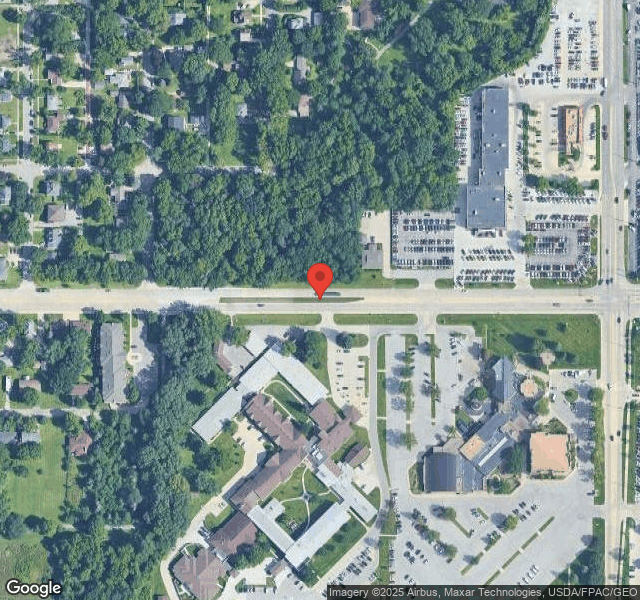
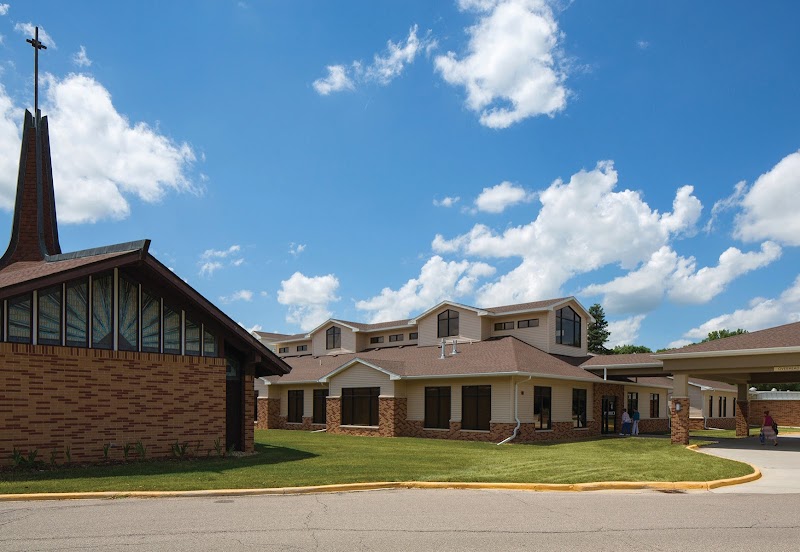
7511 University Avenue, Cedar Falls, IA 50613 (319) 268-0401
Non profit - Corporation 112 Beds Independent Data: November 2025 1 Immediate Jeopardy citation
Trust Grade
43/100
#213 of 392 in IA
Last Inspection: May 2025

Inspected within the last 6 months. Data reflects current conditions.

Overview

Newaldaya Lifescapes in Cedar Falls, Iowa, has a Trust Grade of D, indicating it is below average and has some significant concerns. It ranks #213 out of 392 facilities in Iowa, placing it in the bottom half overall, and #7 out of 12 in Black Hawk County, meaning only six local options are better. The facility's trend is improving, with issues decreasing from 9 in 2024 to 3 in 2025, which is encouraging. Staffing is a relative strength, rated 4 out of 5 stars, with a turnover rate of 42%, slightly below the state average. However, the facility has concerning aspects, including $132,074 in fines, which is higher than 91% of Iowa facilities, and less RN coverage than 89% of state facilities, which may affect the quality of care. Specific incidents raised include a critical finding where a resident with severe cognitive loss required total staff assistance for transfers but was not adequately monitored for fall risks, and there were lapses in documentation regarding medication administration. Overall, while there are some positive staffing metrics, the facility has notable weaknesses that families should consider carefully.

Trust Score
D
43/100
In Iowa
#213/392
Bottom 46%
Safety Record
High Risk
Review needed
Inspections
Getting Better
9 → 3 violations
Staff Stability
○ Average
42% turnover. Near Iowa's 48% average. Typical for the industry.
Penalties
○ Average
$132,074 in fines. Higher than 63% of Iowa facilities. Some compliance issues.
Skilled Nurses
○ Average
Each resident gets 34 minutes of Registered Nurse (RN) attention daily — about average for Iowa. RNs are the most trained staff who monitor for health changes.
Violations
⚠ Watch
12 deficiencies on record. Higher than average. Multiple issues found across inspections.
★★★☆☆
3.0
Overall Rating
★★★★☆
4.0
Staff Levels
★★★★★
5.0
Care Quality
★★☆☆☆
2.0
Inspection Score
Stable
2024: 9 issues
2025: 3 issues

The Good

  • 4-Star Staffing Rating · Above-average nurse staffing levels
  • 5-Star Quality Measures · Strong clinical quality outcomes
  • Full Sprinkler Coverage · Fire safety systems throughout facility
  • No fines on record
  • Staff turnover below average (42%)

    6 points below Iowa average of 48%

Facility shows strength in staffing levels, quality measures, fire safety.

The Bad

3-Star Overall Rating

Near Iowa average (3.1)

Meets federal standards, typical of most facilities

Staff Turnover: 42%

Near Iowa avg (46%)

Typical for the industry

Federal Fines: $132,074

Well above median ($33,413)

Significant penalties indicating serious issues

The Ugly 12 deficiencies on record

1 life-threatening
May 2025 2 deficiencies
CONCERN (D)

Potential for Harm - no one hurt, but risky conditions existed

Deficiency F0658 (Tag F0658)

Could have caused harm · This affected 1 resident

**NOTE- TERMS IN BRACKETS HAVE BEEN EDITED TO PROTECT CONFIDENTIALITY** Based on observation, clinical record review, policy reviews and staff interviews, the facility failed to ensure the staff who a...

Read full inspector narrative →
**NOTE- TERMS IN BRACKETS HAVE BEEN EDITED TO PROTECT CONFIDENTIALITY** Based on observation, clinical record review, policy reviews and staff interviews, the facility failed to ensure the staff who applied lidocaine patches (topical medication that delivers local anesthetic lidocaine through the skin to provide pain relief) signed the Treatment Administration Record (TAR). Instead, another staff member documented the administration of the treatments for 2 of 2 residents reviewed (Residents #16 and #20). The facility reported a census of 102 residents. Findings include: Resident #16's Minimum Data Set (MDS) assessment dated [DATE] reflected they received pain medication in the previous 5 days and had occasional pain. Resident #16's May 2025 Treatment Administration Record (TAR) included an order dated 10/5/24 for lidocaine external patch 5%. The order directed to apply to left hip topically for pain in the morning (AM) and then off at hour of sleep (hs). Resident #16's MDS assessment dated [DATE] reflected they received pain medication in the previous 5 days and had occasional pain. Resident #20's May 2025 TAR listed an order dated 7/12/24 for a lidocaine external patch 4%. The order directed to apply to the right side of neck topically one time a day for pain then remove per schedule. On 5/21/25 at 9:49 AM, observed Staff C, Certified Medication Aide (CMA), apply a lidocaine patch to Resident #20. On 5/21/25 at 10:00 AM, observed Staff C, CMA apply a lidocaine patch to Resident #16. Review of Resident #16's and Resident #20's TARs on 5/21/25 at 11:15 AM, revealed Staff A, Licensed Practical Nurse (LPN), signed off the administration of Resident #16's and Resident #20's lidocaine patch applications on 5/21/25. During an interview on 5/21/25 at 11:34 AM Staff A reported the CMAs had training on how to apply lidocaine patches. Staff A added if the CMA forgot to sign off a treatment they completed, including the application of lidocaine patches, she assured the application of the patches and then sign off the TAR the completion of the treatment. During an interview on 5/21/25 at 11:37 AM, Staff B, Assistant Director of Nursing (ADON), explained they expected the CMAs to sign off treatments they completed and if a nurse signed a treatment they didn't actually complete themselves, that is an issue. Review of facility policy titled, Medication Administration of Drug-Unit Dose System, revised 12/9/24 instructed when giving medications, confirm the resident's 7 rights including right recording/charting. The policy documented staff may choose to handle medication administration in one of two ways: a. Prepare medication, initial MAR (medication administration record)/TAR, and give to resident b. Prepare medication, give to resident, initial MAR/TAR Review of the facility policy titled, Documentation in Medical Record, revised 9/9/24 directed to not document false information. During an interview on 5/22/25 at 7:50 AM, Staff C, CMA, stated Staff A had her apply lidocaine patches to residents since they started working on the unit, about 4 months. Staff C added Staff A always documented the completion of the lidocaine patches that they applied. During an interview on 5/22/25 at 9:44 AM, the Director of Nursing reported whomever completed the treatment should document they completed it. If a nurse delegated the completion of a treatment, the nurse still had the responsibility to ensure the completion of the treatment and document who completed the treatment.
CONCERN (D)

Potential for Harm - no one hurt, but risky conditions existed

Infection Control (Tag F0880)

Could have caused harm · This affected 1 resident

**NOTE- TERMS IN BRACKETS HAVE BEEN EDITED TO PROTECT CONFIDENTIALITY** Based on observation, electronic health record (EHR) review, personnel file review, policy review and staff interviews the facil...

Read full inspector narrative →
**NOTE- TERMS IN BRACKETS HAVE BEEN EDITED TO PROTECT CONFIDENTIALITY** Based on observation, electronic health record (EHR) review, personnel file review, policy review and staff interviews the facility failed to demonstrate proper Enhanced Barrier Precautions (EBP) when flushing a Percutaneous Endoscopic Gastrostomy (PEG) tube (a thin, flexible tube inserted into the stomach through a small incision in the abdominal wall also referred to as a g-tube) for 1 of 1 residents reviewed. The facility reported a census of 102 residents. Findings include: Resident #117's Minimum Data Set (MDS) assessment dated [DATE] listed an admission date of 10/29/24. The MDS identified a Brief Interview for Mental Status (BIMS) score of 7, indicating moderately impaired cognition. The MDS included diagnoses of cancer, anemia (low iron level in the blood), quadriplegia (inability to move all four extremities of the body), non-Alzheimer's dementia, and chronic atrial fibrillation (abnormal heart rhythm. Resident #117's EHR reviewed 5/21/25 reflected she had an Infection Prevention Control measure of Enhanced Barrier Precaution in place. It documented Resident #117 had an indwelling (left within a bodily organ or passage to maintain drainage, prevent obstruction, or provide a route for administration of food or drugs) medical device. The personal protective equipment (PPE) requirements directed staff to wear gloves and gown for all high contact activity. Resident #117's Clinical Physician Orders reviewed 5/21/25 included the following: a. 3/31/25: Regular (general) diet, regular texture, regular/thin consistency b. 12/30/24: Cleanse g-tube site every day with normal saline, pat dry and apply split gauze one time a day for g-tube. c. 2/1/25: Flush every day with 120 cubic centimeter (cc) of water one time a day for PEG Tube. The Care Plan Focus revised 3/2/25 identified Resident #117 had a self-care deficit related to impaired cognition, decreased mobility, a diagnosis of incomplete quadriplegia (weakness or the inability to move all four limbs but with some sensation and some control) due to a spinal cord lesion. The Interventions directed the following: a. Utilize EBP due to enteral tube feeding (a method of delivering nutrition directly into the gastrointestinal tract through a tube feeding). b. Provide tube feeding and water flushes (using a syringe to introduce water into the tube to clear formula, medications, or other debris) as ordered and supplement (if applicable) as ordered. During an initial walk through of the unit on 5/19/25 at 10:32 AM, observed a U.S. Department of Health and Human Services Centers for Disease Control and Prevention (CDC) poster for Enhanced Barrier Precautions on the door to Resident #117's room. The poster directed providers and staff to wear gloves and a gown for the following high-contact resident care activities: * Dressing * Bathing/showering * Transferring * Changing Linens * Providing hygiene * Changing briefs or assisting with toileting * Device care or use: * Central line, urinary catheter, feeding tube, tracheotomy * Wound care: any skin opening requiring a dressing On 5/21/25 at 9:20 AM, Staff A, Licensed Practical Nurse (LPN), and Staff B, Assistant Director of Nursing (ADON), entered Resident #117's room. During the observation, Staff A cleaned Resident #117's PEG-tube site and performed a water flush with 120 cc of water. Staff A failed to put on a gown prior to performing high-contact resident care as directed under the EBP. During an interview on 5/21/25 09:33 AM with Staff A, LPN and Staff B, ADON, Staff A acknowledged Resident #117 had been on EBP. Staff B, acknowledged a gown should have been donned prior to cleansing the site and performing the water flush for the PEG-tube. Staff B, ADON indicated gowns were located in Resident#117's closet. Staff A acknowledged she should have worn a gown on. A review of Staff A's personnel file included a completed Nurse Orientation Checklist that showed competency of all of the skills, policies, and procedures listed, including EBP. Staff A, LPN signed the document on 6/7/24. The Enhanced Barrier Precautions-Infection Control policy updated 12/24/24 instructed the residents indicated for EBP implementation as: a. Infection or colonization with a CDC-targeted Multidrug-Resistant Organism (MDRO - refers to microorganisms, such as bacteria, that have become resistant to multiple classes of antibiotics) when contact precautions do not otherwise apply b. Wounds and/or indwelling medical devices even if the resident is not known to have an infection or has a colonized MDRO. The policy continued with directions for any staff member performing high-contact resident cares, they will implement the use of an isolation gown for any resident on EBP (in addition the gloves used as part of standard precautions). The policy listed a nonlimited list of high-contact resident cares: a. Dressing b. Bathing/showering c. Transferring In general, performing transfers didn't require gowns and gloves when in common areas such as a dining room. The contact is less likely to transmit potential MDROs to the staff members' clothing as the contact is anticipated shorter in duration. d. When closer contact is expected, the staff must use gowns and gloves with a transfer in a non-public area such as a shared shower/bathing room or in a therapy room. e. Providing personal hygiene f. Device care or use The facility would communicate EBP to staff by putting signs on the door and added to the resident's plan of care. The staff could enter the resident's room without PPE on and prior to initiation of a high-contact care identified above, staff will apply PPE. The staff don't need to wear PPE while in a resident's room when they didn't perform any high-contact resident cares.
Feb 2025 1 deficiency
CONCERN (D) 📢 Someone Reported This

A family member, employee, or ombudsman was alarmed enough to file a formal complaint

Potential for Harm - no one hurt, but risky conditions existed

Deficiency F0552 (Tag F0552)

Could have caused harm · This affected 1 resident

**NOTE- TERMS IN BRACKETS HAVE BEEN EDITED TO PROTECT CONFIDENTIALITY** Based on clinical record review, staff and resident interviews, policy review and observations the facility failed to notify a f...

Read full inspector narrative →
**NOTE- TERMS IN BRACKETS HAVE BEEN EDITED TO PROTECT CONFIDENTIALITY** Based on clinical record review, staff and resident interviews, policy review and observations the facility failed to notify a family member about a resident's fall with injury for 1 of 4 residents reviewed (Resident #1). The facility reported a census of 101. Findings include: Resident #1's Minimum Data Set (MDS) assessment dated [DATE], identified a Brief Interview for Mental Status (BIMS) score of 14, indicating intact cognition. The MDS included diagnoses of medically complex illness, coronary artery disease (problems with the arteries of the heart), osteoporosis, and anxiety. Resident #1 had a which indicated Resident #1 alert and oriented. The Bedside [NAME] Report dated 1/22/25 directed the staff to check and change Resident #1 and use a Hoyer lift with 2 staff for transfers to the commode. The report included to not leave Resident #1 alone on the commode. Resident #1 utilized a wheelchair and a walker for mobility. The Incident Note dated 1/23/25 at 3:01 AM, Staff B, Licensed Practical Nurse (LPN), reported as Staff A, Certified Nurse Aide, provided care to Resident #1, she began to jerk. When nervous, Resident #1 display a jerking behavior. Resident #1 fell which resulted in an injury to her head. The notes indicated Staff B only notified the Primary Care Physician (PCP) but failed to notify Resident #1's family of the fall or the edematous bump she got from the fall. During an interview on 2/24/25 at 9:00 AM, Staff C, Registered Nurse (RN), stated she became aware of the fall upon starting her shift during report. Staff C stated the departing nurse, Staff B reported he didn't contact Resident #1's family member of the fall. During an interview on 2/25/24 at 8:30 AM Staff B admitted he failed to notify Resident #1's family because she only had a bump on her head with a low pain score. Resident #1 denied any other pain in her body. Staff B reviewed the policy for family notification and admitted he should have contacted the family because she had a head injury. Interview on 2/24/25 at 11:00 AM Staff D, Director of Nursing, stated Staff B notified her on 1/23/25 of Resident #1's fall. Staff D acknowledged Staff B failed to notify the family at the time of the injury accordance to the facility policy. Review of the Accident/Incident Report Policy dated 2/24/03 directed the staff to notify a resident's family as soon as possible after an incident. The nurse who assessed the incident is responsible for calling the family. The nurse assessing the resident is responsible for seeing that the doctor is notified. For witnessed falls, if there has been no serious injury or signs and symptoms of pain that warrants immediate medical attention. If the fall is unwitnessed, notify PCP of fall, regardless of time of day/night, as we are not sure if the resident hit their head or not.
Jun 2024 9 deficiencies 1 IJ (1 affecting multiple)
CRITICAL (K) 📢 Someone Reported This

A family member, employee, or ombudsman was alarmed enough to file a formal complaint

Immediate Jeopardy (IJ) - the most serious Medicare violation

Deficiency F0700 (Tag F0700)

Someone could have died · This affected multiple residents

**NOTE- TERMS IN BRACKETS HAVE BEEN EDITED TO PROTECT CONFIDENTIALITY** 2. Resident #68 MDS assessment dated [DATE] identified a BIMS score of 5, indicating a severe cognitive loss. The MDS documented...

Read full inspector narrative →
**NOTE- TERMS IN BRACKETS HAVE BEEN EDITED TO PROTECT CONFIDENTIALITY** 2. Resident #68 MDS assessment dated [DATE] identified a BIMS score of 5, indicating a severe cognitive loss. The MDS documented Resident #68 required substantial/maximal (the helper does more than half the effort. The helper lifts or holds trunk or limbs and provides more than half the effort) assistance to roll left and right while lying in bed along with sit to lying positions. Resident #68 need total staff assistance with transfers out of bed. The MDS included diagnoses of progressive neurological conditions, non Alzheimer's dementia, and neurocognitive disorder with Lewy Bodies (a condition severe loss of thinking abilities that interfere with daily activities). The Care Plan Focus dated 5/24/24 identified Resident #68 had a potential for falls due to decreased mobility, poor safety awareness, and fatigue. The Intervention dated on 9/5/23 directed Hospice would replace the bed with longer ½ bed rail and a winged mattress to help provide bed boundary. The Care Plan Focus revised 7/20/23 indicated Resident #68 had a self-care deficit related to decreased mobility and weakness. The Intervention reviewed 11/13/23 directed that Resident #68 needed bilateral bed rails to aide in bed mobility and independence. Resident #68's Bed Rail assessment dated [DATE] indicated they needed bilateral bed rail placement. The Bed Rail Assessment documented a generalized statement that they discussed the positive and negative aspects of side rail/assist bar (bed rail) with the resident and/or family. The resident/or responsible parties knew of the risk involved with the side rail (bed rail) use. The assessment indicated they reviewed the assessment with the number one contact. On 6/24/24 at 10:12 AM observed Resident #68's bed had a bilateral half bed rail in the up position. Resident #68 wasn't in the room at the time. On 6/24/24 at 11:09 AM an interview with Resident #68 Family/Responsible Party revealed Resident #68 couldn't get up and didn't use the bed rails. When asked if the facility reviewed the risks of using bed rails with them, the Family/Responsible Party responded they didn't recall them reviewing the risks with them. The Family/Responsible Party reported they visited daily. On 6/24/24 at 2:31 PM witnessed Resident #68 awake, lying in center of the bed, with the head of bed elevated, and bilateral bed rails up. 3. The Baseline Care Plan assessment completed 6/19/24 documented Resident #314 needed assistance of 1 with transfers and toilet use. The Assessment described Resident #68 as cognitively intact. On 6/24/24 at 2:45 PM, visited with Resident #314 and Resident #314's son, they reported the facility didn't review side rails risks at the time of admission. Resident #314 verbalized they asked yes and no questions if she wanted bedrails or not. During the visit, noted Resident #314's bed had bilateral siderails on the bed. On 6/25/24 12:19 PM, Resident #314 reported late afternoon yesterday the staff came in and said they had to remove the bedrails. She verbalized she didn't want them anyway because she didn't have them at home. The Bedrail assessment completed on 6/19/24 reflected the assessment didn't indicate Resident #314 needed side rails or assist bar at that time. During an interview on 6/26/24 at 5:08 PM, the DON reported the nurse manager reported they removed Resident #314's bedrails on 6/24/24. She reported the facility lacked a plan regarding removing the bedrails right away on admission. Based on clinical record review, document review, observation, facility policy, resident, family and staff interviews, the facility failed to assess and reassess residents for the safe use of bed rails and failed to provide risks and benefit education to the resident and/or their legal representative, including entrapment and death since 8/1/23 for 3 of 3 residents sampled (Residents #68, #73, and #314). The failure resulted in the 6/16/24 death of Resident #73 when the staff found her with her head wedged between the bed rail and the mattress with injuries consistent with asphyxiation (suffocation). The facility reported a census of 101 residents with 94 of those 101 residents utilizing bed rails. The State Agency informed the facility on 6/26/24 of the Immediate Jeopardy (IJ) situation to the residents' health and safety that began on 8/1/23 . The State Agency determined the facility removed the immediacy by lowering the deficiency from a K (pattern of the deficiency with actual harm) level deficiency to a H level deficiency (harm that is not immediate) on 6/26/24 by completing the following: a. Immediately following the incident, the Administrator and the Director of Nursing (DON) began an immediate investigation in the building on 6/16/24. b. Meeting held on 6/17/24 discussed the following regarding a review of the incident: i. Side Rail Policy reviewed ii. Bed rail assessment form reviewed - noted the risks and benefits not listed in the electronic charting record form that as the form only included a statement identifying they learned of the risks and benefits. iii. Bed rail assessment forms initiated on all residents in the building on 6/17/24, as they reassessed, every resident, and notified them of the risks and benefits. c. The facility used the paper form which identified the risks and benefits of using a side rail. d. The facility reevaluated the new admissions using the paper form, which indicated the risks and benefits. e. Maintenance completed side rail and checked the bed functionality on 6/17/24 as a preventative measure in the entire nursing facility for all beds and rails. f. The facility completes Side Rail assessments quarterly, however the facility completed side rails assessments as a preventative on all current resident in the building on 6/17/24 until completed. g. On 6/26/24 any beds in empty rooms had the side rails removed in order to try other interventions upon admission to facility, prior to side rail use. Findings include: The United States Food and Drug Administration (FDA) Hospital Bed Safety Workgroup 6/21/06 Guide for Modifying Bed Systems and Using Accessories to Reduce the Risk of Entrapment specified FDA received approximately 691 entrapment reports over a period of 21 years from January 1, 1985, to January 1, 2006. In these reports, 413 people died, 120 received injuries, and 158 had near miss events with no serious injury as a result of intervention. The entrapment events occurred in the openings within the bed rails, between the bed rails and mattresses, under bed rails, between split rails, and between the bed rails and head or foot boards. The population most vulnerable to entrapment are elderly patients and residents, especially those who are frail, confused, restless, or who have uncontrolled body movement. Entrapments have occurred in a variety of patient care settings, including hospitals, nursing homes, and private homes. Long term care facilities reported the majority of the entrapments. The FDA Recommendations for Health Care Providers Using Adult Portable Bed Rails dated 2/27/23 directed to avoid the routine use of adult bed rails without first conducting an individual patient or resident assessment. When installing and using bed rails use caution when using bed rails with a soft mattress as this may increase risk of entrapment between the mattress and bed rail. Be aware that movement or compression of the mattress, patient weight, patient movement or bed position, or by using a specialty mattress can cause a gap between the bed and side rails. The undated FDA Recommendations for Consumers and Caregivers about Adult Portable Bed Rails reviewed on 6/28/24 directed some people have a high risk for entrapment, falls or other injury from adult portable bed rails. High risk people include those with pre existing conditions such as confusion, restlessness, lack of muscle control, or a combination of these factors. Additionally, people who are cognitively impaired from the use of medication or from a medical condition, such as Alzheimer's or dementia, are at a higher risk of entrapment and injury. The Clinical Guidance for the Assessment and Implementation of Bed Rails in Hospitals, Long Term Care Facilities, and Home Care Settings dated April 2003 instructed the facility complete an assessment and incorporate risk as part of the individual patient's assessment, and steps to address the risk into the patient's care plan. In relation to risks staff should minimize use of medications that alter mental status. The gap under the rail between the mattress, may allow for dangerous head entrapment. The FDA recommended space less than four and three quarters of an inch (4 3/4). The area is the space between the inside surface of the bed rail and the mattress, and if too big can cause a risk of head entrapment. Entrapment as defined by the FDA is an event in which a someone is caught, trapped, or entangled in the spaces in or about the bed rail, mattress, or hospital bed frame. Entrapment can result in serious injury or death. The term bed rails are used in this document. Commonly used synonymous terms are side rails, bed side rails, and safety rails. Bed rails are adjustable metal or rigid plastic bars that attach to the bed. They are available in a variety of types, shapes, and sizes ranging from full to one half, one quarter, or one eighth lengths. Also, some bed designs don't include rails as part of the bed by the manufacturer and may install on or used along the side of a bed. Examples of bed rails include, but are not limited to: o Side rails, bed side rails, and safety rails; and o Grab bars and assist bars. 1. Resident #73's Minimum Data Set assessment dated [DATE] identified a Brief Interview for Mental Status (BIMS) score of 4, indicating severe cognitive impairment. Resident #73 required substantial/maximal assistance (the helper does more than half the effort. The helper lifts or holds trunk or limbs and provides more than half the effort) with rolling side to side in bed and required total assistance with bed to chair transfers. The MDS included diagnoses of unspecified dementia, non Alzheimer's disease, and cerebral palsy. Resident #73's MDS assessment dated [DATE] documented Resident #73 exhibited other behavioral symptoms not directed towards others (e.g., physical symptoms such as hitting or scratching self, pacing, rummaging, public sexual acts, disrobing in public, throwing or smearing food or bodily wastes, or verbal/vocal symptoms like screaming, disruptive sounds) 1 3 days per week. The Resident required substantial/maximal assistance with rolling in bed and required total staff assistance for bed to chair transfers. The Care Plan Focus revised 5/23/24 indicated Resident #73 had a self care deficit related to impaired cognition, decreased mobility, weakness, cerebral palsy, and tremors. The Care Plan directed the staff to utilize bilateral 1/2 bed rails for bed mobility and independence. The Care Plan revised 6/3/24 to use a full-body mechanical lift with two staff assistance with transfers and no ambulation. The Bed Rail assessment dated [DATE] completed by Staff A, MDS Coordinator, documented the following: a. Resident #73's Information i. Didn't walk ii. Level of consciousness didn't fluctuate. iii. Had an alteration in safety awareness due to cognitive decline. iv. Had a history of falls. v. Displayed poor bed mobility or difficulty moving to a sitting position on the side of the bed. vi. Had difficulty with balance/poor trunk control. vii. Didn't have difficulty with postural hypertension. viii. Expressed a desire to have side rail/bar for safety and/or comfort. ix. No visual challenges. b. Interventions i. Lower the bed to the floor. ii. Provide restorative care to enhance abilities to safely stand and walk. iii. Provide frequent staff monitoring at night. iv. Provide assisted toileting for the resident at night. v. Visual and verbal reminders to use the call bed. c. Side Rail Placement i. Bilateral Side Rails ii. Side Rails/Assist Bar indicated and serve as an enabler to promote independence iii. The resident expressed a desire to have side rails/assist bars. The 6/11/24 Psych Order Sheet documented a physician order to increase Resident #73 brexpiprazole (atypical antipsychotic medication that works by changing the activity of certain natural substances in the brain; this class of agents is associated with an increased risk of mortality in elderly patients with dementia related psychosis per the National Library of Medicine; 2016) to 1 milligram (MG) by mouth at hour of sleep starting 6/14/24. An Incident Report dated 6/16/24 at 9:13 AM documented an unwitnessed fall. Staff C, Registered Nurse (RN) documented she entered Resident #73 room to administer medications and obtain a blood sugar. Staff C walked into the room to find Resident #73 lying completely prone (stomach down) on the edge of the bed, wedged between the mattress and wall (bed approximately 10 inches away from the wall and in the lowest position) with the right side of her neck pressed up against the bed rail next to the wall wedged between the mattress and the bed rail with her head and neck twisted up towards the ceiling. Her face had dark, deep ecchymosis (bruising caused by blood leaking from broken blood vessels into the tissues resulting in purple/blue discoloration), left side of the neck and face looked swollen and tight. She had her eyes closed and mouth slightly open with saliva dripping out. Resident #73's right arm dangled partially off the bed with the back of her hand touching the floor. The right arm and hand had ecchymosis. The nurse couldn't visualize the left arm due to her positioning. The assessment revealed Resident #73 didn't breathe; no radial (wrist) pulse, or carotid (neck) pulse to her right side. The nurse couldn't palpate (feel) left radial or carotid pulse due to positioning. The report described Resident #73's level of consciousness as comatose (unarousable to verbal or physical stimuli) with Predisposing Physiological Factors of confusion with an impaired memory and a Predisposing Situational Factor as the side rails in upright position. The Progress Note dated 6/16/24 at 9:13 AM included the same information from the Incident Report at the same time. The Progress Note included the staff moved Resident #73 to the floor in a supine position. Staff C auscultated (listened) for heart and lung sounds, while continuing to try to arouse Resident #73 and check for pulses. Staff F, RN, came into the room to assist Staff C, and reported Resident #73 as a DNR (do not resuscitate). Staff C and Staff F continued to assess for pulses, listen to the heart, and lung sounds for 2 3 minutes. They attempted to obtain vital signs and checked her pupils, her pupils were fixed, dilated, and non reactive to light. The staff called time of death at 9:20 AM after they determined Resident #73 had no signs of life or vital signs. At 11:00 AM Staff C notified the on call physician of Resident #73's passing and nature of how they found her. The Physician gave instructions to call the Medical Examiner for further instructions. At 11:55 AM the Medical Examiner arrived at the facility. A Photo Reenactment 6/16/24 provided by the facility showed a mannequin positioned with the body (shoulders, chest, arms, waist, hips, legs) against the room wall and the mannequin's head positioned with the head facing up to the ceiling trapped between the positioning rail and the bed mattress. The Photo Reenactment Document contained a notation the nurse described Resident #73's lower body as more prone (positioned down toward the floor) position and her head faced more upward. A 6/24/24 review of the Facility admission Agreement lacked any education or risk/benefit information regarding the use of side rails while a resident at the facility. On 6/24/24 at 11:27 AM Resident #73's room still had her bed. The bed had two grab bars, with the right outer rail missing the rail knob to release the bar on the outside rail. Further inspection showed less than a 3 inch gap from the mattress to the grab bar. Witnessed the facility admitting a new resident to the room. No one removed the grab bars from the bed prior to the new resident's admission to the room. During an interview on 6/24/24 at 11:41 AM the Administrator confirmed the bed frame in the room as Resident #73's bed. She stated Resident #73 used a wedged/lipped mattress, a different one than laid on that bed frame. That mattress did have the same width as Resident #73's mattress. During an observation on 6/24/24 at 12:53 PM the newly admitted resident, not included in the sample, laid in the same bed as Resident #73 used with the grab rails already in place on the bed. The resident sat up in bed eating from a bedside table, with both grab bars observed in the up position. During an interview on 6/24/24 at 1:26 PM Staff A explained when they switched electronic health record (HER) system the Bed Rail Assessment Form no longer included the outlined risk and benefits. The form contained one unspecific line. She reported she hadn't reviewed the risk factors including entrapment since the August 2023 change with the Residents and/or their Legal Representative. She voiced when asked if she explained the bed rails risks since the resident changed from a standing mechanical lift to a Hoyer lift in June 2024, she responded no. She verbalized none of the residents (using bed rails) had the risk factors reviewed with them since August 2023. On 6/24/24 at 1:27 PM the Administrator agreed none of the residents had the bed rail risk reviewed in detail since August 2023. They identified it after Resident #73's incident. They went back and completed a paper side rail use assessment form for all residents as part of their state investigation that included the risks and benefits. During an interview on 6/24/24 at 2:26 PM, Staff E, Certified Nursing Assistant (CNA), reported when she entered Resident #73's room on 6/16/24, she didn't see Resident #73 breathing. She had her hips still on the bed, turned on her side with her right side of her neck wedged against the grab bar. She noted her feet looked mottled (purple) by the time they lifted her to the floor. Her face had a faint purple discoloration. Staff E reported they had an in service on bed rails. Sometimes with certain people they are restraints, for some residents who have lost strength in their arm or legs, it can help enable their mobility. When she first started, she had a skills checklist sheet and videos they have to watch, but she can't remember any specific training on bed rails. On 6/24/24 at 2:54 PM the Administrator reported Resident #73 used the Panacea mattress with raised border perimeters. The mattress measured 34.5 inches across. When tested with compression weight less then Resident #73 last recorded weight of 222 pounds, the upper outer right perimeter cushion portion of the upper mattress rolled over to the side with any weight (compression) applied to the outside edge of the mattress. The Med [NAME] Beds came with the U shaped grab bars installed. The Med [NAME] bed frame measured 36.5 inches consistent with the pictures the facility provided as part of the facility investigation showing a rail to mattress gap of less than 3 inches (with no weight compression on the perimeter border in the picture). On 6/24/24 at 3:42 PM Staff K, Licensed Practical Nurse (LPN), reported the charge nurse has the responsibility to do a bed rail assessment when a resident admits to the facility. It is one of the questions that they have to ask the resident if they do or do not want a bed rail. They converse with the Resident about the bed rails if they want the rails for comfort or to help steady themselves when they stand from the bed. The Resident can choose if they want 1 or 2 bed rails. They (residents) know the risks of the side rails. When specifically asked by the Surveyor how a resident would know the risks of using a bed rail, Staff K responded she didn't have the paper in front of her to have the exact language. Staff K didn't know if the bed rail information went to the nurse manager. During an interview on 6/24/24 at 3:52 PM Staff L, CNA reported she into Resident #73's room sometime between 8:30 AM 8:40 PM to switch out a Hoyer lift sling. She noted Resident #73 lying supine (on her back) resting with her eyes closed in her low bed with the fall mat on the left side of the bed. She recalled she looked positioned well in the center of her bed. At that time, she first physically laid eyes on Resident #73 since the start of her shift. She confirmed she did hear Resident #73 yell out as she closed the room to leave. She didn't go back in to check on Resident #73 because she knew she was in a safe position in bed and couldn't move on her own. Resident #73 required two staff to roll her in bed. Resident #73 yelled daily and interventions usually didn't work. Staff L voiced Resident #73 couldn't use the grab bars on her bed. She couldn't reposition herself since she came to that neighborhood in September 2023. Staff L voice she thought Resident #73 had grab bars on her bed since her admission to the neighborhood. On 6/24/24 at 4:13 PM Staff D, CNA, reported she completed walking rounds with the third shift CNA between 6:30 AM 7:00 AM. She remembered the CNA reported Resident #73 made weird sexual remarks during the night which were odd and unusual for her. She heard Resident #73 yelling between 6:30 6:40 AM. She didn't check on her at that time. She didn't have eyes on Resident #73 during walking rounds and didn't see her before the incident (on 6/16/24). When she entered Resident #73's room on 6/16/24 she had her body turned toward the wall with her head stuck in the bed rail. She didn't have her eyes open and she didn't see her breathing. Resident #73 screamed and yelled a lot, as she wanted someone with her at all times. She originally used a standing lift, but when she came to that neighborhood, she had weakness in her arms and she required the full-body mechanical lift. Staff D recalled Resident #73 always had the U shaped grab bars on her bed, but she couldn't use the grab bars. On 6/24/24 at 6:19 PM Staff F reported when she entered Resident #73 room on 6/16/24 she saw an abrasion or chaffing to the right of Resident #73's neck in a linear line. When she checked her pupils, they didn't react. She looked mottled up to her knees. The call light was pulled-out of the wall and underneath Resident #73's torso. Staff F voiced she never seen Resident #73 use the grab bars on the bed. They had to do all her bed mobility for her. The Resident weighed almost 300 pounds and she didn't help in any way. She typically had two staff to reposition her in bed. Staff F explained she would only recommend bed rails for someone that could use them to assist with their bed mobility. In her opinion, Resident #73 needed full support to turn in bed and with her cognition, she probably wasn't appropriate to have grab bars. During an interview on 6/25/24 at 11:29 AM Resident #73 family member reported she had utilized bed rails for a long time. He voiced she didn't have any recent falls from the bed and she definitely needed help getting in and out of bed. He stated he didn't recall discussing the risks of using bed rails, including entrapment. He added she never used her call light. When he visited, he put the call light on for her, but she couldn't push the call light herself. A Device Activity Report provide by the facility documented the activation of Resident #73 call light at 8:55 AM. During interview on 6/25/24 at 12:43 PM the Director of Nursing (DON) reported the nurses complete the Bed Rail Assessment upon admission, readmission from the hospital, significant changes, and every 6 months to ensure the completion of the assessment. She explained the nurses are supposed to go over the risks of using side rails with harm, significant injury, and benefits, but she couldn't speak to what the nurses actually went over with the family after they changed to the EHR Bed Rail Assessment as the risk and benefits no longer remained on the form. She still expected the nurses to discuss the risk/benefits of the side rails even if it wasn't on the form. She reported if they couldn't use the bed rail for positioning, then they shouldn't use the rails. She didn't know who had the role of reassessing the bed rails as time went on. She needed to look specifically at the policy to see who had that responsibility. Typically, the MDS Coordinator looked at the Bed Rail assessments. The DON added they completed the Bed Rail Assessment on the first nursing shift of the admission. The nurse goes through all the questions on the Bed Rail assessment and the computer directed them to go over risks and benefits. During an interview on 6/25/24 at 12:53 PM the Administrator explained the nurses must do a Bed Rail Assessment when the resident admits to the facility. The nurses assess to see if the resident is appropriate for the use of bed rails. The staff probably didn't try interventions prior to applying bed rails on the bed as they assess the need for bed rails on the day of admission. If the use of bed rails isn't appropriate for the resident, then they have maintenance remove the rails. Interview with the Maintenance Director on 6/25/24 at 1:05 revealed Staff M is the main maintenance personal that inspects the beds. Maintenance measures the mattresses and rails when they get in new beds. Maintenance didn't do new measurements from the mattress to the railings when someone swapped the mattress. Interview on 6/25/24 at 1:13 PM Staff M reported they wait to hear from the nursing staff as to what they are supposed to do. The beds come with the bed rails on and nurses let them know if they need to remove the bed rails. A 6/25/24 review of the Six-Month Bed Rail Safety Check showed Resident #73's room checked off for the January 2024 check. The Document contained a 6/17/24 hand written statement by Staff M, Inspected bed for operation and functionality. Also hazard that could be considered potential issues to entrapment and health of residents. On 6/25/24 at 1:57 PM Staff A explained they discuss the Bed Rail Assessments at Care Conferences. She didn't attend all Care Conferences. She would ask whoever went to the Care Conference to discuss it. They used to go into more detail about the risks when they used the paper assessment. The EHR lacked the risks and benefit when they started that Bed Rail Assessment. The charge nurses completed the Bed Rail Assessment when they did an MDS assessment. No one ever told her a resident didn't use their bed rails, to go up and reassess a resident. Different family members voiced they thought mom or dad would fall out of bed if they didn't have the rails and the family thought it was appropriate to have a side rail. If information came in from the aides that the resident didn't use the rails, they would reassess. She didn't know of any documentation of interventions done prior to the implementation of bed rails. On 6/25/24 at 2:23 PM Staff B, MDS Coordinator, reported the staff complete the Bed Rail Assessment upon admission. They discuss with the resident and family what they want for side rails. The facility switched to an electronic Bed Rail assessment in August 2023. The assessment went into how the resident or family feel about the side rails, why they need or use the rail, if they need 1 or 2 rails or no rails. A lot of it is the resident's preference. If they are in bed the rails are up. When the resident wishes to have the bed rails used, the nurse must go over the risks with the resident/family when they do the bed rail assessment. They don't really do anything more than a conversation about if they want bed rails, unless therapy is involved. Her understanding is they review the bed rail assessment quarterly with the resident or family member, regarding if they want to continue with the side rails or if they want it changed. She hasn't had a conversation about entrapment or injuries regarding side rails in care conferences as she is usually not involved in those. During an interview on 6/25/24 at 3:13 PM the Legal Medical Death Investigator reported Resident #73's death showed external findings consistent of an asphyxiated (suffocation) death. During an interview on 6/25/24 at 5:12 PM Staff I, LPN/Nurse Manager, explained the nurses assess the bed rails by asking the questions on the bed rails assessment. She acknowledged the bed rails assessment didn't specifically address with the Resident and/or Legal Representative questions or information specific to injury, entrapment or death from the use of bed rails. She reported she agreed the form couldn't attest to what the nurses specifically addressed with the Resident or Legal Representative. An Untitled Document provided by the facility on 6/25/24 documented 94 of the 101 residents in the facility utilized a bed rail or grab bar of some type. During an interview on 6/26/24 at 10:22 AM Staff N, LPN, reported she asked all the questions on the EHR Bed Rail Assessment. The Bed Rail Assessment didn't address the resident's height and weight, as they document it in the clinical admission record. Staff N reported she didn't have any training on bed safety in relation to looking for gaps between the mattress and the bed rail. She didn't know anything about measurements or how to check for gaps. She said if she found a loose railing, she would let maintenance know. They completed the Bed Rail assessment the day of admission by asking the resident the questions on the assessment. Staff N voiced she didn't do any actual observation of the resident to see if they could properly use the bed rail. Therapy many times may make a recommendation, but they don't usually do it on the day of admission. Staff N responded no when asked if the nurse made the decision to use a side rail, she explained it is up to the resident. If the resident wanted to keep the rails on the bed, then they kept them on, as the decision is the residents. She said it was a good question if they should try interventions prior to using side rails, but she didn't know if they did that. On 6/26/25 at 10:34 AM Staff T, RN, reported they ask the resident if they want bed rails. If the resident didn't want bed rails, then they remove the rails from the bed. The beds come with the bed rails in place, but some residents request to have removed. If she noted a gap between the bed rail and the mattress, she placed a rolled up blanket to fill the gap, the she contacted maintenance to get an appropriate size mattress. On 6/26/14 at 10:35 AM Staff O, CNA, voiced the nurse assesses the resident on admission on if they need a bed rail. The nurse kept in contact with them on what to watch for, but she thought they could use more training. She didn't have any training on the danger zones or gaps from the mattress to the rails. On 6/26/24 at 10:42 AM Staff P, CNA, voiced she had received training on bed rails. The bed rails couldn't be over five inches from the mattress and they must position the resident off the rail more in the middle of the bed. On 6/26/24 at 10:44 AM Staff Q, CNA, reported she didn't really have education about the bed rail, but if she had a concern with the bed rail she reported it to the charge nurse. When asked if she knew of a resident that didn't use the bed rails on their beds, she responded, yes. On 6/26/25 at 10:45 AM Staff R, CNA, reported she didn't have any recent bed rail education and only received education on how to move the bed rail. On 6/26/25 at 11:01 AM Staff S, CNA, reported they could have a few residents that didn't use their bed rails. On 6/26/24 at 11:05 AM when inquired if she received bed rail safety training, Staff K replied they read a bed rail form to the family and they sign it. She couldn't recall the stated risk details on the form. She reported she would observe the resident rolling in bed/transferring with the[TRUNCATED]
CONCERN (D)

Potential for Harm - no one hurt, but risky conditions existed

Resident Rights (Tag F0550)

Could have caused harm · This affected 1 resident

**NOTE- TERMS IN BRACKETS HAVE BEEN EDITED TO PROTECT CONFIDENTIALITY** Based on observation, clinical record review, policy review, resident and staff interview, the facility failed to respect the re...

Read full inspector narrative →
**NOTE- TERMS IN BRACKETS HAVE BEEN EDITED TO PROTECT CONFIDENTIALITY** Based on observation, clinical record review, policy review, resident and staff interview, the facility failed to respect the resident's right and dignity to have a bath twice a week per resident request for 1 of 1 resident reviewed (Resident #98); and failed to provide toileting in a timely manner which resulted in bowel incontinence and emotional distress for 1 of 1 resident (Resident #311). The facility reported a census of 101 residents. Findings include: 1. Resident #98's Minimum Data Set (MDS) assessment dated [DATE] identified a Brief Interview for Mental Status (BIMS) score of 15, indicating intact cognition. Resident #98 required substantial to maximal assistance (a helper does more than half the effort. The helper lifts or holds the trunk or limbs and provides more than half the effort with showering/bathing). The MDS included diagnoses of anemia (low blood iron), hypertension (high blood pressure), urinary tract infection (UTI), diabetes, pneumonia and stage 3 pressure ulcer. The Activities of Daily Living (ADL) Care Plan dated 5/31/24 lacked documentation of Resident #98's preference for an evening bath. The December 2023 Documentation Survey Report V2 lacked documentation of Resident #98's preference for an evening bath. The Survey Report V2 lacked documentation of Resident #98 getting a bath until 6/3/24. In addition, the report listed she refused a bath on 6/10/24 and 6/13/24. On 6/24/24 at 11:30 AM Resident #98 explained she doesn't always get her shower twice a week like she wants. On 6/26/24 at 4:15 PM Resident #98 reported she didn't refuse showers when the staff offered her a shower. She reported having a long time before she got her first shower offered and they still didn't offer her a shower every week. She explained she told to the nurse be couldn't remember which one. During an interview on 6/26/24 at 4:50 PM, the Director of Nursing reported she couldn't find any documentation that Resident #98 received a shower from 5/24/24 to 6/2/24. She added she couldn't find any documentation of Resident #98 refusing a shower or if someone offered her one at another time. She reported Resident #98 should have two showers a week. The facility policy titled Personal Care Bathing: Residents revised 5/17/21 directed residents shall have either a shower, whirlpool bath, or a bed bath at a minimum two times per week or per the residents' preferences noted on their plan of care. In addition, if a resident refused a bath/shower the Certified Nurse Aide must notify the nurse and document the refusal in the resident's electronic record computerized charting. The next day or the next shift the resident will be re approached for a bath/shower and given as the resident allows. 2. The Baseline Care Plan Assessment completed 6/20/24 documented Resident #311 receives assistance of 1 with dressing, personal hygiene, bed mobility, transfers, and toilet use. In addition, the assessment listed Resident #311 as cognitively intact. On 6/24/24 at 11:07 AM, Resident #311 verbalized for the past few days his call light didn't not work. He began crying and reported he sat in his feces for an hour and a half on Sunday night due to the call light not working. He reported he yelled out for staff but no one came so he finally called his daughter on his cell phone. She called the facility to get staff to come to his room to help him. He reported staff gave him a hand bell to ring since his call light didn't work. He verbalized being so embarrassed and uncomfortable that he had a bowel movement in his pants. On 6/26/24 at 4:30 PM, Resident #311 reported his call light worked the past two days but they kept the bell in his room just in case. Resident #311 had tears and said he didn't ever want to sit in feces that long again if he had an accident. During an interview on 6/26/24 at 5:00 PM, the Director of Nursing verbalized the facility has hand bells for residents, if the call light didn't work. She reported she didn't know of any call lights not working recently. She expressed concern and denied knowing that Resident #311 sat in feces for an hour and a half. The facility policy titled Resident Rights revised 11/18/22 instructed to treat residents with dignity and respect. The policy indicated residents have the right to voice grievances to the staff of the facility or any other person, without fear of discrimination or reprisal. The facility must resolve the issue promptly.
CONCERN (D) 📢 Someone Reported This

A family member, employee, or ombudsman was alarmed enough to file a formal complaint

Potential for Harm - no one hurt, but risky conditions existed

Assessment Accuracy (Tag F0641)

Could have caused harm · This affected 1 resident

**NOTE- TERMS IN BRACKETS HAVE BEEN EDITED TO PROTECT CONFIDENTIALITY** 2. Resident #54's Minimum Data Set (MDS) assessment dated [DATE] identified a Brief Interview for Mental Status (BIMS) score of ...

Read full inspector narrative →
**NOTE- TERMS IN BRACKETS HAVE BEEN EDITED TO PROTECT CONFIDENTIALITY** 2. Resident #54's Minimum Data Set (MDS) assessment dated [DATE] identified a Brief Interview for Mental Status (BIMS) score of 8, indicating moderate cognitive impairment. The MDS included diagnoses of hypertension (high blood pressure), anxiety, quadriplegia (paralysis of all four extremities), type II diabetes, and schizophrenia (mood disorder that can cause hallucinations and delusions). The MDS documented the resident had a stage 4 pressure ulcer. The Progress Note dated 2/12/24 at 3:00 PM reflected Resident #54's Stage 4 pressure ulcer on his coccyx as healed. During an interview on 6/25/24 at 1:01 PM Staff A, MDS Coordinator, reported she would have to look back at her notes for Resident #54's MDS about his Stage 4 pressure ulcer. During an interview on 6/26/24 at 1:43 PM Staff A reported she made an error when she coded Resident #54 had a stage 4 pressure ulcer. She reported it healed on 2/12/24. She reported the facility followed the MDS policy and also the Resident assessment Instrument (RAI) Manual. Based on record review, staff interviews, and policy review the facility failed to accurately code 2 of 16 residents (Residents #87 and #54) Minimum Data Set (MDS) assessments. The facility reported a census of 101 residents. Findings include: 1. Resident #87's Preadmission Screening and Resident Review (PASRR) assessment dated [DATE] listed her as a Level II PASRR (a person with a serious mental illness). Resident #87's Minimum Data Set (MDS) assessment dated [DATE] coded Resident #87 as a PASRR Level I (a person without a serious mental illness). During an interview on 6/27/24 at 11:50 AM, Staff B, MDS Coordinator reported she coded Resident #87's MDS dated [DATE] inaccurately as the MDS should list her as a PASRR Level II, and she would go fix it. Review of a facility policy dated MDS Entry/Computerization reviewed on 4/12/24 instructed the facility to prepare timely, accurate, and comprehensive MDS.
CONCERN (D) 📢 Someone Reported This

A family member, employee, or ombudsman was alarmed enough to file a formal complaint

Potential for Harm - no one hurt, but risky conditions existed

PASARR Coordination (Tag F0644)

Could have caused harm · This affected 1 resident

**NOTE- TERMS IN BRACKETS HAVE BEEN EDITED TO PROTECT CONFIDENTIALITY** Based on record review, staff interviews, and policy review the facility failed submit a new Pre admission Screening and Residen...

Read full inspector narrative →
**NOTE- TERMS IN BRACKETS HAVE BEEN EDITED TO PROTECT CONFIDENTIALITY** Based on record review, staff interviews, and policy review the facility failed submit a new Pre admission Screening and Resident Review (PASRR) for review for 1 of 1 resident (Resident #72) for review after receiving new diagnoses in his medical record. The facility reported a census of 101 residents. Findings include: Resident #72's Minimum Data Set (MDS) assessment dated [DATE] identified a Staff Assessment for Mental Status indicating he had a memory problem and severely impaired decision-making skills. The MDS included diagnoses of dementia, depression, and psychotic disorder. Record review of a Progress Note for Resident #72 dated 5/8/24 by his Nurse Practitioner documented new diagnosis of: a. Dementia with behavioral disturbance b. Current severe episode of major depressive disorder with psychotic features without prior episode c. Anxiety disorder due to known physiological condition Record review of Resident #72 current PASRR on 6/26/24 lacked diagnoses of: a. Dementia with behavioral disturbance b. Current severe episode of major depressive disorder with psychotic features without prior episode c. Anxiety disorder due to known physiological condition During an interview on 6/26/24 at 12:50 PM Staff G, Social Worker (SW), explained she reviewed the resident's Progress Notes quarterly, looking for new diagnoses, and the Nurse Managers constantly looked at the new orders and diagnoses. The nurses communicated via email or in person to her if the resident's medical record had new diagnoses. She reported no one told her about Resident #72 new diagnoses, she reported she would submit a referral to PASRR for review. The Social Services PASRR Screens reviewed 3/26/24 lacked direction on the facility's process when a current resident had new diagnoses what the facility process is for PASRR review.
CONCERN (D)

Potential for Harm - no one hurt, but risky conditions existed

Deficiency F0655 (Tag F0655)

Could have caused harm · This affected 1 resident

**NOTE- TERMS IN BRACKETS HAVE BEEN EDITED TO PROTECT CONFIDENTIALITY** Based on record review, staff interview, and policy review the facility failed to include the use of psychotropic medications an...

Read full inspector narrative →
**NOTE- TERMS IN BRACKETS HAVE BEEN EDITED TO PROTECT CONFIDENTIALITY** Based on record review, staff interview, and policy review the facility failed to include the use of psychotropic medications and what to look for when using the medications for 1 of 1 resident (Resident #35) on the Baseline Care Plan upon admission. The reported a census of 101 residents. Findings include: Resident #35's Minimum Data Set (MDS) assessment dated [DATE] identified a Brief Interview of Mental Status (BIMS) score of 3, indicating severe cognitive impairment. The Progress Note dated 4/19/24 listed Resident #35's admission orders to the facility on 5/16/24. The orders included anti depressants, opioids, and anti anxiety medications. Resident #35's admission Baseline Care Plan dated 5/16/24 lacked documentation that she received psychotropic medications and what side effects for staff to monitor related to the use anti depressants, opioids, and anti anxiety drug class medications present upon admission. During an interview on 6/27/24 at 11:13 AM Staff I, Licensed Practical Nurse (LPN), explained she expected the Baseline Care Plan include adverse reactions and side effects of psychotropic medications. The Care Plans policy reviewed 4/11/24 directed the Baseline Care Plan include the minimum healthcare information necessary to properly care for a resident including but not limited to: a. Initial goals based on admission orders b. Physician orders c. Dietary orders d. Therapy Services e. Social Services
CONCERN (D)

Potential for Harm - no one hurt, but risky conditions existed

Deficiency F0657 (Tag F0657)

Could have caused harm · This affected 1 resident

**NOTE- TERMS IN BRACKETS HAVE BEEN EDITED TO PROTECT CONFIDENTIALITY** Based on record review, staff interviews, and policy review the facility failed update the Care Plan to include interventions re...

Read full inspector narrative →
**NOTE- TERMS IN BRACKETS HAVE BEEN EDITED TO PROTECT CONFIDENTIALITY** Based on record review, staff interviews, and policy review the facility failed update the Care Plan to include interventions related to new mental health diagnoses for 1 of 1 resident (Resident #72). In addition, the facility failed to revise the Care Plan for 1 of 1 resident (Resident #31) after initiating antibiotic therapy. The facility reported a census of 101 residents. Findings Include: 1. Resident #72's Minimum Data Set (MDS) assessment dated [DATE] identified a Staff Assessment for Mental Status indicating he had a memory problem and severely impaired decision-making skills. The MDS included diagnoses of dementia, depression, and psychotic disorder. Record review of a Progress Note for Resident #72 dated 5/8/24 by his Nurse Practitioner documented new diagnosis of: a. Dementia with behavioral disturbance b. Current severe episode of major depressive disorder with psychotic features without prior episode c. Anxiety disorder due to known physiological condition Resident #72's Care Plan dated 6/26/24 lacked interventions and goals related to the new diagnoses on 5/8/24 documented in his medical record. 2. Resident #31's MDS assessment dated [DATE] identified a BIMS score of 11, indicating moderately impaired cognition. Resident #31's Clinical Physician Orders reviewed on 6/28/24 at 1:27 AM included an order for antibiotic medication starting on 6/17/2024 for 10 days for a bacterial infection. The Care Plan dated 6/26/24 lacked the use of an antibiotic and interventions related to the use of the antibiotics. During an interview on 6/27/24 at 10:36 AM Staff I, Licensed Practical Nurse (LPN), explained she updated the residents' Care Plans if a resident received a new diagnosis and reviewed the reason for the new diagnoses with the Advanced Registered Nurse Practitioner (ARNP). Afterwards, she updated the Care Plan. If a resident received an antibiotic she would add that to the Care Plan. The Care Plan policy updated 4/11/24 lacked instruction regarding when a resident received a new diagnosis during their stay.
CONCERN (D) 📢 Someone Reported This

A family member, employee, or ombudsman was alarmed enough to file a formal complaint

Potential for Harm - no one hurt, but risky conditions existed

Deficiency F0698 (Tag F0698)

Could have caused harm · This affected 1 resident

**NOTE- TERMS IN BRACKETS HAVE BEEN EDITED TO PROTECT CONFIDENTIALITY** Based on record review, staff interview, and policy review the facility failed to complete routine pre- and post-dialysis assess...

Read full inspector narrative →
**NOTE- TERMS IN BRACKETS HAVE BEEN EDITED TO PROTECT CONFIDENTIALITY** Based on record review, staff interview, and policy review the facility failed to complete routine pre- and post-dialysis assessments for 1 of 1 resident who received dialysis services at the facility (Resident #33). The facility reported a census of 101 residents. Findings include: Resident #33's Minimum Data Set (MDS) assessment dated [DATE] reflected he received dialysis services. Resident #33's Clinical Physician Orders included the following orders a. Dated 8/16/23: Weekly weights on Wednesdays. b. Dated 6/26/24: Nurse to complete pre/post dialysis assessments on Mondays, Wednesdays, Fridays, and as needed on dialysis days. Resident #33's Weights and Vitals reviewed on 6/27/24 lacked weights on 1/10/24, 1/24/24, 4/10/24, 8/8/24 and 6/5/24. Resident #33's electronic health record (EHR) assessments reviewed on 6/27/24 lacked pre and post dialysis assessments from 4/25/24 to 6/13/24 on Monday, Wednesday and Friday. During an interview on 6/27/24 at 11:09 AM with Staff J, Licensed Practical Nurse (LPN), verbalized she knew they missed many days of pre- and post-dialysis assessments for Resident #33 due to his EHR not having an automated assessment for him set up. The Dialysis policy reviewed 6/15/23 directed the nurses to assess and document the residents' vital signs, including blood pressure in the location the access site is NOT located in, weights as ordered by the physician, visual monitoring of the access site before and after dialysis, and any other pertinent health information regarding the resident. The nurse will communicate with the dialysis facility prior to and post dialysis when abnormalities are noted.
MINOR (B) 📢 Someone Reported This

A family member, employee, or ombudsman was alarmed enough to file a formal complaint

Minor Issue - procedural, no safety impact

Comprehensive Assessments (Tag F0636)

Minor procedural issue · This affected multiple residents

**NOTE- TERMS IN BRACKETS HAVE BEEN EDITED TO PROTECT CONFIDENTIALITY** Based on record review, staff interview, and policy review the facility failed to complete an Annual Minimum Data Set (MDS) asse...

Read full inspector narrative →
**NOTE- TERMS IN BRACKETS HAVE BEEN EDITED TO PROTECT CONFIDENTIALITY** Based on record review, staff interview, and policy review the facility failed to complete an Annual Minimum Data Set (MDS) assessment in the required timeframe for 1 of 1 resident reviewed (Resident #54). The facility reported a census of 101 residents. Findings include: Resident #54's Minimum Data Set (MDS) assessment dated [DATE] identified a Brief Interview for Mental Status (BIMS) of 8, indicating moderately cognitive impairment. The MDS included diagnoses of hypertension (high blood pressure), anxiety, quadriplegia (paralysis of all four extremities), type II diabetes, and schizophrenia (mood disorder that causes hallucinations and delusions). Resident #54 MDS Summary reviewed on 6/27/24 at 9:17 AM reflected an assessment reference date (ARD) for the annual MDS as 4/17/24. The summary listed a completion and locked date of 6/5/24. During an interview on 6/25/24 at 1:01 PM Staff A, MDS Coordinator, reported when the facility changed to electronic charting software, Resident #54 kept having a discharge MDS come up and so it didn't trigger the annual assessment so, the facility missed it and noticed it late. During an interview on 6/26/24 at 1:43 PM Staff A reported the facility followed the MDS policy and the Resident Assessment Instrument (RAI) Manual. The facility policy titled MDS Entry/Computerization reviewed 4/12/24 directed the facility must establish the ARD to ensure the commonality of the assessment period. Each discipline is required to compete on the computer their appropriate section of the MDS and sign off electronically under the appropriate section on or before the MDS date. This is set to ensure data entry and completion of the MDS. Review of the Long Term Care Facility RAI 3.0 User's Manual dated 10/1/23 directed the Annual MDS is required to be completed by the ARD plus 14 days.
MINOR (B) 📢 Someone Reported This

A family member, employee, or ombudsman was alarmed enough to file a formal complaint

Minor Issue - procedural, no safety impact

Deficiency F0637 (Tag F0637)

Minor procedural issue · This affected multiple residents

**NOTE- TERMS IN BRACKETS HAVE BEEN EDITED TO PROTECT CONFIDENTIALITY** Based on clinical record review, Center for Medicare and Medicaid (CMS) Long Term Care (LTC) Facility Resident assessment Instru...

Read full inspector narrative →
**NOTE- TERMS IN BRACKETS HAVE BEEN EDITED TO PROTECT CONFIDENTIALITY** Based on clinical record review, Center for Medicare and Medicaid (CMS) Long Term Care (LTC) Facility Resident assessment Instrument (RAI) 3.0 User's Manual review, and staff interview the facility failed to completed a Significant Change in Status Minimum Data Set (MDS) assessment within the required time frame for 1 of 3 residents sampled for hospice care (Resident #96). The facility reported a census of 101 residents. Findings include: Resident #96 Electronic Census showed they started hospice level of care on 5/2/24. Resident #96's Minimum Data Set (MDS) 3.0 Summary Page reflected a Significant Change in Status MDS assessment dated [DATE]. Sections D, E, F, and Q reflected a green color indicating completed for those assessment sections. Sections A, B, C, GG, H, I, J, K, L, N, M, N, O, P were colored yellow indicating in-progress. The box listed as Completed showed a red color directing to complete by 5/23/24. The Care Area Assessments (CAA) box indicated complete by 5/23/24 and complete the Care Plan Decision by 5/30/24. The Signature Box highlighted in yellow reflected 603 areas of the MDS assessment not signed. During an interview on 6/26/24 at 1:41 PM Staff A, MDS Coordinator, reported obviously the assessment they set up the assessment, but didn't finish it. She reported she would have to check on some things and would get back to the Surveyor. She voiced the facility did have an MDS policy and they also followed the RAI Manual for completing the MDS. On 6/26/24 at 3:19 PM Staff B, MDS Coordinator, explained she completed Resident #96's significant change in status assessment (SCSA) MDS, but she didn't sign and lock the assessment to complete it. During an interview on 6/26/24 at 3:41 PM Staff B reported they had an MDS Policy they followed, along with the RAI Manual. The MDS Entry/Computerization Policy, reviewed 4/12/24, documented the facility would utilize the MDS to comprehensively assess all residents. The Policy identified a purpose to prepare a timely, accurate and comprehensive MDS. The Policy Procedure directed each discipline to complete their appropriate section of the MDS on the computer and sign off electronically on or before the MDS date. The MDS date is set to ensure data entry and completion of the MDS. The Policy didn't address the completion of SCSA MDS assessments. The LTC RAI 3.0 User's Manual Version 1.18.1 October 2023 indicated the RAI process had multiple regulatory requirements. Federal regulations at 42 CFR (Code of Federal Regulations) 483.20 (b)(1)(xviii), (g), and (h) require that the assessment accurately reflects the resident's status. In addition, the manual directed the completion of the MDS completion date is no later than the 14th calendar day after determination that significant change in resident's status occurred (determination date + 14 calendar days). The facility must complete a SCSA when a terminally ill resident enrolls in a hospice program (Medicare certified or State licensed hospice provider) or changes hospice providers and remains a resident at the nursing home.
Understanding Severity Codes (click to expand)
Life-Threatening (Immediate Jeopardy)
J - Isolated K - Pattern L - Widespread
Actual Harm
G - Isolated H - Pattern I - Widespread
Potential for Harm
D - Isolated E - Pattern F - Widespread
No Harm (Minor)
A - Isolated B - Pattern C - Widespread

Questions to Ask on Your Visit

  • "What changes have you made since the serious inspection findings?"
  • "Can I speak with families of current residents?"
  • "What's your RN coverage like on weekends and overnight?"

Our Honest Assessment

Strengths
  • • 42% turnover. Below Iowa's 48% average. Good staff retention means consistent care.
Concerns
  • • Multiple safety concerns identified: 1 life-threatening violation(s), $132,074 in fines. Review inspection reports carefully.
  • • 12 deficiencies on record, including 1 critical (life-threatening) violation. These warrant careful review before choosing this facility.
  • • $132,074 in fines. Extremely high, among the most fined facilities in Iowa. Major compliance failures.
  • • Grade D (43/100). Below average facility with significant concerns.
Bottom line: Trust Score of 43/100 indicates significant concerns. Thoroughly evaluate alternatives.

About This Facility

What is Newaldaya Lifescapes's CMS Rating?

CMS assigns Newaldaya Lifescapes an overall rating of 3 out of 5 stars, which is considered average nationally. Within Iowa, this rating places the facility higher than 0% of the state's 100 nursing homes. This mid-range rating indicates the facility meets federal standards but may have areas for improvement.
How is Newaldaya Lifescapes Staffed?
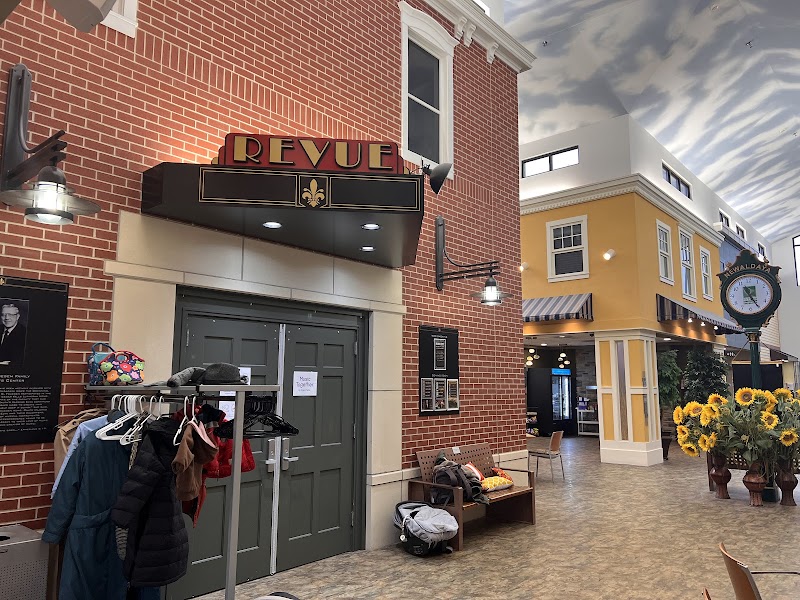
CMS rates Newaldaya Lifescapes's staffing level at 4 out of 5 stars, which is above average compared to other nursing homes. Staff turnover is 42%, compared to the Iowa average of 46%. This relatively stable workforce can support continuity of care.

What Have Inspectors Found at Newaldaya Lifescapes?

State health inspectors documented 12 deficiencies at Newaldaya Lifescapes during 2024 to 2025. These included: 1 Immediate Jeopardy (the most serious level, indicating potential for serious harm or death), 9 with potential for harm, and 2 minor or isolated issues. Immediate Jeopardy findings are rare and represent the most serious regulatory concerns. They require immediate corrective action.

Who Owns and Operates Newaldaya Lifescapes?

Newaldaya Lifescapes is owned by a non-profit organization. Non-profit facilities reinvest revenue into operations rather than distributing to shareholders. The facility operates independently rather than as part of a larger chain. With 112 certified beds and approximately 103 residents (about 92% occupancy), it is a mid-sized facility located in Cedar Falls, Iowa.

How Does Newaldaya Lifescapes Compare to Other Iowa Nursing Homes?

Compared to the 100 nursing homes in Iowa, Newaldaya Lifescapes's overall rating (3 stars) is below the state average of 3.1, staff turnover (42%) is near the state average of 46%, and health inspection rating (2 stars) is below the national benchmark.

What Should Families Ask When Visiting Newaldaya Lifescapes?

Based on this facility's data, families visiting should ask: "What changes have been made since the serious inspection findings, and how are you preventing similar issues?" "Can I visit during a mealtime to observe dining assistance and food quality?" "How do you handle medical emergencies, and what is your hospital transfer rate?" "Can I speak with family members of current residents about their experience?" These questions are particularly relevant given the facility's Immediate Jeopardy citations.

Is Newaldaya Lifescapes Safe?

Based on CMS inspection data, Newaldaya Lifescapes has documented safety concerns. Inspectors have issued 1 Immediate Jeopardy citation (the most serious violation level indicating risk of serious injury or death). The facility has a 3-star overall rating and ranks #100 of 100 nursing homes in Iowa. Families considering this facility should ask detailed questions about what corrective actions have been taken since these incidents.

Do Nurses at Newaldaya Lifescapes Stick Around?

Newaldaya Lifescapes has a staff turnover rate of 42%, which is about average for Iowa nursing homes (state average: 46%). Moderate turnover is common in nursing homes, but families should still ask about staff tenure and how the facility maintains care continuity when employees leave.

Was Newaldaya Lifescapes Ever Fined?

Newaldaya Lifescapes has been fined $132,074 across 1 penalty action. This is 3.8x the Iowa average of $34,400. Fines at this level are uncommon and typically indicate a pattern of serious deficiencies, repeated violations, or failure to correct problems promptly. CMS reserves penalties of this magnitude for facilities that pose significant, documented risk to resident health or safety. Families should request specific documentation of what issues led to these fines and what systemic changes have been implemented.

Is Newaldaya Lifescapes on Any Federal Watch List?

Newaldaya Lifescapes is not on any federal watch list. The most significant is the Special Focus Facility (SFF) program, which identifies the bottom 1% of nursing homes nationally based on persistent, serious quality problems. Not being on this list means the facility has avoided the pattern of deficiencies that triggers enhanced federal oversight. This is a positive indicator, though families should still review the facility's inspection history directly.