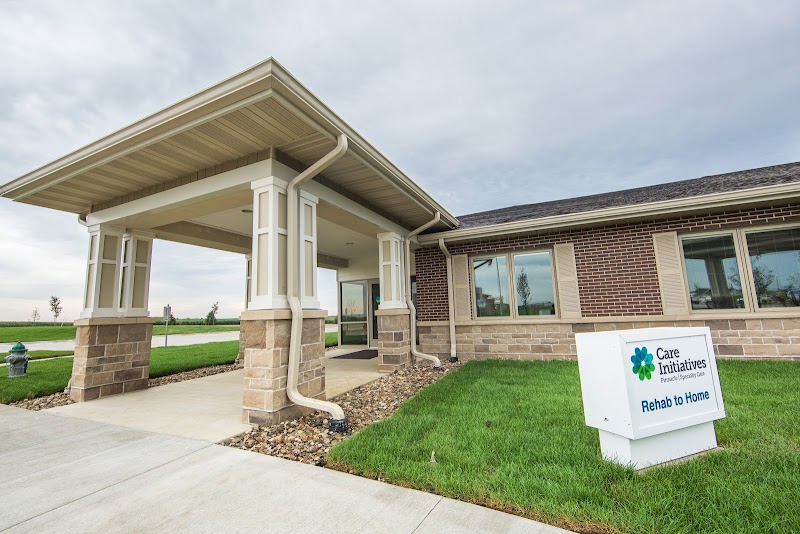
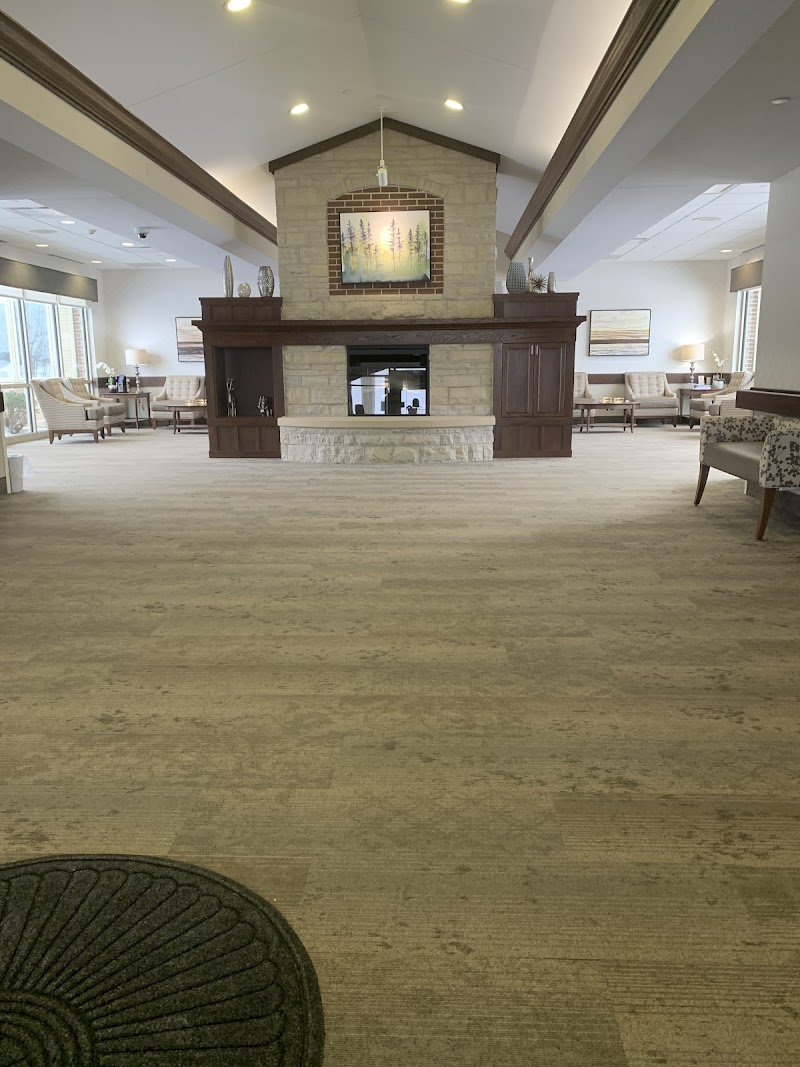
Pinnacle Specialty Care
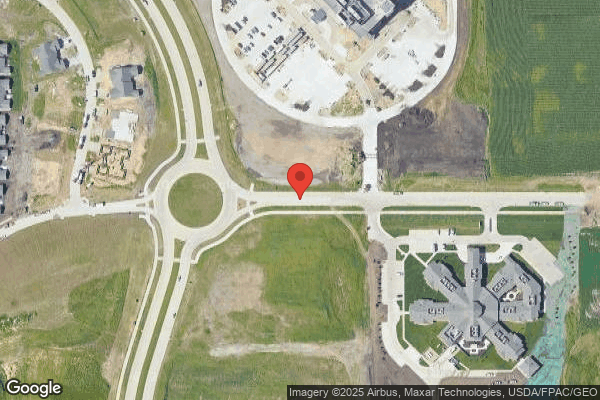
1223 Prairieview Road, Cedar Falls, IA 50613 (319) 268-0489
For profit - Corporation 100 Beds CARE INITIATIVES Data: November 2025
Trust Grade
58/100
#219 of 392 in IA
Last Inspection: July 2025

Inspected within the last 6 months. Data reflects current conditions.

Overview

Pinnacle Specialty Care in Cedar Falls, Iowa, has a Trust Grade of C, meaning it is average and sits in the middle of the pack compared to other facilities. It ranks #219 out of 392 facilities in Iowa, placing it in the bottom half, and #8 out of 12 in Black Hawk County, indicating limited local options. The facility is improving, with the number of issues decreasing from 6 in 2024 to 4 in 2025. Staffing is a strength, rated at 4 out of 5 stars, with a turnover rate of 38%, which is better than the state average. However, there have been some concerning incidents, including a failure to monitor a resident who developed a blood clot and issues with cleanliness in communal areas, which highlight areas where the facility needs to improve. Overall, while Pinnacle Specialty Care has strengths in staffing and is on an upward trend, it is essential for families to be aware of the existing issues.
Trust Score
C
58/100
In Iowa
#219/392
Bottom 45%
Safety Record
Moderate
Needs review
Inspections
Getting Better
6 → 4 violations
Staff Stability
○ Average
38% turnover. Near Iowa's 48% average. Typical for the industry.
Penalties
✓ Good
$8,362 in fines. Lower than most Iowa facilities. Relatively clean record.
Skilled Nurses
○ Average
Each resident gets 38 minutes of Registered Nurse (RN) attention daily — about average for Iowa. RNs are the most trained staff who monitor for health changes.
Violations
⚠ Watch
14 deficiencies on record. Higher than average. Multiple issues found across inspections.
★★★☆☆
3.0
Overall Rating
★★★★☆
4.0
Staff Levels
★★★☆☆
3.0
Care Quality
★★★☆☆
3.0
Inspection Score
Stable
2024: 6 issues
2025: 4 issues

The Good

  • 4-Star Staffing Rating · Above-average nurse staffing levels
  • Full Sprinkler Coverage · Fire safety systems throughout facility
  • No fines on record
  • Staff turnover below average (38%)

    10 points below Iowa average of 48%

Facility shows strength in staffing levels, fire safety.

The Bad

3-Star Overall Rating

Near Iowa average (3.1)

Meets federal standards, typical of most facilities

Staff Turnover: 38%

Near Iowa avg (46%)

Typical for the industry

Federal Fines: $8,362

Below median ($33,413)

Minor penalties assessed

Chain: CARE INITIATIVES

Part of a multi-facility chain

Ask about local staffing decisions and management

The Ugly 14 deficiencies on record

1 actual harm
Jul 2025 4 deficiencies
CONCERN (D)

Potential for Harm - no one hurt, but risky conditions existed

Safe Environment (Tag F0584)

Could have caused harm · This affected 1 resident

**NOTE- TERMS IN BRACKETS HAVE BEEN EDITED TO PROTECT CONFIDENTIALITY** Based on observation, staff interviews and policy review, the facility failed to provide a clean, comfortable and homelike envir...

Read full inspector narrative →
**NOTE- TERMS IN BRACKETS HAVE BEEN EDITED TO PROTECT CONFIDENTIALITY** Based on observation, staff interviews and policy review, the facility failed to provide a clean, comfortable and homelike environment. The facility reported a census of 92 residents. Findings include:Observation on 7/21/2025 at 11:37 AM in the dining room noted several chairs with dried food and spilled drinks on them. On 7/22/2025 at 8:32 AM witnessed the chairs in the dining room still had dried drinks and dried food on them. On 7/23/2025 at 9:14 AM observed the chairs in the dining room still had dried food and drinks on them. Throughout the dining room [ROOM NUMBER] chairs had dried dirty food and dried liquid spills. During an interview on 7/23/25 at 9:18 AM, Staff B, Housekeeping Aide, and Staff C, Housekeeping Aide, reported if Staff D, Maintenance, is in the building then they didn't clean the dining room. If he didn't work, then they cleaned the floors and clean the chairs. The reported the chairs get cleaned once a day. On 7/23/2025 at 9:21 AM Staff D reported he only cleaned the dining room floor. On 7/23/2025 at 10:08 AM, the Housekeeping Supervisor reported housekeeping deep cleaned the dining room chairs twice a month. While Staff D cleaned the floors. The Housekeeping Aides should check the chairs daily to make sure they are clean. On 7/23/2025 at 10:28 AM observed residents out to group exercise sitting in the dirty dining room chairs. The total 17 chairs in the dining room remained dirty. The facility policy titled Dining Room Audits revised October 2017 documented the facility audited the food and nutrition services department regularly to ensure that resident needs are met and that dining is a safe and pleasant experience for residents. The policy lacked direction on the cleaning frequency and the person/department responsible for cleaning the dining room.
CONCERN (D)

Potential for Harm - no one hurt, but risky conditions existed

Assessment Accuracy (Tag F0641)

Could have caused harm · This affected 1 resident

**NOTE- TERMS IN BRACKETS HAVE BEEN EDITED TO PROTECT CONFIDENTIALITY** Based on clinical record review and staff interviews the facility failed to accurately document and submit an accurate resident ...

Read full inspector narrative →
**NOTE- TERMS IN BRACKETS HAVE BEEN EDITED TO PROTECT CONFIDENTIALITY** Based on clinical record review and staff interviews the facility failed to accurately document and submit an accurate resident Minimum Data Set (MDS) Assessment for 1 of 2 residents reviewed (Resident #27). The facility reported a census of 92 residents.Findings Include:Resident #27's MDS assessment dated [DATE] documented a Brief Interview of Mental Status (BIMS) score of 15, indicating intact cognition. The MDS included diagnoses of anxiety, depression, and bipolar (mental health condition characterized by extreme mood swings, cycling between periods of mania and depression). The MDS lacked documentation of Post Traumatic Stress Disorder (PTSD) diagnosis. Review of the Psych Progress Notes for the initial visit dated 5/14/24 and current visit dated 4/15/25 included a diagnosis of PTSD. On 7/22/25 at 12:14 PM, the Administrator reported Social Services should review the Psych Notes to identify the resident's correct diagnoses and include them in the MDS. She reported the MDS should have included the PTSD diagnosis.
CONCERN (D)

Potential for Harm - no one hurt, but risky conditions existed

PASARR Coordination (Tag F0644)

Could have caused harm · This affected 1 resident

**NOTE- TERMS IN BRACKETS HAVE BEEN EDITED TO PROTECT CONFIDENTIALITY** Based on clinical record review and staff interview, the facility failed to complete a new Preadmission and Resident Review (PAS...

Read full inspector narrative →
**NOTE- TERMS IN BRACKETS HAVE BEEN EDITED TO PROTECT CONFIDENTIALITY** Based on clinical record review and staff interview, the facility failed to complete a new Preadmission and Resident Review (PASRR) evaluation as required for 2 of 2 reviewed (Residents #27 and #17). The facility reported a census of 92 residents.Findings include:1. Resident #27's Minimum Data Set (MDS) assessment dated [DATE] indicated the state level II PASRR process didn't consider they had a serious mental illness/intellectual disability or related condition. Resident #27's Minimum Data Set (MDS) assessment dated [DATE] documented a Brief Interview of Mental Status (BIMS) score of 15, indicating intact cognition. The MDS included diagnoses of anxiety, depression and bipolar (mental health condition characterized by extreme mood swings, cycling between periods of mania and depression). Resident #27's PASRR dated 4/9/24 documented a short-term approval ending 7/8/24. Resident #27's Electronic Health Record (EHR) lacked documentation of a new PASRR completed. Resident #27's Progress Notes lacked documentation of evidence of effort by the facility working to move them toward a successful discharge to a lower level of care on or before the short-term approval end. Review of the psych Progress Notes from initial visit dated 5/14/24 and current visit from 4/15/25 documents a diagnosis of PTSD and the PASRR lacked documentation of the diagnosis. On 7/22/25 at 12:00 PM, the Administrator reported Social Services as responsible for completing the PASRR assessments. She reported they identified the concern during their mock survey. When questioned if they completed a new one, she responded they still had it as a work in progress. She reported Social Services should document on discharge planning in the process notes. On 7/22/25 at 12:14 PM, the Administrator reported on 5/22/25 in the mock survey the facility noted a new PASRR needed to be completed. She reported it should have been done within the last 60 days but still was not completed. She further reported the social services should be reviewing the psych notes to make sure the correct diagnoses are identified and on the PASRR. 2. Resident #17's MDS assessment dated [DATE] included diagnoses of anxiety disorder, depression, bipolar disorder, and psychotic disorder. The MDS reflected Resident #17 received antipsychotic and antidepressant medication in the lookback period. The Care Plan Focus area dated 3/21/23 reflected Resident #17 had a behavior problem related to hallucinations and delusions. The situation caused Resident #17 to wander/exit seek, had paranoia, confusion, tearfulness, and made accusatory statements. The Care Plan Focus revised 5/21/24 identified Resident #17 had a risk for side effects from antipsychotic, antidepressant, and antianxiety drug use. In addition, Resident #17 had anxiety disorder, delusional disorder, hallucinations, bipolar, mood affective disorder, major depressive disorder severe with psychotic symptoms. Resident #17's Medical Diagnosis Sheet reviewed 7/22/25 included the following mental health related diagnoses: a. Major depressive disorder, recurrent severe with psychotic symptoms dated 5/16/22 b. Bipolar disorder manic without psychotic features dated 2/1/23 c. Unspecified mood disorder dated 2/1/23 d. Hallucinations, unspecified dated 2/1/23 e. Delusional disorder dated 2/1/23 f. Mild cognitive impairment /uncertain or unknown etiology dated 5/16/23 g. Anxiety disorder dated 5/16/23 Resident #17's Notice of PASRR Level 1 Screen Outcome dated 6/16/23 reflected a level I determination of level I negative, no status change. The PASRR only included the diagnosis of unspecified mood disorder. The rationale indicated Resident #17 didn't have a PASRR disability present because of no change occurred and there isn't evidence of a PASRR condition of an intellectual/developmental disability or serious behavioral health condition. If a status change occurs, then an updated Level I must be submitted by the nursing facility to report that change.
CONCERN (D)

Potential for Harm - no one hurt, but risky conditions existed

Deficiency F0657 (Tag F0657)

Could have caused harm · This affected 1 resident

**NOTE- TERMS IN BRACKETS HAVE BEEN EDITED TO PROTECT CONFIDENTIALITY** Based on clinical record review, policy review and staff interview, the facility failed to revise the resident care plan for 1 o...

Read full inspector narrative →
**NOTE- TERMS IN BRACKETS HAVE BEEN EDITED TO PROTECT CONFIDENTIALITY** Based on clinical record review, policy review and staff interview, the facility failed to revise the resident care plan for 1 of 22 residents reviewed (Resident #27). The facility identified a census of 92 residents. Findings include:Resident #27's MDS assessment dated [DATE] documented a Brief Interview of Mental Status (BIMS) score of 15, indicating intact cognition. The MDS included diagnoses of anxiety, depression, and bipolar (mental health condition characterized by extreme mood swings, cycling between periods of mania and depression). The MDS lacked documentation of Post Traumatic Stress Disorder (PTSD) diagnosis. Resident #27's psych Progress Notes from the initial visit dated 5/14/24 and current visit dated 4/15/25 documented a diagnosis of Post Traumatic Stress Disorder (PTSD). Resident #27's Physician Recommendations related to the antidepressant on 7/8/25 documented Resident #27 had a history of severe depression with a suicide attempt at another facility. Resident #27's Care Plan revised 4/2/25 lacked documentation and interventions for PTSD and the history of suicide. On 7/24/25 at 9:24 AM Staff A, Social Services Coordinator, reported Resident #27's Care Plan should include PTSD and her history of suicidal ideations. The other Social Services Coordinator should review the notes in the chart from the physicians and update the Care Plan to reflect her mental health needs.
Sept 2024 4 deficiencies
CONCERN (D)

Potential for Harm - no one hurt, but risky conditions existed

Transfer Notice (Tag F0623)

Could have caused harm · This affected 1 resident

Based on clinical record review and staff interview, the facility failed to notify the Long-Term Care (LTC) Ombudsman for 1 of 1 resident who transferred to the hospital (Resident #65). The facility r...

Read full inspector narrative →
Based on clinical record review and staff interview, the facility failed to notify the Long-Term Care (LTC) Ombudsman for 1 of 1 resident who transferred to the hospital (Resident #65). The facility reported a census of 81 residents. Findings include: Resident #65's Clinical Census report reviewed 9/5/24 reflected the following: a. 7/29/23: discharged to the hospital; returned 7/31/23 b. 9/17/23: discharged to the hospital; returned 9/22/23 c. 10/6/24: discharged to the hospital; returned 10/10/23 d. 2/1/24: discharged to the hospital; returned 2/7/24 e. 3/21/24: discharged to the hospital; returned 3/24/24 The clinical record lacked documentation of notification to the LTC Ombudsman of Resident #65's discharges to the hospital as required by Federal regulation. During an interview on 9/5/24 at 11:36 AM, the facility Social Worker (SW) reported she is the person responsible for sending the notification to the Ombudsman for discharges. The SW acknowledged she didn't notify the Ombudsman Resident #65's discharges to the hospital. She explained she expected they get notified. During an interview on 9/5/24 at 1:17 PM, the Director of Nursing (DON) stated the facility didn't have a policy for notification to the Ombudsman, they follow regulations.
CONCERN (D)

Potential for Harm - no one hurt, but risky conditions existed

ADL Care (Tag F0677)

Could have caused harm · This affected 1 resident

**NOTE- TERMS IN BRACKETS HAVE BEEN EDITED TO PROTECT CONFIDENTIALITY** Based on observations, interviews, and record review, the facility failed to bathe a resident on a frequent and consistent basis...

Read full inspector narrative →
**NOTE- TERMS IN BRACKETS HAVE BEEN EDITED TO PROTECT CONFIDENTIALITY** Based on observations, interviews, and record review, the facility failed to bathe a resident on a frequent and consistent basis for 1 of 1 resident reviewed (Resident #140). Resident #140 only received 1 bed bath in the 2 weeks since her admission. The facility reported a census of 81 residents. Findings include: Resident #140's Minimum Data Set (MDS) assessment dated [DATE] listed their admission date as 8/21/24 from a short-term general hospital stay. The MDS identified a Brief Interview for Mental Status (BIMS) score of 15, indicating intact cognition. Resident #140 required partial/moderate assistance for showering/bathing. The MDS included diagnoses of a fracture (broken bone) and pain in left leg. The Care Plan Focus area related to activities of daily living (ADL's) dated 8/21/24 listed a Goal for Resident #140 to participate during her ADLS as her condition allowed. The Interventions reflected the following: a. An immobilizer on her left lower extremity, with no knee flexion (bending in) for 6 weeks. b. Resident #140 required assistance from 1 staff for bathing. An Appointment/Visit Note dated 9/4/24 at 12:02 PM, indicated the Ortho (orthopedics surgical procedures on your bones, joints, and surrounding tissues and structures) provider that day. The Ortho provider gave orders for TTWB (toe touch weight bearing) to her LLE (left lower extremity) and use an immobilizer (keep knee in straight) while up. The order instructed to keep the leg extended at all times and she may remove the brace to wash her leg, if her leg can stay extended. They gave her a cortisone (helps to reduce swelling medication) injection to her R (right) knee that day, no restrictions to RLE (right lower extremity). A Doctor's Order dated 9/4/24 at 2:00 PM, directed Resident #140 must have an immobilizer to her left lower extremity while up with her leg extended at all times. The order included staff could remove the brace to wash her leg, if she could keep her leg extended. On 9/3/24 at 2:05 PM, observed Resident #140 sitting in a recliner with a leg brace on her left leg. Resident #140 reported she had a concern. She explained a staff member tried to take off her brace to give her a shower. Resident #140 told the staff member she couldn't take her brace off. She stated the staff person then gave her a bed bath. Resident #140 reported it as the first bed bath she received in the 2 weeks she lived at the facility. The point of care (POC) response history lookback for the previous 30 days printed 9/4/24 related to ADL Self-Care - Shower/Bathe self on Mondays and Thursdays on the second shift reflected the staff provided total assistance for Resident #140's bath on 9/2/24. The remaining documentation reflected on 8/22/24, Resident #140 refused a bath, then on 8/29/24 and 9/4/24 indicated not applicable as the task not attempted. On 9/4/24 at 4:36 PM, Staff B, Certified Nurse Aide (CNA), stated he worked on 8/29/24 on the second shift. He explained he shouldn't have documented the bath as not applicable. He added if he did, it must be one of those zoned out mistakes on his end. Staff B didn't remember giving Resident #140 a shower that. Staff B didn't remember Resident #140 refusing a shower from him. Staff B stated he didn't offer Resident #140 a shower. He explained he showed up a few hours after the shift started and worked from 4:00 PM to 10:00 PM, as he had college classes until 3:15 PM. Staff B denied knowing Resident #140 needed a shower. On 9/5/24 at 10:14 AM, Staff C, CNA, reported she didn't remember documenting not applicable for Resident #140's shower. She said she must have hit the button on accident, as she never gave or offered Resident #140 a shower. On 9/5/24 at 8:45 AM, Resident #140 explained someone offered her a shower the day before. She stated they came in and said we are going to shower you now. She stated she wasn't ready for a shower. The staff told her she could have a shower because she could take off her brace from her leg now. Resident #140 reported she told the staff member she didn't feel comfortable yet to take a shower and requested to have a bed bath instead later that night after her company left. Resident #140 stated she had visitors in the room and wanted to visit more. She added no one had mentioned her taking a shower or bed bath that day to her, so she didn't know she should have one. Resident #140 explained a staff person came back into her room after this and had her sign a statement. Resident #140 stated she didn't know for sure what she signed but thought it might be something about refusing her shower. After her visitor left, she asked the CNAs if she could talk with the staff person who had her sign something. The CNAs left and when they returned to the room, they stated that the staff person's door was closed and they were gone for the day. On 9/5/24 at 9:00 AM, the Director of Nursing (DON) came in with the following 2 Internal Investigation Witness Statements. The DON stated that her ADON had the resident sign a witness statement regarding refusal of shower. The DON stated that she, the DON, then talked with the resident on this day and had her sign a Witness Statement as well. The DON was then asked if they would have documented bed baths in the tasks. She stated yes. a. An Internal Investigation Witness Statement dated 9/4/24 signed by Resident #140 reflected a statement that the girls always give her a bed bath every night. She didn't want to get a shower with her leg, so the girls give her one every night. b. An Internal Investigation Witness Statement dated 9/5/24, reflected the DON interviewed Resident #140 about a shower incident. The statement indicated Resident #140 got a bed bath the night before and they did a good job. The statement documented she still felt a little bit leery about taking a shower as they just took her stitches out. She added she didn't feel ready for a shower yet. The statement included Resident #140's signature. Following the conversation, the ADON came into the room and reported Resident #140 did say she had a bed bath every night. When told Resident #140's electronic health record didn't reflect that and she reported she received 2 bed baths since her admission which included the one from the night before, the ADON responded that wasn't what Resident #140 told her. When told Resident #140 didn't know for sure what she signed but thought it had to do with her refusing a shower the night before, the ADON repeated Resident #140 said she got a bed bath every night. The DON returned shortly after the above conversations. She acknowledged the concern Resident #140 reported only having 2 bed baths and the documentation of not applicable regarding showers on 2 of the 4 entries reviewed. A Bath, Shower/Tub policy revised on February 2018, defined the purpose as to promote cleanliness, provide comfort to the resident, and to observe the condition of the resident's skin. The policy instructed to chart the date and time they performed the shower or tub bath. The name and title of the individual(s) who assisted the resident with the shower/tub bath. If the resident refused the shower/tub bath, the reason(s) why and the intervention taken. The signature and title of the person recording the data. The policy indicated to notify the supervisor if the resident refused the shower/tub bath and/or other information in accordance with facility policy and professional standards of practice.
CONCERN (D) 📢 Someone Reported This

A family member, employee, or ombudsman was alarmed enough to file a formal complaint

Potential for Harm - no one hurt, but risky conditions existed

Accident Prevention (Tag F0689)

Could have caused harm · This affected 1 resident

**NOTE- TERMS IN BRACKETS HAVE BEEN EDITED TO PROTECT CONFIDENTIALITY** Based on interviews, observations, and record review, the facility failed to provide safety interventions for 1 of 4 residents r...

Read full inspector narrative →
**NOTE- TERMS IN BRACKETS HAVE BEEN EDITED TO PROTECT CONFIDENTIALITY** Based on interviews, observations, and record review, the facility failed to provide safety interventions for 1 of 4 residents reviewed (Resident #140). The facility was aware that Resident #140's wheelchair brakes didn't work. They continued to transfer her in and out of her wheelchair without repairing the wheelchair brakes or replacing the wheelchair with a different wheelchair which had working brakes. The facility reported a census of 81 residents. Findings include: Resident #140's Minimum Data Set (MDS) assessment dated [DATE] listed their admission date as 8/21/24 from a short-term general hospital stay. The MDS identified a Brief Interview for Mental Status (BIMS) score of 15, indicating intact cognition. Resident #140 required partial/moderate assistance for showering/bathing. The MDS included diagnoses of a fracture (broken bone) and pain in left leg. The Care Plan Focus area related to activities of daily living (ADL's) dated 8/21/24 listed a Goal for Resident #140 to participate during her ADLS as her condition allowed. The Interventions reflected the following: a. An immobilizer on her left lower extremity, with no knee flexion (bending in) for 6 weeks. b. Resident #140 required assistance from 1 staff for bathing. An Appointment/Visit Note dated 9/4/24 at 12:02 PM, indicated the Ortho (orthopedics surgical procedures on your bones, joints, and surrounding tissues and structures) provider that day. The Ortho provider gave orders for TTWB (toe touch weight bearing) to her LLE (left lower extremity) and use an immobilizer (keep knee in straight) while up. The order instructed to keep the leg extended at all times and she may remove the brace to wash her leg, if her leg can stay extended. They gave her a cortisone (helps to reduce swelling medication) injection to her R (right) knee that day, no restrictions to RLE (right lower extremity). A Doctor's Order dated 9/4/24 at 2:00 PM, directed Resident #140 must have an immobilizer to her left lower extremity while up with her leg extended at all times. The order included staff could remove the brace to wash her leg, if she could keep her leg extended. On 9/3/24 at 2:05 PM, observed Resident #140 sitting in a recliner with a leg brace on her left leg. On 9/4/24 at 1:56 PM, Resident #140 said her wheelchair (w/c) brakes didn't work. While at her ortho appointment, they told her to tell the facility her brakes didn't work. She reported she hadn't said anything about it but, the staff said something about it as they put their foot behind the wheel to stop the w/c from rolling back when they transferred her in and out. She declared she didn't want to fall again. That morning a gal from therapy transferred her and she did a wonderful job. She said the night before 2 gals came in who were difficult to understand, but they understood her because she told them to use the gait belt and they did. She said her ortho appointment went really well that day. Because she had a pain pill after she returned from her appointment that made her a little sleepy, so she hadn't relayed that she needed a different w/c to anyone yet. Resident #140 sat in her recliner with her legs elevated. On 9/4/24 at 3:23 PM, Staff E, Registered Nurse (RN), explained she gave direction to the 2 day shift Certified Nurse Aides (CNAs) to swap the w/c out for a different one. She confirmed she knew the w/c brakes didn't work and she told the CNAs to swap it out for one with working brakes. Staff E verified the w/c in the room was the one that needed to be swapped out for a new one. Staff E told Resident #140 that she would swap it out and took the w/c out of the room to change it. Staff E stated that she told the CNAs to change her w/c out that morning probably around 11:00 AM or 12:00 PM. On 9/5/24 at 8:45 AM, Resident #140 stated it was funny but after mentioning the wheelchair brakes to the surveyor, a half an hour later they came in and switched out her wheelchair. She stated they talked about how the wheelchair brakes didn't work and how she needed a different wheelchair since her admission. She stated the nurses, CNAs, the ortho clinic staff, and even the transport driver who took her to her ortho appointments talked about how she needed a different wheelchair with brakes that worked. On 9/5/24 at 11:01 AM, Resident #140 verbalized appreciation for the brakes being fixed on her wheelchair yesterday. She said that morning when the therapy staff took her to therapy, they said they fixed the wheelchair. On 9/5/24 at 11:02 AM, Staff F, Certified Occupational Assistant (COTA), stated she took her to therapy that morning. She reported being happy when she noticed they fixed the w/c brakes. Staff F explained they found Resident #140's wheelchair brakes not working sometime the previous week or the week before. She thought another therapy worker put in a work order for someone to fix them sometime last week. She declared it challenging to transfer Resident #140 in and out of the w/c with the brakes loose. Staff F said they had discussions about the wheelchair brakes needing fixed but they couldn't find any documentation of the conversations nor have documentation of a work order. On 9/5/24 at 11:30 AM, the Maintenance Supervisor stated he didn't receive a work order to fix Resident #140's wheelchair brakes. He stated he went through all of his work orders and couldn't find any for Resident #140. He added he didn't do anything with Resident #140's w/c. He reported if he received a work order to fix Resident #140's or any residents' wheelchair brakes he would have done them immediately. He stated that he wouldn't wait around to fix wheelchair brakes that didn't work because of the possibility that broken brakes could cause harm to a resident. On 9/5/24 at 1:18 PM, the Director of Nursing (DON), provided the Activities of Daily Living (ADLs), as the policy for the w/c brakes not functioning properly and pushing residents in w/c's with their feet on the floor. She reported it as the closest policy the facility had to cover the incident. This DON acknowledged the concern with the incidents. An Activities of Daily Living (ADLs), Supporting policy revised March 2018, directed staff to provide residents with care, treatment and services as appropriate to maintain or improve their ability to carry out activities of daily living (ADLs). Residents who are unable to carry out activities of daily living independently, will receive the services necessary to maintain good nutrition, grooming, personal and oral hygiene. Policy Interpretation and Implementation a. Residents will be provided with care, treatment and services to ensure that their activities of daily living (ADLs) don't diminish unless the circumstances of their clinical condition(s) demonstrate that diminishing ADLs are unavoidable. The facility will provide the appropriate care and services for residents unable to carry out their ADLs independently, with the consent of the resident and in accordance with the plan of care, including appropriate support and assistance with mobility (transfer and ambulation, including walking). b. Care and services to prevent and/or minimize functional decline will include appropriate pain management, as well as treatment for depression and symptoms of depression.
CONCERN (D)

Potential for Harm - no one hurt, but risky conditions existed

Deficiency F0805 (Tag F0805)

Could have caused harm · This affected 1 resident

**NOTE- TERMS IN BRACKETS HAVE BEEN EDITED TO PROTECT CONFIDENTIALITY** Based on clinical record review, interview and policy review, the facility failed to serve the correct diet for 1 of 2 residents...

Read full inspector narrative →
**NOTE- TERMS IN BRACKETS HAVE BEEN EDITED TO PROTECT CONFIDENTIALITY** Based on clinical record review, interview and policy review, the facility failed to serve the correct diet for 1 of 2 residents reviewed for nutrition (Resident #41). The facility reported a census of 81 residents. Findings include: Resident #41's Minimum Data Set (MDS) assessment dated [DATE], identified a Brief Interview for Mental Status (BIMS) score of 5, indicating severe cognitive impairment. Resident #41 required set up help for eating. The MDS included diagnoses of cardiorespiratory (heart and lung) conditions, heart failure, renal insufficiency (impaired kidney function), arthritis, stroke, malnutrition (inadequate nutrition), non Alzheimer's dementia, and esophageal obstruction (blockage in the throat). The Care Plan Focus dated 10/19/23, reflected Resident #41 had a diet order for regular/no added salt (NAS), mechanical soft texture (a type of texture modified diet for people who have difficulty chewing and swallowing. Foods may be pureed, ground, finely chopped, or blended to make eating safer), and thin liquids. The Care Plan Interventions instructed the staff to provide her with meals that are within her diet. The Physician Order dated 10/19/23 listed a diet texture of mechanical soft. During an interview on 9/3/24 at 11:35 AM, Resident #41's family member stated Resident #41 has a mechanical soft diet. They explained the facility gave them meat not ground when the family member visited. One time they served Resident #41 a chicken leg, but Resident #41's family member sent it back. In the past July, the facility didn't grind the chicken leg and it had the bone intact. Resident #41 ate in her room. Also, in July the facility gave Resident #41 unground ham and fish. The family member reported she talked to the Administrator about this. During an interview on 9/4/24 at 11:30 AM, the Administrator denied any memory of the family member coming to him about how Resident #41 received their diet texture and added he didn't have knowledge of a grievance filed. The Administrator declared it a concern if a resident received food not according to their diet order. The Administrator expected the staff to follow diet orders. During an interview on 9/4/24 at 12:35 PM, Resident #41's family member reported she had pictures of the incorrect texture of food the facility served to Resident #41. Resident #41's family member stated she talked to the Administrator in July, after she took some pictures, she showed the Administrator the pictures of the unground meat. The Administrator told her that maybe they didn't grind up the fish because it is flaky. Resident #41's family member stated she stopped the Administrator in the hallway to talk to him, he stated he would look into it. A review of the photographs taken by Resident #41's family member revealed a plate containing two fillets of fish, a piece of bread with butter and rice. The picture didn't have a ticket next to it, they stated they took in July of that year. The second picture showed a plate with two pieces of dry bread with slices of ham in pieces and a whole piece of cheese. The picture included a ticket next to the plate with a date of 7/22/24, Resident #41's name at the top and food listed as 1 Milk chocolate (8 Fl oz), 1 Ham Sandwich Ground (4 oz), 1 Cream potato soup (6 oz), 1 Mashed Potatoes (1/2 Cup), 1 Crackers (2), 1 Pudding (1/2 cup), 1 Strawberry Shortcake (1 slice), 1 Iced tea (8 Fl oz). Under this is listed Diet: Mechanical Soft, *Regular/NAS Diet, Fluids Thin TN0. During an interview on 9/4/24 at 12:59 PM, the Dietary Manager (DM) advised knowledge of the residents' diets because the nurses brought the orders and it is printed on their meal ticket. Resident #41 is on a mechanical soft diet, she preferred soft foods as she has a harder time eating. The DM defined a mechanical soft diet as things easy to chew, are in small pieces, or ground up. The DM stated all of the meat served to Resident #41 should be ground up. The DM stated fish is not put in the grinder, however should be cut it up in small pieces. Chicken is ground up, it shouldn't be served on the bone. The DM advised it is possible the cook didn't follow the resident's diet order and served her incorrect food texture in July of that year. The DM stated they expected the resident's food meet the criteria for mechanical soft and advised chicken served on the bone, fish not cut up in small pieces up or ham not ground wouldn't fit the criteria for mechanical soft. The DM stated a concern for the resident choking. The DM stated she expected the facility to follow diet orders. During an interview on 9/5/24 at 1:03 PM, the DM advised the corporation sends out the spreadsheets for the diets, they follow the spreadsheet for the type of diet a resident received. The DM reviewed the spreadsheet for chicken on the bone for a mechanical soft diet, this documented for the chicken to be ground, off the bone. The DM stated a resident on a mechanical soft diet would receive chicken off the bone that they processed in the robot coupe (specialized blender) and ground, she usually used a chicken breast for this with no skin. The spreadsheet for a ham sandwich for a resident on a mechanical soft diet documented for the ham to be ground. The DM stated this would be done by placing the ham in the robot coupe to grind it and then placing the ground up ham on the bread. The spreadsheet for fish (tilapia fillet) for a mechanical soft diet documented for the fish to be ground. The DM stated fish didn't grind up well in the robot coupe, the fish should be broken apart into small pieces to be served to the resident on a mechanical soft diet. The Orders Designating Diet policy, revised September 2017, directed the physicians shall provide appropriate diet orders and the facility should provide the residents appropriate nutrition and hydration.
Feb 2024 2 deficiencies
CONCERN (D) 📢 Someone Reported This

A family member, employee, or ombudsman was alarmed enough to file a formal complaint

Potential for Harm - no one hurt, but risky conditions existed

Resident Rights (Tag F0550)

Could have caused harm · This affected 1 resident

**NOTE- TERMS IN BRACKETS HAVE BEEN EDITED TO PROTECT CONFIDENTIALITY** Based on observation, clinical record review, and staff, resident, and visitor interviews, the facility failed to respect dignit...

Read full inspector narrative →
**NOTE- TERMS IN BRACKETS HAVE BEEN EDITED TO PROTECT CONFIDENTIALITY** Based on observation, clinical record review, and staff, resident, and visitor interviews, the facility failed to respect dignity for 1 of 5 residents reviewed (Resident #2). On 1/20/24-1/21/24 facility staff were aware that Resident #2's call light was not working. Resident #2 was incontinent and staff failed to provide a means for the Resident to contact staff for toileting, and assistance with other needs. The facility reported a census of 94 residents. Findings include: In an interview on 2/13/24 at 11:20 a.m. a visitor reported on 1/20/24 she was at the facility and found Resident #2's bedside call light was not working. Stated she was in the resident's room for 2.5 hours on the evening shift and no staff entered the room. The visitor further stated she had informed the nurse on duty and was told that nothing could be done on the weekend to repair the call light. The visitor reported that during her visit Resident #2 was incontinent, toileted himself, and would have fallen if she hadn't been there. The visitor further expressed concern that the Resident was unable to get help to get his pants pulled up and went out into the hallway half dressed to get help from staff. The quarterly Minimum Data Set (MDS) dated [DATE] revealed a Brief Interview for Mental Status (BIMS) score of 15 out of 15, indicating intact cognition. The MDS further documented the resident required set up or clean up, and supervision or touching transfer assistance for toileting. Review of a re-admission assessment completed on 2/2/24 documented the resident was alert and oriented to person, place, time, situation, and forgetful. In an interview on 2/13/24, Resident #2 responded that he recalled the weekend that his call light was not working and he couldn't get assistance from staff and that had made him feel low. The Care Plan dated as initiated on 1/4/24 revealed the resident was identified at high risk for falls and required assistance with Activities of Daily Living (ADL's). The Care Plan directed staff the resident required assistance of one staff for toileting and transfer, and to anticipate and meet the residents needs to complete cares with dignity and safety due to behavior problems. On 1/31/24 at 9:00 a.m., the residents call light in his room was observed functioning properly. In an interview on 2/1/24 at 1:59 p.m. Staff A, Registered Nurse (RN) reported on 1/20/24 she was informed by a visitor that Resident #2's call light was not working. Staff A stated that she had not contacted maintenance or set up formal frequent checks or monitoring. Staff A responded that she should have called maintenance and initiated 15-minute checks and closer monitoring when she determined the call light was not working. On 2/1/24 at 1:52 p.m. Staff B, Licensed Practical Nurse (LPN) stated that she had worked the day shift (6:00 a.m.-2:00 p.m.) on 1/20/24 and 1/21/24 and was unaware there were any concerns with Resident #2's call light. Staff B responded that she would expect the staff to notify her when a call light was not working properly. Staff B further stated she would have verified the call light was not working, called maintenance to fix, and provided closer monitoring until the call light was repaired. Staff B responded Resident #2 was continent and able to use the call light to inform staff when he needed assistance and to use the bathroom. On 1/31/24 at 11:19 a.m., the Maintenance Supervisor verified Resident #2's call light was repaired on 1/21/24 by replacing the cord. Stated he is available 24 hours/7 days a week and would expect to be notified right away when there is a safety concern like a call light not working. The Maintenance Supervisor stated that he had not been called and had only been made aware on 1/21/24 when he was at the facility for another issue. In an interview on 2/1/24 at 2:15 p.m. the Administrator stated he would expect staff to call maintenance on call to repair a call light not working properly and to implement measures to provide closer monitoring. The Administrator stated the facility had no documentation of routine, more frequent, or closer monitoring for Resident #2 when his call light was known to not be functioning at the bedside on 1/20/24-1/21/24. A policy titled Answering the Call Light revised 3/2021 identified the procedure is to ensure timely responses to the resident's requests and needs and directed the staff to be sure that the call light is plugged in and functioning at all times and to report all defective call lights to the nurse supervisor promptly. Review of an Employee Coaching Worksheet dated 2/1/24 documented Staff A, RN received verbal coaching which included direction to call maintenance right away for call light problems, place the resident on 15-minute checks, and offer to move the resident to another room. Review of a facility worksheet titled Weekend Manager revealed general duties included: Check maintenance box at the nurse's station for any work requests that need to be addressed immediately, call lights not working is an emergency. The facility was unable to provide a facility policy related to dignity or residents rights.
CONCERN (D) 📢 Someone Reported This

A family member, employee, or ombudsman was alarmed enough to file a formal complaint

Potential for Harm - no one hurt, but risky conditions existed

Deficiency F0919 (Tag F0919)

Could have caused harm · This affected 1 resident

**NOTE- TERMS IN BRACKETS HAVE BEEN EDITED TO PROTECT CONFIDENTIALITY** Based on observation, record review, staff and visitor interview, and policy review, the facility failed to ensure the resident ...

Read full inspector narrative →
**NOTE- TERMS IN BRACKETS HAVE BEEN EDITED TO PROTECT CONFIDENTIALITY** Based on observation, record review, staff and visitor interview, and policy review, the facility failed to ensure the resident call system functioned properly for 1 of 5 residents reviewed (Resident #2). The facility reported a census of 94. Findings include: In an interview on 2/13/24 at 11:20 a.m. a visitor reported on 1/20/24 she was at the facility and found Resident #2's bedside call light was not working. Stated she was in the resident's room for 2.5 hours on the evening shift and no staff entered the room. The visitor further stated she had informed the nurse on duty and was told that nothing could be done on the weekend to repair the call light. The visitor reported that during her visit Resident #2 was incontinent, toileted himself, and would have fallen if she hadn't been there. The quarterly Minimum Data Set (MDS) dated [DATE] revealed a Brief Interview for Mental Status (BIMS) score of 15 out of 15, indicating intact cognition. The MDS further documented the resident required set up or clean up, and supervision or touching transfer assistance for toileting. The Care Plan dated as initiated on 1/4/24 revealed the resident was identified at high risk for falls and required assistance with Activities of Daily Living (ADL's). The Care Plan directed staff the resident required assistance of one staff for toileting and transfer, and to anticipate and meet the residents needs to complete cares with dignity and safety due to behavior problems. On 11/31/24 at 9:00 a.m., the residents call light in his room was observed functioning properly. In an interview on 2/1/24 at 1:59 p.m. Staff A, Registered Nurse (RN) reported on 1/20/24 she was informed by a visitor that Resident #2's call light was not working. Staff A stated that she had not contacted maintenance or set up formal frequent checks or monitoring. Staff A responded that she should have called maintenance and initiated 15-minute checks and closer monitoring when she determined the call light was not working. On 2/1/24 at 1:52 p.m. Staff B, Licensed Practical Nurse (LPN) stated that she had worked the day shift (6:00 a.m.-2:00 p.m.) on 1/20/24 and 1/21/24 and was unaware there were any concerns with Resident #2's call light. Staff B responded that she would expect the staff to notify her when a call light was not working properly. Staff B further stated she would have verified the call light was not working, called maintenance to fix, and provided closer monitoring until the call light was repaired. Staff B responded Resident #2 was continent and able to use the call light to inform staff when needed assistance and to use the bathroom. On 1/31/24 at 11:19 a.m., the Maintenance Supervisor verified Resident #2's call light was repaired on 1/21/24 by replacing the cord. Stated he is available 24 hours/7 days a week and would expect to be notified right away when there is a safety concern like a call light not working. The Maintenance Supervisor stated that he had not been called and had only been made aware on 1/21/24 when he was at the facility for another issue. In an interview on 2/1/24 at 2:15 p.m. the Administrator stated he would expect staff to call maintenance on call to repair a call light not working properly and to implement measures to provide closer monitoring. The Administrator stated the facility had no documentation of routine, more frequent, or closer monitoring for Resident #2 when his call light was known to not be functioning at the bedside on 1/20/24-1/21/24. A policy titled Answering the Call Light revised 3/2021 identified the procedure is to ensure timely responses to the resident's requests and needs and directed the staff to be sure that the call light is plugged in and functioning at all times and to report all defective call lights to the nurse supervisor promptly. Review of an Employee Coaching Worksheet dated 2/1/24 documented Staff A, RN received verbal coaching which included direction to call maintenance right away for call light problems, place the resident on 15-minute checks, and offer to move the resident to another room. Review of a facility worksheet titled Weekend Manager revealed general duties included: Check maintenance box at the nurse's station for any work requests that need to be addressed immediately, call lights not working is an emergency.
Nov 2023 1 deficiency 1 Harm
SERIOUS (G) 📢 Someone Reported This

A family member, employee, or ombudsman was alarmed enough to file a formal complaint

Actual Harm - a resident was hurt due to facility failures

Quality of Care (Tag F0684)

A resident was harmed · This affected 1 resident

**NOTE- TERMS IN BRACKETS HAVE BEEN EDITED TO PROTECT CONFIDENTIALITY** Based on clinical record review, staff, family, and provider interviews the facility failed to provide ongoing assessments, inte...

Read full inspector narrative →
**NOTE- TERMS IN BRACKETS HAVE BEEN EDITED TO PROTECT CONFIDENTIALITY** Based on clinical record review, staff, family, and provider interviews the facility failed to provide ongoing assessments, intervention, and physician updates to inform of an ongoing change in condition, for 1 of 6 residents reviewed (#1) who exhibited left leg swelling, intermittent pain, warmth, and a lump behind the left knee which resulted in the resident being transferred to a local emergency room with a blood clot on 6/6/23 after discharge from the facility to an Assisted Living home on 6/5/23. The facility reported a census of 89 residents. Findings include: According to the Quarterly Minimum Data Set (MDS) dated [DATE] Resident #1 had admitted to the facility on [DATE] with diagnoses including malnutrition, muscle weakness, and COPD. The resident had a Brief Interview for Mental Status (BIMS) score of 8 out of 15 indicating moderately impaired cognitive ability. The resident required extensive assistance of 1 staff for transfers, dressing, and personal hygiene. Review of Resident #1's Care Plan dated as created 6/1/23 identified the resident experienced the presence of frequent pain and directed staff to monitor for worsening pain symptoms and report to the physician. Review of electronic Progress Notes for Resident #1 included the following documentation related to left lower extremity: 5/26/23 at 11:20 a.m. Resident reported issues with the left side of her body being numb and a slight headache. Resident assessed, no facial drooping and hand grasps equal. Resident denies still having symptoms. 5/28/23 at 11:05 a.m. Resident complains of feeling weak while standing, family reported resident having calf pain, Homan sign (considered a sign of a deep vein thrombosis or blood clot of a deep vein) negative to Right leg. 5/29/23 at 10:37 a.m. Resident has 1+ edema to left lower extremity, no pain or warmth noted upon palpation. 5/30/23 at 8:42 a.m., Staff A, Licensed Practical Nurse (LPN) documented: Resident complains of pain to the back of her left knee. Area was warm and tender to touch. Question if palpated a very small lump to the posterior medial aspect of the knee. Call out to Provider AA. 5/30/23 at 11:10 a.m., Staff A, LPN documented: Area is no longer warm or tender to touch, denied pain currently. Family requested no intervention now, as resident currently being assessed by assisted living representative. 5/31/23 at 10:44 a.m. Staff B, Registered Nurse (RN) documented that family does not want resident to go out on appointment, call placed to Provider AA to see if she would come and see resident in the facility. 5/31/23 at 2:30 p.m. Staff B, RN documented Provider AA not able to come and see resident at facility, but is ok with resident seeing another group provider. 5/31/23 at 3:33 p.m. Edema to Left Lower Extremity is down. 6/3/23 at 8:47 a.m. Left leg is noted with 1+ edema, no erythema (redness) or increased warmth noted. 6/3/23 at 9:10 p.m. Staff C, RN documented called to room by patients two daughters. Concerned about swelling to the left leg. Assessment of left lower extremity, noted mild swelling. Denies pain upon palpation, no abnormalities felt, skin temperature normal. Resident given an ice pack to place behind knee and assisted to elevate. Temperature 100.8, Tylenol given and effective. 6/5/23 at 9:26 a.m. Discharge summary: resident left via private vehicle with family. Review of the electronic record temperature summary included the following: 6/3/23 at 7:25 p.m. 100.8 degrees Fahrenheit, forehead reading 6/4/23 at 3:54 p.m. 100.2 degrees Fahrenheit, forehead reading 6/4/23 at 7:06 p.m. 100.4 degrees Fahrenheit, forehead reading Review of a document titled Transitional Care Team Discharge Summary, completed by Provider BB, on 6/2/23 at 10:00 a.m. included: Resident has slight edema in her left leg, mild pain in her left calf. TED hose (compression stockings) have been ordered to be applied. Review of a Physician's Order Sheet and Progress Note dated 6/2/23 documented Provider BB ordered [NAME] hose on daily, OK to discharge to assisted living facility. Provider BB documented left leg +1 edema, pain in the left calf, no redness or warmth. Review of a Health Care Provider's Order sheet, dated as written on 6/2/23 at 10:23 a.m. by Provider AA revealed a new order for compression stockings (medium) knee high, and Lasix (diuretic) 20 mg daily as needed for edema. Review of Occupational Therapy Treatment Encounter Notes included the following: 5/30/23 Patient reporting discomfort in the neck, back, and left lower extremity. Pain with movement rated 8/10. Patient limited by pain to session interventions. 5/31/23 Nurse came in to check on resident left lower extremity due to pain. Resident not agreeable to completing STS (sit to stand) transfer to a 2 wheeled walker. Pain with movement rated 5/10. 6/1/23 Session missed as resident being assessed. 6/2/23 Resident agreeable to theraband exercises for bilateral upper extremity strength, rated pain at rest 3/10, location left lower extremity. Review of Provider AA's clinic encounter notes included: Clinic RN attempted to return a call to the facility on 5/30/23 at 9:18 a.m. Noted on hold too long. 5/31/23 at 10:55 a.m. Clinic RN documented Staff B, RN had reported that resident on skilled level of care and a provider has to stop in and see her at the facility. Wants to know if Provider AA will see her or if another provider is available to see her. 5/31/22 at 2:24 p.m. Provider AA instructed to call facility and let know that Resident will either need to come in for an appointment or see another provider prior to her discharge. 5/31/23 at 2:28 p.m. clinic medical assistant noted had spoken to Staff B, RN and she will have Provider BB take care of it. 6/1/23 at 3:10 p.m. clinic medical assistant noted family had questioned if anyone had contacted Provider AA regarding lower extremity edema and possible an order for compression stockings. 6/2/23 at 7:57 a.m. Provider AA requested clinic staff call facility with a verbal order for compression stockings plus Lasix 20 mg as needed for edema. 6/2/23 at 9:39 a.m. clinic medical assistant spoke to facility staff nurse who reported Resident #1's left ankle does have some edema, denied pitting edema. Stated that resident would benefit from compression stockings. Review of a facility form titled Concern Investigation form, dated 6/6/23, provided by the Director of Nursing (DON) documented that a family member informed the facility that Resident #1 had been taken to the emergency room and has a blood clot behind her left leg. Additionally, documented family had told multiple nurses about the pain in the left leg During an interview on 11/8/23 at 2:15 p.m. Staff A, LPN recalled on 5/30/23 at 8:44 a.m. Resident #1 had complained of pain to the back of the left knee. Noted the area was warm and tender to touch, confirmed she had found a small lump behind the knee, and the left lower leg was swollen. Responded that she had been concerned about a blood clot, so had called Provider AA, but had not received a return call. When asked what she would expect to have done in response to a suspected blood clot, she responded that she should have made a mark and measured the circumference of the leg at the mark so they could monitor, however stated she had not measured. Further responded that she should have checked for a positive Homan's sign, which she thought she may have done, but should have documented and had not. Additionally stated, would be expected to assess skin temperature, look for redness, swelling, pain, notify provider, and put on report for the next shift. Staff A had further documented prior to the end of her shift that area was no longer warm or tender to touch. Stated when you call a provider and don't hear back would assure communicated to the next shift, and would expect them to follow up. Staff A stated she couldn't recall if she had passed on the information through daily shift report. On 11/9/23 at 3:37 p.m. Staff A, LPN clarified that she had shared her assessment when she notified the provider's office on 5/30/23. The facility was unable to provide daily report sheets for 5/26/23-6/5/23. During an interview on 11/8/23 at 2:52 p.m., Staff B, RN/Assistant Director of Nursing (ADON) recalled that she had been alerted on 5/31/23 that Provider AA was unable to see Resident #1 at the facility to complete a discharge assessment and documented would attempt to get a provider to see in house as family didn't want resident going out for an appointment. The ADON confirmed that Provider BB had seen resident on 6/2/23. Reviewed with the ADON that Staff A reported had been concerned about a blood clot on 5/30/23 and had made a call to the provider, but hadn't received a return call. The ADON responded that if suspected a blood clot and hadn't heard back from the provider would send to the emergency room. Would additionally expect to be on report for ongoing monitoring through assessment which would include measuring the circumference of the leg, Homan's sign, pain, and redness which she would expect to be documented. The ADON confirmed she had not been aware that Staff A had been concerned about a blood clot when had placed a call to the provider. Stated had she been aware she would have assessed the leg. In an interview on 11/8/23 2:42 p.m. Staff C, RN confirmed had documented on 6/3/23 at 9:10 p.m. that resident had swelling of the left leg, ice pack for behind knee and elevate. Staff C responded that she usually reviews documentation for previous concerns but could not recall that she had looked back or had been made aware of concerns regarding pain or swelling of left leg or the possibility of blood clot. Staff C recalled that the pain in the left leg had been all over, not specific. Stated that there had been mild swelling, but not pitting edema, denied that she had measured the leg. Stated that when you suspect a blood clot you would expect to assess for tenderness, pain in the calf, Homan's, redness, measure circumference, continue to monitor, contact the provider, and document. Stated that with a suspected blood clot wouldn't expect to apply an ice pack. In an interview 11/9/23 at 9:20 a.m. Provider BB stated she was asked to do a discharge assessment and summary on Resident #1 prior to her discharging to an Assisted Living facility. Provider BB stated that she does not recall being informed of any concerns with left leg pain or swelling prior to completing the assessment. Confirmed she had documented plus 1 edema and calf pain in the left leg. Responded that it would have been helpful to have that information when completing her assessment and might have changed her direction to the staff. Might have ordered a doppler rather than compression stockings. Stated the nurse usually gives her a brief summary before she sees the resident, does not recall the day of the assessment. Additionally, stated was not aware of pain in left leg when standing, as documented by therapy when completing a one person assist. Stated she was seeing resident in lieu of Provider AA who does not come to the facility, and family had not wanted the resident to have to leave the facility. During an interview on 11/9/23 at 2:15 p.m. Provider AA stated on 5/31 the ADON had called the office nurse multiple times attempting to schedule a last visit before discharge for Resident #1, with the final result that Provider BB was scheduled to see. Provider AA denied there was any record of a call from the facility informing of left lower leg pain, swelling, warmth, or a lump. Provider AA reviewed notes that resident discharged to an Assisted Living facility on 6/5/23 and on 6/6/23 was taken to the emergency room by family due to swelling, pain, and warmth over the last 5 days. Provider AA stated she absolutely, 100 percent would have expected to be informed of the left side lower extremity swelling and pain and would have sent them out to the emergency room. Provider AA reported resident diagnosed with a Deep Vein Thrombosis (DVT), blood clot, of the femoral and of the popliteal vein on 6/6/23 in the emergency room, after she had been discharged to assisted living on 6/5/23. Provider AA reiterated that she would have expected to have been informed by the facility and stated that her opinion is the symptoms that Resident #1 had experienced at the facility were related to the DVT found at the emergency room. In an interview on 11/9/23 at 2:48 p.m. the admission Nurse from the Assisted Living facility stated she had completed the admission assessment virtually, and had not been provided any information that the resident had left leg pain until she arrived at the assisted living. Therapy assessed upon admission, was informed of leg pain and swelling and when continued the next day was informed by family that resident had been experiencing for 7 days, was sent to the emergency room. In an interview on 11/14/23 at 10:39 a.m. family reported they had been very concerned about the swelling, pain, and a lump in resident's left lower leg from 5/27/23-discharge. They had reported to multiple nurse's and felt they had not taken it seriously. When transferred to assisted living, Resident #1 was assessed and there was concern about the pain, and swelling of the left leg. On 6/6/23 the pain and swelling continued and the resident was taken to the emergency room where they found a blood clot. Review of a policy titled: Change of Condition/Hot Chart Protocol, Nursing Guidelines and Procedure Manual, January 2015 edition, provided by the DON as a facility policy, revealed the licensed nurse is responsible to provide care to residents through nursing assessments, interventions, and appropriate follow up. A definition of condition change included: an alteration from normal status. Could include, but not limited to: skin changes, vital sign changes, physical decline in residents' condition. Guidelines included: observe/assess resident to determine status, notify attending physician as appropriate, carry out new orders, monitor resident for response. Documentation directives included: date and time of assessment and any interventions provided, date and time physician notified and if orders are received, observation and assessment of resident, to include response to intervention until the problem resolves.
Jun 2023 3 deficiencies
CONCERN (D)

Potential for Harm - no one hurt, but risky conditions existed

Deficiency F0657 (Tag F0657)

Could have caused harm · This affected 1 resident

**NOTE- TERMS IN BRACKETS HAVE BEEN EDITED TO PROTECT CONFIDENTIALITY** Based on resident and family interview, facility record review, and staff interview, the facility failed to provide the opportun...

Read full inspector narrative →
**NOTE- TERMS IN BRACKETS HAVE BEEN EDITED TO PROTECT CONFIDENTIALITY** Based on resident and family interview, facility record review, and staff interview, the facility failed to provide the opportunity for the resident and/or resident representative to participate in the development, review, and revision of his/her care plan on a quarterly basis for 3 of 3 residents reviewed (Resident #14, #35 and #75). The facility reported a census of 87 residents. Findings include: 1. The quarterly Minimum Data Set (MDS) dated [DATE] documented Resident #14 had an admission dated 10/28/22 and had a brief Interview for Mental Status (BIMS) score of 12 out of 15 indicating moderately impaired cognition. The MDS further documented the resident had diagnoses of cancer, heart failure, and diabetes mellitus. Facility record review revealed a care plan conference summary was entered on 10/11/22 but no indication of the resident or resident representative being present. No other documentation of care conferences was noted. 2. The quarterly MDS dated [DATE] documented Resident #35 had an admission date 2/3/22 and did not have a BIMS score documented indicating the resident was unable to complete the interview. The MDS further documented the resident had diagnoses of diabetes mellitus and cerebrovascular accident. Facility record review revealed a care plan conference summary was entered on 4/13/21, 5/26/22, and 9/1/22 and indicated the resident's daughter attended all of the conferences. No other documentation of care conferences was noted. 3. The significant change MDS dated [DATE] documented Resident #75 had an admission date 9/9/22 and a BIMS score of 8 out of 15 indicating moderately impaired cognition. The MDS further documented the resident had diagnoses of paraplegia, depression, and pressure ulcers. Facility record review revealed a care plan conference summary was entered on 9/15/22 and indicated the resident and his sister attended the conference. There is documentation in the progress notes dated 6/8/23 of setting up a care conference with Resident #75's sister for 6/14/23 and her plans to attend. No other documentation of care conferences was noted. During an interview on 6/7/23 at 11:19 AM, Staff B, Customer Experience Specialist, reported she was responsible to let all new admission residents and/or representative know of when the initial care conference was to be held. The information was documented on paper and given to them. She stated she did not keep record of this information provided. The social workers are responsible from that point on to notify the resident and/or representative of upcoming care conferences During an interview on 6/7/23 at 11:25 AM, Staff C, Social Worker (SW), reported she was the only SW in the facility from mid-November 2022 to mid-February 2023. She stated it was very busy being the only SW for approximately 90 residents in the facility so they did not do care conferences at all during that time unless the family requested or something significant came up with a resident. Staff C, SW stated they resumed notifying families and completing care conferences on 4/20/23. During an interview on 6/7/23 at 12:00 PM, the Administrator stated it was the expectation that a care conference was completed at least quarterly with the MDS and felt this was a standard of care. She reported she had been the Administrator here at the facility for approximately 3 weeks. It was brought to her attention the surveyors were looking into resident and resident representative notification of care conferences so she began looking into the issue and noted there was very little documentation. She stated it was the first she was aware of the issue. Review of facility policy titled, Resident Participation - Assessment/Care Plans, last revised in 2/2021 revealed the care planning process was to facilitate the inclusion of the resident and/or representative. The facility was to support and encourage resident/representative participation in the care planning process by: holding care planning meetings at times of day when the resident, representative and family members can attend and by providing sufficient notice in advance of the meeting. A 7 day advance notice of the care planning conference is provided to the resident and his or her representative by mail and/or telephone call. The social services director or designee is responsible for notifying the resident/representative and for maintaining records of such notices. Notices include: the date, time and location of the conference, the name of each person contacted and the date he or she was contacted, and the method of contact (mail, telephone, email, etc.).
CONCERN (D)

Potential for Harm - no one hurt, but risky conditions existed

Deficiency F0658 (Tag F0658)

Could have caused harm · This affected 1 resident

Based on observation, record review, and staff interviews, the facility failed to provide services that met professional standards regarding medication administration for 1 of 2 residents observed (Re...

Read full inspector narrative →
Based on observation, record review, and staff interviews, the facility failed to provide services that met professional standards regarding medication administration for 1 of 2 residents observed (Resident #17) who did not have their insulin flex pen primed prior to administering insulin (to ensure the proper amount of insulin administered) and did not leave the needle injected in the skin for the recommended period of time to ensure the full dose of medication was given. The facility reported a census of 87 residents. Findings include: During the Medication Pass Task, an observation on 6/6/23 at 7:45 AM revealed Staff A, Licensed Practical Nurse (LPN) administered Resident #17's insulin. Staff A, LPN obtained a Lantus (insulin) flex pen from the medication cart, put a needle on the tip of the pen, dialed up to 14 units and proceeded to administer the insulin. Staff A, LPN failed to prime the insulin pen prior to administration. Staff A, LPN, further failed to keep the needle under the skin for a full count of 10 to make sure the full dose was injected before removing. Review of the manufacturer insert for the Lantus flex pen revealed the pen was to be primed by disposing of 2 units prior to administering each ordered dose. It further revealed after the medication was injected, you were to count slowly to 10 before removing the needle to ensure the full insulin dose had been administered. During the Medication Pass Task, an observation on 6/6/23 at 7:45 AM revealed Staff A, LPN administered Resident #17's Victoza injection (medication used to improve blood sugars in adults). Staff A, LPN obtained a Victoza flex pen from the medication cart, put a needle on the tip of the pen, dialed up to 1.8 milligrams (MG) and proceeded to administer the medication. Staff A, LPN failed to ensure the needle was kept under the skin for a full count of 6 seconds to make sure the full dose was injected. Review of the manufacturer insert for Victoza flex pen revealed after the medication was injected, you were to keep the dose button pressed down and the needle under the skin for a count of 6 seconds to make sure the full dose was injected. On 6/6/23 at 11:50 AM, the Assistant Director of Nursing (ADON) stated they do not have a specific policy related to insulin administration but did follow the manufacturer's recommendation and it was the expectation the staff follow the manufacturer's recommendation when administering insulin or using flex pens and prime with 2 units and ensure the needle was left under the skin for recommended amount of time to ensure the ordered dose was given.
CONCERN (D)

Potential for Harm - no one hurt, but risky conditions existed

Incontinence Care (Tag F0690)

Could have caused harm · This affected 1 resident

**NOTE- TERMS IN BRACKETS HAVE BEEN EDITED TO PROTECT CONFIDENTIALITY** Based on clinical record review, observation, family interview, staff interview, and facility policy review the facility failed ...

Read full inspector narrative →
**NOTE- TERMS IN BRACKETS HAVE BEEN EDITED TO PROTECT CONFIDENTIALITY** Based on clinical record review, observation, family interview, staff interview, and facility policy review the facility failed to provide appropriate intervention and catheter care to minimize or prevent complications from the occurrence of urinary tract infections for 1 of 3 residents reviewed (Residents #288). The facility reported a census of 87 residents. Findings include: Minimum Data Set (MDS) for Resident #288 dated 5/29/23 documented diagnoses that included hip fracture, Alzheimer's disease, and dementia. The Brief Interview for Mental Status (BIMS) coded at a five (5) indicating severely impaired cognition. Set up assistance needed for eating, noted is able to bring food or liquid to the mouth. Resident required supervision, encouragement or cueing of one person with eating, extensive assist of one person with transfers, bed mobility, moving on or off the unit, and dressing. On 06/06/23 reviewed clinical records, Initial Care Plan dated 5/27/2023, documented therapy orders, fall risk, impaired cognitive function, pain, skin impairment, transfer deficits, and diet. The Care Plan was not updated to reflect the urinary catheter order. The Care Plan indicated resident and family will indicate satisfaction with hospice admission. Clinical record review included laboratory report of urine collected 5/30/23 that revealed abnormalities in various categories included blood in the urine, red blood cells, white blood cells, and epithelial cells indicative of a possible urinary tract infection (UTI). The provider ordered an antibiotic. The Medication Administration Record (MAR) documented, Nitrofurantoin Macrocrystal Oral Capsule 100 Milligram, give one capsule by mouth two times a day for UTI treatment, Start 05/28/2023, stop Date 05/30/2023 2157. Progress reports dated 5/29/23 at 7:23 AM noted blood tinged urine. On 5/30/23 at 10:06 PM Progress Notes documented a new order was received for a Foley catheter and urinalysis (test the urine for infection). Clinical Record review, Resident #288, Electronic history documented nutrition fluid intake in milliliters per shift. The treatment records noted catheter outputs in milliliters per shift, zero noted indicates missing documentation as per listed: Urine outputs: Date: day shift, evening shift, night shift: Daily output total a. 5/30/23: zero, 525, 475 :1000 b. 5/31/23 -150, 200, zero: 350 c. 6/01/23--350, 100, 300: 750 d. 6/02/23--250, 150, 300: 210 e. 6/03/23- zero, 150, 200: 750 f. 6/04/23- 100, 200, 400: 750 g. 6/05/23-150, 150, -175: 750 Fluid intake: Date: day shift, evening shift, night shift: Daily intake total a. 5/30/23: 240, 300, zero: 540 b. 5/31/23 -240, 240, 240: 720 c. 6/01/23- 700, 750, 360: 1,810 d. 6/02/23-90, 120, zero: 210 e. 6/03/23- zero, zero, 150: 150 f. 6/04/23- zero, zero, 240: 240 g. 6/05/23-360, 250, 140: 750 On 06/05/23 03:35 PM observed the resident lying in bed with a catheter bag hanging on bed rail, catheter bag uncovered, no dignity bag. The catheter bag touched the floor, no water pitcher or water cup available to resident. On 06/06/23 10:43 AM observed the resident sitting up in a wheel chair, visiting with her family, catheter bag was hanging under the wheel chair, uncovered, no dignity bag, the catheter bag touched the floor. Resident had a cup of thin liquid coffee on the table in front of her, no water. On 06/06/23 at 01:45 PM observed resident was lying in with bed the catheter bag uncovered and touching the floor. The bed side table had two (2) handled coffee cups partially filled with thin liquid, coffee colored, no water in cups or pitcher was in the room accessible to resident. On 06/06/23 10:45 AM resident's family visiting relayed they had asked staff for water over the weekend for resident, since no water was in the room accessible to resident. Staff poured a cup of water from a pitcher in the hall and did not provide a water pitcher for the resident room. On 06/06/23 01:50 PM interview with the Assistant Director of Nurses, (ADON) who relayed the staff should pass water in the morning and again in the afternoon, relayed maybe resident refused water. ADON relayed resident is short term skilled, staff give more choices to skilled residents and they can refuse. ADON acknowledged fluid intake is important for those with a catheter. ADON acknowledged the catheter bag should not be touching the floor. On 06/06/23 02:20 PM Interview with the ADON regarding the care plan. ADON relayed the initial care plan has not been updated. DON relayed R#288 admitted on [DATE] and the catheter was ordered on 5/30/23. Surveyor questioned the hospice noted on the care plan. The ADON acknowledged care plan errors, stated updates would include adding the catheter interventions and removing hospice. The DON relayed the resident was admitted from the hospital following hip surgery and has dementia. 06/06/23 02:51 PM the ADON acknowledged fluid discrepancies in resident output as compared to resident input records. The ADON acknowledge inconsistencies, including missed entries from staff on fluid intakes and urine output records. Policy provide titled Resident Hydration and Prevention of Dehydration documented the facility will strive to provide adequate hydration. Nurses' Aides will provide and encourage intake on a daily basis and routine basis as part of daily care. Nurses will monitor and document intake. Team will update the care plan and document resident response to interventions until the team agrees that fluid intake and relating factors are resolved. Policy titled Catheter Care, Urinary, documented be sure the catheter tubing and drainage bag are kept off the floor.
Understanding Severity Codes (click to expand)
Life-Threatening (Immediate Jeopardy)
J - Isolated K - Pattern L - Widespread
Actual Harm
G - Isolated H - Pattern I - Widespread
Potential for Harm
D - Isolated E - Pattern F - Widespread
No Harm (Minor)
A - Isolated B - Pattern C - Widespread

Questions to Ask on Your Visit

  • "Can I speak with families of current residents?"
  • "What's your RN coverage like on weekends and overnight?"

Our Honest Assessment

Strengths
  • • 38% turnover. Below Iowa's 48% average. Good staff retention means consistent care.
Concerns
  • • 14 deficiencies on record, including 1 serious (caused harm) violation. Ask about corrective actions taken.
  • • Grade C (58/100). Below average facility with significant concerns.
Bottom line: Mixed indicators with Trust Score of 58/100. Visit in person and ask pointed questions.

About This Facility

What is Pinnacle Specialty Care's CMS Rating?

CMS assigns Pinnacle Specialty Care an overall rating of 3 out of 5 stars, which is considered average nationally. Within Iowa, this rating places the facility higher than 0% of the state's 100 nursing homes. This mid-range rating indicates the facility meets federal standards but may have areas for improvement.
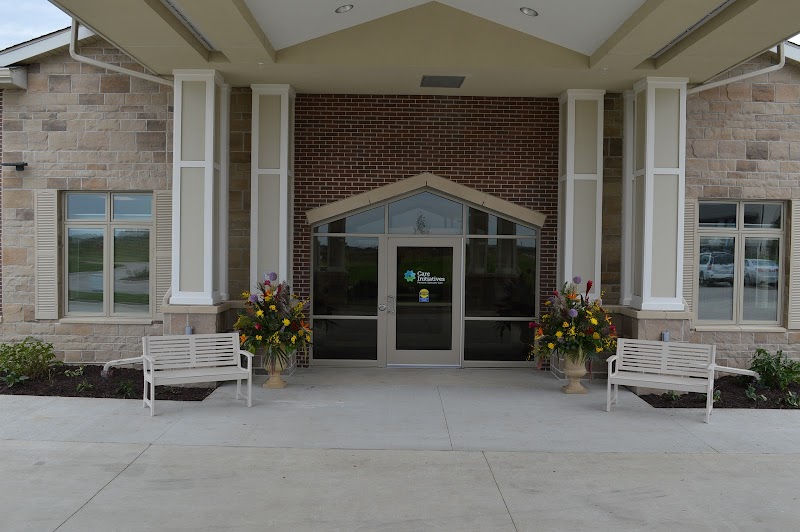
How is Pinnacle Specialty Care Staffed?

CMS rates Pinnacle Specialty Care's staffing level at 4 out of 5 stars, which is above average compared to other nursing homes. Staff turnover is 38%, compared to the Iowa average of 46%. This relatively stable workforce can support continuity of care.

What Have Inspectors Found at Pinnacle Specialty Care?

State health inspectors documented 14 deficiencies at Pinnacle Specialty Care during 2023 to 2025. These included: 1 that caused actual resident harm and 13 with potential for harm. Deficiencies causing actual harm indicate documented cases where residents experienced negative health consequences.

Who Owns and Operates Pinnacle Specialty Care?

Pinnacle Specialty Care is owned by a for-profit company. For-profit facilities operate as businesses with obligations to shareholders or private owners. The facility is operated by CARE INITIATIVES, a chain that manages multiple nursing homes. With 100 certified beds and approximately 89 residents (about 89% occupancy), it is a mid-sized facility located in Cedar Falls, Iowa.

How Does Pinnacle Specialty Care Compare to Other Iowa Nursing Homes?

Compared to the 100 nursing homes in Iowa, Pinnacle Specialty Care's overall rating (3 stars) is below the state average of 3.1, staff turnover (38%) is near the state average of 46%, and health inspection rating (3 stars) is at the national benchmark.

What Should Families Ask When Visiting Pinnacle Specialty Care?

Based on this facility's data, families visiting should ask: "Can I visit during a mealtime to observe dining assistance and food quality?" "How do you handle medical emergencies, and what is your hospital transfer rate?" "Can I speak with family members of current residents about their experience?"

Is Pinnacle Specialty Care Safe?

Based on CMS inspection data, Pinnacle Specialty Care has a clean safety record: no substantiated abuse findings (meaning no confirmed cases of resident harm), no Immediate Jeopardy citations (the most serious violation level indicating risk of serious injury or death), and is not on the Special Focus Facility watch list (a federal program monitoring the lowest-performing 1% of nursing homes). The facility has a 3-star overall rating and ranks #100 of 100 nursing homes in Iowa. While no facility is perfect, families should still ask about staff-to-resident ratios and recent inspection results during their visit.

Do Nurses at Pinnacle Specialty Care Stick Around?

Pinnacle Specialty Care has a staff turnover rate of 38%, which is about average for Iowa nursing homes (state average: 46%). Moderate turnover is common in nursing homes, but families should still ask about staff tenure and how the facility maintains care continuity when employees leave.

Was Pinnacle Specialty Care Ever Fined?

Pinnacle Specialty Care has been fined $8,362 across 1 penalty action. This is below the Iowa average of $33,162. While any fine indicates a compliance issue, fines under $50,000 are relatively common and typically reflect isolated problems that were subsequently corrected. Families should ask what specific issues led to these fines and confirm they've been resolved.

Is Pinnacle Specialty Care on Any Federal Watch List?

Pinnacle Specialty Care is not on any federal watch list. The most significant is the Special Focus Facility (SFF) program, which identifies the bottom 1% of nursing homes nationally based on persistent, serious quality problems. Not being on this list means the facility has avoided the pattern of deficiencies that triggers enhanced federal oversight. This is a positive indicator, though families should still review the facility's inspection history directly.