Lantern Park Specialty Care
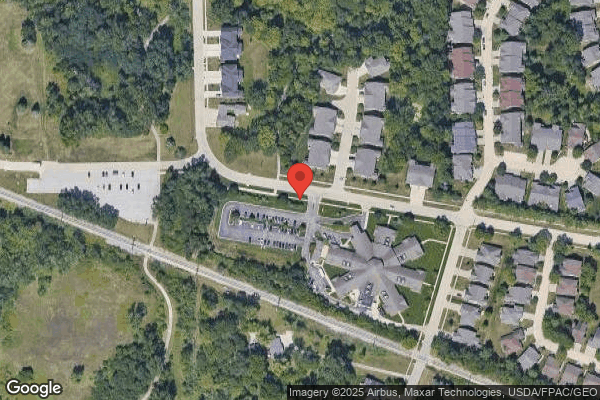
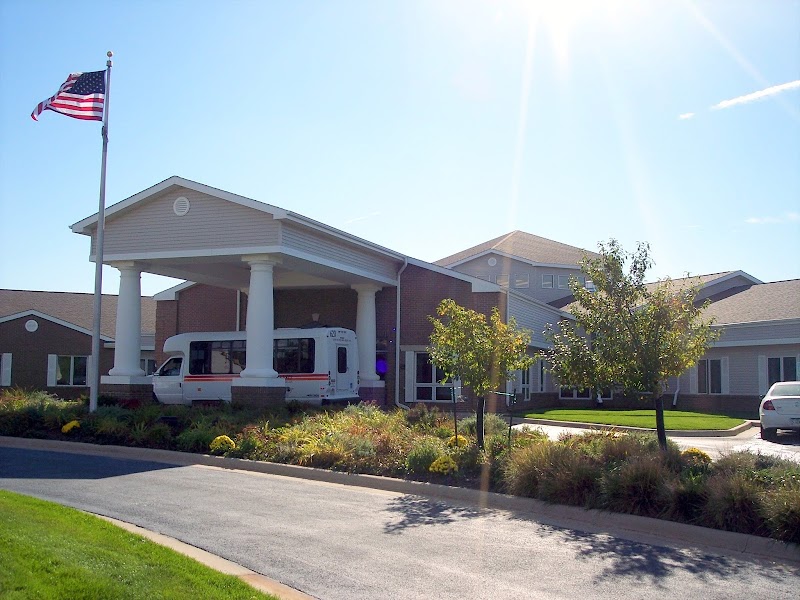
2200 Oakdale Road, Coralville, IA 52241 (319) 351-8440
Non profit - Corporation 90 Beds CARE INITIATIVES Data: November 2025 3 Immediate Jeopardy citations
Trust Grade
0/100
#360 of 392 in IA
Last Inspection: July 2025

Inspected within the last 6 months. Data reflects current conditions.

Overview

Lantern Park Specialty Care has received a Trust Grade of F, indicating significant concerns about the facility's quality of care. It ranks #360 out of 392 nursing homes in Iowa, placing it in the bottom half of all facilities and #6 out of 7 in Johnson County, meaning only one local option is better. The facility's trend is improving, having reduced its issues from 20 in 2024 to 7 in 2025, but it still has a concerning staffing turnover rate of 60%, much higher than the state average of 44%. Additionally, the facility has incurred $290,182 in fines, which is more than 99% of Iowa facilities, raising concerns about compliance with regulations. There are critical incidents, such as failing to properly assess and document care for residents who suffered falls and pressure ulcers, which led to significant health risks and emergency room visits. Overall, while there are some signs of improvement, the facility's serious past issues and current challenges warrant careful consideration.
Trust Score
F
0/100
In Iowa
#360/392
Bottom 9%
Safety Record
High Risk
Review needed
Inspections
Getting Better
20 → 7 violations
Staff Stability
⚠ Watch
60% turnover. Above average. Higher turnover means staff may not know residents' routines.
Penalties
✓ Good
$290,182 in fines. Lower than most Iowa facilities. Relatively clean record.
Skilled Nurses
○ Average
Each resident gets 41 minutes of Registered Nurse (RN) attention daily — about average for Iowa. RNs are the most trained staff who monitor for health changes.
Violations
⚠ Watch
58 deficiencies on record. Higher than average. Multiple issues found across inspections.
★☆☆☆☆
1.0
Overall Rating
★★★☆☆
3.0
Staff Levels
★☆☆☆☆
1.0
Care Quality
★☆☆☆☆
1.0
Inspection Score
Stable
2024: 20 issues
2025: 7 issues

The Good

  • Full Sprinkler Coverage · Fire safety systems throughout facility
  • No fines on record

Facility shows strength in fire safety.

The Bad

1-Star Overall Rating

Below Iowa average (3.0)

Significant quality concerns identified by CMS

Staff Turnover: 60%

14pts above Iowa avg (46%)

Frequent staff changes - ask about care continuity

Federal Fines: $290,182

Well above median ($33,413)

Significant penalties indicating serious issues

Chain: CARE INITIATIVES

Part of a multi-facility chain

Ask about local staffing decisions and management

Staff turnover is elevated (60%)

12 points above Iowa average of 48%

The Ugly 58 deficiencies on record

3 life-threatening 6 actual harm
Jul 2025 7 deficiencies
CONCERN (D)

Potential for Harm - no one hurt, but risky conditions existed

Deficiency F0552 (Tag F0552)

Could have caused harm · This affected 1 resident

Based on clinical record review, facility policy review, and staff interviews, the facility failed to educate a resident and/or a resident representative and obtain an informed consent prior to two ch...

Read full inspector narrative →
Based on clinical record review, facility policy review, and staff interviews, the facility failed to educate a resident and/or a resident representative and obtain an informed consent prior to two changes in psychotropic medications for 1 of 3 residents (Resident #60) reviewed. The facility reported a census of 86 residents.Findings include:Review of the Minimum Data Set (MDS) assessment, dated 7/2/25 for Resident #60 revealed diagnoses list which included post-traumatic stress disorder (PTSD), depression, and adjustment disorder with mixed anxiety and depressed mood. A Brief Interview for Mental Status (BIMS) score of 6 out of 15 indicated a severe cognitive impairment. Review of the Care Plan revealed Focus areas to address: a. I feel down or depressed at times. Date initiated: 12/9/24.b. I feel lonely or isolated at times. Date initiated: 3/11/25.c. I have a history of physical or emotional trauma. Date initiated: 3/15/25.d. I use antipsychotic medications related to depression. Date initiated: 4/16/25. A Focus area, dated initiated 3/7/25, addressed I use Duloxetine an antidepressant medication. Interventions included, in part Educate me, my family, and caregivers about risks, benefits and the side effects and/or toxic symptoms of antidepressant medication. Date Initiated 9/28/24. Review of a document titled Medical Record-Doctor's Orders, dated 6/20/25 revealed Week 1: decrease duloxetine to 30 mg (milligrams) daily and start sertraline 50 mg daily. Week 2: Stop duloxetine and increase sertraline to 100 mg daily (continue until follow-up). Continue prazosin 1 mg QHS (every bedtime). Continue quetiapine 100 mg QHS. Continue trazodone 25 mg BID (twice daily). Follow up in 6 weeks.Review of the electronic health record (EHR) revealed a Order-Administration Note entered at 9/24/25 at 9:11 AM revealed N.O. (new order) from VA (Veteran Affairs) - Week 1: Decrease Duloxetine to 30 mg daily and start Sertraline 50 mg daily; Week 2: Stop Duloxetine and increase Sertraline to 100 g daily (continue until follow-up). Continue Prazosin 1 mg q HS; Continue Quetiapine 100 mgq HS. Continue Trazodone 25 mg BID; Follow up in 6 weeks. Entered into [redacted brand name of EHR system]Review of a Communication-with Family note entered on 6/24/25 at 0:33 AM revealed Attempted to notify [name of Resident #60 wife redacted] of new orders. Left message for her to call facility for notification. Review of the EHR revealed a lack of follow up communication with the Resident #60's family representative regarding the change in psychotropic medications ordered on 6/20/25 and started on 6/24/25. Review of a SPN - Focused Evaluation noted entered on 6/25/25 at 10:04 AM revealed, in part:.Monitoring d/t (due to) decrease dose of Duloxetine and N.O. Sertraline. Initial dose of each this morning. No s/s (signs/symptoms) adverse rxn (reaction) @ this time. Will continue to monitor. During an interview on 7/31/25 at 9:49 AM, the Administrator stated when a medication change is made there would be a signed informed consent document to indicate the resident and/or family representative was informed and educations on the change. Review of the facility provided Informed Consent for Psychotropic Medication for Resident #60 psychotropic medications revealed an unsigned consent with an effective date for 6/24/25 for Antidepressant Zoloft (sertraline) 25-200 mg per day, once daily dosing. On 7/31/25 at 11:35 AM by email communication, the Administrator stated the facility does not have a policy related to Mental Health Monitoring. The Administrator provided a policy titled Change in Condition Policy, revised March 2018. The policy did not address the need for informed consent to be completed prior to a change in psychotropic medications.
CONCERN (D)

Potential for Harm - no one hurt, but risky conditions existed

Deficiency F0637 (Tag F0637)

Could have caused harm · This affected 1 resident

Based on clinical record review, Long Term Care Facility Resident Assessment Instrument 3.0 User's Manual Version 1.18.11 dated October 2023 (RAI) review and staff interview the facility failed to com...

Read full inspector narrative →
Based on clinical record review, Long Term Care Facility Resident Assessment Instrument 3.0 User's Manual Version 1.18.11 dated October 2023 (RAI) review and staff interview the facility failed to complete a Minimum Data Set for a significant change after a hospice admission for 1 of 4 residents (Resident #2) reviewed for hospice. The facility reported a census of 86 residents. Findings include:Review of Physician Orders for Resident #2 revealed Order Details entered on 6/2/25 with the Description: Receiving Hospice services from [provider name redacted] for Alzheimer's dementia effective 4/14/25. Review of the Long Term Care Facility Resident Assessment Instrument 3.0 User's Manual Version 1.18.11 dated October 2023 (RAI) page 2-17 directed providers, in part .the MDS completion date is no later than the 14th calendar day after determination that significant change in resident's status occurred (determination date + 14 calendar days). Page 2-25 of the RAI directed, in part .an SCSA (Significant Change in Status Assessment) is required to be performed when a terminally ill resident enrolls in a hospice program (Medicare-certified or State-licensed hospice provider) or changes hospice providers and remains a resident at the nursing home.During an interview on 7/31/25, the MDS Coordinator confirmed Resident #2 started to receive hospice services on 4/14/25. She stated a significant change MDS should have been completed.
CONCERN (D)

Potential for Harm - no one hurt, but risky conditions existed

Deficiency F0638 (Tag F0638)

Could have caused harm · This affected 1 resident

**NOTE- TERMS IN BRACKETS HAVE BEEN EDITED TO PROTECT CONFIDENTIALITY** Based on clinical record review, Resident Assessment Instrument (RAI) manual review, and staff interviews the facility failed to...

Read full inspector narrative →
**NOTE- TERMS IN BRACKETS HAVE BEEN EDITED TO PROTECT CONFIDENTIALITY** Based on clinical record review, Resident Assessment Instrument (RAI) manual review, and staff interviews the facility failed to complete quarterly Minimum Data Set assessments in a timely manner for 3 of 3 residents (Resident #49, Resident #51, Resident #84) in the sample. The facility reported a census of 86 residents.Findings include: 1. Review of the electronic health record (EHR) revealed Resident #49 admitted to the facility on [DATE]. The admission Minimum Data Set (MDS) assessment documented a completion date of 2/26/25. Review of the MDS history list indicated a MDS Quarterly assessment completed on 7/18/25. A space of 142 days after the admission assessment. 2. Review of the EHR revealed Resident #51 admitted to the facility on [DATE]. The admission MDS assessment documented a completion date of 1/3/24. Review of the MDS history list indicated MDS Quarterly Assessments completed on 3/7/25, and 7/18/25. A space of 133 days between the assessments. 3. Review of the EHR revealed a Quarterly MDS assessment for Resident #84 completed on 9/30/24, with the next assessment completed on 1/3/25. A space of 95 days between the assessments. During an interview on 7/31/25 at 8:33 AM with the facility's new MDS Coordinator and the Administrator, the Administrator stated the corporate support team had been doing the MDS assessments on and off while a new Coordinator was hired. The MDS Coordinator indicated the nursing portion would be completed by her, social services and activities and dietary would do their own sections, and she would submit the final assessment. She stated the quarterly assessments should be completed within 92 days. The Administrator stated the prior Coordinator should have completed the assessments. The MDS Coordinator stated her training for the last few weeks had been correcting the errors they found. When asked if the facility had filled out the Self Identification form at the beginning of the survey to indicate MDS corrections were something they were working on, the Administrator said no. She stated they just opened them and fixed them. They MDS Coordinator indicated she would use the corporate team and the RAI manual for support going forward.Review of the RAI User's Manual dated October 2024, Version 1.19.1, page 2-18, revealed a direction for an assessment to be completed every 3 months. The Manual directed the assessment reference date could be no later than the last assessment plus 92 calendar days.
CONCERN (D) 📢 Someone Reported This

A family member, employee, or ombudsman was alarmed enough to file a formal complaint

Potential for Harm - no one hurt, but risky conditions existed

ADL Care (Tag F0677)

Could have caused harm · This affected 1 resident

**NOTE- TERMS IN BRACKETS HAVE BEEN EDITED TO PROTECT CONFIDENTIALITY** Based on clinical record review, resident interview and staff interview the facility failed to provide at least 2 baths per week...

Read full inspector narrative →
**NOTE- TERMS IN BRACKETS HAVE BEEN EDITED TO PROTECT CONFIDENTIALITY** Based on clinical record review, resident interview and staff interview the facility failed to provide at least 2 baths per week for 2 of 3 residents (Residents #13 and Resident #61) reviewed. The facility reported a census of 86 residents. Findings include:1. Review of the Minimum Data Set (MDS), dated [DATE], revealed Resident #13 with Brief Interview for Mental Status (BIMS) score 14 out of 15 which indicated intact cognition. The MDS assessed Resident #13 required substantial/maximal assistance for showering. Review of the Care Plan, dated 9/27/23 revealed a Focus area to address Activities of Daily Living (ADL's). Interventions included, in part: Bathing: I require 1 assist. Date Initiated: 9/27/23. During an interview on 7/28/25 at 11:30 AM, Resident #13 stated she does not get showers very often. Review of Resident #13's Documentation Survey Report V2 for April, May, June and July 2025 revealed the resident was scheduled for a shower twice a week on Tuesday and Friday. Resident #13 documented showers occurred in April 2025 on April 4, April 23, and April 24; in May 2025 on May 4, May 9, May 20, May 23, May 30, and May 31; in June 2025 on June 2, June 10, June 13, and June 27; and in July 2025 on July 1, July 8, July 11, July 15, and July 16. 2. Review of the MDS, dated [DATE], revealed Resident # 61 with a BIMS score 15 out of 15 which indicated intact cognition. The MDS assessed Resident #61 required substantial/maximal assistance for showering. Review of the Care Plan, dated 10/17/23 revealed a Focus area to address Activities of Daily Living (ADL's). Interventions included, in part: Bathing: I require x1 assist. Date Initiated: 10/17/23. During an interview on 7/28/25 at 1:19 PM, Resident #61 explained staff are slow to give showers. He stated he hadn't had a shower for over a week. The resident appeared to have greasy hair, and a slight body odor. Review of Resident #61's Documentation Survey Report V2 for April, May, June and July 2025 revealed the resident was scheduled for a shower twice a week on Tuesday and Friday. Resident #61 documented showers occurred in April 2025 on April 1, April 8, April 23, April 24, and April 25; in May 2025 on May 2, May 6, May 9, and May 20; in June 2025 on June 3, June 10, June 13, June 21, June 25, and June 27; and in July 2025 on July 1, July 2, July 11, July 15, July 18, and July 29. During an interview on 7/31/25 at 11:17 AM, the Administrator explained everyone should be getting a shower twice a week.
CONCERN (D)

Potential for Harm - no one hurt, but risky conditions existed

Respiratory Care (Tag F0695)

Could have caused harm · This affected 1 resident

Based on observation, clinical record review, staff and resident interviews, and policy review the facility failed to ensure respiratory care devices are on and operational for 2 of 3 residents review...

Read full inspector narrative →
Based on observation, clinical record review, staff and resident interviews, and policy review the facility failed to ensure respiratory care devices are on and operational for 2 of 3 residents reviewed (Residents #1 and #18) and failed to maintain oxygen tubing in a clean and sanitary manner for 1 of 3 residents reviewed (Resident #1) for respiratory care. The facility reported a census of 86.Findings include: 1. The Minimum Data Set (MDS) for Resident #18 documented diagnoses of pulmonary hypertension due to left heart disease, heart failure, and dependence on supplemental oxygen. The Care Plan (CP) for Resident #18 documented altered respiratory status related to congestive heart failure, the resident experienced frequent shortness of breath, and staff should monitor oxygen at 2-4 liters and ensure sats were at comfort levels (88%-95%). During an interview with Resident #18 on 7/28/25 at 11:01 AM she indicated she had troubles breathing on and off. She pointed at the concentrator in her room and said it wasn't on, then stared at the machine to see if she could tell what number it was on. She thought she was hooked up to the concentrator. The resident stated she was was short of breath the other night, ended up in the emergency room, and once in awhile things like this happened. She clarified she meant the concentrator wasn't on or the tank wasn't working. During the interview the surveyor observed the oxygen tubing in her nose did not have a date tag on it and was attached to the portable tank behind her on her wheelchair. The tank was not producing a flow according to the resident. At 11:09 AM on 7/28/25 the resident put her call light on for help. 4 minutes later Staff E, Certified Nurses Aide (CNA) came in to help her. When asked if the oxygen should have been running through the tank or her tubing hooked up to the concentrator, he said yeah probably. He unhooked the tubing from the portable tank and indicated it was not running. He plugged it into the concentrator and turned it on. On 7/31/25 at 2:03 PM Resident #18 was in her room with family. They reported that her breathing seemed good today but they had come in a couple of times to find the portable was out of oxygen and she was not hooked up to the concentrator. At this time the resident stated she felt short of breath and wanted the nurse. The nurse left the resident's room at 2:11 PM on 7/31/25 at told the Administrator the resident 'desated' a couple of days ago and it was causing her to feel anxious that it would happen again. 2. The MDS for Resident #1 documented diagnoses of pneumonia, acute and chronic respiratory failure, and chronic obstructive pulmonary disease (COPD). The CP for Resident #1 revealed the resident experienced altered respiratory status/difficulty breathing. Staff provided oxygen therapy for sleep apnea, assistance with BiPAP/CPAP equipment, and ensured oxygen was set at 2 liters per nasal cannula. Staff were directed to ensure oxygen equipment was running. During an observation on 07/28/2025 at 2:19 PM the resident was in the common area with his nasal cannula hooked up to a portable oxygen tank talking with the hospice nurse. Staff determined the tank was not running and brought out the concentrator from his room. During an observation on 7/30/25 at 9:45 AM Resident #1 was out of his room. The oxygen tubing, dated 7/28/25, was attached to the concentrator in his room and partially wrapped in a circle around the top of the machine. A portion of the tubing approximately two feet long was hanging off of the side of the machine with a section about 4 inches long touching the side of a garbage can. The garbage contained an open brief and a soiled wipe hanging over the side. The tubing touched the side of the brief and the plastic of the garbage can liner. On 7/31/25 after breakfast the resident was observed using oxygen tubing dated 7/28/25. On 7/31/25 at 8:51 AM Staff B, Certified Medication Aide (CMA) stated tanks were monitored every shift, and that management encouraged concentrators instead of tanks because the tanks go fast. They didn't want residents to desaturate. She stated all staff were responsible for monitoring tanks and thought residents on 2 liters of oxygen should be checked at least every 45 minutes. During an interview with Staff C, Nurse, on 7/31/25 at 9:11 AM she stated the nurses did pretty much everything related to oxygen care. They dated the tubing, made sure it was the appropriate length, made sure the water was bubbling, ensured tanks were full, and made sure there was oxygen coming through the tubing. She didn't think the Certified Nursing Aides (CNA) did much with oxygen. She stated it was her job to switch residents from portable tanks to concentrators if needed. She wasn't sure about the tubing being on the floor next to the garbage can. She had not been made aware resident tanks were running out. On 7/31/25 at 9:27 AM the Director of Nursing stated any nursing personnel can turn the tanks on and off and bring concentrators to common areas, they just can't change the flow. She did not expect them to be off of the portable tanks in their rooms but did expect them to be running on the right setting and working no matter which one they used. Ideally they would switch to the concentrator in their rooms.A policy titled Oxygen Administration revised October 2010 directed staff to check the mask, tank, humidifying jar, etc., to be sure they are in good working order and are securely fastened. Staff should ensure there was water in the humidifying jar and that the water level was high enough that the water bubbles as oxygen flowed through.
CONCERN (D)

Potential for Harm - no one hurt, but risky conditions existed

Deficiency F0699 (Tag F0699)

Could have caused harm · This affected 1 resident

Based on observation, clinical record review, interviews, and policy review the facility failed to provide trauma informed care for 1 of 3 residents reviewed (Resident #60). Resident #60 experienced s...

Read full inspector narrative →
Based on observation, clinical record review, interviews, and policy review the facility failed to provide trauma informed care for 1 of 3 residents reviewed (Resident #60). Resident #60 experienced suicidal ideations that were not addressed in their care plan, staff did not adequately monitor mental health behavior for patterns and medication changes, and staff were not able to articulate resident behavior triggers. The facility reported a census of 86 residents. Findings include: The Minimum Data Set (MDS) for Resident #60 dated 7/2/25 documented diagnoses of post traumatic stress disorder (PTSD), depression, and adjustment disorder with mixed anxiety and depressed mood. His Brief Interview for Mental Status (BIMS) assessment resulted in a score of 6/15, which indicated severe cognitive impairment. The Care Plan (CP) for Resident #60, with an admission date of 3/7/25, documented focus areas as follows:12/9/24 the resident felt down or depressed at times3/7/25 the resident used duloxetine as an antidepressant3/11/25 the resident felt lonely and isolated at times3/15/25 the resident had a history of physical or emotional trauma4/16/25 the resident used an antipsychotic related to depressionA CP goal was to not have a trauma triggered event. It did not identify the type of trauma, trauma triggering events, or signs and symptoms that indicated the resident was experiencing a trauma response. Another goal indicated the resident would decrease episodes of verbally aggressive behavior towards his wife and family by 50%. It did not address verbally aggressive behavior towards others in the facility or triggering events to watch for.The CP did not include the resident's history of suicidal ideations, safety measures or a crisis plan, or suicidal behavior monitoring. It did not include the resident's history of nightmares, medication for nightmares, or monitoring protocol.A point of care document used daily by the Certified Nursing Assistants (CNAs) printed on 7/30/25 did not include behavior monitoring, triggers, or interventions.The resident's Supplemental Documentation printed by the facility on 7/31/25 at 10:42 AM for July indicated the resident should be monitored for behaviors related to the use of antidepressant medication sertraline, trazodone, and duloxetine every shift as follows: 0- no behaviors; 1- lack of motivation; 2- excessive crying; 3- suicidal thoughts; 4- loss of appetite; 5- social withdrawal; 6- self isolation; 7- other see progress notes.Intervention codes included: 0- None; 1- encourage to voice concerns; 2- 1:1 with social services; 3- call family/friend; 4- weighted blanket; 5- music; 6- take a walk; 7- diversional activity; 8- other.A checkmark on the MAR meant administered. From 7/7/25 through 7/30/25 one day had a 6 and one day was blank. The remaining days contained a checkmark only.An additional section directed staff to document behaviors related to PTSD, and if there were no behaviors staff should enter a progress note. Of the 90 entries for 7/1/25 through 7/30/25 2 were blank, one contained the number 6, and the rest contained a checkmark. Corresponding progress notes indicated 1 shift of behavior monitoring on 7/6/25 and 7/8/25. No behavior documentation occurred in the progress notes on 7/5/25, 7/9/25, 7/10/25, 7/13/25, or 7/20/25 through 7/22/25.The task tab of the EHR indicated staff should monitor behavior symptoms PRN (as needed). There were no entries for the past 30 days. The facility did not provide the most recent psychology appointment summary for review.During an observation on 7/28/25 at 11:07 AM the resident was wheeling himself down the hall in his wheelchair past another resident's room. He yelled that he was going to protect his country and nothing could stop him, swung his arms in the air and at the resident's door, talked to himself, and grimaced. He groaned, started mumbling under his breath, and then yelled shut up and no dammit. The other resident asked the surveyor to shut her door and indicated this was not new behavior.During an observation on 7/28/25 at 12:41 PM Resident #60 left the dining room table independently in his chair and spoke to staff at the nurses station. He was then observed in the hallway shouting that his wife never came to see him and was cheating on him. An interview with Staff B, Certified Medication Aide (CMA) on 7/31/25 at 8:51 AM revealed she hadn't done much hands on non-pharmacological interventions with the resident. She didn't know what triggered some of his behaviors and he needed to be reassured a lot. She stated the nurses got the paperwork from his psychology appointments and they (CNA/CMA) were not allowed to see that. She thought behavior monitoring and interventions might be on the MAR.During an interview with Staff C, Nurse on 7/31/25 at 9:11 AM she stated she wasn't really sure what the resident's triggers were. She knew he got upset when he saw or talked to his wife sometimes, though it was just when she came in and when she left. Staff C stated all staff could watch for behavior changes. She reported a lot of recent medication changes. Staff C tried to put behavior information in the progress notes and thought that was where it should be but said there might be a behavior tab. She did not know what happened at his last appointment with the psychologist.On 7/31/25 at 1:21 PM Staff D, Social Services Director, stated the resident did have triggers. She indicated sound was a big trigger, especially the alarms. The resident was triggered by hallucinations regarding his wife, and would call and leave her nasty messages. He would talk about her cheating and being dead. Dementia could be a trigger because he forgot what was real and what was not. She reported interventions were therapy, 1:1, and being directed to the social services office and stated the other social worker knew more coping mechanisms. She didn't know why they were not on the care plan.The Administrator, during an interview on 7/31/25 at 9:49 AM, stated she didn't know if the resident had triggers and interventions in his care plan. She stated the psychologist wasn't good about sending the after visit notes, thought the nurses called to ask for them, and that documentation of that communication should be in the progress notes. She expected behaviors to be documented in the MAR or progress notes, and acknowledged marking behaviors as administered was not accurate documentation. She stated the resident's suicidal ideation was a report that he didn't want to live and she would expect that history, signs to watch for, and interventions would be in the care plan.The facility provided a policy titled Acute Condition Changes - Clinical Protocol revised March 2018 when asked for a policy for mental health changes or behavior monitoring protocol. It documented the nurse would assess and document baseline information related to cognitive and emotional status; onset, duration, and severity of condition; and history of psychiatric disturbances, mental illness, depression, etc. The nursing staff would collect pertinent details to report to the physician, and would monitor and document the resident's progress and responses to treatment.
CONCERN (D)

Potential for Harm - no one hurt, but risky conditions existed

Deficiency F0725 (Tag F0725)

Could have caused harm · This affected 1 resident

**NOTE- TERMS IN BRACKETS HAVE BEEN EDITED TO PROTECT CONFIDENTIALITY** Based on observation, resident interview and staff interview the facility failed to answer call lights in 15 minutes or less for...

Read full inspector narrative →
**NOTE- TERMS IN BRACKETS HAVE BEEN EDITED TO PROTECT CONFIDENTIALITY** Based on observation, resident interview and staff interview the facility failed to answer call lights in 15 minutes or less for 3 of 3 observations for call light response. The facility reported a census of 86 residents.Findings include:During an interview on 7/28/25 at 3:20 PM, Resident # 18 explained it takes a long time for staff to answer call lights, over 15 minutes. During an interview on 7/28/25 at 4:06 PM, Resident # 3 explained it takes 35-40 minutes for staff to answer call lights. During an observation on 7/28/25, the call light was observed on for room [ROOM NUMBER] at 3:30 PM. Staff did not enter the resident's room until 4:05 PM. The light was observed on for 35 minutes. During an observation on 7/28/25, the call light was observed on for room [ROOM NUMBER] at 3:40 PM. Staff did not enter the resident's room until 4:10 PM. The light was observed on for 30 minutes. During an observation on 7/31/25, the call light was observed on for room [ROOM NUMBER] at 8:47 AM. Staff did not enter the resident's room until 9:04 AM. The light was observed on for 17 minutes. During an interview on 7/31/25 at 11:17 AM, the Administrator explained her expectation would be for call lights to be answered in less than 15 minutes.
Oct 2024 3 deficiencies
CONCERN (D) 📢 Someone Reported This

A family member, employee, or ombudsman was alarmed enough to file a formal complaint

Potential for Harm - no one hurt, but risky conditions existed

Investigate Abuse (Tag F0610)

Could have caused harm · This affected 1 resident

**NOTE- TERMS IN BRACKETS HAVE BEEN EDITED TO PROTECT CONFIDENTIALITY** Based on interview, clinical review review, and facility policy review, the facility failed to thoroughly investigate an allegat...

Read full inspector narrative →
**NOTE- TERMS IN BRACKETS HAVE BEEN EDITED TO PROTECT CONFIDENTIALITY** Based on interview, clinical review review, and facility policy review, the facility failed to thoroughly investigate an allegation of physical abuse for 1 of 3 residents reviewed for dignity. The facility reported a census of 84 residents. Findings include: The Minimum Data Set (MDS), dated [DATE], reviewed a Brief Interview for Mental Status (BIMS) score of 15 out of 15, indicating intact cognition. On 10/11/24, the facility collected a statement from Resident #2 in which the resident alleged that during the overnight hours of 10/03/24, she had been hit in the head with a back hand, which caused glasses to be knocked off face and fall across the floor near the bathroom. Resident #2 informed that the glasses did not break and upon waking, no one was there. Resident #2 claimed she did not see who allegedly hit her but heard a person call her an exploitive name. Resident #2 reported she had been unable to report the incident until 10/11/24 as she had gotten sick. On 10/11/24, the facility asked 7 current residents, with intact cognition, the following questions: Do you know who to report abuse to? Have you ever witnessed a staff member hit someone? Have you ever been mistreated? No additional resident concerns identified from the above questions asked. On 10/11/24, the facility obtained a statement from Staff D, Licensed Practical Nurse (LPN), which provided information on Resident #2's recent respiratory illness and hospitalization. Staff D's statement lacked information related to alleged abuse. On 10/11/24, the facility obtained a statement from Staff E, Certified Nursing Assistant (CNA), which provided information on Resident #2's recent respiratory illness and hospitalization. Staff E's statement lacked information related to alleged abuse. The facility provided nursing staff schedules for the dates of 10/03/24 and 10/04/24. According to the facility schedules, neither Staff D or Staff E worked with Resident #2 during the time frame in which the alleged incident occurred. On 10/16/24 at 11:30 AM, Staff C, LPN, confirmed they had worked the morning of 10/04/24 with Resident #2. Staff C denied any reports received that Resident #2 had been hit or had glasses knocked off her face. Staff C stated that Resident #2 had previously made paranoid comments at times but denied Resident #2 ever making false allegations. Staff C denied being asked by facility to write any recent statements regarding Resident #2. On 10/16/24 at 12:30 PM, Staff F, LPN, confirmed they had worked overnight shift on 10/03/24 with Resident #2. Staff F denied any reports received that Resident #2 had been hit or had glasses knocked off her face. Staff F stated she believed Resident #2 had a normal night on 10/03/24. Staff F denied being asked by facility to write any recent statements regarding Resident #2. On 10/17/24 at 1:30 PM, Interim Facility Administrator informed that they had been made aware of Resident #2's allegation of being hit on 10/11/24 from review of Hospital notes. Administrator stated in response to the allegation he notified regional clinical staff, police, and the Department of Inspections, Appeals, and Licensing (DIAL). Administrator informed that facility had documented that Resident #2 had yellow drainage from the right eye related to an eye infection, but no signs of injury noted. Administrator revealed he went to the hospital on [DATE] to interview Resident #2 and delegated staff interviews to be conducted by the Interim Director of Nursing (DON). Administrator unsure if staff who worked the night of allegation or the following day had been interviewed. On 10/17/24 at 2:13 PM, Regional Director of Clinical Services, stated that the Interim Administrator would obtain additional staff interview at this time from staff who worked with Resident #2 during the alleged incident and was unaware this had not been completed previously. The facility provided an untitled document, dated 10/11/24, that summarized the facility's investigation of Resident #2's allegation of abuse that occurred 10/03/24. Document revealed that the facility reviewed the witness statements, and Resident #2's MDS, Care Plan, face sheet, and medication list as part of the investigation. Document concluded that from staff and resident interviews conducted, there were no concerns noted. The facility policy titled, Abuse and Neglect- Clinical Protocol, revised March 2018, revealed the expectation that the facility will investigate alleged abuse to clarify what happened and identify possible causes.
CONCERN (D) 📢 Someone Reported This

A family member, employee, or ombudsman was alarmed enough to file a formal complaint

Potential for Harm - no one hurt, but risky conditions existed

Deficiency F0658 (Tag F0658)

Could have caused harm · This affected 1 resident

**NOTE- TERMS IN BRACKETS HAVE BEEN EDITED TO PROTECT CONFIDENTIALITY** Based on resident and staff interview, clinical record review, and facility policy review, the facility failed to obtain physici...

Read full inspector narrative →
**NOTE- TERMS IN BRACKETS HAVE BEEN EDITED TO PROTECT CONFIDENTIALITY** Based on resident and staff interview, clinical record review, and facility policy review, the facility failed to obtain physician orders when utilizing supplemental oxygen or transcribe verbal order for supplemental oxygen for 1 of 3 residents (Resident #2) reviewed for assessment/intervention. The facility additionally failed to administer medications as ordered when multiple morning and afternoon medication doses were omitted on 10/08/24 for 1 of 10 residents (Resident #6) reviewed for medication administration. The facility reported a census of 84 residents. Findings include: 1. Resident #2 example: The Minimum Data Set (MDS), dated [DATE], revealed a Brief Interview for Mental Status (BIMS) score of 15 out of 15, indicating intact cognition. Resident #2 diagnoses included Chronic Obstructive Pulmonary Disease (COPD) and asthma. No shortness of breath or oxygen therapy indicated on MDS assessment. The Care Plan, dated 8/27/24, lacked respiratory focus area for diagnosis of COPD or asthma. The Care Plan lacked intervention related to use of oxygen. Review of Nursing Progress Note, dated 10/07/24 at 04:08 AM, revealed that Resident #2 had an oxygen saturation of 71% on room air (normal results being greater than 90%), nurse applied 3 liters (L) of oxygen in response, and oxygen saturation improved. -On 10/09/24 at 1:36 AM, a Nursing Note informed that Resident #2's oxygen saturation had been 76%, nurse applied 4L of supplemental oxygen in response, and notified the Provider on resident's condition with a verbal order received for oxygen 4L via nasal cannula for shortness of breath. Resident #2 refusing hospitalization. -On 10/09/24 at 4:54 PM, Resident #2's lips had been purple and oxygen saturation found to be between 49-51% on room air, supplemental oxygen applied at 4L with improved saturation. -On 10/10/24 at 11:33 AM, Resident #2 complained of shortness of breath and generalized pain all over, oxygen saturation found to be 88% while wearing 4L of oxygen, Resident #2 transferred to the hospital. The Medication and Treatment Administration Record (MAR/TAR), dated October 2024, lacked any orders for supplemental oxygen administration. On 10/16/24 at 11:30 AM, Staff C, Licensed Practical Nurse (LPN), informed that Resident #2 had not always required routine supplemental oxygen and revealed that an order would be required for use of oxygen to know how many liters of oxygen to use and how often. On 10/16/24 at 12:07 PM, Interim Director of Nursing (DON) confirmed that Resident #2 lacked oxygen order in the resident's MAR/TAR. On 10/16/24 at 1:00 PM, the Regional Director of Clinical Services, informed that on 10/07/24 oxygen was applied to Resident #2 per nursing judgment, and on 10/09/24 a verbal order received from the Provider to apply oxygen at 4L via nasal cannula. The Regional Director of Clinical Services revealed that other nurses would not know that Resident #2 required oxygen or how much to use without an order in place. The facility policy titled, Oxygen Administration, revised October 2010, revealed the expectation of staff to verify that there is a physician's order for oxygen administration and to review the physician's order for oxygen administration. 2. Review of the MDS assessment for Resident #6 dated 7/18/24 revealed the resident scored 15 out of 15 on a BIMS exam, which indicated intact cognition. Review of the resident's October 2024 MAR revealed the following medications were marked with a code of 9, which indicated other/see progress notes, for morning medications on 10/8/24: Cholecalciferol 1000mg (milligram) two tablets, Glycopyrrolate 1mg, Midodrine Hcl 5mg (medication to treat low blood pressure), Rivastigmine 3mg two capsules, Carpidopa-Levodopa 25-250mg (for Parkinson's Disease), and two doses of Refresh Celluvisc Opthalmic Gel 1% (scheduled for AM and mid per MAR). Review of Progress Notes for Resident #6 revealed the following: a. 10/8/24 at 10:51 AM, authored by Staff A, Registered Nurse (RN): Missed administration d/t (due to) not enough help. b. 10/8/24 at 2:02 PM: Missed administration d/t not enough help. c. 10/9/2024 at 1:23 PM [Name Redacted] ARNP (Advanced Registered Nurse Practitioner) of medication error on 10/8/24, no new orders received. Review of the Daily Staffing Sheet dated 10/8/24 revealed two nurses and one Certified Medication Aide (CMA) were scheduled to work first shift. Staff A was one of the two nurses scheduled to work. On 10/17/24 at 8:16 AM, the facility's Regional Director of Clinical Services (RDCS) explained both she and the Regional Director of Operations (RDO) were at the facility on 10/8/24. When queried if Staff A had come to the RDCS with any concerns, the RDCS acknowledged Staff A had not done so, had not asked for help, or let them know she needed anything. On 10/17/24 at 8:48 AM during an interview with the Regional Director of Operations (RDO), the RDO explained the following about what had occurred on 10/8/24: Staff A had asked the RDO if she could connect prior to Staff A leaving. Per the RDO, as Staff A was walking out (of facility), the RDO said it looked like they did not connect. Per the RDO, Staff A explained she did not have a lot of time and needed to get out of (facility), said she (Staff A) didn't get everything done today, later further clarified per interview as supplemental documentation and a couple/some meds (medications). The RDO explained Staff A asked if she could come back the next day. The RDO further explained she (RDO) connected with the team and it had not just been a couple of meds, was a lot of AM meds. The RDO explained Staff A had been at the facility until around 3:30 PM, and had been scheduled for 6:00 AM to 2:00 PM on the date of the incident. Review of the Charge Nurse-RN Job Description revised 4/18 revealed, in part, the following per the Essential Functions Section: Assume responsibility for unit/shift staff compliance with rules, regulations, standards of practice and facility policy and procedure; assure that residents receive needed nursing care and services on that shift, according to plans of care and physicians' instructions.
CONCERN (E) 📢 Someone Reported This

A family member, employee, or ombudsman was alarmed enough to file a formal complaint

Potential for Harm - no one hurt, but risky conditions existed

Deficiency F0760 (Tag F0760)

Could have caused harm · This affected multiple residents

3. Resident #4 example: Review of the MDS assessment for Resident #4 dated, 9/13/24, revealed the resident scored 11 out of 16 on a BIMS exam, which indicated moderately impaired cognition. Resident #...

Read full inspector narrative →
3. Resident #4 example: Review of the MDS assessment for Resident #4 dated, 9/13/24, revealed the resident scored 11 out of 16 on a BIMS exam, which indicated moderately impaired cognition. Resident #4 had diagnosis of Diabetes Mellitus. The Care Plan, initiated 1/15/22, revealed Resident #4 required insulin related to diagnosis of Diabetes Mellitus with an intervention that instructed staff to administer insulin as ordered by physician. Review of the resident's October 2024 MAR indicated that the morning dose of Insulin Glargine 18 units had been given by Staff A on 10/08/24. Review of Progress Notes for Resident #4 revealed the following: On 10/08/24 at 9:55 AM, a note written by executive department informed that Resident #4 missed medication insulin glargine 18 units morning dose and weekly weight. On 10/9/2024 at 1:25 PM: Notified Provider of medication error on 10/8/24, no new orders received. 4. Resident #12 example: Review of the MDS for Resident #12, dated 7/12/24, revealed the resident scored 14 out of 15 on a BIMS exam, which indicated intact cognition. Diagnoses included: atrial fibrillation, Heart Failure, and Coronary Artery Disease (CAD). Review of the resident's October 2024 MAR revealed multiple morning medications marked with a code of 9, which indicated other/see progress note. The morning medications not given included Metoprolol Tartrate 50mg (milligrams), with instructions to give 1 tablet by mouth twice a day for hypertension, Furosemide (Lasix) 20mg, with instructions to give 2 tablets daily for blood pressure, and Eliquis 5mg, with instructions to give 1 tablet twice a day for blood clots. Review of Progress Notes for Resident #3 revealed the following: a. 10/8/24 at 10:58 AM, authored by Staff A, Registered Nurse (RN): Missed administration due to not enough help. b. 10/9/2024 at 1:25 PM: Notified Provider of medication error on 10/8/24, no new orders received. 5. Resident #13 example: Review of the MDS assessment for Resident #13, dated 9/23/24, revealed the resident scored 15 out of 15 on a BIMS exam, which indicated intact cognition. Diagnoses included Diabetes Mellitus, Coronary Artery Disease (CAD), and hypertension Review of the resident's October 2024 MAR revealed multiple morning medications marked with a code of 9, which indicated other/see progress note. The morning medications not given included Carvedilol 25mg, with instructions to give 1 tablet by mouth twice a day for hypertension and Furosemide (Lasix) 20mg, with instruction to give 1 tablet by mouth twice per day for hypertension. The MAR additionally revealed omission of morning and noon doses Insulin Aspart 5 units, with instructions to inject 5 units subcutaneously at meal times. Review of Progress Notes for Resident #14 revealed the following: a. 10/8/24 at 10:58 AM, authored by Staff A, Registered Nurse (RN): Missed administration due to not enough help. b. 10/9/2024 at 1:25 PM: Notified Provider of medication error on 10/8/24, no new orders received. 6. Resident #14 example: Review of the MDS assessment for Resident #14, dated 9/12/24, revealed the resident scored 12 out of 15 on a BIMS exam, which indicated moderately impaired cognition. Review of the resident's October 2024 MAR revealed multiple morning medications marked with a code of 9, which indicated other/see progress note. The morning medications not given included Furosemide (Lasix) 20mg, with instructions to give 1 tablet by mouth once a day for Congestive Heart Failure (CHF), Metoprolol Succinate ER Tablet Extended Release 24 hour 25mg (milligrams), with instructions to give 0.5 tablet by mouth once a day for hypertension, and Levetiracetam (Keppra) 500mg, with instructions to give 1 tablet by mouth twice per day for seizures. Review of Progress Notes for Resident #14 revealed the following: a. 10/8/24 at 10:58 AM, authored by Staff A, Registered Nurse (RN): Missed administration due to not enough help. b. 10/9/2024 at 1:25 PM: Notified Provider of medication error on 10/8/24, no new orders received. Based on clinical record review, staff interview, and facility policy review the facility failed to ensure residents were free from significant medication errors for six of ten residents reviewed for medication administration (Resident #3, Resident #4, Resident #12, Resident #13, Resident #14, and Resident #15). The facility reported a census of 84 residents. Findings include: 1. Review of the Minimum Data Set (MDS) assessment for Resident #3 dated 8/1/24 revealed the resident scored 5 out of 15 on a Brief Interview for Mental Status (BIMS) exam, which indicated severely impaired cognition. Review of the resident's October 2024 Medication Administration Record (MAR) revealed multiple morning medications marked with a code of 9, which indicated other/see progress note. The resident's morning medications not given included Metoprolol Succinate ER Tablet Extended Release 24 hour 25mg (milligrams), with instructions to give 0.5 tablet by mouth once a day for hypertension. Review of Progress Notes for Resident #3 revealed the following: a. 10/8/24 at 10:58 AM authored by Staff A, Registered Nurse (RN): Missed administration d/t (due to) not enough help. b. 10/9/2024 at 1:25 PM: Notified [Name Redacted] ARNP (Advanced Registered Nurse Practitioner) of medication error on 10/8/24, no new orders received. 2. Review of the clinical record revealed the MDS Assessment for Resident #15 remained in progress. Resident #15's Care Plan dated 10/4/24 revealed, I have altered cardiovascular status related to Paroxysmal Atrial Fibrillation, Cardiomyopathy, Unspecified, Essential (Primary) Hypertension, Acute on Chronic Diastolic (Congestive) Heart Failure). Review of the resident's October 2024 MAR revealed multiple morning medications marked with a code of 9. The resident's morning medications not given included Digoxin Oral Tablet 125 MG. Review of Progress Notes for Resident #15 revealed the following: a. 10/8/24 at 10:53 AM authored by Staff A: Missed administration d/t not enough help. Review of the Daily Staffing Sheet dated 10/8/24 revealed two nurses and one Certified Medication Aide (CMA) were scheduled to work first shift. Staff A was one of the two nurses scheduled to work. On 10/17/24 at 8:48 AM during an interview with the Regional Director of Operations (RDO), the RDO explained the following about what occurred on 10/8/24: Staff A had asked the RDO if she could connect prior to Staff A leaving. Per the RDO, as Staff A was walking out (of facility), the RDO said it looked like they did not connect. Per the RDO, Staff A explained she did not have a lot of time and needed to get out of (facility), said she (Staff A) didn't get everything done today, later further clarified per interview as supplemental documentation and a couple/some meds (medications). The RDO explained Staff A asked if she could come back the next day. The RDO explained she (RDO) connected with the team and it had not just been a couple of meds, was a lot of AM meds. The RDO explained Staff A had been at the facility until around 3:30 PM, and had been scheduled for 6:00 AM to 2:00 PM on the date of the incident. Review of the Facility Policy titled Administering Medications, revised 4/19, revealed the following: Medications are administered in accordance with prescriber orders, including any required time frame .the individual administering the medication initials the resident's MAR on the appropriate line after giving each medication and before administering the next ones.
Sept 2024 1 deficiency
CONCERN (D) 📢 Someone Reported This

A family member, employee, or ombudsman was alarmed enough to file a formal complaint

Potential for Harm - no one hurt, but risky conditions existed

ADL Care (Tag F0677)

Could have caused harm · This affected 1 resident

**NOTE- TERMS IN BRACKETS HAVE BEEN EDITED TO PROTECT CONFIDENTIALITY** Based on record review and staff interview the facility failed to provide baths for 1 out of 3 residents reviewed (Resident #1) ...

Read full inspector narrative →
**NOTE- TERMS IN BRACKETS HAVE BEEN EDITED TO PROTECT CONFIDENTIALITY** Based on record review and staff interview the facility failed to provide baths for 1 out of 3 residents reviewed (Resident #1) The facility identified a census of 85 residents. Findings include: The Minimum Data Set (MDS) dated [DATE] for Resident #1 indicated a Brief Interview for Mental Status (BIMS) score of 15 which indicates no cognitive impairment. It further indicated diagnoses including: chronic obstructive pulmonary disease (COPD), respiratory failure and anxiety. The MDS indicated Resident #1 required moderate assist from staff for transfers, bathing, dressing and personal hygiene. The care plan with a date initiated of 8/12/24 revealed Resident #1 needed assistance with activities of daily living. The care plan interventions directed staff to provide assistance of one with baths on Monday and Thursday. The facility provided documentation of Resident #1 baths for August 2024 and he only received one bath on 8/29/24. The facility failed to provide documentation of baths in September. During an interview on 9/26/24 at 10:42 AM Staff A, Registered Nurse (RN) stated residents should get baths 2 times a week. There is a designated bath aide and if there are not available certified nursing assistants will complete the bath. During an interview on 9/26/24 at 10:46 AM Staff B, RN stated the bath aides are responsible for giving baths. If the bath aides get pulled we have them do them on Sunday as a make up day. There is a master list of room numbers is how the aides know who should get a bath and the list is done by room numbers. There is a master sheet that has all the room numbers and this is how they know who needs a bath. The bath aide also have a sheet they should fill that the sign off when they are done and also note on there if they have any skin problems. On 9/26/24 at 11:03 AM Staff C, Certified Nurse Assistant (CNA) stated baths are assigned to resident by their room number then staff complete. I have a bath list on who to do the bath for and they all have assigned days. New admission are assigned by room number and they always keep those bath days for that room number. Residents should get baths 2 x a week if they request sometimes it is on the care plan for 3 times a week. On 9/26/24 at 11:10 AM the Regional Director of Clinical Services states typically resident get baths 2 times a week. We assign bath days, normally it would be done on admission they would sign on a task bar in the electronic health record and it would flow over to a careplan. She stated we do usually give baths 2 times a week. The facility provided a policy titled Supporting Activities of Daily Living dated March 2018 which directed staff to: Appropriate care and services will be provided for residents who are unable to carry out ADLs independently, with the consent of the resident and in accordance with the plan of care, including appropriate support and assistance with: a. Hygiene (bathing, dressing, grooming, and oral care); b. Mobility (transfer and ambulation, including walking); c. Elimination (toileting); d. Dining (meals and snacks); and e. Communication (speech, language, and any functional communication systems).
Sept 2024 3 deficiencies 1 Harm
SERIOUS (G) 📢 Someone Reported This

A family member, employee, or ombudsman was alarmed enough to file a formal complaint

Actual Harm - a resident was hurt due to facility failures

Accident Prevention (Tag F0689)

A resident was harmed · This affected 1 resident

**NOTE- TERMS IN BRACKETS HAVE BEEN EDITED TO PROTECT CONFIDENTIALITY** Based on clinical record review, observation, staff interviews, and facility policy review the facility failed to provide approp...

Read full inspector narrative →
**NOTE- TERMS IN BRACKETS HAVE BEEN EDITED TO PROTECT CONFIDENTIALITY** Based on clinical record review, observation, staff interviews, and facility policy review the facility failed to provide appropriate supervision with ambulation that resulted in injury for one of four residents reviewed. (Resident #4). The facility reported a census of 85. Findings include: The MDS (Minimum Data Set) dated 8/15/2024 revealed Resident #4 had no cognitive impairment, transferred to the toilet with partial/moderate supervision and had bladder and bowel incontinence. The MDS indicated the resident had diagnoses including periprosthetic fracture around internal prosthesis left hip (a break in the bone around the joint replacement), pneumonia and anemia. On 2/29/2024 the resident's Care Plan identified the resident had pain related to his periprosthetic fracture of the left hip joint, and had a fall risk. It instructed staff to monitor for unsteady gait, encourage to use call light for assistance, provide a safe environment and wear proper footwear. The Care Plan directed staff to provide assistance for activities of daily living and indicated the resident transferred with moderate independence and a front wheeled walker on 2/28/2024. A revision on 9/9/2024 directed staff to transfer the resident with assistance of one staff and a wheeled walker and use a wheel chair to follow for long distances. The Care Plan with a revision on 9/17/2024 revealed the resident changed to non-ambulatory status. The Therapy to Nursing Communication note dated 9/6/2024 recommended staff provide the assistance of one staff and a front wheeled walker and wheel chair for mobility in the halls, and the assistance of one staff with front wheeled walker in his room. The Progress Notes included the following: 9/11/2024 - Hospice to evaluate and admit. 9/13/2024 - admit to hospice, care plan updated. 9/14/2024 at 4:07 P.M. - resident fell in the bathroom using a walker and no gait belt. At 4:31 P.M. - EMS (Emergency Medical Services) on way to transport. At 10:45 P.M. - resident returned to facility via EMS services, resident has a fracture right hip, greater trochanter and non-operable. An Emergency Department After Visit Summary dated 9/14/2024 revealed the resident had an x-ray that showed a fracture of the greater trochanter that did not require surgery, and should heal on its own. The summary indicated the resident could bear weight as tolerated, but would not be able to bear weight over the next several weeks. The hospital x-ray report included: History: unwitnessed fall, complained of right hip pain. Two views of the right hip. FINDINGS: Acute fracture of the greater trochanter of the right femur. IMPRESSION: 1. Acute mildly displaced periprosthetic fracture of the greater trochanter of the right femur. Observation on 9/17/2024 at 8:15 A.M. revealed the resident in bed with oxygen on via nasal cannula, head of bed elevated and pillows underneath his bilateral lower extremities. Observation revealed the resident's recliner sat approximately 6 feet from the bathroom doorway. Staff H, LPN (Licensed Practical Nurse) indicated the resident remained in bed due to the fall and his non-weight bearing status. The resident appeared alert and verbal, and when interviewed, he had no recall of the injury. He reported he had pain and must have fallen on his butt. Staff H offered the resident morphine, however, he refused. On 9/17/2024 at 9:20 A.M., Staff J, DON (Director of Nursing) revealed the facility terminated Staff A due to a final warning related to similar incidents. Staff A, C.N.A. assisted Resident #4 to the restroom, stood him from the recliner with a walker and failed to apply a gait belt. Staff A removed the resident's oxygen when he reached the bathroom doorway, turned away from him to place the tubing on the recliner, and the resident fell after she left go of him. Staff B, C.N.A. in training, entered the room, observed the resident take a couple of steps on his own and fell. When staff attempted to assist him in standing, he complained of pain and he transferred to the emergency department. An x-ray revealed he fractured his right greater trochanter and it was non-operable. Staff J provided education to all staff, instructed them to use a gait belt at all times and look to the [NAME] (care card) if they needed to look up information on each resident. Staff receive a gait belt when they are hired and are expected to have it on them at all times. On 9/16/24 at 2:15 PM., Staff A, C.N.A. stated she worked the evening shift on 9/14/24, assigned to Resident #4. Staff A responded to the resident's call light and his request to use the restroom. Staff A observed the resident in the recliner with oxygen on per nasal cannula, with tubing attached to the oxygen concentrator. Staff A placed the resident's walker in front of him and assisted him to standing position by grabbing the back of his slacks and assisted in lifting him up. Staff A admitted she failed to place a gait belt on the resident, and ambulated with the resident to the bathroom door. Staff A stated she thought the oxygen tubing was too short for him to make it to the toilet so she removed the oxygen from the resident and she turned away from him. She took one step out of the bathroom so she could place the oxygen tubing on his recliner. She admitted she released her grip from the resident's jeans allowing him to stand in the bathroom alone. She reported she did not witness the resident fall as he was standing in the bathroom alone. Staff B did witness the resident's fall as entered the resident's room. Staff A heard a crash and found the resident sitting on the floor just inside his bathroom door way. The resident continued to indicate he had to use the toilet. Staff B left the room to get the nurse. The nurse entered the room and asked what happened. Staff A reported the resident fell and she failed to use a gait belt. Staff placed a gait belt on him, attempted to assist him up, but he complained of hip pain. The resident stated he thought he broke something. The nurse left the room to call 911. Staff A worked the remainder of her shift and left at 10:30 PM. When asked why she did not use a gait belt, Staff A stated she did not see one in his room and she had left her gait belt in her back pack in her locker. Since she had no gait belt, she held onto the resident's pants to assist him in going to the restroom. Staff A knew to check the resident's [NAME] or ask another staff if she needed to know what assistance a resident required to safely transfer or ambulate. Staff A learned during her C.N.A. training to always use a gait belt when a resident required assistance with transfers. Staff A failed to recall if the facility instructed her to use a gait belt during her orientation. Staff A stated the facility terminated her employment due to this incident and a prior similar incident where she failed to use a gait belt when transferring a resident. Staff A admitted she should have used a gait belt on 9/14/24 when she assisted Resident #4 to the bathroom as he required staff assistance with transfers. On 9/17/2024 at 9:50 A.M., Staff B, C.N.A., in orientation, revealed she arrived to work on 9/14/24 at 3:30 P.M. She first observed Staff A, C.N.A. in Resident #4's room. Staff B walked into the resident's room and witnessed Resident #4 fall in his bathroom. She indicated Staff A stood several feet outside the resident's bathroom as the resident stood alone with his walker approximately 2 feet inside the bathroom. Resident #4 had no gait belt on him at that time. Staff B observed the resident take two small, rapid steps, lose his balance, twisted his body and fell. The resident landed on his bottom with his back against the wall, and his walker landed towards the bathroom sink. The resident initially did not yell out, but subsequently stated he broke his leg and hip. Staff B summoned the nurse and they called 911, and the resident transferred to the hospital. Staff A and Staff B discussed the fall with the nurse, and they were instructed to always use a gait belt, and if needed, let the oxygen tubing fall on the floor as it can be replaced. Staff B stated she had no way to quickly reference how a resident transferred. She would have to leave the resident's room and check the computer or ask another staff. Staff B stated she did not know what assistance Resident #4 required to transfer. Staff A's Corrective Action Form dated 9/17/2024 revealed the facility terminated her due to assisting a resident to the bathroom without a gait belt, turned her back to the resident and the resident fell. The facility Nursing Assistant Orientation Checklist included: #19. Resident Transfer - Assist ambulation - gait belt. The facility Safe Lifting and Movement of Residents revised July, 2027 included: Policy Statement: In order to protect the safety and well-being of staff and residents, and to promote quality care, this facility uses appropriate techniques and devices to lift and move residents. Policy Interpretation and Implementation 1. Resident safety, dignity, comfort and medical condition will be incorporated into goals and decisions regarding the safe lifting and moving of residents. 2. Manual lifting of residents shall be eliminated when feasible. 3. Nursing staff, in conjunction with the rehabilitation staff, shall assess individual residents' needs for transfer assistance on an ongoing basis. Staff will document resident transferring and lifting needs in the care plan. Such assessment shall include: Resident's preferences for assistance; Resident's mobility (degree of dependency); Resident's size; Weight-bearing ability; Cognitive status; Whether the resident is usually cooperative with staff; and the resident's goals for rehabilitation, including restoring or maintaining functional abilities. 4. Staff responsible for direct resident care will be trained in the use of manual (gait/transfer belts, lateral boards) and mechanical lifting devices. 5. Mechanical lifting devices shall be used for heavy lifting, including lifting and moving residents when necessary. 6. Only staff with documented training on the safe use and care of the machines and equipment used in this facility will be allowed to lift or move residents. 7. Staff will be observed for competency in using mechanical lifts and observed periodically for adherence to policies and procedures regarding use of equipment and safe lifting techniques.
CONCERN (D) 📢 Someone Reported This

A family member, employee, or ombudsman was alarmed enough to file a formal complaint

Potential for Harm - no one hurt, but risky conditions existed

Comprehensive Care Plan (Tag F0656)

Could have caused harm · This affected 1 resident

**NOTE- TERMS IN BRACKETS HAVE BEEN EDITED TO PROTECT CONFIDENTIALITY** Based on clinical record review, staff and resident interviews and observations the facility failed to update residents care pla...

Read full inspector narrative →
**NOTE- TERMS IN BRACKETS HAVE BEEN EDITED TO PROTECT CONFIDENTIALITY** Based on clinical record review, staff and resident interviews and observations the facility failed to update residents care plans to reflect their current level of functioning for 1 of 4 residents reviewed (Resident #1). The facility reported a census of 85. Findings include: According to the quarterly Minimum Data Set (MDS) dated [DATE] the resident had diagnoses which included metabolic encephalopathy, legal blindness, lack of coordination and muscle weakness. The resident required substantial assistance of staff for transfers from the bed to chair, ambulation and had total dependence on staff for toileting needs. The resident utilized a wheelchair to move about the facility. Resident #1 had a Brief Interview for Mental Status (BIMS) score of 13 which indicated he gave reliable information. Review of the Care Plan dated 1/4/2024, last revised on 3/25/24, indicated the resident will continue to participate in his activities of daily living as his condition allows. The care plan informed the staff the resident uses a wheelchair, requires 1 person to assist him with toileting, and transfers using a front wheeled walker with 2 staff assist. The care plan revealed the resident is at risk of falls. Observation on 9/16/24 at 11:23 am Staff C- C.N.A. entered the resident's room to assist him to the bathroom. The C.N.A. brought in the sit to stand mechanical lift (EZ stand) to assist the resident to the bathroom. Staff C transferred the resident to the bathroom, allowed him to void and assisted him to his wheelchair. Review of the Nursing/Therapy Communication sheet dated 1/17/2024 directed the staff to transfer Resident #1 with a front wheeled walker with 2 assist. During an interview with Staff I-Physical Therapy Assistant on 9/16/24 at 2:30 pm revealed in January 2024 the resident required assist of 2 staff with walker for pivots and did not use a sit to stand lift at that time. Staff I indicated nursing will request therapy to see the resident and complete an evaluation if the staff notice a change in their transfer abilities. The therapy department did not receive a request from nursing staff for another evaluation and didn't know the resident utilized an EZ Stand for all transfers. During an interview with Staff C-C.N.A. on 9/16/24 at 1:45 pm revealed she has been using the EZ Stand to transfer the resident from bed/chair to another surface for the past 4 months. During an interview with Staff H-LPN on 9/16/24 at 1:45 pm, Staff H indicated she has been coming to the facility since January 2024 and the staff have always utilized an EZ Stand to transfer the resident. During an interview with Staff D-C.N.A. on 9/16/24 at 1:45 pm, Staff D stated she has been employed at the facility since May 2024 and they have always used an EZ Stand to transfer the resident. During an interview with Staff J-Director of Nurses on 9/17/24 at 10:45 am revealed physical therapy will determine if the staff can use an EZ Stand when transferring a resident. The therapy department will send recommendations to the nursing department, the staff then are expected to check the [NAME] to see how the residents are transferred. During an interview with Staff K-LPN and Staff L RN-CO-MDS Coordinators on 9/17/24 at 10:55 am, both nurses stated a resident will be re-evaluated if they sustain a fall or if staff request an evaluation. Both nurses reviewed the care plan and acknowledged the care plan directs the staff to use a front wheeled walker with 2 staff for transfers and didn't know the staff were using an EZ Stand with the resident for transfers. They revealed the process is the therapy department will assess and send recommendations to the nursing department. The recommendation is then placed in the resident's [NAME] and this is how the staff would know how to transfer their residents.
CONCERN (D) 📢 Someone Reported This

A family member, employee, or ombudsman was alarmed enough to file a formal complaint

Potential for Harm - no one hurt, but risky conditions existed

Deficiency F0676 (Tag F0676)

Could have caused harm · This affected 1 resident

Based on clinical record review, observation, staff interview and facility policy, the facility failed to transfer a resident who required a mechanical lift in a safe manner for one of three residents...

Read full inspector narrative →
Based on clinical record review, observation, staff interview and facility policy, the facility failed to transfer a resident who required a mechanical lift in a safe manner for one of three residents reviewed. (Resident #2). The facility reported a census of 85 residents. Findings include: The MDS (Minimum Data Set) dated 8/15/2024 indicated Resident #2 had no cognitive impairment, had diagnoses including Cerebrovascular Accident (stroke), hypertension and hemiplegia (paralysis of one side of the body). The non-ambulatory resident required total assistance of staff to use the toilet and transfer from one surface to another. The Care Plan revealed the resident had hemiplegia following a cerebral infarct affecting the left, non-dominant side dated 7/31/2024. The resident did not ambulate and required the assistance of one staff to transfer and use the toilet with the use of a sit to stand (E-Z stand) mechanical lift. Communication from therapy to nursing dated 7/30/2024 recommended staff use the E-Z Stand for all transfers, wheel chair for mobility and assistance of one staff for activities of daily living. Observation on 9/16/2024 at 9:42 A.M. revealed Staff C, C.N.A. responded to the resident's request to use the restroom. Staff C brought the E-Z Stand lift to the resident's room, positioned it in front of the resident's wheel chair, attached the torso harness and assisted the resident with placing her feet on the foot platform. Staff C failed to buckle the shin strap and indicated it failed to have a buckle in order to secure it. Staff C assisted the resident to hold onto the lift with both hands, and raised her up, transferred her to the bathroom and lowered her onto the toilet. Staff C unbuckled the harness, handed the resident the call light and left the room. At 9:54 A.M. the resident pulled the bathroom call light and Staff D, C.N.A. responded and assisted the resident. Staff D reapplied the harness, raised the resident from the toilet and pulled the lift away from the toilet. Staff D provided cares and transferred the resident with the E-Z Stand lift from the bathroom to the wheel chair positioned in the resident's room, approximately ten feet away. During the transfer the resident's left leg remained straight and tilted back, away from the shin pad. Staff E, PTA (Physical Therapy Aide) entered the room and reported the resident often leaned back out of fear. Staff E indicated he did not like the resident's leg position during the transfer. On 9/16/2024 at 1:20 P.M., Staff D revealed she had not been trained to buckle the leg harness. Staff D knew to always buckle the back harness. On 9/16/2024 at 1:30 P.M., Staff C revealed she knew to buckle the leg strap, however the strap had no buckle. Staff C recently completed the Relias (online) education regarding the use of the E-Z Stand lift and knew to buckle the torso and leg harnesses. On 9/16/2024 at approximately 10:00 A.M. with Staff F, Corporate Nurse revealed the facility had three E-Z Stand lifts. One of three lifts had a broken shin strap. Staff F instructed Staff G, Maintenance to repair the lift. Staff G indicated the facility had the needed buckle to make the repair. On 9/17/2024 at 9:20 A.M., Staff J, DON (Director of Nursing) revealed staff need to apply the leg strap at all times when they transfer a resident using the E-Z Stand lift. The E-Z Way Smart Stand mechanical lift manual revised 7/30/2018 included: Position shin pad and foot plate: Use of Shin Pad Strap: If a caregiver deems it necessary to keep a patient's shins or feet on the foot plate, secure the shin strap around the patient's legs. 2) Position the unit in front of the patient. 3) Have patient place feet (help patient if needed) on foot plate and position their shins into the shin pad. The shin pad should be positioned below the knees.
Aug 2024 4 deficiencies
CONCERN (D)

Potential for Harm - no one hurt, but risky conditions existed

Deficiency F0552 (Tag F0552)

Could have caused harm · This affected 1 resident

Based on resident interview, record review, staff interview, and policy review the facility failed to ensure residents were informed of new medications and participated in their own treatment plan for...

Read full inspector narrative →
Based on resident interview, record review, staff interview, and policy review the facility failed to ensure residents were informed of new medications and participated in their own treatment plan for 1 of 3 residents reviewed (Resident #41). The facility reported a census of 84 residents. Findings include: The Minimum Data Set (MDS) for Resident #41 revealed diagnoses of cancer, anxiety, and heart failure. The resident scored 15/15 on the Brief Interview for Mental Status (BIMS) which indicated intact cognition. The resident's Care Plan documented a focus area dated 6/18/24 for poor impulse control related to getting medications or cares at an exact time frame. Interventions included analyze key times, places, circumstances, triggers, that help de-escalate behavior; administer medications as ordered; and document and give as many choices as possible about cares and activities. On 7/30/24 at 9:50 AM during an interview with Resident #41 she stated nurses were messing with her medications and did not tell her what they were for or why they were doing it. She stated it was tough, especially when they (the medications) made her feel different and she did not know why. She reported staff did not explain changes or what medication she was taking, just brought it to her and told her to take it. A document titled Care Plan Conference Signature page dated 1/30/24 did not include documentation of resident or power of attorney (POA) attendance. A Care Plan conference Progress Note dated 4/30/24 at 13:38 PM lacked documentation that the resident was invited to the conference, where medications were discussed. A Provider Encounter Note signed 5/29/24 at 4:49 PM documented the resident's brother was her power of attorney and the resident was currently 'decisional' which indicated the power of attorney had not been enacted. A social services note dated 7/5/24 documented the resident was cognitively intact with decision making skills. Progress Notes indicated the following medication and order changes with documented notifications to the power of attorney that lacked notification of the resident: 5/29/2024 15:16 Order Note, Note Text: New order pharmacy GDR D/C Mucinex. POA notified 6/25/2024 08:00 Order Note, Note Text: New order to change Senna to PRN and D/C scheduled POA notified 7/5/2024 17:13 Nurses Note, Note Text: Resident has been seen by NP today. New order: UA with culture and sensitivity if indicated. Change furosemide to 60 mg PO daily. POA notified. 7/10/2024 19:13 Order Note, Note Text: Received new order to increase Coreg to 12.5 mg BID. Daily BP x 5 days. POA notified. 7/20/2024 20:14 Order Note, Note Text: NP wrote order for CBC, Mag level, and BMP on next lab day; POA notified. An interview with Staff B, Licensed Practical Nurse (LPN) on 8/1/24 at 10:16 AM revealed that in most cases residents with high BIMS would have medication changes explained to them and a POA or family contact if the resident chose. She stated staff should discuss it with the resident. She stated residents say they don't know what they are taking 'all the time.' She indicated level of understanding was based on cognition and in some cases she had printed medication administration records or brought medication cards to explain. On 8/1/24 at 10:25 AM the Administrator stated she was aware this resident had a BIMS of 15 and reported her brother was involved in care conferences by resident choice, not because the POA was enacted. The Administrator confirmed she expected nursing staff to review care changes with residents with high BIMS. Dated 5/2023, the facility admission agreement section IV. Rights and Responsibilities of the Resident noted the resident had the right to be fully informed in a language that resident can understand of the resident's total health status including but not limited to medical condition. The facility's dignity policy, revised February 2021, documented each resident shall be cared for in a manner that promotes and enhances his or her sense of well-being, level of satisfaction with life, and feels of self-worth and self-esteem. Facility culture supported dignity and respect by honoring resident goals, choices, preferences, values, and beliefs.
CONCERN (D)

Potential for Harm - no one hurt, but risky conditions existed

Staffing Data (Tag F0851)

Could have caused harm · This affected 1 resident

Based on Payroll Based Journal (PBJ) Data, schedule review, staff interview, and policy review the facility failed to submit payroll data for agency staff during the second quarter of the current fisc...

Read full inspector narrative →
Based on Payroll Based Journal (PBJ) Data, schedule review, staff interview, and policy review the facility failed to submit payroll data for agency staff during the second quarter of the current fiscal year. The facility reported a census of 84 residents. Findings include: A document titled PBJ Staffing Data Report for Fiscal Year 2024 Quarter 2 (January 1 - March 31) documented the facility triggered for one star staff rating and excessively low weekend staffing. On 7/30/24 at 1:00 PM the Administrator provided staff schedules for the month of March. These documented hours worked by nurses, certified medication aides, and certified nursing aides for three shifts each day and included the name of the on-call staff. The documentation also included both facility and agency staff. During an interview with the Administrator on 7/31/24 at 3:22 PM she stated the PBJ data submitted by the facility did not include agency staff. She acknowledged this impacted the data the Centers for Medicare and Medicaid Services had for the facility and stated the facility would have to look into it. A policy titled Reporting Direct-Care Staffing Information (PBJ) revised October 2017 documented direct-care staffing information included staff hired directly by the facility, those hired through an agency, and contract employees.
CONCERN (E) 📢 Someone Reported This

A family member, employee, or ombudsman was alarmed enough to file a formal complaint

Potential for Harm - no one hurt, but risky conditions existed

Resident Rights (Tag F0550)

Could have caused harm · This affected multiple residents

**NOTE- TERMS IN BRACKETS HAVE BEEN EDITED TO PROTECT CONFIDENTIALITY** 2. The MDS for Resident #13 revealed diagnoses of Parkinson's disease, psychotic disorder, PTSD, and delirium due to known physi...

Read full inspector narrative →
**NOTE- TERMS IN BRACKETS HAVE BEEN EDITED TO PROTECT CONFIDENTIALITY** 2. The MDS for Resident #13 revealed diagnoses of Parkinson's disease, psychotic disorder, PTSD, and delirium due to known physiological condition. The resident scored 10/15 on the Brief Interview for Mental Status (BIMS) which indicated moderately impaired cognition. It indicated the resident was dependent on staff for assistance with toileting hygiene, and required substantial to maximal assistance with toilet transfers. The resident's Care Plan, with an admission date of 7/9/21, documented focus areas for high fall risk, impaired cognitive function due to Parkinson's disease, and risk for urinary tract infection with a prophylactic antibiotic. During an interview at 1:38 PM on 7/30/24 with Resident #13 she stated staff left her on the toilet for 20 minutes the night before (7/29/24). She stated an aide (Certified Nursing Aide, CNA) helped her to get to the bathroom and told her they would be right back, but were not. She added this was not the first time and it made her feel scared to go in there sometimes because she was not sure when they would come back. In an interview with Staff C, CNA at 10:01 AM on 8/1/24 about the resident she revealed that most of the time there was enough staff to answer call lights within 15 minutes and within 7 was preferred. She stated sometimes, if staff called in or if it was a busy time of day such as after meal times, it was a little impossible to get to them all because of the workload. She stated staying in a resident's room for supervision during toileting happened for some residents and not others, depending on their needs, and staff should not leave if a resident was a fall risk. During an interview with Staff B, Licensed Practical Nurse (LPN) on 8/1/24 at 10:16 AM she confirmed they try to answer call lights in 7 minutes, 15 at the most. She stated they did the best they could and most of the call light complaints she heard from residents were around meal times. 3. The MDS for Resident #86 documented a Brief Interview for Mental Status (BIMS) score of 15/15 which indicated intact cognition. Diagnoses included Urinary Tract Infection (UTI), hip and other fractures, anxiety, and depression. Section GG indicated the resident was dependent for toileting hygiene. Resident #86's Care Plan documented the resident had focus areas for fragile skin due to a skin graft, was at risk for falls, experienced pain related to fractures, and required the assistance of staff for toileting ADL (activities of daily living). On 07/29/24 at 01:03 PM during an interview in her room, the resident stated the staff were poor at answering call lights. She reported evenings and weekends it took up to 2 hours, and she knew because she had a clock on her wall above her TV. She stated call lights over 15 minutes happened on all shifts, and she had to have help because of the fractures she had. She stated this happened more often when there were not enough staff to provide care, usually because of call-ins. She knew this because aides would complain about it. The resident stated there was not consistency with anything and she was incontinent waiting for the bathroom more than once. This made her feel like the chair or the door. Not important. An interview with the Administrator on 8/1/24 at 10:25 AM confirmed staff were expected to answer call lights in 15 minutes. She stated she could not run a call light log report to check on resident concerns because the information could be altered so it might be inaccurate. She stated staff were trained on call lights as part of their orientation and it was discussed in meetings. A policy titled Answering the Call Light, revised March 2021, documented the purpose of the procedure was to ensure timely responses to resident's requests and needs. Steps included staff were to respond to the light and tell the resident the approximate time it will take to respond, if the resident's request required another staff member to notify the individual, and if aides were uncertain as to whether or not a request could be fulfilled to ask the nurse supervisor for assistance. The policy lacked documentation regarding time frames for response. 4. The Quarterly Minimum Data Set (MDS) dated [DATE] revealed Resident #4 scored 15 out of 15 on a Brief Interview for Mental Status (BIMS) exam, which indicated cognition intact. The MDS revealed medical diagnoses of acute osteomyelitis right foot and ankle, acquired absence of other right toes, and acute hematogenous osteomyelitis. On 07/30/24 at 08:57 AM The facility Administrator was queried on any reported concerns regarding two CNA's being rude or inappropriate with residents. The Administer advised she had one complaint on Staff G, CNA and Staff H, CNA and disciplinary action was completed with both of them. She advised both CNA's had a write-up for talking abrasive to a resident. The resident identified was Resident #4. As a result, all staff were trained on customer service and completed a review on abuse. Both Staff G and Staff H attended the training. The Administrator advised it is her expectation that all staff assist all residents regardless of who's responsibility it is. On 7/30/2024 at approximately 1:45 PM the Administrator provided the following documentation titled Internal Investigation Witness Statement: Witness Name: Staff G, CNA Interviewed by: Facility Administrator on 6/21/24. Phone interview Resident involved Resident #4 Staff G stated that her and staff H went into the resident's room to answer the call light he asked for help. I told him you are independent, can you try? Witness Name: Staff H, CNA Interviewed by: Facility Administrator on 6/21/24. Phone interview Resident involved Resident #4 Staff H reported I went in after Staff G to check and see if she needed help. I heard the resident say can you wipe me. Staff G replied can you try to wipe yourself and he responded never mind so we left the room. Witness Name: Resident #4 Interviewed by: Facility Administrator on 6/21/24. In person interview Resident involved Resident #4 The resident was interviewed pertaining to the grievance. Resident reported that he put his call light on for assistance. 2 CNA's entered the room. He asked for help with the bathroom. The resident stated that they told him you are independent, they asked me to try myself. On 7/30/2024 at approximately 1:45 PM the Administrator provided the following document titled Grievance/Concern Investigation Form Explanation: Resident #4 had his call light on in the bathroom to get help wiping himself and two CNA's came in and told him he was independent and left the room. Action and Follow-up: Staff education at stand-down. Staff had coaching in person On 7/31/24 at 4:50 PM During an interview with Resident #4 it was disclosed that two Certified Nursing Assistants (CNA), Staff G and Staff H had been rude to him. The resident advised the two CNA's walk around together and do everything together all of the time including assisting residents. The resident reported he was in the bathroom and he turned on his all light for assistance. The CNA's came in the room and he advised them he needed cleaned up and reportedly one of them, the resident was not sure which one, responded, what you can't wipe yourself anymore and turned around and walked out without assisting him. Resident #4 advised he went to management about the situation and feels it was resolved. He shared he believed one of the workers was dismissed. Resident advised he often says where is the CDR and when asked responded, the courtesy, dignity, and respect is lacking here. On 08/01/24 at 02:13 PM the Social Services Coordinator advised she was aware of the incident as the resident went to her with his concerns. She advised she filled out the grievance paperwork on behalf of the resident and submitted it to the Administrator. The Social Services Coordinator advised the resident told her that two CNA's answered his call light and reportedly told him you are independent and can probably do that yourself. The Social Services Coordinator shared she is aware that staff members were reeducated on resident care after this incident. She advised she has never seen any staff member being rude to any of the residents. Based on observations, clinical record review, resident and staff interviews, and facility policy review the facility staff failed to treat residents with respect and dignity for 4 out of 4 residents reviewed (Residents #4, #13, #78, and #86). The facility reported a census of 84 residents. Findings include: 1. The Minimum Data Set (MDS) Assessment for Resident #78 dated 5/2/24, included diagnoses of cancer, hepatitis, and malnutrition. The Brief Interview for Mental Status (BIMS) reflected a score of 15 (intact cognition). On 07/29/24 at 11:49 AM, Resident #78 reported as he walked around in his room. One nurse just got fired for her mistreatment of him. Resident #78 stated when he went to Staff A and asked for his pain medication, Staff A, Licensed Practical Nurse (LPN) told him he had cancer that metastasized and he's going to die and there's nothing to do about that. Resident #78 revealed that made him upset and angry. On 7/29/24 at 5:50 PM Staff E, LPN reported Resident #78 walked up to the nurses station and told the Staff A he needed a pain pill. Staff E said Staff A told him he had cancer that metastasized and he was going to die. Staff E reported she had to tell management after she talked about it with a few other staff. Staff E said Staff F, Certified Nurses Aid (CNA) was in the area when Staff A talked to the resident like that. On 7/31/24 at 11:55 AM, Staff F confirmed Resident #78 and Staff A held a heated conversation at the nurses station. Staff F reported he failed to hear all the conversation. Staff F said Resident #78 wanted pain medication. On 7/31/24 at 5:22 PM, Staff A confirmed a conversation with Resident #78 at the nurses station. Staff A reported another nurse recorded her conversation with Resident #78. Staff A denied she told Resident #78 his cancer metastasized and was going to die. Staff A confirmed her termination from the facility. On 7/31/24 at 5:49 PM Staff E, LPN sent the audio recording of the conversation between Staff A and Resident #78. The audio recording dated 7/13/24, revealed Staff A said what are you going to do when there are no nurses to take care of you? Resident #78 said what if nobody got in my way and I was getting well. Staff A responded you are not going to get well you have cancer that metastasized. Resident #78 told the staff not to tell him he isn't going to get well, that's where he differs with her. Resident #78 told Staff A people like her were getting in his way stopping him from getting well. Staff A told Resident #78 he has every right to go home any time he wants, he can go home. Staff A reported to the resident the need to follow the Physician's order. Resident #78 stated the Physician's wrong that's why so many die from cancer is because they are in so much pain and your system worked against you. Staff A told Resident #78 he's not in pain. Resident #78 told her she was wrong. On 8/01/24 at 9:00 AM, the Administrator reported the facility terminated Staff A, LPN because of her comments to Resident #78. Review of the Suspension Pending Investigation Form dated 7/19/24, revealed Staff A, suspended pending further investigation started 7/19/24 and ended on 7/25/24 with Termination of employment.
MINOR (B)

Minor Issue - procedural, no safety impact

PASARR Coordination (Tag F0644)

Minor procedural issue · This affected multiple residents

Based on Minimum Data Set (MDS) review, Pre-admission Screening and Resident Review (PASRR), staff interview, and policy review the facility failed to complete an updated PASRR evaluation for a reside...

Read full inspector narrative →
Based on Minimum Data Set (MDS) review, Pre-admission Screening and Resident Review (PASRR), staff interview, and policy review the facility failed to complete an updated PASRR evaluation for a resident with a new diagnosis for 1 of 1 residents reviewed (Resident #13). The facility reported a census of 84 residents. Findings include: The MDS for Resident #13 revealed diagnoses of Parkinson's disease, psychotic disorder, PTSD, and delirium due to known physiological condition. The resident scored 10/15 on the Brief Interview for Mental Status (BIMS) which indicated moderately impaired cognition. The resident's Care Plan, with an admission date of 7/9/21, documented focus areas and interventions for PASRR, post traumatic stress disorder, behaviors and paranoia, cognitive function and decision making, hallucinations, and depression. The PASRR focus area indicated, on 7/9/21, the assessment was completed prior to admission to the facility. The PASRR Outcome, dated 7/7/21 indicated no Level II was required based on diagnoses of major depression, anxiety disorder, and panic disorder. It indicated there were no Neurocognitive disorders at that time, and there were no recent or current mental health symptoms. A section titled Ascend Outcome documented there was no evidence of a PASRR condition of an intellectual/developmental disability or a serious behavioral health condition. If changes occurred or new information refuted these findings, a new screen must be submitted. Resident #13's electronic health record Medical Diagnoses tab documented diagnoses of Parkinson's disease with dyskinesia with fluctuations dated 10/1/23, delusional disorders dated 11/3/23, and delirium due to known physiological condition dated 3/15/24. An email dated 8/1/24 at 12:24 PM from the Administrator indicated the facility did not have a policy for PASRR completion, they just followed the regulation. An interview with the Administrator on 8/1/24 at 1:43 PM determined she reviewed the PASRR website and the only documentation of a completed assessment for this resident was in 2021.
May 2024 2 deficiencies 1 Harm
SERIOUS (G) 📢 Someone Reported This

A family member, employee, or ombudsman was alarmed enough to file a formal complaint

Actual Harm - a resident was hurt due to facility failures

Accident Prevention (Tag F0689)

A resident was harmed · This affected 1 resident

**NOTE- TERMS IN BRACKETS HAVE BEEN EDITED TO PROTECT CONFIDENTIALITY** Based on clinical record review, policy review and staff interview the facility failed to provide appropriate supervision to ens...

Read full inspector narrative →
**NOTE- TERMS IN BRACKETS HAVE BEEN EDITED TO PROTECT CONFIDENTIALITY** Based on clinical record review, policy review and staff interview the facility failed to provide appropriate supervision to ensure the safety for 1 of 3 residents (Resident #4) reviewed. The facility reported a census of 83 residents. Findings include The Minimum Data Set (MDS) dated [DATE] documented the resident admitted to the facility on [DATE]. The MDS list diagnoses including hypertension, non-Alzheimer's dementia and orthostatic hypotension. The Care Plan included a focus area of being at risk for falls dated 1/31/24. Interventions included encouraging proper footwear and monitor for unsteady gait. The Care Plan also included interventions for Activities of Daily Living (ADL) bathing, personal hygiene, toileting, transfers, upper and lower body dressing all requiring assistance of 1 person. The Progress Note written on 4/21/24 documented the resident fell in the shower room, was complaining of pain 8/10 in her right hip and pelvis. Range of Motion (ROM) was completed to all extremities. The right hip was not able to be flexed to bring her knee to her chest. A mechanical lift was used to assist the resident off the floor and into a wheelchair and she was taken to her room. The University of Iowa Health Care computed tomography (CT) scan completed on 4/21/24 at 7:55 PM documented a nondisplaced fracture of the proximal right femoral neck. Facility policy titled Safe Lifting and Movement of Residents last revised July 2017 directed staff responsible for direct resident care will be trained in the use of manual (gait/transfer belts) lifting devices. During an interview on 5/9/24 at 11:10 AM the Director of Nursing (DON) explained when a resident is assist of one a gait belt would be used. He stated That is standard practice. He further explained that he would expect staff to have hands on the gait belt at all times and it would not be appropriate to remove hands from the gait belt. During an interview on 5/9/24 at 12:42 PM Staff B, Certified Nursing Assistant (CNA) explained she was giving the resident a bath and she was almost finished. Staff B explained she was getting her dressed and had the resident stand up. As Staff B reached down to pull up the resident's pants, the resident slipped and fell. Staff B stated she did not have shoes on the resident and she did not have a gait belt on the resident.
CONCERN (D) 📢 Someone Reported This

A family member, employee, or ombudsman was alarmed enough to file a formal complaint

Potential for Harm - no one hurt, but risky conditions existed

Quality of Care (Tag F0684)

Could have caused harm · This affected 1 resident

**NOTE- TERMS IN BRACKETS HAVE BEEN EDITED TO PROTECT CONFIDENTIALITY** Based on clinical record review, policy review and staff interview the facility failed to complete an accurate assessment and pr...

Read full inspector narrative →
**NOTE- TERMS IN BRACKETS HAVE BEEN EDITED TO PROTECT CONFIDENTIALITY** Based on clinical record review, policy review and staff interview the facility failed to complete an accurate assessment and provide intervention based on that assessment after a fall for 1 of 4 residents (Resident #4) reviewed. The facility reported a census of 83 residents. Findings include: The Minimum Data Set (MDS) dated [DATE] documented the resident admitted to the facility on [DATE]. The MDS list diagnoses including hypertension, non-Alzheimer's dementia and orthostatic hypotension. The Care Plan included a focus area of being at risk for falls dated 1/31/24. Interventions included encouraging proper footwear and monitor for unsteady gait. The Care Plan also included interventions for Activities of Daily Living (ADL) bathing, personal hygiene, toileting, transfers, upper and lower body dressing all requiring assistance of 1 person. The Progress Note written on 4/21/24 documented the resident fell in the shower room, was complaining of pain 8/10 in her right hip and pelvis. Range of Motion (ROM) was completed to all extremities. The right hip was not able to be flexed to bring her knee to her chest. A mechanical lift was used to assist the resident off the floor and into a wheelchair and she was taken to her room. The University of Iowa Health Care computed tomography (CT) scan completed on 4/21/24 at 7:55 PM documented a nondisplaced fracture of the proximal right femoral neck. Facility policy titled Assessing Falls and Their Causes last reviewed March 2018 directs staff to provide first aid and/or obtain medical treatment immediately if there is evidence of an injury after a fall. During an interview on 5/9/24 at 11:10 AM the Administrator explained Staff A, agency nurse, showed poor judgement when using a mechanical lift and putting the resident in a wheelchair when the resident was complaining of right hip and pelvis pain and unable to flex hip. During an interview on 5/9/24 at 11:38, Staff A explained she was called to the shower room where Resident #4 had fallen and was laying on her right side. She explained she assisted to roll the resident on to her back and assessed the resident including Range of Motion (ROM) to all extremities. She explained the resident was not able to flex her right hip in a knee to chest motion and complained of pain when she tried to do so. She further explained the resident was lifted off the floor with a mechanical lift and placed in her wheelchair.
Mar 2024 7 deficiencies
CONCERN (D) 📢 Someone Reported This

A family member, employee, or ombudsman was alarmed enough to file a formal complaint

Potential for Harm - no one hurt, but risky conditions existed

Report Alleged Abuse (Tag F0609)

Could have caused harm · This affected 1 resident

Based on observation, interview, clinical record review, narcotic book records, and policy review the facility failed to identify situations as an alleged drug diversion and to report allegations with...

Read full inspector narrative →
Based on observation, interview, clinical record review, narcotic book records, and policy review the facility failed to identify situations as an alleged drug diversion and to report allegations within the required regulatory timeframe for 1 of 3 residents reviewed (Resident #18). The facility reported a census of 84 residents. Findings include: 1. The Minimum Data Set (MDS) assessment for Resident #18 dated 2/15/24 documented diagnoses of chronic kidney disease, epilepsy, and morbid obesity with alveolar hypoventilation (insufficient breaths per minute). A Care Plan focus area initiated 2/9/23 documented the resident used opioid medications related to chronic pain. A medication card labeled Tramadol HCl 50 milligrams (mg) for Resident #18 observed on 3/20/24 at 2:40 PM revealed 60 tablets were dispensed 6/28/23 and the resident received 1 tablet every 8 hours PRN, (pro re nata, as needed). The first column of 10 medication spaces were empty and the bottom space in the last column was empty. There were 49 tablets left in the medication card. The Medication Administration Record (MAR) for Resident #18 revealed he received Tramadol HCl 50 mg on 6/23/23, 7/11/23, 8/17/23, 10/16/23, and 12/23/23. A narcotic book record titled Individual Narcotic Record (INR) page 24, started 6/30/23 for 60 doses of Tramadol 50 mg received on 6/28/23, showed doses were given to Resident #18 on 6/30/23 at 13:07, 7/11/23 at 14:08, and 8/17/23 at 04:20. A dose dated 8/25/23 at 08:00 was crossed out and documented as an error. An entry 9/7/23 at 15:50 indicated last error notation incorrect and one dose as missing, which left 55 doses remaining. The actual dose tally listed 3 doses accounted for and 2 unaccounted for. A narcotic book record for Resident #18 titled INR page 1, started 10/16/23 for Tramadol 50 mg received 6/28/23, showed a quantity received of 55, which was crossed out and changed to 51. An entry dated 10/16/23 at 16:05 indicated a dose was administered and 50 doses remained. An entry dated 12/23/23 at 16:28 indicated one dose was given and 49 doses remained. The numbers on this INR failed to match the previous INR and left an additional 4 doses unaccounted for. A review of Resident #18's Progress Notes revealed the facility lacked documentation for the 6/23/23, 6/30/23, 7/11/23, 8/17/23, 10/16/23, and 12/23/23 related to the need for PRN pain medication. Progress Notes failed to address errors on the INR. Documentation provided by the facility for medication errors previously investigated lacked information related to Resident #18 and the missing doses of Tramadol. During an interview with Staff C, Registered Nurse (RN), on 3/20/24 at 10:43 AM she stated 4 Tramadol were missing from Resident #18's card. She reported her concern to the Director of Nursing who told her the situation was investigated. Staff C said she felt the incident was swept under the rug and nothing was done. She indicated medication documentation should not have been switched to another book and should not have been completed by a Certified Medication Assistant (CMA). She stated medications should be documented in the electronic health record and the INR. An interview with Staff E, Assistant Director of Nursing on 3/20/24 at 2:13 PM revealed medication discrepancies were addressed immediately. If the count was off between shifts the staff were not allowed to leave until an investigation was done. An interview with Staff G, Corporate Consultant, on 3/21/24 at 9:40 AM revealed the facility was starting an internal investigation. Staff G confirmed at 10:05 AM 6 doses of Tramadol 50 mg were unaccounted for from Resident #18's card. She stated the 6/23/23 dose was before the prescription was written and probably taken from the Emergency Kit. She confirmed the 6/30/23 dose was in the narcotics book and was not documented in the electronic health record. The Administrator stated during an interview on 3/21/24 at 7:56 AM if they didn't send medication error investigations for Resident #18 already, they did not have any. At 2:57 PM, she stated the Director of Nursing who was notified of the missing doses by Staff C failed to report the missing medication to her. A policy titled Administering Medications revised April 2019 indicated the Director of Nursing Services supervised and directed all personnel who administer medications and/or have related functions. Medication errors were documented, reported, and reviewed by QAPI. Individuals who administered medication were expected to record date, time, dosage, route, complaints or symptoms for which the drug was administered, results, signature, and time.
CONCERN (D) 📢 Someone Reported This

A family member, employee, or ombudsman was alarmed enough to file a formal complaint

Potential for Harm - no one hurt, but risky conditions existed

Investigate Abuse (Tag F0610)

Could have caused harm · This affected 1 resident

Based on observation, interview, clinical record review, narcotic book records, and policy review the facility failed to complete a thorough investigation of alleged violations, maintain documentation...

Read full inspector narrative →
Based on observation, interview, clinical record review, narcotic book records, and policy review the facility failed to complete a thorough investigation of alleged violations, maintain documentation, and prevent further incidents for 1 of 3 residents reviewed (Resident #18). The facility reported a census of 84 residents. Findings include: 1. The Minimum Data Set (MDS) assessment for Resident #18 dated 2/15/24 documented diagnoses of chronic kidney disease, epilepsy, and morbid obesity with alveolar hypoventilation (insufficient breaths per minute). A Care Plan focus area initiated 2/9/23 documented the resident used opioid medications related to chronic pain. A medication card labeled Tramadol HCl 50 milligrams (mg) for Resident #18 observed on 3/20/24 at 2:40 PM revealed 60 tablets were dispensed 6/28/23 and the resident received 1 tablet every 8 hours PRN (pro re nata, as needed). The first column of 10 medication spaces were empty and the bottom space in the last column was empty. There were 49 tablets left in the medication card. The Medication Administration Record (MAR) for Resident #18 revealed he received Tramadol HCl 50 mg on 6/23/23, 7/11/23, 8/17/23, 10/16/23, and 12/23/23. A narcotic book record titled Individual Narcotic Record (INR) page 24, started 6/30/23 for 60 doses of Tramadol 50 mg received on 6/28/23, showed doses were given to Resident #18 on 6/30/23 at 13:07, 7/11/23 at 14:08, and 8/17/23 at 04:20. A dose dated 8/25/23 at 08:00 was crossed out and documented as an error. An entry 9/7/23 at 15:50 indicated last error notation incorrect and one dose was missing. 3 doses were accounted for, 2 were unaccounted for. A narcotic book record for Resident #18 titled INR page 1, started 10/16/23 for Tramadol 50 mg received 6/28/23, showed a quantity received of 55 crossed out and changed to 51. An entry dated 10/16/23 at 16:05 indicated one dose was given and 50 doses remained. An entry dated 12/23/23 at 16:28 indicated one dose was given and 49 doses remained. The documentation on this INR failed to match the previous INR and left an additional 4 doses unaccounted for. A review of Resident #18's Progress Notes revealed the facility lacked documentation for the 6/23/23, 6/30/23, 7/11/23, 8/17/23, 10/16/23, or 12/23/23 pain complaints, non-pharmacological interventions, or other indicators of need for PRN pain medication. Progress Notes failed to address errors on the INR. Documentation provided by the facility for medication errors previously investigated lacked information related to Resident #18 and the missing Tramadol. During an interview with Staff C, Registered Nurse (RN), on 3/20/24 at 10:43 AM she stated she was aware of missing medications. She knew 4 Tramadol were missing from Resident #18's card. She reported her concern to the Director of Nursing who said the situation was investigated. Staff C said she felt the incident was swept under the rug and nothing was done. She indicated medication documentation should not have been switched to another book and should not have been completed by a Certified Medication Assistant (CMA). She stated medication administration should be documented in the electronic health record and the INR. An interview with Staff E, Assistant Director of Nursing on 3/20/24 at 2:13 PM revealed medication discrepancies were addressed immediately. If the count was off between shifts the staff were not allowed to leave until an investigation was done. An interview with Staff F, CMA on 3/21/24 at 8:08 AM confirmed her initials were on the top of the INR page 1 documentation and she transferred the Tramadol documentation to a new page. She stated she did not know who the other signatures belonged to, did not know what happened to the missing doses, and did not administer Tramadol 50 mg to this resident. An interview with Staff B, Licensed Practical Nurse (LPN) on 3/21/24 at 8:12 AM revealed he did not recognize the writing in the narcotics book and was not sure what happened with the missing doses. He remembered last counting the card with one row gone and one more hole popped out. During an interview with Staff L, Certified Medication Assistant (CMA) on 3/20/24 at 10:01 AM she stated PRN medication was not tracked and counted the same way as scheduled medication. An interview with Staff G, Corporate Consultant, on 3/21/24 at 10:05 AM confirmed 6 doses of Tramadol 50 mg were missing from Resident #18's card. She stated the 6/23/23 dose was probably taken from the Emergency Kit which would account for it not being in the narcotics book. She confirmed the 6/30/23 dose was in the narcotics book and was not documented in the electronic health record. The Administrator stated during an interview on 3/21/24 at 7:56 AM if they didn't send medication error investigations for Resident #18 already, they did not have any. At 2:57 PM, she stated the Director of Nursing who was notified of the missing doses by Staff C failed to report the missing medication to her. A policy titled Administration of Medication by Staff by TrueMed Pharmacy dated 02/2023 indicated the nurse or CMA was to indicate administration on the MAR immediately after the medication was given and to document administration, refusal, or hold after the medication was consumed or treatment rendered. A policy titled Administering Medications revised April 2019 indicated the Director of Nursing Services supervised and directed all personnel who administer medications and/or have related functions. Medication errors were documented, reported, and reviewed by QAPI. Individuals who administered medication were expected to record date, time, dosage, route, complaints or symptoms for which the drug was administered, results, signature, and time.
CONCERN (D) 📢 Someone Reported This

A family member, employee, or ombudsman was alarmed enough to file a formal complaint

Potential for Harm - no one hurt, but risky conditions existed

ADL Care (Tag F0677)

Could have caused harm · This affected 1 resident

Based on clinical record review, policy review, staff interviews, and resident interviews, the facility failed to provide an adequate amount of bathing assistance for 2 of 8 residents reviewed for bat...

Read full inspector narrative →
Based on clinical record review, policy review, staff interviews, and resident interviews, the facility failed to provide an adequate amount of bathing assistance for 2 of 8 residents reviewed for bathing assistance (Residents #1 and #2). The facility reported a census of 84 residents. Findings include: 1. The Minimum Data Set (MDS) assessment tool, dated 2/5/24, listed diagnoses for Resident #1 which included quadriplegia (paralysis in all 4 limbs), neurogenic bladder (a condition which made emptying the bladder difficult), and encounter for surgical aftercare following surgery on the skin. The MDS stated the resident required partial/moderate assistance with eating and oral hygiene, and was dependent on staff for toilet use, showering, and dressing. The MDS listed the resident's Brief Interview for Mental Status (BIMS) score as 15 out of 15, indicating intact cognition. A 1/31/24 Care Plan entry stated the resident required the assistance of 1-2 staff with bathing on Tuesday and Friday. The Documentation Survey Report V2 for February 2024 documented the following: Resident #1 received assistance with bathing on 2/7/24. The report lacked documentation of a subsequent bath until 2/13/24. Resident #1 received assistance with bathing on 2/16/24. The report lacked documentation of a subsequent shower until 2/22/23. Resident #1 received assistance with bathing on 2/23/24. The report lacked documentation of a subsequent bath during the month of February 2024. A 2/29/24 paper Bath List stated the resident received bathing assistance. The facility paper bath lists did not include additional documentation of bathing assistance provided to Resident #1 during the above time frames. On 3/19/24 at 11:37 a.m. via phone, Resident #1 stated that he only received bathing assistance 3 times in 6 weeks. 2. The MDS assessment tool, dated 1/11/24, listed diagnoses for Resident #2 which included neurogenic bladder, obesity, and muscle weakness. The MDS stated the resident was dependent on staff to shower or bathe and listed the resident's BIMS score as 15 out of 15, indicating intact cognition. A 10/9/23 Care Plan entry stated the resident required the assistance of 1 staff for bathing. The paper Friday Bath List stated the resident received a bed bath on 1/20/24. The 1/23/24 and 1/26/24 paper Bath Lists were blank for the resident's entry. The 1/30/24 list stated the resident refused. The Documentation Survey Report V2 for January 2024 lacked documentation of additional baths given in the month of January after 1/20/24. Progress Notes during the period of 1/21/24-1/29/24 lacked documentation the resident refused a bath and lacked documentation regarding the rescheduling of a bath. The 2/2/24 Friday Bath Sheet stated the resident received assistance with bathing. The 2/6/24 Bath Sheet stated the resident refused. The 2/9/24 paper Bath Sheet stated the resident received assistance with bathing. Progress Notes during the period of 2/2/24-2/9/24 lacked documentation the resident refused a bath and lacked documentation regarding the rescheduling of a bath. The facility policy Bath, Shower/Tub, revised February 2018, stated the purpose was to promote cleanliness, provide comfort, and to observe the skin condition. The policy stated if a resident refused, staff should document the reason and the intervention taken and notify a supervisor. On 3/18/24 at 1:44 p.m., Resident #2 stated during the month of January, she only received 3 baths and 1 bed bath and during the month of February, she only received 4 baths. She stated this made her feel dirty. On 3/20/24 at 1:40 p.m., the Administrator stated that she had no additional bath documentation on paper other than those provided to the survey team. On 3/21/24 at 12:40 p.m., Staff K Certified Nursing Assistant (CNA) stated that baths were missed. She stated with 6 hallways showers just did not get done. She stated it was too heavy to try to care for patients and complete showers. She stated the last time this happened was a couple weeks ago. On 3/21/24 at 12:52 p.m., Staff J CNA stated at times the bath aide was pulled to the floor and when that happened showers were not completed. On 3/25/24 at 8:33 a.m., the Administrator stated with regard to Resident #2 missing baths, she spoke with the resident and asked her to report to staff sooner if she went a whole month without a bath. On 3/25/24 at 12:38 p.m. the Interim Director of Nursing stated staff should complete baths at least twice per week and if they refuse, they should offer a bed bath. She stated she was revamping the bath documentation system.
CONCERN (D) 📢 Someone Reported This

A family member, employee, or ombudsman was alarmed enough to file a formal complaint

Potential for Harm - no one hurt, but risky conditions existed

Pressure Ulcer Prevention (Tag F0686)

Could have caused harm · This affected 1 resident

Based on clinical record review, policy review, and staff interview, the facility failed to carry out wound treatment orders for 1 of 4 residents reviewed for wounds (Resident #1). The facility report...

Read full inspector narrative →
Based on clinical record review, policy review, and staff interview, the facility failed to carry out wound treatment orders for 1 of 4 residents reviewed for wounds (Resident #1). The facility reported a census of 84 residents. Findings include: The MDS (Minimum Data Set) assessment identifies the definition of pressure ulcers: Stage I is an intact skin with non-blanchable redness of a localized area usually over a bony prominence. Darkly pigmented skin may not have a visible blanching; in dark skin tones only it may appear with persistent blue or purple hues. Stage II is partial thickness loss of dermis presenting as a shallow open ulcer with a red or pink wound bed, without slough (dead tissue, usually cream or yellow in color). May also present as an intact or open/ruptured blister. Stage III Full thickness tissue loss. Subcutaneous fat may be visible but bone, tendon or muscle is not exposed. Slough may be present but does not obscure the depth of tissue loss. May include undermining and tunneling. Stage IV is full thickness tissue loss with exposed bone, tendon or muscle. Slough or eschar (dry, black, hard necrotic tissue). may be present on some parts of the wound bed. Often includes undermining and tunneling or eschar. Unstageable Ulcer: inability to see the wound bed. Other staging considerations include: Deep Tissue Pressure Injury (DTPI): Persistent non-blanchable deep red, maroon or purple discoloration. Intact skin with localized area of persistent non-blanchable deep red, maroon, purple discoloration due to damage of underlying soft tissue. This area may be preceded by tissue that is painful, firm, mushy, boggy, warmer or cooler as compared to adjacent tissue. These changes often precede skin color changes and discoloration may appear differently in darkly pigmented skin. This injury results from intense and/or prolonged pressure and shear forces at the bone-muscle interface. The Minimum Data Set Assessment (MDS) assessment tool, dated 2/5/24, listed diagnoses for Resident #1 which included quadriplegia (paralysis in all 4 limbs), neurogenic bladder (a disorder which made urination difficult), and encounter for surgical aftercare following surgery on the skin. The MDS stated the resident had a Stage 4 pressure ulcer and listed the resident's Brief Interview for Mental Status(BIMS) score as 15 out of 15, indicating intact cognition. A 2/1/24 Care Plan entry stated the resident had a Stage 4 pressure injury (characterized by severe tissue damage which may involve the muscles, tendons, and bones) to the coccyx (tailbone) with a wound vac drain attached. The February and March 2024 Treatment Administration Records (TAR's) listed a 2/2/24 order which directed staff to change the wound vac (a system which removes drainage from a wound) dressing Mondays, Wednesdays, and Fridays. The following entries were blank and lacked initials to indicate staff carried out the order: 2/14/24, 2/21/24, 2/26/24, 3/6/24. On 3/19/24 at 11:37 a.m. via phone, Resident #1 stated his wound vac changes were 2-3 days overdue. The facility policy Wound Care revised October 2010, stated the purpose of the procedure was to provide guidelines for the care of wounds to promote healing. The policy directed staff to verify physician's orders. On 3/24/24 at 12:38 p.m. the Interim Director of Nursing stated staff should carry out and document wound orders.
CONCERN (D) 📢 Someone Reported This

A family member, employee, or ombudsman was alarmed enough to file a formal complaint

Potential for Harm - no one hurt, but risky conditions existed

Incontinence Care (Tag F0690)

Could have caused harm · This affected 1 resident

Based on clinical record review, policy review, and resident and staff interviews, the facility failed to ensure staff emptied a urinary catheter (a drainage system which emptied urine from the bladde...

Read full inspector narrative →
Based on clinical record review, policy review, and resident and staff interviews, the facility failed to ensure staff emptied a urinary catheter (a drainage system which emptied urine from the bladder into a drainage bag via a tube) in a timely manner for 1 of 3 residents reviewed with catheter (Resident #1). The facility reported a census of 84 residents. Findings include: 1. The Minimum Data Set Assessment (MDS) assessment tool, dated 2/5/24, listed diagnoses for Resident #1 which included quadriplegia (paralysis in all 4 limbs), neurogenic bladder (a disorder which made urination difficult), and encounter for surgical aftercare following surgery on the skin. The MDS stated the resident required partial/moderate assistance with eating and oral hygiene, and was dependent of staff for toilet use, showering, and dressing. The MDS stated the resident had an indwelling catheter and listed the resident's Brief Interview for Mental Status (BIMS) score as 15 out of 15, indicating intact cognition. A 2/2/24 Care Plan entry stated the resident had a suprapubic catheter (a catheter in which tubing drained the bladder through the abdomen via a surgical opening) and directed staff to complete catheter care every shift. The Documentation Survey Report V2 for February and March 2024 listed an intervention of cath output and the intervention's time was listed as Qshift (every shift) with entries for Day, Evening and Night shifts. During the period from 2/5/24-3/14/24 67 shifts were blank and lacked documentation of output. The following entries documented output greater than 4000 ml. 2/27/24 Night Shift 4000 milliliters(ml) 2/28/24 Night Shift 4000 ml 3/1/24 Night Shift 5000 ml 3/5/24 Night Shift 4000 ml 3/6/24 Night Shift 5000 ml 3/8/24 Night Shift 5000 ml 3/12/24 Night Shift 5000 ml On 3/19/24 at 11:37 a.m. via phone, Resident #1 stated staff did not empty his catheter drainage bag in a timely manner. The facility policy Catheter Care, Urinary, revised September 2014, stated the purpose was to prevent urinary tract infections and directed staff to empty the drainage bag regularly at least every eight hours. On 3/21/24 at 9:50 a.m., the interim Director of Nursing (DON) stated staff should document catheter outputs on the Treatment Administration Record (TAR) or in Point of Care (POC). She stated with regard to the minimum amount of output which would be reportable, she stated staff should utilize nursing judgement or if it was less than 100 ml, they should inform the provider.
CONCERN (D) 📢 Someone Reported This

A family member, employee, or ombudsman was alarmed enough to file a formal complaint

Potential for Harm - no one hurt, but risky conditions existed

Pharmacy Services (Tag F0755)

Could have caused harm · This affected 1 resident

Based on observation, staff interview, record review, and policy review the facility failed to have safeguards in place to protect and account for pro re nata (PRN, as needed) medications for 2 of 4 r...

Read full inspector narrative →
Based on observation, staff interview, record review, and policy review the facility failed to have safeguards in place to protect and account for pro re nata (PRN, as needed) medications for 2 of 4 residents reviewed (Resident #5 and Resident #18). The facility reported a census of 84. Findings include: 1. The Minimum Data Set (MDS) assessment for Resident #18 dated 2/15/24 documented diagnoses of chronic kidney disease, epilepsy, and morbid obesity with alveolar hypoventilation (insufficient breaths per minute). A Care Plan focus area initiated 2/9/23 documented the resident used opioid medications related to chronic pain. A medication card labeled Tramadol HCl 50 milligrams (mg) for Resident #18 observed on 3/20/24 at 2:40 PM revealed 60 tablets were dispensed 6/28/23 and the resident received 1 tablet every 8 hours as needed (PRN). The first column of 10 medication spaces were empty and the bottom space in the last column was empty. There were 49 tablets left in the medication card. The Medication Administration Record (MAR) for Resident #18 revealed he received Tramadol HCl 50 mg on 6/23/23, 7/11/23, 8/17/23, 10/16/23, and 12/23/23. A narcotic book record titled Individual Narcotic Record (INR) on page 24, started 6/30/23 for 60 doses of Tramadol 50 mg received on 6/28/23, showed doses were given to Resident #18 on 6/30/23 at 13:07, 7/11/23 at 14:08, and 8/17/23 at 04:20. A dose dated 8/25/23 at 08:00 was crossed out and documented as an error. An entry 9/7/23 at 15:50 indicated last error notation incorrect and one dose was missing, leaving 55 doses remaining. 3 doses were accounted for, 2 were not accounted for. A narcotic book record for Resident #18 titled INR on page 1, started 10/16/23 for Tramadol 50 mg received 6/28/23, showed a quantity received of 55, crossed out and changed to 51. An entry dated 10/16/23 at 16:05 was not signed and 50 doses remained. An entry dated 12/23/23 at 16:28 indicated 49 doses remained. The remainder of the page was crossed out with a notation that the record was moved to page 1. The numbers on this INR failed to match the previous INR and left an additional 4 doses unaccounted for. A review of Resident #18's Progress Notes revealed the facility lacked documentation for the 6/23/23, 6/30/23, 7/11/23, 8/17/23, 10/16/23, or 12/23/23 pain complaints, non-pharmacological interventions, or other indicators of need for PRN pain medication. Progress Notes failed to address errors on the INR. An interview with Staff B, Licensed Practical Nurse (LPN) on 3/20/24 at 9:21 AM revealed narcotics were delivered and entered into the INR to register them. The narcotics book was signed with the time the medication was given to the resident. At the end of the shift they counted doses with the next shift to make sure the numbers matched. On 3/21/24 at 8:12 AM Staff B added he did not recognize the writing in the narcotics book and was not sure what happened with the missing doses. He remembered last counting the card with one row gone and one more hole popped out. During an interview with Staff C, Registered Nurse (RN), on 3/20/24 at 10:43 AM she stated she was aware of missing PRN medication. She knew 4 Tramadol were missing from Resident #18's card. She reported her concern to the Director of Nursing at the time who told her the situation was investigated. Staff C said she felt the incident was swept under the rug and nothing was done. She indicated medication documentation should not have been switched to another book and should not have been completed by a Certified Medication Assistant (CMA). She stated narcotic medication administration should be documented in the electronic health record and the INR. An interview with Staff F, CMA on 3/21/24 at 8:08 AM confirmed her initials were at the top of the INR page 1 documentation and she transferred the Tramadol information to a new page. She stated she did not know who the other signatures belonged to, did not know what happened to the missing doses, and did not administer Tramadol 50 mg to this resident. An interview with Staff G, Corporate Consultant, on 3/21/24 at 9:40 AM revealed the facility was unable to account for the missing doses of Tramadol. They intended to start an internal investigation. At 10:05 AM Staff G confirmed 6 doses of Tramadol were unaccounted for. She stated the 6/23/23 dose was administered before the prescription was written and probably taken from the Emergency Kit. She confirmed the 6/30/23 dose was in the narcotics book and was not documented in the electronic health record. The Administrator stated during an interview on 3/21/24 at 7:56 AM if they didn't send medication error investigations for Resident #18 already, they did not have any. At 2:57 PM, she stated the Director of Nursing notified of the missing doses by Staff C failed to report the missing medication to her. A policy titled Administering Medications revised April 2019 indicated the Director of Nursing Services supervised and directed all personnel who administer medications and/or have related functions. Medication errors were documented, reported, and reviewed by QAPI. Individuals who administered medication were expected to record date, time, dosage, route, complaints or symptoms for which the drug was administered, results, signature, and time. 2. The Minimum Data Set (MDS) assessment for Resident #5 dated 2/2/24 documented diagnoses of stroke, arthritis, fibromyalgia, and other chronic pain. A Care Plan focus area initiated 1/11/24 indicated the resident had difficulty making herself understood and needed a communication list. An area initiated 12/28/23 documented the resident had pain related to their current diagnosis. A narcotic book record titled Individual Narcotic Record (INR) on page 129 revealed Resident #5 received hydrocodone/APAP tablets 10-325 mg. On 12/30/23 a dose was signed out in the record at 05:00. The resident's MAR lacked documentation that hydrocodone/APAP 10-325 mg was administered as a scheduled or PRN dose at this time. During an interview with Staff L, Certified Medication Assistant (CMA) on 3/20/24 at 10:01 AM she revealed PRN medication was not tracked and counted the same way as scheduled medication. An interview with Staff G, Corporate Consultant, on 3/21/24 at 9:48 AM revealed the facility administered this hydrocodone/APAP 10-325 mg dose as a PRN medication. It was taken from the same medication card which is why medication counts were not off. Staff F clarified the pharmacy would put scheduled and PRN medications in the same card for some medications. She expected staff to document this information and administration of PRN doses in both the narcotic book and the electronic health record.
CONCERN (E) 📢 Someone Reported This

A family member, employee, or ombudsman was alarmed enough to file a formal complaint

Potential for Harm - no one hurt, but risky conditions existed

Food Safety (Tag F0812)

Could have caused harm · This affected multiple residents

Based on observation, staff interview, and policy review the facility failed to provide resident meals under sanitary conditions for 2 of 2 kitchen observations. The facility reported a census of 84 r...

Read full inspector narrative →
Based on observation, staff interview, and policy review the facility failed to provide resident meals under sanitary conditions for 2 of 2 kitchen observations. The facility reported a census of 84 residents. Findings include: 1. A dining room observation on 3/18/24 revealed the following: a. At 12:16 PM Staff I, Dietary Aide, accepted a glass from a resident with her right thumb curling over the top of the rim. While she held a cup with her right hand, the dietary aide added a powder substance to the cup from a container in her left hand. Staff I then scratched her left cheek and her nose with the container still in her left hand bringing the container to her face. She did not practice hand hygiene or clean the outside of the container. b. At 12:18 PM Staff I prepared tea for another resident. She touched both sides of the exposed tea bag and held her left thumb inside the cup. She set the cup down and then picked it up with her right palm touching the rim. She handed it to the resident. She did not practice hand hygiene. c. At 12:20 PM Staff I cut a resident's food with his knife and fork after he held them. She then walked to another table and picked up 2 glasses belonging to another resident without practicing hand hygiene. d. At 12:23 PM Staff I rubbed her upper lip below her nose, held a resident's hand with her right hand and covered it with her left hand, scratched her head with her left hand, touched the drink cart with both hands, pulled at her shirt with her left hand, and picked up a resident's glass with her right hand. Her thumb curled around one side of the glass, her finger sat over the lip of the cup, and she carried it to the cart to fill it. She did not practice hand hygiene and continued to serve other residents. 2. The second dining room observation on 3/19/24 revealed the following: a. At 7:58 AM Staff K, Certified Nursing Assistant (CNA) picked up a resident's bowl with her left thumb curled over the lip of the bowl and carried it to the table. b. At 8:02 AM Staff I picked up a bowl of oatmeal with her left thumb curled inside of the bowl and carried it to a table. c. At 8:24 AM Staff H, Dietary Aide, picked up a cup of syrup with her right thumb resting on the rim and hooked inside of the cup. d. At 8:25 AM Staff J, CNA, picked up a plate with her right hand. Her thumb rested on the surface of the plate less than an inch from the resident's food. An interview on 3/19/24 at 9:59 AM with Staff A revealed Dietary Aides assisted the cook, poured drinks, and served food. They were expected to use the sanitizer buckets and wash their hands after they touched items in the kitchen and dining room. They received orientation and ongoing training. During an interview on 3/20/24 at 9:48 AM Staff I stated first shift was busy because residents were up and down. Other resident needs impacted meal service if they had to rush. Staff K, interviewed 3/21/24 at 12:40 PM, stated she did not receive training related to dining services at hire. On 3/20/24 at 1:38 PM the Certified Dietary Manager stated staff were new and training was ongoing. He was aware of residents who needed contact precautions in the building, and expected staff to practice hand hygiene between tasks. A policy titled Sanitization, revised October 2008, documented food service staff would be trained to maintain cleanliness throughout their work areas during all tasks, and to clean after each task before proceeding to the next assignment.
May 2023 20 deficiencies 1 IJ
CRITICAL (J)

Immediate Jeopardy (IJ) - the most serious Medicare violation

Pressure Ulcer Prevention (Tag F0686)

Someone could have died · This affected 1 resident

**NOTE- TERMS IN BRACKETS HAVE BEEN EDITED TO PROTECT CONFIDENTIALITY** Based on clinical record review, observations, staff interview, and policy review, the facility failed to conduct accurate Skin ...

Read full inspector narrative →
**NOTE- TERMS IN BRACKETS HAVE BEEN EDITED TO PROTECT CONFIDENTIALITY** Based on clinical record review, observations, staff interview, and policy review, the facility failed to conduct accurate Skin assessments, report the development of a pressure ulcer, and notify the Physician of pressure ulcer development for one of three sampled residents with pressure ulcers (Resident #171). This failure to conduct accurate Skin Assessments, report the development of a pressure ulcer, and notify the physician of pressure ulcers resulted in an Immediate Jeopardy (IJ) at F686-J; Pressure Ulcers due to the increased likelihood of serious, severe, systemic infection and serious pain. On 05/16/23 at 8:57 PM, the Administrator and Director of Nursing (DON) were notified of the IJ at F686 Pressure Ulcers. The Immediate Jeopardy began on 05/12/23 when an Agency Certified Nurse Aide (CNA 4) reported observing the untreated pressure ulcer and explained reported the finding to a facility CNA (CNA 1), a Licensed Practical Nurse (LPN 2), and a Nurse Practitioner (NP 1). The facility provided an acceptable Removal Plan on 05/17/23. The removal plan included: a. Conducting skin assessments for all residents in the facility. b. Reviewing Braden Scores for all residents to identify other residents at high risk for skin breakdown. c. Retraining all nursing staff on pressure ulcer prevention, reporting, and treatment. d. Updating the agency orientation checklist to include pressure ulcer prevention, reporting, and treatment. e. Completed risk management evaluations. Through interviews with facility staff, skin observations, and review of staff in-services, the Survey Team verified all elements of the facility's IJ Removal Plan and therefore removed the IJ, effective 05/17/23 at 5:35 PM. The scope lowered from a J to D at the time of the Survey after ensuring the facility implemented education and their policy and procedures. The facility reported a census of 82 residents. Findings Include: Review of Resident #171's Clinical Census, located in the Electronic Medical Record (EMR) under the Census tab, revealed Resident #171 was admitted to the facility on [DATE] with diagnoses that included acute respiratory failure, lung cancer, and dysphagia. Review of Resident #171's admission Skin Assessment, dated 04/27/23 and located under the Evaluations tab of the EMR, indicated Resident #171 had no skin breakdown. Review of Resident #171's Braden Scale for Predicting Pressure Sore Risk, dated 04/27/23 and located under the Evaluations tab of the EMR, indicated Resident #171 scored a 14, indicating the resident at moderate risk for skin breakdown. Review of Resident #171's Care Plan, dated 04/30/23 and located under the Care Plan tab of the EMR, indicated Resident #171 was at risk for skin impairment. Interventions included to report abnormalities. Review of Resident #171's 5-Day Minimum Data Set (MDS), with an Assessment Reference Date (ARD) of 05/03/23 and located under the MDS tab of the EMR, revealed Resident #171 had a Brief Mental Status (BIMS) score of 14 out of 15, indicating cognitively intact, required extensive assistance with most activities of daily living, was frequently incontinent of bladder and bowel, and had no pressure ulcers. Review of Resident #171's Skin Observation Tool, dated 05/15/23, completed by the Director of Nursing (DON), and located under the Evaluations tab of the EMR, indicated Resident #171 had no new skin issues. Review of Resident #171's Physician Orders, dated 04/27/23 through 05/16/23, indicated no treatment orders for any skin breakdown. On 05/16/23 at 11:30 AM, Certified Nurse Aide (CNA) 1 was observed retrieving Licensed Practical Nurse (LPN) 1 to look at Resident #171. CNA 1 and LPN 1 entered Resident #171's room and observed the resident lying in her bed. CNA 1 asked LPN 1 a question that was inaudible and LPN 1 replied with a confirmation that she was aware. CNA 1 and LPN 1 left Resident #171's room. On 05/16/23 at 1:41 PM, the Surveyor observed Resident #171 with LPN 1 and CNA 1. Resident #171 was observed to have a tear drop shaped pressure ulcer to her coccyx. The perimeter of the wound was red. The upper wound bed, from approximately 10:00 o'clock to 2:00 o'clock and extending approximately 0.5 centimeters (cm) onto the wound bed was black eschar. An area of white slough was noted around the bottom perimeter of the wound, from approximately 4:00 o'clock to 7:00 o'clock and onto the wound bed by approximately 0.25 cm. The rest of the wound bed was brown eschar. LPN 1 confirmed CNA 1 had asked her about the wound at 11:30 AM and that she had told CNA 1 she would notify the Physician and get a treatment in place. LPN 1 confirmed that she had not contacted the Physician yet. On 05/16/23 at 1:51 PM, CNA 1 confirmed CNA 4, an Agency CNA, had told her about the pressure ulcer on 05/12/23. On 05/16/23 at 2:01 PM, the DON stated Resident #171 did not have any skin breakdown. The DON reviewed the electronic data on the tablet, an instrument used by the facility to photograph and measure pressure ulcers, and stated Resident #171 did not have any open areas. On 05/16/23 at 2:07 PM, Resident #171's skin breakdown was observed with the DON, LPN 1, and the Surveyor. The DON described the pressure ulcer's wound bed as soft eschar, with hardness to the center of the wound; dry, peeling, flaking edges; slough at the bottom perimeter; and hard redness all around the perimeter of the wound. The DON took a picture of the pressure ulcer and confirmed the measurements to be 13.0 cm x 6.3 cm. The wound depth was not measurable due to the eschar. On 05/16/23 at 2:10 PM, the DON and LPN 1 confirmed the facility's policy was to notify the Physician or Nurse Practitioner (NP) if a pressure ulcer was noted, get treatment orders, do skin and wound assessments, notify the Dietician and family, do a Risk Management Evaluation, and ensure interventions were in place. The DON confirmed the expectation was for these steps to be taken immediately. LPN 1 confirmed she had not looked to see if there were treatment orders in place. During an interview on 05/16/23 at 3:00 PM, the Medical Director confirmed he had observed Resident #171's pressure ulcer and stated it was his opinion that the ulcer was a Kennedy terminal ulcer. The Medical Director stated that his expectation was to be notified, pain management and treatments, as appropriate, be put into place. The Medical Director confirmed he had not been notified. During an interview on 05/16/23 at 5:18 PM, LPN 2, who had worked on Resident #171's hall on 05/12/23 through 05/14/23, denied knowledge of the pressure ulcer. During an interview on 05/16/23 at 5:23 PM, CNA 2 confirmed he worked with Resident #171 on 05/14/23. CNA 2 confirmed Resident #171 had an area that looked like a yellowish-brown scab on her coccyx on 05/14/23. CNA 2 confirmed he put a barrier cream on it and did not tell the nurse because he assumed the nurses already knew about it because it looked like it had been there awhile. During an interview on 05/16/23 at 5:51 PM, CNA 3 confirmed she had worked with Resident #171 on 05/15/23 and noted the breakdown to Resident #171's coccyx. CNA 3 confirmed she did not tell anyone because they already knew. During an interview on 05/16/23 at 5:57 PM, CNA 4 confirmed she had worked with Resident #171 on 05/12/23 and had told CNA 1 about the pressure ulcer. CNA 4 confirmed she also told LPN 2 and Nurse Practitioner (NP) 1 about the pressure ulcer and they were supposed to look at the wound and see if any treatments were in place. During an interview on 05/16/23 at 6:27 PM, NP 1 stated another Nurse Practitioner was seeing Resident #171 and denied being told of the pressure ulcer on 05/12/23. During an interview on 05/16/23 at 6:30 PM, the Administrator confirmed NP 1 was the only Nurse Practitioner in the facility on 05/12/23. During an interview on 05/16/23 at 7:10 PM, the DON confirmed she had completed the Skin Assessment for Resident #171 on 05/15/23 while the resident was sitting at the dining room table. The DON confirmed she did not look at the resident's buttocks or coccyx. Review of the facility's policy titled, Acute Condition Changes, dated 09/2017, recorded, .physicians shall help identify and manage causes of acute changes of condition .The nursing staff will contact the physician based on the urgency of the situation . Review of the facility's policy titled, Pressure Ulcers/Skin Breakdown - Clinical Protocol, dated 04/2018, recorded, . the nurse shall describe and document/report . full assessment of pressure sore . pain assessment . mobility status . current treatments . all active diagnoses . the physician will, as needed, assist the staff to identify the type . of ulcer . as needed, the physician will order pertinent wound treatments .
SERIOUS (G)

Actual Harm - a resident was hurt due to facility failures

Deficiency F0726 (Tag F0726)

A resident was harmed · This affected 1 resident

**NOTE- TERMS IN BRACKETS HAVE BEEN EDITED TO PROTECT CONFIDENTIALITY** Based on clinical record review, observations, staff interviews, and review of the facility assessment, the facility failed to e...

Read full inspector narrative →
**NOTE- TERMS IN BRACKETS HAVE BEEN EDITED TO PROTECT CONFIDENTIALITY** Based on clinical record review, observations, staff interviews, and review of the facility assessment, the facility failed to ensure one of five Certified Nursing Assistants (CNA's) (CNA 2) was competently trained to report changes in one resident's skin immediately (Resident #171) to the Charge Nurse. In addition, the facility failed to ensure the Director of Nursing (DON) completed a Skin Assessment using basic competencies, including observing all areas of the resident's skin. These failures resulted in the resident experiencing actual harm (delay in treatment to a newly acquired wound.). (Cross Reference F686). The facility reported a census of 82 residents. Findings Include: 1. Review of Resident #171's Clinical Census, located in the Electronic Medical Record (EMR) under the Census tab, revealed Resident #171 was admitted to the facility on [DATE] with diagnoses that included lung cancer. Review of Resident #171's Skin Observation Tool, dated 05/15/23, completed by the Director of Nursing (DON), and located under the Evaluations tab of the EMR, indicated Resident #171 had no new skin issues. On 05/16/23 at 1:41 PM, the surveyor observed Resident #171 with Licensed Practical Nurse (LPN) 1 and CNA 1. Resident #171 observed to have a tear drop shaped pressure ulcer to her coccyx. On 05/16/23 at 2:01 PM, the DON stated Resident #171 did not have any skin breakdown. The DON reviewed the electronic data on the tablet, an instrument used by the facility to photograph and measure pressure ulcers, and stated Resident #171 did not have any open areas. On 05/16/23 at 2:07 PM, Resident #171's skin breakdown was observed with the DON, LPN 1, and the surveyor. The DON described the pressure ulcer's wound bed as soft eschar, with hardness to the center of the wound; dry, peeling, flaking edges; slough at the bottom perimeter; and hard redness all around the perimeter of the wound. The DON took a picture of the pressure ulcer and confirmed the measurements to be 13.0 centimeter (cm) by (x) 6.3 cm. The wound depth was not measurable due to the eschar. On 05/16/23 at 2:10 PM, the DON and LPN 1 confirmed the facility's policy was to notify the Physician or Nurse Practitioner (NP) if a pressure ulcer was noted, get treatment orders, do skin and Wound Assessments, notify the Dietician and family, do a Risk Management Evaluation, and ensure immediately. LPN 1 confirmed she had not looked to see if there were Treatment Orders in place. The DON confirmed nursing competency dictated for skin breakdown to be reported and for the Physician to be notified. During an interview on 05/16/23 at 5:23 PM, CNA 2 confirmed he worked with Resident #171 on 05/14/23. CNA 2 confirmed Resident #171 had an area that looked like a yellowish-brown scab on her coccyx on 05/14/23. CNA 2 confirmed he put a barrier cream on it and did not tell the nurse because he assumed the nurses already knew about it because it looked like it had been there awhile. Review of a document provided by the facility titled, Competency Assessment, for CNA 2 dated 02/28/23, indicated, Reporting.Reporting other information in accordance with facility policy and professional standards of practice. During an interview on 05/18/23 at 9:04 AM, the Interim Director of Nursing (IDON) stated CNA 2 should have reported the change in skin related to Resident #171. 2. Review of a document provided by the facility titled, Care Initiatives Job Description, indicated, . Under general supervision of the Administrator, the Director of Nursing manages Nursing Department human and material resources, with responsibility and accountability for provision of quality nursing care and service to facility residents/families, compliance with applicable laws and regulations. professional guidance and quality monitoring is provided by the Director of Nursing with added assistance from the assigned Nurse Consultant. Medical Director, Administrator. Interview on 05/16/23 at 7:10 PM, the DON confirmed she completed Resident #171's Skin Assessment on 05/15/23 while the resident was sitting at the dining room table and stated she did not look at the resident's bottom. During an interview on 05/18/23 at 1:36 PM, the Administrator confirmed she was to review the DON's competencies and did not. Review of a document provided by the facility titled, Facility Assessment, dated 03/27/23, indicated, . Documentation of competency of personnel, including managers, staff and volunteers in relationship to facility specific population: Quarterly Audits completed, documentation kept in employee file.
SERIOUS (G)

Actual Harm - a resident was hurt due to facility failures

Deficiency F0760 (Tag F0760)

A resident was harmed · This affected 1 resident

**NOTE- TERMS IN BRACKETS HAVE BEEN EDITED TO PROTECT CONFIDENTIALITY** Based on clinical record review, observation, resident and staff interviews, and facility policy review, the facility failed to ...

Read full inspector narrative →
**NOTE- TERMS IN BRACKETS HAVE BEEN EDITED TO PROTECT CONFIDENTIALITY** Based on clinical record review, observation, resident and staff interviews, and facility policy review, the facility failed to follow Physician Orders when the failed to administer lacosamide, a controlled substance anti-seizure medication, and/or Toradol, a pain medication, as ordered by the Physician for 2 of 35 sampled residents (Resident #170 and #15). Resident #170 had a recent seizure history requiring the use of Keppra (an anti-seizure medication) and lacosamide to control the seizures, and the facility failed to administer four doses of the lacosamide. Resident #15 had been prescribed Toradol to help with an uncontrolled migraine headache, and the facility failed to administer the medication for two days. The facility reported a census of 82 residents. Findings Include: 1. Review of Resident #170's Clinical Census, located under the Census tab of the Electronic Medical Record (EMR) revealed Resident #170 was admitted to the facility on [DATE] with a history of new onset seizure like activity. Review of Resident #170's Family Medicine Discharge Summary (Hospital Discharge Summary), dated 05/07/23 and located under the Documents tab of the EMR, revealed, . presented to the Emergency Department (ED) with chief concern of left sided weakness, neglect, and confusion. He was transferred from stroke service to family medicine inpatient service . patient continued to have waxing and waning mental status with episodes of left arm jerking and confusion that lead to a code stroke on 05/08/23 with a negative Computerized Tomography Angiography (CTA) brain. Patient was unable to tolerate Magnetic Resonance Imaging (MRI) as he had another episode in MRI at that time, so Electroencephalography (EEG) leads were placed and were positive for seizure like activity during an episode of confusion .Keppra (an anti-seizure medication) and Vimpat (lacosamide, a controlled substance, anti-seizure medication) were started on 05/09/23. He tolerated the medications well and his mental status improved . Review of Resident #170's Expected Medication List at Discharge (this document was sent with the Hospital Discharge Summary that was sent with the resident when admitted to the facility), dated 05/15/23, included lacosamide, 100 milligrams (mg) by mouth two times daily and levetiracetam (Keppra), 500 mg twice daily. Review of Resident #170's Medication Administration Record (MAR), dated 05/15/23 revealed Resident #170 received his evening medications on 05/15/23 except for lacosamide. The lacosamide medication was coded with a 9, which meant it was not available for administration. On 05/16/23 at 11:00 AM, Licensed Practical Nurse (LPN) 2 was observed providing Resident #170 his morning medications. LPN 2 stated she did not have Resident #170's lacosamide medication, which according to the MAR, should be administered between 9:00 AM and 12:00 PM. LPN 2 reviewed the MAR and confirmed Resident #170 did not receive the evening dose of lacosamide on 05/15/23. LPN 2 confirmed the 9 code on the MAR for the 05/15/23 evening dosage meant the medication was not available. LPN 2 confirmed there was no information documented that the Physician was notified that Resident #170 had not received the medication on 05/15/23. LPN 2 stated the facility had not received Resident #170's lacosamide medication because the medication was not in the medication cart. LPN 2 stated it was not reported to her by the Night Shift Nurse that the resident did not have the lacosamide. LPN 2 stated the process should be to notify the Physician and Pharmacy and pass it on in report. During the Medication Administration Observation on 05/16/23 at 11:00 AM, Resident #170 stated he had a bad headache and had visual hallucinations overnight of handwriting and flowers on the ceiling. Resident #170 stated he would rate his headache as a 12 overnight. Resident #170 rated his headache at a 6 to 7 at this time. During an interview on 05/16/23 at 12:00 PM, the Director of Nursing (DON) stated the process for ordering medications for a new admission included entering the orders into the EMR and sending the orders to the Pharmacy and to the Physician for signature. The DON stated that sometimes the Pharmacy would send a notification slip if a medication needed a hard prescription or if a medication was unavailable. The DON stated once the medications arrived at the facility, the nurse would administer the medications as ordered. The DON stated the facility had received notification that the Pharmacy did not have any lacosamide, needed a hard copy of the prescription, and that the Pharmacy had already contacted the Nurse Practitioner (NP) for the prescription. The DON confirmed staff should have contacted the NP on 05/15/23 when the medication did not arrive at the facility but stated she could not find documentation that they did. Review of MARS, dated 05/16/23 and 05/17/23, located under the Orders tab of the EMR, revealed Resident #170 did not receive his evening dosage of lacosamide. The lacosamide was coded with an H, meaning the medication was on hold. During an interview on 05/17/23 at 2:06 PM, LPN 3 reviewed the MARS for Resident #170 and confirmed she did not administer Resident #170's morning dose of lacosamide on 05/17/23 and that he did not receive the evening dose on 05/16/23. LPN 3 confirmed the medication was coded with an H, which meant it was on hold. LPN 3 stated she did not look for the medication. LPN 3 stated when she saw the medication was coded as held, she did not look for the medication. LPN 3 confirmed the medication had been in the narcotic lock box on the medication cart. During an interview on 05/17/23 at 2:35 PM, the Consultant Pharmacist stated the Pharmacy had lacosamide available in liquid form and in 50, 100, 150, and 200 mg dosages. The Consultant Pharmacist confirmed the facility had notified the Pharmacy on 05/16/23 at approximately 11:00 AM that Resident #170 needed lacosamide. The Consultant Pharmacist stated their Data Technician obtained the order from the EMR, sent it to the Nurse Practitioner for signature, and delivered the medication to the facility on the evening delivery on 05/16/23. The Consultant Pharmacist stated the facility was supposed to fax them orders for controlled substances because the Pharmacy could not automatically see those orders in the EMR. The Consultant Pharmacist stated she had no record of a faxed order from the facility on 05/15/23 when Resident #170 was admitted to the facility. The Consultant Pharmacist denied knowledge of the facility's process of putting medications on hold if they were not available for administration. During an interview on 05/17/23 at 2:52 PM, the Assistant Director of Nursing (ADON) stated if an ordered medication did not arrive from the Pharmacy, an order was written to hold the medication and the Physician or Nurse Practitioner (NP) were notified. During an interview on 05/17/23 at 4:04 PM, the Interim Director of Nursing (IDON) stated the NP had been notified on 05/15/23 that Resident #170 did not have his lacosamide and that she would obtain the documentation. During an interview on 05/17/23 at 4:45 PM, the Consultant Pharmacist stated the signed prescription for Resident #170's lacosamide was received from the NP on 05/16/23 at 1:55 PM and the medication had been delivered to the facility on [DATE], some time after 6:30 PM. She stated the evening deliveries left the Pharmacy between 6:00 and 6:30 PM, and the facility was the third stop on the route. During an interview on 05/17/23 at 5:25 PM the IDON reported Registered Nurse (RN) 1 had stated she had notified the NP on 05/15/23 that Resident #170 did not have the lacosamide via text, but RN 1 had deleted the text. During an interview on 05/17/23 at 5:43 PM, the Administrator reported the NP had stated she could not find the text message from RN 1, RN 1 could not produce the text, and the Pharmacy stated they sent the NP a request on the 15th, but they had no way to pull the record. The Administrator stated the Pharmacy reported they sent the request to the NP's phone, but the NP could not confirm or deny the request. During an interview on 05/17/23 at 5:16 PM, the IDON reported that on 05/15/23 at 9:30 PM, the facility had been notified a hard prescription was required for Resident #170's lacosamide. The IDON reported the facility called the Pharmacy on 05/16/23 for the medication, wrote a hold order for the medication on 05/16/23 at 5:25 PM, and received the medication on the evening of 05/16/23. The IDON confirmed the 05/16/23 evening dose and 05/17/23 morning dose were not administered because the hold order had not been removed when the medication arrived at the facility. 2. Review of Resident #15's EMR admission Record, under the Profile tab, revealed Resident #15 was admitted to the facility on [DATE] with diagnoses of low back pain, sciatica, polyneuropathy, and polyosteoarthritis. Review of Resident #15's EMR Quarterly Minimum Data Set (MDS) with Assessment Reference Date (ARD) of 04/01/23 revealed a Brief Interview for Mental Status (BIMS) score of 15 of 15 which indicated that Resident #15 was cognitively intact. During an interview with Resident #15 on 05/15/23 at 10:49 AM, Resident #15 stated that she gets headaches often and stated that a few months ago that she had a headache that turned into a migraine every day for about two weeks straight. Resident #15 stated normally she takes Excedrin when it goes into a migraine, but this time it lasted two weeks and she needed something stronger, something like Toradol. She stated that she only sees him [the Physician] every sixteen weeks and that they told her it was a tension headache. She has had MRIs and CAT scans, but they haven't shown anything. During a follow up interview with Resident #15 on 05/17/23 at 8:50 AM, she stated that she didn't do much during the period of time she had the two-week migraine because her head hurt so bad. She stated she laid down and didn't do much, the first few days made her sick, and then her stomach settled and she did not get sick any more. She didn't go to exercise class, she just stayed in her chair or laid down and kept the television on low volume. She said they finally gave her a shot of Toradol and it didn't work (sometimes they give a second shot and it works.) She had to wait until Monday until the Pharmacy got it in, she says she had to put up with it [the migraine] until that Monday and it was painful. She stated that even when she got it [the Toradol] on Monday it didn't help, she said it was probably past helping. She stated she thought they gave her a second one [shot of Toradol] but she's not sure. She said sometimes the NP orders stuff and they don't receive it. She stated she wasn't supposed to take the Celebrex because she had a gastric bypass, but she took one dose because they said it would be okay. She ate [during the migraine] but she ate small amounts, she said she had nausea at times during this period. Review of Resident #15's EMR Progress Notes under the Documents tab revealed an NP note dated 03/24/23 Chief Complaint: Acute visit follow up (f/u) headaches; [AGE] year-old female seen today for f/u of chronic migraines. She was seen earlier this week and was started on short course of Imitrex for ongoing migraine. Today she still endorses severe migraine with associated photophobia, nausea and diarrhea. Has received Toradol injections in the past with successful resolving of migraine, will try again today. Assessment and Plan: Migraine: Toradol 30 mg Intramuscularly (IM) x 2 doses, continue Tylenol 1000 mg, continue PRN Zofran Review of Resident #15's EMR Progress Notes under the Documents tab revealed an NP note, dated 03/27/23, Chief Complaint: Persistent HA now with associated visual changes; seen today for f/u on HA. She was seen on Friday by different provider and was subsequently ordered IM Toradol which pharmacy was unable to provide over the weekend. She has since been taking Excedrin, propranolol 40 mg TID and PRN Celebrex without improvement of symptoms. Today she reports that HA has moved to left temple area (from previous forehead) and behind her left eye. She reports L [left] eye vision changes that she describes as blurriness worse than before. Assessment and plan: Migraine, worsening .Will see if patient can be seen by ophthalmology within next few days. If unable to, will consider starting steroids preemptively while awaiting appointment. Okay to give Toradol 30 mg IM today. Review of the EMR Medication Administration Record (MAR) for March 2023 revealed an order for Ketorolac Tromethamine, Tablet 10 MG, Inject 30 mg, intradermally one time only for headache until 03/24/2023 11:59 PM -Start Date- 03/24/2023 03:15 PM -D/C Date-03/24/2023 03:20 PM which was never given, another order for Ketorolac Tromethamine Tablet 10 MG, Inject 30 mg intramuscularly one time only for headache until 03/24/2023 11:59 PM -Start Date-03/24/2023 03:30 PM which on March 24 was coded 9, bad at 2138, another order for Ketorolac Tromethamine, Tablet 10 MG, Inject 30 mg, intramuscularly one time only for headache until 03/25/2023 11:59 PM-Start Date-03/25/2023 03:30 PM which on March 25 was coded 9 DEV at 1805. During an interview on with Licensed Practical Nurse (LPN) 4 on 05/17/23 at 9:40 AM she stated regarding medications, if they did not have a medication in house, she would first look in the Emergency (E) Kit because it has medications, it's kept in the medication room. If they didn't have it in the E kit, she would order it from the Pharmacy and ask if they could execute it sooner than later. If she didn't receive it, then she would contact the Pharmacy, as they are pretty good at getting the medication here. During an interview with the Nurse Practitioner (NP) on 05/17/23 at 9:50 AM it was revealed that We had been treating it [Resident #15's headache] for a while, they had gone through neuropharmacology, she was negative for Giant Cell Arteritis (GCA), recently she was started on amitriptyline (Amitriptyline is a medication to treat major depressive disorder (MDD) in adults. The non-FDA-approved indications are chronic pain (diabetic neuropathy, fibromyalgia) and migraine prophylaxis. Resident #15 had a CT for sinuses and it was negative from the Ear Nose and Throat Doctor, they had it sent twice on two different referrals. Resident #15 is taking the Excedrin and that helps, every now and then we give her the PRN Toradol, she wants that all the time. The Celebrex did not work. Before now, we had shortage issues on all medicines. The NP revealed she isn't sure if it is the new Pharmacy that had the issues fulfilling the order for Toradol. It is always a new medicine that they have problems filling, once they know a resident is on a medicine, they don't have issues filling it. The NP probably wasn't notified of the medicine not being available, that's why she didn't put in an order for something else. She stated that If pain is uncontrolled, the patient can always go to the emergency room (ER), and Resident #15 has gone to the ER before for migraine. The Pharmacy write a notification form and tell the NP, on a piece of paper that a medication is not available, i.e. it is not on hand. The NP wasn't sure what happened on that day [that the Toradol was ordered but not fulfilled by the pharmacy]. She stated It would be nice if the pharmacy could tell us when it is not available. She revealed she couldn't say if it [order fulfillment] has gotten better, but the Pharmacist at Pharmacy utilized by the facility has her phone number and she can exchange information with them, they are still working through the kinks and finding the best pathway. She'd prefer it if they would just call her. She stated that the Pharmacy will tell the facility not the actual provider when the medication is not available. During an interview on 05/17/23 at 12:44 PM with the Assistant Director of Nursing (ADON) and the Regional Director of Operations (RDCO) it was revealed when a medication is not available from the Pharmacy, they have to get a hold order on it until they receive it from the Pharmacy. They ask the doctor to hold the medication, this means that they let the doctor know that is not available so they can order something else. When they are notified by the Pharmacy it means that they [the Pharmacy] did try to find it from another location, it could be something that could not have been in the E-kit. The nurses will check and see if there's any documentation that the Physician/NP was notified that the medication [Toradol] was not available. During a follow up interview with the RDCO on 05/17/23 at 5:54 PM, she stated the reason she could not bring up any communication from the Physician was because she couldn't find the hold order, in other words there was no hold order for the Toradol. During an interview with the Pharmacist on 05/18/23 at 10:33 AM, he stated that if there are things that aren't clinically needed, i.e. active right now, like the Toradol, that is certainly not a part of the inventory. He stated that if they need to have something that day, they send the driver to pick it up. So, during the period of time in question, being a new Pharmacy, they had more out of stocks than they have today. Once they have had one or two orders they are able to get an order from a distributor. He stated they can order every day for the next day. If it [an order] was on a Friday now, they [the Pharmacy] would send an out of stock to the facility. He has no record of this type of thing. His records showed that the facility dispensed an order on March 24, they [the Pharmacy] didn't have it and then dispensed it on the 27th, they sent the medication at noon, He stated that in general the pharmacy just sends an out-of-stock notification via the delivery, but they are working towards the fax notification. He concluded that if a medication is not available it's just not available. Review of facility's policy titled Medication Holds dated 2001, revised April 2007 revealed, Temporary medication holds may be ordered by the resident's Attending Physician .Policy interpretation and Implementation: 1. A hold order for a medication must be accompanied by a restart date or time it will be considered discontinued .3. The Nursing Staff must document in the resident's medication administration record (MAR) that such medication(s) is being held. 4. The Attending Physician must provide an explicit order as to when to restart a medication that has been held, either at the time the order is given to hold the medication or subsequently. If the medication was discontinued, a new order must be given. Review of the facility's policy titled, Ordering and Receiving Medication, dated 02/2023, recorded, . When there is a delay in the dispensing of medication such as . Physician/Prescriber signature on controlled medications . the pharmacy will notify the Nursing Staff . The Nursing Staff will document reason for the delay and notify the Physician/Prescriber. If there are further directions from the Physician/Prescriber those directions will be communicated to the Pharmacy .
CONCERN (D)

Potential for Harm - no one hurt, but risky conditions existed

Deficiency F0578 (Tag F0578)

Could have caused harm · This affected 1 resident

**NOTE- TERMS IN BRACKETS HAVE BEEN EDITED TO PROTECT CONFIDENTIALITY** Based on clinical record review, staff interviews and facility policy review, the facility failed to ensure that residents and/o...

Read full inspector narrative →
**NOTE- TERMS IN BRACKETS HAVE BEEN EDITED TO PROTECT CONFIDENTIALITY** Based on clinical record review, staff interviews and facility policy review, the facility failed to ensure that residents and/or their representatives received written information about and assistance with formulating Advance Directives for three of three sampled residents reviewed for Advance Directives (Resident #14, #51, and #52). The facility reported a census of 82 residents. Findings include: 1. Review of Resident #14's Clinical Census, located under the Census tab of the Electronic Medical Record (EMR), revealed the resident admitted to the facility on [DATE] with diagnoses that included debility, hypertension, and chronic obstructive pulmonary disease. Review of Resident #14's Significant Change Minimum Data Set (MDS) with an Assessment Reference Date (ARD) of 03/03/23 and located under the MDS tab of the EMR, revealed Resident #14 had a Brief Interview for Mental Status (BIMS) score of 11 out of 15, which indicated the resident was moderately cognitively impaired. Review of Resident #14's Evaluation and Documents tab of the EMR revealed no documentation related to Advance Directives. On 05/17/23 at 6:55 PM, the Administrator was asked to provide documentation that Resident #14 and/or his representatives were provided with written information on the formulation of an Advance Directive. On 05/17/23 at 7:05 PM, the Interim Director of Nursing (IDON) confirmed there was no documentation to show the resident or representative had been provided with information regarding the development of an Advance Directive. 2. Review of Resident #51's Clinical Census, located under the Census tab of the EMR, revealed the resident admitted to the facility on [DATE] with diagnoses that included chronic respiratory failure, aortic valve stenosis, and hypertension. Review of Resident #51's quarterly MDS, with an ARD of 02/28/23 and located under the MDS tab of the EMR, revealed the resident had a BIMS score of 11 out of 15, which indicated the resident was moderately cognitively impaired. Review of Resident #51's Evaluation and Documents tab of the EMR revealed no documentation related to Advance Directives. On 05/17/23 at 6:55 PM, the Administrator was asked to provide documentation Resident #51 and/or her representatives were provided with written information on the formulation of an Advance Directive. On 05/17/23 at 7:05 PM, the IDON confirmed there was no documentation to show the resident or representative had been provided with information regarding the development of an Advance Directive. 3. Review of Resident #52's Clinical Census, located under the Census tab of the EMR, revealed the resident admitted to the facility on [DATE]. Review of Resident #52's Quarterly MDS, with an ARD of 02/28/23 and located under the MDS tab of the EMR, revealed Resident #52 had a BIMS score of 00 out of 15, which indicated the resident was severely cognitively impaired. Review of Resident #52's Evaluation and Documents tab of the EMR revealed no documentation related to Advance Directives. On 05/17/23 at 6:55 PM, the Administrator was asked to provide documentation Resident #52 and/or his representatives were provided written information on the formulation of an Advance Directive. On 05/17/23 at 7:05 PM, the IDON confirmed there was no documentation to show the resident or representative had been provided with information regarding the development of an Advance Directive. The facility's policy titled, Advance Directives, dated 12/2016, stated. Upon admission, the resident will be provided written information concerning the right to formulate an advance directive if he or she chooses to do so. Review of the facility's undated Admissions Agreement, provided by the Administrator, revealed no evidence that residents and/or their representatives were provided information regarding the right to form Advance Directives or were provided assistance in formulating an Advance Directive.
CONCERN (D)

Potential for Harm - no one hurt, but risky conditions existed

Transfer Notice (Tag F0623)

Could have caused harm · This affected 1 resident

**NOTE- TERMS IN BRACKETS HAVE BEEN EDITED TO PROTECT CONFIDENTIALITY** Based on clinical record review, staff interview and facility policy review, the facility failed to ensure written notice was se...

Read full inspector narrative →
**NOTE- TERMS IN BRACKETS HAVE BEEN EDITED TO PROTECT CONFIDENTIALITY** Based on clinical record review, staff interview and facility policy review, the facility failed to ensure written notice was sent to the resident and/or the resident's representatives after emergent transfers from the facility to the hospital for two residents who were reviewed for hospitalizations (Residents #69 and #67). The failure to provide the required written notices, containing all required information, places the residents at risk of involuntary transfer, and/or not being informed of their rights, including how to appeal, their transfer. The facility reported a census of 82 residents. Findings Include: 1. Review of Resident #69's Electronic Medical Record (EMR) revealed an admission Record, which indicated the resident was admitted to the facility on [DATE]. Review of Resident #69's Nursing Progress Notes, located under the Prog (Progress) Notes tab in the EMR and dated 03/27/23, indicated the resident sustained a change in his condition and was sent to a local hospital. Review of the Progress Notes and Documents tab in the EMR revealed there was no evidence that a written notice, with all required information, was provided to the resident and the responsible party, regarding the transfer to the hospital. 2. Review of Resident #67's admission Record in the EMR indicated the resident was admitted to the facility on 02/04/23. Review of Resident #67's Nursing Progress Notes, located under the Prog Notes tab in the EMR and dated 02/15/23, indicated the resident sustained a change in her condition. The Progress Notes revealed the resident was sent to a local hospital. Review of the Progress Notes and Documents tab in the EMR revealed there was no evidence that a written notice, with all required information, was provided to the resident and the responsible party, regarding the transfer to the hospital. During an interview on 05/17/23 at 12:22 PM, the Administrator stated the only document that was provided to the resident and/or the resident's representative at the time of transfer was the Bed Hold Policy. The Administrator further stated the company had not adopted transfer/discharge letters. Review of a policy provided by the facility titled Transfer or Discharge Notice, dated 03/2012 indicated, The resident and representative are notified in writing of the following information.The specific reason for the transfer or discharge.The specific reason for the transfer or discharge.the effective date of the transfer or discharge.The location to which the resident is being transferred or discharged .An explanation of the resident's right to appeal the transfer or discharge.The name, address, and telephone number of the Office of the State Long-Term Care Ombudsman.The name, address, and telephone number of the agency responsible for the protection and advocacy of residents with an intellectual and developmental (or related) disabilities.The name, address and telephone number
CONCERN (D)

Potential for Harm - no one hurt, but risky conditions existed

Deficiency F0676 (Tag F0676)

Could have caused harm · This affected 1 resident

**NOTE- TERMS IN BRACKETS HAVE BEEN EDITED TO PROTECT CONFIDENTIALITY** Based on clinical record review, resident and staff interviews and facility policy review, the facility failed to ensure one out...

Read full inspector narrative →
**NOTE- TERMS IN BRACKETS HAVE BEEN EDITED TO PROTECT CONFIDENTIALITY** Based on clinical record review, resident and staff interviews and facility policy review, the facility failed to ensure one out of a survey sample of 35 residents (Resident #20) received services to maintain or improve the resident's activities of daily living related to mobility. Resident #20 was not provided restorative services, as directed by Skilled Therapy for a walk-to-dine program. The facility reported a census of 82 residents. Findings Include: Review of Resident #20's admission Record in the Electronic Medical Record (EMR) indicated the resident was admitted to the facility on [DATE] with muscle weakness. Review of Resident #20's Quarterly Minimum Data Set, with an Assessment Reference Date of 04/07/23, revealed the resident had a Brief Interview for Mental Status score of 15 out of 15 which revealed the resident was cognitively intact. The assessment indicated the resident required extensive assistance of two staff for bed mobility and transfers. The assessment revealed the resident was to walk in her room and corridor with the assistance of one staff member. Review of Resident #20's EMR titled Documents included a zip file of scanned Skilled Therapy Notes. A document titled Physical Therapy (PT) Discharge Summary, dated 04/06/23, indicated the Therapy Department ordered nursing to have a walking program with the resident and use a front wheeled walker as tolerated with the assistance of one staff member. Review of Resident #20's Care Plan, located under the Care Plan tab and dated 02/06/23, indicated the resident required staff assistance with Activities of Daily Living (ADLs) for transferring. There was no information in the Care Plan to indicate it was revised to show the resident was ordered to be on a walk-to-dine program. Review of an undated document provided by the facility titled [NAME] (a Care Plan used by the Certified Nursing Assistants (CNA) to direct care), revealed it failed to include the Skilled Therapy referral to walk the resident. Review of Resident #20's EMR titled POC (Plan of Care) Response History Walk in Corridor from 04/19/23 through 05/18/23 indicated the resident was only walked twice during this 30-day assessment period. During an interview on 05/15/23 at 10:28 AM, Resident #20 stated that prior to her being admitted to the facility, she used a walker and currently the facility has her only using a wheelchair for ambulation. The resident stated she did not walk in the facility. During an interview on 05/18/23 at 9:26 AM, the Assistant Director of Nursing (ADON) and the Administrator stated there was no Restorative Program, but the facility did offer an activity exercise program and a walk-to-dine program. The ADON confirmed the walk-to-dine program was a Skilled Therapy referral to nursing. During an interview on 05/18/23 at 11:15 AM, CNA 11 and CNA 12 both confirmed they have worked with Resident #20. Both staff members stated the resident was not on a walking program and they were not given this information during report made by the facility. During an interview on 05/18/23 at 11:27 AM, the Director of Rehabilitation stated a referral was made for a walk-to-dine program for Resident #20 and confirmed this information was placed in the EMR for nursing to initiate. During an interview on 05/18/23 at 11:32 AM, the Interim Director of Nursing (IDON) stated her expectation was for Nursing Staff to initiate the walk-to-dine program after they received a Skilled Therapy Referral for a resident. The IDON stated this would generate the information in the CNA [NAME] to the POC. Review of a policy provided by the facility titled Restorative Nursing Services, dated 07/2017, revealed, Residents will receive restorative nursing care as needed to help promote optimal safety and independence.Restorative nursing care consists of nursing interventions that may or may not be accompanied by formalized rehabilitative services.
CONCERN (D)

Potential for Harm - no one hurt, but risky conditions existed

Deficiency F0679 (Tag F0679)

Could have caused harm · This affected 1 resident

**NOTE- TERMS IN BRACKETS HAVE BEEN EDITED TO PROTECT CONFIDENTIALITY** Based on clinical record review, observations, family member and staff interviews and policy review, the facility failed to prov...

Read full inspector narrative →
**NOTE- TERMS IN BRACKETS HAVE BEEN EDITED TO PROTECT CONFIDENTIALITY** Based on clinical record review, observations, family member and staff interviews and policy review, the facility failed to provide activities designed to meet the individualized needs for one of two residents reviewed for activities out of 35 sampled residents (Resident #50). Specifically, the facility failed to provide a resident with dementia with consistent, resident-appropriate Activities Program to enhance her quality of life. The facility reported a census of 82 residents. Findings Include: Review of Resident #50's admission Record, located under the Profile tab of the Electronic Medical Record (EMR) indicated Resident #50 was admitted on [DATE] and had diagnoses that included unspecified dementia, without behavioral disturbance. Review of Resident #50's Quarterly Minimum Data Set (MDS) with an Assessment Reference Date (ARD) of 03/02/23 revealed the resident had a Brief Interview for Mental Status (BIMS) score of 99, which indicated Resident #50 was unable to complete the interview. The staff assessment for mental status revealed that short and long term memory was OK but the resident was severely impaired in making decision regarding tasks of daily life. Per the MDS, the resident required extensive, two person assistance for transfers and extensive, and one person assistance for locomotion on and off of the unit. Review of Resident #50's Care Plan, initiated on 03/17/22 and revised on 03/02/23 and located under the Care Plan tab of the EMR, indicated Resident #50 enjoyed independent activities but may be persuaded to participate in group activities. The Goal included: I will attend/participate in activities of choice. Interventions included: I need assistance/escort to activity functions; I prefer to socialize with both residents and staff, Invite me to scheduled activities, My preferred activities are: Socializing with others, reading, keeping up with the news, listening to music, pets, outdoor and religious activities, Provide me with the activities calendar. Notify me of any changes to the calendar of activities. Review of Resident #50's Activities Customary Routines Assessment, dated 12/01/22 and located under the Assessments tab of the EMR, revealed that it was very important to Resident #50 to listen to music that she liked, to be around animals such as pets, to keep up with the news, to participate in religious services and to go outside and get fresh air when the weather is good. It also revealed it was somewhat important to Resident #50 to do things with groups of people. Review of Resident #50's Event Calendar Report, which was provided by the Activities Director and generated from Point Click Care (PCC, a computer program utilized by Nursing Staff), showed that the resident participated in only three of 83 activities offered in 12/2022. Per the report, the resident did not participate in any of the 81 activities offered in 01/2023. The resident did not participate in 67 of the 69 activities offered in the month of 02/2023. Resident #50 did not participate in 86 of the 90 activities in the month of 03/2023, or 72 of the 75 activities offered in 04/2023. The resident participated in only four activities out of the 46 offered in 05/2023. Further review of Activity Documentation revealed that Resident #50 was not routinely provided activities which were assessed as of interest to the resident. For example, although the resident's Activities Customary Routines Assessment showed that music was very important to the resident, review of participation records revealed that the resident was not routinely taken to/participated in this type of activity, Review of the February Calendar showed that five musical activities were provided; however, Resident #50 did not attend any of these. Review of the March calendar showed that four musical activities were offered; however, the resident did not participate in any of these activities. Review of the April calendar showed that four musical activities were provided and Resident #50 only attended one of these. Review of the May calendar showed that two musical activities were provided, and the resident did not attend any of these. During an interview on 05/15/23 at 3:54 PM, Resident #50's family member, he said they have no activities going on for the resident specifically. He stated that they [the facility] were not addressing her issues, including maneuvering her. At this time, Resident #50 was observed in her room in her chair, pulling on her seat cushion, hands looking for something to touch. He added that she is only wheeled out to the dining room for meals and is then taken back to her room. He stated they had an activity earlier in the day and Resident #50 was not taken to that. On 05/16/23 at 9:59 AM, Resident #50 was seen sitting in hall across from Nurses' Station in her wheelchair, an exercise activity was about to begin and Resident 50 was observed as included in the activity. On 05/16/23 at 4:03 PM, Resident #50 was observed in front of Nursing Station with a blanket over her legs, not engaged with any activity or staff. On 05/18/23 at 10:58 AM, Resident #50 was seen in her room, in her wheelchair, facing directly into the hallway with her television on. She was wringing her hands in her lap and appeared to have a sad affect. An outdoor activity was occurring on the patio, with multiple residents outside engaged in the Superhero Stations activity scheduled at 10:00 AM. During an interview on 05/16/23 at 11:07 AM with the Activities Director (AD), she stated that Resident #50 has a husband that comes in daily and the resident is not very talkative. The AD stated that in the afternoon, the resident likes to lay down a lot, in the mornings she likes church related activities. The AD stated that if the resident was up and if it was an appropriate activity, they would bring her to it. The AD stated that the facility does not currently have a one-on-one activities program for residents who stay in their rooms or do not participate in group activities; however, they are trying to get back into that with people. She stated that she has completed the requirements for Iowa's Activities Professional Qualifications course, but she and her staff do not have any therapeutic recreational training for residents who have dementia. During a follow up interview with the AD and the Activities Assistant on 05/18/23 at 11:27 AM, they stated they try to bring Resident #50 in for Church services, exercise, Music Therapy and different music performances, adding, however, that recently, Resident #50 has not gone to exercise or movies as much as in the past. When asked about Resident #50 not attending today's activity (with a theme for Superhero Stations,) they explained that there were different stations happening outside, like bubbles etc. The AD and AA stated that Resident #50 would be OK to bring outside, but she would just sit there and not really say anything. The AD added that, Especially when we go outside, we are more selective of who we take out there. They stated that there were a lot of arm movements in the activity, and Resident #50 was not super mobile. The AD added that there were not any therapeutic Recreational Therapists at the facility that specialized in dementia care. The AD stated that it was a hard balance to figure out if those residents (with dementia) are more cognitively capable to attend the activities or not. The AD stated that it is possible that, although they (the Recreation Staff) think Resident #50 might not enjoy a particular activity, they [the staff] actually do not know. Review of a facility policy titled Activity Programs, dated 2001 and revised 06/2018, revealed Activity programs are designed to meet the interest of and support the physical, mental and psychosocial well-being of each resident .Activities offered are based on the comprehensive resident-centered assessment and the preferences of each resident .Our activity programs are designed to encourage maximum individual participation and are geared to the individual resident's needs.
CONCERN (D)

Potential for Harm - no one hurt, but risky conditions existed

Accident Prevention (Tag F0689)

Could have caused harm · This affected 1 resident

**NOTE- TERMS IN BRACKETS HAVE BEEN EDITED TO PROTECT CONFIDENTIALITY** Based on clinical record review, resident and staff interviews and facility policy review, the facility failed to ensure one of ...

Read full inspector narrative →
**NOTE- TERMS IN BRACKETS HAVE BEEN EDITED TO PROTECT CONFIDENTIALITY** Based on clinical record review, resident and staff interviews and facility policy review, the facility failed to ensure one of three residents reviewed for accident hazards received adequate assistance and supervision to prevent injuries (Resident #37). Resident #37 required assistance from staff to be fed. On 05/09/23 the resident attempted to feed herself, spilled hot food on her right chest, and sustained a first-degree burn on her chest. After this accident, the facility failed to conduct a comprehensive root cause analysis which contained all components per facility policy. The facility also failed to implement measures identified to prevent further accidents, including an Occupational Therapy assessment and the need for total dependence on staff for feeding to reduce the chance of another potential injury. The facility reported a census of 82 residents. Findings include: Review of Resident #37's admission Record, located under the Profile tab in the Electronic Medical Record (EMR), indicated the resident was admitted to the facility on [DATE] with diagnoses that included displaced comminuted fracture of shaft of humerus (left arm), and muscle weakness. Review of Resident #37's Care Plan, located under the Care Plan tab in the EMR and dated 02/08/23, revealed the resident required assistance with her Activities of Daily Living (ADLs) due to a general decline in condition and hospice services. There was no mention in the resident's Care Plan that she required extensive assistance with eating. However, review of Resident #37's quarterly Minimum Data Set (MDS), with an Assessment Reference Date (ARD) of 05/04/23 documented that Resident #37 required extensive assistance from staff to be fed. Per this quarterly MDS, the resident had a Brief Interview of Mental Status (BIMS) score of 15 out of 15 which revealed the resident was cognitively intact. Review of Resident #37's Incident, Accident, Unusual Occurrence Note, located under the Prog [Progress] Notes tab in the EMR and dated 05/09/23, indicated the resident sustained a first-degree burn to her right chest. The Progress Note revealed the resident reported she was attempting to feed herself. The note indicated she had light pink areas to her right chest and a cold compress was applied. No blister and no drainage were noted. The resident was administered a dose of morphine according to this entry and the pain medication was effective. The note indicated the staff assisted her with eating her remaining meal. The Hospice, the physician, and the family were all notified of the incident. Post Fall: a. Review of a document provided by the facility titled Other, dated 05/09/23, indicated the investigation found that Resident #37 stated she spilled hot food on her when she was feeding herself. Review of the facility's investigation into this accident revealed the root cause for the incident was identified as a general decline in the resident's status. Further review of the facility's investigation revealed there were no staff interviews gathered as part of this facility's analysis of the incident. b. Further review of the document titled, Other, dated 05/09/23, indicated Resident #37 does not get up very often able to feed herself. but will get 1 time order for OT [occupational therapy]. During an interview on 05/17/23 at 1:53 PM, a Hospice Registered Nurse (RN) confirmed she provided Hospice services for Resident #37. The Hospice RN stated the Hospice requested Occupational Therapy (OT) evaluation for the resident to see if she was safe to feed herself or not, after the burn incident During an interview on 05/17/23 at 1:59 PM, the Director of Rehabilitation (DOR) stated the Therapy Department never received an OT referral for Resident #37. During an interview on 05/17/23 at 5:17 PM, the Interim Director of Nursing (IDON) stated there were no policies on how to process a request from nursing to the Therapy Department. The IDON stated once an order was placed in the EMR, an alert would be sent to the Therapy Department. The IDON was asked if Resident #37 had a history of refusing to be fed. No information was provided prior to the exit of the survey process. During an interview on 05/18/23 at 9:25 AM, the IDON and the Administrator both confirmed there was no OT evaluation completed for Resident #37. c. Review of Resident #37's EMR titled POC (Plan of Care) Response History located under the Task tab dated 04/28/23 through 05/17/23 indicated at the top of this form, ADL - Eating Assistance: must be fed, is dependent. The document had columns of the varying levels of assistance the resident might require. Under a heading titled Supervision Oversight Encouragement or Cueing, staff marked the resident as needing only supervision for 17 meals. Under a heading titled Total Dependence-Full Staff Performance, there were nine meal intakes noted. Review of an undated document provided by the facility and referenced as the [NAME] (the Certified Nurse (CNA) Assistants' Care Plan guide to direct care of Resident #37) revealed that it failed to address the resident required extensive assistance from staff, to be fed. During an interview on 05/17/23 at 11:33 AM, Resident #37 stated she did not remember being assisted with eating by staff. Resident #37 did state she remembered the spilled food and being burnt and stated that was her fault. During an interview on 05/17/23 at 11:52 AM, CNA 8 stated Resident #37 now required staff to assist her during meals since she was recently burnt. CNA 8 stated the resident used to feed herself but no longer did since she sustained a burn on her chest. During an interview on 05/17/23 at 3:03 PM, the Assistant Director of Nursing (ADON) stated extensive assistance meant the staff would do most of the movement for the resident. During an interview on 05/17/23 at 5:04 PM, CNA 13 stated Resident #37 was able to feed herself if she was alert and awake. CNA 13 stated there were times staff would need to feed the resident if she was sleepy. During an interview on 05/18/23 at 11:52 AM, the Assistant Director of Nursing (ADON) confirmed the [NAME] was not revised so that all staff would know the level of assistance the resident needed when being fed. Review of a policy provided by the facility titled Accidents and Incidents--Investigating and Reporting, dated 07/2019 indicated, All accidents or incident involving residents, employees, visitors, vendors, etc., occurring on our premises shall be investigated and reported to the Administrator.The following data, as applicable, shall be included in the Risk Management System.The name(s) of the witnesses and their accounts of the accident or incident.
CONCERN (D)

Potential for Harm - no one hurt, but risky conditions existed

Deficiency F0730 (Tag F0730)

Could have caused harm · This affected 1 resident

Based on facility document review, staff interview and policy review, the facility failed to ensure three Certified Nursing Assistants (CNA's) of five reviewed were provided Annual Performance Reviews...

Read full inspector narrative →
Based on facility document review, staff interview and policy review, the facility failed to ensure three Certified Nursing Assistants (CNA's) of five reviewed were provided Annual Performance Reviews (CNA #2, CNA #8, and CNA #5). This failure has the potential for decreased quality of life or quality of care for the residents. The facility reported a census of 82 residents. Findings Include: 1. Review of a document provided by the facility titled Annual Review, signed as dated 11/22/21, indicated CNA #2 completed an Annual Review at that time. 2. Review of a document provided by the facility titled Annual Review, signed as dated 03/28/22, indicated CNA #8 completed an Annual Review at that time. 3. Review of a document provided by the facility titled Annual Review, signed as dated 11/07/21, indicated CNA #5 completed an Annual Review at that time. During an interview on 05/18/23 at 9:04 AM, the Administrator and Interim Director of Nursing (IDON) confirmed there were no more recent Annual Performance Reviews completed for CNA #2, CNA #8, and CNA #5. The Administrator stated the Annual Performance Reviews were the responsibility of each Department Head and the Administrator needed to be the person who completed them if the reviews were not completed by the assigned Department Head. Review of a policy provided by the facility titled Performance Evaluation, dated 09/2020 indicated The job performance of each employee shall be reviewed and evaluated at least annually.
CONCERN (D)

Potential for Harm - no one hurt, but risky conditions existed

Drug Regimen Review (Tag F0756)

Could have caused harm · This affected 1 resident

**NOTE- TERMS IN BRACKETS HAVE BEEN EDITED TO PROTECT CONFIDENTIALITY** Based on clinical record review, staff interview and review of facility policy, the facility failed to act on a Pharmacy Recomme...

Read full inspector narrative →
**NOTE- TERMS IN BRACKETS HAVE BEEN EDITED TO PROTECT CONFIDENTIALITY** Based on clinical record review, staff interview and review of facility policy, the facility failed to act on a Pharmacy Recommendation for one of five residents reviewed for unnecessary medications (Resident #44). The facility failed to act on the Consultant Pharmacist's recommendation that Resident #44, who was prescribed an antianxiety medication (Lorazepam), received a gradual dose reduction. The failure to act on this recommendation had the potential for the resident to experience adverse medication effects such as impaired memory, judgement, and an increased risk of falls. The facility reported a census of 82 residents. Findings Include: Review of Resident #44's admission Record, located in the Electronic Medical Record (EMR) under the Profile tab, indicated the resident was admitted to the facility on [DATE] with diagnoses that included anxiety disorder and difficulty walking. Review of Resident #44's EMR Physician Orders located under the Orders tab dated 06/08/22 indicated the medical provider order Lorazepam 0.5 milligrams (mg) three times per day. Review of Resident #44's Quarterly Minimum Data Set (MDS) with an Assessment Reference Date (ARD) revealed the resident had a Brief Interview for Mental Status (BIMS) score of 8 out of 15 which revealed the resident was moderately cognitively impaired. The assessment revealed the resident was taking an antianxiety medication and there has been no gradual dose reduction (GDR) attempted. Review of Resident #44's Pharmacy Consultant Review, located under the Evaluations tab in the EMR and dated 04/21/23, indicated the Consultant Pharmacist requested a GDR on the resident's Lorazepam. Review of Resident #44's clinical record failed to show the medical provider responded to the request of a GDR for the Lorazepam. During an interview on 05/17/23 at 5:28 PM, the Interim Director of Nursing (IDON) stated she could not locate the fax from the facility to the medical provider that recommended a GDR on Resident #44's Lorazepam. The IDON stated her expectation was for the medical provider to respond to the Pharmacy Recommendations timely. Review of a policy provided by the facility titled Drug Regimen Review, dated 09/2017, revealed, Physicians shall respond appropriately to Drug Regimen Reviews.
CONCERN (D)

Potential for Harm - no one hurt, but risky conditions existed

Unnecessary Medications (Tag F0759)

Could have caused harm · This affected 1 resident

**NOTE- TERMS IN BRACKETS HAVE BEEN EDITED TO PROTECT CONFIDENTIALITY** Based on clinical record review, observation, and staff interview, the facility failed to ensure a medication error rate of less...

Read full inspector narrative →
**NOTE- TERMS IN BRACKETS HAVE BEEN EDITED TO PROTECT CONFIDENTIALITY** Based on clinical record review, observation, and staff interview, the facility failed to ensure a medication error rate of less than 5% for one of five sampled residents observed receiving medications (Resident #170. There were two errors in 30 opportunities, resulting in a medication error rate of 6.67%. The facility reported a census of 82 residents. Findings Include: Review of Resident #170's Clinical Census, located under the Census tab of the Electronic Medical Record (EMR) revealed Resident #170 was admitted to the facility on [DATE] with diagnoses that included seizure like activity and dermatosis. On 05/16/23 at 9:22 AM, Licensed Practical Nurse (LPN)2 was observed preparing medications for Resident #170. LPN 2 stated Resident #170 did not have two medications available that he was supposed to receive. Review of Resident #170's Physician Orders for medications, listed under the Orders tab of the EMR, revealed Resident #170 was to receive medications including: a. Lacosamide (an anti-seizure medication) 100 milligrams (mg) twice daily, dated 05/15/23; and b. Dupixent (used for atopic dermatitis) 300 mg subcutaneously every 14 days. The start date was listed as 05/16/23 at 7:00 AM. Review of Resident #170's Medication Administration Record, dated May 2023 and located under the Orders tab of the EMR revealed Resident #170 had not received these medications. During an interview on 05/16/23 at 9:59 AM, LPN 2 confirmed she did not administer the Lacosamide and Dupixent as ordered by the Physician because they were unavailable for administration. During an interview on 05/16/23 at 12:00 PM, the Director of Nursing (DON) stated the process for ordering medications for a new admission included entering the orders into the EMR and sending the orders to the Pharmacy and to the Physician for signature. The DON stated that sometimes the Pharmacy would send a notification slip if a medication needed a hard prescription or if a medication was unavailable. The DON stated once the medications arrived at the facility, the nurse would administer the medications as ordered. The DON stated the facility had received notification that the Pharmacy did not have any Lacosamide and Dupixent , needed a hard copy of the prescription, and that the Pharmacy had already contacted the Nurse Practitioner (NP) for the prescription.
CONCERN (E)

Potential for Harm - no one hurt, but risky conditions existed

Deficiency F0583 (Tag F0583)

Could have caused harm · This affected multiple residents

**NOTE- TERMS IN BRACKETS HAVE BEEN EDITED TO PROTECT CONFIDENTIALITY** Based on clinical record review, staff interview and review of facility documents, the facility failed to ensure six residents (...

Read full inspector narrative →
**NOTE- TERMS IN BRACKETS HAVE BEEN EDITED TO PROTECT CONFIDENTIALITY** Based on clinical record review, staff interview and review of facility documents, the facility failed to ensure six residents (Residents #12, #21, #27, #30, #53, and #124) were afforded privacy out of a sample of 35 residents. The facility failed to protect these six residents' medical diagnoses from non-clinical facility staff, and potential public consumers, by placing the residents' names and mental health diagnoses in the Facility Assessment. The facility reported a census of 82 residents. Findings Include: During review of the admission Records for residents, the following concerns noted: a. Review of Resident #12's admission Record, located in the electronic medical record (EMR) under the Profile tab, indicated the resident was admitted to the facility on [DATE]. b. Review of Resident #21's admission Record, located under the Profile tab in the EMR, indicated the resident was admitted to the facility on [DATE]. c. Review of Resident #27's admission Record, located under the Profile tab in the EMR, indicated the resident was admitted to the facility on [DATE]. d. Review of Resident #30's admission Record, located under the Profile tab in the EMR, indicated the resident was admitted to the facility on [DATE]. e. Review of Resident #53's admission Record, located under the Profile tab in the EMR indicated the resident was admitted to the facility on [DATE]. f. Review of Resident #124's admission Record, located under the Profile tab in the EMR, indicated the resident was admitted to the facility on [DATE]. During an interview on 05/18/23 at 9:04 AM, the Administrator stated she was the individual who placed the names of the residents in the Facility Assessment. The Interim Director of Nursing (IDON) stated the names of the residents should not have been placed in the Facility Assessment since it was considered a confidentiality issue. Review of a policy provided by the facility titled Protective Health Information (PHI), Management and Protection of, dated 04/2014, indicated Protected Health Information (PHI) may or shall be disclosed as follows.To the resident.To carry out treatment, payment, and health care operations (TPO) activities, within specified limits.Pursuant to and in compliance with current and valid authorization. Review of a document provided by the facility titled Facility Assessment dated 03/27/23 indicated two headings within the body of the document. The first heading was titled Residents with Alcohol Abuse diagnosis and identified, by name, Resident #21 and Resident #27 and an additional resident, who no longer resided at the facility. Under the second heading titled Residents with Post Traumatic Stress Disorder (PTSD) diagnosis the document identified, by name, Resident #12, Resident #124, Resident #30 and Resident #53, and three additional residents, who no longer resided in the facility.
CONCERN (E)

Potential for Harm - no one hurt, but risky conditions existed

Deficiency F0761 (Tag F0761)

Could have caused harm · This affected multiple residents

Based on observation, staff interview, and facility policy review, the facility failed to maintain permanently affixed compartments for storage of controlled drugs for three of three narcotic storage ...

Read full inspector narrative →
Based on observation, staff interview, and facility policy review, the facility failed to maintain permanently affixed compartments for storage of controlled drugs for three of three narcotic storage lock boxes observed. The facility reported a census of 82 residents. Findings Include: On 05/18/23 at 10:52 AM, the small medication refrigerator in the medication room was observed with the Interim Director of Nursing (IDON). Three small lock boxes, which were not permanently affixed to the refrigerator, were noted in the refrigerator. The IDON confirmed the boxes were for storage of narcotic medications and that the boxes were not permanently affixed to the refrigerator. Upon further review of the narcotic medication storage boxes the following noted: a. On 05/18/23 at 10:55 AM, Licensed Practical Nurse (LPN) 2 unlocked the lock box for halls 100 and 200. LPN 2 confirmed the unaffixed box contained a bottle holding 24 milliliters (ml) of 2 milligram (mg)/ml lorazepam, a Schedule IV controlled medication. b. On 05/18/23 at 10:56 AM, LPN 1 unlocked the lock box for halls 300 and 400. LPN 1 confirmed the box contained a bottle holding 30 ml of 2 mg/ml lorazepam. In addition, the unaffixed lock box contained four syringes, each containing 3 ml of a compounded medication of lorazepam (1 mg), diphenhydramine (12.5 mg), and Haldol (1 mg)/1 ml. c. On 05/18/23 at 10:58 AM, LPN 4 unlocked the unaffixed lock box for halls 500 and 600. LPN 4 confirmed the box contained a bottle holding 30 ml of 2 mg/ml lorazepam. On 05/18/23 at 11:00 AM, an interview with the IDON revealed she was unaware the lock boxes containing narcotics were supposed to be permanently affixed to the refrigerator. Review of the facility's policy titled, Storage of Medications, dated 11/2020, revealed, Schedule II-V controlled medications are stored in separately locked, permanently affixed compartments.
CONCERN (E)

Potential for Harm - no one hurt, but risky conditions existed

Deficiency F0944 (Tag F0944)

Could have caused harm · This affected multiple residents

Based on personnel record review and staff interview, the facility failed to ensure five Certified Nursing Assistants (CNA) of five random CNA's reviewed for staffing were trained in the facility's Qu...

Read full inspector narrative →
Based on personnel record review and staff interview, the facility failed to ensure five Certified Nursing Assistants (CNA) of five random CNA's reviewed for staffing were trained in the facility's Quality Assurance Performance Improvement (QAPI) Program (CNA 2, CNA 5, CNA 6, CNA 7, and CNA 8). The facility reported a census of 82 residents. Findings Include: Review of documents provided by the facility titled Relias [an on-line training program] revealed the following: 1. CNA 2's date of hire was 11/03/06 and his training failed to address the facility's QAPI program. 2. CNA 5's date of hire was 07/20/18 and her training failed to address the facility's QAPI program. 3. CNA 6's date of hire was 01/03/17 and her training failed to address the facility's QAPI program. 4. CNA 7's date of hire was 05/25/12 and her training failed to address the facility's QAPI program. 5. CNA 8's date of hire was 03/26/07 and her training failed to address the facility's QAPI program. During an interview on 05/18/23 at 10:35 AM, the Administrator confirmed the staff were not yet trained on the facility's QAPI program. The Administrator stated she was aware that the training was required to be done; however, it came from the Corporate Office and staff were to complete it by the end of the month.
CONCERN (F)

Potential for Harm - no one hurt, but risky conditions existed

Food Safety (Tag F0812)

Could have caused harm · This affected most or all residents

**NOTE- TERMS IN BRACKETS HAVE BEEN EDITED TO PROTECT CONFIDENTIALITY** Based on observation, staff interviews, and policy review the facility failed to ensure that the kitchen was maintained in a san...

Read full inspector narrative →
**NOTE- TERMS IN BRACKETS HAVE BEEN EDITED TO PROTECT CONFIDENTIALITY** Based on observation, staff interviews, and policy review the facility failed to ensure that the kitchen was maintained in a sanitary manner for 82 out of 82 residents. Specifically, food items in the kitchen and storage areas were unlabeled or expired, dietary equipment had a white residue and Dietary Staff were seen in the kitchen not wearing appropriate hair coverings. The facility reoprted a census of 82 residents. Findings Include: 1. The initial kitchen inspection was conducted on 05/15/23 at 09:13 AM through 10:00 AM with the Dietary Manager (DM). The following concerns were noted: a. In the Dry Storage area, an opened bag of corn flakes, removed from the manufacturer's packaging was observed to be dated 04/22/23, which the DM stated was the opened date. There was no use by date. The DM stated that They [staff] know when to discard the food item by the manufacturer's expiration date. Further interview with the DM confirmed there was no longer any packaging on the item to show an expiration date. b. A five-pound, undated, unlabeled opened bag of a brown powdered substance was observed. The DM immediately removed the item from dry storage, stating that it was Cocoa, but I'm going to get rid of that. c. In the Walk-in Refrigerator, an eight-quart, red lidded rectangular container was observed which contained a white shredded food item. The container was dated 05/12/23 with no item label or use by date noted. The DM stated that it was cheese and staff are only to keep it for three days once it goes in the container. d. An opened, plastic Ziploc bag of carrots was observed with no opened date or use by date, with a delivery date label of 3/22/23. e. A six-count bag of celery was observed with no date on it. The celery appeared brown along the bottom of the stalks and was not useable. After the surveyor observation, the DM discarded the celery. f. An opened two-and-a-half-pound package of deli ham was observed, undated. The DM immediately discarded the ham. g. In the Walk-in Freezer, a two-and-a-half-pound package of sliced turkey was observed with freezer burn. The package was undated and unlabeled. The DM stated that he would discard the turkey. A large container of opened deli ham, dated 04/24/23, was also observed in the freezer, and there was no use by date. During a follow-up kitchen observation on 05/17/23 at 11:25 AM the following concerns were noted: h. In the Dry Storage area, an opened bag of corn flakes was observed, removed from the manufacturer's packaging, and dated 03/18/23. An opened bag of Frosted Flakes was removed from the manufacturer's packaging. It had an open date of 05/17/23 and no discard date. i. In the Walk-in Refrigerator, an eight-quart, red lidded rectangular container was observed containing a white shredded food item. The container was dated 05/17/23 with no item label or use by date noted. j. The bag of carrots that was previously observed was no longer in the refrigerator. A new package of carrots was observed, dated 05/15/23, with no discard date on the package. During the follow up kitchen tour, the DM was interviewed. He stated that it probably was not best practice to not put a discard date on the food items once they were removed from the manufacturer's packaging. 2. During the initial kitchen inspection conducted on 05/15/23 at 09:13 AM through 10:00 AM with the Dietary Manager (DM), the ice machine was observed with a black, filmy, residue on the inner curtain from which the ice falls. The sides of the machine were covered with a whitish hard mineral/lime residue. The DM stated the kitchen was responsible for cleaning the ice machine and that they clean it and delime it once a week. He stated that he might have the cleaning logs in his office. During a follow-up kitchen observation on 05/17/23 at 11:25 AM, the ice machine was still observed with heavy mineral deposits located on the outside of the machine. The inner curtain continued to be covered in a black, filmy residue. The DM took a paper towel and was able to wipe off some of the black filmy residue. On 05/18/23 at 09:03 AM, the Director of Maintenance was interviewed regarding the ice machine. He stated that The filter is due to be changed again. [NAME] is where we order the special item. He states that they change the filter in the ice machine every 6-8 months. We do clean it once a week and clean and flush through the system, and monthly we do a complete tear out and clean everything. He stated that the kitchen was responsible for the outside of the machine, adding, The machine was leaking at one time, but it's not just leaking now, it's condensation causing the buildup on the outside of the machine. He stated that The cube apron is probably due to be cleaned again too .when we do the monthly [cleaning] we drain all the ice out. The Director of Maintenance stated they use an ice machine de-[NAME], and It is a [AGE] year old machine. They can't clean around the machine because the machine can't be moved on account that it has a rooftop condenser. During the interview, cleaning logs were requested, but none were provided prior to exit from the survey. 3. During the initial kitchen inspection conducted on 05/15/23 at 09:13 AM through 10:00 AM, the DM used a test strip in the sanitizing section of the three compartment sink to measure the amount of sanitizer in use. The result shows that sanitizer was at 1000 parts per million (ppm), rather than the 200-400 ppm that should have been in use. When asked about the sanitizer level, the DM stated Since COVID we have been using the sanitizer in the sink at higher levels. 4. During the follow-up kitchen observation on 05/17/23 at 11:25 AM, a bearded Dietary Aide (DA) was seen in the kitchen, not wearing a beard cover. When the DA was asked about wearing a beard cover, the DM inquired as to whether the DA's beard was long enough to require a beard cover. The DM then gives the DA a hair net to cover his beard and stated that they have used the hair nets previously as beard covers. Review of the facility's policy titled, Storage dated February 2016, revealed, All food and non-food items will be received, dated and placed in designated storage areas by dietary services personnel. Review of the facility's policy titled, Storage of non-perishable foods, dated 02/2016, revealed, Non-perishable foods will be dated upon delivery indicating date (month, day, year) product was received .Opened boxes or cans will be stored in sealed containers of zip lock bags for a period not to exceed the use by or expiration dates .Bins used for storage of staples should be labeled on top and side for contents. Review of the facility's policy titled, Food Storage - Refrigerated Foods, dated 02/2016 revealed, Perishable foods shall be refrigerated in a manner which optimizes food safety, nutrient retention and aesthetic quality .Refrigerated foods will be covered, labeled and dated (month, day, year) .Leftovers shall be stored as specified in the leftover policy .All pre-dished items will be covered, labeled and dated (month, day, year) to prevent off-flavors, drying, or cross contamination while refrigerated. Review of the facility's policy titled, Storage of Frozen Foods, dated 02/2016, revealed All frozen products will be sealed, labeled and dated (month, date, year) including items removed from original packaging .Foods should be stored in the frozen state for a period not to exceed six months. Review of the facility's policy titled, Ice Machine, dated 02/2016, revealed, Procedure: Wash the outside and inside (front, sides, legs, handle and door) with hot detergent solution and clean cloth .Rinse with clean warm water and clean cloth .Dry with soft, clean dry cloth.
CONCERN (F)

Potential for Harm - no one hurt, but risky conditions existed

Deficiency F0865 (Tag F0865)

Could have caused harm · This affected most or all residents

**NOTE- TERMS IN BRACKETS HAVE BEEN EDITED TO PROTECT CONFIDENTIALITY** Based on clinical record review, staff interview and review of facility policy, the facility failed to act on a Pharmacy recomme...

Read full inspector narrative →
**NOTE- TERMS IN BRACKETS HAVE BEEN EDITED TO PROTECT CONFIDENTIALITY** Based on clinical record review, staff interview and review of facility policy, the facility failed to act on a Pharmacy recommendation for one of five residents reviewed for unnecessary medications (Resident #44). The facility failed to act on the Consultant Pharmacist's recommendation that Resident #44, who was prescribed an antianxiety medication (Lorazepam), received a gradual dose reduction. The failure to act on this recommendation had the potential for the resident to experience adverse medication effects such as impaired memory, judgement, and an increased risk of falls. The facility reported a census of 82 residents. Findings Include: Review of Resident #44's admission Record, located in the Electronic Medical Record (EMR) under the Profile tab, indicated the resident was admitted to the facility on [DATE] with diagnoses that included anxiety disorder and difficulty walking. Review of Resident #44's EMR Physician Orders located under the Orders tab dated 06/08/22 indicated the medical provider order Lorazepam 0.5 milligrams (mg) three times per day. Review of Resident #44's Quarterly Minimum Data Set (MDS) with an Assessment Reference Date (ARD) revealed the resident had a Brief Interview for Mental Status (BIMS) score of 8 out of 15 which revealed the resident was moderately cognitively impaired. The assessment revealed the resident was taking an antianxiety medication and there has been no gradual dose reduction (GDR) attempted. Review of Resident #44's Pharmacy Consultant Review, located under the Evaluations tab in the EMR and dated 04/21/23, indicated the consultant pharmacist requested a GDR on the resident's Lorazepam. Review of Resident #44's clinical record failed to show the medical provider responded to the request of a GDR for the Lorazepam. During an interview on 05/17/23 at 5:28 PM, the Interim Director of Nursing (IDON) stated she could not locate the fax from the facility to the medical provider that recommended a GDR on Resident #44's Lorazepam. The IDON stated her expectation was for the medical provider to respond to the pharmacy recommendations timely. Review of a policy provided by the facility titled Drug Regimen Review, dated 09/2017, revealed, Physicians shall respond appropriately to Drug Regimen Reviews.
CONCERN (F)

Potential for Harm - no one hurt, but risky conditions existed

QAPI Program (Tag F0867)

Could have caused harm · This affected most or all residents

Based on staff interview and review of facility documentation, the facility failed to ensure the facility's Quality Assurance Performance Improvement (QAPI) policy and procedure addressed feedback; da...

Read full inspector narrative →
Based on staff interview and review of facility documentation, the facility failed to ensure the facility's Quality Assurance Performance Improvement (QAPI) policy and procedure addressed feedback; data collection systems; the development, monitoring, and evaluation of performance indicators; or corrective actions. This failure had the potential to affect all 82 residents who currently lived in the facility. Findings Include: A review of the facility's Quality Assurance and Performance Improvement (QAPI) Program, dated 03/2020, indicated the facility's QAPI policy and procedure failed to: a. Describe how it obtained and used feedback from residents, representatives, and staff to identify high-risk, high-volume, or problem prone issues. b. Describe how the committee would ensure data was collected, used, and monitored. c. Describe procedures for the development, monitoring, and evaluation of performance indicators. d. Describe how corrective measures and preventative actions would be implemented. On 05/18/23 at 1:24 PM, the Administrator and Interim Director of Nursing (IDON) were asked how the facility's QAPI policy and procedure addressed how the committee would obtain feedback, input from residents and representatives, what data collection systems would be used, how monitoring would be done, and corrective actions would be implemented. The Administrator confirmed the policy and procedure did not address how feedback would be collected but that Resident Council Meeting Minutes and Grievance Logs were used. The Administrator confirmed the policy and procedure did not address what data collection systems would be used but stated that each department tracked and trended their own data and brought the information to the committee. The Administrator confirmed the policy and procedure did not address monitoring and corrective actions.
CONCERN (F)

Potential for Harm - no one hurt, but risky conditions existed

Infection Control (Tag F0880)

Could have caused harm · This affected most or all residents

**NOTE- TERMS IN BRACKETS HAVE BEEN EDITED TO PROTECT CONFIDENTIALITY** Based on observation, staff interview, record review, and facility policy review, the facility failed to establish and maintain ...

Read full inspector narrative →
**NOTE- TERMS IN BRACKETS HAVE BEEN EDITED TO PROTECT CONFIDENTIALITY** Based on observation, staff interview, record review, and facility policy review, the facility failed to establish and maintain an Infection Prevention and Control Program (IPCP) for recording incidents of infections identified under the facility's IPCP, surveillance, tracking and trending, and the corrective actions taken by the facility. As part of this failure, the facility did not have an effective Antibiotic Stewardship Program, which had the potential to affect all residents of the facility (Cross Reference F881). In addition, the facility failed to have an adequate water management program. The facility's water management program was incomplete and was not consistent with current ASHRAE (American Society of Heating, Refrigerating and Air-Conditioning Engineers) Guideline, which specifically called for design and maintenance procedures for the potential exposure of Legionnaire's disease (a serious pneumonia infection) within a healthcare facility. This failure created a potential for the 76 facility residents, who were over the age of 65, to be infected by Legionella. The facility also failed to ensure the catheter bag for one resident was secured so as to prevent contamination and possible spread of infection (Resident #121). The facility reported a census of 82 residents. Findings Include: 1. Review of website for ASHRAE titled Risk Management For Legionellosis dated 10/2015, indicated The design engineer first needs to evaluate which requirements of the standard apply to their project. This evaluation determines if the project contains any of the following building risk factors.Health-care facility with patient stays over 24 hours.Facilities designated for housing occupants over age [AGE].The risk of disease or illness from exposure to Legionella bacteria is not as simple as the bacteria being present in a water system. Other factors that contribute to the risk are environmental conditions that promote the growth and amplification of the bacteria in the system, a means of transmitting this bacteria (via water aerosols generated by the system), and the ultimate exposure of susceptible persons to the colonized water that is inhaled or aspirated by the host providing a pathway to the lungs. The bacteria are not transmitted person-to-person, or from normal ingestion of water. Susceptible persons at high risk for legionellosis include, among others, the elderly, dialysis patients, persons who smoke, and persons with medical conditions that weaken the immune system. Review of the Centers for Disease Control and Prevention (CDC) website titled Legionella. Prevention and Control, dated 03/25/21, indicated The key to preventing Legionnaires' disease is to reduce the risk of Legionella growth and spread. Building owners and managers can do this by maintaining building water systems and implementing controls for Legionella.Key Elements.Seven key elements of a Legionella water management program are to. Establish a water management program team. Describe the building water systems using text and flow diagrams. Identify areas where Legionella could grow and spread. Decide where control measures should be applied and how to monitor them. Establish ways to intervene when control limits are not met. Make sure the program is running as designed (verification) and is effective (validation).Document and communicate all the activities.Principles. In general, the principles of effective water management include.Maintaining water temperatures outside the ideal range for Legionella growth.Preventing water stagnation.Ensuring adequate disinfection.Maintaining devices to prevent sediment, scale, corrosion, and biofilm, all of which provide a habitat and nutrients for Legionella.Once established, water management programs require regular monitoring of key areas for potentially hazardous conditions and the use of predetermined responses to respond when control measures are not met Review of a policy provided by the facility titled Legionella Water Management Program, dated 07/2019, indicated An interdisciplinary water management team.A detailed description and diagram of the water system in the facility, including the following.Receiving.Cold water distribution.Heating.Hot water distribution.Waste.The identification of areas in the water system that could encourage the growth and spread of Legionella or other waterborne bacteria, including.Storage tanks.Water heaters.Filters.Aerators.Showerheads and hoses.Medical devices such as CPAP [continuous positive airway pressure] machines. A review of the facility's policies revealed they failed to contain a diagram of the facility's water distribution and potential risks areas for stagnant water. During an interview on 05/16/23 at 10:46 AM, the Maintenance Director stated the facility had not had a Legionella outbreak. The Maintenance Director stated the Director of Nursing (DON) might be the Infection Control Preventionist but was not sure. The Maintenance Director stated a contracted company tests the water back flow; however, they did not test for Chlorine content. The Maintenance Director stated there was no water management team. During an interview on 05/16/23 at 11:22 AM, the Administrator stated the company has not adopted a formal water management program. 2. Review of a document titled, Centers for Disease Control (CDC) . National Healthcare Safety Network (NHSN) . Long Term Care Facility Component Tracking Infections in Long-Term Care Facilities, dated 01/2020, indicated, Surveillance is defined as the ongoing systematic collection, analysis, interpretation, and dissemination of data. A facility infection prevention and control (IPC) program should use surveillance to identify infections and monitor performance of practices to reduce infection risks among residents, staff, and visitors. Information collected during surveillance activities can be used to develop and track prevention priorities for the facility. When conducting surveillance, facilities should use clearly defined surveillance definitions that are collected in a consistent way. This method ensures accurate and comparable data regardless of who is performing surveillance Review of a policy provided by the facility titled Surveillance for Infections, dated 09/2017, indicated The Infection Preventionist will conduct ongoing surveillance for Healthcare-Associated Infections (HAIs) and other epidemiological significant infections that have substantial impact on potential resident outcomes and that my require transmission-based precautions and other preventative interventions. During an interview on 05/18/23 at 9:13 AM the Interim Director of Nursing (IDON) and the Administrator stated the facility's infections were tracked and trended on a monthly basis. During this interview, the monthly Antimicrobial Stewardship Logs from 11/2022 through 03/2023 were reviewed. There was no evidence in the monthly logs that the bacterium was identified for the Urinary Tract Infections (UTI) recorded for the residents from each month, which would ensure the correct antibiotic was used to treat a specific bacterium or determine if a resident had a UTI at all, and in that case whether the antibiotic would be discontinued. In addition, there were no Infection Control Logs for the months of 02/2023 and 04/2023 which were completed by the facility. Finally, there was no method to identify clusters of infections for the months of 02/2023 and 04/2023. The IDON stated it was her expectation that mapping be used by the facility to identify potential clusters of infection. The IDON stated typically the tracking for the months would be part of the Infection Control Program and confirmed this was not completed for the month of 02/2023. The IDON added she was in the process of completing the tracking and trending for the month of 04/2023 since she just received a Pharmacy Report (Cross-reference F881.) 3. Review of Resident #121's Electronic Medical Record (EMR) titled admission Record, located under the Profile tab, indicated the resident was admitted to the facility on [DATE] with a diagnosis of benign prostatic hyperplasia. Review of Resident #121's EMR titled Treatment Administration Record (TAR), located under the Orders tab and dated 05/05/23, indicated the resident had a Foley catheter 16 French with a bulb size of 10 cubic centimeters (cc). During an observation conducted on 05/15/23 at 9:27 AM, Resident #121 in bed and his catheter bag was on the floor under the foot of the bed. An observation was conducted on 05/15/23 at 9:48 AM. Certified Nurse Assistant (CNA) 14 came out of Resident #121's room and observation revealed the resident's catheter bag still on the floor under the resident's foot of his bed. During an observation on 05/16/23 at 9:12 AM, Certified Medication Aide (CMA) 1 observed to provide Resident #121 with his medication. The resident's catheter bag noted to be lying on the floor under his bed. CMA 1 failed to secure the resident's catheter bag prior to leaving the resident's room. During an observation on 05/16/23 at 9:35 AM, CNA 3 filled the water container of Resident #121 and exited the room without first securing the catheter bag. During an interview on 05/17/23 at 2:54 AM, the Assistant Director of Nursing (ADON) stated her expectation was for staff to hang the catheter bag from a resident's bed. The ADON confirmed that if a resident has a catheter, and it was not secured to the bed, and was on the floor, this was considered a potential infection control issue. Review of a policy provided by the facility titled Catheter Care, Urinary, dated 09/2014, indicated Infection Control.Be sure the catheter tubing and drainage bag are kept off the floor.
CONCERN (F)

Potential for Harm - no one hurt, but risky conditions existed

Antibiotic Stewardship (Tag F0881)

Could have caused harm · This affected most or all residents

Based on review of facility policy, facility document review and staff interview, the facility failed to maintain an Infection Prevention and Control Program (IPCP) that included a functional Antibiot...

Read full inspector narrative →
Based on review of facility policy, facility document review and staff interview, the facility failed to maintain an Infection Prevention and Control Program (IPCP) that included a functional Antibiotic Stewardship Program. The failure to have a system in place that monitors antibiotic use in accordance with established protocols has the potential to affect all 82 residents of the facility. Findings Include: Review of a policy provided by the facility titled Antibiotic Stewardship dated 04/2018 revealed, This protocol will meet the CDC [Centers for Disease Control and Prevention] elements of Antibiotic Stewardship and will be followed by all Care Initiatives Employee. Review infections criteria based off the McGeer's criteria to determine actual infection or not actual .Review days of antibiotic therapy use .Monitor for patterns in facility .UTI [urinary tract infection] in resident WITHOUT catheter .MUST HAVE BOTH CRITERIA 1 and 2 .Criteria 1. MUST HAVE at least 1 of the following.Acute dysuria or acute pain, swelling.AND at least 1 of the following .Acute costovertebral angle pain or tenderness .Suprapubic pain .Gross hematuria .New or marked increase in incontinence .New or marked increase in urgency .New or marked increase in frequency .Or in the absence of fever or leukocytosis, 2 or more of the following .Suprapubic pain .Gross Hematuria .New or marked increase in incontinence .New or marked increase in urgency .New or marked increase in frequency .AND .Criteria 2. MUST HAVE 1 of the following .At least 105 cfu [colony forming unit]/mL [milliliter] of no more than 2 species of microorganisms in a voided urine sample .At least 102 cfu/mL of any number of organisms in a specimen collected by in-and-out-catheter .UTI in resident WITH catheter .symptoms begin within 48 hrs. [hours] after discontinuing a catheter- count it as related to catheter .MUST HAVE BOTH Criteria I and 2. Criteria l. MUST HAVE at least I of the following .Fever, rigors. or new-onset hypotension, with no alternate site of infection .Either acute change in mental status or acute .functional decline with no alternate site of infection .New-onset suprapubic pain or costovertebral angle pain or tenderness .Purulent discharge from around the catheter or acute pain. swelling, or tenderness of the testes, epididymis, or prostate AND Criteria 2. MUST HAVE .Urinary catheter specimen culture with at least 105 cfu/mL of an organism(s). 1. Review of documents provided by the facility titled Monthly Infection Control Report, for the month of 11/2022 indicated there were five UTIs identified and four of the five had a urinary catheter. The UTIs were identified on a document titled Antimicrobial Stewardship Log, and revealed five residents with UTIs. There were no culture and sensitivity results which would reveal the bacteria involved or indicate if the residents actually had an infection. The log failed to contain evidence of the symptoms associated with the potential UTI. There was no mention if the antibiotic stewardship criteria were met to continue the use of the antibiotics prescribed to these five residents, nor whether there was a need to change to a more appropriate antibiotic to treat the UTI. A map for this month was provided with these documents. However, there was no mapping of the identified infections to ensure there were no clusters. 2. Review of documents provided by the facility titled Monthly Infection Control Report, for the month of 12/2022 indicated there were two UTIs identified and one of the two had a catheter. The UTIs were identified on a document titled Antimicrobial Stewardship Log, and showed two residents with UTIs. One of the residents had symptoms of frequency, but there was not a secondary criterion identified. Both residents failed to have the results of a culture and sensitivity to ensure they were prescribed the correct antibiotic and/or determine if they even had a UTI. A map for this month was provided with these documents; however, there was no mapping of the infections identified to ensure there were no clusters. 3. Review of documents provided by the facility titled Monthly Infection Control Report, for the month of 01/2023 indicated there were eight UTIs identified and two of the eight had a catheter. The UTIs were identified on a document titled Antimicrobial Stewardship Log, which showed that two of the eight residents had symptoms identified such as burning and back pain. One of the eight residents had the bacteria identified as Escherichia coli (e-coli). The other residents had no culture and sensitivity results which would reveal the bacteria involved and/or indicate if the residents actually had an infection. The facility failed to produce a map for the month of 01/2023 to indicate potential clusters of where the infections were in the facility. 4. The facility failed to produce a monthly Antibiotic Stewardship Log and a system for identifying clusters of infections in the facility for 02/2023. 5. Review of documents provided by the facility titled Monthly Infection Control Report, for the month of 03/2023 indicated there were six UTI identified and one of the six had a catheter. However, there were actually 11 UTIs identified on the document titled Antimicrobial Stewardship Log. One resident had burning, one resident presented with urine color and one resident presented with pain and burning symptoms. Eight of the 11 residents had no symptoms identified. All residents identified with UTIs failed to have the bacterial results from a culture and sensitivity to identify if each resident was on the appropriate antibiotic or not. 6. The facility failed to produce a monthly Antibiotic Stewardship Log and a system for identifying clusters of infections in the facility for 04/2023. An interview was conducted on 05/18/23 at 9:13 AM with the Interim Director of Nursing (IDON) and the Administrator. The IDON stated the information on the bacteria and the mapping for potential cluster would normally be in the documents that were reviewed. The IDON stated the expectation was that the culture results were reviewed to see if they met criteria and that would be a piece of the tracking and trending. The IDON said they use mapping to identify what infections were cropping up in the facility. However, interview with both the IDON and Administrator confirmed there was no bacterial information collected and tracked on the Antibiotic Stewardship Log and it should have been done.
MINOR (C)

Minor Issue - procedural, no safety impact

Deficiency F0838 (Tag F0838)

Minor procedural issue · This affected most or all residents

Based on record review and staff interview, the facility failed to conduct and document a comprehensive facility-wide assessment to determine what resources were necessary to care for its residents co...

Read full inspector narrative →
Based on record review and staff interview, the facility failed to conduct and document a comprehensive facility-wide assessment to determine what resources were necessary to care for its residents competently during day-to-day operations. The lack of an adequate Facility Assessment had the potential for residents' needs to go unmet and/or result in a lack of services provided by the facility to competently care for 82 residents who resided at the facility at the time of the survey. Findings Include: A review of the Facility Assessment, updated 03/27/23, indicated the Facility Assessment failed to address the following pertinent characteristics affecting day-to-day operations and potential emergency situations: a. A facility-based and community-based all hazards approach Risk Assessment. b. Staffing requirements based on resident acuity levels. c. An evaluation of the training program, including the specialized training and competencies of the staff who worked in the facility, such as an Infection Control Preventionist and/or other clinical specialties/services routinely provided for the residents. During an interview on 05/18/23 at 1:00 PM, the Administrator confirmed the Facility Assessment did not address staffing requirements based on resident acuity levels. The Administrator confirmed the Facility Assessment did not include a facility-based and community-based all hazards approach Risk Assessment. The Administrator confirmed the assessment did not address an evaluation of the facility's training program.
Feb 2023 7 deficiencies 1 IJ (1 affecting multiple)
CRITICAL (K) 📢 Someone Reported This

A family member, employee, or ombudsman was alarmed enough to file a formal complaint

Immediate Jeopardy (IJ) - the most serious Medicare violation

Quality of Care (Tag F0684)

Someone could have died · This affected multiple residents

**NOTE- TERMS IN BRACKETS HAVE BEEN EDITED TO PROTECT CONFIDENTIALITY** Based on observation, record review, resident, family and staff interviews, the facility failed to document a complete assessmen...

Read full inspector narrative →
**NOTE- TERMS IN BRACKETS HAVE BEEN EDITED TO PROTECT CONFIDENTIALITY** Based on observation, record review, resident, family and staff interviews, the facility failed to document a complete assessment of a resident that fell and sustained a laceration to the head (Resident #10), failed to arrange for transportation for weekly blood draws for several weeks and to document an assessment on Resident #12 who had to be hospitalized with hemoglobin level of 4.8. The facility also failed to assess and to document an assessment of Resident #13 who had a UTI, failed to document the nurse practitioner or physician had been notified of UA results prior to the resident being sent to the hospital and passing away. These circumstances constituted an Immediate Jeopardy to resident health and safety. The facility reported a census of 84 residents. The Immediate Jeopardy began on 12/26/22. State Agency informed the facility of the Immediate Jeopardy (IJ) situation on 2/15/23 at 10:00 AM. The IJ was removed on 2/16/23 at 4:37 PM when the facility took the following actions: a. Resident #12's cancer clinic appointments have been coordinated as recommended by the Cancer Clinic. These appointments have been entered into the resident appointment book and also entered into PCC (Point Click Care) as an order b. Resident #13 no longer resides at the facility c. Facility staff and agency staff have been/will be educated to ensure the resident's physician progress note is received after outside appointments, noted by that nurse, and validated by a 2nd nurse. If there are no follow-up notes received after the appointment, staff will place a follow-up call to obtain the notes so appropriate follow-up has been made by the facility (orders/return appointment). Lab orders will be entered into PCC (the Electronic Medical Record, or EHR) in the orders section. Staff education also included appropriate assessment, intervention, and documentation of changes in condition and also timely physician notification of any abnormal lab results. d. The facility revised the agency orientation checklist to include assessment, intervention, and documentation protocols and also the protocol for physician appointments, lab monitoring, and follow-up. After the facility implemented education and their policy and procedures to remove the IJ, the scope was lowered from a K to a G. Findings include: 1. The Minimum Data Set assessment tool (MDS) dated [DATE] identified Resident #10 as cognitively impaired with a BIMS (brief interview for mental status) of 8 of 15 possible points. The MDS revealed the resident had diagnoses that included cancer, coronary artery disease and peripheral vascular disease. The MDS documented Resident #10 required extensive staff assistance with transfers, locomotion on and off the unit, toilet use, personal hygiene, and bathing. A review of the incident reports dated from 10/11/22 through 12/30/22 revealed the resident had a total of 11 falls: 7 occurred on night shift (10:00 PM to 6:00 AM), and 4 occurred on day shift (6:00 AM to 2:00 PM). On 11/7/22 at 10:45 AM, staff found Resident #10 on her knees near the bathroom yelling out and holding the handles of the wheelchair. The resident said she had to have a bowel movement and had called for help, but no one came. On 12/25/22 at 10:15 AM, a housekeeper told the nurse she found Resident #10 laying on the floor. The resident reported she attempted to transfer herself to bed. The resident sustained a bleeding laceration to the right side of her head; sent to the hospital ED (emergency department) for evaluation. On 10/12/22, the care plan identified the resident with the problem of being at high risk for falls and directed staff: 10/10/22 I have a sign in my room to remind me to call for help before getting up. 10/18/22 keep wheelchair near my bed for any attempts of self transfer 11/14/2022 Toilet resident approximately every two hours and prn 12/25/22 Educate to alert staff for assist. Frequent checks when in bed A review of the nurse's notes revealed the following: On 12/25/2022 at 10:15 AM, the housekeeper told the nurse Resident #10 was on the floor. When the nurse entered the room, she noted the resident lay on her right side with her head underneath her roommate's bed. The resident had hit her head and sustained a bleeding laceration to the right side of head. The nurse notified the family, called the physician, and obtained an order to send the resident to the ER for evaluation. On 12/25/22 at 11:00 AM The housekeeper told the nurse she found the resident on the floor. When the nurse entered the room, the resident lay on her right side with her head underneath her roommate's bed. The nurse called 911 as the resident had hit her head and sustained a bleeding laceration to the right side of her head. The resident reported she had tried to transfer herself to the bed. The nurse took the resident's vital signs, initiated neuro checks, and not move the resident until paramedics arrived to take the resident to the hospital for evaluation and treatment. The nurse also notified the resident's daughter, the hospice nurse, and the nurse practitioner. On 12/25/22 at 9:43 PM, staff documented Resident #10 had a fall today that caused a laceration to the back of her head. She ended up with 4 staples - bloodwork and UA both negative for abnormalities. The resident reported pain related to the injury on her head. Call light in reach and able to make needs known. Will continue to monitor. The assessment did not include documentation of the appearance of the stapled wound, any signs of bleeding, assessment of the resident's pain level, and if she required analgesics. A review of the neurological flow sheet revealed only one entry documented on 12/25/22 at 10:15 AM prior to Resident #10's hospital transfer at 11:00 AM. Observations of the resident revealed: On 1/30/23 at 9:53 AM, Resident #10 lay in bed with her call light in reach, properly positioned and she appeared to be comfortable. The resident reported she could not really remember what happened when she sustained her head injury, she remembered lost her balance when nobody was with her and she had to go to the hospital to get sutures. On 2/3/23 8:04 AM, Resident #10 sat up in wheelchair in the main dining room. Resident #10 was able to feed herself breakfast and appeared comfortable. In an interview on 2/7/23 at 1:36 PM, Staff H, LPN gave the following answers when asked the following questions: Q. When a resident is sent to the hospital and returns from the hospital after a fall to have a laceration stapled, what should the nurse document in the nurse's notes? A. She would document any orders that the resident came back with, what they did to the laceration - I remember doing that because I spoke to the nurse at the hospital. I would describe the way the skin looked, any bruising, any bleeding, mental status, and how she returned to the facility. Q. Can you remember what happened when Resident #10 had been sent to the ED on 12/25/22? A. She tried to self-transfer to the bathroom. She was not independent, Staff H could not remember how she was care planned, and she required at least the assistance of one staff. The housekeeper told her the resident fell. The resident lay by her roommate's bed with her head underneath the roommate's bed. She had a moderate amount of bleeding and no clots. Staff H reported she called 911 right away Q. How was she transported back from the hospital back to Lantern Park? A. She did not return during Staff H's shift. Q. Do you remember what happened on the day she fell in the bathroom on 11/7/22? A. She could not remember what happened exactly that day Q. Do you feel you have the help you need to meet the residents' needs? A. No, generally there is one nurse for each team, sometimes 2 nurses and a med aide and there's usually one aide per hallway. Each team would be responsible for 30 residents. There have been many residents who have complained that their call lights are not being answered timely. In an interview on 2/13/23 at 8:59 AM, Staff I, CNA gave the following answers when asked the following questions: Q. a. Can you remember what happened when Resident #10 had been sent to the ED on 12/25/22? A. She could not remember if worked that hallway, but remembered when she returned by ambulance, but could not be 100% sure. Q. Do you feel you have the help you need to meet the residents' needs? A. Typically there are 3 nurses for the whole building and there should be one CNA per hallway and one bath aide. We have been so short staff at least 3 times a week, we are short staffed when agency staff are scheduled but they will not always show up. In an interview on 2/14/23 at 1:39 PM, Staff X, housekeeper gave the following answers when asked the following questions: Q. Do you remember what happened when you found Resident #10 on the floor? A. She heard her yelling as she stood out in the hallway and she stood in the doorway and told her not to move until nursing staff to come help her. She saw her laying on the floor by the privacy curtain but 2 to 3 feet away from her bed. She could not see much as she lay behind the curtain. Q. What did you see? How much blood would you say was on the floor by her head? A. I couldn't see how much blood was coming from her head. Q. After you found her, what did you do? A. She went to get help from the nurses. They came right away, but she could not remember which nurse came to check on her. In an interview on 2/14/23 at 7:40 AM, the DON described the corrective actions the facility took: a. changed her bed to keep it in the lowest position b. started the toileting program where staff would go in there every 2 hours and at least offer to take her to the bathroom and as needed c. got her a new mattress d. assessed her bowel regimen medications e. talked to the staff in her hall to keep a closer eye on her as she continues to do things impulsively In a subsequent interview on 2/15/23 at 7:20 AM, the DON (Director of Nursing) reported: Q. Who was the nurse who assessed her after the fall? A. Staff H took care of her that day Q. With an unwitnessed fall and head injury - what is the protocol? How often are vitals and neuros checked, and where should that be documented? A. We do neuro checklist under evaluations tab in PCC every 15 min for an hour, then every 30 min for the next hour then hourly for the next four hours Q. Do you remember what time the ambulance took her to the hospital? Had it been more than an hour after her fall? A. The DON checked the electronic medical record to see the discharge form which showed the incident occurred at 10:15 AM. However, she verified she could not find documentation as to the time she left the facility. Q. What would you expect the nurse to chart for an assessment afterward? A. Document how she found her, if anyone else had in the room, what the head to toe assessment was of the resident, vitals, neuros, what was the resident trying to do, what did they do? Clean her up, call 911, and notify the NP, physician and family. This should also include the size of the laceration, the appearance, actively bleeding, presence of any clots, presence of any tissue coming out, amount of blood they saw? They need to paint the picture of what happened with the resident. 2. The MDS dated [DATE] identified Resident #12 as cognitively intact with a BIMS (brief interview for mental status) of 15 points. The MDS documented the resident had the following diagnoses: anemia, deep vein thrombosis (DVT) and limb girdle muscular dystrophy. The MDS also documented Resident #12 required extensive staff assistance with bed mobility, transfers, and toilet use, and totally dependent on staff for locomotion on and off the unit and bathing. On 4/27/21, Resident #12's care plan identified the resident required blood transfusions as needed related to anemia. The care plan did not include documentation of the frequency of the hematology appointments or mention that he had a port-a-cath for blood draws. During an observation and interview with the resident on 2/13/23 at 8:17 AM, the resident sat up at the edge of his bed, feeding himself breakfast. The resident's call light was in reach and he wore a clean t-shirt. The infusaport site on his right chest contained an intact, clean, and dry band aid and his skin appeared pink. A review of the After Visit Summary from the Cancer Center revealed the following documentation: a. Next appointment scheduled for 12/30/22 at 8:00 AM b. Next appointment at Cancer Center Infusion Site 12/30/22 at 9:00 AM c. CCC follow up scheduled for 1/6/23 - weekly lab and infusion services on Fridays d. Infusion appointments scheduled for: 1/20/23, 1/27/23 A physician order dated 6/25/21 directed when you receive Resident #12's labs (CBC) and if his Hgb is less than 7, you are to call the comprehensive cancer center. They will arrange for him to come in for his transfusion. He goes by CARE ambulance van or Yellow Cab wheelchair van. A review of the nurse's notes revealed the following: - On 1/23/23 at 7:33 AM Resident refused to have labs drawn this morning - will only allow labs to be drawn at the Cancer Center via his port. - On 1/27/23 at 2:00 PM Received a call from the Cancer Center and resident is being admitted to the hospital from his appointment. - On 2/4/23 at 5:59 AM no documentation of assessment of his infusaport site, signs of infection, etc. A hospital physician history and physical dated 1/27/23 revealed Resident #12 is a [AGE] year-old with a past medical history significant for pre red aplasia. The resident appeared disheveled and weak. He had also missed weekly appointments for desferal and blood transfusions for the past month. His hemoglobin was 4.8 and he was scheduled to receive two units of packed red blood cells, but did not receive those prior to arriving to the floor. On interview, the resident complained he felt cold, which is how he feels before he receives his transfusions on Fridays. He did note that he has missed prior appointments. In an interview on 1/31/23 at 10:12 AM, Staff E, LPN reported the following: a. She did not know how often he is supposed to have appointments at the Cancer Center. b. It is the responsibility of the nurse to enter appointments into the appointment book and making arrangements to and from the appointments. She admitted some days are really busy and sometimes she forgets to document. c. When a resident leaves the facility to go to an appointment, there usually is no documentation of an assessment. If the resident is being sent out to the hospital, should take their vital signs and neuros, not really sure. In an interview on 1/31/23 at 10:48 AM, Staff F, CNA reported the morning the resident went to the hospital, she helped clean him up before his appointment, however, she could not recall what his skin looked like. She could only recall that he had been able to feed himself. In an interview on 1/31/23 at 11:00 AM, Staff G, RN reported the ADON (Assistant Director of Nursing) usually schedules the appointments in the appointment book and makes arrangements for transportation for the residents. Some of the nurses will help her as she has new duties of being the ADON. In an interview on 1/31/23 at 11:23 AM, the nurse consultant reviewed the appointment book and could not find any documentation of appointments scheduled for Resident #12 for the month of January. Usually the DON or ADON is responsible for scheduling appointments in this book and making arrangements for transportation. In an interview on 1/31/23 at 11:29 AM, the nurse consultant reviewed the December appointment book and it showed documentation Resident #12 had an appointment on 12/2/22 and 12/30/22 and went to both appointments. In an interview on 1/31/23 at 12:04 PM, the ADON reported the following: a. When she had been the nurse manager, she recalled Resident #12 had weekly appointments, then it got switched to every 2 weeks, then it changed to monthly. b. When he comes back from the clinic, he usually will hand her paperwork from the clinic which would tell us when his next appointment is due. It's supposed to get scanned to PCC. c. When she had been the nurse manager, everyone brought her their papers and she would be the one to schedule appointments/transportation. But since she became the ADON in December 2022, the nurses took over that task and sometimes the DON or ADON will still make appointments. d. The nurse is responsible for writing the appointments in the schedule book and all the orders will be double checked by 2 nurses. After it's checked, a note should be entered into the nurse's notes by the nurse who processes the order. When the order is double checked, the two nurses will initial as being processed. e. When a resident leaves the facility to go to an appointment, there usually is no documentation of an assessment prior to them leaving. f. He may have missed appointments because the appointment itself did not get written in the schedule book, or we could not get him a ride, as he usually goes early in the morning and if that happened, we would try to reschedule. She had not been aware that he was supposed to have appointments once a week. g. We have a lot of agency nurses and I don't know that they would know to look for the paperwork from the clinic when he returns from there. In an interview on 1/31/23 at 1:56 PM interview, the DON reported the following: a. When Resident #12 went to his appointment 1/27/23, she recalled that he appeared a little pale in color, was able to eat breakfast in the main dining room and come to the front door for his appointment. b. For a while his appointments at the Cancer Center had been every 2 weeks, then every 3 weeks, however, now she did not know what his schedule should be. c. Beginning of December 2022, the process changed from the DON and ADON making the arrangements and scheduling it in the schedule book to the nurse who has the resident. There are days they do not have a nurse manager. d. The Cancer Center makes the appointments and they will send the information back with the resident who is supposed to give it to the nurse when he gets back so he or she can make arrangements for transportation and put the next appointment in the books. e. When a resident leaves the facility to go to an appointment, she would expect the nurse to put in some type of note in there and something did not look quite right. She would also expect them to make some type of note when they return from the appointment also. f. When he came back from his appointment 12/30/22, the packet he came back with said his next appointment at the Cancer Center was scheduled for 3/3/23. g. 50 to 75% of our staff are from agency. h. The nurses who take care of him should be responsible for following up on the labs that should be drawn at the Cancer Center every 2 weeks. i. The scheduling book did not have anything scheduled for him for the month of January. j. When he returns back from the Cancer Center, the process the staff should follow: The nurse that has him would need to ask him for the paperwork that came from the center Assess him, if he's ok, toilet him or take him to the next meal Double check his paperwork and see what the center did with him Put the scheduled appointments on the books If there had been medication changes, enter in the computer and fax to pharmacy The paperwork would get scanned by the medical records person or the business office assistant into PCC. This would be double checked by 2 different nurses. Shift report is done verbally but there is also communication in PCC. 3. The MDS dated [DATE] identified Resident #13 as cognitively intact with a BIMS (brief interview for mental status) of 14 points. The MDS contained the following diagnoses: heart failure, renal insufficiency (poor kidney function) and diabetes mellitus. The MDS revealed the resident required extensive staff assistance with transfers, locomotion on and off the unit and toilet use. The MDS identified the resident as occasionally incontinent of bladder and bowel. On 9/21/22 the care plan documented Resident #13 required assistance with all ADL's (activities of daily living) and directed staff to: 9/29/22 assist with routine toileting and repositioning 9/29/22 assist of one staff for all ADLs 10/18/22 one assist using EZ stand for transfers On 9/16/22, the care plan identified the resident was on diuretic therapy related to hypertension and directed staff to: a. Monitor for side effects (low sodium levels, headaches, dizziness, thirst, muscle cramps and low potassium) and effectiveness b. Monitor, document and report as needed any adverse reactions to diuretic therapy: dizziness, postural hypotension, fatigue and an increased risk for falls. A nurse's note dated 1/20/23 at 2:59 PM New order for UA (urinalysis) received, resident and family informed. The entry did not include documentation of an assessment related to the rationale for UA, vital signs, etc. The UA lab report dated 1/21/23 revealed a leukocyte esterase (suggests there are white blood cells indicating a urinary tract infection) of 3+ (normal negative) and a WBC (white blood cells indicating a urinary tract infection) of 1758 (normal range 0-3) The nurse's note dated 1/24/23 at 3:56 PM, staff called to invite the resident's daughter to care plan conference scheduled for Thursday. The entry did not include documentation that her physician, nurse practitioner or daughter had been notified of UA results after 1/21/23. The notes did not include assessments from 1/21/23 until 1/26/23. A review of the Hospitalist's history and physical dated 1/27/23 revealed documentation that indicated the resident had UTI with sepsis and a serum WBC (white blood count) of 24.6 (normal range 4.5 to 11). A review of the hospital Discharge summary dated [DATE] revealed documentation to show the UA showed pyuria bacteriuria with leukocytosis of 24 and pronounced clinically dead at 4:45 PM. The summary contained principal Diagnosis listed as Encephalopathy, Acute Hypoxemic Respiratory Failure. Conditions Directly Contributing to Death: Acute Hypoxemic Respiratory Failure, encephalopathy, A. fib with RVR, NSTEMI type II or I, UTI, sepsis. A review of the ADL documentation by the CNAs for transfers showed documentation this had been completed on: With supervision on January 18 at 10:36 AM, 20 on 7:19 AM, 23 at 8:32 AM, 25 at 10:55 AM With limited assistance required on January 16 at 9:36 AM, 18 at 3:24 PM, 23 at 8:23 PM Required extensive assistance January 16 at 9:59 PM, 18 at 3:24 PM, 24 at 9:43 AM and 8:42 PM A review of the ADL documentation by the CNAs for toileting showed documentation this had been completed on: Review of record for toileting showed documentation was completed on: With supervision on January 18 at 10:36 AM, 20 at 7:19 AM, 23 at 8:32 AM, 25 at 10:54 AM Required limited assistance on January 16 at 9:36 AM, 22 at 9:56 AM, 23 at 8:23 PM Required extensive assistance on January 16 at 9:59 PM, 18 at 3:24 PM, 20 at 2:54 AM, 21 at 2:16 AM, 24 at 9:42 AM and 8:42 PM Totally dependent on January 16 at 4:11 AM, 17 at 3:58 AM, 18 at 3:40 AM, 19 at 5:17 AM, 22 at 2:15 AM, 23 at 5:19 AM, 24 at 3:31 AM, 25 at 5:05 AM and 7:56 PM, 26 at 2:42 AM In an interview on 2/6/23 at 11:44 A, Staff Q, LPN reported the resident sleeps in her recliner and she remembered when the ambulance came to get her, she had a BM and she did not know how long it had been there. She asked the aides if any of them cleaned her up during the night, they said she had been peaceful when they tried to move her and they left her that way .they probably did not clean her up at night. Her daughter asked if they check and changed her and that's when the aides said they really didn't do anything with her. Staff should check and change residents every 2 hours. In an interview on 2/6/23 at 12:34 PM, the ADON (assistant director of nursing) reported she had actually worked as her aide that day. She saw her last at 7:30 AM and could not get her to wake up, felt warm, like she had a fever. When she checked her temperature it had read 97.7. She asked the nurse practitioner to see her and decided to send her to the hospital. The ADON reported she did not check her brief as she sat in the recliner. When she received report from night shift, they did not report that they had checked and changed her. In an interview on 2/7/23 at 4:30 PM, the resident's POA (power of attorney) reported the following: - On 1/22/23, she went to visit her mother and noted she did not feel well: she had to use the bathroom more often and now required assistance to get up with the use of a mechanical lift. She asked a nurse if they could test her for a UTI because she's going to the bathroom more. Her roommate reported that sometimes she would find blood on the toilet seat after Resident #13 had used the bathroom. No one had said anything to the resident's POA about this bleeding. - On 1/24/23, when she went to visit the resident, she appeared to be agitated and uncomfortable, and the POA thought someone would have followed up with her having a possible UTI. - On 1/25/23, she received a call from the administration staff saying they wanted to have a meeting on 1/26/23. There was no mention of any concerns about her, just that it had been for a quarterly meeting (care conference). - 1/26/23 when the ambulance came to take her to the hospital, the ambulance staff informed the POA that Resident #13 had been allowed to sit in her own urine for hours. - On 1/27/23, the emergency room nurses said she's soaked in urine in her robe and underwear and they had to clean her up and stabilize her. Later the same day, Resident #12's temperature went up to 105.8 F. At 5:00 PM, the staff woke me up to tell me she had passed probably around 4:00 PM. In an interview on 2/10/23 at 11:29 AM, Staff G, RN reported when a nurse sends a resident to the hospital ED (Emergency Department), she should chart a physical assessment which should include the appearance of the resident's skin color, respirations, etc. The nurse should also document what happened, why the resident had been sent out, and when they notified the doctor, called the ambulance, and notified the family. She also reported with the UA report Resident #13 had, she would have called the doctor and document in the progress notes. She would also take vital signs at least every shift; especially the temperature, urine color, odor, urgency, presence of pain, and usually if an antibiotic is ordered, monitor for signs of a possible allergic reaction. In an interview on 2/13/23 10:53 AM, Staff S, LPN reported a UA had been sent out, days before the resident had been sent to the hospital. She also reported when a nurse sends a resident to the hospital ED, she should document an assessment, vital signs, that orders had been obtained from the doctor and notify the family. In an interview on 2/13/23 at 11:09 AM, Staff Q, LPN could not recall when the resident began to show signs and symptoms of a UTI which would include: confusion, dark urine, odor to urine, dizziness, sudden incontinence, fever. When a resident shows these symptoms, the nurse should call the doctor, ask if he wants a UA, obtain the UA, and then chart this in the nurse's notes. They should be placed in hot charting. After the UA shows that they have an organism that needs to be treated with an antibiotic, staff should chart at least once a shift. She recalled when the medics wheeled passed her to take Resident #12 to the hospital, she noticed the resident had a strong odor of urine. She also reported when a resident is sent to the hospital, the nurse should obtain a set of vitals, find out what's going on, get a full body assessment, and notify the nurse practitioner. The assessment and vitals all should be charted in the nurses' notes. In an interview on 2/13/23 at 9:48 AM, Resident #14 (Resident #13's roommate) reported the night before Resident #13 went to the hospital, the aides only came in 2 or 3 times. They just looked at her. They didn't change her or touch her all night until her daughter came in the morning. When her daughter came in, she couldn't get a rise out of her or get her to move. When the ambulance came to get Resident #13, they took her temperature and it was over 102 F. In an interview on 2/14/23 at 10:11 AM, the medical director reported, he would have expected staff to document vital signs and assessments under hot charting at least daily. In an interview on 2/14/23 at 11:21 AM, Staff Z, Nurse Practitioner, reported she would have expected nurses, upon identification of a possible UTI, to document assessment and vitals which would also include a temperature. Staff Z reported the resident had a temperature of 102 F before she left the building. A review of the facility policy titled: Change in a Resident's Condition or Status last revised February 2021, directed the nurse will notify the resident's attending physician or physician on call when there has been a(an): a. accident or incident involving the resident; b. discovery of injuries of an unknown source; c. adverse reaction to medication; d. significant change in the resident's physical/emotional/mental condition; e. need to alter the resident's medical treatment significantly; f. refusal of treatment or medications two (2) or more consecutive times); g. need to transfer the resident to a hospital/treatment center; h. discharge without proper medical authority; and/or i. specific instruction to notify the physician of changes in the resident's condition. 2. A significant change of condition is a major decline or improvement in the resident's status that: a. will not normally resolve itself without intervention by staff or by implementing standard disease- related clinical interventions (is not self-limiting); b. impacts more than one area of the resident's health status; c. requires interdisciplinary review and/or revision to the care plan; and d. ultimately is based on the judgment of the clinical staff and the guidelines outlined in the Resident Assessment Instrument. 3. Prior to notifying the physician or healthcare provider, the nurse will make detailed observations and gather relevant and pertinent information for the provider, including (for example) information prompted by the Interact SBAR Communication Form. 4. Unless otherwise instructed by the resident, a nurse will notify the resident's representative when: a. the resident is involved in any accident or incident that results in an injury including injuries of an unknown source; b. there is a significant change in the resident's physical, mental, or psychosocial status; c. there is a need to change the resident's room assignment; d. a decision has been made to discharge the resident from the facility; and/or e. it is necessary to transfer the resident to a hospital/treatment center.
SERIOUS (G) 📢 Someone Reported This

A family member, employee, or ombudsman was alarmed enough to file a formal complaint

Actual Harm - a resident was hurt due to facility failures

Accident Prevention (Tag F0689)

A resident was harmed · This affected 1 resident

**NOTE- TERMS IN BRACKETS HAVE BEEN EDITED TO PROTECT CONFIDENTIALITY** Based on observation, record review, resident and staff interviews, the facility failed to provide adequate nursing supervision ...

Read full inspector narrative →
**NOTE- TERMS IN BRACKETS HAVE BEEN EDITED TO PROTECT CONFIDENTIALITY** Based on observation, record review, resident and staff interviews, the facility failed to provide adequate nursing supervision and assistance devices to prevent accidents for 2 of 3 residents reviewed (Residents #10 and #11). The facility reported a census of 84 residents. Findings include: 1. The Minimum Data Set assessment tool (MDS) dated [DATE] identified Resident #10 as cognitively impaired with a BIMS (brief interview for mental status) of 8 of 15 possible points. The MDS revealed the resident had diagnoses that included cancer, coronary artery disease and peripheral vascular disease. The MDS documented Resident #10 required extensive staff assistance with transfers, locomotion on and off the unit, toilet use, personal hygiene, and bathing. A review of the incident reports dated from 10/11/22 through 12/30/22 revealed the resident had a total of 11 falls: 7 occurred on night shift (10:00 PM to 6:00 AM), and 4 occurred on day shift (6:00 AM to 2:00 PM). On 11/7/22 at 10:45 AM, staff found Resident #10 on her knees near the bathroom yelling out while holding the handles of the wheelchair. The resident said she had to have a bowel movement and had called for help, but no one came. On 12/25/22 at 10:15 AM, a housekeeper told the nurse she found Resident #10 laying on the floor. The resident reported she attempted to transfer herself to bed. The resident sustained a bleeding laceration to the right side of her head; sent to the hospital ED (emergency department) for evaluation. On 10/12/22, the care plan identified the resident as at high risk for falls and directed staff: 10/10/22 I have a sign in my room to remind me to call for help before getting up. 10/18/22 keep wheelchair near my bed for any attempts of self transfer 11/14/2022 Toilet resident approximately every two hours and prn 12/25/22 Educate to alert staff for assist. Frequent checks when in bed A review of the nurse's notes revealed the following: On 12/25/2022 at 10:15 AM, the housekeeper told the nurse Resident #10 was on the floor. When the nurse entered the room, she noted the resident lay on her right side with her head underneath her roommate's bed. The resident had hit her head and sustained a bleeding laceration to the right side of head. The nurse notified the family, called the physician, and obtained an order to send the resident to the ER for evaluation. On 12/25/22 at 11:00 AM The housekeeper told the nurse she found the resident on the floor. When the nurse entered the room, the resident lay on her right side with her head underneath her roommate's bed. The nurse called 911 as the resident had hit her head and sustained a bleeding laceration to the right side of her head. The resident reported she had tried to transfer herself to the bed. The nurse took the resident's vitals signs, initiated neuro checks, and not move the resident until paramedics arrived to take the resident to the hospital for evaluation and treatment. The nurse also notified the resident's daughter, the hospice nurse, and the nurse practitioner. On 12/25/22 at 9:43 PM, staff documented Resident #10 had a fall today that caused a laceration to the back of her head. She ended up with 4 staples - bloodwork and UA both negative for abnormalities. The resident reported pain related to the injury on her head. Call light in reach and able to make needs known. Will continue to monitor. Observations of the resident revealed: On 1/30/23 at 9:53 AM, Resident #10 lay in bed with her call light in reach, properly positioned and she appeared to be comfortable. The resident reported she could not really remember what happened when she sustained her head injury, she remembered lost her balance when nobody was with her and she had to go to the hospital to get sutures. On 2/3/23 8:04 AM, Resident #10 sat up in wheelchair in the main dining room. Resident #10 was able to feed herself breakfast and appeared comfortable. In an interview on 2/7/23 at 1:36 PM, Staff H, LPN gave the following answers when asked the following questions: Q. Can you remember what happened when Resident #10 had been sent to the ED on 12/25/22? A. She tried to transfer herself to the bathroom. She was not independent, Staff H could not remember how she was care planned, she required at least the assistance of one staff. The housekeeper told her the resident fell. The resident lay by her roommate's bed with her head underneath the roommate's bed. She had a moderate amount of bleeding and no clots. Staff H reported she called 911 right away Q. How was she transported back from the hospital back to the facility? A. She did not return during Staff H's shift. Q. Do you remember what happened on the day she fell in the bathroom on 11/7/22? A. She could not remember what happened exactly that day Q. How often are the staff supposed to be checking on her toileting needs? A. The aides should be checking her at least every 2 hours Q. What were most of the falls caused by? A. She could not recall. Most of the time when she found her, she had tried to go to the bathroom, she had episodes of confusion, she'll tell me she had the light on, but the light would not be on. Maybe the call light was hard for her to press the button. Q. Do you feel you have the help you need to meet the residents' needs? A. No, generally there is one nurse for each team, sometimes 2 nurses and a med aide and there's usually one aide per hallway. Each team would be responsible for 30 residents. There have been many residents who have complained that their call lights are not being answered timely. In an interview on 2/13/23 at 8:59 AM, Staff I, CNA gave the following answers when asked the following questions: Q. Can you remember what happened when Resident #10 had been sent to the ED on 12/25/22? A. She could not remember if worked that hallway, but remembered when she returned by ambulance, but could not be 100% sure. Q. How often are the staff supposed to be checking on her toileting needs? A. Every 2 hours Q. What were most of the falls caused by .trying to go to the bathroom? A. A lot of it, she gets confused, she wants to lay down then wants to get up because she needs to go to the bathroom and will forget to use the call light Q. Do you feel you have the help you need to meet the residents' needs? A. Typically there are 3 nurses for the whole building and there should be one CNA per hallway and one bath aide. We have been so short staff at least 3 times a week, we are short staffed when agency staff are scheduled but they will not always show up. In an interview on 2/14/23 at 1:39 PM, Staff X, housekeeper gave the following answers when asked the following questions: Q. Do you remember what happened when you found Resident #10 on the floor? A. She heard her yelling as she stood out in the hallway and she stood in the doorway and told her not to move until nursing staff to come help her. She saw her laying on the floor by the privacy curtain but 2 to 3 feet away from her bed. She could not see much as she lay behind the curtain. Q. What did you see? How much blood would you say was on the floor by her head? A. I couldn't see how much blood was coming from her head. Q. Did she tell you what she was trying to do when you found her? A. No Q. After you found her, what did you do? A. She went to get help from the nurses. They came right away, but she could not remember which nurse came to check on her. In an interview on 2/14/23 at 7:40 AM, the DON described the corrective actions the facility took: a. changed her bed to keep it in the lowest position b. started the toileting program where staff would go in there every 2 hours and at least offer to take her to the bathroom and as needed c. got her a new mattress d. assessed her bowel regimen medications e. talked to the staff in her hall to keep a closer eye on her as she continues to do things impulsively In a subsequent interview on 2/15/23 at 7:20 AM, the DON (Director of Nursing) reported: Q. Resident #10 had quite a few falls in a short span of time, is there any documentation to show a root cause analysis had been completed and how did you determine what was causing the falls? A. We talked that out with our team and hospice to see if there was anything that might be causing this, med reviews, toileting schedules, changing of medications, went to different appointments for cancer She thought might have documentation of a root cause analysis and will check. Q. Did Resident #10 have problems with incontinence? A. Sometimes. Q. How often was staff supposed to be helping her to the bathroom? A. Every 2 hours and as needed Q. Who was the nurse who assessed her after the fall? A. Staff H took care of her that day Q. With an unwitnessed fall and head injury - what is the protocol? How often are vitals and neuros checked and where should that be documented? A. We do neuro checklist under evaluations tab in PCC every 15 min for an hour, then every 30 min for the next hour then hourly for the next four hours Q. Do you remember what time the ambulance took her to the hospital? Had it been more than an hour after her fall? A. The DON checked the electronic medical record to see the discharge form which showed the incident occurred at 10:15 AM. however, she verified she could not find documentation as to the time she left the facility. 2. The MDS dated [DATE] identified Resident #11 as slightly cognitively impaired with a BIMS (brief interview for mental status) of 11. The MDS documented the resident had diagnoses that included coronary artery disease, diabetes mellitus and cerebrovascular accident (stroke). The MDS also documented Resident #11 required extensive staff assistance with bed mobility, locomotion on and off the unit, dressing and toilet use, and was totally dependent on staff for showers/baths. On 10/19/20, the care plan identified the resident could not transfer independently and directed the staff to provide the following interventions on the following dates: 02/11/2021- I need assist of two using Hoyer (should have been removed when he began transferring via EZ stand) 10/26/2022 - Ensure my feet are properly placed on a platform prior to standing me up (with the EZ stand). A review of the incident report dated 10/25/22 at 11:13 AM revealed the incident happened during a transfer with EZ stand. The resident stated his feet had not been placed in the stand properly. He fell to his knees on the EZ stand. Staff returned him to the chair using a Hoyer lift and dressed his foot using compression due to severe bleeding. Staff notified the physician who gave orders to send to ER for possible stitches. An observation on 2/13/23 at 8:29 AM, revealed the resident sat up in bed and appeared comfortable. He could correctly identify the current date, name of the facility, and his date of birth correctly. During an interview, the resident reported what occurred regarding an incident with an EZ stand transfer which resulted in an injury. He stated he kept telling the aides something was not right. They had the strap around his chest, but then he fell to his knees. They didn't have his feet positioned correctly on the stand and it began to really hurt. The staff tried to lift him but they couldn't and had to lay him on the floor on his side. His toes kept bleeding through his sock and when they removed his sock, it kept bleeding and bleeding, so they took him to the hospital. He reported he had to get sutures to all of the toes on his right foot. Continued observation at the time of the interview revealed he had a scabbed area approximately 1.27 centimeters (cm) in diameter to 4th toe and a 0.5 cm diameter scabbed area to the 3rd toe without signs of infection. A review of the nurse's notes revealed the following: - On 10/25/22 at 1:31 PM, the resident in an EZ stand, he stated feet had not been placed properly and fell to his knees in the stand, arms supported by the EZ stand when the CNA left to get therapy to help lower the EZ stand to the floor, laid him on his back and transferred him from the floor by Hoyer lift to the chair. Laceration noted to right toes and compression placed to right foot. Physician notified and ordered to send the resident to the ED (emergency department) for evaluation. Family notified. - On 10/25/22 at 6:54 PM, Resident #11 returned from the ED. He had a new skin tear to the right heel from a transfer out of the car when he returned that drained a moderate amount of serosanguinous discharge noted. Staff applied pressure to the area. Also noted scant amount of sanguineous drainage to toes on his right foot - sutures intact. The notes failed to contain any documentation to indicate staff measured the skin tear to the heel or the lacerations to the toes on his right foot. In an interview on 2/16/23 at 4:15 PM, the DON reported there is incomplete documentation due to the severity/emergency of the situation as he had been sent to the ER (emergency room). A review of the facility policy titled: Falls Clinical Protocol dated as last revised March 2018 had documentation of the following: Assessment and Recognition 1. The physician will help identify individuals with a history of falls and risk factors for falling. a. Staff will ask the resident and the caregiver or family about a history of falling. b. The staff and physician will document in the medical record a history of one or more recent falls (for example, within 90 days). c. While many falls are isolated individual incidents, a few individuals fall repeatedly. Those individuals often have an identifiable underlying cause. 2. In addition, the nurse shall assess and document/report the following: a. Vital signs; b. Recent injury, especially fracture or head injury; c. Musculoskeletal function, observing for change in normal range of motion, weight bearing, etc.; d. Change in cognition or level of consciousness; e. Neurological status; f. Pain; g. Frequency and number of falls since last physician visit; h. Precipitating factors, details on how fall occurred; i. All current medications, especially those associated with dizziness or lethargy; and j. All active diagnoses. 3. The staff and practitioner will review each resident's risk factors for falling and document in the medical record. a. Examples of risk factors for falling include lightheadedness or dizziness, multiple medications, musculoskeletal abnormalities, peripheral neuropathy, gait and balance disorders, cognitive impairment, weakness, environmental hazards, confusion, visual impairment, hypotension, and medical conditions affecting the central nervous system. 4. The physician will identify medical conditions affecting fall risk (for example, a recent stroke or medications that cause dizziness or hypotension) and the risk for significant complications of falls (for example, increased fracture risk in someone with osteoporosis or increased risk of bleeding in someone taking an anticoagulant). a. Falls often have medical causes; they are not just a nursing issue. 5. The staff will evaluate and document falls that occur while the individual is in the facility; for example, when and where they happen, any observations of the events, etc. 6. Falls should also be identified as witnessed or unwitnessed events. a. The staff and physician will continue to collect and evaluate information until either the cause of the falling is identified, or it is determined that the cause cannot be found or is not correctable. Treatment/Management 1. Based on the preceding assessment, the staff and physician will identify pertinent interventions to try to prevent subsequent falls and to address the risks of clinically significant consequences of falling. a. Examples of such interventions may include calcium and vitamin D supplementation to address osteoporosis, use of hip protectors, addressing medical issues such as hypotension and dizziness, and tapering, discontinuing, or changing problematic medications (for example, those that could make the resident dizzy or cause blood pressure to drop significantly on standing). 2. If underlying causes cannot be readily identified or corrected, staff will try various relevant interventions, based on assessment of the nature or category of falling, until falling reduces or stops or until a reason is identified for its continuation (for example, if the individual continues to try to get up and walk without waiting for assistance). Monitoring and Follow-Up 1. The staff, with the physician's guidance, will follow up on any fall with associated injury until the resi- dent is stable and delayed complications such as late fracture or subdural hematoma have been ruled out or resolved. a. Delayed complications such as late fractures and major bruising may occur hours or days after a fall, while signs of subdural hematomas or other intracranial bleeding could occur up to several weeks after a fall. 2. The staff and physician will monitor and document the individual's response to interventions intended to reduce falling or the consequences of falling. a. Frail elderly individuals are often at greater risk for serious adverse consequences of falls. b. Risks of serious adverse consequences can sometimes be minimized even if falls cannot be prevented.
CONCERN (D) 📢 Someone Reported This

A family member, employee, or ombudsman was alarmed enough to file a formal complaint

Potential for Harm - no one hurt, but risky conditions existed

Notification of Changes (Tag F0580)

Could have caused harm · This affected 1 resident

**NOTE- TERMS IN BRACKETS HAVE BEEN EDITED TO PROTECT CONFIDENTIALITY** Based on record review, family and staff interview, the facility failed to notify the nurse practitioner and family of results o...

Read full inspector narrative →
**NOTE- TERMS IN BRACKETS HAVE BEEN EDITED TO PROTECT CONFIDENTIALITY** Based on record review, family and staff interview, the facility failed to notify the nurse practitioner and family of results of a urinalysis for a resident who required a hospital admission due to urinary tract infection and sepsis (Resident #13). The facility reported a census of 84 residents. Findings include: 1. The Minimum Data Set, dated [DATE] identified Resident #13 demonstrated intact cognitive abilities with a BIMS (brief interview for mental status) of 14. The MDS documented diagnoses that included: heart failure, renal insufficiency (poor kidney function) and diabetes mellitus. The MDS also documented Resident #13 required extensive staff assistance with transfers, locomotion on and off the unit, and toilet use and identified the resident as occasionally incontinent of bladder and bowel. A Nurse's Note dated 1/20/23 at 2:59 PM documented a new order for UA (urinalysis) received, resident and family informed. The UA lab report dated 1/21/23 revealed: : Leukocyte esterase (suggests there are white blood cells indicating a urinary tract infection) 3+ (normal negative) WBC (white blood cells indicating a urinary tract infection) 1758 (normal range 0-3) Nurse's note dated 1/24/23 at 3:56 PM: Call placed to invite the resident's daughter to care plan conference scheduled for Thursday. The entry did not include documentation to show staff notified the physician, nurse practitioner, or daughter of the resident's UA results after 1/21/23. In an interview on 2/13/23 at 11:09 AM, Staff Q, LPN reported the resident's UA results should have been reported to the physician and to the POA (power of attorney). In an interview on 2/13/23 at 10:53 AM, Staff S, LPN reported the nurse practitioner had been given the results of the UA on 1/26/23 when the resident had been transported to the hospital. In an interview on 2/14/23 at 7:28 AM, Staff AA, RN reported when a resident shows symptoms of a urinary tract infection (UTI), the nurse would need to call the doctor, give condition report, obtain an order for a UA to check for UTI, collect the UA, and then call the lab to pick up the UA. When the UA report comes back, the nurse should report it to the nurse practitioner or doctor. In an interview on 2/14/23 at 10:11 AM, the medical director reported he would expect staff to present an abnormal UA to the nurse practitioner. In an interview on 2/14/23 at 11:21 AM, Staff Z, NP (nurse practitioner) reported the staff did not notify her of the UA results until she made rounds on 1/26/23. She added she would have expected them to put that in her folder for her to address when she rounded, but if asymptomatic, they would wait until the cultures came back. A review of the facility policy titled: Change in a Resident's Condition or Status dated as last revised February 2021 contained documentation that directed the nurse will notify the resident's attending physician or physician on call when there has been a(an): a. accident or incident involving the resident; b. discovery of injuries of an unknown source; c. adverse reaction to medication; d. significant change in the resident's physical/emotional/mental condition; e. need to alter the resident's medical treatment significantly; f. refusal of treatment or medications two (2) or more consecutive times); g. need to transfer the resident to a hospital/treatment center; h. discharge without proper medical authority; and/or i. specific instruction to notify the physician of changes in the resident's condition. 2. A significant change of condition is a major decline or improvement in the resident's status that: a. will not normally resolve itself without intervention by staff or by implementing standard disease- related clinical interventions (is not self-limiting); b. impacts more than one area of the resident's health status; c. requires interdisciplinary review and/or revision to the care plan; and d. ultimately is based on the judgment of the clinical staff and the guidelines outlined in the Resident Assessment Instrument. 3. Prior to notifying the physician or healthcare provider, the nurse will make detailed observations and gather relevant and pertinent information for the provider, including (for example) information prompted by the Interact SBAR Communication Form. 4. Unless otherwise instructed by the resident, a nurse will notify the resident's representative when: a. the resident is involved in any accident or incident that results in an injury including injuries of an unknown source; b. there is a significant change in the resident's physical, mental, or psychosocial status; c. there is a need to change the resident's room assignment; d. a decision has been made to discharge the resident from the facility; and/or e. it is necessary to transfer the resident to a hospital/treatment center.
CONCERN (D) 📢 Someone Reported This

A family member, employee, or ombudsman was alarmed enough to file a formal complaint

Potential for Harm - no one hurt, but risky conditions existed

Deficiency F0658 (Tag F0658)

Could have caused harm · This affected 1 resident

**NOTE- TERMS IN BRACKETS HAVE BEEN EDITED TO PROTECT CONFIDENTIALITY** Based on observation, record review, and resident and staff interviews, the facility failed to administer medication as ordered ...

Read full inspector narrative →
**NOTE- TERMS IN BRACKETS HAVE BEEN EDITED TO PROTECT CONFIDENTIALITY** Based on observation, record review, and resident and staff interviews, the facility failed to administer medication as ordered for one of three residents reviewed (Resident #2). The facility reported a census of 84 residents, Findings include: 1. The Minimum Data Set, dated [DATE] identified Resident #2 as cognitively intact with a BIMS (brief interview for mental status of 15 of 15. The MDS documented the resident had diagnoses that included: septicemia, malnutrition, and chronic obstructive pulmonary disease (COPD). It also identified the resident required extensive staff assistance with bed mobility and toilet use. The care plan identified the resident used psychotropic medications and directed staff to administer psychotropic medications as ordered by the physician, and also monitor for side effects and effectiveness every shift. A review of the physician orders revealed the following: Acetaminophen 325 milligrams (mg) two tablets every 4 hours as needed for pain. Tramadol 50 mg one tablet three times daily for pain. During an observation on 2/2/23 at 8:00 AM, Resident #2 lay in bed with a med cup that contained two white scored tablets on her bedside table. The resident did not know exactly how long they had been there, but could say they had been there for quite a while. During an observation of wound care on 2/2/23 at 11:35 AM, the surveyor asked Staff D, LPN to verify what the two white pills had been left in the med cup on the bedside table. She verified the pills as Tylenol and confirmed the resident did not have orders for Tylenol. The resident then asked Staff D to give them to her as she had pain which she rated as level 9 to left foot. Staff D picked up the medication cup and informed the resident she would give her Tramadol and PRN Tylenol in-between. Staff D reported when she gives the resident her pills, she watches her swallow them and would never leave pills in the room. In an interview on 2/6/23 at 11:44 AM, Staff Q, LPN reported when she administers medications to the resident in her room she would first prepare the medications outside the room, bring them in the room, and watch her take them. In an interview on 2/6/23 at 12:03 PM, Staff S, LPN reported when she administers medications to the resident in her room, she would ensure she watched the resident take the medications before she leaves the room. In an interview on 2/6/23 at 12:34 PM, the ADON (Assistant Director of Nursing) reported she would expect staff to watch the resident take the medication before leaving the resident's room. A review of the facility policy titled: Documentation of Medication Administration dated as last revised April 2007 had documentation that all medication must be documented immediately after it is given.
CONCERN (D) 📢 Someone Reported This

A family member, employee, or ombudsman was alarmed enough to file a formal complaint

Potential for Harm - no one hurt, but risky conditions existed

ADL Care (Tag F0677)

Could have caused harm · This affected 1 resident

**NOTE- TERMS IN BRACKETS HAVE BEEN EDITED TO PROTECT CONFIDENTIALITY** Based on observation, record review, resident and staff interviews, the facility failed to provide showers/baths twice weekly fo...

Read full inspector narrative →
**NOTE- TERMS IN BRACKETS HAVE BEEN EDITED TO PROTECT CONFIDENTIALITY** Based on observation, record review, resident and staff interviews, the facility failed to provide showers/baths twice weekly for two of three residents reviewed (Residents #2 and #3). Findings include: 1. The Minimum Data Set, dated [DATE] identified Resident #2 as cognitively intact with a BIMS (brief interview for mental status of 15 and with the following diagnoses: septicemia, malnutrition and chronic obstructive pulmonary disease. It also identified the resident required extensive staff assistance with bed mobility and toileting and totally dependent on staff for bathing. On 11/1/22, the care plan identified the resident with the problem of requiring staff assistance with all ADLs and directed staff to have one staff assist with bathing, however, did not indicate the frequency. In an observation and interview with the resident on 1/30/23 10:14 AM, the resident appeared with disheveled hair, clean clothing she reported she did not get a shower at all last week, she was supposed to get them twice a week. She had never refused to take a shower, they just do not offer it to her when they should. A review of bath records in EMR (electronic medical record) revealed the resident had showers/baths scheduled for Tuesdays and Fridays and no documentation of a bath from January 6th through the 12th (6 days) and from the 17th through [DATE] (17 days) 2. The MDS dated [DATE] identified Resident #3 as cognitively intact with a BIMS (brief interview for mental status) of 14 and with the following diagnoses: Atrial Fibrillation (an abnormal heart rhythm), Heart Failure and Diabetes Mellitus. It also identified that he required extensive staff assistance with bed mobility, dressing and bathing and totally dependent on staff for transfers. It also identified the resident with a facility acquired Stage 4 pressure ulcer. On 4/22/22, the care plan identified the resident with the problem of requiring staff assistance with ADLs, however, did not address the need to provide showers on Wednesdays and Saturdays and how many staff required. In an observation and interview with the resident on 1/30/23 at 9:41 AM, the resident wore a clean hospital gown without odors and reported he is supposed to get a shower twice a week, however, he can not remember the last time he actually had a shower. A review of bath records in the EMR revealed the resident had showers/baths scheduled for Wednesdays and Saturdays and no documentation of either given from January 13 through 18 and from January 19 to the 27 for 8 days. In an interview on 2/6/23 at 12:34 PM, the ADON reported residents should be showered/bathed twice a week, CNAs are responsible for documentation in Point of Care (POC) in the electronic medical record. N/A on the record indicated the resident was in the hospital. If a resident refused to be showered, the aide should re-approach at least 3 times, then chart it, then report it to the nurse In an interview on 2/6/23 at 11:44 AM, Staff Q, LPN reported residents should be showered/bathed twice a week, unless there are special circumstances. The bath aide is responsible for documentation under POC. N/A would indicate that the shower would not pertain to the resident on the shower record. If a resident refused to be showered, it should be marked under that column and then try again the next shift. Usually the bath aide will document, however, there is not always a bath aide available every day. In an interview on 2/6/23 at 12:03 PM, Staff S, LPN reported residents should be showered/bathed twice a week. The bath aide is responsible for documentation, did not know where. If residents who have refused it should be marked in the column labeled refused, if they do, the aide should try to offer again later or on the next shift. In an interview on 2/6/23 at 12:12 PM, Staff CC, CNA/CMA/restorative aide reported residents should be showered or bathed twice a week. The shower aide is responsible for documentation in POC. When residents refuse, the aide should re-approach a total of t least 3 times and if they still continue, they should report it to the nurse. In an interview on 2/6/23 at 12:49 PM, the DON reported residents should be showered/bathed twice a week. Nurses and aides are responsible for documentation in POC. When marked as NA, this may mean the resident is out of the building or in the hospital. When residents refuse, the aide should re-approach the resident at least 3 times and if they still continue to decline, they should report it to the nurse. A review of the facility policy titled: Bath/Shower, Tub dated as last revised February 2018 had documentation of the following: The date and time the shower/tub bath was performed. a. The name and title of the individual(s) who assisted the resident with the shower/tub bath. b. All assessment data (e.g., any reddened areas, sores, etc., on the resident's skin) obtained during the shower/tub bath. c. How the resident tolerated the shower/tub bath. d. If the resident refused the shower/tub bath, the reason(s) why and the intervention taken. e. The signature and title of the person recording the data.
CONCERN (D) 📢 Someone Reported This

A family member, employee, or ombudsman was alarmed enough to file a formal complaint

Potential for Harm - no one hurt, but risky conditions existed

Pressure Ulcer Prevention (Tag F0686)

Could have caused harm · This affected 1 resident

**NOTE- TERMS IN BRACKETS HAVE BEEN EDITED TO PROTECT CONFIDENTIALITY** Based on observation, record review, and resident and staff interviews, the facility failed to ensure staff utilized proper infe...

Read full inspector narrative →
**NOTE- TERMS IN BRACKETS HAVE BEEN EDITED TO PROTECT CONFIDENTIALITY** Based on observation, record review, and resident and staff interviews, the facility failed to ensure staff utilized proper infection control techniques during wound care and also failed to document complete and accurate assessments of pressure ulcers for 2 of 3 residents reviewed (Residents #2 and #3). The facility reported a census of 84 residents. Findings include: 1. The Minimum Data Set assessment tool dated 1/5/23 identified Resident #2 as cognitively intact with a BIMS (Brief Interview for Mental Status) test score of 15 points. The MDS documented the resident had diagnoses that included: septicemia, malnutrition, and chronic obstructive pulmonary disease (COPD). It also identified the resident required extensive staff assistance with bed mobility and toilet use and remained totally dependent on staff for bathing. The MDS did not indicate Resident #2 had a pressure ulcer. Pressure Ulcer Skin Sheets contained only the following documentation: - On 1/26/23 a minutes old pressure ulcer with no location specified, had a length of 0.84 cm (centimeters) and a width of 0.65 cm. - On 1/6/23, a 17 day old pressure ulcer had a length of 0.91 cm length and a width of 0.56 cm. - On 1/14/23, a 25 day old pressure ulcer measured 4.92 cm length and 3 cm width. - On 1/23/23 at 11:26 AM, the pressure ulcer measured 02.31 cm length by 0.69 cm width - On 2/1/23 at 9:49 AM, the pressure ulcer measured 0.86 cm length by 0.6 cm width An observation of wound care on 2/2/23 at 11:19 AM, Staff D, LPN washed her hands, donned gloves and used the correct technique to cleanse the wound, however, she used the same gloves to touch the center of the wound bed afterward. In an interview on 2/14/23 at 7:32 AM, the DON reported she would expect the nurse during wound care to change her gloves multiple times: when the gloves are soiled, when getting ready to remove the dressing, and before applying a new treatment or dressing. 2. The MDS dated [DATE] identified Resident #3 as cognitively intact with a BIMS of 14. The MDS documented the resident had diagnoses that included atrial fibrillation (an abnormal heart rhythm), heart failure, and diabetes mellitus. The MDS revealed he required extensive staff assistance with bed mobility, dressing and bathing and was totally dependent on staff for transfers. The MDS documented the resident had a facility acquired Stage 4 pressure ulcer. On 7/11/22, the care plan identified the resident had a Stage 3 pressure ulcer on his buttocks. A review of the pressure ulcer skin sheets revealed only the following documentation: - On 10/18/22, the in-house acquired moisture associated skin damage (MASD) of unknown age on the resident's coccyx measured 4.57 cm length by 6.62 cm width. - On 10/28/22, the MASD of unknown age measured 10.06 cm length by 8.47 cm width - On 11/18/22 at 11:18 AM, the MASD of unknown age measured 6.51 cm length by 6.36 cm width - On 12/13/22 at 8:21 PM, the pressure area of unknown age measured 4.76 cm length by 4.81 cm width - On 1/12/23, the MASD measured 11.6 cm length by 3.9 cm width During an observation of wound care on 2/6/23 at 1:33 PM, Staff Q, LPN entered the room with a treatment cart. Resident #3 lay in bed on an air mattress which appeared deflated with an indicator light on that signaled low pressure. When asked, Staff Q verified the mattress appeared deflated and then attempted to push buttons on the air mattress unit to adjust the pressure. At 1:39 PM, Staff Q used a disposable wipe and cleansed from the resident's scrotum toward the coccyx pressure ulcers with four swipes. When Staff Q secured the new incontinent brief in place, the resident still had stool on the bottom of his scrotum. Staff Q removed her gloves, washed her hands, donned new gloves, and used the proper technique to cleanse the wounds. However, she then applied the Calmoseptine ointment from left to right instead of inward out. In comparison with the appearance of the wound on the last assessment on 2/3/23, it appears to have tripled in size. In an interview on 2/6/23 at 11:44 AM, Staff Q, LPN reported staff should look at pressure ulcers every day, and measure and document on them at least weekly under focused charting. The nurse assigned to the resident that day is responsible for measuring and completing documentation on the pressure ulcers. She commented that 3 different nurses are looking at the same wound and they have different perceptions In an interview on 2/6/23 at 12:03 PM, Staff S, LPN reported pressure ulcers should be be assessed, measured and documented on at least weekly. All nurses are responsible for measuring and completing documentation on pressure ulcers in the electronic record after a picture is taken. A review of the facility policy titled: Wound Care dated as last revised October 2010 contained the following steps in the procedure: a. Put on exam glove. Loosen tape and remove dressing. b. Pull glove over dressing and discard into appropriate receptacle. Wash and dry your hands thoroughly. c. Put on gloves. Gowns will only be necessary if soiling of your skin or clothing with blood, urine, feces, or other body fluids is likely. Masks and eyewear will only be necessary if splashing of blood or other body fluids into your eyes or mouth is likely. d. Wash tissue around the wound that is usually covered by the dressing, tape or gauze with antiseptic or soap and water. e. Apply treatments as indicated. f. Dress wound. Pick up sponge with paper and apply directly to area. [NAME] tape with initials, time, and date and apply to dressing. Be certain all clean items are on clean field. g. Remove the disposable cloth next to the resident and discard into the designated container. h. Discard disposable items into the designated container. Discard all soiled laundry, linen, towels, and washcloths into the soiled laundry container. Remove disposable gloves and discard into designated container. Wash and dry your hands thoroughly. The policy directed the following information should be recorded in the resident's medical record: 1. The type of wound care given. 2. The date and time the wound care was given. 3. The position in which the resident was placed. 4. The name and title of the individual performing the wound care. 5. Any change in the resident's condition. 6. All assessment data (i.e., wound bed color, size, drainage, etc.) obtained when inspecting the wound. 7. How the resident tolerated the procedure. 8. Any problems or complaints made by the resident related to the procedure. 9. If the resident refused the treatment and the reason(s) why. 10. The signature and title of the person recording the data.
CONCERN (E) 📢 Someone Reported This

A family member, employee, or ombudsman was alarmed enough to file a formal complaint

Potential for Harm - no one hurt, but risky conditions existed

Deficiency F0657 (Tag F0657)

Could have caused harm · This affected multiple residents

**NOTE- TERMS IN BRACKETS HAVE BEEN EDITED TO PROTECT CONFIDENTIALITY** Based on observation, record review, resident and staff interviews, the facility failed to update care plans for 5 of 5 resident...

Read full inspector narrative →
**NOTE- TERMS IN BRACKETS HAVE BEEN EDITED TO PROTECT CONFIDENTIALITY** Based on observation, record review, resident and staff interviews, the facility failed to update care plans for 5 of 5 residents reviewed (Residents #2, #3, #8, #11, #12). The facility reported a census of 84 residents. Findings include: 1. The Minimum Data Set, dated [DATE] identified Resident #2 demonstrated intact cognitive abilities with a Brief Interview for Mental Status (BIMS) test score of 15 of 15 posssible points. The MDS listed the following diagnoses: septicemia, malnutrition and chronic obstructive pulmonary disease and identified the residnet as totally dependent on staff for bathing. The MDS revealed Resident #2 also required extensive staff assist with bed mobility and toilet use. The care plan identified the resident had a pressure related injury to their on 1/6/23. However, the care plan failed to document the location of the wound or the frequency of assessment/measurements required - staff initially found the wound on 12/20/22. Observation of wound care on 2/2/23 11:19 AM revealed Staff D, LPN removed the dressing to the left heel and revealed a pressure ulcer that contained yellow drainage. 2. The MDS dated [DATE] identified Resident #3 demonstrated intact cognitive abilities with a BIMS score of 14. The MDS documented the resident had the following diagnoses: atrial fibrillation (an abnormal heart rhythm), heart failure and diabetes mellitus. The MDS also documented he required extensive staff assistance with bed mobility, dressing and bathing and remained totally dependent on staff for transfers. The MDS revealed Resident #3 had a facility acquired Stage IV pressure ulcer. On 1/28/22, the care plan documented Resident #3 had a Stage IV pressure ulcer to his right heel. Staff updated the care plan on 1/23/23 to show the resident still had an ulcer to the right heel, even though he had a right below the knee amputation on 08/02/22. A review of the discharge summary from the hospital dated 8/9/22 identified the resident had a right below the knee amputation on 8/2/22. The care plan documented on 07/11/22, Resident #3 had a Stage 3 pressure ulcer on their buttocks, but failed to direct the staff regarding the frequency of measurements and assessments required on the pressure ulcer. Observation of wound care on 2/6/23 at 1:33 PM, revealed Staff Q, LPN provided wound care. When she removed the dressing to Resident #3's coccyx area, closer observation revealewd 3 open areas with wound beds that appeared beefy red and the surrounding skin showed no signs of infection. Additionally, the resident had a right below the knee amputation noted. 3. The MDS dated [DATE] identified Resident #8 demonstrated intact cognitive abilities with a BIMS score of 15. The MDS documented the resident had diagnoses that included: anxiety, depression, and PTSD (post traumatic stress disorder) It also identified the resident as independent with all activities of daily living, except he required extensive staff assistance with bathing. It did not address the fact the resident had an alcohol addiction. On 10/14/22, the care plan identified the resident as at risk for falls related to deconditioning and directed staff that he required the assist of one to ambulate outside his room. It did not address the fact that the resident left the faciity on a weekly basis, went to his home, and then returned hours later in an intoxicated state with bottles filled with alcohol. A review of the nurse's notes revealed on 1/23/23 at 12:29 PM Resident #8 had unusual behaviors that shift, such as mumbling and talking to himself whikle walking up and down different hallways. Staff escorted the resident to his room after lunch due to stumbling with his walker and running into the walls. Resident #8 then walked back down to the nurse's station where he lowered himself to the floor and cradled his head in his arm. Resident appeared intoxicated, but the nurse could not verify it. 911 came and took resident to VA ER (emergency room) for evaluation. NP (Nurse Practitioner) in VA ER identified resident is definitiely intoxicated, but said he was lying on his cot saying he is ready to go back to the facility. The facility nurse explained to NP about the behaviors, the outbursts, the yelling of curse words up in family room and out in lobby. The facility nurse verbalized their concern that the facility dfoes not have a chemical dependency program; it is a skilled nursing home. NP stated she would work with the facility to attempt to come up with the solid plan for Resident #8. In an interview on 1/31/23 12:47 PM, the ADON (assistant director of nursing) reported the resident went out to his home at least once a week, sometimes more. He will make arrangements for transportation and he will be gone for at least 2 hours, if not more. He signs himself out and accepts responsibility for whatever happens. Sometimes he'll come back reeking of alcohol, then the staff will wait until he passes out before they check his room for alcohol. When they find it's alcohol (which he will put into water bottles or other types of containers) they will put it in the med room so the DON (director of nursing) and ADON and can look at it the next day. In an interview on 1/31/23 at 2:27 PM, the DON reported the resident would make arrangements for transportation to take him home where he would be gone for hours. The facility would be responsible for him while he is out. He does have a history of alcoholism. And his behavior would be very, very strange with laughing and yelling. He gets his alcohol from home and will bring it here. When asked how he is care planned to address this, she could not recall, but would expect interventions to include watching for signs for intoxication, notifying the physician if they think he's intoxicated, shouldn't mix medications with his alcohol and ensure his safety. 4. The MDS dated [DATE] identified Resident #11 as slightly cognitively impaired with a BIMS of 11. The MDS documented the resident had diagnoses that included coronary artery disease, diabetes mellitus, and cerberovascular accident (CVA, or stroke). It also identified the resident required extensive staff assistance with bed mobility, locomotion on and off the unit, dressing, and toilet use. The MDS identified the resident as totally dependent on staff for showers/baths. On 10/19/20, the care plan identified the resident could not transfer independently and directed staff: a. 02/11/2021 I need assist of two using Hoyer. b. 10/26/2022 ensure my feet are properly placed on platform prior to standing me up. An observation on 2/13/23 at 8:29 AM, revealed the resident sat up in bed, properly positioned and appeared comfortable, able correctly identify current date, name of facility, date of birth correctly. During an interview, the resident verified staff transferred him with the transfer with EZ stand. 5. The MDS dated [DATE] identified Resident #12 demonstrated intatc cognition with a BIMS of 15. The MDS identified the resident had diagnoses that included: anemia, deep vein thrombosis (DVT), and limb girdle muscular dystrophy. The MDS also identified the resident required extensive staff assist with bed mobility, transfers, and toilet use, and remianed totally dependent on staff for locomotion on and off the unit and bathing. On 4/27/21 the care plan identified the resident with the problem of needing blood transfusions as needed related to anemia. It did not include documentation of the frequency of the hematology appointments or that he had a port a cath for blood draws. A review of the After Visit Summary from the Cancer Center had the following documentation Next appointment scheduled for 12/30/22 at 8:00 AM Next appointment at Cancer Center Infusion Site 12/30/22 at 9:00 AM CCC follow up scheduled for 1/6/23 - weekly lab and infusion services on Fridays Infusion appointments scheduled for: 1/20/23, 1/27/23 In an interview on 2/6/23 at 11:44 AM, Staff Q, LPN reported any nurse can update the care plans when changes occur, however, it is usually the MDS coordinator who updates when incidents such as a fall or change in therapy occurs. In an interview on 2/6/23 at 12:03 PM, Staff S, LPN reported any nurse can update the care plan, however, it is usually the MDS coordinator who takes care of it, however, any nurse can update it. In an interview on 2/6/23 at 12:34 PM, the ADON (assistant director of nursing) reported the MDS coordinator is responsible for updating the care plans. In an interview on 2/6/23 at 12:49 PM, the DON (director of nursing) reported the MDS coordinator is responsible for updating the care plans and that she would expect his care plan to address his infusaport and that he had a preference to have his lab drawn from that infusaport. A review of the facility policy titled: Care Plans: Comprehensive Person Centered dated as last revised December 2016 had documentation of the following: The Interdisciplinary Team must review and update the care plan: a. When there has been a significant change in the resident's condition; b. When the desired outcome is not met; c. When the resident has been readmitted to the facility from a hospital stay; and d. At least quarterly, in conjunction with the required quarterly MDS assessment.
Jan 2023 4 deficiencies 1 IJ
CRITICAL (J) 📢 Someone Reported This

A family member, employee, or ombudsman was alarmed enough to file a formal complaint

Immediate Jeopardy (IJ) - the most serious Medicare violation

Respiratory Care (Tag F0695)

Someone could have died · This affected 1 resident

**NOTE- TERMS IN BRACKETS HAVE BEEN EDITED TO PROTECT CONFIDENTIALITY** Based on clinical record review, observations, resident and staff interviews, facility policy review and physician interview, th...

Read full inspector narrative →
**NOTE- TERMS IN BRACKETS HAVE BEEN EDITED TO PROTECT CONFIDENTIALITY** Based on clinical record review, observations, resident and staff interviews, facility policy review and physician interview, the facility failed to assure that staff provided appropriate tracheostomy care to include the assessment of the humidification system and failed to provide appropriate training to Nursing Staff on procedures during an accidental extubation (tracheostomy tube fall out) and having the obturator (used to insert a tracheostomy tube) readily available at bedside for 1 of 1 resident reviewed (Resident #1). This failure resulted in several visits to an emergency room for treatment for the resident, therefore causing an Immediate Jeopardy to the health, safety, and security of the resident. The State Agency informed the facility of the Immediate Jeopardy (IJ) that began as of November 19, 2022 on December 28, 2023 at 10:45 a.m. The facility staff removed the Immediate Jeopardy on December 29, 2022 by implementing the following actions: a. Placement of emergency supplies in Resident #1's room to provide general trach care and emergency management as needed. b. Staff education on trach care by a local respiratory company with a competency review. c. Specific resident will be sent to hospital for tracheostomy tube changes until training and competency met and resident/staff comfortable for tracheostomy tube changes at facility. d. A Local Ear Nose Throat (ENT) Clinic has agreed to provide the tracheostomy tube changes in accordance with Physician Orders every 2 weeks. The scope lowered from J to D at the time of the survey after ensuring the facility implemented education and their policy and procedures. The facility identified a census of 84 residents. Findings Include: The Minimum Data Set (MDS) dated [DATE] for Resident #1 reveals diagnoses of heart failure, respiratory failure, tracheostomy, dependence of supplemental oxygen, obesity and obstructive sleep apnea requiring extensive assist with bed mobility, dressing and toilet use from 2 persons. Resident #1 had difficulty with breathing with activity, at rest and when lying flat. Resident #1 had a Brief Interview for Mental Status (BIMS) score of 15 out of 15, indicating an intact cognition. The Care Plan dated 10/18/22 for Resident #1 directed staff to monitor vital signs, perform oral care, keep extra trach tube and obturator at bedside, if unable to reinsert obtain medical help immediately. The Physician Orders for Resident #1 revealed to change oxygen tubing weekly and as needed, administer oxygen 3-5 liters continuously with heated humidity using a trach mask, give tracheostomy care and change the split gauze 2 times a day, offer to suction after administration of duoneb & normal saline nebulizer treatments 2 times per day and change the Bivona 7 XL trach with no inner cannula every 2 weeks. Interview on 12/27/22 at 9:51 AM, Resident #1 stated she had been in the hospital 3 times and the last time she was so dry that her lungs were bleeding. Resident #1 stated she had to wait 2 hours to be suctioned. Resident #1 stated, It makes me feel like they don't care if I can breathe or not. Resident #1 stated Staff H, Licensed Practical Nurse (LPN) was the only nurse who knew how to change her trach, I'm afraid the others will not be able to help if I need it. Resident #1 stated on 12/20/22 she could not breathe and requested to go to the hospital emergency room (ER) as she was squealing out of the trach. Resident #1 stated the Hospital (ER) Doctor got the blockage out but was unhappy since this was the third time she was there with a dried-out trach. Resident #1 stated, They were constantly running out of suctioning tubing, and had to reuse the suction catheters. Resident #1 stated sometimes the split gauze did not get changed and there was not an extra tracheostomy tube at her bedside at the facility. Observation on 12/27/22 at 9:51 AM, noted Resident #1 in room sitting in a wheelchair with blue tubing connected to Resident #1's neck, over the trach, draped down to a bag containing clear fluid then up to a half full of fluid humidifier machine, [NAME] Paykel, and O2 tubing connected to that down to Oxygen concentrator set on 4 liters, the tubing is not dated. The Suction machine on table next to Resident #1's bed, has 200 cc of yellow secretions in the bottle and the tubing is not dated. No extra trach at bedside, no obturator at head of bed, 3 suction tubings in bedside table drawer, no suction catheters, and suction equipment at bedside. A large black room humidifier on a stand next to #1's bed is not on. Observation on 12/28/22 at 8:20 AM, Resident #1 in room in the wheelchair, nebulizer tubing to tracheostomy, medication completed. Resident #1 stated she would need to be suctioned, crackling sounds heard when Resident #1 breathed. Staff F, LPN, entered room with suction catheters in hand. After hand hygiene, gloved, and removed nebulizer, Staff put on non-sterile gloves and suctioned the tracheostomy 2 times and used saline to clear tubing between the passes. The suction machine did not work right, new canister had nothing in it, nurse checked connections and adjusted the canister and a mucous plug with the saline came out of the tube and into the canister. Staff F checked Resident #1's O2 Saturation and noted at 94% and did not listen to lung sounds with a stethoscope, did not clean around the stoma, did not apply split gauze. Staff F turned on the portable O2 and a Certified Nurse Assistant (CNA) came in room and took Resident #1 to the dining room for lunch. The Medication Administration Record (MAR) dated December 2022 for Resident #1 revealed no documentation for the 12/6/22 tracheostomy tube change and not changed 12/20/22 either. Resident #1 had the tracheostomy tube change documented in her phone by Staff H, LPN on 12/11/22 and 12/25/22. Treatment Administration Record (TAR) dated December 2022 for Resident #1 revealed an order for trach care as follows: place split gauze around trach, change 2 times a day and as needed. On 12/28/22 the TAR revealed oxygen ordered continuously at 3-5 liters, verify obturator is visible at head of bed in case of emergent extubation, and heated humidity via trach mask, fill tank with distilled water every 4 hours. Document titled Hospital (Name Redacted) Report dated 11/19/22 revealed Resident #1 presented to the emergency room (ER) at 8:19 PM with shortness of breath and blockage of tracheostomy, lack of humidification to tracheostomy as a contributing factor to the condition with a recommendation to increase humidity and possible nebulizer with saline. Document titled Hospital (Name Redacted) Report dated 12/1/22 revealed Resident #1 presented to the ER at 1:47 AM with shortness of breath, difficulty breathing, wheezing. Document titled Hospital (Name Redacted) dated 12/20/22 revealed Resident #1 presented to the ER at 4:25 AM with shortness of breath, difficulty breathing, choking, dry secretions and wheezes, the resident stated the tracheostomy ran out of humidity solution and had gotten dry. Document revealed that this visit was most likely due to decreased humidity and dry secretions with discharge instruction: It is extremely important that the humidity is filled at all times, without the humidity the patient's trach will dry out and get obstructed. During an interview on 12/28/22 at 4:29 PM, the ER Physician stated he treated Resident #1 on 2 occasions for a dried out tracheostomy and Resident #1 stated that she was afraid it will happen again and no one was paying attention to it at the facility. Interview on 12/27/22 at 10:22 AM, Staff B, LPN, stated she had knowledge of trach suctioning and cleaning before working at the facility, but no further training. Staff B stated resident #1 had thick drainage suctioned after her nebulizer treatments. Staff B stated supplies were not available when resident #1 first arrived for tracheostomy care and stated the trach was changed 12/26/22 and there was not a tracheostomy tube at bedside. Staff B stated, My concern is that we need more training and only 1 nurse knows how to change her trach. Random observations on 12/27/22 revealed the following: a. At 10:30 AM, Staff B, LPN, went to the supply closet and gathered up a tracheostomy tube, Bivona XL, several suction tubing packages and took to Resident #1's room. b. At 2:30 PM Resident #1's oxygen system had a small amount of fluid in the heated humidifier. c. At 4:15 PM, Resident #1's heated humidifier filled to full line and room humidifier not on. Interview on 12/27/22 at 9:51 AM, Staff C, RN, stated there should be an extra trach and suction equipment at bed side and she does not know how to change a tracheostomy tube but can suction the tracheostomy. Staff C stated no training had been offered for tracheostomy care. Interview on 12/27/22 at 10:25 AM Staff A, LPN/Assistant Director of Nursing (ADON), stated this facility didn't use humidification with oxygen use unless they get a Physician Order or if a resident complains of dryness. Staff A stated she had knowledge of tracheostomy cares. Staff A stated the previous ADON was able to change the tracheostomy tube, no one had asked for training and they have not offered training to the Nursing Staff. Interview on 12/27/22 at 1:20 PM, the Director of Nursing (DON) stated she had not changed a tracheostomy tube, would need a refresher training before she can do one and had not offered training for tracheostomy care for Nursing Staff. During a phone interview on 12/28/22 at 8:36 AM, Staff I RN, stated Resident #1 was cooperative and followed recommendations. Staff I stated she had knowledge of tracheostomy care and provided training to Staff H, LPN and the facility did not offer training to other Nursing Staff for tracheostomy care. Staff I stated in November 2022, Staff H changed Resident #1's tracheostomy tube, the next day Resident #1 went to hospital with blood in the tracheostomy. Staff I stated after Resident #1 went to the hospital on [DATE] with the intervention put into place was a heated humidity. Staff I stated, A nurse on day shift did ask me once what to fill that with. Interview on 12/28/22 at 1:12 PM, Staff H LPN stated Resident #1 complained about and worried about staff suctioning in a timely manner. Staff H stated he was trained by Staff I to change the tracheostomy tube and he has done this 3 - 4 times for Resident #1. Interview on 1/4/22 at 8:20 AM, Resident #1 stated she has been congested over the last few days and the room humidifier was not on for the last 2 days. Resident #1 stated she went to the Ear, Nose and Throat (ENT) clinic and a new tracheostomy tube was placed that had an inner cannula. Interview on 1/4/23 at 9:44 AM, the DON stated the oxygen tubing should be dated when changed and the room humidifier in Resident #1's room should be filled and turned on. Review of the Oxygen Policy dated October 2010 revealed: a. Oxygen equipment needed at point #3 - humidification bottle. b. Assessment at point #2 - look for signs and symptoms of hypoxia (lack of oxygen). c. Steps in procedure at point #9 - check mask, tank and humidifying jar to be sure there is water in the humidifying jar and water level is high enough that the water bubbles as oxygen flows through. d. At point #11 periodically re-check water level in the humidifying jar and document oxygen flow rate. Review of Tracheostomy Care Policy dated 2013 revealed: a. General guidelines at point #2 - gloves are to be clean and sterile. b. At point #6 - a replacement tracheostomy tube must be available at the bedside at all times. c. At point #7 - Suction machine and a supply of suction catheters, sterile gloves and flush solution must be at bed side at all times. d. Procedure guidelines at point #7 - listen to lung sounds with a stethoscope. e. Site and Stoma Care at point #2 - clean stoma site with peroxide soaked solution, rinse with saline soaked gauze, and disinfect stoma with antiseptic gauze, single sweep for each side, air dry, apply gauze around stoma site.
SERIOUS (G) 📢 Someone Reported This

A family member, employee, or ombudsman was alarmed enough to file a formal complaint

Actual Harm - a resident was hurt due to facility failures

Deficiency F0697 (Tag F0697)

A resident was harmed · This affected 1 resident

**NOTE- TERMS IN BRACKETS HAVE BEEN EDITED TO PROTECT CONFIDENTIALITY** Based on observation, clinical record review, resident interview, staff interviews and policy review, the facility failed to pro...

Read full inspector narrative →
**NOTE- TERMS IN BRACKETS HAVE BEEN EDITED TO PROTECT CONFIDENTIALITY** Based on observation, clinical record review, resident interview, staff interviews and policy review, the facility failed to provide pain management for 2 out of 2 residents reviewed (Resident #2 and #3). The facility reported a census of 85. Findings Include: 1. The Minimum Data Set (MDS) assessment dated [DATE] for Resident #2 revealed diagnoses of spinal stenosis (narrowing) in the neck region, post-traumatic stress disorder (PTSD), depression, and anxiety, independent for bed mobility, toileting, and transfers, supervision with bathing. Resident #2 utilized a walker and a wheelchair for mobility. Resident #2 had a Brief Interview for Mental Status (BIMS) score of 15 out of 15, indicating intact cognition. The Care Plan dated 11/10/22 documented Resident #2 experienced pain and instructed staff to monitor, document and report to nurse as needed any sign and symptom of nonverbal pain which listed body tense, rocking, curled up and thrashing. Notify Physician if interventions are unsuccessful or if current complaint is a significant change from resident's past experiences of pain. An observation on 12/29/22 at 8:28 AM, Staff A, Assistant Director of Nursing (ADON) asked Resident #2 if in pain and the response was a yes. Staff A stated I don't know if we have Lidocaine (pain reliever) patches, I will dig around in the supply room, if I do, I will bring it. The supplies have not arrived. Resident #2 stated he was an 8 pain out of 10 on a pain scale (scale is 0 to 10 with 0 no pain and 10 excruciating pain), and I know what a 10 is. Staff A left Resident #2's room after administering the resident's morning medications. An observation on 12/29/22 at 9:28 AM, noted Resident #2 was laying on his back drawing his legs up and sliding them straight. During an interview on 12/29/22 at 9:28 AM, Resident #2 stated he still hurt, with an 8 pain level in his lower back lumbar area, and no one has checked back with him and offered anything else for pain. Resident #2 stated this happens allthe time, waiting so long for pain relief. Resident #2 stated he was going to stay in bed, lying flat helps, and could get to the bathroom if needed to. Resident #2 stated he had an appointment on 12/27/22 and was to receive shots in his lower back first before conversations for surgery and the appointment for the shots won't be till next month. Observation on 12/29/22 at 9:38 AM, Staff A ADON knocked and entered the room and stated she did not find a Lidocaine patch and that the Director of Nursing (DON) was going to send someone after some. Resident #2 said ok, the nurse left, did not assess the current pain level and did not offer anything else for pain. During an interview on 12/29/22 at 10:45 AM, Resident #2 was sitting up in bed stated he still hurt and there were no Lidocaine patches available yet (2 hours after first pain assessment with a score of an 8 out of 10). Physician Orders for Resident #2 listed to assess pain level every shift, administer Tylenol Extra Strength 1,000 milligrams (mg) every 8 hours for pain and Lidocaine Patch 4% to be applied to lower back topically one time a day for chronic pain, may use 2 patches. A review of the Medication Administration Record (MAR) for Resident #2 revealed on 12/29/22, a pain assessment for day shift was at an 8. There was a blank space for the administration of the Lidocaine patch on 12/29/22 which indicated the patch not applied. The evening shift assessed the resident's pain at a 6 and administered Tylenol 1,000 mg at 11:06 PM (nearly 15 hours since first pain assessment with a score of an 8 out of 10). During an interview on 1/3/22 at 10:50 AM, the DON stated she sent someone after the Lidocaine patches and they had received the patches at 9:30 AM on 12/29/22. Review of a Local Health Clinic Report revealed Resident #2 was seen on 12/27/22 for a cough & sinus Tachycardia, a Chest X-ray, Electrocardiogram, labs drawn and COVID test done. Appointment set up for the Neurosurgeon Clinic on 2/13/23. 2. The MDS dated [DATE] for Resident #3 revealed diagnoses of arthritis, complete rotator cuff tear right shoulder, injury to nerve to lower legs, and needs extensive assist for bed mobility and toileting with total assist for transfers to wheelchair by a mechanical lift, assistance of 2 people. Resident #3 is incontinent of both bowel and bladder. Resident #3 had a BIMS score of 15 out of 15, indicating intact cognition. The Care Plan dated 12/19/22 for Resident #3 instructed Occupational Therapy (OT) and Physical Therapy (PT) to evaluate and treat, instructed staff to assist with activities of daily living with 2 persons to assist with toileting and repositioning with a mechanical lift. The Care Plan also addressed opioid medication to be given on a scheduled and as needed basis (PRN) for pain from the left lower leg fracture, evaluate for effectiveness and to notify the physician if unsuccessful. The Physician Orders dated 12/15/22 for Resident #3 revealed an order for Tylenol 975 mg, 3 times a day and Hydromorphone 1 mg every 6 hours as needed for pain. On 12/29/22 at 7:00 AM a new order for Cyclobenzaprine 5 mg (muscle relaxer) to be given 3 times a day. On 12/29/22 at 11:45 PM orders added for heat therapy to right neck for 20 minutes every 8 hours as needed and ice therapy to right neck, left shoulder and arm for 20 minutes every 8 hours as needed for pain and Bio-freeze to right neck, left arm and shoulder every 6 hours. A review of the Medication Administration Record (MAR) dated 12/2022 revealed Resident #3 received Hydromorphone 1 mg last at 11:35 PM on 12/28/22 and received Tylenol 975 mg at 6:00 AM on 12/29/22. A review of the Treatment Administration Record (TAR) dated 12/2022 revealed Resident #3 had ice therapy and heat therapy available, not documented as administered, and Bio-freeze to right neck, left arm and shoulder every 6 hours, also not documented as administered. An observation on 12/29/22 at 9:50 AM Staff F, Licensed Practical Nurse, LPN administered Resident #3 medication, asked Resident #3 if she was in pain and Resident #3 responded yes and rated her pain at an 8 in left leg, neck and left arm. Staff F left Resident #3's room. During an interview on 12/29/22 at 9:50 AM, Resident #3 stated she told the Nurse Practitioner about the pain yesterday, and wanted to know what caused the pain, wanted to see someone who will treat it and stated she felt the pain was not being treated here. Resident 3# stated This pain really can escalate and I told the Head Nurse yesterday that when the Certified Nursing Assistants (CNA's) turn me, the pain is bad and stays a while. During an interview on 12/29/22 at 10:10 AM, Staff F stated Resident #3 gets a scheduled Tylenol. Staff F stated the Cyclobenzaprine had not arrived from the Pharmacy. A review of the MAR revealed Hydromorphone 1 mg given on 12/29/22 at 4:38 PM for pain rated at an 8 on the pain scale, and at 11:11 PM the pain was re-evaluated and rated at a 2 on pain scale. Interview on 1/4/23 at 9:45 AM, the DON stated the facility has time frames set up for Medication Administrations and an hour before and an hour after is the Acceptable amount of time for the medications to be given in. Interview on 1/10/23 at 9:36 AM, Staff G, Director of Rehabilitation, stated Resident #3 is not currently treated by PT or OT and was last treated in September 2022. Staff G stated she was not aware of an order for massage therapy to Resident #3's neck. Staff G stated therapy is notified by nursing of a new order either by the DON or ADON by a hard copy of the order or by the nurse if a resident returns from the hospital with an order. Follow-up interview on 1/10/23 at 11:28 AM, Staff G, Director of Rehabilitation, stated she was not aware of the Physician Order on 12/13/22 to evaluate Resident #3 for neck message, initiated now. Staff G stated This is the first time I have heard of an order getting missed, they are good at putting orders in and the Nurse Practitioner is good at coming in to tell us. Staff G stated the Nursing Staff does not have heat packs to administer heat to the neck of Resident #3 but it will be addressed in the morning meeting. Follow-up interview on 1/10/23 at 11:18 AM, the DON stated the expectation of Nursing Staff was to control a resident's pain, use the as needed (PRN) medication and ask the Nurse Practitioner if needed adjusting. The DON stated I would expect them to follow Physician Orders. The DON stated they will have to ask therapy for the heat pack. Policy review of the Pain Policy Statement dated September 2017 revealed that Physicians shall help manage individuals with pain, including identification and management of causes. At Outcome point #3 revealed a pain medication will be ordered and used appropriately. At Monitoring point #11 revealed the staff will reassess the individual's pain and its consequences at regular intervals.
CONCERN (D) 📢 Someone Reported This

A family member, employee, or ombudsman was alarmed enough to file a formal complaint

Potential for Harm - no one hurt, but risky conditions existed

Report Alleged Abuse (Tag F0609)

Could have caused harm · This affected 1 resident

**NOTE- TERMS IN BRACKETS HAVE BEEN EDITED TO PROTECT CONFIDENTIALITY** Based on clinical record review, staff, resident and family member interviews and policy review the facility failed to assess an...

Read full inspector narrative →
**NOTE- TERMS IN BRACKETS HAVE BEEN EDITED TO PROTECT CONFIDENTIALITY** Based on clinical record review, staff, resident and family member interviews and policy review the facility failed to assess and report an incident of possible abuse that involved 1 resident (Resident #3). During the investigation, a staff member reported having knowledge of the incident, and claimed to have reported to the Charge Nurse. During record review, no documentation found, indicating the facility failed to implement the facility's policy and procedure to address the incident and possible abuse. The facility reported a census of 85. Findings Include: The MDS dated [DATE] for Resident #3 revealed the diagnoses of kidney disease, respiratory failure, arthritis, and injury to nerve to lower legs requiring assistance of 2 persons for bed mobility and transfers. Resident #2 Noted with a Brief Interview for Mental Status (BIMS) score of 15 out of 15, indicating intact cognition. The Care Plan dated 6/6/22 for Resident #3 directed staff to assist with dressing and bathing, 2 persons to assist with the mechanical lift to transfer to the wheelchair and shower chair. During an interview on 12/27/22 at 9:32 AM, Resident #3 stated a male Certified Nursing Assistant (CNA) yanked her arm and It hurt like hell and stated it still hurts. Resident #3 stated the CNA was trying to move her in the bed. Resident #3 reported this was not assessed by a Nurse or a Physician but she did tell a staff member but did not remember the exact date it happened. During a family member interview on 12/28/22 at 3:02 PM, the daughter stated she remembered her mom using another resident's phone to call her, stated someone yanked her arm and it hurt bad. The daughter stated her sister in law verified it and said there was bruising. The daughter stated her mom said it was CNA's who were related to each other that hurt her and the facility knew this as they moved Resident #3 to a different hall. The daughter stated, My understanding is that it was reported. During an interview on 12/29/22 at 8:30 AM, Resident #2 stated he was walking with walker past Resident #3's room, she was upset, said a male CNA yanked her arm and she wanted to call her daughter. Resident #2 stated he allowed Resident #3 to use his phone to call her daughter. Resident #2 stated this happened a couple of months ago. Resident #2 stated that the male and his sister worked on that hall and the Administrator was aware of what happened as they moved Resident #3 to a different hall and the male CNA was off work for a week. A review of Resident #3's Progress Notes failed to show documentation about the incident. During an interview on 12/29/22 at 1:50 PM, a family member stated Resident #3 told her about the incident and visualized a large bruise to Resident #3's left arm. The family member stated, She told me a male staff yanked on her arm and it hurt her. The family member stated she did not report it since Resident #3 said she did. The family member stated this happened about the same time Resident #3 hit her head while in a mechanical lift. The family member stated, she complains of neck pain since. Interview on 1/3/23 at 3:22 PM Staff E, CNA stated she made a report in July 2022 about a different incident involving a male CNA to the Administrator, then in that same time frame Resident #3 told her about a dark Mexican man who pulled her arm and the girl CNA that he was always with, jumped on her and this hurt her. Staff E stated she told the nurse on duty that day but could not remember which nurse it was. During an interview on 1/4/23 at 1:46 PM Staff K, 0CNA stated Resident #3 liked him and she never told him personally about the man who pulled on her arm but she complained about her neck and arm hurting. Staff K stated after the incident of the arm pulling, he was given the directive, no males were allowed to care for Resident #3 or Resident #6 during the time of investigation. Staff K heard from a nurse that Resident #3 was hurt during patient care but does not remember who the nurse was that told him that. During an interview on 1/4/23 at 1:22 PM Staff L, CNA denied knowledge about Resident #3's arm being pulled, but stated I know her neck hurt. Staff L stated Resident #3 needed 2 people to turn her. Interview on 1/4/23 at 2:43 PM, Staff M, Temporary Nurse Assistant (TNA) stated he did not know about Resident #3 being injured but stated it was hard to roll her over. During an interview on 1/4/23 at 12:31 PM, Staff N, CNA stated she was not present when Resident #3 was injured this summer, but was aware of the incident and Resident #3 complained of neck and arm pain. Staff N stated it took 2 people to turn Resident #3, stated she was heavy and hard to turn. During an interview on 1/4/23 at 9:44 AM, the Director of Nursing (DON) stated when an incident or an injury was reported, the Corporate Director of Clinical Services would be contacted, a Corporate Decision Tree would be utilized to decide if it should be reported to the State or not and a Major Injury Determination Form would be filled out and sent to the Medical Director to determine if the injury was substantial or not. The DON and Corporate Director denied knowledge of the incident and the DON stated she will run an internal investigation. Policy review of a document titled Self Report Checklist listed if an incident was reported then using the Department of Inspection and Appeal (DIA) online portal, complete a self-report within 2 hours. A document titled Abuse Reportable Determination Flowchart dated 2/6/20 revealed if an abuse incident occurred, a report to the DIA and law enforcement within 2 hours. If no, then a report to the DIA and law enforcement within 24 hours would occur. If evidence or allegation of abuse occurred, then immediately suspend the accused and maintain until the DIA determined no abuse occurred.
CONCERN (E) 📢 Someone Reported This

A family member, employee, or ombudsman was alarmed enough to file a formal complaint

Potential for Harm - no one hurt, but risky conditions existed

ADL Care (Tag F0677)

Could have caused harm · This affected multiple residents

**NOTE- TERMS IN BRACKETS HAVE BEEN EDITED TO PROTECT CONFIDENTIALITY** Based on clinical record review, resident, and staff interviews, the facility failed to provide the bathing assistance needed in...

Read full inspector narrative →
**NOTE- TERMS IN BRACKETS HAVE BEEN EDITED TO PROTECT CONFIDENTIALITY** Based on clinical record review, resident, and staff interviews, the facility failed to provide the bathing assistance needed in order to complete their individual activities of daily living for 6 of 6 residents observed (Residents #1, #2, #3, #4, #5, #6). The facility reported a census of 85 residents. Findings Include: 1. The Minimum Data Set (MDS) assessment dated [DATE] for Resident #1 reveal the diagnoses of heart failure, respiratory failure, tracheostomy, dependence of supplemental oxygen, obesity and obstructive sleep apnea requiring extensive assist with bed mobility, dressing, bathing and toilet use from 2 persons. Resident #1 had a Brief Interview for Mental Status (BIMS) score of 15 out of 15, indicating an intact cognition. The Care Plan dated 10/18/22 for Resident #1 directed staff to aid with dressing and bathing. Interview on 12/27/22 at 9:51 AM, Resident #1 stated she has not had a shower in over a week. Shower documents revealed Resident #1 had showers on 12/1, 12/13/, 12/15 & 12/20/22, therefore Resident #1 received 4 showers in December 2022. 2. The MDS dated [DATE] for Resident #2 revealed the diagnoses of spinal stenosis (narrowing) in the neck region, post-traumatic stress disorder (PTSD), depression, and anxiety, independent for bed mobility, toileting, and transfers, supervision with bathing. Resident #2 uses a walker and a wheelchair for mobility. Resident #2 had a BIMS score of 15 out of 15, indicating intact cognition. The Care Plan dated 11/10/22 for Resident #2 did not address Activities of Daily Living. Shower documents revealed Resident #2 received showers on 12/7 and 12/16/22, therefore Resident #1 received 2 showers in December 2022. 3. The MDS dated [DATE] for Resident #3 revealed the diagnoses of kidney disease, respiratory failure, arthritis, and injury to nerve to lower legs requiring assistance of 1 person. Resident #2 had a BIMS score of 15 out of 15, indicating intact cognition The Care Plan dated 12/19/22 for Resident #3 directed staff to aid, 2 persons with the mechanical lift to transfer to the shower chair and assist of 1 aid for a shower. Shower documents revealed Resident #3 received a shower on 12/8/22, on 12/15/22 refused the shower, and on 12/17/22 Resident #3 received a bed bath, therefore she only received 2 baths in December 2022. 4. The MDS dated [DATE] for Resident #4 revealed the diagnoses of Cancer, heart failure and kidney disease requiring expensive assist and identified the bathing activity did not occur. Resident #2 had a BIMS score of 15 out of 15, indicating intact cognition. The Care Plan dated 10/27/22 for Resident #4 directed 1 staff to assist with showers and bathing. Shower documents revealed Resident #4 received a shower on 12/2/22 and 12/13/22 therefore she only received 2 showers in December 2022. 5. The MDS dated [DATE] for Resident #5 revealed the diagnoses of heart failure, diabetes and obesity with difficulty walking and requiring 1 person for assistance in the shower. Resident #5 had a BIMS score of 15 out of 15 indicating intact cognition. The Care Plan dated 9/30/22 for Resident #5 directed 1 staff to assist with showers and bathing. Shower documents revealed Resident #5 received a shower on 12/3/22, 12/7, 12/15 and 12/24/2 therefore she received 4 showers in December 2022. 6. The MDS dated [DATE] for Resident #6 revealed the diagnoses of Alzheimer's and required 1 person for assistance in the shower. Resident #6 had a BIMS score of 9 out of 15, indicating impaired cognition. The Care Plan dated 9/30/22 for Resident #6 directed 1 staff to assist with showers and bathing. Shower documents revealed Resident #6 received a shower on 12/5/22, and therefore she received 4 showers in December 2022. Observation on 12/29/22 8:49 AM, Resident # 6 in dining room, her hair noted with an oily appearance and stuck to her head. Interview on 12/28/22 at 10:43 AM, Staff J, Certified Nursing Assistant (CNA), stated she never does showers and if a shower aide was not scheduled on the day shift, the 2-10 shift tried to complete them. Interview on 12/27/22 at 9:51 AM Staff C. Registered Nurse (RN) stated that showers don't get done, the facility was short staffed and showers were not completed this morning due to a lack staff. Nursing schedules dated December 2022 with changes reviewed for 12/20/22 to 1/2/22 and revealed the lack of a Bath Aid on the schedule for the day or evening shift for dates 12/22, 23, 26, & 27, 2022. There was at least 1 CNA scheduled for showers on the day shift or 2-10 shift on all the other dates in December 2022. Interview on 12/27/22 at 10:25 AM, Staff A, Licensed Practical Nurse (LPN)/Assistant Director of Nursing (ADON) stated the facility did not have a Nurse Manager or enough people to have a Shower Aide. Staff A stated, We try to get someone into the showers. Staff A stated showers are not being done as scheduled. Interview on 12/27/22 at 1:20 PM, the Director of Nursing (DON) stated no showers were completed this morning, a CNA called in sick and if the day shift had 6 CNA's then the 7th will be a shower aide, same for 2-10 shift. The DON stated it was identified as a problem on 12/20/22 during an audit of the Point of Care (POC) documentation for bathing, identified on the past noncompliance (PNC). The DON stated that if a shower isn't listed on the Point Click Care (PCC) as an as needed (PRN), it will not allow the staff to document on the POC that the shower was done on a different shift or day. The DON stated she expects the residents to be offered 2 showers a week.
Understanding Severity Codes (click to expand)
Life-Threatening (Immediate Jeopardy)
J - Isolated K - Pattern L - Widespread
Actual Harm
G - Isolated H - Pattern I - Widespread
Potential for Harm
D - Isolated E - Pattern F - Widespread
No Harm (Minor)
A - Isolated B - Pattern C - Widespread

Questions to Ask on Your Visit

  • "What changes have you made since the serious inspection findings?"
  • "Why is there high staff turnover? How do you retain staff?"
  • "Can I speak with families of current residents?"
  • "What's your RN coverage like on weekends and overnight?"

Our Honest Assessment

Strengths
  • • Licensed and certified facility. Meets minimum state requirements.
Concerns
  • • Multiple safety concerns identified: 3 life-threatening violation(s), 6 harm violation(s), $290,182 in fines, Payment denial on record. Review inspection reports carefully.
  • • 58 deficiencies on record, including 3 critical (life-threatening) violations. These warrant careful review before choosing this facility.
  • • $290,182 in fines. Extremely high, among the most fined facilities in Iowa. Major compliance failures.
  • • Grade F (0/100). Below average facility with significant concerns.
Bottom line: This facility has 3 Immediate Jeopardy findings. Serious concerns require careful evaluation.

About This Facility

What is Lantern Park Specialty Care's CMS Rating?

CMS assigns Lantern Park Specialty Care an overall rating of 1 out of 5 stars, which is considered much below average nationally. Within Iowa, this rating places the facility higher than 0% of the state's 100 nursing homes. A rating at this level reflects concerns identified through health inspections, staffing assessments, or quality measures that families should carefully consider.
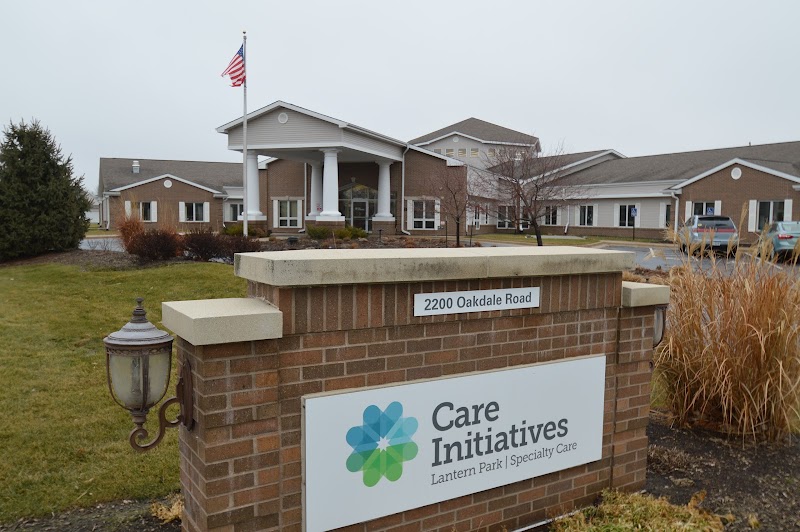
How is Lantern Park Specialty Care Staffed?
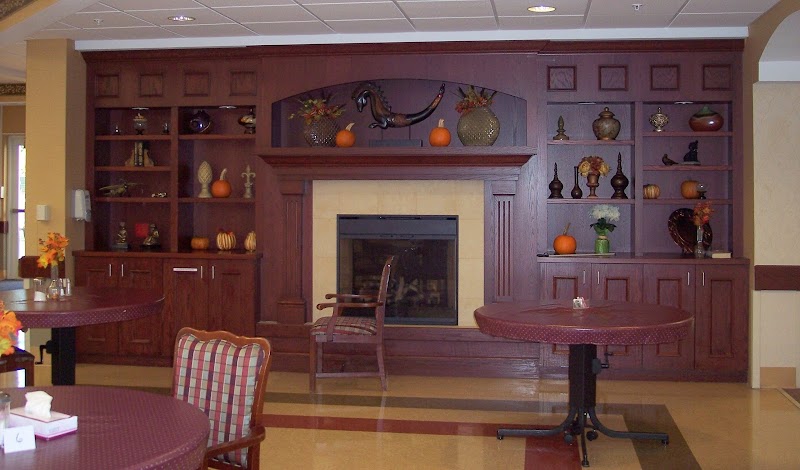
CMS rates Lantern Park Specialty Care's staffing level at 3 out of 5 stars, which is average compared to other nursing homes. Staff turnover is 60%, which is 14 percentage points above the Iowa average of 46%. High turnover can affect care consistency as new staff learn residents' individual needs. RN turnover specifically is 80%, which is notably high. RNs provide skilled clinical oversight, so turnover in this role can affect medical care quality.

What Have Inspectors Found at Lantern Park Specialty Care?

State health inspectors documented 58 deficiencies at Lantern Park Specialty Care during 2023 to 2025. These included: 3 Immediate Jeopardy (the most serious level, indicating potential for serious harm or death), 6 that caused actual resident harm, 47 with potential for harm, and 2 minor or isolated issues. Immediate Jeopardy findings are rare and represent the most serious regulatory concerns. They require immediate corrective action.

Who Owns and Operates Lantern Park Specialty Care?

Lantern Park Specialty Care is owned by a non-profit organization. Non-profit facilities reinvest revenue into operations rather than distributing to shareholders. The facility is operated by CARE INITIATIVES, a chain that manages multiple nursing homes. With 90 certified beds and approximately 79 residents (about 88% occupancy), it is a smaller facility located in Coralville, Iowa.

How Does Lantern Park Specialty Care Compare to Other Iowa Nursing Homes?

Compared to the 100 nursing homes in Iowa, Lantern Park Specialty Care's overall rating (1 stars) is below the state average of 3.0, staff turnover (60%) is significantly higher than the state average of 46%, and health inspection rating (1 stars) is much below the national benchmark.

What Should Families Ask When Visiting Lantern Park Specialty Care?

Based on this facility's data, families visiting should ask: "What changes have been made since the serious inspection findings, and how are you preventing similar issues?" "How do you ensure continuity of care given staff turnover, and what is your staff retention strategy?" "Can I visit during a mealtime to observe dining assistance and food quality?" "How do you handle medical emergencies, and what is your hospital transfer rate?" These questions are particularly relevant given the facility's Immediate Jeopardy citations and the facility's high staff turnover rate.

Is Lantern Park Specialty Care Safe?

Based on CMS inspection data, Lantern Park Specialty Care has documented safety concerns. Inspectors have issued 3 Immediate Jeopardy citations (the most serious violation level indicating risk of serious injury or death). The facility has a 1-star overall rating and ranks #100 of 100 nursing homes in Iowa. Families considering this facility should ask detailed questions about what corrective actions have been taken since these incidents.

Do Nurses at Lantern Park Specialty Care Stick Around?

Staff turnover at Lantern Park Specialty Care is high. At 60%, the facility is 14 percentage points above the Iowa average of 46%. Registered Nurse turnover is particularly concerning at 80%. RNs handle complex medical decisions and coordinate care — frequent RN changes can directly impact care quality. High turnover means new staff may not know residents' individual needs, medications, or preferences. It can also be disorienting for residents, especially those with dementia who rely on familiar faces. Families should ask: What is causing the turnover? What retention programs are in place? How do you ensure care continuity during staff transitions?

Was Lantern Park Specialty Care Ever Fined?

Lantern Park Specialty Care has been fined $290,182 across 3 penalty actions. This is 8.1x the Iowa average of $35,981. Fines at this level are uncommon and typically indicate a pattern of serious deficiencies, repeated violations, or failure to correct problems promptly. CMS reserves penalties of this magnitude for facilities that pose significant, documented risk to resident health or safety. Families should request specific documentation of what issues led to these fines and what systemic changes have been implemented.

Is Lantern Park Specialty Care on Any Federal Watch List?

Lantern Park Specialty Care is not on any federal watch list. The most significant is the Special Focus Facility (SFF) program, which identifies the bottom 1% of nursing homes nationally based on persistent, serious quality problems. Not being on this list means the facility has avoided the pattern of deficiencies that triggers enhanced federal oversight. This is a positive indicator, though families should still review the facility's inspection history directly.