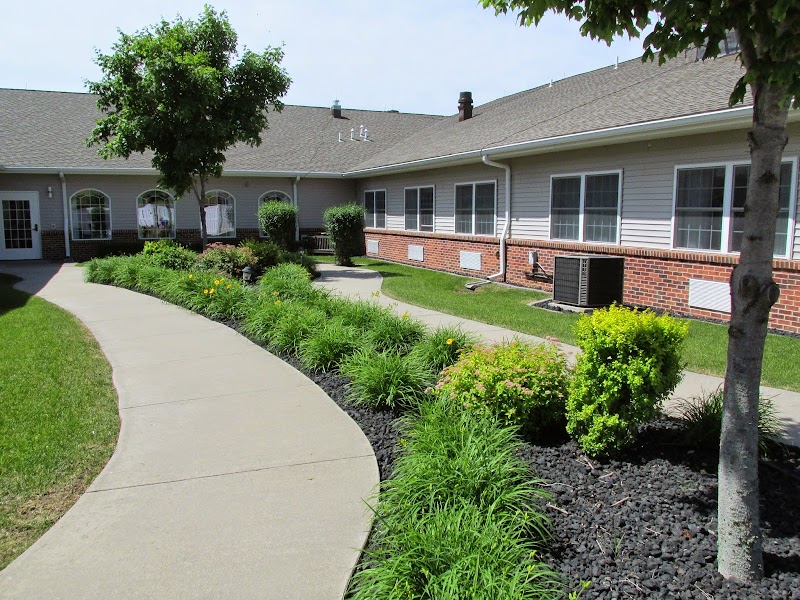
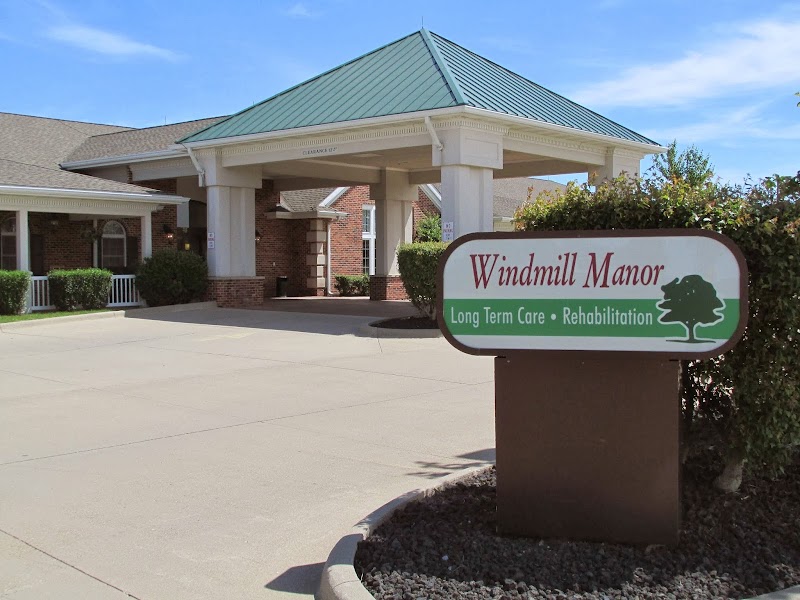
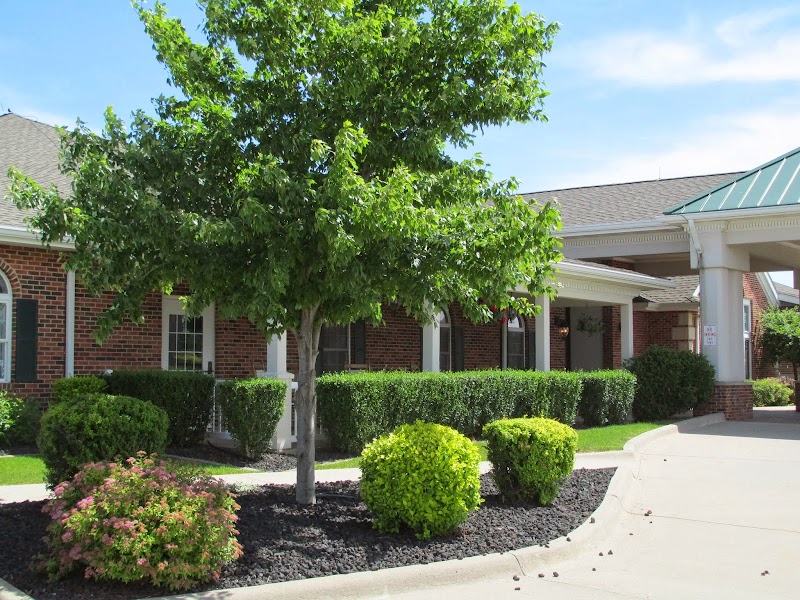
Windmill Manor

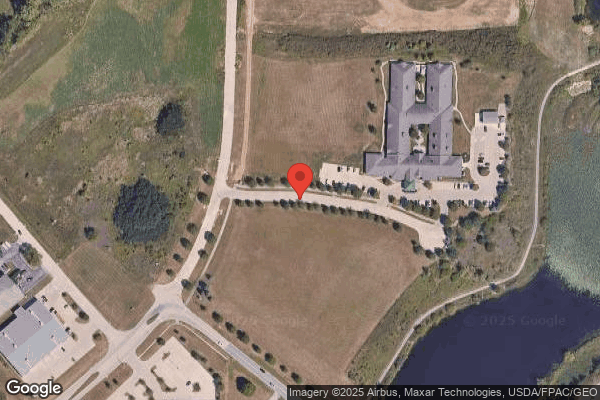
2332 Liberty Drive, Coralville, IA 52241 (319) 545-7390
Non profit - Corporation 120 Beds RESIDENTIAL ALTERNATIVES OF ILLINOIS Data: November 2025
Trust Grade
26/100
#392 of 392 in IA
Last Inspection: April 2025

Within standard 12-15 month inspection cycle. Federal law requires annual inspections.

Overview

Windmill Manor in Coralville, Iowa has received a Trust Grade of F, indicating significant concerns and poor performance in care quality. They rank #392 out of 392 facilities in Iowa, placing them in the bottom tier statewide, and #7 out of 7 in Johnson County, meaning there are no better options nearby. While the facility is showing signs of improvement-reducing issues from 11 in 2024 to 4 in 2025-there are still serious shortcomings, including three incidents that caused harm, such as a resident falling during a transfer due to inadequate supervision, resulting in fractures. Staffing is relatively stable with a turnover rate of 30%, which is lower than the state average, but the facility has concerning RN coverage, being below 96% of Iowa facilities, which could affect the quality of care. Additionally, they have incurred $11,213 in fines, which is average but still indicates compliance issues that families should consider when evaluating care options.

Trust Score
F
26/100
In Iowa
#392/392
Bottom 1%
Safety Record
High Risk
Review needed
Inspections
Getting Better
11 → 4 violations
Staff Stability
✓ Good
30% annual turnover. Excellent stability, 18 points below Iowa's 48% average. Staff who stay learn residents' needs.
Penalties
⚠ Watch
$11,213 in fines. Higher than 78% of Iowa facilities, suggesting repeated compliance issues.
Skilled Nurses
⚠ Watch
Each resident gets only 22 minutes of Registered Nurse (RN) attention daily — below average for Iowa. Fewer RN minutes means fewer trained eyes watching for problems.
Violations
⚠ Watch
21 deficiencies on record. Higher than average. Multiple issues found across inspections.
★☆☆☆☆
1.0
Overall Rating
★★★☆☆
3.0
Staff Levels
★☆☆☆☆
1.0
Care Quality
★★☆☆☆
2.0
Inspection Score
Stable
2024: 11 issues
2025: 4 issues

The Good

  • Low Staff Turnover (30%) · Staff stability means consistent care
  • Full Sprinkler Coverage · Fire safety systems throughout facility
  • No fines on record
  • Staff turnover is low (30%)

    18 points below Iowa average of 48%

Facility shows strength in staff retention, fire safety.

The Bad

1-Star Overall Rating

Below Iowa average (3.0)

Significant quality concerns identified by CMS

Federal Fines: $11,213

Below median ($33,413)

Minor penalties assessed

Chain: RESIDENTIAL ALTERNATIVES OF ILLINOI

Part of a multi-facility chain

Ask about local staffing decisions and management

The Ugly 21 deficiencies on record

3 actual harm
Sept 2025 1 deficiency 1 Harm
SERIOUS (G) 📢 Someone Reported This

A family member, employee, or ombudsman was alarmed enough to file a formal complaint

Actual Harm - a resident was hurt due to facility failures

Accident Prevention (Tag F0689)

A resident was harmed · This affected 1 resident

**NOTE- TERMS IN BRACKETS HAVE BEEN EDITED TO PROTECT CONFIDENTIALITY** Based on clinical record review, staff interviews, and policy review, the facility failed to provide appropriate supervision whe...

Read full inspector narrative →
**NOTE- TERMS IN BRACKETS HAVE BEEN EDITED TO PROTECT CONFIDENTIALITY** Based on clinical record review, staff interviews, and policy review, the facility failed to provide appropriate supervision when a staff failed to use a gait belt to ensure each resident safety during a transfer for 1 of 3 residents reviewed (Resident #1) for safety. Resident #1 fell during the transfer which resulted in a left arm and wrist fracture. The facility reported a census of 109 residents. Findings include: Resident #1's Minimum Data Set (MDS) assessment dated [DATE] identified a Brief Interview for Mental Status (BIMS) score of 10 out of 15, which indicated moderate cognitive impairment. The MDS further indicated that the resident received partial/moderate assistance with transfers. The clinical census for Resident #1 revealed the following: a.7/21/25 admitted to the facility b.7/30/25 discharged from the facilityThe Care Plan initiated 7/22/25 indicated Resident #1 had a mobility deficit, utilized a front wheeled walker for transferring and required extensive assistance of 1 staff. A Progress Note dated 7/23/25 at 4:59 PM documented Resident #1 had been on the floor in the bathroom and according to the CNA the resident had been in front of the sink washing her hands and tripped backwards when she tried to turn with her walker. The CNA reported the resident dragged her down and she landed on the floor with the resident. An Incident Report (IR) dated 7/23/25 at 5:26 PM documented Resident #1 had a witnessed fall in the resident's bathroom after she had turned after washing her hands. The IR further documented a CNA had been with the resident but a gait belt had not been in place. An After Visit Summary dated 7/23/25 from a local emergency room (ER) revealed imaging tests were completed on Resident #1's left wrist and left elbow. The summary documented the reason for the visit was a fall, a diagnosis of a closed nondisplaced fracture of neck of left radius (forearm) had been determined and instructions to follow up with orthopedics for management of the fractures. The summary further documented the resident received an arm sling and left wrist splint. Review of the facility investigation of Resident #1's 7/23/25 fall revealed the resident had been sent to the ER immediately after the fall because she had been on a blood thinner. During an interview 9/16/25 at 12:25 PM, Staff A, Certified Nursing Assistant (CNA) revealed she had been in the bathroom with Resident #1 when the resident stepped back after washing her hands and then the resident tripped and fell back. Staff A stated she had been pulled down with the resident when she fell and landed next to the resident. Staff A stated she did not use a gait belt because she had looked around the room she did not see a gait belt. Staff A reported after the fall she went to get the nurse and the nurse was able to find a gait belt and she helped get the resident off the floor with a mechanical lift. Staff A acknowledged she was expected to use a gait belt when assisting residents with transfers. During an interview 9/16/25 at 12:35 PM, Staff B, Registered Nurse (RN) revealed the Staff A, CNA came and reported to her that Resident #1 was on the floor in the bathroom after she tripped after she had washed her hands. Staff B reported that Staff A had confessed to her that she had not been using a gait belt on Resident #1 prior to the fall. Review of the facility policy number 3.35 (IA) with the subject Gait Belts adopted 12/03, revealed all direct staff shall use a gait belt when transferring or ambulating residents for the protection of both staff and residents. All direct staff will have a gait belt available for use with transfers. No resident will be transferred or ambulated without the use of a gait belt, unless to do so is contraindicated and this would be identified on resident's plan of care. During an interview 9/17/25 at 9:40 AM, the Director of Nursing (DON) revealed it is an expectation staff utilize a gait belt per policy if a resident requires assistance with transfers.Review of the personnel file for Staff A, CNA revealed she completed the new employment checklist for a CNA on 9/13/24. The checklist included use of a gait belt. Review of in-service education revealed use of gait belt training had been completed on 9/30/24 and 7/16/25. Staff A, CNA signed that she had been present during both in-service training sessions.
Apr 2025 1 deficiency
CONCERN (D)

Potential for Harm - no one hurt, but risky conditions existed

Deficiency F0645 (Tag F0645)

Could have caused harm · This affected 1 resident

**NOTE- TERMS IN BRACKETS HAVE BEEN EDITED TO PROTECT CONFIDENTIALITY** Based on clinical record review, facility policy review and staff interviews, the facility failed to re-submit a Pre-admission S...

Read full inspector narrative →
**NOTE- TERMS IN BRACKETS HAVE BEEN EDITED TO PROTECT CONFIDENTIALITY** Based on clinical record review, facility policy review and staff interviews, the facility failed to re-submit a Pre-admission Screening and Resident Review (PASARR) for a stay longer than 60 days for 1 of 3 residents reviewed. The facility reported a census of 88 residents. Findings include: The Minimum Data Set (MDS) dated [DATE] for Resident #66 documented diagnosis of anxiety disorder, bipolar disorder and delusional disorders. Review of a PASARR, dated 10/22/2024 revealed results which included, in part: You may be admitted to a Medicaid certified nursing facility for up to 60 calendar days. You are expected to discharge within 60 days. If your stay goes beyond 60 calendar days, a NF (nursing facility) representative must submit a Status Change Level 1 to [company redacted]. During an interview on 4/16/25 at 2:19 PM, the Social Services Director (SSD) stated on of her is to process the PASRR. The SSD stated she had been in this position for over two years. She was not aware that time-limited PASARR 's had to be resubmitted if the resident was not discharged or circumstances changed. The SSD stated she did not know PASARR's needed to be updated when there is a time limit specified or a new mental health diagnosis. During an interview on 4/17/25 at 1:47 PM, the Administrator stated it is her expectation that all PASARR's are completed timely. Review of the facility policy, titled Preadmission Screening and Resident Review (PASARR) dated 02/17/2025, for Short Term Approvals directed: 1. Residents who are approved for admission on a short term basis will be assigned a PASARR designated, Approved - ST (short term). 2. If the resident is still in the facility upon completion of the Short Term approval time frame, the Social Service/Admissions Director or designee shall resubmit the PASARR.
Mar 2025 2 deficiencies
CONCERN (D) 📢 Someone Reported This

A family member, employee, or ombudsman was alarmed enough to file a formal complaint

Potential for Harm - no one hurt, but risky conditions existed

Comprehensive Care Plan (Tag F0656)

Could have caused harm · This affected 1 resident

Based on clinical record review, resident interview and facility policy review the facility failed to implement care plans for two (2) of three (3) residents reviewed (Resident #2 and #3). The facilit...

Read full inspector narrative →
Based on clinical record review, resident interview and facility policy review the facility failed to implement care plans for two (2) of three (3) residents reviewed (Resident #2 and #3). The facility reported a census of 101 residents. Findings include: 1. Review of Resident #3 Care Plan indicated the following Problem area which included the following Approach as dated: a. The Resident had Depression and Anxiety. Start Date 11/2/2024. 1. Staff to have administered Clonazepam (for a panic disorder) one (1) milligram (mg) by mouth (po) three (3) times a day (TID). Start Date 11/2/2024. According to a Medication Error Report form dated 12/9/24 the facility staff failed to follow Physician orders for Clonazepam 1 mg TID on 12/8/24 and 12/9/24 which caused increased anxiety for the resident and transferred to the emergency room (ER). During an interview 3/18/25 at 10:21 a.m. Resident #3 confirmed staff failed to have administered her Clonazepam in December. 2. According to a Medication Error Report form for Resident #2 dated 9/27/24 at 9:00 p.m. the facility staff administered Lyrica (for nerve pain) 150 milligrams (mgs) versus the 100 mgs ordered. effects. Review of Resident #2 Care Plan indicated the Resident had the following Problem area with included the following Approach as dated: a. The Resident suffered from acute and chronic pain related to chronic back pain with a recent traumatic fracture of his T10 (thoracic, which is in the middle of the spine) vertebrae after a fall that required surgical repair and resulted in an infection to his spinal fixation device. Start Date 3/21/24. 1. Staff to have administered pain medication as ordered. Start Date 3/21/24. The facilities Care Plan Policy revised 6/1/2022 included the following: The policy of the facility included the development and implementation of a Base Line Care Plan, a Comprehensive Person-Centered Care Plan and conduct Care Plan Meetings as appropriate for each resident, consistent with resident rights, that included measurable objectives and time frames to have met a resident's medical, nursing, and mental and psychosocial needs identified in the resident's comprehensive assessment.
CONCERN (D) 📢 Someone Reported This

A family member, employee, or ombudsman was alarmed enough to file a formal complaint

Potential for Harm - no one hurt, but risky conditions existed

Deficiency F0658 (Tag F0658)

Could have caused harm · This affected 1 resident

**NOTE- TERMS IN BRACKETS HAVE BEEN EDITED TO PROTECT CONFIDENTIALITY** Based on observation, clinical record review, facility policy review, provider, resident and staff interviews, staff interview t...

Read full inspector narrative →
**NOTE- TERMS IN BRACKETS HAVE BEEN EDITED TO PROTECT CONFIDENTIALITY** Based on observation, clinical record review, facility policy review, provider, resident and staff interviews, staff interview the facility failed to follow physician orders for three (3) of three (3) residents reviewed (Resident #1, #2 and #3). The facility identified a census of 101 residents. Findings include: 1. Review of Minimum Data Set Assessment (MDS), dated [DATE] indicated Resident #3 diagnoses list included anxiety, depression, bipolar disorder, delusional disorders and alcohol dependence. A Brief Interview for Mental Status (BIMS) score of 15 out of 15 indicated intact cognition. Review of the Care Plan indicated Resident #3 had the following Problem area with included the following Approach as dated: a. The resident had depression and anxiety. Start Date 11/2/24. 1. Staff to have administered Clonazepam one (1) milligram (mg) by mouth (po) three (3) times a day (TID). Start Date 11/2/24. According to a Medication Error Report form dated 12.9.24 the facility staff failed to follow Physician orders for Clonazepam 1 mg TID on 12.8.24 and 12.9.24 which caused increased anxiety for the resident which resulted in an emergency room (ER) transfer. During an interview 3.18.25 at 10:21 a.m. Resident #3 confirmed staff failed to have administered her Clonazepam in December. 2. According to a Medication Error Report form for Resident #2, dated 9/27/24 at 9:00 p.m. the facility staff administered Lyrica 150 milligrams (mgs) versus the 100 mgs ordered which caused no side effects. A Care Plan indicated the resident had the following Problem area with included the following Approach as dated: a. The resident suffered from acute and chronic pain related to chronic back pain with a recent traumatic fracture of his T10 (thoracic - middle of spine) vertebrae after a fall that required surgical repair and resulted in an infection to his spinal fixation device. Start Date 3/21/24. 1. Staff to have administered pain medication as ordered. Start Date 3/21/24. 3. According to a Medication Error Report form for Resident #1 dated 11/20/24 the facility staff administered Atorvastatin (for high cholesterol) 80 mgs, Senna (constipation) 8.6 mgs and Tamsulosin (for an enlarged prostrate) 0.4 mgs to the resident at 7:38 p.m. which had been prescribed for another resident with no side effects documented. During an interview on 3/18/25 at 3:52 p.m. the Interim Administrator confirmed she expected the facility staff to have followed Physician orders as written. During an interview on 3/18/25 at 3:57 p.m. the resident's provider confirmed he expected staff to have followed his orders as written as a matter of safety for the residents. A Pharmaceutical Procedures policy revised 1/5/23 included the following: All such orders should of had the signature of the Physician and administered as prescribed.
Jul 2024 2 deficiencies
CONCERN (D) 📢 Someone Reported This

A family member, employee, or ombudsman was alarmed enough to file a formal complaint

Potential for Harm - no one hurt, but risky conditions existed

Resident Rights (Tag F0550)

Could have caused harm · This affected 1 resident

**NOTE- TERMS IN BRACKETS HAVE BEEN EDITED TO PROTECT CONFIDENTIALITY** Based on observations, clinical record review, family and staff interviews, the facility failed to respect a resident's right to...

Read full inspector narrative →
**NOTE- TERMS IN BRACKETS HAVE BEEN EDITED TO PROTECT CONFIDENTIALITY** Based on observations, clinical record review, family and staff interviews, the facility failed to respect a resident's right to request a transfer to the emergency room for an evaluation related to blood in stool for 1 of 1 residents (Resident #7) reviewed. The facility reported a census of 81 residents. Findings include: The Minimum Data Set (MDS), dated [DATE], for Resident #7 listed the diagnoses as pulmonary embolism, hypertension and dysphagia,. The MDS assessed the resident required moderate assistance for mobility. The assessment listed speech as clear with distinct intelligible words. The MDS listed the Brief Interview for Mental Status (BIMS) score as 15 of 15, indicating intact cognition. The Care Plan for Resident #7, dated [DATE], included a Problem related to the use of anti-coagulants medication related to a history of PE (pulmonary embolism). The plan directed staff to monitor for side effects of anticoagulant therapy such as: fever, headache, diarrhea, bruising, bleeding, nausea, vomiting, mouth ulcerations, melena (black, tarry stool associated with bleeding in the gastrointestinal tract), theatrical (blood in urine), jaundice, urticaria (hives), and rash. During an interview on [DATE] at 3:09 pm, a family member stated Resident #7 reported to her she [Resident #7] told a nurse multiple times that she wanted to go to the hospital due to the blood in her stool and the nurse replied that it was not important, not to worry about it, she was not going to go. The family member stated She Po-Pooed her. The family member stated Resident #7 reported to her no one called the family, she was up all night and miserable. The family member stated she believed that if the aides (Certified Nursing Assistants, or CNA) would not have intervened, her aunt would have died. During an interview on [DATE] at 1:45 pm, Staff B, CNA stated she worked on [DATE] from 10 pm to 6 am and provided care for Resident #7. Staff B stated Resident #7 had multiple bowel movements (BM) with blood, she felt sick and was in pain. Staff B stated Resident #7 was asking Staff A, Licensed Practical Nurse (LPN) to call her family as she wanted to go to the hospital and Staff A stated she didn't need to go to the hospital. During an interview on [DATE] at 2:28 pm, Staff C, CNA stated that she provided care for Resident #7 on [DATE] starting at 10 pm. She stated the resident had multiple BM's with blood, weakness, abdomen pain and was requesting to go to the hospital. Staff C stated she knew Staff A, LPN was aware of Resident #7's request to be transported to the hospital as she went back and forth all night between the resident and the nurse with the request. During an interview on [DATE] at 8:32 am, Staff A, LPN stated she was the charge nurse on [DATE] from 6 pm to 6 am. Staff A stated that it was reported to her, that Resident #7 refused her shower, was not feeling well and had loose BM with little blood. Staff A stated at 10 pm Resident #7 wanted to go to the hospital. Staff A stated she continued to monitor Resident #7 after administering Tylenol at midnight. Staff A stated the CNA's recommended the hospital but did not remember if Resident #7 asked, She had her own phone. During an interview on [DATE] at 9:37 am Staff D, LPN stated she was the charge nurse on [DATE] at 6 am and Staff A, LPN stated Resident #7 had gone to the hospital due to pain and blood in her BM. Staff D stated if a resident requested to go to the hospital, the nurse would make an assessment of their symptoms and call the family. Staff D stated, If they request to go, they have a right to go. A review of local emergency medical services record revealed Resident transported to the hospital on [DATE] at 5:54 am. A review of hospital emergency records, dated [DATE], included an Assessment and Plan indicating bright red blood per rectum possibly due to lower GI (gastrointestinal) bleeding, cannot rule out upper GI bleeding.
CONCERN (D) 📢 Someone Reported This

A family member, employee, or ombudsman was alarmed enough to file a formal complaint

Potential for Harm - no one hurt, but risky conditions existed

Quality of Care (Tag F0684)

Could have caused harm · This affected 1 resident

**NOTE- TERMS IN BRACKETS HAVE BEEN EDITED TO PROTECT CONFIDENTIALITY** Based on observations, clinical record review, family and staff interviews, the facility failed to provide timely assessment and...

Read full inspector narrative →
**NOTE- TERMS IN BRACKETS HAVE BEEN EDITED TO PROTECT CONFIDENTIALITY** Based on observations, clinical record review, family and staff interviews, the facility failed to provide timely assessment and intervention for 1 of 2 residents (Resident #7) taking an anti-coagulant medication and voicing concern due to multiple episodes of diarrhea and blood in an incontinent brief. The facility reported a census of 81 residents. Findings include: The Minimum Data Set (MDS) for Resident #7, dated [DATE], list of diagnoses included pulmonary embolism, hypertension and dysphagia. The assessment revealed Resident #7 requires moderate assistant for transfers. The resident speech clear, with distinct intelligible words. The MDS included a Brief Interview for Mental Status (BIMS) score of 15 out of 15, indicating intact cognition. The Care Plan for Resident #7 dated [DATE] that directed staff to provide the assistance of two staff for transfers, toileting and required the need for disposable briefs due to incontinence. The Progress Notes for Resident #7, documentation by Staff A, Licensed Practical Nurse (LPN) that revealed: a. [DATE] at 7:53 pm Resident refused a shower, did not feel good and denied pain. b. [DATE] 12:23 am Vital Signs: 96.5 (temperature) 98/56 (blood pressure) 76 (heart rate) 97% (blood oxygen saturation). c. [DATE] 4:53 am Resident #7 was not feeling well 97.6 (temperature) 145/79 (blood pressure) 119 (heart rate) 18 (respirations) 98% (blood oxygen saturation), 2 large loose Bowel Movements (BM), Tylenol 650 milligrams (mg) given, resident requested for pain all over. d. [DATE] at 5:35 am Resident was very weakness after 2 large loose BM, included rectal bleeding. The resident requested to go to emergency room (ER) for evaluation & treatment and was sent with records. e. [DATE] at 5:38 am Call to the Power of Attorney (POA) and updated. During an interview on [DATE] at 1:45 pm, Staff B, Certified Nursing Assistant (CNA) stated she worked on [DATE] at 10 pm to 6 am and provided care for Resident #7. Staff B stated at 10:30 pm she assisted Staff C, CNA with changing Resident #7's brief due to incontinence. Staff B stated there was blood in with the BM and was reported to Staff A, LPN. Staff B stated at 12:30 am, Resident #7 initiated the call light, was incontinent of liquid BM and had a medium amount of bright red blood. Staff B stated Resident #7 was shaky, difficulty to stand with the stand lift, assisted to the bathroom, and had blood in the toilet. Staff B stated Staff C had Staff A come to the room to see the brief and results in the toilet, whom responded She is fine. Staff B stated this was not normal for Resident #7, who was asking to go to the hospital and to have family notified. Staff B stated Staff A took Resident #7's vitals and returned to the nurse's station. Staff B stated Staff A asked her to go check on Resident #7 as she didn't want to go to the hospital. Staff B stated Resident #7 was still in pain and wanted to go to the hospital but the nurse would not send her. Staff B stated this went on all night until the ambulance came at 5 am. Staff B stated that Resident #7 didn't sleep all night due to the pain. During an interview on [DATE] at 2:28 PM, Staff C, CNA stated she worked on [DATE] at 10 pm with Resident #7. Staff C stated she did not receive a report that Resident #7 was not well, she was just completing her normal rounds at start of shift, assisted Resident #7 and found bloody BM in her brief, and stated she was not well, was in pain. Staff C stated she was flushed, pale, in pain, and she had notified Staff A, LPN. Staff C stated that at midnight, Staff B asked for assistance to take Resident to the bathroom with the stand lift. Staff C stated Resident #7 was not herself, weak, large liquid BM with blood and was in pain. Staff C stated, She wanted to go to the hospital. Staff C stated she saved the brief for Staff A to view as it had bright red blood from the front to the back of the brief. Staff C stated Staff A took the vitals and gave a Tylenol but did not send Resident #7 to the hospital and stated she did not want to go to the hospital. Staff C stated She said she wanted to go to the hospital clearly. Staff C stated she had looked for the other nurse in the facility but was unable to locate her. Staff C stated she was scared for Resident #7 and insisted Staff A call for an ambulance which she did at 5 am. During an interview on [DATE] at 3:09 pm, Resident #7's niece was at bedside with her aunt who stated she told the nurse multiple times that she wanted to go to the hospital due to the blood in her stool and the nurse replied that it was not important, not to worry about it, she was not going to go. The niece stated She Po-Pooed her. The niece stated Resident #7 reported no one would call her POA, that she was up all night and miserable. The niece stated she believed that if the aids would not have intervened, her aunt would have died. During an interview on [DATE] at 11:10 am, Staff E, CNA stated she had worked on [DATE] at 2:30 pm to 10 pm and had offered Resident #7 a shower but she refused due to not feeling well. Staff E stated she had reported that to the nurse, Staff A, LPN. During an interview on [DATE] at 9:37 am Staff D, LPN stated she was the charge nurse on [DATE] at 6 am and Staff A, LPN stated Resident #7 had gone to the hospital due to pain and blood in her BM. Staff D stated if a resident requested to go to the hospital, the nurse would make an assessment of their symptoms and call the family. Staff D stated, If they request to go, they have a right to go. Staff D stated Mediprocity is the system the facility utilized to communicate with the physician and the administrator. It also had the ability to track if they had read the message. The facility provided the Metiprosity (Printed Discussion for Resident #7) that revealed: a. On [DATE] at 6:46 am, Staff A, LPN sent a notification to the Administration staff and Staff F, MD regarding Resident #7's condition during the night, transferred to the hospital and called the Power of Attorney (POA). b. The Read Receipt revealed Staff F read the report on [DATE] at 7:25 am. c. The Read Receipt revealed The Administrator read the report on [DATE] at 6:57 am. The County Ambulance report dated [DATE] for Resident #7 revealed: a. Emergency Medical Services (EMS) received the call at 5:27 am. b. EMS arrived to the facility at 5:36 am. c. Dispatched for resident #7 for hemorrhage and laceration. d. CNA's reported changed Resident #7's Depends 3 times with large amounts of bright red blood. e. Resident #7 reported having diarrhea, bleeding, feeling weak, nauseous and had reported the symptoms to the nurse who stated she was fine and didn't need to go to the hospital. f. The CNA's reported they repeatedly requested the nurse to call an ambulance. g. The nurse responded to the room, handed over paperwork and left the room without giving a report on the patient. The paper work was for a different resident and EMT had to find the nurse to obtain the correct paperwork for Resident #7. h. Resident #7 was conscious, alert, and oriented to person, place, time and event. i. Resident #7's skin was pale and cool to touch. j. Resident #7's abdomen was soft and tender to palpitations (touch). k. Resident #7 reported she takes Aspirin and Xarelto blood thinners for a diagnosis of bilateral Pulmonary Emboli's (blood clot in both lungs). l. Blood pressure 160/80 hypertensive (high blood pressure) and pulse 104 tachycardic (fast heart rate). m. Resident #7 transported to the hospital at 5:54 am. The Hospital Emergency Department notes for Resident #7 revealed: a. Arrived on [DATE] via ambulance with a complaint of rectal bleeding. b. Lab values: Hemoglobin 11.0 (normal range for women 12-16 g/dl (grams per deciliter) and [NAME] Blood Count 10.9 (normal range 4,500 to 11,000 per microliter). The Hospital Admitting notes for Resident #7 revealed: a. CT (computed tomography) scan revealed a defect in the urinary bladder concern for bladder malignancy. No evidence of acute (short term) gastrointestinal bleeding. Above average stool in rectal vault and sigmoid colon suggesting constipation. b. Hemoglobin on [DATE] was 8.8 g/dl. c. A Urologist was consulted. d. Recommended Operating Room for cystoscopy (a scope used to visualize the inside of the urinary bladder) for possible left ureteral stent placement. e. The cystoscopy revealed there was no tumor, the large mass was a blood clot. f. Hemoglobin on [DATE] was 7.7 g/dl. During an interview on [DATE] at 1:10 pm The Administrator stated that Resident #7 should have been transported to the hospital when she had requested to be transported. The policy titled Emergencies dated [DATE] revealed: a. The nurse in charge will evaluate the resident's condition. b. Notify the resident's physician and follow orders. c. Call for an ambulance. d. Notify the family.
May 2024 6 deficiencies 1 Harm
SERIOUS (G)

Actual Harm - a resident was hurt due to facility failures

Accident Prevention (Tag F0689)

A resident was harmed · This affected 1 resident

**NOTE- TERMS IN BRACKETS HAVE BEEN EDITED TO PROTECT CONFIDENTIALITY** Based on clinical record review, staff interviews, and policy review the facility failed to implement and modify interventions, ...

Read full inspector narrative →
**NOTE- TERMS IN BRACKETS HAVE BEEN EDITED TO PROTECT CONFIDENTIALITY** Based on clinical record review, staff interviews, and policy review the facility failed to implement and modify interventions, and provide safety to 1 of 3 residents reviewed for falls (Resident #67) who fell repeatedly at the facility and sustained two (2) fractures. The facility reported a census of 94 residents. Findings included: The Minimum Data Set (MDS) dated [DATE] for Resident #67 documented a Brief Interview of Mental Status (BIMS) score of 4 indicating he has severely impaired cognition. The MDS documented he does not walk, stand, or use the toilet and he is dependent on staff for toilet hygiene, and changing positions from lying to sitting and for transfers. The MDS also documented his primary diagnosis of fractures and other multiple traumas, Alzheimer's, and hip fracture. 1. Record review of a Progress Note dated 11/08/2023 at 4:14 PM for Resident #67 documented the kitchen chef walked down the hall and saw Resident #67 sitting on the floor in bathroom in front of his stool and notified staff. Resident #67 observed sitting with his back against the stool and facial grimacing with tears running down his cheeks. His right knee was bent out toward the wall. Resident #67 unable to straighten it due to pain, and he had an abrasion to the front of his knee. Resident #67 complaining of excruciating pain. Brief wet, changed. Vitals Signs taken and he was lifted to his bed using a mechanical lift. As needed, pain medication given and the resident sent to the local emergency room (ER). Record review of a Progress Note dated 11/08/2023 at 5:10 PM documented Resident #67 left by ambulance, he became briefly unresponsive when transferred, then again complained of severe pain to his knee. Record review of a Progress Note dated 11/09/2023 at 10:42 AM revealed the facility notified by Resident #67 daughter that he broke his right tibia (also known as the shin bone, is one of the two bones that make up the lower leg). Record review of a Progress Note dated 11/15/2023 at 1:30 PM Resident #67 returned to the facility and is non-weight bearing to his right side and a cast in place. Record review of a Progress Note dated 11/17/2023 at 3:26 PM by the Medical Practitioner revealed Resident #67 has a right tibia fracture and no surgical intervention at this time. 2. Record review of a Progress Note dated 1/08/2024 at 4:58 PM documented Resident #67 found sitting on the floor leaning on his wheelchair in the library with both legs out in front of him. Activity staff present and informed he slid to the floor with his left leg bent underneath him. Activity staff member tried to help him by slowing the fall and then sliding his left leg out from underneath him and to the front. During assessment when left leg was bent to assess Range of Motion (ROM) resident began to groan from pain and saying ow that hurts. Resident assisted back to his wheelchair using a mechanical lift with the nurse holding his left leg straight ahead per residents request. When placed in the wheelchair, the left leg appears to be rotated slightly outwards. Resident taken to his room and transferred into bed and transferred to the local ER. Record review of a Progress Note dated 1/16/2024 at 1:35 PM documented Resident #67 returned to the facility with a left femur fracture that had been surgically repaired. Record review of a Progress Note dated 1/17/2024 [Recorded as Late Entry on 01/24/2024 at 9:39) by Resident #67 Nurse Practitioner documented he was examined today and is on skilled services after hospitalization following another fall at the facility, this time with a left femur fracture. He has a new onset of decrease in strength, decrease in functional mobility, and reduced balance. The plan is to continue his comprehensive rehab program, strengthening and improving functional mobility. 3. Record review of a Progress Note dated 5/03/2024 at 11:00 AM revealed he went to the local urgent care and has a closed displaced fracture of the shaft of the fifth metacarpal bone (pinky finger) of his right hand. During an interview on 05/15/24 at 03:45 PM with the Assistant Administrator revealed the facility would have completed medical incident reports when the resident would have a fall but the facility is not able to provide that documentation at this time. She informed the provider was notified and determined the falls are not a major injury but does not have documentation to show this for all three of Resident #67 falls. During an interview on 5/15/24 at 5:11 PM with the facilities MDS Coordinator, she stated after continuous falls with Resident #67 it has been hard, because sometimes he knows what he is doing and sometimes he does not. One minute he is clear and the next he isn't. Record review of Resident #67 Care Plan with a start date of 10/25/2023 identified a Focus Area of Falls related to weakness, limited mobility and use of antidepressant medication. The Care Plan included the following interventions with start dates: a. Weight bearing as tolerated. 3/1/24 b. Activity staff either alert nursing when resident is done with an activity or take resident back to the common area near nursing. 1/30/24 c. Remind Resident #67 to call for assistance with cleaning up afternoon snacks.1/19/24 d. Total assist of 2 staff with transfers using manual stand lift. 11/15/23 e. Remind Resident #67 to call and wait for assistance with transfers, ambulation and to.11/10/23 f. Encourage Resident #67 to use side rails and handrails as needed.10/25/23 The Care Plan failed to identify appropriate interventions for resident cognitive status after each fall. Review of a Policy titled, Emergency Care Procedure last revised 4/3/2018 instructed the following: 1. Nurse in charge of the resident will evaluate the resident's condition. If help is needed and there is more than one nurse available, the nurse assigned to the resident will stay with the resident and will send a nurse's aide to go call the other nurse. The nurse's aide will also bring emergency equipment if needed. 2. Immediate Care of the Resident: A. Falls 1. Check the resident immediately for ability to move extremities. 2. Check residents ability to explain what happened; evaluate condition before fall 3. Check if, or with anyone who witnessed the accident. Determine, if possible, where, how and when. 4. Check for any apparent dislocation or possible fracture. If any signs of this are noted, stabilize the resident until the ambulance arrives.
CONCERN (D) 📢 Someone Reported This

A family member, employee, or ombudsman was alarmed enough to file a formal complaint

Potential for Harm - no one hurt, but risky conditions existed

Resident Rights (Tag F0550)

Could have caused harm · This affected 1 resident

Based on observations, policy review, and staff interviews the facility failed to keep the resident in clean clothes and with a clean face after every meal in order to maintain dignity for 1 of 3 resi...

Read full inspector narrative →
Based on observations, policy review, and staff interviews the facility failed to keep the resident in clean clothes and with a clean face after every meal in order to maintain dignity for 1 of 3 resident reviewed (Res #51). The facility reported a census of 94 residents. Findings include: The Minimum Data Set (MDS) report dated 2/15/24 for Resident #51 documented deficits with short and long-term memory with severely impaired cognitive skills for daily decision making. It documented diagnoses including: progressive neurological conditions (mental deterioration), Alzheimer's disease, and type 2 diabetes mellitus. The MDS indicated staff must provide supervision or touching assistance for upper and lower body dressing, and partial/moderate assistance for personal hygiene. The Care Plan updated 2/09/24 instructed staff to provide limited assist of 1 for dressing and assist with setup and cueing for grooming. It documented the resident can reject cares and be physical when redirected. It instructed staff to stop and re-approach with a different staff if he is rejecting cares. In an observation on 5/13/24 at 12:17 PM observed the resident seated at the dining table in Memory Lane with wet-appearing stains down the front of his shirt. He was not wearing a clothing protector. At 3:52 PM observed the resident with the same shirt on in the common area. There was drool dripping out of his mouth and no staff offered to assist him. In an observation on 5/14/24 at 7:55 AM observed the resident seated in a chair in his room drinking water; crumbs present on his shirt. At 10:48 AM the resident remained in his room sleeping in the chair with the shirt unchanged and crumbs present. At 2:32 PM the resident sitting in the activity area with the same shirt on, new streaks of brown and wetness down the center of the chest and up the right shoulder present. In an observation on 5/15/24 at 9:37 AM observed the resident seated in a chair in his room; food spatters present on his pants and on the center abdominal area of his shirt. At 12:52 PM the resident was seated in the chair in his room after lunch. The resident had food matter on his chin and the food spatters remained on his shirt and pants. During an interview on 5/16/24 at 9:50 AM the Memory Lane Coordinator noted the resident is on behavior plan for being resistive to cares. They do cares in the morning and night as he gets physically combative with attempts. She reported all of his shirts are stained. At 10:59 AM she explained sometimes they have a good crew (staff) who will try and change him after meals and clean him up, and other times the staff won't even try because they know he will fight it. During an interview on 5/15/24 at 1:18 PM the Director of Nursing explained she expected staff to take the resident back to their room to wash their face and change clothes if they were found to have food matter on them. The facility document titled Resident Rights, revised 11/28/17 reported the facility must treat each resident with respect and dignity and care for each resident in a manner and in an environment that promotes maintenance or enhancement of his or her quality of life, recognizing each resident's individuality.
CONCERN (D) 📢 Someone Reported This

A family member, employee, or ombudsman was alarmed enough to file a formal complaint

Potential for Harm - no one hurt, but risky conditions existed

Incontinence Care (Tag F0690)

Could have caused harm · This affected 1 resident

**NOTE- TERMS IN BRACKETS HAVE BEEN EDITED TO PROTECT CONFIDENTIALITY** Based on observations, clinical record review, staff interviews and policy review the facility failed to provide adequate incont...

Read full inspector narrative →
**NOTE- TERMS IN BRACKETS HAVE BEEN EDITED TO PROTECT CONFIDENTIALITY** Based on observations, clinical record review, staff interviews and policy review the facility failed to provide adequate incontinent cares for 3 out of 3 residents reviewed (Resident #49, #71 and #74). The facility identified a census of 92 residents. Findings include: 1. The Minimum Data Set (MDS) dated [DATE] revealed Resident #74 had a Brief Interview for Mental Status (BIMS) score of 3 which indicates severe cognitive impairment. The MDS indicated frequently incontinent of bowel and bladder. Resident #74 requires moderate assistance with toileting hygiene. She has a diagnosis of Non-Alzheimer's Dementia. The Care Plan initiated 8/17/23 documented in the resident care information section that Resident #74 is incontinent of bladder and requires briefs. The Care Plan failed to have an intervention to direct staff to provide incontinent cares. Observation on 05/15/24 at 7:25 AM Staff J, Certified Nursing Assistant (CNA) provided incontinent cares to Resident #74. Observed the residents brief wet as she removed it. Staff J utilized disposable wipes and wiped center of the perineal area 3 times. Staff J rolled her to right side and used 2 wipes to center of buttocks. Staff J wiped in a front to back motion and changed the surface of cloth with each wipe. She failed to cleanse the groin, abdominal folds, buttocks or hips to bilateral sides of resident. Strong urine odor present in the room. During an interview on 05/16/24 at 9:44 AM with the Director of Nursing (DON) she stated she would expect them to wash the front of the perineal area including the abdominal folds and then wash their bottom they should also wash the buttocks and hips. 2. The MDS dated [DATE] revealed Resident #49 had a BIMS score of 12 which indicates mild cognitive impairment. The MDS indicated the resident always incontinent of bowel and bladder and totally dependent with toileting hygiene. She has a diagnosis of Non-Alzheimer's Dementia. The Care Plan dated 4/13/21 directed staff to provide extensive assist of one with toileting/incontinent cares. On 05/15/24 at 10:44 AM observed Staff K, CNA and Staff L, CNA provide incontinent cares to Resident #49. They provided correct incontinent cares to the perineal area and then rolled Resident #49 on her side after removing a wet brief. Staff L cleansed the buttock area. Staff L failed to provide any incontinent cares to the left or the right hip. 3. The MDS for Resident #71 dated 4/30/24, included diagnoses of dementia and high blood pressure. The BIMS reflected a score of 13, intact cognition. The MDS revealed the resident always incontinent of bladder. The Care Plan for Resident #71 dated 4/22/23, lacked direction to provide incontinent care after each incontinent episode. On 5/15/24 at 10:44 AM, Staff H CNA, and Staff I CNA, transferred Resident #71 to the toilet. Staff I reported the resident pants felt wet from urine. Staff H and Staff I stood the resident up from the toilet, Staff H washed the resident's buttocks. Both of the CNA's pulled up the resident's pants and placed him in his wheelchair. Staff H failed to wash Resident #71's front peri area. On 5/15/24 at 10:53 AM, the Assistant Director of Nursing (ADON) reported she expected the staff to wash the front peri area after incontinence episodes. On 5/15/24 at 10:55 AM, Staff H confirmed she needed to wash his front peri area. On 5/16/24 at 9:18 AM, the Assistant Administrator reported she expected resident cares after incontinent episodes. On 5/16/24 at 9:46 AM, the Director of Nursing, (DON) reported she expected the staff to wash areas that were soiled. The facility provided a policy titled Incontinence Care dated 2/4, directed at point # 7 wash all soiled skin areas and dry very well, especially between skin folds
CONCERN (E)

Potential for Harm - no one hurt, but risky conditions existed

Deficiency F0804 (Tag F0804)

Could have caused harm · This affected multiple residents

Based on observations, policy review, and staff interview the facility failed to bring foods to the correct temperature prior to serving residents and keep it at the correct temperature throughout mea...

Read full inspector narrative →
Based on observations, policy review, and staff interview the facility failed to bring foods to the correct temperature prior to serving residents and keep it at the correct temperature throughout meal service to serve food and drink that is palatable, attractive, and at a safe and appetizing temperature. The facility reported a census of 94 residents. Findings include: During a continuous observation of the noon meal preparation and serving on 5/14/24 from 11:38 AM to 12:35 PM, the following items did not meet the correct cold temperature of 41 degrees Fahrenheit (F) or less prior to serving: a. White milk: 52.5°F b. Chocolate milk: 50.0°F c. Fortified milk: 50.1°F d. Half-and-Half creamer: 73.2°F e. Potato salad (main dining): 48.2°F f. Potato salad (Memory Lane): 45.3°F Observation revealed drinks not served on ice during the meal. During an observation of the post-meal temperatures at 12:27 PM, the following items did not meet the correct holding temperature of 41°F or below: a. Chocolate milk: 56.5 F b. Fortified milk: 55.7°F c. Half-and-Half creamer: 56.5°F d. Potato salad (main dining): 45.1°F e. Potato salad (Memory Lane): 42.8°F During an interview on 5/15/24 at 10:49 AM the Food Service Supervisor explained he expected all cooked foods to be 178-180°F and cold foods to be 34-35°F. He expected foods should not be lower than 165°F by the end of food service. Cold items, including beverages, should be on ice and remain at 34-35°F throughout service. The facility policy titled Meal Service Procedure adopted 11/14/22 instructed staff to return food items to the kitchen if cold food is above 41°F. Cold food should remain in the refrigerator or on ice during meal service.
CONCERN (F)

Potential for Harm - no one hurt, but risky conditions existed

Food Safety (Tag F0812)

Could have caused harm · This affected most or all residents

Based on observations, policy review, and staff interviews the facility failed to keep the kitchen free of flies, keep garbage cans covered, keep bare hands off the drinking surface of the glass, keep...

Read full inspector narrative →
Based on observations, policy review, and staff interviews the facility failed to keep the kitchen free of flies, keep garbage cans covered, keep bare hands off the drinking surface of the glass, keep the kitchen surfaces clean, store food items at the correct temperatures, keep stored foods dated and closed, keep bare hands off of food, and use gloves correctly during food preparation. The facility reported a census of 94 residents. Findings include: During the initial tour of the kitchen on 5/13/24 at 10:29 AM the following items were found soiled: a. Food and paper particles on the floor; sticky substance on the floor. b. Orange appearing leak pooled and dripping onto the surface under the juice machine. c. Milk splatters inside the front refrigerator. d. Splatters and food matter on the range and grill, oven door handle and front. e. Food debris and cabbage leaves on food prep counter and shelf below which housed clean dishes. f. Cracked raw egg splatter on and around the freezer fan g. Dust on and around refrigerator fans. h. Food spatters on the back-refrigerator door. i. Steam table wells with food matter caked onto the sides, brown sludge-like liquid in the fourth well. The following items were found open and undated: a. Lunch meat in an unlabeled bag. b. Cheddar broccoli soup, unlabeled. c. Tomato juice. d. Dry spaghetti, fettuccini, elbow, rigatoni noodle bags, untied. e. Cheerios. f. Graham cracker crumbs, not covered. g. 6 hash brown boxes, not covered. h. Cake mix, bag untied. i. Brown sugar, bag untied. j. Flour and sugar containers with scoops placed inside, unlabeled. k. Sliced meat, unlabeled. l. Sauce bag, unlabeled. m. Ground frozen meat, bag untied. Two flies were observed in the kitchen landing on food preparation surfaces. Staff observed and did not clean surfaces after the flies landed or try to remove them. The garbage can left open and full near the stove. The front refrigerator measured 46 degrees Fahrenheit (F). During an observation of the noon meal on 5/13/24 from 11:47 AM to 12:08 PM Staff A, Dietary Assistant served three glasses to three residents with bare fingers touching the drinking rim surface of the glass. Staff B, Dietary Assistant served three glasses to two residents with bare fingers touching the drinking rim surface of the glass. Staff C, Dietary Assistant served five glasses to four residents with bare fingers touching the drinking rim surface of the glass and the inside surface of the glass. During a continuous observation on 5/14/24 of the noon meal preparation and serving from 11:27 AM to 12:35 PM observed the following: a. Three flies landed on food preparation surfaces, staff, and the uncovered garbage next to the food preparation table. b. Staff D, Head [NAME] wore gloves, took bread out of the bag, plated the bread and placed it in microwave. Staff D failed to change gloves and touched the bread to rearrange it on a plate. c. Staff D wore gloves and opened the sandwich bun bag, opened the bun, scooped out ground beef from the pan, and failed to change gloves before he closed the bun by hand and grabbed two new plates. He then failed to change gloves and plated two sets of buns, touched the scoop for the meat, failed to change gloves again and placed the bun on top of it, touched the scoop for potato salad and its container, grabbed another plate, and failed to change gloves and grabbed another bun, opened it by hand and plated it. This process was observed an additional 41 times. Staff E, [NAME] did this 3 times as well. d. Staff E wore gloves and grabbed cheese, then touched the stove dial, touched a pan, and failed to change gloves before he touched the cheese sandwich and placed it in a pan. He grabbed another pan, turned the stove dial, and failed to change gloves before he grabbed bread and cheese, assembled the sandwich and placed it in the pan, rewrapped cheese and placed it in a container, touched the refrigerator handle and put the container in the refrigerator. He then threw away the bread bag, touched the stove dial and a spatula, and failed to change gloves before he used his hand to help flip the sandwich in the pan. This occurred for an additional sandwich with no glove change. e. Staff A used bare hands to cut the grilled cheese. No hand hygiene was observed. f. Staff F, [NAME] did not perform hand hygiene and used his bare hands to grab bread out of a bag, spread jelly on the bread with the food directly on the counter, and cut and plate the sandwich. g. Staff F did not perform hand hygiene and used bare hands to grab cheese and bread, assemble the sandwich, and placed it in a pan. During an observation on 5/14/24 at 2:56 PM the refrigerator in the kitchenette of Memory Lane left open with milk and drinks exposed. The temperature gauge on inside of the refrigerator read 70°F. During an interview on 5/14/24 at 12:00 PM Staff G, [NAME] noted he asked maintenance to fix the open window a week ago and it is still open so they have flies. During an interview on 5/14/24 at 12:33 PM Staff D reported staff use fly swatters to kill the flies but they just keep coming back in. He explained he's broken two fly swatters already trying to kill them. He reported there is no cleaning protocol or special chemicals used to clean where they have landed. He noted he's been here for two years and the window has been broken about a year and a half. During an interview on 5/15/24 at 10:49 AM the Food Service Supervisor (FSS) explained he expected staff to follow the rules and regulations for handling cups and glasses. Hands are to be underneath the plate and on the lower part of the cup, not near the top. He reported the kitchen has monthly, weekly, and daily cleaning duties. He gave the example: staff are to clean out the microwave and under shelves where pans are daily; weekly they must clean the food prep area; monthly they must wash the walls in dish room. Floor cleaning is to be done at shift change. He expected staff to clean anything they see dirty when they see it, including in the refrigerators and freezers. He expected staff not to wear gloves when preparing food other than getting bread out of bags. They should only be using them when cleaning. Staff have utensils and should be using them for preparation, assembly, cooking, and serving of all foods. He noted the garbage must be emptied after every meal, and the can must be cleaned before another bag is placed in it. He reported the kitchen has a window that won't go all the way up and he talked to maintenance about it. He expected staff to keep food covered due to the flies. There is no extra cleaning at this time. He noted he expected the freezer to be kept at around -3°F and all refrigerators in the building should be 34-35°F. He expected staff to date all items taken out of the shipment box. If a package is opened he expected staff to close it, date it, and then put it on the shelf. If staff are cooking they must put the food in a bag with a label and date. The facility policy titled Sanitation and Safety, revised 9/10 instructed staff to prepare all foods with the least possible manual contact, with suitable utensils, and on surfaces that have been cleaned and sanitized prior to use. Garbage cans and their lids are to be scrubbed thoroughly inside and outside. All shelves are to be wiped with detergent solution and air-dried. Stove tops must be cleaned daily and monthly. The sides, back plate, and splatter shall be cleaned with detergent solution, rinsed, and wiped dry. Refrigerators and freezers are to be cleaned on the assigned schedule. Food shall be covered and labeled with the name, date, and time of refrigeration. Steam tables are to be cleaned with detergent and degreaser if needed. All counter tops are to be wiped with detergent solution and sanitized. Floors are to be swept and mopped daily. The cleaning schedule must be developed and posted by the FSS and employees assigned tasks. The facility policy titled Food Storage and Labeling Procedure, revised 9/22 instructed staff to keep open bags of food such as pasta, cake mix, gelatin mix closed with tape or a rubber band or in a large re-sealable bag. It instructed staff not to store any utensil in a container of food. Refrigerated food must be labeled with the product name, date placed in the refrigerator, discard date, and staff initials. Food items left in the original container must be marked with the date it was opened. Non-perishable food removed from the original container must be marked with the name of the product and the date opened. It instructed staff to keep the refrigerator at 41°F or below. The facility policy titled Fly Prevention Policy, adopted 8/19 instructed staff to check for holes or cuts in window screens and repair if needed. Staff must make sure the kitchen is clean and free of food debris on counters, racks, equipment and floors. A cleaning schedule must be developed and staff cleaning must be monitored on a daily basis. Staff must clean under reach-in refrigerators/freezers, large equipment, counters and shelves. They must also make sure all food in storeroom is sealed. Staff are to use containers with tight fitting lids or resealable bags to store food out of original containers. To eliminate fly breeding grounds staff must prevent sources of moisture such as leaking pipes or dirty, clogged drains. They must work with Maintenance to make repairs as soon as possible.
MINOR (C) 📢 Someone Reported This

A family member, employee, or ombudsman was alarmed enough to file a formal complaint

Minor Issue - procedural, no safety impact

Deficiency F0865 (Tag F0865)

Minor procedural issue · This affected most or all residents

Based on staff interviews, facility record review and facility policy review the facility failed to ensure an effective Quality Assurance Performance Improvement (QAPI) process to address previously i...

Read full inspector narrative →
Based on staff interviews, facility record review and facility policy review the facility failed to ensure an effective Quality Assurance Performance Improvement (QAPI) process to address previously identified quality deficiencies, resulting in repeated deficiencies cited on the current survey and cited in previous surveys. The facility reported a census of 94 residents. Findings include: The Centers for Medicare and Medicaid Services (CMS) 2567 form dated 2/7/2023, reflected deficiencies identified for Reporting Alleged Violations, Accidents and Hazards, and Food Procurement, and Store/Prep/Serve-Sanitary. During the current recertification, complaint and survey dated 5/16/23, the team identified same deficiency for Reporting Alleged Violations, Accidents and Hazards, and Food Procurement, and Store/Prep/Serve-Sanitary. On 5/16/24 at 2:00 PM, the Administrator reported the facility monitors and audits the deficiency from the prior surveys with QAPI. The facility provided the QAPI Pan dated 6/28/23, that included feedback, data systems, and monitoring that stated the facility will put into place systems to monitor care and utilize data from various sources. It directed it will include tracking, investigating, and monitoring adverse events every time they occur, and actions implemented through the Plan, Do, Study, Act (PDSA) cycle of improvement to prevent recurrence. The QAPI Plan dated 6/28/2023, directed Overall Performance Improvement Projects (PIP) Plan; Performance Improvement Projects will be a concentrated effort on a particular problem in one area of the nursing center or on a facility-wide basis. They will involve gathering information systematically to clarify issues or problems and intervening for improvements. the nursing center will conduct PIPs to examine and improve care or services in areas that the nursing center identifies as needing in PIPs. Recognizing Problems and Improvement Opportunities: The facility will use a through an highly organized structured root cause analysis approach (e.g. Failure Mode and Effects Analysis, Flow Charting, Five Whys, Fishbone Diagram etc.) to determine and how identified problems may be caused or exacerbated by the way care and services are organized or delivered. This systematic approach will help determine when in-depth analysis is needed to fully understand the problem it's causes, and implications of a change. Theses systematic actions will comprehensively across all involved systems to prevent future events and promote sustained improvement, The focus will be on continues learning and improvement.
Mar 2024 1 deficiency
CONCERN (E) 📢 Someone Reported This

A family member, employee, or ombudsman was alarmed enough to file a formal complaint

Potential for Harm - no one hurt, but risky conditions existed

Food Safety (Tag F0812)

Could have caused harm · This affected multiple residents

Based on observation, staff interview, and facility policy review the facility failed to restrain hair for 2 of 2 meals observed. The facility reported a census of 88 residents. Findings include: On ...

Read full inspector narrative →
Based on observation, staff interview, and facility policy review the facility failed to restrain hair for 2 of 2 meals observed. The facility reported a census of 88 residents. Findings include: On 03/21/24 at 11:30 AM, in the main dining room, a male Dietary Aide passed drinks to residents, a white hair net worn on top of his head, pieces of dread locked hair hung down outside of the hair net. Dietary Aide observed going in and out of the kitchen to serve residents sat in the dining room. On 03/25/24 at 11:15 AM, in a tour of the kitchen, a female cook stood at the food preparation area and at the steam table, a white hair net worn on top of her head, longer strands of orange colored hair remained outside of the hair net. On 03/25/24 at 11:45 AM, observation in the main dining room, a male Dietary Aide passed resident plates from the kitchen, a white hair net worn on top of head, longer strands of dread locked hair remained outside of hair net. Additionally, a second male Dietary Aide passed plates from the kitchen to residents in the main dining room, a white hair net worn on the top of his head, dread locked hair kept in a ponytail, remained outside of the hair net and draped down to his upper back. On 03/27/24 at 10:02 AM, Dietary Manager revealed the expectation that all hair is covered by hair restraint. Dietary Manager stated it is facility policy to appropriately wear a hair net to prevent contamination of food and stated that on previous occasions directed dietary staff to tuck hair into a hair net. The facility policy titled Food Service: Sanitation and Safety, revised 09/2010, revealed the purpose of policy to prepare food under safe and sanitary conditions. Section 11, part D. of the policy instructed that employees shall use effective hair restraints to prevent the contamination of food or food contact surfaces.
Jan 2024 2 deficiencies
CONCERN (D) 📢 Someone Reported This

A family member, employee, or ombudsman was alarmed enough to file a formal complaint

Potential for Harm - no one hurt, but risky conditions existed

ADL Care (Tag F0677)

Could have caused harm · This affected 1 resident

Based on clinical record review, observations, staff interviews, and facility policy review, the facility failed to provide eating assistance in a timely and appropriate manner, for residents dependen...

Read full inspector narrative →
Based on clinical record review, observations, staff interviews, and facility policy review, the facility failed to provide eating assistance in a timely and appropriate manner, for residents dependent on staff for feeding assistance during 1 of 3 meal observations, for 1 of 2 residents observed in the open sample that required feeding assistance (Resident #4). The facility reported a census of 90 residents. Findings Include: The Minimum Data Set (MDS) Assessment Tool dated 12/12/23, documented Resident #4 with diagnoses that included non-Alzheimer's dementia, malnutrition, anxiety and depression, completely dependent on staff for eating, with weight recorded at 102 pounds and received a mechanically altered texture diet. Review of Resident #4's Weight Record, revealed the following entries entered in pounds: a. On 6/9/23 - 107.2 b. On 7/10/23 -102.8 c. On 8/3/23 -100.8 d. On 9/4/23 - 96.0 e. On 10/6/23 -106.4 f. On 11/5/23 -102.0 g. On 12/1/23 -102.0 h. On 12/5/23 - 99.2 i. On 12/17/23 -93.0 A 12/8/23 Physician Order directed staff to provide a pureed texture diet. A Risk for Weight Loss problem initiated 12/10/19 on the Nursing Care Plan directed staff: a. Provide pureed diet, implemented 2/3/22. b. Offer supplement if resident doesn't consume a meal, implemented 12/10/19. The Nursing Staff schedule for the 12/12/23 6:00 a.m. to 2:00 p.m. day shift revealed the following staff scheduled for work: a. Independence Hall: Staff A, Registered Nurse (RN), Staff C, Certified Medication Aide (CMA), and Staff E, Certified Nursing Assistant (CNA) and Staff H, CNA. b. Liberty Hall: Staff B, Licensed Practical Nurse (LPN), Staff D, CNA, Staff F, CNA and Staff G, CNA. Observations on 12/12/23 between 6:00 a.m. and 7:35 a.m. revealed all scheduled staff on duty in the facility. Continuous observations between 7:35 a.m. and 8:04 a.m. on 12/12/23 in the facility's Dining Room revealed: a. At 7:35 a.m. - Staff A, RN, Staff B, LPN and Staff C, CMA were at 3 medication carts positioned right across from the Dining Room, in the process of medication administration to residents in the Dining Room. There were 6 residents dependent on staff assistance for meals seated on the Resident Assistance side of the Dining Room, all 6 residents had their breakfast meal positioned on the table by them, no staff in the Dining Room who provided meal assistance, and Staff's A, B and C failed to offer any assistance to the dependent residents. Resident #4 was seated in a Broda chair with eyes closed, appeared asleep, with an uncovered plate of pureed eggs, pureed apple sauce and pureed oatmeal on the table by her, the silverware positioned on a napkin by the plate. b. At 7:39 a.m. - Staff D, CNA, brought Resident #14 into the Dining Room, then walked around the Resident Assistance side of the Dining Room and asked the seated resident's if they wanted or needed anything. Staff D placed clothing protectors on the seated dependent residents. c. At 7:42 a.m. - Resident #4 remained seated at a table without any staff assistance, Staff D, CNA, fed 1 bite to Resident #16 seated at a different table, went to another table and attempted to wake Resident #13, then left the Dining Room. d. At 7:44 a.m. - a Therapy Staff member arrived, sat at a table with Resident's #13 and #14 and provided feeding assistance to both of the residents. e. At 7:48 a.m. - Resident #4 remained seated and without any staff assistance. Staff D, CNA returned to the Dining Room at that time, placed 1 bite of pureed eggs in the resident's mouth, went to a different table and fed Resident #15 one bite of food, went to a different table and fed 1 bite of food to Resident #16. f. At 7:49 a.m. - Staff E, CNA, assisted a resident to the Dining Room, spoke to the Med Aide, Staff C in the Dining Room, then both Staff E and Staff C left the Dining Room and went to the Independence Hall. The 2 staff did not offer meal assistance to the residents while in the Dining Room. g. At 7:51 a.m. - Staff D returned to Resident #4's table and placed 1 bite of pureed oatmeal in the resident's mouth, followed by some juice, left the table and assisted Resident #15. h. At 7:52 a.m. - Staff H, CNA, arrived and provided feeding assistance to Resident #1. i. At 7:53 a.m. - Staff D returned to Resident #4, placed 1 bite of eggs in her mouth, then sat next to the resident as Staff E, CNA, brought Resident #17 into the Dining Room and placed her next to Resident #4. Staff D then assisted both Resident's #4 and #17. j. At 7:56 a.m. - Staff D assisted Resident #17, remained seated between Resident's #4 and #17. A different Therapy Staff member arrived and replaced the other Therapy Staff member, who left the Dining Room at that time. k. At 7:59 a.m. - Staff D fed Resident #4 one bite of apple sauce, had not offered any more eggs or oatmeal, and did not ask Dietary Staff for a new plate for the resident or to reheat the resident's food. l. At 8:00 a.m. - Staff D left Resident #4's table, went to Resident #15 and offered assistance. m. At 8:04 a.m. - Staff D returned to Resident #4's table and provided assistance to Resident #17. Resident #4 had ate 4-5 bites of food in all. During the continuous observation, Staff A, RN, Staff B, LPN, and Staff C, CMA, who were either in the Dining Room for medication administration, or immediately adjacent to the Dining Room at their medication carts, failed to offer or provide any meal assistance to the dependent residents that required it. n. At 8:14 a.m. - Staff D continued to assist Resident #17 and Resident #4 remained seated at the table without eating any more food. Observation on 1/3/24 at 7:43 a.m. revealed Staff F, CNA, seated at a table in the Dining Room with Resident #1 and 2 other residents, and told the Dietary Manager that she needed 2 regular breakfasts and 1 mechanical breakfast. Observation at 7:45 a.m. revealed the 3 residents had their breakfast meal and Staff F provided the required meal assistance at the table. Staff interviews revealed: a. At 1/3/24 at 10:51 a.m., Staff F stated for resident's that required feeding assistance, she did not ask for their food until she was seated and ready to provide the feeding assistance required. b. At 1/3/24 at 2:50 p.m., the Administrator stated Dietary Staff were not supposed to serve food to the residents that required meal assistance until staff were in the Dining Room and available to provide the assistance. The facility's Feeding Assistance policy, dated as last reviewed February, 2004, directed staff: a. Assist resident to a comfortable position. b. Tuck the napkin under the chin. c. Season the food according to the resident's desires and prescribed diet. d. Encourage resident to assist as much as he is able. e. Feed resident slowly with fork or spoon, filled only half full. f. Never rush the resident through his meals. g. If resident resists, arrange to keep food warm, and try again. h. Remove tray as soon as resident has completed his meal. i. Assist resident to wipe mouth and hands. j. Record intake as required. k. Eating difficulties or lack of appetite should be reported to the physician.
CONCERN (D) 📢 Someone Reported This

A family member, employee, or ombudsman was alarmed enough to file a formal complaint

Potential for Harm - no one hurt, but risky conditions existed

Quality of Care (Tag F0684)

Could have caused harm · This affected 1 resident

**NOTE- TERMS IN BRACKETS HAVE BEEN EDITED TO PROTECT CONFIDENTIALITY** Based on record review, and staff and resident interviews, and facility policy review, the facility failed to provide accurate a...

Read full inspector narrative →
**NOTE- TERMS IN BRACKETS HAVE BEEN EDITED TO PROTECT CONFIDENTIALITY** Based on record review, and staff and resident interviews, and facility policy review, the facility failed to provide accurate and timely assessments, failed to implement appropriate interventions, failed to notify the physician of resident condition changes that included absence of bowel movements, nausea with loss of appetite and the resident's refusal of insulin administration, and resulted in the resident's hospitalization for fecal impaction. Upon the resident's return from the hospital, the facility failed to follow Physician Orders that addressed the continued fecal impaction, failed to notify the physician the resident refused the prescribed bowel regimen treatment, and resulted in the resident's required treatment in a hospital emergency room for acute abdominal pain related to the worsened fecal impaction. The facility continued to fail to follow Physician Orders when they failed to notify the physician of significant weight changes, as specified in the physician orders, and resulted in the resident's hospitalization and treatment for congestive heart failure, for 1 of 12 resident records reviewed (Resident #2). The facility also failed to provide appropriate neurological assessments after 2 of 4 residents reviewed for unwitnessed falls (Resident's #2 and #7). The facility reported a census of 90 residents. Findings include: 1. The Minimum Data Set (MDS) Assessment Tool dated 7/11/23 documented Resident #2 with diagnoses that included congestive heart failure, diabetes, anxiety and renal insufficiency, scored 15 out of 15 points possible on the Brief Interview for Mental Status (BIMS) cognitive assessment, that indicated no cognitive deficits or symptoms of delirium present, always able to understand others and make self understood. The assessment revealed the resident required maximal staff assistance for dressing, toileting, standing from a seated position, unable to ambulate, and frequently incontinent of bowel and bladder. Physician orders dated 4/3/23 directed staff to administer medications that included: a. Sennosides-docusate sodium (a stool softener) 8.6-50 milligrams (mg) 2 tablets administered oral twice daily. DC 8/10/23 b. Milk of Magnesia (a laxative) 2400 mg administered oral as needed. DC 8/10/23. c. Lispro insulin (fast acting insulin with effects as soon as 5 minutes) 5 units administered subcutaneous (SQ) 3 times daily, DC 8/10/23 d. Lantus insulin (a long-acting insulin with potential to effect blood sugar for up to 12 hours) 40 units administered SQ daily in the morning DC 8/10/23 e. Lispro insulin administered per sliding scale 3 times a day for blood sugar results as follows: - 0 to 149 give 0 units - 150 to 199 give 1 unit - 200 to 249 give 2 units - 250 to 299 give 3 units - 300 to 349 give 4 units - 350 to 399 give 5 units Call physician if blood sugar is greater than 399. DC 8/10/23 A Physician Order dated 5/8/23 directed staff to administer polyethylene glycol (a laxative) 17 Grams mixed in 4 to 6 ounces of fluid oral twice daily as needed (PRN). The resident tested positive for the COVID-19 virus on 7/25/23 and required isolation for 10 days per protocol. Bowel movements (BM) recorded in the resident's record between 7/23/23 and 8/7/23 revealed: a. On 7/23/23 at 9:23 a.m. = large BM. b. On 7/23/23 at 2:53 p.m. = large BM. c. On at 7/24/23 at 2:47 p.m. = medium BM. d. On 7/24/23 at 2:54 p.m. = medium BM. e. On 7/27/23 at 4:17 p.m. = medium BM. f. On 8/4/23 at 12:22 a.m. = medium BM. g. On 8/5/23 at 9:47 a.m. = medium BM. The July, 2023 and August, 2023 Medication Administration Records (MAR's) revealed the resident had not received either Milk of Magnesia or polyethylene glycol between 7/23/23 and 8/7/23. Nursing Progress Notes recorded between 7/23/23 and 8/7/23 revealed the following entries: a. On 8/4/23 at 11:56 a.m., Staff I, Licensed Practical Nurse (LPN), stated the resident remains quarantined for COVID-19. Resident without symptoms for COVID, such as runny nose, fever at this time. Resident has refused to get out of bed today. Resident has also refused meals, Medications, and Insulin's today. Resident denies any needs at this time. b. On 8/4/23 at 5:30 p.m., Staff J, Registered Nurse (RN), documented the patient complaining of stomach discomfort and this is why he's not eating, will assesses abdomen, patient's blood sugar was 61 on recheck, told him to drink apple juice which he did not comply with, on recheck he is 280, but patient is refusing his insulin. c. On 8/5/23 at 8:50 a.m., Staff A, RN, stated Patient completed 10 days of COVID-19 isolation. Precautions removed. No signs or symptoms of COVID-19. d. On 8/5/23 at 8:24 p.m., Staff J, RN, stated Patient still refusing food and refusing to let me give him insulin. e. On 8/6/23 at 8:01 p.m., Staff J, RN, stated Patient Blood Glucose at suppertime was 193, patient still refusing to eat and refusing his insulin. f. On 8/7/23 at 12:07 p.m. Staff K, RN, stated Resident has not been eating for approximately one week. Resident has been drinking but has been refusing all meals. Resident is diabetic and we have been having to hold his insulin. Resident complaining of pain to his stomach, saying that this is why he has not been eating in a week because of pain, not nausea or lack of appetite. Bowel sounds are hypoactive in 4 abdominal quadrants. Right lower quadrant is painful when any pressure is applied. Vital signs: Temperature 97.7, Blood Pressure 119/54, Pulse 97, Respirations 18, oxygen saturation 93% on Room Air. Call placed to resident's responsible party and they would like resident sent to for the hospital emergency room (ER) for evaluation. The resident's record failed to show the physician was notified of the resident's lack of regular bowel movements, or abdominal pain with loss of appetite and refusal of insulin until 8/7/23. A Hospital Discharge Summary document dated 8/10/23 revealed the resident hospitalized from [DATE] to 8/10/23 for abdominal pain, with fecal impaction diagnosed on a CT (computed tomography) scan of the abdomen, and Acute Kidney Injury (AKI) that followed constipation, poor oral intake and a 10 pound weight loss that had occurred over 10 days after the resident developed COVID while at the facility. The resident refused manual disimpaction; medication orders to treat the continued fecal impaction on 8/10/23 when the resident discharged from the hospital included: a. Sennosides-Docusate sodium 8.6-50 mg 2 tablets administered oral twice daily. b. Polyethylene glycol 17 Grams mixed in 4 - 6 ounces of fluid administered oral twice daily as directed. c. Milk of Magnesia 2400 mg administered oral as needed. A Physician Order dated 8/11/23 directed staff to weigh the resident daily, and report a weight gain of 2 pounds in 24 hours, or 5 pounds in 1 week to the physician. The resident's recorded BM history between 8/10/23 and 8/2/23 revealed: a. On 8/11/23 at 4:24 p.m. = medium BM. b. On 8/11/23 at 5:31 p.m. = large BM. c. On 8/11/23 at 6:49 p.m. = large BM. d. On 8/12/23 at 3:18 p.m. = large BM. e. On 8/13/23 at 3:16 a.m. = medium BM. f. On 8/14/23 at 11:46 a.m. = medium BM. g. On 8/16/23 at 11:56 a.m. = small BM. h. On 8/16/23 at 1:38 p.m. = medium BM. i. On 8/18/23 at 6:54 p.m. = medium BM. j. On 8/22/23 at 3:14 a.m. = medium BM. Weights recorded in pounds between 8/10/23 and 8/31/23 revealed: a. On 8/10/23 - 214.8 b. On 8/11/23 - 211 c. On 8/14/23 - 211 d. On 8/15/23 - 210.4 e. On 8/16/23 - 213.4 recorded by Staff O, Certified Medication Aide (CMA). f. On 8/17/23 - 215 g. On 8/18/23 - 215.4 h. On 8/19/23 - 223 recorded by Staff A, RN. i. On 8/21/23 - 220 j. On 8/22/23 - 222.4 recorded by Staff C, CMA. k. On 8/23/23 - 222.8 l. On 8/24/23 - 225.8 recorded by Staff C, CMA. m. On 8/26/23 - 227.4 n. On 8/27/23 - 230.8 recorded by Staff M, LPN. o. On 8/28/23 - 231.1 p. On 8/29/23 - 230.4 q. On 8/30/23 - 231.2 r. On 8/31/23 - 230.2 The August, 2023 MAR revealed: a. Polyethylene glycol, ordered twice daily as directed, was administered on 8/20/23 at 4:37 p.m. by Staff O, CMA for stomach upset, and was not effective. b. Milk of Magnesia ordered as needed was administered on 8/19/23 at 11:40 a.m. by Staff K, RN, and on 8/22/23 at 10:40 a.m. by Staff C, CMA. c. Sennosides-Docusate sodium 8.6-50 mg ordered administered twice daily, was refused by the resident on: a. On 8/12/23 morning and evening doses recorded by Staff O, CMA. b. On 8/13/23 morning dose recorded by Staff C, CMA. c. On 8/13/23 evening dose recorded by Staff O, CMA. d. On 8/15/23 morning and evening doses recorded by Staff O, CMA. d. Polyethylene glycol ordered administered oral 3 times per day on 8/22/23, was documented as refused on: a. On 8/25/23, 7 a.m. and 11 a.m. doses documented as refused by Staff P, CMA. b. On 8/26/23, 7 a.m. and 11 a.m. doses documented as refused by Staff P, CMA. c. On 8/26/23, 4 p.m. dose documented as refused by Staff O, CMA. d. On 8/27/23, 7 a.m. and 11 a.m. doses documented as refused by Staff P, CMA. e. On 8/27/23, 4 p.m. dose documented as refused by Staff O, CMA. f. On 8/28/23, 4 p.m. dose documented as refused by Staff O, CMA. g. On 8/30/23, 4 p.m. dose documented as refused by Staff O, CMA. The resident's record did not reveal the physician was notified of the resident's refusal of prescribed medications for the fecal impaction, and did not reveal the physician was notified of the resident's weight gain, as directed in the Physician Order, until 8/27/23. Nursing Progress Notes transcribed between 8/10/23 and 8/31/23 revealed the following entries: a. On 8/10/23 at 1:27 p.m., Staff A, RN, stated the patient was admitted on [DATE] at 1:00 p.m. from the hospital. Primary diagnosis is fecal impaction, Urinary Tract Infection (UTI) and Acute Kidney Injury (AKI). b. On 8/19/23 at 9:19 p.m., Staff L, RN, stated at suppertime resident took his meds and insulin. Blood sugar was 292. Insulin given on right abdomen. Large bruise remains on left side to lower abdomen, dark in color. Area around it soft. Resident has complained of lower abdominal pain on and off last couple of days. Had loose BM yesterday. Had Milk of Magnesia this morning without results. Continues with poor appetite since had COVID late July early August. Ate very little supper tonight. Around 6:00 p.m. he started crying out in pain. When checked on, his lower abdomen was hard and extremely painful to the touch. He was panting at a rate of 28 to 32 breaths per minute. His eyes looked wild like he was ready to panic. Temperature 98.9 Pulse 52 Blood Pressure 120/50 Oxygen Saturation 100%. Family notified. 911 called. Resident sent to the hospital at 7:10 p.m. c. On 8/20/23 at 7:57 p.m., Staff M, LPN, stated the hospital faxed over discharge paperwork with new orders for daily polyethylene glycol administered 3 times a day and Dulcolax (a cathartic) suppository (administered rectal) daily. Resident notified of new orders and requesting to have medication changed to oral medication. Awaiting response from the physician. d. On 8/22/23 at 8:50 p.m., Staff L, RN, stated received a call from the Hospital Physician regarding the resident's constipation. Has hard BM ball up higher in colon. Given 3 enemas without complete results. The hospital is sending him back with Go-Lightly (a prescribed laxative used for colonoscopy preparation) with instructions. Other orders include give polyethylene glycol 17 Grams 2 times daily, Milk of Magnesia daily, and Senna 8.6 mg 1 tablet administered twice daily. The hospital ER will be working on getting him a ride back to our facility. e. On 8/27/23 at 1:05 p.m., Staff M, LPN, stated physician notified that resident weight has been increasing over the last 4 days. See vitals. Edema (swelling associated to fluid retention) noted to bilateral lower extremities with no pitting noted, increase in weight, and is complaining of some shortness of breath. Oxygen saturation at 90% on Room Air. Administered. Oxygen at 2 liters per minute via nasal cannula with improvement to 93%. Resident stating he is feeling better. f. On 8/27/23 at 6:12 p.m., Staff M, LPN, stated new Physician Orders for Lasix (a diuretic medication) 40 mg administered oral daily for 5 days for recent weight gain. Resident continues on oxygen @ 2 liters per minute. g. On 8/31/23 at 10:24 p.m., Staff N, RN, stated Resident was sent to the hospital ER this afternoon around 4:30 p.m., continue to have increased weakness, shortness of breath .Resident was using his accessory muscles for breathing. Resident was alert, awake, responsive. Vital signs Blood Pressure 127/56, Pulse 79, Respirations 24, Temperature 98.6, oxygen saturation 90% on 2 liters oxygen via nasal cannula. A facility Fall Incident report dated 10/25/23 at 1:55 p.m. revealed the Resident #2 fell and hit his head while out of the facility accompanied by family. Post-fall neurological assessments, directed every 4 hours for 24 hours per facility protocol, were documented: a. On 10/25/23 at 2:55 p.m. and 7:00 p.m. b. On 10/26/23 at 6:45 a.m. and 10:45 a.m. Staff interviews revealed: a. On 1/2/24 at 1:04 p.m., Staff A, RN, stated nurses were supposed to check records for resident BM's, they could check documentation by the CNA's, should administer medications if ordered for constipation if the resident hadn't had a BM for 3 days, and should notify the doctor if they needed orders to address the situation. Staff A reviewed Resident #2's record and could not find documentation by either herself, or other staff, that the physician was notified when the resident hadn't had a BM for 3 days or more in August, 2023. b. On 12/28/23 at 3:05 p.m., the facility Administrator stated she expected nursing staff to assess resident neuro's every 4 hours for 24 hours after an unwitnessed fall, or if potential for head injury was suspected. c. On 1/3/24 at 11:09 a.m., Staff B, LPN, stated if a resident had an unwitnessed fall, nurses were supposed to fully assess the resident for injuries, and assess neurological status, and continue to check neuro's every 4 hours for 24 hours for unwitnessed falls. d. On 1/3/24 at 11:12 a.m., Staff K, RN, stated nurses were supposed to check resident neuro's every 4 hours for 24 hours after an unwitnessed fall, or if the resident hit their head during a fall. e. On 1/2/24 at 3:35 p.m., the facility Administrator stated she and Staff I, LPN, had reviewed all of Resident #2's records and had also assessed for possible entries in Mediprocity, an electronic software program utilized by the staff for physician communication, and could not find any documentation the physician was notified the resident had not had regular BM's, or abdominal pain with loss of appetite for several days, or the resident's refusal of the medications prescribed that addressed his fecal impaction, and staff should have reported those conditions to the physician and sought appropriate direction. 2. The MDS Assessment Tool dated 4/18/23 documented Resident #7 with diagnoses that included Parkinson's disease, thyroid disorder and altered mental status, scored 15 out of 15 points possible on the BIMS cognitive assessment, without symptoms of delirium present, required limited staff assistance for ambulation, and had fallen within the month prior to facility admission recorded as 4/13/23. A Risk for Falls related to Parkinson's disease, initiated 4/14/23 on the Nursing Care Plan directed staff: a. Limited assist of 1 staff for transfers, initiated 4/14/23. b. Educate and frequently remind the resident to use the call light and wait for assistance with transfers and ambulation, initiated 5/4/23. A facility Fall Incident report dated 5/4/23 at 6:56 p.m., revealed Resident #7 found on the floor in her bathroom after an unwitnessed fall. Post-fall neurological assessments, directed every 4 hours for 24 hours per facility protocol, were documented only on 5/4/23 at 6:56 p.m. The facility policy entitled Emergencies, dated as last revised 4/3/18, directed staff: If a fall is unwitnessed, notify physician and initiate neuro checks at least every 4 hours for twenty-four hours, or until stable, or as otherwise ordered by physician.
Feb 2023 6 deficiencies 1 Harm
SERIOUS (G) 📢 Someone Reported This

A family member, employee, or ombudsman was alarmed enough to file a formal complaint

Actual Harm - a resident was hurt due to facility failures

Accident Prevention (Tag F0689)

A resident was harmed · This affected 1 resident

**NOTE- TERMS IN BRACKETS HAVE BEEN EDITED TO PROTECT CONFIDENTIALITY** Based on observation, interview, record review, and facility policy review, the facility failed to provide a safe transfer while...

Read full inspector narrative →
**NOTE- TERMS IN BRACKETS HAVE BEEN EDITED TO PROTECT CONFIDENTIALITY** Based on observation, interview, record review, and facility policy review, the facility failed to provide a safe transfer while using a mechanical lift which resulted in an arm fracture, hematomas, and pain for 1 of 2 residents reviewed for mechanical lift transfers. (Resident#24) The facility reported a census of 81. Findings include: The Annual Minimum Data Set (MDS) assessment set dated 11/1/22 revealed the resident scored 14 out of 15 on a Brief Interview for Mental Status (BIMS) exam, which indicated cognitively intact. The MDS documented that the Resident required two staff for total dependence for transfers. The MDS revealed that the Resident required total dependence of staff for the following transfers; chair/bed-to-chair, toilet transfer, and car transfer. The MDS documented that the resident required extensive assistance with bed mobility with a two plus person physical assist. The MDS identified that the resident had the diagnoses which included generalized muscle weakness, unsteadiness on feet, morbid (severe) obesity due to excess calories, and a body mass index between 45-49.9. The Care Plan dated 10/26/21 with a problem of Falls revealed Resident #24 was at risk for falls related to pain, weakness, Atrial Fibrillation, and use of anti-depressants. Interventions dated 7/5/22 indicated the resident needed a total assist of 2 staff with transfers using a full mechanical lift. A Search Vitals Results dated 6/28/22 to 2/02/23 documented the following weights for Resident#24; 12/5/22 309.2 pounds and on 1/4/23 294 pounds The Fall Risk assessment dated [DATE] identified a score of 13 which indicated a Moderate Fall Risk for Resident #24. The Event Report dated 12/26/22, stated Resident #24 fell from the mechanical lift sling when transferred with the Hoyer lift. The resident slipped out of the Hoyer sling resulting in left forearm pain. The resident sent to the Emergency Department and evaluated. The Emergency Department (ED) Provider Aware Notes on 12/26/22 at 12:47 PM stated resident was transferred via Hoyer lift on 12/26/22 and there was some sort of issue and the resident fell from the lift. The Provider Note revealed the resident stated she landed on her left side and buttocks and complained of moderate pain in her left wrist along the ulnar process that was constant and non-radiating. The Progress Notes dated 12/26/22 at 1:22 PM, revealed CNA (Certified Nurse Aide) reported to the nurse Resident #24 slipped from the Hoyer sling during the mechanical lift transfer. The resident found laying on her back and the left side parallel to the bed with the Hoyer sling hooked up to the Hoyer lift. Resident #24 confirmed she had slipped out of the sling while transferring to her wheelchair and landed on her buttocks and the left side. Resident #24 complained of a 6 out of 10 pain to her left forearm and redness and swelling observed by the nurse. Resident refused initially to be transported to the hospital but eventually changed her mind and sent to the hospital. The Radiology report dated, 12/26/22 at 1:23 PM, showed findings of severe degenerative changes of the first and second carpal-metacarpal joints. The findings also included an old distal left ulnar fracture. The lateral view showed a fracture of the radius, ulna, or both. The report recommended dedicated left forearm radiographs. The Emergency Department (ED) Discharge Instructions dated, 12/26/22 stated the ED clinical impression was scapholunate (wrist ligament) instability with acute wrist pain. Additional information included that due to the arthritis and osteopenia it was difficult to determine if there was a fracture present. There was an old injury to the wrist also visible, recommend a removable splint at this time. The Progress Notes, 12/26/22 at 3:20 PM showed Resident #24 returned from the Emergency Department (ED) and an X-Ray had been performed on her left arm and the ED was unable to determine if Resident #24 left arm was fractured due to arthritis. The Physical Therapy Encounter Notes dated 12/27/22 at 4:38 PM revealed the resident presented to therapy at baseline functional mobility and level of assistance. The resident reported increased left hip pain since she had fallen out of the Hoyer sling and landed on her hip. Therapy services for pain management and re-evaluate and reestablish HEP (Home Exercise Program). The Nurse Practitioner Progress Notes dated, 12/29/22 at 10:25 AM revealed Resident #24 had continued pain in her lower back and hip since the fall. The imaging was negative for any fractures/dislocations. Hydrocodone prescribed for pain as needed for 5 days for pain management. The Progress Notes dated, 12/29/22 at 12:00 PM showed resident's daughter was notified her mother was being sent to the hospital due to increased pain. The Progress Notes dated 12/29/22 at 12:20 PM revealed the resident was sent to the hospital and took a blue sling with her to the hospital. The ED Provider Aware Notes dated 12/29/22 at 1:32 PM revealed the resident was sent to the emergency room due to continued worsened hip pain and wanted further imaging. The Computerized Tomography Scan (CT) without contrast of the pelvis dated 12/29/22 at 2:30 PM revealed a 11.7 x 0.9 x 11.9 centimeters (cm) right rectus sheath hematoma. The scan also identified an additional high density collection measured approximately 9.3 x 5.1 x 6.7 cm superior to the bladder. A CT with contrast was performed on 12/29/22 at 5:14 PM, to rule out intra-abdominal bleeding. The results found the right rectus sheath hematoma in better effect as well as the adjacent area of hemorrhage. These encompass a single large hematoma which extended from the right rectus muscle into the central to the right lateral aspect of the space of Retzius, retropubic extraperitioneal space. The acute hematoma measured approximately 20 cm in craniocaudal extent, 14 cm in maximum width, and 7 cm in anteroposterior (AP) dimension. The Progress Notes dated 12/31/22 at 8:19 AM showed the resident had pain that radiated from her arm to her chest and was sent by ambulance to the hospital. Resident told the staff it hurt to breathe, move or doing anything period. Resident cried when head of bed (HOB) was raised. The ED Provider Aware Note dated 12/31/22 at 8:37 AM, revealed resident had a X-ray of the left wrist with concern of a scapholunate ligament injury and was in a thumb spica splint. It also appeared that there was a possible diaphysis fracture of the radius and dedicated forearm X-rays were recommended but didn't appear to be completed. The resident's pain was constant, aching, and mild in severity and worsened with palpation. The resident was then placed in a long ulnar gutter splint and discussed ongoing supportive care, pain control, and that the fracture was non-operative. Resident was on Oxycodone for pain. The Radiology Report dated 12/31/22 at 9:27 AM, showed a nondisplaced fracture of the diaphysis of the distal left ulna. It was noted the fracture was present on the prior exam described in the report. The Progress Notes dated 12/31/22 at 10:48 AM, revealed the nurse received report from the hospital that showed a non-displaced ulnar fracture was found. The Progress Notes dated 1/1/23 at 12:37 AM, indicated the resident had an immobilizer applied to the left wrist and the fracture should heal in 4 to 6 weeks. The CT scan of the abdomen and pelvis dated 1/2/23 10:44 AM showed the rectus sheath hematoma may had slightly decreased in size and the mass effect upon urinary bladder was also stable. The Discharge summary dated [DATE] at 9:33 AM, stated the resident was seen on 12/26/22 after a fall and had a nondisplaced left distal ulnar fracture. The Discharge summary stated the resident seen on 12/29/22 with hip pain after a fall, found to have a rectus sheath hematoma and a hematoma to the posterior bladder area. The Progress Notes dated 1/4/23 at 6:39 PM, revealed the resident returned to the facility and a splint and ace wrap were applied to the left wrist. Resident complained of aching of the wrist and burning of the hematoma behind the bladder. The Nurse Practitioner Progress Notes dated 1/5/23 at 10:27 AM, showed resident had a cast to the left wrist and stated further imaging showed a fracture. The Physician Progress Notes on 1/16/23, revealed a non-displaced mildly comminuted left distal fracture ulnar metaphyseal fracture. A short arm cast with fiberglass rolls applied in the physician's office. During observation on 1/30/23 at 11:18 AM, revealed Resident's #24 left wrist in a cast elevated on a pillow. During an interview on 1/30/23 at 11:18 AM, Resident #24 stated she fell out of the Hoyer lift during a transfer on 12/26/22. She stated she had a bruise on her bladder that they gave her pain medication for it. Resident #24 stated she had slid out of the Hoyer and hit her head, arm, and landed on her bottom. During an interview on 1/31/23 at 8:23 AM, queried Staff G, CNA (Certified Nurse Aide) about how do they know what size of Hoyer sling size to use and Staff G stated it goes by the weight of the resident. Staff G stated it goes by the binding (color of outer edge) of the sling, not the color of the sling. Staff G stated red is the smallest, then yellow, green, and blue. The Medical Sling recommended Sizing Chart provided and also observed in the utility room of the facility documented the following: a. Small 75 to 124 pounds (Red) Maximum 600 pounds. b. Medium 125-174 pounds (Yellow) Maximum 600 pounds. c. Large 175-249 pounds (Green) Maximum 600 pounds. d. Extra Large 250-399 pounds (Blue) Maximum 600 pounds. e. Extra, extra Large 400-750 pounds (Orange) Maximum 1000 pounds. Documentation on 12/26/22 had revealed the resident weighed 303.3 pounds which showed the recommended sling would be blue. During an interview on 2/1/23 at 11:20 AM, queried Staff D, LPN (Licensed Practical Nurse) about the Hoyer lift incident with Resident #24. Staff D stated she was at the nurse's station when a CNA came and got her. Staff D stated Resident #24 did not have pain except for her back and she had chronic back pain. Staff D stated Resident #24 didn't want to go to the hospital at first so they put her back in the bed. Asked Staff D what size the Hoyer pad was and Staff D responded she did not do a lot of Hoyer transfers so she would have to look it up. Staff D stated the facility ordered two special slings for Resident #24 that night or the next day. Queried Staff D how Resident #24 fell and Staff D stated she came straight down out of it and Resident #24 had scrapes on her legs where the leg straps had rubbed against her. Queried how did the CNAs know what sling to use and Staff D stated if the CNA question the size, they would ask a nurse to look it up. During an interview on 2/1/23 at 12:42 PM, queried Staff G about the Hoyer lift incident with Resident #24. Staff G stated they used the Hoyer sling the same way they had always done it. Staff G stated the slings legs were criss-crossed like they were supposed to be. The straps were blue on the bottom, green in the middle, and yellow on the top (noted to be the colors of the loops on the sling to connect loops to Hoyer lift). Staff G stated they were moving Resident #24 towards the wheelchair and her feet started to go up and the Resident #24 hit her arm and then her bottom fell out of the sling. Staff G stated her body was in the sling like it was supposed to be and the resident had marks on her legs where the leg straps were criss-crossed. Staff G stated nothing was broke on the Hoyer and the straps were still intact and secured on the lift. Queried Staff G what size of sling Resident #24 used and Staff G stated blue. Asked Staff G what color of sling they used on the day of the incident and Staff G stated they used a green sling because they could not find a blue sling to use and there was already a green sling in the resident's room. Staff G stated the resident was not much off from the green because she fluctuated in weight. Staff G stated she had never used a green sling with the resident but other staff had before. Queried Staff G what sling they used to put the resident back in bed on 12/26/22 and she stated they found a blue sling hanging up in laundry that had dried. Staff G stated the Administrator didn't want the other sling used until it was inspected. Staff G stated new slings were ordered and they are bariatric slings and they are used for Resident #24. Staff G stated she was not aware when the new slings were ordered. Staff G stated the facility purchased new Hoyer lifts last year and she thought they received 4 new slings with them. During an interview on 2/2/23 at 10:18 AM, Resident #24 stated they had left her in her chair too long yesterday evening and she was too sore to get out of bed today. When asked how long she had been in the chair Resident #24 responded she was not sure, she didn't have a watch. During an observation on 2/2/23 at 10:20 AM, revealed Resident #24 lying in bed with her left arm casted elevated on a pillow. A gray sling with a blue binding was laid on the chair next to her bed. Staff H came into the room and asked Resident #24 if she was going to get up and Resident #24 stated no, she hurt to much. Staff H asked her if she wanted her to speak to the nurse to see if it was time for her pain pill and Resident #24 said no, the nurse knew when it would be time. During an interview on 2/2/23 at 11:01 AM, queried Staff H, CNA about the Hoyer incident with Resident #24. Staff H stated they did not have the right size sling because they could not find the blue sling. Staff H stated they got the resident dressed and in the sling and lifted her off the bed and everything was fine. Staff H stated when they moved her, the resident's bottom fell out of the sling. Staff H stated they double checked the straps and they were correct and the legs were criss-crossed and you could tell because the resident had marks on her legs from the leg straps. Asked Staff H what sling size they were to use on Resident #24 and she stated we are supposed to use a blue sling but we used a green sling. Staff H stated she believed the green one was smaller. Asked Staff H how did she know which sling to use and Staff H responded they had a chart in the utility room room that showed what sling to use with the resident's weight. Staff H stated Resident #24 was on the border between the slings. Staff H stated if they question a resident's weight they went and asked the nurse what the resident's weight was and went to the chart for clarification. Queried Staff H if she used the slings in the resident's room and Staff H responded no we usually have what we need on the floor, and that day they used green because they did not have blue available. Staff H stated Resident #24 needed a bariatric sling not because of her weight but because of her width. Staff H stated they had asked prior to the incident for bariatric slings for Resident #24 but it took this incident for them to order them. Staff H stated the bariatric slings are gray ones and they are only used for Resident #24. During an interview on 2/2/23 at 12:04 PM, queried Staff H, CNA if the facility gave an education on the incident. Staff H stated they told them they had been doing this long enough they should know what to do. She stated she had been telling them Resident #24 needed a bariatric sling since November and she was told the resident was in the weight range of the slings they had. Staff H stated the facility printed off something and put it at the nurse's station and they were told to read and sign it. Staff H stated the Administrator and the shift coordinator talked to them that day about the incident but they did not do an inservice for the incident. During an interview on 2/2/23 at 1:14 PM, queried the Administrator about the Hoyer incident with Resident #24, and she stated she came in at approximately 1:30 PM and the resident did not initially want to go to the hospital but the nurse convinced her to go. The Administrator stated she had Staff H and Staff G do a return demonstration with her in the sling and they did everything correctly. She stated the CNAs stated they didn't know what happened and it might have been from her shape she fell down. The Administrator stated she inspected the sling herself and there were no tears, rips, or anything wrong with the sling they used. She stated the CNAs did it exactly to policy and when the incident was investigated nothing was found to be in error. Queried the Administrator on the expectations of staff when performing Hoyer lifts and she stated to follow policy and procedure of which they did. Asked the Administrator what should staff do if the right size sling is not available and she responded she was not aware of that ever happening and the right size was always available because they had ample supply. Queried the Administrator about how staff know what size sling to utilize and she responded they have a manual they go over and a chart is in the utility room for the color to match the weight. Queried the Administrator if any interventions were put in place for the resident after the incident and she stated the resident was sent to ER (Emergency Room) and she had spoken to her support service staff and after discussion ordered a different sling (a long seat sling) for the resident. She stated they ordered a different sling from a different manufacturer with the correct size. She stated the new sling was compatible with the Hoyer lift they used. She stated the manufacturer of the Hoyer lifts they currently used stated the facility's previous slings they used were compatible with the new Hoyer lift. Asked what sling was used with the Hoyer incident and the Administrator responded they used the previous style sling with the new lift but it was approved. Queried the Administrator if any education was done with the staff after the incident and she stated yes they did an in service on that day. During an interview on 2/2/23 at 2:58 PM, queried the Administrator on what color sling was used during Resident #24 incident, and she responded it was blue. Asked the Administrator the color of the sling used for the return demonstration and she responded blue. Asked if she used a different sling than Resident #24 and said no, they were both blue and they were the appropriate size. When notified the staff had said the sling they used was green, the Administrator responded that maybe they were green, she would have to check because she might be thinking of the color of the pad and not the cord (binding). She stated there was an overlap in sizes and stated she would provide a chart. When asked if the chart was the same for all, the slings and the Administrator stated yes. During an interview on 2/2/23 at 3:18 PM, the Administrator stated she had initially forgot but Resident #24 was in the green sling. She stated she had spoken to the CNAs and pointed to the sling sizing chart and stated these are the recommended weights for the slings but the maximum weight was 600 pounds. She stated they didn't know how she slid out of the sling because you could go down a size but not go up in size. When asked if the older slings were used, the Administrator stated yes. When asked the Administrator what sling she used for the return demonstration, she stated it must have been the blue but still the maximum was 600 pounds. She stated the resident should have not fell out because the hole would have been smaller. The Administrator then stated the resident could have used the blue or green with both types of slings. Per the Hoyer full back sling manual for the type of Hoyer lift, it was documented, warning .Hoyer slings and lifters are not designed to be interchangeable with other manufacturer's products. Using other manufacturers on Hoyer products is potentially unsafe and can result in serious injury to patient or caregiver. The Hoyer Instructions Manual also documented the warning . For the safety of the patient and carer, before use of a sling a full assessment must be conducted that ensured the correct sling choice, method of position in sling, and the procedure for transfers had been determined for the patient. The Sling manual documented the following warnings: a. Select a sling that was sized appropriately for the resident. Slings that are too small may force a resident to fall out or exert unsafe pressure on the pelvic area. b. Sling failure or improper sling sizing or improper attachment may cause serious injury. Comply with instructions, inspections, and warnings. The Facility Policy Lifting Devices dated 2/12 stated all staff would be instructed on the proper use of the lifts, and each staff person would do a return demonstration in the proper techniques of use of the lifts.
CONCERN (D)

Potential for Harm - no one hurt, but risky conditions existed

Deficiency F0554 (Tag F0554)

Could have caused harm · This affected 1 resident

2. The Care Plan dated 1/5/23 lacked documentation to show Resident #11 could self administer medications. Observation on 1/30/23 at 11:00 AM, revealed Staff B, Certified Medication Aide (CMA) placed ...

Read full inspector narrative →
2. The Care Plan dated 1/5/23 lacked documentation to show Resident #11 could self administer medications. Observation on 1/30/23 at 11:00 AM, revealed Staff B, Certified Medication Aide (CMA) placed a medication cup with pills and capsules on Resident #11's bedside table and then Staff B left the room. On 1/30/23 at 1:53 PM, Staff B, CMA had been queried if it was common practice to leave medications in Resident #11's room, and Staff B stated yes, for Resident #11 it was. Staff B stated Resident #11 will not take her medications if they stand over her and watch her. Staff B asked if Resident #11's Care Plan reflected this procedure, and Staff B stated they did not now. Staff B queried if the same procedure carried out with other residents, and Staff B stated no, Resident #11 was the only resident. On 2/2/23 at 1:30 PM, the Administrator queried about the expectation of administering medications to Resident #11. The Administrator stated the nurse should administer the medication. Based on observation, interview, and record review, the facility failed to ensure residents were assessed to self administer medications prior to medications left at the bedside and left with residents for two of three residents reviewed for self administration of medications (Resident #11 and Resident #36). The facility reported a census of 81 residents. Findings Include: 1. The Minimum Data Set (MDS) assessment for Resident #36 dated 11/22/22 revealed the resident scored 15 out of 15 on a Brief Interview for Mental Status (BIMS) exam, which indicated intact cognition. Review of the resident's Care Plan lacked documentation about self administration of medications for Resident #36. The Physician Order for Resident #36 dated 1/2/23 revealed the following: melatonin tablet; 3 milligram (mg), 2 Tablets (6 MG); oral at Bedtime 07:00 PM-10:00 PM. Observation on 1/30/23 at 1:32 PM, revealed Resident #36 in their room in their bed. Observation revealed the resident's bedside table next to the resident's bed, and a medication cup with two pills inside had been covered by another medication cup, so the two pills were visible between the two layers of the two medication cups. Another mediation cup was also observed at the bedside, which contained applesauce and discolored substance present in the applesauce in the medication cup. On 1/30/23 at approximately 1:48 PM, Staff A, Licensed Practical Nurse (LPN) had been queried if any of the residents in the hallway completed self administered mediations, acknowledged there had been one resident who had passed, and there were no current residents. Per Staff A, if they did, an observation would be filled out, and acknowledged medications were not to be left at the bedside. An observation of Resident #36's bedside table had been completed with Staff A present. The medication cups were again observed at bedside. One of the cups contained pills. Resident #36 explained they were melatonin they had not taken. Staff A acknowledged the cup contained two pills. On 2/2/23 at 12:58 PM, the Administrator acknowledged if a resident could self administer, it should be in the chart. The Administrator acknowledged she did not locate this information for Resident #36. The Facility Policy titled Self-Administration of Medications dated 2/91, revised 12/02, and last revised 10/19/17 documented the following: a. If the resident chooses to self-medicate, the interdisciplinary team shall meet and assess the resident's ability to self-medicate. b. This includes the resident's cognitive, physical, and visual ability to carry out this responsibility.
CONCERN (D) 📢 Someone Reported This

A family member, employee, or ombudsman was alarmed enough to file a formal complaint

Potential for Harm - no one hurt, but risky conditions existed

Deficiency F0602 (Tag F0602)

Could have caused harm · This affected 1 resident

Based on observation, staff interviews, employee record review and facility policy review the facility failed to prevent staff misappropriation of resident medications for one out of one residents rev...

Read full inspector narrative →
Based on observation, staff interviews, employee record review and facility policy review the facility failed to prevent staff misappropriation of resident medications for one out of one residents reviewed for misappropriation of resident's medication (Resident #59). The facility reported a census of 81 residents. Findings Include: The Minimum Data Set (MDS) Assessment for Resident # 59 dated 11/13/22, listed diagnoses of coronary artery disease (CAD) and hypertension. The MDS documented Resident #59's Brief Interview for Mental States (BIMS) score of 12 out of 15 (mild cognitive impairment). The Care Plan for Resident #59 dated 8/4/22, directed Nursing Staff to use a manual stand lift with right lower extremity prosthesis on with extensive assistance of 2 staff. On 01/30/23 at 12:52 PM, staff offered to get Resident #59 a washcloth to wash her face after the meal and set her up to shave. On 01/31/23 at 7:47 AM, Resident # 59 finished her breakfast and wheeled herself out of the dining room and down the hall. The Medication Administration Record (MAR) dated 12/22, directed Atrovastatin (cholesterol medication) 40 milligrams (mg) at bedtime. The facility investigation file contained Staff C's Dependent Adult Abuse training dated 5/6/2019. On 01/31/23 at 1:02 PM, Staff B, Medication Aid/Certified Nurses Aid (CMA/CNA) reported on 12/5/22 at 12:45 PM, she saw Staff C, Registered Nurse (RN) at the medication cart. Staff B, stated she passed the medications already and Staff C, as the float nurse only needed to administer the insulin and finish treatments. Staff B, reported several medications sat on top of the medication cart in front of Staff C. Staff B, revealed she saw Staff C in the big drawer of the medication cart getting medications. She stated, Staff C popped 2 pills from bubble packs of resident's medication cards. Staff B, stated she asked Staff C what she's doing. Staff B, revealed Staff C stated taking something, I need to feel better and she put the handful of pills in her mouth. Staff B reported, she went and told Staff I, RN of what Staff C did. Staff B, stated Staff I directed her to go and talk to the Director of Nursing (DON). On 02/01/23 at 10:21 AM, Staff H, CNA reported as she and Staff B walked the hall she saw Staff C remove 2 medications from bubble packs. She heard Staff B, ask Staff C what she was doing, and Staff H, heard Staff C say she was taking the medications. Staff H stated, she let the Medication Aid follow up and she knew she was going to report to the DON, and Administrator. On 01/31/23 at 01:37 PM, I, RN, confirmed on 12/5/22, Staff B reported to her that Staff C took medications from the medication cart and a resident's medication cards for her personal use. Staff I stated she directed Staff B to report the incident to the DON and the Administrator. The facility investigation file included an Employee Disciplinary Action dated 12/6/22, read dismissal for personal use of patients supplies, this was admitted to. The document signed by Staff C on 12/7/22. The facility provided a policy titled Medication Administration dated 02/04, directed at point # 6 All medications must be administered to the resident in a manner and method prescribed by the Physician. The facility Incident Report dated 12/6/22, read the DON and Human Resources (HR) Manager spoke with the Staff C, Registered Nurse, regarding the incident and she admitted to taking the medication. Staff C stated that the medication she took included one Atrovastatin from a resident, as well as a baby aspirin and an Omeprazole from stock medications in the cart. Staff C offered to reimburse the resident and the facility for the medication to replace the medications that she took. Staff C, stated it isn't a big deal and she would replace or pay for the medication. Staff C stated that she only took a 1/2 of the Atrovastatin pill. On 02/02/23 at 2:45 PM , the Administrator confirmed she expected the Nursing Staff not to take resident's medication for their personal use. The facility provided a policy titled Abuse Prohibition and Reporting (Elder Justice Act) revised on 4/2/2019 with a section that defined misappropriation of resident property as the following: a. Deliberate misplacement, exploitation, or wrongful, temporary or permanent use of a resident's belongings or money without the resident's consent. The policy further explains: a. No person shall misappropriate or steal any resident's property. Any person who becomes aware of any alleged misappropriation or theft of resident property shall b. The procedure directed the Administrator or designee to investigate the alleged misappropriation or theft of resident property. c. The Administrator is responsible for supervising the investigation and reporting the results of the investigations to the State Agency. d. The Administrator shall notify the resident's representative and/or responsible party of the alleged misappropriation or theft and the results of the facility's investigation of the incident.
CONCERN (D)

Potential for Harm - no one hurt, but risky conditions existed

Report Alleged Abuse (Tag F0609)

Could have caused harm · This affected 1 resident

Based on observations, clinical record review, staff interviews and facility policy review the facility failed to report a resident to resident interaction to the State Agency for 2 of 4 residents rev...

Read full inspector narrative →
Based on observations, clinical record review, staff interviews and facility policy review the facility failed to report a resident to resident interaction to the State Agency for 2 of 4 residents reviewed for abuse (Resident #45 and #62) . The facility reported a census of 81 residents. Finding Include: 1. The Minimum Data Set (MDS) for Resident #45's dated 9/13/22, included diagnoses of Alzheimer's Disease and hallucinations. The Brief Interview for Mental Status (BIMS) listed a score of 5 out of 15 (severely impaired cognition). The MDS reflected she required supervision with ambulation and transfers on the unit. The MDS documented the resident lacked behaviors during the look back period. The Progress Note for Resident # 45 dated 12/08/2022 at 11:25 PM, reflected an incident where another resident ((Resident #62) entered her room and staff heard yelling. Staff checked immediately, they observed Resident #45 complained she was bitten by Resident #62. Resident #45 middle and ring fingers of her right showed tiny bite marks mostly in her hand, no swelling, no open area noted, no bleeding noted. Resident complained it hurts, cleansed the area with normal saline and applied a cold pack, resident able to mover her fingers without difficulty. Staff separated both residents immediately for everyone's safety. The note continued to reflect notified both Power of Attorneys (POA). Resident able to talk to her family, resident really upset and shaken. Staff offered emotional support to resident. Resident went back to her room to bed. Physician informed. 2. The MDS for Resident # 62 dated 9/20/22, listed diagnoses of non-Alzheimer's dementia and Diabetes Mellitus (DM). The MDS showed Resident #62's BIMS as a 3 out of 15 (severe cognitive impairment). The MDS reflected Resident #62 as ambulatory with supervision and set up assist. The MDS documented resident #62's wandering behavior 4 to 6 days a week. The Care Plan for dated 7/1/21, read Resident #62 wandered into other residents' rooms. The Care Plan reported Resident #62 with verbal and physical behaviors towards others, and when they are trying to redirect. During an observation on 02/01/23 at 12:08 PM, Staff guided Resident #62 to the dining room table and directed her to sit at a table for lunch. The Progress Note for Resident #62 dated 12/08/2022 at 10:48 PM, revealed staff sent Resident #62 to the emergency room (ER) via ambulance around 10:00 PM due to another incident tonight where resident wandered and entered another residents room. Staff heard yelling, checked the room immediately and observed Resident #62 bit another resident's right hand, specifically her right middle and ring fingers. Resident #45 bit in the fingers, showed at least 6 tiny bite marks on her fingers, no redness, no swelling, no bleeding noted, resident able to move her fingers. Resident #45 stated it hurts, cleaned the area with normal saline and applied cold pack. Resident #62's Progress Note continued to read, observed to have an abrasion in her posterior arm in the back of wrist area about 4.0 centimeters (cm) by 2.0 by 0 and 4.0 by 0 by 0 cm. cleansed the area and applied triple antibiotic ointment (TAO). Separated the residents immediately for everybody's safety. Notified their power of attorney (POA). The POA agreed, gave the permission to send Resident #62 to the emergency room due to her aggressive behavior. On 02/01/23 at 12:31 PM, Staff E, Certified Nurse Aid (CNA), stated Resident #62 can get irritable at times. Staff E, reported Resident #62 had never bitten another resident before the incident on 12/8/22. Staff E revealed she does get aggressive when other residents get physical with her, to get her out of their rooms. On 02/02/23 at 07:23 AM, the Director of the Memory Care Unit, CNA, reported Resident #45 is the one Resident #62 bit. She stated with any resident to resident incident they separate them immediately. She reported they tell the nurses right away with resident to resident incidents and they complete the Incident Reports (IR). She was sent out to the hospital, so expected an Incident Report to be completed. On 02/02/23 at 07:33 AM, Staff D, Licensed Practical Nurse, (LPN) said, if a resident to resident incident the staff separate them and chart on both involved. They call the Physician, the family and the Administrator. If skin issue, bruise or other injury the nurses complete an Incident Report (IR)/(Event) even if a fall didn't happen. Document in both Resident Notes in case a bruise showed up later, they know what caused it. On 02/02/23 at 07:36 AM, Staff D, reported she's unsure about Policy or Procedure for resident to resident incidents, but thinks there probably are. She said, they have policies for everything. Staff D said, all the nurses can access to the Policies and Procedures in the Intranet. On 02/02/23 at 07:37 AM, Staff D LPN revealed, she went to the Administrator with all cases of abuse. She stated they failed to have a consistent Director of Nursing (DON) recently. On 02/01/23 at 11:45 AM, the Administrator reported, she failed to complete Incident Reports (IR) on resident to resident behaviors, the facility completed IR on a fall or injury. The Administrator confirmed Resident #62 went to the ER related to her behaviors and they diagnosed her with a urinary tract infection (UTI). The facility provided a policy titled Abuse Prohibition and Reporting (Elder Justice Act) revised on 4/2/2019, read Abuse or Neglect Examination and Protection includes the following: a. The Shift Nurse on duty who is first aware of any allegation of abuse or neglect concerning any resident shall immediately examine the resident involved to determine whether the resident is in any distress or has suffered any injury. b. The nurse shall take all steps necessary to protect the resident from danger, and document as necessary. c. If another resident is the supervised perpetrator of the abuse, then the suspected resident shall be supervised 1:1 or kept physically separate from all other residents until further orders. Definition of Physical Abuse means the infliction of injury on a resident that occurs other than by accident means whether or not the injury required medical attention. Physical abuse may include, but is not limited to such acts as: Hitting, slapping, kicking, hair pulling and pinching, etc. It is also includes controlling behavior through corporal punishment The policy directed on page 2. The initial steps and reports of alleged abuse or neglect include: a. If the incident involves alleged abuse or neglect, the Administrator shall provide the State Agency with the initial notice of the alleged abuse or neglect by telefaxing to the State Agency a copy of the report of the incident completed as soon as possible but not more than 24 hours after the incident becomes known. On 02/02/22 at 2:15 PM, the Administrator reported the facility failed to have a policy on resident to resident incidents.
CONCERN (D)

Potential for Harm - no one hurt, but risky conditions existed

Deficiency F0637 (Tag F0637)

Could have caused harm · This affected 1 resident

**NOTE- TERMS IN BRACKETS HAVE BEEN EDITED TO PROTECT CONFIDENTIALITY** Based on record review, resident and staff interviews, the facility failed to complete a Significant Change Assessment for 1 of ...

Read full inspector narrative →
**NOTE- TERMS IN BRACKETS HAVE BEEN EDITED TO PROTECT CONFIDENTIALITY** Based on record review, resident and staff interviews, the facility failed to complete a Significant Change Assessment for 1 of 1 reviewed for Significant Change Assessment (Resident #20). The facility reported a census of 81 residents. Findings include; The admission Minimum Data Set (MDS) dated [DATE] documented that Resident #20 scored 15 out of 15 for a Brief Interview for Mental Status (BIMS), which indicated intact cognition for decision making. The Progress Note dated 12/21/22 at 11:46 am documented that the Resident came off hospice services on 12/19 when she was discharged to hospital. Return to the facility anticipated. Review of MDS Assessment revealed an entry on 12/19/22 indicating Resident was discharged with anticipation of a return to the facility. Upon reentry to the facility on [DATE], the documentation lacked Significant change Assessment. During an interview 02/01/23 10:23 AM with MDS Coordinator, confirmed Resident #20 Significant Change Assessment was not completed. Nursing Facility MDS Completion Policy revised on 6/1/22 revealed within 14 days after the facility determines that a significant change in the resident's physical or mental condition, a significant change in status assessment will be completed.
CONCERN (E)

Potential for Harm - no one hurt, but risky conditions existed

Food Safety (Tag F0812)

Could have caused harm · This affected multiple residents

Based on multiple observations, and a Dietary Manager interview the facility failed to meet professional standards of food service safety. Resident food had not been prepared under sanitary conditions...

Read full inspector narrative →
Based on multiple observations, and a Dietary Manager interview the facility failed to meet professional standards of food service safety. Resident food had not been prepared under sanitary conditions and with clean sanitary equipment. The facility reported a census of 81 residents. Findings include: The initial Primary Kitchen observations on 2/1/23 at 10:20 AM had shown contaminated equipment and preparation areas as follows: The Primary Kitchen had a gas-burner Vulcan brand range with a side griddle for resident food preparation. The Vulcan brand gas range had a buildup of brown substance across the front burner individual control-knob area and had visible buildup substance located on the stainless-steel backriser with hi-shelf. The backriser with hi-shelf of the gas range had two spice containers sitting on the top of it, and the stainless-steel surface had visible buildup of brown substance. The gas burner grates had a buildup of black substance. The lower right side of the Vulcan gas oven had a yellow-brown substance dripping onto the tile floor that had created a visibly wet puddle approximately six inches in diameter. A separate Vulcan Oven with two vertical doors had been placed on the same kitchen wall. The Vulcan oven had dried brown residue on the oven glass that had blocked the view inside the oven. The stainless-steel area above and below the oven glass doors had a buildup of brown substance that had blocked viewing inside the oven. The pureed preparation counter had been butted up to a wall. The wall located adjacent to the pureed prep area had visible brown and dark green dried substance. Next to the pureed prep area had been set a sheet pan mobile rack. The rack had not been loaded with pans and had visible crumb type substance on each of the rack slots. Beside the sheet pan rack had been placed a stainless-steel double-sided refrigerator that had a log sheet attached to the front for staff to document the refrigerator temperature for the AM and PM. The log lacked documentation of temperature on 2/1/23 for the AM check. An opposite wall had a counter with a Bunn Brand coffee maker that had been positioned for facility staff to access and fill coffee carafe and cups easily however the spicket had not always been turned to off, therefore a puddle of coffee drips had accumulated onto the kitchen tile floor. This area had been located at the right-hand side of a kitchen door entrance. The step-on trash receptacle contained visible wet and dried substances on the outside of the can and on the top lid. The area above the counter where the wall and ceiling met had visible cobwebs. The tile floor in front of this counter had visible debris that had not been swept up. Observation of the Primary Kitchen clean dry supply room had shown debris on the floor that had not been swept up and a couple of paper items. The clean supply room had a small mobile cart that had an electric toaster on the top of it. The toaster had a vent system at the bottom that had a grey fuzzy substance clinging to over half of the vent slots. The second shelf of the three-shelf cart had visible dry crumbs. A clean equipment rack had been set adjacent to the dishwasher area. The top rack had a pot that had visible dried substance to the outside. On 2/1/23 at 12:15 PM a facility Dietary Staff observed placing (trays) of dessert cake onto the mobile rack sheet pan cart. The rack had not been cleaned of the visible crumb type substance on each of the rack slots that had been observed at 10:20 AM. A second observation on 2/1/23 at 1:30 PM had shown that all of the Primary Kitchen contaminated equipment and preparation areas that had been observed on 2/1/23 at 10:20 AM had remained contaminated. On 2/1/23 at 4:25 PM a third observation had shown the Primary Kitchen contaminated equipment and preparation areas remained unchanged. On 2/1/23 at 4:50 PM an observation had been completed of the Memory Care Unit smaller kitchen area used for serving meals. The resident refrigerator in the Memory Care Unit had a pink colored sticky substance on the inside of the refrigerator. Also observed had been a sticky pink substance on the tile floor in front of the refrigerator and in front of the trash can. The top of the trash can receptacle had visible brown and black substance. The resident refrigerator had two separate carry-out disposable containers. One of the containers was a plastic bag that had two Styrofoam containers. The second container had been a paper bag. Neither container had a resident name or facility staff name nor dated on the outside. The Memory Care Unit kitchen baseboards were visibly dirty with a buildup of brown substance where the tile floor met the wall baseboard. On 2/1/23 at 6:00 PM a fourth observation of the Primary Kitchen had shown all contaminated kitchen equipment and preparation areas remained unchanged. The resident double-sided refrigerator temperature log lacked a staff documented temperature for 2/1/23 AM. On 2/2/23 at 7:10 AM a fifth observation of the Primary Kitchen had shown all kitchen contaminated equipment and preparation areas remained unchanged. During an interview on 2/2/23 at 7:10 AM with the Dietary Manager the subject of the Primary Kitchen and Memory Care Unit Kitchen cleanliness had been discussed. When asked if the facility had a policy or procedure for sanitizing and cleaning the kitchen equipment and resident food preparation areas the Dietary Manager then stated there had not been enough dietary staff until recently that had allowed the time to complete deep cleaning. The Dietary Manager further verbalized that approximately six weeks ago the Primary Kitchen cleanliness and preparation areas had been even worse than now and there had been a lot of movement in the right direction. When asked about the Vulcan range lower right corner dripped puddled substance forming on the floor, the Dietary Manager stated a few weeks ago the grease trap within the range had been removed. The Dietary Manager stated that a facility Maintenance staff had helped to dislocate the trap from the oven as the trap had been stuck. The Dietary Manager further stated within the last few days a dripping onto the floor had started. The Dietary Manager verbalized the walls and floors needed to be deep cleaned further. When asked about the coffee machine dripping on the tile floor the Dietary Manager had stated a different mechanism had been needed to stop the floor being wet.
Understanding Severity Codes (click to expand)
Life-Threatening (Immediate Jeopardy)
J - Isolated K - Pattern L - Widespread
Actual Harm
G - Isolated H - Pattern I - Widespread
Potential for Harm
D - Isolated E - Pattern F - Widespread
No Harm (Minor)
A - Isolated B - Pattern C - Widespread

Questions to Ask on Your Visit

  • "Can I speak with families of current residents?"
  • "What's your RN coverage like on weekends and overnight?"

Our Honest Assessment

Strengths
  • • 30% annual turnover. Excellent stability, 18 points below Iowa's 48% average. Staff who stay learn residents' needs.
Concerns
  • • Multiple safety concerns identified: 3 harm violation(s). Review inspection reports carefully.
  • • 21 deficiencies on record, including 3 serious (caused harm) violations. Ask about corrective actions taken.
  • • $11,213 in fines. Above average for Iowa. Some compliance problems on record.
  • • Grade F (26/100). Below average facility with significant concerns.
Bottom line: Trust Score of 26/100 indicates significant concerns. Thoroughly evaluate alternatives.

About This Facility

What is Windmill Manor's CMS Rating?

CMS assigns Windmill Manor an overall rating of 1 out of 5 stars, which is considered much below average nationally. Within Iowa, this rating places the facility higher than 0% of the state's 100 nursing homes. A rating at this level reflects concerns identified through health inspections, staffing assessments, or quality measures that families should carefully consider.

How is Windmill Manor Staffed?

CMS rates Windmill Manor's staffing level at 3 out of 5 stars, which is average compared to other nursing homes. Staff turnover is 30%, compared to the Iowa average of 46%. This relatively stable workforce can support continuity of care.

What Have Inspectors Found at Windmill Manor?

State health inspectors documented 21 deficiencies at Windmill Manor during 2023 to 2025. These included: 3 that caused actual resident harm, 17 with potential for harm, and 1 minor or isolated issues. Deficiencies causing actual harm indicate documented cases where residents experienced negative health consequences.

Who Owns and Operates Windmill Manor?

Windmill Manor is owned by a non-profit organization. Non-profit facilities reinvest revenue into operations rather than distributing to shareholders. The facility is operated by RESIDENTIAL ALTERNATIVES OF ILLINOIS, a chain that manages multiple nursing homes. With 120 certified beds and approximately 95 residents (about 79% occupancy), it is a mid-sized facility located in Coralville, Iowa.

How Does Windmill Manor Compare to Other Iowa Nursing Homes?

Compared to the 100 nursing homes in Iowa, Windmill Manor's overall rating (1 stars) is below the state average of 3.0, staff turnover (30%) is significantly lower than the state average of 46%, and health inspection rating (2 stars) is below the national benchmark.

What Should Families Ask When Visiting Windmill Manor?

Based on this facility's data, families visiting should ask: "Can I visit during a mealtime to observe dining assistance and food quality?" "How do you handle medical emergencies, and what is your hospital transfer rate?" "Can I speak with family members of current residents about their experience?"

Is Windmill Manor Safe?

Based on CMS inspection data, Windmill Manor has a clean safety record: no substantiated abuse findings (meaning no confirmed cases of resident harm), no Immediate Jeopardy citations (the most serious violation level indicating risk of serious injury or death), and is not on the Special Focus Facility watch list (a federal program monitoring the lowest-performing 1% of nursing homes). The facility has a 1-star overall rating and ranks #100 of 100 nursing homes in Iowa. While no facility is perfect, families should still ask about staff-to-resident ratios and recent inspection results during their visit.

Do Nurses at Windmill Manor Stick Around?

Staff at Windmill Manor tend to stick around. With a turnover rate of 30%, the facility is 16 percentage points below the Iowa average of 46%. Low turnover is a positive sign. It means caregivers have time to learn each resident's needs, medications, and personal preferences. Consistent staff also notice subtle changes in a resident's condition more quickly. Registered Nurse turnover is also low at 27%, meaning experienced RNs are available to handle complex medical needs.

Was Windmill Manor Ever Fined?

Windmill Manor has been fined $11,213 across 1 penalty action. This is below the Iowa average of $33,191. While any fine indicates a compliance issue, fines under $50,000 are relatively common and typically reflect isolated problems that were subsequently corrected. Families should ask what specific issues led to these fines and confirm they've been resolved.

Is Windmill Manor on Any Federal Watch List?

Windmill Manor is not on any federal watch list. The most significant is the Special Focus Facility (SFF) program, which identifies the bottom 1% of nursing homes nationally based on persistent, serious quality problems. Not being on this list means the facility has avoided the pattern of deficiencies that triggers enhanced federal oversight. This is a positive indicator, though families should still review the facility's inspection history directly.