Davenport Lutheran Home
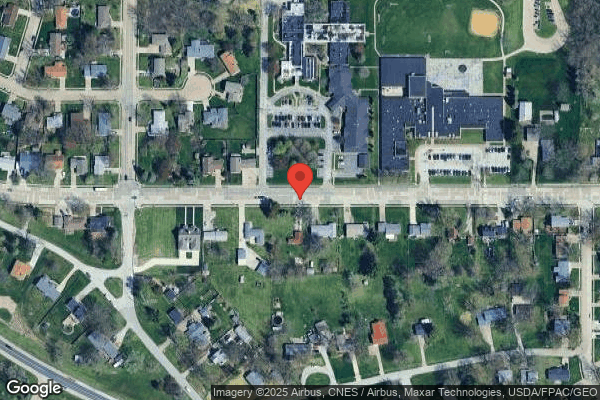
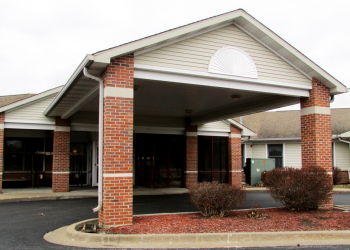
1130 W 53rd Street, Davenport, IA 52806 (563) 391-5342
Non profit - Corporation 98 Beds Independent Data: November 2025 2 Immediate Jeopardy citations
Trust Grade
11/100
#264 of 392 in IA
Last Inspection: October 2024

Within standard 12-15 month inspection cycle. Federal law requires annual inspections.

Overview

Davenport Lutheran Home has a Trust Grade of F, indicating significant concerns about the quality of care provided. It ranks #264 out of 392 nursing homes in Iowa, placing it in the bottom half, and #3 out of 11 in Scott County, suggesting only two local facilities are better. Unfortunately, the facility's trend is worsening, with the number of reported issues increasing from 8 in 2023 to 9 in 2024. Staffing is somewhat stable, with a 3/5 rating and a turnover rate of 40%, which is better than the state average, but there is concerningly less RN coverage than 98% of Iowa facilities, potentially impacting patient care. While there are serious deficiencies, including a failure to monitor critical lab tests for residents on anticoagulants and inadequate safety measures leading to a resident walking out of a secured area, there are also positive aspects, such as slightly improved staff retention compared to state averages.
Trust Score
F
11/100
In Iowa
#264/392
Bottom 33%
Safety Record
High Risk
Review needed
Inspections
Getting Worse
8 → 9 violations
Staff Stability
○ Average
40% turnover. Near Iowa's 48% average. Typical for the industry.
Penalties
○ Average
$43,310 in fines. Higher than 73% of Iowa facilities. Some compliance issues.
Skilled Nurses
⚠ Watch
Each resident gets only 22 minutes of Registered Nurse (RN) attention daily — below average for Iowa. Fewer RN minutes means fewer trained eyes watching for problems.
Violations
⚠ Watch
23 deficiencies on record. Higher than average. Multiple issues found across inspections.
★★☆☆☆
2.0
Overall Rating
★★★☆☆
3.0
Staff Levels
★★★☆☆
3.0
Care Quality
★★☆☆☆
2.0
Inspection Score
Stable
2023: 8 issues
2024: 9 issues

The Good

  • Full Sprinkler Coverage · Fire safety systems throughout facility
  • No fines on record
  • Staff turnover below average (40%)

    8 points below Iowa average of 48%

Facility shows strength in fire safety.

The Bad

2-Star Overall Rating

Below Iowa average (3.0)

Below average - review inspection findings carefully

Staff Turnover: 40%

Near Iowa avg (46%)

Typical for the industry

Federal Fines: $43,310

Above median ($33,413)

Moderate penalties - review what triggered them

The Ugly 23 deficiencies on record

2 life-threatening 2 actual harm
Oct 2024 6 deficiencies
CONCERN (D)

Potential for Harm - no one hurt, but risky conditions existed

Deficiency F0578 (Tag F0578)

Could have caused harm · This affected 1 resident

**NOTE- TERMS IN BRACKETS HAVE BEEN EDITED TO PROTECT CONFIDENTIALITY** Based on clinical record review, policy review, and staff interview the facility failed to maintain accurate Advance Directive r...

Read full inspector narrative →
**NOTE- TERMS IN BRACKETS HAVE BEEN EDITED TO PROTECT CONFIDENTIALITY** Based on clinical record review, policy review, and staff interview the facility failed to maintain accurate Advance Directive records based on resident preference for 1 of 18 residents reviewed (Resident #42). The facility reported a census of 71. Findings include: The Minimum Data Set (MDS) for Resident #42, dated [DATE], revealed diagnoses of renal disease, encephalopathy, and hypertension. The MDS documented the resident scored 15 out of 15 on a Brief Interview for Mental Status exam, indicating intact cognition. A review of Physician Orders revealed a Full Code, order date [DATE]. A review of Care Plan, Date Initiated: [DATE], Revision on: [DATE] included a Focus area to address Advanced Care Planning - Full Code. Interventions included, in part; Staff will attempt cardiac resuscitation in the event [name redacted] is found without a [NAME] or breathing. [Name redacted] and her family have decided they would like medical treatment cardiac monitors oral/IV fluids and/or medications but do NOT want intubation or mechanical ventilation or artificial nutrition by tube. Less invasive airway support such as BIPAP (bilevel positive airway pressure - a noninvasive breathing machine that helps people breathe with they're having trouble) or CPAP (continuous positive airway pressure - a machine that uses mild air pressure to keep breathing airways open while sleeping) may be considered. [Name redacted ] wants transferred to the hospital if indicated but she or her family should be consulted before deciding on critical care. During an interview on [DATE] at 11:12 AM, Resident #42 stated her code status was for CPR (cardiopulmonary resuscitation). A review Resident #42 electronic health record admission Record on [DATE] at 2:44 PM, revealed a Code Status: (Advanced Directives) Full Code. During an interview on [DATE] at 03:26 PM, Staff H, LPN (Licensed Practical Nurse)stated if someone went into cardiac arrest they would look in the paper chart or the computer for code status. She was not aware there was a difference in this resident's record. During an interview on [DATE] at 03:37 PM the Assistant Director of Nursing stated they (staff) can look at the paper chart or on the computer. She was not aware there was a discrepancy in Resident #42's record and stated they would fix it right away. A facility policy, Reviewed: [DATE], titled CPR Emergency Treatment/Life Support Measures Procedures section included, in part; Upon admission, the facility's CPR Emergency Treatment/Life Support Measures policy will be explained to the resident/resident representative. The resident/resident representative's wishes regarding CPR will be verified and documented in the medical record.
CONCERN (D) 📢 Someone Reported This

A family member, employee, or ombudsman was alarmed enough to file a formal complaint

Potential for Harm - no one hurt, but risky conditions existed

Report Alleged Abuse (Tag F0609)

Could have caused harm · This affected 1 resident

Based on clinical record review, staff interviews and facility policy review the facility failed to report an allegation of abuse to the state agency for 1 out of 1 allegation of abuse reviewed (Resid...

Read full inspector narrative →
Based on clinical record review, staff interviews and facility policy review the facility failed to report an allegation of abuse to the state agency for 1 out of 1 allegation of abuse reviewed (Resident #75). The facility reported a census of 71 residents. Findings include: The Minimum Data Set(MDS) assessment tool, dated 7/25/24, listed diagnoses for Resident #75 included anemia, hypertension, renal insufficiency, osteoporosis, and Alzheimer's disease. The MDS indicated the resident required moderate assistance from staff for toileting hygiene, showering, dressing, personal hygiene, and transferring. The MDS listed the resident's Brief Interview for Mental Status(BIMS) score as 4 out of 15, indicating impaired cognition. Review of the clinical record for Resident #75 failed to reveal any documentation regarding an incident between staff and Resident #75. During an interview on 10/30/24 at 12:26 PM Staff H, Licensed Practical Nurse (LPN) stated Resident #75 reported to Staff I, Certified Nursing Assistant (CNA) another CNA [Staff J] had given her a shower earlier and performed cares aggressively. She spoke with Resident #75 and the resident told her she did not want her [Staff J] to give her a shower any more because she performed perineal and anal cares aggressively. Staff H called her managers the Director of Nursing (DON) and the Assistant Director of Nursing (ADON) and informed both of them. The Director of Nursing directed her to send Staff J home. Staff H stated the reason I did not chart anything on the incident was because it was the end of my shift and I was in the middle of giving report when it all happened, and I did not even send Staff J home. The nurse who I reported off to sent her home. I would do an incident report I guess if the situation called for it. During an interview on 10/30/24 at 12:49 PM Staff I, CNA stated Resident # 75 and her were ambulating back from the dining room and she kept asking me about a girl and she kept saying she was the weird one. Resident #75 told me she got a shower from her and it was very aggressive. The resident specifically said her bottom area was a very aggressive wash up. It was in the back area of her buttocks. Staff I stated she went and reported it to the nurse right away. No one from management ever came and talked to me about it. The DON, ADON or administrator never talked to me about it. The main thing I was told to report to the charge nurse. I went straight to the nurse. We then wait for follow up from the administration. The staff member was sent home right after it happened and since it happened I have not seen her since. During an interview on 10/31/24 at 10:14 AM the Director of Nursing (DON) stated she was aware of the incident with Resident #75 and Staff J, CNA. The policy on abuse is that we would report it immediately. We would investigate the incident. The person responsible for reporting the abuse would be me and I would notify the administrator and Chief Executive Officer (CEO) immediately. Typically now I consult with the CEO and I would submit it to the state agency. I did call the CEO and we spoke about it because the nurse stated it wasn't intentional and she wasn't being harmed in any way we chose not to report it. During an interview on 10/31/24 at 11:27 AM the Administrator stated there was a situation between Resident #75 and a staff member. Staff notified me by phone when the incident occurred and the CNA [Staff J] involved was sent home. Regarding reporting abuse I have to go look into it, I would have to refer to our policy I am not sure when it should be reported. The facility policy, Reviewed: 3/15/24, titled Abuse, Neglect, Mistreatment and Misappropriation of Resident Property and Reporting Guidelines PROCEDURES section: G. REPORTING AND RESPONSE declared, in part; It is the policy of this facility that abuse allegations (abuse including resident-to-resident abuse, neglect, exploitations, or mistreatment, including injuries of unknown source and misappropriation of resident property) are reported per Federal and State Laws to the Department of Inspections and Appeals Health Facilities Division. The Procedure, External Reporting section declared Initial Report: All allegations of Resident Abuse shall be reported to Iowa DIA not later than two (2) hours after the allegation is made.
CONCERN (D) 📢 Someone Reported This

A family member, employee, or ombudsman was alarmed enough to file a formal complaint

Potential for Harm - no one hurt, but risky conditions existed

Investigate Abuse (Tag F0610)

Could have caused harm · This affected 1 resident

Based on record review, staff interview and facility policy review the facility failed to investigate an allegation of abuse for 1 out of 1 residents reviewed (Resident #75). The facility reported a c...

Read full inspector narrative →
Based on record review, staff interview and facility policy review the facility failed to investigate an allegation of abuse for 1 out of 1 residents reviewed (Resident #75). The facility reported a census of 71 residents. Findings include: The Minimum Data Set(MDS) assessment tool, dated 7/25/24, listed diagnoses for Resident #75 included anemia, hypertension, renal insufficiency, osteoporosis, and Alzheimer's disease. The MDS stated the resident required moderate assistance from staff for toileting hygiene, showering, dressing, personal hygiene, and transferring. The MDS listed the resident's Brief Interview for Mental Status(BIMS) score as 4 out of 15, indicating impaired cognition. Review of the medical record for Resident #75 failed to reveal any documentation regarding an incident between staff and resident. During an interview on 10/30/24 at 12:26 PM Staff H, Licensed Practical Nurse (LPN) stated Staff I, Certified Nursing Assistant informed her Resident #75 stated another CNA [Staff J, CNA] had given her a shower earlier and performed cares aggressively. Staff H called her managers the Director of Nursing and the Assistant Director of Nursing and informed both of them. During an interview on 10/31/24 at 10:14 AM the Director of Nursing stated she was aware of the incident with Resident #75 and Staff J. She stated she talked to Staff H, LPN about the incident when she reported it. She stated she did not talk to the resident or investigate it after she spoke with the nurse who reported it to her. During an interview on 10/31/24 at 11:27 AM the Administrator stated there was a situation between Resident #75 and a staff member. Staff notified me by phone when the incident occurred and the CNA involved was sent home. I thought an investigation was completed after the incident took place, it was determined it was a thorough washing and it was not well received. I would expect there to be an investigation. There should be documentation or an incident report if something happened. The facility policy, Reviewed: 3/15/24, titled Abuse, Neglect, Mistreatment and Misappropriation of Resident Property and Reporting Guidelines PROCEDURES section: D. INVESTIGATION declared It is the policy of this facility that reports of abuse (mistreatment, neglect, or abuse, including injuries of unknown source, resident-to-resident abuse, exploitation and misappropriation of property) are promptly and thoroughly investigated. The Procedure for the section included: The investigation process is used to try to determine what happened and designated facility personnel will begin and investigation immediately. The information gathered is given to the Administrator/designee. 1. Abuse: When an incident or suspected incident of Abuse is reported, the Administrator/designee will investigate the incident with the assistance of appropriate personnel. The investigation will include: a. A review of documentation to determine who was involved. b. Resident's statements: - Resident interviews will be conducted and documented by two members of the management as designated by the Administrator/designee two different times within 24 hours following the incident. - For non-verbal residents, cognitively impaired residents or resident who refuse to be interviewed, attempt to interview residents first. If unable, observe resident, complete an evaluation of resident behavior, affect and response to interaction, and document findings. c. Resident's roommate statements (if applicable) d. Involved staff and witness statement of events e. A description of the resident's behavior and environment at the time of the incident. f. Injuries present including a resident assessment. The charge nurse on duty will immediately complete a body assessment for injuries and document finding on a body drawing g. Observation of resident and staff behaviors during the investigation h. Environmental considerations.
CONCERN (D)

Potential for Harm - no one hurt, but risky conditions existed

Infection Control (Tag F0880)

Could have caused harm · This affected 1 resident

**NOTE- TERMS IN BRACKETS HAVE BEEN EDITED TO PROTECT CONFIDENTIALITY** Based on observation, record review and staff interview the facility failed to utilize Enhanced Barrier Precautions while provid...

Read full inspector narrative →
**NOTE- TERMS IN BRACKETS HAVE BEEN EDITED TO PROTECT CONFIDENTIALITY** Based on observation, record review and staff interview the facility failed to utilize Enhanced Barrier Precautions while providing high contact care for 1 of 3 residents with a indwelling medical device (Resident #52), and maintain a foley catheter collection bag and tubing off the floor for 1 of 2 residents (Resident #125). The facility reported a census of 71 residents. Findings include: 1. The Minimum Data Set (MDS), dated [DATE], identified Resident #2 as cognitively impaired with a Brief Interview for Mental Status (BIMS) score of 01 out of 15. The MDS listed diagnoses included: osteoporosis, seizure disorder and chronic obstructive pulmonary disease. The MDS assessed the resident required substantial/maximal assistance with most activities of daily living (dressing, bathing, using the toilet, etc). The MDS identified Resident #2 used the nutritional approach of a feeding a tube while a resident. A review of the Physician Order Summary with active orders as of 10/29/24, revealed an order for Enhanced Barrier Precautions (EBP, the infection control intervention designed to reduce transmission of multidrug-resident organisms that employs targeted gown and glove use during high contact resident care) - Staff to don gown and gloves prior to high-contact resident care activities, such as; Dressing, Bathing/showering, Transferring, Providing hygiene, Changing linens, Changing briefs or assisting with toileting, urinary catheter care, feeding tube care, Wound care including any skin opening requiring a dressing Face protection may also be needed if performing activity with risk of splash or spray. Order date: 4/1/24. The Care Plan, Date Initiated: 4/1/24, included a Focus area to address Resident requires enhanced barrier precautions due to G-tube. Interventions included, in part; Staff to don gown and gloves prior to high-contact resident care activities, such as: Dressing, Bathing/showering, Transferring, Providing hygiene, Changing linens, Changing briefs or assisting with toileting, urinary catheter care, feeding tub cares, Wound care including any skin opening requiring a dressing During an observation on 10/29/24 at 9:57 AM, the door to Resident #52's room noted to have a Enhanced Barrier Precautions sign posted in a visible area. Staff A, Licensed Practical Nurse (LPN) entered the room to administer a morning GT feed. Staff A washed her hands, removed a carton of Jevity 1.5 cal formula and placed it on top of the over the bed table. Staff A then donned gloves and proceeded with preparing and administering the formula. Staff A did not wear a gown during this task. During an interview on 10/29/24 at 2:13 PM, Staff A LPN stated prior to a nurse providing any cares on a GT they should don gloves and check the GT site. She stated Resident #52 has EBP and she should have put on a gown and gloves before she administered the formula. During an interview on 10/30/24 at 12:47 PM, the Assistant Director of Nursing (ADON, and facility Infection Preventionist stated residents with GTs should be placed on EBP and nurses should don gloves and a gown prior to providing any cares with the GT. The facility policy, Reviewed: 4/19/24, titled Enhanced Barrier Precautions directed targeted gown and glove use during high contact resident care activities known as Enhanced Barrier Precautions (EBP) are infection control intervention designed to reduce transmission of MDRO's (mulidrug-resident organisms). EBP must be used in conjunction with standard precautions to reduce the potential for transfer to MDRO's to staff hands and clothing. The policy listed examples of indwelling medical devices included feeding tubes, and declared high-contact resident care activities included device care or use. The Procedure section #2 directed Perform hand hygiene and don PPE (personal protective equipment) prior to high contact cares, Do NOT wear the same gown and gloves for care of more than one resident. 2. The MDS, dated [DATE], identified Resident #125 as cognitively intact with a BIMS score of 13 out of 15. The MDS listed diagnoses included: atrial fibrillation (an abnormal heart rhythm), coronary artery disease and urinary tract infection. The MDS assessed the resident required substantial/maximal assistance with most activities of daily living and had an indwelling urinary catheter. A review of the Physician Order Summary with active orders as of 10/29/24, revealed the following orders: a. Change catheter bag/tubing twice monthly per facility protocol .Order Date: 8/22/24 b. Foley Catheter (per Dr.'s order). 16 FR (catheter size) with 10 ml (milliliters) bulb filled with 10 ml sterile water and connected to straight drainage, Change Once Monthly and PRN (as needed) .Order Date: 9/3/24 The Care Plan, Date Initiated: 9/3/24 included a Focus area to address Resident requires an indwelling catheter related to urinary retention. Interventions included, in part; Position bag below level of bladder. Assure the catheter bag does not touch the floor. Store collection bag inside a protective dignity pouch. During an observation on 10/29/24 at 11:50 AM, Resident #125 sat in his wheelchair while in the main dining room. The urine collection bag was out of the dignity cover and drug on the floor while he self propelled himself approximately 50 feet out of the dining area. At 11:56 AM, Staff B, Certified Nursing Assistant (CNA) assisted another resident to dining room table near Resident #125. Staff B did not change the position of Resident #125's collection bag. The collection bag remained out of the dignity cover on the floor. At 12:06 PM, Staff A, LPN administered medications to Resident #125 Staff A did not change the position of the collection bag. At 12:21 PM, Staff D, CNA adjusted the clothing protector of a resident at the same table with Resident #125. Staff D did not change the position of Resident #125 collection bag. At 12:26 PM, the Nurse Consultant walked past Resident #125 and did not change the position of Resident #125 collection bag. At 12:48 PM, Resident #125 continued to sit at the dining room table, the position of the catheter collection bag remained out of the dignity cover, on the floor. At 1:00 PM, Staff E, LPN pulled up Resident #125 collection bag and placed it in the dignity cover. A review of the Facility Policy titled: Catheter Care and dated as last reviewed 2/2/24 had documentation of the following: the tubing or the drainage bag should not touch the floor.
CONCERN (E)

Potential for Harm - no one hurt, but risky conditions existed

Safe Environment (Tag F0584)

Could have caused harm · This affected multiple residents

**NOTE- TERMS IN BRACKETS HAVE BEEN EDITED TO PROTECT CONFIDENTIALITY** Based on observation, resident interview, and staff interview the facility failed to maintain a sanitary, orderly, and comfortab...

Read full inspector narrative →
**NOTE- TERMS IN BRACKETS HAVE BEEN EDITED TO PROTECT CONFIDENTIALITY** Based on observation, resident interview, and staff interview the facility failed to maintain a sanitary, orderly, and comfortable interior in the facility dining room during 4 of 4 dining observations. The facility reported a census of 71 residents. Findings include: An observation in the main dining room on 10/28/24 at 12:14 PM, revealed, on the east side of the room, approximately 12-foot section of the bottom of a ceiling beam wrapped in plastic. The beam had approximately seven pieces of tan tape, on each side, to secure the plastic. The plastic contained clumps of a white, dark brown and black material. On the east side of the beam, the paint area above the taped section bubbled off the wall. The tape on west side pulled away from the beam, leaving approximately six feet of the plastic detached. This area of the beam hung above the floor, wall and door connecting the kitchen to the dining area. A white and tan stain measuring approximately 1 foot by 1-foot, and up seven bricks from the floor covered a portion of the wall and kitchen door. Staff used the door to set up the dining area, and service residents' meals. A beverage cart, with milk, juice, pop, water, and thickened liquids sat underneath the plastic covered beam, outside the kitchen door. During the observation at 12:31 PM, one resident stood under the plastic to get drinks for himself, with four other residents seated at a table three to four feet away. During an observation on 10/29/24 at 07:42 AM, staff in the dining room prepared drinks under the plastic to serve to residents. The tape and plastic on the beam remained as observed before. Visible chunks of material were missing along the bottom of the beam, and exposed unfinished ceiling area. Two residents were seated at a table 3-4 feet away. During an interview on 10/29/24 at 11:48 AM, the Dining Services Director stated he thought the ceiling damage was due to a roof leak that caused water damage. He was not aware when it would be repaired. During an observation on 10/29/24 at 12:35 PM, the plastic continued to sag at the lunch meal with 3 residents 3-4 feet away. A resident observed going to a cart sitting under the exposed area to get pop. During on observation on 10/29/24 at 3:22 PM, four food service carts sat under covered beam. One cart contained empty storage containers used to wash dishes in the dishwasher. The second held straws, hand wipes, and tissues. A third had a cut birthday cake exposed to air and a piece on a plate with a fork in it. The last one held napkins, cups, silverware, a plate, and a pitcher with a couple of inches of liquid in the bottom. During an observation on 10/29/24 at 3:46 PM, the Administrator stated the area was damaged from a [NAME] storm last year and they were appealing an insurance denial. The plastic was their fix while they waited. She recognized the plastic was hanging down and carts were under them.
CONCERN (E)

Potential for Harm - no one hurt, but risky conditions existed

Deficiency F0804 (Tag F0804)

Could have caused harm · This affected multiple residents

Based on observation, facility policy review and staff interview, the facility failed to maintain a proper safe and appetizing food temperatures during a noon meal. The facility reported a census of 7...

Read full inspector narrative →
Based on observation, facility policy review and staff interview, the facility failed to maintain a proper safe and appetizing food temperatures during a noon meal. The facility reported a census of 71 residents. Findings include: During an observation on 10/29/24 at 11:53 AM, Staff G, Dietary took food temperatures, with the following results: Turkey tetrazzini 177 F (degrees Fahrenheit) Peas 200 F Mashed potatoes 190 F Mixed vegetables 190 F Swedish meatballs 180 F Green beans 195 F Turkey tetrazzini pureed 200 F Peas pureed 200 F Gravy 200 F At 12:10 PM kitchen staff started the noon meal service to the residents in the dining room. The Dining Services Director stated room meals went out after dining room services was completed. He reported they use Styrofoam containers due to the increased number of room trays because it help temperatures longer. The last room tray was completed at 12:42 PM and sent out for delivery. Seven trays were delivered to resident rooms, and an additional one set aside for a resident who was sleeping. The last room tray was delivered at 12:59 PM and the test tray temperatures taken by the Dining Services Director. The turkey tetrazzini registered at 130 degrees and the peas at 148.9 degrees. After multiple attempts, he stated the tetrazzini was not going to meet the required temperature. He expected the turkey tetrazzini temperature at 140 or higher and said that was something they had to work on. The facility policy, reviewed on 3/3/24, titled Food Temperatures Procedures included, in part: 1. Hot foods shall be kept at 140 degrees. 4. If at any time the food temperature is below 140 degrees for hot food .the food shall be reheated in the microwave oven to 165 degrees. 5. A monitor shall be kept monitoring the food temperatures . 6. The food temperature monitor shall be reviewed by the Dining Services Director to assure the monitor is being completed.
Aug 2024 2 deficiencies 1 IJ
CRITICAL (J) 📢 Someone Reported This

A family member, employee, or ombudsman was alarmed enough to file a formal complaint

Immediate Jeopardy (IJ) - the most serious Medicare violation

Quality of Care (Tag F0684)

Someone could have died · This affected 1 resident

**NOTE- TERMS IN BRACKETS HAVE BEEN EDITED TO PROTECT CONFIDENTIALITY** Based on clinical record review, facility policy review, staff, and hospice provider interviews, the facility failed to obtain r...

Read full inspector narrative →
**NOTE- TERMS IN BRACKETS HAVE BEEN EDITED TO PROTECT CONFIDENTIALITY** Based on clinical record review, facility policy review, staff, and hospice provider interviews, the facility failed to obtain routine laboratory orders for routine INR (International Normalized Ratio - a test to measure how it takes for blood to clot compared to normal) labs to monitor the use of the anticoagulant, warfarin for 2 of 4 residents (Resident #1 and Resident #4). Resident #1 admitted to the hospital on [DATE] with a critical INR result of greater than 9 (Normal range desired for resident on warfarin is between 2-3) and subdural hematomas with midline shift (occurs when the pressure exerted by the buildup of blood and swelling around the damaged brain tissues is powerful enough to push the entire brain off-center, and is considered a medical emergency). Resident #1 was admitted to hospice on 8/28/24 with a primary diagnosis of subdural hematoma with midline shift and six (6) months or less to live. The facility reported a census of 73 residents. The State Agency informed the facility of the Immediate Jeopardy (IJ) on 8/29/24 at 3:20 PM. The IJ began on 5/15/2024, the day after Resident #1 had her last INR checked. Facility staff removed the Immediate Jeopardy on 8/30/24 through the following actions: a. INR levels obtained on all current residents (3) receiving Warfarin. This was completed to ensure therapeutic INR ranges and appropriate Coumadin dosages. b. Obtained Collaborative Drug Therapy Management Protocol Warfarin and INR Management Draft for review from Main at [NAME] Pharmacy to manage the facility's Anticoagulation Program. c. Created Pro-Time/ INR Tracking Flow Sheet with of draw dates, results, dose adjustment/order, and next lab date. Flow Sheet binders were immediately placed. Immediately educated staff on floor. d. Educational material uploaded on online education and assigned to all facility Nurses/CMAs titled: Long-Term Care (LTC) Anticoagulation Regulation and Education Review. e. Initiated Point Click Care prompt for noting INR results prior to administering Coumadin medication. The scope lowered from J to G at the time of the survey after ensuring the facility implemented education and policy and procedure changes. Findings include: 1. The Minimum Data Set (MDS) for Resident #1, dated 4/16/24, documented a Brief Interview of Mental Status (BIMS) of 7 indicating a severe cognitive impairment. The MDS documented diagnoses of coronary artery disease, heart failure, hypertension, and orthostatic hypertension. The MDS revealed Resident #1 received anticoagulation medication every day during the look back period. A clinical record review of Resident #1 Medication Administration Record's (MAR) for May 2024, June 2024, July 2024, and August 2024 documented Resident #1 received: a. Warfarin 2 mg (milligrams) 1 tablet every other day, started 1/29/24 b. Warfarin 3 mg 1 table every other day, started 1/29/24 (received on opposite day of the 2 mg dose) A Health Status Note, dated 4/30/24 at 10:28 AM, Note Text: Received orders from Dr. [name redacted] to check INR on 5/1/24 r/t (related to) recent ATB (antibiotic) treatment of doxycycline. A Health Status Note, dated 5/3/24 at 3:30 PM, Note Text: Received verbal orders to hold Coumadin (brand name of warfarin) and recheck INR 5/7/24. A review of a Progress Note, dated 5/8/2024 at 10:51 AM, for Resident #1 documented Resume Coumadin in 1 week per Dr. [name redacted] - pharmacy and POA (Power of Attorney), lab entered 5-14-24. A review of the clinical record, dated 5/14/24 with a report time of 1341 (1:41 PM) revealed INR lab results of 2.8. The record included a FAXED stamp with a handwritten date of 5/14/24, and a notation current dose warfarin 3 mg alternating with 2 mg. D. [name redacted] Any new orders? The document lacked a reply to the question. A review of the clinical record revealed the following documentation: a. Nurse Practitioner Note: 5/23/24 at 1:22 PM Nurse Practitioner (NP) evaluation related to resident complaint of hand swelling. The note did not address the resident's warfarin order, or INR lab orders/results. b. Nurse Practitioner Note: 5/24/24 at 2:40 PM NP evaluation related to bilateral hand pain. ROS (review of systems) Genitourinary (related to urinary tract) Reports Hematuria (blood in urine). No follow up order related to hematuria. The note did not address the resident's warfarin order, or INR lab orders/results. c. Nurse Practitioner Note: 5/28/24 at 2:11 PM NP evaluation related to post fall, unwitnessed without injury. ROS Genitourinary Reports Hematuria. No follow up order related to hematuria. The note did not address the resident's warfarin order, or INR lab orders/results. d. Health Status Note: 5/31/24 at 3:45 AM Note Text: Dr. [name redacted] returned fax on resident's fall with order to observe. The note did address the resident's warfarin order or INR lab orders/results. e. Nurse Practitioner Note: 5/31/24 at 1:46 PM NP evaluation related to complaint of arm pain. ROS Genitourinary Reports Hematuria. No follow up order related to hematuria. The note did not address the resident's warfarin order, or INR lab orders/results. f. Nurse Practitioner Note: 6/4/24 at 12:30 PM NP evaluation related to pain in left arm/x-ray results. ROS Genitourinary Reports Hematuria. No follow up order related to hematuria. The note did not address the resident's warfarin order, or INR lab orders/results. g. Health Status Note: 6/13/24 at 2:51 PM Note Text: New orders per [name redacted] ARNP (Advanced Registered Nurse Practitioner) related to Biofreeze to left upper extremity. The note did not address the resident's warfarin order, or INR lab orders/results. h. Doctor Visit Note: 6/20/24 at 2:07 PM Note Text: Resident seen by house MD (medical doctor) in-house for general geriatric visit with no new orders rec'd (received). A review of a Pharmacist Note, dated 7/18/24 at 2:41 PM, revealed Pharmacist Review .Most recent INR I could locate was from 5/14, will clarify with DON (Director of Nursing), if not drawn in last 4 weeks, would recommend drawing at this time. Per the clinical record, Resident #1 had an evaluation by the NP on 7/24/24 at 12:34 PM related to arm and hand pain. The note did not address the resident's warfarin order, or INR lab orders/results. A Health Status Note, dated 7/25/24 at 12:43 PM, Note Text: Resident seen by house MD today. No notation made regarding concerns or orders. Per a Nurse Practitioner Note, dated 8/20/24 at 1:12 PM, the resident evaluated by the NP for UTI (urinary tract infection) protocol r/t (related to) weakness and lethargy. Plan: UA (urinalysis) with c/s (culture and sensitivity). The note did not address the resident's warfarin order, or INR lab orders/results. A Health Status Note, dated 8/22/24 at 8:50 PM, Note Text: Dr. [name redacted] replied that it was okay to have an INR scheduled. Order will be scheduled into lab. A Health Status Note, dated 8/23/24 at 11:37 AM, Note Text: Resident has multiple bruises on her back and arm. Origin unknown. Resident does take blood thinners and INR pending at this time, skin sheet completed, fax out to MD will continue to monitor. Per a Nurse Practitioner Note, dated 8/23/24 at 12:48 PM, the resident evaluated by the NP with Chief Complaint: Pt (patient) is not baseline mental status, not responding to commands, or sitting up I the shower for staff. She is unable to answer questions. LABS Reviewed or order clinical lab test Notes/Findings: INR 10.2. PLANS Staff to assist with transfers, send to ER (emergency room) to eval and treat. A record review of Emergency Department (ED) Physician Notes documented on 8/23/24 Resident #1 came to the ED due to altered mental status and found to have a critical INR lab of greater than 9. A review of the hospital History and Physical, dated 8/23/24, documented [resident] has a past medical history significant for atrial fibrillation and is on anticoagulation medication warfarin. A scan was completed and revealed a significant brain injury involving a large collection of blood (hematoma) on the left side of the head, with characteristics indicating both recent bleeding (acute) mixed with older blood (chronic) causing a slight shift of the brain midline towards the right side, along with a smaller area of fresh bleeding on the right side, and further extending along the falx cerebri (a dividing structure in the brain) and the tentorial leaflets (structures supporting the brain) - essentially a complex, multi-layered bleed across multiple brain regions. A local neurosurgery center was consulted, after discussion with Resident #1 family they decided that the patient would not be an ideal surgical candidate and the patient's family agree that the patient would not want to have surgical intervention. It was decided that the patient would stay at the hospital would reverse her INR. A Health Status Note, dated 8/26/24 at 1:40 PM, Note Text: Spoke with resident's daughter reports resident will be going to Hospice. During an interview on 8/29/24 at 12:31 PM with Staff A, Registered Nurse (RN) for a local hospice provider stated Resident #1 was admitted to hospice services on 8/28/24 for the diagnosis of subdural hematoma with midline shift and is has six (6) months or less to live. During an interview on 8/29/24 at 2:43 PM, the DON stated unable to find INR orders for Resident #1. The DON stated we should have standing orders for INR draw, and pharmacy management. 2. The MDS for Resident #4 dated 5/21/24 documented a BIMS of 1 indicating he is severely cognitively impaired. The MDS also documented diagnoses of heart failure, hypertension, and hemiplegia and that he received anticoagulation medication every day during the look back period. A review of Resident #4 MAR for May 2024, June 2024, July 2024 and August 2024 revealed scheduled orders for: a. Warfarin 2 mg 1 tablet daily every other day, start date 4/21/24. b. Warfarin 3 mg 1 tablet every other day (opposite of day of warfarin 2 mg given), start date 4/21/24. A review of the May - August 2024 MAR's revealed Resident #4 received warfarin as scheduled. A facility fax sheet, dated 4/2/24 revealed a communication to the facility provider Resident last INR was 2/29/24, current dose Coumadin 3 mg daily. May we have an order for next INR draw? Hand written response Yes, please should be monthly. A Health Status Note, dated 4/5/24 at 3:49 PM, Note Text: N.O. (new order) INR on 4/8/24. Check monthly. A Health Status Note, dated 4/22/24 at 4:20 PM, Note Text: INR results faxed over from the draw this morning at 4/22/24, Unknown of current order to be drawn. Next observable order draw date is 5/8/24. Results faxed to Dr. [name redacted). The clinical record lacked documentation regarding the completion of the INR check from 5/8/24. Health Status Notes, dated 6/7/24 at 3:12 PM, and 8/15/24 at 2:53 PM documented Resident #4 seen in by house MD. No notations regarding concerns or orders made. A Health Status Note, dated 8/22/24 at 8:53 PM, Note Text: Dr. [name redacted] replied to fax that is was okay to have an INR drawn. Order for INR will be put into the lab schedule. An Order Note, dated 8/24/24 at 2:53 PM, Note Text: Recheck INR 9/23/24 and cont (continue) current dose of Coumadin. The facility policy titled, Lab Values last reviewed 2/2/24 instructed the following: a. Physicians will be notified of all lab values to ensure prompt medical treatment if indicated. b. If the Doctors office has not called back by the end of the shift: Pass information regarding abnormal values and the lab report to the oncoming nurse.
CONCERN (D) 📢 Someone Reported This

A family member, employee, or ombudsman was alarmed enough to file a formal complaint

Potential for Harm - no one hurt, but risky conditions existed

Comprehensive Care Plan (Tag F0656)

Could have caused harm · This affected 1 resident

**NOTE- TERMS IN BRACKETS HAVE BEEN EDITED TO PROTECT CONFIDENTIALITY** Based on clinical record review and staff interview the facility failed to include the use of the anticoagulant medication warfa...

Read full inspector narrative →
**NOTE- TERMS IN BRACKETS HAVE BEEN EDITED TO PROTECT CONFIDENTIALITY** Based on clinical record review and staff interview the facility failed to include the use of the anticoagulant medication warfarin for 2 of 2 residents reviewed (Resident #1 and Resident #4). Warfarin requires regular monitoring, assessment, and routine labs due to an increased risk of bleeding. The facility reported a census of 73 residents. Findings include: 1. The Minimum Data Set (MDS), dated [DATE], listed diagnoses for Resident #1 included: coronary artery disease, heart failure, hypertension, and orthostatic hypertension. The MDS informed the resident received anticoagulation medication everyday during the look back period. A review of the May 2024 Medication Administration Record (MAR) revealed scheduled: a. Warfarin 2 mg (milligrams) 1 tablet every other day, start date of 1/29/24. Per the May 2024 MAR the medication administered 14 times. b. Warfarin 3 mg 1 tablet every other day (indications for use: anticoagulant), start date 1/29/24. Per the MAR the medication administered 14 times. A review of the June 2024 MAR revealed scheduled: a. Warfarin 2 mg (milligrams) 1 tablet by mouth every other day, with a start date of 1/29/24. Per the June 2024 MAR the medication administered 15 times. b. Warfarin 3 mg 1 tablet every other day (indications for use: anticoagulant), start date 1/29/24. Per the MAR the medication administered A review of the July 2024 MAR revealed scheduled: a. Warfarin 2 mg 1 tablet by mouth every other day, with a start date of 1/29/24. Per the July 2024 MAR the medication administered 16 times. b. Warfarin 3 mg 1 tablet every other day (indications for use: anticoagulant), start date 1/29/24. Per the MAR the medication administered 16 times. A review of the August 2024 MAR revealed scheduled: a. Warfarin 2 mg 1 tablet by mouth every other day, with a start date of 1/29/24. Per the July 2024 MAR the medication administered 11 times. Discontinued on 8/27/24. b. Warfarin 3 mg 1 tablet every other day (indications for use: anticoagulant), start date 1/29/24. Per the MAR the medication administered 11 times. Discontinued on 8/27/24. A review Resident #1's Care Plan revealed an absence of a Focus Area and related interventions to for the monitoring and assessments of warfarin and the associated risk of bleeding. The Care Plan did include a Focus Area to address Potential for Falls related to confusion and poor safety awareness. Has history of falling. The Care Plan documented falls having occurred on: a. 5/24/24 Fall, small laceration to left eye, therapy referral. b. 5/29/24 Fall, no injury, resident educated to use call light. 2. The MDS for Resident #4, dated 5/21/24, listed diagnoses included: heart failure, hypertension, and hemiplegia and that he received anticoagulation medication everyday during the look back period. A review of the May 2024 MAR revealed scheduled: a. Warfarin 2 mg 1 tablet every other day, with a start date of 4/21/24. Per the May 2024 MAR the medication administered 15 times. b. Warfarin 3 mg 1 tablet every other day, with a start date of 4/21/14. Per the May 2024 MAR the medication administered 16 times. A review of the June 2024 MAR revealed scheduled: a. Warfarin 2 mg 1 tablet every other day, with a start date of 4/21/24. Per the May 2024 MAR the medication administered 14 times. b. Warfarin 3 mg 1 tablet every other day, with a start date of 4/21/14. Per the May 2024 MAR the medication administered 15 times. A review of the July 2024 MAR revealed scheduled: a. Warfarin 2 mg 1 tablet every other day, with a start date of 4/21/24. Per the May 2024 MAR the medication administered 16 times. b. Warfarin 3 mg 1 tablet every other day, with a start date of 4/21/14. Per the May 2024 MAR the medication administered 15 times. A review of the August 2024 MAR revealed scheduled: a. Warfarin 2 mg 1 tablet every other day, with a start date of 4/21/24. Per the May 2024 MAR the medication administered 14 times. b. Warfarin 3 mg 1 tablet every other day, with a start date of 4/21/14. Per the May 2024 MAR the medication administered 14 times. A review Resident #4's Care Plan revealed an absence of a Focus Area and related interventions to for the monitoring and assessments of warfarin and the associated risk of bleeding. The Care Plan did include a Focus Area to address the Potential for Falls related to decreased mobility and weakness d/t (due to) history of CVA (cerebravascular accident, or stroke) affecting left side. During an interview on 8/30/24 at 11:24 AM, the Director of Nursing (DON) stated the Care Plans do not have specifics related to warfarin, and are the same as other residents.
Jul 2024 1 deficiency
CONCERN (D) 📢 Someone Reported This

A family member, employee, or ombudsman was alarmed enough to file a formal complaint

Potential for Harm - no one hurt, but risky conditions existed

Incontinence Care (Tag F0690)

Could have caused harm · This affected 1 resident

Based on observation, clinical record review, and staff and resident responsible party interviews, the facility failed to complete appropriate assessments of urinary catheter function in a timely mann...

Read full inspector narrative →
Based on observation, clinical record review, and staff and resident responsible party interviews, the facility failed to complete appropriate assessments of urinary catheter function in a timely manner, and have needed catheter replacement supplies in the facility, resulting in a residents discomfort and transfer to a local hospital for 1 of 2 residents reviewed for urinary catheter (Resident #3). The facility reported a census of 73 residents. Findings reveal: The 3/7/24 Minimum Data Set (MDS) Assessment tool revealed Resident #3 had diagnoses that included benign prostatic hyperplasia (enlarged prostate) with lower urinary tract symptom, cerebrovascular accident (a stroke) with hemiplegia (paralysis on 1 side of the body). The assessment identified Resident #3 required the assistance of at least one staff for transfers to and from bed or chair, dressing and toileting, and a urinary catheter used for elimination. An Indwelling Catheter related to Urinary Retention problem initiated 3/7/24 on the Nursing Care Plan directed nursing staff: 1. Use a leg bag with a tubing extender during the day and a large drainage bag overnight. 2. Change Foley catheter monthly and catheter bag and tubing twice monthly to decrease risk for infection. 3. Monitor urinary output every shift. Record the amount, type, color, and odor. Observe for leakage. 4. Provide catheter care every shift and as needed. A review of Physician Orders revealed a lack direction for staff to replace the urinary catheter routinely, or to flush the catheter for obstruction or signs of obstruction such as no urine output. A Nursing Progress Note transcribed by Staff B, Registered Nurse (RN) on 3/13/24 at 3:47 a.m. stated: Report given to this nurse at 10:00 p.m. that resident's catheter was not draining. This nurse assisted another nurse (Staff A, Licensed Practical Nurse, LPN) in flushing Foley catheter. Foley catheter blocked. This nurse attempted to reposition resident, resident was obviously in discomfort as he was grimacing with facial flushing. It was determined to replace Foley catheter with a new catheter. When deflating balloon less than 5 milliliters (ml) was released. Foley catheter came out very easy with a large blood clot. Bloody thick mucus urine was dripping from the penis, resident's responsible party stated the resident was injured sometime earlier. This nurse gathered all items to reinsert catheter, resident's responsible party continued to state the resident was injured and this nurse determined the best practice at this time was to send the resident to the hospital emergency room to evaluate further and reinsert catheter. A hospital emergency room physician progress note dated 3/12/24 described the resident presented from the nursing home related to urinary catheter problems/obstruction, and over 1000 ml of urine drained from the bladder when the physician inserted a urinary catheter. The facility's Urethral Foley Catheter Care policy dated as last reviewed 2/2/24 directed staff: 1. Catheters are replaced by nurses as prescribed by the physician. 2. Catheter bags should be emptied at least once a shift and the amount recorded on the CNA care sheets. Staff interviews revealed: On 7/9/24 at 2:05 p.m. Staff B, RN, stated she worked in the facility's locked dementia unit on the 10 p.m. to 6 a.m. night shift that began on 3/12/24, and was summoned to the long-term care facility that night by Staff A, LPN, who reported the resident had no urine in his drainage bag, and the resident had 100 cc urine output on the day shift that day (at 2:00 p.m.). When she assessed the resident there was no urine in the drainage bag, his abdomen was firm and distended, he had grimacing and non-verbal symptoms of pain, she attempted to flush the catheter but was unable to as there was an obstruction in the catheter, she repositioned the resident and did not observe urine output in the catheter after the resident was repositioned. When she deflated the balloon to remove the catheter there was only a small amount of fluid in the balloon, and there was bloody drainage as she removed the catheter with ease. The resident had a Coude type of catheter (specialty catheter for prostatic hypertrophy), the facility didn't have Coude catheters in stock, the resident's responsible party stated they had one at their home and left to retrieve it. The resident continued to have pain and bloody drainage from his penis, she determined it would be best to send him to the hospital for assessment and further care, and the resident was transferred at that time. On 7/10/24 at 3:18 p.m., Staff A, LPN, stated she worked the evening shift (2 p.m. to 10 p.m.) on 3/12/24, the resident's responsible party questioned her about the resident's urine output when they visited after 9 p.m., there was no urine in his drainage bag and she went to get Staff B, RN, because she thought she would know more about what to do with the resident's catheter. Staff A denied that she had assessed the resident's urine output, or for symptoms of catheter complications prior to the resident's responsible party visit that evening. On 7/11/24 at 8:02 a.m., the Director of Nursing (DON) stated if a resident had a urine output of 100 ml for a shift, the CNA should report that to the nurse, and the nurse should check the catheter for placement, function, problems, and notify the physician for directives for care if the issue isn't resolved with routine care/problem-solving techniques such as unkinking the tubing. The DON stated the facility should have had a replacement catheter at the facility for the resident. During an interview 7/8/24 at 4:08 p.m., the resident's responsible party stated the resident had a urinary catheter and they had cared for the resident at his home for several years. When they visited the resident around 9:30 p.m. on 3/12/24, there was no urine in his drainage bag, asked staff and they had not emptied the catheter, could tell the resident was uncomfortable and asked the nurse about it. The responsible party thought the resident had experienced some kind of trauma related to the catheter that day, such as having it pulled on, the catheter tip was pulled into the shaft of the penis and why it wasn't working that evening, the facility didn't have a catheter to replace it and why he was sent to the hospital that night.
Jul 2023 8 deficiencies 2 Harm
SERIOUS (G) 📢 Someone Reported This

A family member, employee, or ombudsman was alarmed enough to file a formal complaint

Actual Harm - a resident was hurt due to facility failures

Pressure Ulcer Prevention (Tag F0686)

A resident was harmed · This affected 1 resident

**NOTE- TERMS IN BRACKETS HAVE BEEN EDITED TO PROTECT CONFIDENTIALITY** Based on clinical record review, family and staff interviews, the facility failed to prevent the development of two Stage III (3...

Read full inspector narrative →
**NOTE- TERMS IN BRACKETS HAVE BEEN EDITED TO PROTECT CONFIDENTIALITY** Based on clinical record review, family and staff interviews, the facility failed to prevent the development of two Stage III (3) pressure ulcers for one of two residents reviewed. (Resident #120). The facility reported a census of 68 residents. Findings Include: The MDS (Minimum Data Set) Assessment identifies the definition of Pressure Ulcers: Stage I - An intact skin with non-blanchable redness of a localized area usually over a bony prominence. Darkly pigmented skin may not have a visible blanching; in dark skin tones only, it may appear with persistent blue or purple hues. Stage II - A Partial thickness loss of dermis presenting as a shallow open ulcer with a red or pink wound bed, without slough (dead tissue, usually cream or yellow in color). May also present as an intact or open/ruptured blister. Stage III - Full thickness tissue loss. Subcutaneous fat may be visible but bone, tendon or muscle is not exposed. Slough may be present but does not obscure the depth of tissue loss. May include undermining and tunneling. Stage IV - Full thickness tissue loss with exposed bone, tendon or muscle. Slough or eschar (dry, black, hard necrotic tissue). may be present on some parts of the wound bed. Often includes undermining and tunneling or eschar. Unstageable Ulcer: inability to see the wound bed. Other staging considerations include: Deep Tissue Pressure Injury (DTPI): Persistent non-blanchable deep red, maroon or purple discoloration. Intact skin with localized area of persistent non-blanchable deep red, maroon, purple discoloration due to damage of underlying soft tissue. This area may be preceded by tissue that is painful, firm, mushy, boggy, warmer or cooler as compared to adjacent tissue. These changes often precede skin color changes and discoloration may appear differently in darkly pigmented skin. This injury results from intense and/or prolonged pressure and shear forces at the bone-muscle interface. A review of the Admit Screener Form (Nurse's admission Assessment) dated 10/28/22 at 5:20 PM revealed Resident #120 did not have any skin concerns. The MDS admission assessment dated [DATE] identified Resident #120 as severely cognitively impaired with a Brief Interview for Mental Status (BIMS) score of 3 out of 15 points and had the following diagnoses: Coronary Artery Disease, Heart Failure, Diabetes Mellitus and Cerebrovascular Accident (stroke). The MDS also identified the resident required extensive staff assistance with most activities of daily living and totally dependent on staff for locomotion off the unit. It also identified the resident did not have any pressure ulcers. A review of the Nurse's Notes dated 11/8/22 at 12:39 PM revealed the following documentation: a. Open lesion to the left heel which measured 4 centimeters (cm) long and 3 cm wide with sanguineous (bloody) drainage. b. Right plantar foot identified with skin condition identified as other open lesion which measured 4 cm long and 3 cm wide and no drainage. A review of the November 2022 Treatment Administration Records (TAR's) revealed an order was not obtained until 11/10/22 (2 days after the wounds were identified and the order was requested by the facility). The TAR had the following orders dated 11/10/22: a. Cleanse right heel with normal saline and apply Hydrogel dressing daily until healed. b. Sure Prep to the left heel twice daily until healed, if opens, call doctor for new orders. A review of the Wound Care Physician Note dated 11/15/22 had documentation of the following: a. On 11/15/22 - Stage 3 pressure wound on the left heel for 7 days (date of onset 11/8/22) with Measurements: Length (L) =6 centimeters (cm), Width (W) = 6 cm and Depth (D) =not measurable. b. The right heel (no date of onset) had an Unstageable Deep Tissue Injury (DTI) with Measurements: L =6 cm W=6 cm D= 0.5 cm 80% necrotic tissue, no exudate. c. Recommendations: Float heels in bed, offload wound, reposition per facility protocol, turn side to side and front to back every 1-2 hours if able, sponge boot, may take off sponge boot for ambulation, therapy, otherwise should be on 100% of the time. A review of the November 2023 TARS revealed the following orders dated 11/15/22 (after the resident was admitted [DATE]): a. Prafo Boots on at all times except when working with therapies twice a day. b. Right heel wet to dry with ¼ strength Dakin's Solution, cover with ABD pad and secure with Kerlix twice daily On 11/15/22, the Care Plan identified Resident #120 with the problem of skin breakdown related to decreased mobility, need for repositioning assistance. Has Stage 4 to the right heel and stage 3 to left heel and did not include the recommendations by the wound physician dated 11/15/22. A review of the Wound Care Physician's Note dated 11/29/22 documented the right heel was now open and identified as a Stage III pressure ulcer which measured 5 cm long, 5 cm wide and 0.5 cm deep with 50% necrotic tissue. The MDS dated [DATE] identified Resident #120 with a facility acquired Stage III pressure ulcer and a stage IV pressure ulcer. In an interview on 7/17/23 at 3:43 PM, Resident #120's spouse reported the footboard on the bed had metal brackets facing the mattresses. On 11/1/22, the resident ripped his feet on the footboard from rubbing his heels on the footboard. He had to have a Peripherally Inserted Central Catheter (PICC) line and Intravenous (IV) antibiotics for a month which she had to give Resident #120. In an interview on 7/25/23 at 8:17 AM, Staff O, Licensed Practical Nurse (LPN) reported Resident #120 did not have pressure ulcers when he was first admitted . He was considered high risk for developing pressure ulcers as he was diabetic and had limited mobility from a previous stroke. Resident #120 was very tall and would slide down in the bed and rub his feet on the footboard. He had one ulcer on his left foot and that is when they put the Prevalon boots on both feet. The bed extender was not placed on his bed until after the ulcers developed. She also reported when a wound is first identified, orders to treat it should be obtained within 24 hours. When treated at the Wound Clinic, if the Physician documents recommendations, these should be considered as new orders and should be addressed on the Care Plan. The nurse taking care of the resident had the responsibility to review Wound Clinic Notes for new orders and follow-up with orders to treat the wounds. The Care Coordinator had the responsibility to update the Care Plans. In an interview on 7/25/23 at 7:54 AM, Staff P, LPN reported the following: Resident #120 was considered high risk to develop pressure ulcers as he was diabetic and not as mobile as he used to be. She could not recall if the Prevalon boots had been placed on him before or after he developed the ulcers. There were two metal bars on the footboard where he rubbed his feet. His wife had pictures of the footboard and his feet where the sores matched the metal parts of the bed. The right heel opened first then the left one developed a blister. Resident #120 would frequently slide down the bed and his feet would hit the footboard as he was tall. The facility had a couple of extra-long beds in the building but all were in use, however, she reported the facility could have rented one. After Resident #120's wife said something about the footboard, they removed it. When a wound is first identified, the nurse should check the protocol on wounds as there are standing orders for treatments. When treated at the Wound Clinic and if the Physician documents recommendations, these should be considered as new orders and should be addressed on the Care Plan. The nurse taking care of the resident had the responsibility to review Wound Clinic Notes for new orders and follow-up with orders to treat the wounds. The Care Coordinator had the responsibility to update the care plans. In an interview on 7/24/23 at 10:54 AM, Staff L, Registered Nurse (RN) reported Resident #120 was so tall and witnessed him rubbing his heels against the footboard which caused the pressure ulcers. The staff should have placed an extender on his bed to prevent it. When a wound is first identified, orders to treat it should be obtained within 24 hours. When treated at the Wound Clinic and, if the Physician documents recommendations, these should be considered as new orders and should be addressed on the Care Plan. The nurse taking care of the resident had the responsibility to review Wound Clinic Notes for new orders and follow-up with orders to treat the wounds. The MDS Coordinator had the responsibility to update the care plans. In an interview on 7/24/23 at 11:23 AM, Staff G, Certified Nursing Assistant (CNA) reported if a resident was very tall and rubbed his heels against the foot board, she would report it to the nurse, reposition him and if still continues to be a problem, look into getting a different bed. In an interview on 7/25/23 at 12:04 PM, Staff D, CNA reported if a resident was very tall and rubbed his heels against the footboard, he would place an extension on the bed. He remembered putting an extension on Resident #120's bed but could not recall the date when he did. In an interview on 7/24/23 at 12:53 PM, the Director of Nursing (DON) reported the following: Resident #120 did not have pressure ulcers when he was first admitted . He was tall and would slide down in bed and his heels would touch the footboard which had two metal pieces attached to the bed. His feet touched those metal areas and the pressure would have caused the wound. At that point, the staff placed an air mattress on the bed and elevated his heels. The Wound Doctor removed the footboard when he first saw him here. The staff should have put an extender on the bed and put boots on him to prevent the ulcers from developing. She expected orders to be obtained to treat the wounds within 24 hours and would expect any new recommendations made by the Wound Care Physician to be treated as new orders and address this on the TAR and Care Plan. The nurse caring for the resident is responsible for follow-up on obtaining orders. The MDS Coordinator is responsible for updating the care plan. A review of the facility policy titled: Wound Management and Documentation which was last revised 2/1/23 documented the following: a. For all areas, the nurse shall implement a preventive intervention. b. Notify the Physician of the wound, communicate the assessment to the Physician and request a treatment.
SERIOUS (G) 📢 Someone Reported This

A family member, employee, or ombudsman was alarmed enough to file a formal complaint

Actual Harm - a resident was hurt due to facility failures

Accident Prevention (Tag F0689)

A resident was harmed · This affected 1 resident

**NOTE- TERMS IN BRACKETS HAVE BEEN EDITED TO PROTECT CONFIDENTIALITY** 3. The MDS Assessment, dated 4/18/23, listed diagnoses for Resident #9 included: Non-Alzheimer's Dementia, stroke, and anxiety d...

Read full inspector narrative →
**NOTE- TERMS IN BRACKETS HAVE BEEN EDITED TO PROTECT CONFIDENTIALITY** 3. The MDS Assessment, dated 4/18/23, listed diagnoses for Resident #9 included: Non-Alzheimer's Dementia, stroke, and anxiety disorder. The MDS assessed the resident independent with transfers, walking in room, and required supervision walking on the unit. The MDS listed the BIMS score as a 3 out of 15, indicating severely impaired cognition. The Care Plan directed staff to monitor the residents' interaction with peers, as she does not like to be touched or have her belongings touched by peers. The Care Plan directed staff to be aware of the need to intervene as needed. An Incident Report, dated 6/8/23, reported during a disagreement Resident #33 pushed Resident #9 down, causing a fracture of her right femur. A Major Injury Determination Form, signed on 6/9/23 by the Medical Director, revealed the Resident #9's right hip fracture qualified as a major injury. During an observation on 7/20/23 at 11:00 AM of the video surveillance of the Memory Care Unit (MCU), revealed Resident #33 and Resident #9 in the dining room. No staff were noted to be in the dining area. Resident #33 pushed a trash can out of his way into the path of Resident #9. Resident #9 started a inaudible conversation with Resident #33. Resident #33 put his right hand on Resident #9 right wrist. Resident #9 pushed her right hand towards Resident #33, while he continued to hold on to her wrist. Resident #9 then her raised left hand and attempted to swing down near Resident #33's head. Resident #33 used his right hand to deflect Resident #9 left hand from hitting his head. Then Resident #9 fell to the ground. During an interview on 7/20/23 at 10:58 AM, Staff T, CNA stated she witnessed the altercation between Resident #9 and Resident #33. Staff T stated she was in the back-dining area, in the doorway of another resident. She explained she could not leave the doorway as the resident is a high fall risk and forgets to use her walker or ask for assistance. Staff T stated she heard Resident #9 and Resident #33 arguing, and attempted to verbally redirect them to walk away from each other. She stated the resident she assisted got up from the toilet and started to walk with her pants down, without her walker. Staff T stated she left the doorway to assist the resident, and when she returned to the doorway saw Resident #9 fall to the floor. Staff T stated from her view, it appeared Resident #33 pushed Resident #9 to the floor. Staff T stated the other staff assigned to work in the area, Staff U, CNA was helping another resident in their room. Staff T stated the Unit Nurse had gone to the front of the unit prior to the residents arguing. When queried about the after-meal process, Staff T stated after the residents are done eating, the staff clean up the tables so residents cannot eat leftover food from other residents' plates. She stated there are two garbage cans that staff use for this task. When done with cleaning up one garage can is returned to the area under the coffee maker, and the other is put into the locked kitchen area. Staff T stated the garbage can pushed away by Resident #33 should not have been left in the dining area. During an interview on 7/19/23 at 3:33 PM, Staff U stated she did not witness Resident #9 fall, as she was in another resident's room providing cares at the time. During an interview on 7/20/23 at 2:33 PM, Staff V, RN stated she did not witness the incident. Staff V stated she had watched the video surveillance and could not tell if Resident #33 pushed Resident #9. Staff V stated both Resident #33 and Resident #9 become argumentative and neither one will back down. During an interview on 7/25/23 at 10:40 AM, the DON stated staff had been cleaning up the dining room tables to stop residents from eating leftovers off plates. She stated after this is done the staff are then to assist non-ambulatory residents to their rooms to go to the bathroom and get cleaned up. The residents who are independent with ambulation are not assisted to their rooms, unless they make a request. The DON stated the trash can should not have been left in the dining area. She stated since the incident on 6/8/23 she talked to the Dietary Manager and requested Kitchen Staff clean off the tables after a meal. The DON stated this has helped the time after meals become smoother. The facility policy, dated 3/3/22, titled CCDI (Memory Care Unit) - Policy Statement read the Memory Care Unit will have a homelike atmosphere, yet safe, clean and attractive, the policy did not address dining room safety. Based on clinical record review, observations, family and staff interviews, and facility policy review, the facility failed to prevent falls resulting in hip fractures for two of nine residents reviewed (Residents #9 and #122) and failed to secure a safety strap around the resident's calves for one of three residents observed during transfers with a SPAN mechanical lift (Resident #31). The facility reported a census of 68 residents. Findings Include: 1. The Minimum Data Set (MDS) dated [DATE] identified Resident #122 as severely cognitively impaired with a Brief Interview for Mental Status (BIMS) score of 4 out of 15 points. The MDS also identified the resident with the following diagnoses: Diabetes Mellitus, pain in the right hip and pain in the left hip. The MDS documented the resident required limited staff assistance with bed mobility, dressing, toileting and personal hygiene and required extensive staff assistance with bathing. On 1/1/23, the Care Plan identified the resident with the problem of potential for falls related to weakness and on 3/3/23 directed staff to transfer with the assist of one using a gait belt and wheeled walker. A review of a Facility Incident Report dated 3/28/23 at 1:25 PM, documented the resident lost her balance in the hallway, the Report identified she was Care Planned to be allowed to be unattended in fall location. Resident found lying on left side with arms and legs extended, complaining of severe pain to left lower extremity (LLE), sent to ER (Emergency Room). Resident #122 was ambulating independently in hallway to her room. A review of the Fall Scene Investigation Report dated 3/28/23 revealed the following contributing factors: a. Medications given prior to fall: cardiovascular, narcotic, diuretic, hyperglycemic, antidepressant. b. The resident was toileted last at 12:30 PM. c. The Care Plan stated the resident was one to one with transfers and ambulation with walker. The resident was walking by herself with walker and staff thought she was independent. d. Education provided on 3/28/23 by Director of Nursing (DON). e. Resident's Plan of Care indicated she required assist of one with transfers and ambulation. Staff are required to review Activities of Daily Living (ADL's) Card before providing cares and review while on walking rounds at shift change. Nurses are to remind Certified Nurse Aides (CNA's) to tell CNAs to give report and walk the unit for rounds and check ADL Cards every shift. A review of the Major Injury Determination form dated 3/28/23 at 1:25 PM, documented the following: Comminuted intertrochanteric fracture to the left hip, staff observed left lower extremity shortening and rotation and sent to the Emergency Department (ED) for evaluation. The Physician determined the resident sustained a major injury. A review of the nurse's notes revealed the following: a. On 3/28/23 1:58 PM, the resident got up from the dining room table and began to walk towards her room when a peer came walking by quickly. Resident and peer's feet got tangled together and Resident fell onto her left side. Resident was on her left side and complaining of LLE pain. Resident's left foot was externally rotated. Call placed to medic for transport to ER. b. On 3/29/23 1:09 PM, resident returned from the hospital by ambulance. c. On 4/7/23 5:16 AM, this nurse was called to the resident's room by CNA. The resident was assessed at 5:10 AM and found to have expired. Hospice called. A review of the Hospital Discharge summary dated [DATE] revealed documentation that the resident presented after a fall, LLE externally rotated and shortened upon presentation. Initial workup showing intertrochanteric comminuted fracture. Discussed with resident's family who confirmed patient should be Comfort Care. In an interview on 7/25/23 at 2:32 PM, Staff N, CNA reported she thought that Resident #122 was independent and she was in the dining room when she saw Resident #36 run into Resident #122. She also reported the CNA's carry Pocket Care Plans which shows how residents are supposed to be transferred. In an interview on 7/24/23 at 12:23 PM, the Assistant Director of Nursing (ADON) reported at the time Resident #122 fell, she thought she was independent, that she fell and sustained a hip fracture and sent to the hospital. In an interview on 7/24/23 at 12:53 PM, the DON reported on 3/28/23, Resident #122 got up from the dining room table with her wheeled walker and walked down the hall. Resident #36 was pacing in the hallway and walked in front of Resident #122, however did not have contact with Resident #122. Resident #122 had to stop suddenly and this caused her to fall. The staff should have assisted the resident as she was Care Planned to be assist of one. Resident #122 sustained a fractured femur. The fall could have been prevented if the staff had assisted her and could have stopped Resident #36 from running in front of Resident #122. 2. The MDS dated [DATE] identified Resident #31 as severely cognitively impaired with a BIMS score of 99 and had the following diagnoses: Epilepsy, Non-Alzheimer's Dementia and Osteoarthritis. The MDS also identified the resident required extensive staff assistance with transfers, toileting and bathing. The MDS documented the resident as totally dependent on staff for locomotion on and off the unit, dressing and personal hygiene. On 11/15/17, the Care Plan identified Resident #31 with the problem of self-care deficit and on 7/10/23 it directed staff to transfer the resident utilizing a SPAN lift (A lift that assists a resident to a standing position) with a medium sling. The Care Plan failed to direct staff to apply the straps around the calves of the resident. During an observation on 7/18/23 at 9:13 AM, Staff G, CNA and Staff H, CNA assisted Resident #31 to sit at the edge of the bed. Staff G pushed the SPAN mechanical lift in front of the resident as both aides secured the sling around the Resident #31's waist and secured to the lift and placed her feet on the platform. Resident #31 appeared to have difficulty standing up, Staff H had to hold her behind her back. Neither aide placed a strap around Resident #31's calves before they transferred her to the Geri chair. In an interview on 7/25/23 at 8:17 AM, Staff O, LPN reported when residents are transferred using the SPAN lift, the staff should secure a sling around the resident's waist and a strap around the resident's calves which then are secured to the lift. In an interview on 7/25/23 at 7:54 AM, Staff P, LPN reported when residents are transferred using the SPAN lift, the staff should secure a sling around the resident's waist and a strap around the resident's calves which then are secured to the lift. In an interview on 7/24/23 at 10:54 AM, Staff L, Registered Nurse (RN) reported when residents are transferred using the SPAN lift, the staff should secure a sling around the resident's waist and a strap around the resident's legs which then are secured to the lift. There should not be any reason why they would not be placed on the resident. In an interview on 7/24/23 at 11:23 AM, Staff G, CNA reported when residents are transferred using the SPAN lift, the staff should secure a sling around the resident's waist and a strap around the resident's legs which then are secured to the lift. In an interview on 7/25/23 at 12:04 PM, Staff D, CNA reported when residents are transferred using the SPAN lift, the staff should secure a sling around the resident's waist and a strap around the resident's calves which then are secured to the lift. In an interview on 7/24/23 at 12:23 PM, the ADON reported when residents are transferred using the SPAN lift, the staff should secure a sling around the resident's waist and a strap around the resident's calves which then are secured to the lift. In an interview on 7/24/23 at 12:53 PM, the DON reported when residents are transferred using the SPAN lift, the staff should secure a sling around the resident's waist and a strap around the resident's calves which then are secured to the lift. She thought Resident #31 only required the sling and would have to check the Care Plan to verify if she needed the strap around her calves. A review of the facility policy titled: Manual Lifts which was last revised 2/1/23 had documentation for use of the stand lift as follows: a. The Stand Lift is to be wheeled up to the resident with the resident's legs flush with the shin pads on the lift. b. Have the resident lean slightly forward, grasping the hand grips and place the support strap behind the resident, put the straps into locking cleats to fit the strap snugly and lock in place. c. Always buckle the shin straps around the shin pad.
CONCERN (D) 📢 Someone Reported This

A family member, employee, or ombudsman was alarmed enough to file a formal complaint

Potential for Harm - no one hurt, but risky conditions existed

Free from Abuse/Neglect (Tag F0600)

Could have caused harm · This affected 1 resident

Based on clinical record review, staff interviews, and facility policy review, the facility failed to ensure residents remained free from physical resident to resident altercations when one resident (...

Read full inspector narrative →
Based on clinical record review, staff interviews, and facility policy review, the facility failed to ensure residents remained free from physical resident to resident altercations when one resident (Resident #36) hit two other residents (Resident #17, and #25) in a 24 hour time frame. The facility reported a census of 68 residents. Findings Include: 1. The Minimum Data Set (MDS) Assessment Tool, dated 4/11/23, listed the diagnosis of Resident #36 included: Non-Alzheimer's dementia, depression, and hypertension (high blood pressure). The MDS revealed the resident exhibited difficulty concentrating 12-14 days, short tempered and/or easily annoyed 2-6 days in the 14 days prior to the assessment date. The MDS listed no score for the Brief Interview for Mental Status (BIMS), indicating severe cognitive impairment. The Care Plan revealed the following Focus Areas: 1. A Focus area on Behavior Management related to sundown's (increase in confusion and undesirable physical/verbal behavior later in the day) in the afternoon with behaviors of yelling, crying and pacing the unit. Interventions for this area included: a. Ensure the safety of Residents and others. Initiated on 2/17/22. No revision date. b. Provide emotional support regarding new onset of repetitive behavior. Initiated on 2/17/22. No revision date c. Utilize diversion techniques as needed. Initiated on 2/17/22. No revision date 2. A Focus area on Cognitive loss with Communication, Mood and Behavior related to a diagnosis of Dementia with Behavioral Disturbance. Interventions for this area included: a. Assess if the mood/behavior endangers [the] resident and/or others. Intervene if necessary. The resident tends to be much calmer in the morning times. She still can be resistive/combative with cares in the am, but typically is calmer. The resident tends to become anxious and agitated, sundowns in the afternoon time- often beginning in early afternoon. She tends to pace about unit most of the time she is awake and does so until she is very tired. When she becomes anxious/agitated she tends to be looking for a way home and will exit seek by looking for and pushing on exit doors. She is often not easily redirected and has had periods of trying to open windows or using items in an attempt to break windows in effort to leave. b. Approach the resident calmly and gently and attempt to provide redirection. The resident is on 15 minute checks for safety/location. Know that the resident can become verbally and physically abusive with staff and peers at times. If unable to redirect the resident, leave her in a safe place/situation and reapproach her at a later time or with a different staff member. Monitor the residents' interactions with peers and be aware of the potential to strike out. Know that the resident can be quite resistive/combative with cares also. Again, approach the resident very gently and inform her of what you are going to be doing to assist with orientation to task at hand. Note the Resident can be/is very destructive with property and has broken the furniture in her room- doors are off of her wardrobe and will not be replaced while she is still exhibiting this type of behavior expression. She tends to remove chair cushions, items off the walls, etc. She often attempts to push peers in their wheelchair and/or tends to push tray tables around the unit. The resident is often noted asking questions and making demands when no-one is present in front of her. She also tends to yell out profanities. Monitor and attempt to redirect as able. Initiated on 2/17/22. Revision on 8/6/2022. A review of facility Incident Reports (IR) revealed Resident #36 involved in physical resident to resident altercations on the following dates: a. On 8/6/22, in the back dining/activity area, Resident #36 slapped another resident on the face two times. b. On 10/19/22, while walking down a hall on the unit, Resident #36 pulled the hood of a sweatshirt of the resident in front, causing that resident to fall. c. On 12/11/12, in an unspecified location, Resident #36 slapped Resident #17 on the face. d. On 1/29/23 at 6:00 PM, while in the back dining/activity area Resident #36 slapped Resident #17 on the face. e. On 1/29/23 at 10:05 PM, while at the Nurse's Station, Resident #36 slapped Resident #25 after she attempted to pull a piece of paper from his hand and he would not let go. f. On 1/31/23, after exiting a room, Resident #36 appeared agitated and slapped another resident who was in the hall. A Health Status Note dated 1/29/23 at 2:38 AM, documented the resident displayed anxiousness as evidenced by walking, pacing, and face grimacing. Staff assisted the resident to the bathroom, and she received as needed (PRN) medication. The resident then had periods of peaceful rest, and exciting room and wandering the halls. A Health Status Note dated 1/29/23 at 6:12 PM, documented Resident #17 crying and screaming she [Resident #36] slapped me in the face. During an interview on 7/24/23 at 10:30 AM, Staff K, Registered Nurse (RN) stated Resident #17 screamed and cried after Resident #36 slapped her face. Staff K reported Resident #17 had a red mark on her face. Staff K stated prior to the incident Resident #36 had been very restless, as evidenced by pacing and moving furniture. Staff K explained this is a sign the resident is experiencing a high stimulus and needed intervention. Staff K stated she did not have a staff start 1:1 until after Resident #36 slapped Resident #17. Staff K stated she should have had a staff start 1:1 when she recognized the triggers prior to the incident. A Health Status Note dated 1/29/23 at 10:41 PM, documented the resident attempt to grab something from Resident #25, and then slapped Resident #25. During an interview on 7/19/23 at 3:15 PM, Staff M, Licensed Practical Nurse (LPN) stated Resident #36 strikes out at people for unknown reasons. She explained the resident touches wheelchairs, tables, and picks up any item she sees on a table or the floor when walking around the unit. Staff M stated other residents yell at the resident when she touches their belongings then Resident #36 sometimes responds by striking out at the other resident. Staff M stated the resident is not willing to sit down and engage in an activity for more than several minutes at one time. She started Resident #36 does not like to go to her room, and typically will only stay in her room if she is sleeping for the night. Staff M stated staff need to ask Resident #36 to use the restroom every two hours, and if she is pacing, offer her a PRN as she may be anxious or physically uncomfortable. Staff M added it also helps when staff quietly walk with the resident. During an interview on 7/20/23 at 2:28 PM, Staff R, Certified Nursing Assistant (CNA) stated she worked the night Resident #36 slapped Resident #25. She stated she assisted when the incident occurred, and did not witness the event. During an interview on 7/25/23 at 9:01 AM, Staff S, RN stated she does not recall a time when Resident #36 slapped Resident #25. She added Resident #36 is always doing something. On 7/25/23 at 10:37 AM, the Director of Nursing (DON) stated she would expect staff to intervene if Resident #36 experiences increased anxiety or restlessness to prevent her striking out. The DON stated to intervene nursing staff should assess if a PRN is appropriate. Or ask another CNA or Environmental Aide to offer an activity or walk with the resident. The DON stated the resident should have 1:1 staff until she is calm. The facility policy, dated 11/15/22, titled Abuse, Neglect, Mistreatment and Misappropriation of Resident Property and Reporting Guidelines, Section Resident -Resident Altercation explained the facility will presume that instances of abuse cause physical harm, or pain or mental anguish in residents with cognitive and/or physical impairments which may result in a resident unable to communicate physical harm, pain or mental anguish in the absence of evidence to the contrary.
CONCERN (D)

Potential for Harm - no one hurt, but risky conditions existed

Tube Feeding (Tag F0693)

Could have caused harm · This affected 1 resident

**NOTE- TERMS IN BRACKETS HAVE BEEN EDITED TO PROTECT CONFIDENTIALITY** Based on clinical record review, observations, staff interviews, and review of the facility Gastric Feeding Tube Policy and Proc...

Read full inspector narrative →
**NOTE- TERMS IN BRACKETS HAVE BEEN EDITED TO PROTECT CONFIDENTIALITY** Based on clinical record review, observations, staff interviews, and review of the facility Gastric Feeding Tube Policy and Procedure, the facility staff failed to follow policy and procedure by not maintaining the residents' head of bed at 45 degrees or above during continuous infusion or stopping the continuous tube feeding infusion if the head of bed was below the 45 degrees for two of two residents reviewed with G-tubes (Resident #51, and #64). The facility reported a census of 68 residents. Findings Include: 1. Resident #64's Minimum Data Set (MDS) completed 6/16/23 listed the total score for the Brief Interview for Mental Status (BIMS) as 7 out of 15, indicating severe impairment. Medical diagnoses included cerebral infarction (stroke), dysphagia (difficulty in the ability to swallow), G-tube feeding, (Gastrostomy tube surgically placed device to give direct access to the stomach for nutritional feeding), and aphasia (the inability to speak or understand verbal language due to an injury to the brain). The Care Plan dated 3/10/23 included interventions for Resident #64 to receive continuous tube feeding to run 22 of 24 hours per day. The head of bed (HOB) to be 45 degrees at all times during infusion. Monitor, document, and report and signs or symptoms of aspiration that included: fever, shortness of breath (SOB), abnormal breath or lung sounds, abnormal lab values, abdominal pain, distension, tenderness, constipation, fecal impaction, diarrhea, nausea, vomiting, dehydration; monitor for tube dislodgement or malfunction. On 7/19/23 at 7:05 AM, Staff J, Licensed Practical Nurse (LPN) was observed preparing Resident #64's tube feeding and initiating a new infusion system. Above the resident bed was observed a laminated sign including a protractor marked at 45 degree angle and reminding staff to always have the resident at 45 degrees during tube feeding infusion (22 of 24 hours per day). The head of bed for Resident #64 was approximately 20 degrees while Staff J, LPN prepared and initiated the tube feeding. Staff J, prepared a label for the nutrition bag that included the date, Resident #64's first initial and last name, room number and the rate per hour; 60 milliliters per hour. The labeled tag omitted the nutritional product; Jevity 1.5 liquid calories. On 7/19/23 at 7:28 AM, Staff J, LPN elevated the HOB to approximately 25 degrees and exited the room. On 7/19/23 at 8:33 AM, Staff G, Certified Nurse Aide (CNA) observed providing patient peri-care (washing the resident genitals and anal area). Upon entering the room Staff G, CNA picked up the electronic call light from the fall mat beside the bed, removed the fall mat, raised the bed horizontal height to waist high and then lowered the HOB from 25 degrees to approximately 15 degrees while continuous tube feeding remained running. Staff G, CNA assisted Resident #64 roll to right side which stretched the tube feeding line. At 8:56 AM, Staff G, placed a new brief on Resident #64, lowered the horizontal height of bed to lowest position and left HOB at approximately 15 degrees, and then left the room while tube feeding remained at continuous infusion. Review of the facility Gastric Feeding Tube Policy and Procedure directed the Nursing Staff on the following: a. At Point #11 of the Policy and Procedure states to record procedure, type of formula, and the amount of feeding used, the amount of water used, the amount of fluid aspirated prior to the feeding, and the intake and output. Include all pertinent observation such as how the resident tolerated the feeding. Review of Resident #64's Electronic Medical Administration Record (EMAR) and Treatment Administration Record (TAR) revealed only documentation of the nutrition; Jevity 1.5 liquid calories at 60 milliliters per hour with 45 milliliters water running over 22 of 24 hours per day. The MAR also included signing off the two hours from 5:00 AM to 7:00 AM the infusion is on hold. The TAR contained a sign out for changing the feeding bag and syringe daily however no further information as required per facility policy. A review of the Electronic Progress Notes since Resident #64's admission, no documentation of the feeding tube type of formula, amount of feeding used, the amount of water used, the amount of fluid aspirated prior to the feeding, and the intake and output or the residents toleration of the feeding charted. In an interview with the Director of Nursing (DON) and the Assistant Director of Nursing (ADON) the question was asked about entering the orders on the MAR and TAR for the tube feeding. The DON stated the nutrition is received from the Pharmacy. The orders for tube feeding placed by the facility staff. When asked about the degree the HOB should be raised, the DON and ADON stated 45 degrees. The ADON further stated the HOB degree is placed on a sign posted above the residents bed. When asked about education for staff about tube feeding, the DON stated during orientation staff are signed off once competently completed the procedure. 2. The MDS dated [DATE] identified Resident #51 as cognitively intact with a BIMS score of 14 out of 15 points and had the following diagnoses: Hemiplegia, Anxiety Disorder and Psychotic Disorder. The MDS also identified the resident as totally dependent on staff for all activities of daily living, had an indwelling catheter and always incontinent of bowel and had a stage 4 pressure ulcer. On 3/8/22 the physician ordered the tube feeding of Jevity 1.2 to run at 60 milliliters (ml) per hour continuously. On 3/10/22 , the Care Plan identified Resident #51 required a tube feeding, however, it did not direct CNA's to ask the nurse to hold the tube feeding while providing cares if the head of the bed needs to be flat. Observations of Resident #51 revealed the following: a. On 7/17/23 at 12:26 PM, the bag of tube feeding label only had 7/16 at 2123 (9:23 PM) written on it. It did not include documentation of the contents or the rate it should have been running at. b. On 7/19/23 at 6:48 AM, the bag of tube feeding label only had 7/18 at 2100 (9:00 PM) written on it. It did not include documentation of the contents or the rate it should have been running at. The tube feeding was not infusing as the Kangaroo pump had not been turned on. c. On 7/19/23 at 7:19 AM, the tube feeding was now running via Kangaroo pump at 60 ml per hour with the head of the bed elevated. Staff D, CNA entered the room and began to lower the head of the bed. The surveyor left the room immediately to inform the nurse. Staff I, LPN entered the room and put the tube feeding on hold and informed Staff D to call her when finished with cares so she could resume the tube feeding. In an interview on 7/25/23 at 8:17 AM, Staff O, LPN reported when hanging a new bag of tube feeding, the nurse should write on the label of the bag the resident's name, date, the name of the feeding and the flow rate. She also reported before aides provide cares on residents with continuous tube feedings, they should ask the nurse to stop the feeding. In an interview on 7/24/23 at 10:36 AM , Staff I, LPN reported when hanging a new bag of tube feeding, the nurse write on the label of the bag the resident's name, date, time, the type of feeding and rate. She also reported before aides provide cares on residents with continuous tube feedings, they should call the nurse to turn the feeding off during cares. In an interview on 7/24/23 at 10:54 AM, Staff L, Registered Nurse (RN) reported when hanging a new bag of tube feeding, the nurse should write on the label of the bag the resident's name, volume administered per hour, date, time and flush per hour. She also reported before aides provide cares on residents with continuous tube feedings, they should call the nurse to put the feeding on hold during cares. In an interview on 7/24/23 at 11:23 AM, Staff G, CNA reported when aides are getting ready to provide cares on a resident with continuous tube feedings, before aides provide cares on residents with continuous tube feedings, they should call the nurse to stop the feeding during cares. In an interview on 7/25/23 at 12:04 PM, Staff D, CNA reported when aides are getting ready to provide cares on a resident with continuous tube feedings, they should She also reported before aides provide cares on residents with continuous tube feedings, they should call the nurse to put the feeding on hold during cares. He admitted he forgot to do that because he was nervous to have the surveyor watching him provide cares. In an interview on 7/24/23 at 12:23 PM, the Assistant Director of Nursing (ADON) reported when hanging a new bag of tube feeding, the nurse should write on the label of the bag the date, time and name of the resident. She also reported before aides provide cares on residents with continuous tube feedings, they should call the nurse to put the feeding on hold during cares. In an interview on 7/24/23 at 12:53 PM, the Director of Nursing (DON) reported when hanging a new bag of tube feeding, the nurse should write on the label of the bag the date, time, type of feeding and the rate. She also reported before aides provide cares on residents with continuous tube feedings, they should call the nurse to stop the tube feeding and never lay the head of bed flat while the tube feeding is running.
CONCERN (D)

Potential for Harm - no one hurt, but risky conditions existed

Respiratory Care (Tag F0695)

Could have caused harm · This affected 1 resident

**NOTE- TERMS IN BRACKETS HAVE BEEN EDITED TO PROTECT CONFIDENTIALITY** Based on clinical record review, observations, staff interviews, and facility policy review, the facility staff failed to provid...

Read full inspector narrative →
**NOTE- TERMS IN BRACKETS HAVE BEEN EDITED TO PROTECT CONFIDENTIALITY** Based on clinical record review, observations, staff interviews, and facility policy review, the facility staff failed to provide necessary respiratory care according to the Physician's orders for 1 out of 1 residents reviewed (Resident #2). The facility reported a census of 68 residents. Findings include: The Minimum Data Set (MDS) assessment dated [DATE], listed the active diagnoses: Heart Failure, chronic obstructive lung disease (COPD), and chronic respiratory failure with hypoxia. The MDS reflected shortness of breath or trouble breathing when lying flat. The MDS identified Resident #2 required extensive assist of two staff for bed mobility and dependent on two staff for transfers. The MDS documented the Brief Interview for Mental Status (BIMS) score of 15 out of 15 indicating intact cognition. The Care Plan for Resident #2 dated 5/01/23, listed a Focus Area of oxygen therapy due to COPD and chronic respiratory failure. The Care Plan identified interventions as follows: Administer Oxygen (02) at 1 liter (L) continuously per nasal cannula. The Physician's Order dated 4/14/2022, directed Oxygen @ 1 L continuous every shift. The following observations revealed the oxygen for Resident #2 at an incorrect level: a. On 7/17/23 at 10:23 AM, the oxygen concentrator next to Resident #2's bed revealed the liter flow at 3 liters. b. On 7/17/23 at 11:33 AM, the oxygen tank on Resident #2's wheelchair revealed the liter flow set at 1.5 liters. c. On 7/18/23 at 09:00 AM, the oxygen concentrator next to Resident #2's bed revealed the liter flow set at 3 liters. d. On 7/18/23 at 2:57 PM, the oxygen concentrator next to Resident #2's bed revealed the liter flow set at 3 liters. e. On 7/19/23 at 9:37 AM, Staff F and Staff G performed incontinent cares on Resident #2. Head of bed was kept in low position and oxygen nasal cannula was removed for entire procedure, 9:37-10:05 AM. Resident #2 using accessory abdominal muscles and performed shallow breathing during this timeframe, requested that staff hurry up. f. On 7/19/23 at 10:07 AM, the oxygen concentrator next to Resident #2's bed revealed the liter flow set at 3 liters. g. On 7/17/23 at 10:23 AM, Resident #2 stated her oxygen flow ran at 2 liters. On 7/19/23 at 9:37 AM, Staff I Licensed Practical Nurse (LPN) reported Resident #2 required oxygen all the time and lacked knowledge of the ordered flow rate. On 7/19/23 at 3:42 PM, the Director of Nursing (DON) reported the Floor Nurses are responsible for setting oxygen flow rate and stated Resident #2's oxygen order indicated 1 liter continuous flow of oxygen. The DON viewed Resident #2's oxygen concentrator, the liter flow sat at 3 liters, DON adjusted flow to 1 liter and proceeded to check Resident #2's oxygen saturation level. The Facility provided an undated policy titled Oxygen Guidelines for Nursing Department, revealed the requirement of a Physician's Order for use of oxygen and documentation of an order in the Medication Administration Record (MAR). The policy indicated oxygen is a medication in that Nurses or Certified Medication Aide (CMA) are the only staff who are to be adjusting flow rate or changing tanks. Facility policy and procedure for noting orders, last reviewed on 2/01/23, revealed the Nurse noting an order shall check that the order has been properly transcribed to ensure accuracy.
CONCERN (D)

Potential for Harm - no one hurt, but risky conditions existed

Drug Regimen Review (Tag F0756)

Could have caused harm · This affected 1 resident

**NOTE- TERMS IN BRACKETS HAVE BEEN EDITED TO PROTECT CONFIDENTIALITY** Based on clinical record review, staff interviews, and facility policy review, the facility failed to complete and report to the...

Read full inspector narrative →
**NOTE- TERMS IN BRACKETS HAVE BEEN EDITED TO PROTECT CONFIDENTIALITY** Based on clinical record review, staff interviews, and facility policy review, the facility failed to complete and report to the ordering physician the Pharmacist Medication Regimen Review to consider recommendation for a gradual dose reduction of psychotropic medications for two of two residents reviewed, (Resident #27 and #47) . The facility reported a census of 68 residents. Findings Include: 1. Resident #27's Minimum Data Set (MDS) Assessment completed on 4/18/23 recorded the total score for the Brief Interview for Mental Status (BIMS) as 12 out of 15 indicating moderate impaired cognition. Medical diagnoses included major depressive disorder (MDD) and schizoaffective disorder. Antipsychotic and Antidepressant medications were listed along with no Gradual Dose Reduction (GDR) attempted or documented of why not attempted. Review of the July 2023 Medication Administration Record (MAR) and orders documented Resident #27 prescribed; Trihexyphenidyl HCl Tablet 2 milligrams (mg), (also known as artane; an antispasmodic drug used to treat involuntary movements from psychotropic drugs). Antidepressant - Serataline 100 mg take one tablet daily (also known as Zoloft), Antipsychotic - Seroquel (also known as Quetiapine fumarate; a medication used to treat schizophrenia) increased 7/11/23 from 200 milligrams at bedtime to 250 milligrams at bedtime by Veteran Administration (VA) Psychiatrist. Resident #27's Care Plan dated 9/1/20 included interventions for Resident #27's diagnosis of schizoaffective disorder and the resident's need for ongoing mental health services and medication management provided by the VA Psychiatric services or a facility designated Psychiatric Nurse Practitioner to evaluate the resident response and the effectiveness of psychotropic medications and evaluate the ongoing needs. Review of Progress Notes documented: a. On 5/11/23, a Pharmacy recommendation received regarding a GDR had been faxed to Resident #27's Medical Provider and not faxed to Resident #27's VA Psychiatrist Clinic who prescribes the psychotropic medication. b. On 5/12/23, Fax received from the Medical Provider which documented denied any changes requested for a GDR of psychotropic medications. Review of the Electronic Health Record (EHR) Progress Notes from 1/1/23 to 7/20/23 contained no documentation of sending Pharmacy Consultant Requests to Resident #27's VA Psychiatric Provider. Review of the facility Consulting Pharmacy Policies and Procedures, last reviewed date of 2/01/23 directed under the Procedures Section for Medication Review: Point C - Consultant (Pharmacist) review reports will be given to the Director of Nursing (DON) or Assistant Director of Nursing (ADON) upon completion. Point D - Nursing will review these reports and add any other pertinent information before sending it on to the Primary Physician. Point E - The reports will be sent to the Primary Care Physician within 7 days of review and documentation needed to support a GDR or if denied then documentation to support the denial decision. On 7/20/23 at 1:15 PM, the DON stated the Pharmacist is forwarding the completed reports. When asked why the GDR reports were not being sent to the Prescribing VA Psychiatrist, the DON acknowledged that would be a good idea. When asked why the providers are not documenting the needed psychotropic review information, the DON and ADON gave no response. Resident #27's mental health care had been provided by the VA Clinic since admission to the facility, however the VA Clinic Psychiatrist had not been sent the Pharmacy GDR information or documented the need to deny a requested GDR. 2. Resident #47's MDS dated [DATE] recorded a BIMS score of 13 out of 15, indicating moderate impaired cognition. The MDS identified medical diagnoses of depression, and other sexual dysfunction not known to a substance or physiological condition, and insomnia. The Care Plan dated 11/17/22 for Resident #47 identified interventions to monitor for behavior of inappropriately touching of staff. Interventions include to administer medroprogesterone acetate for hormone therapy (a hormone medication also known as provera) related to sexual behaviors. Assess if Resident #47 mood or behavior endangers self or others and intervene if necessary. Resident #47 attempts to grab female staff in the upper chest area. Monitor Resident #47 for change in cognitive status, communication, mood, behavior and notify medical provider as indicated. The EHR Nursing Progress Notes dated 5/3/23 showed Resident #47's Power of Attorney (POA) attended the Interdisciplinary Care Conference. The POA questioned the recent increase of medroprogesterone acetate from 150 mg intramuscularly (IM) ( medication is an injection into muscle) to 600 mg IM weekly on 4/21/23. Resident #47 noted to receive mental health services through the VA clinic. A further review of the resident's EHR showed upon admission Resident #47's order for medroprogesterone acetate had been 150 mg IM and orders had been signed by the Medical Provider. A review of Resident #47's medication history shown this was a significant decrease in dosage as Resident #47 had been receiving 600 mg IM weekly as ordered by the VA Psychiatric Clinic. On 7/20/23 at 1:15 PM an interview completed with the DON and ADON about the process of Consulting Pharmacy Review Reports and the procedure of Monthly Reports being reviewed by the Prescribing Psychiatrist. The DON stated the Pharmacist is forwarding the completed reports. When asked why the GDR Reports were not being sent to the prescribing Psychiatrist, the DON acknowledged that would be a good idea. When asked why the providers are not documenting the needed psychotropic review information, the DON and ADON gave no response. Resident #47 also receives two psychotropic medications ordered by the VA Psychiatric Clinic. The Pharmacist Monthly GDR Reports have been signed by the Medical Provider and not forwarded to the prescribing Psychiatrist. The Monthly Report contains no documentation for a GDR denial or reason for a denial.
CONCERN (E)

Potential for Harm - no one hurt, but risky conditions existed

Incontinence Care (Tag F0690)

Could have caused harm · This affected multiple residents

**NOTE- TERMS IN BRACKETS HAVE BEEN EDITED TO PROTECT CONFIDENTIALITY** Based on clinical record review, observations, staff interviews, and facility policy review, the facility staff failed to perfor...

Read full inspector narrative →
**NOTE- TERMS IN BRACKETS HAVE BEEN EDITED TO PROTECT CONFIDENTIALITY** Based on clinical record review, observations, staff interviews, and facility policy review, the facility staff failed to perform complete perineal care (washing the resident's genital and anal area) on three of six residents reviewed (Residents #16, #55 and #57) and failed to ensure infection control practices for one of two residents reviewed with indwelling catheters (Resident #59). The facility reported a census of 68 residents. Findings Include: 1. The Minimum Data Set (MDS) assessment dated [DATE], listed diagnoses of: non-traumatic brain dysfunction, Non-Alzheimer's Dementia, and muscle weakness. The MDS revealed Resident #57 incontinent of bowel and bladder, required extensive assistance of 2 staff for toilet use and totally dependent on 1 staff for personal hygiene. The MDS identified short term and long term memory loss and severely impaired decision making ability. The Care Plan for Resident #57 dated 5/11/23 listed a Focus Area of potential for skin breakdown related to decreased mobility and incontinence. The Care Plan identified interventions as follows: Extensive assistance with toileting, keep skin as dry as possible and minimize skin exposure to moisture, monitor for episodes of incontinence, provide incontinent cares as needed, and provide perineal cares twice per day and as needed. On 7/18/23 at 9:38 AM, Staff F, Certified Nurses Aide (CNA) and Staff Q, CNA assisted Resident #57 to the toilet. Staff F and Staff Q applied gloves. Staff F reported Resident #57 incontinent of urine. Staff F and Staff Q removed the incontinent brief, and continued to wear the same gloves as they washed his buttocks. Staff F failed to perform perineal care on his genital area following an identified incontinent episode. On 7/24/23 at 2:40 PM, Staff F verbalized the procedure for perineal care after toileting. She stated in the following order: wash hands, apply gloves, remove soiled product or clothing, wash hands, apply new gloves, clean resident, remove gloves, wash hands and assist with dressing. The facility provided a policy titled Peri-Care, dated 2/01/2023, indicated that after removing soiled pads, gloves are to be removed, staff sanitize or wash hands and reapply new gloves. Staff are then directed to cleanse the remainder of area where soiled pad may have touched. After cleansing, the Policy indicate staff to change gloves, wash and/or sanitize hands again before applying new incontinence product and repositioning resident. 2. The MDS dated [DATE] identified Resident #16 as severely cognitively impaired with a Brief Interview for Mental Status (BIMS) of 0 out of 15 points and had the following diagnoses: Non-traumatic Brain Dysfunction, Alzheimer's Disease and Atrial Fibrillation (an abnormal heart rhythm). The MDS also identified the resident required extensive staff assistance with bed mobility, transfers, dressing, toileting and bathing. The MDS documented the resident to be totally dependent on staff for locomotion on and off the unit and personal hygiene. On 4/16/22, the Care Plan identified the resident with the problem of Self Care Deficit related to Confusion, impaired mobility, weakness and directed staff to: provide Activities of Daily Living (ADL) assistance for bathing, dressing, grooming, and hygiene as indicated. He required extensive to dependent assist for ADLs. An observation of incontinence care on 7/19/23 at 8:16 AM, revealed Staff D, CNA and Staff E, CNA entered the room to provide the care. Then both aides turned the resident to his right side after they removed the incontinent brief and provided peri care and noted a small amount of soft brown stool in the brief. Staff D used the correct procedure to cleanse the rectal crease, however, did not change gloves before she placed a new incontinent brief under Resident #16 and before she touched his shoulder and right outer thigh with the same gloves she used to clean the stool off with. 3. The MDS dated [DATE] identified Resident #55 as cognitively intact with a BIMS score of 15 out of 15 points and had the following diagnoses: Cancer, Coronary Artery Disease and Heart Failure. The MDS also identified the resident required extensive staff assistance with bed mobility, toileting and bathing. On 1/11/21 the Care Plan identified Resident #55 with the problem of Self Care Deficit related to impaired mobility, weakness and directed staff to provide ADL assistance for bathing, dressing, grooming, and hygiene as indicated. She requires limited to extensive assist with ADLs. In an observation on 7/18/22 at 11:05 AM, Staff A, CNA and Staff B, CNA both entered room, closed the door and assisted the resident to stand. Staff A used the correct technique to cleanse Resident #55's peri-rectal area front to back. She did not change gloves before she applied Peri Guard barrier ointment to the peri-rectal area and before she put on the incontinent brief and assisted the resident to sit in the wheelchair. 4. The MDS dated [DATE] identified Resident #59 as severely cognitively impaired with a BIMS of 0 out of 15 points and had the following diagnoses: Non-Alzheimer's Dementia, Urinary Tract Infection (UTI)) and Chronic Atrial Fibrillation (an abnormal heart rhythm). The MDS also identified the resident required extensive staff assistance with bed mobility, transfers, dressing, toileting, bathing and totally dependent on staff for locomotion on and off the unit and personal hygiene. The MDS documented the resident with an indwelling catheter. On 8/22/22 the Care Plan identified Resident #59 with the problem of requires a suprapubic catheter related to a diagnosis of Benign Prostatic Hyperplasia (BPH or enlargement of the prostate) and directed staff to position the bag below level of bladder. Assure catheter bag does not touch the floor. Store collection bag inside a protective dignity pouch. Observations of Resident #59's suprapubic catheter drainage bag on the floor on the following dates and times: a. On 7/17/23 at 12:15 PM as he sat in his wheelchair in the main dining room. b. On 7/17/23 at 12:45 PM assessment unchanged. In an observation of incontinence care on 7/18/23 at 7:49 AM, Staff C, CNA and Staff D, CNA donned isolation gown and gloves appropriately. After they provided incontinence care correctly, they did not change gloves before placing a new incontinent brief underneath Resident #59. In an interview on 7/25/23 at 8:17 AM, Staff O, LPN reported when providing incontinence care, aides would be expected to change gloves whenever they change different areas. She also reported any indwelling catheter bags should never be placed on the floor. In an interview on 7/25/23 at 7:54 AM, Staff P, LPN reported when providing incontinence care, aides would be expected to change gloves when they enter the room and touch anything. She also reported any indwelling catheter bags should never be placed on the floor. In an interview on 7/24/23 at 10:54 AM, Staff L, RN reported when providing incontinence care, aides should change their gloves whenever they become soiled. She also reported any indwelling catheter bags should never be placed on the floor. In an interview on 7/24/23 at 11:23 AM, Staff G, CNA reported when providing incontinence care, aides should change their gloves whenever they touch a new area. She also reported any indwelling catheter bags should never be placed on the floor. In an interview on 7/25/23 at 12:04 PM, Staff D, CNA reported when providing incontinence care, aides should change their gloves whenever the gloves get dirty. He also reported any indwelling catheter bags should never be placed on the floor. In an interview on 7/24/23 at 12:23 PM, the Assistant Director of Nursing (ADON) reported when providing incontinence care, aides should change their gloves whenever the gloves get soiled. She also reported any indwelling catheter bags should never be placed on the floor. In an interview on 7/24/23 at 12:53 PM, the Director of Nursing (DON) reported when providing incontinence care, aides should change their gloves whenever the gloves are soiled. She also reported any indwelling catheter bags should never be placed on the floor. A review of the facility policy titled: Catheter Care and last updated 2/1/23 revealed documentation of the following: Do not place the drainage bag on the floor.
MINOR (C)

Minor Issue - procedural, no safety impact

Staffing Information (Tag F0732)

Minor procedural issue · This affected most or all residents

Based on observation, record review, staff interviews and facility policy review the facility failed to post the current daily staffing for 8 out of 30 days reviewed. The facility reported a census of...

Read full inspector narrative →
Based on observation, record review, staff interviews and facility policy review the facility failed to post the current daily staffing for 8 out of 30 days reviewed. The facility reported a census of 68 residents. Findings Include: On 7/18/23 at 11:35 AM, the Nursing Staff on Duty hung on the wall by the front entrance ext to the screening Kiosk dated 7/10/23. On 07/19/23 at 7:50 AM, the Nursing Staff on Duty hung dated 7/18/23. On 7/20/23 at 7:52 AM, the Nursing Staff on Duty still reflected the date 7/18/23. The Nursing Staff on Duty sleeve held one additional posting dated 7/10/23. On 7/20/23 at 7:54 AM, the Administrative Assistant stated the Scheduler is the one who filled out and posts the Nursing on Duty sheets. On 7/20/23 at 9:56 AM, the Scheduler sat in the office by the Nurses Station, held a blue pen as she wrote on the Nursing Staff on Duty sheets. On 7/20/23 at 9:57 AM, the Scheduler denied filling out the forms at the time. She stated she's updated for documents for the call-ins that happened. The Scheduler reported she posted the Nursing Staff on Duty daily. She stated the facility failed to have a written policy and procedure, she said it's a unspoken rule. The documentation provided on 7/20/23 at 10:58 included a second Nursing Staff on Duty dated 7/10/23 and 7/18/23. Review of past Nursing Staff on Duty postings revealed the following: a. The Nursing Staff on Duty dated 6/21/23, failed to include the day and evening shift information, The facility failed to provide Nursing Staff on Duty documents dated 6/22/23, 6/25/23 through 6/29/23 and for 7/1/23 . b. The Nursing Staff on Duty dated, 6/23/23, failed to include information on the day and evening shift. The Nursing Staff on Duty dated, 6/24/23 failed to include information for the evening shift. The Nursing Staff on Duty dated 6/30/23 failed to include information for the day and evening shift. On 7/20/23 at 12:22 PM, the Director of Nursing (DON) stated each nurse is responsible for the completion of the Nurse Staff on Duty worksheet for their shift. She stated she thought a policy applied for that document she will check. She stated the Scheduler updated or created the documents it's to ensure the numbers reflected the correct information. The facility policy titled Nurse Staffing dated 2/1/2023, revealed the facility must post Nursing Staffing on a per shift basis.
Jul 2022 6 deficiencies 1 IJ
CRITICAL (J)

Immediate Jeopardy (IJ) - the most serious Medicare violation

Accident Prevention (Tag F0689)

Someone could have died · This affected 1 resident

**NOTE- TERMS IN BRACKETS HAVE BEEN EDITED TO PROTECT CONFIDENTIALITY** Based on clinical record review, observations and staff interviews, the facility failed to provide an adequate door alarm system...

Read full inspector narrative →
**NOTE- TERMS IN BRACKETS HAVE BEEN EDITED TO PROTECT CONFIDENTIALITY** Based on clinical record review, observations and staff interviews, the facility failed to provide an adequate door alarm system be in place to prevent the risk of elopement for one of one residents reviewed (Resident #35). The resident walked out of the locked Memory Care Unit (MCU) while following a visitor and proceeded to walk up a hallway and exit the building through unalarmed double doors. This failure resulted in an Immediate Jeopardy to the health, safety, and security of the resident. The facility reported a census of 68 residents Findings Include: 1. Resident #35's Minimum Data Set (MDS) Assessment completed 5/31/22 listed diagnoses that included: unspecified dementia without behavioral disturbance, lymphedema, and heart failure. The MDS listed Resident #35 required the limited assistance of one staff for walking in her room and on the unit, and extensive assistance of two to move off the unit and return from off unit locations. The MDS reflected the resident's Brief Interview for Mental Status (BIMS) score of 6 out of 15, indicating severely cognitively impaired. The Care Plan dated 3/18/22 identified the resident as at risk for wandering and elopement, and ambulates with wheeled walker independently, and used a wheelchair at times for longer distances as she tends to tire. The Wandering Risk assessment dated [DATE] indicated the assessment done monthly, and the resident can follow instructions, is ambulatory, can communicate, and has no history of wandering, The assessment scored the resident at a 9, indicating at risk to wander. Review of the Nurse's Progress Notes revealed the following: a. On 3/16/22 at 6:00 PM, the resident was up front and attempted to go outside b. On 3/25/22 at 10:40 AM, the provider noted the resident refused to wear a Wanderguard, and the resident wanders throughout the facility and the divide is needed to prevent her from exiting through the wrong doors. c. On 3/25/22 at 1:36 PM, the resident took the Wanderguard from the nurse after attempted to put it on and would not give the device back. The resident was placed on fifteen minute checks. d. On 3/28/22 at 2:30 AM, the resident noted to be without a Wanderguard, and a replacement not available. e. On 4/1/22 at 2:45 AM, the resident refused to wear Wanderguard, 15 minute checks put into place f. On 4/1/22 at 4:46 PM, two Certified Nursing Assistants (CNA's) were walking up the ramp of the MCU hallway entrance and noted the resident had walked out of the back exit door and turned around to come back inside but the automatic door had closed. The CNA's immediately opened the door and assisted the resident back inside without difficulty G. On 5/28/22 at 12:55 AM, noted the resident ambulates with walker and can exit seek at times The July 2022 Treatment Administration Record (TAR) documented the resident without the Wanderguard on 27 of 42 twice daily checks. The facility reported Resident #35 eloped from the building on 7/20/22 at 4:13 PM, and the event is recorded on video. An observation on 7/20/22 at 4:45 PM of the video surveillance of the interior exit door of the MCU, and of the south exterior double sliding doors showed on 7/20/22 a visitor, staff and several residents near the exit door. As the visitor left at approximately 2:56 PM, residents and staff dispersed, and at 2:57 PM Resident #35 walked out of the MCU unit door, behind a visitor. The resident turned to the left, walked up a hallway and exited the double doors at 2:58 PM. The video revealed Staff D, Licensed Practical Nurse (LPN), and Staff E CNA left the unit at 3:04 PM (six minutes lapsed) to look for the resident, and returned with her at 3:09 PM. During the observation of the video surveillance on 7/20/22 at 4:50 PM, Staff J, LPN stated earlier in the day the Wanderguard was removed from Resident #35's ankle as edema had caused tightness and discomfort. She added a fax had been sent to the provider to request an order to discontinue the device due to the tightness, and the resident residing on a locked unit. On 7/26/22 at 11:53 AM, the State Climatologist revealed the weather conditions on 7/20/22 at 2:57 PM to 3:09 PM at the location Resident #35 left the facility are recorded as: 87 degrees Fahrenheit (F), humidity at 53%, which resulted in a heat index of 90 degrees F. The wind was from the west northwest at 17 miles per hour (MPH), with gusts up to 25 mph. The sky was partly cloudy, with no precipitation recorded. During an interview on 7/21/22 at 11:27 AM, Staff I, LPN and MCU Unit Manager stated the code required alarm on the MCU Unit is for the interior door only. Staff I stated five staff were scheduled on the unit at the time of the elopement, for a MCU census of 24 residents. During an interview on 7/21/22 at 11:34 AM, Staff F, CNA stated she was in the back of the unit (part of unit furthest away from the exit door used in the elopement) when Staff G, CNA asked her to look out the window of room [ROOM NUMBER] to confirm Resident #35 stood across the street talking to an independent living resident. Staff F stated she immediately saw Resident #35 outside and ran to tell a Nurse and left the unit to help find the resident. During an interview on 7/21/22 at 12:11 PM, Staff G, CNA stated after she clocked in for her shift she always looked to say hi to Resident #35. When she was unable to locate the resident on the Unit, she went to the resident's room (#314) and that is when she observed Resident #35 outside, across the street talking to another lady she did not know. Staff G stated she immediately asked Staff F, CNA to confirm Resident #35 stood across the street from the facility. During an interview on 7/21/22 at 12:29 PM, Staff E, CNA stated she assisted with getting Resident #35 back to the facility after the elopement. Staff E stated the resident was across the street in front of one of the independent living cottages talking to women who lived in the home. Staff E stated the resident was tired when returning to the facility, so she had her rest on the walker seat. Staff E stated that Resident #35 did not have a Wanderguard. She added the Wanderguard sounds an alarm when a resident is near the MCU Unit exit door, and the alarm gets louder when a resident exits. Staff E stated there is not a security or Wanderguard alarm on the north exit door across from the Unit or on the double door exterior exit the resident used to leave. During an interview on 7/21/22 at 12:43 PM, Staff B, LPN stated she was on the Unit when Resident #35 eloped. Staff B stated the exit door to the Unit has a security and a Wanderguard alarm. However, the north exterior exit door across from the Unit, and the south exterior exit double doors are not equipped with alarms. An observation of the north exterior door on 7/21/22 at 12:57 PM revealed the door is unlocked, and not equipped with an alarm. The door is locked from the outside. An observation on 7/21/22 at 1:00 PM of the elopement path revealed the resident turned right when exited the facility, walked through the parking lot, down an access road to the facility's Independent Living Housing, crossed the road and walked along a sidewalk. The distance measured approximately one tenth of a mile. The surfaces walked were asphalt and concrete, with multiple uneven sections throughout. An observation on the south exterior double doors on 7/21/22 at 12:59 PM revealed the doors automatically opened when an object is within four and half feet four of the exit. The doors were not equipped with an alarm, and only locked from the outside. During an interview on 7/21/22 at 2:11 PM, Staff D, LPN stated Resident #35 continually asked for the Wanderguard to be removed as it becomes tight due to edema. The Wanderguard had to be cut off in the past due to becoming too tight. Staff D denied knowing if anyone had tried to put the Wanderguard in a location that would not cause discomfort. Staff D stated Resident #35 has attempted to elope in the past as she became anxious about her children and wanted to go home to check on them. During an interview on 7/26/22 at 1:19 PM, the Director of Nursing (DON) stated her expectation is staff would monitor a resident with a Wanderguard when they are near a door, and when a visitor is leaving to prevent a potential elopement. A facility policy, dated 2/16/22, titled Elopement Prevention and Response revealed fire doors are alarmed and not locked and will activate if there is an attempt to exit. The Wanderguard bracelet device when sensed at alarmed doors will sound both at the door and the Nurse's Desk to alert staff that the resident is attempting to exit. The State Agency informed the facility of the Immediate Jeopardy (IJ) on July 21, 2022 at 3:30 PM. Facility staff removed the Immediate Jeopardy on July 21, 2022 at 5:50 PM through the following actions: a. An additional sign placed at the Memory Care unit (MCU) door reminding guests to call for help if a resident is standing by the exit when they are preparing to leave the unit. b. Pull away alarms placed on interior MCU door to unit, south exterior sliding doors, and north exterior door. c. A Wanderguard placed on Resident #35 right shoe and walker basket d. Education for staff regarding wandering and elopement placed at time-clock. e. Specific education on wandering and elopement for nursing staff with the education regarding wandering and elopement placed in CE Solutions Education Portal (computer program utilized by the facility for trainings/inservices for staff). f. Local Security Company contacted and scheduled to install alarmed devices above the north and south exterior exits to the rear of the building. The scope lowered from a J to D at the time of the survey after ensuring the facility implemented education and their policy and procedures.
CONCERN (D)

Potential for Harm - no one hurt, but risky conditions existed

Report Alleged Abuse (Tag F0609)

Could have caused harm · This affected 1 resident

**NOTE- TERMS IN BRACKETS HAVE BEEN EDITED TO PROTECT CONFIDENTIALITY** Based on clinical record review, staff interviews, and facility policy review, the facility failed to report a resident to resid...

Read full inspector narrative →
**NOTE- TERMS IN BRACKETS HAVE BEEN EDITED TO PROTECT CONFIDENTIALITY** Based on clinical record review, staff interviews, and facility policy review, the facility failed to report a resident to resident incident for possible abuse investigation to the State Agency (SA) for one of five residents reviewed.(Resident #45) The facility reported a census of 68. Findings Include: 1. Resident #45's Minimum Data Set (MDS) assessment dated [DATE] listed diagnoses that included: unspecified dementia with behavioral disturbance, anxiety disorder and depression. The MDS reflected Resident #45 as rarely understood, and continuously distracted. The Brief Interview for Mental Status (BIMS) lacked a score, but listed the resident as moderately impaired for daily decision making. The Care Plan, dated 2/9/22, directed staff to assess mood and behavior and intervene when necessary to prevent harm of the resident or others. The plan noted the resident walked the unit frequently and may require redirection if she goes into another residents' room. The Electronic Health Record (EHR) revealed a progress note, dated 3/15/22 , that stated the resident was found in room [ROOM NUMBER] with a male resident. The male peer had his pants unzipped and the resident had no pants or depends on. A review of the facility's Self-Reports lacked a report for allegations of abuse. During an interview on 7/20/22 at 1:29 PM, Staff D, Licensed Practical Nurse (LPN) stated she remembered the staff found Resident #45 in a male peer's room in March. She stated that she did not witness the event, but was informed by a Certified Nursing Assistant (CNA) of the situation. Staff D reported she would have completed an Incident Report, and called the Director of Nursing (DON) and the residents Power of Attorney (POA). On 7/20/22 at 2:21 PM, the facility was asked for a copy of the Incident Report. The DON stated she does not recall being told of the incident on 3/15/22 and lacked an Incident Report. During an interview on 7/25/22 at 3:00 PM, the DON stated she reviewed her files and found two Staff Statements regarding the event that occurred on 3/15/22. One of the Statements indicated the Resident #45 was last seen at 3:35 PM, and then located at 3:40 PM. The DON stated the incident was entered into the Progress Note so staff could track Incidents of the male peers' history as he liked the ladies. The DON stated Resident #45 was in the room for five minutes or less and there was no sign or suspected harm or exploitation, thus the Incident was not reported. The DON stated she did not consider this to be an Incident needing to be investigated or reported. The facility policy, dated 2/16/22, titled Abuse, Neglect, Mistreatment and Misappropriation of Resident Property and Reporting guidelines directed staff to consider resident to resident sexual harassment, sexual coercion or sexual assault as abuse. The policy directed the staff to presume that instances of abuse cause physical harm, or pain or mental anguish in residents unable to communicate physical harm or mental anguish in the absence of evidence to the contrary. The policy gave the example of a cognitively impaired resident being slapped showed no reaction; it is presumed the resident experienced pain. The policy directed staff to report abuse allegations (abuse including resident to resident, neglect, exploitation or mistreatment including injuries of unknown source and misappropriation), per federal and state law to the Department of Inspections and Appeals Health Facilities Division.
CONCERN (D)

Potential for Harm - no one hurt, but risky conditions existed

Deficiency F0658 (Tag F0658)

Could have caused harm · This affected 1 resident

**NOTE- TERMS IN BRACKETS HAVE BEEN EDITED TO PROTECT CONFIDENTIALITY** 2. Resident #44's MDS assessment dated [DATE] listed diagnoses that included: diabetes mellitus, unspecified dementia without be...

Read full inspector narrative →
**NOTE- TERMS IN BRACKETS HAVE BEEN EDITED TO PROTECT CONFIDENTIALITY** 2. Resident #44's MDS assessment dated [DATE] listed diagnoses that included: diabetes mellitus, unspecified dementia without behavioral disturbance and heart failure. The MDS identified the resident required supervision for ambulation and eating, limited assistance of one staff for bed mobility, and toilet use, and extensive assistance of one staff for dressing and personal hygiene. The MDS listed the resident's BIMS (Brief Interview for Mental Status) score as 8 out of 15, which indicated moderate cognitive impairment. An Electronic Health Record EHR) review revealed on 4/25/22 the resident's Nephrology Provider (specializes in kidney function) ordered the following labs be completed one to two weeks prior to the next appointment: a. Complete blood count (CBC). b. Comprehensive metabolic panel (CMP). c. Magnesium, phosphorus, iron and total iron binding capacity, and ferritin. A Health Status Note in the EHR on 4/25/22 documented the lab were processed and scheduled to be drawn on 4/29/22. The EHR revealed the lab results were obtained by the facility on 4/29/22, with the ordering Physician listed as the Medical Director. The lab results identified high results for BUN (blood urea nitrogen, a test to determine kidney function) at 89 mg/dL (normal value range 7-25), and creatinine (measures kidney function) at 3.5 mg/dL (normal value range 0.6 - 1.2). And a low hemoglobin (a protein in blood that carries oxygen) of 6.6 g/dL (normal value of 12.0-16.0). The EHR lacked documentation of the Nephrology Provider or the Medical Director were notified of the lab results. The resident had a third admission visit with the Medical Director on 5/5/22. The abnormal lab results were not addressed. On 7/25/22 at 8:44 AM, the Nephrology Provider's office stated the results of the 4/29/22 were never received from the lab or the facility. The EHR revealed labs were repeated on 5/20/22 with BUN results of 102 mg/dL The facility notified the provider and received an order to send the resident to the emergency room (ER) to evaluate and treat. The hospital admitted the resident for an elevated BUN. During an interview on 7/25/22 at 3:07 PM, the Director of Nursing (DON) stated if there is no documentation in the EHR or in the resident's paper chart of the 4/29/22 lab results and Nephrology Provider notified, but reported the results should have been. The DON stated she would expect all lab results to be faxed to the provider, and abnormal results followed up with a phone call. The DON stated staff should document all provider notifications in the EHR. Based on observation, record review and staff interviews the facility failed to follow Physician Orders for discontinued medication for one out of one residents reviewed (Resident #20). The facility also failed to notify a Physician of lab values for one out of one residents reviewed (Resident #44) . The facility reported a census of 68 residents. Findings Include: 1. The Minimum Data Set (MDS) assessment dated [DATE] identified Resident #20 as cognitively intact with a Brief Interview for Mental Status (BIMS) score of 13 out of 15 and documented the following diagnoses: hypertension, anxiety, depression and non-Alzheimer's Dementia. The assessment identified the resident required extensive staff assistance with most activities of daily living and with an indwelling catheter. The Physician Order dated 5/25/22 directed Nursing Staff to discontinue the as needed Lorazepam (antianxiety medication) Resident #20 has an order for the medication three times a day The May 2022 Medication Administration Record (MAR) revealed an as needed order for Lorazepam 0.5 milligram (mg). The MAR failed to have a discontinue date for the medication. The June and July MAR revealed Lorazepam 0.5 mg was administered as needed on June 10, 2022 and again on July 8, 2022. During an interview on 07/20/22 at 2:20 PM, the MDS Coordinator stated the order to discontinue medications should be put in the computer to stop and then removed from the medication cart. During an interview on 07/21/22 at 12:11 PM, the Director of Nursing (DON) stated she would expect staff to notify the Pharmacy and note it in orders if a medication was discontinued. The DON suspected the Nursing Staff did not put an end date in the computer for the medication. During an interview on 07/21/22 at 2:25 PM. the DON stated she was not able to find an order for the Lorazepam. The Nurse did not put the stop date in the computer so it is a medication error. Review of the facility provided policy titled Noting Orders last reviewed February 15, 2022, revealed the policy failed to direct staff on end dates for the Medication Administration Record.
CONCERN (D)

Potential for Harm - no one hurt, but risky conditions existed

Deficiency F0698 (Tag F0698)

Could have caused harm · This affected 1 resident

**NOTE- TERMS IN BRACKETS HAVE BEEN EDITED TO PROTECT CONFIDENTIALITY** Based on clinical record review, policy review and staff interviews, the facility failed to complete Pre and Post Assessments fo...

Read full inspector narrative →
**NOTE- TERMS IN BRACKETS HAVE BEEN EDITED TO PROTECT CONFIDENTIALITY** Based on clinical record review, policy review and staff interviews, the facility failed to complete Pre and Post Assessments for one of one residents receiving Dialysis (Resident #44). The facility reported a census of 68 residents. Findings Include: 1. Resident's #44 Minimum Data Set (MDS) assessment dated [DATE] listed diagnoses that included: diabetes mellitus, unspecified dementia without behavioral disturbance and heart failure. The MDS revealed the resident required supervision for ambulation and eating, limited assistance of one staff for bed mobility, and toilet use, and extensive assistance of one staff for dressing and personal hygiene. The Brief Interview for Mental Status (BIMS) lacked a score. An Electronic Health Record (EHR) documented Resident #44 was hospitalized on [DATE] for an elevated BUN (blood urea nitrogen, a test for kidney function). The resident was discharged back to the facility on 5/27/22 with an order to continue Dialysis three days weekly. After discharge from the hospital, the resident started community based Dialysis on 5/31/22. The EHR revealed a lack of Pre and Post Dialysis assessments for 19 of 23 treatments. The EHR lacked documentation of Assessments on the following dates: 6/2/22, 6/4/22, 6/7/22, 6/9/22, 6/14/22, 6/16/22, 6/18/22, 6/21/22, 6/23/22, 6/28/22, 6/20/22, 7/2/22, 7/5/22, 7/7/22, 7/9/22, 7/12/22, 7/14/22. 7/16/22, and 7/19/22. During an interview on 7/25/22 at 10:30 AM, Staff K, Registered Nurse (RN) stated she does not work on the unit daily and has never worked with the resident when she has had Dialysis scheduled. Staff K stated if she worked with the resident on the day Dialysis is scheduled she would complete a Pre and Post Assessment that can be found in the EHR. During an interview on 7/25/22 at 9:56 AM, the Director of Nursing stated completed Pre and Post Dialysis Assessments would be found in the EHR. The DON stated she would expect Assessments to be completed prior to and after each Dialysis treatment. The DON stated she expected the Unit Manager to address the lack of assessments with education. The facility policy, dated 2/25/22, titled Dialysis, directed Nursing Staff to ensure each resident received care and services for the provision of hemodialysis consistent with professional standards of practice, which included ongoing assessment and oversight of the resident before and after Dialysis treatments.
CONCERN (E)

Potential for Harm - no one hurt, but risky conditions existed

Deficiency F0804 (Tag F0804)

Could have caused harm · This affected multiple residents

**NOTE- TERMS IN BRACKETS HAVE BEEN EDITED TO PROTECT CONFIDENTIALITY** Based on observation, record review and staff interviews, the facility failed to maintain hot foods at a safe temperature above ...

Read full inspector narrative →
**NOTE- TERMS IN BRACKETS HAVE BEEN EDITED TO PROTECT CONFIDENTIALITY** Based on observation, record review and staff interviews, the facility failed to maintain hot foods at a safe temperature above 135 degrees during a lunch meal service observed. The facility reported a census of 68 residents. Findings Include: The observation of the noon meal service on 7/20/22 at 11:48 AM, Staff A, [NAME] obtained the following temperatures from the steam table: a. Ham slices without pineapples at 171 degrees Fahrenheit (F). b. Chili at 175 degrees F. At 12:03 PM, the first meal had been served in the main dining room. At 12:32 PM, the last meal had been served in the main dining room. Staff A, obtained the following temperatures from the steam table: a. Ham without pineapple at 130 degrees F. b. Chili at 127 degrees F. In an interview on 7/20/22 at 12:41 PM, the Dietary Director reported the steam table is over [AGE] years old and they never had problems until today. He instructed Staff A to dispose of the ham and the chili immediately. In an interview on 7/20/22 at 2:49 PM, Staff A, [NAME] reported the ideal temperature for hot foods on the steam table should not be lower than 135 degrees. He could not explain why the ham and chili had low temperatures after the meal when they had temperatures above 170 before the meal In an interview on 7/20/22 at 4:18 PM, the Dietary Director reported the temperatures of the hot foods should ideally be at 165 and could not explain why the ham and chili had low temperatures. A review of the facility policy titled: Dining Services, Food Preparation and Service dated as last reviewed 3/14/22 documented that all perishable or potentially hazardous foods shall be maintained at and stored at safe temperatures of 41 degrees F (or below) for cold foods or 140 degrees F (or above) for hot foods. A review of the facility policy titled: Food Temperatures and dated as last reviewed 3/14/22 documented that hot food shall be served at 140 degrees F or warmer.
CONCERN (E)

Potential for Harm - no one hurt, but risky conditions existed

Food Safety (Tag F0812)

Could have caused harm · This affected multiple residents

Based on observation, record review and staff interviews, the facility failed to remove expired food items from the refrigerator, properly label food items stored in the refrigerator and remove employ...

Read full inspector narrative →
Based on observation, record review and staff interviews, the facility failed to remove expired food items from the refrigerator, properly label food items stored in the refrigerator and remove employee food from the refrigerator where resident food had been stored. The facility reported a census of 68 residents. Findings Include: The initial tour of the kitchen with the Dietary Director on 7/18/22 at 8:35 AM revealed the following in the walk in refrigerator: a. A one gallon container of 2% white milk which had been half full and outdated 7/17/22. The Dietary Director verified it had been outdated and disposed of immediately. b. An employee lunch bag on the top shelf which the Dietary Director reported should not be stored with resident food and removed immediately. c. Ten sealed unlabeled containers with diced tomatoes without an identification of contents or an expiration date. d. Four sealed unlabeled containers of sliced tomatoes which also did not identify the contents nor had an expiration date. The Dietary Director reported the Dietary staff should have labeled the contents and applied expiration dates to the containers found and exposed of all containers of tomatoes immediately when noted the containers were not dated. In an interview on 7/20/22 at 4:18 PM, the Dietary Director reported he would have expected staff to store their personal food items in the employee refrigerator and not in the refrigerator where resident food items are stored. A review of the facility policy titled: Dining Services, Food Preparation and Service dated as last reviewed 3/14/22 documented the following: a. All food and drink shall be clean, wholesome, free from spoilage and safe for human consumption. b. The use of foods from salvaged, damaged or unlabeled containers shall be prohibited.
Understanding Severity Codes (click to expand)
Life-Threatening (Immediate Jeopardy)
J - Isolated K - Pattern L - Widespread
Actual Harm
G - Isolated H - Pattern I - Widespread
Potential for Harm
D - Isolated E - Pattern F - Widespread
No Harm (Minor)
A - Isolated B - Pattern C - Widespread

Questions to Ask on Your Visit

  • "What changes have you made since the serious inspection findings?"
  • "Can I speak with families of current residents?"
  • "What's your RN coverage like on weekends and overnight?"

Our Honest Assessment

Strengths
  • • 40% turnover. Below Iowa's 48% average. Good staff retention means consistent care.
Concerns
  • • Multiple safety concerns identified: 2 life-threatening violation(s), 2 harm violation(s), $43,310 in fines. Review inspection reports carefully.
  • • 23 deficiencies on record, including 2 critical (life-threatening) violations. These warrant careful review before choosing this facility.
  • • $43,310 in fines. Higher than 94% of Iowa facilities, suggesting repeated compliance issues.
  • • Grade F (11/100). Below average facility with significant concerns.
Bottom line: Trust Score of 11/100 indicates significant concerns. Thoroughly evaluate alternatives.

About This Facility

What is Davenport Lutheran Home's CMS Rating?

CMS assigns Davenport Lutheran Home an overall rating of 2 out of 5 stars, which is considered below average nationally. Within Iowa, this rating places the facility higher than 0% of the state's 100 nursing homes. A rating at this level reflects concerns identified through health inspections, staffing assessments, or quality measures that families should carefully consider.
How is Davenport Lutheran Home Staffed?
CMS rates Davenport Lutheran Home's staffing level at 3 out of 5 stars, which is average compared to other nursing homes. Staff turnover is 40%, compared to the Iowa average of 46%. This relatively stable workforce can support continuity of care.

What Have Inspectors Found at Davenport Lutheran Home?

State health inspectors documented 23 deficiencies at Davenport Lutheran Home during 2022 to 2024. These included: 2 Immediate Jeopardy (the most serious level, indicating potential for serious harm or death), 2 that caused actual resident harm, 18 with potential for harm, and 1 minor or isolated issues. Immediate Jeopardy findings are rare and represent the most serious regulatory concerns. They require immediate corrective action.

Who Owns and Operates Davenport Lutheran Home?

Davenport Lutheran Home is owned by a non-profit organization. Non-profit facilities reinvest revenue into operations rather than distributing to shareholders. The facility operates independently rather than as part of a larger chain. With 98 certified beds and approximately 71 residents (about 72% occupancy), it is a smaller facility located in Davenport, Iowa.

How Does Davenport Lutheran Home Compare to Other Iowa Nursing Homes?

Compared to the 100 nursing homes in Iowa, Davenport Lutheran Home's overall rating (2 stars) is below the state average of 3.0, staff turnover (40%) is near the state average of 46%, and health inspection rating (2 stars) is below the national benchmark.

What Should Families Ask When Visiting Davenport Lutheran Home?

Based on this facility's data, families visiting should ask: "What changes have been made since the serious inspection findings, and how are you preventing similar issues?" "Can I visit during a mealtime to observe dining assistance and food quality?" "How do you handle medical emergencies, and what is your hospital transfer rate?" "Can I speak with family members of current residents about their experience?" These questions are particularly relevant given the facility's Immediate Jeopardy citations.

Is Davenport Lutheran Home Safe?

Based on CMS inspection data, Davenport Lutheran Home has documented safety concerns. Inspectors have issued 2 Immediate Jeopardy citations (the most serious violation level indicating risk of serious injury or death). The facility has a 2-star overall rating and ranks #100 of 100 nursing homes in Iowa. Families considering this facility should ask detailed questions about what corrective actions have been taken since these incidents.

Do Nurses at Davenport Lutheran Home Stick Around?

Davenport Lutheran Home has a staff turnover rate of 40%, which is about average for Iowa nursing homes (state average: 46%). Moderate turnover is common in nursing homes, but families should still ask about staff tenure and how the facility maintains care continuity when employees leave.

Was Davenport Lutheran Home Ever Fined?

Davenport Lutheran Home has been fined $43,310 across 2 penalty actions. The Iowa average is $33,512. While any fine indicates a compliance issue, fines under $50,000 are relatively common and typically reflect isolated problems that were subsequently corrected. Families should ask what specific issues led to these fines and confirm they've been resolved.

Is Davenport Lutheran Home on Any Federal Watch List?

Davenport Lutheran Home is not on any federal watch list. The most significant is the Special Focus Facility (SFF) program, which identifies the bottom 1% of nursing homes nationally based on persistent, serious quality problems. Not being on this list means the facility has avoided the pattern of deficiencies that triggers enhanced federal oversight. This is a positive indicator, though families should still review the facility's inspection history directly.