


Harmony Utica Ridge

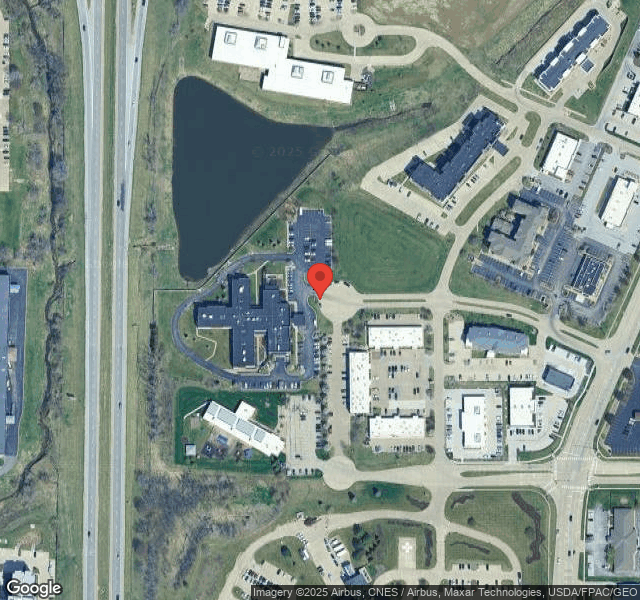
3800 Commerce Blvd, Davenport, IA 52807 (563) 344-2000
For profit - Corporation 120 Beds LEGACY HEALTHCARE Data: November 2025 2 Immediate Jeopardy citations
Trust Grade
1/100
#352 of 392 in IA
Last Inspection: April 2025

Within standard 12-15 month inspection cycle. Federal law requires annual inspections.

Overview

Harmony Utica Ridge in Davenport, Iowa, has received a Trust Grade of F, indicating significant concerns about the quality of care. They rank #352 out of 392 facilities in Iowa, placing them in the bottom half of the state, and #9 out of 11 in Scott County, highlighting limited better options nearby. The facility's situation is worsening, with issues increasing from 9 in 2024 to 12 in 2025. While staffing has an average rating of 3 out of 5 stars, the turnover rate is high at 59%, significantly above the state average, which may impact consistency of care. Concerningly, the facility has incurred $51,292 in fines, suggesting issues with compliance, and recent inspections noted critical incidents where residents were not properly monitored, leading to severe health consequences, including a resident's death due to inadequate supervision and care.

Trust Score
F
1/100
In Iowa
#352/392
Bottom 11%
Safety Record
High Risk
Review needed
Inspections
Getting Worse
9 → 12 violations
Staff Stability
⚠ Watch
59% turnover. Above average. Higher turnover means staff may not know residents' routines.
Penalties
⚠ Watch
$51,292 in fines. Higher than 83% of Iowa facilities, suggesting repeated compliance issues.
Skilled Nurses
✓ Good
Each resident gets 54 minutes of Registered Nurse (RN) attention daily — more than average for Iowa. RNs are trained to catch health problems early.
Violations
⚠ Watch
31 deficiencies on record. Higher than average. Multiple issues found across inspections.
★☆☆☆☆
1.0
Overall Rating
★★★☆☆
3.0
Staff Levels
★★★★☆
4.0
Care Quality
★☆☆☆☆
1.0
Inspection Score
Stable
2024: 9 issues
2025: 12 issues

The Good

  • 4-Star Quality Measures · Strong clinical quality outcomes
  • Full Sprinkler Coverage · Fire safety systems throughout facility
  • No fines on record

Facility shows strength in quality measures, fire safety.

The Bad

1-Star Overall Rating

Below Iowa average (3.0)

Significant quality concerns identified by CMS

Staff Turnover: 59%

13pts above Iowa avg (46%)

Frequent staff changes - ask about care continuity

Federal Fines: $51,292

Above median ($33,413)

Moderate penalties - review what triggered them

Chain: LEGACY HEALTHCARE

Part of a multi-facility chain

Ask about local staffing decisions and management

Staff turnover is elevated (59%)

11 points above Iowa average of 48%

The Ugly 31 deficiencies on record

2 life-threatening
Apr 2025 12 deficiencies
CONCERN (D)

Potential for Harm - no one hurt, but risky conditions existed

Notification of Changes (Tag F0580)

Could have caused harm · This affected 1 resident

**NOTE- TERMS IN BRACKETS HAVE BEEN EDITED TO PROTECT CONFIDENTIALITY** Based on clinical record review, facility policy review and staff interviews, the facility failed to notify the provider of a we...

Read full inspector narrative →
**NOTE- TERMS IN BRACKETS HAVE BEEN EDITED TO PROTECT CONFIDENTIALITY** Based on clinical record review, facility policy review and staff interviews, the facility failed to notify the provider of a weight change of 3 pounds or more in one day as ordered for 1 of 1 resident (Resident #67) in sample reviewed. The facility reported a census of 88 residents. Findings include: The Minimum Data Set (MDS) assessment dated [DATE], revealed Resident #67 scored an 8 out of 15 on the Brief Interview for Mental Status (BIMS) exam, which indicated moderately impaired cognition. The MDS listed diagnoses included: chronic systolic (congestive) heart failure; renal insufficiency, renal failure, ESRD (end stage renal disease), and non-Alzheimer's dementia. The MDS indicated the resident took a diuretic. Review of the Care Plan revealed a Focus area dated 5/6/24, for Resident #67 required the use of diuretic medication related to systolic CHF (congestive heart failure). The interventions dated 5/6/24 indicated to monitor for signs and symptoms of fluid defect and report to practitioner abnormal findings. The Care Plan revealed a Focus area dated 5/8/24, for Resident #67 had the potential/actual risk for altered nutritional status related to NAS (no salt added) therapeutic diet with 1800 ml (milliliter) FR (fluid restriction) for CHF, CAD (Coronary Artery Disease). The interventions dated 5/8/24 indicated to monitor weights; and notification to MD/RD (medical provider/registered dietician) of significant weight change. Review of Physician Orders revealed in part: Daily weights notify provider of weight gain of 3 lb (pounds) in one day or 5 lbs in one week, or a loss of 3 lbs in one day. State Date: 9/10/24. Review of the document titled Weight Summary, dated 4/16/25 revealed Resident #67 had a weight change of 3 pounds in one day on the following dates: The Review of the Weights revealed the following dates the resident had a weight change of 3 pounds for more in one day: a. 3/3/25 at 6:39 AM: 286.0 lbs to 3/4/25 at 11:14 AM: 291.2 lbs, gain of 5.2 lbs b. 3/16/25 at 7:03 AM: 287.4 lbs to 3/17/25 at 6:14 AM: 284.0 lbs, loss of 3.4 lbs c. 3/19/25 at 6:56 AM: 282.8 lbs to 3/20/25 at 9:33 AM: 288.8 lbs, gain of 6 lbs d. 4/3/25 at 6:48 AM: 288.0 lbs to 4/4/25 at 1:21 PM: 292.0 lbs, gain of 4 lbs e. 4/5/25 at 1:59 PM: 292.0 lbs to 4/6/25 at 6:14 AM: 287.8 lbs, loss of 4.2 lbs f. 4/7/25 at 6:23 AM: 286.8 lbs to 4/8/25 at 6:17 AM: 283.8 lbs, loss of 3 lbs g. 4/8/25 at 6:17 AM: 283.8 lbs to 4/9/25 at 7:32 AM: 287.0 lbs, gain of 3.2 lbs h. 4/13/25 at 7:04 AM: 284.6 lbs to 4/14/25 at 10:40 AM: 288.8 lbs, gain of 4.2 lbs Review of the electronic health record revealed a lack of provider notification for the weight fluctuation which resulted in a gain of 3 pounds in one day, and a loss of 3 lbs in one day. During an interview on 4/17/25 at 10:17 AM, Staff L, LPN (Licensed Practical Nurse) queried on Resident #67 weight change order, stated she text the doctor when Resident #67 had a weight loss of more than 3 pounds. Staff L stated she didn't document in the progress notes when she notified the provider because she ran all the time checking on the residents and she may of failed in that aspect. When asked to provide the text messages, Staff L stated she deleted the messages after the provider responded back to her. During an interview on 4/17/25 at 10:39 AM, Staff M, LPN queried about the order to notify the provider if Resident #67 had a 3 pound weight change, stated she notified the provider and documented a progress note in Resident #67 file. During an interview on 4/17/25 at 12:33 PM, Staff O, RN (Registered Nurse) Unit Manager queried where notification to the provider was located and Staff O stated in a progress note or on paperwork submitted to the provider. During an interview on 4/17/25 at 2:34 PM, the Director of Nursing stated if there is a weight change over 3 pounds stated staff should be notifying the doctor after first reweighing the resident. The DON stated the Unit Manager should be auditing and educating staff. The DON stated she educated using the same scale and notification to the provider in the daily meetings. Review of the facility policy titled Physician Orders/Transcription of Orders, dated 7/2023 revealed Procedure section: #9. Active Orders should be followed and carried out as written/transcribed Review of the facility policy titled Notification for Change of Condition, dated 6/2023 revealed Procedure section: #1. The facility must immediately inform the resident, consult with the resident's physician .when there is: b. A significant change in the resident's physical, mental, or psychosocial status (i.e., a deterioration in health, mental, or psychosocial status in either life-threatening conditions, or clinical complications). c. A need to alter treatment significantly (i.e., a need to discontinue an existing form of treatment due to adverse consequences, or to commence a new form of treatment).
CONCERN (D)

Potential for Harm - no one hurt, but risky conditions existed

Deficiency F0638 (Tag F0638)

Could have caused harm · This affected 1 resident

Based on clinical record review and staff interview, the facility failed to ensure timely completion of quarterly Minimum Data Set (MDS) assessments for 4 of 4 residents reviewed for quarterly MDS tim...

Read full inspector narrative →
Based on clinical record review and staff interview, the facility failed to ensure timely completion of quarterly Minimum Data Set (MDS) assessments for 4 of 4 residents reviewed for quarterly MDS timeliness (Resident #1, Resident #10, Resident #34, Resident #61). The facility reported a census of 88 residents. Findings include: 1. Review of the quarterly MDS assessment for Resident #1, Assessment Reference Date (ARD) 3/5/25, revealed the assessment completed on 3/31/25. 2. Review of the quarterly MDS assessment for Resident #10, ARD 3/5/25, revealed the assessment completed on 3/27/25. 3. Review of the quarterly MDS assessment for Resident #34, ARD 1/22/25, revealed the assessment completed on 2/6/25. 4. Review of the quarterly MDS assessment for Resident #61, ARD 2/19/25, revealed the assessment completed on 3/6/25. On 4/17/25 at 3:31 PM, Staff J, MDS Coordinator explained infection control responsibilities had taken quite a bit of their time, and explained they should have asked for help. On 4/17/25 at 3:58 PM, the facility's Director of Nursing (DON) acknowledged timeliness of the quarterlies had been recognized as a concern, and further explained assessments should be getting done within that week. A facility policy to address MDS requested, and the facility explained they did not have a policy.
CONCERN (D)

Potential for Harm - no one hurt, but risky conditions existed

Assessment Accuracy (Tag F0641)

Could have caused harm · This affected 1 resident

**NOTE- TERMS IN BRACKETS HAVE BEEN EDITED TO PROTECT CONFIDENTIALITY** Based on staff interview and clinical record review, the facility failed to ensure accuracy of Section N, Medications, on the Mi...

Read full inspector narrative →
**NOTE- TERMS IN BRACKETS HAVE BEEN EDITED TO PROTECT CONFIDENTIALITY** Based on staff interview and clinical record review, the facility failed to ensure accuracy of Section N, Medications, on the Minimum Data Set (MDS) assessment for 2 of 5 residents reviewed for unnecessary medications (Resident #26, Resident #34). The facility reported a census of 88 residents. Findings include: 1. Review of the MDS assessment dated [DATE], revealed Resident #34 scored 14 out of 15 on a Brief Interview for Mental Status (BIMS) which indicated intact cognition, and revealed the resident took antiplatelet medication. Review of the resident's January 2025 Medication Administration Record (MAR) lacked administration of antiplatelet medication. During an interview on 4/17/25 at 3:35 PM, Staff J, MDS Coordinator shown Resident #34's MAR, queried if resident on antiplatelets, and Staff J confirmed no. 2. The MDS assessment dated [DATE], revealed Resident #26 scored a 5 out of 15 on the BIMS exam, which indicated cognition severely impaired. The MDS indicated the resident took a diuretic. Review of the Physician Orders did not list a diuretic order for Resident #26. During an interview on 4/17/25 at 10:51 AM, Staff J, MDS Coordinator queried if Resident #26 accurately coded for use of a diuretic. Staff J reviewed the medical record and stated she didn't know why she coded it because Resident #26 didn't take a diuretic. During an interview on 4/17/25 at 2:36 PM, the Director of Nursing stated she didn't see Resident #26 prescribed a diuretic. The DON stated Staff J probably made a coding mistake. The DON stated she expected the MDS to be on time, correct, and coded correctly. Per email from the Administrator on 4/21/25 at 8:42 AM, the facility does not have a policy for MDS accuracy.
CONCERN (D)

Potential for Harm - no one hurt, but risky conditions existed

Comprehensive Care Plan (Tag F0656)

Could have caused harm · This affected 1 resident

**NOTE- TERMS IN BRACKETS HAVE BEEN EDITED TO PROTECT CONFIDENTIALITY** Based on clinical record review, facility policy review, and staff interviews, the facility failed to include dialysis services ...

Read full inspector narrative →
**NOTE- TERMS IN BRACKETS HAVE BEEN EDITED TO PROTECT CONFIDENTIALITY** Based on clinical record review, facility policy review, and staff interviews, the facility failed to include dialysis services and use of an anticoagulant in the Care Plan for 2 of 3 (Resident #3 and Resident # 83). The facility reported a census of 88 residents. Findings include: 1. The Minimum Data Set (MDS) dated [DATE] identified Resident #3 as cognitively intact with a BIMS (Brief Interview for Mental Status) of 13 out of 15. The MDS list of diagnoses included: fluid overload, coronary artery disease, and renal insufficiency requiring dialysis. Section O, Special Treatments, Procedures and Programs identified Resident #3 received dialysis services while a resident. Review of the admission Record revealed Resident #3 admitted to the facility on [DATE]. Review of Progress Notes revealed an Alert Note entered on 3/18/25 at 3:53 AM, which documented Resident #3 readmitted to the facility on [DATE] after a hospitalization. Review of the Order Summary Report dated 4/17/25, revealed an order for [Dialysis provider name and phone number redacted] M-F-W (Monday-Wednesday-Friday) @ 12:00pm, arrival @ 11:40 am, pick up 11:20 am, every day and evening shift every Mon, Wed, Fri for monitoring. Start Date: 3/17/25. Review of the Care Plan revealed a lack of Focus areas and Interventions related to address Resident #3's dialysis services. During an interview on 4/17/25 at 10:24 AM, Staff C, Registered Nurse (RN) reported Resident #3 goes to dialysis three times a week. Staff C stated dialysis services should be in the residents Care Plan. During an interview on 4/17/25 at 2:43 PM, the Director of Nursing (DON) reported Resident #3 received dialysis three times a week. The DON stated this service should be included in the Care Plan. 2. The MDS dated [DATE], identified Resident #83 as cognitively intact with a BIMS of 15 out of 15. The MDS list of diagnoses included: atrial fibrillation (an abnormal heart rhythm), heart failure and hip fracture. The MDS identified Resident #83 prescribed an anticoagulant (a blood thinner). Review of the admission Record revealed Resident #83 admitted to the facility on [DATE]. Review of Order Summary Report dated 4/15/25, revealed an order for Rivaroxaban (medication classified as an anticoagulant or blood thinner) Oral Tablet 20 MG .Give 1 tablet by mouth at bedtime and did not have orders for any antibiotics. Start Date: 1/25/25 Review of the Care Plan revealed a lack of a Focus area and related Interventions to address the use of an anticoagulant. During an interview on 4/16/25 at 11:32 AM, Staff C, RN reported any nurse can update the Care Plans. Staff C stated residents prescribed an anticoagulant should have them included in the Care Plan. During an interview on 4/17/25 at 2:43 PM, the DON reported Resident #83 should have the orders for the anticoagulant ordered addressed in her Care Plan. Review of the facility policy titled Care Plan Policy, revised March 2025 included a Purpose statement, which declared To ensure that all care plans including baseline care plans are in conjunction with the federal regulations including a baseline care plan to be completed within 48 hours of admission and a comprehensive care plan developed after the comprehensive assessment of a resident. The Procedure section directed, in part: #4. After the comprehensive assessment (state/federal-required MDS) is completed, the facility will put in place person-centered care plans outlining care for the resident.
CONCERN (D) 📢 Someone Reported This

A family member, employee, or ombudsman was alarmed enough to file a formal complaint

Potential for Harm - no one hurt, but risky conditions existed

Quality of Care (Tag F0684)

Could have caused harm · This affected 1 resident

**NOTE- TERMS IN BRACKETS HAVE BEEN EDITED TO PROTECT CONFIDENTIALITY** Based on observation, staff and resident interview, clinical record review, and facility policy review, the facility failed to f...

Read full inspector narrative →
**NOTE- TERMS IN BRACKETS HAVE BEEN EDITED TO PROTECT CONFIDENTIALITY** Based on observation, staff and resident interview, clinical record review, and facility policy review, the facility failed to follow physician orders for treatment of left lower leg surgical site for 1 of 3 residents (Resident #87) reviewed for non-pressure injuries, when staff used an alternate treatment application to wound site during observation of wound care. The facility reported a census of 88 residents. Findings include: The Minimum Data Set (MDS), dated [DATE], revealed a Brief Interview for Mental Status (BIMS) score of 14 out of 15, which indicated intact cognition. The MDS identified surgical wounds and diagnosis of encounter for orthopedic aftercare. Resident #87 required surgical wound care, application of ointment or medication and application of non-sterile dressings. The Care Plan, dated 3/22/25, revealed Resident #87 had been at risk for alterations in skin integrity due to recent surgeries, resulting in open surgical wounds of left below the knee amputation with intervention to administer treatment per physician orders. The Treatment Administration Record (TAR), dated April 2025, revealed the following treatment orders: 1. Vashe Wound Cleanser External Solution 0.033%, with instructions to apply to left below the knee amputation topically every day and evening shift for skin care. Order initiated 3/27/25 and directed to be held between 4/17/25 and 4/19/25. 2. Cleanse left below the knee amputation site with normal saline, apply Vashe moistened gauze to wound bed, cover with padded dressing and secure with gauze wrap (Kerlix) and tape, initiated 3/27/25, with instructions to change dressing twice daily and as needed (PRN). 3. Cleanse left below the knee amputation site with normal saline, cover wound with gauze moistened with normal saline, apply padded dressing and secure with gauze wrap (Kerlix) and tape, with instructions to change dressing twice daily for wound care. Order initiated 4/17/25 and discontinued 4/17/25. 4. Cleanse left below the knee amputation site with with normal saline, cover wound with gauze moistened with Vashe, apply padded dressing and secure with gauze wrap (Kerlix) and tape, with instructions to change dressing two times a day for wound care. Order start date 4/18/25. On 4/17/25 at 11:16 AM, Staff Q, Registered Nurse (RN), performed wound cares to Resident #87's left lower extremity amputation site. Staff Q removed old dressing and cleansed wound site with normal saline. Resident #87 reported that the Vashe treatment had not been used for the past 3 days and stated Xeroform (gauze dressing impregnated with petrolatum and often contains 3% bismuth tribromo phenate) was utilized instead. Staff Q applied Xeroform to left lower leg amputation site, covered with padded dressing and secured with gauze wrap and tape. On 4/17/25 at 2:33 PM, Staff Q, Registered Nurse (RN), revealed the process for treatment order change included documentation of Vashe treatment refused by Resident #87 and Provider notification of refusal, with request for a new order of the Xeroform from Provider. Staff Q reported nursing staff should document treatment changes in the Nursing Progress Notes. On 4/17/25 at 3:58 PM, Director of Nursing (DON) informed that nursing staff had been unable to find Vashe treatment prior to Resident #87's left lower extremity amputation site dressing change. DON revealed expectation of nursing staff to follow physician treatment orders and notify physician if treatment is refused. A review of the facility policy titled: Physician Orders/Transcription of Orders dated as last reviewed on July 2023 had documentation of the following procedure: a. Physician orders will be received by a licensed nurse, therapist or dietitian. b. Orders may be received through written communication in the resident ' s chart, verbally, or per phone, via fax or electronically entered in PCC (Point Click Care, the electronic medical record software). c. When receiving a verbal or telephone order, the order should be repeated back to the Physician/Nurse Practitioner/Physician Assistant to assure accuracy. d. The order should be entered into the resident ' s medical record exactly as it was stated/written by the MD/NP/PA. e. If for any reason, the physician is not available or cannot be reached by the nurse, the facility appointed Medical Director may be contacted for orders. f. Medication and treatment orders will be entered into the electronic medical administration record or electronic treatment administration record accordingly. g. Active orders should be followed and carried out as written/transcribed.
CONCERN (D)

Potential for Harm - no one hurt, but risky conditions existed

Accident Prevention (Tag F0689)

Could have caused harm · This affected 1 resident

**NOTE- TERMS IN BRACKETS HAVE BEEN EDITED TO PROTECT CONFIDENTIALITY** Based on observation, interview, and record review the facility failed to ensure foot pedals were utilized when residents transp...

Read full inspector narrative →
**NOTE- TERMS IN BRACKETS HAVE BEEN EDITED TO PROTECT CONFIDENTIALITY** Based on observation, interview, and record review the facility failed to ensure foot pedals were utilized when residents transported in a wheelchair, and failed to ensure fall interventions were consistently implemented for 3 of 4 residents reviewed for accidents (Resident #16, Resident #66, Resident #310). The facility reported a census of 88 residents. Findings include: 1. Review of Resident #16's quarterly Minimum Data Set (MDS) assessment dated [DATE] revealed Resident #16 scored 3 out of 15 on a Brief Interview for Mental Status (BIMS) exam, which indicated severely impaired cognition. Per the assessment, the resident utilized a wheelchair. Review of Resident #16's Care Plan dated 8/16/24, revealed Resident is at risk for falls related to right hemiparesis related to CVA (cerebrovascular accident) and decreased mobility. Interventions dated 8/16/24 included the following: Assist resident with ambulation and transfers as needed, bed is in a low position, and call light within reach. Additional interventions included the following: Dycem (a brand name that has become a generic trademark used for a non-slip material commonly placed on a wheelchair seat, or under a dinner plate to enhance stability) a to wheelchair added to the resident's Care Plan on 1/15/25, sling to be taken out from under patient after transferring added to the resident's Care Plan on 3/27/25, and Non skid footwear added to the resident's Care Plan on 4/15/25. Review of the Incident Note dated 1/14/25 at 11:33 PM revealed, in part, Call to resident's room by CNA (Certified Nursing Assistant) @ (at) 2035 (8:35 PM). Resident lying in the middle of his room faced down on the floor. Resident was lying on his stomach. His head was lying in a pool of blood. Resident's hand were under his body. Resident did have non-skid socks on. Resident's call light was on. I asked resident if he fell out of his wheelchair and he shook his head yes. Me and CNA gently turned him onto his back to assess him and see where the blood was coming from. Resident's head cleaned with wound cleansed. The Alert Note dated 1/15/25 at 4:23 AM revealed, resident return from [Hospital Name Redacted] ER (emergency room) at 0340 (3:40 AM) by transportation team. At the hospital Ct (computed tomography) head or brain wo (without) contrast, negative. Laceration repair (2.0 cm (centimeters) with glue. No N/O (new orders). The CAA (Care Area Assessment) Summary Note dated 1/15/25 at 1:32 PM revealed, in part, Plan of care updated to include placing Dycem in wheelchair. The CAA Summary dated 3/27/25 at 1:47 PM revealed, in part, on 3/26/25 @ 16:15 (4:15 PM) patient was observed lying on his right side, patient slipped out of his chair .Patient slid out from his chair, and patient had sling under him during the time of the fall, care plan was updated for sling to be taken out after transfers, to prevent sliding and Dycem is in place. During an observation on 4/14/25 at 11:52 AM, near the nursing station revealed Staff A, Certified Nursing Assistant (CNA) pushed the resident in his wheelchair without pedals. Staff was heard to say, lets go get you cleaned up and find some pedals for your chair. During an observation on 4/14/25 at 3:07 PM, staff assisted resident to pull the resident back in the chair. The Incident Note dated 4/15/25 at 7:27 PM authored by Staff I, Licensed Practical Nurse (LPN) revealed, Resident observed in doorway on the floor of his room in supine position. W/c (wheelchair) on the right side of the resident up against the door frame. Resident did not have on gripper socks w/c was in use. Head to toe assessment completed no injuries noted at this time. Resident assisted from the floor by two staff members. NP (Nurse Practitioner) made aware, guardian made aware. During an interview on 4/17/25 at 9:32 AM, Staff I, LPN queried about the resident's fall and explained resident was sitting in his room doorway and waited for someone to put him (resident) to bed. Per Staff I, staff passing trays, Staff I at the nursing station, and a resident said a resident was on the floor. Staff I explained Resident #16 had backed his chair to corner of doorway, was laying flat, the resident's body was laying straight in the doorway with their head facing into the hall. When queried if the resident was on his abdomen or back, Staff A explained resident was on his back. Per Staff I, Resident #16 did not have injuries. When queried if the resident had Dycem, Staff A explained Resident #16 didn't have it in there, explained she asked someone if they used it (Dycem) because it would be an intervention, and someone said tried it on him (resident) and wouldn't work. During an interview on 4/17/25 at 10:54 AM, Staff A, CNA explained Dycem wasn't in there till put in yesterday. Staff A further explained resident used a hoyer (often used generic trademark for a mechanical lift), and were trying to figure out what worked best. Per Staff A, did put it (Dye) there yesterday. When queried if Dye present on Monday, Staff A responded they were not sure. During an observation on 4/17/25 at 10:56 AM, Resident #16 in their wheelchair in the hallway. Resident #16 wore regular gray socks, not gripper socks. 2. Review of Resident #66's quarterly MD'S dated 2/19/25, revealed the resident scored 15 out of 15 on a BINS exam, which indicated intact cognition. Per the assessment, the resident utilized a wheelchair. Review of Resident #66's Care Plan dated 8/23/24, revealed Resident #16 is at risk for falls. The Intervention dated 8/23/24, directed Assist resident with ambulation and transfers as needed. During an observation on 4/15/25 at 7:33 AM, Staff B, Registered Nurse (RN) pushed Resident #66 in their wheelchair into the dining room. The wheelchair did not have foot pedals in place when staff pushed the resident in the wheelchair. During an interview on 4/17/25 at 4:03 PM, the Director of Nursing (DON) explained one of the top five things recently covered the last three months with staff was no pedals, no push. When queried if had been informed with the lack of Dye availability, the DON responded no. Per the DON, Dye was replaced in wheelchairs this week because it had been resized. When queried how staff aware of interventions, the DON explained should be in the Care Plan and abrade (a quick reference system used to summarize resident information/needs. The DON stated interventions such as use of Dye or [NAME] socks should be implemented at all times. 3. During an observation on 4/15/25 at 7:57 AM, a CAN pulled Resident #16's wheelchair back in the dining room to allow another resident in a wheelchair by and then pushed Resident #16 wheelchair out into the hallway. Resident #16 did not have foot pedals on his wheelchair. Resident #16 held his legs up slightly above the floor while being pushed in his wheelchair by the staff. During an interview on 4/17/25 at 9:53 AM, Staff AK, CAN queried if Resident #16 had foot pedals and Staff AK stated yes, he did. Staff AK asked if he could be pushed with no foot pedals and Staff AK stated no pedals, no push. Staff AK queried if she had ever observed Resident #16 pushed without foot pedals and she stated yes, sometimes with the new staff. During an interview on 4/17/25 at 2:32 PM, the DON stated she just had a meeting yesterday for education on no pedal, no push. The DON stated they went over no pedal, no push numerous times and also reviewed it in the education binder. 4. The MD'S dated 4/15/25, revealed Resident #310 required partial to moderate amount of staff assistance with transferring. Resident #310 unable to ambulate at time of assessment. Diagnoses included myocardial infarction (a heart attack), schizophrenia, other symptoms involving the muscles system, and recent surgery involving heart/arteries. The Care Plan dated 4/07/25, identified Resident #310 at risk for falls and instructed staff to assist Resident #310 with ambulation and transfers as needed. During an observation on 4/14/25 at 10:30 AM, a staff member pushed Resident #310 through the [NAME] hallway to her room without foot pedals attached to the wheelchair. Resident #310 wore gripper socks to feet, crossed her legs at ankles, and held feet up approximately one to two inches above the floor while being transported.
CONCERN (D)

Potential for Harm - no one hurt, but risky conditions existed

Incontinence Care (Tag F0690)

Could have caused harm · This affected 1 resident

**NOTE- TERMS IN BRACKETS HAVE BEEN EDITED TO PROTECT CONFIDENTIALITY** Based on observations, clinical record review and staff interviews, the facility failed to ensure a indwelling catheter bag and ...

Read full inspector narrative →
**NOTE- TERMS IN BRACKETS HAVE BEEN EDITED TO PROTECT CONFIDENTIALITY** Based on observations, clinical record review and staff interviews, the facility failed to ensure a indwelling catheter bag and tubing maintained in a position minimize the risk of a urinary tract infection for 1 of 1 residents (Resident #43) reviewed. The facility reported a census of 88 residents. Findings include: The Minimum Data Set (MDS) dated [DATE] identified Resident #43 as cognitively intact with a BIMS (Brief Interview for Mental Status) of 14 out of 15. The MDS list of diagnoses included: neurogenic bladder (a condition where damage to the brain, spinal cord, or nerves affects bladder control), scoliosis (a condition where the spine curves abnormally, often appearing as an S or C shape), intestinal-genital tract fistulae (abnormal connections between the intestines and the genital tract). The MDS identified Resident #43 utilized an indwelling catheter. Review of the Care Plan, Date Initiated: 11/21/23 included a Focus area to address Suprapubic Catheter related to chronic urinary retention and colovaginal fistula. Interventions included, I would like staff to check my catheter for kinks and leaks, and Provide catheter care. Observations of Resident #43 revealed the following: a. On 4/14/25 at 2:57 PM, resident sitting in her wheelchair while in her room, catheter bag and tubing rested on floor. b. On 4/15/25 at 6:10 AM, resident asleep in her bed , catheter bag and tubing rested on floor. c. On 4/15/25 at 10:15 AM, Resident #43 sitting in her wheelchair while in her room, catheter bag and tubing rested on floor. At 10:17 AM, Resident #43 self propelled wheelchair to the doorway with catheter bag and tubing dragging on the floor. Staff L, Licensed Practical Nurse (LPN) positioned at a medication cart outside of residents room. Staff L did not note position of catheter bar and tubing, which remained on the floor. During an interview on 4/17/25 at 10:24 AM, Staff C, Registered Nurse (RN) stated when a nursing staff member finds a resident with an indwelling catheter bag and/or tubing on the floor, they should replace it. The bag and tubing should be kept off the floor. During an interview on 4/16/25 at 12:47 PM, Staff D, Certified Nursing Assistant (CNA) reported if she saw a catheter bag and/or the tubing of a resident on the floor, she would pick it up immediately and change the bag. During an interview on 4/17/25 at 2:43 PM, the Director of Nursing reported if the nursing staff saw an indwelling catheter bag or tubing on the floor, she would expect them to pick it up, wipe it off with alcohol based products and return it to the appropriate place. She would expect the aides to complete walking rounds between shifts. A review of the facility policy titled: Catheter Care: Indwelling Catheter, revised December 2023 directed; a. Check that the tubing is not kinked, looped, clamped, or positioned above the level of the bladder. b. Validate the drainage bag is off the floor and in a dignity bag.
CONCERN (D) 📢 Someone Reported This

A family member, employee, or ombudsman was alarmed enough to file a formal complaint

Potential for Harm - no one hurt, but risky conditions existed

Deficiency F0697 (Tag F0697)

Could have caused harm · This affected 1 resident

**NOTE- TERMS IN BRACKETS HAVE BEEN EDITED TO PROTECT CONFIDENTIALITY** Based on clinical record review, staff interviews, and facility policy review, the facility failed to ensure availability of sch...

Read full inspector narrative →
**NOTE- TERMS IN BRACKETS HAVE BEEN EDITED TO PROTECT CONFIDENTIALITY** Based on clinical record review, staff interviews, and facility policy review, the facility failed to ensure availability of scheduled medications for a new administration and timely availability of an as needed pain medication for 1 of 3 residents (Resident #104) reviewed for pain management. The facility reported a census of 88 residents. Findings include: The Minimum Data Set (MDS), dated [DATE], revealed Resident #104 admitted to the facility on [DATE]. The MDS list of diagnoses included: displaced tri-malleolar fracture (fracture involving 3 bones around the ankle) of right lower leg, malignant carcinoid tumors of other sites, and adjustment disorder with depressed mood. The MDS indicated Resident #104 prescribed an opioid (class of medications used to treat pain) during the last seven (7) days of the assessment. Review of hospital Discharge Summary Medications section, dated 1/24/25, revealed: a. New order for acetaminophen-hydrocodone (Norco 5-325 mg (milligrams) oral tablet. 1 tab Oral every 4 hours as needed for moderate pain. b. Pregabalin (medication commonly used to treat nerve pain) 75 mg oral capsule, 1 cap oral three times daily Review of the admission Assessment, dated 1/24/25 at 7:41 PM, Pain Presence section indicated Resident #104 had pain. When asked if have you had pain or hurting at any time in the last 5 days, Resident #104 answered yes. Resident #104 answered had pain frequently .Verbal Description Scale assessed as a Moderate. The pain scale indicated Moderate is a pain rated 7-9 on a scale of 0-10 . The Medication Administration Record (MAR), dated January 2025, revealed the following order: a. Norco Oral Tablet 5-325 MG (milligrams) (Hydrocodone-Acetaminophen) Give 1 tablet by mouth every 4 hours as needed for pain. Start Date: 1/24/25. D/C Date: 1/25/25. 1. Administered on 1/25/25 for a pain of 8 at 0044 (12:44 AM); 2. Administered on 1/25/25 for a pain of 9 at 0517 (5:17 AM). b. Pregabalin Oral Capsule 75 mg Give 1 capsule by mouth three times a day for pain. Start Date: 1/24/25 1800 (6:00 PM). D/C Date: 1/25/25. 1. HS (bedtime) medication pass lacked documentation 2. Administered on 1/25/25 during AM medication pass. Review of Nursing Progress Notes revealed: a. admission Summary, entered on 1/24/25 at 11:54 PM: Patient admitted today at 5:30 pm via medic. Patient has diagnosis of tri-malleolar fracture of right ankle .Patient is having pain due to that ankle fracture . b. General Progress Note, entered on 1/25/25 at 4:00 AM .resident continuously rating her pain at a 8-9 PRN pain medication given with no relief reported . c. General Progress Note, entered on 1/25/25 at 8:09 AM: Called Pharmacy and spoke to [Name redacted] r/g (regarding) only hydrocodone and no other medication meds came with AM med run. All other Meds will be coming STAT (immediately, without delay) on next medication run per pharmacy. Patient aware. d. General Progress Note, entered on 1/25/25 at 8:34 AM: Spoke to patient d/t (due to) wanting to leave AMA (Against Medical Advice) .Explained to patent all medications are coming STAT From pharmacy and will be administered to her as soon as they arrive . e. General Progress Note, entered on 1/25/25 at 8:47 AM: Called pharmascript and spoke to [name redacted], order for Lyrica (brand name of pregabalin) will be coming STAT from local pharmacy. Patient and family aware. f. General Progress Note: Lyrica arrived from pharmacy and this nurse administered to patient .Patient stated facility is not good fit for her and still wants to leave AMA . The facility provided an untitled, undated document list of medications present in the facilities e-kit (A locked supply of commonly prescribed medications, supplied by contracted pharmacy, that can be accessed quickly without delay). Review of the list indicated the facility had a standard supply of eight (8) tablets of Hydrocodone-Acetaminophen (Norco) 5-325 mg tablets in the e-kit. During an interview on 4/17/25 at 2:50 PM, Staff R, Licensed Practical Nurse (LPN), confirmed she worked the overnight shift on 1/24/25 to 1/25/25. Staff R stated she recalled Resident #104 had propelled self from room to nurse's desk, via wheelchair, due to being upset with lack of pain medications. Staff R reported a script was then obtained to remove Norco from the e-kit and administered to Resident #104, unable to recall the time this occurred. During an interview on 4/17/25 at 3:58 PM, the Director of Nursing (DON), stated the when pain medications are prescribed, an electronic prescription from the hospital physician should be sent electronically to the facilities pharmacy. The DON explained this allows nursing to access the e-kit and administer medication in a timely manner if a pharmacy has yet to make the delivery. The DON stated the expectation is prescriptions are obtained within a few hours of admission. The facility policy, titled admission Policy, dated 9/2023, revealed that an individual who needs services that are not readily available in a particular facility, shall not be admitted to or kept in that facility. Policy revealed that the facility would follow guidelines to notify physician of admission and verify orders.
CONCERN (D) 📢 Someone Reported This

A family member, employee, or ombudsman was alarmed enough to file a formal complaint

Potential for Harm - no one hurt, but risky conditions existed

Infection Control (Tag F0880)

Could have caused harm · This affected 1 resident

**NOTE- TERMS IN BRACKETS HAVE BEEN EDITED TO PROTECT CONFIDENTIALITY** Based on observation, record review and staff interview, the facility failed to implement Enhanced Barrier Precautions for one o...

Read full inspector narrative →
**NOTE- TERMS IN BRACKETS HAVE BEEN EDITED TO PROTECT CONFIDENTIALITY** Based on observation, record review and staff interview, the facility failed to implement Enhanced Barrier Precautions for one of one residents reviewed with an indwelling catheter (Resident #43). The facility reported a census of 88 residents. Findings include: The Minimum Data Set (MDS) dated [DATE] identified Resident #43 as cognitively intact with a BIMS (Brief Interview for Mental Status) of 14 and had the following diagnoses: neurogenic bladder (a condition where damage to the brain, spinal cord, or nerves affects bladder control), and intestinal-genital tract fistulae (abnormal connections between the intestines and the genital tract). The MDS identified Resident #43 utilized a suprapubic catheter. Review of the Care Plan, dated 4/1/24 identified Resident #43 with the problem of Enhanced Barrier Precautions and directed staff to wear a gown and gloves for high contact activities (such as emptying the catheter bag) During an observation on 4/15/25 at 7:23 AM, Resident #43 room equipped with a caddy hanging on the bathroom door with an adequate supply of Personal Protective Equipment and a sign posted on door Enhanced Barrier Precautions. During an observation of catheter care on 4/15/25 at 1:08 PM, Staff N, Certified Nursing Assistant (CNA) donned mask and gloves, however, did not don an isolation gown, prior to emptying out Resident #43's catheter bag. During an interview interview on 4/16/25 at 12:47 PM, Staff D, CNA stated that EBP are in place for any resident using a catheter. Staff D stated when emptying a catheter bag gloves, a masks, and a gown should be worn. During an interview on 4/17/25 at 2:43 PM, the Director of Nursing reported a resident with an indwelling catheter should be placed in Enhanced Barrier Precautions. She stated when staff are emptying a catheter bag they should don an isolation gown and gloves. A review of the facility policy titled: Enhanced Barrier Precautions dated as last revised March 2024 had documentation of the following: a. Enhanced Barrier Precautions will be used in conjunction with standard precautions with residents with indwelling medical devices (such as indwelling urinary catheters). b. Gowns and gloves should be worn during high contact resident care activities.
CONCERN (D)

Potential for Harm - no one hurt, but risky conditions existed

Deficiency F0883 (Tag F0883)

Could have caused harm · This affected 1 resident

**NOTE- TERMS IN BRACKETS HAVE BEEN EDITED TO PROTECT CONFIDENTIALITY** Based on clinical record review, staff interviews, and the facility policy, the facility failed to provide documentation residen...

Read full inspector narrative →
**NOTE- TERMS IN BRACKETS HAVE BEEN EDITED TO PROTECT CONFIDENTIALITY** Based on clinical record review, staff interviews, and the facility policy, the facility failed to provide documentation residents refused/accepted pneumococcal vaccine to 3 of 5 residents reviewed (Resident #16, #10, and #33). The facility reported a census of 88 residents. Findings include: 1. The Minimum Data Set (MDS) assessment dated [DATE] revealed Resident #16 scored a 3 out of 15 on the Brief Interview for Mental Status (BIMS) exam, which indicated cognition severely impaired. The Review of the Immunization in the EMR (Electronic Medical Record) lacked documentation Resident #16 refused the pneumococcal vaccine. The Facility Unit Immunization Tracking Form revealed Resident #16 declined the pneumococcal vaccine. No date indicated when refused. The Facility lacked documentation of a declination/education provided to the resident/resident representative for the vaccine. 2. The MDS assessment dated [DATE] revealed Resident #10 scored a 4 out of 15 on the BIMS exam, which indicated cognition severely impaired. The Review of the Immunization in the EMR lacked documentation Resident #10 refused the pneumococcal vaccine. The Facility Unit Immunization Tracking Form revealed Resident #10 declined the pneumococcal vaccine, with no date indicated when refused. The Facility lacked documentation of a declination/education provided to the resident/resident representative for the vaccine. 3. The MDS assessment dated [DATE] revealed Resident #33 scored a 14 out of 15 on the BIMS exam, which indicated cognition intact. The Review of the Immunization in the EMR revealed Resident refused the PCV13 (pneumococcal conjugate vaccine) (no date indicated when refused). The Facility Unit Immunization Tracking Form revealed Resident #33 declined on the pneumococcal vaccine, with no date noted on the form. The Facility lacked documentation of a declination/education provided to the resident for the vaccine. During an interview on 4/16/25 at 4:05 PM, Staff J, RN (Registered Nurse) queried on Resident #33, #16, and #10 pneumococcal vaccine status and she stated Resident #33 on hospice for awhile, and Resident #10 and #16 had low BIMS and they reached out to the family. Staff J asked if she documented the call to family and she stated she turned in a piece of paper to the office with the date and time she tried to reach out to family. Staff J stated she guessed they were not able to get a hold of the family. Staff J queried if the pneumococcal vaccine offered every year to the residents when they refused previously and Staff J stated yes. During an interview on 4/17/25 at 10:57 AM, Staff J stated she got a hold of Resident #16 family and he will receive the pneumococcal. Staff J stated Resident #16 been at the facility since 2019 and she didn't have any information why he didn't receive the pneumonia vaccine previously and had no declination for Resident #16 either. Staff J stated Resident #10 didn't have a declination form and Resident #33 declined the vaccine. During an interview on 4/17/25 at 2:19 PM, the DON (Director of Nursing) queried on the pneumococcal vaccines and shown the Unit Immunization Tracking form and the DON stated she requested the Infection Preventionist fill out the form with the help of the unit managers. The DON stated the staff put in the EMR if the resident refused verbally. The DON informed the pneumococcal vaccine not documented and the DON stated then something was missed. The DON stated if they were not documented in the EMR, it should be documented on paper. The Facility Infection Control Manual Vaccination and Screening Policy dated 1/25 revealed the following: a. Determining which pneumoccal vaccine to give and when: 1. Pneumococcal vaccines are offered upon admission to patients who have never been vaccinated with a pneumonia vaccine or who have refused to be vaccinated in the past.
CONCERN (E)

Potential for Harm - no one hurt, but risky conditions existed

Food Safety (Tag F0812)

Could have caused harm · This affected multiple residents

Based on observations, staff interviews, and facility policy review, the facility failed to discard expired lettuce from refrigerator storage and failed to record evening meal temperatures for 3 of 7 ...

Read full inspector narrative →
Based on observations, staff interviews, and facility policy review, the facility failed to discard expired lettuce from refrigerator storage and failed to record evening meal temperatures for 3 of 7 days reviewed. The facility reported a census of 88 residents. Findings include: On 4/15/25 10:15 AM, the walk in refrigerator contained trays with multiple pre-filled side salads, covered with plastic wrap, dated 4/15/25. The walk-in refrigerator also contained a large plastic storage container, filled with shredded lettuce, dated 4/06/25, and labeled use by 4/13/25. On 4/15/25 at 1:00 PM, the Dietary Manager entered walk-in refrigerator and confirmed the container of lettuce had expired on 4/13/25. When queried if lettuce from expired container had been used for 4/15/25 lunch side salads, Dietary Manager stated, she did not know. Review of facility's meal temperature log, dated between 4/08/25 and 4/14/25, lacked record of temperatures for the food items served for evening meals on 4/11/25, 4/12/25, and 4/13/25. On 4/15/25 at 1:05 PM, Dietary Manager revealed expectation of all dietary staff to record the food temperatures for each meal in the facility's meal temperature log. The Facility lacked policies related to food storage and expiration or monitoring food temperatures.
CONCERN (F)

Potential for Harm - no one hurt, but risky conditions existed

Staffing Data (Tag F0851)

Could have caused harm · This affected most or all residents

Based on Payroll Based Journal (PBJ) review and staff interview, the facility failed to ensure accurate reporting of weekend staffing hours, resulting in a excessively low weekend staffing trigger for...

Read full inspector narrative →
Based on Payroll Based Journal (PBJ) review and staff interview, the facility failed to ensure accurate reporting of weekend staffing hours, resulting in a excessively low weekend staffing trigger for Quarter 1 2025 (October 1-December 31). The facility reported a census of 88 residents. Findings include: Review of the facility's PBJ report for Quarter 1 2025 (reported data from October 1-December 31 2024) revealed the facility triggered for excessively low weekend staffing for the time period. During an interview on 4/17/25 at 2:13 PM, the Administrator acknowledged they had not put agency hours in correctly. A facility policy to related to PBJ reporting requested. The facility reported they do not have such a policy.
Jul 2024 1 deficiency
CONCERN (D) 📢 Someone Reported This

A family member, employee, or ombudsman was alarmed enough to file a formal complaint

Potential for Harm - no one hurt, but risky conditions existed

Infection Control (Tag F0880)

Could have caused harm · This affected 1 resident

**NOTE- TERMS IN BRACKETS HAVE BEEN EDITED TO PROTECT CONFIDENTIALITY** Based on observation, clinical record review and staff interview, the facility failed to implement infection control standards d...

Read full inspector narrative →
**NOTE- TERMS IN BRACKETS HAVE BEEN EDITED TO PROTECT CONFIDENTIALITY** Based on observation, clinical record review and staff interview, the facility failed to implement infection control standards during wound care. After providing wound care, nursing staff did not remove an isolation gown prior to exiting a residents room to access a common medication cart drawer for supplies, and did not change gloves between wound care tasks for one of three residents observed (Resident #4). The facility reported a census of 84 residents. Findings include: The Minimum Data Set (MDS), dated [DATE], diagnoses list included: obstructive uropathy (urine flow obstructed), septicemia (infection in blood), and non-Alzheimer's Dementia. The MDS revealed a Brief Interview for Mental Status (BIMS) score of 3 out of 15, indicating a severe cognitive impairment. The MDS assessed Resident #4 dependent on staff for mobility, and transfers; and required substantial/maximal assistance with toileting, showers and repositioning. The MDS identified Resident #4 had one Stage II pressure ulcer, utilized an indwelling catheter, and incontinent of stool. The Care Plan, dated 5/21/24, included a Focus Area to address Risk for unavoidable alteration in skin integrity related to chronic neuropathy, unplanned weight loss, low albumin/protein, recent history of skin breakdown. A review of Physician Orders revealed the following wound care orders: a. Wound Coccyx: Cleanse with NS (normal saline), apply calcium alginate w/(with) silver and cover with foam, every day shift. Start date 7/19/24. b. Wound Left Lateral Foot - unstageable - Cleanse with NS, apply calcium alginate w/silver to wound bed, cover with foam dressing every day shift for wound care. Start date 7/19/24. c. Wound Right big toe: Apply iodine topically, allow to dry. Leave OTA (open to air) every day shift for wound care. Start date 6/7/24. d. Wound Right heel wound: apply iodine, apply ABD (absorbent pad) and Kerlix dressing every day shift for wound care. Start date 6/20/24. e. Wound Right Lateral Foot: apply betadine topically, allow to dry. Cover with ABD/Kerlix every day shift for wound. Start date 6/20/24. f. Wound to right iliac crest cleanse with normal saline, apply calcium alginate w/silver to wound bed cover with foam dressing. Change daily one time a day. Start date 7/20/24. Resident #4's Physician Orders included the application of gentamicin sulfate ointment 0.1% (ointment containing an antibiotic) to be applied to right ischium every day for wound care. During an observation of wound care on 7/23/24 at 9:47 AM to 10:26 AM revealed: At 9:47 AM, Staff L, Certified Nursing Assistant (CNA), Staff B, Registered Nurse (RN) and Staff M, Nurse Practitioner (NP) entered the room and donned isolation gown and gloves. At 9:50 AM, Staff B removed dressing to right ischial wound, noted to have a moderate amount of serosanguineous (straw colored liquid mixture of blood and serum) drainage. The wound bed appeared cream in color. The surrounding skin appeared slightly dark red. Staff M cleansed the wound with normal saline. At 9:51 AM, Staff B measured the right ischial wound. Results: length was 3.8 cm, width was 3 cm. Staff B removed her gloves and applied an alcohol based hand sanitizer. At 9:54 AM, Staff B, RN exited the room while wearing the isolation, Staff B accessed the medication cart, looked through the bottom drawer for dressing supplies. The isolation gown touched the medication cart. At 9:58 AM, Staff B returned to Resident #4's room. Donned gloves, and without changing the isolation gown, cleansed the wound to the coccyx area. Without a change of gloves, Staff B applied the calcium alginate w/silver dressing on the wound, and covered the area with a Mepilex (brand name of a type of dressing) dressing and dated the dressing. At 10:08 AM, Staff B without a change of gloves, used betadine swabs to cleanse the wound to the right lateral foot. She continued without a glove change to open up the dressing packets. At 10:14 AM, Staff B removed her gloves, used alcohol hand sanitizer and donned new gloves. Staff B then went out to the hallway while wearing the same isolation gown to retrieve additional supplies from the medication cart. At 10:16 AM, Staff B cleansed the wound to the left inner leg, measured the wound which did not appear to have signs of infection and placed Xeroform (brand name of a type of dressing) and Mepilex dressings on the wound. At 10:20 AM, Staff B without a glove change took a new incontinent brief out of the resident's closet and handed it to Staff L, CNA who placed it underneath the resident. At 10:23 AM, Resident #4 became incontinent of loose stool. Staff B cleansed Resident #4's rectal crease. Then Staff M, NP asked Staff B to pull off dressing to left social so she could look at the wound and instructed her to put it back on. Without a change of gloves, Staff B pulled off the dressing as requested, and then secured the dressing back in place. At 10:25 AM, Staff M, NP removed isolation gown and gloves and washed hands before exiting the room. At 10:26 AM, Staff B, RN and Staff L, CNA removed isolation gowns and gloves and washed their hands before exiting the room. During an interview on 7/23/24 at 10:31 AM, Staff B, RN stated she should not have worn the isolation gown out to the hallway. She felt she did change her gloves appropriately between wounds. During an interview on 7/24/24 at 7:23 AM in an interview with Staff E, Licensed Practical Nurse (LPN) stated when completing wound care, she would change her gloves anytime they became soiled. Staff E stated after she entered a room to start wound care, and needed something from the medication cart in the hall, she would need to remove the isolation gown, gloves and wash her hands before leaving the room. During an interview on 7/24/24 at 9:34 AM, Staff G, RN stated when completing wound care, he would change his gloves anytime they became soiled. Staff G stated after entering a residents room to start wound care, and needed something from the medication cart in the hall, he would need to remove the isolation gown, gloves and wash his hands before leaving the room. During an interview on 7/24/24 at 1:23 PM, the Director of Nursing (DON) stated when completing wound care, she would expect the nurse to change her gloves anytime they became soiled. She added after a nurse entered a room to start wound care, and needed something from the medication cart in the hall, she would expect the nurse to remove the isolation gown, gloves and wash hands before leaving the room. A review of the facility policy titled: Dressing Change, dated as last revised November 2023 indicated the nurse should change gloves any time they become soiled, perform hand hygiene and don new gloves. After the dressing change is completed, the nurse should remove gloves and wash their hands. A review of the facility policy titled: Enhanced Barrier Precautions, dated as last revised March 2024 directed staff use Enhanced Barrier Precautions (gown and gloves) when providing care to residents with wound or indwelling medical device without secretions or excretions that are unable to be covered or contained are not known to be infected or colonized with any MDRO (Multi-Drug Resistant Organism).
Jun 2024 3 deficiencies 1 IJ
CRITICAL (J) 📢 Someone Reported This

A family member, employee, or ombudsman was alarmed enough to file a formal complaint

Immediate Jeopardy (IJ) - the most serious Medicare violation

Pressure Ulcer Prevention (Tag F0686)

Someone could have died · This affected 1 resident

**NOTE- TERMS IN BRACKETS HAVE BEEN EDITED TO PROTECT CONFIDENTIALITY** Based on observation, clinical record review, resident, family and staff interviews, the facility failed to provide a wound asse...

Read full inspector narrative →
**NOTE- TERMS IN BRACKETS HAVE BEEN EDITED TO PROTECT CONFIDENTIALITY** Based on observation, clinical record review, resident, family and staff interviews, the facility failed to provide a wound assessment and intervention for 1 of 3 residents reviewed (Resident #16). A bandage over a wound to the right buttocks on Resident #16 was identified by nursing staff on [DATE] without prior documentation and without provider notification for a treatment order. Resident #16 required hospitalization on [DATE] for sepsis, an infected wound, Methicillin-resistant Staphylococcus aureus (MRSA), Escherichia coli (E.coli) and a Urinary Tract Infection (UTI). Resident #16 expired on [DATE]. This deficient practice resulted in an Immediate Jeopardy to the health and safety of residents who resided at the facility. The facility identified a census of 89 residents. The State Agency informed the facility of the Immediate Jeopardy (IJ) that began as of [DATE] on [DATE] at 10:00 AM. The facility staff removed the Immediate Jeopardy on [DATE] by implementing the following actions: 1. Nurse education re-initiated on [DATE] to be completed 100% for all nurses prior to their next scheduled shift on skin practice guidelines that include direction on how to identify skin areas and wound care/dressing change, and Medical Director and family notification. 2. Baseline audit of skin on current patients in house on 6/5//2024. 3. Nursing education on skin preventative measures including repositioning on [DATE]. The scope lowered from J to G at the time of the survey. Findings include: The Minimum Data Set (MDS) dated [DATE] for Resident #16 revealed diagnoses of Parkinson's, anxiety and depression. The MDS listed the Brief Interview for Mental Status (BIMS) score as 15 out of 15 indicating intact cognition. The MDS revealed Resident #16 had limited Range of Motion (ROM) in both upper and lower extremity, and dependent upon staff for toileting, dressing and bed positioning. The MDS assessed the resident at risk for pressure ulcers, and lacked to identify a pressure ulcer yet identified an application of a non-surgical dressing. The Care Plan for Resident #16 directed staff to encourage frequent repositioning, use assistive devices as needed and administer treatment as per the physician orders. During an interview on [DATE] at 1:43 p.m., Resident #16's daughter stated she had seen her mother on [DATE] and Staff D, Licensed Practical Nurse (LPN) applied a dressing to her mother's right buttocks. When she asked to see it, the nurse informed her it was just a surface wound. The daughter stated a week later, she received a call from Staff F, LPN who stated the wound needed to be seen by the wound nurse, then a week later her mother needed to be seen at a wound clinic. The daughter stated she called the wound clinic and reported to the facility that the earliest appointment was in a week. During a visit on [DATE], staff informed the daughter, Resident #16's blood pressure was low, she had been feeling sick but it was due to waxing of floor and they moved her to a different room. The daughter stated the facility called her on [DATE] to ask if her mother could be treated at the hospital, I said yes absolutely. The daughter said the emergency room physician showed her the wound was a 5 centimeter, tunneling, infected wound and transferred her mother to the intensive care unit for 4 days. The Treatment Administration Record dated [DATE] documented the following treatment orders: a. Right gluteal crease - cleanse with Normal Saline (NS), apply xeroform and cover with a foam dressing 3 x weekly and as needed (PRN) every day shift on Tuesday, Thursday and Saturday for wound care. With an order start date of [DATE], and discontinuation date of [DATE]. c. Right buttock- cleanse with NS, apply slightly moistened Hydrofera Blue (wound product to provide protection and address bacteria and yeast), cover with foam dressing every day shift, every other day for wound care. With an order start date of [DATE], and discontinuation date of [DATE]. A review of Progress Notes for Resident #16 revealed: a. Lack of documentation on [DATE] of a wound. b. On [DATE] at 2 p.m. An open area to the right buttocks measured 4.5 cm x 3 cm x 0.5 cm and the left inner gluteal cleft measuring 3 cm x 2 cm x 0.1 cm. c. Resident had no pain, no drainage, the site was cleansed, xeroform and foam applied. d. The wound nurse was notified. e. The doctor and the Power of Attorney (POA) were notified. A review of the clinical record revealed documentation for Resident #16 by the Certified Nursing Assistant (CNA) staff, dated [DATE] thorough [DATE], titled Positioning Resident Offered or Repositioned within every 2 hours. The documentation lacked entries for multiple shifts. During an interview on [DATE] at 7:22 AM. Staff F, LPN stated she had worked in the facility for 12 years. Staff F stated she found the dressing to Resident #16's right buttocks and did not see the wound on [DATE] when she applied a dressing to the wound below it. It's frustrating, it doesn't take much to document it and get a treatment. Staff F stated she reported the new wound on [DATE] to the physician, POA and the wound nurse. The facility provided a document titled Harmony Statement which involved Resident #16 that revealed: a. Person interviewed was Staff D, Licensed Practical Nurse (LPN) b. Person conducting interview was the Director of Nursing (DON) c. Date of incident [DATE] d. Date of interview [DATE] e. On [DATE] at 5:15 PM., a skin assessment was completed. The daughter was at bedside. All open areas treated per physician orders, no new open areas were noted. f. Signed by Staff D, LPN on [DATE] and the DON. The facility provided a document titled Harmony Statement which involved Resident #16 that revealed: a. Person interviewed was Staff F, LPN. b. Person conducting the interview is not identified. c. Date of incident [DATE] d. Date of interview [DATE] e. On [DATE], Staff F stated she went in to do the a left ischial (bony area on bottom of pelvis, often called a sit bone) treatment for Resident #16 and found a foam dressing on Resident #16's right buttocks. The wound was measured, completed skin sheet, notified provider, and obtained an order. Staff F notified the daughter and wound nurse. Staff F stated she did not recall previous skin assessments or noticing this area. f. Signed by Staff F, LPN and the DON. A review of documents referred to as skin sheets for Resident #16 related to the right gluteal crease revealed: a. Initial observation on [DATE] lacked documentation. b. [DATE] measurement 1.5 cm x 1.0 cm x 0.1 cm, partial thickness, surrounding skin reddened. New order for Xeroform dressing, change 3 times a week and as needed (PRN). c. [DATE] measurement 2.4 cm x 1 cm skin intact, reddened, and continued the treatment. d. [DATE] measurement 2.4 cm x 1 cm x 0.1 cm partial thickness, reddened and excoriated. e. [DATE] lacked an assessment. f. [DATE] measurement 3 cm x 1.2 cm normal for skin, and continued the treatment. g. [DATE] measurement 3 cm x 1 cm pink, pale tissue, and continued the treatment. h. [DATE] the wound was resolved. A review of skin sheets for Resident #16 right buttocks area revealed: a. Initial observation on [DATE] measurement 4.5 cm x 3 cm x 0.5 cm partial thickness, wound bed had slough (moist yellow or gray necrotic tissue), and a treatment order for Xeroform. b. [DATE] measurement 4.5 cm x 3.1 cm x 0.4 cm partial thickness, and the wound bed had slough. During an interview on [DATE] at 10:09 AM Staff H, Wound Nurse, stated she had assessed a wound for Resident #16 on [DATE] right buttock with an odor that did not resolve with cleaning, therefore she notified Resident #16's daughter as she needed an appointment with the wound clinic. During an interview on [DATE] at 11:43 a.m. Staff D, LPN stated he is an agency nurse serving the facility for 3 years and had met Resident #16 a few times. Staff D stated on [DATE] Resident #16's daughter was present in the room when he placed a treatment to her right bottom. Staff D stated the daughter asked about the need for the wound clinic, and he reported it's not bad and not for me to decide and the wound nurse see's people there. Staff D stated the wound was pink, smaller than a quarter, cleaned it, placed Xeroform (type of gauze dressing) on it and checked it off in the TAR. Staff D stated he did not remember documenting it. A hospital document titled ED Triage Notes dated [DATE] revealed: a. Patient presented with Altered Mental Status (AMS), diagnosed with UTI, started antibiotic, facility admits to some fevers and increased confusion and tachycardia (fast heart rate). b. No Tylenol or ibuprofen given for fever 101.8 before arrival. c. Oxygen saturation (oxygen in blood) 88% (normal 95-100%) placed on 2 liters of oxygen. d. Admit diagnosis Infected pressure ulcer, Stage IV, septic shock, UTI with indwelling catheter, elevated lactic acid level and hypotension (low blood pressure). e. Critical lab values, admitted to ICU for heart monitoring, hypotension and sepsis. A Hospital document titled Wound Care Initial Consultation Note dated [DATE] for Resident #16 revealed: a. Evaluation of complex wound/ulcer. b. admitted on [DATE] for Sepsis. c. Right ischial ulcer, unstageable, boggy to touch, drained a large amount of dark purulent (thick milky or yellows fluid) foul odorous drainage, and measured 4.5 cm x 5 cm x 1.5 cm. d. Wound culture was obtained. e. Left ischial, Stage 3 pressure ulcer, scant amount of serosanguineous (blood with serum) drainage, measured 1.5 cm x 2 cm x 0.1 cm. f. Treatment order. g. Follow up with the wound center upon discharge. During an interview on [DATE] at 8:12 AM, the DON stated she expected nursing staff to make weekly assessments of wounds, follow physician orders when treating wounds, turn and reposition residents frequently. The State of Iowa Certificate of Death for Resident #16 dated [DATE] revealed the immediate cause of death was due to non-healing pressure ulcerations.
CONCERN (D)

Potential for Harm - no one hurt, but risky conditions existed

PASARR Coordination (Tag F0644)

Could have caused harm · This affected 1 resident

Based on clinical record review, and staff interview the facility failed to submit a Change in Status Preadmission Screening and Resident Review (PASRR) assessment after two new mental health diagnose...

Read full inspector narrative →
Based on clinical record review, and staff interview the facility failed to submit a Change in Status Preadmission Screening and Resident Review (PASRR) assessment after two new mental health diagnoses were determined for 1 of 1 residents (Resident #38) reviewed. The facility reported a census of 89 residents. Findings include: The Minimum Data Set (MDS) for Resident #38, dated 6/28/2023, documented a Brief Interview of Mental Status (BIMS) of 12 indicating moderate cognitive impairment. A record review of Resident #38 PASRR, dated 1/11/2023, documented no diagnoses of Bipolar 2 disorder and schizophrenia. Record review of a untitled document of Resident #38 physician visit dated 9/21/2023 documented diagnoses of bipolar 2 disorder and schizophrenia. Record review of Resident #38 PASRR dated 6/10/2024, documented diagnoses bipolar 2 disorder and schizophrenia, the PASRR also documented Resident #38 will be evaluated for a Level II PASRR. The date on the PASRR revealed it was submitted to the PASRR agency during the survey During an interview on 6/13/2024 at 10:50 AM with the Administrator, revealed she felt the new diagnoses were accidentally missed from September 2023 to now and that's why they were not submitted to PASRR. She then informed Resident #38 was having hallucinations and started counseling and it should of been caught but wasn't.
CONCERN (D) 📢 Someone Reported This

A family member, employee, or ombudsman was alarmed enough to file a formal complaint

Potential for Harm - no one hurt, but risky conditions existed

Deficiency F0698 (Tag F0698)

Could have caused harm · This affected 1 resident

Based on observation, clinical record review, policy review, and resident and staff interview the facility failed to complete nursing assessments and monitoring of a resident before and after outpatie...

Read full inspector narrative →
Based on observation, clinical record review, policy review, and resident and staff interview the facility failed to complete nursing assessments and monitoring of a resident before and after outpatient dialysis for 1 of 1 resident reviewed (Resident #72). The facility reported a census of 89 residents. Findings include: The Minimum Data Set (MDS) for Resident #72, dated 4/17/24, listed diagnoses of end stage renal disease, and type 2 diabetes mellitus with diabetic chronic kidney disease. The MDS listed the Brief Interview for Mental Status (BIMS) with a score of 15 indicating no cognitive impairments. The MDS revealed Resident # 72 received dialysis. The Care Pan for Resident # 72 directed staff to check the fistula (a connection that's made between an artery and a vein for dialysis access) daily, identified the potential for bruising and hemorrhage due to anticoagulant (medication to keep blood from clotting) use. The Care Pan lacked direction for the nursing staff to provide an assessment for the resident before and after dialysis therapy. During an observation on 6/10/24 at 2:41PM, Resident #72 had dark purple/blue bruising on her right upper arm just below the fistula. During an interview on 6/10/24 at 2:41PM, Resident #72 stated the nursing staff assessed her blood pressure before dialysis but not every time she returns from dialysis due to busy lunch time. A review of Physician Orders revealed: a. An ordered dated 4/17/23 to Check fistula on the right upper extremity for positive (+) bruit (whooshing sound) and + thrill (vibration caused by blood flowing through the fistula) every shift. Notify the physician of any redness, swelling or drainage, assessment every shift. b. An ordered dated 7/4/23 for Dialysis PRE/ POST [before and after dialysis] vitals to be obtained by nurse for assessment, two times a day every Tuesday, Thursday, and Saturday for monitoring. The Treatment Administration Record (TAR) dated May 2024 lacked documentation for a pre-dialysis assessment on 5/2/24 and 5/16/24; a post dialysis assessment on 5/9/24, 5/18/24, and 5/25/24; and a fistula shift assessment on 5/2/24 and 5/25/24. The TAR dated June 2024 lacked documentation for a pre-dialysis assessment on 6/11/24; a post dialysis assessment on 6/4/24; and a fistula shift assessment on 6/1/24. During an interview on 6/13/24 at 8:12 AM, the Director of Nursing (DON) stated her expectation was when providing care for a dialysis resident was to provide an assessment which included vitals 30 minutes to an hour before going to dialysis, provide medication and meals, then follow through with a post dialysis assessment when the resident returns from dialysis. She stated the fistula should be assessed daily or as the physician orders, and in this case, it was every shift. An undated facility policy, titled Focus on F Tag 698 revealed a lack of direction for nursing staff to complete a pre- dialysis assessment. The policy directed staff to complete a post dialysis assessment and site observations.
Mar 2024 5 deficiencies 1 IJ
CRITICAL (J) 📢 Someone Reported This

A family member, employee, or ombudsman was alarmed enough to file a formal complaint

Immediate Jeopardy (IJ) - the most serious Medicare violation

Accident Prevention (Tag F0689)

Someone could have died · This affected 1 resident

**NOTE- TERMS IN BRACKETS HAVE BEEN EDITED TO PROTECT CONFIDENTIALITY** Based on medical record review, family and staff interview and facility failed to supervise and ensure a compromised resident (l...

Read full inspector narrative →
**NOTE- TERMS IN BRACKETS HAVE BEEN EDITED TO PROTECT CONFIDENTIALITY** Based on medical record review, family and staff interview and facility failed to supervise and ensure a compromised resident (left sided weakness/paralysis) was safe from accidents when turned in bed, and the result was the subdural hematoma and death. (Resident #14). The facility reported a census of 99 residents. The State Agency informed the facility of the Immediate Jeopardy (IJ) on 2/22/24 at 1:50 PM. The IJ began on 2/20/24. Facility staff removed the Immediate Jeopardy on 2/22/24 at 4:34 PM by completing the following; a. At the direction of the center Quality Assessment and Assurance (QA&A) Committee, an investigation was initiated which included interviewing employees and interviewing like residents residing in the center beginning 2/20/24. b. A QAA meeting was held to review the incident and gather information on 2/20/24 and an addition QAA meeting was held on 2/21/24 to review and determine immediate action necessary and performance improvement plan. Like Residents identified as those residing in the facility. c. Care Plans for all in house residents were reviewed to validate Activities of Daily Living (ADL) assistance including transfers, bed mobility and fall prevention starting on 2/20/24 and completed 2/22/24. d. System Revisions: 1. Education to nursing staff was initiated immediately 2/20/24 to include fall care path/prevention, change in condition, bed making (occupied bed), and repositioning. 2. Education completed with all nursing staff on 2/21/24 and will be ongoing and completed prior to the staff's next working shift. e. Monitoring: 1. The Director of Nursing or designee will complete audits weekly times 4 weeks to validate bed positioning and cares in bed are completed in accordance with Care Plan/[NAME]. 2. The Director of Nursing or designee will complete daily audits Monday - Friday times 4 weeks to validate compliance with fall care path and preventative measures. 3. The Administrator or designee will complete weekly audits times 4 weeks to validate nursing staff understanding of the education provided. 4. Concerns or trends from monitoring will be forwarded to QAA for further review. The scope lowered from J to D at the time of the survey. Findings include: The Minimum Data Set (MDS) dated [DATE] identified Resident #14 as mildly cognitively impaired with a Brief Interview for Mental Status (BIMS) of 10 and had the following diagnoses: Coronary Artery Disease, Heart Failure and End-Stage Renal Disease which required hemodialysis. The MDS also identified Resident #14 required substantial/maximal assistance with toileting, and to be totally dependent on staff for showers, putting on and taking off footwear, lower body dressing and walking. On 12/19/23, the Care Plan identified Resident #14 with the problem of being at risk for falls and directed staff to: a. Assist the resident with ambulation and transfers as needed b. Keep the bed in a low position On 12/20/23, the Care Plan identified Resident #14 with the problem that he required assistance with ADLs, and directed staff to assist with bathing with the assist of one to two staff A review of the facility Incident Report dated 2/20/24 at 5:05 AM had documentation of the following: a. Incident Description: Staff Nurse was called to the room by the Certified Nurses Aide (CNA) that the resident rolled off the bed during incontinent care. The resident was found in a prone position on arrival to the room. Emesis noted. General assessment done. Skin tear and abrasion to right elbow. First aid given and the resident was cleaned. Assisted to a sitting position and used a mechanical lift transfer back to the bed with assist x 2. Neuro checks started. b. Physician notified of increasing blood pressure, advised to send the resident out to the hospital. Facility on call staff notified of the transfer. c. Resident #15's family member notified of the hospital transfer on 2/20/24 at 6:20 AM d. Immediate action taken: Nurse instructed the CNA to always ask for help during incontinent care. e. Injuries observed at time of incident: Abrasion and skin tear to the right elbow A review of the Medication Administration Record revealed the following: a. Apixaban 2.5 milligrams (mg) by mouth two times a day for anticoagulation (blood thinner) (signed out twice daily from 2/1/24 to 2/19/24) b. Glucose monitoring before meals and at bedtime - last documented blood glucose at 8:00 PM was 139. Blood sugars documented at 7:00 AM had an average of 99. A review of the facility Progress Notes had documentation of the following: a. On 2/20/24 at 5:15 AM. The Nurse was called to the room by the CNA. The resident was found in a prone position with emesis noted. (the resident vomited) There was a skin tear and abrasion noted to the right elbow. Assisted back to bed using a Hoyer with assist of two. Neuro checks started. The physician was notified of increased blood pressure and gave orders to send the resident to the hospital. The resident's family was notified of the hospital transfer. The note did not have documentation that the resident hit his head on the nightstand. b. The next entry was documented after 5:15 AM, 45 minutes later at 6:00 AM. Resident #14's blood pressure 157/87 Pulse 77 Respirations 16. Oxygen saturation was 98%. A neurological check was initiated. c. At 6:02 AM, the resident was observed having seizures lasting up to 45 seconds. The physician was notified of the increased blood pressure and seizure activity. A review of the Facility Neurological Evaluation Flow Sheet had documentation of the following: 2/20/24 at 5:15 AM Alert, pupils equal and reactive, right upper limb movement marked as Yes, no documentation for left upper limb. Blood Pressure (BP) 172/84 (Heart Rate (HR) 94, Pulse Ox 94%, Temperature (Temp) 97.2, Respiratory rate (Resp rate) 22 2nd and last check on 2/20 at 5:45 AM Level of consciousness - all were marked as no for alert, lethargic, semi-comatose and comatose. Pupils equal and reactive, no documentation of both arms being assessed for movement BP 241/102 HR 156 Pulse Ox 92%, Temp 97.8 Resp rate 28 A review of the Emergency Medical Services (EMS) Patient Care Report dated 2/20/24 had documentation of the following: Injury occurred at 5:05 AM Call received at 6:10 AM Enroute: 6:14 AM At scene: 6:18 AM Transport0: 6:34 AM At destination: 6:41 AM A review of the Hospital Emergency Department Physician Notes dated 2/20/24 at 6:50 AM had documentation of the following: a. EMS reported Resident #14 was being cleaned up by staff when he rolled out of bed, smacking his head on the floor. Fall was a 2 ½ foot drop and he is on blood thinners. The last Eliquis dose was given 2/19/24 before bedtime. b. Glucose level was 59 mg/dL (Normal range should be between 70 to 100 mg/dL) c. The head Computerized Tomography a series of x-ray images (CT) completed 2/20/24 at 7:03 AM revealed a large left subdural hematoma (a pool of clotted blood that pools in a body space) which measured up to 5.6 centimeters (cm). d. 2/20/24 at 7:34 AM patient's son now at bedside, confirmed Do Not Resuscitate (DNR) with son. e. 2/20/24 9:34 AM time of death In an interview on 2/21/24 at 5:15 PM, Resident #14's family member reported the nurse said Resident #14 hit his head on the nightstand, he was found face down on the floor and had bad hemorrhaging. He did not get sent to the hospital for at least 45 minutes or an hour. He had a huge bump right above his left eye. In an interview on 2/21/24 at 2:50 PM, Staff G, Licensed Practical Nurse (LPN) reported the following: a. On 2/20/24 at 5:04 AM, Staff Q, CNA screamed out in the hallway. She said she was trying to change Resident #14's depends and he had bowel movement (BM) on his hands. She was by herself in the room. b. When Staff G arrived to the room, Resident #13 was lying face down on the floor next to the bedside table. The bottom part of the bed was about 2 feet from the floor. There was a little blood on his right elbow where he had an abrasion and skin tear. Staff G did not see any bleeding from the head. c. Resident #14 initially was responsive to his name and his eyes were open. Then Resident #14 did not respond to any stimuli. d. Staff G, Staff Q and Staff R, CNA's used a mechanical lift to transfer the resident back to bed. e. Staff G checked Resident #14's blood pressure which was 170/80. Staff G left the room at 5:20 AM to finish up his medication pass. f. Staff G returned to Resident #14's room at 5:35 AM later to check him again. His respirations were 28 breaths per minute and his blood pressure was 240. She could not remember the exact number. Staff G left the room and asked Staff S, CMA to stay with Resident #13. g. At 5:50 AM, Staff G witnessed Resident #14 having a seizure while the resident was in bed. The seizure lasted 45 seconds. He could not recall if Resident #14 hit his head on the nightstand, however, when he checked the resident a second time, he did notice a little contusion to the left side of his skull. Staff G called 911, then paramedics arrived and transported Resident #14 to the hospital. In an interview on 2/22/24 at 8:36 AM to 8:54 AM, Staff Q, CNA reported the following: a. On 2/20/24, she provided incontinent cares that morning after Resident #14 had a BM. No one else was in the room helping her. The top of the bed was at about her hips (her height was 5 feet 1 inch). b. Staff Q started to turn Resident #14 and he rolled off the bead. She tried to catch him, but could not stop him from falling. Resident #14 then became unresponsive and she yelled out for help. c. The resident was face down on the floor. He had a small amount of bleeding from his elbow but could not recall which one. d. When Staff G, the nurse entered the room, she told him what happened. Then Staff R, CNA came into the room. e. Staff G, Staff R and Staff Q lifted Resident #14 off the floor without using a mechanical lift. Staff G lifted Resident #14's upper body, Staff Q and Staff R lifted each leg and transferred him to the bed. f. Resident #14 was care planned for one assist with bed mobility and two for transfers. g. The paramedics took Resident #14 to the hospital after 6:00 AM In an interview on 2/22/24 at 10:01 AM, Staff S, CMA/CNA reported the following: a. At 6:05 AM, Staff G, LPN was on the phone and told Staff S to check on Resident #14. b. No one was in the room at 6:07 AM and Resident #14 was biting his tongue. His eyes were open, but he did not respond when she called his name. Staff S left the room, he was still biting his tongue, to check where she was scheduled. c. Then Staff S reported the EMTs arrived at 6:11 AM to take Resident #14 to the hospital. In an interview on 2/22/24 at 10:15 AM, Staff F, LPN reported the following: a. At 6:10 AM Staff G, LPN said he would be sending Resident #14 out so Staff F went to check on him. Resident was lying in bed using accessory muscles to breathe. b. At 6:18 AM the paramedics were there. The nurse did not say anything about the resident hitting his head on the nightstand before falling on the floor. c. Staff F was at the nurse's station when Staff G told the family he had rolled off the bed, but did not say anything about the nurse was telling the family there were two people in the room when they were changing him, he rolled off the bed and landed on his face He did not say anything about Resident #14 hitting his head on the nightstand before hitting the floor. d. If a resident has a seizure and biting his tongue, we should put them on their side. Put a pillow under the head. The resident should not be left alone if they are biting their tongue. e. The incident could have been prevented if another staff member stood on the other side of the bed, that person could have prevented him from rolling off the bed. In an interview on 2/22/24 at 11:56 AM, the Director of Nursing (DON) reported the following: a. She would have expected the staff to transfer Resident #14 off the floor using a mechanical lift. b. The bottom of the bed frame was approximately 2 feet from the floor. c. The incident potentially could have been avoided if there were two staff present, or if the bed had been positioned lower. In an interview on 2/28/24 at 9:30 AM to 10:04 AM, the Administrator reported the following: a. She felt like if another staff member were on the other side of the bed, it possibly could have been avoided. The facility did not utilize side rails as they are a risk hazard. b. She would expect the nurse to document after the fall a full assessment, vital signs, range of motion, neuros, level of pain, the abrasion to his elbow should also have been charted. c. If the resident had a seizure, the staff member should stay with the resident. d. She would have expected the staff to use a mechanical lift to transfer Resident #14 back to bed from the floor. A review of the Facility Policy titled: Fall Occurrence dated as last reviewed November 2023 had documentation of the following: a. Residents will be assessed by a licensed nurse prior to being moved after a fall b. Neurological assessment will be initiated for unwitnessed falls and/or falls that are witnessed and resident hits their head. c. Documentation and monitoring will be monitored for 72 hours post fall.
CONCERN (D) 📢 Someone Reported This

A family member, employee, or ombudsman was alarmed enough to file a formal complaint

Potential for Harm - no one hurt, but risky conditions existed

Resident Rights (Tag F0550)

Could have caused harm · This affected 1 resident

**NOTE- TERMS IN BRACKETS HAVE BEEN EDITED TO PROTECT CONFIDENTIALITY** Based on medical record review, resident and staff interviews and facility policy review, the facility failed to ensure staff tr...

Read full inspector narrative →
**NOTE- TERMS IN BRACKETS HAVE BEEN EDITED TO PROTECT CONFIDENTIALITY** Based on medical record review, resident and staff interviews and facility policy review, the facility failed to ensure staff treated residents with dignity and respect for two of four residents reviewed (Residents #4 and #7). The facility reported a census of 99 residents. Findings include: 1. The Minimum Data Set (MDS) dated [DATE] (prior to the incident) identified Resident #4 as cognitively intact with a BIMS (Brief Interview for Mental Status) of 14 and had the following diagnoses: Heart Failure, Peripheral Vascular Disease and Renal Insufficiency. The MDS also identified Resident #4 required extensive staff assistance with bed mobility, dressing, toileting, personal hygiene and dependent on staff for transfers and showers. The MDS also identified Resident #4 as occasionally incontinent of urine and always incontinent of bowel. On 7/6/18, the Care Plan identified Resident #4 with the problem of urinary incontinence and directed staff to provide incontinent care as needed. It did not identify the need to use incontinent briefs that would not cause irritation due to the tabs (to secure the brief into place). The current MDS dated [DATE] identified Resident #4 as cognitively intact with a Brief Interview for Mental Status (BIMS) of 13. The MDS documented that the resident had the following diagnoses: Hemiplegia (paralysis of right side of body), Heart Failure and Peripheral Vascular Disease. The MDS also identified Resident #4 required substantial/maximal assistance with toileting, showers, lower body dressing, personal hygiene and repositioning in bed. The MDS also identified Resident #4 as always incontinent of bladder and occasionally incontinent of bowel. A review of the Facility Witness Statement during an interview with Resident #4 on 10/3/23 revealed the date of the incident as 10/2/23. Resident #4 reported when Staff C, CNA tried to remove his incontinent briefs and the parts that fasten scratched his skin and felt like teeth. He did not want it to irritate his skin and reached down to move it. That was when Staff C slapped his hand away. Resident #4 felt Staff C slapped his hand intentionally. Resident#4 also reported Staff C talked too much about her personal life with her boyfriend and uses the F word a lot. Addendum: A skin assessment had been completed and no marks present. A review of the Facility Witness Statement signed by Staff D, CNA on 10/3/23 revealed the following: On 10/3/23 when she cared for Resident #4, Staff C entered the room to help and Resident #4 stated for her, he was not putting up with her sh__, as she slapped him last night and told her to get the f__ out of his room. A review of the Facility Witness Statement signed by Staff C, CNA dated 10/3/23 revealed the following: On 10/2/23, she changed Resident #4's incontinent briefs and no one else was present. He did not indicate at that time that he had any issues with her. She did not slap his hand or touch his hand at all during cares. She did not know what Resident #4 had been referring to and they did not have an issue at all on the night of 10/2/23. A review of the facility Incident Report revealed the following: The incident occurred on 10/2/23 - no time documented other than occurred in PM in resident's room. Description of the incident: Resident #4 stated CNA slapped his hand during care on 10/2/23. He reported the incident on 10/3/23 at 8:45 AM. No skin issues had been identified and had not been taken to the hospital. The family and physician had been notified. The CNA was suspended. A review of the Facility Termination Letter dated 10/11/23 had documentation of the following: The letter was designed to provide Staff C, CNA with the details of her recent separation from employment. Her last day of employment was 10/9/23 A review of the Facility Investigation Summary sent to the facility's Quality Assessment & Assurance Committee dated 10/9/23, revealed the following: a. Summary of the alleged incident b. Schedules c. MDS d. Witness statements e. Resident interviews Staff C was suspended on 10/3/23 and terminated on 10/9/23. Statements were reviewed and due to there being no witness for the incident, the facility could not substantiate this claim. However, after review and interviews with other residents, there were many concerns related to her productivity and quality of care and determined that Staff C would be terminated on 10/9/23 as a result of the investigation. Audits did not reveal any other areas of concern. In an interview on 2/15/24 at 10:35 AM, Resident #4 reported that Staff C was the CNA who worked on the night of the incident. Resident #4 stated he was trying to show her a spot on his bottom and she slapped his hand. It was a hard slap but can't say it hurt, it more stung. It made him feel like a little kid and she was his mother slapping him and his mother never even slapped him. He felt like a kid and it embarrassed him when she slapped him. Resident #4 did not want her in his room afterward as he did not want to hear about her home problems. He reported it to the manager. In an interview on 2/15/24 at 12:54 PM, Staff D, CNA reported the day after the incident on 10/3/23, Staff C entered the room to assist with cares and Resident #4 told her to get out of his f__ (expletive deleted) room. Resident #4 then stated Staff C was the one who slapped him the night before. In an interview on 2/19/24 at 12:24 PM, interview the Director of Nursing (DON) reported Staff C, CNA told her about the incident the next day. She had worked 2nd shift the night before and came back the following day shift and when she got in his room, he told her he was not putting up with her sh__ (expletive deleted). Staff C reported he accused her of slapping him, but she said she did not. Resident #4 reported that when Staff C she was changing him, he reached down and said the velcro on the depends was scratching or cutting him, so he wanted to make sure he wasn't bleeding. When he reached down there, Staff C slapped his hand. With a BIMS of 14, the DON felt he was telling the truth about the incident. 2. The Minimum Data Set (MDS) dated [DATE] identified Resident #7 as unable to be interviewed for the BIMS (Brief Interview for Mental Status), however, interviews were conducted for preferences for customary routine and activities. The MDS identified Resident #7 with the following diagnoses: Coronary Artery Disease, Aphasia (a condition which affects a person's ability to speak) and Cerebrovascular Accident CVA (stroke). It also identified Resident #7 required extensive staff assistance with bed mobility, transfers, dressing, toileting, personal hygiene and totally dependent on staff for showers. On 2/12/19, the Care Plan identified Resident #7 with the problem of having an ADL (Activities of Daily Living) deficit and directed staff to transfer with two staff using a Sara lift (a mechanical lift). A review of the facility Incident Report dated 12/11/23 had documentation of the following: Date of incident 12/9/23 at 7:00 PM in resident's room Notified on 12/11/23 at 4:00 PM that resident verbalized to hospice that a CNA was rough with him over the past weekend. Investigation to begin and report to be made if appropriate. The doctor and family were notified. Resident #7 was assessed without injuries noted. A review of the Progress Notes dated 12/11/23 at 3:30 PM revealed the following documentation: Resident #7 is visibly upset and became easily frustrated as he was not able to verbalize due to expressive aphasia. Resident #7 was able to demonstrate with his body and held his torso by rib cage on both sides. He indicated both sides are painful and that the female worker who provided cares as being very rough and his sides were hurting from this. He could not recall the worker's name but demonstrated with his hands that she was of larger statue in the hip/stomach area. A review of the Progress Note dated 12/11/23 at 8:58 PM revealed the following documentation: Assessed the resident's skin for any marks or bruising and none noted. The MDS dated [DATE] identified Resident #7 as unable to be interviewed for the BIMS, however interviews for mood completed. The MDS identified Resident #7 with the following diagnoses: Heart Failure, Aphasia (a condition which affects a person's ability to speak) and Cerebrovascular Accident CVA (stroke). It also identified Resident #7 required substantial/maximal assistance with oral hygiene, upper body dressing, personal hygiene and repositioning. The MDS identified Resident #7 as totally dependent on staff for toileting, showers, lower body dressing, putting on and taking off footwear, and transfers in and out of bed and chair. In an interview on 2/13/24 at 7:28 AM, Resident #7 able to answer questions by nodding yes and no. He appeared very upset when and reported a CNA (Staff C) transferred him on 12/9/23 worked 3rd shift. She was rough when she moved him from the wheelchair to bed, she pinched his shoulders and hurt his legs (pointed to his thighs) She does not work at the facility anymore This was the only time she did it and after he reported it to the nurse, she did not work with him after that day. In an interview on 2/13/24 11:17 AM, Staff E, CNA reported he had worked with Staff C the night of 12/9/23. Staff C laid down her residents early that night as she waned to do something and forced Resident #7 to go to bed. Staff E answered Resident 7's call light and the resident pointed to his neck and complained that it was hurting. He looked distressed. Staff E did not see any bruising. In an interview on 2/15/24 at 8:27 AM, Staff C, CNA reported on 12/9/23 she admitted she did transfer him without help as they were short staffed that night. Staff C reported Resident #7 never put his light on that night and he never complained about anything that night. Staff C found out about it when she received a phone call from the Director of Nursing saying she had abused him. When Staff C transferred Resident #7 he did not show any behavior that he was in pain or moving around in the sling. In an interview on 2/19/24 at 9:15 AM, Staff B, CNA reported when using a Sara lift for a transfer, there should be 2 staff, ensure the straps around the chest and legs are on the lift securely, place the feet on the lift correctly and ensure the straps are buckled when hooked up to the machine. In an interview on 2/19/24 at 12:24 PM, Director of Nursing (DON) reported she did not the specifics about the transfer other than that Staff C was too rough with Resident #7. When she interviewed Resident #7, he reported that during his transfer he was being rocked back and forth in the sling. The aide should have ensured that all the buckles were securely fastened around the chest and around the legs. She should have connected those brackets to the lift securely. The DON also reported the facility did not have a policy regarding dignity.
CONCERN (D) 📢 Someone Reported This

A family member, employee, or ombudsman was alarmed enough to file a formal complaint

Potential for Harm - no one hurt, but risky conditions existed

Deficiency F0657 (Tag F0657)

Could have caused harm · This affected 1 resident

**NOTE- TERMS IN BRACKETS HAVE BEEN EDITED TO PROTECT CONFIDENTIALITY** Based on observation, record review, family and staff interview, the facility failed to update the Care Plan for one of three re...

Read full inspector narrative →
**NOTE- TERMS IN BRACKETS HAVE BEEN EDITED TO PROTECT CONFIDENTIALITY** Based on observation, record review, family and staff interview, the facility failed to update the Care Plan for one of three residents reviewed (Resident #15). The facility reported a census of 99 residents. Findings include: 1. The Quarterly Minimum Data Set (MDS) dated [DATE] identified Resident #15 as severely cognitively impaired with a Brief Interview for Mental Status (BIMS) of two. The MDS documented the resident had the following diagnoses including Non-Traumatic Brain Dysfunction, Heart Failure and Diabetes Mellitus. The MDS also identified Resident #15 required substantial/maximal assist with repositioning, totally dependent on staff for transfers and showers. A review of the Facility Incident Report dated 8/21/23 documented of the following by Staff AA Registered Nurse (RN): This RN was asked to come to resident's room and assessed the area to left leg which was covered with a towel which had a moderate amount of blood on it. Skin tear is large half moon shape on inner surface of left calf. There was no documentation of measurements or new interventions on the incident report. On 11/13/23, the Care Plan identified Resident #15 with the problem of skin tear to the left calf and directed staff to Monitor/document location, size and treatment of skin injury. Report abnormalities, failure to heal, signs and symptoms of infection, maceration etc. to MD. The Care Plan did not include interventions to prevent further skin tears such as tubigrips or geri sleeves. On 12/14/23, the Care Plan identified Resident #15 with the problem of impairment to skin integrity to the left lower leg and added the following interventions: a. Apply wound treatment as ordered by the physician b. Encourage good nutrition and hydration in order to promote healthier skin c. Keep skin clean and dry. Use lotion on dry skin A review of the Progress Notes revealed the following entry dated 2/19/2024 at 1:50 PM CNA reported Resident #15 had a skin tear to right lower forearm. The area measured 5.5 cm (centimeters) by .5 cm. A review of the Incident Report dated 2/21/24 had documentation of the following: Date of incident 2/19/24 Skin tear noted to right upper extremity on 2/19 AM Skin tear noted to right lower extremity on 2/20/24 A review of the Progress Note dated 2/21/24 at 11:51 AM Resident #15 had skin tears noted to the right arm and right leg with new orders for treatment. On 2/21/24, the Care Plan added a new intervention to the problem identified 12/14/23 Impairment to the left lower leg: Encourage clothes with long sleeves and pants to cover fragile skin. In an interview on 2/26/24 at 12:34 PM, Staff T, LPN reported the following: a. On 2/19/24 at 1:50 PM, Staff U, CNA informed him of the skin tear to Resident #15's right arm. b. Staff T assessed it, cleaned it, dressed it. The skin tear was not there when his shift started. In an interview on 2/28/24 at 9:30 AM to 10:04 AM, the Administrator reported on 2/21/24, Staff Y, LPN/Unit Manager added the intervention to the Care Plan that Resident #15 should wear long sleeves and pants. The facility placed geri sleeves on her 2/22/24. In an interview on 2/29/24 11:14 AM, the Director of Nursing reported the following: a. Common interventions she would expect to be added to the Care Plan would include nutrition, long sleeves or geri sleeves or tubi grips b. After the first skin tear occurred in August, she did not feel geri sleeves would have been an appropriate intervention. A review of the facility policy titled: Care Plan Policy dated as last reviewed July 2023 had documentation of the following: After the comprehensive assessment (state/federal-required MDS) is completed, the facility will put in place person-centered care plans outlining care for the resident. These will be reviewed and revised by the interdisciplinary team after completion of MDS assessments when applicable and with changes that warrant a care plan revision.
CONCERN (D) 📢 Someone Reported This

A family member, employee, or ombudsman was alarmed enough to file a formal complaint

Potential for Harm - no one hurt, but risky conditions existed

Quality of Care (Tag F0684)

Could have caused harm · This affected 1 resident

**NOTE- TERMS IN BRACKETS HAVE BEEN EDITED TO PROTECT CONFIDENTIALITY** Based on clinical record review, staff interview and hospital record review, the facility failed to document a complete assessme...

Read full inspector narrative →
**NOTE- TERMS IN BRACKETS HAVE BEEN EDITED TO PROTECT CONFIDENTIALITY** Based on clinical record review, staff interview and hospital record review, the facility failed to document a complete assessment of two of four residents reviewed (Residents #5 and #13). The facility reported a census of 99 residents. Findings include: 1. The Minimum Data Set (MDS) dated [DATE] identified Resident #5 as cognitively intact with a BIMS (Brief Interview for Mental Status) of 13 and had the following diagnoses: Stroke, Coronary Artery Disease and Diabetes Mellitus. The MDS also identified Resident #5 required substantial/maximal staff assistance with oral hygiene, toileting, showers, upper body dressing, transfers and totally dependent on staff for lower body dressing, putting on and taking off footwear and walking. The MDS also identified Resident #5 did not have an indwelling urinary catheter. On 10/18/23, the Care Plan identified Resident #5 with the potential for bruising, hemorrhage due to antiplatelet use related to history of cardiac stent placement and directed staff to monitor resident for signs and symptoms of bleeding: bruising, headaches, bloody stools, black tarry stool, hematuria, bleeding gums, bloody emesis or sputum, etc. A review of the progress notes revealed the following entries: 10/11/23 at 8:52 PM This nurse inserted a Foley catheter and had blood return doctor notified, no response yet. No further documentation of an assessment of how resident tolerated procedure, presence of pain, clots, etc 10/12/23 at 2:00 AM Rounding, at 12:45 AM, emptied 480 cc (cubic centimeters) of full pure blood from the resident's Foley bag. Vitals taken and informed the physician who left orders to send resident to the ED (Emergency Department. At 1:26 AM, the paramedics arrived and transported Resident #5 out of the hospital. A review of the EMS (Emergency Medical Services) Patient Care Report dated 10/12/23 had documentation of the following: When paramedics arrived, nursing staff stated Resident #5 had a fall 2 days ago and now having blood in her Foley catheter. Staff could not tell the paramedics why the catheter was placed. The catheter was filled with dark red urine. A review of the hospital Physician History and Physical Report dated 10/12/23 at 11:37 AM had documentation of the following: Urinalysis with evidence of pyuria (presence of pus in the urine), bacteriuria and gross blood. The CT (Computerized Tomography - a series of x-rays taken at different angles) of the abdomen revealed cystitis (an infection of the urinary bladder). The resident was treated with Cetriaxone (an antibiotic to treat infections) IV (intravenous), sepsis protocol and IV fluids. A review of Resident #5's Primary Care Physician's Progress Note dated 11/2/23 had documentation of the following: Resident #5 was admitted to the hospital on [DATE] with hematuria (blood in the urine) and a suspected UTI (Urinary Tract Infection).Earlier in the day, she had hematuria and unable to void, so nursing placed a Foley catheter. At that point she had gross hematuria and was sent to the hospital. Her principal problem was severe sepsis. Her acute kidney infection was resolved with IV fluids, IV Cefrtriaxone and Metronidazole (to treat mild diverticulitis). She returned to the facility and will receive skilled therapies. In an interview on 2/15/24 at 3:12 PM, Staff M, DO (Doctor of Osteopathic Medicine) reported she could not remember anything about the night Resident #5 was sent to the Emergency Room, only that she had a urinary tract infection before she was sent to the hospital. In an interview on 2/19/24 at 10:06 AM Staff F, LPN reported after a nurse inserts a catheter, he/she should chart the size and type of catheter removed and replaced. The nurse should also document the appearance of the urine after it was inserted and that the catheter was draining. If there is gross hematuria, she would taken the catheter out and called the doctor. Sometimes the hematuria could be caused by the Foley be inserted, perhaps some type of insertion trauma, maybe the balloon may have been inflated while in the urethra rather than in the bladder. Gross hematuria is a big red flag. The nurse would need to look at what caused the blood in the urine. In an interview on 2/19/24 at 10:35 AM, Staff O, LPN reported after inserting a urinary catheter and notice gross hematuria afterward, the nurse should chart the size and balloon of the Foley and appearance of the urine. If gross hematuria was noted, she should notify the doctor right away and chart what she saw in the progress notes. In an interview on 2/19/24 at 12:24 PM, the Director of Nursing (DON) reported after a nurse inserts a catheter and gross blood is returned, she would expect the nurse to notify the provider, chart the amount, presence of clots, a urine assessment, any presence of pain. With Resident 5's incident, she would expect the nurse who came on third shift to have checked the catheter if there was blood in the bag and expect abnormal assessments to be documented in the nurse's notes. 2. The Minimum Data Set (MDS) dated [DATE] identified Resident #13 as cognitively intact with a BIMS (Brief Interview for Mental Status) of 15 and had the following diagnoses: Coronary Artery Disease, Heart Failure and Diabetes Mellitus. The MDS also identified Resident #13 required only partial/moderate assistance with most activities of daily living. On 3/20/23, the Care Plan identified Resident #13 with a diagnosis of Diabetes Mellitus and directed staff to: Check the skin when assisting with activities of daily living. Monitor and report to the physician as needed for signs/symptoms of dry skin, poor wound healing. It did not direct staff to check toenails and if in need to have trimmed A review of the progress notes revealed the following entries: 1/4/24 at 6:25 PM Resident drew attention to the abrasion on his right big toe. The wound bed is pink and mildly painful, not draining. Wound covered with a band aide. Communication form to provider filled out. 1/5/24 at 1:51 PM New order received regarding wound at corner and base of right great toe for Cephalexin 500 mg (milligrams) orally every 12 hours for 5 days. Triple antibiotic ointment and band aide to toe for 5 days. Family notified. 1/7/24 at 3:35 PM Podiatrist consult ordered. 1/12/24 at 5:51 PM Antibiotic treatment for right great toe has been completed. Wound is closed, but redness remains at base of the nail There was no further documentation of an assessment of the toe for 9 days until 1/21/24. 1/21/24 3:29 Pt exits facility with sister for podiatrist walk in clinic. A review of the emergency room Physician Progress notes dated 1/21/24 at 3:31 PM had documentation of the following: The patient has been having some right big toe issues. Has been put on antibiotics for the toe. His sister has concerns that it is not getting any better and is diabetic, can't get into podiatrist until February. The patient presents with right toe pain, toe swelling. The course/duration of symptoms is constant. The character of symptoms is pain, swelling and redness. The degree at present is moderate. There is mild erythema swelling tenderness surrounding the right great large toenail bed, no tracking, no significant swelling. Diagnosis: toe infection Prescribed Clindamycin 300 mg TID (three times daily) for 10 days. Counseled patient regarding diagnosis, diagnostic results, treatment plan, prescription. In an interview on 2/19/24 1:59 PM, the resident's family member reported when she saw Resident #13 last week, he had a problem with his toe for over a month. It had become swollen and caused him pain. He showed it to her and his toenails were curled under. She called the nurse to show her and they put him on an antibiotic. She ended up taking him to the Emergency Room. In an interview on 2/19/23 5:42 PM, Staff H, RN reported a podiatrist used to see residents at the facility every 3 months, however, was not sure what the schedule is now. She could not verify if Resident #13's name was on the list of residents for the podiatrist to see. Resident #13's family member reported she would take him to their podiatrist. Staff H also reported it is the nurse's responsibility to follow-up with the need for the resident to see the podiatrist. Observations of Resident #13 revealed the following: 2/20/24 at 6:59 AM All toenails which appear to be at least ½ inch long, no redness noted to right great toe. Some appear to start curling due to length. 2/20/24 at 10:56 AM lying in bed on left side, complained about his toes hurting. Rated pain as 1 on pain scale. All toenails appear long had not been seen by podiatrist yet (Podiatrist in the facility). 2/20/24 at 11:10 AM The facility podiatrist at resident's bedside, trimming Resident #13's toenails. A review of the Podiatrist Progress Note dated 2/20/24 had documentation of the following: The patient was referred by the staff for long, thick, painful toenails. If this condition is left untreated it can lead to ulcerations, infections and amputations. The patient was seen at bedside. Onchymosis (Nail Fungus) 1 through 10. In an interview on 2/20/24 at 9:36 AM, Staff I, LPN/Unit Manager reported Resident #13's family member had complained she wanted him to be seen by a podiatrist a few months ago and said she could not find a podiatrist to treat him because he was diabetic. Staff I reported she would expect staff to check residents' toenails daily as they are bathing, putting on socks and shoes. She would also expect the nurse to document assessments in the progress notes. A review of the Electronic Medical Record Progress Note dated 2/26/24 at 9:52 PM revealed the following: Has an open area to the bottom of his right great toe which measured length of less than 0.1 cm (centimeter) width of 0.3 cm and depth of less than 0.1. This open area is from an ingrown toenail removed from the podiatrist. He is receiving Augmentin for this toe. He is afebrile (without fever) an shows no signs of a negative reaction to this antibiotic and he continues to receive scheduled pain medications. A review of the facility policy titled: Alert Charting Guidelines dated as last reviewed October 2023 had documentation of the following: The Alert Charting Log is a tracking and communication system to alert licensed nurses to changes in a patient's condition that warrants continued observation Examples of situations typically included on the Alert Charting Log include: new admission monitoring needs acute or significant change of patient condition situations that are expected to resolve or stabilize within 14 days, such as change of condition, IE: flu symptoms or infection response to new medications accidents new admissions or re-admissions skin alterations, e.g., skin tear, bruise, rash new or a change in usual behavior symptoms Patients are entered on the Alert Charting Log when they are identified as requiring continued follow-up and documentation. Patients should remain on the log for a minimum period of 72 hours unless their condition has improved. Patients are removed from the Alert Charting Log when the patient's status has stabilized or the condition or symptom prompting the initial placement on the log has been resolved/stabilized.
CONCERN (E) 📢 Someone Reported This

A family member, employee, or ombudsman was alarmed enough to file a formal complaint

Potential for Harm - no one hurt, but risky conditions existed

ADL Care (Tag F0677)

Could have caused harm · This affected multiple residents

**NOTE- TERMS IN BRACKETS HAVE BEEN EDITED TO PROTECT CONFIDENTIALITY** Based on observation, medical record review, family and staff interviews and facility policy review, the facility failed to prov...

Read full inspector narrative →
**NOTE- TERMS IN BRACKETS HAVE BEEN EDITED TO PROTECT CONFIDENTIALITY** Based on observation, medical record review, family and staff interviews and facility policy review, the facility failed to provide nail care to the feet of 3 of 3 residents reviewed (Residents #3, #12 and #13) and failed to provide showers twice weekly to 3 of 6 residents reviewed (Residents #14, #16, #17). The facility reported a census of 99 residents. Findings include: 1. The Minimum Data Set (MDS) dated [DATE] documented Resident #3 as severely cognitively impaired with a Brief Interview for Mental Status (BIMS) of 01 and had the following diagnoses: Coronary Artery Disease, Heart Failure and Renal Insufficiency (Kidney Failure). The MDS also identified Resident #3 required substantial/maximal assist from staff for toileting, personal hygiene and totally dependent on staff for lower body dressing, putting on and taking off footwear and transfers. On 3/7/23, the Care Plan identified Resident #3 with the problem of potential for skin impairment and directed staff to monitor/document location, size and treatment of skin injury, report abnormalities, failure to heal, signs and symptoms of infection, maceration etc. to the doctor. An observation on 2/20/24 at 6:55 AM revealed Resident #3 rested in a Broda chair. Upon assessment of Resident #3's feet, the left foot great toe, 2nd and 3rd toenails appeared to be at least ½ inch long. The right foot 3rd and 4th toenails appeared to be at least ½ inch long. The great toe appears to be loose. In an interview on 2/29/24 at 10:07 AM, the administrator reported Resident #3 had never been seen by the facility podiatrist. 2. The Quarterly Minimum Data Set (MDS) identified Resident #12 as cognitively impaired with a BIMS) of 06 and had the following diagnoses: The MDS also identified Resident #12 required substantial/maximal staff assistance with upper body dressing and totally dependent on staff for toileting, lower body dressing, putting on and taking off footwear, repositioning and showering. On 2/21/24, the Care Plan identified Resident #12 with the problem of requiring assistance with Activities of Daily Living (ADL's) and failed to direct staff to monitor the resident's toenails during cares and inform the nurse of the need to have trimmed. An observation on 2/20/24 at 7:03 AM revealed Resident #12 lying in bed on her back. An observation of her toenails revealed all appeared to be at least ½ inch long. No signs of infection noted. In an interview on 2/29/24 at 10:07 AM, the administrator reported Resident #12 had never been seen by the facility podiatrist. 3. The Minimum Data Set (MDS) dated [DATE] identified Resident #13 as cognitively intact with a BIMS of 15 and had the following diagnoses: Coronary Artery Disease, Heart Failure and Diabetes Mellitus. The MDS also identified Resident #13 required only partial/moderate assistance with most activities of daily living. On 3/20/23, the Care Plan identified Resident #13 with a diagnosis of Diabetes Mellitus and directed staff to: Check the skin when assisting with activities of daily living. Monitor and report to the physician as needed for signs/symptoms of dry skin, poor wound healing. It did not direct staff to check toenails and if in need to have trimmed A review of the Progress Notes revealed the following entries: a. 1/4/24 at 6:25 PM Resident drew attention to the abrasion on his right big toe. The wound bed is pink and mildly painful, not draining. Wound covered with a band aide. Communication form to provider filled out. b. 1/5/24 at 1:51 PM New order received regarding wound at corner and base of right great toe for Cephalexin 500 mg (milligrams) orally every 12 hours for 5 days. Triple antibiotic ointment and bandaid to toe for 5 days. Family notified. c. 1/7/24 at 3:35 PM Podiatrist consult ordered. d. 1/12/24 at 5:51 PM Antibiotic treatment for right great toe has been completed. Wound is closed, but redness remains at base of the nail There was no further documentation of an assessment of the toe for 9 days until 1/21/24. e. 1/21/24 3:29 Patient exits facility with sister for podiatrist walk in clinic. A review of the emergency room Physician Progress notes dated 1/21/24 at 3:31 PM had documentation of the following: The patient has been having some right big toe issues. Has been put on antibiotics for the toe. His sister had concerns that it was not getting any better and is diabetic, can't get into podiatrist until February. The patient presents with right toe pain, toe swelling. The course/duration of symptoms is constant. The character of symptoms is pain, swelling and redness. The degree at present is moderate. There is mild erythema swelling tenderness surrounding the right great large toenail bed, no tracking, no significant swelling. Diagnosis: toe infection Prescribed Clindamycin 300 mg milligrams (mg) three times daily (TID) for 10 days. Counseled patient regarding diagnosis, diagnostic results, treatment plan, prescription. In an interview on 2/19/24 1:59 PM, the resident's family member reported when she saw Resident #13 last week, he had a problem with his toe for over a month. It had become swollen and caused him pain. He showed it to her and his toenails were curled under. She called the nurse to show her and they put him on an antibiotic. She ended up taking him to the Emergency Room. In an interview on 2/19/23 5:42 PM, Staff H, RN reported a podiatrist used to see residents at the facility every 3 months, however, was not sure what the schedule is now. She could not verify if Resident #13's name was on the list of residents for the podiatrist to see. Resident #13's family member reported she would take him to their podiatrist. Staff H also reported it is the nurse's responsibility to follow-up with the need for the resident to see the podiatrist. Observations of Resident #13 revealed the following: a. 2/20/24 at 6:59 AM All toenails which appear to be at least ½ inch long, no redness noted to right great toe. Some appear to start curling due to length. b. 2/20/24 at 10:56 AM lying in bed on left side, complained about his toes hurting. Rated pain as 1 on pain scale. All toenails appear long had not been seen by podiatrist yet (Podiatrist in the facility). d. 2/20/24 at 11:10 AM The facility podiatrist at resident's bedside, trimming Resident #13's toenails. A review of the Podiatrist Progress Note dated 2/20/24 had documentation of the following: The patient was referred by the staff for long, thick, painful toenails. If this condition is left untreated it can lead to ulcerations, infections and amputations. The patient was seen at bedside. Onchymosis (Nail Fungus) 1 through 10. In an interview on 2/20/24 at 9:36 AM, Staff I, LPN/Unit Manager reported Resident #13's family member had complained she wanted him to be seen by a podiatrist a few months ago and said she could not find a podiatrist to treat him because he was diabetic. Staff I was able to find one and gave their office phone number to the family member. Resident #13 had been on antibiotics several times. Staff I reported she would expect staff to check residents' toenails daily as they are bathing, putting on socks and shoes. She would also expect the staff to report to the nurse if the nails are too long when the nail extends past the skin. The facility has a podiatrist who comes to see the residents every 60 days and he should chart in the electronic medical record. A review of the Electronic Medical Record Progress Note dated 2/26/24 at 9:52 PM revealed the following: Has an open area to the bottom of his right great toe which measured length of less than 0.1 cm (centimeter) width of 0.3 cm and depth of less than 0.1. This open area is from an ingrown toenail removed from the podiatrist. He is receiving Augmentin for this toe. He is afebrile (without fever) an shows no signs of a negative reaction to this antibiotic and he continues to receive scheduled pain medications. 4. The Minimum Data Set (MDS) dated [DATE] identified Resident #14 as mildly cognitively impaired with a BIMS (Brief Interview for Mental Status) of 10 and had the following diagnoses: Coronary Artery Disease, Heart Failure and End-Stage Renal Disease which required hemodialysis. The MDS also identified Resident #14 required substantial/maximal assistance with toileting, and to be totally dependent on staff for showers, putting on and taking off footwear, lower body dressing and walking. A review of Resident #14's shower records revealed he was scheduled to have showers on Tuesday and Friday evenings. It did not have documentation to show Resident #14 had been showered on December 15 and 22, 2023, and on January 2 and 30, 2024 and February 13, 2024. 5. The Minimum Data Set (MDS) dated [DATE] identified Resident #16 as slightly cognitively impaired with a BIMS (Brief Interview for Mental Status) of 10 and had the following diagnoses: Cancer, Renal Insufficiency and Hip Fracture. The MDS also identified Resident #16 required substantial/maximal assistance with repositioning in bed and totally dependent on staff for assistance with transfers. On 12/23/23 the Care Plan identified Resident #16 with the problem that he required assistance with ADLs (Activities of Daily Living) and did not address the need to shower the resident twice a week. A review of Resident #16's shower records revealed he had been scheduled to be showered on Wednesday and Saturday on day shift and was admitted [DATE]. It did not have documentation that Resident #16 had been showered on 1/24/24, 2/14/24 and 2/28/24 6. The Minimum Data Set (MDS) dated [DATE] identified Resident #17 as cognitively intact with a BIMS (Brief Interview for Mental Status) of 15 and had the following diagnoses: Gastroenteritis, Colitis and COVID-19. The MDS also identified Resident #17 required substantial/maximal assistance with repositioning and was totally dependent on staff for assistance with toileting, showering and dressing. On 12/31/23, the Care Plan identified Resident #17 required assistance with ADL's (Activities of Daily Living) related to weakness, neuropathy, and scoliosis and directed staff on 2/21/24 to assist with shower/bathing per schedule. A review of Resident 17's shower records revealed she had been scheduled to be showered on Tuesdays and Fridays and did not have documentation that showers had been given on 22/24/2023 and 12/29/23. In an interview on 2/19/24 at 9:15 AM, Staff B, CNA reported residents should be showered twice a week and if they refuse, this should be documented in the computer. In an interview on 2/19/24 at 9:50 AM, Staff N, CNA reported residents should be showered twice a week. If a resident refused, the nurse aide should try again and if they still refuse, the aide should report it to the nurse who will then try. This should be documented in the computer. In an interview on 2/20/24 at 10:03 AM, Staff J, RN reported the nurse aides should be checking the residents' toenails every day. She also reported the nails are too long if more than 1/4 inch long and could not recall how often a podiatrist comes to the facility. In an interview on 2/20/24 at 10:26 AM, Staff K, CNA reported the nurse aides should check the resident's toenails when they give them showers twice a week. The aides are allowed to trim the nails, however, not if the resident is a diabetic. Staff K also reported she thought a podiatrist came to the facility at least once a month. In an interview on 2/20/24 at 11:14 AM, the Administrator reported the podiatrist usually comes every 60 days, he will type up his own notes and send them to us. A review of the facility policy titled Shower/Hygiene dated as last reviewed July 2023 had documentation of the following: a. Administer resident shower. An resident who needs hygienic care will be provided care to promote hygiene (facial, body, perineal care, etc). b. If reasonably practicable, try to accommodate resident's preference in the shower schedule. c. Shower refusal by the resident shall be relayed by the assigned CNA to the charge nurse. d. Documentation should be completed in POC (Point of Care in the Electronic Medical Record)
Apr 2023 10 deficiencies
CONCERN (D) 📢 Someone Reported This

A family member, employee, or ombudsman was alarmed enough to file a formal complaint

Potential for Harm - no one hurt, but risky conditions existed

Deficiency F0554 (Tag F0554)

Could have caused harm · This affected 1 resident

Based on clinical record review, observation, staff and family member interviews, and facility policy review, the facility failed to ensure residents were assessed to self-administer medications prior...

Read full inspector narrative →
Based on clinical record review, observation, staff and family member interviews, and facility policy review, the facility failed to ensure residents were assessed to self-administer medications prior to medications left at the bedside and left with residents for one of one residents reviewed for self administration of medications (Resident #402). The facility reported a census of 91 residents. Findings Include: The Care Plan dated 3/17/23 lacked documentation to show Resident #402 could self-administer medications. On 3/28/23 at 2:19 PM, Resident #402's daughter stated Resident # 402 did not take her morning medications. There was a cup observed on Resident #402's bedside table that had multiple pills inside. On 3/28/23 at 2:21 PM, Staff A, Registered Nurse (RN) entered Resident # 402's room. Staff A queried if the cup contained medications ordered for Resident #402 to take in the morning. Staff A stated yes. Staff A queried if she left the medications on the bedside table and Staff A stated she left the cup of medications in the room but was only gone for a minute. On 3/29/23 at 3:32 PM, the Director of Nursing (DON) queried on expectation of staff exiting a room prior to medication administration. The DON stated she would expect a nurse to take medications with her when she left a room if not administered prior exit. On 3/30/23 at 8:50 AM, review of facility policy titled Medication Administration: Self-Administration of Medications noted the resident has the right to self administer medications if the Interdisciplinary Team (IDT) has determined that this practice is clinically appropriate. 3/30/23 9:00 AM, Review of Resident #402's Care Plan did not indicate self-administration of medications was determined to be clinically appropriate by the IDT 3/30/23 9:11 AM, Review of Resident #402's Medical Record due to being a new admission, shown she did not have a Comprehensive Assessment completed. 3/30/23 10:06 AM The DON was queried about any agreement by Resident #402's IDT that self-administering medication was appropriate. The DON said she was not aware of any agreement and would provide additional information if available.
CONCERN (D) 📢 Someone Reported This

A family member, employee, or ombudsman was alarmed enough to file a formal complaint

Potential for Harm - no one hurt, but risky conditions existed

ADL Care (Tag F0677)

Could have caused harm · This affected 1 resident

**NOTE- TERMS IN BRACKETS HAVE BEEN EDITED TO PROTECT CONFIDENTIALITY** Based on observation, staff interviews, and record review the facility failed to provide showers twice weekly for 1 of 6 residen...

Read full inspector narrative →
**NOTE- TERMS IN BRACKETS HAVE BEEN EDITED TO PROTECT CONFIDENTIALITY** Based on observation, staff interviews, and record review the facility failed to provide showers twice weekly for 1 of 6 residents reviewed for showers (Resident #30). The facility reported a census of 91. Findings Include: The Minimum Data Set (MDS) assessment dated [DATE] revealed Resident #30 scored 15 out of 15 on a Brief Interview for Mental Status (BIMS) exam, which indicated cognitively intact. The MDS indicated the resident totally dependent with bathing and the support provided was limited assistance. The Care Plan dated 12/9/22 revealed the focus problem of Activities of Daily Living (ADL) self-care deficit as evidenced by the patient's need for assistance with all ADL's related to impaired mobility, blindness, and unsteady gait. The interventions dated 10/26/22 included assisting to bathe/shower as needed. During an interview on 3/27/23 at 3:43 PM, Resident #30 stated she received showers once a week for awhile because they were short Certified Nurse Aides (CNA's). Resident #30 stated she needed her baths as much as possible and she had complained. She stated she received one shower last week and her shower days are Tuesday and Friday. She stated she usually got a shower on Tuesday and if she got a shower on Friday she didn't get one on Tuesday. She stated she felt like a pig. During observation on 3/27/23 03:45 PM, Resident #30 sat in her wheelchair in clean clothes, hair combed, and had no odor. The Electronic Medical Record (EMR) under Task - ADL- Bathing Tuesday/Friday evening revealed the resident received a shower on 3/14/23 and on 3/28/23. During an interview on 3/28/23 at 2:31 PM, queried the Garden Unit Manager where the showers were charted and she stated they were under the tasks in the computer. She was then asked if they kept shower sheets and she stated no, everything is electronic. During an interview on 3/30/23 at 10:01 AM, Staff H, CNA queried how often residents received showers and he stated twice a week. Staff H asked where you look to see if someone received their shower and he stated in the chart. Staff H asked if is wasn't charted what would be assumed and he stated if it wasn't charted he would assume it wasn't done. Staff H queried if a resident refused would it be documented and he stated yes, it would be documented. During an interview on 3/30/23 at 3:05 PM, Staff I, CNA queried how often showers are completed on residents and she stated they should be done as needed and twice a week. She stated she was a shower person and it didn't have to be their shower day for the resident to receive a shower. Staff I asked where the showers are documented and she stated in the computer system under the resident's Plan of Care. Staff I asked if it was not documented what did that mean and she stated it meant the person didn't document it was completed or the resident did not receive their shower. She stated sometimes they forgot to chart the whole time because they work a lot and it was important to document if they received their showers or not and if they refused she told the nurse. She stated they don't have Shower Sheets. Staff I asked if a resident asked to have a shower would it be honored and she stated yes, they had a right. Staff I queried about Resident #30 and she stated she had not given her a shower in a while but she never denied her showers. During an interview on 4/3/23 at 9:38 AM, the Director of Nursing(DON) queried how often residents received showers and she stated per the shower schedule which comes out to twice a week they are scheduled. The DON asked what the expectation of charting showers were when completed and she stated the CNA completed the documentation and if the resident refused the CNA documented it and notified the nurse. The DON queried if a resident requested a shower not on their scheduled day would it be honored and she stated yes they try to honor those requests and they accommodated those requests as much as possible. The DON asked for a policy on showers and she stated she didn't know if they had one but she would look and that standard practice was to give showers twice a week and accommodated as necessary. The facility did not provide a policy for showers by the end of the survey.
CONCERN (D) 📢 Someone Reported This

A family member, employee, or ombudsman was alarmed enough to file a formal complaint

Potential for Harm - no one hurt, but risky conditions existed

Incontinence Care (Tag F0690)

Could have caused harm · This affected 1 resident

2. The MDS Assessment for Resident #71, dated 3/27/23 included the following diagnoses: Multiple Sclerosis (MS) neurogenic bladder (lack bladder control), and pressure ulcers of sacral area. The MDS a...

Read full inspector narrative →
2. The MDS Assessment for Resident #71, dated 3/27/23 included the following diagnoses: Multiple Sclerosis (MS) neurogenic bladder (lack bladder control), and pressure ulcers of sacral area. The MDS assessed the resident as totally dependent for personal care. The MDS listed the BIMS score as 15 out of 15 indicating cognitively intact Per the assessment, Resident #71 had an indwelling catheter. The Care Plan, dated 11/28/22, documented: use of indwelling catheter needed due to Disease process (MS), urinary retention. The plan directed staff to complete catheter care, and use a securement device. A Physician's Order, dated 1/4/23, directed staff to complete catheter care every shift, and change the Foley secure device every Wednesday. During an interview on 3/27/23 at 12:21 PM, Resident #71 when queried about catheter care stated the staff do not clean her catheter every day. During an interview on 3/39/23 at 4:00 PM, the resident stated the staff did not clean her catheter on 3/28/23 or on this date. During an observation on 3/30/23 starting at 9:12 AM, Staff B, CNA, and Staff C, CNA provided the resident with catheter care. The resident did not have a securement device attached to her catheter. During the care a thick white substance was observed on the creases of the residents groin, pubic area, within in the folds of her labia, and in the creases of her buttocks. Staff C stated the substance appeared to be caked powder. Staff C informed the resident the care is taking longer as it is difficult to get the substance cleaned up. Staff C also stated she did not understand why so much powder had been used. Catheter care and associated pericare ended at 9:46 AM. A securement device was used to secure the catheter after the care had been completed. During an interview on 3/30/23 at 10:01 AM, Staff C stated it seemed like there was a lot of power to clean up on the resident, which is why the care took so long. Staff C stated she doe snot know how often catheter care is done on the resident, but she completes it each time she is assigned to work with the resident. During an interview on 3/30/23 at 11:13 AM, the Garden South Unit Manager stated she had concerns with the amount of powder used on the resident and the length of time it took to complete the catheter care. The Unit Manager also stated the resident should have had a securement device put in place. She added staff education on catheter care needs to be completed. During an interview on 4/3/23 at 10:05 AM, the Director of Nursing (DON) stated catheter care should be done each shift. She stated powder is only used if a resident has a Physician Order for it. The DON stated she would expect a resident with a catheter to have a securement device put in place. Upon review of Physician Orders, Resident #71 did not have an order to use powder on her peri area. The facility policy, dated 4/2019, titled Catheter Care:Indwelling Catheter directed documented: Procedure: #15 - Secure the catheter to the patient's leg using a securement device or Velcro leg strap to prevent traction on the urethra. Note: Securement device must be changed at least every 7 days and removed with alcohol pads. Based on observation, interview, and record review the facility failed to ensure catheter care consistently performed and failed to ensure proper technique followed during catheter care for two of three residents reviewed for urinary catheters (Resident #27 and #71). The facility reported a census of 91 residents. Findings Include: 1. The Minimum Data Set (MDS) Assessment for Resident #27 dated 2/1/23 revealed the resident scored 15 out of 15 on a Brief Interview for Mental Status (BIMS) exam, which indicated intact cognition. Per this assessment Resident #27 identifeid with an indwelling catheter. The Care Plan dated 10/21/20 documented - use of indwelling urinary catheter related to neurogenic bladder secondary to Multiple Sclerosis (MS). Interventions per the Care Plan, all dated 10/21/20, documented the following: a. Catheter care. b. Change catheter per Physician Order. c. Change urinary collection bag as needed. d. Maintain drainage bag below level of bladder. e.Secure catheter with securement device. On 3/30/23 at 10:07 AM, an observation of catheter care completed for Resident #27. The observation revealed Resident #27 in their room in bed. The resident with a urinary drainage bag attached to the right side of the resident's bed. Urine in the catheter tubing appeared cloudy, and yellow urine observed in the urinary drainage bag. Staff B, Certified Nursing Assistant (CNA) observed to perform catheter care for Resident #27. During the course of the observation of catheter care, at times Staff B used the same surface of the cloth while repeatedly cleansing the same area of the resident. The Garden Unit Manager and another staff member were also present in the room during the time of observation. On 3/30/23 at 11:14 AM, during an interview with the Garden Unit Manager about catheter care, the Garden Unit Manager had been queried about the observation of intermittent folding of the cloth at times while the same area of the resident had been cleaned, while at other times the same surface of the cloth had been used. The Garden Unit Manager acknowledged she had observed the same thing. The Garden Unit Manager acknowledged staff were to use a new area of the cloth each time whether a wipe or cloth had been used.
CONCERN (D) 📢 Someone Reported This

A family member, employee, or ombudsman was alarmed enough to file a formal complaint

Potential for Harm - no one hurt, but risky conditions existed

Respiratory Care (Tag F0695)

Could have caused harm · This affected 1 resident

**NOTE- TERMS IN BRACKETS HAVE BEEN EDITED TO PROTECT CONFIDENTIALITY** Based on clinical record review, observation, resident and staff interviews, and facility policy review, the facility failed to ...

Read full inspector narrative →
**NOTE- TERMS IN BRACKETS HAVE BEEN EDITED TO PROTECT CONFIDENTIALITY** Based on clinical record review, observation, resident and staff interviews, and facility policy review, the facility failed to change oxygen tubing weekly for 1 of 1 residents reviewed for oxygen therapy (Resident #29). The facility reported a census of 91. Findings Include: The Minimum Data Set (MDS) assessment dated [DATE] revealed Resident #29 scored 13 out of 15 on a Brief Interview for Mental Status (BIMS) exam, which indicated cognitively intact. The MDS indicated the resident received oxygen therapy. The MDS documented diagnoses of Acute Bronchitis due to other specified organisms, cancer, and Asthma, COPD (Chronic Obstructive Pulmonary Disease), or chronic lung disease. The Care Plan dated 3/30/23 revealed a focus problem of Activities of Daily Living (ADL) Self Deficit as evidenced by disease process and physical limitations. The interventions dated 10/9/22 included continuous oxygen at 6 liters by nasal cannula (NC). The Medical Diagnoses revealed the following: a. Acute Bronchitis due to other specified organisms b. Emphysema, unspecified c. Malignant neoplasm of unspecified part of unspecified bronchus or lung The Physician Orders ordered on 10/19/22 listed the following: a. Oxygen 6 liters continuous via nasal cannula every shift for supplement. b. Change oxygen/nebulizer tubing weekly- date and initial tubing every night shift every Sunday. During an interview on 3/27/23 at 1:27 PM, Resident #29 stated she used oxygen 24 hours a day for the last 13 years and had a history of lung cancer. During the following observations, the oxygen tubing for Resident for #29 was dated 3/13/23: a. On 3/27/23 at 1:27 PM. b. On 3/28/23 at 10:37 AM. c. On 3/29/23 at 9:05 AM. During an interview with Garden Unit Manager on 3/29/23 at 2:19 PM, asked her to look at the oxygen tubing in Resident #29's room and the oxygen tubing was dated 3/29/23. She stated she had changed it that day. She stated she had noticed it was not getting done and she had been checking the oxygen tubing. She stated she had spoken to the Night Nurse about them not being changed and they stated they didn't have any labels. She stated a Coaching and Training was completed and made sure the staff had supplies. She stated it continued to be an issue. The Garden Unit Manager asked if the original date on the oxygen tubing was 3/13/23 and she stated yes, that is correct. She stated she informed the Director of Nursing (DON) about the issue. During an interview on 3/30/23 at 9:24 AM, Staff G, Registered Nurse (RN) queried how often oxygen tubing should be changed and she stated once a week on Sundays. She stated she regularly checked the dates and they had little red stickers they put the date on. During an interview on 4/3/23 at 9:36 AM, the DON queried how often oxygen tubing was changed and she stated weekly. She was asked what was the expectation of staff to have changed the oxygen tubing weekly and she stated they should of changed it weekly and put a new sticker with a date on it. The Facility Policy Oxygen Administration dated 6/2017 indicated to change all tubing and masks as per state protocol and label with date and initials.
CONCERN (D) 📢 Someone Reported This

A family member, employee, or ombudsman was alarmed enough to file a formal complaint

Potential for Harm - no one hurt, but risky conditions existed

Infection Control (Tag F0880)

Could have caused harm · This affected 1 resident

**NOTE- TERMS IN BRACKETS HAVE BEEN EDITED TO PROTECT CONFIDENTIALITY** Based on clinical record review, observation, staff interview and policy review, the facility failed to ensure staff perform pro...

Read full inspector narrative →
**NOTE- TERMS IN BRACKETS HAVE BEEN EDITED TO PROTECT CONFIDENTIALITY** Based on clinical record review, observation, staff interview and policy review, the facility failed to ensure staff perform proper infection control techniques to protect against potential exposure of COVID-19 virus for 3 of 5 residents reviewed (Resident #42, #296 and #297). The facility reported a census of 91 residents. Findings Include: Minimum Data Set (MDS) 3/21/23 labeled entry MDS for resident # 296 and MDS dated [DATE] labeled Medicare five (5) day not completed lacked documentation of diagnosis and was not completed for assistance needed or mental assessment. A Care Plan note initiated 3/23/23 for Resident #296 documented diagnosis of COVID. Care Plan focus initiated 3/28/23 noted has an active COVID-19 diagnosis. Interventions included care to prevent spread of respiratory infection included close door of room at all times, keep a distance of 6 ft or more during care, wear a mask and face shield or goggles providing care and while in close contact with the resident. Care Plan for Resident #42 initiated 1/18/23 documented a diagnosis muscle weakness with therapy evaluation and treatment as indicated dated initiated 3/21/23. Care plan for Resident #297 diagnosis diabetes, chronic kidney disease, noted skilled rehabilitation therapy evaluation and treatment as indicated initialed 3/72/23. A Progress Note for Resident #296 dated 3/28/23 documented -Continue airborne isolation for COVID. Observation on 3/28/23 at 9:38 AM, Resident #296's room door open, isolation cart outside the door, Staff E, Certified Nurse Aide (CNA) passed the isolation cart without donning any of the Personal Protective Equipment (PPE) from the cart, entered the room talked to resident in agreement to transfer from bed. Staff E shut the door and assisted the residents transfer. Staff E then walked out of the room and into resident #42 and resident # 297's room to provide resident assist, with no hand hygiene observed. Interview with Staff E following the observation at 9:48 AM, Staff E stated #296 is no longer in isolation so did not use PPE despite the isolation cart and isolation door sign. Staff E relayed there is a hand-written date 3/28/23 on the door sign that indicated the resident, no longer on transmission-based precautions. Interview with Staff F, Registered Nurse (RN/Agency) at 9:50 AM, relayed she had not seen any door signs dated, acknowledged the isolation cart and sign on the door indicated transmission-based precautions in effect. Staff F did not know if that date indicated the transmission-based precautions ended. Staff F went to the Nurse's Station and came back with a marker crossing off the date on Resident #296's door stated that resident continues to be in the room under isolation for COVID and uncertain who wrote that date on the door. Staff F reported the date was not the process to indicate isolation ended. Interview on 3/28/23 3:56 PM, the Director of Nursing (DON), acknowledged resident #296 in active isolation status, acknowledged isolation cart and sign on the resident's door. The DON relayed she needs to do some investigation on why that date was on the door, did not know who put the date on the door and acknowledged Staff F should have inquired about the isolation status before providing cares with the cart and sign at the room entrance. The facility's Infection Control Manual, Practice Guidelines documented for transmission-based precautions included posting signage and use of PPE included gloves, masks, goggles, face shield, and gowns.
CONCERN (E) 📢 Someone Reported This

A family member, employee, or ombudsman was alarmed enough to file a formal complaint

Potential for Harm - no one hurt, but risky conditions existed

Deficiency F0602 (Tag F0602)

Could have caused harm · This affected multiple residents

3. The MDS assessment for Resident #18, dated 2/28/23, revealed the resident scored 13 out of 15 on a BIMS exam, which indicated intact cognition. The Care Plan, dated 2/22/23, documented the residen...

Read full inspector narrative →
3. The MDS assessment for Resident #18, dated 2/28/23, revealed the resident scored 13 out of 15 on a BIMS exam, which indicated intact cognition. The Care Plan, dated 2/22/23, documented the resident has general pain, and in the left upper extremity (LUE) as evidenced by her expression of pain and/or Nursing Assessment related to recent fall with subsequent LUE fracture and diagnosis of fibromyalgia. The intervention, dated 2/22/23, directed staff to administer pain medication per Physician Order. The Physician Order, start date 3/4/23, documented Oxycodone HCL (also referred to as Oxycodone IR) 5 mg 1 tablet by mouth every 6 hours as needed for pain. Review of Resident #18 Controlled Drug Administration Record (CDAR) for Oxycodone IR 5 mg revealed one tablet of the medication signed out on 3/14/23 at 5:40 AM by Staff K. Review of the Investigation Report as part of the Facility Reported Incident (FRI) dated 3/14/23 through 3/22/23, documented upon interview the resident denied having Oxycodone IR administered on 3/14/23 by staff (Staff K) as documented. Review of the a document submitted by Staff N, RN/Unit Manager as part of the FRI, documented, in part, the following: I spoke with Resident #18 about pain control. The resident stated that she has chronic pain due to Rheumatoid Arthritis (RA). That is something she lives with and has lived with for a very long time. She told me that her pain is controlled well, most of the time. She stated she usually takes something for pain scheduled in the morning prior to therapy, and at night prior to bed. I asked if her pain woke her up at night, she stated no not usually. She sleeps well at night. During this conversation I asked [the] patient if her analgesic [pain medication] she received 0530 that morning (3/14/23) was effective. She stated she hadn't received a pain pill at that time. Review of the residents Electronic Medication Health Record (EMAR) for March 2023 lacked documentation of Oxycodone HCL 5 mg 1 tablet administration on 3/14/23 at 5:40 AM. Review of pain documentation per the Weights/Vitals information in the resident's Electronic Health Record (EHR) revealed the lack of a pain assessment on 3/14/23 prior to 2:16 PM. During an interview on 4/6/23 at 9:26 AM, Staff L, RN stated during the 3/14/23 morning medication administration she asked Resident #18 about the effectiveness of the Oxycodone HCL 5 mg tablet she received at 5:40 AM. Staff L stated the resident denied receiving the medication. 4. The MDS Assessment Tool for Resident #87, dated 2/28/23, revealed the resident scored 11 out of 15, indicating a moderate cognitive impairment. The Care Plan, dated 2/27/23, documented pain, generalized as evidenced by residents expression of pain and/or Nursing Assessment related to weakness/deconditioning secondary to sepsis. The intervention, dated 2/27/23, directed staff to administer pain medication per Physician Orders. The Physician Order, start date 2/24/23 documented Hydrocodone - APAP (acetaminophen) 5-325 mg 1 tablet by mouth every 6 hours as needed for pain; and Hydrocodone - APAP 5-325 mg 2 tablets by mouth every 6 hours for pain. Review of Resident #87's CDAR for Hydrocodone-APAP 5-325 mg revealed two tablets of the medication had been signed out on 3/13/23 at 4:00 PM by Staff K. Review of the a document submitted by Staff N as part of the FRI, documented, in part, the following: I spoke with Resident #87 on this day (3/14/23). I asked about pain control, [the] patient stated he doesn't experience a lot of pain. When he is experiencing pain, he prefers to take Tylenol or ibuprofen. He doesn't like the way that a stronger pain medication makes him feel. The patient usually has a family member at bedside throughout the day. Daughter was present when [the]conversation took place. I asked [the] patient if his pain medication he received on 3/13 was effective. Patient and daughter stated that this was something he had not received. Review of the residents EMAR for March 2023 lacked documentation of Hydrocodone-APAP 5-325 mg 2 tablets administration on 3/13/23 at 4:00 PM. Review of pain documentation per the Weights/Vitals information in the resident's Electronic Health Record (EHR) revealed the lack of a pain assessment on 3/13/23. During an interview on 4/6/23 at 1:38 PM, Staff M, LPN stated after she learned a co-worker discovered a resident denied receiving a medication signed out on the CDAR she talked to Resident #87. She stated she asked the resident if he had received 2 tablets of Hydrocodone-APAP 5-325 mg on 3/13/23 at 4:00 PM. Staff M stated the resident denied receiving this medication. Staff M stated the resident did not often request pain medication other than Tylenol. Based on clinical record review, observation, staff interviews, facility investigation review, and facility policy review the facility failed to ensure residents remained free from misappropriation of narcotic pain medications including a Fentanyl patch, Hydrocodone-Acetaminophen 5-325 milligram (mg), and Oxycodone Hcl 5 mg for four of five residents reviewed for misappropriation of medications (Resident #18, #59, #87 and #247). The facility reported a census of 91 residents. Findings include: 1. The Minimum Data Set (MDS) Assessment for Resident #59 dated 3/6/23 revealed the resident scored 14 out of 15 on a Brief Interview for Mental Status (BIMS) exam, which indicated intact cognition. The Care Plan dated 2/22/23 documented, Pain (right lower extremity), Generalized) evidenced by (blank) related to (specify) disease process, arthritis, fracture, recent surgery, trauma. The intervention dated 2/8/23 documented, Administer pain medication per physician order. The Physician Order, start date 3/13/23 at 2:00 AM end date 3/17/23, documented, Oxycodone Hcl Oral Tablet 5 milligrams (mg), also known as Oxycodone IR (immediate release), with directions to give 1 tablet by mouth every 6 hours as needed for pain. Review of Resident #59's Controlled Drug Administration Record Tablet for Oxycodone IR 5 MG revealed one tablet of the medication had been signed out on 3/13/23 at 2:30 PM and also on 3/13/23 at 10:00 PM by Staff K. Review of the Investigation Report as part of a Facility Reported Incident (FRI) date of investigation 3/14/23 through 3/22/23, documented, Upon interviews of Resident #59, BIMS of 13, the patient denies having been given Oxycodone IR on 3/13 by nurse (Staff K) as documented. Review of a document included as part of the FRI signed by Staff N, Registered Nurse (RN) Unit Manager documented, in part, the following: I spoke with Resident #59 this same morning (3/14); I engaged in a conversation about the patient's pain level. Patient states she does experience pain, sciatic pain to be exact. She stated she liked to wait until she really needs the medication before taking it, it gives her a drowsy effect. She doesn't like this feeling. I offered her some non-pharmacological interventions, she declined and stated this was something she stated she had lived with for a long time. I asked patient if the pain medication she was received on the day prior was effective. Patient stated she hadn't had anything for pain on the 3/13. Review of the resident's March 2023 Medication Administration Record (MAR) lacked documentation of Oxycodone Hcl 5 mg administration on 3/13/23. Review of pain documentation per the Weights/Vitals information in the resident's electronic health record revealed the following documentation of pain on 3/13/23: a. 3/13/23 at 7:37 AM: pain level of 0 The record lacked additional documentation of pain per the Weights/Vitals documentation on 3/13/23. 2. The Minimum Data Set (MDS) Assessment for Resident #247 dated 3/20/23 revealed the resident scored 3 out of 15 on a Brief Interview for Mental Status (BIMS) exam, which indicated the resident had severe cognitive impairment. The Care Plan dated 3/13/23 documented Resident #247 at risk for pain related to recent orthopedic surgery and a diagnosis of gout. The Physician Order start date 3/14/23 at 8:00 AM and discontinued on 3/21/23 documented, Fentanyl Transdermal Patch 72 Hour 12 micrograms/hour (MCG/HR) (Fentanyl) Apply 1 patch transdermally every 72 hours for Pain and remove per schedule. Review of the Summary of an Alleged Incident as part of the Investigation Report, date of incident 3/14/23, documented, in part, The Unit Manager began an audit of the narcotics on the unit and during this time, Staff L, Registered Nurse was going to administer a Fentanyl patch to Resident #247 and noted that the patch package had been opened, the patch was removed and the package had been taped back closed. She immediately brought this to the Unit Manager's attention and the Narcotic Audit was continued. The patient in need of the Fentanyl was given a patch from the Back up Medication Supply as ordered with no delay. Review of a document included in the Facility Reported Incident file revealed the incident had been reported to the police department on 3/22/23 at 11:33 AM, and the incident type documented Theft (All Other). The Incident Description documented, in part, Fentanyl patch for Resident #247 was removed from the package and not administered to the patient. Medication believed to have been diverted by a nurse. Review of the resident's Medication Administration Record (MAR) dated March 2023 documented the resident had their first Fentanyl Transdermal Patch 72 Hour 12 MCG/Hr applied on 3/14/23 at 8:30 AM. On 4/5/23 at 4:51 PM, Staff J, Licensed Practical Nurse (LPN), had been queried about missing medications. Staff J explained she had handed off keys and count to a nurse who had been Agency Staff. Staff J had worked second shift. Staff J reported she had come back in for second shift the next day. Per Staff J, she would take patches out and count them individually. Staff J explained she had been told the packaging had been cut open and taped back up and put in the bag to make it look like it (medication) was still in there. Staff J explained it had not been like that when she had left. Per Staff J, she had counted off with an Agency Nurse for third shift, and the First Shift Nurse had been Staff L, Registered Nurse (RN). Staff J explained she had been asked about the situation by Staff L and the Unit Managers, and she (Staff J), had no idea. Staff J explained Resident #247's Fentanyl patch had come in a plastic bag, and had been sent by Pharmacy. Per Staff J, she believed it had come in on March 11 or 16 th. Staff J explained she had not been the person to accept those medications and did not remember who had signed for them. Staff J explained the medication had been every 72 hours, and when she had gone to count there had been one patch in a plastic bag. Staff J explained that the bag had the resident's label on the front. Staff J acknowledged she had never seen the Fentanyl cut open. On 4/6/23 at 9:26 AM, Staff L had been queried about the Fentanyl Patch. Per Staff L, when they went to give the Fentanyl patch, the package looked closed. Staff L explained whatever had been used to cut it must have been a razor or something, and explained it looked sealed with the hard plastic piece left inside. Per Staff L, the Fentanyl patch was gone but the hard plastic had been placed back in so if the patch was taken out to count, the hard plastic could be felt. Staff L acknowledged the patch had been for Resident #247. Per Staff L, she had been late that day so third shift would have counted with Staff M, LPN, and Staff M would have counted with Staff L. Staff L explained when they had counted with Staff M discrepancies were not noted at that time, and explained the Fentanyl patch had been obviously missing but they didn't really inspect it to that degree when they had counted. Staff L explained the patch had not felt off or anything until they had cut the patch open to give it to the resident and the patch was actually gone. Per Staff L, the way the patch had been cut, it did not look open or tampered with at all. Staff L explained they cut the top off (the patch) and realized that someone had slit above their cut. On 4/6/23 at 1:48 PM, Staff M had been queried about the Fentanyl situation and explained the following: Staff M explained she had looked at the patches in the clear bag. Staff M acknowledged she had not pulled them out and inspected them individually. Staff M explained she had counted the cart because Staff L had been coming at 7. Per Staff M, that happened when coverage was needed and staff were coming in later. Per Staff M, when Staff L went to change the patch, she had said Staff M look at this. Staff M explained you would have to be looking for it. Staff M explained she had counted with [Staff by first name of Staff K] so that Staff K could leave as they had done a double shift second to third shift. Staff M acknowledged the staff member had been an Agency Nurse. (Review of the schedule for 3/13/23 revealed Staff K on the schedule for a double shift for 3/13/23). The Facility Policy titled Patient Protection Abuse, Neglect, Mistreatment and Misappropriation Prevention dated 10/21 documented the following definition of misappropriation: Misappropriation of resident property means the deliberate misplacement, exploitation, or wrongful, temporary, or permanent use of a resident's belongings or money without the resident's consent. The policy also documented, The resident has the right to be free from abuse, neglect, misappropriation of resident property, and exploitation as defined in this subpart.
CONCERN (E) 📢 Someone Reported This

A family member, employee, or ombudsman was alarmed enough to file a formal complaint

Potential for Harm - no one hurt, but risky conditions existed

Report Alleged Abuse (Tag F0609)

Could have caused harm · This affected multiple residents

Based on clinical record review, facility investigation review, staff interview, and facility policy review the facility failed to ensure allegations of misappropriation of resident medications and re...

Read full inspector narrative →
Based on clinical record review, facility investigation review, staff interview, and facility policy review the facility failed to ensure allegations of misappropriation of resident medications and reasonable suspicion of a crime had been reported to the State Agency and Law Enforcement per accepted regulatory timeframes upon review of one of two Facility Reported Incidents (FRI) which included four residents (Resident #18, #59, #87, and #247). The facility reported a census of 91 residents. Findings Include: 1. Review of Intake Information for a FRI, incident date 3/14/23 and submission date of 3/23/23 at 11:56 AM, revealed the report pertained to an allegation of abuse. The Incident Summary documented on the Intake Information revealed, the Unit Manager was completing a Narcotic Audit and noted discrepancies between sign out on the Medication Administration Record (MAR) and the Narcotic Log. Upon Further assessment she found one nurse in particular-[Staff K, Licensed Practical Nurse (LPN)], signing out medications on paper but failing to record them in the Electronic MAR. She found discrepancies among 12 different patients, involving 64 electronic signatures missing on vs paper. Upon interviewing patients, it was found that 3 patients denied getting pain medications that showed to be given on the Controlled Substance Log when asked if the analgesic they had been given at said time was effective. Documentation per the FRI identified the three residents as Resident #18, Resident #59, and Resident #87, and documented that the resident and/or the family had denied receipt of the medications. The facility had been asked to provide the initial date and time for reporting of the FRI. The facility's Administrator provided an email dated 4/10/23 at 12:13 PM which referenced included documentation. Email documentation revealed the initial report had occurred on 3/17/23 at 2:29 PM. 2. Review of the Summary of Alleged Incident as part of the Investigation Report, date of incident 3/14/23, documented, in part, The Unit Manager began an audit of the narcotics on the unit and during this time, [Staff L, Registered Nurse (RN)] was going to administer a Fentanyl patch to Resident #247 and noted that the patch package had been opened, the patch was removed and the package had been taped back closed. She immediately brought this to the Unit Manager's attention and the Narcotic Audit was continued. The patient in need of the Fentanyl was given a patch from the Back up Medication Supply as ordered with no delay. Review of a document included in the FRI file documented the incident had been reported to the police department on 3/22/23 at 11:33 AM, and the incident type documented Theft (All Other). Review of the Incident Description documented, in part, Fentanyl patch for resident Resident #247 was removed from the package and not administered to the patient. Medication believed to have been diverted by a nurse. On 4/11/23 at 1:15 PM, during an interview with Staff M, RN/Unit Manager, she acknowledged had become aware of concerns about the Fentanyl patch and a resident's medication (Resident #18) from Staff L. Per Staff M, she had reported the concern with Resident #18's medication to the Director of Nursing (DON) and Administrator. When queried what time it had been reported, Staff M responded she did not know. Staff M explained she knew that the Administrator had not been available via phone so she had reached out to the DON. Staff M could not recall when this had occurred. When queried if it had been the same day of Resident #18's medication concern, Staff M responded she did not believe so because she needed to further look into what had happened. Staff M further explained the concern with the Fentanyl and Resident #18's medication had occurred on the same day. Staff M had become aware of the concerns from Staff L. Staff M explained she had contacted the DON about the Fentanyl on the same day of occurrence. Staff M explained she had also had contacted the DON about Resident #18 and it had been done later as she had needed to do more investigation. Staff M explained she may have mentioned the concern with Resident #18 on the same day. When queried as to whom she would report missing narcotics or a discrepancy, Staff M responded the DON or Administrator. When queried as to the timeframe for reporting, Staff M explained as soon as possible and within a couple days she would think. On 4/13/23 at 11:21 AM, the Director of Nursing (DON) explained she had been on vacation from March 10-18, 23. Per the DON, she had been notified by Staff M about the issue with the Fentanyl patch. The DON further explained the information communicated had been very vague, and explained she had provided direction to contact the Regional Nurse Consultant (RNC). The DON explained they only had wifi at the time, and they had responded back at 2:00 PM to call the RNC. When queried if Staff M had notified her of any other medication concerns during the time of her vacation, the DON responded no. When queried if she had been notified of Resident #18's medication concern, the DON responded no. The DON explained there was always a Unit Manager on call. When queried who the Unit Manager would report to if the DON had been unavailable, the DON responded the Administrator. The DON had not reported to the State Agency or to law enforcement. When queried if the missing Fentanyl and situation where residents denied receipt of missing narcotic medication were reportable, the DON confirmed they were. When queried in regard to reporting timelines, the DON explained she believed abuse was in two hours. When queried about notification to law enforcement, the DON explained she was unaware if there was a direct timeframe. On 4/13/23 at 11:59 AM, the Administrator explained she had been on vacation the week of March 12-16, 23, and did not have access where she had been. The Administrator acknowledged the reporting had been done late, and acknowledged a miscommunication between the RNC and the Administrator. The Administrator acknowledged reporting should have been done within two hours. When queried why reporting to law enforcement had occurred 3/22/23, the Administrator explained this had been when they had turned in the Investigation Summary and the steps they were going to take. When queried the Fentanyl would be considered reasonable suspicion of a crime, the Administrator acknowledged yes, and explained it had been reported as theft as they believed it had been taken. When queried if it would be considered reasonable suspicion of a crime for the three individuals who denied they had received the medications, the Administrator acknowledged it would be. The Facility Policy titled Patient Protection Abuse, Neglect, Mistreatment and Misappropriation Prevention dated 10/21 documented the following: In response to allegations of abuse, neglect, exploitation, or mistreatment, the facility must: At Point 1 - Ensure that all alleged violations involving abuse, neglect, exploitation or mistreatment, including injuries of unknown source and misappropriation of resident property, are reported immediately, but not later than two (2) hours after the allegation is made, if the events that cause the allegation involve abuse or result in serious bodily injury, or not later than 24 hours if the events that cause the allegation do not involve abuse and do not result in serious bodily injury, to the Administrator of the facility and to other officials (including to the State Survey Agency and adult protective services where state law provides for jurisdiction in long-term care facilities) in accordance with State law through established procedures At Point 4 - Report the results of all investigations to the Administrator or his or her designated representative and to other officials in accordance with State law, including to the State Survey Agency, within five (5) working days of the incident, and if the alleged violation is verified appropriate corrective action must be taken. The Reporting Reasonable Suspicion of a Crime section of the policy documented, in part, no serious bodily injury-if the events that cause the reasonable suspicion must be reported within 24 hours of forming the suspicion.
CONCERN (E) 📢 Someone Reported This

A family member, employee, or ombudsman was alarmed enough to file a formal complaint

Potential for Harm - no one hurt, but risky conditions existed

Deficiency F0658 (Tag F0658)

Could have caused harm · This affected multiple residents

**NOTE- TERMS IN BRACKETS HAVE BEEN EDITED TO PROTECT CONFIDENTIALITY** 4. The Minimum Data Set (MDS) assessment dated [DATE] revealed Resident #21 scored 11 out of 15 on a Brief Interview for Mental ...

Read full inspector narrative →
**NOTE- TERMS IN BRACKETS HAVE BEEN EDITED TO PROTECT CONFIDENTIALITY** 4. The Minimum Data Set (MDS) assessment dated [DATE] revealed Resident #21 scored 11 out of 15 on a Brief Interview for Mental Status (BIMS) exam, which indicated moderately impaired. The MDS documented a diagnosis of a thyroid disorder with other medical diagnosis as specified hypothyroidism and disorder of thyroid, unspecified. The Physician Orders are the following: a. Synthroid oral tablet 137 micrograms (mcg) (Levothyroxine Sodium)- Give 137 MCG by mouth one time a day ordered on 1/11/23 and discontinued on 1/12/23. b. Synthroid Oral Tablet 137 MCG- *[NAME]* (Dispense as written) Give 1 tablet by mouth one time a day ordered on 3/13/23 The Progress Note dated 2/23/23 at 5:14 AM, revealed the following: a. Synthroid oral tablet 137 mcg- Give 137 mcg by mouth one time a day for hypothyroidism. Medication not available. Medication reordered on 2/18/23 and reordered at this time. Medication unavailable in Omnicell . The Progress Note dated 3/14/23 at 5:05 AM, revealed the following: a. Synthroid oral table 137 mcg- *[NAME]* Give 1 tablet by mouth one time a day related to other specified hypothyroidism. Only have Levothyroxine in the drawer, patient order had been discontinued and had a new order for [NAME] name brand which was not available from the pharmacy at that time. Medication had not been delivered. The MAR (Medication Administration Record) for February 2023 revealed the following information: a. On 2/22/23- lacked documentation. b. On 2/23/23- documented with a 9 - which indicated other- see nurse's notes. c. On 2/24/23- lacked documentation. d. On 2/27/23- lacked documentation. e. On 2/28/23- lacked documentation. The MAR for March 2023 revealed the following information: a. On 3/14/23- documented UV- progress note documented not available. b. On 3/20/23- lacked documentation. c. On 3/26/26- lacked documentation. During an interview on 3/27/23 at 1:33 PM, Resident #21 stated she hadn't received her thyroid medication for three or four days. She stated she had been on the medication for 30 years. She stated she received it at 8:00 AM on 3/27/23 but scheduled to be given at 5:00 AM. During an interview on 3/30/23 at 9:24 AM, queried Staff G, Registered Nurse (RN) what it meant when the administration box on the MAR was left blank and she stated if the patient refused they go into a different system and they notify the doctor and the family. She then pulled up February 27th and the Synthroid oral tablet medication was red on the screen. She stated when a medication was red it meant the medication was not given or they forgot to check it off it as given. Staff G asked what the expectation of Medication Administration and she stated medications were administered between an hour before and an hour after and they watched the residents take their medications. During an interview on 4/3/23 at 9:42 AM, the Director of Nursing (DON) queried on what it means with the Medication Administration date/time box is blank on the report and she stated that no one signed it out. The DON asked what the expectation of Medication Administration was and she stated administer medications at the time they are due and sign them out. The DON asked what it meant if the medication is left red on the EMAR and what was done and she stated it meant no documentation was completed on it and she didn't know if the days shift would necessary have seen it or it just stayed on the night shift and she would have to look. 5. The MDS Assessment Tool, dated 2/28/23, listed diagnoses for Resident #18 included: chronic pain, fracture of left humerus, and rheumatoid arthritis (RA). The MDS listed the resident's BIMS score as 13 out of 15, indicating cognitively intact. The Physician Order, dated 2/21/23 , documented the resident prescribed tofacitinib (brand name Xeljanz) 5 mg with directions to give 1 tablet by mouth two times a day for RA. A review of Physician Orders in the Electronic Health Record (EHR) revealed no changes to the tofacitinib order during the residents' stay at the facility. Review of the contracted Pharmacy Delivery Slip revealed 60 tablets (60 doses) of tofacitinib 5 mg had been delivered on 2/22/23. A new Pharmacy Contract Service began on March 1, 2023. A review of the new Pharmacy Delivery Invoice, dated 3/1/23, lacked tofacitinib on the list of dispensed medications for Resident #18. During an observation on 3/29/23 at 8:35 AM, Staff S, Licensed Practical Nurse (LPN) discovered the resident's morning dose of tofacitinib was not available on the medication cart, or in the medication storage room. A review of the February 2023 and March 2023 Electronic Medication Administration Records (EMAR) revealed the first dose of the medication administered on 2/22/23 at 8:00 PM, and the last dose administered on 3/28/23 at 8:00 PM. The EMARS did not document any missed doses. The doses administered per the February and March 2023 EMAR totaled 69. During an interview on 3/29/23 at 9:12 AM, the resident stated this is the first time she had been informed tofacitinib was unavailable. The resident stated she now wonders how long she has gone without the medication as recently has started to feel the beginnings of an RA flare. The resident denied bringing her home supply of tofacitinib to the facility. During an interview on 3/29/23 at 3:00 PM, Staff J, LPN stated she recalled administering the residents last dose of tofacitinib at 8:00 PM on 3/28/23. Staff J stated after she administered the last dose, she reordered the medication electronically from the EMAR. Staff J stated she had administered medications to the resident often when working second shift and tofacitinib had always been available. During an interview on 3/29/23 at 3:20 PM, the Director of Nursing (DON) confirmed a refill of Xejanz 5 mg had been ordered on 3/28/23 at 8:59 PM. The DON stated she can not explain why the EMAR documented 69 doses administered when the facility records document receipt of 60 doses. 6. The MDS Assessment Tool, dated 3/8/23, listed diagnoses for Resident #87 included: sepsis, and depression. The MDS listed the resident ' s BIMS score as 11 out of 15, indicating a moderate cognitive impairment. The Physician Order, dated 3/24/23 documented the resident prescribed ceftriaxone 2 Grams intravenously one time a day for sepsis. Review of the residents March 2023 EMAR revealed ceftriaxone scheduled for 8:00 AM. During an observation on 3/29/23 at 11:15 AM, Staff A, Registered Nurse (RN) administered the resident's ceftriaxone. Staff A stated she informed the Physician of the late administration and explained the medication had been administered late because she had been busy with other residents. Staff A denied asking another RN for assistance to administer the medication. 7. The MDS Assessment Tool, dated 3/22/23 listed the diagnoses for Resident #8 included: heart failure, vascular dementia with agitation, and osteoarthritis. The MDS listed the residents BIMS score as 11 out of 15, indicating a moderate cognitive impairment. The Physician Order summary, dated 3/30/23, directed the following medications to be administered during the morning medication pass: a. Escitalopram 20 mg 1 tablet by mouth one time a day for anxiety. b. Finasteride 5 mg 1 tablet by mouth one time a day for benign prostatic hypertrophy (enlarged prostate). c. Furosemide 40 mg 1 tablet by mouth one time a day for diuretic. d. Lactobacillus give 1 tablet by mouth one time a day for antibiotic use. e. Potassium chloride 10 meq (milliequivalent) 1 tablet by mouth one time a day for supplement. f. Multivitamin 1 tablet by mouth one time a day for vitamin deficiency. g. Apixaban 5 mg 1 tablet by mouth two times a day for atrial fibrillation (irregular heartbeat). h. Coreg 6.25 mg 1 tablet by mouth two times a day for hypertension. i. Systane complete ophthalmic solution 1 drop in both eyes three times a day for eye health. j. Tylenol extra strength 500 mg 2 tablets by mouth three times a day for pain. On 3/30/23 at 11:09 AM, Staff D, RN observed finishing administration of the residents morning medications. During an interview on 3/30/23 at 11:45 AM, Staff D stated she finished administrating the morning medications for Resident #8 at approximately 11:10 AM. Staff D reported the medications were administered late and morning medications are often administered late several times per week due to interruptions. Staff D explained on this date the computer system had been down for approximately 30 minutes. She stated without the computer issue Resident #8 medication's would have been late. During an interview on 4/3/23 at 10:13 AM, the DON stated the facility morning medication administration time is 8:00 AM. The DON stated it is her expectation that morning medications be administered no later than 9:00 AM. She stated there are other nurses available in the facility to assist, and another RN would have been available to administer the ceftriaxone IV for Resident #87. A undated facility document, titled Med Pass Times listed frequency order and times as the following: a. Once daily 0800 (8:00 AM). b. Twice daily 0800 and 2000 (8:00 AM and 8:00 PM). c. Three times daily 0800 1400 2000 (8:00 AM, 2:00 PM, and 8:00 PM). Based on observation, interview, and record review the facility failed to ensure medications were administered per Physician Order and failed to clarify conflicting medication administration instructions for seven of nine residents reviewed for medications (Resident #8, #18, #21, #27, #87, #194, and #195). The facility reported a census of 91 residents. Findings Include: 1. The Minimum Data Set (MDS) Assessment for Resident #27 dated 2/1/23 revealed the resident scored 15 out of 15 on a Brief Interview for Mental Status (BIMS) exam, which indicated intact cognition. Review of Physician Orders and Medication Administration Records (MAR) for Resident #27 noted the following concerns: a. The Physician Order dated 7/13/22 documented the resident had been prescribed Levothyroxine Sodium Tablet 175 micrograms (MCG) with directions to give 1 tablet by mouth one time a day related to Hypothyroidism. b. Review of the resident's MAR dated March 2023 revealed the resident's dose of Levothyroxine Sodium due on on 3/26/23 at 6:00 AM had not been documented as administered. c. The Physician Order dated 2/9/21 documented the resident had been prescribed Tylenol (Acetaminophen) Tablet 325 milligrams (mg) with directions to give 2 tablet by mouth every 6 hours for pain. d. Review of the resident's MAR dated March 2023 revealed the resident's doses of Tylenol due on 3/26/23 at 12:00 AM and 6:00 AM had not been documented as administered. Observation on 3/27/23 at 12:29 PM revealed Resident #27 in their room in bed. On 4/3/23 at 2:39 PM, when queried about documentation if a resident did not get a medication, the Director of Nursing (DON) acknowledged staff were supposed to chart per what codes exist. The DON was not able to provide a reason for blank spaces observed on the MAR. On 4/3/23 at 3:08 PM, the DON acknowledged they did not have answers about the blank spaces. 2. The MDS Assessment for Resident #194 dated 8/19/22 revealed the resident scored 13 out of 15 on a BIMS exam, which indicated intact cognition. The assessment revealed the resident had a diagnosis of Diabetes Mellitus. The Physician Order dated 8/15/22 documented, Insulin Glargine Solution Pen-injector 100 UNIT/Milliliter(Unit/ML), Inject 22 Units subcutaneously two times a day for Diabetes Mellitus (DM). The Location of the Administration Report present under the Medication Administration Report documented the resident's insulin scheduled at 8:00 AM had been administered at 11:50 AM on 8/30/22. Review of Patient Appointment documentation revealed the resident had an appointment at 8/30/22 at 9:20 AM. Review of Progress Notes for 8/30/22 lacked documentation of when the resident left the facility for the appointment, and lacked documentation as to why the resident's insulin had not been administered in the morning. On 4/3/23 at 3:08 PM, the DON explained the resident's pickup time that day was 8:30 AM. The DON acknowledged normally the resident's medication would have been given. 3. The MDS Assessment for Resident #195 dated 10/12/22 revealed the resident scored 15 out of 15 on a BIMS exam, which indicated intact cognition. Review of diagnoses for Resident #195 included end stage renal disease (ESRD) and chronic kidney disease. The Care Plan for Resident #195 dated 7/8/22 documented, Renal insufficiencies related to: chronic renal failure, presence of Dialysis catheter. The intervention dated 7/8/22 documented, Dialysis: Monday, Wednesday, Friday M,W, F); times: arrival at 5:15; location [Name Redacted] Dialysis; meal to accompany resident: Yes. Review of a Discharge Summary from the Hospital with a date of service of 9/13/22 documented the resident was to change how they took Metoprolol Tartrate 25 milligram (mg). The Details section of the medication information documented Dosage: take 0.5 tablets (12.5 mg total) by mouth every twelve hours. Diagnoses: Elevated troponin, Essential hypertension. The Physician Order dated 9/15/22 present in the resident's electronic record documented, Metoprolol Tartrate Oral Tablet 25 mg, Give 12.5 mg by mouth one time a day for hypertension (HTN). Review of the resident's MAR dated September 2022 revealed the resident's Metoprolol scheduled at 5:00 AM had been administered daily from 9/15/23 through 9/30/23. The MAR for this time period revealed the resident received the medication once daily, and not twice daily per the Discharge Summary information from the hospital. Further information about the discrepancy between once daily and twice daily Metoprolol had been requested from the Director of Nursing (DON). On 4/05/23 at 2:02 PM, the DON acknowledged it had been an entry error. The Facility Policy titled Medication and Treatment Administration Guidelines, most recently dated 2014, documented the following per the Medication Administration section: Medications are administered in accordance with the following rights of medication administration: a. Right patient. b. Right medication. c. Right dose. d. Right route. e. Right time (including duration of therapy). f. Right documentation. g. Right of patient to refuse. h. Right clinical indication.
CONCERN (E) 📢 Someone Reported This

A family member, employee, or ombudsman was alarmed enough to file a formal complaint

Potential for Harm - no one hurt, but risky conditions existed

Pharmacy Services (Tag F0755)

Could have caused harm · This affected multiple residents

Based on record review, policy review, and staff interviews the facility failed to safeguard against potential loss, and/or diversion of controlled substances due to a lack of complete documentation w...

Read full inspector narrative →
Based on record review, policy review, and staff interviews the facility failed to safeguard against potential loss, and/or diversion of controlled substances due to a lack of complete documentation when administering narcotics for 12 of 12 residents sampled (Resident #18, #23, #31, #35, #49, #59, #87, #90, #252, #254, #256, and #257) The facility reported a census of 91 residents. Findings Include: 1. A record review revealed staff had signed out a narcotic on the Controlled Drug Administration Records (CDAR), but lacked documentation of administration on the Electronic Medication Administration Record (EMAR) for the following residents on the indicated date: a. Resident #18: 2/22/23 (two times), 2/24/23, 2/25/23, 2/27/23, 3/2/23, 3/5/23 (two times), 3/6/23, 3/7/23, 3/8/23, 3/10/23, 3/12/23 (two times), and 3/14/23. b. Resident #23: 3/8/23, 3/10/23 (two times), 3/11/23 (two times), 3/12/23 (three times), 3/13/23, and 3/14/23. c. Resident #31: 3/5/23 (two times), 3/9/23 (two times), 3/13/23 (three times) d. Resident #35: 3/8/23, 3/10/23 (two times), 3/11/23 (two times), 3/12/23, 3/13/23 (two times), 3/14/23. e. Resident #49: 3/8/23 (two times), 3/10/23 (two times), 3/11/23 (two times), 3/12/23 (two times), and 3/13/23 (two times) f. Resident #59: 3/13/23 (two times) g. Resident #87: 3/5/23 (two times), 3/9/23 (two times), and 3/13/23. h. Resident #90: 3/7/23, 3/9/23 (five times), 3/11/23, 3/13/23 (eight times), and 3/14/23. i. Resident #252: 3/12/23 (two times), 3/13/23 (two times), and 3/14/23. j. Resident #254: 3/7/23, 3/8/23, 3/9/23, 3/11/23, 3/12/23, 3/15/23, and 3/16/23. k. Resident #256: 3/13/23. l. Resident #257: 3/12/23. During an interview on 4/13/23 at 11:20 AM, the Director of Nursing (DON) stated it is her expectation staff administering a narcotic to sign out the medication on the CDAR, and document the medication was given in the EMAR. A facility policy, dated 12/2014, titled Medication and Treatment Administration Guidelines, Controlled Substances section included the direction: Controlled substance administration is documented on the Medication Administration Record and the Controlled Substance Proof of Use form. A review of the Facility Assessment revealed a section titled Staff Competencies. On page 4 of the 14 page document, the facility outlined the plan for Licensed Nurse Orientation. Within the plan are three distinct Skills and Techniques Evaluations that are to be completed. The distinct Skill and Technique included Medication Management Skills Evaluation. This skill documents validation of Medication Management Techniques and knowledge completed during job specific orientation and annually.
CONCERN (F) 📢 Someone Reported This

A family member, employee, or ombudsman was alarmed enough to file a formal complaint

Potential for Harm - no one hurt, but risky conditions existed

Investigate Abuse (Tag F0610)

Could have caused harm · This affected most or all residents

Based on clinical record review, resident and staff interviews and facility policy review, the facility failed to conduct a thorough investigation upon discovering a reportable incident involving a po...

Read full inspector narrative →
Based on clinical record review, resident and staff interviews and facility policy review, the facility failed to conduct a thorough investigation upon discovering a reportable incident involving a possible drug diversion for 13 out of 13 residents sampled (Resident #18, #23, #24, #31, #35, #49, #59, #87, #90, #252, #254, #256 and #257). The facility reported a census of 91 residents. Findings Include: 1. The Minimum Data Set (MDS) Assessment Tool, dated 2/28/23, listed diagnoses for Resident #18 included: chronic pain, fracture of left humerus, and rheumatoid arthritis. The MDS listed the resident's Brief Interview for Mental Status (BIMS) score as 13 out of 15, indicating cognitively intact. The resident's Physician Orders, dated 3/4/23, included oxycodone HCL (also called oxycodone IR) 5 milligram (mg) 1 tablet by mouth every 6 hours as needed (PRN) for pain. The Controlled Drug Administration Record (CDAR) documented Staff K, Licensed Practical Nurse (LPN) signed out a dose of oxycodone HCL 5 mg on the following days and times: a., On 3/11/23 1 tab at 3:00 PM. b. On 3/11/23 1 tab at 11:00 PM. c. On 3/12/23 1 tab at 2:00 PM. d. On 3/12/23 1 tab at 8:00 PM. e. On 3/13/23 1 tab at 1:30 AM. f. On 3/13/23 1 tab at 6:00 AM. g. On 3/14/23 1 tab at 5:40 AM. The March 2023 Electronic Medication Administration Record (EMAR) lacked documentation of the above doses being administered by Staff K. Review of pain documentation per the Weights/Vitals information in the resident's Electronic Health Record (EHR) revealed the lack of a pain reassessment after administration of the above PRN's. 2. The MDS Assessment Tool, dated 3/9/23, listed diagnoses for Resident #23 included: fracture of right femur, muscle weakness, and communication deficit The MDS listed the resident's BIMS score as 10 out of 15, indicating a moderate cognitive impairment. The resident's Physician Orders, dated 3/7/23, included hydrocodone-acetaminophen 5-325 mg 1 tablet per mouth every 6 hours PRN for pain. The CDAR documented Staff K, signed out doses of hydrocodone-APAP 5-325 mg on the following days and times: a. On 3/8/23 1 tab at 3:00 PM. b. On 3/10/23 1 tab at 2:30 PM. c. On 3/10/23 1 tab at 9:00 PM. d. On 3/11/23 1 tab at 2:30 PM. e. On 3/11/23 1 tab at 10:00 PM. f. On 3/12/23 1 tab at 2:30 PM. g. On 3/12/23 1 tab at 2:30 PM. h. On 3/12/23 1 tab at 10:00 PM. i. On 3/13/23 1 tab at 5:00 AM. j. On 3/14/23 1 tab at 2:30 PM. The March 2023 EMAR lacked documentation of the above doses being administered by Staff K. Review of pain documentation per the Weights/Vitals information in the resident's electronic health record (EHR) revealed the lack of a pain reassessment after administration of the above PRN's. 3. The MDS Assessment Tool, dated 3/8/23, listed diagnoses for Resident #24 included: fracture of right humerus, and type 2 diabetes. The MDS listed the resident's BIMS score as 5 out of 15, indicating a severe cognitive impairment. The resident's Physician Orders, dated 3/4/23, included hydrocodone-APAP 5-325 mg 1 tablet by mouth every 6 hours PRN for pain. The CDAR documented Staff K signed out a dose of hydrocodone -APAP 5 -325 mg on the following days and times: a. On 3/12/23 1 tab at 11:45 PM. The March 2023 EMAR lacked documentation of the above dose being administered by Staff K. 4. The MDS Assessment Tool, dated 3/8/23, listed diagnoses for Resident #31 included: trigeminal neuralgia (chronic pain in face), chronic obstructive pulmonary disease, and Type 2 diabetes. The MDS listed the resident's BIMS score as 13 out of 15, indicating cognitively intact. The resident's Physician Orders, dated 3/4/23, included hydrocodone - APAP 5-325 mg 1 tablet by mouth every 6 hours PRN for pain. The CDAR documented Staff K signed out a dose of hydrocodone -APAP 5 -325 mg on the following days and times: a. On 3/5/23 1 tab at 2:00 PM. b. On 3/5/23 1 tab at 8:00 PM. c. On 3/9/23 1 tab at 2:00 PM. d. On 3/9/23 1 tab at 9:00 PM. e. On 3/13/23 1 tab at 2:15 PM. f. On 3/13/23 1 tab at 8:00 PM. g. On 3/14/23 1 tab at 1:30 AM. The March 2023 EMAR lacked documentation of the above doses being administered by Staff K. 5. The MDS Assessment Tool, dated 3/20/23, listed diagnoses for Resident #35 included: left knee replacement. The MDS listed the resident's BIMS score as 14 out of 15, indicating cognitively intact The resident's Physician Orders, dated 2/17/23, included oxycodone HCL 5 mg 1 tablet by mouth every 4 hours PRN for pain; and 2 tablets by mouth every 2 hours PRN for pain. The CDAR documented Staff K signed out doses of oxycodone HCL 5 mg on the following days and times: a. On 3/8/23 2 tabs at 4:00 PM. b. On 3/10/23 1 tab at 2:00 PM. c. On 3/10/23 1 tab at 8:00 PM. d. On 3/11/23 1 tab at 3:00 PM. e. On 3/11/23 1 tab at 9:00 PM. f. On 3/12/23 1 tab at 7:00 PM. g. On 3/13/23 1 tab at 12:30 AM. h. On 3/13/23 1 tab at 6:00 AM. i. On 3/14/23 1 tab at 3:40 AM. The March 2023 EMAR lacked documentation of the above doses being administered by Staff K. 6. The MDS Assessment Tool, dated 3/20/23, listed diagnoses for Resident #49 included: Bacteremia (bacteria in bloodstream), kidney failure, and diabetes mellitus type 2. The MDS listed the resident's BIMS score as 15 out of 15, indicating cognitively intact The resident's Physician Orders, dated 2/28/23, included hydrocodone - APAP 10-325 mg 1 tablet by mouth every 8 hours PRN for pain. The CDAR documented Staff K signed out doses of hydrocodone-APAP 10-325 mg on the following days and times: a. On 3/8/23 1 tab at 4:15 PM. b. On 3/8/23 1 tab at 10:00 PM. c. On 3/10/23 1 tab at 2:00 PM. d. On 3/10/23 1 tab at 9:00 PM. e. On 3/11/23 1 tab at 4:00 PM. f. On 3/11/23 1 tab at 9:30 PM. g. On 3/12/23 1 tab at 2:00 PM. h. On 3/12/23 1 tab at 8:00 PM. i. On 3/13/23 1 tab at 1:15 AM. j. On 3/13/23 1 tab at 6:00 AM. The March 2023 EMAR lacked documentation of the above doses being administered by Staff K. 7. The MDS Assessment Tool, dated 3/9/23, listed diagnoses for Resident #59 included: Radiculopathy of lumbar region (pinched nerve in lower back), heart failure, and chronic obstructive pulmonary disease. The MDS listed the resident's BIMS score as 14 out of 15, indicating cognitively intact. The resident's Physician Orders, dated 3/13/23, included oxycodone HCL 5 mg 1 tablet per mouth every 6 hours PRN for pain. The CDAR documented Staff K, signed out doses of oxycodone HCL 5 mg on the following days and times: a. On 3/13/23 1 tab at 2:30 PM. b. On 3/13/23 1 tab at 10:00 PM. The March 2023 EMAR lacked documentation of the above doses being administered by Staff K. 8. The MDS Assessment Tool, dated 2/28/23, listed diagnoses for Resident #87 included: sepsis, and depression. The MDS listed the resident's BIMS score as 11 out of 15, indicating a moderate cognitive impairment. The resident's Physician Orders, dated 2/24/23, included hydrocodone - APAP 5 -325 mg 1 tablet by mouth every 6 hours PRN for pain; and hydrocodone - APAP 5-325 mg 2 tablets by mouth every 6 hours PRN for pain. The CDAR documented Staff K signed out doses of hydrocodone-APAP 5-325 mg on the following days and times: a. On 3/5/23 1 tab at 3:00 PM. b. On 3/5/23 1 tab at 9:30 PM. c. On 3/9/23 1 tab at 3:00 PM. d. On 3/9/23 2 tabs at 9:00 PM. e. On 3/13/23 2 tabs at 4:00 PM. The March 2023 EMAR lacked documentation of the above doses being administered by Staff K. 9. The MDS Assessment Tool, dated, listed diagnoses for Resident #90 included: pelvic fracture, end stage renal disease, and neuropathy (nerve pain). The MDS listed the resident's BIMS score as 14 out of 15, indicating cognitively intact. The resident's Physician Orders, dated 3/9/23, included: a. Hydrocodone APAP 5-325 mg 1 to 2 tablets by mouth every 4 hours PRN for pain. b. Lorazepam 0.5 mg 1 tablet by mouth every 8 hours PRN for anxiety. The CDAR documented Staff K signed out doses of hydrocodone-APAP 5-325 mg on the following days and times: a. On 3/9/23 2 tablets at 5:00 PM. b. On 3/9/23 2 tablets at 9:00 PM. c. On 3/13/23 2 tablets at 5:00 PM. d. On 3/13/23 1 tablet at 9:00 PM - count sheet with received date of 3/7/23. e. On 3/13/23 1 tablet at 9:00 PM - count sheet with received date of 3/10/23. f. On 3/14/23 2 tablets at 4:15 AM. The CDAR documented Staff K signed out doses of lorazepam 0.5 mg 1 tablet on the following days and times: a. On 3/9/23 1 tab at 8:00 PM. b. On 3/13/23 1 tab at 6:00 PM. The resident's Physician Orders, dated 3/13/23, included: oxycodone HCL 10 mg 1 tablet by mouth every 4 hours PRN for pain. The CDAR documented Staff K signed out doses of oxycodone HCL 10 mg on the following days and times: a. On 3/13/23 1 tablet at 3:15 PM. b. On 3/13/23 1 tablet at 7:00 PM. c. On 3/13/23 1 tablet at 11:00 PM. d. On 3/13/23 1 tablet at 2:40 AM. e. On 3/13/23 1 tablet at 6:00 AM. The March 2023 EMAR lacked documentation of the above doses being administered by Staff K. 10. The MDS Assessment Tool, dated 3/17/23, listed diagnoses for Resident #252 included: fracture of right fibula, neuropathy, and chronic respiratory failure. The MDS listed the resident's BIMS score as 15 out of 15, indicating a severe cognitive impairment The resident's Physician Orders, dated 3/11/23, included hydrocodone-APAP 5-325 mg (also called Norco) 1 tablet by mouth every 4 hours PRN for pain. The CDAR documented Staff K signed out doses of hydrocodone 5-325 mg on the following days and times: a. On 3/12/23 1 tablet at 5:15 PM. b. On 3/12/23 1 tablet at 9:40 PM. c. On 3/13/23 1 tablet at 6:00 AM. d. On 3/13/23 1 tablet at 11:00 PM. e. On 3/14/23 1 tablet at 5:00 AM. The March 2023 EMAR lacked documentation of the above doses being administered by Staff K. Review of pain documentation per the Weights/Vitals information in the resident's electronic health record (EHR) revealed the lack of a pain reassessment after administration of the above PRN's. 11. The MDS Assessment Tool, dated 3/17/23, listed diagnoses for Resident #254 included: chronic respiratory failure, type 2 diabetes, and heart failure. The MDS listed the resident's BIMS score as 15 out of 15, indicating a severe cognitive impairment The resident's Physician Orders, dated 3/7/23, included oxycodone-APAP 10-325 mg 1 tablet by mouth every 6 hours PRN for pain. The CDAR documented Staff K. LPN signed out doses of oxycodone-APAP 10-325 mg on the following days and times: a. On 3/12/23 1 tablet at 10:50 PM. The March 2023 EMAR lacked documentation of the above doses being administered by Staff K. 12. The MDS Assessment Tool, dated 3/16/23, listed diagnoses for Resident #256 included: cellulitis of lower leg, and anxiety disorder. The MDS did not include a completed BIMS score. The resident's Physician Orders, dated 3/9/23, included oxycodone-APAP 5-325 mg 1 tablet by mouth every 6 hours PRN for pain; and oxycodone-APAP 5-325 mg 2 tablets by mouth every 6 hours PRN for pain. The CDAR documented Staff K. signed out doses of oxycodone-APAP 5-325 mg on the following days and times: a. On 3/13/23 2 tablets at 12:30 AM. The March 2023 EMAR lacked documentation of the above doses being administered by Staff K. Review of pain documentation per the Weights/Vitals information in the resident's electronic health record (EHR) revealed the lack of a pain reassessment after administration of the above PRN's. 13. The MDS Assessment Tool, dated 3/21/23, listed diagnoses for Resident #257 included: acute cystitis (infection in urinary tract). The MDS listed the resident's BIMS score as 9 out of 15, indicating a moderate cognitive impairment. The resident's Physician Orders, dated 3/11/23, included oxycodone HCL 5 mg 1 tablet by mouth every 4 hours PRN for pain. The CDAR documented Staff K. LPN signed out doses of oxycodone HCL 5 mg on the following days and times: a. 3/12/23 1 tablet at 11:40 PM The March 2023 EMAR lacked documentation of the above doses being administered by Staff K. 14. Upon review, the CDAR documentation revealed Nursing Staff other than Staff K had signed out a narcotic medication without EMAR documentation on the following dates and times. Hydrocodone-APAP 5-325 mg 1 tablet by mouth every 6 hours PRN for pain for Resident #18: a. On 2/22/23 1 tablet at 1:30 PM, unable to be determined. b. On 2/22/23 1 tablet at 9:40 PM, unable to be determined. c. On 2/24/23 1 tablet at 9:00 PM, unable to be determined. d. On 2/25/23 1 tablet at 6:21 PM, unable to be determined. e. On 2/27/23 1 tablet at 1:51 PM, by Staff M, Registered Nurse (RN). f. On 3/2/23 1 tablet at 8:20 PM, unable to be determined. g. On 3/5/23 1 tablet at 4:30 AM, unable to be determined. h. On 3/5/23 1 tablet at 8:45 AM, unable to be determined. Oxycodone HCL 5 mg 1 tablet by mouth every 6 hours PRN for pain for Resident #18: a. On 3/6/23 1 tablet at 3:30 PM, unable to be determined. b. On 3/7/23 1 tablet at 8:45 PM, unable to be determined. c. On 3/8/23 1 tablet at 9:15 PM, unable to be determined. Hydrocodone-APAP 5-325 mg 1-2 tabs by mouth every 4 hours PRN for pain for Resident #90: a. On 3/7/23 1 tablet at 8:30 AM by Staff O, RN. b. On 3/9/23 1 tablet at 7:30 AM by Staff M, LPN. c. On 3/9/23 2 tablets at 1:32 PM by Staff M, LPN. d. On 3/11/23 1 tablet at 10:00 AM unable to be determined. Oxycodone-APAP 10-325 mg 1 tablet by mouth every 6 hours PRN for pain for Resident #254 a. On 3/7/23 1 tablet at 10:15 PM by Staff P, LPN. b. On 3/8/23 1 tablet at 5:15 PM unable to be determined. c. On 3/9/23 1 tablet at 5:15 PM unable to be determined. d. On 3/11/23 1 tablet at 5:45 AM by Staff Q, RN. e. On 3/15/23 1 tablet at 5:30 PM unable to be determined. f. On 3/16/23 1 tablet at 11:30 AM unable to be determined. Upon request for an updated Staff Signature List, the facility presented sheets from 2019, 2020, 2021, and 2022 that did not include signatures listed above as unable to be determined. During an interview on 4/6/23 at 1:38 PM, Staff M, LPN stated that on the MedBridge Unit during first and second shift each nurse is assigned a medication cart. If the workload is significantly heavier for one nurse, or if there is a call off then the nurses divide up the workload. Staff M explained to divide the workload, medication cards, including narcotics, are moved from one cart to another. Staff M stated the nurses complete a count before and after the cards are moved. Staff M stated there is not a tracking system in place to track the time the cards are moved, to which cart, and nurse, and when they are returned. Staff M stated the Unit Managers are kept informed verbally. During an interview on 4/11/23 at 1:05 PM, Staff N, Registered Nurse (RN)/Unit Manager stated during her investigation of the possible drug diversion incident she went back several weeks to determine what medications residents were taking and how often to compare to what nurses were giving, how often and time frames of administration. Staff N stated she looked specifically at Staff K. Staff N stated she discovered other staff were also signing out narcotics on the CDAR but not on the EMAR. Staff N explained she did not pursue investigating these incidents as they were not as frequent as Staff K. Staff N stated she did not know how many times other staff, or what staff were not documenting narcotics on the EMAR after signing them out on the CDAR. When asked if 20 incidents of narcotics being signed out on the CDAR but not documented on the EMAR by various nurses is surprising, Staff N stated no, she is not surprised. Staff N explained the facility relied on a heavy presence of Agency Staff, and residents on the MedBridge Unit are coming and going for skilled nursing services. Staff N denied completing Medication Cart/Narcotic Audits prior to, or after she discovered Staff K and others were signing out narcotics on the CDAR and not the EMAR. Staff N stated the facility does not do Narcotic Audits on a regular basis, only when there is a concern. Staff N stated the purpose of an Audit is to make sure patients are being taken care of and receiving medications as ordered. Staff N stated if she knew staff where signing narcotics out on the CDAR but not on the EMAR she would have completed Medication Cart Audits. Staff N confirmed nurses move medication cards, including narcotics, from one cart to another to even out workloads. Staff N stated the cards are counted before and after they are moved. She stated the nurses inform the respective Unit Manager when this is done. Staff N stated there is not a system to track when the cards are moved, where they are moved to, and when they are returned. Staff N stated during the investigation she talked to two First Shift Nurses, one nurse who works first and second. Staff N denied talking to other nurses on second shift, and did not talk to any staff working third shift. Staff N denied informing the contracting Pharmacy of the drug diversion concern. During an interview on 4/13/23 at 10:09 AM, Staff R, Agency LPN stated she worked a 12 week contract at the facility, Staff R stated during the first two months it was common for staff to move medication cards from one cart to another to even out the workload. Staff R stated the last month of her contract this changed. Staff began to share the carts. Staff R reported the Main Nurse kept the keys. She stated it was common for the Main Nurse to give the keys to the nurse sharing the cart when they needed to administer medication, including a narcotic. Staff R stated the Main Nurse did not accompany the staff to the cart when the medications were pulled from the cart. During an interview on 4/13/23 at 11:20 AM, the Director of Nursing (DON) stated she was on vacation (from March 10, 2023 to March 18, 2023) when Staff N sent a message about a missing Fentanyl patch. The DON stated she had sparse cell phone and internet service and directed Staff N to contact the Clinical Nurse Consultant. The DON reported when she returned to work she believed she interviewed several nurses. The DON stated she believes one of the nurses worked second shift, and is unsure if a Third Shift Nurse had been interviewed. The DON also stated she is unsure if Certified Nursing Assistants (CNA) were interviewed. The DON explained unaware of staff, other than Staff K, signing out a narcotic on the CDAR, but not on the EMAR. The DON stated depending on the census, it is an expectation that nurses divide residents on MedBridge so the workload is even. She stated she would expect staff to move medication cards, including narcotics, from one cart to another and this usually only occurs between two nurses. The DON stated there is not a policy for this practice, nor a tracking system in place for when medication cards are moved from one cart to another and then back. She explained she would know who administered medications by looking at the documentation. The DON stated she is unaware of staff sharing carts without moving the cards, and sharing the keys during the shift. The DON stated the daily shift assignments are not changed to reflect if a staff covered a hallway other than the original assignment and further explained any changes such as a call off are documented on the Monthly Schedule. The DON stated if there are any changes in cart assignments the Unit Manager is told. The DON stated after the Self Report Investigation was submitted, the facility completed staff education on signing out a narcotic on the CDAR, and the EMAR. The DON denied having completed Medication Cart/Narcotic Audits since the education, and is unaware if the Unit Managers have completed Audits. The DON reported she is unaware if the Consulting Pharmacy had been notified of the drug diversion concern. During an interview on 4/13/23 at 11:59 AM, the Administrator stated she was on vacation at the time of possible drug diversion. She stated she had received an email of the concern and the Regional Clinical Consultant assisted Staff N in completing the investigation. The Administrator stated Staff N did not have any investigative experience, and is fairly new to the Unit Manager role. She stated she is not certain if the Regional Consultant came on site to assist. The Administrator stated when she returned from vacation she handled the rest of the investigation. She explained the DON did not get involved as she handled all of the Agency/Contract Nursing Staff. The Administrator added there was nothing for the DON to continue with such as Audits or monitoring as Staff K was no longer working at the facility. The Administrator stated she had not received investigation documentation from the Regional Clinical Consultant. The Administrator denied knowing there were at least 20 incidents of nurses signing out a narcotic on the CDAR but not on the EMAR. She stated that is a significant number. The Administrator explained the facility completed an education regarding signing out narcotics on the CDAR and the EMAR. The Administrator denied completion of Audits after the education. The Administrator reported the facility conclusion is that Staff K diverted medications from three residents (Resident's #18, #59, and #87). It is also believed as Staff K was on the cart with the Fentanyl patch (Resident #247) and she diverted that medication as well. The Administrator stated she talked to the Consulting Pharmacy to ensure residents where reimbursed if needed, but she had not discussed the specific concern of a drug diversion. During an interview on 4/13/23 at 1:44 PM, the Regional Nurse Consultant (RNC) stated Staff N did call her of the possible drug diversion incident and they discussed a game plan. The RNC explained although she can not recall the name of the staff, Staff N did have a particular staff in mind. The RNC then instructed Staff N to pull all of the Narcotic Sheets to look for trends and/or outliers. The RNC reported she and Staff N made sure the suspected nurse was taken off the schedule. The RNC stated Staff N had identified other staff signing out a narcotic on the CDAR, but not on the EMAR. However, this was not as frequent. She commented she did not know how often this had occurred. The RNC stated she believed Staff N called her back, but does not recall seeing any investigative information. The RNC reported she does not believe she was on site during the investigation, but would have to look at her schedule. She further stated she may have stopped in about something else but does not know for sure. The RNC explained she did not participate in the investigation component of the situation. She added it remains the role of the Administrator and DON to be involved even if on vacation. The RNC denied knowing if the Consulting Pharmacy had been informed of the concern for a drug diversion. Review of a facility policy, dated 12/2014 and titled Medication and Treatment Administration Guidelines Documentation Section directed nurses to: a. Document immediately following administration or per stated specific standards. b. Administration of PRN medications include specific reason for the PRN medication and the effectiveness. c. The Licensed Nurse is responsible for validating the documentation is completed for any medication administered during the shift Under the Controlled Substances section of the policy included the direction: a. Controlled substances are counted any time one nurse needs to relinquish responsibility to another Licensed Nurse for a period of time, e/g. Lunch break, change of shift.
Understanding Severity Codes (click to expand)
Life-Threatening (Immediate Jeopardy)
J - Isolated K - Pattern L - Widespread
Actual Harm
G - Isolated H - Pattern I - Widespread
Potential for Harm
D - Isolated E - Pattern F - Widespread
No Harm (Minor)
A - Isolated B - Pattern C - Widespread

Questions to Ask on Your Visit

  • "What changes have you made since the serious inspection findings?"
  • "Why is there high staff turnover? How do you retain staff?"
  • "Can I speak with families of current residents?"
  • "What's your RN coverage like on weekends and overnight?"

Our Honest Assessment

Strengths
  • • Licensed and certified facility. Meets minimum state requirements.
Concerns
  • • Multiple safety concerns identified: 2 life-threatening violation(s), $51,292 in fines. Review inspection reports carefully.
  • • 31 deficiencies on record, including 2 critical (life-threatening) violations. These warrant careful review before choosing this facility.
  • • $51,292 in fines. Extremely high, among the most fined facilities in Iowa. Major compliance failures.
  • • Grade F (1/100). Below average facility with significant concerns.
Bottom line: Trust Score of 1/100 indicates significant concerns. Thoroughly evaluate alternatives.

About This Facility

What is Harmony Utica Ridge's CMS Rating?

CMS assigns Harmony Utica Ridge an overall rating of 1 out of 5 stars, which is considered much below average nationally. Within Iowa, this rating places the facility higher than 0% of the state's 100 nursing homes. A rating at this level reflects concerns identified through health inspections, staffing assessments, or quality measures that families should carefully consider.

How is Harmony Utica Ridge Staffed?

CMS rates Harmony Utica Ridge's staffing level at 3 out of 5 stars, which is average compared to other nursing homes. Staff turnover is 59%, which is 13 percentage points above the Iowa average of 46%. High turnover can affect care consistency as new staff learn residents' individual needs. RN turnover specifically is 56%, which is notably high. RNs provide skilled clinical oversight, so turnover in this role can affect medical care quality.

What Have Inspectors Found at Harmony Utica Ridge?

State health inspectors documented 31 deficiencies at Harmony Utica Ridge during 2023 to 2025. These included: 2 Immediate Jeopardy (the most serious level, indicating potential for serious harm or death) and 29 with potential for harm. Immediate Jeopardy findings are rare and represent the most serious regulatory concerns. They require immediate corrective action.

Who Owns and Operates Harmony Utica Ridge?

Harmony Utica Ridge is owned by a for-profit company. For-profit facilities operate as businesses with obligations to shareholders or private owners. The facility is operated by LEGACY HEALTHCARE, a chain that manages multiple nursing homes. With 120 certified beds and approximately 88 residents (about 73% occupancy), it is a mid-sized facility located in Davenport, Iowa.

How Does Harmony Utica Ridge Compare to Other Iowa Nursing Homes?

Compared to the 100 nursing homes in Iowa, Harmony Utica Ridge's overall rating (1 stars) is below the state average of 3.0, staff turnover (59%) is significantly higher than the state average of 46%, and health inspection rating (1 stars) is much below the national benchmark.

What Should Families Ask When Visiting Harmony Utica Ridge?

Based on this facility's data, families visiting should ask: "What changes have been made since the serious inspection findings, and how are you preventing similar issues?" "How do you ensure continuity of care given staff turnover, and what is your staff retention strategy?" "Can I visit during a mealtime to observe dining assistance and food quality?" "How do you handle medical emergencies, and what is your hospital transfer rate?" These questions are particularly relevant given the facility's Immediate Jeopardy citations and the facility's high staff turnover rate.

Is Harmony Utica Ridge Safe?

Based on CMS inspection data, Harmony Utica Ridge has documented safety concerns. Inspectors have issued 2 Immediate Jeopardy citations (the most serious violation level indicating risk of serious injury or death). The facility has a 1-star overall rating and ranks #100 of 100 nursing homes in Iowa. Families considering this facility should ask detailed questions about what corrective actions have been taken since these incidents.

Do Nurses at Harmony Utica Ridge Stick Around?

Staff turnover at Harmony Utica Ridge is high. At 59%, the facility is 13 percentage points above the Iowa average of 46%. Registered Nurse turnover is particularly concerning at 56%. RNs handle complex medical decisions and coordinate care — frequent RN changes can directly impact care quality. High turnover means new staff may not know residents' individual needs, medications, or preferences. It can also be disorienting for residents, especially those with dementia who rely on familiar faces. Families should ask: What is causing the turnover? What retention programs are in place? How do you ensure care continuity during staff transitions?

Was Harmony Utica Ridge Ever Fined?

Harmony Utica Ridge has been fined $51,292 across 2 penalty actions. This is above the Iowa average of $33,592. Fines in this range indicate compliance issues significant enough for CMS to impose meaningful financial consequences. Common causes include delayed correction of deficiencies, repeat violations, or care failures affecting resident safety. Families should ask facility leadership what changes have been made since these penalties.

Is Harmony Utica Ridge on Any Federal Watch List?

Harmony Utica Ridge is not on any federal watch list. The most significant is the Special Focus Facility (SFF) program, which identifies the bottom 1% of nursing homes nationally based on persistent, serious quality problems. Not being on this list means the facility has avoided the pattern of deficiencies that triggers enhanced federal oversight. This is a positive indicator, though families should still review the facility's inspection history directly.