Kahl Home for the Aged & Infirmed
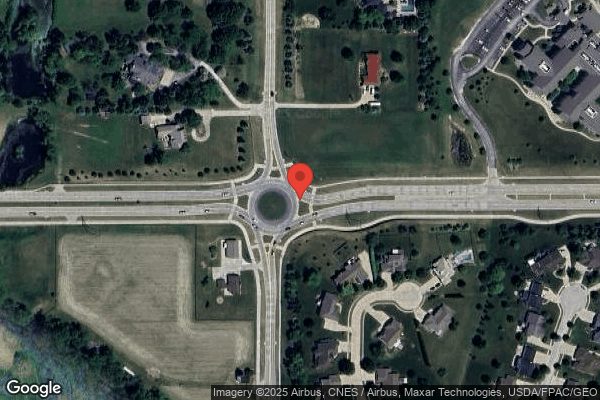

6701 Jersey Ridge Road, Davenport, IA 52807 (563) 324-1621
Non profit - Corporation 135 Beds CARMELITE SISTERS FOR THE AGED & INFIRM Data: November 2025
Trust Grade
50/100
#279 of 392 in IA
Last Inspection: February 2025

Within standard 12-15 month inspection cycle. Federal law requires annual inspections.

Overview

Kahl Home for the Aged & Infirmed has a Trust Grade of C, which means it is average and in the middle of the pack among nursing homes. It ranks #279 out of 392 facilities in Iowa, placing it in the bottom half, but is #5 out of 11 in Scott County, indicating only four local options are better. The facility is experiencing a worsening trend, with issues increasing from 4 in 2024 to 5 in 2025. Staffing is a strength, with a rating of 4 out of 5 stars and a turnover rate of 45%, which is around the Iowa average. Notably, there have been serious incidents, including a resident developing a pressure ulcer that worsened and required hospitalization, and another resident being transferred by one staff member instead of the required two, resulting in an injury. While there are some strengths, such as good staffing ratings and no fines, the facility's overall performance and some specific incidents raise concerns for potential residents and their families.

Trust Score
C
50/100
In Iowa
#279/392
Bottom 29%
Safety Record
Moderate
Needs review
Inspections
Getting Worse
4 → 5 violations
Staff Stability
○ Average
45% turnover. Near Iowa's 48% average. Typical for the industry.
Penalties
✓ Good
No fines on record. Clean compliance history, better than most Iowa facilities.
Skilled Nurses
✓ Good
Each resident gets 48 minutes of Registered Nurse (RN) attention daily — more than average for Iowa. RNs are trained to catch health problems early.
Violations
⚠ Watch
12 deficiencies on record. Higher than average. Multiple issues found across inspections.
★★☆☆☆
2.0
Overall Rating
★★★★☆
4.0
Staff Levels
★★★★☆
4.0
Care Quality
★★☆☆☆
2.0
Inspection Score
Stable
2024: 4 issues
2025: 5 issues

The Good

  • 4-Star Staffing Rating · Above-average nurse staffing levels
  • 4-Star Quality Measures · Strong clinical quality outcomes
  • Full Sprinkler Coverage · Fire safety systems throughout facility
  • No fines on record
  • Staff turnover below average (45%)

    3 points below Iowa average of 48%

Facility shows strength in staffing levels, quality measures, fire safety.

The Bad

2-Star Overall Rating

Below Iowa average (3.0)

Below average - review inspection findings carefully

Staff Turnover: 45%

Near Iowa avg (46%)

Typical for the industry

Chain: CARMELITE SISTERS FOR THE AGED & IN

Part of a multi-facility chain

Ask about local staffing decisions and management

The Ugly 12 deficiencies on record

2 actual harm
Jul 2025 2 deficiencies 2 Harm
SERIOUS (G) 📢 Someone Reported This

A family member, employee, or ombudsman was alarmed enough to file a formal complaint

Actual Harm - a resident was hurt due to facility failures

Pressure Ulcer Prevention (Tag F0686)

A resident was harmed · This affected 1 resident

**NOTE- TERMS IN BRACKETS HAVE BEEN EDITED TO PROTECT CONFIDENTIALITY** Based on clinical record review, facility policy review and staff interviews, the facility failed to intervene and inform the pr...

Read full inspector narrative →
**NOTE- TERMS IN BRACKETS HAVE BEEN EDITED TO PROTECT CONFIDENTIALITY** Based on clinical record review, facility policy review and staff interviews, the facility failed to intervene and inform the provider a pressure ulcer worsened which resulted in a hospitalization for treatment for 1 of 3 (Resident #1) residents reviewed for pressure ulcers. The facility reported census was 106. Findings include: The MDS (Minimum Data Set) assessment definition of pressure ulcers included the following: Stage I is an intact skin with non-blanchable redness of a localized area usually over a bony prominence. Darkly pigmented skin may not have a visible blanching; in dark skin tones only it may appear with persistent blue or purple hues. Stage II is partial thickness loss of dermis presenting as a shallow open ulcer with a red or pink wound bed, without slough (dead tissue, usually cream or yellow in color). May also present as an intact or open/ruptured blister. Stage III Full thickness tissue loss. Subcutaneous fat may be visible but bone, tendon or muscle is not exposed. Slough may be present but does not obscure the depth of tissue loss. May include undermining and tunneling. Stage IV is full thickness tissue loss with exposed bone, tendon or muscle. Slough or eschar (dry, black, hard necrotic tissue), may be present on some parts of the wound bed. Often includes undermining and tunneling or eschar. Unstageable Ulcer: inability to see the wound bed. Other staging considerations include: Deep Tissue Pressure Injury (DTPI): Persistent non-blanchable deep red, maroon or purple discoloration. Intact skin with localized area of persistent non-blanchable deep red, maroon, purple discoloration due to damage of underlying soft tissue. This area may be preceded by tissue that is painful, firm, mushy, boggy, warmer or cooler as compared to adjacent tissue. These changes often precede skin color changes and discoloration may appear differently in darkly pigmented skin. This injury results from intense and/or prolonged pressure and shear forces at the bone-muscle interface. Review of the Minimum Data Set (MDS), dated [DATE], for Resident #1 revealed a Brief Interview for Mental Status (BIMS) score of 15 out of 15, which indicated intact cognition. The MDS list of diagnoses included peripheral vascular disease, renal insufficiency, diabetes mellitus, paraplegia, pressure-induced deep tissue damage of other site, and malnutrition. The MDS indicated Resident #1 dependent for transfers and mobility. The MDS identified Resident #1 at risk for developing pressure ulcers, and documented Resident #1 with 1 unstageable pressure ulcer/injury at the time of the assessment. Review of the Care Plan, dated 5/8/25 revealed a Focus area to address The resident has unstageable area to left buttock r/t (related to) Hx (history) of pressure injuries, bowel incontinence and immobility. Present upon readmission from hospital. Interventions included, in part: Assess/record/monitor wound healing weekly and PRN (as needed). Measure length, width and depth where possible. Assess and document status of wound perimeter, wound bed and healing process. Report improvements and declines to the MD (medical doctor). Revision Date: 5/8/25. Review of the electronic health record (HER) revealed the following: a. Health Status Note entered on 4/17/25 at 5:20 PM documented Resident returned from hospital via transporter in wheelchair at 17:05 (5:05 PM). b. Health Status Note entered on 4/18/25 at 5:35 AM documented Wound Care Buttock Fold. Prior to hospitalization Care to buttock and coccyx skin was for house barrier Cream BID (twice daily). admission skin assessment on 4/17/25 found two open areas, slits, bleeding, to the buttock skin fold. Two wound forms completed. Wrote new wound care order until seen by Wound Nurse. c. Physician/Nurse Practitioner/Physician Assistant note entered on 4/21/25 at 4:36 PM documented, in part .Chief Complaint: FOLLOW UP ON HOSPITALIZATION for right foot osteomyelitis .INTEGUMENTARY (skin): .Exam: Findings: see nsg (nursing) documentation on skin assessment. documented left and right heel wounds. protective boots in place. Buttocks wound. PLANS: Buttocks wound not addressed. d. Physician/Nurse Practitioner/Physician Assistant note entered 4/22/25 at 2:39 PM documented, in part .Reason for visit: Routine .Skin: Several wounds followed by wound dr, healing ulcer on right dorsum (back or upper surface) 2nd digit (finger or toe). Assessment/Plan: No new orders. e. Structured Progress Note entered on 4/23/25 at 9:27 AM documented [name redacted] wounds were evaluated. Resident has Four wounds. Locations/Left Heal Right Heal Left Buttock Sacral Refer to weekly wound form. 1. Weekly Wound Documentation, dated 4/23/25, in part: Wound Three. Anatomical Location: Left buttock. Type of Altered Skin Integrity: Pressure Injury. Pressure Injury Stages: Stage 3. Length: 2.5 cm. Width: 1.5 cm. Depth: 0.1 cm. Granulation tissue 100%, pink/red 100%; Exudate amount: light (less than 10% on dressing), serosanguineous (combination of body fluid and blood, which appears light pink to red in color). Wound odor: Not applicable. Wound Progress: New. f. Physician/Nurse Practitioner/Physician Assistant note entered on 4/28/25 at 5:02 PM documented, in part .Chief Complaint: FOLLOW UP ON HOSPITALIZATION for right foot osteomyelitis .INTEGUMENTARY (skin): .Exam: Finding see nsg documentation on skin assessment .buttocks wound. PLANS: Buttocks wound not addressed. g. Structured Progress Note entered on 4/30/25 at 11:33 AM documented [name redacted] wounds were evaluated. Resident has Four wounds. Locations/Left Heal Right Heal Left Buttock Sacral Refer to weekly wound form. 1. Weekly Wound Documentation, dated 4/30/25, in part: Wound Three. Anatomical Location: Left buttock. Type of Altered Skin Integrity: Pressure Injury. Pressure Injury Stages: Stage 3. Length: 4.0 cm. Width: 3.0 cm. Depth: 0.1 cm. Granulation tissue 50%, pink/red 100%; Slough: 50%, white, adherent. Exudate amount: Moderate (50% on dressing), serous (straw colored body fluid). Wound odor: Not applicable. Wound Progress: Worse. 2. Review of the EHR from 4/30/25 to 5/6/25 lacked documentation the facility notified the MD Resident #1's pressure ulcer worsened. h. Structured Progress Note entered on 5/7/25 at 11:53 AM documented [name redacted] wounds were evaluated. Resident has Three wounds. Locations/Left Heal Right Heal Left Buttock Refer to weekly wound form. 1. Weekly Wound Documentation, dated 5/7/25, in part: Wound Three. Anatomical Location: Left buttock. Type of Altered Skin Integrity: Pressure Injury. Pressure Injury Stages: Stage 3. Length: 2.5 cm. Width: 3.0 cm. Depth: 0.1 cm. Granulation tissue 10%, pink/red 10%; Slough 90%, white and adherent. Exudate amount: moderate (50% on dressing), serous. Wound odor: Not applicable. Wound Progress: Worse 2. Review of the EHR from 5/7/25 to 5/13/25 lacked documentation the facility notified the MD Resident #1's pressure ulcer worsened. i. Structured Progress Note entered on 5/14/25 at 10:09 AM documented [name redacted] wounds were evaluated. Resident has Three wounds. Locations/Left Heal Right Heal Left Buttock Refer to weekly wound form. 1. Weekly Wound Documentation, dated 5/14/25, in part: Wound Three. Anatomical Location: Left buttock. Type of Altered Skin Integrity: Pressure Injury. Pressure Injury Stages: Stage 3. Length: 2.5 cm. Width: 4.0 cm. Depth: 0.1 cm. Granulation tissue 5%; Slough 95%, white, tan and adherent. Exudate amount: moderate (50% on dressing), serous. Wound odor: Not applicable. Wound Progress: Worse 2. Review of the EHR from 5/14/25 to 5/20/25 lacked documentation the facility notified the MD Resident #1's pressure ulcer worsened. j. Structured Progress Note entered on 5/21/25 at 9:27 AM documented [name redacted] wounds were evaluated. Resident has Three wounds. Locations/Left Heal Right Heal Left Buttock Refer to weekly wound form. 1. Weekly Wound Documentation, dated 5/21/25, in part: Wound Three. Anatomical Location: Left buttock. Type of Altered Skin Integrity: Pressure Injury. Pressure Injury Stages: Stage 3. Length: 2.5 cm. Width: 3.5 cm. Depth: 0.1 cm. Slough 100%, white, adherent. Exudate amount: Light (less than 10% on dressing), serous. Wound odor: Not applicable. Wound Progress: Stable/No change. k. Structured Progress Note entered on 5/28/25 at 11:52 AM documented [name redacted] wounds were evaluated. Resident has Four wounds. Locations/Left Heal Right Heal Left Buttock Sacrum Refer to weekly wound form. 1. Weekly Wound Documentation, dated 5/28/25, in part: Wound Three. Anatomical Location: Left buttock. Type of Altered Skin Integrity: Pressure Injury. Pressure Injury Stages: Unstageable. Length: 6.5 cm. Width: 3.5 cm. Depth: 0.1 cm. Eschar 100%, black, adherent, soft. Exudate amount: Moderate (50% on dressing), serous. Wound odor: Not applicable. Wound Progress: Not documented. 2. Health Status Note entered on 5/28/25 at 9:30 PM documented pt wound care done tonight left buttock wound is necrotic was cleaned and dried and a clesan [clean] dry dressing was applied and covered with triad gel, sacrum was clean and a clean dry dressing was applied she tolerated her treatment well. 3. Review of the EHR from 5/28/25 to 6/3/25 lacked documentation the facility notified the MD Resident #1's pressure ulcer worsened. l. Structured Progress Note entered on 6/4/25 at 7:04 AM documented [name redacted] wounds were evaluated. Resident has Four wounds. Locations/Left Heal Right Heal Left Buttock Sacrum Refer to weekly wound form. 1. Weekly Wound Documentation, dated 6/4/25, in part: Wound Three. Anatomical Location: Left buttock. Type of Altered Skin Integrity: Pressure Injury. Pressure Injury Stages: Unstageable. Length: 4.0 cm. Width: 2.0 cm. Depth: 0.1 cm. Eschar 100%, black, adherent, soft, boggy. Exudate amount: Light (less than 10% on dressing), serous. Wound odor: Not applicable. Wound Progress: Worse. 2. Review of the EHR from 6/4/25 to 6/10/25 lacked documentation the facility notified the MD Resident #1's pressure ulcer worsened. m. Health Status Note entered on 6/5/25 at 5:59 PM documented Treatment with [provider name, clinic name. address, and phone number redacted] June 16th 2025 13:30 (1:30 PM) and June 26th 2025 at 14:00 (2:00 PM). n. Structured Progress Note entered on 6/11/25 at 12:51 PM documented [name redacted] wounds were evaluated. Resident has Three wounds. Locations/Left Heal Right Heal Left Buttock Refer to weekly wound form. 1. Weekly Wound Documentation, dated 6/11/25, in part: Wound Three. Anatomical Location: Left buttock. Type of Altered Skin Integrity: Pressure Injury. Pressure Injury Stages: Unstageable. Length: 4.0 cm. Width: 2.0 cm. Depth: 0.1 cm. Eschar 100%, black, adherent, soft, boggy. Exudate amount: Light (less than 10% on dressing), serous. Wound odor: Not applicable. Wound Progress: Worse. 2. Health Status Note entered on 6/16/25 at 10:47 PM documented, in part .treatment done to buttock foul smelling small amount of drainage. The lacked documentation the MD notified of foul smell noted during the treatment. 3. Review of the EHR from 6/11/25 to 6/17/25 lacked documentation the facility notified the MD Resident #1's pressure ulcer worsened. o. Physician/Nurse Practitioner/Physician Assistant note entered on 6/17/25 at 2:20 PM documented, in part .Reason for Visit: Routine. Patient complaints: None .Skin: Several wounds followed by wound dr .Assessment/Plan: No new orders. p. Structured Progress Note entered on 6/18/25 at 2:58 PM documented [name redacted] wounds were evaluated. Resident has Three wounds. Locations/Left Heal Right Heal Left Buttock Refer to weekly wound form. 1. Weekly Wound Documentation, dated 6/18/25, in part: Wound Three. Anatomical Location: Left buttock. Type of Altered Skin Integrity: Pressure Injury. Pressure Injury Stages: Unstageable. Length: 7.5 cm. Width: 4.4 cm. Depth: 1.5 cm. Eschar 100%, black, adherent, soft, boggy. Exudate amount: Light (less than 10% on dressing), serous. Wound odor: Foul. Wound Progress: Worse. 2. Review of the EHR from 6/18/25 to 6/24/25 lacked documentation the facility notified the MD Resident #1's pressure ulcer worsened. q. Physician/Nurse Practitioner/Physician Assistant note entered on 6/19/25 at 3:14 PM documented, in part .Encounter Type: Comprehensive Progress Note .INTEGUMENTARY: .Exam: Finding: see nsg documentation on skin assessment .buttocks wound. Plan: stable. next wound clinic appt on 6/26/25 please schedule weekly visits with wound clinic for now per their recommendations. Continue offloading measures. r. Health Status Note entered on 6/24/25 at 5:12 PM documented This nursing supervisor received a call from the wound clinic notifying that the resident is being transferred to the ER (emergency room) for the ischium (a paired bone forming the lower and back part of the hip bone) wound . Review of the Provider Progress Note, Service: Wound Care dated 6/24/25 at 2:30 PM revealed the following Wound Assessment for Pressure Injury Left Ischium Unstageable (active): Site Assessment: Necrotic; Eschar. Length: 7.5 cm. Width: 7 cm. Depth: 1.3 cm. Drainage Amount: Small. Wound Drainage Description: Malodorous (unpleasant smell); Serosanguineous. The Provider Progress Note Assessment included, in part: a. Complicated wound infection verses cellulitis (bacterial infection of skin and underlying tissues) to her left ischium, patient sent to [hospital name redacted] emergency room in [name of town redacted]. b. Unstageable pressure ulcer to left ischium with no subcutaneous tissue exposed covered with slough/necrosis, nonhealing with evidence of infection. During an interview on 7/1/25 at 1:30 PM Staff I, Registered Nurse (RN), facility wound nurse, stated Resident #1 pressure ulcer started as two open slits that started during a hospital stay (4/17/25) and grew a little over the next two months. Staff I stated Resident #1 was eventually referred to the wound clinic when they felt they needed help treating the wound. Staff I noted Resident #1 had heel wounds [diabetic ulcer] which the wound clinic managed, but she had not been referred to the wound clinic for her buttocks until 6/5/25. Staff I stated she last saw Resident #1's buttocks wound on 6/18/25 and at that time she changed the order to include Dakin's (name brand of a topic antiseptic used for wound care) to help dry out the wound. Staff I stated she relies on her staff to inform her of a wound worsening or getting infected. During an interview on 7/3/25 at 11:40 AM, the Director of Nursing (DON) stated the hospital wound clinic had been involved with Resident #1's buttocks wound prior to her April hospitalization and was to resume care after her hospitalization. The DON stated she believed it was the resident or family that said something about Resident #1's buttock wound on 6/5/25. The DON stated the wound clinic chose not to look at it at that time and instead scheduled a routine visit on 6/16/25. The DON stated Resident #1 was seen by her primary care physician (PCP)on 6/17/25 and the NP (Nurse Practitioner) on 6/19/25. The DON was not sure whether the PCP looked at the buttocks wound. The DON stated the reason for a referral to a wound clinic or hospital is to get a higher level of expertise when treating wounds, but noted they have successfully treated wounds much worse than Resident #1's. The DON stated she knew of no one at the facility that was in contact with the wound clinic or who sought out a higher expertise during the time the buttocks wound continued to deteriorate and the time she was admitted with an infected wound and sepsis. Review of ED (Emergency Department) Provider Notes, dated 6/24/25 at 4:47 PM revealed Chief Complaint: Wound Check .Physical Examination: Skin: Comments: Erythema (redness) extensively over sacral coccyx with pressure ulcer over the left ischial tuberosity. Wound is malodorous, with drainage Summary/Medical Decision Making: Differential Diagnoses: Infected pressure ulcer, osteomyelitis, sepsis . Review of a hospital Infectious Disease Progress note, dated 7/1/25 revealed the following Assessment/Plan, in part: a. Patient is s/p (status post, meaning after) surgical debridement of left ischial wound on 6/29[2025] with [physician name redacted]. b. Wound culture from 6/24[2025] of left ischial wound positive for pseudomonas (type of bacteria). Review of the policy titled, Wound and Skin Care-Pressure Injury Prevention and Management, dated 5/31/23 revealed a Policy statement which declared This home is committed to the prevention of avoidable pressure injuries, unless clinically unavoidable, and to provide treatment and services to heal pressure ulcer/injury, prevent infection and the development of additional pressure ulcers/injuries. The Definitions section of the policy included: Avoidable means that the resident developed a pressure ulcer/injury and that the home did not do one or more of the following: evaluate the residents clinical condition and risk factors; define and implement interventions that are consistent with resident needs, resident goals, and professional standards of practice; monitor and evaluate the impact of the interventions; or revise the interventions as appropriate. The Policy Explanation and Compliance Guidelines sections of the policy included, in part: 5. Monitoring b. The attending physician will be notified of: i. The presence of a new pressure injury upon identification ii. The progression towards healing, or lack of healing, of any pressure injuries weekly and as needed. iii. Any complications (such as infection, development of a sinus tract, etc) as needed.
SERIOUS (G) 📢 Someone Reported This

A family member, employee, or ombudsman was alarmed enough to file a formal complaint

Actual Harm - a resident was hurt due to facility failures

Accident Prevention (Tag F0689)

A resident was harmed · This affected 1 resident

**NOTE- TERMS IN BRACKETS HAVE BEEN EDITED TO PROTECT CONFIDENTIALITY** Based on clinical record review, facility policy review and staff interviews, the facility failed to ensure two staff transferre...

Read full inspector narrative →
**NOTE- TERMS IN BRACKETS HAVE BEEN EDITED TO PROTECT CONFIDENTIALITY** Based on clinical record review, facility policy review and staff interviews, the facility failed to ensure two staff transferred a resident with a mechanical lift and positioned the resident appropriately in a Broda chair resulting in an injury for 1 of 2 residents (Resident #2) reviewed for safety. The facility reported census was 106. Findings include: Review of the Minimum Data Set (MDS), dated [DATE], revealed Resident #2 had a Brief Mental Status (BIMS) score of 15 out of 15, which indicated intact cognition. The MDS indicated Resident #2 required maximal to dependent assistance with transfers and mobility. The MDS list of diagnoses included Non-Alzheimer's dementia, congestive heart failure, and arthritis. During an interview on 7/1/25 at 4:50 PM Staff J, Certified Nurse Aide (CNA), queried regarding a transfer of Resident #2 on 5/13/25, stated they were busy because the day shift did not get their showers completed. At around 5:00 PM he and his partner, Staff N, Registered Nurse (RN) were getting residents up for supper. Resident #2 was one of the last to get up. Staff J stated he went into her room and placed the mechanical lift sling under her and attached it to the lift on his own. After waiting some time for his partner, he decided to lift Resident #2 by himself. While she was lifted, Staff J stated he had a hold of her right foot and was attempting to unfold the foot rest on the Broda chair (a brand name of a specialized wheelchair), when he accidentally dropped her foot on the foot rest, resulting in the cut to her right 5th toe. Staff J stated he reported the incident to his nurse, Staff M, RN Unit Manager. Review of the Non-Pressure Skin Condition Record, dated 5/13/25, completed by Staff N, RN Resident #2 had a 3 centimeter by 1 centimeter by 0.1 centimeter skin tear to her right 5th toe. During an interview on 7/2/25 at 11:37 AM, Staff O, CNA, stated she knew of Resident #2's right foot injury on 5/13/25. Staff O stated they were very busy on the night of 5/13/25 and she was giving a resident a shower when the incident occurred. Staff O stated Resident #2 was a full body mechanical lift and required two staff to transfer residents safely. She assumed Staff J, CNA transferred her by himself. Staff O stated she first heard of the incident during supper, when Staff J whispered that Resident #2 had a cut toe that occurred while he was attempting to adjust her feet during a transfer. Staff O stated Staff J was upset. Staff O stated Resident #2 often had lower extremity swelling. During an interview on 7/2/25 at 12:22 PM, Staff P, Licensed Practical Nurse (LPN), queried about Resident #2's right foot injury on 5/13/25. Staff P recalled it was supper time and she was in the nurse's station charting when Staff J, CNA approached her and said Resident #2's toe was bleeding. Staff J stated she went to look at her toe and she was in her Broad chair. Her right 5th toe was bleeding slightly and there was a slit on the bottom joint of her toe. Staff IP stated she cleaned it and wrapped it gauze. After supper it seemed to start bleeding more. Staff IP, LP stated she cleaned it, added an antibiotic ointment and wrapped it more firmly in Kerlix (an umbrella brand name used to for a gauze like bandage roll). Staff P stated Staff J told her he had hit her foot on the Broda chair foot rest. Staff P stated she notified family, physician and supervisors of the incident. Staff P stated she was not aware that Staff J had transferred Resident #2 using the full body mechanical lift by himself. During an interview on 7/2/25 at 7:57 AM, the Hospice Case Manager (HCM) queried regarding Resident #2's foot injury on 5/13/25, stated the facility notified them (hospice) of an incident resulting in a laceration of Resident #2 ' s right toe. The facility stated they were trying to move her and dropped her foot. Hospice sent out a nurse who assessed the wound noting a small, but deep laceration on her right small toe. The whole foot was swollen. The HCM stated the following day she assessed the right foot and stated it was black and blue, the big toe swollen and black. During an interview on 7/2/25 at 9:30 AM, the Director of Nursing (DON) queried what she knew of Resident #2's right foot injury on 5/13/25, stated Staff J, CNA had Resident #2 sitting in her Broda chair and her foot rest was not flipped open. According to Staff J, he lifted her foot to open up the foot rest and dropped her right foot striking the foot rest and resulting in the lacerated right 5th toe. In a follow up interview on 7/3/25 at 11:40 AM, the DON queried regarding the injury of Resident #2. The DON stated she was aware that Staff J, CNA had transferred Resident #2 using a mechanical lift from her bed into her Broda chair by himself. The DON stated the transfer was successful and it was the positioning the resident after the transfer when the injury occurred. Review of the policy titled, Resident Care-Safe Resident Handling/Transfer, dated 9/12/2024 revealed a Policy statement which declared, It is the policy of this home to ensure residents are handled and transferred safely to prevent or minimize the risk for injury and provide and promote a safe, secure and comfortable experience for the resident while keeping the employees safe in accordance with current standards and guidelines. The Compliance Guidelines section, directed staff, in part: #10 Two staff members must be utilized when transferring residents with a mechanical lift. Review of facility staff training documentation revealed: a. An In Service Sign In sheet, dated 5/14/25, Topic: All Staff Mechanical Lift Requires assist x 2. The Sign In sheets had a total of 54 facility staff signatures. b. An In Service Sign In sheet, dated 5/15/25, Topic: Proper Placement of feet in W/C (wheelchair) and Broda. The Sign In sheets had a total of 55 facility staff signatures.
Feb 2025 3 deficiencies
CONCERN (D)

Potential for Harm - no one hurt, but risky conditions existed

Deficiency F0725 (Tag F0725)

Could have caused harm · This affected 1 resident

**NOTE- TERMS IN BRACKETS HAVE BEEN EDITED TO PROTECT CONFIDENTIALITY** Based on observation, clinical record review, facility policy review, staff, family and resident interviews, the facility failed...

Read full inspector narrative →
**NOTE- TERMS IN BRACKETS HAVE BEEN EDITED TO PROTECT CONFIDENTIALITY** Based on observation, clinical record review, facility policy review, staff, family and resident interviews, the facility failed to answer call lights within 15 minutes to meet resident needs for 1 of 3 residents reviewed (Residents #5). The facility reported a census of 104 residents. Findings include: Resident #5's Minimum Data Set (MDS) assessment dated [DATE] showed a Brief Interview for Mental Status (BIMS) score of 10/15 which indicated moderate cognitive impairment. The MDS documented the resident admitted [DATE] and needed substantial to maximal assistance with toileting hygiene, toilet transfers, and lower body dressing. The Care Plan, initiated 1/8/25 documented the resident required 1:1 staff for toileting. During an interview on 02/10/25 at 12:56 PM Resident #5 shared that some call lights took a longer time to answer, maybe 15-20 minutes. He stated he knew staff were busy but he needed help to go to the bathroom. On 2/11/25 at 8:58 AM during a hallway observation the resident's call light was noted to be on. At 9:14 AM two therapy staff and a CNA walked by the resident's room and did not ask what Resident #5 needed. At 9:19 AM, 21 minutes after activated, staff entered his room with the vitals cart and asked why his light was on. The resident stated he was waiting to go to the bathroom. During an interview on 02/11/25 at 09:27 AM Staff R, Certified Nursing Aide (CNA) reported call lights could be seen at the resident's door and on a screen by the nurses station. Staff were able to tell if the light was from the bathroom or their regular room light. Staff R stated they could also hear the sound the system made in the spa room and in linen and laundry, and that included lights for the whole floor. When asked about the time frame for answering lights, she confirmed staff are trained they should answer them in 15 minutes or less. While in the resident's room for a follow up interview on 02/11/25 at 02:50 PM Resident #5 indicated that he had long call lights that morning and the evening before. A family visitor stated the long lights did not happen every day, but at least every other day since he arrived. During an interview on 02/12/25 at 09:11 AM, Staff E, Licensed Practical Nurse (LPN) stated they tried to answer call lights promptly and stated any staff could answer them to see what a resident needed. They tried to get to everyone in 15 minutes but acknowledged it sometimes took longer, especially in the skilled area. During an interview with the Director of Nursing on 2/13/25 at 8:26 AM she stated call lights were always a factor. She expected everyone to stop and ask what the resident needed, and reported call light expectations were an ongoing topic of staff education. At 8:54 AM on 2/13/25 the Administrator sent an email documenting that the facility did not have a report that printed out call light response, and they had not completed any call light audits. She further reported the unit managers, nurses, and DON were responsible for monitoring call light answering. She wrote the 'box' that made the sound for a call light was at the nurses station to get the call light handled as soon as possible. A policy titled Call Lights: Accessibility and Timely Response implemented 10/21/24 noted call lights would directly relay to a staff member or centralized location to ensure appropriate response. Compliance guidelines included staff education on the proper use of the call system and ensuring resident access to the call light, resident education, and resident evaluation for unique needs and preferences. It further documented all staff members who see or hear an activated call light were responsible for responding. If the staff member cannot provide what the resident desires, the appropriate personnel should be notified.
CONCERN (E)

Potential for Harm - no one hurt, but risky conditions existed

Food Safety (Tag F0812)

Could have caused harm · This affected multiple residents

Based on observations, facility policy review, and staff interviews, the facility failed to ensure the disposal of expired food items, and food items in a resident refrigerator were labeled with the n...

Read full inspector narrative →
Based on observations, facility policy review, and staff interviews, the facility failed to ensure the disposal of expired food items, and food items in a resident refrigerator were labeled with the name of the food item, date placed in refrigerator and the date item needed to be disposed in an effort to prevent the potential for foodborne illness. The facility reported a census of 104 residents. Findings include: 1. During the initial tour of the kitchen and dry storage room on 12/10/25 at 9:58 AM, the following food times were found to be expired: a. 1- Chocolate Cake Mix expired 11/16/21. b. 12- Apricot Nectar cans expired 9/1/22. c. 1 - Baking Powder container expired 1/6/23 and 2 additional cans expired 6/15/23. d. 1 - Poultry Seasoning canister expired 9/6/23. e. 2 - Ground Mustard canisters - 1 expired 10/27/23, the other expired 9/8/24. f. 11 - Cornbread Mix boxes - 4 expired 12/4/23, 7 expired 12/18/24. g. 1 - Whole Sesame Seeds canister expired 2/9/24. h. 1 - Nutmeg canister expired 6/5/24. i. 8 - Lemon Juice bottle- 1 expired 6/12/24 and 7 expired 1/19/25. j. 1 - Ground Sage canister expired 8/17/24. k. 1- Red Hot Seasoning canister expired 10/22/24. l. 2- Thyme canisters - 1 expired 11/22/24 and 1 expired 1/13/25. m. 3 - Lasagna noodles boxes expired 12/30/24. n. 1 - Balsamic Vinegar bottle did not have an expiration date or open date, the top was crushed, and the liquid inside appeared separated and lumpy. During an interview after the initial tour, Staff A, Certified Dietary Manager (CDM) stated she expected the cooks of disposal of expired items. During an observation on 2/11/25 at 2:31 PM, the 1st floor north unit refrigerator contained an individual cup of open, undated applesauce; an open, undated container of apple juice; an undated sandwich in plastic wrap; and a plastic grocery bag with a staff member's meal inside. Staff B, Dietician, and Staff A, CDM stated everything in the refrigerator must have a label with the name of the product, the date item placed in the refrigerator, and the date item needs to be disposed of (three days from in date), and the refrigerator was for resident food only. A sign which indicated these expectations observed on the refrigerator door. Staff A stated she expected dietary staff to check the unit refrigerators when they delivered food and drinks for dates and expired items daily. During an interview on 02/13/25 at 9:47 AM Staff C, Dietician, confirmed she was aware of the expired food items. She stated they had to work on a better schedule to check those things. A policy titled Dietary Storage Guidelines revised May 23, 2017 documented all non-perishable and perishable items would be stored in the proper areas at proper temperatures and in a safe manner. All items were put away in the first in first out method and rotated to assure the use of older products first and avoid the use of outdated products. All opened items (such as refrigerated leftovers) would be dated and labeled with a specific label which contained the date of preparation or opening and the product name if needed.
CONCERN (E)

Potential for Harm - no one hurt, but risky conditions existed

Infection Control (Tag F0880)

Could have caused harm · This affected multiple residents

**NOTE- TERMS IN BRACKETS HAVE BEEN EDITED TO PROTECT CONFIDENTIALITY** Based on observation, record review and staff interview, the facility failed to utilize Enhanced Barrier Precautions for 4 of 6 ...

Read full inspector narrative →
**NOTE- TERMS IN BRACKETS HAVE BEEN EDITED TO PROTECT CONFIDENTIALITY** Based on observation, record review and staff interview, the facility failed to utilize Enhanced Barrier Precautions for 4 of 6 residents observed (Residents #12, #41, #68 and #89) and failed to keep the tubing of indwelling catheter tubing off the floor for one of two residents observed (Resident #68). The facility reported a census of 104 residents. Findings include: 1. The Minimum Data Set (MDS) dated [DATE] identified Resident #12 as cognitively intact with a BIMS (Brief Interview for Mental Status) score of 15 and had the following diagnoses: fractures/multiple trauma, pneumonia and a urinary tract infection. The MDS indicated the resident dependent on staff for toileting and showers, repositioning and required substantial/maximal staff assist with transfers, lower body dressing and putting on footwear. The MDS also identified Resident #12 had an unhealed Stage IV pressure ulcer, A review of the Physician Orders revealed the following orders: a. 10/29/24 Enhanced Barrier Precautions b. 11/12/24 for Sacral Stage 4 (wound): Apply wet-to-dry using dakins. Cover with super-absorbent. Then apply dry protective dressing twice daily and prn (as needed). every day and evening shift and every 1 hours as needed for soiled or displaced dressing. c. 12/3/24 Foley Catheter Diagnosis: Stage 4 sacral wound Catheter Size: 16 Fr (French)/10 mL (milliliter) balloon. Original Insertion Date: 12/1/24, Place Foley catheter drainage bag in privacy bag On 12/6/24, the Care Plan identified the resident with the problem of Stage 4 pressure injury to sacrum. Interventions did not direct the use of Enhanced Barrier Precautions (EBP) during wound care. On 2/11/25, the Care Plan identified the resident with the problem of an indwelling Foley catheter. Interventions did direct the use of EBP during catheter care. During an observation on 2/11/25 at 7:44 AM, Staff I, Registered Nurse (RN), and Staff L, Certified Nursing Assistant (CNA) entered Resident #12's room. Both Staff I and Staff L washed their hands and donned gloves. Neither one had donned isolation gown for EBP prior to wound care. The door and/or room did not have an indication of the need to use EBP for wound or catheter care, and isolation gowns were not immediately available to the staff. 2. The MDS dated [DATE] identified Resident #41 as cognitively impaired with a BIMS of 05 and had the following diagnoses: atherosclerotic heart disease, peripheral vascular disease and arthritis. It also identified Resident #41 was totally dependent on staff for assistance with toileting, showers, lower body dressing and putting on footwear and required substantial/maximal assist with the remainder of activities of daily living. The MDS also identified Resident #41 with a Stage III pressure ulcer. On 12/5/24, the Care Plan identified Resident #41 with the problem of a Stage III pressure injury to the coccyx. Interventions did direct the use of EBP during wound care. A review of the Physician Orders revealed an order dated 1/22/25 to cleanse the coccyx with Wound Wash, apply Triad paste and cover with a dry protective dressing three times daily and as needed. The orders did not include placing the resident in Enhanced Barrier Precautions. During an observation of cares on 2/11/25 at 11:26 AM, Staff J, Licensed Practical Nurse (LPN) and Staff S, RN PN entered Resident #41's room. Staff J, and Staff S, washed their hands and donned gloves. Neither nurse donned gowns. Staff J proceeded to provide wound care. After wound care, both nurses removed their gloves and washed their hands. The door and/or room did not have an indication of the need to use EBP for wound or catheter care, and isolation gowns were not immediately available to the staff. During an interview on 2/12/25 at 8:51 AM, Staff G, LPN stated EBP should be in place for any resident with COVID or infectious disease. And when providing cares to a resident in Enhanced Barrier Precautions, staff should wear an isolation gown, gloves and a mask. During an interview on 2/12/25 at 9:17 AM, Staff H, CNA stated residents that should be placed in EBP if they have with catheters, COVID, flu, C-diff (a bacterium that can cause inflammation of the colon). When providing cares to a resident in EBP staff should wear a gown, gloves, mask and goggles if she would anticipate splashing. 3. The MDS dated [DATE] identified Resident #68 as cognitively intact with a BIMS of 14 and had the following diagnoses: cancer, atrial fibrillation (an abnormal heart rhythm) and peripheral vascular disease. The MDS also identified Resident #68 as totally dependent on staff for assistance with toileting and lower body dressing and putting on footwear. The MDS also identified Resident #68 had an indwelling urinary catheter. A review of the Physician Orders revealed the following: a. 12/3/24 Foley catheter 16 Fr 10ml balloon b. 2/12/25 Enhanced Barrier Precautions On 12/4/24, the Care Plan identified Resident #68 with the problem of an indwelling urinary catheter. Interventions did direct the use of EBP during catheter care. During an observation on 2/10/25 that started at 11:06 AM, Resident #368 noted to be in sitting in a wheelchair, with the tubing to his indewelling catheter on the floor The tubing drug on the floor while the resident self propelled down a hallway. At 2/10/25 at 11:09 AM, Resident #368 self propelled to the end of the hallway as Staff L, CNA walked beside him. Staff L did not reposition the catheter tubing off the floor. At 2/10/25 at 12:24 PM, the resident in his wheelchair while in the main dining room. The catheter tubing remained on the floor. At 2/10/25 at 2:26 PM, Resident #368 self propelled himself from the main dining room to the hallway as the DON (Director of Nursing) beside him. The DON did not reposition the catheter tubing. During on obsevation on 2/11/25 at 8:13 AM Staff O, CNA and Staff L, CNA both entered Resident #68's room wearing masks. Both aides washed their hands and donned gloves, however, neither one donned an isolation gown. Staff L completed catheter care. The door and/or room did not have an indication of the need to use EBP for catheter care, and isolation gowns were not immediately available to the staff. During an interiveiw on 2/12/25 at 10:13 AM, Staff L, CNA reported when a resident has an indwelling catheter, the tubing should never be on the floor. During an interview on 2/12/25 at 10:09 AM, the DON stated she would expect the nursing staff to pick up the Foley tubing off the floor if they would see it on the floor. A review of the undated facility policy titled: Catheter Care did not direct staff to maintain the indwelling catheter tubing off the floor. 4. The MDS dated [DATE] identified Resident #89 as cognitively intact with a BIMS of 14 and had the following diagnoses: stroke, cancer and coronary artery disease. It also identified Resident #89 required partial/moderate assistance with most activities of daily living and had a feeding tube. A review of the Physician Orders revealed an order, dated 11/20/24 Aspiration precautions: keep head of bed elevated above 30 degrees at all times. Check tube for correct placement and patency before administration medication, administration of feeding and tube flushes. Enhanced Barrier Precautions. On 11/21/24, the Care Plan identified Resident #89 with the problem of requiring a tube feeding. Interventions did direct the use of EBP during catheter care. During an observation of gastric tube cares on 2/11/25 at 10:26 AM Staff J, LPN entered Resident #89's room Staff J washed her hands and donned gloves, but did not don isolation gown. Staff J used the proper technique to for gastric tube care. The door and/or room did not have an indication of the need to use EBP for gastric tube care, and isolation gowns were not immediately available to the staff. During an interview on 2/12/25 at 9:36 AM, Staff J, LPN reported she had never been informed that Resident #89 was supposed to be placed in Enhanced Barrier Precautions. She also reported that residents that required Enhanced Barrier Precautions were residents who had catheters, colostomy, any kind of wounds that have drainage. During an interview on 2/12/25 at 10:09 AM, the DON stated Resident #89 should be on EBP as he has the feeding tube. She stated she did believe the EBP precaution sign was posted, or PPE available outside of the room. A review of the facility policy dated as last revised March 2024 and titled: Enhanced Barrier Precautions had documentation of the following: INITIATION OF ENHANCED BARRIER PRECAUTIONS a. Residents will be reviewed upon admission and/or change of condition for the need of EBP by the Director of Nursing/Designee. b. The facility will have the discretion in using EBP for residents who do not have a chronic wound or indwelling medical device and are infected or colonized with MDRO (Multi-Drug Resistant Organisms) that is not currently targeted by the CDC (Center for Disease Control). c. An order for Enhanced Barrier Precautions will be obtained for residents for any of the following: aa. Wounds (e.g. chronic wounds such as pressure ulcers, diabetic foot ulcers, unhealed surgical wounds, and chronic venous stasis ulcers) and/or indwelling medical devices (e.g. central lines, urinary catheters, feeding tubes, tracheostomy/ventilator tubes) even if the resident is not known to be infected or colonized with an MDRO bb. Infection or colonization with a CDC targeted MDRO when contact precautions do not otherwise apply. IMPLEMENTATION OF ENHANCED BARRIER PRECAUTIONS a. Make gown and gloves available immediately near our outside the resident's room. b. Enhanced Barrier Precautions should be used for the duration of the affected resident's stay in the facility or until resolution of the wound or discontinuation of the indwelling medical device that placed them at higher risk.
May 2024 2 deficiencies
CONCERN (D) 📢 Someone Reported This

A family member, employee, or ombudsman was alarmed enough to file a formal complaint

Potential for Harm - no one hurt, but risky conditions existed

Accident Prevention (Tag F0689)

Could have caused harm · This affected 1 resident

**NOTE- TERMS IN BRACKETS HAVE BEEN EDITED TO PROTECT CONFIDENTIALITY** Based on record review, family and staff interview, and policy review, the facility failed to safely transfer one of three resid...

Read full inspector narrative →
**NOTE- TERMS IN BRACKETS HAVE BEEN EDITED TO PROTECT CONFIDENTIALITY** Based on record review, family and staff interview, and policy review, the facility failed to safely transfer one of three residents reviewed with a mechanical lift (Resident #1). The facility reported a census of 99 residents. Findings include: The Minimum Data Set (MDS) dated [DATE] identified Resident #1 as cognitively intact with a BIMS of 13 out of 15, and had the following diagnoses: Heart Failure, Peripheral Vascular Disease and Renal Insufficiency (Kidney Failure). The MDS also identified Resident #1 was totally dependent on staff for assistance with toileting hygiene, upper and lower body dressing, help with footwear, and transfers. On 4/6/18, the Care Plan identified Resident #1 with the problem of having an ADL (Activities of Daily Living) self-care performance deficit related to Parkinson's with dementia and directed staff to have two staff assist with toileting with the Hoyer Lift to the Shower Chair. A review of the incident report dated 3/29/24 at 11:12 AM had documentation of the following: Resident #1 fell during a transfer in the resident's bathroom. Resident #1 was laying on her back with the aide holding the back of her head. There was a small to moderate amount of bleeding from the back of her head. She is alert and verbally responsive. Her legs are on the base of the Hoyer lift with the lift sling still attached to the lift. Resident #1's only complaint is a headache. Three staff members utilized a full sized sling and Hoyer lift to transfer her from the floor to her bed. After notification of her physician and family she was transferred to the hospital. The resident reported she slid out of the Hoyer sling and struck the back of her head on the toilet riser. A review of the undated written witness statement by Staff B, CNA revealed the following: She entered Resident #1's room to assist her with going to the bathroom. Staff B brought in the Hoyer lift and put the Hoyer sling around Resident #1 and went to get assistance. When Staff B and Staff D, CNA returned, they connected the sling straps to the hooks on the Hoyer. After they transferred her to the bathroom, they began to lower Resident 1's pants. Resident #1 then slipped out back first hitting her head on the toilet. A review of the undated written witness statement by Staff D, CNA revealed the following: Staff B, CNA asked for help to transfer Resident #1 from her chair to the toilet. Resident #1 was already hooked up in the sling and ready to be lifted. Both aides hooked the leg straps into the machine. She operated the lift while the other aide held the back of the sling correctly. After they got her into the bathroom, they both started to pull Resident #1's pants down, then Resident #1 slid out of the sling before they could catch her. Her head slid out and hit part of the toilet while her legs were still in the air, All the straps were hooked on correctly. In an interview on 5/28/24 at 1:57 PM, Resident #1's power of attorney reported Staff C, Unit Clerk/CNA/CMA had informed her sister that the staff did not secure the sling to the lift properly. In an interview on 5/29/24 at 10:03 AM, Staff B, CNA reported the following: a. When using a mechanical lift to transfer a resident, there should be two staff to transfer. b. Before she transfers a resident she would make sure everything is hooked up correctly and in there comfortably. c. She was trained by another CNA on the use of mechanical lifts. When she transferred Resident #1 on 3/29/24, it was her first time to use the Hoyer lift after her 2 day training. d. Resident #1 was care planned to be transferred with use of the Hoyer lift. e. Both Staff B and Staff D, CNAs were in the room when Resident #1 fell. f. When asked how the sling was connected to the resident and to the lift, she reported she put the sling behind the resident and wrapped it around her. She would need to make sure the buckles to the middle and across the chest are buckled. The sling should be near the top of the head. Make sure the sling is underneath the legs and cannot be criss-crossed. Then we put the loops from the sling and hook it up to the Hoyer. I think there are 2 in the middle and 2 on top. g. When Staff B and Staff D transferred Resident #1 to the bathroom, she was first in her wheelchair and they moved her from wheelchair to toilet. They put the sling underneath her and connected it to the lift. Staff B operated the lift and Staff D connected the sling to the lift and guided her body during the transfer into the bathroom. h. As Staff B and Staff D pulled Resident 1's pants down, Staff D held on to the back of the sling holding on to the handle and Resident #1's shoulder. As they both lowered Resident #1's pants, she began to lean backwards and pushed her weight on the lift and she slipped out of the lift. Everything was secure. i. Staff D went to have the DON (Director of Nursing) assess Resident #1 as Staff B stayed with her. The DON looked at everything and said everything was connected the way it should have been. The DON felt Resident #1 kept leaning backwards and caused her to slip out of the sling. j. If they had helped her to stay upright and have one person stand behind her as the other one pulled her pants down, this might have prevented the fall. In an interview on 5/29/24 at 8:31 AM, Resident #1's other family member reported on 3/29/24 Resident #1 called her and said they wanted to send her to the ER. She said she fell out of the Hoyer lift and hit her head. The family member then spoke to Staff C, Unit Clerk who informed her that Resident #1 was in the Hoyer lift which was not fastened correctly, she fell out and hit her head on the toilet riser and it bled. Then they sent Resident #1 to the hospital. In an interview on 5/29/24 at 10:30 AM, Staff C, Unit Clerk/CNA/CMA reported she was not in the room when Resident #1 fell on 3/29/24 was told that there was an incident where the girls transferred her with the Hoyer lift and she hit her head. In an interview on 5/29/24 at 12:59 PM, Staff D, CNA reported the following: a. When using a mechanical lift to transfer a resident, there should be 2 staff to transfer. b. When transferring a resident using a mechanical lift, she would first check the care plan. Get another worker in the room with her. We would make sure to put the sling underneath the resident. There are two long straps that go under the legs and go up. There are clips under each side of the resident's ears and by the ribs that need to be clipped together. Then attach the straps to the lift. One person would operate the lift and the 2nd person should be behind the resident. She would hold on to the strap behind the sling. c. Resident #1 had Staff B as her primary aide for her aide that day. She was brand new and only had 2 days of training. d. Resident #1 was care planned to be transferred with use of the Hoyer before she fell on 3/29/24. e. Before she entered Resident #1's room, Staff B had already put the sling on her and said all she needed help with was transferring. She could not recall if the sling was placed properly or not. f. When Staff B and Staff D transferred her to the bathroom, Staff D operated the lift. Staff B stood behind Resident #1. Staff B was not holding on to the strap attached to back of the sling. When Resident #1 was up in the air, she started to complain her arm was hurting. Staff B and D tried to pull her pants down before sitting her on the toilet. Then Resident #1 started to slip out of the bottom of the sling and hit her head on the front of the toilet seat. After that she fell down to the floor and hit her head on the floor. Her legs were still up in the sling but then they eventually slid out. Staff B held Resident #1's head up and held pressure to the back of her head where it was bleeding. Staff B stayed with Resident #1 while Staff D went to get Staff D, LPN. After Staff D assessed her, they transferred her back to bed. Staff D could not see where anything had snapped, broke, tore or ripped. g. When asked if the fall could have been prevented, she said she couldn't say. She reported she did not know Staff B had transferred anyone using a Hoyer before that. She only had two days of training before this fall. There is no checklist that is to be completed before new aides are allowed to start working on the floor. In an interview on 5/29/24 at 1:35 PM, the Director of Nursing (DON) reported the following: a. When using a mechanical lift to transfer a resident, she would expect two staff members to transfer the resident. b. The procedure she would expect staff to to follow when transferring with a mechanical lift: Tell the resident what they're doing. Make sure all the straps are under the armpits and they are clipped under the arm and then clipped to the Hoyer. The straps used for the transfer on 3/29/24 was the toilet sling so the straps underneath the legs went straight up and hooked up to the lower part of the Hoyer. The toilet sling does not cover the resident below the thighs. The one aide should stand in front of the lift and would be operating the lift. The 2nd person should be standing behind the resident holding on to a handle which is on the back of the sling to keep the resident from swinging. c. When new CNAs are hired, they receive a 3 day orientation which should include the use of mechanical lifts with a return demonstration. d. The staff contacted the DON immediately after Resident #1 fell on 3/29/24. When she arrived to her room, Resident #1 was on the floor with her head on the floor beside the toilet. She had a shower chair riser over the toilet and she bumped her head on that when she slid out of the Hoyer and fell approximately 2 feet from the lift to the floor. She had the blue sling. Everything looked like everything was hooked correctly. They said they had her clipped right. e. When Resident #1 fell out of the sling, the aides were trying to pull her pants off and she leaned too far back. f. When asked how the fall could have been prevented, she reported the aides should have used a full body sling. g. Resident #1 was later transferred to the hospital where she had multiple scans and everything was negative. While at the hospital, she had an anaphylactic reaction to the Lidocaine which she thought they used before they treated the laceration. She was later intubated and sent to a critical illness recovery hospital. A review of the undated facility form titled: Mechanical Lifts Competency had documentation of the following: When transferring a resident with a lift, it must always be from surface to surface. The surfaces should be directly next to each other. Never transfer a resident from a bed or recliner to the restroom using the lift. The residents should not be wheeled while in the lift throughout the room. The resident is to be transferred to a wheelchair or toilet chair and then taken into the bathroom.
MINOR (C) 📢 Someone Reported This

A family member, employee, or ombudsman was alarmed enough to file a formal complaint

Minor Issue - procedural, no safety impact

Deficiency F0625 (Tag F0625)

Minor procedural issue · This affected most or all residents

**NOTE- TERMS IN BRACKETS HAVE BEEN EDITED TO PROTECT CONFIDENTIALITY** Based on record review, resident and staff interview, and policy review, the facility failed to document the review of the bed h...

Read full inspector narrative →
**NOTE- TERMS IN BRACKETS HAVE BEEN EDITED TO PROTECT CONFIDENTIALITY** Based on record review, resident and staff interview, and policy review, the facility failed to document the review of the bed hold policy prior to residents being transferred to the hospital for three of four residents reviewed (Residents #1, #4, and #5). The facility reported a census of 99 residents. Findings include: 1. The Minimum Data Set (MDS) dated [DATE] identified Resident #1 as cognitively intact with a BIMS score of 13 out of 15, and had the following diagnoses: Heart Failure, Peripheral Vascular Disease, and Renal Insufficiency (Kidney Failure). The MDS also identified Resident #1 was totally dependent on staff for assistance with toileting hygiene, upper and lower body dressing, help with footwear, and transfers. A review of the Progress Notes revealed the following: 3/29/24 at 11:33 AM This nurse was summoned to the Resident #1's room by the assigned aide. Resident #1 was laying on her back on the floor of the restroom with her head being held by the aide. The aide reported they were transferring her from the wheelchair to the toilet when she slid from the Hoyer sling and bumped her head. There was a moderate amount of blood from this wound where her head hit the toilet riser. The injury was a laceration which measured 2.5 cm (centimeters) long. Resident #1 was assisted off the floor using a full body sling by 2 to 3 staff. 3/29/24 11:53 AM several attempts made to contact the resident's daughters and son without any response. The physician was called and provided orders to transfer to the ER if family wishes. 3/29/24 12:38 PM Resident #1 had the nurse call her daughter from her personal cell phone. The nurse informed her daughter of the incident and gave permission to take her to the hospital. The Progress Notes did not have any documentation to show the Bed Hold Policy had been reviewed with the resident/family. In an interview on 5/28/24 at 1:57 PM, Resident #1's family member reported she did not receive any information on the Bed Hold Policy until 4/6/24 informing her she had 10 days to respond after she had been transferred to the hospital on 3/29/24. 2. The MDS dated [DATE] identified Resident #4 as cognitively impaired with a BIMS (Brief Interview for Mental Status) score of 9 and had the following diagnoses: Renal Insufficiency (Kidney Failure), Cerebrovascular Accident (Stroke), and Diabetes Mellitus. The MDS also identified Resident #4 required substantial/maximal staff assistance with toileting, showers, putting on and taking off footwear, and transfers. A review of the Progress Notes revealed the following: 5/10/24 at 9:56 AM Resident noted to have dark brown emesis. Resident #4 is currently on Eliquis (a blood thinner). Nurse Practitioner notified of possible GI bleed and orders received to send to the emergency room for evaluation and treatment. 5/10/24 at 10:05 AM Medics transported Resident #4 to the ER. 5/13/24 at 9:40 PM returned from the hospital via ambulance. The Progress Notes did not have any documentation to show the resident's family had been informed of the Bed Hold Policy. 3. The MDS dated [DATE] identified Resident #5 as cognitively intact with a BIMS score of 15. The MDS also identified Resident #5 required substantial/maximal staff assistance with showers. The MDS also identified Resident #5 to be dependent on staff for assistance with toileting hygiene, lower body dressing, putting on and taking off footwear, and transfers. A review of the Progress Notes revealed the following: 3/2/24 at 1:19 PM Medics arrived at about 1:05 PM to transport Resident #5 to the Emergency Room. 3/6/24 at 4:12 PM Resident returned from the hospital with a diagnosis of Pulmonary Embolism (blood clot) and cellulitis to the left thigh. The Progress Notes did not have any documentation to show the resident's family had been informed of the Bed Hold Policy. In an interview on 5/29/24 at 10:30 AM, Staff C, Unit Clerk/CNA/CMA reported the following: a. When asked who was responsible for reviewing the Bed Hold Policy with residents/family when they are transferred to the hospital, she stated the Social Worker has always done it. b. The review of the Bed Hold Policy with residents/families are usually documented in the electronic medical record. c. She did now know what the time frame was to complete the review and documentation of the Bed Hold Policy with residents/families after the resident had been transferred to the hospital. In an interview on 5/29/24 at 1:35 PM, the Director of Nursing reported the following: a. When asked who is responsible for reviewing the Bed Hold Policy with residents/family when they are transferred to the hospital, she stated the Social Worker. b. In the case of Resident #1, the Administrator followed up with the family and told them the facility would hold her bed because she had lived here for so long. The Administrator had explained that the facility would waive the bed hold charge and we would keep her bed for her until she returned. c. She did not know where the review of the Bed Hold Policy is documented. d. The time frame is 14 days to complete and review and documentation of the Bed Hold Policy with residents/families after the resident had been transferred to the hospital. In an interview on 5/29/24 at 2:51 PM, the Administrator reported the following: a. When asked who is responsible for reviewing the Bed Hold Policy before residents are sent out to the hospital, she stated the Social Worker. b. The time frame to review and document the review of the Bed Hold Policy is within 10 days. c. The review of the Bed Hold Policy should be documented in the Progress Notes in the electronic medical record. d. Regarding Resident #1's transfer to the hospital on 3/29/24, she spoke to Resident #1's daughter about keeping her bed and that the facility would keep it open for her for as long as they needed to. She had documented in an e-mail that she would not give her bed up. In an interview on 5/30/24 at 8:30 AM, Staff G, LPN/Unit Manager reported she looked through the Social Worker's office (as the Social Worker was on medical leave) to locate any paperwork regarding the review of the Bed Hold Policy for Residents #1, #4, and #5. A review of the facility policy titled: Bed Hold Process Facility Policy with the effective date of 2/28/23 had documentation of the following procedure: a. The Nurse will obtain the Bed Hold Policy and Return to Facility Notice and provide the notice to the resident and their representative at the time of transfer or leave of absence. b. In cases of an emergency transfer, notice at the time of transfer means the facility will send the notice along with the necessary paperwork to the receiving setting and the resident representative will receive a notice sent within 24 hours of transfer. If the facility is unsuccessful in contacting the resident representative, all attempts must be documented. c. The nurse will ensure that a copy of the notice accompanies the resident as the resident leaves the facility. d. The nurse will inform the resident representative on the telephone, if necessary, about the Bed Hold and Return to Facility Policy and ask how best to provide a copy of the notice to the representative. aa. The nurse will inform the representative that the notice accompanied the resident at the time the resident left the facility. bb. The nurse will document the provision of the Bed Hold Policy and Return to Facility Policy to the resident, and information given to the representative in the resident's record.
Mar 2024 2 deficiencies
CONCERN (D)

Potential for Harm - no one hurt, but risky conditions existed

Deficiency F0578 (Tag F0578)

Could have caused harm · This affected 1 resident

**NOTE- TERMS IN BRACKETS HAVE BEEN EDITED TO PROTECT CONFIDENTIALITY** Based on interviews, record review, and facility policy review, the facility failed to ensure consistent documentation of code s...

Read full inspector narrative →
**NOTE- TERMS IN BRACKETS HAVE BEEN EDITED TO PROTECT CONFIDENTIALITY** Based on interviews, record review, and facility policy review, the facility failed to ensure consistent documentation of code status for 1 of 8 resident reviewed for advanced directives (Resident #232). Documentation for Cardiopulmonary Resuscitation (CPR) found in the electronic record, a form in the chart directed Do Not Resuscitate (DNR) and another form in the chart directed CPR both signed by the provider on the same day. The facility reported a census of 83 residents. Findings include: The Minimum Data Set (MDS) assessment dated [DATE] revealed Resident #232 scored 15 out of 15 on a Brief Interview for Mental Status (BIMS) exam, indicating cognition intact. Diagnoses for Resident #232 included debility, cardio-respiratory conditions, heart failure, renal disease, pneumonia, diabetes, and pulmonary disease. The Care Plan focus initiated [DATE] documented Resident #232 had chosen specific advance directives, noted as Full Code. A document titled, Full Code Form, located in the chart for Resident #232 check marked, attempt resuscitation, cardiopulmonary resuscitation. The resident signed on [DATE], the provider signed on [DATE]. A document titled Iowa Physician Orders for Scope of Treatment (IPOST) located in chart for Resident #232, check marked, Do Not Attempt Resuscitation (DNR), signed by the provider, Advanced Registered Nurse Practitioner (ARNP) on [DATE], signed by the resident, with no date. The electronic Clinical Resident Profile sheet documented code status: Full Code. Interview on [DATE] at 1:50 PM with Staff B, Licensed Practical nurse (LPN) regarding resident code status. Relayed would look in the resident chart for direction. Questioned about the two forms, one directing CPR and one directing DNR with the same date. Staff B responded, I would have to check with my manager. I would expect direction to be the same. Interview on [DATE] at 02:31 PM Staff B Registered Nurse (RN) relayed they could not say for certain if resident choice was DNR as per the IPOST or CPR since admitting form stated CPR and are signed same date by the provider. Explained process is resident is asked upon admission reflected by the form designating CPR. The IPOST form is done following that and gives additional details, both are signed by the medical provider. Relayed the IPOST is usually the go to. Acknowledge, should not be conflicting information on forms and in the electronic record. Policy titled Cardio Pulmonary Resuscitation (CPR), revised 2-1-18 documented nurses and other care staff as identified are educated to initiate CPR as recommended by the American Heart Association, unless a valid DNR order is in place. Responders should be able to identify where to look to locate the resident code status and verbalize what actions will follow.
CONCERN (D)

Potential for Harm - no one hurt, but risky conditions existed

Deficiency F0658 (Tag F0658)

Could have caused harm · This affected 1 resident

Based on record review, staff interview, and facility policy review the facility failed to follow physician orders to provide notification of elevated blood sugars for 1 of 5 residents reviewed for me...

Read full inspector narrative →
Based on record review, staff interview, and facility policy review the facility failed to follow physician orders to provide notification of elevated blood sugars for 1 of 5 residents reviewed for medications (Resident #72). The facility reported a census of 83 residents. Findings include: The Minimum Data Set (MDS) assessment, dated 12/14/23, listed diagnoses for Resident #72 that included diabetes mellitus, heart disease, renal disease, anxiety, and depression. The Care Plan initiated 10/20/23 stated the resident would not have any complications related to diabetes. Staff to give medication as ordered by the doctor and to monitor, document for side effects and effectiveness. Review of the March 2024 Medication Administration Record (MAR) revealed the following: 1. 3/5/24 at 12:00 PM blood sugar result of 394 mg/dl 2. 3/14/24 at 12:00 PM blood sugar result of 384 mg/dl The Medication Administration Record (MAR) for March 2024 reflected a physician order (PO) started 3/6/24 that directed staff to administer extra units of Humalog insulin based on blood sugar, it directed if blood sugar is 301-350 administer 8 units, if blood sugar is 351-400 administer 10 units and directed if blood sugar is over three hundred fifty (350) to notify the Medical Doctor (MD). The resident's record lacked documentation of physician notification as directed for hyperglycemia (high blood sugar). In an interview with the Director of Nursing (DON) on 3/28/24 at 10:45 AM revealed no evidence could be located regarding physician notification of blood sugars over 350 for date and times reviewed on the March MAR. The DON acknowledged the expectation is to follow physician orders. Facility policy titled Physician Orders implemented 3/20/24 documented staff direction for ensuring physician orders, included physician orders are those given to the nurse by the physician, staff directed to use clarification questions to avoid misunderstood, included entering the order in the medical record, the physician to authenticate the order, noted to follow through with orders by making appropriate contact or notification.
Feb 2023 3 deficiencies
CONCERN (D)

Potential for Harm - no one hurt, but risky conditions existed

Deficiency F0657 (Tag F0657)

Could have caused harm · This affected 1 resident

**NOTE- TERMS IN BRACKETS HAVE BEEN EDITED TO PROTECT CONFIDENTIALITY** Based on record review, review of facility policy, and interview, the facility failed to ensure the Care Plan was revised and up...

Read full inspector narrative →
**NOTE- TERMS IN BRACKETS HAVE BEEN EDITED TO PROTECT CONFIDENTIALITY** Based on record review, review of facility policy, and interview, the facility failed to ensure the Care Plan was revised and updated to reflect care of indwelling urinary catheters for one resident (R)3 of two sampled residents with catheters. Findings include: Review of the facility's policy titled, Interdisciplinary Comprehensive Care Plan with an effective date 6/1/18 revealed, The comprehensive care plan will be reviewed and revised by the interdisciplinary team after each comprehensive and quarterly Minimum Data Set (MDS) assessment. Review of R3's Quarterly Minimum Data Set (MDS) assessment dated [DATE] identified a Brief Interview Mental Status (BIMS) score of 12, indicating moderately impaired cognition. The MDS documented the resident has an indwelling urinary catheter to promote continence. R3's Physicians' Orders listed an order dated 12/29/22 for a urinary catheter size 16 French with 10 milliliter (mL) balloon for neurogenic bladder secondary to Cerebral Vascular Accident (CVA). R3's Care Plan revised on 12/28/22 and did not include the resident's use of an indwelling urinary catheter. On 2/22/23 at 12:12 PM, Licensed Practical Nurse (LPN)1 stated that the Unit Manager and the MDS nurses are responsible for the development and revision of the residents' Care Plans. LPN1 confirmed that R3's Care Plan did not include the use of the resident's indwelling urinary catheter. On 2/23/23 at 11:25 AM, the MDS RN stated that the MDS staff was responsible for the development of the initial Care Plan. Care plans are reviewed and revised with quarterly and comprehensive assessment. Care plans can be revised and updated by any department (i.e. nursing staff) as needed. The Care Plan for R3's indwelling urinary catheter should have been revised with the quarterly assessment. During an Interview on 2/23/23 at 12:15 PM, with the South 200 Hall Unit Managers and Director of Nursing (DON), the DON stated that Care Plans are revised and updated by the MDS staff not the nurses.
CONCERN (D)

Potential for Harm - no one hurt, but risky conditions existed

Incontinence Care (Tag F0690)

Could have caused harm · This affected 1 resident

**NOTE- TERMS IN BRACKETS HAVE BEEN EDITED TO PROTECT CONFIDENTIALITY** Based on observation, interview, and record review, the facility failed to provide proper positioning and drainage of the indwel...

Read full inspector narrative →
**NOTE- TERMS IN BRACKETS HAVE BEEN EDITED TO PROTECT CONFIDENTIALITY** Based on observation, interview, and record review, the facility failed to provide proper positioning and drainage of the indwelling urinary catheter bag. In addition the facility failed to provide appropriate incontinence and urinary catheter care for one (Resident (R)3) of two sampled residents with an indwelling urinary catheter. The failure to position the urinary catheter bag lower than the resident's bladder and the failure to provide appropriate incontinence and catheter care could contribute to possible urinary tract infections (UTIs). Findings include: During the initial tour on 2/21/23 at 9:12 AM, observed R3 in her wheelchair with the urinary drainage bag on the floor. On 2/21/23 at 3:14 PM, observed R3 seated in the wheelchair with the urinary drainage bag strapped underneath the seat of the wheelchair with the urinary drainage bag tubing resting on the floor. On 2/22/23 at 1:45 PM, witnessed R3's urinary drainage bag was flat on the floor. Observation of incontinence and catheter care on 2/22/23 at 4:26 PM revealed two Certified Nursing Assistants (CNAs) (CNA2 and CNA5) transferred R3 from the wheelchair to the bed. Once the resident was placed in bed the drainage bag was positioned beside the resident in bed. Both of the CNAs donned gloves to remove the resident's adult brief. The resident wore a catheter strap and had a moderate amount of soft brown stool. The CNAs provided incontinence care by first cleaning the soft brown stool from the resident's rectal area. Without hand hygiene, the CNAs repositioned R3 to clean her vaginal area. The CNAs cleansed the vaginal area by wiping from the rectal area upward towards the vaginal area. This motion was done three times. The CNAs did not separate the labia area to clean or clean the catheter tubing in the vaginal area. R3's electronic medical record (EMR) under the section labeled diagnosis indicated R3 was readmitted to the facility on [DATE] with diagnosis of cerebrovascular infarct (CVA) with right sided hemiplegia. On 12/20/22 the diagnosis of neuromuscular dysfunction of the bladder was added to the diagnoses list. R3's Physicians' Orders listed an order dated 12/29/22 for a urinary catheter size 16 French with 10 milliliter (mL) balloon for neurogenic bladder secondary to Cerebral Vascular Accident (CVA). Observation and interview with Registered Nurse (RN)1 on 2/22/23 at 3:32 PM, RN1 confirmed the urinary drainage bag sat on the floor. RN1 verified that improper placement and positioning of the drainage bag could contribute to recurring UTIs. When questioned about the placement of the urinary drainage bag while a resident laid in bed on 2/22/23 at 4:26 PM, CNA5 responded that the drainage bag should be positioned below the resident's bladder and not in the bed with the resident. CNA2 and CNA5 said the nurse was responsible for performing catheter care for the resident. When questioned about the observation on how they performed incontinent care by wiping from the rectal area towards the vaginal area, both CNAs admitted the care was performed incorrectly. They explained that they should have cleaned the labia folds and wiped in a downward motion cleaning front to back. During an interview on 2/22/23 at 4:40 PM, RN1 confirmed that the CNAs had performed the incontinence care incorrectly and that both CNAs have been trained to perform catheter care.
CONCERN (F)

Potential for Harm - no one hurt, but risky conditions existed

Food Safety (Tag F0812)

Could have caused harm · This affected most or all residents

**NOTE- TERMS IN BRACKETS HAVE BEEN EDITED TO PROTECT CONFIDENTIALITY** Based on observations, interview, record review and policy review the facility failed to ensure that the kitchen was maintained ...

Read full inspector narrative →
**NOTE- TERMS IN BRACKETS HAVE BEEN EDITED TO PROTECT CONFIDENTIALITY** Based on observations, interview, record review and policy review the facility failed to ensure that the kitchen was maintained in a sanitary manner for 84 out of 84 residents. Specifically, food items in the kitchen and bistro refrigerators and storage areas were unlabeled or expired, dietary equipment had a white residue and dietary staff was removing the clean dishes from the dishwasher while wearing the same gloves that were used to load the soiled dishes in the dishwasher. Findings include: Review of the facility's policy titled, Food Receiving and Storage dated 2019, revealed, Dry foods that are stored in bins will be removed from original packaging, labeled, and dated (use by' date). Such foods will be rotated using a first in - first out system .All foods stored in the refrigerator or freezer will be covered, labeled, and dated (use by' date) .Refrigerated foods must be stored below 4 l degrees F unless otherwise specified by law c. Refrigerators must have working thermometers and be monitored for temperature. Review of the facility's policy titled, Refrigerated and Frozen Food Storage Units revised June 20, 2012, revealed, All refrigerators and freezers in the [NAME] Home will have thermometers in the warmest area of each unit .Temperature of refrigerators are to be within the 35 to 38 range .Temperature of freezers are to be within the 0 or below range .If equipment temperatures are not in the required range, temperatures of food are taken and steps are taken. Review of the facility's policy titled, Sanitization revised 10/2008, revealed, .All equipment, food contact surfaces and utensils shall be washed to remove or completely loosen soils by using the manual or mechanical means necessary and sanitized using hot water and/or chemical sanitizing solutions . The initial kitchen inspection was conducted on 2/20/23 from 9:12 AM through 10:33 AM with the Food Service Director (FSD). The following concerns were noted: Three black, plastic three tier rolling carts were noted to be coated with a white, filmy residue. The FSD stated they are cleaned according to the cleaning schedule, generally once a week. In the Produce Cooler was a plastic, rectangular container of undated, unlabeled cut up vegetables. The FSD stated they are mushrooms and that the staff are responsible for the labeling. A 25-pound box of green peppers, delivery date of 1/19 was opened, and peppers were observed to look wrinkled and dented. An opened case of 16-ounce cartons of strawberries, delivery date of 2/16/23. In two cartons, a gray, furry mold was noted on several strawberries. The FSD stated that the staff goes through the containers and discards any funky ones. An open case of buttermilk pancake batter with an expiration date of 2/19/23. In the Dry Storage area, the following observations were made: 1. A square, clear plastic container containing pasta was unlabeled, and dated 1/23. 2. An opened, six pack of hot dog buns, with one bun missing was not labeled or dated. -The buns felt hard to the touch. 3. A second opened, six pack of hot dog buns was also not labeled or dated. -The FSD stated the packages should have been dated. 4. An opened bag of cinnamon raisin bagels were dated 01/29/23. -The bagels felt hard to the touch. 5. An opened 25-pound bulk bag of chocolate chips with loose dried cranberries noted on top of the bag, was dated 9/7/22. -The FSD says the staff just open stuff and the cranberries must have dropped in the other box, he stated that this is potential for cross contamination/food allergy complications. In the walk-in refrigerator the following observations were made 1. An unlabeled clear, rectangular, plastic container containing a liquid substance dated 2/19. - The FSD stated, it looks like vegetable soup. It should be labeled. 2. A clear plastic container containing a thick brown viscous substance was dated 2/18. - The FSD stated that it's probably chili. 3. An unlabeled plastic container of vegetables dated 2/18. - The FSD stated it was probably wax beans. 4. An unlabeled full tray of a casserole dated 2/19. - The FSD stated that it was macaroni and cheese. 5. An unlabeled container of vegetables dated 2/19. - The FSD stated it was probably brussels sprouts. 6. An unlabeled container of a white food item dated 2/19. - The FSD stated it was leftover mashed potatoes. The reach in freezer contained an undated, unlabeled frozen round item with a tear in it. - The FSD stated a box probably dropped on it. A tour of the Unit Pantry refrigerators, which was where the residents could store their food from outside, was conducted on 2/22/23 at 10:55 AM with the FSD. The following observations were made: The 1st floor North refrigerator temperature was observed to be 47 degrees Fahrenheit (F). The 2nd floor North refrigerator temperature was observed to be 42 degrees F. The 2nd floor South refrigerator temperature was observed to be 43 degrees F. The FSD stated that the temperature should be under 41 degrees F. Temperature logs were obtained from the 1st Floor North and 2nd Floor South refrigerators. Several temperature entries were missing from each log. The FSD stated it should be both departments (dietary and nursing's) responsibility to check the pantry refrigerators temperatures. During a follow-up kitchen observation on 2/23/23 at 9:15 AM observed the following concerns: In the produce cooler the 25-pound box of green peppers, delivery date of 1/19 was still in the cooler in a box. An odor of decomposing vegetables was noted. A five-pound bag of shredded carrots was found with two approximately one-inch circular areas of mold noted inside the package. There was an unlabeled container of unidentified items, dated 2/21. The FSD stated they are chopped onions. The reach in fridge contained an unlabeled shallow container of white food items dated 2/22. The FSD stated that it was cream of wheat. The reach in freezer contained an unlabeled bag of breaded items, dated 2/19. The FSD stated that they are chicken patties. The FSD confirmed that all of the dates on the items observed only included the month and day. Observation on 2/23/23 at 09:28 AM of the 3rd Floor kitchen dishwasher revealed the Dietary Aide (DA) did not wear gloves upon arrival to the area. She rinsed off dirty dishes and prepared them for the dishwasher. Without completing hand hygiene, the DA put the dishes in the dishwasher, removed the clean dishes from the dishwasher, and then put the clean dishes on a rack to air dry. The DA then prepped the next group of dishes. She again put the rack with dirty dishes in the dishwasher and proceeded to wipe down the dirty side with a rag. She then walked around the kitchen area and returned to remove the clean dishes with the dirty rag still in her left hand. She also placed the clean wet dish rack on top of the previously cleaned rack of dishes. The FSD stated she should not have put the wet rack above the drying rack. The FSD stated that she should have worn gloves and washed her hands between handling the dirty and clean dishes. Interviewed on 2/23/23 at 9:28 AM, the DA reported that she usually wears gloves, removes them, and then washes her hands before taking the clean dishes out of the dishwasher. The DA stated it slipped her mind that day.
Understanding Severity Codes (click to expand)
Life-Threatening (Immediate Jeopardy)
J - Isolated K - Pattern L - Widespread
Actual Harm
G - Isolated H - Pattern I - Widespread
Potential for Harm
D - Isolated E - Pattern F - Widespread
No Harm (Minor)
A - Isolated B - Pattern C - Widespread

Questions to Ask on Your Visit

  • "Can I speak with families of current residents?"
  • "What's your RN coverage like on weekends and overnight?"

Our Honest Assessment

Strengths
  • • No fines on record. Clean compliance history, better than most Iowa facilities.
  • • 45% turnover. Below Iowa's 48% average. Good staff retention means consistent care.
Concerns
  • • 12 deficiencies on record, including 2 serious (caused harm) violations. Ask about corrective actions taken.
  • • Grade C (50/100). Below average facility with significant concerns.
Bottom line: Mixed indicators with Trust Score of 50/100. Visit in person and ask pointed questions.

About This Facility

What is Kahl Home For The Aged & Infirmed's CMS Rating?

CMS assigns Kahl Home for the Aged & Infirmed an overall rating of 2 out of 5 stars, which is considered below average nationally. Within Iowa, this rating places the facility higher than 0% of the state's 100 nursing homes. A rating at this level reflects concerns identified through health inspections, staffing assessments, or quality measures that families should carefully consider.
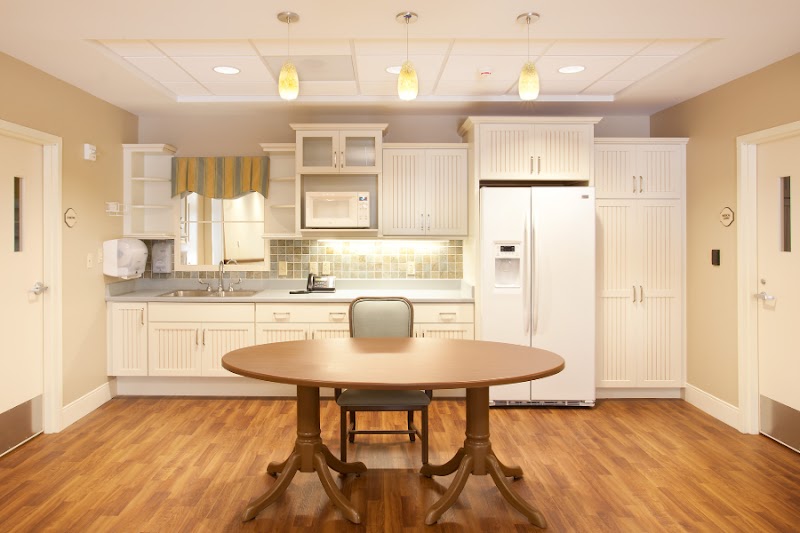
How is Kahl Home For The Aged & Infirmed Staffed?

CMS rates Kahl Home for the Aged & Infirmed's staffing level at 4 out of 5 stars, which is above average compared to other nursing homes. Staff turnover is 45%, compared to the Iowa average of 46%. This relatively stable workforce can support continuity of care.

What Have Inspectors Found at Kahl Home For The Aged & Infirmed?

State health inspectors documented 12 deficiencies at Kahl Home for the Aged & Infirmed during 2023 to 2025. These included: 2 that caused actual resident harm, 9 with potential for harm, and 1 minor or isolated issues. Deficiencies causing actual harm indicate documented cases where residents experienced negative health consequences.
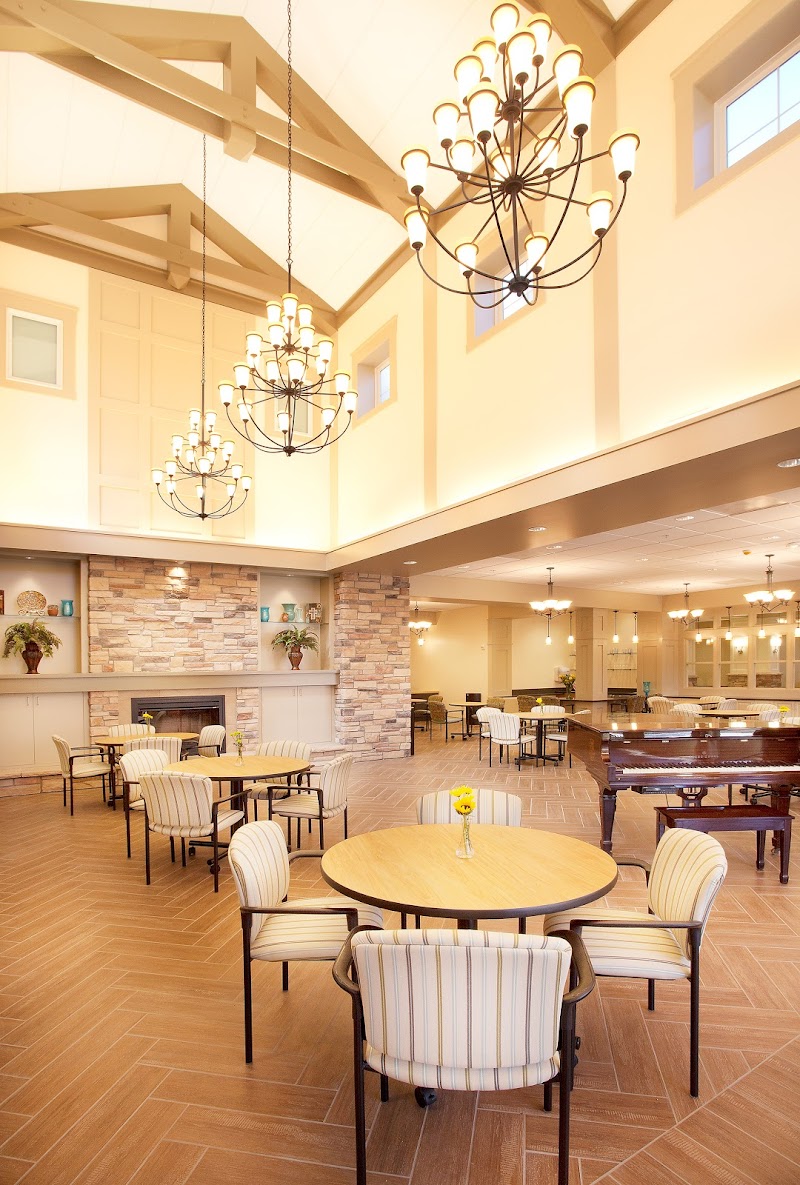
Who Owns and Operates Kahl Home For The Aged & Infirmed?

Kahl Home for the Aged & Infirmed is owned by a non-profit organization. Non-profit facilities reinvest revenue into operations rather than distributing to shareholders. The facility is operated by CARMELITE SISTERS FOR THE AGED & INFIRM, a chain that manages multiple nursing homes. With 135 certified beds and approximately 104 residents (about 77% occupancy), it is a mid-sized facility located in Davenport, Iowa.

How Does Kahl Home For The Aged & Infirmed Compare to Other Iowa Nursing Homes?

Compared to the 100 nursing homes in Iowa, Kahl Home for the Aged & Infirmed's overall rating (2 stars) is below the state average of 3.0, staff turnover (45%) is near the state average of 46%, and health inspection rating (2 stars) is below the national benchmark.

What Should Families Ask When Visiting Kahl Home For The Aged & Infirmed?

Based on this facility's data, families visiting should ask: "Can I visit during a mealtime to observe dining assistance and food quality?" "How do you handle medical emergencies, and what is your hospital transfer rate?" "Can I speak with family members of current residents about their experience?"

Is Kahl Home For The Aged & Infirmed Safe?

Based on CMS inspection data, Kahl Home for the Aged & Infirmed has a clean safety record: no substantiated abuse findings (meaning no confirmed cases of resident harm), no Immediate Jeopardy citations (the most serious violation level indicating risk of serious injury or death), and is not on the Special Focus Facility watch list (a federal program monitoring the lowest-performing 1% of nursing homes). The facility has a 2-star overall rating and ranks #100 of 100 nursing homes in Iowa. While no facility is perfect, families should still ask about staff-to-resident ratios and recent inspection results during their visit.

Do Nurses at Kahl Home For The Aged & Infirmed Stick Around?

Kahl Home for the Aged & Infirmed has a staff turnover rate of 45%, which is about average for Iowa nursing homes (state average: 46%). Moderate turnover is common in nursing homes, but families should still ask about staff tenure and how the facility maintains care continuity when employees leave.

Was Kahl Home For The Aged & Infirmed Ever Fined?

Kahl Home for the Aged & Infirmed has no federal fines on record. CMS issues fines when nursing homes fail to meet care standards or don't correct problems found during inspections. The absence of fines suggests the facility has either maintained compliance or corrected any issues before penalties were assessed. This is a positive indicator, though families should still review recent inspection reports for the full picture.

Is Kahl Home For The Aged & Infirmed on Any Federal Watch List?

Kahl Home for the Aged & Infirmed is not on any federal watch list. The most significant is the Special Focus Facility (SFF) program, which identifies the bottom 1% of nursing homes nationally based on persistent, serious quality problems. Not being on this list means the facility has avoided the pattern of deficiencies that triggers enhanced federal oversight. This is a positive indicator, though families should still review the facility's inspection history directly.