Good Samaritan Society - George
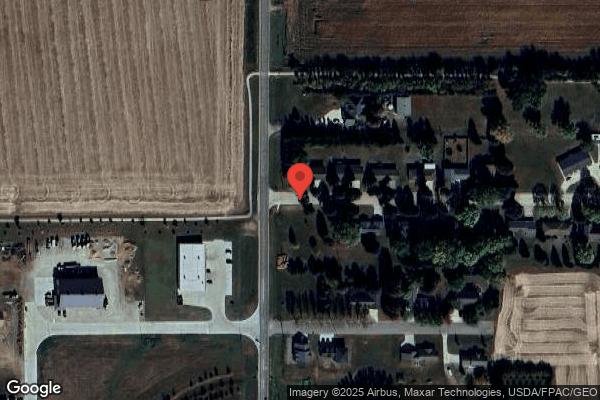

324 First Avenue North, George, IA 51237 (712) 475-3391
Non profit - Corporation 42 Beds GOOD SAMARITAN SOCIETY Data: November 2025 2 Immediate Jeopardy citations
Trust Grade
34/100
#190 of 392 in IA
Last Inspection: August 2025

Inspected within the last 6 months. Data reflects current conditions.

Overview

Good Samaritan Society - George in George, Iowa has a Trust Grade of F, indicating significant concerns about the facility's operations. It ranks #190 out of 392 in Iowa, placing it in the top half of state facilities, and #2 out of 3 in Lyon County, suggesting that only one local option is better. The facility is showing improvement, with issues decreasing from 6 in 2024 to 5 in 2025, but it still faced serious incidents, including a failure to report an allegation of abuse by staff and not preventing a resident at risk for elopement from exiting unattended. Staffing is a strong point, rated at 4 out of 5 stars with a turnover rate of 41%, which is below the state average, and they have more RN coverage than 97% of Iowa facilities. However, the facility has concerning fines totaling $18,142, which are higher than 77% of Iowa facilities, indicating potential compliance issues.

Trust Score
F
34/100
In Iowa
#190/392
Top 48%
Safety Record
High Risk
Review needed
Inspections
Getting Better
6 → 5 violations
Staff Stability
○ Average
41% turnover. Near Iowa's 48% average. Typical for the industry.
Penalties
✓ Good
$18,142 in fines. Lower than most Iowa facilities. Relatively clean record.
Skilled Nurses
✓ Good
Each resident gets 70 minutes of Registered Nurse (RN) attention daily — more than 97% of Iowa nursing homes. RNs are the most trained staff who catch health problems before they become serious.
Violations
⚠ Watch
21 deficiencies on record. Higher than average. Multiple issues found across inspections.
★★★☆☆
3.0
Overall Rating
★★★★☆
4.0
Staff Levels
★★★☆☆
3.0
Care Quality
★★★☆☆
3.0
Inspection Score
Stable
2024: 6 issues
2025: 5 issues

The Good

  • 4-Star Staffing Rating · Above-average nurse staffing levels
  • Full Sprinkler Coverage · Fire safety systems throughout facility
  • No fines on record
  • Staff turnover below average (41%)

    7 points below Iowa average of 48%

Facility shows strength in staffing levels, fire safety.

The Bad

3-Star Overall Rating

Near Iowa average (3.1)

Meets federal standards, typical of most facilities

Staff Turnover: 41%

Near Iowa avg (46%)

Typical for the industry

Federal Fines: $18,142

Below median ($33,413)

Minor penalties assessed

Chain: GOOD SAMARITAN SOCIETY

Part of a multi-facility chain

Ask about local staffing decisions and management

The Ugly 21 deficiencies on record

2 life-threatening
Aug 2025 5 deficiencies
CONCERN (D)

Potential for Harm - no one hurt, but risky conditions existed

Deficiency F0628 (Tag F0628)

Could have caused harm · This affected 1 resident

**NOTE- TERMS IN BRACKETS HAVE BEEN EDITED TO PROTECT CONFIDENTIALITY** Based on clinical record review, interviews, and facility policy, the facility failed to ensure bed hold notice was signed by re...

Read full inspector narrative →
**NOTE- TERMS IN BRACKETS HAVE BEEN EDITED TO PROTECT CONFIDENTIALITY** Based on clinical record review, interviews, and facility policy, the facility failed to ensure bed hold notice was signed by residents and or the resident's responsible person when residents transferred out of the facility for 1 of 1 residents reviewed (Residents #7). The facility reported a census of 31 residents.Findings include: The Minimum Data Set (MDS) assessment dated [DATE] for Resident #7 documented diagnoses of hypertension, anemia and arthritis. The MDS showed the Brief Interview for Mental Status (BIMS) score of 06, indicating severe cognitive impairment. Review of Resident #7's Census tab revealed the following information:11/7/24- no pay hospital leave11/8/24- active12/10/24- no pay hospital leave12/12/24- active Review of Progress Notes revealed the following:On 11/7/24 at 8:47 p.m., resident will be admitted to hospital for observation. On 11/8/24 at 5:07 p.m., resident arrived back at the facility. On 12/10/24 at 9:02 a.m., resident left facility to hospital for hip surgery.On 12/12/24 at 1:13 p.m., returns to facility from hospitalization. Review of Bed Hold dated 11/7/24 revealed verbal authorization from Resident #7's representative but lacked a resident representative signature. Review of Bed Hold dated 12/10/24 revealed verbal authorization from Resident #7's representative but lacked a resident representative signature. Review of facility provided policy titled Bed Hold with revision date of 12/19/24 revealed The Notice of Bed-Hold Policy should be mailed if family or the resident representative does not come to the facility to receive a copy. Interview on 8/21/2025 at 9:50 a.m., with the Social Services revealed the 2 bed holds had been missed and they should have had the signatures obtained from families.
CONCERN (D)

Potential for Harm - no one hurt, but risky conditions existed

Respiratory Care (Tag F0695)

Could have caused harm · This affected 1 resident

**NOTE- TERMS IN BRACKETS HAVE BEEN EDITED TO PROTECT CONFIDENTIALITY** Based on observations, record review, interviews and policy reviews, the facility failed to provide staff with current continuou...

Read full inspector narrative →
**NOTE- TERMS IN BRACKETS HAVE BEEN EDITED TO PROTECT CONFIDENTIALITY** Based on observations, record review, interviews and policy reviews, the facility failed to provide staff with current continuous positive airway pressure (CPAP) machine settings, failed to enter the faxed order into the electronic chart, and failed to enter CPAP information into the care plan for 1 of 12 residents reviewed (Resident #6). The facility reported a census of 31 residents. Findings include:1. The Minimum Data Set (MDS) assessment dated [DATE] for Resident #6 documented diagnoses of renal insufficiency, diabetes and anemia. The MDS failed to indicate Resident #6 used a non-invasive mechanical ventilator. The MDS showed the Brief Interview for Mental Status (BIMS) score of 15, which indicated no cognitive impairment. In an interview on 8/19/2025 at 11:03 AM, Resident #6 reported using a CPAP nightly.Observation on 8/19/25 at 1:48 PM revealed a CPAP on Resident #6's bedside table. The faxed Physician's Order dated 6/19/25 for Resident #6 showed an order for a CPAP.The Order Summary Report with an active order date of 8/21/25 for Resident #6 showed the facility failed to enter the CPAP order and settings into the electronic chart.The Care Plan for Resident #6 failed to show the resident used a CPAP.The Non-Invasive Respiratory Support policy last revised 10/30/24 identified:Provider orders must be obtained stipulating when the device can be removed and how it is to be used while resident is performing activities ofdaily living (bathing, eating, ambulating, etc.).Provider orders stipulating oxygen levels to be maintained when device is not in place or during periods of resident activity shall be recorded in the TAR.Nurse aide observation:1. Immediately report to the licensed nurse any change in resident's condition.2. Directions should be given to the aides based on provider orders for delivering oral care or skin care needs and if the mask/nasal cannula can beremoved for any amount of time if applicable.Start Therapy:1. Connect the breathing circuit to the machine.a. If using a mask, place the mask over the nose and mouth starting at the top and rolling down to the chin to assure that the mask is secure andsealed.b. If using a nasal cannula, ensure that the device is centered, secure and comfortable for the user.c. If using a nasal pillow, insert the nasal pillow into the shell making sure they fit correctly and that there is no air leaking around them.2. Provider orders must be obtained stipulating when the device can be removed and how it is to be used while resident is performing activities ofdaily living (bathing, eating, ambulating, etc.).In an interview on 8/21/25 at 8:50 AM, the MDS Coordinator reported she is responsible for updating and revising care plans. The MDS Coordinator reported the facility failed to enter the orders into the electronic chart and care plan. When asked why, the MDS Coordinator reported the error may have occurred when the responsibility changed from the Director of Nursing (DON) to the MDS Coordinator. In an interview on 8/21/25 at 9:05 AM, the DON confirmed Resident #6 failed to have an electronic order and care plan regarding the CPAP. The DON stated, the CPAP should be in the orders and on the care plan.
CONCERN (E)

Potential for Harm - no one hurt, but risky conditions existed

Menu Adequacy (Tag F0803)

Could have caused harm · This affected multiple residents

Based on observations, staff interviews and facility policy review the facility staff failed to serve proper serving amounts for residents. The facility identified a census of 31 residents. Findings i...

Read full inspector narrative →
Based on observations, staff interviews and facility policy review the facility staff failed to serve proper serving amounts for residents. The facility identified a census of 31 residents. Findings include:During an ongoing observation on 8/20/2025 at 11:21 a.m., of Staff A, [NAME] completed the puree process for 2 residents in the facility. Staff A added 3 servings of meat, potatoes, roll and gravy into the blender and added a couple spoons full of thickener and pureed the mixture. When the process was completed, Staff A placed the mixture into the measuring cup and had a total of 3 cups of pureed food. According to the chart the residents were to get 2 #8 scoops of the mixture. Staff A then added 3 servings of spinach to the blender, a couple scoops of thickener and added butter and pureed the mixture until smooth. Once the mixture was smooth Staff A poured the mixture into a measuring cup and the amount was over the 1 cup measurement on the cup. Staff A stated the measurement was 1 and 1/4 cup. When asked how Staff A knew for sure there was 1 and 1/4 cup of food in the measuring cup Staff A replied she just knew as she went by the lines. When asked again how Staff A knew there was 1 and 1/4 cup of food in the cup Staff A replied she just knew. When Staff A was asked if Staff A could say for sure there was 1 and 1/4 cup of food in the measuring cup she said no she was going to use a bigger measuring cup. Staff A moved the mixture over to the larger measuring cup Staff A had 1 and 1/2 cups of food. During meal service 2 residents were served a plate of puree meal. Each plate was served one scoop of meat, potato, roll and gravy mixture and one scoop of spinach mixture. These plates were served to the residents. Staff A was asked as to why there was so much of the meat, potato, roll and gravy mixture left in the pan. Staff A replied it was extra due to making 3 portions. When asked how much was left there was approximately 3 and 1/2 scoops of the mixture left. Staff A was asked again how much she started with and how much the residents were to be served. The Dietary Manager (DM) stepped in and asked how much she had made and how much she served. The DM stated Staff A needed to give each of the residents that received pureed meals another scoop of the meat, potato, roll and gravy as they only received half of their meal portion. Staff A continued to service residents in the dining room. Approximately 10 plates were served a smaller portions. Staff A revealed the residents did not want a full portion so the kitchen serves a half portion to them. Staff A used the full serving size scoop and filled the scoops approximately half full. Staff A did not measure out half portions for those 10 plates. During an interview on 8/21/2025 at 12:53 p.m., with the DM and Staff A revealed Staff A was just filling the scoops approximately half full for residents that did not have the full portions and she did not have an exact measurement. Staff A explained residents ask for a half serving as they will not eat the meal if the plate has the full serving. The DM revealed Staff A should have served the correct portions to the puree during meal service and she expected the staff to be serving full portions as only 1 resident is ordered and care planned to have half portions served for meals. Review of the facility policy titled Texture Modified Diets Food and Nutrition dated 5/12/2025 revealed pureed food is not combined or stirred together during dining unless it is requested by the resident and documented in the care plan. Review of the facility policy titled Meal Service dated 11/5/2024 revealed it is the policy to serve well-balanced, attractive meals to all residents and to provide adequate nutrition for the well-being of all residents. Interview on 8/21/2025 at 8:24 a.m., with the Administrator revealed the staff should be serving proper amounts to the residents as ordered.
CONCERN (E)

Potential for Harm - no one hurt, but risky conditions existed

Food Safety (Tag F0812)

Could have caused harm · This affected multiple residents

Based on observations, staff interviews, and facility policy reviews the facility failed to ensure food was stored and prepared under sanitary conditions. The facility identified a census of 31 reside...

Read full inspector narrative →
Based on observations, staff interviews, and facility policy reviews the facility failed to ensure food was stored and prepared under sanitary conditions. The facility identified a census of 31 residents.Findings include: On 8/18/2025 at 10:49 a.m., during the initial walkthrough in the kitchen was conducted and following concerns were noted. The following items were in the kitchen open and ready for use:a. open container of Cheerios with no label and no open dateb. open container of rice cereal with no label and no open datec. open bottle or raspberry syrup with no label and no open dated. open container of oatmeal with no label and no open date e. open box of cornstarch with no label and no open date. The following items were in the refrigerator read for use:a. 32 servings of cake uncovered on a tray b. open carton of liquid egg with no open datec. open carton of heavy whipping cream with no open dated. open gallon of white milk with no open datee. pitcher of orange juice with no open datef. pitcher of apple juice with no open dateg. open carton of thickened water with no open dateh. 2 containers of greek yogurt open with no open date with an expiration date of 8/10/25i. box of oranges sitting on the floorj. open jug of raspberry vinaigrette with no open datek. bottle of honey mustard lacked an open datel. bottle of Italian dressing lacked an open date m. bottle of ranch dressing lacked a label and open daten. bottle of red sauce lacked a label and open date.Review of the facility policy titled Food Supply Storage with a reviewed date of 3/7/2025 revealed foods that have been opened or prepared are placed in an enclosed container, dated, labeled and stored properly. Items being prepared for the next meal do not have to be dated and labeled but must be covered. Interview on 8/21/2025 at 12:53 p.m., with the Dietary Manager revealed she expected the dietary staff to make sure items were dated when they are opened and first in first out. Interview on 8/21/2025 at 8:24 a.m., with the Administrator revealed he expected the kitchen to have things covered and labeled when they are opened.
CONCERN (F)

Potential for Harm - no one hurt, but risky conditions existed

Staffing Data (Tag F0851)

Could have caused harm · This affected most or all residents

Based on the Center for Medicare and Medicaid Services (CMS) Payroll Based Journal (PBJ) Staffing Data Report from Fiscal Quarter 2, 2025 (January 1 through March 31) review, facility staffing review,...

Read full inspector narrative →
Based on the Center for Medicare and Medicaid Services (CMS) Payroll Based Journal (PBJ) Staffing Data Report from Fiscal Quarter 2, 2025 (January 1 through March 31) review, facility staffing review, and staff interviews, the facility failed to meet staffing requirements in all metrics. The facility reported a census of 31 residents.Findings include:The PBJ Staffing Data Report with a run date of 8/13/25 triggered submitted weekend staffing data excessively low within the quarter.Review of staffing for nurses and Certified Nursing Assistants (CNAs) scheduled similarly for weekdays and weekends. In an interview on 8/21/25 AM at 9:05 AM, the Administrator reported he had no knowledge of how the corporate office submitted staffing data. The Administrator reported the data should reflect that weekend staffing remained the same as during the week. The Administrator reported the facility failed to have a policy regarding PBJ.In an interview on 8/21/25 AM at 9:05 AM, the Director of Nursing (DON) reported the low weekend staffing data error may have occurred when the corporate office supplied staff from a staffing pool during the second quarter. The DON reported the facility staffed the same on the weekdays and weekends. The DON reported insufficient staffing did not occur at any time during the second quarter.
Aug 2024 6 deficiencies 1 IJ
CRITICAL (J) 📢 Someone Reported This

A family member, employee, or ombudsman was alarmed enough to file a formal complaint

Immediate Jeopardy (IJ) - the most serious Medicare violation

Investigate Abuse (Tag F0610)

Someone could have died · This affected 1 resident

**NOTE- TERMS IN BRACKETS HAVE BEEN EDITED TO PROTECT CONFIDENTIALITY** Based on clinical record review, facility investigation review, staff and resident interviews, and facility policy review the fa...

Read full inspector narrative →
**NOTE- TERMS IN BRACKETS HAVE BEEN EDITED TO PROTECT CONFIDENTIALITY** Based on clinical record review, facility investigation review, staff and resident interviews, and facility policy review the facility staff failed to report an allegation of abuse to a supervisor and the alleged prepetrator continued to work unattended behind closed doors with other residents. On June 27, 2024, the Director of Nursing Services (DNS) learned of a Certified Nurse Aide (CNA) slapping Resident #12 on his upper arm which occurred on June 19, 2024. This failure resulted in residents living at the facility to be exposed to the potential of abuse therefore causing an Immediate Jeopardy to the health, safety, and security of the resident. The State Agency informed the facility of the Immediate Jeopardy (IJ) that began as of June 19, 2024 on August 27, 2024 at 2:01 p.m The facility staff removed the IJ on June 27, 2024 through the following actions: a. The local police, residents physician and family/responsible party were notified of the allegation on 6/27/24. An initial report was made to DIAL on 6/27/24 within the expected two hour time frame. b. Staff members who failed to report immediately on 6/19/24 received immediate education and re-did the Iowa required Dependent Adult Abuse course online on 6/27/24. Corrective action was completed as well with both staff members. c. The social services manager interviewed all residents to determine if there were any concerns by residents of care and treatment by staff members this began on 6/27/24. None were identified. d. Education on abuse and neglect began 6/27/24 to all staff regarding the treatment of residents and the importance of immediately notifying leadership and/or supervisor of any allegation so steps can be immediately taken to remove/separate suspected staff from residents. A quiz for comprehension was completed by staff. Education was completed with all staff prior to any staff working another shift. e. To ensure deficient practice will not recur, Administrator or designee will implement the following measures: i. Administrator or designee will audit through abuse and neglect questionnaires 5 team members randomly to include all shifts daily X10 days to ensure staff education on abuse and neglect investigation and reporting. ii. Audits will be taken to QAPI for further review and recommendations. f. Center leadership has continued to provide daily reminders to staff on the need to report immediately any suspected abuse and/or neglect. g. Center leadership to include the Director of Nursing, Administrator and Social Services have ensured that their phone numbers have been made available for all staff to place in their phones to ensure ability to call them at all times. h. A Skills Fair was completed on August 6 and 7 where continuing reminders and education was again provided. After ensuring the facility implemented education and their policy and procedures prior to surveyors entrance on August 26, 2024, the deficiency at F610 at a J level will be considered past non-compliance. The facility identified a census of 27 residents. Findings include: The Minimum Data Set (MDS) assessment dated [DATE] for Resident #12 documented diagnoses of stroke, hypertension and depression. The MDS showed the Brief Interview for Mental Status (BIMS) score of 4, indicating severe cognitive impairment. Review of the facility provided Incident report dated 6/27/24 at 5:00 p.m., completed by the Director of Nursing Services (DNS) revealed Certified Nursing Assistant (CNA) staff presented to my office to report that on 6/19/24 while providing bedtime cares one of the other CNA staff was frustrated with Resident #12 when he yelled out as his pericare was being provided and she swatted his upper arm as he yelled out. Review of Resident #12's Progress Notes revealed on 6/27/24 at 10:20 p.m., staff notified DNS that an event had been witnessed on 6/19/24 during bedtime cares that another staff had swatted resident on his arm when he had called out during bedtime cares. Review of written statement by Staff D, CNA dated 6/27/24 revealed last week a CNA confided in me that she witnessed Staff C smack Resident 12's arm after getting frustrated with him. She said they were getting Resident #12 read for bed at 10:00 p.m. and changing his brief. He was turned on his side, facing the wall and holding the other CNA's hand. Staff C got upset that he was holding the CNA's hand and smacked his arm. The CNA told her she had no reason to be upset since he wasn't touching her. Review of facility intake information the facility submitted a self report on 6/27/24 at 9:34 p.m Interview on 8/28/24 at 11:19 a.m., with Staff B revealed she was assisting Staff C, CNA with changing Resident #12. Staff B rolled Resident #12 toward her as he had been touching Staff C and she was getting angry. Resident #12 starting touching Staff B and Staff C slapped him on his upper shoulder area. Resident #12 stated ouch you dumb broad. Staff C responded to Resident #12 by saying he needed to stop touching us. When Staff C left the room Staff B looked at Resident #12's upper shoulder area and did not see any red marks. Staff B revealed she now knows that she should have reported the incident right away but did not trust the charge nurse that was working that night as they worked with Staff C on overnight shift. Interview on 8/26/24 at 11:31 a.m. with Staff D revealed she was working with Staff B on an evening shift. Staff B told Staff D that Staff B witnessed Staff C hit Resident #12. Staff D revealed she told Staff B she needed to report that to the DNS. Staff D revealed she thought Staff B had told the DNS until she worked with Staff B again a couple days later and learned she had not reported it yet. Staff B had asked Staff D to go with her to report it. Staff D revealed she now knows she should have reported the incident as soon as she learned about it. Review of Staff C, CNA's time cards revealed the following information: a. 6/19/24 punch in at 5:49 p.m., and punched out on 6/20/24 at 6:09 a.m b. 6/20/24 punch in at 5:52 p.m., and punched out on 6/21/24 at 6:05 a.m c. 6/25/24 punch in at 5:57 p.m., and punched out on 6/26/24 at 6:05 a.m Review of facility provided policy titled Abuse and Neglect with a reviewed date of 7/22/24 revealed the following information: a. Alleged or suspected violations involving any mistreatment, neglect, exploitation or abuse including injuries of unknown origin will be reported immediately to the administrator. b. If an employee receives an allegation of abuse, neglect, exploitation or misappropriation of resident property or witnesses suspected abuse, neglect or misappropriation of resident property, the employee will take measures to protect the resident, provided the safety of the employee is not jeopardized. The employee will then report the allegation to a supervisor. b. The charge nurse or licensed nurse will be notified immediately, assess the situation to determine whether any emergency treatment or action is required and complete an initial investigation. If this is an injury of unknown origin, he or she also will attempt to determine the cause of the injury. The charge nurse also will ensure that any potential for further abuse is eliminated by taking one of the following actions: If this is an allegation of employee to resident abuse, the employee will be removed from providing direct care to all residents. Additionally, the employee will be placed on suspension pending the results of the internal investigation. Another employee will be assigned to complete the care of the resident. Interview on 8/28/24 at 3:23 p.m., with the Administrator revealed the incident should have been reported right away to the charge nurse or management to be able to separate the staff member from the residents.
CONCERN (D) 📢 Someone Reported This

A family member, employee, or ombudsman was alarmed enough to file a formal complaint

Potential for Harm - no one hurt, but risky conditions existed

Free from Abuse/Neglect (Tag F0600)

Could have caused harm · This affected 1 resident

**NOTE- TERMS IN BRACKETS HAVE BEEN EDITED TO PROTECT CONFIDENTIALITY** Based on clinical record review, facility record review, staff interviews and facility policy the facility failed to appropriate...

Read full inspector narrative →
**NOTE- TERMS IN BRACKETS HAVE BEEN EDITED TO PROTECT CONFIDENTIALITY** Based on clinical record review, facility record review, staff interviews and facility policy the facility failed to appropriately implement interventions to protect 1 out of 3 residents reviewed from physical abuse, (Resident #12). The facility reported a census of 27 residents. Findings include: The Minimum Data Set (MDS) assessment dated [DATE] for Resident #12 documented diagnoses of stroke, hypertension and depression. The MDS showed the Brief Interview for Mental Status (BIMS) score of 4, indicating severe cognitive impairment. Review of the facility provided Incident Report dated 6/27/24 at 5:00 p.m., completed by the Director of Nursing Services (DNS) revealed Certified Nursing Assistant (CNA) staff presented to my office to report that on 6/19/24 while providing bedtime cares one of the other CNA staff was frustrated with Resident #12 when he yelled out as his pericare was being provided and she swatted his upper arm as he yelled out. Review of Resident #12 ' s Progress Notes revealed on 6/27/24 at 10:20 p.m., staff notified DNS that an event had been witnessed on 6/19/24 during bedtime cares that another staff had swatted resident on his arm when he had called out during bedtime cares. Review of written statement by Staff B, CNA dated 6/27/24 revealed Staff C, CNA and Staff B were changing Resident #12. The resident was touchy and Staff C was getting angry. I asked the resident to hold my hand because she was getting very mad. Staff C began to hold up her hand in a hitting motion. I had Resident #12 roll toward me. Resident #12 began to yell because the wipes were cold and Staff C slapped Resident #12's arm. Resident #12 said ouch what was that good for. I said he's not even touching you. This was at approximately 8:00 p.m. when he was being changed. Review of written statement by Staff D, CNA dated 6/27/24 revealed last week a CNA confided in me that she witnessed Staff C smack Resident 12's arm after getting frustrated with him. She said they were getting Resident #12 read for bed at 10:00 p.m. and changing his brief. He was turned on his side, facing the wall and holding the other CNA's hand. Staff C got upset that he was holding the CNA's hand and smacked his arm. The CNA told her she had no reason to be upset since he wasn't touching her. Interview on 8/28/24 at 11:19 a.m., with Staff B revealed she was assisting Staff C, CNA with changing Resident #12. Staff B rolled Resident #12 toward her as he had been touching Staff C and she was getting angry. Resident #12 starting touching Staff B and Staff C slapped him on his upper shoulder area. Resident #12 stated ouch you dumb broad. Staff C responded to Resident #12 by saying he needed to stop touching us. When Staff C left the room Staff B looked at Resident #12's upper shoulder area and did not see any red marks. Interview on 8/26/24 at 11:31 a.m. with Staff D revealed she was working with Staff B on an evening shift. Staff B told Staff D that Staff B witnessed Staff C hit Resident #12. Staff D revealed she told Staff B she needed to report that to the DNS. Review of facility provided policy titled Abuse and Neglect with a reviewed date of 7/22/24 revealed the resident has the right to be free from abuse, neglect, misappropriation of resident property and exploitation. Interview on 8/28/24 at 3:23 p.m., with the Administrator revealed the incident should have been reported right away to the charge nurse or management to be able to separate the staff member from the residents.
CONCERN (D) 📢 Someone Reported This

A family member, employee, or ombudsman was alarmed enough to file a formal complaint

Potential for Harm - no one hurt, but risky conditions existed

Report Alleged Abuse (Tag F0609)

Could have caused harm · This affected 1 resident

**NOTE- TERMS IN BRACKETS HAVE BEEN EDITED TO PROTECT CONFIDENTIALITY** Based on clinical record review, facility record review, staff interviews and facility policy review the facility failed to repo...

Read full inspector narrative →
**NOTE- TERMS IN BRACKETS HAVE BEEN EDITED TO PROTECT CONFIDENTIALITY** Based on clinical record review, facility record review, staff interviews and facility policy review the facility failed to report an allegation of abuse to the Iowa Department of Inspections & Appeals and Licensing (DIAL) within 2 hours of an allegation of abuse for 1 of 1 resident reviewed for abuse (Resident #12). The facility reported a census of 27 residents. Findings include: The Minimum Data Set (MDS) assessment dated [DATE] for Resident #12 documented diagnoses of stroke, hypertension and depression. The MDS showed the Brief Interview for Mental Status (BIMS) score of 4, indicating severe cognitive impairment. Review of the facility provided Incident Report dated 6/27/24 at 5:00 p.m., completed by the Director of Nursing Services (DNS) revealed Certified Nursing Assistant (CNA) staff presented to my office to report that on 6/19/24 while providing bedtime cares one of the other CNA staff was frustrated with Resident #12 when he yelled out as his pericare was being provided and she swatted his upper arm as he yelled out. Review of Resident #12's Progress Notes revealed on 6/27/24 at 10:20 p.m., staff notified DNS that an event had been witnessed on 6/19/24 during bedtime cares that another staff had swatted resident on his arm when he had called out during bedtime cares. Review of written statement by Staff D, CNA dated 6/27/24 revealed last week a CNA confided in me that she witnessed Staff C smack Resident 12's arm after getting frustrated with him. She said they were getting Resident #12 read for bed at 10:00 p.m. and changing his brief. He was turned on his side, facing the wall and holding the other CNA's hand. Staff C got upset that he was holding the CNA's hand and smacked his arm. The CNA told her she had no reason to be upset since he wasn't touching her. Review of facility intake information showed the facility submitted a self report on 6/27/24 at 9:34 p.m Review of facility provided policy titled Abuse and Neglect with a reviewed date of 7/22/24 revealed if there is an allegation of abuse, neglect, exploitation or mistreatment, including injuries of unknown source and misappropriation of resident property, and/or there is serious bodily injury, then it will be reported immediately, but not later than two hours after the allegation is made. Interview on 8/27/24 at 1:22 p.m., with the Director of Nursing Services (DNS) revealed all allegations of abuse are to be reported to the state within 2 hours of the allegation of abuse. The DNS further revealed she knew as soon as it was revealed when it happened she knew it was going to be a concern.
CONCERN (D)

Potential for Harm - no one hurt, but risky conditions existed

Infection Control (Tag F0880)

Could have caused harm · This affected 1 resident

Based on observation, facility policy and staff interview, the facility failed to provide proper hand hygiene during urinary catheter care for 1 of 1 resident (Resident #16). The facility reported a t...

Read full inspector narrative →
Based on observation, facility policy and staff interview, the facility failed to provide proper hand hygiene during urinary catheter care for 1 of 1 resident (Resident #16). The facility reported a total census of 27 residents. Findings include: Observation on 8/28/24 at 1:09 PM, Staff E, Certified Nursing Assistant (CNA) donned personal protective equipment (PPE) then retrieved the urine colander out of the closet. Staff D placed the colander in the bathroom, removed and discarded gloves, failed to complete hand hygiene then donned new gloves. Staff D lowered Resident #16's pants then assisted the resident to sit in the recliner. Staff D removed and discarded gloves, failed to complete hand hygiene then donned new gloves. Staff A cleansed the leg bag urine catheter drainage spout, drained the urine, cleansed the drainage spout then placed the spout back into the holder. Staff D emptied urine from the colander into the toilet, removed and discarded gloves, failed to complete hand hygiene then donned new gloves. Staff D then assisted the resident to pull up and fasten pants. Staff E, Nurse Educator present during observation. The Catheter: Care, Insertion & Removal, Drainage Bags, Irrigation policy last revised on 7/30/24 instructed staff to perform hand hygiene after the removal of gloves. In an interview on 8/28/24 at 1:29 PM, when asked if they would do anything different during the observation, Staff E, Nurse Educator stated, I would have completed hand hygiene after changing gloves. The untitled document dated 8/28/24 at 11:25 AM, showed Staff E, Nurse Educator followed up with Staff D, CNA with written education related to hand hygiene. The documentation noted Staff D stated, I should have sanitized my hands in between changing my gloves, but I forgot to take my hand sanitizer out of my pocket, and I couldn't get to it because of the gown.
CONCERN (E)

Potential for Harm - no one hurt, but risky conditions existed

Food Safety (Tag F0812)

Could have caused harm · This affected multiple residents

Based on review of the menu, observation, and staff interviews the facility failed to serve the full portions of food and failed to consistently fill and empty scoop utensils when preparing meals for ...

Read full inspector narrative →
Based on review of the menu, observation, and staff interviews the facility failed to serve the full portions of food and failed to consistently fill and empty scoop utensils when preparing meals for residents. The facility identified a census of 27 residents. Findings include: In an interview on 8/28/24 at 11:35 AM, the Dietary Manager (DM) reported the meals for 8/27/24 and today were partially switched due to meat not being completely thawed. The following replacement meal served to residents per the DM: a. 4 ounces (oz.) pork loin b. 2 oz. pork gravy c. 4 oz. mashed potatoes d. 4 oz. corn e. Bun with margarine Residents on a pureed diet received: a. 4 oz. minced pork loin b. 2 oz. pork gravy c. 4 oz. mashed potatoes d. 4 oz. minced buttered broccoli florets e. Bun with margarine pureed During meal service the DM failed to completely fill and empty the scoop when serving corn and minced pork. When asked if scoops should be completely filled and emptied when plating food, the DM reported yes, but thought the scoop used to serve corn looked too big. The DM reviewed the information and determined the scoop size used for corn as correct. Upon further review the DM determined the scoop size used to serve minced pork showed two residents received 1.5 ounces more while the last two residents failed to receive full scoops of pork. The DM also reported the incorrect scoop size used to serve broccoli shorted the resident 2.5 ounces of broccoli. The facility failed to provide a policy specifically related to portion size and usage of food scoops when plating food. In an interview on 8/29/24 at 8:57 AM, the Administrator reported he expected staff to serve the correct amount of food to residents as per the menu.
CONCERN (E)

Potential for Harm - no one hurt, but risky conditions existed

Staffing Data (Tag F0851)

Could have caused harm · This affected multiple residents

Based on the Center for Medicare and Medicaid Services (CMS) Payroll Based Journal (PBJ) Staffing Data Report (January 1-March 31) review, facility staffing reports review, and staff interviews, the f...

Read full inspector narrative →
Based on the Center for Medicare and Medicaid Services (CMS) Payroll Based Journal (PBJ) Staffing Data Report (January 1-March 31) review, facility staffing reports review, and staff interviews, the facility failed to submit accurate staff reports for the PBJ Staffing Data Report. The facility reported a census of 27 residents. Findings include: The PBJ Staffing Data Report run date 8/21/24 triggered for excessively low weekend staffing- submitted weekend staffing data is excessively low and failed to have licensed nursing coverage 24 Hours/Day - four or more days within the Quarter with <24 Hours/Day Licensed Nursing Coverage. Review of staffing for nurses and Certified Nursing Assistants (CNAs) scheduled similarly for weekdays and weekends. No issues for nursing coverage found. In an interview on 8/26/24 at 8:57 AM, the Administrator and Director of Nursing reported incorrect payroll data resulted from the amount of hours the employees were not punched in for breaks and worked to correct the issue. The facility planned to check with CMS to see if the change impacted the most recent data submission.
Sept 2023 10 deficiencies 1 IJ
CRITICAL (J)

Immediate Jeopardy (IJ) - the most serious Medicare violation

Accident Prevention (Tag F0689)

Someone could have died · This affected 1 resident

**NOTE- TERMS IN BRACKETS HAVE BEEN EDITED TO PROTECT CONFIDENTIALITY** Based on clinical record review, staff interviews, facility record review and facility policy review, the facility failed to ens...

Read full inspector narrative →
**NOTE- TERMS IN BRACKETS HAVE BEEN EDITED TO PROTECT CONFIDENTIALITY** Based on clinical record review, staff interviews, facility record review and facility policy review, the facility failed to ensure residents at risk for elopement were unable to exit the facility unattended for 1 of 1 residents reviewed for elopement (Resident #31). The facility failure resulted in an Immediate Jeopardy to the health, safety, and security of the residents. The facility reported a total census of 33 residents. The State Agency informed the facility of the Immediate Jeopardy (IJ) that began as of May 3, 2023 on September 20, 2023 at 2:30 p.m., The Facility Staff removed the Immediate Jeopardy on May 3, 2023 through the following actions: a. Resident #31 ' s wander guard was checked and working. All other residents who wear a wander guard were checked immediately and all were working. b. Maintenance checked that all doors and alarms were functioning. c. Elopement drill was performed that shift on 5/3/2023, Day shift on 5/4/2023 and continued to be performed until all staff are present for at least one drill. d. Resident #31 was placed on 30 min checks for the wake time hours and hourly checks at night while sleeping. e. Social services has called all resident ' s first contact, told them about making sure not to hold the door open for anyone when entering or exiting the building and asked them to please pass this on to anyone who visits the residents in our nursing home. f. Bright colored signs have been placed on all exits reminding visitors to not open the doors or hold the doors for anyone else as it may be unclear if the other person is a staff member or a resident. g. All staff at the facility have been required to review the elopement policy prior to working the next shift. The scope lowered from a J to D at the time of the survey after ensuring the facility implemented education and their policy and procedures. The facility identified a census of 33 residents. Findings Include: The Minimum Data Set (MDS) assessment dated [DATE] for Resident # 31 documented diagnoses of Alzheimer ' s disease, non- Alzheimer ' s dementia and non-traumatic brain dysfunction. The MDS showed the Brief Interview for Mental Status (BIMS) score or 4 indicating severe cognitive impairment. Review of Resident #31 ' s Care Plan with a revision date of 4/6/23 revealed the following information: a. The resident has potential for elopement related to the new environment and diagnosis of dementia. With a goal listed as resident will not leave the facility unattended. b. Interventions in place were to use a wander guard to alert staff to resident's movements and check wander guard functionality every shift to ensure wander guard is in working order. Review of the document titled Elopement Risk dated 3/14/23 revealed Resident #31 is at risk for elopement. Review of May Medication Administration Record revealed a nursing order check wander guard to make sure it is on and working everyday with a start date of 3/19/23. Review of Resident #31 ' s Progress Notes revealed the following: a. On 3/14/2023 at 5:43 p.m., fax sent to the primary care physician informing her that the resident is an elopement risk, and asked for an order for a wander guard. b. On 3/18/2023 at 12:59 p.m., Resident has been exit seeking. Stating she is going to go home and check on her kids. She has told multiple staff members this and has her coat laid out. Nurse has attempted re-orientation, called the daughter and the resident spoke with her. Nurse gave the resident multiple different jobs to distract her. Wander guard in place. Staff have communicated with each other resident is exit seeking and are all monitoring resident. c. On 5/3/2023 at 3:45 p.m., Late Entry entered on 5/4/23 at 2:04 p.m., Resident was noted ambulating outside of the building by a staff member with no alarm having been sounded. Resident does wear a wander guard and was noted to be in the front living room [ROOM NUMBER] minutes prior. Resident was by apartments stated that she was going to the motel to see if her husband was awake yet. Resident came back to the building willingly. Vital signs obtained and assessment completed, was in no apparent distress. Family, administration, Director of Nursing Services and Charge nurse are notified. Review of untitled document provided by the facility dated 5/3/23 at 3:15 p.m., revealed the following information: a. Resident was seen walking on the sidewalk outside of the building by our MDS nurse as she left work. Resident had her coat and shoes on. Just prior to this one of our nurses who is the case manager had set the code in the door for another resident to go outside for a walk. This resident was standing by the door so she waited to make sure the door latched and the wander guard system reset before she walked away. No staff between this time and when the resident was spotted on the sidewalk heard or disarmed the alarm for the wander guard after this. There were many visitors in the building at this time. Staff member reported just prior to this that she had toileted the resident in the resident room and the resident's roommate did have 2 female visitors and they were getting ready to leave as she finished toileting this resident. Resident followed this staff member to the common area and the staff member sat down to chart. b. Resident has repeatedly stated since arriving at the facility that she wants to go to where Her husband has been staying and points to the apartments on our campus that look like a motel. Repeatedly states, he lives in that place that they have for travelers when they get weary. When the staff got to the resident and when she came in she said I just wanted to knock on her husband's door and see if he was up. c. Resident was noted about 3:35 p.m., walking on the sidewalk outside of the building toward the apartments. Resident was in no distress, had on her coat and shoes. Stated that she was going to the motel to see if her husband was up yet. Temperature outside was 70 degrees and sunny, very light breeze. Resident has no soiled or torn parts on her clothing and shows no sign of falling. Walks in with staff who saw her on the sidewalk. Vital signs taken, assessed for injury. Brought to her room. Investigation started. Interview on 9/18/23 at 4:06 p.m., with Staff D, Certified Nursing Assistant (CNA) revealed she was assisting another resident when a staff member told her Resident #31 had left the building. Staff D revealed she had heard the alarm go off and Staff E, CNA reset the alarm without checking other doors. Staff D revealed the alarm system had been weird all day and the door alarms were going off for no reason. Staff D further revealed the staff had received education right away and then had drills until all the staff working in the facility had been through a drill. Interview on 9/19/23 at 2:23 p.m., with Staff F, Registered Nurse (RN) and Staff G, RN revealed they had been working the day Resident #31 left the building. They believe she exited the front door with visitors that day. Staff F, was leaving the facility for the day and when she was driving out of the parking lot she seen Resident #31 walking down the sidewalk to the apartments. Staff F exited her car to get to Resident #31. Staff G was in her office when the Hospice Chaplin told her one of the residents was walking down the sidewalk outside. Staff G immediately went out the front door and met up with Resident #31 and Staff F and assisted Resident #33 in returning to the facility. Staff F and Staff G revealed Resident #33 came back into the building with no problems and the charge nurse on duty assessed her. Interview on 9/19/23 at 2:42 p.m., with Staff E, CNA revealed she was working the day Resident #31 got out of the building. Staff E revealed they were busy and she heard the alarm and saw another resident going out to garden and reset the alarm for him to finish exiting the door. Staff E revealed she saw the wander guard alarm light blinking but thought it was for the other resident's wife standing too close to the door as he was going out to garden. She reset the alarm and did not check any other doors. Staff E revealed she did not know Resident #31 had exited the building until she was asked to come into the office and make a statement. Staff E revealed the facility did a lot of code purple which means missing resident drills until everyone had been through a drill. She revealed all the shifts had the education on code purple and they are still doing them. Interview on 9/19/23 at 3:15 p.m., with the Director of Nursing (DON) revealed the staff was very honest about the situation when she talked to them. The DON revealed during the investigation the facility learned another resident was going out to garden the same time as Resident #31 exited another door of the facility. Staff E reset the door alarms and did not check to see what door it was as she saw the other resident going outside. With the investigation the facility learned the staff was having alarm fatigue and the facility was able to assist with alarm announcements to help decrease the alarm fatigue. The DON revealed the staff did code purple drills until everyone of the staff had participated in one and the drills have continued since the incident. Review of the facility policy titled Elopement with a revision date of 7/11/23 revealed the following information: The purpose of this policy is: a. To assess and identify residents/clients at risk for elopement. b. To clearly define the mechanisms and procedures for monitoring residents/clients at risk for elopement. c. To provide a system of documentation for the prevention of, and in the event of, elopement. d. To minimize risk for elopement through individualized interventions. e. The definition of elopement is when a resident/client who needs supervision leaves the premises or a safe area without authorization. Interview on 9/20/23 at 3:48 p.m., with the DON revealed she has trained all her staff to be checking all doors when the alarms go off. This has helped and they have been continuing to code purple drills in the facility.
CONCERN (D)

Potential for Harm - no one hurt, but risky conditions existed

Transfer Notice (Tag F0623)

Could have caused harm · This affected 1 resident

**NOTE- TERMS IN BRACKETS HAVE BEEN EDITED TO PROTECT CONFIDENTIALITY** Based on clinical record review and staff interview the facility failed to notify the Long Term Care (LTC) Ombudsman for 1 of 1 ...

Read full inspector narrative →
**NOTE- TERMS IN BRACKETS HAVE BEEN EDITED TO PROTECT CONFIDENTIALITY** Based on clinical record review and staff interview the facility failed to notify the Long Term Care (LTC) Ombudsman for 1 of 1 residents reviewed who transferred to the hospital (Resident #23). The facility reported a census of 33 residents. Findings include: The Minimum Data Set (MDS) assessment dated [DATE] for Resident #23 documented diagnoses of heart failure, respiratory failure and lymphoma. The MDS showed the Brief Interview for Mental Status (BIMS) score of 15 indicating no cognitive impairment. Review of Resident #23 ' s Progress Notes revealed the following information: On 7/18/23 at 5:46 p.m., resident being admitted to the hospital. On 7/31/23 at 1:40 p.m., resident returns to facility via private vehicle. Review of Resident #23 ' s Census tab revealed the following: 7/18/23- paid hospital leave The facility lacked documentation that the facility submitted information to the LTC Ombudsman for July 2023. Review of facility provided policy titled Omudsman with a revision date of 12/13/22 revealed the ombudsman is an advocate whose goal is to promote the highest quality of life for residents by serving as a communication bridge between the resident and the location. Interview on 9/21/23 at 9:04 a.m., with the Social Services Director revealed she did not have a report for July.
CONCERN (D)

Potential for Harm - no one hurt, but risky conditions existed

Deficiency F0625 (Tag F0625)

Could have caused harm · This affected 1 resident

**NOTE- TERMS IN BRACKETS HAVE BEEN EDITED TO PROTECT CONFIDENTIALITY** Based on clinical record review, interviews, and facility policy, the facility failed to ensure bed hold notice was signed by re...

Read full inspector narrative →
**NOTE- TERMS IN BRACKETS HAVE BEEN EDITED TO PROTECT CONFIDENTIALITY** Based on clinical record review, interviews, and facility policy, the facility failed to ensure bed hold notice was signed by residents and or the resident's responsible person, when residents transferred out of the facility for 1 of 4 residents reviewed (Residents #38). The facility reported a census of 80 residents. Findings include: The Minimum Data Set (MDS) assessment dated [DATE] for Resident #23 documented diagnoses of heart failure, respiratory failure and lymphoma. The MDS showed the Brief Interview for Mental Status (BIMS) score of 15 indicating no cognitive impairment. Review of Resident #23 ' s Progress Notes revealed the following information: On 7/18/23 at 5:46 p.m., resident being admitted to the hospital. On 7/31/23 at 1:40 p.m., resident returns to facility via private vehicle. Review of Resident #23 ' s Census tab revealed the following: 7/18/23- paid hospital leave The clinical record lacked a signed bed hold for the hospitalization for July. Review of the facility provided policy titled Bed hold with a revision date of 12/18/22 revealed the following: To ensure that the resident/resident representative is made aware of the facility ' s bed hold and reserve bed payment policy before and upon transfer to a hospital or when taking a therapeutic leave of absence from the facility. To determine if resident/resident representative wants to hold the bed. In cases of emergency transfer the social worker or designated individual will contact the resident/resident representative to inquire regarding their decision for holding a bed. Interview on 9/21/23 at 8:21 a.m., with the Director of Nursing (DON) revealed the facility does not have a bed hold, the resident was very ill and the facility did not have a contact person to call for the bed hold as the resident has no family. The facility now has an emergency contact listed on his chart
CONCERN (D)

Potential for Harm - no one hurt, but risky conditions existed

PASARR Coordination (Tag F0644)

Could have caused harm · This affected 1 resident

**NOTE- TERMS IN BRACKETS HAVE BEEN EDITED TO PROTECT CONFIDENTIALITY** Based on clinical record, facility policy, and staff interview, the facility failed to submit a Preadmission Screening and Resid...

Read full inspector narrative →
**NOTE- TERMS IN BRACKETS HAVE BEEN EDITED TO PROTECT CONFIDENTIALITY** Based on clinical record, facility policy, and staff interview, the facility failed to submit a Preadmission Screening and Resident Review (PASRR) when changes occurred for 2 of 2 residents reviewed (Resident #6 and #11). The facility reported a census of 33 residents. Findings include: 1. The Minimum Data Set (MDS) dated [DATE] for Resident #6 revealed a Brief Interview of Mental Status (BIMS) score of 15 which indicated intact cognition. The MDS revealed the resident had a diagnosis of duchenne or [NAME] muscular dystrophy. The (PASRR) dated 3/22/23 revealed: a. The section to list mental health diagnoses revealed that the resident had no mental health diagnosis was known or suspected. b. The section that listed mental health medications listed Zoloft (anti-depressant medication) 50 milligrams (mg) per day, current status, diagnosis of dysthimia. The Order Summary Report signed by a physician on 8/14/23 revealed an order for Zoloft 50 mg one time daily for dysthimia with a start date of 1/5/23. The Pre-admission Screening and Resident Review (PASARR)-Rehab/Skilled Policy with a revised date of 12/21/22 revealed: a. Purpose: To ensure that individuals with retardation, serious mental disorder or intellectual disability receive the care and services they need in the most appropriate setting. b. If the resident is diagnosed with a mental disorder while in the location, the social worker will contact the designated state agency for a Level II screening. c. The location will notify the state-designated mental health or intellectual disability authority promptly when a resident with MD or ID experiences a significant change in mental or physical status. A resident whose condition or treatment is or will be significantly different than described in the resident ' s most recent PASARR Level II evaluation and determination. In an interview on 9/19/23 at 3:29 PM, the Social Worker and Director of Nursing (DON) reported that they would expect to submit a PASRR when changes occurred with mental health diagnoses and/or mental health medications. In the same interview, the Social Worker reported that she had training on PASRR in January 2023 with review of PASRRs occurring after this training. 2. The MDS dated [DATE] for Resident #11 revealed that she had short and long term memory problems. The MDS revealed the resident had diagnoses of heart failure (inability of the heart to pump blood effectively), anxiety, depression, and psychotic disorder. The PASRR dated 5/15/19 revealed: a. Mental Illness section: 1. Does the individual have any of the following major mental illnesses? No checked. major depression, psychotic/delusional disorder options 2. Does the individual have any of the following mental disorders? No checked. options are anxiety and depression 3. Does the individual have a diagnosis of a mental disorder that is not listed? No checked. b. Psychotropic Medications section: 1. Has the individual been prescribed psychoactive (mental health) medications now or within the past 6 months? No checked. The LTC (Long Term Care) Progress Note signed by a physician on 9/14/23 revealed: a. Order for Ativan 0.5 mg daily started 7/27/20. b. Order for duloxetine 30 mg daily started 9/12/23. c. Order for Haldol 0.5 mg in the morning 9/12/23. d. Orders for trazodone 25 mg at bedtime started 3/19/21. e. Diagnoses: anxiety, major depressive disorder, recurrent, severe with psychotic symptoms. The Pre-admission Screening and Resident Review (PASARR)-Rehab/Skilled Policy with a revised date of 12/21/22 revealed: a. Purpose: To ensure that individuals with retardation, serious mental disorder or intellectual disability receive the care and services they need in the most appropriate setting. b. If the resident is diagnosed with a mental disorder while in the location, the social worker will contact the designated state agency for a Level II screening. c. The location will notify the state-designated mental health or intellectual disability authority promptly when a resident with MD or ID experiences a significant change in mental or physical status. A resident whose condition or treatment is or will be significantly different than described in the resident ' s most recent PASARR Level II evaluation and determination. In an interview on 9/19/23 at 3:29 PM, the Social Worker and Director of Nursing (DON) reported that they would expect to submit a PASRR when changes occurred with mental health diagnoses and/or mental health medications. In the same interview, the Social Worker reported that she had training on PASRR in January 2023 with review of PASRRs occurring after this training.
CONCERN (D)

Potential for Harm - no one hurt, but risky conditions existed

Comprehensive Care Plan (Tag F0656)

Could have caused harm · This affected 1 resident

**NOTE- TERMS IN BRACKETS HAVE BEEN EDITED TO PROTECT CONFIDENTIALITY** Based on clinical record, facility policy, and staff interview, the facility failed to develop a care plan when a resident had n...

Read full inspector narrative →
**NOTE- TERMS IN BRACKETS HAVE BEEN EDITED TO PROTECT CONFIDENTIALITY** Based on clinical record, facility policy, and staff interview, the facility failed to develop a care plan when a resident had new pressure ulcers for 1 of resident reviewed (Resident #32). The facility reported a census of 33 residents. Findings include: The Minimum Data Set (MDS) dated [DATE] for Resident #32 revealed a Brief Interview of Mental Status score of 8 which indicated moderately impaired cognition. The MDS revealed the resident had diagnoses of essential tremor and hypertension (high blood pressure). The MDS revealed the resident did not have pressure ulcers. The Health Status Note on 8/7/2023 at 2:30 PM revealed Resident found to have unstageable pressure sores to bilateral heels as well as an open area on the back of left leg. Therapy believes the open area may be due to the amount of edema in BLE (bilateral lower extremities). Resident does have 2+ edema in BLE. Fax was sent to provider informing them of skin issues as well as requesting treatment orders. The Care Plan Focus Area with an initiated date of 9/18/23 revealed the resident has an unstageable pressure ulcer to left heel. Sacral area is excoriated and reddened. Right great toe with skin abrasion. The Care Plan- R/S (Rehabilitation/Skilled), LTC (Long Term Care), Therapy & Rehab Policy dated 9/22/22 revealed: 1. Each resident will have an individualized, person-centered, comprehensive plan of care that will include measurable goals and timetables directed toward achieving and maintaining the resident ' s optimal medical, nursing, physical, functional, spiritual, emotional, psychosocial, and educational needs. Any problems, needs and concerns identified will be addressed through use of departmental assessments, the Resident Assessment Instrument (RAI) and review of the physician ' s orders. 2. This plan of care will be modified to reflect the care currently required/provided for the resident. 3. The care plan will emphasize the care and development of the whole person ensuring that the resident will receive appropriate care and services. It will address the relationship of items or services required and facility responsibility for providing these services. In an interview on 9/19/23 at 3:54 PM, the Director of Nursing (DON) reported that it was very interesting that the resident's care plan was not updated when she first developed the bilateral heel pressure ulcers, she expected care plans to be updated as soon as pressure ulcers were found.
CONCERN (D)

Potential for Harm - no one hurt, but risky conditions existed

Deficiency F0658 (Tag F0658)

Could have caused harm · This affected 1 resident

**NOTE- TERMS IN BRACKETS HAVE BEEN EDITED TO PROTECT CONFIDENTIALITY** Based on record review and staff interviews the facility failed to provide professional standards of care by administering medic...

Read full inspector narrative →
**NOTE- TERMS IN BRACKETS HAVE BEEN EDITED TO PROTECT CONFIDENTIALITY** Based on record review and staff interviews the facility failed to provide professional standards of care by administering medications without a current physician order for 1 of 6 residents reviewed (Resident #24). The facility reported a census of 33 residents. Findings include: The Minimum Data Set (MDS) assessment dated [DATE] for Resident # 24 documented diagnoses of diabetes mellitus, depression, atrial fibrillation and renal insufficiency. The MDS showed the Brief Interview for Mental Status (BIMS) score of 15, indicating no cognitive impairment. Review of the admission Orders signed 8/22/23 revealed an order for bumetanide (diuretic medication) daily hold until seen by primary care physician (PCP). Review of the August and September 2023 Medication Administration Record (MAR) revealed an order for bumetanide oral tablet with a start date of 8/30/23. Review of the September MAR revealed bumetanide was administered September 6-20, 2023. Review of the clinical chart lacked a current order for bumetanide. Review of the Progress Notes lacked information about restarting bumetanide. Review of the Care Plan with a revision date of 8/24/23 revealed resident uses bumetanide. Review of fax dated 9/20/23 sent to the PCP the facility wrote, do you have record of when this was restarted? She had an ultrasound on the 27th of August. Thanks. The PCP responded I don' t know. It was not restarted by me. We have no records of restarting. We had it held on our records signed by the PCP undated. Review of the facility provided policy titled Physician or Practitioner orders with a revised date of 3/29/23 revealed the following information: a. It is the policy of the facility to provide individualized care to each resident by obtaining appropriate, accurate and timely physician/practitioner orders. b. Medication orders must include: Diagnosis or medical reason/indication for use.Route (e.g., IV, IM, oral), Dosage (e.g., 1 tablespoon, 2 tablets), Frequency (e.g., once a day, Q4H), Strength (e.g., 500mg, 10meq), Date order was received, If the order is a PRN order, the order must state how often PRN, medication may be given (e.g., Q4H PRN, QD PRN, HS PRN), A stop date may be required for some orders (e.g., stop date is required for antibiotic orders), Signature and date of physician/practitioner. Interview of 9/21/23 at 10:24 a.m., the Director of Nursing (DON) stated she felt the facility had an order but it had not been restarted from the physician yet.
CONCERN (D)

Potential for Harm - no one hurt, but risky conditions existed

Deficiency F0661 (Tag F0661)

Could have caused harm · This affected 1 resident

**NOTE- TERMS IN BRACKETS HAVE BEEN EDITED TO PROTECT CONFIDENTIALITY** Based on clinical record review and interview, the facility lacked a discharge summary including a recapitulation of a resident'...

Read full inspector narrative →
**NOTE- TERMS IN BRACKETS HAVE BEEN EDITED TO PROTECT CONFIDENTIALITY** Based on clinical record review and interview, the facility lacked a discharge summary including a recapitulation of a resident's stay for 1 of 1 residents reviewed in the closed record sample (Resident #34). The facility reported a census of 33 residents. Findings Include: The Minimum Data Set (MDS) assessment dated [DATE] for Resident # 34 documented diagnoses of hypertension, arthritis, and anxiety disorder . The MDS showed the Brief Interview for Mental Status (BIMS) score of 9, indicating moderate cognitive impairment. Review of Resident #34 ' s Census tab revealed Resident #34 was discharged on 9/1/23 at 11:00 a.m. Review of Resident #34 ' s Progress Notes revealed on 9/1/23 at 2:03 p.m., resident was discharged . Review of Resident #34 ' s medical record lacked a completed discharge summary including a recapitulation of the resident ' s stay. Facility later provided a Discharge summary dated [DATE]. Review of the MDS list revealed a MDS completed on 9/1/23 discharge returned not anticipated. Review of facility policy titled Discharge Planning with a revision date of 12/22/22 revealed the purpose of the policy is to ensure a safe and orderly discharge. When discharge is planned from the location to another post-acute provider, assist the resident and representative in selecting a provider by providing them with information such as Nursing Home Compare and 5 Star. Interview on 9/20/23 at 1:52 p.m., with the Director of Nursing (DON) revealed the discharge summary was not completed when the resident was discharged . The DON continued with the facility having just had a COVID outbreak and another nurse told her she had completed the discharge so she didn't think to look at it. The discharge medication list had been completed but not a summary of the resident's stay. The discharging nurse completed the discharge summary today (9/20/23) and we have sent it off to the physician for review.
CONCERN (D)

Potential for Harm - no one hurt, but risky conditions existed

Pressure Ulcer Prevention (Tag F0686)

Could have caused harm · This affected 1 resident

**NOTE- TERMS IN BRACKETS HAVE BEEN EDITED TO PROTECT CONFIDENTIALITY** Based on clinical record, observation, facility policy, and staff interview, the facility failed to provide treatment to pressur...

Read full inspector narrative →
**NOTE- TERMS IN BRACKETS HAVE BEEN EDITED TO PROTECT CONFIDENTIALITY** Based on clinical record, observation, facility policy, and staff interview, the facility failed to provide treatment to pressure ulcers for 1 of 1 resident reviewed (Resident #32). The facility reported a census of 32 residents. The MDS (Minimum Data Set) assessment identifies the definition of pressure ulcers: Stage I is an intact skin with non-blanchable redness of a localized area usually over a bony prominence. Darkly pigmented skin may not have a visible blanching; in dark skin tones only it may appear with persistent blue or purple hues. Stage II is partial thickness loss of dermis presenting as a shallow open ulcer with a red or pink wound bed, without slough (dead tissue, usually cream or yellow in color). May also present as an intact or open/ruptured blister. Stage III Full thickness tissue loss. Subcutaneous fat may be visible but bone, tendon or muscle is not exposed. Slough may be present but does not obscure the depth of tissue loss. May include undermining and tunneling. Stage IV is full thickness tissue loss with exposed bone, tendon or muscle. Slough or eschar (dry, black, hard necrotic tissue). may be present on some parts of the wound bed. Often includes undermining and tunneling or eschar. Unstageable Ulcer: inability to see the wound bed. Other staging considerations include: Deep Tissue Pressure Injury (DTPI): Persistent non-blanchable deep red, maroon or purple discoloration. Intact skin with localized area of persistent non-blanchable deep red, maroon, purple discoloration due to damage of underlying soft tissue. This area may be preceded by tissue that is painful, firm, mushy, boggy, warmer or cooler as compared to adjacent tissue. These changes often precede skin color changes and discoloration may appear differently in darkly pigmented skin. This injury results from intense and/or prolonged pressure and shear forces at the bone-muscle interface. Findings include: The Minimum Data Set (MDS) dated [DATE] for Resident #32 revealed a Brief Interview of Mental Status score of 8 which indicated moderately impaired cognition. The MDS revealed the resident had diagnoses of essential tremor and hypertension (high blood pressure). The MDS revealed the resident did not have pressure ulcers. The Health Status Note on 8/7/2023 at 2:30 PM revealed Resident found to have unstageable pressure sores to bilateral heels as well as an open area on the back of left leg. Therapy believes the open area may be due to the amount of edema in BLE (bilateral lower extremities). Resident does have 2+ edema in BLE. Fax was sent to provider informing them of skin issues as well as requesting treatment orders. The Visit Report signed by a Physician Assistant 8/14/23 revealed orders to treat left and right heel pressure ulcers. The Clinical Record lacked treatment orders to provide wound care to the bilateral heel pressure ulcers from 8/7/23 until 8/14/23. In an interview on 9/19/23 at 3:54 PM, the Director of Nursing (DON) reported that resident complained of heel pain and boggy skin was assessed to bilateral heels on 7/14/23, they were anticipating that the resident may develop open areas. The DON reported that the facility requested the resident's physician sign a document that the pressure ulcers started prior to the resident's facility admission and that the physician would not agree to this as well as not provide treatment orders until the resident started services at a wound clinic. The DON reported that the facility called a wound clinic and did not get a call back to schedule an appointment, when this was communicated to the resident's daughter, on 8/11/23 the daughter made an appointment at a wound clinic for 8/14/23. The DON reported that she felt as though there was nothing more that the facility could have done to obtain orders for pressure ulcer treatment and admitted that 7 days was too long for pressure ulcers to go without treatment. The Wound Nurse Call Note on 8/9/23 revealed that on 8/11/23 daughter called and appointment is for Monday 8/14/23, daughter worked at clinic and set up appointment herself since facility didn't get calls returned. The Treatment Administration Record (TAR) for August 2023 revealed that treatment for the right heel pressure ulcer was first documented as completed on 8/17/23. The August 2023 TAR lacked documentation of treatment performed to the left heel pressure ulcer. The Clinical Record lacked documentation of treatment performed to the left heel wound. The Skin Assessment Pressure Ulcer Prevention and Documentation Requirements- Rehab/Skilled Policy dated 4/26/23 revealed: notify the physician/practitioner of the ulcer and resident ' s condition to obtain orders for a treatment. In a concurrent record review and interview on 9/20/23 at 1:47 PM, the DON reviewed the facsimile (fax) signed by the resident's attending physician on 8/7/23 that contained both a recommendation for a treatment order for the resident's pressure ulcers as well as an order from the physician that the resident was to have a wound clinic visit and Occupational Therapy (OT) evaluation. The DON reported that she talked with the facility nurse that wrote the fax and this nurse interpreted the order to mean that the physician only wanted the resident to have a wound clinic visit and OT and to not have the portion of the order for pressure ulcer treatment. The DON reported that she agreed with the nurse's interpretation and that the order did not need to be clarified. The Physician/Practitioner Orders- Rehab/Skilled Policy dated 3/292/3 revealed: 1. Physician/Practitioner orders are a critical component to providing quality care to residents. Accurate processing of physician/practitioner orders is important. The nursing services and health information management (HIM) departments each have responsibilities for processing physician/practitioner orders in a timely and accurate manner. 2. admission orders and orders received throughout the resident ' s stay are processed and transcribed into PCC - Clinical - Orders, immediately upon receipt of the order. The orders must be noted by the licensed nurse who has processed the order and filed in the central supervised location for scanning/indexing. In an interview on 9/20/23 at 3:03 PM, the resident's attending physician reported that the order he signed on 8/7/23 was for treatment of the pressure ulcers, wound clinic visit, and OT. In the same interview, the physician reported that there was the potential for an adverse outcome of the resident's pressure ulcers with wound care delayed for 1 week.
CONCERN (E)

Potential for Harm - no one hurt, but risky conditions existed

Deficiency F0657 (Tag F0657)

Could have caused harm · This affected multiple residents

**NOTE- TERMS IN BRACKETS HAVE BEEN EDITED TO PROTECT CONFIDENTIALITY** Based on clinical record, facility policy, and staff interview, the facility failed to revise care plans with medication changes...

Read full inspector narrative →
**NOTE- TERMS IN BRACKETS HAVE BEEN EDITED TO PROTECT CONFIDENTIALITY** Based on clinical record, facility policy, and staff interview, the facility failed to revise care plans with medication changes for 4 of 12 residents reviewed (Residents#6, #11, #2, and #24). The facility reported a census of 33 residents. Findings include: 1. The Minimum Data Set (MDS) dated [DATE] for Resident #6 revealed a Brief Interview of Mental Status (BIMS) score of 15 which indicated intact cognition. The MDS revealed the resident had diagnoses of duchenne or [NAME] muscular dystrophy, chronic pain, pain in right and left toes, and low back pain. The MDS revealed the resident did not receive routine or PRN (as needed) pain medication, reported occasional pain that did not interfere with sleep or daily activities. The Care Plan Intervention revised 2/19/23 revealed: WARNINGS #5: Refer to black boxed warnings in the orders for oxycodone. The Order Summary Report signed by a physician on 8/14/23 lacked an order for oxycodone. The Care Plan- R/S (Rehabilitation and Skilled), LTC (Long Term Care), Therapy & Rehab Policy revised 9/22/22 revealed: a. Residents will receive and be provided the necessary care and services to attain or maintain the highest practicable well-being in accordance with the comprehensive assessment. b. Each resident will have an individualized, person-centered, comprehensive plan of care that will include measurable goals and timetables directed toward achieving and maintaining the resident ' s optimal medical, nursing, physical, functional, spiritual, emotional, psychosocial, and educational needs. Any problems, needs and concerns identified will be addressed through use of departmental assessments, the Resident Assessment Instrument (RAI) and review of the physician ' s orders. c. This plan of care will be modified to reflect the care currently required/provided for the resident. In an interview on 9/19/23 at 3:44 PM, the Director of Nursing (DON) reported that she expected care plans updated with medication changes. 2. The MDS dated [DATE] for Resident #11 revealed that she had short and long term memory problems. The MDS revealed the resident had diagnoses of heart failure (inability of the heart to pump blood effectively), anxiety, depression, and psychotic disorder. The MDS revealed the resident was not administered diuretic medication in the last 7 days, did receive scheduled or PRN (as needed) pain medication in the last 7 days, and did not receive opioid medication in the last 7 days. The Care Plan with a start date of 5/16/19 revealed: a. Intervention dated 4/16/20 revealed monitor/document/report to health care provider PRN (as needed) any s/s signs and symptoms of hypokalemia in residents receiving diuretic therapy: fatigue, muscle, weakness, diminished appetite, nausea and vomiting and dysrhythmias, monitor potassium levels. b. The Care Plan Intervention with no date revealed WARNINGS #4: Refer to boxed warnings in the orders or eMAR (Electronic Medication Administration Record), or medication reference of choice for Levothyroxine & Tramadol. c. No specific side effects for anxiety medication(s) including Ativan (anti anxiety medication). d. No specific side effects for anti depressant medication(s) including duloxetine. e. No specific side effects for Haldol (psychotropic medication). The LTC (Long Term Care) Progress Note signed by a physician on 9/14/23 revealed: a. No order for a diuretic medication. b. Order D.C. (discontinue) tramadol (opioid pain medication). c. Order for Ativan 0.5 milligrams (mg) daily. d. Order for duloxetine 30 mg daily. e. Order for Haldol 0.5 mg in the morning. f. Orders for trazodone 25 mg at bedtime. In an interview on 9/19/23 at 3:47 PM, the DON reported that she expected care plans updated with medication changes and to include specific side effects for psychotropic medications. In an interview on 9/20/23 at 2:06 PM, the DON reported that she did not feel as Certified Nurse Assistants (CNA) need to have specific side effects for psychotropic or high risk medications listed on resident care plans. 3. The MDS assessment dated [DATE] for Resident #2 documented diagnoses of sleep apnea, depression and hypertension. The MDS showed a BIMS score was not assessed. Review of the August 2023 MAR revealed the following orders: Melatonin (sleep aid) Review of the Order Summary Report signed and dated 8/14/23 revealed the following orders: Melatonin tablet at bedtime with an order date of 5/25/22. Review of the care plan with a revision date of 9/18/23 lacked information regarding the usage and side effects of melatonin usage. 4. The MDS assessment dated [DATE] for Resident #24 documented diagnoses of diabetes mellitus, depression, atrial fibrillation and renal insufficiency. The MDS showed a BIMS score of 15 indicating no cognitive impairment. Review of the August 2023 Medication Administration Record (MAR) revealed the following orders: a. Lantus Subcutaneous Solution (Insulin) b. Apixaban Oral Tablet twice daily (anticoagulant medication) c. Bumetanide Oral Tablet (diuretic medication) with a start date of 8/30/23 d. Sertraline HCl Oral Tablet (antidepressant medication) Review of the MDS dated [DATE] revealed insulin injections were given 5 out of the last 7 days in the look back period, anticoagulant medication was taken 5 out of the last 7 days in the look back period, antidepressant medication was taken 4 out of the last 7 days in the look back period. Review of the admission Orders signed 8/22/23 revealed the following orders: a. Lantus daily with an order date of 8/22/23 b. apixaban twice daily with an order date of 8/22/23 c. sertraline daily with and order date of 8/22/23 Review of the clinical chart lacked a current order for Bumetanide. Review of the Care Plan with a revision date of 8/24/23 lacked information regarding the side effects of insulin, anticoagulant, antidepressant and diuretic medication.
CONCERN (E)

Potential for Harm - no one hurt, but risky conditions existed

Infection Control (Tag F0880)

Could have caused harm · This affected multiple residents

Based on observations, facility policy, Centers for Disease Control and Prevention (CDC), and staff interview, the facility failed to perform hand hygiene when assisting residents during meals and cov...

Read full inspector narrative →
Based on observations, facility policy, Centers for Disease Control and Prevention (CDC), and staff interview, the facility failed to perform hand hygiene when assisting residents during meals and cover clean laundry cart when laundry was delivered and failed to cover a laundry when transporting clean laundry in the facility. The facility reported a census of 33 residents. Findings include: 1. Observation on 9/18/23 at 12:14 PM of Staff A, Certified Nurse Assistant (CNA), assisted Resident #17 eat lunch. After Staff A assisted Resident #17, she assisted Resident #20 without performing hand hygiene. Observation on 9/19/23 at 12:00 PM of Staff A assisted Resident #17 eat lunch. After Staff A assisted Resident #17, she assisted Resident #11 without performing hand hygiene. Observation on 9/19/23 at 12:09 PM of Staff B, CNA assisted Resident #20 eat lunch, she then assisted Resident #5 eat lunch without performing hand hygiene. The CDC Hand Hygiene Guidance last reviewed 1/30/20 accessed 9/19/23 at https://www.cdc.gov/handhygiene/providers/guideline.html revealed: a. The Core Infection Prevention and Control Practices for Safe Care Delivery in All Healthcare Settings recommendations of the Healthcare Infection Control Practices Advisory Committee (HICPAC) include the following strong recommendations for hand hygiene in healthcare settings. b. Healthcare personnel should use an alcohol-based hand rub or wash with soap and water for the following clinical indications: 1. Immediately before touching a patient. 2. After touching a patient or the patient ' s immediate environment. 3. After contact with blood, body fluids, or contaminated surfaces. c. Healthcare facilities should: Require healthcare personnel to perform hand hygiene in accordance with Centers for Disease Control and Prevention (CDC) recommendations. 1. Ensure that healthcare personnel perform hand hygiene with soap and water when hands are visibly soiled. 2. Ensure that supplies necessary for adherence to hand hygiene are readily accessible in all areas where patient care is being delivered. In an interview on 9/20/23 at 2:06 PM, the Director of Nursing (DON) reported that she would expect hand hygiene by performed in between assisting assisting residents with meals. 2. Observation on 9/19/23 at 12:06 p.m., revealed Staff H, Laundry staff pushing the clean laundry cart down the hallway with the cover up around the cart exposing the clean clothing and towels on top of the cart. Staff H pulled the cart to the end of the hallway stopping at each room to deliver clean clothing. Review of the facility provided policy titled Laundry Room with a revision date of 3/29/23 lacked any information regarding covering of laundry carts in the hallways. Interview on 9/20/23 at 1:27 p.m., with the Administrator revealed staff should have had the cover down over the clothing and she would be doing re-education right away. On 9/20/23 at 2:17 p.m., Staff H, revealed she knew as soon as she seen the surveyor she should have had the cover down on the laundry cart. Interview on 9/21/23 at 9:12 a.m., the Director of Nursing revealed in the laundry policy does not state the laundry should be covered as it is going down the hallway.
Understanding Severity Codes (click to expand)
Life-Threatening (Immediate Jeopardy)
J - Isolated K - Pattern L - Widespread
Actual Harm
G - Isolated H - Pattern I - Widespread
Potential for Harm
D - Isolated E - Pattern F - Widespread
No Harm (Minor)
A - Isolated B - Pattern C - Widespread

Questions to Ask on Your Visit

  • "What changes have you made since the serious inspection findings?"
  • "Can I speak with families of current residents?"
  • "What's your RN coverage like on weekends and overnight?"

Our Honest Assessment

Strengths
  • • 41% turnover. Below Iowa's 48% average. Good staff retention means consistent care.
Concerns
  • • Multiple safety concerns identified: 2 life-threatening violation(s). Review inspection reports carefully.
  • • 21 deficiencies on record, including 2 critical (life-threatening) violations. These warrant careful review before choosing this facility.
  • • $18,142 in fines. Above average for Iowa. Some compliance problems on record.
  • • Grade F (34/100). Below average facility with significant concerns.
Bottom line: Trust Score of 34/100 indicates significant concerns. Thoroughly evaluate alternatives.

About This Facility

What is Good Samaritan Society - George's CMS Rating?

CMS assigns Good Samaritan Society - George an overall rating of 3 out of 5 stars, which is considered average nationally. Within Iowa, this rating places the facility higher than 0% of the state's 100 nursing homes. This mid-range rating indicates the facility meets federal standards but may have areas for improvement.

How is Good Samaritan Society - George Staffed?

CMS rates Good Samaritan Society - George's staffing level at 4 out of 5 stars, which is above average compared to other nursing homes. Staff turnover is 41%, compared to the Iowa average of 46%. This relatively stable workforce can support continuity of care.

What Have Inspectors Found at Good Samaritan Society - George?

State health inspectors documented 21 deficiencies at Good Samaritan Society - George during 2023 to 2025. These included: 2 Immediate Jeopardy (the most serious level, indicating potential for serious harm or death) and 19 with potential for harm. Immediate Jeopardy findings are rare and represent the most serious regulatory concerns. They require immediate corrective action.

Who Owns and Operates Good Samaritan Society - George?

Good Samaritan Society - George is owned by a non-profit organization. Non-profit facilities reinvest revenue into operations rather than distributing to shareholders. The facility is operated by GOOD SAMARITAN SOCIETY, a chain that manages multiple nursing homes. With 42 certified beds and approximately 31 residents (about 74% occupancy), it is a smaller facility located in George, Iowa.

How Does Good Samaritan Society - George Compare to Other Iowa Nursing Homes?

Compared to the 100 nursing homes in Iowa, Good Samaritan Society - George's overall rating (3 stars) is below the state average of 3.1, staff turnover (41%) is near the state average of 46%, and health inspection rating (3 stars) is at the national benchmark.

What Should Families Ask When Visiting Good Samaritan Society - George?

Based on this facility's data, families visiting should ask: "What changes have been made since the serious inspection findings, and how are you preventing similar issues?" "Can I visit during a mealtime to observe dining assistance and food quality?" "How do you handle medical emergencies, and what is your hospital transfer rate?" "Can I speak with family members of current residents about their experience?" These questions are particularly relevant given the facility's Immediate Jeopardy citations.

Is Good Samaritan Society - George Safe?

Based on CMS inspection data, Good Samaritan Society - George has documented safety concerns. Inspectors have issued 2 Immediate Jeopardy citations (the most serious violation level indicating risk of serious injury or death). The facility has a 3-star overall rating and ranks #100 of 100 nursing homes in Iowa. Families considering this facility should ask detailed questions about what corrective actions have been taken since these incidents.

Do Nurses at Good Samaritan Society - George Stick Around?

Good Samaritan Society - George has a staff turnover rate of 41%, which is about average for Iowa nursing homes (state average: 46%). Moderate turnover is common in nursing homes, but families should still ask about staff tenure and how the facility maintains care continuity when employees leave.

Was Good Samaritan Society - George Ever Fined?

Good Samaritan Society - George has been fined $18,142 across 2 penalty actions. This is below the Iowa average of $33,260. While any fine indicates a compliance issue, fines under $50,000 are relatively common and typically reflect isolated problems that were subsequently corrected. Families should ask what specific issues led to these fines and confirm they've been resolved.

Is Good Samaritan Society - George on Any Federal Watch List?

Good Samaritan Society - George is not on any federal watch list. The most significant is the Special Focus Facility (SFF) program, which identifies the bottom 1% of nursing homes nationally based on persistent, serious quality problems. Not being on this list means the facility has avoided the pattern of deficiencies that triggers enhanced federal oversight. This is a positive indicator, though families should still review the facility's inspection history directly.