Westbrook Acres

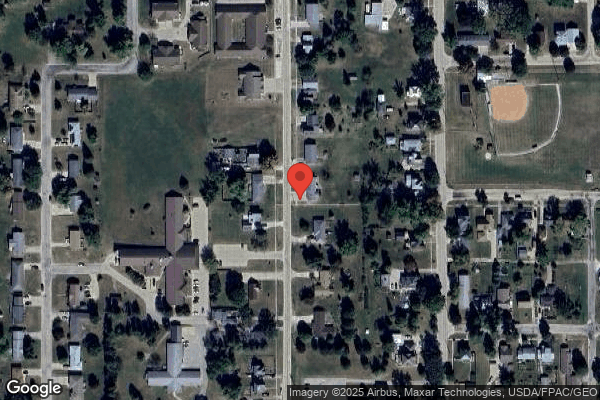
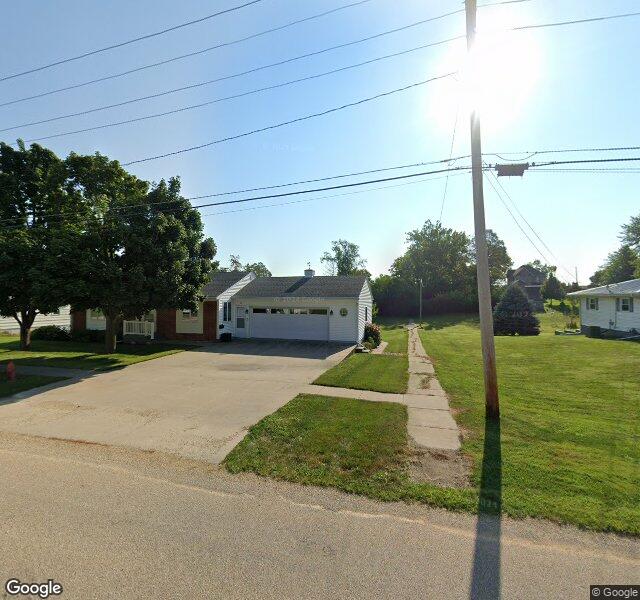
605 GARFIELD STREET, GLADBROOK, IA 50635 (641) 473-2016
For profit - Corporation 54 Beds Independent Data: November 2025
Trust Grade
60/100
#243 of 392 in IA
Last Inspection: March 2025

Within standard 12-15 month inspection cycle. Federal law requires annual inspections.

Overview

Westbrook Acres in Gladbrook, Iowa, has a Trust Grade of C+, which indicates a slightly above-average level of care. It ranks #243 out of 392 facilities in the state, placing it in the bottom half, and is ranked #3 out of 4 in Tama County, meaning only one local option is better. The facility's performance is worsening, with issues increasing from 3 in 2024 to 6 in 2025. Staffing is rated average with a 3/5 star rating and a 44% turnover rate, which is acceptable as it aligns with the state average, but it has concerning RN coverage, being lower than 86% of Iowa facilities. While Westbrook Acres has not incurred any fines, indicating no significant compliance problems, there have been serious concerns regarding resident safety. For instance, there was an incident where a resident with a history of aggression was not properly monitored, leading to physical abuse of other residents. Additionally, the facility failed to provide RN coverage for eight consecutive hours on several occasions, which is against federal regulations. Overall, while there are some strengths, such as no fines, the increasing number of issues and specific safety concerns should be carefully considered by families researching this nursing home.

Trust Score
C+
60/100
In Iowa
#243/392
Bottom 39%
Safety Record
Moderate
Needs review
Inspections
Getting Worse
3 → 6 violations
Staff Stability
○ Average
44% turnover. Near Iowa's 48% average. Typical for the industry.
Penalties
✓ Good
No fines on record. Clean compliance history, better than most Iowa facilities.
Skilled Nurses
⚠ Watch
Each resident gets only 25 minutes of Registered Nurse (RN) attention daily — below average for Iowa. Fewer RN minutes means fewer trained eyes watching for problems.
Violations
⚠ Watch
14 deficiencies on record. Higher than average. Multiple issues found across inspections.
★★★☆☆
3.0
Overall Rating
★★★☆☆
3.0
Staff Levels
★★★☆☆
3.0
Care Quality
★★★☆☆
3.0
Inspection Score
Stable
2024: 3 issues
2025: 6 issues

The Good

  • Full Sprinkler Coverage · Fire safety systems throughout facility
  • No fines on record
  • Staff turnover below average (44%)

    4 points below Iowa average of 48%

Facility shows strength in fire safety.

The Bad

3-Star Overall Rating

Near Iowa average (3.1)

Meets federal standards, typical of most facilities

Staff Turnover: 44%

Near Iowa avg (46%)

Typical for the industry

The Ugly 14 deficiencies on record

1 actual harm
Mar 2025 6 deficiencies
CONCERN (D)

Potential for Harm - no one hurt, but risky conditions existed

Staffing Data (Tag F0851)

Could have caused harm · This affected 1 resident

Based on review of the Center for Medicare and Medicaid Services (CMS) Payroll Based Journal (PBJ) Staffing Data Report for the quarter of July 1, 2024 - September 30, 2024, facility staffing reports,...

Read full inspector narrative →
Based on review of the Center for Medicare and Medicaid Services (CMS) Payroll Based Journal (PBJ) Staffing Data Report for the quarter of July 1, 2024 - September 30, 2024, facility staffing reports, and staff interviews the facility failed to submit accurate staffing reports for the PBJ Staffing Data Report. The facility reported a census of 44 residents. Findings include: The PBJ Staffing Data Report with a run date of 2/26/25 triggered for excessively low weekend staffing (submitted weekend staffing data is excessively low). A review of the schedules for the months of July 2024, August 2024, and September 2024 revealed nursing shifts covered by facility employee and outside staffing agencies. During an interview on 3/5/24 at 2:47 PM, the Administrator revealed the facility utilized an outside accounting company to submit the PBJ staffing data. The Administrator acknowledged data provided to the accounting company comes from the Administrator and a corporate administrative assistant. The Administrator revealed prior to the accounting company submitting the data, a preliminary report had been provided to the facility. The Administrator had the opportunity to review the report for any discrepancies and correct any discrepancies identified. On 3/6/25 at 10:14 AM the Administrator acknowledged the submitted report did not accurately reflect the facility staffing for quarter 4. The Staffing Data Submission Payroll Based Journal website (https://www.cms.gov/medicare/quality/nursing-home-improvement/staffing-data-submission), provides information on how data is collected and who to contact for questions. The deadlines for reporting staffing data are: Fiscal Quarter Reporting Period Due Date 1 October 1- December 31 February 14 2 January 1 - March 31 May 15 3 April 1 - June 30 August 14 4 July 1 - September 31 November 14 Users are strongly encouraged to take additional steps after uploading their data to ensure a successful submission. Therefore, the following verbiage appears upon uploading data to reflect the recommended next steps: 1. Check the My Submissions page. This feature will show the status of the zip file. 2. Check CASPER for a system generated PBJ Final File Validation Report (FFVR) within 24 hours. If no FFVR appears, run a PBJ Submitter Final File Validation Report to check your file for errors. 3. Run the PBJ 1702D (by Employer) or 1703D (by Job Type) Reports to verify the quarterly PBJ data reflects your records. 4. For additional assistance contact the Quality Improvement and Evaluation System (QIES) Help desk at iqies@cms.hhs.gov.
CONCERN (D)

Potential for Harm - no one hurt, but risky conditions existed

Deficiency F0883 (Tag F0883)

Could have caused harm · This affected 1 resident

**NOTE- TERMS IN BRACKETS HAVE BEEN EDITED TO PROTECT CONFIDENTIALITY** Based on clinical record review, policy review, and staff interview the facility failed to follow the Center for Disease Control...

Read full inspector narrative →
**NOTE- TERMS IN BRACKETS HAVE BEEN EDITED TO PROTECT CONFIDENTIALITY** Based on clinical record review, policy review, and staff interview the facility failed to follow the Center for Disease Control and Prevention (CDC) 2025 Adult Immunization Schedule for pneumococcal vaccination for 1 of 5 residents sampled (Resident #31). Findings include: Resident #31 Electronic Healthcare Record (EHR) Census documented admission to the facility on [DATE]. Resident #31 EHR Immunization Record showed Resident #31 received the pneumococcal polysaccharide (PPSV) 23 vaccination on 11/01/21 at the age of 53. A review of the EHR Progress Notes, Miscellaneous documentation and paper medical chart lacked documentation of receiving a pneumococcal conjugate (PCV) 15, 20 or 21 vaccination. A Pneumococcal Vaccine Informed Consent Form signed by Resident #31's family member on 10/25/22 documented consent for the facility to administer a Pneumococcal Conjugate (PCV) 20 vaccination. The CDC 2025 Adult Immunization Schedule for Pneumococcal Vaccination for adults age [AGE] or over directed when PPSV23 is the only pneumococcal vaccination received, then one dose of PCV15, PCV20, or PCV21 should be offered at least 1 year after the last PPSV23 dose. On 3/05/25 at 4:10 PM the facility provided a undated document titled Pneumococcal Vaccination for Patients 50 to less than [AGE] years of age that had a circle in the category of PCV 13 (at any age) and PPSV23 at less than [AGE] years of age indicating Resident #31 required a PCV in five years from the last pneumococcal vaccination. The Document for PPSV 23 only (at any age) had the recommendation for PCV 20 or PCV 21 to be administered at 1 year or greater after the PPSV 23 vaccination. Interview on 3/06/25 at 7:40 AM with the MDS Coordinator reported she had received the Pneumococcal Vaccination Document from the pharmacy. The pharmacy reported Resident #31 was not due for a PCV vaccination until 2026. She did not know the year or information the recommendation was based on. Interview on 3/06/35 at 7:43 AM the Director of Nursing (DON) reported the facility didn't know if Resident #31 had received the PCV 13 vaccination prior to admission to the facility. Resident #31 admitted from a nursing home in another state and they had asked the family, but the family didn't know her vaccination status. On 3/06/25 at 10:35 AM the Assistant Director of Nursing (ADON) reported they were checking on the resident's pneumococcal status with the prior nursing home which is out of state and hadn't heard anything back yet. During an interview on 3/06/25 at 10:55 AM the ADON reported she reviews the Immunization Registry Information System (the IRIS system is a computerized tracking system of immunizations for adults who are seen in a variety of public and private health care provider sites throughout the state of Iowa), and hospital EHR records for any vaccinations that may have been done at a physicians visit. She had not been aware of the 2025 CDC pneumococcal (vaccination) schedule changes and the facility just ordered the updated consent forms today. She further stated all residents are to be offered the pneumococcal vaccinations. If a resident admits and doesn't have a record of updated pneumococcal vaccinations, they would address that. On 3/06/25 at 11:15 AM the DON voiced she expects the CDC to be followed regarding pneumococcal vaccinations. During an interview on 3/06/25 at 11:40 AM the Administrator voiced if a resident's vaccination status is unknown, then they need to proceed to ensure the correct vaccinations are offered. The Pneumococcal Policy, undated, provided by the facility directed a pneumococcal vaccination and education would be offered on admission, regardless if long or short term stay resident following the current recommendations by the CDC or the Iowa Department of Public Health. The Procedure further outlined as appropriate, residents will be offered the opportunity to receive a one-time dose of vaccine for pneumococcal pneumonia after the age of 65; or per the recommendations by the CDC or Iowa Department of Public Health. Each time the facility offers immunizations they will provide the education regarding the benefits and potential side effects of the immunizations to the resident/legal guardian, whether or not the resident elects to receive the immunization.
CONCERN (F)

Potential for Harm - no one hurt, but risky conditions existed

Deficiency F0727 (Tag F0727)

Could have caused harm · This affected most or all residents

Based on time card review, schedule review, and staff interview, the facility failed to provide a Registered Nurse (RN) in the facility for eight (8) consecutive hours per day as required by the Feder...

Read full inspector narrative →
Based on time card review, schedule review, and staff interview, the facility failed to provide a Registered Nurse (RN) in the facility for eight (8) consecutive hours per day as required by the Federal Regulations. The facility reported a census of 44 residents. Finding include: Review of all Nursing Schedules from 7/1/2024 thru 9/30/2024 and Time Card Punches from 7/1/2024 thru 8/18/2024 revealed the facility failed to staff an RN for 8 consecutive hours on the following dates: 7/6/24, 7/7/24, 8/4/24, 8/17/24, and 8/18/24. During an interview on 3/5/25 at 2:47 PM, the Administrator revealed the facility uses an accounting company to submit all Payroll Based Journal staffing data. The accounting company emailed the Administrator a report reflecting the staffing data submitted. A Review of the Payroll Based Journal Quarterly Analysis from the accounting company for the period of 7/1/2024 to 9/30/2024 submitted documented the total number of days with no RN coverage for the quarter to be 5 days. The identified dates are 7/6/2024, 7/7/2024, 8/4/2024, 8/17/2024 and 8/18/2024. On 3/6/25 at 10:50 AM, the administrator acknowledged there were no RN's working in the facility for 8 consecutive hours on the identified dates.
MINOR (B)

Minor Issue - procedural, no safety impact

Grievances (Tag F0585)

Minor procedural issue · This affected multiple residents

**NOTE- TERMS IN BRACKETS HAVE BEEN EDITED TO PROTECT CONFIDENTIALITY** Based on document review, policy review, and staff interview, the facility failed to utilize a grievance form to address missing...

Read full inspector narrative →
**NOTE- TERMS IN BRACKETS HAVE BEEN EDITED TO PROTECT CONFIDENTIALITY** Based on document review, policy review, and staff interview, the facility failed to utilize a grievance form to address missing resident items for 1 of 2 residents sampled (Resident #40). The facility reported a census of 44 residents. Findings include: Resident #40's Minimum Data Set (MDS) assessment dated [DATE] showed a Brief Interview for Mental Status (BIMS) score of 15 out of 15 indicating intact cognition. The MDS documented Resident #40 with adequate vision and hearing and able to understand others and be understood. The 1/23/25 Resident Council Meeting Note detailed Resident #40 missing a Black Iowa Select hooded sweatshirt. The 2/11/25 Resident Council Meeting Note documented Resident #40 continued to be missing a Black hooded Iowa Select sweatshirt. During an interview on 3/4/25 at 1:41 PM the Administrator reported they review for lost items during the Resident Council Meetings, then work with laundry to go through all residents' closets to search for the missing items. She reported Resident #40 sweatshirt had not been found, but Resident #40 has a family member that does take some items home. She reported they had not followed up with the family as they didn't think anyone would want to steal a sweatshirt. On 3/05/25 at 2:05 PM the Administrator responded she had called the family and they could not recall if the sweatshirt had been brought in. They searched the donated clothes, closets, and everywhere and were unable to find it, but Resident #40 is pretty sure she had it at the facility. The Administrator reported they would start using the grievance policy and forms to address any missing laundry items. During an interview on 3/06/25 at 7:45 AM Staff B Licensed Practical Nurse (LPN) recalled Resident #40 had worn a black hooded sweatshirt and reported it missing a few months ago back in January (2025). She had not seen the resident wearing the sweatshirt in a few months. She reported Resident #40 had the black hooded sweatshirt at the facility. On 3/06/25 at 9:05 AM Resident #40 reported she is still missing the black hooded sweatshirt. It was black with white writing Iowa Select Farms on the front. She had been told by laundry that they had searched every closet. She reported her family does not swap her clothing in and out and no one in the family could wear the sweatshirt. The sweatshirt was not in poor repair or stained. Resident #40 further stated the facility really couldn't replace the items because it was a gift she had been given and it meant something to her. On 3/06/25 at 9:15 PM the Laundry Supervisor reported they did not have a grievance form made out for the loss of Resident #40 sweatshirt. She reported they looked all over the facility for the sweatshirt and it was not found. Staff C, housekeeping stated the resident goes out of the facility a lot and she told the resident that she (resident) may have to search the car or see if the sweatshirt had been left somewhere on one of her outings as they had searched everywhere for it. During an interview on 3/06/25 at 9:25 AM the Administrator reported the facility is so small and up to this point they had always found missing items, so there was no need to have a paper trail on anything. She acknowledged the facility had not completed a grievance form or done any more follow-up after they couldn't locate the missing item. She reported she had talked with Resident #40 right before this interview and the resident said the items could not be replaced as it was a gift unless she wanted to replace it with a facility logo sweatshirt. On 3/06/25 at 10:52 AM the Assistant Director of Nursing (ADON)/admission Nurse reviewed Resident #40 electronic chat and her paper medical chart. She verbalized she could not find the resident's inventory (belongings) sheet. The 2021 Grievance Policy specified that completed forms could be slid under the office door of the Administrator for anonymity, or could be given to any staff member to be directed to the Administrator. The Administrator would review the Concern Form and forward it to the appropriate department head with a time frame for completion. The completed Concern Form (including response) would be filed in the Administrative Office and kept for no less than one year. No more than 10 business days would pass between the initiation of the form and the return of the completed form, unless there was documented communication with the involved parties. The Policy further specified all complaints will be addressed whether it is through the formal written procedure or merely verbalized complaints.
MINOR (B)

Minor Issue - procedural, no safety impact

Transfer Notice (Tag F0623)

Minor procedural issue · This affected multiple residents

**NOTE- TERMS IN BRACKETS HAVE BEEN EDITED TO PROTECT CONFIDENTIALITY** 2. Resident #46 MDS dated [DATE] showed a BIMS score of 3 out of 15 indicating severe cognitive loss. The MDS listed diagnoses o...

Read full inspector narrative →
**NOTE- TERMS IN BRACKETS HAVE BEEN EDITED TO PROTECT CONFIDENTIALITY** 2. Resident #46 MDS dated [DATE] showed a BIMS score of 3 out of 15 indicating severe cognitive loss. The MDS listed diagnoses of cancer, urinary tract infection in the past 30 days, Non-Alzheimer's Dementia, and other fracture. A Review of Resident #46 Electronic Medical Record Census documented Resident #46 out to the hospital on 2/21/25 and returned to the facility on 2/25/25. A 2/21/25 5:30 PM Progress Note documented the local ambulance arrived at 5:30 PM and transported Resident #46 to a local hospital emergency department. A 2/25/25 admission Summary Progress Note documented Resident #46 returned to the facility. Review of the February 2025 Notice of Transfer Form to the LTC Ombudsman Form lacked documentation the LTC Ombudsman Office had been notified of Resident #46 transfer to the hospital. The Notice of Transfer Form contained notification of resident transfers from 2/4/25 to 2/26/25. Based on clinical record review and staff interview the facility failed to inform the Long-Term Care (LTC) Ombudsman office of a resident hospitalized for 2 of 2 residents reviewed (Resident #4 and Resident #46). The facility reported a census of 44 residents. Findings include: 1. Resident #4 Minimum Data Set (MDS) assessment dated [DATE] showed a Brief Interview for Mental Status (BIMS) score of 11 out of 15 indicating moderate cognitive impairment. The MDS listed diagnoses of non-traumatic brain dysfunction (damage to the brain by internal factors), diabetes mellitus, and Non-Alzheimer's Dementia. A review of the Electronic Health Record Census Detail page for Resident #4 revealed Resident #4 had been hospitalized from [DATE] to 12/27/2025 and from 1/31/2025 to 2/6/2025. A Progress Note dated 12/24/2024 a 10:44 PM, documented the hospital called to inform the facility that Resident #4 had been admitted . On 12/27/24 at 3:44 the Progress Notes revealed Resident #4 had been readmitted to the facility. A Progress Note dated 1/31/2025 at 10:40 AM documented Resident #4 had been transferred to the hospital. A Progress Note dated 2/6/2025 at 4:50 PM revealed Resident #4 had been readmitted to the skilled nursing facility. A review of the Notice of Transfer Form to Long Term Care Ombudsman dated December 2024 and January 2025 lacked documentation the LTC Ombudsman Office had been notified of Resident #4 transfers to the hospital. The Notice of Transfer Form for December contained notification of resident transfers from 12/5/24 to 12/29/24. The Notice of Transfer Form for January contained notification of resident transfers from 1/2/25 to 1/30/25. During an interview on 3/4/2025 at 3:38 PM, the Administrator acknowledged Staff A, Assistant Director of Nursing (ADON)/admission Nurse had been responsible for sending the notifications to the LTC Ombudsman. The Administrator acknowledged notifications to the LTC Ombudsman had not been completed for any hospitalized residents. On 3/6/2024 at 10:46 AM, Staff A, ADON/admission Nurse acknowledged she failed to submit the required notification to the LTC Ombudsman for all hospitalized residents. The facility failed to provide a policy for the required notification to the LTC Ombudsman for resident transfers and discharges.
MINOR (B)

Minor Issue - procedural, no safety impact

Assessment Accuracy (Tag F0641)

Minor procedural issue · This affected multiple residents

**NOTE- TERMS IN BRACKETS HAVE BEEN EDITED TO PROTECT CONFIDENTIALITY** Based on clinical record review, Long-Term Care (LTC) Resident Assessment Instrument (RAI) 3.0 User's Manual, Center for Disease...

Read full inspector narrative →
**NOTE- TERMS IN BRACKETS HAVE BEEN EDITED TO PROTECT CONFIDENTIALITY** Based on clinical record review, Long-Term Care (LTC) Resident Assessment Instrument (RAI) 3.0 User's Manual, Center for Disease Control and Prevention (CDC) 2025 Adult Immunization Vaccination Schedule, and staff interview, the facility failed to ensure the Minimum Data Set (MDS) Assessment accurately reflected the health status of 1 of 5 residents reviewed for pneumococcal immunizations (Resident #31). The facility identified a census of 44 residents. Findings include: Resident #31 Electronic Health Record (HER) Census documented admission to the facility on [DATE]. Resident #31 EHR Immunization Record showed Resident #31 received the pneumococcal polysaccharide (PPSV)23 vaccination on 11/01/21 at the age of 53. The Immunization Record lacked documentation of any other Pneumococcal Vaccination received by the resident. The CDC 2025 Adult Immunization Schedule for Pneumococcal Vaccination for adults age [AGE] or over directed when PPSV23 is the only pneumococcal vaccination received, then one dose of PCV15, PCV20, or PCV21 should be offered at least 1 year after the last PPSV23 dose. Resident #31 MDS assessment dated [DATE] documented Resident #31 in a persistent vegetative state with a diagnosis of cerebral palsy. The MDS further documented Resident #31 pneumococcal vaccination status as up to date. During an interview on 3/06/25 at 10:35 AM the MDS Coordinator explained she checks the residents EHR immunization record and reviews documentation in the resident's paper chart to see if the resident is up to date on the pneumococcal vaccination before coding the MDS. She voiced she had a call out to Resident #31 prior nursing home to see if they had records of Resident #31 vaccination status prior to coming to their facility. On 3/06/25 at 11:35 AM the MDS Coordinator reported she uses the RAI to code the MDS assessment. The LTC RAI 3.0 User's Manual, Version 1.19.1, October 2024 on Page 1-4 directs the RAI process has multiple regulatory requirements. Federal regulations at 42 CFR 483.20 (b)(1)(xviii), (g), and (h) require that the assessment accurately reflects the resident's status. Page O-17 under Coding Tips defines Up to date means in accordance with current Advisory Committee on Immunization Practices (ACIP) recommendations. The ACIP develops recommendations on how to use vaccines to control disease in the United States and makes recommendations to the CDC Director. The 2025 Adult Immunization Schedule was adopted by the CDC Director on 10/24/24.
Apr 2024 3 deficiencies
CONCERN (D)

Potential for Harm - no one hurt, but risky conditions existed

Deficiency F0658 (Tag F0658)

Could have caused harm · This affected 1 resident

**NOTE- TERMS IN BRACKETS HAVE BEEN EDITED TO PROTECT CONFIDENTIALITY** Based on observations, interviews, and record review, the facility failed to follow a physician's order for 1 of 1 residents rev...

Read full inspector narrative →
**NOTE- TERMS IN BRACKETS HAVE BEEN EDITED TO PROTECT CONFIDENTIALITY** Based on observations, interviews, and record review, the facility failed to follow a physician's order for 1 of 1 residents reviewed with a tube feeding (Resident #39). Resident #39 was ordered to have water every 2 hours through her PEG (percutaneous endoscopic gastrostomy) tube (a flexible feeding tube inserted through the abdominal wall and into the stomach for nutritional support). This resident received the water every hour. The facility reported a census of 51 residents. Findings include: A Minimum Data Set, dated [DATE], documented that Resident #39's diagnoses included Cerebral Palsy, seizure disorder and gastrostomy status. It documented that Resident #39 had a feeding tube. A Routine Medication record dated 4/1/24 to 4/30/24, directed staff that Resident #39 was to have her PEG tube flushed every 2 hours. It documented to auto flush through the pump. admission Orders dated 2/25/24, directed staff to flush PEG tube with 30 cc (cubic centimeters) every 2 hours. Auto flush with pump. A Progress Note dated 4/6/24 at 3:00 p.m., documented that the pump was switched out and the recently used pump was sent to the supplier to be recalibrated. On 4/16/24 at 11:38 AM, Staff A Registered Nurse (RN), stated they are supposed to run water after the tube feeding at 30 cc (cubic centimeters) an hour. She was unable to find the order on the Routine Medication record. On 4/16/24 at 12:00 PM, Staff A stated the machine is calibrated to automatically run the flush. Staff A pointed out in the Medication Record the resident was to receive a 30 cc flush every 2 hours. Visualization of the machine at this time revealed the machine was running the flush at 30 cc every hour instead of every 2 hours. Staff A acknowledged that the rate should be every 2 hours instead of every 1 hour. On 4/16/24 at 12:02 PM, the Director of Nursing (DON), stated the pump was changed last week and it was sent to be recalibrated. This DON stated that the new pump may have been set up incorrectly when the facility calibrated the new pump. On 4/16/24 at 12:21 PM, the Licensed Nursing Home Administrator (LNHA), stated that they had taken care of the pump issue. She stated that they recalibrated the pump to reflect the current order. This LNHA acknowledged that they had calibrated the pump wrong. An undated Physician Order Policy and Procedure, directed that all physician's orders must be accurately transcribed.
CONCERN (D)

Potential for Harm - no one hurt, but risky conditions existed

Deficiency F0727 (Tag F0727)

Could have caused harm · This affected 1 resident

Based on interview and record review, the facility failed to provide 8 consecutive hours of Registered Nurse (RN) coverage daily (in a 24 hour period). The facility reported a census of 51 residents. ...

Read full inspector narrative →
Based on interview and record review, the facility failed to provide 8 consecutive hours of Registered Nurse (RN) coverage daily (in a 24 hour period). The facility reported a census of 51 residents. Findings include: On 4/17/24 at 12:42 p.m., reviewed March 2024 and April 1-19/2024 schedules. Noted 3 days (4/6/24, 4/13/24 and 4/14/24) did not have 8 consecutive hours of RN coverage. On 4/17/24 at 12:50 p.m., the Licensed Nursing Home Administrator (LNHA), stated that the RN scheduled for 8 hours on 4/6/24, had to leave at 11:00 a.m., and was relieved by a Licensed Practical Nurse (LPN). The LNHA stated that the RN worked from 6:00 a.m. to 11:00 a.m. which left the facility short of the 8 hour RN coverage for that day. The LNHA stated that on 4/12/24 an agency nurse came in at 10:00 p.m. and worked through the night until 6:00 a.m. on 4/13/24. She stated the agency RN worked 6 hours from midnight (12:00 a.m.) on 4/13/24 to 6:00 a.m (6 hours), but that still left them short of the required 8 hours of RN coverage on 4/13/24. On 4/14/24, the LNHA stated there was no RN coverage for this day. The LNHA stated that LPN's covered the rest of the shifts in the 24 hour periods on 4/6/24 and 4/13/24. She stated LPN's covered all of the shifts on 4/14/24. Punch detail on 4/6/24, documented that Staff A, RN punched in at 5:58 a.m. and punched out at 11:41 a.m. An undated print out provided by the LNHA, documented that an agency RN worked from 9:00 p.m. to 6:00 a.m. The LNHA identified that this is the agency RN that came in on 4/12/24 p.m. and clocked out on 4/13/24 a.m. An undated RN Staffing Policy directed that: As per Medicare standard, (this facility) will maintain RN staffing hours for 8 consecutive hours per 24 hour period. The 24 hour period starts at midnight each calendar day.
MINOR (B)

Minor Issue - procedural, no safety impact

Deficiency F0625 (Tag F0625)

Minor procedural issue · This affected multiple residents

Based on interviews and record reviews, the facility failed to provide the bed hold policy for 1 of 2 residents reviewed (Resident #39). On 12/8/23 Resident #39 was sent to the hospital for seizures. ...

Read full inspector narrative →
Based on interviews and record reviews, the facility failed to provide the bed hold policy for 1 of 2 residents reviewed (Resident #39). On 12/8/23 Resident #39 was sent to the hospital for seizures. A bed hold policy was not discussed/given to Resident #39's representative. The facility reported a census of 51 Residents. Findings include: A Census page for Resident #39 documented to stop billing on 12/8/23. A Progress Note dated 12/8/23 at 1:00 p.m., documented that this resident was loaded into the ambulance for seizure activity. A Progress Note dated 12/11/23 at 2:35 p.m., documented that this resident returned to the facility on a stretcher after an acute hospital stay. On 4/16/24 at 1:46 p.m., the Licensed Nursing Home Administrator (LHNA), stated they do not have a bed hold for 12/8-11/23 hospital stay for Resident #39. She stated that the nurse working was an agency nurse and must have missed it. An undated Bed Hold Policy, directed staff that the charge nurse would notify the resident's power of attorney, guardian or next of kin of transfer and the Bed Hold form.
Sept 2023 2 deficiencies 1 Harm
SERIOUS (G) 📢 Someone Reported This

A family member, employee, or ombudsman was alarmed enough to file a formal complaint

Actual Harm - a resident was hurt due to facility failures

Free from Abuse/Neglect (Tag F0600)

A resident was harmed · This affected 1 resident

**NOTE- TERMS IN BRACKETS HAVE BEEN EDITED TO PROTECT CONFIDENTIALITY** Based on observation, record review, resident and staff interviews, and facility policy review, the facility failed to implement...

Read full inspector narrative →
**NOTE- TERMS IN BRACKETS HAVE BEEN EDITED TO PROTECT CONFIDENTIALITY** Based on observation, record review, resident and staff interviews, and facility policy review, the facility failed to implement safety measures and interventions to protect residents on the Chronic Confusion and Dementing Illness (CCDI) Unit from resident to resident physical abuse from Resident #3, for 2 of 19 residents reviewed (Residents #2 and #7) that resided on the CCDI unit. Resident #3 had a history of physical violence directed at staff and resident's that included: On 7/8/23 alleged to have hit Resident #3 in the chest that caused an 8 X 10 centimeter (cm) purple bruise. On 7/10/23 Resident #3 was sent to the local emergency room (ER) for behavioral health placement before return to the facility. Resident #3 was described by facility on transfer documents as angry, agitated, with a history of physical aggression to residents and staff, raises fists to everyone. The resident returned to facility at 7:00 p.m. that same day and the facility implemented 15-minute checks. On 7/11/23 at 8:30 a.m. Resident #3 entered Resident #2's room and physically assaulted him as he laid in bed, striking him repeatedly in the head with his closed fist. The facility identified a census of 19 residents on the CCDI unit, total facility census 51. Findings Include: 1. The Minimum Data Set (MDS) for Resident #3 dated 6/14/2023 documented a Brief Interview of Mental Status (BIMS) score of 4 out of 15 indicating severe cognitive impairment. The MDS documented hallucinations and verbal behavioral symptoms directed towards others in the past 1-3 days. The MDS also documented the resident significantly intruded on the privacy of others, rejection of care that occurred in the past 1-3 days, wandered daily which put the resident at significant risk of getting to a potentially dangerous place and intruded on the privacy or activities of others. The MDS documented the resident independent for bed mobility, transfer, toilet use and walking. The MDS identified diagnosis that included Alzheimer's disease. Review of the Care Plan included a Focus Area: Resident has potential for mood/behavior issues related to diagnosis of Lewy body Dementia with behavior disturbance. Interventions included the following: Administer medications as directed, provide consistent routine, encourage family visits, socialization and activity attendance, monitor for potential unmet needs and resolve, monitor for significant changes in mental status and mood/behaviors and notify physician, provide reassurance and 1:1 as needed, Urinalysis as per orders dated 7/5/23, Send to ER for evaluation and treatment dated 7/10/23 and 7/11/23. The Care plan additionally identified a focus area: The resident uses psychotropic medications to aid in the management of mood/behavior issues with the diagnosis of Lewy body dementia with behavioral disturbance and delusions initiated on 6/21/23. Interventions included the following: a. On 7/5/23 Ativan 0.5 mg twice a day (BID) X 3 days. (Anti-anxiety medication). b. On 7/7/23 Extend Ativan x 14 days. 7/8/23 Zyprexa 2.5 mg daily (decrease hallucinations). c. On 7/10/23 Increase Ativan to 1 mg po BID, as needed (prn) and Zyprexa to 5 mg every evening. Record review of a Progress Notes for Resident #3 included the following: a. On 6/8/23, admitted to the CCDI unit, agitated by staff, verbally threatening staff. b. On 6/27/23, Agitated at supper, tapped finger firmly on staff's chest. c. On 6/29/23, Attempted to push staff with the intent to knock over. Visual and auditory hallucinations. d. On 7/2/23, Yelled at peer, drawing fist back and threatened to hit if continued to call him names. e. On 7/4/23, Attempted to choke staff person, had hands wrapped around neck. f. On 7/8/23 at 7:00 a.m., aggressive behavior toward peer this morning before breakfast. Resident observed in Resident # 7's room, fist raised and hit bed with fist. g. On 7/8/23 at 1:45 p.m., threatening to kill staff unprovoked. Redirection, snacks, 1:1 without success. As needed antianxiety medication administered. h. On 7/8/23 at 2:30 p.m., Resident walked up to staff person and swung fist hitting in the face. i. On 7/10/23 10:30 a.m., Director of Nursing (DON) investigated peer complaint of striking her (Resident #7), and notes regarding increased aggression. Spoke with family and need to send to ER of choice. At 12:30 p.m., transport team and Sheriff at the facility, Resident #3 goes willingly. j. On 7/10/23 7:00 p.m., returned from Emergency Room. New orders to increase antianxiety medication and medication for hallucinations. Review of a facility form titled, Resident Transfer Information Form for Resident #3 dated 7/10/23, signed by the DON, documented the reason for transfer to the ER as: Resident physically assaulted another resident leaving a large bruise. Resident very angry, agitated, choked staff member, and raises fist to everyone. Requires behavioral health placement before return to the facility. Review of an un-named facility form documented every 15-minute checks were initiated on 7/10/23 at 7:00 p.m. The form is signed as completed at 15-minute intervals until 7/11/23 at 9:15 a.m., when documented that resident had left the building. Review of a Progress Note dated 7/11/23 included the following entries documented by Staff C, Registered Nurse (RN): a. At 8:00 a.m., in dining room for breakfast. b. At 8:15 a.m., standing in the hallway next to a laundry bin, located outside room [ROOM NUMBER]. c. At 8:30 a.m., as returning to the nurses desk, hear male resident calling out. DON on unit and rushed into room [ROOM NUMBER] where witnessed Resident #3 striking resident #2 repeatedly (5 or 6 times) in the face with a closed fist. d. At 8:32 a.m., 911 paged for need to transport resident. Resident at nurse's station until ambulance crew arrived. 1:1 staff at resident's side. e. At 9:10 a.m. Ambulance and two Sheriff's staff arrive, resident transported to local ER for evaluation. Review of a late entry on 7/11/23 at 7:35 a.m. documented that the provider was on the unit to see resident for second 30 day visit and follow up of ER visit yesterday. Resident pleasant. Interacts appropriately. In an interview on 9/26/23 at 2:10 p.m., Staff F, Certified Nursing Assistant (CNA) stated on 7/4/23 Resident #3 was in a female resident's room, Staff F responded and asked him to leave nicely, opened the door wider, and offered to take him to his room, and then all of the sudden he grabbed my neck and we both fell to the floor. Staff F described as very sudden, wasn't expecting, couldn't predict or anticipate. Stated that is was known that he could be physically and verbally aggressive, and if he was escalating or aggressive to call his wife and she would assist to calm him down, but this was so sudden. In an interview on 9/27/23 at 3:50 p.m., the DON and the Assistant Director of Nursing (ADON) reviewed the review of Progress Notes related to Resident #3's behaviors. They reported that they feel most of the residents on the CCDI unit have the risk of being physical and that they take adequate precaution. When asked about the decision to place Resident #3 on 15-minute checks when returned from the hospital instead of placing 1:1 supervision, the DON responded that they placed 15-minute checks because that was the resources they had available, and the ADON stated that in hindsight wished they had placed 1:1 supervision. 2. The MDS for Resident #7 dated 7/5/2023 documented a BIMS's score of 3 out of 15 indicating severe cognitive impairment. The MDS documented the resident had delusions and verbal behavioral symptoms directed towards others in the past 1-3 days. The MDS also documented rejection of care that occurred in the past 1-3 days. The MDS documented the resident independent for bed mobility, transfer, toilet use and walking. The MDS identified diagnosis that included unspecified dementia. Review of a Progress Note dated 7/8/23 at 7:00 a.m., initiated by Staff G, Licensed Practical Nurse (LPN) documented Resident #7 yelling. Staff responded to room and peer, Resident #3 was also in room. Resident #7 was noted to yell out, get this man out of my room, he hit me. Staff present reported that they had witnessed Resident #3 hit her bed, but not her person. 10:00 a.m. small blanchable pink area noted to Resident #7's left chest. 11:00 8 X 10.2 cm dark purple bruise to left chest. Review of a Progress Note dated 7/9/23 at 9:00 p.m., resident tearful when talking to staff about bruise to left chest. Resident #7 yells out at Resident #3 numerous times throughout the shift. During an interview on 9/28/23 at 10:10 a.m., Staff G, LPN stated that she was the nurse on the CCDI unit on 7/8/23. At approximately 7:00 a.m., Staff H, CNA came and got her because Resident #3 was in Resident #7's room. Staff H reported that she had witnessed Resident #3 in the room and hitting the bed, but not striking Resident #7. Staff G, LPN responded to the room and assessed Resident #7 who had a pink area on her left chest where she alleged had been hit by Resident #3. Staff G reported she had monitored the area and the same pink spot had developed into an 8 x 10 cm dark purple bruise by 11:00 a.m. Staff G recalled that throughout the shift Resident #7 had pointed at Resident #3 and made comments about him, indicating that she had not wanted him near her. Staff G stated that she was not aware of any special interventions for Resident #3 when agitated or aggressive and had been unaware that he had choked a staff person until after the incident had occurred on 7/8/23. During an interview on 9/26/23 at 1:07 p.m., Staff H stated Resident #3's behaviors had escalated and the interventions that had been working for him were no longer working, and he wouldn't allow care because staff were not his wife. Observation and interview on 9/27/23 at 4:30 p.m. Resident #7 was observed seated in the dining room for an activity. Resident #7 was pleasant and cheerful, smiling, and responded that she felt safe and comfortable. 3. The Minimum Data Set (MDS) for Resident #2 dated 6/7/2023 documented a BIMS's score of 3 out of 15 indicating severe cognitive impairment. The MDS documented verbal behavioral symptoms directed towards others in the past 1-3 days. The MDS also documented rejection of care that occurred in the past 1-3 days. The MDS documented the resident independent for bed mobility, transfer, toilet use and walking. The MDS identified diagnosis that included non-Alzheimer's dementia. Review of an ER note dated 7/11/23 at 9:21 a.m. revealed Resident #2 presented to the ER as an assault victim. Reported Resident was in his bed at approximately 8:30 a.m. when another resident at the nursing facility came into his room and allegedly in an unprovoked fashion hit multiple times with his fists, to both the head and face. Staff deny that he had a loss of consciousness. He admits to pain around his left cheek. Assessment revealed some early ecchymosis to the left maxilla (jawbone) and left periorbital (around the eye) region. The summary noted no obvious skull or facial fracture. Observation and interview on 9/27/23 at 4:15 p.m. revealed Resident #2 seated in the area near the nurse's station, having a snack. Resident smiled, and responded that he thought he felt safe. In an interview on 9/28/23 at 10:34 a.m. Staff C, Registered Nurse (RN) confirmed she had worked on the unit on 7/11/23 and responded to the Resident to Resident altercation between Resident #3 and Resident #2. Stated she had just seen resident #3 minutes before in the hallway near a laundry hamper, and had gone to give another resident medication. Confirmed Resident #2 was in his bed, helped to remove Resident #3 from the room and then went back to assess Resident #2. Staff C recalled that Resident #2 was shook up, like in shock and disbelief, kept asking why would he do that, and why was he still here. Resident #2 stated that he got punched in his cheek and jaw. Stated that Resident #2 no longer talks about it, but recalled that he had talked about it the next day, had stated that another resident had hit him in the face. Record review of an undated Resident Protocol, entitled What to do in a Resident to Resident Altercation included the following: 1. Immediately separate the residents. 2. Notify charge nurse, charge nurse to immediately assess resident for injuries. 3. Charge nurse to immediately notify DON or designee and a report must be made to the state by the DON or designee within 2 hours. 4. Incident reports will be filled out on both residents (aggressor/victim) including skin sheets if needed, neuro checks if needed. 5. Physician will be notified. 6. Family will be notified. 7. Have witnesses write out witness statements. 8. Everything charted in the nurse's notes. 9. Must have an immediate intervention. 10. Continue shift assessment x 24 hours. The Facility Policy Titled Nursing Facility Abuse Prevention, Identification, Investigation and Reporting Policy dated 10/22 defined, Resident to resident physical contact that occurs, which includes but is not limited to where residents are hit, slapped, pinched or kicked and results in physical harm, pain or mental anguish is considered resident to resident abuse. The facility will presume that instances of abuse cause physical harm, or pain or mental anguish in residents with cognitive and/or physical impairments which may result in a resident unable to communicate physical harm, pain or mental anguish, in the absence of evidence to the contrary. The policy further stated that all residents have the right to be free from abuse.
CONCERN (D) 📢 Someone Reported This

A family member, employee, or ombudsman was alarmed enough to file a formal complaint

Potential for Harm - no one hurt, but risky conditions existed

Deficiency F0602 (Tag F0602)

Could have caused harm · This affected 1 resident

Based on clinical record review, observation, staff interviews, Pharmacist interview, facility investigation review, and facility policy review, the facility failed to ensure 1 of 3 resident's reviewe...

Read full inspector narrative →
Based on clinical record review, observation, staff interviews, Pharmacist interview, facility investigation review, and facility policy review, the facility failed to ensure 1 of 3 resident's reviewed (resident #1) remained free from misappropriation of Tramadol, a narcotic pain medication. The facility reported a census of 51 residents. Findings Include: 1. The Minimum Data Set (MDS) Assessment for Resident #1 dated 4/12/23 revealed the resident scored 3 out of 15 on a Brief Interview for Mental Status (BIMS) exam, which indicated severely impaired cognition and identified diagnosis which included Non-Hodgkin's Lymphoma. The pain assessment interview identified no pain or hurting at any time in the last 5 days. A Physician's Telephone Order Audit, dated 3/14/23, documented Tramadol 50 milligrams (mg) with directions to give 1 by mouth every 6 hours as needed for pain. Review of a Pharmacy Delivery Packing Slip documented on 3/14/23, 15 Tramadol, 50 mg tablets were signed as received from the local pharmacy by Staff A, Licensed Practical Nurse (LPN) for Resident #1. Review of Resident #1's March 2023 Medication Administration Record (MAR) documented the resident had been administered one 50 mg tablet of Tramadol on 3/18/23, 3/24/23 and 3/30/23, for a total of 3 tablets administered in March. Review of a Pharmacy Delivery Packing Slip documented on 3/30/23 an additional 15 Tramadol, 50 mg tablets were signed as received from the local pharmacy by Staff B, LPN. Review of a Pharmacy Delivery Packing Slip documented on 4/12/23 an additional 30 Tramadol, 50 mg tablets were signed as received from the local pharmacy by Staff B, LPN. A total of 60 Tramadol tablets were delivered to the facility for Resident #1 in March and April. Review of Resident #1's April 2023 Medication Administration Record (MAR) documented the resident had been administered one 50 mg tablet of Tramadol twice on 4/2/23 and once on 4/10/23 and 4/12/23, for a total 4 tablets administered in April and 7 total tablets in March and April. Review of the Investigation Report as part of a Facility Reported Incident (FRI) documented on 4/24/23 Staff A, LPN reported there was no Tramadol medication card and no corresponding Narcotic Count Sheet in the Narcotic Book. Staff A recalled that the medication card and the count sheet was present on Thursday 4/20/23 when she worked last. The investigation revealed there had been no change in the order, order was not discontinued, and the Pharmacy confirmed that no medication had been returned to the facility. At that time, it was discovered by the facility that two additional refills had been sent by the Pharmacy without any record at the facility of anyone faxing an order request or refill request. Pharmacy reported the medication was ordered by phone with no record of name, however both additional refills were signed as received by Staff B, LPN. Staff were interviewed by the facility and determined that no staff could recall there ever being more than one Tramadol card for Resident #1 even though 3 had been delivered to the facility. Reconciliation of the Packaging Delivery Slips with the March and April MAR for Resident #1 revealed that 53 Tramadol pills were unaccounted for. Reviewed with the DON and confirmed on 9/25/23 at 2:00 p.m. In an interview on 9/25/23 at 1:42 p.m., the local Pharmacist stated he had reviewed the Pharmacy documentation related to the Tramadol 50 mg tablets that were dispensed from the Pharmacy to the facility for Resident #1. The Pharmacist confirmed an initial order with refills available was received and filled on 3/14/23 with 15 pills. This was an as needed order (prn). On 3/30/23 a nurse, no name received, called in a verbal request to refill the order. The Pharmacist confirmed 15 additional pills were sent to the facility. The Pharmacist stated that they typically would get a name from the nurse that re-ordered but the request was made late in the day, close to the delivery dispatch route time and so they were rushed in processing and hadn't gotten a name. Again, on 4/12/23 a nurse, no name again for the same reason, requested a refill and 30 tabs were dispensed to the facility. On 4/25/23, an additional 15 pills were dispensed after the facility discovered the card of Tramadol was missing from the medication cart. The Pharmacist confirmed that verbal refill requests had been allowed but no longer are allowed from the facility based on changes the facility had implemented. In an interview on 9/25/23 at 3:42 p.m., Staff D, LPN confirmed that when she left work at 6:00 a.m. on 4/23/23 the narcotic count was correct and recalled that there was a Narcotic Card for Resident #1 in the cart. In an interview on 9/25/23 at 2:20 p.m., Staff A, LPN recalled that on 4/24/23 had completed the shift count as the oncoming evening nurse with Staff B, LPN. Stated she hadn't noticed right away that there wasn't a card and a sheet for the Tramadol for Resident #1, but recalled that there had been a partially full card of Tramadol on 4/20/23. Staff A reported that she investigated and could find no reason for the card to have been removed from the cart. Stated that every resident with a narcotic medication had a tab in the locked drawer of the medications cart, but Resident #1's tab was empty. Staff A reported that she alerted the Director of Nursing/Provisional Administrator (DON). Staff A responded that the facility had changed the request process for refills but was not aware of any safeguards that would have prohibited someone from taking both the card and corresponding Narcotic Control Sheet. In an interview on 9/25/23 at 1:07 p.m., Staff C, Registered Nurse (RN) recalled only one partially full card of Tramadol for Resident #1 in the medication cart. Staff C stated that she was not aware of any safeguards that would have prevented staff from taking both the card and the Narcotic Sheet together. Clarified that there wouldn't be any way to know both were gone except by memory. In an interview on 9/21/23 at 1:01 p.m., Staff B, LPN admitted that she had verbally ordered a refill for Resident #1 on 3/30/23. When the refill was delivered to the facility she stole the existing card and the corresponding Narcotic Count Sheet, and put the refill card from the Pharmacy in the cart. On 4/12/23 Staff B reported that she again called the Pharmacy for a refill and again stole a card of Tramadol from Resident #1, but couldn't recall if it was the refill or the existing card. On 4/23/23, Staff B admitted that she took Resident #1's remaining Tramadol card from the locked Narcotic Sheet and the corresponding Narcotic Count Sheet. In an interview on 9/25/23 at 3:50 p.m., the DON stated that they had failed to have a process of reconciling the Narcotic Sheets that would have prevented staff from taking a Narcotic Card and the corresponding narcotic sheet. Clarified that they had kept both the packaging slip and the Narcotic Control Sheet but had not reconciled the sheets. On 9/26/23 the DON provided the updated form required by the facility to be faxed to the Pharmacy for controlled (at risk of diversion) medications. The form had been changed to bright yellow in color and was demonstrated to be kept on a clipboard at the nurse's station and then reconciled with the packaging slip when the medication was delivered and sent to the DON. The DON stated this process was put in place to prevent verbally ordering the medication and receiving the medication without documentation. In an observation on 9/25/23 at 2:07 p.m. Staff E, LPN and Staff A, RN completed shift count accounting for all medications in the locked narcotic drawer with the corresponding sheet in the Narcotic Record Book. Both nurses were observed to verify the number of medications that remained with the number indicated on the Controlled Medication Sheet. The Facility Policy Titled Nursing Facility Abuse Prevention, Identification, Investigation and Reporting Policy dated 10/22 documented the following definition of misappropriation: Misappropriation of resident property means the deliberate misplacement, exploitation, or wrongful, temporary, or permanent use of a resident's belongings or money without the resident's consent. This includes misappropriation or diversion of resident medications. The policy further stated that all residents have the right to be free from abuse, neglect, misappropriation of resident property.
Feb 2023 3 deficiencies
CONCERN (D)

Potential for Harm - no one hurt, but risky conditions existed

Deficiency F0657 (Tag F0657)

Could have caused harm · This affected 1 resident

Based on clinical record review and staff interviews, the facility failed to update an individual Care Plan for 1 of 8 residents reviewed (Residents #7). The facility reported a census of 47 residents...

Read full inspector narrative →
Based on clinical record review and staff interviews, the facility failed to update an individual Care Plan for 1 of 8 residents reviewed (Residents #7). The facility reported a census of 47 residents. Findings Include: The Minimum Data Set (MDS) assessment for Resident # 7 dated 11/2/22, included diagnoses of Alzheimer's disease, chronic obstructive pulmonary disease, kidney and ureter disorder. The MDS listed the Brief Interview for Mental Status (BIMS) score of 7 out of 15, suggesting severe cognitive impairment. The MDS documented the resident required limited assist of one with dressing, toileting and personal hygiene, required physical assistance with bathing. The MDS coded resident required Hospice Care. The Care Plan initiated 8/16/22, documented focus areas for advance directives, potential for COVID-19, activity deficit, incontinence, altered respiratory status, pain, mood, self-care deficit, altered cardiovascular status and cognition that noted hospice services in place for the focus areas. Resident #7's Care Plan documented focus areas of risks related to Alzheimer's diagnosis, skin care areas documented ongoing Hospice Services and unavoidable decline anticipated. The Care Plan documented reviews dated 2/1/23, 2/9/23 and 2/16/23. A Progress Note dated 1/13/23 documented, call received from Hospice, resident no longer meets criteria for Hospice Services On 02/14/23 at 12:40 PM, Staff A, Licensed Practical Nurse (LPN), relayed the resident no longer received Hospice Services. Staff A relayed the resident improved and no longer qualified for Hospice. On 02/14/23 01:00 PM, the Assistant Director of Nursing (ADON), reported the Care Plan update was missed, and work needed to be done to ensure updated Care Plans reflect resident's care, relayed the expectation is Care Plan updates should be completed with changes affecting resident care that included the start or stop of Hospice Services. The ADON explained the facility did not have a Care Plan Policy. The ADON acknowledged Care Plans direct resident care and should be revised as conditions change. The Administrator stated on 2/16/22 at 9:30 AM, the facility failed to have a Care Plan Policy. She acknowledged Care Plans should be updated timely to reflect resident care.
CONCERN (D)

Potential for Harm - no one hurt, but risky conditions existed

Deficiency F0678 (Tag F0678)

Could have caused harm · This affected 1 resident

**NOTE- TERMS IN BRACKETS HAVE BEEN EDITED TO PROTECT CONFIDENTIALITY** Based on facility record review and staff interview, the facility failed to ensure staff trained in Cardiopulmonary Resuscitatio...

Read full inspector narrative →
**NOTE- TERMS IN BRACKETS HAVE BEEN EDITED TO PROTECT CONFIDENTIALITY** Based on facility record review and staff interview, the facility failed to ensure staff trained in Cardiopulmonary Resuscitation (CPR) were on duty at all times as per regulations. The facility reported a census of 47. Findings Include: Review of the facility Licensed Nursing Schedule for [DATE] through February 15, 2023 revealed the facility lacked CPR certified staff in the facility on the following dates and shifts: a. On [DATE] day shift. b. On [DATE] evening shift. c. On [DATE] evening shift. d. On [DATE] night shift. e. On [DATE] evening shift. The facility identified 8 residents who requested CPR be initiated if indicated. On [DATE] at 1:08 PM, the Administrator stated it was the expectation all licensed staff at the facility be certified in CPR and they take the initiative and responsibility to ensure it is kept up to date. She stated the Licensed Practical Nurse (LPN) who had let her CPR Certification expire was to be recertified this week. She reported she had a plan to have a local paramedic come to the facility on a regular basis throughout the year to complete CPR training for the licensed staff to ensure they remain CPR certified. On [DATE] at 1:22 PM, the Administrator reported the facility does not have a policy specifically related to ensuring CPR certified staff are present in the facility at all times.
CONCERN (E)

Potential for Harm - no one hurt, but risky conditions existed

Deficiency F0638 (Tag F0638)

Could have caused harm · This affected multiple residents

Based on clinical record review and staff interviews, the facility failed to complete Quarterly Minimum Data Set (MDS) Assessments in a timely manner using the Resident Assessment Instrument (RAI) as ...

Read full inspector narrative →
Based on clinical record review and staff interviews, the facility failed to complete Quarterly Minimum Data Set (MDS) Assessments in a timely manner using the Resident Assessment Instrument (RAI) as directed by Centers for Medicaid and Medicare Services (CMS) for 11 of 20 residents reviewed (Resident #5 #7 #17 #25 #29 #33 #34 #35 #40 #41 and #148). The facility reported a census of 47 residents. Findings Include: Review of a facility created document during the days the Survey conducted of 2/13/23 to 2/16/23 and signed by the Administrator and the Assistant Director of Nursing (ADON)/MDS Coordinator listed 11 residents with overdue MDS assessments. The document included the following dates the MDS Assessments due: a. Resident #5 Quarterly Assessment due 12/28/22 b. Resident #7 Quarterly Assessment due 2/8/23. c. Resident #17 Quarterly Assessment due 1/4/23. d. Resident #25 Quarterly Assessment due 1/4/23. e. Resident #29 Quarterly Assessment due 11/30/22. f. Resident #33 Quarterly Assessment due 11/30/22. g. Resident #34 Quarterly Assessment due 12/7/22. h. Resident #35 Quarterly Assessment due 12/28/22. i. Resident #40 Quarterly Assessment due 1/4/23. j. Resident #41 Quarterly Assessment due 1/25/23. k. Resident #148 Quarterly Assessment due 11/23/22. The document stated that all overdue MDS assessments would be completed by 3/1/23. During an interview on 02/14/23 at 2:09 PM, the Administrator stated the facility did not have a MDS Policy. The Administrator stated assessments should be completed as directed in the RAI manual. The Administrator stated she was aware of overdue MDS assessments. During an interview on 02/15/23 11:30 AM, the ADON/MDS Coordinator stated assessment and submission of MDS's fell behind in the fall of 2022. The facility planned to have all assessments current by 3/1/23.
Understanding Severity Codes (click to expand)
Life-Threatening (Immediate Jeopardy)
J - Isolated K - Pattern L - Widespread
Actual Harm
G - Isolated H - Pattern I - Widespread
Potential for Harm
D - Isolated E - Pattern F - Widespread
No Harm (Minor)
A - Isolated B - Pattern C - Widespread

Questions to Ask on Your Visit

  • "Can I speak with families of current residents?"
  • "What's your RN coverage like on weekends and overnight?"

Our Honest Assessment

Strengths
  • • No fines on record. Clean compliance history, better than most Iowa facilities.
  • • 44% turnover. Below Iowa's 48% average. Good staff retention means consistent care.
Concerns
  • • 14 deficiencies on record, including 1 serious (caused harm) violation. Ask about corrective actions taken.
Bottom line: Mixed indicators with Trust Score of 60/100. Visit in person and ask pointed questions.

About This Facility

What is Westbrook Acres's CMS Rating?

CMS assigns Westbrook Acres an overall rating of 3 out of 5 stars, which is considered average nationally. Within Iowa, this rating places the facility higher than 0% of the state's 100 nursing homes. This mid-range rating indicates the facility meets federal standards but may have areas for improvement.

How is Westbrook Acres Staffed?

CMS rates Westbrook Acres's staffing level at 3 out of 5 stars, which is average compared to other nursing homes. Staff turnover is 44%, compared to the Iowa average of 46%. This relatively stable workforce can support continuity of care.

What Have Inspectors Found at Westbrook Acres?

State health inspectors documented 14 deficiencies at Westbrook Acres during 2023 to 2025. These included: 1 that caused actual resident harm, 9 with potential for harm, and 4 minor or isolated issues. Deficiencies causing actual harm indicate documented cases where residents experienced negative health consequences.

Who Owns and Operates Westbrook Acres?

Westbrook Acres is owned by a for-profit company. For-profit facilities operate as businesses with obligations to shareholders or private owners. The facility operates independently rather than as part of a larger chain. With 54 certified beds and approximately 43 residents (about 80% occupancy), it is a smaller facility located in GLADBROOK, Iowa.

How Does Westbrook Acres Compare to Other Iowa Nursing Homes?

Compared to the 100 nursing homes in Iowa, Westbrook Acres's overall rating (3 stars) is below the state average of 3.1, staff turnover (44%) is near the state average of 46%, and health inspection rating (3 stars) is at the national benchmark.

What Should Families Ask When Visiting Westbrook Acres?

Based on this facility's data, families visiting should ask: "Can I visit during a mealtime to observe dining assistance and food quality?" "How do you handle medical emergencies, and what is your hospital transfer rate?" "Can I speak with family members of current residents about their experience?"

Is Westbrook Acres Safe?

Based on CMS inspection data, Westbrook Acres has a clean safety record: no substantiated abuse findings (meaning no confirmed cases of resident harm), no Immediate Jeopardy citations (the most serious violation level indicating risk of serious injury or death), and is not on the Special Focus Facility watch list (a federal program monitoring the lowest-performing 1% of nursing homes). The facility has a 3-star overall rating and ranks #100 of 100 nursing homes in Iowa. While no facility is perfect, families should still ask about staff-to-resident ratios and recent inspection results during their visit.

Do Nurses at Westbrook Acres Stick Around?

Westbrook Acres has a staff turnover rate of 44%, which is about average for Iowa nursing homes (state average: 46%). Moderate turnover is common in nursing homes, but families should still ask about staff tenure and how the facility maintains care continuity when employees leave.

Was Westbrook Acres Ever Fined?

Westbrook Acres has no federal fines on record. CMS issues fines when nursing homes fail to meet care standards or don't correct problems found during inspections. The absence of fines suggests the facility has either maintained compliance or corrected any issues before penalties were assessed. This is a positive indicator, though families should still review recent inspection reports for the full picture.

Is Westbrook Acres on Any Federal Watch List?

Westbrook Acres is not on any federal watch list. The most significant is the Special Focus Facility (SFF) program, which identifies the bottom 1% of nursing homes nationally based on persistent, serious quality problems. Not being on this list means the facility has avoided the pattern of deficiencies that triggers enhanced federal oversight. This is a positive indicator, though families should still review the facility's inspection history directly.