Accura Healthcare of Toledo
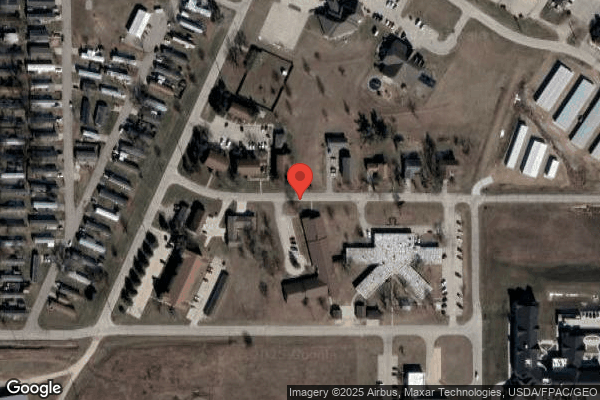
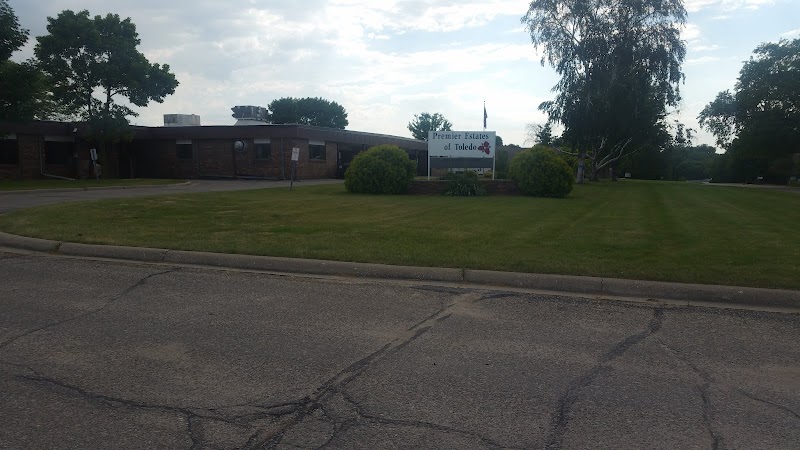
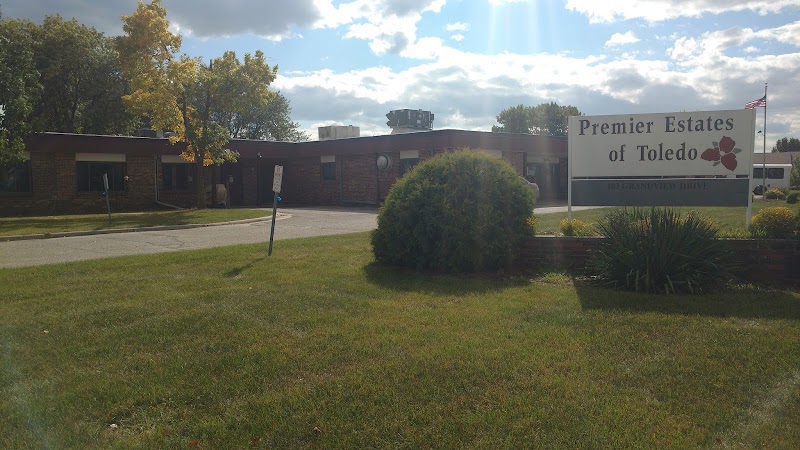
403 Grandview Drive, Toledo, IA 52342 (641) 484-5080
For profit - Corporation 55 Beds ACCURA HEALTHCARE Data: November 2025 1 Immediate Jeopardy citation
Trust Grade
46/100
#173 of 392 in IA
Last Inspection: November 2024

Within standard 12-15 month inspection cycle. Federal law requires annual inspections.

Overview

Accura Healthcare of Toledo has received a Trust Grade of D, indicating below-average performance with some concerning issues. It ranks #173 out of 392 facilities in Iowa, placing it in the top half, and #2 out of 4 in Tama County, meaning only one facility nearby is rated higher. The facility is improving, as it decreased from 8 issues in 2023 to 6 in 2024. However, staffing is a weak point with a rating of 2 out of 5 stars and concerningly low RN coverage, being less than 91% of other Iowa facilities. Specific incidents include a resident wandering outside unsupervised due to a broken door alarm and food safety violations, such as thawing meat at room temperature, which raises concerns about foodborne illness risks. While there are strengths, such as a low staff turnover rate of 0%, families should weigh these issues carefully when considering this nursing home.
Trust Score
D
46/100
In Iowa
#173/392
Top 44%
Safety Record
High Risk
Review needed
Inspections
Getting Better
8 → 6 violations
Staff Stability
○ Average
Turnover data not reported for this facility.
Penalties
○ Average
$8,193 in fines. Higher than 61% of Iowa facilities. Some compliance issues.
Skilled Nurses
⚠ Watch
Each resident gets only 23 minutes of Registered Nurse (RN) attention daily — below average for Iowa. Fewer RN minutes means fewer trained eyes watching for problems.
Violations
⚠ Watch
31 deficiencies on record. Higher than average. Multiple issues found across inspections.
★★★☆☆
3.0
Overall Rating
★★☆☆☆
2.0
Staff Levels
★★★☆☆
3.0
Care Quality
★★★☆☆
3.0
Inspection Score
Stable
2023: 8 issues
2024: 6 issues

The Good

  • Full Sprinkler Coverage · Fire safety systems throughout facility
  • No fines on record

Facility shows strength in fire safety.

The Bad

3-Star Overall Rating

Near Iowa average (3.1)

Meets federal standards, typical of most facilities

Federal Fines: $8,193

Below median ($33,413)

Minor penalties assessed

Chain: ACCURA HEALTHCARE

Part of a multi-facility chain

Ask about local staffing decisions and management

The Ugly 31 deficiencies on record

1 life-threatening
Nov 2024 4 deficiencies
CONCERN (D) 📢 Someone Reported This

A family member, employee, or ombudsman was alarmed enough to file a formal complaint

Potential for Harm - no one hurt, but risky conditions existed

Resident Rights (Tag F0550)

Could have caused harm · This affected 1 resident

**NOTE- TERMS IN BRACKETS HAVE BEEN EDITED TO PROTECT CONFIDENTIALITY** Based on clinical record review, resident interview, staff interviews, and community members interviews, the facility failed to ...

Read full inspector narrative →
**NOTE- TERMS IN BRACKETS HAVE BEEN EDITED TO PROTECT CONFIDENTIALITY** Based on clinical record review, resident interview, staff interviews, and community members interviews, the facility failed to treat a resident with dignity and respect for 1 of 2 residents reviewed for dignity (Resident #33). The facility reported a census of 43 residents. Findings include: The Minimum Data Set (MDS) dated [DATE] for Resident #33 revealed a Brief Interview for Mental Status (BIMS) of 14 out of 15 indicating intact cognition. The MDS further documented diagnoses including acute and chronic respiratory failure. Review of Physician Orders for Resident #33 revealed an order for full code/cardiopulmonary resuscitation (CPR) dated [DATE]. The Care Plan for Resident #33 revised [DATE] revealed the resident had an Iowa Physician Order for Scope of Treatment (IPOST) in place and requested a CPR/full code order. The Care Plan further revealed a goal that the resident will have the requested code status honored during the facility stay. Review of Progress Notes dated [DATE] at 2:05 PM documented by the Director of Nursing (DON) revealed she had been called to Resident #33's room and she told the resident you need to go to the hospital and as she was finishing her sentence both the police officer and the Emergency Medical Technician (EMT) told her it was not her decision to make. The DON further documented the resident was a full code and he needed to go to the hospital because his oxygen level was low and with him being a full code, he needed to go to the hospital or change his code status. During an interview [DATE] at 10:48 AM the DON revealed on [DATE] Resident #33 had contacted 911 himself and that he had a habit of doing that. Revealed 911 then contacted the facility and facility staff requested the ambulance come here as the resident wasn't doing well. The DON further revealed she wanted Resident #33 to go to the hospital to get treatment and stated that is how you have to speak to these guys. The DON denied telling the resident he had to change his code status if he stayed at the facility. During an interview [DATE] at 2:06 PM, Resident #33 stated on [DATE] prior being transferred to the hospital he asked the DON why she was again asking him about his code status as they had already talked about it. Resident #33 stated it made him feel small when she brought up his code status again that day prior to being transferred. During an interview [DATE] at 9:23 AM, Staff E, Certified Nursing Assistant (CNA) revealed she had been in Resident #33's room on [DATE] when the EMTs and a police officer were present. Staff E stated one of the EMTs wanted report so Staff F, CNA went to get the DON. Staff E stated the DON reported the resident was being sent out because he wouldn't change his code status and the EMT said we cannot take him if he does not want to go. Staff E stated after the DON had told Resident #33 you have to change your code status or leave, the EMT told the DON to leave the room and when she did not want to leave, the police officer said the resident was now under the care of the EMTs and the DON left the room. During an interview [DATE] at 9:55 AM, Staff F, CNA revealed she was in Resident #33's room on [DATE] with the 2 EMTs and the police officer. Staff F stated when the DON came into the room she stated the resident was getting shipped out because he wouldn't change his code status and told the resident we can't have you here if you don't change your code status. Staff F further stated she felt like the DON was giving Resident #33 an ultimatum in regards to changing his code status or going to the hospital. During an interview [DATE] at 12:13 PM, Staff G, CNA revealed she had been in Resident #33's room when the EMTs and the police officer were present on [DATE]. Staff G stated the resident made it clear that he didn't want to go to the hospital and the DON didn't give him an option, she gave him an ultimatum that she didn't want him there if he didn't change his code status from full code to DNR. Staff G further stated the DON left the room after an EMT asked her to leave and she felt the DON could have been more professional during the situation. On [DATE] at 1:37 PM, the Administrator revealed the facility did not have a specific policy related for Resident Rights however the information was located in the facility admission packet. Review of the facility's undated admission packet revealed the resident has a right to a dignified existence and the facility must treat each resident with respect and dignity and care for each resident in a manner and in an environment that promotes maintenance or enhancement of his or her quality of life, recognizing each resident's individuality. The facility must protect and promote the rights of the resident. During an interview [DATE] at 11:16 AM the Administrator revealed it is an expectation residents are treated with dignity and respect.
CONCERN (D) 📢 Someone Reported This

A family member, employee, or ombudsman was alarmed enough to file a formal complaint

Potential for Harm - no one hurt, but risky conditions existed

Deficiency F0658 (Tag F0658)

Could have caused harm · This affected 1 resident

**NOTE- TERMS IN BRACKETS HAVE BEEN EDITED TO PROTECT CONFIDENTIALITY** 2. The MDS, dated [DATE], documented Resident #20 had a BIMS score of 14 out of 15, indicating intact cognition. The MDS further...

Read full inspector narrative →
**NOTE- TERMS IN BRACKETS HAVE BEEN EDITED TO PROTECT CONFIDENTIALITY** 2. The MDS, dated [DATE], documented Resident #20 had a BIMS score of 14 out of 15, indicating intact cognition. The MDS further documented the resident had diagnoses to include progressive neurological conditions, multiple sclerosis, anxiety disorder, depression, and post traumatic stress disorder. Review of the electronic health record (EHR) for Resident #20 revealed an order for 2 liters (L) of oxygen PRN (as needed) for saturations below 90% and anxiety, with a start date of 3/15/24. During an observation 11/18/24 at 2:45 PM, Resident #20 had her oxygen set at 4 liters, resident was in bed with her oxygen on and in use. During an interview 11/18/24 at 2:45 PM, Resident #20 stated she has not observed staff to change the tubing or the water in the canister/humidifier. During an observation 11/19/24 at 2:45 PM, Resident #20 had her oxygen set at 4 liters, the resident was in bed with her oxygen on and in use. During an observation 11/20/24 at 3:03 PM, Resident #20 had her oxygen set at 4 liters, the resident was in bed with her oxygen on and in use. The tubing had a date of 11/17 and a gallon of distilled water was next to the oxygen machine was a date of 11/15/24. During an interview 11/20/24 at 3:05 PM, Resident #20 stated she had her oxygen on most of the time, she said it is rare that she does not have her oxygen on. She said sometimes it might fall off while she is sleeping. Review of the treatment administration record (TAR) from March of 2024 to November of 2024 for Resident #20 lacked documentation of the administration of oxygen. The TAR did not reflect any dates the resident received oxygen, including the dates the resident was observed to have her oxygen on: 11/18/24, 11/19/24 and 11/20/24. The TAR further lacked documentation the tubing was changed. During an interview 11/20/24 at 3:25 PM, the Administrator and Director of Nursing (DON) stated the oxygen for Resident #20 is a PRN order for anxiety, not for respiratory concerns. The Administrator stated the facility started on the 6th of November using hard charting for the oxygen/nebulizer tubing changed every Saturday during the 3rd shift, this used to be documented on the TAR. The Administrator acknowledged this was not documented on the TAR for Resident #20 prior to November 6th. The Administrator also acknowledged the TAR does not reflect when the resident was using the oxygen. The Administrator and DON acknowledged the order for the resident's oxygen was for 2 L PRN for anxiety, and were unaware the resident was receiving oxygen at 4 L. The Administrator stated an expectation the order is followed and the resident should not receive oxygen at 4 L, or above the ordered 2 L. The Administrator stated an expectation the physician's orders be followed, the TAR should reflect when the resident receives the oxygen, and there should be documentation as to when the tubing is changed. During an interview 11/20/24 at 3:30 PM, the DON stated she went to Resident #20's room and her oxygen was set at 4 L, she moved this down to 2 L. During an interview 11/21/24 at 8:30 AM, the Administrator stated a conversation took place yesterday with the hospice nurse who stated they thought an order had been written for resident to be on 2-4 L oxygen PRN for anxiety, comfort, and oxygen saturation under 90. The Hospice team had been setting resident's oxygen at 4 L when they were here for visits. During an interview 11/21/24 at 10:46 AM, the Administrator stated the facility does not have a policy on following physician orders, they follow professional standards. Based on observation, clinical record review, and staff interview, the facility failed to notify the physician of a hospital transfer for 1 of 1 residents reviewed for hospitalization (Resident #33) and failed to follow physician orders related to oxygen for 1 of 12 residents reviewed (Resident #20). The facility reported a census of 43 residents. Findings include: 1. The Minimum Data Set (MDS) dated [DATE] for Resident #33 revealed a Brief Interview for Mental Status (BIMS) of 14 out of 15 indicating intact cognition. The MDS further documented diagnoses including acute and chronic respiratory failure. The Care Plan for Resident #33 revised 3/29/23 documented the resident had altered respiratory status and difficulty breathing and directed staff to monitor for respiratory distress and report to the medical director as needed including decreased pulse oximetry (blood oxygen saturation) and confusion. Review of Progress Notes for Resident #33 revealed on 9/1/24 at 1:47 PM, the Director of Nursing (DON) documented the resident was only oriented to self at the time and his pulse oximetry was 78% on 2 liters of oxygen. The DON further documented the resident was being transferred to the emergency room (ER) on an emergency basis due to vital signs and drastic change in mental cognition. Clinical record review revealed Resident #33 transferred to the hospital on 9/1/24. The clinical record lacked documentation related to physician notification of the transfer. During an interview 11/21/24 at 8:10 AM the Administrator revealed there was not a policy in regards to physician notification as the expectation is to follow regulations. During an interview 11/21/24 at 10:48 AM the Administrator revealed it is an expectation the provider would be notified if a resident was being transferred to the hospital and if it was an emergent situation, the physician would be notified immediately following the transfer. The Administrator acknowledged the physician had not been notified when Resident #33 was transferred to the hospital on 9/1/24.
CONCERN (E)

Potential for Harm - no one hurt, but risky conditions existed

Food Safety (Tag F0812)

Could have caused harm · This affected multiple residents

Based on observation, policy review and staff interviews the facility failed to ensure the dish machine reached manufacture guideline temperature to clean dishes and touched ready to eat food with bar...

Read full inspector narrative →
Based on observation, policy review and staff interviews the facility failed to ensure the dish machine reached manufacture guideline temperature to clean dishes and touched ready to eat food with bare hands causing potential cross contamination of food for 1 out of 1 meal observed. The facility reported a census of 43 residents. Findings include: In the course of the initial brief tour of the kitchen on 11/18/24 at 9:51 AM, observed an American Dish Service (ADS) National Sanitation Foundation Machine Model Series AF-3D(S)/AFC-3D(S) low temperature dish machine. There was a placard in the upper left above the rinse aid prime switch that revealed the wash/rinse minimum temperature to be 120 degrees fahrenheit. The Dishwashing Record High Temperature log for the month of November 2024 posted on the wall approximately 4.5 feet from the dish machine revealed the following temperatures recorded three times per day: Wash Rinse Wash Rinse Wash Rinse 11/1/24 -100 110 106 120 100 115 11/2/24 -110 120 100 110 105 120 11/3/24 -Blank Blank Blank Blank 108 120 11/4/24 -124 118 120 122 Blank Blank 11/5/24 -120 100 120 Blank 106 115 11/6/24 -120 100 120 Blank Blank Blank 11/7/24 -130 100 130 Blank 110 120 11/8/24 -Blank Blank Blank Blank Blank Blank 11/9/24 -Blank Blank Blank Blank 120 120 11/10/24-Blank Blank Blank Blank Blank Blank 11/11/24-112 122 Blank Blank Blank Blank 11/12/24-120 100 120 Blank 122 122 11/13/24-120 100 120 Blank 115 Blank 11/14/24-120 80 120 Blank 104 110 11/15/24-Blank Blank Blank 122 104 110 11/16/24-Blank Blank 114 120 Blank Blank 11/17/24-Blank Blank Blank Blank 120 130 11/18/24-112 Blank During an observation on 11/18/24 at 9:53 AM, observed Staff A, Dietary Aide operating the dish machine. Staff A, Dietary Aide revealed she was unaware of the type of dish machine the facility had. Staff A, Dietary Aide revealed the wash temperature is to reach 80? and the rinse temperature is 120 degrees fahrenheit. She acknowledged she was unsure what temperature the dish machine was to be at and just wrote down whatever the gauge read. The dish machine gauge revealed a temperature of 128 degrees fahrenheit. During an interview on 11/18/24 at 9:57 AM, Staff B, Dietary Manager revealed the dish machine is a low temperature chemical sanitation machine requiring a minimum temperature of 120 degrees fahrenheit for the wash/rinse cycles. Staff B, Dietary Manager tested the dish machine with an Ecolab Chlorine test strip and revealed a 100 part per million (PPM) hypochlorite concentration. Staff B, Dietary Manager acknowledged there were many areas left blank on the November 2024 Dishwashing Record High Temperature log. She further acknowledged many recorded temperatures were below the manufacture guidelines of 120 degrees fahrenheit. The facility failed to operate the dish machine at the manufacture guidelines to properly clean/sanitize the dishes. In an interview on 11/19/24 at 11:32 AM, the Consultant Dietitian revealed that she comes monthly to audit the kitchen for food service safety. The Dining Registered Dietitian Kitchen Inspection on 10/31/24 at 2:00 PM documented the log for the dish machine was partially filled out but does have holes. The Consultant Dietitian revealed the facility had been using the wrong log to record wash and rinse temperatures and provided the proper form to the Dietary Manager and Administrator. Observed operation of the dish machine on 11/19/24 at 12:19 PM with Staff B, Dietary Manager. The temperature gauge on the dish machine revealed wash cycle temperature of 124 degrees fahrenheit, rinse cycle temperature of 128 degrees fahrenheit and chemical strip revealed 50 PPM. The ADS Install Manual, AF-3D-S/AFB Series, Revision 4.5, April 28, 2021 on page 2 #3 documented water heaters must provide the minimum temperature of 120 degrees fahrenheit required by the machine. The recommended temperature range for optimal performance is 130-140 degrees fahrenheit. Review of the facility Cleaning Dishes/Dish Machine Policy dated 2021 revealed prior to use, proper temperatures and/or chemical concentrations and machine function should be verified. For low temperature dishwasher spray type dish machines using chemicals to sanitize the wash temperature is 120 degrees fahrenheit. Sanitization is 50 PPM. The policy failed to list the temperature for the rinse cycle. Review of the Dish Machine Temperature Log policy dated 2021 revealed staff will record dish machine temperatures for the wash and rinse cycles at each meal. The facility missed 47 opportunities to record wash/rinse temperatures and on 27 opportunities recorded temperatures below the manufacture guidelines. 2. During continuous observation on 11/19/24 at 11:39 AM, observed Staff C, [NAME] facing the steam table holding a bun in her bare hands. Staff C, [NAME] opened the bun and placed it on a plate sitting on the steam table. Observed an additional 3 plates with open buns on the steam table. Observed Staff C, [NAME] grab cheese slices from a plate to the right of the steam table with her bare hands, placing 1 slice of cheese on each open bun. Staff C, [NAME] proceeded to grab tongs and place a hamburger on each of the 4 open buns. Staff C, [NAME] placed the tongs in the steam table pan on the stove. Staff C, [NAME] placed the top of the bun on each hamburger with her bare hand. Staff C, [NAME] grabbed the handle of a scoop and placed a serving of peas on each of the four plates. Staff C, [NAME] held the top of the bun with her left hand, using a knife with her right hand to quarter each of the hamburger sandwiches. After sectioning one burger she would place the plate on cart that was to her left and then proceeded to do the same until all four plates were on the cart. The cart was taken to the dining room and served to the 4 residents. Observed Staff D, [NAME] with gloved hands place bread on the griddle. Staff D, [NAME] with right gloved hand place a hamburger on the griddle using tongs. Staff D, [NAME] turned and using the same gloved hands took two slices of cheese, placed one on the hamburger and the other on one of the bread slices on the griddle. Staff C, [NAME] looked at the cheese slice on the bread and using her left bare hand picked up the cheese and replaced it on the bread slice on the griddle. Staff D, [NAME] using the same gloved hands picked up a spatula and placed the bread slice from the griddle on top of the bread slice with the cheese. Staff D, [NAME] with his left gloved hand held the top of the grilled cheese sandwich while using a spatula with his gloved right hand to place the grilled cheese sandwich on a plate. Staff C, [NAME] placed her left bare hand on top of the grilled cheese sandwich holding the edges then used her right hand cut the sandwich in half diagonally with a knife. The plate was placed on a cart and taken to the dining room to be served. During an interview on 11/19/24 at 11:49 Staff C, [NAME] acknowledged touching the hamburger buns, cheese, and grilled cheese sandwich with her bare hands. Staff D, [NAME] acknowledged touching the cheese and the grilled cheese sandwich with the gloved hands that came in contact with other potentially contaminated surfaces. Staff C, [NAME] revealed that she normally wears gloves but had been instructed not to wear gloves that day. On 11/19/24 at 11:50 AM Staff B, Dietary Manger acknowledged she observed Staff C, [NAME] touching the hamburger buns and cheese with her bare hands. Review of the facility General Food Preparation and Handling policy dated 2021 revealed bare hands should never touch ready to eat raw food directly. Disposable gloves are a single use item and should be discarded after each use. The policy further stated that food should be prepared and served with clean tongs, scoops, forks, spoons, spatulas, or other suitable implements to avoid manual contact of prepared foods. Staff C, [NAME] and Staff D, [NAME] failed to use proper food handling procedures for the meal service observed.
MINOR (B)

Minor Issue - procedural, no safety impact

Staffing Data (Tag F0851)

Minor procedural issue · This affected multiple residents

Based on the Center for Medicare and Medicaid Services (CMS) Payroll Based Journal (PBJ) Staffing Data Report (April 1st to June 30th) review, facility staffing assignments review, and staff interview...

Read full inspector narrative →
Based on the Center for Medicare and Medicaid Services (CMS) Payroll Based Journal (PBJ) Staffing Data Report (April 1st to June 30th) review, facility staffing assignments review, and staff interviews, the facility failed to submit accurate staffing data for the PBJ Staffing Data Report. The facility reported a census of 43 residents. Findings include: The PBJ Staffing Data Report run date of 11/13/24 triggered for excessively low weekend staffing for the fiscal year 3rd quarter, April 1st to June 30th of 2024. Review of Facility Daily Assignment Sheets and daily posting for the infraction dates reflected the facility had adequate weekend staffing according to their census and facility assessment equation for staff required. During an interview 11/21/24 at 12:32 PM, the Administrator stated an uncertainty as to why the facility triggered for low weekend staffing, stating a corporate human resources (HR) employee submits the PBJ data. Starting in October of this year, the HR employee has sent her an email prior to submitting to PBJ if he notices low RN coverage, and it is usually because they forgot to add in agency staff or the Director of Nursing (DON) or Assistant Director of Nursing (ADON), who also fill in for hours given their lower census if someone does not come in for work. The administrator sent an email to corporate HR to see if they might have an idea why they triggered for low staffing. During an interview 11/21/24 at 1:24 PM, the Administrator stated she received an email from corporate HR. During the fiscal year 3rd quarter, only 3 days of agency staffing were submitted: 5/26 (Sunday), 5/27 (Monday) and 6/9 (Sunday). The Administrator stated this would not accurately reflect the amount of agency staff and believes this is why it would have triggered for low weekend staffing. The Administrator stated they are accurately reporting to PBJ currently. The facility does not have a policy on submitting to PBJ.
Aug 2024 2 deficiencies
CONCERN (D) 📢 Someone Reported This

A family member, employee, or ombudsman was alarmed enough to file a formal complaint

Potential for Harm - no one hurt, but risky conditions existed

Quality of Care (Tag F0684)

Could have caused harm · This affected 1 resident

Based on clinical record review, staff interview, and facility policy and procedure review at the time of the investigation, the facility failed to document on a resident with a change in condition fo...

Read full inspector narrative →
Based on clinical record review, staff interview, and facility policy and procedure review at the time of the investigation, the facility failed to document on a resident with a change in condition for 1 of 6 residents reviewed (Resident #6). The facility identified a census of 41 residents. Findings include: 1. A Minimum Data Set (MDS) completed for Resident #6 with an assessment reference date of 7/23/24, documented diagnoses which included heart failure, hypertension, diabetes mellitus, and Non-Alzheimer's dementia. The MDS documented the resident had a Brief Interview for Mental Status (BIMS) score of 7 which indicated moderate impaired cognitive decisions and sometimes is understood and usually understands others. The resident required dependent to substantial assistance from staff for dressing, toilet use, and personal hygiene and dependent with transfers. The MDS also documented a wheelchair as primary mode of transportation. The Care Plan with a focus area initiated 7/23/24, the resident requires tube feeding related to dysphagia, swallowing problems, and also has an oral diet of pureed with nectar thickened liquids. Interventions include: *Listen to lung sounds per protocol. *Monitor/document/report to Medical Doctor, Aspiration- fever, shortness of breath, Abnormal breath/lung sounds, Abnormal lab values, Abdominal pain, distension, tenderness, Constipation or fecal impaction, Diarrhea, Nausea/vomiting, Dehydration. The Progress Notes dated 8/3/2024 at 6:37 a.m., Health Status Note Text: At approximately 5:55 a.m., Certified Nursing Assistant (CNA) reported resident feeling warm. During assessment, temp. 97.1, Respirations 22, Heart Rate 82, oxygen saturation at 90% on room air, resident complained of sore throat, wet cough observed, crackles audible in bilateral. upper lobes. HOB elevated at this time, writer reported to oncoming nurse who will monitor and report if symptoms worsen. The Progress Notes dated 8/3/2024 at 8:10 a.m., Health Status Note Text: New order from on call provider to start Mucinex x 5 days and for 2-3 view chest x-ray. BioTech closed in this area today and has her scheduled for 8/4-8/5. The clinical record lacked documentation of any further assessment on the resident with a change in condition. Interview on 8/21/24 at 1:30 p.m., the facility Quality Assurance Nurse confirmed and verified that the clinical record lacked any documentation of on-going assessment with Resident #6 with the change in condition and it is the expectation of the nurses to follow the federal rules and guidelines with documentation and the facility policy and procedure. The Clinical Change in Condition Management dated 6/2015, documented The Interdisciplinary team strives to identify and manage all resident/patients that are experiencing a change in condition. Daily observation and communication is important in identifying changes in a resident/patient that requires further investigations. Daily observation includes but is not limited to changes in: *Physical assessment (cardiovascular, respiratory, mental status, neurological) *Behavior *Mobility *Comfort level *Response to medications Clinical care management includes routine assessment, evaluation, response to changes in clinical condition and communication with residents/patients and/or families/responsible parties. Procedure: 1 Assess resident/patient clinical status when a change in condition is identified. 2. Review the resident/patient medical record
CONCERN (D) 📢 Someone Reported This

A family member, employee, or ombudsman was alarmed enough to file a formal complaint

Potential for Harm - no one hurt, but risky conditions existed

Deficiency F0825 (Tag F0825)

Could have caused harm · This affected 1 resident

Based on clinical record review, staff interview, and speech therapy recommendations the facility failed to provide direction for adequate supervision to implement speech therapy recommendations for 1...

Read full inspector narrative →
Based on clinical record review, staff interview, and speech therapy recommendations the facility failed to provide direction for adequate supervision to implement speech therapy recommendations for 1 of 6 resident reviewed (Resident #1). The facility identified a census of 41 residents. Findings include: The Minimum Data Set (MDS) with an assessment reference dated 7/21/24, documented Resident #1 with diagnoses which included Non-Alzheimer's Dementia, anxiety, depression, bi-polar, and weakness. The MDS documented the resident with the ability to be understood and ability to understand others, with short and long term memory problems and moderately impaired for decision making abilities, and disorganized thinking with delusions. The resident required set up assistance with eating and is edentulous (no natural teeth). The Care Plan with an initiated date of 7/16/24, identified a problem of the resident had nutritional problem or potential nutritional problem related to dementia which could impact intake as disease progresses. Interventions include: *Monitor/document/report to Medical Doctor for signs/symptoms of dysphagia: Pocketing, Choking, Coughing, Drooling, Holding food in mouth, Several attempts at swallowing, Refusing to eat, Appears concerned during meals. *Provide, serve diet as ordered. Monitor intake and record q (each) meal. *Registered Dietician to evaluate and make diet change recommendations. *The resident needs a calm, quiet setting at meal times with adequate eating time. The resident prefers to sit (Specify location). Encourage The resident's socialization and interaction with table mates during meals. The Speech Therapy Evaluation and Plan of Treatment dated 7/23/24-8/20/24, documented patient referred due to cognitive concerns and swallowing evaluation completed on this date. Patient was referred due to coughing during meals. Patient is currently on regular solids/thin liquid diet. Patient reports she coughs on everything and has been for a while. Oral exam revealed patient is edentulous. Patient has dentures but does not wear them because she says it is too much work to get them cleaned up, get the glue on and get them in. Cough prior to oral intake. Patient demonstrated coughing episode with thin liquids. Speech therapist would recommend a mechanical soft diet but patient refused. Speech therapist spoke with patients Power of Attorney who was educated on risk of aspiration and recommendations. Patient POA agreed with patients decision to remain on a regular solid diet at this time. Speech therapist recommends swallow study in order to determine safest and least restrictive diet. Distant supervision during oral intake, cues from staff for strategies: small bites, slow rate, alternate solids and liquids. The Clinical Record lacked documentation that these recommendations were followed or implemented. Interview on 8/20/24 at 12:00 p.m., the facility Registered Dietician confirmed and verified that the facility staff needed to follow the Speech Therapist recommendations as written and had no knowledge of the Speech Therapist recommendations for the small bites, alternate solids/liquids. Interview on 8/20/24 at 12:15 p.m., the facility physician confirmed and verified that they were not aware of the Speech Therapist recommendations and that the facility failed to notify that the Speech Therapist recommended a video swallow study and to have Resident #1 alternate solids/liquids and small bites. Interview on 8/20/24 at 1:00 p.m., Staff A, Register Nurse (RN), confirmed and verified that the Speech Therapist recommendations were not followed and that the facility follows the federal regulations and guidelines.
Dec 2023 6 deficiencies
CONCERN (D)

Potential for Harm - no one hurt, but risky conditions existed

Deficiency F0578 (Tag F0578)

Could have caused harm · This affected 1 resident

**NOTE- TERMS IN BRACKETS HAVE BEEN EDITED TO PROTECT CONFIDENTIALITY** Based on clinical record review and staff interview, the facility failed to document an accurate code status for 1 of 24 reside...

Read full inspector narrative →
**NOTE- TERMS IN BRACKETS HAVE BEEN EDITED TO PROTECT CONFIDENTIALITY** Based on clinical record review and staff interview, the facility failed to document an accurate code status for 1 of 24 residents reviewed for Advanced Directives (a legal document that tells your doctor your wishes about your health care if you can't make the decisions yourself (Resident #9). The facility reported a census of 50 residents. Findings Include: The admission Minimum Data Set (MDS) Assessment tool dated [DATE], documented Resident #9 had a Brief Interview for Mental Status (BIMS) score of 12 out of 15, indicating moderately impaired cognition. The resident had diagnoses of spinal stenosis, bilateral artificial knee joints, coronary atherosclerosis, tachycardia and tobacco use. The MDS documented [DATE] as the resident's admission date. The Care Plan dated on [DATE] did not address Resident #9's Advanced Directives. The Iowa Physician Orders for Scope of Treatment (IPOST) signed by the resident on [DATE] and the physician on [DATE] indicated the resident desired to be a Do Not Resuscitate (DNR) status in the event her heart stopped beating. The Electronic Health Record (EHR) indicated the resident desired to be a full code under the code status listed in the resident profile area and she was her own decision maker. The Physician Orders Summary in the EHR dated [DATE] indicated the resident was to be a Full Code and desired Cardiopulmonary Resuscitation (CPR). In an interview on [DATE] at 12:10 PM, the Director of Nursing (DON) stated it was the expectation IPOST Audits be completed monthly to ensure the Physician Order matches the IPOST The facility provided policy for Emergency Care/CPR dated 10/17 and last reviewed on 11/19 indicated the Physician's Order for full code or DNR was written based on the wishes of the resident/resident representative or legally authorized party. Code status orders were to be renewed on admission, quarterly and as needed basis and with any significant change of condition by the Interdisciplinary Team. Code states was to be renewed by the physician's review and signature on monthly orders. Each resident/or representative or legally authorized party was to have their code status documented in the medical record.
CONCERN (D)

Potential for Harm - no one hurt, but risky conditions existed

Assessment Accuracy (Tag F0641)

Could have caused harm · This affected 1 resident

**NOTE- TERMS IN BRACKETS HAVE BEEN EDITED TO PROTECT CONFIDENTIALITY** Based on clinical record review, observations, facility policy review, resident and staff interviews, the facility failed to acc...

Read full inspector narrative →
**NOTE- TERMS IN BRACKETS HAVE BEEN EDITED TO PROTECT CONFIDENTIALITY** Based on clinical record review, observations, facility policy review, resident and staff interviews, the facility failed to accurately document and submit an accurate resident Minimum Data Set (MDS) assessment for 1 of 1 residents reviewed with a hearing impairment (Resident #49). The facility reported a census of 50 residents. Findings Include: The MDS Assessment for Resident #49 dated 9/26/23 lacked documentation related to a hearing impairment. The MDS documented the resident had not used a hearing aid in the last 7 of 7 days, her ability to hear was adequate and she had no difficulty in normal conversations, social interactions or listening to the television. The current Care Plan for Resident #49 initiated 9/30/23 lacked a focus area or interventions related to the resident having a hearing impairment including use of hearing aids or communication interventions. On 12/4/23 at 10:25 AM, observed Resident #49 wearing hearing aids. The resident indicated in order for her to understand what someone was saying; the information would need to be written down on a pad of paper she had available. The resident stated her hearing aids weren't working and she didn't know when she would be having an appointment to have them fixed. The facility policy titled, Resident Assessment Instrument (RAI)/Minimum Data Set (MDS) dated [DATE], documented the RAI/MDS is an Assessment Tool that assists skilled nursing facility staff to accurately and routinely compile information regarding resident needs and strengths. The policy further documented each individual who completes a section of the MDS must certify the accuracy of that section of the assessment and the MDS coordinator is responsible for ensuring all appropriate edits are made prior to transmission of the data. During an interview 12/11/23 at 10:24 AM, the Interim Director of Nursing acknowledged the use of hearing aids should have been documented in Resident #49's most recent MDS Assessment.
CONCERN (D)

Potential for Harm - no one hurt, but risky conditions existed

Comprehensive Care Plan (Tag F0656)

Could have caused harm · This affected 1 resident

**NOTE- TERMS IN BRACKETS HAVE BEEN EDITED TO PROTECT CONFIDENTIALITY** Based on clinical record review, staff and resident interviews, and policy review, the facility failed to follow a Comprehensive...

Read full inspector narrative →
**NOTE- TERMS IN BRACKETS HAVE BEEN EDITED TO PROTECT CONFIDENTIALITY** Based on clinical record review, staff and resident interviews, and policy review, the facility failed to follow a Comprehensive Care Plan for 1 of 1 residents reviewed for a hearing impairment (Resident #49). The facility reported a census of 50 residents. Findings Include: The admission Minimum Data Set (MDS) Assessment for Resident #49 dated 9/26/23 lacked documentation related to a hearing impairment. The MDS documented the resident had not used a hearing aid in the last 7 of 7 days, her ability to hear was adequate and she had no difficulty in normal conversations, social interactions or listening to the television. The current Care Plan for Resident #49 initiated 9/30/23 lacked a focus area or interventions related to the resident having a hearing impairment, use of hearing aids or interventions for communication. On 12/4/23 at 10:25 AM, observed Resident #49 wearing hearing aids. The resident stated her hearing aids weren't working and she didn't know when she would be having an appointment to have them fixed. The resident further indicated in order for her to understand what someone was saying; the information would need to be written down on a pad of paper she had available. Review of facility policy titled, Care Plan Development, dated August 2015, documented an individualized, Comprehensive Care Plan will be developed for each resident after the completion date of a comprehensive MDS Assessment, and describe the services that are to be furnished to attain or maintain the resident's highest practicable physical, mental and psychosocial well-being. Review of facility policy titled, Resident Assessment Instrument (RAI)/Minimum Data Set (MDS), dated [DATE], documented the RAI/MDS is an Assessment Tool that assists skilled nursing facility staff to accurately and routinely compile information regarding resident needs and strengths to facilitate the development of an individualized plan of care for the resident. During an interview 12/11/23 at 10:24 AM, the Interim Director of Nursing revealed the use of hearing aids including interventions should have been documented in Resident #49's Care Plan.
CONCERN (D)

Potential for Harm - no one hurt, but risky conditions existed

Deficiency F0657 (Tag F0657)

Could have caused harm · This affected 1 resident

**NOTE- TERMS IN BRACKETS HAVE BEEN EDITED TO PROTECT CONFIDENTIALITY** Based on clinical record review, resident and staff interviews and policy review, the facility failed to provide the opportunity...

Read full inspector narrative →
**NOTE- TERMS IN BRACKETS HAVE BEEN EDITED TO PROTECT CONFIDENTIALITY** Based on clinical record review, resident and staff interviews and policy review, the facility failed to provide the opportunity for the resident and/or resident representative to participate in the development, review and revision of a Care Plan on a quarterly basis for 1 of 1 residents reviewed (Resident #48). The facility reported a census of 50 residents. Findings Include: The Quarterly Minimum Data Set (MDS) dated [DATE] documented Resident #48 with an admission date of 6/7/23 and had a Brief Interview for Mental Status (BIMS) score of 15 out of 15, indicating intact cognition. The MDS indicated the resident had diagnoses that included cerebral palsy, seizure disorder, adult failure to thrive, obesity and borderline intellectual functioning. Resident required extensive assistance of 2 staff for bed mobility, transfers, toileting, and personal hygiene and required supervision with eating. Record review revealed a copy of a Care Review form dated 6/21/23 which indicated the resident was present and the resident's family was present via phone for the Care Conference. No documentation of the Care Plan meeting being held or resident/family notification of the Care Plan meeting in September 2023 found in the resident's record In an interview on 12/5/23 at 9:18 AM, Resident #48 stated he was unaware of what a Care Plan meeting was and did not believe he had ever participated in one or been told of any upcoming Care Plan meetings. In an interview on 12/6/23 at 2:21 PM, the Interim Director of Nursing (DON) stated Resident #48 was invited to the initial Care Plan meeting but he was unable to find documentation that the resident or his family were notified of the September Care Plan Meeting. In an interview on 12/6/23 at 2:22 PM, the Administrator provided documentation of times the facility had attempted to call family and/or spoken with family related to the Resident #48's care but there was no documentation the Care Plan Meeting information was discussed. The Administrator stated the resident did have a Care Plan Meeting coming up on 12/13/23 and reported they had attempted to contact family about attending on this date. In an interview on 12/11/23 at 1:35 PM, the interim DON stated it was the expectation both the resident and the resident's family/representative be given the opportunity to be present for the Care Plan Meeting unless the competent resident chose not to have family/representative present. The resident and family/representative were to be notified verbally, via phone or via letter and there was to be follow up documentation in the progress notes in the Electronic Health Record. In a facility provided policy titled Care Plan Development dated 8/2015, and documented the resident/family/legal guardian's are encouraged to attend Care Plan Meetings and will be notified in writing via postal service of date and time of meeting. The Social Worker/MDS Coordinator will send invitations to the meeting and schedule times for the Care Plan Meeting which will be held on a specific date and start time as designated by the facility. Accommodations for scheduling will be made according to residents/family/legal guardian's availability or needs as necessary. Attendance may be defined as in person or telephonically.
CONCERN (D) 📢 Someone Reported This

A family member, employee, or ombudsman was alarmed enough to file a formal complaint

Potential for Harm - no one hurt, but risky conditions existed

ADL Care (Tag F0677)

Could have caused harm · This affected 1 resident

**NOTE- TERMS IN BRACKETS HAVE BEEN EDITED TO PROTECT CONFIDENTIALITY** Based on clinical record review, Bath Sheet review, facility policy review, resident and staff interviews, the facility failed t...

Read full inspector narrative →
**NOTE- TERMS IN BRACKETS HAVE BEEN EDITED TO PROTECT CONFIDENTIALITY** Based on clinical record review, Bath Sheet review, facility policy review, resident and staff interviews, the facility failed to provide at least two showers, baths or whirlpool baths per week for 1 of 3 residents reviewed for bathing(Resident #5). The facility reported a census of 50 residents. Findings Include: The Significant Change Minimum Data Set (MDS) assessment dated [DATE] for Resident #5 documented she had a Brief Interview for Mental Status (BIMS) score of 8 out of 15, indicating moderately impaired cognition. The MDS identified the resident required limited assistance of 1 staff for bed mobility and toileting, supervision with transfers and physical help in part of bathing activity. The MDS indicated the resident had diagnosis of peripheral vascular disease, atrial fibrillation, arthritis, non-Alzheimer's dementia, and anxiety disorder. The Care Plan Focus Area revised 10/16/23 identified a need for assistance with activities of daily living including staff participation with bathing. Per documentation in Section GG of the - Shower/Bathe Task, the resident was to receive a shower/bath on Mondays and Thursdays on the evening shift. The documentation indicated the resident did not receive a shower/bath on 11/2/23, 11/6/23, 11/9/23, 11/13/23, and 11/23/23. The facility provided copy of shower sheet for 11/22/23 indicating resident received a shower on that date. The Plan of Care (POC) Response History (electronic documentation for care) with a look back of 30 days and printed on 12/5/23 at 2:25 PM, the prompt Shower/Bathe Self: The ability to bathe self, including washing, rinsing, and drying self (excludes washing of back and hair) documented the following: a. On 11/13/23 at 9:59 PM not applicable. b. On 11/16/23 at 2:25 PM substantial/maximal assistance - helper does more than half the effort. c. On 11/20/23 at 2:25 PM resident refused. d. On 11/23/23 at 9:05 PM not applicable. e. On 11/27/23 at 3:11 PM independent - resident completed the activity by themselves. f. On 11/30/23 at 9:59 PM supervision or touching assistance - helper provided verbal cues and/or contact guard assistance. g. On 12/4/23 at 5:25 PM independent - resident completed the activity by themselves. In an interview on 12/4/23 at 5:10 PM, the resident stated she did not believe she had set up shower days and she sometimes did not receive showers. She stated her family heard staff say they were short staffed and no showers/baths would be given. In an interview on 12/11/23 at 11:45 AM, the Interim Director of Nursing (DON) stated it was the expectation bathing be completed twice a week and as needed. The Interim DON further revealed if a resident refused bathing, the refusal was to be documented. The facility provided policy titled Bathing dated 1/2013 stated staff were to provide the resident with the opportunity to bathe according to preference and facility procedure. They were to document refusal of all or part of the shower and notify the physician of any changes or concerns in the resident response to bathing, ability to participate or changes in clinical condition. Staff were to review and revise resident bathing plan, as indicated.
CONCERN (E) 📢 Someone Reported This

A family member, employee, or ombudsman was alarmed enough to file a formal complaint

Potential for Harm - no one hurt, but risky conditions existed

Food Safety (Tag F0812)

Could have caused harm · This affected multiple residents

Based on observation, staff interviews and facility policy review, the facility failed to prepare food in a safe/sanitary manner that prevents foodborne illness, when Dietary Staff observed to have le...

Read full inspector narrative →
Based on observation, staff interviews and facility policy review, the facility failed to prepare food in a safe/sanitary manner that prevents foodborne illness, when Dietary Staff observed to have left frozen meat to thaw at room temperature. The facility reports a census of 50 residents. Findings Include: During an observation 12/04/23 at 9:00 AM, in the main kitchen with the Dietary Manager (DM) present, two 32 ounce packages of frozen turkey were sitting on the stainless steel counter next to the sink in the kitchen, thawing at room temperature. During an interview 12/04/23 at 9:00 AM, the DM advised the meat is thawing for dinner tonight. The packages of turkey were taken out of the freezer at approximately 8:30 AM on this same date and placed on the counter to thaw at room temperature. The DM indicated an intent to leave the turkey on the counter to thaw for approximately 4-5 hours today and use the turkey for the evening meal. The DM advised this is the method used to thaw meat, and has used this practice more than once during the past few months. During an interview 12/05/23 at 9:30 AM, the Administrator advised the expectation is for Dietary Staff to follow the policy for thawing meat and to thaw meat in a safe manner. The Administrator advised frozen meat was observed on the counter in the kitchen this morning and the Administer threw this meat away. The administrator has been in the kitchen daily since starting employment at the facility and has thrown meat out if it has been observed thawing at room temperature. The Dietary Staff are contracted through a service company and might have a separate policy from the facility policy on safe and appropriate thawing of meat. During an interview 12/05/23 at 9:40 AM, the Administrator discussed a conversation that was just held with the DM and the Director of Dietary Services for contracted service company. The service company found to have a similar policy on safe thawing of meat as the facility. The DM acknowledged to the Administrator thawing meat on the counter in the kitchen for 4-5 hours and acknowledged the policy on thawing meat was not followed. The Administrator educated the DM and the Director of Dietary Services on proper thawing of meat as directed in the policy and had both sign the policy. Review of facility policy titled Sanitation & Food Production, Thawing, dated June of 2015, directed staff to thaw foods according to one of two choices as indicated; either in the refrigerator or as part of the cooking process.
Jul 2023 2 deficiencies 1 IJ
CRITICAL (J) 📢 Someone Reported This

A family member, employee, or ombudsman was alarmed enough to file a formal complaint

Immediate Jeopardy (IJ) - the most serious Medicare violation

Accident Prevention (Tag F0689)

Someone could have died · This affected 1 resident

Based on clinical record review, staff interviews, facility investigation review, facility policy review, and facility door alarm check review, the facility failed to promptly repair a broken door ala...

Read full inspector narrative →
Based on clinical record review, staff interviews, facility investigation review, facility policy review, and facility door alarm check review, the facility failed to promptly repair a broken door alarm, failed to put effective interventions in place while awaiting door repair, failed to follow the door check policies to check the door alarms daily, and failed to identify a resident's moderate elopement risk and put in effective interventions to mitigate the risk of elopement for 1 of 3 residents reviewed (Resident #2). The resident eloped on 1/23/23 at approximately 6:20 PM and a neighbor notified the facility the resident was outside alone by the curb at 6:30 PM. The weather was 30 degrees outside, with winds at 10 mile per hour(mph) with a wind chill temp of 21 degrees, and snow on the ground. This failure resulted in Immediate Jeopardy to the health, safety, and security of the resident. The staff reported a census of 40 residents. On 6/28/23 at 2:15 PM, the Department of Inspections and Appeals staff contacted the facility staff to notify them of the Immediate Jeopardy situation at the facility beginning on January 23, 2023. The facility removed the immediacy on 6/29/23 by completing the following: 1. On 1/30/23 the front door mag lock was repaired and was functioning properly. A new elopement assessment was completed on 1/23/23 by the licensed nurse and wander guard bracelet applied. Care plan updated on 1/23/23 to reflect current elopement risk and interventions. 2. Interim Director of Nursing (DON) or Designee completed new Elopement Risk Assessment and reviewed the Care Plan on 1/23/23 and 1/24/23 to ensure elopement risk behaviors are identified and interventions are in place. 3. Beginning 1/23/23-1/24/23 the Interim Administrator or Designee educated on Elopement Policy and Procedure. Education began on 1/23/23 provided by facility staff by the Administrator/Designee regarding checking exit door alarm system. DON educated the MDS nurse and licensed nurses beginning /29/23 regarding requirements of completing elopement risk assessments accurately and updating the care plan to include interventions for residents at moderate to severe risk of elopement. The scope lowered from a J to a D at the time of the survey after ensuring the facility implemented education and their policy and procedures. Findings include: The Minimum Data Set (MDS) assessment, dated 12/3/22, for Resident #2, included diagnoses of Non-Alzheimer's Dementia, depression, and chronic obstructive pulmonary disease (lung disease causes difficulty breathing). The MDS identified the resident needed limited assistance of 1 staff for walking and dressing; and limited assistance of 2 staff for bed mobility, transfer, and toilet use. A Brief Interview for Mental Status score of 4 out of 15, indicated severe cognitive impairment for decision-making. The MDS documented the resident did not use any alarm to monitor resident movement. The Elopement Risk Assessment for Resident #2, dated 7/26/22, documented a score of 5, moderate risk for wandering due to forgetfulness, independent with walker, early dementia, and taking antidepressants, with summary of resident is not a elopement risk, no intervention needed at this time. The Elopement Risk Assessment for the resident, dated 1/23/23, documented a score of 5, moderate risk for wandering due to disoriented, medication change, independent with walker, Alzheimer's Disease, taking antidepressants, with summary of wander guard to be applied due to exited facility unattended. The Elopement Risk Assessment for the resident, dated 1/25/23, documented a score of 22, high risk for wandering due to disoriented, exhibits/expresses fear and anxiety, medication change, independent with walker, taking antidepressants and narcotics, early dementia, known wandering/history (hx) of wandering, known exit seeking/hx of exit seeking, with summary of wander guard applied and care plan updated. The clinical record lacked quarterly Elopement Risk Assessment after 7/26/22. The Care Plan with resolved date 12/21/20 documented the resident was an elopement risk/wanderer as evidenced by a history of attempts to leave the facility unattended and an impaired safety awareness. The Care Plan lacked any revision with the change in the Elopement Risk Assessment on 7/26/22. The Progress Notes for Resident #2 documented the following: On 1/13/23 at 8:46 AM received signed order to discontinue Donepezil (medication to treat dementia) but dementia may increase. On 1/15/23 at 8:38 PM resident up and down, wanting to go outside and following staff around. Resident has baseline confusion. Resident redirected several times. On 1/18/23 at 4:37 AM resident up all night this shift. Pleasant, has both wandered and sat. Numerous attempts to guide her to her room without success. On 1/23/23 at 4:06 PM resident anxious, restless, and wandering. Became agitated with staff when not understanding questions. Called resident's niece to come visit. Niece on her way to take resident outside for a cigarette at resident's request. The facility Incident Report titled, Elopement for Resident #2 dated 1/23/23 at 6:30 PM, documented: Facility staff received phone call from outside source stating there was possibly one of our residents outside with a walker slightly down the road. When staff arrived, they stated it was Resident #2 and redirected her back inside. Resident stated she just wanted to go home. The facility form titled, 5 Day Investigation Summary for Resident #2, documentation included: Elopement on 1/23/23 with resident found 96 steps away from the front door of the facility and standing next to the curb along the facility property. Facility Investigative Findings: no staff member witnessed resident go out a door and staff report they did not hear the front door alarm sound. Nurse completed an audit of all exit doors on 1/23/23 and all sounded appropriately when opened. The front entrance door of facility mag lock was awaiting repairs prior to the event therefore a temporary double alarm device had been placed on both sides of the door. Due to staff not hearing this alarm device sound at the time of the incident, a staff member was assigned to watch the door until door is repaired. Door schedule for repair on 1/30/23. Interview on 6/27/23 at 9:16 AM, Staff A, current Business Office Manager (BOM) and Provisional Administrator at time of elopement stated procedure for response to door alarms is daily door alarm checks by nursing on day shift, the procedure is to go to each door and check with wander guard and check all exterior door alarms and all staff are trained upon hire. Staff A stated the procedure for responding to door alarms is any staff hears door alarm, go see why the alarm went off, determine why alarm went off, and once determine why the alarm went off can put in a code to clear the alarm. Staff A stated when Resident #2 elopement occurred on 1/23/23, the mag lock on the front door was not working, the facility was waiting on a part, the door had not been working for a week or less prior to the elopement, and the facility had put 2 other door alarms on the front door that would go off automatic anytime the front door opened. Staff A stated the alarm would stop when the door shut and all staff were aware they needed to check the door as the alarm would not keep alarming. Staff A stated the Maintenance Supervisor (MS) applied the alarm. Staff A stated the alarm was loud but not as loud as the regular door alarm, that you could hear it. Staff A stated Resident #2 was placed on wander guard after the elopement and had staff manning the front door 24 hours until could get the door repaired. Staff A stated the door is repaired and thinks was fixed in a week to 10 days. Interview on 6/27/23 at 12:05 PM, the Climatologist stated on 1/23/23 at 6:30 PM at the facility location, the temperature was 30 degrees Fahrenheit, humidity 88%, winds out of the west at 10 mph with wind chill temperature of 21 degrees, and visibility of 6 miles with no precipitation. Facility Visit Report, (repair bill) dated 1/30/23, for current facility documented: replaced the power supply with the power supply that was shipped out with the lock and front entrance is working properly and according to specs. Interview on 6/27/23 at 12:22PM, Staff B, Director of Nursing (DON) at time of elopement, stated she received a call on 1/23/23 and informed of Resident #2's elopement. Staff B stated the front door alarm did not sound or lock prior to the elopement but she had no knowledge of this until after Resident #2 got out. Staff B stated she was made aware of the front door problems after the incident. Staff B stated she thinks some alarm was put on the front door after the elopement. Staff B stated she had no knowledge the mag lock was broken prior to elopement and that through the investigation is when she found out the mag lock was broke and alarm had been applied prior to the elopement. Staff B thought the MS applied a 2nd alarm on 1/24/23 and staff placed at the front door until fixed. Staff B stated she thought Resident #2 had recently had a medication change prior to the elopement, had more confusion, and had the primary care physician review Resident #2's medications after the elopement. Staff B stated her expectation for all residents is to have elopement risk assessment completed quarterly and as needed. Interview on 6/27/23 at 12:43 PM, Staff G, Registered Nurse (RN) stated she was working on 1/23/23 at the time of Resident #2's elopement. Staff G stated the facility received an outside call that Resident #2 was outside by the road and the Activity Director (AD) brought the resident back in the facility. Staff G stated she was not aware the door alarm was broken but apparently the alarm system on the front door was not working and she was not aware. Staff G stated could go out the front door with no alarm sounding. Staff G stated she was told by staff (can't remember who) that Staff A or the AD were aware that the front door was broken and needed a magnet. Interview on 6/27/23 at 1:25 PM, Staff C, Certified Medication Aide (CMA) stated the policy for door alarms was to check wander guards, door alarms, and squawk boxes daily, complete the form, and turn into the DON. Interview on 6/27/23 at 1:39 PM Staff D, Licensed Practical Nurse, LPN stated the procedure for door alarms was for the nurse or CMA to check alarms daily. Staff D stated there have been multiple issues with the front door for the past year, mainly with the wander guard and magnet. Staff D stated when the magnet wasn't working the door wouldn't lock and could go in or out the door without an alarm sounding. Staff D stated probably around January 2023 the facility had to put another alarm on the front door as the regular alarm wasn't working but unsure when; she was unsure if it was before or after the elopement. Staff D stated if alarms are not working during the checks, staff are to document it on a sheet, and notify the MS. Interview on 6/28/23 at 9:19 AM, Staff E, CMA stated policy for door alarm checks completed sometime throughout shift and just day shift completes. Interview on 6/28/23 at 5:30 PM, Staff F, LPN stated door alarm checks to be completed daily, if not working, notify ADM and stay at the door until someone comes to fix it. Review of facility documents titled Door Alarm Checks for 1/1/23 - 1/23/23, revealed completed forms for 1/1, 1/2, 1/3, 1/4, 1/5, 1/10, 1/14, 1/15, and 1/18/23, lacking sheets for 14 days of the 23 days. Interview on 6/27/23 at 10:30 AM, Staff H, current DON, stated unable to find any other daily door alarm check sheets for the time period of 1/1/23 - 1/23/23. Staff H stated expectation for door alarm checks to be completed daily. Facility policy titled, Electronic Monitoring/Alarm System, revised 12/2019 documented the facility may utilize an electronic monitoring/alarm system to protect appropriate residents, an ongoing monitoring process of the exit alarms is present, the system is operational at all times: with procedure to maintain alarmed perimeter exits 24 hours, 7 days a week and check exit alarm systems daily to assure functionality. Facility policy titled, Elopement issued 6/18/19, documented the following: 1. An evaluation will be completed upon admission, quarterly, and with significant change. 2. Any resident displaying significant wandering behavior will be evaluated for elopement risk and care planned appropriately. 3. Care plans will address wandering as a specific problem.
CONCERN (E) 📢 Someone Reported This

A family member, employee, or ombudsman was alarmed enough to file a formal complaint

Potential for Harm - no one hurt, but risky conditions existed

Deficiency F0726 (Tag F0726)

Could have caused harm · This affected multiple residents

**NOTE- TERMS IN BRACKETS HAVE BEEN EDITED TO PROTECT CONFIDENTIALITY** Based on facility document review, staff interview, and facility policy review the facility failed to ensure staff certified in ...

Read full inspector narrative →
**NOTE- TERMS IN BRACKETS HAVE BEEN EDITED TO PROTECT CONFIDENTIALITY** Based on facility document review, staff interview, and facility policy review the facility failed to ensure staff certified in Cardiopulmonary Resuscitation (CPR) were scheduled 24 hours per day/7 days a week. The facility reported a census of 40 residents. Findings: During review of the facility nursing schedule dated [DATE] (schedule for [DATE] - [DATE]), the document failed to show scheduled CPR certified staff on 6/20, 6/24, and [DATE] for the 2 PM - 10 PM shift. Review of facility form titled, Birthday List, dated [DATE], documented 20 residents with a Full Code status (in the event that a resident's heart stops beating, CPR is initiated). Facility policy titled, Emergency Care/CPR reviewed 11/19, documented the facility provides Basic Life Support CPR only and the physician's order for full code is written based on the wishes of the resident. During an interview on [DATE] at 4:16 PM, the Director of Nursing (DON) acknowledged the facility failed to have certified CPR staff on duty on 6/20, 6/24, and [DATE] for the 2 PM - 10 PM shift, when the facility has residents with a Full Code status. The DON stated expectation for CPR certified staff on duty 24 hours/7 days a week.
Oct 2022 17 deficiencies
CONCERN (D)

Potential for Harm - no one hurt, but risky conditions existed

Deficiency F0567 (Tag F0567)

Could have caused harm · This affected 1 resident

**NOTE- TERMS IN BRACKETS HAVE BEEN EDITED TO PROTECT CONFIDENTIALITY** Based on clinical record review, staff and resident interviews and facility policy review, the facility failed to routinely hono...

Read full inspector narrative →
**NOTE- TERMS IN BRACKETS HAVE BEEN EDITED TO PROTECT CONFIDENTIALITY** Based on clinical record review, staff and resident interviews and facility policy review, the facility failed to routinely honor same day requests for money from 1 of 3 residents reviewed ( Resident #44). Resident #44 stated she often had to wait longer than a day to receive her monthly $50 from the Social Services Designee (SSD). The facility reported a census of 48 residents. Findings include: A Minimum Data Set (MDS) assessment dated [DATE] documented diagnoses for Resident #44 that included anxiety, depression and Post Traumatic Stress Disorder (PTSD). A Brief Interview for Mental Status test revealed a score of 15 out of 15, which indicated this resident's memory and cognition was intact. During interview on 10/12/22 at 2:37 PM, Resident #44 stated that she was waiting to receive her monthly $50 from the SSD. Resident #44 stated she often has to wait for her money and had asked staff several times this month to have social services bring her her money; she still hadn't received it. Resident #44 stated that happened all the time and she has to wait over a day to receive her money most of the time. On 10/18/22 at 9:46 A.M., the SSD stated the residents tell her when they would like their $50. If they do not ask, she does not get the money for them and the $50 per month would remain in their account. The SSD said that if a resident would request to receive the $50 every month she would set that up for them, but no residents had asked for that. The SSD stated the facility kept $200 on site and so if that money is given out, a request after that could take 2 days to get more money. When asked if money is available on the weekends or off hours, the SSD stated yes, and that staff can access the $200 dollars that is kept at the facility. The SSD said residents have become upset before because she can't get their money to them right away, but they should know it could take 2 days or more. The facility's Resident Trust Funds (RFMS) policy, revised on 11/1/21, documented that no more than $50 per day per resident will be issued in the form of cash. Larger requests for funds require a 24 hour notice or will be issued by a check. Review of an undated RFMS list provided by the SSD revealed Resident #44 was on the list.
CONCERN (D)

Potential for Harm - no one hurt, but risky conditions existed

Notification of Changes (Tag F0580)

Could have caused harm · This affected 1 resident

**NOTE- TERMS IN BRACKETS HAVE BEEN EDITED TO PROTECT CONFIDENTIALITY** Based on clinical record review, staff interviews, and facility policy review the facility failed to notify the physician and fa...

Read full inspector narrative →
**NOTE- TERMS IN BRACKETS HAVE BEEN EDITED TO PROTECT CONFIDENTIALITY** Based on clinical record review, staff interviews, and facility policy review the facility failed to notify the physician and family for a significant change in condition for 1 of 14 residents reviewed (Residents #32). The facility reported a census of 48 residents. Findings include: Resident #32's Minimum Data Set (MDS) assessment dated [DATE] identified a Brief Interview for Mental Status (BIMS) score of 15, indicating intact memory and cognition. The MDS indicated Resident #32 had highly impaired vision with object identification in question but his eyes appeared to follow objects. Resident #32 did not wear corrective lenses. The MDS included diagnoses of osteomyelitis of right ankle/foot, hypertension, heart failure, diabetes mellitus, dementia, and morbid obesity. A Health Status Note dated 10/5/22 at 7:11 p.m. recorded the resident reported to staff that his vision had gotten worse. Resident #32 reported he could not see his clock except for the black coloring around the outer edges. Resident #32 reported to staff he was to notify his doctor if his eyesight became worse. The clinical record documented staff notified the physician via fax (facsimile) due to the doctor's office being closed. The resident's record lacked documentation if the facility received a return fax from the doctor's office, if the physician was aware of the decline in his vision and also lacked notification to the family regarding the decline in vision and change in condition. During an interview on 10/17/22 at 4:04 p.m. Staff G, Assistant Director of Nursing reported she called the doctor's office regarding the fax sent out 10/05/22 and the office reported they did not have the fax. The facility's Clinical Change in Condition Management Policy, revised June 2015, instructed the interdisciplinary team strives to identify and manage all residents that are experiencing a change in condition. The policy directed staff to contact the physician and provide clinical data and information about the resident's condition. The policy further directed staff to document the notification and physician response in the resident's medical record and to verify that a family or responsible party has been notified.
CONCERN (D)

Potential for Harm - no one hurt, but risky conditions existed

Deficiency F0638 (Tag F0638)

Could have caused harm · This affected 1 resident

**NOTE- TERMS IN BRACKETS HAVE BEEN EDITED TO PROTECT CONFIDENTIALITY** Based on clinical record review and staff interviews, the facility failed to complete quarterly Minimum Data Set (MDS) assessmen...

Read full inspector narrative →
**NOTE- TERMS IN BRACKETS HAVE BEEN EDITED TO PROTECT CONFIDENTIALITY** Based on clinical record review and staff interviews, the facility failed to complete quarterly Minimum Data Set (MDS) assessments in a timely manner using the Resident Assessment Instrument (RAI) directed by Centers for Medicaid and Medicare Services (CMS) for 7 of 14 residents reviewed (Residents #2, #3, #5, #6, #7, #8 and #14). The facility reported a census of 48 residents. Findings include: Review of facility form titled Premier Estates of [NAME] Assessment History MDS 3.0 revealed the following: a. Resident #2's quarterly assessment dated [DATE] completed 10/8/22. b. Resident #3's quarterly assessment dated [DATE] completed 10/8/22. c. Resident #5's quarterly assessment dated [DATE] completed 10/8/22. d. Resident #6's quarterly assessment dated [DATE] in progress during the survey of 10/10 - 10/20/22. e. Resident #7's quarterly assessment dated [DATE] completed 10/8/22. f. Resident #8's quarterly assessment dated [DATE] completed 10/8/22. g. Resident #14's quarterly assessment dated [DATE] completed 10/12/22. During an in interview 10/20/22 at 11:00 AM, the Director of Nursing (DON) stated the facility does not have a policy in place for completing MDS assessments and the expectation is to follow the RAI cycle. The DON stated the expectation is for the MDS assessments to be completed in a timely manner.
CONCERN (D)

Potential for Harm - no one hurt, but risky conditions existed

PASARR Coordination (Tag F0644)

Could have caused harm · This affected 1 resident

**NOTE- TERMS IN BRACKETS HAVE BEEN EDITED TO PROTECT CONFIDENTIALITY** Based on clinical record review and staff interview, the facility failed to complete a follow-up Preadmission Screening and Resi...

Read full inspector narrative →
**NOTE- TERMS IN BRACKETS HAVE BEEN EDITED TO PROTECT CONFIDENTIALITY** Based on clinical record review and staff interview, the facility failed to complete a follow-up Preadmission Screening and Resident Review (PASRR) for two out of two residents reviewed who had a change in mental health diagnoses (Residents #8 and #44). The facility reported a census of 48 residents. Findings include: 1. The annual Minimum Data Set (MDS) assessment dated [DATE] documented Resident #8 had diagnoses that included Huntington's disease, schizophrenia and depression. The MDS indicated the resident had no serious mental illness and had not met criteria for a Level 2 PASRR. The MDS documented she admitted to the facility on [DATE] and received antipsychotic and antidepressant medications for 7 of 7 days during the look-back period. Review of the MDS assessment dated [DATE] revealed Resident #8 received antipsychotic and antidepressant medications for 7 of 7 days during the look-back period. The Care Plan revised 8/24/22 revealed Resident #8 had a behavior problem with increased agitation, yelling and resistance to care. The Care Plan directed staff to monitor her behavior episodes and attempt to determine underlying cause. The medical record revealed a PASSR Level 1 screening completed on 5/6/16 which documented nursing facility placement was appropriate for Resident #8 and no further Level 1 screening was required unless the resident was known to have or suspected of having a major mental illness. The PASSR Level 1 screening further documented Resident #8 did not have a major mental illness at the time of the screening including schizophrenia. Resident #8's Medical Diagnosis list recorded diagnoses of schizoaffective disorder effective 6/29/16. The medical record lacked a Level II PASSR evaluation following her new mental health diagnoses. During an interview 10/18/22 at 10:15 AM the Director of Nursing (DON) acknowledged a Level II PASSR evaluation had not been completed as expected following Resident #8's schizoaffective disorder diagnoses. On 10/19/22 at 1:32 PM, the DON stated the facility did not have a policy for PASSR. 2. The MDS assessment dated [DATE], documented Resident #44 had diagnoses that included anxiety, depression and Post Traumatic Stress Disorder (PTSD). A Brief Interview for Mental Status revealed a score of 15 out of 15, which indicated this resident's cognition was intact. A Notice of PASRR Level II Outcome with a Notice Date of 3/30/22, documented that Resident #44 had diagnoses of recurrent severe major depressive disorder without psychotic disorder, mood disorder secondary to VCP (valosin-containing protein) and generalized anxiety disorder. A list of diagnoses printed on 10/18/22, documented that Resident #44 had a diagnoses of PTSD dated 4/1/21.
CONCERN (D)

Potential for Harm - no one hurt, but risky conditions existed

Deficiency F0676 (Tag F0676)

Could have caused harm · This affected 1 resident

**NOTE- TERMS IN BRACKETS HAVE BEEN EDITED TO PROTECT CONFIDENTIALITY** Based on clinical record review, resident and staff interview, and facility policy review, the facility failed to provide a rest...

Read full inspector narrative →
**NOTE- TERMS IN BRACKETS HAVE BEEN EDITED TO PROTECT CONFIDENTIALITY** Based on clinical record review, resident and staff interview, and facility policy review, the facility failed to provide a restorative program for 2 of 2 residents reviewed (Residents #5 and #25). The facility reported a census of 48 residents. Findings include: 1. The quarterly Minimum Data Set (MDS) assessment dated [DATE] for Resident #5 documented diagnoses that included quadriplegia, muscle weakness and abnormal posture. The MDS recorded the resident had moderately impaired cognitive skills for daily decision making. The resident required the assistance of 2 staff for bed mobility, dressing and personal hygiene, and transfers. The assessment documented she had impaired range of motion (ROM) in both lower extremities and had no restorative nursing services. Review of Resident #5's Care Plan initiated 8/29/19 and revised 8/22/22 documented the resident required a restorative program with the goal to maintain current level of function. The Care Plan directed the Restorative Nurse Aide (RNA) to complete passive ROM to both upper extremities, the Registered Nurse (RN) to monitor progress every month, and receive passive ROM to both lower extremities/stretches. The Care Plan documented Resident #5 would participate in the restorative program 2-3 times/week utilizing given interventions. Review of Therapy/Nursing Communication dated 7/1/22 revealed staff to perform passive ROM to both the resident's upper extremities prior to applying hand splints. During an interview 10/18/22 at 8:35 AM, Staff D, Certified Nursing Assistant (CNA) stated she does not do ROM with Resident #5 as it is to be done by a Restorative Aide (RA) and Staff D stated the facility has not an RA for a few years. During an interview 10/18/22 at 8:45 AM the Director of Rehabilitation stated the facility does not have an aide to do restorative care. Review of policy titled, Restorative Nursing, dated May 2014 revealed that providing restorative nursing care in a long term care facility required a management model to support the goals of restorative nursing. During an interview 10/18/22 at 9:03 AM the Director of Nursing (DON) stated the facility does not have a written plan for a restorative program and she was unable to locate education provided to staff for performing ROM. During an interview 10/20/22 at 11:00 AM the DON revealed need to make sure a program is in place with training for the Certified Nursing Assistants (CNAs) to work functional maintenance into daily care while working in conjunction with therapy. 2. The MDS assessment dated [DATE] documented Resident #25's diagnoses included hip fracture, acute respiratory failure, difficulty in walking and reduced mobility. Resident #25 had a BIMS score of 11 out of 15, which indicated moderately impaired cognition. The resident required the limited assistance of one for transfers and ambulation. During interview on 10/10/22 at 2:14 P.M., Resident #25 stated she went to rehabilitation (rehab) and then they stopped and haven't done anything since. The resident stated she had gotten pretty weak with walking. Resident #25 stated that she would use her walker and staff would walk beside her with a belt on. The facility did have her walking outside with assistance but they quit doing that. A progress note dated 10/5/22 at 9:48 AM documented a care conference was held with Resident #25, the Licensed Home Administrator, the Director of Rehab, and the nurse. Resident #25 continued to have unrealistic goals to return home independently. Since last Friday she has refused to participate in the walk-to-dine program therapy had setup for her to continue to maintain strength. When asked why she was not walking to the dining room, the resident stated, I'm mad I wanted to go home last week. The resident was again educated on the goals she needed to be able to do in order to return to the community. She reported that her sister is out of the country for 1 year, so she has no support system in place at this time. Staff planned to obtain orders for physical and/or occupational therapy (PT/OT) and reviewed her I-POST (advance healthcare directive) with no changes. On 10/14/22 Resident #25 stated she did not want to walk to the dining room. She had a cold right now and does not want to be in front of people. On 10/18/22 at 11:11 A.M., the Director of Rehab, COTA (Certified Occupational Therapy Aide), stated that Resident #25 was released from therapy on a Walk-to-Dine program. The resident had been participating in the Walk-to-Dine program, but she hadn't been feeling well as of late so had been refusing. She stated that their OT person had been home sick lately, so they set up a teleconference for this day to meet with OT and come up with a plan for ADLs (activities of daily living) - dressing toilet use, etc as they received a new order. On 10/18/22 at 11:48 A.M., the Director of Rehab/COTA stated she could not find where rehab had given written direction to nursing staff regarding a walk-to-dine program. She provided a therapy change/cut notice with a date of 9/2/22 and a list of walk to dine residents with a date of 4/11/22. The director stated they normally give nursing staff a copy of the recommendations for restorative care when they discharge a resident out of rehab, but she was unable to show any communication. Review of the resident's Care Plan after the above conversation revealed there were no restorative interventions care planned for Resident #25.
CONCERN (D)

Potential for Harm - no one hurt, but risky conditions existed

Quality of Care (Tag F0684)

Could have caused harm · This affected 1 resident

**NOTE- TERMS IN BRACKETS HAVE BEEN EDITED TO PROTECT CONFIDENTIALITY** Based on clinical record review, staff and resident interview, and policy review, facility staff failed to conduct thorough and ...

Read full inspector narrative →
**NOTE- TERMS IN BRACKETS HAVE BEEN EDITED TO PROTECT CONFIDENTIALITY** Based on clinical record review, staff and resident interview, and policy review, facility staff failed to conduct thorough and ongoing assessments and failed to provide needed interventions for 2 of 14 residents reviewed (Residents #34 and #32). The facility reported a census of 48 residents. Findings include: 1. Resident #34's Minimum Data Set (MDS) dated [DATE] assessment identified a Brief Interview for Mental Status (BIMS) score of 15, indicating intact memory and cognition. The MDS identified Resident #34 required extensive assistance of two people with bed mobility, transfers and toilet use. The MDS indicated Resident #34 had not walked in the room or hallway during the seven day look back period. The MDS identified Resident #34 as frequently incontinent of urine with moisture associated skin damage (MASD) in the seven day lookback period. The MDS also identified the facility had placed a pressure reducing device in the resident's chair/bed and provided a skin treatment. The assessment documented her diagnoses included hypertension, heart failure, diabetes mellitus, depression, and morbid obesity. Resident #34's Care Plan revised 8/22/22 contained the following information: a. Resident #34 has the potential for impaired skin integrity due to limited mobility and obesity. The care plan directed staff to: - Avoid scratching and keep hand and body parts from excessive moisture. Keep fingernails short. - Educate resident/family/caregivers of causative factors and measures to prevent skin injury. - Encourage good nutrition and hydration in order to promote healthier skin. - Follow facility protocols for treatment of injury. - Identify and document potential causative factors and eliminate/resolve where possible. - Keep skin clean and dry. Use lotion on dry skin. - Monitor and document location, size and treatment of skin injury. Report abnormalities, failure to heal, signs and symptoms of infection, maceration, ect, to doctor. - Pressure reduction mattress to bed. - Resident is independent with turning and repositioning. Assist as needed. - Use caution during transfers and bed mobility to prevent striking arms, legs, and hands against any sharp or hard surface. b. Resident #34 had bladder incontinence. The care plan directed staff to: - Assist Resident #34 to bathroom upon request. - Encourage Resident #34 to use the toilet as she will allow and ask staff for assistance instead of soiling herself. - Monitor/document/report to the doctor as needed possible causes of incontinence. - Staff to assist with peri care every morning, evening, and as needed with incontinence episodes. Change incontinence products as needed. The Braden Scale assessment (a tool used to evaluate risk of development of a pressure ulcer) documented a score of 10-12 indicated a high risk for pressure sore development, 13-14 meant moderate risk, and 15-18 meant a risk for pressure ulcer development. Review of the Braden Scale assessments completed for Resident #34 from 1/22 - 7/22 documented scores on the following dates: Braden Scores: a. 7/13/22 - 13.0 b. 4/15/22 - 13.0 3. 1/13/22 - 16.0 During an interview 10/11/22 at 12:52 p.m. Resident #34 reported she had a sore bottom and staff would apply zinc ointment to the area. Resident #34 stated she had a cushion in her wheelchair and preferred to sleep in her recliner. Resident #34 stated she took protein drinks. Resident # 34 reported that she wore incontinent briefs due to bladder incontinence and she was aware when she had an incontinence episode. Resident # 34 reported staff took her to the bathroom one time per night and it used to be two times per night around 1:00 a.m. and 4:00 a.m Review of progress notes dated 10/06/22 at 2:44 p.m. revealed Resident #34 had a new open area to the left buttocks. Staff notified the physician and received new order to cleanse the area with cleanser, apply zinc twice a day and as needed until healed. A non-pressure skin assessment completed 10/06/22 revealed Resident #34 had an open area to the right buttock. A physician order dated 6/28/22 directed staff to apply zinc to the right buttock twice a day until the area is healed. On 10/12/22 at 12:42 p.m. observation revealed Resident #34 had open areas to both the right and left buttocks. Resident #34 denied discomfort or pain to the open areas. Resident #34 reported she slept in her recliner and did not sleep in her bed due to breathing difficulties. Resident #34's recliner did not have a pressure reducing device on it. During an interview on 10/12/22 at 3:15 p.m. the Director of Nursing (DON) reported on 10/06/22 she completed Resident #34's weekly skin assessment. The DON reported Resident #34 had a new open area on her left buttocks but the area to the right buttocks was not new. The DON reported Resident #34 had a history of skin breakdown to her buttocks. The DON stated the new intervention was to educate overnight certified nursing assistants (CNAs) on rounding expectations and incontinence cares. During an interview on 10/13/22 at 1:00 p.m. with the DON and Staff H, Licensed Practical Nurse (LPN), the DON reported that she spent an hour with Resident #34 the previous evening discussing her plan of care. The DON reported Resident #34 agreed to lie down in her bed one time a day to assist with wound healing. Staff H reported Resident #34 had ongoing skin concerns to the right and left buttocks. The DON and Staff H thought the areas were related to Resident #34's frequent incontinence. The DON reported Resident #34's physician would round at the facility next week and evaluate the areas. The DON reported she did not complete an incident report for the left buttock wound on 10/06/22. During an interview 10/18/22 at 10:30 a.m. Staff G, Assistant Director of Nursing (ADON) reported Resident #34's Primary Care Physician (PCP) saw resident on 10/17/22. The ADON stated the PCP felt the areas on the right and left buttocks were primarily from moisture but felt pressure could be a factor. The ADON stated the PCP was considering changing the current treatment. On 10/18/22 at 10:45 a.m. the DON provided a handwritten document detailing Resident #34's history of open areas to the right and left buttocks. The DON reported the stars on the handwritten form represented the times the family and PCP were notified. The DON verified there were gaps in skin assessments from November 2021 to February 2022 and May 2022 to July 2022 for right buttocks. The DON verified there were also several weekly skin assessments missing. The DON stated she could not find documentation in the medical record when skin areas were resolved. The DON reported the expectation is to monitor and measure the skin areas weekly and if there are any declines in the skin areas to update the PCP and notify the family. The DON also stated that she would expect the facility to document in the medical record when an area is resolved. The handwritten document provided by the DON for Resident #34 ' s right and left buttocks wounds revealed the following dates and measurements for each area: Right Buttocks a. 10/28/21- 1.0 cm x 0.2 cm x 0 cm (length x width x depth) b. 11/04/21- 1.0 x 0.2 cm x 0 cm c. 11/11/21- 0.4 cm x 0.2 cm x 0 cm d. 11/18/21- 0.1 cm x 0.1 cm 0 cm e. 2/24/22- 2.0 cm x 1 cm x 0.3 cm f. 3/10/22- 2.0 cm x 2.0 cm x 0.2 cm g. 3/17/22- 1.7 cm x 0.7 cm x 0.1 cm h. 3/24/22- 1.4 cm x 0.6 cm x 0.2 cm i. 4/7/22- 1.0 cm x 1.0 cm x 0.1 cm j. 4/14/22- 1.0 cm x 1.0 cm 0.1 cm k. 4/21/22- 0.6 cm x 0.7 cm x 0 cm l. 5/12/22- 0.5 cm x 0.5 cm x 0 cm m. 7/07/22- 2.1 cm x 1.6 cm x 0 cm N. 7/14/22- 1.9 cm x 1.2 cm x 0.1 cm O. 8/11/22- 0.7 cm x 0.3 cm x 0 cm p. 8/18/22- 0.7 cm x 0.2 cm x 0 cm q. 8/26/22- 0.7 cm x 0.2 cm x 0 cm r. 9/01/22- 0.3 cm x 0.7 cm x 0 cm s 9/15/22- 0.5 cm x 0.9 cm x 0.2 cm t 9/22/22- 0.8 cm x 0.8 cm x 0.1 cm u. 9/29/22- 0.7 cm x 0.8 cm 0.1 cm v. 10/06/22- 3.5 cm x 3.2 cm x 0.1 cm w. 10/23/22- 1.0 cm x 1.0 cm 0.1 cm Left Buttocks a. 10/28/21- 2.0 cm x 0.5 cm x 0 cm b. 11/4/21- 1.7 cm x 0.5 cm x 0 cm c. 11/11/21- 0.9 cm x 0.3 cm x 0 cm d. 11/18/21- 0.1 cm x 01 cm x 0 cm e. 10/06/22 1.0 cm x 1.0 cm x 0.1 cm f. 10/13/22 1.0 cm x 1.0 cm x 0.1 cm The clinical record lacked wound evaluation/assessment completion for the following weeks: a. November 25, 2021 - February 17, 2022 b. March 3rd c. March 31st d. April 28th e. May 5th f. May 19, 2022 -July 7, 2022 g. July 21st h. July 28th i. August 4th j. September 8th The resident's clinical record lacked documentation on when an open area would close/heal and/or when an area would redevelop. The resident's clinical record lacked skin and bladder interventions to prevent and maintain the skin integrity such as a bladder program to decrease incontinence, a re-positioning program to decrease pressure and a pressure reducing device to her recliner. The clinical record lacked notifications to the physician to look at alternative treatment options for the right buttocks. The facility applied zinc ointment as a treatment to the right buttocks since the end of June 2022. The right buttock open area did not resolve with the zinc treatment and at times worsened. During interview on 10/18/22 at 2:08 p.m. the DON reported the facility received a verbal order to change Resident #34's treatment order for the right and left buttocks. The new order directed staff to apply Purocol and cover with Optifoam, change every third day and as needed until healed. During an interview 10/19/22 at 2:37 p.m. Resident #34's PCP stated he saw Resident #34 on rounds on Monday, 10/17/22. The PCP reported he felt the open areas on the right and left buttocks were a combination of moisture and pressure. The PCP stated Resident #34 was incontinent, wore Depends (adult incontinence briefs) and had limited mobility so there was a lot of moisture on the skin and then she sat causing pressure on top of the moisture. The PCP stated he made a change in the treatment plan and the Nurse Practitioner would re-evaluate the resident in a couple of weeks. The PCP reported there is not any way to keep Resident #34 dry and felt the facility took her to the bathroom often. 2. Resident #32's MDS assessment dated [DATE] assessment identified a BIMS score of 15. The MDS indicated Resident #32 had highly impaired vision with object identification in question but his eyes appeared to follow objects. The MDS indicated Resident #32 did not wear corrective lenses. The MDS recorded his diagnoses included osteomyelitis of right ankle/foot, hypertension, heart failure, diabetes mellitus, dementia, and morbid obesity. During an observation 10/11/22 at 10:39 a.m. Resident #32 sat in his wheelchair and when approached, he reached his hands in the air as if he was going to grab something. An unknown staff member at the nurse's desk explained to Resident #32 there was nothing there to grab. During an interview 10/11/22 at 10:39 a.m. Resident #32 reported he could hardly see anything and the change/decline in his vision happened suddenly about a week ago. The clinical record revealed Resident #32 had an extensive medical history regarding eye conditions. Resident #32 had been diagnosed in April 2022 with Proliferative/Neurovascular Diabetic Retinopathy with macular edema and vitreous hemorrhage of the right eye. Resident #32 had a past eye surgery on 4/05/22 to his right eye. Review of progress notes dated 10/05/22 at 7:11 p.m. revealed Resident #32 reported to staff his vision had gotten worse. Resident #32 reported he could not see his clock except for the black coloring around the outer edges. The clinical record revealed Resident #32 had eye surgery scheduled on 10/13/22. The surgery was planned prior to Resident #32 reporting the recent decline in his vision. The clinical record lacked follow-up assessments for Resident #32's visual decline. Review of progress notes dated 10/14/22 at 9:33 a.m. revealed Resident #32's eye surgery did not occur. According to the documentation, Resident #32 was taken to the wrong location and his eye surgery rescheduled for a later date. During an interview on 10/17/22 at 3:15 p.m. Resident #32 stated he was highly disappointed in not having his eye surgery. Resident #32 voiced his frustrations on how his decline in vision had affected his day to day activities. Resident #32 stated that he can't see what he is eating anymore. He voiced frustration when watching sports on television as he can only listen to the commentators. Resident #32 stated he had hoped to have improved vision by Thanksgiving, now he hoped by Christmas. The facility policy titled Clinical Change in Condition Management revised June 2015 instructed the interdisciplinary team strives to identify and manage all residents that are experiencing a change in condition. The policy stated daily observation and communication is important in identifying changes in residents that require further investigation. Daily observation included changes in physical assessment. The policy directed staff to assess resident clinical status when a change in condition is identified and review the resident's medical record including primary diagnostic and medical history.
CONCERN (D)

Potential for Harm - no one hurt, but risky conditions existed

Medication Errors (Tag F0758)

Could have caused harm · This affected 1 resident

**NOTE- TERMS IN BRACKETS HAVE BEEN EDITED TO PROTECT CONFIDENTIALITY** Based on clinical record review and staff interview, the facility failed to limit an as needed psychotropic medication for one o...

Read full inspector narrative →
**NOTE- TERMS IN BRACKETS HAVE BEEN EDITED TO PROTECT CONFIDENTIALITY** Based on clinical record review and staff interview, the facility failed to limit an as needed psychotropic medication for one of 5 residents reviewed (Resident #18). Review of this resident's records revealed that Resident #18 had an as needed (PRN) antianxiety medication ordered for more than 14 days. The facility reported a census of 48. Findings include: The Minimum Data Set (MDS) assessment dated [DATE], documented that Resident #18 had a diagnosis of anxiety and depression. A pharmacy Consultation Report dated 11/12/21 to 11/15/22 documented that Resident #18 had a PRN order for an anxiolytic (antianxiety medication) without a stop date: alprazolam 0.5 mg once daily PRN. The report recommended to please consider discontinuing PRN alprazolam. It further recommended/documented if the medication cannot be discontinued at this time, current regulations required that the prescriber document the indication for use, the intended duration of therapy, and the rationale for the extended time period. This report documented the rationale for recommendation as CMS required that PRN orders for non-antipsychotic psychotropic drugs be limited to 14 days unless the prescriber documents the diagnosed specific condition being treated, the rationale for the extended-time period and the duration for the PRN order. Resident #18's Medication Administration Record for 11/21 documented alprazolam 0.5 milligrams, give by mouth every 24 hours PRN for anxiety related to anxiety disorder. The medication contained an initiation date of 9/28/21 and a discontinuation of 11/19/21. During interview on 10/13/22 DON at 3:35 p.m., the Director of Nursing (DON) acknowledged that PRN psychotropic medications should only be ordered for 14 days unless the physician provided rationale and that PRN antipsychotics could not be given for more than 14 days. In an email dated 10/20/22 at 11:05 a.m., the DON documented the facility did not have a drug regimen review or a gradual dose reduction policy.
CONCERN (D)

Potential for Harm - no one hurt, but risky conditions existed

Deficiency F0774 (Tag F0774)

Could have caused harm · This affected 1 resident

**NOTE- TERMS IN BRACKETS HAVE BEEN EDITED TO PROTECT CONFIDENTIALITY** Based on clinical record review and interviews with residents and staff, the facility failed to ensure one resident (#44) of 14 ...

Read full inspector narrative →
**NOTE- TERMS IN BRACKETS HAVE BEEN EDITED TO PROTECT CONFIDENTIALITY** Based on clinical record review and interviews with residents and staff, the facility failed to ensure one resident (#44) of 14 reviewed was returned to the facility from an emergency room (ER). Resident #44 reported she was left in the ER hallway for hours because the facility had not paid the local ambulance bill. The facility identified a census of 48 current residents. Findings include: The Minimum Data Set (MDS) assessment dated [DATE] documented diagnoses for Resident #44 that included anxiety, depression and Post Traumatic Stress Disorder. A Brief Interview for Mental Status revealed a score of 15 out of 15, which indicated this resident's memory and cognition was intact. Resident #44 required the extensive assistance of 2 with transfers, did not walk and used a wheelchair for locomotion. On 10/12/22 at 2:37 PM, Resident #44 requested to talk with a surveyor. The resident stated she felt upset about having to wait so long in the ER before someone would bring her back to the facility. She stated that she had told the Hospice nurse that she felt suicidal. The resident said that she was joking but the Hospice nurse told her she had to report it. The resident stated she then went to the ER for assessment and after assessment, she was cleared to return home. Resident #44 stated she waited for hours in the ER hallway before the hospital's ambulance would bring her back. She found out later that the ambulances nearest to the facility would not provide return services to this facility related to financial reasons. The resident stated she used to live in the facility's town and knew some of the ambulance crew. The resident stated the facility had an outstanding bill to the community ambulance, and the facility would not pay their bill. She said it was awful sitting there in the hallway waiting. It was embarrassing. She was told she had to wait until the hospital's EMS was free to bring her back to the facility. The resident could not say the exact date this occurred but said it should be in her chart. Resident #44's Progress Notes documented the following: a. On 7/22/22 at 1:00 p.m., Hospice nurse here to see Resident #44. When she went to the room, the resident stated she was going to fire Hospice and then commit suicide, I don't know how I will do it, maybe slit my throat but I have a plan. The Hospice nurse brought this to the author's attention. They discussed that since the resident had a plan, she needed to go to the ER and be assessed. The Hospice nurse stayed in the resident's room with her. Staff received an order to send to ER and called Resident #44's daughter to let her know. b. On 7/22/22 at 1:25 p.m., staff phoned 911 regarding the resident's transfer. EMS arrived at 1:50 p.m. and took Resident #44 to ER. The hospital was notified of transport, and report was given c. On 7/22/22 at 7:11 p.m., staff received a call from the ER and Resident #44 was coming back. The resident's CT (CAT scan) and all other testing was WNL (within normal limits). d. On 7/23/22 at 2:03 a.m., this resident was wheeled into the unit (facility) by EMS about 1:15 a.m. She was made comfortable in bed and asked for her night pills. During interview on 10/13/22 at 3:35 p.m., the Director of Nursing (DON) stated the previous facility owners were not paying their bills. The DON stated that with the new company they are able to pay bills and receive services. The new company took over 1-2 months ago. The DON acknowledged that the local ambulance would not transport residents related to an outstanding bill. The Maintenance Director stood with the DON during the interview and agreed with the DON about the ambulance not getting paid and now they are. The DON stated they are paying their bills now. The DON was not aware of a situation where a resident had to wait for hours in the ER for transport back to the facility due to no ambulance service. Upon request, the facility did not provide a contract or policy regarding ambulance transportation.
CONCERN (D)

Potential for Harm - no one hurt, but risky conditions existed

Deficiency F0805 (Tag F0805)

Could have caused harm · This affected 1 resident

Based on facility record review, clinical record review, observations, and interviews, the facility failed to ensure one resident (#35) served lunch on 10/12/22 received food that was mechanically alt...

Read full inspector narrative →
Based on facility record review, clinical record review, observations, and interviews, the facility failed to ensure one resident (#35) served lunch on 10/12/22 received food that was mechanically altered (cut up) per the resident's diet order. The facility reported a census of 48 residents. Findings include: A Diet Type Report printed on 10/20/22 at 2:06 p.m. documented that Resident #35's diet order was soft texture and bite sized. The Care Plan for Resident #35 documented an intervention revised on 4/19/22 that directed staff to serve his diet as ordered: soft and bite sized texture. During the noon meal service on 10/12/22, the cook placed a dish of whole pears on Resident #35's tray, then placed it on the cart to be delivered to his room. After all trays on the meal cart were placed and a dietary aide prepared to deliver the trays on the cart, Staff K, cook, and the Certified Dietary Manager (CDM) were questioned if the food was going to be served as it was on the cart. Both staff said yes. When they were asked about #35's pears being whole, they both verified they should have cut up his pears into bite sized pieces. They both verified that his meal ticket that was placed on his tray stated pears-chilled and cut up. The cook took the pears off of the tray cut them up, recovered them, then the meal trays were taken from the kitchen to be delivered to residents' rooms. A Therapeutic Diets policy revised on 9/2017, documented a mechanically altered diet meant one in which texture of the diet is altered. When the texture is modified, the type of texture must be specific and part of the physicians' or delegated registered or licensed dietitian's order.
CONCERN (D)

Potential for Harm - no one hurt, but risky conditions existed

Deficiency F0868 (Tag F0868)

Could have caused harm · This affected 1 resident

Based on facility record review and staff interview, the facility failed to ensure the required staff attended quarterly Quality Assurance (QA) committee meetings and failed to have a QA meeting for 2...

Read full inspector narrative →
Based on facility record review and staff interview, the facility failed to ensure the required staff attended quarterly Quality Assurance (QA) committee meetings and failed to have a QA meeting for 2 out of 4 quarters reviewed. The facility reported a census of 48 residents. Findings include: QA meeting attendance forms for the third quarter revealed the following: a. 7/27/21 lacked record of the Medical Director (MD) being present. b. 8/24/21 lacked record of the Director of Nursing (DON) being present. c. 9/22/21 lacked record of the DON being present. Facility record review revealed a QA meeting was not held during the fourth quarter of 2021. During an interview 10/18/22 at 2:02 PM, the Administrator acknowledged all the required members were not present during the third quarter 2021 QA meetings and a QA meeting was not held in the fourth quarter of 2021 as expected.
CONCERN (D)

Potential for Harm - no one hurt, but risky conditions existed

Infection Control (Tag F0880)

Could have caused harm · This affected 1 resident

Based on observations, staff interviews, and facility policy review, facility staff failed to follow hand hygiene and disinfecting practices consistent with accepted standards of practice for 3 of 5 r...

Read full inspector narrative →
Based on observations, staff interviews, and facility policy review, facility staff failed to follow hand hygiene and disinfecting practices consistent with accepted standards of practice for 3 of 5 residents observed during the medication administration task (Residents #49, #45 and #30). The facility reported a census of 48 residents. Findings include: Observation on 10/12/22 at 8:10 a.m. revealed Staff A, Certified Medication Aide (CMA) failed to complete hand hygiene prior to preparation of Resident #49's medications. Staff A then entered Resident #49's room, administered the resident's medications using a spoon and applesauce and exited the room without performing hand hygiene. Observation on 10/12/22 at 8:32 a.m. revealed Staff B, CMA did not clean or disinfect vital sign equipment (blood pressure wrist cuff, thermometer and pulse oximeter machine) after using it to measure Resident #45's vital signs. Staff B placed the used vital sign equipment in the medication cart. Staff B also failed complete hand hygiene after measuring Resident #45's vital signs and administering his medications. Observation on 10/12/22 at 9:02 a.m. revealed Staff B failed to complete hand hygiene prior to entering Resident #30's room to measure her vital signs and administer her medications. After completing the tasks, Staff B left the resident's room but did not perform hand hygiene before exit. Continued observation revealed Staff B then touched multiple items on and in the medication cart with her contaminated hands. When asked, Staff B confirmed she had not completed hand hygiene. Staff B also failed to clean or disinfect vital sign equipment after using it with Resident #30. Staff B placed the used vital sign equipment into the medication cart. The facility's policy titled Hand Hygiene, revised March 2022, instructed the facility requires healthcare providers to perform hand hygiene per the Centers for Disease Control (CDC) recommendations which include immediately before touching a resident or the resident's immediate environment and after contact with contaminated surfaces. The facility's policy titled Infection Control Equipment, revised March 2015, directed that the facility will appropriately care for resident/patient care equipment and supplies to prevent them from becoming sources of infection. All used equipment and supplies are considered contaminated with potentially infectious material and will be cleaned and disinfected or sterilized as applicable before use with another resident/patient. During an interview on 10/18/22 at 10:45 a.m. the Director of Nursing (DON) stated that she expected staff to use hand sanitizer or wash their hands between residents and that she would also expect staff to clean equipment after use and in between residents.
CONCERN (D)

Potential for Harm - no one hurt, but risky conditions existed

Room Equipment (Tag F0908)

Could have caused harm · This affected 1 resident

**NOTE- TERMS IN BRACKETS HAVE BEEN EDITED TO PROTECT CONFIDENTIALITY** Based on clinical record review, observation, resident and staff interviews and maintenance record reviews, the facility failed ...

Read full inspector narrative →
**NOTE- TERMS IN BRACKETS HAVE BEEN EDITED TO PROTECT CONFIDENTIALITY** Based on clinical record review, observation, resident and staff interviews and maintenance record reviews, the facility failed to maintain patient care equipment in a safe operating condition for 1 of 5 residents reviewed (#34) who a mechanical lift. Staff failed to assure the facility's sit-to-stand mechanical had a lift leg strap in place per manufacturer's guidelines. The facility reported a census of 48 residents. Findings include: Resident #34's Minimum Data Set (MDS) assessment dated [DATE] assessment identified a Brief Interview for Mental Status (BIMS) score of 15, indicating intact memory and cognition. The assessment recorded that Resident #34 required extensive assistance of two persons with transfers and toilet use and that she had not walked in the past seven days. Resident #34's assessment documented diagnoses that included hypertension, heart failure, diabetes mellitus, depression, and morbid obesity. The resident's Care Plan, revised 8/22/22, directed staff to transfer Resident #34 with a mechanical lift and two staff members. Observation on 10/12/22 at 12:42 p.m. revealed Staff C, Certified Nursing Assistant (CNA) and Staff D, CNA transfer Resident #34 with a Joerns sit-to-stand mechanical lift from the resident's wheelchair to the toilet. During the transfer, the lift had no leg strap applied around both of Resident #34's lower extremities. The sit-to-stand lift had two black buckles located on each side of the knee pad where a leg strap would attach to. Staff C reported there had not been a leg strap on the sit to stand mechanical lift for a very long time. Resident #34 stated she had never had a leg strap applied around her legs during the lift to stand transfer. During an interview on 10/12/22 at 1:32 p.m. the Director of Nursing (DON) stated she was aware that the sit-to-stand lift machine did not have a leg strap. The DON thought the replacement leg strap had been ordered. The DON stated she'd been in her current position for four weeks and identified the concern when assisting a resident using the sit-to-stand mechanical lift. During interview on 10/12/22 at 3:13 p.m. with the DON and Staff E, Maintenance Director, the DON reported the Joerns sit-to-stand lift used for Resident #34's transfers required a leg strap per manufacturer's instructions. The DON provided a work request form dated 10/3/22 which documented her request for the sit-to-stand lift to have its bottom strap replaced. The work request documented that Staff E reviewed the request on 10/03/22 and Staff E stated that he ordered the replacement leg strap on 10/12/22. The DON reported they took the Joerns sit-to-stand lift off the floor and would not use it until the rental company replaced the lift or the replacement leg strap was in place. Observation on 10/13/22 at 8:30 a.m. revealed the Joerns sit-to-stand mechanical lift in the conference room and not available for staff use. Interview with the DON at that time revealed the facility paid to have the leg strap overnighted. During interviews on 10/13/22 at 9:27 a.m. Staff F, CNA and Staff C reported the facility had two styles of sit-to-stand mechanical lifts and staff can use either lift on the residents as they are interchangeable. On 10/13/22 at 11:52 a.m. the DON reported five residents lived in the facility that used the sit-to-stand lifts for transfers. During an interview on 10/18/22 at 2:00 p.m. the DON reported the replacement strap was applied to the sit-to-stand mechanical lift that day. The Joerns User Instructions Manual dated 2014 contained a picture of the sling in use on page 11. The page showed Figures A and B illustrating use of the leg strap to the resident's lower extremities during transfer. The manual directed that Joerns Healthcare recommended a thorough inspection and test of the lift and lifting accessories, slings, and scales is carried out on a regular basis. The facility provided a work history report documenting the lifts are to be inspected weekly. Review of the work history reports documented under task completion either no action recorded or marked done on time. During an interview on 10/19/22 at 11:43 a.m. Staff E stated if the lift inspection is documented as marked done on time, it meant he completed the inspection on time, however, not entered into the system until a later date. If the form stated no action required it meant he completed the inspection with no concerns. On 10/20/22 at 8:04 a.m. the facility provided the guide/steps that are completed when inspecting the mechanical lifts weekly. The steps listed are the following: a. Inspect the caster base b. Inspect the shift handle c. Inspect the mast d. Inspect the boom e. Inspect the swivel bar f. Inspect the lift pump/actuator assembly g. Inspect all surface on the lift to ensure they are in good repair h. Check the battery if applicable i. Inspect the brakes j. Inspect the remote controls k. Inspect the control panel l. Inspect the electrical cords The guide stated to remind the nursing staff to inspect all slings: 1. Check all slings and attachment points 2. Inspect sling material for wear 3. Inspect lifting straps for wear Items identified as poor condition should be removed from service.
CONCERN (E)

Potential for Harm - no one hurt, but risky conditions existed

Deficiency F0657 (Tag F0657)

Could have caused harm · This affected multiple residents

**NOTE- TERMS IN BRACKETS HAVE BEEN EDITED TO PROTECT CONFIDENTIALITY** 4. Resident #32's MDS assessment of 7/15/22 identified a BIMS score of 15. The MDS indicated Resident #32 had highly impaired vi...

Read full inspector narrative →
**NOTE- TERMS IN BRACKETS HAVE BEEN EDITED TO PROTECT CONFIDENTIALITY** 4. Resident #32's MDS assessment of 7/15/22 identified a BIMS score of 15. The MDS indicated Resident #32 had highly impaired vision with object identification in question but his eyes appeared to follow objects. The MDS recorded Resident #32 did not wear corrective lenses. The resident's diagnoses included osteomyelitis of right ankle/foot, hypertension, heart failure, diabetes mellitus, dementia, and morbid obesity. Review of Physician Progress notes revealed Resident #32 had an extensive medical history regarding his eye conditions. Resident #32 had been diagnosed 4/22 with Proliferative/Neurovascular Diabetic Retinopathy with macular edema and vitreous hemorrhage of the right eye. Resident #32 had a past eye surgery on 4/5/22 to his right eye. A Health Status Note dated 10/5/22 at 7:11 p.m. recorded the resident reported to staff that his vision had gotten worse. Resident #32 reported he could not see his clock except for the black coloring around the outer edges. The clinical record recorded Resident #32 had eye surgery scheduled on 10/13/22. The surgery had been planned prior to Resident #32 reporting the decline in his vision. The Resident #32's Care Plan, revised 8/22/22. did not address Resident #32's past or present medical conditions and complications related to his vision. The Care Plan lacked any updates or changes since his decline in vision on 10/5/22. The Care Plan lacked any focus areas, goals or interventions related to Resident #32's vision problems. The facility's policy titled Clinical Change in Condition Policy, revised June 2015, directed staff to review Care Plan goals and interventions, modify as indicated and update staff of changes. During an interview 10/17/22 at 12:00 p.m. Staff G, Assistant Director of Nursing (ADON) reported she was not aware Resident #32's vision had declined. The ADON stated she would expect the resident's Care Plan to address his impaired vision and stated that is what the care plan is for. During an interview on 10/18/2022 at 10:45 a.m. the DON stated the expectation that Care Plans be revised when changes occur. The DON reported the Care Plan is a working document. 3. The MDS assessment dated [DATE] documented Resident #8 had diagnoses that included Huntington's disease, schizophrenia and depression. The MDS documented the resident had severely impaired cognition and received antipsychotic and antidepressant medications for 7 of 7 days during the look-back period. Resident #8's Care Plan, revised on 8/24/22, lacked a focus area or intervention for diagnoses of schizophrenia. During an interview 10/18/22 at 11:56 AM, the DON stated the expectation that schizophrenia would be addressed on Resident # 8's Care Plan. During an interview 10/20/22 at 11:00 AM the DON stated a Care Plan is a working document and should be accurate and updated on an almost daily basis as it reflects what is going on with the resident at the time. Based on clinical record review, resident and staff interviews, and facility policy review, the facility failed to update care plans with changes for 4 out of 16 residents reviewed (Residents #25, #44, #8 and #32). The facility reported a census of 48 residents. Findings include: 1. The Minimum Data Set (MDS) assessment dated [DATE], documented Resident #25's diagnoses included hip fracture, acute respiratory failure, difficulty in walking and reduced mobility. The assessment documented she had a Brief Interview for Mental Status (BIMS) score of 11 out of 15, which indicated moderately impaired cognition. The resident required a limited assist of 1 for transfers and ambulation. During interview on 10/10/22 at 2:14 P.M., Resident #25 stated that she had went to rehabilitation (rehab) and then they stopped and haven't done anything since. She stated she had gotten pretty weak with walking. The resident stated that she would use her walker and staff would walk beside her with a belt on. She stated they did have her walking outside with assistance but they quit doing that. A progress note dated 10/5/22 at 9:48 A.M., documented a care conference was held with Resident #25, the Licensed Home Administrator, the Director of Rehab, and the Social Services designee. Resident #25 continued to have unrealistic goals to return home independently. Since last Friday she had refused to participate in walk-to-dine program therapy had setup for her to continue to maintain strength. When asked why she was not walking to the dining room, she stated, I'm mad I wanted to go home last week. The resident was again educated on the goals she needs to be able to do in order to return to the community. Resident #25 reported her sister is out of the country for 1 year, so she had no support system in place at this time. Staff planned to obtain orders for therapy PT/OT (Physical Therapy/Occupational Therapy) and reviewed her I-POST (an advance health care directive) with no changes. On 10/14/22, Resident #25 stated she did not want to walk to the dining room. She stated she has a cold right now and does not want to be in front of people. On 10/18/22 at 11:11 A.M., the Director of Rehab, COTA (Certified Occupational Therapy Aide), stated Resident #25 was released from therapy on a walk-to-dine program. Resident #25 had been participating in the walk-to-dine program, but she hadn't been feeling well as of late so had been refusing. Review of Resident #25's Care Plan after conversation with the Director of Rehab revealed no restorative interventions care planned for the resident. 2. The MDS assessment dated [DATE] documented diagnoses for Resident #44 included anxiety, depression and Post Traumatic Stress Disorder (PTSD). The resident scored 15 out of 15 on the BIMS test, indicating intact memory and cognition. Resident #44 required the extensive assistance of 2 for toilet use, transfers, and bed mobility. Resident #44's Care Plan instructed the following: a. Resident #44 required intermittent assistance with using the restroom, initiated 4/12/21 and revised on 4/25/21. b. Ensure the resident had an unobstructed path to the bathroom, initiated 4/12/21 and revised on 4/25/21. c. Resident #44 generally utilized a commode independently and staff assist upon her request, initiated 4/12/21. An email response from the Director of Nursing (DON) on 10/20/22 at 1:43 P.M., when asked about the above Care Plan interventions, the DON documented the resident used the bedpan.
CONCERN (E)

Potential for Harm - no one hurt, but risky conditions existed

Deficiency F0658 (Tag F0658)

Could have caused harm · This affected multiple residents

**NOTE- TERMS IN BRACKETS HAVE BEEN EDITED TO PROTECT CONFIDENTIALITY** Based on clinical record reviews, observations, resident and staff interviews, and facility policy review, the facility failed t...

Read full inspector narrative →
**NOTE- TERMS IN BRACKETS HAVE BEEN EDITED TO PROTECT CONFIDENTIALITY** Based on clinical record reviews, observations, resident and staff interviews, and facility policy review, the facility failed to provide care and services according to accepted standards of clinical practice for 4 of 4 residents reviewed (Residents #49, #30, #34, #32) for administration of medications and supplements. The facility reported a census of 48 residents. Findings include: 1. Resident #49 admitted to the facility on [DATE], according to the clinical census form dated 10/13/22. Resident #49 did not have a Minimum Data Set (MDS) completed at the time of the survey. A physician order dated 10/4/22 directed staff to administer psyllium (fiber) powder 58.6% 10 cubic centimeters (cc) by mouth one time a day in 8 ounces of juice or water to assist with bowel management. Review of Resident #49's electronic medication administration record (EMAR) for October 2022 documented daily administration of psyllium powder. On 10/12/22 at 8:10 a.m. observation revealed Staff A, Certified Medication Aide (CMA) prepare the resident's psyllium powder with water in a plastic cup. Staff A observed Resident #49 drink half of the medication and then left the room. Staff A failed to observe and ensure Resident #49 received all of the medication before leaving. The facility policy titled Medication Administration revised January 2013 directed staff to remain with residents until all medication is taken. During an interview on 10/12/22 at 10:20 a.m. the Director of Nursing (DON) reported she would expect the CMA to observe the resident take all of the fiber drink prior to leaving the room to ensure the resident received all the medication. 2. Resident #30's MDS assessment dated [DATE] assessment identified a Brief Interview for Mental Status (BIMS) score of 4, indicating severely impaired cognition. The assessment documented diagnoses of cardiorespiratory conditions which included chronic obstructive pulmonary disease (COPD), Non-Alzheimer's dementia, and congestive heart failure (CHF). The Care Plan revised 8/31/20 identified Resident #30 had diagnosis of COPD and instructed staff to give aerosol or bronchodilators as ordered and to monitor any side effects. The Care Plan also documented Resident #30 had impaired cognitive function and thought processes related to dementia. A Physician Order dated 6/30/21 directed staff to administer Symbicort aerosol inhaler 2 puffs inhaled orally two times a day (BID) related to COPD. Resident #30's EMAR for October 2022 documented administration of the Symbicort inhaler twice a day. On 10/12/22 at 9:02 a.m. observation revealed Staff B, CMA provided the Symbicort inhaler to Resident #30. Resident #30 self-administered the inhaler. Resident #30 took two quick puffs from the inhaler, one after another. Resident #30 did not inhale or hold her breath during medication administration. Staff B did provide Resident #30 with instructions or directions on how to use the inhaler for maximum benefit. The facility's policy titled Medication Administration Metered Dose Inhaler revised January 2013 instructed staff to complete the following steps when administering a inhaler: Point #9 - Staff instruct the resident to exhale to their lungs, place the tip of the spacer in the mouth and maintain a tight seal. Point #10 - Staff to instruct the resident to activate the inhaler during the first third of a slow maximal inhalation and continue to inhale until lungs are filled with air. Point #11 - Staff to instruct the resident to hold their breath for 3-5 seconds, as able. Point #12 - Staff are to wait at least one minute for multiple inhalations of the same drug. During an interview on 10/12/2022 at 10:20 a.m. the DON reported she would expect the CMA to supervise the administration of the inhaler to ensure the inhaler is given appropriately according to standards of practice. 3. Resident #34's MDS assessment dated [DATE] identified a BIMS score of 15, indicating intact cognition. The MDS identified Resident #34 as having moisture associated skin damage in the seven-day lookback period. The MDS also identified the facility had placed a pressure reducing device in the resident's chair/bed and provided a treatment of ointment. The resident's assessment documented diagnoses that included hypertension, heart failure, diabetes mellitus, depression, and morbid obesity. The Care Plan with revision date of 8/22/22 identified Resident #34 as at risk for impaired skin integrity. The Care Plan directed staff to encourage good nutrition and hydration in order to promote healthier skin. The Dietitian's progress note dated 7/19/22 recorded that Resident #34 received Prostat twice a day to aid with meeting her protein needs for wound healing. A Physician Order dated 4/19/22 directed staff to administer Prostat 30 cc twice a day in a drink of choice for wound healing. According to the resident's EMAR, staff failed to administer the resident's Prostat on the following dates: a. 8/24/22 b. 8/25/22 c. 8/26/22 d. 8/27/22 e. 8/28/22 f. 8/29/22 g. 8/30/22 h. 8/31/22 i. 9/01/22 j. 9/02/22 Review of Progress Notes from 8/24/22 - 9/01/22 and 9/05/22 indicated the facility did not have Prostat available due to the medication not being available and out of stock. 4. Resident #32's MDS assessment dated [DATE] assessment identified a BIMS score of 15, indicating intact cognition. The MDS indicated Resident #32 had an unhealed stage three pressure ulcer during the seven day lookback period. The MDS also identified the facility had placed a pressure reducing device in the resident's chair and bed, provided pressure ulcer care, a turning program, in addition the facility added nutrition and hydration interventions. Resident #32's MDS included diagnoses of osteomyelitis of right ankle/foot, hypertension, heart failure, diabetes mellitus, dementia, and morbid obesity. The Care Plan revised on 8/30/22 identified Resident #32 had a nutritional risk related to diagnoses of congestive heart failure, dementia, diabetes, obesity and history of pressure ulcers. The Care Plan directed staff to provide Prostat 30 milliliter four times a day to aid in wound healing. The dietitian progress note dated 8/30/22 stated Resident #32 received Prostat twice a day to support protein needs for skin health. The progress note also stated the dietician recommended increasing the Prostat to four times a day. A physician order dated 02/06/22 directed staff to administer Prostat 30 cc twice a day in 4 to 8 ounces of juice or water for wound healing. According to the EMAR, staff failed to administer the resident's Prostat on the following dates: a. 8/24/22 b. 8/25/22 c. 8/26/22 d. 8/27/22 e. 8/28/22 f. 8/29/22 g. 8/30/22 h. 8/31/22 i. 9/01/22 j. 9/02/22 k. 9/03/22 l. 9/04/22 m. 9/05/22 Review of Progress Notes from 8/24/22-9/05/22 indicated the facility did not have Prostat available due to medication not being available and out of stock. During an interview 10/18/22 at 10:45 a.m. the DON reported her expectations are for supplies like Prostat to be available. The DON stated if the supply is not available, she would expect staff to call different supply chains to locate it. The DON stated if staff could not locate the needed supply then she would expect staff to call the doctor for direction or different orders.
CONCERN (E)

Potential for Harm - no one hurt, but risky conditions existed

Deficiency F0725 (Tag F0725)

Could have caused harm · This affected multiple residents

**NOTE- TERMS IN BRACKETS HAVE BEEN EDITED TO PROTECT CONFIDENTIALITY** 4. Resident #34's MDS assessment dated [DATE] assessment identified a BIMS score of 15. The MDS identified Resident #34 required...

Read full inspector narrative →
**NOTE- TERMS IN BRACKETS HAVE BEEN EDITED TO PROTECT CONFIDENTIALITY** 4. Resident #34's MDS assessment dated [DATE] assessment identified a BIMS score of 15. The MDS identified Resident #34 required the assistance of two with transfers and toilet use, had not walked in past seven days and as frequently incontinent of urine. The MDS identified Resident #34 had moisture associated skin damage in the seven day lookback period. Resident #34's assessment recorded diagnoses that included hypertension, heart failure, diabetes mellitus, depression, and morbid obesity. During an interview on 10/12/22 at 12:42 p.m. Resident # 34 reported that staff came to take her to the bathroom last night and she had to use her call light for help. Resident #34 reported she used her call light around 3:00 a.m. for help and staff did not come to assist her to the bathroom until after 4:00 a.m. Resident #34 reported she used a clock on her wall to keep track of time. Resident #34 reported she was incontinent of urine while waiting for help and that did not make her feel good. Based on clinical record review, observation, and resident and staff interviews, the facility failed to have sufficient nursing staff to answer call lights in a timely manner for 4 out of 16 residents reviewed (Residents #18, #25, #44 and #34). Through one observation and 4 staff interviews, call lights were not answered within the required 15 minutes. The facility identified a census of 48 residents. Findings include: 1. The Minimum Data Set (MDS) assessment dated [DATE], documented Resident #18's diagnoses included anxiety, depression and muscle weakness. A Brief Interview for Mental Status (BIMS) documented a score of 15 out of 15, which indicated intact memory and cognition. This resident required supervision with set-up help only for toilet use. On 10/10/22 at 3:42 P.M., when asked if staff answer call lights in a timely fashion, Resident #18 laughed. She said that as a general rule it takes 30 minutes to an hour before her call light is answered. She added that it always takes that long, unless she blew her whistle. Resident #18 stated if she blew her whistle she would get a whole [NAME] responding. Observation at the time revealed a whistle around the resident's neck. 2. The MDS assessment dated [DATE], documented Resident #25's diagnoses included hip fracture, acute respiratory failure, difficulty in walking and reduced mobility. Resident #25 had a BIMS score of 11 out of 15, which indicated moderately impaired memory and cognition. This resident required a limited assist of 1 for transfers and ambulation and extensive assist of 1 for toilet use. During observation and interview on 10/10/22 at 2:11 P.M. when asked about call light response times Resident #25 stated they are bad about answering the call light and repeated, pretty bad. Observation revealed the resident's call light as activated when the interview started. The resident stated she thought they needed a new system and staff were not over there watching the hall she lived on. Resident #25 stated that one time she had to wait over 2 hours for staff to answer her call light, and that's been several months ago. On 10/10/22 at 2:32 PM, the interview continued and the call light was still sounding. Staff answered the call light at this time. The resident stated to the staff member that her call light had been on for an hour. The staff member replied it's been a half an hour, then asked Resident #25 if she needed something? Resident #25 stated she had needed help to go to the bathroom but she just went on her own. The CNA apologized. 3. The MDS assessment dated [DATE] documented diagnoses for Resident #44 that included anxiety, depression and Post Traumatic Stress Disorder (PTSD). The assessment documented a BIMS score of 15. The resident required the assistance of 2 for toilet use, transfers, and bed mobility. During interview on 10/11/22 at 10:58 A.M., Resident #44 stated staff take a long time to get here. When asked how long it took for staff to answer her call light, Resident #44 stated that yesterday it took about 40 minutes and added that it's taken up to 1 1/2 hours before. Resident #44 stated that it's not the staffs' fault, there just aren't enough of them, and staff do try. Resident #44 stated she is continent and just needed someone to put a bedpan under her. Staff just can't get here in time. In an email dated 10/18/22 at 1:43 P.M., the Director of Nursing (DON), wrote that the facility did not have a call light system that records the call lights. In an email dated 10/20/22 at 11:30 p.m., the Director of Nursing (DON) responded to emails requesting a call light response policy and if she had any issues with call light response. The DON wrote that she had not noticed issues with the call lights. The DON wrote that she was surprised by the question and planned to attend the next resident council meeting if residents wanted her to and ask them some of these directed questions so she knows the concerns and then they could work on them. The DON wrote that it's not once been voiced to her and she felt as though they (the residents) would tell her. The DON added that the facility did not have a call light response policy/protocol and that they would follow the guidelines.
CONCERN (E)

Potential for Harm - no one hurt, but risky conditions existed

Drug Regimen Review (Tag F0756)

Could have caused harm · This affected multiple residents

**NOTE- TERMS IN BRACKETS HAVE BEEN EDITED TO PROTECT CONFIDENTIALITY** 4. The MDS assessment dated [DATE] documented Resident #28's diagnoses included Alzheimer's disease, psychotic disorder and depr...

Read full inspector narrative →
**NOTE- TERMS IN BRACKETS HAVE BEEN EDITED TO PROTECT CONFIDENTIALITY** 4. The MDS assessment dated [DATE] documented Resident #28's diagnoses included Alzheimer's disease, psychotic disorder and depression. The BIMS for the resident documented a score of 3 out of 15 which indicated severely impaired cognition. The resident required supervision form ambulation and transfers. A Consultant Pharmacist's report dated 6/8/22 documented this resident had been receiving Lexapro 20 milligrams (mg) daily and Quetiapine 100 mg (an antipsychotic) every night for Alzheimer's disease and recurrent depression was due for a review. The pharmacist recommended no reduction at the time due to the safety of the resident and asked if the physician agreed to provide specific rationale. The recommendation lacked a response from the physician. Based on clinical record review, staff and consultant pharmacist interviews, the facility failed to ensure monthly regimen review (MRR) recommendations, which included Gradual Dose Reduction (GDR) recommendations, were consistently followed up on by the physician with rationale for 4 of 5 residents reviewed (Residents #3, #7, #22 and #42). The facility reported a census of 48 residents. Findings include: 1. A Minimum Data Set (MDS) dated [DATE], documented Resident #3's diagnoses included Non-Alzheimer's dementia and depression. This MDS documented that Resident #3 received daily antipsychotic and antidepressant medications. Progress Notes recorded a pharmacist made recommendations for Resident #3 during MRRs on 3/8/22 and 6/8/22 and the facility was unable to provide the recommendations or the physician's response. 2. The MDS assessment 8/26/22, documented Resident #7's diagnoses included both Alzheimer's disease and Non-Alzheimer's dementia. This MDS documented that Resident #7 received daily antipsychotic, antidepressant and medications. Progress Notes for Resident #7 recorded the pharmacist made recommendations on the following dates: a. 6/16/21 a GDR was recommended with a physician's response of 'No Way!!!'. No rationale was provided. b. 10/23/21 a GDR was recommended with a physician's response on 11/19/21 agreeing to the GDR; however no parameters were documented with what the GDR would be. c. 5/10/22 recommendations were documented in the resident's progress notes, but the facility was unable to show what the recommendations were or the physician's response. 3. The MDS assessment dated [DATE], documented Resident #22's diagnoses included anxiety and depression. The assessment documented that Resident #22 received a daily antidepressant medication. Progress Notes for Resident #18 documented the pharmacist made recommendations on the following dates without a physician's response on 3/8/22, 5/10/22 and 7/17/22. The facility was unable to provide all of the recommendations documented in the above resident's progress notes. During interview on 10/13/22 at 3:35 p.m., when asked about the MRRs, the Director of Nursing (DON) acknowledged the facility could not provide all recommendations from the pharmacists nor could they provide all of the physician's responses. The DOM acknowledged that one of the responses from the physician to a recommendation was 'No Way'. On 10/23/22 at 9:48 a.m., the Consultant Pharmacist stated that Resident #3 had GDR recommendations for bupropion, trazadone, and quetiapine with a request to provide rationale for continuation if no reduction on 9/9/22. She stated the recommendation stated this resident was a fall risk and the physician has not responded. The Pharmacist added that she had difficulty getting responses and the facility was not good about getting responses back to her within 30 days or by the following month when she would do the next monthly MRR. She stated if the facility does not have a response, she usually let the facility know she still needed one and then if it goes another month she would submit the same recommendations again. This Pharmacist stated that she had asked for a GDR review on 5/10/22 for Resident #7 and still had not received a response. She'd requested a GDR again on 8/9/22 and still had not received a response. The GDR request was to decrease Seroquel, Cymbalta, and alprazolam. The Pharmacist stated that the response of 'No Way!!!' from the physician was clear that he did not want a dosage reduction; however it lacked rationale as to why a GDR should not be attempted. The Pharmacist stated that for Resident #22 she requested a GDR for fluoxetine on 3/8 /22 and 5/10/22. She stated she received a response on 7/21/22 to increase her fluoxetine. In email sent on 10/20/22 at 11:05 a.m., the DON documented the facility did not have a drug regimen review or a gradual dose reduction policy.
CONCERN (E)

Potential for Harm - no one hurt, but risky conditions existed

Food Safety (Tag F0812)

Could have caused harm · This affected multiple residents

Based on observations, staff interviews, and facility record review, the facility failed to store food in accordance with professional standards for food service safety. During tour of the kitchen, ob...

Read full inspector narrative →
Based on observations, staff interviews, and facility record review, the facility failed to store food in accordance with professional standards for food service safety. During tour of the kitchen, observations noted the floors were dirty, the dishwasher had a layer of crumbs on top, unlabeled and dented cans, 2 pitchers of unlabeled ice tea, and the posts from the hood were greasy and covered with dust. The facility reported a census of 48. Findings include: On 10/10/22 at 12:48 PM, a tour of the kitchen was conducted with the Licensed Nursing Home Administrator (LNHA) and the Certified Dietary Manager (CDM). There were several 15 ounce (oz) tomato cans not dated, the CDM stated she had just got them a couple of weeks ago, she knows this because she ordered them. Two of the cans were dented as well as one large can. The CDM stated they must have dented the large can when they put it on the shelf. The CDM gathered the cans up and stated she was going to get rid of them; they normally do not accept dented cans. The posts coming down from the exhaust hood were greasy with dust clinging to them. The CDM stated the posts are cleaned when the pieces for the hood are cleaned and that pieces for the hood were at the car wash. Continued observation revealed the kitchen floors were dirty with a loaf of bread laying on the floor, The CDM picked up the bread, along with a plate and a pen off of the floor. The CDM then threw the loaf of bread that laid on the floor onto a shelf on top of the other loaves of bread. When one dirty spot was pointed out to the CDM, she stated staff are sweeping right now and that spot was where they swept to but the observation revealed other soiled areas. Continued observation revealed 2 ice tea pitchers sat on the sink and neither were labeled. The CDM stated staff made the tea today and they hadn't labeled them yet. The top of the dishwasher contained a thick layer of what looked to be crumbs. The CDM stated, 'oh yea, those are crumbs'. Observation revealed the dry storage room floors were dirty and a cob web running from the floor to a shelving unit. The CDM stated the facility had lost its floor guy and he'd clean everything. The CDM asked the LNHA if they were getting a new floor guy and he stated they are working on it. The CDM acknowledged the floors needed to be cleaned and the dishwasher and posts from the hood needed to be cleaned. Upon request, the facility did not provide a policy for keeping the kitchen clean. Staff did provide an undated cleaning schedule. The schedule directed that every cook and aide should sweep and mop the floor after each shift and assigned one staff the duty of cleaning the dish machine.
Understanding Severity Codes (click to expand)
Life-Threatening (Immediate Jeopardy)
J - Isolated K - Pattern L - Widespread
Actual Harm
G - Isolated H - Pattern I - Widespread
Potential for Harm
D - Isolated E - Pattern F - Widespread
No Harm (Minor)
A - Isolated B - Pattern C - Widespread

Questions to Ask on Your Visit

  • "What changes have you made since the serious inspection findings?"
  • "Can I speak with families of current residents?"
  • "What's your RN coverage like on weekends and overnight?"

Our Honest Assessment

Strengths
  • • Licensed and certified facility. Meets minimum state requirements.
Concerns
  • • Multiple safety concerns identified: 1 life-threatening violation(s). Review inspection reports carefully.
  • • 31 deficiencies on record, including 1 critical (life-threatening) violation. These warrant careful review before choosing this facility.
  • • Grade D (46/100). Below average facility with significant concerns.
Bottom line: Trust Score of 46/100 indicates significant concerns. Thoroughly evaluate alternatives.

About This Facility

What is Accura Healthcare Of Toledo's CMS Rating?

CMS assigns Accura Healthcare of Toledo an overall rating of 3 out of 5 stars, which is considered average nationally. Within Iowa, this rating places the facility higher than 0% of the state's 100 nursing homes. This mid-range rating indicates the facility meets federal standards but may have areas for improvement.

How is Accura Healthcare Of Toledo Staffed?

CMS rates Accura Healthcare of Toledo's staffing level at 2 out of 5 stars, which is below average compared to other nursing homes.

What Have Inspectors Found at Accura Healthcare Of Toledo?

State health inspectors documented 31 deficiencies at Accura Healthcare of Toledo during 2022 to 2024. These included: 1 Immediate Jeopardy (the most serious level, indicating potential for serious harm or death), 29 with potential for harm, and 1 minor or isolated issues. Immediate Jeopardy findings are rare and represent the most serious regulatory concerns. They require immediate corrective action.
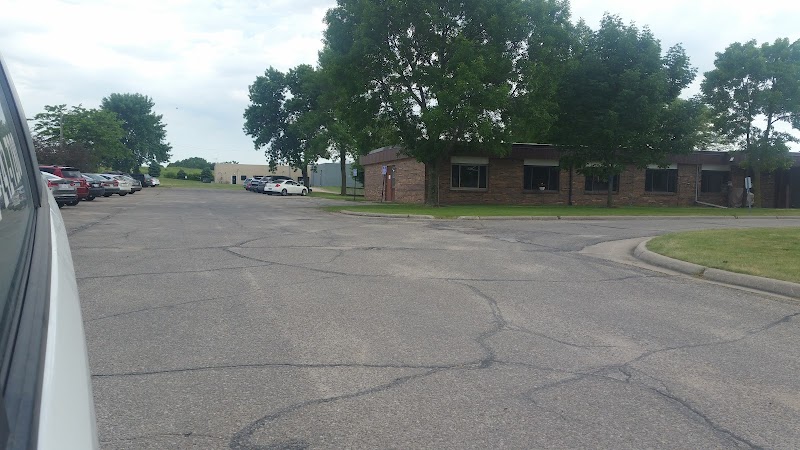
Who Owns and Operates Accura Healthcare Of Toledo?

Accura Healthcare of Toledo is owned by a for-profit company. For-profit facilities operate as businesses with obligations to shareholders or private owners. The facility is operated by ACCURA HEALTHCARE, a chain that manages multiple nursing homes. With 55 certified beds and approximately 46 residents (about 84% occupancy), it is a smaller facility located in Toledo, Iowa.

How Does Accura Healthcare Of Toledo Compare to Other Iowa Nursing Homes?

Compared to the 100 nursing homes in Iowa, Accura Healthcare of Toledo's overall rating (3 stars) is below the state average of 3.1 and health inspection rating (3 stars) is at the national benchmark.

What Should Families Ask When Visiting Accura Healthcare Of Toledo?

Based on this facility's data, families visiting should ask: "What changes have been made since the serious inspection findings, and how are you preventing similar issues?" "Can you walk me through typical staffing levels on day, evening, and night shifts?" "Can I visit during a mealtime to observe dining assistance and food quality?" "How do you handle medical emergencies, and what is your hospital transfer rate?" These questions are particularly relevant given the facility's Immediate Jeopardy citations and the below-average staffing rating.

Is Accura Healthcare Of Toledo Safe?

Based on CMS inspection data, Accura Healthcare of Toledo has documented safety concerns. Inspectors have issued 1 Immediate Jeopardy citation (the most serious violation level indicating risk of serious injury or death). The facility has a 3-star overall rating and ranks #100 of 100 nursing homes in Iowa. Families considering this facility should ask detailed questions about what corrective actions have been taken since these incidents.

Do Nurses at Accura Healthcare Of Toledo Stick Around?

Accura Healthcare of Toledo has not reported staff turnover data to CMS. Staff turnover matters because consistent caregivers learn residents' individual needs, medications, and preferences. When staff frequently change, this institutional knowledge is lost. Families should ask the facility directly about their staff retention rates and average employee tenure.

Was Accura Healthcare Of Toledo Ever Fined?

Accura Healthcare of Toledo has been fined $8,193 across 1 penalty action. This is below the Iowa average of $33,161. While any fine indicates a compliance issue, fines under $50,000 are relatively common and typically reflect isolated problems that were subsequently corrected. Families should ask what specific issues led to these fines and confirm they've been resolved.

Is Accura Healthcare Of Toledo on Any Federal Watch List?

Accura Healthcare of Toledo is not on any federal watch list. The most significant is the Special Focus Facility (SFF) program, which identifies the bottom 1% of nursing homes nationally based on persistent, serious quality problems. Not being on this list means the facility has avoided the pattern of deficiencies that triggers enhanced federal oversight. This is a positive indicator, though families should still review the facility's inspection history directly.