Sunrise Hill Care Center
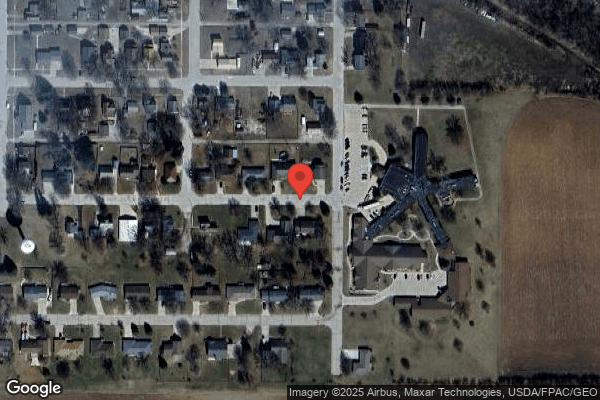
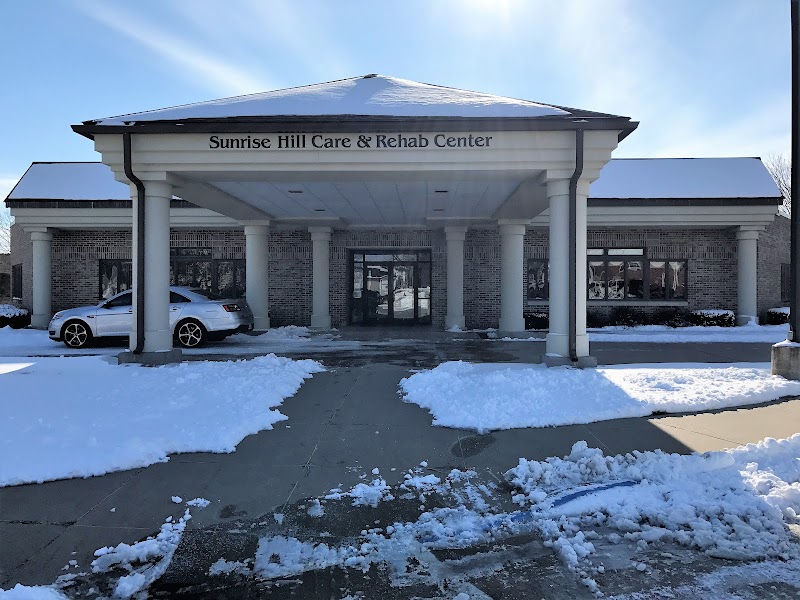
909 6TH STREET, TRAER, IA 50675 (319) 478-2730
For profit - Corporation 76 Beds Independent Data: November 2025
Trust Grade
85/100
#75 of 392 in IA
Last Inspection: October 2024

Within standard 12-15 month inspection cycle. Federal law requires annual inspections.

Overview

Sunrise Hill Care Center has a Trust Grade of B+, which means it is above average and generally recommended for families considering it for their loved ones. Ranking #75 out of 392 facilities in Iowa places it in the top half, and it is the best option among the four nursing homes in Tama County. However, the facility is experiencing a worsening trend, as issues have increased from one in 2023 to two in 2024. Staffing is relatively strong with a 4/5-star rating and a turnover rate of 23%, significantly lower than the state average, although it has concerning RN coverage, being below 94% of other facilities. While there have been no fines, which is a positive sign, recent inspector findings revealed serious incidents, including a resident falling and fracturing a hip due to improper assistance and another resident being left unattended, leading to similar injuries. These incidents highlight the need for improved supervision and adherence to safety protocols, indicating both strengths and weaknesses in the care provided.

Trust Score
B+
85/100
In Iowa
#75/392
Top 19%
Safety Record
Moderate
Needs review
Inspections
Getting Worse
1 → 2 violations
Staff Stability
✓ Good
23% annual turnover. Excellent stability, 25 points below Iowa's 48% average. Staff who stay learn residents' needs.
Penalties
✓ Good
No fines on record. Clean compliance history, better than most Iowa facilities.
Skilled Nurses
⚠ Watch
Each resident gets only 23 minutes of Registered Nurse (RN) attention daily — below average for Iowa. Fewer RN minutes means fewer trained eyes watching for problems.
Violations
✓ Good
Only 3 deficiencies on record. Cleaner than most facilities. Minor issues only.
★★★★★
5.0
Overall Rating
★★★★☆
4.0
Staff Levels
★★★★★
5.0
Care Quality
★★★★☆
4.0
Inspection Score
Stable
2023: 1 issues
2024: 2 issues

The Good

  • 4-Star Staffing Rating · Above-average nurse staffing levels
  • 5-Star Quality Measures · Strong clinical quality outcomes
  • Low Staff Turnover (23%) · Staff stability means consistent care
  • Full Sprinkler Coverage · Fire safety systems throughout facility
  • No fines on record
  • Staff turnover is low (23%)

    25 points below Iowa average of 48%

Facility shows strength in staffing levels, quality measures, staff retention, fire safety.

The Bad

No Significant Concerns Identified

This facility shows no red flags. Among Iowa's 100 nursing homes, only 1% achieve this.

The Ugly 3 deficiencies on record

2 actual harm
Jul 2024 1 deficiency
CONCERN (D) 📢 Someone Reported This

A family member, employee, or ombudsman was alarmed enough to file a formal complaint

Potential for Harm - no one hurt, but risky conditions existed

Resident Rights (Tag F0550)

Could have caused harm · This affected 1 resident

**NOTE- TERMS IN BRACKETS HAVE BEEN EDITED TO PROTECT CONFIDENTIALITY** Based on observation, clinical record review, staff and resident interviews, the facility failed to ensure that 1 of 3 residents...

Read full inspector narrative →
**NOTE- TERMS IN BRACKETS HAVE BEEN EDITED TO PROTECT CONFIDENTIALITY** Based on observation, clinical record review, staff and resident interviews, the facility failed to ensure that 1 of 3 residents reviewed were treated with dignity and respect (Resident #3). On 5/23/24 Staff A, Certified Nursing Assistant (CNA) yelled at Resident #3 in a disrespectful and undignified manner using foul language. The facility reported a census of 45 residents. Findings included The quarterly Minimum Data Set (MDS) dated [DATE] revealed short term memory problems and modified independence, some difficulty in making daily decisions in new situations only. The MDS further documented no behaviors or rejection of care and independent for chair to bed transfer and ability to stand from a seated position. The MDS further identified diagnoses that included: Malignant neoplasm of the right breast, chronic kidney disease, and Diabetes Mellitus. The Care Plan dated as initiated on 4/1/24 identified a focus are related to impaired cognitive function/dementia or impaired thought processes and directed staff to ask yes or no questions and cue resident and supervise as needed. Review of an Alleged Abuse Investigation of Resident #3 summary prepared and signed by the Director of Nursing (DON) included: On 5/28/24 Resident #3 reported to her daughter that last week a CNA had come into her room and told her it was time to go to bed. Resident #3 responded that it was too early. Resident #3 went to stand up and the CNA pushed her back down causing her knees to buckle and land on the floor beside her bed. Resident # 3 reported the CNA called her a derogatory name and also called her a princess. Resident #3 described the CNA and positive identification was made by showing a picture of Staff A, CNA to the resident. Resident #3 was checked for any skin markings that may have resulted from the incident and none were identified. Observation and interview on 7/16/24 at 1:45 p.m. Resident #3 was well groomed and sitting in her recliner in a private room. Stated that a staff person, described as a large gal with reddish hair, had pushed her on the chest causing her to fall from her bed to the floor. She was able to get back in bed, but wasn't ready to go to bed at that time. The staff person scared her and yelled at her using foul language and called her a derogatory name. Resident #3 added that she had reported to her daughter. Stated she was shown a picture and was able to identify the staff person who had yelled at her. Resident #3 responded that the staff person had not been back in her room since she reported her concerns, and that she feels safe at the facility but does not feel that she should be treated like that. In an interview on 7/16/24 at 4:09 p.m. Staff A, CNA identified that she had only had difficulty getting Resident #3 to bed on one occasion which was determined to be 5/23/24. Staff A stated she had first approached at 8:30 p.m. and Resident #3 had informed she was not ready to go to bed. Staff A stated she had re-approached at 9:00 p.m. and the resident allowed to toilet and get ready for bed in the bathroom, but wasn't happy about it. Staff A described that she had a gait belt on Resident #3 and walked her back to her bed, but again stated the resident was not happy and didn't want to go to bed. Staff A stated she lifted the bed so that Resident #3 could stand up easily and transferred her with the gait belt to her chair. Staff A denied pushing Resident #3 but did admit to calling her a derogatory name. Staff A stated she realized this was wrong. In an interview on 7/17/24 at 12:04 p.m. the daughter of Resident #3 stated that on 5/28/24 her mother told her that week prior an aide had wanted to put her to bed at 8:00 p.m., but her mom had informed the aide it was too early. Added that her mom reported that the aide had called her a derogatory name and a princess. The family member responded that her mother was calm, not crying or upset but was mad. Did say that her mother stated she had slept with one eye open, but really never brought it up again to her. Her mother had described the stature and hair color of the staff person and stated that she was in the room when her mother confirmed the staff person's identity by looking at a picture provided by the facility staff. In an interview on 7/16/24 at 2:10 p.m., the DON verified that she had completed the investigation The facility had suspended Staff A prior to her next shift. Prior to completion of the investigation Staff A had resigned however the facility had determined that Staff A had violated the abuse policy and that her language and treatment of Resident #3 was not the kind of treatment that is tolerated by the facility. Review of facility Abuse Prevention, Identification, Investigation and Reporting Policy dated as last reviewed 4/24 included: the expectation that all residents have the right to be from abuse. Definition of verbal abuse included: oral, written or gestured language that willfully include disparaging and derogatory terms to residents, or within their hearing distance.
Apr 2024 1 deficiency 1 Harm
SERIOUS (G) 📢 Someone Reported This

A family member, employee, or ombudsman was alarmed enough to file a formal complaint

Actual Harm - a resident was hurt due to facility failures

Accident Prevention (Tag F0689)

A resident was harmed · This affected 1 resident

**NOTE- TERMS IN BRACKETS HAVE BEEN EDITED TO PROTECT CONFIDENTIALITY** Based on observations, interviews, and record review, the facility failed to provide safety interventions required for 2 out of ...

Read full inspector narrative →
**NOTE- TERMS IN BRACKETS HAVE BEEN EDITED TO PROTECT CONFIDENTIALITY** Based on observations, interviews, and record review, the facility failed to provide safety interventions required for 2 out of 4 residents reviewed (Residents #1 and #2). Resident #2 required assist of 1 staff with a gait belt (a belt placed around the waist to aide in safe transfers and ambulation) for transfers and ambulation. A Certified Nurse Assistant (CNA) let go of the gait belt resulting in Resident #2 falling and fracturing her hip. Resident #1 was to not be left unattended in his room unless he was in bed. Resident #1 was found on floor unattended at least twice in his room. The facility reported a census of 47 residents. Findings include: 1. Resident #2's Minimum Data Set (MDS) assessment dated [DATE] identified a Brief Interview for Mental Status (BIMS) score of 14, indicating intact cognition. Resident #2 required extensive assist of 1 for transfers, ambulation and toilet use. The MDS included diagnoses of a cerebrovascular accident (CVA)(Stroke). A Care Plan Focus initiated on 6/30/22, identified Resident #2 as impulsive and tried to do more than she could safely do. Resident #2 had personal alarms. It directed the staff that Resident #2 required staff assistance of 1 person for toilet use and transfers. It documented Resident #2 received assistance of 1 person with a walker and gait belt for ambulation. Resident #2's Clinical Census reflected she transferred to the hospital on 9/14/23 and then returned from the hospital on 9/18/23. In addition, the list reflected Resident #2 discharged from the facility on 11/6/23. A Progress Note dated 9/14/23 at 4:45 AM, written by Staff B, Licensed Practical Nurse (LPN), documented at 4:00 AM Staff A, CNA reported that Resident #2 fell in her bathroom. Staff B, documented that Resident #2 was laying on her right side on the floor with her head resting on the wall. Resident #2 stated she hit her head on the right side behind her ear. Staff A and Staff B assisted Resident #1 up and placed her on the toilet. Resident #2 complained of sharp pain. Resident #2 was placed into a wheelchair and laid on to her bed for further assessment. Staff B documented that Resident #2's right hip was splayed out wider than normal. Staff B phoned 911. Resident #2's Incident Report dated 9/14/23 described her as sitting/laying on the bathroom floor (on her right side) with her head resting on the wall. Resident #2 had good range of motion, except for her right hip/leg. 2 Staff assisted her to standing with a gait belt. The report indicated Resident #2 had a right hip fracture repaired on 9/14/23. The Nurses Note dated 9/14/23 at 2:49 PM, reflected the facility's physician reported Resident #2 had a right hip fracture and they admitted her to the hospital for right hip surgery. The Nurses Note dated 9/18/23 at 5:15 PM, indicated Resident #2 returned to the facility. The Hospital's Clinical Summary dated 9/18/23, indicated the hospital admitted Resident #2 after undergoing surgical repair for a right hip fracture (intertrochanteric, right femur). The summary included a diagnosis of acute blood loss. The Hospital Progress Notes printed 9/18/23 indicated the provided suspected Resident #2 bled into her surgical site, resulting in Resident #2 receiving 2 units of blood. The note included Resident #2 also had a T12 compression fracture (Fracture in mid-lower back of the vertebrae bone). On 4/3/24 at 10:41 PM, Staff B explained Staff A called her to Resident #2's room. When she arrived, she found Resident #2 sitting in the corner of the bathroom floor. Staff B explained as Staff A threw linen around the corner into the bathroom linen cart. Staff B said when Staff A reached around the corner, Resident #2 fell in that short of period of time. Staff B remarked Staff A took Resident #2 to the toilet. Staff B stated she did not remember if Resident #2 had a gait belt around her waist or not. Staff B stated they lifted Resident #2 off the floor and sat her on the toilet. Staff B stated Resident #2 said that hurts and she wouldn't bear any weight on one leg. Staff B reported she and Staff A when lifting Resident #2 off of the floor and transferring Resident #2 to the toilet, were lifting her up while holding onto Resident #2 under each arm. Staff B stated she wanted to say Resident #2 had a gait belt on when they lifted her but staff B couldn't remember. Staff B reported Resident #1 required assistance for 1 person with transfers. Staff B said of course they are supposed to have a gait belt on Resident #2. She stated they are to use a gait belt on residents that are an assist of 1 for transfers and ambulation. Staff B described Resident #2 as spring loaded, as she would pop up on her own. She always tried to do things like that. She couldn't be left alone on the toilet. Resident #2 had a bed alarm while she slept. Staff B thought that Resident #2 had a bed and a floor alarm. Staff B stated she sent Resident #2 to the hospital. On 4/4/24 at 9:22 AM, Staff A reported Resident #2 washed her hands at the sink of her small bathroom, after having a bowel movement. Resident #2 fell back into the corner of her bathroom. Staff A explained she assisted Resident #2 with standing up from the toilet using the gait belt. Staff A turned to put the dirty towels on to the floor of the bathroom while Resident #2 stood at the sink. Staff A stated she had to use both of her hands to move the towels and at that moment Resident #2 fell. Staff A stated she didn't have time to turn and help Resident #2 before she fell. Staff A said she needed to move the dirty towels to the floor. The towels were in her hand and her clean hand was holding the gait belt. Staff A said she let go (of the gait belt) with her clean hand to use both of her hands to move the towels to the floor. Staff A explained she should have kept a hold of the gait belt as Resident #2 stood. On 4/3/24 at 4:30 PM, the Director of Nursing (DON), stated understanding of concern with gait belt use for Resident #2. This DON acknowledged that a fall with fracture happened a year prior related to a different CNA letting go of Resident #2's gait belt. She stated her expectations would be that a gait belt would be used with transferring off the toilet for Resident #2. The DON stated all residents with assist of 1 needed to have a gait belt and the staff should not let go of that gait belt when a resident is standing, transferring, and/or ambulating. The DON stated the facility provided education that Staff A attended after the last time Resident #2 fell and broke her hip. A Major Injury Determination Form dated 9/14/23, documented that the circumstances of the incident causing the injury was a fall. The description of the injury was a right hip fracture and fracture of T12. The form described the resident's previous functional ability as an assist of one, gait belt and walker. The facility's physician checked that after reviewing the circumstances of the incident causing the injury, the previous functional ability of the patient, and the patient's prognosis, they believed Resident #2 had a major injury, pursuant to 481 Iowa Administrative Code 50.7(1)(a)(3). The Use of Gait Belt Policy dated October 2021, directed the staff to use gait belts with residents that cannot independently ambulate or transfer for the purpose of safety. 2. Resident #1's MDS assessment dated [DATE], identified a BIMS score of 3, indicating severe cognitive impairment. Resident #1 required substantial/maximal assistance for toilet use and transferring. The MDS included a diagnosis of non-Alzheimer's dementia. A Care Plan Focus regarding Fall/Safety initiated 5/31/23, directed the staff to encourage Resident #1 to stay out of his room unattended unless in bed. If in his bed, ensure he had a bed alarm and pressure pad in chair for safety. The Care Plan included Resident #1 fell on 6/4/23, 9/8/23, 11/3/23, 11/28/23 (resulting in a right hip fracture), 2/18/24 and 3/16/24. The Nurses Note dated 2/18/24 at 1:55 PM reflected the nurse found Resident #1 laying on the floor on his back in the bathroom. He couldn't say what happened. 2 staff assisted him to standing with a gait belt. The assessment revealed a skin tear on his left hand. The nurse cleaned the area and approximated (put together) with steri-strips. The facility notified the doctor and Resident #1's son of the incident and his new skin area. Resident #1's Incident Report dated 2/18/24 indicated the staff found him on his bathroom floor. The facility reeducated the staff to not leave Resident #1 alone in his bedroom unless he's in bed. The Nurses Note dated 3/16/24 at 3:15 PM, reflected the staff found Resident #1 lying on the floor next to his bed, positioned flat on his back with his legs extended out. He denied pain and his assessment revealed no injuries or skin issues noted. 2 staff assisted Resident #1 to stand and transfer to his wheelchair. Resident #1's Incident Report dated 3/16/24 listed Resident #1 as not to be alone in room unless in bed. He tried to self-transfer from his recliner in his room. The Incident Report directed the staff to have Resident #1 at the nurse's station for closer supervision. On 4/4/24 at 10:05 AM, the DON explained she educated all of the staff including nurses that Resident #1 should not be left alone in his room unless he had his alarms on and laid in bed. She expected them to follow that. She said Resident #1 should sit in in the recliner by the nurses' station when the staff couldn't observe him in his room. The DON acknowledged that on the incident reports indicated Resident #1 fell twice while unattended in his room. She stated the staff received reeducation both times. A Fall Assessment Protocol updated August 2022, directed to complete fall risk assessments with Care Plan reviews and would be reviewed with the QA (Quality Assurance) committee weekly. It directed to review the incidents at the weekly meeting with team input. In addition, the DON monitors all falls and attempts to determine patterns regarding day of the week, time of the day, and where the fall occurs. The form reflected to implement changes and update the written plan of care with input from all members of the interdisciplinary team.
Apr 2023 1 deficiency 1 Harm
SERIOUS (G) 📢 Someone Reported This

A family member, employee, or ombudsman was alarmed enough to file a formal complaint

Actual Harm - a resident was hurt due to facility failures

Accident Prevention (Tag F0689)

A resident was harmed · This affected 1 resident

**NOTE- TERMS IN BRACKETS HAVE BEEN EDITED TO PROTECT CONFIDENTIALITY** Based on facility and Hospital records review, staff interviews and facility policy review, the facility failed to provide adequ...

Read full inspector narrative →
**NOTE- TERMS IN BRACKETS HAVE BEEN EDITED TO PROTECT CONFIDENTIALITY** Based on facility and Hospital records review, staff interviews and facility policy review, the facility failed to provide adequate supervision for residents to avoid falls with injuries to occur for 2 out of 3 residents reviewed for falls (Resident #1 and #2). Staff A, Certified Nurse Aide (CNA), let go of Resident #1's gait belt, which resulted in Resident #1 tripping over her walker, falling, and sustaining a fractured hip. Staff B, CNA, stepped out of Resident #2's room to grab an EZ Stand Lift (transferring device) and did not lower Resident #2's bed, which resulted in Resident #2 falling out of a bed that was not in it's lowest position, thus resulting in a fractured leg and rib/s for the resident. The facility reported a census of 53. Findings Include: 1. A Minimum Data Set (MDS) dated [DATE], documented diagnoses for Resident #1 included unspecified fracture of left femur. A Brief Interview for Mental Status (BIMS) documented a score of 15 out of 15, indicating Resident #1's cognition intact. This resident identified required limited assist of 1 for transfers and ambulation and an extensive assist of 1 for toileting and dressing. A Care Plan initiated on 6/30/22, showed a self care deficit focus area on it, which included a rationale for this problem as a fall with fracture. An intervention directed staff the resident was an assist of one with a walker and a gait belt. A Progress Note dated 9/25/22 at 8:25 p.m., documented Staff A, CNA requested the Nurse to go to Resident #1's room. The Staff A stated the resident was returning from the bathroom using a walker and gait belt. CNA stated the resident stopped and CNA turned to get sleep pants for the resident and heard the sound of the resident falling and yelling. The Nurse entered the room and found the resident behind the door by the night stand on her left side. The Nurse asked this resident how it happened and the resident answered that she did not know but she was still here. Vital signs were blood pressure (BP)190/100, pulse oxygenation (O2 Sat) 97%, Pulse (P)94, temperature (T) 97.9 Fahrenheit (F), and respirations (R) 22. Assisted resident up with 2 staff and a gait belt and the resident immediately had increased pain and discomfort. The resident placed into a wheelchair and transferred to bed where resident was laying flat. Noted the resident's left hip had external rotation, her left heel was shorter and she displayed continued discomfort. The resident given scheduled Tylenol and insulin with snack. A Progress Note on 9/25/22 at 8:50 p.m., documented that the ambulance was at the facility to transport Resident #1 to the hospital. A Progress Note on 9/26/22 at 3:32 p.m., documented that Resident #1 was admitted to the hospital for a left hip fracture. A Progress Note on 9/27/22, documented the Social Worker from the Hospital reported the resident had surgery on her left hip on 9/26/22 and was to return to the facility. A Hospital History and Physical (H&P) showed an admission date of 9/26/22 and documented Resident #1 had a past history of knee replacement, CVA (stroke), atrial fibrillation (A-Fib, irregular rapid heart rate) on Eliquis (blood thinner), diabetes and presented from nursing home facility for evaluation. The H&P documented the resident stated she was ambulating with help of a walker and tripped landing on the left side of her body. The patient was unable to bear any weight on affected extremity and hence the facility called 911. The H&P documented that upon arrival the resident's left lower extremity was seen externally rotated with excruciating pain. The resident underwent x-ray which showed left intertrochanteric femur fracture (hip fracture). The resident was also found to have A-fib with RVR (rapid ventricular (heart chambers) rate) upon presentation for which she was placed on a Cardizem (medication for ventricular rate control in A. fib) drip. In the emergency room (ER) the patient received Fentanyl (synthetic opioid for pain control). Upon further history taking the resident's daughter mentioned that on 6/6 this resident had left knee replacement and transiently had to stop her anticoagulation medication (blood thinner). The resident apparently developed left sided hemiparesis after stopping her anticoagulation and a MRI (imaging test for soft tissues) of her brain indicated ischemic (reduced or blocked supply of blood) stroke. The resident's sensorimotor deficit is back to her baseline as far as stroke was concerned. An X-ray of the resident's hip 2-3 views done on 9/25/22 at 11:42 p.m., revealed an intertrochanteric fracture on the left femur and no dislocation noted. On 4/5/23 at 1:50 p.m., Staff A, CNA Agency, stated she had worked at the facility before the incident but had not worked down Resident #1's hall. When asked how she knew what each resident's Plan of Care was, she stated she knew what the needs of the resident were because staff had given her a list of residents and what they needed for Activities of Daily Living (ADL's) . Staff A stated that day she had taken Resident #1 to the toilet. Staff A reported on the way back from the toilet, she had a gait belt on Resident #1 and Resident #1 was using her walker. Staff A explained Resident #1 wanted her sleep pants and Staff A asked if Resident #1 would sit down first. Resident #1 said she didn't want to sit down and Staff A stated she let go of Resident #1 for just a second. Staff A felt that Resident #1 had been pretty steady on her feet. Staff A stated she had taken 2 steps toward the closet to grab the resident's pants and Resident #1 fell. Staff A stated she felt so horribly bad. She repeated this and also said that she shouldn't have let go of Resident #1. Staff A said it was her fault the resident fell because she should not have let go of the gait belt. Staff A stated she felt bad to this day. Staff A added if she could do it over again, she would not have let go of the gait belt and would have insisted that Resident #1 sit down first prior to going to getting her sleep pants. On 4/6/23 at 2:13 p.m., Staff C, Licensed Practical Nurse (LPN), stated that Resident #1 was pleasantly confused but also can remember your name. Staff C stated she asked Resident #1 what had happened but Resident #1 could not say that she had stumbled over her feet. Staff C stated they assisted her up and she immediately complained of pain, so Staff C assessed her and then sent her up to the ER at the Hospital. Staff C reported Staff A was a CNA from an agency. When Staff A turned around that's when the resident must have done something and she couldn't relay what it was but it resulted in the fall. Staff A didn't say anything about letting go of the gait belt, but she would have had to let go of the gait belt because Staff A was getting things out of the dresser and it was far enough away that she would not have been able to keep a hold of the gait belt. 2. A MDS dated [DATE], documented that Resident #2's diagnoses included Alzheimer's, anxiety and depression. A BIMS documented a score of 11 out of 15, indicated the resident with moderately impaired cognition. Resident #2 required extensive assist of 2 for bed mobility and transfers. A Care Plan initiated on 9/1/22, had a self care deficit focus area with interventions that directed staff the resident was assist of 2 staff for bed mobility and was an assist of 2 staff for transfers with the EZ Stand. A Progress Note on 3/10/23 at 10:56 a.m., documented Staff B, CNA was assisting the resident with morning cares and as she turned her back to get the EZ stand and another CNA to assist, the resident rolled out of bed. The resident was found lying on her back in her room with her head up against the nightstand at 6:45 a.m. The Staff B called for help. The resident's leg was bent at the knee and tucked under her left leg. This resident did state that her leg hurt when asked. Staff D, Registered Nurse (RN) documented they did not attempt to move resident related to unknown injury. A call was placed for an ambulance. Assessment, neurological checks and vital signs were completed and were within normal limits (WNL). The paramedics and staff assisted to get this resident on to the cart and this resident was brought to the hospital. Vital signs were BP 140/84, P-90, R-20, O2 sat 97%, T 97.8 (F). A Progress Note dated 3/10/23 at 2:17 p.m., documented that a call was received from the ER Nurse who stated that the resident had a right femur fracture and was being transferred to another hospital. A Progress Note dated 3/11/23 at 2:51 p.m., documented the writer spoke with the Hospital Staff, whom stated the resident had a full leg brace on at that time and was planning on having surgery for the right femur fracture the following day. A Discharge (DC) Summary (from the 2nd hospital) dated 3/16/23, documented the resident was admitted on [DATE] after a witnessed fall at her Care Facility. Her injuries were documented as right displaced 6 rib and possible 7-8 ribs, and right periprosthetic midshaft femur fracture (fracture of large leg bone above a knee replacement). The DC Summary documented Resident #2 had an open reduction internal fixation of the femoral shaft (surgery to fix severely broken bones). The DC Summary documented the resident was trying to get out of bed and fell to the ground resulting in the above fractures. The DC Summary also documented Resident #2 was initially evaluated at an outside hospital where a local Orthopedics Doctor was not comfortable managing, so Resident #2 was transferred to this hospital. On 4/5/23 at 2:21 p.m., Staff B, CNA, stated she was getting Resident #2 ready and dressed her in the bed. Staff B had the bed up to her waist level so that Staff B wasn't bending over or hurting her back or anything. The EZ Stand Lift was right outside the room. Staff B stated she probably took 3 to 4 steps away from the bed to get to the EZ Stand. Staff B didn't want to bring all the equipment into the room so she left the EZ Stand out in the hall while Staff B did Resident #2's cares. When Staff B was getting Resident #2 dressed, Resident #2 was lying flat on her back in her bed. Staff B stated Resident #2 would roll pretty well in bed, it depended on the day. Staff B stated that Resident #2 would roll but you have to give her assistance or a little bit of a push to have her roll on to her side. Staff B stated that when using the EZ Stand Resident #2 could grab the bar with 1 hand. Staff B stated this resident was not a fall risk at the time. Staff B stated that Resident #2 sat up and flipped around and landed on the floor (when Staff B stepped away from the bed). Staff B stated she watched it happened but she couldn't do anything because Staff B had the EZ stand right in front of her (the EZ stand was between Staff B and the bed as she was pushing it into the room). Staff B stated the Nurse was right out there in the hall and asked what was that? In hind sight, Staff B stated she would have lowered the bed and/or she would have brought the EZ stand into the room instead of leaving it out in the hall. Staff B stated that anytime you are not at the bed the bed needs to be in low position. Staff B stated she had worked with Resident #2 quite a few times as having worked at the facility about a year and a half. Staff B stated that never would she have thought the resident would fall out of bed. On 4/6/23 at 2:24 p.m., Staff D, RN, stated that was her hall for the morning, so she knew the CNA's were getting Resident #2 ready for the day. Staff D stated she was 2 doors down (from Resident #2's room) and 1 CNA was in there (Staff B) and Staff D knew that the other CNA was across the hall. Staff D stated she did not know where the EZ Stand was as Staff D wasn't with Staff B. Staff D stated the bed was up in a higher position and she heard the boom. Staff D stated she then heard Staff B yell for help. Staff D stated that it was obvious that something was wrong with Resident #2's right leg, just the way it was positioned, I didn't want to move her. Staff D stated she didn't know if the leg was dislocated or if there was a break in her hip or leg. Staff D knew Resident #2 required 2 staff for transfer, but did not know how many staff Resident #2 required while in bed. (per MDS Resident #2 required extensive assist of 2 for bed mobility). On 4/6/23 at 10:30, the Director of Nursing (DON), concurred residents' beds in low position before leaving the room, and keeping hold of the gait belt are standards of care and should be followed. She agreed that leaving the bed up further than the lowest position would need to be Care Planned specifically for a resident. The DON stated Staff B had stated that part of the reason Staff B left the EZ Stand out in the hallway was that Resident #2 liked to reach for the stand and Staff B did not want the resident to reach for the EZ Stand while Staff B was providing cares and getting resident ready in bed. Review of the Gait Belt policy updated on 10/2021, directed staff that gait belts were to be used on residents who could not ambulate or transfer independently for the purpose of safety. Review of the Fall Policy updated on 8/2022, directed staff that a Fall Assessment Review will be done with each MDS Assessment with interventions added at that time.
Understanding Severity Codes (click to expand)
Life-Threatening (Immediate Jeopardy)
J - Isolated K - Pattern L - Widespread
Actual Harm
G - Isolated H - Pattern I - Widespread
Potential for Harm
D - Isolated E - Pattern F - Widespread
No Harm (Minor)
A - Isolated B - Pattern C - Widespread

Questions to Ask on Your Visit

  • "Can I speak with families of current residents?"
  • "What's your RN coverage like on weekends and overnight?"

Our Honest Assessment

Strengths
  • • Grade B+ (85/100). Above average facility, better than most options in Iowa.
  • • No fines on record. Clean compliance history, better than most Iowa facilities.
  • • 23% annual turnover. Excellent stability, 25 points below Iowa's 48% average. Staff who stay learn residents' needs.
Concerns
  • • 3 deficiencies on record, including 2 serious (caused harm) violations. Ask about corrective actions taken.
Bottom line: Generally positive indicators. Standard due diligence and a personal visit recommended.

About This Facility

What is Sunrise Hill Care Center's CMS Rating?

CMS assigns Sunrise Hill Care Center an overall rating of 5 out of 5 stars, which is considered much above average nationally. Within Iowa, this rating places the facility higher than 99% of the state's 100 nursing homes. This rating reflects solid performance across the metrics CMS uses to evaluate nursing home quality.

How is Sunrise Hill Care Center Staffed?

CMS rates Sunrise Hill Care Center's staffing level at 4 out of 5 stars, which is above average compared to other nursing homes. Staff turnover is 23%, compared to the Iowa average of 46%. This relatively stable workforce can support continuity of care.

What Have Inspectors Found at Sunrise Hill Care Center?

State health inspectors documented 3 deficiencies at Sunrise Hill Care Center during 2023 to 2024. These included: 2 that caused actual resident harm and 1 with potential for harm. Deficiencies causing actual harm indicate documented cases where residents experienced negative health consequences.

Who Owns and Operates Sunrise Hill Care Center?

Sunrise Hill Care Center is owned by a for-profit company. For-profit facilities operate as businesses with obligations to shareholders or private owners. The facility operates independently rather than as part of a larger chain. With 76 certified beds and approximately 50 residents (about 66% occupancy), it is a smaller facility located in TRAER, Iowa.

How Does Sunrise Hill Care Center Compare to Other Iowa Nursing Homes?

Compared to the 100 nursing homes in Iowa, Sunrise Hill Care Center's overall rating (5 stars) is above the state average of 3.1, staff turnover (23%) is significantly lower than the state average of 46%, and health inspection rating (4 stars) is above the national benchmark.

What Should Families Ask When Visiting Sunrise Hill Care Center?

Based on this facility's data, families visiting should ask: "Can I visit during a mealtime to observe dining assistance and food quality?" "How do you handle medical emergencies, and what is your hospital transfer rate?" "Can I speak with family members of current residents about their experience?"

Is Sunrise Hill Care Center Safe?

Based on CMS inspection data, Sunrise Hill Care Center has a clean safety record: no substantiated abuse findings (meaning no confirmed cases of resident harm), no Immediate Jeopardy citations (the most serious violation level indicating risk of serious injury or death), and is not on the Special Focus Facility watch list (a federal program monitoring the lowest-performing 1% of nursing homes). The facility has a 5-star overall rating and ranks #1 of 100 nursing homes in Iowa. While no facility is perfect, families should still ask about staff-to-resident ratios and recent inspection results during their visit.

Do Nurses at Sunrise Hill Care Center Stick Around?

Staff at Sunrise Hill Care Center tend to stick around. With a turnover rate of 23%, the facility is 22 percentage points below the Iowa average of 46%. Low turnover is a positive sign. It means caregivers have time to learn each resident's needs, medications, and personal preferences. Consistent staff also notice subtle changes in a resident's condition more quickly.

Was Sunrise Hill Care Center Ever Fined?

Sunrise Hill Care Center has no federal fines on record. CMS issues fines when nursing homes fail to meet care standards or don't correct problems found during inspections. The absence of fines suggests the facility has either maintained compliance or corrected any issues before penalties were assessed. This is a positive indicator, though families should still review recent inspection reports for the full picture.

Is Sunrise Hill Care Center on Any Federal Watch List?

Sunrise Hill Care Center is not on any federal watch list. The most significant is the Special Focus Facility (SFF) program, which identifies the bottom 1% of nursing homes nationally based on persistent, serious quality problems. Not being on this list means the facility has avoided the pattern of deficiencies that triggers enhanced federal oversight. This is a positive indicator, though families should still review the facility's inspection history directly.