Hillcrest Health Care Center
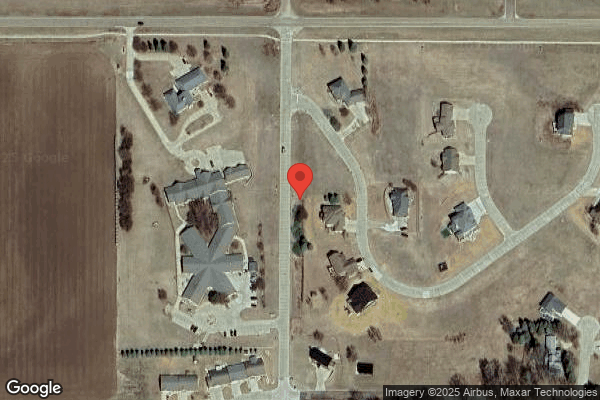
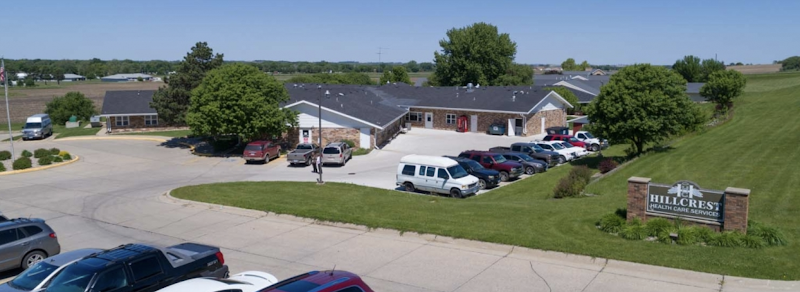
2121 Avenue L, Hawarden, IA 51023 (712) 551-1074
For profit - Limited Liability company 64 Beds THE ENSIGN GROUP Data: November 2025 2 Immediate Jeopardy citations
Trust Grade
11/100
#356 of 392 in IA
Last Inspection: March 2025

Within standard 12-15 month inspection cycle. Federal law requires annual inspections.

Overview

Hillcrest Health Care Center has received a Trust Grade of F, indicating significant concerns regarding its operations and care quality. It ranks #356 out of 392 nursing homes in Iowa, placing it in the bottom half of facilities statewide and at #5 out of 5 in Sioux County, meaning there are no better local options available. While the facility is showing some improvement, reducing issues from 35 in 2024 to 10 in 2025, it still faces challenges, including $25,450 in fines, which is higher than 76% of Iowa facilities. Staffing is rated average with a turnover rate of 54%, suggesting that while staff may not stay long-term, there is adequate coverage. However, there have been critical incidents, such as residents receiving incorrect diets, leading to choking risks, and failures in proper use of personal protective equipment, raising concerns about safety and hygiene standards. Overall, families should weigh these significant weaknesses against the facility's average staffing and recent improvements.
Trust Score
F
11/100
In Iowa
#356/392
Bottom 10%
Safety Record
High Risk
Review needed
Inspections
Getting Better
35 → 10 violations
Staff Stability
⚠ Watch
54% turnover. Above average. Higher turnover means staff may not know residents' routines.
Penalties
✓ Good
$25,450 in fines. Lower than most Iowa facilities. Relatively clean record.
Skilled Nurses
○ Average
Each resident gets 32 minutes of Registered Nurse (RN) attention daily — about average for Iowa. RNs are the most trained staff who monitor for health changes.
Violations
⚠ Watch
54 deficiencies on record. Higher than average. Multiple issues found across inspections.
★☆☆☆☆
1.0
Overall Rating
★★★☆☆
3.0
Staff Levels
★★☆☆☆
2.0
Care Quality
★☆☆☆☆
1.0
Inspection Score
Stable
2024: 35 issues
2025: 10 issues

The Good

  • Full Sprinkler Coverage · Fire safety systems throughout facility
  • No fines on record

Facility shows strength in fire safety.

The Bad

1-Star Overall Rating

Below Iowa average (3.0)

Significant quality concerns identified by CMS

Staff Turnover: 54%

Near Iowa avg (46%)

Higher turnover may affect care consistency

Federal Fines: $25,450

Below median ($33,413)

Moderate penalties - review what triggered them

Chain: THE ENSIGN GROUP

Part of a multi-facility chain

Ask about local staffing decisions and management

The Ugly 54 deficiencies on record

2 life-threatening
Mar 2025 10 deficiencies
CONCERN (D)

Potential for Harm - no one hurt, but risky conditions existed

Deficiency F0582 (Tag F0582)

Could have caused harm · This affected 1 resident

Based on clinical record review and staff interview, the facility failed to obtain physical signatures or record attempts to obtain physical signatures on notification of the Notice of Medicare Non-Co...

Read full inspector narrative →
Based on clinical record review and staff interview, the facility failed to obtain physical signatures or record attempts to obtain physical signatures on notification of the Notice of Medicare Non-Coverage (NOMNC) Centers of Medicare & Medicaid (CMS)-10123 and CMS form CMS-10055 for 1 of 3 sampled residents (Residents #204). The facility reported a census of 50 residents. Findings Include: Record review for Resident #204 revealed form CMS 10123-NOMNC with a services end date of 9/4/24. Resident #204's representative gave verbal consent for signature on 9/4/24 however lacked a signature of resident or resident representative. Review of Resident #204's Progress Notes lacked any documentation on any attempts to obtain physical signatures on CMS 10123-NOMNC and CMS-10055. Review of the Centers (CMS) Medicare Claims Processing Manual Chapter 30 with a revision date of 1/21/22 revealed the following information under ABN options for Delivery other than in-person revealed ABNs should be delivered in-person and prior to the delivery of medical care which is presumed to be non-covered. In circumstances when in-person delivery is not possible, notifiers may deliver an ABN using another method. Examples include: Direct telephone contact, Mail, Secure fax machine or Internet e-mail. All methods of delivery require adherence to all statutory privacy requirements under HIPAA. The notifier must receive a response from the beneficiary or his/her representative in order to validate delivery. When delivery is not in-person, the notifier must verify that contact was made in his/her records. In order to be considered effective, the beneficiary should not dispute such contact. Telephone contacts should be followed immediately by either a hand-delivered, mailed, emailed, or a faxed notice. The beneficiary should sign and retain the notice and send a copy of this signed notice to the notifier for retention in the patient's record. The notifier must keep a copy of the unsigned notice on file while awaiting receipt of the signed notice. If the beneficiary does not return a signed copy, the notifier should document the initial contact and subsequent attempts to obtain a signature in appropriate records or on the notice itself. Review of the CMS NOMNC form instructions for the NOMNC CMS-10123 revealed the signature line: beneficiary/enrollee or the representative must sign this line and the date line: The beneficiary/enrollee or the representative must fill in the date that he or she signs the document. If the document is delivered, but the enrollee or the representative refuses to sign on the delivery date, then annotate the case file to indicate the date that the form was delivered. CMS requires that notification of changes in coverage for an institutionalized beneficiary/enrollee who is not competent be made to a representative. Notification to the representative may be problematic because that person may not be available in person to acknowledge receipt of the required notification. Providers are required to develop procedures to use when the beneficiary/enrollee is incapable or incompetent, and the provider cannot obtain the signature of the enrollee ' s representative through direct personal contact. If the provider is personally unable to deliver a NOMNC to a person acting on behalf of an enrollee, then the provider should telephone the representative to advise him or her when the enrollee ' s services are no longer covered. The date of the conversation is the date of the receipt of the notice. Confirm the telephone contact by written notice mailed on that same date. When direct phone contact cannot be made, send the notice to the representative by certified mail, return receipt requested. The date that someone at the representative ' s address signs (or refuses to sign) the receipt is the date of receipt. Place a dated copy of the notice in the enrollee ' s medical file. When notices are returned by the post office with no indication of a refusal date, then the enrollee ' s liability starts on the second working day after the provider ' s mailing date. Interview on 2/25/25 at 02:47 p.m., with the Administrator revealed she was unaware the forms needed a physical signature as Social Services did the forms.
CONCERN (D)

Potential for Harm - no one hurt, but risky conditions existed

Safe Environment (Tag F0584)

Could have caused harm · This affected 1 resident

**NOTE- TERMS IN BRACKETS HAVE BEEN EDITED TO PROTECT CONFIDENTIALITY** Based on resident interview, family interview, staff interview, and policy review the facility failed to ensure 1 of 1 resident'...

Read full inspector narrative →
**NOTE- TERMS IN BRACKETS HAVE BEEN EDITED TO PROTECT CONFIDENTIALITY** Based on resident interview, family interview, staff interview, and policy review the facility failed to ensure 1 of 1 resident's personal property was protected from loss or theft, (Resident #48). The facility reported a census of 50 residents. Findings include: Review of Resident #48's Minimum Data Set (MDS) dated [DATE] revealed a Brief Interview for Mental Status (BIMS) score of 12 indicating moderate cognitive impairment. Interview on 2/25/25 at 1:17 PM with Resident # 48 revealed that she had a quilt that went missing from the laundry. Resident #48 revealed she had let the facility know, but it had not been replaced. Review of an untitled and undated document for inventory with Resident #48's name revealed nothing marked for personal inventory. Interview on 3/6/25 at 10:32 AM Staff D Social Services revealed that he was not the Social Worker at the time when Resident #48 was admitted to the facility. Staff D then revealed that he did not complete the form but the previous social service personnel should have filled the form out. Staff D revealed that forms should be updated while the residents are here. Staff D further confirmed that the inventory sheet was not filled out but signed by the residents representative. Interview on 3/6/25 at 10:47 AM with Resident #48's representative confirmed she did sign a sheet at admission, but could not recall an inventory sheet. This representative could not recall all the items that Resident #48 came to the facility with. Interview on 3/6/25 at 11:17 AM with the Administrator revealed every time things are brought in they should be added to the inventory list. The Administrator further revealed the inventory list should be updated. Review of a facility provided policy titled, Inventory of Personal Property with a revision date of 7/2015 revealed: a. When a resident is admitted to the facility, an inventory of the resident ' s personal effects shall be done by a staff member of the facility. The inventory should include the recording of all personal clothing, valuable articles, etc. which are brought into the facility with the resident and retained by the resident. These personal effects shall be recorded on the Inventory of Personal Effects form.
CONCERN (D)

Potential for Harm - no one hurt, but risky conditions existed

Comprehensive Care Plan (Tag F0656)

Could have caused harm · This affected 1 resident

**NOTE- TERMS IN BRACKETS HAVE BEEN EDITED TO PROTECT CONFIDENTIALITY** Based on clinical record review and staff interview the facility failed to revise and update care plans to include and address h...

Read full inspector narrative →
**NOTE- TERMS IN BRACKETS HAVE BEEN EDITED TO PROTECT CONFIDENTIALITY** Based on clinical record review and staff interview the facility failed to revise and update care plans to include and address high risk medications and side effects to watch for 1 out of 22 sampled residents reviewed for comprehensive care plans (Resident #13). The facility reported a census of 50 residents. Findings include: The Minimum Data Set (MDS) assessment dated [DATE] for Resident #13 documented diagnoses of coronary artery disease, fibromyalgia and respiratory failure. The MDS showed the Brief Interview for Mental Status (BIMS) score of 8, indicating moderate cognitive impairment. Review of Order Summary Report dated 3/6/25 revealed an order for oxycodone-actaminophen (opioid medication) tablet with an order date of 1/30/25. Review of the undated current Care Plan lacked usage of opioid medication and side effects to watch for with opioid medication usage. Review of the facility provided policy titled Comprehensive Person Centered Care Planning with a revision date of 03/2022 revealed this facility shall develop a comprehensive person-centered care plan for each resident. Interview on 3/10/25 at 2:24 p.m., with the Administrator revealed the medication and side effects should be on the care plan.
CONCERN (D) 📢 Someone Reported This

A family member, employee, or ombudsman was alarmed enough to file a formal complaint

Potential for Harm - no one hurt, but risky conditions existed

Quality of Care (Tag F0684)

Could have caused harm · This affected 1 resident

**NOTE- TERMS IN BRACKETS HAVE BEEN EDITED TO PROTECT CONFIDENTIALITY** Based on record review, resident and staff interviews and facility policy review the facility failed to provide physician ordere...

Read full inspector narrative →
**NOTE- TERMS IN BRACKETS HAVE BEEN EDITED TO PROTECT CONFIDENTIALITY** Based on record review, resident and staff interviews and facility policy review the facility failed to provide physician ordered daily weights 1 of 1 residents reviewed (Resident #11) and failed to provide pressure ulcer dressing changes as ordered by the physician for 1 of 1 residents reviewed (Resident #44). The facility reported a census of 50 residents. Findings include: 1. The Minimum Data Set (MDS) assessment dated [DATE] for Resident #11 documented heart failure, hypertension and coronary artery disease. The MDS showed the Brief Interview for Mental Status (BIMS) score of 6, indicating severe cognitive impairment. Review of signed Physician Order dated 9/5/24 revealed an order for daily weights, call clinic for a weight gain of 2-3 pounds overnight or 5 pounds in 1 week. Review of signed Order Summary Report dated 2/5/25 revealed an order for daily weights with an order date of 10/18/24 with a start date of 10/19/24. Review of the Progress Notes revealed the following: 11/4/24 at 2:10 p.m., daily weight, scale out for repair 11/5/24 at 1:21 p.m., daily weight, scale broke 11/7/24 at 7:07 a.m., daily weight, scale broke 11/7/24 at 10:12 a.m., daily weight, scale is broken 11/8/24 at 6:49 a.m., daily weight, scale broke 11/11/24 at 7:04 a.m., daily weight, scale broke 12/21/24 at 7:21 a.m., daily weight, scale getting fixed 12/22/24 at 6:48 a.m., daily weight, scale broke 12/23/24 at 11:12 a.m., daily weight, scale inoperable 12/24/24 at 10:46 a.m., daily weight, scale inoperable 12/25/24 at 10:20 a.m., daily weight, scale inoperable 12/26/24 at 7:25 a.m., daily weight, scale inoperable 12/27/24 at 6:13 p.m., daily weight, not gotten, scale broken 12/28/24 at 8:37 a.m., daily weight, scale broke 12/29/24 at 7:54 a.m., daily weight, scale broke 12/30/24 at 8:32 a.m., daily weight, scale broke 12/31/24 at 10:15 a.m., daily weight, scale malfunction 1/1/25 at 12:43 p.m., daily weight, scale broke 1/2/25 at 8:46 a.m., daily weight, scale unavailable 1/3/25 at 11:31 a.m., daily weight, scale broke Review of the clinical record lacked any documentation the physician had been notified daily weights were not being completed and monitored as ordered. Review of the facility provided policy tiled Physician Orders reviewed 8/2023 revealed it is the policy of this facility to accurately implement orders in addition to medication orders (treatment, procedures) only upon the order of a person duly licensed and authorized to do so in accordance with the resident's plan of care. 2. The MDS assessment dated [DATE] for Resident #44 documented hypertension, anxiety disorder and edema. The MDS showed the BIMS score of 13, indicating no cognitive impairment. Interview on 2/25/25 at 9:34 a.m., with Resident #44 revealed she had a sore on her bottom. It has been getting better and does not hurt like it did when she first came to the facility. Resident #44 revealed the facility is to change the dressing twice a day. Review of the signed Order Summary Report dated 2/7/25 revealed an order to change dressing to sacral wound every shift with a start date of 11/30/24. Review of the December 2024 Treatment Administration Record (TAR) lacked documentation of the dressing change being completed on the following days during day shift: December 12, 14, 16, 20, 23, 24, and 30th. Review of the January 2025 TAR lacked documentation of the dressing change being completed on the following days during day shift: January 3, 7, 10-12, 16, 17, 21-24 and 28-31st. Review of the February 2025 TAR lacked documentation of the dressing change being completed on the following days during day shift: February 7, 11, 12, 14 and 18th. The clinical record lacked documentation of the physician being notified of the missed dressing changes. Review of the facility provided policy titled Wound Management reviewed 7/2022 revealed a resident having pressure ulcers receives necessary treatment and services to promote healing, prevent infection, and prevent new, avoidable sores from developing. Interview on 2/27/25 at 1:16 p.m., with the Director of Nursing revealed all dressing changes and physician orders should be followed and documented if they are not completed as to why and the physician should be notified.
CONCERN (D) 📢 Someone Reported This

A family member, employee, or ombudsman was alarmed enough to file a formal complaint

Potential for Harm - no one hurt, but risky conditions existed

Accident Prevention (Tag F0689)

Could have caused harm · This affected 1 resident

**NOTE- TERMS IN BRACKETS HAVE BEEN EDITED TO PROTECT CONFIDENTIALITY** Based on clinical document review, staff interview, and policy review the facility failed to provide adequate nursing supervisio...

Read full inspector narrative →
**NOTE- TERMS IN BRACKETS HAVE BEEN EDITED TO PROTECT CONFIDENTIALITY** Based on clinical document review, staff interview, and policy review the facility failed to provide adequate nursing supervision for 2 of 3 residents reviewed (Residents #22, and #48). The facility reported a census of 50. Findings include: 1. Review of Resident #22's Minimum Data Set (MDS) dated [DATE] revealed Resident #22 had problems with short and long term memory problems. The MDS further revealed diagnosis of non-traumatic brain dysfunction, and Alzheimer's disease. Review of the Electronic Healthcare Records (EHR) page titled, Progress Notes revealed an entry dated 10/18/24 at 4:01 PM. This entry revealed Resident #22 was noted outside of the facility in the parking lot by a staff member and brought back inside. Further review of the Progress Notes revealed Resident #22 had eloped from the facility on 9/26/24 per an entry made on 9/27/24 at 4:35 PM. This entry revealed Resident #22 had exited through a hallway into the assisted living portion of the building. Review of a document titled Elopement/Wandering Risk assessment dated [DATE] revealed a high risk wandering score of 17. Review of another elopement/wandering risk assessment dated [DATE] revealed a high risk score of 13. 2. Review of Resident #48's MDS dated [DATE] revealed a Brief Interview of Mental Status (BIMS) score of 12 indicating moderate cognitive impairment. The MDS further revealed diagnosis of non-traumatic brain dysfunction, bipolar disorder, and non-Alzheimer's dementia. Review of the EHR page titled, Progress Notes revealed an entry dated 12/29/24 at 7:26 PM. This entry revealed that Resident #48 was seen walking in through the front doors of the facility with multiple items of clothing on. This entry further revealed that the door alarms had gone off around 7:20 PM. Review of the EHR page titled Elopement/Wandering risk assessment revealed assessments were completed on 12/5/24 and 12/30/24 with high risk scores of 22 and 17. Interview on 3/3/25 at 10:45 AM with Staff F Certified Nursing Assistant (CNA) revealed she was not working at the building during the elopements. Staff F further revealed that doors alarms weren't working well around November. Staff F indicated that the doors would go off without anyone setting them off. Staff F then indicated that the door alarm system was fixed, but could not recall when. Interview on 3/3/25 at 10:50 AM with Staff G revealed that door alarms had been going off without anyone setting them off, and could not recall when this got fixed. Interview 3/3/25 at 10:58 AM with the Assistant Director of Nursing (ADON) revealed that she didn't hear about the elopements until the day after they occurred. The ADON further revealed there were no issues with the wander guards. The ADON revealed the front entry door alarm was always alarming every time someone came or left the facility. The ADON then revealed the door issues were during the elopements. Interview on 3/3/25 at 11:09 AM with Staff H MDS Coordinator revealed that Resident #22 had eloped from the facility. Staff H stated when Resident #48 eloped in December was when the wander guard was placed on this resident. Staff H further revealed that she thought the rear door going to assisted living was the only door with an alarm not working and not the front door. Interview on 3/3/25 at 11:17 AM with Staff B CNA revealed she was working the night of 9/26/24. Staff B revealed she could not recall what was happening but does know she was dealing with alarms. Staff B stated that she did see Resident #22 on 10/17/24 in the parking lot by herself. Staff B stated she was aware that the previous Administrator knew the doors were not working correctly, and did not get them fixed. Staff B further revealed the doors were not fixed until the interim administrator came to the facility. Staff B stated that when the doors were not working all the time correctly, she felt that staff didn't respond to alarms as quickly related to the alarms going off. Interview on 3/3/25 at 11:50 AM with Staff I CNA revealed she was working 1 on 1 with another resident in their room and was mid transfer during the elopement for Resident #48. Staff I stated the door alarms did sound, but were off when she came out of the room. Staff I then revealed that the nurse that evening stated Resident #48 had eloped out of the facility through the hallway four door, but Staff I did not know how long she was out. Staff I stated the doors were not working, and would randomly alarm. Staff I stated the prior Administrator knew there was an issue with the doors going off randomly and Staff I revealed that the doors were fixed shortly before the previous Administrator was let go. Interview on 3/3/25 at 12:20 PM with Staff J Licensed Practical Nurse (LPN) revealed that the therapist met her at the front door with Resident #22, and let the other nurse know that Resident # 22 was outside on 10/18/24. Interview on 3/3/25 at 12:39 PM with Staff K Physical Therapist (PT) revealed that she found Resident #22 outside of the facility in the guest parking lot on 10/18/24. Staff K stated that she walked Resident #22 up to the sidewalk of the facility. Staff K stated she doesn't really hear the alarms in the therapy room. Staff K then revealed that Resident #22 was saying that she walked out the assisted living side of the building, and was heading toward the front of the building. Interview on 3/3/25 at 12:49 PM with Staff L Occupational Therapist (OT) revealed when the outside company came in to work on the wanderguard doors, the doors were alarming more frequently. Interview on 3/4/25 at 11:26 AM with Staff M Maintenance Supervisor revealed he could not recall the dates of when the alarm doors were fixed. Staff M revealed there was an issue with the doors, but couldn't recall when and that this company came in and set the alarms to go off anytime someone came in through the door or out of the door. Staff M stated he felt the staff got desensitized to the alarms going off all the time. Interview on 3/4/25 at 11:49 AM with the previous Administrator revealed that she had worked at the facility until 1/6/25. She stated that the door alarms always worked, but they would just go off constantly. She revealed the facility assumed Resident #22 had gotten through the hallway 1 doors into the assisted living area, and then outside of the building during the elopements on 9/26/24 and 10/17/24. The previous Administrator then revealed that Resident #48 had eloped out of hallway 4 door and that staff assumed it was another resident sitting by the door with a wander guard on that set off the alarm. She stated that Resident #48 came back in through the front doors and that is when the staff knew that resident eloped. Interview on 3/4/25 at 12:15 PM with the Administrator revealed that her expectation is for staff to follow policy and procedure and to ensure resident safety. Interview on 3/4/25 at 12:26 PM with the Director of Nursing (DON) revealed that his expectation is for staff to follow policy and procedure and to ensure resident safety. Review of a facility provided policy titled, Elopement/Unsafe Wandering with a revision date of 12/30/24 documented: a. It is the policy of this facility to provide a safe environment, as free of accidents as possible, for all residents through appropriate assessment, interventions, and adequate supervision to prevent accidents related to unsafe wandering or elopement while maintaining the least restrictive manner for those at risk for elopement.
CONCERN (D)

Potential for Harm - no one hurt, but risky conditions existed

Medication Errors (Tag F0758)

Could have caused harm · This affected 1 resident

**NOTE- TERMS IN BRACKETS HAVE BEEN EDITED TO PROTECT CONFIDENTIALITY** Based on clinical record review and staff interview the facility failed to identify side effects, non-pharmalogical intervention...

Read full inspector narrative →
**NOTE- TERMS IN BRACKETS HAVE BEEN EDITED TO PROTECT CONFIDENTIALITY** Based on clinical record review and staff interview the facility failed to identify side effects, non-pharmalogical interventions to try prior to medication, specific targeted behaviors related to high risk medications in 2 out of 5 sampled residents reviewed (Resident #4 and #13). The facility reported a census of 50 residents. Findings include: 1. The Minimum Data Set (MDS) assessment dated [DATE] for Resident #4 documented diagnoses of chronic obstructive pulmonary disease (COPD), respiratory failure and dependence on supplemental oxygen. The MDS showed the Brief Interview for Mental Status (BIMS) score of 14, indicating no cognitive impairment. Review of Resident #4's signed Order Summary report dated 2/7/25 revealed the following order: a. Zyprexa (antipsychotic medication) oral tablet with a start date of 1/29/25. Review of Resident #4's Care Plan with a revision date of 10/30/24 revealed a focus of resident uses anti-anxiety medications with a created date of 9/5/21. It lacked specific targeted behaviors the anti-antianxiety medication is being used for and non-pharmological interventions to be tried. 2. The MDS assessment dated [DATE] for Resident #13 documented diagnoses of coronary artery disease, fibromyalgia and respiratory failure. The MDS showed the BIMS score of 8, indicating moderate cognitive impairment. Review of Resident #13's signed Order Summary report dated 3/6/25 revealed the following orders: a. Oxycodone (opioid medication) with a start date of 1/30/25, b. Risperdone (antipsychotic medication) with a start date of 1/16/25, c. Sertraline (antidepressant medication) with a start date of 1/22/25. Review of Resident #13's Care Plan with a revision date of 2/6/25 lacked information regarding the usage, side effects and non-pharmalogical interventions to use prior to opioid medication usage, lacked the targeted behaviors the antipsychotic and antidepressant medications were being used for and non-pharmalogical interventions to use prior or with the medications. Review of the facility provided policy titled Unnecessary Drugs with a revision date of 11/2022 revealed; a. Each resident's entire drug/medication regimen be managed and monitored to promote or maintain the resident's highest practicable mental, psychical, and psychosocial well-being. b. Non-pharmacological interventions are considered and used when indicated, instead of, or in addition to, medication. c. Incorporate appropriate medication related goals and parameters for monitoring the resident's condition into the comprehensive care plan Interview on 3/10/25 at 2:24 p.m., with the Administrator revealed she expected the care plan to have the side effects, targeted behaviors and non-pharmacological interventions listed.
CONCERN (D)

Potential for Harm - no one hurt, but risky conditions existed

Infection Control (Tag F0880)

Could have caused harm · This affected 1 resident

**NOTE- TERMS IN BRACKETS HAVE BEEN EDITED TO PROTECT CONFIDENTIALITY** Based on observation, staff interview, and infection control policy the facility failed to use universal infection control measu...

Read full inspector narrative →
**NOTE- TERMS IN BRACKETS HAVE BEEN EDITED TO PROTECT CONFIDENTIALITY** Based on observation, staff interview, and infection control policy the facility failed to use universal infection control measures and Enhanced Barrier Precautions (EBP) during incontinence cares for 1 of 3 residents reviewed for infection control (Resident #45). The facility reported a census of 50 residents. Findings include: Review of Resident #45's Minimum Data Set (MDS) dated [DATE] revealed Resident #45 utilized an indwelling catheter. The MDS further revealed diagnosis of neurogenic bladder, and hemiplegia following a cerebral infarction. Review of a document titled Order Summary Report dated 2/3/25 revealed an order to change Resident #45's indwelling catheter monthly and as necessary. Observation on 2/27/25 at 11:17 AM Staff A Certified Nursing Assistant (CNA), and Staff B CNA completed hand hygiene and donned gloves. Staff A and Staff B then proceed to reposition Resident #45 and complete peri cares. No gown was donned by either staff while repositioning or completing peri cares for Resident #45. Interview on 2/27/25 at 11:50 AM with the Director of Nursing (DON) revealed that his expectation would be for staff to follow Enhanced Barrier Precautions (EBP) when taking care of residents with catheters. Review of a facility provided policy titled, Standard and Transmission-Based Precautions with a revision date of 3/2024 revealed: a. Enhanced Barrier Protection (EBP): used in conjunction with standard precautions and expand the use of through the use of gown and gloves during high-contact resident care activities that provide opportunities for indirect transfer of Multi-Drug Resistant Organisms (MDROs) to staff hands and clothing then indirectly transferred to residents or from resident-to-resident. (e.g., residents with wounds and indwelling medical devices are at especially high risk of both acquisition of and colonization with MDROs).
CONCERN (E)

Potential for Harm - no one hurt, but risky conditions existed

Deficiency F0625 (Tag F0625)

Could have caused harm · This affected multiple residents

**NOTE- TERMS IN BRACKETS HAVE BEEN EDITED TO PROTECT CONFIDENTIALITY** Based on clinical record review, interviews, and facility policy, the facility failed to ensure bed hold notice was signed by re...

Read full inspector narrative →
**NOTE- TERMS IN BRACKETS HAVE BEEN EDITED TO PROTECT CONFIDENTIALITY** Based on clinical record review, interviews, and facility policy, the facility failed to ensure bed hold notice was signed by residents and or the resident's responsible person when residents transferred out of the facility and failed to provide written notice of bed hold for 4 of 4 residents reviewed (Residents #4, #11, #40 and #45). The facility reported a census of 50 residents. Findings include: 1. The Minimum Data Set (MDS) assessment dated [DATE] for Resident #4 documented diagnoses of diabetes mellitus, depression and seizure disorder. The MDS showed the Brief Interview for Mental Status (BIMS) score of 7, indicating severe cognitive impairment. Review of Resident #4's census tab revealed the following information: 3/9/24- hospital no charge, 3/21/24- active. Review of Progress Notes revealed the following: On 3/9/24 at 7:46 p.m., resident being assessed at local hospital. On 3/10/24 at 3:17 a.m., resident being transferred via helicopter to a larger hospital. On 3/21/24 at 11:44 p.m., resident readmitted to the facility today. Review of the bed hold dated 3/9/24 revealed verbal authorization from Resident #4's representative but lacked a resident or representative signature. 2. The MDS assessment dated [DATE] for Resident #11 documented heart failure, hypertension and coronary artery disease. The MDS showed the BIMS score of 6, indicating severe cognitive impairment. Review of Resident #11's Census tab revealed the following information: 10/16/24- hospital no charge, 10/18/24- active. Review of Progress Notes revealed the following: On 10/16/24 at 2:54 a.m., resident admitted to local hospital with pneumonia. On 1/18/24 at 2:00 p.m., resident returned with new orders. 3. Review of Resident #40's Electronic Health Record (EHR) page titled Progress Notes revealed Resident #40 was hospitalized [DATE] through 12/10/24. Review of a document titled Bed Hold Notification with date of 12/9/24 revealed that a bed hold notification was verbally informed to Resident #40. This document further revealed that Resident #40 did not sign the form. 4. Review of Resident #45's MDS with a date of 1/8/25 revealed an admission date of 12/20/24 from short-term general hospital stay. Review of a document titled Bed Hold Notification with a date of 12/9/24 revealed a bed hold agreement with the representative of Resident #45 via telephone agreement. This document further revealed no wet signature from the representative of Resident #45. Interview on 2/27/25 at 9:46 AM with the Director of Nursing (DON) revealed that bed holds are usually obtained by the nurse and that the facility should be obtaining them. The DON further revealed that his expectation would be for bed holds to be completed and obtained correctly. Interview on 2/27/25 at 9:53 AM with the Administrator revealed that her expectation would be for bed holds to be obtained correctly. Review of a facility provided policy titled, Bed Hold with a revision date of 5/21/21 revealed: a. The resident, or the resident's representative, shall be informed, in writing, of their right to exercise the bed hold provision in the event of a transfer from the facility to a general acute care hospital or for a therapeutic leave.
CONCERN (E) 📢 Someone Reported This

A family member, employee, or ombudsman was alarmed enough to file a formal complaint

Potential for Harm - no one hurt, but risky conditions existed

ADL Care (Tag F0677)

Could have caused harm · This affected multiple residents

**NOTE- TERMS IN BRACKETS HAVE BEEN EDITED TO PROTECT CONFIDENTIALITY** 3. The MDS assessment dated [DATE] for Resident #2 documented depression, anxiety disorder and chronic pain. The MDS showed the ...

Read full inspector narrative →
**NOTE- TERMS IN BRACKETS HAVE BEEN EDITED TO PROTECT CONFIDENTIALITY** 3. The MDS assessment dated [DATE] for Resident #2 documented depression, anxiety disorder and chronic pain. The MDS showed the BIMS score of 14 indicating no cognitive impairment. Observation on 2/25/25 at 10:46 a.m., showed Resident #2 was sitting in a recliner in the room and noted his hair to be disheveled and greasy. Resident #2 revealed it had been awhile since his bath. Review of Resident #2's Care Plan with a revision date of 12/31/24 revealed resident requires 1 assistance with bathing/showering and 2 staff for transfers twice weekly and as necessary. Review of report titled POC Response History provided by the facility revealed the following information: February 11, 2025- resident refused February 25, 2025- not applicable February 28, 2025- resident refused March 4, 2025- not applicable March 7, 2025- resident refused 4. The MDS assessment dated [DATE] for Resident #37 documented diabetes mellitus, hypertension and depression. The MDS showed the BIMS score of 14 indicating no cognitive impairment. Observation on 2/25/25 at 1:17 p.m., Resident #37 was laying in his bed noted his hair to be disheveled and greasy in appearance. Review of Resident #37's Care Plan with a revision date of 3/20/24 revealed resident required 2 staff assistance with transfer to tub and 1 assist with bathing showering twice weekly and as necessary. Review of report titled POC Response History provided by the facility revealed the following information: February 11, 2025- full body bath completed February 25, 2025- resident refused February 28, 2025 at 1:59 p.m., resident refused February 28, 2025 at 9:27 p.m., resident refused March 4, 2025- resident refused March 7, 2025 full body bath completed Review of the facility provided policy titled Bath, Shower with a revision date of 5/2007 revealed it is the policy of this facility to promote cleanliness, stimulate circulation and assist in relaxation. Interview on 3/4/25 at 12:00 p.m., with the Director of Nursing revealed if someone refuses a shower or bath they are to let the nurse know and they need to talk to the resident. The nurse then is to talk to the resident and if they continue to refuse to attempt again later in the shift and or the next day until they take their bath. Based on clinical record review, resident interview, staff interview, observation, and policy review the facility failed to provide an opportunity for bath or shower to 4 of 6 residents reviewed (Residents #2, #37, #46, and #202). The facility reported a census of 50 residents. Findings include: 1. Review of Resident #46's Minimum Data Set (MDS) dated [DATE] revealed a Brief Interview of Mental Status (BIMS) score of 11 indicating moderate cognitive impairment. The MDS revealed an admission date of 11/5/24 from a short-term general hospital stay. The MDS revealed Resident #46 required substantial assistance with bathing. Interview on 2/26/25 at 11:48 AM with Resident #46 revealed that he is only getting a shower maybe once a week, and would like to have showers more frequently. Interview on 2/26/25 at 11:51 AM Staff E Certified Nursing Assistant (CNA) revealed residents are supposed to get bathed twice a week. Staff E then revealed that staff will document in the Electronic Healthcare Record (EHR). Staff E Further revealed if a shower is refused the staff would document that as well in the computer. Review of Resident #46's EHR page titled, Tasks with a print date of 2/26/25 revealed a 30 day look back period for showers revealed Resident #46 had a shower on 2/16/25. This document further revealed that Resident #46 was marked as unavailable on 2/24/25. 2. Review of Resident #202's MDS dated [DATE] revealed an admission date of 2/5/25 from a short-term general hospital stay. The MDS further revealed a BIMS score of 15 indicating intact cognition. The MDS revealed that Resident #202 requires supervision during bathing. Interview on 2/25/25 at 10:09 AM with Resident #202 revealed he has only been getting showers once a week, and knows residents are supposed to get them at least twice a week. Observation on 2/25/25 at 10:09 AM noted Resident #202's hair was observed to be greasy in texture and unclean. Review of Resident #202's EHR page titled, Tasks with print date of 2/26/25 revealed a 30 day look back period for showers revealed Resident #202 had a shower 2/13/25, and 2/16/25. This document further marked that Resident #202 was marked as not applicable on 2/24/25.
CONCERN (E)

Potential for Harm - no one hurt, but risky conditions existed

Deficiency F0801 (Tag F0801)

Could have caused harm · This affected multiple residents

Based on document review and staff interview the facility failed to employ a clinically qualified nutrition professional by not having a Certified Dietary Manager (CDM). The facility reported a census...

Read full inspector narrative →
Based on document review and staff interview the facility failed to employ a clinically qualified nutrition professional by not having a Certified Dietary Manager (CDM). The facility reported a census of 50 residents. Findings include: Interview on 2/24/25 at 11:03 AM with the Administrator revealed that the facility does not have a CDM, and that the facility does have an interim manager working on his CDM. Interview on 2/27/25 at 9:50 AM with the Administrator revealed that the facility does have a person with a CDM certification that is training starting this week, and acknowledged that the facility did not have a CDM prior to this. The Administrator then revealed her expectation would be for a Certified Dietary Manager to be in charge of the kitchen. Interview on 3/6/25 at 12:30 PM with Staff C Facility consultant revealed her expectation would be to have a certified dietary manager in charge of the kitchen. Staff C further revealed that the facility does not have a policy for certified dietary managers.
Jul 2024 11 deficiencies 1 IJ
CRITICAL (J) 📢 Someone Reported This

A family member, employee, or ombudsman was alarmed enough to file a formal complaint

Immediate Jeopardy (IJ) - the most serious Medicare violation

Deficiency F0805 (Tag F0805)

Someone could have died · This affected 1 resident

Based on observations and diet orders the facility failed to assure the food was prepared and appropriate to meet resident's needs according to their assessment, diet orders and care plan. Observation...

Read full inspector narrative →
Based on observations and diet orders the facility failed to assure the food was prepared and appropriate to meet resident's needs according to their assessment, diet orders and care plan. Observations determined that 3 residents did not get the food in their ordered texture and 2 of the 3 residents have an order for an altered diet and are identified as moderately impaired cognition, (Resident #5, #6 and #7). This failure resulted in residents receiving Immediate Jeopardy to the health, safety, and security of the resident. The State Agency informed the facility of the Immediate Jeopardy (IJ) that began as of July 25, 2024 on July 26, 2024 at 4:07 p.m. The Facility Staff removed the Immediate Jeopardy on July 26, 2024 through the following actions: a. Staff education was provided to the individual's passing meals on 7/25/24. b. The dietary manager was also re-educated on all diets on 7/25/24. c. All diets were reviewed and dietary cards were updated with new pictures and new diets on 7/25/24. d. The dietary staff were all reeducated about appropriate diets by the administrator on 7/26/24. e. Dietary staff educated the process of [NAME] verifying the diet served matches the plate and diet cards then put into the serving window and dietary aide or staff member who is serving double checks to ensure correct food is matching diet card before going to serve plate. f. Education given to dietary staff in regards to ensuring we are all aware of Which Resident is who and serving the correct plate to the correct resident. g. Resident who was served incorrect diet immediately was placed on speech therapist caseload 7/26/24. h. Education given to all staff in regards to therapeutic diets on 7/25/24. i. The other residents involved will also be evaluated for therapeutic caseload . j. When new staff are hired we are to train and educate in regard to diet orders process of modified diet process of serving drinks and food. k. All kitchen staff meetings occurring with continuing education. l. Monthly QAPI meetings discussing the kitchen. m. Continued education with all staff in regards to food processes modified diet serving processes and diet orders. n. Daily and weekly audits to ensure timeliness of food served correct diet served temperatures, hand washing and glove use. o. Management staff as well as dietary staff will use the diet order cards with reference to therapeutic diet sheets and recipes and reference to the diet manual as well as confirm any questions with the dietitian prior to meals being placed in front of a resident. p. A certified dietary manager from a sister facility will be here on 7/28/24 to provide ongoing side by side training with dietary staff. Ongoing training will be held for the next 7 days with all dietary staff until return demonstration of correct meal service is obtained for three consecutive meals ongoing audits and education will be provided weekly times for weeks with return demonstration of skills each week and sign off sheets completed for competency. Skills will be based on puree mechanical soft and serving size and liquid consistency. The scope lowered from a J to D at the time of the survey after ensuring the facility implemented education and their policy and procedures. The facility identified a census of 46 residents. Findings Include: Observation of meal service on 7/25/24 starting at 12:23 p.m., revealed the following observations: Resident #6 received her meal try and told the aide seated next to that she could not eat the meal they served her as she cannot eat lettuce. Resident #6 received a chicken wrap with pieces of lettuce, tomato, and a pieces of chicken in the wrap. One piece was noted to be approximately half dollar size. On the plate was also potato salad and potato chips with lemon pudding in a cup next to the plate. Staff sitting next her said you're right as your diet is a mechanical soft diet. Resident #6 at this time requested a peanut butter and jelly sandwich. Staff B, Speech therapist (ST) confirmed Resident #6 was to have ground meat and a mechanical soft diet. Resident #7 received his meal of a chicken wrap with pieces of lettuce, tomato, and pieces of chicken in the wrap with potato chips and potato salad on the plate. Resident #7 immediately began eating the potato chips on his plate. Staff B was in the dining room and was asked if Resident #7 was to have potato chips on a mechanical soft diet and she revealed no and removed the plate from the resident and requested appropriate texture from the dietary staff. Resident #5 received her plate of a chicken wrap with pieces of lettuce, tomato and pieces of chicken in the wrap with potato chips and potato salad on the plate. Resident #5 picked up her wrap to take a bite. Staff B approached the resident and confirmed Resident #5 was a mechanical soft diet and this was not appropriate for her. Removed the meal and requested an appropriate texture meal from the dietary staff. Review of facility provided document titled Diet Type Report revealed the following information: a. Resident #5 diet type included a mechanical soft diet. b. Resident #6 diet type included a mechanical soft diet with ground and moist meat. c. Resident #7 diet type included a mechanical soft diet with ground meat. Review of Resident #5's Order Summary Report signed by the physician on 7/10/24 revealed a regular diet with mechanical soft texture. Review of Resident #6's Order Summary Report signed by the physician on 7/8/24 revealed a regular diet with mechanical soft texture and ground moist meats. Review of Resident #7's Order Summary Report signed by the physician on 7/8/24 revealed a regular diet with mechanical soft texture and ground meats. Interview on 7/25/24 at 1:17 p.m., with Staff B revealed if an altered diet is ordered then the diet should be followed. Interview on 7/26/24 at 8:44 a.m., with Staff C, Dietary Manager revealed on 7/25/24 she did not have enough chicken for the noon meal and she called the dietician to for substitutions so she made a decision to make chicken wraps. Staff C revealed she has only been in her position for approximately a week and half but has worked in the kitchen since April and has not had any training as a dietary manager. Interview on 7/26/24 at 2:22 p.m., with Staff D, Dietician revealed she had not been contacted on 7/25/24 by the facility for any menu changes. Staff D further revealed mechanical soft diets should not have had the chicken that was not ground or cut up lettuce. Staff D stated the mechanical soft diet residents should not be eating potato chips either. She explained that the consistency was not correct for them. Mechanical soft diets are not to have anything hard or crunchy. Interview on 7/26/24 at 10:24 a.m., with Resident #6 revealed the facility had given her the wrong food yesterday. She told the lady she could not eat it as she cannot eat lettuce. She further explained that she has told the kitchen several times she cannot eat certain foods but they send them to her anyway. Interview on 7/26/24 at 11:36 a.m., with Resident #9 revealed he had been given the wrong food yesterday and the staff took it away. Interview on 7/26/24 at 2:26 p.m., with Staff E, Certified Nursing Assistant (CNA) revealed there has been issues with the residents getting appropriate thickened liquids. CNA's usually catch it before the residents drink it. Interview on 7/26/24 at 2:54 p.m., with Staff F, CNA revealed they have been serving meals out of the kitchen and sandwiches with crust will be served to mechanical soft residents and the CNA's will catch it and take it back to have them correct the diet. Staff F further revealed they have had to correct the kitchen staff as they served a resident regular liquids when they should have been thickened liquids. Interview on 7/26/24 at 3:03 p.m., with Staff G, CNA revealed Resident #9 was served chicken fried steak in the wrong consistency and he started to eat it and the staff had to take it away. Staff G further revealed Resident #5 had been served a tortellini dish and the staff had to tell the kitchen staff that she couldn't have it as it was the wrong consistency and that the residents are getting the wrong drinks. Some residents are thickened liquids and are not getting them and the seasoned staff have been fixing it. Review of facility provided policy titled Therapeutic Diets with a reviewed date of 5/2021 revealed the following information: a. A therapeutic diet must be prescribed by the residents attending physician. b. A tray Identification system is established to ensure that each resident receives his or her diet as ordered. c. Mechanically altered diets will be considered therapeutic diets. Interview on 7/26/24 at 12:56 p.m., with the Administrator revealed she expects all residents to receive the proper texture they are ordered.
CONCERN (D) 📢 Someone Reported This

A family member, employee, or ombudsman was alarmed enough to file a formal complaint

Potential for Harm - no one hurt, but risky conditions existed

Resident Rights (Tag F0550)

Could have caused harm · This affected 1 resident

Based on observations, staff interview and facility policy review the facility failed to provide for resident's dignity during dining. The facility reported a census of 46 residents. Findings include...

Read full inspector narrative →
Based on observations, staff interview and facility policy review the facility failed to provide for resident's dignity during dining. The facility reported a census of 46 residents. Findings include: During an ongoing observation on 7/25/24 starting at 12:23 p.m., revealed Staff H, Certified Nursing Assistant was feeding Resident #17 and Resident #18. Resident #17 was noted to be sitting herself forward in her wheelchair Staff H took her left arm and placed it across Resident #17's chest and continued to assist Resident #18 with eating. Staff H did not say anything to Resident #17 until after she had assisted Resident #18 with 3 more bites of food. Staff H got up from the table at 12:25 p.m., and asked another staff member to watch Resident #17. Staff H returned to the table at 12:34 p.m Staff H sat down and without talking to Resident #17 and Resident #18 assisted with eating their meal. Review of facility provided policy titled Resident Rights reviewed 6/2023 revealed the resident has the right to be treated with consideration, respect, and full recognition of his or her dignity and individuality. Interview on 7/28/24 at 9:24 a.m., with the Administrator revealed the staff should have been talking to the resident and not placing their arm across Resident #17's chest.
CONCERN (D) 📢 Someone Reported This

A family member, employee, or ombudsman was alarmed enough to file a formal complaint

Potential for Harm - no one hurt, but risky conditions existed

Deficiency F0558 (Tag F0558)

Could have caused harm · This affected 1 resident

**NOTE- TERMS IN BRACKETS HAVE BEEN EDITED TO PROTECT CONFIDENTIALITY** Based on facility record review and resident and staff interviews, the facility staff failed to provide reasonable accommodation...

Read full inspector narrative →
**NOTE- TERMS IN BRACKETS HAVE BEEN EDITED TO PROTECT CONFIDENTIALITY** Based on facility record review and resident and staff interviews, the facility staff failed to provide reasonable accommodation of needs by not placing the call light within reach of residents for 2 out of 6 residents reviewed (Resident #1 and #6). The facility reported a census of 46 residents. 1. The Grievance Resolution form dated 5/28/24 at 1:00 PM identified Resident #1 stated the call light was left out of reach after cares. The resident called the front desk to ask for assistance. The grievance conclusion identified staff confirmed the call light was out of reach upon entering the resident's room. Corrective action identified as education to staff on call lights. The Grievance Resolution form dated 6/10/24 identified Resident #1 reported during a mechanical lift transfer the nurse left the resident unattended and without a call light. The form identified the resident felt fearful as if she may fall out of the chair before they got back. 2. The Minimum Data Set (MDS) dated [DATE] documented Resident #6 had a Brief Interview for Mental Status (BIMS) of 13 which indicated no cognitive impairment. The MDS documented Resident #13 dependent on staff for personal hygiene. The MDS showed diagnosis of heart and renal failure. In an interview on 7/27/24 at 10:24 AM, When asked if Resident #6 had her call light, she replied, probably not, that's not unusual. Resident #6 reported staff have failed to place the call light within reach, and she called the facility to get help. The Call Light policy last revised May 2007 identified to leave the resident comfortable. Place the call device within the resident's reach before leaving the room. In an interview on 7/28/24 at 10:46 AM, the Assistant Director of Nursing reported she expected staff to place the call light within the resident's reach.
CONCERN (D) 📢 Someone Reported This

A family member, employee, or ombudsman was alarmed enough to file a formal complaint

Potential for Harm - no one hurt, but risky conditions existed

Accident Prevention (Tag F0689)

Could have caused harm · This affected 1 resident

Based on record review and interviews the facility failed to use the mechanical lift in an appropriate manner to avoid hazards and prevent accidents for 1 of 3 residents reviewed (Resident #1). The fa...

Read full inspector narrative →
Based on record review and interviews the facility failed to use the mechanical lift in an appropriate manner to avoid hazards and prevent accidents for 1 of 3 residents reviewed (Resident #1). The facility reported a census of 46 residents. The findings include: The Grievance Resolution Form dated 6/10/24 showed the facility received a report from Resident #1 that identified staff banged her foot on the mechanical lift during a transfer. A staff member instructed the other to be more careful with transfers. The resident reported the incorrect placement of her body in the wheelchair caused her to feel that she may slip out. The nurse then left the resident unattended, and without the call light, while she went to get help. Resident #1 reported feeling fearful as if she may fall out of her chair before staff returned to the room. Resident #1 also reported when staff later returned her to bed they used the emergency button to lower her into bed which released quickly and scared her. The nurse stated to the Certified Nursing Assistant (CNA), we only use this in an emergency. The Grievance Resolution form also showed the Director of Nursing (DON) notified staff with the proper follow up and CNAs were spoken to and educated on proper use of equipment and safety. The Summary of Findings found that CNAs had used the emergency button to lower the resident. Corrective Action showed a plan of an educational inservice. The Grievance Resolution Form dated 6/12/24 showed the facility received a tearful report from Resident #1 that identified the CNAs used the emergency button again while placing the resident in a chair. The Grievance Resolution form also showed the Director of Nursing (DON) notified staff with the proper follow up and CNAs were educated on proper use of equipment. The Summary of Findings found that CNAs had used the emergency button to lower the resident into the chair. Corrective Action showed a plan of an educational inservice. The Grievance Resolution Form dated 6/24/24 showed the facility received a report from Resident #1 that identified on 6/23/24 CNA's transferred the resident alone twice using the mechanical lift. Resident #1 stated the lift wasn't hooked up correctly and the CNA got another CNA and was told the resident was not hooked up correctly.The Grievance Resolution form also showed the Director of Nursing (DON) notified all staff on proper use of all transfer equipment. The Summary of Findings found a staff member did transfer the resident alone. Corrective Action showed there will be more education on safe transfers. All transfer equipment required two staff members to operate. In an interview on 7/26/24 at 2:54 PM, Staff A, CNA reported some of the CNA's used the emergency button on the mechanical lift. Staff A reported that staff received education not to use the emergency button because it released quickly and could cause someone to get hurt. In an interview on 7/26/24 at 3:03 PM, Staff G stated, someone was using the emergency button on the lift but no one got hurt. Staff was educated about it. In an interview on 7/27/24 at 9:40 AM, the Director of Nursing reported his knowledge of staff using the emergency button to lower residents during mechanical lift transfers. The DON reported staff received follow up and education regarding the proper way to use mechanical transfer equipment. In an interview on 7/28/24 at 10:46 AM, the Assistant Director of Nursing reported that she expected staff to avoid using the emergency button on the mechanical lifts and expected staff to follow the policy when using mechanical lifts to transfer residents. The Mechanical lift policy last reviewed in October 2022 instructed staff to ensure the sling is applied correctly, securely and comfortably to the patient. Transfer the patient to the desired location with minimal disruption and maintaining their dignity and comfort. Lower the patient gently and safely to their new position. Always use a minimum of two healthcare personnel during patient transfer with a mechanical lift, with one operating the left and one assisting.
CONCERN (D) 📢 Someone Reported This

A family member, employee, or ombudsman was alarmed enough to file a formal complaint

Potential for Harm - no one hurt, but risky conditions existed

Incontinence Care (Tag F0690)

Could have caused harm · This affected 1 resident

**NOTE- TERMS IN BRACKETS HAVE BEEN EDITED TO PROTECT CONFIDENTIALITY** Based on observation, staff interview and facility policy, the facility failed to provide complete and appropriate incontinence ...

Read full inspector narrative →
**NOTE- TERMS IN BRACKETS HAVE BEEN EDITED TO PROTECT CONFIDENTIALITY** Based on observation, staff interview and facility policy, the facility failed to provide complete and appropriate incontinence care in a manner to prevent urinary tract infections for 1 of 3 residents observed (Resident #12). The facility reported a census of 46 residents. Finding include: The Minimum Data Set (MDS) assessment dated [DATE] for Resident #12 documented diagnoses of non-traumatic brain dysfunction, dementia and dysphagia. The MDS documented Resident #12 totally dependent for toileting hygiene, showering and personal hygiene. The MDS showed the Brief Interview for Mental Status (BIMS) score of 01 which indicated severe cognitive impairment. On 7/27/24 at 1:20 PM observed Staff A, Certified Nursing Assistant (CNA) and Staff J, CNA removed Resident #12's pants, unfastened the brief, pulled down the brief then rolled the resident onto her left side. Staff J then held the resident's right leg while Staff A stood behind the resident, reached between the resident's legs to the front perineal area then cleansed the area by wiping from the perineal area back between the resident's legs. Staff A's arm touched areas between the resident's legs with each wipe. The resident's lateral position failed to allow proper physical and visual access to the resident's perineal area. Staff A then cleansed the right buttock and hip. Staff A removed the soiled gloves, placed the gloves on the bed, touched her scrub pants at the side pocket and thigh pocket. Staff A then opened the bathroom door to perform hand hygiene. Staff J cleansed the resident's left buttock, hip then discarded used wipes and gloves. Staff J failed to perform hand hygiene then arranged the resident's blankets, pillows and wet wipe package. Staff J then retrieved the trash bag from the receptacle, tied the bag in a knot, placed the bag on the floor then assisted Staff A to comfortably position the residents by moving the pillows and blankets. The Perineal Care policy revised May 2007 identified: 1. Position resident on back with knees bent and slightly apart. 2. Expose perineal area. 3. Wet washcloth and soap lightly. Fold into a mitt. If using another cleaning agent, use according to the manufacturer's instructions. 4. Wash pubic area, including upper, inner aspect of both thighs and front portion of perineum. A. Use long strokes from the most inner down to the base of the labia (Wash from the cleanest area to the dirtiest area). B. After each stroke, refold the washcloth to allow use of another area. 5. Follow the same sequence for the rinsing area. 6. Dry area thoroughly. 7. Instruct or assist residents to turn on side with top leg slightly bent. 8. Rinsh cloth and soap lightly. 9. Wash the perineal area thoroughly, with each stroke beginning at the base of the labia and extending up over the buttocks. A. Refold cloth, as before, to provide a clean area. B. Washing should alternate side to side, ending with the center anal area. 10. Rinse cloth and entire area in the same sequence as above. Dry arrow thoroughly and leave residents comfortably positioned. In an interview on 7/28/24 at 10:46 AM, the Assistant Director of Nursing (ADON) reported perineal care should be performed by the resident first laying on her back for proper positioning. The ADON reported staff should follow policy when performing perineal care and hand hygiene.
CONCERN (D) 📢 Someone Reported This

A family member, employee, or ombudsman was alarmed enough to file a formal complaint

Potential for Harm - no one hurt, but risky conditions existed

Deficiency F0725 (Tag F0725)

Could have caused harm · This affected 1 resident

**NOTE- TERMS IN BRACKETS HAVE BEEN EDITED TO PROTECT CONFIDENTIALITY** Based on facility record review and resident and staff interviews, the facility staff failed to consistently answer call lights ...

Read full inspector narrative →
**NOTE- TERMS IN BRACKETS HAVE BEEN EDITED TO PROTECT CONFIDENTIALITY** Based on facility record review and resident and staff interviews, the facility staff failed to consistently answer call lights within a reasonable amount of time. Residents reported call light response time over 15 minutes for 3 out 6 residents reviewed (Residents #1, #8, and #15). The facility reported a census of 46 residents. 1. The Grievance Resolution form dated 5/28/24 at 1:00 PM identified Resident #1 turned on the call light at 6:30 AM. The call light wasn't answered until 7:30 AM. The resident reported incontinence due to the delay. The investigation listed on the grievance included staff educated on answering call lights in a timely manner. The Grievance identified corrective action included education to staff regarding call light response time. 2. The Minimum Data Set (MDS) dated [DATE] documented Resident #8 had a Brief Interview for Mental Status (BIMS) of 15 which indicated no cognitive impairment. The MDS documented Resident #8 dependent or required substantial assistance for personal hygiene. The MDS showed diagnosis of hemiplegia and overactive bladder. In an interview on 7/26/24 at 10:41 AM Resident #8 reported staff failed to assist her to the bathroom every two hours like she is supposed to be doing. Resident #8 stated the evenings are worse than others and feels like the staff went home to bed instead of working. Resident #8 reported she overheard a staff member state, I am not helping her, she just went to the bathroom. Resident #8 reported ambulating to the bathroom independently due to extended call light wait times, which made staff mad as she is supposed to have help. The resident explained she peed on herself and was tearful talking about it. Resident #8 stated that she felt upset and bad when that happened. The Care Plan for Resident #8 instructed staff to be sure the call light is within reach and encouraged to use it to call for assistance as needed. The Call Light log for Resident #8 (Hall #2, room [ROOM NUMBER]) showed the following occurred during the three day look back period of 7/24/24 - 7/27/24: On 7/24/24 3:07 PM call light response time took over 21 minutes. On 7/24/24 6:51 PM call light response time took over 16 minutes. On 7/24/24 7:28 PM call light response time took over 24 minutes. On 7/25/24 7:03 AM call light response time took over 51 minutes. On 7/25/24 8:59 AM call light response time took over 17 minutes. On 7/25/24 9:24 AM call light response time took over 24 minutes. On 7/25/24 9:21 PM call light response time took over 18 minutes. On 7/26/24 8:38 AM call light response time took over 18 minutes. On 7/27/24 ay 6:56 AM call light response time took over 24 minutes. In an interview on 7/26/24 at 2:54 PM, Staff A, Certified Nursing Assistant (CNA) reported call lights are answered after 15 minutes depending on who worked. Staff A reported nurses and office staff are supposed to help if CNAs are unable to answer a call light, but they often don't. 3. The MDS dated [DATE] documented Resident #15 had a BIMS of 13 which indicated no cognitive impairment. The MDS documented Resident #15 required partial to moderate assistance with toileting hygiene, showering and personal hygiene. The MDS showed diagnosis of heart and renal failure. In an interview on 7/27/24 at 11:18 AM, Resident #15 reported the call light response time took up to 40 minutes to 1.5 hours. Resident #15 reported this happened five times a week. The Call Light log for Resident #15 (Hall #2, room [ROOM NUMBER]) showed the following occurred during the five day look back period of 7/21/24 - 7/26/24: On 7/21/24 8:05 AM call light response time took over 19 minutes. On 7/22/24 3:29 PM call light response time took over 22 minutes. On 7/25/24 6:54 AM call light response time took over 32 minutes. On 7/25/24 9:11 AM call light response time took over 27 minutes. On 7/25/24 2:49 PM call light response time took over 18 minutes. On 7/26/24 4:30 AM call light response time took over 27 minutes. On 7/26/24 8:09 AM call light response time took over 20 minutes. The Call Light policy last revised May 2007 instructed staff to answer call lights with a reasonable amount of time (15 minutes or less). In an interview on 7/28/24 at 10:46 AM, the Assistant Director of Nursing (ADON) reported she expected staff to answer call lights within 15 minutes. The ADON reported staff received education to answer call lights within 15 minutes related to a grievance received from a resident.
CONCERN (D) 📢 Someone Reported This

A family member, employee, or ombudsman was alarmed enough to file a formal complaint

Potential for Harm - no one hurt, but risky conditions existed

Deficiency F0806 (Tag F0806)

Could have caused harm · This affected 1 resident

Based on observations, resident and staff interviews and facility policy review the facility failed to provide alternatives or substitutions during meals to residents. The facility reported a census o...

Read full inspector narrative →
Based on observations, resident and staff interviews and facility policy review the facility failed to provide alternatives or substitutions during meals to residents. The facility reported a census of 46 residents. Finding Include: 1. Review of the grievances provided by the facility revealed the following: a. Summary of the grievance- 4/1/24 There have been numerous residents with weight loss concerns since the change of dietary rules for residents' choice with meals. Options have been taken away from them. It's been told to the residents if its not on the menu, they can't have it This includes toast, yogurt, applesauce, pudding, eggs, ect. Steps taken to investigate- Executive Director educated staff there is a daily menu with alternative menu option as well. Summary of findings- Residents will choose between a daily menu or an alternative menu. Many choices-yogurt is also available per request. Corrective action- Education to staff about residents rights. b. Summary of the grievance- 6/14/24 Resident #1 revealed she had asked for an egg sandwich for breakfast and was told it was not on the menu. Steps taken to investigate the grievance- Talked with resident that the kitchen can only serve what is listed on the menu. Summary of findings and conclusion- Kitchen can only serve what is on the menu. Corrective action taken- It was explained to resident the dietary is only to serve what is offered on the menu. There are substitutes offered also. 2. Interview on 7/26/24 at 2:54 with Staff F, Certified Nursing Assistant (CNA) revealed Resident #17 will often request an egg sandwich or eggs on toast but is told he cannot have the meal because it is not on the menu. Staff F revealed they have to stick to the menu and only have deli sandwich, grilled cheese and chicken noodle soup as alternate options. 3. Interview on 7/26/24 at 3:46 p.m., with Resident #1 revealed she had to eat what was on the menu or an alternative and was unable to request what she wanted to eat. Review of the facility provided policy titled Dining and Meal Service last updated 11/2019 revealed The dining experience will be person-centered with the purpose of enhancing each individual patients or residents quality of life and being supportive of each individual's needs during dining. individuals will be provided with nourishing, palatable, attractive meals that meet daily nutritional and special dietary needs. Interview on 7/26/24 at 8:57 a.m., with the Administrator revealed there were no changes in the dietary department and they have an always available menu for the residents. When asked again the Administrator revealed they had recently changed the al la carte menu. She explained that if scrambled eggs were on the menu then that is the only egg the kitchen was going to make. When asked what if someone does not like scrambled eggs? The Administrator paused and revealed if it requested then we can make something else in a situation like that. She further revealed that had not been an option prior to this conversation. The Administor revealed this change was made to help with time management in the kitchen.
CONCERN (E) 📢 Someone Reported This

A family member, employee, or ombudsman was alarmed enough to file a formal complaint

Potential for Harm - no one hurt, but risky conditions existed

Menu Adequacy (Tag F0803)

Could have caused harm · This affected multiple residents

Based on review of the planned menu, observation and staff interviews facility staff failed to follow the planned menu for residents. The facility identified a census of 46 residents. Findings includ...

Read full inspector narrative →
Based on review of the planned menu, observation and staff interviews facility staff failed to follow the planned menu for residents. The facility identified a census of 46 residents. Findings include: The facility's Week 1 menu identified the following items as part of the planned menu for the lunch meal on 7/25/24: Fried Chicken Potato Salad Green Beans with bacon Strawberry Sponge Shortcake Milk Observation on 7/25/24 starting at 12:23 p.m. the lunch meal being served consisted of: Chicken wrap Potato salad Potato chips Lemon Pudding Interview on 7/26/24 at 8:44 a.m., with Staff C, Dietary Manager revealed on 7/25/24 she did not have enough fried chicken for the noon meal as she did not order enough and she called the dietician for substitutions so she made a decision to make chicken wraps. Staff C revealed she has only been in her position for approximately a week and half but has worked in the kitchen since April and has not had any training as a dietary manager. Staff C further revealed she was not able to serve the strawberry sponge shortcake as they only got 1 spongecake on the truck so she decided to serve lemon pudding. Asked Staff C for the log of substitutions she revealed she did not have that in the facility and she kept it at home. Interview on 7/26/24 at 2:22 p.m., with Staff D, Dietician revealed she had not been contacted on 7/25/24 by the facility for any menu changes. Staff D further revealed if there are going to be substitutions they need to be appropriate nutritional exchange. She revealed she was unaware of any changes to the menu on 7/25/24. She revealed the facility has new dietary staff again and she is trying to teach them when they need to call her and making sure that they are ordering enough food for the facility. Review of the facility provided policy titled Dining and Meal Service last updated 11/2019 revealed The dining experience will be person-centered with the purpose of enhancing each individual patients or residents quality of life and being supportive of each individual's needs during dining. individuals will be provided with nourishing, palatable, attractive meals that meet daily nutritional and special dietary needs. Interview on 7/26/24 at 12:56 p.m., with the Administrator revealed she expected residents to get the menu that was planned.
CONCERN (E) 📢 Someone Reported This

A family member, employee, or ombudsman was alarmed enough to file a formal complaint

Potential for Harm - no one hurt, but risky conditions existed

Deficiency F0804 (Tag F0804)

Could have caused harm · This affected multiple residents

Based on observations, facility record review and resident and staff interviews the facility failed to ensure proper temperatures for foods served to residents. The facility reported a census of 46 re...

Read full inspector narrative →
Based on observations, facility record review and resident and staff interviews the facility failed to ensure proper temperatures for foods served to residents. The facility reported a census of 46 residents. Finding Include: Ongoing observation on 7/26/24 starting at 12:03 p.m., revealed the following: a. Observation of 3 dietary trays sitting on the table with covers on upon entering the kitchen. b. Observation during meal service Staff C, Dietary Manager called call room trays were ready. Verified with Staff C the room tray was ready to leave the kitchen and go to the resident. Asked Staff C to take meal temperatures. Temperatures are as follows: Fish Sticks- 94.3 degrees Fahrenheit (F), Carrots 93.5 degrees F and cheesy rice 102 degrees F. Staff C left the cover off of the meal tray. Approximately 10 minutes later Staff C revealed the room tray needed to be remade. c. Puree food on a tray with covers went to service window. Asked Staff C what the food was. Staff C revealed it was pureed cheesy rice and she had just taken it out of the microwave. Asked Staff C to check the temperature of the food. Temperature of the bowel of puree cheesy rice was 127 degrees F. Staff C covered the bowl back up and placed it in the service window. Verified with Staff C those are ready to serve the residents. Staff C confirmed they were ready to be served. The Administrator stopped the service and educated Staff C the meal was not hot enough to serve. Review of the Center for Disease Control website titled Food Safety dated April 29, 2024 revealed when reheating, use a food thermometer to make sure that microwaved food reaches 165 degrees F. Interview on 7/26/24 at 12:56 p.m., with the Administrator revealed she expected the food to be proper temperature when served to residents.
CONCERN (E) 📢 Someone Reported This

A family member, employee, or ombudsman was alarmed enough to file a formal complaint

Potential for Harm - no one hurt, but risky conditions existed

Deficiency F0809 (Tag F0809)

Could have caused harm · This affected multiple residents

Based on observations, resident and staff interviews, and facility policy reviews the facility failed to provide at least three meals daily, at regular times comparable to normal mealtimes in the comm...

Read full inspector narrative →
Based on observations, resident and staff interviews, and facility policy reviews the facility failed to provide at least three meals daily, at regular times comparable to normal mealtimes in the community or in accordance with resident needs, preferences, requests, and plan of care. The facility identified a census of 46 residents. Findings include: 1. Observation on 7/25/24 at 12:23 p.m., the first meal was served in the dining room and the last meal was served at 1:25 p.m. 2. Interview on 7/26/24 at 11:36 a.m., with Resident #9 revealed meals are always late. They usually are about 30 minutes late. 3. Interview on 7/26/24 at 12:35 p.m., with Resident #16 revealed on 7/25/24 supper was approximately 30 minutes late. 4. Interview on 7/26/24 at 2:26 p.m., with Staff E, Certified Nursing Assistant (CNA) revealed meals lately have been about 15 minutes late. 5. Interview on 7/26/24 at 2:54 p.m., with Staff F, CNA revealed meals are usually 15 minutes late depending on the day. 6. Interview on 7/26/24 at 3:03 p.m., with Staff G, CNA revealed meals are usually late around 20 minutes but depending on who is cooking that day. Review of facility provided policy title Dining and Meal Service updated 11/2019 revealed meals in the dining room will be served at the following hours: breakfast 7:30 a.m., lunch 12:00 p.m. and dinner 5:00 p.m Interview on 7/26/24 at 8:57 a.m., with the Administrator revealed the lunch meal is to be served at noon and she expected it to be served at noon.
CONCERN (E) 📢 Someone Reported This

A family member, employee, or ombudsman was alarmed enough to file a formal complaint

Potential for Harm - no one hurt, but risky conditions existed

Infection Control (Tag F0880)

Could have caused harm · This affected multiple residents

**NOTE- TERMS IN BRACKETS HAVE BEEN EDITED TO PROTECT CONFIDENTIALITY** 2. During an ongoing observation on 7/25/24 starting at 12:23 p.m., revealed Staff H, Certified Nursing Assistant was feeding Re...

Read full inspector narrative →
**NOTE- TERMS IN BRACKETS HAVE BEEN EDITED TO PROTECT CONFIDENTIALITY** 2. During an ongoing observation on 7/25/24 starting at 12:23 p.m., revealed Staff H, Certified Nursing Assistant was feeding Resident #17 and Resident #18. Staff H assisted Resident #17 with a bite of food and then assisted #18 with a bite of food without providing hand hygiene prior to assisting the other resident. 3. During an ongoing observation on 7/26/23 starting 12:03 p.m., revealed Staff C, Dietary Manager and Staff I, [NAME] serving meals in the kitchen. During the observation both staff were wearing gloves and multiple glove changes were occurring throughout service. Hand hygiene was not performed after each glove removal and prior to applying new gloves. Review of the facility provided policy titled Hand Washing revised 5/2007 revealed it is the policy of this Facility to cleanse hands and prevent transmission of possible infectious material and to provide clean, healthy environment for residents and staff. Review of the facility provided policy titled Using Gloves revised 3/2016 revealed wash hands after removing gloves. Note gloves do not replace hand washing. Interview on 7/28/24 at 9:34 a.m., with the Administrator revealed she would expect staff to have washed their hands after removing gloves and between helping residents. Based on observations, record review, staff interviews and policy reviews, the facility failed to provide proper hand hygiene with perineal care for 1 of 3 residents reviewed (Resident #12). The facility also failed use proper hand hygiene during dining service for 2 out of 3 residents reviewed (Resident #17 & #18) and when preparing food in the kitchen. The facility reported a census of 46 residents. Finding include: 1. The Minimum Data Set (MDS) assessment dated [DATE] for Resident #12 documented diagnoses of non-traumatic brain dysfunction, dementia and dysphagia. The MDS documented Resident #12 totally dependent for toileting hygiene, showering and personal hygiene. The MDS showed the Brief Interview for Mental Status (BIMS) score of 01 which indicated severe cognitive impairment. On 7/27/24 at 1:20 PM observed Staff A, Certified Nursing Assistant (CNA) and Staff J, CNA removed Resident #12's pants, unfastened the brief, pulled down the brief then rolled the resident onto her left side. Staff J then held the resident's right leg while Staff A stood behind the resident, reached between the resident's legs to the front perineal area then cleansed the area by wiping from the perineal area back between the resident's legs. Staff A's arm touched areas between the resident's legs with each wipe. The resident's lateral position failed to allow proper physical and visual access to the resident's perineal area. Staff A then cleansed the right buttock and hip. Staff A removed the soiled gloves, placed the gloves on the bed, touched her scrub pants at the side pocket and thigh pocket. Staff A then opened the bathroom door to perform hand hygiene. Staff J cleansed the resident's left buttock, hip then discarded used wipes and gloves. Staff J failed to perform hand hygiene then arranged the resident's blankets, pillows and wet wipe package. Staff J then retrieved the trash bag from the receptacle, tied the bag in a knot, placed the bag on the floor then assisted Staff A to comfortably position the residents by moving the pillows and blankets. The Perineal Care policy revised May 2007 identified: 1. Position resident on back with knees bent and slightly apart. 2. Expose perineal area. 3. Wet washcloth and soap lightly. Fold into a mitt. If using another cleaning agent, use according to the manufacturer's instructions. 4. Wash pubic area, including upper, inner aspect of both thighs and front portion of perineum. A. Use long strokes from the most inner down to the base of the labia (Wash from the cleanest area to the dirtiest area). B. After each stroke, refold the washcloth to allow use of another area. 5. Follow the same sequence for the rinsing area. 6. Dry area thoroughly. 7. Instruct or assist residents to turn on side with top leg slightly bent. 8. Rinsh cloth and soap lightly. 9. Wash the perineal area thoroughly, with each stroke beginning at the base of the labia and extending up over the buttocks. A. Refold cloth, as before, to provide a clean area. B. Washing should alternate side to side, ending with the center anal area. 10. Rinse cloth and entire area in the same sequence as above. Dry arrow thoroughly and leave residents comfortably positioned. In an interview on 7/28/24 at 10:46 AM, the Assistant Director of Nursing (ADON) reported perineal care should be performed by the resident first laying on her back for proper positioning. The ADON reported staff should follow policy when performing perineal care and hand hygiene.
Jan 2024 24 deficiencies 1 IJ (1 affecting multiple)
CRITICAL (K)

Immediate Jeopardy (IJ) - the most serious Medicare violation

Deficiency F0805 (Tag F0805)

Someone could have died · This affected multiple residents

**NOTE- TERMS IN BRACKETS HAVE BEEN EDITED TO PROTECT CONFIDENTIALITY** Based on observations and diet orders the facility failed to assure the food was prepared and appropriate to meet resident's nee...

Read full inspector narrative →
**NOTE- TERMS IN BRACKETS HAVE BEEN EDITED TO PROTECT CONFIDENTIALITY** Based on observations and diet orders the facility failed to assure the food was prepared and appropriate to meet resident's needs according to their assessment, diet orders and care plan. Observations determined that 5 residents, (Residents #11, #15, #26, #27 and #34) did not get the food in their ordered texture and 3 of the 5 residents that have an order for an altered diet are identified as moderately impaired cognition and 1 resident did have an episode of choking from being served the incorrect diet on 10/14/23. This failure resulted in Immediate Jeopardy to the health, safety, and security of the resident. The State Agency informed the facility of the Immediate Jeopardy (IJ) that began as of October 14, 2023 on January 24, 2024 at 3:26 p.m The Facility Staff removed the Immediate Jeopardy on January 24, 2024 through the following actions: a. All dietary staff have been educated on preparing food for each resident based on diet order that is written on individual dietary cards and updated by all appropriate staff as changes happen/as diets are modified, change. b. Plates are prepared by dietary staff with card present and second checked by second dietary staff serving. c. Specific modified diet orders have been defined and are listed in the kitchen with complete definition. d. Nurse/designee will audit diet orders and match them to prepared plates prior to serving 1 times weekly for next 90 days or as determined by findings as reviewed at monthly QAPI meeting. The scope lowered from a K to E at the time of the survey after ensuring the facility implemented education and their policy and procedures. The facility identified a census of 42 residents. Findings Include: 1. Observation of meal service on 1/24/24 starting at 12:15 p.m., revealed the following observations: Resident #11 ordered a deli sandwich for her lunch meal. Staff P, Dietary [NAME] told Staff G, Licensed Nursing Home Administrator (LNHA) and Certified Dietary Manager (CDM) Resident #11 is ok to have deli meat as it is soft enough for her to chew and all she needed to do was cut the crust off of the bread. Asked Staff P if the deli sandwich with the crust cut off was what Staff P was going to serve Resident #11 and Staff P replied yes. Asked Staff P to look at Resident #11 ' s diet card and the diet card read all meat is to be ground except bacon. Staff G stated the facility would make a new sandwich with ground deli meat for Resident #11. Staff P explained they had never had the proper training in the kitchen and the former Dietary Manager (DM) told staff it was ok for residents on ground meat to have deli meat as it is a soft meat for them to eat. Staff P further explained staff had told them it was ok to serve shredded meat to residents on a ground diet as long as there is plenty of gravy or au [NAME] sauce on the meat. Observation of Resident #26 ' s plate sitting next to him at the table with meat left on the plate. Meat was shredded pork loin. Staff G verified the meat was shredded pork and not ground meat. Staff P reviewed the diet card and diet read Resident #26 to have ground meat. During meal service asked Staff P if there was ground meat ready to be served. Staff P stated not yet we do that when we are ready for it. Observation of Resident #34 ' s meal being served by Staff G. Staff G asked Staff P to verify Resident #34 ' s diet was a regular diet. Staff P stated yes Resident #34 was a regular diet and discussion was held regarding the texture and Staff P stated Resident #34 was able to have shredded pork. Staff P wrote Resident #34 ' s initials on top of the styrofoam container for her meal and placed on a room tray on the service cart. Staff P was asked if the room trays are ready to be served and Staff P verified the trays were being served to the residents. Staff P got Resident #34 ' s diet card and diet card revealed ground meat. DM overheard the discussion and told Staff P do not serve that to Resident #34, needed to have ground meat. DM manager served ground meat to Resident #34. Review of facility provided document titled Diet Type Report dated 1/24/24 revealed the following information: Resident #34 diet type included ground meat (moist). Resident #27 diet type included ground meat. Resident #11 diet type included mechanical soft ground meats with extra gravy and condiments. May have regular bacon. Resident #26 diet type included ground. Resident #15 diet type included mechanical soft texture for meats but may have regular texture bacon. 2. The Minimum Data Set (MDS) assessment dated [DATE] for Resident #11 documented diagnoses of chronic obstructive pulmonary disease (COPD), heart failure and hypertension. The MDS showed a Brief Interview for Mental Status (BIMS) score of 14 indicating no cognitive impairment. Review of Resident #11 ' s Progress Notes revealed the following information: On 10/14/23 at 1:06 p.m., resident had a small coughing episode at noon lunch table. Resident spit out small amount of chicken as well as potato salad. Extra fluids were available for resident at the time and she did take small bites during this meal. Temperature this shift 97.5, lungs remain clear to auscultation. Review of fax sent to the physician on 10/14/23 revealed the resident had a coughing spell during the meal. Appeared to choke on a small piece of cut up chicken and potato salad. Physician replied with continue to have speech therapy work with her signed 10/16/23. Review of Order Summary Report signed by the physician dated 10/2/23 revealed diet type included mechanical soft ground meats with extra gravy and condiments. May have regular bacon. Interview on 1/25/24 at 9:11 a.m., with Staff M, Dietitian revealed if a resident is ordered a ground meat diet then the resident should not be served shredded pork. The meat should have been a ground meat consistency. Resident # 11 is to receive ground meat diet and should not be received as a deli meat sandwich unless the meat has been ground. Staff could also offer an alternative such as tuna salad sandwich or other meat salad sandwich. Interview on 1/25/24 at 10:30 a.m., with Staff Q, Speech Therapist revealed Resident #11 is ordered ground meat. Resident #11 is aware of the order and Staff Q has tried to advance her diet but this has lead to choking issues so has worked with Resident #11 and allows her to have regular bacon as they did extra education and training on how to safely eat the bacon. Resident #11 should not have been served regular deli meat and it should have been ground up. All residents receiving a diet order for ground meat should receive the ground meat as ordered. The ground meat is for their safety. 3. Resident #15's MDS with Assessment Reference Date (ARD) 11/13/23 showed the resident had a BIMS's score of 15, cognitively intact for daily decision making and required set up assist with eating. 4. Resident #26's MDS with ARD 12/11/23 showed the resident had a BIM's score of 4, severely impaired cognitive status and required set up assist with eating. 5. Resident #27's MDS with ARD 10/30/23 showed the resident had a BIM's of 5, severely impaired cognitive status and was independent with eating. 6. Resident #34's MDS with ARD 12/18/23 showed the resident had a BIM's of 11, moderately impaired cognitive status and had supervision to touching assistance with eating. Review of facility provided policy titled Dining and Meal Service last updated 11/2019 revealed food will be at the proper texture or consistency to meet each individual ' s needs and desires. Mechanically altered diets, such as pureed diets, are prepared and served as separate entrée items (except when meant to be combined food such as stews, casseroles, etc.). Interview on 1/24/24 at 2:27 p.m., with the DM revealed if a resident is ordered ground meat then the resident should have been served ground meat.
CONCERN (D)

Potential for Harm - no one hurt, but risky conditions existed

Safe Environment (Tag F0584)

Could have caused harm · This affected 1 resident

**NOTE- TERMS IN BRACKETS HAVE BEEN EDITED TO PROTECT CONFIDENTIALITY** 2. The MDS dated [DATE] for Resident #193 revealed the resident had a BIMS of 10 which indicated moderately impaired cognition. ...

Read full inspector narrative →
**NOTE- TERMS IN BRACKETS HAVE BEEN EDITED TO PROTECT CONFIDENTIALITY** 2. The MDS dated [DATE] for Resident #193 revealed the resident had a BIMS of 10 which indicated moderately impaired cognition. The resident needed partial to moderate assistance with toileting, needed partial to moderate assistance to transfer from chair to bed. Resident #139 had diagnoses of congestive heart failure (inability of the heart to pump blood), osteoporosis (weakening of the bones), and arthritis and used a CPAP (continuous positive airway pressure, device to assist breathing). Observation on 1/22/24 at 2:09 PM of brown debris on a ceiling vent in the ceiling with some debris hanging off of the vent. The vent was located just off to the side of the recliner in the resident's room. The Policy/Procedure dated May 2023 directed that it is the policy of this facility to provide a clean, comfortable, homelike and sanitary living area. In an interview on 1/24/24 at 2:39 PM, Staff E, Maintenance Supervisor, reported that he last cleaned vents in the ceilings of resident rooms in September 2023 because during the summer months they get dirty quickly as compared to fall or winter months and that he does a monthly inspection of resident rooms. When asked if he would expect ceiling vents to be kept clean because debris falling onto a resident from a vent could be problematic for residents, especially those with respiratory concerns, he agreed. Based on observations, staff interviews and policy review the facility failed to provide a clean homelike environment for all the residents living in the facility by not changing soiled linens or cleaning ceiling vent for 2 of 4 residents reviewed (Residents #2 and #193). The facility reported a census of 42. Findings include: 1. Observation on 1/22/24 at 9:30 a.m. of Resident #2 ' s bed linens revealed brown and red soiled areas covered up with a blanket. Resident #2 revealed their sheets have been soiled like this for approximately a week. Resident #2 revealed they have asked the staff to change the soiled sheets and they have not been changed. On 1/23/24 at 12:17 PM observation of linens on bed and they are soiled with a red and brown matter. 2. Observation on 1/24/24 at 11:16 a.m. of Resident #2 ' s bed linens revealed brown and red soiled areas covered up with a blanket with a personal blanket covering the area. 3. Observation on 1/29/24 at 11:13 a.m., revealed Resident #2 laying in their bed. When Resident #2 was asked if they had received clean sheets Resident #2 got out of bed and pulled the blanket back that they had been laying on to reveal brown and red soiled areas under the blanket. Resident #2 revealed she would like to have clean sheets on their bed but still have not gotten clean linens. Review of facility policy titled Linen Changing with a revision date of 5/2023 revealed it is the policy of this facility to promote cleanliness and an infection free enviroment. Staff member will provide clean linens on a shower day at mininum of 1 time per week and as needed for soiled linen. Interview on 1/29/24 at 11:23 a.m. with Staff E, Housekeeping Supervisor revealed the facility changes bed linens weekly unless they become soiled and their linens are changed sooner. Each hallway has a scheduled day on a dry erase board in the housekeeping closet for staff to follow. Staff E further revealed when a resident refuses to allow staff to change their sheets they try to do it when they take a bath to be able to provide them with clean bed linens. Staff E revealed Resident #2 should have received clean sheets on Tuesday 1/23/24. Staff E expects staff to ensure all residents receive clean linens on their beds at least weekly on their scheduled days.
CONCERN (D)

Potential for Harm - no one hurt, but risky conditions existed

Transfer Notice (Tag F0623)

Could have caused harm · This affected 1 resident

**NOTE- TERMS IN BRACKETS HAVE BEEN EDITED TO PROTECT CONFIDENTIALITY** 3. The MDS dated [DATE] for Resident #20 revealed the Resident had short and long term memory problems. The resident had on unpl...

Read full inspector narrative →
**NOTE- TERMS IN BRACKETS HAVE BEEN EDITED TO PROTECT CONFIDENTIALITY** 3. The MDS dated [DATE] for Resident #20 revealed the Resident had short and long term memory problems. The resident had on unplanned discharged to an acute hospital with return to the facility anticipated on 5/28/23. In an Electronic Mail (email) on 6/9/23 at 12:50 PM, Staff N, Administrator emailed the State Long Term Ombudsman's office an attachment with an Admission/Discharge To/From Report dated 6/9/23. The attachment lacked Resident #20's name. The Policy/Procedure dated October 2022 directed in pertinent part that when the facility transfers or discharges a resident, the facility shall ensure that the transfer or discharge is sent to the ombudsman per monthly report. In an interview on 1/31/24 at 9:55 AM, Staff L, Market Leader, reported that the facility did provide a list of residents that were transferred that was emailed to the previous Administrator. When Staff L was made aware that this list did not contain the resident's name, she reported that the Administrator ran the wrong list. Based on clinical record review and staff interview the facility failed to notify the Long Term Care (LTC) Ombudsman for 3 of 4 residents reviewed who transferred to the hospital (Resident #1, #13 and #20). The facility reported a census of 42 residents. Findings include: 1.The Minimum Data Set (MDS) assessment dated [DATE] for Resident #1 documented diagnoses of chronic obstructive pulmonary disease (COPD), hypertension and asthma. The MDS showed the Brief Interview for Mental Status (BIMS) score of 15, indicated no cognitive impairment. Review of Resident #1 ' s Census tab revealed the following: On 5/6/23- Hospital No Charge. On 5/9/23- Active. Review of Resident #1 ' s Progress Notes revealed the following information: On 5/6/23 at 1:46 p.m., Resident #1 admitted to the local hospital. On 5/9/23 at 2:23 p.m., Resident #1 readmitted to the facility at this time. The facility lacked documentation of May 2023 notification to the LTC Ombudsman of discharges. 2. The MDS assessment dated [DATE] for Resident #13 documented diagnoses of heart failure, pneumonia and septicemia (blood poisoning by bacteria). The MDS showed the BIMS score of 9, indicated moderate cognitive impairment. Review of Resident #13 ' s Census tab revealed the following: On 5/9/23- Hospital Leave. On 5/15/23- Active. Review of Resident #13 ' s Progress Notes revealed the following information: On 5/9/23 at 2:57 p.m., Resident #13 admitted to local hospital. On 5/15/23 at 1:52 p.m. (late entry), Resident #13 readmitted to the facility. The facility lacked documentation of May 2023 notification to the LTC Ombudsman of discharges. Review of the facility provided policy titled Admission, Transfer, and Discharge with a revision date of 10/2022 revealed when the facility transfers or discharges a resident, the facility shall ensure that the transfer or discharge is communicated to the ombudsman per monthly report. Electronic communication (e-mail) with the Director of Nursing on 1/24/24 at 11:49 a.m., revealed the facility does not have a record of May 2023 Ombudsman notification as the previous Executive Director was completing at this time.
CONCERN (D)

Potential for Harm - no one hurt, but risky conditions existed

Deficiency F0625 (Tag F0625)

Could have caused harm · This affected 1 resident

**NOTE- TERMS IN BRACKETS HAVE BEEN EDITED TO PROTECT CONFIDENTIALITY** Based on clinical record review, interviews, and facility policy, the facility failed to ensure bed hold notice was signed by re...

Read full inspector narrative →
**NOTE- TERMS IN BRACKETS HAVE BEEN EDITED TO PROTECT CONFIDENTIALITY** Based on clinical record review, interviews, and facility policy, the facility failed to ensure bed hold notice was signed by resident and or the resident's responsible person when residents transferred out of the facility for 3 of 4 residents reviewed (Residents #1, #13 and #34). The facility reported a census of 42 residents. Findings include: 1.The Minimum Data Set (MDS) assessment dated [DATE] for Resident #1 documented diagnoses of chronic obstructive pulmonary disease (COPD), hypertension and asthma. The MDS showed the Brief Interview for Mental Status (BIMS) score of 15 indicates no cognitive impairment. Review of Resident #1 ' s Census tab revealed the following: On 5/6/23- Hospital No Charge. On 5/9/23- Active. On 12/4/23- STOP BILLING. On 12/8/23- Active. Review of Resident #1 ' s Progress Notes revealed the following information: On 5/6/23 at 1:46 p.m., Resident #1 admitted to the local hospital. On 5/9/23 at 2:23 p.m., Resident #1 readmitted to the facility at this time. On 12/4/23 at 11:26 a.m., Resident #1 admitted to the local hospital. On 12/8/23 at 4:25 p.m., Resident #1 readmitted to the facility. The clinical record lacked a bed hold for 5/6/23 and 12/4/23 hospitalization. 2. The MDS assessment dated [DATE] for Resident #13 documented diagnoses of heart failure, pneumonia and septicemia (blood poisoning by bacteria). The MDS showed the BIMS score of 9, indicated moderate cognitive impairment. Review of Resident #13 ' s Census tab revealed the following: On 5/9/23- Hospital Leave. On 5/15/23- Active. On 12/21/23- Hospital no charge. On 12/26/23- Active. Review of Resident #13 ' s Progress Notes revealed the following information: On 5/9/23 at 2:57 p.m. Resident #13 admitted to local hospital. On 5/15/23 at 1:52 p.m. (late entry), Resident #13 readmitted to the facility. On 12/21/23 at 3:04 p.m. Resident #13 admitted to local hospital. On 12/26/23 at 1:37 p.m. Resident #13 readmitted to the facility. The clinical record lacked a bed hold for 5/9/23 and 12/21/23 hospitalization. 3. The MDS assessment dated [DATE] for Resident #34 documented diagnoses of stroke, diabetes mellitus and hypertension. The MDS showed the BIMS score of 11, indicated moderate cognitive impairment. Review of Resident #34 ' s Census tab revealed the following: On 8/8/23- Hospital leave. On 8/10/23- Active. On 10/3/23- Hospital leave. On 10/6/23- Active. Review of Resident #34 ' s Progress Notes revealed the following information: On 8/8/23 at 7:13 p.m., Resident #34 hospitalized . On 8/10/23 at 12:30 p.m., Resident #34 returns to the facility from being hospitalized . On 10/3/23 at 5:30 p.m., Resident #34 sent to local emergency room. On 10/4/23 at 4:11 p.m., Resident #34 admitted to local hospital. On 10/6/23 at 1:15 p.m., Resident #34 returned to facility. The clinical record lacked a bed hold from 8/8/23 and 10/3/23 hospitalization. Electronic communication (e-mail) with the Director of Nursing (DON) on 1/24/24 and 1/25/24 revealed the facility does not have a bed hold for Resident #1, #13 and #34 when hospitalized . Review of the facility provided policy titled Bed Hold with a revised date of 11/2016 revealed it is the policy of this facility to inform the resident, or the resident ' s representative, in writing,of the right to exercise the bed hold provision of ______ ( ) days, upon admission and before transfer to a general acute care hospital or before the resident goes on therapeutic leave. A copy of this notification shall become a part of the resident ' s health record at the time of transfer. Interview on 1/25/24 at 1:17 p.m., with the DON revealed bed holds should have been completed when the resident's went to the hospital.
CONCERN (D)

Potential for Harm - no one hurt, but risky conditions existed

Assessment Accuracy (Tag F0641)

Could have caused harm · This affected 1 resident

**NOTE- TERMS IN BRACKETS HAVE BEEN EDITED TO PROTECT CONFIDENTIALITY** Based on clinical record, facility policy, and staff interview, the facility failed to accurately code a Minimum Data Set (MDS) ...

Read full inspector narrative →
**NOTE- TERMS IN BRACKETS HAVE BEEN EDITED TO PROTECT CONFIDENTIALITY** Based on clinical record, facility policy, and staff interview, the facility failed to accurately code a Minimum Data Set (MDS) for 1 of 14 residents reviewed (Resident #20). The facility reported a census of 42 residents. Findings include: The MDS dated [DATE] for Resident #20 revealed the Resident had short and long term memory problems. The Resident had diagnoses of dementia, malnutrition, and edema. The Resident had 1 unhealed pressure ulcer that was unstageable and the Resident did not have a pressure reducing device for her bed. The Order Summary Report signed by a physician on 1/4/24 revealed an order to check inflation of air overlay (on bed) every shift with a start date of 6/12/23. In an interview on 1/25/24 at 10:15 AM, the Director of Nursing (DON) reported that an Advance Practice Registered Nurse (ARNP) verbally advised her that the wound was a pressure ulcer. Addendum Wound Care Progress Note signed by an ARNP dated 1/25/24 revealed the Resident had an ulcer to the right second toe that was not pressure related and that because the wound was not pressure related staging the wound was not appropriate. In an Electronic Mail (email) on 1/31/24 at 8:24 AM, the Director of Nursing (DON) reported that the facility does not have a MDS Policy, they abide by the RAI (Resident Assessment Instrument) Manual. In an interview on 1/31/24 at 9:35 AM, Staff X, MDS Coordinator, reported it must have been an oversight to code the MDS that the resident did not have a pressure relieving mattress on her bed because she does have one.
CONCERN (D)

Potential for Harm - no one hurt, but risky conditions existed

PASARR Coordination (Tag F0644)

Could have caused harm · This affected 1 resident

**NOTE- TERMS IN BRACKETS HAVE BEEN EDITED TO PROTECT CONFIDENTIALITY** Based on clinical record, facility policy, and staff interview, the facility failed to submit a Preadmission Screening and Resid...

Read full inspector narrative →
**NOTE- TERMS IN BRACKETS HAVE BEEN EDITED TO PROTECT CONFIDENTIALITY** Based on clinical record, facility policy, and staff interview, the facility failed to submit a Preadmission Screening and Resident Review (PASRR) for a change in condition for 1 of 2 residents reviewed (Resident #10). The facility reported a census of 42 residents. Findings include: The Minimum Data Set (MDS) dated [DATE] for Resident #10 revealed a Brief Interview of Mental Status score of 15 which indicated intact cognition. Diagnoses included schizoaffective disorder, depressive type, dementia, anxiety, depression, and psychotic disorder. The Level 1 Form for PASRR Review dated 6/12/20 revealed: 1. Diagnoses of schizoaffective disorder, anxiety, sleep disorder, and adjustment disorder. 2. Medications: a. Clonazepam 0.5 milligrams (mg) daily for major depressive disorder. b. Pristiq 50 mg daily for schizoaffective disorder. c. Nortriptyline 25 mg daily for sleep disorder. 3. The resident did not have a diagnosis of dementia. 4. Should there be an exacerbation related to mental illness or a discrepancy in the reported information, a status change should be submitted for further evaluation. The Order Summary Report signed by a physician on 1/8/24 revealed orders for the following medications: 1. Clonazepam 1 mg 2 times per day with a start date of 11/15/22. 2. Nortriptyline 60 mg at bedtime with a start date of 6/24/23. The Policy/Procedure dated May of 2022 revealed that it is the policy of this facility to ensure that each resident is properly screened using the PASRR specified by the state. In an interview on 1/31/24 at 9:55 AM, Staff L, Market Leader, shook her head up and down to indicate agreement when asked if a PASSR needed to be submitted for changes in a resident's condition.
CONCERN (D)

Potential for Harm - no one hurt, but risky conditions existed

Comprehensive Care Plan (Tag F0656)

Could have caused harm · This affected 1 resident

**NOTE- TERMS IN BRACKETS HAVE BEEN EDITED TO PROTECT CONFIDENTIALITY** Based on clinical record review and staff interview the facility failed to revise and update care plans to include and address h...

Read full inspector narrative →
**NOTE- TERMS IN BRACKETS HAVE BEEN EDITED TO PROTECT CONFIDENTIALITY** Based on clinical record review and staff interview the facility failed to revise and update care plans to include and address high risk medications and side effects to watch for in 1 out of 13 sampled residents reviewed for comprehensive care plans (Resident #11). The facility reported a census of 42 residents. Findings include: The Minimum Data Set (MDS) assessment dated [DATE] for Resident #9 documented diagnoses of chronic obstructive pulmonary disease (COPD), heart failure and hypertension. The MDS showed a Brief Interview for Mental Status (BIMS) score of 14 indicating no cognitive impairment. The MDS revealed the resident was taking diuretic medication in the review period. Review of the January 2024 Medication Administration Record (MAR) revealed an order for furosemide (diuretic medication) with an order date of 7/13/23. Review of the Order Summary Report signed by the physician dated 1/8/24 revealed an order for furosemide daily with an order date of 7/13/23 and start date of 7/14/23. Review of the Care Plan with a revision date of 1/24/23 lacked information regarding the usage and side effects of diuretic medication. Review of facility provided policy titled Care Planning with a reviewed date of 11/2022 revealed the following: The resident ' s comprehensive plan of care will be reviewed and/or revised by the IDT after each assessment and updated as appropriate. The Care Plan will be revised as needed for order changes or Resident changes in condition, and interventions will be implemented as appropriate. Interview on 1/31/24 at 8:43 a.m., with the Director of Nursing (DON) revealed she was not sure if she would have diuretics on the care plan or not. The DON revealed if a resident is on them long term then she doesn't consider it a high risk medication.
CONCERN (D) 📢 Someone Reported This

A family member, employee, or ombudsman was alarmed enough to file a formal complaint

Potential for Harm - no one hurt, but risky conditions existed

Deficiency F0658 (Tag F0658)

Could have caused harm · This affected 1 resident

**NOTE- TERMS IN BRACKETS HAVE BEEN EDITED TO PROTECT CONFIDENTIALITY** Based on clinical record, facility policy, and staff interviews, the facility failed to follow physician orders for 1 of 15 resi...

Read full inspector narrative →
**NOTE- TERMS IN BRACKETS HAVE BEEN EDITED TO PROTECT CONFIDENTIALITY** Based on clinical record, facility policy, and staff interviews, the facility failed to follow physician orders for 1 of 15 residents reviewed (Resident #32). The facility reported a census of 42 residents. Findings include: TheMinimum Data Set (MDS) assessment dated [DATE] for Resident #32 documented diagnoses of Non-Alzheimer ' s Dementia, anxiety disorder, and pain. Resident was currently under hospice care. The MDS showed the BIMS score was not assessed. Resident cognitive skills for daily decision making revealed moderately impaired. Review of the Hospice Plan of Care dated 1/11/24 at 1:10 p.m., revealed current medication orders signed by the physician dated 1/10/24: Acetaminophen oral solution every 4 hours as needed with a start date of 11/1/22 Acetaminophen tablet every 12 hours with a start date of 11/1/22 Acetaminophen rectal suppository every 6 hours as needed with a start date of 11/1/22 Bisacodyl rectal suppository as needed for constipation with a start date of 11/1/22 Haloperidol oral concentrate 2 times daily with a start date of 1/23/23 Hyoscyamine sublingual tablet every 4 hours as needed with a start date of 11/1/22 Lorazepam tablet at bedtime with a start date of 11/1/22 Lorazepam oral concentrate every 4 hours as needed with a start date of 11/22/23 Melatonin tablet at bedtime with a start date of 11/1/22 Milk of Magnesia daily as needed for constipation with a start date of 11/1/22 Morphine oral solution every 2 hours as needed with a start date of 11/1/22 Pharmacy compounded medication- ABHR cream topically 3 times a day as needed with a start date of 2/28/23 Pharmacy compounded medication- ABH gel 2 times a day with a start date of 5/22/23 Review of Client Medication Report dated 1/29/24 revealed the following current medications: Acetaminophen oral solution every 4 hours as needed Acetaminophen tablet every 12 hours Acetaminophen rectal suppository every 6 hours as needed Bisacodyl rectal suppository as needed for constipation Haloperidol oral concentrate 2 times daily Hyoscyamine sublingual tablet every 4 hours as needed Lorazepam tablet at bedtime Lorazepam oral concentrate every 4 hours as needed Melatonin tablet at bedtime Morphine oral solution every 2 hours as needed Pharmacy compounded medication- ABHR cream topically 3 times a day as needed Pharmacy compounded medication- ABH gel 2 times a day Review of Resident #32 ' s Medication Administration Record (MAR) for November 2023 lacked the following medications ordered and ready for use by the resident: Acetaminophen oral solution every 4 hours as needed with a start date of 11/1/22 Acetaminophen rectal suppository every 6 hours as needed Melatonin tablet at bedtime Pharmacy compounded medication- ABHR cream topically 3 times a day as needed Review of Resident #32 ' s Medication Administration Record (MAR) for December 2023 lacked the following medications ordered and ready for use by the resident: Acetaminophen oral solution every 4 hours as needed with a start date of 11/1/22 Acetaminophen rectal suppository every 6 hours as needed Melatonin tablet at bedtime Pharmacy compounded medication- ABHR cream topically 3 times a day as needed Review of Resident #32 ' s Medication Administration Record (MAR) for January 2024 lacked the following medications ordered and ready for use by the resident: Acetaminophen oral solution every 4 hours as needed with a start date of 11/1/22 Acetaminophen rectal suppository every 6 hours as needed Melatonin tablet at bedtime Pharmacy compounded medication- ABHR cream topically 3 times a day as needed Interview on 1/29/24 at 2:20 p.m., with Staff C, Registered Nurse (RN) revealed when hospice orders comfort medications they include as needed (PRN) medications with alternative routes other than tablets. Staff C would expect the facility to list the PRN medications on the MAR and have on hand ready to administer to the resident. Hospice orders multiple routes for PRN medications as staff does not know when the resident will start to decline and by having the medications ordered the staff would be able to administer the medications in a timely manner to promote comfort and quality of life. Review of facility provided policy titled Physician Orders with a revised date of 5/2019 revealed drug and biological orders must be recorded on the Physician ' s Order Sheet in the resident ' s chart. The pharmacist on a monthly basis review such orders. Review of facility provided policy titled End of Life Care; Hospice and or Palliative care with a revision date of 1/2022 revealed hospice services will be offered as appropriate and as ordered by the physician. These services will be integrated into the overall individualized, interdisciplinary care plan. Collaboration with hospice will include processes for orienting staff to facility policies and procedures which may include: resident ' s rights, documentation and record keeping requirements. Interview on 1/29/24 at 2:40 p.m., with the Director of Nursing (DON) revealed that the nurses at the nurses station received the hospice plan of care. If there are any new orders then the floor nurse is to enter them into the system. The DON further revealed the facility and hospice are to work together and if there are new orders the nurse working that day would be expected to enter the new orders onto the MAR. The DON revealed she would expect the medications, comfort meds, from hospice to be on the MAR. Any new orders are entered into the system by the nurse on the floor. Stated that if they are a current order then she would expect it to be on the MAR.
CONCERN (D) 📢 Someone Reported This

A family member, employee, or ombudsman was alarmed enough to file a formal complaint

Potential for Harm - no one hurt, but risky conditions existed

Medication Errors (Tag F0758)

Could have caused harm · This affected 1 resident

**NOTE- TERMS IN BRACKETS HAVE BEEN EDITED TO PROTECT CONFIDENTIALITY** Based on clinical record, facility policy, and staff interview, the facility failed to implement non pharmacological care plan i...

Read full inspector narrative →
**NOTE- TERMS IN BRACKETS HAVE BEEN EDITED TO PROTECT CONFIDENTIALITY** Based on clinical record, facility policy, and staff interview, the facility failed to implement non pharmacological care plan interventions prior to obtaining an order for a psychotropic medication for 1 of 6 residents reviewed (Resident #41). The facility reported a census of 42 residents. Findings include: The MDS dated [DATE] for Resident #41 revealed he had severely impaired decision making skills for daily life and needed partial to moderate assistance with toileting and transferring from chair to bed. Resident #41 had diagnoses of Alzheimer's disease, dementia, anxiety, and depression. The Nursing Note on 12/5/2023 at 9:30 PM written by Staff K, Licensed Practical Nurse (LPN) revealed the Resident appeared to be agitated, yelling, he was being physical towards staff, and he was trying to leave the building multiple times. Residents Doctor was notified for one time order for Lorazepam. Dr ordered 2mg Lorazepam PO. Resident was given Lorazepam at 2130 (9:30 PM), resident was given a cup of coffee, while being closely monitored. The Care Plan dated 11/7/23 directed that non-pharmalogical interventions were: back rub, redirection, speak to/approach in a calm manner, reposition, offer snacks/fluid/milk, assess for pain, provide a quiet environment, encourage to express feeling, take to activities, and provide reassurance. The Order dated 12/5/23 at 11:59 PM was written by the facility for Physician signature for a one time dose of Lorazepam 2 milligrams (mg). Clinical Record lacked documentation that the resident specific, non pharmacological care plan interventions were implemented prior to obtaining an order for a psychotropic medication and administering the medication. The Policy/Procedure - Psychoactive Medications Policy dated May 2022 directed in pertinent part, non-pharmacological interventions will be attempted with the administration of each PRN (as needed) dose, with the goal of reducing the duration and/or dose of the medication. In an interview on 1/31/24 at 10:19 AM, the Director of Nursing (DON) reported that documentation of non pharmacological interventions were likely to have occurred prior to the resident receiving a dose of a psychotropic medication, that this documentation would located in progress notes, and if it wasn't there she would have no of knowing for sure if interventions were implemented.
CONCERN (D)

Potential for Harm - no one hurt, but risky conditions existed

Deficiency F0760 (Tag F0760)

Could have caused harm · This affected 1 resident

**NOTE- TERMS IN BRACKETS HAVE BEEN EDITED TO PROTECT CONFIDENTIALITY** Based on clinical record, facility policy, and staff interview, the facility failed to obtain a correct verbal order for a psych...

Read full inspector narrative →
**NOTE- TERMS IN BRACKETS HAVE BEEN EDITED TO PROTECT CONFIDENTIALITY** Based on clinical record, facility policy, and staff interview, the facility failed to obtain a correct verbal order for a psychotropic medication with a dose administered that was not what was ordered for 1 of 6 residents reviewed (Resident #41). The facility reported a census of 42 residents. Findings include: The MDS dated [DATE] for Resident #41 revealed he had severely impaired decision making skills for daily life and he needed partial to moderate assistance with toileting and transferring from chair to bed. Resident #41 had diagnoses of Alzheimer's disease, dementia, anxiety, and depression. The Nursing Note on 12/5/2023 at 9:30 PM written by Staff K, Licensed Practical Nurse (LPN) revealed the Resident appeared to be agitated, yelling, he was being physical towards staff, and he was trying to leave the building multiple times. Residents Doctor was notified for one time order for Lorazepam. Dr ordered 2mg Lorazepam PO. Resident was given Lorazepam at 2130 (9:30 PM), resident was given a cup of coffee, while being closely monitored. The Care Plan dated 11/7/23 directed that non-pharmalogical interventions were: back rub, redirection, speak to/approach in a calm manner, reposition, offer snacks/fluid/milk, assess for pain, provide a quiet environment, encourage to express feeling, take to activities, and provide reassurance. The Order dated 12/5/23 at 11:59 PM was written by the facility for Physician signature for a one time dose of Lorazepam 2 milligrams (mg). The Physician signed the order along with writing a note that directed the facility may have misheard the Physician's order, that a 1 mg dose of Lorazepam was ordered. The Policy/Procedure - Nursing Clinical Policy dated May 2019 directed that the charge nurse or the director of nursing services shall place the order for all prescribed medications. The policy lacked specific steps to take when receiving a verbal order to prevent error. In an interview on 1/31/24 at 10:19 AM, the DON reported that the issue with the misunderstanding of the dose of Ativan occurred because the physician was able to understand what the nurse was saying and the nurse was not able to understand what the physician was saying because the nurse spoke English as a second language.
CONCERN (D)

Potential for Harm - no one hurt, but risky conditions existed

Deficiency F0883 (Tag F0883)

Could have caused harm · This affected 1 resident

**NOTE- TERMS IN BRACKETS HAVE BEEN EDITED TO PROTECT CONFIDENTIALITY** Based on clinical record, facility policy, and staff interviews, the facility failed to administer influenza vaccination to 2 of...

Read full inspector narrative →
**NOTE- TERMS IN BRACKETS HAVE BEEN EDITED TO PROTECT CONFIDENTIALITY** Based on clinical record, facility policy, and staff interviews, the facility failed to administer influenza vaccination to 2 of 5 residents reviewed (Residents #9 and #39). The facility reported a census of 42 residents. Findings include: 1. The Minimum Data Set (MDS) dated [DATE] for Resident #9 revealed a Brief Interview of Mental Status (BIMS) score of 14 which indicated intact cognition. The resident did not receive an influenza vaccination because the facility did not offer one. 2. The MDS dated [DATE] for Resident #39 revealed a BIMS score of 14 which indicated intact cognition. The resident did not receive an influenza vaccination because the facility did not offer one. The clinical record included the Vaccine Consent Form signed by the resident on 10/3/23 to receive the influenza vaccine. The Order signed by a physician on 10/9/23 directed that the resident receive an influenza vaccination. The Immunizations- Residents Policy dated July 2023 directed in pertinent part that this facility to administer influenza immunization to eligible resident after providing education and obtaining consent. In an electronic mail (Email) on 1/23/24 at 3:49 PM, the Director of Nursing (DON) reported that she contacted the clinic and was advised Res #39 needed to wait until her current COVID infection was complete. Another reason that Res #39 did not receive her influenza vaccination because she was hospitalized . The email lacked information related to Res #9's lack of influenza vaccination. In an interview on 1/29/24 at , Staff O, Licensed Practical Nurse (LPN) and the facility's Infection Preventionist (IP) reported that she attempted to coordinate influenza vaccination with the facility's pharmacy for Residents #9 and #39, but was not successful. When she did find services to provide the 2 residents their influenza vaccination, they either had COVID or were hospitalized .
CONCERN (E)

Potential for Harm - no one hurt, but risky conditions existed

Resident Rights (Tag F0550)

Could have caused harm · This affected multiple residents

Based on observations, facility policy, and staff interview the facility failed to provide for resident's dignity during dining when staff engaged in conversation that was not resident focused. The fa...

Read full inspector narrative →
Based on observations, facility policy, and staff interview the facility failed to provide for resident's dignity during dining when staff engaged in conversation that was not resident focused. The facility reported a census of 42 residents. Findings include: Continual observation on 1/24/24 from 1:05 PM to 2:30 PM of the table in the dining room in which residents sat at who needed assistance with eating revealed: 1. Staff D, Certified Nurse Assistant (CNA) and Staff I, CNA talking about personal issues while assisting Resident #4 with eating. 2. Staff D and Staff J, CNA talking to one another and not with Resident #22. The Policy/Procedure dated July 2023 directed that staff shall display respect for residents when speaking with, caring for, or talking about them, as constant affirmation of their individuality and dignity as human beings. In an interview on 1/31/24 at 10:09 AM, when asked about resident's dignity when staff talk between themselves instead of keeping table conversation resident focused, Staff L, Market Leader, initially responded that she would like to know specifically what the staff was talking about. An example of how staff were interacting with each other while assisting residents in eating was given and Staff L reporting it that makes sense to me now.
CONCERN (E)

Potential for Harm - no one hurt, but risky conditions existed

Grievances (Tag F0585)

Could have caused harm · This affected multiple residents

Based on observation, facility policy, and staff interview, the facility failed to place grievance forms in a location accessible to residents. The facility reported a census of 42 residents. Findings...

Read full inspector narrative →
Based on observation, facility policy, and staff interview, the facility failed to place grievance forms in a location accessible to residents. The facility reported a census of 42 residents. Findings include: Observation of the facility on 1/25/24 at 12:15 PM did not reveal grievance forms in the facility. Closed boxes were fixed outside of office doors to submit anonymous grievances. In a concurrent facility tour and interview on 1/25/24 at 12:55 PM, Staff H, Social Services Supervisor found grievance forms located in the foyer to the facility, a location that was locked off for resident access. The Policy/Procedure dated November 2007 revealed in pertinent part that grievance forms are available from Social Services, Administration, Activities Department and Nursing Stations. In an interview on 1/25/24 at12:30 PM, Staff L, Market Leader reported that she was unsure exactly what this facility's process is for grievances; that the corporation's grievance process is for a resident or a resident representative to report a concern to facility staff, ask for a grievance form, and submit the completed form to a staff member.
CONCERN (E)

Potential for Harm - no one hurt, but risky conditions existed

Abuse Prevention Policies (Tag F0607)

Could have caused harm · This affected multiple residents

Based on personnel file reviews, staff interviews, and facility policy review, the facility failed to ensure all employees had an Iowa Criminal Background check and dependent adult/child abuse registr...

Read full inspector narrative →
Based on personnel file reviews, staff interviews, and facility policy review, the facility failed to ensure all employees had an Iowa Criminal Background check and dependent adult/child abuse registry check completed prior to working in the facility for 1 out of 5 employees reviewed (Staff A). The facility reported a census of 42 residents. Findings include: Review of facility provided document titled Hires from 11/01/2022-1/22/2024 revealed Staff A, Licensed Practical Nurse (LPN) documented a hire date of 11/18/22. The personnel file for Staff A revealed documention of an criminal background check and dependent adult and child abuse registry check was compelted on 12/22/22 at 10:54 a.m The file lacked documentation of the Iowa Criminal Background Check and dependent adult/child abuse registry check prior to hire. Review of facility provided policy titled Abuse Prevention and Reporting with a revision date of 5/2007 revealed pre-employment screening is done on employees, including obtaining information from previous or current employers, and criminal background checks to assure that the facility does not employ individuals who have been convicted of a disqualifying event. Review of facility provided policy titled Pre-Employment Investigations Iowa with a revision date of January 2022 revealed Iowa Administrative Code 481 58.11(3) requires that a criminal record check, child abuse and dependent adult abuse record checks be performed prior to employment in a health care facility. Interview on 1/23/24 at 12:01 p.m., with Human Resources revealed Staff A did not have a background check completed prior to hire. Interview on 1/23/24 at 12:09 p.m., with Staff B, Licensed Nursing Home Administrator (LNHA) revealed the background check for Staff A should have been completed prior to hire.
CONCERN (E)

Potential for Harm - no one hurt, but risky conditions existed

Deficiency F0725 (Tag F0725)

Could have caused harm · This affected multiple residents

**NOTE- TERMS IN BRACKETS HAVE BEEN EDITED TO PROTECT CONFIDENTIALITY** Based on facility records, facility policy, and family, resident, and staff interviews, the facility failed to answer call light...

Read full inspector narrative →
**NOTE- TERMS IN BRACKETS HAVE BEEN EDITED TO PROTECT CONFIDENTIALITY** Based on facility records, facility policy, and family, resident, and staff interviews, the facility failed to answer call lights within 15 minutes. The facility reported a census of 42 residents. Findings include: In an interview on 1/22/24 at 10:30 AM, Resident #11 reported that when she calls for aide and the aide needs a second aide it takes forever to get the second person. In an interview on1/23/24 at 9:14 AM Resident #28 reported there has been a lot of temporary staff working here and they don't know what they are doing and have a hard time with that. It depends on who is working and how many staff are working, but when 2 people are needed to assist him, it takes a while during those times. In an interview1/23/24 at 1:33 PM, Resident #193 reported that to have assistance in going back to room after lunch takes up to 3 hours, quite often, the wait time was 2 hours. Resident #193 reported it can take so long to get her call light answered, she has wondered if it was broken. Resident #193 reported that she knows her call light is not broken, that it can take 1.5 - 2 hours to get her call light answered. She reported she just goes to the bathroom by herself so she does not have an accident (urinary incontinence). In an interview on 1/22/24 at 4:03 PM, Resident #14's daughter reported that her mother quit using the call light because it wasn't getting answered, her mother did not want to have an accident so she would go to the bathroom on her own even thought she knew she needed assistance. The daughter reported that she did not feel as though her mother was cared for in a timely manner. Review of call light logs revealed: 1. On 1/21/24 at 11:41 AM, call light was activated for room [ROOM NUMBER]-A and answered at 12:27 PM for a 45 minutes response time. 2. On 1/21/24 at 1:54 PM, call light was activated for room [ROOM NUMBER]-A and answered at 2:25 PM for a 30 minute response time. 3. On 1/19/24 at 6:53 PM, call light was activated for room [ROOM NUMBER]-B and answered at 7:21 PM for a 28 minute response time. 4. On 1/19/24 at 8:23 PM, call light was activated for room [ROOM NUMBER]-B and answered at 8:57 PM for a 34 minute response time. 5. On 1/19/24 at 7:07 PM, call light was activated for room [ROOM NUMBER]-B and answered at 7:36 PM for a 28 minute response time. 6. On 1/17/24 at 6:29 AM, call light was activated for room [ROOM NUMBER]-B and answered at 7:25 AM for a 56 minute response time. Review of Resident Council Meeting Minutes revealed in pertinent part: 1. On 10/26/23, all residents present reported that they would like to see the call lights answered in a more timely manor (sic - manner). Staff Y, Service Coordinator, reported that she would talk with nursing staff about trying to answer call lights in a more timely manner. 2. On 11/30/23, call lights were a concern, it is getting better, but would still like to see some improvement on how quickly lights are answered. 3. On 12/28/23, Resident #9 reported that it takes too long for the aids to answer her light to use the bathroom and that she has heard staff say they are not going into her room. Staff Y reported that she spoke with the nurse about the call lights and about staff making comments about not going into her room. The Call Light/Bell Policy dated August 2023 directed in pertinent part, to answer the light/bell within a reasonable time frame and to respond to the request. In an interview on 1/31/24 at 9:55 AM, no verbal response was provided by either Staff L, the Director of Nursing (DON), or the Administrator who were all present for interview on this concern.
CONCERN (E)

Potential for Harm - no one hurt, but risky conditions existed

Deficiency F0726 (Tag F0726)

Could have caused harm · This affected multiple residents

Based on document review and staff interview the facility failed to verify professional nursing licensure prior to hire for 1 of 3 staff members reviewed (Staff A). The facility reported a census of 2...

Read full inspector narrative →
Based on document review and staff interview the facility failed to verify professional nursing licensure prior to hire for 1 of 3 staff members reviewed (Staff A). The facility reported a census of 28 residents. Findings include: Review of facility provided document titled Hires from 11/01/2022-1/22/2024 revealed Staff A, Licensed Practical Nurse (LPN) documented a hire date of 11/18/22. The personnel file for Staff A revealed documentation of the nursing license verification report dated 11/22/22 at 9:20 a.m The file lacked documentation of verification of Staff A ' s professional nursing licensure prior to hire. Review of facility provided policy titled Abuse Prevention and Reporting with a revision date of 5/2007 revealed pre-employment screening is done on employees, including obtaining information from previous or current employers, and criminal background checks to assure that the facility does not employ individuals who have been convicted of a disqualifying event and to assure the employee has a current licensure or certification of is in the process of obtaining hte appropriate certification for the position. Review of the facility provided policy titled Verification of Licenses with a revision date of April 2004 revealed It is the policy of the company to verify that all employees in positions which require licensure or certification, have a current license or other authorization to practice in the state in which they work. Review of facility provided policy titled Pre-Employment Investigations Iowa with a revision date of January 2022 revealed, For any individual applying for a position that requires a state-issued license or certification, the Administrator or designee should verify that the applicant ' s license(s) and certification(s) are current and in good standing. The license, certificate or other documents should be photocopied and should be placed in the applicant ' s confidential application file. Interview on 1/23/24 at 12:01 p.m., with Human Resources revealed Staff A did not have verification of professional nursing licensure prior to hire. Interview on 1/23/24 at 12:09 p.m., with Staff B, Licensed Nursing Home Administrator (LNHA) revealed the professional nursing licensure for Staff A should have been completed prior to hire.
CONCERN (E)

Potential for Harm - no one hurt, but risky conditions existed

Deficiency F0802 (Tag F0802)

Could have caused harm · This affected multiple residents

Based on observations, resident and staff interviews, and facility policy review the facility failed to ensure the kitchen had the appropriate staff to carry out the tasks of the kitchen in a safe and...

Read full inspector narrative →
Based on observations, resident and staff interviews, and facility policy review the facility failed to ensure the kitchen had the appropriate staff to carry out the tasks of the kitchen in a safe and effective manner. The facility identified a census of 42 residents. Findings include: Observation on 1/22/24 at 10:07 a.m., residents seated at the assisted table were being served and assisted with their breakfast meal. Interview on 1/22/24 at 10:07 a.m., with Resident # 2 revealed she does not like most of the food so will order an alternative but it takes forever to get the food. Interview on 1/22/24 at 10:11 a.m., with Staff I, Certified Nursing Assistant (CNA) revealed breakfast time depends everyday as the facility has a new Dietary Manager (DM) and she is trying to learn and catch up with the serving. Residents usually eat their breakfast but then do not usually eat much for lunch as they have just finished their breakfast. Observation on 1/22/24 at 1:28 p.m., of residents in the dining room still eating meals and resident room trays being served. Observation on 1/23/24 at 10:04 a.m., residents seated at the assisted table were being served and assisted with their breakfast meal. Observation on 1/23/24 at 2:09 p.m., revealed lunch meal room trays being passed to rooms and lunch tray being passed to Resident #2. The DM revealed there were still 2 trays in the kitchen that needed to be passed for lunch. She was unsure why they had not been passed. DM further revealed the other staff must be busy and she didn ' t know where the resident ' s rooms were so she couldn ' t pass them. Observation on 1/24/24 during meal service revealed meal service started at 12:15 p.m., and was completed at 2:01 p.m Review of meal times provided by the facility revealed the following information on meal times: Breakfast- 7:30-9:00 a.m., all items available 9:15- 10:30 a.m., limited menu items Lunch- 11:45 a.m., Room trays preparation and passed 12:00 p.m., Lunch served in Dining room to Residents Supper- 5:00 p.m., room trays are passed to Residents 5:10 p.m., Dining room is served meals to residents 7:30 p.m., Evening snack to all residents is passed Review of facility provided policy titled Dining and Meal Service last updated 11/2019 revealed Appropriate staff will assist as needed to assure adequate intake of food and fluids at the meal. Individuals will be assisted promptly and in a timely manner after the meal arrives. Interview on 1/25/24 at 8:51 a.m., with Staff G, Licensed Nursing Home Administrator (LNHA) and Certified Dietary Manager (CDM) revealed meal service should not be taking as long as it has been.
CONCERN (E)

Potential for Harm - no one hurt, but risky conditions existed

Menu Adequacy (Tag F0803)

Could have caused harm · This affected multiple residents

Based on review of the planned menu, observation and staff interviews facility staff failed to follow the planned menu for residents. The facility identified a census of 42 residents. Findings includ...

Read full inspector narrative →
Based on review of the planned menu, observation and staff interviews facility staff failed to follow the planned menu for residents. The facility identified a census of 42 residents. Findings include: The facility's Week 2 menu identified the following items as part of the planned menu for the evening meal on 1/24/24: corn chip chicken shredded lettuce and tomato refried beans mandarin oranges Milk Observation on 1/24/24 at 5:22 p.m. the evening meal being served consisted of: scalloped potatoes and ham lettuce salad with dressing mandarin oranges Observation made during meal service revealed Resident #4 and #5 receive a pureed diet. On 1/24/24 for evening meal the menu consisted of: Pureed corn chip chicken Purred shredded lettuce and tomato Pureed refried beans Pureed mandarin oranges Milk. Observation of Resident #4 and #5 meals being prepared in the kitchen. The DM revealed she did not like how the meals pureed so she was going to get the resident something else to eat. Resident #4 and #5 received the following items for 1/24/24 evening meal: Puree green beans Mashed potatoes Orange juice Asked the DM if there were any other items in the mashed potatoes and the DM revealed she had seasoned them with butter, garlic, and onion seasoning. The DM verified she had not placed anything else in the mashed potatoes. Interview on 1/25/24 at 9:11 a.m., with Staff M, Dietician revealed she expected every resident to have a full meal and if a substitution, the substitution needed to have the same nutritional value. Resident #4 and Resident #5 should have been served an alternative protein with their meal on 1/24/24. Staff M revealed it is best practice to call the dietician prior to making meal changes especially if it is the main course. All alternatives are to logged in a binder in the facility and she checks those when she is present in the building. Staff M further revealed she would like the facility staff to be calling her and letting her know when they are making substitutions. The facility does not have a policy on following menus. Interview on 1/25/24 at 1:45 p.m., with Staff G, Licensed Nursing Home Administrator and Certified Dietary Manager revealed all menus should be followed unless the dietitian has been notified and staff member is allowed to make the changes.
CONCERN (E)

Potential for Harm - no one hurt, but risky conditions existed

Deficiency F0804 (Tag F0804)

Could have caused harm · This affected multiple residents

Based on observations, facility record review and resident and staff interviews the facility failed to ensure proper temperatures for foods served to residents. The facility reported a census of 42 re...

Read full inspector narrative →
Based on observations, facility record review and resident and staff interviews the facility failed to ensure proper temperatures for foods served to residents. The facility reported a census of 42 residents. Finding Include: Interview on 1/22/24 at 10:29 a.m., with Resident # 11 revealed the eggs were cold when she received them this morning. Resident #11 revealed staff did warm them up but it happens all the time. Interview on 1/22/24 at 10:07 a.m., with Resident # 2 revealed the food is always cold when she gets it. Resident #2 further revealed she does not like most of the food so will order an alternative but it takes forever to get the food. Lunch tray requested on 1/22/24 at 12:54 p.m., Dietary Manager (DM) revealed everyone had been served. DM served on a plate chicken breast, peas in a cup, breadstick, and brownie and covered. Temperature of food was checked as follows: Chicken breast- 104.6 degrees Cup of peas- 120.4 degrees Breadstick- luke warm and hard Brownie- sticky in appearance and stuck to the spoon used to cut it in half Observation on 1/22/24 at 1:28 p.m., of residents in the dining room eating lunch meal and room trays being served. The DM revealed she did not have room trays completed and was working on them. The DM was asked to check the temperature of food before continuing to serve. Temperatures are as follows: Chicken breast- 97.9 degrees Peas- 99.6 degrees The DM revealed the steam table had not been working correctly for some time and that the electrician showed up today when lunch was starting so they are having him come back. The DM continued the facility has been trying to troubleshoot what was going on with the steam table. Observation on 1/25/24 at 12:02 p.m., at the completion of meal service a room tray was dished up and sat on the counter in the kitchen for approximately 7 minutes. Trays were put onto the cart to be served to residents. Asked staff to check the temperature of meal on the plate. Temperatures are as follows: Roast Beef- 115.6 Mashed Potatoes and gravy- 137.4 Carrots 98.9 degrees The Dietary Manager stated all plates will be rechecked and warmed up to temperature before serving meals to residents in their rooms. Observation on 1/29/23 at 11:39 a.m., of milk covered sitting on room trays ready to be served. Temperature checked on the milk revealed 50 degrees. Dietary staff threw away the milk, repoured and covered and placed it in the refrigerator until ready for room tray service. Review of facility provided policy titled Checking Food Temperatures with a revised date of 8/2018 revealed the following information: Meals will be served at appropriate temperatures to ensure food safety and cross contamination. Hot foods should be held at or above 135° F. Cold foods should be held at or below 41° F. Temperatures should be taken periodically to assure hot foods stay above 135° F and cold foods stay below 41° F during the portioning, transporting and serving process until received by the customer. Interview on 1/25/24 at 1:30 p.m., with DM revealed all food should be hot and within appropriate temperatures before serving.
CONCERN (E)

Potential for Harm - no one hurt, but risky conditions existed

Deficiency F0809 (Tag F0809)

Could have caused harm · This affected multiple residents

Based on observations, resident and staff interviews, and facility policy reviews the facility failed to provide at least three meals daily, at regular times comparable to normal mealtimes in the comm...

Read full inspector narrative →
Based on observations, resident and staff interviews, and facility policy reviews the facility failed to provide at least three meals daily, at regular times comparable to normal mealtimes in the community or in accordance with resident needs, preferences, requests, and plan of care. The facility identified a census of 42 residents. Findings include: Observation on 1/22/24 at 10:07 a.m., residents seated at the assisted table were being served and assisted with their breakfast meal. Interview on 1/22/24 at 10:07 a.m., with Resident # 2 revealed she does not like most of the food so will order an alternative but it takes forever to get the food. Interview on 1/22/24 at 10:11 a.m., with Staff I, Certified Nursing Assistant (CNA) revealed breakfast time depends everyday as the facility has a DM and she is trying to learn and catch up with the serving. Residents usually eat their breakfast but then do not usually eat much for lunch as they have just finished their breakfast. Observation on 1/22/24 at 1:28 p.m., of residents in the dining room still eating meals and resident room trays being served. Observation on 1/23/24 at 10:04 a.m., residents seated at the assisted table were being served and assisted with their breakfast meal. Observation on 1/23/24 at 2:09 p.m., revealed lunch meal room trays being passed to rooms. Dietary Manager (DM) revealed there were still 2 trays in the kitchen that needed to be passed for lunch. She was unsure why they had not been passed. DM further revealed staff must be busy and she didn ' t know where the resident ' s rooms were so she couldn ' t pass them. Observation on 1/24/24 during meal service revealed meal service started at 12:15 p.m., and was completed at 2:01 p.m. Review of meal times provided by the facility revealed the following information on meal times: Breakfast- 7:30-9:00 a.m., all items available 9:15- 10:30 a.m., limited menu items Lunch- 11:45 a.m., Room trays preparation and passed 12:00 p.m., Lunch served in Dining room to Residents Supper- 5:00 p.m., room trays are passed to Residents 5:10 p.m., Dining room is served meals to residents 7:30 p.m., Evening snack to all residents is passed Review of facility provided policy titled Dining and Meal service last updated 11/2019 revealed dining experience will be person centered with the purpose of enhancing each individual patient ' s/resident ' s quality of life and being supportive of each individual ' s needs during dining. Interview on 1/25/24 at 8:51 a.m., with Staff G, Licensed Nursing Home Administrator (LNHA) and Certified Dietary Manager (CDM) revealed meal service should not be taking as long as it has been.
CONCERN (E)

Potential for Harm - no one hurt, but risky conditions existed

Food Safety (Tag F0812)

Could have caused harm · This affected multiple residents

Based on observations, staff interviews, and facility policy reviews the facility failed to ensure food was stored and prepared under sanitary conditions. The facility identified a census of 42 reside...

Read full inspector narrative →
Based on observations, staff interviews, and facility policy reviews the facility failed to ensure food was stored and prepared under sanitary conditions. The facility identified a census of 42 residents. Findings include: 1. Observation on 1/24/24 at 11:24 a.m., revealed the following: A sugar container with lid on dated 1/16 revealed a styrofoam cup laying in the sugar ready for use. Window on the north side of the kitchen was open with air blowing on pan with uncovered bread and margarine being prepared for lunch. Bread and margarine was served to residents for lunch on 1/24/24. 2. Observation on 1/25/24 at 8:49 a.m., revealed sugar container with lid on dated 1/16 revealed a styrofoam cup laying in the sugar ready for use. Review of the facility provided policy titled Food Storage Guidelines updated January 2019 revealed: Store food in a clean, dry location not exposed to splashes, dust or other contamination. Interview on 1/25/24 at 8:51 a.m., with Staff G, Licensed Nursing Home Administrator (LNHA), Certified Dietary Manager (CDM) revealed the cup should not be in the sugar and the bread should not have been in front of the open window.
CONCERN (E)

Potential for Harm - no one hurt, but risky conditions existed

Deficiency F0865 (Tag F0865)

Could have caused harm · This affected multiple residents

Based on facility policy and staff interview, the facility failed to make good faith attempts to correct quality deficiencies and have governance or leadership oversight with their Quality Assurance a...

Read full inspector narrative →
Based on facility policy and staff interview, the facility failed to make good faith attempts to correct quality deficiencies and have governance or leadership oversight with their Quality Assurance and Performance Improvement program (QAPI). The facility reported a census of 42 residents. Findings include: An untitled, undated list of Licensed Nursing Home Administrators (LNHA) since the last recertification survey that occurred 11/10/22 revealed there were 2 previous LNHA prior to the current LNHA. In an interview on 1/31/24 at 8:22 AM, Staff E, Maintenance Supervisor, reported that he has issues related to coordinating work with the housekeeping department and has not brought this to the attention of the facility staff that he reports to. When asked if he had brought his issue with the housekeeping department for a potential QAPI issue to work on, he reported that he had not and was not familiar with his ability to bring issues to QAPI meetings for review. In an interview on 1/31/24 1:05 PM, when asked if there had been QAPI efforts related to the facility's pattern of repeated deficiencies on past recertification surveys or deficiencies from the last recertification survey that have become concerns with the current recertification survey, the Director of Nursing (DON) reported that she just started in this role last March, Infection Preventionist (IP) started this role a few months ago, and the Maintenance Supervisor started June 2023. The DON reported that she was not aware of all deficiencies from previous recertification surveys, only infection control related areas based on a piece of mail she saw when it was delivered to the facility. In an interview on 1/31/24 at 1:05 PM, when asked about the governing body and leadership oversight of the QAPI program related to issues with management staffing changes, Staff B, Market Leader, reported that she was not aware that Staff V, LNHA prior to the current LNHA did not QAPI the facility's past deficiencies and that she worked with Staff V to develop a shared method so that other facilities in their corporation could view each other's QAPI programs. Staff B further reported that she gained access to Staff V's computer drive yesterday.
CONCERN (E)

Potential for Harm - no one hurt, but risky conditions existed

Deficiency F0868 (Tag F0868)

Could have caused harm · This affected multiple residents

Based on facility documents, facility policy, and staff interview, the facility failed to have the required Quality Assurance and Performance Improvement (QAPI) members present for meetings. The facil...

Read full inspector narrative →
Based on facility documents, facility policy, and staff interview, the facility failed to have the required Quality Assurance and Performance Improvement (QAPI) members present for meetings. The facility reported a census of 42 residents. Findings include: Review of the QAPI sign in sheets revealed the Medical Director was not present for meetings held in July 2023 or October 2023. In an interview on1/23/24 at 4:25 PM, the Director of Nursing (DON) reported that the Medical Director was not present for the QAPI meetings that took place in July 2023 or October 2023. They had an ad hoc QAPI meeting in November of 2023, but she was unable to locate the sign in sheet for that meeting. The QAPI - Role of the Medical Staff (Medical Director and Attending Physicians) Policy revised April 2014 lacked direction that the Medical Director attended QAPI meetings at a minimum of quarterly.
CONCERN (F)

Potential for Harm - no one hurt, but risky conditions existed

Infection Control (Tag F0880)

Could have caused harm · This affected most or all residents

Based on observations, clinical record, facility policy, Centers for Disease Control and Prevention (CDC), and staff interviews, the facility failed to don and doff Personal Protection Equipment (PPE)...

Read full inspector narrative →
Based on observations, clinical record, facility policy, Centers for Disease Control and Prevention (CDC), and staff interviews, the facility failed to don and doff Personal Protection Equipment (PPE) correctly, dispose of PPE correctly, disinfect reusable PPE correctly, disinfect used laundry containers correctly, and perform hand hygiene in between assistance residents eat their meals. The facility reported a census of 42 residents. Findings include: 1. In a concurrent observation and interview on 1/22/24 at 11:22 AM of an uncovered red trash bin with a N95 mask in it along with other discarded PPE. A reusable PPE gown hung on Resident #17's outside room door. Staff R, Certified Nurse Assistant (CNA) reported that someone must have left it there. Staff R then bagged it in a clear trash bag and threw it away in a regular trash bin kept in the hallway. Observation on 1/24/24 at 2:00 PM of Staff I, Certified Nurse Assistant (CNA) did not tie the waist of her gown before entering a resident's isolation room. When Staff I exited the room, took off her face shield and placed it on top of the PPE station outside the resident's room without disinfecting it. Observation on 1/24/24 at 2:10 PM of Staff R, CNA, did not tie the waist of her PPE gown prior to entering a resident's isolation room. When she exited the room, she put her face shield on the PPE station without disinfecting it. Staff X, Minimum Data Set (MDS) Coordinator put on a gown without tying the waist and put on the same face shield that Staff R placed on the PPE station without disinfecting it. Staff X then went into her office to obtain a N95 respirator mask. Staff R observed Staff X put on PPE. Observation on 1/24/24 at 2:17 PM of Staff R not tying the waist of the gown before entering a resident's isolation room and not disinfecting her face shield before putting on top of the PPE station. When she took off her gown, she placed in the regular laundry bin in the hallway. She then returned a room tray cart to the kitchen. Observation on 1/24/24 at 1:40 PM of Staff I not tying the waist of her gown before entering a resident's isolation room. Staff I exited the room, put her face shield on top of the PPE station without disinfecting it, put her gown into the regular laundry bin in the hallway. Staff I did not change her surgical mask and entered a resident's room who was not on isolation. In an interview on 1/24/24 at 3:28 PM, Staff J, CNA, reported that she had not received education on putting on and taking off PPE because the need for PPE use had been going on for so long now. Staff J reported that she was not clear on the process for reusing N95 respirators, her process is that she hangs them on the handrail outside the resident's isolation room for reuse during her shift and does not cover them when she hangs them on the handrail. Staff J reported that her process for face shields was to disinfect it before putting it on top of the PPE station and that she does not cover it after she places it on top of the PPE station. Sometimes she is the only CNA that works on a specific hall for a shift, should she work with another CNA on a hall for a shift, she would disinfect her face shield before putting it on if she took one to use that was laying on top of a PPE station. In an interview on 1/24/24 at 4:00 PM, Resident #193 reported that when she was admitted to the facility, she did not receive education on what the facility's process was when a COVID outbreak occurred and she had not received education since including during the current outbreak, including education that she should wear a mask when in large group areas of the facility. In a concurrent laundry room tour and interview on 1/24/24 at 7:30 AM, Staff Z, Laundry Staff, red disposal bags were observed to be in a laundry basket that was on a counter in the laundry room where the washing machines were located. Staff Z reported that when she puts the laundry from the red bags into the washing machine, she puts the red disposal bags in the basket for Staff D. Housekeeping Supervisor, to dispose of. Staff Z reported that after the red bags are out of the laundry room by Staff D, she sprays disinfectant spray on the basket and immediately wipes it dry with a cleaning rag. In a concurrent facility tour and interview on 1/24/24 at 3:30 PM, Staff O, Licensed Practical Nurse (LPN) and Infection Preventionist (IP) reported that she had a good understanding of CDC guidelines for COVID outbreaks. When Staff O was made aware of the concerns identified with COVID outbreak management she reported: a. She was not aware that staff were not putting on and taking off PPE correctly or not disposing of PPE correctly. b. Red bags that contained isolation laundry should be disposed of immediately in the facility's dumpster outside of the facility. c. PPE should be removed inside the room. d. Reusable PPE should be disinfected and covered when stored in between uses. e. The facility did not have a shortage of PPE. f. Gowns were used for a single use only. She did not know why Resident #34 had a PPE gown hanging from his bathroom door or why other PPE gowns were observed hanging from resident's isolation rooms. The undated Donning and Doffing Personal Protective Equipment (PPE) - Skills Checklist directed to doff PPE: a. Except for respirator, remove PPE at doorway or in the anteroom (just inside the resident's room). Remove the respirator after leaving the room and closing the door. b. The outside of goggles and face shield is contaminated. Place in designated receptacle for reprocessing or in waste container. c. Discard mask or respirator in waste container. The Isolation and Prevention: Linen Policy revised June 2007 directed, in pertinent part, that soiled linen from residents on isolation precautions should be put in a laundry bag in the resident's room. The bag should be red or labeled specifically as isolation linen so that whoever receives the linen knows to take the necessary precautions. The undated Waste Management Policy revealed, in pertinent part, that infection waste in the facility may consist of infectious isolation waste. The undated document COVID Isolation List directed that dirty garbage cans for the dirty gowns and other PPE need to be taken off and disposed of in room. Dirty receptacles HAVE to stay inside the room. The undated CDC Poster #CS250672-E titled Sequence for Putting On PPE directed to tie the neck and waist of a PPE gown before entering a resident's room. 2. Observation on1/23/24 at 1:24 PM, Staff S, CNA, assisted Resident #4 and Resident #28 eat lunch. Staff S did not perform hand hygiene after assisting Resident #4 and before assisting Resident #28. The CDC Handwashing Guidance last reviewed 1/30/20 directed in pertinent part that hand hygiene occur: 1. Immediately before touching a patient. 2. After touching a patient or the patient's immediate environment. In an interview on 1/31/24 at 9:55 AM, when the Director of Nursing (DON), Administrator, and Staff L, Market Leader, were made aware that hand hygiene did not occur from staff in between residents when assisting them to eat, they did not respond. 3. In an interview on 1/29/24 at 2:25 PM, Staff O, Licensed Practical Nurse (LPN) and Infection Preventionist (IP), reported that the understanding of water management was related to medication disposal and kitchen related sanitization. In an interview on 1/31/24 at 8:22 AM, Staff E, Maintenance Supervisor, reported that he had no awareness of water management related to opportunistic infections or Legionella. The only task he performs related to water management was to test water temperature to make sure it is safe for the residents The Water Safety Management Program Policy (Legionella) dated January 2022 directed in pertinent part that the facility provided facility provided maintenance protocol guidelines for plan operation related to water safety management to ensure the reduction in potential for growth of Legionella organisms in the water system of the facility. This policy will follow and reference recommended guidelines established by the centers for Disease Control and Prevention (CDC) for program implementation referenced in the CDC toolkit. The facility program will be reviewed, and updated as needed, at least annually or when physical structure or deices are added or changed. In an interview on 1/31/24 at 9:55 AM, Staff B, Licensed Nursing Home Administrator (LNHA) reported that she was not sure if the city that the facility was located at tested the city's water supply for infectious organisms, she did know that the city did not provide testing for the facility specifically. Staff L reported that when has received quotes on pricing of Legionella testing kits, they have been cost prohibitive to purchase and was not sure how to satisfy regulatory requirements for water management.
Aug 2023 1 deficiency
CONCERN (D) 📢 Someone Reported This

A family member, employee, or ombudsman was alarmed enough to file a formal complaint

Potential for Harm - no one hurt, but risky conditions existed

Accident Prevention (Tag F0689)

Could have caused harm · This affected 1 resident

**NOTE- TERMS IN BRACKETS HAVE BEEN EDITED TO PROTECT CONFIDENTIALITY** Based on clinical record review, family and staff interviews and facility policy review, the facility failed to ensure residents...

Read full inspector narrative →
**NOTE- TERMS IN BRACKETS HAVE BEEN EDITED TO PROTECT CONFIDENTIALITY** Based on clinical record review, family and staff interviews and facility policy review, the facility failed to ensure residents were unable to ingest cream for external use only for 1 of 1 residents reviewed (Resident # 8). The facility reported a total census of 41 residents. Findings include: The The Minimum Data Set (MDS) assessment dated [DATE] for Resident # 8 documented diagnoses non-Alzheimer ' s dementia, depression and arthritis. The MDS included a Brief Interview for Mental Status (BIMS) score of 8 indicating moderate cognitive impairment. Review of the Progress Notes revealed the following: a. On 6/13/23 at 2:30 a.m., nurse was called to the resident's room by CNA ' s, the previous nurse left a small medicine cup of calmospetine ointment on the bedside table. The resident had taken the cup and with her fingers licked it out. Resident was alert and oriented and no coughing or shortness of breath noted. Nurse contacted Iowa Poison Control and received instructions if the resident was awake to give them milk to coat the stomach and water to hydrate. Head of the bed was elevated to prevent aspiration if emesis would occur. Iowa Poison Control also stated the resident may have loose stools as well. b. On 6/13/23 at 11:45 a.m., resident is being monitored for possible side effects of ingesting calmoseptine at bedside this morning. Resident is in good spirits and has shown no ill effects from the incident. c. On 6/14/23 at 2:27 p.m., Resident continues on 72 hour monitoring for ingesting calmoseptine. d. On 6/14/23 at 9:36 p.m., Resident continues on 72 hour monitoring for ingesting calmoseptine. e. On 6/15/23 at 1:30 a.m., no effects noted from ingestion of foreign matter f. On 6/15/23 at 12:22 p.m., Resident continues on 72 hour monitoring for ingesting calmoseptine. g. On 6/15/23 at 9:17 p.m., Resident continues on 72 hour monitoring for ingesting calmoseptine. h. On 6/15/23 at 11:16 p.m., no adverse reactions observed from incident of ingesting calmoseptine. Review of a fax dated 6/13/23 to Resident #8 ' s primary care physician revealed resident ingested calmoseptine ointment left on the bedside table in a small medicine cup. Nurse contacted Iowa Poison Control, was instructed to have resident consume milk and water. Resident is being closely monitored. No emesis or diarrhea at this time. Physician replied to continue to monitor. Follow poison control recommendations dated and signed 6/12/23 at 8:43 a.m. by the primary care physician. Interview on 8/16/23 at 9:40 a.m., with Resident #8 ' s family member revealed Resident #8 had ingested cream that was in a medication cup left on her bedside table in her room. Review of the signed Physician Order Summary dated 6/2/23 revealed an order for calmoseptine external ointment with an order and start date of 3/13/23. Review of facility provided policy titled Medication Administration- Skin with a revision date of 5/2007 revealed the following: a. Take the medication to the bedside. b. Use tongue blade or squeeze tube and place medication on gauze sponge when applying an ointment or paste. c. Spread evenly over the skin. d. Remove medication for future use and dispose of used supplies in designated container. Interview on 8/16/23 at 2:19 p.m., with the Director of Nursing (DON) revealed the facility was unable to verify with the agency nurse that was working if it was calmoseptine ointment. The DON further revealed she gave verbal education to all staff not to leave ointments in the resident's rooms. The DON confirmed the ointment should not have been on Resident #8 ' s bedside table.
Nov 2022 8 deficiencies
CONCERN (D) 📢 Someone Reported This

A family member, employee, or ombudsman was alarmed enough to file a formal complaint

Potential for Harm - no one hurt, but risky conditions existed

Resident Rights (Tag F0550)

Could have caused harm · This affected 1 resident

**NOTE- TERMS IN BRACKETS HAVE BEEN EDITED TO PROTECT CONFIDENTIALITY** Based on observation, staff interview, resident interview, and facility policy the facility failed to provide care for 1 of 12 r...

Read full inspector narrative →
**NOTE- TERMS IN BRACKETS HAVE BEEN EDITED TO PROTECT CONFIDENTIALITY** Based on observation, staff interview, resident interview, and facility policy the facility failed to provide care for 1 of 12 residents reviewed (Resident #23) in a manner to promote dignity, privacy and respect. The facility reported a census of 45 residents. Findings include: Resident #23's Minimum Data Set (MDS) dated [DATE] assessment identified a Brief Interview for Mental Status (BIMS) score of 10, which indicated moderate cognitive impairment. Resident #23 required extensive assistance of two persons with bed mobility, transfers and toilet use. The MDS identified Resident #23 with no indicators of psychosis or behavioral symptoms. The MDS indicated Resident #23 had an indwelling catheter and was incontinent of bowel. Resident #23's diagnoses of non-alzheimer's dementia, pressure ulcer of the sacral region, peripheral vascular disease, anemia, atrial fibrillation and hypertension. On 11/3/22 at 9:00 a.m. observed Staff A, Certified Nursing Assistant (CNA) and Staff B, CNA failed to provide dignity and privacy during incontinence cares. Resident #23 was incontinent of bowel. Staff A and Staff B completed incontinence cares and during the process Resident #23's sacral wound dressing came off. Staff A exited Resident 23's room to locate a nurse to reapply the dressing. Staff B remained in Resident #23's room. While Staff A was out of the room, Resident #23 laid in bed on his left side with his buttocks facing the door. Resident #23's lower body was exposed from the waist down. Staff B stood next to the resident while he laid in bed exposed and did not attempt to cover up or drape Resident #23 to protect his privacy or dignity. On 11/3/22 at 9:10 a.m. Staff C, Registered Nurse (RN) entered Resident #23's room. Resident #23 remained in bed on his left side exposed from the waist down with his buttocks facing the door. Staff C prepared the bedside table and gathered dressing change supplies from the medication cart in the hallway while the door to the room was open. Resident #23 was not covered or draped. The sheets and blanket were at the foot of the bed. Staff A and Staff B both present at the bedside did not attempt to provide privacy or cover up Resident #23. While Resident #23 laid in bed he reported he felt a breeze. After the dressing change was completed and Resident 23's lower half was dressed, Resident #23 stated, I feel like I have a little privacy now. The facility policy titled Resident Rights, Dignity and Privacy revised October 2015 directed the facility to treat all residents with dignity, respect, and privacy. The policy stated residents shall be examined and treated in a manner that maintains the privacy of their bodies. The policy identified a closed door to shield the resident from passers-by. The policy stated privacy of a resident's body shall be maintained during activities of personal hygiene. During an interview on 11/08/22 at 10:45 a.m. the DON reported, she would expect the staff to drape and cover the resident when hands on care are not being provided. She would expect the door and shades to be closed during care. She would expect staff to treat the residents with dignity and respect.
CONCERN (D)

Potential for Harm - no one hurt, but risky conditions existed

Deficiency F0657 (Tag F0657)

Could have caused harm · This affected 1 resident

**NOTE- TERMS IN BRACKETS HAVE BEEN EDITED TO PROTECT CONFIDENTIALITY** Based on clinical record review, staff interview and policy review, the facility failed to revise and update care plans to inclu...

Read full inspector narrative →
**NOTE- TERMS IN BRACKETS HAVE BEEN EDITED TO PROTECT CONFIDENTIALITY** Based on clinical record review, staff interview and policy review, the facility failed to revise and update care plans to include and address opioid medication usage and side effects in 2 out of 5 sampled residents reviewed for comprehensive care plans, (Resident #11 and #32). The facility reported a census of 45 residents. Findings include: 1. The Minimum Data Set (MDS) assessment dated [DATE] for Resident #2 documented diagnoses of chronic pain syndrome, abnormal posture and age related physical debility. The MDS showed the Brief Interview for Mental Status (BIMS) score of 13 indicating no cognitive impairment. Review of the Order Summary Report signed by the physician and dated 11/3/22 revealed the following orders: Oxycodone- acetaminophen give 1 tablet every 8 hours for pain with a start date of 10/26/22. Oxycodone-acetaminophen give 1 tablet 3 times daily for pain with a start date of 10/26/22. The revised Care Plan dated 11/3/22, lacked information regarding opioid medication side effects to watch for. 2. The MDS assessment dated [DATE] for Resident #11 documented diagnoses of hypertension, chronic pain syndrome and diabetes mellitus. The MDS showed a BIMS score of 15 indicating no cognitive impairment. Review of the Order Summary Report signed by the physician and dated 11/3/22 revealed the following order: Tramadol 1 tablet at bedtime for chronic pain with a start date of 2/9/22. The revised Care Plan dated 10/25/22, lacked information regarding usage of opioid medication and side effects to watch for. Review of facility provided policy titled comprehensive person centered care planning undated revealed the residents comprehensive plan of care will be reviewed and or revised by the interdisciplinary team after each assessment. Interview on 11/8/22 at 10:32 a.m., with the Director of Nursing revealed the facility does not put the side effects on the Care Plans as the Nurses are to do the assessments.
CONCERN (D)

Potential for Harm - no one hurt, but risky conditions existed

Incontinence Care (Tag F0690)

Could have caused harm · This affected 1 resident

**NOTE- TERMS IN BRACKETS HAVE BEEN EDITED TO PROTECT CONFIDENTIALITY** Based on observation, staff interview, and clinical record review the facility failed to provide appropriate catheter care for 1...

Read full inspector narrative →
**NOTE- TERMS IN BRACKETS HAVE BEEN EDITED TO PROTECT CONFIDENTIALITY** Based on observation, staff interview, and clinical record review the facility failed to provide appropriate catheter care for 1 of 2 residents reviewed (Resident #23) to prevent urinary tract infections (UTI). The facility reported a census of 45 residents. Findings include: Resident #23's Minimum Data Set (MDS) dated [DATE] assessment identified a Brief Interview for Mental Status (BIMS) score of 10, which indicated moderate cognitive impairment. Resident #23 required extensive assistance of two persons with bed mobility, transfers and toilet use. The MDS identified Resident #23 with no indicators of psychosis or behavioral symptoms. Resident #23 had an indwelling catheter and was incontinent of bowel. Resident #23's MDS included diagnoses of non-alzheimer's dementia, pressure ulcer of the sacral region, peripheral vascular disease, anemia, atrial fibrillation and hypertension. The Care Plan with revise date of 9/6/22 identified Resident #23 with placement of an indwelling catheter due to a stage four pressure ulcer to his buttocks (injury to the skin from prolonged pressure) and obstructive uropathy(urine can not drain through the urinary tract) due to neoplasm (abnormal growth of tissue) of the prostate. The Care Plan directed staff to position the catheter bag and tubing below the level of the bladder and away from the entrance room door. The Care Plan further directed staff to secure the catheter to facilitate flow of urine, prevent kinking of tubing, and accidental removal. A History and Physical dated 10/14/22 revealed Resident #23 was admitted to the hospital on [DATE] for a urinary tract infection (UTI) and congestive heart failure (CHF) (inability for the heart to pump blood). A Progress Note dated 10/18/22 indicated Resident #23 returned to the facility from the hospital. A Order Summary form dated 10/19/22 and signed by Primary Care Physician on 10/21/22 indicated Resident #23 was prescribed levofloxacin (antibiotic) 500 milligrams(mg) one tablet by mouth one time a day for four days for a urinary tract infection. On 11/07/22 at 2:40 p.m. observed Resident #23 sitting in the recliner in his room. Resident #23's catheter drainage bag partially inside a dignity bag was sitting on the floor next to the recliner. During an interview on 11/08/22 at 8:40 a.m. Staff D, Assistant Director of Nursing (ADON) and Infection Preventionist, stated a catheter drainage bag should not be placed on the floor. She would expect the catheter bag to be hung on the recliner. On 11/08/22 at 10:45 a.m. observed Resident #23 sitting in the dining room in his wheelchair attending an activity. Resident #23's catheter drainage bag with a dignity bag hung underneath the seat of the wheelchair. The catheter drainage bag was touching the floor through a hole in the dignity bag. On 11/08/22 at 11:00 a.m. observed Resident #23 in his room. Resident #23's catheter drainage bag remained hanging under the wheelchair and touching the floor. Staff D, ADON was present in Resident #23 room and verified there was a hole in the dignity bag and the catheter drainage bag was touching the floor through the dignity bag. During an interview on 11/08/22 at 11:15 a.m the DON reported she was going to change the drainage bag and apply a new one. On 11/9/22 at 2:40 p.m. observed Resident #23 lying in bed. Resident #23's catheter drainage bag was hanging on a dirty garbage can next to the bed. The DON was present and removed the catheter drainage bag off the garbage can and hung the drainage bag on the side of the bed. The catheter drainage bag was not cleaned or disinfected.
CONCERN (D) 📢 Someone Reported This

A family member, employee, or ombudsman was alarmed enough to file a formal complaint

Potential for Harm - no one hurt, but risky conditions existed

Deficiency F0804 (Tag F0804)

Could have caused harm · This affected 1 resident

Based on observations, test trays and staff interviews the facility failed to provide food at an appropriate temperature to ensure the food is safe and appetizing. The facility reported a census of 45...

Read full inspector narrative →
Based on observations, test trays and staff interviews the facility failed to provide food at an appropriate temperature to ensure the food is safe and appetizing. The facility reported a census of 45 residents. Findings include: On 11/07/22 at 1:00 pm a test tray was received from the kitchen. The test tray consisted of turkey ala king with cornbread, apple dessert and beets. The items on the test tray were tasted and revealed the turkey ala king was lukewarm. On 11/08/22 at 12:40pm a test tray was received from Staff E, [NAME] and Staff F, Dietary Manager. The test tray consisted of chicken broccoli casserole, au gratin potatoes, shredded lettuce salad with french dressing and a dessert bar. Staff E completed a temperature check on the casserole, potatoes and lettuce salad. Staff E used the facility thermometer to conduct the temperatures. Staff E, [NAME] reported the following temperatures: a.Chicken broccoli casserole- 145 degrees Fahrenheit. b.Au gratin potatoes- 129 degrees Fahrenheit c. Lettuce salad- 57 degrees Fahrenheit The undated facility policy titled Dietary Policy and Procedure Rooms Tray revealed room trays are to be served in a timely manner with appropriate temperatures provided. The policy stated nursing staff are educated on the importance of timely delivery of trays to ensure optimal temperatures per food code. The policy states hot food to be at a minimum of 135 degree Fahrenheit and cold food maximum of 41 degrees Fahrenheit. On 11/8/22 at 12:45 p.m.interview with Staff E, [NAME] stated he would expect the cold food to be at 41 degrees Fahrenheit and the hot food to be at 135 degrees Fahrenheit.
CONCERN (D)

Potential for Harm - no one hurt, but risky conditions existed

Infection Control (Tag F0880)

Could have caused harm · This affected 1 resident

**NOTE- TERMS IN BRACKETS HAVE BEEN EDITED TO PROTECT CONFIDENTIALITY** Based on observations, staff interviews, and policy review, the facility failed to provide a safe and sanitary environment to he...

Read full inspector narrative →
**NOTE- TERMS IN BRACKETS HAVE BEEN EDITED TO PROTECT CONFIDENTIALITY** Based on observations, staff interviews, and policy review, the facility failed to provide a safe and sanitary environment to help prevent the development and transmission of communicable diseases and infections. The facility failed to change gloves and follow hand hygiene practices consistent with accepted standards of practice during cares for 1 of 3 residents reviewed (Resident #23). The facility reported a census of 45 residents. Findings include: Resident #23's Minimum Data Set (MDS) dated [DATE] assessment identified a Brief Interview for Mental Status (BIMS) score of 10, which indicated moderate cognitive impairment. Resident #23 required extensive assistance of two persons with bed mobility, transfers, personal hygiene and toilet use. The MDS indicated Resident #23 has an indwelling catheter and was incontinent of bowel. Resident #23's MDS included diagnoses of non-alzheimer's dementia and a pressure ulcer of the sacral region. The Care Plan with revised date of 9/6/22 identified Resident #23 had recurrent Clostridium Difficile (inflammation of the colon) and occasional bowel incontinence. The Care Plan further identified Resident #23 with placement of an indwelling catheter due to a stage four pressure ulcer to his buttocks (injury to the skin from prolonged pressure) and obstructive uropathy(urine can not drain through the urinary tract) due to neoplasm (abnormal growth of tissue) of the prostate. A Physician Order dated 10/18/22 prescribed vancomycin hcl capsule 125 milligrams(mg) to be administered for recurrent clostridium difficile(c-diff). The physician order directed the following: Give 1 capsule by mouth four times a day for 10 Days, then give 1 capsule by mouth two times a day for 7 days, then give 1 capsule by mouth one time a day for 7 days, then give 1 capsule by mouth one time a day every other day for 4 weeks. On 11/3/22 at 9:00 a.m observed Staff A, Certified Nursing Assistant (CNA) and Staff B, CNA assisted Resident #23 with incontinence care in bed. Resident #23's incontinent brief had a small amount of bowel movement (bm) in it. Staff A and Staff B rolled Resident #23 over in bed and removed the soiled incontinent brief. The dressing applied to the sacral wound was also removed during the process. Staff A removed her gloves and exited the room without washing her hands or completing any hand hygiene. Staff A returned to the room and reported she had located a nurse to reapply the dressing. Staff A did not wash her hands or complete hand hygiene when she returned to the room. Staff A brought an unopened box of gloves with her. Staff A opened the box of gloves, took gloves out of the box and applied a pair of gloves to her hands without washing her hands or completing hand hygiene first. Staff C entered the room and applied a new dressing to Resident #23's sacral wound. Staff B took a disposable cleansing wipe and removed bm off Resident #23's buttocks. Staff B handed the cleansing wipe contaminated with bm to Staff A. Staff A threw the contaminated cleansing wipe away in the garbage can. Staff A and Staff B both wearing contaminated gloves put a clean incontinent brief on Resident #23 and dressed his lower legs with pants. Staff A, CNA then removed her gloves and did not wash her hands or complete hand hygiene. Staff A and Staff B wearing the same gloves assisted Resident #23 to a sitting position on the edge of the bed. Staff A and Staff B wearing the same gloves transferred Resident #23 with the use of a mechanical stand to his wheelchair. Staff B applied foot pedals to the wheelchair while wearing the same pair of gloves. After applying the foot pedals, Staff B removed the contaminated gloves and did not wash his hands or complete hand hygiene. Staff B assisted Resident #23 with putting on a clean t-shirt followed by a long sleeve shirt. Staff A assisted Resident #23 with applying his glasses and putting his hat on. Staff A reported that she was finished providing cares with Resident #23. Staff A was standing behind Resident #23 with her hands on the handle of the wheelchair getting ready to push the resident out of his room. When asked if Staff A was going to wash her hands, she stated she was. Staff B confirmed he was going to wash his hands before leaving the room also. The facility policy titled Handwashing Procedure from LTC Resources revised 2015 stated staff will be educated, trained and monitored for proper hand washing. The policy directed staff to complete hand washing when hands are visibly soiled, before and after direct resident contact, before and after assisting a resident with personal care, upon and after coming in contact with resident ' s intact skin, before and after assisting a resident with toileting, after contact with a resident with infectious diarrhea including C. difficile (hand washing with soap and water required), after handling soiled equipment, and after removing gloves. The facility policy titled Infection Prevention and Control Program revised 9/28/21 stated it is the policy of this facility to implement infection control measures to prevent the spread of communicable disease and condition. The policy directed staff to complete handwashing before and after resident contact and after removing gloves. The policy stated handwashing is the single most effective infection control measure known to reduce the potential for transmission of microorganisms. During an interview on 11/08/22 8:40 a.m. with Staff D, Assistant Director of Nursing and Infection Preventionist, reported she would expect staff to wash their hands when entering or leaving a room, and between dirty and clean procedures. ADON stated she would expect staff to use soap and water for hand hygiene with a resident who was diagnosed with C-Diff.
CONCERN (D)

Potential for Harm - no one hurt, but risky conditions existed

Deficiency F0883 (Tag F0883)

Could have caused harm · This affected 1 resident

Based on clinical record review and staff interview, the facility failed to administer the pneumococcal vaccination on 1 of 5 residents reviewed, (Resident #35). The facility reported a census of 45 r...

Read full inspector narrative →
Based on clinical record review and staff interview, the facility failed to administer the pneumococcal vaccination on 1 of 5 residents reviewed, (Resident #35). The facility reported a census of 45 residents. Findings include: The Minimum Data Set (MDS) assessment for Resident #35 identified Brief Interview for Mental Status (BIMS) score of 11 which indicated moderate cognitive impairment. The MDS documented diagnosis included hypertension, anxiety and dysphagia. Review of document titled Informed Consent for Influenza and Pneumococcal Vaccine Immunizations dated 9/21/21 revealed an X in the box next to YES, I would like to receive the pneumococcal vaccine according to the recommended schedule while I am residing at this facility. Resident #35's legal representative signed the form. Review of Resident #35's immunization facility records lacked documentation of the pneumococcal vaccination. Review of Iowa Immunization Registry Information System lacked documentation of pneumococcal vaccination administration. Review of Resident #35's Progress Notes lacked any documentation on influenza vaccination being administered. Review of the facility provided policy titled Immunizations, Influenza and Pneumococcal with a revision date of 11/2016 revealed administration of the pneumococcal vaccination will be made in accordance with current Centers for Disease Control and Prevention recommendations at the time of the vaccine. The purpose includes to minimize the risk of residents acquiring, transmitting, or experiencing complications from pneumococcal pneumonia by assuring that each resident is informed about the benefits and risks of immunizations and has the opportunity to receive, unless medically contraindicated or refused or already immunized, the pneumococcal vaccine. Interview on 11/7/22 at 1:53 p.m., revealed Resident #35 did not get the vaccination and the pharmacist will be coming 11/8/22 to administer Resident #35's pneumococcal vaccination.
CONCERN (E) 📢 Someone Reported This

A family member, employee, or ombudsman was alarmed enough to file a formal complaint

Potential for Harm - no one hurt, but risky conditions existed

Safe Environment (Tag F0584)

Could have caused harm · This affected multiple residents

Based on observation, staff interview, and policy review, the facility failed to assure they maintained a sanitary interior in resident's bathrooms. The facility reported a census of 45 residents. Fi...

Read full inspector narrative →
Based on observation, staff interview, and policy review, the facility failed to assure they maintained a sanitary interior in resident's bathrooms. The facility reported a census of 45 residents. Findings include: During an interview on 11/8/22 at 12:50 p.m. Resident #30 stated his bathroom was not very clean. On 11/8/22 at 12:50 p.m. an observation of Resident #30's bathroom revealed the back of the toilet had grit/grime around the piece that covered the bolts and held the seat and lid in place. Both in front of and behind the area soiled with a dark substance. The Director of Nursing (DON) came to the room and verified the need to make sure the back of the toilets were cleaned, and stated she would notify housekeeping. A random observation of resident's bathroom's revealed toilets with similar soiling around the covers over the bolts, and in front of and behind this area in room G0, G4, Y3, Y10, B2, B5 and B9. During an interview on 11/8/22 at 1:03 p.m. Resident #44 stated when at the facility, the hinges on the toilet (in his room) were crusty and there were stains on the floor. He said he told staff about these concerns. During an interview on 11/8/22 at 1:15 p.m. the Housekeeping Supervisor stated she was notified and they would be cleaning the noted areas of the toilets. The facility policy Cleaning of Resident Bathrooms revealed it was the policy of the facility to provide clean, sanitary bathroom facilities.
CONCERN (E)

Potential for Harm - no one hurt, but risky conditions existed

Food Safety (Tag F0812)

Could have caused harm · This affected multiple residents

**NOTE- TERMS IN BRACKETS HAVE BEEN EDITED TO PROTECT CONFIDENTIALITY** Based on observations and staff interviews the facility failed to ensure food was labeled with dates after opening, discarded af...

Read full inspector narrative →
**NOTE- TERMS IN BRACKETS HAVE BEEN EDITED TO PROTECT CONFIDENTIALITY** Based on observations and staff interviews the facility failed to ensure food was labeled with dates after opening, discarded after product expiration date, prevent contamination during meal service and maintain clean food preparation area. The facility identified a census of 45 residents. Findings include: 1. An initial kitchen tour conducted on 11/01/22 at 11:00 a.m., of the kitchen revealed the following item was stored in the freezer ready for service: a. Bag of frozen chocolate chip cookie dough (individuals) with no open date 2. The following items were stored in the kitchen's fridge ready for service: a. Hormel Thick and Easy Dairy Beverage- opened with no open date. Directions on label state to discard if not used within 4 days of opening. b.Two bags of prewashed lettuce with brown edges. Best by date 10/31/22. Staff F, Dietary Manager (DM) stated the lettuce was going to be used for lunch on 11/1/22. c. Hormel Thick and Easy Clear- opened with no open date. d. 100% prune juice- opened with no open date. e. Nestle coffee mate(vanilla caramel)- opened with no open date. The DM reported that it belonged to a staff member. f. Plastic zip lock bag of maraschino cherries with no label or dates. g. Strawberry Hershey's syrup opened with expired date of 2/2018. h. Hot Fudge Hershey's syrup opened with expired date of 4/2022. i. Best Choice Strawberry syrup opened with expired date 08/2021. j. Two opened cans of [NAME] nut topping. One can with expired date of 04/7/21 and the other can with expired date of 11/5/20. k. Chocolate Flavored Syrup opened with no opened dates. l. Hershey Caramel Syrup opened with no opened dated. m. [NAME] Sour Cream 5lb tub unopened with expired date on 10-20-22. 3. The following items were stored in the kitchen ready for service: a. Bag of dry noodles- opened with no open date on the package b. TJ's Jam and Jellies glass container labeled Carmel Apple Jam sitting on a shelf in the kitchen. The substance in the jar was very watery. Staff E, [NAME] reported that a CNA was supposed to take it back to a resident and never did. 4. During the initial kitchen tour revealed the following observations: a. Dishes(plates, bowls, and dessert cups) stored upright on open wire shelving and not covered b. Peanut butter- container had peanut butter on outside of container and lid c. 8oz stainless steel scoop stored in drawer had a dried water mark d. Blue 16 oz scoop stored in the drawer had food in it e. [NAME] 12 oz scoop stored in the drawer was dirty and had dried water marks f. Black and [NAME] plastic tongs had cracks and was worn g. Small silver spoon had dried water mark h. Large Flour Bin with styrofoam cup inside the bin with the flour i. Kitchen floor was dirty with food, crumbs and debris. 5. During the follow up kitchen tour revealed the following observations: a. Robo coupe had a cracked lid On 11/7/22 at 11:30 a.m. observed Staff E, [NAME] place the scoop for the thickener into the container after using it and closed the lid and placed it onto the shelf. On 11/7/22 at 12:30 p.m. observed Staff F, Dietary Manager (DM) during meal service reached with her bare hands into the bread bag, buttered two slices of bread and placed it into a pan to make a grilled cheese sandwich for a resident. Staff F then grabbed two slices of bread with her bare hands and laid the bread on the plate to make a peanut butter and jelly sandwich for a resident. The facility policy titled Food Storage revised 3/2022 stated sufficient storage facilities will be provided to keep food safe, wholesome and appetizing. Food will be stored in an area that is clean, dry, and free from contaminants. Food will be stored, at appropriate temperature and by methods designed to prevent contamination or cross contamination. The policy directed the following: a. Scoops must be provided for bulk foods (such as sugar, flour, and spices). Scoops should be kept covered in a protected area near the containers rather than in the containers. Scoops should be washed and sanitized on a regular basis. b. All foods should be covered, labeled, dated and routinely monitored to assure that foods (including leftovers) will be consumed by their safe use by dates, or frozen (where applicable), or discarded. During an interview on 11/07/22 at 2:28 p.m. Staff F, DM stated she should not have grabbed the bread out of the bag and should have used tongs or worn gloves. Staff F stated that she knew that the robo couple lid was a problem and called [NAME] Brothers on Sunday and left a message to see if she could get a new one.
Understanding Severity Codes (click to expand)
Life-Threatening (Immediate Jeopardy)
J - Isolated K - Pattern L - Widespread
Actual Harm
G - Isolated H - Pattern I - Widespread
Potential for Harm
D - Isolated E - Pattern F - Widespread
No Harm (Minor)
A - Isolated B - Pattern C - Widespread

Questions to Ask on Your Visit

  • "What changes have you made since the serious inspection findings?"
  • "Can I speak with families of current residents?"
  • "What's your RN coverage like on weekends and overnight?"

Our Honest Assessment

Strengths
  • • Licensed and certified facility. Meets minimum state requirements.
Concerns
  • • Multiple safety concerns identified: 2 life-threatening violation(s), $25,450 in fines. Review inspection reports carefully.
  • • 54 deficiencies on record, including 2 critical (life-threatening) violations. These warrant careful review before choosing this facility.
  • • $25,450 in fines. Higher than 94% of Iowa facilities, suggesting repeated compliance issues.
  • • Grade F (11/100). Below average facility with significant concerns.
Bottom line: Trust Score of 11/100 indicates significant concerns. Thoroughly evaluate alternatives.

About This Facility

What is Hillcrest Health Care Center's CMS Rating?

CMS assigns Hillcrest Health Care Center an overall rating of 1 out of 5 stars, which is considered much below average nationally. Within Iowa, this rating places the facility higher than 0% of the state's 100 nursing homes. A rating at this level reflects concerns identified through health inspections, staffing assessments, or quality measures that families should carefully consider.
How is Hillcrest Health Care Center Staffed?
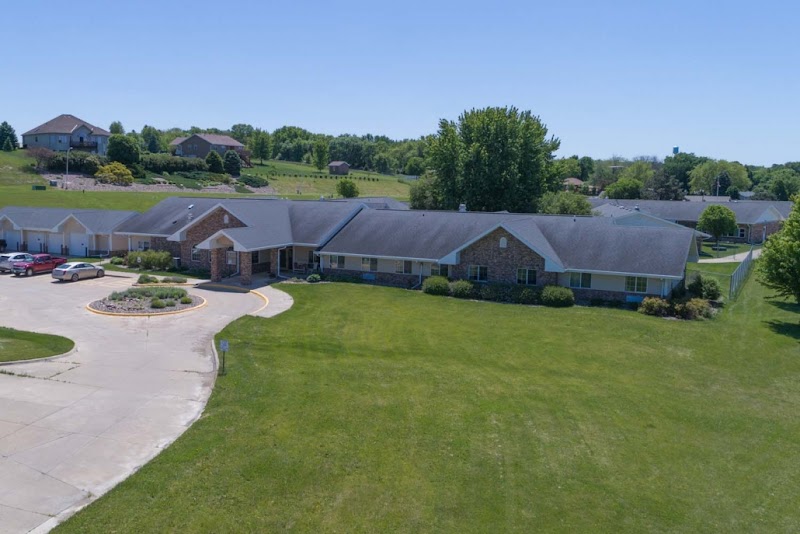
CMS rates Hillcrest Health Care Center's staffing level at 3 out of 5 stars, which is average compared to other nursing homes. Staff turnover is 54%, compared to the Iowa average of 46%.

What Have Inspectors Found at Hillcrest Health Care Center?

State health inspectors documented 54 deficiencies at Hillcrest Health Care Center during 2022 to 2025. These included: 2 Immediate Jeopardy (the most serious level, indicating potential for serious harm or death) and 52 with potential for harm. Immediate Jeopardy findings are rare and represent the most serious regulatory concerns. They require immediate corrective action.

Who Owns and Operates Hillcrest Health Care Center?

Hillcrest Health Care Center is owned by a for-profit company. For-profit facilities operate as businesses with obligations to shareholders or private owners. The facility is operated by THE ENSIGN GROUP, a chain that manages multiple nursing homes. With 64 certified beds and approximately 40 residents (about 62% occupancy), it is a smaller facility located in Hawarden, Iowa.

How Does Hillcrest Health Care Center Compare to Other Iowa Nursing Homes?

Compared to the 100 nursing homes in Iowa, Hillcrest Health Care Center's overall rating (1 stars) is below the state average of 3.0, staff turnover (54%) is near the state average of 46%, and health inspection rating (1 stars) is much below the national benchmark.

What Should Families Ask When Visiting Hillcrest Health Care Center?

Based on this facility's data, families visiting should ask: "What changes have been made since the serious inspection findings, and how are you preventing similar issues?" "Can I visit during a mealtime to observe dining assistance and food quality?" "How do you handle medical emergencies, and what is your hospital transfer rate?" "Can I speak with family members of current residents about their experience?" These questions are particularly relevant given the facility's Immediate Jeopardy citations.

Is Hillcrest Health Care Center Safe?

Based on CMS inspection data, Hillcrest Health Care Center has documented safety concerns. Inspectors have issued 2 Immediate Jeopardy citations (the most serious violation level indicating risk of serious injury or death). The facility has a 1-star overall rating and ranks #100 of 100 nursing homes in Iowa. Families considering this facility should ask detailed questions about what corrective actions have been taken since these incidents.

Do Nurses at Hillcrest Health Care Center Stick Around?

Hillcrest Health Care Center has a staff turnover rate of 54%, which is 8 percentage points above the Iowa average of 46%. Moderate turnover is common in nursing homes, but families should still ask about staff tenure and how the facility maintains care continuity when employees leave.

Was Hillcrest Health Care Center Ever Fined?

Hillcrest Health Care Center has been fined $25,450 across 2 penalty actions. This is below the Iowa average of $33,333. While any fine indicates a compliance issue, fines under $50,000 are relatively common and typically reflect isolated problems that were subsequently corrected. Families should ask what specific issues led to these fines and confirm they've been resolved.

Is Hillcrest Health Care Center on Any Federal Watch List?

Hillcrest Health Care Center is not on any federal watch list. The most significant is the Special Focus Facility (SFF) program, which identifies the bottom 1% of nursing homes nationally based on persistent, serious quality problems. Not being on this list means the facility has avoided the pattern of deficiencies that triggers enhanced federal oversight. This is a positive indicator, though families should still review the facility's inspection history directly.