Prairie Ridge Care Center
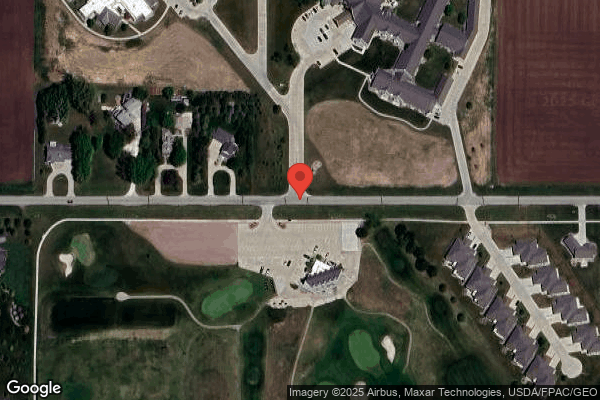
1005 7TH STREET NE, ORANGE CITY, IA 51041 (712) 707-6006
Government - City/county 95 Beds Independent Data: November 2025
Trust Grade
80/100
#140 of 392 in IA
Last Inspection: April 2025

Within standard 12-15 month inspection cycle. Federal law requires annual inspections.

Overview

Prairie Ridge Care Center in Orange City, Iowa, has a Trust Grade of B+, indicating it is above average and recommended for families considering care options. It ranks #140 out of 392 facilities in Iowa, placing it in the top half, and #2 out of 5 in Sioux County, meaning there is only one better local option. However, the facility's trend is worsening, with reported issues increasing from 2 in 2024 to 5 in 2025. Staffing is a strength, with a perfect rating of 5 out of 5 stars and a turnover rate of 44%, which matches the state average. Notably, there have been no fines reported, which is a positive sign. On the downside, there are concerns regarding infection control and medication management. For instance, staff were observed failing to change gloves after touching the floor while providing wound care, which poses a risk of infection. Additionally, there were issues with meeting dietary needs, as 25 residents did not receive bread with their lunch, despite it being part of the menu. Overall, while there are strengths in staffing and no fines, families should be aware of these specific concerns when considering Prairie Ridge Care Center.

Trust Score
B+
80/100
In Iowa
#140/392
Top 35%
Safety Record
Low Risk
No red flags
Inspections
Getting Worse
2 → 5 violations
Staff Stability
○ Average
44% turnover. Near Iowa's 48% average. Typical for the industry.
Penalties
✓ Good
No fines on record. Clean compliance history, better than most Iowa facilities.
Skilled Nurses
✓ Good
Each resident gets 47 minutes of Registered Nurse (RN) attention daily — more than average for Iowa. RNs are trained to catch health problems early.
Violations
○ Average
8 deficiencies on record. Average for a facility this size. Mostly minor or procedural issues.
★★★★☆
4.0
Overall Rating
★★★★★
5.0
Staff Levels
★★☆☆☆
2.0
Care Quality
★★★☆☆
3.0
Inspection Score
Stable
2024: 2 issues
2025: 5 issues

The Good

  • 5-Star Staffing Rating · Excellent nurse staffing levels
  • Full Sprinkler Coverage · Fire safety systems throughout facility
  • No fines on record
  • Staff turnover below average (44%)

    4 points below Iowa average of 48%

Facility shows strength in staffing levels, fire safety.

The Bad

Staff Turnover: 44%

Near Iowa avg (46%)

Typical for the industry

The Ugly 8 deficiencies on record

Apr 2025 5 deficiencies
CONCERN (D)

Potential for Harm - no one hurt, but risky conditions existed

Deficiency F0804 (Tag F0804)

Could have caused harm · This affected 1 resident

**NOTE- TERMS IN BRACKETS HAVE BEEN EDITED TO PROTECT CONFIDENTIALITY** Based on observation, resident interview, staff interview, resident council notes, and policy review the facility failed to prov...

Read full inspector narrative →
**NOTE- TERMS IN BRACKETS HAVE BEEN EDITED TO PROTECT CONFIDENTIALITY** Based on observation, resident interview, staff interview, resident council notes, and policy review the facility failed to provide food at an appetizing temperature to 1 of 20 residents reviewed (Resident #17). The facility reported a census of 83 residents. Findings include: The Minimum Data Set (MDS) dated [DATE] revealed Resident #17 had a Brief Interview for Mental Status (BIMS) of 15 indicating no cognitive impairment. On 4/21/25 at 3:18 PM Resident #17 stated the food was sometimes served cold but less than weekly. An observation on 4/23/25 at 11:35 AM revealed lunch was delivered to [NAME] Run Cottage. Staff D, Assistant Activities Director served the lunch meal. Lunch services were completed at 12:00 PM and temperatures were obtained by Staff D. The temperatures of peas were 112 degrees, cauliflower 119 degrees, garlic parmesan potatoes 145, casserole 172 and Swiss steak 140 degrees. On 4/23/25 at 12:07 PM Staff D acknowledged that she did not usually serve lunch. Staff D stated she felt the temperatures should have been 165 degrees or above to be served. Staff D stated the temperature of the food was obtained after the food was served. Staff D stated she did not keep track of any of the food temperatures that were obtained. Staff D acknowledged the food temperatures were not adequate for that lunch service. On 4/24/25 at 7:37 AM Staff F, Certified Dietary Manager stated the staff should check the food prior to service and if it was under 135 would want it brought back up above 135 degrees. Staff F stated the facility's expectation was the food would be held at 135 or above during the meal service. On 4/24/25 at 7:53 AM the Administrator stated the facility's expectation was that temperatures of food would be held above 135 degrees until after meal services were completed. The Administrator explained that the facility did not have a policy on food holding temperatures.
CONCERN (E)

Potential for Harm - no one hurt, but risky conditions existed

Medication Errors (Tag F0758)

Could have caused harm · This affected multiple residents

**NOTE- TERMS IN BRACKETS HAVE BEEN EDITED TO PROTECT CONFIDENTIALITY** Based on clinical record review and staff interview the facility failed to identify non-pharmacological interventions, targeted ...

Read full inspector narrative →
**NOTE- TERMS IN BRACKETS HAVE BEEN EDITED TO PROTECT CONFIDENTIALITY** Based on clinical record review and staff interview the facility failed to identify non-pharmacological interventions, targeted behaviors and side effects related to high risk medications in 5 out of 18 sampled residents reviewed (Resident #13, #21, #25, #32 and #44). The facility reported a census of 83 residents. Findings include: 1. The Minimum Data Set (MDS) assessment dated [DATE] for Resident #21 documented diagnoses of anxiety disorder and depression. The MDS showed the Brief Interview for Mental Status (BIMS) score of 99, which indicated severe cognitive impairment. Review of Active Orders for Resident #21 revealed the following orders: a. Celexa (antidepressant medication) 20 milligrams (mg) daily with an order date of 2/27/25 b. Remeron (antidepressant medication) 45 mg daily with an order date of 10/15/24 c. Zyprexa (antipsychotic medication) 7.5 mg with an order date of 5/31/24 Review of the April Medication Administration Record for Resident #21 revealed the following orders: a. Celexa (antidepressant medication) 20 mg daily with an order date of 2/27/25 b. Remeron (antidepressant medication) 45 mg daily with an order date of 10/15/24 c. Zyprexa (antipsychotic medication) 7.5 mg with an order date of 5/31/24 Review of the Care Plan for Resident #21 with a revision date of 3/7/25 lacked information on non-pharmacological interventions, targeted behaviors and side effects to watch for with the usage of antidepressants and antipsychotic medications. The Care Plan for Resident #21 also failed to show Haloperidol as a discontinued medication. 2. The MDS assessment dated [DATE] for Resident #25 documented diagnoses of depression. The MDS showed the BIMS score of 10, moderate cognitive impairment. Review of Active Order Summary Report for Resident #25 revealed the following orders: a. Remeron (antidepressant medication) 7.5 mg daily with an order date of 12/21/24 Review of the April Medication Administration Record for Resident #25 revealed the following order: a. Remeron (antidepressant medication) 7.5 mg daily with an order date of 12/21/24 Review of the Care Plan for Resident #25 with a revision date of 3/8/25 lacked information on non-pharmacological interventions and targeted behaviors to watch for in antidepressant medication usage. 3. The MDS assessment dated [DATE] for Resident #32 documented diagnoses of dementia and nontraumatic brain dysfunction. The MDS showed the BIMS score of 00, severe cognitive impairment. Review of Active Order Summary Report for Resident #32 revealed the following orders: a. Roxanol (pain medication) 5-10 mg as needed every two hours with an order date of 1/20/25 b. Zoloft (antidepressant medication) 50 mg daily with an order date of 10/6/23 c. Zyprexa 2.5 mg (antipsychotic medication) at bedtime with an order date of 1/20/25 Review of the April Medication Administration Record for Resident #32 revealed the following order: a. Roxanol (pain medication) 5-10 mg as needed every two hours with an order date of 1/20/25 b. Zoloft (antidepressant medication) 50 mg daily with an order date of 10/6/23 c. Zyprexa 2.5 mg (antipsychotic medication) at bedtime with an order date of 1/20/25 Review of the Care Plan for Resident #32 with a revision date of 4/5/25 showed diagnosis of depression. The Care Plan lacked information on non-pharmacological interventions, targeted behaviors and side effects to watch for with the usage of antidepressants, antipsychotic and pain medication usage. The Medications, Psychotropic Drug Monitoring policy last revised April 2009 identified the following. The policy lacked information regarding non-pharmacological interventions, targeted behaviors and side effects to watch for with the usage of psychotropic medications. POLICY: Psychotropic medications are to be used only as deemed necessary by the physician and are in the best interest of the residents overall well-being and non-pharmacological interventions are unsuccessful. PROCEDURE: Whenever a resident is started on a psychotropic medication, they need to have blood pressure checks for posterior hypotension once weekly for 4 weeks. Check lying, sitting, and standing (if able) pressures with each check. Then follow up checking blood pressure for postural hypotension one time monthly. Red alert the chart for a time period as deemed necessary with initiation or any change in psychotropic medications. Monitor for adverse effects and effectiveness of medication. Monitor residents for any side effects and effectiveness of psychotropic medication daily on the behavior monitoring flowsheet. Pharmacy consultants will review residents' medication monthly with reduction recommendations made and sent to doctors per federal regulations. Gradual dose reductions may be considered clinically contraindicated if a resident has had a previous unsuccessful GDR or the physician has documented the clinical rationale for why any attempted dose reduction at that time would be likely to impair the resident's function or increase distressed behavior. In an interview on 4/23/25 at 2:37 PM, the Administrator reported that she expected the care plan to contain information on non-pharmacological interventions, targeted behaviors and side effects to watch for with the usage of antidepressants, antipsychotic and pain medication usage. 4. The MDS dated [DATE] documented Resident #13 had a Brief Interview for Mental Status (BIMS) of 08 indicating moderate cognitive impairment. The MDS also documented Resident #13 had diagnoses of anxiety disorder, depression, psychotic disorder, and post traumatic stress disorder. Review of Resident #13's Physician Orders documented psychotropic medication orders for Lexapro (escitalopram) 20mg 1.5 tablets daily, bupropion 300mg daily, mirtazapine 45mg daily, zoloft 100mg daily and seroquel 100mg daily. Review of Resident #13's Care Plan revealed no non-pharmacological interventions or approaches for use of psychotropic drugs. 5. The MDS dated [DATE] for Resident #44 documented a BIMS of 99 indicating the resident was unable to complete the interview. The MDS also documented Resident #44 had diagnoses of Alzheimer's disease and depression. Review of Resident #44's Physician Orders documented psychotropic medication orders for Lexapro (escitalopram) 20mg daily, Zyprexa 2.5 mg daily at supper and Zyprexa 5mg daily at breakfast. Review of Resident #44's Care Plan revealed no non-pharmacological interventions or approaches for use of psychotropic drugs.
CONCERN (E)

Potential for Harm - no one hurt, but risky conditions existed

Menu Adequacy (Tag F0803)

Could have caused harm · This affected multiple residents

**NOTE- TERMS IN BRACKETS HAVE BEEN EDITED TO PROTECT CONFIDENTIALITY** Based on observation, policy review, document review and staff interview the facility failed to follow the menu and prepare food...

Read full inspector narrative →
**NOTE- TERMS IN BRACKETS HAVE BEEN EDITED TO PROTECT CONFIDENTIALITY** Based on observation, policy review, document review and staff interview the facility failed to follow the menu and prepare food to meet the nutritional needs for 25 of 83 residents reviewed. The facility reported a census of 83 residents. Findings include: Continuous observation of lunch meal service on 4/23/25 from 11:35 AM - 12:00 PM revealed no bread or margarine served to the residents that resided at [NAME] Run Cottage. Review of document titled, Diets revealed 25 residents resided at [NAME] Run Cottage. Review of document titled, facility Fall / Winter 2024-2025 Wednesday Week 1 Menu documented bread and margarine to be served at lunch meal. On 4/23/25 at 12:07 PM Staff D, Assistant Activities Director stated she took the lunch menu that was on the sign to all the residents and wrote what the residents wanted down on a piece of paper. Staff D acknowledged there was no bread on the menu sign and bread was not offered to any of the residents. Staff D explained if bread is sent down from the kitchen it would be offered to the residents but there was no bread sent from the kitchen for lunch on 4/23/25. On 4/24/25 at 7:32 AM Staff E, [NAME] acknowledged she did not puree any bread to send to the residents that required a pureed diet in [NAME] Run Cottage. Staff E stated she felt there was enough on the menu already and the puree did not need the bread. Staff E stated she typically followed the menu. Staff E stated if an item was on the menu then it should have been served. Staff E stated she sent the bread down with the utensils on 4/23/25. On 4/24/25 at 9:04 AM Staff G, Certified Nursing Assistant (CNA) acknowledged she served lunch on [NAME] Run Cottage on 4/23/25 to all the residents. Staff G stated sometimes the kitchen would send buns but yesterday it was only 2 slices of bread with butter. Staff G stated the bread was only sent about every other day. On 4/24/25 at 7:37 AM Staff F Certified Dietary Manager stated it was up to the host to ask the residents and to take the bread around and offer it. Staff F stated the facility's expectation was that bread and butter would be offered to everyone and should have been served to the residents that received pureed food as well. Staff F acknowledged that the bread was not served to the residents at [NAME] Run Cottage on 4/23/25 at lunch. Staff F stated she went to [NAME] Run Cottage and asked staff and they acknowledged they did not serve the bread with the meal at lunch time on 4/23/25. Staff F stated the staff said they forgot to offer the bread to the residents. On 4/24/25 at 7:53 AM the Administrator stated the facility's expectation was that the menu would be followed even by serving the bread and butter. Review of policy dated 7/11/24 titled, Menu Planning documented Menus were planned to meet the nutritional needs of patients in accordance with their physician's orders, the recommended dietary allowance as stated by the National Research Council and the Dietary Guidelines for Americans. The general menu was reviewed and modified by the CDM and was approved by the Registered Dietitian.
CONCERN (E)

Potential for Harm - no one hurt, but risky conditions existed

Food Safety (Tag F0812)

Could have caused harm · This affected multiple residents

Based on observation, staff interview, and policy review the facility failed to prepare food in accordance with professional standards by not completing appropriate hand hygiene during meal preparatio...

Read full inspector narrative →
Based on observation, staff interview, and policy review the facility failed to prepare food in accordance with professional standards by not completing appropriate hand hygiene during meal preparation. The facility reported a census of 83 residents. Findings include: An observation on 4/23/25 at 9:00 AM revealed Staff E, [NAME] completed hand hygiene, obtained 5 portions of Swiss steak from the oven, placed them in them the processor, mechanical soft Swiss steaks removed from food processor and measured to 3 cups, reviewed puree sheet, serving sized determined to be #8. Staff E obtained 5 bowels from the cabinet and placed her ungloved fingers into 3 bowls and two ungloved fingers into 2 bowls with the other hand. Staff E used a #8 scoop to serve mechanical food in 5 bowls, bowls were placed in the microwave, the bowls were heated, the bowls were removed from the microwave, the bowls were placed in the steam table pan and the pan placed in the oven. Then 3 servings of Swiss steak were obtained from the pan, Swiss steak placed in food processor, food processor was turned on, Swiss steak was removed from processor with spatula into measuring cup, 3 bowls obtained with one hand placing fingers in each bowl, pureed Swiss steak placed in bowls, bowls placed in the microwave, bowls removed from the microwave, bowls placed in steam table pan and pan placed in oven. Staff E then walked to the freezer, obtained frozen pre-formed peas, obtained 3 bowls, placed the bowls in front of the microwave, applied gloves, removed frozen pre-formed peas from package, placed peas in the bowls with gloved hands, pressed the peas into the bowls, removed gloves, placed bowls in the microwave, bowls were removed from the microwave, bowls were placed in steam table pan and pan placed in oven. Staff E obtained bowls from the cabinet, applied gloves removed a frozen peach pie from the freezer, removed 3 servings of peach pie, placed her gloved hand on top of each piece of pie for support, placed pie in processor, removed gloves, obtained milk from the refrigerator, milk poured into the processor, removed pureed pie from the processor with spatula into bowls and placed in the refrigerator. On 4/24/25 at 7:37 AM Staff F, Certified Dietary Manager (CDM) stated the facility's expectation was hand hygiene should be completed before and after gloving and after coming in contact with contaminated surfaces. On 4/24/25 at 7:53 AM the Administrator stated hand hygiene should be completed before and after gloving and after coming in contact with contaminated surfaces. Review of policy with effective date of 12/29/23 titled, Hand Washing, Nutrition revealed food employees shall clean their hands and exposed portions of their arms, as specified under procedures; immediately before engaging in food preparation. Including working with exposed food, clean equipment and utensils, and unwrapped single-service and single-use articles and after handling soiled equipment or utensils, during food preparation, as often as necessary to remove soil and contamination and to prevent cross contamination when changing tasks, after engaging in other activities that contaminate the hands, and don gloves after washing hands and before touching ready to eat foods.
CONCERN (E)

Potential for Harm - no one hurt, but risky conditions existed

Infection Control (Tag F0880)

Could have caused harm · This affected multiple residents

**NOTE- TERMS IN BRACKETS HAVE BEEN EDITED TO PROTECT CONFIDENTIALITY** 5. Observation on 4/23/25 at 11:35 AM showed Resident #70 lifted a medication cup to lips, ingested medication, then handed the ...

Read full inspector narrative →
**NOTE- TERMS IN BRACKETS HAVE BEEN EDITED TO PROTECT CONFIDENTIALITY** 5. Observation on 4/23/25 at 11:35 AM showed Resident #70 lifted a medication cup to lips, ingested medication, then handed the empty medication cup to Staff C, Registered Nurse (RN). Staff C discarded the cup, failed to complete hand hygiene, then returned to the medication cart. Staff C touched the computer mouse, opened the medication cart and proceeded to prepare and administer medications to the next resident. Observation on 4/23/25 at 11:57 AM showed Staff C, RN picked up Resident #43's cup of water to assist the resident to sip during medication administration. Staff B then disposed of the medication cup, returned to the medication cart and touched the computer mouse, opened the medication cart and proceeded to prepare and administer medications to the next resident. Observation on 4/23/25 at 12:18 PM showed Staff C, RN picked up Resident 62's cup of water, handed the water and medication cup to the resident. Resident #62 lifted the medication cup to lips, ingested medication, then handed both of the empty cups to Staff C. Staff C placed the water cup back on the table, discarded the medication cup, failed to complete hand hygiene, then returned to the medication cart. Staff C touched the computer mouse, opened the medication cart and proceeded to prepare and administer medications to the next resident. Based on our acceptance of your credible allegation of substantial compliance and Plan of Correction, your facility will be certified in compliance with the health requirements effective April 29, 2025. The Handwashing, Instant and Regular policy last revised on 4/23/25 identified staff are to perform proper hand hygiene before and after each direct resident contact. INSTANT: To effectively kill bacteria and sanitize hands between hand washing or when soap and water are not readily available or convenient, a hand antiseptic is to be used as a supplement to handwashing, when hands are not visibly soiled. REGULAR: Handwashing is done to thoroughly cleanse hands and prevent the spread of infection. PROCEDURE: INSTANT: Apply to clean dry hands that are free of any visible debris. Apply sufficient amount to wet hands thoroughly. Rub hands together for at least 15 seconds, covering the entire surface, including nails. Allow to dry thoroughly. Store at 20-25° C (68-77° F). REGULAR: Turn on water and adjust temperature. Soap hands well. Rub hands briskly, pay special attention to the area between fingers for at least 20 seconds. Rinse with hands lowered to allow soiled water to drain directly into the sink. Do not allow hands to touch the sink. Dry hands well, especially between fingers. Use disposable hand towels to turn off faucets. 2. The MDS assessment dated [DATE] for Resident #15 documented diagnoses of dementia, chronic kidney disease and hypertension. The MDS showed a BIMS score of 7 indicating severe cognitive impairment. The MDS revealed Resident #15 has 1 or more Stage 3 unhealed pressure ulcers. Review of the Care Plan with a revision date of 3/5/25 revealed the resident currently has an open area to her left hip. Wound care is currently treating the area. Observation on 4/23/25 at 12:49 p.m., of Resident #15 with Staff A, Licensed Practical Nurse (LPN) entered the room and performed a pressure wound dressing on the left hip area. Staff A did not wear any EBP when performing pressure wound dressing change with Resident #15. 3. The MDS assessment dated [DATE] for Resident #45 documented diagnoses of benign prostatic hyperplasia, renal insufficiency, obstructive uropathy. The MDS showed a BIMS score of 15 indicating no cognitive impairment. The MDS revealed Resident #45 has an indwelling catheter. Review of the Care Plan with a revision date of 2/19/25 revealed the resident currently has a foley catheter. Observation on 4/23/25 at 12:41 p.m., of Staff B, Certified Nursing Assistant (CNA) entered Resident #45's room to empty the indwelling catheter bag. Staff B did not wear any EBP with catheter care. 4. The MDS assessment dated [DATE] for Resident #27 documented diagnoses of anoxic brain damage and dysphagia (difficulty swallowing foods or liquids, arising from the throat or esophagus) The MDS showed a BIMS score of 99 indicating the resident was unable to complete the interview. The MDS revealed Resident #27 had a feeding tube. Review of the Care Plan with a revision date of 3/5/25 revealed the resident currently receives tube feedings 4 times a day. Observation on 4/23/25 at 2:44 p.m., of Staff A entered Resident #27's room to administer tube feeding. Staff A did not wear any EBP when performing the administration of tube feeding. Interview on 4/23/25 at 2:57 p.m., with Staff A revealed she was aware of EBP usage for residents with devices. Staff A explained when a resident comes to the facility or is here and has a wound or a medical device the facility staff educate the family and residents on using the precautions and if they do not want the precautions they sign a waiver stating they do not the precautions used this way the resident does not feel out of place or feel like they have something. Review of facility provided policy titled Infection Control Program, Standard, Transmission, Droplet, and Airborne Precautions with a revision date of 4/21/25 revealed the following information: a. Enhanced Barrier Precautions refers to the use of gown and gloves worn during high-contact contact resident care activities for residents known to be colonized or infected with multi-drug resistant organisms (MDRO) as well as those considered high risk of MDRO acquisition. b. Those at high risk include residents with chronic open wounds or indwelling medical devices. Indwelling medical devices includes central vascular lines, indwelling urinary catheters, feeding tubes, and tracheostomy tubes. c. A chronic open wound is a wound that does not heal within 3 months. d. Examples of high contact care activities include: dressing, bathing/showering, transfers, providing hygiene, changing linens, changing briefs or assisting with toileting and wound care. Review of the Centers for Disease Control website titled Frequently Asked Questions about Enhanced Barrier Precautions in Nursing Homes dated June 28, 2004 visited on 4/24/25 revealed the following information: a. Enhanced Barrier Precautions are an infection control intervention designed to reduce transmission of multidrug-resistant organisms (MDROs) in nursing homes. Enhanced Barrier Precautions involve gown and glove use during high-contact resident care activities for residents known to be colonized or infected with a MDRO as well as those at increased risk of MDRO acquisition (e.g., residents with wounds or indwelling medical devices). b. The studies that informed EBP, including defining which care activities most commonly result in transfer of MDROs to staff hands and clothing, were conducted in adult nursing home populations. c. Assuming Contact Precautions do not otherwise apply, Enhanced Barrier Precautions are recommended for residents with any of the following: 1) infection or colonization with a MDRO or 2) a wound or indwelling medical device, even if the resident is not known to be infected or colonized with a MDRO. d. Enhanced Barrier Precautions are recommended for residents with indwelling medical devices or wounds, who do not otherwise meet the criteria for Contact Precautions, even if they have no history of MDRO colonization or infection and regardless of whether others in the facility are known to have MDRO colonization. This is because devices and wounds are risk factors that place these residents at higher risk for carrying or acquiring a MDRO and many residents colonized with a MDRO are asymptomatic or not presently known to be colonized. Interview on 4/23/25 at 3:27 p.m., with the Director of Nursing revealed the facility has a policy on EBP and when a resident comes to the facility with a device the facility does education on the usage of EBP and explains both sides of the usage. If the family or resident does not want EBP used the facility has them sign a waiver they have been educated and do not want it. Based on observation, record review, policy review, and staff interview the facility failed to provide appropriate infection prevention practices when providing personal care to a resident and when providing care to a residents on enhanced barrier precautions (EBH) for 4 of 12 residents reviewed (Resident #15, #27, #33 and #45). The facility reported a census of 83 residents. Findings include: 1. The Minimum Data Set (MDS) dated [DATE] documented Resident #33 had a Brief Interview for Mental Status (BIMS) of 13 indicating no cognitive impairment. The MDS also documented Resident #33 utilized a suprapubic catheter and had a stage 2 pressure ulcer. Review of Resident #33's Physician Orders documented an order to change suprapubic catheter with an 18 fr with 10mL balloon to straight drainage every 3 weeks and PRN. Change monthly on the 6th. An observation on 4/22/25 at 9:00 AM revealed Staff H, Certified Nursing Assistant (CNA) and Staff I, Registered Nurse (RN) completing cares and a transfer with Resident #33. Staff H completed hand hygiene, applied gloves, did not don a gown, emptied catheter into a graduate with a barrier placed on the ground, cleansed the tip of the catheter and returned it to the locked position. Staff H removed gloves, completed hand hygiene and applied gloves. Staff I applied a sling to Resident #33's back and up between Resident #33's legs. Staff I did not complete hand hygiene or don gloves or gown. Staff I moved catheter tubing from under Resident #33's leg. Staff I secured the catheter into the leg strap without gloves or a gown. Staff I then completed hand hygiene. Resident #33 was lying in bed in a hospital gown. Staff H removed gloves and completed hand hygiene. Both staff applied shoes without gloves. Both staff applied lift straps under Resident #33's legs and attached to the lift cloth to the full body mechanical lift. Staff H ran the lift controls and Staff I helped with residents legs during transfer. Once Resident #33 was in the air Staff I supported Resident #33's back to direct position and was not wearing gloves at that time. Review of EHR titled, Progress Note dated 11/15/24 authored by Director of Nursing (DON) documented she visited with Resident #33 and son regarding Enhanced Barrier Precautions. Resident #33 adamantly does not want this used and states it is bull shit. Risk of infection explained to the resident and she states understanding and chooses to sign a Risk agreement. Review of Resident #33's Electronic Heath Record (EHR) titled, Care Plan documented Resident #33 had chosen to decline use of EBP to preserve her normal quality of life. Resident #33 was at increased risk for infection due to indwelling foley catheter. Resident #33's choice ot refuse EBP will be honored to allow her right to self-determination. Risk education and agreement had been completed.
Nov 2024 1 deficiency
CONCERN (D) 📢 Someone Reported This

A family member, employee, or ombudsman was alarmed enough to file a formal complaint

Potential for Harm - no one hurt, but risky conditions existed

Report Alleged Abuse (Tag F0609)

Could have caused harm · This affected 1 resident

**NOTE- TERMS IN BRACKETS HAVE BEEN EDITED TO PROTECT CONFIDENTIALITY** Based on clinical record review, facility record review, staff interviews and facility policy review the facility failed to repo...

Read full inspector narrative →
**NOTE- TERMS IN BRACKETS HAVE BEEN EDITED TO PROTECT CONFIDENTIALITY** Based on clinical record review, facility record review, staff interviews and facility policy review the facility failed to report an allegation of abuse to the Iowa Department of Inspections & Appeals and Licensing (DIAL) within 2 hours of an allegation of abuse for 1 of 1 residents reviewed for abuse (Resident #1). The facility reported a census of 83 residents. Findings include: The Minimum Data Set (MDS) assessment dated [DATE] for Resident #1 documented diagnoses of dementia, anxiety disorder and non-traumatic brain dysfunction. The MDS identified the presence of short and long-term memory impairment. The Progress Note dated 4/27/2024 at 6:20 PM composed by Staff A documented the following: CNA approached this writer and stated she heard another CNA admit to doing something to a resident on the previous day, April 26th, while giving him a shower. CNA stated the other CNA said that while she was giving him a shower he became very aggressive and started swinging at her. CNA stated she put the showerhead spraying water on his face. Supposed CNA who took this action was already off shift when the CNA approached this writer to explain the conversation that took place. Call placed to DON. The untitled facility investigation completed by the Director of Nursing (DON) indicated on 4/27/24 at 6:15 PM the DON received a phone call from Charge Nurse, Staff A, Licensed Practical Nurse (LPN) with an alleged report from Staff B, Certified Nursing Assistant (CNA) that Staff B overhead Staff C, CNA tell Staff D, CNA while showering Resident #1 Staff C sprayed and held water on Resident #1 ' s face because the resident spat on Staff C. The facility investigation indicated next the DON called Staff C. Staff C stated, I would not do that. I know it is wrong. Staff C explained the resident did not spit on her during the shower. Staff C reported while washing Resident #1 ' s hair he attempted to hit her which caused the water to go in the resident's face and stunned him. Staff C reported she did not hold water to the resident ' s face. Staff C reported she moved the water away from the resident ' s face. In an interview on 11/25/24 at 9:43 AM, Staff B, CNA reported on approximately 4/27/24 while in the dining room Staff C, CNA informed a group of CNAs she was tired of Resident #1 spitting in her face. Staff C told the CNAs during his bath she sprayed Resident #1 in the face using the shower head. Staff B reported the conversation to Staff A, who then reported the incident to the DON. In an interview on 11/25/24 at 10:56 AM, Staff C, CNA, stated Resident #1 appeared to be agitated during the bath.Staff C sat the radio on the counter nearby in case she needed help. Staff C reported during the bath she tried to get away from the resident because he attempted to hit her. As the resident attempted to hit Staff C the shower head sprayed him in the face. Staff C stated, I wasn ' t trying to be mean or anything. Staff C then told Staff D, CNA what happened. Later the same day Staff B, CNA overheard Staff D, tell Staff E, CNA. Staff C stated, Staff B took it in the wrong context. The DON called Staff C to find out what happened. In an interview on 11/25/24 at 11:19 AM, The DON reported during the investigation she discovered a CNA overheard a conversation between two other CNA ' s. During the follow up Staff C, CNA explained while giving the resident a bath, his movements caused the shower head to spray him in the face. Staff C immediately redirected the spray away from his face. The DON reported having no other issues of allegations against Staff C and no resident complaints. The DON relayed she did not report the incident to DIAL because she felt there had been miscommunication between the CNA ' s. Staff B, CNA overheard the conversation between two CNAs about what Staff C said and misheard the facts. The DON reported Staff C continued to work in the same cottage because the DON determined abuse did not occur. The DON stated, We did end up assigning Staff C to another cottage. Staff C currently doesn ' t have anything to do with the resident. The Abuse Prevention and Response policy last revised on 10/14/24 identified reporting any suspicious injury and/or allegations of resident abuse, neglect, exploitation, mistreatment, injuries of unknown origin, missing money or property, or misappropriation of assets is to be reported immediately to the Nurse, Cottage Leader, DON or Administrator. If reported to the charge nurse or Cottage Leader, that person is responsible for immediately reporting the allegations of abuse to the Administrator, or designated representative. Resident neglect, exploitation, mistreatment, injuries of unknown origin and misappropriation shall be reported to the lowa Department of Inspections and Appeals, not later than two (2) hours after the allegation is made, if the events that cause the allegation result in serious bodily injury, or not later than twenty-four (24) hours if the events that cause the allegation involve neglect, exploitation, mistreatment, injuries of unknown origin and misappropriation, but do not result in serious bodily injury. A report shall be made by calling the Department of Inspections and Appeals reporting hotline at (877) [PHONE NUMBER], submitting an e-mail to the Department at HFD_Complaint@dia.iowa.gov. submitting an online report or sending a fax to (515) [PHONE NUMBER]. If the person in charge is the alleged abuser, the staff member shall directly report the abuse to the Department immediately, pursuant to the deadlines established above. If the allegations of dependent adult abuse involve a caretaker who is not an employee of the facility (e.g. family member, visitor), a report must also be made immediately to both the Iowa Department of Inspections & Appeals and the Iowa Department of Human Services (DHS) by phone call [PHONE NUMBER] and follow-up documentation is to be submitted to DIA and DHS as requested by DHS or if there is a reasonable suspicion that the allegation of abuse also constitutes a crime committed against the resident by any person, whether or not the alleged perpetrator is employed by the facility, the Elder Justice Act requires the matter must also be reported to law enforcement. While the federal regulations require all abuse allegations be reported to DIA within 2 hours, the Elder Justice Act has a different time frame for reporting to the police/sheriff. If the allegation of abuse (that results from a crime) results in serious bodily injury to a resident, a report must be made to law enforcement not later than two (2) hours after the allegation is made. Investigation Protocols- Should an incident or suspected incident of Resident abuse (as defined above) be reported or observed, the administrator or his/her designee will designate a member of management to investigate the alleged incident. The facility shall immediately implement measures to prevent further potential abuse of residents from occurring while the facility investigation is in process. If this involves an allegation of abuse by an employee, this will be accomplished by separating the employee accused of abuse from all residents through the following or a combination of the following, if practicable: Suspending the employee Segregating the employee by moving the employee to an area of the facility where there will be no contact with any residents of the facility. And in rare instances separating the employee accused of abuse from the resident alleged to have been abused, but allowing the employee to care for and have contact with other residents, only if there is a second employee who remains with and accompanies the employee accused of abuse at all times to supervise all contacts and interactions with the residents. The administrator or designee will complete documentation of the allegation of Resident abuse and collect any supporting documents relative to the alleged incident. Review documentation in resident record (including review of assessment if resident injury). Assess the resident for injury if the allegation involves physical or sexual abuse; Provide proper notifications to primary care provider, responsible party, etc. Attempt to obtain witness statements (oral and/or written) from all known witnesses. If there is physical evidence that can be preserved, attempt to do so, and maintain [NAME] safe location to minimize risk of evidence being tampered with. Following investigation, the Administrator or designated agent will be responsible for forwarding the results of the investigation to the Department of Inspections & Appeals. This written report shall be forwarded to the Department within five days of the initial report. Following completion of the facility investigation, if the facility concludes that the allegations of resident abuse are unfounded, the employee may be allowed to return to job duties involving resident contact, but the employee must maintain a separation and have no contact with the resident alleged to have been abused, by reassigning the accused employee to an area of the facility where no contact will be made between the accused employee and the resident alleged to have been abused. This separation must be maintained until the Department concludes its investigation and issues the written results of its investigation. NOTE: if the DIA determines there was abuse (even though the facility did not substantiate the abuse), there is risk that DIA could cite the facility with Immediate Jeopardy, for allowing an abuser to have access to other residents while the matter was being investigated. In an interview on 11/26/24 at 12:40 PM, the DON reported a was not made to DIAL because the DON felt the CNA ' s had a miscommunication and determined no abuse occurred. The DON reported she now planned to report all allegations of abuse to DIAL.
May 2024 1 deficiency
CONCERN (F)

Potential for Harm - no one hurt, but risky conditions existed

Infection Control (Tag F0880)

Could have caused harm · This affected most or all residents

2. On 5/1/24 at 10:00 am, observation of wound care on Resident #83 completed by Staff B, Licensed Pratical Nurse (LPN). Staff B completed appropirate hand hygeine prior to donning gloves. No other EB...

Read full inspector narrative →
2. On 5/1/24 at 10:00 am, observation of wound care on Resident #83 completed by Staff B, Licensed Pratical Nurse (LPN). Staff B completed appropirate hand hygeine prior to donning gloves. No other EBP was worn. Staff B placed wound care supplies initially on bedside table then transferred to floor without a barrier between the supplies and floor (included scissors, skin prep package, mepilex package, hibicleanse bottle, wound cleanser bottle, tape). Staff B sat on floor to perform cares to Resident #83's left heel. Staff B used gloved hands to balance on floor and did not change gloves. Wound cares completed as per physcian's orders. During cares, Staff B was observed picking up supplies off the floor with gloved hands, opening packages, and continued with cares without changing gloves. Throughout observation, Staff B touched floor with gloved hands (x2) and resumed wound cares. On 5/1/24 at 2:00 pm, interview with Staff B completed. When asked, Staff B was not aware of any residents under EBP. Staff B was able to verbalize where proper personal protective equipment (PPE) was located on the unit. On 5/1/24 at 2:40pm, interview with Cottage Leader for Countryside completed. When asked, stated wound care supplies should not be placed on the floor. Appropriate equipment available to use, for example, bedside tables or plastic bins. 4. Interview on 5/1/24 at 2:02 p.m., with Staff C, LPN revealed if someone was on EBP then the cottage leader would let the staff know and it would be communicated to them. She further revealed there is no one currently on EBP in the cottage. 5. Interview on 5/1/24 at 2:04 p.m., with Staff D, Registered Nurse (RN), Cottage Leader revealed she did not know what EBP were. She further revealed she was not aware anyone was on EBP in the cottage. Review of the facility provided policy titled Infection Control Program, Standard, Transmission, Droplet, Airborn, and Enhance Barrier Precaution with a revision date of 4/24 revealed the purpose is to provide for protection of residents and staff from the spread of infectious illness and disease. Enhanced Barrier Precautions definition is the use of Personal Protective Equipment (PPE) and refer to the use of gown and gloves during high-contact resident care activities that provide opportunities for transfer of multidrug-resistant organisms (MRDO). Examples include dressing, bathing and showering, transferring, providing hygiene, changing linens, changing briefs or assisting with toileting, and wound care. EBP may be used for a resident with an active targeted MRDO. Centers for Disease Control and Prevention website titled, Implementation of Personal Protective Equipment (PPE) Use in Nursing Homes to Prevent Spread of Multidrug-resistant Organisms (MDROs), visited 5/1/24 and updated 7/12/22 revealed recent changes included, additional rationale for the use of Enhanced Barrier Precautions (EBP) in nursing homes, including the high prevalence of multidrug-resistant organism (MDRO) colonization among residents in this setting. Expanded residents for whom EBP applies to include any resident with an indwelling medical device or wound (regardless of MDRO colonization or infection status). Expanded MDROs for which EBP applies. Clarified that, in the majority of situations, EBP are to be continued for the duration of a resident ' s admission. EBP may be indicated (when Contact Precautions do not otherwise apply) for residents with any of the following: Wounds or indwelling medical devices, regardless of MDRO colonization status and Infection or colonization with an MDRO. Effective implementation of EBP requires staff training on the proper use of personal protective equipment (PPE) and the availability of PPE and hand hygiene supplies at the point of care. Interview on 5/1/24 at 11:33 a.m., with the Director of Nursing (DON) regarding EBP. She revealed the facility is not currently using EBP on residents as when the facility read the guidance it stated recommend and should and did not the word must. She further revealed the facility has a plan in place for the usage EBP when needed and all residents that would meet the requirements to be using EBP have been reviewed and do not have a MRDO and colonized with an MRDO. Based on observation, infection control policy, clinical record review and staff interview, the facility failed to use universal infection control measures and Enhanced Barrier Precautions (EBP) during a drainage of a Foley bag, wound care, and during a peg tube feeding for 3 out of 6 residents reviewed for infection control (Resident #4, #30 and #83). The facility reported a census of 81 residents. Findings Included: 1. Observation on 5/1/24 at 1:14 PM for Resident #4 showed Staff A, Certified Nurse Assistant (CNA), sanitized hands, donned gloves, placed the urine colander with the barrier on the floor, then placed an alcohol wipe packet directly on the floor. Staff A opened the Foley bag drainage valve, sanitized the valve with an alcohol wipe, partially drained the urine, reused the same alcohol wipe to sanitize the drainage valve then placed the valve back into the holder. Staff A next manipulated the measuring container within the Foley bag to allow the urine to drain into the bottom of the Foley bag. Staff A then reopened the Foley bag drainage valve, retrieved the alcohol wipe packet from the floor, opened the alcohol wipe and sanitized the drainage valve. Staff A drained the remainder of the urine then reused the same alcohol wipe to sanitize the drainage valve. Staff A next placed the drainage valve back into the holder then proceeded to place the Foley bag within the privacy bag and rearranged the resident's blanket without removing gloves or performing hand hygiene. During the procedure Staff A also failed to wear a gown as required per Enhanced Barrier Precautions (EBP). In an interview on 5/1/24 at 2:08 PM, Staff A reported she lacked knowledge of enhanced barrier precaution requirements. When asked if Staff A received education about EBP, she responded no. When asked if Staff A received education to wear a gown while draining urine from a Foley bag, Staff A responded, no. In an interview on 5/1/24 at 2:52 PM, the Director of Nursing (DON) reported that she expected staff to avoid placing alcohol wipe packets directly on the floor in preparation of emptying a Foley bag. The DON also expected staff to remove gloves and perform hand hygiene immediately after emptying a Foley bag. The DON explained from her understanding of the latest Centers for Medicare & Medicaid Services (CMS) Quality, Safety & Oversight Group (QSO) that facilities were not required to implement the new guidelines, per the verbage facilities should, therefore the DON ' s facility opted not implement EBP measures because the measures interfered with a home like environment for residents. The Catheter Care policy last revised August 2019 instructed staff to remove gloves and perform hand hygiene after emptying urine from a catheter bag. 3. On 5/1/24 at 10:00 a.m. Staff C, LPN washed her hands and applied gloves. Staff C checked Resident #30's feeding tube for residual, with none noted. Staff C cleaned the feeding tube insertion site and placed a towel around the feeding tube. She administered 9 medications separately with water flushes through an open ended syringe placed to the feeding tube. After the medications were in, Staff C started administering the formula for the feeding through the open ended syringe. Throughout the procedures, gloves were the only EBP used.
Feb 2023 1 deficiency
CONCERN (E)

Potential for Harm - no one hurt, but risky conditions existed

Food Safety (Tag F0812)

Could have caused harm · This affected multiple residents

**NOTE- TERMS IN BRACKETS HAVE BEEN EDITED TO PROTECT CONFIDENTIALITY** Based on observation, document review, staff interview, and policy review the facility failed to store and prepare food in accor...

Read full inspector narrative →
**NOTE- TERMS IN BRACKETS HAVE BEEN EDITED TO PROTECT CONFIDENTIALITY** Based on observation, document review, staff interview, and policy review the facility failed to store and prepare food in accordance with professional standards. The facility reported a census of 85 residents. Findings include On 1/30/23 from 10:05 AM through 10:45 AM continuous observation during the initial kitchen tour revealed: 1. Coleslaw in walk-in cooler noted with expiration date of 1/11/23. Open date on coleslaw noted to be 1/12/23. Applesauce in the walk-in cooler noted to be in a condiment dispensing container with blue tape without an open date. 2. Walk-in freezer had a bag of peas and onions open and undated, a bag of cod fish open and undated, a bag of cinnamon rolls open and undated, a bag of polish sausage open and undated, and a bag of sausage patties open and undated. 3. Small freezer next to fryer had a bag of cheese curds open and undated, a bag of sweet potato waffle fries open and undated, a bag of cod fish open and undated, a bag of French fries open and undated, a bag of chicken strips open and undated, and a bag of breaded asparagus open and undated. 4. Steam table noted to have [NAME] salt-free all-purpose blend that has expiration of May 2022 and an open date of 10/30/22. 5. Bread freezer noted to have a bag of hot dog buns open and undated. Review of undated document on 1/30/23 at 11:00 AM, titled Date Marking & Disposal of Ready to Eat Potentially Hazardous Food. Food Code Fact Sheet #8, revealed the following: A. What foods need to be date marked? - Does the food require refrigeration? - If commercially packaged, has the original package been opened? - Is the food ready-to-eat? - Is the food potentially hazardous? - Will the food be in the establishment for more than 24 hours? If you answered yes to all 5 of these questions, then the food needs to be date marked. Review of document 1/30 - 2/4 on 1/30/23 at 10:23 AM, titled Facility Cleaning Sheet, revealed Friday AM cook duties included checking refrigerators for outdated food. In an interview on 2/1/23 at 9:16 AM, Staff B, stated if food is opened and the entire bag is used the bag would be thrown away. Staff B stated if the entire bag is not used the food item would be secured and dated with an open date. In an interview on 1/30/23 at 10:15 AM, Staff A, stated the facility ' s expectation is when a package of food is opened and not completely used the date the package is opened would be applied to the package. In an interview on 1/30/23 at 10:22 AM, Staff A, stated the facility's expectation is to look at expiration dates when item is opened. Staff A stated expired and outdated items are to be identified and thrown out weekly on Fridays according to the checklist on Facility Cleaning sheet.
Understanding Severity Codes (click to expand)
Life-Threatening (Immediate Jeopardy)
J - Isolated K - Pattern L - Widespread
Actual Harm
G - Isolated H - Pattern I - Widespread
Potential for Harm
D - Isolated E - Pattern F - Widespread
No Harm (Minor)
A - Isolated B - Pattern C - Widespread

Questions to Ask on Your Visit

  • "Can I speak with families of current residents?"
  • "What's your RN coverage like on weekends and overnight?"

Our Honest Assessment

Strengths
  • • Grade B+ (80/100). Above average facility, better than most options in Iowa.
  • • No major safety red flags. No abuse findings, life-threatening violations, or SFF status.
  • • No fines on record. Clean compliance history, better than most Iowa facilities.
  • • 44% turnover. Below Iowa's 48% average. Good staff retention means consistent care.
Concerns
  • • No significant concerns identified. This facility shows no red flags across CMS ratings, staff turnover, or federal penalties.
Bottom line: Generally positive indicators. Standard due diligence and a personal visit recommended.

About This Facility

What is Prairie Ridge Care Center's CMS Rating?

CMS assigns Prairie Ridge Care Center an overall rating of 4 out of 5 stars, which is considered above average nationally. Within Iowa, this rating places the facility higher than 99% of the state's 100 nursing homes. This rating reflects solid performance across the metrics CMS uses to evaluate nursing home quality.

How is Prairie Ridge Care Center Staffed?

CMS rates Prairie Ridge Care Center's staffing level at 5 out of 5 stars, which is much above average compared to other nursing homes. Staff turnover is 44%, compared to the Iowa average of 46%. This relatively stable workforce can support continuity of care.

What Have Inspectors Found at Prairie Ridge Care Center?

State health inspectors documented 8 deficiencies at Prairie Ridge Care Center during 2023 to 2025. These included: 8 with potential for harm.

Who Owns and Operates Prairie Ridge Care Center?

Prairie Ridge Care Center is owned by a government entity. Government-operated facilities are typically run by state, county, or municipal agencies. The facility operates independently rather than as part of a larger chain. With 95 certified beds and approximately 81 residents (about 85% occupancy), it is a smaller facility located in ORANGE CITY, Iowa.

How Does Prairie Ridge Care Center Compare to Other Iowa Nursing Homes?

Compared to the 100 nursing homes in Iowa, Prairie Ridge Care Center's overall rating (4 stars) is above the state average of 3.1, staff turnover (44%) is near the state average of 46%, and health inspection rating (3 stars) is at the national benchmark.

What Should Families Ask When Visiting Prairie Ridge Care Center?

Based on this facility's data, families visiting should ask: "Can I visit during a mealtime to observe dining assistance and food quality?" "How do you handle medical emergencies, and what is your hospital transfer rate?" "Can I speak with family members of current residents about their experience?"

Is Prairie Ridge Care Center Safe?

Based on CMS inspection data, Prairie Ridge Care Center has a clean safety record: no substantiated abuse findings (meaning no confirmed cases of resident harm), no Immediate Jeopardy citations (the most serious violation level indicating risk of serious injury or death), and is not on the Special Focus Facility watch list (a federal program monitoring the lowest-performing 1% of nursing homes). The facility has a 4-star overall rating and ranks #1 of 100 nursing homes in Iowa. While no facility is perfect, families should still ask about staff-to-resident ratios and recent inspection results during their visit.

Do Nurses at Prairie Ridge Care Center Stick Around?

Prairie Ridge Care Center has a staff turnover rate of 44%, which is about average for Iowa nursing homes (state average: 46%). Moderate turnover is common in nursing homes, but families should still ask about staff tenure and how the facility maintains care continuity when employees leave.

Was Prairie Ridge Care Center Ever Fined?

Prairie Ridge Care Center has no federal fines on record. CMS issues fines when nursing homes fail to meet care standards or don't correct problems found during inspections. The absence of fines suggests the facility has either maintained compliance or corrected any issues before penalties were assessed. This is a positive indicator, though families should still review recent inspection reports for the full picture.

Is Prairie Ridge Care Center on Any Federal Watch List?

Prairie Ridge Care Center is not on any federal watch list. The most significant is the Special Focus Facility (SFF) program, which identifies the bottom 1% of nursing homes nationally based on persistent, serious quality problems. Not being on this list means the facility has avoided the pattern of deficiencies that triggers enhanced federal oversight. This is a positive indicator, though families should still review the facility's inspection history directly.