Pleasant Acres Care Center
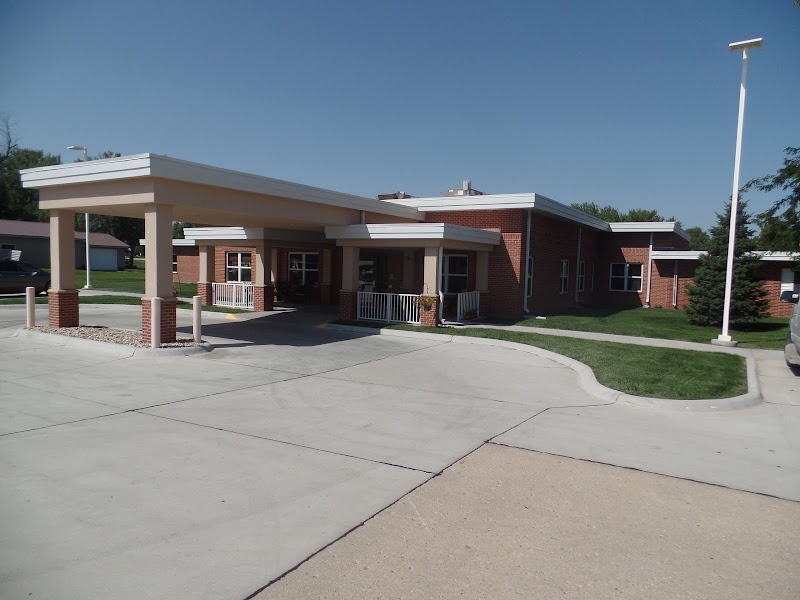
309 RAILROAD STREET, HULL, IA 51239 (712) 439-2758
For profit - Limited Liability company 46 Beds ARBORETA HEALTHCARE Data: November 2025 1 Immediate Jeopardy citation
Trust Grade
48/100
#220 of 392 in IA
Last Inspection: December 2024

Within standard 12-15 month inspection cycle. Federal law requires annual inspections.

Overview

Pleasant Acres Care Center has a Trust Grade of D, indicating below-average performance with some concerning issues. It ranks #220 out of 392 nursing homes in Iowa, placing it in the bottom half of facilities statewide, and #4 out of 5 in Sioux County, meaning only one local option is better. The facility is improving, as the number of issues decreased from 10 in 2023 to 6 in 2024. While staffing is a relative strength with 0% turnover and more RN coverage than 95% of Iowa facilities, it has a below-average staffing rating of 2 out of 5. Notably, there have been critical incidents, including failures to adequately monitor a resident with severe cognitive impairment who experienced multiple falls, and concerns about staff qualifications and tuberculosis testing procedures for new hires. Overall, families should weigh these strengths and weaknesses carefully when considering this facility.

Trust Score
D
48/100
In Iowa
#220/392
Bottom 44%
Safety Record
High Risk
Review needed
Inspections
Getting Better
10 → 6 violations
Staff Stability
○ Average
Turnover data not reported for this facility.
Penalties
✓ Good
No fines on record. Clean compliance history, better than most Iowa facilities.
Skilled Nurses
✓ Good
Each resident gets 63 minutes of Registered Nurse (RN) attention daily — more than 97% of Iowa nursing homes. RNs are the most trained staff who catch health problems before they become serious.
Violations
⚠ Watch
38 deficiencies on record. Higher than average. Multiple issues found across inspections.
★★★☆☆
3.0
Overall Rating
★★☆☆☆
2.0
Staff Levels
★★☆☆☆
2.0
Care Quality
★★★☆☆
3.0
Inspection Score
Stable
2023: 10 issues
2024: 6 issues

The Good

  • Full Sprinkler Coverage · Fire safety systems throughout facility
  • No fines on record

Facility shows strength in fire safety.

The Bad

3-Star Overall Rating

Near Iowa average (3.1)

Meets federal standards, typical of most facilities

Chain: ARBORETA HEALTHCARE

Part of a multi-facility chain

Ask about local staffing decisions and management

The Ugly 38 deficiencies on record

1 life-threatening
Dec 2024 6 deficiencies
CONCERN (D)

Potential for Harm - no one hurt, but risky conditions existed

Transfer Notice (Tag F0623)

Could have caused harm · This affected 1 resident

**NOTE- TERMS IN BRACKETS HAVE BEEN EDITED TO PROTECT CONFIDENTIALITY** Based on clinical record review and staff interview the facility failed to notify the Long Term Care (LTC) Ombudsman for 2 of 2 ...

Read full inspector narrative →
**NOTE- TERMS IN BRACKETS HAVE BEEN EDITED TO PROTECT CONFIDENTIALITY** Based on clinical record review and staff interview the facility failed to notify the Long Term Care (LTC) Ombudsman for 2 of 2 residents reviewed who transferred to the hospital (Resident #4 and #15). The facility reported a census of 27 residents. Findings include: 1. The Minimum Data Set (MDS) assessment dated [DATE] for Resident #4 documented diagnoses of heart failure, anemia and peripheral vascular disease. The MDS showed the Brief Interview for Mental Status (BIMS) score of 15, indicating no cognitive impairment. Review of Resident #4's Progress Notes revealed the following information: On 2/5/24 at 11:06 p.m., Resident leaves facility via nonemergent transport. On 2/6/24 at 1:46 a.m., staff placed a phone call to the local hospital and the resident will be admitted to the local hospital. On 2/19/24 at 12:58 p.m., the local hospital called to give the facility report. Review of Resident #4's Census tab revealed the following: On 2/5/24- hospital paid leave. On 2/19/24- active. Review of MDS listing revealed the following: On 2/5/24- discharge return anticipated On 2/19/24- Entry Review of the facility document titled Notice of Transfer Form to Long Term Care Ombudsman dated February 2024 lacked Resident #4's name. 2. The MDS assessment dated [DATE] for Resident #15 documented diagnoses of atrial fibrillation, heart failure and Chronic Obstructive Pulmonary Disease (COPD). The MDS showed the BIMS score of 15, indicating no cognitive impairment. Review of Resident #15's Progress Notes revealed the following information: On 5/25/24 at 3:37 p.m., transported to emergency room. On 5/25/24 at 10:22 p.m., resident is admitted to the local hospital. On 6/3/24 at 12:15 p.m., resident returns from hospital stay. Review of Resident #15's Census tab revealed the following: On 5/25/24- hospital paid leave. On 6/3/24- active. Review of MDS listing revealed the following: On 5/25/24- discharge return anticipated On 6/3/24- Entry Review of the facility document titled Notice of Transfer Form to Long Term Care Ombudsman dated May 2024 lacked Resident #15's name. Interview on 12/10/24 at 12:54 p.m., with the Administrator revealed Resident #4 and Resident #15 were not submitted on the Ombudsman notification due to the report that was run did not include those resident's names. The 2 residents should have been on the notification. Interview on 12/11/24 at 12:24 p.m., with the Administrator revealed the facility does not have a policy on notification to the Ombudsman. The facility submits the report every month.
CONCERN (D)

Potential for Harm - no one hurt, but risky conditions existed

Deficiency F0657 (Tag F0657)

Could have caused harm · This affected 1 resident

**NOTE- TERMS IN BRACKETS HAVE BEEN EDITED TO PROTECT CONFIDENTIALITY** Based on electronic health record review, policy review, resident interviews, family interviews, and staff interviews the facili...

Read full inspector narrative →
**NOTE- TERMS IN BRACKETS HAVE BEEN EDITED TO PROTECT CONFIDENTIALITY** Based on electronic health record review, policy review, resident interviews, family interviews, and staff interviews the facility failed to provide an opportunity for a comprehensive care plan to be reviewed and revised by an interdisciplinary team composed of each resident and resident representative to allow developing the care plan and making decisions about his or her care to 2 of 12 residents reviewed (Resident #14 and #19). The facility reported a census of 27 residents. Finding include: 1. The Minimum Data Set (MDS) dated [DATE] documented Resident #14 was rarely / never understood and a Brief Interview for Mental Status (BIMS) was not completed indicating severe cognitive impairment. On 12/09/24 02:36 PM Resident #14's brother / POA stated there were no care conferences and would like them. Resident #14's brother / POA stated he was not ever told by the facility that he could be a part of the care conference. Review of EHR revealed no documentation of completion of care conference with family or resident present. 2. The Minimum Data Set (MDS) dated [DATE] documented Resident #19 had a Brief Interview for Mental Status (BIMS) of 14 indicating no cognitive impairment. On 12/09/24 at 12:48 PM Resident #19 stated he was not invited to care conferences since he has been at the facility. On 12/11/24 at 10:45 AM Staff B, Registered Nurse (RN) / Infection infection preventionist (IP) stated she had been in the position since 12/2/24 and since then been in charge of care conferences. Staff B acknowledged the residents had been telling her that the care conferences had not been completed with them. Staff B stated the administration team had discussed that care conferences had been missed and would need to get back on track with them. Staff B acknowledged care plan conferences had not been completed with Resident #14 or Resident #19 or their families. On 12/11/24 at 2:08 PM the Administrator acknowledged the facility had identified that care plan conferences had not been completed per the regulation. The Administrator stated the facility had been catching up to get back into compliance with the care plan conferences. Review of policy titled Care Planning - Interdisciplinary Team revised 9/13 documented The resident, the resident's family and/or the resident's legal representative/guardian or surrogate are encouraged to participate in the development of and revisions to the resident's care plan. Every effort will be made to schedule care plan meetings at the best time of the day for the resident and family.
CONCERN (D)

Potential for Harm - no one hurt, but risky conditions existed

Quality of Care (Tag F0684)

Could have caused harm · This affected 1 resident

**NOTE- TERMS IN BRACKETS HAVE BEEN EDITED TO PROTECT CONFIDENTIALITY** Based on record review, resident and staff interviews and facility policy review the facility failed to provide physician ordere...

Read full inspector narrative →
**NOTE- TERMS IN BRACKETS HAVE BEEN EDITED TO PROTECT CONFIDENTIALITY** Based on record review, resident and staff interviews and facility policy review the facility failed to provide physician ordered medications and failed to notify the physician of missed medications for 1 of 1 residents reviewed (Resident #4). The facility reported a census of 27 residents. Findings include: The Minimum Data Set (MDS) assessment dated [DATE] for Resident #4 documented diagnoses of heart failure, anemia and peripheral vascular disease. The MDS showed the Brief Interview for Mental Status (BIMS) score of 15, indicating no cognitive impairment. Review of the facility provided document titled Order Summary Report signed by the physician 11/20/24 revealed the following orders: Coumadin tablet, Bupropion tablet, and Calcitriol capsule. Review of Resident #4's Progress Notes revealed the following: On 11/14/24 at 5:16 p.m., Coumadin tablet, medication not available, attempted to remove medication from med bank-med bank states med bank unable to connect to drawers unable to take out medication. On 11/15/24 at 4:27 p.m., Coumadin tablet, on order. On 11/16/24 at 4:41 p.m., Coumadin tablet, on order. On 11/20/24 at 6:58 a.m., Calcitriol capsule, on order. On 11/23/24 at 7:54 p.m., Bupropion tablet, not available, on order. On 11/23/24 at 4:00 p.m., Coumadin tablet, not administered, on order. On 11/24/24 at 7:39 a.m., Bupropion tablet, not available, on order from pharmacy. On 11/25/24 at 5:14 p.m., Coumadin tablet, not available, on order. Review of Resident #4's Electronic Health Records (EHR) failed to indicate physician notification for missed medications on 11/14/24, 11/15/24, 11/16/24, 11/20/24, 11/23/24, 11/24/24 and 11/25/24. Review of facility provided policy titled Adverse Consequences and Medication Errors Revised February 2023 revealed promptly notify the provider of any significant error or adverse consequence. Interview on 12/11/24 at 12:22 p.m., with the Director of Nursing (DON) revealed there are times where the medications do not come on time to the facility. If a medication is missed or not given it should be documented in the progress notes and the nurse should be notifying the physician and documenting that in the progress notes as well.
CONCERN (D)

Potential for Harm - no one hurt, but risky conditions existed

Deficiency F0725 (Tag F0725)

Could have caused harm · This affected 1 resident

Based on interview, record review, and policy review, the facility failed to ensure call lights responded to in a timely manner for 2 out of 4 residents reviewed (Resident #4 and #23). The facility re...

Read full inspector narrative →
Based on interview, record review, and policy review, the facility failed to ensure call lights responded to in a timely manner for 2 out of 4 residents reviewed (Resident #4 and #23). The facility reported a census of 27 residents. Findings include: 1. Interview on 12/09/24 at 1:14 p.m., with Resident #4 revealed call lights can take awhile. Resident #4 revealed he has waited over 15 minutes several times. Review of facility provided document titled Alarm Event Report dated 12/4/24-12/11/24 revealed the following: On 12/4/24 the call light turned on at 8:12 a.m. and was on for 29 minutes. On 12/4/24 the call light turned on at 8:59 a.m. and was on for 28 minutes. On 12/4/24 the call light turned on at 12:19 p.m. and was on for 48 minutes. On 12/5/24 the call light turned on at 8:46 a.m. and was on for 16 minutes. On 12/6/24 the call light turned on at 12:15 p.m. and was on for 37 minutes. On 12/7/24 the call light turned on at 11:05 a.m. and was on for 20 minutes. On 12/8/24 the call light turned on at 12:02 p.m. and was on for 1 hour and 7 minutes. On 12/9/24 the call light turned on at 6:19 a.m. and was on for 51 minutes. On 12/9/24 the call light turned on at 8:28 a.m. and was on for 21 minutes. On 12/9/24 the call light turned on at 4:57 p.m. and was on for 35 minutes. On 12/9/24 the call light turned on at 6:22 p.m. and was on for 24 minutes. On 12/10/24 the call light turned on at 2:41 p.m. and was on for 17 minutes. On 12/11/24 the call light turned on at 8:09 a.m. and was on for 21 minutes. 2. Interview on 12/09/24 at 1:52 p.m., with Resident #23's family revealed the facility takes a while to answer his call light and there are times it has been over 15 min especially on the weekends. Review of facility provided document titled Alarm Event Report dated 12/4/24-12/11/24 revealed the following: On 12/7/24 the call light turned on at 6:43 a.m. and was on for 55 minutes. On 12/8/24 the call light turned on at 5:35 p.m. and was on for 26 minutes. Interview on 12/11/24 at 2:47 p.m., with the Administrator revealed all call lights should be answered in under 15 minutes.
CONCERN (D)

Potential for Harm - no one hurt, but risky conditions existed

Infection Control (Tag F0880)

Could have caused harm · This affected 1 resident

**NOTE- TERMS IN BRACKETS HAVE BEEN EDITED TO PROTECT CONFIDENTIALITY** Based on observation, record review, policy review, and staff interview the facility failed to provide appropriate infection pre...

Read full inspector narrative →
**NOTE- TERMS IN BRACKETS HAVE BEEN EDITED TO PROTECT CONFIDENTIALITY** Based on observation, record review, policy review, and staff interview the facility failed to provide appropriate infection prevention practices when providing care to a resident with a suprapubic catheter, that was on Enhanced Barrier Precautions (EBP) for 1 of 1 reviewed (Resident #21). The facility reported a census of 27 residents. Findings include: 1. The Minimum Data Set (MDS) dated [DATE] documented Resident #21 was rarely / never understood and a Brief Interview for Mental Status (BIMS) was not completed indicating severe cognitive impairment. On 12/11/24 at 9:11 AM an observation revealed Staff A, Certified Medication Assistant (CMA) knocked on Resident #21's door, entered the room, completed hand hygiene, applied gloves, applied mask, applied a gown, placed a barrier on the ground, sat a graduate on the barrier, emptied urine from the catheter bag, alcohol wipe utilized to clean the catheter tip, and catheter tip reapplied to bag, 450mL of urine removed from the catheter bag. Urine emptied from the graduate into the toilet. Staff A removed the gown, removed gloves, removed the mask, and completed hand hygiene. Staff A applied gloves, obtained a washcloth, obtained barrier, and placed the barrier on the counter, pulled Resident #21's pants and brief down, removed gloves, completed hand hygiene, applied gloves, cleansed suprapubic area with no rinse cleanser, cleansed catheter tubing down about 6 inches, suprapubic area dried, brief pulled up, pants pulled up, gloves removed, and hand hygiene completed. No gown worn during catheter care. On 12/11/24 at 9:32 AM Staff A, CMA stated all Personal Protective Equipment (PPE) had been available the entire time she had worked at the facility. Staff A stated PPE is kept right outside of the residents room in drawers. Staff A stated PPE must be worn gown, gloves, and mask when possible contact with residents with EBP. Staff A stated she knew to wear a gown because it was explained that recently there was a change that required a gown, mask and gloves should be worn when catheters are emptied. On 12/11/24 at 3:23 PM Staff B, Registered Nurse (RN)/Infection infection preventionist (IP) stated she was not sure if a gown was required during supra pubic catheter cares. Stated she would need to speak to the DON. On 12/12/24 at 8:20 AM the DON stated there were no signs for EBP but there are drawers in the room and EBP was discussed with new hires as well as agency employees as well. The DON stated she would expect that a gown and appropriate PPE would have been worn with catheter care. The DON stated the facility's expectation was a gown would be worn with all catheter cares. Review of policy dated 3/25/24 titled Enhanced Barrier Precautions documented Enhanced barrier precautions (EBPs) are used as an infection prevention and control intervention to reduce the spread of multi-drug resistant organisms (MDROs). EBPs employ targeted gown and glove use during high-contact resident care activities when contact precautions do not otherwise apply. Gloves and gown are applied before performing high-contact resident care activities (as opposed to before entering the room). Examples of high-contact resident care activities requiring the use of a gown and gloves include indwelling device care or use (Central lines, Urinary catheters, feeding tubes, tracheotomy/ventilator etc.). Centers for Disease Control and Prevention website titled, Implementation of Personal Protective Equipment (PPE) Use in Nursing Homes to Prevent Spread of Multidrug-resistant Organisms (MDROs), visited 7/11/24 and updated 7/12/22 revealed recent changes included, additional rationale for the use of Enhanced Barrier Precautions (EBP) in nursing homes, including the high prevalence of multidrug-resistant organism (MDRO) colonization among residents in this setting. Expanded residents for whom EBP applies to include any resident with an indwelling medical device or wound (regardless of MDRO colonization or infection status). Expanded MDROs for which EBP applies. Clarified that, in the majority of situations, EBP are to be continued for the duration of a resident's admission. EBP may be indicated (when Contact Precautions do not otherwise apply) for residents with any of the following: Wounds or indwelling medical devices, regardless of MDRO colonization status and Infection or colonization with an MDRO. Effective implementation of EBP requires staff training on the proper use of personal protective equipment (PPE) and the availability of PPE and hand hygiene supplies at the point of care.
CONCERN (E)

Potential for Harm - no one hurt, but risky conditions existed

Menu Adequacy (Tag F0803)

Could have caused harm · This affected multiple residents

**NOTE- TERMS IN BRACKETS HAVE BEEN EDITED TO PROTECT CONFIDENTIALITY** Based on observation, document review and staff interview the facility failed to follow the menu and prepare food to meet the re...

Read full inspector narrative →
**NOTE- TERMS IN BRACKETS HAVE BEEN EDITED TO PROTECT CONFIDENTIALITY** Based on observation, document review and staff interview the facility failed to follow the menu and prepare food to meet the residents nutritional needs. The facility reported a census of 27 residents. Findings include: On 12/11/24 at 12:45 PM Staff D, [NAME] stated that she used one bag of diced chicken for the lunch meal. Staff D stated she followed the recipe for 36 servings of Chicken [NAME] Alfredo. Staff D acknowledged the menu required 9 lbs of chicken. Staff D acknowledged that she used 1 bag of diced chicken from the box that contained 2 bags of diced chicken. Staff D stated she did not know how many pounds of chicken were in the bag but she could look at the box to find out. On 12/11/24 at 1:00 PM an observation of the box of diced chicken used for lunch 12/11/24 revealed two 5lbs bags in each box. Review of a document titled, Chicken [NAME] Recipe #8723 documented the recipe required 9lbs of chicken for 36 servings. Review of document titled, Week 2 Wednesday documented Chicken [NAME] for noon meal. On 12/11/24 at 1:10 PM Staff D stated she used one bag of chicken for the recipe because she was told by the trainer when she started that one bag was the appropriate amount for the recipe. On 12/11/24 at 12:50 PM Staff C, Dietary Manager acknowledged two 5 lbs bags of diced chicken in each box. Staff C acknowledged one 5lbs bag was utilized for the recipe for 36 servings. Staff C stated 1.75 bags of diced chicken should have been used for the 36 serving recipe. Staff C acknowledged Staff D did not use the appropriate amount of chicken for the recipe. Review of undated policy titled, Portion Control documented foods will be served according to standard portion sizes to ensure adequate servings of food and to provide portions that are equal in size for those residents that do not require specialized dietary modifications. Standard portion sizes according to food groups include Meat Group 2-3 oz each at lunch & supper. On 12/12/24 at 9:28 AM the Administrator stated the facility's expectation was the recipe was followed. The Administrator stated if the recipe required 9 lbs of chicken that 9 lbs of chicken was used. The Administrator stated they did not have a policy related to following a recipe to provide the appropriate amount of each ingredient, but the facility followed professional standards and the regulations.
Oct 2023 10 deficiencies
CONCERN (D)

Potential for Harm - no one hurt, but risky conditions existed

Assessment Accuracy (Tag F0641)

Could have caused harm · This affected 1 resident

**NOTE- TERMS IN BRACKETS HAVE BEEN EDITED TO PROTECT CONFIDENTIALITY** Based on record review and staff interview, the facility failed to complete the comprehensive resident assessment accurately for...

Read full inspector narrative →
**NOTE- TERMS IN BRACKETS HAVE BEEN EDITED TO PROTECT CONFIDENTIALITY** Based on record review and staff interview, the facility failed to complete the comprehensive resident assessment accurately for 1 of 13 residents reviewed (Resident #5). The facility reported a census of 26 residents. Findings include: According to the Minimum Data Set (MDS) assessment dated [DATE] Resident #5 readmitted from an acute hospitalization 7/5/23. Resident #5 scored 15 on the Brief Interview for Mental Status (BIMS) indicating no cognitive impairment. The resident had diagnoses including atrial fibrillation, heart failure, renal failure, and diabetes. Special treatments did not include dialysis. According to the MDS assessment 7/12/23. Resident #5 scored 15 on the BIMS indicating no cognitive impairment. Special treatments did not include dialysis. readmission orders for a hospital stay dated 6/29/23 to 7/5/23 documented the resident had dialysis dependent chronic kidney failure. On 10/16/23 at 4:37 p.m. the resident stated he had dialysis 4 times a week. On 10/17/23 at 4:58 p.m. the Director of Nursing (DON) stated the MDS coordinator said the resident's MDS's on 7/5/23 and 7/12/23 were not coded correctly. He did receive dialysis. The facility Clinical Programs Manual dated 7/15, included the Resident Assessment Instrument (RAI)/MDS was an assessment tool that assisted skilled nursing facility staff to accurately and routinely compile information regarding resident needs and strengths to facilitate the development of an individualized plan of care for the resident.
CONCERN (E)

Potential for Harm - no one hurt, but risky conditions existed

Deficiency F0568 (Tag F0568)

Could have caused harm · This affected multiple residents

Based on record review, interview, and facility policy the facility failed to provide resident or resident representative quarterly statements for 3 out of 3 residents reviewed (Resident #9, #12 and #...

Read full inspector narrative →
Based on record review, interview, and facility policy the facility failed to provide resident or resident representative quarterly statements for 3 out of 3 residents reviewed (Resident #9, #12 and #20) . The facility reported a census of 26. Findings include: 1. Interview on 10/16/23 at 1:10 p.m., with Resident #9 ' s financial power of attorney revealed he has never seen a statement for Resident #9 ' s trust account and does not know how much money he currently has. The facility revealed Resident #9 was given trust account statements and not provided to Resident #9 ' s financial power of attorney for Quarter Ending 3/2023, Quarter Ending 6/2023 and Quarter Ending 9/2023. Facility revealed Resident #9 was not provided with a trust account statement for Quarter Ending 9/2022 and for Quarter Ending 12/2022. 2. The facility revealed Resident #12 was given trust account statements and not provided to Resident #12 ' s financial power of attorney for Quarter Ending 3/2023, Quarter Ending 6/2023 and Quarter Ending 9/2023. Facility revealed Resident #12 was not provided with a trust account statement for Quarter Ending 9/2022 and for Quarter Ending 12/2022. 3. The facility revealed Resident #20 was given trust account statements and not provided to Resident #20 ' s financial power of attorney for Quarter Ending 3/2023, Quarter Ending 6/2023 and Quarter Ending 9/2023. Facility revealed Resident #20 was not provided with a trust account statement for Quarter Ending 9/2022 and for Quarter Ending 12/2022. Review of the facility provided policy titled Accounts Receivable Department with a revision date of 1/3/23 revealed statements- quarterly, upon discharge, as requested revealed quarterly statements to be printed by facility from RFMS and should be mailed or given to the Resident and or Responsible Party no less than quarterly. Interview on 10/18/23 at 12:00 p.m., with the Administrator revealed the trust account statements should have been done quarterly and should have been sent to the financial power of attorney instead of the resident.
CONCERN (E)

Potential for Harm - no one hurt, but risky conditions existed

Transfer Notice (Tag F0623)

Could have caused harm · This affected multiple residents

**NOTE- TERMS IN BRACKETS HAVE BEEN EDITED TO PROTECT CONFIDENTIALITY** Based on clinical record review and staff interview the facility failed to notify the Long Term Care (LTC) Ombudsman for 4 of 4 ...

Read full inspector narrative →
**NOTE- TERMS IN BRACKETS HAVE BEEN EDITED TO PROTECT CONFIDENTIALITY** Based on clinical record review and staff interview the facility failed to notify the Long Term Care (LTC) Ombudsman for 4 of 4 residents reviewed who transferred to the hospital (Resident #9, #15, #19 and #25). The facility reported a census of 26 residents. Findings include: 1. The Minimum Data Set (MDS) assessment dated [DATE] for Resident #9 documented diagnoses of hypertension, diabetes mellitus, and osteoporosis. The MDS showed the Brief Interview for Mental Status (BIMS) score of 3 indicating severe cognitive impairment. Review of Resident #9 ' s Progress Notes revealed the following information: a. 3/2/23 at 2:00 p.m., revealed nurse received call to send resident back to local hospital to be admitted . b. 7/21/23 at 9:10 p.m., revealed Resident #9 was admitted to hospital at 3:00 p.m c. 7/27/23 at 10:13 a.m., revealed Resident #9 back at facility. Review of Resident #9 ' s Census tab revealed the following: a. 3/2/23 unpaid hospital leave b. 3/14/23 active c. 7/21/23 stop billing d. 7/27/23 active Review of the facility documentation revealed the facility did not submit information to the LTC Ombudsman for March and July 2023. 2. The MDS assessment dated [DATE] for Resident #19 documented diagnoses of tibia fracture, hypertension and anemia . The MDS showed the BIMS score of 15 indicating no cognitive impairment. Review of Resident #19 ' s Progress Notes revealed the following information: a. 9/13/23 at 10:58 a.m., verbal order to direct admit resident to local hospital. b. 9/16/23 at 2:26 p.m., resident arrived back at the facility from the local hospital via ambulance. Review of Resident #19 ' s Census tab revealed the following: a. 9/13/23 hospital unpaid leave b. 9/16/23 active Review of the facility documentation revealed the facility did not submit information to the LTC Ombudsman for September 2023. 3. According to the MDS assessment dated [DATE] Resident #15 scored 9 on the BIMS indicating moderate cognitive impairment. The resident required extensive assistance for bed mobility, dressing and toilet use. The resident had diagnoses including non Alzheimer's dementia, seizure disorder and psoriasis. The Progress Notes dated 2/3/23 at 5:25 p.m. documented at 3:30 p.m. the resident had a change in condition and at 4 p.m. the nurse called 911 and the resident transferred to the emergency room. On 10/18/23 at 2:48 p.m. the Administrator replied by email, they did not have Ombudsman notification for residents who were out of the facility in February 2023. 4. According to the MDS assessment dated [DATE] Resident #25 scored 15 on the BIMS indicating no cognitive impairment. The resident required limited assistance for bed mobility, transfer, and toilet use. The resident had diagnoses including diabetes, arthritis, and a wedge compression fracture of the 3rd lumbar vertebrae. The Progress Notes dated 9/6/23 at 11 a.m. documented the resident transported to a follow up appointment, awaiting return. At 3:16 p.m. the facility received a call from the resident and she would be admitted , needing another spinal surgery. The Progress Notes dated 9/8/23 at 7:04 a.m. documented the resident remained in the hospital. The facility lacked documentation they notified the long term care (LTC) Ombudsman of the transfer.
CONCERN (E)

Potential for Harm - no one hurt, but risky conditions existed

Deficiency F0657 (Tag F0657)

Could have caused harm · This affected multiple residents

**NOTE- TERMS IN BRACKETS HAVE BEEN EDITED TO PROTECT CONFIDENTIALITY** Based on clinical record review, staff interview and facility policy the facility failed to revise and update the care plan to i...

Read full inspector narrative →
**NOTE- TERMS IN BRACKETS HAVE BEEN EDITED TO PROTECT CONFIDENTIALITY** Based on clinical record review, staff interview and facility policy the facility failed to revise and update the care plan to include oral intake for 2 of 2 residents reviewed for oral intake (Resident # 1 and # 24) and failed to list high risk medications and side effects for 3 out of 5 residents reviewed for high risk medications (Resident #2, #12, #18). The facility reported a census of 26 residents. Findings include: 1. The Minimum Data Set (MDS) assessment dated [DATE] for Resident #1 documented diagnosis of dysphagia and nutritional deficiency. The MDS showed a Brief Interview for Mental Status (BIMS) score of 15 indicating no cognitive impairment. Review of clinical record shows an order dated for 6/23/23 for pleasure feedings for pureed foods - moist, nectar thickened liquids, okay for patient to have small amounts of moist pureed (up to 2 teaspoon per session) and up to 2 ounces nectar thickened liquids 2 times per day. Review of clinical record shows an order dated for 8/18/23 to offer 1 meal per day, discuss and fill out a menu and encourage her to get into the recliner to eat, may have pureed food and nectar thick liquids, up right in the recliner or w/c in the room or dining room, staff to do 1 on 1, rinse/spit with water prior to and after eating, continue to monitor lung sounds. Report concerns to therapy and physician. Review of the Progress Notes for Resident #1 showed documentation of oral intake for the following dates: 8/24/23 Resident is on honey thick liquids. Speech Therapy (ST) did a trial of thin liquids yesterday. No new orders at this time. 9/20/23 Resident attempts to eat sitting up in bed at lunch time and completes 5-10 bites before stopping and requesting a popsicle. 10/4/23 Resident ate bites of ravioli at noon with ST. 10/7/23 Resident fed in room by certified nursing assistant (CNA) lunch meal. Ate 50%. The review of the Care Plan for Resident #1 dated 6/12/23 lacked information regarding oral intakes. 2. The MDS assessment dated 8/15//23 for Resident #24 documented diagnosis of dysphagia and cerebral infarction. The MDS showed a BIMS not completed due to Resident #14 is rarely understood. Review of clinical records revealed the facility received an order on 9/25/23 that the physician ordered pureed food 3 ounces twice daily as needed. Review of the Progress Notes for Resident #24 showed documentation of oral intake for the following dates: 10/13/23 resident had an increase in oral intake of pureed food as well as continues feedings. The Care Plan dated 8/22/23 for Resident #24 lacked information regarding oral intake. Interview on 10/18/23 at 4:44 PM with the Director of Nursing (DON), and Assistant Director of Nursing (ADON) they were instructed per upper management to write Diet as Ordered on the care plan. When asked how the staff knows about the diet changes, ADON revealed the diet is on the Point of Care charting for the CNA ' s. 3. The MDS assessment dated [DATE] for Resident #2 documented diagnoses of diabetes mellitus and history of falling. The MDS showed a BIMS score of 14 indicating no cognitive impairment. Review of the October 2023 Medication Administration Record (MAR) revealed the following orders: Basaglar KwikPen Solution (Insulin), Hydrocodone-Acetaminophen Oral Tablet (opioid pain medication). Review of the MDS dated [DATE] revealed insulin injections were given 7 out of the last 7 days in the look back period and opioid medication was taken 4 out of the last 7 days in the look back period. Review of the admission Orders signed 10/10/23 revealed the following orders: Basaglar KwikPen Solution with an order date of 10/5/23, Hydrocodone-Acetaminophen Oral Tablet twice daily with an order date of 8/1/23. Review of the Care Plan with a revision date of 9/17/23 lacked information regarding the side effects of insulin and opioid pain medication. 4. The MDS assessment dated [DATE] for Resident #12 documented diagnoses of depression and anxiety disorder. The MDS showed a BIMS score of 14 indicating no cognitive impairment. Review of the October 2023 Medication Administration Record (MAR) revealed the following orders: Diazepam (anxiety medication). Review of the MDS dated [DATE] revealed antianxiety medication was taken 7 out of the last 7 days in the look back period. Review of the admission orders signed 10/6/23 revealed the following orders: Diazepam with an order date of 8/24/23. Review of the Care Plan with a revision date of 10/4/23 lacked information regarding the side effects of anxiety medication. 5. The MDS assessment dated [DATE] for Resident #18 documented diagnoses of diabetes mellitus and depression. The MDS showed a BIMS score of 15 indicating no cognitive impairment. Review of the October 2023 Medication Administration Record (MAR) revealed the following orders: Lexapro tablet (antidepressant medication), Novolog Insulin (insulin), Lantus insulin (insulin). Review of the MDS dated [DATE] revealed insulin injections were given 7 out of the last 7 days in the look back period and opioid medication was taken 7 out of the last 7 days in the look back period. Review of the admission orders signed 10/23/23 revealed the following orders: Lexapro tablet with an order date of 9/7/23, Novolog Insulin with an order date of 6/16/23, Lantus insulin with an order date of 9/5/23. Review of the Care Plan with a revision date of 10/3/23 lacked information regarding the side effects of antidepressant medication and hypoglycemia side effects. The facility Care Plan Development policy dated 8/15 states an individualized, comprehensive care plan using the results of the RAI/MDS assessment, resident/family/legal representative and interdisciplinary input will be developed for each resident in the facility within 21 days of admission or 7 days after the completion date of a comprehensive MDS assessment, and describe the services that are to be furnished to attain or maintain the resident ' s highest practicable physical, mental and psychosocial well-being. The care plan will include measurable objectives, interventions, goals, and timetables. The care plan will be reviewed and revised on an as needed bases and at least every 92 days. Interview on 10/18/23 at 9:25 a.m., with the Director of Nursing (DON) revealed the side effects should have been on the care plan.
CONCERN (E)

Potential for Harm - no one hurt, but risky conditions existed

Deficiency F0725 (Tag F0725)

Could have caused harm · This affected multiple residents

Based on interview, record review, and policy review, the facility failed to ensure call lights responded to in a timely manner for 3 out of 3 residents reviewed (Resident #12, #18, #19). The facility...

Read full inspector narrative →
Based on interview, record review, and policy review, the facility failed to ensure call lights responded to in a timely manner for 3 out of 3 residents reviewed (Resident #12, #18, #19). The facility reported a census of 26 residents. Findings include: 1. Interview on 10/16/23 at 1:24 p.m., with Resident #12 revealed the staff take a long time to answer the call lights and last month she had to sit on the commode for over an hour. Review of facility provided document titled Alarm Event Report dated 10/3/23- 10/17/23 revealed the following: On 10/3/23 the call light turned on at 2:36 a.m. and was on for 16 minutes. On 10/3/23 the call light turned on at 8:17 a.m. and was on for 20 minutes. On 10/3/23 the call light turned on at 4:17 p.m. and was on for 33 minutes. On 10/11/23 the call light turned on at 2:25 a.m. and was on for 25 minutes. On 10/11/23 the call light turned on at 12:32 p.m. and was on for 25 minutes. On 10/12/23 the call light turned on at 10:58 a.m. and was on for 27 minutes. On 10/13/23 the call light turned on at 11:49 p.m. and was on for 28 minutes. On 10/14/23 the call light turned on at 4:36 a.m. and was on for 50 minutes. On 10/15/23 the call light turned on at 5:345 p.m. and was on for 21 minutes. On 10/16/23 the call light turned on at 10:16 a.m. and was on for 28 minutes. On 10/16/23 the call light turned on at 10:16 a.m. and was on for 18 minutes. 2. Interview on 10/16/23 at 1:46 p.m., with Resident #18 revealed on 10/15/23 he turned his call light on about 3:15 p.m., and no one answered his light until 5:00 p.m Resident #18 revealed he waits a long time for his call light to be answered and feels as if he is forgotten when he has to wait a long time. Resident #18 revealed he feels there is not enough staff to help all the resident ' s in the facility. Review of facility provided document titled Alarm Event Report dated 10/3/23- 10/17/23 revealed the following: On 10/3/23 the call light turned on at 2:38 p.m. and was on for 19 minutes. On 10/3/23 the call light turned on at 7:45 p.m. and was on for 48 minutes. On 10/4/23 the call light turned on at 9:27 a.m. and was on for 17 minutes. On 10/4/23 the call light turned on at 6:06 p.m. and was on for 36 minutes. On 10/4/23 the call light turned on at 7:18 p.m. and was on for 52 minutes. On 10/5/23 the call light turned on at 4:10 p.m. and was on for 19 minutes. On 10/5/23 the call light turned on at 7:36 p.m. and was on for 18 minutes. On 10/5/23 the call light turned on at 10:13 p.m. and was on for 18 minutes. On 10/6/23 the call light turned on at 10:54 a.m. and was on for 21 minutes. On 10/6/23 the call light turned on at 1:05 p.m. and was on for 28 minutes. On 10/6/23 the call light turned on at 2:18 p.m. and was on for 16 minutes. On 10/6/23 the call light turned on at 7:09 p.m. and was on for 27 minutes. On 10/6/23 the call light turned on at 7:36 p.m. and was on for 26 minutes. On 10/6/23 the call light turned on at 9:13 p.m. and was on for 25 minutes. On 10/7/23 the call light turned on at 7:22 a.m. and was on for 28 minutes. On 10/7/23 the call light turned on at 2:34 p.m. and was on for 16 minutes. On 10/7/23 the call light turned on at 6:18 p.m. and was on for 38 minutes. On 10/7/23 the call light turned on at 7:11 p.m. and was on for 47 minutes. On 10/7/23 the call light turned on at 8:48 p.m. and was on for 30 minutes. On 10/7/23 the call light turned on at 9:43 p.m. and was on for 24 minutes. On 10/8/23 the call light turned on at 10:50 a.m. and was on for 19 minutes. On 10/8/23 the call light turned on at 2:23 p.m. and was on for 19 minutes. On 10/8/23 the call light turned on at 4:19 p.m. and was on for 27 minutes. On 10/8/23 the call light turned on at 6:20 p.m. and was on for 29 minutes. On 10/8/23 the call light turned on at 8:55 p.m. and was on for 20 minutes. On 10/9/23 the call light turned on at 9:03 a.m. and was on for 18 minutes. On 10/9/23 the call light turned on at 6:40 p.m. and was on for 39 minutes. On 10/9/23 the call light turned on at 7:46 p.m. and was on for 28 minutes. On 10/9/23 the call light turned on at 8:47 p.m. and was on for 38 minutes. On 10/10/23 the call light turned on at 5:28 a.m. and was on for 22 minutes. On 10/10/23 the call light turned on at 6:35 p.m. and was on for 34 minutes. On 10/10/23 the call light turned on at 7:25 p.m. and was on for 31 minutes. On 10/11/23 the call light turned on at 12:50 p.m. and was on for 17 minutes. On 10/11/23 the call light turned on at 3:50 p.m. and was on for 32 minutes. On 10/11/23 the call light turned on at 6:07 p.m. and was on for 29 minutes. On 10/11/23 the call light turned on at 10:00 p.m. and was on for 20 minutes. On 10/11/23 the call light turned on at 3:50 p.m. and was on for 32 minutes. On 10/12/23 the call light turned on at 6:32 p.m. and was on for 1 hour and 5 minutes. On 10/12/23 the call light turned on at 7:46 p.m. and was on for 33 minutes. On 10/13/23 the call light turned on at 7:12 a.m. and was on for 23 minutes. On 10/13/23 the call light turned on at 8:42 a.m. and was on for 26 minutes. On 10/13/23 the call light turned on at 2:08 p.m. and was on for 36 minutes. On 10/13/23 the call light turned on at 4:02 p.m. and was on for 17 minutes. On 10/13/23 the call light turned on at 7:12 p.m. and was on for 16 minutes. On 10/13/23 the call light turned on at 9:02 a.m. and was on for 20 minutes. On 10/14/23 the call light turned on at 8:10 a.m. and was on for 16 minutes. On 10/14/23 the call light turned on at 8:10 a.m. and was on for 16 minutes. On 10/14/23 the call light turned on at 8:38 a.m. and was on for 20 minutes. On 10/14/23 the call light turned on at 1:57 p.m. and was on for 18 minutes. On 10/14/23 the call light turned on at 3:50 p.m. and was on for 31 minutes. On 10/14/23 the call light turned on at 7:17 p.m. and was on for 19 minutes. On 10/14/23 the call light turned on at 8:10 p.m. and was on for 47 minutes. On 10/14/23 the call light turned on at 9:27 p.m. and was on for 19 minutes. On 10/15/23 the call light turned on at 11:23 a.m. and was on for 25 minutes. On 10/15/23 the call light turned on at 2:14 p.m. and was on for 36 minutes On 10/15/23 the call light turned on at 3:34 p.m. and was on for 1 hour and 23 minutes. On 10/15/23 the call light turned on at 5:58 p.m. and was on for 17 minutes. On 10/15/23 the call light turned on at 6:53 p.m. and was on for 59 minutes. On 10/16/23 the call light turned on at 3:48 a.m. and was on for 28 minutes. On 10/16/23 the call light turned on at 7:27 a.m. and was on for 35 minutes. On 10/16/23 the call light turned on at 9:27 a.m. and was on for 47 minutes. On 10/16/23 the call light turned on at 2:04 p.m. and was on for 21 minutes. On 10/16/23 the call light turned on at 2:36 p.m. and was on for 23 minutes. 3. Interview on 10/16/23 at 1:42 p.m., with Resident #19 revealed she waits quite often for her call to be answered. She further revealed it happens quite often she waits over 15 minutes for staff but tries not to call the staff very often. Review of facility provided document titled Alarm Event Report dated 10/3/23- 10/17/23 revealed the following: On 10/6/23 the call light turned on at 6:14 p.m. and was on for 39 minutes. The facility does not have a policy on call light response times. Interview of 10/17/23 at 3:00 p.m., with the Director of Nursing (DON) revealed call lights should be answered in under 15 minutes. Interview on 10/17/23 at 3:04 p.m., with the Administrator revealed all call lights should be answered in under 15 minutes.
CONCERN (E) 📢 Someone Reported This

A family member, employee, or ombudsman was alarmed enough to file a formal complaint

Potential for Harm - no one hurt, but risky conditions existed

Deficiency F0727 (Tag F0727)

Could have caused harm · This affected multiple residents

Based on facility schedule reviews and staff interview, the facility failed to assure a Registered Nurse (RN) on duty for 8 hours daily, 7 days per week. The facility reported a census of 26 residents...

Read full inspector narrative →
Based on facility schedule reviews and staff interview, the facility failed to assure a Registered Nurse (RN) on duty for 8 hours daily, 7 days per week. The facility reported a census of 26 residents. Findings include: Review of the facility's nursing staff schedule dated 4/1/23 through 10/16/23 revealed there was no RN on duty for 8 hours on the following dates: 4/2/23, 4/8/23, 4/9/23, 4/16/23, 5/7/23, 5/29/23, 6/3/23, 6/17/23, 6/18/23, 6/24/23, 9/2/23, 9/3/23, 9/9/23, 9/10/23, 9/16/23, 9/17/23, 9/23/23, 9/24/23 and 10/1/23. The facility does not have a policy for RN coverage and follows the federal guidelines. Interview on 10/17/23 at 5:01 p.m., with the Director of Nursing (DON) revealed there should have been an RN for 8 hours everyday. Interview on 10/18/23 at 3:30 p.m., with the Administrator revealed there should have been RN coverage 8 hours everyday.
CONCERN (E)

Potential for Harm - no one hurt, but risky conditions existed

Food Safety (Tag F0812)

Could have caused harm · This affected multiple residents

Based on observations, staff interviews, and facility policy reviews the facility failed to ensure food was stored and prepared under sanitary conditions. The facility identified a census of 26 reside...

Read full inspector narrative →
Based on observations, staff interviews, and facility policy reviews the facility failed to ensure food was stored and prepared under sanitary conditions. The facility identified a census of 26 residents. Findings include: 1. An initial kitchen tour conducted on 10/16/23 at 11:10 AM, revealed the following observation, brown raised debris to the ceiling surrounding the air vents in the back corner. Observation on 10/18/23 at 11:30 AM Staff A, cook, applied gloves without performing hand hygiene. Staff A with gloved hands prepared and served the meal, touching the utensils, pans, and sprayer on the sink while washing out the robo coupe and while preparing a puree meal for Resident #1. Staff A then removed gloves and washed his hands and applied new gloves. Staff A with gloved hands picked up the plates, tongs, opened the cupboard and grabbed a bag of hotdog buns. With soiled gloves reached into the bag and removed a hotdog bun and with soiled gloves still on used the tongs to put the brat in the bun. Staff A with soiled gloves on placed the bag of hotdog buns on top of Resident #16 divided plastic plate. Staff A, with soiled gloves still on touched Resident #16 brat to cut it up and served the meal to Resident #16, Staff A, then removed his gloves and applied new gloves without performing hand hygiene. Per Hand Hygiene Policy reviewed 3/2022 hand hygiene is the number one way to prevent facility acquired infections by reducing the spread of harmful germs that can cause serious illness or death to residents. The facility requires healthcare providers to perform hand hygiene per CDC recommendations. Interview on 10/18/23 at 2:30 PM with the Administrator and the Dietary District Manager revealed expectation would be for all staff to wash their hands before applying gloves and after removing soiled gloves.
CONCERN (E)

Potential for Harm - no one hurt, but risky conditions existed

Deficiency F0836 (Tag F0836)

Could have caused harm · This affected multiple residents

Within 30 days of a resident's admission to a healthcare facility receiving reimbursement through the medical assistance program under Iowa Code chapter 249 A, the facility shall ask the resident or t...

Read full inspector narrative →
Within 30 days of a resident's admission to a healthcare facility receiving reimbursement through the medical assistance program under Iowa Code chapter 249 A, the facility shall ask the resident or the residents personal representative whether the resident is a veteran and shall document the response. If the facility determines that the resident is a veteran, the facility shall report the resident's name along with the names of the resident's spouse and any dependent children, as well as the name of the contact person for this information, to the Iowa department of veteran's affairs. Where appropriate, the facility first shall seek reimbursement from the identified payer source before seeking reimbursement from the medical assistance program established under Iowa Code chapter 249A. Based on facility record review and interviews the facility failed to verify veteran ' s eligibility for all residents admitted from 7/1/22 to 10/16/23 reviewed to the Iowa Department of Veteran Affairs (VA) Department. The facility reported a census of 26 residents. Review of the facility's provided admission report dated 7/1/22 to 10/16/23 revealed 32 admissions since the facility's last survey. Interview on 10/18/23 at 3:00 PM with the Administrator revealed the facility has not been completing the VA eligibility.
CONCERN (E)

Potential for Harm - no one hurt, but risky conditions existed

Deficiency F0847 (Tag F0847)

Could have caused harm · This affected multiple residents

Based on record review, interview, and facility policy the facility failed to grant the resident or representative the right to rescind a signed Arbitration agreement within 30 calendar days of signin...

Read full inspector narrative →
Based on record review, interview, and facility policy the facility failed to grant the resident or representative the right to rescind a signed Arbitration agreement within 30 calendar days of signing it.The facility reported a census of 26. Findings include: Review of the facility document titled Voluntary Arbitration Agreement Program Guide undated revealed if you sign the agreement and later change your mind, you will have ten (10) business days from the date of your admission to completely cancel and void the agreement. Review of the facility provided document titled Voluntary Arbitration Agreement undated revealed right to change your mind- the resident will receive from the facility a copy of this agreement upon it being fully executed. This agreement may be canceled via a written notice sent to the facility administrator by certified mail, return receipt requested, within ten (10) business days of the date it is executed by the resident. It is further documented in bold lettering and underlined- the resident is aware that he/she may rescind this agreement at anytime within ten (10) business days of the date of its execution: yes with a box behind. The facility does not have a policy regarding Arbitration Agreements and follows the federal regulations. Interview on 10/17/23 at 2:19 p.m., with the Administrator revealed he would contact the corporate level and discuss with them the 30 day requirement in the federal regulation. Interview on 10/18/23 at 7:42 a.m., with the Administrator revealed the facility would be speaking with residents and residents representatives about the updated Arbitration Agreements.
CONCERN (E)

Potential for Harm - no one hurt, but risky conditions existed

Deficiency F0868 (Tag F0868)

Could have caused harm · This affected multiple residents

Based on record review, interview, and facility policy the facility failed to have the Medical Director at quarterly meetings for their quarterly Quality Assessment and Assurance (QAA) meetings and ho...

Read full inspector narrative →
Based on record review, interview, and facility policy the facility failed to have the Medical Director at quarterly meetings for their quarterly Quality Assessment and Assurance (QAA) meetings and hold QAA meetings every quarter. The facility reported a census of 26. Findings include: Review of the facility document titled Quality Assurance Process Improvement (QAPI) Committee meeting agenda and notes: a. Document dated 9/20/23 lacked the signature of the Medical Director The facility lacked documentation for an August 2022 QAPI meeting being held. Review of the facility provided policy titled Risk Management/Quality Assurance Performance Improvement Program with a revision date of 8/19 revealed The Risk Management/QAPI Committee, facilitated by the Quality Improvement Coordinator/Designee, will meet monthly. The Risk Management/QAPI committee will consist of no less than five members. Members are appointed by the Administrator and will include, but not be limited to: Administrator, Director of Nursing, Infection Preventionist, Medical Director or Physician designee, and at least two additional facility staff. Interview on 10/17/23 at 4:17 p.m., with the Administrator revealed the QAPI meetings were not being held prior to him coming to the facility. The facility has a new Medical Director and he has not attended QAPI yet.
Jul 2022 22 deficiencies 1 IJ (1 affecting multiple)
CRITICAL (K)

Immediate Jeopardy (IJ) - the most serious Medicare violation

Accident Prevention (Tag F0689)

Someone could have died · This affected multiple residents

**NOTE- TERMS IN BRACKETS HAVE BEEN EDITED TO PROTECT CONFIDENTIALITY** 2. The MDS dated [DATE] revealed a Brief Interview of Mental Status (BIMS) score of 4 for Resident #8 which indicated severe cog...

Read full inspector narrative →
**NOTE- TERMS IN BRACKETS HAVE BEEN EDITED TO PROTECT CONFIDENTIALITY** 2. The MDS dated [DATE] revealed a Brief Interview of Mental Status (BIMS) score of 4 for Resident #8 which indicated severe cognitive impairment. The resident needed the extensive assistance of 1 with transfers and total assistance of 1 with toileting. The resident's diagnoses included multiple rib fractures, anxiety, chronic heart failure [(CHF) causes shortness of breath and excess fluid], left femur fracture, pelvic fracture, age related cognitive decline, depression, fracture of a scapula (shoulder blade). The Progress Notes and Incident Reports from the resident's admission on [DATE] to 6/20/22 revealed the resident had 16 falls. The Neurological Flow Sheet was not completed for 11 of the resident's falls that were unwitnessed. The Care Plan had interventions placed related to falls at the resident's admission to the facility. The resident's Care Plan was not revised after 12 of the resident's falls. The Health Status Note on 5/5/22 revealed the resident had an unwitnessed fall. The Health Status Note revealed the following on 5/7/22: a. At 2:02 AM the resident complained of pain to a CNA. The nurse assessed the resident and noted the resident's hips were a bit swollen. b. At 7:00 AM, a CNA offered to assist the resident in getting up for the day, the resident refused. c. At 8:15 AM, a CNA offered to assist the resident in getting up for the day, the resident refused. d. At 10:00 AM, the resident was in bed sleeping. e. At 11:45 AM, the resident's left leg was swollen and did not look right, the resident complained of pain. The resident was transferred from the facility to the emergency department with her daughter's consent. f. At 2:14 PM, the resident was being transferred to another hospital for diagnoses of a broken hip. The Discharge Information dated 6/6/22 signed by a physician revealed the resident had a diagnosis of a left femur fracture (broken hip). The Fall Risk Assessment on 3/10/22 revealed the resident was at a moderate risk for falls. The Falls Risk Assessments on 5/14/22 and 6/6/22 revealed the resident was at a high risk for falls. The Fall Risk and Management policy revised date 04/13 revealed fall management included: provision of immediate care for injuries, evaluation of clinical condition to determine need for medical intervention, review of fall risk indicators and evaluation and/or modification of interventions. In an interview on 7/6/22 at 3:48 PM, the DON and Regional Nurse Consultant denied any additional documentation existed for the falls the resident had and nodded their heads in agreement that more interventions could have been in place to prevent the resident from falling. In the same interview, the DON and Regional Nurse Consultant both reported staff would be educated on the facility's fall policy and procedures due to assessing the need for education after reviewing the resident's chart during the survey. The facility corrected the Immediate Jeopardy on 1/11/22 by providing education to staff on elopements and called the door company who came to the facility on 1/11/22 and repaired the alarm system. The facility has been completing door alarm checks routinely since incident and door alarms were operational during survey. At the time of exit the scope and severity was lowered to a G. Based on clinical record review, staff interviews, facility record review and facility policy review, the facility failed to ensure residents at risk for elopement were unable to exit the facility unattended for 1 of 1 resident reviewed for elopement (Resident #121). The facility failure resulted in an Immediate Jeopardy to the health, safety, and security of the residents. The facility failed to provide adequate nursing supervision to prevent injuries for 1 of 1 resident reviewed (Resident # 8). The facility reported a total census of 16 residents. Findings include: 1. The The Minimum Data Set (MDS) assessment dated [DATE] for Resident # 121 documented diagnoses of colon cancer,COVID-19 and emphysema. The MDS did not include a Brief Interview for Mental Status (BIMS) score. Review of the Baseline Care Plan dated of 12/30/21 revealed the following: The resident is confused. Interventions include: resident is confused to person only, redirection as needed. Resident safety concerns include: exit seeking behavior. Interventions include: minimize risk of elopement and frequent monitoring. Review of the elopement risk assessment dated [DATE] at 2:09 p.m., revealed a score of 11 which indicated Resident #121 was at high risk for wandering. The assessment included a note that stated risk for elopement related to dementia and wandering. Review of Progress Notes revealed the following: a. On 12/30/21 at 5:49 p.m., alert to self only, very confused, family stated sundowning around 5:00 p.m., resident requesting to go home. He knows his home is around the corner from the facility, chair alarm on, attempting to ambulate without assistance. He is requesting to go home. b. On 12/20/21 at 6:16 p.m., resident needed one on one multiple times since admission. He verbalized his house is around the corner from the facility and he needs to go there. c. On 12/21/21 at 11:48 p.m., resident was noted to be wandering halls and anxious. Resident asked about his wife and daughter and where and what they were doing. Resident was trying to get up at 10:30 p.m., and stated he needed to go to California tonight and he could not sleep. d. On 1/3/22 at 11:17 a.m., resident has been needing one on one supervision from staff so far this shift. e. On 1/4/22 at 11:41 p.m., resident needed consistent one on one staff assistance as he continually attempted to get up and walk around without assistance. Resident wanted to go home, find his truck and go to bed. Resident not easily redirected. f. On 1/7/22 at 1:35 a.m., Resident needed one on one earlier in the evening this shift. g. On 1/10/22 at 1:47 a.m., Resident continued in isolation for COVID, restless in his room, he wanted to get out of his room. Staff had to stay with him for sometime. h. On 1/10/22 at 4:52 a.m., Resident in the hallway wondering, staff found him holding the exit door on the isolation side, and he was brought back to his room. i. On 1/10/22 at 9:55 p.m., See Risk Management for exit of facility. Review of the Incident Report dated 1/10/22 at 5:06 p.m., revealed Resident went out the north door of COVID hall and went around to the kitchen door banging on the door to get back in. Resident had on a flannel shirt and slipper socks. He had taken his brief off and left it in his room. Resident immediately assessed for injury and frostbite. Resident has dementia and usually ambulates with assistance. No injuries noted post incident. Resident had a recent room change to the COVID hallway. Physician, family and the Director of Nursing (DON) were advised of the incident. Interview on 6/28/22 at 4:33 p.m., with Staff H, Dietary Manager revealed she was serving supper and heard a loud banging on the kitchen door, it was so loud it scared her. Staff H stopped serving and went to the door to see what the noise was. When she opened the door, Resident #121 was standing outside. Staff H asked him what he was doing outside and Resident #121 said he was trying to get back in. Staff H revealed he was only wearing a flannel shirt and socks. He did not have any pants on. Staff H brought him in the facility right away and sat him in a chair and called for nursing staff to come right away. Interview on 6/29/22 at 8:35 a.m, with Staff A, Certified Nursing Assistant (CNA) revealed she remembered the incident. Resident #121 had COVID and was in quarantine when it happened. Staff A revealed Resident #121 was confused prior to getting COVID but it got worse when he had COVID. Staff A revealed Resident #121 did not wear any type of wander guard bracelet but he did have a chair alarm to alert staff when he was up. Staff A explained Resident #121 was extremely anxious and was up and down throughout the shift and when staff would try to help him he would get combative. Staff A revealed he went out the north door of the COVID unit and came around the back of the building to the kitchen door. Staff A further revealed Resident #121's house is right across the street. Staff A revealed there were no door alarms going off when he went out the door. Interview on 6/29/22 at 8:50 a.m., with Staff I, Registered Nurse (RN) revealed it was cold that day and Resident #121 was the only resident in the COVID hallway. Resident #121 had a chair alarm and it was supposed to signify he was up and moving around. Staff I revealed Resident #121 had gotten out the north door in the COVID unit and walked around to the kitchen door. Staff I was passing medication when the kitchen called for assistance with Resident #121. She further revealed she did Resident #121's assessment and took his vital signs. He was shivering when she got to him. Resident #121 was only wearing a flannel shirt that went down to his thigh area and a pair of socks. Staff I realized he did not have a brief on when she assisted him back to his room to use the restroom. Staff I had a CNA come down and assist the resident in getting redressed. Staff I stated the north door alarm was not buzzing and the chair alarm for the resident was not sounding when she entered into the COVID unit. Review of facility policy titled Elopement dated June 18, 2019 revealed the purpose of the policy is to maintain resident safety by identifying residents who are at risk for elopement behavior. The policy further revealed and evaluation will be completed upon admission, quarterly, and with significant change by a licensed nurse within Point Click Care titled, Wandering and Risk for Elopement. Any resident displaying significant wandering behavior will be evaluated for elopement risk and care planned appropriately. Care plans will address wandering as a specific problem. Approaches will be formulated, pattern identified, and the causes determined should be addressed. Interview on 6/29/22 at 4:15 p.m., with Regional Nurse Consultant revealed the facility did report the elopement to the Department of Inspections and Appeals (DIA). The facility did not have any documentation of the door alarm checks prior to the elopement.
CONCERN (D)

Potential for Harm - no one hurt, but risky conditions existed

Deficiency F0578 (Tag F0578)

Could have caused harm · This affected 1 resident

**NOTE- TERMS IN BRACKETS HAVE BEEN EDITED TO PROTECT CONFIDENTIALITY** Based on clinical record review, resident and staff interview, the facility failed to document in the clinical record the Advanc...

Read full inspector narrative →
**NOTE- TERMS IN BRACKETS HAVE BEEN EDITED TO PROTECT CONFIDENTIALITY** Based on clinical record review, resident and staff interview, the facility failed to document in the clinical record the Advance Directives (resident's written instructions for the provision of healthcare if the individual requires life saving measures) including the physician's orders for life sustaining treatment for 1 of 16 residents reviewed (Resident 3). The facility reported a census of 16 residents. Findings include: 1. The Minimum Data Set (MDS), dated [DATE], for Resident #3 revealed a Brief Interview for Mental Status (BIMS) score of 14, indicating intact cognition. The MDS identified the resident required extensive assistance of 2+ persons physical assistance in bed mobility, transfers, personal hygiene and toileting. The MDS listed diagnoses including multiple sclerosis (disruption in communication between the brain and the body due to chronic nerve damage), impaired vision, obesity and depression. The Care Plan, dated [DATE], identified a focus area of the resident's and family wishes to be identified as a do not resuscitate (DNR). A goal and intervention was identified as respecting Resident #3's and her family's wishes, per her advance directives. On [DATE] at 4:00 PM, a clinical record review revealed the residents Iowa Physician Orders for Scope of Treatment (IPOST), directing the facility to identify her as a do not resuscitate (DNR), signed and dated by the resident and her medical provider on [DATE]. On [DATE] at 4:19 PM, the clinical record revealed a physicians active order, dated [DATE], directing nursing staff the resident was a full code (provide CPR). On [DATE] at 7:30 AM, Staff D stated she would refer to the resident's code status designation in the header of the Electronic Medical Record (EMR) as well as the Doctor's Orders in the EMR, to verify the code status, for a resident in a medical emergency. Staff D stated if she was unable to locate the information there, she would refer to the binder in the nurses' station identified as Advance Directives, which contains the resident's IPOST orders. Staff D stated the code status information is not documented anyplace else other than the EMR and the binder in nurses' station. On [DATE] at 7:40 AM, in an interview and joint record review with the Interim DON, she acknowledged the Physician's Orders and designations in the EMR, designating the resident as a full code, were incorrect, as they were contrary to the residents and medical provider's signed and dated orders of [DATE], directing the facility to treat as a DNR. The Interim DON stated she expects nurses to refer to the Advance Directive binder for the most accurate and up to date code directives. She stated she expects the EMR and the IPOST to be correct and up to date. On [DATE] at 8:58 AM, in an interview with Resident #3 she stated her wishes are for no life saving measures, in the event of a cardiopulmonary arrest and the facility should be in possession of that document.
CONCERN (D)

Potential for Harm - no one hurt, but risky conditions existed

Safe Environment (Tag F0584)

Could have caused harm · This affected 1 resident

Based on observations, staff interviews and policy review the facility failed to provide a clean homelike environment by not having bed made for 2 out of 16 residents reviewed (Resident #3 and #12) an...

Read full inspector narrative →
Based on observations, staff interviews and policy review the facility failed to provide a clean homelike environment by not having bed made for 2 out of 16 residents reviewed (Resident #3 and #12) and failed to provide a clean room for 1 out of 16 residents reviewed (Resident #4). The facility reported a census of 16. Findings include: Observation on 6/26/22 at 11:35 a.m., revealed Resident #3 and Resident #12's beds not made. Observation on 6/26/22 at 11:54 a.m., revealed Resident #4's room floor noted to have food debri in various places from the doorway to the bed. The bathroom was noted to have urine in the toilet unflushed and a bedpan with feces on the bottom with water sitting on the shower chair. Review of the facility provided policy titled Housekeeping dated 3/2015 revealed the facility maintains common areas and resident or patients rooms in a clean and sanitary condition. Interview on 6/29/22 at 11:33 a.m., with the Administrator revealed the facility does not have housekeeping on Sunday's and that she would expect the Certified Nursing Assistant (CNA) or other staff in the building to clean up a mess if need be.
CONCERN (D)

Potential for Harm - no one hurt, but risky conditions existed

Comprehensive Assessments (Tag F0636)

Could have caused harm · This affected 1 resident

**NOTE- TERMS IN BRACKETS HAVE BEEN EDITED TO PROTECT CONFIDENTIALITY** Based on record review, resident and staff interview, the facility failed to assess and determine the residents ability to funct...

Read full inspector narrative →
**NOTE- TERMS IN BRACKETS HAVE BEEN EDITED TO PROTECT CONFIDENTIALITY** Based on record review, resident and staff interview, the facility failed to assess and determine the residents ability to function safely with smoking materials, for 1 of 1 resident reviewed ( Resident #7). The facility reported a census of 16 residents. Findings include: 1. The Minimum Data Set (MDS), dated [DATE], revealed a Brief Interview for Mental Status score of 15, indicating intact cognition. The MDS identified the resident as requiring extensive assistance of 1 person physical assistance off the unit and limited assistance of 1 person physical assist in dressing, personal hygiene and toileting. The resident did not walk and required a wheelchair as a mobility aid. Diagnoses included a history of a pelvic fracture, heart failure, depression, anxiety disorders and a chronic respiratory disease. On 6/26/22 at 2:02 PM, the facility identified they have 1 smoker currently, Resident #7, and he smokes unsupervised in the designated smoking area of the front porch. On 6/26/22 at 2:13 PM, in an interview with Resident #7, he stated he smokes 4-5 times daily. Stated he will occasionally have staff accompany him outside. The resident denied ever using any protective apron when smoking and denied requiring it. The Care Plan, dated 6/11/22, identified the resident as a smoker wishing to continue smoking. A goal was identified as smoking in designated areas and during designated times. Interventions listed included the smoking materials are to be kept with the nurse. On 6/27/22 at 11:00 AM, a review of the clinical record revealed the most recent smoking assessment dated [DATE]. The assessment identified no concerns with the resident's ability to smoke without supervision. The assessment documented the resident was instructed on storage of smoking supplies. On 6/27/22 at 11:17 AM, in an interview and joint review of the clinical record with the Interim DON, she acknowledged the resident did not have a quarterly smoking assessment to determine the resident's safe smoking understandings and behaviors, since 2/10/22. Stated she expected the quarterly smoking assessment to occur in a timely manner, typically quarterly with the MDS assessments. Acknowledged the smoking assessment as due on or by 5/10/22. Stated she will complete an updated assessment immediately. 6/29/22 at 7:45 AM, Resident #7 stated the staff use to keep my cigarettes and lighter, but it was such a hassle, they would get busy, so I keep them now. Stated staff is aware he has had possession of his smoking materials since approximately February. On 6/29/22 at 8:40 AM, in an interview with the Interim DON, she stated she was not aware the resident was in possession of his smoking materials. Stated she completed an assessment on 6/27/22 and the resident had stated the staff hold his smoking materials. Stated she expects all resident smoking materials be kept with staff for safe storage. Stated she will follow up with staff and the resident.
CONCERN (D)

Potential for Harm - no one hurt, but risky conditions existed

Deficiency F0637 (Tag F0637)

Could have caused harm · This affected 1 resident

**NOTE- TERMS IN BRACKETS HAVE BEEN EDITED TO PROTECT CONFIDENTIALITY** Based on clinical record, facility policy, and staff interview, the facility failed to perform an assessment when a resident was...

Read full inspector narrative →
**NOTE- TERMS IN BRACKETS HAVE BEEN EDITED TO PROTECT CONFIDENTIALITY** Based on clinical record, facility policy, and staff interview, the facility failed to perform an assessment when a resident was admitted to hospice services. The facility reported a census of 16 residents. Findings include: The Minimum Data Set (MDS) dated [DATE] revealed a Brief Interview of Mental Status (BIMS) score of 12 which indicated the resident had mildly impaired cognition. The resident had diagnoses of dementia, heart failure (heart can not pump blood effectively), chronic obstructive pulmonary disease [(COPD) causes shortness of breath]. The Hospice Order dated 5/16/22 revealed a hospice certification start date of 3/22/22. The Clinical Census dated 3/22/22 listed the resident as receiving hospice services. The untitled facility policy dated 10/19 directed that a SCSA (Significant Change in Status Assessment) is required to be performed when a terminally ill resident enrolls in a hospice program. In an interview on 6/27/22 at 3:25 PM, the Interim Director of Nursing (DON) reported a Significant Change MDS assessment should have been performed.
CONCERN (D)

Potential for Harm - no one hurt, but risky conditions existed

Deficiency F0658 (Tag F0658)

Could have caused harm · This affected 1 resident

**NOTE- TERMS IN BRACKETS HAVE BEEN EDITED TO PROTECT CONFIDENTIALITY** Based on observation, record review and staff interview, the facility failed to assure staff followed the protocol for passing m...

Read full inspector narrative →
**NOTE- TERMS IN BRACKETS HAVE BEEN EDITED TO PROTECT CONFIDENTIALITY** Based on observation, record review and staff interview, the facility failed to assure staff followed the protocol for passing medications for 1 of 7 residents reviewed (Resident #2). The facility reported a census of 16 residents. Finding include: According to the Minimum Data Set (MDS) assessment dated [DATE] Resident #2 did not have her mental or cognitive status assessed. The resident's diagnoses included diabetes and hypertensions. On 6/28/22 at 7:15 a.m. Staff C Licensed Practical Nurse (LPN) prepared the following oral medications for the resident: ASA 81 mg, Calcium D3 600/400, Carvedilol 25 mg, Loratidine 10 mg, Losartan 100 mg, Multivitamin, Pantaprazole 20 mg, and Furosemide 60 mg. Staff C left the medications with the resident in her room. Staff C stated it was okay to leave them with her. On 6/28/22 at 11:38 a.m. the Director of Nursing (DON) stated she found no assessment for leaving the medications with the resident, or a physician's order to leave the resident's medication with her. To self administer her medications, the resident would need an assessment, a physician's order, and family notification. The facility policy Medication Administration revised 2/27/20 included remaining with the resident until all medication was taken.
CONCERN (D)

Potential for Harm - no one hurt, but risky conditions existed

ADL Care (Tag F0677)

Could have caused harm · This affected 1 resident

Based on record review, resident and staff interview, the facility failed to ensure that a resident, unable to carry out the activities of daily living (ADLs), received the necessary services to maint...

Read full inspector narrative →
Based on record review, resident and staff interview, the facility failed to ensure that a resident, unable to carry out the activities of daily living (ADLs), received the necessary services to maintain their preferences for grooming and personal hygiene for 1 of 16 residents reviewed, (Resident #7). The facility reported a census of 16 residents. Findings include: 1. The Minimum Data Set (MDS) for Resident #7, dated 6/10/22, revealed a Brief Interview for Mental Status (BIMS) score of 15, indicating intact cognition. The MDS identified the resident required limited assistance of 1 person physical assistance with dressing and toileting, and extensive assistance of 1 person physical assistance with personal hygiene. The resident was assessed as requiring 1 person physical assist to transfer with bathing. The MDS documented walking did not occur, and the mobile assistance of a wheelchair was used. The MDS identified the resident with a history left pubis (pelvic) fracture and psoriasis. The Care Plan, dated 6/11/22, identified a focus area of an ADL self care performance deficit related to limited mobility and pain, due to the left pubis fracture. Goals included maintaining current level of functioning. Interventions included weekly skin inspections during bathing and provide 1 staff person to assist. On 6/26/22 at 2:01 PM, in an interview with Resident #7, he stated he receives 1 shower weekly, possibly two if sufficient staff available. Stated he prefers his showers in the morning, who doesn't' , I like to be clean. He stated staff turnover affects everything. On 6/27/22 at 1:30 PM, a review of the clinical record revealed 2 documented showers provided in a 30 day lookback, on 6/2/22 and 6/6/22. The resident was documented as not applicable (NA) on 6/6/22 and refused on 6/25/22. On 6/27/22 at 2:53 PM, in an interview and joint record review with the Interim DON, she stated the resident will occasionally refuse a shower if not provided in the morning hours. Stated baths are also recorded on paper bath sheets, though was unable to provide the past sheets, as stated they are not retained. Acknowledged the records reflect 2 showers provided in the past month. Stated she expects the resident to be offered bathing twice weekly and prn (as needed or requested) and his preferences for shower times should be accommodated.
CONCERN (D)

Potential for Harm - no one hurt, but risky conditions existed

Respiratory Care (Tag F0695)

Could have caused harm · This affected 1 resident

**NOTE- TERMS IN BRACKETS HAVE BEEN EDITED TO PROTECT CONFIDENTIALITY** Based on observation, clinical record, facility policy, and staff interview, the facility failed to change oxygen tubing as orde...

Read full inspector narrative →
**NOTE- TERMS IN BRACKETS HAVE BEEN EDITED TO PROTECT CONFIDENTIALITY** Based on observation, clinical record, facility policy, and staff interview, the facility failed to change oxygen tubing as ordered for 2 of 2 residents reviewed (Resident #4 and #11). The facility reported a census of 16 residents. Findings include: 1. The Minimum Data Set (MDS) dated [DATE] revealed Resident #11 had a Brief Interview of Mental Status (BIMS) score of 12 which indicated the resident had mildly impaired cognition. The resident had diagnoses of dementia, heart failure (heart can not pump blood effectively), chronic obstructive pulmonary disease [(COPD) causes shortness of breath]. Observation on 6/26/22 at 4:32 PM revealed an oxygen concentrator, portable oxygen cylinder, and nebulizer with no date label on tubing or equipment. The Order Summary Report revealed an order for oxygen signed by a physician dated 4/13/22. The Treatment Administration Record (TAR) for 6/22 revealed an order with a start date of 4/12/22 to change oxygen and nebulizer tubing monthly on the 17th. The same TAR had documentation that this did not take place. The Oxygen Administration policy with a revised date of 5/15/22 directed staff to date disposable supplies upon opening. In an interview on 6/27/22 at 3:25 PM, the Interim Director of Nursing (DON) shook her head in an up and down motion to indicate agreement that this order should be performed and documented. 2. The MDS assessment dated [DATE] for Resident #4 documented diagnoses of chronic respiratory failure with hypoxia, dependence on supplemental oxygen, respiratory failure and chronic obstructive pulmonary disease (COPD). The MDS showed a BIMS score of 3, indicating severe cognitive impairment. Observation on 6/26/22 at 12:21 p.m. of Resident #4 revealed him to be wearing supplemental oxygen. The oxygen tubing around his face was discolored and no label on the oxygen tubing with the date indicating when it was last changed. Review of the Care Plan with a revision date of 5/11/22 revealed to provide oxygen as ordered. Review of the TAR dated June 2022 revealed an order to change oxygen cannula, mask, tubing and nebulizer every month every evening shift once a month starting on the 17th with an order date of 4/22/22. The TAR lacked a signature of oxygen tubing being changed on Jun 17, 2022.
CONCERN (D)

Potential for Harm - no one hurt, but risky conditions existed

Medical Records (Tag F0842)

Could have caused harm · This affected 1 resident

**NOTE- TERMS IN BRACKETS HAVE BEEN EDITED TO PROTECT CONFIDENTIALITY** Based on clinical record, facility records, and staff interview, the facility failed to ensure a complete medical record for a r...

Read full inspector narrative →
**NOTE- TERMS IN BRACKETS HAVE BEEN EDITED TO PROTECT CONFIDENTIALITY** Based on clinical record, facility records, and staff interview, the facility failed to ensure a complete medical record for a resident with falls for 1 of 16 residents reviewed (Resident #8). The facility reported a census of 16 residents. Findings include: The Minimum Data Set (MDS) dated [DATE] revealed a Brief Interview of Mental Status (BIMS) score of 4 for Resident #8 which indicated severe cognitive impairment. The resident needed the extensive assistance of 1 with transfers and total assistance of 1 with toileting. The resident's diagnoses included multiple rib fractures, anxiety, chronic heart failure [(CHF) causes shortness of breath and excess fluid], left femur fracture, pelvic fracture, age related cognitive decline, depression, fracture of a scapula (shoulder blade). The Progress Notes and Incident Reports from the resident's admission on [DATE] to 6/20/22 revealed the resident had 16 falls. The Incident Reports provided by the facility failed to include reports for 3 of the resident's falls between 3/10/22 to 6/20/22. In an interview on 7/6/22 at 3:18 PM, the Interim Director of Nursing (DON) and Regional Consultant agreed the resident's clinical records needed to have incident reports for each fall.
CONCERN (D)

Potential for Harm - no one hurt, but risky conditions existed

Deficiency F0883 (Tag F0883)

Could have caused harm · This affected 1 resident

**NOTE- TERMS IN BRACKETS HAVE BEEN EDITED TO PROTECT CONFIDENTIALITY** Based on record review and staff interview, the facility failed to assure residents and/or their representatives received educat...

Read full inspector narrative →
**NOTE- TERMS IN BRACKETS HAVE BEEN EDITED TO PROTECT CONFIDENTIALITY** Based on record review and staff interview, the facility failed to assure residents and/or their representatives received education regarding the benefits and potential side effects of the pneumococcal vaccine so they could make a decision to refuse or decline the vaccine for 1 of 5 residents reviewed (Resident #10). The facility reported a census of 16 residents. Findings include: According to the Minimum Data Set (MDS) assessment dated [DATE] Resident #10 did not have her cognitive or mental status assessed. The resident's diagnoses included respiratory failure. The resident's Clinical Immunization tab in the Electronic Health Record showed the resident had the flu and Covid vaccines. The record did not show a pneumococcal vaccine. On 6/28/22 at 9:55 a.m. the Infection Preventionist (IP) stated she looked through the resident's record and could find no information of the resident or her representative receiving or refusing the pneumonia vaccine. She said the protocol was asking on admission about vaccines and acquiring consent or refusal. The facility policy Immunizations: Residents revised 12/20 directed the procedure included: 1. Screening the resident on admission to determine if they had received the annual influenza, pneumonia and Covid vaccines. 2. Documenting resident's immunization status on the admission documents. 3. Counseling resident and/or family/responsible party on the benefits and adverse effects of each vaccine prior to administration of the vaccines. 4. Completing the Pneumococcal & Influenza Vaccine-Information & Request/Consent with the resident/patient or family at the time of admission and each time offered and placing in the medical record. 5. Offering the Pneumococcal and Covid vaccine to all residents who cannot provide documentation of previous vaccination or documentation of medical contraindication.
CONCERN (D)

Potential for Harm - no one hurt, but risky conditions existed

Deficiency F0887 (Tag F0887)

Could have caused harm · This affected 1 resident

**NOTE- TERMS IN BRACKETS HAVE BEEN EDITED TO PROTECT CONFIDENTIALITY** Based on record review and staff interview the facility failed to assure residents or their representatives received education r...

Read full inspector narrative →
**NOTE- TERMS IN BRACKETS HAVE BEEN EDITED TO PROTECT CONFIDENTIALITY** Based on record review and staff interview the facility failed to assure residents or their representatives received education regarding the benefits and potential side effects of the Covid vaccine so they could make a decision to refuse or decline the vaccine for 1 of 5 residents reviewed (Resident #6). The facility reported a census of 16 residents. Findings include: According to the Minimum Data Set (MDS) assessment dated [DATE] Resident #6 demonstrated severely impaired skills for daily decision making. The resident's diagnoses included a stroke. The Clinical Immunization tab in the Electronic Health Record documented no immunizations found. The resident's clinical record included an Informed Consent for Influenza Vaccine and an Informed Consent for Pneumococcal Vaccine, both dated 11/30/21 indicating they were e-signed by the resident's representative declining the vaccines. The clinical record lacked a an informed consent for the Covid vaccine. On 6/28/22 at 9:55 a.m. the Infection Preventionist (IP) could find nothing regarding the Covid vaccine. She said they should have provided the information about the Covid vaccine on admission. The facility policy, Immunizations: Residents, revised 12/20 directed the procedure included: 1. Screening the resident on admission to determine if they had received the annual influenza, pneumonia and Covid vaccines. 2. Documenting resident's immunization status on the admission documents. 3. Counseling the resident and/or family/responsible party on the benefits and adverse effects of each vaccine prior to administration of the vaccines. 4. Completing the Pneumococcal & Influenza Vaccine-Information & Request/Consent with the resident or family at the time of admission and each time offered, and placing in the medical record. 5. Offering the Pneumococcal and Covid vaccine to all residents who cannot provide documentation of previous vaccination or documentation of medical contraindication.
CONCERN (D)

Potential for Harm - no one hurt, but risky conditions existed

Deficiency F0919 (Tag F0919)

Could have caused harm · This affected 1 resident

**NOTE- TERMS IN BRACKETS HAVE BEEN EDITED TO PROTECT CONFIDENTIALITY** Based on observations, record review, resident and staff interviews, the facility failed to ensure resident call lights were ope...

Read full inspector narrative →
**NOTE- TERMS IN BRACKETS HAVE BEEN EDITED TO PROTECT CONFIDENTIALITY** Based on observations, record review, resident and staff interviews, the facility failed to ensure resident call lights were operational for 1 of 16 residents (Resident #13) reviewed. The facility reported a census of 16 residents. Findings include: 1. The Minimum Data Set (MDS), dated [DATE], for Resident #13 documented a Brief Interview for Mental Status of 14, indicating intact cognition. The MDS assessed the resident as required limited assistance of 1 person physical assist for transfers, walking in her room and toileting. The resident was unsteady, though able to stabilize without assistance. Mobility aides are listed as a walker or wheelchair. The MDS listed diagnoses included schizoaffective disorder ( combines symptoms of schizophrenia and a mood disorder), obsessive compulsive disorder (excessive thoughts leading to repetitive behaviors) and macular degeneration (causes vision loss). The clinical record additionally listed muscle wasting, muscle weakness, lack of coordination and abnormalities of gait. The most recent Fall Assessment in the clinical record, dated 9/30/22, documented the resident as a moderate fall risk, with a shuffling gait, use of assistive devices to walk and use of medications that can contribute to unsteadiness. The most recent Care Plan in the clinical record, dated 9/1/21, identified the resident as a moderate fall risk, related to gait and balance problems, vision and hearing problems and psychoactive drug use. The stated goal listed prevention of injury from falls. Interventions included reassurance that the call light worked, checked by staff and maintenance man, dated 4/11/22. On 6/26/22 at 3:45 PM, Resident #13 stated she fell in her bathroom approximately a month prior, because no one came to my call light. Stated she was tired of waiting for help and attempted to return to her bed by herself. On 6/26/22 at 4:00 PM, in a joint inspection of the resident's bathroom call light with Staff A, reveled the pull cord on the call light failed to activate the call system. On 6/26/22 at 4:05 PM, a joint inspection of the resident's bathroom call light with the Business Office Manager (BOM) , revealed the pull cord for the call light failed to activate the call system. A further inspection revealed the emergency button would activate the call system, though was not as easily accessible from the toilet as the pull cord. The BOM stated she would report the issue on Monday 6/27/22 to maintenance, and placed a string of bells attached to the grab bar in the bathroom and instructed the resident on their use, to call for assistance. On 6/27/22 at 10:02 AM, observed Maintenance Manager examining the call light. Stated he will replace the battery. On 6/27/22 at 11:30 AM, in a joint observation of the resident's bathroom with the BOM, revealed the pull cord failed to activate the call system. Stated she will call maintenance to return for repairs. On 6/27/22 at 1:30 PM, observed the Maintenance Manager holding the wall call system and standing in the hallway, watching the display system connected to the call light. Observed two occurrences of failed pull cord activation, followed by 5 consecutive successful activations. On 6/28/22 at 9:45 AM, in a joint observation of the resident's bathroom call light, revealed the call light did not activate on the first pull. The call light activated on the second pull, though failed to activate on the 3rd pull. The emergency call button activated when depressed. On 6/28/22 at 10:00 AM, in a joint interview with the Administrator, DON and BOM, the Administrator confirmed a replacement unit has been ordered. Stated she has considered moving the resident, though due to the resident's mental health issues, believes it would cause additional stress and pose a hardship for her. On 6/28/22 at 1:00 PM, the DON provided the facility's untitled investigation report, dated 4/10/22, labeled as 'privileged and confidential -not part of the medical record'. The document identified the call light in the bathroom as not working and the resident started ambulating independently. On 6/28/22 at 3:30 PM, in an interview with the Administrator, stated she has been in contact with the distributor of the call system and has an operator's manual and additional call lights, for back ups, have been ordered. Stated the Maintenance Manager has resolved the existing issue with the residents call light and demonstrated how the contacts were not operating correctly as had been misaligned. Stated she had asked the resident twice if she would like to relocate to another room, and the resident declined. In a joint observation of the residents call light, revealed the call light operated as expected, with the pull string. Stated the Maintenance Manager tested all call lights in facility today for proper operations, and stated all performed correctly. Stated the testing of all call lights will be added to the preventative maintenance software and performed monthly.
CONCERN (E)

Potential for Harm - no one hurt, but risky conditions existed

Comprehensive Care Plan (Tag F0656)

Could have caused harm · This affected multiple residents

**NOTE- TERMS IN BRACKETS HAVE BEEN EDITED TO PROTECT CONFIDENTIALITY** Based on clinical record review, facility policy, and staff interview, the facility failed to develop care plans to include Acti...

Read full inspector narrative →
**NOTE- TERMS IN BRACKETS HAVE BEEN EDITED TO PROTECT CONFIDENTIALITY** Based on clinical record review, facility policy, and staff interview, the facility failed to develop care plans to include Activities of Daily Living (ADLs), list specific side effects for high risk and psychotropic medication for of 5 of 5 residents reviewed (Resident #8, #11,#15, #4 and #119). The facility reported a census of 16 residents. Findings include: 1. The Minimum Data Set (MDS) dated [DATE] for Resident #15 revealed he had a Brief Interview of Mental Status (BIMS) score of 15 which indicated intact cognition. The resident's diagnoses included atrial fibrillation (heart does not pump correctly which can cause blood clots) and depression. The resident needed the extensive assistance of 2 with transfers and the limited assistance of 2 with toileting. The Discharge Instructions electronically signed by a Physician on 5/20/22 revealed orders for warfarin, melatonin, and sertraline. The Care Plan with an initiated date of 3/23/22 lacked content for ADLs, warfarin, melatonin, and sertraline. The Clinical Census revealed the resident was admitted to the facility on [DATE] and that he had a prior admission dated 3/15/22. The Care Plan Development policy dated 08/15 directed staff to review and revise care plans on an as needed basis. In an interview on 6/27/22 at 3:25 PM, the Interim Director of Nursing (DON) agreed that specific side effects of high risk and/or psychotropic medication should be on care plans. 2. The MDS dated [DATE] revealed a BIMS score of 4 for Resident #8 which indicated severe cognitive impairment. The resident's diagnoses included atrial fibrillation, anxiety, and fluid overload. The resident required the extensive assistance of 1 with eating and the extensive assistance of 1 with toileting. The Discharge Instructions signed by a physician dated 6/6/22 listed orders for Lasix, Ativan, Eliquis, and melatonin. The Care Plan with an initiated date of 3/13/22 lacked information about specific side effects of Lasix, Ativan, Eliquis, melatonin, or ADLs. 3. The MDS dated [DATE] revealed Resident #11 a BIMS score of 12 which indicated the resident had mildly impaired cognition. The resident had diagnoses of dementia, heart failure (heart can not pump blood effectively), chronic obstructive pulmonary disease [(COPD) causes shortness of breath], and anxiety. The Consultation Report with a Physician's signature dated 6/6/22 revealed the resident had scheduled and as needed Ativan ordered. The Care Plan with an initiated date of 11/08/18 lacked specific side effects of Ativan. 4. The MDS assessment dated [DATE] for Resident #4 documented diagnoses of chronic respiratory failure with hypoxia, dependence on supplemental oxygen, respiratory failure and chronic obstructive pulmonary disease (COPD). The MDS showed a BIMS score of 3, indicating severe cognitive impairment. The resident had a unhealed pressure ulcer or injury. Review of Resident #4's orders revealed the following: a. Apply optifoam and change every 3 days and as needed to the right buttock with an order date of 3/14/22. b. Optifoam to cover coccyx site. Change every 3 days and as needed until healed for wound on coccyx with an order date of 4/1/22. Review of the Treatment Administration Record dated 6/2022 revealed orders as follows: a. Apply optifoam and change every 3 days and as needed to the right buttock with an order date of 3/14/22. b. Optifoam to cover coccyx site. Change every 3 days and as needed until healed for wound on coccyx with an order date of 4/1/22 Review of the Care Plan with a revision date of 5/11/22 lacked any information regarding pressure wound on coccyx area. 5. The MDS assessment dated [DATE] for Resident #119 documented diagnoses of pressure ulcer of the sacral region stage 4, chronic pain and hypertension. The MDS showed a BIMS score of 15, indicating no cognitive impairment. The resident had a unhealed pressure ulcer or injury. Review of Resident #119's orders revealed the following: a. Dakins (½ strength) solution, apply to sacral and coccyx ulcers topically two times a day for Stage 4 ulcer. Irrigate with ½ strength peroxide and normal saline, rinse with normal saline, pack wound with kerlix soaked in 25% Dakin's solution, cover with ABD pad and medipore tape. b. Monitor every shift for wound management site on coccyx and small slit to top of right buttock. Review of the Treatment Administration Record dated 6/2022 revealed orders as follows: a. Dakins (½ strength) solution, apply to sacral and coccyx ulcers topically two times a day for Stage 4 ulcer. Irrigate with ½ strength peroxide and normal saline, rinse with normal saline, pack wound with kerlix soaked in 25% Dakin's solution, cover with ABD pad and medipore tape. b. Monitor every shift for wound management site on coccyx and small slit to top of right buttock. Review of the Care Plan with a revision date of 6/22/22 lacked any information regarding pressure wound on coccyx area. Review of facility provided policy titled Care Plan Development dated 8/2015 revealed: An individualized, comprehensive care plan using the results of the MDS assessment, resident/family/legal representative and interdisciplinary input will be developed for each resident in the facility within 21 days of admission or 7 days after the completion date of a comprehensive MDS assessment, and describe the services that are to be furnished to attain or maintain the resident's highest practicable physical, mental and psychosocial well-being. The care plan will include measurable objectives, interventions, goals, and timetables. The care plan will be reviewed and revised on an as needed basis and at least every 92 days. Interview on 6/29/22 at 3:46 p.m., with the DON revealed she is aware the care plans are not accurate and skin conditions should be on the care plan.
CONCERN (E)

Potential for Harm - no one hurt, but risky conditions existed

Deficiency F0657 (Tag F0657)

Could have caused harm · This affected multiple residents

**NOTE- TERMS IN BRACKETS HAVE BEEN EDITED TO PROTECT CONFIDENTIALITY** 4. The MDS dated [DATE] revealed Resident #11 had a BIMS score of 12 which indicated the resident had mildly impaired cognition....

Read full inspector narrative →
**NOTE- TERMS IN BRACKETS HAVE BEEN EDITED TO PROTECT CONFIDENTIALITY** 4. The MDS dated [DATE] revealed Resident #11 had a BIMS score of 12 which indicated the resident had mildly impaired cognition. The resident had diagnoses of dementia, heart failure (heart can not pump blood effectively), chronic obstructive pulmonary disease [(COPD) causes shortness of breath. The Treatment Administration Record (TAR) with an order date 4/12/22 revealed to change oxygen cannula/mask/tubing and nebulizer tubing every month. The Care Plan with a revision date of 4/2/21 listed an intervention to change nebulizer tubing and O2 (oxygen) tubing weekly and prn (as needed). 3. The MDS assessment dated [DATE] for Resident #4 documented diagnoses of chronic respiratory failure with hypoxia, dependence on supplemental oxygen, respiratory failure, chronic obstructive pulmonary disease (COPD), depression, and anxiety. The MDS showed a BIMS score of 3, indicating severe cognitive impairment. Review of Resident #4's orders revealed the following: a. Oxygen at 2 liters via nasal cannula continuously with an order date of 3/1/2022. b. Lacked an order for Eliquis (anticoagulant medication). c. Oxycodone (opioid medication) 1 tablet every 4 hours as needed for pain with an order date of 6/22/22. d. Lacked an order for Seroquel (antipsychotic medication). e. Fluoxetine (antidepressant medication) 1 time a day with an order date of 6/16/22. f. Ativan (sedative medication) 1 tablet every 4 hours as needed with an order date of 6/10/22. Review of the Care Plan with a revision date of 5/11/22 revealed the following information: a. Provide oxygen as ordered. The care plan lacked the liters of oxygen Resident #4 was to be on and he was to wear the oxygen continuously. b. Watch for signs and symptoms associated with risk of bleeding related to use of Eliquis. c. Lacked information regarding usage of opioid medication and signs and symptoms to watch for with usage of opioid medication. d. Is receiving Seroquel, Ativan, and Prozac. Care Plan lacked information regarding antidepressant medication usage and side effects to watch for with usage and lacked information of usage of a sedative medication and side effects to watch for with usage. Review of facility provided policy titled Care Plan Development dated 8/2015 revealed the care plan will be reviewed and revised on an as needed basis and at least every 92 days. Interview on 6/29/22 at 3:46 p.m., with the DON revealed the oxygen information should be on the care plan and she is aware that the care plans are not accurate. Based on record review, observations, resident and staff interview, the facility failed to review and revise care plans that accurately directed care, followed physician orders and addressed risks associated with hi risk meds for 4 of 16 residents reviewed ( Residents #3, #4 #11,#13), The facility reported a census of 16. Findings include: 1. The Minimum Data Set (MDS), dated [DATE], for Resident #3, revealed a Brief Interview for Mental Status ( BIMS) score of 14, indicating intact cognition. The resident required extensive assistance of 2+ staff physical assist in bed mobility, transfers, toileting, personal hygiene and dressing. The MDS identified diagnoses including multiple sclerosis (MS). The resident did not have a pressure ulcer at the time of assessment. The clinical record revealed the resident had been treated for pressure injuries during a previous admission in the facility. The Care Plan, dated 5/5/22, identified a potential for skin integrity impairment related to urinary incontinency, and decreased mobility due to MS. A goal documented was to maintain intact skin and implement interventions should problems arise. Interventions included providing an air overlay mattress and pressure reduction boots while in bed for skin protection. On 4/27/22 at 11:00 AM, in an interview with Resident #3, stated she has not had an air mattress or protective boots throughout this admission. Stated she had those items during a previous admission, as she had been treated for skin injuries. Stated she went home though returned approximately a month later and has not had those items since her readmission on [DATE]. The resident stated she has no knowledge of care plan conferences and has not been invited or involved in any meeting with different disciplines to formulate health goals and objectives. On 6/27/22 at 4:45 PM, in a phone interview with the resident's identified spouse, responsible party and care conference person, stated he has not been contacted to participate in any care conferences. Stated he cannot recall the last time he was invited to attend or participate. On 6/28/22 at 11:01 AM, the Interim DON stated she cannot locate any care conferencing documentation for the resident. The DON stated she expects care conferencing to be documented in the clinical record and for care plans to be reviewed, revised and implemented as documented. 2. The MDS dated [DATE], for Resident #13 revealed a BIMS score of 14, indicating intact cognition. The MDS documented diagnoses including schizoaffective disorder (combination of a mood and thought disorder), anxiety, depressive disorders and an obsessive compulsive disorder (excessive thoughts leading to repetitive behaviors). On 6/27/22 at 12:37 PM, a review of the clinical record revealed the most recent care plan as dated 9/1/21. The clinical record revealed MDS quarterly submission dated 10/16/21, 1/1/22 and 4/3/22. On 6/27/22 at 2:07 PM, in an interview with the Interim DON, acknowledged the lack of quarterly care plan reviews and revisions since September of 2021. Stated she has no explanation for the absence of quarterly reviews and care plan conferences. Sated she expects care plans to be revised and developed in an interdisciplinary team with resident and family involvements at least quarterly with the MDS submissions.
CONCERN (E)

Potential for Harm - no one hurt, but risky conditions existed

Staffing Information (Tag F0732)

Could have caused harm · This affected multiple residents

Based on observations, record review and staff interview, the facility failed to display daily staffing information, readily available to residents and visitors. The facility reported a census of 16 r...

Read full inspector narrative →
Based on observations, record review and staff interview, the facility failed to display daily staffing information, readily available to residents and visitors. The facility reported a census of 16 residents. Findings include: Observation on 6/28/22 at 1:50 PM, revealed no daily staff posting located. On 6/28/22 at 1:52 PM, in an interview with Staff A, she stated she does not know what a daily staffing document looks like. Stated she is only aware of the schedules, and points to a binder on the nurses desk. On 6/28/22 at 1:55 PM, in an interview and record review with the Interim DON, she pointed to a white board in the nurses office. Staff were listed by name for the current shift. Acknowledged the white board posting was not visible nor accessible to visitors and residents. The Interim DON then pointed to an empty space on the bulletin board on the wall outside the nurses station. Stated that the daily nursing staffing should be posted there. Stated the daily staffing documents are retained in a binder. A joint review of the daily nurses staffing binder, revealed the last recorded staff posting was dated 3/14/22. She stated that is the last known staff posting. The Interim DON stated she expects daily staff postings to be located on the bulletin board outside the office and posted daily by the 3rd shift.
CONCERN (E)

Potential for Harm - no one hurt, but risky conditions existed

Deficiency F0800 (Tag F0800)

Could have caused harm · This affected multiple residents

Based on facility record, facility policy, resident and staff interview, the facility failed to serve food to residents at a safe serving temperature for 1 out of 2 meals observed. The facility report...

Read full inspector narrative →
Based on facility record, facility policy, resident and staff interview, the facility failed to serve food to residents at a safe serving temperature for 1 out of 2 meals observed. The facility reported a census of 16 residents. Findings include: The Food Temperature Record dated 6/22 revealed no food temperatures from breakfast on 6/17/22 through lunch on 6/26/22. The Before You Leave For the Day, Make Sure You Do the Following undated document directed staff that books need to filled out included temperatures. The Nutrition Services policy dated 06/15 directed staff to prepare and serve hot and cold food at proper temperatures. In an interview on 6/26/22 at 12:58 PM, Resident #5 reported the food is always cold, the food is overcooked and it's like eating rubber. In an interview on 6/26/22 at 3:27 PM, the Dietary Manager (DM) agreed the temperature log should have food temperatures recorded in it or what the food temperature was when it was served would not be known.
CONCERN (E)

Potential for Harm - no one hurt, but risky conditions existed

Menu Adequacy (Tag F0803)

Could have caused harm · This affected multiple residents

Based on observation, resident and family interview, facility policy, and facility records, the facility failed to follow the food menu for 1 out of 2 meals observed. The facility reported a census of...

Read full inspector narrative →
Based on observation, resident and family interview, facility policy, and facility records, the facility failed to follow the food menu for 1 out of 2 meals observed. The facility reported a census of 16 residents. Findings include: Observation on 6/26/22 at 11:45 AM revealed the menu written on a white board in the dining room with rotisserie chicken listed. The Menu signed by the facility's Registered Dietician (RD) on 4/15/22 listed rotisserie chicken to be served at the noon meal on 6/26/22. In an interview on 6/26/22 at 1:16 PM, Staff E, Dietary Aide, reported roast beef as served for the noon meal instead of the rotisserie chicken that was on the menu. In an interview on 6/26/22 at 1:06 PM, Resident #2 reported the menu is not always followed and that residents are not made aware of menu changes ahead of time. In an interview on 6/27/22 at 3:33 PM, a family member reported that menus are occasionally not followed. In an interview on 6/28/22 at 12:58 PM, the Dietary Manager (DM) reported she informs the Registered Dietician (RD) of menu changes when she visits the facility for 1 day every 2 weeks. In an interview on 6/28/22 at 4:48 PM, the RD reported she receives text messages or emails informing her of menus changes, but this is usually done after the change has occurred. The Nutrition Services policy dated 6/15 directed staff to follow preplanned written menus, recipes, and production sheets according to prescribed diet.
CONCERN (E)

Potential for Harm - no one hurt, but risky conditions existed

Deficiency F0804 (Tag F0804)

Could have caused harm · This affected multiple residents

Based on observation, sampling of meal, resident, family, staff interviews, and facility policy, the facility failed to serve food by a method to be palatable and attractive for 1 of 1 meal sampled. T...

Read full inspector narrative →
Based on observation, sampling of meal, resident, family, staff interviews, and facility policy, the facility failed to serve food by a method to be palatable and attractive for 1 of 1 meal sampled. The facility reported a census of 16 residents. Findings include: The Menu signed by the facility's registered dietician (RD) for 4/15/22 listed rotisserie chicken, Italian cubed potatoes, mixed vegetables, dinner roll, and pie to be served at the noon meal on 6/26/22. In an interview on 6/26/22 at 1:16 PM, Staff E, Dietary Aide, reported roast beef as served for the noon meal instead of the rotisserie chicken that was on the menu, all other listed menu items were served. Observation on 6/26/22 at 1:36 PM of a test plate of food from the noon meal found unidentifiable cube shaped food, a meat that appeared to be pork, mixed vegetables, a dinner roll, and a slice of cream pie with whipped topping. The test tray on 6/27/22 at 1:36 PM had cubed potatoes with a slimy texture to the taste, meat that did not taste like roast beef, and the dinner absorbed liquid from the vegetables. In an interview on 6/26/22 at 1:06 PM, Resident #2 reported the food doesn't taste good or look appealing. In an interview on 6/26/22 at 12:58 PM, Resident #5 reported the food is always cold, the food is overcooked and it's like eating rubber. In an interview on 6/27/22 at 3:33 PM, a family member reported the food quality was poor and doesn't look like something that should be served to the residents. The Nutrition Services policy dated 6/15 directed staff to serve attractive, palatable, and nutritious meals. In an interview on 6/28/22 at 04:48 PM, the Registered Dietician (RD) reported she educates the dietary staff each times she visits the facility, which is every 2 weeks, about how the food served to the residents should be attractive and appealing, but the next time she visits the facility the same issues are still occurring.
CONCERN (E)

Potential for Harm - no one hurt, but risky conditions existed

Food Safety (Tag F0812)

Could have caused harm · This affected multiple residents

Based on observation, staff interview, and facility policy, the facility failed to store opened food in an airtight manner, date opened foods, monitor chemical levels for the dishwasher and sanitizing...

Read full inspector narrative →
Based on observation, staff interview, and facility policy, the facility failed to store opened food in an airtight manner, date opened foods, monitor chemical levels for the dishwasher and sanitizing solution, dispose of rotting food, monitor refrigerator and freezer temperatures, and maintain a clean kitchen. The facility reported a census of 16 residents. Findings include: Observations on 6/26/22 at 11:45 AM during the initial kitchen tour revealed the following: a. A 25 pound box of rice with box completely open, scoop inside, and undated. b. Bag of instant milk completely opened dated 4/3. c. Apples in the dry storage room that were rotten with soft, brown spots. d. The 3 door True freezer in the dry storage room with 7 boxes of food completely opened and undated. e. The GE upright 1 door freezer with 7 bags of opened foods not closed, 15 bags of opened food undated. f. The 3 basin sink with 9 pieces of dry noodles in the left basin, a piece of brown wilted lettuce in the middle basin. g. Boxes of baking soda, cornstarch, and salt completely open to air and undated. h. Handwashing sink with a mop bucket in front of it, a clear plastic pitcher resting on the side of the sink, bottom of the sink with green and brown dried liquid and brown particles. i. Backsplash in dishwasher area with areas worn and exposed, not able to be sanitized. j. Range with all 6 burners having dry brown particles, cooked dark brown substance. k. Flat top area of range with dry brown areas. l. Floor worn down in areas, chipped areas, streaked with dry brown substance, build up of multi colored particles concentrated around the perimeter of the flooring. In an interview on 6/26/22 at 11:45 AM, Staff F, Dietary Aide, reported the flat top area of the range is not used because staff do not know how to clean it. In an interview on 6/26/22 at 3:27 PM, the Dietary Manager (DM) reported there have been issues getting fresh fruit from their supplier, that she would be going through the food stored in the storage room, refrigerators, and freezers to enclose them in an airtight way and throw away undated foods. Observation on 6/28/22 at 1:31 PM for a follow up kitchen tour revealed the GE 1 door upright freezer unit with 4 bags of food completely open to air and undated. Observation on 7/5/22 at 1:30 PM revealed the facility's low temperature dishwasher unit with a label reading the unit should reach 120 degrees Fahrenheit for wash and rinse cycles. During the same observation, the dishwasher ran a total of 4 times with the last cycle temperature reaching 110 degrees Fahrenheit. In an interview on 7/5/22 at 1:30 PM, Staff G, Dietary Manager (DM), reported after he became aware of the dishwasher not reaching 120 degrees Fahrenheit when he first started working at the facility 1.5 years ago, he reported it to his supervisor. Staff G planned on reporting this to the facility Administrator to resolve the issue. The following logs were kept in a binder that Staff F reported are what dietary currently use: a. The 2 door freezer temperature log dated 2020 with no entries after 6/16. b. Daily Cleaning Schedule dated June 2022 with no entries after 6/16/22. c. Dish machine temperature log dated June 2022 with no entries after 6/16/22. d. Food temperature record dated June 2022 with no entries after the evening meal on 6/16/22. e. Low temp PPM log dated June 2022 with no entries. f. Milk fridge temperature log dated June 2022 with no entries after 6/16/22. g. Reach in fridge temperature log dated June 2022 with no entries after 6/16/22. h. [NAME] freezer temperature log dated June 2022 with no entries after 6/16/22. The Nutrition Services policy dated 06/15 directed staff to maintain a clean, safe environment for storing, preparing, and serving food. The same policy directed staff to store food properly according to state and federal regulations and industry. In an interview on 6/28/22 at 4:48 PM, the Registered Dietician (RD) reported she provides education to the kitchen staff when she visits the facility every 2 weeks on cleaning and food storage, but when she visits the next time the issues continuing to exist.
CONCERN (E)

Potential for Harm - no one hurt, but risky conditions existed

Deficiency F0868 (Tag F0868)

Could have caused harm · This affected multiple residents

Based on review of facility records and staff interview, the facility failed to assure the quality assurance performance improvement (QAPI) committee met at least quarterly. The facility reported a ce...

Read full inspector narrative →
Based on review of facility records and staff interview, the facility failed to assure the quality assurance performance improvement (QAPI) committee met at least quarterly. The facility reported a census of 16 residents. Findings include: The facility sign in sheets showed the facilities last QAPI meeting held 12/9/21. On 6/27/22 at 12:10 p.m. the Director of Nursing (DON) stated she did not think they had been having QAPI meetings. On 6/27/22 at 1:57 p.m. the Administrator stated she came in March and she didn't know if they had a QAPI meeting before she came. She had been trying to get hold of the physician for a meeting without success. The facility policy Risk Management/Quality Assurance Performance Improvement Program revised 8/19 documented the committee would meet monthly.
CONCERN (F)

Potential for Harm - no one hurt, but risky conditions existed

Deficiency F0801 (Tag F0801)

Could have caused harm · This affected most or all residents

**NOTE- TERMS IN BRACKETS HAVE BEEN EDITED TO PROTECT CONFIDENTIALITY** Based on facility record review and staff interviews, the facility failed to ensure the facility's Dietary Service Manager had t...

Read full inspector narrative →
**NOTE- TERMS IN BRACKETS HAVE BEEN EDITED TO PROTECT CONFIDENTIALITY** Based on facility record review and staff interviews, the facility failed to ensure the facility's Dietary Service Manager had the required qualifications in the absence of a full-time dietitian. The facility reported a census of 16 residents. Findings include: On [DATE] at 2:02 p.m., review of the facility contract with the Dietician was signed on [DATE] and continued for a 12 month period thereafter. Interview on [DATE] at 4:02 p.m., with the Regional Nurse Consultant revealed the contract did not contain the wording the contract auto renewed and the contract had expired. Facility policy titled Nutrition Services dated 6/2015 revealed a registered or licensed dietitian, as part of the interdisciplinary team, provides expertise in medical nutrition therapy to promote positive nutrition outcomes in residents or patients. A registered or licensed dietitian may be employed by the facility either full-time, part-time, or as a consultant, based on the clinical needs of the residents or patients in the facility. Interview on [DATE] at 8:39 a.m., with the Regional Nurse Consultant revealed the facility does not have a current contract with the dietician and the facility does not have a certified dietary manager. The most recent contract with the dietician was signed in 2019 for a year term and did not automatically renew.
CONCERN (F)

Potential for Harm - no one hurt, but risky conditions existed

Infection Control (Tag F0880)

Could have caused harm · This affected most or all residents

3. Employee files reviewed for Staff A Certified Nurse Assistant, Staff E Dietary Aide, Staff I Registered Nurse, Staff J Registered Nurse, Staff K Housekeeping with no tuberculosis (TB) testing perfo...

Read full inspector narrative →
3. Employee files reviewed for Staff A Certified Nurse Assistant, Staff E Dietary Aide, Staff I Registered Nurse, Staff J Registered Nurse, Staff K Housekeeping with no tuberculosis (TB) testing performed prior to starting to work at the facility. The Tuberculosis: Prevention and Management policy with a revision date of 05/16 revealed the facility will administer the 2-step baseline tuberculin skin test to all newly hired employees and record the the measurements on the Tuberculosis Screening and Testing Record for employees. In an interview on 7/6/22 at 2:15 PM, the facility Administrator reported that 4 of the employees were hired under a different Administrator. One staff member was hired while she had worked at the facility and could not have a TB test performed because the facility's medical director could not write prescriptions. Because of this, the facility ran out of the serum needed to perform TB testing. 2. Observation on 6/26/22 at 11:10 a.m., revealed Staff A, Certified Nursing Assistant (CNA) exited Resident #119's room with no mask on and walked down the hallway, placed linens into the soiled linens cart and walked to the nurses station with no mask on. Staff A stopped and asked if any assistance was needed. Staff A proceeded to the nurses station where Staff D, Registered Nurse (RN) instructed Staff A to put on a mask. Staff A applied a mask at that time. Centers for Disease Control and Prevention website titled, Recommendations for Healthcare Personnel during the Coronavirus Disease 2019 (COVID-19) Pandemic, visited 6/29/22 and updated 2/2/22, revealed Healthcare Personnel (HCP) should wear well-fitting source control (use of well-fitting face masks to cover a person's mouth and nose to prevent spread of respiratory secretions when they are breathing, talking, sneezing, or coughing) at all times while they are in the healthcare facility. The website further revealed, if worn properly a facemask helps block respiratory secretions produced by the wearer from contaminating other persons and surfaces and source control and physical distancing (when physical distancing is feasible and will not interfere with provision of care) are recommended for everyone in a healthcare setting and eye protection (i.e., goggles or a face shield that covers the front and sides of the face) should be worn during all patient care encounters. The Website revealed HCP who enter the room of a patient with suspected or confirmed SARS-CoV-2 infection should adhere to Standard Precautions and use a NIOSH-approved N95 or equivalent or higher-level respirator, gown, gloves, and eye protection (i.e., goggles or a face shield that covers the front and sides of the face). Facility provided policy titled Infection Prevention and Control Program dated 3/2015 revealed the facility will monitor staff compliance to standard and transmission based precautions and other infection control procedures through visual observation. Interview on 6/28/22 at 3:15 p.m., with the Director of Nursing (DON) revealed all staff are to have a mask on at all times when working. Based on observation and staff interview, the facility failed to follow infection control guidelines for use of personal protective equipment (PPE). The facility reported a census of 16 residents. Findins include: On 6/27/22 at 11:50 a.m. Staff D agency RN stated she had taken shifts at the facility for 6 months. She stated she was not vaccinated. She needed to wear a mask and goggles. She picked up the goggles from the med cart and put them on. She had already given medications to 4 residents. She wore a surgical mask. On 6/27/22 at 12:10 p.m. the Director of Nursing (DON) stated staff who had not been vaccinated should wear an N95 mask and goggles or a shield. On 6/28/22 at 6:58 a.m. Staff A CNA stated she wore a mask and a shield because she had not had the booster (for Covid). She said all staff wore masks. On 6/28/22 at 8:15 a.m. Staff C LPN stated he was up to date on the Covid vaccines. He wasn't sure if they were to wear a shield, but he didn't wear one. On 6/28/22 at 9:55 a.m. the Infection Preventionist (IP) stated if staff were not vaccinated, or had not received the booster they needed to wear N95 masks and goggles or a shield. The facility policy Covid-19 Immunizations Unvaccinated Employees revised 2/2/22 directed an employee who declined to get vaccinated or did not have proof of obtaining the COVID 19 vaccinations would be required to wear a KN95 or N95 or equivalent respirator and face shield for source control, regardless of whether they were providing direct care to or otherwise interacting with residents.
Understanding Severity Codes (click to expand)
Life-Threatening (Immediate Jeopardy)
J - Isolated K - Pattern L - Widespread
Actual Harm
G - Isolated H - Pattern I - Widespread
Potential for Harm
D - Isolated E - Pattern F - Widespread
No Harm (Minor)
A - Isolated B - Pattern C - Widespread

Questions to Ask on Your Visit

  • "What changes have you made since the serious inspection findings?"
  • "Can I speak with families of current residents?"
  • "What's your RN coverage like on weekends and overnight?"

Our Honest Assessment

Strengths
  • • No fines on record. Clean compliance history, better than most Iowa facilities.
Concerns
  • • Multiple safety concerns identified: 1 life-threatening violation(s). Review inspection reports carefully.
  • • 38 deficiencies on record, including 1 critical (life-threatening) violation. These warrant careful review before choosing this facility.
  • • Grade D (48/100). Below average facility with significant concerns.
Bottom line: Trust Score of 48/100 indicates significant concerns. Thoroughly evaluate alternatives.

About This Facility

What is Pleasant Acres Care Center's CMS Rating?

CMS assigns Pleasant Acres Care Center an overall rating of 3 out of 5 stars, which is considered average nationally. Within Iowa, this rating places the facility higher than 0% of the state's 100 nursing homes. This mid-range rating indicates the facility meets federal standards but may have areas for improvement.

How is Pleasant Acres Care Center Staffed?

CMS rates Pleasant Acres Care Center's staffing level at 2 out of 5 stars, which is below average compared to other nursing homes.

What Have Inspectors Found at Pleasant Acres Care Center?

State health inspectors documented 38 deficiencies at Pleasant Acres Care Center during 2022 to 2024. These included: 1 Immediate Jeopardy (the most serious level, indicating potential for serious harm or death) and 37 with potential for harm. Immediate Jeopardy findings are rare and represent the most serious regulatory concerns. They require immediate corrective action.

Who Owns and Operates Pleasant Acres Care Center?

Pleasant Acres Care Center is owned by a for-profit company. For-profit facilities operate as businesses with obligations to shareholders or private owners. The facility is operated by ARBORETA HEALTHCARE, a chain that manages multiple nursing homes. With 46 certified beds and approximately 29 residents (about 63% occupancy), it is a smaller facility located in HULL, Iowa.

How Does Pleasant Acres Care Center Compare to Other Iowa Nursing Homes?

Compared to the 100 nursing homes in Iowa, Pleasant Acres Care Center's overall rating (3 stars) is below the state average of 3.1 and health inspection rating (3 stars) is at the national benchmark.

What Should Families Ask When Visiting Pleasant Acres Care Center?

Based on this facility's data, families visiting should ask: "What changes have been made since the serious inspection findings, and how are you preventing similar issues?" "Can you walk me through typical staffing levels on day, evening, and night shifts?" "Can I visit during a mealtime to observe dining assistance and food quality?" "How do you handle medical emergencies, and what is your hospital transfer rate?" These questions are particularly relevant given the facility's Immediate Jeopardy citations and the below-average staffing rating.

Is Pleasant Acres Care Center Safe?

Based on CMS inspection data, Pleasant Acres Care Center has documented safety concerns. Inspectors have issued 1 Immediate Jeopardy citation (the most serious violation level indicating risk of serious injury or death). The facility has a 3-star overall rating and ranks #100 of 100 nursing homes in Iowa. Families considering this facility should ask detailed questions about what corrective actions have been taken since these incidents.

Do Nurses at Pleasant Acres Care Center Stick Around?

Pleasant Acres Care Center has not reported staff turnover data to CMS. Staff turnover matters because consistent caregivers learn residents' individual needs, medications, and preferences. When staff frequently change, this institutional knowledge is lost. Families should ask the facility directly about their staff retention rates and average employee tenure.

Was Pleasant Acres Care Center Ever Fined?

Pleasant Acres Care Center has no federal fines on record. CMS issues fines when nursing homes fail to meet care standards or don't correct problems found during inspections. The absence of fines suggests the facility has either maintained compliance or corrected any issues before penalties were assessed. This is a positive indicator, though families should still review recent inspection reports for the full picture.

Is Pleasant Acres Care Center on Any Federal Watch List?

Pleasant Acres Care Center is not on any federal watch list. The most significant is the Special Focus Facility (SFF) program, which identifies the bottom 1% of nursing homes nationally based on persistent, serious quality problems. Not being on this list means the facility has avoided the pattern of deficiencies that triggers enhanced federal oversight. This is a positive indicator, though families should still review the facility's inspection history directly.