Iowa City Rehab & Health Care
3661 Rochester Avenue, Iowa City, IA 52245 (319) 351-7460
For profit - Corporation 89 Beds ARBORETA HEALTHCARE Data: November 2025 1 Immediate Jeopardy citation
Trust Grade
36/100
#278 of 392 in IA
Last Inspection: May 2025

Inspected within the last 6 months. Data reflects current conditions.

Overview

Iowa City Rehab & Health Care has received a Trust Grade of F, indicating significant concerns regarding the facility's quality of care. It ranks #278 out of 392 nursing homes in Iowa, placing it in the bottom half, and #5 out of 7 in Johnson County, where only one local option is better. The facility's condition is worsening, with issues increasing from 8 in 2024 to 10 in 2025. Staffing is a weakness, with a poor rating of 1 out of 5 stars and no dedicated Infection Prevention Specialist, which raises concerns about infection control. Specific incidents include a failure to ensure the functioning of a wanderer alert device, putting a resident at risk of elopement, and a lack of communication regarding resident rights, which could affect all residents in the facility.
Trust Score
F
36/100
In Iowa
#278/392
Bottom 30%
Safety Record
High Risk
Review needed
Inspections
Getting Worse
8 → 10 violations
Staff Stability
○ Average
Turnover data not reported for this facility.
Penalties
✓ Good
$16,331 in fines. Lower than most Iowa facilities. Relatively clean record.
Skilled Nurses
⚠ Watch
Each resident gets only 29 minutes of Registered Nurse (RN) attention daily — below average for Iowa. Fewer RN minutes means fewer trained eyes watching for problems.
Violations
⚠ Watch
72 deficiencies on record. Higher than average. Multiple issues found across inspections.
★★☆☆☆
2.0
Overall Rating
★☆☆☆☆
1.0
Staff Levels
★★★★★
5.0
Care Quality
★☆☆☆☆
1.0
Inspection Score
Stable
2024: 8 issues
2025: 10 issues

The Good

  • 5-Star Quality Measures · Strong clinical quality outcomes
  • Full Sprinkler Coverage · Fire safety systems throughout facility
  • No fines on record

Facility shows strength in quality measures, fire safety.

The Bad

2-Star Overall Rating

Below Iowa average (3.0)

Below average - review inspection findings carefully

Federal Fines: $16,331

Below median ($33,413)

Minor penalties assessed

Chain: ARBORETA HEALTHCARE

Part of a multi-facility chain

Ask about local staffing decisions and management

The Ugly 72 deficiencies on record

1 life-threatening
May 2025 7 deficiencies
CONCERN (D) 📢 Someone Reported This

A family member, employee, or ombudsman was alarmed enough to file a formal complaint

Potential for Harm - no one hurt, but risky conditions existed

Resident Rights (Tag F0550)

Could have caused harm · This affected 1 resident

Based on observation, policy review, and staff interviews, the facility failed to provide a homelike environment for residents when staff used a nicotine vape pen in the common areas of the facility. ...

Read full inspector narrative →
Based on observation, policy review, and staff interviews, the facility failed to provide a homelike environment for residents when staff used a nicotine vape pen in the common areas of the facility. The facility reported a census of 46 residents. Findings include: Observations during the survey week of 5/5/25 to 5/8/25 revealed an outdoor smoking area located off the dining room. During an interview on 5/7/25 at 12:24 PM, Staff E, Certified Nursing Assistant (CNA) stated she caught Staff H, Activities staff vaping in her office. She stated her office was off the dining room and her door was open. She stated there were residents in the dining room at the time. During an interview on 5/7/25 at 12:49 AM Staff F, Certified Medication Assistant(CMA) stated Staff H inside her office and also during bingo while she sat right next to residents. She stated Staff C, Office Staff also vaped in her office. During an interview on 5/8/25 at 11:32 AM, the Director of Nursing (DON) stated she observed Staff H vape in her office and directed her to stop doing this. She stated the Administrator addressed this with the whole staff. During an interview on 5/8/25 at 12:15 PM, the Administrator stated she never heard of a staff member vaping inside the building. During an interview on 5/8/25 at 1:41 PM, Staff G, Housekeeping stated she witnessed Staff H smoking in her office. The facility policy, titled Tobacco Policy, dated 9/21/23, Purpose statement declared To establish policies, in accordance with applicable Federal, State and local laws and regulations, regarding smoking, smoking areas, and smoking safety that also consider non-smoking resident rights. The Employee section of the policy directed,in part: a. Employees are only permitted to use tobacco products in facility designated areas. b. Employees are not permitted to carry cigarettes, electronic cigarettes, vapes, smoking items, lighters, matches, etc. in patient care areas.
CONCERN (D)

Potential for Harm - no one hurt, but risky conditions existed

Deficiency F0554 (Tag F0554)

Could have caused harm · This affected 1 resident

Based on observation, clinical record review, and staff interview, the facility failed to assess and care plan for a resident to self-administer medications (Resident #42) for 1 of 6 residents reviewe...

Read full inspector narrative →
Based on observation, clinical record review, and staff interview, the facility failed to assess and care plan for a resident to self-administer medications (Resident #42) for 1 of 6 residents reviewed for medications. The facility reported a census of 46 residents. Findings included: The Minimum Data Set (MDS) assessment tool for Resident #42, dated 4/25/25, list of diagnoses included: heart failure, diabetes, and shortness of breath. The Brief Interview for Mental Status (BIMS) score 14 out of 15 indicated intact cognition. Review of the Care Plan, Date Initiated: 11/1/24 included a Focus area to Address {Name redacted} is on diuretic therapy (medications used to treat fluid retention) r/t (related to) hypertension. Review of the May 2025 Medication Administration Record (MAR) revealed a 1/21/25 order for bumetanide (a diuretic) 1 milligrams(mg) twice daily at am and lunch. During an observation on 5/5/25 at 12:07 PM, Resident #42 laid in bed and had a pill in a medication cup in front of him on his bedside table. The resident stated it was a pill to make him urinate. He stated staff usually made him take the medication before they left the room. During an interview on 5/5/25 at 12:25 PM Staff A, Licensed Practical Nurse (LPN) stated she would check on the resident's pill at bedside. She entered the resident's room and when she came out, she stated the resident took the pill. Resident #42's clinical record lacked documentation the resident was safe to self-administer medications. The facility policy Administering Medications, revised 04/2019, included a Policy Statement which declared Medications are administered in a safe and timely manner, and as prescribed. The Policy Interpretation and Implementation section #27. Residents may self-administer their own medications only if the attending physician, in conjunction with the interdisciplinary care planning team determined, has determined that they have the decision-making capacity to do so safely.
CONCERN (D)

Potential for Harm - no one hurt, but risky conditions existed

Deficiency F0582 (Tag F0582)

Could have caused harm · This affected 1 resident

Based on clinical record review and staff interview, the facility failed to provide a notice of Medicare Non-Coverage upon discharge from skilled nursing services to 1 of 3 residents reviewed (Residen...

Read full inspector narrative →
Based on clinical record review and staff interview, the facility failed to provide a notice of Medicare Non-Coverage upon discharge from skilled nursing services to 1 of 3 residents reviewed (Resident #45). The facility reported a census of 46 residents. Findings include: The Minimum Data Set (MDS) Discharge Assessment for Resident #45, dated 5/1/25, identified the resident had a planned discharge from Part A, Medicare services, and discharged to the resident's home. The MDS revealed a Brief Interview for Mental Status (BIMS) of 15 out of 15 which indicated intact cognition. The MDS indicated Resident #45 capable of independently understanding written instructions. During an interview on 5/6/25 at 10:45 AM, the Administrator reported an inability to find a Notice of Medicare Non-Coverage (NOMNC) for Resident #45. The Administrator reported Staff B, Social Worker (SW), took over the responsibility of completing the Advance Beneficiary Notice (ABN) and NOMNC with residents from the business office staff recently; approximately 2 weeks after the social worker started on 3/7/25. The Administrator reported Staff B, SW, missed completing NOMNC form. The Administrator explained the resident would not have received the information on appeal rights due to not receiving the beneficiary notice of non-coverage. The Administrator reported that they had already identified a concern with Staff B's lack of training on completing beneficiary notification forms, and Staff B was scheduled to attend training on this topic next week. On 5/6/25 at 2:08 PM, the Administrator sent an email to verify the facility did not have a policy to address beneficiary notification of non-coverage. The Administrator reported the facility followed federal regulations. During an interview on 05/06/25 02:45 PM Staff B, SW, confirmed she became responsible for beneficiary notices of non-coverage a couple weeks after she started at the facility. Staff B confirmed that she did not complete the beneficiary notification for non-coverage form for Resident #45. Staff B reported she received some training for completing the beneficiary notice form from the Business Office Manager and a facility consultant. Staff B explained that she was still learning and has been referred for more training. Staff B stated that until she gets the needed training the Business Office Manager would provide her assistance to complete the beneficiary notifications.
CONCERN (D) 📢 Someone Reported This

A family member, employee, or ombudsman was alarmed enough to file a formal complaint

Potential for Harm - no one hurt, but risky conditions existed

Quality of Care (Tag F0684)

Could have caused harm · This affected 1 resident

Based on clinical record review, facility policy review, resident and staff interviews, the facility failed to assess the resident and notify the physician after 1 of 3 residents' (Resident #9) self-r...

Read full inspector narrative →
Based on clinical record review, facility policy review, resident and staff interviews, the facility failed to assess the resident and notify the physician after 1 of 3 residents' (Resident #9) self-reported seizure activity. The facility reported a census of 46 residents. Findings include: The Minimum Data Set (MDS) Assessment, dated 2/06/25, revealed a Brief Interview for Mental Status (BIMS) score of 15 out of 15 which indicated intact cognition. The MDS list of diagnoses included: seizure disorder, multiple sclerosis, cerebrovascular accident (CVA or stroke), schizophrenia, and depression. The MDS identified Resident #9 took anticonvulsant (anti-seizure) medications. Review of the Care Plan, Date Initiated: 7/24/14, Revision on: 2/11/25 revealed a Focus area to address [Name redacted] has a seizure disorder r/t (related to) Epilepsy. Interventions directed, in part: a. POST SEIZURE TREATMENT: Turn on side with head back, hyper-extended to prevent aspiration, Keep airway open, After seizure take vital signs and neuro check, Monitor for aphasia, headache, altered LOC (level of consciousness), paralysis, weakness, pupillary changes. Revision on: 2/11/25 b. SEIZURE DOCUMENTATION: location of seizure activity, type of seizure activity (jerks, convulsive movements, trembling), duration, level of consciousness, any incontinence, sleeping or dazed post-ictal state, after seizure activity. Revision on: 2/11/25 c. SEIZURE PRECAUTIONS: Do not leave resident alone during a seizure. Protect from injury. If resident is out of bed, help to the floor to prevent injury, Remove or loosen tight clothing. Don't attempt to restrain resident during a seizure as this could make the convulsions more severe, Protect from onlookers, draw curtain, etc. Revision on: 2/11/25 During an interview on 5/05/25 at 10:50 AM, Resident #9 stated she is having trouble with multiple seizures per day, reported sometimes has had up to 7 seizures in a day. Resident #9 revealed when seizure activity occurred she would tell Certified Nursing Assistant (CNA) staff or Nursing staff who would notify the physician. Review of Progress Notes from 2/3/25 to 5/4/25 revealed a Health Status Note entered on 2/03/25 at 12:08 PM, Resident reports she had a 2 minute seizure this AM. Unwitnessed Resident is not post dictal [post ictal, meaning seizure that occur immediately after a previous seizure has ended]. Will continue to monitor. No further documentation of seizure activity found in the clinical record for this time frame. Review of the Order Summary, revealed an order to Call [Clinic name redacted, provider name redacted] Neuro if increase in seizures noted, every morning and at bedtime. Date of order: 1/23/25. During an interview on 5/06/25 at 2:30 PM, Resident #9 revealed she had seizure activity on 5/05/25 and notified Staff P, Registered Nurse (RN). Resident #9 stated Staff P would call and let the doctor know. During an interview on 5/07/25 at 12:33 PM, Staff E, Certified Nursing Assistant (CNA), reported that Resident #9 has had seizures, unsure what type of seizures but believed she saw Resident #9 spaced out in dining room a few weeks ago. Staff E reported Resident #9 will call staff to report when she's had a seizure. During an interview on 5/07/25 at 12:50 PM, Staff F, Certified Medication Aide (CMA), stated that Resident #9 will report having multiple seizures every day and has witnessed her clenching hands tightly but unsure what type of seizures Resident #9 had. Staff F stated she would report to the charge nurse whenever Resident #9 claimed to have seizure activity. During an interview on 5/07/25 at 1:11 PM, Staff A, Licensed Practical Nurse (LPN), stated Resident #9 was a big attention seeker and will report having seizure activity when a person walks by her room. Staff A, stated ed she would check on Resident #9 when seizure was reported and inform the resident that if she just had a seizure, she would not be able to remember it or report it. Staff A identified signs and symptoms of Resident #9 post seizure to be groggy or delirious with slurred speech. When queried about documentation of Resident #9's seizure activity, Staff A revealed this would likely be documented under behavioral charting for Resident #9. During an interview on 5/07/25 at 1:31 PM, Staff J, CNA, stated Resident #9 would say she's had 4 to 5 seizures per day, but Staff J believed this to be behavioral. Staff J stated she had not seen Resident #9's seizure activity and was unsure what type of seizures she had. Staff J stated she would notify the nurse if Resident #9 reported seizures and stated she assumed that the nurse would check on her. During an interview on 5/08/25 at 10:17 AM, Staff P, Registered Nurse (RN) identified that Resident #9 had seizure disorder and goes to a Neurology. Staff P stated that nursing staff are supposed to call Neurology for increased seizures and denied ever calling the Neurology Provider regarding resident reported seizures. During an interview on 5/08/25 at 4:17 PM, Director of Nursing (DON), identified that Resident #9 had seizure disorder and was taking seizure medications. DON revealed she's not seen Resident #9 having seizure activity and was unsure what type of seizures she had. DON revealed that she called Neurology Provider on 5/08/25 for missed appointment that was scheduled 4/17/25, to be rescheduled for 5/09/25 due to facility being unaware that Resident #9 had or missed the 4/17/25 Neurology appointment. The facility policy titled, Change in a Resident's Condition or Status, revised 2/2021, included a Policy Statement which declared Our facility promptly notify the resident, his or her attending physician, and the resident representative of changes in the resident's medical/mental condition and/or status. The Policy Interpretation and Implementation section, directed staff, in part: 1. The nurse will notify the residents attending physician or physician on call when there has been a(an): i. specific instructions to notify the physician of changes in the resident's condition. 5. Except in medical emergencies, notifications will be made within twenty-four (24) hours of a change occurring in the resident's medical/mental condition or status.
CONCERN (D)

Potential for Harm - no one hurt, but risky conditions existed

Accident Prevention (Tag F0689)

Could have caused harm · This affected 1 resident

Based on observation, clinical record review, policy review, and staff interview, the facility failed to ensure a resident positioned in a safe manner when eating for 1 of 2 residents reviewed for pos...

Read full inspector narrative →
Based on observation, clinical record review, policy review, and staff interview, the facility failed to ensure a resident positioned in a safe manner when eating for 1 of 2 residents reviewed for positioning (Resident #25). The facility reported a census of 46 residents. Findings included: 1. The MDS assessment tool for Resident #25, dated 2/21/25, list of diagnoses included: hemiplegia (one-sided paralysis), cerebral infarction (stoke), and difficulty walking. The BIMS score of 10 out of 15 which indicated moderately impaired cognition. Review of the Care Plan, Date Initiated: 3/1/22 revealed a Focus area to address [Name redacted] has potential for altered nutritional status AEB PMHx of CI (as evidenced by past medical history of cerebral infarction), hemiplegia, anemia, hx of mild protein-calorie malnutrition dysphagia (difficulty swallowing). During an observation on 5/5/25 at 11:57 AM, Resident #25 laid in bed with a tray of food on a bedside table on the side of the bed. The head of the bed was less than 15 degrees. When interviewed, Resident #25 stated she could eat in that position but had some difficulty. During an observation on 5/6/25 at 11:36 AM, Resident #25 laid in bed and ate from a tray of food on a bedside table at the side of the bed. The head of the bed was elevated less than 15 degrees. During an observation on 5/7/25 at 9:44 AM, Resident #25 laid in bed and ate from a bowl of oatmeal located on a bedside table at the side of the bed. The head of the bed was elevated less than 15 degrees. When queried as to whether she would allow staff to elevate the head of her bed during meals, she stated this might be a good idea. During an interview on 5/7/25 at 10:06 AM, the Director of Nursing (DON) stated residents should be upright during meals. She stated Resident #25 was set in her ways and would not always allow the bed to be elevated. During an interview on 5/7/25 at 10:56 AM, Staff D, Certified Nursing Assistant (CNA) stated the resident ate in her room and they positioned her upright so she would not choke. They placed the table right in front of her. During an interview on 5/7/25 at 12:24 PM, Staff E, CNA stated they straightened her up in the bed to eat. She stated if staff suggested it, she would sit up. Staff E stated she would not want her to eat flat. During an interview on 5/7/25 at 12:49 PM Staff F, Certified Nursing Assistant (CMA) stated staff raised her head up when they delivered her food. During an interview on 5/8/25 at 11:32 AM, the DON stated staff should watch residents consume their medications. When asked what interventions staff could carry out if Resident #25 refused to have the head of the bed up while eating, she stated they should monitor or assist her. After a request for a facility policy on positioning residents while eating, on 5/8/25 at 1:19 PM, the Administrator stated the facility did not have such a policy.
CONCERN (D)

Potential for Harm - no one hurt, but risky conditions existed

Incontinence Care (Tag F0690)

Could have caused harm · This affected 1 resident

Based on observations, clinical record review, facility policy review, resident and staff interviews, the facility failed to develop and implement interventions to attempt to restore or improve bladde...

Read full inspector narrative →
Based on observations, clinical record review, facility policy review, resident and staff interviews, the facility failed to develop and implement interventions to attempt to restore or improve bladder function for 1 of 1 residents reviewed for urinary incontinence (Resident #42); and the facility failed to ensure a urinary catheter collection bag and tubing secured in a manner that prevented contact with the floor in a an attempt to prevent the potential for a urinary tract infection for 1 of 2 residents (Resident #8) reviewed with catheters. The facility reported a census of 46 residents. Findings include: 1. The Minimum Data Set (MDS) assessment tool, dated 4/25/25, diagnoses list for Resident #42 included; heart failure, diabetes, and shortness of breath. The MDS stated the resident was always incontinent of urine and frequently incontinent of bowel. The MDS listed the resident's Brief Interview for Mental Status (BIMS) score as 14 out of 15, which indicated intact cognition. The MDS stated the facility did not carry out a trial of a toileting program. Review of the Care Plan, Date Initiated: 11/1/24 included a Focus area to Address {Name redacted} is on diuretic therapy (medications used to treat fluid retention) r/t (related to) hypertension. Review of a Health Status Note, entered on 1/16/25 at 4:22 PM documented Resident c/o (complained of) lower abdominal pain. Pale yellow urine present in foley bag. 4 cc (cubic centimeter, a unit of volume, 1 cc is equal to 1 milliliter). Foley removed. Resident began urinating immediately. Stated his pain was lessening. This nurse spoke to him about why he has a catheter. He says it's either that or piss on himself. I reminded him that we have incontinent products if he is unable to use a urinal. He asked how that works. I told him that the brief would catch the urine and the staff would clean him up and change his brief on a routine basis. I re-educated him on the increased risk of infection with having a Foley. He agreed to try to go without the catheter to see how it goes and if it will help with his pain. Review of the Care Plan, Date Initiated: 1/27/25 included a Focus area to address [Name redacted] has a self-care deficit as evidenced by requiring assistance with ADL's (activities of daily living), impaired balance during transitions requiring assistance and/or walking, incontinence. Interventions included, in part: a. TOILETING: Ax1 (assist of one). Please assist with checking and changing brief and provide peri-care with every incontinent episode and as necessary as [name redacted] allows. Date Initiated: 1/27/25. During an interview on 5/8/25 at 9:18 AM, Resident #42 stated he did not recall the facility carrying out a bladder training program or other interventions to assist him in regaining urinary continence. The resident stated he could control his urination somewhat. Review of the Bladder Incontinence Data Collection/Evaluation, effective date 7/22/24, revealed the resident had incontinence which began in the hospital. The assessment identified the resident could communicate the urge to void and could follow direction consistently. The assessment indicated the Interdisciplinary review determined the resident incontinence is likely: Reversible. The assessment further indicated the Resident is able to participate in the program. Review of the clinical record revealed the lack of a bladder training program or other interventions carried out to assist the resident to improve his bladder incontinence. During an interview on 5/8/25 at 11:32 AM, the Director of Nursing (DON) stated if a resident was incontinent, the facility should carry out a toileting plan and consult Occupational Therapy (OT). Review of the facility policy titled, Urinary Continence and Incontinence-Assessment and Management, revised 09/2010, the Policy Statement declared in part: 3. The physician and staff will provide appropriate services and treatment to help residents restore or improve bladder function and prevent urinary tract infections to the extent possible. The Policy Interpretation and Implementation section directed, in part: 18. As indicated, and if the individual remains incontinent despite treating transient causes of incontinence, the staff will initiate a toileting plan. a. As appropriate, based on assessing the category and causes of incontinence, the staff will provide scheduled toileting, prompted voiding, or other interventions to try to manage incontinence. 2. The MDS for Resident #8, dated 2/21/25, revealed a BIMS score of 13 out of 15 which indicated intact cognition. The MDS list of diagnoses included: neurogenic bladder (loss of bladder control due to nerve damage), obstructive uropathy (urine flow blocked), and cerebrovascular accident (CVA or stroke). The MDS identified Resident #8 required the use of an indwelling urinary catheter. Review of the Care Plan, Dated Initiated: 2/20/25, revealed a Focus area to address [Name redacted] has has a suprapubic (catheter placed through abdomen into bladder to drain urine) catheter due to dx (diagnosis) of neuromuscular dysfunction of bladder/obstructive and reflux uropathy of bladder. Interventions, initiated on 2/20/25, included, in part: a. Catheter change as ordered b. Provide catheter care as per facility policy. During an observation on 5/05/25 at 10:48 AM, Resident #8 sat in his wheelchair in his room, catheter tubing and bag hung underneath the wheelchair. Light yellow urine observed within the tubing, catheter tubing rested on the floor. During an observation on 5/06/25 at 11:01 AM, Resident #8 self-propelled wheelchair in the hallway outside of his room, catheter drainage bag and tubing dragged on the floor underneath his wheelchair. Staff I, Certified Nursing Assistant (CNA) approached Resident #8 and rehung drainage bag underneath wheelchair, tubing continued to drag on the floor and Resident #8's foot stepped on the tubing. Staff I then asked Staff A, Licensed Practical Nurse, for advice and Staff A rehung tubing underneath Resident #8's wheelchair. During an observation on 5/07/25 at 9:32 AM, Resident #8 sat in his room, in his wheelchair. Catheter tubing rested on the floor of the bedroom. During an interview on 5/07/25 at 12:50 PM, Staff F, Certified Medication Aide (CMA), reported that she has seen Resident #8's catheter tubing dragging on the floor, date unknown, and hooked it back up underneath his wheelchair. Staff F identified the concern for catheter tubing dragging on the floor would be someone could potentially step on the tubing and pull on catheter. During an interview on 5/07/25 at 1:31 PM, Staff J, Certified Nursing Assistant (CNA), stated that Resident #8's suprapubic catheter comes off easily and explained that catheter tubing should remain off the floor because the ground is not clean. During an interview on 5/08/25 at 3:17 PM, the DON stated it is her expectation that Resident #8's catheter drainage bag and tubing remain off the floor and explained that catheter would get dirty and could cause infection. The facility policy, titled Urinary Catheter Care, revised 9/2014, revealed under the heading for Infection Control: 1. Use standard precautions when handling or manipulating the drainage system. 2. Maintain clean technique when handling or manipulating the catheter, tubing, or drainage bag. b. Be sure the catheter tubing and drainage bag are kept off the floor.
CONCERN (D)

Potential for Harm - no one hurt, but risky conditions existed

Deficiency F0760 (Tag F0760)

Could have caused harm · This affected 1 resident

Based on observation, clinical record review, policy review, and staff interview, the facility failed to ensure residents were free from significant medication errors by not priming an insulin pen pri...

Read full inspector narrative →
Based on observation, clinical record review, policy review, and staff interview, the facility failed to ensure residents were free from significant medication errors by not priming an insulin pen prior to the administration of the medication for 1 of 1 resident (Resident #22) reviewed for insulin. The facility reported a census of 46 residents. Findings: The Minimum Data Set (MDS) assessment tool, date 4/9/25, listed diagnoses for Resident #22 which included diabetes, depression, and lack of coordination. The MDS indicated Resident #22 received insulin injections 7 of the 7 days during the review period. During an observation on 5/7/25 at 11:34 AM, Staff A Licensed Practical Nurse (LPN) obtained a blood sugar on Resident #22 which measured 209 mg/dl. Staff A then dialed up four units on the resident's Humalog KwikPen and stated she was ready to inject the medication. Staff A stated she did not prime the pen because on this type of pen, it was only required to prime during the first use. Staff A proceeded to inject the resident with four units of insulin from the pen. Review of the May 2025 Medication Administration Record (MAR), revealed an order date of 1/20/25 for HumaLOG (a type of insulin) KwikPen 100 units/milliliter (ml) Solution pen-injector. Inject as per sliding scale (blood sugar result determines the units of insulin be administered) .if 181 - 240 = 4 unit. Review of the Humalog KwikPen U-100 Instructions for Use, retrieved from https://uspl.lilly.com/humalog/humalog.html#ppi0 on 5/8/25 at 10:06 AM, directed the pen be primed before each injection with 2 units. During an interview on 5/8/25 at 11:32 AM, the Director of Nursing (DON) stated staff should prime insulin pens prior to injections. Review of the facility policy, titled Administering Medications, revised 04/2019, revealed a Policy Statement which declared Medications are administered in a safe and timely manner, and as prescribed. On 5/8/25 at 1:48 PM, via email, the Administrator communicated the facility did not have a specific policy related to insulin pens.
Mar 2025 2 deficiencies
CONCERN (E) 📢 Someone Reported This

A family member, employee, or ombudsman was alarmed enough to file a formal complaint

Potential for Harm - no one hurt, but risky conditions existed

Infection Control (Tag F0880)

Could have caused harm · This affected multiple residents

**NOTE- TERMS IN BRACKETS HAVE BEEN EDITED TO PROTECT CONFIDENTIALITY** Based on observations, clinical record review, facility policy review and staff interviews, the facility failed to follow standa...

Read full inspector narrative →
**NOTE- TERMS IN BRACKETS HAVE BEEN EDITED TO PROTECT CONFIDENTIALITY** Based on observations, clinical record review, facility policy review and staff interviews, the facility failed to follow standard and transmission-based precautions to prevent spread of infections for 4 of 4 residents reviewed. (Resident #2,#3,#4,#5). The facility reported a census of 45 residents. Findings include: 1. The Minimum Data Set (MDS) dated [DATE] revealed Resident #2 had no cognitive impairment, transferred from one surface to another with a mechanical lift, had a surgical wound and diagnoses including orthopedic conditions, viral hepatitis, complete amputation right foot, frostbite hand, and skin graft. The resident's Care Plan identified a Focus area that required EBP (Enhanced Barrier Precautions) related to the presence of skin grafts/frostbite wounds to bilateral hands/feet and incision site to LBKA (below the knee amputation) initiated 2/6/2025. The Care Plan directed staff to use EBP during completion of high contact activities, adhere to the use of EBP once instituted, and protection will be available for facility staff in resident care area. A review of a Health Status Note, dated 3/1/25 revealed Resident #2 returned from the emergency room with an indwelling Foley catheter in place. During an observation on 3/3/2025 at 11:10 A.M., Resident #2's room lacked signage to indicate the need for EBP, and no PPE (personal protective equipment) available outside of the room. Staff C, Certified Nursing Assistant (CNA). and Staff D, CNA. entered the resident's room, donned gloves, adjusted a bed pillow between the resident's legs, position the resident on a sling and transferred the resident from the bed to the wheel chair. The staff failed to donn a gown during the provision of cares. During an observation on 3/3/25 at 1:30 P.M., Staff C and Staff D entered the resident's room, donned gloves. Staff C emptied the resident's Foley catheter bag into a graduated cylinder and emptied the urine in the toilet. The staff failed to donn a gown during the provision of cares. 2. The MDS dated [DATE] revealed Resident #3 had no cognitive impairment, required extensive assistance to transfer from one surface to another and had bowel and bladder incontinence. The Care Plan identified the resident had the potential for impaired skin integrity and at risk for skin/tissue changes and pressure sores initiated on 1/12/2022 and revised on 12/19/2024. The Care Plan directed staff to administer treatment and monitor for effectiveness. A Skin Assessment, dated 2/26/2025 documented Resident #3 had open areas on her coccyx and underneath the right breast. A Pressure Injury assessment, dated 3/3/2025 documented the resident's coccyx wound measured 1.5 cm (centimeters) by 0.5 cm. During an observation on 3/3/2025 at 9:05 A.M., revealed the resident's room had no EBP sign or PPE present. Staff C, CNA and Staff D, CNA entered the resident's room, sanitized hands, donned gloves and provided incontinence cares. The staff failed to donn a gown during the provision of cares. The resident had a bordered dressing over the coccyx area and the right breast. Staff C changed gloves prior to administering barrier cream to the right upper thigh skin fold. During an observation on 3/3/25 at 11:55 A.M., revealed Staff C, Staff D and Staff B, Registered Nurse (RN) entered the room, sanitized their hands and donned gloves but failed to donn a gown. Staff C and Staff D provided incontinence cares, which included assisting the resident to roll side to side. Staff D removed the coccyx dressing, cleansed the open area and applied a new dressing. Staff D cleansed the open wound on the right breast, applied ointment and a dressing. 3. The MDS dated [DATE] revealed Resident #5 had no cognitive impairment, required extensive assistance of staff to transfer from one surface to another, had an indwelling catheter, and diagnoses including history of prostate cancer and diabetes. The resident's Care Plan identified the resident had chronic UTI's (Urinary Tract Infections) and had a suprapubic catheter due to prostate cancer dated 2/10/2025. The resident required enhanced barrier precautions related to the presence of the suprapubic catheter. The Care Plan directed staff to maintain the precautions during completion of high contact activities initiated 2/7/2025. During an observation on 3/3/2025 at 11:50 A.M., Resident #5 room noted to lack signage regarding the need to use EBP, and no PPE present. At 2:15 P.M., the resident's room had been made PPE available but no EBP sign. Staff C and Staff D donned gloves and gowns and provided catheter care. During an observation on 3/4/2025 at 10:00 A.M., revealed the resident used the call light to summon assistance for staff to remove the bed pan and provide incontinence cares. The room had PPE and a EBP sign present. Staff C and Staff E, CNA entered the room, sanitized hands and donned gloves but failed to put on a gown. Staff provided incontinence cares, the resident asked to be left on the bed pan. Staff removed gloves and exited the room. At 10:15 A.M. Staff C and Staff A, LPN entered the room, sanitized hands and donned gloves, failed to put on a gown. Staff C provided incontinence cares using disposable wipes and rolling the resident side to side. Staff A removed a large border dressing on the resident's coccyx and revealed intact skin. Staff A applied barrier ointment to the resident's buttocks. Staff A applied a split gauze dressing to the suprapubic catheter insertion site after washing the area with soap and water. 4. According to the Minimum Data Set, dated [DATE], Resident #4 had diagnoses which included stroke, diabetes mellitus and obstructive uropathy. The resident required limited assistance of 1 staff for transfers and ADL (activities of daily living). The resident had a Brief Interview for Mental Status score of 13 which indicated he was alert and oriented. The resident had a supra pubic indwelling urinary catheter. Review of the Care Plan dated 10/30/2024 informed the staff the resident requires EBP related to the presence of an indwelling catheter and stated the precautions will be in place until the catheter has been removed. The Care Plan directed staff EBP will be instituted during the completion of high contact activities and the staff will adhere to the use of enhanced barrier precautions once instituted and protection will be available for facility staff in resident care areas. During an observation on 3/3/25 from 9:00 A.M.-4:00 P.M., the interior and exterior Resident #4's room failed to have signage to alert the staff of the need to utilize EBP failed to have personal protective device equipment readily available for the staff's use upon providing cares as per the policy. During an observation on 3/3/25 at 2:00 P.M., Staff G, CNA entered the resident's room with a facial mask and pair of gloves but failed to donn a gown as per policy. Staff G stood the resident, removed his pants and transferred him to his bed in preparation of wound treatment. During an observation on 3/3/25 at 2:26 P.M., Staff E, CNA entered the residents room. Staff E put on a pair of gloves but failed to donn a gown as per policy. She emptied the resident's supra pubic urine collection bag, discarded the urine into the toilet and removed her gloves. During an interview on 3/4/25 at 11:06 A.M., Staff E, CNA stated she didn't know they had any guidelines/rules they needed to wear gowns when you empty a resident's catheter bag. When asked when she should wear a gown and gloves she stated when the resident has an infection like COVID or C-diff (bacterial infection of digestive tract) but stated she was never told or educated on anything called Enhanced Barrier Precautions. During an interview on 3/4/25 at 9:00 A.M., Staff F, Administrator she stated that approximately 1 month ago she lost her Director of Nurses and Assistant Director of Nurses. She stated the Assistant Director of Nurses did the Infection Control for the facility and stated there wasn't any staff to follow up to assure Enhanced Barrier Precautions were being done. She stated she has begun education regarding EBP with her staff last evening (3/3/25). During an observation on 3/4/25, on the outside of Residents #2, 3, 4 and #5 rooms revealed Enhanced Barrier Precautions from the CDC (Center for Disease Control and Prevention) signs which included: Everyone must: Clean their hands, including before entering and when leaving the room. Providers and staff must also wear gloves and a gown for the following high contact activities: Dressing, bathing/showering, transferring, changing linens, providing hygiene, changing briefs or assisting with toileting. Device care or use: central line, urinary catheter, feeding tube, tracheotomy. Wound Care: any skin opening requiring a dressing. Review of a facility policy for Enhanced Barrier Precautions dated 3/5/24 informed staff EBPs are utilized to prevent the spread of multi-drug resistant organisms to residents. EBPs employ targeted gown and glove use during high-contact resident care activities when contact precautions do not otherwise apply. Examples of high-contact resident care activities requiring the use of a gown and gloves include: a. Dressing b. Bathing/showering c. Transferring d. Providing hygiene e. Changing linens f. Changing briefs or assisting with toileting g. Indwelling catheter cares h. Wound cares EBP use is indicated for resident's with chronic wounds or indwelling medical devices. The precautions will be in place for the duration of the resident's stay or until resolution of the wound or the discontinuation of the indwelling device. Signs are posted indicating the resident requires EBP and PPE is available.
CONCERN (F) 📢 Someone Reported This

A family member, employee, or ombudsman was alarmed enough to file a formal complaint

Potential for Harm - no one hurt, but risky conditions existed

Deficiency F0882 (Tag F0882)

Could have caused harm · This affected most or all residents

Based on clinical record review, staff and resident interviews and observations the facility failed to employ an Infection Prevention Specialist. The facility reported a census of 45. Findings include...

Read full inspector narrative →
Based on clinical record review, staff and resident interviews and observations the facility failed to employ an Infection Prevention Specialist. The facility reported a census of 45. Findings include: Observation of a facility provided list of all staff on 3/3/25 at approximately 10:00 am failed to include an Infection Prevention Specialist or and Infection Control Nurse. During an interview with Staff F-Administrator on 3/4/25 at 9:00 am, she stated that approximately 1 month ago she lost her Director of Nurses and Assistant Director of Nurses. She stated the Assistant Director of Nurses did the infection control for the facility and she did not have anyone to fulfill this role as she left. Staff F stated she has not been able to find an appropriate replacement for the Infection Control Nurse until yesterday.
Jan 2025 1 deficiency
CONCERN (E) 📢 Someone Reported This

A family member, employee, or ombudsman was alarmed enough to file a formal complaint

Potential for Harm - no one hurt, but risky conditions existed

Deficiency F0725 (Tag F0725)

Could have caused harm · This affected multiple residents

**NOTE- TERMS IN BRACKETS HAVE BEEN EDITED TO PROTECT CONFIDENTIALITY** Based on observations, resident council minutes, call light logs, staff and resident interviews the facility failed to answer re...

Read full inspector narrative →
**NOTE- TERMS IN BRACKETS HAVE BEEN EDITED TO PROTECT CONFIDENTIALITY** Based on observations, resident council minutes, call light logs, staff and resident interviews the facility failed to answer resident's call lights within 15 minutes for 4 of 4 activated call lights reviewed. The facility reported a census of 44. Findings include: On 1/13/25 at 7:40 am, 4 call lights observed blinking (activated by residents to request assistance) on the East Hall, for rooms 31, 37, 38 and 45. Staff A, Licensed Practical Nurse (LPN) noted to be passing medications to residents in the East Hall. When interviewed, Staff A stated she is the only staff person on that wing at this time because the aide who was scheduled to come in at 6:00 am had not arrived to work yet. She stated the aide will be coming but does not know when she will arrive. Observation on 1/13/25 at 7:30 am, revealed Staff B, Certified Nursing Assistant (CNA) arrived to work, stating she had car troubles this am which made her late. During an interview on 1/14/25 at 11:30 am, Resident #6 stated the staff sometimes do not answer her call light quickly if there aren't enough staff on the hall to get her out of the wheelchair as she requires 2 staff for transfers. During an interview on 1/14/25 at 8:00 am, Staff C, Director of Nursing (DON) stated she does not regularly do call light audits but will do them if there is a problem reported to her. Staff C stated she has not had any recent call light complaints from residents. The following is a written call light audit completed on 1/14/25 by the Director of Nurses , the call light report reviewed for rooms 31, 37, 38 and 45 for the time period of midnight on 1/13/25 through 9 am on 1/14/25. The audit revealed the following information: room [ROOM NUMBER] call light was on 14 times on 1/13/25. The longest response time was 39 minutes, starting at 7:28 am. room [ROOM NUMBER] call light was on 11 times on 1/13/25. The longest response time was 32 minutes, starting at 7:32 am. room [ROOM NUMBER] call light was on 21 times on 1/13/25. The longest response time was 29 minutes, starting at 7:35 am. room [ROOM NUMBER] call light was on 7 times on 1/13/25. The longest response time was 17 minutes, starting at 7:39 am. During an interview on 1/14/25 at 8:15 am, Staff D, Activities Director stated the residents have voiced complaints about call lights once in the last 3 months during their resident council meetings (October 2024 meeting). Staff D stated when the residents have complaints of call lights she will pass that information on to the Nursing Department for further consideration.
Jul 2024 5 deficiencies
CONCERN (D) 📢 Someone Reported This

A family member, employee, or ombudsman was alarmed enough to file a formal complaint

Potential for Harm - no one hurt, but risky conditions existed

Resident Rights (Tag F0550)

Could have caused harm · This affected 1 resident

**NOTE- TERMS IN BRACKETS HAVE BEEN EDITED TO PROTECT CONFIDENTIALITY** Based on observation, interview, policy review, and staff interview the facility failed to uphold resident rights and dignity fo...

Read full inspector narrative →
**NOTE- TERMS IN BRACKETS HAVE BEEN EDITED TO PROTECT CONFIDENTIALITY** Based on observation, interview, policy review, and staff interview the facility failed to uphold resident rights and dignity for 1 of 1 residents reviewed on hospice care. The facility identified a census of 46 residents. Findings include: Resident #17 Minimum Data Set (MDS) assessment dated [DATE] showed a Brief Interview for Mental Status (BIMS) score of 1 out of 15 indicating severe cognitive loss. The Resident required substantial to maximal assistance (the helper does more than half the effort. The helper lifts or holds trunk or limbs and provides more than half the effort) for eating (ability to use suitable utensils to bring food and/or liquid to the mouth and swallow food and/or liquid one the meal is placed before the resident). The MDS documented diagnoses of cerebrovascular accident (CVA) with hemiparesis (a condition that causes partial paralysis or weakness on one side of the body), generalized muscle weakness, cognitive communication deficit, and the presence of hospice care services. The Care Plan revised 6/03/24 documented Resident #17 with a terminal prognosis related to muscular dystrophy, prostate cancer, and chronic comorbidities. The Care Plan directed the staff to adjust the provision of activities of daily living (ADL's) to compensate for the Resident's changing abilities. The Care Plan noted Resident #17 as alert and oriented with a high risk for altered nutrition related to multiple comorbidities. A 7/16/24 review of Resident #17's [NAME] directed the following: a. Resident #17 could eat independently and occasionally needed assist with containers or set up. b. Encourage the Resident to drink fluids of choice. c. Provide a carbohydrate-controlled diet, regular texture, thin liquid diet as ordered. Monitor intake, record every meal and ensure the Resident is sitting upright for meal intake. d. Use communication techniques which enhance interaction: allow adequate time to respond, repeat as necessary; do not rush; request feedback; clarification from the resident to ensure understanding; face when speaking and make eye contact; turn off the television/radio as needed to reduce environmental noise; ask yes/no questions if appropriate; use simple, brief, consistent words/cues; use alternative communication tools as needed such as a communication book/board, writing pad, gestures, signs and pictures; use task segmentation to support short term memory deficits. e. Provide a homelike environment and maintain his comfort. During an observation on 7/16/24 at 11:44 AM the Surveyor watched from the resident's open doorway as Staff L Certified Nursing Assistant (CNA) talked on her personal cell phone as she assisted Resident #17 with his lunch meal. Staff L immediately tried to conceal her cell phone when the surveyor knocked on the door. Staff L verbalized she was sorry for being on her cell phone, but it was a family emergency. Her mother was ill and she had only worked at the facility a few days. Staff L did not express any emotion or crying only startled and tried to hide her phone. Resident #17 observed eating each bite of food without choking or swallowing issues. On 7/17/24 at 3:59 PM Staff M, CNA reported personal cell phones are to be used only at break-time. On 7/17/24 at 4:01 PM Staff C, RN reported personal cell phones for personal phone calls should only be used at break-time per the facility policy. A 7/18/24 review of Staff L's New Hire Task List showed she electronically submitted a signed copy of the Wireless Device Policy on 6/28/24 at 4:51 PM to the facility. During an interview on 7/17/24 at 4:05 PM the DON reported staff are not supposed to use their personal phones for personal calls unless they are on break. The Resident Rights and Responsibilities Policy, dated 2/15, provided by the facility directed the facility strives to assure that each resident/patient has a dignified existence, self-determination, and communication with, and access to, persons and services inside and outside the center. Each resident/patient and/or family/responsible party will be presented with a copy of the Federal and State-Specific Resident Rights upon admission and as requested during stay. The Nursing Home Resident's Rights documented Residents of nursing homes have rights that are guaranteed by the federal Nursing Home Reform Law. The Law requires nursing homes to promote the rights of each resident and stresses individual dignity and self-determination. The Document stated residents have the right to a dignified existence to be treated with consideration, respect, and dignity recognizing each resident's individuality. The Wireless Mobile Device Policy dated 7/1/15 directed personal use of internal communication system is only permitted during non-working time (i.e. breaks, lunch periods, etc.) and should be kept to a minimum.
CONCERN (D)

Potential for Harm - no one hurt, but risky conditions existed

Deficiency F0658 (Tag F0658)

Could have caused harm · This affected 1 resident

**NOTE- TERMS IN BRACKETS HAVE BEEN EDITED TO PROTECT CONFIDENTIALITY** Based on observation, record review, staff and resident interviews, and policy review, the facility failed to provide services t...

Read full inspector narrative →
**NOTE- TERMS IN BRACKETS HAVE BEEN EDITED TO PROTECT CONFIDENTIALITY** Based on observation, record review, staff and resident interviews, and policy review, the facility failed to provide services that met professional standard regarding medication administration and following physician orders for 2 of 9 residents reviewed (Resident #31 and #32). Staff failed to monitor and stay with residents who did not have an order for self-medications to ensure the medications were taken as ordered. The facility reported a census of 46 residents. Findings include: 1. The Minimum Data Set (MDS) assessment dated [DATE] documented Resident #31 had a Brief Interview for Mental Status (BIMS) score of 8 indicating moderate cognitive impairment. The MDS further documented the resident had diagnoses including cerebral infarction, cognitive communication deficit, and dysphagia. In an observation on 7/15/24 at 11:35 AM, a medication cup with 2 white tablets was noted on Resident #31's bedside table. Resident #31 reported the medication was Tylenol. Resident #31 reported the staff thought she was going to take them, but she planned to hold on to them and take them later. A review of Resident #31 medication administration record (MAR), noted the resident had an order for acetaminophen (Tylenol) 325 milligrams (mg) tablets, give 650 mg three times a day for pain. The lunch dose of medication was signed as given for 7/15/24 by Staff I, Licensed Practical Nurse (LPN). In an interview on 7/17/24 at 9:58 AM, Staff J, Certified Medication Aide (CMA), reported on 7/16/24 shortly after getting to work at 6:00 AM, she noted a medication cup with several pills in it setting on Resident #31's bedside table unattended. She reported the medications were removed from the resident's room and discarded. Review of the physician orders did not indicate an order for self-medication administration for Resident #31. 2. The MDS assessment dated [DATE] documented Resident #32 had a BIMS score of 9 indicating moderate cognitive impairment. The MDS further documented the resident had diagnoses including obstructive hypertrophic cardiomyopathy, psychoactive substance dependence, cognitive communication deficit, dysphagia, major depressive disorder, anxiety disorder, opioid dependence, Type II diabetes mellitus, and cerebral infarction. In an interview on 7/17/24 at 9:58 AM, Staff J, CMA reported on 7/16/24 shortly after getting to work at 6:00 AM, she noted a medication cup with several pills in it setting on Resident #32's bedside table unattended. She reported she knew one of the medications in the cup was Gabapentin but could not identify any of the other medications. She reported the medications were removed from the room and discarded. Review of the physician orders did not indicate an order for self-medication administration for Resident #32. In an interview on 7/17/24 at 3:48 PM, the Acting Director of Nursing (DON) stated it was the expectation medications not be left in a resident's room unattended. The medication staff were to watch the resident take the medications and if the resident declined the medication at the time, the staff were to remove the medications from the room. A facility provided policy titled Medication Administration dated 1/13, stated the medication staff were to remain with the resident/patient until all medication were taken.
CONCERN (D)

Potential for Harm - no one hurt, but risky conditions existed

Accident Prevention (Tag F0689)

Could have caused harm · This affected 1 resident

**NOTE- TERMS IN BRACKETS HAVE BEEN EDITED TO PROTECT CONFIDENTIALITY** Based on observation, clinical record review, policy review, and staff interview the facility failed to protect a resident from ...

Read full inspector narrative →
**NOTE- TERMS IN BRACKETS HAVE BEEN EDITED TO PROTECT CONFIDENTIALITY** Based on observation, clinical record review, policy review, and staff interview the facility failed to protect a resident from hazards in the environment for 1 of 1 resident sampled when Resident #4 acquired first degree burns from spilt coffee and failed to ensure a resident was properly assessed to be independent to smoke, followed the facility smoking policy and discarded cigarette butts into a proper receptacle (Resident #28). The facility identified a census of 46 residents. Findings include: 1. Resident #4 Minimum Data Set (MDS) assessment dated [DATE] showed a Brief Interview for Mental Status (BIMS) score of 2 indicating a severe cognitive impairment. The resident exhibited inattention (being easily distractible/difficulty keeping on track of what is said) that fluctuated; continuously present disorganized thinking (rambling or irrelevant conversation, unclear, illogical flow of ideas, or unpredictable switching from subject to subject); delusions; physical behavioral symptoms directed toward others (e.g., hitting, kicking, pushing, scratching, grabbing) 1-3 days per week. The MDS documented diagnoses of Non-Alzheimer's dementia, muscle weakness, and directed the resident required supervision/touch assistance (the helper provides verbal cues and/or touching/steadying and/or contact guard assistance as resident completes the activity. Assistance may be provided throughout the activity or intermittently) with eating (the ability to use suitable utensils to bring food and/or liquid to the mouth and swallow food and/or liquid once the meal is placed before the resident). The Care Plan dated 3/04/24 documented Resident #4 with a potential for a nutritional problem related to a past medical history of dementia. The Care Plan also noted Resident #4 with a behavior problem and a history of being physically aggressive toward other residents. The Care Plan lacked direction to the staff on the amount of meal assistance and supervision the resident required. A 7/11/24 7:03 AM Incident Report documented Resident #4 was rushed back to her room from the dining room. The aide reported the resident had poured a cup of hot coffee on her chest. The resident wore a shirt and sweater at the time. The (chest) area is red, warm to touch, dry smooth and even. No swelling noted. The Immediate Action Taken showed the nurse and aide took off the resident's clothes, washed the area with cold water and placed cold wash clothes to the area. Vital signs were assessed. Tylenol was administered. The Incident Report documented the injury type as a burn to the chest. The Incident Report noted confusion as a predisposing physiological factor to the incident. On 7/15/24 at 11:27 AM Dietary Staff provided the lunch meal to Resident #4 on a bedside table set up by the South nurse station. Four staff members were in the areas, (three certified nursing assistants (CNAs) and a nurse who sat behind the nurse's desk. The staff went up and down the hallways delivering the room trays and periodically came back to encouraged Resident #4 to eat, but did not actually sit down with the resident to provide any supervision/touch assistance. The resident did not have any liquids in lidded mugs. A 7/16/24 7:00 AM review of the Care Plan and the [NAME] lacked any updates on meal assistance, supervision or any new interventions to prevent the resident from spilling hot coffee again. Observation on 7/16/24 at approximately 7:30 AM revealed the Administrator asked Resident #4 if she would like to come spend time with her. Resident #4 responded yes and started to propel her wheelchair following the Administrator. The Administrator asked her if she would like to have a cup of coffee. Observation the morning of 7/16/24 revealed Resident #4 eating breakfast in the Administrator's office under the supervision of the nurse consultant. The resident did not have any of her fluids in cups with lids. During an observation on 7/16/24 at 11:39 AM Resident #4 sat in the wheelchair eating lunch in the Assistant Director of Nursing (ADON) Office with the ADON. Resident #4 had lemonade and milk provided on her meal tray. During an interview on 7/16/24 at 1:36 PM, Staff G, Certified Medication Aide (CMA) reported she was passing medications on the morning of 7/11/24. She explained Resident #4 always has the shakes and jerking type movements in her arms/hands when she first gets up in the morning for about 30 minutes. She just jerks and spasms. Staff G didn't know if her brain needed to catch up after she wakes up or something. Everyone knows she has these shaking movements. Resident #4 sat in her wheelchair with her stuffed animal cat and started to propel her wheelchair up the hallway by the medication room. Staff H, Certified Nursing Assessment (CNA) came up the hallway from the kitchen carrying a cup of coffee in a brown plastic coffee mug. She saw Staff H give Resident #4 the cup of coffee and Resident #4 had the shakes and the hot coffee went all over her chest. Resident #4 started screaming bloody murder four times. She assumed there was no lid on it or if there was a lid it came off and spilled all over her chest. Staff H tried dabbing the resident's shirt and held the resident's shirt away from her skin. Staff H took the resident back to her room and reported the incident to Staff C, Registered Nurse (RN). Staff G verbalized if she is on the resident's hallway, she always makes sure not to give her anything to drink first think in the morning as the Resident will spill it all over herself. Staff G didn't feel the resident needed supervision to eat and drink. She needed more eyes on her for her behaviors. The resident had always been able to eat and drink herself but had recently been to the hospital for a urinary tract infection (UTI). On 7/16/24 at 2:13 PM Staff H, explained that Resident #4 had Alzheimer's Disease. Her synapsis (brain) doesn't fire right in the morning and she is very jerky before she gets her medications. Staff H recalled she got the resident up and transferred to the wheelchair that morning. She convinced her to come out of her room to the area where she usually eats breakfast. Usually by the time she gets up she can have breakfast and drink her coffee. She reported she went to the kitchen and got a cup of coffee for Resident #4. She handed the cup of coffee to Resident #4 and told her to steady the cup, almost immediately the resident's arm/hand twitched and she dumped the hot coffee down the front of her shirt. Staff H reported she tried to pull the resident's shirt out away from her skin and tuck her own uniform top under the Resident's shirt to try to pad between the resident's shirt and body. She took the Resident back to her room. She removed the Resident's shirt and placed cool wash clothes to her chest and went to get the nurse. She placed cool compresses on the Resident three times and then the Resident finally calmed down. She reported she didn't think the resident had spilled liquids prior to the incident. There were always people around. She eats in a hot spot of traffic so there are always eyes on her. Staff H verbalized she definitely would not give her hot coffee again. Since that time, she learned other aides put ice in the Resident's coffee to cool her coffee prior to giving the coffee to the Resident. As far as she knew the Resident ate and drank on her own since she returned from the hospital. She reported there was no lid on the cup of coffee that morning. On 7/16/24 at 2:47 PM Staff C reported Resident #4 received burns from spilling hot coffee on herself. Staff H got the resident ready for the day and brought her out to the kitchen to get her some coffee. She did not see the incident. Resident #4 would start shaking her arms and then would just stop. Staff H told her the Resident had poured coffee on herself. She had burns on her right upper chest and below the sternum. The skin was reddened with no blisters. She had contacted the Provider and got an order to start Silvadene cream. Staff C commented she had not seen Resident #4 spilling liquids prior to this incident, but the resident did have behaviors and would throw liquids at staff and potentially other residents. During an interview on 7/17/24 at 7:20 AM the ADON reported the team had discussed providing a coffee cup with a lid for Resident #4. She stated the Dietary Supervisor was going to check to see if they had the lidded two handled cups and if not, he would order the cups in. She verbalized she needed to follow up with the Dietary Supervisor regarding the cups. On 7/17/24 at 7:21 AM the Surveyor followed the ADON to the kitchen. The Dietary Supervisor reported he had not been told that Resident #4 needed a covered cup for her coffee. The Dietary Supervisor reported they did have the two handled lidded mugs for Resident #4 to use and he would have to update her dining slip as the covered mugs were not on her Dietary Slip. A 7/17/24 7:30 AM review of Resident #4 Dietary Slip on her breakfast tray, reviewed with the ADON, lacked documentation or direction to the staff to utilize a cup with a lid for hot liquids. On 7/17/24 at 7:26 AM Staff G reported Resident #4 was noted to have the shaking and jerky movements when she gets up in the morning. She verbalized she has never seen Resident #4 use a covered mug for her coffee. She reported it would be a good idea to use a covered mug for her safety. During an observation on 7/17/24 at 7:30 AM the ADON served the resident her breakfast tray in the Social Service office with the coffee in a two handled cup with a lid. On 7/17/24 at 7:49 AM the Dietary Supervisor reported he felt bad but he had not been notified that Resident #4 needed covered mug for her coffee. She had not used any covered mugs up until today (7/17/24). On 7/17/24 at 7:32 AM the ADON reported Resident #3, #10, #17, #23, and #42 all require similar assistance to Resident #4. During an interview on 7/17/24 at 7:37 AM Staff C, RN reported Resident #4 had behaviors all the time. She has dumped fluids on herself and thrown fluids at others when she had been mad. She reported she does shake first thing in the morning. She has not been using a cup with a lid on it since the incident with the coffee. She verbalized the use of a lidded up would make it safer for her. On 7/17/24 at 1:49 PM Staff H reported Resident #4 takes about a half hour to get dressed and up into the wheelchair. She is usually pretty good by that time of the morning. When she spilled the coffee that morning, she spilled the entire full cup of coffee down the right side of her shirt. The right side of her shift was saturated with the hot coffee. She reported when the nurse came in to assess her, Resident #4 had a 4 inch by 1.5 inch area of redness on her chest above her right breast. Staff H explained the Resident had been seated in her wheel chair across from the medication room. She had gone to the kitchen to get her a cup of coffee (approximately 25 feet to the kitchen and back). She took Resident #4's stuffed cat from her and handed her the brown coffee cup and told her to steady it. The Surveyor recreated the scenario walking 25 feet to the kitchen, getting a cup of coffee and walking 25 feet back to where the resident was sitting. At that time the cups of coffee from the kitchen temped at 156.5 degrees. During an interview on 7/17/24 at 4:10 PM the Administrator and DON reported they had not reviewed any other residents that could be at a risk of spilling hot fluids as part of the review of Resident #4's incident. The Administrator reported she expects staff will report in any change of condition that could result in an unsafe situation so therapy services can be set up. The facility failed to identify Resident #4 could be at risk of burning herself with hot liquids, posed a risk to other residents, and failed to timely place an intervention to ensure her safety and the safety of other residents. The Dining Services Policy, dated 6/2015, directed the staff to provide the residents with assistive devices as required. The Incident/Accident Management Policy, reviewed 11/19, included directed incident/accident identification and reporting are the responsibility of all employees of the facility. 2. Resident #28 MDS assessment dated [DATE] showed a BIMS score of 14 indicating intact cognition. The MDS documented Resident #28 with functional impairment of the bilateral upper and lower extremities and utilized a wheelchair. The MDS further documented Resident #28 as dependent upon staff for bed to chair transfers and independent in propelling his wheelchair. The MDS listed diagnoses of traumatic brain injury, paraplegia, muscle wasting, and atrophy. The MDS noted the use of tobacco and listed a diagnosis of nicotine dependence. A review of the Smoking: Resident/Patient Overview Policy, revised 2019 documented the facility provides safe, designated smoking areas for residents who smoke. Smoking is prohibited in any resident rooms, or outside the designated smoking areas. Approved, non-combustible ashtrays are provided in the designated smoking areas. Smoking may not occur within 20 feet of an exit or entrance to the facility (or as specified by state requirements). Residents who smoke will be evaluated for smoking and level of independence. Smoking materials will be secured by the facility. Residents that are assessed as unsafe to smoke with reasonable accommodations or those who fail to adhere to the smoking policy, will not be allowed to smoke. Residents that fail to follow the smoking policy will be re-educated. Review showed Resident #28 refused to sign the Smoking Overview Policy on 2/08/24. The Smoking Data Collection assessment dated [DATE] documented the following: a. Does the resident have impaired decision making/judgement? Yes. b. Does the resident have impaired short/long term memory? Yes. c. Is the resident aware of safety needs of self/others, i.e. communicate the need for help if lit material falls on them? No. d. Can resident light his own cigarette safely? Yes. e. Does the resident consistently and appropriately use an ashtray to manage ashes and self-extinguish cigarettes? Yes. f. Identify any history of smoking related incident. Resident smoked in bed/room. g. No accommodation required for resident to smoke. h. Resident instructed in facility policies including areas, times and storage of smoking supplies. State understanding? Yes. i. Based on the collected data, does the resident demonstrate safe smoking? Yes. j. Based on the data collected, the resident is granted smoking privileges under the following circumstances: independent, does not require staff supervision. k. Smoking policy has been reviewed with the resident and/or resident representative and understanding has been verbalized? Yes. The Care Plan revised 3/19/24 directed the resident had behavior problems related to hallucinations (a sensory experience that occurs when someone senses something that isn't there, such as a sight, sound, smell, touch, or taste) and delusions (fixed false beliefs that are not based in reality and are not shared by others in the same culture, religion, or social group) and directed the staff to provide 1:1 with staff when he was out of bed as of 3/18/24. The Care Plan also documented Resident #28 as a smoker and directed staff in the following: a. Know that the resident has a history of smoking in his room. Staff to intervene and remind resident that it is not allowed. b. Know that the resident is often non-compliant with the smoking policy and has been seen smoking in undesignated smoking areas during undesignated smoking times. Staff to attempt to intervene, redirect and educate. c. Know that the resident smokes out in front of the building. Remind the resident to sign out prior to going outside to smoke. d. Observe the resident for evidence of safe smoking compliance. e. Provide resident education on the facility policy and procedure related to smoking materials. f. Remind the resident of smoking times and location. g. Smoking materials are to be kept inside his smoking material compartment that he has a key to within the smoking material locker. h. The Resident is able to safely smoke independently. On 7/15/24 at 1:18 PM Staff G assisted the resident via wheelchair out the front doors of the facility to sit in his wheelchair to smoke. Resident #28 removed a cigarette from the box and lit the cigarette himself. Staff G and the hospice nurse supervised the resident while outside the facility. Further observation revealed cigarette butts in the driveway in the area the resident sat in the wheelchair approximately 6-8 feet from the front entrance of the facility. During an interview on 7/15/24 at 1:22 PM Staff F reported Resident #28 is supposed to sign himself out before he goes out front to smoke, but he is to be on 1:1 due to behaviors. She reported he is outside with the hospice nurse right now. A 7/15/24 review of the Release of Responsibility for Leave of Absence Sheet for Resident #28 showed he had not signed out of the facility since 7/12/24 at 12:50 PM. Observation on 7/15/24 at 1:38 PM revealed Resident #28 seated in the wheelchair approximately three feet in the drive way to the right of the entrance doors under the facility canopy smoking, 10 feet from where an ambulance pulled in at approximately 1:30 PM. Staff had to assist the resident to move for the ambulance to pull through. On 7/15/24 at 4:09 PM Resident #28 reported he had made some colorful remarks to another resident out in the pavilion (designated smoking area), so now he is to go out front to smoke. On 7/16/24 at 10:15 AM Staff M, Physical Therapy explained that the independent smokers have keys on lanyards and they store their cigarettes in a clear locked bin on the wall in the East dining room. They can access their cigarettes to smoke at their leisure and then they are to return them to the lock box when they are finished. The designated smoking area is right outside the East dining room. A 7/16/24 review of the [NAME] directed the staff to ensure he wore appropriate clothing outside to smoke; remind of smoking times and locations; assist the resident in his wheelchair out to take smoke breaks and smoking materials were to be kept inside his smoking material compartment that he has a key to within the smoking material locker. During an interview on 7/16/24 at 1:44 PM Staff G, CNA verbalized Resident #28 keeps his cigarettes in his locked backpack. He does not put his cigarettes back in the required lock box even though he has his own key and lockbox that is supposed to put his cigarettes in. She has seen his cigarettes in his backpack. He does what he wants to do. It is not fair that other residents have to follow the rules and he just gets to do whatever he wants. He has the Administrator wound around his finger. He doesn't get along with other residents, so he goes out front of the building to smoke. It is not a designated smoking area, but according to the Long-Term Care Ombudsman, he has the right to go outside and smoke wherever he wants to. He will keep doing what he does until someone puts their foot down. When he is with a staff member, he does not have to sign out of the facility to go smoke, but if he goes out alone he has to sign out of the facility. He is 1:1 supervision now due to behaviors. On 7/16/24 at 2:24 PM Staff H, CNA reported he is his own person, if he goes out front and he is not around other residents then he doesn't need to be 1:1 (supervision). If he goes back to the smoking area he has to be more 1:1 as he argues with other residents. He stated he can sign himself out and go smoke out front on his own so he just started doing that. She reported she thought the front area was a designated smoking area as there is a covered ash tray receptacle out front. During an observation at 7/16/24 at 4:45 PM Resident #28 sat in the wheelchair approximately six feet off the front door under the canopy smoking with staff present. During an interview on 7/17/24 at 8:31 AM Staff F, CNA reported the front area under the canopy is not a designated smoking area where Resident #28 smokes. She stated Resident #28 doesn't get along with anyone which is why he goes out front to smoke. On 7/17/24 at approximately 8:45 AM Staff G voiced Resident #28 cannot put out his own cigarettes when he is done smoking. Resident #28 throws his cigarette butts on the ground out front. She reported his legs don't work and he physically can't move them to put out his cigarette butt once he thrown it on the ground so she has to stomp on the cigarette butt to distinguish it and then she picks it up and bring the cigarette butt inside and throws in the regular garbage. Surveyor asked for clarification again if it was the regular garbage or the cigarette butt receptacle. Staff G repeated she brings the cigarette butt in and throws it away in the regular facility garbage can. Staff G further reported not all staff dispose of the cigarette butts after the butts are thrown on the ground and Resident #28 does not dispose of the cigarette butts in the receptacle. Observation on 7/17/24 at 8:02 AM revealed 10 cigarette butts laying in the front drive way under the front canopy. Six of the cigarette butts were approximately 6 feet off the front door where Resident #28 had been observed smoking with staff between 7/15/24 and 7/17/24. During an observation on 7/17/24 at 11:17 AM the Administrator reported she was the supervision for Resident #28. She assisted Resident #28 out the front double doors and then Resident #28 propelled his wheelchair approximately 10 feet out from the front doors to the right side of the front entrance canopy. He opened his box of cigarettes, put one in his mouth. The Administrator lit his cigarette for him. At 11:20 AM Staff K, housekeeper observed outside sweeping up the cigarette butts from the outside of the canopy. On 7/17/24 at 11:27 AM Staff K reported she is not out in the front when Resident #28 goes out to smoke, so she couldn't say if he used the cigarette receptacle, but she does sweep up a lot of cigarette butts from the front area. At 11:33 AM the Administrator picked up two cigarette butts from the ground approximately 10 inches from the resident right side of his wheelchair and put in the cigarette butt receptacle. The resident made no attempt to use put his own cigarette butt in the receptacle when he was done smoking. During an on-site visit to the facility on 7/17/24 at 2:35 PM the Long-Term Care Ombudsman verbalized she has never told the facility that the residents' have the right to smoke on the premises wherever they choose. The facility still has to follow the smoking policies. During an interview on 7/17/24 at 4:20 PM the Administrator reported Resident #28 is supervised due to behaviors when he is out of his room whether it be smoking or whatever he is doing. He is to be independent with his smoking. Even though the resident is independent, he is still being provided with 1:1 supervision. She expects that if he flicks a cigarette butt on the ground, the staff will put it out and dispose of it properly in the cigarette receptacle. Staff should still follow the smoking policies. The Smoking Policy Procedure, revised September 2019, directed the following: 1. Identify the resident/patient who requests to smoke. Instruct resident/patient on smoking policy and document education in the Medical Record. 2. Evaluate/Assess the resident/patient for smoking safety. 3. Determine level of independence or supervision and reasonable accommodations the resident/patient would require to smoke safely per the smoking evaluation. Accommodations may include, but are not limited to, set up assistance, staff supervision, staff assistance, and adaptive or protective equipment. 4. Implement the individualized smoking plan of care.
CONCERN (D)

Potential for Harm - no one hurt, but risky conditions existed

Infection Control (Tag F0880)

Could have caused harm · This affected 1 resident

**NOTE- TERMS IN BRACKETS HAVE BEEN EDITED TO PROTECT CONFIDENTIALITY** 2. The MDS dated [DATE] documented Resident #41 had diagnoses that included acute cholecystitis, infection due to indwelling cat...

Read full inspector narrative →
**NOTE- TERMS IN BRACKETS HAVE BEEN EDITED TO PROTECT CONFIDENTIALITY** 2. The MDS dated [DATE] documented Resident #41 had diagnoses that included acute cholecystitis, infection due to indwelling catheter, diabetes mellitus, benign prostatic hyperplasia, atrial fibrillation, chronic kidney disease, and obstructive and reflux uropathy. The resident had a BIMS score of 15 indicating intact cognition. Resident #41 required total staff assistance with bathing, toileting, personal hygiene and transfers and had an indwelling catheter. The Care Plan dated 10/9/23 revealed a focus area for the Foley catheter related to a neurogenic bladder with a goal that Resident #41 would remain free from catheter related trauma and a focus area for the urinary catheter related to obstructive uropathy with a goal the resident would not develop complications associated with catheter use. In an observation on 7/17/24 at 8:27 AM, Resident #41's catheter bag was noted to be lying on the floor beside the bed. Based on observation, clinical record review, and staff interview the facility failed to provide appropriate catheter care to prevent potential cross contamination that could lead to a urinary tract infection (UTI) for 2 of 2 residents sampled (Resident #17 and #41). The facility identified a census of 46 residents. Findings include: 1. Resident #17 Minimum Data Set (MDS) assessment dated [DATE] showed a Brief Interview for Mental Status (BIMS) Score of 1 indicating severe cognitive impairment with a diagnosis of cerebrovascular accident (CVA) with hemiplegia (a symptom that causes paralysis or severe weakness on one side of the body). The MDS documented Resident #17 as dependent upon staff for managing his urinary catheter for a diagnosis of neurogenic bladder. The Care Plan revised 2/20/23 documented the use of a suprapubic catheter and directed the staff in the following: a. The Resident's suprapubic catheter changed at the urology clinic monthly. Date Initiated 3/06/2024. b. The Resident has an 18 French catheter with a 10 cubic centimeter (CC) bulb. Position the catheter bag and tubing below the level of the bladder and away from the entrance door. c. Monitor/record/report to the Medical Doctor for signs and symptoms of UTI: pain, burning, blood tinged urine, cloudiness, no output, deepening of urine color, increased pulse, increased temperature, urinary frequency, foul smelling urine, fever, chills, altered mental status, change in behavior, change in eating pattern. d. Wear a gown and gloves during high contact care of the catheter. A review of the Order Summary Report signed by the Provider on 6/04/24 showed the following orders: a. Clean the suprapubic site with saline and gauze. Cover the site with split gauze two times a day. b. Utilize an 18 French 5 CC bulb catheter connected to straight drainage (use 10 cc in the bulb). Change the catheter every 4 weeks and as needed at the urology clinic. c. Monitor for decrease urine output, bladder distension, or pain. For suspected blockage, try gently milking the catheter tubing. If unsuccessful, may irrigate using the following method: pour 60 milliliters (ML) of saline into the top of the syringe. Raise the syringe and tub straight up to let the saline go through the tube. Notify the Medical Doctor/Nurse Practitioner if unsuccessful in clearing as needed for obstruction. Active date 8/10/23. A 7/15/24 review of Resident #17 [NAME] directed the staff to: a. Wear a gown and gloves during high-contact care for the resident including care of the urinary catheter. b. Position the catheter bag and tubing below the level of the bladder and away from the entrance door. c. Provide Foley catheter care. d. Monitor/record/report to the Medical Doctor for signs and symptoms of UTI: pain, burning, blood tinged urine, cloudiness, no output, deepening of urine color, increased pulse, increased temperature, urinary frequency, foul smelling urine, fever, chills, altered mental status, change in behavior, change in eating pattern. The [NAME] lacked direction to keep the urinary drainage bag and tubing off the floor. On 7/15/24 at 11:34 AM Resident #17 lay in bed on his left side with the urinary drainage bag hanging off the right side of the bed in direct contact with the floor. The urinary drainage bag tubing had yellow cloudy urine present. On 7/15/24 at 1:16 PM Resident #17 lay in bed with the urinary drainage bag and three inches of the catheter tubing lay directly on the floor to the right side of the bed frame. During an observation on 7/15/24 at 2:41 PM Resident #17 lay supine in bed. The urinary drainage bag lay completely flat on the floor with the drain tube in direct contact with the floor under the right side of the bed. During an interview on 7/15/24 at 4:08 PM a Family Representative reported the urinary drainage bag is on the floor when she visits a lot. She stated she feels this has contributed to his past UTI's and hospitalizations. On 7/16/24 at 1:51 PM Staff G, Certified Nursing Assistant (CNA) explained the urinary drainage bags should be hooked to the metal bed frame, below the level of the bladder so the bags drain. The urinary drainage bag should never be on the floor, that is how the bags get torn. The bags should be inside a dignity bag. During an interview on 7/16/24 at 3:06 PM Staff C, Registered Nurse (RN) reported the CNA's are expected to position the urinary drainage bags and tubing up off the floor by hanging the bags off of the metal part of the bed frame. During an interview on 7/17/24 at 4:00 PM the Assistant Director of Nursing (ADON) reported she expects the staff to secure the urinary drainage bag and tubing to the bed frame so that it doesn't touch the floor. When queried about the low beds, the Administrator verbalize the staff should utilize a wash basin under the urinary drainage bag and tubing to keep off the floor. On 7/18/24 at 6:45 AM the Administrator responded the facility didn't have a policy for the handling of urinary drainage bags or infection control policies that pertain to the handling of urinary drainage bags. The facility only had a general infection control policy. The Infection Control Overview Policy, reviewed 3/2020, documented the facility strives to prevent transmission of infections, development of nosocomial (health care acquired infection that developed while in a long-term care facility) infections, and effectively treat and manage nosocomial infections. The goal of the program is to identify and reduce the risks of acquiring and transmitting infections among the residents. The infection prevention and control process is directed at lowering risk, and improving trends and rates of epidemiologically significant infections.
CONCERN (E)

Potential for Harm - no one hurt, but risky conditions existed

Food Safety (Tag F0812)

Could have caused harm · This affected multiple residents

Based on observation, staff interview and policy review, the facility failed to ensure proper personal hygiene practices to prevent contamination of food when staff failed to wear beard guards while i...

Read full inspector narrative →
Based on observation, staff interview and policy review, the facility failed to ensure proper personal hygiene practices to prevent contamination of food when staff failed to wear beard guards while in the kitchen area. The facility reported a census of 46 residents. Findings include: In an observation on 7/16/24 at 2:45 PM, 2 male dietary employees were noted to be working in the kitchen area with hair nets on but no beard guards in place to cover their facial hair. In an interview on 7/16/24 at 2:55 PM, the Dietary Manager stated it was the expectation that facial hair be covered. He reported he hadn't noticed the staff were not wearing the beard guards. They have the beard guards available and he would have the staff start wearing them. He stated they had worn them in the past. A facility provided policy titled Sanitation - Personal Hygiene, stated the staff were to wear hair restraints at all times and beard guards were to be worn by all male employees with facial hair.
Mar 2024 3 deficiencies
CONCERN (D) 📢 Someone Reported This

A family member, employee, or ombudsman was alarmed enough to file a formal complaint

Potential for Harm - no one hurt, but risky conditions existed

Resident Rights (Tag F0550)

Could have caused harm · This affected 1 resident

**NOTE- TERMS IN BRACKETS HAVE BEEN EDITED TO PROTECT CONFIDENTIALITY** Based on interviews, record review, and facility policy review, the facility failed to document if the resident's emergency cont...

Read full inspector narrative →
**NOTE- TERMS IN BRACKETS HAVE BEEN EDITED TO PROTECT CONFIDENTIALITY** Based on interviews, record review, and facility policy review, the facility failed to document if the resident's emergency contact picked up the resident personal possessions after his death for 1 of 5 residents reviewed for personal possessions (Resident #7). The facility reported a census of 39 residents. Findings include: The Minimum Data Set (MDS) assessment dated [DATE] revealed Resident #7 scored a 15 out of 15 on the Brief Interview for Mental Status (BIMS) exam, which indicated cognition intact. The Progress Note dated [DATE] at 10:52 PM, revealed the medical examiner called and said that the resident was deceased at the ER (Emergency Room). The Progress Note dated [DATE] at 11:29 PM, revealed the nurse able to get in contact with the emergency contact at 11:20 AM. Emergency contact said that the hospital already called and informed her of the resident's passing. Emergency contact requested that all the valuables and belongings be kept for her to pick up tomorrow. She also would like a copy of the medical record. The Progress Note dated [DATE] at 9:23 AM, revealed notified by floor staff that emergency contact in the facility this morning and removed some of resident's belongings. She stated she would return later today to get the rest of the belongings and a copy of his medical record. She reported that the resident's lawyer would be here today as well. During an interview on [DATE] at 2:48 PM, Staff D, LPN (Licensed Practical Nurse) stated the night Resident #7 was sent to the hospital his neighbor lady came and brought him some groceries. Staff D stated the neighbor lady was the only person who came and saw the resident. Staff D stated the neighbor lady was the person they called for notification. Staff D asked if Resident #7 had a Power of Attorney (POA) and she stated yes, a lawyer guy but he never came in. During an interview on [DATE] at 4:48 PM, the Housekeeping/Laundry Manager queried on the process for new admissions and she stated they labeled the resident's clothing and told them if issues arose to let her know. The Housekeeping/Laundry Manager was asked if the facility kept a list of the resident's property and she stated no they didn't make a list. During an interview on [DATE] at 9:32 AM, the Assistant Director of Nursing (ADON) queried on how they inventory property and she stated if the resident brought in big items such as a TV or their own personal wheelchair they noted it. She stated they didn't have a good process or itemizing the other items. The ADON was asked what the process they used for personal belongings after a resident's death and she stated usually Social Services, the Director of Nursing (DON), or her were notified when someone was there to pick up the resident's belongings. The ADON was asked if the family signed anything when they picked up the belongings and she stated she didn't think so. The ADON queried about Resident #7 personal property and she stated someone came in and got some of his belongings before office hours and the leadership team arrived. The ADON stated the staff assumed the lady who came in before 7:30 AM was the emergency contact. The ADON stated the person who picked up his belongings visited the resident the night before and apparently was not the emergency contact but another neighbor. The ADON stated two people got his stuff. The ADON stated Resident #7 kept track of his financial records and kept a checkbook, notebook, and folder at the facility and when they boxed up his stuff, those items were missing. The ADON stated the emergency contact came and picked up the boxed items. The ADON stated they didn't know who picked up his stuff earlier in the day and it could have been the emergency contact. During an interview on [DATE] at 12:30 PM, the DON queried on personal possessions and she stated they knew what the residents came with by taking a visual look. She stated they wanted to add a log to fill out with new admissions. The DON was asked how they know who picked up the resident possessions and she stated typically family members picked up the resident's belongings but not as organized when the family picked the items up. She stated they don't keep a visitor log. The DON was asked about Resident #7 personal property and she stated she knew that was a mess and they only contacted the neighbor listed in the chart and the neighbor stated the hospital notified her of his death. The DON stated whoever came in the morning after he passed made it seem like she was the only person to pick up his stuff. She stated the staff presumed that neighbor lady was the emergency contact. The DON stated the emergency contact said she didn't come and pick up his items and we don't know if the emergency contact and the neighbor who visited were the same person. During an interview on [DATE] at 2:03 PM, the Administrator queried about Resident #7 and she stated after Resident #7 admitted a lady came in after hours and helped him with his finances and brought him dinner. She stated they contacted the emergency contact when they sent him to the hospital and notified her of his death. The DON stated the emergency contact stated the hospital already called her and informed her of the resident's death and she would come in the morning for his belongings. The Administrator stated a neighbor came in the morning after his death and took some of his belongings and the only person they notified of the resident's death was the emergency contact. The Administrator stated the emergency contact called her and stated she didn't pick up his items. The Administrator stated the emergency contact never came in after the phone call to pick up the resident's items. The Administrator stated Staff D worked that day and the lady who picked up some of his belongings was the neighbor lady who came to visit the resident. The Administrator stated she didn't know who picked up the resident's stuff and it could have been the emergency contact could be the same lady that visited because she is the only person they notified of the resident's death. The Facility Personal Property Policy dated 8/2015 revealed the following information: a. enter resident/patient information at the bottom of the form b. upon admission, identify all of the resident's personal belongings by indicating quantity of those items listed. c. upon completion of the form, obtain a signature guaranteeing accuracy from the resident or resident's family/responsible party and a counter signature from a representative from the facility. d. the original kept in the resident's chart under Admissions tab. A copy given to the resident or resident's representative e. upon discharge/death indicate who belongings returned to and obtain signature.
CONCERN (D) 📢 Someone Reported This

A family member, employee, or ombudsman was alarmed enough to file a formal complaint

Potential for Harm - no one hurt, but risky conditions existed

ADL Care (Tag F0677)

Could have caused harm · This affected 1 resident

**NOTE- TERMS IN BRACKETS HAVE BEEN EDITED TO PROTECT CONFIDENTIALITY** Based on observation, interview, record review, and facility policy review, the facility failed to perform complete incontinent ...

Read full inspector narrative →
**NOTE- TERMS IN BRACKETS HAVE BEEN EDITED TO PROTECT CONFIDENTIALITY** Based on observation, interview, record review, and facility policy review, the facility failed to perform complete incontinent cares following urinary incontinence for 1 of 3 residents reviewed for incontinent cares (Resident #15). The facility reported a census of 39 residents. Findings include: The Minimum Data Set (MDS), dated [DATE], revealed Resident #15 had a Brief Interview for Mental Status (BIMS) score of 2 out of 15 indicative of severe cognitive impairment. Resident #15 required dependence on staff for toilet hygiene, dressing, personal hygiene, and transferring. Diagnoses included dementia with behavioral disturbance and End-Stage Renal Disease. The Care Plan, revised 02/16/24, revealed Resident #15 had a focus area for mixed bladder incontinence related to dementia with interventions to check resident as required for incontinence and wash, rinse, and dry perineum (vaginal and rectal areas), and change clothing as needed after incontinence episodes. The Weekly Skin Assessment, dated 02/21/24, revealed excoriated areas to bilateral buttocks with erythema (redness). On 02/28/24 at 09:30 AM, Staff E, Certified Nursing Assistant (CNA), assisted Resident #15 to stand and pivot transfer into bed to provide incontinent cares. Noted a large wet area on the back of Resident #15's pants, just over the right gluteal fold when they stood up. Staff E removed the soiled pants and incontinence brief, then completed hand hygiene and changed gloves. Using wet wipes, Staff E cleansed Resident #15's vaginal area using a downward motion, but omitted cleansing backside of perineum or surrounding skin where the wet spot had been observed. Staff E applied a new incontinence brief as Resident #15 assisted with rolling side to side in bed. During repositioning, noted an area of redness over right gluteal fold. Staff E applied new pants and transferred Resident #15 back into the wheelchair, then removed gloves and performed hand hygiene. On 02/28/24 at 01:57 PM, Staff E reported they should have cleaned Resident #15's backside during cares and denied any red areas observed during Resident #15's incontinent cares. On 02/29/24 at 12:31 PM, Director of Nursing (DON), revealed the expectation of staff to clean a resident's backside with urinary incontinence. The DON stated, they are often sitting, so I would expect the back to be cleaned. The undated facility document titled, Peri Care Audit Tool, revealed the expectation of staff to cleanse residents front to back, including outer labia, thighs and rectal areas.
CONCERN (D) 📢 Someone Reported This

A family member, employee, or ombudsman was alarmed enough to file a formal complaint

Potential for Harm - no one hurt, but risky conditions existed

Accident Prevention (Tag F0689)

Could have caused harm · This affected 1 resident

**NOTE- TERMS IN BRACKETS HAVE BEEN EDITED TO PROTECT CONFIDENTIALITY** Based on record review, interviews, and the facility policy, the facility failed to ensure all of the residents were accounted f...

Read full inspector narrative →
**NOTE- TERMS IN BRACKETS HAVE BEEN EDITED TO PROTECT CONFIDENTIALITY** Based on record review, interviews, and the facility policy, the facility failed to ensure all of the residents were accounted for after they responded to and turned off a door alarm, which resulted in an elopement of a resident for 1 of 4 residents reviewed for adequate supervision of residents (Resident #5). The facility reported a census of 39 residents. Findings include: The Minimum Data Set (MDS) assessment dated [DATE] revealed Resident #5 scored a 15 out of 15 on the Brief Interview for Mental Status (BIMS) exam, which indicated cognition intact. The MDS revealed the resident independent with walking 150 feet in a corridor or a similar space. The MDS revealed diagnoses of anxiety disorder, depression, and schizophrenia (e.g. schizoaffective and schizophreniform disorders). The Care Plan revealed a focus area dated 12/20/23 for high elopement risk/wanderer related to impaired safety awareness and a lack of impulse control. The interventions dated 12/20/23 revealed distract resident from wandering/exit seeking by offering pleasant diversions, structured activities, food, and conversations, television, or book. The interventions dated 12/20/23 revealed monitor location of resident and documented wandering behaviors and attempted diversional interventions in behavior log. The interventions dated 12/20/23 revealed wanderguard in place to right ankle and checked placement and function every shift. The Care Plan revealed a focus area dated 12/27/23 for resident eloped on 12/23/23 and 12/25/23 and resident placed on 1:1 related to high elopement risk. The interventions dated 12/27/23 revealed checked placement and function of wanderguard every shift; ensure resident on 1:1 staffing ratio; and observed actively exit seeking and redirection of his attention; and if unable to redirect staff to walk resident outside in appropriate clothing. The Electronic Medical Record revealed the following diagnoses: a. paranoid schizophrenia b. generalized anxiety disorder c. major depressive disorder The Physician Orders revealed the following orders: a. ordered 2/23/24 until 3/9/23: hydroxyzine HCL (hydrochloride) oral tablet 25 mg (milligrams)- give 25 mg by mouth every 8 hours as needed for anxiety and agitation b. ordered 12/20/23: check wander guard placement and function every shift, expiration: 5/29/24- three times a day for wander guard verify wander guard is on right ankle every shift The Behavior Note dated 12/23/23 at 2:55 PM, revealed the resident had no behaviors since the beginning of the shift. Resident came out of his room and went down straight to the dining room where he ate his lunch, then retired to his room as soon as he finished. Nurse continued to monitor for confusion. The Progress Note dated 12/23/23 at 6:55 PM, revealed the nurse called to the front door where resident observed knocking at the door and asked to be let in. Resident came in with his shoes in his hand. The shoes were all covered in mud and his pants were dusty on the knee area. Resident wore no-skid socks at this time. Resident unable to state if he fell down and hit his head or not. Resident denied pain, but stated that he felt pain on his legs below his knees. No injuries observed. Resident stated, I wanted to help my brother fix his bicycle, and then I got into mud and fell down. Vital signs assessed, head to toe assessment done. ADON (Assistant Director of Nursing) notified, NP (Nurse Practitioner) notified, family notified by message. Head to toe assessment done. Range of Motion (ROM) intact, rated pain in legs at 4/10. Pain medication as needed administered. Resident placed under a one-on-one supervision at this time. The Progress Note dated 12/23/23 at 7:04 PM, revealed the resident last seen by this nurse at about 5:00 PM. Resident ready for supper and already taken his 4:00 PM pills and blood sugar checks. Resident moved up and down across hallways as he sometimes did, conversed with anyone he finds on the hallway. The Participatory Action Research (PAR) Meeting Review dated 12/27/23 at 4:46 PM, the resident reviewed at PAR. Resident triggered due to elopement on 12/23 and 12/25. Resident on one to one supervision at this time. Resident's wanderguard in place and functioned as it should. Resident had no behaviors today, he moved to a room on center hallway that was closer to the nurse's station and across from administration's offices. Resident denied any SI/HI (suicidal ideation/homicidal ideation) or desired to go anywhere at this time. Resident verbally stated understanding that he was not supposed to leave facility. Resident hadn't displayed any pressured speech, confusion, agitation or aggressive behavior today. Resident remained on alert charting and one to one supervision. Advanced Registered Nurse Practitioner (ARNP) in house at this time and planned to see resident during her rounding. The 5 day Investigation Summary Report revealed the following information: a. Description of the Incident: Resident observed in the smoking area at approximately 5:10 PM by Resident #16. At approximately 5:15 PM Resident #5 re-entered the facility by the front door and assisted by staff and returned to his room. Resident #5 held shoes in hand and wore gripper socks. b. Facility Investigative Findings: Resident last observed by Staff C, RN (Registered Nurse) at 5:00 PM when accu-checks and medications administered. Upon re-entry at 5:15 PM, Resident #5 stated I wanted to help my brother fix his bicycle, and then I got into the mud and fell down. Resident #5 assessed by the charge nurse without injury noted. Resident #5 noted by staff earlier in the week with new onset of intermittent confusion. An elopement risk assessment completed on 12/20/23 which indicated high risk, a wanderguard place on Resident #5 right ankle and initiation of high-risk focus on his care plan. Per Statement from Staff B, CNA (Certified Nurse Aide) on 12/23/23 the door alarm sounded and she responded immediately and noted Resident #16 outside smoking and didn't see anyone else outside. Staff B notified the nurse Resident #16 outside smoking and nurse verified Resident #16 could smoke independently and the alarm silenced/reset. It appeared Resident #5 exited the smoking area and proceeded to walk around the outside of the facility to the front door to re-enter the building. The facility unable to determine if Resident #5 fell or sat down outside to remove his shoes. The resident treated for a UTI (urinary tract infection) started on 12/22/23. The Weather Conditions on 12/23/23 around 5:00 PM in Iowa City, Iowa: a. Temperature: 52 degrees Fahrenheit b. Relative humidity: 82% c. Winds out of the southeast 5 mph d. low clouds detected e. no precipitation During an interview on 2/27/24 at 1:22 PM, Resident #5 stated he remembered walking out of the facility in December. He stated he wanted to go outside because he felt locked in the facility. During an interview on 2/28/23 at 9:45 AM, Resident #16 stated he recalled the incident in December and stated Resident #5 walked outside towards the gate. He stated he didn't think anything about it and didn't tell anybody. Resident #16 stated staff came and spoke to him the next day about the incident. Resident #16 stated he didn't talk to Resident #5 when he walked past him. During an interview on 2/28/24 at 11:12 AM, Staff A, Dietary Aide, queried on the incident with Resident #5 on 12/23/23 and she stated she was the one who let him back into the facility. She stated she was in the process of picking up trays and heard banging on saw him outside and let him back in. She stated she didn't talk to him, she got the nurse to assess him. During an interview on 2/28/24 at 1:26 PM, Staff B, CNA (Certified Nurse Aide) queried on the elopement on 12/23/23 and she stated the buzzers went off and she didn't see anyone and then saw a resident smoking and told another staff member and they said the resident smoking could smoke independently. Staff B stated she then went back to work and didn't think anything more of it. Staff B asked what she did when the door alarms went off and she stated she was supposed to check the alarm. During an interview on 2/28/24 at 2:29 PM, Staff C, RN (Registered Nurse) queried on what she did when a door alarm went off and she stated she got someone to count and have every room accounted for and saw if anyone wandered. Staff C asked about the elopement on 12/23/23 and she stated she remembered Resident #5 wanting to go outside and shop and hanging out in the dining room near the smoking area. Staff C stated she didn't know how Resident #5 got out, might have gotten out when the smokers went out because some of the residents could smoke independently. During an interview on 2/28/24 at 2:48 PM, Staff D, LPN (Licensed Practical Nurse) queried on any recent elopements and she stated Resident #5 eloped through the smoking area and jumped the fence and her and another staff member saw him at the front door with his shoes in his hands and then let him in. She stated Resident #5 held his shoes in his hands and had mud on his hands and feet. Staff D stated the resident was outside for approximately 5 minutes. She stated an assessment was conducted on him and the Administrator and the Director of Nursing (DON) notified. She stated the second time Resident #5 eloped through the east door and the staff responded right away and returned Resident #5 immediately back into the facility. Staff D stated the resident knew he needed to hold the door for 15 seconds before it would open. She stated Resident #5 admitted he shouldn't have went outside by himself. During an interview on 2/29/24 at 12:30 PM, the DON queried on the elopements with Resident #5 and she stated the resident eloped on 12/23/23 and on 12/25/23. She stated on 12/23/23 he went through the south door located near the smoking door and came in through the east door. The DON stated the first time, staff responded but didn't see him outside. She stated the gate in the smoking area didn't have a lock when the incident occurred and she didn't think the area was considered a secured area because the dementia residents went outside with staff. She stated he went out the east door on 12/25/23 and got to the grass and staff got him to come back in. The DON stated Resident #5 wore a wanderguard and the wanderguard alarm sounded different. The DON asked the expectation of staff when door alarms went off and she stated staff needed to check for residents and shut off the alarm and they needed to know the type of alarm, do a head count, notify management, and the police if needed. The DON stated staff needed to familiarize themselves with the elopement binder which revealed moderate to high risk residents, and know the elopement policy. The DON was asked how long she thought the resident was outside and she stated maybe 5 minutes, but unsure. The DON was asked if she thought things could have been done differently and she stated staff responded quickly and didn't see Resident #5 and turned off the alarm and proud of their response, but wasn't thrilled the resident left outside and believed the incident was a good teachable moment for staff. During an interview on 2/29/24 at 2:03 PM, the Administrator queried on the elopement on 12/23/23 and she stated Resident #5 sat at the dining room table in the east dining room and when Staff B went outside and saw Resident #16, she came back in and tried to shut off the alarm, and when she couldn't get it turned off went and got the nurse. The Administrator believed Resident #5 went out the door when Staff B went to get the nurse to set off the alarm because Resident #16 initially set off the alarm when he went out to smoke. The Administrator stated Staff B was new and only been there for a week or week and half. The Administrator stated the gate only had a latch and Resident #5 went through the gate and since the incident a lock was placed on the gate. She stated the wanderguard went off but the alarm already sounded due to Resident #16 knew to hold the door for 15 seconds. She stated the results from the investigation revealed the resident was outside for approximately 5- 10 minutes. The Administrator was asked her expectations when a door alarm went off and she stated for another staff to go outside and look and a head count performed. The Facility Missing Resident Policy dated 6/18/19 revealed the following information: a. staff notify the charge nurse if resident cannot be located in the facility. b. notification to the supervisor or administrator on duty. c. a search of all rooms in the facility (including utility rooms and service areas) completed if a resident thought to be missing. d. assigned staff member to check the area immediately outside the facility.
Aug 2023 2 deficiencies
CONCERN (D) 📢 Someone Reported This

A family member, employee, or ombudsman was alarmed enough to file a formal complaint

Potential for Harm - no one hurt, but risky conditions existed

Accident Prevention (Tag F0689)

Could have caused harm · This affected 1 resident

Based on clinical record review, observations, staff and resident interviews, and facility policy review, the facility staff failed to ensure 1 out of 15 residents who smoked was smoking in a designat...

Read full inspector narrative →
Based on clinical record review, observations, staff and resident interviews, and facility policy review, the facility staff failed to ensure 1 out of 15 residents who smoked was smoking in a designated area, used the appropriate receptacles for discarding cigarette butts and failed to ensure the safety of all residents when the identified resident, with cognitive impairment and symptoms of delirium present, smoked in their resident room on repeated occasions (Resident #1). The facility reported a census of 46 residents. Findings Include: The 7/13/23 Minimum Data Set (MDS) Assessment Tool documented Resident #1 admitted to the facility 6/21/23 with diagnoses that included cancer with malignant neoplasm, intestine perforation, conduct disorder and left ankle and foot pain, scored 11 out of 15 possible points on the Brief Interview for Mental Status (BIMS) cognitive assessment that indicated mild cognitive impairment. The MDS identified the resident with symptoms of delirium that included disorganized thoughts and inattention, always present and fluctuated in severity, and the resident always able to make herself understood and always able to understand others. The assessment also revealed the resident received scheduled and as needed analgesic medication in the 5 days that preceded the assessment for frequent pain rated at 7 on a 0 to 10 pain scale, with 10 assigned to the worst possible pain, and required extensive assistance of at least 1 staff to reposition in bed, transfer to and from bed, dressing, toileting, bathing and personal hygiene, the resident unable to stand or ambulate. Physician Orders directed staff: a. Administer Fentanyl (a very strong opioid narcotic analgesic) 25 micrograms (mcg) per hour topical patch changed every 72 hours (every 3 days), ordered 6/21/23. b. Administer Hydromorphone (Dilaudid, a very strong opioid narcotic analgesic that is stronger than Morphine) 2 milligram (mg) tablet, administer 1 tablet oral every 4 hours as needed for pain rated at 4 to 6, ordered 6/22/233 c. Administer Hydromorphone 4 mg (two 2 mg tablets) administered oral every 4 hours as needed for pain rated at 7 to 10, ordered 6/22/23. d. Administer Oxycodone (a strong semi-synthetic narcotic analgesic) 5 mg tablet oral every 4 hours as needed for pain, ordered 6/22/23. e. Administer Fentanyl 50 mcg per hour topical patch changed every 72 hours (every 3 days), ordered 7/12/23, the Fentanyl 25 mcg per hour patch discontinued at that time. f. Administer Trazodone (an antidepressant medication also used to enhance sleep) 50 mg oral daily at bedtime, ordered 6/21/23. g. Administer Melatonin (a normally occurring human hormone associated with sleep enhancement) 3 mg tablet oral daily at bedtime, ordered 6/22/23. The Nursing Care Plan, with an initiation date 6/30/23, identified a Focus Area of an impaired cognitive function/dementia or impaired thought processes related to neurological symptoms problem and directed staff with interventions that included: a. Administer medications as ordered. Initiated 6/30/2023. b. Engage resident in simple, structured activities that avoid overly demanding tasks. Initiated 6/30/2023. c. Monitor/document /report to MD any changes in cognitive function, specifically changes in: decision making ability, memory, recall and general awareness, difficulty expressing self, difficulty understanding others, level of consciousness, mental status. Initiated 6/30/2023. d. Use task segmentation to support short term memory deficits. Initiated 6/30/2023. The Nursing care Plan with an initiation date 6/20/2023, identified a Focus Area of a problem labeled Resident is a Smoker and wishes to continue to smoke, and included interventions that directed staff: a. Resident will comply with smoking in designated areas and during designated, supervised smoke breaks through the review date. Initiated 6/20/2023. b. Review smoking policy with resident. Initiated 6/20/2023. c. Assist to/from designated smoking area. Assure resident is appropriately dressed for current weather conditions. Initiated 06/20/2023. d. Observe smoking residents for evidence of safe smoking compliance. Initiated 6/20/2023, revision on 7/27/2023. e. Provide resident/family education on the facility policy and procedure's as related to smoking materials. Initiated 6/20/2023. f. Smoking materials to be kept with nurse. Initiated 6/20/2023, revision on 7/27/2023. g. Remind resident of smoking times and location. Initiated 6/20/2023, revision on 7/27/2023 h. Know that resident is non-compliant with the smoking policy. Staff to redirect and remind resident of smoking times, designated smoking areas, and smoking policy as needed. Initiated 8/01/2023 i. Resident is to be supervised during smoking, initiated 7/27/2023 A Smoking Assessment completed 6/21/23 revealed the resident had impaired decision making/judgement, impaired short or long term memory, the resident aware of safety needs of self/others, no accommodations required for smoking and the resident permitted to smoke with staff supervision. The next Smoking Assessment, completed 8/1/23, revealed the resident had impaired decision making/judgement, impaired short or long term memory, unaware of safety needs of self/others, rolled their own cigarettes, smoked in non designated smoking areas and not able to demonstrate safe smoking, the resident only permitted to smoke with staff supervision at designated times, in designated areas, and the resident's smoking supplies to be locked in the smoking supply cart. A Nursing Progress Note dated 7/3/23 at 11:55 p.m., transcribed by Staff F, Licensed Practical Nurse (LPN), stated this nurse was called to resident's room. Four cigarette butts were found in wastebasket, heavy odor of smoke noted. Resident was informed that this was a fire hazard and the consequences of endangering the safety of herself and other residents in the facility, especially the residents who used oxygen. No insight into behaviors. Was informed that this was not acceptable and frequent checks would be maintained for safety. The Director of Nursing (DON) was notified of the incident. Random Observations revealed the following: a. On 7/31/23 at 5:02 p.m. in Resident #1's room revealed a rectangular shaped trash can made of plastic/synthetic type of material, approximate 6 gallon capacity was lined with a plastic trash can liner and positioned next to the resident's bed. b. On 8/1/23 at 9:10 a.m., Staff F, Activity Director, unlocked the smoking supply cart and began distribution of 2 cigarettes a piece to the 8 residents that were seated in the area. At that time, Resident #11 and Resident #12 were assisted to go outside to the designated smoking area by a Certified Nursing Assistant (CNA). Observation at 9:12 a.m. revealed the 2 residents smoked cigarettes unsupervised in the designated area, without staff present. c. On 8/1/23 at 9:22 a.m., Staff F unlocked the smoking supply cart that revealed 9 residents had packs of cigarettes, 1 resident had a vape pen and Resident #1 had a bag of tobacco, all were labeled with the resident's names, and there were no cigarette lighters or matches contained within the cart. During an interview at that time, Staff F stated Resident #11 and Resident #12 could smoke independently, she kept Resident #2's cigarettes locked in her office and not in the smoking supply cart, that was per the resident's request, and 3 residents that included Resident #5 were currently out of cigarettes. d. On 8/1/23 at 9:25 a.m., the same CNA assisted Resident #5 and 3 other residents to the designated smoking area, Resident #5 took a lighter from her purse and lit the cigarette of another resident. Staff F came out of the facility at that time with 3 residents, returned to the door and assisted the last 2 residents to the designated smoking area, lit the cigarettes of 5 residents with the lighter she kept on her person, and Resident #13 removed a lighter from his shirt pocket and lit his own cigarette. Staff F remained with the residents and supervised the activity. The facility's Plan of Correction (POC) dated as 6/30/23 for date of compliance, related to the same deficiency identified by the Iowa Department of Inspections, Appeals & Licensing, during an investigation completed 5/22/23 to 5/25/23, stated: a. The identified resident has been reeducated by Administrator/Designee on or before 6/30/23 regarding smoking in designated area and using the appropriate receptacles for discarding cigarette butts with compliance met. b. Social Service Director/Designee has reeducated residents who were independent with smoking on or before 6/30/23, on smoking only in designated smoking areas and using the appropriate receptacles for discarding cigarette butts. c. Facility staff were reeducated by the Administrator/Designee on or before 6/30/23 regarding the smoking policy and requirements of residents smoking in designated smoking areas and using the appropriate receptacles for discarding cigarette butts. d. Social Service Director/Designee will audit random independent smoking resident to ensure they are smoking in smoking area and using the appropriate receptacles for discarding cigarette butts weekly for 4 weeks and then monthly for 2 months to ensure compliance. Results of audits will be taken to the monthly Quality Assurance (QA) meeting for 3 months for review and discussion. Social Services was responsible for ongoing monitoring. Staff interviews revealed: On 7/31/23 at 4:44 p.m., when the Director of Nursing (DON) was questioned about the resident smoking in her room as documented in the 7/3/23 Nursing Progress Note, she stated that wasn't the only time the resident smoked in her room, staff asked the resident if she was smoking in her room when they suspected it, and every time staff instructed the resident not to smoke in her room, notified either her/respective manager on duty of the resident's smoking, and the staff were not allowed to search through a resident's belongings as that was an invasion of their privacy. The DON stated the resident rolled her own cigarettes and if staff stayed on the resident they could get the smoking materials back from her at the designated smoke break and secure the supplies back in the locked smoking supply cart. On 7/31/23 at 5:24 p.m., Staff G, Certified Nursing Assistant (CNA), stated Resident #1 smoked in their room at least a few times each week and sometimes a few times on the same night, the resident was not supposed to have the supplies in her room and would ask for her bag of tobacco when they are outside at the smoke break so she can make her own cigarettes and then she will hurry back inside to her room so staff can't get the bag back from her. Staff are not allowed to physically take the resident's smoking supplies away from them. If staff smelled smoke in the hallway, they go in the resident's room right away (her door is always closed), staff ask her if they can take her out to the designated smoking area because she isn't supposed to smoke in her room, sometimes the resident says oh, I didn't know that, or sometimes she says oh, okay, but it happens again and again, especially after 7:00 p.m. as that is the last scheduled smoking time for the night, every time they smell smoke by her room staff told the resident she couldn't smoke in her room and reported it to the nurse or manager on duty if there. On 8/1/23 at 9:24 a.m., Staff F, Activity Director, stated the designated smoking times for supervised resident smoking were at 9:30 a.m., 1:00 p.m., 4:00 p.m. and 7:00 p.m., residents received 2 cigarettes to smoke at each break, she carried a cigarette lighter on her person as she often supervised resident smoking and lit resident cigarettes in the designated smoking area outside the facility, resident smoking materials were maintained in the locked smoking supply cart, only staff had access to the key to the cart, some resident's might try to take their cigarettes to smoke in their room and if staff knew about it they tried to address it with the resident, told the resident it's not allowed and tried to get the cigarettes/lighters from them but couldn't force a resident to return the supplies. Staff F stated she had not observed Resident #1 smoking in her room but heard that she had done so several times and it was an ongoing issue. On 8/1/23 at 9:37 a.m., Staff H, CNA, stated Resident #1 smoked in her room all the time, staff are not allowed to take the smoking supplies away from her, Staff H stated she always called the Administrator of DON when she found the resident smoking in her room, sometimes they came and addressed it with the resident because they were supposed to, but sometimes they didn't come to address it with the resident. Resident's are not supposed to smoke in their room, she instructed Resident #1 of this every times she found her smoking there but it didn't do any good. On 8/1/23 at 9:50 a.m., the Administrator stated resident's aren't supposed to keep their smoking materials, they are to be locked in the smoking supply cart. If staff smelled smoke from a resident's room they are to go in, instruct the resident not to smoke there, take the supplies away if they can see them but if they can't see smoking supplies staff are not allowed to search the resident's room, smoking is a privilege for residents and those that want to smoke sign the smoking policy that says they will abide by the rules directed in the policy. The Administrator stated she was not aware that Resident #1 smoked in her room. The facility's Smoking: Resident Overview policy dated as last revised September, 2019, directed staff: a. The facility provides safe, designated smoking areas for residents who smoke. Smoking is prohibited in any resident rooms, or outside the designated smoking area. b. Approved, non-combustible ashtrays are provided in the designated smoking areas. c. Safety equipment available for use in the designated smoking areas include: smoking blanket, smoking aprons and fire extinguisher. d. Smoking materials will be secured by the facility. e. Residents who smoke will be evaluated for smoking safety and level of independence. Residents that are assessed as unsafe to smoke with reasonable accommodations or those who fail to adhere to the smoking policy will not be allowed to smoke. f. Residents who fail to follow the smoking policy will be re-educated, additional non-compliance can result in discharge from the facility for non-compliance of the smoking policy. g. For resident's identified as smokers, develop an individualized smoking pan that indicates level of independence or supervision needed with interventions that addressed the risk-factors of unsafe smoking. Risk factors may include, but are not limited to: a. Cognitive impairment. b. Diagnosis of dementia or related disease. c. Physical limitations. d. Medication side effects. e. Factors that impacted safety awareness. h. Implement the individualized smoking plan of care. i. Monitor the environment for unsecured smoking materials, secure if located. j. Intervene and report any observed unsafe smoking.
CONCERN (D) 📢 Someone Reported This

A family member, employee, or ombudsman was alarmed enough to file a formal complaint

Potential for Harm - no one hurt, but risky conditions existed

Deficiency F0697 (Tag F0697)

Could have caused harm · This affected 1 resident

Based on clinical record review, resident, staff and Pharmacist interviews, and facility policy review, the facility staff failed to order a resident's narcotic pain medication in a timely manner that...

Read full inspector narrative →
Based on clinical record review, resident, staff and Pharmacist interviews, and facility policy review, the facility staff failed to order a resident's narcotic pain medication in a timely manner that causing an interruption of continuous pain management and control for 1 of 2 residents reviewed (Resident #1) that required Fentanyl (a very strong narcotic analgesic), and failed to notify the Physician/Provider of record of the resident's repeated increased severe pain ratings and seek appropriate interventions that addressed the increased pain level. The facility reported a census of 46 residents. Findings Include: The 7/13/23 Minimum Data Set (MDS) Assessment tool revealed Resident #1 admitted to the facility 6/21/23 with diagnoses that included cancer with malignant neoplasm, rectal and anal hemorrhage, intestine perforation, and left ankle and foot pain, scored 11 out of 15 possible points on the Brief Interview for Mental Status (BIMS) cognitive assessment indicating mild cognitive impairment, and the resident always able to make herself understood and always able to understand others. The MDS documented the resident received scheduled and as needed analgesic medication in the 5 days that preceded the assessment for frequent pain rated at 7 on a 0 to 10 pain scale, with 10 assigned to the worst possible pain. The resident identified to require extensive assistance of at least 1 staff to reposition in bed, transfer to and from bed, dressing, toileting, bathing and personal hygiene, the resident unable to stand or ambulate. A chronic pain related to cancer problem initiated 6/30/23 on the Nursing Care Plan directed staff with interventions that included: a. Anticipate resident's need for pain relief and respond immediately to any complaint of pain. Initiated 6/30/2023 b. Monitor/document for probable cause of each pain episode. Remove/limit causes where possible. Initiated 6/30/2023 c. Monitor/record/report to Nurse any signs or symptoms of non-verbal pain: Changes in breathing (noisy, deep/shallow, labored, fast/slow); Vocalizations (grunting, moans, yelling out, silence); Mood/behavior (changes, more irritable, restless, aggressive, squirmy, constant motion); Eyes (wide open/narrow slits/shut, glazed, tearing, no focus); Face (sad, crying, worried, scared, clenched teeth, grimacing) Body (tense, rigid, rocking, curled up, thrashing). Initiated 6/30/2023 d. Monitor/record/report to Nurse resident complaints of pain or requests for pain treatment. Initiated 6/30/2023 e. Notify physician if interventions are unsuccessful or if current complaint is a significant change from resident's past experience of pain. Initiated 6/30/2023 Physician Orders directed staff: a. Administer Fentanyl 25 micrograms (mcg) per hour topical patch changed every 72 hours (every 3 days), ordered 6/21/23. b. Administer Hydromorphone (Dilaudid, an opioid narcotic analgesic that is stronger than Morphine) 2 milligram (mg) tablet, administer 1 tablet oral every 4 hours as needed for pain rated at 4 to 6, ordered 6/22/233 c. Administer Hydromorphone 4 mg (two 2 mg tablets) administered oral every 4 hours as needed for pain rated at 7 to 10, ordered 6/22/23. d. Administer Oxycodone (a strong semi-synthetic narcotic analgesic) 5 mg tablet oral every 4 hours as needed for pain, ordered 6/22/23. e. Administer Fentanyl 50 mcg per hour topical patch changed every 72 hours (every 3 days), ordered 7/12/23, the Fentanyl 25 mcg per hour patch discontinued at that time. f. Administer Trazodone (an antidepressant medication also used to enhance sleep) 50 mg oral daily at bedtime, ordered 6/21/23. g. Administer Melatonin (a normally occurring human hormone associated with sleep enhancement) 3 mg tablet oral daily at bedtime, ordered 6/22/23. h. Assess pain on a 0 to 10 pain scale every day and evening shifts (twice daily), ordered 6/21/23. i. Admit resident to Hospice services, ordered 7/14/23. The July, 2023 Treatment Administration Records (TAR's) revealed the resident's pain level assessed as follows: a. On 7/26/23 day shift 6, evening shift 8. b. On 7/27/23 day shift 9, evening shift 8. c. On 7/28/23 day shift 10, evening shift 9. d. On 7/29/23 day shift 9, evening shift 9. The July, 2023 Medication Administration Records (MAR's) revealed: a. Fentanyl 50 mcg per hour patch scheduled for application at 1:45 p.m. on 7/13/23, 7/16/23, 7/19/23, 7/22/23, 7/25/23, 7/28/23 and 7/31/23. b. Staff documented the patch was administered as ordered on 7/13/23, 7/16/23, 7/19/23, 7/22/23 and 7/25/23. c. Staff A, Registered Nurse (RN), documented the Fentanyl patch was not applied as ordered on 7/28/23, documented a 9, that indicated the medication was not available. d. Staff B, RN, documented the Fentanyl 50 mcg per hour patch was applied at 10:39 a.m. on 7/29/23. e. Staff C, RN, documented she administered the Fentanyl on 7/25/23. When reviewed 7/31/23, the resident's Fentanyl Narcotic Inventory Control Records revealed: a. Five (5) Fentanyl 50 mcg per hour patches, prescription #352122, dispensed from the pharmacy 7/12/23, and documented as administered to the resident: a. On 7/13/23. b. On 7/16/23. c. On 7/19/23. d. On 7/22/23. e. On 7/25/23. Five (5) Fentanyl 50 mcg per hour patches, prescription #362974, dispensed from the pharmacy 7/29/23, and documented as administered to the resident: a. On 7/29/23. The facility's Controlled Substance Prescriptions Policy, dated as last revised August, 2020, directed staff: a. Medications included in the Drug Enforcement Administration (DEA) classification as controlled substances (narcotics) are subject to special ordering, receipt, and recordkeeping requirements in the facility, in accordance with federal and state laws and regulations. b. Before a controlled drug can be dispensed, the pharmacy must be in receipt of a clear, complete, and signed written prescription from a person lawfully authorized to prescribe controlled substances. c. A chart order is not equivalent to a prescription for controlled medications. Therefore, the prescribe issuing the chart order must also provide the pharmacy with a valid prescription to ensure the delivery of medication. The written prescription may be faxed to the pharmacy for long-term care facility residents. d. Verbal orders for controlled medications are permitted for Schedule II narcotic medications only in emergency situations. e. Prescriptions for narcotic controlled medication must be received at the pharmacy by either: a). A valid hard copy of the prescription must be transmitted via fax to the pharmacy by the prescriber or the prescriber's agent. The original hard copy prescription must be in the possession of the pharmacy in order to dispense. b). A valid electronic prescription may be transmitted by the prescriber to the pharmacy. Nursing Progress Notes included the following entries: a. On 7/31/23 at 1:43 p.m., Nurse reviewed pain management and current orders with ARNP (Advanced Practice Registered Nurse Practitioner) who is in house rounding today, resident to be seen by the ARNP. b. On 7/31/23 at 2:01 p.m., No new medication orders received, orders for Psychiatric evaluation to be obtained, order placed. c. On 7/31/23 at 2:36 p.m., Psychiatric services notified of referral/orders for evaluation and treatment. d. On 7/31/23 at 2:38 p.m., Nurse reached out to Hospice to consult Nurse Manager in regards to pain control. e. on 8/1/23 at 8:39 a.m., Nurse spoke with Hospice Nurse Manager in regards to plan of care, pain management and communication. Hospice nurse to see resident and Director of Nursing (DON) today to discuss plan of care moving forward, new prescriptions and documentation. f. On 8/1/23 at 9:36 a.m., DON spoke with Hospice on call in regards to resident pain control and need for daily visits. The facility's Plan of Correction (POC) dated as 6/30/23 for date of compliance, related to the same deficiency identified by the Iowa Department of Inspections, Appeals & Licensing, during an investigation completed 5/22/23 to 5/25/23, stated: a. A Pain assessment of the resident identified as a concern was completed by a License Nurse on 6/26/23 with the Physician notified if warranted. b. On or before 6/30/23 the DON/Designee will complete an audit to ensure that residents who received narcotic pain medication have available medication. c. On or before 6/30/23 the DON/Designee will educate the Licensed Nurses and Certified Medication Aides (CMA's) on administration of narcotic medication and physician notification requirement if medication was not available, to order the medication timely and if an ARNP was not able to order the medication timely, the Physician would be notified. d. DON/Designee will audit random residents who received narcotic pain medication to ensure that medication was available weekly for 4 weeks, and then monthly for 2 months to ensure compliance. Audit results would be taken to the monthly Quality Assurance (QA) monthly meetings for 3 months for review and discussion. DON was responsible for ongoing monitoring. During an interview 7/31/23 at 5:02 p.m., Resident stated she was in horrible pain, rated as a 10 on a 0 to 10 pain scale, she was sick to her stomache, unable to sleep due to the pain and had asked for a sleeping pill several times but staff wouldn't give her one, staff told her the Hospice doctor would have to order sleeping medication but the Hospice doctor never came to the facility to see or assess the resident. Staff interviews revealed: a. On 7/31/23 at 10:10 a.m., the DON and Administrator were questioned why there had not been any changes to the resident's pain management regimen since 7/12/23, when the resident reported increased pain rated at 9 and 10 on repeated occasions. At that time, the DON stated they were awaiting authorization for a Psychiatric evaluation of the resident, as they felt the resident's complaints of pain were demonstration of the resident's attention seeking behavior. (Documentation in the Nursing Progress Notes prior to that date and time made no mention that staff perceived the resident's pain complaints as attention seeking, or of any need for a Psychiatric evaluation). b. On 7/31/23 at 4:41 p.m., the DON stated the nurses were expected and responsible to notify the pharmacy when resident medication supplies were down to 3 day supply to ensure timely prescription refill and supply on hand. The pharmacy labels on resident narcotic medication did not identify if refills were available and nursing staff had to contact the pharmacy to inquire, that could be done on the computer as the nurse used the program for medication orders and administration, and if a refill was not available, the nursing staff had to contact the prescriber to request another order for the narcotic. The DON stated providers were at the facility frequently and they attempted to obtain their written order and faxed to the pharmacy then, otherwise staff could request orders from the provider either by computer or by phone, and their providers either faxed the order directly to the pharmacy or submitted the orders electronically through the provider's computer. The facility normally received 2 pharmacy deliveries daily, around 11 a.m. and 11 p.m., and had an automated pharmacy dispensing system onsite with limited medication stock for emergency access/administration that staff could access with authorization by the pharmacist. The DON stated Staff C should have requested the Fentanyl refill when she removed the last patch from the resident's inventory on 7/25/23, she spoke to Staff C who said she filled out a Notification Form that stated the resident needed Fentanyl and Oxycodone refills, and the DON would attempt to find and provide a copy of the form and fax verification when/if found. During another interview 8/1/23 at 2:25 p.m., the DON stated she had just found a Notification Form in reference to the resident's Fentanyl in their document shredding bin, but could not provide a fax report that verified the form was transmitted to the provider or pharmacy, Fentanyl had not been available in their emergency access automated pharmacy dispensing system prior to that time and added to the system on 8/1/23. c. On 7/31/23 at 3:10 p.m., Staff D, Registered Pharmacist (RPh) from the facility's pharmacy, stated the facility had not made any communication with the pharmacy in reference to the need to refill the Fentanyl by 7/28/23. Prescription #352122 did not have refills available, a new prescription order for Fentanyl was required, and the pharmacy received an electronic authorization for the Fentanyl from the provider on the afternoon of 7/28/23, prescription #362974 resulted from the authorization/order and was dispensed to the facility 7/29/23 at 5:11 a.m., verified by their delivery driver and facility written signature for receipt of the medication at that time. d. On 7/331/23 at 9:51 a.m., Staff E, RN, stated before a resident's narcotic medication supply was exhausted, the nurses had to verify if there were refills available through the pharmacy, and if there weren't refills available, the nurse had to contact the provider to request the refill order. Nurses usually sent a request for the refill via fax to the provider, but could also call the provider to make the request.
May 2023 21 deficiencies
CONCERN (D) 📢 Someone Reported This

A family member, employee, or ombudsman was alarmed enough to file a formal complaint

Potential for Harm - no one hurt, but risky conditions existed

Resident Rights (Tag F0550)

Could have caused harm · This affected 1 resident

Based on observation, staff interview, and policy review, the facility failed to treat with dignity one out of six residents reviewed for dignity (Resident #14) out of a total sample of 20 residents. ...

Read full inspector narrative →
Based on observation, staff interview, and policy review, the facility failed to treat with dignity one out of six residents reviewed for dignity (Resident #14) out of a total sample of 20 residents. Findings Include: Review of Resident #14's Quarterly Minimum Data Set (MDS) with an Assessment Reference Date (ARD) date of 05/11/23, located in the MDS tab of the Electric Medical Record (EMR), revealed an admission date of 10/29/18, a Brief Interview for Mental Status (BIMS) score of 12 out of 15, indicating Resident #14's cognition was moderately impaired, screaming behavior not exhibited, diagnoses of psychotic (out of touch with reality) disorder and schizophrenia (mental illness of hallucinations and delusions), medication received were antipsychotic and antidepressant, and had hospice care. Review of Resident #14's 11/19/19 Care Plan, located in the EMR under the Care Plan tab, revealed a focus area of Resident #14 has potential to demonstrate physical behaviors related to (r/t) Anger, Poor impulse control Resident #14 also has potential to demonstrate verbally aggressive behaviors towards staff. An 11/19/19 intervention included Communication: provide physical and verbal cues to alleviate anxiety; give positive feedback, assist verbalization of source of agitation, assist to set goals for more pleasant behavior, encourage seeking out of staff member when agitated. Review of Resident #14's Orders, located in the EMR under the Orders tab, revealed Monitor for signs and symptoms of psychosis/delusions (firmly held beliefs not based in reality). If behavior occurs, document in behavior progress note description of behavior, nonpharmacological interventions and resident response. On 05/22/23 at 3:45 PM, Resident #14 was observed screaming at the Nurses' Station wanting to smoke a cigarette. Licensed Practical Nurse (LPN) 2 and Certified Nurse/Medication Aide (CNA) 3 were both observed passing medication on the East Hall about six feet apart having a conversation that included laughing and talking about Resident #14. Both staff members stated, she's getting crazy it's not smoke break yet. Resident #14 wasn't close enough to hear the staff's conversation. On 05/22/23 at 4:00 PM, CNA 3 was asked why Resident #14 was screaming earlier. CNA 3 stated because Resident #14 wants her cigarette now or to be toileted, especially in the morning when staff are all busy. CNA 3 confirmed Resident #14 is a psychiatric patient and stated, as is most of the residents here. CNA 3 confirmed that was why Resident #14 was living at the facility. Review of the facility's policy titled, Resident/Family Care & [and] Services, dated 02/2015, revealed The facility strives to assure that each resident/patient has a dignified existence, self-determination, and communication with, and access to, persons and services inside and outside the center.
CONCERN (D) 📢 Someone Reported This

A family member, employee, or ombudsman was alarmed enough to file a formal complaint

Potential for Harm - no one hurt, but risky conditions existed

Deficiency F0553 (Tag F0553)

Could have caused harm · This affected 1 resident

Based on record review, resident and staff interviews, and policy review, the facility failed to ensure one resident of a total sample of 20 residents (Resident #2) was afforded the opportunity to be ...

Read full inspector narrative →
Based on record review, resident and staff interviews, and policy review, the facility failed to ensure one resident of a total sample of 20 residents (Resident #2) was afforded the opportunity to be included in all aspects of person-centered care planning. Findings Include: Review of Resident #2's Face Sheet, located in Electronic Medical Record (EMR) under the Profile tab, revealed an admission date of 10/08/22 with diagnoses of chronic respiratory failure, bipolar disorder (mental illness of bouts of depression and mania [excitability]), and schizophrenia (mental illness of hallucinations and delusions). Review of Resident #2's Quarterly Minimum Data Set (MDS), located in the EMR under the MDS tab, with an Assessment Reference Date (ARD) of 04/28/23 revealed Resident #2 was cognitively intact with a Brief Interview for Mental Status (BIMS) score of 14 out of 15. Review of Resident #2's Care Plan, original date of 10/19/22 and updated on 03/13/23, revealed a focus of The resident is resistive to care r/t adjustment to nursing home, refuses to use call light, refuses to walk without assist, refuses to wear oxygen at times (feels he doesn't need it, even though he does) current smoker. Ambulates in hall without O2. Verbally abusive to staff at times. Yells and calls staff names. Threatens staff with beating them. Refuses showers/bathing. The goal for the focus, Allow the resident to make decisions about treatment regime, to provide sense of control. There was no documentation of Resident #2's participation in the Care Planning Meetings. During an interview on 05/22/23 at 10:51 AM, Resident #2 revealed, I do not know what a Care Planning Meeting is. No one has told me or invited me to any kind of meeting about me staying in this facility. During an interview on 05/23/23 at 1:58 PM with the Social Service Director (SSD), the SSD indicated he and the MDS Coordinator conduct the care planning meetings together. When specifically asking about Resident #2 Care Planning, the SSD was unable to locate any information that Resident #2 was invited to his Care Plan Meetings. The SSD stated Resident #2 does not have a Power of Attorney (POA), nor does he have a resident representative, he is his own representative. Review of the facility policy titled, Care Plan Development, original date 08/2015, read in pertinent part, The Comprehensive Care Plan is developed by the interdisciplinary team with input from the resident/family/legal guardian and information derived from the Minimum Data Skills and /Care Assessment Area (CAA) assessment. The resident and or family/legal guardian have the right to decline participation in the development of the care plan or decline treatment.
CONCERN (D) 📢 Someone Reported This

A family member, employee, or ombudsman was alarmed enough to file a formal complaint

Potential for Harm - no one hurt, but risky conditions existed

Notification of Changes (Tag F0580)

Could have caused harm · This affected 1 resident

**NOTE- TERMS IN BRACKETS HAVE BEEN EDITED TO PROTECT CONFIDENTIALITY** Based on clinical record review, staff interviews, and review of the facility's hypoglycemia/hyperglycemia policy and procedures...

Read full inspector narrative →
**NOTE- TERMS IN BRACKETS HAVE BEEN EDITED TO PROTECT CONFIDENTIALITY** Based on clinical record review, staff interviews, and review of the facility's hypoglycemia/hyperglycemia policy and procedures, the facility failed to notify the Physician and/or Nurse Practitioner when the resident's blood glucose (sugar) levels were not within the set parameters and as ordered by the Physician for one of five residents reviewed for unnecessary medications in a total sample of 20 residents (Resident #29). Failure to notify the physician when blood glucose levels were not within set parameters placed the resident at increased risk for hypo/hyperglycemia (low/high blood sugar levels). Findings Include: Review of Resident #29's admission Record, located in the Electronic Medical Record (EMR) under the Profile tab, indicated Resident #29 was admitted to the facility on [DATE] from an acute care hospital. Resident #29's pertinent diagnosis included diabetes mellitus due to an underlying condition without complications. Review of Resident #29's admission Minimum Data Set (MDS), with an Assessment Reference Date (ARD) of 04/21/23, located in the EMR under the MDS tab, indicated Resident #29 had moderate cognitive impairment, as evidenced by a Brief Interview Mental Status (BIMS) score of nine out of 15. Resident #29 had delusions (misconceptions or beliefs that are firmly held, contrary to reality) and rejection of care during the review period. The MDS did not include a diagnosis of diabetes mellitus, as noted on Resident #29's admission Record and physician orders. Review of Resident #29's Comprehensive Care Plan, located in the EMR under the Care Plan tab, initiated on 04/27/23, did not reveal a comprehensive care plan for diabetes mellitus. Cross Reference: F656 Develop/Implement Comprehensive Care Plan. Review of Resident #29's physician's Order Summary Report, dated 04/01/23 through 05/31/23 and located in the EMR under the Orders tab, indicated Resident #29 had a diagnosis of Diabetes Mellitus. The Physician's Orders directed staff to obtain blood glucose results four times daily (before meals and bedtime) and notify the provider if blood glucose results were less than 70 mg/dl or greater than 350 mg/dl. Review of Resident #29's Medication Administration Records (MARs), dated 04/2023, located in the EMR under the Orders tab, indicated Resident #29's blood glucose results were less than 70 mg/dl on 04/20 (68 mg/dl) and greater than 350 mg/dl on 04/16 (500 mg/dl and 446 mg/dl), 04/21 (554 mg/dl and 387 mg/dl), 04/23 (539 mg/dl), 04/24 (376 mg/dl), 04/25 (508 mg/dl), 04/26 (397 mg/dl), 04/27 (356 mg/dl times two), 04/28 (399 mg/dl), and 04/29 (376 mg/dl). Review of Resident #29's Progress Notes, dated 05/2023, located in the EMR under the Progress Notes tab, indicated no evidence facility staff notified Resident #29's Physician and/or Nurse Practitioner when Resident #29's blood glucose results were greater than 350 mg/dl on 04/23 (539 mg/dl), 04/24 (376 mg/dl), 04/27 (356 mg/dl times two), 04/28 (399 mg/dl), and 04/29 (376 mg/dl). Review of Resident #29's MARs, dated 05/2023, located in the EMR under the Orders tab, indicated Resident #29's blood glucose results were greater than 350 mg/dl on 05/01 (378 mg/dl), 05/03 (380 mg/dl), 05/05 (370 mg/dl), 05/06 (370 mg/dl and 397 mg/dl), 05/11 (436 mg/dl), 05/12 (405 mg/dl and 369 mg/dl), 05/14 (403 mg/dl), 05/15 (371 mg/dl and 386 mg/dl), 05/16 (365 mg/dl), 05/18 (400 mg/dl), 05/20 (435 mg/dl), 05/21 (366 mg/dl and 512 mg/dl) and 05/23 (367 mg/dl). Review of Resident #29's Progress Notes, dated 04/2023, located in the EMR under the Progress Notes tab, indicated no evidence facility staff notified Resident #29's Physician and/or Nurse Practitioner when Resident #29's blood glucose results were greater than 350 mg/dl on 05/03 (380 mg/dl), 05/05 (370 mg/dl), 05/06 (370 mg/dl and 397 mg/dl), 05/11 (436 mg/dl), 05/12 (405 mg/dl and 369 mg/dl), 05/14 (403 mg/dl), 05/15 (371 mg/dl), 05/18 (400 mg/dl), 05/20 (435 mg/dl), and 05/21 (366 mg/dl). During an interview on 05/23/23 at 4:00 PM, Registered Nurse (RN) 2 stated the nurses were responsible for obtaining blood glucose results. The nurses were also responsible for notifying the resident's Physician and/or Nurse Practitioner when the blood glucose results were not within the set parameters. The nurses were to document in the resident's Progress Notes any blood glucose results outside the set parameters and that they notified the Physician and/or Nurse Practitioner and any new orders received. During an interview on 05/24/23 at 7:50 AM, Licensed Practical Nurse (LPN) 1 stated the nurses were responsible for obtaining blood glucose results. If the resident's blood glucose results were outside the set parameters, the nurses were responsible for notifying the physician and/or nurse practitioner to report the abnormal result and obtain new orders. During a second interview on 05/24/23 at 11:00 PM, LPN 1 reviewed Resident #29's blood glucose results and progress notes for 04/2023 and 05/2023. LPN1 acknowledged the progress notes did not contain evidence that the nurses contacted the physician and/or nurse practitioner when the resident's blood glucose levels were not within the set parameters and as ordered by the physician. During a telephone interview on 05/24/23 at 11:21 AM, the Nurse Practitioner (NP) indicated that they follow the orders from the hospital and can adjust the blood glucose parameters as needed. The NP stated Resident #29 was a brittle diabetic, and they were closely monitoring the resident's blood glucose levels. She stated that the nurses should notify the physician and/or nurse practitioner when the resident's blood glucose levels were less than 70 mg/dl or greater than 350 mg/dl. If the resident's blood glucose results were greater than 450 mg/dl, she may give an order to administer an additional two units of sliding-scale insulin per 50 gm/dl. If the resident's blood glucose results were consistently above 300 mg/dl - 400 mg/dl, she would adjust the resident's long-term insulin dose. Since R29 was a new admission [DATE]), they monitored the resident's blood glucose level and would wait approximately one to two months before adjusting the resident's long-term insulin dose. During an interview on 05/24/23 at noon, the acting Director of Nursing stated the nurses should notify the physician and/or nurse practitioner when the resident's blood glucose levels were not within the set parameters and obtain additional orders. The nurses should also document in the resident's progress notes that they notified the physician and/or nurse practitioner regarding the abnormal blood glucose level and any new orders received. Review of the facility's policy titled, Hypoglycemia/ Hyperglycemia: Management of Abnormal Blood Glucose Levels, dated 01/2013, indicated Purpose: To detect an acute hypoglycemic episode as soon as possible and initiate immediate management of the episode. A diabetic or non-diabetic resident/patient with blood glucose below 60 mg/dl [milligrams per deciliter] or experiencing signs or symptoms of hypoglycemia is evaluated to determine if treatment is needed unless physician orders specify different parameters . Document the following: Date and time of occurrence; Signs and symptoms observed; Initial blood glucose results (if able to obtain); Amount of carbohydrates given and route; Resident/patient response to carbohydrates; Repeat blood glucose results; Time physician notified and orders obtained; Type and amount of protein consumed; Resident/patient response to occurrence and treatment; and Notification of family or responsible party.
CONCERN (D) 📢 Someone Reported This

A family member, employee, or ombudsman was alarmed enough to file a formal complaint

Potential for Harm - no one hurt, but risky conditions existed

Deficiency F0602 (Tag F0602)

Could have caused harm · This affected 1 resident

**NOTE- TERMS IN BRACKETS HAVE BEEN EDITED TO PROTECT CONFIDENTIALITY** Based on clincal record review, staff and resident interviews, and review of the facility's policy, the facility failed to ensur...

Read full inspector narrative →
**NOTE- TERMS IN BRACKETS HAVE BEEN EDITED TO PROTECT CONFIDENTIALITY** Based on clincal record review, staff and resident interviews, and review of the facility's policy, the facility failed to ensure one of one resident (Resident #21) was free from misappropriation of medication in a total sample of 20 residents. As a result, Resident #21 did not receive five scheduled doses of Gabapentin (an anticonvulsant and nerve pain medication), and the facility could not account for ten (10) missing doses of Gabapentin. Findings Include: Review of Resident #21's admission Record located in the Electronic Medical Record (EMR) under the Profile tab, indicated Resident #21 admitted to the facility on [DATE] from an acute care hospital. Resident #21's pertinent diagnoses included schizophrenia (mental illness of hallucinations and delusions), cerebrovascular accident (CVA-stroke), arthritis, and pain. Review of Resident #21's quarterly Minimum Data Set (MDS), with an Assessment Reference Date (ARD) of 03/23/23, located in the EMR under the MDS tab, indicated Resident #21 cognitively intact as evidenced by a Brief Interview for Mental Status (BIMS) score of 14 out of 15. Resident #21 received scheduled pain medication and non-medication interventions for pain. Review of Resident #21's Physician's Order Summary Report, dated 05/2023, located in the EMR under the Orders tab, indicated the Physician ordered Gabapentin 600 milligrams (mg), one tablet by mouth three times a day for pain. Review of a Facility Reported Incident, dated 05/04/2023, indicated the facility noted Resident #21 was missing Gabapentin. Review of the Pharmacy's Delivery Manifest, dated 05/02/2023, located in the facility's Incident/Investigation Folder, indicated the Pharmacy delivered 90 600 mg tablets of Gabapentin on 05/02/23 at 4:44 PM. Further review revealed Licensed Practical Nurse (LPN) 2 signed for the receipt of the medication. Review of Resident #21's Medication Administration Record (MAR), dated 05/2023, located in the EMR under the Orders tab, indicated staff entered a chart code of nine (other/see nurses notes) for the administration of Gabapentin 600 mg on 05/02/23 for the morning, lunch, and evening dose, and 05/03/23 for the morning and lunch dose indicating staff did not administer the medication to the resident. Further review revealed staff administered a total of seven doses of Gabapentin 600 mg to the resident (three times on 05/01/23: morning, lunch, and evening dose, once on 05/03/23: evening dose, and three times on 05/04/23: morning, lunch, and evening dose). Review of the Progress Notes, dated 04/30/23, indicated Gabapentin 600 mg tablet was unavailable; the Pharmacy sent out a 30-day supply on 04/09/23. Unable to refill until 05/06/23. On 05/02/23, the nurse spoke to the Pharmacy, who stated Gabapentin would arrive in the first-afternoon delivery. Nurse Practitioner aware. Review of Resident #21's Pain Evaluation Form dated 05/01/23, located in the EMR under the Assessments tab, indicated Resident #21 experienced moderate generalized and joint pain related to arthritis and neuropathy, which was an acceptable pain level for Resident #21. Review of three medication cards (photocopies) dated 05/02/23, located in the facility's Incident/Investigation Folder, revealed the Pharmacy delivered three medication cards of Gabapentin 600 mg tabs for a total of 90 tablets. As of 05/04/23 (time not noted), 72 tablets remained (one medication card labeled AM contained 28 tablets, one medication card labeled Noon contained 28 tablets, and one medication card labeled PM contained 16 tabs). Review of the facility's 5-day Investigation Summary, dated 05/04/23, located in the facility's Incident/Investigation Folder, revealed the facility interviewed staff who had access to the medication from 05/02/23 through 05/04/23. Staff denied any knowledge of the location of the ten (10) missing Gabapentin and denied that they borrowed the medicine for another resident or gave the wrong amount of medication to Resident #21. During an interview on 05/22/23 at 11:58 AM, Resident #21 denied any knowledge of the missing Gabapentin and did not have any concerns regarding pain management. During an interview on 05/25/23 at 10:16 AM, LPN 2 stated that the Pharmacy delivered 90 600 mg tablets of Gabapentin for Resident #21 on 05/02/23. LPN 2 stated that typically the Certified Medication Aids (CMA's) pass medications on the center hall where Resident #21 resides and was unable to say what happened to the missing doses of Gabapentin During an interview on 05/25/23 at 10:26 AM, CMA 4 stated that when she came to work on 05/02/23, Resident #21 had three cards of Gabapentin and noted several pills missing from the supply that was just delivered. So, she notified the Director of Nursing and showed her the mediation cards. At that time, the Director of Nursing (DON) started an investigation. During a telephone interview on 05/25/2023 at 2:18 PM, Registered Nurse (RN)1 stated the DON asked her about the missing medications when it was first identified. RN 1 stated that she did not know anything about the missing medication until then. RN 1 stated that most of the time CMA's pass medications in the center hall and that she was unsure if someone borrowed it for another resident but did not want to speculate what happened to them. An attempt to interview RN 3 on 05/25/2023 at 2:23 PM was unsuccessful-a message was left for a return call. RN 3 did not return the call. During an interview with the Administrator on 05/25/23 at 4:16 PM, in the presence of the Corporate Administrator and [NAME] President of Clinical Services, the Administrator stated the DON, who was currently out of the country, conducted the investigation. The Administrator indicated that Resident #21 is the only person in the facility that received Gabapentin 600 mg tablets and questioned if it was a medication error or misappropriation of property. The Administrator indicated the State of Iowa did not consider Gabapentin a controlled substance and that staff did not reconcile the medication as they do with controlled medications. Review of the facility's policy titled, Abuse Prevention Program and Reporting, dated 09/2014, indicated The facility prohibits the mistreatment, neglect, and abuse of resident/patients and misappropriation of resident/patient property by anyone, including but not limited to staff, family, or friends. Residents have the right to be free from verbal, sexual, and mental abuse, neglect, misappropriation of resident property, corporal punishment, involuntary seclusion, and any physical or chemical restraint not required to treat the resident's medical symptoms.
CONCERN (D) 📢 Someone Reported This

A family member, employee, or ombudsman was alarmed enough to file a formal complaint

Potential for Harm - no one hurt, but risky conditions existed

Comprehensive Care Plan (Tag F0656)

Could have caused harm · This affected 1 resident

**NOTE- TERMS IN BRACKETS HAVE BEEN EDITED TO PROTECT CONFIDENTIALITY** Based on record review, interview, and review of the facility's Care Plan Development policy, the facility failed to develop a C...

Read full inspector narrative →
**NOTE- TERMS IN BRACKETS HAVE BEEN EDITED TO PROTECT CONFIDENTIALITY** Based on record review, interview, and review of the facility's Care Plan Development policy, the facility failed to develop a Comprehensive Care Plan for diabetes management for one of one resident (Resident #29) reviewed for diabetic management. As a result, facility staff failed to notify the attending Physician and/or Nurse Practitioner when Resident #29's blood glucose levels were lower than 70 milligrams (mg) per deciliter (dl) and/or greater than 350 mg/dl. Cross Reference: F580 Notify of changes. Findings Include: Review of Resident #29's admission Record, located in the Electronic Medical Record (EMR) under the Profile tab, indicated Resident #29 was admitted to the facility on [DATE] from an acute care hospital. Resident #29's pertinent diagnosis included diabetes mellitus due to an underlying condition without complications. Review of Resident #29's admission Minimum Data Set (MDS), with an Assessment Reference Date (ARD) of 04/21/23, located in the EMR under the MDS tab, indicated Resident #29 had moderate cognitive impairment, as evidenced by a Brief Interview Mental Status (BIMS) score of nine out of 15. Resident #29 had delusions (misconceptions or beliefs that are firmly held, contrary to reality) and rejection of care during the review period. The MDS did not include a diagnosis of diabetes mellitus, as noted on Resident #29's admission Record and Physician Orders. Review of Resident #29's Comprehensive Care Plan, located in the EMR under the Care Plan tab, initiated on 04/27/23, did not reveal a Comprehensive Care Plan for diabetes mellitus. Review of Resident #29's physician's Order Summary Report, dated 04/01/23 through 05/31/23, located in the EMR under the Orders tab, indicated Resident #29 had a diagnosis of diabetes mellitus. The physician's orders directed staff to obtain blood glucose results four times daily (before meals and bedtime) and notify the provider if blood glucose results were less than 70 mg/dL. Administer Insulin Lispro per sliding scale: 151-200 = 2 units, 201-250 = 4 units, 251-300 = 6 units, 301-350 = 8 units, 351-400 = 10 units, and 401-450 = 12 units subcutaneously with meals for type 1 diabetes. Administer Insulin Lispro 15 units subcutaneously with meals for type 1 diabetes. During an interview on 05/24/23 at 1:00 PM, the acting Director of Nursing/MDS Coordinator stated that she was responsible for developing Comprehensive Care Plans for residents. She stated that diabetes should be Care Planned. Review of the facility's policy titled, Care Plan Development, dated 08/2015, indicated, An individualized, Comprehensive Care Plan using the results of the Resident Assessment Instrument (RAI)/MDS Assessment, resident/family/legal representative and interdisciplinary input will be developed for each resident in the facility within 21 days of admission or 7 [seven] days after the completion date of a Comprehensive MDS Assessment, and describe the services that are to be furnished to attain or maintain the resident's highest practicable physical, mental and psychosocial well-being. The Care Plan will include measurable objectives, interventions, goals, and timetables.
CONCERN (D) 📢 Someone Reported This

A family member, employee, or ombudsman was alarmed enough to file a formal complaint

Potential for Harm - no one hurt, but risky conditions existed

Deficiency F0685 (Tag F0685)

Could have caused harm · This affected 1 resident

Based on clinical record review, observation, staff and resident interviews, the facility failed to assist in gaining access to vision services to fix broken glasses for one of one resident (Resident ...

Read full inspector narrative →
Based on clinical record review, observation, staff and resident interviews, the facility failed to assist in gaining access to vision services to fix broken glasses for one of one resident (Resident #21) out of a total sample of 20 residents. As a result, Resident #21 used tape to fix the broken right arm of his eyeglass frames. Findings Include: Review of Resident #21's Quarterly Minimum Data Set (MDS), with an Assessment Reference Date (ARD) of 03/23/23, located in the Electronic Medical Record (EMR) under the MDS tab, indicated Resident #21 cognitively intact as evidenced by a Brief Interview for Mental Status (BIMS) score of 14 out of 15. Resident #21's pertinent diagnoses included glaucoma (eye disease resulting in vision loss). Resident #21 had adequate vision with the use of corrective lenses. Review of Resident #21's Care Plan, dated 03/28/23, located in the EMR under the Care Plan tab, indicated Resident #21 had the potential for impaired visual function related to glaucoma and a history of cardiovascular accident. The pertinent interventions instructed staff to arrange a consultation with an eye care practitioner as required and identify/record factors affecting visual function. During an observation and interview with Resident #21 on 05/22/23 at 2:55 PM, Resident #21 sat in his room. He had tape around the right arm of his eyeglass frames. Resident #21 stated that he broke his glasses (date and time unknown) and notified the Administrator (date and time unknown) that he needed them repaired; however, they never addressed the need to fix his glasses. During an interview on 05/24/23 at 12:50 PM, the Administrator stated that about a week ago, Resident #21 reported that he broke his glasses and needed them repaired. The Administrator stated that she contacted the optical provider to request services. The Administrator stated that she usually emails the provider to request services but called the provider this time instead. The Administrator could not provide supporting evidence that she contacted the optical provider to get Resident #21's glasses fixed. During a second interview on 05/24/23 at 1:49 PM, Resident #21 stated that he broke his glasses a couple of months ago and reported the issue to the Administrator; however, they never scheduled an appointment to fix them. During a phone interview on 05/24/23 at 1:00 PM, the Optical Administrative Assistant (OAA) stated that if a resident required repairs to their glasses, the facility usually contacted the optical provider and asked for request for repair. The OAA reviewed Resident #21's clinical record and stated that the clinical record did not contain any notes that the facility initiated a request for repair order for Resident #21.
CONCERN (D) 📢 Someone Reported This

A family member, employee, or ombudsman was alarmed enough to file a formal complaint

Potential for Harm - no one hurt, but risky conditions existed

Accident Prevention (Tag F0689)

Could have caused harm · This affected 1 resident

Based on clinical record review, observation, resident and staff interviews, and facility policy review, the facility failed to ensure one of 12 residents who smoke was smoking in a designated area an...

Read full inspector narrative →
Based on clinical record review, observation, resident and staff interviews, and facility policy review, the facility failed to ensure one of 12 residents who smoke was smoking in a designated area and was using the appropriate receptacles for discarding cigarette butts (Residents #36). The facility reported a census of 51 residents. Findings Include: Review of Resident #36's Face Sheet, located in Electronic Medical Record (EMR) under the Profile tab, revealed an original admission date of 05/19/22 with the most recent readmission date of 05/16/23. Review of Resident #36's Minimum Data Set (MDS), located in the EMR under the MDS tab, with an Assessment Reference Date (ARD) of 05/18/23 revealed Resident #36 was cognitively intact with a Brief Interview for Mental Status (BIMS) score of 13 out of 15. Review of Resident #36's Smoking Evaluation, located in the EMR under the Forms tab and dated 05/22/23, revealed the resident was identified as a smoker, smokes morning, afternoon, evenings, resident can light own cigarette, no supervision, no smoking related incidents and resident does not always smoke in the designated smoking area. Resident #36 was noted to be able to safely smoke independently. Observation on 05/23/23 at 8:53 AM revealed Resident #36 in front of the facility smoking a cigarette. The Corporate Administrator (CAD) opened the door and helped Resident #36 inside the facility. Another observation was on 05/23/23 at 3:43 PM, Resident #36 was outside in the front of the facility at the door smoking. Resident #36 revealed He likes to come outside and smoke and listen to his music. Other observations were on 05/23/23 at 5:00 PM, Resident #36 was out front smoking and listening to his music. There were cigarettes butts all over the ground as there was no place to properly dispose of the cigarettes. During an interview on 05/23/23 at 1:58 PM, the Social Service Director (SSD) revealed Resident #36 had been smoking out front because he and another resident had a verbal altercation, so the Administrator decided to have Resident #36 smoke out front, to separate the two residents. Resident #36 prefers to be out front smoking. He can take himself out and bring himself back into the building. Resident #36 is okay to smoke independently. During an interview 05/24/23 at 11:56 AM with the Administrator, Corporate Administrator (CAD) and the [NAME] President of Clinical Services (VPCS), the Administrator revealed Resident #36 was told he could smoke in the front but needed to be fifteen feet away from the building due to fire codes. Resident #36 originally started smoking out front to separate him and another resident that got into a verbal altercation. The CAD stated, we are looking into getting a receptacle for disposal of cigarette butts, but with an open parking lot, we are having difficulty in finding a place to put one. Review of the facility policy titled, Smoking Policy, last revised in 09/2019, read in pertinent part, The facility provides safe, designated smoking areas for residents/patients who smoke. Smoking is prohibited in any resident rooms, or outside the designated smoking area. Approved, non-combustible ashtrays are provided in the designated smoking areas. Safety equipment available for use in the designated smoking areas include smoking blanket, smoking aprons and fire extinguisher. Smoking may not occur within 20 feet of an exit or entrance to the facility (or as specified by state requirements).
CONCERN (D) 📢 Someone Reported This

A family member, employee, or ombudsman was alarmed enough to file a formal complaint

Potential for Harm - no one hurt, but risky conditions existed

Deficiency F0697 (Tag F0697)

Could have caused harm · This affected 1 resident

Based on clinical record review, observation, interview, and policy review, the facility failed to reorder narcotic pain medication in a timely manner, notify timely the Nurse Practitioner or Physicia...

Read full inspector narrative →
Based on clinical record review, observation, interview, and policy review, the facility failed to reorder narcotic pain medication in a timely manner, notify timely the Nurse Practitioner or Physician that narcotic pain medication was unavailable, and/or notify the Nurse Practitioner (NP) or Physician when the narcotic pain medication was ineffective or when the resident experienced breakthrough pain causing undue pain for one of four residents reviewed for pain management in a total sample of 20 residents (Resident #48) . Findings Include: Review of Resident #48's admission Minimum Data Set (MDS) with an Assessment Reference Date (ARD) date of 04/07/23, located in the MDS tab of the Electric Medical Record (EMR), revealed an admission date of 03/31/23, a Brief Interview for Mental Status (BIMS) score of 15 out of 15, indicating Resident #48 was cognitively intact, a diagnosis of Type 1 diabetes mellitus with foot ulcer, had frequent pain at a pain intensity of 8 out of 10, had a diabetic foot ulcer, and prescribed an opioid (narcotic pain medication). Review of Resident #48's 04/11/23 Care Plan, located in the Care Plan tab of the EMR, revealed a focus area of The resident has (chronic) pain related to (r/t) diagnosis of Peripheral Vascular Disease (PVD) has Deep Tissue Injury (DTI) on left heel and surgical wounds on right foot from 2nd toe amputation. Interventions included Administer analgesia (specify medication) as per orders, Give 1/2 hour before treatments or care, Evaluate the effectiveness of pain interventions every shift or with cares. Review for compliance, alleviating of symptoms, dosing schedules and resident satisfaction with results, impact on functional ability and impact on cognition. Review of Resident #48's Orders, located in the Orders tab of the EMR, revealed a Physician's Order for Oxycodone HCl [hydrochloric acid] Oral Tablet 10 milligram (mg) (Oxycodone HCl-narcotic pain medication), Give 10 mg by mouth every 4 hours as needed for Pain and Acetaminophen [generic Tylenol] Tablet Give 650 mg by mouth four times a day for pain give every 6 hours for pain. Review of Resident #48's Medication Administration Record (MAR), dated 05/01/23 through 05/20/23 and located in the Orders tab of the EMR, revealed under the oxycodone medication, 55% of the time Resident #48's pain level was documented as 7 to 10 (43 out of 67 times). The MAR also revealed from 05/19/23 to 05/22/23 at 1:33 PM, 12 blanks were noted under the oxycodone medication meaning the oxycodone was not given to Resident #48. Further review of the MAR revealed Resident #48 did receive the Acetaminophen as ordered every six hours. On 05/22/23 at 11:10 AM, Resident #48 stated the facility was out of her pain medication, oxycodone. Resident #48 stated the staff told her they called the Physician's Order into the Pharmacy. Resident #48 went on to say, this has happened before. Resident #48 described her current pain level as 10 out of 10. On 05/22/23 at 11:25 AM, Certified Nurse/Medication Aide (CNA) 3 was observed at the doorway of Resident #48's room with a medication cart. CNA 3 was heard telling Resident #48 a script (prescription) was sent to the Nurse Practitioner (NP) and we are waiting for her to respond, not much else can be done except I can give you Tylenol. Review of the May 2023 MAR located in the Orders tab of the EMR, revealed acetaminophen was given on 05/22/23 at 0600 and 1200 with a pain level of 7. Review of the MAR revealed Resident #48 received a dose of oxycodone on 05/22/23 at 7:33 PM, 7.5 hours after receiving the Acetaminophen which was not controlling her pain. On 05/22/23 at 1:15 PM, Resident #48 was observed in bed eating her lunch. Resident #48 confirmed what CNA 3 said about the NP hadn't sent over the prescription for oxycodone yet to the Pharmacy and Tylenol was given. Resident #48 stated the Tylenol didn't help her pain. On 05/23/23 at 3:10 PM, the Director of Nursing (DON) was asked about ordering controlled medications, such as oxycodone, as Resident #48 had indicated her pain level was at a 10 and her medication ran out. The DON stated they must have a hard copy or e-copy prescription for the NP or doctor to sign and then it is sent to the pharmacist at least 4 days ahead of time. On 05/24/23 at 12:06 PM, the NP, was asked if Resident #48 was her patient and she said yes. NP was asked about Resident #48 running out of oxycodone for one to two days. NP stated the facility called her on Monday, 05/22/23, and she refilled it right away. NP went on to say she wasn't sure about who was on-call over the weekend, but it would be her expectation for staff to call in a refill when two to three pills were remaining as controlled drugs take longer to fill. On 05/25/23 at 8:35 AM, Licensed Practical Nurse (LPN) 2 was asked about reordering Resident #48's oxycodone. LPN 2 stated she starts reaching out to the NP up to five days ahead of time. LPN 2 confirmed Resident #48 ran out of her oxycodone stating, she needs it. LPN 2 stated she was the third person to text the NP's personal cell phone. LPN 2 stated this wasn't the first time Resident #48's oxycodone had run out and the NP did not respond. LPN 2 was asked for documentation of her and other staff reaching out to the NP. LPN 2 looked in the EMR for documentation of contacting NP but none was found, LPN 3 stating, I texted the NP. When LPN 2 was asked if she had attempted to notify the physician when the NP was unavailable, LPN 2 had no answer either verbal or documented in the medical record. On 05/25/23 at 11:02 AM, the week-end on-call NP 2 was called, and a message was left. As of exit there was no response or return call. On 05/25/23 at 2:06 PM, Resident #48 was observed in bed. Resident #48 stated the facility had run out of her pain medication before and still the oxycodone wasn't taking care of her pain completely. In a later interview at 5:33 PM, Resident #48 stated when her pain was at a 9 or 10 level, she couldn't sleep or get comfortable. On 05/25/23 at 2:08 PM, LPN 3 was informed of Resident #48's complaint of the oxycodone not completely eliminating her foot pain. LPN 3 stated Resident #48 just had her foot debrided yesterday so she's a little more sore than usual. LPN 3 stated Resident #48 could only get oxycodone every four hours and there was nothing for break-through pain except Tylenol. LPN 3 stated Resident #48 has refused the Tylenol as Resident #48 reported to her the Tylenol wasn't effective for her. Review of the Orders revealed no new orders for pain management after the wound was debrided. On 05/25/23 at 4:15 PM, the Administrator, [NAME] President Clinical Services (VPCS), and the Corporate Administrator (CAD) were asked why the physician wasn't notified when Resident #48's oxycodone ran out and NP wasn't responding. None were aware of this situation. VPCS responded saying we don't have an answer, the nurse would have to answer that. The Administrator, VPCS, and CAD were asked to please find out the answer before the survey team exited. No answer was provided by the end of the survey. Review of the facility's policy titled, Pain Management, dated 04/2013, revealed Pain management includes addressing underlying causes of pain, evaluation of effectiveness of interventions, and progress towards goals. The resident/patient will determine goals for pain relief. If a resident/patient is unable to self-report progress towards goals, individual clinical indicators and behavior characteristics are utilized by the interdisciplinary team to evaluate progress.
CONCERN (D) 📢 Someone Reported This

A family member, employee, or ombudsman was alarmed enough to file a formal complaint

Potential for Harm - no one hurt, but risky conditions existed

Medication Errors (Tag F0758)

Could have caused harm · This affected 1 resident

Based on clinical record review, observation, interview and review of facility policy, the facility failed to monitor the side effects/adverse consequences for two of five residents reviewed for the u...

Read full inspector narrative →
Based on clinical record review, observation, interview and review of facility policy, the facility failed to monitor the side effects/adverse consequences for two of five residents reviewed for the use of psychotropic medications in a total sample of 20 residents (Resident #3 and #26) . Findings Include: 1. Review of Resident #3's Quarterly Minimum Data Set (MDS) with an Assessment Reference Date (ARD) date of 02/21/23, located in the MDS tab of the Electric Medical Record (EMR), revealed an admission date of 12/31/20, a Brief Interview for Mental Status (BIMS) score of 13 out of 15, indicating cognitively intact, and diagnoses of anxiety disorder and depression. Review of Resident #3's 04/10/23 Order, located in the EMR under the Orders tab, revealed Resident #3 was prescribed Quetiapine Fumarate Oral Tablet 50 milligram (mg) (Quetiapine Fumarate) Give 50 mg by mouth one time a day for psychosis (hallucinations), depression, and anxiety. Review of Resident #3's Care Plan, located in the EMR under the Care Plan tab, revealed a 01/14/22 intervention to Give antidepressant medications ordered by physician. Monitor/document side effects and effectiveness. Antidepressant side effects: dry mouth, dry eyes, constipation, urinary retention, suicidal ideations. Review of Resident #3's 04/02/23 Psychoactive Medication Assessment, located in the EMR under the Assessment tab, revealed Diagnosis for medication #3 [diagnosis code] anxiety disorder, unspecified [diagnosis code] major depressive disorder, single episode, unspecified. No adverse consequences or neurological evaluation were included in the assessment. Review of Resident #3's May 2023 Medication Administration Record (MAR), located in the EMR under the Orders tab, revealed no documentation for side effects/adverse consequents monitoring for Quetiapine. Review of Resident #3's Progress Notes, dated 04/23/23 through 05/23/23, located in the EMR under the Progress Notes tab, revealed no documentation for side effect monitoring for Quetiapine. On 05/22/23 at 10:40 PM, Resident #3 observed ambulating about her room, waiting for her shower. Resident #3 stated she doesn't like to leave her room much and prefers not to participate in activities. During an interview on 05/24/23 at 4:19 PM, [NAME] President Clinical Services (VPCS) and the Director of Nursing (DON) were asked about monitoring side effects for quetiapine VPCS reviewed the EMR and confirmed side effects were not being monitored and no neurological evaluation was completed. 2. Review of Resident #26's Annual MDS with an ARD date of 03/02/23, located in the MDS tab of the EMR, revealed an admission date of 05/03/18, a BIMS score of 15 out of 15, indicating cognitively intact, medications received included antipsychotic and antidepressant, and diagnoses of anxiety disorder, depression, and psychotic disorder. Review of Resident #26's Orders, located in the EMR under the Orders tab, revealed Resident #26 was prescribed Trazodone HCl (hydrochloride) Tablet 100 MG Give 100 mg by mouth one time a day for Insomnia- order date 12/28/22 and Melatonin Tablet 5 MG Give 10 mg by mouth one time a day for sleep- Order Date 07/05/22. Review of Resident #26's May 2023 MAR, located in the EMR under the Orders tab, revealed no documentation for sleep tracking monitoring for trazodone or melatonin. Review of Resident #26's Progress Notes, dated 05/01/23 through 05/25/23, located in the EMR under the Progress Notes tab, revealed only one entry of Resident #26 sleeping on 05/10/23 at 8:52 PM. On 05/25/23 at 10:26 AM, Resident #26 was observed asleep in his bed dressed in street clothes. During an interview on 05/24/23 at 4:19 PM, VPCS and the DON were asked about Resident #26's medication for sleep and insomnia. VPCS and the DON stated they weren't aware sleep should be monitored as they find him asleep so it must be effective. VPSC was asked when was Resident #26 observed sleeping, day or night and was it documented. VPSC and DON stated it wasn't documented. Review of the facility's policy titled, Medication Management, dated 08/2020, revealed In order to optimize the therapeutic benefit of medication therapy and minimize or prevent potential adverse consequences, facility, the attending physician/prescriber, and the consultant pharmacist perform ongoing monitoring for appropriate, effective, and safe medication use .ii. The resident is monitored for the effectiveness of the medication or possible adverse consequence. Results are documented in the resident's active record.
CONCERN (E) 📢 Someone Reported This

A family member, employee, or ombudsman was alarmed enough to file a formal complaint

Potential for Harm - no one hurt, but risky conditions existed

Safe Environment (Tag F0584)

Could have caused harm · This affected multiple residents

**NOTE- TERMS IN BRACKETS HAVE BEEN EDITED TO PROTECT CONFIDENTIALITY** Based on observation, Resident Council Interview, staff and resident interviews, record review, and policy review, the facility ...

Read full inspector narrative →
**NOTE- TERMS IN BRACKETS HAVE BEEN EDITED TO PROTECT CONFIDENTIALITY** Based on observation, Resident Council Interview, staff and resident interviews, record review, and policy review, the facility failed to ensure the smoking area and window screens were maintained in good repair, proper disposal of cigarette butts on the facility's exterior, and ensure resident rooms were properly cleaned for 4 of 18 resident rooms reviewed for a safe and clean environment. Findings Include: 1. On 05/22/23 at 10:15 AM, room [ROOM NUMBER] observed to need cleaning. The floor noted to have numerous paint-like speckles and dingy tile throughout the room. On 05/22/23 at 2:30 PM, room [ROOM NUMBER] observed to need cleaning. The bedding in both beds in room [ROOM NUMBER] noted to be soiled with a collection of crumbs. The floor in and around the beds were also noted to be heavily soiled with dried spills and food debris. Personal belongings observed piled high in and around the beds. The closet stuffed with clothing and other personal belongings piled on the floor. On 05/23/23 at 8:05 AM, the Administrator was asked if they had a Housekeeper on duty at this time. The Administrator stated, not right now as she's transporting a patient, but will be here shortly. On 05/24/23 at 7:58 AM, Resident #26's room observed to need cleaning. The floor throughout the room noted to be heavily soiled with dried spills and food debris. Resident #26 was asked about the condition of his floor. Resident #26 acknowledged it saying, it's dirty. Resident #26 went on to say he didn't know why they don't clean it and of course I want them to. On 05/24/23 at 8:46 AM, Housekeeper (HK) was observed in the front lobby with a housekeeping cart. HK was asked about housekeeping duties and why resident floors needed cleaning. HK stated, I wasn't here yesterday, and I usually do the center hall but since I was the only one, rooms didn't get done. HK stated the other Housekeeper cleaned the east hall. During the Resident Council Interview on 05/24/23 at 10:01 AM, Resident #24, #13, #36, #2, #21, #11, #44, #15, #47 and #31 expressed their complaints about the lack of facility cleanliness. Residents stated hallways weren't getting mopped since the past Housekeeper left. The residents described the facility as filthy and Housekeeping isn't doing a good job. Residents complained the floors in their rooms were sticky and covered with stuff and bathrooms were dirty. One resident stated there was no one to do the cleaning because HK 3 quit and there were only two Housekeepers now. During an interview on 05/25/23 at 5:39 PM, the Corporate Administrator (CAD) stated they had identified an issue with housekeeping due to the frequent changeover in staff. Review of the facility's policy titled Housekeeping, dated 03/15, revealed The facility maintains common areas and resident/patient rooms in a clean and sanitary condition. Minimum cleaning requirements are as follows: Cleaning of resident/patient rooms will be performed daily. Cleaning will include: a. Beds b. Call Bell c. Chairs d. Floors e. High dusting f. Doors g. Ledges h. Light fixtures i. Tables j. Vacuuming of carpets 2. Observations of the Smoking Area on 05/22/23 at 1:31 PM, revealed the Smoking Area (pavilion) outside the west dining room was in poor repair. The handrail along the back of the pavilion was warped. Two railings were loose, and four nails were exposed and sticking up. Two large window screens, approximately three feet by two feet, were lying on the cement floor between a bench and the back handrail of the pavilion. Forty to 50 cigarette butts were lying on the ground along the pavilion's perimeter, and an empty cardboard box with trash inside was sitting in the corner. Observations of the Smoking Area on 05/23/23 at 12:20 PM, in the presence of the acting Director of Nursing (DON) revealed the pavilion was in poor repair (i.e., warped handrail, two loose railings, and exposed nails). Two window screens remain on the cement floor of the pavilion in between a bench and wrapped handrail. Cigarette butts remain on the ground and around the perimeter of the pavilion. An empty cardboard box with trash inside. Paper towels, an empty medication cup, and a broken plastic cup were observed on the ground. During an interview on 05/23/23 at 12:30 PM, the acting DON/Minimum Data Set (MDS) Coordinator acknowledged the pavilion was in poor repair and contained cigarette buts on the ground and perimeter of the pavilion, a cardboard box with trash inside, paper towels, an empty mediation cup, and broken plastic cup on the ground. She said that staff supervised the residents while they were in the Smoking Area and that they sat in the middle of the pavilion and did not go near the area in disrepair. During an interview with the Administrator on 05/25/23 at 4:03 PM, in the presence of the Corporate Administrator and [NAME] President of Clinical Services, the Administrator acknowledged that the pavilion was in disrepair, unclean, and an accident hazard. The Administrator stated that none of the staff were responsible for maintaining the area and that she would notify the Maintenance Supervisor regarding the observations made on 05/22/23 and 05/23/23.
CONCERN (E) 📢 Someone Reported This

A family member, employee, or ombudsman was alarmed enough to file a formal complaint

Potential for Harm - no one hurt, but risky conditions existed

Deficiency F0679 (Tag F0679)

Could have caused harm · This affected multiple residents

**NOTE- TERMS IN BRACKETS HAVE BEEN EDITED TO PROTECT CONFIDENTIALITY** Based on clinical record reviews, observations, Resident Council Interview, staff, resident, family and LTC Ombudsman interviews...

Read full inspector narrative →
**NOTE- TERMS IN BRACKETS HAVE BEEN EDITED TO PROTECT CONFIDENTIALITY** Based on clinical record reviews, observations, Resident Council Interview, staff, resident, family and LTC Ombudsman interviews, and review of facility policy, the facility failed to provide an ongoing Activities Program for four of five residents (Resident #21, #32, #36, and #2) reviewed for activities in a total sample of 20 residents. This failure increased the potential of residents developing mood and behavioral symptoms related to not having meaningful activities provided for them. Findings include: 1. Review of Resident #21's admission Record located in the Electronic Medical Record (EMR) under the Profile tab, indicated Resident #21 was admitted to the facility on [DATE] from an acute care hospital. Resident #21's pertinent diagnoses included schizophrenia (mental illness of hallucinations and delusions), cerebrovascular accident (CVA-stroke), major depression, and anxiety Review of Resident #21's annual Minimum Data Set (MDS), with an Assessment Reference Date (ARD) of 06/07/22, located in the EMR under the MDS tab, indicated Resident #21 was cognitively intact as evidenced by a Brief Interview for Mental Status (BIMS) score of 15 out of 15. Resident #21 independent with bed mobility, transfers, walking in his room and corridors, and locomotion on the unit and required supervision from one staff member for dressing and personal hygiene. Further review revealed the facility did not complete the section outlining Resident #21's preferences for customary routine and activities. Review of Resident #21's Care Plan, last revised 05/02/23, located in the EMR under the Care Plan tab, indicated Resident #21 had little, or no activity involvement related to physical limitations and wished not to participate. The stated goal indicated Resident #21 would express satisfaction with the type of activities and level of activity involvement through the review date. Resident #21's preferred activities included movies, cards, music, television, family, and friends. Resident #21 needed a variety of activity types and locations to maintain interest. Review of Resident #21's Activity Data Collection Tool, dated 04/07/23, located in the EMR under the Assessments tab, indicated that Resident #21 preferred afternoon activities and self/alone time activity participation. Resident #21's activity interests included reading and other. The Activity Data Collection Tool did not identify what other activities Resident #21 was interested in doing. During an interview on 05/22/23 at 1:50 PM, Resident #21 stated that the facility did not have a lot of activities that he liked to do. The resident stated that he was more into music and outside activities, but they did not provide a lot of outdoor activities. During a follow-up interview on 05/24/23 at 12:30 PM, Resident #21 stated that the facility had not provided any activities since 04/2023 when the Activities Director left. During an interview on 05/25/2023 at 12:42 PM, Certified Nurse Aide (CNA) 1 stated Resident #21 stayed in his room, was very antisocial, did not participate in much, and only came out of his room to smoke. During an interview on 05/25/23 at 12:50 PM, Licensed Practical Nurse (LPN) 2 stated Resident #21 only cared about smoking, and occasionally came out of his room to socialize in the lounge area, but ninety percent (90%) of the time he stayed in his room. 2. Review of Resident #32's admission Record, located in the EMR under the Profile tab, indicated Resident #32 was admitted to the facility on [DATE] from an acute care hospital. Resident #32's pertinent diagnoses included depression, cerebral infarction (stroke), and adult failure to thrive. Review of Resident #32's admission MDS with an ARD of 04/28/23, located in the EMR under the MDS tab, indicated Resident #32 had moderate cognitive impairments as evidenced by a BIMS score of eight (8) out of 15. Resident #32 required limited assistance from one staff member for bed mobility, transfers, walking in his room and corridors, locomotion on and off the unit, and dressing. Resident #32's activity preferences indicated that it was very important for him to listen to music, keep up with the news, do things with groups of people, participate in his favorite activities, and go outside to get fresh air when the weather is good. Review of Resident #32's Care Plan, dated 04/24/24, located in the EMR under the Care Plan tab, indicated Resident #32 was at risk for an alteration in psychosocial well-being related to restrictions on visitation, group activities, and communal dining due to COVID-19. The stated goal indicated Resident #32 would not experience any adverse effects throughout the review period. The pertinent Care Plan interventions indicated activities to maintain engagement while providing a calming and supportive atmosphere. Examples may include but are not limited to music, aromatherapy, favorite movies, audiobooks, or another activity preferred/desired by the resident. Encourage resident phone calls, emails, social media, or cyber contact with loved ones, ministers, priests, rabbis, or other spiritual leaders-one-on-one visits with staff, including reading, playing puzzles, conversation, or other resident-desired activity. Review of Resident #32's Activity Data Collection Tool, dated 04/27/23, located in the EMR under the Assessments tab, revealed the tool was incomplete. Review of Resident #32's Activity Data Collection Tool, dated 05/25/23, located under the Assessments tab, indicated Resident #32 preferred evening/night activities, family/friend activity participation, and his activity interests included other. The Activity Data Collection Tool did not identify what other activities Resident #32 was interested in. During an observation on 05/24/23 at 3:00 PM, Resident #32 went out on a pass with his girlfriend. Review of the Activities Calendar, dated 05/2023, provided by the facility, indicated the following pertinent scheduled activities: a. On 05/22/23 at 10:00 AM: Sing-along in the activity room. b. On 05/23/23 at 10:00 AM: Uno in the activity room, 1:00 PM: Word Game in the activity room, and 5:00 PM: Music in the dining room. c. On 05/24/23 at 10:00 AM: Volleyball in the activity room. d. On 05/25/23 at 10:00 AM: Arts and Crafts in the activity room, 1:00 PM: Movie in the activity room, and 5:00 PM - Music in the dining room. During observations conducted throughout the facility on 05/22/23 at 10:00 AM, 05/23/23 at 10:00 AM, 1:00 PM, and 5:00 PM, 05/24/23 at 10:00 AM, and 05/25/23 at 10:00 AM revealed the facility did not provide any resident activities. During an observation on 05/25/23 at 1:00 PM, after concerns regarding the lack of activities were discussed with facility Administration, the facility conducted a movie in the activity room, which Resident #21 and Resident #32 attended. During an interview on 05/25/23 at 12:22 PM, Family Member 1 stated Resident #32 admitted to the facility for strengthening. She stated that she visited Resident #32 daily but has never seen him attend any activity and has not seen the facility provide activities for the residents. She stated that she felt activities would help Resident #32 mentally and thought he would like activities that would assist him in getting acquainted with other residents, talking, socializing, and having fun. During an interview on 05/25/23 at 12:40 PM, CNA 1 stated the facility did not have an Activities Director for two or three weeks. CNA 1 stated that she was unsure of Resident #32's activity preferences and that he was going home tomorrow (05/26/23). CNA 1 stated Resident #32 did not participate much and kept to himself. When he first arrived, he just wanted to stay in bed. During an interview on 05/25/23 at 12:45 PM, LPN 2 stated Resident #32 kept to himself and did not interact or socialize that much with others. LPN 2 stated Resident #32 visited his girlfriend when she came into the facility. LPN 1 stated the facility had not provided activities since the Activities Director left (04/27/23); however, they did have a BBQ for Nursing Home Week. LPN 2 stated that she was unaware of Department Heads conducting activities for residents in the absence of the Activities Director. During an interview on 05/24/23 at 5:00 PM, the Administrator stated that the Facility's Activity Director was terminated on 04/27/23 due to poor performance. She said Department Heads provided activities until they hired a new Activities Director and provided activities for the residents during Nursing Home Week. Upon inquiry, the Administrator acknowledged facility staff did not provide activities from 05/22/23 through 05/24/23. During an interview with the Administrator on 05/25/23 at 4:08 PM, in the presence of the Corporate Administrator and [NAME] Present of Clinical Services, the Administrator stated the staff usually completed the Activities Data Collection Tool within five days of admission. The Activities Data Collection Tool helped staff get to know the resident and their activity preferences. She indicated that she completed Resident #32's Activities Data Collection tool today (05/25/23) when she noted that staff did not complete the one dated 04/27/23. Review of the facility's policy titled, Recreational and Therapeutic Activities Manual, Program Guide, dated 01/2013, provided by the facility, indicated the Recreational and Therapeutic Activity staff utilizes programming opportunities to offer variety to residents/patients. Therapeutic program components are integrated throughout the selected program programming options. Program guides offer information and direction on establishing recreational and therapeutic programming within the facility. Facility staff selects and implements programs based on the identified needs of the resident/patient and available resources. Cross Reference: F680 Qualification of Activity Professional. 3. Review of Resident #36's Face Sheet, located in the EMR under the Profile tab, revealed an original admission date of 05/19/22 with a most recent readmission date of 05/16/23. Review of Resident #36's Minimum Data Set (MDS), located in the EMR under the MDS tab with an Assessment Reference Date (ARD) of 05/18/23 revealed Resident #36 was cognitively intact with a Brief Interview for Mental Status (BIMS) score of 13 out of 15. During an interview 05/22/23 at 12:31 PM, Resident #36 revealed he was upset because there were no activities or anything to do at the facility. Resident #36 stated all he had to look forward to was going outside to smoke and listen to his music. He indicated the remote for his television had been missing so he was not able to watch his television, but staff just found it in the laundry, so he would start back watching television (as an activity). 4. Review of Resident #2's Face Sheet, located in the EMR under the Profile tab, revealed an admission date of 10/08/22. Review of Resident #2's Quarterly MDS, located in the EMR under the MDS tab, with an ARD of 04/28/23 revealed Resident #2 was cognitively intact with a BIMS score of 14 out of 15. During an interview on 05/22/23 at 10:51 AM, Resident #2 revealed, there is no Activities Director, and we have nothing to do around this place. All you can do is go outside to smoke and most of the time there is not a staff person to take us outside, so we miss our smoking times. We need to have something to do every day except sit in our room and watch television. During an interview on 05/24/23 at 8:14 AM, the Long Term Care Ombudsman revealed that the facility had been without an Activity's Director for two to three weeks. The residents are not happy about not doing any activities. Resident #2 has had a few blow-ups about how things are being done at the facility, and not having anyone available to take them out on smoke breaks. During a Resident Council Meeting on 05/24/23 at 10:01 AM, Resident #2, #11, #13, #15, #21, #24, #31, #36, #44, and #47 indicated some concerns about not having an Activities Director. The residents expressed they (the residents) were trying to get together and play cards and sit and talk, but they miss bingo, and name that tune specifically.
CONCERN (E) 📢 Someone Reported This

A family member, employee, or ombudsman was alarmed enough to file a formal complaint

Potential for Harm - no one hurt, but risky conditions existed

Deficiency F0804 (Tag F0804)

Could have caused harm · This affected multiple residents

Based on review of past Resident Council Minutes, current Resident Council Interview, observation of meal service, record review, and policy review, the facility failed to serve food that was palatabl...

Read full inspector narrative →
Based on review of past Resident Council Minutes, current Resident Council Interview, observation of meal service, record review, and policy review, the facility failed to serve food that was palatable, attractive, and at an appetizing temperature to three of six residents sampled for food palatability out of a total sample of 20 residents (Residents #3, #24, and #26). Findings Include: Review of the Resident Council Minutes revealed: a. On 03/23/23 residents want more fresh fruit and veggies [vegetables]. b. On 12/07/22 meals cold, don't like meals. On 05/24/23 at 10:01 AM, during the Resident Council Interview, complaints were expressed about the food. Residents #3, #24, and #26 stated there wasn't enough variety in the meals, the food was poorly seasoned and served cold, salt was only available if you ate in the dining room, and sometimes the food could be dry. 1. Observation of Resident #3's meal on 05/22/23 at 12:30 PM, revealed Resident #3 served her lunch in her room. Resident #3's meal consisted of baked chicken, mashed potatoes with gravy, and mixed vegetables. Resident #3 stated the food wasn't very hot and mashed potatoes were served a lot, but she would eat it anyway. 2. Observation of Resident #24's meal on 05/23/23 at 10:01 AM, revealed Resident #24 was served her breakfast in her room. Resident #24's meal consisted of scrambled eggs, oatmeal, and a donut. No salt was provided on the tray. Resident #24 stated it's cold and no seasoning so she would not eat it. The oatmeal appeared dry and hard. 3. Observation of Resident #26's meal on 05/24/23 at 8:56 AM, revealed Resident #26 was served his breakfast in his room. Resident #26's meal consisted of scrambled eggs with cheese, cream of wheat, and a slice of toast with a cup of juice and coffee. No salt was provided on the tray. Resident #26 stated the toast was burnt and his eggs, cream of wheat and coffee were all cold, stating I won't be eating it. Resident #26 went on to say, they don't care. The toast was noted to have black edges and stripes in the center and the cream of wheat appeared to be dry and hard. On 05/25/23 at 12:36 PM, a Test Tray was sampled, and no issues were found except no salt and pepper packets were provided. During a confidential interview on 05/22/23 at 10:40 AM, a resident stated the food was of poor quality and served cold many times. During an interview on 05/24/23 at 8:14 AM, [NAME] (C)1 was asked about the appearance of burnt toast at breakfast. C 1 confirmed the appearance of the toast stating, I had the toaster on the second setting and that's just the way it turned out. During an interview on 05/25/23 at 2:20 PM, the Dietary Manager (DM) was asked if he had received any food complaints and he said yes, a few in Resident Council but not lately. DM was asked about the breakfast toast served on 05/24/23 that appeared burnt. DM stated he wasn't aware of it. DM confirmed hall trays do not receive salt packets as salt was only available for residents who ate their meals in the dining rooms as the tables have salt shakers. During an interview on 05/25/23 at 4:13 PM, the Administrator was asked if she was aware of food palatability complaints and burnt toast that was served to residents at breakfast on 05/24/23. The Administrator stated she wasn't aware of any food complaints of burnt toast or cold food. Review of the facility policy titled, Menu Production, dated 06/2015, revealed Residents/patients are provided food that is prepared by methods that conserve nutritive value, flavor, and appearance and are served in an attractive manner at the proper temperature.
CONCERN (E) 📢 Someone Reported This

A family member, employee, or ombudsman was alarmed enough to file a formal complaint

Potential for Harm - no one hurt, but risky conditions existed

Deficiency F0847 (Tag F0847)

Could have caused harm · This affected multiple residents

Based on record review, Resident Council Meeting interview, staff interviews and policy review, the facility failed to ensure residents understood the Binding Arbitration Agreement before signing the ...

Read full inspector narrative →
Based on record review, Resident Council Meeting interview, staff interviews and policy review, the facility failed to ensure residents understood the Binding Arbitration Agreement before signing the agreement for four of five sampled residents reviewed for binding arbitration agreements in a total sample of 20 residents (Residents #2, #21, #24, and #36). Findings include: During the entrance Conference on 05/23/23 at 10:10 AM the Administrator, Corporate Administrator (CAD), and [NAME] President of Clinical Services (VPCS), revealed the facility offered Binding Arbitration Agreements to residents. The Business Office Manager was responsible for explaining and going over the paperwork with the resident. During an interview on 05/24/23 at 9:39 AM, when asked to explain the Binding Arbitration Agreement as she would to a resident the Business Office Manager (BOM) stated, The agreement is like a legal thing they are offered to my knowledge. If they have any dissatisfaction with the facility. Then I provide them with a copy of the agreement if they request one. During a Resident Council Meeting on 05/24/23 at 10:01 AM, there were ten residents that attended the meeting. In talking with the residents about the Arbitration Agreement, none of the residents were familiar with any documentation that was being described to them. All of the residents were in agreement if they signed it, they did not know what they were signing. 1. Resident #2's EMR revealed a BIMS of 14 with a signature on the Arbitration Agreement on 10/10/22. Resident #2 was their own responsible party. 2. Resident #21's EMR revealed a BIMS of 15 with a signature of the arbitration agreement on 06/19/20. Resident #21 was their own responsible party. 3. Resident #24's EMR revealed a BIMS of 15 with a signature on the Arbitration Agreement on 09/27/16. Resident #24 was their own responsible party. 4. Review of Resident #36's Electronic Medical Records (EMR) revealed a Brief Interview for Mental Status (BIMS) of 13 with a signature on the Arbitration Agreement on 05/19/22. Resident #36 was their own responsible party. During an interview on 05/24/23 at 11:56 AM with the Administrator, CAD and VPCS, revealed that the BOM and Social Service Director (SSD) would be receiving training on understanding arbitration agreements and on how to explain the arbitration agreement to residents and resident representatives. Review of the facility's Binding Arbitration Agreement, provided by the facility, revealed, . The Arbitration shall be conducted by a Panel of three (3) arbitrators. Each side will select one arbitrator. The two selected arbitrators will select the third arbitrator from a list of potential arbitrators agreed to by the parties. Unless agreed to otherwise by the Parties, the source for the list to determine the third arbitrator will be the Federal Court List of Mediators for the U.S. District Court for the jurisdiction in which the Facility is located. Majority of Panel Required for Verdict. A majority of the three-person Panel must agree with the verdict for it to be binding. This Agreement represents the parties' entire agreement regarding Disputes, supersedes any other agreement relating to disputes and may only be changed by a writing signed by all Parties. This Agreement shall remain in full force and effect notwithstanding the termination, cancellation or natural expiration of the admissions Agreement.
CONCERN (E) 📢 Someone Reported This

A family member, employee, or ombudsman was alarmed enough to file a formal complaint

Potential for Harm - no one hurt, but risky conditions existed

Deficiency F0925 (Tag F0925)

Could have caused harm · This affected multiple residents

Based on pest control receipt review, resident interviews, observations, staff interviews and policy review, the facility failed to have an effective pest control program for four of four residents in...

Read full inspector narrative →
Based on pest control receipt review, resident interviews, observations, staff interviews and policy review, the facility failed to have an effective pest control program for four of four residents interviewed about pest control out of a total sample of 20 residents (Resident #13, #24, #45, and #48). This failure affected 51 of 51 residents who resided in the facility. Findings Include: Review of the pest control receipts dated 11/17/22, 12/07/22, 01/07/23, and 02/07/23, provided by the facility, revealed only payment information and no details on what type of treatment was provided. On 05/22/23 at 10:15 AM, Resident #13 called the surveyor into her room stating, I have mites. Resident #13 pointed to her floor and numerous tiny insects were observed crawling on the tile floor. Resident #13 stated Housekeeping cleaned her room but that didn't help with the mites. On 05/22/23 at 2:30 PM, Resident #24 was asked about insects in her room. Resident #24 stated roaches were found in the birdseed bag in her closet recently. She was moved to another room until the roaches were treated and now, she's back in her original room. On 05/23/23 at 8:58 AM, Resident #45 was asked about insects in her room. Resident #45 stated she sometimes had spiders in her room. On 05/24/23 at 8:31 AM, Resident #48 was asked if she ever saw insects in her room. Resident #48 stated yes, spiders and I'm very scared of them. Resident #48 also stated at night several roaches come out in her bathroom. During an interview on 05/24/23 at 2:06 PM, Certified Nurse Aide (CNA)1 was asked if she ever saw insects in the building. CNA 1 stated yes, only spiders, ants if food is on the floor and an occasional beetle. On 05/25/23 at 12:11 PM, a large spider web was observed in the copy room above the cabinet in the right-hand corner on the ceiling. On 05/25/23 at 12:51 PM, a live spider was observed crawling across the hallway at the back Nurse Station, outside the copy room. The Administrator was standing nearby, and the spider was pointed out to the Administrator. During an interview on 05/25/23 at 12:25 PM, the Administrator was asked for a pest control contract and when the was the last time the facility was treated for pests. The Administrator stated she thought the time pest control came was February 2023. No contract was provided as of end of survey. During an interview on 05/25/23 at 5:39 PM, the Corporate Administrator (CAD) stated the pest control had been an issue and a new company was hired but they never showed up. CAD stated, payment was an issue and is still ongoing. Review of the facility's policy titled, Pest Control, revised 12/2019, revealed The facility strives to protect the resident/patients, staff, and visitors from insects and other pests by controlling infestation through contracts with outside pest control agencies.
CONCERN (F) 📢 Someone Reported This

A family member, employee, or ombudsman was alarmed enough to file a formal complaint

Potential for Harm - no one hurt, but risky conditions existed

Deficiency F0572 (Tag F0572)

Could have caused harm · This affected most or all residents

Based on a Resident Council Meeting, staff interviews, document review, and policy review, the facility failed to ensure residents were provided their resident rights both orally and written annually ...

Read full inspector narrative →
Based on a Resident Council Meeting, staff interviews, document review, and policy review, the facility failed to ensure residents were provided their resident rights both orally and written annually for 10 of 10 residents interviewed in resident council (Resident #2, #47, #31, #24, #13, #15, #36, #44, #11, and #21). This had the potential to affect all 51 residents residing in the facility. Findings Include: During a Resident Council Meeting on 05/24/23 at 10:01 AM, the residents were not aware of their resident rights. When asked if they received a copy of the resident's rights written and orally, each resident indicated they had not received a copy or been informed of their rights. During an interview 05/24/23 at 11:56 AM with the Administrator, Corporate Administrator (CAD), and [NAME] President of Clinical Services (VPCS), in asking about reviewing the resident rights with the residents, the CAD revealed they will do that the next Resident Council Meeting. The CAD indicated she understands and is aware they are required to review their rights with them at least once a year during the resident council meeting. Review of the policy titled, Resident/Family Care and Services, Residents Rights and Responsibilities, original date 02/2015, revealed The facility strives to assure that each resident/patient has a dignified existence, self-determination, and communication with, and access to, persons and services inside and outside the center. Each resident patient and/or family/responsible party will be presented with a copy of the Federal and State-Specific Resident Rights upon admission and as requested during stay and offer an annual presentation and discussion of Resident Rights with the Resident Council.
CONCERN (F) 📢 Someone Reported This

A family member, employee, or ombudsman was alarmed enough to file a formal complaint

Potential for Harm - no one hurt, but risky conditions existed

Deficiency F0680 (Tag F0680)

Could have caused harm · This affected most or all residents

Based on a review of the facility's policy, Employee Termination Notice, and staff interview, the facility failed to ensure the facility's Activity Program was under the direction of a qualified thera...

Read full inspector narrative →
Based on a review of the facility's policy, Employee Termination Notice, and staff interview, the facility failed to ensure the facility's Activity Program was under the direction of a qualified therapeutic recreation specialist or activities professional. The facility's failure had the potential for activities not to be individualized for the skills, abilities, interests, and preferences of all 51 facility residents. Findings Include: Review of the facility's policy titled, Recreational and Therapeutic Activities Manual, Program Guide, dated 01/2013, provided by the facility, indicated the Recreational and Therapeutic Activity staff utilizes programming opportunities to offer variety to residents/patients. Therapeutic program components are integrated throughout the selected program programming options. Program guides offer information and direction on establishing recreational and therapeutic programming within the facility. Facility staff selects and implements programs based on the identified needs of the resident/patient and available resources. Review of a facility document titled Employee Termination Notice, dated 04/27/23, provided by the facility, revealed the facility terminated the Activities Director on 04/27/23 due to unsatisfactory performance and violation of company policies/processes. During an interview on 05/25/23 at 4:06 PM, the Administrator, Corporate Administrator, and [NAME] President of Clinical Services indicated that on 12/2022, the facility promoted a previous staff member as the Activity Director, who they terminated on 04/27/23 for poor performance. Since then, the facility did not have a qualified Activities Director or a Corporate Activities Director to oversee the Activities Program.
CONCERN (F) 📢 Someone Reported This

A family member, employee, or ombudsman was alarmed enough to file a formal complaint

Potential for Harm - no one hurt, but risky conditions existed

Deficiency F0727 (Tag F0727)

Could have caused harm · This affected most or all residents

Based on record review, document review and staff interview, the facility failed to ensure a Registered Nurse (RN) was on duty eight consecutive hours per day seven days a week. This had the potential...

Read full inspector narrative →
Based on record review, document review and staff interview, the facility failed to ensure a Registered Nurse (RN) was on duty eight consecutive hours per day seven days a week. This had the potential to affect all 51 residents residing in the facility. Findings include: Review the [NAME] Payroll Based Journal (PBJ), First Quarter 2022 for dates October 1 -December 31, 2022, revealed during the first quarter the facility was identified as not having a RN working on the dates of 10/01, 10/02, 10/07, 10/08, 10/09, 10/13, 10/14, 10/15, 10/16, 10/22 10/23, 10/29, 10/30, 11/05, 11/06, 11/12, 11/13, 11/25, 11/26, 11/30, 12/10, 12/13, 12/14, 12/15, 12/16, and 12/23, for 8 consecutive hours each day. Review of Payroll documentation on 05/23/23 at 11:48 AM, and invoices from the staffing agency that worked for the facility during this period, revealed the facility had four days that RN coverage was not provided at the facility. Those dates were 10/22/22, 11/06/22, 11/25/22, and 11/27/22. During an interview on 05/23/23 at 12:15 PM with the Administrator and the Corporate Administrator (CAD), revealed they reviewed the payroll and invoices that were provided and for the dates of 10/22/22, 11/06/22, 11/25/22, and 11/27/22, verified no required RN coverage.
CONCERN (F) 📢 Someone Reported This

A family member, employee, or ombudsman was alarmed enough to file a formal complaint

Potential for Harm - no one hurt, but risky conditions existed

Staffing Information (Tag F0732)

Could have caused harm · This affected most or all residents

Based on observations, document review and staff interviews, the facility failed to ensure staffing information was complete and accurate, posted in a prominent place, and in a readable format for res...

Read full inspector narrative →
Based on observations, document review and staff interviews, the facility failed to ensure staffing information was complete and accurate, posted in a prominent place, and in a readable format for residents and visitors. There were 51 residents residing in the facility. Findings Include: During an observation/review on 05/24/23 at 8:00 AM of a document titled Nursing Staff Information, located on the right side of the wall behind a plastic cover just past the entrance, revealed the following information was missing: a. Resident Census b. License Professional Nursing number of staff and hours. Review of documentation of Nursing Staff Information revealed from 05/03/23 through 05/24/23, none of the documentation included the census and/or License Professional Nursing Hours. During an interview on 05/24/23 at 8:06 AM, looking at the documentation with the Administrator, the Administrator verified the documentation was missing the Resident Census and the number and hours of Licensed Professional Nursing on duty .
CONCERN (F) 📢 Someone Reported This

A family member, employee, or ombudsman was alarmed enough to file a formal complaint

Potential for Harm - no one hurt, but risky conditions existed

Menu Adequacy (Tag F0803)

Could have caused harm · This affected most or all residents

Based on facility Menu Spreadsheets, clinical record review, observation, resident and staff interviews, and policy review, the facility failed to: 1. plan menus for a therapeutic diet for one of four...

Read full inspector narrative →
Based on facility Menu Spreadsheets, clinical record review, observation, resident and staff interviews, and policy review, the facility failed to: 1. plan menus for a therapeutic diet for one of four residents reviewed for therapeutic diets (Resident #3) and 2. follow menus for 18 of 18 residents reviewed for menus out of a total sample of 20 residents Findings Include: 1. Review of the Week Five Menus Cycle Spreadsheet revealed the following diets: Regular/NAS (no added salt), Small Portions, Large Portions, Regular with (w) ground (GRD) Meat, House Mechanical Soft, Puree, Finger Foods, and Heart Healthy. There was no 2-gram sodium diet listed. Review of the 05/22/23 Lunch Menu Spreadsheets revealed the same food items for all the diets, except Heart Healthy; Seasoned chicken, baked sweet potato, seasoned pinto beans, bread, vanilla ice cream with caramel sauce. Heart Healthy included Fat Free (FF) - green beans instead of pinto beans and sherbet instead of ice cream. Review of the 05/23/23 Lunch Menu Spreadsheet revealed the same food items for all the diets; glazed pork, baked potato/margarine, broccoli florets, bread/margarine, and strawberry angel dessert. Review of 05/25/23 lunch menu spreadsheet revealed the same food items for all the diets, except Heart Healthy; beef pot roast, gravy, roasted potatoes, carrots & onions, bread/margarine, fruited gelatin. Heart Healthy included margarine instead of gravy. Review of Resident #3's Quarterly Minimum Data Set (MDS) with an Assessment Reference Date (ARD) date of 02/21/23, located in the MDS tab of the electric medical record (EMR), revealed an admission date of 12/31/20, a Brief Interview for Mental Status (BIMS) score of 13 out of 15, indicating Resident #3 was cognitively intact, and diagnoses of cancer, congestive heart failure (CHF), and malnutrition. Review of Resident #3's Diet Order, located in the EMR under the Orders tab, revealed Resident #3 was prescribed a 2 GM [gram] Sodium diet, Regular texture related to chronic diastolic (congestive) heart failure. Review of Resident #3's Care Plan, located in the EMR under the Care Plan tab, revealed a 01/17/23 revised intervention of Diet to be followed as prescribed 2 gm Sodium, 2000 milliliter (ml) fluid restriction. Review of Resident #3's Nutrition Progress Note, dated 05/19/23, located in the EMR under the Assessment tab, revealed a Current Diet Order and Texture 2000 ml fluid restriction/2 gm sodium restriction. On 05/22/23 at 12:30 PM, Resident #3 was served her lunch tray in her room that included chicken, mashed potatoes with gravy, and mixed vegetables. Resident #3's meal ticket revealed a diet order of 7 (regular texture) Regular (IDDSI [International Dysphagia Diet Standardization Initiative]). No 2-gram sodium food items were provided. On 05/23/23 at 12:42 PM, Resident #3 served her lunch tray in her room that included pork with gravy, baked potatoes with sour cream and butter, broccoli, half a slice of bread, fruit, milk, and juice. Resident #3 was observed using her personal bottle of Mrs. Dash for seasoning. Resident #3's Meal Ticket revealed a diet order of 7 Regular (IDDSI). There were no 2-gram sodium food items provided. On 05/25/23 at 10:19 AM, Resident #3 was asked about her diet. Resident #3 stated she was supposed to be on a low salt diet, so she provided her own Mrs. Dash. Resident #3 went on to say, my meals are also supposed to be low salt. On 05/25/23 at 12:30 PM, Resident #3 was served her lunch tray in her room that included beef, baby potatoes, carrots, bread, gelatin, orange juice, and milk. Resident #3's Meal Ticket revealed a Diet Order of 7 Regular (IDDSI). There were no 2 gm sodium food items provided. During an interview on 05/24/23 at 11:30 AM, Dietary Manager (DM) was asked about the 2 GM NA diet prescribed to Resident #3. DM stated he had never heard of that diet, but everyone got the same. The Menu Spreadsheets were reviewed together, and DM confirmed there were no 2 GM NA diets listed on the Menu Spreadsheets. DM went on to say, everyone gets the same foods, and confirmed the food vendor provided the menus and the Registered Dietitian (RD) signed off on them. During an interview on 05/24/23 at 2:13 PM, the Administrator was asked why the menus spreadsheets didn't include other therapeutic diets, such as a 2 GM NA. The Administrator did not respond. On 05/25/23 at 8:01 AM, the Administrator was asked again why the Therapeutic Diet was prescribed for a 2 GM NA diets and no menus were available to follow on the spreadsheets. The Administrator gave no response and stated she would look into it. During a telephone interview on 05/25/23 at 9:43 AM, the RD was asked if she was aware Resident #3 had a diet order for 2 GM NA due to CHF and that there were no Menu Spreadsheets for her diet. The RD stated the kitchen should be serving the 2 GM NA diet and food vendor who provides the menus can add the diet to the Spreadsheet. The RD went on to say a 2 GM NA should not get canned or processed foods and no gravy, fresh fruit and vegetables should be served preferably. 2. Review of the Resident Council Minutes revealed on 01/19/23 residents expressed their dislike for the lack of food choices- not liking the menu. On 05/22/23 during the lunch hour of 11:30 AM to 12:30 PM, all the residents were served chicken, mashed potatoes with gravy, mixed vegetables, and a cookie. Review of the planned week-at-a-glance lunch menu for 05/22/23 revealed chicken, sweet potatoes, pinto beans, bread, and ice cream. During an interview on 05/24/23 at 3:35 PM, the Dietary Manager (DM) was asked why the planned lunch menu for 05/22/23 wasn't followed. The DM stated the residents don't like sweet potatoes and it was an oversight for not serving the pinto beans as he didn't realize the pinto beans were on the menu. The DM went on to say they ran out of ice cream. On 05/23/23 during the breakfast hour of 7:30 AM to 8:30 AM, all the residents were served an egg omelet, a donut, and oatmeal. Review of the planned week-at-a-glance breakfast menu for 05/23/23 revealed eggs, bacon, and toast. During an interview on 05/24/23 at 3:41 PM, the DM was asked why the planned breakfast menu for 05/23/23 wasn't followed. The DM stated he had the cooks serve donuts instead of toast because the bread was frozen, and the bacon didn't come in on the truck. On 05/23/23 during the lunch hour of 11:30 AM to 12:30 PM, all the residents were served pork, baked potatoes, broccoli, bread, and chopped strawberries. Review of the planned week-at-a-glance lunch menu for 05/23/23 revealed pork, a baked potato, broccoli, bread, and strawberry angel dessert. On 05/24/23 at 10:01 AM during the Resident Council interview, residents expressed complaints about the menus not being posted. The residents stated on the occasion the menus were posted, the menus weren't followed. Consequently, they never knew what they were going to be served. Additionally, residents felt as if they were forced to eat what was served as the only alternative meal was sandwiches. During an interview on 05/24/23 at 3:40 PM, the DM asked why the planned lunch menu for 05/23/23 wasn't followed, the DM stated the strawberry dessert didn't come in on the truck. On 05/24/23 during the lunch hour of 11:30 AM to 12:30 PM, all the residents were served chicken noodle casserole, green beans, banana pudding, and bread. Review of the planned week-at-a-glance lunch menu for 05/24/23 revealed turkey noodle casserole, corn, and banana pudding. During an interview on 05/24/23 at 3:36 PM, the DM was asked why the planned lunch menu wasn't followed. The DM stated he didn't have enough corn. On 05/24/23 at 11:43 AM, the tray line was observed in the dining room with chicken noodle casserole, green beans, half sliced bread, and pudding. At 11:49 AM, [NAME] (C)1 was asked about alternates, and he stated residents could get a hamburger or a grilled cheese sandwich. The DM provided the alternate menu that included only entrees of Cheeseburgers, Breaded Chicken, Chef Salad, Deli Sandwiches, and peanut butter and jelly sandwiches. The DM was asked what if a resident didn't want the vegetable served. The DM stated, we don't provide an alternate vegetable, only entrees. During a telephone interview on 05/25/23 at 9:43 AM, the RD was asked if she was aware the menus weren't followed. The RD stated the DM does a good job, but she worries if finances were the reason. The RD was asked why only entrée alternatives were provided but not for vegetables and side dishes. The RD confirmed alternatives for vegetables and side dishes should be provided but she wasn't sure why it wasn't. The RD stated she wondered if it was because of staffing or finances. On 05/25/23 at 12:20 PM, the board titled Today's Menu with three slots, located just inside the dining room, was observed to be empty as no menus were posted. During an interview on 05/25/23 at 10:25 AM, the Corporate Administrator (CAD) was asked if there had been a problem with food deliveries as the DM stated he wasn't always able to follow the menus because food items hadn't come in on the truck. CAD stated she wasn't sure but would check for any notices of something being out of stock. None were provided by the end of survey. Review of the facility's policy titled, Menu Planning, dated 06/2015, revealed Menus are planned and reviewed to provide nourishing well-balanced meals that meet the nutritional needs of residents/patients.
CONCERN (F) 📢 Someone Reported This

A family member, employee, or ombudsman was alarmed enough to file a formal complaint

Potential for Harm - no one hurt, but risky conditions existed

Food Safety (Tag F0812)

Could have caused harm · This affected most or all residents

Based on observations, staff interviews, policy review, and review of the United States Federal Food & Drug Food Code, the facility failed to ensure the kitchen floors and walls were clean and easily ...

Read full inspector narrative →
Based on observations, staff interviews, policy review, and review of the United States Federal Food & Drug Food Code, the facility failed to ensure the kitchen floors and walls were clean and easily cleanable, foods stored in refrigerators and freezers were sealed, labeled, and/or discarded after the expired date, and mop water was discarded properly. This deficient practice had the potential to affect 51 of 51 residents who received meals prepared in the facility's only kitchen. Findings Include: During the kitchen tour on 05/22/23 at 9:43 AM and on 05/23/23 at 2:03 PM with the Dietary Manager (DM) the following observations were made: The freezer located in the DM's office contained a box of apple strudel sticks and a bag of biscuits that were undated and open, exposing the products. During a follow-up review on 05/24/23 at 3:31 PM, the box of apple strudel sticks was still open and undated, and the bag of biscuits was still undated but sealed. The DM was asked about these items, and he stated they should be sealed and dated. The convection oven was observed heavily soiled with baked on splatters and debris. During a follow-up review on 05/24/23 at 11:27 AM, the DM was asked about the convection oven's cleaning schedule. The oven was observed in the same condition. The DM stated the oven would be cleaned Friday. The walls behind the steamtable had an accumulation of dried food splatters as well as worn and scraped paint. The lower walls at the Unit #2 refrigerator were broken and soiled with debris build-up. The lower wall under the coffee maker contained a collection of brown dried splatters. During a follow-up review on 05/24/23 at 11:27 AM, the above wall conditions were pointed out to the DM and the DM stated these wall areas would be cleaned on 05/24/23. The floors to the entry way to the food storeroom contained a build-up of food debris and broken tile that created crevices. The corners were broken causing the base boards to be loose and detached. The floor at the back door contained a collection of debris along the tile and crevices. The baseboards in and around steamtable had a buildup of food residue. During a follow-up review on 05/24/23 at 11:27 AM, the above floor conditions were pointed out to the DM and the DM stated these floor areas would be cleaned on 05/24/23. On 05/23/23 at 2:15 PM, the DM was asked where the mop water was discarded. The DM stated the mop water was poured out the back door on the parking lot or poured in the garbage disposal on the dirty side of the dish room as they have no drain to pour it into. A small closet was observed with mops and a bucket with no drain. The DM then opened the back door and pointed to the ground where the mop water was poured. During the inspection of the nourishment refrigerator that contained resident food on 05/24/23 at 1:54 PM with Certified Nurse Aide (CNA)3, the following observations were made: The refrigerator contained seven food items that were observed without dates; a box of pizza, two take-out dinners, a pack of sliced ham, a box a fried chicken, a bag with two whole cucumbers that were soft and slightly moldy, and a bag of sliced cucumbers. An additional four food items were observed past the expiration date; a cake slice dated 05/20/23, a half cake dated 04/07/23, a cupcake dated 05/16/23, and a soup container dated 05/17/23. The top freezer of the nourishment refrigerator did not contain a temperature gauge. The freezer was filled with ice cream, popsicles, and other foods. Review of the cleaning schedule, provided by the DM, revealed Floors must be swept and washed daily (including corners/baseboards). Use detergent and hot water; dry thoroughly. The last completed date was documented as 05/21/23. Painted walls and ceiling should be washed with a mild detergent solution. Rinse using a clean cloth and dry to eliminate streaking. This section was left blank with no completion date documented. The refrigerators/coolers and freezer section included to Discard any out-of-date inventory and no completion date was documented. The oven section included Use a blunt scraper or wire brush. Racks and shelves should. be removed and cleaned in a warm detergent solution. Clean oven door and oven after use. Clean exterior of oven and polish and the last completion date was documented as 05/17/23. During a telephone interview on 05/25/23 at 9:30 AM, the Registered Dietitian (RD) was asked about the kitchen's sanitation and repair issues observed on 05/22/23 and 05/23/23. The RD stated she was hopeful the new company would spend some money on the necessary repairs. On 05/25/23 at 10:25 AM, the Administrator was asked who was responsible for cleaning the nourishment refrigerator. The Administrator stated she didn't know but she would find out. On 05/25/23 at 2:20 PM, the DM was asked about pouring mop water outside on the back premises and he said he had been doing it for four years. He stated he didn't know there was a regulation prohibiting this. On 05/25/23 at 4:15 PM, the Administrator, [NAME] President Clinical Services (VPCS), Corporate Administrator (CAD), were informed of the kitchen sanitation observations including the mop water being poured on the outside premises. They were unaware of mop water being poured out on the outside premises. Review of the facility policy titled, Nutrition Services Manual, dated 06/15, revealed Nutrition Services staff follows sanitation and food production guidelines to prepare and maintain food safely . When food item is opened and not completely used, write the open date on the food container. Write a use by date on the food container. 2. Dispose of all outdated food. Review of the facility policy titled, Food brought into room from outside sources, dated 06/15, revealed 7. Any food, which is not to be eaten right away, should be transported in a clean, disposable, sealed container (i.e., butter dish, whipped cream bowl, etc.). The container should be small enough to fit into the vegetable bin of a refrigerator. Your nurse will label, date, and store this food in the Nursing Unit's Nourishment Refrigerator. If the food is not used within 3 days, it will be discarded . Review of the United States Federal Food & Drug Food Code 2022 revealed: 5-203.13 Service Sink. (A) At least 1 service sink or 1 curbed cleaning facility equipped with a floor drain shall be provided and conveniently located for the cleaning of mops or similar wet floor cleaning tools and for the disposal of mop water and similar liquid waste. 6-501.15 Cleaning Maintenance Tools, Preventing Contamination. Food preparation sinks, handwashing sinks, and ware washing equipment may not be used for the cleaning of maintenance tools, the preparation or holding of maintenance materials, or the disposal of mop water and similar liquid wastes.
CONCERN (F) 📢 Someone Reported This

A family member, employee, or ombudsman was alarmed enough to file a formal complaint

Potential for Harm - no one hurt, but risky conditions existed

Staffing Data (Tag F0851)

Could have caused harm · This affected most or all residents

Based on record review and staff interview, the facility failed to electronically submit to Centers for Medicare and Medicaid Services (CMS) accurate direct care staffing information, including inform...

Read full inspector narrative →
Based on record review and staff interview, the facility failed to electronically submit to Centers for Medicare and Medicaid Services (CMS) accurate direct care staffing information, including information for agency and contract staff, based on payroll and other verifiable and audited data. This failure affected 51 of 51 residents. Finding include: Review with the Payroll Based Journal (PBJ), staffing data report [NAME] Report Fiscal Year Quarter 1 2022, October 1- December 31, 2022, revealed failure to have License Nursing Coverage 24 hours/day. Those days include: a. For October 2022: 10/01, 10/02, 10/03, 10/04, 10/05, 10/06, 10/07, 10/08, 10/09, 10/10, 10/11, 10/12, 10/13, 10/14, 10/15, 10/16, 10/17, 10/18, 10/19, 10/20, 10/21, 10/22, 10/23 10/24, 10/25, 10/26, 10/27, 10/28, 10/29, 10/30, 10/31. b. For November 2022: 11/01 11/02, 11/04, 11/05, 11/06, 11/07 11/10, 11/11, 11/12, 11/13, 11/17, 11/18, 11/22, 11/24, 11/25, 11/26, 11/27, 11/29, 11/30. c. For December 2022: 12/01 12/02, 12/03, 12/04, 12/06, 12/07, 12/08, 12/10, 12/13, 12/14, 12/15, 12/16, 12/20 , 12/21, 12/22, 12/23, 12/28. Review of Payroll documentation on 05/23/23 at 11:48 AM, and invoices from a Staffing Agency that worked for the facility during this period it was discovered the facility had four days that Registered Nurse (RN) coverage was not provided at the facility. Those dates were 10/22/22, 11/06/22, 11/25/22, and 11/27/22. Further review indicated there were Licensed Nursing Staff on duty each day. During an interview on 05/23/23 at 12:15 PM with the Administrator and the Corporate Administrator (CAD), revealed they had looked at the payroll and invoices that were provided and for the dates of 10/22/22, 11/06/22, 11/25/22, and 11/27/22, verified no required RN coverage.
Dec 2022 31 deficiencies 1 IJ
CRITICAL (J) 📢 Someone Reported This

A family member, employee, or ombudsman was alarmed enough to file a formal complaint

Immediate Jeopardy (IJ) - the most serious Medicare violation

Accident Prevention (Tag F0689)

Someone could have died · This affected 1 resident

**NOTE- TERMS IN BRACKETS HAVE BEEN EDITED TO PROTECT CONFIDENTIALITY** Based on observation, clinical record review, policy review, and staff interviews, the facility failed to ensure the functioning...

Read full inspector narrative →
**NOTE- TERMS IN BRACKETS HAVE BEEN EDITED TO PROTECT CONFIDENTIALITY** Based on observation, clinical record review, policy review, and staff interviews, the facility failed to ensure the functioning of a wanderer alert device worn by a resident with a known history of leaving the building, in order to prevent an elopement for 1 of 3 residents reviewed for elopement (Resident #3). Resident #3's wanderer alert device was not in functioning order allowing Resident #3 to exit the facility on [DATE] and staff only became aware of the elopement when another resident observed Resident #3 walking down a highly traveled street in front of the facility. The facility also failed to check the wanderer alert device on a regular basis to know the resident's wanderer alert device was not in working order due to the fact the device was expired. Staff who were interviewed stated they had minimal training as to what to check regarding wanderer alert devices and were checking for placement but not function. This failure resulted an Immediate Jeopardy (IJ) to the safety of a resident who resided at the facility. The facility reported a census of 53 residents. Findings Include: 1. The Minimum Data Set (MDS) Assessment Tool, dated [DATE], listed the Resident #3's Brief Interview for Mental Status (BIMS) score as 7 out of 15, indicating severely impaired cognition. The MDS dated [DATE], listed diagnoses for Resident #3 which included non-Alzheimer's dementia, difficulty walking, and muscle weakness. The MDS documented the resident was independent with transfers and walking. The MDS section on cognitive patterns was blank and lacked documentation regarding the resident's cognitive status. The MDS dated [DATE], lacked documentation staff completed the assessment. A [DATE] Progress Note stated the resident eloped from the building around 8:00 a.m. and a Certified Nursing Assistant (CNA) heard the alarm sounding and found the resident walking up the driveway. A [DATE] Progress Note stated the facility received an order for a WanderGuard (an electronic wanderer alert device). The resident's Elopement Risk, dated [DATE], stated the resident was at high risk for elopement. [DATE] Care Plan entries directed staff to check the placement and function of the WanderGuard each shift and stated if the resident was actively exit seeking staff should redirect his attention or walk with him outside. A [DATE] Progress Note stated the resident exited the facility and a nurse and CNA saw him and ran and caught him. A [DATE] Progress Note stated the resident had increased wandering in the halls and into other resident rooms and stated staff redirected him multiple times. The [DATE] Treatment Administration Record (TAR) directed staff to check the placement and function of the WanderGuard every shift. The TAR included Staff A's, Licensed Practical Nurse (LPN) initials documented for 3 shifts and Staff C's, LPN initials documented for 12 shifts. The TAR lacked staff initials to indicate the completion of the checks for 13 shifts. A [DATE] Progress Note stated another resident notified the facility by phone that Resident #3 was walking up the street. The Note stated staff immediately went up the street in a car and saw the resident approximately 5 blocks to the left of the facility walking on the sidewalk. The staff members drove him back to the facility. A [DATE] Care Plan entry stated the resident required 1:1 supervision. An [DATE] Progress Note stated the resident remained on 1:1 supervision. An [DATE] Progress Note stated the resident remained 1:1 for supervision. An [DATE] 12:43 p.m. Progress Note stated the facility applied a new WanderGuard to the resident and it was activated and tested prior to placement. An [DATE] 12:47 p.m. Progress Note stated the resident's WanderGuard worked properly and 1:1 supervision was discontinued. During an observation on [DATE] at 4:00 p.m., Staff F, Licensed Practical Nurse (LPN) checked Resident #3's WanderGuard bracelet with the WanderGuard Universal Tester and the tester flashed green. The undated WanderGuard Universal Tester Operating Instructions, utilized as education by the facility, stated it was important to test WanderGuard bracelets before putting into use and daily thereafter. The instructions stated failure to do so could result in injury or death and instructed staff to hold the tester within one foot of the bracelet. The instructions stated if the bracelet was operational, the LED would flash green four times. The facility policy Elopement dated [DATE], stated the facility would evaluate residents for the risk of elopement and Care Plan appropriately. During an interview on [DATE] at 12:49 p.m., the Maintenance Supervisor stated when Resident #3 eloped the WanderGuard system on the door was working but the resident's bracelet was not due to being outdated. He stated there were 3 residents who had the bracelets and they were all outdated and stated after the elopement the facility ordered new bracelets but could not get them right away due to the facility having an outstanding bill with the WanderGuard company. He stated he checked the doors daily but the Nursing Staff checked the WanderGuard bracelets. During a phone interview on [DATE] 1:13 p.m., Staff A, LPN stated there were 3 residents who had a WanderGuard bracelet. She stated the orders directed staff to check the placement of the bracelets. She stated she did not look that closely at the WanderGuard and she just made sure it was on. Staff A reported she knew there was a remote to check the function but she was not walked through that process. She explained after Resident #3 eloped, corporate made a procedure of what to if anyone eloped but stated she was not sure if there were any instructions on how to use the remote to check function. Staff A stated on the day Resident #3 eloped she had just started her shift. She stated someone notified the nurse that someone saw the resident out on [street name in front of the facility] past the 4 way stop. She stated she got in the car with Staff D, former Interim Director of Nursing (DON) and Staff B, CMA (Certified Medication Aide) and the staff members picked up the resident. During an interview on [DATE] at 1:31 p.m., Staff B, stated the facility had a device to check the WanderGuard bracelets to see if they were working. She stated staff was supposed to check this every day but she had not seen it done. She stated she was working the day that Resident #3 eloped. She stated when Resident #12 returned back to the facility after an outing, stated he saw Resident #3 walking down the street. Staff B stated, she, along with Staff D and Staff A got into Staff A's car and drove down [name of street in front of the facility] and picked the resident up in the car. She stated she thought the resident got out the front door but she did not hear it alarm. She stated when they brought the resident back to the facility his WanderGuard bracelet did not work. During an interview on [DATE] at 2:21 p.m., Resident #12 stated on the day Resident #3 eloped he was on a bus coming back to the facility. He stated he was about a mile away and saw Resident #3 on [street name]. He stated the resident looked disheveled and had no shoes on. Resident #12 stated he was not exactly sure where the resident was but it was not within walking distance. He stated he reported it to facility staff when he returned to the facility and stated staff started to leave and look for the resident on foot but he informed them they needed a car because it was not in walking distance. During a phone interview on [DATE] at 10:17 a.m., Staff C, LPN stated she was not sure who checked the WanderGuard bracelets. She reported she did not have to do this and did not know how staff checked the bracelets for functionality. During a phone interview on [DATE] at 11:26 a.m., Staff E, former DON stated at some point between May and October of 2022, the facility ran out of WanderGuards and stated the company would not send them new ones because of outstanding bills. During a phone interview on [DATE] at 12:55 p.m., Staff D, former Interim DON stated on the day of the resident's elopement after they returned to the facility with the resident, his WanderGuard was not functioning and she did not know why. During an interview on [DATE] at 12:19 p.m., the Director of Nursing(DON) stated she reeducated staff regarding the WanderGuards and answering the door alarm in a timely manner. The State Agency informed the facility of the Immediate Jeopardy (IJ) on [DATE] at 11:30 a.m. The facility removed the Immediate Jeopardy on [DATE] through the following actions: 1. Resident #3 was assessed by Director of Nursing (DON)/Designee upon return to the facility on [DATE] with no injuries noted and placed on one-on-one supervision. 2. A resident head count was completed by DON/Designee on [DATE] and all residents were accounted for. The DON or designee completed an audit on [DATE] of door alarms and residents with wander guard devices to ensure alarms and devices are functioning properly. Residents at risk for elopement received new wander guard devices on [DATE]. 3. Staff received re-education on or before [DATE] by DON/Designee on missing Resident protocol. Licensed Nurses and Certified Medication Aides (CMA's) will be educated on how to check function and placement on wander guard devices beginning [DATE]. Any staff that have not receive this education by [DATE] will receive this education prior to the beginning of their next shift. 4. DON/Designee will complete audits weekly for 4 weeks and then monthly for 2 weeks to ensure staff continue to check the function and placement of wander devices as required and continue to follow the missing resident protocol. Results of these audits will be presented to the Quality Assurance and Performance Improvement (QAPI) meeting monthly for 3 months for review and recommendations as needed. The DON is responsible for monitoring and follow up as needed. The scope lowered from a J to D at the time of the survey after ensuring the facility implemented education and their policy and procedures.
CONCERN (D) 📢 Someone Reported This

A family member, employee, or ombudsman was alarmed enough to file a formal complaint

Potential for Harm - no one hurt, but risky conditions existed

Deficiency F0567 (Tag F0567)

Could have caused harm · This affected 1 resident

Based on record review, staff interviews, and facility policy review the facility failed to ensure the deposit of monthly funds into the resident's trust account for a resident with a primary payer so...

Read full inspector narrative →
Based on record review, staff interviews, and facility policy review the facility failed to ensure the deposit of monthly funds into the resident's trust account for a resident with a primary payer source of Medicaid for one of one resident reviewed for resident funds. The facility reported a census of 53 residents. Findings Include: The Minimum Data Set (MDS) for Resident #6 dated 8/17/22 lacked assessment of the resident's cognition. Review of the Resident Fund Management Service (RFMS) Resident Statement Landscape revealed Resident #6 had an account opened on 10/17/22, and documented the resident's allowance of $50.00. During an interview on 11/17/22 at 2:28 p.m., Resident #6 stated he did not have his $30 from Social Security and he did not know why. On 11/29/22 at 12:36 PM, review of the RFMS log revealed $50.00 had been deposited on 10/19/22, and $25.00 had been deducted on 10/21/22. An entry dated 11/01/22 documented the description, interest paid. No entries had been present on the log following 11/01/22. On 11/29/22 at 11:28 AM, Staff T, Business Office Manager (BOM) had been queried about Resident #6's trust fund deposits. Staff T explained they would need to look into the situation further. On 11/29/22 at 2:19 PM, Staff N, Administrator explained the resident had a payee. Per Staff N, the payee would send the monthly check, and they were waiting on a new check to come from the payee. Staff N further explained a regular payment schedule had not been set up. When queried as to what they would do in that situation, Staff N explained the facility could reach out to the payee and see where the check was. Staff N acknowledged Resident #6 had a trust account, and the facility needed to call the payee and see where the resident's check had been. When queried as to the general process, Staff N further explained they would try to follow up within that month, and if they had not received the check in the first week they would try to call by the second week to see where it had been. On 11/29/22 at 2:30 PM, Staff T explained the resident had a payee and she had tried to contact the payee. Per Staff T, if there had been an account, then normally a check would be sent for $50.00 to RFMS, and the facility would give cash once it had been deposited into the account. Per Staff T, she had been unaware the resident had a payee until today (11/29/22), and acknowledged it had been the first time she had contacted the payee. The Facility Policy titled, Resident Trust Fund dated 2/17 and revised 11/21 documented, The Administrator is responsible to ensure the Resident Trust Account is always in perpetual balance and reconciled.
CONCERN (D) 📢 Someone Reported This

A family member, employee, or ombudsman was alarmed enough to file a formal complaint

Potential for Harm - no one hurt, but risky conditions existed

Abuse Prevention Policies (Tag F0607)

Could have caused harm · This affected 1 resident

Based on personnel file review, staff interviews, and facility policy review the facility failed to complete background checks prior to employment and failed to await the response for record check eva...

Read full inspector narrative →
Based on personnel file review, staff interviews, and facility policy review the facility failed to complete background checks prior to employment and failed to await the response for record check evaluations to indicate the employee could work at the facility prior to employment for two of five Contracted Direct Care Staff files reviewed for background checks (Staff W and Staff F) and also failed to ensure one of five staff members reviewed for Dependent Adult Abuse Training had current training (Staff A, Licensed Practical Nurse (LPN).The facility reported a census of 53 residents. Findings Include: 1. On 11/30/22 at approximately 3:00 PM, the personnel file for Staff W, Certified Nursing Assistant (CNA), revealed a contract between Staff W, referred to as a contractor, and the name of the facility and corporation effective 10/28/22 to 11/20/22. Review of the background check information for Staff W revealed the Single Contact License and Background Check (SING) had been run 10/28/22, and the results of a Record Check Evaluation dated 11/4/22 indicated the staff member may work. 2. On 11/30/22 at 3:08 PM, the personnel file for Staff F, Licensed Practical Nurse revealed a contract between Staff F, referred to as a contractor, and the name of the facility effective 10/31/22 to 12/1/22. Review of background check information for Staff F revealed the SING had been run 11/10/22, and the results of a Record Check Evaluation dated 11/17/22 indicated the staff member may work. On 12/5/22 at 1:45 PM, Staff O, Administrator from a sister facility, explained a background check should be completed upon hire, and acknowledged the staff should not be be placed on the schedule until after the Record Check Evaluation came back and the Department of Public Health and Human Services (Formerly DHS) had verified the person could work. 3. On 11/30/22, review of the personnel file for Staff A, LPN documented the employee had been hired 3/26/19. Review of the Dependent Adult Abuse (DAA) Training for Mandatory Reporters certificate present in Staff A's file revealed the training had been completed 12/28/16. The certificate documented the training met the 5 year training requirements. On 12/5/22 at 10:03 AM, Staff N, Administrator, provided a DAA training certificate for Staff A which revealed training completion on 12/3/22. On 12/05/22 at 1:43 PM, Staff O, Administrator from a sister facility, acknowledged DAA training was to be completed within six months of hire. When queried in regard to the frequency after this, Staff O explained they need to go check. The Facility Policy titled Abuse Prevention Program & Reporting Policy dated 9/14 and reviewed 8/19 documented, Screen all potential employees prior to hire for a history of abuse, neglect, or mistreating residents/patients, exploitation and/or misappropriation of resident property during the hiring process. Screening will consist of, but not be limited to: a. Inquiries into State licensing authorities. b. Inquiries into State nurse aide registry/Dependent adult/child abuse registry. c. Reference checks from previous and/or current employers. d. Criminal background checks. The policy also documented the following pertaining to Iowa: Each employee shall be required to complete two hours of training relating to the identification and reporting of Dependent Adult Abuse within six months of initial employment. Each employee shall complete at least two hours of additional Dependent Adult Abuse identification and reporting training every three years. The policy also documented, Mandatory Reporter Training completed prior to July 1, 2019 will still be valid for five years from the date of completion.
CONCERN (D) 📢 Someone Reported This

A family member, employee, or ombudsman was alarmed enough to file a formal complaint

Potential for Harm - no one hurt, but risky conditions existed

Safe Transfer (Tag F0626)

Could have caused harm · This affected 1 resident

Based on clinical record review, policy review, and staff interview, the facility failed to facilitate residents able to return to the facility after hospitalizations for 3 of 3 residents discharged (...

Read full inspector narrative →
Based on clinical record review, policy review, and staff interview, the facility failed to facilitate residents able to return to the facility after hospitalizations for 3 of 3 residents discharged (Resident #9, #22, and #23). The facility reported a census of 53 residents. Findings Include: 1. The Minimum Data Set (MDS) Assessment Tool, dated 10/19/22, documented the Resident #9 discharged to the hospital and his return was not anticipated. A 10/19/22 Provider Progress Note stated the resident requested to go to the hospital due to low oxygen saturation and not feeling well. A 10/21/22 Health Status Note stated the resident admitted to the hospital with a diagnosis of aspiration pneumonia. A 10/27/22 Health Status Note stated the facility called the hospital for an update and a Hospital Nurse stated the resident had COVID-19 and they would keep him in until his isolation period was completed on 10/29/22. Facility Progress Notes contained no further documentation regarding the resident including the resident's post-discharge status or information regarding the resident returning to the facility. 2. The MDS Assessment Tool, dated 10/27/22, documented Resident #22 discharged and his return was anticipated. The MDS lacked documentation of where the resident discharged to. A 10/27/22 Health Status Note stated the resident was sent to the hospital from a physician's appointment. Facility Progress Notes contained no further documentation regarding the resident including the resident's post-discharge status or information regarding the resident returning to the facility. 3. The MDS assessment tool, dated 10/29/22, documented Resident #23 discharged to the hospital and his return was not anticipated. A 10/29/22 3:54 a.m. Health Status Note stated restlessness continued. A 10/29/22 10:27 a.m. Health Status Note stated the facility received new orders to sen the resident to the emergency room for evaluation. Facility Progress Notes contained no further documentation regarding the resident in including the resident's post-discharge status or information regarding the resident returning to the facility. The facility policy Transfer/Discharge, dated 02/15, did not address resident readmission from a hospital stay. During a phone interview on 11/22/22 at 2:36 p.m., Staff Z, Hospital Social Work Department Supervisor stated she did not know specific names but stated staff at the facility told hospital staff they could not take residents back due to staffing issues. During an interview on 11/28/22 at 8:58 a.m., Staff F, Licensed Practical Nurse (LPN) stated that a resident's family member told her the resident could not return to the facility after being at the hospital because the facility did not have enough staff. During an interview on 12/6/22 at 12:42 p.m., Staff N, Administrator stated at the time of discharge for Resident #22 and #23, the facility did not accept residents back from the hospital due to staffing shortages. She stated at the beginning of November 2022 she received a call from the hospital asking what their discharge policy was. She stated before this, she did not know that the facility did not accept residents back and stated they have now changed this and were actively taking residents back. She stated the facility was the resident's home and they should be able to return.
CONCERN (D) 📢 Someone Reported This

A family member, employee, or ombudsman was alarmed enough to file a formal complaint

Potential for Harm - no one hurt, but risky conditions existed

Quality of Care (Tag F0684)

Could have caused harm · This affected 1 resident

**NOTE- TERMS IN BRACKETS HAVE BEEN EDITED TO PROTECT CONFIDENTIALITY** Based on observation, interviews, and record review the facility failed to thoroughly assess and monitor for changes in conditio...

Read full inspector narrative →
**NOTE- TERMS IN BRACKETS HAVE BEEN EDITED TO PROTECT CONFIDENTIALITY** Based on observation, interviews, and record review the facility failed to thoroughly assess and monitor for changes in condition for one of five residents reviewed for assessment and intervention (Resident #2). The facility reported a census of 53 residents. Findings Include: 1. The Minimum Data Set (MDS) Assessment for Resident #2 dated 9/29/22 revealed the resident scored 14 out of 15 on a Brief Interview for Mental Status (BIMS) exam, which indicated intact cognition. Diagnoses for Resident #2 included COVID-19, added 8/28/22, major depressive disorder, and chronic kidney disease stage 3. The Care Plan for Resident #2 dated 1/19/22 documented, Resident #2 tested positive for COVID-19. Two interventions per the Care Plan, both dated 1/19/22, documented the following: a. Respiratory assessment(s) completed every shift. b. Vital Signs every shift. Report any vital signs outside parameters to the Medical Doctor/Nurse Practitioner (MD/NP). The Health Status Note dated 1/19/22 at 10:00 AM documented, Resident #2 tested positive for Covid. Placed on contact/droplet isolation. Review of documentation of oxygen saturation for 1/20/22 per the weights/vitals section of the electronic health record documented the following: a. 1/20/22 at 3:51 AM: 97%. b. 1/20/22 at 2:31 PM: 94%. c. 1/20/22 at 9:44 PM: 70%. The Health Status Note dated 1/20/22 at 4:43 AM, documented. Resident #2 resting comfortably this shift. Vital Signs (VS) within normal limits (WNL). Lung sounds clear to auscultation (CTA)). Denies any needs at this time. Will continue to monitor for any changes. Documentation for 1/20/22 present in the resident's Progress Notes did not address the resident's documentation oxygen saturation of 70%. Review of COVID-19 Observation Assessment history revealed none had been completed on 1/20/22. The Nursing Daily Skilled assessment dated [DATE] at 11:19 PM documented the resident had a regular breathing rhythm, and the resident's lungs had been clear bilaterally. Review of documentation of oxygen saturation for 1/24/22 per the weights/vitals section of the electronic health record revealed the following: a. 1/24/22 at 5:12 AM: 94%. b. 1/24/22 at 2:35 PM: 94%. Documentation of oxygen saturation in the weights/vitals section for 1/24/22 lacked documentation after 2:35 PM. Review of the Nursing Daily Skilled assessment dated [DATE] at 5:13 PM documented Resident #2's skin color had been normal, had a regular breathing rhythm, and lung sounds had been documented as within normal limits. The assessment documented the resident had been positive for COVID. Review of COVID-19 Observation Assessment history revealed none had been completed on 1/24/22. Review of the Progress Note dated 1/24/2022 at 10:07 PM documented, Physical therapist reported that resident was slow to respond and dusky in color. Nail beds are dusky and lips bluish in color. Pulse ox was 80-81 percent on room air. Oxygen was started at four liters per nasal cannula. Pulse ox increased to 84 percent. Alert and orientated to self. Eyes darting. Appears to be actively hallucinating both auditory and visual. 911 called and resident was transported to the Hospital. The Health Status Note dated 1/24/22 at 10:25 PM documented, the Director of nursing, Administrator and Doctor notified of the residents transfer to the Hospital emergency room (ER). Review of the E-Interact Transfer Assessment History lacked documentation for the resident's transfer to the hospital on 1/24/22. Review of the Discharge Summary from Hospital Records for an admission date of 1/24/22 and discharge date of 1/29/22 revealed the reason for the resident's admission had been confusion, cough, and dyspnea. It had also been documented the resident had been admitted to the Medical Intensive Care Unit (MICU) in the setting of acute hypoxic respiratory failure secondary to COVID pneumonia. On 11/15/22 at 8:17 AM, observation revealed Resident #2 had been in their room in bed. The Physician Order for Resident #2 start date 3/30/22, discontinued on 7/1/22, documented, weekly skin assessment to be completed on Wednesday. Documentation to be completed on Weekly Skin Assessment UDA. Review of Weekly Skin Assessment History for Resident #2 per the assessment tab in the resident's electronic health record lacked documentation of assessments completed between the dates of 3/30/22 and 5/11/22. Review of the Health Status Note dated 5/6/22 at 2:47 PM documented, Patient (Pt) complaining of pain at an 8/10 related to toe ulcer. Pt refuses to allow nurse to assess toe and denies ordered nursing interventions. Pt has received all scheduled pain medications and denies Tylenol states that is does nothing for him. He states that no one can touch his foot and if they do he will kick and also has plenty of things to throw. Pt states he has osteomyelitis however his VS (vital signs) are within range, temperature and pulse are not elevated at this time. Pt has a history of gout. Pt also refuses assessment from in house nurse practitioner. Pt states he will just throw myself out of bed so I can go to the hospital and get something for my pain. Review of Progress Notes for May 2022 prior to 5/6/22 lacked a documented description of the wound bed or measurement of the open area. The eMAR Alert; Provider Notification Note dated 5/8/22 at 12:09 AM documented, Resident complained of excruciating/throbbing pain to the left (L) foot with a red stripe appearing on the bottom of his foot. Observed foot, red in color and warm to the touch. Resident requested to go to emergency room. Patient transported to the emergency room by ambulance at 2030 (8:30 PM). Review of Hospital Record History and Physical documentation dated 5/7/22 documented, in part, Patient mentions that for the past 8 days has been having pain and swelling in his left second toe, associated with redness, the pain and redness has been increasing over the past 8 days, he was started on Keflex per the rehab facility without improvement , he notes that the redness was progressing to his midfoot over the past few days, and thus was transferred to our hospital .Patient in the Emergency Department (ED) was found to have an open wound at the tip of the left second toe that was actively draining pus. Patient will be admitted for symptom of purulent cellulitis and failure of outpatient therapy. The Review of Systems section of the note documented the following about the resident's left second toe: Left second toe with open wound and purulent drainage, erythema involving the whole toe extending into the midfoot, with tenderness to palpation. The Assessment and Plan section documented the resident had purulent cellulitis of the second toe of the left foot. On 11/22/22 at approximately 1:15 PM, Staff H, Certified Medication Aide (CMA) had been queried as to what they would do if a resident had an oxygen saturation in the 70's or 80's, and explained the following: If the oxygen saturation had been in the 70's then they would immediately get the nurse and get the resident oxygen. The would do the same thing if the saturation had been in the 80's, and Staff H further explained for anything under 90 she would need the nurse. When queried where she would chart the information, Staff H explained she would write it on paper for the nurse to input. On 11/22/22 at 2:06 PM, Staff J, Certified Nursing Assistant (CNA) had been queried what they would do if they had a resident with an oxygen sat in the 70's or 80's, and explained they would get the nurse right away. On 11/22/22 at 2:41 PM, Staff A, Licensed Practical Nurse (LPN) had been queried about skin assessments. Staff A acknowledged it had been just her on the floor, and she tried to do them when scheduled. Per Staff A, skin assessments were once a week, and were usually on a shower day. When queried as to what they would do if a resident's oxygen saturation had been in the 70's or 80's (percent), Staff A explained in the resident had a low oxygen sat they would sit the resident up and get them some oxygen. Per Staff A, they would start at 2 Liters, would call the doctor, and would continue to leave the pulse ox on them. Per Staff A, she would listen to the resident ad see if they had as needed Albuterol. Staff A explained she would do a quick assessment of the resident, and would see if their nose had been stuffed up. When queried where this would be charted, Staff A explained it would be in the Progress Note. On 11/28/22 at 11:33 AM, Staff Q, LPN, explained skin assessments were supposed to occur weekly. Staff Q acknowledged due to staffing shortages, sometimes they had not been done as readily as they should have been. Staff Q explained she tried to catch them up. Per Staff Q, COVID Assessments were supposed to be done once a shift. Staff Q, LPN, also explained she recalled an incident where in the middle of the night, Resident #2 had been sent out and had a hard time breathing. Per Staff Q, the resident had been sent out in the middle of the night, and his oxygen had been good. Per Staff Q, the night she had been thinking about when the resident had bee sent out, she and another nurse had sent the resident out because he had even been talking strange, and she and another nurse had ended up sending the resident out as he had not even been talking to the staff right. Staff Q explained the resident had been confused and not tracking right, and had been sent out to the hospital. Per Staff Q, a physical therapist had said the resident had been not acting right and had been blue in the lips, and she and another staff member ended up sending him out per ambulance to the hospital. Per Staff Q, if she was not mistaken, the resident had an infection going on, and the resident had returned within a period of days. On 11/30/22 at 1:13 PM, Staff V, Nurse Practitioner (NP) acknowledged there were standing orders for skin assessments. On 12/1/22 at 10:35 AM, the Director of Nursing (DON) explained skin assessments were to be done weekly with baths unless there had been a major issue. When queried where skin assessments would be documented, the DON explained they would be charted under the Weekly Skin Assessment UDA (in the electronic medical record). When queried about COVID assessments, the DON explained they were to be done at least daily for every resident. When queried about documentation when a resident had been sent out, the DON explained there was a transfer sheet in the electronic medical record, the Iowa Physician Orders for Scope of Treatment (IPOST), and the bed hold policy would be sent. On 12/7/22 at 3:56 PM, the DON explained the first time the resident's oxygen had dropped there should have been a full respiratory assessment done, and follow up assessment and charting should have been done. When queried at what oxygen saturation the Doctor should have been notified, the DON explained anything that had been getting to 88% or 89%. The Facility Policy titled Clinical Change in Condition Management dated 6/2015 documented the following: 1. Assess resident/patient clinical status when a change in condition is identified. This may include but is not limited to: a. Vital signs. b. Lung sounds. c. Pulse ox. d. Mental/neurological status. e. Bowel sounds. f. Skin color, turgor, temperature. g. Pain. 2. Review the resident/patient medical record including but not limited to: a. Primary diagnosis and medical history. b. Lab work. c. Medication changes. d. Changes in nutritional status. e. Advance Directives. f. Allergies. The policy also documented under point #4: Contact the Physician and provide clinical data and information about the resident/patient condition. Document notification and physician response in the resident/patient medical record. Initiate any new physician orders.
CONCERN (D) 📢 Someone Reported This

A family member, employee, or ombudsman was alarmed enough to file a formal complaint

Potential for Harm - no one hurt, but risky conditions existed

Deficiency F0687 (Tag F0687)

Could have caused harm · This affected 1 resident

Based on observation, interview, and clinical record review the facility failed to ensure follow-up for identified foot care concerns documented by the Podiatrist (foot doctor) for one of one resident...

Read full inspector narrative →
Based on observation, interview, and clinical record review the facility failed to ensure follow-up for identified foot care concerns documented by the Podiatrist (foot doctor) for one of one resident reviewed for foot care (Resident #2). The facility reported a census of 53 residents. Findings Include: 1. The Minimum Data Set (MDS) assessment for Resident # 2 dated 9/29/22 revealed the resident scored 14 out of 15 on a Brief Interview for Mental Status (BIMS) exam, which indicated intact cognition. Diagnoses for Resident #2 included COVID-19, added 8/28/22, major depressive disorder, morbid obesity, and gout. The Podiatry Note, date of service 6/8/22, documented the following Chief Complaint: Established patient seen at request of, self. Patient (Pt) seen for, at risk foot care, corns/calluses, chronic conditions, History of Present Illness (HPI): complains of thick toenails. Complains of constant foot pain on left foot. Pt says he had an appointment with a nearby surgeon and plans to have the left 2nd toe removed, he is just waiting for the call back to set up the surgery. Patient says his left 2nd toe is going to fall off and is extremely painful to touch. Medications were reviewed. Past medical history was reviewed. The Other Findings section of the report documented, Left 2nd toe very tender to even light palpation. Slightly pallor compared to other toes of same foot. Per the Plan section of the report it had been documented, Office Procedures Left written instructions that patient needs to see a nearby podiatrist/surgeon for the left foot. Pt may need to have the callouses debrided under anesthesia in case there is underlying abscess, even though there is no erythema or signs of infection at either location at this time there were small abscesses at last visit. I recommend an X-ray of the left 2nd toe and blood flow test to lower extremities. The Care Plan Follow Up section documented, in part, I recommend visit with local Podiatrist that can debride the left foot under local anesthesia and evaluate the left 2nd toe. The Physician Order active 6/9/22 to 6/10/22 documented, Call Podiatry - resident needs an X-ray of left foot/2nd toe and possible debridement of left heel callouses and 5th styloid process with local anesthetic. Review of the Medication Administration Record (MAR) for June 2022 revealed this order had been documented as completed on 6/9/22. The Health Status Note dated 6/22/22 at 4:30 PM documented, Resident awaiting phone call from Orthopedic Surgeon to schedule surgery for toe. Social Service Designee (SSD) contacted Podiatry, they stated resident requested surgery from a provider outside of Hospital. SSD left voicemail with doctor's office at to request that surgery be scheduled with facility, per resident's request. The Social Service: Quarterly Review dated 6/29/22 at 10:43 AM documented, in part, SSD completed Quarterly Social/Psychosocial Data Collection Assessment - Resident #2 anticipates requiring a surgery on his toe due to cellulitis of second toe of left foot, this has not yet been scheduled. He has had 2 hospitalizations this quarter, one related to toe pain and another related to abdominal pain. On 11/15/22 at 8:17 AM, observation revealed Resident #2 had been in their room in bed. On 11/17/22 at 12:15 PM, results of any x-rays for Resident #2 for the time period of June 2022 to present as well as documentation of any Podiatry visits following 6/8/22 had been requested via email from the facility. Review of documentation provided lacked Podiatry Notes following 6/8/22. On 12/1/22 at 10:09 AM, the Director of Nursing (DON) had been queried about a Podiatrist for the facility, and explained they knew there was one that came in every three to four months. The DON had been queried about follow-up with Podiatry, a surgeon, and the x-ray following the resident's 6/8/22 podiatry visit. The DON explained they would do some research. On 12/5/22 at 11:57 AM, the DON explained the Medication Technicians had said the resident had foot x-rays done because the resident had broken right above their ankle, and had x-rays of their foot. Review of these x-rays revealed they had been done 9/20/22 due to when the resident had run into a doorframe. On 11/22/22 at 10:29 AM, Staff G, Regional Nurse Consultant explained via email that the facility did not have a policy specific to outside appointments.
CONCERN (D) 📢 Someone Reported This

A family member, employee, or ombudsman was alarmed enough to file a formal complaint

Potential for Harm - no one hurt, but risky conditions existed

Deficiency F0729 (Tag F0729)

Could have caused harm · This affected 1 resident

Based on personnel file review, staff interview, and facility policy review, the facility failed to check the Certified Nurse Aide (CNA) registry prior to hire for one of four contracted CNA's reviewe...

Read full inspector narrative →
Based on personnel file review, staff interview, and facility policy review, the facility failed to check the Certified Nurse Aide (CNA) registry prior to hire for one of four contracted CNA's reviewed (Staff W). The facility reported a census of 53 residents. Findings Include: On 12/05/22, review of the Personnel File revealed a Contract for Professional Nursing Services for Staff W active for the time period of 10/28/22 through 11/20/22. Review of the background check form for Staff W revealed professional license verification on 11/1/22. On 12/5/22 at 1:45 PM, Staff O, Administrator from a sister facility, acknowledged CNA registry verification was to occur upon hire. The Facility Policy titled, Abuse Prevention Program & Reporting Policy dated 9/14, revised 8/19, documented, For those prospective employees and other individuals engaged to provide services who hold certificates-(e.g.-certified nurses' aides), the facility will conduct a check with the appropriate registry to assure that there is no finding of abuse, neglect, exploitation, or mistreatment of residents,
CONCERN (D) 📢 Someone Reported This

A family member, employee, or ombudsman was alarmed enough to file a formal complaint

Potential for Harm - no one hurt, but risky conditions existed

Pharmacy Services (Tag F0755)

Could have caused harm · This affected 1 resident

Based on record review, interview, and facility policy review, the facility failed to maintain an accurate system of records for disposition of controlled drugs for 2 of 3 residents reviewed for contr...

Read full inspector narrative →
Based on record review, interview, and facility policy review, the facility failed to maintain an accurate system of records for disposition of controlled drugs for 2 of 3 residents reviewed for controlled drugs (Resident #3 and #5). The facility reported a census of 53 residents. Findings Include:: 1. The Minimum Data Set (MDS) Assessment Tool, dated 10/22/22, listed diagnoses for Resident #3 which included cancer, non-Alzheimer's dementia, and muscle weakness. The Controlled Medication Utilization Record, documenting usage for September 2022, listed an order for Morphine Sulfate (a narcotic pain medication) 15 milligrams (mg), 1 tablet every 4 hours as needed and documented the resident received the medication on the following dates: 9/7/22 at 7:00 a.m. and 2:00 p.m., 9/12/22 at 3:00 p.m., 9/16/22 at 3:00 p.m., 9/28/22 at 1:00 a.m., 9:00 a.m., and 6:00 p.m., and a dose which the time was not documented, and 9/30/22 at 11:00 a.m. The September 2022 Medication Administration Record (MAR) listed an order for Morphine Sulfate 15 mg every 4 hours as needed but lacked documentation the resident received the above doses. The September 2022 MAR listed an order for Morphine Sulfate 30 mg three times per day and documented the resident received the following number of doses during the period of 9/15/22 - 9/30/22: 3 doses on 9/15/22 and 9/16/22, and 9/27/22 and 2 doses on 9/28/22 and 9/29/22. The Controlled Medication Utilization Record, documenting usage for this time period, lacked documentation of all doses administered on the MAR. The record documented the resident received 2 doses on 9/15/22, 9/16/22, and 9/27/22 and 1 dose on 9/28/22 and 9/29/22. 2. The MDS assessment tool, dated 10/12/22, listed diagnoses for Resident #5 which included diabetes, traumatic brain injury, and schizophrenia. The November 2022 MAR listed an order for Oxycodone (a narcotic pain medication) 10 mg four times a day. The MAR documented the resident received 4 doses on 11/18/22 and 11/19/22. The Controlled Drug Administration Record, documenting usage for the above dates, documented the resident received 6 doses on 11/18/22 and 2 doses on 11/19/22. The untitled facility policy related to the storage of controlled substance, dated 8/2020, stated controlled substances were stored under double lock and stated the facility would utilize individual resident controlled drug records (Count Sheets). During an interview on 12/6/22 at 12:19 p.m., the Director of Nursing (DON) stated the Narcotic Sheets should match the MARs.
CONCERN (D) 📢 Someone Reported This

A family member, employee, or ombudsman was alarmed enough to file a formal complaint

Potential for Harm - no one hurt, but risky conditions existed

Unnecessary Medications (Tag F0759)

Could have caused harm · This affected 1 resident

Based on observation, record review, and interview, the facility failed to ensure the medication error rate did not reach 5 percent or greater. The medication pass observation revealed 3 errors out of...

Read full inspector narrative →
Based on observation, record review, and interview, the facility failed to ensure the medication error rate did not reach 5 percent or greater. The medication pass observation revealed 3 errors out of 25 opportunities for errors resulting in a medication error rate of 12%. The facility reported a census of 53 residents. Findings Include: 1. During a Medication Pass observation on 11/17/22 at 11:32 a.m., Staff R, Certified Medication Aide (CMA) administered Resident #28's medications but stated she could not administer the residents magnesium oxide due to it not being available in the building. She stated she did not have it yesterday either. The November 2022 Medication Administration Record (MAR) listed a 4/18/22 order for magnesium oxide tablet 400 milligrams (mg), give 2 tablets by mouth in the afternoon for hypomagesemia (low magnesium in the blood). The entries for the following dates had the entry of 9 referring to the Progress Notes: 11/16/22, 11/17/22, 11/18/22, 11/20/22. Progress Note entries for 11/16/22, 11/17/22, 11/18/22, and 11/20/22 stated the the medication was on order from the Pharmacy/unavailable. 2. During a Medication Pass observation on 11/21/22 at 8:50 a.m., Staff S, CMA prepared Resident #14's metoprolol 100 mg and obtained the resident's pulse and it was 47 beats per minute. Staff S stated she was about to administer the medication and was stopped prior to administering the medication. The November 2022 MAR listed a 6/23/22 order for metoprolol tartrate (for high blood pressure) 100 mg and directed staff to hold for heart rate (HR) under 50 beats per minute. 3. During a Medication Pass observation on 11/29/22 at 8:45 a.m., Staff U, CMA administered Resident #29's morning medication but stated the resident's fludrocortisone (a steroid) was on order from the pharmacy. The November 2022 MAR listed a 11/17/22 order for fludrocortisone 0.1 mg daily for hypotension and the 11/29/22 entry had a 9 referring to the Progress Notes. A 1/29/22 Progress Note stated the resident's fludrocortisone was on order. The facility policy Medication Administration revised 2/27/20, directed staff to administer medications according to the Principles of Medication Administration including the right medication, resident, time, dose, and route and directed staff to perform needed evaluations such as pulse. During an interview on 12/6/22 at 12:19 p.m., the Director of Nursing (DON) stated the nurses needed retraining with regard to the pharmacy reordering process. She stated if a resident's pulse did not meet the criteria for administration of the medication, staff should hold the medication and notify the physician.
CONCERN (D) 📢 Someone Reported This

A family member, employee, or ombudsman was alarmed enough to file a formal complaint

Potential for Harm - no one hurt, but risky conditions existed

Deficiency F0760 (Tag F0760)

Could have caused harm · This affected 1 resident

Based on clinical record review, interview, and facility policy review the facility failed to administer Coumadin, (an anticoagulant medication), per Physician Order for two of three residents reviewe...

Read full inspector narrative →
Based on clinical record review, interview, and facility policy review the facility failed to administer Coumadin, (an anticoagulant medication), per Physician Order for two of three residents reviewed for Coumadin use (Resident #14 and #15). The facility reported a census of 53 residents. Findings include: 1. Review of the Minimum Data Set (MDS) Assessment for Resident #14 dated 9/02/22 lacked assessment of the resident's cognition. Per this assessment, Resident #14 had taken an anticoagulant for seven of the last seven days. The Care Plan dated 3/8/22 documented Resident #14 required the use of an Anticoagulant medication. The intervention also dated 3/8/22 documented, Obtain and monitor labs as directed. Notify provider of results. Medical diagnoses for Resident #14 included cerebral infarction and atrial fibrillation. The eMAR- Progress Note dated 10/8/22 at 8:54 PM documented, Coumadin Tablet 6 milligrams (mg): a. Give 6 mg by mouth one time a day related to Chronic Pulmonary Embolism - Medication unavailable. The eMAR Progress Note dated 10/11/22 at 11:24 PM documented, Give 6 mg by mouth one time a day related to Chronic Pulmonary Embolism - Not available-hold. The Health Status Note dated 10/12/22 at 5:30 PM documented, PT/INR results relayed. Received verbal order to continue same dose of 6 mg nightly. The eMAR Progress Note dated 10/16/22 at 12:04 AM documented, Coumadin Tablet 6 MG Give 6 mg by mouth one time a day related to Chronic Pulmonary Embolism - reordered, medication not available. 2. Review of the MDS Assessment for Resident #15 dated 9/22/22 revealed Resident #15 scored 15 out of 15 on a Brief Interview for Mental Status (BIMS) exam, which indicated intact cognition. Per this assessment, Resident #15 had received anticoagulant medication for seven of the last seven days. Diagnoses for Resident # 15 included chronic pulmonary embolism (PE) and atrial fibrillation. The Care Plan for Resident #15 dated 12/28/21 documented, Resident #15 required the use of an Anticoagulant medication related to (r/t) diagnosis of chronic PE's and deep vein thrombosis (DVT). The intervention also dated 12/28/21 documented, administer medications as directed, monitoring for adverse reactions/effects to Anticoagulant therapy (i.e. fever, skin lesions, anorexia, nausea, vomiting, cramping, diarrhea, hemorrhage, hemoptysis, etc.). Notify provider as necessary. Review of Physicians Orders for Resident #15 revealed the resident currently prescribed Warfarin, also known as Coumadin. Review of the Physician Order dated 7/16/22 through 7/29/22 documented, Coumadin Tablet (Warfarin Sodium) Give 9 mg by mouth one time a day for chronic PE verify last INR prior to administering dose, if INR >4.0 hold and notify physician for further instruction. The Laboratory Report for Resident #15, collection date 7/22/22 at 7:10 AM, and reported date 7/22/22 at 2:09 PM, documented the resident's INR had been 2.2. The following had been written on the form: New Order (N.O.) 8 mg Coumadin. The order had not been signed or dated, and initials had not been present. The Laboratory Report for Resident #15, collection date 7/27/22 at 8:05 AM, reported 7/27/22 at 12:35 PM, documented the resident's INR had been 3.4. Hand written on the form had been, 8 mg Coumadin. Review of the Medication Administration Record (MAR) dated July 2022 documented the resident had received 9 mg of Coumadin daily between 7/16/22 through 7/26/22. The Health Status Note dated 8/3/22 at 5:41 PM documented, resident had labs drawn for an INR, results received called in to the Nurse Practitioner (NP) who gave a N. O. to start Coumadin 4 mg orally (po) x 2 days and repeat INR on 8/5/22, res INR was 4.4, the Responsible Party (RP) notified and no answer at this time, will continue to monitor. The August 2022 Treatment Administration Record (TAR) documented Resident #15 had their INR checked on 8/5/22. The INR lab reports for 8/1/22 to 8/5/22 had been requested from the facility, and lab documentation provided by the facility lacked information for the date range. Review of the MAR revealed Resident #15 did not receive Coumadin between 8/6/22 and 8/10/22. The Order Note dated 8/10/22 at 8:42 PM documented, the NP gave N.O. to continue on the same does of 4 mg recheck in one week. Continued review of Physician Orders for Resident #15 revealed the following two orders overlapped in time frame: a. Coumadin Tablet 5 MG (Warfarin Sodium) Give 5 mg by mouth one time a day related to other persistent atrial fibrillation (start date 9/23/22, stop date 10/6/22). b. Warfarin Sodium Tablet 5 MG Give 5 mg by mouth in the evening for blood thinner related to other persistent atrial fibrillation (start date 10/4/22, stop date 10/28/22). Review of the MAR for October 2022 revealed both orders had been signed as administered on 10/4/22. On 12/1/22 at 10:20 AM, the Director of Nursing (DON), who had been at the facility approximately 3 weeks, explained unsure when the facility had their Pyxis (automated medication dispensing machine) installed, however they had an emergency back-up box that always had Coumadin in it. Per the DON, this included multiple doses and different strengths. When queried as to what staff should do if the medication had been unavailable, the DON explained they would check the back up/emergency kit, and call the Pharmacy to have it sent out. The DON explained the facility's Pharmacy would work with a local Pharmacy, and medications were always available. Per the DON, the facility received two deliveries per day. On 12/1/22 at 10:26 AM when queried as to actions staff should take for duplicate orders, the DON explained the Medication Tech would go to the nurse, and as a nurse they would check the actual order and see what had been most current as to what they were supposed to do. If they could not figure it out, they were to go to their DON. Review of the Facility Policy titled Medication Administration dated 1/13 documented the following purpose: To administer the following according to the principles of medication administration, including the right medication, to the right resident/patient at the right time, and in the right dose and route.
CONCERN (D) 📢 Someone Reported This

A family member, employee, or ombudsman was alarmed enough to file a formal complaint

Potential for Harm - no one hurt, but risky conditions existed

Deficiency F0839 (Tag F0839)

Could have caused harm · This affected 1 resident

Based on personnel file review, interview, and facility policy review the facility failed to verify licensure for a nurse prior to working at the facility for one of one nurses reviewed for license ve...

Read full inspector narrative →
Based on personnel file review, interview, and facility policy review the facility failed to verify licensure for a nurse prior to working at the facility for one of one nurses reviewed for license verification (Staff F). The facility reported a census of 53 residents. Findings include: On 12/05/22, review of the Personnel File revealed a Contract for Professional Nursing Services for Staff F, Licensed Practical Nurse (LPN) active for the time period of 10/28/22 through 11/20/22. Review of Staff F's background check revealed the staff member's license had been verified on 11/9/22. On 12/5/22 at 1:45 PM, Staff O, Administrator from a sister facility, acknowledged licensure verification was to be done upon hire. The Facility Policy titled, Abuse Prevention Program & Reporting Policy dated 9/14, revised 8/19, documented, For those prospective employees and other individuals engaged to provide services who hold licenses (e.g.-Administrators, Nurses, Dieticians, Therapists, etc.) the facility will conduct a check with the appropriate licensing boards to assure that there are no disciplinary actions in effect against the applicant's professional license by any state licensure body as a result of a finding of abuse, neglect, exploitation, or mistreatment of residents or misappropriation of resident property.
CONCERN (D) 📢 Someone Reported This

A family member, employee, or ombudsman was alarmed enough to file a formal complaint

Potential for Harm - no one hurt, but risky conditions existed

Deficiency F0947 (Tag F0947)

Could have caused harm · This affected 1 resident

Based on staff file review, policy review, and staff interview, the facility failed to ensure the completion of of 12 hours of inservices for 2 of 2 Certified Nursing Assistants (CNAs) reviewed (Staff...

Read full inspector narrative →
Based on staff file review, policy review, and staff interview, the facility failed to ensure the completion of of 12 hours of inservices for 2 of 2 Certified Nursing Assistants (CNAs) reviewed (Staff B and Staff I). The facility reported a census of 53 residents. Findings Include: 1. Staff C, Certified Nursing Assistant's (CNA) Performance Evaluation Form, dated 12/28/20, listed a hire date of 1/12/07. Staff C's file lacked documentation of inservices completed during the last year. 2. Staff I, CNA's New Hire Form listed a hire date of 3/3/21. Staff I's file lacked documentation of inservices completed during the last year. The facility policy 2022 Mandatory Education included the following topics: abuse and neglect, Infection Control, Resident Rights, behavior health, communication, Quality Assurance and Performance Improvement (QAPI) and compliance and ethics. During email correspondence on 11/22/22 at 1:53 p.m., the Regional Nurse Consultant stated she was unable to provide documentation of education completed. During an interview on 12/6/22 at 12:19 p.m., the Director of Nursing (DON) stated staff should be current on all education and inservices.
CONCERN (E) 📢 Someone Reported This

A family member, employee, or ombudsman was alarmed enough to file a formal complaint

Potential for Harm - no one hurt, but risky conditions existed

Resident Rights (Tag F0550)

Could have caused harm · This affected multiple residents

Based on observation, interview, record review, and facility policy review, the facility failed to ensure residents had been treated in a dignified manner for three of five residents reviewed for dign...

Read full inspector narrative →
Based on observation, interview, record review, and facility policy review, the facility failed to ensure residents had been treated in a dignified manner for three of five residents reviewed for dignity (Resident #4, #11, and #16) and additional unidentified residents. The facility reported a census of 53 residents. Findings Include: 1. Review of a Facility Reported Incident documentation for an event dated 10/21/22 revealed the following: A Potential Witness/Statement dated 10/21/22 documented by Staff D, former Director of Nursing (DON), documented, 10/21/22, Resident #4, [date of birth Redacted] came into office crying. Resident stated-Staff I, Certified Nursing Assistant (CNA) is very mean & I don't like her. She takes my stuff away all the time. She took my chocolate & chips, she said I was too fat & I didn't need them. She calls me & my roommate fatso all the time. She is not a nice person. Review of a 5 day Investigation Summary for Resident #4 documented the following about an incident which had occurred on 10/21/22: a. Description of Incident: Resident #4 reported to Staff D that Staff I, CNA, is mean and she does not like me, takes my chocolate and my chips and calls me and my roommate fat. b. Facility Investigative Findings: interview with roommate states that she has not called me fat, but states I eat to much. Other residents had no concerns. c. Corrective Actions/Actions to be taken: CNA will be provided Customer Service Education prior to returning to work. Review of census documentation for Resident #4 and Resident #11 revealed the residents had been roommates at the time of the Facility Reported Incident. The Quarterly Minimum Data Set (MDS) Assessment for Resident #4 dated 11/30/22 lacked assessment of the resident's cognition. The Significant Change MDS Assessment 11/17/22 for Resident #11 lacked assessment of the resident's cognition. On 11/21/22 at 9:59 PM, Resident #4 observed in their room in a wheelchair, and explained the following in regard to Staff I: Per Resident #4, Staff I had taken a picture of her (the resident), and the resident had told a previous Administrator. Resident #4 explained they ate what they wanted to eat. Per Resident #4, Staff I picked on her and her roommate. Resident #4 explained she had said to take that picture off your phone. Resident #4 explained it had made her feel horrible. Per Resident #4, the staff member had said, look, and shoved the picture in their face and said this is you. During the interview, Resident #4 started to cry and explained she did not know why the staff had done it, Resident #4 explained she tried to take care of herself in the facility, and explained Staff I, CNA had been the only person with whom she had not gotten along. On 11/22/22 at 1:09 PM, Staff H, Certified Medication Aide (CMA) explained the following in regard to Staff I, CNA: Per Staff H, she did not like Staff I's approach all around. Staff H explained one time she had been doing meds, and she (Staff H) had told a resident to turn on the call light if they needed anything. Per Staff H, a family member assisted with the resident's cares. Staff H explained Staff I had come and yelled at her that the call light had been on. Staff H explained they had asked Staff I if they (Staff I) had gone and asked the resident about the call light on, and this had not happened. Staff H went and answered the call light, and when she had come out Staff H explained Staff I had started in. Staff H explained she had told Staff I if they had responded, Staff I would have known the call light had been bumped. Per Staff H, there had been no reason for Staff I to have feelings about the call light having been on. Staff H explained she had voiced her concerns before. Staff H explained even if the resident had been independent and turned their light on, Staff I would get hateful as she had been asked to do something. Per Staff H, Staff I would say something like, you're independent you can do it to a resident. On 11/22/22 at approximately 1:45 PM, Staff K, CNA explained the following in regard to Staff I: Per Staff K, Staff I would joke with the residents. Staff K provided an example when the residents did not want to shower. Staff K explained Staff I would say you're kind of stinky you need to go shower. Per Staff K, some of the residents took it in a bad manner. Staff K explained she believed Staff I had done it with everyone. On 11/22/22 at 2:06 PM, Staff J, CNA, had been queried about concerns with staff treatment to residents. Staff J explained a lot of the staff were too comfortable with a lot of the residents, overshared their personal life, gave out their cell phone numbers, and further explained there had been some things residents had known about that they should not, for example information about compensation and staff contracts. On 11/28/22 at 2:05 PM, when queried about concerns with staff treatment of residents, Staff P, Dietary Manager, acknowledged a concern with the way staff talked and with the body language by staff. Staff P explained staff said things to them (residents) like you ain't getting that because we are short staffed and they are the only aide on the floor. Staff P acknowledged residents did not need to hear that. Per Staff P, staff were not quiet about it and everyone was going to hear about it. Per Staff P, with the way that some staff talked and approached residents they did not have a bedside manner. When queried as to who they had been referring to, Staff P explained this had occurred with a CNA from an Agency. Staff P had been queried how residents reacted, and explained they almost fed into it talking about the facility. Staff P explained he had brought up things to the previous Administrator. On 12/6/22 at 1:00 PM, Staff N, Administrator explained on a supervisory level, she had not been made aware of concerns with Staff D and the residents. Staff N explained the following about when the resident used the call light: Staff would knock on the door and ask how can we help you. Staff would also evaluate the residents needs. If they could not help the resident, they would say let me get the nurse or aide and explained they would get right back to them. The example of joking that staff reported had been shared with Staff N. Staff N acknowledged it would not be appropriate to joke with the residents as it could be taken in the wrong way. The reported concern with staff having been too comfortable with residents had been shared with Staff N. Staff N reported they had encouraged staff not to share that, and were posting a sign to explain things that were not acceptable. Staff N explained if staff were the only aide, they should say they were not able to do (something) right at the moment and if they hang tight, then staff could get (need) for (resident). Staff N further explained staff were encouraged to make Department Heads assist if they were short staffed to help with the shortness. Staff N explained taking photos of resident had not come up. The Facility Policy titled Resident Rights & Responsibilities dated 2/15 documented, The facility strives to assure that each resident/patient has a dignified existence, self-determination, and communication with, and access to, persons and services inside and outside the center. 2. The Minimum Data Set (MDS) Assessment Tool, dated 10/12/22, listed diagnoses for Resident #16 which included diabetes, dysuria (difficulty or painful urination), and urinary retention. The MDS documented the resident required limited assistance of 1 staff for toilet use and personal hygiene and stated the resident was occasionally incontinent of urine and frequently incontinent of bowel. The MDS section related to cognition was incomplete. During an interview on 11/22/22 at 1:18 p.m., Staff L Certified Nursing Assistant (CNA) stated that Resident #16 had an urge where he stated that he had to urinate all the time. Staff L stated he felt like staff were too harsh with him, telling him to stop saying this. He stated the worst incident was when Staff B, Certified Medication Aide (CMA) told the resident to shut up. He stated when staff said things like this, it affected the resident and Staff L stated he needed to give him some prn (as needed) hugs. Staff L stated after this occurred with Staff B, he informed Staff A Licensed Practical Nurse (LPN) and Staff A told Staff B not to do this. Staff L stated he heard from other staff members that Staff B did not have a good bedside manner. Care Plan entries, dated 4/21/22, stated the resident had a behavior problem related to anxiety and attention seeking behavior and directed staff to provide the opportunity for positive interaction and attention and to stop and talk with him/her as passing by. During an interview on 11/28/22 at 1:45 p.m., Resident #16 stated a female staff member told him to shut up and stated other staff told him he didn't count. He stated when this happened it made him feel not good. During an interview on 12/6/22 at 12:19 p.m., the Director of Nursing (DON) stated she expected staff to be nice to the residents and help them with what they needed. During an interview on 12/6/22 at 12:42 p.m., Staff N, Administrator stated staff should treat residents like this was their home and with dignity and respect.
CONCERN (E) 📢 Someone Reported This

A family member, employee, or ombudsman was alarmed enough to file a formal complaint

Potential for Harm - no one hurt, but risky conditions existed

Free from Abuse/Neglect (Tag F0600)

Could have caused harm · This affected multiple residents

4. Resident #27 and Resident #30: The Minimum Data Set (MDS) Assessment for Resident #24 dated 11/12/22 revealed Resident #24 scored 11 out of 15 on a BIMS exam, which indicated moderately impaired co...

Read full inspector narrative →
4. Resident #27 and Resident #30: The Minimum Data Set (MDS) Assessment for Resident #24 dated 11/12/22 revealed Resident #24 scored 11 out of 15 on a BIMS exam, which indicated moderately impaired cognition. Per this assessment, resident #24 experienced hallucinations, delusions, and verbal behavioral symptoms towards others. The Care Plan dated 3/28/22 documented, Resident #24 has a behavior problem related to (r/t) sharing his room and bathroom. Will yell and threaten staff when he doesn't get something he wants or wants to do. Refuses medications and cares at times, refuses weights, refuses vital signs, refuses showers. The Minimum Data Set (MDS) Assessment for Resident #30 dated 10/22/22 documented the resident scored 10 out of 15 on a BIMS exam, which indicated moderately impaired cognition. Review of the Behavior Note dated 11/30/22 at 6:47 AM, present in Resident #24's record documented, a housekeeping alerted nurse that resident was in dining room fighting another resident (Resident #30). Upon assessment resident was standing up swinging at the other resident (Resident #30) and yelling at him. Resident #30 was walking towards Resident #24 attempting to swing at him. Resident screaming, I don't give a f**k, I will do it again. Residents separated and redirected to each others rooms. Review of the Provider Progress Note for Resident #30 dated 11/30/22 at 2:45 PM documented, Patient (Pt.) seen today for follow-up (f/u) after altercation with other resident in facility this morning. Pt. was accosted by another resident, unprovoked per resident. Pt. states he was slapped on his right forehead by another resident x 1. Denies any current pain. Pt states he clocked him back. No staff witnessed Pt hitting other resident, and other resident does not recall being hit or the altercation in general. Review of the Progress Note for Resident #24 dated 12/1/22 at 7:27 AM, documented, Resident yelling, help me in his room. When entering resident's room, the resident was standing next to bedside near a wheelchair yelling out. Resident asked what he needed help with and could not verbalize a response appropriately. Resident then got into wheelchair and proceeded to come out of his room towards the dining room telling staff, get out of my way. Resident #30 was sitting in dining room so staff barricaded off dining area so this resident could not gain access to Resident #30. Resident yelling at staff, get the f**k out of my way. Resident standing up out of wheelchair attempting to swing at staff. Resident yelling out, help me. Resident assisted into wheelchair. Resident kept away from other resident (Resident #30) that he was threatening to hit again. 911 called and asked to come out to the facility to assist with physical aggression of resident. Per Emergency Medical Technicians (EMT's) and police, the resident unable to be taken to hospital due to cognitive status and no medical condition needing attention. On 12/1/22 at 12:33 PM, Staff U, Certified Medication Aide (CMA) had been queried if anyone had been on one to one, and acknowledged Resident #30 was on one to one and had been for a few days related to an incident yesterday and today. On 12/5/22 at 8:00 AM, Staff Y, Housekeeper, had been queried about any incidents which involved Resident #24. Staff Y reported last week Resident #24 and Resident #30 had a verbal altercation in the dining room. Per Staff Y, he had not seen a physical altercation, but had seen a verbal altercation. Staff Y reported he got the nurses. Per Staff Y, he had been in the South dining room mopping and Resident #24 had been doing a lap in the morning in their wheelchair. Staff Y explained Resident #30 had said something to Resident #24 that he shouldn't be in there, and there had been a verbal back and forth. Staff Y had been unsure if there had been previous altercations between Resident #24 and Resident #30. On 12/6/22 at 12:49 PM, Staff N, Administrator, explained that Resident #24 and Resident #30 had not been getting along, and there had been a few incidents where there had been outbursts, and a couple physical incidents as well. The Administrator explained they'd been in the dining room when Resident #24 and Resident #30 yelling to one another. The Administrator explained that Resident #24 and Resident #30 had police reports for each one of those incidents noted. When queried if there had been actual physical contact, Staff N explained Resident #24 had hit Resident #30. Review of a 5 Day Investigation Summary for a resident to resident altercation dated 11/30/22 documented, Facility Investigative Findings: Two residents were in the dining area and had a verbal exchange that resulted in Resident #24 with an open hand making contact with Resident #30 on the forehead. Upon interview, Resident #24 reported he doesn't like Resident #30 and he has no right to tell him what to do. Resident #30 confirmed that Resident #24 used an open hand and made contact with Resident #30's forehead. On 12/7/22 at 12/7/22, Resident #30 observed in their room sitting on their bed. Resident #30 acknowledged they had been involved in two physical altercations with Resident #24. Per Resident #30, the first time he (Resident #30) had been smacked across the face, and he did not do anything because staff told him not to do anything. The second time, identified by Resident #30 as the next day, the resident had been smacked upside the head, and per Resident #30, he had defended himself. Resident #30 acknowledged staff had been present both times. Resident #30 further explained he was not the kind of person who allowed people to smack him around. The Facility Policy titled Abuse Prevention Program & Reporting Policy dated 9/14 and revised 8/19 documented, The facility prevents the mistreatment, neglect, and abuse of residents/patients and misappropriation of resident/patient property by anyone including but not limited to: staff, family, or friends. Residents have the right to be free from verbal, sexual, and mental abuse, neglect, misappropriation of resident property, corporal punishment, involuntary seclusion, and any physical or chemical restraint not required to treat the resident's medical symptoms. Based on clinical record record review, staff interviews, resident interview, and policy review, the facility failed to ensure 3 of 5 residents reviewed for abuse were free from verbal abuse and/or neglect (Residents #3, #24, and #25) and failed to keep residents free of physical abuse related to a resident to resident altercation for 2 of 2 residents reviewed for a resident to resident altercation (Residents #27 and #30). The facility reported a census of 53 residents. Findings Include: 1. The Minimum Data Set (MDS) Assessment Tool, dated 10/22/22, listed diagnoses for Resident #3 which included cancer, non-Alzheimer's dementia, and muscle weakness. The MDS documented the resident required limited assistance of 1 staff for toileting assistance and was occasionally incontinent of urine and always incontinent of bowel. The MDS Section C Cognitive Patterns was incomplete. 11/21/19 Care Plan entries stated the resident had a non-pressure radiation burn to the left of his anal area and directed staff to keep skin clean an dry. A 9/6/22 Care Plan entry stated the resident had incontinence of the bowel and required assistance with toileting. The entry directed staff to check the resident with rounding, wash, rinse, and dry the perineum, and change clothing as needed after incontinence episodes. During an interview on 11/22/22 at 1:18 p.m., Staff L Certified Nursing Assistant (CNA) stated some staff had qualms with assisting Resident #3. He stated at the Nursing Station, staff stated that they did not want to assist him and had the new CNA's complete the task. During an interview on 11/22/22 at 1:40 p.m., Staff K, CNA stated she never saw staff in Resident #3's room. She stated she did not see staff go into his room to care for him and stated they did not want to go into his room due to his condition. She stated he was incontinent of bowel and there was often fecal material on the floor. She stated he tried to clean himself up but self-isolated because he was incontinent of bowel. She stated one day she went into care for him and his pants were so soiled it looked like staff had not changed him for a week. She stated his pants were so soiled she had to ask the nurse if she could throw them away. She stated she wanted to throw away his shoes but he didn't have another pair. She stated if staff approached him in a kind way, he would agree to a shower or getting cleaned up. During an interview on 11/28/22 at 8:44 a.m., Staff F, Licensed Practical Nurse (LPN) stated the CNA's would not enter Resident #3's room due to him being incontinent of bowel and there being fecal material all over the room. She stated when she helped him, there was dried on fecal material present, like it had been there a while. A 10/10/2022 Provider Progress Note stated the resident had difficulty managing his loose stools and was involuntary at times. An 11/4/22 Health Status Note stated fecal matter got into the resident's wound due to the location on the buttocks. 2. The MDS assessment tool, dated 8/16/22, listed diagnoses for Resident #24 which included cerebrovascular accident(stroke), anxiety, and depression. The MDS listed the resident's Brief Interview for Mental Status (BIMS) score as 12 out of 15, indicating moderately impaired cognition. An 11/21/22 Behavior Note stated the resident was verbally abusive toward other residents and staff and called staff a b*****. The note stated staff redirected the resident to exit the dining room and the resident refused. The note stated other staff were asked to ignore the resident's behavior. During an interview on 11/28/22 at 8:44 a.m., Staff F stated on 11/21/22 Resident #24 called Staff M, Dietary Aide a b****. She stated Resident #24 and Staff M were yelling back and forth and Staff M then called Resident #24 a b****. She stated Staff M then called her (Staff F) a dumb b****. She stated she told Staff N, Administrator and Staff N stated she would do something but Staff M continued to work throughout the weekend. She stated she spoke to Staff P, Dietary Manager and he did not know anything about the situation. A Care Plan entry, dated 3/28/22 stated the resident had a behavior problem and would yell and threaten staff. A Care Plan entry, dated 3/29/22, directed staff to provide opportunity for positive interaction and to stop and talk with him when passing by. 3. The MDS Assessment Tool, dated 9/16/22, listed diagnoses for Resident #25 which included heart failure, diabetes, and muscle weakness. The MDS documented the resident required limited assistance of 1 staff for bed mobility, transfers, toilet use, and personal hygiene, and extensive assistance of 1 staff for dressing and bathing, also the resident had a non-surgical dressing. Section C of the MDS Cognitive Patterns was incomplete. During an interview on 11/28/22 at 8:44 a.m., Staff F, LPN stated Resident #25 had a dressing related to his gall bladder and when she went in to change it, staff had not changed it for 3 days. The November 2022 Treatment Administration Record (TAR) listed a 5/19/22 order to change the dressing to the right lower abdomen daily and prn (as needed) and to cover with ABD (abdominal dressing) and secure with transparent dressing or tape one time a day related to calculus of the gallbladder (gallbladder stones) with acute and chronic cholecystitis (inflammation of the gall bladder). The following entries were blank and lacked staff initials to indicate the completion of the dressing change: 11/3/22 and 11/5/22. The November 2022 TAR listed a 11/9/22 order to cleanse the right lower quadrant with soap and water or wound cleanser and gauze and cover with silicone border dressing daily and cover with ABD and secure with tape. The following entries were blank and lacked staff initials to indicate the completion of the dressing change: 11/11/22, 11/12/22, 11/17/22, 11/18/22, and 11/26/22. Care Plan entries, dated 9/2/21, stated Resident #25 had actual impairment to the skin related to a previous drain site on his abdomen and stated the resident had a treatment in place. During an interview on 11/28/22 at 11:44 a.m., Resident #25 stated staff sometimes did not change his abdominal dressing daily and said he had gone 3 days without it being done. He stated when that happened the area got yucky. During an interview on 12/6/22 at 12:19 p.m., the Director of Nursing (DON) stated she expected staff to be nice to the residents and help them with what they needed. She stated Resident #3 required assistance with perineal care and toileting and stated the resident did refuse care assistance but staff should reapproach him repeatedly. She stated if staff had concerns with the resident not receiving cares they should report it to her. She stated staff should complete dressing changes for Resident #25 at least every day. During an interview on 12/6/22 at 12:42 p.m., Staff N Administrator stated she expected staff to treat residents like this was their home and with dignity and respect and stated the situation regarding Resident #3 not receiving cares was concerning. She stated the facility suspended Staff M on 11/28/22.
CONCERN (E) 📢 Someone Reported This

A family member, employee, or ombudsman was alarmed enough to file a formal complaint

Potential for Harm - no one hurt, but risky conditions existed

Report Alleged Abuse (Tag F0609)

Could have caused harm · This affected multiple residents

Based on clinical record record review, staff interview, resident interview, and policy review, the facility failed to report allegations of abuse to the State Survey Agency for 4 of 6 residents revie...

Read full inspector narrative →
Based on clinical record record review, staff interview, resident interview, and policy review, the facility failed to report allegations of abuse to the State Survey Agency for 4 of 6 residents reviewed for abuse and neglect (Residents #3, #16, #24, and #25). The facility reported a census of 53 residents. Findings Include: 1. The Minimum Data Set (MDS) Assessment tool, dated 10/22/22, listed diagnoses for Resident #3 which included cancer, non-Alzheimer's dementia, and muscle weakness. The MDS documented the resident required limited assistance of 1 staff for toileting assistance and was occasionally incontinent of urine and always incontinent of bowel. The MDS Section C Cognitive Patterns was incomplete. 11/21/19 Care Plan entries stated the resident had a non-pressure radiation burn to the left of his anal area and directed staff to keep skin clean an dry. A 9/6/22 Care Plan entry stated the resident had incontinence of the bowel and required assistance with toileting. The entry directed staff to check the resident with rounding, wash, rinse, and dry the perineum, and change clothing as needed after incontinence episodes. During an interview on 11/22/22 at 1:18 p.m., Staff L, Certified Nursing Assistant (CNA) stated some staff had qualms with assisting Resident #3. He stated at the Nursing Station staff stated that they did not want to assist him and had the new CNA's complete the task. During an interview on 11/22/22 at 1:40 p.m., Staff K, CNA stated she never saw staff in Resident #3's room. She stated she did not see staff go into his room to care for him and stated they did not want to go into his room due to his condition. She stated he was incontinent of bowel and there was often fecal material on the floor. She stated he tried to clean himself up but self-isolated because he was incontinent of bowel. She stated one day she went into care for him and his pants were so soiled it looked like staff had not changed him for a week. She stated his pants were so soiled she had to ask the nurse if she could throw them away. She stated she wanted to throw away his shoes but he didn't have another pair. She stated if staff approached him in a kind way, he would agree to a shower or getting cleaned up. During an interview on 11/28/22 at 8:44 a.m., Staff F, Licensed Practical Nurse (LPN) stated the CNA's would not enter Resident #3's room due to him being incontinent of bowel and there being fecal material all over the room. She stated when she helped him, there was dried on fecal material present, like it had been there a while. A 10/10/2022 Provider Progress Note stated the resident had difficulty managing his loose stools and was involuntary at times. An 11/4/22 Health Status Note stated fecal matter got into the resident's wound due to the location on the buttocks. 2. The MDS assessment tool, dated 8/16/22, listed diagnoses for Resident #24 which included cerebrovascular accident(stroke), anxiety, and depression. The MDS listed the resident's Brief Interview for Mental Status (BIMS) score as 12 out of 15, indicating moderately impaired cognition. An 11/21/22 Behavior Note stated the resident was verbally abusive toward other residents and staff and called staff a b*****. The note stated staff redirected the resident to exit the dining room and the resident refused. The note stated other staff were asked to ignore the resident's behavior. During an interview on 11/28/22 at 8:44 a.m., Staff F stated on 11/21/22 Resident #24 called Staff M, Dietary Aide a b****. She stated Resident #24 and Staff M were yelling back and forth and Staff M then called Resident #24 a b****. She stated Staff M then called her (Staff F) a dumb b****. She stated she told Staff N, Administrator and Staff N stated she would do something but Staff M continued to work throughout the weekend. She stated she spoke to Staff P, Dietary Manager and he did not know anything about the situation. A Care Plan entry, dated 3/28/22 stated the resident had a behavior problem and would yell and threaten staff. A Care Plan entry, dated 3/29/22, directed staff to provide opportunity for positive interaction and to stop and talk with him when passing by. 3. The MDS assessment tool, dated 9/16/22, listed diagnoses for Resident #25 which included heart failure, diabetes, and muscle weakness. The MDS documented the resident required limited assistance of 1 staff for bed mobility, transfers, toilet use, and personal hygiene, and extensive assistance of 1 staff for dressing and bathing. The MDS identified the resident had a non-surgical dressing. Section C of the MDS Cognitive Patterns was incomplete. During an interview on 11/28/22 at 8:44 a.m., Staff F stated Resident #25 had a dressing related to his gall bladder and when she went in to change it, staff had not changed it for 3 days. The November 2022 Treatment Administration Record (TAR) listed a 5/19/22 order to change the dressing to the right lower abdomen daily and prn (as needed) and to cover with ABD (abdominal dressing) and secure with transparent dressing or tape one time a day related to calculus of the gallbladder (gallbladder stones) with acute and chronic cholecystitis (inflammation of the gall bladder). The following entries were blank and lacked staff initials to indicate the completion of the dressing change: 11/3/22 and 11/5/22. The November 2022 TAR listed a 11/9/22 order to cleanse the right lower quadrant with soap and water or wound cleanser and gauze and cover with silicone border dressing daily and cover with ABD and secure with tape. The following entries were blank and lacked staff initials to indicate the completion of the dressing change: 11/11/22, 11/12/22, 11/17/22, 11/18/22, and 11/26/22. Care Plan entries, dated 9/2/21, stated Resident #25 had actual impairment to the skin related to a previous drain site on his abdomen and stated the resident had a treatment in place. During an interview on 11/28/22 at 11:44 a.m., Resident #25 stated staff sometimes did not change his abdominal dressing daily and said he had gone 3 days without it being done. He stated when that happened the area got yucky. 4. The MDS Assessment Tool, dated 10/12/22, listed diagnoses for Resident #16 which included diabetes, dysuria(difficulty or painful urination), and urinary retention. The MDS stated the resident required limited assistance of 1 staff for toilet use and personal hygiene and stated the resident was occasionally incontinent of urine and frequently incontinent of bowel. The MDS section related to cognition was incomplete. During an interview on 11/22/22 at 1:18 p.m., Staff L, CNA stated that Resident #16 had an urge where he stated that he had to urinate all the time. Staff L stated he felt like staff were too harsh with him, telling him to stop saying this. He stated the worst incident was when Staff B, Certified Medication Aide (CMA) told the resident to shut up. He stated when staff said things like this it affected the resident and Staff L stated he needed to give him some prn(as needed) hugs. Staff L stated after this occurred with Staff B, he informed Staff A, LPN and Staff A told Staff B not to do this. Staff L stated he heard from other staff members that Staff B did not have a good bedside manner. Care Plan entries, dated 4/21/22, stated the resident had a behavior problem related to anxiety and attention seeking behavior and directed staff to provide the opportunity for positive interaction and attention and to stop and talk with him/her as passing by. During an interview on 11/28/22 at 1:45 p.m., Resident #16 stated a female staff member told him to shut up and stated other staff told him he didn't count. He stated when this happened it made him feel not good. The facility Abuse Prevention Program and Reporting Policy, reviewed 08/19, directed staff to immediately report alleged abuse or neglect to the Administrator and DON and stated the facility would report the incident immediately to the State Agency. During an interview on 12/6/22 at 12:19 p.m., the Director of Nursing (DON) stated stated she expected staff to be nice to the residents and help them with what they needed. She stated Resident #3 required assistance with perineal care and toileting and stated the resident did refuse care assistance but staff should re-approach him repeatedly. She stated if staff had concerns with the resident not receiving cares they should report it to her. She stated staff should complete dressing changes for Resident #25 at least every day. She stated if a staff member witnessed another staff member being unkind, they should write a statement and the facility would investigate. During an interview on 12/6/22 at 12:42 p.m., Staff N, Administrator stated staff should treat residents like this was their home and with dignity and respect. She was not aware of the situation regarding Resident #3 and stated this was concerning. She stated the facility suspended Staff M on 11/28/22. She stated she did not know about the situation with Staff M until 11/28/22 and stated staff should report this right away. She stated if she knew about the situation she would have suspended Staff M on the same day. She stated she also did not know about the situation with Staff B and stated staff should report such things to her and they would investigate and report to the State Survey Agency.
CONCERN (E) 📢 Someone Reported This

A family member, employee, or ombudsman was alarmed enough to file a formal complaint

Potential for Harm - no one hurt, but risky conditions existed

Investigate Abuse (Tag F0610)

Could have caused harm · This affected multiple residents

Based on clinical record record review, staff interview, resident interview, and policy review, the facility failed to investigate an allegation of abuse and/or separate the alleged perpetrator from r...

Read full inspector narrative →
Based on clinical record record review, staff interview, resident interview, and policy review, the facility failed to investigate an allegation of abuse and/or separate the alleged perpetrator from residents for 4 of 6 residents reviewed for abuse and neglect(Residents #3, #16, #24, and #25) The facility reported a census of 53 residents. Findings Include:: 1. The Minimum Data Set (MDS) Assessment Tool, dated 10/22/22, listed diagnoses for Resident #3 which included cancer, non-Alzheimer's dementia, and muscle weakness. The MDS documented the resident required limited assistance of 1 staff for toileting assistance and was occasionally incontinent of urine and always incontinent of bowel. The MDS Section C Cognitive Patterns was incomplete. 11/21/19 Care Plan entries stated the resident had a non-pressure radiation burn to the left of his anal area and directed staff to keep skin clean an dry. A 9/6/22 Care Plan entry stated the resident had incontinence of the bowel and required assistance with toileting. The entry directed staff to check the resident with rounding, wash, rinse, and dry the perineum, and change clothing as needed after incontinence episodes. During an interview on 11/22/22 at 1:18 p.m., Staff L Certified Nursing Assistant (CNA) stated some staff had qualms with assisting Resident #3. He stated at the Nursing Station staff stated that they did not want to assist him and had the new CNAs complete the task. During an interview on 11/22/22 at 1:40 p.m., Staff K, CNA stated she never saw staff in Resident #3's room. She stated she did not see staff go into his room to care for him and stated they did not want to go into his room due to his condition. She stated he was incontinent of bowel and there was often fecal material on the floor. She stated he tried to clean himself up but self-isolated because he was incontinent of bowel. She stated one day she went into care for him and his pants were so soiled it looked like staff had not changed him for a week. She stated his pants were so soiled she had to ask the nurse if she could throw them away. She stated she wanted to throw away his shoes but he didn't have another pair. She stated if staff approached him in a kind way, he would agree to a shower or getting cleaned up. During an interview on 11/28/22 at 8:44 a.m., Staff F, Licensed Practical Nurse (LPN) stated the CNA's would not enter Resident #3's room due to him being incontinent of bowel and there being fecal material all over the room. She stated when she helped him, there was dried on fecal material present, like it had been there a while. A 10/10/2022 Provider Progress Note stated the resident had difficulty managing his loose stools and was involuntary at times. An 11/4/22 Health Status Note stated fecal matter got into the resident's wound due to the location on the buttocks. 2. The MDS Assessment Tool, dated 8/16/22, listed diagnoses for Resident #24 which included cerebrovascular accident(stroke), anxiety, and depression. The MDS listed the resident's Brief Interview for Mental Status (BIMS) score as 12 out of 15, indicating moderately impaired cognition. An 11/21/22 Behavior Note stated the resident was verbally abusive toward other residents and staff and called staff a b*****. The note stated staff redirected the resident to exit the dining room and the resident refused. The note stated other staff were asked to ignore the resident's behavior. During an interview on 11/28/22 at 8:44 a.m., Staff F stated on 11/21/22 Resident #24 called Staff M Dietary Aide a b****. She stated Resident #24 and Staff M were yelling back and forth and Staff M then called Resident #24 a b****. She stated Staff M then called her(Staff F) a dumb b****. She stated she told Staff N, Administrator and Staff N stated she would do something but Staff M continued to work throughout the weekend. She stated she spoke to Staff P, Dietary Manager and he did not know anything about the situation. A Care Plan entry, dated 3/28/22 stated the resident had a behavior problem and would yell and threaten staff. A Care Plan entry, dated 3/29/22, directed staff to provide opportunity for positive interaction and to stop and talk with him when passing by. 3. The MDS Assessment Tool, dated 9/16/22, listed diagnoses for Resident #25 which included heart failure, diabetes, and muscle weakness. The MDS documented the resident required limited assistance of 1 staff for bed mobility, transfers, toilet use, and personal hygiene, and extensive assistance of 1 staff for dressing and bathing. The MDS identified the resident had a non-surgical dressing. Section C of the MDS Cognitive Patterns was incomplete. During an interview on 11/28/22 at 8:44 a.m., Staff F, LPN stated Resident #25 had a dressing related to his gall bladder and when she went in to change it, staff had not changed it for 3 days. The November 2022 Treatment Administration Record (TAR) listed a 5/19/22 order to change the dressing to the right lower abdomen daily and prn (as needed) and to cover with ABD (abdominal dressing) and secure with transparent dressing or tape one time a day related to calculus of the gallbladder (gallbladder stones) with acute and chronic cholecystitis (inflammation of the gall bladder). The following entries were blank and lacked staff initials to indicate the completion of the dressing change: 11/3/22 and 11/5/22. The November 2022 TAR listed a 11/9/22 order to cleanse the right lower quadrant with soap and water or wound cleanser and gauze and cover with silicone border dressing daily and cover with ABD and secure with tape. The following entries were blank and lacked staff initials to indicate the completion of the dressing change: 11/11/22, 11/12/22, 11/17/22, 11/18/22, and 11/26/22. Care Plan entries, dated 9/2/21, stated Resident #25 had actual impairment to the skin related to a previous drain site on his abdomen and stated the resident had a treatment in place. During an interview on 11/28/22 at 11:44 a.m., Resident #25 stated staff sometimes did not change his abdominal dressing daily and said he had gone 3 days without it being done. He stated when that happened the area got yucky. 4. The MDS Assessment Tool, dated 10/12/22, listed diagnoses for Resident #16 which included diabetes, dysuria(difficulty or painful urination), and urinary retention. The MDS documented the resident required limited assistance of 1 staff for toilet use and personal hygiene and stated the resident was occasionally incontinent of urine and frequently incontinent of bowel. The MDS section related to cognition was incomplete. During an interview on 11/22/22 at 1:18 p.m., Staff L, CNA stated that Resident #16 had an urge where he stated that he had to urinate all the time. Staff L stated he felt like staff were too harsh with him, telling him to stop saying this. He stated the worst incident was when Staff B, Certified Medication Aide (CMA) told the resident to shut up. He stated when staff said things like this it affected the resident and Staff L stated he needed to give him some prn(as needed) hugs. Staff L stated after this occurred with Staff B, he informed Staff A Licensed Practical Nurse (LPN) and Staff A told Staff B not to do this. Staff L stated he heard from other staff members that Staff B did not have a good bedside manner. Care Plan entries, dated 4/21/22, stated the resident had a behavior problem related to anxiety and attention seeking behavior and directed staff to provide the opportunity for positive interaction and attention and to stop and talk with him/her as passing by. During an interview on 11/28/22 at 1:45 p.m., Resident #16 stated a female staff member told him to shut up and stated other staff told him he didn't count. He stated when this happened it made him feel not good. The facility Abuse Prevention Program and Reporting Policy, reviewed 08/19, stated the facility would immediately separate the resident from an alleged perpetrator and conduct an investigation. During an interview on 12/6/22 at 12:19 p.m., the Director of Nursing (DON) stated she expected staff to be nice to the residents and help them with what they needed. She stated Resident #3 required assistance with perineal care and toileting and stated the resident did refuse care assistance but staff should re-approach him repeatedly. She stated if staff had concerns with the resident not receiving cares they should report it to her. She stated staff should complete dressing changes for Resident #25 at least every day. She stated if a staff member witnessed another staff member being unkind, they should write a statement and the facility would investigate. During an interview on 12/6/22 at 12:42 p.m., Staff N, Administrator stated stated staff should treat residents like this was their home and with dignity and respect. She was not aware of the situation regarding Resident #3 and stated this was concerning. She stated the facility suspended Staff M on 11/28/22. She stated she did not know about the situation with Staff M until 11/28/22 and stated staff should report this right away. She stated if she knew about the situation she would have suspended Staff M on the same day. She stated she also did not know about the situation with Staff B and stated staff should report such things to her and they would investigate and report to the State Survey Agency.
CONCERN (E) 📢 Someone Reported This

A family member, employee, or ombudsman was alarmed enough to file a formal complaint

Potential for Harm - no one hurt, but risky conditions existed

Deficiency F0658 (Tag F0658)

Could have caused harm · This affected multiple residents

Based on clinical record review, staff interview, and facility policy review the facility failed to seek further guidance when blood sugar levels had been above the sliding scale range, failed to cons...

Read full inspector narrative →
Based on clinical record review, staff interview, and facility policy review the facility failed to seek further guidance when blood sugar levels had been above the sliding scale range, failed to consistently obtain and monitor International Normalized Ratio (INR) laboratory values, failed to administer Morphine per physician order, and failed to obtain and have a resident utilize a chest physiotherapy device per physician order for five of nine residents reviewed for medications/orders (Residents #3, #13, #14, #15, and #27). Findings Include: 1. Review of the Minimum Data Set (MDS) Assessment for Resident #13 dated 10/11/22 revealed the resident's Brief Interview for Mental Status (BIMS) exam had not been assessed. Per this assessment, the resident had received anticoagulant medication for seven of the last seven days. The Care Plan dated 11/3/16 documented, Resident #13 utilized an Anticoagulant (Coumadin). The intervention dated 1/24/20 documented, International Normalized Ratio (INR) per the Medical Doctor (MD) order and call results to MD. The Physician Order dated 3/3/22 documented, Prothrombin Time (PT)/INR 3/9/2022. The Health Status Note dated 3/9/22 at 2:57 PM documented, PT = 26/8 and INR =2.6. New order to continue current dose of 6 milligrams (mg) daily and recheck PT/INR one week. The Physician Order dated 3/9/22 documented, PT/INR 03/16/2022. On 11/16/22 at 10:32 AM, PT/INR test results and physician recommendation for Coumadin dosing following the lab result on 3/16/22 had been requested from the facility via email. PT/INR laboratory test results provided by the facility lacked PT/INR laboratory results for March 2022 after the date of 3/9/22. Review of the Health Status Note dated 4/6/22 at 1:28 PM documented, This nurse received a call from [Name Redacted] with (Lab Company Name) stating that the resident had a critical lab of 5.1. Results provided to resident's Nurse. The Health Status Note dated 4/7/22 at 2:31 PM documented, On Wednesday 4/6 received message from the Director of Nursing (DON) that the DON had received message from Lab that the resident had Critical INR of 5.1. This writer called phone number for Dr. [Name Redacted] and received no answer and left a message stating that I was calling in reference to resident and told critical lab value and current dose of Coumadin and left call back phone number. This writer called Dr. [Name Redacted's] number 2 more times before end of shift with no response or call back and reported to oncoming Night Nurse. Will continue to monitor. The Health Status Note dated 4/7/22 at 3:15 PM documented, New Orders via Advanced Registered Nurse Practitioner (ARNP) [Name Redacted]: Hold Warfarin-today 4/7 INR on Friday 4/8. The Health Status Note dated 4/28/22 at 3:54 PM documented,Spoke with Dr. [Name Redacted] new Coumadin order received and recheck INR on Monday (It was noted Monday would have been 5/2/22). The Provider Progress Note dated 4/28/22 at 8:39 PM documented, in part, 1. Increase Warfarin to 7 mg PO (orally) Daily. 2. INR Friday 4/29/22. The Physician Order dated 4/28/22 documented, INR on 5/2/2022. This had been signed as completed on the resident's Treatment Administration Record (TAR). On 11/16/22 at 10:32 AM, PT/INR test results and physician recommendation for Coumadin dosing following the lab result on 4/29/22 and 5/2/22 had been requested from the facility via email. PT/INR laboratory test results provided by the facility lacked PT/INR laboratory results for 4/29/22 or 5/2/22. No Progress Notes had been observed in Resident #13's clinical record between 4/28/22 and 5/4/22. Review of the laboratory test results for INR, collection date 5/5/22 at 4:30 AM documented the resident's INR had been 3.7. Handwritten on the lab result was the following: Hold Coumadin dose on 5/6 decrease to 6.5 mg on 5/7 repeat INR on 5/11/22. On 11/16/22 at 10:32 AM, PT/INR test results and physician recommendation for Coumadin dosing following the lab result on 5/11/22 had been requested from the facility via email. PT/INR laboratory test results provided by the facility lacked PT/INR laboratory results for 5/11/22. The Health Status Note dated 5/13/22 at 4:03 PM documented, INR of 5.2 received from [Lab Company] at this time. New orders received from ARNP to hold 6.5 mg Coumadin dose until 05/16/22 and redraw on 05/16/22. The Medication Administration Record (MAR) updated and resident aware at this time. On 11/16/22 at 10:32 AM, PT/INR test results and physician recommendation for Coumadin dosing following the lab result on 5/16/22 had been requested from the facility via email. PT/INR laboratory test results provided by the facility lacked PT INR laboratory results for 5/16/22. The Health Status Note dated 5/17/22 at 4:44 AM documented, INR to be drawn today. The Physician Order dated 5/27/22 documented, PT/INR every Wednesday (lab day). The MAR for June 2022 revealed the following dates when the order had not been acknowledged as completed: 6/8/22, 6/15/22, and 6/22/22. Review of Progress Notes for the month of June 2022 lacked documentation about PT/INR results or scheduling following the date of 6/1/22. On 11/16/22 at 10:32 AM, PT/INR test results and physician recommendation for Coumadin dosing following the lab result on 6/8/22, 6/15/22, and 6/22/22 had been requested from the facility via email. PT/INR laboratory test results provided by the facility lacked PT/INR laboratory results for the above dates. The Progress Note dated 7/6/22 at 3:27 PM documented, Writer received results from PT/INR results were transmitted; ARNP gave order to hold Coumadin x 3 days and repeat there INR on Friday, Responsible Party (RP) was notified via voicemail to contact the facility for update. Review of the laboratory test results for INR, collection date 7/6/22 at 9:05 AM, received date 7/6/22 at 1:30 PM, documented the resident's INR had been 5.4. On 11/17/22 at 8:52 AM, Resident #13 had been observed in their room in bed. 2. Review of the MDS assessment for Resident #14 dated lacked assessment of the resident's cognition. Per this assessment, Resident #14 had taken an anticoagulant for seven of the last seven days. The Care Plan dated 3/8/22 documented, Resident #14 required the use of an Anticoagulant medication. The intervention also dated 3/8/22 documented, Obtain and monitor labs as directed. Notify provider of results. Medical diagnoses for Resident #14 included cerebral infarction and atrial fibrillation. The Physician Order, start date 10/27/22, documented, Draw PT/INR every Wednesday one time a day every Thursday related to chronic pulmonary embolism. Review of the MAR for November 2022 revealed blank spaces had been left on the MAR for the dates of 11/3/22, 11/10/22, and 11/17/22. Another order on the MAR documented the resident had an INR done on 11/2/22. The Lab and Diagnostic Nursing Note dated 11/3/22 at 2:47 PM documented, Residents PT/INR results 3.1. ARNP acknowledged and stated to continue on current dose and recheck in one week. On 11/22/22 at 9:52 AM, INR labs for the month of November 2022 had been requested from the facility. The facility provided labs dated 11/2/22 and 11/17/22, however lacked documentation of a lab result dated 11/10/22. 3. Review of the MDS assessment for Resident #15 dated 9/22/22 revealed Resident #15 scored 15 out of 15 on a BIMs exam, which indicated intact cognition. Per this assessment, Resident #15 had received anticoagulant medication for seven of the last seven days. Diagnoses for Resident # 15 included chronic pulmonary embolism (PE) and atrial fibrillation. The Care Plan for Resident #15 dated 12/28/21 documented, Resident #15 requires the use of an Anticoagulant medication r/t diagnosis of chronic pulmonary embolism (PE) and deep vein thrombosis (DVT). The intervention also dated 12/28/21 documented, obtain and monitor labs as directed. Notify provider of results. Review of Physicians Orders for Resident #15 revealed the resident currently had been prescribed Warfarin, also known as Coumadin, an anticoagulant medication. The Health Status Note dated 6/1/22 at 6:10 PM documented, Writer received labs, notified oncall ARNP, who gave new orders to discontinue (d/c) current orders start Coumadin 10 mg and repeat INR on 6/3, Responsible Party aware and agree with changes. Progress Notes lacked documentation the lab work had been completed on 6/3, and lacked documentation of results. The Physician Order dated 6/1/22 documented, PT/INR one time a day related to chronic pulmonary embolism .until 6/3/22 at 11:59 (PM). Review of Resident #15's MAR lacked documentation the order had been completed, as documentation on the MAR had been left blank. On 11/16/22 at 3:36 PM, PT/INR results from the dates of 6/3/22, 6/8/22, and 6/15/22 had been requested from the facility via email, as well as physician recommendations for Coumadin dosing following lab results. Review of labs provided lacked documentation for the above dates. The Progress Note dated 6/23/22 documented, It was brought to this DON's attention that this resident's PT/INR did not get drawn yesterday. Resident is currently on 1 mg of Coumadin and has been since 6/08/22 per orders given to the Licensed Practical Nurse (LPN). The PT/INR was 1.9 on 6/8/22 and 1.7 on 6/15/22 which she states is basically the level of someone that is not taking Coumadin. ARNP gives orders to restart this resident on 10 mg of Coumadin nightly as of today, and to recheck her PT/INR next Wednesday, 06/29/22. MAR updated at this time and Charge Nurse aware of new orders. The Provider Progress Note dated 7/16/22 at 2:16 PM documented, INR 1.5 today. 1.4 on Wednesday and patient has been receiving 8 mg daily. Increase warfarin to 9 mg daily with repeat INR next Wednesday. The Health Status Note dated 7/20/22 at 5:06 PM documented, it was brought to this DON's attention that this resident's PT/INR draw was missed today. This writer arranged for the Lab Staff to come back in the morning to draw. ARNP aware with no concerns or new orders given at this time. The Health Status Note dated 7/21/22 at 6:14 PM documented, PT/INR not collected today. ARNP aware that lab collection to be attempted again tomorrow. No concerns and no new orders given at this time states to continue same dose until drawn. The Health Status Note dated 8/3/22 at 5:41 PM documented, resident had INR labs drawn, results received called in to ARNP , who gave new orders to D/C Coumadin 8 mg and start Coumadin 4 mg po x 2 days and repeat INR on 8/5/22, resident INR is 4.4, ARNP notified no answer at this time, will continue to monitor. The August 2022 Treatment Administration Record (TAR) documented Resident #15 had their INR checked on 8/5/22. The INR lab reports for 8/1/22 to 8/5/22 had been requested from the facility, and lab documentation provided by the facility lacked information for the date range. Review of the MAR revealed Resident #15 did not receive Coumadin between 8/6/22 and 8/10/22. The Order Note dated 8/10/22 at 8:42 PM documented, ARNP gave new orders to continue on the same dose of 4 mg recheck in one week. The Physician's Order, start date 9/21/22, documented, PT/INR every Wednesday. The Plan of Care Summary note dated 11/4/22 at 11:26 AM documented the resident's INR was to be rechecked in one week. The Provider Progress Note dated 11/14/22 at 1:06 PM documented, Patient (PT) on warfarin therapy, overdue for INR check. On 11/16/22, review of the MAR for November 2022 revealed the INR check for 11/9/22 had not been documented as completed. On 11/16/22 at 3:36 PM, PT/INR results from 8/1/22 through 8/5/22 and any INR results for November 2022 had been requested from the facility via email, as well as physician recommendations for Coumadin dosing following lab results. Lab results provided lacked results for the above date ranges. On 12/1/22 at 10:13 AM, the Director of Nursing (DON) explained the day that they had started, noted to be approximately three weeks ago, the facility had said they were using a Hospital lab. The DON explained they had drawn some labs and had sent them to Hospital. The Hospital said that they didn't work with the facility any more due to improper documentation, and the lab orders and tubes had not been filled out correctly. Per the DON, it had been described as a safety issue to use had been discontinued. The DON explained they had been trying to fix this and asked if then they could continue to use [Hospital Name], and the response had been no. Per the DON, she had called the facility's corporate and had said they needed a lab now. The DON explained the current lab company had been coming in this current week and it would be the first week they were going to actually draw. When queried about a gap in labs, the DON acknowledged there had been a week and a half when the facility had not been able to draw labs from when they learned [Hospital Name] had not been drawing for the facility to when the current lab company had been coming in. The DON acknowledged they were unsure as to how long prior to when they took their position that the [Hospital Name] had not been accepting from the facility. The Care Plan for Resident #15 dated 12/28/21 documented, Resident #15 had type 2 Diabetes Mellitus and requires use of insulin. The Physician Order start date 10/28/22 documented, HumaLOG KwikPen Solution Pen-injector 200 UNIT/ML (Insulin Lispro) Inject as per sliding scale: if 151 - 200 = 5 units; 201 - 250 = 10 units; 251 - 300 = 15 units; 301 - 350 = 20 units over 400 notify MD, subcutaneously with meals related to Type 2 Diabetes Mellitus without complications. Review of the Medication Administration Record (MAR) dated October 2022 revealed the following documentation per the 5:00 PM time for 10/29/22: Resident #15's blood sugar had been documented as 392, and a code of 7 had been marked on the MAR, which meant no insulin required. Review of Progress Notes dated 10/29/22 lacked rationale to explain why insulin had not been administered to Resident #15. On 11/22/22 at 2:32 PM, Staff A, Licensed Practical Nurse (LPN) had been queried about labs at the facility. Per Staff A, the lab had not been paid and had been lost entirely. Per Staff A, another location had been used, however staff had not filled out the information properly on the tubes. Staff A further explained in some instances an alternate location had been used as well, and said they believed the first lab had been supposed to resume in the current week. When queried if residents missed lab draws, Staff A explained sometimes they did as the first lab mentioned said they were done coming. Per Staff A, the resident would get drawn, and if they would miss the Wednesday then they would try to draw the lab late. When queried about INRs, Staff A explained the Director of Nursing (DON) had been working to get things organized, explained usually the lab had been done on Wednesdays with lab coming Monday, Wednesday, and Friday, and if the lab had been missed on Wednesday the would try to get it on Friday. When queried as to what they would do if a resident's blood sugar had been above the range of sliding scale (insulin), Staff A acknowledged she had experienced that scenario last week. Per Staff A, she would follow up with the Nurse Practitioner, who could then put in a one time order and give further instruction. On 11/30/22 at approximately 1:05 PM, Staff V, Nurse Practitioner (NP) had been queried if residents on Coumadin had missed INRs. Staff V explained they had been late(ish), and had always been within two weeks when the adjustment could be completed. Per Staff V, the last one had been within two weeks. When queried about INR frequency, Staff V explained if the lab came and titrating it would be done weekly until the therapeutic level had been achieved. Staff V explained at the facility it had been weekly getting them, and was dependent on the provider. Staff V explained they had seen every two weeks or monthly depending on if the medication needed to be titrated or not. Staff V acknowledged she was still becoming familiar with the residents, and regularly they had been trying to get it weekly. On 11/30/22 at 1:09 PM, when queried as to where orders went for Coumadin, Staff V explained they had been trying to figure out a strategy. Per Staff V, when they had come in staff had been calling in non-therapeutic values and adjusting it from there. Staff V explained staff had previously received verbal orders. Staff V explained since they were at the facility, she wanted to do them if possible. Per Staff V, there was a PT/INR book, and nothing was it it. Staff V acknowledged trying to get better documentation in terms of weekly INRs and dosage change. Staff V further explained there had been individual records with their dosages and progress notes in the records. Staff V explained the last time she titrated Coumadin she had put notes in documentation which included the dosage change. Per Staff V, if the level had been between 2 and 3 the dose would be maintained. On 11/30/22 at 1:11 PM, Staff V, had been queried as to how staff would address a blood sugar that fell above the level of sliding scale insulin and not at the point to call the Physician. Staff V explained that issue had been corrected for Resident #15. When queried if the blood sugar had fallen in the gap range, Staff V explained ideally staff would have notified a provider that they did not know what to do. On 12/1/22 at 10:27 AM, the Director of Nursing (DON) had been queried about concerns with sliding scale insulin for Resident #15. The DON explained there had been an agency nurse at the facility who had not been giving insulin. Per the DON, this had been about a week and a half to two weeks ago. The DON explained she had gone down to give insulins and one of the medication techs said, you're actually going to give them and said the other staff never gave them. The DON explained the resident's insulin had keep increasing because they could not figure out why the resident's blood sugar kept going up and up, and there had been conversation about putting in a pump. The DON explained the resident's blood sugar had not been going up any more. When asked if the agency nurse would have cared for Resident #15, the DON acknowledged the nurse would have been down there. When queried about the gap observed between blood sugar or 350 and notification at 400 when the resident's blood sugar had been 392 on 10/29/22, the DON acknowledged they would hope the doctor had been called as it had been so close to 400. 4. The Minimum Data Set (MDS) assessment for Resident #27 dated 9/15/22 revealed the resident scored 13 out of 15 on a Brief Interview for Mental Status (BIMS) exam, which indicated intact cognition. Diagnoses for Resident #27 included chronic obstructive pulmonary disease (COPD)with acute exacerbation and chronic pancreatitis. The Care Plan for Resident #27 lacked a topic to address COPD. The Provider Progress Note dated 9/12/22 at 12:29 PM documented, Readmit status post hospitalization for acute exacerbation of pancreatitis and acute on chronic hypoxic respiratory failure complicated by hospital acquired pneumonia and left sided lung collapse. The section of the note for COPD documented, in part, ordered chest physiotherapy with flutter device three times a day (TID). The Director of Nursing (DON) notified of need to order. The Physician Order dated 9/13/22 documented, chest physiotherapy with flutter valve device three times a day related to chronic obstructive pulmonary disease with (acute) exacerbation Please obtain flutter valve device. Instruct patient how to use. Monitor and document use. Review of the Treatment Administration Record (TAR) for November 2022 documented 27 times administration of chest physiotherapy had been left blank, 23 times when it had been marked as completed, 36 times a code of 9, which indicated other/see progress notes had been selected, and 2 times a code of 2, which indicated refusal, had been selected. On 11/29/22, review of Progress Notes for Resident #27 revealed it had been documented 11/2/22, 11/4/22, 11/6/22, 11/7/22, 11/8/22, 11/14/22, 11/15/22, 11/16/22, 11/20/22, 11/21/22, 11/22/22, 11/23/22, 11/24/22, 11/25/22, 11/28/22, and 11/29/22 that the device had not been available, had been unable to be located, the resident had not had the device, or had been awaiting supplies. On 12/1/22 at 10:32 AM, the DON queried about the flutter valve device for Resident #27. Per the DON, the resident used to have the device and she had not been sure if the resident currently had one. The DON explained they had looked on the internet to get the resident one. Per the DON, Staff V, Nurse Practitioner (NP) had told her last week that the resident needed one, and it had been on the DON's order list. The DON explained the knew they had the incentive spirometer, and when asked if Resident #27 had an incentive spirometer, the DON acknowledged they were unaware. Review of the Charge Nurse /Registered Nurse (RN) Job Description dated 1/13 documented the primary purpose of the Charge Nurse is to provide direct nursing care to the residents, and to supervise the day-to-day nursing activities performed by Nursing Assistants. Such supervision must be in accordance with current federal, state, and local standards, guidelines, and regulations that govern our facility, and as may be required by the Director of Nursing or Unit Manager to ensure the highest degree of quality care is maintained at all times. Review of the Charge Nurse/Licensed Practical Nurse/Licensed Vocational Nurse (LPN/LVN) Job Description documented, Requisition and arrange for diagnostic and therapeutic services, as ordered by the physician, and in accordance with our established procedures. 5. The MDS Assessment Tool, dated 10/22/22, listed diagnoses for Resident #3 which included cancer, non-Alzheimer's dementia, and muscle weakness. The MDS sections related to cognition and pain were incomplete. The November 2022 MAR(Medication Administration Record) listed the following orders: a. Morphine Sulfate (a narcotic pain medication) ER (Extended Release) 30 milligrams (mg) by mouth three times per day. The MAR lacked documentation staff administered the medication on 11/2/22 at 2:00 p.m. and 9:00 p.m., 11/3/22 at 9:00 a.m., 11/8/22 at 2:00 p.m. and 9:00 p.m., and 11/14/22 at 9:00 a.m. and 2:00 p.m b. Gabapentin (used for nerve pain) 600 mg by mouth 4 times per day. The MAR lacked documentation the resident received the evening dose on 11/4/22. Progress Notes, dated 11/2/22 and 11/8/22, and 11/14/22 documented the resident's Morphine Sulfate was unavailable. The facility policy Medication Administration revised 2/27/20, directed staff to administer medications according to the principles of medication administration including the right medication, resident, time, dose, and route. During an interview on 12/6/22 at 12:19 p.m., the Director of Nursing (DON) stated there should not be a break in a resident receiving morphine. She stated the nurses needed retraining with regard to the pharmacy reordering process. During a phone interview on 11/15/22 at 11:26 a.m., Staff E, former Director of Nursing (DON) stated the facility did not have lab services because the facility had an outstanding bill. She stated there were days when they were unable to complete lab draws for Coumadin for Residents #13, #14, and #15. During an interview on 11/28/22 at 8:58 a.m., Staff F, Licensed Practical Nurse(LPN) stated Resident #27 did not have an ordered chest physiotherapy device but nurses signed off they completed the treatment.
CONCERN (E) 📢 Someone Reported This

A family member, employee, or ombudsman was alarmed enough to file a formal complaint

Potential for Harm - no one hurt, but risky conditions existed

Deficiency F0679 (Tag F0679)

Could have caused harm · This affected multiple residents

Based on clinical record review, staff interview, resident interview, and policy review, the facility failed to provide, based on the Comprehensive Assessment, Care Plan and the preferences of each re...

Read full inspector narrative →
Based on clinical record review, staff interview, resident interview, and policy review, the facility failed to provide, based on the Comprehensive Assessment, Care Plan and the preferences of each resident, an ongoing program to support residents in their choice of activities for 4 of 4 residents reviewed for activities (Resident #3, #6, #10, and #21). The facility reported a census of 53 residents. Findings Include: 1. The Annual Minimum Data Set (MDS) Assessment for Resident #3, dated 11/3/21, stated the following activities were very important: books, music, news, going outside. The resident's clinical record lacked documentation of activities offered during the period of 8/28/22 -11/28/22. A 8/9/22 Care Plan entry directed staff to invite to scheduled activities. 2. The admission MDS Assessment for Resident #6, dated 8/17/22, had an incomplete Activity Preferences section. During an interview on 11/17/22 at 2:28 p.m., Resident #6 stated the facility did not have activities and he was bored. The resident's clinical record lacked documentation of activities offered during the period of 8/28/22-11/28/22. An 8/14/22 Care Plan entry directed staff to explain the activity program to the resident and encourage the resident to participate in activities of choice. 3. The admission MDS Assessment for Resident #10, dated 8/30/22, had an incomplete Activity Preferences section. During an interview on 11/17/22 at 3:45 p.m., Resident #10 stated there were no activities since the Activity Director transferred to the kitchen. The resident's clinical record lacked documentation of activities offered during the period of 8/28/22 -11/28/22. A 8/26/22 Care Plan entry directed staff to provide activities to maintain engagement while providing a calming an supportive atmosphere and listed the following examples: music, aromatherapy, movies and audiobooks. 4. The admission MDS Assessment for Resident #21, dated 10/5/21, stated the following activities were very important: books, newspapers, animals, news, and going outside. A Care Plan entry, dated 10/4/21, stated the resident's preferred activities were: cards, family time, movies, music, gardening, sports, shopping, reading, fishing, camping, The resident's clinical record lacked documentation of activities offered during the period of 8/28/22 -11/28/22. The facility policy Recreational and Therapeutic Activities Manual, dated 1/13/22, stated activity staff would provide opportunities for a variety of activities for residents. During an interview on 11/28/22 at 1:54 p.m., the Dietary Manager stated the facility did not have Activity Staff. He stated he was in that position until he moved to the Dietary Department. He stated the last time he completed activities with the residents was in May of 2022. During an interview on 12/6/22 at 12:19 p.m., the Director of Nursing (DON) stated she expected staff to provide activities for the resident and stated a new Activity Director started on 12/1/22.
CONCERN (E) 📢 Someone Reported This

A family member, employee, or ombudsman was alarmed enough to file a formal complaint

Potential for Harm - no one hurt, but risky conditions existed

Deficiency F0680 (Tag F0680)

Could have caused harm · This affected multiple residents

Based on clinical record review, staff interview, resident interview, and policy review, the facility failed to employ Activities Department Staff to support residents in their choice of activities fo...

Read full inspector narrative →
Based on clinical record review, staff interview, resident interview, and policy review, the facility failed to employ Activities Department Staff to support residents in their choice of activities for 4 of 4 residents reviewed for activities(Resident #3, #6, #10, and #21). The facility reported a census of 53 residents. Findings Include: 1. The Annual Minimum Data Set (MDS) Assessment for Resident #3, dated 11/3/21, stated the following activities were very important: books, music, news, going outside. The resident's clinical record lacked documentation of activities offered during the period of 8/28/22 -11/28/22. A 8/9/22 Care Plan entry directed staff to invite to scheduled activities. 2. The admission MDS Assessment for Resident #6, dated 8/17/22, had an incomplete Activity Preferences section. During an interview on 11/17/22 at 2:28 p.m., Resident #6 stated the facility did not have activities and he was bored. The resident's clinical record lacked documentation of activities offered during the period of 8/28/22-11/28/22. An 8/14/22 Care Plan entry directed staff to explain the activity program to the resident and encourage the resident to participate in activities of choice. 3. The admission MDS Assessment for Resident #10, dated 8/30/22, had an incomplete Activity Preferences section. During an interview on 11/17/22 at 3:45 p.m., Resident #10 stated there were no activities since the Activity Director transferred to the kitchen. The resident's clinical record lacked documentation of activities offered during the period of 8/28/22 -11/28/22. A 8/26/22 Care Plan entry directed staff to provide activities to maintain engagement while providing a calming an supportive atmosphere and listed the following examples: music, aromatherapy, movies and audiobooks. 4. The admission MDS Assessment for Resident #21, dated 10/5/21, stated the following activities were very important: books, newspapers, animals, news, and going outside. A Care Plan entry, dated 10/4/21, stated the resident's preferred activities were: cards, family time, movies, music, gardening, sports, shopping, reading, fishing, camping, The resident's clinical record lacked documentation of activities offered during the period of 8/28/22 -11/28/22. The facility policy Recreational and Therapeutic Activities Manual, dated 1/13/22, stated activity staff would provide opportunities for a variety of activities for residents. During an interview on 11/28/22 at 1:54 p.m., the Dietary Manager stated the facility did not have Activity Staff. He stated he was in that position until he moved to the Dietary Department. He stated the last time he completed activities with the residents was in May of 2022. During an interview on 12/6/22 at 12:19 p.m., the Director of Nursing (DON) stated she expected staff to provide activities for the resident and stated a new Activity Director started on 12/1/22.
CONCERN (E) 📢 Someone Reported This

A family member, employee, or ombudsman was alarmed enough to file a formal complaint

Potential for Harm - no one hurt, but risky conditions existed

Administration (Tag F0835)

Could have caused harm · This affected multiple residents

Based on staff interview and facility policy review the facility failed to ensure Administration facilitated prompt payment to ensure coordination of laboratory services. The facility reported a censu...

Read full inspector narrative →
Based on staff interview and facility policy review the facility failed to ensure Administration facilitated prompt payment to ensure coordination of laboratory services. The facility reported a census of 53 residents. Findings Include: During a phone interview on 11/15/22 at 11:26 AM, Staff E, former Director of Nursing (DON) stated the facility did not have lab services due to outstanding bills. On 11/22/22 at 2:32 PM, Staff A, Licensed Practical Nurse (LPN) had been queried about labs at the facility. Per Staff A, the lab had not been paid and had been lost entirely. Per Staff A, another location had been used, however staff had not filled out the information properly on the tubes. LPN A further explained in some instances an alternate location had been used as well, and said they believed the first lab had been supposed to resume in the current week. When queried if residents missed lab draws, Staff A explained sometimes they did as the first lab mentioned said they were done coming. Per Staff A, the resident would get drawn, and if they would miss the Wednesday then they would try to draw the lab late. When queried about International Normalized Ratio (INR) labs (used for residents who took the blood thinner medication (Warfarin), Staff A explained the Director of Nursing (DON) had been working to get things organized, explained usually the lab had been done on Wednesdays with lab coming Monday, Wednesday, and Friday, and if the lab had been missed on Wednesday they would try to get it on Friday. On 11/29/22 at 9:37 AM, Staff F, LPN explained the facility had paid the lab company and they were supposed to come tomorrow to draw missed labs. On 11/29/22 at 9:45 AM, Staff N, Administrator explained lab services would resume this week and the facility was going to start working with the lab company again. Per Staff N, the facility had been working with them to get payment so the company could start resuming services. Staff N further explained the lab company had been to the facility in the past. When queried as to why the lab had stopped coming, Staff N explained this had been due to a payment issue. Per Staff N, they had been in communication with the lab manager to get payment and get it restarted. When queried if there had been a period of time where the facility had no lab services, Staff N explained they would have gone to local hospitals. Per Staff N, if someone needed lab work they were sending them out to the hospital if labs needed to be completed. When queried if to their knowledge any residents had missed labs entirely, the Staff N explained not that they had been aware of, and acknowledged the back up plan had been to send residents to the emergency room. Staff N explained they were not sure what had been going on with payment, and they knew the invoices had been sent to corporate. When queried about payment concerns with vendors and services, Staff N acknowledged working to resolve all of those, and a lot of them had been paid. Per Staff N, there was a report of which bills had been paid. On 11/30/22 at 1:03 PM, Staff V, Nurse Practitioner (NP) explained the facility had not had a lab until today (11/30/22). Per Staff V, she had been told the lab company that came today (11/30/22) had being going to start back up. Per Staff V, she had been told there had been a billing issue. When later queried who had communicated this information, Staff V could not recall. Staff V explained when they had come in a month ago, the facility had stopped using [hospital name] for labs and it was a shoot on who could draw labs. Staff V explained she tried to do INR's and drew a few times, and the [hospital name] contract had ended. Per Staff V, the facility had been working on the first lab company named, and found [another hospital name]. Staff V explained she would draw labs and had a nurse who would help her. On 12/1/22 at 10:13 AM, the Director of Nursing (DON) explained they day that they had started the facility had said they were using [Hospital Name] lab. The DON explained they had drawn some labs and had sent them to [Hospital Name]. [Hospital Name] said that they didn't work with the facility any more due to improper documentation, and the lab orders and tubes had not been filled out correctly. Per the DON, it had been described as a safety issue to use had been discontinued. The DON explained they had been trying to fix this and asked if then they could continue to use [Hospital Name]. Per the DON, the response had been no. The DON explained she had called the facility's corporate staff and had said they needed a lab now. Per the DON, the current lab company had been coming in this current week and it would be the first week they were going to actually draw. When queried about a gap in labs, the DON acknowledged there had been a week and a half when the facility had not been able to draw labs from when they learned [Hospital Name] had not been drawing for the facility to when the current lab company had been coming in. The DON acknowledged they were unsure as to how long prior to when they took their position that the [Hospital Name] had not been accepting from the facility. The Facility Policy titled, Resident Rights & Responsibilities, dated 2/15, documented, The facility strives to assure that each resident/patient has a dignified existence, self-determination, and communication with, and access to, persons and services inside and outside the center.
CONCERN (E) 📢 Someone Reported This

A family member, employee, or ombudsman was alarmed enough to file a formal complaint

Potential for Harm - no one hurt, but risky conditions existed

Deficiency F0865 (Tag F0865)

Could have caused harm · This affected multiple residents

**NOTE- TERMS IN BRACKETS HAVE BEEN EDITED TO PROTECT CONFIDENTIALITY** Based on interview and facility policy review, the facility failed to ensure an effective QAPI (Quality Assurance Performance Im...

Read full inspector narrative →
**NOTE- TERMS IN BRACKETS HAVE BEEN EDITED TO PROTECT CONFIDENTIALITY** Based on interview and facility policy review, the facility failed to ensure an effective QAPI (Quality Assurance Performance Improvement) process to address previously identified quality deficiencies and concerns, resulting in multiple repeated concerns and deficiencies on the current survey which had been previously identified in 2022. The facility reported a census of 53 residents. Findings Include: 1. Review of the CMS 2567 form dated 9/26/22 revealed, in part, deficiencies identified with resident funds, following physician orders, medication administration, and the reconciliation of narcotics. The current survey, completed 12/8/22 also identified concerns with the same above areas. 2. The Minimum Data Set (MDS) Assessment Tool dated 4/22/22, listed the Resident #3's Brief Interview for Mental Status (BIMS) score as 7 out of 15, indicating severely impaired cognition. The MDS dated [DATE], listed diagnoses for Resident #3 which included non-Alzheimer's dementia, difficulty walking, and muscle weakness The MDS stated the resident was independent with transfers and walking. The MDS section on cognitive patterns was blank and lacked documentation regarding the resident's cognitive status. The MDS dated [DATE], lacked documentation staff completed the assessment. A 6/26/22 Progress Note stated the resident eloped from the building around 8:00 a.m. and a Certified Nursing Assistant (CNA) heard the alarm sounding and found the resident walking up the driveway. A 6/30/22 Progress Note stated the facility received an order for a WanderGuard (an electronic wanderer alert device). The resident's Elopement Risk, dated 7/5/22, stated the resident was at high risk for elopement. 8/9/22 Care Plan entries directed staff to check the placement and function of the WanderGuard each shift and stated if the resident was actively exit seeking staff should redirect his attention or walk with him outside. A 9/18/22 Progress Note stated the resident exited the facility and a Nurse and CNA saw him and ran out and caught him. A 10/31/22 Progress Note stated another resident notified the facility by phone that the resident was walking up the street. The note stated staff immediately went up the street in a car and saw the resident approximately 5 blocks to the left of the facility walking on the sidewalk. The staff members drove him back to the facility. The facility lacked documentation the QAPI Team discussed previous survey concerns identified or Resident #3's history of exiting the building in order to prevent a recurrence. During an interview on 11/28/22 at 9:15 a.m., Staff O, Administrator from a sister facility stated she could not locate documentation of QAPI meetings conducted in the last 6 months. The facility policy QAPI Meeting Management, revised 08/19, stated the QAPI Program was directed by the Administrator and would focus on improving resident care. During an interview on 12/8/22 at 10:33 a.m., Staff AA Administrator stated they should complete QAPI Meetings quarterly and the members would include the Director of Nursing (DON), Medical Director, Social Services, and front line Nursing Staff.
CONCERN (E) 📢 Someone Reported This

A family member, employee, or ombudsman was alarmed enough to file a formal complaint

Potential for Harm - no one hurt, but risky conditions existed

Deficiency F0868 (Tag F0868)

Could have caused harm · This affected multiple residents

Based on staff interview and facility policy review, the facility failed to ensure the Quality Assessment and Assurance Performance (QAPI) Committee met on a quarterly basis. The facility reported a c...

Read full inspector narrative →
Based on staff interview and facility policy review, the facility failed to ensure the Quality Assessment and Assurance Performance (QAPI) Committee met on a quarterly basis. The facility reported a census of 53 residents. Findings Include: During an interview on 11/28/22 at 9:15 a.m., Staff O, Administrator from a sister facility, stated she could not locate documentation of the QAPI Meetings conducted in the last 6 months. The facility policy QAPI Meeting Management, revised 08/19, stated the QAPI Program was directed by he Administrator and would focus on improving resident care. During an interview on 12/8/22 at 10:33 a.m., Staff AA, Administrator stated they should complete QAPI meetings quarterly and the members would include the Director of Nursing(DON), Medical Director, Social Services, and front line Nursing Staff.
CONCERN (E) 📢 Someone Reported This

A family member, employee, or ombudsman was alarmed enough to file a formal complaint

Potential for Harm - no one hurt, but risky conditions existed

Deficiency F0940 (Tag F0940)

Could have caused harm · This affected multiple residents

Based on personnel file review, policy review, and staff interview, the facility failed to implement trainings for multiple training topics for 5 of 5 staff reviewed(Staff A, B, I, L, Q). The facility...

Read full inspector narrative →
Based on personnel file review, policy review, and staff interview, the facility failed to implement trainings for multiple training topics for 5 of 5 staff reviewed(Staff A, B, I, L, Q). The facility reported a census of 53 residents. Findings Include: 1. Staff A, Licensed Practical Nurse's (LPN) New Hire Form listed a hire date of 3/26/19. 2. Staff B, Certified Nursing Assistant's (CNA) Performance Evaluation Form, dated 12/28/20, listed a hire date of 1/12/07. 3. Staff I, CNA's New Hire Form listed a hire date of 3/3/21. 4. The undated facility employee phone list listed a hire date for Staff L, CNA of 10/7/22. 5. Staff Q, LPN's New Hire Form listed a hire date of 8/16/18. Staff A, B, I, and Q's employee file lacked documentation of education regarding communication, Resident Rights, Quality Assurance, Infection Control, compliance, ethics, and behavioral health training. Staff L's employee file lacked documentation of education regarding communication, Quality Assurance, Infection Control, compliance, ethics, and behavioral health training. The facility policy 2022 Mandatory Education included the following topics: abuse and neglect, Infection Control, resident rights, behavior health, communication, Quality Assurance and Performance Improvement (QAPI) and compliance and ethics. During email correspondence on 11/22/22 at 1:53 p.m., the Regional Nurse Consultant stated she was unable to provide documentation of education completed. During an interview on 12/6/22 at 12:19 p.m., the Director of Nursing (DON) stated staff should be current on all education and inservices.
CONCERN (E) 📢 Someone Reported This

A family member, employee, or ombudsman was alarmed enough to file a formal complaint

Potential for Harm - no one hurt, but risky conditions existed

Deficiency F0941 (Tag F0941)

Could have caused harm · This affected multiple residents

Based on staff file review, policy review, and staff interview, the facility failed to ensure 5 of 5 staff members completed effective Communication Training (Staff A, B, I, L, Q) The facility reporte...

Read full inspector narrative →
Based on staff file review, policy review, and staff interview, the facility failed to ensure 5 of 5 staff members completed effective Communication Training (Staff A, B, I, L, Q) The facility reported a census of 53 residents. Findings Include: 1. Staff A, Licensed Practical Nurse's (LPN) New Hire Form listed a hire date of 3/26/19. 2. Staff B, Certified Nursing Assistant's (CNA) Performance Evaluation Form, dated 12/28/20, listed a hire date of 1/12/07. 3. Staff I, CNA's New Hire Form listed a hire date of 3/3/21. 4. The undated facility employee phone list listed a hire date for Staff L, CNA of 10/7/22. 5. Staff Q, LPN's New Hire Form listed a hire date of 8/16/18. Employee file review for Staff A, B, I, L, and Q revealed a lack of documentation of communication training. The facility policy 2022 Mandatory Education included the topic of communication. During email correspondence on 11/22/22 at 1:53 p.m., the Regional Nurse Consultant stated she was unable to provide documentation of education completed. During an interview on 12/6/22 at 12:19 p.m., the Director of Nursing (DON) stated staff should be current on all education and inservices.
CONCERN (E) 📢 Someone Reported This

A family member, employee, or ombudsman was alarmed enough to file a formal complaint

Potential for Harm - no one hurt, but risky conditions existed

Deficiency F0942 (Tag F0942)

Could have caused harm · This affected multiple residents

Based on staff file review, policy review, and staff interview, the facility failed to ensure 4 of 5 staff members completed effective Resident Rights Training (Staff A, B, I, Q) The facility reported...

Read full inspector narrative →
Based on staff file review, policy review, and staff interview, the facility failed to ensure 4 of 5 staff members completed effective Resident Rights Training (Staff A, B, I, Q) The facility reported a census of 53 residents. Findings Include: 1. Staff A, Licensed Practical Nurse's (LPN) New Hire Form listed a hire date of 3/26/19. 2. Staff B, Certified Nursing Assistant's (CNA) Performance Evaluation Form, dated 12/28/20, listed a hire date of 1/12/07. 3. Staff I, CNA's New Hire Form listed a hire date of 3/3/21. 4. Staff Q, LPN's New Hire Form listed a hire date of 8/16/18. Employee file review for Staff A, B, I, and Q revealed a lack of documentation of resident rights training. The facility policy 2022 Mandatory Education included the topic of resident rights. During email correspondence on 11/22/22 at 1:53 p.m., the Regional Nurse Consultant stated she was unable to provide documentation of education completed. During an interview on 12/6/22 at 12:19 p.m., the Director of Nursing (DON) stated staff should be current on all education and inservices.
CONCERN (E) 📢 Someone Reported This

A family member, employee, or ombudsman was alarmed enough to file a formal complaint

Potential for Harm - no one hurt, but risky conditions existed

Deficiency F0944 (Tag F0944)

Could have caused harm · This affected multiple residents

Based on staff file review, policy review, and staff interview, the facility failed to ensure 5 of 5 staff members completed Quality Assurance and Performance Improvement (QAPI) Training(Staff A, B, I...

Read full inspector narrative →
Based on staff file review, policy review, and staff interview, the facility failed to ensure 5 of 5 staff members completed Quality Assurance and Performance Improvement (QAPI) Training(Staff A, B, I, L, Q) The facility reported a census of 53 residents. Findings Include: 1. Staff A, Licensed Practical Nurse's (LPN) New Hire Form listed a hire date of 3/26/19. 2. Staff B, Certified Nursing Assistant's (CNA) Performance Evaluation Form, dated 12/28/20, listed a hire date of 1/12/07. 3. Staff I, CNA's New Hire Form listed a hire date of 3/3/21. 4. The undated facility employee phone list listed a hire date for Staff L, CNA of 10/7/22. 5. Staff Q, LPN's New Hire Form listed a hire date of 8/16/18. Employee file review for Staff A, B, I, L, and Q revealed a lack of documentation of QAPI Training. The facility policy 2022 Mandatory Education included the topic of QAPI. During email correspondence on 11/22/22 at 1:53 p.m., the Regional Nurse Consultant stated she was unable to provide documentation of education completed. During an interview on 12/6/22 at 12:19 p.m., the Director of Nursing (DON) stated staff should be current on all education and inservices.
CONCERN (E) 📢 Someone Reported This

A family member, employee, or ombudsman was alarmed enough to file a formal complaint

Potential for Harm - no one hurt, but risky conditions existed

Deficiency F0945 (Tag F0945)

Could have caused harm · This affected multiple residents

Based on staff file review, policy review, and staff interview, the facility failed to ensure 5 of 5 staff members completed Infection Control Training (Staff A, B, I, L, Q) The facility reported a ce...

Read full inspector narrative →
Based on staff file review, policy review, and staff interview, the facility failed to ensure 5 of 5 staff members completed Infection Control Training (Staff A, B, I, L, Q) The facility reported a census of 53 residents. Findings Include: 1. Staff A, Licensed Practical Nurse's (LPN) New Hire Form listed a hire date of 3/26/19. 2. Staff B, Certified Nursing Assistant's (CNA) Performance Evaluation Form, dated 12/28/20, listed a hire date of 1/12/07. 3. Staff I, CNA's New Hire Form listed a hire date of 3/3/21. 4. The undated facility employee phone list listed a hire date for Staff L, CNA of 10/7/22. 5. Staff Q, LPN's New Hire Form listed a hire date of 8/16/18. Employee file review for Staff A, B, I, L, and Q revealed a lack of documentation for Infection Control Training. The facility policy 2022 Mandatory Education included the topic of Infection Control. During email correspondence on 11/22/22 at 1:53 p.m., the Regional Nurse Consultant stated she was unable to provide documentation of education completed. During an interview on 12/6/22 at 12:19 p.m., the Director of Nursing (DON) stated staff should be current on all education and inservices.
CONCERN (E) 📢 Someone Reported This

A family member, employee, or ombudsman was alarmed enough to file a formal complaint

Potential for Harm - no one hurt, but risky conditions existed

Deficiency F0946 (Tag F0946)

Could have caused harm · This affected multiple residents

Based on staff file review, policy review, and staff interview, the facility failed to ensure 5 of 5 staff members completed Compliance and Ethics training (Staff A, B, I, L, Q). The facility reported...

Read full inspector narrative →
Based on staff file review, policy review, and staff interview, the facility failed to ensure 5 of 5 staff members completed Compliance and Ethics training (Staff A, B, I, L, Q). The facility reported a census of 53 residents. Findings Include: 1. Staff A, Licensed Practical Nurse's (LPN) New Hire Form listed a hire date of 3/26/19. 2. Staff B, Certified Nursing Assistant's (CNA) Performance Evaluation Form, dated 12/28/20, listed a hire date of 1/12/07. 3. Staff I, CNA's New Hire Form listed a hire date of 3/3/21. 4. The undated facility employee phone list listed a hire date for Staff L, CNA of 10/7/22. 5. Staff Q, LPN's New Hire Form listed a hire date of 8/16/18. Employee file review for Staff A, B, I, L, and Q revealed a lack of documentation for Compliance and Ethics Training. The facility policy 2022 Mandatory Education included the topic for Compliance and Ethics. During email correspondence on 11/22/22 at 1:53 p.m., the Regional Nurse Consultant stated she was unable to provide documentation of education completed. During an interview on 12/6/22 at 12:19 p.m., the Director of Nursing (DON) stated staff should be current on all education and inservices.
CONCERN (E) 📢 Someone Reported This

A family member, employee, or ombudsman was alarmed enough to file a formal complaint

Potential for Harm - no one hurt, but risky conditions existed

Deficiency F0949 (Tag F0949)

Could have caused harm · This affected multiple residents

Based on staff file review, policy review, and staff interview, the facility failed to ensure 5 of 5 staff members completed Behavioral Health Training (Staff A, B, I, L, Q) The facility reported a ce...

Read full inspector narrative →
Based on staff file review, policy review, and staff interview, the facility failed to ensure 5 of 5 staff members completed Behavioral Health Training (Staff A, B, I, L, Q) The facility reported a census of 53 residents. Findings Include: 1. Staff A, Licensed Practical Nurse's (LPN) New Hire Form listed a hire date of 3/26/19. 2. Staff B, Certified Nursing Assistant's (CNA) Performance Evaluation Form, dated 12/28/20, listed a hire date of 1/12/07. 3. Staff I, CNA's New Hire Form listed a hire date of 3/3/21. 4. The undated facility employee phone list listed a hire date for Staff L, CNA of 10/7/22. 5. Staff Q, LPN's New Hire Form listed a hire date of 8/16/18. Employee file review for Staff A, B, I, L, and Q revealed a lack of documentation of Behavioral Health Training. The facility policy 2022 Mandatory Education included the topic for Behavior Health. During email correspondence on 11/22/22 at 1:53 p.m., the Regional Nurse Consultant stated she was unable to provide documentation of education completed. During an interview on 12/6/22 at 12:19 p.m., the Director of Nursing (DON) stated staff should be current on all education and inservices.
MINOR (B) 📢 Someone Reported This

A family member, employee, or ombudsman was alarmed enough to file a formal complaint

Minor Issue - procedural, no safety impact

Deficiency F0844 (Tag F0844)

Minor procedural issue · This affected multiple residents

Based on interview and Direct Care Worker Registry & Health Facility Database review, the facility failed to provide written notice to the State Agency upon a change in the facility's Administrator. T...

Read full inspector narrative →
Based on interview and Direct Care Worker Registry & Health Facility Database review, the facility failed to provide written notice to the State Agency upon a change in the facility's Administrator. The facility reported a census of 53 residents. Findings Include: On 11/14/22 at approximately 9:30 AM, Staff N, Administrator explained they had been the facility's Interim Administrator since 10/26/22, and explained they had filed for their Provisional License. On 11/30/22 at 12:13 PM, review of the Direct Care Worker Registry & Health Facility Database demographics section for the facility revealed the Administrator name and license number documented had been for a previous Administrator for the facility. On 12/1/22 at 2:54 PM, the written notice to the State Agency to reflect the change in Administrator to reflect the staff member currently in the role had been requested from the facility. On 12/1/22 at 4:09 PM, Staff G, Regional Nurse Consultant (RNC) explained via email that on 10/30/22, verbal notification had been given to a Surveyor onsite in regards to the change in Administrators.
MINOR (C) 📢 Someone Reported This

A family member, employee, or ombudsman was alarmed enough to file a formal complaint

Minor Issue - procedural, no safety impact

Deficiency F0838 (Tag F0838)

Minor procedural issue · This affected most or all residents

Based on document review, staff interview, and facility policy review the facility failed to ensure the Facility Assessment reviewed on an annual basis. The facility reported a census of 53 residents....

Read full inspector narrative →
Based on document review, staff interview, and facility policy review the facility failed to ensure the Facility Assessment reviewed on an annual basis. The facility reported a census of 53 residents. Findings Include: On 11/28/22, review of the Facility Assessment provided by the facility documented the date of assessment or update as 10/25/21. On 11/29/22 at 2:19 PM, Staff N, Administrator, acknowledged they had not been involved with the Facility Assessment. On 12/05/22 at 1:44 PM, Staff O, Administrator from a sister facility, acknowledged the Facility Assessment was supposed to be reviewed yearly. The Facility Assessment Tool-[Facility Name Redacted], undated, documented, Nursing facilities will conduct, document, and annually review a facility-wide assessment, which includes both their resident population and the resources the facility needs to care for their residents.
Understanding Severity Codes (click to expand)
Life-Threatening (Immediate Jeopardy)
J - Isolated K - Pattern L - Widespread
Actual Harm
G - Isolated H - Pattern I - Widespread
Potential for Harm
D - Isolated E - Pattern F - Widespread
No Harm (Minor)
A - Isolated B - Pattern C - Widespread

Questions to Ask on Your Visit

  • "What changes have you made since the serious inspection findings?"
  • "Can I speak with families of current residents?"
  • "What's your RN coverage like on weekends and overnight?"

Our Honest Assessment

Strengths
  • • Licensed and certified facility. Meets minimum state requirements.
Concerns
  • • Multiple safety concerns identified: 1 life-threatening violation(s), Payment denial on record. Review inspection reports carefully.
  • • 72 deficiencies on record, including 1 critical (life-threatening) violation. These warrant careful review before choosing this facility.
  • • $16,331 in fines. Above average for Iowa. Some compliance problems on record.
  • • Grade F (36/100). Below average facility with significant concerns.
Bottom line: Trust Score of 36/100 indicates significant concerns. Thoroughly evaluate alternatives.

About This Facility

What is Iowa City Rehab & Health Care's CMS Rating?

CMS assigns Iowa City Rehab & Health Care an overall rating of 2 out of 5 stars, which is considered below average nationally. Within Iowa, this rating places the facility higher than 0% of the state's 100 nursing homes. A rating at this level reflects concerns identified through health inspections, staffing assessments, or quality measures that families should carefully consider.
How is Iowa City Rehab & Health Care Staffed?
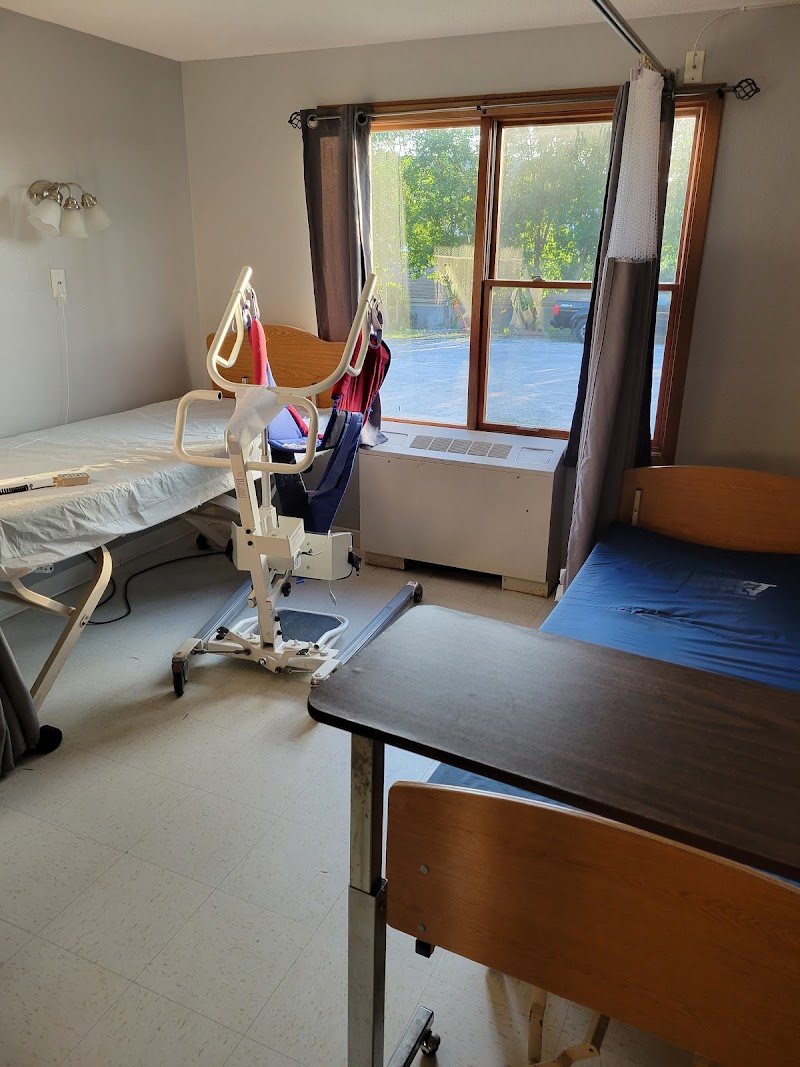
CMS rates Iowa City Rehab & Health Care's staffing level at 1 out of 5 stars, which is much below average compared to other nursing homes.

What Have Inspectors Found at Iowa City Rehab & Health Care?

State health inspectors documented 72 deficiencies at Iowa City Rehab & Health Care during 2022 to 2025. These included: 1 Immediate Jeopardy (the most serious level, indicating potential for serious harm or death), 69 with potential for harm, and 2 minor or isolated issues. Immediate Jeopardy findings are rare and represent the most serious regulatory concerns. They require immediate corrective action.

Who Owns and Operates Iowa City Rehab & Health Care?

Iowa City Rehab & Health Care is owned by a for-profit company. For-profit facilities operate as businesses with obligations to shareholders or private owners. The facility is operated by ARBORETA HEALTHCARE, a chain that manages multiple nursing homes. With 89 certified beds and approximately 44 residents (about 49% occupancy), it is a smaller facility located in Iowa City, Iowa.

How Does Iowa City Rehab & Health Care Compare to Other Iowa Nursing Homes?

Compared to the 100 nursing homes in Iowa, Iowa City Rehab & Health Care's overall rating (2 stars) is below the state average of 3.0 and health inspection rating (1 stars) is much below the national benchmark.

What Should Families Ask When Visiting Iowa City Rehab & Health Care?

Based on this facility's data, families visiting should ask: "What changes have been made since the serious inspection findings, and how are you preventing similar issues?" "Can you walk me through typical staffing levels on day, evening, and night shifts?" "Can I visit during a mealtime to observe dining assistance and food quality?" "How do you handle medical emergencies, and what is your hospital transfer rate?" These questions are particularly relevant given the facility's Immediate Jeopardy citations and the below-average staffing rating.

Is Iowa City Rehab & Health Care Safe?

Based on CMS inspection data, Iowa City Rehab & Health Care has documented safety concerns. Inspectors have issued 1 Immediate Jeopardy citation (the most serious violation level indicating risk of serious injury or death). The facility has a 2-star overall rating and ranks #100 of 100 nursing homes in Iowa. Families considering this facility should ask detailed questions about what corrective actions have been taken since these incidents.

Do Nurses at Iowa City Rehab & Health Care Stick Around?

Iowa City Rehab & Health Care has not reported staff turnover data to CMS. Staff turnover matters because consistent caregivers learn residents' individual needs, medications, and preferences. When staff frequently change, this institutional knowledge is lost. Families should ask the facility directly about their staff retention rates and average employee tenure.

Was Iowa City Rehab & Health Care Ever Fined?

Iowa City Rehab & Health Care has been fined $16,331 across 1 penalty action. This is below the Iowa average of $33,242. While any fine indicates a compliance issue, fines under $50,000 are relatively common and typically reflect isolated problems that were subsequently corrected. Families should ask what specific issues led to these fines and confirm they've been resolved.

Is Iowa City Rehab & Health Care on Any Federal Watch List?

Iowa City Rehab & Health Care is not on any federal watch list. The most significant is the Special Focus Facility (SFF) program, which identifies the bottom 1% of nursing homes nationally based on persistent, serious quality problems. Not being on this list means the facility has avoided the pattern of deficiencies that triggers enhanced federal oversight. This is a positive indicator, though families should still review the facility's inspection history directly.