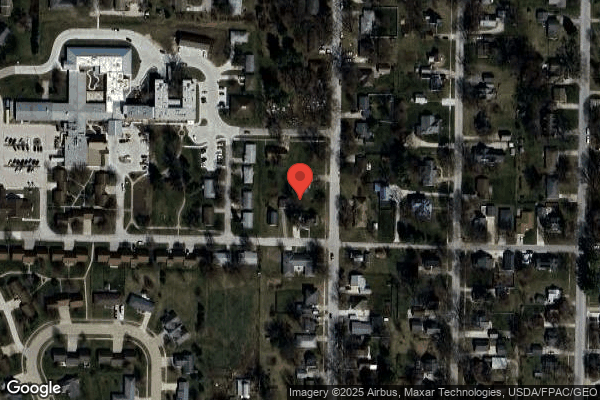
Pleasantview Home

811 THIRD STREET, KALONA, IA 52247 (319) 656-2421
Non profit - Church related 70 Beds Independent Data: November 2025
Trust Grade
90/100
#62 of 392 in IA
Last Inspection: March 2025

Within standard 12-15 month inspection cycle. Federal law requires annual inspections.

Overview

Pleasantview Home in Kalona, Iowa, has an impressive Trust Grade of A, indicating it is highly recommended and offers excellent care. It ranks #62 out of 392 facilities in Iowa, placing it in the top half statewide, and #2 out of 5 in Washington County, meaning only one local option is better. The facility's trend is stable, with only one issue reported in both 2024 and 2025. Staffing is rated 4 out of 5 stars, and while turnover is at 49%, which is average for Iowa, the facility does have good RN coverage. However, there have been some concerns, including failures to follow medication administration protocols for two residents and inadequate supervision for a resident at risk of wandering, highlighting areas where improvements are needed despite the overall strengths of the home.

Trust Score
A
90/100
In Iowa
#62/392
Top 15%
Safety Record
Low Risk
No red flags
Inspections
Holding Steady
1 → 1 violations
Staff Stability
⚠ Watch
49% turnover. Above average. Higher turnover means staff may not know residents' routines.
Penalties
✓ Good
No fines on record. Clean compliance history, better than most Iowa facilities.
Skilled Nurses
✓ Good
Each resident gets 50 minutes of Registered Nurse (RN) attention daily — more than average for Iowa. RNs are trained to catch health problems early.
Violations
✓ Good
Only 3 deficiencies on record. Cleaner than most facilities. Minor issues only.
★★★★★
5.0
Overall Rating
★★★★☆
4.0
Staff Levels
★★☆☆☆
2.0
Care Quality
★★★★★
5.0
Inspection Score
Stable
2024: 1 issues
2025: 1 issues

The Good

  • 4-Star Staffing Rating · Above-average nurse staffing levels
  • Full Sprinkler Coverage · Fire safety systems throughout facility
  • No fines on record

Facility shows strength in staffing levels, fire safety.

The Bad

Staff Turnover: 49%

Near Iowa avg (46%)

Higher turnover may affect care consistency

The Ugly 3 deficiencies on record

Mar 2025 1 deficiency
CONCERN (D)

Potential for Harm - no one hurt, but risky conditions existed

Infection Control (Tag F0880)

Could have caused harm · This affected 1 resident

**NOTE- TERMS IN BRACKETS HAVE BEEN EDITED TO PROTECT CONFIDENTIALITY** Based on observation, clinical record review, staff interviews, and facility policy review, the facility failed to administer or...

Read full inspector narrative →
**NOTE- TERMS IN BRACKETS HAVE BEEN EDITED TO PROTECT CONFIDENTIALITY** Based on observation, clinical record review, staff interviews, and facility policy review, the facility failed to administer oral medications following standard infection control practices for 2 of 6 residents observed for medication administration (Resident #6 and Resident #9). The facility reported a census of 59 residents. Findings include: 1. The Minimum Data Set (MDS) assessment dated [DATE] revealed Resident #9 scored a 15 out of 15 on the Brief Interview for Mental Status (BIMS) exam, which indicated intact cognition. Review of the March 2025 Medication Administration Record (MAR) revealed Resident #9 scheduled the following medication in the morning: a. Omeprazole 40 mg (milligram) 1 cap (capsule) PO (by mouth) early every morning. b. Cetirizine 10 mg 1 tab (tablet) PO early every morning. c. Tamsulosin 0.4 mg 1 cap PO early every morning. d. Vitamin B-12 500 mcg (microgram) 1 tab PO every morning. e. Vitamin C 500 mg 1 cap every morning. f. Acetaminophen 325 mg 2 tabs PO TID (three times a day). During an observation on 3/25/25 at 7:56 AM, Staff A, RN (Registered Nurse) popped out the morning tablets/capsules out of the bubble pack into his bare hands. Between each pill he picked up another card. Staff A stuck his fingers into the stock acetaminophen bottle and took 2 pills out of the bottle. Staff A popped the Vitamin B-12 tablet into his hand and as he went to put it into the medication cup, it fell onto the clipboard on the medication cart. Staff A picked it up and placed it in the cup. Staff A then proceeded to administer the medications to Resident #9. 2. The MDS assessment dated [DATE] revealed Resident #6 scored a 15 out of 15 on the BIMS exam, which indicated cognition intact. Review of the March 2025 MAR revealed Resident #6 scheduled the following medications in the morning: a. Levothyroxine 75 mcg 1 tab early every morning. b. Acetaminophen 500 mg 2 tabs PO TID c. Celecoxib 200 mg 1 tab PO every morning. d. Clopidogrel 75 mg 1 tab PO every morning. e. Cranberry con cap- 500 mg 1 cap PO every morning. f. Finasteride 5 mg 1 tab PO every morning. g Digoxin 0.125 mg 1 tab PO every morning h. I-Vite tab 1 tab PO every morning. i. Metoprolol Suc 50 mg ER (extended release) 1 tab PO every morning. j. Docusate 100 mg 1 cap PO BID (twice daily). k. Senna 8.6 mg 1 tab PO every morning. During an observation on 3/25/25 at 8:05 AM, Staff A, RN popped Resident #6's medication out of a bubble pack into his bare hands. Between each tablet/capsule Staff A picked up another medication card. Staff A stuck his fingers in the stock acetaminophen bottle and pulled out 2 tablets, then popped the cranberry concentrated capsule out of the bubble cap into his hand, tipped his hand towards the medication cup, and the capsule rolled onto the clipboard, Staff A proceeded to pick up the capsule and put it in the medication cup. Staff A also stuck his fingers into the stock docusate bottle and pulled out a capsule and stuck his fingers in the senna stock bottle and took out a tablet. During an interview on 3/25/25 at 1:41 PM, Staff A stated he did touch the tablets/capsules when he administered the medications for Resident #9 and Resident #6. Staff A stated he should not have touched the medications with his bare hands, and he usually tried to pop the medications in a cup. Staff A stated he washed his hands between residents and that was why he felt more confident in doing it that way. During an interview on 3/27/25 at 9:59 AM, Staff B, LPN (Licensed Practical Nurse) stated tablets and/or capsules should not be touched when they are taken out of the bubble pack or stock bottle during medication administration. During an interview on 3/27/25 at 10:45 AM, the DON (Director of Nursing) stated she expected staff to not touch tablets/capsules with their bare hands during medication administration. Review of the policy titled, Medication Administration , dated 4/28/23 directed staff, if hands are contaminated or soiled at any time during the medication pass wash your hands.
Feb 2024 1 deficiency
CONCERN (D) 📢 Someone Reported This

A family member, employee, or ombudsman was alarmed enough to file a formal complaint

Potential for Harm - no one hurt, but risky conditions existed

Accident Prevention (Tag F0689)

Could have caused harm · This affected 1 resident

Based on observations, clinical record review and staff interviews, the facility failed to provide adequate supervision to ensure resident safety and to mitigate risk for elopement for 1 of 2 resident...

Read full inspector narrative →
Based on observations, clinical record review and staff interviews, the facility failed to provide adequate supervision to ensure resident safety and to mitigate risk for elopement for 1 of 2 residents reviewed. (Resident #2) The facility reported census was 49. Findings include: According to a Minimum Data Set (MDS) with a reference date of 12/26/23, Resident #2 had a Brief Mental Status (BIMS) score of 5 indicating a severely impaired cognitive status. Resident #2 required limited assistance with transfers, mobility and extensive assistance with dressing, toilet use and personal hygiene needs. Resident #2's diagnosis included Alzheimer's and an aortic aneurysm. According to Resident #2's plan of care dated 1/3/23, Resident #2 is an elopement risk related to wandering behavior with interventions which included monitoring location frequently across all shifts, document wandering behavior if observed, the use of a wander guard, and staff to ensure it is in place and functioning properly each shift and to replace it as needed. In an interview on 2/20/24 at 10:04 a.m. Staff B, Registered Nurse, stated she heard the door alarm on the north hall sound (10/16/23 at 2:25 p.m.) and responded immediately. Staff B stated she looked out doors through the window and did not see anyone, so she returned to the nurse's station without verifying the cause for the alarm or initiating elopement protocols which included doing a head count to ensure all residents were accounted for. Staff B stated shortly after returning to the nurse's station, someone said that someone (Resident #2) was outside and was being escorted back into the facility. Staff B stated Resident #2 was an elopement risk and was wearing a wander guard at the time of the event. In an interview on 2/20/24 at 10:45 a.m. the Director of Nursing (DON) stated on 10/16/23, Resident #2 exited the building through the North door setting off the alarm. The DON stated Resident #2 was wearing a wander guard bracelet at the time and was discovered on the East side of the building by their maintenance guy 5-10 minutes later and escorted back into the building. The DON stated her expectations upon a door alarm sounding would be that staff immediately respond to determine the cause for the alarm which may include stepping outside to check for residents. If a resident is not seen and the cause of the alarm cannot be determined, staff are to complete a resident headcount to ensure all residents are accounted for. If a resident is missing, elopement protocols are to be initiated. Observations on 2/20/24 at 10:45 a.m. found the North hall exit alarmed and functioning properly. The door sits on the other side of double doors (not alarmed) leading off of the long term care unit. The North door alarm does not have a wander guard monitor. According to a Disciplinary Notice dated 10/25/23, Staff B given a verbal warning for failing to go outside and check for residents when responding to a door alarm and failing to alert staff and account for residents.
Mar 2023 1 deficiency
CONCERN (D)

Potential for Harm - no one hurt, but risky conditions existed

Deficiency F0658 (Tag F0658)

Could have caused harm · This affected 1 resident

**NOTE- TERMS IN BRACKETS HAVE BEEN EDITED TO PROTECT CONFIDENTIALITY** Based on observations, clinical record review, staff interview and facility document review the facility failed to supervise 2 o...

Read full inspector narrative →
**NOTE- TERMS IN BRACKETS HAVE BEEN EDITED TO PROTECT CONFIDENTIALITY** Based on observations, clinical record review, staff interview and facility document review the facility failed to supervise 2 out of 3 random observations of medication administration. The facility reported a census of 52 residents. Findings included: 1. The Annual Minimum Data Set (MDS) Assessment for Resident # 6 dated 12/30/22, reflected diagnoses of heart failure, hypertension and osteoporosis. The MDS indicated a Brief Interview for Mental Status score of 15 (intact cognition). The Care Plan for Resident # 6 dated 9/15/21, identified she wanted to remain as independent as possible and wanted to continue to do things for herself, even if it tires her out. The Care Plan failed to identify Resident #6 as independent in administering her own medication. Resident #11's Significant Change MDS dated [DATE], reported diagnoses of Alzheimer's disease and hypertension. The MDS listed Resident # 11's BIMS as 6 (severe cognitive impairment). On 03/22/23 at 8:18 AM, Staff A, Certified Medication Aid (CMA), sat a cup of medication in front of Resident # 6 with a second medication cup that held apple sauce and a spoon at the table. Resident # 6 sat across from Resident #11 The Staff B walked away from the table and failed to come back. She stood at her medication cart in the hall with her back to the residents in the dining room. On 03/22/23 at 8:21 AM, Staff B CMA, administered medication to Resident # 11. Staff A left the dining room area. On 03/22/23 at 8:29 AM, Resident # 6 moved the medication cup in front of her. Resident #6 added 1 pill at a tip to spoon with apple sauce and put the medication in her mouth. Resident #6 repeated this 4-5 times. The CMA's failed to observe Resident # 6 take the medication. 2. On 03/22/23 at 12:11 PM, Staff B, carried 2 medication cups to Resident # 6 and set them on the table to the left of her. Staff B stood and talked with a family across the table. On 03/22/23 at 12:12 PM, Staff B, walked to her med cart with her back to R #6. On 03/22/23 at 12:17 PM, Staff B, walked back over at the table and administered Resident # 11 medications and went back to the medication cart. On 03/22/23 at 12:22 PM, Staff B, left the dining room and took the medication cart back the the nurses station at the center of the building. On 03/22/23 at 12:39 PM, Resident #6 moved the medication cup in front of her as she pushed her plate away. Resident # 6 took the medications from the medication cup and placed them in her mouth. Staff B failed to provide supervision as Resident # 6 took medications. On 03/23/23 at 9:02 AM, Staff C, Registered Nurse (RN) stated none of the resident's on Hall two took medications independently. She confirmed, she supervised residents as they took medications. On 03/23/23 at 9:06 AM, the MDS Coordinator, stated all the resident's at the facility required supervision while they took medication. On 03/23/23 at 9:09 AM, the Acting Director of Nursing (DON), reported all of the current residents take medication with supervision. The Acting DON revealed she expected is the staff stay with the residents until all the medications are administered. The Acting DON stated it is the standard of practice, she stated the facility failed to have a policy on Medication Administration. The facility provided an audit tool titled Medication Pass undated, directed at point # 9 Administered medication and certified consumption.
Understanding Severity Codes (click to expand)
Life-Threatening (Immediate Jeopardy)
J - Isolated K - Pattern L - Widespread
Actual Harm
G - Isolated H - Pattern I - Widespread
Potential for Harm
D - Isolated E - Pattern F - Widespread
No Harm (Minor)
A - Isolated B - Pattern C - Widespread

Questions to Ask on Your Visit

  • "Can I speak with families of current residents?"
  • "What's your RN coverage like on weekends and overnight?"

Our Honest Assessment

Strengths
  • • Grade A (90/100). Above average facility, better than most options in Iowa.
  • • No major safety red flags. No abuse findings, life-threatening violations, or SFF status.
  • • No fines on record. Clean compliance history, better than most Iowa facilities.
  • • Only 3 deficiencies on record. Cleaner than most facilities. Minor issues only.
Concerns
  • • No significant concerns identified. This facility shows no red flags across CMS ratings, staff turnover, or federal penalties.
Bottom line: Generally positive indicators. Standard due diligence and a personal visit recommended.

About This Facility

What is Pleasantview Home's CMS Rating?

CMS assigns Pleasantview Home an overall rating of 5 out of 5 stars, which is considered much above average nationally. Within Iowa, this rating places the facility higher than 99% of the state's 100 nursing homes. This rating reflects solid performance across the metrics CMS uses to evaluate nursing home quality.

How is Pleasantview Home Staffed?

CMS rates Pleasantview Home's staffing level at 4 out of 5 stars, which is above average compared to other nursing homes. Staff turnover is 49%, compared to the Iowa average of 46%.

What Have Inspectors Found at Pleasantview Home?

State health inspectors documented 3 deficiencies at Pleasantview Home during 2023 to 2025. These included: 3 with potential for harm.

Who Owns and Operates Pleasantview Home?

Pleasantview Home is owned by a non-profit organization. Non-profit facilities reinvest revenue into operations rather than distributing to shareholders. The facility operates independently rather than as part of a larger chain. With 70 certified beds and approximately 58 residents (about 83% occupancy), it is a smaller facility located in KALONA, Iowa.

How Does Pleasantview Home Compare to Other Iowa Nursing Homes?

Compared to the 100 nursing homes in Iowa, Pleasantview Home's overall rating (5 stars) is above the state average of 3.1, staff turnover (49%) is near the state average of 46%, and health inspection rating (5 stars) is much above the national benchmark.

What Should Families Ask When Visiting Pleasantview Home?

Based on this facility's data, families visiting should ask: "Can I visit during a mealtime to observe dining assistance and food quality?" "How do you handle medical emergencies, and what is your hospital transfer rate?" "Can I speak with family members of current residents about their experience?"

Is Pleasantview Home Safe?

Based on CMS inspection data, Pleasantview Home has a clean safety record: no substantiated abuse findings (meaning no confirmed cases of resident harm), no Immediate Jeopardy citations (the most serious violation level indicating risk of serious injury or death), and is not on the Special Focus Facility watch list (a federal program monitoring the lowest-performing 1% of nursing homes). The facility has a 5-star overall rating and ranks #1 of 100 nursing homes in Iowa. While no facility is perfect, families should still ask about staff-to-resident ratios and recent inspection results during their visit.

Do Nurses at Pleasantview Home Stick Around?

Pleasantview Home has a staff turnover rate of 49%, which is about average for Iowa nursing homes (state average: 46%). Moderate turnover is common in nursing homes, but families should still ask about staff tenure and how the facility maintains care continuity when employees leave.

Was Pleasantview Home Ever Fined?

Pleasantview Home has no federal fines on record. CMS issues fines when nursing homes fail to meet care standards or don't correct problems found during inspections. The absence of fines suggests the facility has either maintained compliance or corrected any issues before penalties were assessed. This is a positive indicator, though families should still review recent inspection reports for the full picture.

Is Pleasantview Home on Any Federal Watch List?

Pleasantview Home is not on any federal watch list. The most significant is the Special Focus Facility (SFF) program, which identifies the bottom 1% of nursing homes nationally based on persistent, serious quality problems. Not being on this list means the facility has avoided the pattern of deficiencies that triggers enhanced federal oversight. This is a positive indicator, though families should still review the facility's inspection history directly.