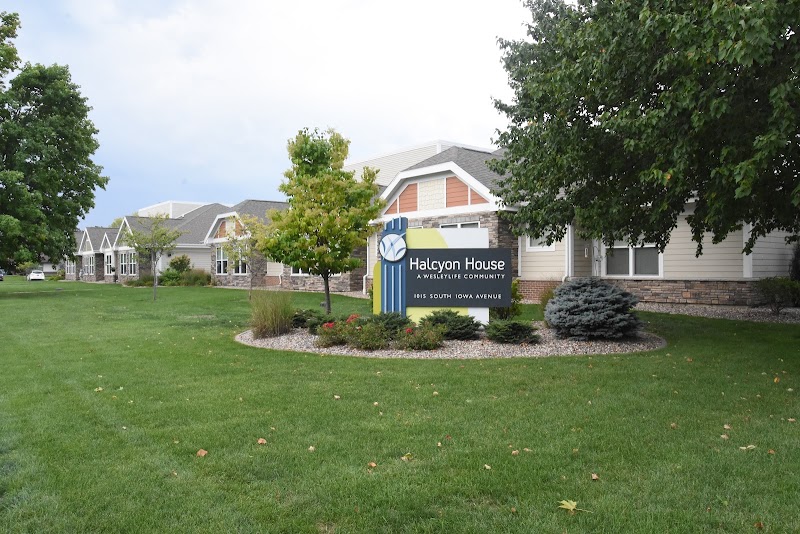
Halcyon House

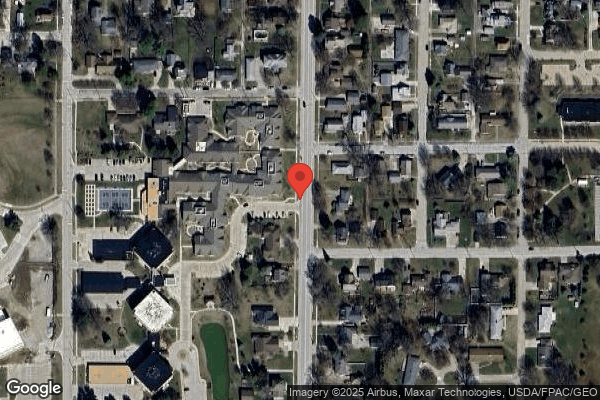
1015 South Iowa Avenue, Washington, IA 52353 (319) 653-7264
Non profit - Corporation 54 Beds WESLEYLIFE Data: November 2025
Trust Grade
90/100
#32 of 392 in IA
Last Inspection: March 2025

Within standard 12-15 month inspection cycle. Federal law requires annual inspections.

Overview

Halcyon House in Washington, Iowa, has an excellent Trust Grade of A, indicating high-quality care and service. It ranks #32 out of 392 facilities in Iowa, placing it in the top half, and #1 out of 5 in Washington County, meaning it is the best option locally. The facility is improving, having reduced issues from 2 to 0 over the past year. However, staffing is a significant concern, with a low rating of 1 out of 5 stars and a turnover rate of 31%, which, while better than the state average, still indicates some instability. Notably, there were concerns about medication administration, including missed insulin doses and improper medication combinations, as well as delays in assisting residents who needed help, which are important considerations for families evaluating care quality.

Trust Score
A
90/100
In Iowa
#32/392
Top 8%
Safety Record
Low Risk
No red flags
Inspections
Getting Better
2 → 0 violations
Staff Stability
○ Average
31% turnover. Near Iowa's 48% average. Typical for the industry.
Penalties
✓ Good
No fines on record. Clean compliance history, better than most Iowa facilities.
Skilled Nurses
○ Average
Each resident gets 41 minutes of Registered Nurse (RN) attention daily — about average for Iowa. RNs are the most trained staff who monitor for health changes.
Violations
✓ Good
Only 3 deficiencies on record. Cleaner than most facilities. Minor issues only.
★★★★★
5.0
Overall Rating
★☆☆☆☆
1.0
Staff Levels
★★★★★
5.0
Care Quality
★★★★★
5.0
Inspection Score
Stable
2024: 2 issues
2025: 0 issues

The Good

  • 5-Star Quality Measures · Strong clinical quality outcomes
  • Full Sprinkler Coverage · Fire safety systems throughout facility
  • No fines on record
  • Staff turnover below average (31%)

    17 points below Iowa average of 48%

Facility shows strength in quality measures, fire safety.

The Bad

Staff Turnover: 31%

15pts below Iowa avg (46%)

Typical for the industry

Chain: WESLEYLIFE

Part of a multi-facility chain

Ask about local staffing decisions and management

The Ugly 3 deficiencies on record

Oct 2024 1 deficiency
CONCERN (D) 📢 Someone Reported This

A family member, employee, or ombudsman was alarmed enough to file a formal complaint

Potential for Harm - no one hurt, but risky conditions existed

Deficiency F0760 (Tag F0760)

Could have caused harm · This affected 1 resident

**NOTE- TERMS IN BRACKETS HAVE BEEN EDITED TO PROTECT CONFIDENTIALITY** Based on clinical record review, facility incident reports, and facility staff interview, the facility failed to administer two ...

Read full inspector narrative →
**NOTE- TERMS IN BRACKETS HAVE BEEN EDITED TO PROTECT CONFIDENTIALITY** Based on clinical record review, facility incident reports, and facility staff interview, the facility failed to administer two doses of insulin for 1 of 3 residents (Resident #1), and remove a transdermal pain patch prior to application of a new patch and notify physician and responsible party of the error for 1 of 3 residents (Resident #2) reviewed for medication administration. The facility reported a census of 51 residents. Findings include: 1. A review of [name redacted] hospital discharge orders, dated 3/6/24, Medication List revealed the following orders, in part: a. Insulin glargine 100 unit/ml (milliliters) (3 ml) injection pen. Dosage: Inject 18 units subcutaneously daily. Last time this was given: 18 units on March 5, 2024 8:50 PM. Diagnosis: Type 2 diabetes mellitus without complication, without long-term current use of insulin. b. CONTOUR NEXT EZ METER Dosage: USE TO CHECK BLOOD SUGAR THREE TIMES A DAY c. SUPPLY CONTOUR NEXT test strips Dosage: Use 1 strip three times a day to test blood sugars. d. SUPPLY lancets Dosage: Use to test blood sugar 4 times daily. Diagnosis: Type 2 diabetes mellitus without complication, without long-term current use of insulin. A review of a N ADV-Clinical admission document revealed Resident #1 admitted to the facility on [DATE]. The Mental Status section of the document indicated Resident #1 verbal, confused, oriented to person, and a mild cognitive impairment. The assessment did not include information about the need for blood sugar checks. The Baseline Care Plan, Section 3. Health Conditions, dated 3/06/24, indicated Resident #1 diabetic. The D. Medications section did not indicate resident taking insulin. The Care Plan, Date Initiated 3/21/24 and 3/25/24, did not include a Focus area to address a diagnosis of diabetes mellitus, and the use of insulin. A review of the March 2024 Medication Administration Record (MAR), revealed an order for Insulin Glargine Subcutaneous Solution Pen-Injector 100 UNIT/ML (insulin Glargine) Inject 18 units subcutaneously one time a day related to TYPE 2 DIABETES MELLITUS WITH HYPERGLYCEMIA (high blood sugar) Start Date 3/7/24 with D/C (discontinue) Date 3/10/24. A review of the MAR indicated the medication administered in the AM on 3/7/24, 3/8/24, and 3/9/24. A review of the March 2024 MAR revealed an order for Insulin Glargine Subcutaneous Solution Pen-Injector 100 UNIT/ML (insulin Glargine) Inject 18 units subcutaneously one time a day related to TYPE 2 DIABETES MELLITUS WITH HYPERGLYCEMIA , State Date 3/10/24, D/C Date 4/1/24. A review of the MAR indicated the medication administered HS (bedtime) on 3/10/24 through 3/31/24. A review of the March 2024 MAR revealed an order for HumaLOG KwikPen Subcutaneous Solution Pen-Injector 100 UNIT/ML (Insulin Lispro) Inject 6 unit subcutaneously with meals related to TYPE 2 DIABETES MELLITUS WITHOUT COMPLICATIONS. Start Date 3/10/24, D/C Date 4/1/24. A review of the MAR indicated Insulin Lispro not administered to the resident three times daily on 3/15/24. The AM and NOON dose coded with a number 9'. The Chart Codes listed on the MAR indicated a 9 is used to communicate Other/See Progress Notes. A review of the March 2024 MAR revealed an order for Blood sugar checks TID (three times) three times a day related TYPE 2 DIABETES MELLITUS WITH DIABETIC NEUROPATHY, UNSPECIFIED Start Date 3/6/24, D/C Date 5/10/24 revealed a number 9 coded for both morning and noon blood sugar checks on 3/15/24. A clinical record review revealed the following notes related to the code number 9: a. On 3/15/24 at 3:57 PM, a X-Orders-Administration Note Note Text: Blood sugars checks TID three times a day related to TYPE 2 DIABETES MELLITUS WITH DIABETIC NEUROPATHY, UNSPECIFIED forgot b. On 3/15/24 at 3:58 PM, a X-Orders-Administration Note Note Text: HumaLOG KwikPen Subcutaneous Solution Pen-Injector 100 UNIT/ML Inject 6 unit subcutaneously with meals related to TYPE @ DIABETES MELLITUS WITHOUT COMPLICATIONS forgot c. On 3/15/24 at 3:59 PM, a X-Orders-Administration Note Note Text: Blood sugars checks TID three times a day related to TYPE 2 DIABETES MELLITUS WITH DIABETIC NEUROPATHY, UNSPECIFIED forgot d. On 3/15/24 at 3:59 PM, a X-Orders-Administration Note Note Text: HumaLOG KwikPen Subcutaneous Solution Pen-Injector 100 UNIT/ML Inject 6 unit subcutaneously with meals related to TYPE @ DIABETES MELLITUS WITHOUT COMPLICATIONS forgot A Nurses Note, dated 3/15/24 at 7:15 PM documented Dexcom (a device for continuous blood sugar monitoring) alarming for high glucose. Monitor reads 268. Fingerstick done shows 300. Monitor calibrated. no s/s (signs/symptoms) hyperglycemia. Scheduled insulin given. Will check again prior to bedtime. An incident report documenting missed insulin doses and blood sugar checks not present in Resident #1 clinical record. During an interview on 10/24/24 at 1:30 PM, Staff A, Registered Nurse (RN), stated nurses are instructed to alert the Director of Nursing (DON), notify the resident's Primary Care Provider for any additional instructions and notify the resident's responsible party for any omitted medications and then complete an incident report for the occurrence. During an interview 10/24/24 at 2:00 PM, Staff B, Licensed Practical Nurse (LPN), stated if a resident's medication had not been administered, the nurse should notify the doctor and let the family know. On 10/25/24 at 2:33 PM, an email received from the Administrator confirmed Resident #1 morning and noon doses of HumaLOG had been omitted and the facility lacked an incident report on the occurrence. During an interview on 10/28/24 at 10:10 AM, Director of Nursing (DON), stated she would expect nurses to complete a risk management (incident report) for any medication errors and notify the Primary Care Provider right away with medication errors. 2. The Minimum Data Set (MDS), dated [DATE], revealed a Brief Interview for Mental Status (BIMS) score of 11 out of 15 for Resident #2, which indicated moderate cognitive impairment. Diagnoses included cancer, arthritis, fractures of left side ribs, and non-Alzheimer's dementia. The MDS indicated Resident #2 required opioid (pain) medication. The Care Plan, revised 8/14/24, revealed Resident #2 utilized pain medication. The Care Plan instructed staff to provide medications as ordered and to monitor/document side effects and effectiveness. A review of the August 2024 MAR revealed an order for Fentanyl 12MCG/HR (micrograms per hour) APPLY ONE PATCH TOPICALLY TO SKIN EVERY 3 DAYS REMOVE OLD PATCH PRIOR TO NEW PATCH, ROTATE SITES (Related Diagnoses: Other chronic pain) Start Date 8/9/24. The MAR revealed Resident #2's Fentanyl patch was changed on 8/30/24 with a new patch applied to the upper back. A review of the September MAR revealed Staff A, Registered Nurse (RN) changed Resident #2's Fentanyl patch on 9/02/24, with a new patch applied to the upper back. The facility provided a document, dated 9/5/24, titled Medication Error. Incident Description Section, Nursing Description: Resident [Resident #2] found 2 fentanyl patches on. One dated 8/30 & one dated 9/2. Patch on 9/2 applied by [name redacted] RN (Registered Nurse). Immediate Action Taken Section, Description: Both patches removed as new one due today. Statement Section: No Statements Found. Agencies/People Notified: [name redacted] Director of Nursing. Notes Section: 9/5/24 Education to staff to check for placement of all patches and remove before applying new patch. DON initialed. A review of Nurses Notes revealed no entry regarding notification of physician and responsible party regarding the medication error. During an interview on 10/24/24 at 1:30 PM, Staff A, RN stated the process for changing a Fentanyl patch included a check of the resident to ensure the old patch is found and removed before a new patch is applied. Staff A stated she had changed Resident #2's Fentanyl patch on 9/02/24 and recalled being unable to find the old patch on the resident. Staff A revealed that the nurse would complete an incident report when any medication error had been found, which included notification to physician and responsible party. During an interview on 10/28/24 at 10:10 AM, Director of Nursing (DON), stated the expectation of nurses to complete an incident report for any medication error and for timely notification to the provider of incident. DON informed that staff had watched Resident #2 following incident for any side effects and confirmed that Electronic Health Record (EHR) had lacked this documentation.
Apr 2024 1 deficiency
CONCERN (D)

Potential for Harm - no one hurt, but risky conditions existed

Deficiency F0658 (Tag F0658)

Could have caused harm · This affected 1 resident

Based on observation, clinical record review, policy review, and staff interview, staff combined medications without an order to do so during the administration of g-tube (gastrostomy tube-a tube inse...

Read full inspector narrative →
Based on observation, clinical record review, policy review, and staff interview, staff combined medications without an order to do so during the administration of g-tube (gastrostomy tube-a tube inserted through the abdomen which brought nutrition and medications directly to the stomach) medications for 1 of 1 residents reviewed with a g-tube(Resident #10). The facility reported a census of 50 residents. Findings: The Minimum Data Set (MDS) assessment tool, dated 1/19/24, listed diagnoses for Resident #10 which included non-Alzheimer's dementia, Parkinson's disease (progressive disorder that affected the nervous system and the parts of the body controlled by the nerves), and depression. The MDS stated the resident had a feeding tube and listed the resident's Brief Interview for Mental Status (BIMS) score as 1 out of 15, indicating severely impaired cognition. The facility policy Medication Administration Through Tube Feeding, last revised 7/2016, directed staff to administer each medication separately. A 3/30/22 Care Plan entry stated the resident had a g-tube for supplemental feedings. A 3/5/23 Care Plan entry directed staff to provide medications per the order. The April 2024 Medication Administration Record (MAR) listed a 2/19/24 order for carbidopa/levodopa(a medication used to treat Parkinson's) 25-100 milligrams(mg) 1.5 tablets three times daily and a 2/20/24 order for quetiapine (an antipsychotic) 50 mg three times daily. The MAR lacked an order to combine the medications during g-tube medication administration. During an observation on 4/2/24 at 11:00 a.m., Staff A Licensed Practical Nurse(LPN) crushed the following medications and mixed them with water: 1. carbidopa/levodopa 25-100 mg 1.5 tablets 2. quetiapine 50 mg tablet Staff A then instilled a water flush, instilled the medications mixed with the water, and instilled a water flush. On 4/2/24 at 1:08 p.m., Staff A stated there should be an order to combine medications during g-tube medication administration and stated she would check. On 4/2/24 at 2:05 p.m., Staff A stated she obtained an order to combine the medications.
Feb 2023 1 deficiency
CONCERN (D)

Potential for Harm - no one hurt, but risky conditions existed

Deficiency F0725 (Tag F0725)

Could have caused harm · This affected 1 resident

Based on observations, policy review, and resident, and staff interviews, the facility failed to timely assist residents who needed assistance for 3 of 16 residents reviewed (Resident #12, #42, #40). ...

Read full inspector narrative →
Based on observations, policy review, and resident, and staff interviews, the facility failed to timely assist residents who needed assistance for 3 of 16 residents reviewed (Resident #12, #42, #40). The facility reported a census of 48 residents. Findings include: 1. The Minimum Data Set (MDS) for Resident #12 dated 2/7/23 documented a Brief Interview Mental Status (BIMS) score of 03, which indicated severely impaired cognition. The MDS identified that Resident #12 needed extensive assistance with bed mobility, walking, transfers, dressing, toilet use, and personal hygiene. The MDS listed the following diagnoses of Non Alzheimer's Dementia and Parkinson's disease. The Care Plan Focus dated 1/6/23 identified goals for communication, nutrition, fall prevention, UTI prevention and continence; The Care Plan interventions dated 1/6/23 included: 1. Ensure the resident has an unobstructed path to the bathroom. 2. Assist to the toilet 4 x per shift and prn. 3.The resident would like to have time to consume meals, not be rushed. 4. Anticipate and meet The resident's needs On 2/20/23 at 3:31 PM a family member of Resident #12 stated she believed staffing problems resulted in multiple falls and an injury for Resident #12. Family member of Resident #12 said there were enough staff on the weekends and the facility needed more help. On 2/21/23 at 7:26 AM revealed Resident #12 at the breakfast table in his wheelchair waiting for food. Resident #12 raised his hand for assistance but staff did not see him. Resident #12 pushed himself in his chair toward Staff A, [NAME] and tried several times to get her attention. On 2/21/23 at 7:29 AM Resident #12 was noticed by Staff A. Resident #12 stated he needed to use the bathroom. Staff A, said she would get someone else to help Resident #12. On 2/21/23 at 7:34 AM Resident #12 waited in the wheelchair. He moved himself close to the kitchen where Staff A stood. On 2/21/23 at 7:43 AM Resident #12 raised his hand again for assistance. Staff A was present but did not note the wave. On 2/21/23 at 7:44 AM Resident #12 raised his hand again and shook it in the air for a few seconds. No staff noted Resident #12. On 2/21/23 at 7:45 AM Staff A asked Staff B Licensed Practical Nurse (LPN) for assistance with changing paper towels. Staff A did not mention Resident #12 or his need to use the restroom. On 2/21/23 at 7:47 AM Staff A stated Resident #12, you still haven't gotten there? I'm sure they are coming, they must be busy with someone else. On 2/21/23 at 7:52 AM Resident #12 was greeted by Staff E, Housekeeper. Resident #12 told Staff E he needed to use the restroom. Staff E consulted with Staff A who advised that Resident #12 needed to wait for assistance. Staff E pushed Resident #12 from the dining room to the hallway facing his room. On 2/21/23 at 7:57 AM Staff C, Certified Medication Aide (CMA) took Resident #12 to the bathroom. On 2/21/23 at 8:20 AM Resident #12 returned to the dining room. On 2/21/23 silverware was brought to the table for Resident #12 On 2/21/23 at 9:01 AM juice and water were provided to Resident #12. On 2/21/23 at 9:53 AM food was delivered to Resident #12 who used an adaptive plate and utensil to feed himself. 2. The Minimum Data Set (MDS) for Resident #42 dated 12/29/22 documented a Brief Interview Mental Status (BIMS) score of 04, which indicated severely impaired cognition. The MDS identified that Resident #42 needed extensive assistance with bed mobility, walking, transfers, dressing, toilet use, eating and personal hygiene. The MDS listed the following diagnoses of Alzheimer's Disease and Parkinson's disease. The Care Plan Focus dated 1/6/23 identified goals for communication and nutrition. The Care Plan interventions dated 1/6/23 included: 1. Encourage adequate nutrition and hydration. 2. The resident would like assist of one with eating 3. Anticipate and meet needs. On 2/21/23 at 7:27 AM Resident #42 spilled a drink at the dining room table. The plastic glass made a loud noise heard by two DIA staff in the area. There was no response from staff A, Cook or Staff C CMA who were also in the room. A puddle of liquid formed to the left of Resident #42's wheelchair. On 2/21/23 at 7:48 AM Staff E, Housekeeper noted the spill and alerted Staff B, LPN who assessed Resident #42 for wet clothing. On 2/22/23 01:29 PM the Administrator stated that the expectation for staff response to residents is 12 to 15 minutes or less. The administrator stated that she expected food to be delivered as soon as possible to residents. The Administrator agreed that being in the dining room at 8:30AM and getting food at 10:00 AM would be too long to wait. A call light policy for the facility stated a purpose of the call light is to respond promptly to resident's call for assistance. 3. Significant Change MDS for Resident#40 dated 1/30/23 documented diagnoses which included, heart and lung disease included chronic obstructive pulmonary disease (COPD), Spinal stenosis, arthritis, osteoporosis, weakness. The MDS documented that the resident needed assistance with personal cares, and extensive assistance of one for transfers, walking, dressing and toilet use. Resident #40 BIMS score coded 15 which indicated cognitively intact. Care plan dated 11/4/22 for Resident #40 documented focus area, activities of daily living self-care performance deficit related to activity intolerance. Interventions included ambulation to assist of one using a gait belt and walker, for toileting, assisted of one with toileting. Interview on 2/21/2023 at 10:23AM Res.#40 reported up to 45 minutes for staff response to the call button, and reported to watch the clock. The resident also stated sometimes my bladder can't wait. On 2/21/2023 the Assistant Director of Nursing (ADON) reported the expectation is call lights should be answered 10-15 minutes. A call light report was requested, policy was provided. Review of call light report provided by the Director of Nursing (DON) for 2/20/23 revealed for Resident #40: a. On 2/20/23 at 7:19 AM response was 21 minutes. b. On 2/20/23 at 1:02 PM response was 19 minutes. c. On 2/20/23 at 2:10 PM response was 24 minutes.
Understanding Severity Codes (click to expand)
Life-Threatening (Immediate Jeopardy)
J - Isolated K - Pattern L - Widespread
Actual Harm
G - Isolated H - Pattern I - Widespread
Potential for Harm
D - Isolated E - Pattern F - Widespread
No Harm (Minor)
A - Isolated B - Pattern C - Widespread

Questions to Ask on Your Visit

  • "Can I speak with families of current residents?"
  • "What's your RN coverage like on weekends and overnight?"

Our Honest Assessment

Strengths
  • • Grade A (90/100). Above average facility, better than most options in Iowa.
  • • No major safety red flags. No abuse findings, life-threatening violations, or SFF status.
  • • No fines on record. Clean compliance history, better than most Iowa facilities.
  • • Only 3 deficiencies on record. Cleaner than most facilities. Minor issues only.
Concerns
  • • No significant concerns identified. This facility shows no red flags across CMS ratings, staff turnover, or federal penalties.
Bottom line: Generally positive indicators. Standard due diligence and a personal visit recommended.

About This Facility

What is Halcyon House's CMS Rating?

CMS assigns Halcyon House an overall rating of 5 out of 5 stars, which is considered much above average nationally. Within Iowa, this rating places the facility higher than 99% of the state's 100 nursing homes. This rating reflects solid performance across the metrics CMS uses to evaluate nursing home quality.

How is Halcyon House Staffed?

CMS rates Halcyon House's staffing level at 1 out of 5 stars, which is much below average compared to other nursing homes. Staff turnover is 31%, compared to the Iowa average of 46%. This relatively stable workforce can support continuity of care.

What Have Inspectors Found at Halcyon House?

State health inspectors documented 3 deficiencies at Halcyon House during 2023 to 2024. These included: 3 with potential for harm.

Who Owns and Operates Halcyon House?

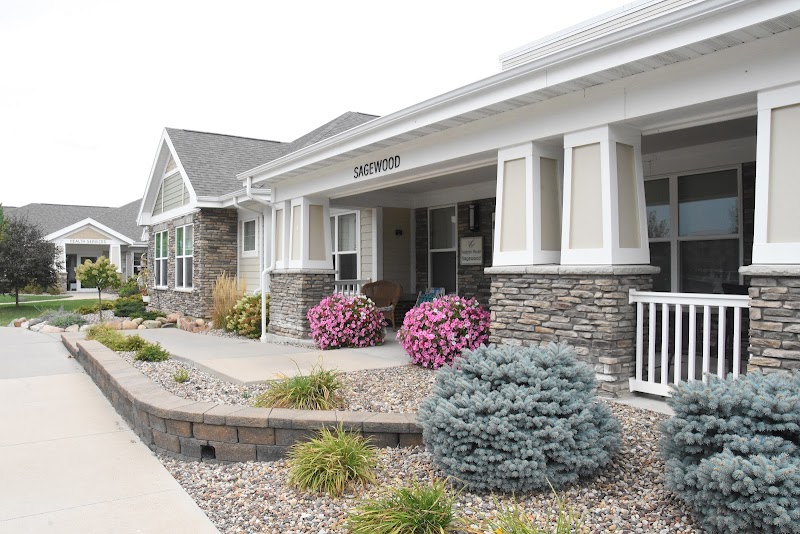
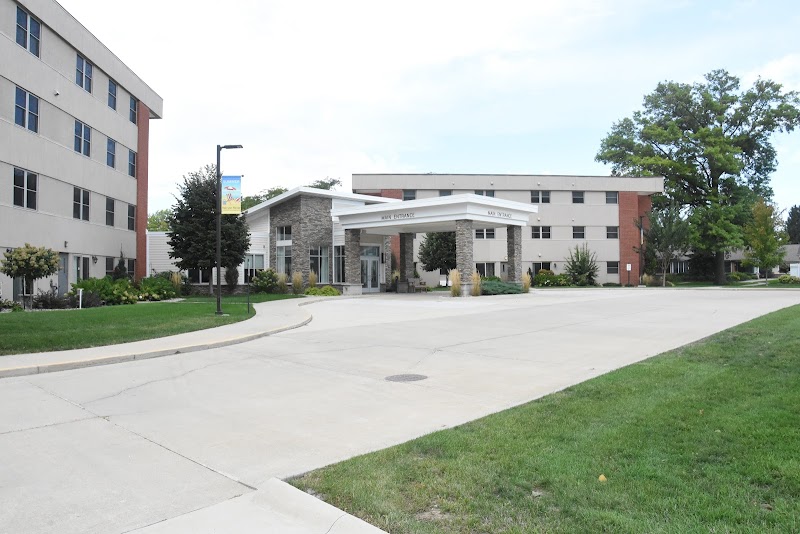
Halcyon House is owned by a non-profit organization. Non-profit facilities reinvest revenue into operations rather than distributing to shareholders. The facility is operated by WESLEYLIFE, a chain that manages multiple nursing homes. With 54 certified beds and approximately 50 residents (about 93% occupancy), it is a smaller facility located in Washington, Iowa.

How Does Halcyon House Compare to Other Iowa Nursing Homes?

Compared to the 100 nursing homes in Iowa, Halcyon House's overall rating (5 stars) is above the state average of 3.1, staff turnover (31%) is significantly lower than the state average of 46%, and health inspection rating (5 stars) is much above the national benchmark.

What Should Families Ask When Visiting Halcyon House?

Based on this facility's data, families visiting should ask: "Can you walk me through typical staffing levels on day, evening, and night shifts?" "Can I visit during a mealtime to observe dining assistance and food quality?" "How do you handle medical emergencies, and what is your hospital transfer rate?" "Can I speak with family members of current residents about their experience?" These questions are particularly relevant given the below-average staffing rating.

Is Halcyon House Safe?

Based on CMS inspection data, Halcyon House has a clean safety record: no substantiated abuse findings (meaning no confirmed cases of resident harm), no Immediate Jeopardy citations (the most serious violation level indicating risk of serious injury or death), and is not on the Special Focus Facility watch list (a federal program monitoring the lowest-performing 1% of nursing homes). The facility has a 5-star overall rating and ranks #1 of 100 nursing homes in Iowa. While no facility is perfect, families should still ask about staff-to-resident ratios and recent inspection results during their visit.

Do Nurses at Halcyon House Stick Around?

Halcyon House has a staff turnover rate of 31%, which is about average for Iowa nursing homes (state average: 46%). Moderate turnover is common in nursing homes, but families should still ask about staff tenure and how the facility maintains care continuity when employees leave.

Was Halcyon House Ever Fined?

Halcyon House has no federal fines on record. CMS issues fines when nursing homes fail to meet care standards or don't correct problems found during inspections. The absence of fines suggests the facility has either maintained compliance or corrected any issues before penalties were assessed. This is a positive indicator, though families should still review recent inspection reports for the full picture.

Is Halcyon House on Any Federal Watch List?

Halcyon House is not on any federal watch list. The most significant is the Special Focus Facility (SFF) program, which identifies the bottom 1% of nursing homes nationally based on persistent, serious quality problems. Not being on this list means the facility has avoided the pattern of deficiencies that triggers enhanced federal oversight. This is a positive indicator, though families should still review the facility's inspection history directly.