Madrid Home for the Aged
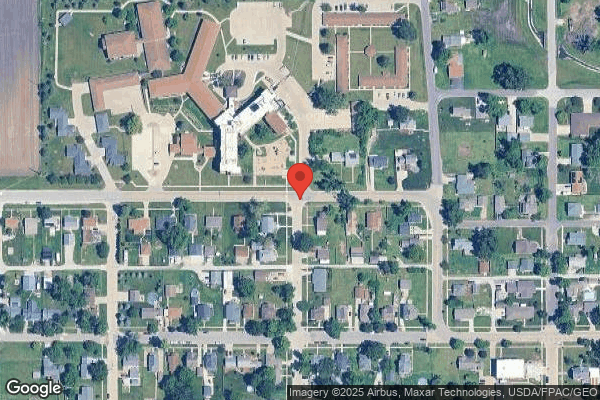

613 West North Street, Madrid, IA 50156 (515) 795-3007
Non profit - Corporation 68 Beds Independent Data: November 2025
Trust Grade
65/100
#205 of 392 in IA
Last Inspection: March 2025

Within standard 12-15 month inspection cycle. Federal law requires annual inspections.

Overview

Families considering Madrid Home for the Aged should note that it has a Trust Grade of C+, indicating a decent but slightly above-average performance among nursing homes. It ranks #205 out of 392 facilities in Iowa, placing it in the bottom half, and is last in its county, ranked #4 out of 4. The facility's trend is worsening, with the number of issues increasing from three in 2024 to five in 2025. Staffing is average with a turnover rate of 47%, which is typical for Iowa, and the nursing home has not incurred any fines, suggesting compliance with regulations. However, there have been concerning incidents, such as unsafe food storage practices and medication errors affecting multiple residents, which families should weigh against the home's strengths.

Trust Score
C+
65/100
In Iowa
#205/392
Bottom 48%
Safety Record
Low Risk
No red flags
Inspections
Getting Worse
3 → 5 violations
Staff Stability
⚠ Watch
47% turnover. Above average. Higher turnover means staff may not know residents' routines.
Penalties
✓ Good
No fines on record. Clean compliance history, better than most Iowa facilities.
Skilled Nurses
○ Average
Each resident gets 39 minutes of Registered Nurse (RN) attention daily — about average for Iowa. RNs are the most trained staff who monitor for health changes.
Violations
⚠ Watch
16 deficiencies on record. Higher than average. Multiple issues found across inspections.
★★★☆☆
3.0
Overall Rating
★★★☆☆
3.0
Staff Levels
★★★★☆
4.0
Care Quality
★★★☆☆
3.0
Inspection Score
Stable
2024: 3 issues
2025: 5 issues

The Good

  • 4-Star Quality Measures · Strong clinical quality outcomes
  • Full Sprinkler Coverage · Fire safety systems throughout facility
  • No fines on record

Facility shows strength in quality measures, fire safety.

The Bad

3-Star Overall Rating

Near Iowa average (3.1)

Meets federal standards, typical of most facilities

Staff Turnover: 47%

Near Iowa avg (46%)

Higher turnover may affect care consistency

The Ugly 16 deficiencies on record

Mar 2025 5 deficiencies
CONCERN (D)

Potential for Harm - no one hurt, but risky conditions existed

Deficiency F0582 (Tag F0582)

Could have caused harm · This affected 1 resident

Based on record review, staff interview, and policy review the facility failed to provide notice to the resident of discontinued Medicare Part A services and the right to an appeal for two of three re...

Read full inspector narrative →
Based on record review, staff interview, and policy review the facility failed to provide notice to the resident of discontinued Medicare Part A services and the right to an appeal for two of three residents (Resident #18 and #61) reviewed. The facility reported a census of 52 residents. Findings include: 1. Review of a Skilled Nursing Facility (SNF) Beneficiary Protection Notification Review completed for Resident #18, documented the resident's Medicare Part A skilled services episode start date of 11/7/24 and last covered day of Part A service of 11/29/24. The facility/provider initiated the discharge from Medicare Part A services when benefit days were not exhausted. The (SNF) Beneficiary Protection Notification Review revealed a Skilled Nursing Facility Advance Beneficiary Notice of Non-coverage (SNF ABN) form CMS-10055 and Notice of Medicare Non-coverage (NOMNC) form CMS-10123 was not provided to Resident #18. 2. Review of a Skilled Nursing Facility (SNF) Beneficiary Protection Notification Review completed for Resident #61, documented the resident's Medicare Part A skilled services episode start date of 11/7/24 and last covered day of Part A service of 11/29/24. The facility/provider initiated the discharge from Medicare Part A services when benefit days were not exhausted. The (SNF) Beneficiary Protection Notification Review revealed a Skilled Nursing Facility Advance Beneficiary Notice of Non-coverage (SNF ABN) form CMS-10055 was not provided to Resident #61. Facility policy, Skilled Nursing Facility-ABN and NOMNC reviewed 10/2024, revealed it is the policy of the facility to provide advanced notice when Medicare plan services are ending and appropriate notification will be given to the resident or resident's responsible party as follows: Medicare Part A resident with remaining Part A days available, being discontinued from Part A services and staying in the building with notices required ABN form CMS-10055 and NOMNC form CMS-10123 two days prior to services ending. Interview on 3/20/25 at 3:12 PM, the Director of Nursing confirmed forms CMS-10055 and CMS-10123 were not completed and her expectation to follow the policy and provide the forms when required.
CONCERN (D)

Potential for Harm - no one hurt, but risky conditions existed

Deficiency F0658 (Tag F0658)

Could have caused harm · This affected 1 resident

Based on observation, clinical record review, staff interviews and policy review, the facility failed to obtain a physician order and pharmacy order for the correct route of medication administration ...

Read full inspector narrative →
Based on observation, clinical record review, staff interviews and policy review, the facility failed to obtain a physician order and pharmacy order for the correct route of medication administration for 1 of 7 residents reviewed for medication administration (Resident # 7). The facility reported a census of 52 residents. Findings include: The Minimum Data Set (MDS) for Resident #7, dated 2/16/25, documented a Brief Interview for Mental Status (BIMS) score of 8, indicating moderate cognitive impairment. The MDS included diagnoses of progressive neurological conditions, Cerebral Palsy and Epilepsy. The MDS further documented the resident had a feeding tube. The Current Discharge Medication List from the hospital dated 3/13/25 included an order for Levetiracetam Tablet 500 MG (milligrams) tablet, take 2 tablets by mouth two times a day. The Electronic Health Record (EHR) for Resident #7 included an order dated 3/13/25 for the medication Levetiracetam Tablet 500 MG (milligrams), give 2 tablets via G-Tube (gastrostomy tube, a medical device inserted through the abdomen into the stomach, used for feeding and medication delivery) two times a day for seizure, related to Epilepsy. The March Medication Administration Record (MAR) for Resident #7 included the order Levetiracetam Tablet 500 MG (milligrams), give 2 tablets via G-Tube two times a day for seizure, related to Epilepsy, beginning on 3/13/25 and signed by staff as administered. During an observation 03/19/25 at 8:05 AM, Staff E, Certified Medical Assistant (CMA), administered the medication Levetiracetam Tablet 500 MG, two tablets, to Resident #7 by mouth. Observation of the prescription label for the medication ordered the medication to be administered via G-Tube and an indicator the medication not be crushed. During an interview 3/19/25 at 8:55 AM, Staff E acknowledged the medication was administered by mouth and stated the medication had been given by mouth since Resident #7's return from the hospital on 3/13/25. During an interview 3/20/25 at 9:00 AM, Staff F, charge nurse and Licensed Practical Nurse (LPN), stated Resident #7 returned to the facility from the hospital on 3/13/25 with an order for the medication to be given by mouth. Staff F acknowledged the new order had not been changed yet in the MAR or uploaded into the orders in the EHR. Staff F further acknowledged the hospital discharge paperwork included the order for the medication to be administered by mouth, however the facility has not received a signed order from the resident's primary care physician (PCP) for this order. During an interview 3/20/25 at 9:35 AM, the Director of Nursing (DON) stated orders should be followed and the MAR should reflect the current orders. The DON stated an expectation orders are entered correctly into the MAR and double checked to ensure accuracy. If a medication route has been changed, this should be reflected in the MAR and an order should be obtained and a correct pharmacy prescription order obtained. Review of the facility policy Order Procedure, revised 10/2024, documented review the order for completeness, including route, check the electronic medical record in Point Click Care (PCC) to ensure the order was entered as prescribed. If the order was entered incorrect, discontinue the incorrect order, and re-enter the correct order.
CONCERN (D) 📢 Someone Reported This

A family member, employee, or ombudsman was alarmed enough to file a formal complaint

Potential for Harm - no one hurt, but risky conditions existed

Quality of Care (Tag F0684)

Could have caused harm · This affected 1 resident

Based on clinical record review, resident interview, staff interviews and policy review, the facility failed to provide adequate assessment and intervention for 1 of 1 residents reviewed for insulin a...

Read full inspector narrative →
Based on clinical record review, resident interview, staff interviews and policy review, the facility failed to provide adequate assessment and intervention for 1 of 1 residents reviewed for insulin and blood sugars (Resident #19). The facility reported a census of 52 residents. Findings include: The Minimum Data Set (MDS) for Resident #19, dated 1/23/25, documented a Brief Interview for Mental Status (BIMS) score of 12, indicating moderate cognitive impairment. The MDS included diagnoses of progressive neurological conditions, heart failure and Diabetes Mellitus. The MDS documented he resident received insulin in the look back period. The Care Plan for Resident #19, with a revision date of 7/29/24, included a focus area Diabetes Mellitus, with a goal no complications related to diabetes through the review date, and interventions: *Diabetes medication as ordered by doctor. *Monitor/document for side effects and effectiveness. * Fasting Serum Blood Sugar as ordered by doctor. Review of the Electronic Health Record (EHR) for Resident #19 included an order for blood sugar checks BID (twice daily) and PRN (as needed) for diabetes. During an interview 3/17/25 at 11:50 AM, Resident #19 stated that morning at around 4 am, she called the CNA (Certified Nursing Assistant) into her room because she was shaky and felt her blood sugars were low. Resident #19 stated the CNA went to get her some orange juice and asked the floor nurse to check on the resident. Resident #19 stated the nurse came in and took her blood sugar and it was 51. The resident said the floor nurse just walked out after taking her blood sugar and did not come back to check on her. The resident said she was still shaky, she stated she felt sweaty and shaky and her legs were tingly. Resident #19 stated the floor nurse never returned to her room, nor did the CNA. Resident #19 stated she drank the orange juice and when her blood sugars were taken as scheduled before breakfast by another nurse that morning, around 7:30 or 8 AM, it was around 191. According to the Centers for Disease Control and Prevention (CDC), If your blood sugar drops below 55 mg/dL (milligrams per deciliter), it's considered severely low. Review of the Electronic Health Record for Resident #19 lacked documentation for the PRN (as needed) blood sugar test at 51 mg/dl on the early morning of 3/17/25. During an interview 3/19/25 at 10:18 AM, Staff G, Registered Nurse (RN), stated she did work Sunday night (3/16/25) into Monday morning (3/17/25), the 6:00 PM to 6:00 AM shift. Staff G stated Resident #19 did have a low blood sugar early Monday morning, around 4:00 AM, she recalled it was around 51 mg/dl. Staff G stated they got the resident a snack to help bring up the blood sugar. Staff G stated she does not normally check the resident's blood sugar in the night on this shift, the resident has scheduled blood sugar checks during the day. Staff G stated the resident told a CNA she was not feeling right and thought her blood sugar was low. The CNA went to tell Staff G this and Staff G went into the resident's room and took her blood sugar. Staff G stated the resident was alert and able to answer questions. Staff G stated she does not remember if she went back into the resident's room to recheck the blood sugar and to see how she was doing. Staff G stated she does not remember if she documented this blood sugar. Staff G stated she should have documented this and she should have gone back into the resident's room to recheck her blood sugar. Staff G stated she would normally give a resident a snack with this low of blood sugar and then go back and recheck their blood sugar in a half hour and check it again in an hour. Staff G acknowledged she did not do this with Resident #19, she did not go back in to check on the resident after taking her blood sugar and noting it was at 51 mg/dl. Staff G acknowledged she did not document in the MAR or in the EHR the low blood sugar. Staff G stated she believed she passed this information on to the day shift nurse. During an interview 3/19/25 at 3:48 PM, Staff H, Licensed Practical Nurse (LPN) stated she did work Monday the 17th, the 6:00 AM to 6:00 PM shift. She stated when she went into Resident #19's room that morning to do the scheduled blood sugar check, the resident told her that she did not feel right earlier that morning and asked to have her blood sugar taken. The resident told Staff H that when Staff G took her blood sugar earlier that morning, around 4:00 AM, it was around 50 mg/dl. The resident stated Staff G just walked out of her room and never came back to check on her. The resident thought it was around 4 am when Staff G took her blood sugar and it was at around 50 mg/dl. When Staff H took the resident's blood sugar that morning as scheduled, it was at 199, she does not remember exactly when she took her blood sugar however it is scheduled before breakfast. Staff H stated Staff G did not report to her that Resident #19's blood sugar was low earlier that morning and it was not documented in the MAR. Review of facility policy on blood glucose, revised 10/24, documented if no specific orders are given on when to call PCP (primary care physician) regarding blood glucose levels, call doctor if blood glucose is less than 60 mg/dl or greater than 300 mg/dl. If no specific orders are given on interventions for blood glucose levels below 60mg/dl, give resident an 8 oz glass of milk or juice and check blood glucose level again in 15 minutes. During an interview 3/19/25 at 4:01 PM, the Director of Nursing (DON) stated an expectation the nurse follow professional standards of practice for blood sugar and hypoglycemia and to provide the necessary interventions and monitoring. If the PCP has not given an order as to when to be contacted, follow facility policy. The DON also stated an expectation the blood sugar testing is documented.
CONCERN (D)

Potential for Harm - no one hurt, but risky conditions existed

Medication Errors (Tag F0758)

Could have caused harm · This affected 1 resident

**NOTE- TERMS IN BRACKETS HAVE BEEN EDITED TO PROTECT CONFIDENTIALITY** Based on record review, staff interview, and policy review the facility failed to attempt a gradual dosage reduction (GDR) for a...

Read full inspector narrative →
**NOTE- TERMS IN BRACKETS HAVE BEEN EDITED TO PROTECT CONFIDENTIALITY** Based on record review, staff interview, and policy review the facility failed to attempt a gradual dosage reduction (GDR) for a psychotropic medication (a medication that affects brain activities associated with mental processes and behavior) for 1 (Resident #16) of 5 residents and failed to limit an as needed (PRN) psychotropic medication to 14 days without a physician's review for 1 (Resident #9) of 5 residents reviewed for un-necessary medications. The facility reported a census of 52 residents. Findings included: 1. The Minimum Data Set assessment dated [DATE] for Resident #16, included diagnoses of Non-Alzheimer's dementia, anxiety disorder, psychotic disorder, and depression and the resident received antipsychotic and antidepressant medication daily. The MDS documented a score of 12, indicating mild cognitive impairment. Resident #16's Medication Administration Record (MAR) dated 3/1/25 - 3/31/25, documented an order for sertraline (antidepressant medication) 100 milligrams (mg) one time a day related to major depressive disorder with a start date of 6/23/21. Interview on 3/20/25 at 2:43 PM, the Director of Nursing confirmed no documentation of a GDR attempt for Resident #16 for the sertraline order and her expectation for an attempted GDR per policy. Facility policy Psychotropic Medication revised 7/2021, revealed residents that receive antipsychotic drugs will receive GDRs and behavioral interventions, unless clinically contraindicated, in an effort to discontinue these drugs. 2. The MDS for Resident #9, dated 1/18/25, documented a BIMS score of 15, indicating intact cognition. The MDS included diagnoses of medically complex conditions and heart failure. Review of the EHR for Resident #9 included an order for Lorazepam (a Psychotropic medication) tablet 0.5 MG (milligrams) 1 tablet by mouth every 24 hours as needed for anxiety, with a start date of 1/21/25 and a discontinued date of 2/17/25. An order for Lorazepam tablet 0.5 MG, 1 tablet by mouth every 4 hours as needed for anxiety/restlessness was started on 2/17/25 with no end date. Review of the January 2025 Medication Administration Record (MAR) for Resident #9 documented the resident was given the PRN medication of Lorazepam three days. Review of the February MAR for Resident #9 documented the resident was given the PRN medication of Lorazepam 22 days. Review of the March MAR for Resident #9 documented the resident was given the PRN medication of Lorazepam 15 of the 19 days. Review of the EHR for Resident #9 documented a Note to Attending Physician/Prescriber from the pharmacy monthly medication review dated 2/10/25, this resident has an order for a PRN anxiolytic without a stop date: Lorazepam 0.5 mg PRN for anxiety, please clarify. The physician/prescriber response was dated 3/20/25 to discontinue current order. Review of the facility policy Psychotropic Medication, effective date April 2019, documented PRN orders for psychotropic medications are limited to 14 days. Except if the attending physician or prescribing practitioner believes that it is appropriate for the PRN order to be extended beyond 14 days, he/she should document their rationale in the resident ' s medical record and indicate the duration for the PRN order.
CONCERN (E)

Potential for Harm - no one hurt, but risky conditions existed

Food Safety (Tag F0812)

Could have caused harm · This affected multiple residents

Based on observations, record review, staff interview, and policy review, the facility failed to ensure and verify food was stored, prepared, and delivered in a manner to prevent foodborne illness. Th...

Read full inspector narrative →
Based on observations, record review, staff interview, and policy review, the facility failed to ensure and verify food was stored, prepared, and delivered in a manner to prevent foodborne illness. The facility reported a census of 52. Findings include: During a continuous observation of the kitchen on 3/17/25 at 9:00 AM, the following was identified: a. Undated dish machine test strips stuck to the first aid kit hanging on a wall; Out of the 31 test strips, 14 strips indicated the high-temperature dish machine did not reach the required rinse temperature of >/= 180° b. Plastic jug of a chemical marked erosive was stored with food in the dry storage area c. No temperature logs maintained for the walk-in cooler, walk-in freezer, or the reach-in coolers d. No temperature logs maintained for items prepared for resident meals During a continuous observation of lunch service on 3/19/25, the following was identified: a. Staff A, Dietary Aide, seen on multiple occasions holding drinkware by the rim of the cup/glass. Staff A also seen touching their beard guard, hands in pant pockets, touch/wiping hand on pants with no hand hygiene performed before continuing with kitchen duties (prepping drink, handling plates for service) b. Staff B, Dietary Aide, seen on several occasions holding drinkware by the rim of the cup/glass. Staff B also seen lightly wiping their nose with bare hand with no hand hygiene performed before continuing with resident tray delivery c. Staff C, Cook, seen touching the lid of a trash can and the trash bag without performing hand hygiene before continuing with delivering During an interview on 3/17/25 at 9:15 AM, Staff D, Dietary D, explained dishwasher temperature test strips are done and then stuck to the first aid kit. They acknowledged .temperature test strips were not dated but stated the first couple strips were from a month ago. The current month of test strips started with the third strip down. During an interview on 3/17/25 at 10:00 AM, the Certified Dietary Manger (CDM), acknowledged the lack of temperature logs for food and coolers/freezer. They also voiced the dish machine temperature test strips stuck to the first aid kit is not the most efficient way to monitor or record. The CDM explained that historically tasks and equipment temperatures, such as cooler temperatures, were entered into an App called Freshcheq. However staff had not been consistently entering information into the App. The CDM themselves had experienced issues with logging into the app itself. Food temperature logs had been recorded on paper. The CDM could not locate food temperature logs for the months of March and February. January's food temperature log was mostly filled out while no log was maintained for December. During an interview on 3/19/25 at 2:30 PM, the CDM verbalized staff should not be holding cups/glassed by the rim when preparing drinks. The CDM also noted that hand hygiene should have been completed after staff touched their nose and the trash can. The policy Food Temperature/Food Safety, reviewed 12/2023, stated food temperatures will be documented prior to every meal, recorded electronically on the Freshcheq App or recorded manually. The policy Machine Ware Washing-High/Low Temperature, reviewed 12/2023, stated dates, temperature, and initials are recorded on the check-off sheet or within the Freshcheq App. Temperature test trips should be taped to the check-off sheet along with the temperature or a picture taken within the Freshcheq App. The policy Storage, reviewed 12/2023, stated temperatures of refrigerators and freezers will be monitored. Temperatures will be documented when the first person arrives in the AM and before the last person leaves in the PM. The policy also stated cleaning compounds, detergents, soaps, pesticides, and other toxic substances shall not be stored in food storage areas but in a locked area away from food.
Jun 2024 3 deficiencies
CONCERN (D)

Potential for Harm - no one hurt, but risky conditions existed

PASARR Coordination (Tag F0644)

Could have caused harm · This affected 1 resident

Based on clinical record review and staff interview, the facility failed to refer a resident to the appropriate state-designated authority for a Level II Preadmission Screening and Resident Review (PA...

Read full inspector narrative →
Based on clinical record review and staff interview, the facility failed to refer a resident to the appropriate state-designated authority for a Level II Preadmission Screening and Resident Review (PASARR) evaluation and determination who was identified with a newly evident mental disorder for one of one resident reviewed (Resident #17). The facility reported a census of 52 residents. Findings include: The Minimum Data Set assessment for Resident #17, dated 4/6/24, included diagnoses of schizophrenia and depression and revealed the resident received antipsychotic and antidepressant medications daily. The resident's PASARR Level I Screen form dated 2/24/21, documented no mental health diagnoses. The resident's medical diagnosis sheet revealed diagnosis of schizoaffective disorder, bipolar type dated 3/1/23 with diagnosis during stay at facility. During the interview on 6/4/24 at 2:45 PM, the Director of Nursing confirmed resident's new diagnosis of schizoaffective disorder and expectation for status change to be submitted with new diagnosis and new medication started.
CONCERN (D)

Potential for Harm - no one hurt, but risky conditions existed

Comprehensive Care Plan (Tag F0656)

Could have caused harm · This affected 1 resident

Based on observations, clinical record review, staff interviews and policy review, the facility failed to develop and implement a comprehensive person-centered care plan for 4 of 16 residents reviewed...

Read full inspector narrative →
Based on observations, clinical record review, staff interviews and policy review, the facility failed to develop and implement a comprehensive person-centered care plan for 4 of 16 residents reviewed (Residents #4, #17, #31 and #39) for care plans. The facility reported a census of 52 residents. Findings include: 1. The Minimum Data Set (MDS) assessment for Resident #31, dated 3/1/24, documented the resident had a Brief Interview for Mental Status (BIMS) score of 9, indicating moderate cognitive impairment. The MDS further documented the resident had diagnoses to include non-traumatic brain dysfunction, atrial fibrillation and non-Alzheimer's dementia. The Electronic Health Record (EHR) review for Resident #31 revealed a progress note dated 4/17/24, titled Behavior Note. The note text documented after dinner, Resident #31 wheeling self back from dining room to his hallway and attempted to leave the facility from the locked front door, triggering the elopement alarm. Resident became combative with staff when they assisted him with getting back into the building safely. Resident stating that he was just going to leave. The EHR review revealed a progress note dated 4/20/24, titled Behavior Note. The note text documented Resident #31 sitting in front of the receptionist desk refusing breakfast and refusing to move or go back to his room. Resident stating, I'm getting out of here now. Resident not actually attempting to leave the facility. Several staff attempted to redirect him with no success. The EHR review revealed a progress note dated 4/30/24, titled Behavior Note. The note text documented Resident #31 attempted to go out one of the doors by the playground, staff able to get to him before he went out. He was confused when asked where he was going. He was upset about not being able to go out the doors but then was redirected. The Care Plan for Resident #31, with an initiation date of 2/28/24, lacked a focus area, goal and interventions/tasks to address elopement concerns and behaviors. During an interview on 6/5/24 at 8:13 AM, the Director of Nursing (DON) stated the Care Plan should have been updated in April after the elopement attempts for Resident #31. The DON acknowledged the Care Plan was not updated and stated an expectation of this to take place. The DON acknowledged the resident had 3 attempts to leave the building in April of 2024 and made statements about wanting to leave. 2. The MDS assessment for Resident #4, dated 5/9/24, documented a BIMS score of 10, indicating moderate cognitive impairment. The MDS further documented diagnoses to include non-traumatic brain dysfunction, anemia, Alzheimer's disease, non-Alzheimer's dementia, anxiety, depression and bi-polar disorder. Review of the EHR for Resident #4 revealed a progress note dated 5/7/24 titled Behavior. The progress note documented the resident attempted to exit through the Tiger Tots door (side door going outside) unattended. The resident stated she wanted to get some fresh air. Review of of the EHR for Resident #4 revealed an elopement evaluation completed on 5/1/24 with an elopement risk score of 2, indicating at risk for elopement. The Care Plan for Resident #4, with an initiation date of 1/31/24, lacked a focus area, goal and interventions/tasks to address elopement concerns and behaviors. During an interview on 6/06/24 at 8:08 AM, the DON stated she would expect the Care Plan to address elopement concern for Resident #4. The DON acknowledged elopement is not addressed in the Care Plan and Resident #4 has a risk identified for elopement. 3. The MDS assessment for Resident #17, dated 4/6/24, documented a BIMS score of 14, indicating intact cognition. The MDS further documented diagnoses to include medically complex conditions, cancer, heart failure, diabetes mellitus, depression and schizophrenia. Review of the EHR for Resident #17 revealed a diagnoses of schizoaffective disorder, bipolar type, initiated on 3/1/23. Review of a Psych Progress Note, dated 4/11/23, for Resident #17 documented under the assessment section the diagnosis of schizoaffective disorder, bipolar type (modified 1/31/23), formed hallucinations of insects, irritability and anger and other specified depressive episodes. The Plan section documents resident had displayed multiple behaviors which have included cursing, screaming, threatening, accusing staff, making disruptive sounds, expressing episodes of anger/frustration, appearing to be agitated and seeming anxious or restless. The Care Plan for Resident #17, with a revision date of 10/18/23, lacked a focus area, goal and interventions/tasks area related to the diagnosis of schizoaffective disorder and related behaviors. During an interview on 6/06/24 at 10:55 AM, the DON stated an expectation the Care Plan would address Schizoaffective disorder and behaviors and interventions specifically for Resident #17. Resident #17 received the diagnosis in March of 2023 and started Risperdal (antipsychotic medication) in March of 2023. The DON acknowledged the Care Plan lacked documentation and interventions related to the Schizoaffective disorder and behaviors. Review of the facility policy titled comprehensive person-centered care planning, with a revision date of 10/23, documents the facility will update the resident ' s comprehensive care plan and discharge plan, as appropriate, in response to information received from referrals to local contact agencies or other appropriate entities and the comprehensive care plan will be reviewed and revised by the interdisciplinary team after each assessment, including both the comprehensive and quarterly review assessments. Review of facility policy titled elopement prevention, with a revision date of 11/22, under the procedure section, documents elopement interventions are addressed in resident's plan of care. 4. An MDS assessment for Resident #39 dated 4/9/24, included diagnoses of hemiplegia (paralysis), affecting right dominant side and personal history of traumatic brain injury (TBI). The MDS identified the resident had a functional impairment of range of motion to an upper and lower extremity. On 6/03/24 at 11:21 AM, observed Resident #39 in a wheelchair with right hand contracted, with wrist turned inward and fingers curled into palm of hand (no brace/splint) and with brace on right ankle. Observation on 6/4/24 at 12:24 PM, Resident #39 in the dining room with staff assisting to dine and no brace on right wrist. The Rehab Communication Form, dated 8/10/23, for Resident #39 documented recommendation/instruction to place wrist brace on right wrist during the day, remove overnight. Interview on 6/5/24 at 1:24 PM, Staff A Certified Nurse Aide (CNA) stated she was unaware of a right wrist brace for Resident #39. Interview on 6/5/24 at 1:35 PM, Staff B, CNA and Staff C, CNA stated Resident #39 wears a right ankle brace but no wrist brace. Resident #39's Care Plan with focus initiated 4/5/24 documented an activities of daily living self-care performance deficit related to TBI and having right side paresis with intervention to place wrist brace on right wrist during the day, remove overnight with date initiated 8/10/23. During an interview on 6/6/24 at 9:23 AM, the Assistant Director of Nursing stated expectation to follow therapy recommendations.
CONCERN (D)

Potential for Harm - no one hurt, but risky conditions existed

Deficiency F0658 (Tag F0658)

Could have caused harm · This affected 1 resident

**NOTE- TERMS IN BRACKETS HAVE BEEN EDITED TO PROTECT CONFIDENTIALITY** Based on clinical record review, observations, staff interviews and medical procedure guides, the facility failed to provide pro...

Read full inspector narrative →
**NOTE- TERMS IN BRACKETS HAVE BEEN EDITED TO PROTECT CONFIDENTIALITY** Based on clinical record review, observations, staff interviews and medical procedure guides, the facility failed to provide professional standards by not obtaining an order to have an indwelling catheter by a physician for 2 of 2 residents reviewed (Resident #10 and #26). The facility reported a census of 52 residents. Findings include: 1. The Minimum Data Set (MDS) assessment dated [DATE] for Resident #26 documented diagnoses of traumatic spinal cord dysfunction, neurogenic bladder, quadriplegia and seizure disorder. The MDS showed the Brief Interview for Mental Status (BIMS) was not completed as Resident #26 is coded as a persistent vegetative state. The MDS has Resident #26 coded as having an indwelling catheter. The Treatment Administration Record (TAR) dated June 2024 lacked an order for the indwelling catheter and when it should have been changed next. The TAR dated May 2024 lacked an order for the indwelling catheter and when it should have been changed next. The TAR dated April 2024 lacked an order for the indwelling catheter and when it should have been changed next. The TAR dated March 2024 lacked an order for the indwelling catheter and when it should have been changed next. The TAR dated February 2024 lacked an order for the indwelling catheter and when it should have been changed next. Review of Progress Notes dated 9/16/23 revealed Resident #26 had been re-admitted to the facility with the indwelling catheter. Progress Notes stated Foley catheter in place patent and draining (placed on 9/9/23). The facility catheter insertion procedure guide dated 6/13/2006 revealed that part of the procedure is to check the physician order for type and size of catheter and related diagnosis. Interview on 06/05/24 at 10:04 AM with the DON revealed Resident #26 went to the hospital in April 2023 and all the orders regarding the catheter were discontinued, the order had always been to change the catheter as needed (prn). We received the order to change it today to 18 F, so we are going to change it today. I would have expected it to be transcribed correctly upon readmission. 2. An MDS assessment for Resident #10 dated 5/16/24, included diagnoses of spastic quadriplegic cerebral palsy (brain damage condition that causes paralysis of both arms and both legs, with muscle stiffness). The MDS identified the resident had an indwelling urinary catheter. Observation on 6/4/24 at 10:03 AM, of Resident #10 in bed with a catheter in place and the catheter bag in a dignity bag attached to the bed. Resident #10's electronic record of Physician Order Summary Report dated 6/4/24 at 2:38 PM, lacked an order for an indwelling catheter.
Mar 2023 7 deficiencies
CONCERN (D) 📢 Someone Reported This

A family member, employee, or ombudsman was alarmed enough to file a formal complaint

Potential for Harm - no one hurt, but risky conditions existed

Deficiency F0625 (Tag F0625)

Could have caused harm · This affected 1 resident

**NOTE- TERMS IN BRACKETS HAVE BEEN EDITED TO PROTECT CONFIDENTIALITY** Based on clinical record review, staff interview and policy review, the facility failed to provide the resident/resident represe...

Read full inspector narrative →
**NOTE- TERMS IN BRACKETS HAVE BEEN EDITED TO PROTECT CONFIDENTIALITY** Based on clinical record review, staff interview and policy review, the facility failed to provide the resident/resident representative notice of the bed hold policy at the time of transfer for hospitalization for one of one resident reviewed (Resident #36). The facility reported a census of 41 residents. Findings include: Resident #36's Minimum Data Set (MDS) assessment dated [DATE] included diagnoses of coronary artery disease (heart disease caused by reduced blood flow) and depression. The MDS identified a Brief Interview for Mental Status (BIMS) score of 13, indicating intact cognition for decision-making. The MDS indicated that Resident #36 reentered the facility from an acute (short-term) hospital stay. The Physician Order note dated 1/2/23 at 2:13 PM indicated that Resident #36's physician gave an order to transfer him to the emergency room (ER). The Admission/readmission UDA note dated 1/13/23 at 10:51 AM indicated that Resident #36 returned to the facility. The eMAR - Medication Administration note dated 1/13/23 at 5:30 PM identified that Resident #36 got hospitalized . The admission Summary note dated 1/17/23 at 2:17 PM documented that Resident #36 returned to the facility. The clinical record lacked documentation of notification to Resident #36 or Resident #36's Representative regarding the bed-hold policy at the time or after he transferred to the hospital. The facility policy titled, Bed Hold Policy, revised November 2022, directed that before a nursing facility transfers a resident to a hospital, the nursing facility must provide written information to the resident or the resident's representative that specifies the duration of the state bed-hold policy, the reserve bed payment policy, and the nursing facility's policies regarding bed-hold periods. On 3/22/23 at 2:42 PM the Administrator verified that Resident #36's clinical record did not have documentation of a bed hold completed with resident's transfer to the hospital. The Administrator explained that they expected a bed hold to be provided with any hospital transfer.
CONCERN (D) 📢 Someone Reported This

A family member, employee, or ombudsman was alarmed enough to file a formal complaint

Potential for Harm - no one hurt, but risky conditions existed

Deficiency F0657 (Tag F0657)

Could have caused harm · This affected 1 resident

**NOTE- TERMS IN BRACKETS HAVE BEEN EDITED TO PROTECT CONFIDENTIALITY** Based on record review and staff interview the facility failed to update the Care Plan to accurately reflect the Resident's plan...

Read full inspector narrative →
**NOTE- TERMS IN BRACKETS HAVE BEEN EDITED TO PROTECT CONFIDENTIALITY** Based on record review and staff interview the facility failed to update the Care Plan to accurately reflect the Resident's plan of care after a new diagnosis with the addition of a significant medication for two of 5 residents reviewed (Resident #16 and Resident #37). The facility reported a census of 41 residents. Findings include: 1. Resident #16's Minimum Data Set (MDS) assessment dated [DATE] included a diagnosis of Dementia. The MDS identified a Brief Interview for Mental Status (BIMS) score of 3, indicating severe cognitive impairment for decision-making. The MDS listed that Resident #16 took an antidepressant (medication used to treat depression) for six out of seven days in the lookback period. Resident #16's Medical Diagnosis Sheet documented a new diagnosis of anxiety disorder on 2/24/23. Resident #16's March 2023 Medication Administration Record (MAR) included the following orders: a. Buspirone (medication used to treat anxiety), started 2/27/23, 5 milligrams (mg) give 1 tablet every day and evening shift related to anxiety disorder. b. Celexa (medication used to treat depression), started 9/20/22, tablet 10 mg give 1 tablet by mouth one time a day related to unspecified dementia, unspecified severity, without behavioral disturbance, psychotic disturbance, mood disturbance, and anxiety. Resident #16's Care Plan, with a target date of 5/23/23 lacked documentation of a diagnosis of anxiety disorder, the use of an antianxiety medication, or the use of an antidepressant medication. 2. Resident #37's MDS assessment dated [DATE], included diagnoses of depression, adjustment disorder with mixed anxiety, depressed mood, and lymphedema (swelling due to a build-up of fluid in the body). The MDS listed that Resident #37 received an antidepressant, antipsychotic, and diuretic medications for seven out seven days in the lookback period. The MDS identified a BIMS score of 10, indicating moderate cognitive impairment for decision-making. Resident #37's March 2023 MAR included the following orders: a. Desvenlafaxine (antidepressant), started 8/9/22, 100 mg daily for Depressive Disorder b. Abilify (antipsychotic), started 12/7/22, 5 mg daily for Major Depressive Disorder c. furosemide (diuretic to decrease fluid build-up), started 9/2/22, 20 mg daily for Lymphedema. d. Insulin detemir solution (used to treat elevated blood sugars), started 8/8/22, 100 unit/milliliters (ml) Inject 20 units subcutaneously two times a day related to type 2 diabetes mellitus with unspecified complications. The Care Plan with a target date of 5/16/23 lacked documentation of that Resident #36 used, what side effects, or symptoms to observe with the use of diuretic, antianxiety, insulin, and antidepressant medications. On 3/23/23 at 1:32 PM, Staff F, Regional Director of Quality and Clinical Services, confirmed the medications (antidepressant, antianxiety, and diuretic) were not included in Resident #16 and Resident #37's Care Plans. Staff F reported they expected the Care Plans to be updated with new medications, side effects, and monitoring.
CONCERN (D) 📢 Someone Reported This

A family member, employee, or ombudsman was alarmed enough to file a formal complaint

Potential for Harm - no one hurt, but risky conditions existed

Deficiency F0658 (Tag F0658)

Could have caused harm · This affected 1 resident

**NOTE- TERMS IN BRACKETS HAVE BEEN EDITED TO PROTECT CONFIDENTIALITY** Based on record review and staff interview, the facility failed to meet professional standards of quality by not following a phy...

Read full inspector narrative →
**NOTE- TERMS IN BRACKETS HAVE BEEN EDITED TO PROTECT CONFIDENTIALITY** Based on record review and staff interview, the facility failed to meet professional standards of quality by not following a physician's order for one of twelve residents reviewed (Resident #37). The facility reported a census of 41 residents. Findings include: Resident #37's Minimum Data Set (MDS) assessment dated [DATE], included a diagnosis of diabetes mellitus. The MDS listed that Resident #37 received insulin for seven out seven days in the lookback period. The MDS identified a Brief Interview for Mental Status (BIMS) score of 10, indicating moderate cognitive impairment for decision-making. Resident #37's Clinical Physician Order Sheet listed a physician's order for 9/23/22 for a HgA1C (lab work that measures the average amount of sugar in the blood for diabetes over three months) every 6 months starting on the 9/23/22. Resident #37's clinical record lacked documentation of a completed HgA1C. On 3/23/23 at 3:30PM, the Administrator confirmed that did not have the HgA1C completed. The Administrator explained that she expected the staff to follow the physician's orders.
CONCERN (D) 📢 Someone Reported This

A family member, employee, or ombudsman was alarmed enough to file a formal complaint

Potential for Harm - no one hurt, but risky conditions existed

Deficiency F0883 (Tag F0883)

Could have caused harm · This affected 1 resident

**NOTE- TERMS IN BRACKETS HAVE BEEN EDITED TO PROTECT CONFIDENTIALITY** Based on interviews and record reviews, the facility failed to offer a resident the influenza immunization vaccine for one of fi...

Read full inspector narrative →
**NOTE- TERMS IN BRACKETS HAVE BEEN EDITED TO PROTECT CONFIDENTIALITY** Based on interviews and record reviews, the facility failed to offer a resident the influenza immunization vaccine for one of five residents reviewed (Resident #36). The facility reported a census of 41 residents. Findings include: Resident #36's Minimum Data Set (MDS) assessment dated [DATE] included diagnoses of coronary artery disease (heart disease caused by reduced blood flow) and depression. The MDS identified a Brief Interview for Mental Status (BIMS) score of 13, indicating intact cognition for decision-making. The MDS indicated that Resident #36 reentered the facility from an acute (short-term) hospital stay on 10/24/22. The MDS listed that Resident #36 did not receive an influenza vaccine due to him receiving it outside of the facility. Resident #36's Immunization Record listed a historical influenza vaccine given on 10/15/18. The Influenza Immunizations Policy reviewed November 22 instructed that at the beginning of September and ending in March, the influenza vaccine will be offered to all residents yearly. On 3/23/23 at 3:00 PM, the Administrator declared they had no documentation of offering, providing, or declination (declining) of the influenza vaccine for Resident #36. The Administrator reported that they expected the staff to offer the influenza vaccine yearly to all residents.
CONCERN (D) 📢 Someone Reported This

A family member, employee, or ombudsman was alarmed enough to file a formal complaint

Potential for Harm - no one hurt, but risky conditions existed

Deficiency F0887 (Tag F0887)

Could have caused harm · This affected 1 resident

**NOTE- TERMS IN BRACKETS HAVE BEEN EDITED TO PROTECT CONFIDENTIALITY** Based on interviews and record reviews, the facility failed to ensure a resident who received a COVID-19 bivalent booster vaccin...

Read full inspector narrative →
**NOTE- TERMS IN BRACKETS HAVE BEEN EDITED TO PROTECT CONFIDENTIALITY** Based on interviews and record reviews, the facility failed to ensure a resident who received a COVID-19 bivalent booster vaccine consented to the vaccine for one of five residents reviewed (Resident #23) regarding COVID-19 immunizations. The facility reported a census of 41 residents. Findings include: Resident #23's Minimum Data Set (MDS) assessment dated [DATE], identified that she could not complete a Brief Interview for Mental Status as she is rarely/never understood. The MDS included diagnoses of non-Alzheimer's dementia, anxiety, and depression. The Health Status Note dated 12/2/21 at 2:00 PM indicated that Resident #23's Durable Power of Attorney (DPOA) did not want her mother to have the COVID-19 booster immunization. Resident #23's Immunization Record that she received a COVID-19 booster vaccine on 11/3/22. A Medication Incident Report dated 11/7/23, documented the resident received the COVID-19 Bivalent booster without consent. A typed document dated 11/7/22 related to Resident #23 ' s Medication Error identified that she received a Bivalent COVID-19 vaccine without the consent from the family, as the family specified they did not want her to get the vaccine. The Background indicated that Staff F, Regional Director of Quality and Clinical Services, obtained verbal consents from a number of residents. The Interim Director of Nursing (IDON) went through the list and signed Staff F ' s name to the consent line and completed a consent for Resident #23. The immunization company staff gave vaccinations on 11/7/22, including to Resident #23. The IDON notified the physician and the family. The IDON verbalized the understanding of not signing another person ' s name and double checking the resident ' s roster during the clinics is required. The COVID-19 Vaccine Policy dated 12/15/20 directed that individuals should review the following considerations and contraindications prior to providing the vaccine: a. Consent forms b. Emergency Use Authorization information provided to the resident and/or resident representative have been completed as required. Interview on 3/27/23 at 10:00 AM, Staff F, Regional Director of Quality and Clinical Services stated the resident received the bivalent Covid vaccine in error, an incident report was completed, and stated expectation to get consent before giving a vaccine.
CONCERN (E) 📢 Someone Reported This

A family member, employee, or ombudsman was alarmed enough to file a formal complaint

Potential for Harm - no one hurt, but risky conditions existed

Deficiency F0760 (Tag F0760)

Could have caused harm · This affected multiple residents

**NOTE- TERMS IN BRACKETS HAVE BEEN EDITED TO PROTECT CONFIDENTIALITY** Based on observations, staff interviews, and facility policy review the facility failed to prevent significant medication errors...

Read full inspector narrative →
**NOTE- TERMS IN BRACKETS HAVE BEEN EDITED TO PROTECT CONFIDENTIALITY** Based on observations, staff interviews, and facility policy review the facility failed to prevent significant medication errors to 4 of 4 residents reviewed (Resident #5, Resident #18, Resident #32 and Resident #37). The facility reported a census of 41 residents. Findings include 1. Resident #32's Minimum Data Set (MDS) dated [DATE] identified a Brief Interview of Mental Status (BIMS) score of 3, indicating severe cognitive impairment. The MDS included diagnoses of anemia (low blood iron), deep vein thrombosis (DVT, blood clot), and hypertension (high blood pressure). The MDS listed an admission date of 3/3/21. The MDS indicated that Resident #32 received an anticoagulant (blood thinner) for seven out of seven days in the lookback period. Resident #32's March 2023's Medication Administration Record (MAR) listed the following orders: a. apixaban (Eliquis, a blood thinner) 2.5 milligrams (MG), started 4/29/22 and discontinued 3/13/23 to give one tablet by mouth two times a day for DVT prophylaxis (prevention). b. Eliquis Oral Tablet 2.5 MG, started 3/13/23, to give 2.5 MG by mouth two times a day related to an acute (short-term) embolism (blood clot) and thrombosis of unspecified deep veins of the right lower extremity. i. The order was held from 3/17/23 - 3/20/23, then discontinued on 3/20/23. ii. On 3/15/23 - 3/16/23 documentation indicated Resident #32 did not receive due to a hospitalization. The Photocopy of Resident #36's Eliquis 2.5 MG tablet medication cards dated 2/21/23 labeled early AM for 14 days listed two rows labeled Sunday through Saturday revealed two tablets missing from the left side of the card for Wednesday and Thursday. The Photocopy of Resident #36's Eliquis 2.5 MG tablet medication card dated 2/21/23 labeled PM for 14 days listed two rows labeled Sunday through Saturday revealed five tablets missing. The Photocopy of Resident #36's Eliquis 2.5 MG tablet medication card dated 3/7/23 labeled early AM for 14 days listed two rows labeled Sunday through Saturday. Next to Friday included a handwritten 3-10. The card had three tablets missing from the left side of the card for Wednesday, Thursday, and Friday. A letter dated 3/16/23 written by the Physician identified his medical opinion that the medication error at the nursing home did not cause Resident #32 to be hospitalized . The letter continued to add that it did exacerbate a pre-existing condition. The undated document labeled Type of Event: Missing Medication listed that Resident #32 had three 14 day medication cards of Eliquis with missing medication. The Summary indicated that Resident #32 had an order for Eliquis to give one 2.5MG tablet by mouth two times a day. The document indicated that Resident #32 potentially received an extra dose of Eliquis on 3/8/23 and 3/9/23. On 3/21/23 at 8:23 AM, Staff B, Certified Medication Aide (CMA), reported that the facility discovered that Resident #32 had a possible medication variance for Eliquis. Staff B explained that some of the residents had two 14 day cards. Staff B stated medication cards are not on the same 14 day cycle for all residents. Staff B stated the14 day cycle is not changed out on the same day. Staff B said that on 3/10/23 that Resident #32 had two AM cards with two medications missing in each. Staff B stated they did not look at the evening dose or even the card. Staff B denied recalling the bedtime dose being turned around. Staff B stated that the nurse got immediately notified. Staff B explained that the nurse took copies and told the CMA to administer that day's dose. On 3/21/23 at 8:35 AM, Staff C, CMA, stated that he administered medications on 3/9/23. Staff C reported that he gave Eliquis from only one card on 3/9/23. Staff C explained that sometimes more than one card for each dose of 14 day medications are in the cart. Staff C reported that he could not remember if the medication cart had one or two am medication cards facing forward. Staff C added that he did not date the medication card and does not when he passes medications. On 3/23/23 at 3:24 PM, Staff H, CMA, reported that she remembered a second card in Resident #32's drawer. Staff H explained that she only gave Eliquis from one card. Staff H stated that she did not remember if the second card had any medications missing from the card. On 3/20/23 at 3:30 PM, the Administrator stated certain residents have 14 day cards for certain medications. The Administrator stated typical residents have a 30 day supply but the pharmacy stated that the facility can not get a 30 day supply on certain medications due to insurance. The Administrator stated on the morning shift of 3/10/23 Staff B noticed duplicates of Eliquis for Resident #32. The Administrator said Staff B notified Staff I, Licensed Practical Nurse (LPN), at the time, who then notified Staff D, LPN/Medical Records, and the Director of Nursing (DON). The Administrator stated Staff D removed the extra 14 day cards. The Administrator added that Staff I completed an assessment on Resident #32 and did not find anything abnormal. Afterwards, Staff I sent a Situation Background Assessment Recommendation (SBAR) form to Resident #32's physician. The Physician gave no new orders and requested to be notified with any changes in assessments. The Administrator said on 3/15/23 the staff noticed Resident #32 refused to eat. The Administrator explained the staff notified the doctor via phone with no answer. The Administrator reported the staff called the office then sent Resident #32 to the emergency room (ER). The Administrator explained that Resident #32 had a history of gastrointestinal (G.I.) bleeds (bleeding in the stomach area). The Administrator reported they stopped the Eliquis and Resident #32 did not have any more bleeding. The Administrator reported that Resident #32 had a G.I. bleed. The Administrator explained that during the investigation the CMA's said they did not give any extra doses. The Administrator denied reviewing the cameras in the investigation. The Administrator stated the previous process would put cards out prior to the last dose of medication being given. The Administrator stated now the last dose is given prior to the new card being put out. The Administrator reported that they had no conclusion to the investigation. On 3/20/23 at 3:15 PM, the DON expressed the Administrator had the investigation report. The DON reported that the investigation found that some medication packs have 14 day cards instead of 30 day cards. The DON stated that Resident #32 had two cards for Eliquis 2.5 mg twice a day. The first and second cards both had doses punched out. The DON said the drawer had a third card present, the PM dose. The DON explained that the physician wrote an order to not do a basic metabolic panel (BMP, blood test) in October 2022. The DON stated the physician did not order a Hemoglobin per the family's request in October. 2. Resident #5's MDS dated [DATE] identified a BIMS score of 14, indicating no cognitive impairment. The MDS included diagnoses of anemia, heart failure, and hypertension. The MDS listed an admission date of 5/5/18. The MDS indicated that Resident #5 Resident #5's March 2023 MAR listed an order dated 9/27/19 for Eliquis oral tablet to give 2.5 mg by mouth two times a day. The Photocopy of Resident #5's Eliquis 2.5 MG tablet medication cards dated 3/7/23 labeled one of two for 14 days listed two rows labeled Sunday through Saturday revealed two tablets remained. The Photocopy of Resident #5's Eliquis 2.5 MG tablet medication cards dated 3/7/23 labeled two of two for 14 days listed two rows labeled Sunday through Saturday revealed the card only had five remaining tablets. 3. Resident #18's MDS dated [DATE] identified a BIMS score of 13, indicating no cognitive impairment. The MDS included diagnoses of hypothyroidism, anemia, coronary artery disease, and hypertension. The MDS listed an admission date of 12/5/17. The MAR included an order dated 9/28/19 for levothyroxine 75 micrograms (mcg) to give one tablet by mouth once a day. On 3/23/23 at 2:25 PM the Photocopy of Resident #18's levothyroxine 75 mcg tablet medication cards dated 3/21/23 labeled one of one for 14 days listed two rows labeled Sunday through Saturday revealed two tablets remained. The medication card contained all 14 medications, including the tablets for the days of 3/22/23 and 3/23/23. On 3/23/23 at 3:24 PM Staff H reported that Resident #18 refused her morning medications. Staff H said that Resident #18 medications got disposed of in the medication destroyer. Staff H explained that she disposed of medications on her own per the facilities policy. Staff H said she gave Resident #18 Levothyroxine from the card that had the morning's date on it. Staff H reported that the card only had one pill. Staff H stated she ripped the top off the card and threw it in the shred bin. Staff H stated she did not have to ask a nurse for a new card. Staff H stated the new card was already on the cart. Staff H stated did not look at the date on the new card. On 3/27/23 at 1:47 PM DON stated the facility's expectation is that Resident #18 Levothyroxine would not have two of the same dose cards in the medication cart at one time. On 3/27/23 at 2:33 PM, Staff D reported the pharmacy picked up the medication cards with any previous medications from the 14 day medications on 3/21/23 from a CMA working on the medication carts. The staff put in the new cards in the medication cart. Staff D stated they must have missed Resident #18' levothyroxine and added a new card into the medication cart. Staff D explained the facility's expectation that the medication cart did not have two of the same dose of levothyroxine cards in the cart at once. On 3/23/23 at 2:30 PM, Staff F, Regional Director of Quality and Clinical Services, reported the facility's expectation is that Resident #18 received levothyroxine from the medication card that was present with start date of 3/22 and 3/23 date and not from any other card. 4. Resident #37's MDS dated [DATE] identified a BIMS score of 10, indicating moderate cognitive impairment. The MDS lincluded a diagnosis of hypothyroidism. The MDS listed an admission date of 8/8/22. Resident #37's March 2023 MAR included an order dated 6/9/22 for levothyroxine 75 mcg to give one tablet by mouth once a day. The Photocopy of Resident #37's levothyroxine 50 mcg tablet medication cards dated 3/21/23 labeled one of one for 14 days listed two rows labeled Sunday through Saturday revealed two tablets remained. The medication card contained all 7 medications. The Medication Administration procedure revised March 2023 directed that medications must be administered in accordance with the orders, including any required time frame. If a dosage could be inappropriate, excessive, or could have potential adverse consequences for the resident, the person preparing or administering the medication should contact the resident's attending physician or the facility's Medical Director to discuss the concerns. The procedure continued to instruct that the individual(s) administering the medication must check the label three times to verify the right medication, right dosage, right time, and right method of administration before giving the medication. Documentation on the electronic Medication Administration Record (EMAR)/Treatment Administration Record (TAR) may be done one of two ways: a. Punch medication from card, administer medication, initial EMAR/TAR, or b. Punch medication from card, initial EMAR/TAR, administer medication.
CONCERN (E)

Potential for Harm - no one hurt, but risky conditions existed

Food Safety (Tag F0812)

Could have caused harm · This affected multiple residents

Based on observation, staff interview, and policy review the facility failed to store and prepare food in accordance with professional standards for 41 of 41 residents. The facility reported a census ...

Read full inspector narrative →
Based on observation, staff interview, and policy review the facility failed to store and prepare food in accordance with professional standards for 41 of 41 residents. The facility reported a census of 41 residents. Findings include On 3/20/23 from 10:30 AM through 11:30 AM during a continuous observation of the initial kitchen tour revealed: a. The reach-in refrigerator contained four pounds (lbs) of whipped margarine and fruit jello without an open date. b. The walk-in freezer lacked an open date on a plastic container of parmesan cheese, a bag of chicken patties, a bag of breaded chicken, a 48 ounce (oz) container of strawberry ice cream, and on a bag of chicken strips. c. The walk-in freezer had large deposits of ice pooled on top of a 10 lbs box of beef square ravioli, a 31 lbs box of bean and cheese burritos, a 20 lbs box of frozen pasta, and a 3 gallon container of sherbet. The Storage Policy reviewed December 2022 revealed the following: a. Food storage areas shall be maintained in clean and orderly condition. b. Food will be purchased in quantities that can be stored properly c. Food held in the refrigerator or other storage areas shall be appropriately covered, labeled, and dated. d. Food that is prepared and not served will be stored appropriately, clearly labeled, identifiable, and dated. On 3/20/23 at 11:00 AM, Staff A, Dietary Manager, stated the facility's expectation is that all open packages should be dated. Staff A stated the facility's expectation is for no ice to be present on any of the packages in the freezer. Staff A added that the issue has been reported and addressed. Staff A explained the freezer repair directed to close the door, as the ice build up is from condensation due to the door being open. Staff A stated the food items with ice build up should and will be thrown away.
Dec 2022 1 deficiency
CONCERN (D) 📢 Someone Reported This

A family member, employee, or ombudsman was alarmed enough to file a formal complaint

Potential for Harm - no one hurt, but risky conditions existed

Quality of Care (Tag F0684)

Could have caused harm · This affected 1 resident

**NOTE- TERMS IN BRACKETS HAVE BEEN EDITED TO PROTECT CONFIDENTIALITY** Based on clinical record reviews and staff interviews, the facility failed to assure residents were adequately assessed after a ...

Read full inspector narrative →
**NOTE- TERMS IN BRACKETS HAVE BEEN EDITED TO PROTECT CONFIDENTIALITY** Based on clinical record reviews and staff interviews, the facility failed to assure residents were adequately assessed after a fall for 2 of 3 residents reviewed (Resident #5 and #6). The facility reported a census of 48 residents. Findings include: 1) According to the Minimum Data Set (MDS) assessment dated [DATE] Resident #5 scored 6 on the Brief Interview for Mental Status (BIMS) indicating severe cognitive impairment. The resident required supervision with ambulation in her room and the corridor. The resident's diagnoses included non-Alzheimer's dementia. The Care Plan initiated 9/16/22 identified the resident had a history of falls related to her being unaware of her safety needs. The interventions included following the facility fall protocol. The Progress Notes dated 11/9/22 at 4:09 a.m. documented the nurse was at the medication (med) cart putting a new antibiotic card away and heard someone saying help me, can you help me. The nurse found the resident sitting up against the recliner facing the door way. The resident had a small cut to the top of her left hand. The resident said she slipped out of the recliner. The Post Fall Checklist dated 11/9/22 at 3:58 a.m. directed to start a neurological record for unwitnessed falls, a head strike, or level of consciousness (LOC) changes (under the assessment tab) every 15 minutes times 2, every 1 hour times 4, and every 4 hours times 24 hours, then 1 final check at 24 hours. The neurological (neuro) check page documented only vital signs, no other assessment. The Assessments tab under type showed neurological assessment 2.0 and 3.0 both retired. Neuro checks were not documented under the assessment tab. The clinical record lacked documentation that the facility assessed the resident's neurological status per facility protocol. On 12/19/22 at 12:40 p.m. the Administrator stated they were unable to find additional documentation on neuro checks. They didn't know exactly when the neuro checks were retired in point click care (PCC) under assessments. The Post Fall Checklist did not have the neuro assessments documented. 2) According to the MDS assessment dated [DATE] Resident #6 demonstrated long and short term memory problems along with severely impaired skills for daily decision making. The resident required extensive assistance for bed mobility, transfer, dressing, toilet use, and personal hygiene. The resident's diagnoses included Alzheimer's disease with late onset. The Care Plan revised 9/7/21 identified the resident at moderate risk for falls related to confusion, gait/balance problems, incontinence, poor communication/comprehension, and unaware of safety needs. The interventions included following the facility fall protocol. a. The Progress Notes dated 10/14/22 at 7:55 a.m. documented the nurse checked orders and a Certified Nursing Assistant (CNA) called to the nurse that the resident slid out of her chair onto the floor. The resident laid on her left side with her head toward the east, with her bilateral lower extremities toward the west, knees bent, and the wheelchair at the resident's back. The resident stated she didn't know, she had to go to the bathroom. Turning (the resident) to her back and assessment of the left side of her head above her outer eyebrow revealed a hematoma of 1 by 2 cm with a small opening with scant bleeding noted. The resident's vital signs (VS) were, blood pressure (BP) 159/110, pulse (P) 67, and temperature (T) 98.5. A 2nd set of VS had a BP of 216/114. The on-call physician ordered the resident to the emergency room (ER) for a computerized tomography (CT) scan evaluation and treatment. The Progress Notes dated 10/14/22 at 12:48 p.m. documented the resident left the building at 7:30 a.m. to the hospital by ambulance for evaluation and treatment for a fall and returned at 11:45 a.m. by a family auto with a new order for antibiotic 2 times a day for 7 days. The Progress Notes dated 10/15/22 at 1:26 a.m. documented a fall follow up (f/u) with neuros continued and within defined limits (WDL). The resident rested well with the call light in reach. The hematoma to her left brow remained purple and non-edematous. No change in level of consciousness (LOC) or mental status to note from baseline. No attempt to self-transfer. Would monitor. VS checked. The Progress Notes dated 10/16/22 at 6:11 a.m. documented fall f/u with neuros continued and WDL. No changes noted. Rested well through the evening. Would monitor. VS checked. The clinical record lacked documentation that the facility assessed the resident's neurological status per facility protocol. b. The Progress Notes dated 11/19/22 at 9:57 a.m. documented a report to the day nurse by an overnight nurse that a CNA summoned the night nurse to the resident's room and stated another resident had gone in her room. When he went to see what she was doing, the resident sat on the floor by her bed. No injury noted and 2 assist to bed. The Progress Notes dated 11/19/22 at 10:24 a.m. documented the nurse started neuros per facility protocol. The resident sat in a wheelchair per norm, and went out to eat without signs and symptoms or complaints of pain or discomfort related to the fall, and zero injury noted at the time. A Post Fall Checklist documented that the resident fell on [DATE] at 1 a.m. The checklist lacked documentation of neuro checks done. The clinical record lacked documentation that the facility assessed the resident's neurological status per facility protocol. On 12/15/22 at 10:36 a.m. the Regional Director of Equality and Clinical Services stated they would expect neuros completed after a fall that was unwitnessed, and a fall with a head injury. The facility ' s policy/procedure for Neurological Checks directed the nursing staff to complete a neurological assessment if a fall was unwitnessed, if a resident had head/face contact during a fall, accidental or other situation, or if there were concerns or changes in level of consciousness. Upon identification of a fall, head/face contact or change in level of consciousness, neuro checks should be completed every 15 minutes times 2, every hour times 4, every 4 hours times 24 hours then prior to discontinuing, 1 final neuro check should be completed. Neuro assessments/observations should include changes in level of consciousness, orientation to person, place, and time, speech, hand grips, and pupil checks (reaction to light). If vital signs and/or neurological assessment was abnormal (from the individual's baseline) at any time throughout the assessment, the primary care provider must be notified immediately.
Understanding Severity Codes (click to expand)
Life-Threatening (Immediate Jeopardy)
J - Isolated K - Pattern L - Widespread
Actual Harm
G - Isolated H - Pattern I - Widespread
Potential for Harm
D - Isolated E - Pattern F - Widespread
No Harm (Minor)
A - Isolated B - Pattern C - Widespread

Questions to Ask on Your Visit

  • "Can I speak with families of current residents?"
  • "What's your RN coverage like on weekends and overnight?"

Our Honest Assessment

Strengths
  • • No fines on record. Clean compliance history, better than most Iowa facilities.
Concerns
  • • 16 deficiencies on record. Higher than average. Multiple issues found across inspections.
Bottom line: Mixed indicators with Trust Score of 65/100. Visit in person and ask pointed questions.

About This Facility

What is Madrid Home For The Aged's CMS Rating?

CMS assigns Madrid Home for the Aged an overall rating of 3 out of 5 stars, which is considered average nationally. Within Iowa, this rating places the facility higher than 0% of the state's 100 nursing homes. This mid-range rating indicates the facility meets federal standards but may have areas for improvement.

How is Madrid Home For The Aged Staffed?

CMS rates Madrid Home for the Aged's staffing level at 3 out of 5 stars, which is average compared to other nursing homes. Staff turnover is 47%, compared to the Iowa average of 46%. RN turnover specifically is 62%, which is notably high. RNs provide skilled clinical oversight, so turnover in this role can affect medical care quality.

What Have Inspectors Found at Madrid Home For The Aged?

State health inspectors documented 16 deficiencies at Madrid Home for the Aged during 2022 to 2025. These included: 16 with potential for harm.
Who Owns and Operates Madrid Home For The Aged?

Madrid Home for the Aged is owned by a non-profit organization. Non-profit facilities reinvest revenue into operations rather than distributing to shareholders. The facility operates independently rather than as part of a larger chain. With 68 certified beds and approximately 53 residents (about 78% occupancy), it is a smaller facility located in Madrid, Iowa.

How Does Madrid Home For The Aged Compare to Other Iowa Nursing Homes?

Compared to the 100 nursing homes in Iowa, Madrid Home for the Aged's overall rating (3 stars) is below the state average of 3.1, staff turnover (47%) is near the state average of 46%, and health inspection rating (3 stars) is at the national benchmark.

What Should Families Ask When Visiting Madrid Home For The Aged?

Based on this facility's data, families visiting should ask: "Can I visit during a mealtime to observe dining assistance and food quality?" "How do you handle medical emergencies, and what is your hospital transfer rate?" "Can I speak with family members of current residents about their experience?"

Is Madrid Home For The Aged Safe?

Based on CMS inspection data, Madrid Home for the Aged has a clean safety record: no substantiated abuse findings (meaning no confirmed cases of resident harm), no Immediate Jeopardy citations (the most serious violation level indicating risk of serious injury or death), and is not on the Special Focus Facility watch list (a federal program monitoring the lowest-performing 1% of nursing homes). The facility has a 3-star overall rating and ranks #100 of 100 nursing homes in Iowa. While no facility is perfect, families should still ask about staff-to-resident ratios and recent inspection results during their visit.

Do Nurses at Madrid Home For The Aged Stick Around?

Madrid Home for the Aged has a staff turnover rate of 47%, which is about average for Iowa nursing homes (state average: 46%). Moderate turnover is common in nursing homes, but families should still ask about staff tenure and how the facility maintains care continuity when employees leave.

Was Madrid Home For The Aged Ever Fined?

Madrid Home for the Aged has no federal fines on record. CMS issues fines when nursing homes fail to meet care standards or don't correct problems found during inspections. The absence of fines suggests the facility has either maintained compliance or corrected any issues before penalties were assessed. This is a positive indicator, though families should still review recent inspection reports for the full picture.

Is Madrid Home For The Aged on Any Federal Watch List?

Madrid Home for the Aged is not on any federal watch list. The most significant is the Special Focus Facility (SFF) program, which identifies the bottom 1% of nursing homes nationally based on persistent, serious quality problems. Not being on this list means the facility has avoided the pattern of deficiencies that triggers enhanced federal oversight. This is a positive indicator, though families should still review the facility's inspection history directly.