Good Samaritan Society - Manson
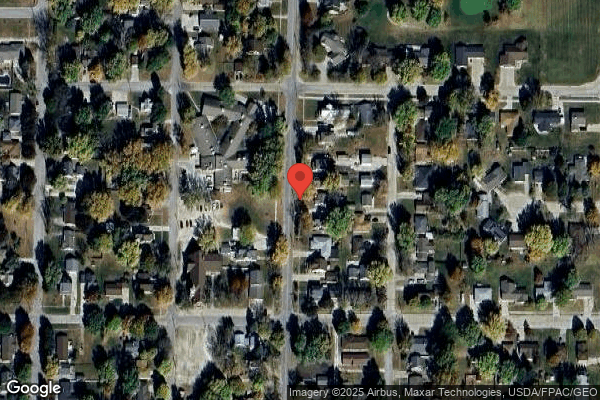

1402 Main Street, Manson, IA 50563 (712) 469-3908
Non profit - Corporation 42 Beds GOOD SAMARITAN SOCIETY Data: November 2025
Trust Grade
68/100
#192 of 392 in IA
Last Inspection: May 2025

Inspected within the last 6 months. Data reflects current conditions.

Overview

Good Samaritan Society - Manson has a Trust Grade of C+, indicating it is slightly above average but not without its challenges. It ranks #192 out of 392 facilities in Iowa, placing it in the top half, and #2 out of 3 in Calhoun County, meaning there is only one other local option that performs better. Unfortunately, the facility is experiencing a worsening trend, with issues increasing from 4 in 2024 to 7 in 2025. Staffing is a strength, with a rating of 4 out of 5 stars and a turnover rate of 28%, which is well below the state average, ensuring continuity of care. However, there have been concerning incidents, such as the failure to have a registered nurse on duty for eight hours on certain days and inadequate cleaning of kitchen equipment, which could pose health risks. Overall, while there are strengths in staffing and no fines, families should be aware of the increasing issues and specific concerns regarding nursing coverage and cleanliness.

Trust Score
C+
68/100
In Iowa
#192/392
Top 48%
Safety Record
Low Risk
No red flags
Inspections
Getting Worse
4 → 7 violations
Staff Stability
✓ Good
28% annual turnover. Excellent stability, 20 points below Iowa's 48% average. Staff who stay learn residents' needs.
Penalties
✓ Good
No fines on record. Clean compliance history, better than most Iowa facilities.
Skilled Nurses
✓ Good
Each resident gets 49 minutes of Registered Nurse (RN) attention daily — more than average for Iowa. RNs are trained to catch health problems early.
Violations
⚠ Watch
14 deficiencies on record. Higher than average. Multiple issues found across inspections.
★★★☆☆
3.0
Overall Rating
★★★★☆
4.0
Staff Levels
★★★★★
5.0
Care Quality
★★☆☆☆
2.0
Inspection Score
Stable
2024: 4 issues
2025: 7 issues

The Good

  • 4-Star Staffing Rating · Above-average nurse staffing levels
  • 5-Star Quality Measures · Strong clinical quality outcomes
  • Low Staff Turnover (28%) · Staff stability means consistent care
  • Full Sprinkler Coverage · Fire safety systems throughout facility
  • No fines on record
  • Staff turnover is low (28%)

    20 points below Iowa average of 48%

Facility shows strength in staffing levels, quality measures, staff retention, fire safety.

The Bad

3-Star Overall Rating

Near Iowa average (3.1)

Meets federal standards, typical of most facilities

Chain: GOOD SAMARITAN SOCIETY

Part of a multi-facility chain

Ask about local staffing decisions and management

The Ugly 14 deficiencies on record

May 2025 7 deficiencies
CONCERN (D)

Potential for Harm - no one hurt, but risky conditions existed

Accident Prevention (Tag F0689)

Could have caused harm · This affected 1 resident

**NOTE- TERMS IN BRACKETS HAVE BEEN EDITED TO PROTECT CONFIDENTIALITY** Based on clinical record reviews, staff interviews and policy review, the facility failed to fill out incident reports and put e...

Read full inspector narrative →
**NOTE- TERMS IN BRACKETS HAVE BEEN EDITED TO PROTECT CONFIDENTIALITY** Based on clinical record reviews, staff interviews and policy review, the facility failed to fill out incident reports and put effective interventions in place for falls for 1 of 1 resident reviewed (Resident #11). Resident #11 was at risk for falls. Resident #11 had ten falls from 10/24/24 - 4/19/25. The facility reported a census of 36. Finding include: Resident #11's Minimum Data Set (MDS) dated [DATE] identified a Brief Interview for Mental Status (BIMS) score of 14, indicating no cognitive impairment. Resident #11's MDS included diagnoses of depression, diabetes mellitus, and hypertension (high blood pressure). The MDS listed Resident #11 as independent with rolling left and right, sit to lying, lying to sitting on side of bed, sit to stand, chair/bed to chair transfers. The MDS listed Resident #11 as supervision for toileting. The Facility Incident Reports (IR) documented from 12/26/25 to 3/5/25 revealed Resident #11 fell on [DATE], 11/1/24, 11/3/24, 11/4/24, 12/16/24, 2/7/25, 4/9/25, 4/19/25. The facility failed to fill out an incident report for the fall dated 2/16/25 and 3/7/25. The facility failed to put an intervention in place for the fall on 3/7/25. On 5/15/25 at 12:03 PM, the Director of Nursing (DON) acknowledged there were no incident reports filled out for the falls dated 2/16/25 and 3/7/25. The DON acknowledged there were no interventions put into place for the fall dated 3/7/25. The DON stated she would expect that after the nurse was notified it was a fall on 3/7/25, that the nurse would do the proper paperwork for the fall. The facility policy named Fall Prevention and Management dated 4/8/25 indicated the purpose is to promote resident well being by developing and implementing a fall prevention and management program, to identify risk factors and implement interventions before a fall occurs, to give prompt treatment after a fall occurs, to provide guidance for documentation. The procedure for a fall: 12. Complete Fall Scene Huddle worksheet 15. Review and update the Care plan with any changes/new interventions. 17. Continue to monitor the condition and effectiveness of the interventions.
CONCERN (D)

Potential for Harm - no one hurt, but risky conditions existed

Infection Control (Tag F0880)

Could have caused harm · This affected 1 resident

**NOTE- TERMS IN BRACKETS HAVE BEEN EDITED TO PROTECT CONFIDENTIALITY** Based on observation, staff interviews, the Centers for Disease Control and Prevention (CDC) and the facility policy review, the...

Read full inspector narrative →
**NOTE- TERMS IN BRACKETS HAVE BEEN EDITED TO PROTECT CONFIDENTIALITY** Based on observation, staff interviews, the Centers for Disease Control and Prevention (CDC) and the facility policy review, the facility staff failed to follow infection control practices in order to prevent and control the onset and spread of infection within the facility by not wearing the required person protective equipment for 1 of 1 resident (Resident #139) reviewed for catheter care. The facility reported a census of 37 residents. Findings include: The Clinical Census revealed Resident #139 was admitted to the facility on [DATE]. Resident #139 did not have an MDS ( Minimum Data Set) completed. The Care plan with date initiated 5/2/25 revealed Resident #139 had an indwelling short term catheter related to recent surgery and recovery process. On 5/13/25 at 10:22 AM observed EPB (Enhanced Barrier Precautions) sign posted on Resident #139 door frame. The sign directed everyone must clean their hands, including before entering and when leaving the room. The sign directed providers and staff to wear gloves and a gown following high-contact resident care activities which included device care or use of a urinary catheter. On 5/14/25 at 1:35 PM, observed as Staff A entered Resident #139's room, washed hands and applied gloves. Staff A did not apply a gown and did not wear a gown while emptying the catheter bag. Staff A acknowledged she did not wear the gown when emptying the catheter bag. She reported she had been trained on EBPs and had forgotten to put the gown on. Staff B, Clinical Educator was present and reported she expected the staff to wear a gown when emptying the catheter bag. On 5/14/25 at 1:50 PM, Resident #139 reported a couple of the staff members have worn a gown when taking care of her catheter but there have been staff members who have not wore a gown. A facility policy titled Enhanced Barrier and Transmission Based Precautions dated 4/6/25 documented the purpose of the policy was to prevent the spread of infection and communicable diseases to residents/patients, employees, and visitors through infection prevention and control practices. The policy documented enhanced barrier precautions expand the use of personal protective equipment beyond situations in which exposure to blood and body fluids are anticipated and refer to the use of gown and gloves during high-contact resident care activities that provide opportunities for transfer of multidrug- resistant organisms (MDROs) to staff hands and clothing. The policy further documented enhanced barrier precautions are used for residents with indwelling catheters even if the resident is not known to be infected or colonized with an MDRO and high-contact resident care activities include device care or use of a urinary catheter. For a resident on enhanced barrier precautions for an indwelling device only, precautions may be discontinued if the device was removed.
CONCERN (D)

Potential for Harm - no one hurt, but risky conditions existed

Antibiotic Stewardship (Tag F0881)

Could have caused harm · This affected 1 resident

Based on record review and staff interview, the facility failed to maintain a system to monitor long term use of antibiotics for 1 of 1 resident reviewed (Resident #21). The facility reported a census...

Read full inspector narrative →
Based on record review and staff interview, the facility failed to maintain a system to monitor long term use of antibiotics for 1 of 1 resident reviewed (Resident #21). The facility reported a census of 37 residents. Findings include: Resident #21's current Clinical Physician Orders report dated 1/22/24 documented the order for Nitrofurantoin Capsule 100 milligrams (mg), give 100mg by mouth one time a day for urinary tract infection (UTI) prophylaxis (action taken to prevent disease) with no end date. The clinical record lacked documentation the facility monitored the long term use of Resident #21's antibiotic. Review of the facility provided Pharmacy Monthly Medication Review (MMR) dated 2/28/25 indicated the clinical rationale for the Nitrofurantoin was to continue as ordered for UTI prophylaxis due to history of sepsis, managing UTI ' s will prevent sepsis and hospital admissions. This was signed 5/15/25 by the physician. On 5/15/25 at 11:30 a.m. the Director of Nursing acknowledged this MMR was late being sent to the physician. The process for the long term antibiotics is the pharmacist will look at these through the monthly medication reviews, then make recommendations and fax them to the facility. The facility then reviews them and faxes them to the physicians. Review of the facility policy, Antibiotic Stewardship Rehab/Skilled dated 12/19/24 identified each facility will have an Antibiotic Stewardship Plan. The Antibiotic Stewardship Plan Core Elements will include Leadership Commitment, Accountability, Drug Expertise, Action, Tracking, Planning, and Education. The policy does not address prophylactic antibiotics and lacks guidance or direction in reviewing antibiotic therapy.
CONCERN (E)

Potential for Harm - no one hurt, but risky conditions existed

Deficiency F0605 (Tag F0605)

Could have caused harm · This affected multiple residents

**NOTE- TERMS IN BRACKETS HAVE BEEN EDITED TO PROTECT CONFIDENTIALITY** 3. According to the MDS assessment dated [DATE] Resident #4 scored 15 on the BIMS indicating no cognitive cognitive impairment. ...

Read full inspector narrative →
**NOTE- TERMS IN BRACKETS HAVE BEEN EDITED TO PROTECT CONFIDENTIALITY** 3. According to the MDS assessment dated [DATE] Resident #4 scored 15 on the BIMS indicating no cognitive cognitive impairment. The resident had diagnoses including depression and borderline intellectual functioning. The resident took antidepressant medication. The Orders tab in Point Click Care (PCC) showed Resident #4 had an order for Sertraline (antidepressant) 150 mg one time a day related to major depressive disorder active 5/21/24. The Care Plan revised 5/23/24 identified the resident on antidepressant medication related to depression, life events, and anxiety. The goal included the resident would be free of any discomfort or adverse side effects from antidepressant medication use through the review date. The interventions included monitoring resident condition based on clinical practice guidelines or clinical standards of practice related to use of Sertraline, and referral to boxed warnings in the orders or electronic medication administration record, or medication reference of choice. The Care Plan lacked what adverse side effects from antidepressants they would monitor for. On 5/15/25 at 8:20 a.m. the DON stated they were looking at the care plans to see what information they should include on them.Based on clinical record review, staff interview, and policy review, the facility failed to obtain a clinical rationale to continue a PRN (as needed) antianxiety medications and offer/attempt nonpharmacological interventions prior to giving antianxiety medications for 2 of 5 residents reviewed for unnecessary medications ( Resident #22 and #34). The facility failed to monitor target behaviors and side effects for psychotropic medications for 3 out of 5 residents (Resident #22, #4 #14). The facility also failed to complete a GDR for a resident receiving an antidepressant for 1 out of 5 residents. (Resident #14). The facility reported a census of 37 residents. Findings include: 1. Resident #22's Minimum Data Set (MDS) dated [DATE] assessment identified Brief Interview for Mental Status (BIMs) score of 15, indicating intact cognition. The MDS identified Resident #22 was dependent on staff with all transfers and was not ambulatory. Resident #22's MDS included diagnoses of depression and restless leg syndrome. The MDS documented Resident #22 was taking antianxiety and antidepressant medications during the 7 day look back period. A Physician Order dated 12/6/24 directed staff to administer Lorazepam 0.5 mg (milligrams) orally every 4 hours PRN for anxiety. A Physician Order dated 2/20/25 directed staff to administer Escitalopram Oxalate (Lexapro/antidepressant) 20 mg one time a day related to depression. Review of Resident #22's Care Plan with a target date 6/18/25 revealed the Lorazepam medication, potential side effects, targeted behaviors and what to monitor for while taking the high risk medication was not addressed on the comprehensive care plan. In addition the care plan lacked targeted behaviors and side effects related to Resident #22 taking the antidepressant medication. A Pharmacy Consulting form dated 12/31/24 revealed the Physician Order for the PRN Lorazepam was extended for 180 days without a documented clinical rationale for continued use except for that it was a hospice medication. The clinical record lacked documentation that the PRN Lorazepam had not been reviewed by the Physician within 14 days from the start date. The January 2025 MAR (Medications Administration Record) revealed Resident #22 received the PRN Lorazepam on the following days: 1/11, 1/13, 1/14, 1/16, 1/17, 1/18, 1/19, 1/23. The clinical record lacked documentation nonpharmacological interventions were attempted or offered prior to the administration of the Lorazepam medication. On 5/14/25 at 3PM, the DON reported she expected a PRN anti-anxiety medication to be stopped after 14 days unless there was an extension with a documentation clinical rationale. She reported going forward she was going to have the nurses put a 14 day stop date in the computer when the medication was ordered so it would be stopped automatically. In addition, the DON reported she expected 3 nonpharmacological interventions to be attempted before a PRN antianxiety medication was given. The DON acknowledged the care plan did not address target behaviors or side effects for the antidepressant medication and the care plan lacked information regarding the Lorazepam medication. 2. Resident #34's MDS dated [DATE] assessment identified BIMS score of 15, indicating intact cognition. The MDS identified Resident #34 required partial/moderate assistance with bed mobility and supervision/touching assistance with transfers and ambulation. Resident #34's MDS included diagnoses of depression, anxiety, bipolar disorder, and post traumatic disorder. The MDS documented Resident #34 was taking antipsychotic, antianxiety and antidepressant medications during the 7 day look back period. A Physician Order dated 3/28/25 directed staff to administer Hydroxyzine HCL 10 MG every 8 hours as needed for anxiety. The Pharmacy Consulting Form dated 3/31/25 revealed the Physician Order for the Hydroxyzine PRN was extended for 180 days without a documented clinical rationale for continued use. The April and May 2025 revealed Resident #34 received PRN Hydroxyzine on the following days: 4/10, 4/16 x 2, and 5/1. The clinical record lacked documentation nonpharmacological interventions were attempted or offered prior to the administration of the hydroxyzine medication. On 5/13/25 at 4:15 PM, the DON acknowledged the clinical record lacked documentation that nonpharmacological interventions were attempted prior to the administration of the hydroxyzine medication on 4/10, 4/16 and 5/1. The DON reported she updated the Physician Order to require 3 nonpharmacological interventions before the medication could be given. On 5/13/25 at 3:15 PM, the DON acknowledged the order to continue the Hydroxyzine for 180 days did not include a clinical rationale and it was an expectation for clinical rationale to be documented. 4. Resident #14's MDS assessment dated [DATE] identified a BIMS score of 15 indicating intact cognition. The MDS identified Resident #14 was independent with transfers and ambulation. Resident #14's MDS included diagnoses of Alzheimer's Disease, diabetes mellitus and hypertension (high blood pressure). The MDS documented Resident #14 was taking an antidepressant during the 7 day look back period. The Care Plan with an initiated date of 3/8/23 documented Resident #14 received an antidepressant medication with Food and Drug Administration (FDA) boxed warnings (most serious safety warning issued for a prescription drug). The Care Plan directed staff to consult with pharmacy and healthcare providers to consider dosage reduction when clinically appropriate. The care plan did not include the resident's individualized target behaviors for staff to monitor the non pharmacological interventions for staff to attempt if the behaviors were observed. A Physician Order dated 2/13/24 directed staff to administer Lexapro (antidepressant medication) 40 milligrams (mg) by mouth one time a day related to major depressive disorder. Review of the clinical record lacked documentation that a gradual dose reduction (GDR) had been attempted for the Lexapro in the last year. The clinical record lacked documentation of a clinical rationale from a Physician on why the antidepressant was continued without a GDR. On 5/14/25 at the DON stated she expected clinical rationals to be completed on the GDR's. The DON stated that she is behind on sending out the monthly pharmacy reviews and will be going back to her old system to keep track of them. A facility policy titled Psychotropic Medications dated 5/12/2025 indicated the resident will be free from any chemical restraint imposed for the purposes of discipline or convenience and not required to treat the resident's medical symptoms. The policy documented the purpose of tapering medication is to find an optimal dose or to determine if continued use of the medication benefits the resident. Tapering may be indicated when the resident's clinical condition has improved or stabilized, the underlying causes of the original target symptoms have resolved and/or non pharmacological interventions have been effective in reducing the symptoms. The policy states within the first year a resident is admitted on an antipsychotic medication or after the location has initiated an antipsychotic medication, the location must attempt a GDR in two separate quarters with at least one month between attempts, unless clinically indicated. The policy documented clinically contraindicated meant the following: the resident's target symptoms returned or worsened after the most recent attempt at a GDR or the physician has documented the clinical rationale for why any additional attempted dose reduction at that time would be likely to impair the resident's function or increase distressed behavior. The policy indicated non-pharmacological interventions are recommended before medication interventions. Attempts should be documented in the resident medical record.
CONCERN (F)

Potential for Harm - no one hurt, but risky conditions existed

Deficiency F0727 (Tag F0727)

Could have caused harm · This affected most or all residents

Based on facility schedule reviews and staff interview, the facility failed to assure a Registered Nurse (RN) on duty for 8 hours daily, 7 days per week. The facility reported a census of 37 residents...

Read full inspector narrative →
Based on facility schedule reviews and staff interview, the facility failed to assure a Registered Nurse (RN) on duty for 8 hours daily, 7 days per week. The facility reported a census of 37 residents. Findings include: Review of the facility's nursing staff schedule dated 10/6/24 through 12/31/24 revealed there was no RN on duty for 8 hours on the following date: 11/28/24. Review of the facility policy named Nursing Services Staff dated 10/29/24 revealed the purpose is to provide appropriate staff for resident care in the nursing services department. The location will use the services of a registered nurse for at least eight consecutive hours a day, seven days a week (except when waived by state regulations). Interview on 5/14/25 at 11:28 a.m. with the Director of Nursing (DON) confirmed they did not have 8 hours of RN coverage for that day. The DON stated that she is not sure how she missed this day, but she did. The DON stated that she would normally cover the day for the RN coverage.
CONCERN (F)

Potential for Harm - no one hurt, but risky conditions existed

Food Safety (Tag F0812)

Could have caused harm · This affected most or all residents

Based on observation, staff interview and policy review, the facility failed to ensure adequate cleaning of the oven hood filters and sprinklers. The facility reported a census of 37 residents. Findin...

Read full inspector narrative →
Based on observation, staff interview and policy review, the facility failed to ensure adequate cleaning of the oven hood filters and sprinklers. The facility reported a census of 37 residents. Findings include: On 5/14/25 at 11:55 a.m. observation of the oven hood showed the filters had a buildup of grease and grime throughout. A pipe attached to the front of the hood, and the sprinklers all showed a build up of grease with fuzz sticking to it. The Assistant Dietary Supervisor stated they had a fire control company come in and clean the hood every so often. Staff C, [NAME] also stated they had an outside company come in to clean the hood. They couldn't say how long it had been since they were there. Both stated they did not have a cleaning schedule for the filters. An invoice dated 3/18/25 documented the fire control company cleaned the hoods and grease exhaust. The facility Cleaning Schedule- Food and Nutrition Services reviewed/revised 11/21/24 included the oven hood and filters: a. Have a cleaning schedule in place for the hood either via commercial company or the maintenance department. b. Schedule weekly cleaning of the filters.
CONCERN (F)

Potential for Harm - no one hurt, but risky conditions existed

Staffing Data (Tag F0851)

Could have caused harm · This affected most or all residents

Based on the Center for Medicare and Medicaid Services (CMS) Payroll Based Journal (PBJ) Staffing Data Report (October 1 - December 31) review, facility staffing reports, and staff interviews, the fac...

Read full inspector narrative →
Based on the Center for Medicare and Medicaid Services (CMS) Payroll Based Journal (PBJ) Staffing Data Report (October 1 - December 31) review, facility staffing reports, and staff interviews, the facility failed to submit accurate staff reports for the PBJ Staffing Data Report. The facility reported a census of 37 residents. Findings include: The PBJ Staffing Data Report run date 5/12/2025 triggered for no Registered Nurse (RN) hours. Triggered = four or more days within the quarter with no RN Hours. The report reflected 7 infraction dates with failure to provide RN covered days during October to December. Review of the Nurse Schedules for the infraction dates revealed nursing shifts covered by the Director of Nursing (DON). On 5/14/25 at 4:30 p.m. the DON stated from October 1st to the middle of December 2024, the previous Administrator was responsible for the PBJ. The DON thought the current Administrator took over the PBJ, but then found out this was not the case and the Administrator did not have access to the PBJ. The DON stated that she has been responsible for the PBJ since the end of December 2024. On 5/14/25 at 6:07 p.m. an email received from the DON stated there is no policy for the PBJ, the facility follows the guidelines from the Center for Medicaid and Medicare Services (CMS).
Nov 2024 1 deficiency
CONCERN (D) 📢 Someone Reported This

A family member, employee, or ombudsman was alarmed enough to file a formal complaint

Potential for Harm - no one hurt, but risky conditions existed

Deficiency F0760 (Tag F0760)

Could have caused harm · This affected 1 resident

**NOTE- TERMS IN BRACKETS HAVE BEEN EDITED TO PROTECT CONFIDENTIALITY** Based on record review and staff interview, the facility failed to ensure residents were free from significant medication errors...

Read full inspector narrative →
**NOTE- TERMS IN BRACKETS HAVE BEEN EDITED TO PROTECT CONFIDENTIALITY** Based on record review and staff interview, the facility failed to ensure residents were free from significant medication errors for 2 of 4 residents reviewed (Resident #1 and #2). The facility reported a census of 36 residents. Findings include: 1) According to the Minimum Data Set (MDS) assessment dated [DATE] Resident #1 scored 12 on the Brief Interview for Mental Status (BIMS) indicating some cognitive cognitive impairment. The resident had diagnoses including non-Alzheimer's dementia. The Care Plan revised 5/23/24 identified the resident had impaired cognitive function/impaired thought processes related to dementia diagnosis, evidenced by confusion, forgetfulness, and misinterpreting information at times. An Outpatient Psychiatric/Mental Health Progress Note on 10/14/24 documented the resident requested to have her memory pill increased. The Progress Notes dated 10/14/24 at 2:19 p.m. documented the psychiatric Advanced Registered Nurse Practitioner (ARNP) completed rounds with Resident #1 via an audio and visual zoom appointment and gave new orders to increase Memantine (Namenda/to treat memory) to 14 mg for 7 days then 21 mg for 7 days then 28 mg one time a day. The Progress Notes dated 10/14/24 at 5:39 p.m. documented left voicemail for Resident #1's family to call the facility regarding new orders. The Progress Notes dated 10/16/24 at 3:08 p.m. documented Resident #1 continued on increased dose of Namenda with no adverse reactions. Resident stated she still got confused sometimes. The Progress Notes dated 10/17/2024 at 6:33 p.m. documented no adverse reactions with increased dose of Namenda. Unable to assess it's effectiveness at this time. The Progress Notes dated 10/18/24 at 2:29 a.m. documented no adverse reactions or noticeable changes with Namenda. The Medication Administration Record (MAR) for October 2024 showed Resident #1's Namenda increased 10/15/25. Staff documented giving the increased dose of 14 mg daily 10/15-21/24. A Medication Error report dated 10/22/24 documented the new order to increase Resident #1's Namenda on 10/14/24. The Pharmacy did not receive the order until 10/21/24. Resident #1 received the correct dose 10/21 and 10/22/24, indicating the medication administered for 6 days not the correct dose. On 11/26/24 at 11 a.m. the DON stated when Resident #1's Namenda was increased the order did not get sent to the pharmacy, so they didn't send the increased dose. They found that 5 different staff charted administering the increased dose, but gave the dose she was previously on. The facility policy, Medication: Administration Including Scheduling and Medication Aides revised 5/21/24 documented the procedure (for med pass) included performing 3 checks: (1) Reading the label on the medication container and comparing with the MAR when removing the container from the supply drawer, (2) when placing the medication in a med cup, (3) and just before administering the medication. 2) According to the Minimum Data Set (MDS) assessment dated [DATE] Resident #2 scored 7 on the Brief Interview for Mental Status (BIMS) indicating severe cognitive impairment. The resident received hospice services. The resident had diagnoses including rheumatoid arthritis. The Care Plan initiated 11/24/21 identified the resident had chronic pain/discomfort related to a right below the knee amputation evidenced by phantom pain. The interventions included notifying the health care provider if interventions are unsuccessful or if current complaint was a significant change from residents past experience of pain. A hospice Physician's Orders sheet for Resident #1 directed: Discontinue Lorazepam intensol as needed (prn). Start Lorazepam intensol 2 mg/ml 0.5 ml every 2 hours for restlessness (routine administration). Discontinue Morphine concentrate 20 mg/ml 0.5 ml prn. Start Morphine concentrate 20 mg/ml 0.5 ml every 2 hours for pain. The Medication Administration Record (MAR) for September 2024 included Lorazepam Intensol Oral Concentrate 2 mg/ml, 0.5 ml by mouth every 2 hours for restlessness with a start date of 8/31/24. The MAR indicated by a number instead of a check the resident did not receive the medication 9/1/24 at 9 p.m. or 11 p.m. and 9/2/24 at 1 a.m. 3 a.m. or 5 a.m. The MAR included Morphine Sulfate Oral Solution 20 mg/5 ml give 0.5 ml by mouth every 2 hours for for pain with a start date of 8/31/24. The MAR indicated by a number instead of a check the resident did not receive the medication 9/1/24 at 8 p.m. and 9/2/24 at 12, 2, 4 and 6 a.m. The Progress Notes dated 9/1/24 at 10:39 p.m. documented the resident's blood pressure (B/P) 131/72 Temperature (T) 99.4 Pulse (P) 83 regular, Respirations (R) 20 non labored. Pulse oximetry 89% with oxygen (02) at 2 Liters (L) via nasal cannula (NC). Skin was warm and dry, no mottling, color normal. No signs/symptoms (s/s) pain or restlessness, no dyspnea or apnea. Has not had any oral intake for several days due to unresponsiveness. Family has been at bedside nearly round the clock. Husband had questions and this nurse explained that at this time there are no obvious S/S of imminent death. Hospice has ordered morphine and lorazepam to be given at scheduled times for pain and restlessness. At this time she is showing no signs of pain or restlessness and the nurse would hold the medications unless she showed the symptoms. Also explained that dehydration may also cause fever and pain. The resident's spouse was appreciative of information and would go home to get some sleep and proper food since he cannot eat gluten. The nurse assured the spouse that she would contact him if there were any changes in the resident's condition and that she would sit with her periodically through the night. The resident had been repositioned and turned every two hours, oral care and hygiene performed. The Progress Notes dated 9/2/24 documented when the aids went in to turn Resident #2 at 7 a.m. she was moaning and arms and eyelids were twitching. The resident's breathing was labored with short periods of apnea. B/P-90/88, P-90, and R-12. They notified hospice of Resident #2's condition, and continued with scheduled 0.5 ml of morphine and lorazepam every 2 hours. The Progress Notes dated 9/2/24 at 1:20 p.m. documented Resident #2's vital signs had improved and the resident no longer moaned when being turned, and the twitching had stopped. They would continue to monitor. The Progress Notes dated 9/2/24 at 1:23 p.m. documented Resident #2's spouse notified of the med error of the resident not receiving any scheduled morphine or lorazepam during the night. The resident's spouse stated a concern of not being able to trust the nurse from last night, but was happy that the resident was showing signs of comfort again. A Medication Error Report Form completed 9/2-9/3/24 documented Staff A Registered Nurse (RN) held Resident #2's Lorazepam intensol and Morphine doses 9/1 to 9/2/24. The resident did not have any issues on Staff A's shift, but did have some labored breathing and signs and symptoms of pain the a.m. of 9/2/24. A typed document signed by the DON 9/2/24 included education given to Staff A regarding need to contact hospice if concerned with potential for overmedication rather than holding medications. On 11/25/24 at 11 a.m. the DON stated when the day shift came in on 9/2/24 they made her aware Resident #2 had not received the Morphine and Lorazepam, and the resident showed some s/s of discomfort. She talked to the nurse who held the meds and she had been off for awhile and thought the resident was snowed. She did education with the nurse to call the provider, hospice or the DON if she had concerns.
Jun 2024 3 deficiencies
CONCERN (D)

Potential for Harm - no one hurt, but risky conditions existed

Assessment Accuracy (Tag F0641)

Could have caused harm · This affected 1 resident

**NOTE- TERMS IN BRACKETS HAVE BEEN EDITED TO PROTECT CONFIDENTIALITY** Based on observation, interview and record review the facility failed to accurately complete the Resident Assessment Information...

Read full inspector narrative →
**NOTE- TERMS IN BRACKETS HAVE BEEN EDITED TO PROTECT CONFIDENTIALITY** Based on observation, interview and record review the facility failed to accurately complete the Resident Assessment Information (RAI) for 1 of 12 residents reviewed (Resident #29). The facility reported a census of 35 residents. Findings include: According to the Minimum Data Set (MDS) dated [DATE], Resident #29 had a Brief Interview for Mental Status (BIMS) score of 11 (moderate cognitive deficit). The resident was independent with eating and required supervision with transfers and dressing. Her diagnoses included chronic kidney disease, atrial fibrillation and Alzheimer's disease. The Care Plan revised on 6/17/24, showed Resident #29 had self-care performance deficit related to Alzheimer's Disease. She was able to ambulate with staff assistance and a walker. The resident had regular meals with small portions, per her request, she was at risk for malnutrition. Staff were directed to monitor for weight loss, and to offer high protein high calorie fortified foods. Resident #29 had a terminal prognosis related to severe protein calorie malnutrition and was admitted to Hospice services on 6/1/24. On 6/24/24 at 1:15 PM Resident #29 was sleeping in a recliner and found to be very thin. The Vitals Tab in the electronic chart showed the following: a. On 5/15/24 at 10:21 AM, Resident #29 weighed 84 lbs. and on 4/16/24 at 11:22 AM she weighed 88.5 lbs., (5.08% loss.) b. On 12/25/2023, 11:33 AM, Resident #29 weighed 88 lbs. On 06/25/2024 at 10:39 AM, the resident weighed 77.5 pounds which is a -11.93 % loss. According to the MDS dated [DATE] for Resident #29, Section K; Nutritional Status presented the question: Did the resident have a loss of 5% or more in last month or loss of 10% or more in last 6 months? The answer was no, or unknown On 6/26/24 at 1:10 PM Staff B, RN, MDS Coordinator said that the RD completed Section K of the MDS and she thought the look back period was 7 days. On 6/25/24 11:23 AM, the Registered Dietician (RD) said that she tried to get to the facility at least once a month but she'd been gone a lot and that she would get behind in her documentation. She acknowledged that Resident #29 had experienced steady weight loss.
CONCERN (D)

Potential for Harm - no one hurt, but risky conditions existed

Quality of Care (Tag F0684)

Could have caused harm · This affected 1 resident

**NOTE- TERMS IN BRACKETS HAVE BEEN EDITED TO PROTECT CONFIDENTIALITY** Based on observation, interview and record review the facility failed to intervene when a resident experienced significant weigh...

Read full inspector narrative →
**NOTE- TERMS IN BRACKETS HAVE BEEN EDITED TO PROTECT CONFIDENTIALITY** Based on observation, interview and record review the facility failed to intervene when a resident experienced significant weight loss for 1 of 3 reviewed (Resident #29). The facility reported a census of 35 residents. Findings include: According to the Minimum Data Set (MDS) dated [DATE], Resident #29 had a Brief Interview for Mental Status (BIMS) score of 11 (moderate cognitive deficit). The resident was independent with eating and required supervision with transfers and dressing. Her weight was 84 pounds (lbs.) and her diagnoses included chronic kidney disease, atrial fibrillation and Alzheimer's disease. The Care Plan revised on 6/17/24, showed Resident #29 had self-care performance deficit related to Alzheimer's Disease. She was able to ambulate with staff assistance and a walker. The resident received regular meals with small portions, per her request, and she was at risk for malnutrition. Staff were directed to monitor for weight loss, and to offer high protein high calorie fortified foods. Resident #29 had a terminal prognosis related to severe protein calorie malnutrition and was admitted to Hospice services on 6/1/24. On 6/24/24 at 1:15 PM Resident #29 was sleeping in a recliner and found to be very thin. The Vitals Tab in the electronic chart showed the following: a. On 5/15/24 at 10:21 AM, Resident #29 weighed 84 lbs. and on 4/16/24 at 11:22 AM she weighed 88.5 lbs., (5.08% loss.) b. On 12/25/2023, 11:33 AM, Resident #29 weighed 88 lbs. On 06/25/2024 at 10:39 AM, the resident weighed 77.5 pounds which is a -11.93 % loss. An admission Dietitian assessment dated [DATE] at 1:28 PM, indicated that Resident #29 was malnourished, the Registered Dietician (RD) recommended to add 4 ounces of Food First shakes once a day to aid nutrient intake. A review of the RD updates and assessments revealed that no other nutritional supplement interventions had been attempted after down trending weights. The electronic record Clinical Census tab showed that upon admission, Resident #29 was on Hospice services and was discharged from Hospice on 2/1/24. A Nursing Note communication to the doctor, dated 5/31/24 at 6:30 PM, showed that the resident had lost 10 pounds since discharge from Hospice and the doctor wrote an order to readmit to Hospice. A review of the Nursing Notes revealed that the doctor had not been contacted about the on-going decline in weight from 2/1/24 - 5/31/24. On 6/26/24 at 11:04 AM Staff A, Certified Nurse Aide (CNA) said that she would get weights on Resident #29 a couple of times a week. She said that she told at least 3 different nurses about the residents' steady decline in weight. The response she got was that they were aware and the resident was in decline. They did move the resident to a table where she could get more assistance with meals. On 6/26/24 at 11:40 AM, a clinic Registered Nurse (RN) for the Nurse Practitioner (NP) who was providing services to Resident #29, stated that the NP was first notified on 5/31/24 of the resident's weight loss. On 6/25/24 at 11:43 AM, the Dietary Manager (DM) said the Food First shakes that they used were given out at meal time. She said that they did not have documentation of the amount that Resident #29 had consumed daily. On 6/25/24 at 11:23 AM, the RD said that she tried to get to the facility at least once a month but she'd been gone a lot. She acknowledged that Resident #29 had experienced steady weight loss and that she hadn't made any changes to the recommendation for the Food First shakes. She did not have a formal report of how much of the shakes the resident had been consuming. On 6/26/24 at 1:10 PM, Staff B, RN said that the staff had been aware of the steady weight loss and acknowledged that they should have tried some other interventions. On 6/26/24 at 12:30 PM, the Director of Nursing (DON) said that the Dietician communicated with the Dietary Manager but they did not have regular meetings with the Dietician to review weight concerns. On 6/27/24 at 10:15 AM The DON said Resident #29 had started to improve so they took her off Hospice. She then declined more and didn't have much of an appetite. She said that the Food First had a lot of nutrients in it, but they did not have documentation of how much she had been getting. She acknowledged that the care plan should have been updated since December with other interventions. According to the Weight and Height Policy last reviewed on 9/8/23, the facility would ensure that staff reported changes in a resident clinical condition (significant weight change) immediately to the physician and family and or resident.
CONCERN (D)

Potential for Harm - no one hurt, but risky conditions existed

Deficiency F0692 (Tag F0692)

Could have caused harm · This affected 1 resident

**NOTE- TERMS IN BRACKETS HAVE BEEN EDITED TO PROTECT CONFIDENTIALITY** Based on observation, interviews and record review the facility failed to ensure that residents had timely and accurate nutritio...

Read full inspector narrative →
**NOTE- TERMS IN BRACKETS HAVE BEEN EDITED TO PROTECT CONFIDENTIALITY** Based on observation, interviews and record review the facility failed to ensure that residents had timely and accurate nutrition assessments by a dietician for 3 of 5 residents reviewed, (Residents #29, #31 and #24). Resident #29 had a steady weight loss and the dietician failed to provide quarterly assessments and failed to intervene in a timely manner. The dietician failed to provide a nutrition admission assessment within 14 days for Residents #31 and #24. The facility reported a census of 35 residents. Findings include: 1) According to the Minimum Data Set (MDS) dated [DATE], Resident #29 had a Brief Interview for Mental Status (BIMS) score of 11 (moderate cognitive deficit). The resident was independent with eating and required supervision for dressing and transfers. Resident #29 weighed 84 pounds and had diagnoses that included; chronic kidney disease, atrial fibrillation and Alzheimer's disease. The resident was admitted to the facility on [DATE]. The Care Plan revised on 6/17/24, showed Resident #29 had self-care performance deficits related to Alzheimer's Disease. She was able to ambulate with the assistance of a gait belt and a walker. The resident was at risk for malnutrition related to weight loss, staff were to monitor for weight loss and to offer her high protein, high calorie fortified foods. Resident #29 had a terminal prognosis related to severe protein calorie malnutrition and was admitted to Hospice services on 6/1/24. On 6/24/24 at 1:15 PM Resident #29 was sleeping in a recliner and found to be very thin. According to a Dietician assessment dated [DATE], her weight was stable, but she had inadequate caloric intake and was malnourished. The Registered Dietician (RD) recommended to add 4 ounces (oz) of a supplemental, Food First shake once a day. The following was found in Nutritional Status updates and Dietician Assessments for Resident #29: a. On 10/22/23 at 9:47 PM, weight decrease at 92.5, RD to follow up. b. On 12/4/23 at 5:59 AM, weight decrease at 84 pounds. c. On 1/16/24, a slight increase at 87.5. d. The next Dietician Assessment was dated 2/19/24 at 7:46 AM, and indicated a trending weight loss with inadequate caloric intake. The resident was getting Food First shakes three times a day and her weight was down 7# in 6 months. Staff were to continue to encourage intake and shakes, RD to follow up on weight. From 2/19/24 until 4/5/24 the chart lacked assessment or nutritional status updates. e. On 4/5/24 at 12:29 PM weight was 87.5. e. On 5/21/24 at 10:00 PM, weight down 4# in month. RD to follow on weight. f. Dietitian assessment dated [DATE] at 6:40 AM, weight not stable, down 8# in 1 month. Weight dropped significantly, will notify nursing, and will follow up on weights. g. On 6/26/24 at 6:14 AM, weights has been declining greatly, will notify nursing 77.5 pounds. On 6/26/24 at 11:04 AM Staff A, Certified Nurse Aide (CNA) said that she would get weights on Resident #29 a couple of times a week. She said that she told at least 3 different nurses about the residents' steady decline in weight. The response she got was that they were aware and the resident was in decline. On 6/25/24 11:23 AM, the RD said that she tried to get to the facility at least once a month but she'd been gone a lot. She said that she mostly communicated with the facility through email and the expectation for residents Dietician Assessments was upon admission, quarterly and when there was a significant change. She acknowledged that there should have been an assessment in September of 2023 and in December of 2023 for Resident #29. She said that she recommended the Food First shakes that were monitored by the Dietary Manager (DM) and she would touch base with her once in a while. She did not have a formal report of how much of the shakes the resident had been consuming. On 6/26/24 at 12:30 PM, the DON said that the Dietician communicated with the Dietary Manager. They did not have regular meetings with the Dietician to review weight concerns. 2) According to the MDS dated [DATE], Resident #31 had a BIMS score of 10 (moderate cognitive ability). She was independent with eating and dependent on staff for toileting, hygiene and dressing. Her diagnoses included anemia, arthritis, chronic pain and intellectual disabilities. The Care Plan initiated on 1/29/24 impaired cognitive function related to intellectual disabilities, confusion. ADL self-care deficits with the exception of eating. According to the Census tab in the electronic chart, Resident #31 was admitted to the facility on [DATE]. The Dietitian Assessment was completed on 3/25/24 and indicated that the resident had a trending weight gain with a 6-pound gain in 1 month, and a 13.5-pound gain in 2 months. The RD indicated that she would notify nursing. 3) According to the MDS dated [DATE], Resident #24 was admitted on [DATE] with a BIMS score of 3 (sever cognitive deficit). She required supervision for eating, dressing and hygiene needs. The resident was on a mechanically altered diet. The Care Plan dated 7/28/24, showed Resident #24 had impaired cognitive function and impaired thought processes and vascular dementia. The resident had the potential for nutritional problems due to low weight. The resident required staff assist of one with eating and she was on pain medication therapy due to chronic back pain. Her diagnoses included; intervertebral disc degeneration, chronic pain syndrome and osteoporosis. An admission Dietician assessment dated [DATE] at 7:21 AM indicated that the resident's weight was stable with adequate caloric intake, but she was at risk for malnutrition. Regular diet easy to chew level 7, underweight, eats with supervision. Added Food First shakes twice a day. On 6/27/24 at 10:15 AM the DON said that the Dietician resigned on 6/26/24 because she had many other responsibilities and was not able to get to the facility or complete assessments in a timely manner. The DON said that they spent a lot of time reeducating her on getting paperwork and assessment completed. Initially when the RD was hired, she would stay in touch with them on a weekly basis but it soon became monthly and she was doing most of the work remotely and wasn't getting good input from staff or residents. According to the facility policy titled Responsibilities of the Dietitian, dated 5/7/24; The dietitian would be accountable and responsible for her practice and sere to the location and would provide communication to the administrator or designee. The dietitian would be involved in the nutritional risk committee and the interdisciplinary care plan team. The assessment of nutritional status would be conducted onsite.
May 2023 3 deficiencies
CONCERN (D)

Potential for Harm - no one hurt, but risky conditions existed

Notification of Changes (Tag F0580)

Could have caused harm · This affected 1 resident

**NOTE- TERMS IN BRACKETS HAVE BEEN EDITED TO PROTECT CONFIDENTIALITY** Based on clinical record review, staff interviews, and policy review the facility failed to notify the physician for a significa...

Read full inspector narrative →
**NOTE- TERMS IN BRACKETS HAVE BEEN EDITED TO PROTECT CONFIDENTIALITY** Based on clinical record review, staff interviews, and policy review the facility failed to notify the physician for a significant change in condition for 1 of 12 residents reviewed (Residents #17). The facility reported a census of 26 residents. Findings include: The Minimum Data Set (MDS) dated [DATE] for Resident #17 identified a Brief Interview for Mental Status (BIMS) score of 14 out of 15 possible points indicating intact cognition. The MDS included diagnoses of hemiplegia (paralysis of one side of the body) following a cerebral infarction (stroke) affecting the left side, diabetes mellitus, heart failure and hypertension. The Progress Note dated 3/26/23 at 3:55 PM, documented Resident #17 reported she had choked on her dinner, which consisted of a nickel size piece of turkey. The Progress Note indicated the Certified Nursing Assistant (CNA) in the room directed Resident #17 to try to cough it out. The Progress Note revealed Resident #17 was spitting out large amounts of thick clear mucus. The Progress Note documented Resident #17 refused to drink water and stated it was not going down. The Progress Note indicated Staff A, Registered Nurse (RN) instructed Resident #17 to eat a cracker and to repeat sips of water. The Progress Note revealed Staff A, RN used a tongue blade to attempt to facilitate a gag reflex without success. Review of the clinical record revealed the record lacked documentation that the facility notified the Physician regarding Resident #17 reports of choking and interventions needed. On 5/9/23 at 2:26 PM, Staff A, RN acknowledged Resident #17 reported choking on her dinner on 3/26/23. Staff A, RN reported she was not overly concerned as Resident #17 was breathing okay and her color was good. Staff A, RN verified she did not report the incident to the physician. The facility policy Interact Change in Condition Evaluation Policy revised 3/29/23 documented the purpose of the policy is to improve communication between nurses and a provider when nursing is monitoring a change in condition. The policy further directed nursing to notify the provider of a change in condition. On 5/9/23 at 2:40 PM, the Director of Nursing (DON) verified and acknowledged the Physician was not notified regarding the incident on 3/26/23 and would expect the Physician to be notified.
CONCERN (D)

Potential for Harm - no one hurt, but risky conditions existed

Deficiency F0657 (Tag F0657)

Could have caused harm · This affected 1 resident

**NOTE- TERMS IN BRACKETS HAVE BEEN EDITED TO PROTECT CONFIDENTIALITY** Based on clinical record review, staff interviews, and policy review the facility failed to implement new interventions on the C...

Read full inspector narrative →
**NOTE- TERMS IN BRACKETS HAVE BEEN EDITED TO PROTECT CONFIDENTIALITY** Based on clinical record review, staff interviews, and policy review the facility failed to implement new interventions on the Care Plan for 2 of 6 residents reviewed (Resident #9 and Resident #23). The facility reported a census of 26. Findings include: The Minimum Data Set (MDS) dated [DATE] for Resident #23, documented a Brief Interview of Mental Status (BIMS) score of 4 out of 15 indicating severe cognitive impairment. The MDS documented the resident had diagnoses to include dementia. The MDS documented supervision, oversight or cuing for walking on or off the unit, hygiene, toileting, dressing and eating. The MDS indicated wandering as a behavior that occurred daily and the daily use of a wander elopement alarm. The Progress Notes on a Care Conference dated 4/20/22 at 1:20 PM, documented the discussions with Resident #23's family included to add to the Care Plan for staff to check each shift for wander guard placement. The Medication Record for Resident #23 directed staff to check wander guard placement every shift beginning 10/07/22. The Care Plan updated 4/26/23 for Resident #23 documented the resident had behavior related to dementia, noted when looking for his spouse/exit-seeking to redirect with various activities given. The Care Plan did not direct staff to check for the wander guard or to ensure it is functioning. On 5/10/23 at 12:19 PM the Director of Nursing (DON) acknowledged Resident #23 had dementia diagnoses with increased confusion and wears a wander guard. The DON acknowledged the process for checking wander guard function is completed by the Bath Aide on resident bath days and this should be included on the care plan as well as checking the resident to ensure placement and proper functioning of the wander guard. 2. The MDS dated [DATE] for Resident #9, documented a BIMS score was unobtainable. The MDS documented diagnoses to include Parkinson's disease and dementia. The MDS also documented wheel chair for mobility, total dependence on transfers, hygiene and locomotion on and off the unit. Review of the Care Plan dated 5/09/23 for Resident #9 revealed the Care Plan did not include respiratory focus or interventions for oxygen. The Progress Note on 3/06/23, documented blood oxygen saturation at 88% on room air and that supplemental oxygen applied. The Medication Record for Resident #9, documented oxygen one to two liters a minute as needed for maintaining blood oxygen saturation above 98% beginning 12/22/22. Observation on 5/08/23 at 11:30 AM, resident had the oxygen concentrator at bedside with nasal cannula tubing. Certified Nursing Aide present relayed resident needed oxygen at times during rest. On 5/10/23 at 12:19 PM the DON acknowledged that oxygen should be included on the resident care plan as a focus for staff direction. The facility provided Policy titled, Care Plan dated 9/22/22 documented, the plan of care will be modified to reflect the care currently required/provided for the resident.
CONCERN (D)

Potential for Harm - no one hurt, but risky conditions existed

Accident Prevention (Tag F0689)

Could have caused harm · This affected 1 resident

**NOTE- TERMS IN BRACKETS HAVE BEEN EDITED TO PROTECT CONFIDENTIALITY** 2. The MDS for Resident #5 dated 2/22/23 identified a BIMS score of 12 out of 15 indicating moderately impaired cognition. The M...

Read full inspector narrative →
**NOTE- TERMS IN BRACKETS HAVE BEEN EDITED TO PROTECT CONFIDENTIALITY** 2. The MDS for Resident #5 dated 2/22/23 identified a BIMS score of 12 out of 15 indicating moderately impaired cognition. The MDS identified Resident #5 required supervision with transfers, ambulation, and locomotion on and off the unit. The MDS included diagnoses of non-Alzheimer's dementia, alcohol dependence with alcohol-induced persisting dementia, mood disorder, and anxiety. The Care Plan revised 3/30/23, identified Resident #5 was at risk for wandering due to impaired cognition, impaired thought process and lack of impulse control. The Care Plan directed staff to use the wander guard system to alert staff of resident's movement and to assist staff in monitoring movement. The Care Plan lacked documentation on where the wander guard device was located on Resident #5. The Care Plan lacked direction on when and how often to check placement or functioning of the wander guard device. On 5/9/23 at 10:44 AM, observed Resident #5 with a wander guard device to his right ankle. A Physician Order dated 12/15/11 directed staff to monitor Resident #5 via wander guard. The Physician Order lacked direction on when and how often to monitor the wander guard device for placement and functioning. A facility form titled Wander Guard Checks dated May 2023 revealed Resident #5's wanderguard device was checked on 5/1, 5/3 and 5/8. Review of the clinical record revealed Resident 5's wander guard was not listed on the Electronic Treatment Records (ETAR) or the Electronic Medication Administration records (EMAR). The facility policy titled Alarms revised 8/24/22 documented each bracelet alarm to be checked by Nursing or Rehab daily to see if the alarm was functional. The policy further directed nursing staff to be responsible for visually checking placement of alarms daily. On 5/8/23 at 10:40 AM, Staff A, Registered Nurse (RN), reported Resident #5 wears a wander guard due to history of wandering. Staff A, RN reported Resident #5's wander guard was checked for placement and functioning on bath days two times a week. On 5/9/23 at 2:40 PM, the Director of Nursing (DON), reported the wander guard devices are checked for placement and functioning on bath days (two times a week). The DON acknowledged the wander guards were not being checked daily per policy. Based on clinical record review, resident and staff interviews, and policy review the facility failed to ensure wander guards (a monitoring bracelet with activated alarm when exiting) were working for residents' safety on a daily basis for 2 of 2 resident's reviewed (Resident #5 and #23). The facility reported a census of 26 residents. Findings include: The Minimum Data Set (MDS) dated [DATE] for Resident #23, documented a Brief Interview of Mental Status (BIMS) score of 4 out of 15, indicating severe cognitive impairment. The MDS documented the resident had diagnoses to include dementia. The MDS documented supervision, oversight or cuing for walking on or off the unit, hygiene, toileting, dressing and eating. The MDS indicated wandering as a behavior that occurred daily and the daily use of a wander elopement alarm. The Progress Notes on a Care Conference dated 4/20/22 at 1:20 PM, documented the discussions with Resident #23's family included to add to the Care Plan for staff to check each shift for wander guard placement. The Care Plan updated 4/26/23 for Resident #23 documented the resident had behavior related to dementia, noted when looking for his spouse/exit-seeking to redirect with various activities given. The bathing focus of the Care Plan initiated 4/05/22 noted Resident #23 requires assist of 1 and will often refuse at least one bath a week, washing himself in the sink, and family aware of resident's preference. The Medication Record for Resident #23 directed staff to check wander guard placement every shift beginning 10/07/22. The Medication Record did not give direction to test to ensure the wander guard functioned properly. During an interview on 05/08/23 at 01:27 PM, the resident stated he still drives his car and can go where ever he wanted to go. Observed resident had a wander guard bracelet on his wrist. On 5/10/23 at 12:19 PM, the Director of Nursing (DON), acknowledged Resident #23 has dementia diagnosis with increased confusion, seeking his spouse, wandering and is monitored with a wander guard bracelet. The DON acknowledged the process for checking wander guard function is completed by the Bath Aide on resident bath days and this did not coincide with facility policy that the wander guard should be checked daily to ensure it is in working order.
Understanding Severity Codes (click to expand)
Life-Threatening (Immediate Jeopardy)
J - Isolated K - Pattern L - Widespread
Actual Harm
G - Isolated H - Pattern I - Widespread
Potential for Harm
D - Isolated E - Pattern F - Widespread
No Harm (Minor)
A - Isolated B - Pattern C - Widespread

Questions to Ask on Your Visit

  • "Can I speak with families of current residents?"
  • "What's your RN coverage like on weekends and overnight?"

Our Honest Assessment

Strengths
  • • No major safety red flags. No abuse findings, life-threatening violations, or SFF status.
  • • No fines on record. Clean compliance history, better than most Iowa facilities.
  • • 28% annual turnover. Excellent stability, 20 points below Iowa's 48% average. Staff who stay learn residents' needs.
Concerns
  • • 14 deficiencies on record. Higher than average. Multiple issues found across inspections.
Bottom line: Mixed indicators with Trust Score of 68/100. Visit in person and ask pointed questions.

About This Facility

What is Good Samaritan Society - Manson's CMS Rating?

CMS assigns Good Samaritan Society - Manson an overall rating of 3 out of 5 stars, which is considered average nationally. Within Iowa, this rating places the facility higher than 0% of the state's 100 nursing homes. This mid-range rating indicates the facility meets federal standards but may have areas for improvement.

How is Good Samaritan Society - Manson Staffed?

CMS rates Good Samaritan Society - Manson's staffing level at 4 out of 5 stars, which is above average compared to other nursing homes. Staff turnover is 28%, compared to the Iowa average of 46%. This relatively stable workforce can support continuity of care.

What Have Inspectors Found at Good Samaritan Society - Manson?

State health inspectors documented 14 deficiencies at Good Samaritan Society - Manson during 2023 to 2025. These included: 14 with potential for harm.

Who Owns and Operates Good Samaritan Society - Manson?

Good Samaritan Society - Manson is owned by a non-profit organization. Non-profit facilities reinvest revenue into operations rather than distributing to shareholders. The facility is operated by GOOD SAMARITAN SOCIETY, a chain that manages multiple nursing homes. With 42 certified beds and approximately 35 residents (about 83% occupancy), it is a smaller facility located in Manson, Iowa.

How Does Good Samaritan Society - Manson Compare to Other Iowa Nursing Homes?

Compared to the 100 nursing homes in Iowa, Good Samaritan Society - Manson's overall rating (3 stars) is below the state average of 3.1, staff turnover (28%) is significantly lower than the state average of 46%, and health inspection rating (2 stars) is below the national benchmark.

What Should Families Ask When Visiting Good Samaritan Society - Manson?

Based on this facility's data, families visiting should ask: "Can I visit during a mealtime to observe dining assistance and food quality?" "How do you handle medical emergencies, and what is your hospital transfer rate?" "Can I speak with family members of current residents about their experience?"

Is Good Samaritan Society - Manson Safe?

Based on CMS inspection data, Good Samaritan Society - Manson has a clean safety record: no substantiated abuse findings (meaning no confirmed cases of resident harm), no Immediate Jeopardy citations (the most serious violation level indicating risk of serious injury or death), and is not on the Special Focus Facility watch list (a federal program monitoring the lowest-performing 1% of nursing homes). The facility has a 3-star overall rating and ranks #100 of 100 nursing homes in Iowa. While no facility is perfect, families should still ask about staff-to-resident ratios and recent inspection results during their visit.

Do Nurses at Good Samaritan Society - Manson Stick Around?

Staff at Good Samaritan Society - Manson tend to stick around. With a turnover rate of 28%, the facility is 18 percentage points below the Iowa average of 46%. Low turnover is a positive sign. It means caregivers have time to learn each resident's needs, medications, and personal preferences. Consistent staff also notice subtle changes in a resident's condition more quickly.

Was Good Samaritan Society - Manson Ever Fined?

Good Samaritan Society - Manson has no federal fines on record. CMS issues fines when nursing homes fail to meet care standards or don't correct problems found during inspections. The absence of fines suggests the facility has either maintained compliance or corrected any issues before penalties were assessed. This is a positive indicator, though families should still review recent inspection reports for the full picture.

Is Good Samaritan Society - Manson on Any Federal Watch List?

Good Samaritan Society - Manson is not on any federal watch list. The most significant is the Special Focus Facility (SFF) program, which identifies the bottom 1% of nursing homes nationally based on persistent, serious quality problems. Not being on this list means the facility has avoided the pattern of deficiencies that triggers enhanced federal oversight. This is a positive indicator, though families should still review the facility's inspection history directly.