Mechanicsville Specialty Care
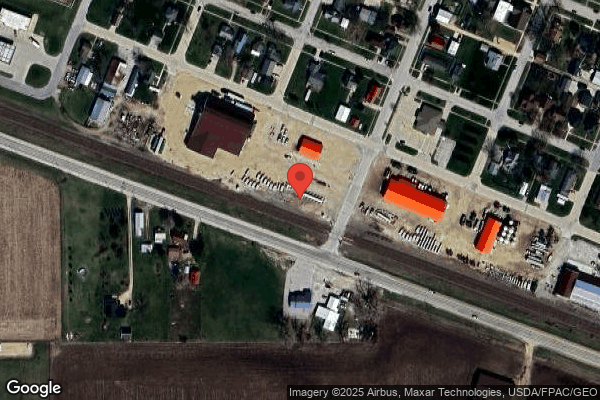

104 East Fourth Street Box 430, Mechanicsville, IA 52306 (563) 432-7235
Non profit - Corporation 39 Beds CARE INITIATIVES Data: November 2025
Trust Grade
70/100
#209 of 392 in IA
Last Inspection: August 2024

Within standard 12-15 month inspection cycle. Federal law requires annual inspections.

Overview

Mechanicsville Specialty Care has a Trust Grade of B, indicating it is a good choice for families considering nursing homes, though it ranks #209 out of 392 facilities in Iowa, placing it in the bottom half statewide. Locally, it ranks #3 out of 4 in Cedar County, meaning there is only one facility nearby that performs better. The facility has shown an improving trend, decreasing from 8 issues in 2023 to just 2 in 2024, which is a positive sign. Staffing is rated 4 out of 5 stars, with a turnover rate of 33%, well below the Iowa average of 44%, indicating that staff members are likely to stay and provide consistent care. However, there have been concerning incidents, such as staff not properly washing hands after handling food and failing to serve meals at appropriate temperatures, which raises potential risks for residents. Overall, while there are strengths in staffing and an improving trend, families should consider the facility's food handling practices and recent inspection findings.

Trust Score
B
70/100
In Iowa
#209/392
Bottom 47%
Safety Record
Low Risk
No red flags
Inspections
Getting Better
8 → 2 violations
Staff Stability
○ Average
33% turnover. Near Iowa's 48% average. Typical for the industry.
Penalties
✓ Good
No fines on record. Clean compliance history, better than most Iowa facilities.
Skilled Nurses
○ Average
Each resident gets 33 minutes of Registered Nurse (RN) attention daily — about average for Iowa. RNs are the most trained staff who monitor for health changes.
Violations
⚠ Watch
11 deficiencies on record. Higher than average. Multiple issues found across inspections.
★★★☆☆
3.0
Overall Rating
★★★★☆
4.0
Staff Levels
★★★★☆
4.0
Care Quality
★★★☆☆
3.0
Inspection Score
Stable
2023: 8 issues
2024: 2 issues

The Good

  • 4-Star Staffing Rating · Above-average nurse staffing levels
  • 4-Star Quality Measures · Strong clinical quality outcomes
  • Full Sprinkler Coverage · Fire safety systems throughout facility
  • No fines on record
  • Staff turnover below average (33%)

    15 points below Iowa average of 48%

Facility shows strength in staffing levels, quality measures, fire safety.

The Bad

3-Star Overall Rating

Near Iowa average (3.1)

Meets federal standards, typical of most facilities

Staff Turnover: 33%

13pts below Iowa avg (46%)

Typical for the industry

Chain: CARE INITIATIVES

Part of a multi-facility chain

Ask about local staffing decisions and management

The Ugly 11 deficiencies on record

Aug 2024 2 deficiencies
CONCERN (D) 📢 Someone Reported This

A family member, employee, or ombudsman was alarmed enough to file a formal complaint

Potential for Harm - no one hurt, but risky conditions existed

Resident Rights (Tag F0550)

Could have caused harm · This affected 1 resident

Based on observations, clinical record review, resident, and staff interviews, the facility failed to treat a resident with respect and dignity for one reported interaction with a nurse for one out of...

Read full inspector narrative →
Based on observations, clinical record review, resident, and staff interviews, the facility failed to treat a resident with respect and dignity for one reported interaction with a nurse for one out of one residents reviewed (Resident#7). The facility reported a census of 34 residents. Findings include: The Minimum Data Set (MDS) Assessment for Resident # 7 dated 7/5/24, included diagnoses of Parkinson's disease, and non Alzheimer's dementia. The Brief Interview for Mental Status (BIMS) reflected a score of 13, intact cognition. The MDS identified Resident#7 independent with toileting, transfers, ambulation, and dressing. The Care Plan for Resident#7 listed an intervention dated 7/18/24, at times I can have an outburst and yell at my family or staff. Attempt to redirect me when I have an outburst or give me some alone time so I can settle down and proceed with my day. Resident #7's Nurses Behavior Progress Note dated 7/31/2024 at 11:15 PM, reflected Resident#7 wanted Staff A, Registered Nurse (RN) to send her to emergency room (ER) after Staff A found her slipping out of her recliner she sat in. Resident #7 told Staff A I am sick I am dying I need ER Resident #7 called the sheriff and kicked the Staff A, called staff vulgar disgusting names. The Nurses Behavior Note dated 7/31/2024 at 11:47 PM, read Resident#7 called her daughter and wanted out, her daughter then called Staff S and directed do anything you can to calm her down . Resident#7 refused to take her 10:00 PM medication Oxycodone when offered. Nurses Behavior Note dated 7/31/2024 at 11:52 PM, reflected Staff A will let Resident#7 simmer down, Resident#7 reported that this is her home. Staff A thought Resident #7 may calm down. The Nurses Progress Note dated 8/1/2024 at 12:14 AM, revealed Resident #7 left via Ambulance cart. Resident#7 packed 3 bags and held her purse, blanket Resident#7 walked to the ambulance cart to get secured in left in stable condition. The investigation file provided by the Administrator included: a statement from Resident #7 taken by the Director of Nursing (DON) undated, revealed Resident #7 failed to remember calling her daughter or the sheriff. Resident #7 stated she failed to understand why the nurse kept yelling at her to go to bed. Resident #7 told the nurse to leave her room. The Witness Statement by Staff A, RN dated 7/31/24, reflected she entered the room and Resident#7 sat almost off the recliner. She asked Resident#7 to go to bed. The statement reflected the Staff B, Certified Nurses Aid (CNA) told Staff A, Resident#7 doesn't need to go to bed. Resident#7 asked to go to ER stated I was sent to hospital in March and they said there was nothing more they can do I was going to die. Resident#7 called Staff A vulgar names kicked Staff A on the right calf, bruising her, told Staff A she was going to call the police, and her daughter. Resident#7 called her daughter, the sheriff and her physician. The physician called back with orders to send Resident#7 to the ER for evaluation. The statement reflected Staff B, heard Staff A state rather loudly to Resident#7 exactly what Resident#7 told her that nothing more could be done and sent to the nursing home to live out her life. The Statement by Staff B dated 8/1/24 at 12:50 AM, identified she saw Resident#7 in her chair asleep. Staff B reported Resident#7 looked slouched some but after she looked further she saw one of the legs on the chair was up 30-40 degrees keeping her in the chair. The statement continue Staff B left her there because sometimes she sleeps there and she fell a few days before getting out of her bed and into her chair in the night. The Statement revealed Staff A told her Resident#7 needed to go to bed. Staff B told Staff A Resident#7 slept in the chair at times and she's sound asleep so she continued to help others. Staff B wrote she heard screaming and shouting from Resident#7's room, Resident#7 asked Staff A to leave and kicked at her shin. Staff A argued, told Resident#7 she needed to get out of the chair. Staff B said Staff A told her she's just a CNA and cant tell her what to do. Staff B removed herself from the situation. The Statement revealed the screaming continued so she went back to check on Resident#7 and saw the nurse wheeled herself back and forth on the resident's walker as Resident#7 walked around her room shaking upset looking for phone numbers. Resident#7 said it's her right to call an ambulance as she sat back down. Staff A abruptly got up from the walker stood over Resident#7 and said you are here to die, you are at this facility to die. Staff B's statement reflected she told the nurse she shouldn't talk to residents like that. Before Staff A could say anything the Sheriff called and ended the conversation. The facility interview undated reflected Staff E, CNA reported Staff B told her on 7/31/24 at 11:29 PM, Staff A's upset because she wanted Resident#7 to go to her bed. The facility Investigation reflected on 7/31/24 around 10 PM, Staff B saw Resident#7 asleep in her chair, which she occasionally did. At around 10:30 PM Staff A entered Resident#7's and noticed she appeared as if she may slide off the recliner. Staff A asked the Resident#7 to go to bed. Staff B went back to Resident#7's room and told the nurse she doesn ' t have to go to bed. Staff B told her Resident#7 looked like she may slid out of her chair. Resident#7 became irritated and started to call Staff A names and kicked at the nurse on the calf. Resident#7 stated she wanted to go to ER. Staff A tried asking what she wanted to go to hospital for and Resident#7 said nobody cared and does nothing for her and she is going to die. Resident#7 stated she was sent to the hospital in March, and they told her there was nothing more they could do for her, and she was going to die. Staff A repeated what Resident#7 said to her that nothing more could be done and sent to the nursing home to live out her life. Staff B went back to the resident room due to it being loud and overheard Staff A repeating what Resident#7 said. Staff B told Staff A she shouldn ' t say that to Resident#7. Resident#7 reported the need to call the sheriff, daughter and her physician. Staff A tried asking what she wanted to go to hospital for and she said nobody cares and does nothing for her and she is going to die. Resident#7 called the police, physician while nurse and CNA were in room. The physician called facility and ordered the Resident#7 sent to ER. The Investigation continued to reflect Staff B called the DON around 11 PM but didn ' t get a hold of her so she sent her a couple text messages. On 8/6/24 at 1:30 PM, Staff B reported Staff A wanted Resident#7 put to bed. Staff B said she didn't want to wake Resident#7. Staff B revealed while she worked 3 rooms down the hall, she heard yelling. Resident#7 told Staff A she didn't want to to go to bed Resident # 7 told the nurse she was a fat cow. Staff B said Resident#7 walked around her room upset and shaking looking for her phone numbers. Resident#7 wanted Staff A to call 911 and Staff A told Resident #7 she's here to die. Staff B reported she went answered the phone and the sheriff wanted to know if they were needed or if it was an accidental call or of they wanted them to come to the facility. Staff B stated she asked Staff A if they were sending Resident#7 out and the nurse yelled at her because she took the phone call. On 8/6/24 at 5:36 PM, Staff A reported she got to Resident#7 at about 11:20 PM She looked about ready to slip off the chair. Resident#7 needed the neurological assessment from after a fall the other night. Staff A reported she asked Resident#7 to get into bed and had a pain pill for her. Staff B came in the room and said she didn't need to go to bed, she's fine. Resident#7 woke up, reported her pain high and she needed to go to the ER. Staff A stated Resident#7 wanted to got to ER, and wouldn't let her do the neurological assessment, just wanted wanted her cell phone to call her daughter, sheriff and her physician. Staff A said the Sheriff, the Physician and Resident#7's daughter called her. Staff A indicated Resident#7 didn't like her tone of voice, Staff A said something like Resident#7's placement here at the facility for end of life care. Staff A stated her comment scared Staff B, who thought she was abusive by saying such thing. Staff A confirmed she told Resident#7 she's here for the rest of her life. On 8/07/24 at 8:08 AM, Resident #7 walked in her room independently with her walker. Resident#7 reported on 7/31/24 she didn't feel well Staff A told her to get into the bed, said she was fine, no reason to go to the ER in the night. Resident#7 reported she kicked at the nurse because the nurse grabbed at her shoulder, gave a little push to get up. Resident#7 said she was yelled at the nurse she was sick and needed to go to the hospital, the nurse told her she was fine and to go to bed. She said the nurse left the room and she called the sheriff and he brought the ambulance her. Resident #7 reported Staff A didn't want to call the physician in the night and said she needed to sleep till the am. Resident#7 said Staff A seemed mean, bossy, pushy, aggressive interactions to her. Resident #7 said she was scared at the time, not sure the authority she had if she would get tied down to the bed. On 8/06/24 at 10:58 AM the Administrator revealed the Physician won't say Resident#7 can't make her own decision with the BIMS of 13. 08/08/24 at 11:05 AM the Administrator reported she expected the staff to treat the residents with respect and dignity. The Administrator provided the policy titled Dignity dated 2/2021 Each resident shall be cared for in a manner that promotes and enhances his or her sense of well-being, level of satisfaction with life, and feelings of self-worth and self-esteem. Policy Interpretation and Implementation 1. Residents are treated with dignity and respect at all times. 2. The facility culture supports dignity and respect for residents by honoring resident goals, choices, preferences, values and beliefs. This begins with the initial admission and continues throughout the resident ' s facility stay. 3. Individual needs and preferences of the resident are identified through the assessment process. 4. Residents may exercise their rights without interference, coercion, discrimination or reprisal from any person or entity associated with this facility. 5. When assisting with care, residents are supported in exercising their rights. For example, residents are: a. groomed as they wish to be groomed (hair styles, nails, facial hair, etc.); b. encouraged to attend the activities of their choice, including religious, political, civic, recreational, or social activities; c. encouraged to dress in clothing that they prefer; d. allowed to choose when to sleep, eat and conduct activities of daily living; and e. provided with a dignified dining experience. 6. Residents ' private space and property are respected at all times. Staff do not handle or move a resident ' s personal belongings without the resident ' s permission. 7. Staff are expected to knock and request permission before entering residents ' rooms. 8. Staff speak respectfully to residents at all times, including addressing the resident by his or her name of choice and not labeling or referring to the resident by his or her room number, diagnosis, or care needs. 9. Staff inform and orient residents to their environment. Procedures are explained before they are performed and residents will be told in advance if they are going to be taken out of their usual or familiar surroundings. 10. Staff protect confidential clinical information. Examples include the following: a. Verbal staff-to-staff communication (e.g., change of shift reports) are conducted outside the hearing range of residents and the public. b. Signs indicating the resident ' s clinical status or care needs are not openly posted in the resident ' s room unless specifically requested by the resident or family member. Discreet posting of important clinical information for safety reasons is permissible (e.g., taped to the inside of the closet door). continues on next page © 2001 MED-PASS, Inc. (Revised February 2021) c. In the interest of public health, posting the resident ' s isolation status or transmission-based precautions is permissible as long as the type of infection remains confidential. d. The display of the resident ' s name on the door or the presence of memorabilia among the resident ' s belongings is not considered a violation of the resident ' s privacy or dignity. 11. Staff promote, maintain and protect resident privacy, including bodily privacy during assistance with personal care and during treatment procedures. 12. Demeaning practices and standards of care that compromise dignity are prohibited. Staff are expected to promote dignity and assist residents; for example: a. helping the resident to keep urinary catheter bags covered; b. promptly responding to a resident ' s request for toileting assistance; and c. allowing residents unrestricted access to common areas open to the public, unless this poses a safety risk for the resident. 13. Staff are expected to treat cognitively impaired residents with dignity and sensitivity; for example: a. addressing the underlying motives or root causes for behavior; and b. not challenging or contradicting the resident ' s beliefs or statements.
CONCERN (F)

Potential for Harm - no one hurt, but risky conditions existed

Food Safety (Tag F0812)

Could have caused harm · This affected most or all residents

Based on observations, staff interviews and facility policy review, the facility failed to prevent exposure for cross contamination during meal service and failed to follow safe food handling practice...

Read full inspector narrative →
Based on observations, staff interviews and facility policy review, the facility failed to prevent exposure for cross contamination during meal service and failed to follow safe food handling practices. The facility identified a census of 33 residents. Findings include: On 08/06/24 at 12:19 PM, observed Staff C, [NAME] leave the meal serving area to go to the dining room. The cook left the serving scoops in the potatoes, corn, rice casserole and the tongs in the chicken and did not cover any of food items on the steam table before leaving. At 12:23 PM Staff C returned to the kitchen, scratched her face and resumed plating resident's food without washing her hands. On 08/07/24 at 12:35 PM, The Dietary Manager advised the test tray would be the last tray on the cart with the room trays and then placed the thermometer and alcohol wipes on the test tray. The cook took the thermometer off the test tray to check the temperature of the chicken noodle soup. The thermometer was not cleaned before or after temping the soup and being placed back on the test tray. Staff D, Dietary aid then took the thermometer outside the kitchen doorway to the beverage preparation area and checked the temperature of the white milk. The thermometer was then placed on the stainless steel prep table. It was not sanitized before or after testing the milk. The dietary aid then placed the thermometer back on the test tray, beside the alcohol wipes and delivered the room trays. The dietary aid then temped all food items on the test tray without sanitizing the thermometer and served the test tray to the surveyor. On 08/07/24 at 01:28 PM Staff C was queried regarding cross-contamination and hand sanitation. Staff C advised hands should be washed frequently and anytime going from one task to another or different area. Staff C advised she was not aware she had scratched her face upon returning to the kitchen and agreed she should have washed her hands. When queried about sanitizing the thermometer Staff C advised it should have been sanitized between food items to prevent cross contamination. On 08/07/24 01:43 PM The dietary manager was interviewed regarding hand sanitation and cross contamination. The dietary manager articulated appropriate hand hygiene and cross-contamination prevention. She advised the facility conducts random hand washing audits and all workers are required to have yearly refresher training. In addition it is her expectation the thermometer is sanitized before and after each use and stored in the protective sleeve between use. On 08/07/24 at 02:15 PM The facility administrator was queried regarding hand hygiene and cross-contamination. It is her expectation that all workers practice appropriate hand hygiene at all times. She advised the worker should have washed her hands when she returned to the kitchen. She also advised it is her expectation the thermometer be kept in the sleeve whenever not is use and sterilized before and after each use. The undated facility policy titled Handwashing/Hand Hygiene informed that the facility considers hand hygiene the primary means to prevent the spread of infections. All personnel shall be trained and regularly in-serviced on the importance of hand hygiene in preventing the transmission of healthcare-associated infections. All personnel shall follow the handwashing/hand hygiene procedures to help prevent the spread of infections to other personnel, residents, and visitors. The undated facility policy titled Food Preparation and Service informed food and nutrition services employees prepare and serve food in a manner that complies with safe food handling practices. Appropriate measures are used to prevent cross contamination. Food preparation staff adhere to proper hygiene and sanitary practices to prevent the spread of food borne illness. Food thermometers used to check food temperatures are clean, sanitized and calibrated for accuracy.
Sept 2023 8 deficiencies
CONCERN (D) 📢 Someone Reported This

A family member, employee, or ombudsman was alarmed enough to file a formal complaint

Potential for Harm - no one hurt, but risky conditions existed

Deficiency F0568 (Tag F0568)

Could have caused harm · This affected 1 resident

**NOTE- TERMS IN BRACKETS HAVE BEEN EDITED TO PROTECT CONFIDENTIALITY** Based on clinical record review, document review, resident and staff interviews, the facility failed to set up resident funds ov...

Read full inspector narrative →
**NOTE- TERMS IN BRACKETS HAVE BEEN EDITED TO PROTECT CONFIDENTIALITY** Based on clinical record review, document review, resident and staff interviews, the facility failed to set up resident funds over $50 in an interest bearing account and failed to provide the resident or their legal representative with quarterly balance statement for 1 of 4 residents sampled (Resident #25). The facility documented a census of 37 residents. Findings Include: The Minimum Data Set (MDS) assessment dated [DATE] showed a Brief Interview for Mental Status (BIMS) score of 14 out of 15, indicating intact cognition. On 9/25/23 at 1:50 p.m., Resident #25 reported he had money locked up in the front business office that he could access whenever he wanted. Resident #25 didn't recall getting any quarterly statements detailing his balance of funds at the facility. During an interview on 9/26/23 at 9:43 a.m., the Business Office Manager (BOM) reported Resident #25's daughter leaves money in the front office for him for hair cuts and outings. He can come to the office and get money whenever he wants. She reported he signs a slip every time he takes money out. She verbalized Resident #25 had more than $50 in the front office and the facility did not provide him or the family with any statements. The money was not in an interest bearing account. An untitled roster with the Resident's name documented the date, deposit/withdrawal, reason money withdrawn, amount withdrawn, staff member involved in transaction and the running balance. The Roster showed Resident #25 had a balance of #111.72 as of 9/23/23. During an interview on 9/26/23 at 1:07 p.m., the BOM reported they had kept Resident #25 cash in a separate envelope in the business office safe. She stated she had him sign a roster each time he came to take money out of his funds. She reported she had just talked to him this morning after the Surveyor had questioned his account and she had taken his money to the bank and opened an interest bearing account. She verbalized he did not receive a copy of the roster each time he took money out of his account and had not received monthly statements. The BOM provided a copy of a checking deposit slip for$111.72 and a Trust Transaction History report dated 9/26/23 detailing the resident account balance. On 9/28/23 at 10:55 a.m., the Administrator reported she expected residents with funds in excess of $50 would have the money placed in an interest bearing account and receive quarterly statements. The Accounting and Records of Resident Funds Policy revised April 2001 provided by the facility detailed the following: 1. The business office maintains a record of all financial transactions involving the resident's personal funds on deposit with the facility. 2. Individual accounting ledgers are maintained in accordance with generally accepted accounting principles and include: a. The resident's name and medical record number; b. The name of the resident's representative (sponsor); c. The date of the resident's admission; d. The date and amount of each deposit and withdrawal; e. The name of the person who accepted or withdrew funds; f. The balance after each transaction; g. receipts for charges imposed by the facility; and interest earned, if any. 3. Records include copies of the resident's or representative's written permission for any non-covered items or services charged. 4. Resident funds are maintained separately from the facility operating funds and from the funds of any other person other than another resident. 5. Individual accounting records are made available to the resident through quarterly statements and upon request. Quarterly statements include the following information: the resident's balance at the beginning and end of the statement period; the total of deposits and withdrawals by the resident for the quarter; interest earned on the resident's funds; resident funds available through petty cash; and the total amount of petty cash on hand.
CONCERN (D) 📢 Someone Reported This

A family member, employee, or ombudsman was alarmed enough to file a formal complaint

Potential for Harm - no one hurt, but risky conditions existed

Deficiency F0625 (Tag F0625)

Could have caused harm · This affected 1 resident

**NOTE- TERMS IN BRACKETS HAVE BEEN EDITED TO PROTECT CONFIDENTIALITY** Based on clinical record review, staff interviews and facility policy review, the facility failed to provide a notice of bed hol...

Read full inspector narrative →
**NOTE- TERMS IN BRACKETS HAVE BEEN EDITED TO PROTECT CONFIDENTIALITY** Based on clinical record review, staff interviews and facility policy review, the facility failed to provide a notice of bed hold for 2 of 2 residents reviewed (Resident #32 and #139) for discharge to the hospital. The facility reported a census of 37 residents. Findings include: 1. Resident #32's Minimum Data Set (MDS) dated [DATE] assessment identified Brief Interview for Mental Status (BIMS) score of 15 out of 15, indicating intact cognition. Resident #32's MDS included diagnoses of cancer, coronary artery disease, end stage renal disease and malnutrition. The Clinical Census revealed Resident #139 was admitted to the facility on [DATE]. A Progress Note dated 8/29/23 at 4:10 PM, revealed Resident #32 was transferred to the emergency room (ER) from the cardiovascular clinic due to low blood pressure. A Progress Note dated 8/29/23 at 9:00 PM, documented Resident #32 was admitted to the hospital for hypokalemia (low potassium) and hypotension (low blood pressure). The Clinical record lacked documentation the facility provided a bed hold notice to Resident #32 and/or resident representative upon discharge to the hospital. On 9/27/23 at 4:56 PM, the Administrator reported she did not have bed hold notice for Resident #32 hospitalization on 8/29/23. 2. Resident #139's MDS dated [DATE] assessment identified BIMS score of 15 out of 15, indicating intact cognition. Resident #139's MDS included diagnoses of hypertension (high blood pressure), depression, schizophrenia, post traumatic stress disorder and obsessive compulsive disorder. The Clinical Census revealed Resident #139 was admitted to the facility on [DATE] for a Medicare Part A Skilled stay. A Progress Note dated 12/18/22 at 2:35 PM, revealed Resident #139 was transferred to the ER due to acute psych and being a threat to others. A Progress Note dated 12/19/22 at 4:10 AM, documented Resident #139 remained in the ER with a pending admission to the hospital related to mental health issues. A Progress Note dated 12/20/22 at 2:08 AM, documented Resident #139 was admitted to the hospital for agitation. The Clinical record lacked documentation the facility provided a bed hold notice to Resident #139 and/or resident representative upon discharge to the hospital. On 9/27/23 at 11:04 PM, the Administrator acknowledged and verified she could not locate a bed hold for Resident #139 hospitalization on 12/18/23. On 9/27/23 at 12:30 PM, the Administrator reported her expectation was for the nurses to start the bed hold process when a resident was sent to the hospital and to follow up on the bed hold in 24 hours if the resident was admitted . The facility policy titled Bed Holds and Returns revised March 2017 documented prior to transfers and therapeutic leaves, residents or resident representatives will be informed in writing of the bed hold and return policy. The policy further documented the written information given to the resident and the resident representative will explain in detail the following: a. The rights and limitations of the resident regarding bed holds. b. The reserve bed payment policy as indicated by the state plan (Medicaid residents). c. The facility per diem rate required to hold a bed (non-Medicaid residents), or to hold a bed beyond the state bed hold period (Medicaid residents); and d. The details of the transfer.
CONCERN (D)

Potential for Harm - no one hurt, but risky conditions existed

Assessment Accuracy (Tag F0641)

Could have caused harm · This affected 1 resident

**NOTE- TERMS IN BRACKETS HAVE BEEN EDITED TO PROTECT CONFIDENTIALITY** Based on clinical record review, electronic census record, document review, Long-Term Care (LTC) Facility Resident Assessment In...

Read full inspector narrative →
**NOTE- TERMS IN BRACKETS HAVE BEEN EDITED TO PROTECT CONFIDENTIALITY** Based on clinical record review, electronic census record, document review, Long-Term Care (LTC) Facility Resident Assessment Instrument (RAI) 3.0 User's Manual, and staff interviews, the facility failed to accurately code the Minimum Data Set (MDS) Assessment across multiple MDS assessments for 1 of 2 residents reviewed for Hospice services (Resident #15). The facility identified a census of 37 residents. Findings Include: A Order Review History Report signed by the Provider on 9/01/23 documented a physician order for Hospice care services for pancreatic cancer effective 2/21/22. A Medicare Hospice Election form detailed Resident #15 signed himself into hospice care on 2/21/22. A review of the Electronic Census Record on 9/26/23 revealed Resident #15 resided on Hospice care at the facility since 2/21/22. A review of the Care Plan on 9/26/23 documented Resident #15 had chosen hospice care and directed to coordinate his care with hospice. The Care Plan had an initiation date of 3/09/22. A review of the Hospice documentation on 9/26/23 revealed the following: a. Hospice Interdisciplinary Group Meeting Note dated 1/19/23 detailing the Hospice Plan of Care from 12/18/22 to 2/15/23. b. Hospice Interdisciplinary Group Meeting Note dated 5/11/23 detailing the Hospice Plan of Care from 4/17/23 - 6/15/23. c. Hospice Interdisciplinary Group Meeting Note dated 8/03/23 detailing the Hospice Plan of Care from 6/16/23 - 8/14/23. A review of the completed MDS records on 9/26/23 revealed the following: a. Quarterly MDS assessment dated [DATE] section O coded Hospice care services while a resident. b. Quarterly MDS assessment dated [DATE] section O failed to have Hospice care services while a resident coded. c. Annual MDS assessment dated [DATE] failed to have Hospice care services while a resident coded accurately. On 9/27/23 at 8:17 a.m., the Administrator reported the Point Click Care Census showed Resident #15 changed to Hospice care on 2/21/22. A Review of the Hospice Nursing Facility Communication Notes available for review in the Hospice book showed documentation of Hospice discipline visits documented from 11/19/22 - 9/25/22. On 9/27/23 at 8:22 a.m., the MDS Coordinator reported she didn't know why the coding got missed across multiple MDS assessments. The nurse consultant had just reviewed some of her MDS assessments. She felt since she had been working the floor, the coding got missed on the MDS. She reported if a resident admits to hospice care a significant change MDS is to be completed within 14 days. She confirmed Resident #15 resided on Hospice care. During an interview on 9/27/23 at 4:40 p.m., the Director of Nursing (DON) reported she expects the MDS to be completed accurately. The MDS Completion and Submission Time frames Policy revised July 2017 provided by the facility documented a Policy Statement detailing the facility would conduct and submit resident assessments in accordance with current federal and state time frames. The Policy did not address MDS accuracy of assessments. The LTC RAI 3.0 User's Manual Version 1.17.1 October 2019 page 1-7 documents the RAI process has multiple regulatory requirements. Federal regulations at 42 CFR (Code of Federal Regulations) 483.20 (b)(1)(xviii), (g), and (h) require that the assessment accurately reflects the resident's status.
CONCERN (D)

Potential for Harm - no one hurt, but risky conditions existed

Comprehensive Care Plan (Tag F0656)

Could have caused harm · This affected 1 resident

**NOTE- TERMS IN BRACKETS HAVE BEEN EDITED TO PROTECT CONFIDENTIALITY** Based on observations, clinical record review, staff interview and facility policy review, the facility failed to develop a Care...

Read full inspector narrative →
**NOTE- TERMS IN BRACKETS HAVE BEEN EDITED TO PROTECT CONFIDENTIALITY** Based on observations, clinical record review, staff interview and facility policy review, the facility failed to develop a Care Plan to address pressure reduction interventions for a chronic left heel pressure ulcer for 1 out of 13 residents (Resident #36) reviewed for Comprehensive Care Plans. The facility reported a census of 37 residents. Findings Include: Resident #36's Minimum Data Set (MDS) assessment dated [DATE] identified a Brief Interview for Mental Status (BIMS) score of 15 out of 15, indicating intact cognition. The MDS identified Resident #36 required extensive assistance of two persons with bed mobility, transfer and toilet use. The MDS documented Resident #36 did not walk during the assessment period. The MDS identified Resident #36 at risk for developing pressure ulcer and indicated that he had an unhealed pressure ulcer during the seven day lookback period. The MDS also identified the facility had placed a pressure reducing device in the resident's chair, provided pressure ulcer care, applications of medication and dressing to his feet. The MDS included diagnoses of diabetes mellitus, non-Alzheimer's dementia, malnutrition, hyperlipidemia, and transient ischemic attack (stroke). A Hospital Consult Note dated 9/11/23 at 4:11 PM, documented Resident #36 to have a Stage 3 pressure injury to the left lateral heel. The Hospital Consult Note recommended offloading with a heel elevation boot. A Hospital After Visit Summary dated 9/13/23 documented Resident #36 was discharged to the facility with a Stage 3 pressure injury to left heel. Review of the Initial Skin Integrity Baseline Care Plan dated on 9/13/23 documented Resident #36 had a pressure injury. The Pressure Injury Baseline Care Plan directed staff to do the following: a. Assess, record, and monitor wound healing (specific, frequency). b. Measure length, width and depth where possible. c. Assess and document status of wound perimeter, wound bed and healing process. d. Report improvement/declines to physician. The Initial Pressure Ulcer Care Plan lacked pressure reduction interventions such as offloading the heels and/or heel elevation boots. Review of the Comprehensive Care Plan dated 9/13/23 document Resident #36 had a pressure injury to his left heel upon admission with potential for delayed healing due to diabetes mellitus and medication use. The Care Plan directed staff to do the following: a. Assess, record, and monitor wound healing (specific, frequency). Measure length, width and depth where possible. Assess and document status of wound perimeter, wound bed and healing process. Report improvement/declines to physician- 9/13/23. b. Pressure relieving /reducing device bed/chair- 9/16/23. c. Monitor for pain related to pressure injury- 9/16/23. d. Monitor/document/report any changes in skin status: appearance, color, wound healing, signs and symptoms of infection, wound size (length, width, and depth), stage-9/16/23. Review of the Comprehensive Care Plan dated 9/13/23 lacked pressure reduction interventions such as offloading the heels and/or heel elevation boots. Review of the Certified Nursing Assistant (CNA) [NAME]/Task in the clinical record lacked direction on pressure reduction for Resident #36 heels. On 9/26/23 at 7:27 AM, observed Resident #36 sitting in his room in a wheelchair, gripper socks on both feet and feet resting on the hard foot pedals. On 9/27/23 at 7:00 AM, observed Resident #36 sitting up in the dining room in a wheelchair, gripper socks on both feet and feet resting on the hard foot pedals. On 9/27/23 at 9:18 AM, observed Resident #36 lying in bed on his back, gripper socks in place, bilateral heels resting on the bed. Observed no pillows or heel lift devices in the room. On 9/27/23 at 9:20 AM Staff D, Restorative Aide reported Resident #36 had worn heel boots the last time he was at the facility. Staff D stated she would go get some pillows to help elevate Resident #36 heels. On 9/27/23 at 9:40 AM, the Director of Nursing (DON) reported the staff found Resident #36's heel boots in the shower room. The DON stated she would expect the heel boots to be in place when Resident #36 was in bed or elevate Resident #36's heels off the bed with a pillow. On 9/27/23 at 9:45 AM, observed Resident #36 lying in bed on his back with heel boots in place to bilateral feet with pillows underneath elevating the heels off the bed. On 9/27/23 at 10:30 AM, Staff E, Certified Medication Aide (CMA) reported she was aware that Resident #36 had a pressure ulcer on the left heel. Staff E stated she recalled he wore boots but was not sure if it was during his current stay or the previous stay. Staff E acknowledged and verified on the CNA [NAME] for Resident #36 there were no directions to apply boots or off load heels when in bed. On 9/27/23 at 11:00 AM, the DON acknowledged and verified the Initial Baseline Pressure Ulcer Care Plan, current Comprehensive Care Plan and the CNA [NAME]/Tasks did not address pressure reduction intervention for the heels such as heel boots or offloading the heels when in bed. The facility policy titled Care Plans- Baseline revised 12/2016 documented a Baseline Plan of Care to meet the resident's immediate needs shall be developed for each resident within 48 hours of admission. The policy further directed the Baseline Care Plan will be used until the staff can conduct the Comprehensive Assessment and develop an Interdisciplinary Person-Centered Care Plan. The facility policy titled Care Planning- Interdisciplinary Team revised September 2013 documented the facility Care Planning/Interdisciplinary Team was responsible for the development of an individual Comprehensive Care Plan for each resident. The policy further documented the Comprehensive Care Plan was based on the resident's Comprehensive Assessment.
CONCERN (D) 📢 Someone Reported This

A family member, employee, or ombudsman was alarmed enough to file a formal complaint

Potential for Harm - no one hurt, but risky conditions existed

Deficiency F0658 (Tag F0658)

Could have caused harm · This affected 1 resident

**NOTE- TERMS IN BRACKETS HAVE BEEN EDITED TO PROTECT CONFIDENTIALITY** Based on observation, clinical record review and staff interview, the facility failed to have physician insulin orders that matc...

Read full inspector narrative →
**NOTE- TERMS IN BRACKETS HAVE BEEN EDITED TO PROTECT CONFIDENTIALITY** Based on observation, clinical record review and staff interview, the facility failed to have physician insulin orders that matched insulin administration and failed to follow the manufacturer's directions regarding safety for product use for administration for 1 of 2 residents observed for insulin administration (Resident #15). The facility identified a census of 37 residents. Findings Include: Resident #15 Minimum Data Set (MDS) assessment dated [DATE] showed a Brief Interview for Mental Status (BIMS) score of 15 out of 15, indicating no cognitive loss. The MDS listed a diagnosis of diabetes mellitus, hyperlipidemia and detailed Resident #15 received insulin injections seven days a week. The Care Plan revised [DATE] documented a focus problem of diabetes mellitus and directed Resident #15 had chosen to have his blood sugars assessed per medical doctors orders and receive diabetes medications for treatment for better control and comfort while on Hospice services. The Order Review History Report signed by the Provider on [DATE] documented a physician order for Humalog [NAME] Kwik Pen Solution Pen-injector 100 units/milliliter (ml). Inject 4 units subcutaneously three times a day related to type 2 diabetes mellitus without complications. During an observation on [DATE] at 11:26 a.m., Staff A, Registered Nurse (RN)/MDS Coordinator performed hand hygiene, read Resident #15 order from the Medication Administrative Record (MAR), pulled out a vial of Humalog insulin with an open date of [DATE] and drew up 4 units of insulin from the vial. At 11:28 a.m., Staff A locked the medication cart and proceeded to walk halfway down the east hallway toward the resident's room. Staff A reported being prepared to administer the resident's insulin. The Surveyor stopped Staff A from administering the resident's insulin. Staff A reported she should not give Humalog insulin dated [DATE]. At 11:35 a.m., Staff A prepared and administered the correct insulin to resident #15. On [DATE] at 10:13 a.m. Staff B, Licensed Practical Nurse (LPN) reported they are transitioning from insulin pens to the insulin vials. She reported it is happening, but she doesn't know the circumstances behind it. She thinks the change may have been in the last month or so from the Director of Nursing (DON). She doesn't know why some residents have insulin pens and some have the vials. They were told it was the same medication and dosages. Sometimes they get a vial and the next time the pharmacy delivers an insulin pen. The communication with the pharmacy is not always easy. On [DATE] at 10:33 a.m., Staff B explained nurses are to check the open date on the insulin vial or pen to ensure the insulin can be administered as part of preparing the insulin for administration according to the physician orders. An observation of the Resident's Humalog from the pharmacy revealed the bag label directed the contents expired 28 days after the first use. During an interview on [DATE] the DON reported she expected the nurses to follow the manufacturers directions for use for insulin administration. She reported they are transitioning from the insulin pens to the vials as part of a corporate wide change in the past month. She expects during medication rights the nurses will check the open date on the insulin as part of insulin administration. She had not thought about getting the physician orders to match the insulin vial versus the pen. They had not talked about that. The Insulin Administration Policy revised [DATE] provided by the facility directed under Steps in the Procedure to check the expiration date, if drawing from an opened multi-dose vial. If opening a new vial, record expiration date and time on the vial (follow manufacturer recommendations for expiration after opening). The Manufacturer's Highlights of Prescribing Humalog under Storage and Handling directed not to use the insulin after the expiration date. Humalog 10 ml vial and Flex pen should be stored at room temperature below 86°Fahrenheit and must be used within 28 days or be discarded, even if the vial or pen still contains Humalog insulin.
CONCERN (E)

Potential for Harm - no one hurt, but risky conditions existed

Deficiency F0804 (Tag F0804)

Could have caused harm · This affected multiple residents

Based on observations, test tray, resident and staff interviews, the facility failed to provide food at an appropriate temperature to ensure the food was safe and appetizing. The facility also failed ...

Read full inspector narrative →
Based on observations, test tray, resident and staff interviews, the facility failed to provide food at an appropriate temperature to ensure the food was safe and appetizing. The facility also failed to serve pureed food that was attractive in appearance. The facility reported a census of 37 residents. Findings Include: On 9/26/23 at 9:45 AM, Resident #10 reported the food on his room trays were cold most of the time. Resident #10 stated he doubted the facility would do anything about the food being cold. On 9/26/26 at 1:00 PM, Staff C, Dietary Manager served two pureed meals that consisted of fish, wax beans, and potatoes. The pureed food items were white in color, appeared bland and served together on the same plate, with the pureed food items blending into each other on the plate. On 9/26/23 at 1:29 PM, Staff C reported there was one resident (Resident #10) that complains all the time that his food was not warm enough. On 9/26/23 at 1:31 PM, a test tray was received from Staff C. The test tray consisted of crumb topped fish, oven browned potatoes, green peas and apple crisp. Staff C completed a temperature check on the fish, potatoes and green peas. Staff C used the facility thermometer to conduct the temperatures. Staff C reported the following temperatures: a. Fish- 129 degrees Fahrenheit. b. Potatoes- 128 degrees Fahrenheit c. Peas- 132 degrees Fahrenheit The items on the test tray were tasted and revealed the food was lukewarm. On 9/26/23 at 3:05 PM, Staff C stated prior to serving, she would expect the temperatures of the vegetable to be at 135 degree Fahrenheit and the temperatures of the meat to be at 165 Fahrenheit. On 09/26/22 at 4:00 PM, the Administrator stated she would expect the hot food to be at 135 degrees Fahrenheit when serving. On 9/27/23 at 9:45 AM, Resident #10 reported lunch on 9/26/23 was an hour late and was cold. Resident #10 stated supper on 9/26/23 was 40 minutes late and his cold salad was served on a warm plate. Resident #10 stated breakfast was usually on time but always cold. The facility policy titled Food Preparation and Service revised April 2019 documented food and nutrition services employees are to prepare and serve food in a manner that complies with safe food handling practices. The policy revealed the danger zone for food temperatures are between 41 degrees Fahrenheit and 135 degrees Fahrenheit. The policy further documented that during food distribution the proper hot and cold temperatures are to be maintained during food service.
CONCERN (E)

Potential for Harm - no one hurt, but risky conditions existed

Food Safety (Tag F0812)

Could have caused harm · This affected multiple residents

Based on observations, staff and resident interviews and facility policy review, the facility failed to ensure food was discarded after product expiration date, that leftovers were discarded after 3 d...

Read full inspector narrative →
Based on observations, staff and resident interviews and facility policy review, the facility failed to ensure food was discarded after product expiration date, that leftovers were discarded after 3 days, prevent cross contamination during meal service and serve the meal on time. The facility identified a census of 37 residents. Findings include: 1. An initial kitchen tour conducted on 9/25/23 at 11:00 AM, revealed the following items were stored in the refrigerator ready for service: a. Vanilla Yogurt 32 ounces- best by date 9/18/23. b. Leftovers covered and dated: - [NAME] beans - prepped/dated 9/21. - Baked beans - prepped/dated 9/15. - Noodle for Resident's Name - prepped/dated 9/17. - Egg Salad - prepped/dated 9/20. - Spaghetti sauce - dated 9/17. On 9/25/23 at 11:45 AM, Staff C, Dietary Manager reported she had left a note for the night cook to go through the refrigerators and throw away outdated items. Staff C stated her expectation was for leftovers to be thrown away after three days. Staff C acknowledged and verified the leftovers identified needed to be discarded. On 9/26/23 at 12:30 PM, Staff C washed her hands and brought a loaf of bread over to the counter. Staff C placed a glove on her left hand and went to the refrigerator with the glove on and got out a container of ham and a container of cheese and brought the containers over to the counter. Staff C removed the glove from her left hand and did not wash her hand. Staff C then put a glove on her right hand and made multiple ham and cheese sandwiches, touching the cheese, meat, and the bread with her gloved hand. After the sandwiches were made, Staff C removed the glove and did not wash her hands. On 9/26/23 at 12:50 PM (start of meal service), Staff C placed a glove to her right hand and placed two loaves of bread on top of the steam cart. Staff C did not wash her hands prior to putting on the glove to her right hand. Staff C ripped open the plastic bread package with her bare hand and gloved hand. Staff C then took off the glove to her right hand and did not wash her hands. Staff C obtained a container of butter and a knife, placed them next to the bread on the steam table. Staff C put a glove on her right hand without washing her hands. Staff C prepared multiple plates to be served and touched the utensils on the steam table while wearing the glove to her right hand. While preparing the plates to be served, Staff C buttered pieces of bread with the gloved hand. Staff C opened a cupboard with the gloved hand and took out bowls to be used to serve apple crisp. After removing the bowels from the cupboard, Staff C removed the glove and did not wash her hands. Staff C put on a new glove to her right hand and scooped apple crisp into the bowls. Staff C placed the scoop for the apple crisp directly on the stainless steel cart multiple times without a barrier and continued to use the scoop to dish out the apple crisp. Staff C took the glove off her right hand, did not wash her hands and continued to prepare the plates to be served. On 9/26/23, observed the lunch meal service started at 12:50 PM and ended at 1:25 PM. An undated facility form titled Meal Times documented the meal service was to begin at 12:00 PM. On 9/26/23 at 3:05 PM, Staff C reported she felt she was using her gloves appropriately. Staff C stated she felt the utensils on the steam table were clean and stated she used her pinky of the gloved hand to open up the cupboard. Staff C stated she was trying to be conscious of the glove usage. Staff C acknowledged and verified she did not wash her hands when applying or removing her gloves. On 9/26/23 at 4:00 PM, the Administrator reported she expected handwashing to occur when gloves were removed. The Administrator stated she would prefer gloves not to be worn in the dietary department but if the gloves are worn she would expect the gloves to be used for one task at a time. The Administrator stated leftover food items should be discarded after three days. On 9/27/23 at 9:45 AM, Resident #10 reported lunch on 9/26/23 was an hour late and was cold. Resident #10 stated supper on 9/26/23 was 40 minutes late. The facility policy titled Food Preparation and Service revised April 2019 documented food and nutrition services employees are to prepare and serve food in a manner that complies with safe food handling practices. The policy revealed bare hand contact with food is prohibited. The policy further documented gloves are worn when handling food directly and changed between tasks. The policy directed that disposable gloves are single-use items and are discarded after each use. The facility policy titled Food Receiving and Storage revised October 2017 documented foods shall be received and stored in a manner that complies with safe food handling practices. The policy directed all food stored in the refrigerator to be covered, labeled and dated (used by date).
MINOR (B)

Minor Issue - procedural, no safety impact

Deficiency F0582 (Tag F0582)

Minor procedural issue · This affected multiple residents

**NOTE- TERMS IN BRACKETS HAVE BEEN EDITED TO PROTECT CONFIDENTIALITY** Based on clinical record review, document review and staff interview the facility failed to correctly fill out and serve the res...

Read full inspector narrative →
**NOTE- TERMS IN BRACKETS HAVE BEEN EDITED TO PROTECT CONFIDENTIALITY** Based on clinical record review, document review and staff interview the facility failed to correctly fill out and serve the resident or the legal representative a beneficiary notice of the ending of Medicare skilled services for 3 of 3 resident reviewed (Resident #39, #40, and #90). The facility identified a census of 37 residents. Findings include: 1. An Electronic Census Record showed Resident #39 readmitted to the facility on skilled care services and discharged from the facility on 7/10/23. A Center for Medicare and Medicaid Services (CMS) Detailed Explanation of Non-Coverage (DENC) of Skilled Services dated 7/06/23 detailed Resident #39 had reached their maximum potential and the condition of the beneficiary was not expected to improve materially in a reasonable and predictable period. The CMS Notice of Medicare Non-Coverage (NOMNC) documented the Resident's skilled nursing service coverage would end 7/09/23. The Social Service Coordinator documented she contacted the resident on 7/06/23 and explained the non-coverage and appeals rights ending on 7/09/23. The NOMNC signed by the Resident contained a signature date of 7/08/23. The CMS Skilled Nursing Advanced Beneficiary Notice of Non-Coverage (SNF ABN) documented the Resident may have to pay out of pocket expenses as of 7/10/23 as the Resident had reached their maximum potential. The SNF ABN contained the following options: A. Option 1: I want the care listed above. I want Medicare to be billed for an official decision on payment which will be sent to me on a Medicare Summary Notice (MSN). I understand if Medicare doesn't pay, I'm responsible for paying, but I can appeal to Medicare by following the direction on the MSN. B. Option 2: I want the care listed above, but don't bill Medicare. I understand that I may be billed now because I am responsible for payment of the care. I cannot appeal because Medicare won't be billed. C. Option 3: I don't want the care listed above. I understand that I'm not responsible for paying and I can't appeal to see if Medicare would pay. The SNF ABN lacked documentation Resident #39 had chosen an option. Resident #39 signed the SNF ABN which contained a date of 7/08/23. 2. A CMS DENC form dated 5/12/23 detailed Resident #90 had reached her maximum potential and no longer required skilled nursing or therapy services. A CMS NOMNC Form detailed the Resident's skilled nursing coverage would end on 5/16/23. The Social Service Coordinator documented she contacted Resident #90 on 5/12/23 to explain the notice of non-coverage and appeal rights and make the resident aware of the ending of skilled services on 5/16/23. The CMS NOMNC form contained Resident #90's signature with a 5/16/23 date. Resident #90's CMS SNF ABN form detailed beginning on 5/17/23 the Resident would have to start paying out of pocket if they did not have other insurance that may cover the cost. The SNF ABN showed Resident #90 signed the form with a date of 5/16/23. 3. Resident #40's Electronic Census Record showed he admitted into skilled care services at the facility on 8/18/23 and discharged from the facility on 8/31/23. A review of the Minimum Data Set (MDS) assessments on 9/26/23 revealed the following: A. MDS Entry Record dated 8/18/23. B. Admission/Medicare 5 Day assessment dated [DATE]. C. Discharge Return Not Anticipated/End of PPS Part A Stay dated 8/31/23. On 9/26/23 at 12:41 p.m., the Social Services Coordinator reported she received a webinar training on how to completed the beneficiary notices and she has some print out tools that she follows. She stated it had been hard to serve Resident #39 notices as he had been in and out of the hospital. She reported that she had met with him as she documented on 7/06/23 on the generic notice but she did not see that he had not chosen an option on the SNF ABN. He had not dated the beneficiary notices when he signed them so she signed the date on the beneficiary notice for him on 7/08/23. For Resident #90 she had met with her and explained her benefits on 5/12/23. The Resident had not dated the beneficiary forms when she signed the forms so she dated for her on 5/16/23. During an interview on 9/26/23 at 12:46 p.m., the Social Service Coordinator reported she remembers serving Resident #40 beneficiary notices (SNF ABN and NOMNC), but she had not been able to locate the notices. She is still looking for them. On 9/27/23 at approximately 9:45 a.m., the Social Service Coordinator reported she did not find any beneficiary notices for Resident #40. During an interview on 9/27/23 at 12:10 p.m., the Administrator reported she expected the beneficiary notices to be completed appropriately, be served within 48 hours and copies of the notices to be retained by the facility. The Advanced Medicare Beneficiary Notice Policy dated April 2021 directed the following process: 1. If the admissions coordinator or business office manager believes (upon admission or during the resident's stay) that Medicare (Part A of the Fee-for-Service Medicare Program) will not pay for an otherwise covered skilled service(s), the resident (or representative) is notified in writing why the service(s) may not be covered and of the resident's potential liability for payment of the non-covered service(s). The facility issues the Skilled Nursing Facility Advanced Beneficiary Notice (SNF ABN) (CMS form 10055) to the resident prior to providing care that Medicare usually covers, but may not pay for because the care is considered not medically reasonable and necessary, or custodial. The resident (or representative) may choose to continue receiving the skilled services that may not be covered, and assume financial responsibility. 2. If the resident's Medicare Part A benefits are terminating for coverage reasons, the admissions coordinator or business office manager issues the Notice of Medicare Non-Coverage (NOMNC) (CMS form 10123) to the resident at least two calendar days before Medicare covered services end (for coverage reasons). The Notice of Medicare Non-Coverage informs the resident of the pending termination of coverage and of his/her right to an expedited review of service determination. The Notice of Medicare Non-Coverage is not indicated when the resident's Medicare covered days are exhausted; nor is it used to notify the resident of potential liability for payment.
Apr 2022 1 deficiency
CONCERN (D)

Potential for Harm - no one hurt, but risky conditions existed

Infection Control (Tag F0880)

Could have caused harm · This affected 1 resident

**NOTE- TERMS IN BRACKETS HAVE BEEN EDITED TO PROTECT CONFIDENTIALITY** Based on observation, clinical record review, resident and staff interviews, the facility failed to follow proper infection cont...

Read full inspector narrative →
**NOTE- TERMS IN BRACKETS HAVE BEEN EDITED TO PROTECT CONFIDENTIALITY** Based on observation, clinical record review, resident and staff interviews, the facility failed to follow proper infection control practices by failing to ensure proper placement of indwelling catheter tubing for one of two residents reviewed (Resident #26). The facility reported a census of 29 residents. The Minimum Data Set (MDS) dated [DATE] identified Resident #26 as cognitively intact with a Brief Interview for Mental Status (BIMS) score of 15 out of 15 and with the following diagnoses: cancer, neurogenic bladder and multiple sclerosis. The MDS also identified he required extensive staff assist with most activities of daily living and had an indwelling urinary catheter. The Care Plan with the last revision date of 2/7/22 identified the resident with the problem of an indwelling catheter and failed to direct staff to keep the catheter tubing off the floor to help prevent urinary tract infections. Observations of the resident revealed the indwelling catheter tubing on the floor on 3/30/22 at the following times: a. At 7:55 AM, now sitting in wheelchair in the main dining room and no staff noted nearby. b. At 8:05 AM, the Foley catheter tubing remains on floor, while Staff B, Licensed Practical Nurse (LPN) stood in front of the medication cart by the nurse's station. c. At 8:20 AM, the Foley catheter tubing remains on floor while the Director of Nursing (DON) spoke to another staff member standing in front of resident, and did not pick up tubing off floor before she walked down East hall. d. At 8:24 AM, the Foley catheter tubing remains on floor while the DON and another staff member walked past the resident without picking up tubing off the floor. e. At 8:30 AM, assessment unchanged, Staff B, LPN and the DON, stood at the Nurse's Station nearby, neither one repositioned the catheter tubing. f. At 8:35 AM, assessment unchanged. g. At 8:40 AM, assessment unchanged. h. At 8:44 AM, resident now able to self propel from the main dining room to his room with catheter tubing dragging on the floor. i. At 9:46 AM, sitting up in wheelchair with both feet on foot rests, in his room watching TV, catheter tubing remained on floor. j. At 9:47 AM, Staff A, Temporary Nurse Aide (TNA) entered the resident's room, closed door to the room, washed hands, donned gloves, checked the resident's catheter and repositioned the tubing up off the floor A review of the urinalysis (UA) with culture and sensitivity completed 3/15/22 identified the resident with >100,000 cFu (colony forming units) of Serratia Marcescens and had documentation of 3/18/22 Levofloxacin 250 mg PO (orally) daily for 3 days A review of the Nurse's Notes revealed the following: a. On 3/15/2022 10:11 AM, Resident reported low back and hip pain. Urine is dark and cloudy. Received order from the doctor for UA (urinalysis) with culture and sensitivity and to change the catheter. Catheter changed. UA obtained. b. On 3/18/2022 1:53 PM, the resident received order from the Nurse Practitioner regarding urine culture. New orders received for Levofloxacin (an antibiotic) 250 milligrams (mg) once daily for 3 days. Interviews with the staff revealed the following: a. In an interview on 3/31/22 at 8:50 AM, the DON reported catheter tubing should be placed off the floor. b. In an interview on 3/31/22 at 10:20 AM, Staff C, Certified Nurse Aide (CNA) reported catheter tubing should not be left on the floor. c. In an interview on 3/31/22 at 10:34 AM, Staff D, Restorative Aide (RA) reported catheter tubing should be kept off the floor. d. In an interview on 3/31/22 at 10:55 AM, Staff A, TNA reported if she saw catheter tubing on the floor, she would pick it up off the floor. A review of the facility policy titled: Catheter Care, dated January 2015 failed to direct Nursing Staff to ensure the catheter tubing should be kept off the floor at all times.
Understanding Severity Codes (click to expand)
Life-Threatening (Immediate Jeopardy)
J - Isolated K - Pattern L - Widespread
Actual Harm
G - Isolated H - Pattern I - Widespread
Potential for Harm
D - Isolated E - Pattern F - Widespread
No Harm (Minor)
A - Isolated B - Pattern C - Widespread

Questions to Ask on Your Visit

  • "Can I speak with families of current residents?"
  • "What's your RN coverage like on weekends and overnight?"

Our Honest Assessment

Strengths
  • • No major safety red flags. No abuse findings, life-threatening violations, or SFF status.
  • • No fines on record. Clean compliance history, better than most Iowa facilities.
  • • 33% turnover. Below Iowa's 48% average. Good staff retention means consistent care.
Concerns
  • • 11 deficiencies on record. Higher than average. Multiple issues found across inspections.
Bottom line: Mixed indicators with Trust Score of 70/100. Visit in person and ask pointed questions.

About This Facility

What is Mechanicsville Specialty Care's CMS Rating?

CMS assigns Mechanicsville Specialty Care an overall rating of 3 out of 5 stars, which is considered average nationally. Within Iowa, this rating places the facility higher than 0% of the state's 100 nursing homes. This mid-range rating indicates the facility meets federal standards but may have areas for improvement.

How is Mechanicsville Specialty Care Staffed?

CMS rates Mechanicsville Specialty Care's staffing level at 4 out of 5 stars, which is above average compared to other nursing homes. Staff turnover is 33%, compared to the Iowa average of 46%. This relatively stable workforce can support continuity of care.

What Have Inspectors Found at Mechanicsville Specialty Care?

State health inspectors documented 11 deficiencies at Mechanicsville Specialty Care during 2022 to 2024. These included: 10 with potential for harm and 1 minor or isolated issues.

Who Owns and Operates Mechanicsville Specialty Care?

Mechanicsville Specialty Care is owned by a non-profit organization. Non-profit facilities reinvest revenue into operations rather than distributing to shareholders. The facility is operated by CARE INITIATIVES, a chain that manages multiple nursing homes. With 39 certified beds and approximately 32 residents (about 82% occupancy), it is a smaller facility located in Mechanicsville, Iowa.

How Does Mechanicsville Specialty Care Compare to Other Iowa Nursing Homes?

Compared to the 100 nursing homes in Iowa, Mechanicsville Specialty Care's overall rating (3 stars) is below the state average of 3.1, staff turnover (33%) is significantly lower than the state average of 46%, and health inspection rating (3 stars) is at the national benchmark.

What Should Families Ask When Visiting Mechanicsville Specialty Care?

Based on this facility's data, families visiting should ask: "Can I visit during a mealtime to observe dining assistance and food quality?" "How do you handle medical emergencies, and what is your hospital transfer rate?" "Can I speak with family members of current residents about their experience?"

Is Mechanicsville Specialty Care Safe?

Based on CMS inspection data, Mechanicsville Specialty Care has a clean safety record: no substantiated abuse findings (meaning no confirmed cases of resident harm), no Immediate Jeopardy citations (the most serious violation level indicating risk of serious injury or death), and is not on the Special Focus Facility watch list (a federal program monitoring the lowest-performing 1% of nursing homes). The facility has a 3-star overall rating and ranks #100 of 100 nursing homes in Iowa. While no facility is perfect, families should still ask about staff-to-resident ratios and recent inspection results during their visit.

Do Nurses at Mechanicsville Specialty Care Stick Around?

Mechanicsville Specialty Care has a staff turnover rate of 33%, which is about average for Iowa nursing homes (state average: 46%). Moderate turnover is common in nursing homes, but families should still ask about staff tenure and how the facility maintains care continuity when employees leave.

Was Mechanicsville Specialty Care Ever Fined?

Mechanicsville Specialty Care has no federal fines on record. CMS issues fines when nursing homes fail to meet care standards or don't correct problems found during inspections. The absence of fines suggests the facility has either maintained compliance or corrected any issues before penalties were assessed. This is a positive indicator, though families should still review recent inspection reports for the full picture.

Is Mechanicsville Specialty Care on Any Federal Watch List?

Mechanicsville Specialty Care is not on any federal watch list. The most significant is the Special Focus Facility (SFF) program, which identifies the bottom 1% of nursing homes nationally based on persistent, serious quality problems. Not being on this list means the facility has avoided the pattern of deficiencies that triggers enhanced federal oversight. This is a positive indicator, though families should still review the facility's inspection history directly.