Accura Healthcare of Newton East, LLC
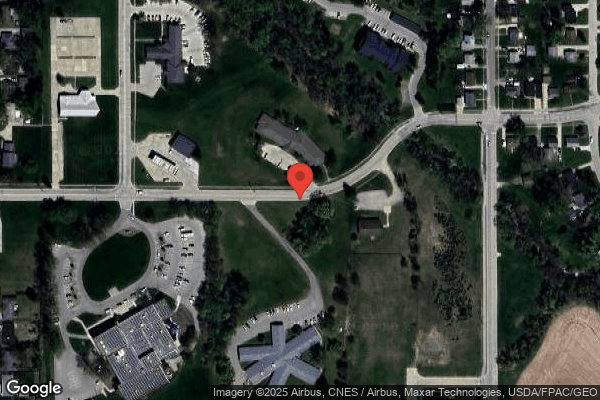
1743 South Eighth Avenue East, Newton, IA 50208 (641) 792-5680
For profit - Limited Liability company 54 Beds ACCURA HEALTHCARE Data: November 2025 1 Immediate Jeopardy citation
Trust Grade
23/100
#317 of 392 in IA
Last Inspection: February 2025

Within standard 12-15 month inspection cycle. Federal law requires annual inspections.

Overview

Accura Healthcare of Newton East, LLC has received a Trust Grade of F, indicating significant concerns about the quality of care provided. With a state rank of #317 out of 392 facilities in Iowa and a county rank of #5 out of 5 in Jasper County, this facility is in the bottom half of both state and local rankings. The trend is worsening, as issues have increased from 13 in 2024 to 14 in 2025. While staffing is a relative strength with a 3 out of 5 rating and a turnover rate of 36%, which is better than the state average, the facility has faced concerning fines of $29,494, higher than 81% of Iowa facilities. Specific incidents include a critical finding where a resident requiring assistance was not provided with the necessary foot pedals during a transfer, and complaints about meals being served significantly late, suggesting operational issues in both care and kitchen management. Overall, families should weigh these serious deficiencies against the relatively stable staffing situation when considering this facility.

Trust Score
F
23/100
In Iowa
#317/392
Bottom 20%
Safety Record
High Risk
Review needed
Inspections
Getting Worse
13 → 14 violations
Staff Stability
○ Average
36% turnover. Near Iowa's 48% average. Typical for the industry.
Penalties
○ Average
$29,494 in fines. Higher than 54% of Iowa facilities. Some compliance issues.
Skilled Nurses
○ Average
Each resident gets 38 minutes of Registered Nurse (RN) attention daily — about average for Iowa. RNs are the most trained staff who monitor for health changes.
Violations
⚠ Watch
39 deficiencies on record. Higher than average. Multiple issues found across inspections.
★☆☆☆☆
1.0
Overall Rating
★★★☆☆
3.0
Staff Levels
★★☆☆☆
2.0
Care Quality
★☆☆☆☆
1.0
Inspection Score
Stable
2024: 13 issues
2025: 14 issues

The Good

  • Full Sprinkler Coverage · Fire safety systems throughout facility
  • No fines on record
  • Staff turnover below average (36%)

    12 points below Iowa average of 48%

Facility shows strength in fire safety.

The Bad

1-Star Overall Rating

Below Iowa average (3.0)

Significant quality concerns identified by CMS

Staff Turnover: 36%

Near Iowa avg (46%)

Typical for the industry

Federal Fines: $29,494

Below median ($33,413)

Moderate penalties - review what triggered them

Chain: ACCURA HEALTHCARE

Part of a multi-facility chain

Ask about local staffing decisions and management

The Ugly 39 deficiencies on record

1 life-threatening
Aug 2025 3 deficiencies
CONCERN (D) 📢 Someone Reported This

A family member, employee, or ombudsman was alarmed enough to file a formal complaint

Potential for Harm - no one hurt, but risky conditions existed

Report Alleged Abuse (Tag F0609)

Could have caused harm · This affected 1 resident

**NOTE- TERMS IN BRACKETS HAVE BEEN EDITED TO PROTECT CONFIDENTIALITY** Based on clinical record review, policy review, staff, and resident interviews, the facility failed to report an allegation of m...

Read full inspector narrative →
**NOTE- TERMS IN BRACKETS HAVE BEEN EDITED TO PROTECT CONFIDENTIALITY** Based on clinical record review, policy review, staff, and resident interviews, the facility failed to report an allegation of missing money for 1 of 3 residents reviewed (Resident #6) for abuse. The facility reported a census of 54 residents.Findings include:Resident #6's Minimum Data Set (MDS) assessment dated [DATE], identified a Brief Interview for Mental Status (BIMS) score of 15, indicating intact cognition. The MDS included diagnoses of anxiety disorder, depression, and schizophrenia.On 8/5/25 at 11:54 AM, Resident #6 stated she had $10 missing her friend gave her on 8/4/25. She stated she informed the Administrator that she had missing money. She added she felt one of the Certified Nursing Assistants (CNAs) took it. Resident #6 reported this concern to the State Agency again on the morning of 8/6/25.On 8/5/25 at 4:02 PM, the Administrator stated Resident #6 reported the missing money to her the day before. She stated Resident #6 changed her story many times and no staff witnessed the friend visit. She stated because the story changed, she didn't report the claim of missing money.On 8/6/25 at 12:40 PM, the Administrator stated she didn't contact Resident #6's friend regarding the missing money. She explained she didn't know she had to report the incident since Resident #6's story changed many times.The facility lacked documentation they reported the allegation to the State Agency.The facility's Nursing Facility Abuse Prevention, Identification, Investigation, and Reporting Policy updated 10/19/22, instructed the facility to report all allegations of abuse to the State Agency no later than two (2) hours after receiving the allegation. The policy included misappropriation of resident property as a type of abuse.
CONCERN (D) 📢 Someone Reported This

A family member, employee, or ombudsman was alarmed enough to file a formal complaint

Potential for Harm - no one hurt, but risky conditions existed

ADL Care (Tag F0677)

Could have caused harm · This affected 1 resident

**NOTE- TERMS IN BRACKETS HAVE BEEN EDITED TO PROTECT CONFIDENTIALITY** Based on clinical record review, resident and staff interviews, the facility failed to ensure residents received showers and/or ...

Read full inspector narrative →
**NOTE- TERMS IN BRACKETS HAVE BEEN EDITED TO PROTECT CONFIDENTIALITY** Based on clinical record review, resident and staff interviews, the facility failed to ensure residents received showers and/or baths at least once a week for 1 of 3 residents reviewed for bathing (Resident #5). The facility reported a census of 54 residents. Findings include: Resident #5's Minimum Data Set (MDS) assessment dated [DATE] identified a Brief Interview for Mental Status (BIMS) score of 12, indicating moderate cognitive impairment. The MDS included diagnoses of hemiplegia (weakness or paralysis on one side of the body), heart failure, and depression. The MDS listed Resident #5 as independent with bathing. The Care Plan Focus initiated 3/25/24 indicated Resident #5 had an activities of daily living (ADLs) deficit related to a cerebral vascular accident (stroke). The Intervention initiated 6/30/24 directed Resident #5 required assistance from 1 staff for bathing. During an interview on 8/4/25 at 1:44 PM, Resident #5 reported she went 3 weeks at times without a shower. Resident #5 said the staff always had something going on, they say they would give her a shower the next day however they would forget to do it. Resident #5 added she didn't refuse showers and at times when she tried to accommodate staff when they say they are busy and behind, she suggested doing her bath the next day but then she didn't get a shower the next day.Review of the facility form titled, Bath Aide Report, reflected Resident #5 had the following number of showers: 1. March 2025- 32. April 2025- 33. May 2025- 24. June 2025- 35. July 2025- 2Resident #5's electronic health record (EHR) for the previous 30 days reflected documentation of a refusal to shower on 7/24/25. The EHR lacked further documentation regarding her showers and/or baths in the previous 30 days. During an interview on 8/6/25 at 8:55 AM, the Director of Nursing (DON) explained she expected residents get showers 2 times a week unless a resident requested otherwise such as 3 times a week and they had a few who wanted 1 shower a week. The DON reported if a resident refused a shower, they should offer again the next day. The DON added if a resident refused their shower sheets should be reflect it should on the computer. The DON reported the bath aide should document in the EHR the day they gave the shower.
CONCERN (E) 📢 Someone Reported This

A family member, employee, or ombudsman was alarmed enough to file a formal complaint

Potential for Harm - no one hurt, but risky conditions existed

Deficiency F0809 (Tag F0809)

Could have caused harm · This affected multiple residents

Based on observation, clinical record review, the facility's meal schedule, staff and resident interviews, the facility failed to serve 2 of 2 meals observed in a timely manner according to the facili...

Read full inspector narrative →
Based on observation, clinical record review, the facility's meal schedule, staff and resident interviews, the facility failed to serve 2 of 2 meals observed in a timely manner according to the facility dining schedule. The facility reported a census of 54 residents.Findings include:The undated facility's Dining Times listed breakfast at 8:00 AM, lunch at 12:00 PM, and dinner at 5:00 PM.On 8/5/25 at 11:54 AM, Resident #6 explained she often got her meals late and received her lunch at 2:30 PM.The observation of the delivery of the lunchroom trays on 8/5/25 revealed the Dining Services Manager delivered Resident #14's meal at 1:25 PM, Resident #15's meal at 1:27 PM, Resident #16's meal at 1:28 PM, and Resident 17's meal at 1:29 PM.On 8/5/25 at 2:33 PM, Staff A, Licensed Practical Nurse (LPN), stated the facility had a lot of staff turnover in the kitchen and had times the staff could serve lunch between 1:00 PM and 2:00 PM. On 8/6/25 at 8:30 AM, Resident #19 stated he didn't receive his lunch until 1:30 PM. The observation of the delivery of the breakfast trays on 8/6/25 revealed the staff delivered Resident #18's meal at 8:53 AM.On 8/6/25 at 3:04 PM, the Dining Services Manager stated they had a goal for staff to pass breakfast and lunchroom trays at 7:30 AM and 12:30 PM respectively. She explained the kitchen had staffing issues and they worked on improving this. She stated she received several grievances related to late meal service.On 8/6/25 at 3:46 PM, the Administrator stated the facility worked on improving the meal services by making sure the staff prepared for the meals such as thawing meats and making desserts ahead of time. She stated the kitchen had some barriers to getting the meals out on time such as performance issues.
Feb 2025 11 deficiencies 1 IJ
CRITICAL (J)

Immediate Jeopardy (IJ) - the most serious Medicare violation

Accident Prevention (Tag F0689)

Someone could have died · This affected 1 resident

**NOTE- TERMS IN BRACKETS HAVE BEEN EDITED TO PROTECT CONFIDENTIALITY** #2. The Quarterly Minimum Data Set (MDS) dated [DATE] for Resident #25 revealed diagnoses of dementia, venous thrombosis and emb...

Read full inspector narrative →
**NOTE- TERMS IN BRACKETS HAVE BEEN EDITED TO PROTECT CONFIDENTIALITY** #2. The Quarterly Minimum Data Set (MDS) dated [DATE] for Resident #25 revealed diagnoses of dementia, venous thrombosis and embolism (blood clot), weakness, and dependent for transfers and ambulation not attempted due to medical condition or safety concerns. The Brief Interview for Mental Status (BIMS) revealed a score of 3 that suggested a severe cognitive impairment. The Care Plan dated 1/14/25 for Resident #25 revealed limited mobility and directed to provide extensive assistance of 1 staff and the resident could maneuver the wheelchair slowly. During an observation on 2/10/25 at 1:07 PM, Staff O, Certified Nursing Assistant (CNA) transferred Resident #25 from the dining room, down the hall to his room with a wheelchair without foot peddles. During an interview on 2/17/25 at 1:43 PM The Director of Nursing (DON) stated the expectation of the nursing staff was that they utilize wheelchair pedals when transporting residents in wheelchairs. Based on observation, interview, clinical record review, and facility policy review, the facility failed to ensure the safety of 5 residents in a designated smoking area when on 2/10/25 at 1:15 PM, Resident #32, with a portable oxygen tank, kept in a bag on the back of his wheelchair, smoked alongside other residents while staff were providing supervision. Per interview with Resident#32 he reported that since November 2024 he had been on oxygen, and sometimes he had the oxygen tank on his wheelchair during smoke breaks. The facility reported 9 residents who smoke or vape. Facility additionally failed to ensure foot pedals had been in place on a wheelchair before transporting Resident #25 from dining room to resident room. This failure resulted in Immediate Jeopardy to the health, safety, and security of the resident. The facility reported a census of 48 residents. The State Agency informed the facility of the Immediate Jeopardy (IJ) on 2/10/25 at 4:20 PM. The IJ began on 11/28/24, the day Resident #32's oxygen order was initiated. Facility staff removed the Immediate Jeopardy on 2/11/25 at 2:11 PM through the following actions: - On 2/10/25, staff education provided to ensure, all staff and all departments, were aware oxygen equipment cannot be on residents or in the designated smoking area while residents smoked. All staff educated on 2/10/2025, or prior to the start of their next shift. - On 2/10/2025, facility educated Resident #32, and the other residents who smoke, that oxygen equipment cannot be with them while smoking. - Facility posted a sign near the exit to the designated smoking area stating that oxygen use is not allowed in the designated area. - Facility posted a sign near the front entrance for visitors stating that oxygen use is not allowed while smoking. - Facility planned to audit for compliance to ensure oxygen equipment not present in the designated smoking area while residents are smoking and any concerns to be reported to the Administrator immediately and addressed in facility Quality Assurance meeting. The scope lowered from K to E at the time of the survey after ensuring the faiclity implemented education and their policy and procedure. Findings include: 1. The Annual Minimum Data Set (MDS), dated [DATE], revealed a Brief Interview for Mental Status (BIMS) score of 13 out of 15 which indicated intact cognition. Resident #32 utilized wheelchair for mobility and dependent upon staff to transfer into and out of chair. Diagnoses included paraplegia, Chronic Obstructive Pulmonary Disease (COPD), and asthma. The Care Plan, revised on 11/05/24, revealed Resident #32 smoked and chewed tobacco with a goal that Resident #32 would remain safe and intervention for staff supervision when smoking, as per facility policy. The Care Plan additionally revealed a focus area, initiated 2/04/25, for Resident #32's use of oxygen therapy, related to Congestive Heart Failure and ineffective gas exchange and informed that Resident #32 is non-compliant with continuous oxygen order. The Medication and Treatment Administration Record (MAR/TAR), dated February 2025. revealed an order, initiated on 11/28/24, for supplemental oxygen to be administered at 2 liters (L) to maintain oxygen saturations greater than 90% (normal oxygen saturation range between 90-100%). The MAR/TAR additionally revealed order, initiated on 11/28/24, for supplemental oxygen to be administered at 2L as needed to maintain oxygen saturation above 90%. A Smoking Assessment, dated 11/19/24, revealed that Resident #32 would go outside to smoke between 2-5 times per day (morning, afternoon, and evening) and required supervision while smoking. No additional Smoking Assessments completed following order initiated for supplemental oxygen therapy. The facility document, titled Resident Kardex, dated 2/11/25, informed direct care worker staff that Resident #32 had order for continuous supplemental oxygen and is non-compliant with it. On 2/10/25 at 11:08 AM, Resident #32 in room, laying in bed with eyes closed, no supplemental oxygen being utilized. On 2/10/25 at 1:00 PM, Resident #32 sat in his wheelchair, near door leading to designated outdoor smoking area, an oxygen tank kept in a bag on the back of wheelchair. Nasal cannula oxygen tubing was attached and wrapped around the top of the oxygen tank. On 2/10/25 at 1:15 PM, Resident #32 outside in designated smoking area with lit cigarette and actively smoking. Resident #32 continued to sit in wheelchair with oxygen tank kept in a bag on the back of wheelchair. The nasal cannula oxygen tubing still attached to tank and wrapped around top of oxygen tank, oxygen not being administered. Staff F, Housekeeping Aide, supervised as Resident #32 and 4 other residents smoked. On 2/10/25 at 1:30 PM, Resident #32 self propelled wheelchair from smoking area back to his room. On 2/10/25 at 1:45 PM, Resident #32 sat in wheelchair in his room, oxygen tank kept in bag on back of wheelchair had an attached meter that read 1/2 full and the dial to control flow of oxygen, set to 0. Resident #32 reported that he goes outside to smoke 3 to 4 times a day. Resident #32 stated he sometimes wears the oxygen and when asked if he goes outside to smoke with oxygen tank kept on back of wheelchair he stated, yeah. On 2/10/25 at 2:00 PM, Staff F, Housekeeping Aide, employed at facility for 3 years, reported that housekeeping staff often supervise the 10:00 AM and 1:00 PM designated resident smoking times. Staff F stated Resident #32 would usually go out to smoke at these times. Staff F acknowledged that Resident #32 had recently been started on oxygen and when asked if she would remove tank before he smokes, Staff F stated the nurses would remove resident's oxygen and housekeeping staff did not touch the oxygen tanks. On 2/10/25 at 2:54 PM, Staff G, Licensed Practical Nurse (LPN), confirmed Resident #32 required supplemental oxygen and stated sometimes he will refused to wear it. Staff G stated Resident #32's oxygen tank should be removed from bag on wheelchair before going outside to smoke. On 2/10/25 at 3:45 PM, Facility Administrator, stated no oxygen should be present in smoking areas due to resident safety risks. On 2/11/25 at 9:07 AM, in an interview with a resident who goes outside to smoke during designated smoking times, the resident reported he had seen Resident #32 go outside with oxygen tank on back of wheelchair a couple of times, but stated that staff will remove it from the back of his wheelchair if seen. On 2/11/25 at 9:52 AM, Staff H, Housekeeping Aide, reported sometimes taking residents out to smoke at 1:00 PM and stated if a resident is on oxygen she would tell the nurse if it's still on and have the nurse take it off. Staff H denied ever seeing an oxygen tank in the designated smoking area, and stated this would not be allowed. On 2/11/25 at 12:20 PM, the Director of Nursing (DON) confirmed that housekeeping staff were helping to supervise residents during 1:00 PM smoking time but facility is discussing just having Certified Nursing Assistant (CNA) staff be with the residents while smoking as they have had training on oxygen. Facility provided an untitled, undated document that revealed resident designated smoking times would be at 10:00 AM, 1:00 PM, 4:00 PM, and 8:00 PM. Document also listed 9 residents who currently smoked, which included Resident #32. A Nursing Progress Note, dated 2/11/25 at 10:37 PM, revealed a new physician's order received that Resident #32 could have oxygen removed for smoking times. The facility policy, titled Resident Smoking Process, dated 4/21/22, revealed oxygen use is prohibited in smoking areas for the safety of the residents. Policy instructed that an order must be obtained to remove oxygen for smoking for residents on continuous oxygen.
CONCERN (D)

Potential for Harm - no one hurt, but risky conditions existed

Deficiency F0658 (Tag F0658)

Could have caused harm · This affected 1 resident

**NOTE- TERMS IN BRACKETS HAVE BEEN EDITED TO PROTECT CONFIDENTIALITY** Based on observations, clinical record review and staff interviews the facility failed to assure services were provided to meet ...

Read full inspector narrative →
**NOTE- TERMS IN BRACKETS HAVE BEEN EDITED TO PROTECT CONFIDENTIALITY** Based on observations, clinical record review and staff interviews the facility failed to assure services were provided to meet acceptable standard of practice during medication administration for 2 out of 5 residents (Residents #5 and #47). The facility reported a census of 48 residents. Findings include: 1. The Quarterly Minimum Data Set (MDS) dated [DATE] for Resident #5 revealed a diagnosis of dementia. The Care Plan for Resident #5 revealed an impaired cognitive function or impaired thought processes due to dementia and directed staff to administer medications as ordered, monitor and document side effects, cue, reorient and supervise as needed. On 2/11/25 at 9:32AM Resident#5 was in her room with medications in a cup, no staff were in the room to provide supervision. Staff D, Licensed Practical Nurse (LPN) was across the hall by the medication cart. During an interview on 2/17/25 at 1:17 PM, Staff D, LPN stated Resident #5 did not have difficulty taking medications and was aware the facility policy directed nursing staff to stay with residents until they had taken their medications. 2. The Physician orders for Resident #47 revealed an order for Ozempic (medication used to lower blood sugar) 2 milligrams (mg) every Monday. During medication administration for Resident #47 on 2/13/25 at 8:58 AM, Staff E, Registered Nurse (RN) removed a clear zipper bag that contained 3 insulin pens, removed 2 and prepared them to be administered and left the 3rd syringe, the Ozempic, in the zipper bag on the medication cart and entered Resident #47's room to administer medication. Staff E then returned to the medication cart in the hall and placed the 2 insulin pens back into the zipper bag with the Ozempic pen and secured it in the medication cart. During an interview on 2/13/25 at 9:04 AM, Staff E, RN stated Resident #47 did not receive the Ozempic since it was not a Monday and did not acknowledge that it was left unsecured on top of the medication cart while she was in the resident room administering other medication. During an interview on 2/17/25 at 1:43 PM, The Director of Nursing (DON) stated the expectation of the nursing staff was that they stay with a resident until the resident had taken all of their medications and to store all medications in the medication cart before walking away to administer medication. A Policy titled Medication Administration dated 1/30/24 revealed: a. Medications are administered by licensed nurses or other staff who are legally authorized to do so in this state as ordered by the physician and in accordance with professional standards of practice. b. Observe resident consumption of medication.
CONCERN (D)

Potential for Harm - no one hurt, but risky conditions existed

Deficiency F0688 (Tag F0688)

Could have caused harm · This affected 1 resident

**NOTE- TERMS IN BRACKETS HAVE BEEN EDITED TO PROTECT CONFIDENTIALITY** Based on observations, clinical record review, and staff interviews, the facility failed to follow the rehabilitation directives...

Read full inspector narrative →
**NOTE- TERMS IN BRACKETS HAVE BEEN EDITED TO PROTECT CONFIDENTIALITY** Based on observations, clinical record review, and staff interviews, the facility failed to follow the rehabilitation directives and the rehabilitation staff failed to provide restorative care for a resident (#35) in need of their services. The facility reported a census of 48 residents. Finding include: The Minimum Data Set (MDS) dated [DATE] for Resident #35 revealed there were 0 days for restorative care provided. The Care Plan for Resident #35 revealed that she had activities of daily living deficit due to the left lower leg fracture and will participate in the restorative plan 3 times weekly. The document titled Restorative Therapy Program dated 10/24/24 signed by the Physical Therapist revealed: a. Identified Resident #35. b. The frequency of the program to be completed 3-5 times a week for 6 months. c. Passive/Active Range of Motion (ROM) 1. [NAME] Therabands 2-3 times for 15 repetitions, both elbow flexion, extension and shoulder extension rotation. 2. Continuous cycling for upper body for 15 minutes level 3 resistance. 3. Both upper extremity dumb bell extension, catch/toss with the 18 inch ball and pulleys 5-10 minutes. The document titled Point of Care look back 30 days from 2/11/25 revealed: a. Task was continuous cycling for upper level 3 resistance for 15 minutes, 3-5 times a week. b. Provide passive ROM to lower body total of 50 repetitions each leg. c. Use green Therabands for 2-3 sets of 15 repetitions both elbow flextions, extensions and both shoulders. d. The documents lacked documentation for 29 days. e. On 2/10/25 at 3:18 PM documents checked not applicable. During an interview on 2/10/25 at 12:43 PM, Resident #35 stated she was admitted in March 2024 with a broken foot, developed pneumonia and started therapy. Resident #35 stated the restorative aide was driving residents to appointments and she did not provide the restorative care October through December 2024. Resident #35 stated she did not receive restorative care last week or today. Resident #35 stated her plan was to go home and was not prepared for that physically. During an interview on 2/11/25 at 12:42 PM, Staff P, Restorative Aide stated she had a book for all the residents that are on restorative for Range of Motion (ROM). Staff P stated she took over the restorative care last week. Staff P stated she will be assigned to drive residents if their Managed Care Organization's (MCO) cannot provide transport to the appointments. Staff P stated she was also pulled from providing restorative care to provide nurse aide and medication aide duties. Staff P stated when she was pulled from the restorative duties, it did not get done. During an interview on 2/11/25 at 3:39 PM, the Administrator stated that when the Restorative aide is pulled to provide transportation, CNA or CMA duties, the CNA's on the units were to provide the restorative care for the residents. She verified that the Physical Therapist (PT) gives the restorative programs to the restorative aide. During an interview on 2/11/25 at 3:44 PM, Staff Q, Restorative Nurse stated when the restorative aide is being pulled to the transportation, or to CNA or CMA duties, then restorative exercises are not being completed.
CONCERN (D)

Potential for Harm - no one hurt, but risky conditions existed

Drug Regimen Review (Tag F0756)

Could have caused harm · This affected 1 resident

**NOTE- TERMS IN BRACKETS HAVE BEEN EDITED TO PROTECT CONFIDENTIALITY** Based on interview, clinical record review, and facility policy review, the facility failed to ensure Provider notification and ...

Read full inspector narrative →
**NOTE- TERMS IN BRACKETS HAVE BEEN EDITED TO PROTECT CONFIDENTIALITY** Based on interview, clinical record review, and facility policy review, the facility failed to ensure Provider notification and timely response to Pharmacy recommendations for 2 of 5 residents (Resident #29 and #36) reviewed for unnecessary medications. The facility reported a census of 48 residents. Findings include: 1. The Minimum Data Set (MDS), dated [DATE], revealed Resident #29 had a Brief Interview for Mental Status (BIMS) score of 15 out of 15, indicating intact cognition. Diagnoses included Bipolar Disorder, Post Traumatic Stress Disorder (PTSD), and adjustment disorder with depressed mood. Resident #29 required anticonvulsant medication. The Care Plan, revised on 5/08/24, revealed Resident #29 had focus area for antidepressant medication related to poor nutrition and Bipolar mood disorder with interventions to administer antidepressant medications as ordered by physician, and to monitor/document side effects and effectiveness of medication every shift. The Medication Administration Record (MAR), dated February 2025, revealed an order, initiated on 5/03/24, for Mirtazapine tablet 7.5 milligrams (mg) with instructions to give by mouth one time a day for appetite stimulant related to adjustment disorder with depressed mood. The facility provided a Pharmacy report, dated from 7/01/24 through 2/12/25, which revealed the following Pharmacy recommendations and Provider responses: a. On 11/15/24, Pharmacy recommendation for Gradual Dose Reduction (GDR) of antidepressant medication which explained that Resident #29 had been receiving the antidepressant Mirtazapine 7.5mg daily since May 2024 with GDR due, and to consider a trial dose reduction to Mirtazapine 3.75mg daily to reach the minimal effective dose. Report instructed that if antidepressant order is to be continued as written, to document that the risk versus benefits have been considered, and provide documentation of specific and individualized rationale related to the clinical contraindication of a GDR. Pharmacy report revealed an outcome of no response to recommendation as of 1/03/25. b. On 1/03/25, Pharmacy recommendation for Gradual Dose Reduction (GDR) of antidepressant medication Mirtazapine 7.5mg daily, to consider a trial dose reduction to Mirtazapine 3.75mg daily with instructions to document risks versus benefits and provide documentation of specific and individualized rationale related to the clinical contraindication of a GDR if order is to be continued as written. Pharmacy report revealed a pending outcome as of 2/04/25. Review of Nursing Progress Notes lacked documentation of Provider notification or response to Pharmacy recommendations requested on 11/15/24 or 1/03/25. A Nursing Progress Note, dated 1/03/25 at 3:00 PM, revealed the Provider had been called to follow up on a fax about med review not being answered and was informed facility had incorrect fax number. A Nursing Progress Note, dated 1/22/25 at 12:34 PM, revealed Resident #29 wanted to switch Medical Providers due to current Provider had not been in to see him. Note informed that current Provider did not realize Resident #29 was one of his patients. On 2/18/25 at 9:37 AM, Director of Nursing (DON), confirmed that Resident #29 had started on the antidepressant Mirtazapine shortly after admission, May 2024, for appetite. DON stated she would receive the Pharmacy recommendations via electronic mail and then send to the resident's Medical Provider to sign and/or respond to. DON stated if there's no response from a Provider, she would keep sending it or could have the facility's Medical Director sign orders if no response received. 2. The Quarterly Minimum Data Set (MDS) assessment, dated 11/14/24, revealed a Brief Interview for Mental Status (BIMS) score of 15 out of 15, indicating intact cognition. Diagnoses included Bipolar Disorder and dementia. Resident #36 required antipsychotic, antianxiety, antidepressant, and anticonvulsant medications. The MDS revealed that antipsychotics were received on a daily basis only with no Gradual Dose Reduction (GDR) attempted and no physician documented contraindication to GDR in place. The Care Plan, revised 2/03/25, revealed Resident #36 had focused areas for the use of antipsychotic and antidepressant medications, with an intervention to consult with Pharmacy and Medical Provider and consider dosage reduction when clinically appropriate, at least quarterly. The Care Plan additionally revealed Resident #36 was at risk of adverse effects from the routine use of psychotropic medications. The Medication Administration Record (MAR), dated February 2025, revealed the following medication orders: a. Clonazepam 0.5 milligrams (mg), with instructions to give 1 tablet by mouth one time a day. Order initiated on 3/02/24. (common uses for anxiety, sleep, and depression) b. Clonazepam 0.5mg, with instructions to give 3 tablets by mouth one time a day. Order initiated on 3/01/24. c. Divalproex Sodium 125mg, with instructions to give 4 capsules by mouth one time a day. Order initiated on 6/28/24. (common uses for seizures, and bipolar manic phase) d. Divalproex Sodium 125mg, with instructions to give 6 capsules by mouth two times a day. Order initiated 6/27/24. e. Olanzapine 7.5mg, with instructions to give 1 tablet one time a day. Order initiated on 12/11/23. (common use for schizophrenia, and bipolar disease) f. Sertraline 50mg, with instructions to give 1 and a half tablets by mouth one time a day. Order initiated on 5/02/24. (common use for anxiety) The facility provided a Pharmacy report, dated from 7/01/24 through 2/12/25, which revealed the following Pharmacy recommendations sent on 9/04/24, 11/15/24, and 1/03/25 to consider a Gradual Dose Reduction (GDR), to reach minimal effective dose, due on the following medications: a. Clonazepam 0.5mg every morning and 1.5mg every evening, in place since March 2024, consider trial dose of Clonazepam 0.5mg every morning and 1mg every evening. b. Divalproex Sodium 500mg every morning and 750mg every evening, in place since September 2023, reduce to 500mg twice per day. c. Olanzapine 7.5mg daily, in place since December 2023, reduce to 5mg daily. Pharmacy reported outcome as no response to recommendations, recorded on 11/15/24 and 1/03/25, and outcome as pending on 2/04/25. Review of Nursing Progress Notes lacked documentation of Provider notification or response to Pharmacy recommendations requested on 9/04/24, 11/15/24, or 1/03/25. A Nursing Progress Note, dated 2/17/25 at 4:30 PM, revealed a call was placed to Resident #36's Mental Health Provider, regarding Gradual Dose Reductions not being responded to since January. Note indicated Provider responded that Resident #36 had not been seen since June 2024, therefore would not have answered recommendations. The Note revealed Resident #36 and family were choosing to switch Mental Health Providers. On 2/17/25 at 4:10 PM, Director of Nursing (DON), stated Resident #36's Mental Health Provider revealed that resident had not been seen for a while, so Provider would not have been signing orders or recommendations. The facility policy, titled Medication Regimen Review Policy, dated 10/19/22, revealed the expectation of all recommendations from the Pharmacy Consultant are acted upon and documented by the community staff and/or provider in the resident's medical record. The policy instructed that if the Physician chooses not to act upon the Pharmacy Consultant recommendations, the Physician must document rationale as to why the change is not indicated in the resident record.
CONCERN (D)

Potential for Harm - no one hurt, but risky conditions existed

QAPI Program (Tag F0867)

Could have caused harm · This affected 1 resident

Based on facility record review and staff interviews, the facility failed to have an effective Quality Assurance and Performance Improvement (QAPI) program in place to assist in the provision of quali...

Read full inspector narrative →
Based on facility record review and staff interviews, the facility failed to have an effective Quality Assurance and Performance Improvement (QAPI) program in place to assist in the provision of quality care for residents. The facility identified a census of 48 residents. Findings include: Review of the Department of Inspections and Appeals web site entity search reveals this facility has repeat deficiencies the past two years for infection control, professional standards and clean environment. During an interview on 2/18/25 at 9:39 AM, the Administrator acknowledged the facility had repeat deficiencies the past two years. She stated there were attempts to assist the kitchen staff with training. She stated all of the staff in the kitchen are new. During an interview on 2/18/25 at 9:53 AM, the Regional Director of Operations stated the root cause was due to the turn over in the kitchen staff. She stated that on 2/6/25 she visited the kitchen, identified concerns and began designing a Performance Improvement Plan (PIP) that will make progress and provide support for the kitchen staff that will improve efficiency.
CONCERN (E)

Potential for Harm - no one hurt, but risky conditions existed

Deficiency F0801 (Tag F0801)

Could have caused harm · This affected multiple residents

Based on staff interviews, employee job description and policy , the facility failed to ensure adequate, trained, dietary staff for a clean kitchen environment. The dietary manager did not meet the re...

Read full inspector narrative →
Based on staff interviews, employee job description and policy , the facility failed to ensure adequate, trained, dietary staff for a clean kitchen environment. The dietary manager did not meet the regulated educational qualifications, the kitchen lacked appropriate sanitary conditions (photos available). The facility reported a census of 48 residents. Findings include: During an interview on 2/10/25 at 9:25 AM Staff B, Kitchen Manager reported working at the facility only a few months, beginning, December 2024. Staff B relayed the previous kitchen manager left and had recommended Staff A, laundry/housekeeper for promotion to kitchen manager. Staff B reported dietary training in several fast food environments, which included a course in food safety for managers and had not yet completed the Certification for Dietary Manager (CDM) coursework. On 2/10/25 at 9:30 AM Staff B, Kitchen Manager (KM) reported each shift is supposed to clean the kitchen at the end of the shift and it is apparent that had not occurred over the weekend. Staff B, KM acknowledged the dirty floors, equipment and uncovered food were unsanitary. On 02/10/25 at 10:34 AM Staff C, Registered Dietician (RD) relayed the food provider and owner company provide kitchen staff training, revealed dietician can consult, had not addressed cleanliness with staff and stated today is the worst it had ever seen. Staff C relayed thought staff should have mopped before start of food preparation. On 2/10/25 at 10:56 AM the Administrator walked thru the kitchen and relayed the kitchen should be cleaned every night at end of shift, most all the kitchen staff are new and improvement is needed. On 2/13/25 the Administrator relayed in an email, the dietary services manager is in the process of completing her certified food manager training. The Administrator confirmed the KM had not finished the program or passed the credentialing exam. A Document titled, Job description: Director of Dining services was signed on 1/16/25 by Staff B, documented the job summary, responsibilities included day to day planning, organizing, developing the management of the overall operations of the dietary services department in accordance with current federal, state and local standards, guidelines and regulations governing the facility and as may be directed by the Executive Director to assure quality services provided on a daily basis and that the dietary services department is maintained in a clean, safe and sanitary manner. Education and qualifications include must meet state requirements for food service manager and dietary managers. The facility provided a policy titled Cleaning and Sanitation of Dining and food service area dated 2021 and directed staff as follows; food and nutrition services staff will maintain the cleanliness and sanitation of the dining and food service areas through compliance with a written, comprehensive cleaning schedule. The director of food and nutrition services will determine all cleaning and sanitation tasks needed for the department. Tasks shall be designated to be the responsibility of specific positions in the department. Staff will be trained on the frequency of cleaning, as necessary, included sample of methods and guidelines, schedule will be posted for all cleaning tasks, and staff will initial the tasks as completed. Staff will be held accountable for cleaning assignments.
CONCERN (E)

Potential for Harm - no one hurt, but risky conditions existed

Deficiency F0804 (Tag F0804)

Could have caused harm · This affected multiple residents

**NOTE- TERMS IN BRACKETS HAVE BEEN EDITED TO PROTECT CONFIDENTIALITY** Based on observations, resident and staff interviews, the facility failed to provide food that was palatable and at an appetizin...

Read full inspector narrative →
**NOTE- TERMS IN BRACKETS HAVE BEEN EDITED TO PROTECT CONFIDENTIALITY** Based on observations, resident and staff interviews, the facility failed to provide food that was palatable and at an appetizing temperature for 5 out of 5 residents reviewed (Res #8, #13, #17, #35, & #43). The facility reported a census of 48 residents. Finds include: 1. The Quarterly Minimum Data Set (MDS) dated [DATE] Resident #13 revealed the Brief Interview for Mental Status (BIMS) was 15 which indicated an intact cognition. During an interview on 2/10/25 at 12:07 PM Resident #13 stated that the lunch food that was to be served at noon came at 1:30 PM and her lettuce in the chef salad was wilted. Resident #13 stated the breakfast food was cold all of the time. 2. The MDS dated [DATE] Resident #17 revealed the BIMS was 15 which suggested an intact cognition. During an interview on 2/10/25 at 10:29 AM Resident #17 was in a wheelchair in her room with a meal tray covered with plastic on her bedside table untouched. She stated it was cold. 3. The MDS dated [DATE] Resident #35 revealed the BIMS was 15 which suggests an intact cognition. During an interview on 2/10/25 Resident #35 stated lunch came late 1:30 PM but was warm enough, then stated that breakfast is cold. 4. The Quarterly MDS dated [DATE] Resident #43 revealed the BIMS was 15 which suggests an intact cognition. During an interview on 2/10/25 at 12:25 PM Resident #43 stated the room tray food was always cold, the eggs, sausage and toast and the milk was lukewarm. During an observation on 2/11/25 at 9:00 AM, 5 breakfast room trays sat in the kitchen/dining window for 15 minutes (Picture obtained). The residents trays were #8, #13, #17, #35, and #43. The variegated blind to the kitchen was lowered but not closed. Two housekeeping staff were cleaning the dining room and one dietary staff was cleaning the dining tables. At 9:16 AM, nursing staff took covered trays to Residents #13, #17 and #43. During an interview on 2/11/25 at 10:21 AM, Resident #13 stated the breakfast was cold. During an interview on 2/11/25 at 9:47 AM Resident #17 stated the breakfast was cold and she could not eat it. The breakfast tray was on her nightstand untouched. During an interview on 2/11/25 at 9:40 AM Resident #43 stated breakfast was cold but she was hungry and ate it. During an interview on 2/18/25 at 9:39 AM, the Administrator stated there were attempts to assist the kitchen staff with training. She stated all of the staff in the kitchen are new.
CONCERN (E)

Potential for Harm - no one hurt, but risky conditions existed

Deficiency F0805 (Tag F0805)

Could have caused harm · This affected multiple residents

Based on observations, food provider documents and staff interviews, the facility failed to prepare food to meet the needs for 8 of 8 residents who required the meal to be mechanical soft (Residents #...

Read full inspector narrative →
Based on observations, food provider documents and staff interviews, the facility failed to prepare food to meet the needs for 8 of 8 residents who required the meal to be mechanical soft (Residents #27, #32, #11, #26, #15, #9, #2, #29). The facility reported a census of 48 residents. Findings include: During an observation on 2/13/25 at 12:14 PM, Staff B, Dietary Manager prepared mechanical soft meat by placing 6 chicken pieces into the food processor then put the prepared meat into a metal pan on the steam table. Further observation revealed Staff N, [NAME] utilized a scoop and shook the prepared chicken in attempt to level it and meat fell out, less than a scoop, placed it on a plate and another plate was served with a scoop full. Staff B made a plate with mechanical soft chicken and put 2 scoops on one plate and another with a little more than a scoop full. During an interview on 2/13/25 at 1:48 PM, Staff N, [NAME] stated he did not know what size of scoop he was using to serve. Staff N stated he was new to cooking in a facility as he was working in a fast food restaurant prior to this employment. During an interview on 2/13/25 at 1:49 PM, Staff B, Dietary Manager stated she used the scoop size for the ground chicken by the food provider chart that came with the food. She opened the book and identified 3 ounces (oz) chicken as the serving size. When inquired about the size of the scoop used to serve the mechanical soft chicken, Staff B stated it was 2 oz but she made them heaping. She was unaware that the cook served the scoop size or less for this meal. A document titled Resident Diet Roster revealed 8 residents who required a mechanical soft diet (Residents #27, #32, #11, #26, #15, #9, #2, #29). A document titled Menu signed by the Registered Dietitian on 11/11/24 revealed the lunch menu for 2/13/25 included 3 ounces of baked Swiss chicken for regular and ground or mechanical soft diets. During an interview on 2/10/25 at 10:34, Staff C, Registered Dietician (RD) stated that the food provider and owner company provide kitchen staff training, and revealed she can consult. During an interview on 2/18/25 at 9:39 AM, the Administrator stated there were attempts to assist the kitchen staff with training. She stated all of the staff in the kitchen are new and the dietitian was here 1 day a week.
CONCERN (E)

Potential for Harm - no one hurt, but risky conditions existed

Food Safety (Tag F0812)

Could have caused harm · This affected multiple residents

Based on observation, staff interview, and policy review, the facility failed to maintain a clean sanitary environment in the kitchen and failed to store food in accordance with professional standards...

Read full inspector narrative →
Based on observation, staff interview, and policy review, the facility failed to maintain a clean sanitary environment in the kitchen and failed to store food in accordance with professional standards for food service safety included food not covered. The facility reported a census of 48. Findings include: On 2/10/25 at 9:25 AM observations during initial tour of the facility kitchen revealed the following; a. the floor tiles under the sink missing with gray/ black residue on flooring b. grime and water stains evident under the sinks c. refrigerator handle and interior tray with food crumbs present d. front of the stove revealed dripping residue and traces of food e. the stainless appliances were not clean f. sand like debris on top of the dishwasher g. various items on the floor included silverware, cup, papers, food crumbs and spills h. bowls of cereal uncovered and a tub of peanut butter half empty covered loosely with a piece of plastic g. sticky pest traps in most corners (photos available). On 2/10/25 at 9:30 AM Staff B, Kitchen Manager (KM) reported each shift is supposed to clean the kitchen at the end of the shift, and it was apparent that had not occurred over the weekend. The KM acknowledged the dirty floor and uncovered food were unsanitary. The KM stated the peanut butter should have a lid, and food should be covered. The KM reported the sand like debris on the dishwasher was likely left after a wall was repaired in mid-January. On 02/10/25 at 10:34 AM Staff C, Registered Dietician (RD), reported that she would consult, the food provider and owner company provide kitchen staff training. Staff C stated she had not addressed cleanliness with staff and stated today is the worst she had ever seen. Staff C relayed that staff should have mopped before start of food preparation. When questioned about the multiple pest traps, Staff C acknowledged bugs have been a concern with the age of the building and exceptional job cleaning is important. On 2/10/25 at 10:56 AM the Administrator walked thru the kitchen and relayed the kitchen should be cleaned every night at end of shift, most all the kitchen staff are new and improvement is needed. The facility provided a policy titled Cleaning and Sanitation of Dining and food service area dated 2021 directed staff as follows; food and nutrition services staff will maintain the cleanliness and sanitation of the dining and food service areas through compliance with a written, comprehensive cleaning schedule. The director of food and nutrition services will determine all cleaning and sanitation tasks needed for the department. Tasks shall be designated to be the responsibility of specific positions in the department. Staff will be trained on the frequency of cleaning, as necessary, included sample of methods and guidelines, schedule will be posted for all cleaning tasks, and staff will initial the tasks as completed. Staff will be held accountable for cleaning assignments.
CONCERN (E)

Potential for Harm - no one hurt, but risky conditions existed

Room Equipment (Tag F0908)

Could have caused harm · This affected multiple residents

Based on observation, staff interview and facility assessment review the facility failed to maintain essential equipment available to be used in safe operating conditions. A washing machine noted out ...

Read full inspector narrative →
Based on observation, staff interview and facility assessment review the facility failed to maintain essential equipment available to be used in safe operating conditions. A washing machine noted out of order, debris behind the washers related to water backing up, a dryer did not automatically cool down or shut off. The facility had reported a census of 48. Findings include: 1. On 2/10/25 at 10:06 AM initial laundry tour observed two large industrial size washers, one with a sign on the front documented out of order, behind the washer were water stains on the piping and grayish dirty debris on the floor and the pipes. Observed two industrial size dryers, one had a sign taped that read, Keep eye on dryer, wont shut off by its self (photos available). On 2/10/25 at 10:10 AM Staff A, Laundry/Housekeeper (LH) explained only one of the large washers is working. Queried Staff A regarding the debris behind the washer, Staff A responded the pipes can back up from grease or oils and had pillow stuffing shoot out back of the washer as well. Staff A relayed the sign on the dryer reflected the dryer does not shut off automatically and the clothes do not cool down. Felt a sensor is bad and relayed zippers or metal parts can be very hot coming out of the dryer. On 2/12/25 at 12:17 PM the Administrator relayed the washing machine is not out of order, both large washing machines cannot run simultaneously because they will overload the circuit panel. Also relayed was unaware a dryer was not cooling down, would have maintenance director look at it. The facility assessment documented physical equipment, dated 7/17/24 and each department manager, or designee, follows procedures for maintaining inventory and assessing the condition of all equipment and determining what is needed.
CONCERN (E)

Potential for Harm - no one hurt, but risky conditions existed

Deficiency F0925 (Tag F0925)

Could have caused harm · This affected multiple residents

Based on observations, staff interviews and commercial pest control documents, the facility failed to maintain an effective pest control program so that the facility would be free of pests. The facili...

Read full inspector narrative →
Based on observations, staff interviews and commercial pest control documents, the facility failed to maintain an effective pest control program so that the facility would be free of pests. The facility also failed to follow through with recommendations provided by the commercial pest control to prevent pest entry and clean and proper disposal of food waste in the kitchen. The facility reported a census of 48 residents. Findings include: During an observation on 2/10/25 at 10:06 AM the back door of the kitchen adjoins the laundry room. Multiple pest traps were noted throughout the kitchen and into the laundry room. During an interview on 2/10/25 at 10:06 AM Staff J, Laundry stated there are more pest traps in the cupboards and they are roach traps. Staff J stated that roaches have been in the laundry bins and occasionally in the clothes. Staff J stated she had killed a roach this morning. During an observation on 2/11/25 at 9:41 AM, a large kitchen trash lid was on the floor and food debris and spatters were on the wall behind the trash and on the side of the oven which was next to the trash can. The food prep sink lower cupboard was open and water was leaking from the sink into the lower cupboard that contained a food processor in it and the water spilling out onto the floor. The sink contained a metal pan with a package of meat and overflowed with water into the sink that did not contain a plug. Staff B, kitchen manager arrived with a mop and stated she had notified the maintenance staff. During an interview on 2/13/25 at 10:05 AM, Staff I, Maintenance Director stated he had received a text on 2/12/25 that the kitchen sink was leaking and he had fixed it. Staff I stated he was informed this morning that it was leaking again via text. A document titled Commercial Pest Control dated 11/22/24 revealed: a. Completed service and inspection, treated interior with Alpine WSG and serviced all devices. b. Spoke with Staff K, Certified Medication Aide (CMA). c. Treated/observed spider, cricket and sowbug activity near doorways and captured in monitors. d. Treated/observed German cockroach activity in kitchen area and captured in monitors. A document titled Commercial Pest Control dated 12/27/24 revealed: a. Completed service and inspection, treated interior with Alpine WSG and serviced all devices. b. Spoke with Staff L Environmental Services. c. Treated/observed cricket and ground beetle activity near the doorways and in capture monitors. d. Treated/observed German roach activity in the kitchen area. Added Adivion roach bait. e. Exterior activity: light feeding observed at bait stations. A document titled Commercial Pest Control dated 1/4/25 revealed: a. Completed service and inspections, treated interior with Alpine WSG and serviced all devices. b. Spoke with Administrator. c. Treated/observed spider and sowbug activity near doorways and captured in monitors. d. Treated/observed German cockroach activity in kitchen area. e. Replaced Advion cockroach bait to cracks/crevices and replaced all monitors. f. Previously noted conditions are still active and observable, notes regarding the interior in all areas, reported on 7/9/24 revealed: 1. Holes in walls, an unsecured opening or access in a wall was identified, this may allow pest entry. Action: Seal or repair the hole. 2. Piping penetration gaps, an unsecured opening in a wall was identified, this may allow pest entry. Action: Seal or repair hole. g. Previously noted conditions are still active and observable, notes regarding the interior staff lounge, reported on 8/28/24 revealed: 1. Missing or damaged door sweeping, allowing pests entry to area. Action: Repair or replace the door sweep in order to deny pest entry. h. Previously noted conditions are still active and observable, notes regarding the interior kitchen, reported on 1/24/25 revealed: 1. Food debris, food waste was found not properly disposed of. Action: Clean up the food waste and ensure that it is disposed of in a proper manner. During an interview on 2/10/25 at 10:34, Staff C, Registered Dietician (RD) stated that the food provider and owner company provide kitchen staff training, revealed she can consult, had not addressed cleanliness with staff and stated today was the worst she had ever seen. Staff C stated she thought the kitchen staff should have mopped before the start of food preparation. When inquired about the multiple pest traps, she acknowledged bugs have been a concern with the age of the building, exceptional job cleaning would be very important. During an interview on 2/19/25 at 2:47 PM, Staff B, Dietary Manager stated that management nor pest control had spoken to her directly on what she needed to make improvements to aide in the pest control. She stated a man had come in and put new paper traps on the floor in the pantry, under the dishwasher, behind the coolers and under the 3 compartment sink. Staff B stated that they are trying. During an interview on 2/19/25 at 2:52 PM, Staff M, [NAME] stated that the facility had a cleaning list in the kitchen and that they tried to do most of it but it was lacking. Staff M stated he was new and worked five days a week. During an interview on 2/19/25 at 3:01 PM, the Administrator stated she had not spoken to Staff B, Dietary Manager about the pest control but did talk about cleanliness. The Administrator stated she had to call for the report the pest control completed last week. She stated the man didn't talk to her, she just signed the document for him when he was here and she was unaware of his findings.
Dec 2024 2 deficiencies
CONCERN (E) 📢 Someone Reported This

A family member, employee, or ombudsman was alarmed enough to file a formal complaint

Potential for Harm - no one hurt, but risky conditions existed

Safe Environment (Tag F0584)

Could have caused harm · This affected multiple residents

Based on observations, resident and staff interviews, the facility failed to maintain safe, clean, sanitary and orderly bathroom facilities for 5 of 8 resident bathroom facilities reviewed. (Resident ...

Read full inspector narrative →
Based on observations, resident and staff interviews, the facility failed to maintain safe, clean, sanitary and orderly bathroom facilities for 5 of 8 resident bathroom facilities reviewed. (Resident #2, #3, #4, #6, #7) The facility reported census was 52. Findings include: 1. According to a Quarterly Minimum Data Set (MDS) with a reference date of 11/14/24, Resident #2 had a Brief Interview for Mental Status (BIMS) score of 15 indicating an intact cognitive status. Resident #2 required some supervision, but primarily independent with transfers, mobility, dressing, toilet use and personal hygiene needs. Resident #2's diagnoses included Non-Alzheimer's dementia, renal insufficiency, congestive heart failure, coronary artery disease and bipolar disorder. During an observation on 12/9/24 at 12:10 p.m. Resident #2 was resting quietly in bed. Bedroom floors appeared dirty and gritty. The bathroom floor had a blanket next to the toilet and wall tiles above the toilet were missing. (See photos 16B 12.9.24 and 16B 12.9.24 (2).) The following morning on 12/10/24 at 8:35 a.m. The blanket remained on the floor and on 12/10/24 at 1:35 a.m. The bathroom remained undisturbed after housekeeping had finished their duties for the day. The blanket remained on the floor. In an interview on 12/10/24 at 5:00 p.m. Resident #2 was queried regarding the towel next to the toilet. Resident #2 stated it has been leaking for months, they then replaced the seal, but it still leaks. Resident #2 stated the towel has been there for a few weeks. Observation noted the towel was damp and had odor which permeated in the bathroom. 2. According to a Quarterly Minimum Data Set (MDS) with a reference date of 11/14/24, Resident #3 had a Brief Interview for Mental Status (BIMS) score of 15 indicating an intact cognitive status. Resident #3 required dependent assistance with transfers, mobility, dressing, toilet use and personal hygiene needs. Resident #3's diagnoses included diabetes mellitus, congestive heart failure, renal insufficiency, seizure disorder. During an observation on 12/9/24 at 12:15 p.m. Resident #3 was sitting on her bed. There were briefs packaged sitting on the floor. (See photo 23A 12.9.24 12:00 p.m.). On 12/9/24 at 5:00 p.m. A toilet plunger was noted beside the toilet sitting next to supplies also thrown on the floor. (See photo 23A 12.9.24 5:00 p.m.). 12/10/24 at 8:35 a.m. The toilet plunger remained sitting next to the toilet and bottled supplies and packaged briefs remained on the floor next to the plunger. Observations on 12/10/24 at 1:35 p.m. found the bathroom condition unchanged. 3. According to a admission Minimum Data Set (MDS) with a reference date of 11/2/24, Resident #4 had a Brief Interview for Mental Status (BIMS) score of 14 indicating an intact cognitive status. Resident #4 was independent with transfers, mobility, dressing, toilet use and personal hygiene needs. Resident #4's diagnoses included schizophrenia, bipolar disorder, benign prostatic hyperplasia. During an observation on 12/9/24 at 12:05 p.m. The bathroom floor had multiple unused briefs on the floor and plastic wrap. (See photo 18A 12.9.24). Observations on 12/10/24 at 8:35 a.m. and again at 1:35 p.m. noted the bathroom undisturbed from yesterday with multiple briefs scattered on the floor. This was during a time in which housekeeping had finished their duties for the day. 4. According to a Quarterly Minimum Data Set (MDS) with a reference date of 11/14/24, Resident #6 had a Brief Interview for Mental Status (BIMS) score of 15 indicating an intact cognitive status. Resident #6 required moderate assistance with transfers, mobility, dressing, toilet use and personal hygiene needs. Resident #6's diagnoses included Schizophrenia, seizure disorder, respiratory failure and chronic obstructive pulmonary disease. During an observation on 12/9/24 at 2:22 p.m. Resident #6 was sitting on her bed. A soiled brief was noted in trash with some odor detected. On 12/10/24 at 8:35 a.m. there were briefs and clothing on the bathroom floor and the trash can was full of used briefs. 5. According to a Quarterly Minimum Data Set (MDS) with a reference date of 11/14/24, Resident #7 had a Brief Interview for Mental Status (BIMS) score of 12 indicating a mildly impaired cognitive status. Resident #7 required moderate assistance with transfers, mobility, dressing, toilet use and personal hygiene needs. Resident #7's diagnoses included cerebrovascular accident (stroke), hemiplegia and congestive heart failure. During an observation on 12/9/24 at 2:22 p.m. Resident #7 was sitting on her bed. A soiled brief noted in trash with some odor detected. Toilet plunger next to toilet and package of briefs on bathroom floor touching the plunger.(See photos 2A 12.9.24 and 2A 12.9.24 (1). In an interview on 12/9/24 at 4:50 p.m. Resident #7 was sitting in her recliner watching TV and stated housekeeping had not cleaned her room for 3 days. They have emptied the trash. During an observation on 12/10/24 at 3:35 p.m. Resident #7 was sitting in her recliner watching TV and in a pleasant mood. The bathroom floor remained undisturbed from the day before with packages of briefs sitting next to the plunger. Behind the toilet it was dirty and untouched. There was a red object behind the toilet which was seen yesterday. Resident #7 stated that has been there since she came in (3/25/24). (See photo 2A 12.10.24 3:35 p.m.) In an interview on 12/10/24 at 10:05 a.m. Staff A, Environmental supervisor, stated she has 3 housekeepers on staff Monday through Friday and two housekeepers on weekends. All resident rooms are to be cleaned daily, seven days a week. Staff A stated the normal routine was to remove trash, tidy up the room, wet rag sink, brush and sanitize the toilet, sweep and mop. Staff A stated there were challenges with the clutter of belongings in some rooms. Staff A queried regarding deep cleaning. Staff A stated rooms were deep cleaned about once every three months. Deep cleaning includes moving everything out of the room, washing walls, baseboards, heaters, sweeping and mopping. Staff A stated they have a machine to remove wax and scrub floors, but it is too big for her to run it. In an interview on 12/10/24 at 1:55 p.m. Staff E, Housekeeper, stated they remove trash, wipe surfaces, sinks, wipe down and sanitize the toilets, then sweep and mop each resident's room daily. Staff E stated if she sees something that needs fixed she would report it to her supervisor. Staff E stated she could not recall the last time a room was deep cleaned. In an interview on 12/10/24 at 1:45 p.m. Staff D, Housekeeper, stated they remove trash, dust, sanitize the sink and toilet, then sweep and mop each residents room daily. Staff D stated if she sees something that needs fixed she can page the maintenance man, but noting they currently do not have one. In that case she fills out a fix it ticket and places it in the maintenance box.
CONCERN (E) 📢 Someone Reported This

A family member, employee, or ombudsman was alarmed enough to file a formal complaint

Potential for Harm - no one hurt, but risky conditions existed

Safe Environment (Tag F0921)

Could have caused harm · This affected multiple residents

Based on observations, resident and staff interviews, the facility failed to maintain an environment in good and orderly condition for for 5 of 8 resident rooms reviewed (Residents #1, #2, #3, #5, #7)...

Read full inspector narrative →
Based on observations, resident and staff interviews, the facility failed to maintain an environment in good and orderly condition for for 5 of 8 resident rooms reviewed (Residents #1, #2, #3, #5, #7). The facility reported census was 52. Findings include: 1. According to a Annual Minimum Data Set (MDS) with a reference date of 10/10/24, Resident #1 had a Brief Interview for Mental Status (BIMS) score of 13 indicating an intact cognitive status. Resident #1 required maximal to dependent assistance with transfers, mobility, dressing, toilet use and personal hygiene needs. Resident #1's diagnoses included Alzheimer's, renal insufficiency, neurogenic bladder, benign prostatic hyperplasia, atrial fibrillation, diabetes mellitus, chronic obstructive pulmonary disease, respiratory failure, congestive heart failure, peripheral vascular disease. During an observation on 12/9/24 at 12:00 p.m. Resident #1 was resting quietly in bed. The room floors appeared dirty and gritty and a piece of baseboard was detached from the wall near bathroom door. (See photo 25B 12.9.24). Upon returning to the room on 12/10/24 at 1:30 p.m., the detached baseboard was placed back onto the wall, but not secured with glue or other product. 2. According to a Quarterly Minimum Data Set (MDS) with a reference date of 11/14/24, Resident #2 had a Brief Interview for Mental Status (BIMS) score of 15 indicating an intact cognitive status. Resident #2 required some supervision, but primarily independent with transfers, mobility, dressing, toilet use and personal hygiene needs. Resident #2's diagnoses included Non-Alzheimer's dementia, renal insufficiency, congestive heart failure, coronary artery disease and bipolar disorder. During an observation on 12/9/24 at 12:10 p.m. Resident #2 was resting quietly in bed. Bedroom floors appeared dirty and gritty. The bathroom floor had a blanket next to the toilet and wall tiles above the toilet was missing. (See photos 16B 12.9.24 and 16B 12.9.24 (2).) 3. According to a Quarterly Minimum Data Set (MDS) with a reference date of 11/14/24, Resident #3 had a Brief Interview for Mental Status (BIMS) score of 15 indicating an intact cognitive status. Resident #3 required dependent assistance with transfers, mobility, dressing, toilet use and personal hygiene needs. Resident #3's diagnoses included diabetes mellitus, congestive heart failure, renal insufficiency, seizure disorder. During an observation on 12/9/24 at 12:15 p.m. Resident #3 was sitting on her bed. The bathroom wall had a hole behind the toilet with a missing tile. There were briefs packaged sitting on the floor. (See photo 23A 12.9.24 12:00 p.m.). On 12/9/24 at 5:00 p.m. A toilet plunger was noted beside the toilet sitting next to supplies also thrown on the floor. (See photo 23A 12.9.24 5:00 p.m.). 4. According to s Quarterly Minimum Data Set (MDS) with a reference date of 11/2/24, Resident #5 had a Brief Interview for Mental Status (BIMS) score of 15 indicating an intact cognitive status. Resident #5 was independent with transfers, mobility, dressing, toilet use and personal hygiene needs. Resident #5's diagnoses included schizophrenia, chronic obstructive pulmonary disease and congestive heart failure. During an observation on 12/9/24 at 12:15 p.m. Resident #5 was sitting on her bed. The bathroom wall had a hole behind the toilet with a missing tile and notable staining along the toilet bowl seal. (See photo 15A 12.9.24) 5. According to a Minimum Data Set (MDS) with a reference date of 11/14/24, Resident #7 had a Brief Interview for Mental Status (BIMS) score of 12 indicating a mildly impaired cognitive status. Resident #7 required moderate assistance with transfers, mobility, dressing, toilet use and personal hygiene needs. Resident #7's diagnoses included cerebrovascular accident (stroke), hemiplegia and congestive heart failure. In an interview on 12/10/24 at 11:00 a.m. the Administrator stated their maintenance man quit on 11/25/24 without notice. Since that time, they have a maintenance man (Staff C) come over once a week from a sister facility. They also have an as needed contractor for major needs. The Administrator stated Department Heads can notify the Maintenance Department through an app or by placing a work order in the maintenance office door box. During an observation on 12/9/24 at 4:50 p.m. Resident #7 was sitting in her recliner watching TV. There were two pieces of base board pulling off the wall. (See photos 2A baseboard1 and 2A baseboard2). In an interview on 12/10/24 at 11:30 a.m. Staff C, Maintenance, stated he works once per week at the facility and had recently been involved with fire and disaster drills which were behind. Staff C stated he had heard of some of the problems in the facility, but had not started addressing any of them. During an observation on 12/10/24 at 10:00 a.m. there were two ceiling tiles which had collapsed due to water damage. (See photos Hall A ceiling tile and Hall A ceiling tile1).
Mar 2024 11 deficiencies
CONCERN (D) 📢 Someone Reported This

A family member, employee, or ombudsman was alarmed enough to file a formal complaint

Potential for Harm - no one hurt, but risky conditions existed

Deficiency F0558 (Tag F0558)

Could have caused harm · This affected 1 resident

Based on clinical record review, observations, resident interview and staff interviews, the facility failed to accommodate residents needs with assurance of accessibility to call lights within residen...

Read full inspector narrative →
Based on clinical record review, observations, resident interview and staff interviews, the facility failed to accommodate residents needs with assurance of accessibility to call lights within resident's reach and provision of appropriate and adaptive equipment for 1 of 3 residents reviewed (Resident #6). The facility reported a census of 52 residents. Findings include: The Minimum Data Set (MDS) for Resident #6, dated 12/24/23, documented the resident had a Brief Interview for Mental Status (BIMS) score of 15, indicating the resident is cognitively intact. The MDS further documented diagnoses to include medically complex conditions, orthostatic hypotension and a neurogenic bladder. The MDS revealed the resident had impairment in range of motion on both sides of her upper extremity (shoulder, elbow, wrist and hand). The Care Plan for Resident #6, with a revision date of 5/3/21, with a focus area for activities of daily living (ADL), documented an ADL deficit related to contracture, above knee amputation (right), neurogenic bladder, anemia, depression/anxiety and rheumatoid arthritis. The care plan further documented under interventions and tasks the resident is unable to ambulate and is dependent on staff for oral cares, dressing, grooming/hygiene, showers, perineal cares and transfers with a Hoyer lift and extensive assist of two staff for bed mobility. The care plan does not address call light accommodation or accessibility. During an interview 3/12/24 at 10:14 AM, Resident #6 stated she has contracture of both hands and cannot use a pull string call light. Resident #6 stated she has a pendant call light that is attached to a lanyard around her neck. The resident advised she is able to push this pendant call light, however the lanyard will often times slide down to her sides and she is unable to reach it or pull the lanyard out to use the call light given her contracture. Resident #6 stated staff have tried to tape the pendant to her, but the tape does not stick. The resident stated she would like to have something that holds the pendant to her clothes so that she can reach it all times and has made staff aware of this, however they have not found a resolution. During an observation 3/12/24 at 10:15 AM, Resident #6 had a pendant call light attached to a lanyard around her neck while sitting in her wheelchair. The call light had slid down to her right side and observed the resident unable to reach the pendant or use the call light given her contracture; she could not pull the lanyard around to her front to be able to push the pendant. During an observation 3/13/24 at 3:40 PM, Resident #6 in her room, lying in bed. Two Certified Nursing Assistants (CNA's) in the room to perform cares. The resident's pendant observed on the lanyard and the lanyard had slid to her side. The resident said she could not reach it or manipulate it, and asked a CNA to move it to her front so she cold use the pendant. During an observation 3/18/24 at 3:10 PM with the Assistant Director of Nursing (ADON) present, Resident #6 in her room, lying in bed, and the ADON asked her about her pendant call light. Resident #6 stated it fell down to her side and she was unable to reach it. The ADON put on gloves as she had to manipulate the resident's clothing as the pendant had slid down her side and under her left breast. Resident stated her pendant often slides down to her sides and she cannot reach it or use it. The ADON used a temporary clip to clip the pendant to the resident's clothing. The ADON advised the resident could use the pad call light on the bed. Observed a pad call light on the resident's bed, however the resident advised she cannot manipulate this call light either as it has to be pushed and held from both top and bottom. Resident #6 showed the ADON that she was unable to use the pad call light given her contracture in her hands. During an interview 3/18/24 at 3:15 PM, the ADON stated she is not aware of Resident #6's call light sliding to her side and the resident being unable to reach it. The ADON will work to find a call light accommodation for the resident. The ADON advised the resident has had this pendant call light for quite awhile. The ADON acknowledged a concern with the resident being unable to use her call light when it moves to her side and acknowledged resident should have a call light she can manipulate and use at all times. During an interview 3/18/24 at 4:00 PM, the Administrator advised the facility does not have a call light policy for accommodation of needs or accessibility and stated the facility should follow standards of care.
CONCERN (D) 📢 Someone Reported This

A family member, employee, or ombudsman was alarmed enough to file a formal complaint

Potential for Harm - no one hurt, but risky conditions existed

Deficiency F0578 (Tag F0578)

Could have caused harm · This affected 1 resident

**NOTE- TERMS IN BRACKETS HAVE BEEN EDITED TO PROTECT CONFIDENTIALITY** Based on clinical record review, resident interview and staff interview, the facility failed to keep accurate advance directives...

Read full inspector narrative →
**NOTE- TERMS IN BRACKETS HAVE BEEN EDITED TO PROTECT CONFIDENTIALITY** Based on clinical record review, resident interview and staff interview, the facility failed to keep accurate advance directives per a residents wishes for 1 of 3 residents sampled (Resident #21). The facility reported a census of 52. Findings include: Record review of Resident #21's paper chart noted an Iowa Physician Orders for Scope of Treatment (IPOST) with a status of do not resuscitate dated (DNR) [DATE]. Continued record review in the electronic health record (EHR) showed an IPOST status of full code. This finding discrepant with a status of DNR. In an interview on [DATE] Staff D, CMA, stated the IPOST status of a resident can be obtained through the electronic health record (EHR). Staff D indicated that is where a staff member looks to find the IPOST status. Staff D pulled out their EHR application on their phone, looked up Resident #21, and stated Resident #21's IPOST status as full code. In an interview on [DATE] at 04:07 PM Staff C, LPN, stated they believe they are required to check the paper chart before starting Cardiopulmonary Resuscitation (CPR). In an interview on [DATE] on 10:02 AM the Assistant Director of Nursing (ADON) and the Regional Nurse Specialist stated the expectation is for staff to check the paper chart for a resident's IPOST status. In an interview on [DATE] at 03:39 PM Resident #21 indicated that she had signed a DNR sometime in the last year. It is her wish to be allowed a natural death. Review of an undated policy file titled Cardiopulmonary Resuscitation, it does not indicate where staff should look to find a residents IPOST status.
CONCERN (D) 📢 Someone Reported This

A family member, employee, or ombudsman was alarmed enough to file a formal complaint

Potential for Harm - no one hurt, but risky conditions existed

Transfer Notice (Tag F0623)

Could have caused harm · This affected 1 resident

**NOTE- TERMS IN BRACKETS HAVE BEEN EDITED TO PROTECT CONFIDENTIALITY** Based on clinical record review, family interview and staff interview, the facility failed to notify the resident and resident r...

Read full inspector narrative →
**NOTE- TERMS IN BRACKETS HAVE BEEN EDITED TO PROTECT CONFIDENTIALITY** Based on clinical record review, family interview and staff interview, the facility failed to notify the resident and resident representative in writing of the discharge as soon as practical for 1 of 1 residents (Resident #51) who were sampled for closed record review for facility initiated discharge. The facility also failed to notify the Long Term Care Ombudsman for 1 of 1 residents who transferred to the hospital (Resident #6). The facility reported a census of 52 residents. Findings include: 1. Review of the Progress Notes for Resident #51 revealed the resident discharged from the facility on 1/4/24 with the reason for discharge being a need for secure placement. The note documented the resident driven by her daughter and son in law in a private vehicle and discharge instructions reviewed with the daughter. Review of the electronic record and hard copy record at the facility for Resident #51 lacked documentation of the notification in writing for discharge of the resident to the resident or resident representative. During an interview 3/19/24 at 9:45 AM, the resident representative advised she did not receive notification of the discharge in writing. During an interview 3/19/24 at 10:30 AM, the Assistant Director of Nursing (ADON) and Administrator stated it was an emergency placement and due to the emergent need for Resident #51 to be placed in a secure facility, they did not have time to give a 30 day notice. The Administrator and ADON acknowledged they did not have the family or the resident sign discharge paperwork advising them of their rights in writing, and did not notify them of the discharge in writing as soon as practical. The Administrator and the ADON felt the family was in agreement with the discharge and the need for the resident to have a secure setting given her attempts to elope. They acknowledged this was a facility initiated, involuntary discharge to a secure facility that took place on 1/4/24. The Administrator advised the facility does not have a policy for discharge or notification regarding discharge. 2. Review of the Minimum Data Set (MDS) dated [DATE] and the facility's computer software program used for electronic medical record documentation revealed Resident #6 had discharged from the facility on 1/2/24 to the hospital and reentered the facility on 1/5/24. The clinical record lacked documentation of notification to the Long Term Care (LTC) Ombudsman that Resident #6 had discharged to the hospital as required by federal regulation. During an interview 3/14/24 at 11:59 AM, the Administrator acknowledged the LTC Ombudsman was not notified in January when the resident discharged to the hospital, and acknowledged this should have taken place. The Administrator stated the facility does not have a policy on notification to the Ombudsman.
CONCERN (D) 📢 Someone Reported This

A family member, employee, or ombudsman was alarmed enough to file a formal complaint

Potential for Harm - no one hurt, but risky conditions existed

Deficiency F0625 (Tag F0625)

Could have caused harm · This affected 1 resident

**NOTE- TERMS IN BRACKETS HAVE BEEN EDITED TO PROTECT CONFIDENTIALITY** Based on clinical record review and staff interview, the facility failed to notify the resident's representative of the facility...

Read full inspector narrative →
**NOTE- TERMS IN BRACKETS HAVE BEEN EDITED TO PROTECT CONFIDENTIALITY** Based on clinical record review and staff interview, the facility failed to notify the resident's representative of the facility policy for bed hold, including reserve bed payment, for 1 of 1 residents (Resident #6) who were reviewed for hospitalization. The facility reported a census of 52 residents. Findings include: Review of the Minimum Data Set (MDS) dated [DATE] and the facility's computer software program used for electronic medical record documentation revealed Resident #6 had discharged from the facility on 1/2/24 to the hospital and reentered the facility on 1/5/24. The clinical record lacked documentation, either in writing or verbally, of notification to the resident's representative of the facility policy for bed hold, including reserve bed payment, when Resident #6 discharged and transferred to the hospital on 1/2/24 with an anticipated return. Review of the resident's clinical record showed the resident had a Power of Attorney (POA) in place. During an interview 3/14/24 at 12:44 PM, the Administrator acknowledged there is no documentation the facility informed the POA of the bed hold policy when Resident #6 discharged to the hospital on 1/2/24. The Administrator stated an expectation the POA be informed of the bed hold policy when the resident discharged to the hospital. The Administrator advised the facility does not have a policy on notification for bed holds.
CONCERN (D)

Potential for Harm - no one hurt, but risky conditions existed

PASARR Coordination (Tag F0644)

Could have caused harm · This affected 1 resident

**NOTE- TERMS IN BRACKETS HAVE BEEN EDITED TO PROTECT CONFIDENTIALITY** Based on clinical record review, facility document review, and staff interviews the facility failed to re-submit a Pre-admission...

Read full inspector narrative →
**NOTE- TERMS IN BRACKETS HAVE BEEN EDITED TO PROTECT CONFIDENTIALITY** Based on clinical record review, facility document review, and staff interviews the facility failed to re-submit a Pre-admission Screening and Resident Review (PASRR) with new psychiatric diagnosis for 2 of 2 residents (Resident #6 and #12) reviewed for PASRR requirements. The facility additionally failed to follow PASRR recommended specialized services as care planned (Resident #12) and further failed to care plan PASRR recommended services (Resident #6). The facility reported a census of 52 residents. Findings include: 1. The Minimum Data Set (MDS), dated [DATE], revealed Resident #12 required antipsychotic, antianxiety, and antidepressant medication. Diagnoses included anxiety disorder and depression. The Care Plan focus area, initiated 08/15/23, revealed Resident#12's PASRR identified a need for specialized services due to diagnoses of major depressive disorder and anxiety disorder. The Care Plan indicated a goal that Resident #22 would have individual therapy services by a licensed therapist to address mental health diagnosis and manage medication with a Psychiatrist or a Psychiatric Advanced Registered Nurse Practitioner (ARNP) while in the nursing facility to assess symptoms and monitor medications. An intervention included incorporation of treatment plan into Care Plan and revealed that progress notes from the provider of psychiatric services shall demonstrate that services were delivered. The PASRR, dated 04/18/23, revealed a Level 2 screen completed resulting in determination that Resident #22 had ongoing mental health concerns which included major depressive disorder and generalized anxiety disorder and required constant supervision for health and safety without time limit in the nursing facility. PASRR included the recommendation for ongoing psychiatric medication management. A Primary Care Provider encounter note, dated 03/06/24, revealed the diagnoses of Schizophrenia and the assessment that Resident #22 condition stable, to continue Psychiatric services. On 03/14/24, the facility Administrator stated Resident #22 always had Schizophrenia, but the facility lacked Psychiatric notes for Resident #22 as her mental health diagnoses had been managed by her primary care provider. The Administrator confirmed additional PASRR had not been completed since 04/18/23 to include the schizophrenia diagnosis. 2. The MDS for Resident #6, dated 12/24/23 gives a Brief Interview for Mental Status (BIMS) score of 15, indicating intact cognition. The MDS further documents diagnoses to include medically complex conditions, orthostatic hypotension, neurogenic bladder, anxiety disorder, depression and schizophrenia. The Care Plan for Resident #6, with a revision date of 5/12/23, with a focus area for psychotropic medication instructs staff to monitor for side effects. The care plan does not incorporate the recommendations from the PASARR level II screening completed in February of 2020. Review of the clinic record for Resident #6 revealed the resident had a Preadmission Screening and Resident Review (PASRR) for Level I and Level II on 2/4/20, with no additional PASRR screenings since that date. The primary diagnosis at that time was major depressive disorder, with previous PASRR also noting anxiety disorder. The 2/4/20 PASRR documented the resident at that time was on Paroxetine and Quetiapine. The PASRR also notes, should Resident #6 improve medically or experience a change in symptoms, behaviors, or diagnoses, a status change must be submitted to Ascend, a MAXIMUS Company, for review. Review of medical diagnoses in Resident #6's record shows a diagnosis of schizophrenia, unspecified, diagnosed on [DATE]. Medical diagnoses also shows major depressive disorder and generalized anxiety disorder. Review of medication orders in the electronic health record for Resident #6 shows the resident is prescribed and receiving Lorazepam for anxiety and depression, Quetiapine for schizophrenia, Seroquel for schizophrenia, and Sertraline for major depressive disorder. During an interview 3/13/24 at 11:34 AM, the Administrator stated a new level II PASARR screening not submitted after the diagnosis of Schizophrenia, the new screening started, but not submitted in 2022. A new PASARR screening has not been submitted since the Level II screening in February of 2020, since that time there has been a new diagnosis of Schizophrenia and new medications prescribed. The Administrator acknowledged an expectation that a new screening would be submitted with a new diagnosis, significant change or significant medication change. There is also an expectation that the PASARR recommendations be incorporated into the care plan. The Administrator stated the facility does not have a policy for PASARR, they follow standards of care and regulations.
CONCERN (D) 📢 Someone Reported This

A family member, employee, or ombudsman was alarmed enough to file a formal complaint

Potential for Harm - no one hurt, but risky conditions existed

Deficiency F0657 (Tag F0657)

Could have caused harm · This affected 1 resident

**NOTE- TERMS IN BRACKETS HAVE BEEN EDITED TO PROTECT CONFIDENTIALITY** Based on clinical record review and staff interview, the facility failed to fully review and revise the comprehensive care plan ...

Read full inspector narrative →
**NOTE- TERMS IN BRACKETS HAVE BEEN EDITED TO PROTECT CONFIDENTIALITY** Based on clinical record review and staff interview, the facility failed to fully review and revise the comprehensive care plan for 1 of 3 residents (Resident #27) who were sampled for care plan review related to catheter care. The facility reported a census of 52. Findings include: The Minimum Data Set (MDS) dated [DATE] for Resident #27 reflected the resident occasionally incontinent and did not have a catheter. The Care Plan for Resident #27, with a revision date of 2/21/24, under the focus area for incontinence, documented the resident is incontinent of urine due to impaired mobility, diuretic use, chronic kidney disease stage 3 and benign prostatic hyperplasia (enlarged prostate). The care plan directed staff to assist the resident to the bathroom throughout the day, assist with peri cares twice daily and as needed, assist with changing the adult protection pad and monitor urine. The care plan did not have a focus area or interventions/tasks for catheter care. Review of the electronic health record for Resident #27 revealed the resident had a Foley catheter placed on 2/22/24. The Foley catheter remained in place throughout the remainder of the resident's stay at the facility. Review of the electronic health record for Resident #27 shows an order to monitor and record output every day and night shift for urine output and to change Foley catheter monthly and as needed. During an interview 3/14/24 at 12:31 PM, the Assistant Director of Nursing (ADON) and the Regional Nurse Specialist, Staff E, stated Resident #27 admitted to the facility on [DATE] and discharged on 3/2/24. The catheter was placed on 2/22/24. The ADON stated the catheter to be a temporary placement, but ended up being permanent. The ADON acknowledged the care plan as not updated or revised to reflect the catheter placement or interventions/tasks needed for care of the catheter placement. Staff E stated an expectation that the care plan be revised within 24-48 hours after a significant change such as placement of a catheter. Staff E stated the facility does not have a care plan policy, they follow best practice and regulations.
CONCERN (D) 📢 Someone Reported This

A family member, employee, or ombudsman was alarmed enough to file a formal complaint

Potential for Harm - no one hurt, but risky conditions existed

Deficiency F0658 (Tag F0658)

Could have caused harm · This affected 1 resident

**NOTE- TERMS IN BRACKETS HAVE BEEN EDITED TO PROTECT CONFIDENTIALITY** Based on observation, staff interviews, clinical record review, and facility document review, the facility failed to administer ...

Read full inspector narrative →
**NOTE- TERMS IN BRACKETS HAVE BEEN EDITED TO PROTECT CONFIDENTIALITY** Based on observation, staff interviews, clinical record review, and facility document review, the facility failed to administer insulin as ordered and further failed to administer the correct dose of an antipsychotic medication for 1 of 6 residents (Resident #16) reviewed for medication administration. The facility reported a census of 52 residents. Findings include: The Minimum Data Set (MDS), dated [DATE], revealed Resident #16 required insulin injections each day of the look back period and required anti-psychotic medication on a routine basis. Resident #16 diagnoses included: diabetes mellitus, schizophrenia, anxiety disorder, depression, and borderline personality disorder. The Care Plan, revised on 01/19/24, revealed focus area for diabetes mellitus diagnoses and instructed staff to administer medications as Physician ordered. The Care Plan focus area for impaired cognitive function additionally instructed staff to administer medications as ordered. The Care Plan, informed that Resident #16 is at risk for adverse effects from routine use of psychotropic medications. 1. Novolog (Insulin Aspart) medication error: The Medication Administration Record (MAR), dated March 2024, revealed the order for Novolog (Insulin Aspart), 6 units, to be given subcutaneous three times a day for diabetes mellitus. The MAR also included an order for Novolog (Insulin Aspart) sliding scale parameters for additional insulin to be given four times per day, dependent upon blood sugar levels as follows: Blood sugar between 150-199, give 3 extra units insulin 200-249= 6 units insulin 250-299= 9 units insulin 300-349= 12 units insulin 350-400= 15 units insulin On 03/13/24 at 11:35 AM, observed Staff C, Licensed Practical Nurse (LPN), perform blood sugar (glucose) finger stick test on Resident #16 and determine the blood sugar level to be 129 milligrams per deciliter (mg/dL). LPN stated Resident #16 would not receive any insulin as a result of this blood sugar level and did not administer any insulin to Resident #16. Staff C documented in the electronic medication administration record, insulin not given due to parameters out of limits, for both the scheduled 6 units and the sliding scale insulin orders. On 03/13/24 at 01:50 PM, Staff C stated the scheduled dose of Novolog and the sliding scale dose go together, and reasoned that the sliding scale was out of parameters so no insulin should be given. Staff C confirmed that the order indicated notification to provider if blood sugar had been less than 70 or greater than 400 but informed that holding the scheduled dose of 6 units three times per day would not require provider notification. On 03/13/24 at 02:00 PM, Assistant Director of Nursing (ADON), revealed the expectation that the scheduled dose of 6 units Novolog insulin be given three times per day as ordered and informed that the sliding scale dosage of Novolog be given or held, following parameters as ordered, in addition to scheduled insulin. ADON stated this had been a medication error and that education would be immediately provided to the LPN. A Nursing Note, dated 03/13/24, revealed Resident #16's Provider and Responsible Party notified of administration error with routine three times a day insulin, blood sugars sent to Provider for review and informed that Resident #16 had no signs or symptoms of hyperglycemia (high blood sugar). 2. Risperidone (Risperdal) medication error: The MAR, dated October 2023, revealed an order for the anti-psychotic medication Risperidone 2 milligram (mg) tablet, give half a tablet (1 mg) three times per day for anxiety disorder, borderline personality disorder, and schizoaffective disorder, bipolar type. An Incident Report, dated 10/26/24, completed by Director of Nursing (DON), revealed the on duty nurse brought medication card to DON to show incorrect dose packed in medication bubble packs. DON noted a full 2 milligram (mg) tablet of Risperidone and a half tablet (1 mg) in each bubble, a total dosage of 3 mg Risperidone for each administration. DON removed all Risperidone medication cards from medication cart and notified Pharmacy, Medical Provider, Responsible Party and Nurse Consultant of medication error. An email provided by the facility, from Pharmacy to DON, dated 10/26/23, revealed Risperidone medication cards had been packaged incorrectly with one and one half tablets of Risperidone 2 mg, making a 3 mg three times a day dose. Pharmacy informed the medication cards should have been packaged with one half tablet of Risperidone 2 mg to make a 1 mg three times a day dose as ordered. The facility provided a picture taken of an erroneous Risperidone medication card, the label on top of card informed staff to give half a tablet (1 mg) three times per day. In the picture, unused bubbles contained one whole and one half tablet and other bubbles that had been used were empty. A Nurses Note, dated 10/26/23, documented Resident #16 had no adverse reactions related to medication error and indicated Resident #16 very alert, without sedation. A Provider Encounter Note, dated 10/31/23, revealed Resident #16 had been seen for an acute exam status post Risperidone medication error. Provider noted a recent report from facility that Resident #16 had been receiving Risperidone 3 mg three times a day in error and indicated it unclear how long Resident #16 had been given incorrect dose. Requisition for staff to monitor Resident #16 behaviors and call office with increased agitation. On 03/19/24 at 09:05 AM, Resident #16's Medical Provider stated notification received from facility DON of Risperidone medication error for an unknown length of time/occurrence. Provider stated they would expect to see increased sedation as side effect to medication error, assessed no changes in functioning and no adverse outcomes related to medication error. The facility provided document, titled Educational Counseling Form, revealed the expectation that nurses and medication aides always check the dose of medication being given and to ensure staff are looking at dosage on bubble pack. Education signed and dated by nursing staff.
CONCERN (D)

Potential for Harm - no one hurt, but risky conditions existed

ADL Care (Tag F0677)

Could have caused harm · This affected 1 resident

**NOTE- TERMS IN BRACKETS HAVE BEEN EDITED TO PROTECT CONFIDENTIALITY** 4. The Minimum Data Set (MDS) for Resident #5, dated 02/18/24, revealed a Brief Interview for Mental Status (BIMS) score of 12 o...

Read full inspector narrative →
**NOTE- TERMS IN BRACKETS HAVE BEEN EDITED TO PROTECT CONFIDENTIALITY** 4. The Minimum Data Set (MDS) for Resident #5, dated 02/18/24, revealed a Brief Interview for Mental Status (BIMS) score of 12 out of 15, indicative of moderately impaired cognition. Diagnoses included: non-Alzheimer's dementia, non-traumatic brain dysfunction, cancer, seizure disorder, anxiety, and depression, The Care Plan, revised 09/15/23, revealed Resident #5 had an Activities of Daily Living (ADL) deficit related to cognitive deficit and required limited assistance of one staff for dressing. An intervention instructed staff to assist Resident #5 with perineal cares twice per day and as needed due to urinary incontinence. On 03/12/24 at 10:20 AM, Resident #5 wore a mis-matched outfit, which included patterned pajama pants, pink t-shirt, and brown plaid shirt. Resident #5 hair appeared unbrushed in a low pony tail. Resident #5 denied receiving staff assistance with morning cares and stated staff forget about her. On 03/13/24 at 09:52 AM, Resident #5 observed in dining room, unchanged clothing from the previous day included same patterned pajama pants, pink t-shirt, and brown plaid shirt. Hair appeared uncombed in low ponytail. On 03/14/24 at 09:30 AM, Resident #5, observed in the dining room, clothing remained unchanged from the previous two days. Hair appeared unkempt in same low ponytail. 03/14/24 at 01:00 PM, Assistant Director of Nursing (ADON), reported Resident #5 will refuse assistance with cares at times but stated that clothing should be changed after two days. 5. The MDS, dated [DATE], revealed a BIMS score of 15 out of 15, indicating intact cognition. Resident #22 required partial to moderate amount of staff assistance with dressing and hygiene tasks. The MDS indicated bathing had been not applicable during the look back period of this assessment. Resident #22 diagnoses included cerebral vascular accident (CVA) or stroke, cancer, malnutrition, and respiratory failure. The Care Plan, revised 12/12/23, revealed Resident #22 had ADL deficit due to weakness and debility from recent hospitalization and instructed staff to provide assistance with dressing and perineal cares. The Care Plan lacked instruction on Resident #22 for bathing task. The Functional Abilities and Goals Assessment, dated 02/26/24, revealed Resident #22 required substantial to maximal assistance with bathing or showering. On 03/12/24 at 12:30 PM, Resident #22 stated she's not had a shower in at least a week and reported feeling as if she smells bad, described smell as body odor. Resident #22 stated she is to have a shower twice per week and on Sunday (03/10/24) but had not received one on that Sunday or Monday and thought she'd receive shower tomorrow (03/13/24). The facility provided document titled, Bath Aide Report, completed by bathing aide staff with each shower. On 03/06/24, documentation indicated Resident #22 had received a shower, signed by bath aide and nurse, followed by a shower report dated 03/13/24, signed by bath aide and nurse. Seven days had passed between showers. On 03/19/24 at 10:30 AM, Assistant Director of Nursing (ADON) confirmed there had been no additional bathing reports located on Resident #22 indicating 7 days had passed between showers. Based on observations, clinical record review, staff and family interviews, the facility failed to provide adequate oral care for 3 of 5 residents reviewed (Resident #9, #25 and #29) who needed assistance with oral hygiene as directed in their respective individual plans of care. The facility additionally failed to provide daily assistance with dressing and grooming (Resident #5) and twice weekly bathing (Resident #22) for 2 of 8 residents reviewed for activities of daily living. The facility reported a census of 52 residents. Findings include: 1. The Minimum Data Set, dated [DATE] for Resident #9 revealed a diagnosis of dementia, pneumonia, gastroesophageal reflux disease (GERD) and required assistance of 1 for activities of daily living (ADL) to include oral care. Resident #9 had a Brief Interview for Mental Status (BIMS) score of 10 suggesting a moderate impairment. The Care Plan dated 3/3/24 for Resident #9 directed staff to provide the aid of 1 staff member for grooming, hygiene, bathing and oral cares. An observation on 3/11/24 at 1:02 pm revealed Resident #9 had teeth in poor condition and a bad breath odor. During an interview on 3/12/24 at 10:45 am Resident #9 stated they did not brush his teeth yesterday or today. An observation on 3/12/24 at 10:45 am of a new tooth brush in the plastic wrapping in the tooth brush holder in an emesis basin with Resident #9's name and on the left side of sink. During an interview on 3/13/24 at 8:22 am, Staff A, Certified Nursing Assistant (CNA) stated the aides document refusals of care in the Point Click Care portion of the computer system. Staff A she offers and if the resident refuses, she will offer two to three times more in a day. An observation on 3/13/24 at 10:15 am Resident #9's tooth brush continues to be in the plastic wrap, not opened. Resident #9 asleep. During an observation on 3/13/24 at 12:30 pm, Staff B, Certified Medication Assistant (CMA), stated the Hospice staff was in his room and it was helpful that they assist with cares. During an interview on 3/13/24 at 12:50pm, Staff C, Licensed Practical Nurse (LPN) stated he is not sure when the tooth brushes are changed and he asked Resident #9 if the staff brushed his teeth today, Resident #9 said No. A document titled Point of Care (POC) Response History dated 3/12/24 for Resident #9 revealed a look back for oral care lacked documentation for day shift and evening shift on multiple days. 2. The Minimum Data Set, dated [DATE] for Resident #25 revealed a diagnosis of parkinsonism, stroke, and required assistance of 1 for ADL to include oral care. Resident #25 had a BIMS score of 12 suggesting moderate impairment. The Care Plan dated 3/3/24 documented Resident #25 as dependent on the aid of 1 staff member for grooming and hygiene needs. The Quarterly Nursing assessment dated [DATE] at 11:23 am revealed Resident #25 had an upper extremity functional limitation in range of motion on both sides. Resident totally dependent on staff for personal hygiene. The oral assessment revealed Resident #25 has his own teeth. An observation on 3/12/24 at 10:40 am of a new tooth brush in the plastic wrapping in the tooth brush holder in an emesis basin with Resident #25's name, left next to the sink. An observation on 3/13/24 at 10:10 am Resident #25's tooth brush continues to be in the plastic wrap, not opened. Resident #25 in bed resting. An observation on 3/13/24 at 10:06 am staff A, CNA and Staff B, CNA provided a safe transfer for Resident #25 via a mechanical lift from wheelchair to bed, provided personal care, covered resident and clipped the call light to the blanket over his chest but did not provide oral care. An observation on 3/13/24 at 12:35 pm Resident #25's toothbrush still in the plastic covering. 3. The Minimum Data Set, dated [DATE] for Resident #29 revealed a diagnosis of dementia, calcium deficiency, arthritis and required assistance of 1 for ADL to include oral care. Resident #29 had a BIMS score of 5 suggesting a severe cognitive impairment. The Care Plan dated 2/18/24 for Resident #29 required extensive assistance of 1 to 2 staff members for hygiene needs. During an interview on 3/13/24 at 12:54 PM, Resident #29 stated he did not get his teeth brushed. During an observation on 3/13/24 at 12:35 pm, Resident #29's tooth brush continued to be in the protective, plastic covering. A document titled Point of Care (POC) Response History dated 3/13/24 for Resident #29 revealed a look back for oral care lacked documentation for day shift and evening shift on multiple days. During an interview on 3/13/24 at 1:40 pm, the Assistant Director of Nursing (ADON), stated the night shift changed the tooth brushes on the 1st through the 5th day of the month. A document titled Accura Healthcare Competency for Oral Care dated 5/11/21 revealed step by step instructions on completing oral care. instructions for oral care. A check box for Met or Not Met, if learner does not meet the requirements for this competency, training must be given to the learner and the competency must be repeated within 14 days.
CONCERN (E) 📢 Someone Reported This

A family member, employee, or ombudsman was alarmed enough to file a formal complaint

Potential for Harm - no one hurt, but risky conditions existed

Resident Rights (Tag F0550)

Could have caused harm · This affected multiple residents

Based on observation, staff interview and policy review, the facility failed to promote care for residents in a manner and environment that maintains each resident's dignity and right to be served and...

Read full inspector narrative →
Based on observation, staff interview and policy review, the facility failed to promote care for residents in a manner and environment that maintains each resident's dignity and right to be served and provided meals in a timely manner and in accordance with the facility's dining schedule. The facility reported a census of 52 residents. Findings include: During an observation of lunch service 3/11/24 beginning at 12:10 PM, observed residents seated in the main dining room waiting for lunch to be served. One kitchen staff served meals to the residents in the dining room. At 12:45 PM, five residents still waiting to be served lunch. At 12:54 PM a resident who was in the dining room since the beginning of the observation asked where his food was. The resident served lunch at 12:55 PM, with the last residents being served in the dining room at 12:55 PM. Room trays did not start being served to residents choosing to eat in their rooms until 1:10 PM. During an observation of lunch service 3/13/24 beginning at 11:50 AM, observed residents seated in the main dining room waiting for lunch to be served. Lunch service posted as starting at noon. At 12:45 PM kitchen staff advised the Dietary Manager (DM) the residents were getting feisty and wanting to know where their food was, at 12:45 PM no resident had received their lunch. The DM overheard to reply back to the kitchen staff, the residents are always feisty. At 12:50 PM, two kitchen staff began serving lunch to the residents in the dining hall, sometimes assisted by a third kitchen staff. At 1:30 PM, the final resident served lunch in the dining hall. Several residents overheard asking kitchen staff when they would receive their food. Room trays did not start being served to residents choosing to eat lunch in their rooms until 1:35 PM. Between 12:45 PM to 1:35 PM, nursing aides observed asking kitchen staff when room trays would be served as the residents in their room were hungry and asking when they would receive their lunch. During an interview 3/13/24 at 1:45 PM, the DM advised lunch service is posted to begin at noon. The DM stated her goal is to serve residents as quickly as possible starting at noon, and to serve them within a half hour once starting the lunch service, acknowledging this did not take place on this date, or on 3/11/24. Review of the facility admission Packet, dated November 2016, under the section Residents' [NAME] of Rights, documents the resident has a right to a dignified existence and the facility must treat each resident with respect and dignity and care for each resident in a manner an in an environment that promotes maintenance or enhancement of his or her quality of life.
CONCERN (E) 📢 Someone Reported This

A family member, employee, or ombudsman was alarmed enough to file a formal complaint

Potential for Harm - no one hurt, but risky conditions existed

Safe Environment (Tag F0584)

Could have caused harm · This affected multiple residents

Based on observations, faciliity document review, and staff interviews, the facility failed to maintain a safe, clean, and homelike environment due to holes multiple walls, uneven hallway flooring, co...

Read full inspector narrative →
Based on observations, faciliity document review, and staff interviews, the facility failed to maintain a safe, clean, and homelike environment due to holes multiple walls, uneven hallway flooring, collapsing soffits throughout the exterior of the building, and strong odor in the central family room. The facility reported a census of 52 residents. Findings include: A direct observation on 03/11/24 at 01:46 PM revealed at least one cloth recliner in the primary living had a strong odor that permeated the living area. A direct observation on 03/11/24 at 03:31 PM revealed the walls in Resident # 252's room had uncovered, large holes in the dry wall behind a recliner. Also observed numerous large chips in the paint near the base of the bed. The baseboard heaters dented, chipped, and bent out of shape. A direct observation on 03/11/24 at 03:32 PM revealed an uneven space in Hallway C that this surveyor nearly tripped over. The tile appears visibly damaged with a dip in the center. A direct observation on 03/12/24 at 09:17 AM showed the baseboard heaters in Resident # 21's room to be dented and bent, with gaps large enough to place a hand inside of them. In an interview on 03/12/24 at 09:17 AM with Resident #21 she stated the building is in an embarrassing condition. She pointed out the damage to the baseboard heaters as the biggest issue she has with her room. A direct observation 03/12/24 at 10:02 AM revealed baseboard heater damage in Resident # 253's room. A walk around the exterior of the building on 03/14/24 at 12:18 PM showed that soffits around the exterior of the building rotted through. One of the observed gutters is disconnected from the drainage extender allowing drainage water to pool at the foundation of the building. There is a wasp nest above the laundry exit. A laundry vent cover is missing and has been replaced with a piece of wood. A work order report received from the Administrator on 03/13/24 at 01:40 PM revealed the facility is aware of the damage to resident's walls and baseboard heaters. In an interview on 03/14/24 at 02:47 PM the Administrator stated the facility is aware of the maintenance issues with the facility. He noted there are active work orders for the baseboard heaters and resident walls. He also noted the facility obtained two estimates to repair the soffits, but cited financial reasons for not repairing them. 2. During an observation 3/12/24 at 10:56 AM, Resident #4's bedroom had a hole in the bathroom door, near the bottom. The walls have missing plaster, near the floor. Observed a drawer handle broken on a bottom drawer next to the sink. The wooden frame around the bathroom door banged up and splintered. During an observation 3/18/24 at 2:55 PM, with the Assistant Director of Nursing (ADON) present, Resident #4's bedroom observed. The ADON stated she was not aware of the condition of Resident #4's room with the bathroom door having a hole and the cupboard handle broken with edges missing plaster. During an interview 3/18/24 at 3:00 PM, the ADON acknowledged it is not a homelike environment with the condition of Resident #4's room and stated maintenance is working on fixing items in the building. During an interview 3/18/24 at 4:00 PM, the Administrator stated these items are on the list for maintenance to repair. The administrator advised there is not a facility policy for the environment or living conditions and stated the facility should follow standards of care.
CONCERN (E) 📢 Someone Reported This

A family member, employee, or ombudsman was alarmed enough to file a formal complaint

Potential for Harm - no one hurt, but risky conditions existed

Infection Control (Tag F0880)

Could have caused harm · This affected multiple residents

Based on observations, staff interviews and policy review, the facility failed to provide a sanitary environment to help prevent the development and transmission of communicable diseases and infection...

Read full inspector narrative →
Based on observations, staff interviews and policy review, the facility failed to provide a sanitary environment to help prevent the development and transmission of communicable diseases and infections. The facility reported a census of 52 residents. Findings include: During an observation 3/11/24 at 1:07 PM, Staff D, Certified Medication Aide (CMA) assisted a resident in the dining room during lunch service, assisting with feeding the resident and touching utensils and glassware. Staff D stood up and moved two glasses of fluid for another resident, touching the rim of both glasses. Staff D did not sanitize her hands before or after touching the rims of the glasses. Staff D sat back down and resumed assisting a resident with eating, touching the table and then picking up a piece of bread with both hands to tear apart and give to the resident to eat. Staff D did not sanitize her hands between residents, or before and after touching surfaces and food. During an observation 3/13/24 at 8:34 AM, Staff D assisted two residents eating breakfast. Staff D went back and forth between the two residents, using a spoon to assist one resident eat cereal, then touch the rim of a glass for another resident and pick up another resident's fork to assist with eating. Staff D went back and forth between these two residents without sanitizing hands between residents. At one point, Staff D took her cell phone out of her pocket and used her cell phone screen, then went back to assisting the two residents with eating, without sanitizing her hands. During an interview 3/13/24 at 10:49 AM, Staff D stated she has worked at this facility for 8 years. Staff D stated she receives regular trainings on infection control as well as in service meetings and one on one trainings. Staff D stated she has been assisting some residents at meal times and will sit in between two residents. Staff D acknowledged appropriate infection control during this assist would be to sanitize hands in between assisting residents. She does carry hand sanitizer in her pocket and stated she did catch herself not sanitizing in between residents a few times recently. During an observation 3/13/24 at 1:35 PM, room trays sent down the hallways to resident rooms with desert placed in a bowl, uncovered. During an interview 3/13/24 at 1:45 PM, the Dietary Manager (DM) advised all food and drink should be covered when being served to residents in their rooms for infection control. The DM acknowledged the desert not covered today on the room trays. During an interview 3/18/24 at 3:10 PM, the Assistant Director of Nursing (ADON) advised an expectation staff sanitize hands in between residents when assisting with feeding. Staff should not touch food directly. ADON acknowledged this is an infection control concern. Review of the facility policy General Infection Prevention and Control, dated 10/5/23, documents it is the protocol of the facility that routine surveillance and monitoring of the workplace be conducted to determine if compliance with work practices is maintained.
Nov 2023 3 deficiencies
CONCERN (D) 📢 Someone Reported This

A family member, employee, or ombudsman was alarmed enough to file a formal complaint

Potential for Harm - no one hurt, but risky conditions existed

Report Alleged Abuse (Tag F0609)

Could have caused harm · This affected 1 resident

Based on clinical record review, staff and resident interviews, and facility policy review, the facility failed to report an allegation of abuse within 24 hours of the event. (Resident #1) The facilit...

Read full inspector narrative →
Based on clinical record review, staff and resident interviews, and facility policy review, the facility failed to report an allegation of abuse within 24 hours of the event. (Resident #1) The facility reported census was 49. Findings include: According to a Minimum Data Set (MDS) with a reference date of 8/6/23, Resident #1 had a Brief Mental Status (BIMS) score of 15 out of 15 indicating an intact cognitive status. The MDS documented the resident required limited assistance with transfers, mobility, dressing, toilet use and personal hygiene needs. Resident #1's diagnoses included chronic obstructive pulmonary disease. The Care Plan dated 8/15/23 documented Resident #1 is in need of Specialized Services due to major depressive disorder and anxiety disorder. The care plan directs staff that the resident is to receive therapy services from behavioral health. The care plan also documented the resident had a recent trauma in her life due to the death of her daughter and is at risk for post traumatic stress disorder. In an interview on 10/25/23 at 3:10 p.m. Staff C, Certified Nurse Aide, stated she and Staff A, Certified Nurse Aide, were good friends. Sometime in July 2023, Staff A shared with her that she had been paying Resident #1 to use Resident #1's Electronic Benefits Transfer (EBT) card at half it's value. Staff C stated she did not say anything at first, but a couple weeks later she reported the situation to the Administrator. In an interview on 10/25/23 at 3:30 p.m. Staff D, Certified Nurse Aide, stated a couple months ago she was working in the evening when Resident #1 activated her call light. Staff D stated she responded to the call light and when she entered the room, Resident #1 wanted to know when Staff A would be working next. Staff D asked Resident #1 why she needed to know when Staff A would be working. Resident #1 stated because she owes me money. Resident #1 stated Staff A had been paying her $100 a month to use her EBT card. Staff D stated the next day Resident #1 was again asking when Staff A would be working next. Resident #1 remained concerned about getting her money. Resident #1 stated the arrangement had been going on several months. Staff D stated she reported the issue to the Administrator. In an interview on 10/25/23 at 2:45 p.m. the Administrator stated it was brought to his attention that Staff A had been paying Resident #1 to use her EBT for half its value. The Administrator stated he spoke with Resident #1, who initially denied she was selling her EBT card. Resident #1 then admitted Staff A was buying her $200 EBT card for $100 each month. The Administrator spoke with Staff A who denied using Resident #1's EBT card, but stated Resident #1 told her a family member was buying them. According to the Administrator he contacted the Iowa Department of Human Services (DHS) fraud line on 8/3/23 and reported the incident and in that conversation asked whether he had to report to the State Agency (SA). According to the Administrator, he was informed the incident was not dependent adult abuse and therefore was not required to report to SA. The Administrator stated he had also consulted his corporate team who agreed that it was not abuse and did not require reporting to SA. According to the Nursing Facility Abuse Prevention, Identification, Investigation and Reporting Policy under; Key Definitions: Exploitation of a dependent adult. Exploitation means a caretaker knowingly obtains, uses, endeavors to obtain to use or who misappropriates a dependent adult's funds, assets, medications, or property with the intent to temporarily or permanently deprive a dependent adult of the use, benefit, or possession of the funds, assets, medication, or property for the benefit of someone other than the dependent adult. Reporting; All allegations of Resident abuse, neglect, exploitation, mistreatment, injuries of unknown origin and misappropriation should be reported immediately to the charge nurse. The charge nurse is responsible for immediately reporting allegations of abuse to the Administrator, or designated representative. All allegations of Resident abuse shall be reported to the SA not later than twenty-four hours if the events that caused the allegation involve neglect, exploitation, mistreatment, injuries of unknown origin and misappropriation, but do not result in bodily injury. A report shall be made by calling the SA reporting hotline, submitting an e-mail to the SA or submitting an online report or sending a fax.
CONCERN (D) 📢 Someone Reported This

A family member, employee, or ombudsman was alarmed enough to file a formal complaint

Potential for Harm - no one hurt, but risky conditions existed

Investigate Abuse (Tag F0610)

Could have caused harm · This affected 1 resident

Based on clinical record review, staff and resident interviews, and facility policy review, the facility failed to prevent further potential of abuse by not separating the alleged perpetrator from the...

Read full inspector narrative →
Based on clinical record review, staff and resident interviews, and facility policy review, the facility failed to prevent further potential of abuse by not separating the alleged perpetrator from the alleged victim. (Resident #1) The facility reported census was 49. Findings include: According to a Minimum Data Set (MDS) with a reference date of 8/6/23, Resident #1 had a Brief Mental Status (BIMS) score of 15 out of 15 indicating an intact cognitive status. The MDS documented the resident required limited assistance with transfers, mobility, dressing, toilet use and personal hygiene needs. Resident #1's diagnoses included chronic obstructive pulmonary disease. The Care Plan dated 8/15/23 documented Resident #1 is in need of Specialized Services due to major depressive disorder and anxiety disorder. The care plan directs staff that the resident is to receive therapy services from behavioral health. The care plan also documented the resident had a recent trauma in her life due to the death of her daughter and is at risk for post traumatic stress disorder. In an interview on 10/25/23 at 3:10 p.m. Staff C, Certified Nurse Aide, stated she and Staff A, Certified Nurse Aide, were good friends. Sometime in July 2023, Staff A shared with her that she had been paying Resident #1 to use her Electronic Benefits Transfer (EBT) card at half it's value. Staff C stated she did not say anything at first, but a couple weeks later she reported the situation to the Administrator. In an interview on 10/25/23 at 3:30 p.m. Staff D, Certified Nurse Aide, stated a couple months ago she was working in the evening when Resident #1 activated her call light. Staff D stated she responded to the call light and when she entered the room, Resident #1 wanted to know when Staff A would be working next. Staff D asked Resident #1 why she needed to know when Staff A would be working. Resident #1 stated because she owes me money. Resident #1 stated Staff A had been paying her $100 a month to use her EBT card. Staff D stated the next day Resident #1 was again asking when Staff A would be working next. Resident #1 remained concerned about getting her money. Resident #1 stated the arrangement had been going on several months. Staff D stated she reported the issue to the Administrator. In an interview on 10/25/23 at 2:45 p.m. the Administrator stated it was brought to his attention that Staff A had been paying Resident #1 to use her EBT for half its value. The Administrator stated he spoke with Resident #1, who initially denied selling her EBT card. Resident #1 then admitted Staff A was buying her $200 EBT card for $100 each month. The Administrator spoke with Staff A who denied using Resident #1's EBT card, but stated Resident #1 told her a family member was buying them. According to the Administrator he contacted the Iowa Department of Human Services (DHS) fraud line on 8/3/23 and reported the incident and in that conversation asked whether he had to report to the State Agency (SA). According to the Administrator, he was informed the incident was not dependent adult abuse and therefore was not required to report to the SA. The Administrator stated he had also consulted his corporate team who agreed that it was not abuse and did not require reporting to SA. The Administrator stated because of the guidance he was given, he did not suspend, terminate or separate Staff A from contact with Resident #1. According to the Nursing Facility Abuse Prevention, Identification, Investigation and Reporting Policy under; Initial/Immediate Protection During Facility Investigation: Upon receiving a report of an allegation of resident abuse, neglect, exploitation or mistreatment, the facility shall immediately implement measures to prevent further potential abuse of residents from occurring while the facility investigation is in process. If this involves an allegation of abuse by an employee, this will be accomplished by separating the employee accused of abuse from all residents through the following or a combination of the following, if practicable: (1) suspending the employee; (2) Segregating the employee by moving the employee to an area of the facility where there will be no contact with any residents of the facility; and in rare instances (3) separating the employee accused of abuse from the resident alleged to have been abused, but allowing the employee to care for and have contact with other residents, only if there is a second employee who remains with and accompanies the employee accused of abuse at all times to supervise all contacts and interactions with the residents.
CONCERN (D) 📢 Someone Reported This

A family member, employee, or ombudsman was alarmed enough to file a formal complaint

Potential for Harm - no one hurt, but risky conditions existed

Pharmacy Services (Tag F0755)

Could have caused harm · This affected 1 resident

Based on clinical record review and staff interview the facility failed to properly dispense controlled medications in accordance with professional standards of practice. (Resident #2) The facility re...

Read full inspector narrative →
Based on clinical record review and staff interview the facility failed to properly dispense controlled medications in accordance with professional standards of practice. (Resident #2) The facility reported census was 49. Findings include: According to a Minimum Data Set (MDS) with a reference date of 1/17/23, Resident #2 had a Brief Mental Status (BIMS) score of 14 out of 15 indicating an intact cognitive status. The MDS documented the resident required limited assistance with transfers, mobility, dressing, toilet use and personal hygiene needs. Resident #2's diagnosis included coronary artery disease, respiratory failure, chronic obstructive pulmonary disease, benign prostatic hypertrophy and arthritis. The MDS documented the resident received scheduled and as needed (PRN) pain medication. In an interview on 10/24/23 at 1:40 p.m. the Director of Nursing stated on 2/9/23, she was alerted to a discrepancy with Resident #2's liquid morphine. During a shift change narcotic count on 2/9/23 at 6:00 a.m. it was noted that only 0.25 milliliters remained in the bottle when the controlled medication utilization record (CDUR) indicated 7 milliliters should remain. The DON conducted the facility investigation and discovered Staff F, Registered Nurse, had been writing down the doses of morphine she had been giving Resident #2, but had not been recording it as removed from the bottle on the CDUR. The DON stated Staff F's failure to properly record doses removed on the CDUR accounted for some of what was missing, but not all of it. According to Resident #2's February 2023 Medication Administration Record (MAR), Staff F, Registered Nurse, administered doses of Morphine Sulfate oral solution, 0.25 milliliters (1 milligram) on February 6th at 11:35 a.m. and 4:10 p.m. and again on February 7th at 6:40 a.m., 9:10 a.m. 12:38 p.m., 4:07 p.m. and 7:45 p.m. According to the Controlled Drug Use Record (CDUR) for Resident #2's Morphine Sulfate oral solution, 0.25 milliliters (1 milligram) every four hours and every two hours as needed. Doses recorded as given by Staff F on February 6th at 11:35 a.m. and 4:10 p.m. and again on February 7th at 6:40 a.m., 9:10 a.m. 12:38 p.m., 4:07 p.m. and 7:45 p.m. were not recorded as removed on the CDUR.
Jan 2023 9 deficiencies
CONCERN (D)

Potential for Harm - no one hurt, but risky conditions existed

Deficiency F0582 (Tag F0582)

Could have caused harm · This affected 1 resident

Based on clinical record review and staff interview, the facility failed to provide 3 of 3 residents (Residents #33, #46, & #51) the required forms for Medicare Liability Notices and Beneficiary Appea...

Read full inspector narrative →
Based on clinical record review and staff interview, the facility failed to provide 3 of 3 residents (Residents #33, #46, & #51) the required forms for Medicare Liability Notices and Beneficiary Appeals when skilled services had been exhausted or services no longer covered. The facility reported a census of 51 residents. Findings Include: 1. Record review revealed Resident #33 received skilled services from 12/9/22 through 1/9/23, and transferred to hospice care at the facility on 1/10/23, per resident request. The resident had waived the 48-hour notice, however, the facility failed to provide the resident &/or the resident representative with the Skilled Nursing Facility Advanced Beneficiary Notice of Non-coverage (SNF ABN), Center of Medicare Services (CMS) form #10055 and the Notice of Medicare Provider Non-Coverage (NOMNC), CMS form #10123. 2. Record review revealed Resident #46 received skilled services from 8/10/22 through 9/23/22, and remained in the facility following the skilled services. The facility provided the resident's representative the SNF ABN, CMS form #10055 on 8/30/22, which had indicated Resident #46's skilled services would end on 9/2/22. The facility failed to provide Resident #46's representative the NOMNC, CMS form #10123. 3. Record review for Resident #51 indicated the resident received skilled services from 9/15/22 through 10/6/22, and remained in the facility following the skilled services. The facility provided Resident #51 the SNF ABN, CMS form #10055 on 10/6/22. The facility failed to provide the resident with the NOMNC, CMS form #10123 and failed to provide a 48-hour notice. On 1/18/23 at 8:52 AM, the Administrator stated the Minimum Data Set (MDS) Coordinator completed the ABN forms when the residents were discharged from skilled care, however, the facility had turn over in the MDS Coordinator position. The Administrator confirmed the facility failed to provide the SNF ABN, CMS form #10123 for Resident's #33, #46, & #51 when the residents were discharged from skilled care and remained in the facility and would expect the forms to be provided. The Administrator confirmed the facility also failed to provide Resident #33 the NOMNC, CMS form #10055.
CONCERN (D)

Potential for Harm - no one hurt, but risky conditions existed

Deficiency F0657 (Tag F0657)

Could have caused harm · This affected 1 resident

**NOTE- TERMS IN BRACKETS HAVE BEEN EDITED TO PROTECT CONFIDENTIALITY** Based on clinical record review and staff interviews the facility failed to review and revise care plan for 1 of 1 resident revi...

Read full inspector narrative →
**NOTE- TERMS IN BRACKETS HAVE BEEN EDITED TO PROTECT CONFIDENTIALITY** Based on clinical record review and staff interviews the facility failed to review and revise care plan for 1 of 1 resident reviewed (Residents #51) for unnecessary medications. The facility also failed to schedule and invite the resident and/or resident representative to the resident care conference for 1 of 1 resident reviewed (Resident #28). The facility reported a census of 51 residents. Findings include: 1. Resident #51's Minimum Data Set (MDS) assessment tool dated 12/20/22, identified Resident #51 was unable to complete a Brief Interview for Mental Status (BIMS). The MDS identified a staff assessment for mental status was completed. The staff assessment documented Resident #51 was moderately impaired with decision making. The MDS identified Resident #51 required limited assistance of one person with bed mobility, transfers, ambulation and toilet use. The MDS indicated Resident #51 used a walker for mobility. Resident #51's MDS included diagnoses of anxiety, schizophrenia, renal insufficiency, anemia, and ortho hypotension. A Physician order dated 09/15/22 directed staff to administer sertraline HCl (antidepressant) 50 mg (milligrams) one time per day for depression. The Care Plan revised 12/28/22 revealed the antidepressant medication, potential side effects and what to monitor while taking the medication was not addressed on Resident #51's comprehensive care plan. During an interview on 01/18/23 at 10:38 a.m., the Director of Nursing verified the antidepressant and potential side effects were not addressed on the care plan and would expect these areas of risk to be on the care plan. 2. Resident #28's Minimum Data Set (MDS) assessment dated [DATE] identified a BIMS score of 15, indicating intact cognition. The MDS identified Resident #28 required set up assistance with bed mobility. The MDS indicated Resident #28 was independent with transfers, toilet use and ambulation with a walker. The MDS included diagnoses of heart failure, hypertension, end stage renal disease, diabetes mellitus, seizure disorder, mood disorder, legal blindness and dependence on renal dialysis. During an interview on 1/12/23 at 11:40 a.m., Resident #28 reported she did not know anything about a care plan and had not been invited to a care conference. Review of the clinical record lacked documentation the facility had conducted a care plan conference or invited Resident #28 and Resident Representative to a care plan conference since admission to the facility on 8/26/22. During an interview on 01/17/23 at 3:22 p.m., the Director of Nursing (DON) verified the facility has not had routine care conferences since COVID started and planned to restart care conferences this year. During an interview on 1/17/23 at 3:40 p.m., the Administrator reported the facility does not have a care plan policy or procedure.
CONCERN (D)

Potential for Harm - no one hurt, but risky conditions existed

Deficiency F0658 (Tag F0658)

Could have caused harm · This affected 1 resident

Based on observation, clinical record review, and staff interviews the facility failed to ensure professional standards were maintained when the facility nurse set-up a resident's medication prior to ...

Read full inspector narrative →
Based on observation, clinical record review, and staff interviews the facility failed to ensure professional standards were maintained when the facility nurse set-up a resident's medication prior to the administration and left the medications in the medication cart for 1 of 7 residents (Resident #41) reviewed during medication pass. The facility reported a census of 51 residents. Findings Include: The Minimum Data Set (MDS) assessment for Resident #41 dated 12/23/22, indicated a Brief Interview Status (BIMS) score 15, which indicated no cognitive impairment. The MDS included the diagnosis of diabetes, hypertension, and atrial fibrillation. The Medication Administration Record (MAR) dated January 2023, included an order for Tylenol Extra Strength 500 milligrams (mg), 2 tablets three times a day. On 1/17/23 at 11:35 AM, during an observation with the Director of Nursing (DON), Staff C Registered Nurse (RN) proceeded to the medication cart after exiting a fellow resident's room. Staff C removed a clear plastic medication cup from the top drawer of the medication cart with Resident #41's name on the side of the medication cup, and proceeded to Resident #41. Staff C stated Resident #41 received Tylenol at noon and that the 2 white oblong tablets in the clear medication cup were Resident #41's Tylenol. On 1/17/23 at 11:57 AM, the DON stated she had observed the concerns with Staff C RN during the medication administration and education would be provided to Staff C. On 1/17/23 at 12:15 PM, Staff C RN confirmed she had set up Resident #41's noon Tylenol prior to the administration of the medications and had left them in the medication cart. Staff C stated she did not usually set up a resident's medications prior to the administration of the medication, however, if she was running behind, she would set up a resident's medications. Staff C stated when she set up a resident's medications prior to the administration time, she would place the resident's name on the medication cup to prevent giving a resident the wrong medication. Staff C stated she would then place the medication cup with the medications in the top drawer of the medication cart and wait to administer as scheduled. On 1/18/23 at 4:04 PM, the DON confirmed Staff C set-up Resident #41's noon medications prior to the administration on 1/17/23. The DON stated at no time should medications be set-up prior to administration and left in the medication cart drawer. The DON stated the facility did not have a policy related to setting up medications prior to administration that it was a standard nursing practice.
CONCERN (D)

Potential for Harm - no one hurt, but risky conditions existed

Deficiency F0661 (Tag F0661)

Could have caused harm · This affected 1 resident

**NOTE- TERMS IN BRACKETS HAVE BEEN EDITED TO PROTECT CONFIDENTIALITY** Based on clinical record review and staff interview the facility failed to complete a recapitulation of stay, a final summary of...

Read full inspector narrative →
**NOTE- TERMS IN BRACKETS HAVE BEEN EDITED TO PROTECT CONFIDENTIALITY** Based on clinical record review and staff interview the facility failed to complete a recapitulation of stay, a final summary of the resident's status, for 1 of 1 resident reviewed (Resident #54) discharged from the facility. The facility reported a census of 51 residents. Findings include: The Minimum Data Set (MDS) assessment for Resident #54, dated 11/3/22, identified a discharge date of 11/1/22 to the community. The MDS identified a Brief Interview of Mental Status (BIMS) score of 15, no cognitive impairment. The MDS documented diagnoses of: hypertension and left ankle fracture. The Clinical Census for Resident #54 identified the resident admitted to the facility on [DATE], with primary payer of private insurance. On 11/1/22, Resident #54 status indicated billing stopped. The Progress Notes for Resident #54 dated 10/31/22 at 3:00 PM, Social Service note revealed the resident's clinical information had been faxed to the physician regarding discharge. The discharged planned for 11/1/22, if transportation could be arranged. The Progress Notes for Resident #54 lacked documentation of the resident being discharged from the facility on 11/1/22. The clinical record lacked documentation of Resident #54's recapitulation of stay, or the summary of the resident status upon discharge from the facility on 11/1/22. On 1/18/23 at 4:02 PM, the jointly reviewed Resident #54's electronic health record (EHR) with the Director of Nursing (DON) and the DON confirmed the resident did not have a recapitulation of stay completed when discharged from the facility on 11/1/22. The DON stated Resident #54 should have documentation in the progress notes related to the discharge and a completed Discharge Summary in the assessment portion of the EHR. The DON stated the facility did not have a policy related to the discharge process and documentation. The DON stated the nurse that was in charge of emptying Resident #54's hard chart no longer worked at the facility and would have been the nurse who verified the completion of the Discharge Summary. The DON stated she expected the nurse that discharged Resident #54 on 11/1/22, to have completed the Discharge Summary.
CONCERN (D)

Potential for Harm - no one hurt, but risky conditions existed

Accident Prevention (Tag F0689)

Could have caused harm · This affected 1 resident

**NOTE- TERMS IN BRACKETS HAVE BEEN EDITED TO PROTECT CONFIDENTIALITY** Based on clinical record reviews, staff interviews and policy review the facility failed to complete smoking assessment/evaluati...

Read full inspector narrative →
**NOTE- TERMS IN BRACKETS HAVE BEEN EDITED TO PROTECT CONFIDENTIALITY** Based on clinical record reviews, staff interviews and policy review the facility failed to complete smoking assessment/evaluation for 1 of 1 resident (Resident #16) who smokes. The facility reported a census of 51 residents. Findings include: Resident #16 ' s Minimum Data Set (MDS) assessment dated [DATE] identified a Brief Interview for Mental Status (BIMS) score of 15, indicating intact cognition.The MDS indicated Resident #16 was independent with bed mobility, transfers, and ambulation and toileting with set up assistance. The MDS included diagnoses of hypertension, diabetes mellitus, hyperlipidemia, anxiety disorder, depression, schizophrenia, chronic obstructive pulmonary disease, intellectual disabilities, borderline personality disorder and chronic pain. The Care Plan revised 2/9/22 identified Resident #16 smoked and directed staff to provide supervision when Resident #16 smokes per the facility policy. Review of the clinical record revealed Resident #16 did not have smoking assessments completed to assess, identify and evaluate risks, hazards and interventions while smoking. A facility policy titled Resident Smoking Process updated 4/5/2022 stated a smoking evaluation with care plan interventions addressing safety issues must be completed upon admission, quarterly, annually and for change in condition assessments. The policy further stated the resident and/or resident representative must sign the resident smoking agreement upon admission, and as needed, which confirms understanding of the smoking policy and schedule. Review of the Resident Smoking Policy revealed Resident #16 did not sign the acknowledgement to the agreement of the smoking policy. The resident signature line is blank and not filled in. During an interview on 11/18/23 at 11:30 a.m., the Director of Nursing (DON) verified smoking assessments for Resident #16 were not completed and would expect the assessments to be done according to policy. During an interview on 01/18/23 at 1:00 p.m., the Administrator verified Resident #16 did not sign the smoking agreement on admission and would have her sign it.
CONCERN (D)

Potential for Harm - no one hurt, but risky conditions existed

Incontinence Care (Tag F0690)

Could have caused harm · This affected 1 resident

**NOTE- TERMS IN BRACKETS HAVE BEEN EDITED TO PROTECT CONFIDENTIALITY** Based on clinical record review and staff interviews the facility failed to obtain a urinalysis in a timely manner which delayed...

Read full inspector narrative →
**NOTE- TERMS IN BRACKETS HAVE BEEN EDITED TO PROTECT CONFIDENTIALITY** Based on clinical record review and staff interviews the facility failed to obtain a urinalysis in a timely manner which delayed treatment and the start of an antibiotic for 1 of 1 resident reviewed (Resident #41) for a catheter associated urinary tract infection (UTI). The facility reported a census of 51 residents. Findings include: Resident #41 ' s Minimum Data Set (MDS) assessment dated [DATE] identified a Brief Interview for Mental Status (BIMS) score of 15, indicating intact cognition. The MDS identified Resident #15 required extensive assistance of two persons with bed mobility, transfers, and toileting. The MDS indicated Resident #41 was nonambulatory. The MDS indicated Resident #41 had an indwelling catheter. The MDS included diagnoses of anemia, hypertension, obstructive uropathy, diabetes mellitus, cerebral vascular accident (CVA) and Alzheimer ' s disease. The Care Plan revised 12/28/22 indicated Resident #41 had a urinary catheter due to a spinal fusion and a diagnosis of urinary retention. The care plan stated Resident #41 ' s goal was not to have a urinary tract infection (UTI) due to his catheter usage. The care plan directed staff to monitor for signs of a UTI and report to the nurse if there was decreased urine output, odorous urine smell, leakage around the catheter, dark urine and any complaints of discomfort. A progress note dated 12/17/22 at 12:59 a.m. revealed Resident #41 had a small amount of dark red blood in the catheter tubing. The progress note stated Resident #41 felt his catheter was tugged during his treatment that day. A progress note dated 12/17/22 at 10:10 a.m. indicated Resident #41 ' s son was concerned about hematuria (blood in urine) in Resident #41 's foley bag. The progress note stated the staff assessed Resident #41 and noted gross hematuria. A progress note dated 12/17/22 at 10:15 a.m. indicated the staff called a Physician, reported the hematuria and reviewed Resident #41' s medications. The facility received new physician orders that directed staff to hold the evening dose of Plavix (antiplatelet medication), flush the foley catheter, obtain a urinalysis with culture and sensitivity (UA with C&S) and obtain a complete blood count (CBC). A progress note dated 12/17/22 at 11:31 a.m. indicated the UA was obtained and sent to the lab. A progress note dated 12/18/22 at 2:29 p.m. indicated the preliminary urine culture results indicated gram negative rod above 100,000 col/ml (colony count). The progress note indicated a urine sensitivity report to follow. A progress note dated 12/18/22 at 3:15 p.m. indicated a Physician was notified of the urine culture results. The facility received new physician orders that directed staff to hold the morning dose of Plavix, wait for urine culture and sensitivity to identify the organism, discontinue CBC order and follow up with the primary care physician on 12/19/22. A lab report dated 12/19/22 with final urine culture results indicated the culture had three or more bacterial species isolated from urine indicating superficial or fecal contamination including >100,00 cfu/ml gram negative rods. The lab report contained a new physician order dated 12/19/22 that directed the facility to obtain additional UA with C&S and the facility may use a straight catheter if needed to obtain the UA. Review of progress notes dated 12/19/22 lacked documentation regarding the follow up with the physician and lacked documentation regarding the new physician order. A progress note dated 12/21/22 at 12:15 a.m. indicated the facility received a fax with a new physician order that directed the facility to repeat UA as possible. Review of progress notes on 12/21/22 and 12/22/22 lacked documentation Resident #41 ' s UA was obtained. A lab report dated 12/22/22 indicated Resident #41 's UA was collected on 12/22/22 and a urine culture was indicated. The physician directed the facility on 12/23/22 to wait for the culture and sensitivity report and to notify the doctor with the results. A progress note dated 12/25/22 at 11:23 p.m. indicated the facility placed a call to a on call Physician regarding Resident #41's urine sensitivity report and received a Physician order to start Ertapenem (antibiotic) 1 gram intramuscular (IM) for 7 days. Review of Resident #41' s electronic medication administration records for December 2022 revealed Ertapenem (antibiotic) started the evening of 12/26/22. During an interview on 1/18/23 at 9:30 a.m., the Director of Nursing (DON) reported the Physician order on 12/19/22 to obtain a UA with C&S was not processed by the nursing staff until 12/21/22 and the UA was not obtained until 12/22/22 which delayed starting the antibiotic. During an interview on 1/19/23 at 10:40 a.m., the DON reported the facility does not have a urinary tract infection policy or a policy on following physician orders. The DON stated the facility follows standards of practice.
CONCERN (D)

Potential for Harm - no one hurt, but risky conditions existed

Deficiency F0698 (Tag F0698)

Could have caused harm · This affected 1 resident

**NOTE- TERMS IN BRACKETS HAVE BEEN EDITED TO PROTECT CONFIDENTIALITY** Based on clinical record review and staff interviews the facility failed to complete pre and post dialysis assessments, vascular...

Read full inspector narrative →
**NOTE- TERMS IN BRACKETS HAVE BEEN EDITED TO PROTECT CONFIDENTIALITY** Based on clinical record review and staff interviews the facility failed to complete pre and post dialysis assessments, vascular access (fistula) assessments and monitor for potential complications before and after dialysis treatments for 1 of 1 resident (Resident #28) who received dialysis services. The facility also failed to develop and implement dialysis specific policies and procedures based upon current standards of practice. The facility reported a census of 51 residents. Findings include: Resident #28 ' s Minimum Data Set (MDS) assessment dated [DATE] identified a Brief Interview for Mental Status (BIMS) score of 15, indicating intact cognition. The MDS identified Resident #28 required set up assistance with bed mobility. The MDS indicated Resident #28 was independent with transfers, toileting and ambulation with a walker. The MDS included diagnoses of heart failure, hypertension, end stage renal disease, diabetes mellitus, seizure disorder, mood disorder, legal blindness and dependence on renal dialysis. A IDT rounding worksheet dated 10/7/22 revealed Resident #28 had an arteriovenous (AV) fistula (dialysis vascular access site) placed to her upper left arm on 03/18/2018. The Care Plan revised on 12/8/22 stated Resident #28 had end stage renal disease and required dialysis. The care plan stated Resident #28 went to dialysis on Monday, Wednesday and Friday. The care plan directed staff to complete pre and post dialysis assessments along with vital signs and to monitor the vascular access site for bruit, redness and swelling at the site every shift. The clinical record lacked documentation since 10/14/22 that pre and post dialysis assessments were completed for Resident #28 to monitor for complications before and after dialysis treatments. The clinical record lacked documentation Resident #28 ' s vascular access site (fistula) was observed, assessed and documented on each shift to monitor for complications such as bleeding and impaired blood flow. During an Interview on 01/17/23 at 4:00 p.m., Staff B, Licensed Practical Nurse (LPN) reported pre and post dialysis assessments are completed in the electronic medical record. Staff B, LPN verified the last pre/post dialysis assessment documented in Resident #28 ' s electronic medical record was documented on 10-14-22. Staff B, LPN reported there are no other places pre or post dialysis assessments are documented. During an interview on 01/17/22 at 4:15 p.m., the Director of Nursing (DON) verified Resident #28 does not have routine pre and post dialysis assessments documented in the medical record. The DON reported she was not aware pre and post dialysis assessments were a requirement. The DON also verified Resident #28's AV fistula assessments were not completed. The DON reported she would expect the AV fistula assessments to be located and documented on the resident ' s electronic medication administration record (EMAR) each shift. During an interview on 1/17/23 at 4:30 p.m. the Administrator reported the facility does not have any dialysis policy or procedures.
CONCERN (D)

Potential for Harm - no one hurt, but risky conditions existed

Infection Control (Tag F0880)

Could have caused harm · This affected 1 resident

**NOTE- TERMS IN BRACKETS HAVE BEEN EDITED TO PROTECT CONFIDENTIALITY** 2. The Minimum Data Set (MDS) for Resident #33 dated 12/16/22 documented a Brief Interview of Mental Status as 15 indicating no ...

Read full inspector narrative →
**NOTE- TERMS IN BRACKETS HAVE BEEN EDITED TO PROTECT CONFIDENTIALITY** 2. The Minimum Data Set (MDS) for Resident #33 dated 12/16/22 documented a Brief Interview of Mental Status as 15 indicating no cognitive impairment. The MDS documented diagnosis of COPD, Respiratory failure, and Anxiety disorder. The MDS documented admission to the facility on [DATE]. MDS documented the need for oxygen in the last 14 days. Care plan dated 12/24/22 revealed interventions for COPD to change oxygen tubing every 14 days. In an interview on 1/18/23 at 3:47 PM, Resident #33, stated oxygen tubing had not been changed since he moved into this facility. Resident #33 stated respiratory nebulizer mask and tubing had not been changed since he moved into the facility either. Observation on 01/18/23 at 3:51 PM revealed an oxygen concentrator tubing without date present on tubing. Observation on 01/18/23 at 3:51 PM revealed a respiratory nebulizer without date present on tubing. Record review on 01/18/23 at 3:53 PM revealed no orders to change mask or tubing for nebulizer. No orders to change tubing for oxygen concentrator. In an interview on 01/18/22 at 3:56 PM, Staff A, ADON, stated the facility did not have an oxygen use policy. 3. Resident #44 ' s Minimum Data Set (MDS) assessment dated [DATE] identified a BIMS score of 15, indicating intact cognition. The MDS indicated Resident #44 was independent with bed mobility, transfers, and ambulation in room and toilet use with set up assistance. The MDS included diagnoses of hypertension, pneumonia, anxiety disorder, chronic obstructive pulmonary disease(COPD), dependent on supplemental oxygen, acute and chronic respiratory failure and personal history of malignant neoplasm (abnormal growth) of bronchus and lung. The Care Plan revised 12/28/22 identified Resident #44 had a diagnosis of End Stage COPD and was a potential risk for acute respiratory abnormalities such as a respiratory infection. The care plan stated Resident #44 used oxygen (O2) at 1-4 liters per nasal cannula. The care plan directed staff to make sure Resident #44 used the oxygen correctly. Review of Physician order revised 12/19/22 directed Resident #44 to wear oxygen at 1-4 liters per nasal cannula. The original physician order for oxygen was dated 12/8/2021. Review of Physician order dated 12/8/21 directed staff to administer ipratropium-albuterol solution 0.5-2.5 (3) mg(milligrams) per 3 ml(milliliters) inhale orally every 4 hours as needed for wheezing. Observation on 1/12/23 at 4:31 p.m. revealed Resident #44 oxygen tubing not labeled. During an interview, Resident #44 reported she had to ask for the oxygen tubing to be changed and every once in a while the staff would change it. The clinical record review lacked documentation on when Resident #44 ' s oxygen tubing or nebulizer tubing was scheduled to be changed. Observation on 1/18/23 at 2:05 p.m. revealed Resident 44's oxygen concentrator in her room with oxygen tubing attached and not labeled. Observation also revealed Resident #44 ' s nebulizer tubing not labeled. During an interview on 1/18/23 at 2:30 p.m., Staff A, Assistant Director of Nursing (ADON) reported oxygen tubing was to be changed every two weeks and recorded on the electronic medication administration record (EMAR). The ADON verified Resident #44 ' s oxygen tubing and when it is due to be changed was not on the EMAR. During an interview on 1/18/23 at 2:40 p.m., the DON reported the oxygen tubing and nebulizer tubing are to be labeled and changed every two weeks. The DON reported she would expect the tubing changes to be scheduled and recorded on the EMAR. During an interview on 1/18/23 at 3:30 p.m., Resident #44 reported her oxygen tubing does not get changed unless she complained about it. Resident #44 reported her nebulizer tubing had not been changed for a month. Resident #44 reported the oxygen tubing and nebulizer tubing was not changed after she had recovered from a recent COVID infection. Based on observation, clinical record review, and staff interview the facility failed to utilize proper infection control techniques when they checked a resident's blood sugar for 1 of 1 resident observed (Resident #29). The facility also failed to change oxygen tubing on a regualr basis (Resident #33 and Resident #44). The facility reported a census of 51 residents. Findings Include: 1. The Minimum Data Set (MDS) for Resident #29, dated 11/29/22, identified a Brief Interview for Mental Status (BIMS) score of 14, which indicated no cognitive impairment. The MDS listed diagnosis of hypertension, Parkinson's disease, and diabetes. During an observation on 1/17/23 at 11:35 AM, with the Director of Nursing (DON), Staff C Registered Nurse (RN) placed a plastic divided container with supplies on Resident #29's tray table. Staff C removed the glucometer from the plastic container and placed it on a barrier on the tray table. After Staff C checked Resident #29's blood sugar, she disposed of the barrier and placed the glucometer on the resident's tray table. Staff C proceeded to remove Resident #29's insulin pen from a blue canvas bag and placed the bag directly on the resident's tray table, without a barrier. After Staff C administered Resident #29's insulin she changed her gloves without sanitizing or washing her hands. Staff C proceeded to administer Resident #29's oral medications. Staff C then removed her gloves and exited the resident's room. Upon returning to the medication cart, Staff C placed the plastic container with supplies on the medication cart, placed the blue canvas bag into the medication cart, and failed to sanitize her hands &/or perform hand hygiene. Staff C then removed a clear medication cup from the top of the medication cart and proceeded to administer medications to a fellow resident. Staff C failed to utilize a barrier when placed supplies on Resident #29's tray table and failed to sanitize hands &/or perform hand hygiene with multiple changes of her gloves and also between residents. On 1/17/23 at 11:57 AM, the DON stated she had observed the concerns with Staff C RN during the glucometer check and education would be provided to Staff C. On 1/18/23 at 4:04 PM, the DON stated expected Staff C to utilize hand sanitizer or wash hands when gloves were changed during the blood sugar check and administering the medications. The DON stated expected the barrier to remain in place on Resident #29's tray table and that the glucometer would not be placed directly on the tray table without the barrier. The DON stated she expected the Staff C to follow standard nursing practice.
CONCERN (E)

Potential for Harm - no one hurt, but risky conditions existed

Safe Environment (Tag F0584)

Could have caused harm · This affected multiple residents

**NOTE- TERMS IN BRACKETS HAVE BEEN EDITED TO PROTECT CONFIDENTIALITY** Based on observation and staff and resident interviews, the facility failed to maintain a clean, homelike environment and keep t...

Read full inspector narrative →
**NOTE- TERMS IN BRACKETS HAVE BEEN EDITED TO PROTECT CONFIDENTIALITY** Based on observation and staff and resident interviews, the facility failed to maintain a clean, homelike environment and keep their equipment in good repair. The facility reported a census of 51 residents. Findings include: 1. The Minimum Data Set, dated [DATE], documented Resident #14 scored 15 of 15 possible points on the Brief Interview Mental Status (BIMS) test, which meant the resident experienced intact cognition. During an interview on 1/12/23 at 11:32 AM Resident #14 reported the shower room and the shower room toilet were dirty, and also the bathtub was out of order and added a bath was her preference. Resident #14 reported she told the Administrator about the dirty shower room last week. Observation of the shower room in Hallway A on 01/18/23 at 10:00 AM, revealed the following: a. 4 red colored drops of unknown substance on the floor by the small garbage can. b. Items stacked on the floor around the toilet (2 brooms, a gray plastic lid, a black garbage bag that appeared to be empty, several chair pads, several lift slings, a foot brace, and a table. c. A dustpan stored on the tank of the toilet. Observation on 01/18/23 at 10:05 AM of the shower room in Hallway D revealed the following: a. A painted floor with missing paint on high traffic areas. b. Two cupboards with chipped paint c. A brown plastic set of drawers near the shower entrance with brown/tan debris on the side of it. d. Floor edge and baseboards with a black/gray debris. The Assistant Director of Nursing (ADON) lifted debris from along the wall with a wet cloth. e. A large whirlpool tub filled with towels and other linens. During an interview on 01/18/23 at 10:16 AM, the ADON indicated the seat cushion, leg brace and slings were not used or stored in the shower room. Staff A, ADON stated the slings appeared old and not usable and she verified the debris present on the brown plastic drawers. Staff A, ADON verified the facility did not have a working whirlpool tub and the tub had not worked for a long time. Staff ADON stated the tub needed a new part and the corporation had not agreed to replace the part. During an interview on 01/18/23 at 01:30 PM, the Facility Administrator acknowledged he was aware some residents preferred a bath to a shower. The Administrator stated he was not aware of how long the whirlpool tub had not been in service. The Administrator reported the facility thought one part was needed to fix the tub but authorization to purchase the part had not been approved by Corporate. The Administrator stated there have been no estimates for repair obtained. During an interview on 01/18/23 at 01:59 PM, Staff D, Head of Housekeeping stated she would expect no black substance built up along the walls of the shower room. Staff D expected the shower room to be cleaned thoroughly every Saturday and maintained daily. Staff D stated she was not aware of any resident complaints on cleanliness at the facility. 2. The Minimum Data Set, dated [DATE], documented Resident #16 scored 15 of 15 possible points on the Brief Interview Mental Status (BIMS) test, which meant the resident experienced intact cognition. Observation on 01/12/23 at 12:14 PM of Resident #16 ' s room revealed a fan with debris on the screen pointed directly at Resident #16 and her nebulizer machine. During an Interview on 01/18/23 at 01:59 PM, Staff D stated resident rooms were cleaned daily and personal items such as fans were cleaned every 3 months during deep cleaning . 3. The Minimum Data Set, dated [DATE], documented Resident #44 scored 15 of 15 possible points on the Brief Interview Mental Status (BIMS) test, which meant the resident experienced intact cognition. During an interview on 01/12/23 at 04:19 PM, Resident #44 reported the drain in the shower backs up. During an interview on 01/18/23 at 04:20 PM, the Administrator stated he was aware of shower drainage problems in the past and Drano was used to resolve the issue. 4. The Minimum Data Set, dated [DATE], documented Resident #46 scored 15 of 15 possible points on the Brief Interview Mental Status (BIMS) test, which meant the resident experienced intact cognition. The Minimum Data Set for Resident #46 dated documented a Brief Interview Mental Status as 14 indicating cognition intact Observation on 01/12/23 at 09:46 AM revealed Resident #46 ' s recliner had a brown and white stain in the middle of the cloth seat cushion. Observation on 01/18/23 at 10:47 AM of Resident #46 ' s room revealed the stain remained on the seat cushion. During an interview on 01/18/23 at 01:59 PM Staff D stated that cloth recliners were spot cleaned as needed for stains. Staff D stated she expected staff to notice and clean a recliner within 1 day. During an interview on 1/19/23 at 12:35 PM, The Administrator stated that there are no written policies or procedures for cleaning and housekeeping.
Understanding Severity Codes (click to expand)
Life-Threatening (Immediate Jeopardy)
J - Isolated K - Pattern L - Widespread
Actual Harm
G - Isolated H - Pattern I - Widespread
Potential for Harm
D - Isolated E - Pattern F - Widespread
No Harm (Minor)
A - Isolated B - Pattern C - Widespread

Questions to Ask on Your Visit

  • "What changes have you made since the serious inspection findings?"
  • "Can I speak with families of current residents?"
  • "What's your RN coverage like on weekends and overnight?"

Our Honest Assessment

Strengths
  • • 36% turnover. Below Iowa's 48% average. Good staff retention means consistent care.
Concerns
  • • Multiple safety concerns identified: 1 life-threatening violation(s), $29,494 in fines. Review inspection reports carefully.
  • • 39 deficiencies on record, including 1 critical (life-threatening) violation. These warrant careful review before choosing this facility.
  • • $29,494 in fines. Higher than 94% of Iowa facilities, suggesting repeated compliance issues.
  • • Grade F (23/100). Below average facility with significant concerns.
Bottom line: Trust Score of 23/100 indicates significant concerns. Thoroughly evaluate alternatives.

About This Facility

What is Accura Healthcare Of Newton East, Llc's CMS Rating?

CMS assigns Accura Healthcare of Newton East, LLC an overall rating of 1 out of 5 stars, which is considered much below average nationally. Within Iowa, this rating places the facility higher than 0% of the state's 100 nursing homes. A rating at this level reflects concerns identified through health inspections, staffing assessments, or quality measures that families should carefully consider.

How is Accura Healthcare Of Newton East, Llc Staffed?

CMS rates Accura Healthcare of Newton East, LLC's staffing level at 3 out of 5 stars, which is average compared to other nursing homes. Staff turnover is 36%, compared to the Iowa average of 46%. This relatively stable workforce can support continuity of care.

What Have Inspectors Found at Accura Healthcare Of Newton East, Llc?

State health inspectors documented 39 deficiencies at Accura Healthcare of Newton East, LLC during 2023 to 2025. These included: 1 Immediate Jeopardy (the most serious level, indicating potential for serious harm or death) and 38 with potential for harm. Immediate Jeopardy findings are rare and represent the most serious regulatory concerns. They require immediate corrective action.

Who Owns and Operates Accura Healthcare Of Newton East, Llc?

Accura Healthcare of Newton East, LLC is owned by a for-profit company. For-profit facilities operate as businesses with obligations to shareholders or private owners. The facility is operated by ACCURA HEALTHCARE, a chain that manages multiple nursing homes. With 54 certified beds and approximately 53 residents (about 98% occupancy), it is a smaller facility located in Newton, Iowa.

How Does Accura Healthcare Of Newton East, Llc Compare to Other Iowa Nursing Homes?

Compared to the 100 nursing homes in Iowa, Accura Healthcare of Newton East, LLC's overall rating (1 stars) is below the state average of 3.0, staff turnover (36%) is near the state average of 46%, and health inspection rating (1 stars) is much below the national benchmark.

What Should Families Ask When Visiting Accura Healthcare Of Newton East, Llc?

Based on this facility's data, families visiting should ask: "What changes have been made since the serious inspection findings, and how are you preventing similar issues?" "Can I visit during a mealtime to observe dining assistance and food quality?" "How do you handle medical emergencies, and what is your hospital transfer rate?" "Can I speak with family members of current residents about their experience?" These questions are particularly relevant given the facility's Immediate Jeopardy citations.

Is Accura Healthcare Of Newton East, Llc Safe?

Based on CMS inspection data, Accura Healthcare of Newton East, LLC has documented safety concerns. Inspectors have issued 1 Immediate Jeopardy citation (the most serious violation level indicating risk of serious injury or death). The facility has a 1-star overall rating and ranks #100 of 100 nursing homes in Iowa. Families considering this facility should ask detailed questions about what corrective actions have been taken since these incidents.

Do Nurses at Accura Healthcare Of Newton East, Llc Stick Around?

Accura Healthcare of Newton East, LLC has a staff turnover rate of 36%, which is about average for Iowa nursing homes (state average: 46%). Moderate turnover is common in nursing homes, but families should still ask about staff tenure and how the facility maintains care continuity when employees leave.

Was Accura Healthcare Of Newton East, Llc Ever Fined?

Accura Healthcare of Newton East, LLC has been fined $29,494 across 2 penalty actions. This is below the Iowa average of $33,374. While any fine indicates a compliance issue, fines under $50,000 are relatively common and typically reflect isolated problems that were subsequently corrected. Families should ask what specific issues led to these fines and confirm they've been resolved.

Is Accura Healthcare Of Newton East, Llc on Any Federal Watch List?

Accura Healthcare of Newton East, LLC is not on any federal watch list. The most significant is the Special Focus Facility (SFF) program, which identifies the bottom 1% of nursing homes nationally based on persistent, serious quality problems. Not being on this list means the facility has avoided the pattern of deficiencies that triggers enhanced federal oversight. This is a positive indicator, though families should still review the facility's inspection history directly.