Valley Vista for Nursing and Rehabilitation
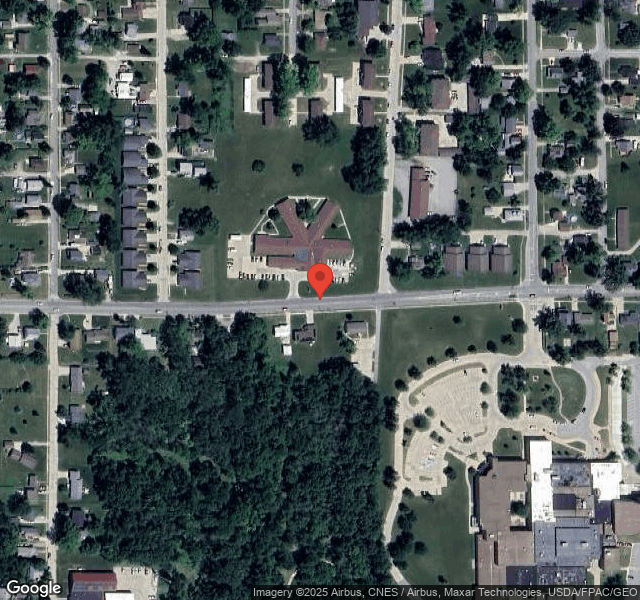
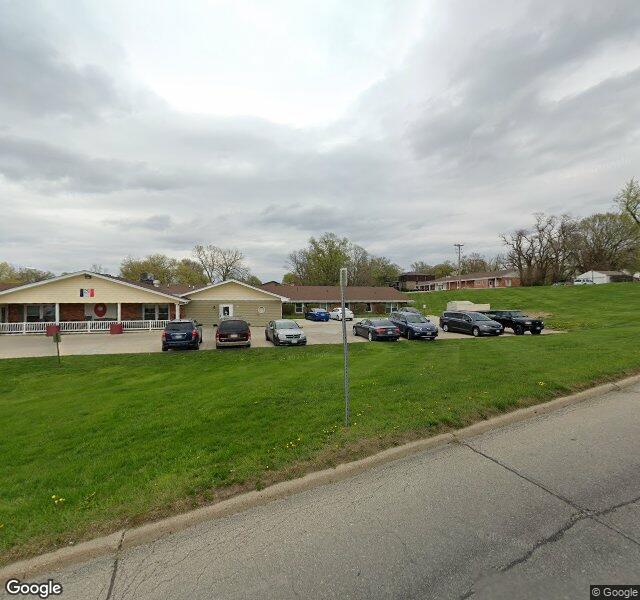
200 SOUTH EIGHTH AVENUE EAST, NEWTON, IA 50208 (641) 792-7440
For profit - Limited Liability company 70 Beds GABRIEL SEBBAG & THE SAMARA FAMILY Data: November 2025
Trust Grade
40/100
#310 of 392 in IA
Last Inspection: August 2025

Inspected within the last 6 months. Data reflects current conditions.

Overview

Valley Vista for Nursing and Rehabilitation has a trust grade of D, indicating below-average performance with some concerning issues. The facility ranks #310 out of 392 in Iowa, placing it in the bottom half of all nursing homes in the state, and #4 out of 5 in Jasper County, meaning there is only one local option that ranks lower. While the facility is improving-reducing reported issues from 16 to 7 over the last year-staff turnover is a significant concern at 63%, which is higher than the state average of 44%. On a positive note, the nursing home boasts better RN coverage than 79% of facilities in Iowa, which is crucial for resident care. However, there have been serious findings, such as failing to prevent pressure ulcers for residents with a history of them and not updating care plans in a timely manner, which shows there are areas needing urgent attention despite some strengths in staffing and coverage.

Trust Score
D
40/100
In Iowa
#310/392
Bottom 21%
Safety Record
Moderate
Needs review
Inspections
Getting Better
16 → 7 violations
Staff Stability
⚠ Watch
63% turnover. Above average. Higher turnover means staff may not know residents' routines.
Penalties
✓ Good
No fines on record. Clean compliance history, better than most Iowa facilities.
Skilled Nurses
○ Average
Each resident gets 41 minutes of Registered Nurse (RN) attention daily — about average for Iowa. RNs are the most trained staff who monitor for health changes.
Violations
⚠ Watch
35 deficiencies on record. Higher than average. Multiple issues found across inspections.
★★☆☆☆
2.0
Overall Rating
★★☆☆☆
2.0
Staff Levels
★★☆☆☆
2.0
Care Quality
★★☆☆☆
2.0
Inspection Score
Stable
2024: 16 issues
2025: 7 issues

The Good

  • Full Sprinkler Coverage · Fire safety systems throughout facility
  • No fines on record

Facility shows strength in fire safety.

The Bad

2-Star Overall Rating

Below Iowa average (3.0)

Below average - review inspection findings carefully

Staff Turnover: 63%

17pts above Iowa avg (46%)

Frequent staff changes - ask about care continuity

Chain: GABRIEL SEBBAG & THE SAMARA FAMILY

Part of a multi-facility chain

Ask about local staffing decisions and management

Staff turnover is elevated (63%)

15 points above Iowa average of 48%

The Ugly 35 deficiencies on record

1 actual harm
Aug 2025 6 deficiencies
CONCERN (D) 📢 Someone Reported This

A family member, employee, or ombudsman was alarmed enough to file a formal complaint

Potential for Harm - no one hurt, but risky conditions existed

Deficiency F0637 (Tag F0637)

Could have caused harm · This affected 1 resident

Based on clinical record review, staff interview, guidance from the 2024 Resident Assessment Instrument (RAI) Manual, and facility policy review, the facility failed to complete and transmit Comprehen...

Read full inspector narrative →
Based on clinical record review, staff interview, guidance from the 2024 Resident Assessment Instrument (RAI) Manual, and facility policy review, the facility failed to complete and transmit Comprehensive Minimum Data Set (MDS) Assessments following a significant change within federal guidelines for 2 of 2 residents (#37 & #60) reviewed for Hospice Admission. The facility reported a census of 54 residents. Findings include: 1. The Census Line portion of the Electronic Health Record (EHR) of Resident #37 documented the resident enrolled in hospice care on 1/27/25. The Significant Change MDS of Resident #37 documented an Assessment Reference Date (ARD) of 2/2/25. Page 58 of the MDS documented the MDS was signed as Assessment Completion on 2/15/25, 20 days following hospice admission. 2. The Census Line portion of the Electronic Health Record (EHR) of Resident #60 documented the resident enrolled in hospice care on 6/20/25. The MDS screen of Resident #60 failed to reveal any significant change MDS assessment was completed on Resident #60. On 8/14/25 at 11:20 am, the MDS Coordinator reviewed the MDS screen and verified no significant change MDS had been done for this hospice enrollment. According to the 2024 RAI, a Significant Change (comprehensive) assessment, the ARD must be no later than the 14th calendar day after determination that a significant change in the resident's status occurred. The RAI stated a Significant Change MDS is required to be performed when a terminally ill resident enrolls in a hospice program. The facility policy titled Change in a Resident’s Condition or Status, revision date February 2021, documented the following: Point 9: If a significant change in the resident’s physical or mental condition occurs, a comprehensive assessment of the resident’s condition will be conducted as required by current OBRA regulations governing resident assessments and as outlined in the MDS RAI Instruction Manual.
CONCERN (D)

Potential for Harm - no one hurt, but risky conditions existed

Assessment Accuracy (Tag F0641)

Could have caused harm · This affected 1 resident

**NOTE- TERMS IN BRACKETS HAVE BEEN EDITED TO PROTECT CONFIDENTIALITY** Based on electronic health record (EHR) review, staff interview, and guidance form the 2024 Resident Assessment Instrument (RAI)...

Read full inspector narrative →
**NOTE- TERMS IN BRACKETS HAVE BEEN EDITED TO PROTECT CONFIDENTIALITY** Based on electronic health record (EHR) review, staff interview, and guidance form the 2024 Resident Assessment Instrument (RAI), the facility failed to submit accurate resident information on the Comprehensive Minimum Data Set (MDS) Assessments for 2 out of 19 residents reviewed for MDS assessments (Residents #6 for weight loss and #16 for mental illness diagnosis). The facility reported a census of 54. Findings include:1. 1. The Quarterly MDS assessment completed on 6/11/25 revealed Resident #6 with a Brief Interview for Mental Status (BIMS) score of 15, indicating intact cognition. Diagnoses on the MDS include diabetes, heart failure, morbid obesity, peripheral vascular disease, and renal insufficiency. The MDS further noted the presence of a colostomy, stage 3 pressure injuries, and urinary catheter. The recorded weight on the MDS Section K -Swallowing /Nutritional Status was entered at 235 pounds and noted as No or Unknown for weight loss of 5% or more in the last month or loss of 10% or more in the last six months.The documented weights in the EHR noted the following:a. 272.0# on 11/13/24b. 272.3# on 12/9/24c. 259.2# on 1/13/25d. 253.8# on 2/2/25e. 234.0# on 3/1/15f. 235# on 5/14/25Due to lack of a documented weight for April 2025, unable to determine if a 5% significant weight loss occurred in the past month. However, a significant weight loss of 10% or more did occur in the previous six months and was not noted on the MDS completed 6/11/25. 2. 2. The Annual MDS assessment completed on 5/28/25 revealed Resident #16 with a BIMS of 14, indicating intact cognition. Diagnoses on the MDS in Section I (Active Diagnoses) include bipolar disorder, depression, and Parkinson's disease.The diagnosis tab of the EHR noted a bipolar disorder on 10/21/19, which was identified from a previous short-term facility admission.The PASRR Notice of Nursing Facility Approval, dated 8/26/20, noted Resident #16 meets criteria for having a diagnosis of a mental illness as defined by PASRR. Bipolar disorder, Not otherwise specified was identified.Section A1500 Preadmission Screening and Resident Review (PASRR) of the MDS was checked No on the MDS completed 5/28/25. This question asked if the resident is considered by the state level II PASRR process to have a serious mental illness and/or intellectual disability or a related condition.During an interview on 8/14/25 at 11:30 AM, the MDS Coordinator acknowledged the weight loss section for Resident #6 was incorrectly answered on the MDS dated [DATE]. The MDS Coordinator explained the resident had a prolonged hospitalization and was on a weight loss medication, which was effective. Section K0300 should have been answered Yes, on a physician-prescribed weight loss regimen to a weight loss of 10% or more in the last six months.The MDS Coordinator acknowledged Resident 16's bipolar diagnosis and noted Question A1500 was incorrectly answered on the MDS dated [DATE]. Question A1500 should have been answered Yes which would direct staff to answer question A1510 Level II PASRR Conditions. The 2024 RAI stated the following for coding instructions:a. Code 1, yes on physician-prescribed weight-loss regimen: if the resident has experienced a weight loss of 5% or more in the past 30 days or 10% or more in the last 180 days, and the weight loss was planned and pursuant to a physician's order.b. Code 1, yes: if PASRR Level II screening determined that the resident has a serious mental illness and/or ID/DD or related conditions, and continue to A1510, Level II Preadmission Screening and Resident Review (PASRR) Conditions.
CONCERN (D)

Potential for Harm - no one hurt, but risky conditions existed

Deficiency F0698 (Tag F0698)

Could have caused harm · This affected 1 resident

Based on electronic health record review, resident and staff interview, and policy review, the facility failed to consistently complete pre and post dialysis assessments for 1 of 1 residents reviewed ...

Read full inspector narrative →
Based on electronic health record review, resident and staff interview, and policy review, the facility failed to consistently complete pre and post dialysis assessments for 1 of 1 residents reviewed for dialysis (Resident #4). The facility reported a census of 54. Findings include: The Quarterly Minimum Data Set (MDS) Assessment, completed on 7/9/25, revealed Resident #4 with a Brief Interview for Mental Status score of 15, indicating intact cognition. Diagnoses on the MDS include diabetes and end stage renal disease. Current Physician Orders direct the completion of pre and post dialysis assessments on Monday, Wednesday, and Friday, which was initiated on 1/18/23. Review of monthly Treatment Administration Records revealed the following: No pre and post dialysis assessments identified for 4/14/25, 4/16/25, and 4/23/25No pre and post dialysis assessments identified for 5/2/25, 5/9/25, 5/12/25, 5/16/25, and 5/23/25No pre and post dialysis assessments identified for 7/7/25 and 7/11/25; No pre-dialysis assessment identified for 7/4/25No pre and post dialysis assessment identified for 8/11/25During an interview on 8/11/25 at 1:30 PM, Resident #4 unable to recall if staff obtains vitals (blood pressure, pulse) before going to dialysis. The resident believes staff obtain blood pressures upon their return from dialysis. During an interview on 8/14/25, the Administrator and Director of Nursing both acknowledged the lack of dialysis assessments on the identified dates.The facility unable to provide a policy which outlines a procedure for the completion of pre and post dialysis assessments.
CONCERN (D)

Potential for Harm - no one hurt, but risky conditions existed

Medical Records (Tag F0842)

Could have caused harm · This affected 1 resident

Based on electronic health record review (EHR) and staff interviews, the facility failed to maintain complete and readily accessible resident medical records for 2 of 3 residents reviewed for nutritio...

Read full inspector narrative →
Based on electronic health record review (EHR) and staff interviews, the facility failed to maintain complete and readily accessible resident medical records for 2 of 3 residents reviewed for nutrition (Residents #4 and #22). The EHR lacked Nutrition Progress Notes and Assessments for the past nine months. The facility reported a census of 54. Findings include: 1. The Quarterly Minimum Data Set (MDS) Assessment completed on 7/9/25 revealed Resident #4 with a Brief Interview for Mental Status (BIMS) score of 15, indicating intact cognition. Diagnoses on the MDS include diabetes and end stage renal disease (ESRD). The Care Plan, last revised on 7/8/25, included a Focus Area related to the potential risk for altered nutritional status due to ESRD and diabetes. Interventions include the use of a protein supplements on non-dialysis days, monitor for signs and symptoms of malnutrition (cachexia, muscle wasting, significant weight loss), and the Registered Dietitian (RD) to consult quarterly and as indicated. Review of the EHR revealed the last identified nutrition documentation was a Dietary Assessment form completed on 4/18/24. 2. The Quarterly MDS Assessment completed on 7/2/25 revealed Resident #22 with a BIMS score of 0, indicating a severe cognitive impairment. Diagnoses on the MDS include Alzheimer's disease, cancer, diabetes, heart failure and non-Alzheimer's dementia. The MDS noted Resident #22 receives a mechanically altered diet. The Care Plan, last revised on 7/1/25, included a Focus Area related to the risk for impaired nutrition due Alzheimer's, dysphagia (swallowing difficulties), and a mechanically altered diet. Interventions include a puree diet order with nectar-thick liquids, history of weight loss, the use of adaptive equipment during meals, and past refusal of the house nutritional supplement. Review of the EHR revealed the last identified nutrition documentation was a Nutrition Risk Assessment form completed on 9/19/24. During an interview on 8/13/25 at 11:50 AM, the Director of Nursing (DON) attempted to located current RD documentation in the EHR but could not. The DON explained the RD is at the facility weekly but was unclear of the RD's charting process. During an interview on 8/13/25 at 3:20 PM, the DON explained RD Progress Notes for Resident #4 and Resident #22 have been scanned into the EHR. The scanned documents showed monthly RD Progress Notes for Resident #4 from January '25 to July '25 and for Resident #22 from March '25 to August '25. The DON explained they were not aware of the RD's current charting practices. The DON would expect RD Progress Notes/Assessments be entered into the EHR timely and to ensure staff have access. During an interview on 8/13/25 at 4:00 PM, the RD confirmed nutrition-related entries are documented on a jump drive that they maintain. The RD noted the facility does have access to the jump drive but it is unavailable today. Resident nutrition Progress Notes had been previously printed and sent to the facility. The RD explained this process has not been routinely completed for an unknown time frame.
CONCERN (D)

Potential for Harm - no one hurt, but risky conditions existed

Infection Control (Tag F0880)

Could have caused harm · This affected 1 resident

Based on observations, clinical record review, staff interview, and policy review, the facility failed to maintain infection control standards as staff did not wear gloves when administered an injecti...

Read full inspector narrative →
Based on observations, clinical record review, staff interview, and policy review, the facility failed to maintain infection control standards as staff did not wear gloves when administered an injection for 1of 1 resident (Resident #53) and failed to apply personal protective equipment (PPE) when provided hands on care for a resident on enhanced barrier precautions for 1 of 3 residents (Resident #16). The facility reported a census of 54 residents. Findings include: 1.Observation on 8/12/2025 at 11:26 AM, Staff A, Licensed Practical Nurse administered an insulin injection to Resident #53 with no gloves on. Interview at 8/12/25 at 11:45, Staff A stated she realized she did not wear gloves for the injection and that she should have. Interview on 8/13/2025 at 8::00 AM, the Director of Nursing (DON) stated her expectation for staff to always wear gloves when administering an insulin injection. Facility policy Personal Protective Equipment-Gloves revised July 2009, documented the use of disposable gloves is indicated during invasive procedures. 2. Observation on 8/12/2025 at 10:58 AM, Staff B, Certified Medication Aide applied gloves, no gown, and entered Resident # 16's room. Staff B placed her hands on Resident #16's shoulders and assisted resident to an upright position. After Staff B exited the resident's room, Staff B stated she should have had a gown on also to reposition resident as the resident was on enhanced barrier precautions and required a gown and gloves for hands on care. Interview on 8/12/25 at 11:15 AM, the DON acknowledged she observed Staff B staff did not have the proper PPE on to assist the resident and stated her expectation for staff to wear PPE of gown and gloves with resident contact for residents on EBP. Facility policy Enhanced Barrier Precautions revised December 2024, documented EBPs employ targeted gown and glove use during high contact resident care activities with examples of high-contact resident care activities requiring the use of gown and gloves for EBPS include: providing bed mobility.
CONCERN (E)

Potential for Harm - no one hurt, but risky conditions existed

Deficiency F0657 (Tag F0657)

Could have caused harm · This affected multiple residents

**NOTE- TERMS IN BRACKETS HAVE BEEN EDITED TO PROTECT CONFIDENTIALITY** Based on observations, electronic health record review (EHR), staff interview, and policy review, the facility failed to update ...

Read full inspector narrative →
**NOTE- TERMS IN BRACKETS HAVE BEEN EDITED TO PROTECT CONFIDENTIALITY** Based on observations, electronic health record review (EHR), staff interview, and policy review, the facility failed to update resident Care Plans in a timely manner to reflect current conditions and interventions for 5 of 19 resident Care Plans reviewed (Residents #4, #6, #22, #26, and #46). The facility reported a census of 54 residents.Findings include: 1. The Quarterly Minimum Data Set (MDS) Assessment completed on [DATE] revealed Resident #4 with a Brief Interview for Mental Status (BIMS) score of 15, indicating intact cognition. Diagnoses on the MDS include diabetes and end stage renal disease (ESRD). The Care Plan for Resident #4, last revised on [DATE], listed an intervention for the use of Lido/Prilcn (a topical numbing cream under the Brand Name Emla) applied to the right fistula on Monday, Wednesday, and Friday. The Progress Note dated [DATE] documented the facility receiving a fax from the dialysis unit to discontinue EMLA due to patient complaints of itching. [DATE]’s Treatment Administration Record (TAR) showed the Lido/Prilo was discontinued on [DATE]. During an interview on [DATE] at 11:30 AM, the MDS Coordinator acknowledged the intervention for the use of Lido/Prilo. The MDS Coordinator explained there had been changes to the type of cream used and confirmed another class of medicated cream is currently in use. The Care Plan should reflect this change. While any staff member can update the Care Plan as needed, the MDS Coordinator is ultimately responsible for updates. 2. The Quarterly MDS completed on [DATE] revealed Resident #6 with a BIMS score of 15, indicating intact cognition. Diagnoses on the MDS include diabetes, heart failure, morbid obesity, peripheral vascular disease, and renal insufficiency. The MDS noted the presence of a colostomy, stage 3 pressure injuries, and urinary catheter. The weight on the MDS noted at 235#. The Care Plan for Resident #6, last revised on [DATE], listed an intervention for the use of negative pressure wound therapy (NPWT) to the resident’s abdominal surgical wound from an ostomy revision. This was added on [DATE]. The Care Plan listed a goal for Resident #6s’ weight to trend between 255-275# through the next review date. An Order Audit Report obtained on [DATE], indicated the NPWT was initiated on [DATE] and discontinued on [DATE]. Documented weights in the EHR showed Resident #6’s weight has been trending between 234-237# from [DATE] to present. During an interview on [DATE] at 4:00 PM, the Registered Dietitian explained they will typically review and update resident's Nutritional Plan of Care with each schedule MDS Assessment. The RD acknowledged the lack of nutrition Care Plan updates. During an interview on [DATE] at 11:30 AM, the MDS Coordinator acknowledged the intervention for the NPWT. The MDS Coordinator confirmed the NPWT had been discontinued. While any staff member can update the Care Plan as needed, the MDS Coordinator is ultimately responsible for updates. 3. The Quarterly MDS completed on [DATE] revealed Resident #22 with a BIMS score of 0, indicating a severe cognitive impairment. Diagnoses on the MDS include Alzheimer’s disease, cancer, coronary artery disease, diabetes, heart failure, and non-Alzheimer’s dementia. The weight on the MDS noted at 177#. The Care Plan for Resident #22, last revised on [DATE], listed a goal weight to trend between 160-170# through the next review date. Interventions included in this Focus area include weight loss to be unavoidable (initiated on [DATE] and revised on [DATE]) and resident has refused house supplement (initiated [DATE] and revised on [DATE]). Documented weights in the EHR showed Resident #22’s weight up and trending between 159-182# from February 2025 to present. Current Physician Orders listed the use of a protein supplement daily for wound healing, which was initiated on [DATE]. Neither the skin alteration nor the nutrition focus areas of the Care Plan include the supplement use a a current intervention. During an interview on [DATE] at 4:00 PM, the Registered Dietitian explained they will typically review and update resident's Nutritional Plan of Care with each schedule MDS Assessment. The RD acknowledged the lack of nutrition Care Plan updates. 4. The Significant Change in Status MDS for Resident #26 dated [DATE] section M-Skin Conditions documented pressure ulcer/injury Stage 3, Full thickness tissue loss: subcutaneous fat may be visible but bone, tendon or muscle is not exposed. Slough may be present but does not obscure the depth of tissue loss. The MDS further documented Skin and Ulcer/Injury treatments: pressure reducing device for chair and bed. Prior MDS for Resident #26 dated [DATE] section M-Skin Conditions documented there was no risk for pressure ulcer/injury. The MDS further documented Skin and Ulcer/Injury treatments: pressure reducing device for chair and bed. The Care Plan document Resident #26 was at risk of skin breakdown related to history of skin breakdown on her bottom and low body fat level. Has actual skin impairment of stage 3 pressure to left buttocks, dated [DATE]. Interventions listed: “assess for and provide appropriate pressure-relieving devices as per PT/OT recommendations: chair cushion, mattress.” During a wound care treatment observation of Resident #26 on [DATE] at 10:30 am there was no cushion noted in the recliner where Resident #26 was seated. Staff A, LPN could not locate the chair cushion in the room. At that time the MDS coordinator stated the resident refused the cushion and was not using it consistently. The Care Plan for Resident #26 did not reflect alternative interventions or the history of refusal of the cushion. The MDS coordinator stated she will inquiry Physical Therapy/Occupational Therapy (PT/OT) for other alternatives. During an interview on [DATE] at 11:45 am with the DON confirmed Resident #26 did not like to use a cushion in her chair and that the Care Plan did not reflect her preferences. 5. An observation of Resident #46 on [DATE] at 11:55 am revealed staff used a mechanical lift to transfer her from her recliner to a wheelchair for lunch. A review of the Electronic Health Record (EHR) document titled “Care Plan” for Resident #46 documented advanced directive of Full Code, cardiopulmonary resuscitation (CPR) dated [DATE]. It also documented staff assistance of 2 with transfers using a front-wheel-walker and a gait belt, dated [DATE]. On [DATE], the Care Plan noted Resident #46 was on Hospice services and will have frequent 1-1 visits with her providers. During an interview on [DATE] at 2:11 pm, Staff A, Licensed Practical Nurse (LPN) stated in case of an emergency she looks in the EHR for the code status. Staff A stated they have physical charts/ paper charts located behind the main nurses station. After documents are uploaded into the EHR, then they can be filed in the paper charts. She stated some paperwork doesn't get filed immediately because they don't have a designated staff to do that task. She stated the PCC is the first and main place to look for any health-related information for the patient and paper-based charts are only for a back-up. The MDS for Resident #46 dated [DATE] documented Hospice services were added. It also documented functional abilities for mobility as “substantial/maximal” staff assistance required with transfers. During an interview on [DATE] at 10:25 am with the Director of Nursing (DON), she confirmed the Care Plans were not updated for Resident #26 and #46 to reflect changes in health status and current needs. She stated her expectations were that the Care Plans reflected current health status for each resident. The policy Care Plan: Comprehensive Person-Centered, revision date [DATE], revealed the following: a. The comprehensive, person-centered care plan is developed within seven days of the required MDS assessments (admission, annual or significant change) b. Care Plan interventions are derived from a thorough analysis of information gathered as part of the assessment c. The Care Plan describes services that are to be furnished to attain or maintain the resident’s highest practicable well-being d. Services provided for or arranged by the facility e. Assessments of residents are ongoing and Care Plans are revised as information about the residents and resident conditions changes f. The Interdisciplinary Team reviews and updated the Care Plan when there has been a significant change in the resident’s condition, when the desired outcome is not met, and at least quarterly, in conjunction with the required quarterly MDS assessment
Apr 2025 1 deficiency
CONCERN (E) 📢 Someone Reported This

A family member, employee, or ombudsman was alarmed enough to file a formal complaint

Potential for Harm - no one hurt, but risky conditions existed

ADL Care (Tag F0677)

Could have caused harm · This affected multiple residents

Based on clinical record review, resident and staff interviews, and facility policy review, the facility failed to provide consistent bathing for the residents residing in the facility for four of twe...

Read full inspector narrative →
Based on clinical record review, resident and staff interviews, and facility policy review, the facility failed to provide consistent bathing for the residents residing in the facility for four of twenty four days reviewed. The facility reported a census of 61 residents. Findings include: 1. The Minimum Data Set (MDS) of Resident #4, dated 1/23/25 identified a Brief Interview for Mental Status (BIMS) score of 15, which indicated cognition intact. The MDS coded the resident required substantial/maximal assistance to shower/bathe self. The Care Plan of Resident #4, review date 2/13/25, documented the resident required two staff assistance for bathing. On 3/31/25 at 9:50 am, Resident #4 stated during her stay in the facility over the last two months she had missed showers multiple times. She stated this made her feel unclean. 2. The MDS of Resident #6, dated 1/28/25 identified a BIMS score of 12, which indicated moderate cognitive impairment. The Care Plan of Resident #6, review date 1/21/25, failed to document bathing status. On 3/31/25 at 2:12 pm, Resident #6 stated he primarily used a washcloth at the sink and gave himself sink baths and washed his own hair in the sink. He stated he didn't like the way staff gave showers and described it as just being wheeled in and stuck under the water. He stated when staff had provided a shower, they often did not wash his hair and didn't feel he got clean. 3. The MDS of Resident #9, dated 3/12/25, identified a BIMS score of 15, which indicated cognition intact. The MDS coded the resident required substantial/maximal assistance to shower/bathe self. The Care Plan of Resident #9, review date 1/21/25, documented the resident required two staff assistance for bathing. On 4/1/25 at 9:33 am, Resident #9 stated she had been bed bound for the last several weeks following a medical procedure in February. She stated she was only getting bed baths at this time and sometimes had not received them as scheduled. She stated she sometimes refused baths because some staff wanted to provide a bed bath with wet wipes instead of soap and water. She stated she preferred to wait for a bath by staff members who she knew would give her a bath how she wanted it done. She said some staff were in a rush and just wanted to wipe her down and not get her clean. On 4/1/25 at 10:38 am, the Assistant Director of Nursing (ADON) stated she maintains packets of the bathing schedules. She stated the staff member who provides a shower/bath is to document the shower in the resident's Electronic Health Record (EHR), fill out a bath sheet, and sign the packet. She said the packet included what type of bath (shower or bed bath), if the resident's bedding was changed, etc. She stated that she made an audit book to keep track of the residents' receiving showers. She said she then tracks the showers in the EHR, the bath sheets and the packets and places the information onto the audit forms. The ADON stated bed baths should never be given with wet wipes and she was not aware of the situation. She stated she was aware of one former employee who was doing bed baths using wet wipes and that employee was educated and corrected. She stated she will provide further education to staff regarding the proper procedures for bathing. Review of the bathing audit sheets for March of 2025, completed on 4/1/25, revealed the following: On Monday 3/3/25, twenty (20) facility residents were scheduled to receive a bath or shower. Of the 20 scheduled residents, 14 of them received no bath that day and no make up bath the following day. On Tuesday, 3/4/25, twenty (20) facility residents were scheduled to receive a bath or shower. Of the 20 scheduled residents, 18 of them received no bath that day and no make up bath the following day. On Wednesday, 3/5/25, twenty (20) facility residents were scheduled to receive a bath or shower. The audit sheet showed one staff member, Staff A, Certified Nurse Aide, was assigned to complete 11 of the 20 baths/showers. Staff A documented all 11 of the residents refused to shower that day. Of the remaining residents, other staff members completed five of the scheduled bathing and three other residents had no documentation of the bath or shower being completed. On Friday, 3/7/25, nineteen (19) facility residents were scheduled to receive a bath or shower. Only one resident was documented as having received a shower that day. On 4/1/25 at 1:40 pm, the ADON stated the audit sheets were correct and she had no record of the resident baths being completed on 3/3/25, 3/4/25 or 3/7/25. In regards to Staff A on 3/5/25, she stated the expected procedure if a resident refuses bathing, to approach the resident a total of three times and if the resident refuses all three times, the staff member is to report the refusal to the charge nurse and the charge nurse will speak to the resident. She said Staff A does not have a record of not completing scheduled bathing and this day was an isolated incident. She stated she spoke to him and he told her it was an especially busy evening shift and it was late in the shift when he attempted to start baths. She said many residents were already lying in bed and did not want to get back up and receive a bath at that time. On 4/2/25 at 8:15 am, the Administrator stated they try to have shower aides scheduled to give the majority of the baths. She stated if there is not a shower aide scheduled, then the scheduled baths are split up and the Certified Nurse Aides as well as the Certified Medication Aides. She said each staff member will typically have three to four baths to complete during an eight hour shift and it would not be a normal occurrence for a single staff member to have 11 baths in one shift. She said the resident baths are given six days a week and divided between the day shift and the evening shift. She stated they are currently looking at the bathing schedule and speaking to residents on their preferences to make sure the schedules can be completed. The facility policy Activities of Daily Living (ADLs), Supporting, revision date March 2018, documented the following: Policy Statement: Residents who are unable to carry out activities of daily living independently will receive the services necessary to maintain good nutrition, grooming and personal and oral hygiene. Point 2: Appropriate care and services will be provided for residents who are unable to carry out ADLs independently, with the consent of the resident and in accordance with the plan of care, including appropriate support and assistance with: a. Hygiene (bathing, dressing, grooming, and oral care); b. Mobility (transfer and ambulation, including walking); c. Elimination (toileting); d. Dining (meals and snacks); and e. Communication (speech, language, and any functional communication systems).
Oct 2024 8 deficiencies
CONCERN (D)

Potential for Harm - no one hurt, but risky conditions existed

Resident Rights (Tag F0550)

Could have caused harm · This affected 1 resident

**NOTE- TERMS IN BRACKETS HAVE BEEN EDITED TO PROTECT CONFIDENTIALITY** Based on record review, resident interviews, staff interviews, and policy review, the facility failed to assure residents were t...

Read full inspector narrative →
**NOTE- TERMS IN BRACKETS HAVE BEEN EDITED TO PROTECT CONFIDENTIALITY** Based on record review, resident interviews, staff interviews, and policy review, the facility failed to assure residents were treated with respect and dignity for 2 of 2 residents reviewed (Resident #13 and #40 ). The facility reported a census of 49 residents. Findings include: 1. According to the Minimum Data Set (MDS) assessment dated [DATE] Resident #13 scored 15 on the Brief Interview for Mental Status (BIMS) indicating intact cognition. The resident required substantial/maximum assistance with toileting hygiene and toilet transfer. The resident's diagnoses included a stroke and Hemiplegia or Hemiparesis. The Care Plan for Resident #13, with a revision date of 9/27/24, included a focus area for Activities of Daily Living (ADL), documented the resident had a self-care deficit as evidenced by required assistance with ADLs, impaired balance during transitions, required assistance and walking, incontinence, and left sided neglect. The intervention area instructed staff to provide 1 person assist with toileting, resident was incontinent of bowel and bladder. Provide peri care with every incontinent episode and as necessary. During an interview 9/23/24 at 4:17 PM, Resident #13 stated about a month ago, he was constipated and a Certified Nursing Assistant (CNA) came in and gave him a bed pan. The CNA put the bed pan under him, he stated it was so far under him he could not move it himself. The resident stated the CNA left the room and left the bed pan under him for 3-4 hours. The resident stated it was so uncomfortable and hurt. The resident did not know the name of the CNA. The resident advised he talked to the Administrator about this and he was advised it would be taken care of. The resident stated it was incredibly uncomfortable to have the bed pan under him for 3-4 hours. The resident stated this incident took place in the night, not sure exactly what time, but knew he was left with the bed pan under him for hours. During an interview 9/30/24 at 2:30 PM, Staff C, Registered Nurse (RN), stated Resident #13 did talk to her about how he laid on a bed pan for a very long time, he said a CNA left a bed pan under him and did not return. Resident #13 told her about this the following morning, it happened in the night. Immediately after the resident telling her about this, Staff C called the Director of Nursing (DON) and the Administrator as it was on a weekend, she believed about a month ago. Staff C advised sitting with the resident that morning for awhile because he was upset. The resident also told her he did not like the way two CNA's talked in a foreign language while providing care to him as he did not know what they were saying. The resident reported to her feeling upset about the bed pan, and being left for a long time with the bed pan under him, and feeling upset about the two CNA's talking in a language he did not understand while in his room. During an interview 10/1/24 at 9:00 AM, the Administrator stated she recalled an incident reported to her on a Sunday morning about a month ago regarding Resident #13. Staff C called her and told her that the resident reported to her two CNA's were rough with him. The Administrator does not recall getting any other information from Staff C, she does not recall being told about the resident waiting for hours or a long time with a bed pan under him. The Administrator stated she talked to the resident on the phone that morning to get more information. He told her he felt two CNA's rushed his cares that night and were talking in their own language, he could not understand what they were saying and they were laughing. He did not say they were abusive to him, just that they rushed through cares and laughed, he thought they were laughing at him. The Administrator told the resident the CNA's would not provide care to him again, he was happy with this resolution. The Administrator said she educated the two CNA's about customer service and not talking in their own language around the residents who could not understand them. These two CNA's only work PRN (as needed ) hours. The Administrator stated she does not recall anything about the bed pan, but does remember the resident saying he had to wait a long time for a call light response. The Administrator completed an incident report. The Administrator stated an expectation residents are treated with dignity and respect. 2. The MDS for Resident #40, dated 8/15/24, included diagnosis of Non-Alzheimer's Disease and required assistance of 1 staff for transfers and toileting. A BIMS score of 11, indicated moderate cognitive impairment for decision-making. Interview on 9/23/24 at 4:20 PM, Resident #40 stated the staff do not always answer the call light timely, then she pees in her pants, and it is embarrassing and makes her feel ashamed as she should not have to pee in her pants. The facility policy Quality of Life-Dignity revised August 2009 instructed that each resident shall be cared for in a manner that promotes and enhances quality of life, dignity, respect, and individuality. Interview on 10/02/24 at 11:03 AM, the Director of Nursing stated an expectation to answer call lights timely to assist residents with toileting.
CONCERN (D)

Potential for Harm - no one hurt, but risky conditions existed

Deficiency F0578 (Tag F0578)

Could have caused harm · This affected 1 resident

Based on record review, staff interview, and policy review the facility failed to have an Iowa Physician Orders for Scope of Treatment (IPOST) (medical order form with code status that records residen...

Read full inspector narrative →
Based on record review, staff interview, and policy review the facility failed to have an Iowa Physician Orders for Scope of Treatment (IPOST) (medical order form with code status that records residents' treatment wishes in the event of a medical emergency) for 1 of 24 residents reviewed (Resident #49). The facility reported a census of 49 residents. Findings include: The Minimum Data Set for Resident #49, dated 9/12/24, included diagnoses of osteoporosis bone disease that causes bones to become brittle) and age-related physical disability and included a Brief Interview for Mental Status score of 11, indicating mild cognitive impairment for decision-making. Resident #49's admission Narrative Bundle/Baseline Care Plan, dated and signed by the resident on 9/6/24, documented a Code Status of Do Not Resuscitate (DNR). Review of facility IPOST book and Resident #49's electronic record lacked an IPOST form for Resident #4 and lacked a physician's order for a code status. Interview on 9/25/24 at 10:55 AM, Staff G, Registered Nurse stated in the event of the need to check a resident's code status she would check the IPOST book first, and if not there, would check the physician's orders and if no order for code status she would treat the resident like a full code and perform cardiopulmonary resuscitation on the resident. Staff G confirmed Resident #49 did not have an IPOST form in the IPOST book and did not have a physician's order for code status. Facility policy of Advanced Directives, revised December 2016, instructed advance directives will be respected in accordance with state law and facility policy. Interview on 9/25/24 at 11:10 AM, the Director of Nursing stated an expectation to have an IPOST completed for all residents and in the IPOST book.
CONCERN (D)

Potential for Harm - no one hurt, but risky conditions existed

Deficiency F0658 (Tag F0658)

Could have caused harm · This affected 1 resident

**NOTE- TERMS IN BRACKETS HAVE BEEN EDITED TO PROTECT CONFIDENTIALITY** Based on clinical record review, resident interview, staff interview, and policy review, the facility failed to follow professio...

Read full inspector narrative →
**NOTE- TERMS IN BRACKETS HAVE BEEN EDITED TO PROTECT CONFIDENTIALITY** Based on clinical record review, resident interview, staff interview, and policy review, the facility failed to follow professional standards of nursing care to ensure treatments and dressings were being completed and documented for 1 of 3 residents reviewed for wound care (Resident #1). The facility reported a census of 49 residents. Findings include: The Annual Minimum Data Set (MDS), dated [DATE], documented Resident #1 had a Brief Interview for Mental Status (BIMS) score of 15, indicating intact cognition. The MDS further documented diagnoses to include other orthopedic conditions and malnutrition. The MDS revealed Resident #1 was at risk of developing pressure ulcers/injuries and had one or more unhealed pressure ulcers/injuries. The resident had a stage 3 pressure ulcer: full thickness tissue loss. The MDS further documented the resident had moisture associated skin damage (MASD) to her feet. The Care Plan for Resident #1, with a revision date of 9/20/24, documented under the focus area the resident had the potential for and actual impairment to skin integrity with an unstageable wound to the left ischial tuberosity (sitting bones), unstageable to coccyx (small triangular bone at the base of the spinal column), vascular ulcer to right inner ankle, left front lower extremity, and to the left foot. The Care Plan instructed staff to follow treatment order scheduled/prescribed by the wound care ARNP (Advanced Registered Nurse Practitioner). During an interview 9/24/24 at 11:08 AM, Resident #1 stated she has wounds on both of her feet. She stated staff do not always do the same treatment, one day it is done one way and the other day it is done another way. The resident stated staff do not always put the white stuff on. Clinical record review of Resident #1's Treatment Administration Record between the months of June of 2024 through September of 2024 revealed treatments not recorded or documented as completed. For the month of June the following treatments/orders were not completed: CHLORHEXIDINE SOL 4%, Apply to entire body topically one time a day for cleansing for 30 Days, start date 5/11/2024 - not completed on June 6th, 2024. Order for left hip: cleanse with wound cleanser, apply skin prep to the peri wound and allow to dry completely, and cover with large [NAME] silicone super absorbent dressing; change daily and PRN (as needed) one time a day for wound care, with a start date 5/27/2024, and an end date 6/23/2024; this was not completed on June 6th, 2024. Order for MINERIN cream, apply to BLE (bilateral lower extremities) topically two times a day for dry skin, with a start date 5/16/2024; this was not completed on the night shift of June 1, 2024 and the day shift of June 6, 2024. For the month of July 2024, the following treatments/orders were not completed: DAKINS solution 0.125%, apply to left ischial tuberosity topically one time a day for wound care, clean with quarter strength DAKINS, apply collagen into wound bed, loosely pack with Iodoform, cover with Silicone dressings, start date of 6/14/2024; this was not completed July 6th, July 7th, or July 20th. Order for DAKINS solution 0.25%, apply to Left Ischial tuberosity topically one time a day for wound care, with a start date of 7/26/24; not completed on July 28th. Order for Left foot: start to clean with betadine, apply a nickel thick layer of Santyl into wound bed, cover with an ABD pad and secure with gauze roll. Change daily and PRN, with a start date 7/01/2024; not completed July 6th, July 20th, or July 28th. Order for Left lower leg: Clean with betadine, apply a nickel thick layer of Santyl into wound bed, cover with an ABD pad and secure with gauze roll. Change daily and PRN, one time a day for wound care, with a start date of 7/1/24; not completed July 6th, July 7th, July 20th, and July 28th. Order for constant compression to legs at all times, ace wraps. Check circulation every shift two times a day for leg integrity, with a start date of 7/18/2024; not completed July 19th and July 20th. Order for MINERIN cream, apply to BLE (bilateral lower extremities(legs))topically two times a day for dry skin, with a start date 5/16/2024; not completed July 6th, July 19th, July 20th, and July 23rd. Order for NYAMYC powder 100000, apply to right neck topically two times a day for MASD, with a start date of 6/7/24; not completed July 6th, July 19th, and July 20th. For the months of August 2024 and September 2024, the following treatments/orders were not completed: DAKINS solution 0.125%, apply to left ischial tuberosity topically one time a day for wound care, clean with quarter strength DAKINS, apply collagen into wound bed, loosely pack with Iodoform, cover with Silicone dressing and change daily, start date of 8/18/2024; this was not completed August 18th, August 20th, August 21st, September 3rd, September 26th, and September 28th. Order for left foot: start to clean with betadine, apply a nickel thick layer of Santyl into wound bed, cover with an ABD pad and secure with gauze roll. Change daily and PRN, start date of 7/01/2024; not completed August 20th, August 21st, and September 3rd. Order for left ischial tuberosity: continue treatment to cleanse with quarter strength Dakin's solution 0.25%, apply collagen powder into wound bed and loosely pack the tunneling with Iodoform gauze strip and cover with a silicone super absorbent dressing change daily and PRN one time a day for treatment, with a start date of 8/16/2024; not completed August 20th, August 21st, and September 3rd. Order for Left lower leg: Clean with betadine, apply a nickel thick layer of Santyl into wound bed, cover with an ABD pad and secure with gauze roll. Change daily and PRN one time a day for wound care with a start date of 7/01/2024; not completed August 20th and August 21st. Order for NYAMYC powder 100000, apply to right neck topically two times a day for MASD, with a start date of 6/7/24; not completed September 3rd, September 7th, September 14th, September 26th, and September 28th. Order for Skin prep to scab to right second toe BID (twice daily) until healed, with a start date of 8/22/2024; not completed September 3rd, September 7th, and September 28th. During an interview 9/30/24 at 1:00 PM, the Director of Nursing (DON) stated their electronic health care system was down on the 9th and 10th of September and they used paper charting for those days, and on occasion from the 11th to the 13th of September. The other dates of missing documentation in the TAR for Resident #1, the DON stated could have been her not documenting when she completed treatment as she does not take her cart or computer into the room and will forgot to do the documentation in the TAR. The DON will look into the dates and find hard copy or some notation the treatment was completed. During an interview 10/01/24 at 11:00 AM, the DON advised she reviewed the TAR for August and September for Resident #1 and inquired from nursing staff working on the days that were missing documentation of the treatment being completed if they recalled doing the treatment. Some of the nursing staff did recall doing the treatment, however acknowledged they did not document the treatment in the TAR. The DON stated on some of these dates, she did the treatment for Resident #1 and forgot to document in the TAR the treatment was completed. The DON stated there were some days in June, July, August, and September that there is no recall of completing the treatment and it is likely the treatment was not completed. The DON stated an expectation staff chart immediately after completing the treatment in the TAR and an expectation treatments and orders are followed as prescribed. During an interview 10/01/24 at 2:30 PM, the Administrator stated an expectation staff chart and document in the TAR immediately after treatment is completed. The Administrator stated an expectation treatment be completed as ordered. Review of the facility policy: Charting and Documentation, with a revision date of July 2017, documented all services provided to the resident shall be documented in the resident's medical record. Review of the facility policy Provision of Physician Ordered Services, undated, documented care and services are provided according to accepted standards of clinical practice to provide a reliable process for the proper and consistent provision of physician ordered services.
CONCERN (D)

Potential for Harm - no one hurt, but risky conditions existed

ADL Care (Tag F0677)

Could have caused harm · This affected 1 resident

Based on observation, resident and staff interview, record review, and policy review the facility failed to assist residents with shaving for 2 of 10 residents reviewed (Resident #27 and #40). The fac...

Read full inspector narrative →
Based on observation, resident and staff interview, record review, and policy review the facility failed to assist residents with shaving for 2 of 10 residents reviewed (Resident #27 and #40). The facility reported a census of 49 residents. Findings include: 1. The Minimum Data Set (MDS) for Resident #27, dated 9/12/24, included diagnoses of Parkinson's (disease affecting the nervous system) and muscle weakness. A Brief Interview for Mental Status (BIMS) score of 15, indicated no cognitive impairment for decision-making. Observation and interview on 9/24/24 at 11:21 AM, Resident #27 with approximate 1/8-inch facial hair covering cheeks, upper lip, and chin. Resident #27 stated he needed to be shaved but only gets shaved on shower days, Tuesday and Friday. Resident stated he would like to be shaved more often, at least 3 times a week consistently. Resident stated the facility was frequently out of razors. Interview on 9/25/24 at 3:09 PM, Resident #27 stated he did not have shower yesterday as scheduled, have not been shaved, and staff do not offer to shave when assisting with morning cares. Resident #27's shower sheet dated 9/20/24 with documentation of don't have razors so I couldn't shave him. 2. The MDS for Resident #40, dated 8/15/24, included diagnosis of Non-Alzheimer's Disease. A BIMS score of 11, indicated moderate cognitive impairment for decision-making. Observation and interview on 9/23/24 at 4:13 PM, Resident #40 had approximate 1/8-inch gray/black/white facial hair on full chin. Resident #40 stated she does not like the facial hair, would like to be shaved more frequently as only shaved on shower days. Observations and interviews on 9/24/24 at 10:05 AM and 9/25/24 at 10:47 AM, Resident #40 remained with facial hair and resident stated she had not been shaved. Facility policy for shaving the resident revised February 2018 documented the purpose of the procedure is to promote cleanliness and to provide skin care. Interview on 9/26/24 at 9:13 AM, the Director of Nursing stated an expectation to shave residents on shower days and more frequently if the residents ask.
CONCERN (D)

Potential for Harm - no one hurt, but risky conditions existed

Quality of Care (Tag F0684)

Could have caused harm · This affected 1 resident

**NOTE- TERMS IN BRACKETS HAVE BEEN EDITED TO PROTECT CONFIDENTIALITY** Based on clinical record review, resident interview, staff interviews, and policy review, the facility failed to accurately asse...

Read full inspector narrative →
**NOTE- TERMS IN BRACKETS HAVE BEEN EDITED TO PROTECT CONFIDENTIALITY** Based on clinical record review, resident interview, staff interviews, and policy review, the facility failed to accurately assess and provide intervention to 1 of 1 residents when a resident reported shoulder pain (Resident #13). The facility reported a census of 49 residents. Finding include: According to the Minimum Data Set (MDS) assessment dated [DATE] Resident #13 scored 15 on the Brief Interview for Mental Status (BIMS) indicating intact cognition. The resident required substantial/maximum assistance with toileting hygiene and toilet transfer. The resident's diagnoses included a stroke and Hemiplegia or Hemiparesis. The Care Plan for Resident #13, with a revision date of 9/27/24, included a focus area for Activities of Daily Living (ADL), documented the resident had a self-care deficit as evidenced by requiring assistance with ADLs, impaired balance during transitions requiring assistance and walking, incontinence, and left sided neglect. The intervention section instructed staff to provide 1 person assist with toileting, resident is incontinent of bowel and bladder. Provide peri care with every incontinent episode and as necessary. The Care Plan further included a focus area for pain, documented the resident was at risk for pain/discomfort and increased risk for injury from decreased function related to diagnosis of stroke with left sided weakness and hernias. During an interview 9/23/24 at 4:14 PM, Resident #13 stated about two to three weeks ago, a Certified Nursing Assistant (CNA), Staff D, was moving fast during cares while the resident was in bed. The resident stated Staff D slid him to the side to change him while he was in bed and his shoulder hit the wall. The resident stated his shoulder popped and it hurt. Staff D said oh and looked at the resident after this happened. Resident #13 stated he told a nursing staff, not sure of name, and she did not do anything, but did give him Tylenol. The resident stated his shoulder hurt like hell. The resident stated they never had him go to the doctor, and no one did an assessment on his shoulder. The resident stated his shoulder does not hurt anymore, but it hurt for awhile. The resident stated he had a stroke and was at this facility for skilled care, he had urine in his bed that night and he needed help with ADL's. The resident stated it was his left shoulder that hit the wall and popped that night, he was not sure of the time of day, he thought it was at night. During an interview 9/30/24 at 4:06 PM, Staff D stated Resident #13 told a staff member, Staff E, Certified Medical Assistant (CMA), that he slammed the resident into the wall. Staff D stated he did not do that. Staff E advised Staff D of the resident telling her this after she came out of the resident's room later that night. Staff D advised he works the 2-10 PM shift. Staff E told Staff D she did not believe he would do anything like this and said she did not think Staff D slammed the resident into the wall. Staff D thought the resident to be a two person assist, he is not sure. Staff D stated that night he went into the resident's room by himself to change the resident's brief. Staff D stated he did change his brief, during that process, he slid the resident toward him and grabbed his shoulder, his sore shoulder (the left one), and the resident told Staff D it hurt when he did that. The resident told Staff D he popped his shoulder out, but Staff D did not believe he did. The resident then told Staff E, the CMA working that night, that he slammed the resident's shoulder into the wall. Staff D stated he did not slam him into the wall. Staff E came out of the resident's room and told Staff D what the resident said, that he slammed him into the wall and popped his shoulder out. Staff E gave the resident Tylenol. Staff D stated the resident was lying, Staff D said he did not slam him into the wall. Staff D stated he did move the resident by his left shoulder and he knew the resident had pain in his left shoulder. Staff D stated he has not gone in to the resident's room alone again to provide care to the resident, by his own choice. Staff D stated he did not talk to management about this incident. Staff D stated he and Staff E did not talk to the charge nurse that night, or since then about this incident. Staff D believed the incident was a couple of weeks ago. During an interview 10/01/24 at 9:30 AM, the Administrator stated she was not aware of any reported incidents with Resident #13, other than what we talked about already with this resident. The Administrator stated the resident has pain and it does hurt him to move. During an interview 10/01/24 at 9:51 AM, Staff E stated she recalled Resident #13 telling her Staff D pushed his shoulder a little too hard, that he rolled him too hard. Staff E stated she did not recall Resident #13 saying Staff D popped his shoulder out. Staff E stated she came out of the resident's room and told Staff D they should tell the charge nurse what the resident said. Staff E did not remember when this was, she did not remember who the charge nurse was or what the charge nurse said, she thought she and Staff D talked to the charge nurse together. She thought it was a few weeks ago. Staff E stated Staff D told her he did not think he rolled the resident too hard. When asked if the resident said he was in pain, Staff E stated she did not remember. When asked if she gave the resident Tylenol for pain, Staff E stated she did not remember. When asked who are some of the charge nurses she works with, Staff E stated she did not know any of their names. Review of electronic health record did not reveal an assessment on Resident #13's shoulder, or follow up regarding the incident. During an interview 10/01/24 at 1:39 PM, the Administrator stated she had no knowledge of this incident, it was not reported to her or to the Director of Nursing (DON), this is the first she is hearing about this. The Administrator stated an expectation the CMA report this to the charge nurse and to the DON and/or Administrator and that an assessment and evaluation be completed on the resident's shoulder. If a resident reported being slammed into a wall and having pain in their shoulder and feeling their shoulder had popped out, an assessment and evaluation needed to completed to determine if the resident had an injury and if the resident required medical attention, and to adequately address and manage the pain. Review of the facility Pain Management and Assessment policy, with a revision date of March 2015, documented pain management is defined as the process of alleviating the resident's pain to a level that is acceptable to the resident and is a multidisciplinary care process that includes assessing the potential for pain.
CONCERN (D)

Potential for Harm - no one hurt, but risky conditions existed

Accident Prevention (Tag F0689)

Could have caused harm · This affected 1 resident

Based on observation, record review, staff interview, and policy review, the facility failed to ensure safe transport of residents in a wheelchair for 1 of 24 residents reviewed (Resident #1). The fac...

Read full inspector narrative →
Based on observation, record review, staff interview, and policy review, the facility failed to ensure safe transport of residents in a wheelchair for 1 of 24 residents reviewed (Resident #1). The facility reported a census of 49 residents. Findings include: The Minimum Data Set (MDS) for Resident #1, dated 8/22/24, documented the resident had diagnoses to include other orthopedic conditions, unspecified lack of coordination, difficulty in walking, and other abnormalities of gait and mobility. The MDS further documented the resident used a walker and a wheelchair for mobility devices. The MDS revealed the resident was independent with the ability to wheel at least 50 feet and make two turns once seated in the wheelchair. The Care Plan for Resident #1, with a revision date of 9/20/24, documented the resident does propel herself to and from activities with no issue. The Care Plan instructed staff to ensure resident is wearing appropriate footwear when ambulating or mobilizing in wheelchair. During an observation 9/24/24, at 9:40 AM, Staff A, Certified Nursing Assistant (CNA), pushed Resident #1 while she was seated in her wheelchair, her feet were not on foot pedals, she had them lifted up off the ground, holding them off the ground while Staff A pushed her in the wheelchair. The resident did not have footwear on, she was barefoot and had a wrap around her calves that covered half of her foot, leaving her toes exposed. The resident was pushed from her room, down the 300 hallway and into the dining room without the use of foot pedals. During an interview 9/24/24 at 9:50 AM, Staff A advised normally will use foot pedals when pushing a resident in a wheelchair. Staff A stated he was told by management to not use foot pedals with Resident #1 a little while ago due to her having skin issues on her legs. Staff A felt he should still use foot pedals as it is a safety concern, however acknowledged he did not use foot pedals earlier with Resident #1. During an interview 9/25/24 at 11:15 AM, the Director the Nursing (DON) stated an expectation staff use foot pedals when pushing a resident in a wheelchair. The DON stated Resident #1 can propel herself in her wheelchair and does not typically require assistance in her wheelchair. The DON advised current management have not informed any staff not to use foot pedals with Resident #1. The DON stated a safety concern not using foot pedals when pushing a resident in a wheelchair. Review of the facility policy: Accidents and Supervision, with a copyright date of 2023, documented the resident environment will remain as free of accident hazards as is possible. Each resident will receive adequate supervision and assistive devices to prevent accidents.
CONCERN (D)

Potential for Harm - no one hurt, but risky conditions existed

Infection Control (Tag F0880)

Could have caused harm · This affected 1 resident

Based on observation, clinical record review, staff interview, and policy review, the facility failed to maintain infection control standards by not wearing personal protective equipment (PPE) of a go...

Read full inspector narrative →
Based on observation, clinical record review, staff interview, and policy review, the facility failed to maintain infection control standards by not wearing personal protective equipment (PPE) of a gown and gloves while providing high contact care activity for a resident on enhanced barrier precautions (EBP) (an infection control intervention requiring staff to wear designated PPE to reduce transmission of organisms for designated residents) for 1 of 2 residents reviewed (Resident #50). The facility reported a census of 49 residents. Findings include: The Minimum Data Set (MDS) for Resident #50, dated 9/1/24, included a diagnosis of acquired absence of right leg above knee due to surgical amputation with a surgical wound and documented the resident had a Foley catheter. Observation on 9/24/24 at 3:17 PM, Resident #50 room door with a sign posted for EBP and PPE supplies outside door and resident sitting in a recliner with a Foley catheter (tube into penis to drain urine), wound vacuum (vac) (machine with tube attached to dressing on wound to pull drainage from wound) attached to right leg stump. Observation on 9/30/24 at 9:23 AM, Staff B, Registered Nurse (RN) was in Resident #50's room standing by the resident's bed without a gown or gloves on. Staff B proceeded to lift the resident's bed sheet with her right hand to look at the wound on the resident's leg, touched the wound vac tubing with her left hand, and without completing hand hygiene touched her own clothing by placing hands on her sides. Interview on 9/30/24 at 1:00 PM, Staff C, RN stated with any resident with EBP has sign on their door and EBP if has any type of tube, such as catheter, ostomy, or wounds. Staff C stated the protocol is to wear a gown, gloves, and mask anytime staff are going to provide direct care to the resident on EBP. Staff C stated she would wear PPE to look at a wound, when touching residents' bedding, or touching the wound vac and tubing. Facility policy for Enhanced Barrier Precautions revised 3/21/24 the facility should use EBP for residents that meet the following criteria, during high-contact resident care activities: EBP are indicated for residents with any of the following: wounds and/or indwelling medical devices (including urinary catheter). Examples of high-contact resident care activities requiring gown and glove use include: changing linens and device care or use. Interview on 10/01/24 at 3:00 PM, the Director of Nursing (DON) stated staff are to wear required PPE in the resident's room when providing positioning, transfers, or any contact where staff or staff clothing come in contact with the resident. The DON further stated the expectation to wear PPE when touching the resident's sheets, looking at a wound, or touching a wound vac/tubing.
CONCERN (E)

Potential for Harm - no one hurt, but risky conditions existed

Deficiency F0725 (Tag F0725)

Could have caused harm · This affected multiple residents

**NOTE- TERMS IN BRACKETS HAVE BEEN EDITED TO PROTECT CONFIDENTIALITY** 2. During an interview 9/24/24 at 11:17 AM, Resident #1 advised feeling the facility did not have enough staff to meet resident'...

Read full inspector narrative →
**NOTE- TERMS IN BRACKETS HAVE BEEN EDITED TO PROTECT CONFIDENTIALITY** 2. During an interview 9/24/24 at 11:17 AM, Resident #1 advised feeling the facility did not have enough staff to meet resident's needs. The resident stated about two days ago, on the weekend, resident waited an hour and 45 minutes after pulling call light. The resident pushed the call light as they wanted to get up in the morning, and waited that long for someone to come. According to the Minimum Data Set (MDS) assessment dated [DATE], Resident #1 scored 15 on the Brief Interview for Mental Status (BIMS), indicating intact cognition. During an interview 9/24/24 at 1:36 PM, Resident #26 stated the facility had been short staffed on the weekends. The resident stated staff would call in and not show up for work. The facility would try to find other people to fill in. There have been a few times the resident waited a half hour for a call light response. The resident stated she pushed her call light due to pain with arthritis. According to the MDS assessment dated [DATE] Resident #26 scored 15 on the Brief Interview for Mental Status (BIMS), indicating intact cognition. Review of the facility grievance binder revealed a resident grievance form filed by Resident #26, reported she waited for call light for 30-45 minutes before wheeling up to the nurses station without oxygen at 3:00 AM. This was reported on 9/14/24, a Sunday. The investigation/outcome section of the grievance form documented follow up with nurse, aides were in rooms on rounds and nurse was with another resident. Will educate about staffing cares, call light audit. Call light audit shows audits completed 5 times, during day time hours and during the week, not on the weekend or in the middle of the night, completed 9/17/24 to 9/24/24. During an interview 10/01/24 at 2:26 PM, the Administrator was advised of the low weekend staffing trigger for the 3rd quarter in 2024, April 1st to June 30th. The Administrator stated their staffing numbers vary according to the census. The Administrator stated the administration team has come in often on the weekends and this would be on the schedule. The Administrator gave the necessary staffing numbers for the facility at full census, 70 residents, however did not give the necessary staffing numbers for the census being lower, stated they then use the 3.0 range to calculate staffing according to their census when they are not full. The Administrator stated they do not alter the number of staff working from the week to the weekend, the staffing stays the same. The Administrator stated they had a lot of call ins during the 3rd quarter and they were low in staffing due to weekend call ins and staff not showing up to work. They had attendance issues then. They have more staff hired now and rotate staff on weekends. The Administrator advised the facility has had some complaints from residents on call light response time, when they get complaints they do audits. During an interview 10/2/24 at 8:45 AM, the Administrator stated an expectation call lights be answered as quickly as possible and within 15 minutes. Review of facility policy Call Lights: Accessibility and Timely Response, implemented 12/1/23, documented the purpose of this policy is to assure the facility is adequately equipped with a call light at each residents' bedside, toilet, and bathing facility to allow residents to call for assistance. Call lights will directly relay to a staff member or centralized location to ensure appropriate response. Based on resident and staff interviews, record review, and policy review the facility failed to respond to call lights in a timely manner and provide adequate weekend staffing to meet residents needs. The facility reported a census of 49 residents. Findings include: 1. The Minimum Data Set (MDS) for Resident #27, dated 9/12/24, included a Brief Interview for Mental Status (BIMS) score of 15, indicating no cognitive impairment. Interview on 9/24/24 at 11:27 AM, Resident #27 stated staffing on the weekends is really bad as have less staff and call lights are not usually answered timely on weekends. The MDS for Resident #52, dated 9/11/24, included a BIMS score of 14, indicating no cognitive impairment. Interview on 9/23/24 at 3:07 PM, Resident #52 stated less help on the weekend and takes longer than 15 minutes for their call light to be answered on the weekends. Interview on 9/24/24 at 10:22 AM, Staff F, Certified Nurse Aide (CNA) stated the facility has extra staff to assist during the week as management/office staff assist with answering call lights, pushing residents about facility, and also have a hospitality aide that assists with answering lights, filling water pitchers, and meals. Staff F stated on the weekend they work with at least 1 less CNA, not including if they have call-ins and if no replacement, and do not have the extra staff that assist during the week. Staff F stated she feels not able to meet the needs of the residents, not able to assist them timely, and residents are incontinent due to not assisting them quickly enough on the weekends due to the lower number of staff on the weekends.
Aug 2024 1 deficiency
CONCERN (D) 📢 Someone Reported This

A family member, employee, or ombudsman was alarmed enough to file a formal complaint

Potential for Harm - no one hurt, but risky conditions existed

Pressure Ulcer Prevention (Tag F0686)

Could have caused harm · This affected 1 resident

Based on record review, staff interviews and policy review, the facility failed to accurately document pressure ulcers for 1 of 3 residents reviewed (Resident #1). During record review of this residen...

Read full inspector narrative →
Based on record review, staff interviews and policy review, the facility failed to accurately document pressure ulcers for 1 of 3 residents reviewed (Resident #1). During record review of this resident's skin areas, the facility didn't assess the skin when doing the daily skilled assessments. The resident was admitted to the hospital with a decubitus ulcer (a pressure sore, bedsore, or pressure ulcer, is a localized area of skin damage caused by prolonged pressure on the skin. The pressure reduces blood flow to the area, which can lead to tissue damage and death.) to the buttocks. The facility reported a census of 45 residents. Findings include: Stage I is an intact skin with non-blanchable redness of a localized area usually over a bony prominence. Darkly pigmented skin may not have a visible blanching; in dark skin tones only it may appear with persistent blue or purple hues. Stage II is partial thickness loss of dermis presenting as a shallow open ulcer with a red or pink wound bed, without slough (dead tissue, usually cream or yellow in color). May also present as an intact or open/ruptured blister. Stage III Full thickness tissue loss. Subcutaneous fat may be visible but bone, tendon or muscle is not exposed. Slough may be present but does not obscure the depth of tissue loss. May include undermining and tunneling. Stage IV is full thickness tissue loss with exposed bone, tendon or muscle. Slough or eschar (dry, black, hard necrotic tissue). may be present on some parts of the wound bed. Often includes undermining and tunneling or eschar. Unstageable Ulcer: inability to see the wound bed. Other staging considerations include: Deep Tissue Pressure Injury (DTPI): Persistent non-blanchable deep red, maroon or purple discoloration. Intact skin with localized area of persistent non-blanchable deep red, maroon, purple discoloration due to damage of underlying soft tissue. This area may be preceded by tissue that is painful, firm, mushy, boggy, warmer or cooler as compared to adjacent tissue. These changes often precede skin color changes and discoloration may appear differently in darkly pigmented skin. This injury results from intense and/or prolonged pressure and shear forces at the bone-muscle interface. Resident #1 hospital discharge with admit date of 8/24/24 documented the resident had diagnoses of congestive heart failure, generalized weakness, osteoporosis, and hypertension. The resident was admitted for malaise and not acting himself per family Review of the Weekly Nursing Skin Assessment for Resident #1 on 8/23/24 documented shearing on the coccyx measuring 3 centimeters (cm) by 2 cm with a depth of 0.2 cm. The right lower leg (rear) had an abrasion measuring 18 cm by 18.5 cm with a depth of 0.1 cm. The left lower leg (rear) had an abrasion measuring 5.0 cm by 1.0 cm with a depth of 0.1 cm. Progress Note for Resident #1 on 8/23/24 at 16:04 PM documented the resident noted to have redness, pain, swelling and warmth to left lower leg . Call made out to no call for recommendations. Shearing is noted on the back of calves. Left side 5.0 cm x 1.0 cm x 0.1 cm Right side 18.0 cm x 18.5 cm. Left dorsal hand bruise 9.0 cm x 9.0 cm dark purple in color. Scabs noted to bilateral lower legs right side from knee down #1 1.0 cm x 0.7 cm #2 1.0 cm x 1.0 cm #3 1.0 cm x 0.3 cm #4 0.8 cm x 0.4 cm. Record review for Resident #1 revealed Daily Skilled charting on 8/24/24 18:13 PM documented there are no open areas/skin issues at this time on assessment. Daily Skilled charting on 8/24/24 at 5:02 AM documented there are no open areas/skin issues at this time on assessment. Daily Skilled charting on 8/23/24 at 4:20 PM documented here are no open areas/skin issues at this time on assessment. Daily skilled charting on 8/23/24 at 2:37 AM documented here are no open areas/skin issues at this time on assessment Review of the facility Progress Notes dated 8/24/24 to 8/27/24 lacked documentation that a followup was completed to obtain physician orders for the skin issues discovered on admission. Review of the Hospital Progress Note for Resident #1 dated 8/24/24 documented the resident came to the hospital with a stage 2 bilateral buttocks decubitus ulcers (stage 2 decubitus ulcer, also known as a pressure ulcer, is a shallow, open wound or blister that can appear on the skin. It's caused by damage to the epidermis or dermis, the skin's outer and deeper layers, respectively). An unstageable wound to both the right and left posterior lower leg/heel. Unstageable wound starting at right upper heel and extending upwards several inches with blue-green drainage. Left upper posterior heel extending upwards sever inches denuded with unstageable wound with yellow hardened wound bed. Resident on Intrvenous (IV) Clindamycin for wound infection and cellulitis. During an interview on 8/27/24 at 1:20 PM, Staff A, Registered Nurse (RN) 1:20 PM reported on Wednesdays she does weekly skin assessment. During the week the nurses put notes in the chart if it is a new skin area or worse when they are working. The CNAs will also fill out a shower sheet that documents any skin issues noted on shower days. She reported she had some training on skin assessments and had papers she refers to for staging of pressure ulcers. She reported Resident #1 had open skin areas to his bilateral lower legs but not on the heel. She reported they did an intervention of putting the legs up on pillows but it was hard to keep them on the pillows due to twitching frequently. She was not sure why the nurses were charting he had no skin issues when he had skin concerns noted on 8/23/24. During an interview on 8/28/24 at 8:15 AM Staff B, RN reported on daily skilled assessment if a resident would have skin issues they would note it there because the nurse should be doing a full skin assessment. She verbalized that she physically looks at the skin when she does any skilled assessment. She reported Resident #1 did not move around much that she is aware of. During an interview on 8/28/24 at 8:26 AM Staff D, Certified Nursing Assistant (CNA) reported that Resident #1 would get up to the toilet otherwise never really got up much. She reported she told the nurse on the 17th of August that Resident #1's bottom was really red and close to opening up. During an interview on 8/28/24 at 9:13 AM Staff C, Assistant Director of Nursing (ADON) reported that if a resident on skilled care has any skin concerns, she would document it on the skilled assessment She verbalized she would document it on the bottom of the assessment. If the skin concern was new then she would send a fax out to the physician on the area. She reported Resident #1 never really moved around much that she is aware of. During an interview on 8/28/24 at 9:45 AM, the Director of Nursing reported she did half the skin assessment on Resident #1. She reported when she came to work on 8/23/24 the Minimum Data Set (MDS) coordinator reported Resident #1 had open areas noted on his bilateral lower legs. She did the skin assessment on them. She reported on the Daily Skilled assessments nurses should have done a full head to toe assessment that includes checking the skins. If the skin is a new area then staff should measure the skins and notify the family and physicians. They have standing orders for treatments until the physician is able to see it. The facility policy titled Wound Documentation Guidelines with a revised date of April 2017 documented a pressure injury is localized damage to the skin and underlying soft tissue usually over a bony prominence. The injury occurs as a result of intense and/or prolonged pressure or pressure in combination with shear.
Jun 2024 3 deficiencies 1 Harm
SERIOUS (G) 📢 Someone Reported This

A family member, employee, or ombudsman was alarmed enough to file a formal complaint

Actual Harm - a resident was hurt due to facility failures

Pressure Ulcer Prevention (Tag F0686)

A resident was harmed · This affected 1 resident

**NOTE- TERMS IN BRACKETS HAVE BEEN EDITED TO PROTECT CONFIDENTIALITY** Based on observations, resident and staff interviews, record review, facility policy and procedure, the facility failed to provi...

Read full inspector narrative →
**NOTE- TERMS IN BRACKETS HAVE BEEN EDITED TO PROTECT CONFIDENTIALITY** Based on observations, resident and staff interviews, record review, facility policy and procedure, the facility failed to provide care consistent with professional standards of practice to prevent pressure ulcers from deteriorating on residents with history of pressure ulcers for two of four residents reviewed (Resident #1 and #8). The facility reported a census of 54 residents. Findings include: The MDS (Minimum Data Set) assessment identifies the definition of pressure ulcers: Stage I is an intact skin with non-blanchable redness of a localized area usually over a bony prominence. Darkly pigmented skin may not have a visible blanching; in dark skin tones only it may appear with persistent blue or purple hues. Stage II is partial thickness loss of dermis presenting as a shallow open ulcer with a red or pink wound bed, without slough (dead tissue, usually cream or yellow in color). May also present as an intact or open/ruptured blister. Stage III Full thickness tissue loss. Subcutaneous fat may be visible but bone, tendon or muscle is not exposed. Slough may be present but does not obscure the depth of tissue loss. May include undermining and tunneling. Stage IV is full thickness tissue loss with exposed bone, tendon or muscle. Slough or eschar (dry, black, hard necrotic tissue). may be present on some parts of the wound bed. Often includes undermining and tunneling or eschar. Unstageable Ulcer: inability to see the wound bed. Other staging considerations include: Deep Tissue Pressure Injury (DTPI): Persistent non-blanchable deep red, maroon or purple discoloration. Intact skin with localized area of persistent non-blanchable deep red, maroon, purple discoloration due to damage of underlying soft tissue. This area may be preceded by tissue that is painful, firm, mushy, boggy, warmer or cooler as compared to adjacent tissue. These changes often precede skin color changes and discoloration may appear differently in darkly pigmented skin. This injury results from intense and/or prolonged pressure and shear forces at the bone-muscle interface. 1. An admission Minimum Data Set (MDS) completed for Resident #1 with an Assessment Reference Date (ARD) of 12/8/23, documented diagnosis for which included anemia, hypertension, hip fracture, malnutrition and unspecific mood disorder. The MDS documented the resident had a Brief Interview for Mental Status (BIMS) score of 7 which indicated moderately impaired cognitive decisions and no impairments for hearing or the ability to be understood and understand others and does not resist cares. The resident was dependent from staff for all activities of daily living, and dependent with transfers, and frequently incontinent of bladder and bowel. The MDS also documented a wheelchair/walker as prior mode of transportation. The MDS documented the resident with 1 stage 2 pressure ulcer and pressure reducing device for chair, bed and pressure ulcer/injury care and no turning or repositioning program. The Braden scale for predicting pressure sores, dated 12/15/23, documented a score of 13 for which indicated moderately risk for skin breakdown. The mobility portion of the Braden scale documented that the resident is very limited, makes occasional though slight changes in body or extremity position, and is chair fast. Friction and Shear, problem, requires moderate to maximum assistance in moving, requires frequent repositioning with maximum assistance. The Careplan with a focus area initiated 12/13/23, the resident had a pressure ulcer, Stage 2 on coccyx, present on admission. Interventions include: *(12/13/23) air mattress *(12/13/23) Bradens quarterly and as needed *(2/18/24) Encourage off loading by hanging positions as in turning side to side *(1/17/24) leave brief open while in bed as resident allows *12/13/23) report signs of cellulitis (localized pain, redness, swelling, tenderness, drainage, fever) *(12/13/23) treatment as ordered *(12/13/23) Weekly skin/treatment documentation in accordance to wound nurse assessment and plan of care recommended. *(12/13/23) Wound clinic as ordered *(1/9/24) Utilize pressure reduction equipment and procedures as indicated for preventative: turn and reposition, cushion to wheelchair/recliner, specialty mattress to bed, roho-cushion An Admission/readmission Narrative bundle with no date or time, documented: *bilateral buttock, pressure 13 by 13. suspected deep tissue injury. The Progress Notes dated 12/4/23 at 3:57 p.m., documented, admission assessment, bilateral buttock: - Pressure: Length = 13, Width = 13, - Stage Suspected Deep Tissue Injury The Progress Notes dated 12/5/23 at 03:19 a.m., There are no open areas/skin issues at this time on assessment. The Progress Notes dated 12/6/23 at 2:25 p.m., Nurses Note Text: new fax received with order to refer to dietitian due to low protein and albumin. The Progress Notes dated 12/7/23 at 4:33 p.m., Nurses Note Text: Faxed request to Doctor for a wound/skin care consult for her skin issues. Will await fax return. An Altered Skin Integrity Notification dated 12/8/23, documented Stage 1 pressure wound: bilateral buttocks, 13 by 13. The Progress Notes dated 12/8/23 at 11:45 p.m., documented Nurses Note Text: Provider, acknowledged altered skin integrity notification related to new stage 1 pressure wound to bilateral buttocks. New order provided to treat utilizing facility's protocol for specified wound. TAR updated. The Progress Notes dated 12/9/23 at 11:31 a,am., documented, Daily Skilled Charting pressure area to coccyx. The Progress Notes dated 12/10/23 at 12:58 p.m., documented Nurses Note Text: This nurse assessed resident's buttock and applied treatment as ordered. Entire buttock red and irritated. Left upper buttock appears to have worsened, appears to be a stage II pressure ulcer. This nurse sent a fax to Primary Care Provider to make aware of findings. Awaiting a fax back. This nurse and a CNA was able to get resident to sit in her recliner for a little while to try to relieve some pressure on her buttock. An Altered Skin Integrity Notification dated 12/10/23, documented Stage 2 pressure wound, *left buttock-9 centimeters (cm) by 4 cm by 1 cm *right buttock- 7 cm by 3 cm *current treatment: cleanse area, apply zinc based barrier, still needed for bottom of buttocks area, red and irritated. upper left and right buttocks, left buttocks worsening, now Stage 2, new treatment needed. Can we get an order for an air mattress? A Weekly Pressure Wound assessment dated [DATE], documented: *How many wounds are present=1 *Sacrum-pressure- Stage 2 The Progress Notes dated 12/12/23 at 9:21 a.m., documented, Nurses Note Text: Received order from provider for resident to receive an air mattress, also would like a wound consult due to stage 2 area located on patients left buttock The Progress Notes dated 12/13/23 at 11:45 a.m., documented, Nurses Note Text: This nurse called and spoke with Power Of Attorney (POA) regarding new treatment order Clotrimazole Cream 1% to affected area BID until healed then as needed. POA had no concerns. This nurse also spoke with him regarding wound consult, POA gave a verbal ok for resident to see the wound nurse. The Progress Notes dated 12/14/23 at 11:11 p.m., documented, Nurses Note Text: altered skin integrity notification sheet returned for stage 2 to left buttocks and right buttocks signed per Primary Care Provider The Progress Notes dated 12/18/23 at 10:00 a.m., documented, Nurses Note Text: Consent signed for Wound center with metro geriatrics by POA. faxed to Metro. The Progress Notes dated 12/18/23 at 3:16 p.m., documented Daily Skilled Charting: There are no open areas/skin issues at this time on assessment. The Progress Notes dated 12/19/23 at 00:38 a.m., documented, Daily Skilled Charting. There are no open areas/skin issues at this time on assessment. The Progress Notes dated 12/19/23 at 8:27 a.m., documented, Daily Skilled Charting Alterations in skin integrity are noted Right hip surgical incision, area to coccyx. Daily Skilled Charting A Metro-Geriatric Services, Wound Treatment Plan dated 12/22/23, documented: chief complaint= wound assessment-coccyx *Skin inspection= coccyx- etiology, moisture, secondary= pressure *Measurement= 3.5 cm by 5.1 cm by 0.2 cm, *Wound Status= 20% granulation, 50% pink/red epithelial, 30% biofilm *Exudates= moderate, thin, serous. *Pain=3/10 *Orders and Requisitions: Air mattress to bed, gel cushion to wheelchair/recliner Turn side to side when in bed Leave brief open when in bed The Progress Notes dated 12/24/23 at 00:43 a.m., documented, Daily Skilled Charting Alterations in skin integrity are noted, Has significant moisture associated skin damage to coccyx extends to bilateral buttocks. Area reddened with pain during peri cares and during treatment Resident irritable with nursing staff related to pain described as burning on coccyx. Writer unable to locate prescribed triad cream. House z-guard paste was applied. The Progress Notes dated 12/24/23 at 11:48 a.m., documented Daily Skilled Charting: There are no open areas/skin issues at this time on assessment. The Progress Notes dated 12/25/23 at 00:19 a.m., documented, Daily Skilled Charting Alterations in skin integrity are noted has moisture associated skin damage to coccyx with open area, utilizing prescribed treatments. reports pain to area while resting in bed on back. Continues to report pain to buttocks related to skin break down. Utilizing z-guard paste with cares and after incontinence episodes The Progress Notes dated 12/28/23 at 11:13 a.m., documented, Daily Skilled Charting: Alterations in skin integrity are noted has moisture associated skin damage to coccyx with open area treatment in place. A Metro-Geriatric Services, Wound Treatment Plan dated 12/29/23, documented=chief complaint=wound assessment=coccyx *Skin Inspection; Coccyx, etiology, moisture, secondary-pressure *Measurement= 2.0 cm by 3.1 cm by 0.2 cm *Wound Status= not healed, 20% granulation, 40% pink/red epithelia, 40% biofilm *Exudates= moderate, thin, serous *Pain=3/10 *Orders and Requisitions: Continue air mattress to bed, gel cushion to wheelchair/recliner Turn side to side when in bed Leave brief open when in bed Encourage off loading by changing positions every 2 hours The Progress Notes dated 12/30/23 at 5:30 p.m., documented Nurses Note Text: Wound nurse here on 12-29-23 area to coccyx, moisture secondary to pressure, 2.0 x 3.1 x 0.2 cm not healed tissue is 20% granulation 40% pink and red epithelial 40% biofilm, wound bed is granulation tissue, moderate, thin serous exudate no odor pain 3/10 periwound is clean red epithelial tissue. new orders received to d/c current treatment and do Triad cream do not scrub off and apply bid and as needed, gently wipe away soiled areas and reapply paste to open area. orders updated and all parties notified. The Progress Notes dated 12/30/23 at 10:41 p.m., documented, Daily Skilled Charting: Skin warm and dry and skin color is within normal limits. Skin turgor is normal. Mucous membranes are moist. There are no open areas/skin issues at this time on assessment. The Progress Notes dated 12/31/23 at 11:35 a.m., documented, Nurses Note Text: No complaints up to this time. Bottom not as sore as it was yesterday. Triad ointment applied as ordered. A Weekly Nursing Skin assessment dated [DATE] at 2:20 a.m., documented: *coccyx, treatment in place left side of coccyx *coccyx, treatment in place right side of coccyx A Metro-Geriatric Services, Wound Treatment Plan dated 1/5/24, documented=chief complaint=wound assessment=coccyx *Skin Inspection; Coccyx, etiology, moisture, secondary-pressure *Measurement= 1.2 cm by 1.3 cm by 0.2 cm *Wound Status= not healed, 30% granulation, 40% pink/red epithelia, 30% biofilm *Exudate= moderate, thin, serous *Pain=3/10 *Orders and Requisitions: Continue air mattress to bed, gel cushion to wheelchair/recliner Turn side to side when in bed Leave brief open when in bed Encourage off loading by changing positions every 2 hours A Metro-Geriatric Services, Wound Treatment Plan dated 1/19/24, documented=chief complaint=wound assessment=coccyx *Skin Inspection; Coccyx, etiology, moisture, secondary-pressure *Measurement= 1.0 cm by 0.6 cm by 0.2 cm *Wound Status= not healed, 10% granulation, 40% pink/red epithelia, 50% biofilm *Exudate= moderate, thin, serous *Pain=3/10 *Orders and Requisitions: Continue air mattress to bed, gel cushion to wheelchair/recliner Turn side to side when in bed Leave brief open when in bed Encourage off loading by changing positions every 2-3 hours A Metro-Geriatric Services, Wound Treatment Plan dated 1/26/24, documented=chief complaint=wound assessment=coccyx *Skin Inspection; Coccyx, etiology, moisture, secondary-pressure *Measurement= 0.6 cm by 0.4 cm by 0.2 cm *Wound Status= not healed, 10% granulation, 40% pink/red epithelia, 50% biofilm *Exudate= small, thin, serous *Pain=3/10 *Orders and Requisitions: Continue air mattress to bed, gel cushion to wheelchair/recliner Turn side to side when in bed Leave brief open when in bed Encourage off loading by changing positions every 2-3 hours A Weekly Nursing Skin assessment dated [DATE] at 4:57 a.m., documented: *coccyx= wound treatment in place A Metro-Geriatric Services, Wound Treatment Plan dated 2/2/24, documented=chief complaint=wound assessment=coccyx *Skin Inspection; Coccyx, etiology, moisture, secondary-pressure *Measurement= 0.6 cm by 0.4 cm by 0.2 cm *Wound Status= not healed, 30% granulation, 40% pink/red epithelia, 30% biofilm *Exudate= moderate, thin, serous *Pain=4/10 *Orders and Requisitions: Continue air mattress to bed, gel cushion to wheelchair/recliner Turn side to side when in bed Leave brief open when in bed Encourage off loading by changing positions every 2-3 hours A Weekly Nursing Skin assessment dated [DATE] at 1:52 a.m., documented: *coccyx= wound treatment in place A Metro-Geriatric Services, Wound Treatment Plan dated 2/9/24, documented=chief complaint=wound assessment=coccyx *Skin Inspection; Coccyx, etiology, moisture, secondary-pressure *Measurement= 0.8 cm by 0.4 cm by 0.2 cm *Wound Status= not healed, 20% granulation, 40% pink/red epithelia, 40% biofilm *Exudate= moderate, thin, serous *Pain=4/10 *Orders and Requisitions: Continue air mattress to bed, gel cushion to wheelchair/recliner Turn side to side when in bed Leave brief open when in bed Encourage off loading by changing positions every 2-3 hours Nurses Note dated 2/6/24 at 5:14 a.m. documented no reports of wanting to die this nights, Tramadol given as scheduled resident did complain of pain with dressing change. Nurses Note 2/7/24 at 4:27 a.m. documented right lower leg pain scheduled Tramadol effective no reportes of wanting to die with increase of Trazadone (used to treat anxiety or depression). A Weekly Nursing Skin assessment dated [DATE] at 00:32 a.m., documented: *coccyx= treatment in place A Metro-Geriatric Services, Wound Treatment Plan dated 2/16/24, documented=chief complaint=wound assessment=coccyx *Skin Inspection; Coccyx, etiology, moisture, secondary-pressure *Measurement= 0.8 cm by 0.3 cm by 0.2 cm *Wound Status= not healed, 30% granulation, 40% pink/red epithelia, 30% biofilm *Exudate= moderate, thin, serous *Pain=4/10 *Orders and Requisitions: Continue air mattress to bed, gel cushion to wheelchair/recliner Turn side to side when in bed Encourage off loading by changing positions every 2-3 hours A Weekly Nursing Skin assessment dated [DATE] at 00:33 a.m., documented: *coccyx= treatment in place A Metro-Geriatric Services, Wound Treatment Plan dated 2/23/24, documented=chief complaint=wound assessment=coccyx *Skin Inspection; Coccyx, etiology, moisture, secondary-pressure *Measurement= 0.6 cm by 0.3 cm by 0.2 cm *Wound Status= not healed, 20% granulation, 40% pink/red epithelia, 40% biofilm *Exudate= moderate, thin, serous *Pain=4/10 *Orders and Requisitions: Continue air mattress to bed, gel cushion to wheelchair/recliner Turn side to side when in bed Encourage off loading by changing positions every 2-3 hours Interview on 6/10/24 at 2:40 p.m., the facility Director of Nursing confirmed and verified that the clinical record lacked documentation of weekly skin measurements, and that it is the expectation of the nursing staff to follow the policy and procedures on wound documentation and assessments and that the clinical record lacked any documentation of the air mattress being applied to the bed upon admit. 2. A Re-entry MDS completed for Resident #8 documented return date of 2/17/24, from an acute care hospital. A Quarterly MDS completed for Resident #8 with an ARD of 3/28/24, documented diagnosis for which included anemia, diabetes mellitus, pressure ulcer of sacral and buttock regions and chronic pain. The MDS documented the resident had a BIMS score of 15 which indicated no impaired cognitive decisions and no difficulty for hearing and is able to be understood and understand others and does not resist cares. The resident required dependence with all activities of daily living. The MDS also documented a wheelchair as prior mode of transportation. The MDS documented the resident with 2 stage 3 pressure ulcer, pressure reducing device for chair, bed and pressure ulcer/injury care and no turning or repositioning program. The Braden scale for predicting pressure sores, dated 1/26/24, documented a score of 12, for which indicated high risk for pressure ulcers. The moisture portion of the Braden scale documented that the resident is very moist, skin is often but not always moist. Linen must be changed at least once a shift. The mobility portion of the Braden scale documented that the resident is very limited, makes occasional slight changes in body or extremity position but unable to make frequent or significant changes. Friction and Shear, problem, requires moderate to maximum assistance in moving. Complete lifting without sliding against sheets is impossible The Plan of Care with an initiated dated 3/3/24, stated the resident has actual impairment to skin integrity related to Stage 3 right and left buttocks. Interventions include: *Complete Braden Scale every week x 4 following admission/readmission, then complete quarterly and as needed *Follow facility protocols for treatment of injury. *Keep skin clean and dry. Use lotion on dry skin. *Monitor/document location, size and treatment of skin injury. Report abnormalities, failure to heal, s/sx of infection, maceration etc. to MD. *Turn and reposition during rounds and as needed. *Utilizes a (pressure reducing/low air loss/etc) mattress *Wound nurse consult as needed. The Progress Notes dated 2/17/24 at 12:06 p.m., documented, admission assessment: Abnormalities noted with skin assessment: sacral redness with tx in place. Skin is dry and flaky all over and tx with lotion in place. A Weekly Nursing Skin assessment dated [DATE] at 1:39 p.m., documented a sacrum wound, treatment in place, no size or description of the area. A Weekly Nursing Skin assessment dated [DATE] at 6:42 p.m., documented a sacrum wound, treatment in place, no size or description of the area. A Weekly Nursing Skin assessment dated [DATE] at 1:36 a.m., documented a sacrum wound, treatment in place, no size or description of the wound. The Progress Notes dated 3/9/24 at 3:47 a.m., documented, Nurses Note Text: Resident Peri wound warm dry and intact. A Weekly Nursing Skin assessment dated [DATE] at 4:10 a.m., documented a sacrum wound, treatment in place, no size or description of the wound. The Progress Notes dated 3/15/24 at 8:09 a.m., documented Nurses Note Text: During hour of sleep treatments, resident coccyx/sacrum starting to break down. Area is superficial. Area has some bleeding noted, with small amount of granulation tissue observed. Noted resident does have decrease in adipose tissue to area. Reported to this nurse,resident does not like to get up in wheel chair. When asked about getting up she stated it hurts too much A Weekly Nursing Skin assessment dated [DATE] at 1:35 p.m., documented an alteration in skin integrity with coccyx wound 3 cm by 1.5 cm, right buttock 3.5 cm by 1.7 cm and left buttock, 5 cm by 2.5 cm., these areas are new for this resident. An Skin/skin tear/abrasion/burn/bruise report dated 3/15/24 at 2:56 a.m., documented, during hour of sleep treatments, resident coccyx/sacrum starting to breakdown. Area is superficial. Area has some bleeding noted, with small amount of granulation tissue observed. Noted resident does have decrease in adipose tissue to area. Area cleansed and covered for protection. A Metro-Geriatric Services, Wound Treatment Plan dated 3/22/24, documented=chief complaint=wound assessment=buttocks/sacrum *Skin Inspection; left buttocks, pressure, Stage 3, *Measurement= 8.0 cm by 4.3 cm by 0.2 cm, very scattered *Wound Status= new tissue, 60% pink/red epithelia, 30% granulation, 10% biofilm *Exudate= moderate, thin, sanguineous *Skin Inspection: right buttocks, pressure Stage 3 *Measurement=3.4 cm by 5.1 cm by 0.2 cm, scattered *Wound Status= new tissue, 70% pink/epithelia, 30% granulation *Orders and Requisitions: Continue air mattress Roho or equalgel cushion to wheelchair/and recliner Strict turning schedule when in bed A Metro-Geriatric Services, Wound Treatment Plan dated 3/29/24, documented=chief complaint=wound assessment=buttocks/sacrum *Skin Inspection; left buttocks, pressure, Stage 3, *Measurement= 7.0 cm by 3.6 cm by 0.2 cm, very scattered *Wound Status= new tissue, not healed, 50% pink/red epithelia, 40% granulation, 10% biofilm *Exudate= moderate, thin, sanguineous *Pain=4/10 *Skin Inspection: right buttocks, pressure Stage 3 *Measurement=0.4 cm by 0.5 cm by 0.2 cm, scattered *Wound Status= new tissue, not healed, 30% pink/epithelia, 50% granulation, 20% biofilm *Pain=3/10 *Orders and Requisitions: Continue air mattress Roho or equalgel cushion to wheelchair/and recliner Strict turning schedule when in bed A Metro-Geriatric Services, Wound Treatment Plan dated 4/5/24, documented=chief complaint=wound assessment=buttocks/sacrum *Skin Inspection; left buttocks, pressure, Stage 3, *Measurement= 6.0 cm by 4.5 cm by 0.2 cm, very scattered *Wound Status= not healed, 30% pink/red epithelia, 60% granulation, 10% biofilm *Exudate= moderate, thin, sanguineous *Pain=4/10 *Skin Inspection: right buttocks, pressure Stage 3 *Measurement=2.2 cm by 0.9 cm by 0.2 cm, scattered *Wound Status= new tissue, not healed, 30% pink/epithelia, 60% granulation, 10% biofilm *Pain=3/10 *Orders and Requisitions: Strict turning schedule when in bed A Metro-Geriatric Services, Wound Treatment Plan dated 4/19/24, documented=chief complaint=wound assessment=buttocks/sacrum *Skin Inspection; left buttocks, pressure, Stage 3, *Measurement= 6.3 cm by 3.2 cm by 0.2 cm, very scattered *Wound Status= not healed, 30% pink/red epithelia, 40% granulation, 30% biofilm *Exudate= moderate, thin, sanguineous *Pain=4/10 *Skin Inspection: right buttocks, pressure Stage 3 *Measurement=0.9 cm by 0.6 cm by 0.2 cm, scattered *Wound Status= new tissue, not healed, 30% pink/epithelia, 50% granulation, 20% biofilm *Pain=3/10 *Orders and Requisitions: Strict turning schedule when in bed A Metro-Geriatric Services, Wound Treatment Plan dated 4/26/24, documented=chief complaint=wound assessment=buttocks/sacrum *Skin Inspection; left buttocks, pressure, Stage 3, *Measurement= 10.3 cm by 3.1 cm by 0.2 cm, very scattered *Wound Status= not healed, 50% pink/red epithelia, 30% granulation, 20% biofilm *Exudate= moderate, thin, sanguineous *Pain=4/10 *Skin Inspection: right buttocks, pressure Stage 3 *Measurement=0.6 cm by 0.3 cm by 0.2 cm, scattered *Wound Status= new tissue, not healed, 30% pink/epithelia, 50% granulation, 20% biofilm *Pain=3/10 *Orders and Requisitions: Strict turning schedule when in bed A Weekly Nursing Skin assessment dated [DATE] at 4:28 a.m., documented, right and left buttock, stage 3 pressure ulcers, no size or description of ulcers. A Metro-Geriatric Services, Wound Treatment Plan dated 5/3/24, documented=chief complaint=wound assessment=buttocks/sacrum *Skin Inspection; left buttocks, pressure, Stage 3, *Measurement= 9.8 cm by 2.9 cm by 0.2 cm, very scattered *Wound Status= not healed, 50% pink/red epithelia, 40% granulation, 10% biofilm *Exudate= moderate, thin, sanguineous *Pain=4/10 *Skin Inspection: right buttocks, pressure Stage 3 *Measurement=0.7 cm by 0.3 cm by 0.2 cm, scattered *Wound Status= new tissue, not healed, 30% pink/epithelia, 70% granulation, *Pain=3/10 *Orders and Requisitions: Strict turning schedule when in bed A Weekly Pressure Wound assessment dated [DATE] at 1:32 p.m., documented, right buttock pressure area, 0.7 cm by 0.3 cm by 0.2 cm Stage 3. left buttock pressure area, 9.8 cm by 2.9 cm by 0.2 cm Stage 3. A Metro-Geriatric Services, Wound Treatment Plan dated 5/10/24, documented=chief complaint=wound assessment=buttocks/sacrum *Skin Inspection; left buttocks, pressure, Stage 3, *Measurement= 9.2 cm by 2.5 cm by 0.2 cm, very scattered *Wound Status= not healed, 50% pink/red epithelia, 40% granulation, 10% biofilm *Exudate= moderate, thin, sanguineous *Pain=4/10 *Skin Inspection: right buttocks, pressure Stage 3 *Measurement=0.0 cm by 0.0 cm by 0.0 cm, scattered *Wound Status= resurfaced, 100% pink/epithelial *Pain=0/10 *Orders and Requisitions: Strict turning schedule when in bed A Metro-Geriatric Services, Wound Treatment Plan dated 5/10/24, documented=chief complaint=wound assessment=buttocks/sacrum *Skin Inspection; left buttocks, pressure, Stage 3, *Measurement= 0.2 cm by 0.2 cm by 0.2 cm, very scattered *Wound Status= not healed, 30% pink/red epithelial, 60% granulation, 10% biofilm *Exudate= moderate, thin, sanguineous *Orders and Requisitions: Strict turning schedule when in bed The Progress Notes dated 5/17/24 at 9:02 a.m., documented, resident seen by wound nurse today, area to upper left buttock near coccyx is 0.2 cm by 0.2 cm by 0.1 cm, all other areas to buttock healed and will continue to look at next week on wound rounds to ensure areas remain closed. A Metro-Geriatric Services, Wound Treatment Plan dated 5/24/24, documented=chief complaint=wound assessment=buttocks/sacrum *Skin Inspection; left buttocks, pressure, Stage 3, *Measurement= 0.4 cm by 0.7 cm by 0.2 cm, very scattered *Wound Status= not healed, 30% pink/red epithelial, 60% granulation, 10% biofilm *Exudate= moderate, thin, sanguineous *Skin Inspection; coccyx, pressure Stage 3, *Measurement= 4.1 cm by 2.4 cm by 0.2 cm *Orders and Requisitions: Strict turning schedule when in bed A Metro-Geriatric Services, Wound Treatment Plan dated 6/7/24, documented=chief complaint=wound assessment=buttocks/sacrum *Skin Inspection; left buttocks, pressure, Stage 3, *Measurement= 0.4 cm by 0.5 cm by 0.2 cm, very scattered *Wound Status= not healed, 40% pink/red epithelial, 20% granulation, 10% biofilm, 30% partial thickness *Exudate= moderate, thin, sanguineous *Skin Inspection; coccyx, pressure Stage 3, *Measurement= 0 cm by 0 cm by 0 cm *Orders and Requisitions: Strict turning schedule when in bed Observation on 6/5/24 at 4:20 p.m., resident was lying in bed on an air mattress on her back, no wheelchair or recliner in the room. Observation on 6/6/24 at 10:00 a.m. resident lying in bed on an air mattress with blue bolsters on right side of her shoulders, resident stated that staff don't reposition her as often as she would like, sometimes it will be an extended long period of time, at least over 2 hours before they come in to reposition her. Interview on 6/11/24 at 10:00 a.m., the facility DON and ADON, both confirmed and verified that the clinical record lacked any documentation of a strict turning schedule, and that the expectation of a strict turning schedule would be at least every 1 hour. The Policy/Procedure for Documentation of Wound Treatments with a implemented date 12/1/23, stated that the policy of the facility completes accurate documentation of wound assessments and treatments, including response to treatment, change in condition, an d changes in treatment. 1. Wound assessments are documented upon admission, weekly and as needed if the resident or wound condition deteriorates. 2. The following elements are documented as part of a complete wound assessment: a. Type of wound, and anatomical location b. Stage of the wound, if pressure injury (stage 1,2,3,4, deep tissue pressure injury, unstageable pressure injury) or the degree of skin loss if non-pressure. c. Measurements: height, width, depth, undermining, tunneling d. Description of the wound characteristics: *color of the wound bed &
CONCERN (D) 📢 Someone Reported This

A family member, employee, or ombudsman was alarmed enough to file a formal complaint

Potential for Harm - no one hurt, but risky conditions existed

Deficiency F0658 (Tag F0658)

Could have caused harm · This affected 1 resident

**NOTE- TERMS IN BRACKETS HAVE BEEN EDITED TO PROTECT CONFIDENTIALITY** Based on observation, clinical record review, and staff interviews, the facility failed to follow professional standards of nurs...

Read full inspector narrative →
**NOTE- TERMS IN BRACKETS HAVE BEEN EDITED TO PROTECT CONFIDENTIALITY** Based on observation, clinical record review, and staff interviews, the facility failed to follow professional standards of nursing care to make sure that treatments and dressings are being completed for 2 or 4 residents reviewed. (Resident #1 and Resident #8). The facility reported a census of 54 residents. Finding include: 1. The admission Minimum Data Set (MDS) assessment dated [DATE], revealed Resident #1 had diagnoses which included anemia, hip fracture, mood disorder, malnutrition and hypertension. The MDS documented the resident scored a 7 on the Brief Interview for Mental Status (BIMS). A score of 7 identified moderately impaired cognitive abilities. The MDS assessment documented the resident required dependent assistance with activities of daily living (toileting, personal hygiene, transfer, and bed mobility). The MDS documented that the resident had a stage 2 pressure ulcer. The Plan of Care documented a problem area with initiated date of 12/23/2023 as a pressure ulcer, stage 2 with location of the coccyx. The interventions included the following; -Weekly skin treatment documentation in accordance to wound nurse assessment and plan of care recommendations -Treatment as ordered -Encourage off loading by changing positions as in turning side to side The Plan of Care with an initiated date 2/18/24, stated the resident had an open area to the right lower leg Interventions included; *Keep area dry *Observe for signs/symptoms healing and notify physician of any changes *Treatment as ordered. The Medication Administration Record (MAR) and Treatment Record (TAR) for 12/1/23-12/31/23, instructed staff to: *cleanse area, apply zinc-based moisture barrier two times a day for Stage 1 pressure wound to bilateral buttocks until resolved. not completed on 12/11/23 on days. (Start date of order was 12/9/23) *Clotrimazole cream 1%, apply to peri area topically two times a day for skin care until resolved then discontinue, not completed on 12/26/23 (Start date of order was 12/13/2023) *Triad wound paste dressing, apply to coccyx topically two times a day for wound care, not completed on 12/26/23. (Start date of order 12/23/2023) The Mar and Tar for 1/1/24-1/31/24, instructed staff to: *Administer Cephalexin 250 milligrams (mg) four times a day for 10 days (for a total of 40 doses), the resident only received 30 out of the 40 doses. (Start date 1/21/2024). *Cleanse wound to coccyx, pat dry, apply skin prep to skin surrounding wound, cover with border foam. Change every Monday, Wednesday and Friday for wound care, not completed on 1/17/24 *Cleanse wound to coccyx, pat dry, apply skin prep to skin surrounding wound. Cover with silicone super absorbent dressing. Change every day until resolved, one time a day for wound care, not completed on 1/25/24 *Right lower leg: clean with wound cleanser, apply triple antibiotic ointment, cover with abdominal pad and wrap with gauze roll, daily for wound healing, not completed on 1/29/24 *Triad hydrophilic cream, apply to affected area topically one time a day every Monday, Wednesday and Friday for skin moisture and redness, not completed on 1/17/24 and 1/19/24. *Triad hydrophilic cream, apply to coccyx topically one time a day for wound healing, not completed on 1/25/24 *Bacitracin ointment, apply to right leg sutures topically two times a day for wound care for 10 days, not completed on 1/25/24. Nurses Note dated 1/22/24 at 4:49 a.m. documented the resident had remained on Keflex (Cephalexin) for wound to the right lower leg. The Mar and TAR for 2/1/24-2/29/24, instructed staff to: *Triad wound dressing, apply to right lower leg topically one time a day every Monday, Wednesday and Friday for wound healing, not completed on 2/16/24. (Start date 2/16/2024) *Coccyx-cleanse with wound cleanser, dry thoroughly, apply collagen to wound bed and cover with foam bordered dressing, change three times a week, one time a day, not completed on 2/17/24. (Start date 2/11/2024) *Dakins solution, apply to right lower leg, topically one time a day every Monday, Wednesday and Friday for wound healing, not completed on 2/16/24 and 2/21/24. (Start dated 2/16/2024) *Right lower leg, clean with wound cleanser, apply triple antibiotic ointment, cover with abdominal pad and wrap with gauze roll daily, not completed on 2/5/24. (Start date 1/28/2024) 2. The Quarterly MDS assessment dated [DATE], revealed Resident #8 had diagnoses which included anemia, hypertension, diabetes mellitus, pressure ulcer and chronic pain. The MDS documented the resident scored a 15 on the BIMS for which identified no impaired cognitive abilities, required substantial to dependent assist with activities of daily living. The MAR and TAR for 4/1/24-4/30/24, instructed staff to: *Left Buttocks: Cleanse area with Dakins quarter strength, apply calcium alginate to wound bed, cover with large SSA dressing. Change every day one time a day for wound healing, not completed on 4/15/24, 4/25/24, 4/27/24,4/28/24, 4/29/24 *Right buttocks: Cleanse area with wound cleanser, apply collagen sheet and secure with SSA dressing. Change every day one time a day for Wound healing, not completed on 4/15/24, 4/25/24, 4/28/24 and 4/29/24. The MAR and TAR for 5/1/24-5/31/24, instructed staff to: *Coccyx: Cleanse with quarter strength Dakins, apply collagen to open wound, and cover with a silicone super absorbent dressing. Change daily and one time a day for wound care, not completed on 5/5/24, 5/30/24. *Left Buttocks: Cleanse area with Dakins quarter strength, apply calcium alginate to wound bed, cover with large SSA dressing. Change every day one time a day for wound healing, not completed on 5/5/24 *Left buttocks: Cleanse with quarter strength Dakins solution, apply collagen sheet to open wound bed, and cover with a LARGE silicone super absorbent dressing. Change daily, not completed on 5/30/24. Interview on 6/10/24 at 4:22 p.m., the facility Director of Nursing and the facility Assistant Director of Nursing confirmed and verified that the staff are expected to complete the treatments as instructed on the MAR and TAR's and if the boxes were not checked, then the treatment was not completed. The Policy and Procedure for Documentation of Wound Treatments dated 12/1/23, instructed staff to: #3, Wound treatments are documented at the time of each treatment. If no treatment is due and indication on the status of the dressing shall be documented each shift.
CONCERN (D) 📢 Someone Reported This

A family member, employee, or ombudsman was alarmed enough to file a formal complaint

Potential for Harm - no one hurt, but risky conditions existed

Accident Prevention (Tag F0689)

Could have caused harm · This affected 1 resident

**NOTE- TERMS IN BRACKETS HAVE BEEN EDITED TO PROTECT CONFIDENTIALITY** Based on observations, clinical record review, staff interviews and facility policy review the facility failed to provide adequa...

Read full inspector narrative →
**NOTE- TERMS IN BRACKETS HAVE BEEN EDITED TO PROTECT CONFIDENTIALITY** Based on observations, clinical record review, staff interviews and facility policy review the facility failed to provide adequate supervision to ensure residents remained safe from Resident #4 who had verbal and physical altercations on 3/3/24 with (Resident #6), and 5/11/24 with (Resident #3). The facility reported a census of 54 residents. 1. The Quarterly Minimum Data Set (MDS) assessment dated [DATE], documented diagnosis for Resident #4 which included hypertension, insomnia and depression. The MDS documented the resident with a Brief Interview for Mental Status (BIMS) score of 9 for which indicated moderately impaired decision making abilities. The MDS documented the resident as able to be understood and the ability to understand. The MDS documented Resident #4 with no physical or verbal behavioral symptoms directed towards others and no wandering for which affects others. Resident #4 required partial to moderate assistance with transfers and ambulation. The Care Plan with an initiated date 4/4/24, revealed a focus area of I have episodes of behaviors/potential for behaviors as evidenced by becoming verbally agitated at times when feels that staff are not listening and was the aggressor in a resident to resident physical altercation. Interventions include: *(5/13/24) 1-1 social services visits weekly and as needed. *(4/4/24) Anticipate and meet the resident needs *(5/13/24) care conference to be scheduled, supervision during meals and activities, will give more space as resident gets upset continues to decline. Medication review has been completed. Resident has been moved to 15 minute checks. The checks were successful. Moved to hourly checks. *(4/4/24) Caregivers to provide opportunity for positive interaction, attention. Stop and talk with him/her passing by *(5/10/24) Resident moved to another room. *(5/10/24) Resident put on one on one supervision for physical aggression with roommate. *(4/4/24) If reasonable, discuss the resident behavior. Explain/reinforce why behavior is inappropriate and/or unacceptable to the resident. *(4/4/24) Intervene as necessary to protect the rights and safety of others. Approach/Speak in a calm manner. Divert attention. Remove from situation and take to alternate location as needed. *(4/4/24) Monitor behavior episodes and attempt to determine underlying cause. Consider location, time of day, persons involved, and situation. Document behavior and potential caused. *(5/13/24) Staff will offer music to help calm. Observation on 6/6/24 at 11:10 a.m., revealed Resident #4 sitting in a wheelchair in room with television on and blinds to outside open. Resident #4 stated that Resident #3 over the bedside table was in the way to the bathroom and that Resident #3 stated to not touch the table and Resident #4 got upset and went over and started to hit Resident #3. The Progress notes documented on the following dates and times: *3/3/24 at 3:06 p.m., Resident has been agitated on and off throughout day, resident is in hub and is screaming wanting medications when ever he wants his medications not when they are ordered. Resident said If I get bad enough and cause problems and hit people and yell and scream will you call the cops and they can take me away and give me my medications when I want them. This nurse educated resident but he refused to listen to this nurse and became angry again. Resident has had several more verbal outbursts during day. Resident is unable top be redirected. Staff have attempted to calm resident down and resident continues to scream at staff. Resident refuses to lay down stating I cant, Can't sleep anymore. *4/25/2024 at 1:10 p.m., Behavior Note; Note Text: Social Service Designee observed resident yelling profanities at another female resident who was taking too long to pass in her wheelchair. Resident calmed down and was redirected. *5/11/2024 at 5:01 a.m., Nurses Note; Note Text: This nurse was passing medication to other resident's when I heard help Certified Nursing Assistant (CNA) staff arrived before this nurse did and separated residents immediately. Reported to this nurse resident was striking another resident. Increase agitation noted. Resident had to be redirected numerous times for him to leave the area. Vitals taken and within normal limits. No injuries noted. Resident was moved to another room, family, on call provider called. *5/11/2024 at 2:44 p.m., Nurses Note Text: resident was in the hub at meal time yelling cursing and threatening aggression raising his fists hub was cleared on resident and this nurse and CNA stayed with resident until I was able to calm him down after talking at great lengthy and explaining of the need to keep himself and other resident s safe. resident is upset over 1:1 feeling like he is being babysat all the time and 1:1 is causing much increased frustrations on the resident part. resident threatening to hit other residents and raising fists. this nurse attempted to remove resident from hub. resident was resistive stating he shouldn't be kept in prison. resident was laughing and joking after conversation with this nurse no longer threatening staff and other residents. *5/11/2024 at 10:42 p.m., Nurses Note Text: 1:1 continues with resident remaining in his room throughout the night. No attempts to approach or speak to Resident #3. Pleasant and cooperative. *5/13/2024 at 11:16 a.m., Social Services Note Text: Social Service Designee and Assistant Director of Nursing (ADON) met with resident in his room. Resident voiced understanding that hitting another was very serious and can never happen again. He laughed and showed no remorse for his actions. Resident stated that he has been in jail before so being on 1:1 is no different to him. It was made clear that he needs to stay away from the other resident that he hit and cannot go down hall 3. *5/13/2024 at 11:46 p.m., Nurses Note Text: Resident continues on 15 minute checks, is one one one with meals and activities. Resident attempted to go down hall 300 x 1 to go visit another resident. Staff explained to resident of the rules. Resident became agitated but quickly calmed down when other activities were offered. Resident to bed. *5/14/2024 at 10:43 a.m., Social Services Note Text: Social Service Designee had 1:1 with resident. When asked why he went down hall 3 when he was told that it wasn't allowed, he replied that he thought it was just for yesterday. Clarified with him that is until further notice. He voiced understanding that if he wants to talk to his friend on hall 3, they can do it in other parts of the facility. *5/16/2024 at 8:25 a.m., Social Services Note Text: Social Serviced Designee had 1:1 with resident. Resident stated that when he see Resident #3 he just goes the other way. He still is not sorry that he struck him and thinks it was Resident #3 fault for making him mad. Review of the Incident Report dated 5/10/24 at 10:42 p.m., This nurse was passing medication to other residents when I heard help CNA staff arrived before this nurse. Reported to this nurse resident was striking another resident. Residents separated, call placed to family member, left message for on-call provider. Resident put on one on one, will request for medication review and labs from regular provider next week. Resident with agitated/anxious and combative and dislikes roommate. Review of the 5-day Investigation of Resident-to-Resident dated 5/10/24 at 8:45 p.m., documented that on 5/10/24 at 8:45 p.m., staff member heard Resident #3 yelling out from his room, CNA entered the room and observed Resident #4 grabbing Resident #3 wrist and hitting Resident #3 on the side of the face. Residents were immediately separated. Complete head-to-toe assessments on both residents. Resident #4 had no injuries. Resident #3 had redness to the left side of nose and cheek, redness to right arm and scratch to left hand. Administrator, family, physician notified. Resident #4 was moved to a private room on a separate hallway. Our investigation has concluded that Resident #4 became agitated when attempting to go to the bathroom and Resident #3 bedside table was in the way. Resident #4 then began kicking the bedside table. Resident #3 requested for Resident #4 to stop touching his belongings. Resident #4 became upset with Resident #3 and the incident occurred. A care conference was held with Resident #4 to review the incident. Alternative coping mechanisms were discussed, and the care plan reviewed and updated with interventions specific to Resident #4 needs. Interventions include offering music, 1-1 social service visit weekly and as needed, 1-1 supervision during meals and activities until reviewed. Resident visited 1-1 with social services and will continue 2 times per week for a month. Resident #4 has no prior history of resident-to-resident incidents or physical aggression. Resident #4 demonstrates impaired ability to cope with stressors, was relocated to a private room on an alternative hallway to prevent further incidents, will benefit from remaining in a private room until further reviews, will receive increased support and assistance with redirecting during times of agitation, staff will work with to develop coping mechanisms such a activity diversion, 1-1 emotional support visits with assist with learning alternative means of coping with agitation. 2. The MDS assessment dated [DATE], documented diagnosis for Resident #6 which included hypertension, hypertension, mild cognitive impairment and muscle weakness. The MDS documented the resident with a BIMS score of 14 for which indicated no impaired decision making abilities. Resident #6 required dependent assist with transfers and a wheelchair used for mobility. The MDS documented the resident as able to be understood and is able to understand. The Care Plan with an initiated date 4/3/24, revealed a focus area, resident is at risk for yelling out and verbal combativeness during cares due to cognitive impairment and pain at times. At times can also make rude comments to roommate or peers. Interventions include: *Administer medications as ordered. Monitor/document for side effects and effectiveness. *Attempt nonpharmacological interventions before using PRN medications. *IDT team to review resident in Behavior Management Meeting quarterly or as needs arise. *Intervene as necessary to protect the rights and safety of the other residents. *Approach/ speak in a clam manner, Divert attention if needed. Remove from the situation and take to alternate location as needed. *Minimize the potential for the residents disruptive behaviors by explaining cares, administering pain medications as ordered, empathizing with resident during cares. *Observe and chart behaviors as necessary and report to physician. *Observe for early warning signs of oncoming behaviors- Approach in a call manner, call by name, remove from unwanted stimuli. 3. The MDS assessment dated [DATE], documented diagnosis for Resident #3 which included hypertension, left hip fracture and cognitive communication deficit. The MDS documented the resident with a BIMS score of 11 for which indicates moderately decision making abilities and has difficulty with communicating some words or thoughts and is partial to moderate assistance with transfers and a wheelchair is the primary mode of transportation. The Care Plan with an initiated date 2/9/24, and a revision date 5/17/24, Resident was on the receiving end of a resident on resident incident on 5/10/24, resident denies emotional effects from the incident. Interventions include: *Allow resident to express concerns related to incident with management staff as needed. The Progress notes documented on the following dates and times: *5/11/2024 at 4:59 a.m., Nurses Note Text: This nurse was passing medication to other resident's when I heard help CNA staff arrived before this nurse did and separated residents immediately. Residents separated, room mate moved to another room, family, on call provider called. Resident assessed for injuries, neuro's continue from previous fall in the day. *5/12/2024 at 10:45 a.m., Nurses Note Text: F/U altercation with room mate on 5/10/24, Remains alert to verbal et physical stimuli. Verbally responds in conversation with responses generally appropriate to question and/or conversation. Mental status unchanged from baseline. No noted or reported emotional affects from negative interaction from peer. No further attempts to approach or speak to Resident #4. Denied any concerns or complaints *5/12/2024 at 1:39 p.m., Nurses Note Text: Resident in good mood today, no signs of injury or emotional distress noted from altercation with another resident 2 days prior. *5/13/2024 at 1:07 p.m., Social Service Note Text: Social Service Designee had 1:1 with resident after therapy reported that Resident #3 stated that he was looking for the resident that hit him to pay him back. Resident voiced understanding that there would be serious consequences if he were to retaliate. He said that it is over as far as he is concerned but he will defend himself if he comes at him again. He will not go looking for him. *5/13/2024 at 2:45 p.m., Nurses Note Text: No injuries noted from altercation with other resident. No increased behaviors. No complaints voiced. No other concerns at this time. *5/14/2024 at 10:53 a.m., Social Service Note Text: SSD had 1:1 with resident in his room. He was glad that his roommate's things were moved out. He reports that he is doing fine and is having no thoughts about retaliation. He denies any lasting emotional effect from being stuck by his previous roommate. *5/14/2024 at 3:54 p.m., Nurses Note Text: No injuries noted from altercation with other resident. No increased behaviors. No complaints voiced. No other concerns at this time. The Incident Report dated 5/10/24 at 8:42 p.m., documented, This nurse was passing medication to other resident when I heard help CNA staff arrived before this nurse did and separated resident immediately. Resident #3 states that his room mate bumped into his bedside table and resident told roommate that we do no do that to other peoples things, Resident stated that his roommate started kicking the bedside table and knocked belongings from bedside table off onto the floor and sent the stuff flying. Resident stated that he told the roommate that he was going to pay for that and that is when roommate came up and started hitting him and resident blocked the first hit and then roommate started hitting him in the head. Resident separated, roommate moved to another room. Abrasion on face, bruise right forehead, and abrasion on right forehead. Resident has abrasions to right chin 1 centimeter (cm) by 1 cm, and left side 1 cm by 2 cm, bruising to right side of forehead by hair line, area is faint approximately 3 cm by 3 cm, superficial scratch to right eye lid an and 0.1 cm by 0.2 cm area cleansed and left open to air. Laceration to left wrist 0.1 cm by 1.0 cm , area cleansed and steri stripped and covered. Interview on 6/10/24 at 2:30 p.m., the facility Director of Nursing and the Assistant Director of Nursing, confirmed and verified that Resident #4 needed increase in supervision due to the fact that there was an incident on 4/25/24 and there was an entry in the progress notes from 3/3/24, that the resident was going to hit someone and it is the expectation of the staff to keep all resident safe. Interview on 6/10/24 at 3:15 p.m., the facility Administrator confirmed and verified that Resident #4 needed more supervision due to the fact that there have been resident to resident altercations with other residents and it is the facility responsibility to keep residents supervised and safe. The Resident Rights Policy and Procedure with no date, documented: Freedom from Abuse and Neglect: Residents have the right to be free from verbal, sexual, physical and mental abuse and involuntary seclusions by anyone including, but not limited to Provider staff, other Residents, consultants, volunteers, and staff from other agencies, family members or other individuals.
Mar 2024 4 deficiencies
CONCERN (D) 📢 Someone Reported This

A family member, employee, or ombudsman was alarmed enough to file a formal complaint

Potential for Harm - no one hurt, but risky conditions existed

Resident Rights (Tag F0550)

Could have caused harm · This affected 1 resident

Based on clinical record review, resident interview, staff interviews, clinic office staff interview and facility policy review the facility failed to promote resident dignity when a resident went to ...

Read full inspector narrative →
Based on clinical record review, resident interview, staff interviews, clinic office staff interview and facility policy review the facility failed to promote resident dignity when a resident went to an appointment outside the facility wearing only a shirt and briefs with a blanket wrapped around her for 1 of 6 residents reviewed (Resident # 4). The facility reported a census of 63 residents. Findings include: The Minimum Data Set (MDS) for Resident #4 dated 11/28/23 revealed the resident had a Brief Interview for Mental Status (BIMS) of 14 indicating intact cognition and had diagnoses including cerebrovascular accident (stroke), hemiplegia (paralysis on one side of the body) and obesity. The MDS further revealed the resident dependent on staff for upper and lower body dressing. The Care Plan for Resident #4 revised 2/21/24 documented the resident had a self-care deficit requiring assistance with activities of daily living and directed 2 staff to provide assistance with dressing. During an interview 3/12/24 at 11:15 AM, Resident #4 revealed when she goes places she is normally fully dressed. The resident stated on 11/30/23 she had an appointment outside the facility and a staff member had her wait in her room until someone came to take her to her appointment. The resident stated she was sitting in a wheelchair wearing a shirt and briefs, had a blanket around her and was not wearing any pants. The resident further stated that staff came to get her and she was taken to the appointment in another town wearing a shirt, briefs and was not wearing any pants or clothing to cover her legs. The resident reported when she got to the appointment, she said to the physician that she didn't know what she had on but she didn't think she was wearing any pants. The resident further stated the staff at the clinic took her downstairs to a private room and put surgical pants on her. During an interview 3/12/24 at 12:15 PM, Staff A, Driver, revealed she was not aware Resident #4 was not wearing any pants or clothing that was covering her legs the day of the appointment 11/30/23 as the resident had a large blanket covering her and it was tucked behind her in the wheelchair when she left the facility for the appointment. Staff A revealed she never thought to move the blanket to check if she was dressed appropriately because the resident was so bundled up. Staff A confirmed the doctor's office took the resident to another floor and put pants on her after her arrival. During an interview 3/12/24 at 12:48 PM, Staff B, Certified Nursing Assistant (CNA) stated she got Resident #4 ready the day of her appointment 11/30/23 and the resident had a collection of mumus at the time and did not have any pants that fit her. During an interview 3/12/24 at 1:09 PM an employee working 11/30/23 at the doctor's office confirmed Resident #4 did not have anything below her waist except a brief and the brief was open and not taped closed when the resident arrived at her appointment. During an interview 3/12/24 at 1:26 PM, Staff C, CNA reported she did not remember assisting Resident #4 on 11/30/23 specifically but stated it was not unusual for the resident to wear a t-shirt that was above her brief and no pants. During an interview 3/14/24 at 1:29 PM, the Administrator revealed it would be an expectation that residents are fully dressed and clean when they go to appointments outside the facility. During an interview 3/18/24 at 9:15 AM, Resident #4 reported prior to the appointment on 11/30/23 she had jogging pants, shorts and slacks in her drawers at the facility. The resident stated she felt naked and embarrassed when she arrived at the appointment without anything except briefs and a t-shirt on for clothing. The resident further revealed the physician she had been seeing was very familiar with her as she had been going to him for years and he knew that it was not like her to show up to an appointment not dressed appropriately. During an interview 3/18/24 at 10:00 AM, the Director of Nursing (DON) revealed if a resident did not have proper clothing to go to an outside appointment, she would expect staff to follow-up with the charge nurse or the DON for direction. Review of facility policy revised 12/1/23 and titled, Promoting/Maintaining Resident Dignity, revealed it is the practice of the facility to protect and promote resident rights and treat each resident with respect and dignity as well as care for each resident in a manner that maintains or enhances the resident's quality of life. The policy directed staff to groom and dress residents according to the resident's preference and maintain resident privacy.
CONCERN (D) 📢 Someone Reported This

A family member, employee, or ombudsman was alarmed enough to file a formal complaint

Potential for Harm - no one hurt, but risky conditions existed

Deficiency F0658 (Tag F0658)

Could have caused harm · This affected 1 resident

**NOTE- TERMS IN BRACKETS HAVE BEEN EDITED TO PROTECT CONFIDENTIALITY** Based on observation, clinical record review, staff interviews and policy review, the facility failed to provide services that m...

Read full inspector narrative →
**NOTE- TERMS IN BRACKETS HAVE BEEN EDITED TO PROTECT CONFIDENTIALITY** Based on observation, clinical record review, staff interviews and policy review, the facility failed to provide services that met professional standards regarding medication administration and following physician orders for 3 of 7 residents reviewed (Resident #3, #6, and #17). Eye drops for Resident #3 were administered outside of the scheduled time frame per facility policy, ace wraps were not applied daily for Resident #6 as ordered and medication staff left water containing a powdered laxative with Resident #17 unattended. The facility reported a census of 63 residents. Findings include: 1. A Minimum Data Set (MDS) assessment dated [DATE] revealed Resident #3 admitted to the facility on [DATE] and had a Brief Interview for Mental Status (BIMS) score of 13 indicating intact cognition. The MDS listed diagnoses to include heart failure, renal insufficiency, diabetes mellitus and lymphedema. The MDS also documented the resident received diuretics, antiplatelets and insulin during the 7 day observation period. Per physician order dated 1/17/24, Resident #3 had an order for Latanoprost Solution 0.005%. To instill 1 drop in both eyes at HS (bedtime) (a medication used to treat glaucoma). Per physician order dated 1/17/24, Resident #3 had an order for Brimonidine/Timolol Solution 0.2/0.5%. To instill 1 drop in both eyes two times a day (used to treat high pressure in the eye related to glaucoma). The order scheduled for Mid day and HS but the order changed on 1/20/24 to be given in the AM and PM. Per physician order dated 1/18/24, Resident #3 had an order for Brinzolamide Suspension 1%. To instill 1 drop in both eyes two times a day for dry eyes. The eye drops order scheduled for AM and PM. Review of the Medication Administration Record (MAR) for Resident #3 for January 2024 (from admission 1/17/24 to discharge 1/24/24) revealed staff administered his eye drops outside the scheduled time frames per the facility policy on several occasions. Latanoprost Solution 0.005% scheduled to be administered at HS from 7 PM to 10 PM. The resident received eye drops outside of the time frame on the following dates: 1/18/24 at 6:41 PM 1/19/24 at 6:41 PM 1/20/24 at 11:07 PM 1/21/24 at 10:28 PM 1/22/24 at 6:05 PM 1/23/24 at 6:20 PM Brimonidine/Timolol Solution 0.2/0.5% scheduled to be administered Mid day (10:30 AM to 1:30 PM) and HS (7 PM to 10 PM). The resident received the eye drops outside of the time frame on the following dates: 1/18/24 at 6:21 PM 1/19/24 at 6:27 PM Brimonidine/Timolol Solution 0.2/0.5% scheduled to be administered in the AM (6:30 AM to 9:30 AM) and the PM (3:30 PM to 6:30 PM). The resident received the eye drops outside of the time frame on the following dates: 1/20/24 at 10:11 AM 1/20/24 at 6:55 PM 1/21/24 at 6:59 PM 1/23/24 at 2:28 PM Brinzolamide Suspension 1% scheduled to be administered in the AM (6:30 AM to 9:30 AM) and the PM (3:30 PM to 6:30 PM). The resident received the eye drops outside of the time frame on the following dates: 1/18/24 at 10:30 AM 1/19/24 at 10:45 AM 1/20/24 at 6:55 PM 1/21/24 at 6:58 PM 1/22/24 at 6:59 PM 1/23/24 at 2:58 PM In the facility provided policy titled Medication Pass dated 7/1/11, it stated the medications were to be passed the following times: AM (6:30 AM to 9:30 AM), Mid day (10:30 AM to 1:30 PM), PM (3:30 PM to 6:30 PM) and HS (7 PM to 10 PM) unless otherwise identified by the physician or manufacturer standards. In an interview on 3/18/24 at 2:46, the Director of Nursing (DON) stated it is the expectation staff administer the medications within the timeframes per the current policy. She acknowledged the medications not to be given outside the time frames without provider permission and any medications outside the timeframe were to be followed up with physician notification. 2. The MDS dated [DATE] for Resident #6 revealed a BIMS of 14 indicating intact cognition. The MDS further revealed the resident had diagnoses including diabetes mellitus and schizophrenia and required extensive assistance of 1 staff with dressing. Review of the Care Plan initiated 8/1/23 for Resident #6 revealed the resident had potential for impaired skin integrity and at risk for edema, swelling and pain. The Care Plan directed staff to perform treatments as ordered. During an observation and interview 3/11/24 at 1:45 PM, revealed Resident #6 had swelling to her bilateral lower extremities. The resident stated she is supposed to have wraps on her lower extremities and she did not know why staff did not put them on her that morning. Review of Resident #6's March 2024 treatment administration record (TAR) revealed an order for ACE bandage to be applied to bilateral lower extremities from toes to knees one time a day for edema with a start date 9/20/23. The March 2024 TAR for the resident lacked documentation related to the ACE bandages being applied 3/11/24. Review of Resident #6's February 2024 TAR lacked documentation related to the ACE bandages being applied and the reason for the bandages not being applied on 2/12/24, 2/15/24, 2/16/24, 2/25/24 and 2/28/24. Review of facility policy titled, Medication Administration, implemented 12/1/23 revealed medications are to be administered as ordered by the physician and in accordance with professional standards. During an interview 3/12/24 at 3:00 PM, the Director of Nursing revealed it is an expectation treatments be completed as ordered by the physician. 3. The MDS dated [DATE] revealed Resident #17 had a BIMS of 15 indicating intact cognition. The MDS further revealed the resident had diagnoses including stroke, hemiplegia (paralysis on one side of the body) and aphasia (inability to communicate effectively). Review of the Care Plan initiated 2/16/24 for Resident #17 revealed the resident had impaired cognitive function and/or impaired thought processes and directed staff to administer medications as ordered. Clinical record review revealed Resident #17 had an order for PEG 3350 (laxative) 17 grams two times a day related to constipation with a start dated 4/4/23. During an observation 3/20/24 at 9:09 AM, observed Staff D, Certified Medication Assistant (CMA), give Resident #17 PEG 3350 mixed with water. Staff D left the mixture with the resident in his room and returned to her medication cart in the nurse's station. Staff D acknowledged she left the medication with the resident unsupervised. During an interview 3/20/24 at 9:50 AM, the Administrator acknowledged medication should not be left in a resident's room without a physician's order unless the resident has an order for self medications. Review of facility policy titled, Medication Administration, implemented 12/1/23 revealed medications are to be administered as ordered by the physician and in accordance with professional standards.
CONCERN (D) 📢 Someone Reported This

A family member, employee, or ombudsman was alarmed enough to file a formal complaint

Potential for Harm - no one hurt, but risky conditions existed

ADL Care (Tag F0677)

Could have caused harm · This affected 1 resident

**NOTE- TERMS IN BRACKETS HAVE BEEN EDITED TO PROTECT CONFIDENTIALITY** Based on clinical record review, staff interviews and policy review, the facility failed to ensure residents had at least 2 bath...

Read full inspector narrative →
**NOTE- TERMS IN BRACKETS HAVE BEEN EDITED TO PROTECT CONFIDENTIALITY** Based on clinical record review, staff interviews and policy review, the facility failed to ensure residents had at least 2 baths/showers per week for 3 of 8 residents reviewed (Residents #14, #17, #18). The facility reported a census of 63 residents. Findings include: 1. The Minimum Data Set (MDS) dated [DATE] for Resident #14 revealed a Brief Interview for Mental Status (BIMS) of 15 indicating intact cognition. The MDS further revealed the resident had diagnosis including morbid obesity and cellulitis of the groin and required staff assistance with bathing. The Care Plan initiated 3/5/24 for Resident #14 revealed the resident had a self-care deficit and directed staff to provide assistance of 2 staff for bathing/showering. Review of the electronic health record (EHR) for Resident #14 lacked documentation related to showers/bathing being provided or offered to Resident #14 in the past 30 days. During an interview 3/19/24 at 10:18 AM, the Director of Nursing (DON) revealed she is able to verify Resident #14 received a shower on 3/4/24 and 3/13/24 and that the resident refused a shower on 3/6/24 for the month of March 2024. The DON acknowledged she could not verify showers offered 2 times a week as she hadn't scheduled Resident #14's shower in the EHR. 2. The MDS dated [DATE] for Resident #17 revealed a BIMS of 15 indicating intact cognition. The MDS further revealed the resident had diagnoses including hemiplegia (paralysis of one side of the body) and stroke. The Care Plan for Resident #17 revised 12/13/22 revealed the resident had a self care deficit and directed staff to provide assistance of 2 staff with bathing. Review of the EHR for Resident #17 revealed the resident had 5 showers between 2/19/24-3/19/24. The EHR for the resident lacked documentation related to additional showers being offered during the 30 day time period. 3. The MDS dated [DATE] for Resident #18 revealed a BIMS of 14 indicating intact cognition. The MDS further revealed the resident had diagnoses including arthritis and non-Alzheimer's dementia. The Care Plan revised 3/13/23 for Resident #18 revealed the resident had a self-care deficit and directed staff to provide extensive assistance of 1 staff with bathing 2 times a week and as needed. Review of the EHR for Resident #18 revealed the resident had 4 showers between 2/19/24-3/19/24. The EHR for the resident lacked documentation related to additional showers being offered during the 30 day time period. Review of facility policy titled, Resident Showers, reviewed 3/19/24 revealed it is the practice of the facility to assist residents with bathing to maintain proper hygiene per current standards of practice. During an interview 3/19/24 at 10:18 AM, the DON revealed it is an expectation showers/baths are offered to residents 2 times a week.
CONCERN (E) 📢 Someone Reported This

A family member, employee, or ombudsman was alarmed enough to file a formal complaint

Potential for Harm - no one hurt, but risky conditions existed

Infection Control (Tag F0880)

Could have caused harm · This affected multiple residents

Based on observation, staff interviews and policy review, the facility failed to maintain proper infection control practices to protect against potential cross contamination when animal feces was note...

Read full inspector narrative →
Based on observation, staff interviews and policy review, the facility failed to maintain proper infection control practices to protect against potential cross contamination when animal feces was noted in a resident accessible area. The facility reported a census of 63 residents Findings include: An observation on 3/12/24 at 11:45 AM, revealed what appeared to be animal feces on the couch in the rehab dining room. In an interview on 3/12/24 at 12:05 PM, the Regional Director of Operations acknowledged the feces on the couch and revealed in the past the facility had issues with people bringing in their dogs and not cleaning up after them. The Regional Director of Operations also revealed the room is often used as a conference room and sometimes families and residents use it as well. In an interview on 3/13/24 at 7:45 AM, the Administrator acknowledged the feces on the couch could have been from one of the two facility cats. Review of the facility provided policy titled Infection Prevention and Control Program dated 12/1/23, stated the facility had established and maintained an infection prevention and control program designed to provide a safe, sanitary and comfortable environment to help prevent the development and transmission of communicable diseases and infections. It further stated the environmental cleaning and disinfection was to be performed according to facility policy. All staff had the responsibilities related to the cleanliness of the facility and to report problems outside of their scope to the appropriate department.
Aug 2023 8 deficiencies
CONCERN (D) 📢 Someone Reported This

A family member, employee, or ombudsman was alarmed enough to file a formal complaint

Potential for Harm - no one hurt, but risky conditions existed

Resident Rights (Tag F0550)

Could have caused harm · This affected 1 resident

2. The MDS of Resident #3, dated 7/20/23, documented a BIMS score of 12 out of 15, indicating moderately impaired cognition. It also revealed the resident required two-person, extensive assistance for...

Read full inspector narrative →
2. The MDS of Resident #3, dated 7/20/23, documented a BIMS score of 12 out of 15, indicating moderately impaired cognition. It also revealed the resident required two-person, extensive assistance for toileting. On 8/27/23 at 10:42 am, Resident #11 stated it consistently took staff longer than 15 to respond to resident call lights. An observation on 8/27/23 at 11:12 am revealed Resident #3's staff call light was illuminated which indicated the resident's need for assistance. Staff J, Certified Nurse Aide (CNA) entered the resident's room and cancelled the call light. Resident #3 stated Staff J left the room to seek assistance to get the resident to the bathroom. At 11:24 am, Resident #3 stated she had a severe urge to use the bathroom and didn't know how much longer she could wait. At 11:33 am, Staff J and Staff K, Community Care Liaison (CCL) entered the resident's room and assisted her to the bathroom. Based on observation, clinical record review, staff interview and facility policy review, the facility failed to treat each resident with dignity and respect for 2 of 2 residents (Resident #18 & Resident #3) reviewed for dignity. Findings include: 1. The Minimum Data Set (MDS) of Resident #18 identified a Brief Interview of Mental Status (BIMS) score of 11 out of 15 which indicated moderate cognitive impairment. The MDS revealed the resident required extensive physical assistance of 2 people for bed mobility and toileting. The MDS reflected the resident as always incontinent of bowel. The Care Plan, reviewed 8/15/23, identified Resident #18 to have varied confusion and to have demonstrated short term and long term memory impairment. The Care Plan additionally identified the resident to be at risk of impaired skin integrity related to bowel incontinence and his need for assistance with cares. On 8/29/23 at 8:45 am, Staff B, Certified Nurse Aide (CNA) and Staff C, CNA entered Resident #18's room. Staff C stated to Resident #18 Hey Buttercup, the doctor needs your weight. The resident replied he did not want to get weighed because he had just been cut open the prior day. The resident had surgery 2 months earlier, not the prior day. Staff C replied But honey that was a long time ago. She then asked Resident #18 if she could check his bottom. Resident #18 replied he was in pain. Staff C then stated Let me just check your diaper honey. Resident #18 allowed Staff C to check his adult brief for incontinence. Staff C stated You are dirty honey, can I change you? Resident #18 continued to refused cares. On 8/29/23 at 8:52 am, Staff D, Registered Nurse (RD) entered the room and Staff C informed her of Resident #18 refusing cares. Staff D explained to the resident the importance of the need to reposition and to get a brief change. She offered pain medication for the resident's discomfort. The resident agreed to the offer of pain medication and Staff D stated they would come back in to provide cares in a short time. On 8/29/23 at 8:57 am, Staff C provided the resident his breakfast tray and while exiting the room stated Bye Sugarplum. On 8/29/23 at 2:00 pm, the Administrator stated her expectation is for the residents to be addressed by their name or their preferred name and education would be provided to the staff. On 8/29/23 at 2:35 pm the Director of Nursing (DON) stated her expectation is for residents to be treated with dignity and she would provide education. The facility policy Exercise of Rights/Resident Rights, effective date 5/2022 documents: • Residents shall be treated with dignity and respect at all times. • Treated with dignity means the resident will be assisted in maintaining and enhancing his or her self-esteem and self-worth. • Staff shall speak respectfully to residents at all times, including addressing the resident by his or her name of choice.
CONCERN (D)

Potential for Harm - no one hurt, but risky conditions existed

Comprehensive Care Plan (Tag F0656)

Could have caused harm · This affected 1 resident

**NOTE- TERMS IN BRACKETS HAVE BEEN EDITED TO PROTECT CONFIDENTIALITY** Based on observation, clinical record review, staff interviews, and facility policy review, the facility failed to implement a c...

Read full inspector narrative →
**NOTE- TERMS IN BRACKETS HAVE BEEN EDITED TO PROTECT CONFIDENTIALITY** Based on observation, clinical record review, staff interviews, and facility policy review, the facility failed to implement a comprehensive care plan for 1 of 4 residents reviewed (Resident #21). The facility reported a census of 59. Findings include: The significant change Minimum Data Set (MDS) assessment dated [DATE] revealed Resident #21 had diagnoses of Alzheimer's disease, dementia, arthritis, and diabetes mellitus. The MDS identified a Brief Interview of Mental Status (BIMS) score of 0 out of 15, indicating severely impaired cognition. The MDS also indicated the resident required extensive, two-person assistance with all activities of daily living (ADL's) except eating. Resident #21's comprehensive care plan, revised 8/11/23, indicated the resident had a restorative nursing program to complete lower extremity therapeutic exercises or Omnicycle for 15 minutes each session up to 3 times per week. A review of the resident's Electronic Health Record (EHR) included an order for physical therapy to evaluate and treat as indicated that was discontinued on 6/25/23. The resident's Treatment Administration Record (TAR) for August 2023 did not include treatment with an Omnicycle. The resident's progress notes revealed no documentation of implemented restorative care or Omnicycle use. A document titled admission Consent, dated 7/25/23 revealed the resident admitted to hospice care. An observation on 8/28/23 at 2:00 PM revealed the resident had substantial difficulty moving his arms to pull the blanket off of his chest. On 8/28/23 at 2:32 PM, the Assistant Director of Nursing (ADON) stated the facility did not have a restorative aide, indicating no Care Plan restorative services were provided. On 8/29/23 at 7:52 AM, the Rehabilitation Director stated the facility had not had a restorative aide for approximately one year. On 8/30/23 at 2:16 PM, the DON stated the resident's Care Plan must be followed at all times. A policy titled Comprehensive Care Plans revised 8/2022 indicated the Comprehensive Care Plan was designed to aid in preventing or reducing declines in the resident's functional status and/or functional levels.
CONCERN (D)

Potential for Harm - no one hurt, but risky conditions existed

Deficiency F0657 (Tag F0657)

Could have caused harm · This affected 1 resident

**NOTE- TERMS IN BRACKETS HAVE BEEN EDITED TO PROTECT CONFIDENTIALITY** Based on observation, clinical record review, staff interviews, and facility policy review, the facility failed to fully review ...

Read full inspector narrative →
**NOTE- TERMS IN BRACKETS HAVE BEEN EDITED TO PROTECT CONFIDENTIALITY** Based on observation, clinical record review, staff interviews, and facility policy review, the facility failed to fully review and revise the comprehensive care plan for 1 of 4 residents reviewed (#21). The facility reported a census of 59. Findings include The significant change Minimum Data Set (MDS) assessment dated [DATE] revealed Resident #21 had diagnoses of Alzheimer's disease, dementia, arthritis, and diabetes mellitus. The MDS identified a Brief Interview of Mental Status (BIMS) score of 0 out of 15, indicating severely impaired cognition. The MDS also indicated the resident required extensive, two-person assistance with all activities of daily living (ADL's) except eating. On 8/28/23 at 10:30 AM, a positioning wedge was observed tucked under a blanket on the resident's left side. On 8/28/23 at 10:45 AM, Staff G, Registered Nurse (RN) stated the resident was not able to turn himself and the wedge was used to keep him from rolling off the left side of the bed. On 8/28/23 at 11:00 AM, the Assistant Director of Nursing (ADON) stated she was not able to locate a rehabilitation recommendation for the positioning wedge. A review of the resident's Electronic Health Record (EHR) indicated no order for a positioning wedge. The resident's Treatment Administration Record (TAR) for August 2023 did not include use of a positioning wedge. The resident's progress notes also revealed no documentation of the resident using a positioning wedge. On 8/28/23 at 12:26 PM, Staff E, Certified Medication Aide (CMA) stated the facility used wedges for positioning and was placed under resident's hip/buttock region. She could not think of any other wedge uses. She also stated the wedge was implemented by Hospice services to prevent the resident from falling off of the bed. On 8/28/23 at 2:38 PM, Staff I, Certified Nursing Assistant (CNA) stated the wedge had definitely been used for quite a while but was unsure of the exact length of time. On 8/29/23 at 7:55 AM, the hospice nurse stated Hospice services had not recommended the positioning wedge. She also stated she was with the resident at the early part of his hospice admission, around 8/1/23, and a CNA instructed her to place the positioning wedge back under the resident's left side for positioning and safety. On 8/29/23 at 3:23 PM, the Director of Nursing (DON) stated a resident's care plan should be updated within 24 hours after a resident change was identified. A policy titled Comprehensive Care Plans revised 8/2022 indicated the Comprehensive Care Plan should reflect treatment goals, timetables, and objectives in measurable outcomes. It also indicated Care Plans are revised as information about the resident and the resident's condition changes.
CONCERN (D) 📢 Someone Reported This

A family member, employee, or ombudsman was alarmed enough to file a formal complaint

Potential for Harm - no one hurt, but risky conditions existed

Deficiency F0688 (Tag F0688)

Could have caused harm · This affected 1 resident

**NOTE- TERMS IN BRACKETS HAVE BEEN EDITED TO PROTECT CONFIDENTIALITY** Based on observation, clinical record review, staff interviews, and facility policy review, the facility failed to provide resto...

Read full inspector narrative →
**NOTE- TERMS IN BRACKETS HAVE BEEN EDITED TO PROTECT CONFIDENTIALITY** Based on observation, clinical record review, staff interviews, and facility policy review, the facility failed to provide restorative services and prevent decline in range of motion and mobility for 2 of 2 resident (Resident #3 and #21). The facility reported a census of 59. Findings include: 1. The quarterly Minimum Data Set (MDS) dated [DATE] for Resident #3 included diagnoses of anemia, seizure disorder, and mild intellectual disabilities. The Brief Interview for Mental Status (BIMS) score was 13 out of 15, indicating intact cognition. The MDS revealed the resident required one-person, limited assistance for locomotion on and off the unit. The quarterly MDS dated [DATE] revealed the BIMS score decreased to 12, indicating moderately impaired cognition. It also revealed the resident required one-person, extensive assistance for locomotion on and off the unit. The Care Plan revised 6/1/22 for Resident #3 included a focus area of decreased mobility and indicated the resident's main mode of mobility was a self-propelled wheelchair. The Care Plan directed staff to provide one-person assistance as needed. On 8/27/23 at 12:47 PM, Resident #3 and the Power of Attorney (POA) both stated the resident's mobility declined. 2. The significant change Minimum Data Set (MDS) assessment dated [DATE] revealed Resident #21 had diagnoses of Alzheimer's disease, dementia, arthritis, and diabetes mellitus. The MDS identified a Brief Interview of Mental Status (BIMS) score of 0 out of 15, indicating severely impaired cognition. The MDS also indicated the resident required extensive, two-person assistance with all activities of daily living (ADL's) except eating. Resident #21's comprehensive care plan, revised 8/11/23, indicated the resident had a restorative nursing program to complete lower extremity therapeutic exercises or Omnicycle for 15 minutes each session up to 3 times per week. A review of the resident's Electronic Health Record (EHR) included an order for physical therapy to evaluate and treat as indicated that was discontinued on 6/25/23. The resident's Treatment Administration Record (TAR) for August 2023 did not include treatment with an Omnicycle. The resident's progress notes revealed no documentation of implemented restorative care or Omnicycle use. A document titled admission Consent, dated 7/25/23 revealed the resident admitted to hospice care. An observation on 8/28/23 at 2:00 PM revealed the resident had substantial difficulty moving his arms to pull the blanket off of his chest. On 8/28/23 at 2:32 PM, the Assistant Director of Nursing (ADON) stated the facility did not have a restorative aide, indicating no Care Plan restorative services were provided. The Physician Orders with an end date of 6/25/23 and 7/18/23 directed physical and occupational therapy to evaluate and treat the resident as indicated. On 8/29/23 at 7:52 AM, the Rehabilitation Director stated the facility had not had a restorative aide for approximately one year. On 8/29/23 at 8:10 AM, the Rehabilitation Director stated she completed a Restorative Nursing Program Recommendations form on 6/12/23 indicating the resident needed restorative care to maintain independent wheelchair mobility three (3) to six (6) times per week. An observation on 8/29/23 at 1:15 PM revealed resident was able to propel wheelchair forward and backward only for approximately 10 inches. A Record review of progress notes from 6/21/23 to 8/28/23 lacked documentation of the resident engaged in the restorative program activity. On 8/29/23 at 2:31 PM the ADON stated there is no documentation of the resident self-propelling in her wheelchair to accommodate for decline in mobility. The Electronic Health Record (EHR) included Point of Care locomotion response history that indicated the resident was independent with off unit locomotion on four (4) occasions since 6/21/23 and independent with on unit locomotion on 12 occasions since 6/21/23. On 8/29/23 at 3:23 PM, the Director of Nursing (DON) stated restorative care need for a resident was an Interdisciplinary Team (IDT) approach and should be communicated when the restorative need is identified. A document titled Goals and Objectives, Restorative Services revised 12/2007 indicated specialized rehabilitative service goals and objectives should be developed for problems identified through resident assessments. It also directed staff to encourage the resident to maintain his/her independence and self-esteem and to assist the resident in developing and strengthening his/her physiological and psychological resources.
CONCERN (D)

Potential for Harm - no one hurt, but risky conditions existed

Incontinence Care (Tag F0690)

Could have caused harm · This affected 1 resident

Based on observation, clinical record review, staff interview and facility policy review, the facility failed to provide incontinence cares in a timely manner for 1 of 2 residents (Resident #18) revie...

Read full inspector narrative →
Based on observation, clinical record review, staff interview and facility policy review, the facility failed to provide incontinence cares in a timely manner for 1 of 2 residents (Resident #18) reviewed for Activities of Daily Living. Findings include: The Minimum Data Set (MDS) of Resident #18 identified a Brief Interview of Mental Status BIMS score of 11 out of 15 which indicated moderate cognitive impairment. The MDS revealed the resident required extensive physical assistance of 2 people for bed mobility and toileting. The MDS reflected the resident always incontinent of bowel. The Care Plan, reviewed 8/15/23, identified Resident #18 to have varied confusion and to have demonstrated short term and long term memory impairment. The Care Plan additionally identified the resident to be at risk of impaired skin integrity related to bowel incontinence and his need for assistance with cares. On 8/29/23 at 8:45 am, Staff B, Certified Nurse Aide (CNA) and Staff C, CNA entered Resident #18's room. Staff C stated to Resident #18 and explained the resident needed weighed and repositioned. The resident replied he did not want to get weighed because he had just been cut open the prior day. The resident had surgery 2 months earlier, not the prior day. Staff C asked the resident if she could at least check his brief which he agreed to so long as he did not need to move. When Staff C was able to check his brief, she found he had been incontinent of bowel. She asked again if she could change his brief and he again refused. On 8/29/23 at 8:52 am, Staff D, Registered Nurse (RD) entered the room and Staff C informed her of Resident #18 refusing cares. Staff D explained to the resident the importance of the need to reposition and to get a brief change. She offered pain medication for the resident's discomfort. The Resident agreed to the offer of pain medication and Staff D stated they would come back in to provide cares in a short time after he took pain medication. On 8/29/23 at 8:59 am, Staff H, CNA came to the hall and Staff C gave report to her. She informed Staff H that Resident #18 needed to be changed and needed weighed and was refusing cares. On 8/29/23 at 9:10 am Staff E, Certified Medication Aide (CMA) inquired to Resident #18 about his pain and administered Tylenol. On 8/29/23 at 9:36 am, Staff H removed the breakfast tray from Resident 18's room but did not provide incontinence cares. On 8/29/23 at 10:32 am, Resident #18 rang his call light. On 8/29/23 at 10:41am, Staff G, RN responded to the call light. Resident #18 stated his legs were uncomfortable due to the elastic bandage wraps he was wearing. He stated they were too tight. Staff G explained the need for the resident to wear the wraps. She stated she would inform Staff D of his discomfort and she would be down soon. On 8/29/23 at 10:46 am, Staff D entered the room. After speaking with the resident she performed hand hygiene and placed gloves on her hand. She removed the wrap from his right leg, assessed his skin and checked his pulses and reapplied the wrap. She then repeated the procedure on his other leg. When she was done with providing these cares, she asked the resident if he was ready to get his brief changed (11:00 am). He agreed to allow it as long as there were 2 people to assist him with turning in bed. She stated she would get the CNAs to assist with his cares and stated she also needed to complete a dressing change. Staff D exited the room at 11:03 am. On 8/29/23 at 11:16 am, Staff D returned to the room with Staff B, Staff H and Staff F, CNAs. Staff performed hand hygiene and prepared to provide cares and explain to the Resident which way they would assist him to turn for cares. On 8/29/23 at 11:20 am Staff H, CNA opened the resident's brief and began to provide cares of cleaning him using wet wipes. The resident's scrotum was visibly reddened. The Resident stated it was causing pain to be cleaned. Staff H offered to use wash clothes instead of wet wipes which he agreed to. Staff H removed her gloves and turned on the water in the bathroom to warm up and washed her hands. She exited the room. Staff H returned to the room at 11:26 am with additional supplies. After preparing to continue cares and performing hand hygiene and placing new gloves she returned to the bedside. Staff H continued to clean the resident's groin area which was soiled with feces. The resident pointed to his groin and stated it's burning. At this time it had been 2 hours and 40 minutes since staff originally noted the Resident had been incontinent of bowel. Staff B and Staff F assisted to reposition the resident to his left side so his buttocks could be cleaned. A large amount of feces was noted to be in the incontinent brief and on his skin. After the soiled bed pad and brief were removed, a new bed pad and brief were placed underneath the resident. At 11:30 am, Staff D procedded to complete wound care to the resident's coccyx (tailbone) where he had moisture associated skin damage. On 8/29/23 at 1:13 pm Staff H stated the normal routine for the facility is to provide turning and incontinence cares every 2 hours. She stated she had asked Resident #18 if she could change him when she picked up his breakfast tray and he had told her no. On 8/29/23 at 2:00 pm, the Administrator stated her expectation would be for the staff to have changed him sooner. On 8/29/23 at 2:34 pm in an interview with the Director of Nursing (DON) and Staff D, Staff D stated she had checked on the resident at 9:40 am and he had refused cares at that time. She stated she notified the physician of the resident's refusal of cares. The DON stated she had also reached out to the Resident's wife and notified her of the situation. The Nurses Note, created 8/29/23 at 2:18 pm, authored by Staff D, documented that at on 8/29/23 at 8:45 am she had received report from a CNA that the resident complained of his leg wraps being too tight and at that time she rewrapped his legs. The Note further stated she and the aides entered the room at 9:00 to provide peri care and wound care and the resident declined cares due to pain. The Note documented pain medication being administered at 9:11 am and the author rechecking on the resident at approximately 9:40. The Note documented he continued to refuse cares and the physician was notified of the refusals and a phone call was made to the resident's wife. The facility policy Repositioning, approval date 5/2022 documented: • Residents who are in bed should be on a q 2 hour (every 2 hour) turning program.
CONCERN (E)

Potential for Harm - no one hurt, but risky conditions existed

Safe Environment (Tag F0584)

Could have caused harm · This affected multiple residents

Based on observations, visitor interview and facility policy review, the facility failed to maintain a safe, and comfortable environment free of possible hazards. The facility reported a census of 56 ...

Read full inspector narrative →
Based on observations, visitor interview and facility policy review, the facility failed to maintain a safe, and comfortable environment free of possible hazards. The facility reported a census of 56 residents. Findings include: During a continuous observation on 8/27/23 from 11:45 AM to 1:15 PM, observed the following: -The kitchenette area near the Activity room had a full, uncovered waste bin. - Home-style washer/dryer set near the Activity room displayed layers of cluttered material piled to the top of the shelf attached to the back wall. -The physical therapy room had multiple wheelchairs and other assistive devices cluttering the entire side of the room with a window view. The exit door located in the corner of the room had several wheelchairs in front of the door. -One of four residential halls cluttered with transfer equipment on both sides of the hall, blocking the handrail access. -Hall 1: one currently occupied room had a missing door kickplate, revealing the old glue still stuck on the lower half of the door. -Hall 3: damaged wall area about a foot-long wide, above the baseboard, drywall cracked through, and chipped paint. Two apartments, currently occupied, doors were difficult to open or close. -Main dining room: 1 corner of the ceiling had a hole, approximately 3 inches in diameter with extensive water damage causing large amounts of chipped and some missing paint. [NAME] color marks noted in the surrounding area of the corner. On 8/27/23 at 1:20 PM Hallway 2 observation revealed one room, currently occupied by a resident, faucet not securely fastened to the bathroom sink. In the interview with the Administrator on 8/27/23 at 2:40 PM, she revealed a recent history of roof leaking above the damaged area and they had it patched up. A review of the facility provided policy titled Safe, clean, comfortable, homelike environment revised on 11/2017, documented residents have a right to a safe, clean, comfortable, homelike environment.
CONCERN (E)

Potential for Harm - no one hurt, but risky conditions existed

Safe Environment (Tag F0921)

Could have caused harm · This affected multiple residents

Based on observations, staff interview, visitor interview, and facility policy review, the facility failed to maintain a safe, functional, sanitary, and comfortable environment for residents, staff an...

Read full inspector narrative →
Based on observations, staff interview, visitor interview, and facility policy review, the facility failed to maintain a safe, functional, sanitary, and comfortable environment for residents, staff and the public. The facility reported a census of 59 residents. Findings include: Observation on 8/27/23 at 9:40 AM of the activity room revealed 2 areas of new and old animal waste on the carpeted floor, near a table and a bookshelf. Two cats resided in the facility and served as therapy pets for residents. Interview with the Social Worker on 8/27/23 at 12:03 PM revealed she was one of the staff members responsible for managing the facility pets but all staff were available to assist with pet accidents. The Social Worker stated some visitors bring pets to the facility and possibly did not clean up after their pets. Subsequent visits to the activity room on 8/27/23 revealed: -At 12:05 PM, 2 areas noted to have animal waste on the carpet. 1 table occupied with visitors and a resident who were dining. -At 12:30 PM, 1 area of animal waste still on the carpet. -At 1:14 PM, 1 area remained the same with animal waste on the carpet. In an interview on 8/29/23 at 1:20 PM a visitor stated he noticed pet waste on the floors of the activity room during previous visits to the facility. Review of the facility provided policy titled Floors revised on 12/2009 documented: Floors shall be maintained in a clean, safe and sanitary manner.
CONCERN (E)

Potential for Harm - no one hurt, but risky conditions existed

Deficiency F0925 (Tag F0925)

Could have caused harm · This affected multiple residents

Based on observations, staff interview, documentation review, and facility policy review, the facility failed to maintain an effective pest control program. The facility reported a census of 56 reside...

Read full inspector narrative →
Based on observations, staff interview, documentation review, and facility policy review, the facility failed to maintain an effective pest control program. The facility reported a census of 56 residents. Findings include: On observation of Hall 1, Hall 2, and Hall 3 on 8/27/23 at 3:00 PM observed evidence of ants around the base of the exit doors. Pest glue traps located on each side of the exit doors. During a tour around the facility on 8/27/23 at 3:20 PM with the Administrator, she confirmed the presence of live ants near the exit doors. During a tour around the facility on 8/28/23 at 1:50 PM with the Maintenance supervisor, he acknowledged the presence of live ants around exit doors. He stated Orka company technicians were servicing the facility monthly and he was not aware of any concerns. A review of Pest control service invoices, documented monthly Pest control visits from 1/2023 through 8/2023. A review of the facility provided policy, titled Pest Control revised on 2/2020, documented the following: This community maintains an on-ongoing pest control program to ensure that the building is kept free from the insects and rodents.
Apr 2023 4 deficiencies
CONCERN (D) 📢 Someone Reported This

A family member, employee, or ombudsman was alarmed enough to file a formal complaint

Potential for Harm - no one hurt, but risky conditions existed

Deficiency F0561 (Tag F0561)

Could have caused harm · This affected 1 resident

Based on clinical record review, policy review, and staff interview, the facility failed to ensure a resident was able to carry out the right to make choices about aspects significant to the resident ...

Read full inspector narrative →
Based on clinical record review, policy review, and staff interview, the facility failed to ensure a resident was able to carry out the right to make choices about aspects significant to the resident for 1 of 4 residents reviewed for resident rights (Resident #1). The facility reported a census of 56 residents. Findings include: The Minimum Data Set (MDS) assessment tool, dated 2/1/23, listed diagnoses for Resident #1 which included pressure ulcer, hip fracture, and osteoarthritis(inflammation of the bone and joints). The MDS stated the resident required extensive assistance of 1 staff for personal hygiene, extensive assistance of 2 staff for bed mobility, dressing, toilet use, and bathing, and depended completely on 2 staff for transfers. The MDS listed the resident's Brief Interview for Mental Status (BIMS) score as 15 out of 15, indicating intact cognition. A Care Plan entry, dated 11/21/22, stated the resident utilized scheduled oxycodone for pain related to a pressure area to the coccyx. A 2/16/23 Care Conference Note stated the resident requested to have nursing follow-up regarding the scheduling of her oxycodone (a narcotic pain medication). The February 2023 Medication Administration Record (MAR) listed an order for oxycodone/acetaminophen 5-325 milligrams (mg) 1 tab orally three times a day for pain. The MAR indicated the oxycodone was scheduled at AM, PM, and HS ME (bedtime) from 2/1/23-2/24/23 and was scheduled at 7:00 a.m., 3:00 p.m., and 11:00 p.m. from 2/25/23-2/27/23. The MAR lacked documentation the facility changed the oxycodone schedule during the period of 2/16/23 (care conference date) until 2/25/23. A 2/25/23 Nurses Note stated the resident and family desired the oxycodone to be scheduled at 7:00 a.m., 3:00 p.m., and 11:00 p.m. The facility policy Reasonable Accommodation of Needs, Preferences, effective 5/2022, stated residents had a right to receive services with reasonable accommodation of their needs and preferences. During an interview on 4/6/23 at 10:55 a.m., the Director of Nursing (DON) stated if a concern was brought up in a care conference, she should be informed immediately. During an interview on 4/6/23 at 11:38 a.m., the Administrator stated if something was brought up in a care conference, it should be addressed right away.
CONCERN (D) 📢 Someone Reported This

A family member, employee, or ombudsman was alarmed enough to file a formal complaint

Potential for Harm - no one hurt, but risky conditions existed

Pressure Ulcer Prevention (Tag F0686)

Could have caused harm · This affected 1 resident

**NOTE- TERMS IN BRACKETS HAVE BEEN EDITED TO PROTECT CONFIDENTIALITY** Based on observation, clinical record review, policy review, and staff interview, the facility failed to carry out treatments in...

Read full inspector narrative →
**NOTE- TERMS IN BRACKETS HAVE BEEN EDITED TO PROTECT CONFIDENTIALITY** Based on observation, clinical record review, policy review, and staff interview, the facility failed to carry out treatments in order to treat pressure ulcers for 2 of 3 residents reviewed with a pressure ulcer (Residents #1 and #5). The facility reported a census of 56 residents. Findings include: 1. The Minimum Data Set (MDS) assessment tool, dated 2/1/23, stated Resident #1 admitted to the facility on [DATE] and listed diagnoses which included pressure ulcer, hip fracture, and osteoarthritis (inflammation of the bone and joints). The MDS stated the resident required extensive assistance of 1 staff for personal hygiene, extensive assistance of 2 staff for bed mobility, dressing, toilet use, and bathing, and depended completely on 2 staff for transfers. The MDS stated the resident had 1 Stage 4 pressure ulcer defined as full thickness tissue loss with exposed bone, tendon, or muscle. The MDS listed the resident's Brief Interview for Mental Status (BIMS) score as 15 out of 15, indicating intact cognition. A 9/20/22 home health Discharge Summary Report stated the resident discharged from home health on 9/20/22 and was accepted to be admitted to long term care. The report stated the resident had a sacral (lower back) wound. Care Plan entries, dated 11/4/23, stated the resident had a Stage 4 pressure ulcer and directed staff to complete treatments as ordered. The Medication Administration Records (MARs) for October 2022-February 2023 listed an order for Santyl ointment (used to aide in wound healing) 250/gram and to apply to coccyx topically one time a day for would care. The following entries were blank and lacked staff initials to indicate the completion of the treatment: 10/23/22, 10/30/22, 11/2/22, 12/19/22, 1/1/23, 1/2/23, 1/8/23, 1/24/23, 1/31/23, & 2/8/23. A 10/22/22 6:28 p.m. Orders-Administration note listed an order for Santyl ointment 250/gram with the entry just had no time to complete. A 10/31/22 Physician Notification stated the resident's coccyx treatment was not completed on 10/15/22 and 10/22/22. An 11/18/22 Nurses Note stated the physician noted ok that the coccyx treatment was not completed on 11/17/22. A 2/24/23 Wound Treatment Plan stated the resident had a Stage 4 pressure ulcer to her coccyx which measured 5.1 centimeters(cm) x 6.0 cm x 0.4 cm (length x width). 2. The MDS assessment tool, dated 3/30/23, listed diagnoses for Resident #5 which included non-Alzheimer's dementia, fracture, and repeated falls. The MDS stated the resident required limited assistance of 1 staff for eating and walking and extensive assistance of 1 staff for bed mobility, transfers, dressing, toilet use, personal hygiene, and bathing. The MDS stated the resident had 1 or more unhealed pressure ulcers and listed the resident's BIMS score as 5 out of 15, indicating severely impaired cognition. A 2/20/23 Care Plan entry stated the resident had actual impairment to the skin of the coccyx present on admission. The Care Plan did not address the resident's skin impairment to the leg. A 3/9/23 Altered Skin Integrity Notification stated the resident had a pressure wound to the anterior lower right leg measuring 2.0 cm x 2.2 cm x 0.1 cm. The March 2023 MAR listed a 3/9/23 order for the anterior right lower leg (2 areas) to cleanse the wound and apply hydrocolloid dressing, change every 3 days and as needed until resolved. The entries for 3/27/23 and 3/30/23 were blank and lacked staff initials to indicate the completion of the treatment. During an observation on 4/4/23 at 7:47 a.m., Resident #5 laid in bed and Staff A Certified Nursing Assistant (CNA) stated the resident had a sore on her leg from a boot she used to wear. The resident had a red sore on the inner right lower leg with a whitish center. The sore was uncovered and the resident asked for a bandage and stated the sore hurt. Staff A called in Staff B Assistant Director of Nursing (ADON) and she measured the wound on the resident's inside lower right leg as 1.9 cm x 1.8 cm. The wound bed was red with clear drainage weeping from the center. The ADON cleansed the area with wound cleanser and the resident stated ooh, ooh, that hurts. The resident had an additional wound lower on the leg and the ADON measured this as 0.4 cm x 0.3 cm. The ADON covered the areas with a thick bandages and the resident stated it felt a lot better after being covered. The facility policy Wound Care Guidelines effective 11/2021, stated the purpose of the procedure was to provide guidelines for the care of wounds and to promote healing. The policy directed staff to review the resident's care plan and current orders and to check the treatment order. During an interview on 4/5/23 at 1:20 p.m., Staff C CNA stated staffing at the facility was not good. She stated she did showers but was pulled to work the floor. She stated on days she was pulled to the floor, showers did not get done. She stated it was difficult to answer call lights in a timely manner and it could take 30-45 minutes to answer the call light. She stated on one incidence she had Resident #1 in the shower and her patch was dated 3 days prior and was supposed to be changed every day or twice daily. She stated she called the Administrator in and the dressing was saturated and yellow and green drainage had leaked through. During an interview on 4/5/23 at 1:34 p.m., Staff D CNA stated it was difficult to answer call lights in a timely manner and family members got mad. She stated Resident #1 had an open wound and some nurses would refuse to change the dressing. Staff D stated she would inform the nurses that the resident was ready for the dressing change but at times it did not get done. During an interview on 4/5/23 at 1:54 p.m., Staff E CNA stated staffing was not good and the residents did not receive cares and it impacted them a lot. She stated residents missed showers and it was difficult to answer call lights in a timely manner. She stated restorative was not getting completed and dressing changes were missed. She stated with regard to Resident #1, there were times they could not change her when she was wet due to staffing. During an interview on 4/6/23 at 10:55 a.m., the Director of Nursing (DON) stated staff should complete dressings as ordered and it was not acceptable to chart that there was no time to complete a dressing change. During an interview on 4/6/23 at 11:38 a.m., the Administrator stated there was one instance when she was called into the shower room regarding a treatment not completed and she followed up with the nurse involved. She stated she expected treatments to be completed as ordered.
CONCERN (D) 📢 Someone Reported This

A family member, employee, or ombudsman was alarmed enough to file a formal complaint

Potential for Harm - no one hurt, but risky conditions existed

Deficiency F0725 (Tag F0725)

Could have caused harm · This affected 1 resident

**NOTE- TERMS IN BRACKETS HAVE BEEN EDITED TO PROTECT CONFIDENTIALITY** Based on observation, clinical record review, policy review, and staff interviews, the facility failed to ensure sufficient nurs...

Read full inspector narrative →
**NOTE- TERMS IN BRACKETS HAVE BEEN EDITED TO PROTECT CONFIDENTIALITY** Based on observation, clinical record review, policy review, and staff interviews, the facility failed to ensure sufficient nursing staff to provide nursing and related services for 2 of 6 residents reviewed for staffing (Resident #1 and #5). The facility reported a census of 56 residents. Findings include: 1. The Minimum Data Set (MDS) assessment tool, dated 2/1/23, stated Resident #1 admitted to the facility on [DATE] and listed diagnoses which included pressure ulcer, hip fracture, and osteoarthritis (inflammation of the bone and joints). The MDS stated the resident required extensive assistance of 1 staff for personal hygiene, extensive assistance of 2 staff for bed mobility, dressing, toilet use, and bathing, and depended completely on 2 staff for transfers. The MDS stated the resident had 1 Stage 4 pressure ulcer defined as full thickness tissue loss with exposed bone, tendon, or muscle. The MDS listed the resident's Brief Interview for Mental Status (BIMS) score as 15 out of 15, indicating intact cognition. A 9/20/22 home health Discharge Summary Report stated the resident discharged from home health on 9/20/22 and was accepted to be admitted to long term care. The report stated the resident had a sacral(lower back) wound. Care Plan entries, dated 11/4/23, stated the resident had a Stage 4 pressure ulcer and directed staff to complete treatments as ordered. The Medication Administration Records(MARs) for October 2022-February 2023 listed an order for Santyl ointment(used to aide in wound healing) 250/gram and to apply to coccyx topically one time a day for would care. The following entries were blank and lacked staff initials to indicate the completion of the treatment: 10/23/22, 10/30/22, 11/2/22, 12/19/22, 1/1/23, 1/2/23, 1/8/23, 1/24/23, 1/31/23, & 2/8/23. A 10/22/22 6:28 p.m. Orders-Administration note listed an order for Santyl ointment 250/gram with the entry just had no time to complete. A 10/31/22 Physician Notification stated the resident's coccyx treatment was not completed on 10/15/22 and 10/22/22. An 11/18/22 Nurses Note stated the physician noted ok that the coccyx treatment was not completed on 11/17/22. A 2/24/23 Wound Treatment Plan stated the resident had a Stage 4 pressure ulcer to her coccyx which measured 5.1 centimeters (cm) x 6.0 cm x 0.4 cm (length x width). 2. The MDS assessment tool, dated 3/30/23, listed diagnoses for Resident #5 which included non-Alzheimer's dementia, fracture, and repeated falls. The MDS stated the resident required limited assistance of 1 staff for eating and walking and extensive assistance of 1 staff for bed mobility, transfers, dressing, toilet use, personal hygiene, and bathing. The MDS stated the resident had 1 or more unhealed pressure ulcers and listed the resident's BIMS score as 5 out of 15, indicating severely impaired cognition. A 2/20/23 Care Plan entry stated the resident had actual impairment to the skin of the coccyx present on admission. The Care Plan did not address the resident's skin impairment to the leg. A 3/9/23 Altered Skin Integrity Notification stated the resident had a pressure wound to the anterior lower right leg measuring 2.0 cm x 2.2 cm x 0.1 cm. The March 2023 MAR listed a 3/9/23 order for the anterior right lower leg (2 areas) to cleanse the wound and apply hydrocolloid dressing, change every 3 days and as needed until resolved. The entries for 3/27/23 and 3/30/23 were blank and lacked staff initials to indicate the completion of the treatment. During an observation on 4/4/23 at 7:47 a.m., Resident #5 laid in bed and Staff A Certified Nursing Assistant (CNA) stated the resident had a sore on her leg from a boot she used to wear. The resident had a red sore on the inner right lower leg with a whitish center. The sore was uncovered and the resident asked for a bandage and stated the sore hurt. Staff A called in Staff B Assistant Director of Nursing (ADON) and she measured the wound on the resident's inside lower right leg as 1.9 cm x 1.8 cm. The wound bed was red with clear drainage weeping from the center. The ADON cleansed the area with wound cleanser and the resident stated ooh, ooh, that hurts. The resident had an additional wound lower on the leg and the ADON measured this as 0.4 cm x 0.3 cm. The ADON covered the areas with a thick bandages and the resident stated it felt a lot better after being covered. The facility policy Nursing Services, revised 10/2022, stated the community provided adequate staffing to provide nursing and related services. The policy stated the facility would have the appropriate numbers of licensed nursing staff to provide directed services to residents as well as to assist and monitor the aides on their shifts. During an interview on 4/5/23 at 1:20 p.m., Staff C CNA stated staffing at the facility was not good. She stated she did showers but was pulled to work the floor. She stated on days she was pulled to the floor, showers did not get done. She stated it was difficult to answer call lights in a timely manner and it could take 30-45 minutes to answer the call light. She stated on one incidence she had Resident #1 in the shower and her patch was dated 3 days prior and was supposed to be changed every day or twice daily. She stated she called the Administrator in and the dressing was saturated and yellow and green drainage had leaked through. During an interview on 4/5/23 at 1:34 p.m., Staff D CNA stated it was difficult to answer call lights in a timely manner and family members got mad. She stated Resident #1 had an open wound and some nurses would refuse to change the dressing. Staff D stated she would inform the nurses that the resident was ready for the dressing change but at times it did not get done. During an interview on 4/5/23 at 1:54 p.m., Staff E CNA stated staffing was not good and the residents did not receive cares and it impacted them a lot. She stated residents missed showers and it was difficult to answer call lights in a timely manner. She stated restorative was not getting completed and dressing changes were missed. She stated with regard to Resident #1, there were times they could not change her when she was wet due to staffing. During an interview on 4/6/23 at 10:55 a.m., the Director of Nursing (DON) stated staff should complete dressings as ordered and it was not acceptable to chart that there was no time to complete a dressing change. During an interview on 4/6/23 at 11:38 a.m., the Administrator stated there was one instance when she was called into the shower room regarding a treatment not completed and she followed up with the nurse involved. She stated she expected treatments to be completed as ordered.
MINOR (B) 📢 Someone Reported This

A family member, employee, or ombudsman was alarmed enough to file a formal complaint

Minor Issue - procedural, no safety impact

Transfer Notice (Tag F0623)

Minor procedural issue · This affected multiple residents

Based on clinical record review, facility policy review, and staff interview, the facility failed to notify the office of the State Long-Term Care Ombudsman of a resident transferred to the hospital f...

Read full inspector narrative →
Based on clinical record review, facility policy review, and staff interview, the facility failed to notify the office of the State Long-Term Care Ombudsman of a resident transferred to the hospital for 1 of 1 residents reviewed for hospitalizations (Resident #2). The facility reported a census of 56 residents. Findings include: The Minimum Data Set (MDS) Assessment tool dated 2/13/23 showed diagnoses for Resident #2 included hypertension, non-Alzheimer's dementia, and depression. A Progress Note dated 2/12/23 stated Resident #2 was transferred from the facility to the hospital on 2/21/23. Facility policy titled F 622, F 623 Transfer and/or Discharge, including Against Medical Advice indicated the resident, and/or representative (sponsor) would be provided with information in writing and in a language and manner they understand prior to transfer. The policy advised to send a copy of the written information to the State Long Term Care Ombudsman. On 4/5/23 at 11:20 AM The Administrator was asked about the notice of written discharge/transfer to the hospital for Resident #2. The Administrator stated the written notice was not given because the son who is Power of Attorney for Resident #2 initiated the discharge. Written notice was not provided to Resident #2's POA or the Long Term Care Ombudsman on or after 2/21/23. On 4/6/23 at 9:00 AM the Social Services director stated the facility did not provide written notice of hospital transfers to the Ombudsman and the facility would start providing the required notices.
Understanding Severity Codes (click to expand)
Life-Threatening (Immediate Jeopardy)
J - Isolated K - Pattern L - Widespread
Actual Harm
G - Isolated H - Pattern I - Widespread
Potential for Harm
D - Isolated E - Pattern F - Widespread
No Harm (Minor)
A - Isolated B - Pattern C - Widespread

Questions to Ask on Your Visit

  • "Why is there high staff turnover? How do you retain staff?"
  • "Can I speak with families of current residents?"
  • "What's your RN coverage like on weekends and overnight?"

Our Honest Assessment

Strengths
  • • No fines on record. Clean compliance history, better than most Iowa facilities.
Concerns
  • • 35 deficiencies on record, including 1 serious (caused harm) violation. Ask about corrective actions taken.
  • • Grade D (40/100). Below average facility with significant concerns.
  • • 63% turnover. Above average. Higher turnover means staff may not know residents' routines.
Bottom line: Trust Score of 40/100 indicates significant concerns. Thoroughly evaluate alternatives.

About This Facility

What is Valley Vista For Nursing And Rehabilitation's CMS Rating?

CMS assigns Valley Vista for Nursing and Rehabilitation an overall rating of 2 out of 5 stars, which is considered below average nationally. Within Iowa, this rating places the facility higher than 0% of the state's 100 nursing homes. A rating at this level reflects concerns identified through health inspections, staffing assessments, or quality measures that families should carefully consider.

How is Valley Vista For Nursing And Rehabilitation Staffed?

CMS rates Valley Vista for Nursing and Rehabilitation's staffing level at 2 out of 5 stars, which is below average compared to other nursing homes. Staff turnover is 63%, which is 17 percentage points above the Iowa average of 46%. High turnover can affect care consistency as new staff learn residents' individual needs. RN turnover specifically is 64%, which is notably high. RNs provide skilled clinical oversight, so turnover in this role can affect medical care quality.

What Have Inspectors Found at Valley Vista For Nursing And Rehabilitation?

State health inspectors documented 35 deficiencies at Valley Vista for Nursing and Rehabilitation during 2023 to 2025. These included: 1 that caused actual resident harm, 33 with potential for harm, and 1 minor or isolated issues. Deficiencies causing actual harm indicate documented cases where residents experienced negative health consequences.

Who Owns and Operates Valley Vista For Nursing And Rehabilitation?

Valley Vista for Nursing and Rehabilitation is owned by a for-profit company. For-profit facilities operate as businesses with obligations to shareholders or private owners. The facility is operated by GABRIEL SEBBAG & THE SAMARA FAMILY, a chain that manages multiple nursing homes. With 70 certified beds and approximately 57 residents (about 81% occupancy), it is a smaller facility located in NEWTON, Iowa.

How Does Valley Vista For Nursing And Rehabilitation Compare to Other Iowa Nursing Homes?

Compared to the 100 nursing homes in Iowa, Valley Vista for Nursing and Rehabilitation's overall rating (2 stars) is below the state average of 3.0, staff turnover (63%) is significantly higher than the state average of 46%, and health inspection rating (2 stars) is below the national benchmark.

What Should Families Ask When Visiting Valley Vista For Nursing And Rehabilitation?

Based on this facility's data, families visiting should ask: "How do you ensure continuity of care given staff turnover, and what is your staff retention strategy?" "Can you walk me through typical staffing levels on day, evening, and night shifts?" "Can I visit during a mealtime to observe dining assistance and food quality?" "How do you handle medical emergencies, and what is your hospital transfer rate?" These questions are particularly relevant given the facility's high staff turnover rate and the below-average staffing rating.

Is Valley Vista For Nursing And Rehabilitation Safe?

Based on CMS inspection data, Valley Vista for Nursing and Rehabilitation has a clean safety record: no substantiated abuse findings (meaning no confirmed cases of resident harm), no Immediate Jeopardy citations (the most serious violation level indicating risk of serious injury or death), and is not on the Special Focus Facility watch list (a federal program monitoring the lowest-performing 1% of nursing homes). The facility has a 2-star overall rating and ranks #100 of 100 nursing homes in Iowa. While no facility is perfect, families should still ask about staff-to-resident ratios and recent inspection results during their visit.

Do Nurses at Valley Vista For Nursing And Rehabilitation Stick Around?

Staff turnover at Valley Vista for Nursing and Rehabilitation is high. At 63%, the facility is 17 percentage points above the Iowa average of 46%. Registered Nurse turnover is particularly concerning at 64%. RNs handle complex medical decisions and coordinate care — frequent RN changes can directly impact care quality. High turnover means new staff may not know residents' individual needs, medications, or preferences. It can also be disorienting for residents, especially those with dementia who rely on familiar faces. Families should ask: What is causing the turnover? What retention programs are in place? How do you ensure care continuity during staff transitions?

Was Valley Vista For Nursing And Rehabilitation Ever Fined?

Valley Vista for Nursing and Rehabilitation has no federal fines on record. CMS issues fines when nursing homes fail to meet care standards or don't correct problems found during inspections. The absence of fines suggests the facility has either maintained compliance or corrected any issues before penalties were assessed. This is a positive indicator, though families should still review recent inspection reports for the full picture.

Is Valley Vista For Nursing And Rehabilitation on Any Federal Watch List?

Valley Vista for Nursing and Rehabilitation is not on any federal watch list. The most significant is the Special Focus Facility (SFF) program, which identifies the bottom 1% of nursing homes nationally based on persistent, serious quality problems. Not being on this list means the facility has avoided the pattern of deficiencies that triggers enhanced federal oversight. This is a positive indicator, though families should still review the facility's inspection history directly.