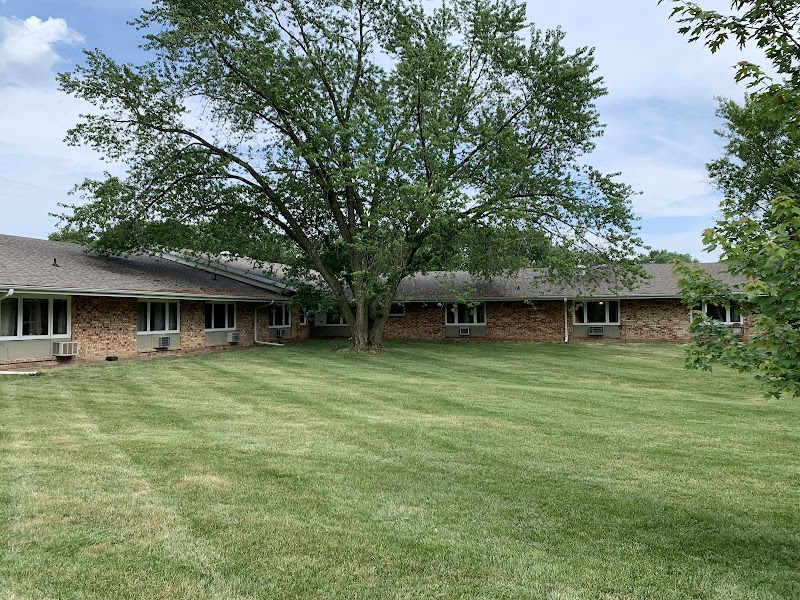
Norwalk Nursing and Rehabilitation Center
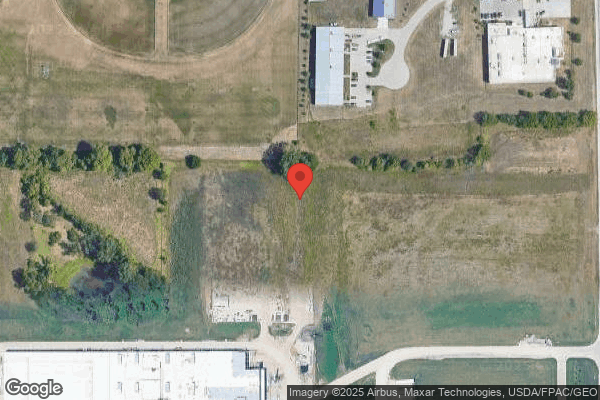
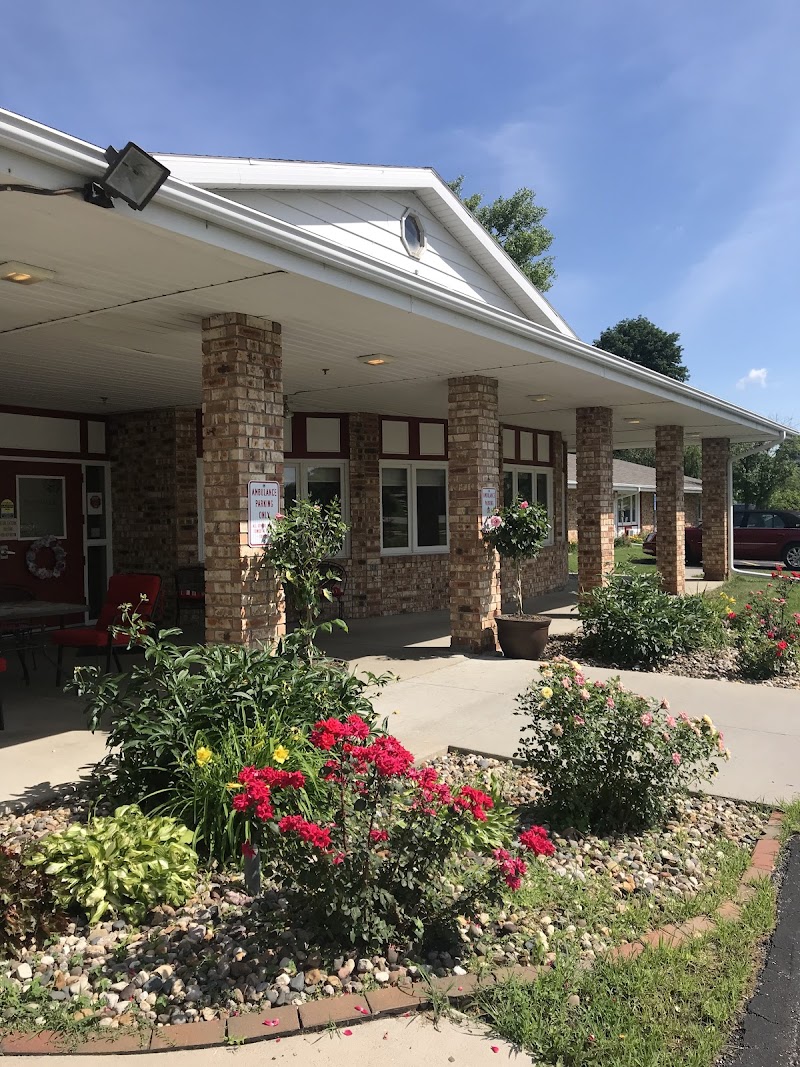
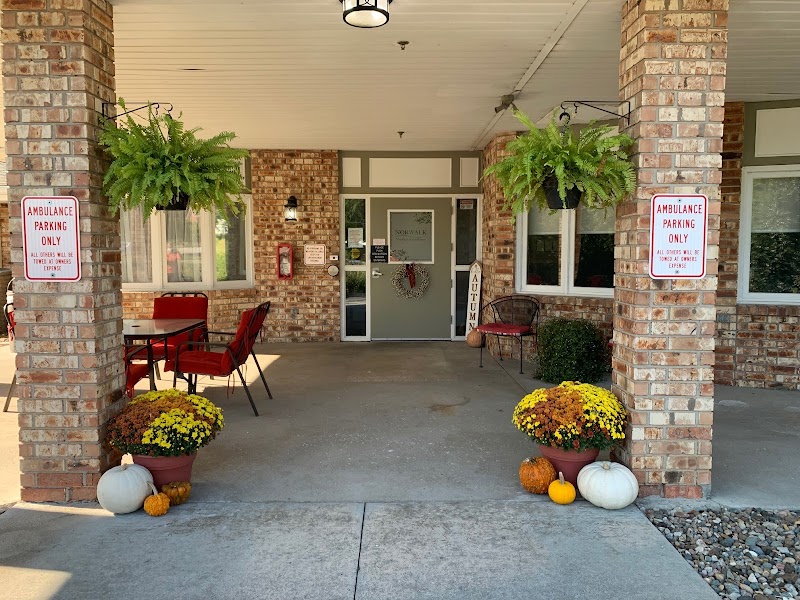
921Sunset Drive, Norwalk, IA 50211 (515) 981-0604
For profit - Corporation 45 Beds CAMPBELL STREET SERVICES Data: November 2025
Trust Grade
60/100
#288 of 392 in IA
Last Inspection: December 2024

Within standard 12-15 month inspection cycle. Federal law requires annual inspections.

Overview

Norwalk Nursing and Rehabilitation Center has a Trust Grade of C+, which means it is considered decent and slightly above average. It ranks #288 out of 392 facilities in Iowa, placing it in the bottom half of nursing homes in the state, but it is #3 out of 6 in Warren County, indicating only two local options are better. The facility has shown improvement in its performance, reducing issues from five in 2024 to one in 2025. However, staffing is a significant concern, with a poor rating of 1 out of 5 stars and a turnover rate of 52%, which is at the state average. While there are no fines recorded, there have been concerning incidents, such as a failure to safely transfer residents and provide a dignified eating experience for those who need assistance, indicating a need for better attention to care protocols. Overall, while the facility has some strengths, particularly in its improving trend and absence of fines, it also has notable weaknesses in staffing and some recent care practices that families should consider.
Trust Score
C+
60/100
In Iowa
#288/392
Bottom 27%
Safety Record
Low Risk
No red flags
Inspections
Getting Better
5 → 1 violations
Staff Stability
⚠ Watch
52% turnover. Above average. Higher turnover means staff may not know residents' routines.
Penalties
✓ Good
No fines on record. Clean compliance history, better than most Iowa facilities.
Skilled Nurses
○ Average
RN staffing data not reported for this facility.
Violations
⚠ Watch
11 deficiencies on record. Higher than average. Multiple issues found across inspections.
★★☆☆☆
2.0
Overall Rating
★☆☆☆☆
1.0
Staff Levels
★☆☆☆☆
1.0
Care Quality
★★★★☆
4.0
Inspection Score
Stable
2024: 5 issues
2025: 1 issues

The Good

  • Full Sprinkler Coverage · Fire safety systems throughout facility
  • No fines on record

Facility shows strength in fire safety.

The Bad

2-Star Overall Rating

Below Iowa average (3.0)

Below average - review inspection findings carefully

Staff Turnover: 52%

Near Iowa avg (46%)

Higher turnover may affect care consistency

Chain: CAMPBELL STREET SERVICES

Part of a multi-facility chain

Ask about local staffing decisions and management

The Ugly 11 deficiencies on record

Apr 2025 1 deficiency
CONCERN (D) 📢 Someone Reported This

A family member, employee, or ombudsman was alarmed enough to file a formal complaint

Potential for Harm - no one hurt, but risky conditions existed

Accident Prevention (Tag F0689)

Could have caused harm · This affected 1 resident

**NOTE- TERMS IN BRACKETS HAVE BEEN EDITED TO PROTECT CONFIDENTIALITY** Based on clinical record review, observation, and staff interview, the facility failed to ensure staff appropriately and safely ...

Read full inspector narrative →
**NOTE- TERMS IN BRACKETS HAVE BEEN EDITED TO PROTECT CONFIDENTIALITY** Based on clinical record review, observation, and staff interview, the facility failed to ensure staff appropriately and safely transferred a resident for 2 of 5 residents observed during transfers (Resident #5 & #6). The facility reported a census of 40 residents. Findings include: 1. The Significant Change Minimum Data Set (MDS) assessment dated [DATE] revealed Resident #5 had diagnoses of Parkinson's Disease, anxiety disorder, muscle weakness, and a history of falls. The MDS documented the resident had a Brief Interview for Mental Status score of 6, indicating severely impaired cognition. The MDS indicated the resident used a wheelchair, required substantial to maximum assistance for transfers and had dependence on staff for wheeling her in a wheelchair 50 feet and 150 feet. The Care Plan updated on 1/27/25 revealed Resident #5 had a risk for falls and limited mobility related to impaired balance, poor safety awareness, and use of medications that increased her risk for falls. The Care Plan revealed the resident utilized a wheelchair that staff propelled for her. During observation on 4/15/25 at 12:20 PM, Staff A, Certified Nursing Assistant (CNA) pushed Resident #5 in a high back wheelchair without foot pedals from the resident's room to the dining room approximately 60 feet. The resident's feet were near the floor as the CNA pushed her in the wheelchair. 2. The Quarterly MDS assessment dated [DATE] revealed Resident #6 had diagnoses of Alzheimer's Disease, dementia, muscle weakness, and low back pain. The MDS recorded the resident had a BIMS score of 6, indicating severely impaired cognition. The MDS indicated the resident required partial to moderate assistance for transfers and used a wheelchair. The Care Plan revised 3/26/25 revealed Resident #6 had a risk for falls related to impaired safety awareness and required assistance with Activities of Daily Living (ADL's). The Care Plan revealed the resident used a wheelchair. The Care Plan directed staff to propel the resident in the wheelchair as needed. During observation on 4/15/25 at 12:15 PM, Staff A, CNA, pushed Resident# 6 in a wheelchair without foot pedals from the resident's room to the dining room approximately 50 feet. The bottom of the resident's feet brushed the floor as the resident sat in the wheelchair and Staff A pushed the wheelchair. During an interview 4/16/25 3:40 PM, the Director of Nursing reported foot pedals needed to be on the wheelchair and utilized whenever staff transported a resident in a wheelchair. On 4/16/25 at 3:40 PM, the Administrator reported the facility did not have a policy for transporting or pushing a resident in a wheelchair.
Dec 2024 5 deficiencies
CONCERN (D) 📢 Someone Reported This

A family member, employee, or ombudsman was alarmed enough to file a formal complaint

Potential for Harm - no one hurt, but risky conditions existed

Resident Rights (Tag F0550)

Could have caused harm · This affected 1 resident

Based on observations, clinical record review, facility policy review and staff interviews the facility failed to provide a dependent resident a dignified eating experience during a noon meal service ...

Read full inspector narrative →
Based on observations, clinical record review, facility policy review and staff interviews the facility failed to provide a dependent resident a dignified eating experience during a noon meal service for 1 of 3 residents reviewed (Resident #3). The facility reported a census of 42 residents. Findings include: The Minimum Data Set (MDS) of Resident #3, dated 11/27/24, identified a Brief Interview of Mental Status (BIMS) score of 2 which indicated severe cognitive impairment. The MDS coded the resident as dependent for eating. The Care Plan revised 11/13/24, included a Focus area to address [Name redacted] has a self-care deficit as evidenced by requires assistance with ADLs (activities of daily living), impaired balance during transitions requires assistance and/or walking. Interventions included, in part; Eating: 1 (one) assist. The Care Plan revised on 11/27/24, included a Focus area to address [Name redacted] has potential nutritional problem r/t (related to) obesity, need for mechanically altered diet, CVA (cerebrovascular accident, or stroke); advanced age. Interventions included, in part; Dependent assist at all meals also encourage intake of additional fluids. A continuous observations of the noon meal on 12/3/24 starting at 11:36 am revealed the following: a. At 11:36 am, Resident #3 assisted to dining room. Her wheelchair placed at a dining table with other residents present. b. At 12:11 pm, staff started to service food and beverages. c. At 12:21 pm, the residents sitting at the table with Resident #3 began to get their meals, and receive assistance to eat and drink. d. At 12:27 pm, Staff A, Certified Nurse Aide/Housekeeping Supervisor brought food to Resident #3 and began to assist her to eat. e. At 12:32 pm, Staff A, CNA offered Resident #3 a drink and then began conversing with another staff member at the table. Without looking at Resident #3, he gave the resident a small sip of her milk. f. At 12:35 pm, Staff B, CNA entered the dining room and Staff A asked him to take over assisting Resident #3. Staff B sat with Resident #3. g. At 12:37 pm, Staff B left the table and assisted Staff C, CNA to reposition another resident in the dining room. h. At 12:38 pm, Staff B returned to the table to sit with Resident #3. i. At 12:41 pm, Staff B left the dining area. j. At 12:42 pm, Staff G, Licensed Practical Nurse (LPN) came to the table with medications for Resident #3. After administering the medications, she encouraged the resident to take some drinks. k. At 12:43 pm, Staff B returned and sat at the table and assisted another resident. l. At 12:44 pm, Staff C, CNA while sitting at table next to Resident #3, cued her to take a drink of milk. Staff D, CNA then sat at the table next to Resident #3. m. At 12:47 pm, Staff B and Staff D left the table. One staff member remained present at the table but was not assisting Resident #3. n. At 12:48 pm, Staff E, Activities Director and CNA arrived to the table and assisted Resident #3 to eat. She then moved to another resident at the table and also assisted that resident. Staff E stayed with Resident #3, alternating helping her as well as another resident until 12:56 pm. o. At 12:57 pm, Staff F, CNA sat with Resident #3 and encouraged fluids. p. At 1:00 pm, Staff F left, while Resident #3 remained at the table. q. At 1:02 pm, Staff Staff C stood at Resident #3's table, assisting another resident. She verbalized to Resident #3 to drink her fluids. r. At 1:03 pm, Staff E returned and assisted Resident #3. s. At 1:05 pm, Staff E left the table. t. At 1:07 pm, Staff F returned and sat with Resident #3 again. u. At 1:09 pm, Reident #3 continued to chew food while the dietary staff started clearing tables. The remainder of the food on Resident #3 plate was removed from the table and dumped into a refuse barrel. v. At 1:11 pm, observation ended with no food or drink remained on the table. During an interview on 12/3/24 at 1:44 pm, the Assistant Director of Nursing stated Resident #3 will sometimes get agitated and at times does better to have a switch in staff members. She stated that it was excessive to switch that many times and usually is two people per meal. During an interview on 12/3/24 at 1:46 pm, the Director of Nursing stated Resident #3 sometimes pushes her food away and prefers to feed herself rather than have staff feed her. He stated staff needs to just get her going to eat and give her a chance to feed herself. He stated sometimes a different face being there will spur her to eat. He stated she has had multiple hospitalizations but has maintained her weight. During an interview on 12/5/24 at 8:02 am, Staff F, CNA stated the normal routine for Resident #3 is for staff to assist her with food and drinks and to always have a staff member at the table. She stated she is currently on light duty and she helps wherever she is able. She stated Resident #3 will push her food away when she is done eating. She stated she asked Resident #3 if she was done on 12/3/24 and Resident #3 stated yes. During an interview on 12/5/24 at 10:46 am, Staff G, LPN stated usually a couple of staff members assist Resident #3 with each meal. She said they have tried to have a single person assist, but it usually does not happen. She stated that was not a normal day and a lot was happening that day. She stated it was a lot to have State Surveyors in the building. She was unable to give any other details but just said it was a lot that day. During an interview on 12/5/24 at 10:51 am, Staff B, CNA stated staff just kind of does that when asked why people came and went so much during lunch service. He stated staff likes to take turns answering call lights or helping residents toilet and alternate between who is sitting with residents and who is on the floor doing other things. During an interview on 12/5/24 at 11:05 am, Staff A, CNA and Housekeeping Supervisor stated if he sees a resident is sitting and needs fed, he will jump in and help. He stated he did not know why so many people came and went on 12/3/24. He stated she often doesn't like to directly be fed but will take cues to eat. During an interview on 12/5/24 at 11:08 am, Staff E, Activities Director/CNA stated there is supposed to be a staff member sitting with Resident #3 at all times during her meal. She stated she normally does not assist to feed residents but she saw other people get up and leave so she came when there was nobody else there with her. The facility policy Dignity, Revision Date February 2021 documented the following: 1. Residents are treated with dignity and respect at all times. 2. The facility culture supports dignity and respect for residents by honoring resident goals, choices, preferences, values and beliefs. This begins with the initial admission and continues throughout the resident's facility stay. 3. Individual needs and preferences of the resident are identified through the assessment process.
CONCERN (D)

Potential for Harm - no one hurt, but risky conditions existed

Deficiency F0578 (Tag F0578)

Could have caused harm · This affected 1 resident

**NOTE- TERMS IN BRACKETS HAVE BEEN EDITED TO PROTECT CONFIDENTIALITY** Based on clinical record review, facility policy review and staff interviews the facility failed to ensure accurate code status ...

Read full inspector narrative →
**NOTE- TERMS IN BRACKETS HAVE BEEN EDITED TO PROTECT CONFIDENTIALITY** Based on clinical record review, facility policy review and staff interviews the facility failed to ensure accurate code status for 1 of 16 resident reviewed for advanced directives (Resident #28). The facility reported a census of 42 residents. Findings include: The Minimum Data Set (MDS) assessment dated [DATE], revealed Resident #28 medical diagnoses included Parkinson's disease, peripheral vascular disease and respiratory disease. The Brief Interview for Mental Status exam scored 15 out of 15 which indicated intact cognition. The MDS reflected resident elected hospice care. The Clinical Resident Profile in the electronic health record for Resident #28 indicated Code Status: (Advance Directives) FULL CODE. Special Instructions: [Name redacted] Hospice. The Care Plan initiated [DATE] revealed a focus area for code status, Do not Resuscitate (DNR), code status will be honored. Interventions included, signed Do Not Resuscitate (DNR) orders, maintain copy of IPOST in chart. The Iowa Physician Orders for Scope of Treatment (IPOST) document signed by the resident on [DATE] directed DNR/Do Not Attempt Resuscitation. The provider signed the form on [DATE]. The IPOST found in a code status binder located at the nurses station. During an interview on [DATE] at 5:00 pm, the Director of Nursing (DON) stated Resident #28 wanted CPR. The DON reported there was a recent change from DNR to CPR. The DON reported the updated form signed by Resident #28 was not updated in the code status book and the new form should of been in the code book. The Administrator, also present during the interview, agreed the electronic record should be the same as the IPOST form. During an interview on [DATE] at 9:30 am, Staff G, Licensed Practical Nurse (LPN) stated she would check for code status in wherever was handy at the time, either the electronic record or the code book kept at the nurses desk. Staff G stated she knew from staff updates, Resident #28 changed to a full code and was still approved to be under hospice. On [DATE] at 9:49 am, Staff H, Registered Nurse stated she would look at the electronic record for code status or the code status binder for the IPOST paper copy. The facility policy, revised [DATE], Policy Interpretation and Implementation section directed, in part: 1. Upon admission, the resident will be provided with written information concerning the right to refuse or accept medical or surgical treatments and to formulate an advance directive if he or she chooses to do so. 19. Changes or revocations of a directive must be submitted in writing to the Administrator. The Administrator may require new documents if changes are extensive. The Care Plan Team will be informed of such changes and/or revocations so that appropriate changes can be made in the resident assessment MDS and care plan.
CONCERN (D)

Potential for Harm - no one hurt, but risky conditions existed

Employment Screening (Tag F0606)

Could have caused harm · This affected 1 resident

Based on personnel file reviews, staff interviews and facility policy review, the facility failed to assure all employees had a child abuse background check completed prior to working in the facility ...

Read full inspector narrative →
Based on personnel file reviews, staff interviews and facility policy review, the facility failed to assure all employees had a child abuse background check completed prior to working in the facility as a Certified Nursing Assistant (CNA) for 1 of 5 current employees sampled. The facility reported a census of 42 residents. Findings include: A review of the personnel file for Staff I, CNA revealed a hire date of 2/28/24. The file failed to contain an abuse registry check prior to hire date. Review of the background check titled Singe Contact License & Background Check (SING), completed on 2/27/24 at 11:02 AM, revealed Child Abuse results required initiating record check evaluation by contacting the Department of Human Services (DHS). During an interview on 12/05/24 at 11:04 am, the Administrator confirmed there was no documentation in the Staff I, CNA personnel file with the results of DHS child abuse evaluation record check. She stated the facility had removed Staff I, CNA from the schedule until they complete the required abuse evaluation through the DHS. The Nursing Facility Abuse Prevention, Identification, Investigation and Reporting Policy updated 7.8.2024 documented The facility shall screen all potential employees for a history of abuse, neglect, exploitation, misappropriation of property, or mistreatment of Residents. It further described the facility will not engage or employ those applicants found on abuse registry and will maintain documentation with such results.
CONCERN (D)

Potential for Harm - no one hurt, but risky conditions existed

Deficiency F0657 (Tag F0657)

Could have caused harm · This affected 1 resident

**NOTE- TERMS IN BRACKETS HAVE BEEN EDITED TO PROTECT CONFIDENTIALITY** Based on clinical record review, facility policy review and staff interview the facility failed to update the care plan to refle...

Read full inspector narrative →
**NOTE- TERMS IN BRACKETS HAVE BEEN EDITED TO PROTECT CONFIDENTIALITY** Based on clinical record review, facility policy review and staff interview the facility failed to update the care plan to reflect a residents change in their choice of advance directives for 1 of 16 residents reviewed for advanced directives (Resident #28). The facility reported a census of 42 residents. Findings include: The Minimum Data Set (MDS) assessment dated [DATE], revealed Resident #28 medical diagnoses, included Parkinson's disease, peripheral vascular disease and respiratory disease. The Brief Interview for Mental Status (BIMS) exam scored 15 out of 15 which indicated intact cognition. The MDS reflected resident elected hospice care. On [DATE] a review of the Clinical Resident Profile in the electronic health record for Resident #28 revealed Code Status: (Advance Directives) FULL CODE. Special Instructions: [Name redacted] Hospice. The Care Plan revealed a focus initiated [DATE] for Resident #28 documented Do not Resuscitate (DNR), code status will be honored, included signed Do Not Resuscitate (DNR) orders, maintain copy of IPOST (The Iowa Physician Orders for Scope of Treatment) in chart. During an interview on [DATE] at 5:00 PM Interview with the Director of Nursing (DON) relayed there was a recent change with Resident #28 code status choice, had signed an updated form wanted CPR. On [DATE] at 10:30 AM the Director of Nursing (DON) and the Administrator acknowledged Resident #28 care plan should have been updated to reflect resident wanted CPR. The facility policy, revised [DATE], titled Care Plans, Comprehensive Person-Centered, Policy Interpretation and Implementation directed, in part: 13. Assessments of residents are ongoing and care plans are revised as information about the resident and the residents' condition changes.
CONCERN (D)

Potential for Harm - no one hurt, but risky conditions existed

Incontinence Care (Tag F0690)

Could have caused harm · This affected 1 resident

**NOTE- TERMS IN BRACKETS HAVE BEEN EDITED TO PROTECT CONFIDENTIALITY** Based on observations, clinical record review, facility policy review and staff interview the facility failed to utilize infecti...

Read full inspector narrative →
**NOTE- TERMS IN BRACKETS HAVE BEEN EDITED TO PROTECT CONFIDENTIALITY** Based on observations, clinical record review, facility policy review and staff interview the facility failed to utilize infection control techniques during incontinence cares for a resident with a history of multiple urinary tract infections in an attempt to minimize the potential for reoccurrence of an infection for 1 of 2 residents reviewed (Resident #3). The facility reported a census of 42 residents. Findings include: The Minimum Data Set (MDS) of Resident #3 dated 11/27/24, identified a Brief Interview of Mental Status (BIMS) score of 2 which indicated severe cognitive impairment. The MDS coded the resident as dependent for toileting hygiene. The MDS reflected the resident always continent with urine and bowel. The Care Plan, initiated date of 10/26/24, revised on 11/25/25 included a Focus area to address [Name redacted[ has BLE (bilateral lower extremities, or legs) and UTI (urinary tract infection) and is at risk for increased temperature dehydration, pain/discomfort. The Care Plan, initiated date of 1/5/24, revised on 10/10/02/24 included a Focus area to address [Name redacted] has the potential for infection related to a history of UTI. A review of a General Progress Note dated 11/24/24, revealed Resident #3 returned from the emergency room with an order for Keflex Oral Capsule 500 mg 1 capsule by mouth four times a day for Cellulite /UTI for 10 days. A review of an admission Assessment note dated 11/1/24, revealed Resident #3 returned to the facility after a hospitalization. The note documented currently on antibiotic therapy due to an active infection .Levofloxacin (an antibiotic) for UT (urinary tract). A review of a ED (Emergency Department) to Hosp-admission (discharged ) note revealed patient admitted on [DATE] with septic shock (a life-threatening condition that occurs when a severe infection causes dangerously low blood pressure) found to be from urinary source and started on cefepime (antibiotic). A review of a General Progress Note dated 10/27/24, revealed an order for Bactrim DS (an antibiotic) Oral Tablet 800-160 MG (milligrams). Give 1 tablet by mouth two times a day for UTI for 5 days. A review of an Order Note dated 9/13/24, revealed an order for Amoxicillin-Pot Clavulanate (an antibiotic combination) Oral Tablet 875-125 MG. Give 1 tablet by mouth two times a day for UTI for 7 days. A review of a General Progress Note dated 8/29/24, revealed an order for Cephalexin (antibiotic) Oral Tablet 500 mg. Give 500 mg by mouth two times a day for UTI until 9/4/24. During an observation on 12/3/24 started at 11:16 am the following revealed: Staff C and Staff D, Certified Nurse Aides (CNA) took Resident #3 into her room for cares. The Director of Nursing (DON) was present in the room for the observation. After transferring the resident from her wheelchair onto her bed, Staff C, CNA washed her hands and donned gloves. Staff D, CNA remained next to the bed. Staff C reminded Staff D she needed to also wash her hands. Staff D washed her hands and donned gloves. She then opened the closed bathroom door to gather supplies for cares from the bathroom and also from the sink area outside the bathroom. Staff D returned to the resident's bedside, and both Staff C and Staff D assisted to turn the resident to her left side, then side to side to lower her pants. Staff D opened the resident's incontinence brief. Without changing gloves or washing hands, Staff D then performed peri care on Resident #3. The resident was incontinent of bowel and bladder. Staff D performed peri cares as Staff C provided supplies. After completing cares on Resident #3's front side, Staff D removed her gloves, performed hand hygiene and placed new gloves on her hands. Both staff then turned the resident to her side. Staff D gathered the dirty brief and placed the brief in the garbage and then began to cleanse the resident's buttocks. Staff C then placed a clean incontinence brief under the resident. Both staff removed their gloves, performed hand hygiene and placed new gloves. Staff then repositioned resident side to side to replace her clothing and secure the brief. Staff D removed her gloves and took the soiled trash out of the trash can and placed a clean bag in the can and placed the trash bag on the floor near the door. After using hand sanitizer, staff transferred the resident back to her wheelchair. During an interview on 12/3/24 at 1:39 pm, the DON stated staff did not wash their hands as frequently as they should have during the observation earlier in the day. He stated after hands were washed and gloves were placed, staff should not have then went into the bathroom for supplies or an additional hand hygiene and gloving should have been done prior to performing peri cares. The facility policy, revised February 2018, titled Purpose statement declared The purposes of this procedure are to provide cleanliness and comfort to the resident, to prevent infections and skin irritation, and to observe the resident's skin condition.
Oct 2022 5 deficiencies
CONCERN (D)

Potential for Harm - no one hurt, but risky conditions existed

Abuse Prevention Policies (Tag F0607)

Could have caused harm · This affected 1 resident

**NOTE- TERMS IN BRACKETS HAVE BEEN EDITED TO PROTECT CONFIDENTIALITY** Based on clinical record review, observations, staff and resident interviews, and facility policy review, facility staff failed ...

Read full inspector narrative →
**NOTE- TERMS IN BRACKETS HAVE BEEN EDITED TO PROTECT CONFIDENTIALITY** Based on clinical record review, observations, staff and resident interviews, and facility policy review, facility staff failed to ensure resident safety and did not implement its policy to immediately remove an alleged abuse perpetrator from further work pending results of investigation and to report abuse allegations immediately to the facility administrator for 1 of 2 residents (Resident # 29) in the sample reviewed for abuse. The facility reported a census of 37 residents at the time of the survey. Findings include: Resident # 29's annual MDS (Minimum Data Set) assessment dated [DATE], showed a BIMS (Brief Interview for Mental Status) score of 14 that indicated intact memory and cognition. His most recent MDS assessment dated [DATE] documented a BIMS score of 15, also indicating intact memory and cognition. # 29's MDS assessments identified active diagnoses including a medically complex condition, CVA (cerebrovascular accident) or stroke, diabetes mellitus, hemiplegia (paralysis on one side of body), anxiety disorder, depression, and adjustment disorder with depressed mood. The care plan identified Resident # 29's risk for alteration in mood/behavior related to diagnosis of autistic disorder and history of stroke. The care plan noted that Resident # 29 can become verbally aggressive when his routine is disrupted or he was not anticipating the interaction. The care plan directed staff to implement interventions that include assessment of Resident # 29's understanding of the situation, allowing time for him to express self and feelings toward the situation; and monitoring and documenting observed behaviors and attempted interventions The care plan also identified Resident # 29's impaired cognitive function with impaired thought processes related to diagnosis of autistic disorder and history of stroke. The care plan directed staff to to communicate with Resident # 29 regarding capabilities and needs; to identify yourself at each interaction; face Resident # 29 when speaking and make eye contact; provide consistent, simple, directive sentences and necessary cues, and then to stop and return if agitated; monitor/document/report any changes in cognitive function; and monitor/document occurrence of behavioral symptoms inappropriate response to verbal communication, violence/aggression towards staff/others, and document per facility protocol. On 6/21/22, the facility reported an incident to the Department of Inspections and Appeals (DIA) regarding Resident #29. The report documented that an agency certified nursing assistant called Resident #29 a 'son of a b****' as overheard by Staff I, Housekeeper. On 10/04/22 at 1:36 PM, Resident # 29 sat in a wheelchair in his room and watched a program being played in his computer. Resident # 29 responded to the knock and greeting but stated that he did not want to answer questions. On 10/06/22 at 12:55 PM, Resident # 29's call light was on, Staff H LPN (Licensed Practical Nurse) responded and entered Resident # 29's room at 12:56 PM. Staff H described Resident # 29 as someone who did not really want talking with staff and wanted staff to go in and out. During observation and interview on 10/06/22 at 1:20 PM, Resident # 29 remained in his room, quietly sitting in wheelchair, with attention to his computer on top of the bedside table. Resident # 29 waved in response to a knock, but when asked about interviewing to follow-up on incident at the facility, Resident # 29 verbalized that he was not interested in any of those and repeated, no thank you. During interview on 10/10/22 at 10:21 AM, Staff I stated she worked the weekend of 6/19/22, and while in the 300 hallway at about 7:30 AM delivering laundry, there were 2 agency staff in Resident # 29's room doing cares. One of the agency staff called Resident # 29 an a**-hole to which Resident # 29 answered back, watch your mouth!. Staff I further said that the upset agency Staff J CNA (Certified Nurse Aide) uttered, Son of a b****! while walking out from Resident # 29's room and into the hallway. Staff I said she reported what she heard to Staff K CNA (former regular staff). Staff K then approached Staff J saying that what she (Staff J) said was not nice and she should no longer be caring for Resident # 29. Staff I said she also reported the same to Staff L LPN who was the nurse on duty at that time. Staff I stated that Staff J should not have been allowed to continue working her shift. During interview on 10/10/22 at 10:32 AM, Staff L acknowledged that she was the nurse on duty the weekend of 6/19/22 during an incident involving Staff J and Resident # 29. Staff L stated she learned about the incident from Staff K (former regular staff) and not from Staff I. Staff L said she pulled Staff J aside and told Staff J that was not nice to say/treat to Resident # 29 and that she (Staff J) would no longer be allowed in Resident # 29's room. Staff L said she went to check on Resident # 29, who said he was fine, and that he was not sure if what Staff J said under her breath was directed at him. Staff L stated she did not report the incident immediately to administrator saying, as she felt like she protected the resident even though all was hearsay, there was confusion, it was so busy but that residents were protected. Staff L further said Staff J no longer went to Resident # 29's room but finished the shift caring for other residents. The facility's staffing schedule for 6/19/22 recorded that Staff J worked from 6 AM to 2 PM. The incident happened at approximately 7:30 AM on 6/19/22, per Staff I interview. The facility's investigation report showed that the incident was reported to the Administrator on 6/21/22 at 7:30 AM or 2 days after the occurrence. During interview on 10/10/22 at 2:20 PM, the Administrator stated there was some confusion on what the staff did to handle the incident involving Resident # 29 on 6/19/22. The staff members did not know about abuse incident reporting. The Administrator also said it is their understanding that the policy provision written as immediate removal of alleged perpetrator from center pending results of investigation meant for as long as the facility removed the alleged perpetrator from caring for the resident involved. The facility's policy titled, Nursing Facility Abuse Prevention, Identification, Investigation and Reporting Policy, updated on 3/3/22, provided that all residents have the right to be free from abuse, to include prohibiting nursing facility staff from taking acts that result in personal degradation (*statement intended to shame, degrade, humiliate, or otherwise harm the personal dignity of the dependent adult). The policy directed facility to implement written procedures that prohibit abuse, protection of residents and prevention, identification, investigation, and timely reporting of abuse. The policy noted, Upon receiving a report of an allegation of resident abuse, neglect, exploitation or mistreatment, the facility shall immediately implement measures to prevent further potential abuse of residents from occurring while the facility investigation is in process. The policy also directed staff to separate employee accused of abuse from all residents by moving the employee where there will be no contact with any residents of the facility. The further provided that all allegations of resident abuse/mistreatment should be reported immediately to the Administrator.
CONCERN (D)

Potential for Harm - no one hurt, but risky conditions existed

Assessment Accuracy (Tag F0641)

Could have caused harm · This affected 1 resident

**NOTE- TERMS IN BRACKETS HAVE BEEN EDITED TO PROTECT CONFIDENTIALITY** Based on clinical record reviews, resident interview, review of the Resident Assessment Instrument (RAI) manual v1.17.1_October ...

Read full inspector narrative →
**NOTE- TERMS IN BRACKETS HAVE BEEN EDITED TO PROTECT CONFIDENTIALITY** Based on clinical record reviews, resident interview, review of the Resident Assessment Instrument (RAI) manual v1.17.1_October 2019, and staff interviews, facility staff failed to assure each resident received an accurate Minimum Data Set (MDS) assessment, reflective of the residents' status at the time of the assessment for 2 of 2 residents (Residents #14 and #19) reviewed for Accuracy of Assessments. The facility reported a census of 37 residents. Findings include: 1. The Minimum Data Set (MDS) assessment for Resident 14 dated 4/15/22 recorded a score of 6 out of a possible 15 points on a Brief Interview of Mental Status (BIMS), indicating a severe cognitive deficit. Additionally, the MDS documented the resident required a 2-person staff assist for bed mobility, transfers, dressing, toilet use and personal hygiene and a 1-person staff assist for wheelchair locomotion and eating. The assessment listed she had diagnoses that included stroke, hemiparesis (paralysis or weakness of 1 side of the body), hypertension (high blood pressure) diabetes, Non-Alzheimer's dementia, anxiety, depression and bipolar disorder. According to the RAI, Section G of the MDS is to assess the functional status of the resident in regard to the need for assistance with the activities of daily living (ADLs). a. The MDS for Resident 14 dated 4/15/22 shows transfer status as extensive, 2-person assist. Review of admission note for Resident 14 revealed she required a Hoyer (mechanical) lift for transfers on admission. Review of Resident #14's care plan revealed she maintained the status of Hoyer lift transfers during her entire stay at the facility. Per the coding instruction of the RAI, transfers via lifts that require the resident to bear weight during the transfer, such as a stand-up lift, should be coded as Extensive Assistance, as the resident participated in the transfer lift and provided weight bearing support. A Hoyer lift is a lift in which the resident is in a sling in a sitting or lying position and fully lifted to transfer from on surface to another with no weight bearing and is considered Dependent assistance for coding on the MDS. During an interview on 10/6/22 at 9:50 am, Staff D, Certified Nurse Aide (CNA) stated that Resident #14 is always transferred using a Hoyer lift and has always been a Hoyer transfer for all of the time she had been a facility employee. b. The review of the MDS for Resident 14 dated 7/13/22, Section G0300A, recorded she was unsteady and only able to stabilize with staff assistance when moving from a seated position to a standing position. Further review revealed Section G0300D documented the resident was unsteady and only able to stabilize with staff assistance to move on and off the toilet. The resident could not stand and required the use of a Hoyer lift. Per comprehensive care plan with a focus area of self care deficit, an intervention dated 5/22/22 directed the resident does not use a toilet, bedpan or bedside commode. c. Review of multiple MDS assessments for Resident #14, with dates of 12/14/21, 1/10/22, 1/21/22, 4/15/22 and 7/13/22 all reveal in Section I8000 an active diagnosis of morbid obesity. Resident 14 has a documented height of 65 inches, with weights documented as 12/14/21 MDS admission MDS 154 pounds; 1/10/22 MDS discharge MDS 158 pounds; 1/21/22 MDS quarterly MDS 156 pounds; 4/15/22 MDS quarterly MDS 164 pounds; 7/13/22 MDS quarterly MDS 148 pounds. At the highest weight of 164 pounds, this is a Body Mass Index (BMI) of 27. Per the Centers for Disease Control and Prevention (CDC) Morbid Obesity is defined as a BMI of 40 or higher. d. Chapter 3 of the RAI instructed the definition of active diagnosis as Physician-documented diagnoses in the last 60 days that have a direct relationship to the resident's current functional status, cognitive status, mood or behavior, medical treatments, nursing monitoring, or risk of death during the 7-day look-back period. Review of progress notes from the medical director and nurse practitioner's visits for the resident since her admission to the facility reveal no documentation of an active diagnosis of morbid obesity prior to 3/28/22. The most recent visit notes dated 7/26/22, 8/9/22 and 10/4/22 recorded a past medical history of morbid obesity but no current diagnosis. e. Review of an Incident Report for Resident #14, dated 2/7/22 revealed the resident was heard hollering and observed lying on the floor on the side of the bed near the window. Her bed was in high position. The resident was observed lying on her left side complaining of left hip and shoulder pain. She had blood noted from a mouth wound, a right elbow wound and left arm wound and wound to right hairline. Staff documented concern for a broken hip and the resident transferred to the hospital for x rays. Review of the MDS dated [DATE] revealed documentation that the resident had experienced zero falls in the time period since the most prior MDS dated [DATE]. 2. The MDS assessment for Resident #19 dated 7/27/22 indicated the resident scored a 15 on a BIMS assessment, indicating intact memory and cognition. The MDS documented the resident required a 1-person staff assist for bed mobility, transfers, wheelchair locomotion, dressing, toilet use and personal hygiene and bathing as well as set-up assistance for eating. The MDS listed diagnoses that included multiple sclerosis, coronary artery disease, hypertension (high blood pressure) and diabetes. a. The MDS assessment for Resident #19 dated 7/27/22, Sections G0110C and G0110D, recorded the resident walked both in his room and in the corridor with 1-person assistance. Section G0300B of the same MDS revealed documentation of walking as Did Not Occur. Review of the comprehensive care plan with a focus area of self care deficit dated 6/14/22 revealed lack of documentation of the resident being ambulatory. An intervention dated 6/17/20 directed staff he was independent in his use of an electric wheelchair for locomotion. During an interview with Resident #19 on 10/5/22 at 10:00 am, the resident stated he has used an electric wheelchair for over 20 years and has not walked due to multiple sclerosis. b. Observation on 10/5/22 10:00 am, revealed Resident #19 had one-half side rails on both sides of his bed. During the resident interview on 10/5/22 at 10:00 am, the resident stated he requested these rails and uses them for assistance in bed mobility. The side rails assist him to turn side to side and he is able to transfer from the bed to his wheelchair without the side rails hindering his transfer. Resident #19 further staff staff had offered other alternatives to side rails and he did not wish for the side rails to be removed. The resident's comprehensive care plan had a focus area of utilizing half side rails, dated 8/25/22. The care plan directed that the use of side rails is to promote independence with bed mobility and positioning. Review of assessment titled Adaptive Equipment Restraint Use, dated 4/21/2021, revealed the definition of restraint as any manual method, physical/mechanical device or material/equipment attached/adjacent to the body that a resident can't easily remove, which restricts freedom of movement or normal access to one's body. Further review of the assessment revealed the use of half side rails for the resident does not meet the definition of a physical restraint. Review of the RAI revealed that any method or physical or mechanical device, material or equipment should be classified as a restraint only when it meets the criteria of the physical restraint definition. Additionally the RAI stated that any item that met the definition of restraint must have physician documentation of a medical symptom that supports the use of the restraint, a physician's order for the type of restraint and parameters of use, and a care plan and a process in place for systematic and gradual restraint reduction (and/or elimination, if possible), as appropriate. The MDS assessment for Resident #19 dated 5/5/21, Section P0100A, revealed documentation of daily use of bed rails as a restraint.
CONCERN (D)

Potential for Harm - no one hurt, but risky conditions existed

Comprehensive Care Plan (Tag F0656)

Could have caused harm · This affected 1 resident

**NOTE- TERMS IN BRACKETS HAVE BEEN EDITED TO PROTECT CONFIDENTIALITY** 2. The MDS assessment for Resident #14 dated 4/15/22 recorded the resident scored 6 out of a possible 15 points on a Brief Inter...

Read full inspector narrative →
**NOTE- TERMS IN BRACKETS HAVE BEEN EDITED TO PROTECT CONFIDENTIALITY** 2. The MDS assessment for Resident #14 dated 4/15/22 recorded the resident scored 6 out of a possible 15 points on a Brief Interview of Mental Status (BIMS), indicating severely impaired memory and cognition. The assessment documented the resident required 2-person staff assistance for bed mobility, transfers, dressing, toilet use and personal hygiene and 1-person staff assist for wheelchair locomotion and eating. The resident's diagnoses included stroke, hemiparesis (paralysis or weakness of 1 side of the body), hypertension (high blood pressure) diabetes, Non-Alzheimer's dementia, anxiety, depression and bipolar disorder. Review of Resident #14's admission MDS assessment dated [DATE] revealed in Section V, Care Area Assessment (CAA) Summary, that she triggered for the section of Falls. Further review showed the reason the resident assessment triggered this area as she was unstable during surface to surface transfers and only able to stabilize with staff assistance. The CAA worksheet recorded this was an actual (vs potential) finding and indicated further risk of falls based on use of antipsychotic medication as well as having circulatory, neuromuscular and cognitive risk factors. Under the heading of care plan considerations, staff documented a focus area of falls would be addressed on the care plan with the statement the care plan will be initiated/reviewed to improve/maintain current physical function as it relates to ADLs, gait stability, strength and endurance, mobility, decrease fall risk and minimize injury related to falls. The CAA was dated 12/23/21. Review of the State Operations Manual reveals the comprehensive care plan must be developed within 7 day after completion of the comprehensive assessment. Review of an incident report for Resident #14 dated 2/7/22 revealed the resident fell which resulted in multiple injuries. Her comprehensive care plan showed staff initiated a focus area of falls on 3/20/22. Incident reports revealed that Resident #14 had further falls on 6/8/22, 6/24/22 and 8/8/22. An intervention dated 6/9/22 on the care plan directed staff to to put the resident's bed in low position and to have a fall mat on both sides of bed. An intervention dated 8/9/22 revealed a medication review was completed. No intervention could be found for the fall on 6/24/22. Based on clinical record reviews, observations, interviews, and facility policy review, the facility failed to ensure development of a comprehensive care plan with focus on restorative nursing services for 1 of 2 residents (Resident # 6) sampled for limited range of motion. In addition the facility did not develop a care plan for the prevention of falls for 1 of 4 residents (Resident # 14) in the sample reviewed for accidents. The facility reported a census of 37 residents at the time of the survey. Findings include: 1. Resident #6's annual MDS (Minimum Data Set) assessment dated [DATE] documented her active diagnoses including non-traumatic brain dysfunction, arthritis, osteoporosis, stroke, Non-Alzheimer's dementia, hemiplegia/hemiparesis (paralysis on one side of body), and seizure disorder. The MDS indicated Resident #6 experienced severely impaired cognitive skills for daily decision-making. The resident showed total dependence on staff for ADLs (activities of daily living), had impaired range of motion on all upper and lower extremities, and used a wheelchair as mobility device. The MDS further indicated that Resident #6 did not receive restorative nursing services in the 7 days of the assessment's look-back period. Observations on 10/05/22 at 8:12 AM and on 10/10/22 at 8:05 AM, showed Resident #6 in the dining room, with contractures in her fingers and hands, and with stiff lower extremities. The resident's Order Summary Sheet documented an order dated 1/28/22 directing PT/OT/ST (physical therapy/occupational therapy/speech therapy) to evaluate and treat Resident # 6. The resident's PT Discharge summary dated [DATE] recommended that Resident # 6 discharge to an ICF (Intermediate Care Facility) level of care with restorative nursing in place. The discharge recommendations also documented, Recommend RA [Restorative Aide] program to maintain gains made in therapy and prevent functional decline and for contracture management. However, the resident's undated care plan lacked development of a restorative nursing care program for Resident # 6. Interviews that revealed lack of directions regarding restorative nursing care for Resident # 6 were as follows: a. During interview on 10/10/22 at 8:10 AM, the DOR (Director of Rehabilitation) reported that Resident #6 received therapy services on 1/13/22 to 1/18/22 because of her contractures, and then discharged because of a change in payor source. The DOR said Resident #6 resumed skilled therapy from 2/1/22 to 2/18/22, and then discharged on 2/24/22. b. During interview on 10/10/22 at 9:29 AM, the RA (Restorative Aide) said that Resident #6 was not receiving restorative nursing services and that Resident #6 had not been on restorative nursing for a long time. The RA also verified lack of any restorative nursing documentation, saying that Resident #6 was not on it. c. On 10/10/22 at 11:03 AM, the Administrator verified the lack of implementation and follow through regarding a restorative nursing plan. The Administrator acknowledged the importance of following treatment recommendations after the ordered PT/OT evaluations. The Administrator stated expectations for staff to follow orders and recommendations. The facility's policy titled, Restorative Nursing Services, dated July 2017, provided that restorative goals and objectives are individualized and resident-centered and are outlined in the residents' plan of care. The policy also provided that restorative goals may include developing, maintaining, and strengthening physiological and psychological resources.
CONCERN (D)

Potential for Harm - no one hurt, but risky conditions existed

ADL Care (Tag F0677)

Could have caused harm · This affected 1 resident

Based on clinical record review, observation, resident and staff interviews, and facility policy review, the facility failed to follow the individual plan of care and provide at least one to two baths...

Read full inspector narrative →
Based on clinical record review, observation, resident and staff interviews, and facility policy review, the facility failed to follow the individual plan of care and provide at least one to two baths per week for 2 of 5 residents (#16 and #18) reviewed who required assistance to maintain their personal hygiene. The facility reported a census of 37 residents. Findings include: 1. The Minimum Data Set (MDS) assessment for Resident #16 dated 9/26/22 recorded diagnoses that included dementia, atrial fibrillation and depression. The MDS documented a Brief Interview Mental Status (BIMS) score of 13 out of 15, which indicated intact memory and cognition. Resident #16 required the assistance of one staff member for physical help during bathing. The assessment did not document the presence of behavioral symptoms or that Resident #16 rejected care. The comprehensive care plan instructed that Resident #16 has a self-care deficit and she required assistance with Activities of Daily Living (ADLs). Resident #16 is to bathe twice weekly and required extensive assistance with personal hygiene care. During an interview on 10/4/22 at 2:17 p.m. with Resident #16, stated she had not received a a bath for one month and could smell herself. She stated she has never refused to shower when offered. During an interview on 10/5/22 at 4:00 p.m. with Resident #16 stated she received a bath on 10/4/22. She appeared clean, with combed hair and clean clothing. Bathing sheets recorded that Resident #16 received one bath per week from 9/1/22 to 9/30/22 and had a 17-day gap without a bath from 9/13/22 to 9/30/22. The The Shower List for 9/1 - 9/30/22 recorded that Resident #16 received showers on 9/2, 9/6, 9/13, and 9/30/22. 2. The MDS assessment for Resident #18 dated 7/27/22 recorded diagnoses that included Alzheimer's disease, dementia, and anxiety. The resident had a BIMS score of 00 out of 15, indicating severely impaired memory and cognition. The MDS documented she required extensive assistance with bed mobility, transfers, and toilet use and as totally dependent on staff for bathing. The comprehensive care plan instructed that Resident #18 has a self-care deficit related to Alzheimer's disease and the use of psychoactive medications and dementia. She is totally dependent on staff assistance for ADLs and bathing, with direction to bathe once weekly and as needed per her preference. Observation on 10/5/22 at 11:45 a.m. revealed Resident #18 laid in bed; her hair appeared stringy and greasy. Observation on 10/5/22 at 4:02 p.m. revealed Resident #18 sat at the dining table waiting for dinner. The resident's hair appeared unkept and greasy. Observation on 10/6/22 at 8:26 a.m. revealed Resident #18 sat at the dining table with her hair pulled back in a pony tail; her hair appeared greasy. An interview on 10/5/22 at 1:47 p.m. with the Director of Nursing (DON) revealed that Staff A, Shower Aide, did not work 10/5/22 and residents would not receive a shower. The DON verified that certain residents only receive showers on Wednesdays. The DON did not have a plan for residents who would not receive a shower on 10/5/22. During an interview on 10/6/22 at 8:27 a.m. Staff A stated that Resident #18 got a shower a week ago on Wednesday, and she is to receive one shower per week on Wednesday. Staff A stated that Resident #18 did not receive a shower the Wednesday prior on 10/5/22. During an interview on 10/6/22 at 8:45 a.m. the Administrator stated that all residents should be offered a shower or bed bath twice per week. During an interview on 10/6/22 at 9:00 a.m. Staff A stated she has not been able to give 2 showers per week and bathes residents one time per week. Staff A did not know that staff directives for resident baths were on the care plan. On 10/6/22 at 10:33 a.m. the DON stated she was unaware residents received one bath per week and that Staff A did not know she was expected to document showers in the electronic health record (EMR). The Bathing documented recorded that Resident #18 received a shower 9/7/22 and 9/14/22 only during September. Facility documentation demonstrated Resident #18 a 14-day gap without a bath between 9/14/22 - 9/28/22. The facility's policy titled Activities of Daily Living, Supporting, dated March 2018 instructed that appropriate care and services will be provided for residents who are unable to carry out ADLs independently, with the consent of the resident and in accordance with the plan of care, including appropriate support and assistance with hygiene, mobility, elimination, dining, and communication.
CONCERN (D)

Potential for Harm - no one hurt, but risky conditions existed

Deficiency F0688 (Tag F0688)

Could have caused harm · This affected 1 resident

**NOTE- TERMS IN BRACKETS HAVE BEEN EDITED TO PROTECT CONFIDENTIALITY** 2. The MDS assessment for Resident #14 dated 4/15/22 recorded a Brief Interview for Mental Status (BIMS) score of 6 out of a pos...

Read full inspector narrative →
**NOTE- TERMS IN BRACKETS HAVE BEEN EDITED TO PROTECT CONFIDENTIALITY** 2. The MDS assessment for Resident #14 dated 4/15/22 recorded a Brief Interview for Mental Status (BIMS) score of 6 out of a possible 15 points, indicating a severe cognitive deficit. The assessment documented the resident required a 2-person staff assist for bed mobility, transfers, dressing, toilet use and 1-person staff assist for wheelchair locomotion and eating. The MDS listed diagnoses that included stroke, hemiparesis (paralysis or weakness of 1 side of the body) hypertension (high blood pressure) diabetes, Non-Alzheimer's dementia, anxiety, depression and bipolar disorder. Resident #14's MDS of 12/14/21 documented she entered the facility on 12/10/21 with a primary diagnosis of stroke. A review of documentation titled Occupational Therapy evaluation, dated 12/12/21 revealed in the section labeled musculoskelatal system assessment that the resident had no contractures on this date. The resident's Occupational Therapy Treatment Encounter Note dated 3/25/22 documented the therapist provided gentle passive range of motion to the resident's left upper extremity and increased tightness of the resident's wrist/fingers. The resident was not wearing her hand splint and the Occupational Therapist Assistant placed the hand splint on the resident after performing range of motion. Additional notes with encounter dates of 4/4/22 and 4/13/22 revealed documentation of increased tone (inflexibility) in left upper extremity and stiffness in the wrist and fingers. In review of the comprehensive care plan for the resident with a focus area of self care deficit, an intervention dated 2/11/22 directed that Resident #14 has a contracture of the left hand and directed staff to provide skin care to keep the skin clean and prevent skin breakdown. An intervention dated 3/20/22 directed staff to apply a resting hand splint to the resident's left hand every day and remove the splint at bedtime. During an interview on 10/6/22 at 9:00 am, Staff E, Occupational Therapist stated she had worked with Resident #14 multiple times from her initial admission in 12/21 through several months of the resident receiving occupational therapy. She stated the resident's left arm was completely flaccid (soft and hanging limp) and she had no contracture upon admission. Staff E additionally stated she was the person who initiated getting the hand splint for the resident as a means of reducing the chances of developing a contracture. Staff E stated contractures are common in residents who have hemiplegia and the splint was intended to be a preventative for the development of a contracture. Observations of the resident on multiple occasions revealed her to be seen not wearing the ordered soft hand splint: a. On 10/4/22 at 3:20 pm the resident rested in her bed. She had a geri sleeve on her left arm and did not wear a left hand splint. b. On 10/5/22 at 7:50 am the resident was observed in her room with a staff member completing morning cares. The resident wore TED (antiembolism) hose and a left geri sleeve. The resident did not wear a left hand splint. c. On 10/5/22 at 8:25 am the resident ate breakfast in the dining room. The resident fed herself with her dominant right hand and had no hand splint on. d. On 10/6/22 at 8:05 am the resident was again observed in the dining room waiting for breakfast. She did not wear a hand splint during the observation. Review of the resident's Treatment Administration Record (TAR) for 10/22 revealed an order directing staff to apply a resting hand splint every day shift to Resident #14's left hand with a start date of 2/13/22. The TAR documented placement of the resident's hand splint on 10/4, 10/5 and 10/6/22 contradictory to observations. During an interview on 10/6/22 at 9:25 am in Resident #14's, Staff G, Registered Nurse (RN) confirmed the resident was not wearing her ordered hand splint. Staff G acknowledged the resident is supposed to be wearing it and she started looking around the room to locate the splint. After opening drawers in the nightstand and looking in other places around the room, Staff G located the splint in the sink area. Staff G then placed the splint on the resident's left hand. Staff G stated the normal routine is for the CNA who gets the resident dressed to place the splint as part of the morning cares. During an interview on 10/6/22 at 9:50 am, Staff D, CNA stated she had been taught the procedure for how to place the hand splint on Resident #14 but she was not aware of who was responsible for placing it on the resident daily. Staff D believed therapy staff normally put it on the resident. During an interview on 10/6/22 at 10:55 am, Staff F, Occupational Therapist confirmed she authored a document titled Occupational Therapy Evaluation and Plan of Treatment dated 1/19/22 for Resident #14. This document recorded Short Term Goal #2 as ' Patient will tolerate range of motion techniques to bilateral upper extremities for contracture management and improved upper body activities of daily living performance ' . Staff F stated the language contracture management listed in this goal meant that the resident did not have a contracture at that time and the goal was to manage the prevention of a contracture developing. The evaluation also documented in the section labeled Musculoskelatal system assessment (page 3) a question if there currently were functional limitations present due to contracture which the answer was no. Staff F stated this meant the resident did not have any contractures at the time of the evaluation. Based on clinical record reviews, observations, staff interviews, and facility policy review, facility staff failed to ensure restorative nursing services and to consistently implement interventions to prevent the development or worsening of contractures for 2 of 2 residents (Residents #6 and #14) reviewed for limited range of motion, positioning, and mobility. The facility reported a census of 37 residents at the time of the survey. Findings include: 1. Resident #6's annual MDS (Minimum Data Set) assessment dated [DATE] documented her active diagnoses including non-traumatic brain dysfunction, arthritis, osteoporosis, stroke, Non-Alzheimer's dementia, hemiplegia/hemiparesis (paralysis on one side of body), and seizure disorder. The MDS indicated Resident #6 experienced severely impaired cognitive skills for daily decision-making. The resident showed total dependence on staff for ADLs (activities of daily living), had impaired range of motion on all upper and lower extremities, and used a wheelchair as mobility device. The MDS further indicated that Resident #6 did not receive restorative nursing services in the 7 days of the assessment's look-back period. Resident #6's care plan identified a focus area regarding ADL self-performance deficit related to residual effects of cerebrovascular accident (stroke) as evidenced by need for total staff assistance with ADLs. The care plan described Resident # 6 as non-ambulatory and unable to bear weight on bilateral (both) lower extremities, she utilized bilateral 1/2 side rails as a mobility aid for attempts to assist with repositioning related to difficulty due to stroke and seizure disorders diagnoses. The care plan directed staff to encourage Resident #6 to work with Restorative Therapy CNA [certified nurse aide] as outlined in restorative care plan. The care plan also directed PT/OT (physical therapy/occupational therapy) evaluation and treatment according to doctor's orders. The resident's Order Summary Sheet documented an order dated 1/28/22 directing PT/OT/ST (physical therapy/occupational therapy/speech therapy) to evaluate and treat Resident # 6. During observation on 10/05/22 at 8:12 AM, Resident #6 sat in the dining room area in a geriatric chair, with clenched fists on her chest area. At times she'd raise her right hand and touch her mouth area with stiff fingers. A throw blanket covered Resident # 6's lap and lower extremities except for the left foot, which was raised and not resting on the leg support board. During observation on 10/10/22 at 8:05 AM, Resident #6 sat in a geriatric chair at the dining room with a throw blanket covering on lap area and lower extremities. Resident #6's hands were visible on her chest area with contracted fingers. On 10/10/22 at 8:10 AM, the DOR (Director of Rehabilitation) stated that Resident #6 has ongoing restorative nursing therapy, however, the DOR reported that the only restorative nursing documentation she could find for Resident # 6 were from 2018. The DOR also stated that Therapy recommends a restorative nursing program and then nursing staff adjusts it as they see fit. The DOR reported that Resident #6 received therapy services on 1/13/22 to 1/18/22 because of her contractures but was discharged due to change in payor source. The DOR further reported that Resident #6 resumed skilled therapy on 2/1/22 and discharged on 2/18/22. The resident's PT Discharge summary dated [DATE] recommended that Resident #6 discharge to an ICF (Intermediate Care Facility) level of care with restorative nursing in place. The discharge recommendations also documented, Recommend RA [Restorative Aide] program to maintain gains made in therapy and prevent functional decline and for contracture management. During interview on 10/10/22 at 9:29 AM, the RA (Restorative Aide) stated that Resident # 6 was not receiving restorative nursing services and had not been on them for a long time. The RA also reported a lack of any restorative nursing documentation because Resident # 6 was not on it. During interview on 10/10/22 at 11:03 AM, the Administrator verified the lack of implementation and follow through regarding Resident # 6's restorative nursing care. The Administrator acknowledged the importance of following treatment recommendations after the ordered PT/OT evaluations. The Administrator stated expectations for staff to follow orders and recommendations. The facility's policy titled, Restorative Nursing Services, dated July 2017, provided that restorative nursing may be started during the course of stay or upon discharge from rehabilitative care. The policy provided that restorative goals and objectives are individualized and resident-centered and are outlined in the residents' plan of care. The policy further provided that restorative goals may include developing, maintaining, and strengthening physiological and psychological resources.
Understanding Severity Codes (click to expand)
Life-Threatening (Immediate Jeopardy)
J - Isolated K - Pattern L - Widespread
Actual Harm
G - Isolated H - Pattern I - Widespread
Potential for Harm
D - Isolated E - Pattern F - Widespread
No Harm (Minor)
A - Isolated B - Pattern C - Widespread

Questions to Ask on Your Visit

  • "Can I speak with families of current residents?"
  • "What's your RN coverage like on weekends and overnight?"

Our Honest Assessment

Strengths
  • • No major safety red flags. No abuse findings, life-threatening violations, or SFF status.
  • • No fines on record. Clean compliance history, better than most Iowa facilities.
Concerns
  • • 11 deficiencies on record. Higher than average. Multiple issues found across inspections.
Bottom line: Mixed indicators with Trust Score of 60/100. Visit in person and ask pointed questions.

About This Facility

What is Norwalk Nursing And Rehabilitation Center's CMS Rating?

CMS assigns Norwalk Nursing and Rehabilitation Center an overall rating of 2 out of 5 stars, which is considered below average nationally. Within Iowa, this rating places the facility higher than 0% of the state's 100 nursing homes. A rating at this level reflects concerns identified through health inspections, staffing assessments, or quality measures that families should carefully consider.
How is Norwalk Nursing And Rehabilitation Center Staffed?

CMS rates Norwalk Nursing and Rehabilitation Center's staffing level at 1 out of 5 stars, which is much below average compared to other nursing homes. Staff turnover is 52%, compared to the Iowa average of 46%.

What Have Inspectors Found at Norwalk Nursing And Rehabilitation Center?

State health inspectors documented 11 deficiencies at Norwalk Nursing and Rehabilitation Center during 2022 to 2025. These included: 11 with potential for harm.
Who Owns and Operates Norwalk Nursing And Rehabilitation Center?

Norwalk Nursing and Rehabilitation Center is owned by a for-profit company. For-profit facilities operate as businesses with obligations to shareholders or private owners. The facility is operated by CAMPBELL STREET SERVICES, a chain that manages multiple nursing homes. With 45 certified beds and approximately 41 residents (about 91% occupancy), it is a smaller facility located in Norwalk, Iowa.

How Does Norwalk Nursing And Rehabilitation Center Compare to Other Iowa Nursing Homes?

Compared to the 100 nursing homes in Iowa, Norwalk Nursing and Rehabilitation Center's overall rating (2 stars) is below the state average of 3.0, staff turnover (52%) is near the state average of 46%, and health inspection rating (4 stars) is above the national benchmark.

What Should Families Ask When Visiting Norwalk Nursing And Rehabilitation Center?

Based on this facility's data, families visiting should ask: "Can you walk me through typical staffing levels on day, evening, and night shifts?" "Can I visit during a mealtime to observe dining assistance and food quality?" "How do you handle medical emergencies, and what is your hospital transfer rate?" "Can I speak with family members of current residents about their experience?" These questions are particularly relevant given the below-average staffing rating.

Is Norwalk Nursing And Rehabilitation Center Safe?

Based on CMS inspection data, Norwalk Nursing and Rehabilitation Center has a clean safety record: no substantiated abuse findings (meaning no confirmed cases of resident harm), no Immediate Jeopardy citations (the most serious violation level indicating risk of serious injury or death), and is not on the Special Focus Facility watch list (a federal program monitoring the lowest-performing 1% of nursing homes). The facility has a 2-star overall rating and ranks #100 of 100 nursing homes in Iowa. While no facility is perfect, families should still ask about staff-to-resident ratios and recent inspection results during their visit.

Do Nurses at Norwalk Nursing And Rehabilitation Center Stick Around?

Norwalk Nursing and Rehabilitation Center has a staff turnover rate of 52%, which is 6 percentage points above the Iowa average of 46%. Moderate turnover is common in nursing homes, but families should still ask about staff tenure and how the facility maintains care continuity when employees leave.

Was Norwalk Nursing And Rehabilitation Center Ever Fined?

Norwalk Nursing and Rehabilitation Center has no federal fines on record. CMS issues fines when nursing homes fail to meet care standards or don't correct problems found during inspections. The absence of fines suggests the facility has either maintained compliance or corrected any issues before penalties were assessed. This is a positive indicator, though families should still review recent inspection reports for the full picture.

Is Norwalk Nursing And Rehabilitation Center on Any Federal Watch List?

Norwalk Nursing and Rehabilitation Center is not on any federal watch list. The most significant is the Special Focus Facility (SFF) program, which identifies the bottom 1% of nursing homes nationally based on persistent, serious quality problems. Not being on this list means the facility has avoided the pattern of deficiencies that triggers enhanced federal oversight. This is a positive indicator, though families should still review the facility's inspection history directly.