Grandview Healthcare Center
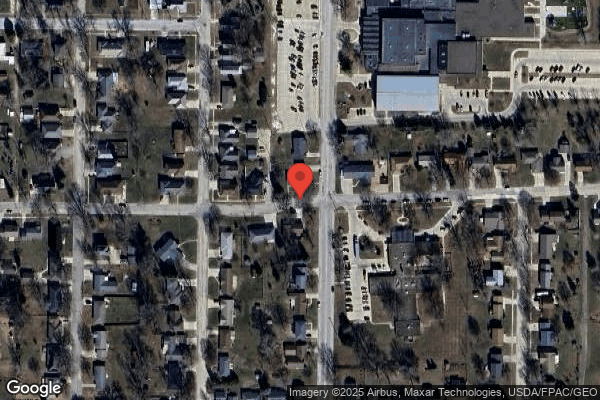
800 Fifth Street SE, Oelwein, IA 50662 (319) 283-1908
For profit - Corporation 72 Beds LEGACY HEALTHCARE Data: November 2025
Trust Grade
80/100
#115 of 392 in IA
Last Inspection: April 2025

Within standard 12-15 month inspection cycle. Federal law requires annual inspections.

Overview

Grandview Healthcare Center has received a Trust Grade of B+, which means it is above average and recommended for families considering care options. It ranks #115 out of 392 facilities in Iowa, indicating it is in the top half, and #2 out of 4 in Fayette County, suggesting only one local facility is rated higher. The facility is improving, with issues decreasing from 5 in 2024 to 3 in 2025. Staffing is rated average with a turnover of 31%, which is lower than the state average of 44%, showing that staff tend to stay longer. However, it has less RN coverage than 95% of Iowa facilities, which could impact the quality of care. There have been some concerning incidents noted during inspections. For example, staff failed to properly apply hand splints and complete necessary range-of-motion exercises for a resident with significant mobility impairments. Additionally, they did not follow the correct procedures when administering insulin to a resident, which could lead to complications. Lastly, a wound treatment was not done correctly, risking cross-contamination for a resident with existing foot wounds. While the facility has no fines on record and generally maintains good practices, these specific incidents highlight areas for improvement in care.

Trust Score
B+
80/100
In Iowa
#115/392
Top 29%
Safety Record
Low Risk
No red flags
Inspections
Getting Better
5 → 3 violations
Staff Stability
○ Average
31% turnover. Near Iowa's 48% average. Typical for the industry.
Penalties
✓ Good
No fines on record. Clean compliance history, better than most Iowa facilities.
Skilled Nurses
⚠ Watch
Each resident gets only 27 minutes of Registered Nurse (RN) attention daily — below average for Iowa. Fewer RN minutes means fewer trained eyes watching for problems.
Violations
○ Average
10 deficiencies on record. Average for a facility this size. Mostly minor or procedural issues.
★★★★☆
4.0
Overall Rating
★★★☆☆
3.0
Staff Levels
★★★☆☆
3.0
Care Quality
★★★★☆
4.0
Inspection Score
Stable
2024: 5 issues
2025: 3 issues

The Good

  • Full Sprinkler Coverage · Fire safety systems throughout facility
  • No fines on record
  • Staff turnover below average (31%)

    17 points below Iowa average of 48%

Facility shows strength in fire safety.

The Bad

Staff Turnover: 31%

15pts below Iowa avg (46%)

Typical for the industry

Chain: LEGACY HEALTHCARE

Part of a multi-facility chain

Ask about local staffing decisions and management

The Ugly 10 deficiencies on record

Apr 2025 3 deficiencies
CONCERN (D)

Potential for Harm - no one hurt, but risky conditions existed

Deficiency F0688 (Tag F0688)

Could have caused harm · This affected 1 resident

**NOTE- TERMS IN BRACKETS HAVE BEEN EDITED TO PROTECT CONFIDENTIALITY** Based on observation, clinical record review, and staff interview the facility failed to apply hand splints and complete a passi...

Read full inspector narrative →
**NOTE- TERMS IN BRACKETS HAVE BEEN EDITED TO PROTECT CONFIDENTIALITY** Based on observation, clinical record review, and staff interview the facility failed to apply hand splints and complete a passive range of motion Restorative Nursing Program (RNP) per the therapy discharge recommendations for 1 of 1 residents reviewed (Resident #7). The facility identified a census of 55 residents. Findings include: The Minimum Data Set (MDS) assessment dated [DATE] documented Resident #7 in a persistent vegetative state/no discernible consciousness with functional impairments of the bilateral upper and lower extremities. The MDS identified Resident #7 as dependent in all self-care (eating, dressing, toileting, personal hygiene) and mobility. The MDS listed diagnoses of chronic respiratory failure, stroke, aphasia (a neurological disorder that affects the ability to communicate and understand language), and quadriplegia (a condition characterized by the partial or total loss of function in all four limbs and the torso). The MDS further documented Resident #7 received passive range of motion 1 out of 7 days of the assessment look-back period and received a brace/splint program 7 out of 7 days of the assessment period. The undated Care Plan Focus noted Resident #7 at risk for alteration in skin integrity related to the need of assistance for bed mobility. The Care Plan directed the staff to use palm protectors to both hands outside of the splints. The Care Plan lacked direction of a RNP and how/when to use the hand splints. A 12/06/24 Occupational Therapy (OT) Treatment Encounter Note signed by Staff A, Certified Occupational Therapy Assistant (COTA; a healthcare professional who works under the supervision of a Registered OT) documented Resident #7 as contracted in a fetal position. Staff B, Qualified Medication Aide (QMA) educated on passive range of motion (PROM) of all joints. Staff C, Licensed Practical Nurse (LPN), Staff D, Certified Nursing Assistant (CNA), and Staff E, CNA present for education on hand splints on 2 hours and off 2 hours. The CNA's reported this acceptable as they reposition the resident every two hours. The 1/28/25 OT Discharge Summary signed by Staff A included discharge recommendations, recommending PROM to the bilateral upper extremities (BUE) (shoulders, elbow, wrist, hands, fingers) and bilateral lower extremities (BLE) (hips, knees, ankle, foot, toes) daily. Resident #7 April 2025 Task Record directed the restorative staff to provide PROM to the BLE and BUE with stretch daily; hand splints two hours on/two hours off; program frequency three times a week and as needed. Observation on 4/06/25 at 10:05 AM, 11:43 AM and 1:09 PM revealed Resident #7 lying in bed with no white palm splints or rolled wash cloths in hands. Fingers were contracted into the palms of both hands. The blue hand splints lay on the window ledge. During an interview on 4/06/25 at 2:03 PM a family member expressed concerns as they had visited and never seen the hand splints in use. Observation on 4/07/25 at 7:35 AM revealed Resident #7 lying in bed with no rolled wash cloths, palm protectors, or blue hand splints in hands. During an interview on 4/07/25 at 1:04 PM Staff B reported Resident #7 wears the hand splints two hours on and two hours off. Resident #7 is to wear white hand rolls when the splints are not in use. The April 2025 Documentation Survey Report V2 Report documented 4/06/25 at 10 AM, 12 PM, 2 PM, and 4 PM a N to indicate resident #7 had not refused the restorative program and had the hand splints placed for 120 minutes for each of the recorded times were in use. Observation on 4/07/25 at 1:05 PM Staff G, CNA and Staff B performed Resident #7 BUE/BLE PROM RNP starting at 1:05 PM and ending the RNP at 2:40 PM. During an interview on 4/08/25 at 7:50 AM Staff A reported she recommended Resident #7 to have the PROM program every day due to his quadriplegia and contractures. Generally, she leaves the RNP frequency up to the MDS nurse to address, but in his case she gave more specific recommendations. On 4/08/25 at 9:19 AM Staff H, CNA reported Resident #7 used to use palm protectors when the hand splints were not on, but she didn't' know if he was using them currently. As far as she knows the splints are still in use and she has been putting them on. They document the use of the hand splints in the electronic medical record system. During an interview on 4/08/25 at 9:23 AM Staff I, QMA reported Resident #7 wears hand splints on two hours and off 2 hours. They document the use of the splints in the electronic health care record. She voiced in the restorative documentation screen a question pops up asking if the resident refused the RNP. They can choose yes or no. A no answer means the resident did not refuse the hand splints and then they document the number of minutes the resident used the splints, so two hours would be the 120 minutes. On 4/06/25 at 11:32 AM Staff B reported she is the main person responsible for completing Resident #7 RNP. She thought his RNP was to be completed five days a week. Other restorative programs are usually 3-5 days per week, but his is five days a week. She reported she had checked with OT before doing the RNP on 4/07/25 and OT told her to hold the stretch for 10 seconds versus the 5 seconds that she usually provides so it took her longer to do the program. Staff B explained she does Resident #7 RNP on the days she is scheduled to work and she works three days a week. She is not sure who is responsible to do the RNP when she is not scheduled to work. She places the blue hand splints on when she is finished with his RNP. She didn't know why she had not placed the blue hand splints on Resident #7 when she completed the RNP on 4/07/25. She further voiced it is pretty common that Resident #7 does not have his blue hand splints in use. She goes in first thing in the morning between 6-6:30 AM and the hand splints are usually not on. Observation on 4/08/25 at 12:53 PM revealed Resident #7 laying in bed with no splints on. The blue hand splints lay on the window ledge. The small white palm protectors lay on the residents bedside table. Observation on 4/08/25 at 2:45 PM revealed Resident #7 laying in bed with no hand splints on. The blue hand splints lay on the window ledge. Interview on 4/08/25 at 3:59 PM Staff F, Registered Nurse (RN) reported it is the responsibility of the restorative staff or the CNA's to put on Resident #7 hand splints for his hand contractures. The nurses also chart on the Treatment Administrative Record (TAR) that the hand splints are on. The aides report if the resident refuses the hand splints so that the nurse can document on the TAR. She reported she did not know how long Resident #7 was to wear his hand splints, but he also has small white palm guards that he wears when the blue hand splints are not in use. Resident #7 April 2025 TAR lacked documentation the nurses were signing off any use of the hand splits or palm protectors. Further review on 4/08/25 of the April 2025 Documentation Survey Report V2 revealed on April 2nd and 4th the record was blank indicating the resident did not receive the RNP hand splint program. The Documentation Survey Report V2 for April 1, 3, 5, 6 from 10 PM through 4 AM, the RNP was documented with a Y to indicate the resident refused the Restorative Nursing Program. During an interview on 4/08/25 at 5:11 PM Staff J, CNA reported she primarily works the night shift and does work with Resident #7. She reported Resident #7 does not refuse his hand splints. She has never been trained in how to put the hand splints on so she does not use them or the palm splints. Staff J voiced the problem with restorative charting is they can only answer yes/no if the resident did the restorative program or refused the program. Since she doesn't put the hand splints or palm protectors on, she marks the restorative documentation with a yes to indicate the resident refused the RNP. He really isn't refusing the hand splints, she just doesn't use them. She has reported this to the nurses in the past but couldn't remember which nurses she had reported to. During an interview on 4/09/25 at 6:54 AM Staff K, RN reported that she is responsible for the RNP's. She completes a review with the quarterly MDS assessment schedule and documents the RNP in the electronic medical record under the Restorative Program Evaluation Assessment. Staff K explained she doesn't look at the therapy discharge, she just gets a communication email from therapy. She stated the RNP is put in the CNA task record of the electronic medical record to communicate to the CNA's the frequency of the program. She reviewed Resident #7 and reported he is set up for three times a week and as needed on the task record. If OT wanted daily, then she must have misunderstood what therapy wanted. She usually just reviews hand splints quarterly to make sure the resident is still able to wear them and the splints are not leaving marks on the resident hands. On 4/09/25 at 7:02 AM Staff K reported she expects the staff to follow the therapy recommended RNP. If the RNP was supposed to be daily, then the splints should be used per the program. She thought splints were to be used during the night, but the RNP doesn't state that. She voiced the RNP should be (PROM) in the morning and then staff should alternate the hand splints 2 hours on/2 hours off with the white palm splints used in the hands when the blue hand splints are not in use. On 4/09/25 at 7:50 AM Staff K reported she had checked the assessment tab of the electronic medical record and Resident #7 had not had any RNP review by a nurse completed. On 4/09/25 Staff K provided an email dated 12/16/24 from Staff A to Staff K communicating Resident #7 was discharging from therapy. He required PROM to the BLE/BUE with stretch and (hand) splints on 2 hours, off 2 hours. Staff A indicated in the email to Staff K to let her know if she had any questions. A 4/09/25 review of the 2025 Documentation Survey Report V2 reports revealed: a. February 2025 for the RNP showed the 10 PM to 6 AM shift with eight days documenting a N to indicate Resident #7 did not refuse the RNP and the hand splits were in use. The RNP contained blank for no restorative documentation on February 1, 2, 4, 5, 7, 9, 10, 11, 12, 13, 14, 15, 16, 17, 20, 22, 23, 24, & 27. The Report documented the Resident received the PROM exercise program on February 5,7,10, 17, 19, 20, 25, & 27 with all sessions between 15-20 minutes. b. March 2025 Report for the RNP showed the 10 PM to 6 AM shift with only six days documenting a N to indicate the resident did not refuse the RNP and the hand splints were in use. The RNP record had blanks for March 1, 2, 5, 12, 14, 15, 16, 17, and March 30th. The Report documented Resident #7 received the PROM program on March 3 for 15 minutes; March 7th for 20 minutes, March 26 for 20 minutes, and March 28 for 20 minutes. During an interview on 4/09/25 at 8:00 AM the Director of Nursing (DON) reported she had been confused as well as to how Resident #7 RNP went from daily to only three days a week. She stated therapy gives RNP recommendations upon discharge and the RNP's are put in the task record of the electronic medical record to communicate the RNP to restorative staff and the aides. She expects the RNP's to be completed per the therapy discharge recommendations and the RNP's followed or staff should be reporting in why the RNP cannot be completed. The DON stated the facility does not have a restorative nursing policy/procedure.
CONCERN (D)

Potential for Harm - no one hurt, but risky conditions existed

Deficiency F0760 (Tag F0760)

Could have caused harm · This affected 1 resident

Based on observation, clinical record review, and staff interview the facility failed to follow the manufacturer's directions for use in priming an insulin pen and proper administration of the insulin...

Read full inspector narrative →
Based on observation, clinical record review, and staff interview the facility failed to follow the manufacturer's directions for use in priming an insulin pen and proper administration of the insulin pen for 1 of 1 residents sampled (Resident #109). The facility reported a census of 55 residents. Findings include: The Order Review History Report electronically signed by the Provider on 3/28/25 listed a physician order for Insulin Glargine Subcutaneous Solution 100 units (U) per milliliter (ML) inject 45 units subcutaneously two times a day for diabetes mellitus. During an observation on 4/08/25 at Staff L, License Practical Nurse (LPN) removed Resident #109's Lantus Glargine pen from the medication cart. Staff L checked the physician order on the April 2025 Blood Glucose/Insulin Administration Record and set the pen to 45 units without priming the pen with two units of insulin. Staff L injected the insulin pen into Resident #109's lower right abdominal quadrant, pushed the button to inject the insulin, then withdrew the insulin pen without holding for 10 seconds per the manufacturer recommendations. During an interview on 4/08/25 at 2:49 PM Staff F, Registered Nurse (RN) relayed she sets the dial on the insulin pen a few units and primes the pen until she sees insulin clear the needle. She then presses the insulin pen to the site and hits the button to injection the insulin. Interview on 4/08/25 at 2:55 PM Staff K, RN explained she applies the needle to the pen, sets the dial to one or two units to prime the pen, then dials the pen to the physician ordered amount of insulin. She holds the pen for a few seconds at the injection site to ensure the resident receives the insulin. During an interview on 4/08/25 at 3:15 PM the Director of Nursing (DON) reported she expects the nurses to follow the manufacturer directions to administer the insulin pens. The Medication Administration Injection Policy, revised 4/2024, under Insulin Pen directed to prime the insulin pen per the manufacturer's guidelines and to hold the pen (to the skin) during administration at the site for 6-10 seconds before pulling the needle out. The Lantus Insulin Glargine Injection Manufacturer's Directions Step-by Step guide to using the Lantus Solo Star Pen directed the following: a. After attaching the needle, take the outer needle cap off and save it. b. Remove the inner needle cap and dial a test dose to 2 units. c. Hold the pen with the needle pointing up and lightly tap the insulin reservoir so the air bubbles rise to the top of the needle. Press the injection button all the way in and check to see that insulin comes out of the needle. The dial will automatically go back to zero after you perform the test. d. If no insulin comes out, repeat the test 2 more times. e. If there is still no insulin coming out, use a new needle and do the safety test again. f. Always perform the safety test before each injection. g. Never use the pen if no insulin comes out after using a second needle. h. Keep the pen straight, insert the needle into the skin. Use the thumb to press the injection button all the way down, slowly count to 10 before removing. The dose window should return to zero.
CONCERN (D)

Potential for Harm - no one hurt, but risky conditions existed

Infection Control (Tag F0880)

Could have caused harm · This affected 1 resident

**NOTE- TERMS IN BRACKETS HAVE BEEN EDITED TO PROTECT CONFIDENTIALITY** Based on observation, resident and staff interviews, the facility failed to place a barrier between the foot and the bed linen f...

Read full inspector narrative →
**NOTE- TERMS IN BRACKETS HAVE BEEN EDITED TO PROTECT CONFIDENTIALITY** Based on observation, resident and staff interviews, the facility failed to place a barrier between the foot and the bed linen for a wound treatment to prevent cross contamination for 1 of 1 residents reviewed. The facility reported a census of 55 residents. Findings include: Resident #17's Minimum Data Set (MDS) assessment dated [DATE] identified a Brief Interview for Mental Status (BIMS) score of 14/15, indicating intact cognition. The MDS documented diagnoses of coronary artery disease, peripheral vascular disease, diabetes mellitus, and multi-drug-resistant organism (MDRO). The MDS documented Resident #17 had two unstageable pressure ulcers due to coverage of wound bed by slough (a layer of dead tissue separated from the surrounding or underlying tissue) and/or eschar (hardened, dry, black or brown dead tissue that forms a scab-like covering over deep wounds). The MDS documented Resident #17 had an infection of the foot. A review of the electronic health record (EHR) Orders tab, revealed two treatments for the left foot. The treatment for the left lateral foot (the outside of the left) with a start date of 4/4/2025 directed staff to: * Cleanse with wound cleanser or soap and water * Apply betadine to both wound bed * Cover with abdominal gauze pad (ABD), roll gauze and tape * Monitor for signs of infection, red area outlined with a black marker The treatment for the left medial foot (the inner side of the foot) with a start date of 4/4/2025 directed staff to: * Cleanse with wound cleanser or soap and water * Apply betadine to both wound beds * Cover with ABD pad, roll gauze and tape * Monitor for worsening signs of infection, any redness outlined with a black marker A review of the EHR Progress Note revealed a physician visit note dated 4/4/2025 at 1:00 PM that documented Resident #17 had been seen by the wound clinic on 4/3/2025. Resident #17 was started on Doxycycline for empirical treatment of infection to wounds. On 4/8/2025 at 2:08 PM, observed Staff F Licensed Practical Nurse (LPN) knock on Resident #17 door and donned a gown. Staff F, LPN washed her hands and donned gloves. The treatment cart had been pushed through the doorway and closed. Resident #17 had been positioned in bed with the head of bed raised to approximately 45 degrees. Resident #17 had a blanket across her legs. Staff F, placed a barrier on the surface of the treatment cart and placed the treatment supplies on the barrier. Staff F, removed the blanket and the blue cushioned boot from Resident #17's left foot. Staff F, placed a pillow under the left knee and calf. The left foot had been rotated outwards. Staff F, removed the roll gauze from the left foot. Staff F, held the left foot under the heal with her gloved left hand with the outer side of the foot parallel to the bed linen. Staff F, used her right gloved hand to remove the ABD pad from the outer and inner wound areas. A small amount of drainage had been observed on the ABD pad. Staff F, released the left foot allowing the left outer foot to touch the bed linen. Staff F, removed her gloves and donned new gloves. Staff F, used gauze sprayed with wound cleanser to wipe off the inner and outer wounds. Staff F, released Resident #17's left foot with the outer side of the foot on the bed linen. Staff F, placed her left hand under the heal of the left foot raising it off the bed linen and applied betadine to the inner and outer wound areas. Staff F, released the left foot allowing the outer side of the left foot to rest on the bed linen. There had been no odor noted. The wound area on the outer left foot appeared to be black in color approximately 2.5 inches by 2 inches. Staff F, placed the ABD on the wound areas and wrapped the left foot with rolled gauze. Staff F, placed the blue cushioned boot on the left foot and pulled the blankets across Resident #17's legs. Resident #17 did not show any distress, facial grimacing, or voice any concerns with pain during the treatment. Staff F, removed her gown and gloves and disposed of them in the biohazard bin. Staff F, washed her hands. During an interview on 4/8/2025 at 2:21 PM Staff F, LPN acknowledged a barrier should have been placed between Resident #17's left foot and the bed linen to prevent cross contamination to the wound area. During an interview on 4/8/2025 at 2:22 PM, the Director of Nursing (DON) acknowledged she observed no barrier had been placed between the bed linen and Resident #17's left foot during the treatment and observed the left outer foot directly on the bed linen. On 4/8/2025 at 4:43 PM, Resident #17, revealed her bed linens had not been changed after the wound treatment had been completed. During an interview on 4/9/2025 at 8:08 PM, Staff M, Certified Nursing Assistant (CNA)/Paid Nutritional Assistant (PNA) revealed bed linens are changed once per week. Staff M, CNA/PNA acknowledged Resident #17's bed linens had been changed during the morning on 4/8/2025. A review of the Skin Evaluation Pressure Wound assessment for Resident #17 completed on 4/9/2025 at 9:33 AM, documented the onset of the pressure wound to be 3/15/2025. The left outer foot had been identified as pressure and measured 2.7 in length, 2.3 in width and 0.1 in depth. The area is documented as a diabetic ulcer. A moderate amount of serosanguinous (fluid that contains clear, watery liquid and blood) drainage had been present. The Skin Evaluation Pressure Wound assessment noted Resident #17 is treated by the wound clinic. The Skin Evaluation Pressure Wound assessment had been completed by the DON and electronically signed. A review of the Infection Prevention and Control Program (IPCP) Guidelines with a revision date of 09/2022 directed staff to utilize standard precautions on all residents, regardless of the suspected or confirmed presence of an infectious agents. Potentially contaminated articles are stored and disposed of in appropriate containers. Enhanced barrier precautions (EBP) as an approach of targeted gown and glove use during high contact resident care activities. EBP may be applied to residents with any of the following: * Wounds - this generally includes residents with chronic wounds, not those with only shorter-lasting wounds, such as skin breaks or skin tears covered with a Band-aid or similar dressing. Examples of chronic wounds include, but are not limited to pressure ulcers, diabetic foot ulcers, unhealed surgical wounds, and chronic venous status ulcers. The policy further states contaminated linen should be bagged at the time of use.
Oct 2024 1 deficiency
CONCERN (D) 📢 Someone Reported This

A family member, employee, or ombudsman was alarmed enough to file a formal complaint

Potential for Harm - no one hurt, but risky conditions existed

Deficiency F0658 (Tag F0658)

Could have caused harm · This affected 1 resident

Based on observation, clinical record review, resident and staff interviews, the facility failed to administer a treatment as the physician ordered for one of three residents reviewed. (Resident #1). ...

Read full inspector narrative →
Based on observation, clinical record review, resident and staff interviews, the facility failed to administer a treatment as the physician ordered for one of three residents reviewed. (Resident #1). The facility reported a census of 53 residents. Findings include: The MDS (Minimum Data Set) dated 7/30/2024 reported Resident #1 had no cognitive impairment, required total assistance of staff to transfer from one surface to another, and had bowel and bladder incontinence. The resident had diagnoses including diabetes, anxiety, morbid obesity, and lymphadenitis (inflammation of the lymph nodes). The Care Plan identified the resident required assistance with ADL's (Activities of Daily Living) and directed staff to don size D tubi-grip (compression sleeves) from fingers to elbow first thing in the morning, and don size J tubi-grip from elbow to shoulder in the morning. Remove both at hour of sleep (HS). She may need them pulled back up during the day. If skin becomes sore/irritated remove and tell therapy. Refuses this treatment most of the time. The Physician Order dated 6/27/2024 directed staff to don size D tubi-grip from fingers to elbow, the hole is for thumb, and size J tubi-grip from elbow to shoulder first thing in the morning. Staff were to remove both at HS (hour of sleep). The resident's September MAR/TAR (Medication Administration Record/Treatment Administration Record) documented the resident refused the tubi-grip sleeves eleven out of thirty days. The October MAR/TAR revealed the resident refused the tubi-grip sleeves sixteen out of twenty-eight days. The resident's Progress Notes included nursing entries on September 5, 11, 19, 21, 22, 23, and 27 that documented staff did not observe the tubi-grips on the resident's arms, had no knowledge of, and/or the resident stated she had no tubi-grips. Observation on 10/28/2024 at 9:55 A.M. revealed the resident in bed on her left side with no tubi-grip sleeves on. On 10/28/2024 at 1:30 P.M. Staff A, CNA and Staff B, CNA (Certified Nurse's Aide) revealed they were unaware the resident had an order for tubi-grips. Staff C, co-DON (Director of Nursing) handed the surveyor a copy of the resident EMAR (electronic Medication Administration Record) that indicated the resident had refused the tubi-grips on that day, 10/28/2024 signed by Staff D, CMA ( Medication Aide). When asked, Staff D indicated she had not gone in the resident's room, but documented the resident refused the tubi-grips that morning. At 1:40 P.M., the resident reported she did not have the tubi-grips since some time in August, when the facility changed therapy companies. Staff D checked the resident's order, went to the therapy room and retrieved size D tubi-grip for the resident's lower arms. The facility failed to have Size J for the upper arms in stock. Staff D indicated they would have to place an order and would apply size K tubi-grip on the upper arms in the meantime. At 2:05 P.M., Staff E, CMA indicated she knew the resident had an order for tubi-grip and said she rarely had them on. Staff E left a note for therapy letting them know she needed it about a month prior. Staff E revealed she would ask the aides if the resident had them on and if not, she usually put the resident refused. At 2:10 P.M., Staff F, CNA reported she made the resident new tubi-grips. The resident indicated she had lost them and needed new ones. At times the resident refused. On 10/28/2024 at 2:15 P.M., Staff C and Staff G, co DON's were interviewed in the shared director of nursing office. Staff C revealed the tubi-grip order was on the TAR and therefore nurses/medication aides were to apply them, not the nurse's aides. Therapy had recommended the tubi-grip and the physician ordered it. Staff G indicated the the resident had the tubi-grip ordered due to her edema. On 10/29/2024 at 9:25 A.M., Resident #1's physician via his nurse reported if the resident had the order for tubi-grip, therapy saw a reason for it and staff should be putting them on. On 10/29/2024 at 9:40 A.M., Staff H, Physical Therapist reported she cut new lengths of tubi-grip for the resident that morning, applied them and ordered size J for the upper arms.
Jul 2024 4 deficiencies
CONCERN (D)

Potential for Harm - no one hurt, but risky conditions existed

Menu Adequacy (Tag F0803)

Could have caused harm · This affected 1 resident

**NOTE- TERMS IN BRACKETS HAVE BEEN EDITED TO PROTECT CONFIDENTIALITY** Based on clinical record review, document review, policy review, and staff interview the facility failed to serve the correct pu...

Read full inspector narrative →
**NOTE- TERMS IN BRACKETS HAVE BEEN EDITED TO PROTECT CONFIDENTIALITY** Based on clinical record review, document review, policy review, and staff interview the facility failed to serve the correct puree portion size for 2 of 6 residents sampled (Resident #26 and #19). Resident #26 and #19 were both documented as significant weight losses in the past six months (a significant weight loss is a 10% or greater weight loss in 6 months). The facility identified a census of 51 residents. Findings include: 1. Resident #26 Minimum Data Set (MDS) assessment dated [DATE] showed a Brief Interview for Mental Status (BIMS) score of 99 indicating severe cognitive loss, with long and short-term memory impairment. Resident #26 could not recall the current season, location of his room, or staff names and faces. The MDS listed diagnoses of Non-Alzheimer's Dementia, unspecified psychosis, and required supervision or touching assistance (the helper sets up or cleans up; resident completes the activity. The helper assists only prior to or following the activity) for eating. The MDS documented Resident #26 with a significant weight loss (a significant weight loss is defined as a loss of 5% or more in the last month or loss of 10% or more in last 6 months) and receiving a mechanically altered diet (a required change in texture of food or liquids (e.g., pureed food, thickened liquids). Section K0300 Weight Loss, signed as complete on 5/28/24 by the contracted Dietician, for significant weight loss documented, Yes, not on a prescribed weight loss regimen. Resident #26 Medication Order Review signed by the Provider on 4/02/24 listed a physician order for a pureed texture general diet. Resident #26 Weight Summary Record documented the following weights: a. 11/16/24 231.4 pounds (#) b. 5/15/24 209.8# (weight on 5/21/24 MDS assessment) c. 6/26/24 206.5# (weight loss 24.9#) A 6/28/2024 12:40 PM Significant Weight Change Progress Note documented a weight warning with a weight of 206.5# as of 6/26/24 with an MDS significant weight change of 11.4% weight loss in 180 days. The Progress Note lacked documentation of new interventions placed for Resident #26 weight loss. 2. Resident #19 MDS assessment dated [DATE] showed a BIMS score of 9 indicating moderate cognitive loss. The Resident required setup/clean up assistance with eating. The MDS listed diagnoses of aphasia and paranoid schizophrenia. The MDS documented Resident #19 required a mechanically altered diet and a therapeutic diet. Resident #19 Medication Review Report signed by the Provider on 6/25/24 ordered to serve a general pureed texture diet. Resident #19 Weight Summary Record documented the following weights: a. 12/28/23 264.5# b. 6/27/24 231.1# (weight loss 33.4#) A 6/28/2024 10:22 AM Significant Weight Change Progress Note documented a weight warning with a 6/27/24 weight of 231.1 pounds. The Progress Note noted a 11.9% weight loss over 180 days. A week 4 Monday Menu approved by the corporate registered dietician 7/01/24 listed the main entree for the lunch pureed diet menu as 1 serving of a grilled ham and cheese sandwich. The Diet Type Report provided by the facility on 6/30/24 identified six residents on physician ordered pureed diets (Residents #2, #19, #26, #39, #42, and #46). A Pureed Diet is a texture-modified eating plan that consists of foods with a soft, pudding-like consistency. It's often recommended for people who have difficulty chewing or digesting solid foods, such as those with difficulty swallowing or other digestive issues. The goal of a pureed diet is to prevent malnutrition by making a variety of foods safe to eat. During an observation on 7/01/24 at 9:28 AM Staff B, [NAME] reported she would prepare six servings of the ham and cheese sandwich as she had six residents on pureed diets. Staff B placed six ham and cheese sandwiches into the Robo Coupe blender. Staff B continued to add milk to obtain a puree consistency. The total puree food volume measured 6 ¾ cups of a very thin pureed product. Staff B utilized the Pureed Diet Portion Sizes/Scoops, Total Cups of Pureed Food chart to obtain a correct serving size for each resident. The Chart directed to find the number of persons that you pureed food for along the left-hand column of the table, then find the total cups of pureed food that you prepared along the top row of the chart. Follow both the row and column to where they meet and you will find the correct scoop to portion for the pureed food item. Staff B identified the six servings in the left-hand column and the total volume of puree along the top of the chart. She followed the chart to get a serving size of A #8 scoop x 2 (indicating to serve two of the #8 scoop) and a #30 scoop. Staff B located the #8 and the #30 scoop and set up for the dietary aide to serve. On 7/01/24 at 11:55 AM Staff C, walked to the steam table, reached in and picked up the #8 (4 ounce) scoop and placed 1 scoop of the pureed ham and cheese sandwich puree into a red bowl for Resident #26. Staff C failed to serve the second #8 scoop per the puree chart. The black #30 scoop (1 ounce) lay right next to the gray handled # 30 scoop, but was not utilized. Staff C then placed one #8 scoop serving of the pureed ham and cheese sandwich for another resident, who was not included in the sample. Observation on 7/01/24 at 11:56 revealed Staff D, Dietary Aide grabbed the #30 scoop and put one scoop of the pureed ham and cheese into a bowl that was served out to Resident #19. At 11:57 Staff C placed Resident #26 lunch and another random resident's lunch on a cart and wheeled the cart to A wing to serve the meals. At 12:04 PM Staff C returned the meal cart from A wing to the kitchen. The #30 scoop lay unused next to the steam pan of pureed ham and cheese sandwich on the steam table. At 12:05 PM the black scoop fell down inside the steam table well. On 7/01/24 at 12:53 PM Staff D reported she had only utilized one (#8) scoop serving size to serve out the pureed ham and cheese sandwiches. She did not use the #30 scoop. Observation revealed the steam pan of pureed ham and cheese sandwich with a half inch of dried puree at all four corners of the steam pan with a 1/2 inch of the puree in the bottom of the pan and over a 1/2 of the mixture still in the #8 scoop. During an observation on 7/01/24 at 12:15 PM Resident #26 finished the last bite of his pureed ham and cheese sandwich from the red bowl. Resident #26 continued to scrape the empty red bowl and lick his spoon repeatedly. Staff E, Certified Nursing Assistant (CNA) looked at Resident #26 and verbalized, Oh! You're all done. The resident continued to scrape his empty red bowl and lick his empty spoon a few more times. The Staff did not offer him more of the pureed ham and cheese sandwich. Observation on 7/01/24 at 12:17 PM revealed Resident #19 had eaten 100 percent (%) of her pureed ham and cheese sandwich. The bowl was scraped clean. On 7/01/24 at 12:46 PM Staff B reported she communicates to the serving dietary aide (Staff D) the scoop sizes that are required after she purees the food. She lays out the scoops for the dietary aide to use. Staff B visualized the #30 scoop laying inside the steam table, reporting and nodding the #30 scoop had not been used. Staff B went to the pureed serving size chart and reviewed the serving for six servings with 6 3/4 cups total volume of the pureed ham and cheese sandwich and voiced the serving size was two of the #8 scoops and one of the #30 scoop. She verbalized only the #8 scoop had been utilized. The facility failed to serve Resident #26 and #19 over a ½ cup portion (0.625 cup) of the required entrée serving. During an interview on 7/01/24 at 12:48 PM Staff F, Dietary Aide reported she expected the staff to serve the correct pureed portion size according to the Pureed Diet Portion Size/Scoop Total Cups of Pureed Food Chart. During an interview on 7/01/24 at 12:49 PM the Certified Dietary Manager (CDM) reported she has talked with Staff C and Staff C admitted she had only given Resident #26 one (#8) scoop of the pureed ham and cheese sandwich. She admitted she had not followed the appropriate serving size. The Procedure for Determining Portion size of Puree Foods, undated, provided by the facility directed the following: 1. Review the recipe and/or spreadsheet to verify the portion required for the regular portions. 2. Prepare the liquids to be used during the puree process. 3. Verify the number of residents requiring a puree diet and plan for one extra portion. 4. Sandwiches: puree the entire sandwich with condiments together or layered pureed bread, puree protein, and puree bread can be made also. 5. Puree food without added liquid at first and add liquid gradually so that the Robo Coupe can work naturally to blend up food. 6. Measure the total volume of the final pureed product and divide by the number of servings added (including the extra).
MINOR (B)

Minor Issue - procedural, no safety impact

Deficiency F0637 (Tag F0637)

Minor procedural issue · This affected multiple residents

**NOTE- TERMS IN BRACKETS HAVE BEEN EDITED TO PROTECT CONFIDENTIALITY** Based on clinical record review, Long Term Facility Resident Assessment Instrument 3.0 User's Manual version 1.18.1 Dated Octobe...

Read full inspector narrative →
**NOTE- TERMS IN BRACKETS HAVE BEEN EDITED TO PROTECT CONFIDENTIALITY** Based on clinical record review, Long Term Facility Resident Assessment Instrument 3.0 User's Manual version 1.18.1 Dated October 2023 (RAI), and staff interview the facility failed to complete Significant Change in Status (SCSA) Minimum Data Set (MDS) assessments in the required time frame for 2 of 2 residents reviewed for hospice (Residents #22 and #29). The facility reported a census of 51 residents. Findings include: 1. Physician orders for Resident #22 included an order to refer to hospice dated 4/29/24. The MDS dated [DATE] was coded as a significant change assessment for hospice services. The MDS was signed off as complete on 5/21/24, 21 days after the determination of a significant change. The RAI Page 2-17 directs the MDS completion date is no later than the 14th calendar day after determination that significant change in resident's status occurred (determination date + 14 calendar days). Page 2-25 directs An SCSA is required to be performed when a terminally ill resident enrolls in a hospice program (Medicare-certified or State-licensed hospice provider) or changes hospice providers and remains a resident at the nursing home. During an interview on 7/2/24 at 12:14 PM Staff G, Resident Care Coordinator, explained they do not have an MDS policy. She further explained they use the RAI for direction. She confirmed the hospice order date and the MDS completion date. 2. The Electronic Census documented Resident #29 admitted into hospice care services on 6/11/24. A Hospice Election Statement dated 6/11/24 showed the family signed Resident #29 into hospice care. A 7/01/24 review of the MDS 3.0 Summary Page showed a Significant Change in Status MDS assessment with an assessment reference date of 6/21/24. The MDS 3.0 Summary page showed section V Care Area Assessment highlighted in yellow documenting in progress. The Complete MDS box highlighted in yellow directed to complete the MDS by 7/05/24. The MDS had not been signed, finalized, and locked to show completion of the assessment in the required time frame by 6/24/24 (14 days). During an interview on 7/02/24 at 2:49 PM Staff G verbalized she didn't understand the time requirements regarding the significant change completion date from the date of determination regarding hospice care from the RAI manual
MINOR (B)

Minor Issue - procedural, no safety impact

Assessment Accuracy (Tag F0641)

Minor procedural issue · This affected multiple residents

**NOTE- TERMS IN BRACKETS HAVE BEEN EDITED TO PROTECT CONFIDENTIALITY** Based on clinical record review, Long Term Facility Resident Assessment Instrument 3.0 User's Manual version 1.18.1 Dated Octobe...

Read full inspector narrative →
**NOTE- TERMS IN BRACKETS HAVE BEEN EDITED TO PROTECT CONFIDENTIALITY** Based on clinical record review, Long Term Facility Resident Assessment Instrument 3.0 User's Manual version 1.18.1 Dated October 2023 (RAI), and staff interview the facility failed accurately complete the Minimum Data Set (MDS) for 3 of 5 residents (Residents #5, #8 and #45). The facility failed to accurately code anticoagulant medications and Pre-admission Screening and Resident Reviews (PASRR). The facility reported a census of 51 residents. Findings include: The MDS dated [DATE] for Resident #45 documented the resident was taking anticoagulant medication. The physician orders lacked an order for an anticoagulant medication. The orders did include an order for clopidogrel, an antiplatelet medication. During an interview on 7/1/24 at 2:10 PM Staff I, Registered Nurse (RN), Co- Director of Nursing (DON) confirmed there was no anticoagulant medication ordered for the resident. The RAI page 1-4 documents the RAI process has multiple regulatory requirements. Federal regulations at 42 CFR (Code of Federal Regulations) 483.20 (b)(1)(xviii), (g), and (h) require that the assessment accurately reflects the resident's status. During an interview on 7/2/24 at 12:14 PM Staff G, RN Resident Care Coordinator, explained they do not have an MDS policy. She further explained they follow the RAI. She continued to explain they have an MDS Drug Class Index they use for medications. She confirmed the guide listed clopidogrel as an antiplatelet medication and it should not have been coded as an anticoagulant. 2. Ascend Management Innovations (Ascend) is under contract with the Iowa Department of Human Services, Mental Health and Disability Services, to perform PASRR evaluations. PASRR evaluations are federally required to help decide upon the best placement and services for persons who have disabilities. The 1/17/19 PASRR for Resident #5 under Mental Health documented Resident #5 met the criteria for having a diagnosis of mental illness as defined by PASRR. The PASRR included an Axis 1 primary diagnosis of schizoaffective disorder, bipolar type. Resident #5 Annual Minimum Data Set (MDS) assessment dated [DATE], under Section A 1500 Level II PASRR for the question is the resident currently considered by the state level II PASRR process to have serious mental illness and/or intellectual disability or a related condition was marked no. The MDS Section Z0400 Signature of Persons Completing the Assessment contained the following statement: I certify that the accompanying information accurately reflects resident assessment information for this resident and that I collected or coordinated collection of this information on the dates specified. To the best of my knowledge, this information was collected in accordance with applicable Medicare and Medicaid requirements. I understand that this information is used as a basis for ensuring that residents receive appropriate and quality care, and as a basis for payment from federal funds. I further understand that payment of such federal funds and continued participation in the government-funded health care programs is conditioned on the accuracy and truthfulness of this information, and that I may be personally subject to or may subject my organization to substantial criminal, civil, and/or administrative penalties for submitting false information. I also certify that I am authorized to submit this information by this facility on its behalf. Staff A Social Worker at Z0400 signed she completed section A on 2/13/24. On 7/02/24 at 12:38 PM Staff G explained Section A of the MDS is usually completed by the Social Worker and the MDS Coordinator. During an interview on 7/02/24 at 12:40 PM Staff A reported she reviews the PASRR document from Ascend. If the PASRR is a level II and marked for a mental illness, she would mark yes on the MDS (at A 1500). Staff A reviewed the MDS and confirmed she had not completed section A1500 correctly. Staff A reported the facility utilizes the RAI (manual) to code the MDS. The MDS RAI User manual, Chapter 3, page A-32 directs to code 1, yes if PASRR Level II screening determined that the resident has a serious mental illness and/or ID/DD or related condition, and continue to A1510, Level II Preadmission Screening and Resident Review (PASRR) Conditions. The services to be provided by the nursing home and/or specialized services provided by the State that are specified in the Level II PASRR determination and the evaluation report should be addressed in the plan of care. 3. The 9/11/15 PASRR under Mental Health documented Resident #8 met the criteria for having a diagnosis of mental illness as defined by PASRR. The PASRR included an Axis 1 Primary Diagnosis of bipolar I disorder single manic episode and Axis I Secondary Diagnosis as major depressive disorder, single episode/severe/psychotic features. Resident #8 Significant Change in Status (SCSA) MDS dated [DATE], under Section A 1500 Level II PASRR for the questions is the resident currently considered by the state level II PASRR process to have serious mental illness and/or intellectual disability or a related condition was marked no. Section I documented a diagnosis of bipolar disorder, but lacked documentation of major depression. The MDS 3.0 Section A - Identification Information page showed Staff A signed A1500, Level II PASRR conditions as completed on 1/23/24.
MINOR (B)

Minor Issue - procedural, no safety impact

PASARR Coordination (Tag F0644)

Minor procedural issue · This affected multiple residents

**NOTE- TERMS IN BRACKETS HAVE BEEN EDITED TO PROTECT CONFIDENTIALITY** 2. The admission MDS dated [DATE] for Resident #22 documented an admission date of 9/6/23. The Electronic Health Record (EHR) m...

Read full inspector narrative →
**NOTE- TERMS IN BRACKETS HAVE BEEN EDITED TO PROTECT CONFIDENTIALITY** 2. The admission MDS dated [DATE] for Resident #22 documented an admission date of 9/6/23. The Electronic Health Record (EHR) medical diagnoses included major depressive disorder and psychotic disorder with delusions, both noted as present on admission. The Physician Orders in the EHR included quetiapine (an antipsychotic medication), Namenda (for dementia) and lorazepam (an antianxiety medication) all ordered on admission. The PASRR Level 1 completed on 8/31/23 for Resident #22 was coded with no mental health diagnosis being known or suspected. Medications included on the PASRR were lorazepam and Namenda. During an interview on 7/2/24 at 1:47 PM Staff H, LPN explained she does not check PASRRs for accuracy with diagnoses and medications. Based on record review, staff interviews, and policy review the facility failed to ensure 2 of 4 residents Pre-admission Screening and Resident Review (PASRR) was submitted for review (Residents #19 and #22). Resident #19 was approved for a short term 60 day stay in 2018 and new diagnoses were documented in her medical record the facility failed to resubmit for review of needed services. The facility failed to accurately complete the PASRR for Resident #22 prior to admission, omitting diagnoses and medications. The facility reported a census of 51 residents. Findings include: 1. The Minimum Data Set (MDS) for Resident #19 dated 8/10/2023 documented a Brief Interview for Mental Status (BIMS) of 13 indicating she was cognitively intact. The MDS documented diagnoses of depression, psychotic disorder, and paranoid schizophrenia. Review of a document titled, Notice of Level of Care Determination Criteria Met for Short Term Stay at Skilled Nursing Facility dated 4/17/2018 for Resident #19 documented she was approved for 60 days and needed to be resubmitted by 6/16/2018. During an interview on 7/2/24 at 1:50 PM with Staff A, Social Worker, Staff H, Licensed Practical Nurse (LPN), and the Administrator revealed they did not know about Resident #19 Short Term 60 day stay PASRR. Staff A on 7/3/24 at 10:22 AM revealed they received Resident #19 new PASRR and was dated 7/3/24. Review of a policy provided by the facility titled Baseline Care Plan Guidelines last revised 12/10/2018 instructed to the facility to implement PASRR recommendations, if applicable into the Care Plan.
Nov 2023 1 deficiency
CONCERN (D) 📢 Someone Reported This

A family member, employee, or ombudsman was alarmed enough to file a formal complaint

Potential for Harm - no one hurt, but risky conditions existed

Report Alleged Abuse (Tag F0609)

Could have caused harm · This affected 1 resident

**NOTE- TERMS IN BRACKETS HAVE BEEN EDITED TO PROTECT CONFIDENTIALITY** Based on clinical record review, observation, policy review, and staff interview, the facility failed to report an allegation of...

Read full inspector narrative →
**NOTE- TERMS IN BRACKETS HAVE BEEN EDITED TO PROTECT CONFIDENTIALITY** Based on clinical record review, observation, policy review, and staff interview, the facility failed to report an allegation of resident abuse within 24 hours and to separate the resident from the alleged abuser for 1 of 4 residents sampled (Resident #1). The facility reported a census of 48 residents. Findings include: Resident #1's Minimum Data Set (MDS) assessment dated [DATE] documented Resident #1 with a long/short term memory problem and severely impaired daily decision-making ability. The Resident exhibited inattention (difficulty focusing attention, being easily distractible or having difficulty keeping track of what was said) and disorganized thinking (rambling or irrelevant conversation, unclear or illogical flow of ideas, or unpredictable switching from subject to subject) that fluctuated (comes and goes/changes in severity). The MDS documented no behaviors during the seven day look back period and no change in the behaviors from the prior assessment. The Resident required limited assistance of one staff member for transfer, walking in the room, corridor and off the unit. The MDS identified diagnoses of Non-Alzheimer's Disease and anxiety. A Facility (Investigation) Summary dated 8/04/23 detailed Staff A Certified Medication Aide (CMA) reported to Staff B Co-Director of Nursing (CDON) on 8/01/23 at approximately 11:30 PM Staff C Certified Nursing Assistant (CNA) was assigned to the dementia unit. Staff A stated Resident #1 was gait-belted to the chair's arm rest while in the dementia unit nurse's station. Staff A left the area and reported to Staff D Licensed Practical Nurse (LPN). The Summary detailed Staff D went to the dementia unit. She took Resident #1's blood pressure and noted Resident #1 sitting in a chair with the gait belt around her waist, but not around the chair. Staff E CNA had been assigned to the area from 2 p.m. to 10 p.m. with Staff C on 8/10/23. The gait belt was not present when she left at the end of her shift. The Summary further detailed Staff C had not worked since her scheduled shift on 8/01/23. Staff C had been suspended from work pending outcome of an investigation. The Summary detailed the following: a. 8/03/23 The facility electronically reported the allegation to the Department of Inspection, Appeals and Licensing. b. 8/03/23 The facility notified Resident #1's daughter. c. 8/04/23 The facility provided education to employees on Abuse Allegation reporting. A Review of Resident #1 Progress Notes and Assessments in the electronic record from 7/29/23 - to current revealed no documentation of the incident from 8/01/23. No documentation appeared in the Progress Notes until the Administrator documented on 8/03/23 the daughter was notified of the FRI (Facility Reported Incident) at 5:24 p.m. and Staff F, LPN, documented the completion of a head to toe assessment on 8/03/23 at 5:29 PM. A DIAL Intake Submission Form documented the following information regarding the facility on-line reporting: a. Submission Date and Time: 8/03/23 at 4:59 PM a. Submission Date: 08/03/2023 16:59:06 b. Entity Name: Grandview Healthcare Center c. Entity Type: Free Standing Nursing Facility/Skilled Nursing Facility d. Reporting Type: Allegation of Abuse e. Date/Time Occurred: 08/01/2023 f. Perpetrator Name: Staff C (CNA) g. Resident Name: Resident #1 h. Incident Summary: Staff member states they observed resident sitting in a chair gait belted to the chair's arm rest. Corrective Action Description: Staff member immediately reported to the charge nurse. The charge nurse investigated and noted the gait belt was around the resident but was not around any part of the chair. Charge nurse interviewed the CNA assigned to the area. CNA denied that the gait belt had been around the chair's arm rest. CNA is place on suspension pending completion of the facility investigation. The Facility Investigation File contained the following written statements: a. A Witness Statement signed by Staff A on 8/03/21 detailed on 8/01/23, Tuesday night, third shift approximately between 11 PM and midnight, they did not have any chocolate milk so the resident asking for it asked her to go to A wing (CCDI unit, a licensed chronic confusion or dementing illness unit (CCDI) which provides 24-hour supervised care) to look for some. When she went back there, Staff C came out of a (resident's) room quickly and acted strangely toward her. Staff C rushed her out of there by pouring the chocolate milk for her. She looked down at the resident sitting in the nurses' station with a blanket over her lap. The Resident leaned to the side and she could clearly see the resident gait-belted to the chair's armrest. Staff C told Staff A she had issues with behaviors and couldn't get anything done. Staff A left the unit and immediately told the charge nurse. Staff D, Licensed Practical Nurse (LPN) went back to observe the situation, but the gait belt was no longer wrapped tightly around the Resident and was laying loosely on the chair. b. A Witness Statement signed by Staff D dated 8/04/23 documented Staff D believed it was the night of August 1st when she worked 10 PM to 6 AM. Staff A came out from the CCDI (Unit) and stated she thought Staff C had Resident #1 tied in a chair with a gait belt. Staff D went back to the unit and took Resident #1's blood pressure. Resident #1 sat in a dining room chair inside the nurses' station with Staff C. The Resident had a gait belt around her waist but it was not around the chair. Staff D moved the lap blanket so she could visualize the whole belt. Staff D documented she asked Staff C if she had her hooked to the chair by way of the gait belt and Staff C told her no. Staff C told her the resident had been restless so she had her sitting by her for that reason. c. A Witness Statement signed by Staff E on 8/03/23 documented she worked form 4 PM to 10 PM on A wing (CCDI Unit) on 8/01/23. She worked with Staff C from 6 PM to 10 PM. They had Resident #1 sitting in a chair that wheels around to be able to move her more easily to observe her while doing cares with other (residents). At no point was a gait belt, sheet, or blanket or any other restraining used on Resident #1. She had tucked a blanket over Resident #1 but not as a restraint. d. A Witness Statement signed by Staff C on 8/04/23 documented on 8/01/23 Resident #1 was unsteady on her feet and took two-assist to move her so she moved her with her room to room as she took care of other residents so she could keep a visual eye on her. At shift change she took her with her to the nurses' station. She had a gait belt on her off and on for stability when she would get up and she had a blanket on her. Staff C had tried Resident #1 in her bed but Resident #1 didn't like it and wouldn't stay there. Resident #1 takes cat naps as long as Staff C sits beside her. During the shift Staff A came back for chocolate milk. Staff D came in to take Resident #1's blood pressure. Staff G came back and let Staff C go out for a break. The gait belt was only around her and at no time around the chair. During the shift, Staff C had to use a wheelchair to take Resident #1 to the bathroom. During an interview on 11/08/23 at 10:56 AM Staff C reported they suspended her after they called her in and asked her side of the story on Thursday, August 4th sometime in the afternoon. Staff D came back to the unit to take Resident #1 blood pressure. Staff D never asked her about the gait belt that night. Staff D didn't send her home that night. She finished working her shift. Staff C verbalized she had Resident #1 in the nurses station with her. At no time did she have the gait belt around the chair. She was just trying to keep the resident safe. A Time Card provided by the facility on 11/08/23 revealed Staff C worked 8/01/23 from 6:00 PM to 6:30 AM; total time 12 hours as the CCDI Unit CNA. The Time Card revealed Staff C had been suspended from duty on 8/04/23. On 11/07/23 at 2:14 PM Staff A reported Resident #1 would get up and wander around. Staff would have to fall in line and walk with her. It was rare for Resident #1 to have behaviors. The Resident probably did have behaviors, but she just didn't see it. Staff A reported the incident occurred on 8/01/23. She couldn't find any chocolate milk that a resident wanted. She went to the A wing (CCDI Unit). As she was coming around the corner to the doorway of the nurse's station, Staff C came quickly out of a room. Staff A could tell Staff C didn't want her to go back in the nurses' station. Staff C seemed like she was in a panic. Staff C poured the chocolate milk for her like she didn't' want her in there. Staff A verbalized she looked down at Resident #1 and said saw her seated in a dining chair positioned at an angle toward the trash can. The Resident had a small 3 foot by 3-foot lap blank on her lap. Staff C voiced gosh with the behaviors back here she couldn't seem to get anything done. At that time, it seemed like all the residents were sleeping. Staff A explained Resident #1 slept in the dining room chair with a gait belt around her waist and the left arm of the dining room chair. Staff A further explained she was less than a foot away from the left side of the dining room chair where the resident sat. She could clearly see the gait belt buckle just above the left arm rest of the chair going around the resident's waist. She wasn't able to recall the color of the gait belt, but she did see the gait belt was around the left arm rest of the chair and around the resident's waist. Staff A verbalized she didn't say anything to Staff C that night, but she was pretty sure Staff C knew she saw the gait belt as she was starring right at it before she left the nurses station. She went and got Staff D, the nurse. Staff D went to the unit to see what was going on and came back saying the gait belt hung around the chair, not the resident. On 11/07/23 at 1:53 PM Staff D reported Resident #1 would get up a lot on her own. She wasn't a hard resident to take care of, but she was pretty quick when she got up. Resident #1 had been independent, then she changed to an assistance of 1 staff and required the use of a gait belt. The Staff provided total care to her. She never saw Resident #1 get agitated too easily, but she didn't redirect very easy and she was up during the night a lot. They have 1 CNA on the CCDI unit at night. The aides use a walkie to call if they need more help back in the unit. On 8/01/23 Staff A reported to her around 1 AM she had gone back to the CCDI Unit and Staff C had the gait belt wrapped around the chair with Resident #1 in it. Staff D verbalized she asked Staff A if she was sure of what she had seen. Staff A responded pretty sure. Staff D explained she found it hard to believe. It was a few minutes before she went back to the unit, but not very long. She had to go back and take Resident #1 blood pressure. Staff D verbalized she went to the CCDI unit and moved Resident #1 lap blanket and the gait belt was around the resident's waist, not around the chair. She asked Staff C if she had the gait belt around the chair and Staff C said no. Staff C said she had Resident #1 sitting in the nurses' station to keep an eye on her because she kept getting up and down. Staff D reported it was possible that Staff C had time to remove the gait belt and replace the belt around the Resident's waist. During an interview on 11/08/23 at 11:55 AM Staff D verbalized she did not call the Director of Nursing (DON) or the Administrator at that time to let them know what was going on. When she had gone to the CCDI Unit that night Resident #1 had been awake and kind of restless but she has seen her worse. Resident #1 rocked back and forth in the chair like she was trying to get up. Staff D verbalized if there had been a gait belt tied around the chair it would have prevented Resident #1 from doing that motion. She explained she did not fill out an incident report and it is not usual for a staff member to say that a resident has been tied down in a chair. Resident #1 could not have removed the gait belt on her own if it had been bucked to the chair. She is to notify the administrator and DON if there is an allegation of abuse. If there is an allegation of abuse they have 24 hours to report the allegation to the State from when the incident occurred. Staff D explained she should have filled out an incident report that night for Resident #1 and separated Staff C from Resident #1, then called the Administrator or one of the DON's. During an interview on 11/08/23 at 12:39 PM Staff H CDON reported she became aware of the incident the following day, 8/03/23, at approximately 10 AM or 2 PM when Staff D came into work and reported the incident in. Staff A reported she had walked back to the unit and Staff C had a gait belt around Resident #1 and the chair. Staff A did not tell her how Staff C had Resident #1 buckled to the chair. Staff H thought the Administrator and Staff B had talked with Staff A about that. She immediately told the Administrator so that they could get it reported to the State. She thought it may have been more around 2 PM since it wasn't reported until 4:59 PM. They started their investigation on 8/03/23. Staff H verbalized it is considered abuse for a resident to be gait belted into a chair. The nurse should have separated the staff member from the resident, assessed the resident and filled out an incident report. She should have notified the Administrator and one of the CDON right away. They should have reported into the Department of Inspection Appeals and Licensing (DIAL) within 2 hours. They failed to report timely. The nurse failed to do the appropriate documentation. The Nurse failed to follow the policy for separating the resident from the staff member. During an interview on 11/08/23 at 12:50 PM the Administrator reported the staff are required to wear badges that state they are mandatory reporters. The Mandatory Reporter Cards state what the staff are supposed to do - separate, maintain safety, report immediately. Do not wait any time to report something. The Administrator emphasized they had provided training after the incident and as part of the staff training staff have to also report suspected abuse (i.e. resident stating ouch, sound through a door, screams). Everyone is to be wearing the updated badges. Every staff member has his phone number and he can be reached 24 hours a day. At 12:53 PM the Administrator reported a staff member reported to the charge nurse. The charge nurse failed to report timely. Once management found out about it, they reported to DIA and investigated the incident. The Abuse Prevention, Training and Investigations Policy, revised 12/30/20 provided by the facility directed the facility has a comprehensive system of practices and procedures designed to: a. Prevent occurrences of mistreatment, abuse, neglect and/or misappropriation of resident property; b. Monitor, identify and investigate injuries of unknown source and any allegation of suspected abuse, and; c. Insure that reasonable suspicions are reported to the appropriate law enforcement and regulatory oversight agencies. The Policy under Identification directs employees are required to report incidents - anything unusual or unexpected at the time of the occurrence to their supervisor or person in charge of the facility for further investigation, regardless of whether the incident results in obvious or visible injury. Employees are required to immediately intervene to distract, halt and/or prevent harm to the extent that they can do so without placing themselves at risk of injury if they observe what they suspect is abuse or other criminal behavior to be occurring. They are required to report allegations or suspicions of mistreatment, abuse, or other crimes perpetrated by any person - including a staff member or caregiver immediately and without hesitation directly to the person in charge of the facility at that time. If that person is not the Administrator, the employee is also required to report the allegation to the Administrator within 1 hour of first becoming aware. The Policy under Reporting directs the ABCM Reportable Occurrences Decision Tree may be used to assist the Administrator to determine whether an occurrence is reportable as either suspected dependent adult abuse under Iowa law, mistreatment, abuse or other criminal activity under federal law; and/or is reportable under other state or federal rules or regulations. When utilized for this purpose, the document should be included with the attorney/client work paper file. If the allegation does fall within the definition of a reportable occurrence, see the Mandatory Reporting Policy. The Mandatory Reporting of Dependent Adult Abuse, Crimes and other Notification Policy, revised 4/03/17 provided by the facility defined the following: a. Caretaker means a person who is or was a staff member of a facility who provides or provided care, protection or services to a dependent adult voluntarily, by contract, through employment or by the order of the court. b. Dependent Adult a person eighteen years of age or older whose ability to perform the normal activities of daily living or to provide for the person's own care or protection is impaired, temporarily or permanently. c. Unreasonable confinement means confinement that includes but is not limited to the use of restraints, either physical or chemical for controlling behavior or for the convenience of staff. The Reportable Occurrence Decision Tree under Allegations of Dependent Adult Abuse directed the staff in the following: #7. A Mandatory Reporter has a reasonable belief that any of the following has occurred by a caretaker: a. Willful misconduct b. Gross negligence c. Reckless act or omission AND #8 That behavior results in: a. physical injury involving a breach of skill, care and learning ordinarily exercised by a caregiver in similar circumstances. b. Unreasonable confinement or unauthorized use of a chemical/physical restraint. c. Unreasonable punishment an action or statement intended to punish, agitate, confuse, frighten or distress including threats, harassment, or false/deceptive statement. d. Assault by a caretaker an act that is intended to cause pain or fear or is insulting/offensive. e. Sexual offense or sexual exploitation meaning any consensual or nonconsensual sexual conduct including but not limited to kissing; touching of the clothed or unclothed inner thigh, breast, groin, buttock, anus, pubes, or genitals; or taking, transmitting or displaying electronic images of unclothes breast, groin, buttock, anus, pubes or genitals. f. Neglect the deprivation of the minimum food, shelter, clothing, supervision, physical or mental health care of other care necessary to maintain the dependent adult's life or physical or mental health. Neglect can occur when there is an immediate or potential danger of the dependent adult suffering injury or death and includes, but is not limited to the failure of a caregiver to make a reasonable effort to protect the dependent adult from abuse. g. Exploitation - see Mandatory Reporter Policy for definition. h. Personal Degradation - see Mandatory Reporter Policy for definition. AND #9 a. There is an identified caregiver who is allegedly involved. If boxes 7, 8, and 9 are checked, notify DIAL within 2 hours if the allegation involves abuse or serious bodily injury. If B, C, F, G, H and no serious bodily injury report within 24 hours.
Mar 2023 1 deficiency
CONCERN (D)

Potential for Harm - no one hurt, but risky conditions existed

Infection Control (Tag F0880)

Could have caused harm · This affected 1 resident

**NOTE- TERMS IN BRACKETS HAVE BEEN EDITED TO PROTECT CONFIDENTIALITY** Based on observation, clinical documentation review, policy review, resident and staff interview the facility failed to ensure t...

Read full inspector narrative →
**NOTE- TERMS IN BRACKETS HAVE BEEN EDITED TO PROTECT CONFIDENTIALITY** Based on observation, clinical documentation review, policy review, resident and staff interview the facility failed to ensure the urinary catheter collection bag remained off the floor and out of trash cans for 2 of 3 catheters reviewed (Resident #6 and #27). The facility reported a census of 43 residents. 1. Resident #6's Face sheet documents the resident was admitted to the facility on [DATE]. The Minimum Data Set (MDS) dated [DATE] documented Resident #6 had diagnoses including renal insufficiency, depression, and diabetes mellitus. The MDS documented the resident required extensive assistance for bed mobility, transfers, and toilet use. The Treatment Administration Record (TAR) documented Resident #6 had a urinary catheter inserted on 3/14/23. The clinical record documented a physician order dated 3/20/23 for Cefuroxime Axetil (an antibiotic) 250 milligrams (mg) twice a day for a urinary tract infection. During an observation on 3/27/23 at 2:28 PM the urinary catheter collection bag was in the trash can near the footrest of the recliner. There was no dignity bag or other barrier on the collection bag. There were used tissues in the trash can with the urine collection bag. During an observation on 3/27/23 at 4:14 PM the urine collection bag remained in the trash can with the used tissues. During an observation on 3/28/23 at 2:28 PM the urine collection bag was laying directly on the floor near the footrest of the recliner. There was no dignity bag or other barrier on the collection bag. During an observation on 3/29/23 at 9:45 AM the urine collection bag was hanging on the footrest of the recliner. The bottom of the bag was resting on the floor. There was no dignity bag or other barrier on the collection bag. During an interview on 3/29/23 at 3:19 PM Staff E, Registered Nurse (RN)/ Co-Director of Nursing (DON) explained she would not expect the urine collection bag to be in a trash can or on the floor. She further explained she would expect the urine collection bag to hanging from a walker, chair or bed frame, not having any contact with the floor and in a dignity bag. 2. The Minimal Data Set (MDS) dated [DATE] for Resident #27 showed a Brief Interview for Mental Status (BIMS) score of 15 indicating intact cognition. The resident received total assistance of two staff members for bed mobility, transfers, dressing, toilet use, and personal hygiene. The MDS listed diagnoses of neurogenic bladder, cerebrovascular accident (CVA, stroke), quadriplegia (a symptom of paralysis that affects all of a person's limbs and body from the neck down) and identified the use of an indwelling catheter. A Medication Review Report signed by the Advanced Registered Nurse Practitioner (ARNP) on 3/07/23 documented the following physician orders: a. Suprapubic catheter (a suprapubic catheter is a hollow flexible tube that is used to drain urine from the bladder. It is inserted into the bladder through a cut in the tummy, a few inches below the navel (tummy button) change monthly and as needed 20 French 10 cubic centimeters (cc's) balloon one time a day every 1 month(s) starting on the 28th for 1 day(s). Instill 10 cc's of sterile water in the balloon, start date 12/28/20. b. Suprapubic catheter change monthly and as needed, 20 French 10 cc balloon as needed, start date 12/28/2022 c. Treatment to the left posterior buttock wound: cleanse, lightly fill with ½ inch Dakin's (Dakin solution is a strong topical antiseptic widely used to clean infected wounds and ulcers) soaked gauze tape, do not over pack, cover with an ABD (type of thick dressing) pad and tape. Start date 3/28/23 d. Calazime Skin Protectant Paste, apply to peri-rectal topically every morning and at bedtime for rash. Start date 9/17/21. A review of the Care Plan on 3/29/23 detailed a Care Plan Focus dated 12/19/19 which documented Resident #27 had an indwelling suprapubic urinary catheter because of neurogenic bladder, quadriplegia, and urinary tract infections (UTI's) were expected. The Care Plan goal identified Resident #27 would not have greater than 1 UTI per quarter. The Care Plan directed the staff to maintain the catheter as a patent closed system, to change as needed for leakage, occlusion or other break in it and to observe for sign of symptomatic UTI: confusion or nausea and vomiting. Staff should report to the primary care physician if urinalysis results indicated a culture and sensitivity (a culture is a test to find germs (such as bacteria or a fungus) that can cause an infection. A sensitivity test checks to see what kind of medicine, such as an antibiotic, will work best to treat the illness or infection) were necessary. The March 2023 Medication Administration Record (MAR) documented Resident #27's suprapubic catheter had been changed by Staff D, Licensed Practical Nurse (LPN) on 3/28/23. On 3/29/23 at approximately 9:05 a.m. observation revealed Resident #27's laying in bed with the urinary drainage bag hanging from the lower right bed frame by the foot of the bed uncovered. During an observation on 3/29/23 at 10:27 a.m. Staff A, Certified Nursing Assistant (C.N.A.) entered Resident #27's room, completed hand washing, wrapped a urinary collection hat with a plastic bag, donned a pair of gloves and proceeded to the resident's bedside setting the collection hat down on the floor by the foot of the bed. Resident #27 laid in bed supine with the urinary drainage bag hanging from the right lower bed frame by the foot of the bed. Staff A took multiple alcohol prep pads from her right uniform pocket with her right gloved hand. She dropped two alcohol prep pads on the floor. She picked the two alcohol prep pads up from the floor with her right gloved hand and placed back into her right uniform pocket. Using the same gloves Staff A opened the drainage tube on the urinary drainage bag and emptied the urine from the catheter bag into the urinary hat placed on the floor. Staff A closed the drain tube on the urinary drainage bag and using the same gloves cleansed the urinary drain tube with alcohol. She failed to change gloves and perform hand hygiene after picking the alcohol prep pads up off the floor. Staff A opened the closed urinary drainage system with dirty gloves potentially exposing Resident #27 to a risk of infection. During an observation on 3/29/23 at 10:54 a.m. Resident #27 laid in bed on his back with his head of bed elevated. The Resident's urinary drainage bag lay on top of the mattress level with his bladder at the lower right foot of the bed. Staff A using the bed control remote lowered the head of the bed, then Staff A and B, (LPN) assisted the resident to turn on his right side so Staff B could perform a wound treatment on the Resident's left buttock. At 11:01 a.m. Staff B called out on the walkie-talkie that she needed Calmoseptine Ointment. Staff B left Resident #27's room to go out to the cart to check on the Calmoseptine Ointment. Staff B returned to the Resident's room walking by the urinary drainage bag which laid on the floor by the lower right foot of the bed. Staff A walked around the foot of the bed by the urinary drainage bag laying on the floor. Staff B completed the wound treatment. At 11:06 a.m. Staff A picked up the urinary drainage bag from the floor and hung the bag back on the right side of the lower bed frame. Staff A did not place the urinary drainage bag inside the privacy cover on the bed. The Progress Notes 3/28/23 - 3/29/23 at 4:15 p.m. lacked documentation Resident #27's urinary drainage bag had been changed after the urinary drainage bag had been on the floor during the observation of the wound treatment at 11:01 a.m. A Review of the March 2023 MAR on 3/29/23 at 4:16 p.m. lacked documentation the urinary drainage bag had been changed after the urinary drainage bag had been observed on the floor at 11:01 a.m During an interview on 3/29/23 at 4:20 p.m. Resident #27 reported his catheter and urinary drainage bag had been changed 3/28/23. His urinary drainage bag had not been changed since his treatment earlier today. An interview conducted on 3/29/23 at 4:25 p.m. with Staff C, Registered Nurse (RN) revealed the resident had his catheter changed on 3/28/23. She reported he had not had his urinary drainage bag changed since 3/28/23. During an interview on 3/29/23 at 4:51 p.m. Staff E, RN, Co-Director of Nursing (DON) reported she would expect the urinary drainage bags to be up off the floor. During an interview on 3/29/23 at 7:09 a.m. Staff E reported she would expect staff to change their gloves after picking items up off the floor before opening a urinary drainage bag. The Appropriate Use of a Drainage Bag, Belly Bag, and Leg Bag Policy, adopted 5/02, provided by the facility, listed a Purpose to control odor, reduce odor, prevent contamination and cross-contaminating the urinary drainage system. The Policy on Page 2 under When a Drainage Bag and a Leg bag are Alternating directed the staff in the following: a. Hang the drainage bag below the level of the resident's bladder. b. The drainage bag should never touch the floor. c. A cover should be used at all times over the drainage bag to protect the dignity of the resident. The Appropriate Use of an Indwelling Catheter Policy, adopted 12/05, provided by the facility documented a resident will receive appropriate care and services to prevent urinary tract infections while utilizing an indwelling catheter.
Understanding Severity Codes (click to expand)
Life-Threatening (Immediate Jeopardy)
J - Isolated K - Pattern L - Widespread
Actual Harm
G - Isolated H - Pattern I - Widespread
Potential for Harm
D - Isolated E - Pattern F - Widespread
No Harm (Minor)
A - Isolated B - Pattern C - Widespread

Questions to Ask on Your Visit

  • "Can I speak with families of current residents?"
  • "What's your RN coverage like on weekends and overnight?"

Our Honest Assessment

Strengths
  • • Grade B+ (80/100). Above average facility, better than most options in Iowa.
  • • No major safety red flags. No abuse findings, life-threatening violations, or SFF status.
  • • No fines on record. Clean compliance history, better than most Iowa facilities.
  • • 31% turnover. Below Iowa's 48% average. Good staff retention means consistent care.
Concerns
  • • No significant concerns identified. This facility shows no red flags across CMS ratings, staff turnover, or federal penalties.
Bottom line: Generally positive indicators. Standard due diligence and a personal visit recommended.

About This Facility

What is Grandview Healthcare Center's CMS Rating?

CMS assigns Grandview Healthcare Center an overall rating of 4 out of 5 stars, which is considered above average nationally. Within Iowa, this rating places the facility higher than 99% of the state's 100 nursing homes. This rating reflects solid performance across the metrics CMS uses to evaluate nursing home quality.

How is Grandview Healthcare Center Staffed?

CMS rates Grandview Healthcare Center's staffing level at 3 out of 5 stars, which is average compared to other nursing homes. Staff turnover is 31%, compared to the Iowa average of 46%. This relatively stable workforce can support continuity of care.

What Have Inspectors Found at Grandview Healthcare Center?

State health inspectors documented 10 deficiencies at Grandview Healthcare Center during 2023 to 2025. These included: 7 with potential for harm and 3 minor or isolated issues.

Who Owns and Operates Grandview Healthcare Center?

Grandview Healthcare Center is owned by a for-profit company. For-profit facilities operate as businesses with obligations to shareholders or private owners. The facility is operated by LEGACY HEALTHCARE, a chain that manages multiple nursing homes. With 72 certified beds and approximately 55 residents (about 76% occupancy), it is a smaller facility located in Oelwein, Iowa.

How Does Grandview Healthcare Center Compare to Other Iowa Nursing Homes?

Compared to the 100 nursing homes in Iowa, Grandview Healthcare Center's overall rating (4 stars) is above the state average of 3.1, staff turnover (31%) is significantly lower than the state average of 46%, and health inspection rating (4 stars) is above the national benchmark.

What Should Families Ask When Visiting Grandview Healthcare Center?

Based on this facility's data, families visiting should ask: "Can I visit during a mealtime to observe dining assistance and food quality?" "How do you handle medical emergencies, and what is your hospital transfer rate?" "Can I speak with family members of current residents about their experience?"

Is Grandview Healthcare Center Safe?

Based on CMS inspection data, Grandview Healthcare Center has a clean safety record: no substantiated abuse findings (meaning no confirmed cases of resident harm), no Immediate Jeopardy citations (the most serious violation level indicating risk of serious injury or death), and is not on the Special Focus Facility watch list (a federal program monitoring the lowest-performing 1% of nursing homes). The facility has a 4-star overall rating and ranks #1 of 100 nursing homes in Iowa. While no facility is perfect, families should still ask about staff-to-resident ratios and recent inspection results during their visit.

Do Nurses at Grandview Healthcare Center Stick Around?

Grandview Healthcare Center has a staff turnover rate of 31%, which is about average for Iowa nursing homes (state average: 46%). Moderate turnover is common in nursing homes, but families should still ask about staff tenure and how the facility maintains care continuity when employees leave.

Was Grandview Healthcare Center Ever Fined?

Grandview Healthcare Center has no federal fines on record. CMS issues fines when nursing homes fail to meet care standards or don't correct problems found during inspections. The absence of fines suggests the facility has either maintained compliance or corrected any issues before penalties were assessed. This is a positive indicator, though families should still review recent inspection reports for the full picture.

Is Grandview Healthcare Center on Any Federal Watch List?

Grandview Healthcare Center is not on any federal watch list. The most significant is the Special Focus Facility (SFF) program, which identifies the bottom 1% of nursing homes nationally based on persistent, serious quality problems. Not being on this list means the facility has avoided the pattern of deficiencies that triggers enhanced federal oversight. This is a positive indicator, though families should still review the facility's inspection history directly.