
The Cottages

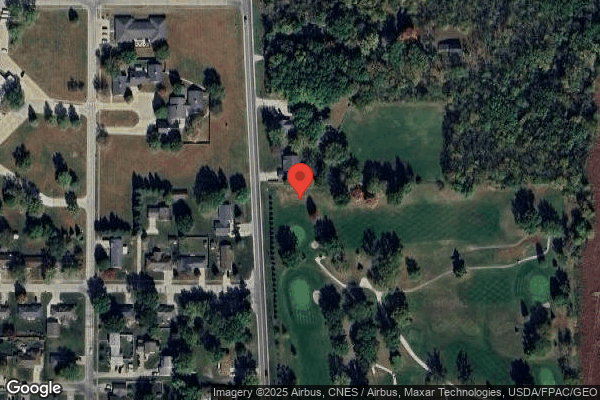
1742 MAIN STREET, PELLA, IA 50219 (641) 628-1244
Non profit - Corporation 100 Beds WESLEYLIFE Data: November 2025 1 Immediate Jeopardy citation
Trust Grade
31/100
#387 of 392 in IA
Last Inspection: September 2024

Within standard 12-15 month inspection cycle. Federal law requires annual inspections.

Overview

The Cottages in Pella, Iowa, has a Trust Grade of F, indicating significant concerns and performing poorly compared to other facilities. It ranks #387 out of 392 in Iowa, placing it in the bottom half statewide, and #4 out of 4 in Marion County, meaning there is only one local option that is better. While the facility is showing some improvement in its issues, reducing from four in 2024 to three in 2025, it still has serious problems, including a critical incident where a resident was able to leave the facility unnoticed in freezing temperatures. Staffing is a relative strength with a 4/5 rating, although the turnover rate of 51% is average. However, the facility has accumulated $13,254 in fines, which is concerning, and there are ongoing issues with delayed response to residents' call lights, suggesting that while staff may be present, they are not always attentive to residents' needs.

Trust Score
F
31/100
In Iowa
#387/392
Bottom 2%
Safety Record
High Risk
Review needed
Inspections
Getting Better
4 → 3 violations
Staff Stability
⚠ Watch
51% turnover. Above average. Higher turnover means staff may not know residents' routines.
Penalties
⚠ Watch
$13,254 in fines. Higher than 90% of Iowa facilities, suggesting repeated compliance issues.
Skilled Nurses
○ Average
Each resident gets 40 minutes of Registered Nurse (RN) attention daily — about average for Iowa. RNs are the most trained staff who monitor for health changes.
Violations
⚠ Watch
12 deficiencies on record. Higher than average. Multiple issues found across inspections.
★☆☆☆☆
1.0
Overall Rating
★★★★☆
4.0
Staff Levels
★★☆☆☆
2.0
Care Quality
★☆☆☆☆
1.0
Inspection Score
Stable
2024: 4 issues
2025: 3 issues

The Good

  • 4-Star Staffing Rating · Above-average nurse staffing levels
  • Full Sprinkler Coverage · Fire safety systems throughout facility
  • No fines on record

Facility shows strength in staffing levels, fire safety.

The Bad

1-Star Overall Rating

Below Iowa average (3.0)

Significant quality concerns identified by CMS

Staff Turnover: 51%

Near Iowa avg (46%)

Higher turnover may affect care consistency

Federal Fines: $13,254

Below median ($33,413)

Minor penalties assessed

Chain: WESLEYLIFE

Part of a multi-facility chain

Ask about local staffing decisions and management

The Ugly 12 deficiencies on record

1 life-threatening 1 actual harm
Aug 2025 2 deficiencies 1 Harm
SERIOUS (G) 📢 Someone Reported This

A family member, employee, or ombudsman was alarmed enough to file a formal complaint

Actual Harm - a resident was hurt due to facility failures

Accident Prevention (Tag F0689)

A resident was harmed · This affected 1 resident

Based on clinical record review, policy review, and staff interviews, the facility failed to create and implement interventions to prevent a fall which resulted in an ER visit for 1 of 3 residents rev...

Read full inspector narrative →
Based on clinical record review, policy review, and staff interviews, the facility failed to create and implement interventions to prevent a fall which resulted in an ER visit for 1 of 3 residents reviewed for falls(Resident #20). The facility reported a census of 95 residents. Findings include:The Minimum Data Set (MDS) assessment tool, dated 5/20/25, listed diagnoses for Resident #20 which included fracture, non-Alzheimer's dementia, and arthritis. The MDS stated the resident sustained a fracture related to a fall in the 6 months prior to admission and stated the resident required partial/moderate assistance for chair and toilet transfers. The MDS listed a Brief Interview for Mental Status (BIMS) score as 11 out of 15, indicating moderately impaired cognition. The facility Accident/Incident Investigation and Reporting Policy and Procedure, revised 4/2025, stated the facility provided an environment that was free from accident hazards over which the facility had control and provided supervision to prevent avoidable accidents. The policy directed staff to initiate new interventions after a fall to attempt to prevent recurrence and to add the interventions to the Communication Board for immediate availability to team members. A 5/12/25 Fall Risk Assessment, dated 5/12/25, stated the resident was at high risk for falls.Nurses Note on 5/18/25 at 2:09 a.m. documented staff found the resident on her left side and the resident stated she went to the bathroom and fell when she tried to get back to the recliner.Care Plan entries, dated 5/20/25, stated the resident was at risk for recurrent falls related to a history of falls, decreased cognition, and decreased safety awareness. The entries directed staff to determine causative factors, keep personal items close, encourage the resident to stay in common areas, and wear non-skid footwear. A 5/22/25 2:45 a.m., Unwitnessed Fall report stated the resident laid on the floor with her knees bent and stated she hit her head and her scalp was tender. The resident was confused and thought it was time to get up. The Care Plan lacked an intervention related to the resident's 5/22/25 fall. Social Services Note dated 5/22/25 at 9:03 a.m. documented the resident admitted to the facility from Assisted Living (AL) on 5/12/25. She had a fall in the AL which resulted in a trip to the ER and therefore was no longer qualified to be at that level of care. A 5/25/25 4:40 p.m. Unwitnessed Fall report stated the resident was wedged between folding chairs and stated she went to the bathroom. The resident had a goose egg on the back of her head. The Care Plan lacked an intervention related to the resident's 5/25/25 fall. A 6/4/25 Orthopedic Clinic report stated the resident had an ankle fracture from an injury 6 weeks ago.A 6/7/25 3:30 p.m. Unwitnessed Fall report stated the resident's call light came on the screen and a Certified Nursing Assistant (CNA) said she had to get to the resident's room right away or she would get up on her own. The CNA was almost to her room when she heard a loud crash. The resident was on the floor with blood everywhere and she stated her head hurt. A 6/7/25 3:50 p.m. Nurses Note stated the resident fell in her room and hit the back of her head and it bled profusely but then stopped. The resident's daughter declined to send the resident to the ER. A 6/7/25 7:45 p.m. Nurses Note stated the resident had a 3.6-centimeter(cm) laceration to the back of her head with a moderate amount of bright red blood. Staff called the resident's daughter and suggested an ER visit. The daughter picked up the resident at approximately 9:00 p.m. and called back at 11:15 p.m. to say the resident was admitted for observation for four brain bleeds. A hospital History and Physical Report, dated 6/7/25, stated the resident presented to the ER due to a fall. The resident sustained a 7 inch gash and the computerized tomography(CT) scan(a scan which used a series of X-ray images taken from different angles to create detailed cross-sectional images of the inside of the body, helping doctors diagnose conditions, plan treatments, and monitor disease progression) showed several areas of intraparenchymal hemorrhages(bleeding directly into the brain's tissue [parenchyma] and often caused by head trauma). A 6/28/25 4:48 p.m. Unwitnessed Fall report stated the resident laid on the floor and stated she was going to the bathroom. She had no injuries. A 6/30/25 Unwitnessed Fall report stated the resident was found on the floor on her back between the recliner and the other side of the chair. The resident stated she hit her head. A 7/1/25 Care Plan entry directed staff to offer the resident toileting assistance before and after meals. A 7/2/25 Unwitnessed Fall report stated staff found the resident on the floor between her chairs in her room. The resident said she had to go to the bathroom. A 7/5/25 Unwitnessed Fall report stated the resident was on the floor and her head hurt and was bleeding. The resident stated she tried to move the table to go to the bathroom. The Care Plan lacked documentation of further interventions related to the above falls using root cause analysis to create preventative measures.On 8/20/25 at 1:28 p.m., Staff A Registered Nurse (RN) stated after a resident fell they had to come up with a new intervention add it to the care plan. On 8/20/25 at 3:27 p.m., the Director of Nursing (DON) stated for each fall, they came up with an intervention and immediately added it to the care plan. She stated with regard to Resident #20, she would do some research to find out which interventions were implemented. On 8/21/25 at 11:22 a.m., Staff K CNA stated Resident #20 got up on her own and fell. She stated they tried to toilet her every two hours but even with this, she got up by herself. When queried regarding any interventions that the facility directed her to carry out in order to prevent the resident from falling, Staff K could not name any. Staff K did say that she closed the bathroom door so the resident was not cued to get up but stated she figured this intervention out on her own. On 8/21/25 at 1:42 p.m., the DON stated she did not find any additional interventions for the resident on the care plan. She stated the team came up with interventions but they did not make it on the care plan. She stated she was not sure why this happened.
CONCERN (D) 📢 Someone Reported This

A family member, employee, or ombudsman was alarmed enough to file a formal complaint

Potential for Harm - no one hurt, but risky conditions existed

Pharmacy Services (Tag F0755)

Could have caused harm · This affected 1 resident

**NOTE- TERMS IN BRACKETS HAVE BEEN EDITED TO PROTECT CONFIDENTIALITY** Based on clinical record review, policy review, and staff interview, the facility failed to ensure the availability of routine m...

Read full inspector narrative →
**NOTE- TERMS IN BRACKETS HAVE BEEN EDITED TO PROTECT CONFIDENTIALITY** Based on clinical record review, policy review, and staff interview, the facility failed to ensure the availability of routine medications for 1 of 4 newly admitted residents(Resident #99). The facility reported a census of 95 residents. Findings:The Minimum Data Set(MDS) assessment tool, dated 4/27/25, listed diagnoses for Resident #99 which included rheumatoid arthritis, weakness, and depression and listed the resident's Brief Interview for Mental Status(BIMS) score as 14 out of 15, indicating intact cognition. The MDS documented that the resident was admitted on [DATE] from a hospital.The undated facility policy Pharmacy-Initiated Order Workflow stated the nurse received a signed order from the prescriber and faxed it to the pharmacy. The pharmacy then processed the medication and delivered it to the facility. The procedure did not address what staff should do if a medication did not arrive from the pharmacy. A 4/25/2025 10:30 a.m. Clinical admission entry stated the resident admitted to the facility. The April Medication Administration Record(MAR) listed the following 4/25/25 orders: a. Alrex suspension 0.2%(an eye drop used to treat allergies of the eye), instill one drop in both eyes. The following doses lacked a checkmark to indicate staff administered the medication and had 9 for the entry which referred to the resident's Progress Notes: 5/25/25 4:00 p.m. and 8:00 p.m. doses, 5/26/25 8:00 a.m., 12:00 p.m., 4:00 p.m., and 8:00 p.m. doses, 5/27/25 12:00 p.m. and 4:00 p.m. doses.B. Pregabalin (a medication used to treat nerve pain) 100 milligrams(mg) three times per day. The following doses lacked a checkmark to indicate staff administered the medication and had 9 for the entry which referred to the resident's progress notes: 5/25/25 4:00 p.m. dose, 5/26/25 8:00 p.m. dose, 5/27/25 6:00 a.m. 12:00 p.m., and 8:00 p.m. dosesC. Duloxetine (an antidepressant) 30mgs 1 capsule twice daily. The 5/25/25 4:00 p.m. entry lacked staff initials to indicate staff administered the medication and had a 9 for the entry which referred to the progress notes. Progress Notes entered on the following dates and times stated that the resident's Alrex eye drop was not available: 4/25/25 5:53 p.m., 4/25/25 9:07 p.m., 4/26/25 9:33 a.m., 4/26/25 11:12 a.m., 4/26/25 6:02 p.m., 4/26/25 8:41 p.m., 4/27/25 10:45 a.m. Progress Notes entered on the following dates and times stated that the resident's Pregabalin was not available: 4/25/25 2:18 p.m., 4/26/25 9:11 a.m., 4/27/25 11:05 a.m.A 4/25/25 2:17 p.m Progress Note stated the resident's Duloxetine was not available. The Progress Notes did not contain documentation the facility staff contacted the pharmacy to follow up on the missing medications.A 4/27/25 7:00 p.m., Nurses Note stated the resident left the facility with her spouse Against Medical Advice(AMA). On 8/20/25 at 1:28 p.m., Staff A Registered Nurse(RN) stated when Resident #99 admitted they had trouble getting her Pregabalin. She stated she received education that she should call the provider to obtain the medication. She stated it wasn't appropriate to just wait for the pharmacy. On 8/20/25 at 3:27 p.m., the Director of Nursing(DON) stated if a medication did not arrive from the pharmacy, staff could call for a stat delivery. If the resident didn't come with an order, staff should reach out to the provider and obtain an order for the medication or an order to hold.
Feb 2025 1 deficiency 1 IJ (1 affecting multiple)
CRITICAL (K) 📢 Someone Reported This

A family member, employee, or ombudsman was alarmed enough to file a formal complaint

Immediate Jeopardy (IJ) - the most serious Medicare violation

Accident Prevention (Tag F0689)

Someone could have died · This affected multiple residents

**NOTE- TERMS IN BRACKETS HAVE BEEN EDITED TO PROTECT CONFIDENTIALITY** Based on observation, clinical record review, policy review, and staff interviews, the facility failed to provide additional int...

Read full inspector narrative →
**NOTE- TERMS IN BRACKETS HAVE BEEN EDITED TO PROTECT CONFIDENTIALITY** Based on observation, clinical record review, policy review, and staff interviews, the facility failed to provide additional interventions, and supervision after Resident#1 displayed exit seeking behaviors. The facility also failed to secured the facility's exterior doors so that cognitively impaired residents could not leave the building without staff knowledge. This resulted in Resident #1 leaving the building without the staff's knowledge in 29 degree Fahrenheit weather. The staff only realized Resident #1 had left the building when a visitor found Resident #1 lying on the ground. This failure resulted in Immediate Jeopardy to the health, safety, and security of the resident and for 3 of 3 additional cognitively impaired, independently mobile residents with access to this door (Residents #5, #6, #7). The facility identified a census of 93 residents. The State Agency (SA) informed the facility of the Immediate Jeopardy (IJ) on 2/19/25 at 3:35 p.m. The IJ began on 1/26/25, the day Resident #1 left the facility without staff's knowledge. Facility staff removed the Immediate Jeopardy on 2/20/25 through the following actions: -Wanderguard (a system that uses bracelets, sensors, and technology to monitor residents and prevent wandering) placed on Resident #1. -Staff education regarding elopement policy, elopement drills, significant change assessments, response to door alarms. -Elopement assessments on all residents with a Brief Interview for Mental (BIMS) score less than 11. -Sign place on exit doors for families as reminder to not assist someone out the door and to notify team members. -Alarms activated on egress doors in Overijessel (OV) and Utrecht (UT) households -Barrel lock installed on patio door connecting OV/UT -Remote notification alarm installed between the long-term care area and the assisted living area -Door lock installed on Gelderland household dining room door. The scope lowered from K to E at the time of the survey after ensuring the facility implemented education and their policy and procedure. Findings include: The Significant Change in Status Minimum Data Set (MDS) assessment tool for Resident#1, dated 12/27/24, listed diagnoses which included senile degeneration of the brain, heart failure, and depression. The MDS stated the resident required substantial to maximal assistance for standing and partial to moderate assistance for walking. The MDS listed the residents Brief Interview for Mental Status (BIMS) score as 3 out of 15, indicating severely impaired cognition. Care Plan entries, dated 5/31/23, documented the resident had short and long term memory impairment and had confusion as to date, time, and family members. The facility Elopement Precautions Policy, updated July 2024, stated the facility had electronic door alarms which sounded when opened and should remain activated at all times. The policy also documented that any resident, regardless of location , if consistently exit seeking should have an electronic monitoring device. An 11/13/24 Care Plan entry stated the resident required the assistance of 1 staff with a walker. A 12/1/2024 at 3:36 p.m. Behavior Note stated the resident was very agitated and stated (the facility) was holding him there and he wanted to go outside. The resident kicked below the window in the dining room and tried to pull the window sill out to put the window up. Review of the Care Plan revealed that the facility staff did not identify Resident #1 as displaying potential elopement warning signs on 12/1/24, and the facility staff did not implement any additional nursing supervision interventions to address Resident #1's increased elopement risk. A 12/15/2024 at 4:20 p.m. Nurses Note stated the resident became very confused. He pushed his walker and thought he was driving and was trying to get back to [city name, city where resident currently resided]. Review of the Care Plan lacked additional nursing supervision interventions after Resident#1 displayed potential elopement warning signs on that were documented in a Nurses Note dated 12/15/24. A 12/26/24 at 5:48 p.m. Elopement Evaluation stated the resident was not at risk for elopement. A 1/14/2025 at 8:40 p.m. Incident: Post Follow Up note stated the resident remained confused and not able to sit still. The note stated he could not be trusted to stay in his chair and he tried to stand up and walk without his walker. The resident required constant attention and staff carried out regular checks. A 1/26/2025 Nurses Note stated at 4:45 p.m. a Certified Nursing Assistant (CNA) alerted that the resident was outside and fell in the grass. The resident sat in the grass in front of the sister cottage by the sidewalk. He wore a sweatshirt, white undershirt, knit pants, socks, and shoes. The resident stated he saw an animal outside and went out to get it. The resident had bilateral (referring to both sides) knee abrasions. The facility placed a Wanderguard on the resident's ankle. On 2/19/25 at 10:35 a.m., Staff A Registered Nurse (RN) stated a family member held the door out for Resident #1 as they did not think he lived in the facility. She stated she saw the resident about 5 minutes before the family members left the building. She stated Staff B Certified Nursing Assistant (CNA) informed her that another family member drove by and saw the resident outside. Staff A stated the resident sat in the grass close to the sidewalk. The resident stated he was outside because he went after two hogs. Staff A stated after this incident, staff placed a Wanderguard on the resident and tried not to place him by doorways. On 2/19/25 at 11:15 a.m., Staff B CNA stated a visitor informed her a resident laid outside on the ground. She informed the resident's nurse via radio (Staff A) of this. Staff A assessed the resident and then they assisted him back inside. On 2/19/25 approximately 11:20 a.m., the SA exited the OV household (Resident #1's household) and did not need a code. The door did not alarm when opened and led outside to a patio area and a walkway towards a street in the middle of the facility campus. On 2/19/25 at 12:20 p.m., Staff C CNA stated on the morning of the incident, the resident was a little confused and she got him settled down and reminded him that it was winter. He went to the front door to look outside. She stated she saw the resident 10 minutes before another CNA told her he was outside. On 2/19/25 at 12:26 p.m., Staff D CNA stated towards the afternoon the resident became a little more confused, was looking for his family, and wanted to walk. She stated (prior to him leaving the building) she found him in the breezeway in between the two double doors. He stated he looked for his family. She stopped him and got him turned around and he wanted to sit on the bench located near the door. She and Staff C made sure to cycle past to check him ever 20-30 minutes. She said she last observed him approximately 30 minutes before staff found him outside. She stated the exit doors to the resident's building did not require a code to get out during the day. On 2/19/25 at 1:39 p.m. the Executive Director stated for Resident #1's building, no code was required to exit. She stated there was not another way to lock down that door. She stated if a resident tried to exit the building earlier in the day, she would want staff to monitor them more closely. On 2/19/25 at 3:07 p.m., the Senior Clinical Quality Specialist stated they placed locks on the doors of Resident #1's building. She stated if one did not enter a code, the door would alarm. On 2/19/25 at 3:07 p.m., the Executive Director stated when they reviewed the camera footage, they observed that a visitor did not let the resident out, but he went out independently. An untitled list, provided by the facility on 2/19/25, indicated 3 independently mobile residents with a BIMS less than 11 resided in OV and UT. This list did not indicate Resident #1 met this criteria. A tour of the facility on 2/20/25 revealed the following concerns: a. Staff E Maintenance Staff opened the Gelderland household exterior dining room door at 8:39 a.m. No alarm sounded but Staff E stated the alert would go to staff phones. As of 8:46 a.m., no staff had responded to the door or inquired as to why the door alerted. At 8:46 a.m. a staff member came out to the dining room table and her phone was not with her. Another staff member, Staff E CNA came out of a resident room also at 8:46 a.m. with a pager. She at first said that she did not hear the alert but then said she did not respond to it because she was with a resident. b. The doors to the South [NAME], Gelderland, and Groningen households did not require a code to exit and did not alarm upon exit. Residents had the ability to exit these households and enter a hallway which led toward the Friesland Assisted Living (AL). The AL entry doors were open and no alarm or code system was in place in order to enter the area. Once in the AL, a door to the laundry room was open which led to a hallway and to an unlocked door which led outside. c. A door in a connecting hallway between the OV household and the UT household was unlocked and led out to an enclosed courtyard. The hallway was not locked and residents had access to the door. On 2/20/25 at 1:35 p.m. the door in the connecting hallway between the OV and UT households had a lock installed on it. A tour of the facility on 2/24/25 at 8:00 a.m. revealed a door lock on the Gelderland dining room door and an alert notification on the door leading into the AL. On 2/26/25 at 9:41 a.m. the State Climatologist stated the temperature in [NAME], Iowa at 4:00 p.m. was 29 degrees Fahrenheit.
Sept 2024 3 deficiencies
CONCERN (D)

Potential for Harm - no one hurt, but risky conditions existed

Deficiency F0578 (Tag F0578)

Could have caused harm · This affected 1 resident

**NOTE- TERMS IN BRACKETS HAVE BEEN EDITED TO PROTECT CONFIDENTIALITY** Based on clinical record review, staff interview, and policy review the facility failed to document an accurate code status for ...

Read full inspector narrative →
**NOTE- TERMS IN BRACKETS HAVE BEEN EDITED TO PROTECT CONFIDENTIALITY** Based on clinical record review, staff interview, and policy review the facility failed to document an accurate code status for one of four residents sampled for advanced directives (Resident #147). The facility reported a census of 92 residents. Findings include: The Minimum Data Set (MDS) assessment dated [DATE] revealed Resident #147 had diagnoses that included multiple sclerosis, thyroid disorder, and a left fibula (a bone in the lower leg) fracture. The Care Plan revised 9/17/24 revealed the advance directives was manifested by the resident and family's specifications. The staff directives included to refer to the IPOST (Iowa Physician's Orders for Scope of Treatment) form on file and review the advanced directives routinely at the care conferences and PRN (as needed). The electronic health record (EHR) (screenshot) revealed Resident #147's code status as a Full Code. The MDS Coordinator entered and confirmed the order on 9/16/24. The EHR Order Details revealed a full code listed under the advanced directives ordered on 9/16/24 at 11:27 AM. The Order Summary Report revealed a prescriber's written active order for a full code ordered on 9/16/24. The IPOST signed by the physician on 9/18/24 revealed a DNR/do not attempt resuscitation. The EHR Resident Detail report printed 9/24/24 at 4:25 PM revealed a DNR entered into the Code Status section. The Order Details revealed on 9/25/24 at 7:53 AM, the MDS Coordinator entered the advanced directives as a DNR order. During an interview 9/24/24 at 3:15 PM, Staff A, Licensed Practical Nurse (LPN) reported the Social Worker (SW) obtained the resident's or resident representative's signature, indicated the choice for a full code or DNR status, then the physician signed the IPOST. The IPOST got scanned into the resident's EHR and placed into a binder located at each household. The SW updated the code status in the computer to reflect if the resident was DNR or full code status. At the time, Staff A confirmed Resident #147's code status was listed as a full code in the EHR. During an interview 9/24/24 at 3:24 PM, the MDS Coordinator reported the SW updated the code status in the EHR after they received the signed IPOST. During an interview 9/24/24 at 4:19 PM, Staff B, SW, reported she presented the IPOST to the resident/representative whenever a resident admitted to the facility. Staff B reported a hard (paper) copy of the IPOST placed in the binder at the nurse's station. She scanned the IPOST into the EHR after the physician signed the IPOST. She also updated the code status in the EHR. During an interview 9/25/24 at 3:03 PM, Staff C, Registered Nurse (RN), reported she looked in the EHR for the resident's code status. Staff C reported the SW updated the code status in the EHR whenever the resident's code status changed. During an interview 9/25/24 at 3:15 PM, Staff D, RN, reported she looked at the EHR to check a resident's code status. Staff D reported they also had a red folder at the nurse's station with all of the residents who had a full code status. Staff D confirmed three residents in the Gelderland Household currently had a full code status. Resident #147's code status information was not contained in the folder. During an interview 9/26/24 at 10:05 AM, the Director of Nursing reported the process for advanced directives was a process they had been working on at the facility to ensure the resident's code status information was correctly entered into the EHR. In an interview 9/26/24 at 10:10 AM, the Clinical Quality RN Specialist reported she went through and reviewed all of the residents' IPOST's but did not compare the IPOST information to each resident's EHR to see that the code status matched. An Advanced Directive Policy revised 9/2024 revealed the IPOST or another document directed the resident's health care and their wishes. The Advance Directive document located in the resident's medical record and readily retrievable by any team member. Changes to the resident's choices for Advance Directives documented in the resident Care Plan, State specific documents (such as the IPOST), and the physician's orders to reflect the new choices as applicable.
CONCERN (D)

Potential for Harm - no one hurt, but risky conditions existed

Deficiency F0692 (Tag F0692)

Could have caused harm · This affected 1 resident

**NOTE- TERMS IN BRACKETS HAVE BEEN EDITED TO PROTECT CONFIDENTIALITY** Based on clinical record review, resident and staff interviews, and facility document review, the facility failed to evaluate th...

Read full inspector narrative →
**NOTE- TERMS IN BRACKETS HAVE BEEN EDITED TO PROTECT CONFIDENTIALITY** Based on clinical record review, resident and staff interviews, and facility document review, the facility failed to evaluate the need for and offer scheduled nutrition interventions related to on-going weight loss and poor intake at meals. The facility also failed to update Resident 72's Care Plan to accurately reflect current staff interventions for weight loss, if any provided, and update the Care Plan for one of three residents reviewed for nutrition (Resident #72). The facility reported a census of 92 residents. Findings include: The Minimum Data Set (MDS) assessment dated [DATE] indicated that the Brief Interview for Mental Status could not be completed and Resident #72's cognitive skills for daily decision making were severely impaired. Diagnoses include Alzheimer's disease, Parkinson's disease, heart failure, anxiety disorder, and depression. The MDS revealed Resident #72 required set-up or clean-up assistance at meals and was independent with walking at least 150 feet. Resident #72 also assessed as independent to move from sit to stand or lying position without the use of assistive devices. The Care Plan with the next scheduled review date of of 12/19/24 documented Resident #72 was able to eat independently after set-up and needed cueing at times. The Care Plan also indicated Resident #72 had a potential problem related to low food intake with a goal to consume 75-100% of diet offered. Interventions include: a. Develop an activity program that includes exercise, mobility. Offer activities of choice to help divert attention from food with an initiation date of 7/21/23 b. Invite resident to activities that promote additional intake with an initiation date of 7/21/23 c. Registered Dietitian (RD) to evaluate and make diet change recommendations PRN with an initiation date of 7/21/23 d. Resident would like to have time to consume meals, do not rush with an initiation date of 7/21/23 e. Resident would like to have documented and recorded meal intake with an initiation date of 7/21/23 No interventions related to low food intake identified on the current Care Plan since 7/21/23. The diet card, maintained by the Director of Dining Services, noted on 8/8/24 that Resident #72 had a history of refusing meals and to offer coffee drinks that comply with order. The diet card directed staff to offer plastic silverware as adaptive equipment. No further information regarding intolerances, likes, or dislikes noted. The diet card did not indicate current or past use of oral nutrition supplements or use of fortified foods. The Weights and Vitals summary obtained on 9/26/24 show the following weights from January 2024: 1/4/24 144.8 Lbs 2/1/24 142.4 Lbs 3/1/24 142.0 Lbs 4/1/24 136.0 Lbs 4/3/24 136.0 Lbs 5/1/24 137.6 Lbs 6/5/24 134.8 Lbs 7/5/24 130.6 Lbs 8/1/24 112.8 Lbs 9/1/24 127.8 Lbs The documented weight of 112 Lbs on 8/1/24 was struck out by the RD on 9/18/24 as a technical error. No further documented weight for the month of August identified. The Order Summary Report, obtained on 9/26/24, did not list the use of oral nutrition supplements or the use of fortified foods. The POC Response History for the task related to Nutrition-Amount Eaten obtained on 9/26/24 indicated Resident #72 eating greater than 50% for 70 meals out of 87 meals offered over the past immediate 30 days. The Nutrition/Dietary Notes written by the RD revealed the following: On 3/23/24 at 2:21 PM: Ht: 66 CBW (current body weight): 142.0# BMI (body mass index): 22.9. Wt Hx (weight history): stable x 180 d. General diet, regular textures, thin liquids. Avg meal intakes >50% w/ 120-240 mL fluid q meals. Eats independently w/ plastic silverware. Own teeth w/ no reports of difficulty chewing/swallowing. No PI (pressure injury) or edema present. No GI (gastrointestinal) concerns noted. No recs at this time, continue POC (plan of care). Weight loss, skin breakdown, fecal impaction, and dehydration may be expected/unavoidable outcomes as disease progresses. Continue to encourage intakes/hydration as resident desires on hospice cares. Will continue to monitor. Notify RD of sig changes. On 4/24/24 at 2:26 P: Ht: 66 CBW: 136.0# BMI:21.9. Wt Hx: -4.2% x 30 d, -6.1% x 90 d, -4.1% x 180 d. No sig (significant) wt (weight) changes. General diet, regular textures, thin liquids. Avg meal intakes 50-100% w/ 120-240 mL fluid q meals. Eats independently w/ plastic silverware. No recs at this time, continue POC. Weight loss, skin breakdown, fecal impaction, and dehydration may be expected/unavoidable outcomes as disease progresses. Continue to encourage intakes/hydration as resident desires on hospice cares. Will continue to monitor. Notify RD of sig changes. On 5/29/24 at 5:03 PM: Ht: 66 CBW: 136.0# BMI: 22.2. Wt Hx: stable x 30 d, -3.4% x 90 d, -5.7% x 180 d. No sig wt changes. General diet, Regular textures, Thin liquids ordered. Meal intakes dropping recently, ~2 meal refusals/d x 1 wk w/ 240-480 mL fluid q meals. Eats independently w/ plastic silverware. No recs at this time. Weight loss, skin breakdown, fecal impaction, and dehydration may be expected/unavoidable outcomes as disease progresses. Continue to encourage intakes/hydration as resident desires on hospice cares. Will continue to monitor. Notify RD of sig changes. On 6/19/24 at 11:33 AM: Ht: 66 CBW: 134.8# BMI: 21.8. Wt Hx: -2.0% x 30 d, -5.1% x 90 d, -5.2% x 180 d. No sig wt changes, trending down. General diet, Regular textures, Thin liquids ordered. Meal intakes varied; <50% on avg. x 1 wk w/ 240-480 mL fluid q meals. Eats independently w/ plastic silverware. No noted chewing or swallowing issues. No recent edema, PU, or GI issues noted. No new dietary recs. Weight loss, skin breakdown, fecal impaction, and dehydration may be expected/unavoidable outcomes as disease progresses. Continue to encourage intakes/hydration as resident desires on hospice cares. Will continue to monitor. Notify RD of sig changes. On 8/20/24 at 2:58 PM:Ht: 66 CBW:112.8# BMI: 18.2. Wt Hx: -13.6% x 30 d, -16.3% x 90 d, -20.6% x 180 d. No sig wt changes, trending down. General diet, Regular textures, Thin liquids ordered. Meal intakes remain subpar, <50% on avg w/ 240-480 mL fluid q meals. Eats independently w/ plastic silverware. No noted chewing or swallowing issues. No recent edema, PU, or GI issues noted. No new dietary recs. Weight loss, skin breakdown, fecal impaction, and dehydration may be expected/unavoidable outcomes as disease progresses. Continue to encourage intakes/hydration as resident desires on hospice cares. Will continue to monitor. Notify RD of sig changes. The above note summarized Resident #72's weight loss as non-significant and trending down. The weight loss calculations referenced in the note did meet criteria for significant losses at 30 and 180 days. On 9/18/24 at 11:18 AM: Ht: 66 CBW: 127.8# BMI: 20.6. Wt Hx: -5.2% x 90 d, -10.0% x 180 d (sig). EEN: 1750-1900 kcals/d, 58g pro/d, <1900 mL fluid/d. General diet, Regular textures, Thin liquids ordered. Meal intakes varied; <50% on avg. x 1 wk w/ 240-480 mL fluid q meals. Eats independently w/ plastic silverware. No noted chewing or swallowing issues. No recent edema, PU, or GI issues noted. No new dietary recs. MD notified of sig wt loss; likely unavoidable at this stage. MNA indicates at risk of malnutrition. Form submitted w/ recommendation to add moderate protein calorie malnutrition to Dx AEB sig wt loss x 180 d and intakes <50%. Weight loss, skin breakdown, fecal impaction, and dehydration may be expected/unavoidable outcomes as disease progresses. Continue to encourage intakes/hydration as resident desires on hospice cares. Will continue to monitor. Notify RD of sig changes. All of the above Nutrition/Dietary Notes written by the RD failed to indicate the rationale for the lack of nutritional interventions when non-significant weight loss and/or sub-optimal intake at meals were identified. The Nutrition/Dietary Notes failed to document any previous attempts at nutritional interventions when non-significant weight loss and/or sub-optimal intake at meals identified. During a brief interaction on 09/26/24 10:40 AM, Resident #72 responded I'm hungry when asked how he was doing. In an interview on 9/24/24 at 1:50 PM, Staff H, Certified Nursing Assistant, reported Resident #72's intake had improved recently. Unit snacks may be offered in the afternoon but do not follow any specific menu or diet spreadsheet. Staff H not aware of Resident #72 needed plastic silverware at meals, as outlined on the diet card. In an interview on 9/25/24 at 9:15 AM, the Director of Dining reported weekly weight meetings with the RD and household coordinators attending. During which trending weights are reviewed and interventions discussed, if applicable. She voiced facility-specific dietary interventions may include the use of fortified foods, such as fortified cereals, super mashed potatoes, addition of extra sauce/gravy or double protein The Director of Dining indicated none of the above interventions listed on Resident #72's diet card. In an interview on 9/25/24 at 2:44 PM, the RD reported the weekly meetings are to review resident weight loss and condition. Nutritional interventions are discussed. The RD stated no formal minutes or notes taken. Present staff members may write a Progress Note in the medical record and/or alert the primary care provider if indicated. Regarding Resident #72, the RD was informed by nursing staff that family was not agreeable with nutritional supplements and there should be documentation in a Progress Note. RD could not provide a timeframe of when this information was known. The RD acknowledged no nutritional interventions are currently in place for Resident #72. The RD reported Resident #72 was medically declining at one point but has rebounded. The RD acknowledged that Resident #72 has received hospice services for an extended period, since September '23, and indicated if a resident is receiving hospice services, may let it (weight loss) slide. In an interview on 9/26/24 at 1045 AM, the Director of Nursing (DON) discussed the weekly weight meetings and discussion of possible interventions. The DON was not aware of any documented or scheduled nutritional interventions for Resident #72. The DON voiced family was not interested in supplements but unable to provide a timeframe or further explanation regarding family wishes. In a follow-up interview at 12:30 PM, the DON explained unable to locate further documentation from hospice or facility staff related to family's wishes towards supplement use or further nutritional interventions. The DON reiterated Resident #72's medical decline where interventions were not appropriate in mid to late July. DON acknowledged Resident #72 has medically improved since then and eating better overall. The DON reported facility staff does offer snacks and drinks to Resident #72 frequently but did not note if these were scheduled snacks or if provided as needed. The Nutrition Intervention Program policy, with a revised date of 8/2024, indicated attempts will be made to maintain a high nutritional status and weight acceptable to bodily structure and physical condition. The clinical team will monitor food consumption and weights and will intervene nutritionally on residents experiencing significant weight loss. Procedures include: a. Each resident experiencing a 5% weight loss for one (1) month period, 7 1/2% weight loss for a three (3) month period, or a 10% weight loss for a six (6) month period will be entered into the nutritional intervention program. b. Resident care plans will be adjusted to address the resident's weight loss or gain. c. Dietitian will document an initial nutrition assessment upon notification of a weight loss or gain and at least bi-monthly for those in the nutritional intervention program with appropriate interventions added by the Interdisciplinary Team. Documentation will be maintained in the resident's medical record.
CONCERN (D)

Potential for Harm - no one hurt, but risky conditions existed

Infection Control (Tag F0880)

Could have caused harm · This affected 1 resident

**NOTE- TERMS IN BRACKETS HAVE BEEN EDITED TO PROTECT CONFIDENTIALITY** 2. Tube feeding and medication administration for Resident #69 observed on 9/24/24 at 7:00 AM with Staff G, Registered Nurse. St...

Read full inspector narrative →
**NOTE- TERMS IN BRACKETS HAVE BEEN EDITED TO PROTECT CONFIDENTIALITY** 2. Tube feeding and medication administration for Resident #69 observed on 9/24/24 at 7:00 AM with Staff G, Registered Nurse. Staff G observed washing hands in the bathroom sink prior to the start of administering medications and tube feeding. After medications were given, the tube feeding product was provided as directed via syringe feedings. Once the feedings were complete, Staff G gather the used supplies, which included two graduates (one used for tube feeding product and the other used for water), a 60 cc syringe, and the gastric-tube (g-tube) extension. The graduate used for water was also the same graduate used earlier in the observation to mix and administer medications. Staff G placed the g-tube extension in the bathroom sink. Staff G proceeded to rinse out the two graduates and syringe over the g-tube extension. After the items were rinsed, Staff G removed the g-tube extension from the sink, rinsed and flushed out with water. Supplies were left on the bathroom counter to air dry with the g-tube extension in one of the graduate. During an interview 9/26/24 at 1045 AM, the Director of Nursing (DON) indicated she would have rinsed the g-tube extension first instead of laying it in the sink to reduce the risk of cross contamination. 3. Lunch preparation and service on the Zuid [NAME] unit observed on 9/25/24 at 11:30 AM with Staff I, cook. After pureeing a serving of chicken alfredo with noodles, Staff I proceeded to hand wash the blender for use on the next puree food item. Staff I was observed washing out the blender several times to ensure all food residue was removed. Once the blender was clean, Staff I pureed the zucchini and squash vegetable dish. When the task was completed, Staff I continued to prepare for lunch service up until approximately 12:00 PM when it was time to plate food for resident. No hand hygiene observed during this time frame nor was it observed at the start of plating lunch. During an interview on 9/25/24 at 12:30 PM, the Director of Dining acknowledged the lack of hand hygiene from Staff I as she was present during lunch preparation and service. An email received on 9/26/24 at 11:45 AM, the Clinical Quality RN indicated there was not a separate policy for dietary and hand hygiene. It is all the same hand hygiene policies within the infection control manual. Per the Food and Drug Administration Food Code 2017 (2-301.14 When to Wash), hand washing should be performed before engaging in food preparation, after handling soiled equipment and utensils, and during food preparation, as often as necessary to remove soil and contamination and to prevent cross contamination when changing tasks. Based on record review, observations, staff interviews, and facility policy review, the facility failed to follow enhanced barrier precautions (EBP) and infection control practices to prevent the potential spread of infection or disease for 2 of 18 residents sampled (Resident #37). The facility staff also failed to appropriately cleanse and disinfect resident care devices after a tube feeding and medications administered through a gastrostomy tube (Resident #69). The facility staff also failed to wash hands or complete proper hand hygiene in-between dirty to clean tasks for 1 of 6 households observed. The facility reported a census of 92 residents. Findings include: 1. The Minimum Data Set (MDS) assessment date 9/23/24 revealed Resident #37 readmitted to the facility from the hospital on 9/23/24. The Medical Diagnosis list in the electronic health record (EHR) revealed the resident had diagnoses of methicillin susceptible staphylococcus aureus (MSSA) (a staph bacteria) infection effective 9/20/24, an extradural (epidural space of the spine or skull) and subdural abscess (a collection of pus that forms in the subdural space between the arachnoid and dura mater of the brain) (added 9/23/24), and elevated white blood cell count (indicating an infection) (added 9/24/24). The Care Plan initiated 9/24/24 revealed the resident had an epidural abscess of the cervical spine at the C2-C3 and MSSA bacteremia (bacteria in the blood). The Care Plan directed staff to administer antibiotics per physician's orders and check the Medication Administration Record (MAR) and Treatment Administration Record (TAR) for PICC line cares to the right upper extremity. The MAR dated 9/2024 revealed cefazolin sodium (an antibiotic used to treat serious bacterial infections) 2 grams intravenously every 8 hours related to MSSA infection. The MAR documented Staff A, Licensed Practical Nurse (LPN), administered the scheduled 4:00 PM dose on 9/24/24. During observations on 9/24/24 at 3:32 PM, Staff A, LPN, obtained supplies and prepared cefazolin 2 grams in 50 milliliters (ml) of dextrose solution. Staff A mixed the powdered medication and the solution in the bag until the medication dissolved. Staff A placed the IV bag on the IV pole with an infusion pump. At the time, an IV tubing was draped over the IV pump and the spike of the IV tubing exposed to air (uncapped) and not attached to an IV bag. Staff A sanitized her hands, donned a pair of gloves, then took an alcohol swab and cleansed the spike on the IV tubing that hung over the IV pump. Staff A then pierced the bag of cefazolin with the spike from the IV tubing, and hung the bag back on the IV pole. Staff A removed an orange cap covering the end of the PICC line, took an alcohol swab and cleansed the PICC line. Staff A flushed the PICC line with 10 ml normal saline, primed the IV tubing, the attached the IV cefazolin to the PICC line. Staff A set the IV pump to infuse the medication over 30 minutes. Staff A removed her gloves and sanitized her hands. Staff A did not utilize a gown while she performed cares and administered medications through the resident's PICC line. During observation on 9/24/24 at 4:34 PM, Staff A, LPN, checked the IV bag and reported the antibiotic medication infused. Staff A sanitized her hands, donned a pair of gloves, and stopped the IV pump. Staff A removed the IV tubing from the PICC line, then took an alcohol swab and cleansed the PICC line port, and flushed the PICC line with 10 ml normal saline. Staff A removed her gloves. Staff A took a black marker and crossed the resident's name and personal information on the IV bag. Staff A threw the IV bag and tubing in the trash, then sanitized her hands. Staff A did not utilize a gown while she handled the resident's PICC line and completed medication administration. The Director of Nursing (DON) stood in the room and observed Staff A during this time. During an interview 9/24/24 at 9:00 AM, Staff A reported the pharmacy sent the IV tubing along with the IV medication infusion. The resident's IV tubing was changed out every 24 hours. During an interview 9/25/24 at 3:03 PM, Staff C, RN, reported personal protective equipment (PPE) such as gown and gloves required whenever she worked with a resident's catheter, a wound, or if the resident had COVID-19. During an interview 9/25/24 at 3:14 PM, Staff E, certified nursing assistant (CNA), reported a gown and gloves worn if a resident was really sick or had COVID, and whenever she emptied a resident's catheter. During an interview 9/25/24 at 3:15 PM, Staff D, RN, reported EBP's consisted of donning a gown and gloves whenever staff worked with a resident with an open wound and tube feeding, but EBP's not necessary when worked with a resident's PICC line. An isolation precautions card placed in the resident's room or on the door and PPE supplies placed inside the resident's room whenever a resident on isolation or EBP's. An email received from the facility's Clinical Quality RN Specialist on 9/26/24 at 8:23 AM revealed the facility did not have an IV medication administration policy. The Clinical Quality RN Specialist wrote the facility's nursing staff just followed the nursing standards of care. During an interview 9/26/24 at 9:45 AM, Staff D, RN, reported the IV tubing came from the pharmacy. IV tubing was changed out every 24 hours. Staff D reported the IV bag discarded after the IV infusion completed, but she recapped the end of the IV tubing in order to use for IV tubing for the next IV medication infusion up to 24 hours. Staff D reported she just found out a gown should be worn whenever staff worked with a resident's PICC line. Staff D reported signage regarding PPE use placed in Resident #37's room. During an interview 9/26/24 at 9:51 AM, Staff F, CNA, reported gown and gloves worn whenever a resident on EBP's. Staff F reported she just found out she needed to wear a gown and gloves if resident had a PICC line. During an interview 9/26/24 at 10:07 AM, the DON reported she would leave the IV tubing connected to the bag and use the IV tubing for the next IV medication administration. She would get a new IV tubing rather than wipe the spike on the IV tubing with alcohol. The DON reported she expected staff wore a gown and gloves for EBP's and whenever working with a resident's PICC line. The facility's IV and PICC Management policy revised 6/2020 lacked information or the procedure for infusion of IV medication through the PICC line. A pharmacy's Medication Administration infusion therapy policy and procedure revised 2023 revealed the sterility of the IV bag and equipment inspected prior to medication administration, and pharmacy called if any problems noted. An Enhanced Barrier Precautions policy revised 4/2024 revealed EBP's is a method for reducing the spread of multi-drug resistant organisms (MDRO). A gown and gloves worn to prevent contamination of healthcare personnel hands and clothing during care activities that have the highest risk of transfer of MDRO's. Residents with risk factors like indwelling medical devices may unknowingly have a MDRO and develop a serious infection and spread MDRO's to others. EBP can effectively reduce the spread of MDRO's. EBP's used whenever a resident had an indwelling device such as a central vascular and central catheter lines.
May 2024 1 deficiency
CONCERN (D) 📢 Someone Reported This

A family member, employee, or ombudsman was alarmed enough to file a formal complaint

Potential for Harm - no one hurt, but risky conditions existed

ADL Care (Tag F0677)

Could have caused harm · This affected 1 resident

**NOTE- TERMS IN BRACKETS HAVE BEEN EDITED TO PROTECT CONFIDENTIALITY** Based on clinical record review, resident and staff interviews, the facility failed to ensure a resident had at least 2 baths/sh...

Read full inspector narrative →
**NOTE- TERMS IN BRACKETS HAVE BEEN EDITED TO PROTECT CONFIDENTIALITY** Based on clinical record review, resident and staff interviews, the facility failed to ensure a resident had at least 2 baths/showers per week for 1 of 3 residents reviewed (Resident #1). The facility reported a census of 95 residents. Findings include: The admission Minimum Data Set (MDS) dated [DATE] for Resident #1 documented a Brief Interview for Mental Status (BIMS) of 15 indicating intact cognition. The MDS further revealed the resident had diagnosis including stroke, osteoporosis and anxiety and required physical assistance with bathing. The Care Plan revised 8/29/23 revealed Resident #1 had a self-care performance deficit related to activity intolerance, impaired balance and stroke, and directed staff to provide assistance with bathing twice a week. Review of the electronic health record (EHR) for Resident #1 revealed showers/baths were offered and provided 3 times between 8/23/23-9/22/23. During an interview 5/16/24 at 9:16 AM, the Clinical Quality Specialist acknowledged showers/baths were documented 3 times during Resident #1's stay. She confirmed it is an expectation residents receive a bath or shower a minimum of 2 times a week or follow the care plan if different and document any refusals. The Clinical Quality Specialist further reported the facility does not have a specific policy related to baths/showers as they follow standards of care.
Jun 2023 5 deficiencies
CONCERN (D) 📢 Someone Reported This

A family member, employee, or ombudsman was alarmed enough to file a formal complaint

Potential for Harm - no one hurt, but risky conditions existed

Deficiency F0657 (Tag F0657)

Could have caused harm · This affected 1 resident

**NOTE- TERMS IN BRACKETS HAVE BEEN EDITED TO PROTECT CONFIDENTIALITY** Based on observation, record review, and staff interview, the facility failed to fully review and revise the care plan for 1 of ...

Read full inspector narrative →
**NOTE- TERMS IN BRACKETS HAVE BEEN EDITED TO PROTECT CONFIDENTIALITY** Based on observation, record review, and staff interview, the facility failed to fully review and revise the care plan for 1 of 2 residents (Resident #43) who were sampled for care plan review. The facility reported a census of 74. Findings include: On 6/26/23 at 02:11 PM, Resident #43 stated he had a urinary tract infection (UTI) after the indwelling catheter was inserted. The Resident's Electronic Health Record (EHR) included medical diagnoses of Benign Prostatic Hyperplasia (BPH) with lower urinary tract symptoms (inflammation of the prostate making it difficult to urinate) and heart failure. The Quarterly Minimum Data Set (MDS) assessment for the resident dated 1/27/23 documented diagnoses which included BPH and heart failure. The MDS indicated no urinary catheter used in the seven-day look-back period. A Progress Note dated 3/16/23 at 2:11 p.m. indicated the resident had urinary retention and increased frequency with urination. Physician Order dated 3/17/23 instructed staff to insert a Foley catheter. A Progress Noted dated 3/17/23 at 6:00 p.m. documented that a Foley catheter was inserted into the resident. The Quarterly MDS dated [DATE] indicated the resident had an indwelling catheter. The Care Plan with initiated dated 12/12/22 included a resolved condom catheter focus as of 2/14/23 but did not include an indwelling catheter entry or interventions. The resident's Medication Administration Record (MAR) and Treatment Administration Record (TAR) lacked documentation of indwelling catheter care from 3/01/23 to 6/29/23. The MAR's and TAR's dated 3/03/23 to 6/29/23 documented as follows; Record Output per shift two times a day. However, the TAR did not specify output from what. For example catheters, drains, tubes, or ostomy. On 6/29/23 at 12:13 PM, Staff C, Licensed Practical Nurse (LPN), stated the Care Plans are updated by Staff D, Director of Nursing (DON). She stated Staff D is notified by email or a phone call and notification is documented in the resident's progress notes. No documentation was found in the resident's progress notes. On 6/29/23 at 12:38 PM, Staff D stated staff use Hot Charts to communicate information between staff. She stated Care Plans should be updated. On 6/29/23 at 2:30 PM, the Clinical Quality Specialist provided two documents titled <building name omitted> Care Plan updated 3/19/23 and 5/04/23 that included Catheter and Output (help with cath cares). No other indwelling catheter directive was noted. On 6/29/23, the resident's Care Plan was revised and included the resident's indwelling catheter and related catheter care interventions
CONCERN (D) 📢 Someone Reported This

A family member, employee, or ombudsman was alarmed enough to file a formal complaint

Potential for Harm - no one hurt, but risky conditions existed

Menu Adequacy (Tag F0803)

Could have caused harm · This affected 1 resident

**NOTE- TERMS IN BRACKETS HAVE BEEN EDITED TO PROTECT CONFIDENTIALITY** Based on observation, menu review, staff interviews and policy review, the facility failed to serve the appropriate portions for...

Read full inspector narrative →
**NOTE- TERMS IN BRACKETS HAVE BEEN EDITED TO PROTECT CONFIDENTIALITY** Based on observation, menu review, staff interviews and policy review, the facility failed to serve the appropriate portions for 3 of 3 residents who received pureed diets (Resident #1, #17, #68) for one of one meals observed. Findings include: 1. The facility's menu for lunch on 6/28/23 (Cycle day 11 menu) identified the following items to be served to the residents. Ham & Pasta [NAME], 1.25 cups Marinated Tomato Salad, 1/2 cup Peaches/pears, 1/2 cup Caramel brownie (substituted orange cake), 2x3 square French bread, 1 slice During observation on 6/28/23 starting at 11:25 am, Staff E, [NAME] began the puree process for lunch service. She took 3 pieces of orange cake and placed in a blender with an unmeasured amount of milk. She placed 3 serving bowls on the counter and used a #12 scoop (2 2/3 oz) to fill 2 of the 3 bowls. There was not enough puree left for the third bowl. She then pureed a 4th slice of cake and added that to the remaining cake puree for the third bowl. Staff E then went to the refrigerator and removed a blender container and stated this contained 3 servings of the peach/pear mix with added food thickener. She pureed this mixture and used at #12 scoop to place into 3 serving bowls. There was leftover fruit puree in the blender which Staff discarded in the sink with soiled dishes. Staff E then began the puree process for the pasta [NAME]. She used a 4 oz scoop and placed four scoop fulls of the pasta mixture into the blender container and added an unmeasured amount of broth and pureed the blend. She then used a #10 scoop (3.25 oz) to serve the puree onto 3 plates for the puree diet residents. The marinated tomato salad was all ready pureed and in the refrigerator prior to the beginning of observation. At no time during the puree process observation did staff E measure the entire volume of the pureed product to determine serving size. The volume method chart was readily available at the serving area of the household. The meal served to Residents ##1, #17, and #68 was pureed ham and pasta [NAME], pureed tomato salad, pureed fruit and pureed cake. None of the residents received bread as per the menu. On 6/28/23 at 12:10 pm, Staff E stated the residents who received a puree diet did not receive any bread with their meal. On 6/28/23 at 1:58 pm the Registered Dietitian stated the expectation is for the puree process to use the volume method. He stated the pasta serving was not enough and should have received more and the residents with pureed diets should have received the bread with the meal. The Puree Policy, revision date 4/2022 documented the facility uses the volume method for all purees. The scoop size listed within the diet spreadsheet is not used. The policy directs to measure volume of entire product and divide by the number of servings to obtain appropriate serving size and to follow chart for appropriate scoop size.
CONCERN (D) 📢 Someone Reported This

A family member, employee, or ombudsman was alarmed enough to file a formal complaint

Potential for Harm - no one hurt, but risky conditions existed

Deficiency F0804 (Tag F0804)

Could have caused harm · This affected 1 resident

Based on observation and staff interview, the facility failed to provide food served by a method to maintain a safe and appetizing temperature for one of three meal observations. The facility reported...

Read full inspector narrative →
Based on observation and staff interview, the facility failed to provide food served by a method to maintain a safe and appetizing temperature for one of three meal observations. The facility reported a census of 74. Findings include: Continuous observation on 6/28/23 beginning at 5:00 PM, Staff A, Activities Assistant, began to prepare for meal service. The temperatures for the food when placed on the serving counter were as follows: chicken strips - 197/none left ground beef - 206 rice - 196.2 mashed potatoes - 197.5 green beans - 204.4 At the end of meal service on 6/28/23 at 5:38 PM, the temperatures for the remaining food were as follows: ground beef - 125.7 rice - 96.4 mashed potatoes - 160.6 green beans - 124.8 It was observed the serving pans were completely uncovered throughout the meal service. Two items, rice and green beans, were below the minimum allowed holding temperature of 135 degrees. One item, ground beef, was below the minimum allowed holding temperature of 155 degrees. On 6/29/23 at 1:45 pm, Staff B, Household Lifestyle Coordinator, stated she was unaware of the unit having a steam table for serving meals. A policy titled Food Safety and dated 8/2022 indicated the acceptable temperature for hot foods was 135 degrees. A policy titled Infection Control Manual Dietary Department dated 8/2019 directed staff to keep hot foods at 140 degrees or above. On 6/29/23, the Director of Food and Beverage emailed a statement that the facility does not follow any other criteria.
CONCERN (D) 📢 Someone Reported This

A family member, employee, or ombudsman was alarmed enough to file a formal complaint

Potential for Harm - no one hurt, but risky conditions existed

Food Safety (Tag F0812)

Could have caused harm · This affected 1 resident

Based on observations, staff interviews, and facility policy review, the facility failed to maintain sanitary practices by improperly storing food in two of five kitchen areas. The facility reported a...

Read full inspector narrative →
Based on observations, staff interviews, and facility policy review, the facility failed to maintain sanitary practices by improperly storing food in two of five kitchen areas. The facility reported a census of 74 residents. Findings include: 1. On 6/28/23 at 10:38 AM, a kitchen observation (Overijssel Unit) revealed the following concerns: a. a partially used, undated jar of cheese whiz stored with dry goods b. an opened bag of raspberry cream cheese flips inside a partially opened box dated 6/27 and an undated plastic bag tied in a knot containing white, round, rock-sized items stored in freezer #1. c. an undated, plastic container of partially used sliced strawberries stored in refrigerator #1 d. an opened bag of celery stored in refrigerator #2 On 6/28/23 at 1:58 PM, the Registered Dietitian stated the stored food should be dated. A policy titled Food Safety dated 8/2022 did not include dating and labeling of facility food storage. 2. During inital walk through kitchen inspection on 6/26/23 beginning at 10:00 am, kitchens for all 5 households were inspected. In the Gronigen household, a thickened cranberry cocktail juice (unopened) with an expiration date of February of 2023 was seen in the door of the refrigerator in the household pantry. On 6/28/23 1:58 pm the Registered Dieitian (RD) stated he audits one kitchen a month but rotates which kitchen that is. He stated his expection is for expired foods to be disposed of.
CONCERN (E) 📢 Someone Reported This

A family member, employee, or ombudsman was alarmed enough to file a formal complaint

Potential for Harm - no one hurt, but risky conditions existed

Deficiency F0725 (Tag F0725)

Could have caused harm · This affected multiple residents

**NOTE- TERMS IN BRACKETS HAVE BEEN EDITED TO PROTECT CONFIDENTIALITY** Based on facility record review, family interview and staff interviews , the facility failed to answer the residents' call light...

Read full inspector narrative →
**NOTE- TERMS IN BRACKETS HAVE BEEN EDITED TO PROTECT CONFIDENTIALITY** Based on facility record review, family interview and staff interviews , the facility failed to answer the residents' call lights in less than 15 minutes for 4 of 4 residents reviewed (Resident #30, 42, 57, 75). The facility reported a census of 74 residents. Findings include: 1. The Quarterly Minimum Data Set (MDS) assessment dated [DATE] of Resident #30 identified a Brief Interview for Mental Status (BIMS) score of 12 which indicated moderate cognitive impairment. The MDS revealed the resident required extensive assistance of two staff members for bed mobility, transfers and toileting. The MDS documented diagnoses that included aphasia (difficulty understanding or expressing speech), cerebrovascular accident (stroke) and hemiparesis (one sided paralysis). The Care Plan Focus Area of falls dated 11/7/22 directed staff to have the resident's call light within reach and encourage the resident to use it. The Care Plan documented the resident needed prompt response to all requests for assistance. On 6/27/23 at 10:34 am, a family member of Resident #30 stated it is sometimes as long as 45 minutes for the Resident's call light to be answered. The Device Activity Report for 5/29/23-6/28/23 revealed Resident #30 waited longer than 15 minutes for his call light to be answered 35 times during this timeframe, with the longest wait time of greater than 51 minutes. 2. The Significant Change MDS for Resident #42 dated 4/22/23 identified a BIMS score of 15 which indicated cognition intact. The MDS revealed the resident required total physical assistance of 2 staff for bed mobility, and required extensive physical assistance of 2 staff persons for transfers, dressing and toileting. The Device Activity Report for 5/29/23-6/28/23 revealed Resident #30 waited longer than 15 minutes for her call light to be answered 35 times during this timeframe, with the longest wait time of greater than 29 minutes. 3. The Quarterly MDS for Resident #57 dated 4/18/23 identified a BIMS score of 12 which indicated moderate cognitive impairment. The MDS revealed the resident required extensive physical assistance of 1 person for bed mobility, transfers, ambulating, dressing and toileting. The Device Activity Report for 5/29/23-6/28/23 revealed Resident #57 waited longer than 15 minutes for her call light to be answered 43 times during this timeframe, with the longest wait time of greater than 38 minutes. 4. The Quarterly MDS for Resident #75 dated 6/18/23 identified a BIMS score of 13 which indicated cognition intact. The MDS revealed the resident required limited physical assistance of 1 person for bed mobility, transfers, walking, dressing and toileting. The Care Plan Focus Area of falls dated 6/27/23 directed staff to have the resident's call light is within reach and encourage the resident to use. The Care Plan documented the resident needed prompt response to all requests for assistance. The Device Activity Report for 5/29/23-6/28/23 revealed Resident #57 waited longer than 15 minutes for his call light to be answered 9 times during this timeframe, with the longest wait time of greater than 35 minutes. On 6/29/23 at 11:15 am, the Director of Nursing stated her expectation is for call lights to be answered within 15 minutes. She stated she has ran the call light reports and reviewed camera video and stated some of the extended wait times were due to staff responding to the call for assistance but failing to cancel the call light. On 6/29/23 at 2:07 pm, The Clinical Quality Specialist stated in an email that the facility does not have a policy regarding call lights but the expectation is for call lights to be answered within 15 minutes.
Understanding Severity Codes (click to expand)
Life-Threatening (Immediate Jeopardy)
J - Isolated K - Pattern L - Widespread
Actual Harm
G - Isolated H - Pattern I - Widespread
Potential for Harm
D - Isolated E - Pattern F - Widespread
No Harm (Minor)
A - Isolated B - Pattern C - Widespread

Questions to Ask on Your Visit

  • "What changes have you made since the serious inspection findings?"
  • "Can I speak with families of current residents?"
  • "What's your RN coverage like on weekends and overnight?"

Our Honest Assessment

Strengths
  • • Licensed and certified facility. Meets minimum state requirements.
Concerns
  • • Multiple safety concerns identified: 1 life-threatening violation(s), 1 harm violation(s). Review inspection reports carefully.
  • • 12 deficiencies on record, including 1 critical (life-threatening) violation. These warrant careful review before choosing this facility.
  • • $13,254 in fines. Above average for Iowa. Some compliance problems on record.
  • • Grade F (31/100). Below average facility with significant concerns.
Bottom line: Trust Score of 31/100 indicates significant concerns. Thoroughly evaluate alternatives.

About This Facility

What is The Cottages's CMS Rating?

CMS assigns The Cottages an overall rating of 1 out of 5 stars, which is considered much below average nationally. Within Iowa, this rating places the facility higher than 0% of the state's 100 nursing homes. A rating at this level reflects concerns identified through health inspections, staffing assessments, or quality measures that families should carefully consider.

How is The Cottages Staffed?

CMS rates The Cottages's staffing level at 4 out of 5 stars, which is above average compared to other nursing homes. Staff turnover is 51%, compared to the Iowa average of 46%.

What Have Inspectors Found at The Cottages?

State health inspectors documented 12 deficiencies at The Cottages during 2023 to 2025. These included: 1 Immediate Jeopardy (the most serious level, indicating potential for serious harm or death), 1 that caused actual resident harm, and 10 with potential for harm. Immediate Jeopardy findings are rare and represent the most serious regulatory concerns. They require immediate corrective action.

Who Owns and Operates The Cottages?

The Cottages is owned by a non-profit organization. Non-profit facilities reinvest revenue into operations rather than distributing to shareholders. The facility is operated by WESLEYLIFE, a chain that manages multiple nursing homes. With 100 certified beds and approximately 89 residents (about 89% occupancy), it is a mid-sized facility located in PELLA, Iowa.

How Does The Cottages Compare to Other Iowa Nursing Homes?

Compared to the 100 nursing homes in Iowa, The Cottages's overall rating (1 stars) is below the state average of 3.0, staff turnover (51%) is near the state average of 46%, and health inspection rating (1 stars) is much below the national benchmark.

What Should Families Ask When Visiting The Cottages?

Based on this facility's data, families visiting should ask: "What changes have been made since the serious inspection findings, and how are you preventing similar issues?" "Can I visit during a mealtime to observe dining assistance and food quality?" "How do you handle medical emergencies, and what is your hospital transfer rate?" "Can I speak with family members of current residents about their experience?" These questions are particularly relevant given the facility's Immediate Jeopardy citations.

Is The Cottages Safe?

Based on CMS inspection data, The Cottages has documented safety concerns. Inspectors have issued 1 Immediate Jeopardy citation (the most serious violation level indicating risk of serious injury or death). The facility has a 1-star overall rating and ranks #100 of 100 nursing homes in Iowa. Families considering this facility should ask detailed questions about what corrective actions have been taken since these incidents.

Do Nurses at The Cottages Stick Around?

The Cottages has a staff turnover rate of 51%, which is about average for Iowa nursing homes (state average: 46%). Moderate turnover is common in nursing homes, but families should still ask about staff tenure and how the facility maintains care continuity when employees leave.

Was The Cottages Ever Fined?

The Cottages has been fined $13,254 across 1 penalty action. This is below the Iowa average of $33,211. While any fine indicates a compliance issue, fines under $50,000 are relatively common and typically reflect isolated problems that were subsequently corrected. Families should ask what specific issues led to these fines and confirm they've been resolved.

Is The Cottages on Any Federal Watch List?

The Cottages is not on any federal watch list. The most significant is the Special Focus Facility (SFF) program, which identifies the bottom 1% of nursing homes nationally based on persistent, serious quality problems. Not being on this list means the facility has avoided the pattern of deficiencies that triggers enhanced federal oversight. This is a positive indicator, though families should still review the facility's inspection history directly.