Accura Healthcare of Pleasantville, LLC
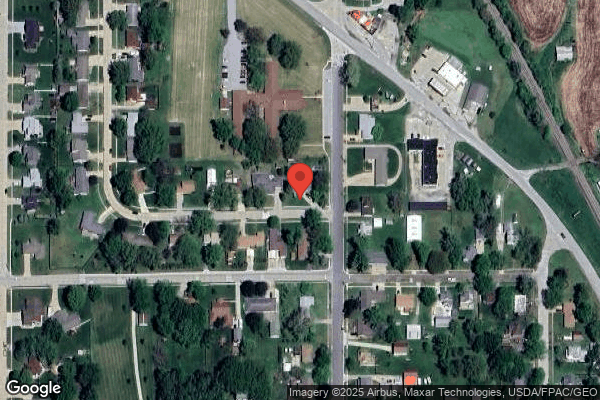
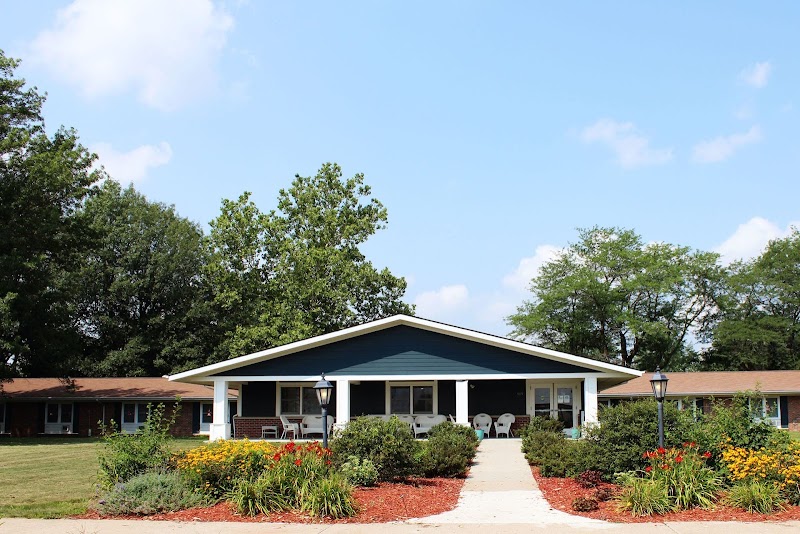
909 North State Street, Pleasantville, IA 50225 (515) 848-5718
For profit - Limited Liability company 46 Beds ACCURA HEALTHCARE Data: November 2025 2 Immediate Jeopardy citations
Trust Grade
0/100
#319 of 392 in IA
Last Inspection: May 2025

Inspected within the last 6 months. Data reflects current conditions.

Overview

Accura Healthcare of Pleasantville, LLC has received a Trust Grade of F, indicating significant concerns about the facility's operations and care quality. They rank #319 out of 392 nursing homes in Iowa, placing them in the bottom half of the state, and #3 out of 4 in Marion County, meaning only one local option is deemed better. The facility is showing an improving trend, reducing issues from 27 in 2024 to 16 in 2025, but still faces serious challenges, including a concerning staffing turnover rate of 61%, which is significantly higher than the state average of 44%. The facility was fined $121,050, which is higher than 97% of Iowa facilities, suggesting ongoing compliance problems. While they have average RN coverage, there have been critical incidents, such as a resident contracting COVID-19 due to inadequate PPE and another resident eloping from the facility because of a malfunctioning door alarm. Overall, while there are some strengths in staffing ratings, the facility has serious weaknesses that families should carefully consider.
Trust Score
F
0/100
In Iowa
#319/392
Bottom 19%
Safety Record
High Risk
Review needed
Inspections
Getting Better
27 → 16 violations
Staff Stability
⚠ Watch
61% turnover. Above average. Higher turnover means staff may not know residents' routines.
Penalties
✓ Good
$121,050 in fines. Lower than most Iowa facilities. Relatively clean record.
Skilled Nurses
○ Average
Each resident gets 36 minutes of Registered Nurse (RN) attention daily — about average for Iowa. RNs are the most trained staff who monitor for health changes.
Violations
⚠ Watch
61 deficiencies on record. Higher than average. Multiple issues found across inspections.
★☆☆☆☆
1.0
Overall Rating
★★★★☆
4.0
Staff Levels
★★★☆☆
3.0
Care Quality
★☆☆☆☆
1.0
Inspection Score
Stable
2024: 27 issues
2025: 16 issues

The Good

  • 4-Star Staffing Rating · Above-average nurse staffing levels
  • Full Sprinkler Coverage · Fire safety systems throughout facility
  • No fines on record

Facility shows strength in staffing levels, fire safety.

The Bad

1-Star Overall Rating

Below Iowa average (3.0)

Significant quality concerns identified by CMS

Staff Turnover: 61%

15pts above Iowa avg (46%)

Frequent staff changes - ask about care continuity

Federal Fines: $121,050

Well above median ($33,413)

Significant penalties indicating serious issues

Chain: ACCURA HEALTHCARE

Part of a multi-facility chain

Ask about local staffing decisions and management

Staff turnover is elevated (61%)

13 points above Iowa average of 48%

The Ugly 61 deficiencies on record

2 life-threatening 2 actual harm
May 2025 16 deficiencies
CONCERN (D)

Potential for Harm - no one hurt, but risky conditions existed

Deficiency F0558 (Tag F0558)

Could have caused harm · This affected 1 resident

Based on clinical record review, facility document review, staff and family interview, the facility failed to meet a resident's need for corrective lenses by failing to schedule an optometrist appoint...

Read full inspector narrative →
Based on clinical record review, facility document review, staff and family interview, the facility failed to meet a resident's need for corrective lenses by failing to schedule an optometrist appointment for replacement eye wear in a reasonable time frame for 1 of 16 residents assessed (Resident #34). The facility reported a census of 45. Findings include: The annual minimum data set (MDS) for Resident #34, completed on 03/27/2025, documented the following relevant diagnoses: Non-Alzheimer's dementia (dementia), and amaurosis fugax (temporary blindness). It documented the resident's brief interview for mental status (BIMS) score as 02, indicating severely impaired cognition. It also revealed the resident required corrective lenses for his vision. Review of a facility provided document titled Grievance form, with a reported date of 12/20/2024, documented that resident #34 was found wearing glasses that were not his. It documented the administrator searched for the glasses on 12/20/2024 but that they were not found. The grievance form also documented on 03/04/2025 Resident #34 had a doctor's appointment scheduled by the family, with the form being marked as resolved on 03/11/2025. In an interview on 04/28/2025 at 02:23 PM with a family member, they stated they had filed a grievance with the facility in December of 2024 regarding missing glasses. They stated they had reported this to facility staff earlier than the 12/20/2024 date but did not know exactly when. They stated they had requested a doctor's appointment to replace the eye glasses, but it did not get done. They stated they became upset with how long it was taking to schedule the appointment, so in late February of 2025 they scheduled the appointment themselves. They were unhappy with this, as Resident #34 had been without his glasses for over two months at the time of resolution. In an interview on 04/30/2025 at 03:05 PM with the Administrator, she acknowledged that she does not have any documentation as to why the facility did not schedule a doctor's appointment to replace Resident #34's eye glasses, but believed it was family preference
CONCERN (D)

Potential for Harm - no one hurt, but risky conditions existed

Deficiency F0582 (Tag F0582)

Could have caused harm · This affected 1 resident

Based on record review, staff interview and policy review, the facility failed to provide the appropriate Center for Medicare Services (CMS) Notice of Medicare Non-Coverage (NOMNC) form to address ser...

Read full inspector narrative →
Based on record review, staff interview and policy review, the facility failed to provide the appropriate Center for Medicare Services (CMS) Notice of Medicare Non-Coverage (NOMNC) form to address service options and liability for payment for one of two residents reviewed for Advanced Beneficiary Notices (ABN) (Resident #99). The facility reported a census of 45 residents. Findings include: A review of the notice of non-coverage form for Resident #99 revealed the resident and/or significant other had been notified at least 48 hours prior to skilled services ended and provided information on the right to appeal (CMS form 10123) on 12/18/24. A review of the mandatory skilled nursing facility advanced beneficiary notice of non-coverage form for Resident #99 revealed CMS form #10124-DENC (detailed explanation of noncoverage) was provided to the resident and/or representative instead of CMS form #10055 to indicate the option to receive or decline continued skilled services. During an interview on 4/29/25 at 11:40 AM, the Administrator reported they did not have a social worker at the facility. The Administrator reported she took care of the ABN's. During an interview 4/30/25 at 2:25 PM, the Administrator reported she got the ABN forms in a packet from the Corporate home office. She received an email from Corporate at the beginning of the year regarding the forms to use for the ABN's. There were forms for Medicare Part A and another form for Part B. She thought she used the correct form for Part A for Resident #99. During an interview 5/7/25 at 2:40 PM, the Administrator confirmed the facility had no policy for ABN's.
CONCERN (D) 📢 Someone Reported This

A family member, employee, or ombudsman was alarmed enough to file a formal complaint

Potential for Harm - no one hurt, but risky conditions existed

Deficiency F0602 (Tag F0602)

Could have caused harm · This affected 1 resident

**NOTE- TERMS IN BRACKETS HAVE BEEN EDITED TO PROTECT CONFIDENTIALITY** Based on observations, health record review, review of resident's trust statements, purchased items receipts, staff interviews, ...

Read full inspector narrative →
**NOTE- TERMS IN BRACKETS HAVE BEEN EDITED TO PROTECT CONFIDENTIALITY** Based on observations, health record review, review of resident's trust statements, purchased items receipts, staff interviews, and policy review, the facility staff failed to properly handle resident's funds for 1 of 3 (Resident #30) residents reviewed. The facility reported a census of 45. Findings include: Review of Resident #30's Annual Minimum Data Set (MDS) dated [DATE] revealed a Brief Interview for Mental Status (BIMS) score of 00 indicating severe cognitive impairment and diagnoses of hypertension, Non-Alzheimer's Dementia, Anxiety Disorder, Schizophrenia, and speech disturbances. Review of Resident #30's Electronic Health Record (EHR) indicated on 4/3/25 Resident #30's height measured 64 (5' 4) and weighed 183.2 pounds on 5/5/25. On 4/30/25 3:21 PM, Staff Q, Certified Nurse's Aide (CNA) reported in an interview, on 12/1/24 Staff R, former Assistant Administrator, used Resident #30's trust to purchase items for Resident #30. Staff Q, verbalized concerns of purchased items being stolen by Staff R, reporting after Staff R purchased items for Resident #30, bagged items were brought to the facility and placed under the nurse's desk, no receipt was provided to the CNA's for the purchased items to be checked in by comparing the items to the receipt and no signatures were provided on the receipt to validate purchased items were delivered to Resident #30. Staff Q also reported these items were still in bags at the nurse's station on 12/20/24. Review of facility provided Abuse Investigation revealed on 12/9/24 at 7:01 PM, Staff I, Registered Nurse (RN) reported to the facility Administrator she had received allegations that Staff R, former Assistant Administrator, had purchased items for herself using Resident #30's trust. The facility's Abuse Investigation noted action taken by the facility included investigating the allegation by checking receipts. The credit card was not working at the time of the purchases, checks were used. The documented follow up actions taken by the facility noted when reviewing receipts and resident's room items were accounted for. The credit card was not used for transactions. The items that were supposedly purchased like a queen bed set and brown hair dye were not on the receipt, all hair dyes were accounted for. Checking account transaction statements and photo copies of three partial receipts were provided with the facility's Abuse Investigation documents. First receipt totaled $573.41 timestamped 11/30/24 at 10:32 PM, the second receipt totaled $124.61 timestamped 12/1/24 at 12:27 PM, and third receipt totaled $514.49 timestamped 12/1/24 at 12:26 PM. Review of the Checking account transactions statement indicated Walmart transaction 12/3/24 for $514.49, Walmart transaction 12/3/24 for $124.61, the transaction for $573.41 was not indicated on the transactions statement. The Summary/Conclusion of the investigation revealed the date of incident as 12/9/24, date of the follow up as 12/10/24, person involved as Staff R and nature of incident as possible theft. The facility's Abuse Investigation was signed by the facility Administrator on 12/10/24. Review of Staff R's, former Assistant Administrator, Employee Record revealed the following: 1. Education Form: I have been presented with education. My signature verified that I have read, understand, and agree to abide by the Nursing Facility Abuse Prevention, Identification, Investigation and Reporting Policy. Signed by Staff R on 9/25/24. 2. Background check document, background check completed as of 5/17/22 3. Iowa Department of Health and Human Services, Dependent Adult Abuse Mandatory Reporter Recertification Training completed on 2/12/24 4. Employee Corrective Action Form, Final Written Warning dated 12/18/24. Incident/Infraction on 12/11/24, an employee from Accura HealthCare of Pleasantville contacted Facility Administrator to share their concerns directly related to Staff R, Assistant Administrator, and text message between the two. In the provided text conversation, Staff R was identified as sending messaging indicating that Staff R was padding her paycheck as well as messages that are not professional and reflect negatively for Accura HealthCare of Pleasantville given the leadership position that Staff R upholds. During the investigation, it was also identified that Staff R broke confidentiality and shared information that should remain confidential. Expectations Moving Forward, Staff R is to remain respectful and professional when interacting with team members. Staff R needs to remember that she is in a leadership position and must conduct herself as such. She will maintain confidentiality in all areas including medical, personnel, and similar information. Document signed by Staff R on 12/18/24. In a confidential staff interview on 5/1/25 at 9:37 AM, staff member verbalized being aware of the facility's investigation related to Resident #30's and Resident #9's purchased items. Staff member stated the Walmart bags with resident's items sat at the nurse's station for weeks. Staff member stated, CNAs and nurses had asked multiple times for the receipts so the items could be given to the residents they were purchased for. Staff member verbalizes frustration with administrative staff due to the investigation being completed but the items that were part of the investigation were still in the Walmart bags under the desk at the nurse's station. Staff member was able to provide a picture on her phone that showed approximately 3-5 Walmart bags with items that appear to be clothes in them under the desk at the nurse's station. Staff member was able to show a time stamped date and time picture was taken revealing 12/13/24 at 10:04 PM. During an interview on 4/30/25 at 5:26 PM, the facility Administrator stated the provided investigation documents are the facility's completed investigation, it was an internal investigation and she did not report the abuse allegations to Iowa Department of Inspections Appeals and Licensing (DIAL). Facility Administrator stated during her investigation, she had independently checked the receipts for Resident #9 (receipt total $124.61 and $573.41) with the items purchased and all items were there. Review of facility provided trust statements, dated October 2024 through March 2025, for Resident #30 indicated a Resident Shopping transaction posted on 12/23/24 for $514.49. On 4/30/25, the facility Administrator provided a receipt for Resident #30's purchased that were made on 12/1/24 for $514.49, the receipt provided was the same copy provided in the facility's Abuse Investigation. The receipt failed to indicate where the purchases had been made (top portion of receipt), unable to identify if all purchased items were shown on copy of the receipt, and the copy of the receipt failed to indicate signatures of purchaser, resident and/or staff to validate items purchased. During an interview on 4/30/25 at 11:25 AM the Business Office Manager revealed the Activities Director goes shopping once a month for residents. The residents will let the Activities Director know their needs and the items are added to the list. If items are needed at other times of the month the Activities Director will try to get these items for them. When the items are purchased, the receipt is signed by the resident or two staff members as the items are identified and given to the resident. The Business office Manager, stated the only ones (residents) that spend money are the ones that are able to verbally let us know what they need. In an interview on 4/30/25 at 12:54 PM facility Activities Director stated she started working at the facility on 11/25/24. Her position also includes some Social Services duties, Activity Assessments for residents and inventory of resident belonging. When purchasing items for residents she takes the debit card to the store on the second Wednesday of the month to purchase for residents. She has a form that is filled out with the items residents are requesting. If a resident is non-verbal or or unable to communicate needs, the CNA's (Certified Nursing Assistants) will provide a list of items needed for that resident along with sizes. After purchasing items, the receipt is given to the Business Office Manager or the Administrator if the Business Office Manager is not available. When returning to the facility with the purchased items, they are distributed to the resident. The sheet and/or receipt is signed by the Activities Director and resident. If the resident is not able to sign, the CNA that helps distribute the items will sign. She has also shopped on Amazon with residents and their items are delivered to the facility. If making a purchase on Amazon, the Activities Director will sit with the resident to shop, print off the invoice, then give the invoice to the Business Office Manager. Often when residents need to spend down the resident will sit at the desk with the Activities Director and order on Amazon. When a resident has a guardian, Power of Attorney (POA) or representative that person is contacted, they will either purchase items for the resident and deliver to the facility or notify the Activities Director of items to purchase. Activities Director stated she does an inventory of resident's items on admission to the facility, inventories what she is able after purchases but items may be purchased or brought in by family members or visitors, if she is not made aware of these items they may not be added to the resident's inventory sheet. On 4/30/25 at 5:05 PM an email was sent to the facility Administrator requesting Resident #30's original receipt in the amount of $514.49, indicating where the items were purchased and providing the signatures of the employees and/or Resident #30 verifying the purchased items. During an interview 4/30/25 at 5:15 PM facility Administrator stated these purchases for residents, including Resident #30 were made as their trust accounts needed to be spent down and she was unaware of where the original receipts were but that she still communicated with Staff R and would try to contact her to see if she knew where the receipts could be located. On 5/1/25 at 6:51 AM the facility Administrator communicated via email stating, attached to the email were copies of receipts, including Resident #30's. With a new office manager, we were not sure where the originals were filed but I went to Walmart last night and they were able to reprint these for me. As per our communication last night, I mentioned we were doing spend downs for residents at this time. On 5/1/25 at 10:28 AM The facility Administrator stated she was notified at 7:00 PM on 12/9/24 that Staff I, RN was notified of allegations against Staff R, former Assistant Administrator. Staff R, was scheduled off the next day (12/10/24) and was not placed on suspension due to the investigation being completed at a time she was already out of the facility. At the time of the purchases Staff R, was doing the spend down for the residents, she had previously been in the Activities Director position and was familiar with the resident's preferences. Previously when spending down for residents that are unable to make their needs known, a meeting would take place with other staff members and CNAs to discuss the resident's needs and items residents would enjoy. The facility Administrator confirmed the residents that were purchased for on 11/30/24 and 12/1/24 were not cognitively able to identify and express their wants and needs. She (facility Administrator) also stated the Police Department was not notified as there was no missing money. In an interview with Staff R, former Assistant Administrator on 5/6/25 at 9:34 AM, Staff R verbalized her position at the facility as Business Office Administrative Assistant. She started working at the facility May 2022 and left January 2025, resigning due to family reasons. Staff R stated she was aware there was an internal investigation be conducted by the facility Administrator related to purchases for Resident #30 and Resident #9. She was made aware of the investigation when she got to work one morning in early December, but was unable to recall the exact date. Staff R, stated she was not suspended during the investigation and was in the facility, but couldn't have access to resident's trust accounts. She was not able to recall how long the investigation lasted but stated it was not the full day. Staff R revealed, during the investigation she was with the facility Administrator and helped go through the resident's belongings and helped identify the items. Staff R stated the facility Administrator and herself went through both Resident's (#30 and #9) and identified all items on the receipts. Staff R, stated she was not always the one to make purchases, it was normally done by the Activity Director. She couldn't remember, at the time of the purchases there either wasn't an Activity Director or she was new and not able to make the purchases. Staff R, stated the way she had always done the purchasing included making sure the funds for the resident were available, purchase the items, label the items with the resident' s initials, then bring the items to the facility and the CNA's would put the items away. The CNA's are supposed to inventory the items with the receipts and get two signatures, for Resident #30 and Resident #9 two staff signatures would have been needed. Staff R recalled purchasing the items on the weekend and keeping them in her car until she returned to work the following Monday. Staff R stated the items for Resident #30 and Resident #9 were brought in sacks labeled with the resident's initials to the nurse's station and she asked the CNA's to put the items away. Staff R stated she was not aware if the receipts had been signed by anyone. She was not able to recall clothing sizes purchased or identified during the investigation for Resident #30 or Resident #9. A follow up Interview 5/6/25 at 10:05 AM, facility Administrator stated while conducting the facility's Abuse Investigation she could not recall interviewing staff members related to the purchased items for Resident #30 or Resident #9. She stated when she conducted the investigation she reviewed all three receipts finding all the purchased items comparing them to the receipts independently without the help of any staff members. During the follow up interview, at 10:08 AM, the facility Administrator's personnel cell phone (sitting face up on her desk) started ringing with Staff R's name showing on the screen, but the facility Administrator declined the call and continued with the interview. Review of the facility provided, re-printed receipts from Walmart, revealed all purchased items were legible and Staff R, former Assistant Administrator's, authorization signature from time of electronic purchase were on the receipts. On 5/1/24 the provided receipts were uploaded by transaction number onto the Walmart website identifying the specific items, quantity, colors, and sizes purchased. Purchases on Resident #30's receipt totaling $514.49 included the following items: 1. Joyspun Women's and Women's Plus Plush Sleep Jogger Pants (gray, pink plaid, size Small) $9.98 2. Joyspun Women's Velour Notch Collar Top and Pants Pajama Set, 2-piece (red plaid, size 2X) $19.98 3. Joyspun Women's and Women's Plus Plush Sleep Jogger Pants (gray,pink plaid, size 2X) $9.98 4. Joyspun Women's Long Sleeve Tee and Jogger Pants Pajama set, 2-Piece (green top, gray Christmas pant, size 2X) $12.98 5. Joyspun Women's Long Sleeve Tee and Jogger Pants Pajama set, 2-Piece, (gray top, green Christmas pant, size 2X) $12.98 6. Joyspun Women's Long Sleeve Tee and Jogger Pants Pajama set, 2-Piece (black top, black with teddy bear pant, size 2X) $12.98 7. Time and [NAME] Women's High-Rise Ankle Knit Leggings, 27' inseam (black, size XL) $4.48 8. Time and [NAME] Women's High-Rise Ankle Knit Leggings, 27' inseam (black, size XL) $4.48 9. Time and [NAME] Women's High-Rise Ankle Knit Leggings, 27' inseam (gray, size XL) $4.48 10. Joyspun Women's Hacci Knit Jogger Sleep Pants, 29 inseam (pink, blue, yellow plaid, size Medium) $8.43 11. Time and [NAME] Women's High-Rise Ankle Knit Leggings, 27' inseam (gray, size XL) $4.48 12. Joyspun Women's Hacci Knit Jogger Sleep Pants, 29 (red, green, white plaid, size Small) $8.43 13. Time and [NAME] Women's and Women's Plus Zip up fleece jacket with hood (green, size XL) $13.00 14. Time and [NAME] Women's and Women's Plus Zip up fleece jacket with hood (navy, size XL) $13.00 15. Time and [NAME] Women's Quilted Fleece Pullover (dark green, size XL) $17.98 16. Time and [NAME] Women's and Women's Plus Zip up fleece jacket with hood (pink, XL) $13.00 17. Joyspun Women's Velour Notch Collar Top and Pants Pajama Set, 2-piece (gray, pink plaid, size Medium) $19.98 18 Time and [NAME] Women's Quilted Hoodie with Long Sleeves, (green, size XL) $17.98 19. Fruit of the Loom Women's Tank Style Cotton Sports Bra, 3-pack (white, black, gray, size 42) $14.94 20. Avia Women's Performance Cushioned Low-Cut Sock, 10 pack (black, size 4-9) $9.97 21. Avia Women's Performance Cushioned Low-Cut Sock, 10 pack (black/[NAME], size 4-9) $9.97 22. Gimme Fine Fit Ponytail Holder Hair Tie, Black 20ct $3.28 23. Scunci Mini Washable Scrunchie Hair Ties, Black, 6ct #3.46 24. [NAME] Fabric Covered Headbands, Assorted neutral colors, 3ct $4.48 25. Mainstay [NAME] Microfiber Quilt, Full/Queen- Reversible (blues, pink, cream floral) $24.97 26. Mainstay Cozy textured Plush Throw Blanket, Purple, 50x 60 $8.46 27. Dearfoams Cozy Comfort Women's waffle and [NAME] Moccasin Slippers (black, size 7/8) $14.00 28. Dearfoams Cozy Comfort Women's quilted jersey Clog (gray, size 9/10) $14.00 29. Reebok Women's and Women's Plus After Class Crewneck Sweatshirt (black, size Medium) $21.98 30. Reebok Women's and Women's Plus After Class Joggers (black, size Medium) $21.98 31. Reebok Women's and Women's Plus After Class Crewneck Sweatshirt (blue, size Large) $21.98 32. Athletic Works Women's Petite Stretch Cotton Blend Straight Leg Pants (black, size XL) $12.98 33. Reebok Women's and Women's Plus After Class Joggers (white, size XSmall) $21.98 34. Mainstays Cozy Plush Throw Blanket, Multicolor abstract Leopard 50x 60 $5.96 35. [NAME] Moisture Ribbons Women's body Wash, [NAME]+Lavender Oil, 18 fl oz (purple bottle) $6.97 36. [NAME] Moisture Ribbons Women's body Wash, [NAME] and Blue Lotus, 18 fl oz (blue bottle) $6.97 37. [NAME] Moisture Ribbons Women's body Wash, [NAME]+Lavender Oil, 18 fl oz (purple bottle) $6.97 38. [NAME] Moisture Ribbons Women's body Wash, [NAME]+Lavender Oil, 18 fl oz (purple bottle) $6.97 39. Mainstay 5 piece Reversible Bed in a Bag Comforter Set with sheets, Floral, Twin-XL (purple, orange,yellow,blue, pink flowers) $29.96 On 5/05/25 at 11:21 AM observation of Resident #30's room and closet, revealed clothing sized XL, a purple throw blanket and Bed in Bag bedding set in original packaging on the shelf of Resident #30's closet. On the floor a basket held multiple pairs of shoes, slippers were not observed but noted shoes size 8. Resident #30's bed was made with a red and white snowflake fleece blanket. During an interview on 5/5/25 at 1:24 PM Staff M, CNA stated she works with Resident #30 often and is familiar with her cares and needs. Resident #30 does walk with a walker and is confused most of the time. Staff M, CNA states she often assists Resident #30 with her showers and daily cares like getting dressed or changing her clothes. Staff M, CNA stated Resident #30's clothes are sized XL's and there might be a few random 2XL. Staff M, CNA stated she was not aware of Resident #30 having any slippers and that she does not wear slippers, she wears the gripper socks. During an interview on 5/5/25 at 1:43 PM Staff S, CMA stated Resident #30 wears sizes XL or 2XL clothes and is aware of bedding she had received including a Bed in a Bag set and a soft throw blanket. During an interview on 5/5/25 at 1:42 PM, Staff K, CNA stated she had worked at the facility on and off for the past 10 years and knows the residents very well. Staff K, CNA stated Resident #30 is a bit bigger on top and wears Xl-XXL size clothes. Resident #30 walks with a walker and tends to shuffle her feet when she walks so she wears gripper socks. If Resident #30 were to wear slippers, it wouldn't be safe. Since she shuffles her feet so much she could end up tripping or cause herself to fall. Staff K stated Resident #30 had not received any other blankets or throws she was aware of other than a bedding set and purple blanket she has not used. Staff K verified when items are purchased for a resident and brought back, somebody has to go through the bag, compare the items with the receipt, and sign the receipt to confirm all items were there. In a follow up interview on 5/8/25 at 10:05 AM, Staff R, former Assistant Administrator, stated her employment at the facility as the Activities Director in May 2022, due to family health concerns she took a leave of absence for a period of time then returned to the facility. When she returned to the facility her designated duty was staffing coordinator, from this position she became the Provisional Administrator in January 2023 until April 2024 when the current facility Administrator started. From the Provisional Administrator position she was assigned as the Business Office Manager. Staff R stated her duties as the Business Office Manager included helping with billing and resident trust statements, posting payments, staffing, new hire orientation, assisting with new resident admissions and helping the facility Administrator get started in her position. Staff R stated for the purchases made on 11/30/24 and 12/1/24, she had been designated to purchase items for residents as she had prior experience doing this in the Activities Director position and she had been notified by the Corporate Office of the residents that needed their trust account spent down. The Activities Director at that time had been hired, but had not started in her position yet. Staff R stated the process for purchasing items for residents was first to verify the funds are available, then go purchase the requested items. When purchasing for more than one resident the items need to be kept separate and paid for individually by the resident. At the time of these purchases the debit card had not been working, so Staff R returned to the facility to get the facility checkbook. After the items are purchased, the items are labeled with the resident's initials then the CNAs would assist with inventorying and putting the resident's items away. Staff R would keep the copies of the purchase receipts and post the charges to the resident's account. Staff R was able to recall she had shopped for Resident #30 and Resident #9 on Saturday 11/30/24 and Sunday 12/1/24. Staff R verified the re-printed receipts provided by the facility Administrator, indicating the electronic signature on the receipt was hers. Staff R recalled purchasing bedding, blankets, throws, night gowns, pajama sets, pants, and tops for the residents. She stated the sizes for Resident #30 and Resident #9 ranged from Large to XXL. After the items were purchased Staff R stated she had gone back home leaving the items in the trunk of her car. When she returned to work on Monday (12/2/24) the purchased items were brought into the facility. Staff R stated she had labeled the plastic bags with the resident's initials and delivered them to the nurses' stations. She stated not being able to recall the number of bags she had brought into the facility. Staff R, acknowledged the provided picture of the Walmart bagged items at the nurse's station, stating the items in the bag appeared to be the same color schemes of the items she had purchased for Resident #30 and Resident #9. Staff R stated she was off from work on Monday 12/9/24 but had worked from home due to being ill. On Tuesday 12/10/24 upon returning to work she was made aware of the investigation related to the allegation of items being stolen from residents she had purchased items for. Staff R stated on Tuesday 12/10/24 she assisted the facility Administrator with the investigation by physically pointing out the items that had been purchased compared to the purchase receipts and everything was accounted for. Staff R reviewed and verified the Walmart documents that indicated the items purchased with pictures, descriptions, quantity, sizes and prices. When reviewing the sizes of the items purchased, Staff R could not recall what size items she had purchased and stated she was not sure why there would have been the smaller sizes. Staff R stated after the purchased items were delivered to the resident, it was never brought to her attention of any items that may have not been to correct sizes. On 5/8/25 at 11:50 AM, Regional Director of Operations verbalized concerns related to the on-site investigation being conducted by the Iowa Department of Inspections Appeals and Licensing (DIAL) related to the items purchased and facility's Abuse investigation for Resident #30. Receipts indicating the purchased items with their sizes for Resident #30, and Resident #9 was reviewed by the Regional Director of Operations. She acknowledged the sizes indicated on Resident #30's receipt, stating the receipt may be inaccurate and would find the items indicated. Copies of the receipts with pictures, item description and sizes, as well as a list of the items that indicated discrepancies in the sizes Resident #30 wears was provided to the Regional Director of Operations and the facility Administrator. The provided list included the following items: 1. Joyspun Women's and Women's Plus Plush Sleep Jogger Pants (gray, pink plaid, size Small) 2. Joyspun Women's Hacci Knit Jogger Sleep Pants, 29 inseam (pink, blue, yellow plaid, size Medium) 3. Joyspun Women's Hacci Knit Jogger Sleep Pants, 29 (red, green, white plaid, size Small) 4. Joyspun Women's Velour Notch Collar Top and Pants Pajama Set, 2-piece (gray, pink plaid, size Medium) 5. Reebok Women's and Women's Plus After Class Crewneck Sweatshirt (black, size Medium) 6. Reebok Women's and Women's Plus After Class Joggers (black, size Medium) 7. Reebok Women's and Women's Plus After Class Crewneck Sweatshirt (blue, size Large) 8. Reebok Women's and Women's Plus After Class Joggers (white, size XSmall) Review of documents received on 5/12/25 at 1:04 PM, facility Administrator identified Residents #30 and Resident #9's items compared to purchase receipt, the Items of discrepancy (sizes xsmall, small, medium, large) identified for Resident #30 included the following: 1. Reebok jogger pants, cream size XL 2. Reebok crewneck sweatshirt, cream, size XL 3. Reebok crewneck sweatshirt, burgundy, size XL 4. Reebok jogger pants, dark gray, size XL Continued review of provided documents, received by the facility Administrator, revealed the following items listed on Resident #9's purchase receipt that the facility was unable to identify. 1. Reebok Women's and Women's Plus After Class Joggers (cream, size XL) 2. Reebok Women's and Women's Plus After Class Crewneck Sweatshirt (cream, size XL) 3. Reebok Women's and Women's Plus After Class Crewneck Sweatshirt (burgundy, size XL) 4. Reebok Women's transition jogger (dark gray, size XL) The reviewed documents failed to provide the items of discrepancy. Review of facility provided Job Description: Assistant Administrator, revision date 3/22/24, stated the following: Job Summary: The Assistant Administrator reports to and works collaboratively with the Area Executive Director or Executive Director (ED) supporting the day-to-day functions of the facility in accordance with current federal, state, and local standards, guidelines and regulations that govern skilled nursing facilities to assure that the highest degree of quality care can always be provided to our residents. Follows all established policies and procedures to include nursing care procedures, safety regulations, human resources policies, departmental policies, and procedures, assuring that quality resident care and an effective operation can be Maintained. Essential Job Functions: 1. With the support of the ED, the Assistant Administrator leads the facility staff in developing and working from a business plan that focuses on all aspects of facility operations, including setting priorities and job assignments. 2. Monitor Human Resources to ensure compliance with employment laws, company policies, and to ensure practices maintain high morale and staff retention, including effective communication, prompt problem resolution, and a proactive work environment. 3. Develop positive relationships on behalf of the company with government regulators, residents, tenants, families, area healthcare providers, physicians, and the community. 4. Manage facility budgets and business practices to include labor costs, payables, and receivables. 5. Ensure a marketing strategy for the facility is developed and implemented that reflects service opportunities, completion, potential market area changes, and maximizes census, payer mix, and ancillary revenues. 6. Support the facility QA committee and ensure compliance with regulations for state of operation. 7. Monitor each department ' s activities, communicate policies, evaluate performance, provide feedback, assist, and observe, coach and discipline as needed. 8. Develop an environment that allows for creative thinking, problem solving, and empowerment in the development of the facility management team. 9. Oversee and conduct regular rounds to monitor delivery of nursing care, operation of support departments, cleanliness and appearance of the facility, morale of the staff, and ensure resident and tenant needs are being addressed. 10. Exhibit positive customer service both to internal and external customers through the ongoing support and implementation of customer service initiatives and business objectives. 11. Utilize survey and customer satisfaction information to address areas of importance. 12. Ensure consultants and other support resources are appropriately utilized, all staff are appropriately trained, and a high level of interdepartmental teamwork is maintained. 13. Ensure the building and grounds are appropriately maintained and that equipment and work areas are clean, safe, and orderly, and any hazardous conditions are timely addressed. 14. Knowledge and adherence to safety/disaster preparedness plan. 15. In-person attendance is an essential function of this position. 16. All other duties as needed. Code of Conduct: Must adhere to the Company's Code of Conduct policy including documentation and reporting responsibilities. Review of facility provided Nursing Facility Abuse Prevention, Identification, Investigation and Reporting Policy updated 10/19/22 stated the following: As members of the Accura team, we all embrace our mission statement .to be partners in care and family for life. As we strive to deliver on our mission, we will do this by adhering to our values of trust, integrity, accountability, commitment, and kindness. All Residents have the right to be free from abuse, neglect, misappropriation of resident property, exploitation, corporal punishment, involuntary seclusion, and any physical or chemical restraint not required to treat the resident's medical symptoms. 1. Exploitation of a dependent adult. Exploitation means a caretaker knowingly obtains, uses, endeavors to obtain to use or who misappropriates a dependent adult's funds, assets, medications, or property with the intent to temporarily or permanently deprive a dependent adult of the use, benefit, or possession of the funds, assets, medication, or property for the benefit of someone other than the dependent adult. 2. Misappropriation of Resident property means the deliberate misplacement, exploitation, or wrongful temporary or permanent use of a Resident's belongings or money without the Resident's consent. This includes misappropriation or diversion of resident medications.
CONCERN (D) 📢 Someone Reported This

A family member, employee, or ombudsman was alarmed enough to file a formal complaint

Potential for Harm - no one hurt, but risky conditions existed

Abuse Prevention Policies (Tag F0607)

Could have caused harm · This affected 1 resident

Based on interviews, review of the facility's abuse investigation, and policy review, the facility failed to take action to prevent further potential concerns by letting an employee with accusations o...

Read full inspector narrative →
Based on interviews, review of the facility's abuse investigation, and policy review, the facility failed to take action to prevent further potential concerns by letting an employee with accusations of abuse continue to have contact with residents while the facility conducted an investigation for allegations of abuse. The facility reported a census of 45 residents. Findings include: Review of facility provided Abuse Investigation revealed on 12/9/24 at 7:01 PM, Staff I, RN reported to the facility Administrator she had received allegations that Staff R, former Assistant Administrator, had purchased items for herself using Resident #30 and Resident #9 's trust. The facility's Abuse Investigation noted action taken by the facility included investigating the allegation by checking receipts. The credit card was not working at the time of the purchases, checks were used. The documented follow up actions taken by the facility noted when reviewing receipts and resident's room items were accounted for. The credit card was not used for transactions. The items that were supposedly purchased like a queen bed set and brown hair dye were not on the receipt, all hair dyes were accounted for. Checking account transaction statements and photo copies of three partial receipts were provided with the facility 's Abuse Investigation documents. First receipt totaled $573.41 timestamped 11/30/24 at 10:32 PM, the second receipt totaled $124.61 timestamped 12/1/24 at 12:27 PM, and third receipt totalled $514.49 timestamped 12/1/24 at 12:26 PM. Review of the Checking account transactions statement indicated Walmart transaction 12/3/24 for $514.49, Walmart transaction 12/3/24 for $124.61, the transaction for $573.41 was not indicated on the transactions statement. The Summary/Conclusion of the investigation revealed the date of incident as 12/9/24, date of the follow up as 12/10/24, person involved as Staff R and nature of incident as possible theft. The facility's Abuse Investigation was signed by the facility Administrator on 12/10/24. On 5/1/25 at 10:28 AM The facility Administrator stated she was notified at 7:00 PM on 12/9/24 that Staff I, was notified of allegations against Staff R, former Assistant Administrator. Staff R, was scheduled off the next day (12/10/24) and was not placed on suspension due to the investigation being completed at a time she was already out of the facility. In an interview with Staff R, former Assistant Administrator on 5/6/25 at 9:34 AM, Staff R verbalized her position at the facility as Business Office Administrative Assistant. She started working at the facility May 2022 and left January 2025, resigning due to family reasons. Staff R stated she was aware there was an internal investigation be conducted by the facility Administrator related to purchases for Resident #30 and Resident #9. She was made aware of the investigation when she got to work one morning in early December, but was unable to recall the exact date. Staff R, stated she was not suspended during the investigation and was in the facility, but couldn't have access to residents' trust accounts. She was not able to recall how long the investigation lasted but stated it was not the full day. Staff R revealed, during the investigation she was with the facility Administrator and helped go through the resident's belongings and helped identify the items. Staff R stated the facility Administrator and herself went through both Resident's (#30 and #9) and identified all items on the receipts. Email communication dated 5/7/25 at 11:54 AM, facility Administrator revealed time cards were not available for Staff R for the dates of 12/9/24 and 12/10/24 as Staff R is a salaried employee with discretionary PTO (paid time off) so Staff R does not have clock in or outs and PTO is not logged in our system. A follow up interview on 5/8/25 at 10:05 AM, Staff R, former Assistant Administrator, stated she was off from work on Monday 12/9/24 but had worked from home due to being ill. On Tuesday 12/10/24 upon returning to work she was made aware of the investigation related to the allegation of items being stolen from residents she had purchased items for. Staff R stated on Tuesday 12/10/24 she assisted the facility Administrator with the investigation by physically pointing out the items that had been purchased compared to the purchase receipts and everything was accounted for. Review of facility provided Nursing Facility Abuse Prevention, Identification, Investigation and Reporting Policy, updated 10/19/22, stated the following: Investigation Protocols: Should an incident or suspected incident of Resident abuse (as defined above) be reported or observed, the administrator or his/her designee will designate a member of management to investigate the alleged incident. Initial/Immediate Protection During Facility Investigation: Upon receiving a report of an allegation of resident abuse, neglect, exploitation or mistreatment, the facility shall immediately implement measures to prevent further potential abuse of residents from occurring while the facility investigation is in process. If this involves an allegation of abuse by an employee, this will be accomplished by separating the employee accused of abuse from all residents through the following or a combination of the following, if practicable: (1) suspending the employee; (2) segregating the employee by moving the employee to an area of the facility where there will be no contact with any residents of the facility; and in rare instances (3) separating the employee accused of abuse from the resident alleged to have been abused, but allowing the employee to care for and have contact with other residents, only if there is a second employee who remains with and accompanies the employee accused of abuse at all times to supervise all contacts and interactions with the residents.
CONCERN (D) 📢 Someone Reported This

A family member, employee, or ombudsman was alarmed enough to file a formal complaint

Potential for Harm - no one hurt, but risky conditions existed

Investigate Abuse (Tag F0610)

Could have caused harm · This affected 1 resident

**NOTE- TERMS IN BRACKETS HAVE BEEN EDITED TO PROTECT CONFIDENTIALITY** Based on clinical record review, facility abuse investigation, staff interviews and policy review, the facility failed to provid...

Read full inspector narrative →
**NOTE- TERMS IN BRACKETS HAVE BEEN EDITED TO PROTECT CONFIDENTIALITY** Based on clinical record review, facility abuse investigation, staff interviews and policy review, the facility failed to provide a thorough investigation into 2 of 2 allegations of misappropriation of resident's (Resident #30 and Resident #9) funds. The facility reported a census of 45 residents. Findings include: Review of Resident #30's Minimum Data Set (MDS) dated [DATE] revealed a Brief Interview for Mental Status (BIMS) score of 00 indicating severe cognitive impairment and diagnoses of hypertension, Non-Alzheimer's Dementia, Anxiety Disorder, Schizophrenia, and speech disturbances. Review of Resident #30's Electronic Health Record (EHR) indicated on 4/3/25 Resident #30's height measured 64 (5' 4) and weighed 183.2 pounds on 5/5/25. Review of Resident #9's MDS dated [DATE] revealed a BIMS score of 2 indicating severe cognitive impairment and diagnoses of Renal insufficiency, Hemiplegia, Cerebrovascular Accident, Non-Alzheimer's Dementia, Anxiety Disorder, Depression, and Psychotic Disorder. Review of facility provided Abuse Investigation revealed on 12/9/24 at 7:01 PM, Staff I, RN reported to the facility Administrator she had received allegations that Staff R, former Assistant Administrator, had purchased items for herself using Resident #30 and Resident #9's trust. The facility's Abuse Investigation noted action taken by the facility included investigating the allegation by checking receipts. The credit card was not working at the time of the purchases, checks were used. The documented follow up actions taken by the facility noted when reviewing receipts and resident's room items were accounted for. The credit card was not used for transactions. The items that were supposedly purchased like a queen bed set and brown hair dye were not on the receipt, all hair dyes were accounted for. Checking account transaction statements and photo copies of three partial receipts were provided with the facility's Abuse Investigation documents. First receipt totaled $573.41 timestamped 11/30/24 at 10:32 PM, the second receipt totaled $124.61 timestamped 12/1/24 at 12:27 PM, and third receipt totaled $514.49 timestamped 12/1/24 at 12:26 PM. Review of the Checking account transactions statement indicated Walmart transaction 12/3/24 for $514.49, Walmart transaction 12/3/24 for $124.61, the transaction for $573.41 was not indicated on the transactions statement. The Summary/Conclusion of the investigation revealed the date of incident as 12/9/24, date of the follow up as 12/10/24, person involved as Staff R and nature of incident as possible theft. The facility's Abuse Investigation was signed by the facility Administrator on 12/10/24. During an interview on 4/30/25 at 5:26 PM, the facility Administrator stated the provided investigation documents are the facility's completed investigation, it was an internal investigation and she did not report the abuse allegations to Iowa Department of Inspections Appeals and Licensing (DIAL). Facility Administrator stated during her investigation, she had independently checked the receipts for Resident #9 (receipt total $124.61 and $573.41) with the items purchased and all items were there. On 4/30/25 3:21 PM, Staff Q, Certified Nurses Aide (CNA) reported in an interview, on 12/1/24 Staff R, former Assistant Administrator, used Resident #30 and Resident #9's trust to purchase items for both residents. Staff Q, verbalized concerns of purchased items being stolen by Staff R, reporting after Staff R purchased items for Resident #30 and Resident #9, bagged items were brought to the facility and placed under the nurse's desk, no receipt was provided to the CNAs for the purchased items to be checked in by comparing the items to the receipt and no signatures were provided on the receipt to validate purchased items were delivered to both residents. Staff Q also reported these items were still in bags at the nurse's station on 12/20/24. On 4/30/25, the facility Administrator provided receipts for Resident #30 and Resident #9's purchases that were made on 12/1/24 for $514.49 (Resident #30), 12/1/24 for $124.61 and 11/30/24 for $573.41(Resident #9) The receipts provided were the same copy provided in the facility's Abuse Investigation. The receipts failed to indicate where the purchases had been made (top portion of receipt), unable to identify if all purchased items were shown on copy of the receipts, and the copy of the receipts failed to indicate signatures of purchaser, resident and/or staff to validate items purchased. On 4/30/25 at 5:05 PM an email was sent to the facility Administrator requesting Resident #30 and Resident #9's original receipts for purchase dated 11/30/24 and 12/1/24, indicating where the items were purchased and providing the signatures of the employees and/or Residents verifying the purchased items. During an interview 4/30/25 at 5:15 PM facility Administrator stated these purchases for Resident #30 and Resident #9 were made as their trust accounts needed to be spent down and she was unaware of where the original receipts were but that she still communicated with Staff R and would try to contact her to see if she knew where the receipts could be located. On 5/1/25 at 6:51 AM the facility Administrator communicated via email stating, attached to the email were copies of three receipts. With a new office manager, we were not sure where the originals were filed but I went to Walmart last night and they were able to reprint these for me. As per our communication last night, I mentioned we were doing spend downs for residents at this time. Review of the facility provided, re-printed receipts from Walmart, revealed all purchased items were legible and Staff R, former Assistant Administrator's, authorization signature from time of electronic purchase were on the receipts. In a follow up interview on 5/1/25 at 10:28 AM The facility Administrator stated she was notified at 7:00 PM on 12/9/24 that Staff I, was notified of allegations against Staff R, former Assistant Administrator. At the time of the purchases Staff R was doing the spend down for the residents (Resident #30 and Resident #9), she had previously been in the Activities Director position and was familiar with the resident's preferences. The facility Administrator confirmed the residents that were purchased for on 11/30/24 and 12/1/24 were not cognitively able to identify and express their wants and needs. She (facility Administrator) also stated the Police Department was not notified as there was no missing money. A follow up Interview 5/6/25 at 10:05 AM, facility Administrator stated while conducting the facility's Abuse Investigation she could not recall interviewing staff members related to the purchased items for Resident #30 or Resident #9. She stated when she conducted the investigation she reviewed all three receipts finding all the purchased items comparing them to the receipts independently without the help of any staff members. During the follow up interview, at 10:08 AM, the facility Administrator's personnel cell phone (sitting face up on her desk) started ringing with Staff R's name showing on the screen, but the facility Administrator declined the call and continued with the interview. In a confidential staff interview on 5/1/25 at 9:37 AM, staff member verbalizes being aware of the facility's investigation related to Resident #30's and Resident #9's purchased items. Staff member stated the Walmart bags with resident's items sat at the nurse's station for weeks. Staff member stated, CNAs and nurses had asked multiple times for the receipts so the items could be given to the residents they were purchased for. Staff member verbalizes frustration with administrative staff due to the investigation being completed but the items that were part of the investigation were still in the Walmart bags under the desk at the nurse's station. Staff member was able to provide a picture on her phone that showed approximately 3-5 Walmart bags with items that appear to be clothes in them under the desk at the nurse's station. Staff member was able to show a time stamped date and time picture was taken revealing 12/13/24 at 10:04 PM. In an interview with Staff R, former Assistant Administrator on 5/6/25 at 9:34 AM, Staff R verbalized her position at the facility as Business Office Administrative Assistant. She started working at the facility May 2022 and left January 2025, resigning due to family reasons. Staff R stated she was aware there was an internal investigation being conducted by the facility Administrator related to purchases for Resident #30 and Resident #9. She was made aware of the investigation when she got to work one morning in early December, but was unable to recall the exact date. Staff R, stated she was not suspended during the investigation and was in the facility, but couldn't have access to resident's trust accounts. She was not able to recall how long the investigation lasted but stated it was not the full day. Staff R revealed, during the investigation she was with the facility Administrator and helped go through the resident's belongings and helped identify the items. Staff R stated the facility Administrator and herself went through both Resident's (#30 and #9) and identified all items on the receipts. On 5/1/24 the provided re-printed receipts were uploaded by transaction number onto the Walmart website identifying the specific items, quantity, colors, and sizes purchased. Review of purchases on Resident #30's receipt totaling $514.49 revealed discrepancies in clothing sizes. Items of discrepancy included the following: 1. Joyspun Women's and Women's Plus Plush Sleep Jogger Pants (gray,pink plaid, size Small) 2. Joyspun Women's Hacci Knit Jogger Sleep Pants, 29 inseam (pink, blue, yellow plaid, size Medium) 3. Joyspun Women's Hacci Knit Jogger Sleep Pants, 29 (red, green, white plaid, size Small) 4. Joyspun Women's Velour Notch Collar Top and Pants Pajama Set, 2-piece (gray, pink plaid, size Medium) 5. Reebok Women's and Women's Plus After Class Crewneck Sweatshirt (black, size Medium) 6. Reebok Women's and Women's Plus After Class Joggers (black, size Medium) 7. Reebok Women's and Women's Plus After Class Crewneck Sweatshirt (blue, size Large) 8. Reebok Women's and Women's Plus After Class Joggers (white, size XSmall) During an interview on 5/5/25 at 1:24 PM Staff M, CNA stated she works with Resident #30 often and is familiar with her cares and needs. Resident #30 does walk with a walker and is confused most of the time. Staff M, CNA states she often assists Resident #30 with her showers and daily cares like getting dressed or changing her clothes. Staff M, CNA stated Resident #30's clothes are sized XL's and there might be a few random 2XL. During an interview on 5/5/25 at 1:43 PM Staff S, CMA stated Resident #30 wears sizes XL or 2XL. During an interview on 5/5/25 at 1:42 PM, Staff K, CNA stated she had worked at the facility on and off for the past 10 years and knows the residents very well. Staff K, CNA stated Resident #30 is a bit bigger on top and wears Xl-XXL size clothes. Review of purchases on Resident #9's receipt totaling $124.61 revealed discrepancies in items purchased and documented findings by the facility Administrator's internal Abuse Investigation. Discrepancies include the following items: 1. Color oops Extra Strength Hair Color Remover $10.47 2.[NAME] Nutrisse Nourishing Hair Color Creme, 061 Light Ash [NAME] Mochaccino $8.47 3. [NAME] Nutrisse Nourishing Hair Color Creme, 42 Deep Burgundy Black Cherry $5.50 Discrepancies in items Resident #9's receipt totaling $573.41 included following items: 1.Splat Original Complete kit, Unisex Semi-Permanent Hair Dye with bleach, [NAME] Lavender $9.77 2.Splat Original Complete kit, Unisex Semi-Permanent Hair Dye with bleach, Pink Fetish $9.77 Indicating a total of five boxes of hair color or treatment were purchased, color remover, light ash brown mochaccino, deep burgundy black cherry, purple (lavender) and pink. In an interview on 5/6/25 at 10:30 AM, facility Administrator stated she did not recall interviewing staff related to the allegations while conducting the facility's abuse investigation. She (Administrator) stated she had reviewed all 3 receipts and found the items independently without the help of any staff members. The Administrator continued by stating when Staff I called and reported the allegation to her, Staff I asked to please specifically look for brown hair dye and queen bedding and the items were found when inventoried. Found items included 4 total boxes, three boxes were colored including pink, purple, and black cherry. The fourth box was a color toner. The Queen bedding set was found in Resident #9's closet. A follow up interview on 5/8/25 at 10:05 AM, Staff R, former Assistant Administrator, stated for the purchases made on 11/30/24 and 12/1/24, she had been designated to purchase items for residents as she had prior experience doing this in the Activities Director position and she had been notified by the Corporate Office of the residents that needed their trust account spent down. The Activities Director at that time had been hired, but had not started in her position yet. Staff R stated the process for purchasing items for residents was first to verify the funds are available, then go purchase the requested items. When purchasing for more than one resident the items need to be kept separate and paid for individually by the resident. At the time of these purchases the debit card had not been working, so Staff R returned to the facility to get the facility checkbook. After the items are purchased, the items are labelled with the resident's initials then the CNAs would assist with inventorying and putting the resident's items away. Staff R would keep the copies of the purchase receipts and post the charges to the resident's account. Staff R was able to recall she had shopped for Resident #30 and Resident #9 on Saturday 11/30/24 and Sunday 12/1/24. Staff R verified the re-printed receipts provided by the facility Administrator, indicating the electronic signature on the receipt was hers. Staff R recalled purchasing bedding, blankets, throws, night gowns, pajama sets, pants, and tops for the residents. She stated the sizes for Resident #30 and Resident #9 ranged from Large to XXL. After the items were purchased Staff R stated she had gone back home leaving the items in the trunk of her car. When she returned to work on Monday (12/2/24) the purchased items were brought into the facility. Staff R stated she had labelled the plastic bags with the resident's initials and delivered them to the nurse's stations. She stated not being able to recall the number of bags she had brought into the facility. Staff R, acknowledged the provided picture of the Walmart bagged items at the nurse's station, stating the items in the bag appeared to be the same color schemes of the items she had purchased for Resident #30 and Resident #9. Staff R stated she was off from work on Monday 12/9/24 but had worked from home due to being ill. On Tuesday 12/10/24 upon returning to work she was made aware of the investigation related to the allegation of items being stolen from residents she had purchased items for. Staff R stated on Tuesday 12/10/24 she assisted the facility Administrator with the investigation by physically pointing out the items that had been purchased compared to the purchase receipts and everything was accounted for. Staff R reviewed and verified the Walmart documents that indicated the items purchased with pictures, descriptions, quantity, sizes and prices. When reviewing the sizes of the items purchased, Staff R could not recall what size items she had purchased and stated she was not sure why there would have been the smaller sizes. During an interview on 5/8/25 at 8:29 AM, the Clinical Nurse Specialist stated she was not familiar with the incident but would expect the facility to follow the corporate policies and CMS guidelines. Review of facility provided Nursing Facility Abuse Prevention, Identification, Investigation and Reporting Policy, updated 10/19/22, stated the following: Investigation Protocols Should an incident or suspected incident of Resident abuse (as defined above) be reported or observed, the administrator or his/her designee will designate a member of management to investigate the alleged incident. The administrator or designee will complete documentation of the allegation of Resident abuse and collect any supporting documents relative to the alleged incident. a) Review documentation in resident record (including review of assessment if resident injury). b) Assess the resident for injury if the allegation involves physical or sexual abuse; c) Provide proper notifications to primary care provider, responsible party, etc. d) Attempt to obtain witness statements (oral and/or written) from all known witnesses e) If there is physical evidence that can be preserved, attempt to do so, and maintain in a safe location to minimize risk of evidence being tampered with. The facility will establish and enforce an environment that encourages individuals to report allegations of abuse without fear of recrimination or intimidation. Following investigation, the Administrator or designated agent will be responsible for forwarding the results of the investigation to the Department of Inspections & Appeals. This written report shall be forwarded to the Department within five days of the initial report.
CONCERN (D)

Potential for Harm - no one hurt, but risky conditions existed

Assessment Accuracy (Tag F0641)

Could have caused harm · This affected 1 resident

**NOTE- TERMS IN BRACKETS HAVE BEEN EDITED TO PROTECT CONFIDENTIALITY** Based on clinical record review, staff interview, and policy review, the facility failed to accurately complete a resident's Min...

Read full inspector narrative →
**NOTE- TERMS IN BRACKETS HAVE BEEN EDITED TO PROTECT CONFIDENTIALITY** Based on clinical record review, staff interview, and policy review, the facility failed to accurately complete a resident's Minimum Data Set (MDS) assessment by not coding Hospice services and diagnosis of Dementia for 1 of 19 Residents reviewed in the sample (Residents #26). The facility reported a census of 45 residents. Findings include: Review of Resident #26's Census Report revealed Resident #26's admission to the facility on 9/4/24 and hospice level of care on 11/8/24. Review of Resident #26's Hospice admission Plan dated 11/8/24 revealed admission to Hospice services with a diagnosis. of Dementia. Review of Resident #26 Significant Change MDS dated [DATE], revealed BIMS of 00, indicating severe cognitive impairment. The MDS section for special treatments, procedures, and programs indicated Hospice Level of care and active diagnoses including; Atrial Fibrillation, Heart Failure, Hypertension, Stage 4 Chronic Kidney disease, Diabetes Mellitus, Macular Degeneration, and Depression. Review of Resident #26's Quarterly MDS dated [DATE] revealed, Staff Assessment for Mental Status score of 2, indicating moderate impairment (poor decisions, cue/supervision required). Active diagnoses included; Atrial Fibrillation, Heart Failure, Hypertension, Stage 4 Chronic Kidney disease, Diabetes Mellitus, Macular Degeneration, and Depression. The MDS section for special treatments, procedures and programs indicated none of the above. Review of Resident #26's Quarterly MDS dated [DATE] revealed, BIMS of 99, indicating Resident #26 was unable to complete the assessment due to severe cognitive impairment. Active diagnoses included; Atrial Fibrillation, Heart Failure, Hypertension, Stage 4 Chronic Kidney disease, Diabetes Mellitus, Macular Degeneration, and Depression. The MDS section for special treatments, procedures and programs indicated none of the above. During an interview on 5/1/25 at 5:25 PM the Clinical Nurse Specialist acknowledged inaccuracies in the Significant Change MDS, Quarterly MDS dated [DATE] and Quarterly MDS dated [DATE]. During an interview on 5/07/25 at 10:20 AM, MDS Coordinator revealed she no longer worked at the facility. She started on 1/18/25 and left on 5/4/25. MDS Coordinator stated she had just started doing the MDS assessments, the regional nurse had been doing them prior and was training her. The previous MDS Coordinator started at the facility on 1/16/25 and left. MDS Coordinator stated she had been hired for a different position but after the previous MDS coordinator left she was moved into the MDS position MDS Coordinator stated Resident's Care Plans should be updated as needed, such as if there's new transfer status, falls, hospice services, and new interventions added. The MDS Coordinator stated the Regional Director of Operations had tried to keep up on the Care Plans, but they were not up to date as she (MDS Coordinator) would have expected. She (MDS Coordinator) asked nurses and nurse managers to let her know of things that needed to be updated, she continued by stating, the facility would let anyone go in and put things on the Care Plans, not best practice, but that's how they did it there. MDS Coordinator stated when she took over the Care Plans and MDS, she realized how much trouble they were in, Care Plans were not updated, MDS's were not accurate. Corporate was aware for a long time and anticipated they would receive tags. Review of Facility provide policy; Conducting an Accurate Resident Assessment, updated April 2025 Stated the purpose of this policy is to assure that all residents receive an accurate assessment, reflective of the resident status at the time of the assessment, by staff qualified to assess relevant care areas.
CONCERN (D)

Potential for Harm - no one hurt, but risky conditions existed

Comprehensive Care Plan (Tag F0656)

Could have caused harm · This affected 1 resident

**NOTE- TERMS IN BRACKETS HAVE BEEN EDITED TO PROTECT CONFIDENTIALITY** Based on record review, staff interview, and policy review the facility failed to develop a comprehensive care plan for 2 of 19 ...

Read full inspector narrative →
**NOTE- TERMS IN BRACKETS HAVE BEEN EDITED TO PROTECT CONFIDENTIALITY** Based on record review, staff interview, and policy review the facility failed to develop a comprehensive care plan for 2 of 19 residents reviewed for care plans (Resident #26 and #37). The facility reported a census of 45 residents. Findings include: 1. The Quarterly Minimum Data Set (MDS) assessment dated [DATE] revealed Resident #37 had diagnosis of diabetes. The MDS revealed the resident had no skin issues. The Care Plan revised on 10/30/24 revealed the resident had a potential for pressure ulcer development related to decreased mobility and incontinence. The Care Plan lacked information about a sore on top of the resident's head or information that pertained to a history of skin cancer or a chronic skin condition. The Progress Notes revealed: a. On 10/9/24 at 12:33 PM (admission summary) included documentation as follows; resident admitted to the facility. Skin normal. b. On 1/9/25 at 9:16 PM and 3/20/25 at 7:24 PM, a dietary note documented the resident had a history of skin cancer. c. On 3/20/25 at 1:18 PM, (Quarterly Nursing Assessment) skin condition dry and had no abnormal skin coloring. d. On 5/6/25 at 12:08 PM, resident complaining again that the top of his head was hurting. Dermatology appointment set up for 5/15/25 at 1:10 PM. e. On 5/6/25 at 12:00 PM, a late entry created on 5/7/25 at 3:02 PM (after the surveyor spoke with the DON), revealed a 0.75-centimeter (cm) x 0.75 cm x 0 cm mole to the top of the resident's head today is inflamed and tender to touch. Area is intact with brown mole coloring. No active drainage. The resident reported he's had the mole for 4 or 5 years, and it was previously removed before admission to the facility. In an interview 4/28/25 at 2:28 PM, Resident #37 reported he had a sore on top of his head. The area came and went over the past 4-5 years. He saw a physician and got the area frozen a couple of times but the area had come back. He mentioned to a physician who saw him at the facility. The physician said he needed to see a dermatologist. The resident stated he had put Vicks on the sore on top of his head to help the pain. In a follow up interview on 5/1/25 at 9:38 AM, Resident #37 reported he told two physicians about the area on his head. They looked at if but that's as far as it went. He also spoke with nurse a month ago about it. She mentioned something about him going to see a dermatologist. He just hoped it was not cancer. In an interview 5/6/25 at 9:47 AM, Staff D, LPN, reported the MDS nurse, DON, and ADON completed the residents' Care Plan. Staff D reported Resident #37 had a skin area on his head removed before he came to the facility. The nurse put triple antibiotic (ATB) ointment or skin prep and a Band-Aid on the area whenever the area flared up. Staff D reported the physician saw the area but there had not been a referral to a dermatologist since the resident had been there. She checked the area and documented a progress note if she saw it looked more irritated. The resident was able to tell staff when it bothered him. In an interview 5/6/25 at 11:30 AM, the DON, reported Resident #37 had a chronic skin area on the top of his head for quite a while. She didn't think there had been any changes to the area since she had worked at the facility. Staff had let the physician know about the area and they had tried different treatments. The area had remained the same after the treatments were done. In an interview 5/7/25 at 10:20 AM, the MDS nurse reported the resident's care plan were updated whenever needed. The MDS nurse reported if a resident had a skin issue or wound, it should be included on the care plan along with the interventions. The MDS nurse reported she spoke with staff about the things that needed to be added to the care plan. The MDS nurse reported the residents' care plans were not updated as they should be. In an interview 5/8/25 at 1:30 PM, Staff D, LPN, she set up a dermatology appointment for Resident #37 the other day after she spoke with the surveyor. She spoke with the resident and then called the resident's family to inquire about the dermatologist he had seen previously. 2. Review of Resident #26's Significant Change MDS dated [DATE], revealed BIMS of 00, which indicated severe cognitive impairment. The MDS indicated Hospice Level of care with active diagnoses including; Atrial Fibrillation, Heart Failure, Hypertension, Stage 4 Chronic Kidney disease, Diabetes Mellitus, Macular Degeneration, and Depression. Review of Resident #26's Census Report indicated Hospice care started on 11/8/24. Review Resident #26's paper chart included a signed Physicians order, dated 11/8/24, for Hospice services to evaluate and treat Resident #26. Review of Resident #26's Hospice admission Plan dated 11/8/25 indicated diagnosis of Dementia and Senile Degeneration of the brain with Hospice services for end of life care. Review of Resident #26's paper chart included a signed Physician's order dated 3/20/25, requesting a signed order to admit Resident #26 to Hospice as of 11/18/24. Review of Resident #26's Care Plan revealed on 3/24/25 (date initiated) Resident #26 is on Hospice level of care. During an interview on 5/1/25 at 5:25 PM, the Clinical Nurse Specialist acknowledged the discrepancy in physician order dates, hospice admission date, significant change MDS, and failure to update Resident #26's Care Plan in a timely manner. During an interview on 5/07/25 at 10:20 AM, MDS Coordinator revealed she no longer worked at the facility. She started on 1/18/25 and left on 5/4/25. MDS Coordinator stated she had just started doing the MDS assessments, the regional nurse had been doing them prior and was training her. The previous MDS Coordinator started at the facility on 1/16/25 and left. MDS Coordinator stated she had been hired for a different position but after the previous MDS coordinator left she was moved into the MDS position. MDS Coordinator stated Resident's Care Plans should be updated as needed, such as if there's new transfer status, falls, hospice services, and new interventions added. The MDS Coordinator stated the Regional Director of Operations had tried to keep up on the Care Plans, but they were not up to date as she (MDS Coordinator) would have expected. She (MDS Coordinator) asked nurses and nurse managers to let her know of things that needed to be updated, she continued by stating, the facility would let anyone go in and put things on the Care Plans, not best practice, but that's how they did it there. MDS Coordinator stated when she took over the Care Plans and MDS, she realized how much trouble they were in, Care Plans were not updated, MDS's were not accurate. Corporate was aware for a long time and anticipated they would receive tags. Review of facility provided Comprehensive Care Plans Policy, updated April 2025, revealed the following: It is the policy of this facility to develop and implement a comprehensive person-centered care plan for each resident, consistent with resident rights, that includes measurable objectives and timeframes to meet a resident's medical, nursing, and mental and psychosocial need and ALL services that are identified in the resident's comprehensive assessment (MDS) and meet professional standards of quality. 1. The care planning process will include an assessment of the resident's strengths and needs, and will incorporate the resident's personal and cultural preferences in developing goals of care. All services provided or arranged by the facility, as outlined by the comprehensive care plan, must meet professional standards of quality and incorporate culturally competent and trauma-informed care as indicated. 2. The comprehensive Care Plan will be developed within 7 days after the completion of the comprehensive MDS assessment. All Care Assessment Areas (CAA's) triggered by the MDS will be considered in developing the plan of care. Other factors identified by the interdisciplinary team, or in accordance with the resident's preferences, will also be addressed in the plan of care. The facility's rationale for deciding whether to proceed with care planning will be evidenced in the clinical record. 3. Comprehensive care plan will describe, at a minimum, the following: a. The services that are to be furnished to attain or maintain the resident's highest practicable physical, mental, and psychosocial well-being. b. Any services that would otherwise be furnished, but are not provided due to the resident's exercise of his or her right to refuse the treatment. 4. A comprehensive care plan will be reviewed and revised by the interdisciplinary team after each comprehensive and quarterly MDS assessment.
CONCERN (D)

Potential for Harm - no one hurt, but risky conditions existed

Deficiency F0657 (Tag F0657)

Could have caused harm · This affected 1 resident

**NOTE- TERMS IN BRACKETS HAVE BEEN EDITED TO PROTECT CONFIDENTIALITY** Based on record review, resident and staff interview, the facility failed to ensure care conferences held at least quarterly for...

Read full inspector narrative →
**NOTE- TERMS IN BRACKETS HAVE BEEN EDITED TO PROTECT CONFIDENTIALITY** Based on record review, resident and staff interview, the facility failed to ensure care conferences held at least quarterly for one of one residents reviewed for care conferences (Resident #33) and failed to document follow up on the concerns addressed. The facility reported a census of 45 residents. Findings include: The admission Minimum Data Set (MDS) assessment dated [DATE] revealed Resident #33 had diagnosis of depression. The MDS recorded the resident had a Brief Interview for Mental Status score of 15 indicating intact cognition. The MDS indicated having family or a close friend involved in discussions about his care as very important. The electronic health record (EHR) revealed a Care Conference Meeting /Attendance note dated 10/24/24. Two family members attended, and as well as the resident. The EHR and paper chart lacked documentation of the care conferences held between 11/2024 - 4/30/25. In an interview 4/28/25 at 1:15 PM, the resident reported he had gone to a care conference meeting in the past several months but he felt it did not do any good to go to the Care Conference because nothing got done about the concerns or anything he mentioned. The resident reported the Administrator told him it took time to address things. In an email on 5/5/25 at 11:55 AM, the Administrator wrote that care conference notes were completed on paper. The Surveyor then requested the care conference notes for Resident #33. At 12:27 PM, the Administrator reported no Care Conference notes found for Resident #33. In an interview 5/6/25 at 9:47 AM, Staff D, Licensed Practical Nurse, reported the MDS nurse set up the Care Conference meetings. In an interview 5/7/25 at 10:20 AM, the MDS nurse reported she had worked at the facility 1/18/25 to 5/4/25. No care conferences were held during the time she worked at the facility but she was in the process of working on getting the care conferences set up. In an interview 5/7/25 at 2:40 PM, the Administrator confirmed no policy for care conferences. The Administrator reported they were trying to get on track for care conference meetings when the MDS nurse came on board. The Administrator reported she had a plan to catch up on the care conferences. The Administrator reported Care Conferences should be held quarterly. In an interview 5/7/25 at 2:45 PM, the Regional Clinical Director reported the MDS nurse arranged care conference but the MDS nurse had resigned. The Regional Clinical Director reported no Care Conference records or documentation found, including paper sheets.
CONCERN (D) 📢 Someone Reported This

A family member, employee, or ombudsman was alarmed enough to file a formal complaint

Potential for Harm - no one hurt, but risky conditions existed

Quality of Care (Tag F0684)

Could have caused harm · This affected 1 resident

**NOTE- TERMS IN BRACKETS HAVE BEEN EDITED TO PROTECT CONFIDENTIALITY** 3. The Quarterly MDS assessment dated [DATE] revealed Resident #37 had diagnosis of diabetes. The MDS revealed the resident had ...

Read full inspector narrative →
**NOTE- TERMS IN BRACKETS HAVE BEEN EDITED TO PROTECT CONFIDENTIALITY** 3. The Quarterly MDS assessment dated [DATE] revealed Resident #37 had diagnosis of diabetes. The MDS revealed the resident had no skin issues. The Care Plan revised on 10/30/24 revealed the resident had a potential for pressure ulcer development related to decreased mobility and incontinence. The Care Plan lacked information about a sore on the top of Resident #37's head or information that pertained to a history of skin cancer or a chronic skin condition. The electronic health record assessments list lacked skin assessments. The Progress Notes revealed: a. On 10/9/24 at 12:33 PM (admission Summary), resident admitted to the facility. Skin normal. b. On 1/9/25 at 9:16 PM and 3/20/25 at 7:24 PM, a dietary note documented the resident had a history of skin cancer. c. On 3/20/25 at 1:18 PM (Quarterly Nursing Assessment), skin condition dry and had no abnormal skin coloring. d. On 5/6/25 at 12:08 PM, resident complained again that the top of his head was hurting. Dermatology appointment set up for 5/15/25. e. On 5/6/25 at 12:00 PM, a late entry created on 5/7/25 at 3:02 PM (after the surveyor spoke with the DON), revealed a 0.75-centimeter (cm) x 0.75 cm x 0 cm mole to the top of the resident's head is inflamed and tender to touch. Area is intact with brown mole coloring. No active drainage. The resident reported he's had the mole for 4 or 5 years and it was previously removed before admission to the facility. The paper Shower sheets dated 4/2/25, 4/8/25, 4/11/25, 4/15/25, 4/18/25, 4/22/25, 4/25/25 revealed no skin concerns. The Non-Pressure Skin Assessments located in the paper chart revealed no information about a skin mole or sore on the top of the resident's head. Incident Reports reviewed 1/1/25 to 4/27/25 revealed no incident reports regarding any skin conditions or sore on the resident's head. The Order Summary dated 4/1/25 revealed no referral for dermatology listed. In an interview 4/28/25 at 2:28 PM, Resident #37 reported he had a sore on top of his head. The area came and went over the past 4-5 years. He saw a physician and got the area frozen a couple of times but the area came back. He mentioned a concern about the area to a physician that saw him at the facility. The physician said he needed to see a dermatologist. The resident stated he put Vicks over the sore to help the pain. In a follow up interview on 5/1/25 at 9:38 AM, Resident #37 reported he told two physicians about the area on his head. The physicians looked at if but that's as far as it went. He also spoke with nurse a month ago about it. She mentioned something about him going to see a dermatologist. Resident #37 stated he just hoped it was not cancer. In an interview 5/6/25 at 9:47 AM, Staff D, LPN, reported skin assessment done once a week on each resident. The nurses completed a skin assessment and filled out a skin sheet whenever they found a skin concern. They also placed the resident on the computer hot chart to document any follow-up notes. The DON, ADON and MDS nurse completed the skin assessments. Staff D reported Resident #37 had a skin area on his head removed before he came to the facility. The staff put triple antibiotic (ATB) ointment or skin prep and a Band-Aid on the area whenever the area flared up. Staff D reported the physician saw it but there had not been a referral to the dermatologist since the resident had been there. She checked the area and documented a progress note if she saw it looked more irritated. The resident could tell staff when it bothered him. In an interview 5/6/25 at 11:30 AM, the DON, reported she performed skin assessments weekly. The nurse filled out a skin assessment on paper if a new skin concern developed. Resident #37 had a chronic skin area on the top of his head for quite a while. She didn't think there had been any changes to the area since she had worked at the facility. Staff had let the Dr know about the area and they had tried different treatments. The area had remained the same after the treatments were done. In an interview 5/7/25 at 2:40 PM, the Administrator confirmed no policy for change in condition. In an interview 5/8/25 at 1:30 PM, Staff D, LPN, acknowledged she set up a dermatology appointment for Resident #37 the couple days ago after she spoke with the surveyor. She spoke with the resident and then called the resident's son to inquire about the dermatologist he had seen previously. Based on observation, record review, policy review, resident and staff interviews, the facility failed to complete an assessment and provide an intervention for 3 of 3 residents (Resident #12, #26 and #37). Resident #12 acquired a puncture wound to his right lower calf from a broken wheelchair and the nurse failed to make an assessment 12 or more hours after a CNA reported the incident. The facility failed to monitor Resident #26 after obtaining a burn. The facility reported a census of 47 residents Findings include: 1. The Minimum Data Set (MDS) dated [DATE] for Resident #12 revealed a diagnoses of heart failure, renal insufficiency, diabetes mellitus, identified limited range of motion to both lower extremities and inability to walk 10 feet. The MDS failed to identify the use of a wheelchair as a mobility device. The MDS identified a risk for developing pressure ulcers or injuries of the skin and identified two venous/arterial ulcers present on the lower legs which required an application of nonsurgical dressings. The brief interview for mental status (BIMS) listed a score of 15 which indicated an intact cognition. Care Plan dated 4/11/25 for Resident #12 instructed staff to monitor skin with cares and alert the nurse of any red/open areas so the nurse can notify the physician. During an observation on 4/28/25 on 1:12 PM Resident #12 had bloody drainage on the wrap to the right leg that came from a small puncture wound to the back of his calf. During an interview on 4/28/29 at 1:12 PM Resident #12 stated when he returned from his appointment that morning, a screw on his wheelchair punctured the back of his leg. Resident #12 stated he had informed staff of the injury but no one had assessed it or fixed the wheelchair yet. During an observation on 4/29/25 at 9:10 AM, the dressing to Resident #12's right lower leg had dried drainage and fresh bloody drainage on the upper posterior calf. During an interview on 4/29/25 at 9:10 AM Resident #12 stated the nurse did not come yesterday to assess the puncture from the wheelchair. Resident #12 stated the dressing normally was changed every three days it would be completed by the night nurse. On 4/29/25 at 9:12 AM, the Department of Inspection, Appeals and Licensing Surveyor questioned the Assistant Director of Nursing (ADON) about the puncture wound to the back of Resident #12's right calf and the ADON stated the dressings to his lower legs get changed every three days and she was not aware of an injury to his right lower leg that was draining. During an interview on 4/29/25 at 9:17 AM, Staff P, Licensed Practical Nurse (LPN) stated the dressing order for Resident #12's lower legs was change on evening shift every three days and she was not aware that there was an injury from a wheelchair yesterday. Staff P stated the Certified Nursing Assistant (CNA) did not inform her. During an observation on 4/29/25 at 11:32 AM, the Director of Nursing (DON) assessed Resident #12's Right calf and received an order for a treatment. ADON assisted the DON to take measurements of the puncture wound. The dressing to Resident #12's right lower leg was saturated with drainage and was removed. The DON measured a small puncture wound to the back-lateral side of lower right leg .75 x .5 cm with dark colored skin (bruise) around it and cleaned with wound cleanser and had applied a large Telfa dressing. During an interview on 4/29/25 at 11:34 AM, the Assistant Director of Nursing (ADON) stated the maintenance director got the w/c pin replaced to the right pedal as that was why the wheelchair injured Resident #12's right leg. During an interview on 4/30/25 at 2:22 PM, Staff L, Certified Nursing Assistant (CNA) stated on 4/28/25 at 4 PM when he was administering Resident #12's medications, had noticed the dressing to Resident #12's right leg was saturated with blood and serum. Staff L stated he had informed Staff P, Licensed Practical Nurse (LPN). Staff L stated Resident #12 did not complain of pain, administered scheduled Tylenol. A document titled Non-Ulcer Skin Assessment that identified a puncture wound to Resident #12's right upper lateral calf that measured .75 centimeters (cm) long, .5 cm wide and a depth of 0.1 cm with small serosanguinous (serous fluid and blood) drainage from the wound. The assessment revealed the physician and family was notified on 4/29/25 and an order for zinc oxide, gauze pad and a wrap was applied. The document was signed by the Director of Nursing. A document titled New Skin Area dated 4/29/25 at 10:30 AM for Resident #12 revealed the resident related his right upper lateral aspect of his calf got poked by a broken piece on his wheelchair pedal. Resident had a .75 cm x .5 cm x .1 cm puncture that was draining clear fluid and saturated his Unna boot. Immediate action taken was that the maintenance repaired the broken piece, area assessed and orders received for treatment. The predisposing environmental factors was a malfunctioning of equipment. The physician order dated 4/29/25 directed staff to clean the puncture wound to Resident #12's right upper lateral aspect calf with wound cleanser, apply zinc oxide, ABD pad, and gauze roll on top, two times a day for wound care and as needed for soiling. During an interview on 4/29/25 at 1:37 PM, the Maintenance Director stated the Director of Nursing (DON) notified him today that Resident #12 had a problem with his wheelchair and had punctured his leg on it 4/28/25. The hinge pin to the right foot rest was completely missing and he didn't have one to replace it. The Maintenance Director stated someone had replaced the top pin with a bolt with a lock nut on it so he removed the bolt and turned it upside down to turn the tread down and put a bolt in the bottom side turned up so the treads were facing together inside the bracket. The Maintenance Director stated the one bolt in the top of the foot rest caused the locking lever to turn up when opened. The Maintenance Director stated he made sure the locking lever will not swing up and hurt Resident #12. The Maintenance Director stated he had not received a work order for that wheelchair and would expect that if there was an injury due to a piece of equipment then he would want the staff to call him immediately or as soon as he arrived the next business day. During an interview on 4/29/25 at 12:10 PM, the DON stated the expectation of a new wound assessment was that whomever took the report of an injury would tell the nurse and the nurse would then make an assessment, call the physician, fill out a skin sheet and a risk management form. 2. Review of Resident #26 Quarterly MDS dated [DATE], revealed BIMS of 99, indicating Resident #26 was unable to complete the assessment due to severe cognitive impairment. Active diagnoses included Heart Failure, Hypertension, Diabetes Mellitus, Macular Degeneration, and Depression. MDS indicated Resident #26 is able to eat independently. Review of Resident #26's Care Plan, revision on 3/20/25, indicated risk of visual impairment related to Macular Degeneration with interventions to assess Resident #26's ability to function within limits of visual impairment and communicate where belongings are located. Care Plan also indicated, initiated date 8/30/24 Resident #26 had an ADL self-care performance deficit related to confusion with interventions including Resident #26 needing supervision at meals, such as assuring coffee cups have lids and the temperature of the coffee is checked. Review of electronic Health Status Progress Note dated 2/28/25 stated CNA reported Resident #26 spilled hot coffee on her chest. No redness or pain noted to the area. Faxed physician to notify, placed on Hot Chart (nursing charting system, focusing on documentation of resident's condition and progress) to monitor, representative notified. Review of Resident #26's paper chart revealed, faxed document to Resident #26's Physician dated 2/28/25, indicated Resident #26 spilled coffee on her chest this morning, no redness or pain from incident. Will monitor area. Resident #26's Physician responded on 3/6/25, noting the incident and requesting notification of any skin issues that occur. On 3/6/25 an RN signed the form indicating receiving Physicians response and direction. On 3/9/25 a second RN signed the form indicating second check and review of Physicians response. Review of electronic Health Status Progress Note dated 3/6/25 stated Resident #26's Physician noted the coffee incident on 2/28/25. Review of facility provided Incident Report dated 2/28/25 revealed, CNA reported Resident #26 spilled hot coffee on her chest. No redness or pain noted to the area. Resident #26's Physician was faxed and Resident #26 was placed on the Hot Chart to monitor. Mental Status indicated Resident #26 oriented to self, with confusion, impaired memory, weakness, and contributing diagnoses of 20/20 vision with correction. Incident Report Notes included on 2/28/25 Kitchen Manager to assure Resident #26's coffee cup has a lid and temperature of the coffee will be checked. Further review of Resident #26's Electronic Health Records (EHR) and paper chart failed to indicate nursing documentation or Hot Charting of assessments and/or monitoring of Resident #26's skin conditions in the area where the hot coffee had spilled. During an interview on 4/30/25 at 9:51 AM, DON revealed, Hot Charts are noted electronically in Point Click Care (PCC, Electronic Health Record), the process and expectation is that nurses monitor and assess the Hot Chart concerns and document these assessments and finding in a Nursing Progress Note in PCC. During an interview on 4/30/25 02:51 PM, Staff D, LPN showed this surveyor where Hot Charting is located in PCC. Stuff D, LPN stated when monitoring a resident that is listed on the Hot Chart, the nurse will document the resident's assessments and findings as a Nursing Progress Note in PCC or if the resident is Skilled Level of Care (LOC) it would be documented with the Skilled assessment. On 05/05/25 12:05 PM, the Facility Administrator provided a copy of Resident #26's Incident Report for the coffee spill on 2/28/25 and stated the Incident Report was the only documentation available, acknowledging if assessments and monitoring for Resident #26 had been completed; they were not documented. In an Email on 5/7/25 at 1:25 PM, the Administrator communicated the Facility did not have policies for Resident Assessments or Nursing documentation.
CONCERN (D)

Potential for Harm - no one hurt, but risky conditions existed

Infection Control (Tag F0880)

Could have caused harm · This affected 1 resident

**NOTE- TERMS IN BRACKETS HAVE BEEN EDITED TO PROTECT CONFIDENTIALITY** Based on record review, observations, staff interviews, and policy review the facility staff failed to change gloves when perfor...

Read full inspector narrative →
**NOTE- TERMS IN BRACKETS HAVE BEEN EDITED TO PROTECT CONFIDENTIALITY** Based on record review, observations, staff interviews, and policy review the facility staff failed to change gloves when performed cares and then touched other objects for one of four residents sampled for cares (Resident #18). The facility staff also failed to disinfect a mechanical lift after use for one of three residents observed for transfers. The facility reported a census of 45 residents. Findings include: 1. The Quarterly Minimum Data Set (MDS) assessment dated [DATE] revealed Resident #18 had diagnoses of cerebrovascular accident (CVA)(stroke), hemiplegia (paralysis on one side of the body) and neurogenic bladder (loss of bladder control). The MDS recorded the resident had an indwelling catheter. The MDS documented the resident required partial to moderate assistance for toileting hygiene and substantial to maximum assistance for lower body dressing. The Care Plan revised 2/17/25 revealed the resident required Assistance with activities of Daily Living (ADL's) related to cerebral infarction and hemiplegia and had a catheter. The Care Plan revealed the resident transferred and moved in bed independently and required staff assistance as needed. The Care Plan directed staff to use enhanced barrier precautions related to the catheter. During observations on 5/1/25 at 10:25 AM, Staff G, Certified Nursing Assistant (CNA) and Staff B, Certified Medication Aide (CMA) washed their hands, then donned a gown, mask with a face shield, and gloves. Staff G removed Resident #18's brief tabs, then took disposable wipes as Staff B handed the wipes to her and cleansed the resident's peri-area and groin. Staff assisted the resident to roll onto his right side. Staff G changed her gloves, then took disposable wipes and cleansed the buttocks area. Staff B placed a clean brief under the resident and staff assisted the resident to roll onto his left side. Staff G continued to wear the same gloves and touched the back of the resident's shirt as she supported the resident and as Staff B cleansed the buttocks. The resident rolled onto his back and the brief tabs were attached. Staff G placed a blanket over the resident, placed the call light by the resident, then handed the resident a grabber device. Staff B picked up a beverage mug and offered the resident a drink of water. Staff G and Staff B removed their gown and gloves. Staff B then reached into her uniform pocket and applied hand sanitizer to her hands. The Assistant Director of Nursing stood in the room and observed staff with the surveyor. In an interview 5/6/25 at 9:47 AM, Staff D, Licensed Practical Nurse (LPN) reported gloves changed whenever staff did cares and went and did something else. In an interview 5/6/25 at 11:30 AM, the Director of Nursing (DON) reported she expected staff changed gloves before and after cares, and anytime staff went from a dirty to a clean task or area. In an interview 5/7/25 at 2:40 PM, the Administrator confirmed no other policy for glove changes found. A Using Gloves policy updated on 11/13/24 revealed gloves worn to prevent contamination of the employee's hands whenever services provided to the resident. Gloves must be replaced as soon as practical when contaminated. 2. During continuous observations on 4/30/25 at 2:01 PM, Staff H, CNA wore gloves as she pushed a mechanical lift out of room [ROOM NUMBER] into the hallway. Staff H parked the mechanical lift along the hallway railing, then told the resident to have a good nap. Staff H walked back into the room and removed the gloves from her hands. At 2:03 PM, a hospice CNA took the mechanical lift and pushed the lift into room [ROOM NUMBER]. The mechanical lift was not disinfected before or after use. In an interview 5/6/25 at 9:47 AM, Staff D, Licensed Practical Nurse (LPN) reported equipment such as a mechanical lift needed to be disinfected after use. In an interview 5/6/25 at 11:30 AM, the DON reported equipment such as mechanical lifts needed disinfected before and after use. An untitled facility policy updated on 11/13/24 under Miscellaneous revealed equipment cleaned and sanitized prior to using in other areas.
CONCERN (D)

Potential for Harm - no one hurt, but risky conditions existed

Deficiency F0947 (Tag F0947)

Could have caused harm · This affected 1 resident

Based on employee roster review, education transcript review and staff interviews, the facility staff failed to complete a minimum of 12 hours of regular in-service education for 3 of 4 Certified Nurs...

Read full inspector narrative →
Based on employee roster review, education transcript review and staff interviews, the facility staff failed to complete a minimum of 12 hours of regular in-service education for 3 of 4 Certified Nursing Assistants (CNAs) sampled who had worked at the facility greater than 1 year (Staff G, Staff M, and Staff N). The facility identified a census of 45. Findings include: 1. A CNA-CMA Roster revealed Staff G, CNA, had a hire date 5/20/21, Staff M, CNA, had a hire date of 10/9/23 and Staff N, CNA, had a hire date 7/6/22. The Relias Education Transcripts reviewed 5/2024 - 4/2025 revealed the education and number of hours completed for the following: Staff G =8.95 hours completed Staff M = 1.0 hours completed Staff N = 0 hours completed During interview on 5/6/25 at 11:30 AM, the Director of Nursing reported mandatory staff in-services held monthly and education courses set up on Relias for staff to complete. The DON reported staff needed to complete at least 12 hours of education each year. During an interview on 5/7/25 at 11:10 AM, the Administrator reported the staff who worked nights don't attend the staff meetings and in-service training. She tried to get the staff to attend the meetings/in-services but when they worked nights, it was hard.
CONCERN (E) 📢 Someone Reported This

A family member, employee, or ombudsman was alarmed enough to file a formal complaint

Potential for Harm - no one hurt, but risky conditions existed

Report Alleged Abuse (Tag F0609)

Could have caused harm · This affected multiple residents

**NOTE- TERMS IN BRACKETS HAVE BEEN EDITED TO PROTECT CONFIDENTIALITY** Based on facility abuse investigation, record review, staff interviews, and policy review, the facility failed to report allegat...

Read full inspector narrative →
**NOTE- TERMS IN BRACKETS HAVE BEEN EDITED TO PROTECT CONFIDENTIALITY** Based on facility abuse investigation, record review, staff interviews, and policy review, the facility failed to report allegations of abuse to the Iowa Department of Inspections, Appeals and Licensing (DIAL) within 24 hours for 3 of 3 residents reviewed for abuse (Resident #47, #9, and #30). The facility reported a census of 45 residents. Findings include: 1. The admission Minimum Data Set (MDS) assessment dated [DATE] revealed Resident # 47 had diagnoses of chronic respiratory failure and diabetes. Resident scored a 15 out 15 for the Brief Interview for Mental Status review, which indicated intact cognitive status. The resident indicated the care of personal belongings or things as somewhat important to her. The admission Summary Progress Note dated 1/2/25 at 3:33 PM revealed Resident #47 admitted to the facility from the hospital on 1/2/25 and had diagnoses of weakness and urinary tract infection. The resident was alert and oriented to person, place, time, and situation, and responded to questions appropriately. An Inventory Sheet dated 1/2/25 signed by the resident and Director of Nursing (DON) listed the resident's belongings on the form. The inventory sheet lacked a purse or any money. An Incident Report revealed on 1/5/25 at 10:18 AM, Staff I (Registered Nurse (RN)) was summoned to the resident's room stating Resident #47 was missing $125 from her purse. The resident said she was unsure when she last saw the money. Resident #47 said she had $131 in her purse when she arrived at the facility but she only had $6 left. The Activities Director and the Administrator did a room search on 1/6/25. The Inventory Sheet of belongings reviewed upon admission had no purse listed on the form. Resident #47 admitted from the hospital on 1/2/25. The Administrator attempted to call family. Sheriff's dispatch was called on 1/10/25 at 2:42 PM. A Sheriff's Office Call for Service Record dated 1/10/25 at 11:01 AM revealed a resident was missing money. The record lacked a resident's name. A facility's investigation file revealed the Administrator filled out an abuse investigation on 1/8/25 at 1:41 PM for an incident that occurred on 1/5/25 at 10:15 AM. Resident #47 informed Staff I, RN, on Sunday 1/5/25 that she had $125 missing. An investigation was completed. The money was seen while the resident was at the hospital but no money was accounted for upon arrival to the facility. All staff were interviewed about whether they saw the resident's purse and money. No staff saw any money in Resident #47's room but staff reported they saw her purse. The purse had not been out of Resident #47's sight. A family member reported she had counted the money before the resident left the hospital. In an interview 4/30/25 at 11:50 AM, the Sheriff's Department reported the facility staff called for service on 1/10/25 at 11:01 AM about a resident missing money but the caller told them no officer was needed. In an interview 4/30/25 at 12:54 PM, the Activities Director (AD) reported she inventoried the residents' belongings whenever a resident admitted to the facility. She recorded the items on a paper inventory form including what was in a resident's wallet or purse/ bag, and the form was placed in the paper chart when completed. The AD reported she inventoried belongings for Resident #47 when she admitted to the facility. She did not have a purse at that time. The resident reported missing money a couple days later. The AD stated she was called in and asked about the purse. She didn't see a purse when Resident #47 first came in, but she saw she had a purse a few days later when she went out for an appointment. In an interview 4/30/25 at 2:25 PM, the Administrator reported Staff I, RN, called her on a Sunday (1/5/25) about missing money. She asked Staff I to look at the inventory sheet to see if Resident #47 came in with a purse. Staff I checked the form and told her no purse was listed on the inventory sheet. The Administrator told Staff I she would look into it the next day. The Administrator reported Resident #47 was confused when she admitted to the facility. She spoke with Resident #47 the following day on Monday (1/6/25). The resident reported she only had $6 in her purse. The Administrator asked her how much money she had. The resident said she had $125 but then changed her story on how much she had. The Administrator stated she tried to call the resident's family but the phone number she had did not work. She called the family for following week on a Wednesday after a case manager gave her a different number. The family member told her she counted the money at the hospital and thought the resident had $200 but she was not sure how much money was in the purse. There was a 12-hour gap between the time when the family member counted the money at the hospital and when the resident entered the facility. The purse and money were not listed on the inventory sheet when the resident admitted to the facility. The Administrator stated she reported the missing money to the DIAL after she spoke with the family member, and then she started an investigation. She asked staff that had worked during that timeframe about the resident's purse and money. She also called the police. In an interview 5/1/25 at 3:47 PM, Staff I, RN, reported Resident #47 reported a missing purse and money when she went into the resident's room. She looked around the room but couldn't find the purse. Staff I stated she couldn't recall the exact date of the incident. She recalled she called the Administrator on the date the resident reported the missing money. Staff I reported an incident report had been filled out. In an interview on 5/5/25 at 1:10 PM, Resident #47 reported she brought a purse with her when she admitted to the facility and hung the purse on the front side of the bed next to the window. She thought it would be safe there. One time she needed to get something out of her purse and placed the purse on the counter by the sink near the door. She found only six $1 bills inside the purse. There were no $20 bills inside her wallet. She had a total of $131 in her wallet that was inside the purse. The resident reported staff inventoried everything she had brought to the facility on the day she entered the facility but they did not inventory her purse or the contents inside her purse. She didn't think staff saw the purse and she had forgotten about it while staff inventoried her things. Resident #47 stated the Administrator came and talked to her the day after she reported the money missing. The Administrator told her she didn't have the purse with her because it wasn't inventoried or listed on the form. The Administrator tried to convince her she was wrong about having the money. Resident #47 didn't want to suspect who took the money. A lot of staff came in and out of her room, and she only left her room for meals and when she took a shower. During an interview 5/7/25 at 2:40 PM, the Administrator reported she didn't report the resident's missing money to DIAL right away because she wanted to get ahold of the resident's family to verify if the resident had the money. The Facility's Abuse Prevention, Identification, Investigation and Reporting policy updated on 10/19/22 revealed all Residents had the right to be free from abuse and misappropriation of resident property. All allegations of Resident abuse and misappropriation should be reported immediately to the charge nurse. The charge nurse immediately reported the allegations of abuse to the Administrator, or designated representative. All allegations of misappropriation shall be reported to the Iowa Department of Inspections and Appeals, no later than twenty-four (24) hours if the events that caused the allegation involved misappropriation, but did not result in serious bodily injury. 2. Review of facility provided Abuse Investigation revealed on 12/9/24 at 7:01 PM, Staff I, RN reported to the facility Administrator she had received allegations that Staff R, former Assistant Administrator, had purchased items for herself using Resident #30 and Resident #9's trust. The facility's Abuse Investigation noted action taken by the facility included investigating the allegation by checking receipts. The credit card was not working at the time of the purchases, checks were used. The documented follow up actions taken by the facility noted when reviewing receipts and resident's room items were accounted for. The credit card was not used for transactions. The items that were supposedly purchased like a queen bed set and brown hair dye were not on the receipt, all hair dyes were accounted for. Checking account transaction statements and photo copies of three partial receipts were provided with the facility's Abuse Investigation documents. First receipt totaled $573.41 timestamped 11/30/24 at 10:32 PM, the second receipt totaled $124.61 timestamped 12/1/24 at 12:27 PM, and third receipt totaled $514.49 timestamped 12/1/24 at 12:26 PM. Review of the Checking account transactions statement indicated Walmart transaction 12/3/24 for $514.49, Walmart transaction 12/3/24 for $124.61, the transaction for $573.41 was not indicated on the transactions statement. The Summary/Conclusion of the investigation revealed the date of incident as 12/9/24, date of the follow up as 12/10/24, person involved as Staff R and nature of incident as possible theft. The facility's Abuse Investigation was signed by the facility Administrator on 12/10/24. On 4/30/25 3:21 PM, Staff Q reported in an interview, on 12/1/24 Staff R, former Assistant Administrator, used Resident #30 and Resident #9's trust to purchase items for both residents. Staff Q, verbalized concerns of purchased items being stolen by Staff R, reporting after Staff R purchased items for Resident #30 and Resident #9, bagged items were brought to the facility and placed under the nurse's desk, no receipt was provided to the CNAs for the purchased items to be checked in by comparing the items to the receipt and no signatures were provided on the receipt to validate purchased items were delivered to both residents. Staff Q also reported these items were still in bags at the nurse's station on 12/20/24. During an interview on 4/30/25 at 5:26 PM, the facility Administrator stated the provided investigation documents are the facility's completed investigation, it was an internal investigation and she did not report the abuse allegations to DIAL. Facility Administrator stated during her investigation, she had independently checked the receipts for Resident #9 (receipt total $124.61 and $573.41) with the items purchased and all items were there. In a follow up interview on 5/1/25 at 10:28 AM The facility Administrator stated she was notified at 7:00 PM on 12/9/24 that Staff I, was notified of allegations against Staff R, former Assistant Administrator. At the time of the purchases Staff R was doing the spend down for the residents (Resident #30 and Resident #9), she had previously been in the Activities Director position and was familiar with the resident's preferences. The facility Administrator confirmed the residents that were purchased for on 11/30/24 and 12/1/24 were not cognitively able to identify and express their wants and needs. She (facility Administrator) also stated the Police Department was not notified as there was no missing money. During an interview on 5/8/25 at 8:29 AM, the Clinical Nurse Specialist stated she was not familiar with the incident but would expect the facility to follow the corporate policies and CMS guidelines. Review of facility provided Nursing Facility Abuse Prevention, Identification, Investigation and Reporting Policy updated 10/19/22 stated the following: Reporting: All allegations of Resident abuse shall be reported to the Iowa Department of Inspections and Appeals not later than two (2) hours after the allegation is made. All allegations of Resident neglect, exploitation, mistreatment, injuries of unknown origin and misappropriation shall be reported to the Iowa Department of Inspections and Appeals, not later than two (2) hours after the allegation is made, if the events that cause the allegation result in serious bodily injury, or not later than twenty-four (24) hours if the events that cause the allegation involve neglect, exploitation, mistreatment, injuries of unknown origin and misappropriation, but do not result in serious bodily injury. If there is a reasonable suspicion that the allegation of abuse also constitutes a crime committed against the resident by any person, whether or not the alleged perpetrator is employed by the facility, the Elder Justice Act requires the matter must also be reported to law enforcement. While the federal regulations require all abuse allegations be reported to DIA within 2 hours, the Elder Justice Act has a different time frame for reporting to the police/sheriff. If the allegation of abuse (that results from a crime) results in serious bodily injury to a resident, a report must be made to law enforcement not later than two (2) hours after the allegation is made. If the allegation of abuse does not result in serious bodily injury, a report must be made to law enforcement not later than twenty-four (24) hours (See Elder Justice Act requirements on page 9). Failure to Report: A person required by this section to report a suspected case of dependent adult abuse who knowingly and willfully fails to do so within twenty-four hours commits a simple misdemeanor. A person required report a suspected case of dependent adult abuse who knowingly fails to do so or who knowingly interferes within the making of such report of applies a requirement that results in such a failure is civilly liable for the damages proximately caused by the failure. Elder Justice Act: If the incident prompting the investigation results in serious bodily injury to a resident and there is a reasonable suspicion that the incident was result of a crime committed by any person, whether or not the alleged perpetrator is employed by the facility, the Elder Justice Act requires the matter to be reported to law enforcement and DIA within two (2) hours by all persons having knowledge of the matter. Serious bodily injury is an injury involving extreme physical pain; involving substantial risk of death; involving protracted loss or impairment of the function of a bodily member, organ, or mental faculty; or requiring surgery, hospitalization, or physical rehabilitation. In the absence of serious bodily injury, but with the reasonable suspicion that a crime has been committed by any person, the matter must be reported to law enforcement and DIA immediately, and in no event, more than 24 hours later, even on weekends and holidays, by all persons having knowledge of the matter. (Note: This does not eliminate the separate legal requirement to report all allegations of abuse to DIA within two (2) hours, even if there is no serious bodily injury).
CONCERN (E)

Potential for Harm - no one hurt, but risky conditions existed

Deficiency F0688 (Tag F0688)

Could have caused harm · This affected multiple residents

**NOTE- TERMS IN BRACKETS HAVE BEEN EDITED TO PROTECT CONFIDENTIALITY** Based on record review, observations, resident and staff interviews, and policy review the facility failed to carry out therapy...

Read full inspector narrative →
**NOTE- TERMS IN BRACKETS HAVE BEEN EDITED TO PROTECT CONFIDENTIALITY** Based on record review, observations, resident and staff interviews, and policy review the facility failed to carry out therapy recommendations and provide restorative exercises for 4 of 6 residents reviewed for restorative services and/or limited range of motion (Resident #3, #18, #33, and #37). The facility reported a census of 45 residents. Findings include: 1. The admission Minimum Data Set (MDS) assessment dated [DATE] revealed Resident #3 had diagnoses of multiple sclerosis, abnormal gait and mobility and muscle weakness. The MDS revealed the resident had impaired range of motion (ROM) to the upper and lower extremities. The MDS indicated the resident required substantial to maximum assistance for bed mobility, transfers and toileting. The MDS recorded the resident had no therapy services, and had a Restorative Nursing Program (RNP) that included passive range of motion (PROM) performed one day during the look-back period. The Quarterly MDS assessment dated [DATE] revealed the resident had dependence on staff for bed mobility, dressing, transfers and toileting. The resident had occupational therapy (OT) services 3/23/24 to 4/7/24, and zero (0) days of RNP during the look-back period. The Annual MDS assessment dated [DATE] revealed the resident had dependence on staff for bed mobility, dressing, transfers and toileting. The MDS recorded the resident participated in a RNP for 0 days during the look-back period. The Care Plan revised on 5/3/24 revealed Resident #3 had a self-care deficit in activities of daily living (ADL's) related to impaired mobility, multiple sclerosis and weakness. The Care Plan directed staff to perform PROM to the lower extremities 5 to 7 times a week to maintain his ROM. The OT Evaluation and Plan of Treatment dated 2/4/25 revealed Resident #3 referred for therapy for evaluation and treatment of contractures. The OT documented nursing was managing the resident's contracture impairment. The Documentation Survey Report revealed a restorative program for PROM to the lower extremities 5 to 7 times a week was documented on the following: 2/2025: 17 times. 8 days were left blank, and 3 days recorded as NA (not applicable) 3/2025: 20 times. 8 days were left blank and 2 days recorded as NA. 4/2025: 16 times. 5 days were left blank and 6 days recorded as NA. The Quarterly Nursing Assessment Progress Notes revealed the following: a. On 11/11/24 at 12:44 AM, resident does not participate in a RNP at this time. b. On 2/6/25 at 11:26 AM, resident does not participate in a RNP at this time. He had dependence on two staff for assistance. c. On 4/29/25 at 1:24 PM, the resident participates in a RNP. 2. The Quarterly MDS assessment dated [DATE] revealed Resident #18 had diagnoses of a stroke, hemiplegia and right foot drop. The MDS revealed the resident had impaired ROM on one side. The resident required supervision for transfers, toileting and dressing. He also required set up assistance for bed mobility, and had independence for eating. The MDS revealed the resident had participated in a RNP Active Range of Motion (AROM) activities for two days during the look-back period, and no therapy services. The Quarterly MDS assessment dated [DATE] revealed the resident had diagnoses of muscle weakness, right foot drop and hemiplegia. The MDS recorded the resident required set up assistance for eating, substantial to maximum assistance for toileting, dressing, bed mobility and transfers. The MDS indicated the resident had Physical Therapy (PT) services started on 1/16/25 and OT services started on 1/17/25. The Care Plan revised on 2/17/25 revealed Resident #18 had an ADL self-care deficit related to hemiplegia, right hand contracture, and muscle wasting. The Care Plan listed a PT and OT evaluation and treatment as ordered. AROM to the upper body for 15 minutes for one to seven times per week was added to the Care Plan on 4/24/25 (during the survey week). The PT Discharge summary dated [DATE] revealed the resident had reached his maximum potential with skilled services and recommended a functional maintenance program (FMP) or group exercises. The Documentation Survey Report revealed a restorative program for AROM to the upper body for 15 minutes one to seven times a week documented for the following: 2/2025: 3 times 3/2025: 0 times 4/1- 4/13/25: not listed 4/14 - 4/28/25: 2 days; left blank 4 times, and NA recorded on 5 days. The Progress Notes revealed the resident participated in exercise seven times in 2/2025, 2 times in 3/2025, and 0 times in 4/2025. The Quarterly Nursing Assessment Progress Notes revealed the following: a. On 11/11/24 at 12:44 AM, resident does not participate in a RNP. He is totally dependent on two staff for physical assistance. b. On 2/6/25 at 11:26 AM, resident does not participate in a RNP. He is totally dependent on two staff for physical assistance and is non-weight bearing status. During observation on 4/29/25 at 10:16 AM, Resident #18 sat in a motorized wheelchair. The resident had a contracture to his right hand. 3. The admission MDS assessment dated [DATE] revealed Resident #33 had diagnoses of arthritis and sciatica. The resident had dependence on staff for dressing, toileting, bed mobility, and transfers. The MDS recorded the resident had PT and OT services. The MDS assessment dated [DATE] revealed the resident required substantial to maximum assistance for transfers, and had dependence for toileting. The MDS recorded the resident participated in a RNP for 0 days during the look-back period. The Care Plan revised on 1/13/25 revealed Resident #33 had an ADL self-care deficit related to impaired balance. The Care Plan directed staff to encourage the resident to ambulate to and from meals (added 1/13/25) and perform AROM to the upper and lower body for 15 minutes one to seven times a week added on 4/24/25 (during the survey week). The PT Discharge summary dated [DATE] revealed therapy recommendations for a RNP restorative. The PT documented a ROM program in place, and prognosis was good with consistent staff follow through. The resident required assistance of two staff and a walker for transfers. The Documentation Survey Report revealed the following documented on a restorative program for ambulation with a front wheeled walker and gait belt one to three times a day: 2/2025: 3 times. NA documented 8 times, and the box left blank 6 times 3/2025: 2 times. NA documented 8 times, and the box left blank 11 times 4/2025: 0 times. NA documented 8 times, and the box left blank 6 times. The Progress Notes revealed: a. On1/8/25 at 4:20 PM, resident participates in a RNP. b. On 3/20/25 at 11:21 AM, resident does not participate in a RNP at this time. He is able to ambulate in the corridor with a walker and assistance of one staff In an interview 4/28/25 at 1:01 PM, Resident #33 reported he needed therapy so he could walk. The resident reported he had a concern that he had gained weight. He thought walking would help get his weight down. In an interview 5/8/25 at 9:04 AM, the Regional Clinical Director reported staff told her Resident # 33 refused to walk at least since 1/2025. 4. The admission MDS dated [DATE] revealed Resident #37 had diagnoses of spinal stenosis, repeated falls, and low back pain. The resident required partial to moderate assistance for bed mobility, toileting and transfers. The MDS recorded the resident participated in a RNP for 0 days. The Quarterly MDS assessment dated [DATE] revealed the resident had intact cognition. The MDS indicated the resident required partial to moderate assistance for bed mobility, toileting and transfers. The MDS recorded the resident participated 2 days in a RNP during the look-back period. The Care Plan revised on 3/17/25 revealed Resident #37 had an ADL self-care performance deficit related to impaired balance and chronic pain. The Care Plan directed staff to ambulate the resident 25 to 50 feet with a gait belt one to three times a day, AROM to extremities for 15 minutes one to seven times a day and use the Nustep (bike) for 15 minutes one to seven times a week. These Care Plan directives were all added to the Care Plan on 4/24/25. A PT Discharge summary dated [DATE] revealed Resident #37 referred for a Functional Maintence Program (FMP) such as walking and lower extremity exercises. The Progress Notes revealed on 3/2025 at 1:18 PM resident does not participate in a RNP at this time. The Documentation Survey Report revealed the following documented on a restorative program: a. Group Exercise Program 2/2025: 7 times 3/2025: 3 times 4/2025: 4 times. b. AROM to the upper and lower body for 15 minutes one to seven times per week: 2/2025: 11 times 3/2025: 7 times 4/2025: 4 times c. Ambulation 25-50 feet one to three times a day: 9:00 AM 2/2025: 19 times 3/2025: 26 times 4/2025: 24 times 1:00 PM 2/2025: 17 times 3/2025: 23 times 4/2025: 23 times 6:00 PM 2/2025: 3 times 3/2025: 3 times 4/2025: 5 times d. Nustep x 15 minutes one to seven days per week was added on 4/24/25. Observations revealed the following: a. On 4/30/25 at 1:30 PM, Resident #37 sat in wheelchair in the dining room by the Director of Nursing (DON's) office. b. On 04/29/25 at 1:49 PM, therapy room door closed. No staff in the room. Sign on door revealed for residents to ask for help if they needed weighed. A table and chair sat in the middle of the room. c. On 4/30/25 at 2:00 PM, Resident #37 sat in a wheelchair in the dining room. Dishes sat on the table in the Therapy Room. d. On 4/30/25 at 2:24 PM, therapy room door closed and lights off in the room. e. On 5/7/25 at 7:45 AM, Resident #37 sat in a wheelchair in the hallway outside of his room. In an interview 4/29/25 at 10:25 AM, Resident #37 reported staff walked with him from his room to the dining room but he felt like his legs may give out sometimes. He wanted to ride the bike to maintain his ability to walk but the staff won't let him unless the facility had staff available. The resident reported he went to the front area and waited until staff let him into the therapy room. In an interview 5/1/25 at 9:38 AM, Resident #37 reported he wanted to ride the bike in order to build up the strength in his legs, besides just walking. He reported he went down and sat in the dining room and waited for staff so he could go ride the bike in the therapy room. He watched staff go back and forth until someone got freed up and could be with him in the therapy room, but sometimes that didn't happen because staff were too busy or the facility did not have enough staff. On 5/7/25 at 7:45 AM, Resident #37 sat in a wheelchair in the hallway outside of his room. The resident reported he was waiting for someone to come and help him walk. Resident #37 stated he wanted to ride the bike for 10-15 minutes but he only got to ride the bike twice the week of 4/28/25. In an interview 4/30/25 at 1:23 PM, Staff K, certified medication aide (CMA), reported anybody at the facility did restorative. Therapy staff evaluated residents on how they should transfer. Staff K reported the restorative activities (RA) performed were documented in the computer. Staff K reported Resident #37 would go into therapy to ride the bike but staff had to be in the therapy room whenever a resident was in the therapy room. In an interview 5/5/25 at 12:01 PM, the Rehab Therapy Director reported he came to the facility whenever they had a resident on skilled therapy services. He sent emails to communicate with the Director of Nursing (DON) and the Administrator about therapy services ending and the therapist's recommendations. The Therapy Director reported it was his understanding the facility had a CNA lead restorative, but no actual RNP. No certain person was assigned as the restorative aide. The Therapy Director stated a RNP would be beneficial for the residents. The Therapy Director confirmed he had residents referred back to therapy due to a decline. The Therapy Director reported he expected nursing services to follow through on therapy recommendations whenever a resident had discharged from therapy. In an interview 5/6/25 at 9:47 AM, Staff D, Licensed Practical Nurse (LPN) reported the CNA's did the restorative exercises with the residents. The facility did not have an assigned restorative aide because the person did not last long after they were hired. The restorative aide got pulled to work as a CNA due to staffing needs. In an interview 5/6/25 at 11:30 AM, the DON reported the PT came up with tasks for the CNA to document RA in the computer. In an interview 5/7/25 at 10:20 AM, the MDS nurse reported no restorative program at the facility. She was told the CNA's did the exercises with residents. The ADON looked into putting tasks on the computer for the CNA to document walk to dine and other things. The MDS nurse reported she saw a decline in the residents' ADL's. The MDS nurse reported she expected to see residents up and moving more if they had a restorative person. In an interview 5/7/25 at 2:15 PM, Staff C, CNA, reported the facility did not have a designated restorative aide. The CNA was supposed perform ROM when they got a resident up or dressed the resident. Staff C reported only a few residents were on a walk to dine program. Staff C reported she did what she could but when she was the only aide working, it was all they could do to get residents up, provide showers, and feed residents. In an interview 5/7/25 at 2:40 PM, the Administrator reported restorative activity added in 2/2025 for staff to document things done. The Administrator reported some RA done last year but they had a lot of new staff since then. RA discussed and identified as an area to improve. In an interview 5/8/25 at 7:40 AM, the Regional Clinical Nurse reported she was assigned to the facility in 1/2025. She looked at systems such as restorative and what the facility had done for RA. She reviewed the resident's restorative and noted several of the programs were outdated or not applicable for residents so she discontinued or updated the computer so staff could document what they were doing and take credit for the things they were doing. The Regional Clinical Nurse reported the facility had been in the process of working on restorative. The facility did not have a designated restorative aide, the CNA's did the RA. A Restorative Program Process policy updated 10/26/21 revealed a restorative program ensured residents achieved and maintained their highest level of function. The nurse or therapy assessed the resident's level of function upon admission, quarterly and with significant changes. The licenses nurse developed a RNP with individualized interventions and goals for the residents. The nurse wrote a monthly restorative nursing summary to track the resident's progress.
CONCERN (E) 📢 Someone Reported This

A family member, employee, or ombudsman was alarmed enough to file a formal complaint

Potential for Harm - no one hurt, but risky conditions existed

Food Safety (Tag F0812)

Could have caused harm · This affected multiple residents

Based on direct observation, facility record review, staff interviews, and policy review the facility failed to store and handle foods in a safe and hygienic manner, and failed to provide a clean and ...

Read full inspector narrative →
Based on direct observation, facility record review, staff interviews, and policy review the facility failed to store and handle foods in a safe and hygienic manner, and failed to provide a clean and hygienic kitchen to cook and serve food. The facility reported a census of 45. Findings include: A direct observation on 04/28/2025 at 11:15 AM of the Kitchen and Dry storage revealed the following: A black residential style combination refrigerator and freezer with a note that states Freezer does not hold temps - Do not use contained three beef roasts that had been placed to thaw in the unit overnight. The thermometer inside of the refrigerator portion of the unit read 56 degrees Fahrenheit. The roasts were visibly bloated in their packaging, appearing ball-like. Staff A, Cook, stated he did not know how long the temperature in the refrigerator had been above 40 degrees for, but confirmed they were for dinner service that evening. It also revealed the following items were unlabeled, undated, and unsealed in the numerous chest style freezers: 1 bag of what appeared to be cooked eggs. 1 bag of what appeared to be French fries - these were spilled inside of the freezer. 1 bag of what appeared to be chicken or poultry meat. 1 bag of what appeared to be carrots. 1 bag of what appeared to be tater tots. The following items lacked a label or date: 2 bags of what appeared to be poultry meat. 1 bag of what appeared to be carrots. It also revealed significant buildup in the trap of the dish washing unit. A direct observation on 04/29/2025 at 03:40 PM revealed the dish washing unit trap had still not been cleared of the debris from the day before. It revealed a leaking sink pipe under the kitchen sink with a significant amount of black buildup and a large bucket of foul-smelling water with what appeared to be an organic film. Pictures were taken at this time. In a direct observation on 04/30/2025 at 12:33 PM Staff D, Licensed Practical Nurse (LPN), was observed picking up the garlic bread of a resident who required assistance eating with her bare hands, tearing it into multiple pieces, and placing the bites of food into the resident's mouth. Hand sanitation was not witnessed before or after. In an interview on 04/30/2025 at 10:25 AM with Staff A, Cook, stated he had reported the conditions of the space under the sink to management shortly after he first started - he believed this was towards the end of February 2025 or early March 2025. He was told it had been taken care of and that he did not need to worry about the space. In a further interview, at 02:30 PM of the same day, Staff A stated all kitchen staff are responsible or labeling, dating, and sealing items that are being put away. He stated bags should never be open to the air, and when items are spilled they are to be cleaned immediately. He stated that meats should be thawed at or below 41 degrees Fahrenheit and not above. He stated the dishwasher trap should be cleaned after every shift. In an interview on 04/30/2025 at 02:30 PM with Staff E, Dietary Aide, she stated the sink had been leaking for months, but she had been told it was taken care of and she was not in the habit of checking the area. She agreed they are all responsible for labeling, dating, and ensuring items stored in the freezer are properly sealed. In an interview on 04/30/2025 at 02:10 PM with Staff C, Certified Nurse Aide (CNA), she stated they are to avoid touching the lips of plates and utensils when serving residents. She stated they are never allowed to directly touch a resident's food bare handed, and if they do they should replace the food item. In an interview on 04/30/2025 at 02:16 PM with Staff B, Certified Medication Aide, she stated staff are to avoid touching food when serving residents. In an interview on 04/30/2025 at 01:53 PM with Staff D, LPN, she stated she knows she isn't supposed to touch resident food directly with her hand but was on autopilot and didn't think about it. In an interview on 04/30/2025 at 03:05 PM the Administrator, stated she believed the sink issue had been addressed on 03/12/2025, and acknowledged she had directed her staff to address it immediately. She confirmed this was the job of the maintenance department. She confirmed staff were not asked to clean this because she had thought the issue was resolved. In an interview on 04/30/2025 at 03:31 PM with the Clinical Nurse Specialist, she stated her expectation is for staff to never make bare hand contact with a resident's food. If they do, they are to replace the food and not allow the resident to eat it. In an interview on 05/05/2025 at 02:10 PM the Dietary Manager, acknowledged all foods require a label identifying the food and a date identifying when the item was opened. It should be resealed before storage. In a policy titled Food Storage with a date of 2021, it stated all foods should be covered, labeled, and dated. It also documented safe holding temperatures for refrigerated foods as 41 degrees or less. In a policy titled Bare hand contact with food and use of plastic gloves, with a date of 2021, it documented staff should use clean barriers, such as single-use gloves, when handling resident food.
CONCERN (E)

Potential for Harm - no one hurt, but risky conditions existed

Deficiency F0865 (Tag F0865)

Could have caused harm · This affected multiple residents

Based on review of CMS-2567 reports, staff interview and facility policy review, the facility failed to have an effective QAPI (Quality Assurance Performance Improvement) process to address previously...

Read full inspector narrative →
Based on review of CMS-2567 reports, staff interview and facility policy review, the facility failed to have an effective QAPI (Quality Assurance Performance Improvement) process to address previously identified quality deficiencies to assist in the provision of quality care for residents and attain substantial compliance with Federal regulations and State rules. The facility had several repeat deficiencies identified on the facility's current recertification and complaints survey. The facility reported a census of 45 residents. Findings include: Review of the Department of Inspections, Appeals and Licensing (DIAL) website under the facility's visit history revealed repeated deficient practices identified during the facility's annual survey 3/20/23 and 6/24/24, complaint investigations completed 3/20/23, 2/20/24 and 9/30/24, and the current survey and complaint investigations. The repeat deficiencies cited included: F609 cited 3/30/23 and during the current survey. F610 cited 3/30/23 and during the current survey. F641 cited 9/30/24 and during the current survey. F656 cited 9/30/24 and during the current survey. F657 cited 6/24/24 and during the current survey. F684 cited 3/20/23, 2/26/24, 9/30/24 and during the current survey. F688 cited 9/30/24 and during the current survey. F725 cited 3/30/23, 2/26/24, 9/30/24 and during the current survey. F812 cited 3/30/23, 6/24/24 and during the current survey. F880 cited 2/26/24, 9/30/24 and during the current survey. The Payroll Based Journal (PBJ) Staffing Data Report for 10/1/24 to 12/31/24 (Quarter 1) revealed the facility had a 1 Star Staffing Rating. In an interview 5/7/25 at 2:40 PM, the Administrator reported she believed the PBJ 1-star rating was due to staff turnover. The facility had a high turnover in nursing leadership, including the Director of Nursing, the Assistant Director of Nursing, and the MDS nurse. On 5/7/25 at 3:15 PM, the Administrator reported the Quality Assurance Committee met quarterly and had identified areas they needed to work on. The Administrator acknowledged awareness of repeat deficiencies and stated the facility had a turnover of their entire nursing department in 1/2025. Prior to this, the previous ADON was part of the plan of correction in 9/2024, and it took a long time to fill the ADON position. The Administrator reported she had only worked at the facility since 4/22/24. The facility had worked on staff hiring and retention strategies, as well as staff education to address resident concerns. A Quality Assurance and Performance Improvement Plan (QAPI)) Plan updated 5/23/23 revealed the QAPI is a systematic approach for improving quality of care and services provided to the residents. The QAPI focused on systems and processes, identified system gaps, and identified root causes of concern as well as opportunities for improvement, which lead to improvement in the lives of residents, through continuous attention to quality of care, quality of life, and resident safety. The Root Cause Analysis was used to identify improvement opportunities and understand how to improve on them. The QAPI Committee monitored progress and ensured interventions or actions were implemented, and effective and sustained improvements were made.
CONCERN (F) 📢 Someone Reported This

A family member, employee, or ombudsman was alarmed enough to file a formal complaint

Potential for Harm - no one hurt, but risky conditions existed

Deficiency F0725 (Tag F0725)

Could have caused harm · This affected most or all residents

Based on record review, and resident and staff interviews, the facility failed to ensure staff responded and answered residents' call lights within 15 minutes, and met residents' needs in a timely man...

Read full inspector narrative →
Based on record review, and resident and staff interviews, the facility failed to ensure staff responded and answered residents' call lights within 15 minutes, and met residents' needs in a timely manner for one of two units. The facility reported a census of 45 residents. Findings include: Resident Council Meeting notes reviewed 2/2025 to 4/2025 revealed the residents voiced concerns about delayed call light response times, staffing shortages and delays in getting their laundry returned. The Grievance Forms dated 1/1/25 to 4/27/25 revealed: a. On 2/3/25, a resident complained about the shortage of staff. He waited a long time for his call light to be answered and also waited a long time to get coffee. Staff were reminded to answer call lights even if it is to tell the resident they will get someone to assist. b. On 3/3/25, a family member reported concerns about a resident's blood sugar not checked until after a meal and the resident received medications late. The staff had gone on breaks together. c. On 4/1/25, concerns voiced about rooms not cleaned for 2-3 days. During confidential resident interviews on 4/28/25 to 4/29/25, 4 of 7 interview able residents with a Brief Interview for Mental Status score of 13-15 (indicating cognition intact) reported it took staff 30 minutes to 2 hours before anyone responded to their call light and provided assistance. The residents reported the facility didn't have enough staff. One resident reported he had waited several hours to get the medication he requested and the treatments he needed. During an interview 4/29/25 at 11:30 AM. the Director of Nursing (DON) reported she had worked at the facility since 1/2/25. The DON reported she worked the floor usually when she took call over the weekend. The DON reported the number of staff during the week and on weekends included the following: a. On the 6 AM - 2 PM and 2 PM -10 PM shifts: Front hall - 2 Certified Nursing Assistants (CNA) and 1 nurse Back (Memory Care Unit) hall -2 CNA's, 1 Certified Medication Aide (CMA) or 1 nurse b. On the 10 PM - 6 AM shift: Front Hall: 2 CNA's and 1 nurse Back Hall: 2 CNA's
Sept 2024 12 deficiencies 1 IJ (1 affecting multiple)
CRITICAL (K) 📢 Someone Reported This

A family member, employee, or ombudsman was alarmed enough to file a formal complaint

Immediate Jeopardy (IJ) - the most serious Medicare violation

Infection Control (Tag F0880)

Someone could have died · This affected multiple residents

**NOTE- TERMS IN BRACKETS HAVE BEEN EDITED TO PROTECT CONFIDENTIALITY** Based on record review, staff interviews, observations, and policy review the facility failed to provide a safe environment to p...

Read full inspector narrative →
**NOTE- TERMS IN BRACKETS HAVE BEEN EDITED TO PROTECT CONFIDENTIALITY** Based on record review, staff interviews, observations, and policy review the facility failed to provide a safe environment to prevent the development and transmission of communicable diseases and infections by not appropriately wearing Personal Protective Equipment (PPE) and the facility not making PPE available to wear while caring for all Covid 19 residents at the facility leading to Resident #16 becoming positive for Covid 19. Resident #16 was transferred to the hospital related to shortness of breath with oxygen levels of 89 percent on 6 liters (L) of oxygen requesting to be sent to the ED. Resident #16 tested positive for Covid 19 on 9/6/24. Resident #16 had a diagnosis of Chronic Obstructive Pulmonary Disease (COPD) as well as Congestive Heart Failure (CHF). Staff reported not having eye protection or gowns available until 9/23/24. Staff acknowledged appropriate PPE was not worn during Covid 19 outbreak at the facility. The State Agency informed the facility of the Immediate Jeopardy (IJ) that began as of August 26, 2024 on September 24, 2024 at 4:50 p.m The facility staff removed the IJ on September 25, 2024 through the following actions: On 9/24/2024, all facility staff were educated or will be educated by next shift on the appropriate use of personal protective equipment in the facility. All residents on isolation have isolation carts stocked and available. On 9/24/2024, competencies were completed with all staff currently at the facility. All staff not present will have competencies completed prior to their next shift. The facility initiated on-going audits of isolation and personal protective equipment three times weekly on 9/24/2024. There have been no issues identified through these audits. Any concerns will be reported to the administrator immediately and addressed in facility QA. The facility did correct the deficiency surveyors ensured the facility implemented education and their policy and procedures. The facility was in compliance at that time. The facility identified a census of 45 residents. The scope lowered from K to E at the time of the survey after ensuring the facility implemented the education, auditsand their policy and procedures. Findings include: Review of document titled Resident Covid Positive documented 26 out of 45 residents tested positive for Covid 19 infection between 8/26/24 - 9/15/24. 1. The Minimum Data Set (MDS) dated [DATE] documented Resident #9 had a Brief Interview for Mental Status (BIMS) of 9 which indicated moderate cognitive impairment. Progress Note dated 9/15/24 at 3:48 PM documented that Resident#9 tested positive for Covid. On 9/23/24 at 1:54 PM Staff J, Certified Nursing Assistant (CNA) stated Resident #9 did not have drawers or personal protective equipment (PPE) at the end of the hall near her room. Staff J stated Resident #9 was coming out for meals until 9/22/24. Staff J stated the day that she tested positive she questioned the DON about what the staff were wearing and the DON stated only N95's. On 9/24/24 at 7:30 AM Staff N, Occupational therapist stated she had worked with Resident #9. Staff N stated would not have known Resident #9 was Covid positive unless she did not look at the Resident #9's electronic health records (EHR). Staff N stated there was no sign for isolation precautions until surveyors entered on 9/22/24 gowns and eye protection were unavailable. Staff N stated N95 masks were present about 3 weeks ago. Staff N stated if there were signs they were very inconsistent. Staff N stated the only way staff knew for sure about Covid dx was to look in the resident's EHR. Staff N stated the first concern was reported to the administration last week with Resident #9. On 9/24/24 at 11:20 AM Staff F, CNA stated Resident #9 isolated only one day last week, maybe 9/20/24 for breakfast. Staff F stated Resident #9 was out for lunch that day though. Staff F stated the nurse told the CNA's that Resident #9 needed to be out for meals. Staff F stated Resident #9 was out for meals on all days but that 9/20/24 for breakfast. Staff F stated Resident #9 was symptomatic the whole time with a moist cough. On 9/24/24 at 1:53 PM Staff M, CNA stated she had brought Resident #9 up for meals when the resident was Covid positive. Staff M stated the nurse said Resident #9 had to come out for breakfast even when Covid positive. 2. The Minimum Data Set (MDS) dated [DATE] documented Resident #12 had a Brief Interview for Mental Status (BIMS) of 9 which indicated moderate cognitive impairment. MDS also documented Resident #12 utilized a catheter. Review of Resident #12's medication administration record (MAR) documented a physician's order for catheter change with 18 french instill 10 cc in balloon. On 9/23/24 at 5:07 PM an observation was made outside of room [ROOM NUMBER] Resident #12's room. Observation revealed garbage was removed from the room by Staff J, CNA and Staff L, CNA were exiting the room with garbage. Observation revealed no gowns in the garbage bag. Upon entering the room, observation of no gowns in the room's garbage. On 9/23/24 at 5:12 PM Resident #12 stated the staff just currently provided personal care to her, and did not wear any gowns. On 9/24/24 at 11:15 AM Resident #12 stated the staff frequently do not wear gowns when emptying her catheter. On 9/24/24 at 11:20 AM Staff F, CNA stated other staff frequently do care on Resident #12 without gowns. Staff F stated she had completed catheter cares for Resident #12 without a gown on. On 9/24/24 at 11:30 AM Staff J, CNA stated staff do not wear gowns with catheter cares. Staff J stated staff were supposed to wear gowns when completing care with feeding tubes or catheters. Staff J Stated staff rarely wear gowns when working with catheters. Staff J stated staff do not wear gowns when the gowns were unavailable to be worn. Staff J stated gowns were made available on 9/23/24. 3. The Minimum Data Set (MDS) dated [DATE] documented Resident #16 had a Brief Interview for Mental Status (BIMS) of 15 which indicated no cognitive impairment. MDS also documented use of oxygen, and diagnosis of COPD. Review of Resident #16's EHR on 9/6/24 Staff P, MDS Coordinator documented Resident with complaints of being more short of breath and not feeling well his chest feels heavier and congested, COVID tested- test came back positive, VS 124/78, 88, 98.0, 91% on 6L, 20 called on call provider and physician gave the following verbal orders: Doxycycline 100 milligrams (mg) twice a day (BID) x 7 days, Decadron 6 mg daily for 6 days, Paxlovid 300 mg BID for 5 days. Obtain a chest x-ray on 9/7/24. Resident #16 was aware. Review of Resident #16's electronic health records (EHR) Staff B, LPN documented on 9/10/24 at 11:41AM resident was having a hard time catching his breath with oxygen level 89% on 6 liters via nasal cannula. Resident was wheezing with a temp of 98.7. Resident stated he wanted to be seen at the emergency room. Physician gave an order to send Resident #16 via ambulance to the emergency room for evaluation and treatment. On 9/24/24 at 7:50 AM Staff B, Licensed Practical Nurse (LPN) stated Resident #16 was on 6 L and had COPD. Staff B stated she could not get Resident #16's oxygen saturation above 89% on 6L. Staff B stated Resident #16 was very scared and that is why he was sent out to the emergency room. On 9/24/24 at 11:40 AM the DON stated Resident #16 was Covid positive when he was sent to the emergency room. The DON stated Resident #16's primary complaint when sent out was shortness of breath. The DON stated Resident #16 was wheezing and wanted to be seen in the emergency room. The DON acknowledged Resident #16 remained in his room a lot. The DON stated professionally if the gown and eye protection was worn appropriately may have stopped Resident #16 from contacting Covid. The DON stated she was very skeptical as to the effectiveness of proper personal protective equipment (PPE) utilization in preventing the transmission of the Covid virus. The DON stated she would expect that appropriate PPE would be worn when completing care on anyone with enhanced barrier precaution (EBP). On 9/23/24 at 11:20 AM Staff O, Life Enrichment Director stated she did not see people wearing gowns appropriately with the Covid outbreak. Staff O stated Staff B was told she had to work while positive with Covid. Staff O stated Staff E, Staff J, Staff L, and Staff M were told they had to work Covid positive. Staff O stated when she bought it up in the meeting she was told that the staff were essential. Staff O stated a couple weeks ago corporate was at the facility. Staff O stated the cooperate gal was upset because there were no N95 masks and had witnessed a nurse giving a test to resident, after resident, after resident with no mask no gown no gloves. On 9/23/24 at 1:54 PM Staff J, CNA stated she caught Covid recently about 2 weeks ago. Staff J stated she was tested at the facility related to the outbreak. Staff J stated she was told to apply an N95 and keep on working. Staff J stated she was feeling fine and the Staff B tested positive as well. Staff J stated both of them worked with N95's on and kept working. Staff J stated staff was testing positive and just kept working. Staff J stated the facility did not always have N95's available. Staff J stated the facility was out of N95's. Staff J stated the N95's were in the basement or the garage. Staff J stated they did not isolate residents during the outbreak. Staff J stated there were no gown or eye shield available and they were not worn during the whole outbreak. Staff J stated the DON only wore a surgical mask when she was positive with Covid. On 9/23/24 at 2:25 PM Staff L, CNA Stated she and Staff C,CNA brought concerns to the Administrator about not having N95, gowns, and eye protection. Staff L stated she did not even know they had them available until 9/22/24. Staff L stated she had cared for Covid positive residents. Staff L stated residents were not isolated when they were Covid positive. On 9/24/24 at 7:50 AM Staff B, LPN stated when she had Covid she called in one day because she was horribly sick and had the next day off. Staff B stated the ADON stated she was going to have to work with symptoms and positive for Covid. Staff B stated in other departments the facility put staff off for 5 days. Staff B stated she was symptomatic when she was required to work. Staff B stated other staff had been required to work while positive with Covid as well. Staff B stated she brought her own N95. Staff B stated the facility had no gowns or eye protection provided until the survey team entered on 9/22/24. Staff B stated the facility did have gowns at one time but they were not available or utilized during the Covid outbreak. Staff B stated the lack of masks, gowns, and eye protection was brought to the management. Staff B stated the management told her they could just wear surgical masks. On 9/24/24 at 11:20 AM Staff F, CNA stated there were times when staff did not have gowns. Staff F stated there were no face shields available. Staff F stated this outbreak was not taken seriously at all. Staff F stated she had not worn gowns or face shields and no one wore PPE appropriately during the Covid outbreak. Staff F stated the Covid outbreak started in the back and came up to the front of the facility. Staff F stated she asked about going back and forth between the units. Staff F stated she did not know what EBP was. Staff F stated if the resident has a catheter or any infectious disease they were supposed to be worn. Staff F stated she would wear gowns if they were available. Staff F stated staff had to grab gowns from another room. Staff F stated the facility did not have gloves and masks in the hangers in the rooms on the back of the door. Staff F stated for a good portion of the Covid outbreak there were no gowns available. Staff F stated she told the ADON there were no gowns. On 9/24/24 at 11:40 AM the DON stated when Covid hit the facility she was one of the first that caught the virus. The DON stated she was off for a few days. The DON stated gowns were not being utilized for Covid and the facility did not have any eye protection. The DON stated N95 were available. The DON stated she brought N95's and gowns up from the basement. The DON stated she did not think that PPE was available before she brought it up from the basement. The DON stated there were boxes out on the station so they were available. The DON stated when staff call in and are sick if the staff were symptom free the staff were allowed to wear N95 and work. The DON stated she did see a concern with staff not wearing gowns or eye protection and entering rooms with Covid positive residents. The DON stated she could not answer why the staff didn't not wear appropriate PPE. The DON stated gowns were not available and had to get a few from another facility. The DON stated she reached out to another facility on 9/23/24 to get gowns the day that State entered the facility. The DON stated there were only gowns available in the rooms with the residents that had EBP. The DON stated #9 was positive on the 15th of September. The DON stated she found out after the fact that the staff were bringing Resident #9 out to the meals and the CNA's told her that she had been coming out to meals. The DON stated she did have a concern with Resident #9 being brought out to meals. The DON stated staff would have to help Resident #9 get to her wheelchair and Resident #9 would not have come to the dining room by herself. On 9/24/24 at 12:40 PM the Administrator stated there was PPE available for staff. The Administrator stated there were N95, gowns, gloves, and eye protection available. The Administrator stated the facility did recommend that everyone Covid positive would be isolated. The Administrator stated the facility tried making a table in a room that was just for Covid positive residents. The Administrator stated staff were told to isolate the residents who were positive. The Administrator stated she had witnessed Resident #9 in the dining room while she was Covid positive. The Administrator stated staff never brought it to her attention that they were out of gowns. The Administrator stated staff never brought it to her attention there was no eye protection available. The Administrator stated no one went to get gowns from another facility on 9/23/24. The Administrator stated gowns were obtained because the gowns were the gowns that the staff liked. The Administrator stated she had not made any observations of staff entering rooms without gowns on. The Administrator stated staff are probably supposed to wear gowns if the resident had EBP. The Administrator stated she is not the most up to date about EBP. The Administrator stated the corporation made observations of the staff wearing surgical masks instead of N95's. The Administrator stated staff with COPD were allowed to wear just surgical masks. The Administrator stated she did not require physician documentation of COPD. The Administrator stated the facility was in crisis mode and positive staff were required to work the floor as long as they were symptom free. The Administrator stated the staff were asked to test at the facility. On 9/24/24 at 1:53 PM Staff M, CNA stated there was never proper PPE available. Staff M stated there were gloves and N95 but no gowns or eye protection. Staff M stated she is not familiar with EBP. Staff M stated 9/20/24 or 9/21/24 she was in serviced on EBP with catheters. Staff M stated prior to in-service nobody used gowns in the room with residents that had catheters. On 9/25/24 at 1:00 PM Staff G, LPN / ADON / IP stated she does not do a lot with infection control and when she talked to the Administrator about what to have the staff do if they tested positive. Staff G stated the Administrator told her to have the staff wear an N95 and keep working. Staff G stated Staff J asked about the gowns being available and she was told there were gowns on the back of doors. Staff G stated she had seen staff working with residents that were positive with no gowns or eye protection. Staff G stated she in-serviced every time she observed staff not wearing gowns or eye protection. Staff G stated there were no disciplinary actions as a result of noncompliance of wearing PPE. Staff G stated all the write ups come from the Administrator. Staff G stated she had obtained her IP certificate and she had not been shown how to use the program that tracks trends, antibiotic usage, and infections. Staff G stated she just obtained her IP and had not completed any audits during her time as infection prevention. On 9/27/24 at 11:22 AM the Administrator stated Staff G was the IP and she was logging the infections on a log. The Administrator stated the log was kept on paper. The Administrator stated the logs should have been plugged into the facility's computer program that tracked trends, infections, and antibiotic use. The Administrator stated Staff G gives it to the DON and the DON plugs it in. The Administrator stated Staff G did not have access to the computer program and they are in the process of switching systems. The Administrator stated Staff G had been in the IP position since 2/19/24. The Administrator stated the DON was in charge of the training needed to run the program that tracked trends, infections, and antibiotic uses. The Administrator stated the DON had been tracking the trends. The Administrator stated when the DON saw trends she completed audits. The Administrator stated when the outbreak started August 26 trend was noticed that Covid outbreak started back in the CCDI unit. The Administrator stated would have expected more audits on PPE use and hand washing. The Administrator stated those audits were not completed that she was aware of. The Administrator stated Staff G was working most night shifts and the DON had Covid. The Administrator stated the MDS coordinator and herself should have completed audits based on the trends that were occurring with the Covid virus. The Administrator stated she recognized that Staff G had worked a lot of overnights but feels that Staff G should be able to complete IP work as well as nursing duties when working overnights. The Administrator stated staff G had not shared any concerns with inability to complete IP work or having access to the computer program that tracks trends, infections and antibiotic usage. The Administrator stated she has tried in the last month or so to have Staff G connect with the nurse specialist to be trained but Staff G always seemed to have to work overnights when training was available. The Administrator stated she did not know that IP having access to the tracking and trends of Covid would have affected the outcome of residents who develop Covid. The Administrator stated management failed with the Covid outbreak in education to the staff and identifying concerns with PPE usage. Review of policy titled, Infection Control General Guidelines updated 9/6/24 documented the purpose of the policy was to prevent and control the spread of communicable / contagious infection / diseases and establish guidelines to follow the implementation of isolation precautions. It was the responsibility of the Executive Director and / or DON through the (QAPI) Committee, to assure that all infection control policies and procedures are implemented and followed. The Infection Preventionist Nurse / DON shall be responsible for making periodic reports, both oral and written to the QAPI Committee concerning changes in established infection control practices. All staff shall be informed of the infection control policies and procedures through orientation program and regularly scheduled in-service training. Review of policy titled, Antibiotic stewardship Program updated 5/6/24 documented the Antibiotic Stewardship Program will optimize the treatment of infections by ensuring that residents who require an antibiotic are prescribed the appropriate antibiotic, reducing the risk of adverse side effects, including the development of antibiotic-resistant organisms, from unnecessary or inappropriate antibiotic use, to improve resident outcomes. The antibiotic stewardship program promotes the appropriate use of antibiotics and includes a system of surveillance, monitoring and preventative measures to improve resident outcomes and reduce antibiotic resistance. Antibiotic(s) will be prescribed for the correct indication, dose, and duration to appropriately treat the resident while also attempting to reduce the development of antibiotic-resistant organisms. When the nurse suspects that the resident has an infection, the nurses will perform an evaluation of the resident that includes: Complete set of vitals. Interview with resident for symptoms. Assessment of signs and symptoms. Nurses will utilize the appropriate Infection Criteria Protocol (GI, Skin/Soft Tissue/Mucosal,UTI, Respiratory) based upon the resident's signs and symptoms to determine if it is necessary to treat with antibiotics or if adjustments in therapy need to be made. The nurse will notify Physician/Practitioner of resident change of condition and evaluation information. The Nurse will communicate to the Physician/Practitioner the Infection ControlCriteria Protocol to treat the respective infection. Review of policy titled, Covid-19 outbreak updated 9/6/24 documented if the facility has one or more resident who test positive for Covid a N95 mask, gown, eye protection, and gloves are required in the presumptive and positive resident's room. When the facility has a staff member who has worked in the previous 48 hours and tests positive for Covid, that staff member will need to be off work for an isolation period. The resident with confirmed Covid infection will be placed in a single-person room, when possible. The door should be kept closed (if safe to do so). Ideally, the resident should have a private bathroom, if possible. Centers for Disease Control and Prevention website titled, Implementation of Personal Protective Equipment (PPE) Use in Nursing Homes to Prevent Spread of Multidrug-resistant Organisms (MDROs), visited 7/11/24 and updated 7/12/22 revealed recent changes included, additional rationale for the use of Enhanced Barrier Precautions (EBP) in nursing homes, including the high prevalence of multidrug-resistant organism (MDRO) colonization among residents in this setting. Expanded residents for whom EBP applies to include any resident with an indwelling medical device or wound (regardless of MDRO colonization or infection status). Expanded MDROs for which EBP applies. Clarified that, in the majority of situations, EBP are to be continued for the duration of a resident's admission. EBP may be indicated (when Contact Precautions do not otherwise apply) for residents with any of the following: Wounds or indwelling medical devices, regardless of MDRO colonization status and Infection or colonization with an MDRO. Effective implementation of EBP requires staff training on the proper use of personal protective equipment (PPE) and the availability of PPE and hand hygiene supplies at the point of care. 2. During an interview 9.25.24 at approximately 2 p.m. the Clinical Nurse Supervisor indicated the COVID-19 outbreak began 8.26.24. During an interview 9.25.24 at 1:50 p.m. the Executive Director confirmed the facility as out of outbreak status on 9.19.24. An observation 9.22.24 at 12:40 p.m. revealed Staff A, Dietary Aide wiped down/cleansed dining room tables in the main dining area without a mask. During an interview 9.22.24 at 1:21 p.m. with Staff B, Licensed Practical Nurse (LPN) indicated she had been unaware of the facilities current procedure with the use of PPE. During an interview 9.22.24 at 1:15 p.m. Staff C, Certified Nursing Assistant (CNA) indicated she had been unaware if staff were supposed to wear masks or not and that the COVID-19 outbreak had been over for three (3 )weeks but staff have not been directed as to the facilities expectations with PPE. During an interview 9.23.24 at 1:35 p.m. Staff C indicated the facility provided PPE when in outbreak status however the facility staff failed to use the equipment according to expectations ie. staff failed to wear gowns and shields and properly position their regular face masks to cover their nose and mouth. The staff member also confirmed facility staff cross contaminated the residents as they worked both the CCDI and South units on the same shift without the use of proper PPE, failed to utilize proper signage for visitors to educate them on the facilities outbreak status and/or screen the said visitors. During an interview 9.23.24 at 2:06 p.m. Staff E, CNA indicated when residents who resided in the CCDI unit tested positive for COVID-19 staff went back and forth from the unit to the front of the building when the worked their shifts on the same day. The staff member confirmed staff failed to wear masks, gowns and shields during the facility outbreak status and failed to screen visitors. During an interview 9.25.24 at approximately 2 p.m. the Clinical Nurse Supervisor indicated the COVID-19 outbreak began 8.26.24. During an interview 9.25.24 at 1:50 p.m. the Executive Director confirmed the facility as out of outbreak status on 9.19.24. An observation 9.22.24 at 12:40 p.m. revealed Staff A, Dietary Aide wiped down/cleansed dining room tables in the main dining area without a mask. During an interview 9.22.24 at 1:21 p.m. with Staff B, Licensed Practical Nurse (LPN) indicated she had been unaware of the facilities current procedure with the use of PPE. During an interview 9.22.24 at 1:15 p.m. Staff C, Certified Nursing Assistant (CNA) indicated she had been unaware if staff were supposed to wear masks or not and that the COVID-19 outbreak had been over for three (3 )weeks but staff have not been directed as to the facilities expectations with PPE. During an interview 9.23.24 at 1:35 p.m. Staff C indicated the facility provided PPE when in outbreak status however the facility staff failed to use the equipment according to expectations ie. staff failed to wear gowns and shields and properly position their regular face masks to cover their nose and mouth. The staff member also confirmed facility staff cross contaminated the residents as they worked both the CCDI and South units on the same shift without the use of proper PPE, failed to utilize proper signage for visitors to educate them on the facilities outbreak status and/or screen the said visitors. During an interview 9.23.24 at 2:06 p.m. Staff E, CNA indicated when residents who resided in the CCDI unit tested positive for COVID-19 staff went back and forth from the unit to the front of the building when the worked their shifts on the same day. The staff member confirmed staff failed to wear masks, gowns and shields during the facility outbreak status and failed to screen visitors.
SERIOUS (G) 📢 Someone Reported This

A family member, employee, or ombudsman was alarmed enough to file a formal complaint

Actual Harm - a resident was hurt due to facility failures

Deficiency F0725 (Tag F0725)

A resident was harmed · This affected 1 resident

**NOTE- TERMS IN BRACKETS HAVE BEEN EDITED TO PROTECT CONFIDENTIALITY** Based on electronic health records (EHR), resident interview, staff interviews, and policy review the facility failed to provide...

Read full inspector narrative →
**NOTE- TERMS IN BRACKETS HAVE BEEN EDITED TO PROTECT CONFIDENTIALITY** Based on electronic health records (EHR), resident interview, staff interviews, and policy review the facility failed to provide nursing staff to assure residents safety by not completing visual observations, providing cares, or offering assistance to a resident that required assistance for 1 of 6 residents reviewed (Resident #9). The facility reported a census of 45 residents. Findings include: 1. The Minimum Data Set (MDS) dated [DATE] documented Resident #9 had a Brief Interview for Mental Status (BIMS) of 9 which indicated moderate cognitive impairment. MDS also documented maximal assistance with dressing and moderate assistance with toileting. Progress Note dated 9/7/24 at 9:06AM for Resident#9 documented as follows by Staff B, Licensed Practical Nurse (LPN); Resident #9 was found on the floor with bloody tissues laid all around her, Resident #9 had a large purple bruise to the right side of the face (eye and eyebrow area). Resident #9 was dressed in blue jeans, blouse, shoes, and socks. Resident #9 was continent of bowel and bladder, resident indicated right hip pain when emergency medical transport staff tried to move Resident #9. The resident was able to move other extremities without pain. Review of facility investigation dated 9/7/24 documented Resident #9 was last seen at 3:30 AM and was found at 8:30 AM on the floor. Resident #9 was admitted to the hospital for pain but no fracture was found. At approximately 8:36 AM Resident #9 was observed in her bedroom by Staff B on her floor. Resident #9 had blood on her forehead. Resident #9 was immediately sent to the hospital where the hospital performed diagnostic testing. The hospital ruled out any new or acute fractures or injuries, however, the hospital did admit Resident #9 for acute pain. On 9/7/24, at approximately 8:36 AM the Administrator was notified by Staff B, LPN, that Resident #9 was observed in the sitting position in her bedroom on her floor with blood on her forehead. The hospital notified Staff B, that Resident #9 was admitted as inpatient for uncontrolled pain secondary to unwitnessed fall. At approximately 8:30 AM Staff B went into Resident #9's room to administer medications and ask her if she would like breakfast. Upon entry to Staff B observed Resident #9 sitting on the floor on her bottom with bloody tissues around her and a bruise on the right side of her face. Resident #9 stated to Staff B she had gone to turn off her lamp at her bedside table in the night and she fell and was unable to get up. Resident #9 was last observed by Staff K, Certified Nursing Assistant (CNA) at 3:30am on 9/7/24 resting quietly with eyes closed in bed. At approximately 8:40 AM Resident #9 was transported via ambulance to the hospital for treatment due to initial assessment indicated acute, new onset pain to right knee and right hip and limited range of motion to right knee and right hip. The hospital performed diagnostic testing including x-rays and a CT of head and spine. Results of completed x-rays and CT scans did not indicate any new or acute fracture or injury. Due to acute increase in reports of pain secondary to incident, Resident #9 was admitted to the hospital with a diagnosis of acute pain. Review of document titled, Discharge summary dated [DATE] for Resident #9 documented on 9/7/24 Resident #9 was evaluated in the emergency room after a fall at the long term care facility. Resident #9 reported getting up to shut off a lamp right before going to bed. Resident #9 reported the floor was recently waxed and was slippery. Resident #9 reported falling to her knees on the way back to bed and did hit her head. Resident #9 stated she yelled for help all night and nobody checked on her until the morning. Wound on the forehead was sutured in the emergency room on 9/7/24. On 9/24/24 at 7:20 AM Resident #9 stated she had fallen at night when she had the injury to her head and was on the floor yelling for help for a long time before anyone came into the room. Resident #9 stated that she could not reach her call light. Resident #9 stated she received stitches as a result of the accident. Resident #9 stated she tried to clean up the blood but kept on bleeding. Resident #9 stated they did not check on her until she was found on the floor by Staff B in the morning. On 9/24/24 at 7:50 AM Staff B, LPN stated she was the nurse that found Resident #9 on the floor. Staff B stated she came in at 6am on 9/7/24. Staff B stated she did not think the CNA's working that day did walking rounds and now CNA's have to sign off rounds were completed. Staff B stated she was taking am medications to Resident #9 was sitting next to her bed and had bloody tissues all around her. Staff B stated she was fully dressed in blue jeans. Staff B stated Resident #9 stated she was lying on the floor a good portion of the night. Staff B stated the blood on the tissues were still wet. Staff B stated Resident #9 stated she tried to go to the bathroom and then she fell. Staff B stated Resident #9 stated she yelled for quite some time but her voice is soft. Staff B stated the door was closed. Staff B stated there was a laceration on the left side of Resident #9's head. Staff B stated she immediately ran down and called 911. Staff B stated Resident #9 did have stitches for the laceration. Staff B stated the weekends are very short. On 9/23/24 at 2:25 PM Staff L, Certified Nursing Assistant (CNA) stated she was working the 9/7/24 that Resident #9 was found on the floor. Staff L stated Staff B, LPN and Staff M, CNA were the staff that attended the fall. Staff L stated Staff M and her had gotten a majority of the residents up that morning. Staff L stated Staff B yelled down the hallway their names. Staff L stated when she entered the room she saw Resident #9 on the floor. Staff L stated there was a big pile of dried up bloody tissues by Resident #9. Staff L stated Resident #9 was located by her bed. Staff L stated Resident #9 was awake and alert. Staff L stated the call light was lying on top of the bed. Staff L stated she had not completed rounds, maybe Staff K, CNA completed rounds. Staff L stated Resident #9 was found about 8 am. Staff L stated rounds were supposed to be completed about 6 am when they entered the facility. Staff L stated she went out for a smoke break at 7am. Staff L stated at times all of the nursing staff was out smoking together. Staff L stated Saff M helped Resident #9 off the floor and at that time Resident #9 was complaining about leg, hip, or both pain. Staff L stated she asked Resident #9 if her head hurts and she said yes. Staff L stated Staff B called 911 and the ambulance took Resident #9 to the hospital. On 9/24/24 at 1:53 PM Staff M, CNA stated she was familiar with Resident #9. Staff M stated she worked with Resident #9 the morning of 9/7/24. Staff M stated she walked into Resident #9's room with Staff B, LPN and found Resident #9 on the floor. Staff M stated there was blood on her head but was not bleeding very bad at all at that time. Staff M stated some of the blood was dry and some of the blood was wet and appeared with all the tissues that Resident #9 attempted to clean herself up. Staff M stated the call light was on her bed. Staff M stated she did not round on rooms that morning. Staff M stated she had not opened Resident #9's door or entered her room that day at all. Staff M stated Resident #9 was alert and not confused at all. Staff M stated Resident #9 stated she had been on the floor bleeding for a while. Staff M stated Resident #9 stated she fell at night and she had been yelling for help since. Staff M stated she did not hear Resident #9 yelling for help when she entered the room either. Staff M stated the facility was very short staffed and she works every Saturday and it is not enough staff with showers and the behaviors with most of the residents. Staff M stated the residents are not being properly cared for. Staff M stated some baths are completed in the afternoon. On 9/24/24 at 11:40 AM the Director of Nursing (DON) stated a CNA had not entered Resident #9's room from 3:30 AM till 8:30 AM when the resident was found. The DON stated she did the fall scene investigation. The DON stated she expected rounds would have been completed around 4:30 AM and at shift change at 6:00 AM. Stated change of shift rounds were being completed starting after the fall but was because of a lot of things. The DON stated what the facility would like is hourly rounding. Stated the facility's expectation would be rounding every 2 hours. The DON stated she would like to staff at least one more CNA on dayshift. The DON stated she had seen all of the nursing staff go out for cigarette breaks together. The DON stated the Administrator was aware of the nursing staff all taking breaks together. On 9/24/24 at 12:40 PM the Administrator stated she was familiar with the Resident #9. The Administrator stated there was no checks on Resident #9 between 3:30 AM and 8:30 AM the morning of the fall. The Administrator stated she would have absolutely expected an observation of the resident in-between these times. The Administrator stated the facility had implemented walking rounds to be completed with oncoming shifts. The Administrator stated she did not know how long Resident #9 had been on the floor in her room. The Administrator stated the blood was not dry. The Administrator stated she felt there was enough staff to provide appropriate care to the residents. The Administrator stated it had never been brought to her attention that all nursing staff is smoking at the same time. On 9/25/24 at 9:04 AM the Administrator stated staffing levels are determined by acuity and budget. The Administrator stated she never feels like there is not enough in the budget for the acuity level at the facility. The Administrator stated the acuity level is determined by the level of assistance the resident requires and treatments the residents need. The Administrator stated she felt the facility does have enough staff to care for the residents appropriately. The Administrator stated she would like some more but it's really hard to find nurses or CNA's. The Administrator stated the facility has ads to try to get more staff at the facility. The Administrator stated there are not a lot of people applying. The Administrator stated the facility is in a rural area and makes it difficult. The Administrator stated the facility does not use agency. The Administrator stated the facility has enough staff so has not been an issue that had to be brought to the corporate level. The Administrator acknowledged the facility had no policy that covered expectations on bed checks or rounds on residents. Review of document titled, Residents [NAME] of Rights with review date of 11/16 documented The resident has a right to a safe, clean, comfortable and homelike environment, including but not limited to receiving treatment and support for daily living safely. Review of document titled, Employee Resource Guide revised 8/24 documented smoking by employees should be limited to designated break times and is allowed only in designated areas and never in the corridors, living rooms, residents ' /patients ' rooms, nurse's stations, kitchen, and storage areas or near any room where oxygen is stored or is being administered. This policy also extends to all tobacco products, e-cigarettes and vaping. Review of undated document titled, Standards of personal Care documented overnight cares include routine rounds to assure safety; meet individual needs for those unable to sleep. 2. During an interview 9.24.24 at 10:24 a.m. Resident #4 indicated he timed his call light on for up to 30 minutes as he used the clock on the wall in his room. After he waited for a lengthy period of time he went to find staff for assistance. The resident felt the facility failed to provide adequate staffing to meet his individual needs. During an interview 9.23.24 at 1:35 p.m. Staff C, Certified Nurse Aide (CNA) confirmed she had not been able to answer resident call lights within 15 minutes when she dealt with an emergent situation. During an interview 9.23.24 at 2:06 p.m. Staff E, CNA confirmed staff failed to answer resident call lights in a timely manner due to staffing issues. During an interview 9.24.24 (time unknown) Staff F, Certified Nursing Assistant (CNA) confirmed she provided baths to the residents scheduled two (2) times a week however there had been times she had been pulled to work the floor as a CNA with provision of direct cares. The staff member indicated 15-16 resident baths/showers had been scheduled every day for an eight (8) hour shift. When scheduled to provide baths her other responsibilities included assistance with meals and laying residents down after meals which took a total of 2-3 hours out of her 8 hour day. The staff member indicated she knew staff failed to provide showers on Saturdays due to staffing. During an interview 9.24.24 (time unknown) Staff F, CNA indicated the facility staffed two (2) CNA's to care for the residents who resided in the front of the building and half (1/2) of those residents required 2 staff assistance so that left the other residents unattended. The facilities Standards of Personal Care (Minimum) policy (not dated) included the following: a. Call lights placed within reach of the resident when n their rooms and answered promptly by staff.
CONCERN (D) 📢 Someone Reported This

A family member, employee, or ombudsman was alarmed enough to file a formal complaint

Potential for Harm - no one hurt, but risky conditions existed

Assessment Accuracy (Tag F0641)

Could have caused harm · This affected 1 resident

Based on clinical record review, staff email and policy review the facility failed to represent an accurate picture of the resident's status during the observation period of the Minimum Data Set (MDS)...

Read full inspector narrative →
Based on clinical record review, staff email and policy review the facility failed to represent an accurate picture of the resident's status during the observation period of the Minimum Data Set (MDS) by not completing an accurate assessment of resident behaviors for 1 of 3 residents reviewed. (Resident #1) The facility also failed to properly code their 802 Matrix related to restraints for 6 of 6 residents reviewed. The facility reported a census of 45 residents. Findings include: 1. An Incident Report form dated 8.13.24 at 9:45 p.m. included the following documentation: The MDS Coordinator and Director of Nursing (DON) heard yelling down the hall and responded. They found Resident #1 had shoved Resident #2 up against the wall which resulted in a fall. A Minimum Data Set assessment dated 8.18.23 indicated Resident #1 had no signs of delirium, mood or physical, verbal behavioral symptoms directed towards others or other verbal symptoms not directed towards others. 2. Review of a Resident Matrix form printed 9.22.24 by the facility staff identified 6 of 45 residents with restraints. An email from the Clinical Nurse Specialist 9.25.24 at 4:50ppm. indicated no residents utilized restraints in the facility.
CONCERN (D) 📢 Someone Reported This

A family member, employee, or ombudsman was alarmed enough to file a formal complaint

Potential for Harm - no one hurt, but risky conditions existed

Comprehensive Care Plan (Tag F0656)

Could have caused harm · This affected 1 resident

Based on clinical record review, staff interview and policy review the facility failed to implement Care Plans (CP) for 3 of 3 residents (Resident #2, #4 and #5) reviewed. The facility reported a cens...

Read full inspector narrative →
Based on clinical record review, staff interview and policy review the facility failed to implement Care Plans (CP) for 3 of 3 residents (Resident #2, #4 and #5) reviewed. The facility reported a census of 45 residents. Findings include: 1. A Quarterly Minimum Data Set Assessment (MDS) form dated 9.12.24 indicated Resident #2 had a Brief Interview for Mental Status (BIMS) score of 4 out of 15 (severely cognitively impaired), with no delirium, behaviors or rejection of cares and required partial to moderate assistance of staff with bathing. A Care Plan indicated the resident with a Focus area of an activities of daily living (ADL's) self-care performance deficit related to (r/t) confusion and incontinence, with revision date 2/20/24. The Interventions/Tasks included the following: a. Bathing/showering with assistance of one (1) staff member two(2) times a week and as needed (PRN). (revised 2.20.24) According to the facilities Shower form (not dated) identified the resident's bath days as Monday and Thursday. According to the resident's Shower Skin Check Report forms the resident refused baths/showers on the following dates with no identified reproaches and/or other interventions such as bed baths or change in times or dates: a. 9.2.24, 9.5 where he wanted to wait until later, 9.19 and 9.23 where he refused times (x) 2 attempts. 2. A MDS assessment form dated 8.26.24 indicated Resident #4 had a BIMS score of 15 (cognitively intact) with no delirium, behaviors or rejection of cares and required supervision or touching with baths/showers. A Care plan indicated the resident with a Focus area of ADL self care performance deficit r/t Hemiplegia (initiated 9.19.24). The Interventions/Tasks included the following: a. Bathing/showering with assistance of 1 staff member 2 times a week and PRN (revised 9.19.24) According the the facilities Shower form (not dated) identified the resident's bath days as Wednesdays and Saturdays. According to the resident's Shower Skin Check Report forms the resident received baths/showers on the following dates: a. 9.4.24, 9.11 and 9.21 with no refusals documented. 3. A MDS assessment form dated 7.4.24 indicated Resident #5 had a BIMS score of 6 (severely impaired cognition with no delirium, with verbal behaviors directed towards others, verbal behaviors not directed towards others, no refusal of cares and required substantial/maximal assistance of staff with baths/showers. A BIMS Evaluation form dated 9.26.24 at 12:42 p.m. indicated the resident had a score of 12 (moderately impaired cognitive skills) A Care plan indicated the resident with a Focus area of ADL self care performance deficit r/t Hemiplegia and a Stroke (initiated 4.20.24). The Interventions/Tasks included the following: a. Bathing/showering with assistance of 1 staff member 2 times a week and PRN. (revised 4.20.24) b. Provision of a sponge bath when a full bath or shower had not been tolerated. (created 4.20.24) According the the facilities Shower form (not dated) identified the resident's bath days as Mondays and Thursdays. According to the resident's Shower Skin Check Report forms the resident received baths/showers on the following dates: a. 9.2.24, 9.4, 9.12, 9.19 and 9.23 with no refusals documented.
CONCERN (D) 📢 Someone Reported This

A family member, employee, or ombudsman was alarmed enough to file a formal complaint

Potential for Harm - no one hurt, but risky conditions existed

Deficiency F0658 (Tag F0658)

Could have caused harm · This affected 1 resident

Based on observation, clinical record review and staff interview the facility staff failed to properly set up and administer medications in accordance with Professional Standards of Practice for 3 res...

Read full inspector narrative →
Based on observation, clinical record review and staff interview the facility staff failed to properly set up and administer medications in accordance with Professional Standards of Practice for 3 residents reviewed. (Resident #10, #1 and #21). The facility identified a census of 45 residents. Findings include: 1. During an observation 9.24.24 at 12:10 p.m. as the medication carts had been assessed with the Clinical Nurse Specialist, Staff B, Licensed Practical Nurse (LPN) approached the medication cart, opened the top drawer and removed two (2) clear plastic medication cups, one that contained a clear red liquid identified by Staff B as liquid protein and the other plastic med cup stacked under the previous said med cup contained Baclofen and Gabapentin non of which were labeled as to the resident's name and actual medication present. Staff B indicated Resident #10 refused to take her medications before she ate lunch so she placed them in the top drawer which had been the norm for the resident. The Clinical Nurse Specialist confirmed this observation. During an interview 9.23.24 at 2:06 p.m. Staff E, CNA confirmed the nursing staff left resident medications unattended on the dining room tables and the resident's bedside stands/tables. 2. A Physician's Progress Notes form dated 8.14.24 at 4:32 p.m. included the following documentation for Resident #1: Upon room inspection, staff found medication under the residents bed which suggested he failed to take his doses as prescribed. During an interview 9.24.24 at 12:44 p.m. the Environmental Services Supervisor confirmed she cleaned the entire building and found a pill on the foot end of the bed for Resident #1 and reported her findings to the charge nurse. The staff member also confirmed she observed a nurse leave medications in an unknown resident's room and she randomly found pills throughout the building and immediately reports the situation to the nurse. 3. A admission Minimum Data Set, dated 7.25.24 indicated Resident #21 had diagnosis that included Amyotrophic Lateral Sclerosis (Lou Gehrigsdisease), chronic pain and Arthritis. The Assessment indicated the resident with a Brief Interview for Mental Status (BIMS) score of 15 out of 15 (cognitively intact), in occasional pain with the highest rated at a 8 out of 10 but ton scheduled and as needed pain medication. A Medication Administration Record (MAR) dated 7.1.24 thru 7.31.24 indicated the resident received the following physician orders as dated: a. Tramadol 50 milligrams (mgs) every 24 hours as needed (PRN) for pain from 7.15.24 thru 7.19.24. b. Tramadol 50 mg every 6 hours PRN for pain started 7.19.24. c. Gabapentin 400 mg one (1) capsule three times a day (TID) for nerve pain started 7.15.24. Review of a Grievance Form dated 7.30.24 indicated Resident #21 verbalized a concern with the Assistant Director of Nursing (ADON) who placed her medications on the bedside table and left the room and failed to assure the medications and water had been in reach of the resident. During an interview 9.27.24 at 9:40 a.m. the resident indicated she discussed the issue with the ADON and it had been resolved however, the unknown night in question her pain pill fell in her bed and the ADON refused to give her another one which left her in pain and the next morning the staff found the pill in her bed.
CONCERN (D) 📢 Someone Reported This

A family member, employee, or ombudsman was alarmed enough to file a formal complaint

Potential for Harm - no one hurt, but risky conditions existed

Quality of Care (Tag F0684)

Could have caused harm · This affected 1 resident

Based on observation, clinical record review, staff interview and facility policy review the facility failed to follow physician orders for 1 of 3 residents reviewed. (Resident #18) The facility ident...

Read full inspector narrative →
Based on observation, clinical record review, staff interview and facility policy review the facility failed to follow physician orders for 1 of 3 residents reviewed. (Resident #18) The facility identified a census of 45 residents. Findings include: Review of the Medication Administration Record (MAR) form dated 9/1/24 to 9/30/24 for Resident #18 indicated the resident's medication list included the following medications documented as administered on 9.1.24: a. Memantine HCL (hydrochloric acid) 10 mg. (for Alzheimer's disease) b. Mirtazapine 7.5 mg. (Depression) During an observation of the front medication carts on 9.24.24 at 12:10 p.m. with the Clinical Nurse Specialist cards Memantine HCL 10 mg and Mirtazapine 7.5 mg had been present in the medication card for Resident #18 scheduled 9.1.24. The other medication scheduled at the same time Olanzapine 7.5 mg had been absent. During an interview at the same time, the Clinical Nurse Specialist confirmed staff documented all 3 medications as administered and she agreed with the observation. An observation 9.24.24 at 11:55 a.m. revealed Staff B, Licensed Practical Nurse (LPN) as she attempted to administer crushed medications in a clear plastic medication cup with applesauce to Resident #17 however the resident refused as noted by the failure to open her mouth as Staff C, Certified Nursing Assistant (CNA) observed same observation. The staff member then took the meds and brought the Clinical Nurse Specialist to the medication cart and noted them both document in the narcotic book. Record review at the same time revealed the staff member signed out administration of the medications on the MAR. During an interview 9.26.24 at 8:33 a.m. Staff C, CNA confirmed the resident refused her noon medications 9.24.24 at 11:55 a.m. During an interview 9.25.24 at 5 p.m. Staff B indicated the resident refused her morning medications but she failed to correct the MAR after she originally signed them out. An observation at the same time revealed the staff member change the MAR which revealed proper documentation. During an interview 9.25.24 at 5:05 p.m. related to the observation dated 9.24.24 Staff B stated , yes she did take her medications at noon, it took me along time but I finally got them in her but she failed to take her morning meds which I changed on the MAR.
CONCERN (D) 📢 Someone Reported This

A family member, employee, or ombudsman was alarmed enough to file a formal complaint

Potential for Harm - no one hurt, but risky conditions existed

Deficiency F0688 (Tag F0688)

Could have caused harm · This affected 1 resident

**NOTE- TERMS IN BRACKETS HAVE BEEN EDITED TO PROTECT CONFIDENTIALITY** Based on observation, clinical record review and staff interview the facility failed to provide restorative services to the resi...

Read full inspector narrative →
**NOTE- TERMS IN BRACKETS HAVE BEEN EDITED TO PROTECT CONFIDENTIALITY** Based on observation, clinical record review and staff interview the facility failed to provide restorative services to the residents as a means to maintain their highest level of functioning. (Resident #5) The facility identified a census of 45 residents. Findings include: The Quarterly Minimum Data (MDS) dated [DATE] documented that Resident#5 had required moderate assistance with toileting hygiene, and upper body dressing. During an interview 9.24.24 at 2:25 p.m. Resident #5 indicated staff failed to perform range of motion (ROM) exercises and she preferred to exercise as her goal had been to return home. During an interview 9.23.24 at 1:35 p.m. Staff C, Certified Nursing Assistant (CNA) confirmed the facility failed to provide restorative services for the residents. During an interview 9.23.24 at 2:06 p.m. Staff E, CNA confirmed the facility failed to provide restorative services for the residents. According to an email 9.26.24 at 1:28 p.m. the Clinical Nurse Specialist indicated the facility lacked a restorative policy or procedure. During an interview 9.26.24 at 2:30 p.m. the Clinical Nurse Specialist and Director of Nursing agreed the facilities restorative program required a restructure and appropriate follow through which is part of the plan of correction at this time.
CONCERN (E) 📢 Someone Reported This

A family member, employee, or ombudsman was alarmed enough to file a formal complaint

Potential for Harm - no one hurt, but risky conditions existed

Resident Rights (Tag F0550)

Could have caused harm · This affected multiple residents

**NOTE- TERMS IN BRACKETS HAVE BEEN EDITED TO PROTECT CONFIDENTIALITY** Based on observations, clinical record review, resident interviews, staff interviews, Resident [NAME] of Rights, and policy revi...

Read full inspector narrative →
**NOTE- TERMS IN BRACKETS HAVE BEEN EDITED TO PROTECT CONFIDENTIALITY** Based on observations, clinical record review, resident interviews, staff interviews, Resident [NAME] of Rights, and policy review the facility failed to provide personal care to a resident that was incontinent, provide medication when a resident requested, allow a resident to make his own decision, and properly serve residents on appropriate flatware. Concerns were found for 4 of 6 residents reviewed for dignity (Resident #4, 10, 20, and 22). The facility reported a census of 45 residents. Finding include: 1. The Quarterly Minimum Data Set (MDS) dated [DATE] documented Resident #10 had a Brief Interview for Mental Status (BIMS) of 15, which indicated no cognitive impairment. On 9/23/24 at 3:48 PM Resident #10 stated Staff G, Licensed Practical Nurse (LPN) was the nurse 9/20/24 overnight to 9/21/24. Resident #10 stated Staff G brought her in medications on that overnight around 2:30 AM Resident #10 stated there were 2 pills in the medication cup and she asked Staff G if Tylenol was in the medication cup. Resident #10 stated when she takes Tramadol and Tylenol together in the middle of the night at times it keeps her awake. Resident #10 stated she told Staff G that she did not want both the Tramadol and Tylenol that is why she asks for them separately. Resident #10 stated Staff G told her that she was going to take both now or she was not going to get anything. Resident #10 said she said she did not f**king want them together and that Staff G told her f**k it now you're not getting any. Resident #10 stated Staff G then left her room. Resident #10 stated Staff I, Registered Nurse (RN) gave her just the Tramadol that she had requested around 3:00 AM about 30 minutes later. Resident #10 stated it made her very offended and upset. Resident #10 stated she was paralyzed but still feels pain in her back. Resident #10 stated she did not try to abuse her medication. Resident #10 stated that Staff G stated that she did not have time to come back later and give her Tylenol. Resident #10 stated that Staff G stated that she was orienting a new nurse that night and did not have time to mess with her all night. Resident #10 acknowledged that she told Staff G not getting her medications the way she wanted was a f**king big deal. Resident #10 stated she kept ringing her call light until Staff I came into the room. Resident #10 stated the call light was on for half an hour or more. Resident #10 stated she heard Staff G state that she could stop ringing the call light (door bell). Resident #10 stated she could read the clock on the wall. Resident #10 stated she spoke with the Director of Nursing (DON) about it but stated she did not know what the agenda was for Staff G that evening. Review of document titled, Daily Staff Schedule Sheet dated 9/20/24 for shift 10:00 PM - 6:00 AM revealed Staff G as the front of the house nurse orienting Staff I. On 9/24/24 at 11:40 AM the DON stated Resident #10 told her on the overnight 9/20/24 - 9/21/24 that Staff G brought Resident #10 Tylenol and Tramadol together and that she did not want Tylenol. The DON stated she did not fill out a grievance form for Resident #10. The DON stated she went to the Administrator about it. The DON stated Staff G called and spoke to Administrator about the situation and did not know what happened after that. The DON acknowledged that Staff G she was rough with her words, and reported that Staff G told Resident#10 to take the medication now or she was not coming back. On 9/25/24 at 1:00 PM Staff G, Licensed Practical Nurse (LPN) / Assistant Director of Nursing (ADON) / Infection Preventionist (IP) stated she was orienting Staff I to the overnight shift. Staff G stated she was familiar with Resident #10 and had administered her medication before. Staff G stated she did have interaction with Resident #10 about medications. Staff G stated the interaction was after midnight on the morning of 21st about 2:30 AM. Staff G stated Resident #10 rang her call light (doorbell) and a Certified Nursing Assistant (CNA) answered the call. Staff G stated the CNA reported Resident #10 wanted Tramadol. Staff G stated Resident #10 normally wants Tylenol and Tramadol. Staff G stated she took the medication to Resident #10 and when entered the room Resident #10 requested to see the medication. Staff G stated at that time Resident #10 stated are you trying to overdose me. Staff G stated she told Resident #10 that usually she wanted both the Tramadol and the Tylenol together. Staff G stated Resident #10 continued to cuss and carry on. Staff G stated she told Resident #10 that when she calmed down she would bring the medication back to her. Staff G stated Resident #10 then screamed F**king B**ch when she exited the room. Staff G stated she returned to the nurses station and asked Staff I, RN to take the medication to Resident #10. Staff G stated Staff I had given her the HS medications that evening. Staff G stated the medication was not taken to Resident #10 immediately but at the very most 10 minutes later. Staff G stated at 8 pm that night she wanted both of the medications together. Staff G stated she only asks for Tramadol at night. Staff G stated she would usually offer both medications that are As Needed (PRN) at the same time for pain complaints. Staff G stated she did not ask Resident #10 what medications she wanted prior to taking the medications down to her room. Staff G stated she did not cuss back at Resident #10. Staff G stated she did not take the Tylenol out at the time because Resident #10 was screaming and cussing. Staff G stated Resident #10 had behavior charting in her care plan related to the outbursts. Staff G stated she did not have a chance to utilize any interventions on the care plan related to Resident #10's behaviors. Staff G stated she asked Resident #10 what her pain level was when she entered the room. Staff G stated Resident #10's pain level was an 8 at the time. Staff G acknowledged 8 was a high pain level. Staff G stated she did not know if giving Resident #10 times to calm down and return was one of the interventions for behaviors. Staff G stated after the incident Resident #10 did not ring her door bell at all prior to Staff I entering the room. Staff G stated there are certain CNA that cuss all the time and Staff C was recently written up for it. Staff G stated Staff E and Staff J cuss at the nursing station. On 9/25/24 at 3:25 PM Staff I, RN stated she was familiar with Resident #10. Staff I stated she was oriented on the front of the house by Staff G on the overnight of 9/20/24 - 9/21/24 Staff I stated Resident #10 and Staff G must have gotten into it. Staff I stated she did not hear or witness any of the conversation. Staff I stated Staff G told her that the Resident #10 cussed at her. Staff I stated Staff G ended up not giving Resident #10 the PRN medication. Staff I stated she did return to the resident and administered the Tramadol alone. Staff I stated she returned to give Resident #10 the Tramadol by itself. Staff I stated she did not believe it was a long length of time, probably longer than 10 minutes but not an hour. Stated when she returned to the she did not recall if Resident #10 was awake or not. Staff stated she did not remember if she signed off the medication when it was administered but if she gave it she should have. Staff I stated last weekend Resident #10 asked for both PRN pain medications Tramadol and Tylenol. Staff I stated she did not remember if she actually administered the medication or if the resident was using her call light (doorbell) between Staff G leaving the room. Staff I stated she did not remember that night at all. Staff I stated she did not remember if she had given the medication or not. On 9/25/24 at 2:15 PM the Director of Nursing (DON) stated it was not her or the facility's expectation that 2 PRN pain medication would not be administered without request from the resident. The DON stated if Resident #10 did not take the medication at that time. The DON acknowledged Resident #10 was reproached by Staff I. The DON acknowledged that Staff I should have signed the Tramadol off on the medication administration record (MAR) when it was given. The DON stated the MAR should be signed off after the medication was administered. On 9/24/24 at 12:40 PM the Administrator stated Staff G had said something to her about Resident #10 yelling at her about not wanting her Tylenol and Tramadol at the same time. The Administrator stated Staff G reported she just stepped out for a little bit and was going to reproach Resident #10 later. The Administrator stated when Resident #10 rang her call light a little later the Staff I brought the Tramadol only down to the resident. The Administrator stated Staff G said that Resident #10 was screaming at her so she just had to step away. The Administrator reported Staff G said that Resident #10 was yelling and screaming. Staff G reported she did not say anything inappropriate, and just stepped out. The Administration reported she would be okay with the nurse stepping out. The Administrator stated she did not know how long it took Staff I to return to Resident #10's room with the medication. The Administrator stated she did not investigate this incident at all once Staff G brought it to her attention. The Administrator stated she did not discuss this incident with the DON. On 9/25/24 at 2:15 PM the DON stated it was not her or the facility's expectation that 2 PRN pain medications would be administered without request from the resident. The DON stated if Resident #10 did not take the medication at that time to reproach with Staff I and have Staff I sign administration of medication when it was given. The DON stated after the medication is administered to the resident that is when the staff was supposed to sign the MAR. On 9/27/24 at 11:22 AM the Administrator stated after survey team had talked to the administration developed a grievance for Resident #10 related to an incident with Staff G. The Administrator stated the administration is working on education or discipline being given to Staff G right now and waiting for HR to approve. The Administrator acknowledged that the investigation of that incident should have occurred earlier. The administrator stated she thought Staff G was reporting Resident #10 was having a behavior and it did not occur to her about the issue with pain medication administration. The Administrator stated there was always nursing staff on the floor. The Administrator stated she never saw the staff all go out to smoke together. The Administrator stated she just did education with staff that only one person can be out smoking at a time on 9/25/24. The Administrator stated a resident's family called and filed a grievance about staff smoking outside and no nursing staff being on the floor. 2. Review of Resident #20's Entry MDS dated [DATE] revealed an admission date of 9/16/24 from another nursing home. Review of Resident #20's Care Plan with a revision date of 9/17/24 revealed that Resident #20 was at risk for skin breakdown related to incontinence. During continuous observation 9/24/24 from 12:10 PM to 2:53 PM Resident #20 was getting up from the lunch table and was observed to have a large wet area to the back of the Residents pants. Staff H, Certified Nurses Aide (CNA) was observed to have her hand on the wet spot on Resident #20's back when the transfer occurred. Resident #20 was transferred with assist of one with a gait belt by Staff H CNA to the living room couch to lay down. Staff H then hand sanitized and left Resident #20 on the couch laid down with a wet spot on his back. Interview 9/24/24 at 2:53 PM Staff H, CNA revealed residents should be changed, and repositioned every hour or so, and at most every two hours. At this time it was observed that the wet spot on Resident #20's back was now dry and that there was a large wet area on Resident #20's left side. Interview 9/24/24 at 4:00 PM with the Director of Nursing (DON) revealed that her expectation would be for residents to be checked, changed, and repositioned at minimum every 2 hours and encouraged to try to do this hourly. The DON further revealed she would expect Residents to not lay in urine, and be treated with dignity. Review of a personnel file for Staff C, CNA revealed a document titled Employee corrective action form dated 9/16/24 documented a Resident reported that Staff C was talking about the facility negatively while completing cares on this Resident. The document further revealed that this behavior goes against the facility's values, especially regarding integrity which means doing the right thing always, and kindness which considers the feelings of others always. 3. A admission MDS assessment form dated 8.26.24 indicated Resident #4 had a Brief Interview for Mental Status (BIMS) score of 15 out of 15, which indicated intact cognition. During an interview 9.24.24 at 10:24 a.m. the resident indicated a nurse who wore orange on this day yelled at him and refused to allow him to make his own decisions. An observation at the same time revealed Staff B as the nurse who wore orange. The resident also denied having felt safe at the facility but refused provision of specifics. During an interview 9.24.24 at 4 p.m. the resident confirmed the nurse who yelled at him, as he pointed to her, as Staff B, Licensed Practical Nurse (LPN). Review of the Time Card for Staff B revealed she worked 9.24.24 from 5:54 a.m. until 6:06 p.m. 4. A Discharge Return Anticipated MDS assessment dated 7.25.24 indicated Resident #22 with a BIMS score of 14, which indicated cognition intact. A Grievance Form dated 9.1.24 indicated the Resident verbalized the following concern related to Staff B, LPN: The nurse had always been hateful and mean to her. The staff member came into her room and asked what she needed and then told her she had over 40 residents to get up and slammed the door when she left. The Resident also heard the staff member said hurtful things about her and she took care of the Resident at another facility and had not liked her as the resident cried during this discussion. 5. During an interview 9.25.24 at approximately 2 p.m. the Clinical Nurse Supervisor indicated the COVID-19 outbreak began 8.26.24. During an interview 9.25.24 at 1:50 p.m. the Executive Director confirmed the facility as out of outbreak status on 9.19.24. During a interview 9.22.24 at 12:40 p.m. the Minimum Data Set (MDS) Coordinator indicated the facility as out of COVID-19 outbreak status as they only had one (1) resident currently with COVID-19. An observation 9.23.24 at 11:25 a.m. revealed two (2) dietary staff as they brought the steam table and an four (4) wheeled cart which contained various drink containers such as milk and juices to CCDI (chronic confusion or dementing illness) unit. The Dining Services Manager served the resident meal on Styrofoam plates and plastic silverware. An observation 9.23.24 at 11:45 a.m. revealed the dietary staff served the residents meal in the main dining room on Styrofoam plates and plastic silverware. During an interview 9.23.24 at 11:32 a.m. the Dietary Services Manager confirmed she served resident meals on Styrofoam plates since the beginning of the last COVID-19 outbreak and had not been directed otherwise. During an interview 9.23.24 at 11:35 a.m. Staff D, Licensed Practical Nurse (LPN) indicated there had been no COVID-19 positive residents in the CCDI unit since 8.31.24 and dietary staff served all meals on Styrofoam plates with plastic silverware since the beginning of the outbreak to present. During an interview 9.23.24 at 1:35 p.m. Staff C, Certified Nursing Assistant (CNA) confirmed dietary staff served resident meals on Styrofoam plates with plastic silverware since the beginning of the COVID-19 outbreak and the facility currently had not been in outbreak status. Review of policy titled, Residents [NAME] of Rights dated 11/16 documented the facility must treat each resident with respect and dignity and care for each resident in a manner and in an environment that promotes maintenance or enhancement of his or her quality of life, recognizing each resident's individuality.
CONCERN (E) 📢 Someone Reported This

A family member, employee, or ombudsman was alarmed enough to file a formal complaint

Potential for Harm - no one hurt, but risky conditions existed

ADL Care (Tag F0677)

Could have caused harm · This affected multiple residents

Based on observation, clinical record review, resident interview, staff interview and facility policy review the facility failed to bath 3 of 4 residents according to their individual schedules and ba...

Read full inspector narrative →
Based on observation, clinical record review, resident interview, staff interview and facility policy review the facility failed to bath 3 of 4 residents according to their individual schedules and bathing requests. (Resident #2, #4 and #5 ) The facility also failed to provide appropriate perineal cares for 1 of 3 residents reviewed. (Res #10) Findings include: 1. A Minimum Data Set Assessment (MDS) form dated 9.12.24 indicated Resident #2 had a Brief Interview for Mental Status (BIMS) score of 4 out of 15 (severely cognitively impaired), with no delirium, behaviors or rejection of cares and required partial to moderate assistance of staff with bathing. A Care Plan indicated the resident with a Focus are of an activities of daily living (ADL's) self-care performance deficit related to (r/t) confusion and incontinence. The Interventions/Tasks included the following: a. Bathing/showering with assistance of one (1) staff member two(2) times a week and as needed (PRN). (revised 2.20.24) According to the facilities Shower form (not dated) identified the resident's bath days as Monday and Thursday. According to the resident's Shower Skin Check Report forms the resident refused baths/showers on the following dates with no identified reproaches and/or other interventions such as bed baths or change in times or dates: a. 9.2.24, 9.5 where he wanted to wait until later, 9.19 and 9.23 where he refused times (x) 2 attempts. 2. A MDS assessment form dated 8.26.24 indicated Resident #4 had a BIMS score of 15 (cognitively intact) with no delirium, behaviors or rejection of cares and required supervision or touching with baths/showers. A Care plan indicated the resident with a Focus area of ADL self care performance deficit r/t Hemiplegia (initiated 9.19.24). The Interventions/Tasks included the following: a. Bathing/showering with assistance of 1 staff member 2 times a week and PRN (revised 9.19.24) According the the facilities Shower form (not dated) identified the resident's bath days as Wednesdays and Saturdays. According to the resident's Shower Skin Check Report forms the resident received baths/showers on the following dates: a. 9.4.24, 9.11 and 9.21 with no refusals documented. During an interview 9.24.24 at 10:24 a.m. the resident indicated he preferred a bath 2 times a week. An observation at the same time revealed the resident's hair as oily which indicated a lack of cleanliness. 3. A MDS assessment form dated 7.4.24 indicated Resident #5 had a BIMS score of 6 (severely impaired cognition with no delirium, with verbal behaviors directed towards others, verbal behaviors not directed towards others, no refusal of cares and required substantial/maximal assistance of staff with baths/showers. A BIMS Evaluation form dated 9.26.24 at 12:42 p.m. indicated the resident had a score of 12 (moderately impaired cognitive skills) A Care plan indicated the resident with a Focus area of ADL self care performance deficit r/t Hemiplegia and a Stroke (initiated 4.20.24). The Interventions/Tasks included the following: a. Bathing/showering with assistance of 1 staff member 2 times a week and PRN. (revised 4.20.24) b. Provision of a sponge bath when a full bath or shower had not been tolerated. (created 4.20.24) According the the facilities Shower form (not dated) identified the resident's bath days as Mondays and Thursdays. According to the resident's Shower Skin Check Report forms the resident received baths/showers on the following dates: a. 9.2.24, 9.4, 9.12, 9.19 and 9.23 with no refusals documented. During an interview 9.24.24 at 10:24 a.m. the resident indicated he preferred a bath/shower 2 times a week. During an interview 9.24.24 (time unknown) Staff F, Certified Nursing Assistant (CNA) confirmed she provided baths to the residents scheduled two (2) times a week however there had been times she had been pulled to work the floor as a CNA with provision of direct cares. The staff member indicated 15-16 resident baths/showers had been scheduled every day for an eight (8) hour shift. When scheduled to provide baths her other responsibilities included assistance with meals and laying residents down after meals which took a total of 2-3 hours out of her 8 hour day. The staff member indicated she knew staff failed to provide showers on Saturdays due to staffing. During an interview 9.23.24 at 1:35 p.m. Staff C, CNA confirmed the facility failed to provide baths/showers according to the resident's individual schedules and/or requests. During an interview 9.23.24 at 2:06 p.m. Staff E, CNA confirmed the facility staff failed to provide baths/showers according to the residents individual schedules and/or requests due to staffing issues. The facilities Standards of Personal Care (Minimum) policy (not dated) included the following: a. Each resident received 2 baths per week unless otherwise care planned. Resident's hair should have been shampooed with each bath, unless done at the beauty shop or otherwise care planned. 4. A MDS dated 7.9.24 indicated Resident #10 had diagnosis that included Traumatic Spinal Cord Dysfunction and Quadriplegia. The assessment indicated the resident had a BIMS score of 15 out of 15 (cognitively intact), toileting hygiene and transfer had not been attempted due to medical condition or safety concerns, required partial/moderate assistance of staff with toileting hygiene, urinary continence not rated due to a catheter and always incontinent of bowels. Review of Resident Council minutes dated 4.10.24 at 1 p.m. revealed Resident #10, verbalized a concern that the night CNA's failed to properly cleanse her perineal/gluteal region which caused irritation and itching. A Grievance Form dated 4.10.24 indicated Resident #10 reported the night CNA's failed to properly cleanse her. During an interview 9.24.24 at 2 p.m. the resident indicated when staff provided perineal cares on the night shift they failed to cleanse her appropriately which left her gluteal region irritated and itchy.
CONCERN (E) 📢 Someone Reported This

A family member, employee, or ombudsman was alarmed enough to file a formal complaint

Potential for Harm - no one hurt, but risky conditions existed

Medical Records (Tag F0842)

Could have caused harm · This affected multiple residents

**NOTE- TERMS IN BRACKETS HAVE BEEN EDITED TO PROTECT CONFIDENTIALITY** Based on electronic health records (EHR) review, personnel file review, observations, resident interview, staff interview, and p...

Read full inspector narrative →
**NOTE- TERMS IN BRACKETS HAVE BEEN EDITED TO PROTECT CONFIDENTIALITY** Based on electronic health records (EHR) review, personnel file review, observations, resident interview, staff interview, and policy review the facility failed to provide complete and accurately documented electronic health records for 2 of 5 residents (Residents #10, and #20) reviewed. The facility reported a census of 45 residents. Findings include: 1. Review of Resident #20's MDS dated [DATE] revealed an admission date of 9/16/24 from another nursing home. Review of Resident #20's Care Plan with a revision date of 9/17/24 revealed that Resident #20 is at risk for skin breakdown related to incontinence. During continuous observation 9/24/24 from 12:10 PM to 2:53 PM Resident #20 was getting up from the lunch table and was observed to have a large wet area to the back of the Residents pants. Staff H, Certified Nurse Assistant (CNA) was observed to have her hand on the wet spot on Resident #20's back when the transfer occurred. Resident #20 was transferred with an assist of one with a gait belt by Staff H CNA to the living room couch to lay down. Staff H then hand sanitized and left Resident #20 on the couch laid down with a wet spot on His back. Review of the Electronic Health Record (EHR) page titled tasks revealed 9/24/24 at 1:42 PM Staff H documented that Resident #20 was incontinent of urine. Interview 9/24/24 at 2:53 PM Staff H revealed residents should be checked, changed, and repositioned every hour or so, and at most every two hours. Staff H further confirmed that She had charted that Resident #20 was incontinent at 1:42 pm without checking him, and thought another staff member had taken the resident to the bathroom. Resident #20 was noted to have a large wet area down the left side of his clothing at this time. Interview 9/24/24 at 4:00 PM with the Director of Nursing (DON) revealed She would expect correct and accurate documentation. Review of a personnel file for Staff B, Licensed Practical Nurse (LPN) revealed a document titled Employee corrective action form dated 4/30/24 that Staff B had signed the Treatment Activity Record (TAR) for a Resident indicating she had removed this Resident's sutures from his left eyebrow. This document further revealed that the DON was rounding the next day and noted that this Resident still had the sutures in place and that they were not removed. 2. The Minimum Data Set (MDS) dated [DATE] documented Resident #10 had a Brief Interview for Mental Status (BIMS) of 15 which indicated no cognitive impairment. Review of Resident #10's medication administration records documented a physician's order for Tramadol 50 mg to give one tab by mouth as needed for pain. Review of Resident #10's medication administration records for 9/21/24 documented Staff G, LPN signed off administration of medication at 3:00 AM. On 9/23/24 at 3:48 PM Resident #10 stated Staff G was the nurse 9/20/24 overnight to 9/21/24. Resident #10 stated Staff G brought her in medications on that overnight around 2:30 AM Resident #10 stated there were 2 pills in the medication cup and she asked Staff G if Tylenol was in the medication cup. Resident #10 stated when she takes Tramadol and Tylenol together in the middle of the night at times it keeps her awake. Resident #10 stated she told Staff G that she did not want both the Tramadol and Tylenol that is why she asks for them separately. Resident #10 stated Staff G then left her room. Resident #10 stated Staff I, Registered Nurse (RN) gave her just the Tramadol that she had requested around 3:00 AM about 30 minutes later. Review of document titled, Daily Staff Schedule Sheet dated 9/20/24 for shift 10:00 PM - 6:00 AM revealed Staff G as the front of the house nurse orienting Staff I. On 9/24/24 at 11:40 AM the Director of Nursing (DON) stated Resident #10 told her on the overnight 9/20/24 - 9/21/24 that Staff G brought Resident #10 Tylenol and Tramadol together and that she did not want Tylenol. On 9/25/24 at 2:15 PM the DON stated stated if Resident #10 did not take the medication at that time to reproach with Staff I and have Staff I sign administration of medication when it was given. The DON stated after the medication is administered to the resident that is when the staff was supposed to sign the MAR. On 9/25/24 at 1:00 PM Staff G, Licensed Practical Nurse (LPN) / Assistant Director of Nursing (ADON) / Infection Preventionist (IP) stated she was orienting Staff I to the overnight shift. Staff G stated she took the Tramadol and Tylenol to Resident #10 and when entered the room Resident #10 requested to see the medication. Staff G stated she told Resident #10 that when she calmed down she would bring the medication back to her. Staff G stated she returned to the nurses station and asked Staff I to take the medication to Resident #10. Staff G acknowledged that she signed in the MAR administration of Tramadol at 3:00 AM. Staff G stated she did not remember why she documented she gave the Tramadol instead of Staff I. Staff G acknowledged that she did not administer the Tramadol to Resident #10 that Staff I did. On 9/25/24 at 3:25 PM Staff I, RN stated she is familiar with Resident #10. Staff I stated she was orienting on the front of the house by Staff G, LPN on the overnight of 9/20/24 - 9/21/24 Staff I stated Staff G ended up not giving Resident #10 the PRN medication. Staff I stated she did return to the resident and administered the Tramadol alone. Staff I stated she returned to give Resident #10 the Tramadol by itself. Staff stated she did not remember if she signed off the medication when it was administered but if she gave it she should have. Staff I stated she did not remember if she actually administered the medication. Staff I stated she did not remember that night at all. Staff I stated she did not remember if she had given the medication or not. On 9/25/24 at 2:15 PM the DON stated it was not her or the facility's expectation that 2 PRN pain medication would not be administered without request from the resident. The DON stated if Resident #10 did not take the medication at that time. The DON acknowledged Resident #10 was reapproached by Staff I. The DON acknowledged that Staff I should have signed the Tramadol off on the Medication Administration Record (MAR) when it was given. The DON stated the MAR should be signed off after the medication was administered. On 9/24/24 at 12:40 PM the Administrator stated Staff G had said something to her about Resident #10 was yelling at her about not wanting her Tylenol and Tramadol at the same time. The Administrator stated Staff G stated she she just stepped out for a little bit and was going to reproach Resident #10 later. The Administrator stated when Resident #10 rang her call light a little later the Staff I brought the Tramadol only down. Review of undated document titled, Medication Administration Procedures documented staff was to explain to the resident the type of medication being administered. After administration, return to cart and document administration in MAR. If a resident refuses medication, document refusal on MAR. Once removed from the package or container, unused doses should be disposed of according to facility policy.
CONCERN (F) 📢 Someone Reported This

A family member, employee, or ombudsman was alarmed enough to file a formal complaint

Potential for Harm - no one hurt, but risky conditions existed

Accident Prevention (Tag F0689)

Could have caused harm · This affected most or all residents

Based on observation and staff interview the facility staff failed to maintain a locked and secured treatment cart for one of two med carts reviewed. The facility identified a census of 45 residents. ...

Read full inspector narrative →
Based on observation and staff interview the facility staff failed to maintain a locked and secured treatment cart for one of two med carts reviewed. The facility identified a census of 45 residents. Findings include An observation 9.22.24 at 12:47 p.m. revealed a treatment cart positioned along the wall in the nurse's station area beside the resident's paper chart rack unlocked and unattended accessible to all residents in the front of the building. During an interview 9.25.24 at 1:20 p.m. the Administrator indicated the facility referred to areas of the building as the front and the back with the back also known as the Chronic Confusion Dementing Illness (CCDI) unit. Additionally, she confirmed 30 residents resided in the front portion of the building. During an interview 9.23.24 at 1:35 p.m. Staff C, Certified Nursing Assistant (CNA) confirmed she observed unlocked, unattended med carts with the drawers left open including the narcotic drawer for any staff, visitors or residents to access. During an interview 9.23.24 at 2:06 p.m. Staff E, CNA confirmed she frequently observed unlocked and unattended medication carts.
CONCERN (F) 📢 Someone Reported This

A family member, employee, or ombudsman was alarmed enough to file a formal complaint

Potential for Harm - no one hurt, but risky conditions existed

Administration (Tag F0835)

Could have caused harm · This affected most or all residents

**NOTE- TERMS IN BRACKETS HAVE BEEN EDITED TO PROTECT CONFIDENTIALITY** Based on observation, resident interviews, and staff interviews the facility failed to be administered in a manner that enables ...

Read full inspector narrative →
**NOTE- TERMS IN BRACKETS HAVE BEEN EDITED TO PROTECT CONFIDENTIALITY** Based on observation, resident interviews, and staff interviews the facility failed to be administered in a manner that enables it to use its resources effectively and efficiently to attain or maintain the highest practicable physical, mental, and psychosocial well-being of each resident. The facility reported a census of 45 residents. Finding include: 1. The Minimum Data Set (MDS) dated [DATE] documented Resident #9 had a Brief Interview for Mental Status (BIMS) of 9 which indicated moderate cognitive impairment. MDS also documented maximal assistance with dressing and moderate assistance with toileting. On 9/24/24 at 7:20 AM Resident #9 stated she had fallen at night when she had the injury to her head and was on the floor yelling for help for a long time before anyone came into the room. Resident #9 stated that she could not reach her call light. Resident #9 stated she received stitches as a result of the accident. Resident #9 stated she tried to clean up the blood but kept on bleeding. Resident #9 stated they did not check on her until she was found on the floor by Staff B in the morning. Review of Resident #9's EHR documented under the progress notes section documented by Staff B Resident #9 was found on the floor with bloody tissues laid all around her, Resident #9 had a large purple bruise to the right side of the face (eye and eyebrow area). Resident #9 was dressed in blue jeans, blouse, shoes, and socks. Resident #9 was continent of bowel and bladder, resident indicated right hip pain when emergency medical transport staff tried to move Resident #9 was able to move other extremities without pain. Review of facility investigation dated 9/7/24 documented Resident #9 was last seen at 3:30 AM and was found at 8:30 AM on the floor. Resident #9 was admitted to the hospital for pain but no fracture was found. At approximately 8:36 AM Resident #9 was observed in her bedroom by Staff B on her floor. Resident #9 had blood on her forehead. Resident #9 was immediately sent to the hospital where the hospital performed diagnostic testing. The hospital ruled out any new or acute fractures or injuries, however, the hospital did admit Resident #9 for acute pain. On 9/7/24, at approximately 8:36 AM the Administrator was notified by Staff B, Licensed Practical Nurse (LPN), that Resident #9 was observed in the sitting position in her bedroom on her floor with blood on her forehead. The hospital notified Staff B, that Resident #9 was admitted as inpatient for uncontrolled pain secondary to unwitnessed fall. At approximately 8:30 AM Staff B went into Resident #9's room to administer medications and ask her if she would like breakfast. Upon entry to Staff B observed Resident #9 sitting on the floor on her bottom with bloody tissues around her and a bruise on the right side of her face. Resident #9 stated to Staff B she had gone to turn off her lamp at her bedside table in the night and she fell and was unable to get up. Resident #9 was last observed by Staff K, Certified Nursing Assistant (CNA) at 3:30 am on 9/7/24 resting quietly with eyes closed in bed. At approximately 8:40 AM Resident #9 was transported via ambulance to the hospital for treatment due to initial assessment indicated acute, new onset pain to right knee and right hip and limited range of motion to right knee and right hip. The hospital performed diagnostic testing including x-rays and a CT of head and spine. Results of completed x-rays and CT scans did not indicate any new or acute fracture or injury. Due to acute increase in reports of pain secondary to incident, Resident #9 was admitted to the hospital with a diagnosis of acute pain. On 9/23/24 at 2:25 PM Staff L, Certified Nursing Assistant (CNA) stated she was working the 9/7/24 that Resident #9 was found on the floor. Staff L stated Staff B and Staff M were the staff that attended the fall. Staff L stated she had not completed rounds, maybe Staff M completed rounds. Staff L stated Resident #9 was found about 8:00 am. Staff L stated rounds were supposed to be completed about 6 am when they entered the facility. Staff L stated she went out for a smoke break at 7 am. Staff L stated at times all of the nursing staff was out smoking together. On 9/24/24 at 1:53 PM Staff M, CNA stated there was never proper PPE available. Staff M stated there were gloves and N95 but no gowns or eye protection. Staff M stated she had been bringing Resident #9 up for meals when the resident was Covid positive. Staff M stated the nurse said Resident #9 had to come out for breakfast even when Covid positive. Staff M stated she is not familiar with Enhanced Barrier Precautions (EBP). Staff M stated Friday or Saturday she was in-serviced on EBP with catheters. Staff M stated prior to inservice nobody used gowns in the room with residents that had catheters. Staff M stated she worked with Resident #9 the morning of 9/7/24. Staff M stated she walked into Resident #9's room with Staff B and found Resident #9 on the floor. Staff M stated there was blood on her head but was not bleeding very bad at all at that time. Staff M stated some of the blood was dry and some of the blood was wet and appeared with all the tissues that Resident #9 attempted to clean herself up. Staff M stated the call light was on her bed. Staff M stated she did not round on rooms that morning. Staff M stated she had not opened Resident #9's door or entered her room that day at all. Staff M stated Resident #9 was alert and not confused at all. Staff M stated Resident #9 stated she had been on the floor bleeding for a while. Staff M stated Resident #9 stated she fell at night and she had been yelling for help since. Staff M stated she did not hear Resident #9 yelling for help when she entered the room either. Staff M stated the facility was very short staffed and she works every Saturday and it is not enough staff with showers and the behaviors with most of the residents. Staff M stated the residents are not being properly cared for. Staff M stated some baths are completed in the afternoon. On 9/24/24 at 11:40 AM the DON stated a CNA had not entered Resident #9's room from 3:30 AM till 8:30 AM when the resident was found. The DON stated she did the fall scene investigation. The Director of Nursing (DON) stated she expected rounds would have been completed around 4:30 AM and at shift change at 6:00 AM. Stated change of shift rounds were being completed starting after the fall but was because of a lot of things. The DON stated what the facility would like is hourly rounding. Stated the facility's expectation would be rounding every 2 hours. The DON stated she would like to staff at least one more CNA on dayshift. The DON stated she had seen all of the nursing staff go out for cigarette breaks together. The DON stated the Administrator was aware of the nursing staff all taking breaks together. On 9/24/24 at 12:40 PM the Administrator stated she was familiar with the Resident #9. The Administrator stated there was no checks on Resident #9 between 3:30 AM and 8:30 AM the morning of the fall. The Administrator stated she would have absolutely expected an observation of the resident in-between these times. The Administrator stated the facility has implemented walking rounds to be completed with oncoming shifts. The Administrator stated she did not know how long Resident #9 had been on the floor in her room. The Administrator stated the blood was not dry. The Administrator stated she felt there was enough staff to provide appropriate care to the residents. The Administrator stated it had never been brought to her attention that all nursing staff is smoking at the same time. 2. The Minimum Data Set (MDS) dated [DATE] documented Resident #10 had a Brief Interview for Mental Status (BIMS) of 15 which indicated no cognitive impairment. Review of Resident #10's medication administration records documented a physician's order for Tramadol 50 mg to give one tab by mouth as needed for pain. On 9/23/24 at 3:48 PM Resident #10 stated Staff G was the nurse 9/20/24 overnight to 9/21/24. Resident #10 stated Staff G brought her in medications on that overnight around 2:30 AM Resident #10 stated there were 2 pills in the medication cup and she asked Staff G if Tylenol was in the medication cup. Resident #10 stated when she takes Tramadol and Tylenol together in the middle of the night at times it keeps her awake. Resident #10 stated she told Staff G that she did not want both the Tramadol and Tylenol that is why she asks for them separately. Resident #10 stated Staff G then left her room. Resident #10 stated Staff I, Registered Nurse (RN) gave her just the Tramadol that she had requested around 3:00 AM about 30 minutes later. On 9/24/24 at 11:40 AM DON stated Resident #10 told her that Staff G brought Resident #10 Tylenol and Tramadol together and that she did not want Tylenol. The DON stated she did not fill out a grievance form for Resident #10. The DON stated she went to the Administrator about it. The DON stated Staff G called and spoke to the Administrator about the situation and did not know what happened after that. The DON stated Staff #10 acknowledged she was rough with her words and said Staff G said that she told her that she had to take them or she was not coming back. On 9/24/24 at 12:40 PM the Administrator stated Staff G had said something to her about Resident #10 was yelling at her about not wanting her Tylenol and Tramadol at the same time. The Administrator stated Staff G stated she she just stepped out for a little bit and was going to reproach Resident #10 later. The Administrator stated when Resident #10 rang her call light a little later the Staff I brought the Tramadol only down. The Administrator stated Staff G said that Resident #10 was screaming at her so she just had to step away. The Administrator stated Staff G said that Resident #10 was yelling and screaming and so that Staff G did not say anything appropriate she would be okay with the nurse stepping out. The Administrator stated she did not know how long it took Staff I to return to Resident #10's room with the medication. The Administrator stated she did not investigate this incident at all once Staff G brought it to her attention. The Administrator stated she did not discuss this incident with the DON. The Administrator stated corporate staff made observations of the staff wearing surgical masks instead of N95s. The Administrator stated Staff C told her that she had COPD and was allowed to wear just surgical masks when caring for Covid positive residents. The Administrator stated she did not require physician documentation of COPD. The Administrator stated the facility was in crisis mode and positive staff were required to work the floor as long as they were symptom free positive for Covid. The Administrator stated there was a grievance brought to her about Staff C cursing and that staff member was disciplined. The Administrator stated it has never been brought to her attention that all nursing staff is smoking at the same time. The Administrator stated she looks at all the grievances and did not destroy any grievances brought to her. On 9/25/24 at 1:00 PM Staff G, Licensed Practical Nurse (LPN) / Assistant Director of Nursing (ADON) / Infection Preventionist (IP) stated Staff J asked about the gowns being available and she was told there was gowns on the back of doors. Staff G stated she had seen staff working with residents that were positive with no gowns or eye protection. Staff G stated she reinserviced every time she observed staff not wearing gowns or eye protection. Staff G stated there were no disciplinary actions as a result of noncompliance of wearing PPE. Staff G stated all the disciplinary actions came from the Administrator. Staff G stated she had obtained her IP certificate and she had not been shown how to use the program that tracks the trends of antibiotic use and infections. Staff G stated she just obtained her IP certificate and has not completed any audits during her time as infection Preventionist. Staff G stated it has been brought to her attention that all of the nursing staff is going outside to smoke and the staff have been talked to about this numerous times. Staff G stated she had brought this to the Administrator's attention. Staff G stated no change was seen and the CNA's continue to do this because it is certain CNA's that the Administrator does not want to upset. Staff G stated her professional relationship with the DON is not good. Staff G stated she has known the DON for 25 years, started working in February, and it has not been fun. Staff G stated the Administrator was very aware and Human Resources(HR) was as well because she emailed them about the issue. Staff G stated to get back at her the Administrator would go after her daughter who worked there as a CNA. Staff G stated the facility does not have restorative. Staff G stated there were several residents that could benefit from restorative care that do not receive it. Staff G stated there was not enough staff to have restorative at this time. Staff G stated most of the time there was enough staff to care for the residents appropriately. Staff G stated she had been required to work so many hours on night shift she does not feel like she can complete her infection prevention job appropriately. Staff G stated there are certain CNA's that cuss all the time and Staff C was recently written up for it. Staff G stated Staff E, CNA and Staff J CNA sit out and cuss at the nursing station and cuss while the residents were present. On 9/27/24 at 11:22 AM the Administrator stated Staff G, LPN was the Infection Preventionist (IP), and she was logging the infections on a log. The Administrator stated the log was kept on paper. The Administrator stated this log should have been plugged into the computer program the facility utilized. The Administrator stated Staff G gave the log to the DON who then plugged them in. The Administrator acknowledged that Staff G did not have access to the computer program and they are in the process of switching systems. The Administrator stated Staff G and the DON's working relationship was rocky. The Administrator stated when necessary the 2 talk to each other. The Administrator stated she would not say the DON and Staff G like each other. The Administrator acknowledged that Staff G had been in the IP position since 2/19/24. The Administrator stated the DON was in charge of the training needed to run the computer program for tracking trends, antibiotics use, and infections. The Administrator stated the DON had been tracking these. The Administrator stated when the DON saw trends she completed audits. The Administrator stated when the covid outbreak started August 26 2024 a trend was noticed that the outbreak started back in the CCDI unit. The Administrator stated would have expected more audits on personal protective equipment (PPE) use and hand washing. The Administrator stated those audits were not completed that she was aware of. The Administrator acknowledged Staff G was working most night shifts during the Covid outbreak and the DON had Covid. The Administrator stated the MDS and herself should have completed audits based on the trends. The Administrator recognized Staff G had worked a lot of overnights but feels that she should be able to complete IP work as well as nursing duties when working overnights. The Administrator stated Staff G had not shared any concerns with inability to complete IP work or having access to the computer program that tracks trends, infections and antibiotic use. The Administrator stated she has tried in the last month or so to have Staff G connect with the nurse specialist to be trained but always seemed to have to work overnights when training was available. The Administrator stated there was enough staff but it was a matter of the staff showing up to work. The Administrator stated after survey team had talked to the administration they developed a grievance for Resident #10 related to the PRN pain medication incident with Staff G. The Administrator stated the administration is working on education or discipline being given to Staff G and was waiting for HR to approve. The Administrator acknowledged the investigation of this incident should have occurred earlier. The Administrator stated she thought Staff G was reporting Resident #10 was having a behavior and it did not occur to her the issue with pain medication administration. The Administrator stated there was always someone on the floor from nursing. The Administrator stated she never saw the staff all go out to smoke together. The Administrator stated just did education with staff that only one person can be out smoking at a time. The Administrator stated the education was completed 9/25/24. The Administrator stated there was a resident family call and a grievance was made about all nursing staff smoking outside at one time. The Administrator stated no one on management staff had not reported to her that staff were smoking outside together and no nursing staff was on the floor. The Administrator stated with regards to restorative management was talking about that this morning. The Administrator stated restorative was part of the CNA's tasks and if it is red then they did not complete their POC charting. The Administrator stated the DON was in charge of reviewing that every day. The Administrator stated the DON had not reported any missed restorative. The Administrator stated management had talked to staff and have explained that when the staff are dressing the residents they are moving their arms for ROM. The Administrator stated she feels like the administration was still learning each other. The Administrator stated all of the administration is fairly new and learning what works and what doesn't. The Administrator stated the administration does not know each other well enough as a team yet. The Administrator stated they had not figured out what needs to be worked on. The Administrator stated she felt like administration needs to be better for sure. The Administrator stated she did not know that Staff G having access to the program that tracked trends, infections and antibiotic use would have affected the outcome of residents who develop Covid. The Administrator stated management failed with the Covid outbreak in education to the staff, monitoring outbreak, and identifying concerns with PPE use. The Administrator stated she had really worked on team building and has been trying everything she can think of and feels she was losing a battle. The Administrator stated there was a divide among management, she knows it affects the residents, and she is trying to make it better for them. On 9/24/24 at 7:50 AM Staff B, Licensed Practical Nurse (LPN) stated surveyors should be looking at management. Staff B stated staff report things to the management and management did nothing. Staff B stated at times management leaves and dumps everything on the floor nurse. Staff B stated if you complain you will be written up. Review of the facility's survey results binder revealed the following repeated deficiencies at the facility from 5/17/22 - 9/30/24. 5/17/22 - 550 and 880, 3/30/23 - 550 and 725, 2/26/24 - 725 and 880, 6/24/24 - 550, and 9/30/24 - 550, 725, and 880. Review of document titled, Job Description: Assistant Director of Nursing (ADON) dated 11/16/23 documented the primary purpose of your job position is to provide support to the Director of Nursing (DON) and overall management and operation of nursing services while providing superb leadership to the nursing staff and drive the overall success of the facility. The essential job functions are to follow the leadership of the DON to plan, develop, organize, implement, evaluate, and direct the nursing service department, as well as its programs and activities, in accordance with current rules, regulations, and guidelines that govern the skilled nursing and long-term care facility. Assist with hiring, training, and development of the nursing staff. Manage clinical operations and develop care plans. Assist with the preparation of the nursing staff schedule and shift assignments. Ensure that the nursing staff follows departmental procedures and policies. Assist as needed with budget preparation and expense management. Conduct resident rounds. Ensure compliance with resident and employee records for compliance and accuracy. Meet with nursing personnel as scheduled to assist in identifying and correcting problems and/or improvement of services. On-call duties as required. Overtime may be required. Essential functions of this position must be performed in person. Review of document titled, Job Description: Director of Nursing (DON) dated 11/15/23 documented the primary purpose of your job position is to plan, organize, develop, and direct the overall operation of our nursing service department in accordance with current federal, state, and local standards, guidelines, and regulations that govern our facility, and as may be directed by the Executive Director to ensure that the highest degree of quality care is maintained at all times. The essential job functions Plan, develop, organize, implement, evaluate, and direct the nursing service department, as well as its programs and activities, in accordance with current rules, regulations, and guidelines that govern the skilled nursing and long-term care facility. Develop, maintain, and periodically update written policies and procedures that govern the day-to-day functions of the nursing service department. Develop and implement a nursing service organization structure. Make written, oral reports and recommendations to the Executive Director, as necessary, concerning the operation of the nursing service department. Develop methods for coordination of nursing services with other resident services to ensure the continuity of the residents' total regimen of care. Develop, implement, and maintain an ongoing quality assurance program for the nursing service department. Participate in facility surveys (inspections) made by authorized government agencies. Assist the Quality Assessment & Assurance Committee in developing and implementing appropriate plans of action to correct identified deficiencies. Assist social services and discharge planning in developing, implementing and periodically updating the written procedures for the discharge planning program. Assist the resident and discharge planning coordinator in planning the nursing services portion of the resident's discharge plan. Perform administrative duties such as completing medical forms, reports, evaluations, studies, charting, etc., as necessary. Audit documentation for errors or inconsistencies and make necessary changes to prevent further errors. Determine the staffing needs of the nursing service department necessary to meet the total nursing needs of the residents. Recommend the number and level of nursing personnel to be employed. Direct the hiring and onboarding for clinical personnel. Assign a sufficient number of clinical personnel to ensure that quality care is maintained. Ensure that all nurse aide trainees are under the direct supervision of a licensed nurse. Develop work assignments and schedule duty hours, and/or assist nursing supervisory staff in completing and performing such tasks. Delegate to nursing service supervisory personnel the administrative authority, responsibility, and accountability necessary to perform their assigned duties. Make routine rounds of the nursing service department to ensure that all nursing service personnel are performing their work assignments in accordance with acceptable nursing standards. Monitor absenteeism/tardiness to ensure that an adequate number of nursing care personnel are on duty at all times. Develop, maintain, and periodically update the written procedure for ensuring that professional nursing personnel have valid and current licenses as required by this State. Review complaints and grievances made or filed by department personnel. Provide complaint/grievance reports to the Administrator as required or as may be necessary. Ensure that departmental disciplinary action is administered fairly and without regard to race, color, creed, national origin, age, sex, religion, handicap, or marital status. Assist the Quality Assurance - Infection Preventionist or designated nurse in establishing a TB management program for employees. Report occupational exposures to blood, body fluids, infectious materials, and hazardous chemicals in accordance with the facility's policies and procedures governing accidents and incidents. Ensure that all CNA's credentials are verified through the applicable state registry. Ensure that appropriate adverse personnel actions relative to CNA's employment criteria are reported to the applicable state registry. Conduct employee performance evaluations, counseling, and discipline as needed but no less than yearly to ensure quality care for residents and equal opportunities for all employees of the nursing department. Meet with nursing personnel as scheduled to assist in identifying and correcting problems and/or improvement of services. On-call duties as required. Overtime may be required. Essential functions of this position must be performed in person. Review of document titled, Job Description: Executive Director - LNHA (Administrator) dated 11/15/23 documented the Executive Director - Licensed Nursing Home Administrator (LNHA) directs the day-to-day functions of the facility in accordance with current federal, state, and local standards, guidelines and regulations that govern assisted living facilities to assure that the highest degree of quality care can be always provided to our residents. Follow all established policies and procedures to include nursing care procedures, safety regulations, human resources policies, departmental policies, and procedures to assure that quality resident care and an effective operation can be maintained. Responsible for developing and driving occupancy growth and engagement of the assisted living community, including external marketing and overall customer satisfaction. Essential job functions are to lead all department leadership and operations in achieving the company mission, vision, values, goals, and objectives. Lead the facility management staff and consultants in developing and working from a business plan that focuses on all aspects of facility operations, including setting priorities and job assignments. Lead facility QA committee and ensure compliance with regulations for state of operation. Monitor each activity, communicate policies, evaluate performance, provide feedback, assist, and observe, coach and discipline as needed. Develop an environment that allows for creative thinking, problem solving, and empowerment in the development of the facility management team. Oversee and conduct regular rounds to monitor delivery of nursing care, operation of support departments, cleanliness and appearance of the facility, morale of the staff, and ensure resident and tenant needs are being addressed. Exhibit positive customer service both to internal and external customers through the ongoing support and implementation of customer service initiatives and business objectives. Utilize survey information to address areas of importance as defined by customers. Ensure consultants and other support resources are appropriately utilized, all staff is appropriately trained, and a high level of interdepartmental teamwork is maintained. Ensure the building and grounds are appropriately maintained and that equipment and work areas are clean, safe, and orderly, and any hazardous conditions are timely addressed. Monitor Human Resources to ensure compliance with employment laws, company policies, and to ensure practices maintain high morale and staff retention, including effective communication, prompt problem resolution, and a proactive work environment. Develop positive relationships on behalf of the company with government regulators, residents, tenants, families, area healthcare providers, physicians, and the community. Manage facility budgets and business practices to include labor costs, payables, and receivables. Ensure a marketing strategy for the facility is developed and implemented that reflects service opportunities, completion, potential market area changes, and maximizes census, payer mix, and ancillary revenues. Knowledge and adherence to safety / disaster preparedness plan. In-person attendance is an essential function of this position. All other duties as needed.
Jun 2024 12 deficiencies
CONCERN (D) 📢 Someone Reported This

A family member, employee, or ombudsman was alarmed enough to file a formal complaint

Potential for Harm - no one hurt, but risky conditions existed

Notification of Changes (Tag F0580)

Could have caused harm · This affected 1 resident

Based on clinical record review, provider interview and staff interview, the facility failed to provide timely notification of resident evacuation from the facility for 1 of 3 residents reviewed (Resi...

Read full inspector narrative →
Based on clinical record review, provider interview and staff interview, the facility failed to provide timely notification of resident evacuation from the facility for 1 of 3 residents reviewed (Resident#94). The facility reported a census of 41 residents. Findings include: The Minimum Data Set (MDS) assessment for Resident #94 dated 1/18/24 indicated a planned discharge assessment, with return anticipated. A Progress Note dated 1/18/24 7:43 PM documented, facility had to initiate an emergency evacuation this morning at approximately 4:30 AM., transferred to another facility at 9:10 AM. Emergency contact/family was notified at approximately 2:50 PM of the evacuation and transfer. On 6/3/24 at 2:30 PM Hospice staff I reported when she assisted with relocation of Resident#94 there was frustrations with lack of communication to the residents emergency contact. On 06/10/24 at 1:30 PM the Administrator, acknowledged notification expectation is to be timely. No policy was received.
CONCERN (D)

Potential for Harm - no one hurt, but risky conditions existed

Deficiency F0657 (Tag F0657)

Could have caused harm · This affected 1 resident

**NOTE- TERMS IN BRACKETS HAVE BEEN EDITED TO PROTECT CONFIDENTIALITY** Based on record review, responsible party interview and staff interviews the facility failed to ensure quarterly interdisciplina...

Read full inspector narrative →
**NOTE- TERMS IN BRACKETS HAVE BEEN EDITED TO PROTECT CONFIDENTIALITY** Based on record review, responsible party interview and staff interviews the facility failed to ensure quarterly interdisciplinary team meeting with inclusion of the resident and/or resident representative to discuss resident changing goals, for care plan review and /or revisions for 1 of 2 (Resident #17) residents reviewed. The facility reported a census of 41 residents. Findings included: The Quarterly Minimum Data Set (MDS) assessment dated [DATE] revealed Resident #17 scored a 9 out of 15 on the Brief Interview for Mental Status (BIMS) exam, which indicated cognition moderately impaired. The MDS revealed diagnoses of non-traumatic brain dysfunction, dementia, renal diseases, depression and chronic pain. The Care plan initiated 1/29/24 included interventions to keep resident and my family up to date on any health conditions, instruct me and family on rationale for continued nursing home placement, encourage ongoing family involvement, discuss with the resident/family any concerns, fears, issues regarding health or other subjects, and to educate resident/family. Interview On 6/5/24 at 9:30 AM with Resident #17 responsible party relayed had never heard of option to participate in a care plan meeting, had not heard of a quarterly care conference and had never been invited by the facility to a meeting, relayed had never received any mail indicating a care conference invite. The responsible party relayed would like to be involved in this process for Resident #17 and planned to follow up with the facility to be more involved. Interview on 06/05/24 at 09:05 AM Nursing Staff H, MDS Coordinator reported, she was new to the facility and is responsible for ensuring the quarterly updates and coordination of care conferences, could not locate any past documentation on care plan conferences. Staff H revealed a new book, and explained a new processes to ensure a systematic process for including resident and/or family in quarterly review care conferences. Staff H state could not address the lack of care plan conferences in the past or during her training months. The facility did not have a policy regarding quarterly care conferences and relayed follows regulatory process.
CONCERN (D)

Potential for Harm - no one hurt, but risky conditions existed

Deficiency F0658 (Tag F0658)

Could have caused harm · This affected 1 resident

Based on interviews, observations and record review, the facility failed to follow professional standards during medication administration for 1 out of 4 residents (Resident #11) reviewed. The facilit...

Read full inspector narrative →
Based on interviews, observations and record review, the facility failed to follow professional standards during medication administration for 1 out of 4 residents (Resident #11) reviewed. The facility reported a census of 41. Findings include: The Quarterly Minimum Data Set (MDS) documented that Resident #11 had diagnoses including heart disease, diabetes, anemia, asthma, respiratory failure, anxiety, depression, and kidney disease. Medication Administration Record (MAR) for resident #11 revealed the following: a.Trelegy, 1 puff inhale orally one time a day directed to rinse mouth with water and expectorate after use (used for long term respiratory failure.) Start date 1/6/24 b.Thiamine HCl Oral Tablet 50 milligram, give 1 tablet by mouth one time a day (used to strengthen immune system, and improve the body's ability to withstand stressful conditions). Start date 11/14/23 c.Humulin R Insulin, regular, Inject 5 units subcutaneously three times a day (used to decreased blood sugar levels). Start date 9/1/23 Observation on 6/5/24 at 8:20 AM Staff A, Certified Medication Aide (CMA) reported the medication Thiamine; 50 mg tab was not available and stated would use from the stock bottle. Staff A took Thiamine pill from the stock bottle and added it to the medication dose cup. Surveyor noted the bottle was Thiamine 100 milligram. Staff A, stated she was ready to bring the medications to Resident #11. Surveyor requested verification of the Thiamine dose. Staff A recognized the dose error and took a pill from the dose cup and put it back in the Thiamine 100 mg stock bottle. Observation on 6/5/24 at 8:33 AM Staff A gave resident #11 the Trilogy inhaler. Resident took one puff. Staff A exited the room with the inhaler. Observation on 6/5/23 at 11:35 of insulin, 5 units of Humalog administered by Licensed Practical Nurse, (LPN) Staff B relayed it is fast acting and given 10-15 minutes before a meal. On 6/5/24 at 12:05 PM Resident #11 sat in his room and relayed was still waiting for his meal. In an interview on 06/05/24 at 12:15 PM with the Director of Nurses (DON) relayed the expectation is to not put a medication that was dosed out, back in the pill bottle. The DON also reported the expectation is not to give fast acting insulin unless is sure the meal is about to be served, and stated the expectation is for staff to direct resident to rinse mouth following use of the Trilogy inhaler as per the manufacturer instructions and as directed on the MAR. Facility provided policy titled Medication Administration dated 1/30/24 documented medications are administered as ordered by the physician in accordance with profession standards of practice, in a manner to prevent contamination or infection. Directed staff to refer to the drug reference material if unfamiliar with the medication including mechanism for action or common side effects. Administer medication as ordered in accordance with the manufacturer specifications, to appropriate amount of food or fluid.
CONCERN (D) 📢 Someone Reported This

A family member, employee, or ombudsman was alarmed enough to file a formal complaint

Potential for Harm - no one hurt, but risky conditions existed

Deficiency F0661 (Tag F0661)

Could have caused harm · This affected 1 resident

**NOTE- TERMS IN BRACKETS HAVE BEEN EDITED TO PROTECT CONFIDENTIALITY** Based on record review and staff interviews the facility failed to complete a discharge summary for 2 of 2 residents (#43, and #...

Read full inspector narrative →
**NOTE- TERMS IN BRACKETS HAVE BEEN EDITED TO PROTECT CONFIDENTIALITY** Based on record review and staff interviews the facility failed to complete a discharge summary for 2 of 2 residents (#43, and #94 ) reviewed. The facility reported a census of 41 residents. Findings include: 1. On 6/05/24 at 10:45 AM, Resident #43's the Electronic Health Record (EHR) was reviewed for a patient-initiated discharge. The EHR revealed Resident #43 was admitted to the facility on [DATE] for skilled services. The discharge Minimum Data Set (MDS) dated [DATE] indicated Resident #43 had a Brief Interview for Mental Status (BIMS) score of 8 out of 15 which indicated moderately impaired cognition. It also revealed he was independent in all Activities of Daily Living (ADLs) but required only supervision for bathing. The EHR included diagnoses of Major Depressive disorder and alcohol-induced dementia with anxiety. The EHR progress notes lacked discharge documentation. On 6/05/24, the Director of Nursing (DON) stated Resident #43's care was managed by the Program of All-inclusive Care for the Elderly (PACE). She stated his discharge documentation was completed by the PACE program staff and was stored in a separate system. On 6/05/24 at 5:10 PM, the DON provided documentation of the resident's discharge order communication, discharge care instructions, discharge medication list, and discharge care plan. The discharge summary was not provided. On 6/06/24 at 9:45 AM, the DON stated the facility did not meet the discharge summary requirement. On 6/07/24 @ 12:16 PM, the Administrator stated the staff should have completed a discharge summary even if entered as a late entry. A policy for discharge summaries was not available. 2. The Minimum Data Set (MDS) assessment for Resident #94 dated 1/18/24 indicated a planned discharge assessment, with return anticipated. A Progress Note dated 1/18/24 documented resident transferred from the facility to another facility on 1/18/24 for an emergency evacuation. The record lacked additional information or completed discharge summary, no recapitulation of residents stay followed the transfer notes. In an interview on 06/06/24 at 10:40 AM, Corporate Nurse, Staff #E confirmed Resident #94 record did not contain a discharge summary and it should of been done. Staff E, reported a former staff was responsible, it just wasn't done and would work to correct this.
CONCERN (D)

Potential for Harm - no one hurt, but risky conditions existed

Incontinence Care (Tag F0690)

Could have caused harm · This affected 1 resident

**NOTE- TERMS IN BRACKETS HAVE BEEN EDITED TO PROTECT CONFIDENTIALITY** Based on clinical record review, observation, family interview, staff interview and facility policy the facility failed to provi...

Read full inspector narrative →
**NOTE- TERMS IN BRACKETS HAVE BEEN EDITED TO PROTECT CONFIDENTIALITY** Based on clinical record review, observation, family interview, staff interview and facility policy the facility failed to provide appropriate intervention and catheter care to minimize or prevent complications from the occurrence of urinary tract infections for 1 of 3 residents reviewed (Residents #2). The facility reported a census of 41 residents. Findings include: The Quarterly Minimum Data Set (MDS) dated [DATE] documented Resident#2 had an indwelling catheter. Diagnoses included seizure disorders, cerebral infarction, intellectual disability, renal disease and neurogenic bladder. The MDS documented that the resident required maximum assistance for personal hygiene, and dressing. The Care plan for Resident #2 revised 3/12/24 documented, the resident had a suprapubic catheter with the goal to be freed from catheter related trauma. Observation on 06/03/24 at 1:44 PM Resident #2 sat in a chair in her room, observed the catheter bag on the floor. Observation on 06/04/24 at 1:17 PM Resident #2 sat in a wheel chair in the dining room, Certified Nurses Assistants, (CNA) Staff #J assisted Resident #2 back to residents room, Staff J pushed the wheelchair catheter bags was dragging under the wheel chair. In an interview on 6/4/24 at 1:24 with Staff J, surveyor pointed out concern of bag that dragged on the floor, Staff J stated, should have leaned the wheel chair back and demonstrated when she tilted the chair back the catheter bag no longer touched the floor. Staff J relayed, I didn't think it would touch the floor when the chair was straight up. In an interview on 6/5/24 at 1:00 PM with Resident #2 responsible party, stated recent facility notification included resident #2 had urinary tract infection and was being treated with antibiotics. In an interview on 6/6/24 at 10:45 with the Director of Nursing (DON) confirmed the catheter bag should not be on the floor. The Director of Nursing (DON) stated the goal is to avoid urinary tract infections and realized the associated risks. On 6/6/24 at 9:48 AM the Administrator reported the facility did not have a policy addressing urinary catheter bags, and the facility follows standards of care. A facility policy titled Catheter Care, updated 5/6/24 included, the purpose of catheter care is to prevent infection.
CONCERN (E) 📢 Someone Reported This

A family member, employee, or ombudsman was alarmed enough to file a formal complaint

Potential for Harm - no one hurt, but risky conditions existed

Resident Rights (Tag F0550)

Could have caused harm · This affected multiple residents

**NOTE- TERMS IN BRACKETS HAVE BEEN EDITED TO PROTECT CONFIDENTIALITY** Based on observations, resident interviews, staff interviews and facility policy the facility failed to provide dignity with din...

Read full inspector narrative →
**NOTE- TERMS IN BRACKETS HAVE BEEN EDITED TO PROTECT CONFIDENTIALITY** Based on observations, resident interviews, staff interviews and facility policy the facility failed to provide dignity with dining for residents in the main dining room used by up to 20 residents at 3 of 3 meals observed. The facility reported a census of 41 residents. Findings include: Observation on 06/03/24 at 08:57 AM of the breakfast meal in the main dining room, Certified Nursing Assistant (CNA) Staff D was at the table with residents needing feeding assistance. Staff D stood and walked around the table, gave one gentleman a bite, saying a bite for you, proceeded to give the next gentleman a bite stating, a bite for you, walked around the table and spoon fed another resident saying a bite for you. Picked up resident cup standing over the resident said, take a drink, to the next resident, take a drink and walked around the table feeding five different residents in the same manner, standing over the resident and walking around the table spoon feeding and holding cups for the residents needing assistance. Certified Nursing Assistant, (CNA) Staff C joined and stood between two residents and assisted with spoon feeding also standing over the two residents while feeding. In an interview on 06/05/24 at 5:07 PM with Staff D, CNA queried about feeding residents, Staff D relayed there is usually only the two staff on the two halls in the front section of the facility and in order to get residents fed timely it is usual to stand and feed and walk around the table giving bites and drinks. Staff D relayed at times there is just one available staff and no time to sit and feed. In an interview on 6/5/24 at 5:10 with Staff C, CNA who relayed may be attending to another resident at meal time leaving only one staff to feed up to eight residents and the technique gets them fed. Observation on 06/04/24 at 12:15 to 12:54 PM of dining for lunch meal, Resident #22 at the table with other residents yelling profanity, get your asses out, God dam repeatedly and other words of profanity in addition made loud singing noises then yelling out again profanity throughout the entire meal. Resident #22 Minimum Data Set (MDS) assessment dated [DATE] revealed Brief Interview for Mental Status, (BIMS) score for cognition could not be completed and coded behavior present, fluctuates, changes in severity. Diagnoses included non-traumatic brain dysfunction and Alzheimer's disease. In an interview on 6/4/23 at 1:33 PM the Administrator queried about dining expectation and yelling resident. The Administrator had no concern and stated there are a lot of residents that cannot eat in their rooms. In an interview on 6/4/24 at 1:51 PM with Resident #10 inquired about the dining experience. Resident #10 responded it was the pits, would rather sit somewhere else, relayed Resident #22 yelling bothered her. Resident #10 MDS assessment dated [DATE] revealed BIMS score of 9 out of 15 indicating moderate cognitive impairment, documented diagnosis of Multiple sclerosis and revealed Resident #10 dependent on staff. In an interview on 6/4/234 at 3:06 PM with Resident #28 queried about the dining experience, Resident #28 stated, doesn't know why they put resident #22 at my table, had to leave when it gets to be too much. In addition, added the resident desires to sit with her friend cannot just get up and go and it made me feel bad when I had to leave my friend. Resident #28 MDS assessment dated [DATE] revealed BIMS score of 14 out of 15 indicated intact cognition. Observation on 6/5/24 at 5:10 to 5:40 PM Resident #22 yelling, included profanity again, loudly could be heard in entire dining room, throughout the dinner meal. In an interview on 6/5/24 at 6:10 PM with the Administrator, relayed usual behavior for Resident #22 in the dining room and had behaviors for years, did not see a problem and felt the other residents are used to it. Relayed would not want to isolate this resident. In an interview on 6/5/24 at 6:30 PM with Corporate Nurse, Staff E, queried about resident #22 yelling profanity, singing and ongoing loudness in the main dining room is a concern. Staff E responded this is something the team is discussing for options. Policy provided titled The Person-Centered Dining Approach documented dining to be a vital part of everyday. Each person will be treated like a special individual. The atmosphere and surrounding should be cheerful, inviting warm and friendly. All individuals to be treated with utmost courtesy, respect and dignity.
CONCERN (E)

Potential for Harm - no one hurt, but risky conditions existed

Safe Environment (Tag F0584)

Could have caused harm · This affected multiple residents

**NOTE- TERMS IN BRACKETS HAVE BEEN EDITED TO PROTECT CONFIDENTIALITY** Based on observations, resident interviews, staff interviews and facility policy the facility failed to offer a home like enviro...

Read full inspector narrative →
**NOTE- TERMS IN BRACKETS HAVE BEEN EDITED TO PROTECT CONFIDENTIALITY** Based on observations, resident interviews, staff interviews and facility policy the facility failed to offer a home like environment for resident dining experience in the common dining area where up to 20 residents have daily meals for three of three meal observations. The facility reported a census of 41. Findings include: Observation on 06/04/24 at 12:15 to 12:54 PM of dining for lunch meal, Resident #22 at the table with other yelling profanity, get your asses out, God dam repeatedly and other words of profanity in addition made loud singing noises then yelling out again profanity throughout the entire meal. Resident #22 Minimum Data Set (MDS) assessment dated [DATE] revealed Brief Interview for Mental Status, (BIMS) score for cognition could not be completed and coded behavior present, fluctuates, changes in severity. Diagnoses included non-traumatic brain dysfunction and Alzheimer's disease. In an interview on 6/4/23 at 1:33 PM the Administrator queried about dining expectation and yelling resident. The Administrator had no concern and stated there are a lot of residents that cannot eat in their rooms. In an interview on 6/4/24 at 1:51 PM with Resident #10 inquired about the dining experience. Resident #10 responded it was the pits, I would rather sit somewhere else, relayed Resident #22 yelling bothered her. Resident #10 MDS assessment dated [DATE] revealed BIMS score of 9 out of 15 indicating moderate cognitive impairment, documented diagnosis of Multiple sclerosis and revealed Resident #10 dependent on staff. In an interview on 6/4/234 at 3:06 PM with Resident #28 queried about the dining experience, Resident #28 stated, doesn't know why they put resident #22 at my table, had to leave when it gets to be too much. In addition, added the resident desires to sit with her friend, cannot just get up and go and it made me feel bad when I had to leave my friend. Resident #28 MDS assessment dated [DATE] revealed BIMS score of 14 out of 15 indicated intact cognition. Observation on 6/5/24 at 5:10 to 5:40 PM Resident #22 yelling profanity again, loudly can be heard in entire dining room, throughout the dinner meal. In an interview on 6/5/24 at 6:10 PM with the Administrator, relayed usual behavior for Resident #22 in the dining room and had behaviors for years, did not see a problem and felt the other residents are used to it. In an interview on 6/5/24 at 6:30 PM with corporate nurse, Staff E, queried about resident #22 yelling profanity, singing and ongoing loudness in the main dining room is a concern. Staff E responded this is something the team is discussing for options. Policy provided titled The Person-Centered Dining Approach documented dining to be a vital part of everyday. The atmosphere and surrounding should be cheerful, inviting warm and friendly.
CONCERN (E) 📢 Someone Reported This

A family member, employee, or ombudsman was alarmed enough to file a formal complaint

Potential for Harm - no one hurt, but risky conditions existed

Deficiency F0679 (Tag F0679)

Could have caused harm · This affected multiple residents

**NOTE- TERMS IN BRACKETS HAVE BEEN EDITED TO PROTECT CONFIDENTIALITY** Based on facility activity calendars, resident interview, staff interview and facility assessment the facility failed to provide...

Read full inspector narrative →
**NOTE- TERMS IN BRACKETS HAVE BEEN EDITED TO PROTECT CONFIDENTIALITY** Based on facility activity calendars, resident interview, staff interview and facility assessment the facility failed to provide a program to include resident activities catered for resident interests for resident's physical, mental and psychosocial wellbeing. The facility reported a census of 41. Findings include: A Document reviewed, April 2024 reflected the facility activity calendar which included the following; a. 8 days without activities b. 7 days with Bingo as the only activity (every Tuesday & Friday) c. 2 days with Shopping as the only activity for those days d. 1 entry for resident council as the only activity for that day e. 2 entries for movie as the only activity for those days f. 1 entry for Church as the only activity for that day g. 2 days with manicures as the only activity listed h. 5 entries for crafts, but the only activity documented for those days i. 3 entries for color/puzzle packet, the only activity available for those days j. One day listed as a monthly birthday party, with nothing else offered that day k. One day the only activity documented was titled a day to plant flowers. The calendar had only 6 entries with a specific time. A Document titled, May 2024 calendar contained one daily activity choice which included; 8 days Bingo with no time. Several color or puzzle packets no times noted and 2 shopping days. On 06/04/24 at 10:28 AM Resident # 3 relayed they have not had a music activity in a long time, stated it is the same old thing every day, bingo is about all for activities and doesn't like it. Staff #3 reported it had been many months since there was any other daily activity for residents, there was not a resident council and excuses about no transportation for outings. Minimum Data Set (MDS) assessment (MDS) dated [DATE] indicated Resident #3 Brief Interview for Mental Status (BIMS) score 15 of 15, reflected intact cognition. On 06/03/24 at 2:25 PM Resident #9 reported a staff may do an activity on Mondays, and the nursing staff try but there is just not enough. Resident #9 referred to an activity calendar for May acknowledged that is all we have and is not always accurate and times can vary as to when an activity may be held. MDS dated [DATE] indicated Resident#9's BIMS score 15 out of 15 reflected intact cognition. On 6/5/24 at 1:30 PM family of Resident #2 reported there is no Activity Director (AD) and residents should not just have to sit all day. Relayed Resident #2 sits most all day with no activities, and is not able to play bingo. MDS dated [DATE] for Resident #2 coded 99 indicated resident not able to complete the cognitive assessment. On 6/4/24 at 5:55 PM The Administrator confirmed they did not have a June calendar or an Activity Director (AD), acknowledged there are no set times for activities and staff try to fit in activities when possible. The Administrator stated in January there was water damage and no activity calendar as a result, also relayed the facility did not find an activity calendar for February or March. The administrator provided an April and May calendar with little noted and lacked time frames. The Administrator acknowledged the facility did not have a completed calendar for June. On 6/6/24 at 10:55 PM, the Director of Nurses (DON) stated nursing staff try to fill in to ensure residents have an activity and joy by bringing pets in when they can and or children of staff. Acknowledged an AD is needed and nursing staff tried the best they can to do activities with the residents. On 6/10/24 at 2:10 PM, Licensed Practical Nurse (LPN) Staff #J relayed there is a large white erase board staff can write for activities, it is not always accurate and confirmed, there is no Activity Director. Staff J relayed we do the same thing usually Bingo and when weather permits we try to take residents outside. Facility assessment updated 1/15/24 documented under category of psycho/social/spiritual support the facility to provide opportunities for social activities, life enrichment, individual small group and community. Activities and religious services to meet the needs of the residents. Facility positions to include a full time Activities Director. Job Description: Director of Life Enrichment with revision date 2/25/24 documented Essential Job Functions which included; *Direct the development, implementation, supervision, and ongoing evaluation of the activities program designed to meet the social, psychosocial, and therapeutic needs of the resident. *Ensure that scheduled program activities are carried out seven days per week * Ensure that each resident is offered at least one cognitive activity, two recreational activities three activities of daily living. Activities are to be tailored to the resident's unique requirements and skills. *Ensure that at least on individual activity is planned for residents who are unable to or unwilling to participate in group activities daily. *Prepare a monthly calendar of activities written in large print and posted in a prominent location that is visible to residents and visitors. *Properly document MDS reports and progress notes *Assess resident needs and develop resident activities goals for the written care plan *Encourage resident participation in activities and document outcomes
CONCERN (E)

Potential for Harm - no one hurt, but risky conditions existed

Menu Adequacy (Tag F0803)

Could have caused harm · This affected multiple residents

**NOTE- TERMS IN BRACKETS HAVE BEEN EDITED TO PROTECT CONFIDENTIALITY** Based on observation, dietary documents, staff interview, resident interview and policy review, the facility failed to prepare a...

Read full inspector narrative →
**NOTE- TERMS IN BRACKETS HAVE BEEN EDITED TO PROTECT CONFIDENTIALITY** Based on observation, dietary documents, staff interview, resident interview and policy review, the facility failed to prepare appropriate portions for six (6) residents who received pureed meals, and nine (9) residents who received mechanical soft diets. The facility failed to serve appropriate portions for multiple residents who received tater tots. The facility failed to post menus or offer residents alternative options. The facility reported a census of 41 residents. Findings include: 1. On 6/05/24 at 11:25 AM, Staff F, [NAME] was observed placing seven (7) serving portions of ham loaf into a blender to prepare nine (9) mechanical soft diets. He placed the contents into a measuring cup and verbalized three (3) cups of prepared mechanical soft ham loaf. The prepared amount was observed to be two (2) cups. Staff F referred to the dietary conversion chart and stated it lacked a column for 9 servings, so he used the 8 servings column and indicated a #10 (3 ¼ ounce) serving scoop was required. At 11:37 AM, Staff F was observed placing 5 ham loaf serving portions of ham loaf into a blender to prepare six (6) pureed diets. Staff F referred to the dietary conversion chart and stated it required a #16 (2 ounce) serving scoop was required. At 11:50 AM, Staff G, Dietary Aide (DA) pureed the mandarin oranges and emptied the contents directly into the tulip cup serving bowls without measuring the portion sizes. At 12:00 PM, Staff F was observed placing two (2) full 4-ounce scoops and two (2) half-full 4-ounce scoops of tator tots into a blender for 6 pureed diet servings. Staff F referred to the dietary conversion chart and stated a #10 SH (slightly heaping) serving scoop was required. At 12:15 PM, continuous meal service observation revealed all pureed diet and mechanical soft ham loaf servings were less than a full portion scoop and all tater tot serving portions were less than a full scoop. At 12:40 PM, three (3) pureed meals were observed receiving a half-scoop of tater tots and the last three (3) regular diet trays received a bag of potato chips due to a lack of tater tots. At 1:20 PM, observation revealed a portion of mechanical soft ham loaf remained in the steam table serving bowl. At 1:30 PM, Staff F, [NAME] verbalized he didn't prepare enough tater tots. He also stated he didn't know what SH meant on the dietary conversion chart On 6/05/24, a document titled diet spreadsheet dated for 6/05/24 revealed the dietician identified 4-ounces of tater tots was to be served for regular, mechanical soft, and pureed diets. It also indicated a #8 (4-ounce) serving scoop was to be used for pureed ham loaf portions. On 6/07/24 at 12;13 PM, the Administrator stated the staff should prepare more food than needed to ensure each resident received the appropriate amount of food required. A policy titled Portion Control dated 2021 indicated individuals will receive the appropriate portions of food as outlined on the menu. 2. On 6/3/24 at 12:45 PM Resident#11 reported he preferred to eat in his room and eats what is served. Resident #11 stated there is no choice or alternatives. The resident reported that he asked for extra servings at times and usually is told they don't have any. The resident stated he wanted choices but, had to accept what is given. Resident #11 relayed there is no printed menus and does not know what is on the menu until it is served. Minimum Data Set (MDS) assessment dated [DATE] coded Resident#11's cognitive status as 15 which indicated cognition intact. On 6/4/24 at 1:00 PM Resident #12 reported does not know what will be served day to day, and there is no advance menu posted or given. Resident #12 stated he was not aware of choice or alternative food items. The MDS assessment coded resident cognitive status as # 14 out of 15 which indicated cognition intact. On 06/04/24 at 12:48 PM Resident #9 stated the meal is never known, staff will write it on the white board just before the meal and that's what you get, we do not get a regular menu or an alternative menu option. The MDS assessment coded Resident #9 cognitive status as # 14 out of 15 which indicated cognition intact. On 06/04/24 at 1:33 PM the -Administrator queried about menu options and posting of menus for residents, The Administrator pointed to the white erase board and revealed the menu items are posted there before each meal and acknowledged a full menu is not posted in advance. The Administrator reported residents can get an alternative such as a grilled cheese and felt resident knew about other options, and acknowledged there were no written menus of postings for alternative options. In an interview on 06/05/24 at 5:33 PM with the facility Dietician relayed, as far as alternative for residents, it is at the cook's discretion for alternative choices, much depends on what is on hand they can offer such things as cottage cheese, a fruit cup, or eggs. Policy provided titled Displaying the Menu dated 2021, documented, the food and nutrition service staff will post planned written menus in a designated area that is easily viewed by all individuals. Policy provided titled The Person-Centered Dining Approach, dated 2021 documented all individuals to be treated as a special individual with a focus on individualizing interactions and interventions including nutrition care food and beverages.
CONCERN (E)

Potential for Harm - no one hurt, but risky conditions existed

Deficiency F0804 (Tag F0804)

Could have caused harm · This affected multiple residents

Based on observation, staff interview, and policy review, the facility failed to provide food served by a method to maintain a safe and appetizing temperature. The facility reported a census of 41. Fi...

Read full inspector narrative →
Based on observation, staff interview, and policy review, the facility failed to provide food served by a method to maintain a safe and appetizing temperature. The facility reported a census of 41. Findings include: On 6/05/24 at 11:15 AM, Staff F, Cook, checked the temperature of the lunch menu items. The Ham Loaf temperature was recorded at 139.5° Fahrenheit (F). The lettuce temperature was recorded at 40.8° F. During food service, Staff F served lettuce at room temperature from the serving bowl on the counter. On 6/5/24 at 1:20 PM, Staff F checked the temperature of the remaining lunch menu items. The Ham Loaf temperature was recorded at 129.5° F. On 6/07/24 at 12:21 PM, the Administrator stated staff should follow the facility policy regarding food service temperatures. A policy titled Food Temperatures dated 2021 indicated temperatures should be taken periodically to assure hot foods stay above 135° F and cold foods stay below 41° F during the holding and plating process and until food leaves the service area.
CONCERN (E)

Potential for Harm - no one hurt, but risky conditions existed

Food Safety (Tag F0812)

Could have caused harm · This affected multiple residents

Based on observations, staff interviews, and facility policy review, the facility failed to maintain sanitary practices by failing to properly contain hair in the food preparation area and failing to ...

Read full inspector narrative →
Based on observations, staff interviews, and facility policy review, the facility failed to maintain sanitary practices by failing to properly contain hair in the food preparation area and failing to prevent cross-contamination during food service. The facility reported a census of 41 residents. Findings include: On 6/05/24 at 11:15 AM, Staff F, [NAME] was observed in the food preparation area with an uncovered mustache and goatee. His head cap also failed to contain all of his hair. At 11:25 AM, Staff F sliced tomatoes with bare hands and placed the tomatoes in the serving dishes. Staff F also retrieved a serving scoop from a supply drawer and laid it face-down on the counter used to store food preparation equipment. At 11:50 AM, Staff F filled a dressing dispenser and the nozzle tip touched the ungloved palm of his hand. At 12:40 PM, Staff F placed lettuce from a bowl onto a resident's plate. He put the lettuce back into the main bowl then reached back in the main bowl and placed the lettuce back onto the resident's plate. At 1:10 PM, Staff F used bare hands placed buttered bread in a skillet, reached into a bag of cheddar cheese and placed some on the bread, then cut the cooked sandwich on a plate. On 6/07/24 at 12:12 PM, the Administrator stated staff F should be wearing a beard and hair nets. Gloves should be worn for all meal preparation. A policy titled General Food Preparation and Handling dated 2021 indicated bare hands should never touch ready to eat raw food directly. Disposable gloves are a single use item and should be discarded after each use. Employees should wash hands prior to putting gloves on and after removing gloves. It also directed staff that tongs or other serving utensils will be used to serve breads or other items to avoid bare hand contact with food.
CONCERN (F)

Potential for Harm - no one hurt, but risky conditions existed

Deficiency F0680 (Tag F0680)

Could have caused harm · This affected most or all residents

**NOTE- TERMS IN BRACKETS HAVE BEEN EDITED TO PROTECT CONFIDENTIALITY** Based on facility activity calendars, resident interview, staff interview and facility assessment the facility failed to employ ...

Read full inspector narrative →
**NOTE- TERMS IN BRACKETS HAVE BEEN EDITED TO PROTECT CONFIDENTIALITY** Based on facility activity calendars, resident interview, staff interview and facility assessment the facility failed to employ a Activities Director (AD). The residents activity choices did not reflect a well round choice that catered to the residents interests for their physical, mental and psychosocial wellbeing. The facility reported a census of 41 residents. Findings include: The Facility Assessment updated 1/15/24 documented under category of psycho/social/spiritual support the facility to provide opportunities for social activities, life enrichment, individual small group and community. Support community integration if resident desires. Activities and religious services to meet the needs of the residents. Facility positions to include a full time Activities Director. The Assessment documented under resources needed to provide competent support and care for the residents every day included the following; Activities Director, volunteers, and religious groups. Services listed in the Facility Assessment included; religious services, exercise services, recreational music. A Document reviewed, April 2024 reflected the facility activity calendar which included the following; a. 8 days without activities b. 7 days with Bingo as the only activity (every Tuesday & Friday) c. 2 days with Shopping as the only activity for those days d. 1 entry for resident council as the only activity for that day e. 2 entries for movie as the only activity for those days f. 1 entry for Church as the only activity for that day g. 2 days with manicures as the only activity listed h. 5 entries for crafts, but the only activity documented for those days i. 3 entries for color/puzzle packet, the only activity available for those days j. One day listed as a monthly birthday party, with nothing else offered that day k. One day the only activity documented was titled a day to plant flowers. The calendar had only 6 entries with a specific time. A Document titled, May 2024 calendar contained one daily activity choice which included; 8 days Bingo with no time. Several color or puzzle packets no times noted and 2 shopping days. On 06/04/24 at 10:28 AM Resident # 3 relayed they have not had a music activity in a long time, stated it is the same old thing every day, bingo is about all for activities and doesn't like it. Staff #3 reported it had been many months since there was any other daily activity for residents, there was not a resident council and excuses about no transportation for outings. Minimum Data Set (MDS) assessment (MDS) dated [DATE] indicated Resident #3 Brief Interview for Mental Status (BIMS) score 15 of 15, reflected intact cognition. The Annual MDS dated [DATE] documented that Resident#3 found the following to be very important to him; music, news, going outside, and participation in his favorite activities. On 06/03/24 at 2:25 PM Resident #9 reported a staff may do an activity on Mondays, and the nursing staff try but there is just not enough. Resident #9 referred to an activity calendar for May acknowledged that is all we have and is not always accurate and times can vary as to when an activity may be held. MDS dated [DATE] indicated Resident#9's BIMS score 15 out of 15 reflected intact cognition. The Significant Change MDS dated [DATE] documented that Resident#9 found the following to be very important to her; group activities, music, going outside, and participation in her favorite activities. On 6/5/24 at 1:30 PM family of Resident #2 reported there is no Activity Director (AD) and residents should not just have to sit all day. Relayed Resident #2 sits most all day with no activities, and is not able to play bingo. MDS dated [DATE] for Resident #2 coded 99 indicated resident not able to complete the cognitive assessment. The 14-Day MDS dated [DATE] for Resident#2 lacked documentation of the residents preferences of activities. On 6/4/24 at 5:55 PM The Administrator confirmed they did not have a June calendar or an Activity Director (AD), acknowledged there are no set times for activities and staff try to fit in activities when possible. The Administrator stated in January there was water damage and no activity calendar as a result, also relayed the facility did not find an activity calendar for February or March. The administrator provided an April and May calendar with little noted and lacked time frames. The Administrator acknowledged the facility did not have a completed calendar for June. On 6/6/24 at 10:55 PM, the Director of Nurses (DON) stated nursing staff try to fill in to ensure residents have an activity and joy by bringing pets in when they can and or children of staff. Acknowledged an AD is needed and nursing staff tried the best they can to do activities with the residents. On 6/10/24 at 2:10 PM, Licensed Practical Nurse (LPN) Staff #J relayed there is a large white erase board staff can write for activities, it is not always accurate and confirmed, there is no Activity Director. Staff J relayed we do the same thing usually Bingo and when weather permits we try to take residents outside.
Feb 2024 3 deficiencies
CONCERN (D) 📢 Someone Reported This

A family member, employee, or ombudsman was alarmed enough to file a formal complaint

Potential for Harm - no one hurt, but risky conditions existed

Quality of Care (Tag F0684)

Could have caused harm · This affected 1 resident

Based on clinical record review and staff interviews, the facility failed to ensure residents are appropriately assessed and provided interventions to maintain their optimal health, and well being for...

Read full inspector narrative →
Based on clinical record review and staff interviews, the facility failed to ensure residents are appropriately assessed and provided interventions to maintain their optimal health, and well being for 1 of 3 residents reviewed. (Resident #7) The facility reported census was 24. Findings include: According to a Quarterly Minimum Data Set (MDS) with a reference date of 1/4/24, Resident #7 had a Brief Mental Status (BIMS) score of 9 indicating an moderately impaired cognitive status. Resident #7 required extensive assistance with transfers, mobility, dressing, toilet use and personal hygiene needs. Resident #7 was coded as always continent of bowel and bladder. Resident #7's diagnosis included diabetes mellitus. In an interview on 2/7/24 at 9:35 a.m. the Director of Nursing (DON) stated that on 1/2/24 she was involved with the admitting assessment of Resident #7. During the assessment Resident #7 was found to have an elevated heart rate of 163 beats per minute. The DON stated she was concerned, but did not know Resident #7's baseline so she asked Staff Z, Licensed Practical Nurse, to re-check the heart rate later. The DON stated she did not notify a physician or instruct Staff Z to notify a physician if the heart rate remained elevated. The DON stated she would expect heart rate values to be reported to a physician if the heart rate fell below 50 beats per minute or exceeded 120 beats per minute, noting a resident's baseline would need to be considered. In an interview on 2/7/24 at 11:02 a.m. Staff Z, Licensed Practical Nurse, stated she recalls Resident #7's admission and report from the DON that her heart rate was elevated. The DON had instructed her to re-check the heart rate later. Staff Z stated she re-checked the heart rate and it remained elevated (148 beats per minute). Staff Z stated she informed the DON that it remained high and assumed the DON would take care of it. Staff Z stated a normal heart rate runs between 60-100 beats per minute and anything above or below those parameters would require physician notification. Staff Z stated she did not notify the physician assuming the DON would. According to a Weights and Vital Summary for Resident #7 a pulse of 163 beats per minute was taken at 1:45 p.m. and a pulse of 148 beats per minute was taken at 4:02 p.m. In an interview on 2/7/24 at 1:18 p.m. the facilities Nurse Practitioner (NP) stated there are a lot of factors when considering an elevated heart rate. The NP stated any sustained heart rate greater than 100 beats per minute, she would want to know about and especially if the heart rate was greater that 120 beats per minute.
CONCERN (E) 📢 Someone Reported This

A family member, employee, or ombudsman was alarmed enough to file a formal complaint

Potential for Harm - no one hurt, but risky conditions existed

Deficiency F0725 (Tag F0725)

Could have caused harm · This affected multiple residents

Based on record review and staff interviews, the facility failed to provide sufficient staffing to ensure residents receive care and services to maintain their optimal health and well being. Facility ...

Read full inspector narrative →
Based on record review and staff interviews, the facility failed to provide sufficient staffing to ensure residents receive care and services to maintain their optimal health and well being. Facility reported census was 24 residents. Findings include: According to daily assignment sheets and verified by staff time records, on Saturday 9/23/23 and Sunday 9/24/23, the facility only had one aide and one nurse assigned for 29 residents on the North and South halls during the hours of 6:08 a.m. to 9:00 a.m. on Saturday and 6:07 a.m. to 9:42 a.m. on Sunday. In an interview on 2/1/24 at 1:00 p.m. Staff E, Certified Nurse Aide, stated he recalled the weekend of September 23 and 24. That morning he had been tested for COVID and was positive. Staff E stated he contacted the Director of Nursing (DON) and informed her he was positive for COVID, but asymptomatic. Staff E stated he was allowed to continue to work and required the use of a mask. Staff E stated he was the only aide working on the North and South halls those mornings. Staff E stated working alone happens on occasion. During those times he tries to do his best to get to all of the residents and provide cares, but admitted resident needs, especially those requiring assistance of two staff, cannot be met with just one aide. Staff E stated he recalled someone else coming in later that morning. In an interview on 2/1/24 at 1:23 p.m. Staff F, Certified Nurse Aide, stated they usually have two aides and one nurse on the front halls (North/South) and occasionally get a float. Staff F admitted with only two aides, resident needs don't always get met timely. Staff F stated there have been times when there is only one aide during the day shift. Staff F stated sufficient staffing is a problem, noting showers, restorative needs and cares don't always get done. In an interview on 2/1/24 at 1:40 p.m. Staff P, Certified Nurse Aide, stated there are usually two aides and one nurse on the front halls. They also have a shower aide on Mondays, Tuesdays, Thursdays and Fridays. Staff P stated resident needs cannot al;ways be met with just two aides. During those times, residents are more likely to remain in bed for meals and care and positioning are not completed as frequently as they should. Staff P stated she has never came in in the morning when there has only been one aide, but has heard of it happening. Staff P stated there should be at least two aides and one float aide on the front halls to better serve the the residents. In an interview on 2/1/24 at 2:50 p.m. Staff G, Shower Aide, stated she has been the shower aide for three to four months and completes showers Monday, Tuesday, Thursday and Friday when at full census. Staff G stated prior to the water leak and evacuation, there were 25-30 residents she would shower twice per week. Staff G stated she could get the showers done if she was not pulled away to work the floor. On those occasions a resident might miss their shower that week.
CONCERN (F) 📢 Someone Reported This

A family member, employee, or ombudsman was alarmed enough to file a formal complaint

Potential for Harm - no one hurt, but risky conditions existed

Infection Control (Tag F0880)

Could have caused harm · This affected most or all residents

Based on interviews, record review, facility policy review, and Centers for Disease Control information the facility failed to follow proper infection control practices to migate the risk for the spre...

Read full inspector narrative →
Based on interviews, record review, facility policy review, and Centers for Disease Control information the facility failed to follow proper infection control practices to migate the risk for the spread of infectious disease. The facility reported a resident census of 24. Findings include: On 2/1/24 at 1:00 p.m. Staff E, Certified Nurse Aide (CNA), stated he recalled the weekend of September 23 and 24. That morning he had been tested for COVID and was positive. Staff E stated he contacted the Director of Nursing (DON) and informed her he was positive for COVID, but asymptomatic. Staff E stated he was allowed to continue to work and required the use of a mask. Staff E stated he was the only aide working on the North and South halls those mornings. Staff E stated working alone happens on occasion. According to daily assignment sheets and verified by staff time records, on Saturday 9/23/23 and Sunday 9/24/23, the facility only had one aide (Staff E) and one nurse assigned for 29 residents on the North and South halls during the hours of 6:08 a.m. to 9:00 a.m. on Saturday and 6:07 a.m. to 9:42 a.m. on Sunday On 2/21/24 at 2:56 p.m. the Administrator reported that during the time period of September 2023 staff that tested positive for COVID-19 could work while wearing Personal Protective Equipment (PPE). The Administrator reported the resident census at 45 the week of September 23, 2023. The Administrator confirmed that PPE for asymptomatic staff would include a N-95 mask, so they could take care of the residents. The Administrator stated that on 9/23/23, there were 15 residents on the North hall and 14 residents on the South hall. According to the facilities COVID 19 Outbreak policy, the facility was in an Outbreak Testing protocol phase on 9/23/23 with newly identified COVID positive residents in the facility. Facility protocols required all staff to be tested regardless of vaccination status. Employees infected with COVID 19 who were asymptomatic or with mild to moderate illness and not moderately or severely immunocompromised could return to work when the following criteria had been met. Under Conventional protocols: After 7 days from the test being completed and when at least 24 hours have passed since the last fever without the use of fever reducing medications and symptoms have improved. The following website for the Centers for Disease Control (CDC) https://www.cdc.gov/coronavirus/2019-ncov/hcp/guidance-risk-assessment-hcp.html included updated guidance as of September 23, 2022. The Interim Guidance for Managing Healthcare Personnel with a respiratory disease called coronavirus disease 19 (COVID-19) (SARS-CoV-2) Infection or Exposure to SARS-CoV-2 included the following return to work criteria; a. Healthcare Personnel (HCP) who were asymptomatic throughout their infection and are not moderately to severely immunocompromised could return to work after the following criteria have been met; 1. At least 7 days have passed since the date of their first positive viral test if a negative viral test* is obtain within 48 hours prior to returning to work (or 10 days if testing is not performed or if a positive test at day 5-7. 2. *Either a Nucleic Acid Amplification Test (NAAT) (molecular) or antigen test may be used. If using an antigen test, HCP should have a negative test obtained on day 5 and again 48 hours later.
Aug 2023 1 deficiency 1 IJ
CRITICAL (J) 📢 Someone Reported This

A family member, employee, or ombudsman was alarmed enough to file a formal complaint

Immediate Jeopardy (IJ) - the most serious Medicare violation

Accident Prevention (Tag F0689)

Someone could have died · This affected 1 resident

**NOTE- TERMS IN BRACKETS HAVE BEEN EDITED TO PROTECT CONFIDENTIALITY** Based on observation, record review, facility records, resident, family and staff interviews which determined, the facility fail...

Read full inspector narrative →
**NOTE- TERMS IN BRACKETS HAVE BEEN EDITED TO PROTECT CONFIDENTIALITY** Based on observation, record review, facility records, resident, family and staff interviews which determined, the facility failed to identify Resident #1 had a risk of elopement and proceeded to exit the facility on 7/10/2023. The front door alarm system failed to engage and the resident left unwitnessed. The resident attempted to leave the facility on 6/26/2023 by exiting the north door of the facility and on 7/3/2023 was exhibiting behaviors of wanting to leave. The facility identified 7 residents with Wanderguards and are at risk for elopement. This circumstance posed Immediate Jeopardy to the resident health and safety. The facility reported a census of 47 residents. The facility was notified of the Immediate Jeopardy (IJ) on July 26, 2023 at 1:00 p.m. The IJ was removed on July 26, 2023. The Facility Staff removed the Immediate Jeopardy through the following actions: 1. On 7/10/2023, back up alarms were placed on the front door to ensure alarms sound when opened. The door alarm system was also placed into night mode on 7/10/2023, to ensure the door alarms each time opened. The wanderguard remains active in night mode. A wanderguard was placed on Resident #1 on 7/10/2023. On 7/18/2023, the facility made a male bed open in the secure memory unit and Resident #1 was moved into this bed. 2. By 7/11/2023, all facility staff were educated on the missing resident process. An elopement drill was completed on 7/11/2023 with no concerns. By 7/13/2023, all nurses were educated on the door alarm system. 3. On 7/11/2023, all residents were reassessed for elopement risk and elopement book was updated as appropriate. 4. Immediately after the incident on 7/10/2023, [NAME] Healthcare was notified the alarm system malfunction. On 7/12/2023, 7/14/2023 and 7/18/2023, [NAME] Healthcare was onsite to investigate the malfunctioned alarm. They determined a new system will have to be installed. The facility continues with twice daily door alarm checks. 5. The facility initiated ongoing audit of the missing resident process via elopement drills three times weekly on 7/11/2023. There have been no issues identified through these audits. The facility also initiated an audit for door alarm checks three times weekly on 7/11/2023, with no concerns noted. 6. Any concerns will be reported to the administrator immediately and addressed in the Quality Assurance. The scope and severity was lowered from an IJ to and E at the time of the survey after ensuring the plan of correction was put in place and implemented. Observation on 7/25/2023 at 1:00 p.m., the facility administrator and this surveyor went to the front doors of the facility and on the north wall of the inside doors was a [NAME] Wanderguard Departure Alert System, model #0507-234, with a red light underneath the system a solid color. On the top of the frame on the inside doors were two clip/chair pull away alarms. This surveyor opened the inside door and the wanderguard alert system sounded/alarmed and the two pull away clip alarms were activated. This surveyor and administrator proceeded to open up the door to the outside of the facility, the following were observations on the outside of the facility. 1. Uneven side walk for which was slanted down to the road in front of the facility (north state street), with the edges of the side walk missing pieces of cement. 2. The speed limit sign in front of the facility stated 25 miles per hour. 3. Looking to the south of the facility was a orange sign stating Road Closed ahead, with two orange/white striped barricades across the road with a black sign and orange arrow with DETOUR written on it, and gravel in front of the barricades. 4. Looking to the north of the facility was Business Highway 5, with a speed limit sign of 35 miles per hour and a yellow sign with a black curve symbol on it. 5. The facility administrator confirmed and verified that Highway 5 is a busy highway for which there is lots of heavy traffic. Findings include: 1. Resident #1 had a Minimum Data Set (MDS) quarterly assessment with a reference date of 6/29/2023 that documented Resident #1 scored a 4 on the Brief Interview for Mental Status (BIMS) assessment. A score of 4 identified severely impaired cognition and decision making abilities. The MDS identified Resident #1 as limited assistance of one for transfers, walking in room and/or corridor, locomotion on and off the unit and a walker or wheelchair (WC) are used for mobility. The residents diagnoses included Alzheimer's Disease, Non-Alzheimer's dementia, asthma, respiratory failure, repeated falls and osteoarthritis of the knee. Review of Resident #1 Care Plan included the following: Activities of Daily Living (ADL) deficit due to my dementia, and Potential for Behavior/Altered Coping related to: altered mentation and desire to return home at time of admission. Interventions include: * I need assist of 1 for transfers * I need assist of 1 for locomotion * I need assist of 1, walker and gait belt or I use my WC * I use a walker/cane/wc for mobility. * Increased supervision as needed * Provide 1:1 activities as needed * Redirection as indicated Progress notes dated 7/16/2023 at 6:55 p.m., documented, Note Text: Resident attempted to get out of north door. This nurse stopped resident in which resident states you have no authority to keep me here! When this nurse explains why resident is here he states you're a god damn liar! get the police here to get me home!. This nurse was able to get resident back to nurses station to by telling him to call his son. He is now talking to his son and seems quite upset. Progress notes dated 7/10/2023 at 8:38 p.m., documented, Note Text: Resident back in facility accompanied by girl friend via personal vehicle. Head to toe assessment completed at this time. Wanderguard activated and applied to residents left wrist. 15 minute checks initiated. Progress notes dated 7/10/2023 at 8:20 p.m., documented, Note Text: Call received from Residents girl friend stating that Resident #1 was dropped off by a black SUV at her house. This nurse explained that staff was unaware of resident getting outside and has not stated anything about wanting to leave facility. Girl friend states she will bring him back to facility. Call placed to on call provider to inform of situation. Call placed to administrator. Progress notes dated 7/10/2023 at 7:33 p.m., documented Note Text: Resident has been up in dining area asking this nurse to call a certain phone number for him stating that it's a friends number. This nurse dialed number and automated system stated phone is no longer in service. This nurse explained this to resident when he asked to have that number dialed again. Resident is not directable at this time and is hyperfocused on that calling that number. This has continued since 6:00 p.m., when this nurse arrived for this shift. Progress notes dated 7/3/2023 at 2:50 p.m., documented, Behavior Note: for approximately hour after lunch resident up and down halls talking about leaving and trying to make multiple calls to same person. Progress notes dated 6/26/2023 at 8:45 p.m., documented, Health Status Note Text: Resident still at nurses station at this time arguing that he needs to leave. Resident family calling at this time and states resident called them and stated he was outside and was being locked out of the building. This nurse explained that at no time was resident outside of the building, but has been upset that we will not let him leave. Did explain to family that resident did open door to leave, but did not leave the facility. Family not wanting to talk to resident at this time, but seeked clarification. Progress notes dated 6/26/2023 at 8:40 p.m., documented, Health Status Note Text: Resident attempted to exit north side door and difficult to redirect. Resident states I have to get home! Let me leave! Resident assisted into w/c and assisted back to nurses station. Staff explained to resident that this is the nursing home and that he lives here. Resident denies this and states he will call the law if we don't let him out. Interview on 7/25/23 at 4:15 p.m., Staff C, Registered Nurse (RN), confirmed and verified that on 7/10/23, Resident #1 was propelling himself up and down the hallway when Staff C got to work at 6:00 p.m., and that the day shift staff explained that Resident #1 was on his roll again wanting to know why he was here. Staff C, kept a continues eye on Resident #1 during the supper meal and then while the staff were putting residents to bed for which Resident #1 was sitting underneath the television in the dining room and appeared to be sleeping. About 7:40 p.m., staff came and told Staff C that one of the resident had a catheter that was not draining properly and if the nurse could come and check it out. Staff C stated that Resident #1 was still sitting underneath the television in his w/c and that he looked like he was sleeping, Staff C, went down the hallway to the resident room to check on the catheter. Staff C, came back to the nurses station and seen that Resident #1 had moved a little in his w/c from underneath the television. Resident #1 appeared to be calm and content. Staff C went into the nurses supply room to get supplies to flush the catheter and laid eyes on Resident #1 who was still sitting in the w/c. Around 8:00 p.m., Staff C, came out of the resident room walked up to the nurses station to put the supplies away and noticed that Resident #1 was not in the dining room under the TV and no w/c. Staff C, started to walk down the hallway to Resident #1 room when the telephone rang. Staff C answered the telephone, it was Resident #1 girl friend, stating that she had Resident #1 in her car and if she can bring the resident back to the facility. Staff C went to the front inside doors and walked through them and the alarms did not sound. Staff C, stated that the resident returned to the facility around 8:40 p.m. Staff C, called the facility administrator who got to the facility between 8:50 p.m.-9:00 p.m., and placed two extra alarms on the top of the door frame to alert staff that someone was leaving or entering. Interview on 7/25/23 at 4:55 p.m., Resident #1 girlfriend explained that while watching television on 7/10/23, headlights appeared in the drive way around 8:30 p.m., she got up and proceeded to go out to the driveway and by the time she got out to the driveway, a black SUV had already assisted Resident #1 out of the vehicle and was backing out of the drive way and Resident #1 was in his wheelchair. The girl friend went and assisted Resident #1 in her vehicle, proceed to call the facility and returned Resident #1 to the facility. Interview on 7/25/23 at 11:20 a.m., the facility administrator explained that on 7/10/23, she got a telephone call from Staff C, RN around 8:40 p.m., that Resident #1, girl friend was bringing back the resident to the facility, that a couple in a black SUV came up into the girl friends drive way and assisted the resident out of the vehicle, put the resident into his w/c and then left. The administrator got to the facility between 8:50-9:00 p.m., went to the inside door of the facility and it was beeping and the light was flashing orange (for which means the alarm is not in activation mode). The administrator put in the code to reset the alarm and the light on the wanderguard system went to red, for which meant it was activated, for extra safety measures two clip/chair alarms were put on the frame on top of the front doors to ensure that the door alarms sounded if opened again. Interview on 7/26/23 at 9:15 a.m., Staff A, Certified Nurses Aide (CNA) and Staff B, CNA, confirmed and verified that on 7/11/23 at 6:00 a.m., they both came to work and the front door wanderguard alarm system was beeping and they stated that every once in a while when the generator or a surge would happen the alarm system would beep and that would signal that the wanderguard alert system needed to be reset, so they went over to the alarm and unplugged the system from behind the desk, waited a few seconds and plugged the alarm system back in and entered the code and the alarm system light went to a solid green, letting them know that the alarm system was activated. They confirmed and verified that the alarm system will continue to beep until you put in the code or unplug the alarm system to reactivate the wanderguard alert system. Interview on 8/1/23 at 11:00 a.m., Resident #1 denied leaving the facility at anytime and that if he did leave the facility he would of remembered being outside. Interview on 7/26/23 at 1:30 p.m., the facility administrator stated that the facility lacked a policy/procedure on how often to check the door alarms to make sure they function, but the expectation is for the staff to check the door alarms every shift and document on the Monthly Door Alarm log.
Jun 2023 2 deficiencies 1 Harm
SERIOUS (G) 📢 Someone Reported This

A family member, employee, or ombudsman was alarmed enough to file a formal complaint

Actual Harm - a resident was hurt due to facility failures

Accident Prevention (Tag F0689)

A resident was harmed · This affected 1 resident

**NOTE- TERMS IN BRACKETS HAVE BEEN EDITED TO PROTECT CONFIDENTIALITY** Based on clinical record review, hospital record review and staff interviews, the facility failed ensure staff followed safety i...

Read full inspector narrative →
**NOTE- TERMS IN BRACKETS HAVE BEEN EDITED TO PROTECT CONFIDENTIALITY** Based on clinical record review, hospital record review and staff interviews, the facility failed ensure staff followed safety interventions for 1 of 3 residents reviewed for falls (Resident #1). This resulted in harm to Resident #1 who suffered a traumatic fall leading to hospitalization. Resident #1 died 4 days following the fall. Findings include: The Minimum Data Set (MDS) of Resident #1 dated [DATE] documented the resident discharged to an acute care hospital as an unplanned discharge. The MDS revealed the resident required extensive assistance for transfers and did not walk. The MDS documented diagnoses that included Alzheimer ' s disease, dementia with behavioral disturbance and cerebrovascular disease. The MDS recorded the resident sustained a major injury related to a fall since the prior MDS assessment. The Care Plan updated [DATE] revealed the resident at high risk for falls related to confusion, psychoactive drug use and unawareness of safety needs. The Care Plan directed staff Resident #1 was to be the first resident to be assisted after meals to bed or recliner and the last one up prior to meals. The Fall Risk assessment dated [DATE] documented the resident scored a 23, indicating him to be at high risk for falls. The Progress Notes dated [DATE] at 3:39 pm documented the resident was in his room and was heard to call out. The Progress Notes further documented the resident was found lying on his left side with blood under his face. Upon assessment, the resident was observed to have three lacerations above his left eyebrow and two on his left temple. The resident was sent to the emergency room for evaluation and treatment. Trauma Surgeon Progress Notes dated [DATE] at 9:21 pm identified the resident as having presented to the hospital following an unwitnessed fall from a wheelchair found to have intracranial bleeding (bleeding inside the skull). The Note stated the resident had a poor prognosis with an injury that posed a direct threat to his life. A Surgery Progress Note dated [DATE] 11:51 pm Medical alert called to Intensive Care Unit room for destaurations and apnea. Upon arrival to the room, patient has agonal breathing, approximately 5-10 respirations a minute. Respiratory therapy was present and had placed a bite-block and was successfully bag-value-mask the patient with adequate saturations. Patient is nonresponsive, however this is not far off from the patients baseline on evaluation roughly 5-6 hours prior. We are aware that there has been interval increase in size of this hemorrhage. However, through conversation with neurosurgery, it is unlikely that this is a salvageable situation with any procedure. A computed tomography scan (CT scan) of the head on [DATE] at 10:05 pm noted a prior exam performed on [DATE]. In comparison, the CT scan noted an increase in a right parietal-occipital intraparenchymal hematoma (bleeding in the brain) from the prior exam and a large amount of intraventricular hemorrhage (bleeding around the ventricles of the brain) now present. The Physician Discharge summary dated [DATE] documented the resident had active diagnoses in the hospital of fall and intraparenchymal hemorrhage of the brain. The Discharge Summary documented the resident passed away in the hospital on [DATE]. Hospital Progress Notes dated [DATE] at 11:36 am documented the direct cause of death the Resident #1 was respiratory depression and hypoxia likely secondary to traumatic intracranial hemorrhage which occurred as a result of fall. On [DATE] at 10:30 am, Staff C, Certified Nurse Aide (CNA) stated she and Staff, D, CNA provided cares for Resident #1 on [DATE] prior to his fall. She stated he was in bed, and she and Staff D provided incontinence cares and transferred him to his wheelchair. She said when cares were complete, they left him in his wheelchair in the doorway of his room. She stated there were still other residents they were getting up for dinner and went to another room. A few minutes later a nurse heard the resident call out and he was found on the floor of his room in front of his window. His wheelchair was backed against the wall as if he had pushed himself from the doorway straight back into the room. Staff C stated she carries a pocket care plan when on duty identifying fall interventions. On [DATE] at 10:34 am Staff D, CNA, stated on [DATE] she and Staff C assisted Resident #1 to get ready to go to dinner. She stated he was pushed in his wheelchair to the doorway of his room and she and Staff C proceeded to the room across the hallway to get another resident ready for dinner. She said approximately 5 minutes later the nurse heard the resident calling out and she called for Staff C and Staff D to assist. The resident was in his room near his dresser and it appeared he had propelled himself backwards in his wheelchair and fell over. She stated on the Resident Information Sheet (pocket care guide) safety interventions are listed on the right side of the paper. On [DATE] at 11:34 am via an email, the Administrator stated the facility does not have a policy regarding following care plan interventions. She stated they follow the standards of care related to this. On [DATE] at 11:57 am, the Regional Clinical Reimbursement Specialist stated her expectation is that all staff, regardless of appointment in the facility, would have knowledge of reading the care plan resident information sheet and abide by the safety standards to keep the residents safe.
CONCERN (D) 📢 Someone Reported This

A family member, employee, or ombudsman was alarmed enough to file a formal complaint

Potential for Harm - no one hurt, but risky conditions existed

Comprehensive Care Plan (Tag F0656)

Could have caused harm · This affected 1 resident

**NOTE- TERMS IN BRACKETS HAVE BEEN EDITED TO PROTECT CONFIDENTIALITY** Based on clinical record review, hospital record review and staff interviews, the facility failed to follow the safety intervent...

Read full inspector narrative →
**NOTE- TERMS IN BRACKETS HAVE BEEN EDITED TO PROTECT CONFIDENTIALITY** Based on clinical record review, hospital record review and staff interviews, the facility failed to follow the safety interventions of the comprehensive care plan for 1 of 3 residents reviewed for falls (Resident #1) which led to the resident suffering a traumatic fall. The facility reported a resident census of 44. Findings include: The Minimum Data Set (MDS) of Resident #1 dated 5/1/23 documented the resident discharged to an acute care hospital as an unplanned discharge. The MDS revealed the resident required extensive assistance for transfers and did not walk. The MDS documented diagnoses that included Alzheimer's disease, dementia with behavioral disturbance and cerebrovascular disease. The MDS documented that the resident required extensive assistance for transfers, bed mobility, toilet use, personal hygiene, and locomotion on and off the unit. The MDS recorded the resident sustained a major injury related to a fall since the prior MDS assessment. The Care Plan updated 2/8/23 revealed the resident at high risk for falls related to confusion, psychoactive drug use and unawareness of safety needs. The Care Plan directed staff Resident #1 was to be the first resident to be assisted after meals to bed or recliner and the last one up prior to meals. The Fall Risk assessment dated [DATE] documented the resident scored a 23, indicating him to be at high risk for falls. The Progress Notes dated 5/1/23 at 3:39 pm documented the resident was in his room and was heard to call out. The Progress Notes further documented the resident was found lying on his left side with blood under his face. Upon assessment, the resident was observed to have three lacerations above his left eyebrow and two on his left temple. The resident was sent to the emergency room for evaluation and treatment. The Physician Discharge summary dated [DATE] documented the resident had active diagnoses in the hospital of fall and intraparenchymal hemorrhage of the brain (bleeding in the brain). The Discharge Summary documented the resident passed away in the hospital on 5/5/23. On 6/1/23 at 10:30 am, Staff C, Certified Nurse Aide (CNA) stated she and Staff, D, CNA provided cares for Resident #1 on 5/1/23 prior to his fall. She stated he was in bed, and she and Staff D provided incontinence cares and transferred him to his wheelchair. She said when cares were complete, they left him in his wheelchair in the doorway of his room. She stated there were still other residents they were getting up for dinner and went to another room. A few minutes later a nurse heard the resident call out and he was found on the floor of his room in front of his window. His wheelchair was backed against the wall as if he had pushed himself from the doorway straight back into the room. Staff C stated she carries a pocket care plan when on duty identifying fall interventions. On 6/1/23 at 10:34 am Staff D, CNA, stated on 5/1/23 she and Staff C assisted Resident #1 to get ready to go to dinner. She stated he was pushed in his wheelchair to the doorway of his room and she and Staff C proceeded to the room across the hallway to get another resident ready for dinner. She said approximately 5 minutes later the nurse heard the resident calling out and she called for Staff C and Staff D to assist. The resident was in his room near his dresser and it appeared he had propelled himself backwards in his wheelchair and fell over. She stated on the Resident Information Sheet (pocket care guide) safety interventions are listed on the right side of the paper. On 6/1/23 at 11:34 am via an email, the Administrator stated the facility does not have a policy regarding following care plan interventions. She stated they follow the standards of care related to this. On 6/1/23 at 11:57 am, the Regional Clinical Reimbursement Specialist stated her expectation is that all staff, regardless of appointment in the facility, would have knowledge of reading the care plan resident information sheet and abide by the safety standards to keep the residents safe.
Mar 2023 15 deficiencies
CONCERN (D) 📢 Someone Reported This

A family member, employee, or ombudsman was alarmed enough to file a formal complaint

Potential for Harm - no one hurt, but risky conditions existed

Resident Rights (Tag F0550)

Could have caused harm · This affected 1 resident

Based on observation, record review, and staff interview, the facility failed to treat a resident in a dignified manner for 1 of 4 residents reviewed for dignity(Resident #6). The facility reported a ...

Read full inspector narrative →
Based on observation, record review, and staff interview, the facility failed to treat a resident in a dignified manner for 1 of 4 residents reviewed for dignity(Resident #6). The facility reported a census of 46 residents. Findings Include: 1. The Minimum Data Set(MDS) assessment tool, dated 1/31/23, listed diagnoses for Resident #6 which included heart failure, diabetes, and non-Alzheimer's dementia. The MDS stated the resident required extensive assistance of 2 staff for toileting and listed the resident's Brief Interview for Mental Status(BIMS) score as 6 out of 15, which indicated severely impaired cognition. During an observation on 3/23/23 at 12:09 p.m., Resident #6 was in the dining room and stated to Staff C Licensed Practical Nurse(LPN) that she had to go to the bathroom. Staff C stated to her no, you were just there, you need to eat. At this time, the dining room was full of residents and Staff C could be heard from across the room. The resident started to roll away from the table and Staff L Dietary Aide asked the resident if she wanted to eat and the resident stated to Staff L that she had to go to the bathroom and continued to roll away from the table. Staff C was present and was within earshot of the resident stating this to Staff L. Staff C then told the resident to come and eat. The resident returned to the table at 12:13 p.m. and started to eat but stated again to Staff C that she had to urinate. Staff C then whispered to her that she had a catheter and stated this in a loud enough voice that she could be heard across the dining room. During an interview on 3/29/23 at 9:50 a.m., the Director of Nursing(DON) stated if Resident #6 stated she had to urinate, staff should take her and should absolutely not say anything about it out loud. She stated what Staff C stated to the resident in the dining room should not have happened and it was a dignity issue. During an interview on 3/29/23 at 3:03 p.m., the Administrator stated what Staff C said to Resident #6 was disappointing and staff should treat residents with respect and talk to them quietly without trying to embarrass them. An email sent by the Administrator on 3/30/23 at 8:56 a.m. stated the facility did not have a policy related to dignity but the facility followed the standards of care and/or the regulations.
CONCERN (D)

Potential for Harm - no one hurt, but risky conditions existed

Notification of Changes (Tag F0580)

Could have caused harm · This affected 1 resident

**NOTE- TERMS IN BRACKETS HAVE BEEN EDITED TO PROTECT CONFIDENTIALITY** Based on record review, family interview and staff interview, the facility failed to document family had been notified with sign...

Read full inspector narrative →
**NOTE- TERMS IN BRACKETS HAVE BEEN EDITED TO PROTECT CONFIDENTIALITY** Based on record review, family interview and staff interview, the facility failed to document family had been notified with significant changes in the resident's condition for one of six residents reviewed. (Resident #36). The facility reported a census of 46 residents. Findings included: The Minimum Data Set (MDS) dated [DATE] identified Resident #36 as severely cognitively impaired with a BIMS score of 0 and identified the resident with the following diagnoses: Diabetes Mellitus, Osteoperosis (a condition where the bones become brittle and fragile) and Cerebrovascular Accident (stroke). The MDS also identified the resident as totally dependent on staff for transfers, locomotion on and off the unit, eating and bathing. The MDS documented that the resident required extensive staff assistance with bed mobility, dressing, toileting and personal hygiene. A review of the Care Plan with the last revision date of 2/27/23 identified the resident with the problem of at risk for alteration in blood glucose levels related to routine use of insulin and diagnosis of diabetes on 7/22/20 and did not direct staff to notify family of any changes in condition. During an interview on 3/21/23, the resident's family member reported the facility did not notify her after the resident had a very high blood sugar and if they were able to lower the sugar with insulin afterward and did not notify her when the resident had to be admitted to the hospital on [DATE]. A review of the nurse's notes revealed the following: 11/14/22 at 3:18 PM Late entry for 11/7/22 this nurse forgot to hook up the feeding tube. The doctor and Power of Attorney (POA) had been notified. 2/1/23 at 2:58 AM Resident's blood sugar monitor read High, called on call, wanted her sent to ER (emergency room). called EMS (emergency medical services) and they will send someone this way. 2/1/23 at 3:05 AM resident's daughter notified of elevated BS (blood sugar) 2/1/23 at 3:35 Resident transported by ambulance to the hospital. 2/1/23 at 1:28 PM Spoke with hospital regarding resident condition and transferred to another hospital for further testing to be completed. admitted with aspiration pneumonia. Evaluating cause of hyperglycemia. 2/17/23 at 9:21 PM Blood sugar 67 and resident laid in bed lethargic. Writer unable to obtain pulse ox (oxygen reading) on the resident due to the oximeter not reading. Writer started resident's tube feeding at 80 ml/hr (milliliters per hour) per order and called 911 to transfer resident to ED (emergency department) due to the resident's condition, no PRN (administer as needed) Glucagon order, and writer being unable to access E-Kit (emergency kit) The notes did not include documentation to show the POA (power of attorney) had been notified of the changes in a timely manner. A review of the physician history and physical report dated 2/1/23 had documentation of the following: Records show tonight at 7:30 PM, blood glucose had been 538 and 5 units of Novolog had been given. At 2:30 AM, blood glucose read high no further orders had been given. EMS (emergency medical services) started an IV (intravenous fluids) of normal saline. In the ED, she received 6 units of regular insulin IV. The initial physician did not document a blood glucose level. An addendum documented as added at 6:00 by a second physician identified a concern for renal insufficiency (kidney failure) and sepsis (a body's response to an extreme infection) and given two different IV antibiotics. A blood sugar of 454 required 10 units of Regular Insulin IV. An addendum added by above physician on 2/1/23 at 10:12 AM revealed another physician recommended an insulin drip. However, given the decrease in glucose from 802 to 494 with 10 units of Regular Insulin IV, felt the insulin drip was not warranted. Later transported to another hospital with the following diagnoses: hyperglycemia, lactic acidosis and acute renal insufficiency. In an interview on 3/23/23 at 10:14 AM, Staff C, LPN reported nurses should notify the resident's family of any changes such as falls, any incidents, hospitalizations and this should be documented in the progress notes. In an interview on 3/23/23 at 11:22 AM, the ADON (assistant director of nursing) reported nurses should notify the resident's family of any changes . In an interview on 3/23/23 at 12:51 PM, the vice president of operations of the facility reported the facility did not have a policy on family notification.
CONCERN (D)

Potential for Harm - no one hurt, but risky conditions existed

Deficiency F0582 (Tag F0582)

Could have caused harm · This affected 1 resident

Based on clinical record review, policy review, and staff interview, the facility failed to provide advance notice to a resident regarding the charges for services not covered by Medicare. The facilit...

Read full inspector narrative →
Based on clinical record review, policy review, and staff interview, the facility failed to provide advance notice to a resident regarding the charges for services not covered by Medicare. The facility failed to obtain accurate documentation of the options a resident or resident representative chose upon discharge from skilled services for 1 of 2 residents reviewed for discharge from skilled services (Resident #44). The facility reported a census of 46 residents. Findings Include: A Therapy Discharge Notification, dated 8/30/22, stated Resident#44 would discharge from therapy. The resident's clinical file lacked an Advance Beneficiary Notice of Non-Coverage form to indicate if the resident wished to continue the services and the estimated charges of those services. The clinical file lacked documentation to indicate whether or not the resident wished to appeal the discharge. The Medicare Beneficiary Notice Requirements for Skilled Nursing Facilities, dated April 2018, and utilized as the facility's policy, stated the facility would provide the proper notices when a resident discharged from skilled services. On 3/23/23 at 10:00 AM,, the Administrator shared that the facility did not have their own policy but utilized the Medicare Beneficiary Notice form. The business office manager has been trained on the procedure for Medicare Beneficiary Notices.
CONCERN (D)

Potential for Harm - no one hurt, but risky conditions existed

Abuse Prevention Policies (Tag F0607)

Could have caused harm · This affected 1 resident

Based on personnel file review, policy review, and staff interview, the facility failed to ensure 2 of 8 staff members (Staff E and F) completed dependent adult abuse (DAA) training within 5 years of ...

Read full inspector narrative →
Based on personnel file review, policy review, and staff interview, the facility failed to ensure 2 of 8 staff members (Staff E and F) completed dependent adult abuse (DAA) training within 5 years of the previous training. The facility reported a census of 46 residents. Findings Include: Staff E's, Certified Medication Aide (CMA) file contained a dependent adult abuse training certificate dated 3/14/17. Staff F's, Certified Nurses Aide (CNA) file contained a dependent adult abuse training certificate dated 2/19/18. The facility Nursing Facility Abuse Prevention, Identification ,Investigation and Reporting Policy dated 10/19/22, indicated within 6 months every employee was required to take a 2 hour training on recognizing and reporting dependent adult abuse would complete training every 3 years thereafter. On 3/22/23 at 4:00 PM, the Administrator shared that Staff E and Staff F were informed of the need to complete the renewal of dependent adult buse training. The Administrator acknowledged that Employee E and Employee F completed training over 5 years ago.
CONCERN (D) 📢 Someone Reported This

A family member, employee, or ombudsman was alarmed enough to file a formal complaint

Potential for Harm - no one hurt, but risky conditions existed

Report Alleged Abuse (Tag F0609)

Could have caused harm · This affected 1 resident

**NOTE- TERMS IN BRACKETS HAVE BEEN EDITED TO PROTECT CONFIDENTIALITY** Based on clinical record review, policy review, and staff interview, the facility failed to immediately report an allegation of ...

Read full inspector narrative →
**NOTE- TERMS IN BRACKETS HAVE BEEN EDITED TO PROTECT CONFIDENTIALITY** Based on clinical record review, policy review, and staff interview, the facility failed to immediately report an allegation of abuse to the State Agency for 1 of 1 residents reviewed for an allegation of abuse (Resident #1). The facility reported a census of 46 residents. Findings Include: 1. The Minimum Data Set(MDS) assessment tool, dated 1/12/23, listed diagnoses for Resident #1 which included Alzheimer's disease, anxiety disorder, and depression. The MDS documented the resident completely depended on 1 staff for toilet use, personal hygiene, and bathing, and completely depended on 2 staff for bed mobility and transfers. The MDS listed the resident's Brief Interview for Mental Status(BIMS) score as 0 out of 15, which indicated severely impaired cognition. A Care Plan entry, initiated 5/18/22, revealed the resident had impaired cognitive function/dementia or impaired thought processes related to Alzheimer's and directed staff to reduce any distractions and utilize simple, directive sentences. An undated facility Self Report stated on 1/12/23, Staff K Certified Nursing Assistant (CNA) reported that on 1/11/23 at approximately 3:30 p.m., Staff J CNA took out her vape pen and blew vapor into Resident #1's face during a Hoyer transfer. The report stated the facility notified the State Agency at approximately 5:00 p.m. on 1/12/23. An untitled employee time clock report stated Staff J worked from 5:51 a.m. until 6:39 p.m. on 1/11/23. The facility Nursing Facility Abuse Prevention, Identification, Investigation, and Reporting Policy, updated 10/19/22, stated all allegations of abuse should be reported to the charge nursed and would be reported to the State Agency not later than 2 hours after the allegation was made. During a phone interview on 3/29/23 at 1:18 p.m., Staff K stated on 1/11/23, she and Staff J transferred Resident #1 from the bed using a Hoyer lift. She stated she(Staff K) was stood by the lift's control panel and Staff K was on the other side of the resident. She stated as the resident was lifted into the air, Staff J pulled out a blue [NAME] vape pen and blew vapor directly into the resident's face. Staff J stated she felt like it was intentional. Staff K stated she asked Staff J what if the resident was allergic and Staff K stated Staff J stated it was not her problem. Staff K stated this occurred around 4:00 p.m.-4:30 p.m. and stated Staff J worked the rest of her shift until 6:00 p.m. Staff K stated she did not report this that day because the facility had agency management and she felt like they did not really care. During an interview on 3/29/23 at 3:03 p.m., the Administrator stated Staff K was new (at the time of the alleged vape incident) and was concerned with retaliation. She stated Staff K reported it the day after it allegedly occurred. The Administrator stated she would have wanted it reported right away and they would have separated Staff J from residents right away.
CONCERN (D) 📢 Someone Reported This

A family member, employee, or ombudsman was alarmed enough to file a formal complaint

Potential for Harm - no one hurt, but risky conditions existed

Investigate Abuse (Tag F0610)

Could have caused harm · This affected 1 resident

**NOTE- TERMS IN BRACKETS HAVE BEEN EDITED TO PROTECT CONFIDENTIALITY** Based on clinical record review, policy review, and staff interview, the facility failed to immediately report an allegation of ...

Read full inspector narrative →
**NOTE- TERMS IN BRACKETS HAVE BEEN EDITED TO PROTECT CONFIDENTIALITY** Based on clinical record review, policy review, and staff interview, the facility failed to immediately report an allegation of abuse to the State Agency, and failed to separate the staff member from the residents after the incident had been observed for 1 of 1 residents reviewed for an allegation of abuse(Resident #1). The facility reported a census of 46 residents. Findings Include: 1. The Minimum Data Set(MDS) assessment tool, dated 1/12/23, listed diagnoses for Resident #1 which included Alzheimer's disease, anxiety disorder, and depression. The MDS documented the resident completely depended on 1 staff for toilet use, personal hygiene, and bathing, and completely depended on 2 staff for bed mobility and transfers. The MDS listed the resident's Brief Interview for Mental Status(BIMS) score as 0 out of 15, which indicated severely impaired cognition. A Care Plan entry, initiated 5/18/22, stated the resident had impaired cognitive function/dementia or impaired thought processes related to Alzheimer's and directed staff to reduce any distractions and utilize simple, directive sentences. An undated facility Self Report stated on 1/12/23, Staff K Certified Nursing Assistant(CNA) reported that on 1/11/23 at approximately 3:30 p.m., Staff J CNA took out her vape pen and blew vapor into Resident #1's face during a hoyer transfer. The report stated the facility notified the State Agency at approximately 5:00 p.m. on 1/12/23. An untitled employee time clock report stated Staff J worked from 5:51 a.m. until 6:39 p.m. on 1/11/23. The facility Nursing Facility Abuse Prevention, Identification, Investigation, and Reporting Policy, updated 10/19/22, stated upon receiving a report of an allegation of abuse, the facility would immediately implement measures to prevent further potential abuse and stated if the allegation involved an employee, the employee would be separated from all residents. During a phone interview on 3/29/23 at 1:18 p.m., Staff K stated on 1/11/23, she and Staff J transferred Resident #1 from the bed using a hoyer lift. She stated she (Staff K) stood by the lift's control panel and Staff K was on the other side of the resident. She stated as the resident was lifted into the air, Staff J pulled out a blue [NAME] vape pen and blew vapor directly into the resident's face. Staff J stated she felt like it was intentional. Staff K stated she asked Staff J what if the resident was allergic and Staff K stated Staff J stated it was not her problem. Staff K stated this occurred around 4:00 p.m.-4:30 p.m. and stated Staff J worked the rest of her shift until 6:00 p.m. Staff K stated she did not report this that day because the facility had agency management and she felt like they did not really care. During an interview on 3/29/23 at 3:03 p.m., the Administrator stated Staff K was new (at the time of the alleged vape incident) and was concerned with retaliation. She stated Staff K reported it the day after it allegedly occurred. The Administrator stated she would have wanted it reported right away and they would have separated Staff J from residents right away.
CONCERN (D) 📢 Someone Reported This

A family member, employee, or ombudsman was alarmed enough to file a formal complaint

Potential for Harm - no one hurt, but risky conditions existed

ADL Care (Tag F0677)

Could have caused harm · This affected 1 resident

**NOTE- TERMS IN BRACKETS HAVE BEEN EDITED TO PROTECT CONFIDENTIALITY** Based on observation, clinical record review, policy review, and staff interview, the faciltiy failed to assist resident's with ...

Read full inspector narrative →
**NOTE- TERMS IN BRACKETS HAVE BEEN EDITED TO PROTECT CONFIDENTIALITY** Based on observation, clinical record review, policy review, and staff interview, the faciltiy failed to assist resident's with incontinence cares and positioning for 3 of 5 residents(Residents #1, #36, and #37) reviewed for activities of daily living(activities of daily living). The facility reported a census of 46 residents. Findings Include: 1. The Quarterly Minimum Data Set(MDS) assessment tool, dated 1/26/23, listed diagnoses for Resident #37 which included coronary artery disease, diabetes, and Alzheimer's disease. The MDS documented that the resident was always incontinent of urine and frequently incontinent of bowel and listed the resident's Brief Interview for Mental Status(BIMS) score as 0 out of 15, which indicated severely impaired cognition. Continuous observation on 3/22/23 revealed the following: At 9:15 a.m., the resident sat at the dining room table eating breakfast. The resident remained at the table. At 10:27 p.m., Staff B Certified Medication Aide(CMA) asked the resident if she wanted to play bingo but did not offer to take her to the bathroom. The resident remained at the table for bingo which lasted until 11:33 p.m. At 11:50 a.m. the Director of Nursing(DON) administered medication to the resident but did not offer to take her to the bathroom. At 12:05 p.m., the resident received her lunch. At 12:42 the DON placed a gait belt on the resident and walked her to the bathroom. The DON pulled down the resident's pants and her incontinent brief was saturated with feces and urine. The resident's buttocks were red with indentations present. After the resident sat on the toilet, the DON left the room. The ADON and Staff B returned and assisted the resident with incontinence care. The observation revealed staff did not offer to take the resident to the bathroom or change her incontinent brief during the period from 9:15 a.m.-12:42 p.m. Care Plan entries, dated 4/20/21 stated the resident had bladder incontinence and would have decreased episodes of incontinence through participation in a bowel/gladder program over the next review period. A Care Plan entry, dated 6/9/21, directed staff to assist the resident to the toilet before and after meals, at bedtime and as needed. Per an email from the Adminstrator dated 3/30/23 at 8:56 a.m. the email documented that the facility did not have a specific policy related to toileting and incontinence care. The email further indicated that the faiclity would follow standards of care and or regulations related to toileting and incontinence care. 2. The Minimum Data Set, dated [DATE] identified Resident #1 as severely cognitively impaired with a BIMS (brief interview for mental status) of 0 and with the following diagnoses: It also identified the resident to be totally dependent on staff for moving in and out of bed, moving in and out of her room, toileting, personal hygiene and bathing and required extensive staff assistance with dressing. It also identified her to be incontinent (no control of) bladder and bowel. A review of the care plan revealed on 2/4/22 identified the resident with being at risk for skin breakdown related to incontinence and immobility and directed staff to reposition her frequently. On 3/7/22 it identified her with being completely incontinent of bowel and bladder due to Alzheimer's and directed staff to provide peri cares twice daily and as needed. Observations of the resident revealed the resident had not been repositioned or check and changed as follows: 3/22/23 at 10:55 AM remains sitting up in Broda chair, but now in her room watching TV, properly positioned and appears comfortable. 3/22/23 at 11:07 AM assessment unchanged 3/22/23 at 11:09 AM, Staff D, CNA entered res room and dropped a snack for her on her counter by the sink. No cares provided 3/22/23 at 11:27 AM assessment unchanged. 3/22/23 at 11:30 AM Staff B, CNA and Staff D, CNA entered resident's room. Did not check and change resident. Staff B pushed the resident in Broda chair out to the main dining room for lunch. Properly positioned and appears comfortable. 3/22/23 at 12:11 PM resident remains sitting up in Broda chair, able to feed herself in main dining room, properly positioned and appears comfortable 3/22/23 at 12:19 AM assessment unchanged 3/22/23 at 12:26 PM assessment unchanged 3/22/23 at 12:32 PM resident's daughter sat down beside her in main dining room. Assessment unchanged. 3/22/23 at 12:44 PM assessment unchanged 3/22/23 at 12:55 PM Has not been repositioned or had cares for 2 hours 3/22/23 at 1:10 PM has not been repositioned for 2 hours and 15 minutes 3. The Minimum Data Set, dated [DATE] identified Resident #36 as severely cognitively impaired with a BIMS score of 0. It also identified the resident with the following diagnoses: Diabetes Mellitus, Osteoperosis (a condition where the bones become brittle and fragile) and Cerebrovascular Accident (stroke) It also identified the resident as totally dependent on staff for transfers, locomotion on and off the unit, eating and bathing. It identified her as requiring extensive staff assistance with bed mobility, dressing, toileting and personal hygiene. A review of the care plan revealed the resident had been identified with the following problems: On 8/30/22 identified with being at risk for skin breakdown due to limited mobility related to stroke and right sided hemiplegia (paralysis on one side) and moisture and directed staff to frequent the resident frequently. On 7/22/20 identified with being incontinent of urine due to CVA (stroke) history and directed Interventions: Check and change upon awakening, after breakfast in AM, PM, HS (hour of sleep) and PRN (as needed) Observations of the resident revealed the resident had not been repositioned or check and changed as follows: 3/22/23 at 10:36 AM lying in bed asleep with head of the bed elevated with mattress on the floor beside her bed. Properly positioned and appears comfortable. 3/22/23 at 10:48 AM assessment unchanged 3/22/23 at 11:34 AM assessment unchanged 3/22/23 at 11:57 AM assessment unchanged 3/22/23 at 12:15 PM assessment unchanged 3/22/23 at 12:38 assessment unchanged. Has not been repositioned or check and changed for 2 hours and 2 minutes 3/22/23 at 12:53 PM assessment unchanged, has not been repositioned or check and changed for 2 hours and 17 minutes. In an interview on 3/23/23 10:46 AM, Staff G, CNA reported residents should be repositioned and check and changed every 2 hours and this should be documented in POC (electronic record) under the tab labeled tasks. She felt there had not been enough staff to provide residents with the care they need. She is responsible for caring for 16 residents. In an interview on 3/23/23 at 10:59 AM, Staff D, CNA reported residents should be be repositioned and check and changed every 2 hours and this should be documented in POC (electronic record) under the tab labeled tasks. She felt there had not been enough staff to provide residents with the care they need as there are at least 80% of the residents that require the assist of two to transfer or reposition. She is responsible for 15 or 16 residents. In an interview on 3/23/23 at 12:51 PM, the vice president of operations of the facility reported the facility did not have a policy on repositioning residents.
CONCERN (D)

Potential for Harm - no one hurt, but risky conditions existed

Quality of Care (Tag F0684)

Could have caused harm · This affected 1 resident

**NOTE- TERMS IN BRACKETS HAVE BEEN EDITED TO PROTECT CONFIDENTIALITY** Based on clinical record review and staff interview, the facility failed to carry out assessments and interventions for for 1 of...

Read full inspector narrative →
**NOTE- TERMS IN BRACKETS HAVE BEEN EDITED TO PROTECT CONFIDENTIALITY** Based on clinical record review and staff interview, the facility failed to carry out assessments and interventions for for 1 of 3 residents reviewed for hospitalizations (Resident #24), for 2 of 2 residents reviewed for bowel protocols (Residents #15 and #40), for 1 of 1 residents reviewed for an allegation of abuse (Resident #1), and for 1 of 1 residents reviewed for insulin (Resident #36). The facility reported a census of 46 residents. Findings Include: 1. The Minimum Data Set (MDS) assessment tool, dated 12/15/22, listed diagnoses for Resident #24 which included heart failure, Alzheimer's disease, and non-Alzheimer's dementia. The MDS stated the resident required extensive assistance of 1 staff for dressing, personal hygiene, and bathing, and extensive assistance of 2 staff for bed mobility, transfers, and toilet use. The MDS stated the resident's cognition was severely impaired. A Care Plan entry, initiated 4/7/22, stated the resident utilized a Hoyer lift for transfers. A 1/23/23 7:29 a.m. Nursing Note, written as a late entry by Staff A Licensed Practical Nurse(LPN) on 1/26/23 at 5:56 p.m. stated a Certified Nursing Assistant(CNA) told the writer that the resident's left knee was swollen. The writer assessed the knee and it was swollen and painful when moved with no bruising and the writer instructed staff members to utilize the Hoyer lift due to pain. A 1/23/23 1:32 p.m. Nursing Note, written as a late entry by the Assistant Director of Nursing(ADON) on 1/31/23 at 3:44 p.m. stated a CNA asked the writer to look at the resident's knee. The writer assessed and the left knee was not swollen. The writer asked the CNA to report this to the nurse on duty. A 1/24/23 7:00 a.m. Nursing Note, written as a late entry by Staff C LPN on 1/25/23 at 10:40 p.m. stated the resident's left knee had some swelling but was not much bigger than the right. A 1/24/23 4:07 Progress Note stated the facility obtained an order for an x-ray to the left knee and stated the left knee had a little more swelling and the resident moaned a little when the knee and the resident moved. A 1/24/23 4:22 p.m. Nursing Note stated the facility obtained an order for an x-ray for increased swelling and pain to the left knee. A 1/24/23 5:09 p.m. HAWK-Change in Condition V2 report stated the resident had increased swelling noted to the left knee. A 1/24/23 5:38 p.m. Nursing Note stated the x-ray provider could not complete an x-ray until Wednesday(1/25/23). A 1/25/23 10:00 a.m. Nursing Note stated the x-ray provider was onsite to complete an x-ray. A 1/25/23 2:10 p.m. Nursing Note stated the facility obtained an order to send the resident to the ER for evaluation and treatment for a fracture. A 1/26/23 4:17 p.m. Nursing Note stated the family decided not to pursue surgery for the fracture and the resident would return to the facility. A 1/26/23 9:14 p.m. Nursing Note stated the resident returned from the hospital. The Documentation Survey Report v2 for January 2023 revealed the following: On 1/21/23 the report lacked documentation the resident ate. 1/22/23 the report stated the resident at 26-50% of her breakfast, 0% of her lunch, and lacked documentation the resident ate dinner. On 1/23/23 the report stated the resident ate 26-50% of her breakfast, 0 % of her lunch and refused dinner. On 1/24/23, the resident at 26-50% of her breakfast and 0 % of her lunch and dinner. On 1/25/23, the report lacked documentation the resident ate breakfast or lunch. The resident's Pain Level Summary lacked documentation of a pain assessment completed on 1/23/23 or 1/24/23 and lacked a pain assessment completed on 1/25/23 until 11:09 a.m. The January 2023 Medication Administration Record listed an order for Furosemide (a medication used to treat fluid retention such as swelling) solution 10 milligrams(mg)/milliliter(ml), 2 ml by mouth two times per day for heart failure. The MAR entries for the period of 1/1/23 until the breakfast entry on 1/25/23 revealed staff administered all scheduled doses of the medication. The MAR lacked documentation the resident refused her furosemide during this time period. The resident's nursing notes and clinical record lacked any further assessments of the resident's knee or level of pain from the morning of 1/23/23 until discharge to the hospital. The facility lacked documentation of physician notification that the resident did not eat well or refused meals. A hospital history and physical, dated 1/25/23, documented that the resident had a left distal femur fracture and stated there was an obvious deformity of left inferior femur, tenderness to palpation, crepitus (cracking sounds) with palpation. During a phone interview on 3/28/23 at 12:33 p.m., Staff D, Certified Nurses Aide (CNA) stated she noticed the resident's knee was swollen in the morning when she first got her up. She stated the resident was in pain and she reported this to Staff A around 6:30 a.m.-7:00 a.m. and stated Staff A told her they had trouble getting the resident to take her medications to help with the swelling. Staff G stated prior to this day, the resident utilized a stand lift but because of her knee Staff D utilized a Hoyer lift the whole day. She stated when she and Staff G CNA assisted the resident after lunch, her leg was bent and not the right angle. She stated she informed the ADON and she looked at it. During an interview on 3/28/23 at 12:56 p.m., Staff G CNA stated she worked with Resident #24 on the first day they noticed something was wrong with her knee. She stated it was swollen in the morning and later in the day when she took her pants off and her leg moved, her leg was not in the right position, it was sideways. She stated the ADON was in the next room and she came over and stated it was the resident's edema(swelling). Staff A LPN then looked at it and stated it was just edema. She Staff C also stated it was the resident's edema. Staff G stated it did not look like just edema to her and stated the resident was moaning and groaning and it was bad and sad. She stated this happened when the nurses did not listen to the CNAs and now they had a system where the CNAs documented information they relate to the nurses. During an interview on 3/29/23 at 9:40 a.m., Staff A she arrived at work one day and a CNA reported to her that Resident #24's leg was swollen. She stated she looked at it around 8:30-9:00 a.m. and it was swollen but not discolored and she though maybe it was a strain from the stand lift. She stated she instructed the staff members to utilize the Hoyer lift and looked at it again later in the day and it was still swollen. She stated she reported it to the next shift but did not remember if she reported this to the physician. During an interview on 3/29/23 at 10:16 a.m., the ADON stated staff thought Resident #24's knee looked funny but it was not swollen and had no bruising. She saw Staff A in the hall and asked her to complete an assessment and obtain and x-ray. The ADON stated she did not think that Staff A followed up but stated the next day they obtained an x-ray and it showed a fracture. During an interview on 3/29/23 at 3:03 p.m., the Administrator stated she was in Resident #24's hall when Staff D and G asked her if she had heard about the resident's knee. She stated the ADON completed a quick assessment and notified Staff A. She stated the next day they obtained a portable x-ray and found a fracture. She stated they had several aides saying something about the resident and stated she would have wanted an x-ray sooner and documentation was key. 2. The MDS assessment tool, dated 2/2/23, listed diagnoses for Resident #15 which included non-Alzheimer's dementia, coronary artery disease, and hemiplegia(one-sided paralysis). The MDS listed the resident's Brief Interview for Mental Status (BIMS) score as 4 out of 15, which indicated severely impaired cognition. The resident's document Bowel Movement documented the resident had a BM (bowel movement) on 3/8/23 and did not have a bowel movement again until 3/20/23. A review of the resident's Progress Notes revealed a lack of documentation regarding the resident's lack of bowel movement for the period between 3/8/23 and 3/20/23. The March 2023 Medication Administration Record(MAR) displayed orders for Milk of Magnesia(a laxative) 30 ml twice daily as needed and Biscaodyl(a laxative) 10 mg(milligrams) suppository every 24 hours as needed for bowel management The MAR lacked documentation of the administration of either medication during the period of 3/8/23-3/20/23. A Care Plan entry, revised 5/29/22, stated the resident would have no psychotropic drug related complications such as constipation or impaction. 3. The MDS assessment tool, dated 1/19/23, listed diagnoses for Resident #40 which included non-Alzheimer's dementia, muscle weakness, and morbid obesity. The MDS identified the resident's cognition as severely impaired. The facility record Bowel Movement stated the resident had a bowel movement on 3/15/23 and on 3/21/23. The record lacked documentation the resident had a bowel movement from 3/15/23-3/20/23. Resident Progress Notes for the period of 3/15/23-3/20/23 did not address the resident's lack of bowel movements. The March 2023 Medication Administration Record(MAR) displayed orders for Milk of Magnesia(a laxative) 30 ml as needed and Biscaodyl(a laxative) 10 mg(milligrams) suppository every 24 hours as needed for bowel management The MAR lacked documentation of the administration of either medication during the period of 3/15/23-3/20/23. A 10/21/23 Care Plan entry directed staff to monitor for adverse reactions to antidepressant therapy including fecal impaction and constipation. During an interview on 3/28/23 at 1:41 p.m., Staff C stated with regard to tracking BMs, the night shift was supposed to check this. She stated the problem was that the CNAs did not chart and stated they sometimes did not receive a list from the night shift. Staff C stated with regard to resident #24, she arrived on a Tuesday and a CNA asked her to look at the resident because her knee hurt. Staff C stated she had more edema than normal and was refusing her medications. She stated the DON decided to obtain an x-ray but they could not come out that night. She stated the x-ray revealed a fracture. She stated on the Sunday prior, staff utilized a stand lift with her but Monday they had to use a Hoyer lift. During an interview on 3/29/23 at 9:50 a.m., the Director of Nursing (DON) stated night shift pulled a report which indicated if a resident went three days without a BM. She stated they give resident's Milk of Magnesia(MOM) on Day 3 and then a suppository. She stated they recently implemented a new checklist for the night shift and stated monitoring of the BMs had been missed. She stated with regard to Resident #24, she worked as a CNA on Sunday 1/22/23 and got her up with a stand lift. She stated after this, something must have happened and thought maybe the EZ Stand put too much pressure on her leg. She stated the next day(Monday) the CNAs stated they needed to look at her. She stated Tuesday came and nothing had been done. She stated they informed Staff C about it and on Wednesday they came to get the x-ray. She stated this was a learning experience and they needed to notify the physician. She stated there should have been more follow-up to make sure they were assessing the resident and putting them on the hot rack. She stated nurses should assess and keep documenting and stated since then they implemented a new system where CNAs documented information they provided to the nurses. An email sent by the Administrator on 3/30/23 at 8:56 a.m. stated the facility did not have a policy related to assessment and intervention or change of condition but stated they followed the standards of care and/or the regulations. During an email sent on 3/30/23 at 1:02 p.m., the Administrator stated the facility did not have a specific policy on bowel protocols and followed the standards of care and/or regulations. 4. The Minimum Data Set, dated [DATE] identified Resident #1 as severely cognitively impaired with BIMS (brief interview for mental status) of 0 and with the following diagnoses: Alzheimer's Disease, anxiety, and depression. The MDS also documented the resident to be totally dependent on staff for moving in and out of bed, moving in and out of her room, toileting, personal hygiene and bathing and required extensive staff assistance with dressing. The MDS identified her to be incontinent (no control of) bladder and bowel. A review of the care plan revealed the resident had been identified with the following problems on: 1/11/23 History of trauma/life event with potential for PTSD (post traumatic stress disorder) and directed staff to attempt non-pharmacological interventions such as one on ones, spontaneous activities, quiet room and observe effectiveness. On 5/18/22 the problem of impaired cognitive function/dementia or impaired thought processes related to Alzheimer's and directed staff to: a. Administer medications as ordered. Monitor/document for side effects and effectiveness b. Use the resident preferred name. Identify yourself at each interaction. c. Face the resident when speaking and make eye contact. d. Reduce any distractions- turn off TV, radio, close door etc. e. The resident understands consistent, simple, directive sentences. Provide the resident with necessary cues- stop and return if agitated. A review of the facility's investigation revealed the following dated On 1/11/23 at 3:30 PM, Staff J, CNA took out her vape pen and blew vapor into Resident #1's face which had been witnessed by Staff K, CNA. 1/12/23 Staff K did not report this to administration until the following day after it occurred. 1/16/23 at 1:00 PM, the ADON completed a physical assessment on the resident and noted to have no injuries. A review of the nurse's notes revealed no documentation of the description of the above incident, only the following: 1/11/23 at 10:20 AM a quarterly assessment had been documented 1/11/23 at 10:20 Assessment completed with, refer to assessment for details. 1/11/23 at 11:08 Resident calmer, quieter, and not yelling a lot 1/11/23 at 1:51 PM Labs drawn from left hand. Resident tolerated without difficulty. Specimens labeled and prepared for lab. A review of the Trauma Informed Care Assessment Form dated 1/11/23 revealed the resident had been interviewed, however, no narrative documentation noted. No cultural preferences identified. No trauma identified. Triggered for care plan on trauma life events 5. The Minimum Data Set, dated [DATE] identified Resident #36 as severely cognitively impaired with a BIMS score of 0. It also identified the resident with the following diagnoses: Diabetes Mellitus, Osteoporosis (a condition where the bones become brittle and fragile) and Cerebrovascular Accident (stroke) It also identified the resident as totally dependent on staff for transfers, locomotion on and off the unit, eating and bathing. It identified her as requiring extensive staff assistance with bed mobility, dressing, toileting and personal hygiene. A review of the care plan with the last revision date of 2/27/23 identified the resident with the problem of at risk for alteration in blood glucose levels related to routine use of insulin and diagnosis of diabetes on 7/22/20 and did not direct staff to notify family of any changes in condition. During an interview on 3/21/23, the resident's family member reported the facility did not notify her after the resident had a very high blood sugar and if they were able to lower the sugar with insulin afterward and did not notify her when the resident had to be admitted to the hospital on [DATE]. A review of the Nurse's Notes revealed the following: 11/14/22 at 3:18 PM Late entry for 11/7/22 this nurse forgot to hook up feeding tube. The doctor and Power of Attorney (POA) have been notified 2/1/23 at 2:58 AM Resident's blood sugar monitor read High, called on call provider, wanted her sent to ER. called EMS and they will send someone this way. 2/1/23 at 3:05 AM residents daughter notified of elevated BS (blood sugar) 2/1/23 at 3:35 Resident transported by ambulance to the hospital. 2/1/23 at 1:28 PM Spoke with hospital regarding resident condition and transferred to another hospital for further testing to be completed. admitted with aspiration pneumonia. Evaluating cause of hyperglycemia. 2/17/23 at 9:21 PM Blood sugar 67 and resident laid in bed lethargic. Writer unable to obtain pulse ox (oxygen reading) on the resident due to the oximeter not reading. Writer started resident's tube feeding at 80 ml/hr (milliliters per hour) per order and called 911 to transfer resident to ED (emergency department) due to the resident's condition, no PRN (administer as needed) Glucagon order, and writer being unable to access E-Kit (emergency kit) The notes did not include documentation of complete assessments of the resident prior to being sent to the hospital. A review of the February 2023 Medication Administration Record revealed an order to check blood sugar. If over 300 give 4 units of Novolog every 24 hours for check at 2:00 AM if above 300 give 4 units Novolog - on 2/1/23 no blood sugar was documented on the MAR timed at 2:47 AM and coded as results had been outside parameters for treatment. A review of the physician history and physical report dated 2/1/23 had documentation of the following: Records show tonight at 7:30 PM, blood glucose had been 538 and 5 units of Novolog had been given. At 2:30 AM, blood glucose read high no further orders had been given. EMS (emergency medical services) started an IV (intravenous fluids) of normal saline. In the ED, she received 6 units of regular insulin IV. The initial physician did not document a blood glucose level. An addendum documented as added at 6:00 by a second physician identified a concern for renal insufficiency (kidney failure) and sepsis (a body's response to an extreme infection) and given two different IV antibiotics. A blood sugar of 454 required 10 units of Regular Insulin IV. An addendum added by above physician on 2/1/23 at 10:12 AM revealed another physician recommended an insulin drip. However, given the decrease in glucose from 802 to 494 with 10 units of Regular Insulin IV, felt the insulin drip was not warranted. Later transported to another hospital with the following diagnoses: hyperglycemia, lactic acidosis and acute renal insufficiency. In an interview on 3/23/23 at 10:14 AM, Staff C, Licensed Practical Nurse (LPN) reported the following: a. When a resident has a blood sugar above 400, the protocol the nurse should follow is to call the doctor, some we have to give 5 units and recheck in 30 minutes to an hour - this should get charted on the MARs and progress notes. b. On 2/1/23 when the resident had been sent to the hospital, she did not work that night and could not explain why she went to the hospital. c. When sending a resident to the hospital, the nurse should chart what is going on, who we called, the doctor, the family, get the orders to send out, set of vitals, if it's an injury, what type of injury, size, dimensions of injury, a full assessment. In an interview on 3/23/23 at 11:22 AM, the ADON reported the following: a. When a resident has a blood sugar above 400, the protocol she would expect the staff to follow would be to call the doctor, I don't think there is a protocol that tells the nurses when they should recheck it. I would expect them to recheck within 30 minutes b. She could not explain what happened when the resident had been sent to the hospital on 2/1/23. When sending a resident to the hospital, she would expect that the nurse called the doctor, received the order, notify the family and managers. She would expect the nurse to do a complete assessment of the resident, so she would be able to understand from a clear picture that they paint from one minute to the next minute. In an interview on 3/23/23 at 12:51 PM, the vice president of operations of the facility reported the facility did not have a policy on assessments of the residents.
CONCERN (D)

Potential for Harm - no one hurt, but risky conditions existed

Deficiency F0692 (Tag F0692)

Could have caused harm · This affected 1 resident

**NOTE- TERMS IN BRACKETS HAVE BEEN EDITED TO PROTECT CONFIDENTIALITY** Based on observation, record review and staff interview, the facility failed to prevent a significant weight loss on one of one ...

Read full inspector narrative →
**NOTE- TERMS IN BRACKETS HAVE BEEN EDITED TO PROTECT CONFIDENTIALITY** Based on observation, record review and staff interview, the facility failed to prevent a significant weight loss on one of one residents reviewed with a tube feeding. (Resident #36) The facility reported a census of 46 residents. Findings included: The Annual Minimum Data Set (MDS) dated [DATE] identified Resident #36 as severely cognitively impaired with a Brief Interview for Mental Status (BIMS) score of 0. The MDS also identified the resident with the following diagnoses: Diabetes Mellitus, Osteoporosis (a condition where the bones become brittle and fragile) and Cerebrovascular Accident (stroke) The MDS documented that the resident required total dependence on staff for transfers, locomotion on and off the unit, eating and bathing, and identified the resident as requiring extensive staff assistance with bed mobility, dressing, toileting and personal hygiene. A review of the care plan revealed the following: On 10/28/21 identified with the problem of having an an alteration in my nutrition due to HTN (hypertension - high blood pressure), T2DM (type 2 Diabetes Mellitus) and pro-cal malnutrition diagnosis & NPO (nothing by mouth) status. It directed the staff to: a. Check residual before administration. If greater than 100 ml (milliliters) hold feeding and contact the doctor. b. Diet as ordered: 960 ml Glucerna 1.2 at 80 ml for 12 hours via kangaroo pump with water flushes per orders. c. I need to be weighed as ordered or PRN (as needed) d. Keep HOB (head of bed) elevated at 35 degrees during feeding and 2 hours after feeding. e. Monitor for signs/symptoms of intolerance- N/V/D (nausea/vomiting/diarrhea), GI (gastrointestinal) pain etc. f. Notify my doctor if I have a significant weight change g. Please bring me to dining room area at meals for increased socialization h. Registered Dietician to follow up as needed A review of the nurse's notes revealed the following: 10/9/22 at 2:44 AM Notification from dietitian noted by ARNP (advanced registered nurse practitioner), resident is showing significant weight loss of 14% in 90 days. No problems with TF (tube feeding). TF provides greater than 100% of EEN (exclusive enteral nutrition - tube feeding). Hospice being discussed any new orders. On 01/01/2023, the resident weighed 75.6 lbs. On 01/29/2023, the resident weighed 67.4 pounds which is a -10.85 % Loss. A review of the dietitian progress notes revealed the following: 1/19/23 at 10:54 AM Tube Feeding Assessment: [AGE] year old female with the previous medical history of aspiration pneumonia, T2DM (type 2 Diabetes Mellitus) Current body weight is 75.8 pounds. Ht: 56 inches, BMI: 17. Weight stable. Receives Glucerna 1.2, 80ml per hours for 12 hours overnight. Current tube feeding order provides ~1140kcal, 56g protein, 1428ml fluids. Noted to have a missed tube feeding overnight 11/7, no adverse side effects. RD (registered dietitian) does not recommend increased tube feeding due aspiration pneumonia risk and current toleration. RD will monitor and follow up as needed. In an interview on 3/23/23 at 10:14 AM, Staff C, LPN reported the resident's weight loss could be caused by the resident pulling her tube out, which she has never wanted. She had pulled it out continuously, however, she does not do it as often anymore. In an interview on 3/23/23 at 11:22 AM, the Assistant Director of Nursing (ADON) reported the resident was in the hospital when the weight loss occurred. There was a time she would disconnect her feeding tube. She does not want the feeding tube, she wants to die, but the family does not want to make her a Do Not Resusitate (DNR). A review of the census tab in the electronic record revealed the resident had not been hospitalized until February, the weight loss occurred in January 2023. In an interview on 3/23/23 at 12:51 PM, the vice president of operations of the facility reported the facility did not have a policy on preventing weight loss.
CONCERN (D)

Potential for Harm - no one hurt, but risky conditions existed

Tube Feeding (Tag F0693)

Could have caused harm · This affected 1 resident

**NOTE- TERMS IN BRACKETS HAVE BEEN EDITED TO PROTECT CONFIDENTIALITY** Based on observation, record review, family and staff interview, the facility failed to administer the resident's tube feeding a...

Read full inspector narrative →
**NOTE- TERMS IN BRACKETS HAVE BEEN EDITED TO PROTECT CONFIDENTIALITY** Based on observation, record review, family and staff interview, the facility failed to administer the resident's tube feeding as ordered for one of one residents reviewed (Resident #36) The facility reported a census of 46 residents. Findings included: The Minimum Data Set, dated [DATE] identified Resident #36 as severely cognitively impaired with a BIMS score of 0. It also identified the resident with the following diagnoses: Diabetes Mellitus, Osteoporosis (a condition where the bones become brittle and fragile) and Cerebrovascular Accident (stroke) It also identified the resident as totally dependent on staff for transfers, locomotion on and off the unit, eating and bathing. It identified her as requiring extensive staff assistance with bed mobility, dressing, toileting and personal hygiene. A review of the care plan revealed the following: On 10/28/21 identified with the problem of having an an alteration in my nutrition due to HTN (hypertension - high blood pressure), T2DM (type 2 Diabetes Mellitus) and pro-cal malnutrition diagnosis & NPO (nothing by mouth) status. It directed the staff to: a. Check residual before administration. If greater than 100 ml (milliliters), hold feeding and contact MD. b. Diet as ordered: 960 ml Glucerna 1.2 at 80 ml for 12 hours via kangaroo pump with water flushes per orders. c. I need to be weighed as ordered or PRN (as needed) d. Keep HOB (head of bed) elevated at 35 degrees during feeding and 2 hours after feeding. e. Monitor for signs/symptoms of intolerance- N/V/D (nausea/vomiting/diarrhea), GI (gastrointestinal) pain etc. f. Notify my doctor if I have a significant weight change g. Please bring me to dining room area at meals for increased socialization A review of the physician orders revealed an order dated 8/30/22 Enteral Feed order every night shift (6Pto 6A) Glucerna 1.2 at 80/ml/hr (milliliters per hour) for 12 hours continuous. A review of the Physcian Orders reveled an order dated 12/02/22 Glucerna 1.2 Cal Liquid (Nutritional Supplements) Give 80/ml/hr (milliliters per hour). A review of the nurse's notes revealed the following entry: 11/14/2022 3:18 PM Late entry for 11/7 this nurse forgot to hook up feeding tube. Doctor and POA (power of attorney) have been notified. Observations of the resident revealed the following: On 3/21/23 at 6:24 AM lying in low bed with the head of the bed elevated 30 degrees. Resident slouching halfway down the bed, with the continuous tube infusing at 60 mls/hr (milliliters per hour) per Kangaroo pump with a bag of water flush. The tube feeding bag had a label which only showed the date as hung on 3/20 at 8:35 PM. No documentation of contents of bag or the rate the feeding should have been running at. 3/21/23 7:16 AM assessment unchanged 3/21/23 7:30 AM assessment unchanged. 3/21/23 8:25 AM Staff A, LPN and Staff B, CNA/CMA entered room, closed door to room, donned gloves. Staff A turned off kangaroo pump which was alarming and rate set at 60 ml/hr. In an interview on 3/23/23 at 10:14 AM, Staff C, LPN reported the following: a. When hanging a bag of tube feeding, the steps she would take would be to fill one bag with water, fill the other bag with the tube feeding, will need to label it with the date, time, my initials. It will automatically run for 8 hours. b. Her tube feeding should be running at 80 cc/hr c. She should check the tube feeding after it's hung at least every hour to every 2 hours. To ensure it is running properly. In an interview on 3/23/23 at 11:22 AM, the ADON reported the following: a. When hanging a bag of tube feeding, the steps you would take would be to pour tube feeding in one bag, water into the other bag. They should be labeled with the date, tube feeding itself, rate and initials b. Her tube feeding should be running at 80 cc/hr c. She should check the tube feeding after it is hung every couple of hours to ensure it is running properly. d. When asked to explain the entry on the nurse's notes on 11/14/22 regarding her tube feeding not hooked up, she reported the nurse should have checked on it the next day and informed the POA In an interview on 3/23/23 at 12:51 PM, the vice president of operations of the facility reported the facility did not have a policy on tube feeding, however, provided a facility competency titled: Competency for Enteral Feeding: Gastrostomy Feeding/Jejunostomy Feeding dated as last updated 5/11/21. It had documentation of the following: a. Flush tube with 30 to 60 cc (cubic centimeters) warm water as ordered, rinse syringe afterward b. Attach feeding set adapter to the G/J tubing. c. [NAME] feeding bag: resident name, start date and time/flow rate d. Set up Enteral Feeding formula bag/pump per manufacturer's guidelines e. Begin feeding as ordered for the prescribed rate - water flush as ordered. f. Monitor infusion rate periodically throughout feeding
CONCERN (D)

Potential for Harm - no one hurt, but risky conditions existed

Deficiency F0725 (Tag F0725)

Could have caused harm · This affected 1 resident

**NOTE- TERMS IN BRACKETS HAVE BEEN EDITED TO PROTECT CONFIDENTIALITY** 2. During an interview on 3/21/23 at 8:50 a.m., Resident #19 stated the facility did not have enough staff. She stated she somet...

Read full inspector narrative →
**NOTE- TERMS IN BRACKETS HAVE BEEN EDITED TO PROTECT CONFIDENTIALITY** 2. During an interview on 3/21/23 at 8:50 a.m., Resident #19 stated the facility did not have enough staff. She stated she sometimes had to wait 45 minutes-1 hour for staff to respond to her call light. She stated she timed it with a clock on the wall. 3. During an interview on 3/29/23 at 10:56 a.m., Resident #16 stated she often had to wait for staff to answer her call light and sometimes had to wait up to 30 minutes. She stated she utilized the clock on her wall to determine the call light response time. An email sent by the Administrator on 3/30/23 at 8:56 a.m. stated the facility did not have a policy related to call lights but stated they followed the standard of care and/or the regulations. During an interview on 3/29/23 at 3:03 p.m., the Administrator stated staff should answer call lights within 10 minutes and stated residents could have a situation such as choking. Based on observation, record review, resident and staff interview, the facility failed to answer the call light for two of four residents reviewed. (Resident #16 and #19) The facility reported a census of 46 residents. Findings included: 1. The admission Minimum Data Set (MDS) dated [DATE] identified Resident #16 as cognitively intact with a BIMS (brief interview for mental status) of 15 and with the following diagnoses: Arthritis, Spinal Stenosis(where the space in the backbone is too small and can put pressure on the spinal cord) and Lupus Erythematosus (an autoimmune disease in which the immune system attacks its own tissues) It also identified the resident required extensive staff assistance with moving in and out of bed, dressing, toileting and personal hygiene and totally dependent on staff for bathing. On 1/6/23 the care plan identified the resident with the problem of having and ADL (activities of daily living) deficit due to generalized weakness. Interventions did not include timely response to answering her call lights, however, it did identify multiple interventions that required the assistance of two staff members such as transfers, bed mobility and dressing. Observations of the resident's call light revealed the following: 3/22/23 at 7:53AM resident sitting up in recliner, call light to room on, white, audible, not flashing, the DON and Staff C, LPN stood in the hallway with med cart. Staff D, CNA walked by the room and did not check on resident. 3/22/23 7:58 AM assessment unchanged, light on. No staff entered room. 3/22/23 8:03 AM call light remains on, DON, Staff C, LPN in hallway with med cart. No other staff in hallway no one answered call light 3/22/23 8:15 AM Staff D, CNA walked into the resident's room and turned off the call light which had been on for 22 minutes. In an interview on 3/21/23 9:20 AM, Resident #8 (with a BIMS of 15) reported the longest she had to wait to get her call light answered had been 30 minutes. She fell asleep while waiting. She had a clock beside her bed and wore a wrist watch. She also reported it happened at least once a month. In an interview on 3/27/23 at 6:00 AM, the ADON reported she expected staff to answer call lights within 15 minutes. Residents that have complained about not getting their call lights answered in a timely manner have been Resident #16 as her room is across from the ADON's office. She is a two person transfer and sometimes will have to wait until the second person gets there.
CONCERN (D)

Potential for Harm - no one hurt, but risky conditions existed

Deficiency F0883 (Tag F0883)

Could have caused harm · This affected 1 resident

Based on clinical record review, policy review and staff interview, the facility failed to document Pneumococcal vaccination consents/declinations for 4 of 5 residents reviewed for immunizations. (Res...

Read full inspector narrative →
Based on clinical record review, policy review and staff interview, the facility failed to document Pneumococcal vaccination consents/declinations for 4 of 5 residents reviewed for immunizations. (Residents #17, #26, #25, and #40) The facility reported a census of 46 residents. Findings include: Resident #17's clinical immunizations report stated she had the Prevnar 13 vaccine 8/30/17. The facility lacked documentation of further pneumococcal vaccination or declination. Resident #26's clinical immunization report stated she had the Prevnar 13 vaccine on 8/11/17. The facility lacked documentation of further pneumococcal vaccination or declination. Resident #35's clinical immunizations report stated he had the PNEUMOVAX on 5/11/20. The facility lacked documentation of further pneumococcal vaccination or declination. Resident #40's clinical immunizations report stated she had the Prevnar 13 vaccine on 8/27/19. The facility lacked documentation of further pneumococcal vaccination or declination. The facility Pneumococcal Vaccination policy updated on 10/19/22 indicated all residents be provided opportunity and encouragement to get the Pneumococcal vaccination and referenced a consent and vaccination information statement. On 3/23/23 at 2:10 PM, the facility Administrator stated documentation was present in resident charts with regard to received and declined vaccinations but staff were unable to locate the documents at this time. The pharmacy was contacted for copies. The Centers for Disease Control and Prevention website under section Vaccines and Preventable Diseases retrieved from https://www.cdc.gov/vaccines/vpd/pneumo/hcp/who-when-to-vaccinate.html#adults-19-64 on 3/27/23 stated: For adults 65 years or older who have only received PCV13, CDC recommends you either:Give 1 dose of PCV20 or 1 dose of PPSV23 at least 1 year after PCV13 3/27/23 9:41pm Email from Regional [NAME] President of Operations acknowledged the concern with the pneumonia vaccine and stated they would work to get that corrected.
CONCERN (D)

Potential for Harm - no one hurt, but risky conditions existed

Safe Environment (Tag F0921)

Could have caused harm · This affected 1 resident

**NOTE- TERMS IN BRACKETS HAVE BEEN EDITED TO PROTECT CONFIDENTIALITY** Based on observation, record review and staff interview, the facility failed to ensure a safe environment for two of two residen...

Read full inspector narrative →
**NOTE- TERMS IN BRACKETS HAVE BEEN EDITED TO PROTECT CONFIDENTIALITY** Based on observation, record review and staff interview, the facility failed to ensure a safe environment for two of two residents reviewed (Residents #8 and #24). The facility reported a census of 46 residents. Findings included: 1. The Minimum Data Set, dated [DATE] identified Resident #8 as cognitively intact with a BIMS of 15 and with the following diagnoses: Heart Failure, COPD (chronic obstructive pulmonary disease) and acute and chronic respiratory failure and required minimal staff assistance only with bed mobility. Observations of the resident's door entering her room revealed the following: 3/21/23 at 12:00 PM, as the resident sat in her power chair, the hard vinyl covering to lower portion of door peeling away from the door leaving exposed sharp edges. 3/22/23 at 9:35 AM assessment unchanged to the door 2. The MDS dated [DATE] identified Resident #24 as severely cognitively impaired with a BIMS of 99 and with the following diagnoses: It also identified the resident required extensive staff assistance with most activities of daily living. Observations of the resident's heat register revealed the following: 3/20/23 at 11:07 AM sitting up in rocking wheelchair with feet in foot buddy. Heat register on floor - metal housing bent with sharp edges exposed 3/20/23 at 1:39 PM asleep in bed, heat register on floor remains with metal housing bent with sharp edges exposed 3/21/23 at 6:24 AM Heat register on floor remains with metal housing bent with sharp edges exposed 3/21/23 at 1:36 PM asleep in bed. Heat register on floor remains with metal housing bent with sharp edges exposed 3/22/23 at 6:18 AM asleep in bed. Heat register on floor remains with metal housing bent with sharp edges exposed 3/22/23 at 11:35 AM Staff D, CNA pushed the resident out to the main dining room in the wheelchair. Heat register on floor remains with metal housing bent with sharp edges exposed. In an interview on 3/23/23 at 10:59 AM, Staff D,Certified Nurses Aide (CNA) reported when staff notice environmental issues like bent metal on heat registers or sharp edges on the vinyl covers to the doors, the process for reporting that to maintenance is staff have to fill out a maintenance request form and place in a book outside the maintenance director's door. She did report she noticed that Resident #8's door cover had been bent, however, did not know if had been reported to maintenance. She had not been aware of Resident #24's heat register. In an interview on 3/23/23 at 12:51 PM, the vice president of operations of the facility reported the facility did not have a policy on maintenance issues. In an interview on 3/27/23 at 6:00 AM , the Assistant Director of Nursing (ADON) reported when environmental problems are identified in the residents' rooms, staff are expected to report it to the maintenance director through phone calls or text messages. There is a book at the nurse's station to put things that need to be fixed. He just started working here February of this year. Resident #8's door cover has been repaired after the surveyor reported it to us. There should be documentation of repairs that have been completed. Parts have been ordered to repair Resident #24's heat register.
CONCERN (E)

Potential for Harm - no one hurt, but risky conditions existed

Food Safety (Tag F0812)

Could have caused harm · This affected multiple residents

Based on observations, staff interviews, and facility policy reviews the facility failed to ensure food was stored and prepared under sanitary conditions. The facility identified a census of 46 reside...

Read full inspector narrative →
Based on observations, staff interviews, and facility policy reviews the facility failed to ensure food was stored and prepared under sanitary conditions. The facility identified a census of 46 residents. Findings include: An initial kitchen tour conducted on 03/20/23 at 10:34 AM revealed the following observations: 1. The following items were found in the kitchen area: Ham, half submerged, in cold standing water White crusty build up around the dishwasher Black build up of a dust like substance under the dishwasher counter area and under the toaster area and around the doorway going into the dining room. A white doorstop to prop the dining door open was covered with a black substance in the ridged areas. The baseboards had black debris on them. White debris on the metal stove hood. 2. The following items stored in the kitchen refrigerator: An open bag of sausage lacked a label or open date An open bag of lettuce lacked a label or open date An open bag of shredded cheese was unsealed. An open bottle of sweet and sour sauce lacked an open date. An open chocolate milk container lacked an open date. An open white milk container lacked an open date. An open orange juice container lacked an open date. Walls, signs and outlets had dark smudges and splatter marks. 3. The following items were stored in freezers: An open bag of spaetzle in freezer #2 not labeled or dated or secured shut. A spot of pink frozen liquid and black marks in the #office freezer and a brown drip spot on the top of the #office refrigerator door seal . brown crumb debris on top of freezer #3 Frozen droplets and crumb debris on the bottom, inside of freezer #1. 4. There was missing documentation on the March 2023 kitchen cleaning schedule. The following items were noted during observation of the meal service on 3/20/23 at 12:09 PM. 1. The Dietary Manager (DM) cook failed to use hand hygiene prior to serving meals to the residents. The DM washed her hands in the kitchen sink. The DM then unplugged the steam cart from the kitchen outlet and pushed the steam table down the hall to the lodge. The DM opened the door and pressed the code buttons to stop the Lodge alarm from sounding. The DM plugged the steam cart into the Lodge wall outlet. The DM did not wash or sanitize hands before serving fruit, wrapped silverware, and drinks. The DM handled menus for multiple residents and then served meals to the residents without hand hygiene. After the meal service, the DM put the tongs, including the handle she had touched with her bare hands, inside the steam container that held chickenstrips. The DM unplugged the steam cart from the outlet, opened the door to the lodge, touched the alarm keypad to stop the alarm and moved the steam cart back to the kitchen. The DM opened the kitchen door and plugged the steam cart into the kitchen outlet. The tongs transported in the chicken strip container in the steam table were used to serve chicken strips in the main dining room. The DM did not complete hand hygiene prior to serving residents in the main dining room. The facility policy and procedure for General Sanitation of Kitchen, updated 2021, indicated that food and nutrition services staff would maintain the sanitation of the kitchen through compliance with a written comprehensive cleaning schedule. The facility policy Accura Hand Hygiene updated 10/19/22 indicated that staff should always complete hand hygiene before eating, drinking or handling food. On 3/21/23 at 7:10 AM the Dietary Manager (DM) stated the normal process for thawing was to pull the meat out the previous day and put it on a tray in the bottom of the refrigerator. The DM was gone on 3/20/23 and the meat was not taken out of the freezer to thaw. The DM took the ham out of the freezer and put it in the sink with cold water to thaw. The DM agreed that it was her expectation open food would be labeled and dated in the refrigerator. There was a cleaning checklist in the kitchen that staff were to complete. The DM reported the checklist was not always completed. The DM said the floor was cleaned with floor cleaner and a scrub brush for dark areas. The DM reported a new garbage disposal was installed last week and the DM reported she had not yet gotten to cleaning under where it was installed. The cart that held dishwashing racks had dark build up and splatter marks on it. The DM stated that she power washed the cart outside one time per month. The DM agreed that the white substance on the stove hood appeared to be paint chips. The DM reported that the ceiling above the stove hood was painted last week. The DM was able to move the white material with her finger. The white substance was not adhered to the hood of the stove. The DM described the expected hand hygiene for meal service. She reported the cook should wash hands before going to the Lodge for meal service and should use sanitizer at the Lodge before service. The DM said that when the cook returned to the front dining room for meal service the cook should wash hands again. The DM was asked if she followed that practice on 3/20/23 and she was not able to recall. On 3/21/23 at 3:40 PM, the Infection Preventionist (IP) shared that her expectation is that staff wash their hands and or use sanitizer for infection prevention. The IP ' s rule for staff was to use sanitizer 3 times and then staff should wash their hands the next time. With regard to kitchen staff, the IP relayed that hand sanitizer is fine for those passing trays because there is no sink nearby. The IP shared that a person serving food should wash hands prior to serving food. The person serving food should also wash hands again after touching a door or other surface.
CONCERN (E) 📢 Someone Reported This

A family member, employee, or ombudsman was alarmed enough to file a formal complaint

Potential for Harm - no one hurt, but risky conditions existed

Deficiency F0923 (Tag F0923)

Could have caused harm · This affected multiple residents

**NOTE- TERMS IN BRACKETS HAVE BEEN EDITED TO PROTECT CONFIDENTIALITY** 4. On 3/30/23 at 12:58 PM the main dining room smelled like urine during the dining observation. On 3/21/23 at approximately 2:...

Read full inspector narrative →
**NOTE- TERMS IN BRACKETS HAVE BEEN EDITED TO PROTECT CONFIDENTIALITY** 4. On 3/30/23 at 12:58 PM the main dining room smelled like urine during the dining observation. On 3/21/23 at approximately 2:00 PM, there was a strong smell of urine noted when the Infection Preventionist's office door was opened to the north wing hallway. Based on observation, resident interview, and staff interview, the facility failed to maintain adequate ventilation during the survey. The facility reported a census of 46 residents. Findings: 1. During an observation upon entrance to the facility on 3/20/23 at 10:15 a.m., the odor of urine was present in the dining room near the nursing station and the hallway outside of the Assistant Director of Nursing's(ADON) office. 2. During an interview on 3/28/23 at 12:56 p.m., Staff G Certified Nursing Assistant(CNA) stated she noticed the odor of urine and feces in the facility and stated she did not think there was enough staff to provide changing assistance to all of the residents. An email sent by the Administrator on 3/20/23 at 8:56 a.m. stated the facility did not have a policy related to ventilation but stated they followed the standards of care and/or the regulations. During an interview on 3/29/23 at 3:03 p.m., the Administrator stated some rooms had more of an odor than others and she didn't feel like it was any different than any other nursing home. She stated odors were not appealing to visitors and odors in the facility had improved. 3. In an interview on 3/21/23 9:20 AM , Resident #8 ( with an MDS dated [DATE] identified the resident as cognitively intact with a BIMS of 15) reported when agency staff are working and they have been working a lot, she notices there are odors of both urine and BM (bowel movemet). She also reported when they remove soiled linens from rooms, they will throw them on the floor before they throw it in the bins and has seen BM on the floor.
Understanding Severity Codes (click to expand)
Life-Threatening (Immediate Jeopardy)
J - Isolated K - Pattern L - Widespread
Actual Harm
G - Isolated H - Pattern I - Widespread
Potential for Harm
D - Isolated E - Pattern F - Widespread
No Harm (Minor)
A - Isolated B - Pattern C - Widespread

Questions to Ask on Your Visit

  • "What changes have you made since the serious inspection findings?"
  • "Why is there high staff turnover? How do you retain staff?"
  • "Can I speak with families of current residents?"
  • "What's your RN coverage like on weekends and overnight?"

Our Honest Assessment

Strengths
  • • Licensed and certified facility. Meets minimum state requirements.
Concerns
  • • Multiple safety concerns identified: 2 life-threatening violation(s), 2 harm violation(s), $121,050 in fines, Payment denial on record. Review inspection reports carefully.
  • • 61 deficiencies on record, including 2 critical (life-threatening) violations. These warrant careful review before choosing this facility.
  • • $121,050 in fines. Extremely high, among the most fined facilities in Iowa. Major compliance failures.
  • • Grade F (0/100). Below average facility with significant concerns.
Bottom line: Trust Score of 0/100 indicates significant concerns. Thoroughly evaluate alternatives.

About This Facility

What is Accura Healthcare Of Pleasantville, Llc's CMS Rating?

CMS assigns Accura Healthcare of Pleasantville, LLC an overall rating of 1 out of 5 stars, which is considered much below average nationally. Within Iowa, this rating places the facility higher than 0% of the state's 100 nursing homes. A rating at this level reflects concerns identified through health inspections, staffing assessments, or quality measures that families should carefully consider.

How is Accura Healthcare Of Pleasantville, Llc Staffed?

CMS rates Accura Healthcare of Pleasantville, LLC's staffing level at 4 out of 5 stars, which is above average compared to other nursing homes. Staff turnover is 61%, which is 15 percentage points above the Iowa average of 46%. High turnover can affect care consistency as new staff learn residents' individual needs.

What Have Inspectors Found at Accura Healthcare Of Pleasantville, Llc?

State health inspectors documented 61 deficiencies at Accura Healthcare of Pleasantville, LLC during 2023 to 2025. These included: 2 Immediate Jeopardy (the most serious level, indicating potential for serious harm or death), 2 that caused actual resident harm, and 57 with potential for harm. Immediate Jeopardy findings are rare and represent the most serious regulatory concerns. They require immediate corrective action.
Who Owns and Operates Accura Healthcare Of Pleasantville, Llc?

Accura Healthcare of Pleasantville, LLC is owned by a for-profit company. For-profit facilities operate as businesses with obligations to shareholders or private owners. The facility is operated by ACCURA HEALTHCARE, a chain that manages multiple nursing homes. With 46 certified beds and approximately 43 residents (about 93% occupancy), it is a smaller facility located in Pleasantville, Iowa.

How Does Accura Healthcare Of Pleasantville, Llc Compare to Other Iowa Nursing Homes?

Compared to the 100 nursing homes in Iowa, Accura Healthcare of Pleasantville, LLC's overall rating (1 stars) is below the state average of 3.0, staff turnover (61%) is significantly higher than the state average of 46%, and health inspection rating (1 stars) is much below the national benchmark.

What Should Families Ask When Visiting Accura Healthcare Of Pleasantville, Llc?

Based on this facility's data, families visiting should ask: "What changes have been made since the serious inspection findings, and how are you preventing similar issues?" "How do you ensure continuity of care given staff turnover, and what is your staff retention strategy?" "Can I visit during a mealtime to observe dining assistance and food quality?" "How do you handle medical emergencies, and what is your hospital transfer rate?" These questions are particularly relevant given the facility's Immediate Jeopardy citations and the facility's high staff turnover rate.

Is Accura Healthcare Of Pleasantville, Llc Safe?

Based on CMS inspection data, Accura Healthcare of Pleasantville, LLC has documented safety concerns. Inspectors have issued 2 Immediate Jeopardy citations (the most serious violation level indicating risk of serious injury or death). The facility has a 1-star overall rating and ranks #100 of 100 nursing homes in Iowa. Families considering this facility should ask detailed questions about what corrective actions have been taken since these incidents.

Do Nurses at Accura Healthcare Of Pleasantville, Llc Stick Around?

Staff turnover at Accura Healthcare of Pleasantville, LLC is high. At 61%, the facility is 15 percentage points above the Iowa average of 46%. High turnover means new staff may not know residents' individual needs, medications, or preferences. It can also be disorienting for residents, especially those with dementia who rely on familiar faces. Families should ask: What is causing the turnover? What retention programs are in place? How do you ensure care continuity during staff transitions?

Was Accura Healthcare Of Pleasantville, Llc Ever Fined?

Accura Healthcare of Pleasantville, LLC has been fined $121,050 across 2 penalty actions. This is 3.5x the Iowa average of $34,289. Fines at this level are uncommon and typically indicate a pattern of serious deficiencies, repeated violations, or failure to correct problems promptly. CMS reserves penalties of this magnitude for facilities that pose significant, documented risk to resident health or safety. Families should request specific documentation of what issues led to these fines and what systemic changes have been implemented.

Is Accura Healthcare Of Pleasantville, Llc on Any Federal Watch List?

Accura Healthcare of Pleasantville, LLC is not on any federal watch list. The most significant is the Special Focus Facility (SFF) program, which identifies the bottom 1% of nursing homes nationally based on persistent, serious quality problems. Not being on this list means the facility has avoided the pattern of deficiencies that triggers enhanced federal oversight. This is a positive indicator, though families should still review the facility's inspection history directly.